
HOME
REGIONS OF ITALY
PLACES IN ITALY
PLAN YOUR TRIP
Italy in Photos
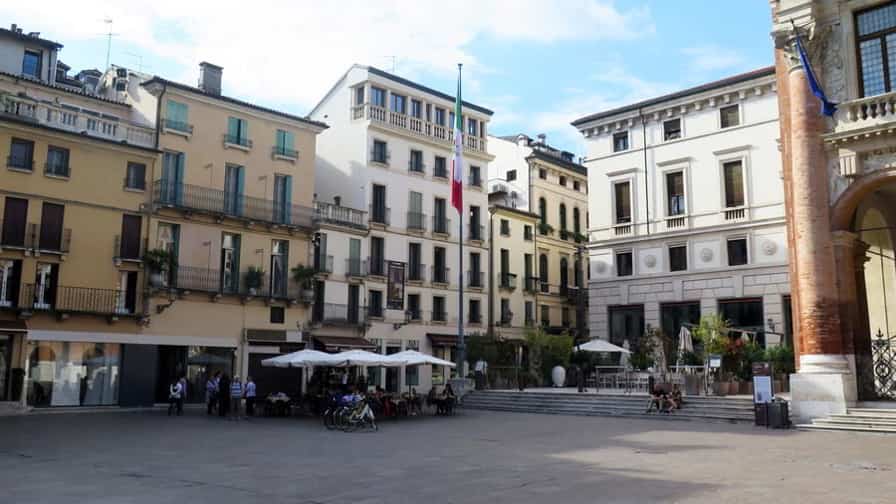
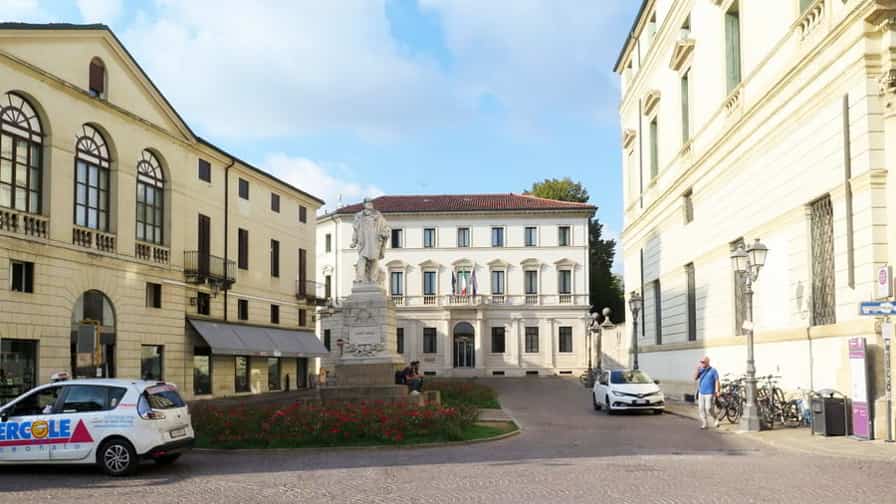
Piazza dei Signori, 36100 Vicenza, Italy (October 2018)
Vicenza
Vicenza is a city in the Veneto region of northern Italy, celebrated for its rich architectural heritage, Renaissance artistry, and vibrant cultural life. Nestled between the Venetian plains and the foothills of the Alps, Vicenza has earned recognition as a UNESCO World Heritage Site, largely due to the extraordinary legacy of the architect Andrea Palladio. Its elegant streets, historic piazzas, and refined palaces reveal a city where art, history, and daily life coexist seamlessly, offering visitors an immersive experience in Italian culture.
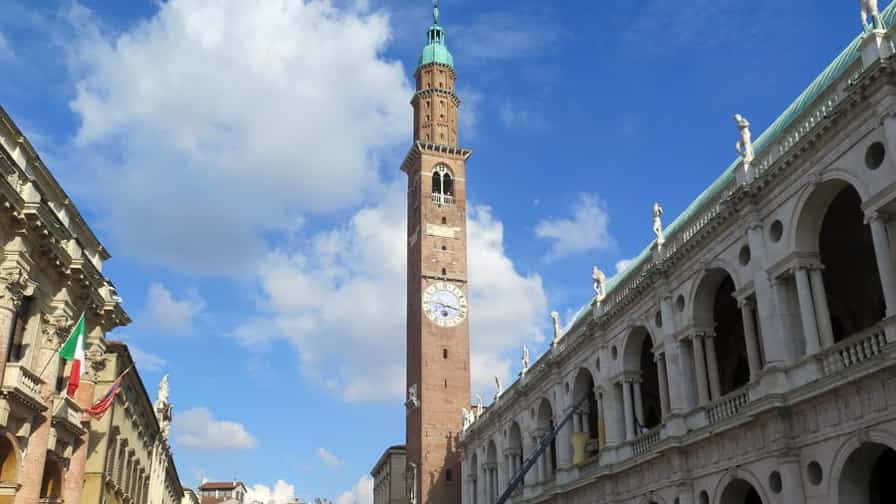
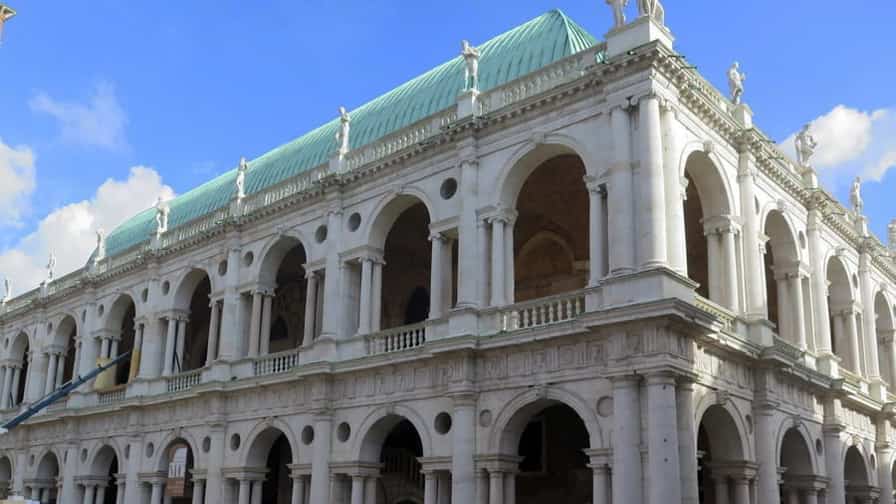
The city’s history stretches back to Roman times, when it was known as Vicetia, and many remnants of this period remain, including amphitheatres, roads, and fortifications. Over the centuries, Vicenza grew in importance as a trading and cultural centre, flourishing under the influence of Venetian rule and local nobility. Its historical heart is cantered around Piazza dei Signori, an expansive square lined with stunning palaces, arcades, and the Basilica Palladiana, one of Palladio’s masterpieces. The Basilica, with its harmonious loggias and elegant marble façades, exemplifies the Palladian principles of balance, proportion, and classical beauty that would influence European architecture for centuries.
Vicenza is often referred to as the “City of Palladio” because of the extraordinary number of buildings he designed here, including villas, theatres, and private palazzi. These structures, such as Villa Rotonda and Teatro Olimpico, showcase his innovative approach to classical architecture and his ability to integrate buildings with their natural surroundings. The Teatro Olimpico, completed in 1585, remains a remarkable achievement, featuring one of the earliest permanent indoor theatres in Europe with intricate stage sets and trompe-l’œil perspective scenery.
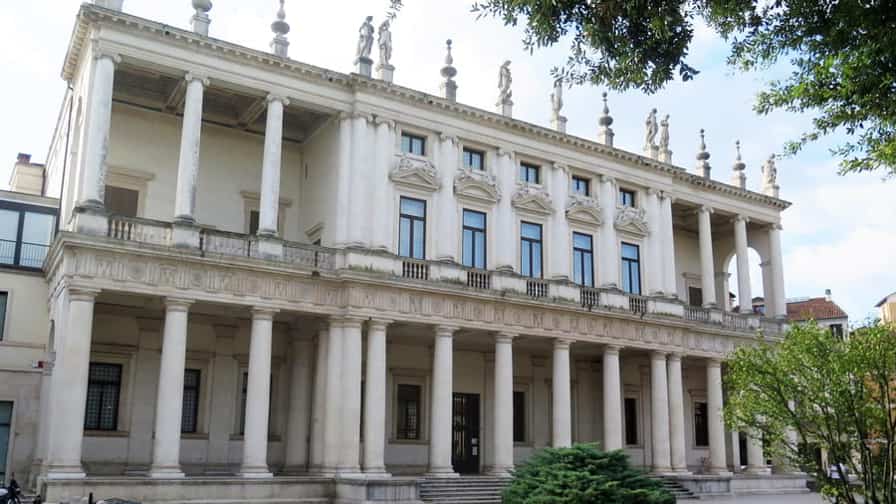
Beyond its architectural fame, Vicenza offers a lively cultural scene and vibrant daily life. Narrow streets, bustling markets, and cafés fill the city with a dynamic energy, while museums and galleries, including the Museo Civico and Palazzo Chiericati, preserve and exhibit works of art spanning centuries. Festivals, concerts, and exhibitions throughout the year celebrate local traditions, contemporary culture, and the city’s ongoing creative vitality.
Vicenza is also a city of commerce and craftsmanship. It has long been a centre for goldsmithing and jewellery production, with its artisans contributing to both local and international markets. The city’s economy is complemented by thriving shops, boutiques, and open-air markets, offering visitors a taste of Venetian-inspired luxury alongside everyday Italian culture.
The surrounding countryside adds another layer of charm to Vicenza. Rolling hills, vineyards, and Palladian villas dot the landscape, offering opportunities for scenic drives, hiking, and exploration beyond the city limits. This combination of historical richness, architectural innovation, cultural vibrancy, and natural beauty makes Vicenza a destination that rewards careful exploration.
With its harmonious blend of Renaissance elegance, artistic legacy, and modern vitality, Vicenza offers a distinctive Italian experience. From the grandeur of Palladio’s villas to the lively streets and piazzas, the city embodies the cultural sophistication, historical depth, and enduring charm that define the Veneto region, making it an essential destination for travellers seeking both beauty and insight into Italy’s architectural and cultural heritage.
Worth a Visit
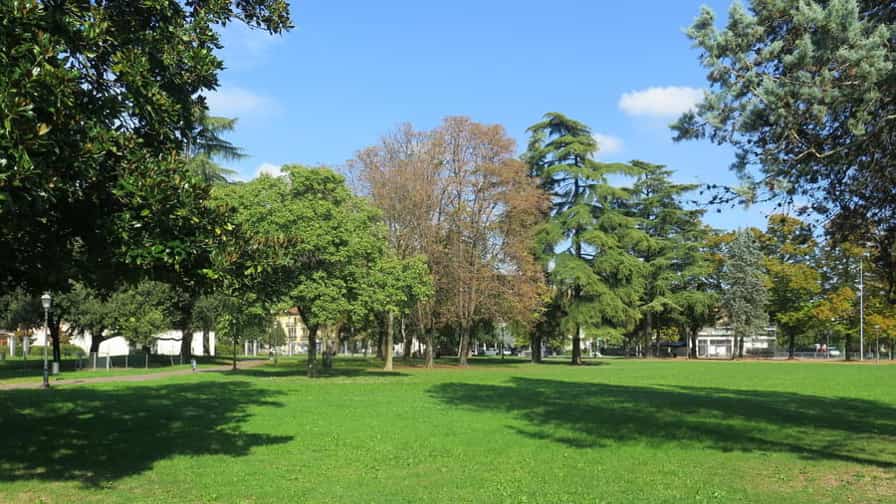
Campo Marzo is one of the largest and most historic public parks in Vicenza, Italy. Located just a short walk from the city’s main train station and close to the historic center, it has long served as both a green space and a gathering point for locals and visitors. Its origins date back to Roman times, when it was used as a military training ground, hence the name “Campo Marzo,” or “Field of Mars.” Over the centuries, it has been redesigned and reshaped into a wide, tree-lined park that offers pathways for walking, cycling, and leisure. Today, the park is a place where people come to relax, exercise, and enjoy open-air events, from markets to concerts. While it has faced periods of decline, ongoing urban renewal projects aim to restore its role as a vibrant and safe cultural hub, blending history, nature, and community life.
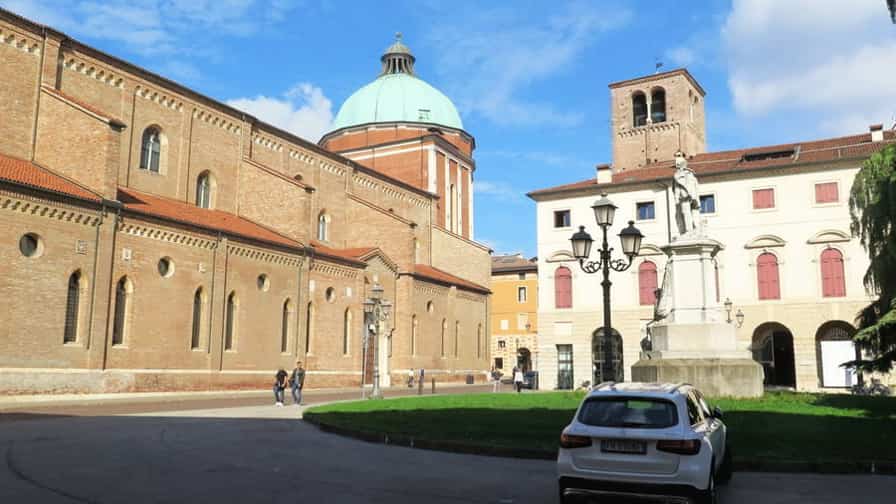
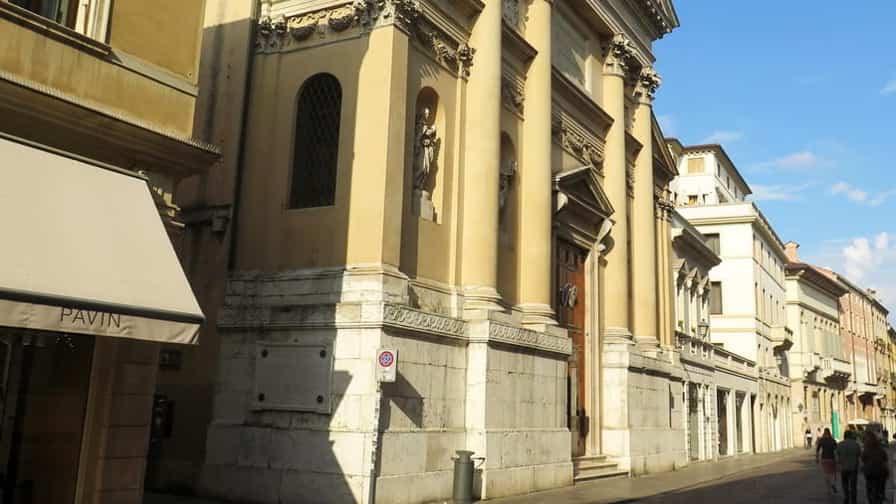
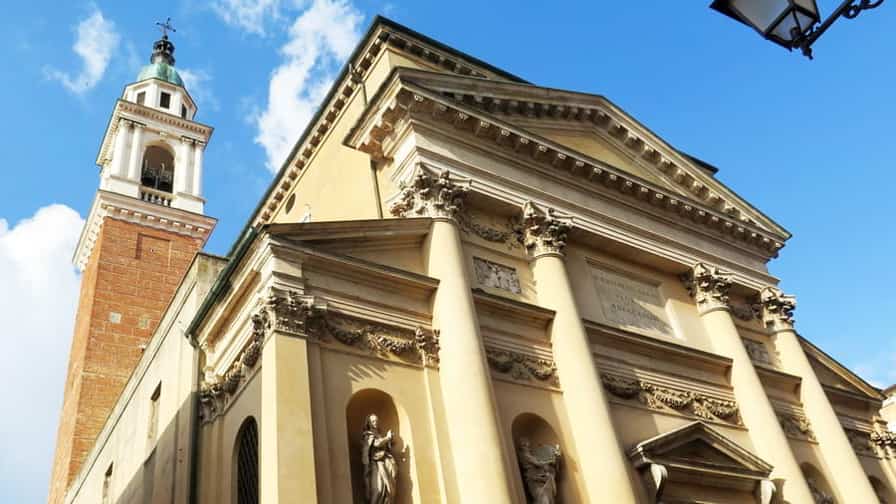
Piazza del Duomo is one of the most significant squares in Vicenza, Italy, known for its rich history and architectural charm. Situated in the heart of the city, it takes its name from the nearby Cathedral of Santa Maria Annunciata, often referred to simply as the Duomo. The square has been a central meeting place for centuries, reflecting Vicenza’s blend of medieval and Renaissance heritage. Surrounded by elegant palaces, shops, and cafés, it offers a welcoming atmosphere where daily life and tradition come together. The Duomo itself, with origins dating back to the 11th century and later modifications influenced by Andrea Palladio, dominates the square with its stately façade. Piazza del Duomo also hosts civic and religious events, making it both a cultural landmark and a social hub. Today, it remains a favourite spot for locals and visitors alike, combining history, spirituality, and community in the city’s vibrant core.
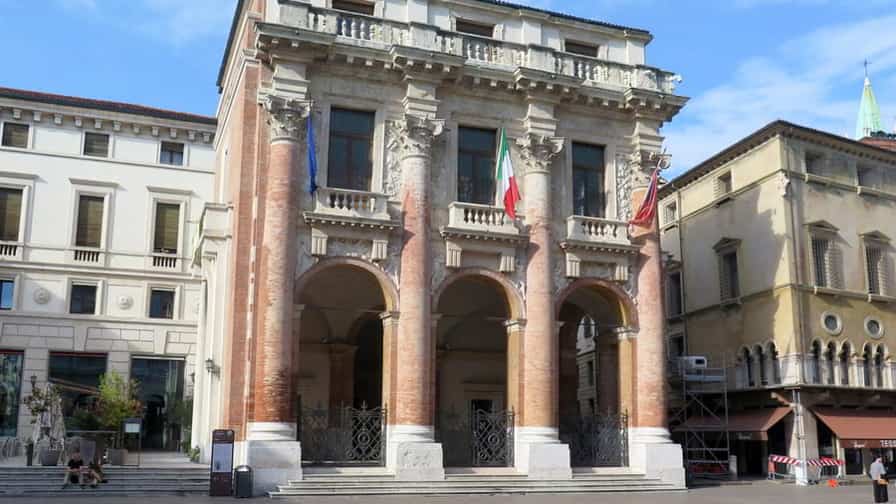
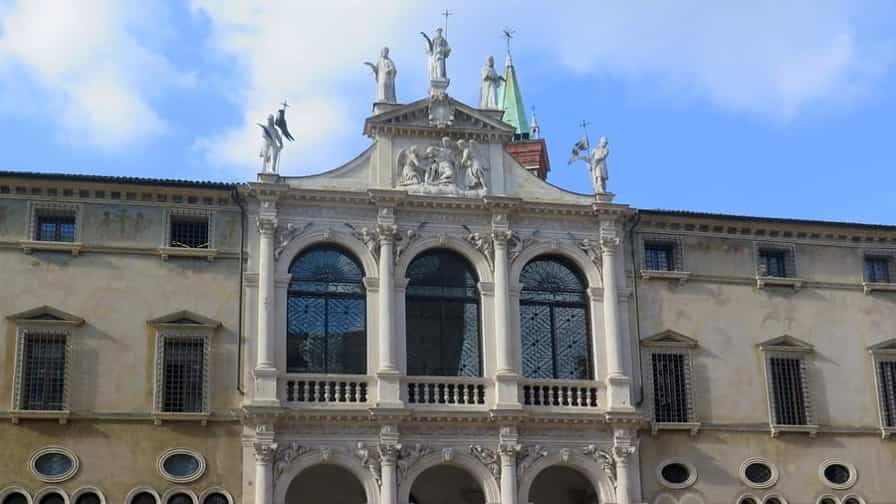
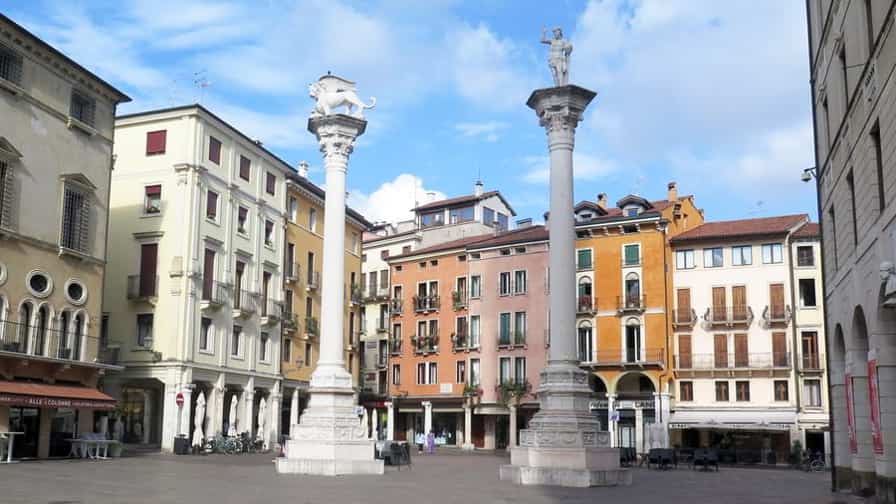
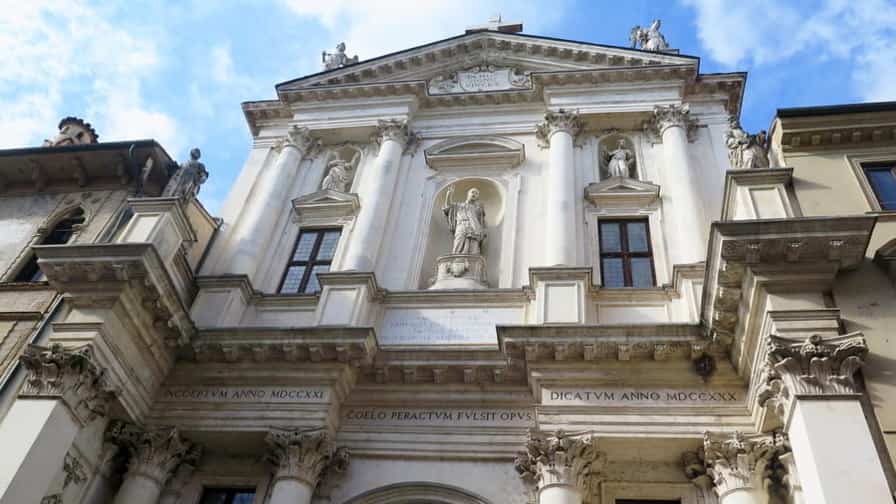
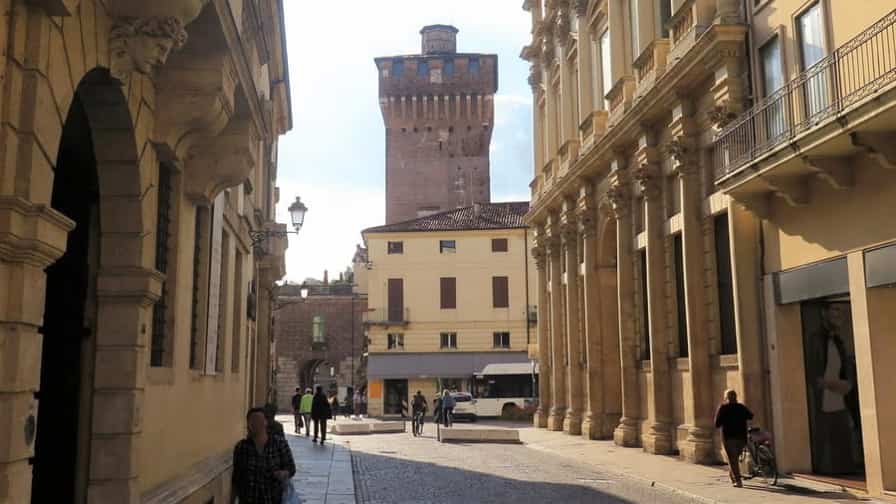
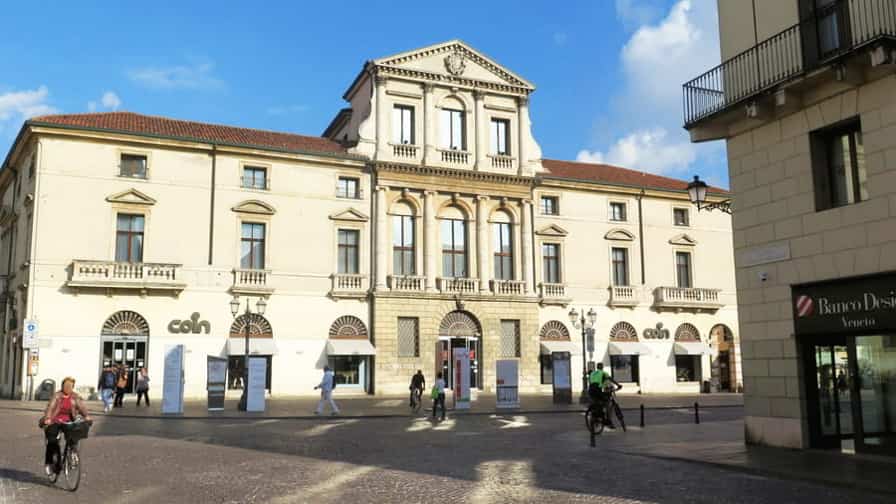
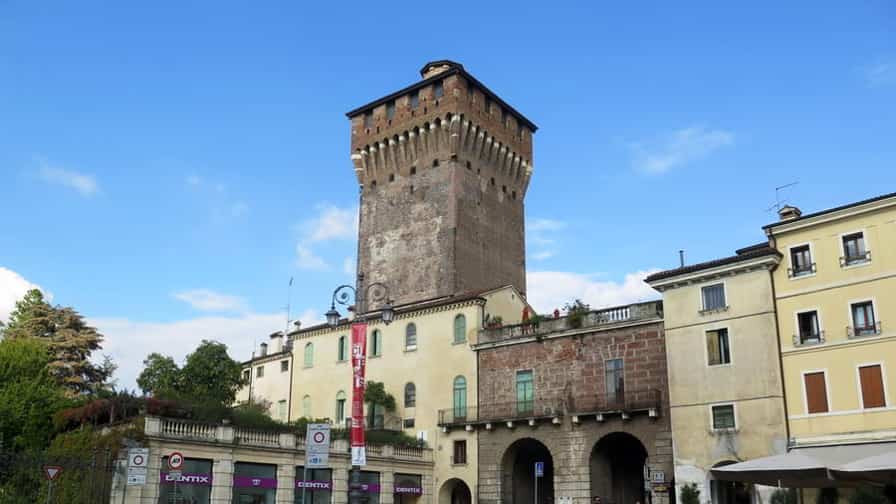
Piazza dei Signori is the beating heart of Vicenza’s historic centre, a rectangular square that has served since ancient times as political, commercial, and social hub. Originating as the Roman forum, later known in the Middle Ages as the Peronio, it evolved into the centre for markets, civic institutions and public life. Dominating one long side of the square is the Basilica Palladiana, with its graceful loggias by Andrea Palladio, alongside the soaring Torre Bissara. Opposite stand the Loggia del Capitaniato (also by Palladio), the Palazzo del Monte di Pietà, including the Church of San Vincenzo, and the two symbolic columns, one carrying the Lion of St. Mark, the other Christ the Redeemer. Over centuries, from Venetian rule to modern times, Piazza dei Signori has preserved its importance as a place of gatherings, commerce, architecture, and cultural events, remaining Vicenza’s “salotto”, its living room.
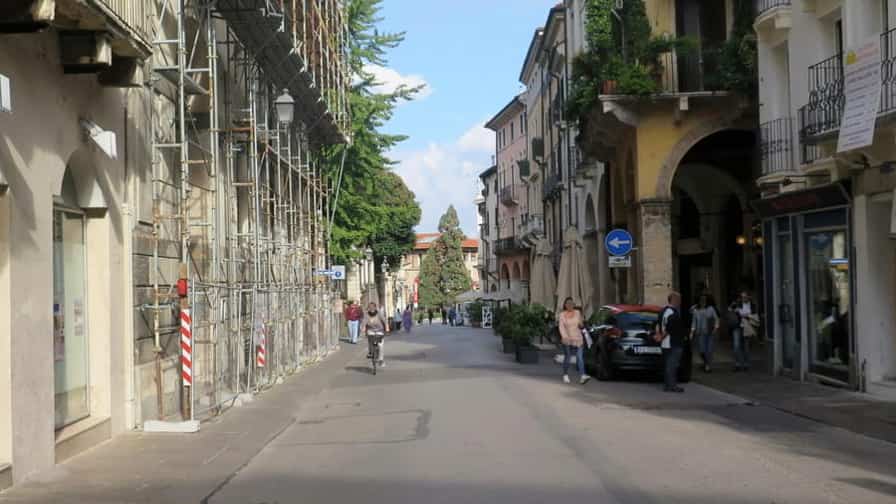
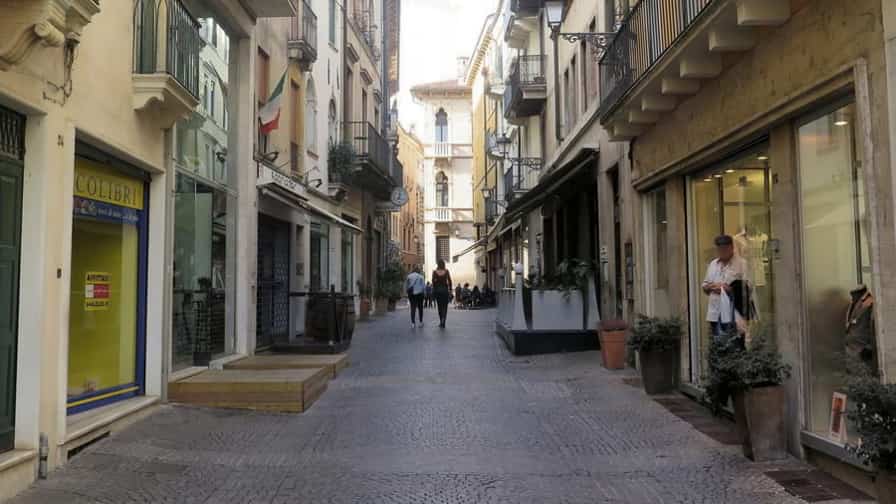
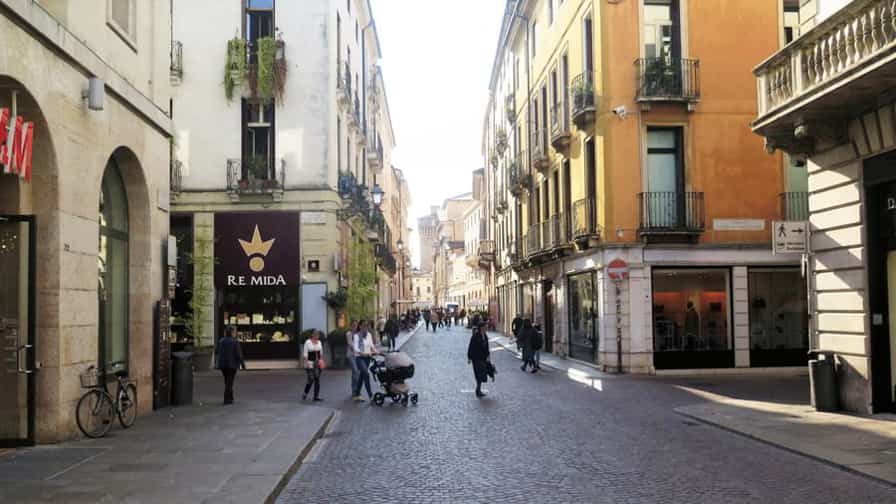
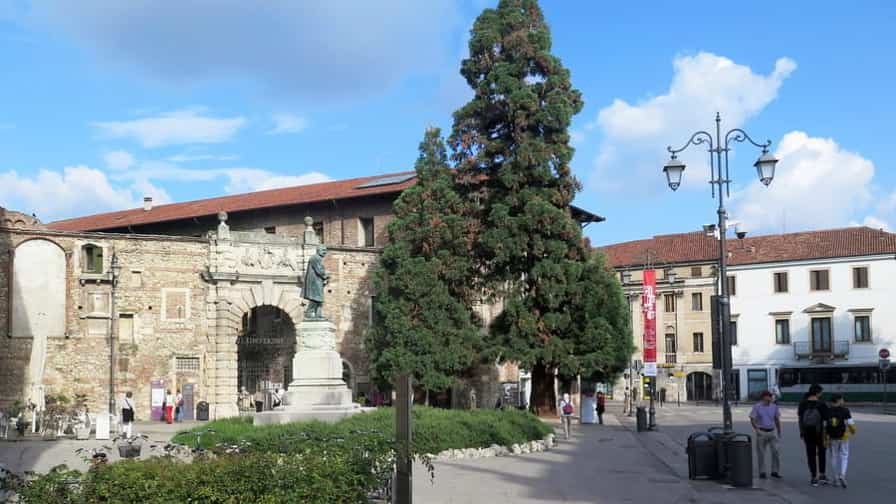
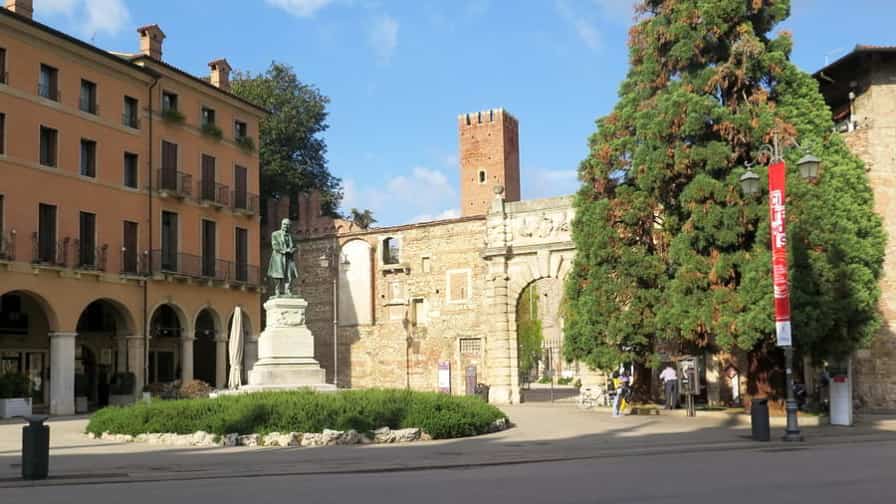
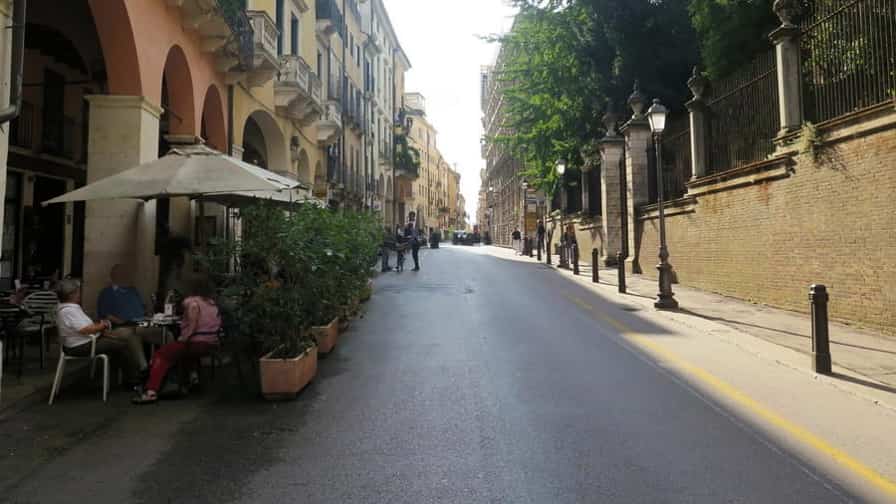
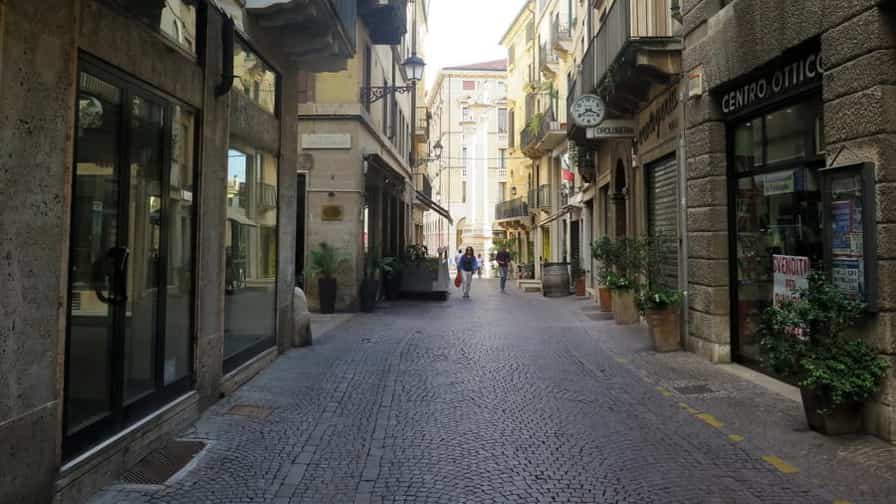
Corso Andrea Palladio is the main street of Vicenza, Italy, and one of its most elegant and lively thoroughfares. Stretching through the historic centre, it is named after the renowned Renaissance architect Andrea Palladio, whose influence is deeply felt throughout the city. The street is lined with palaces, churches, and historic buildings that showcase centuries of architectural evolution, many reflecting Palladian style or inspired by his designs. Corso Palladio has long been a focal point of social and commercial life, bustling with shops, cafés, and boutiques that attract both locals and visitors. Walking along the avenue offers a journey through Vicenza’s past, from medieval structures to refined Renaissance façades. It also connects several key squares and landmarks, making it a natural starting point for exploring the city. Today, Corso Andrea Palladio remains the vibrant spine of Vicenza, blending history, culture, and daily life in a timeless atmosphere.
Photo Gallery of Walk 1 – Viale Milano to Piazzetta Andrea Palladio
Approximately 2.29 km – 1.42 miles
Description of Walk 1
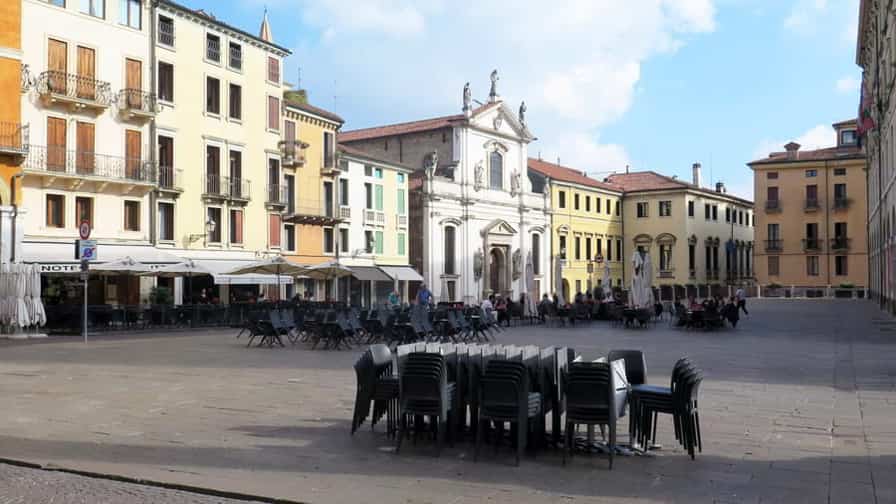
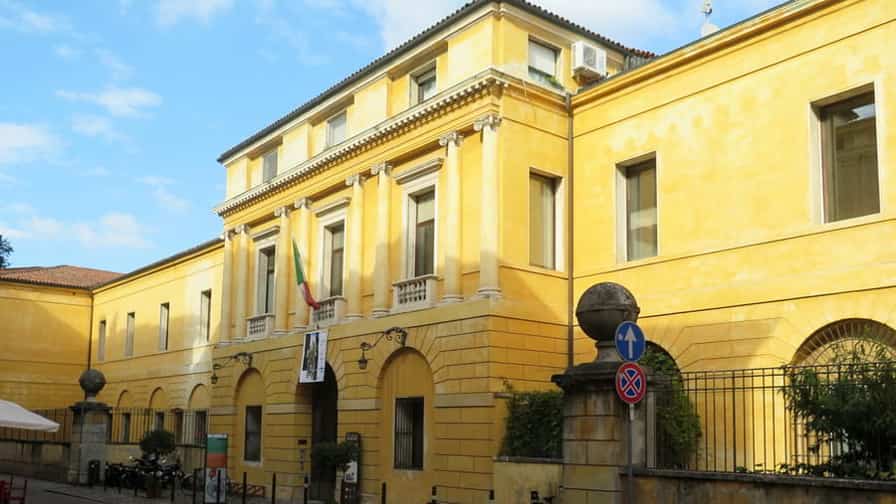
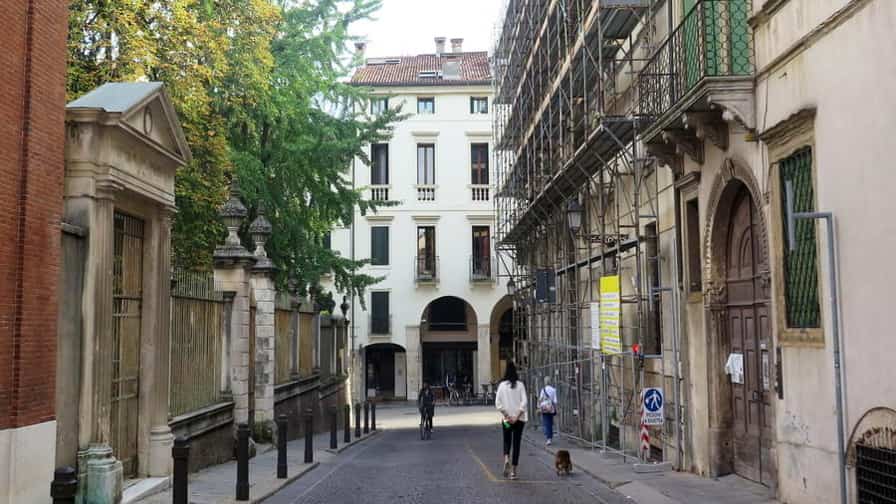
This walk explores the historic centre of Vicenza, known for its refined architecture and Renaissance heritage. Beginning in Piazza Broilo, the route passes through narrow lanes such as Vicolo Broilo and Vicolo Accoliti, offering a quiet introduction to the city’s character. It then follows Via Pietà Vecchia toward Piazza Duomo, home to Vicenza Cathedral, an important religious landmark. Continuing along Via Duomo and Via Abramo Massalongo, the walk moves through elegant streets lined with historic buildings before reaching Piazza Santa Anastasia. The route then heads toward the civic heart at Piazza dei Signori, dominated by landmarks such as the Basilica Palladiana and the Palazzo del Capitano. Finally, the walk ends at Piazza delle Erbe, a lively square reflecting Vicenza’s blend of history, daily life, and architectural beauty.
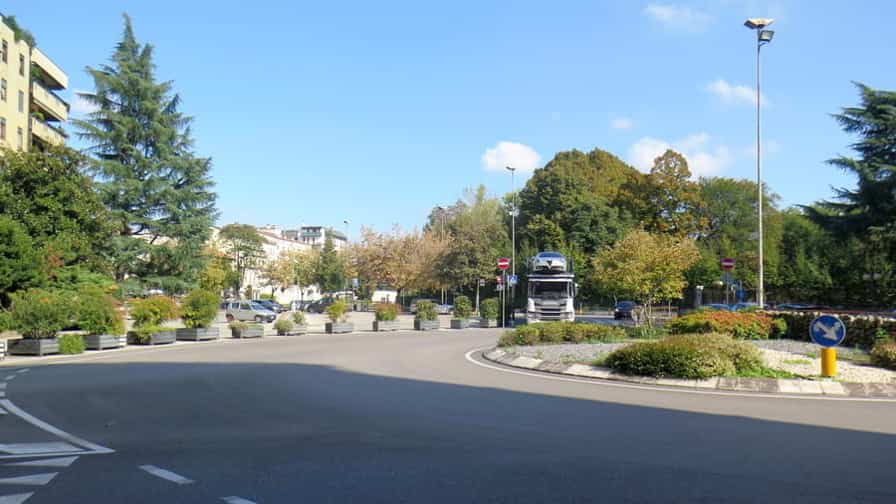
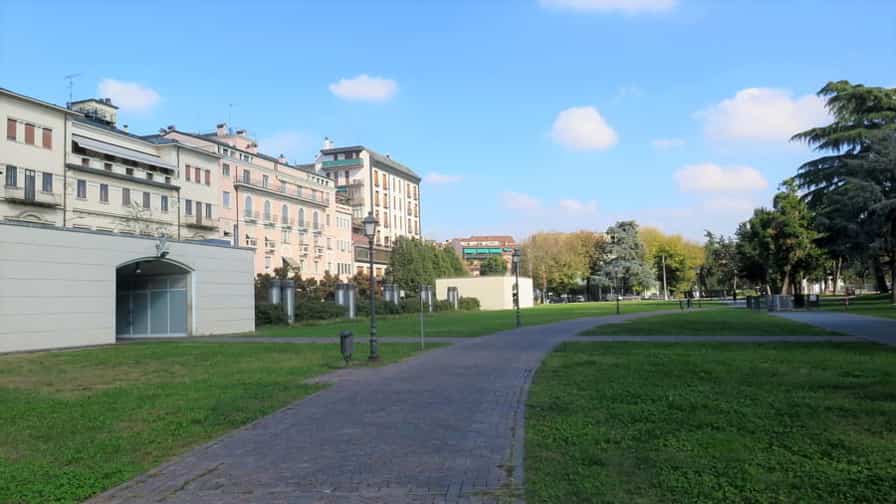
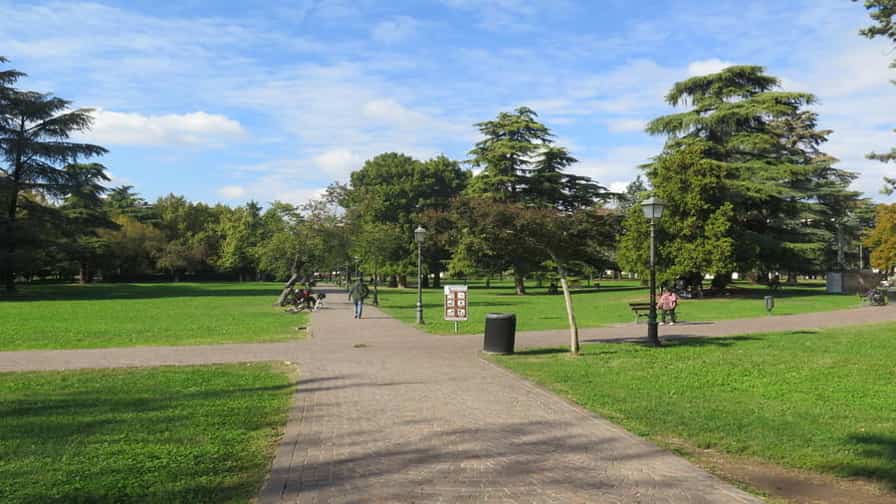
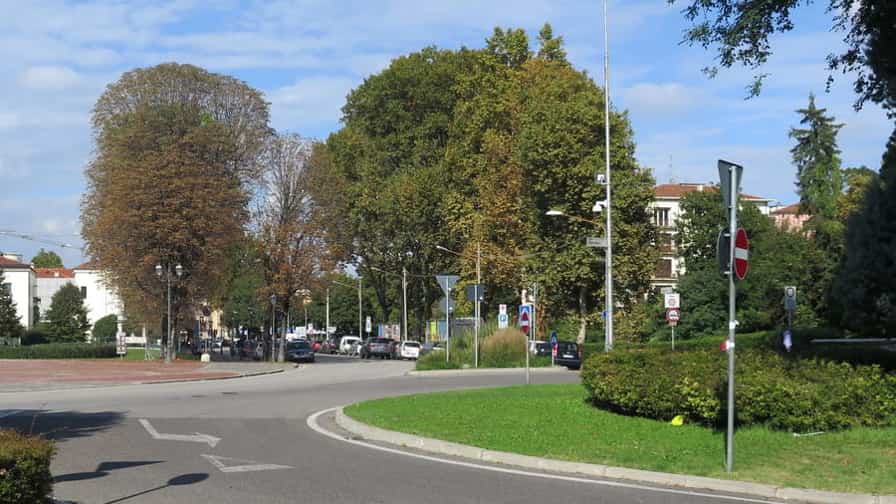
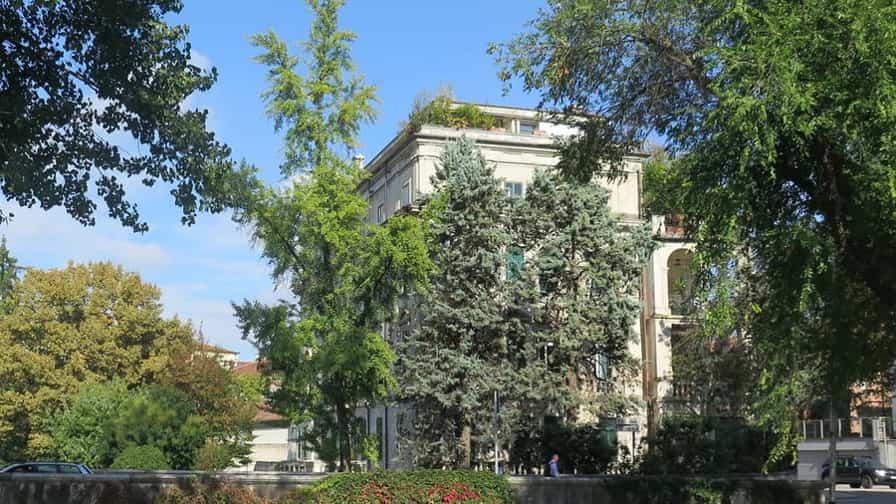
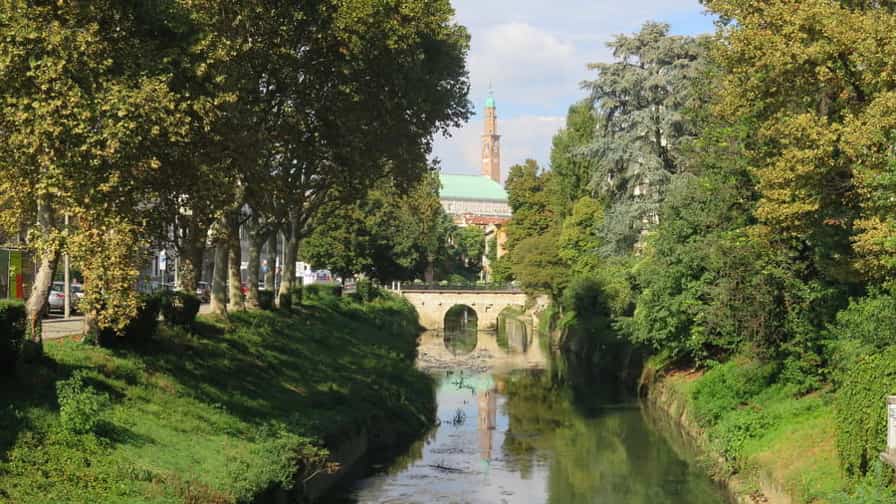
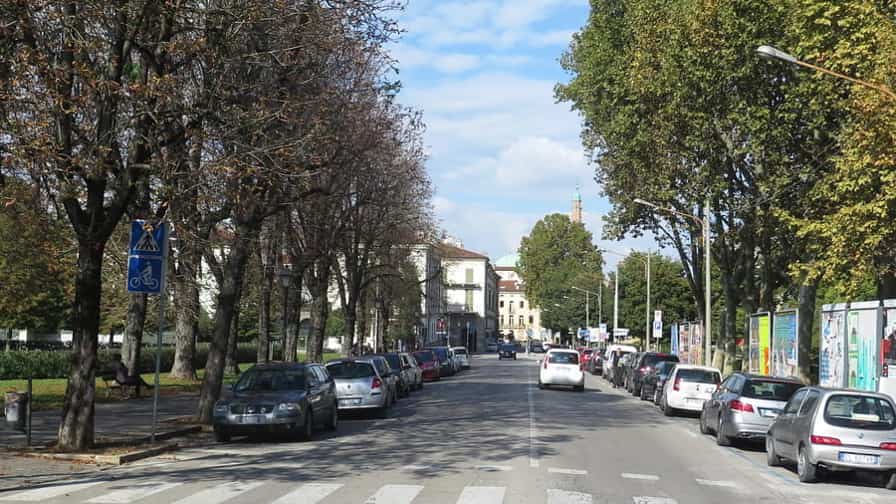
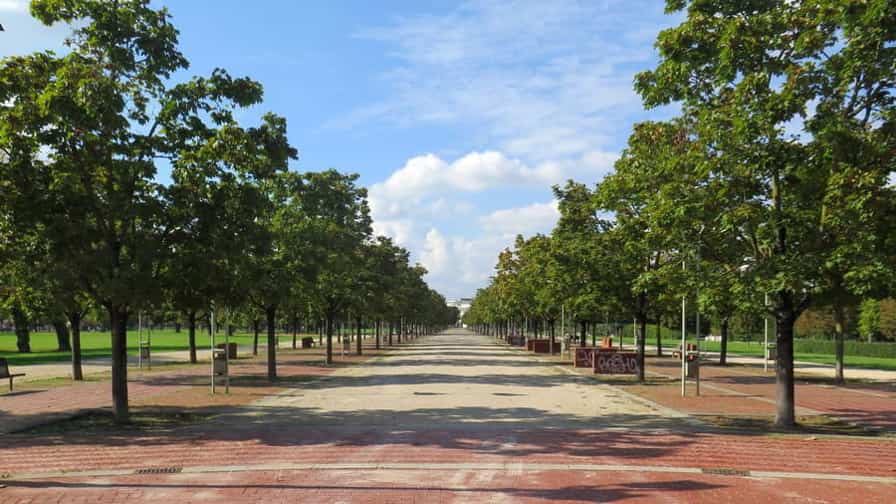
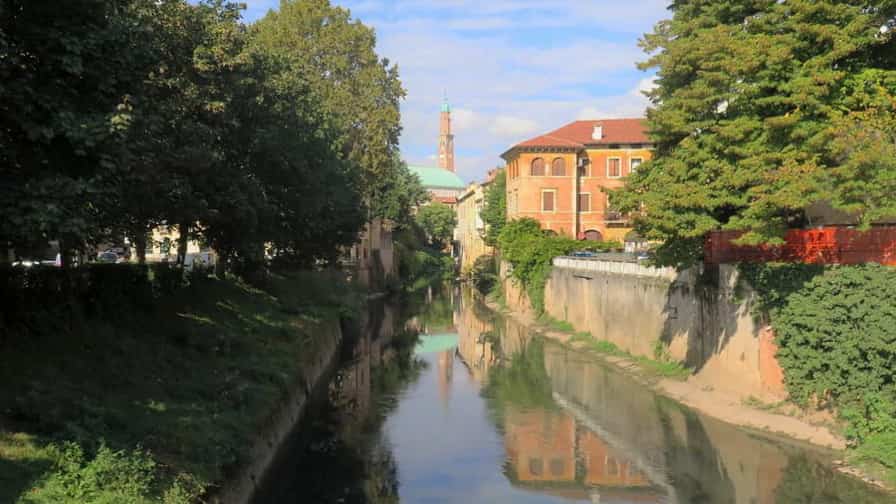
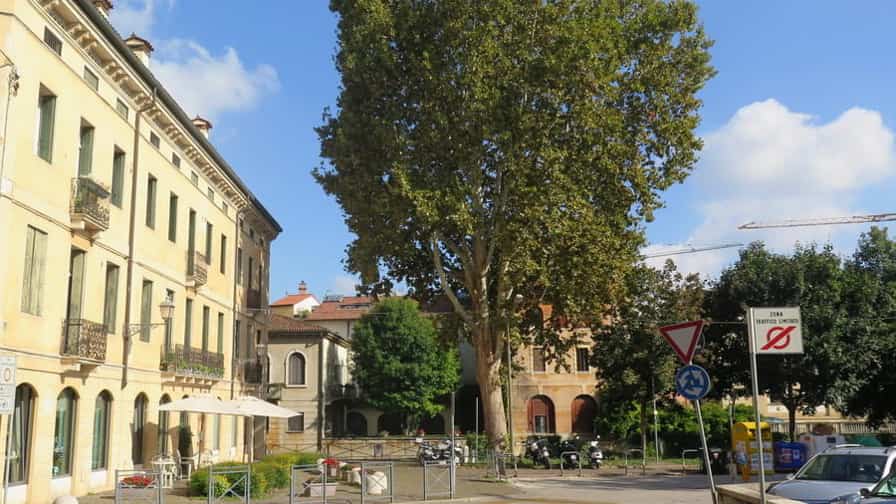
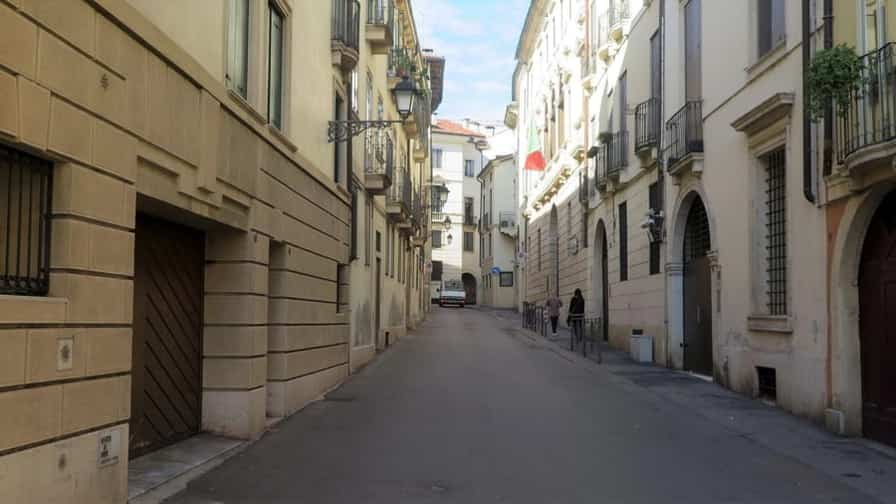
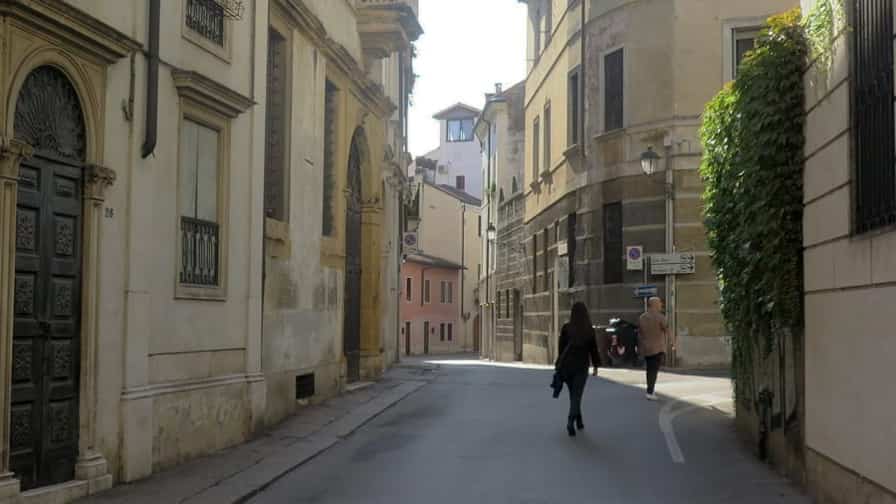
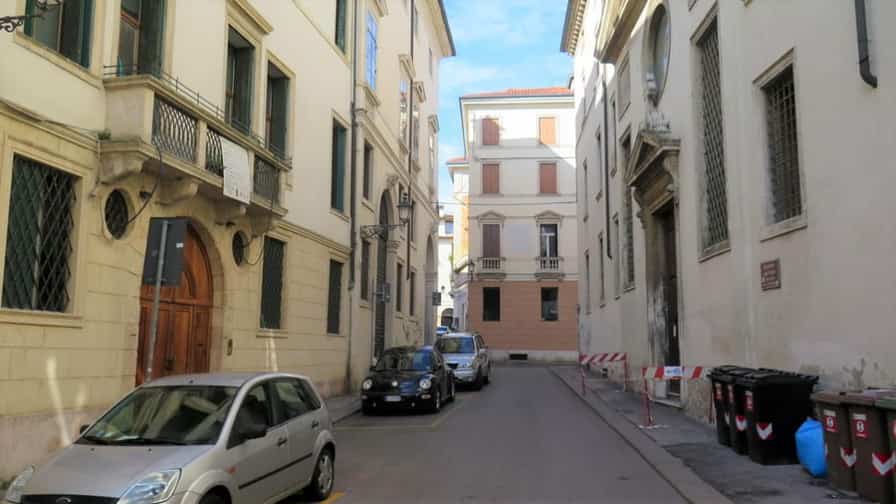
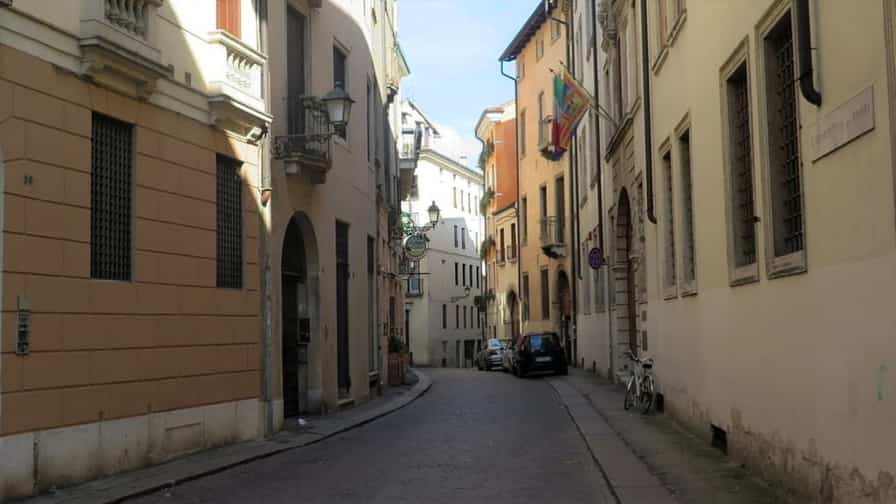
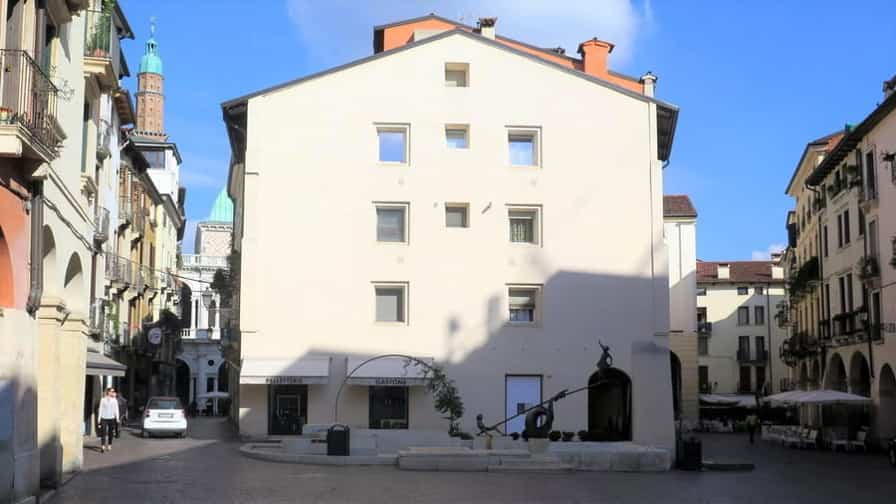
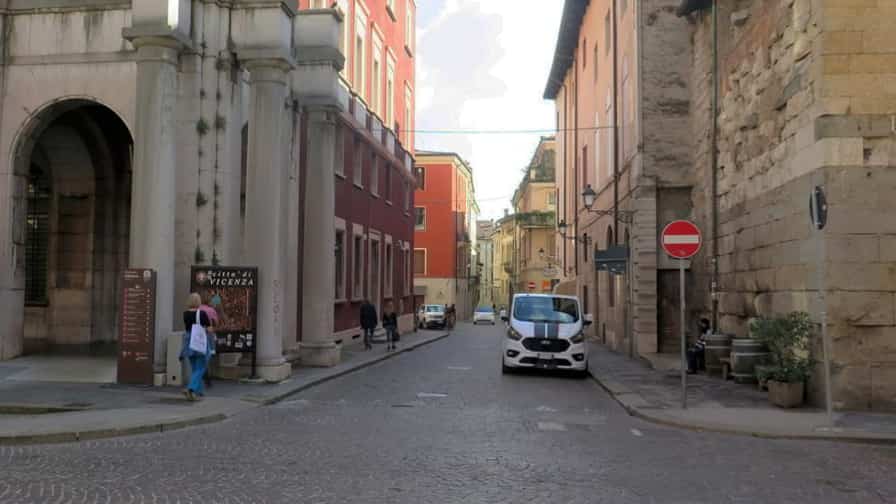
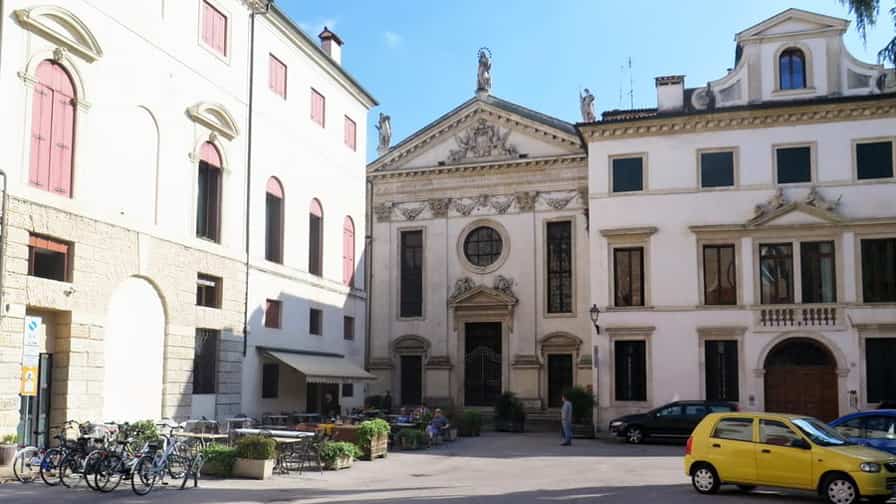
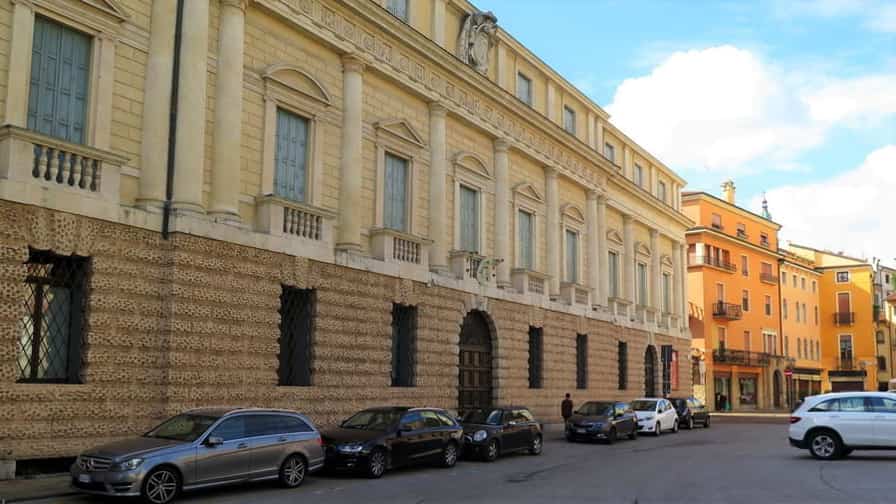
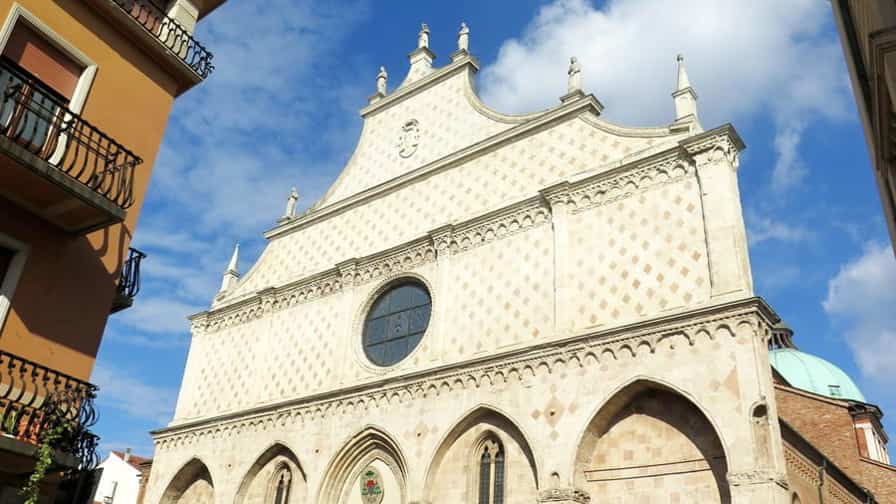
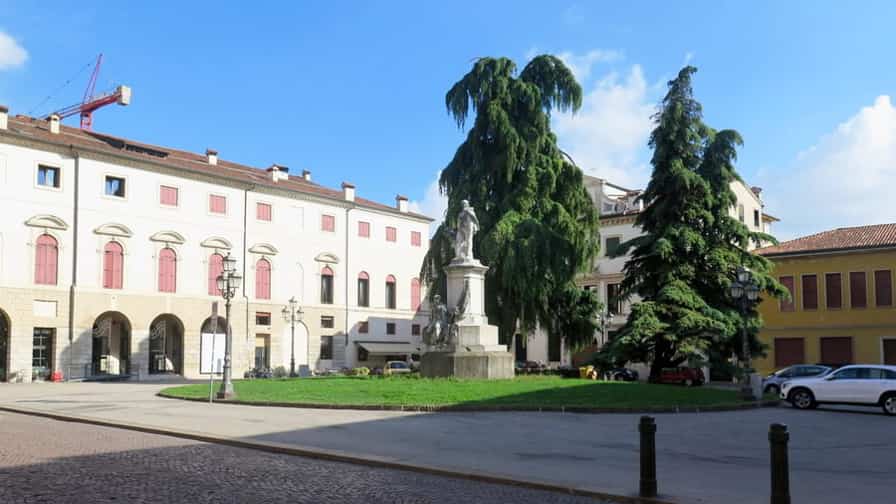
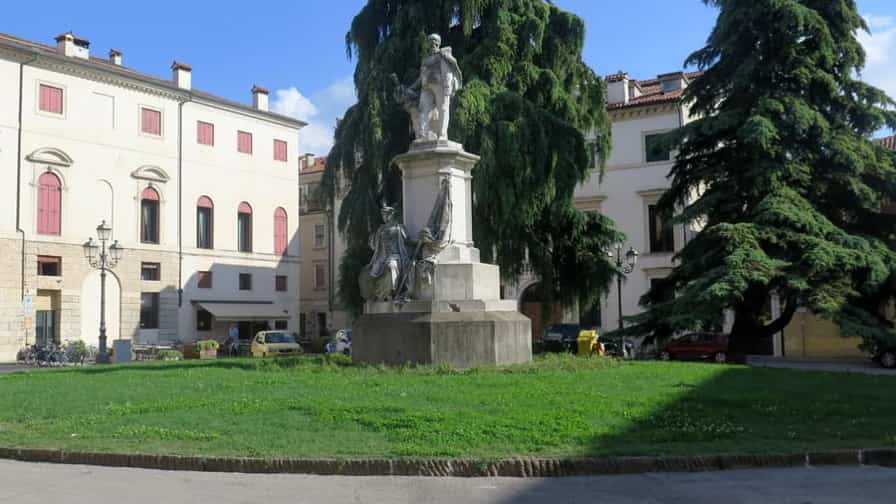
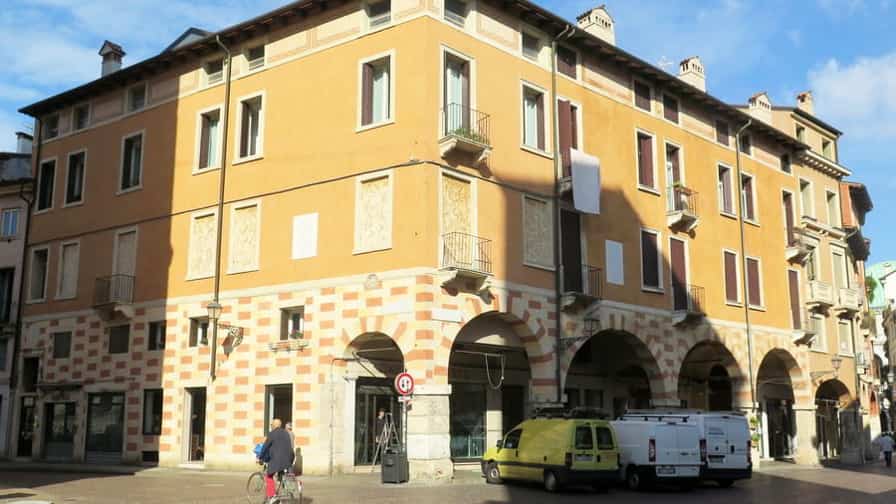
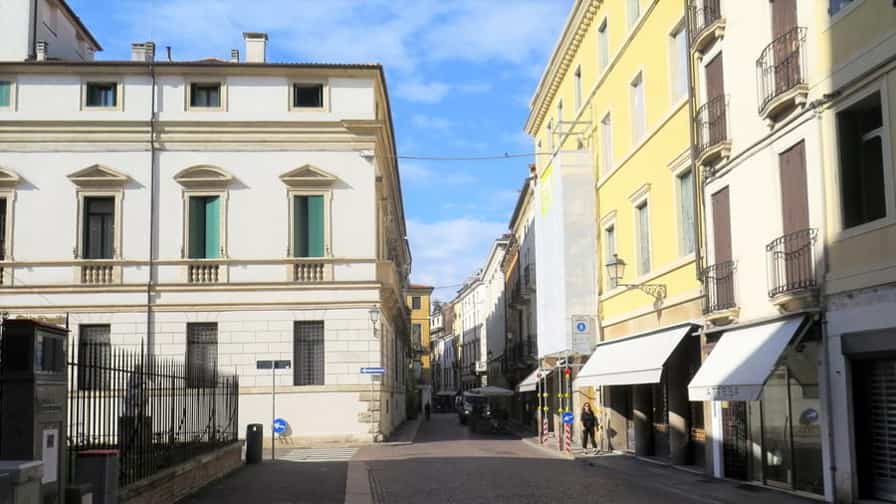
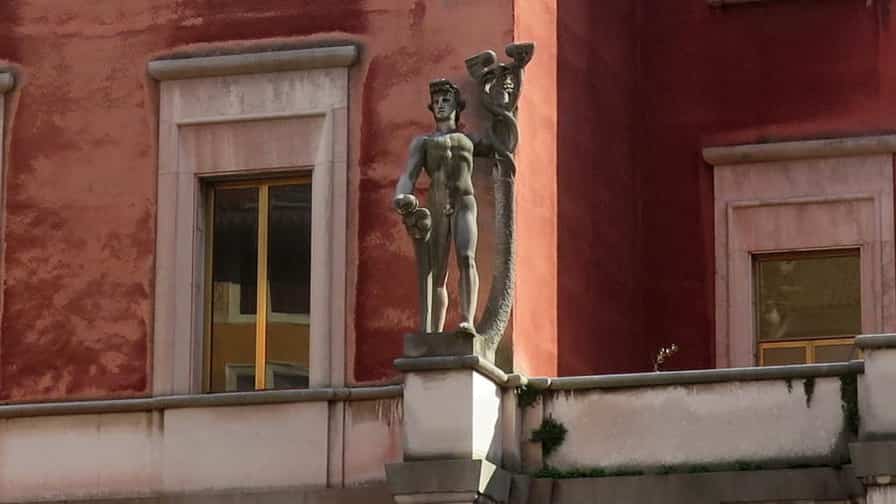
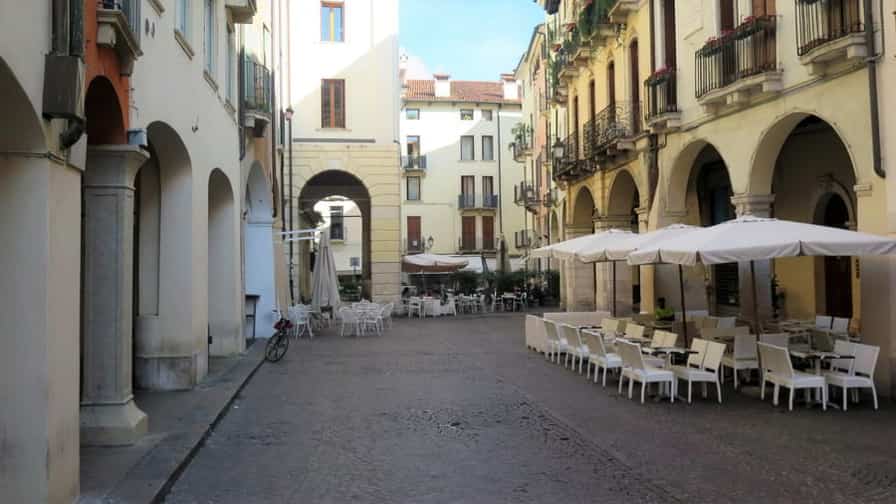
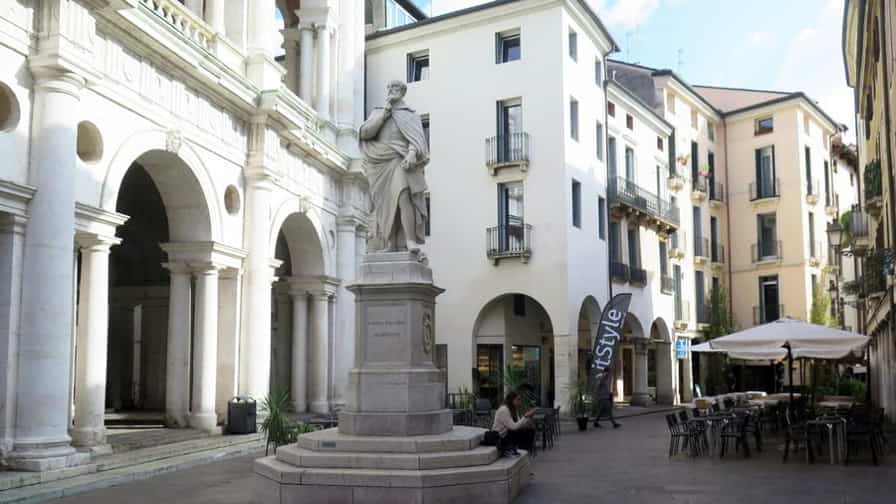
Photo Gallery of Walk 2 – Piazza dei Signori to Corso Andrea Palladio
Approximately 1.48 km – 0.92 miles
Description of Walk 2
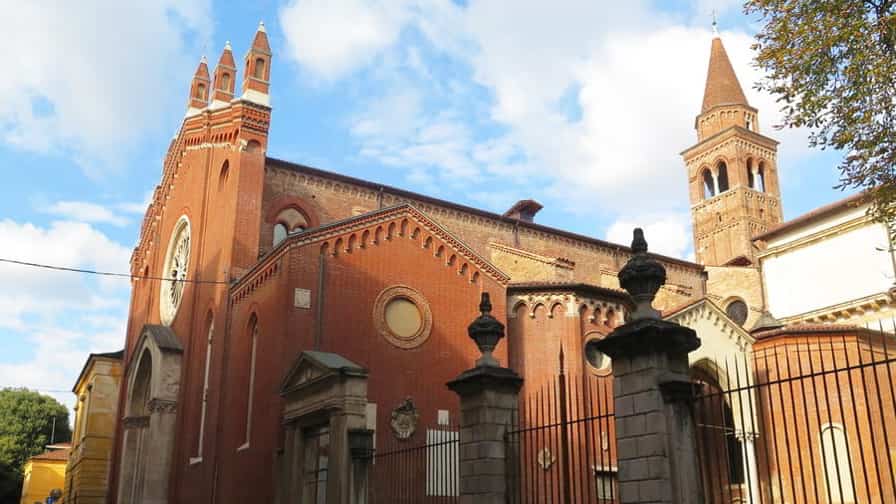
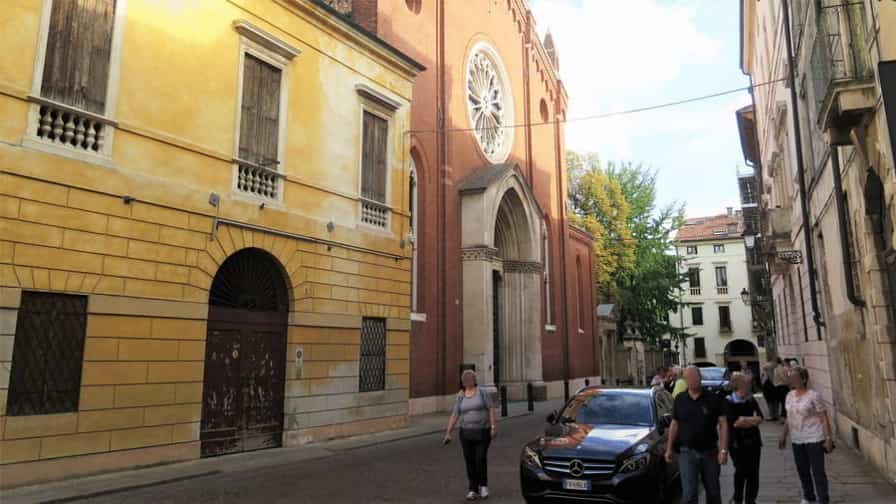
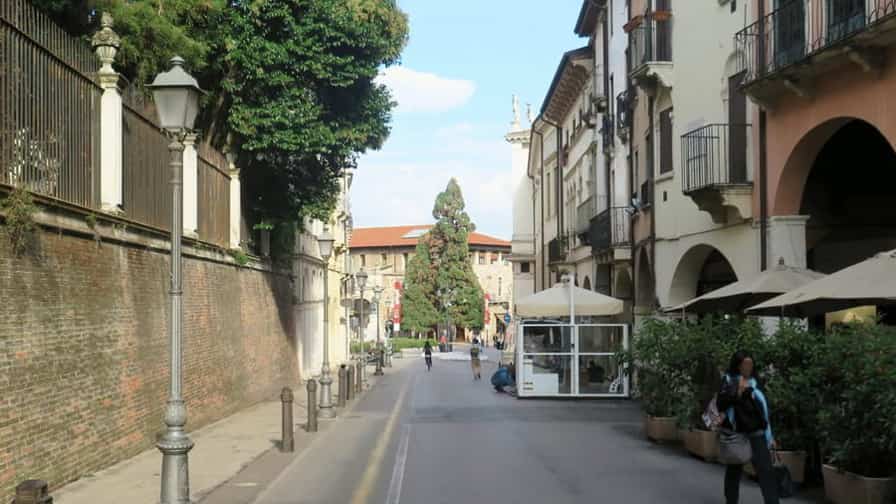
This walk explores the elegant historic centre of Vicenza, renowned for its Renaissance architecture shaped by Andrea Palladio. Beginning in Piazza dei Signori, the city’s main square, the route passes through Piazza della Biade and along Contrà Daniele Manin, surrounded by historic buildings and lively cafés. The walk continues onto Corso Andrea Palladio, the city’s principal street, lined with elegant palaces and shops that reflect its refined character. A short detour along Contrà Santa Corona leads to the area near the Church of Santa Corona, known for its artistic heritage. Returning to Corso Andrea Palladio, the route heads toward Piazza Matteotti, a quieter space near the river and cultural landmarks such as the Teatro Olimpico. The walk ends back along Corso Andrea Palladio, capturing Vicenza’s harmony of architecture, culture, and daily life.

COPYRIGHT © 2018-2026 ITALY IN PHOTOS - ALL RIGHTS RESERVED