
HOME
REGIONS OF ITALY
PLACES IN ITALY
PLAN YOUR TRIP
Italy in Photos
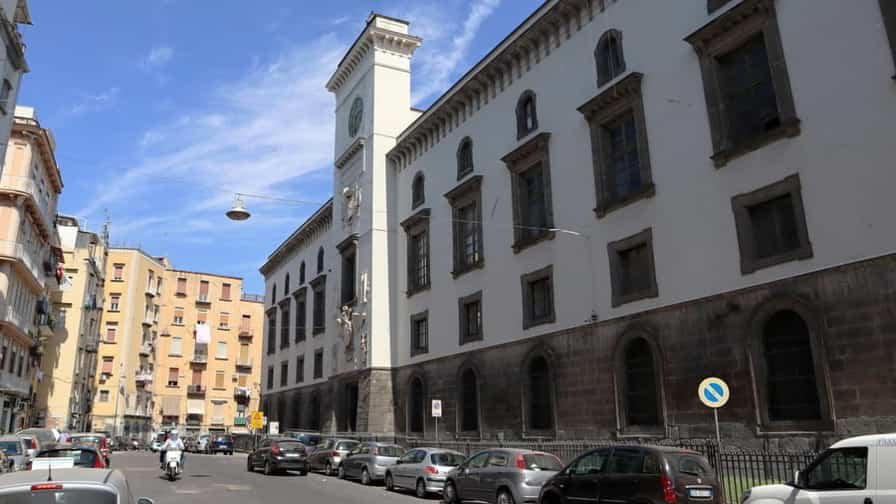
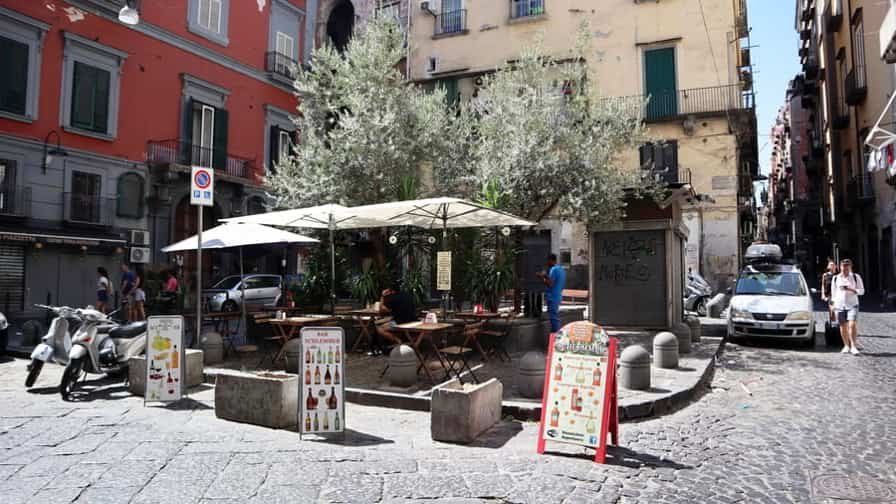
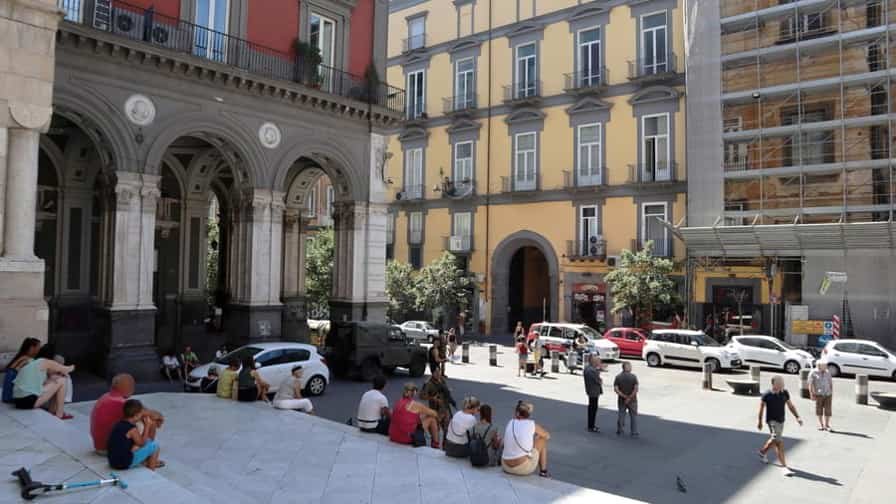
Piazza Trieste e Trento, 80132 Napoli, Italy (August 2019)
Naples
Delayed or cancelled flight?
Get up to £520!
You’ve got rights when your flight’s disrupted.
We enforce them and handle everything so you get paid
Naples, or Napoli as it is called in Italian, is a city of remarkable contrasts and profound depth, located in the Campania region along the southwestern coast of Italy. With its dramatic setting between the Bay of Naples and the slopes of Mount Vesuvius, Naples is a place where history, culture, and daily life collide in a way that is both vibrant and challenging to define. It is a city of layers, where ancient streets conceal centuries of stories, where bustling markets sit alongside monumental architecture, and where tradition continues to shape modern identity.
The origins of Naples extend back over two thousand years. The city was founded by Greek settlers in the first millennium before the Common Era and later became a major Roman centre. These ancient roots are visible in the urban fabric today, where Roman ruins coexist with medieval structures and Baroque palaces. Naples’ long history has made it a crossroads of civilizations, leaving behind a cultural richness that is unique in Italy. Archaeological sites, historic churches, and sprawling squares offer glimpses into the city’s diverse past and provide a tangible connection to the generations that have called Naples home.
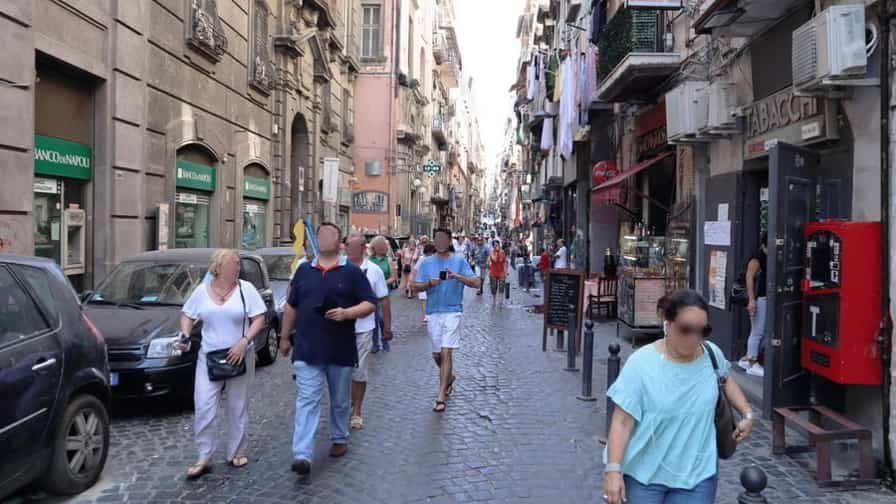
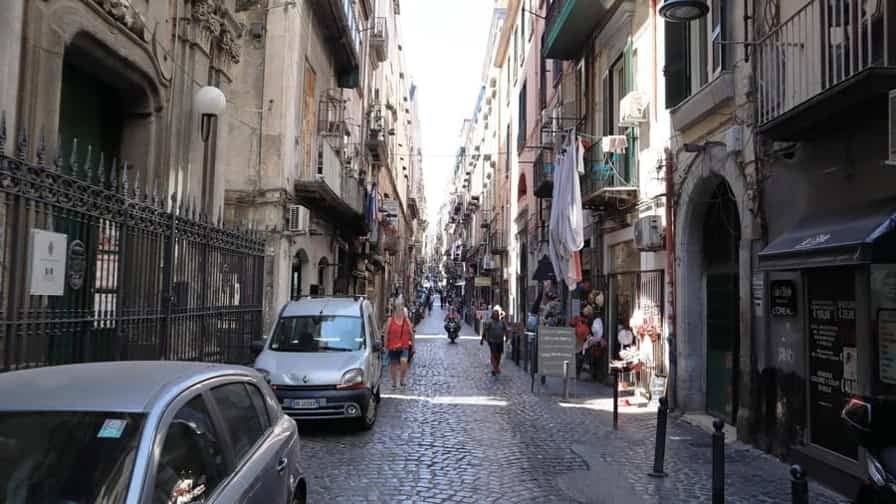
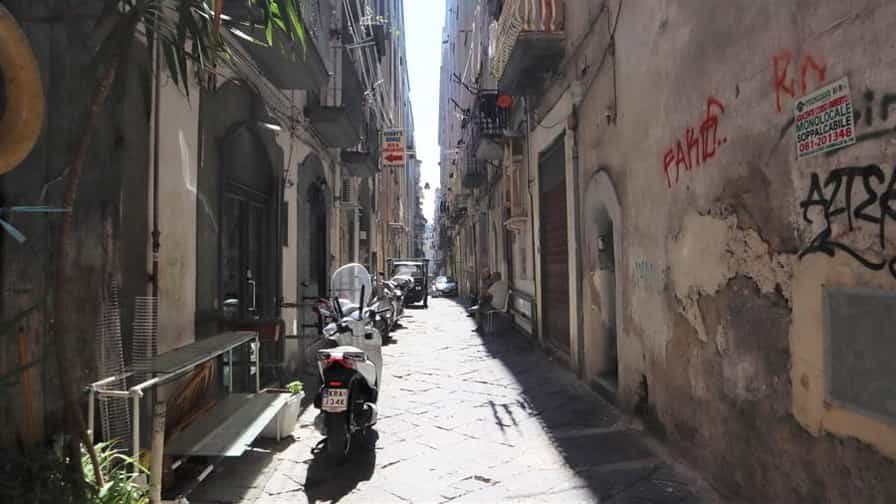
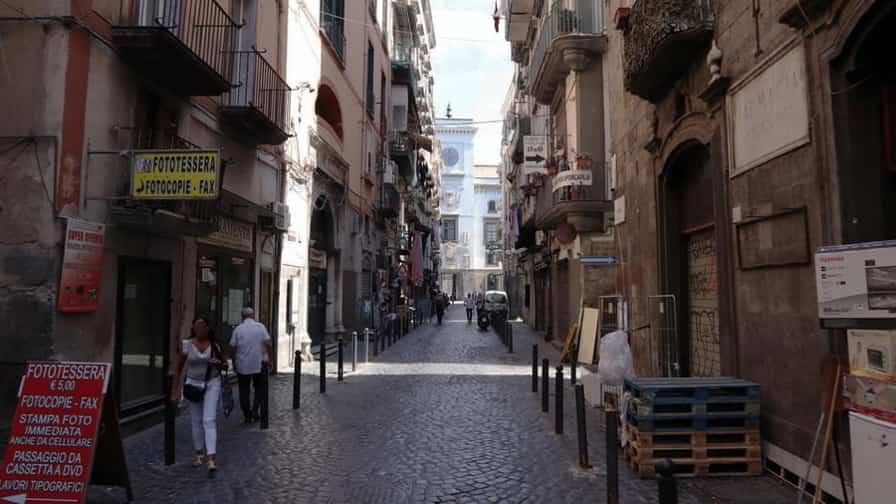
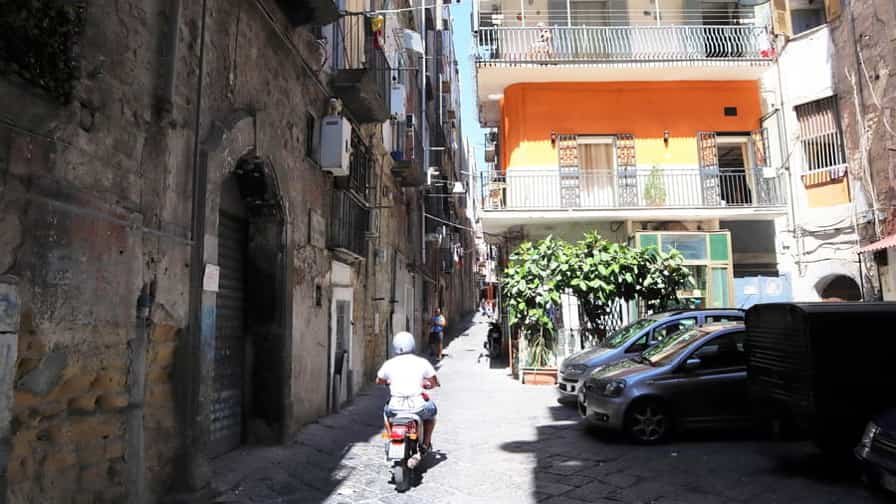
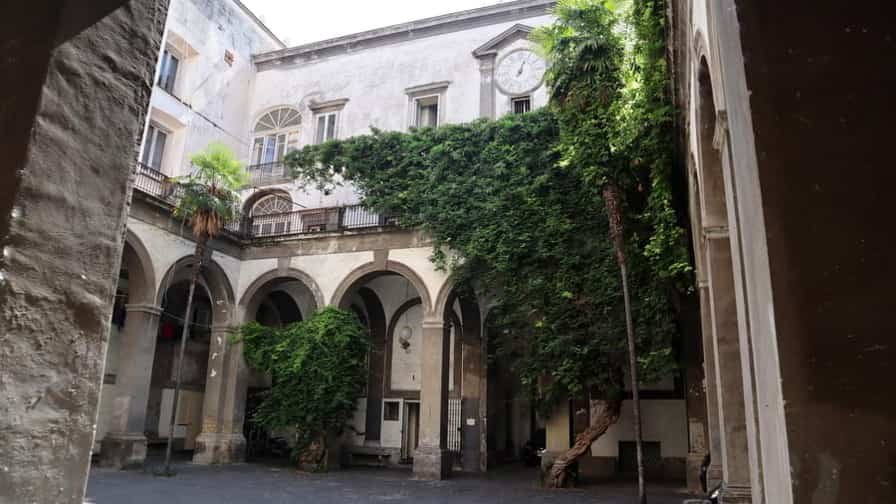
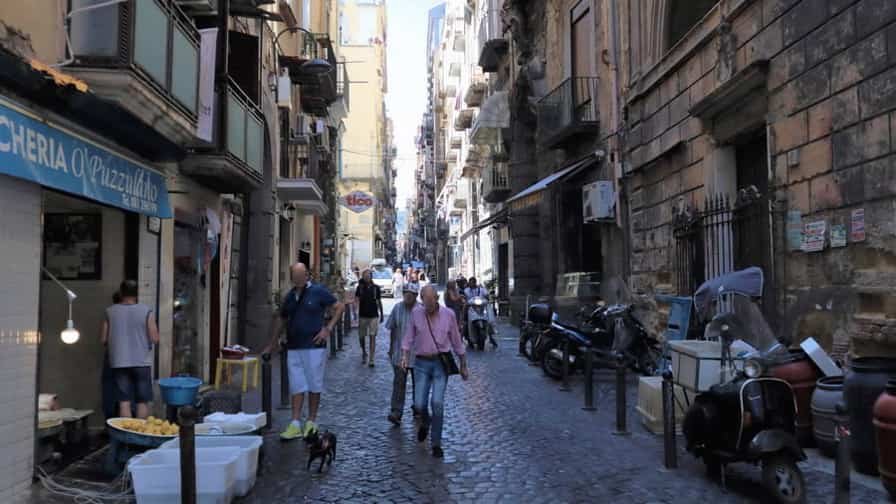
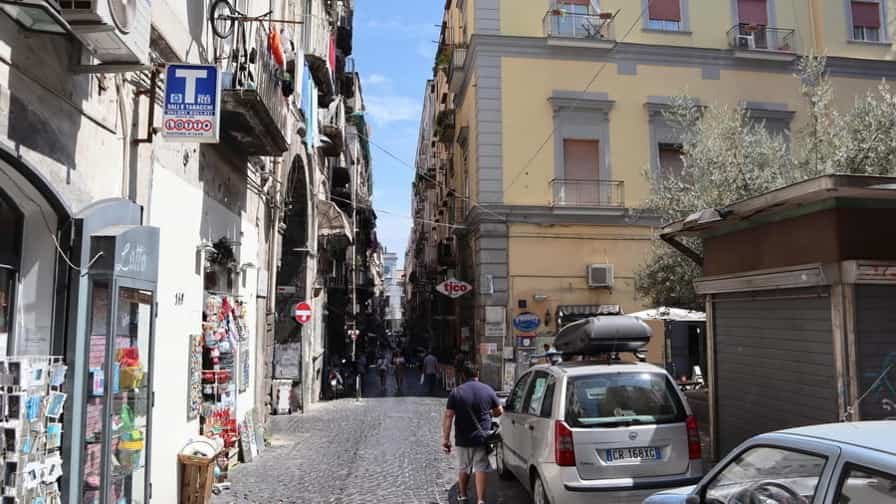
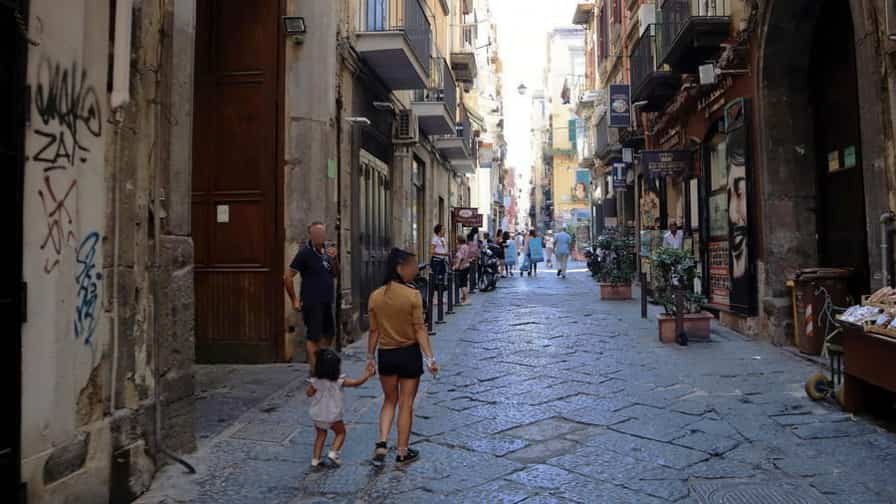
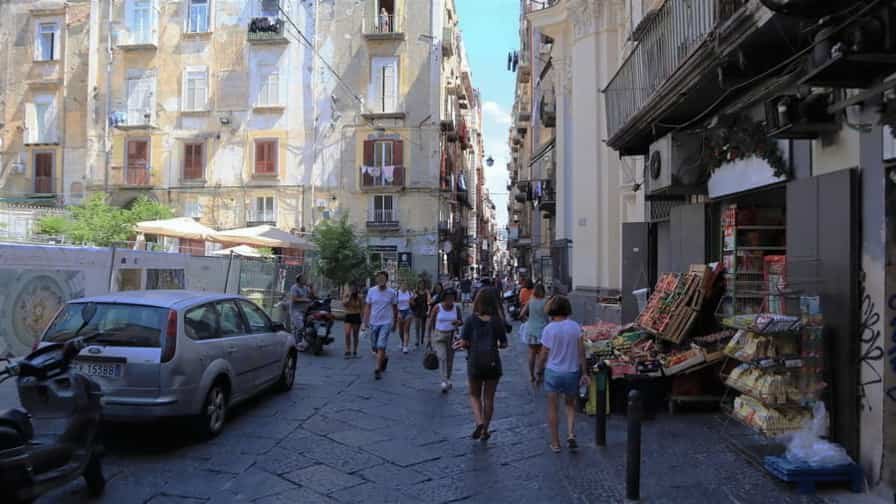
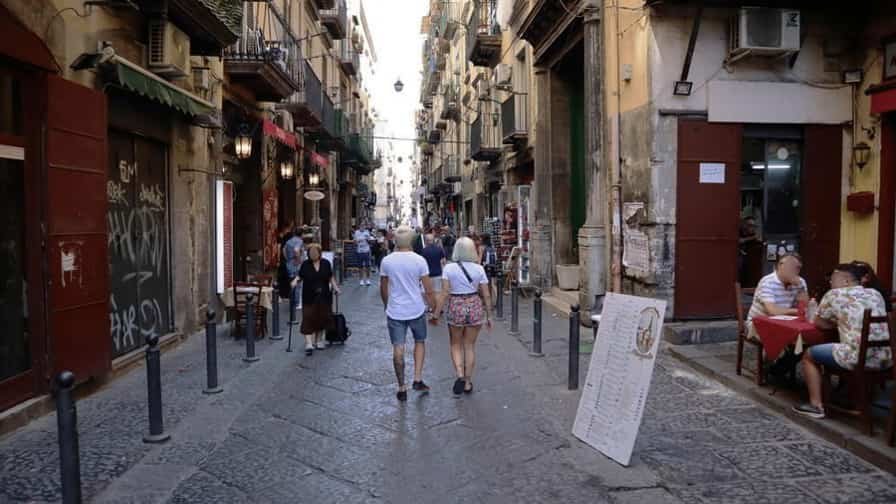
One of the most striking aspects of Naples is its historic centre, which is recognized as a UNESCO World Heritage Site. The area is dense and intricate, composed of narrow streets known as “vicoli,” where buildings rise close together, creating a labyrinthine effect. This urban structure fosters a sense of intimacy and community, as residents live, work, and socialize in shared spaces. Churches, monasteries, and palaces are interspersed with small shops, cafes, and traditional bakeries, making history a part of daily life rather than a separate spectacle. Walking through these streets, one encounters centuries-old frescoes, tiled stairways, and stone portals that tell stories of artistry, faith, and civic pride.
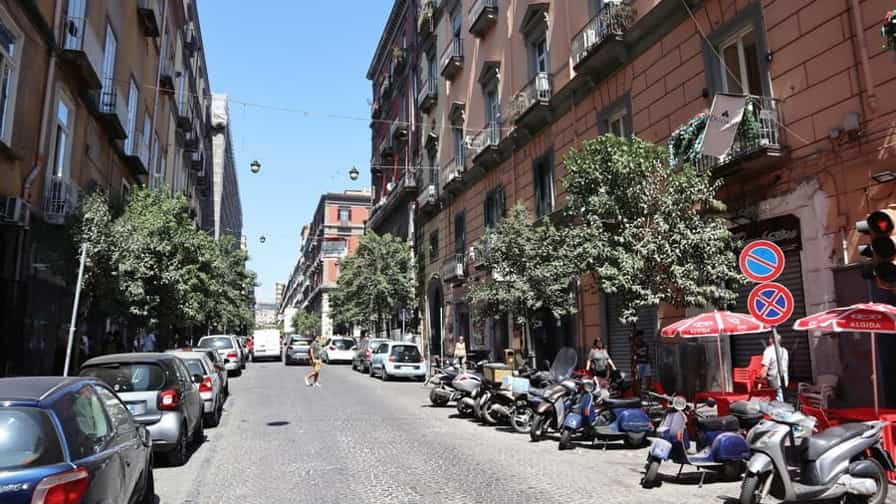
Naples is also a city of powerful contrasts. Its beauty exists alongside chaos and disorder, and the energy of the streets can feel both exhilarating and overwhelming. The city’s vitality is expressed through noise, movement, and an abundance of human presence. Street vendors, motor scooters, and open-air markets create a constant rhythm that is distinctly Neapolitan. This intensity can be challenging to outsiders, yet it is also what gives the city its unmistakable character, a sense that life is lived fully and without pretence.
The relationship between Naples and the surrounding landscape is another defining feature. Mount Vesuvius looms over the city as both a scenic backdrop and a reminder of the region’s volcanic history. The bay stretches outward, offering views of islands such as Capri, Ischia, and Procida. This juxtaposition of land and sea contributes to the city’s identity, influencing climate, cuisine, and lifestyle. The natural setting has shaped local culture and provided inspiration for artists, writers, and musicians for centuries, making Naples a city that is inseparable from its environment.
Culinary tradition is central to life in Naples and reflects its history, geography, and creativity. The city is renowned worldwide as the birthplace of pizza, particularly the iconic Margherita, which embodies the simplicity and quality of local ingredients. Beyond pizza, Neapolitan cuisine includes fresh seafood, pasta dishes, pastries such as sfogliatella, and a wide range of street foods that illustrate the city’s resourcefulness and inventiveness. Food is not merely nourishment but a social and cultural ritual, shared with family, friends, and community in settings ranging from home kitchens to bustling trattorias.
Naples is also a city of music, theatre, and visual arts. The Neapolitan song tradition, or “canzone napoletana,” has produced melodies known across the world, while theatres such as Teatro di San Carlo, one of the oldest opera houses in Europe, host performances that reflect the city’s longstanding dedication to artistic excellence. Street performances, religious festivals, and cultural processions occur regularly, linking everyday life with a rich expressive tradition that spans centuries.
Despite its cultural wealth, Naples has faced challenges related to urban density, economic disparity, and social issues. Yet these difficulties have also fostered resilience, creativity, and a strong sense of identity among its residents. The city’s communities are tightly knit, and there is a remarkable ability to adapt and sustain traditions while navigating the pressures of modern life. This resilience is visible in neighbourhoods where ancient craft shops continue to operate, local markets thrive, and community rituals endure.
Religion and spirituality are deeply embedded in the city’s character. Naples is home to a vast number of churches, monasteries, and shrines, each with its own history and significance. The cult of saints, processions, and religious festivals shape the calendar and create opportunities for communal gathering. The interplay of sacred and secular life is central to understanding Naples, as faith often coexists with commerce, art, and everyday routines in a seamless and integrated manner.
Education, scholarship, and intellectual life have long flourished in Naples. The city has hosted universities, libraries, and research centres that have contributed to Italy’s scientific, literary, and artistic development. Naples has a tradition of critical thinking and debate, reflected in both academic institutions and the lively discourse of its citizens. This intellectual vitality complements the city’s artistic, culinary, and social richness, making Naples a place where multiple forms of culture intersect.
Naples offers an introduction to Italy that is raw, intense, and unforgettable. Its streets, squares, and waterfronts provide insight into a city that has been shaped by centuries of history, yet continues to thrive in the present. Naples challenges visitors to engage fully, to embrace complexity, and to appreciate a city where beauty, struggle, and vitality coexist in constant tension. It is a place of contradictions and wonder, where life is lived with intensity, history is tangible, and every corner holds a story waiting to be discovered.
Worth a Visit
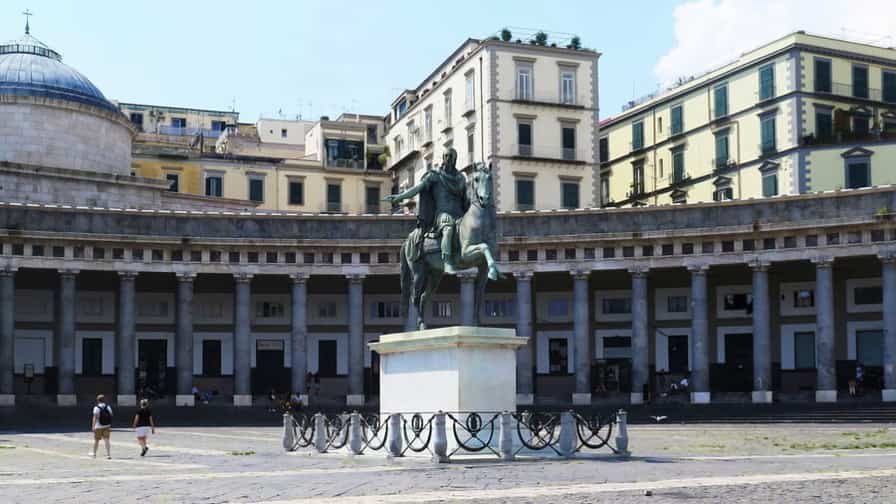
Piazza del Plebiscito is Naples’ most famous and expansive public square, serving as a focal point for both locals and visitors. Located in the heart of the city, near the historic Royal Palace and the Gulf of Naples, the piazza is a stunning example of Neoclassical architecture and urban design. The square is flanked on one side by the grand Basilica of San Francesco di Paola, whose design was inspired by the Pantheon in Rome. The basilica’s massive dome and stately columns create a commanding presence, making it one of the square’s most prominent features. Opposite the basilica stands the Royal Palace, a former residence of Spanish and Bourbon monarchs, which now houses a museum and the National Library of Naples. Piazza del Plebiscito is not only a symbol of Naples’ political and religious history but also a vibrant cultural space. The square often hosts concerts, festivals, and public events, drawing crowds who gather to enjoy its open expanse and panoramic views. The equestrian statues of Charles III of Spain and Ferdinand I of the Two Sicilies add to the square’s grandeur, making Piazza del Plebiscito a must-see landmark.
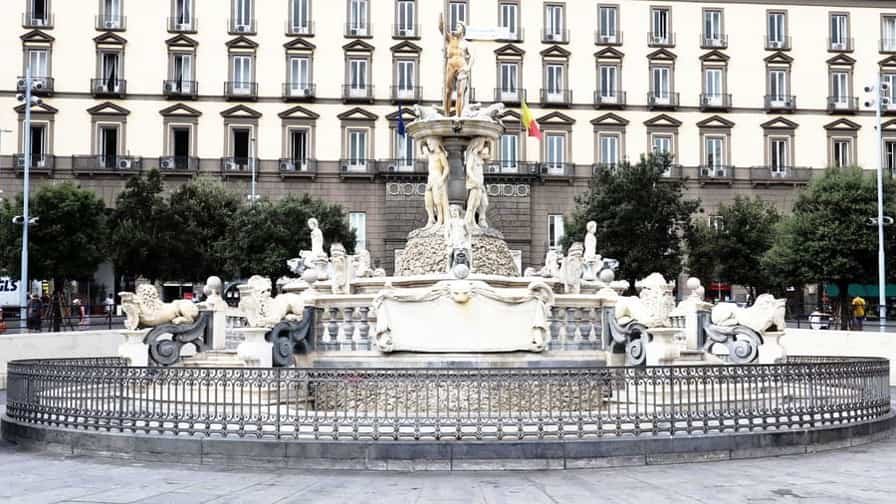
The Fontana della Immacolatella, also known as the Fountain of the Immaculate, is a beautiful Baroque fountain located along the scenic waterfront of Naples, near the bustling Molo Beverello port. This elegant fountain is a masterpiece of Neapolitan artistry, originally designed by the renowned architects Francesco Antonio Picchiatti and later completed by Domenico Antonio Vaccaro in the 17th century. The fountain is named after the Immaculate Conception, a significant religious concept in Catholicism, which is reflected in its intricate design. The central feature of the fountain is a large basin from which water cascades, flanked by two graceful marble lions that spout water into the basin below. Above the basin, a sculpted representation of the Virgin Mary stands serenely, surrounded by angels and ornate decorations that reflect the richness of Baroque style. Fontana della Immacolatella is not only a symbol of religious devotion but also a reminder of Naples’ artistic and cultural heritage. Its location along the promenade offers visitors a perfect spot to enjoy views of the Gulf of Naples and the nearby Castel dell’Ovo.
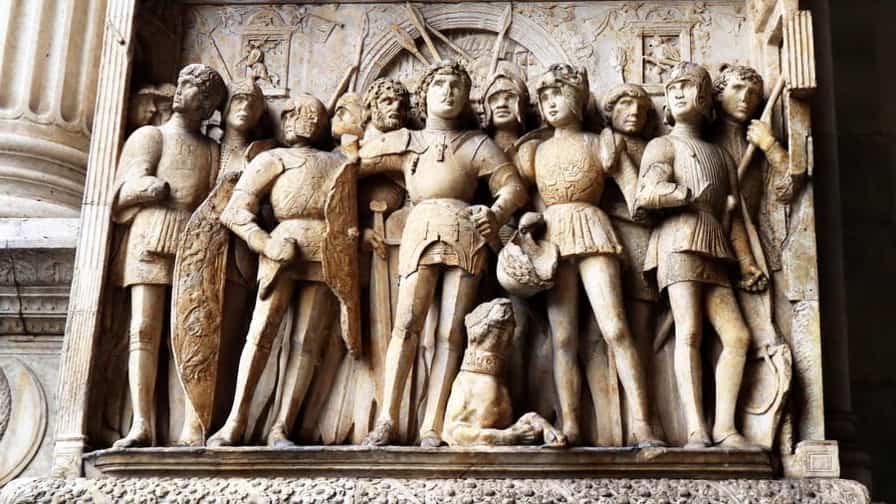
Castel dell’Ovo, or the “Egg Castle,” is one of Naples’ most ancient and storied landmarks, perched dramatically on the small island of Megaride, connected to the mainland by a narrow causeway. Its name, derived from a legend involving the Roman poet Virgil, who supposedly placed a magical egg within its foundations, symbolizes the castle’s enduring strength, according to the myth, the castle and the city would fall if the egg were ever broken. The castle’s history dates to the 6th century BCE, when Greek colonists established a fortified settlement on the island. Over the centuries, it has been expanded and modified by various rulers, including the Romans, Normans, and Aragonese, each leaving their architectural mark on the structure. Today, Castel dell’Ovo is a blend of medieval and Renaissance elements, characterized by its formidable walls, towers, and stunning views of the Gulf of Naples and Mount Vesuvius. Visitors can explore the castle’s interior, which includes ancient halls, courtyards, and the Church of the Savior.
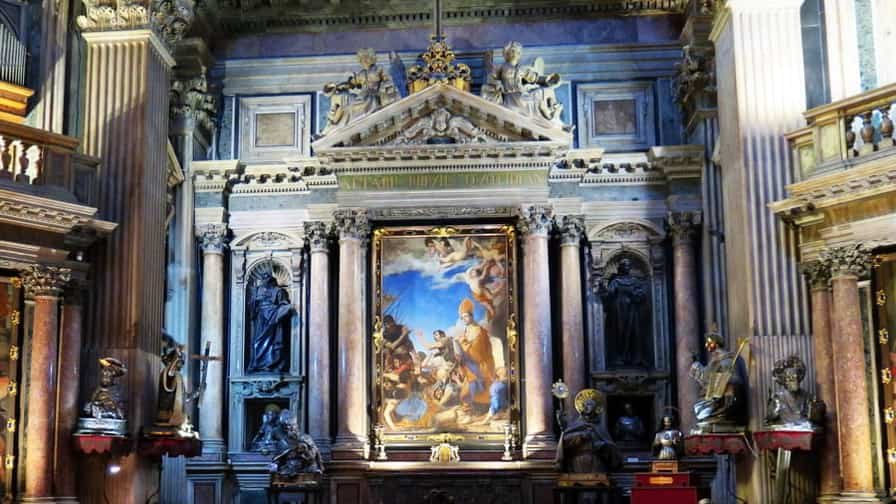
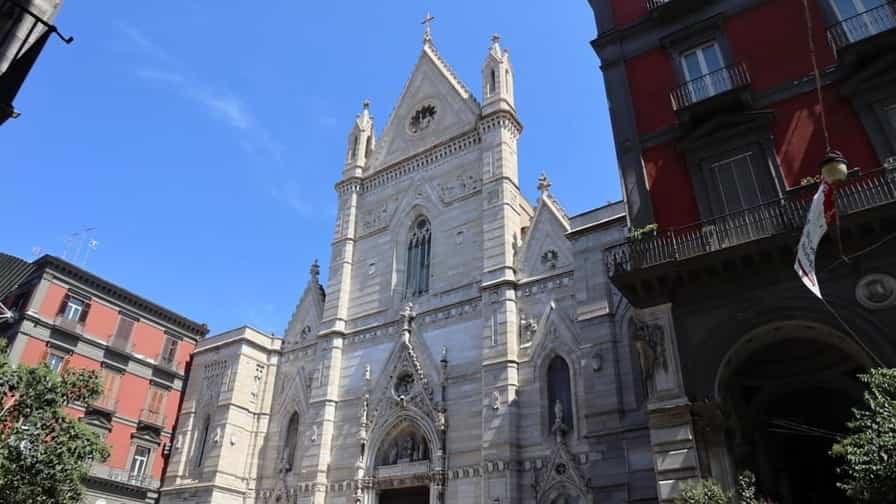
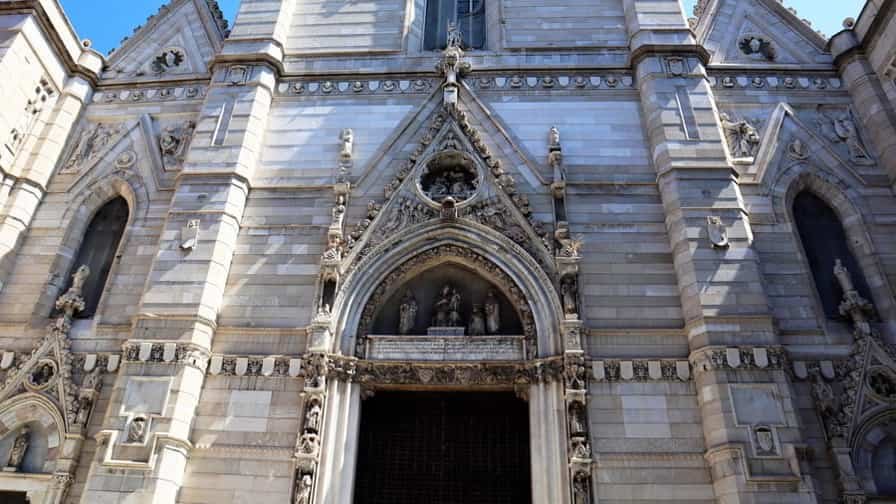
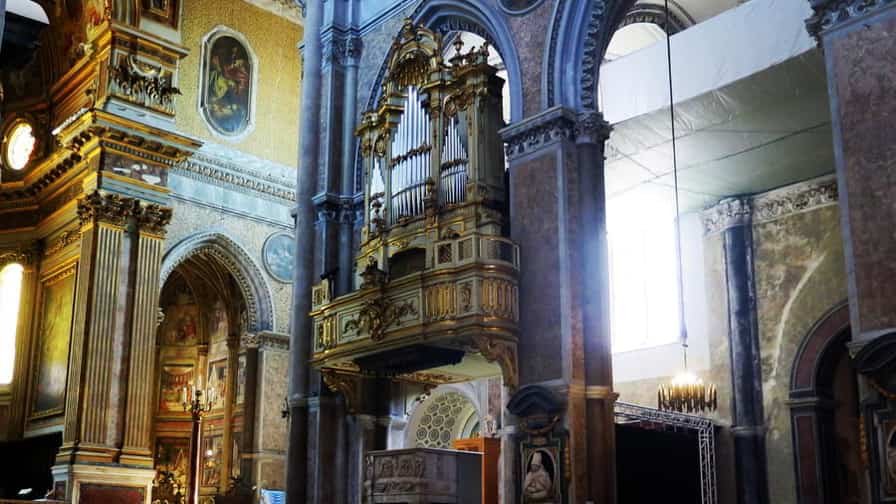
The Cattedrale di San Gennaro, also known as the Naples Cathedral or Duomo di Napoli, is one of the city’s most significant religious and architectural landmarks. Dedicated to San Gennaro (Saint Januarius), the patron saint of Naples, the cathedral is a symbol of the city’s deep spiritual heritage and devotion. Constructed between the 13th and 14th centuries, the cathedral showcases a blend of Gothic, Renaissance, and Baroque architectural styles, reflecting the various periods of its construction and renovation. The exterior features a striking Gothic façade, while the interior is richly adorned with frescoes, sculptures, and intricate marble work, creating an atmosphere of grandeur and reverence. One of the cathedral’s most revered spaces is the Cappella del Tesoro di San Gennaro (Chapel of the Treasure of Saint Januarius), where the relics of the saint, including his blood, are kept. The Miracle of San Gennaro, where the saint’s blood is said to liquefy, occurs here three times a year and is a major event for the peopl
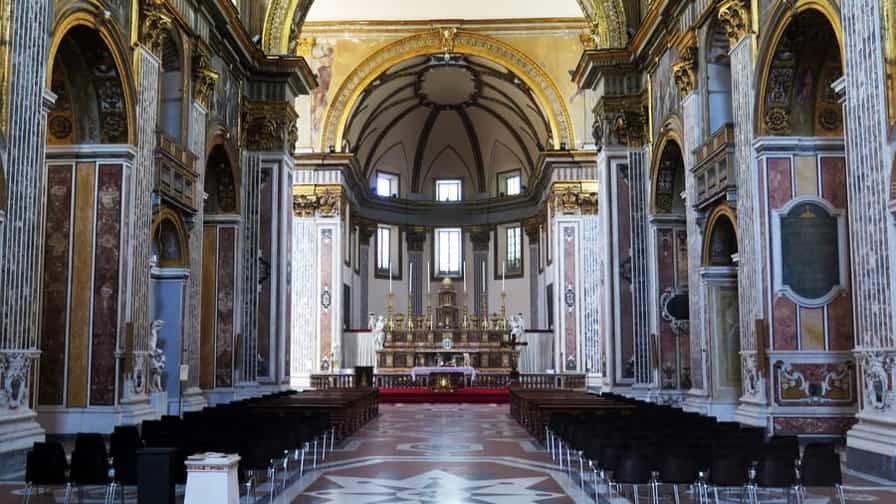
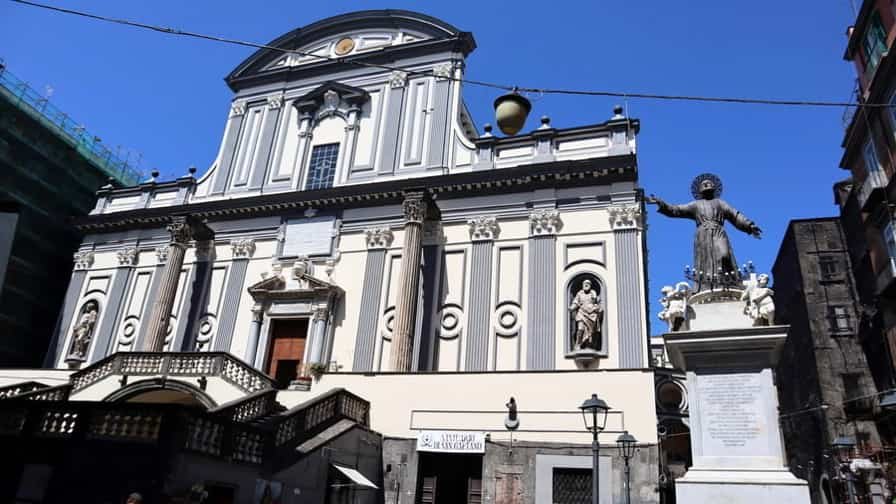
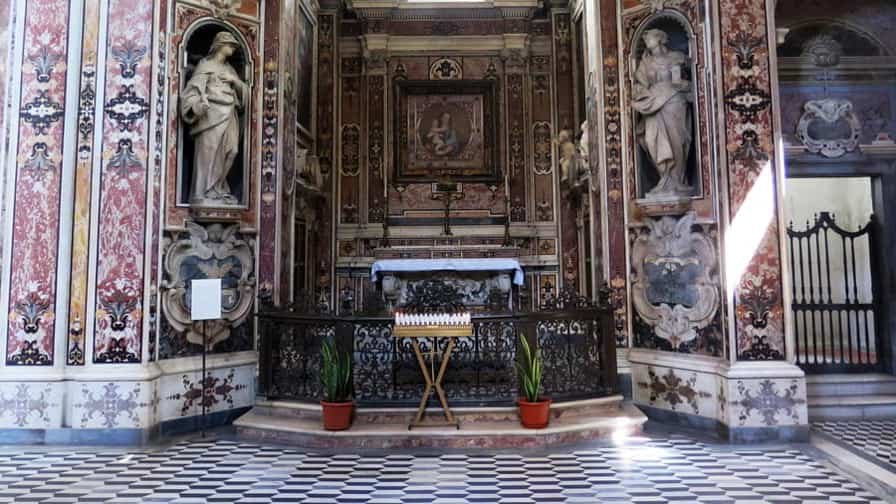
The Basilica di San Paolo Maggiore is a stunning example of Baroque architecture and one of Naples’ most historically significant churches. Located in the heart of the city, near Piazza San Gaetano, the basilica stands on the site of an ancient Roman temple dedicated to the Dioscuri, Castor and Pollux. This rich history is evident in the church’s design, which incorporates remnants of the original Roman structure, including two towering Corinthian columns that grace the facade. Constructed in the late 16th century by the Theatine Order, the basilica is renowned for its lavish Baroque interior, which features intricate stucco work, gilded details, and a stunning frescoed ceiling by the artist Francesco Solimena. The church’s layout is a Latin cross with a central nave flanked by side chapels, each adorned with works of art by prominent Neapolitan artists. One of the basilica’s most remarkable features is the Chapel of San Gaetano Thiene, the co-founder of the Theatine Order, whose relics are housed in an ornate reliquary.
Photo Gallery of Walk 1 – Piazza Giuseppe Garibaldi to Piazzetta Duca D’Aosta
Approximately 3.09 km – 1.92 mile
Description of Walk 1
This walking route explores the monumental center of Naples, an area rich in history, architecture, and urban vitality. Located along the waterfront and the city’s grand boulevards, this district showcases the transformation of Naples from a royal capital into a modern European city. The route passes some of the city’s most iconic landmarks, reflecting centuries of political, cultural, and artistic heritage. Beginning in Piazza Giuseppe Garibaldi, the walk follows Corso Umberto I, one of Naples’ principal nineteenth-century avenues, before turning onto Via Antonio Tari and returning to the boulevard. It then reaches the Monument to Victor Emmanuel II, commemorating the first king of unified Italy. Continuing through Via Cardinale Guglielmo Sanfelice, the route arrives at Piazza Municipio, home to the impressive Fountain of Neptune and surrounded by important civic buildings. The walk proceeds to the majestic Castel Nuovo, a medieval fortress that has long symbolized Naples. From Largo Castello and Piazza Municipio, the route continues along Via San Carlo to the elegant Galleria Umberto I, famous for its glass-and-iron architecture. The final section follows Via Santa Brigida and the bustling Via Toledo, one of the city’s most vibrant shopping streets, before ending at Piazzetta Duca d’Aosta. Together, these locations provide an excellent introduction to the historic and cultural heart of Naples.
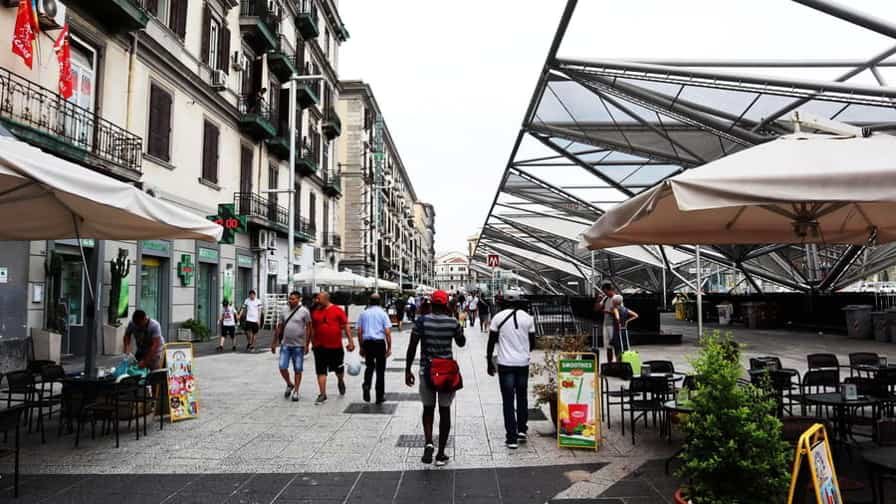
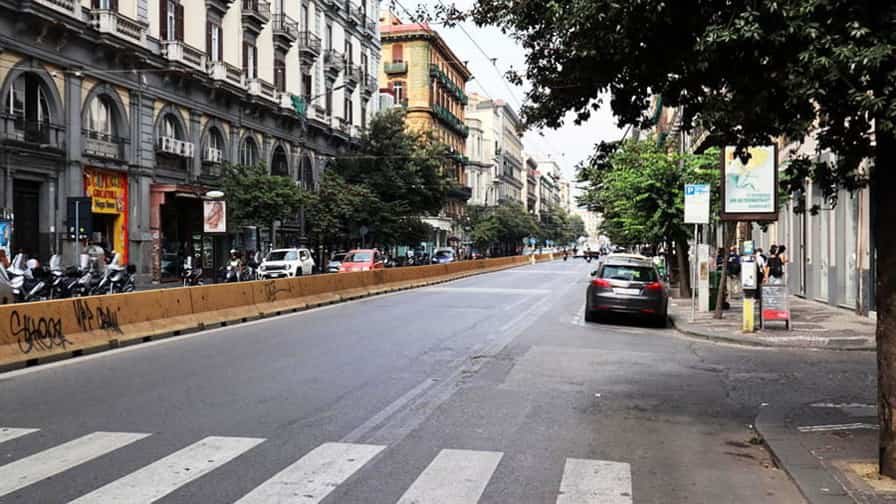
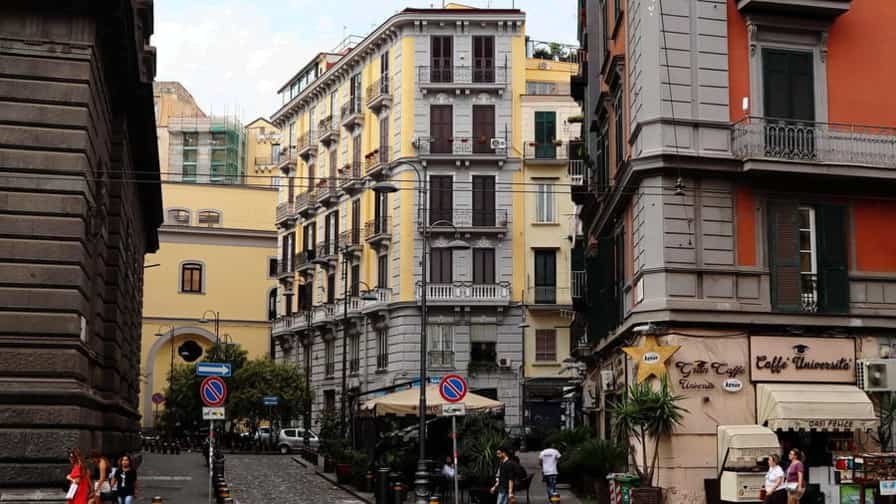

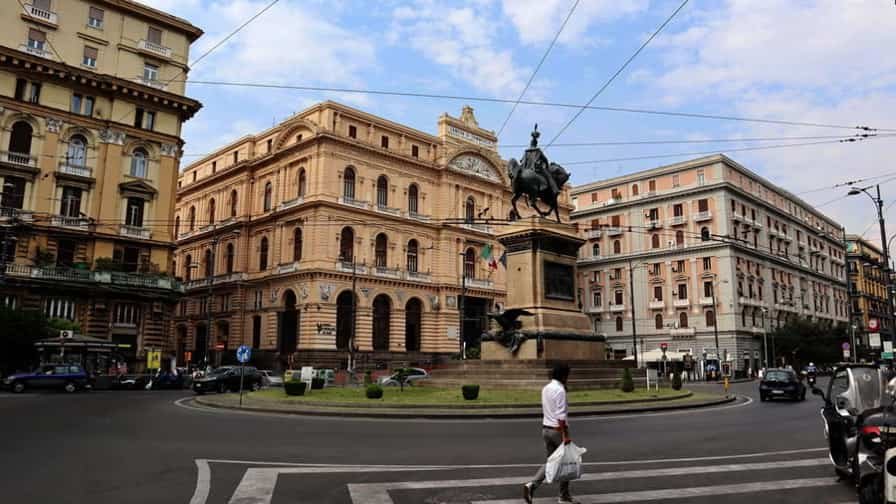

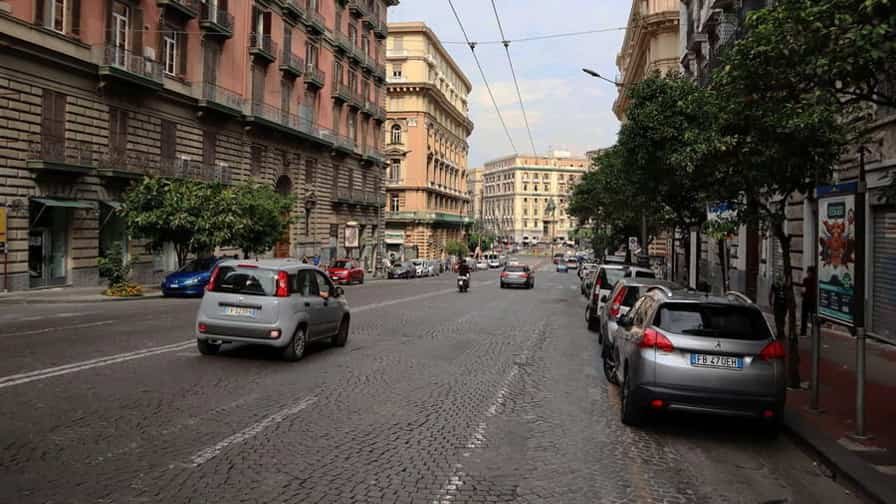
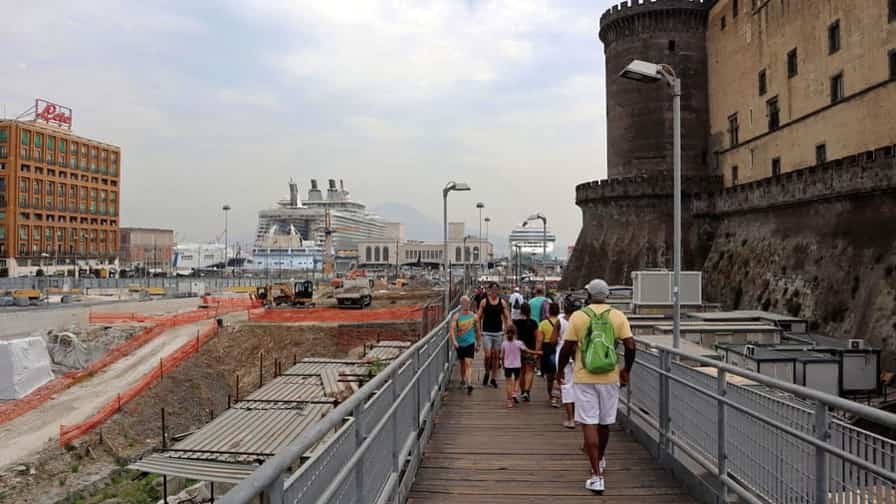
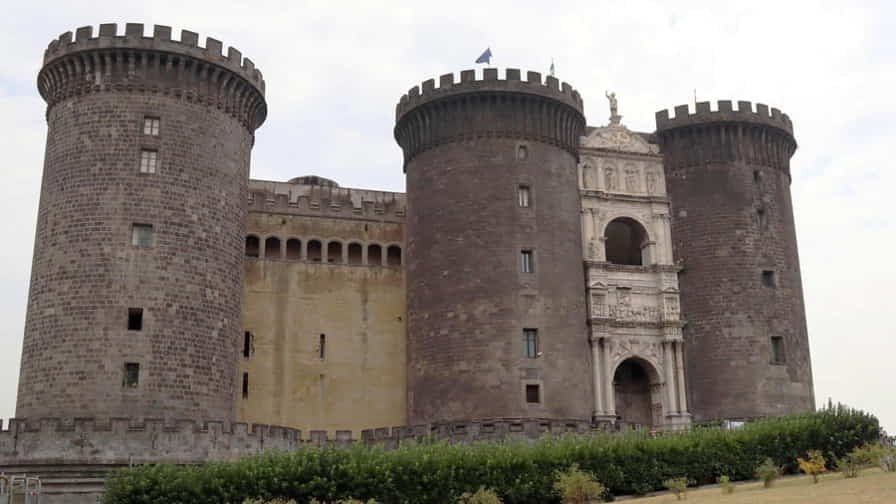
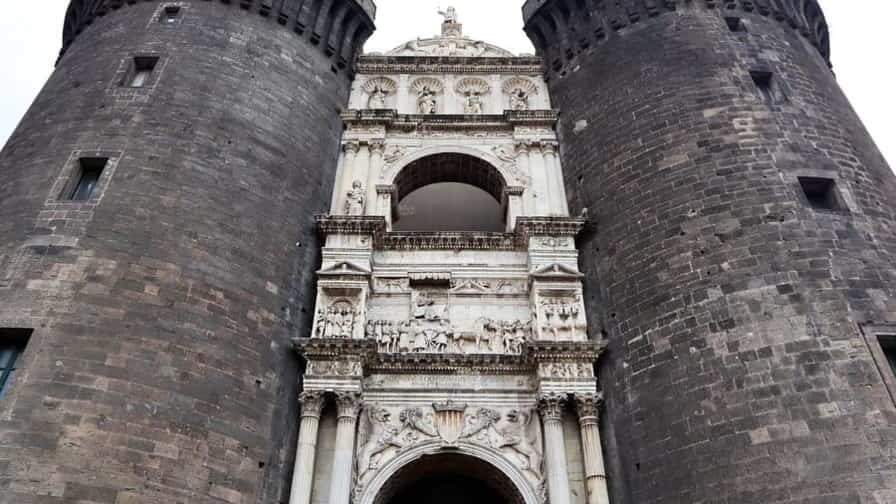
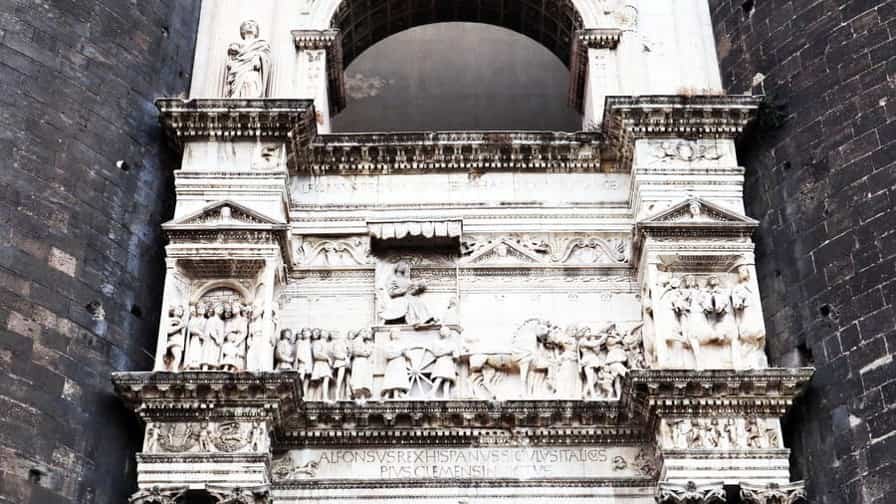
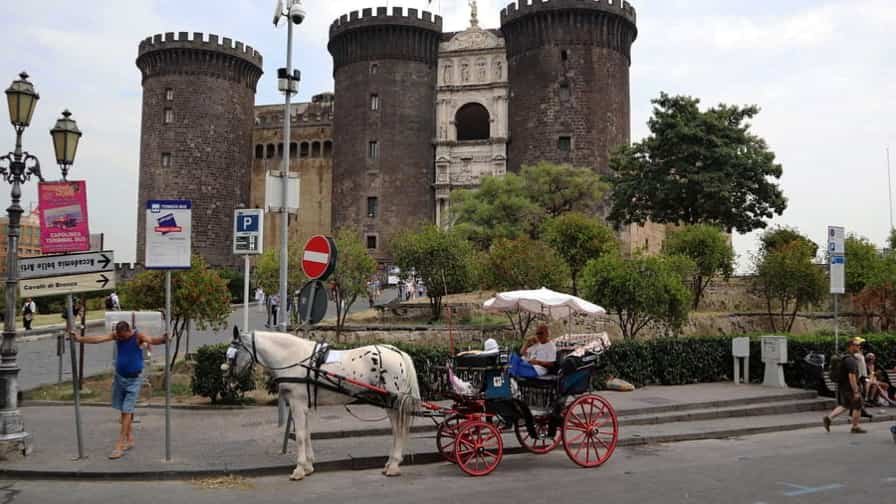

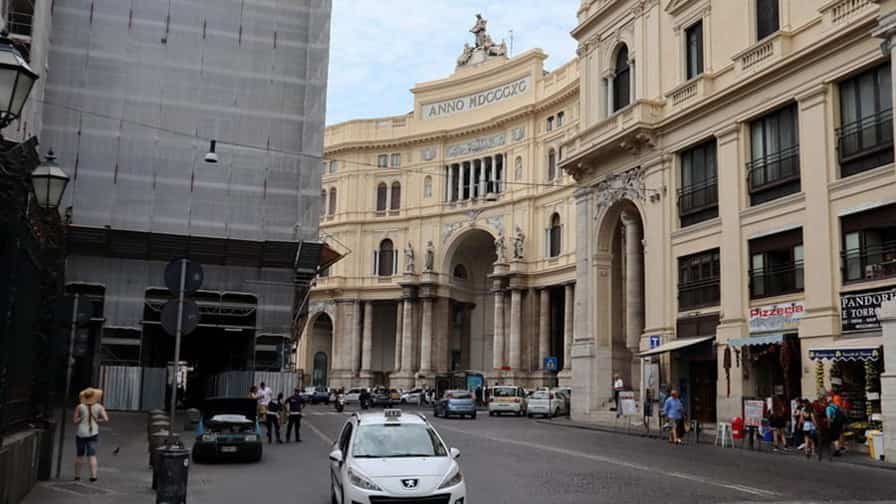
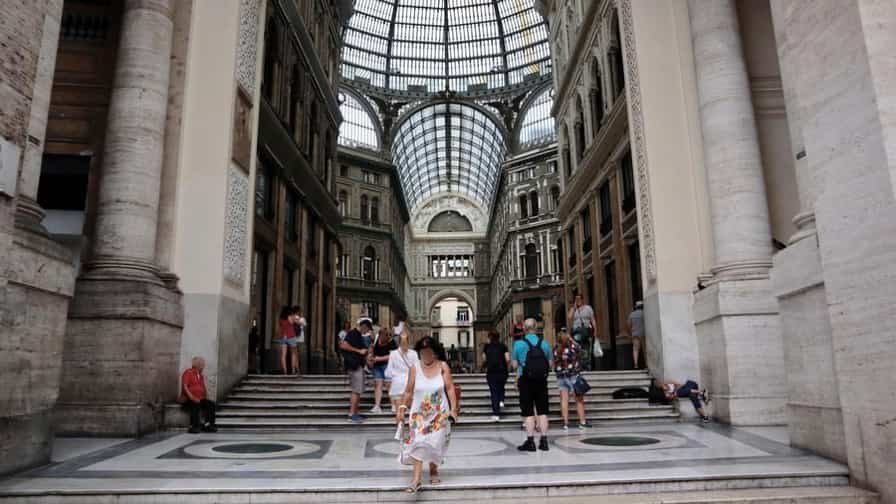
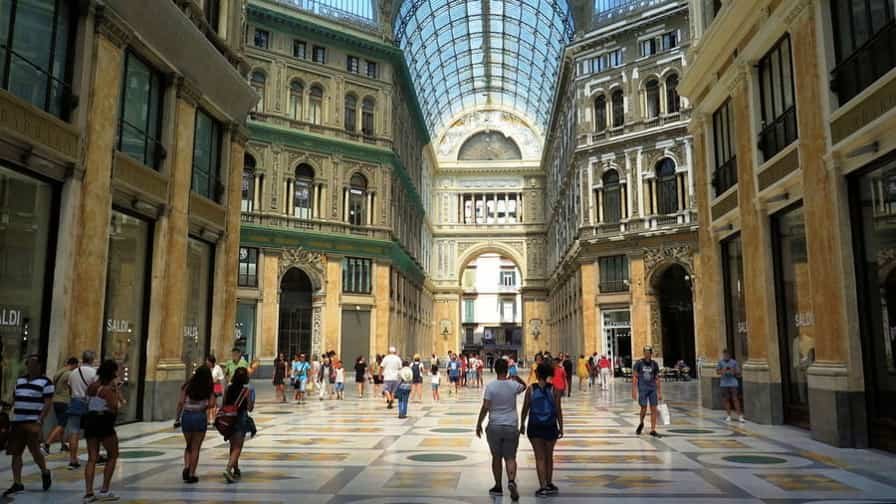
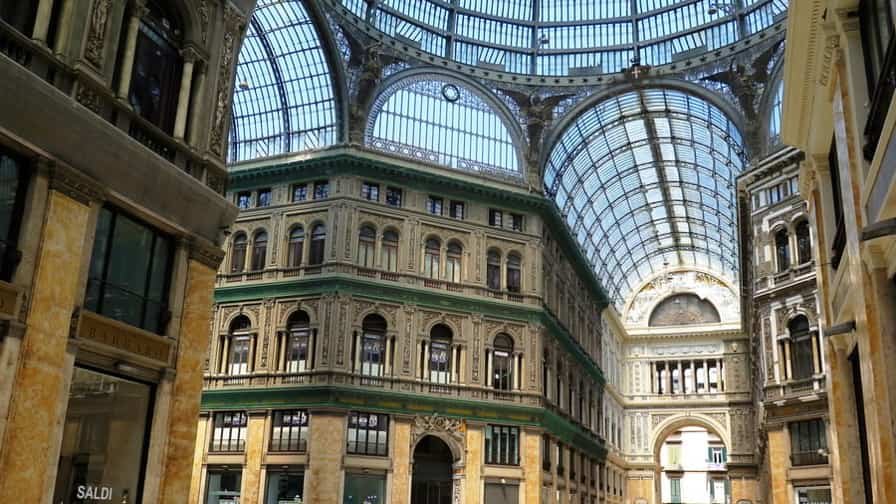
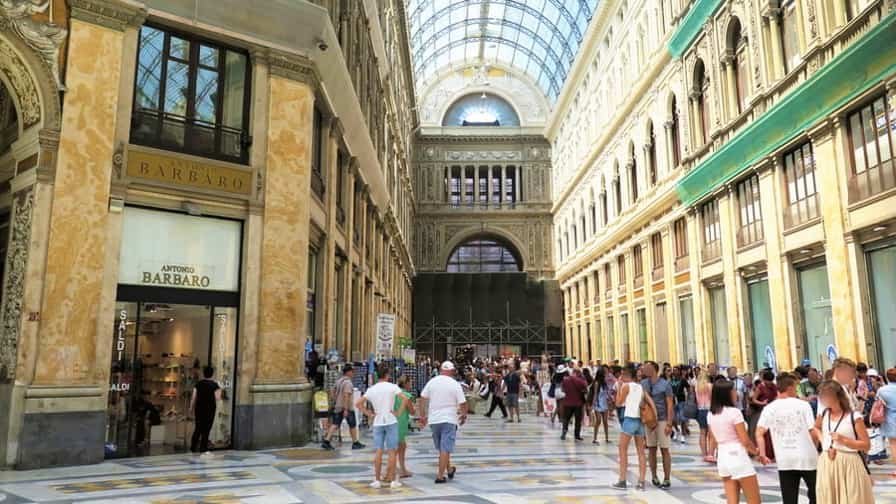
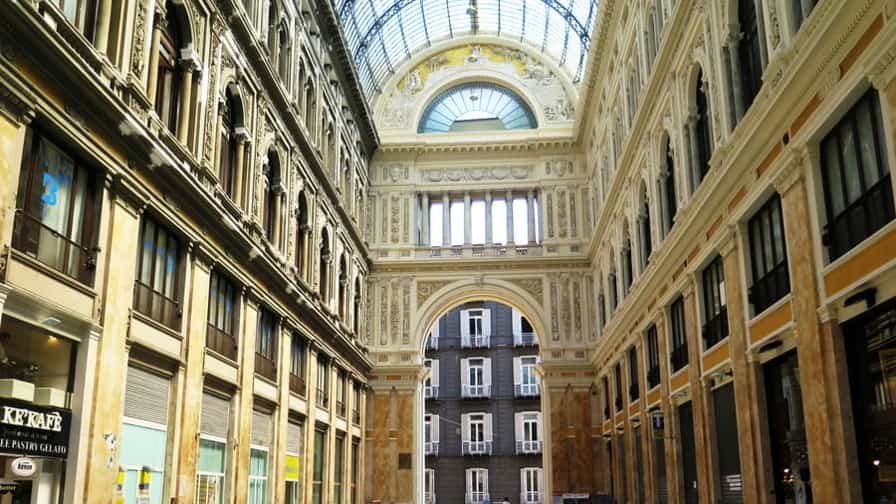
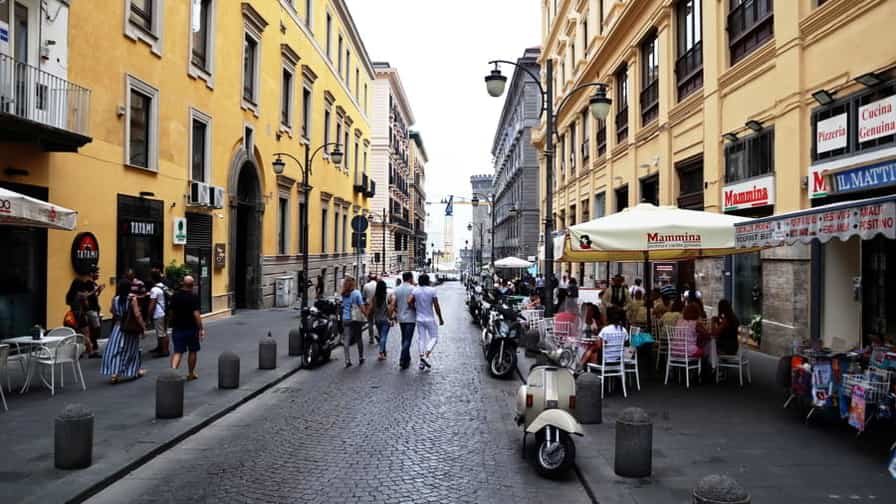
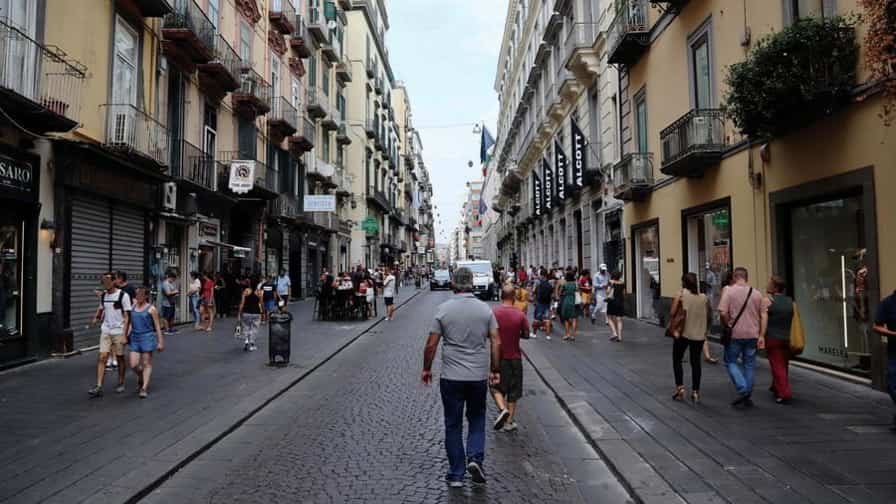
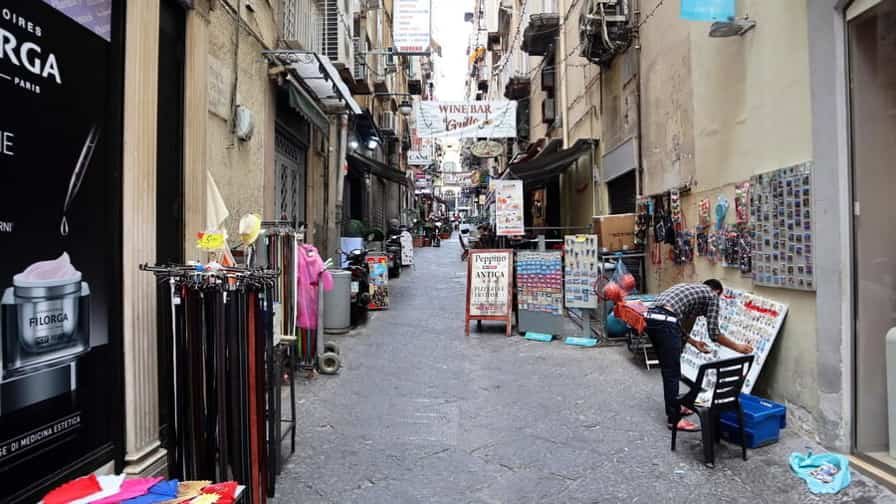
Photo Gallery of Walk 2 – Piazza Trieste e Trento to Via Nazario Sauro
Approximately 1.20 km – 075 miles
Description of Walk 2
This walking route explores the historic waterfront district of Naples, an area where monumental architecture, royal history, and sweeping views of the Bay of Naples come together. Situated between the city center and the seafront, this district has long been one of Naples’ most prestigious areas, offering remarkable panoramas of Mount Vesuvius and the Gulf. The walk begins in Piazza Trieste e Trento and continues into the grand Piazza del Plebiscito, one of the largest and most important squares in southern Italy. From here, the route follows Via Cesario Console and Via Santa Lucia, passing through a historic neighborhood traditionally linked to fishermen and maritime life. Along the way, walkers encounter the Statue of Augustus, recalling the city’s connections to the Roman world. Continuing along Via Ammiraglio Ferdinando Acton and the scenic Via Nazario Sauro, the route follows the waterfront promenade with spectacular sea views. Highlights include the Statue of Umberto I and the elegant Fontana dell’Immacolatella, a historic fountain once associated with the city’s port activities. A short detour along Via Palepoli, one of Naples’ oldest streets, adds further historical interest before the walk returns to Via Nazario Sauro. The route offers an enjoyable introduction to Naples’ coastal heritage, monumental landmarks, and vibrant maritime atmosphere.
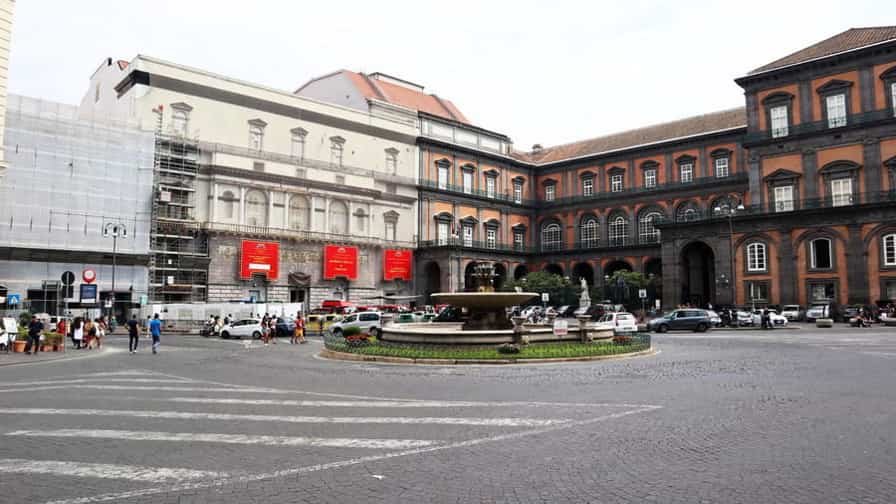
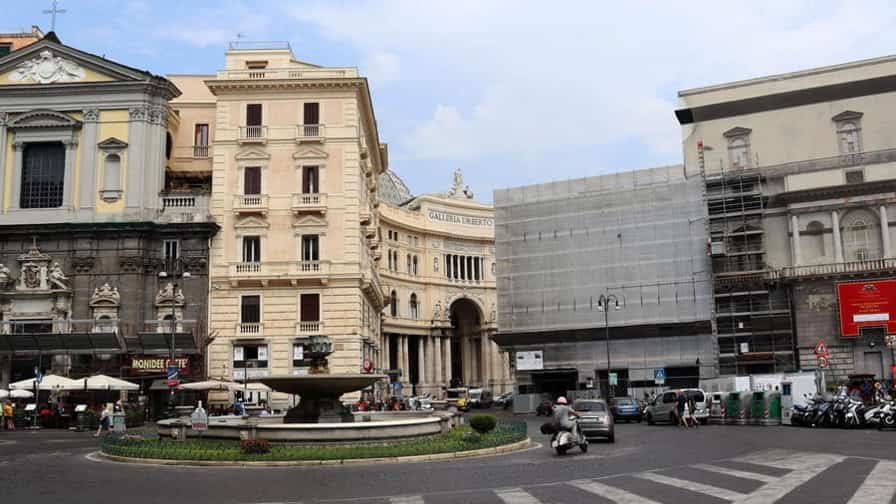
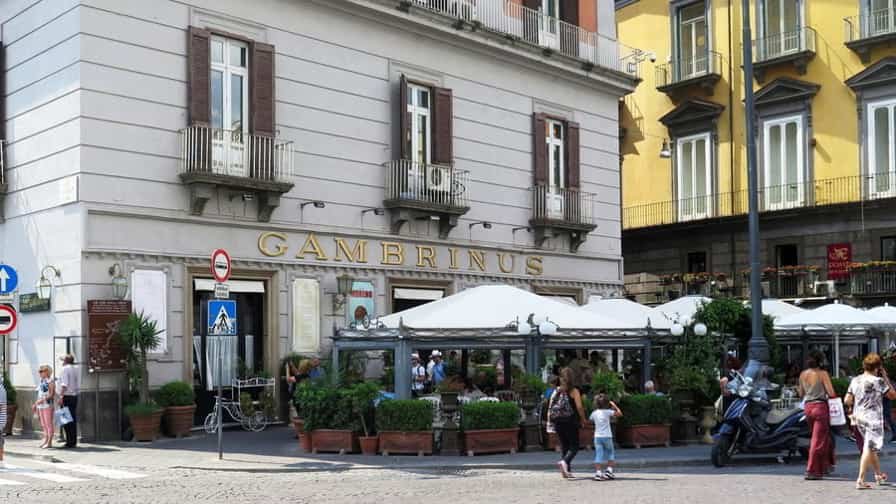
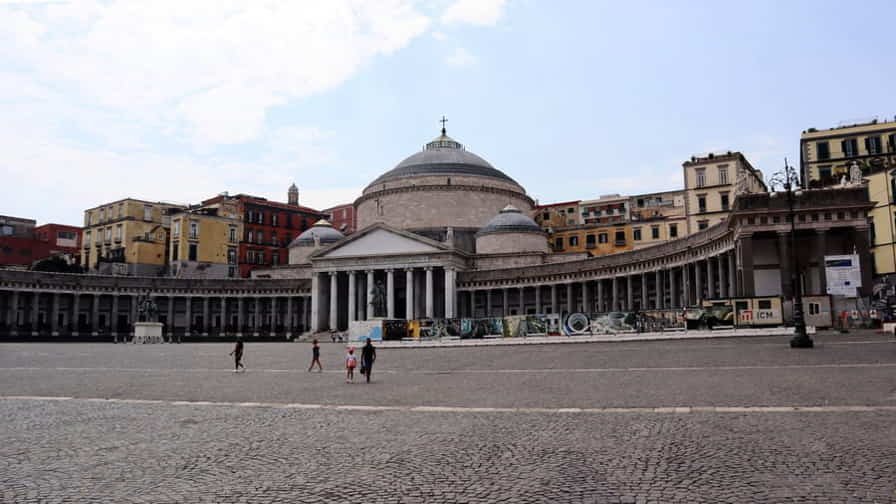
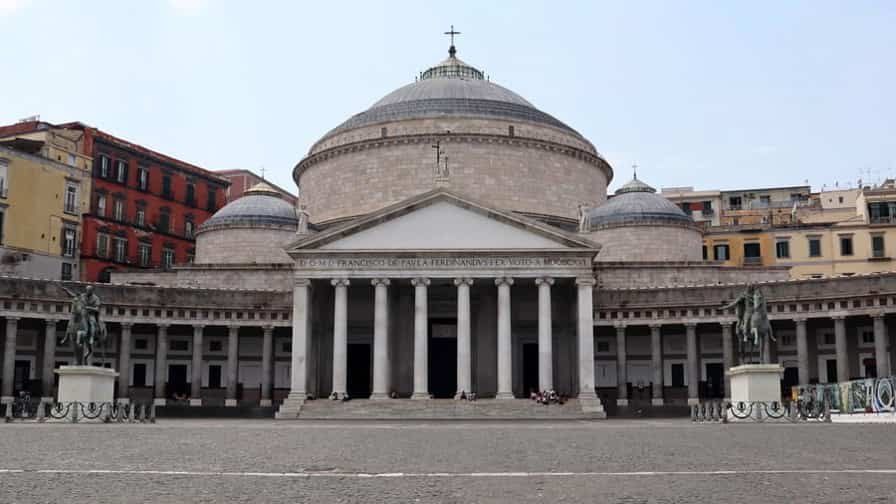
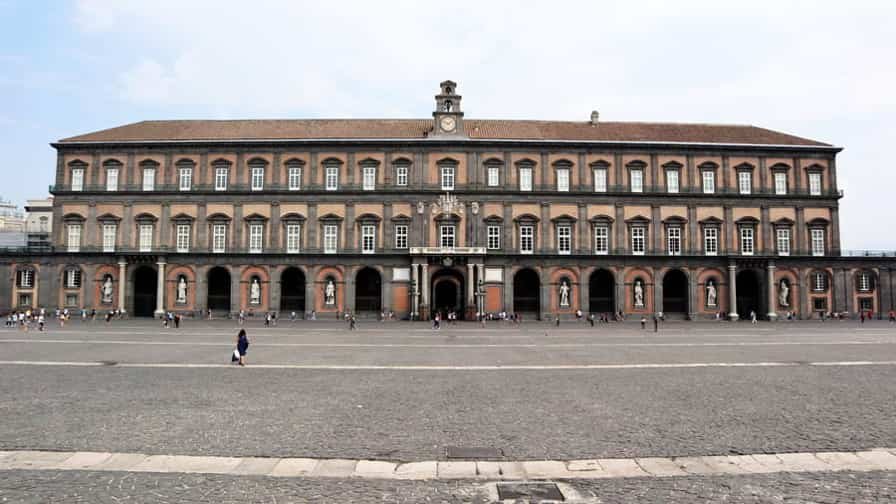
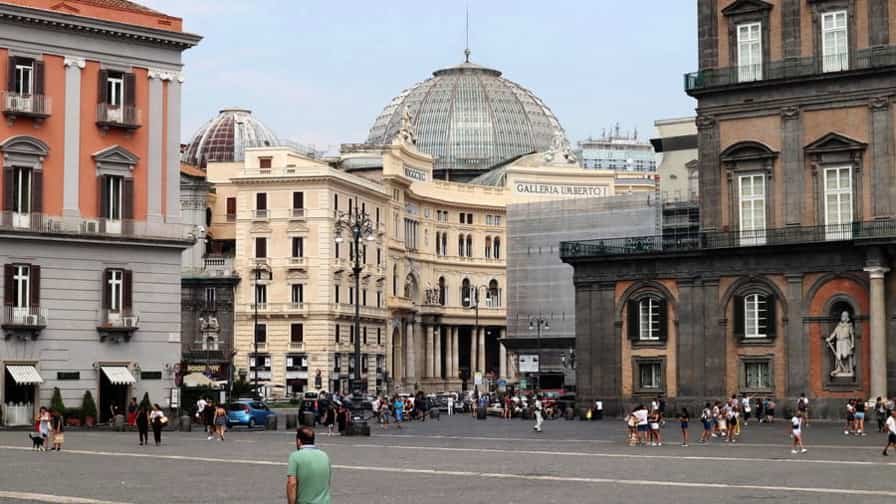
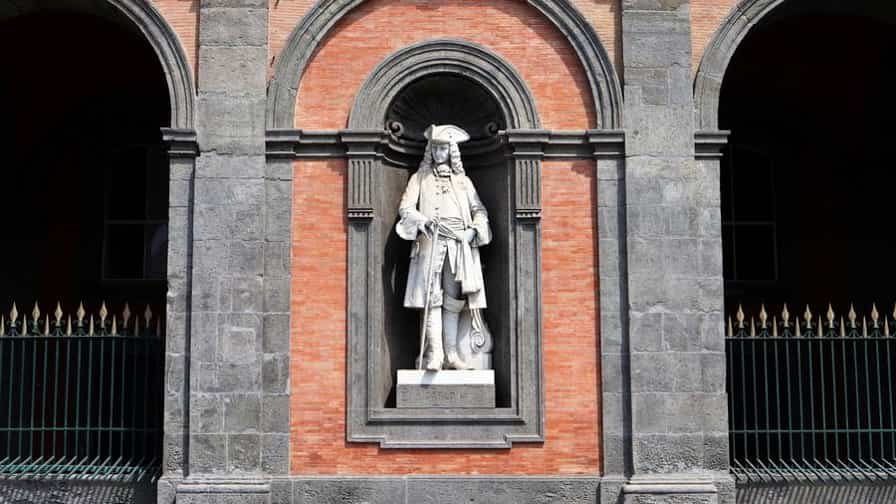
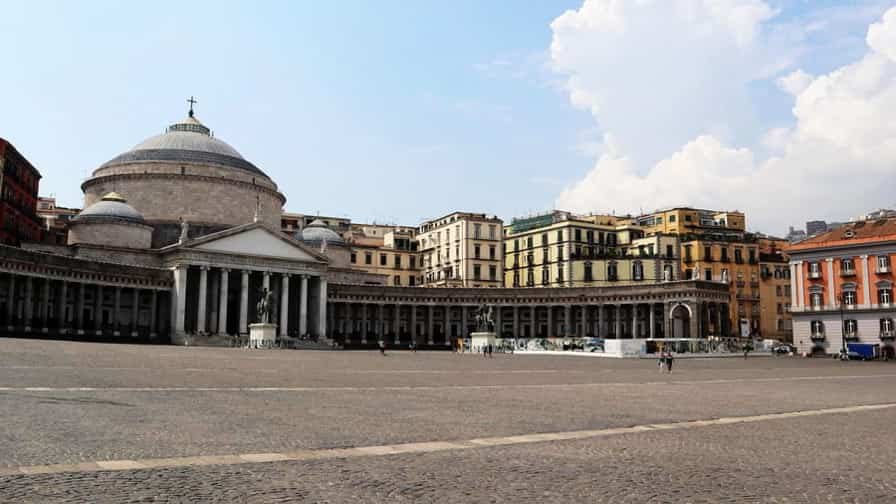
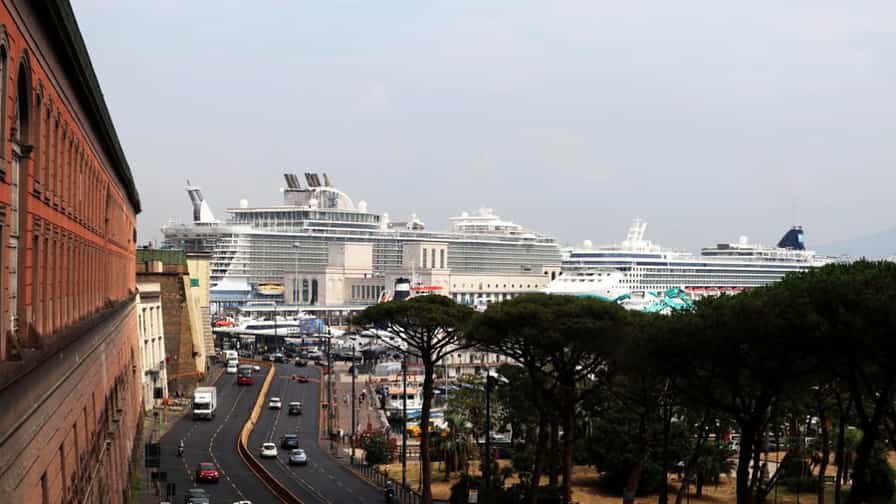
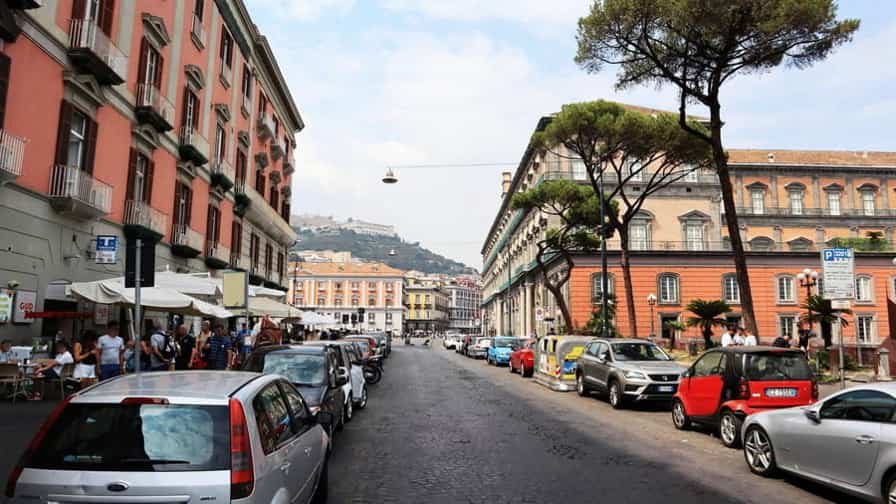
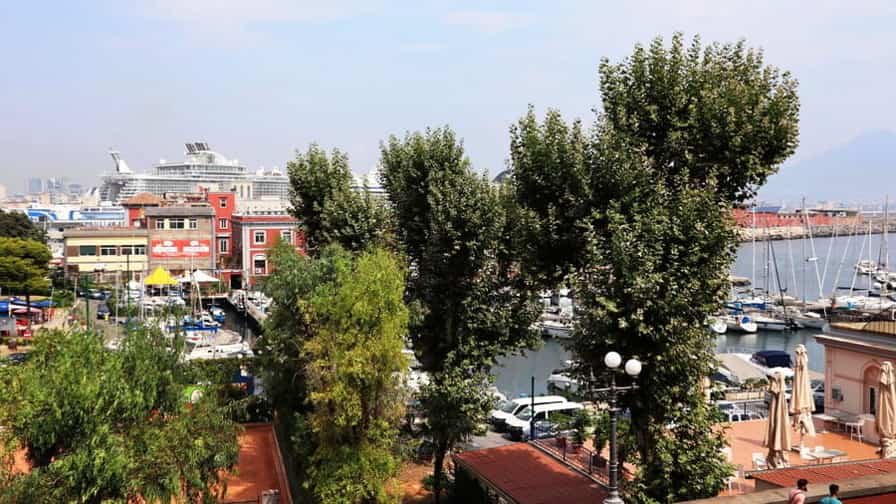
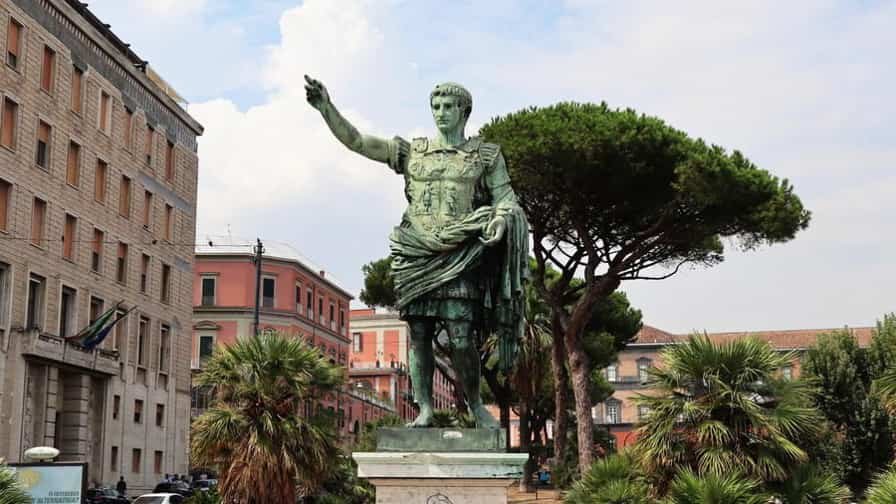
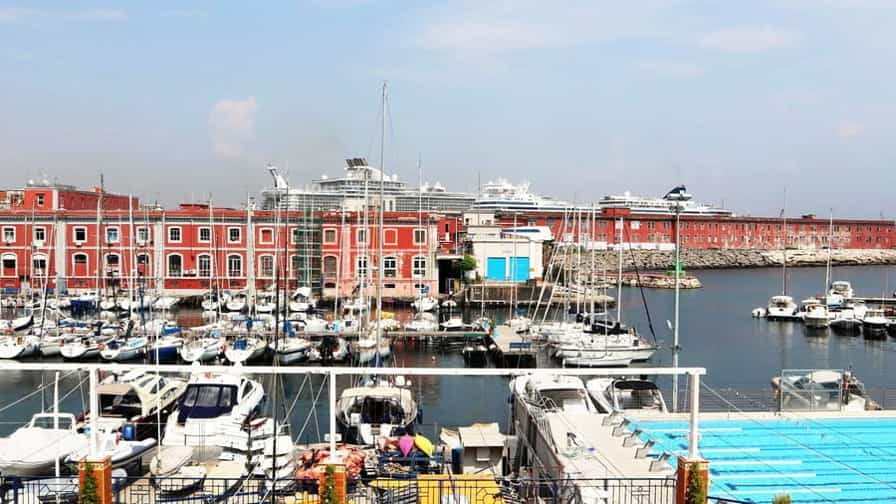
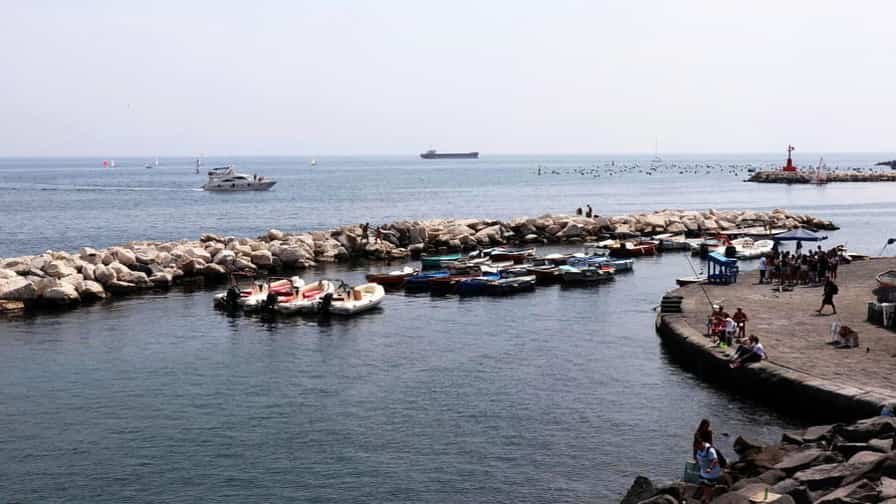

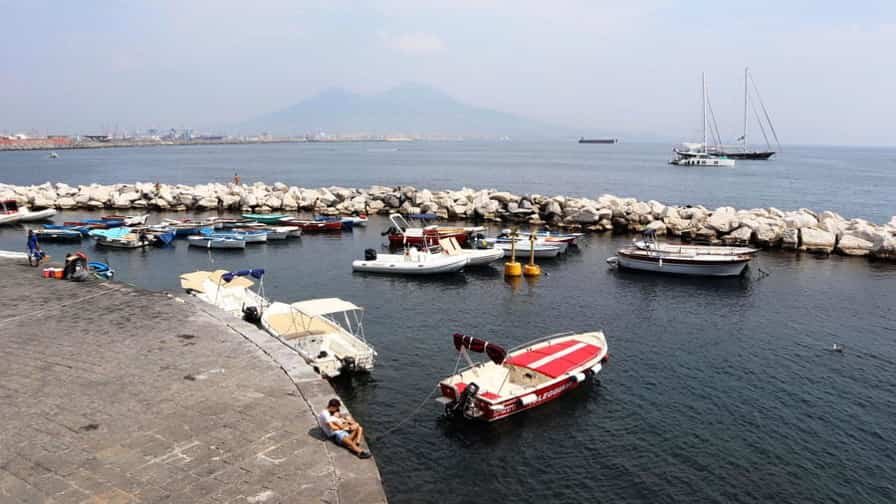
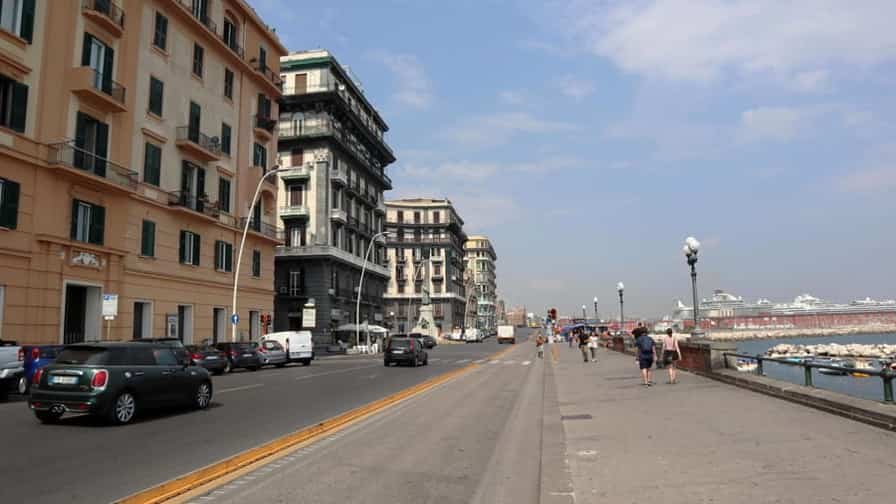
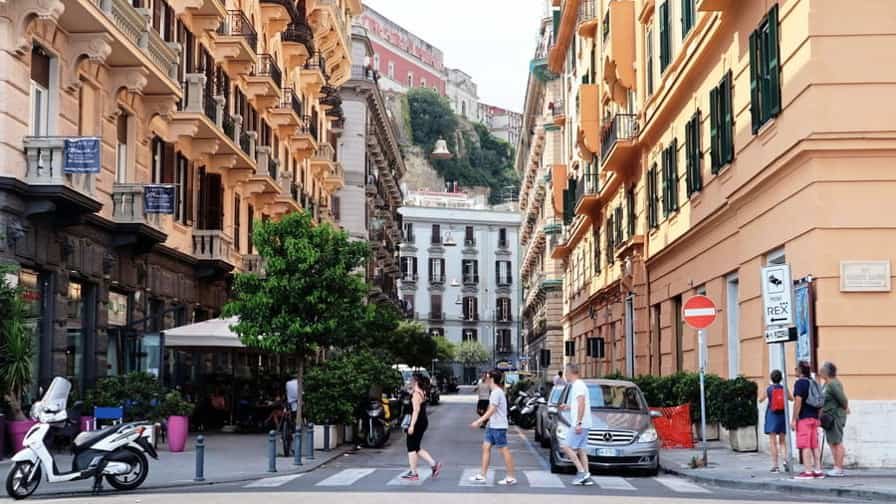
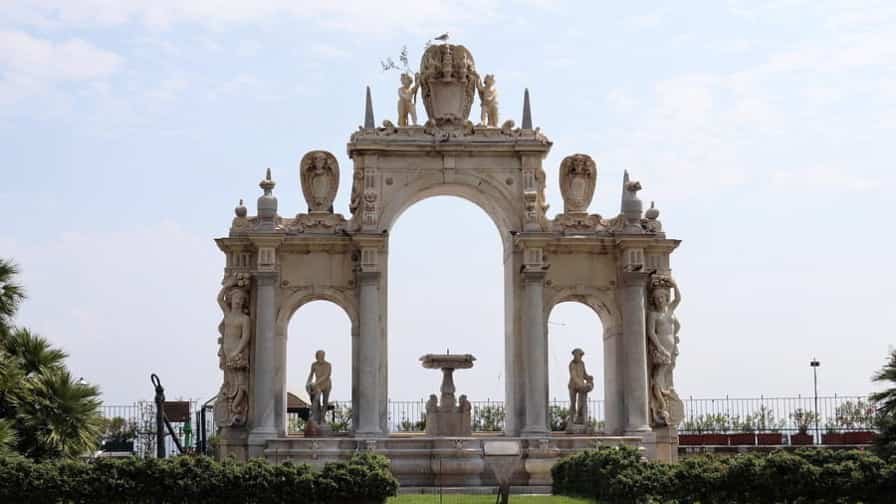
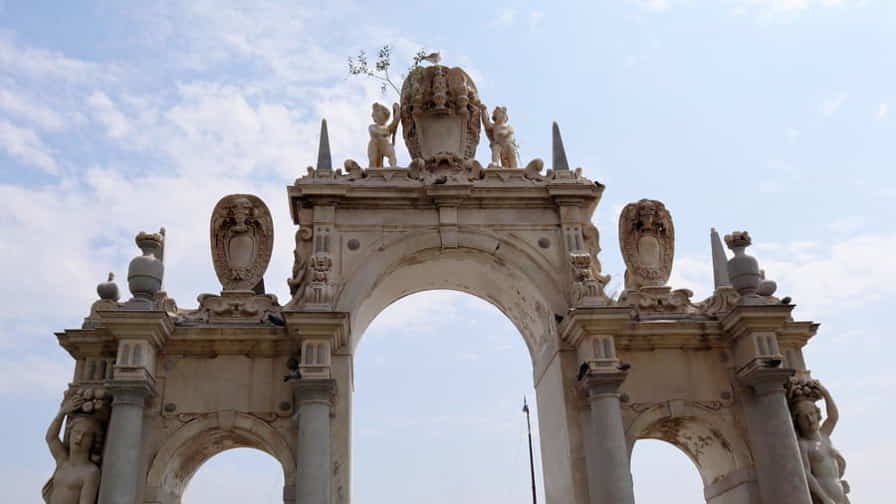
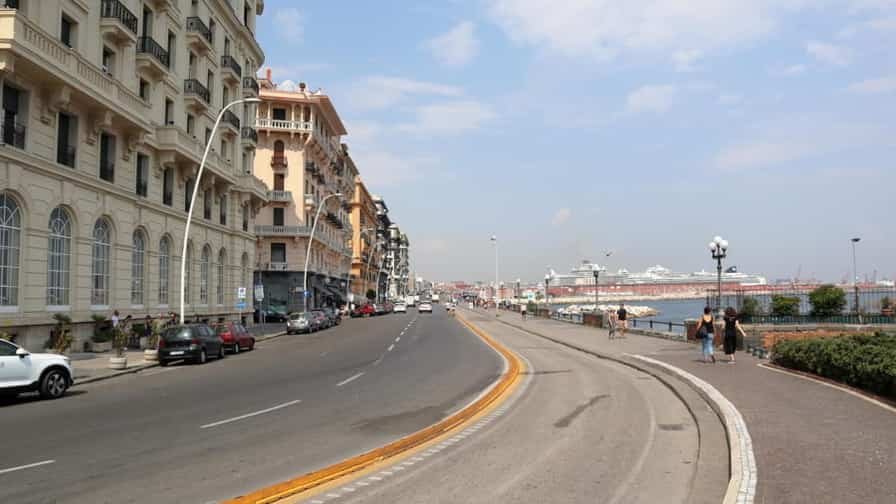
Photo Gallery of Walk 3 – Via Partenope to Monumento a Giambattista Vico, Giardino Villa Comunale
Approximately 1.88 km – 1.17 miles
Description of Walk 3
This walking route explores one of the most elegant and historic waterfront areas of Naples, combining panoramic sea views, important monuments, and beautiful public gardens. The walk begins along Via Partenope, a famous seaside boulevard overlooking the Bay of Naples. From here, visitors pass through the passage leading to Castel dell’Ovo, the city’s oldest castle, which is linked to legends surrounding the poet Virgil and offers spectacular views of the Gulf and Mount Vesuvius. Continuing along Via Partenope, the route reaches Piazza Vittoria, an important gateway between the historic center and the waterfront district. Here stands the Monumento a Nicola Amore, dedicated to the nineteenth-century mayor who played a major role in Naples’ urban modernization. The square is surrounded by elegant buildings and provides access to the nearby gardens. The walk then enters the Villa Comunale, a long seaside park created in the eighteenth century as a royal garden. Within the park, visitors encounter the beautiful Cassa Armonica, an ornate structure used for musical performances. The route concludes at the Monumento a Giambattista Vico, honoring the renowned Neapolitan philosopher Giambattista Vico. Together, these landmarks showcase Naples’ rich blend of history, culture, architecture, and coastal beauty.
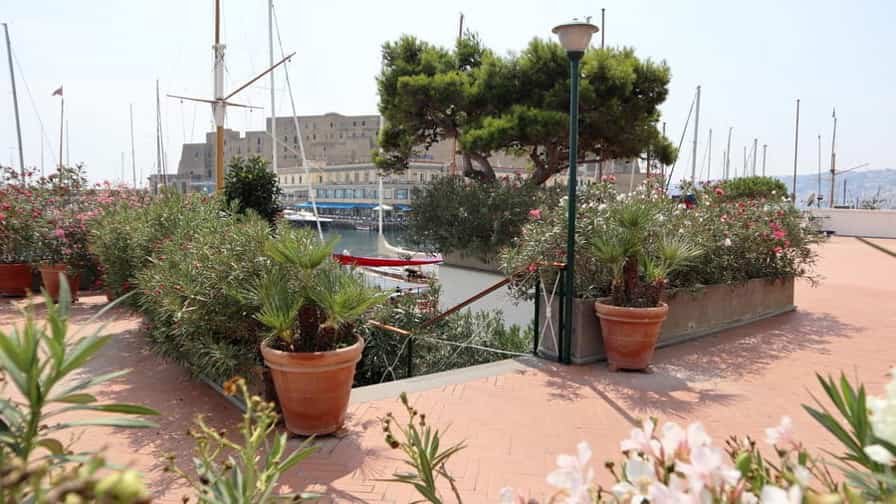
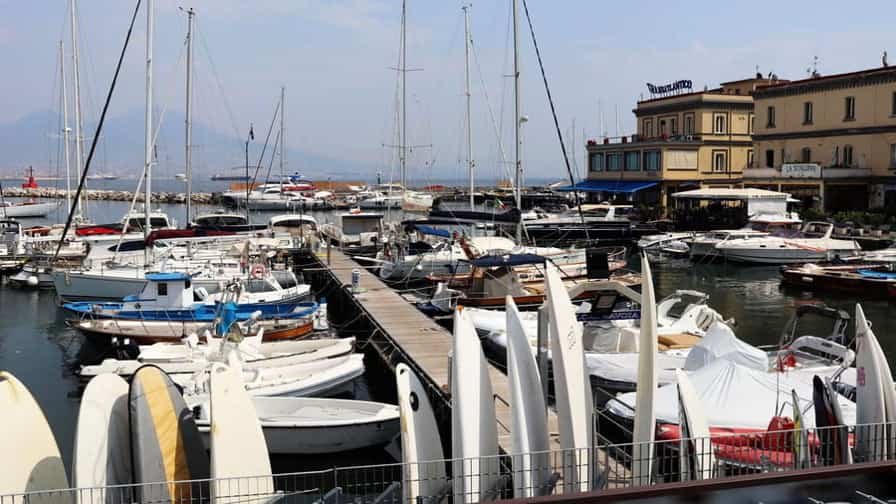
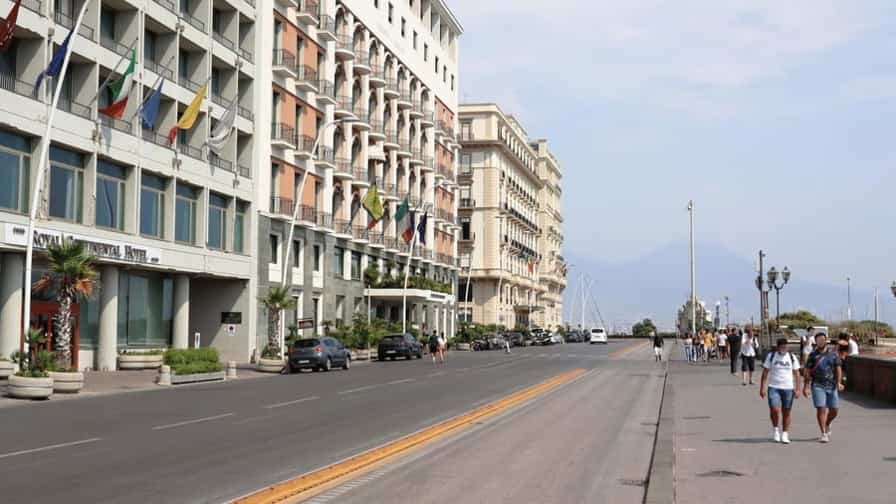
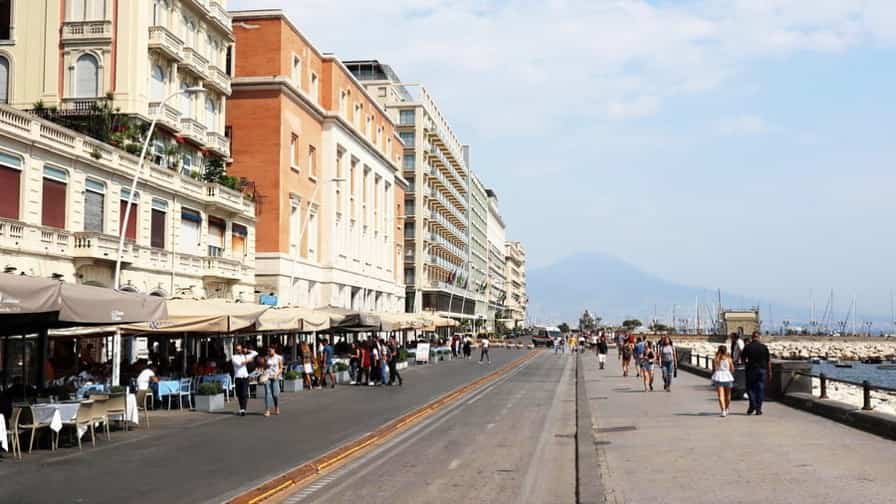
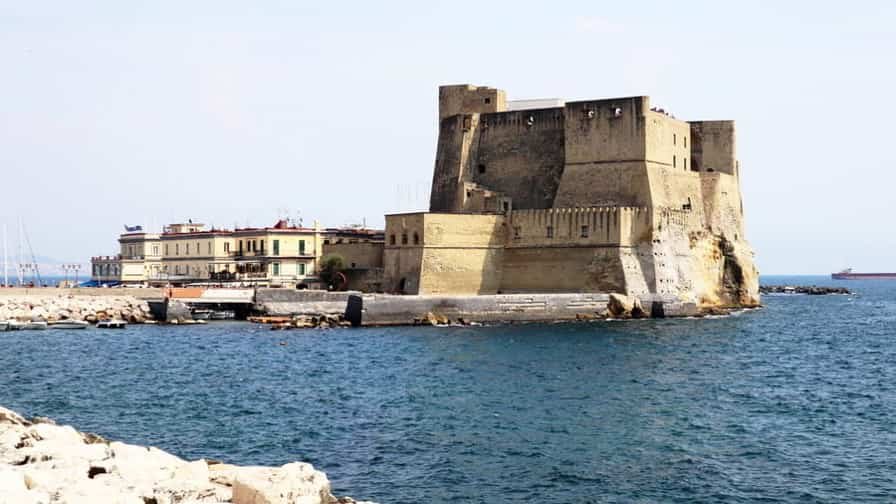
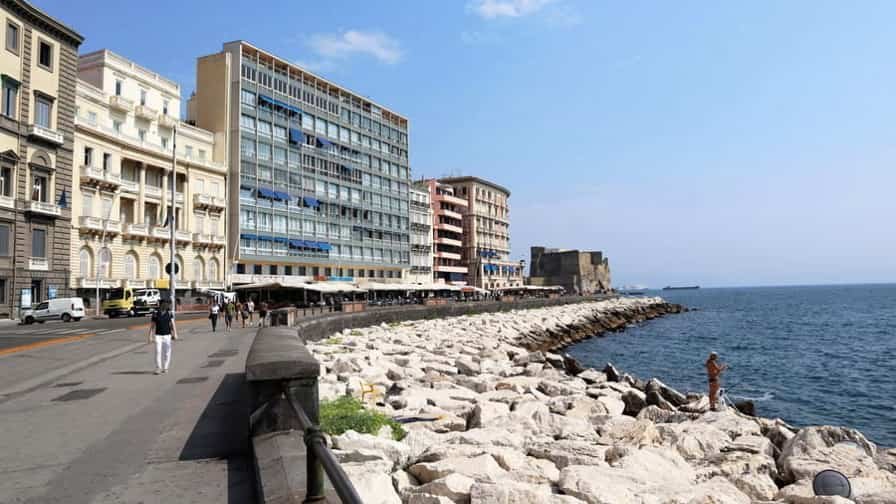
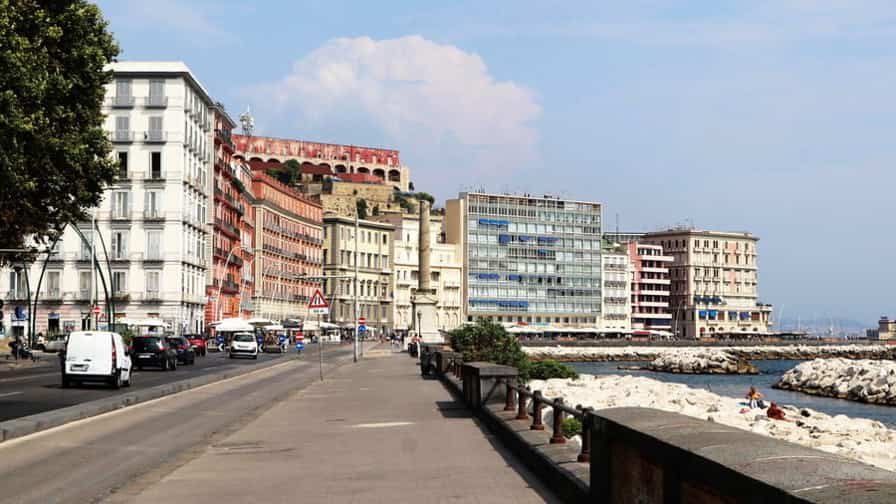
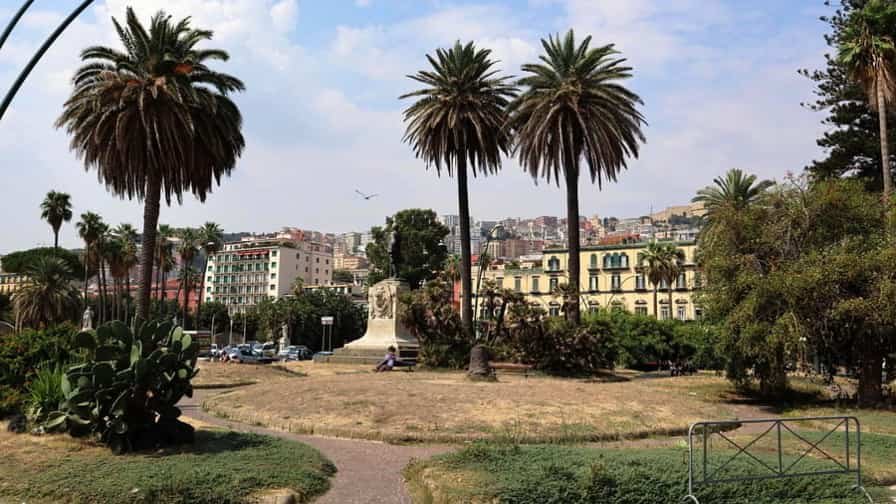
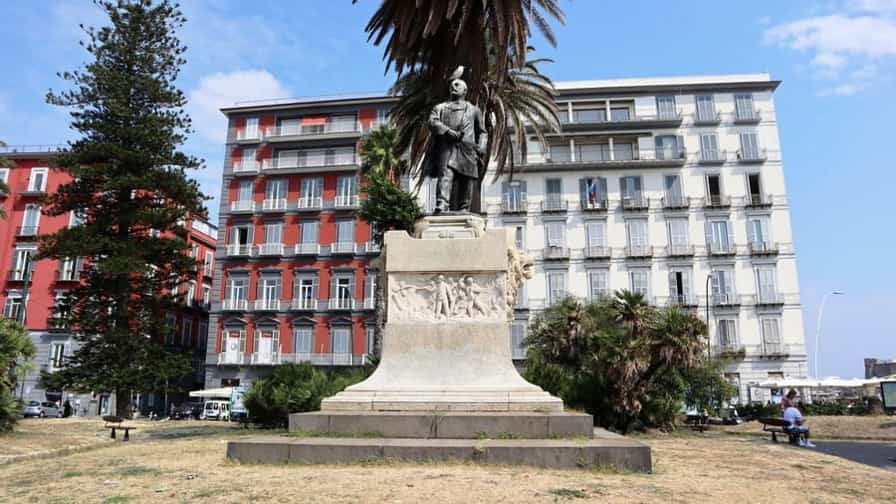
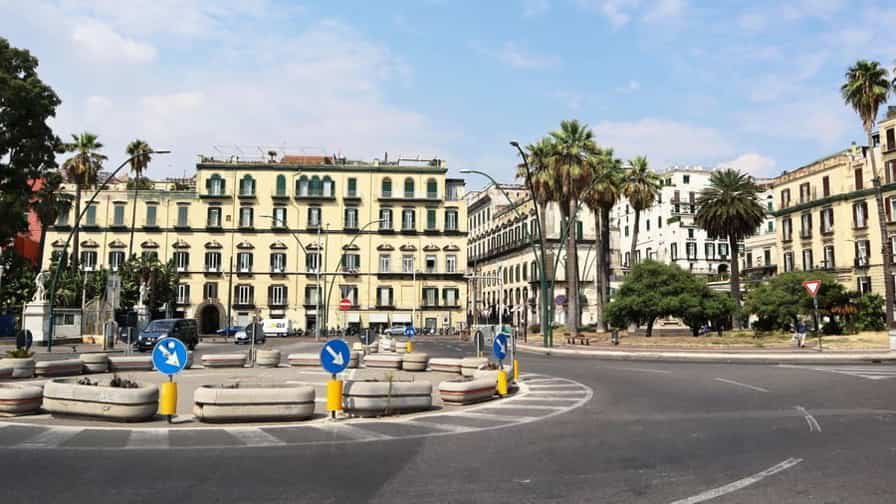
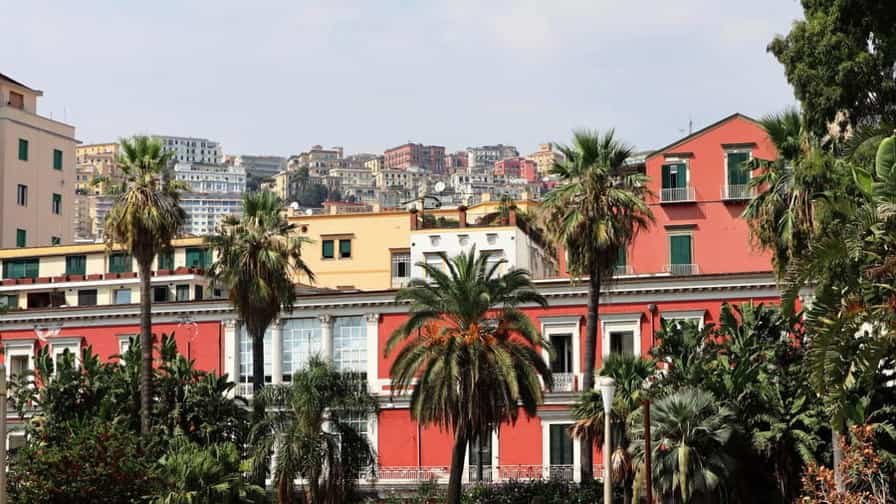
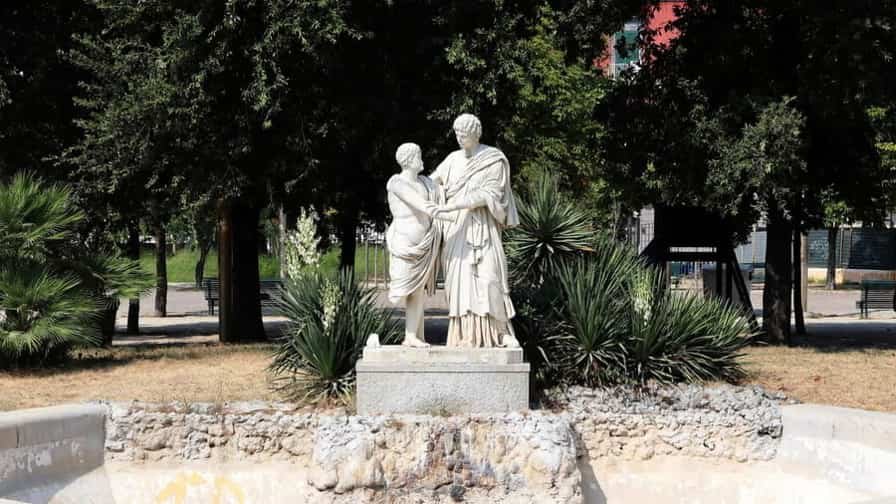
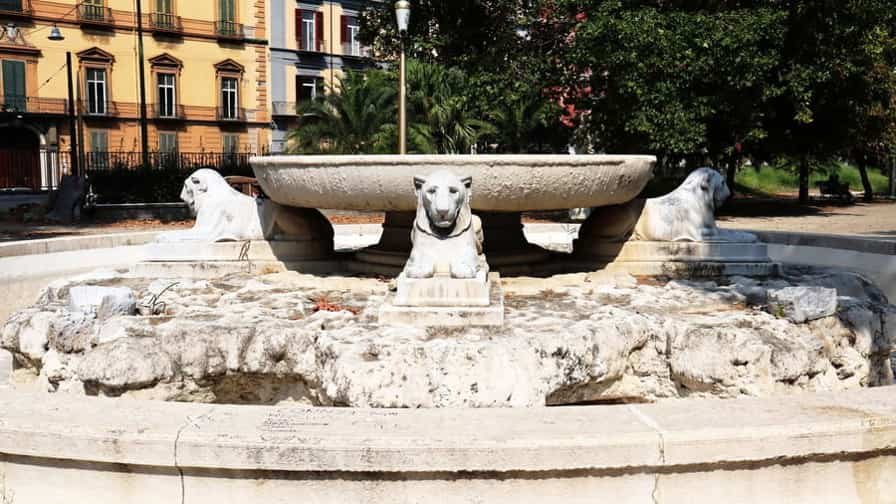
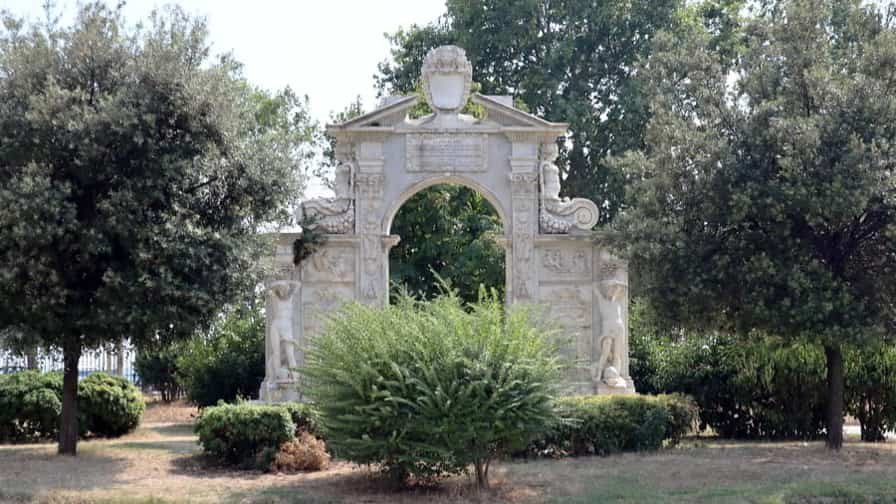
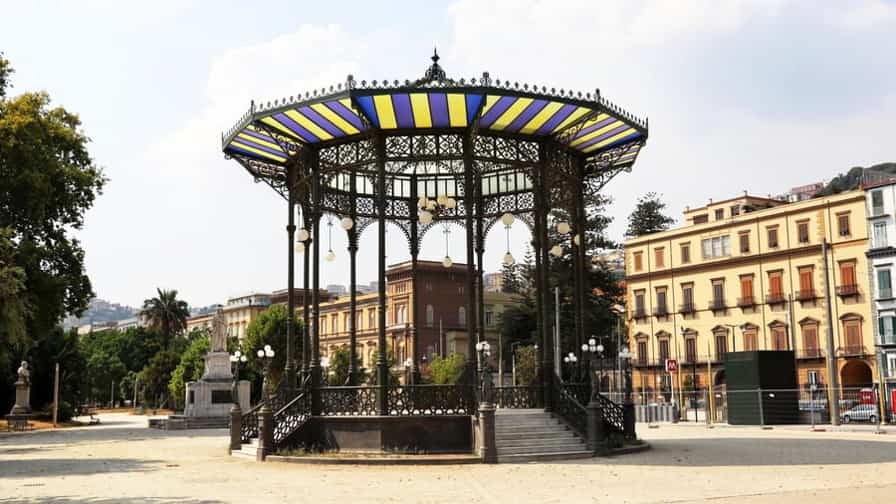
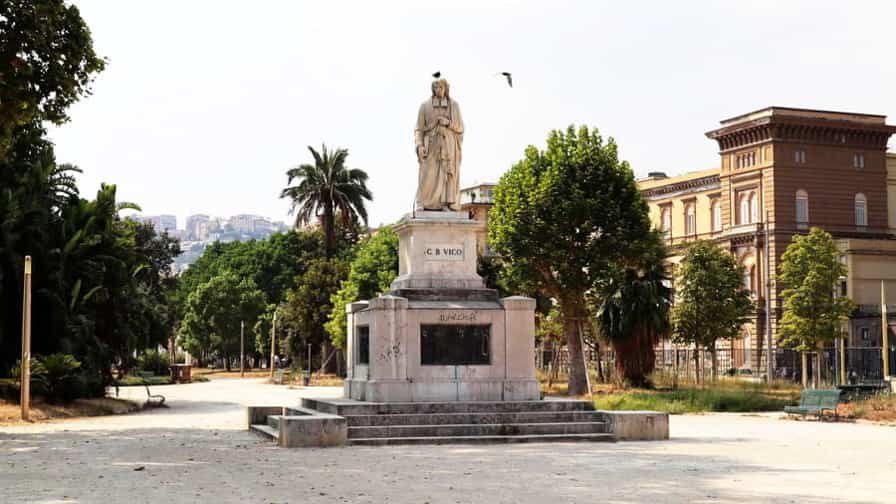
Photo Gallery of Walk 4 – Piazza Giuseppe Garibaldi to Piazza Enrico de Nicola
Approximately 2.72 km – 1.69 miles
Description of Walk 4
The walk starts in Piazza Giuseppe Garibaldi, one of the main transport and commercial areas of Naples, and continues along Via Bologna and Corso Giuseppe Garibaldi. This part of the city is lively and busy, reflecting everyday Neapolitan life. The route then follows Via Alessandro Poerio, Via Della Maddalena and Via Carriera Grande towards Piazza Enrico de Nicola. From the square, the walk reaches the Chiesa di Santa Caterina a Formiello, an important Renaissance church located near the historic city walls. The route then continues along Via Carbonara, one of the characteristic streets of Naples’ historic centre, before passing through Gradini SS. Apostoli and returning to Via Carbonara. The walk proceeds along Via Domenico Cirillo and Via Luigi Settembrini, an area surrounded by historic buildings, churches and cultural attractions. Via Duomo then leads further into the heart of the old city. The route continues through Via San Giuseppe dei Ruffi, Vico S. Petrillo and Strada dell’Anticaglia, where the narrow streets and historic architecture reveal the character of ancient Naples. Passing Via Donnaregina, Via SS. Apostoli and Oronzio Costa, the walk eventually returns to Piazza Enrico de Nicola. Overall, the route provides an interesting introduction to Naples, combining busy modern streets with historic neighbourhoods, religious buildings and centuries of architectural heritage

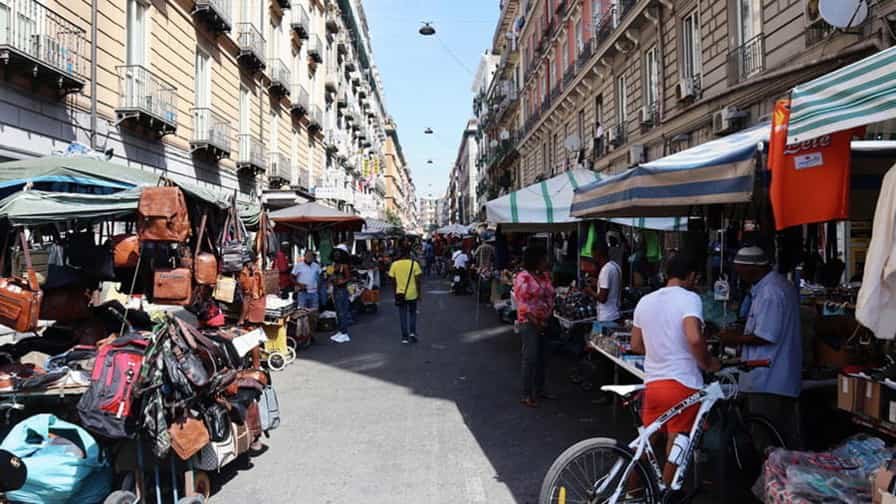
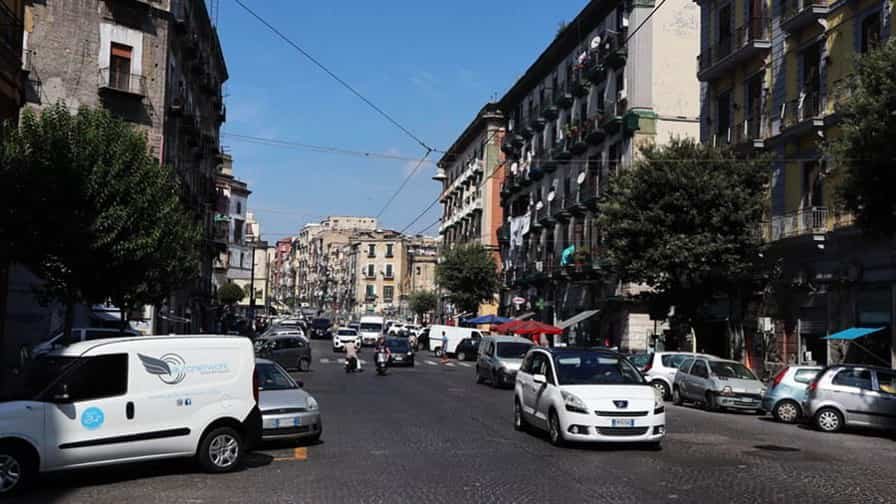
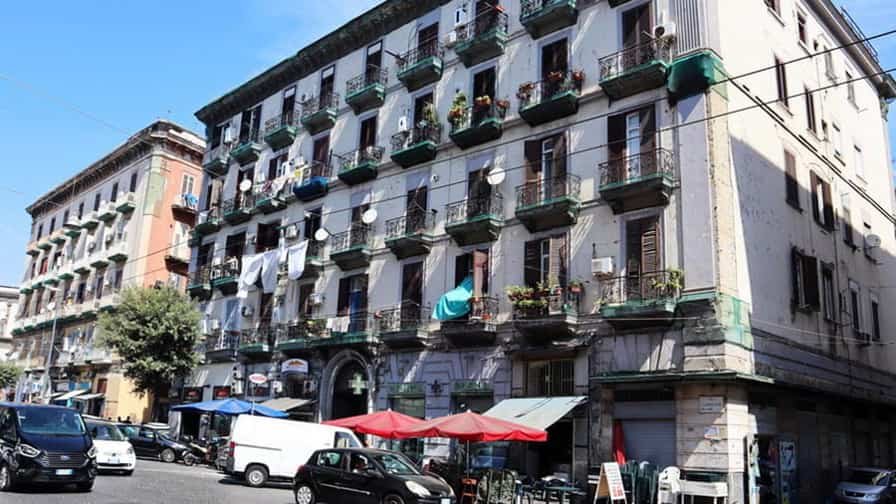
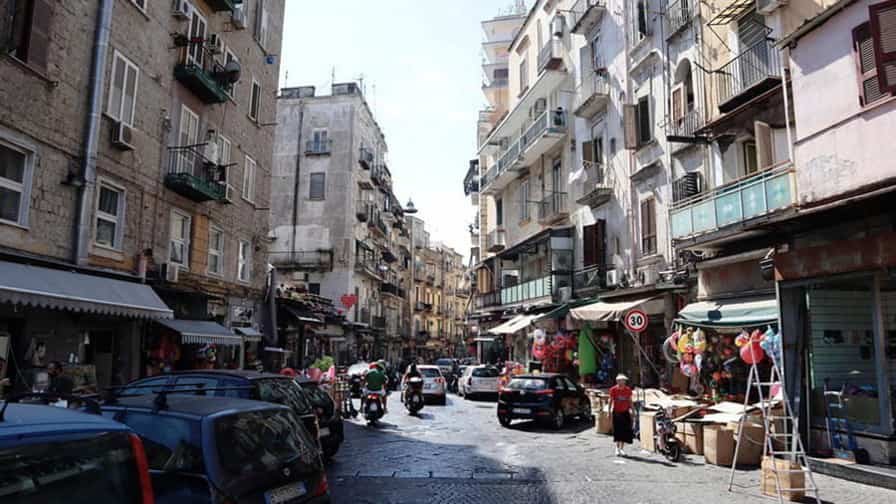
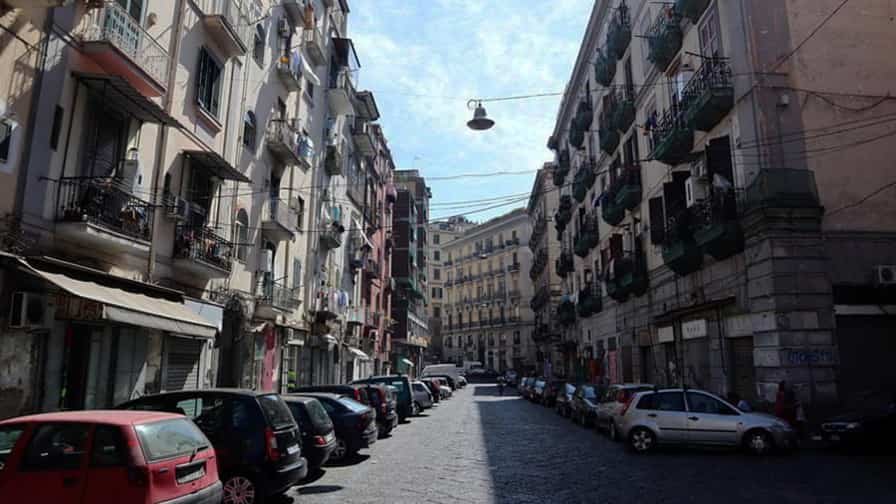
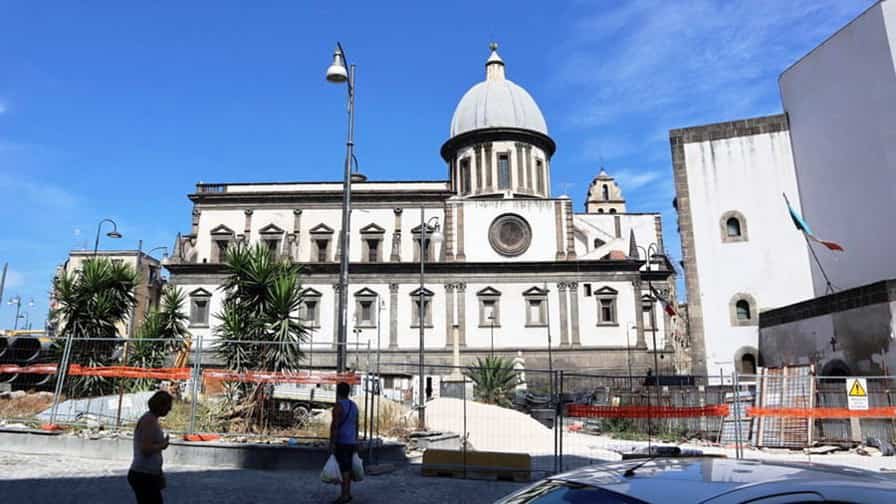
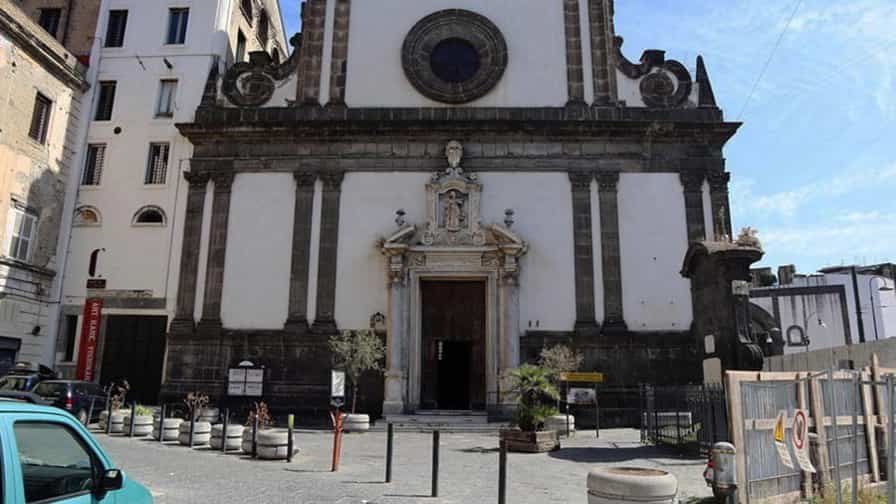
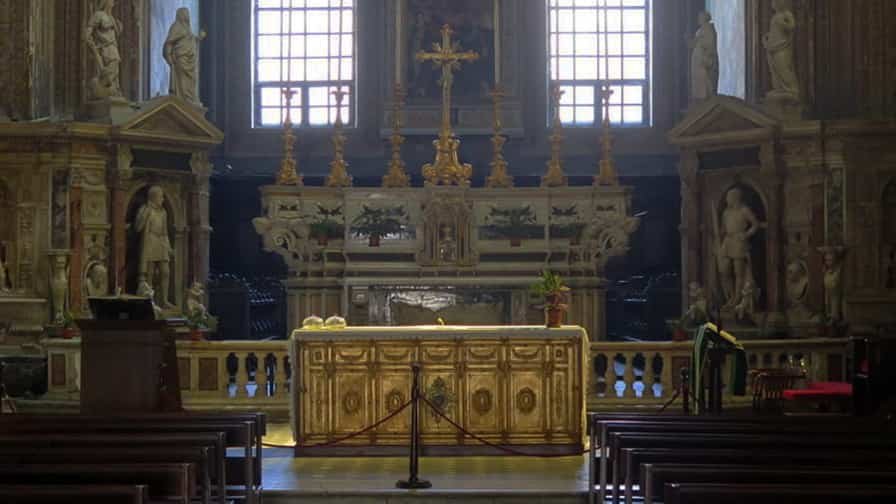
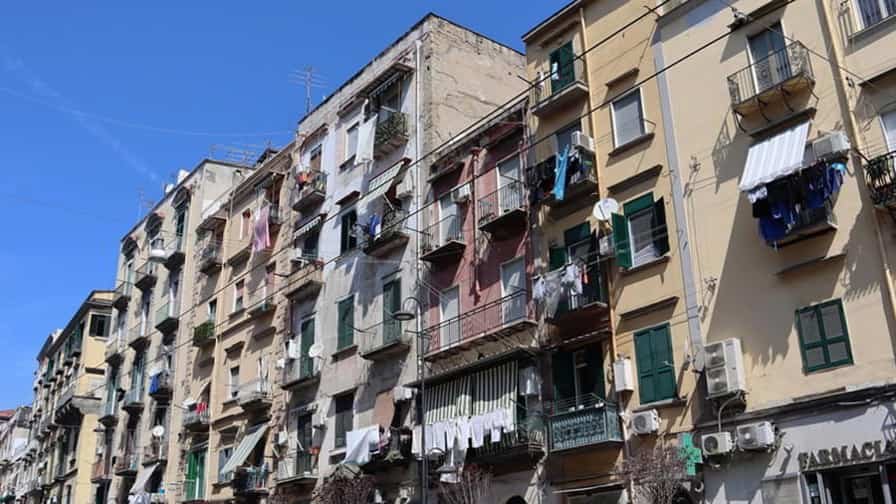

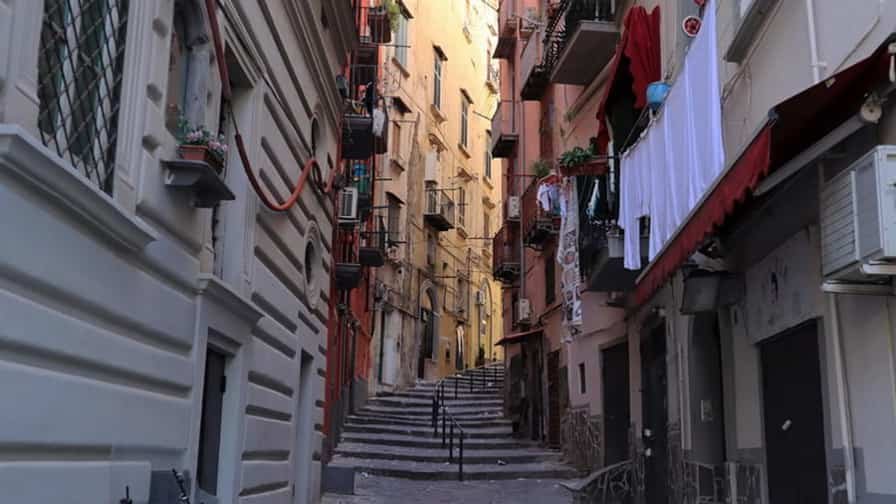
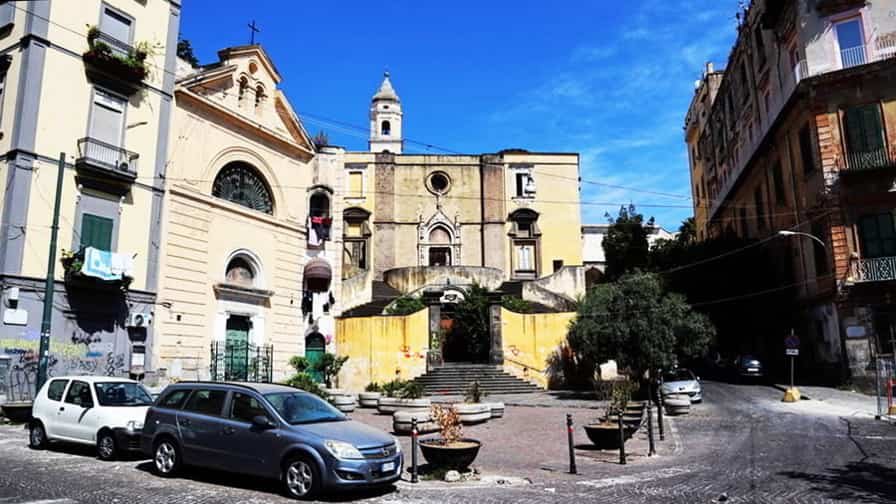
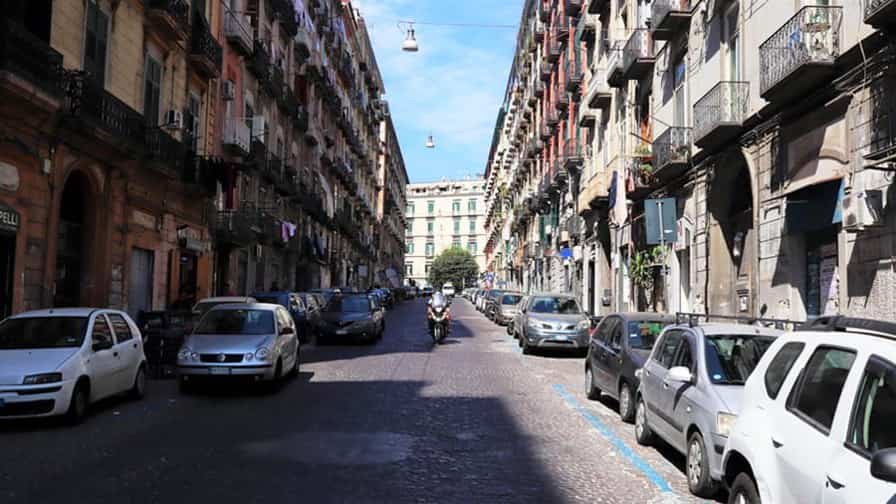
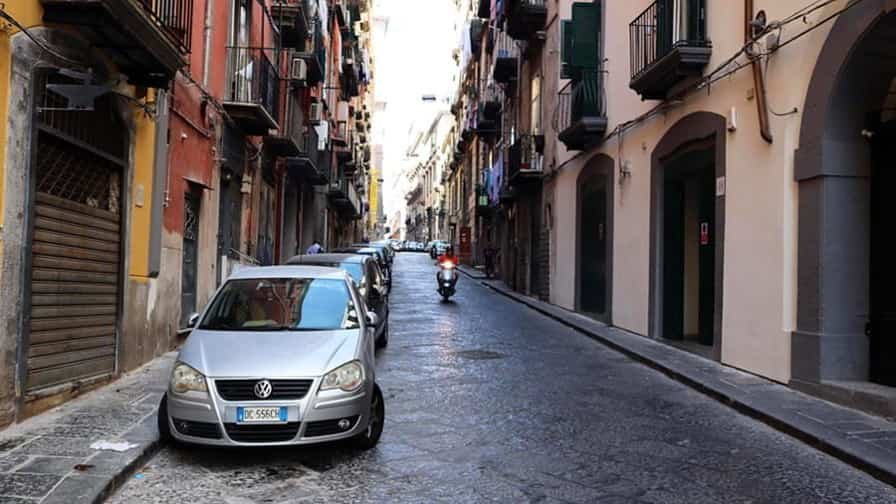
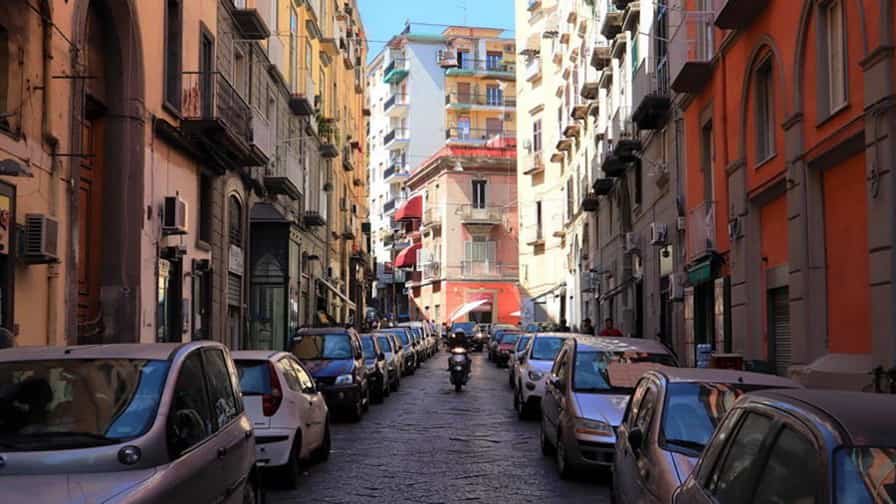
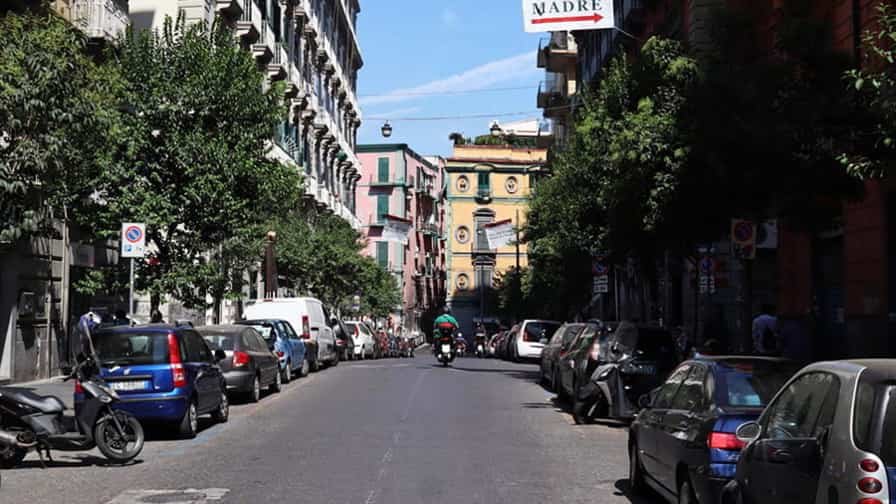
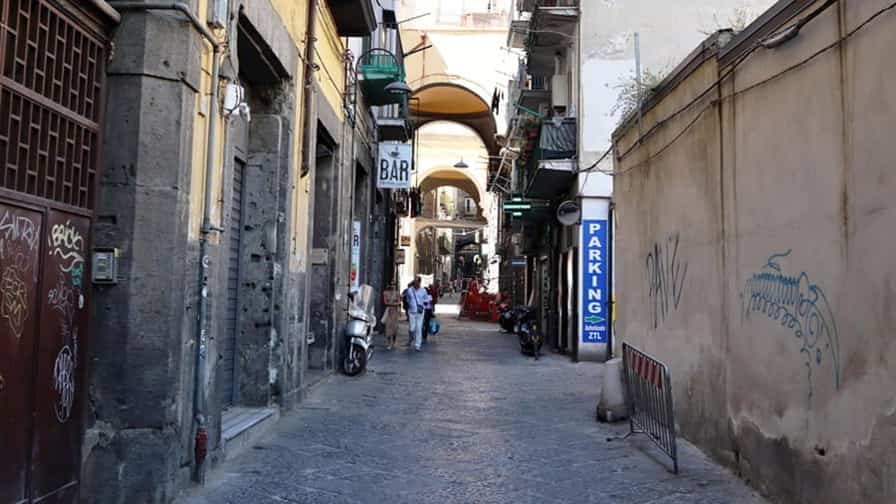
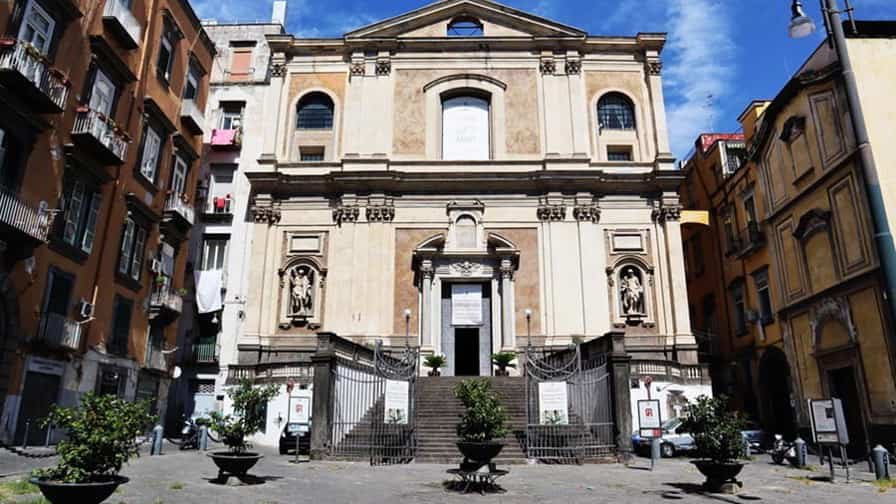
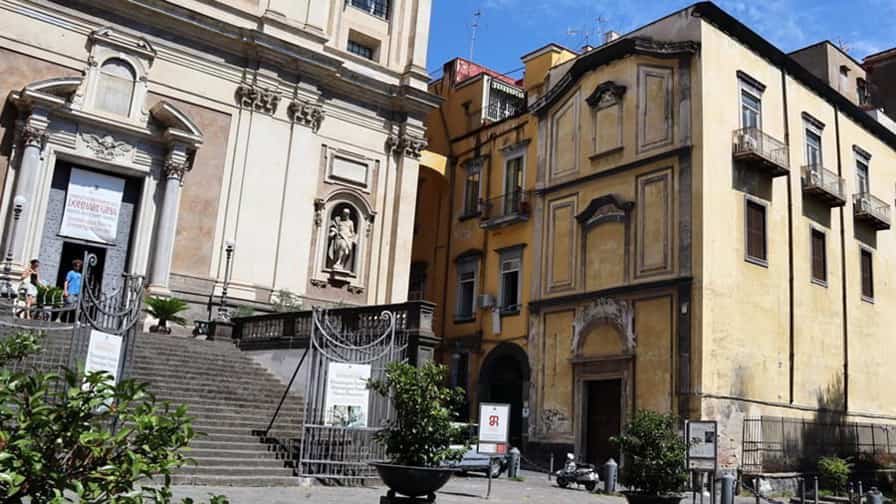
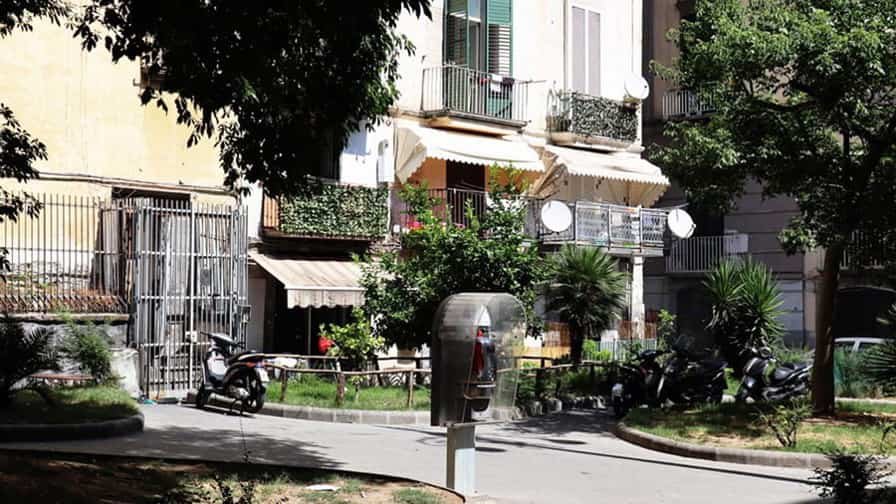
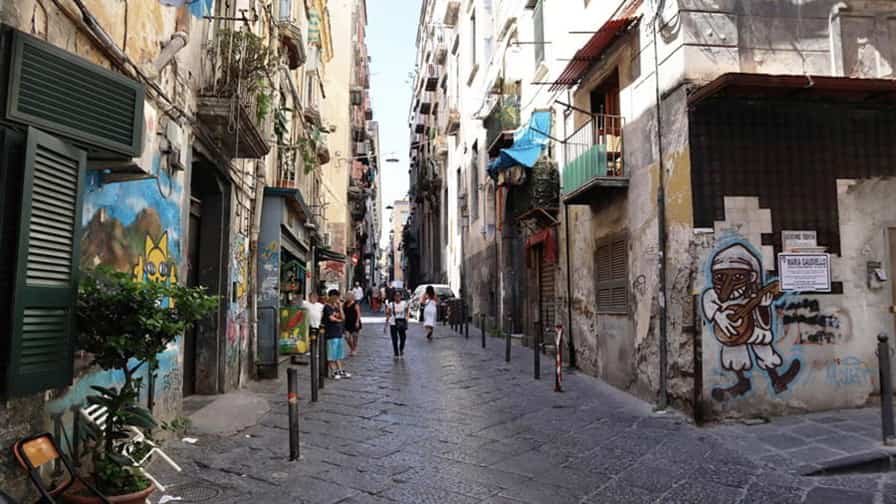
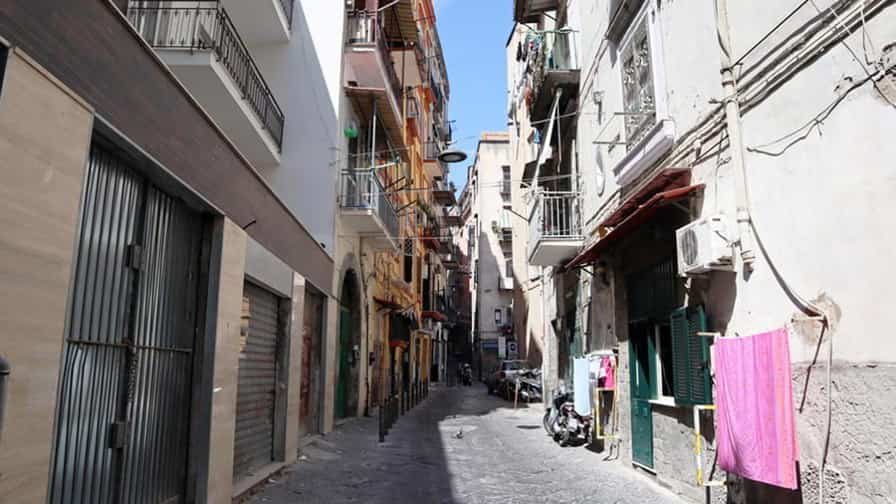
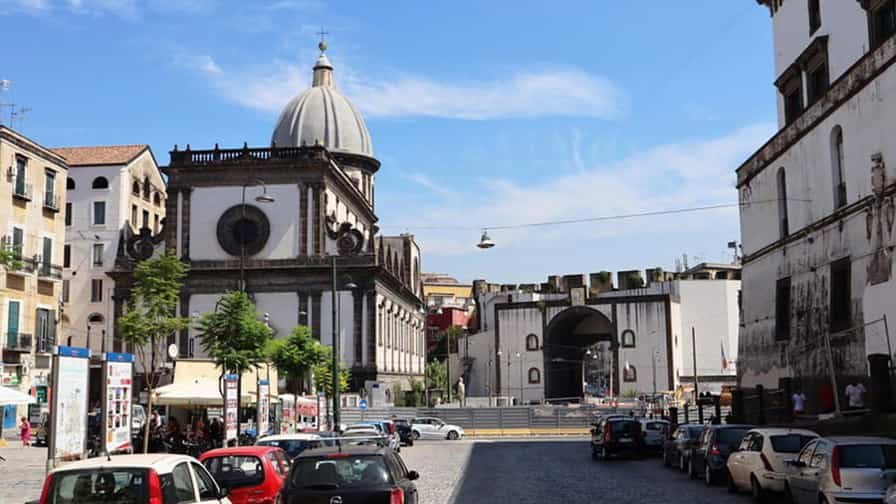
Photo Gallery of Walk 5 – Via Concezio Muzy to Basilica di San Paolo Maggiore, Piazza S.
Approximately 0.76 km – 0.47 miles
Description of Walk 5
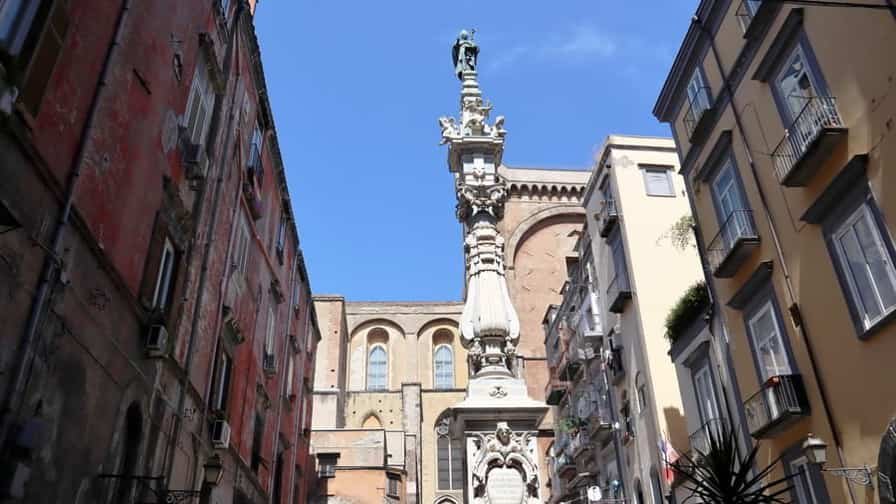
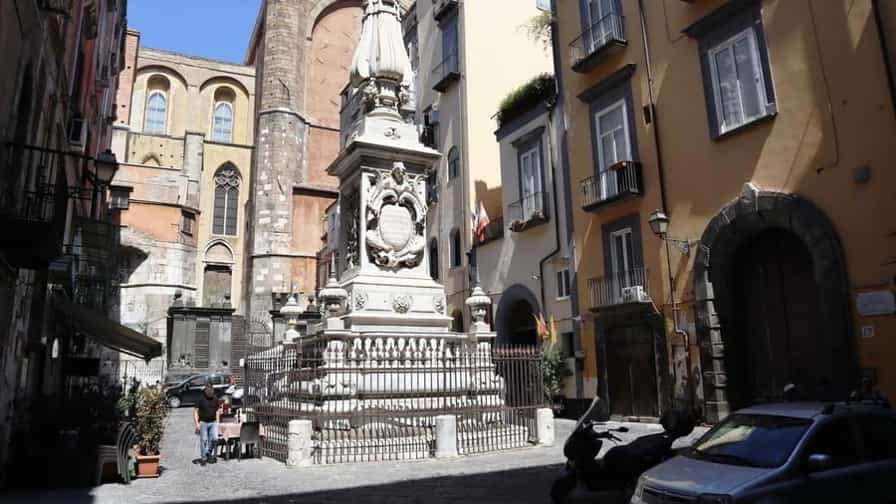
This walk explores the historic centre of Naples, an area renowned for its narrow streets, historic churches, ancient buildings and lively atmosphere. The route begins on Via Concezio Muzy and continues towards Via dei Tribunali, one of the most important streets in the old city. This area follows the ancient Greek and Roman layout of Naples and remains a fascinating mixture of everyday life and historic architecture. The walk continues along Via S. Nicola dei Caserti and Vico S. Maria ad Agnone before reaching Piazzetta Sedil Capuano. From here, the route passes the Obelisco di San Gennaro in Piazza Cardinale Sisto Riario Sforza, an important monument dedicated to the patron saint of Naples. The walk then follows Via Duomo to the magnificent Cattedrale di San Gennaro, one of the city’s most significant religious landmarks. Continuing along Via Duomo, the route returns to Via dei Tribunali and reaches Piazza Gerolomini. The walk then follows Via dei Tribunali towards Piazza S. Gaetano, a lively and historic square surrounded by important monuments and churches. The final destination is the Basilica di San Paolo Maggiore, which stands prominently in Piazza S. Gaetano. Overall, this route offers an excellent introduction to Naples’ historic centre, combining religious heritage, ancient streets, monuments and the vibrant character of traditional Neapolitan neighbourhoods.
COPYRIGHT © 2018-2026 ITALY IN PHOTOS - ALL RIGHTS RESERVED