
HOME
REGIONS OF ITALY
PLACES IN ITALY
PLAN YOUR TRIP
Italy in Photos
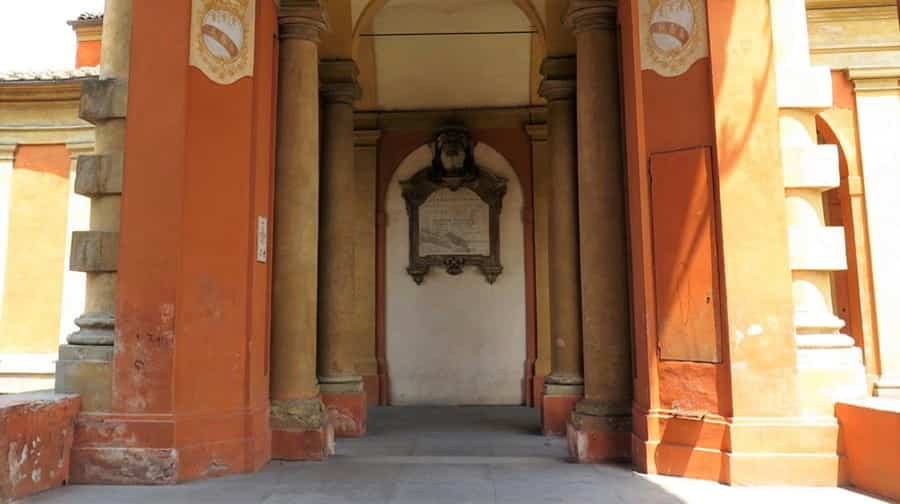
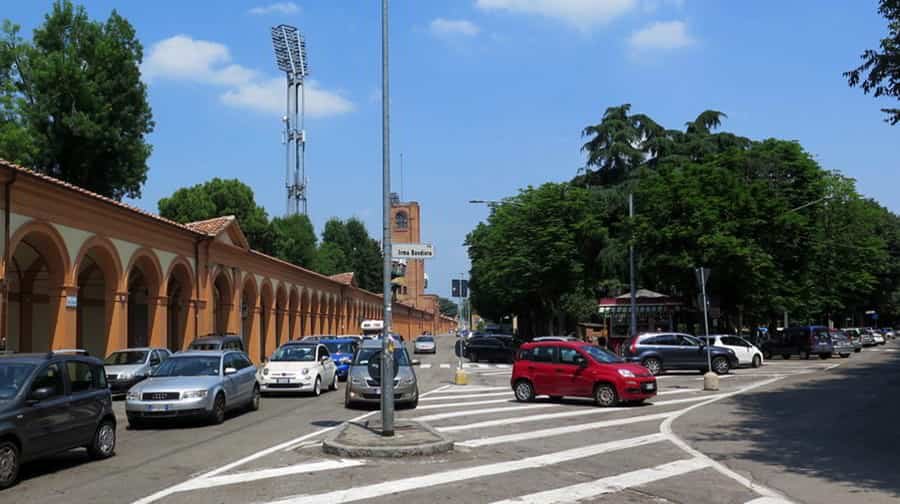
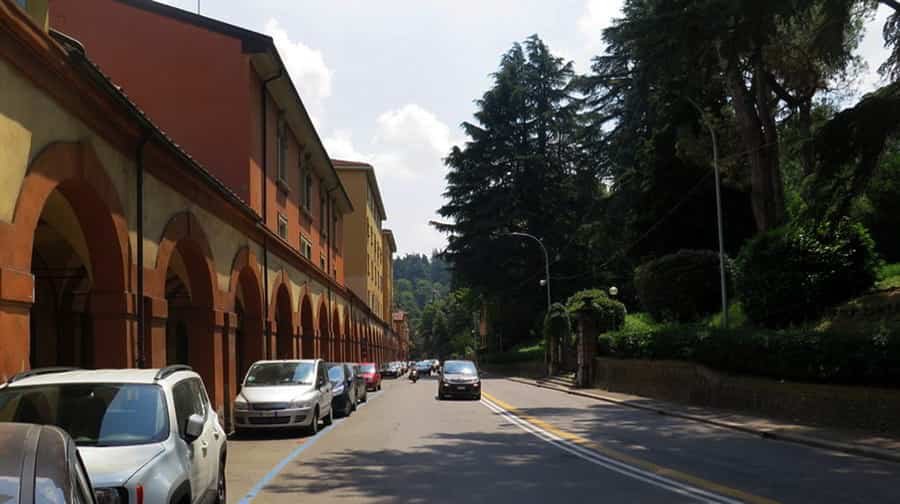
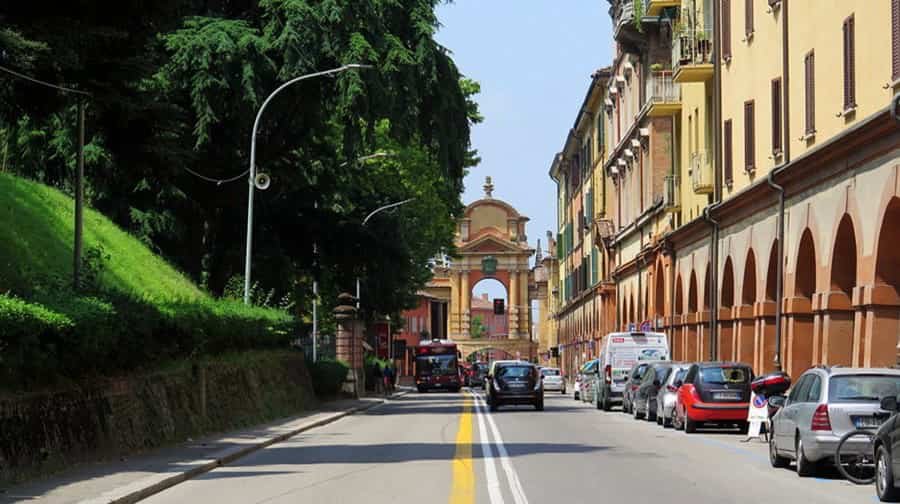
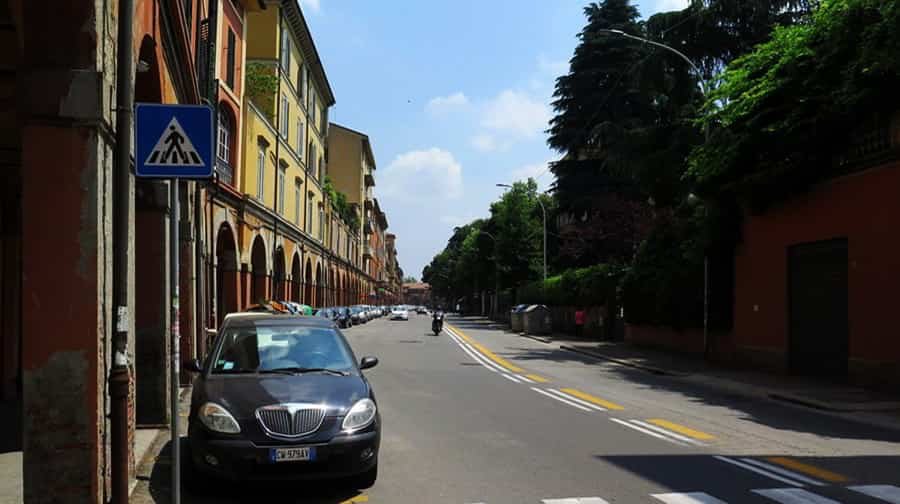
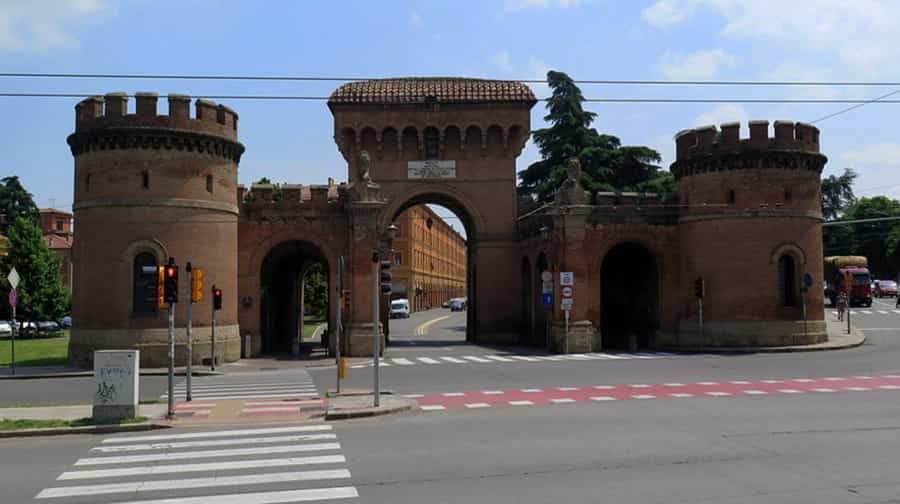
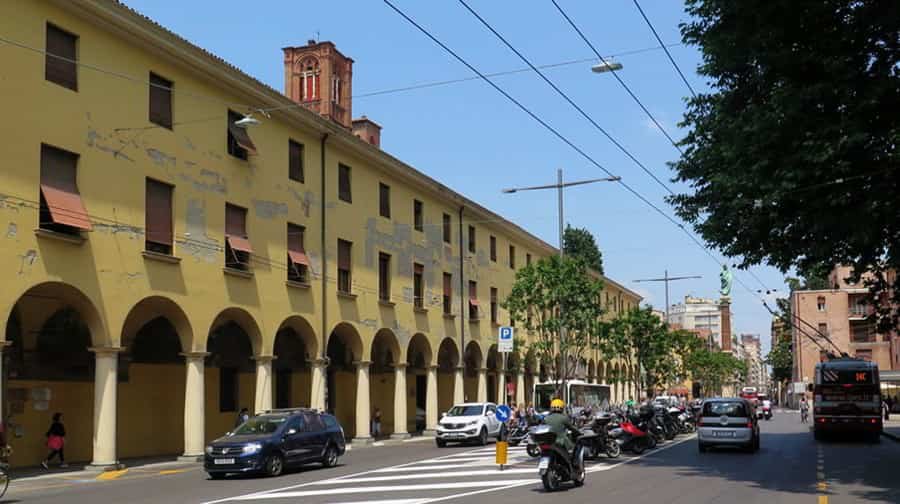
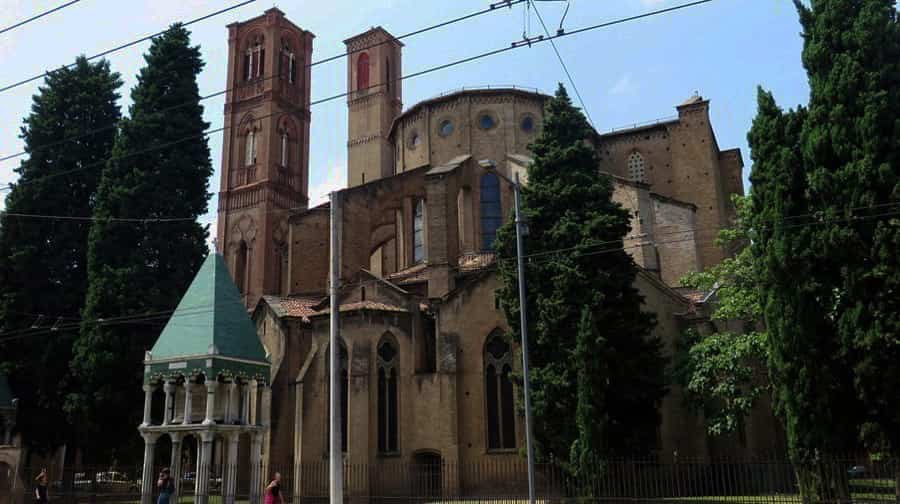
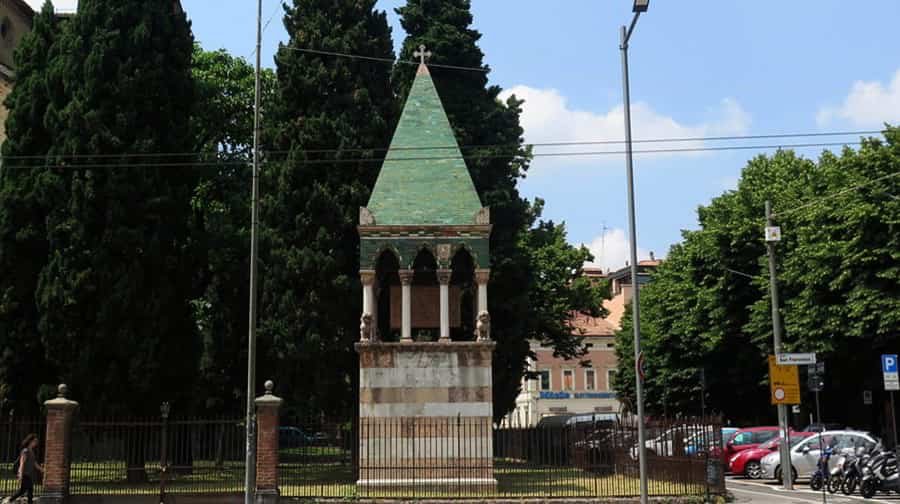
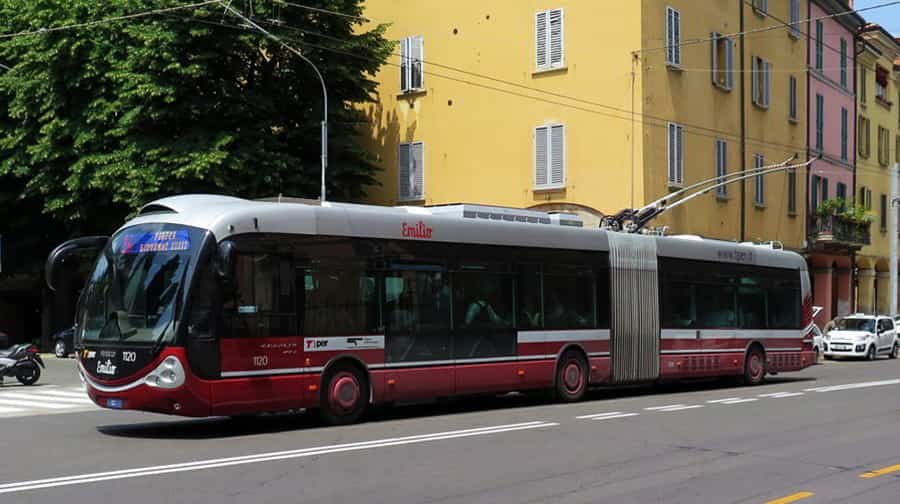
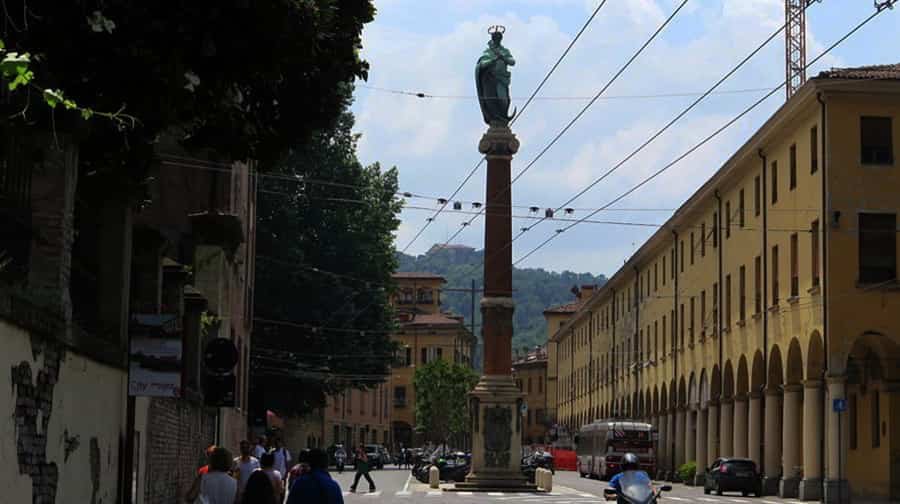
Via Saragozza, 40135 Bologna, Italy (June 2018)
Bologna
Delayed or cancelled flight?
Get up to £520!
You’ve got rights when your flight’s disrupted.
We enforce them and handle everything so you get paid
Bologna, the capital of Italy’s Emilia-Romagna region, is a city of extraordinary richness, known for its intellectual heritage, exceptional cuisine, and one of the best-preserved historic centres in Europe. Positioned between northern and central Italy, Bologna has long been a vital crossroads for trade, learning, and culture. Its distinctive character comes from the way ancient traditions coexist naturally with contemporary life, creating a city that feels both deeply historic and vibrantly modern.
One of Bologna’s defining features is its long-standing role as a centre of education. The University of Bologna, founded in 1088, is widely recognized as the oldest university in the Western world. For centuries, scholars and students from across Europe have travelled here to study law, philosophy, medicine, and the sciences. This academic legacy remains central to the city’s identity, giving Bologna a youthful energy and a strong culture of debate, creativity, and openness. Student life animates the streets, cafés, and piazzas, blending seamlessly with the city’s medieval surroundings.
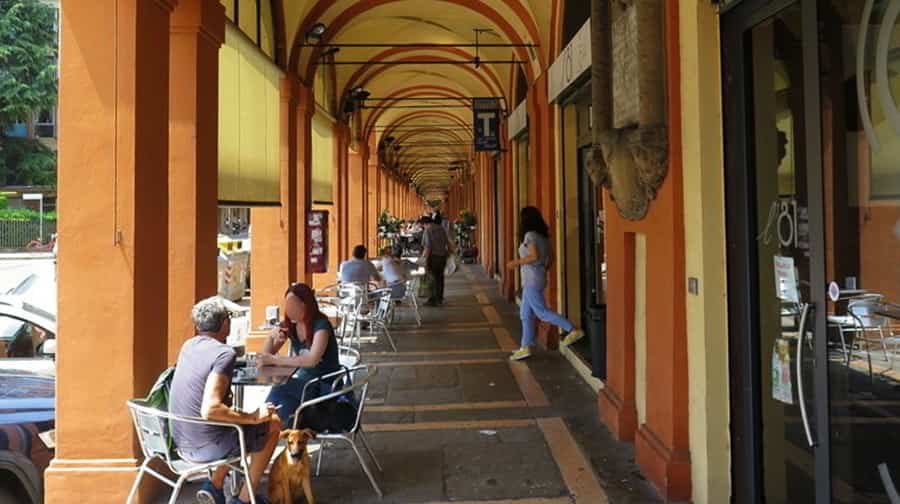
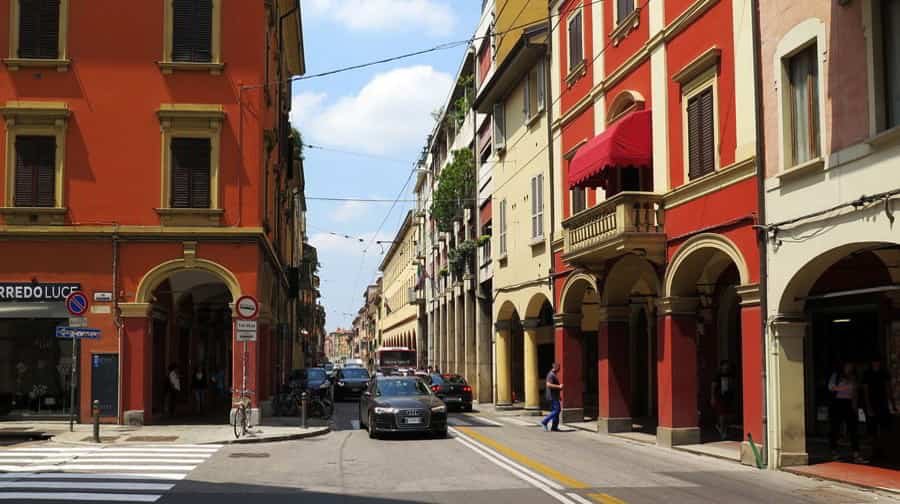
Architecturally, Bologna is immediately recognizable for its warm terracotta buildings and extensive network of covered walkways known as porticoes. These elegant arcades stretch for more than sixty kilometres throughout the city, shaping daily life by encouraging walking, social interaction, and outdoor activity in all seasons. The porticoes are not only practical but also symbolic, representing Bologna’s tradition of civic life and communal space. Their architectural and cultural significance has earned them recognition as a UNESCO World Heritage Site.
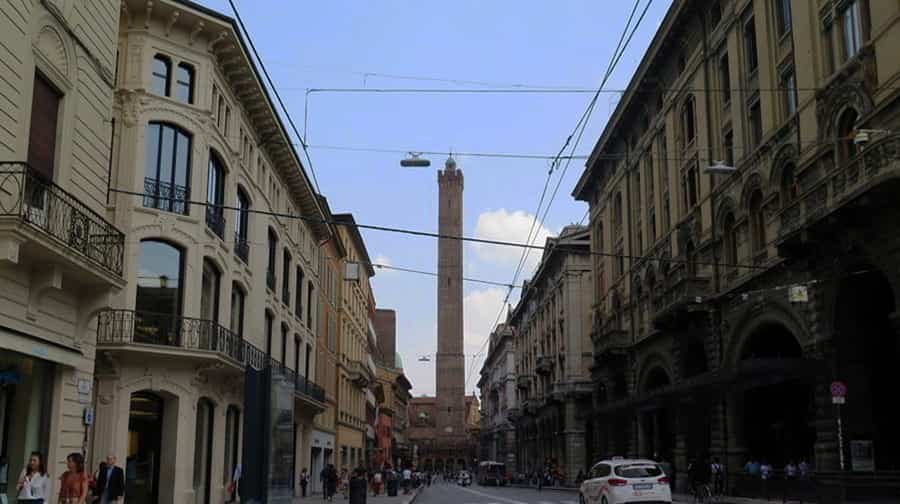
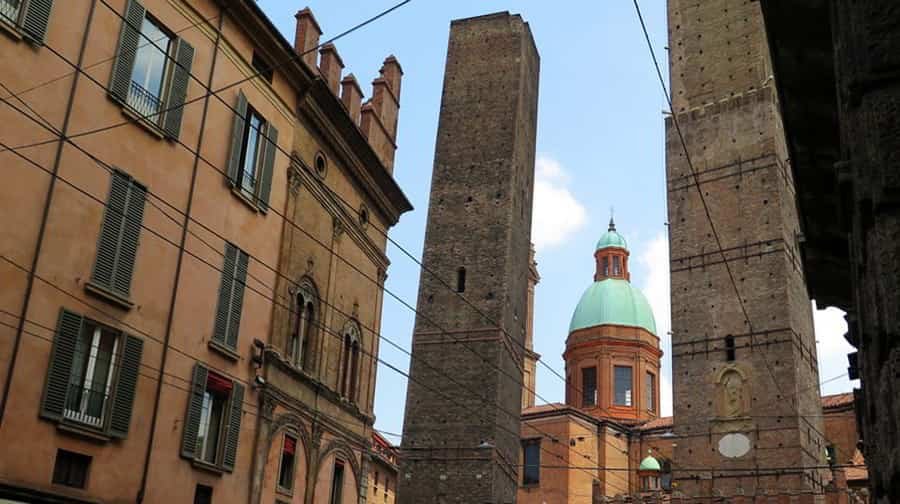
At the heart of the historic centre lies Piazza Maggiore, the city’s main square and a focal point of public life for centuries. Surrounded by monumental buildings, including the Basilica of San Petronio and the Palazzo Comunale, the square remains a place where locals gather for events, conversations, and moments of reflection. Nearby stand the iconic medieval towers of Bologna, most notably the Asinelli and Garisenda towers, which rise above the city as reminders of a time when powerful families expressed their wealth and influence through vertical ambition. The view from the top of the Asinelli Tower offers a striking panorama of red rooftops framed by distant hills.
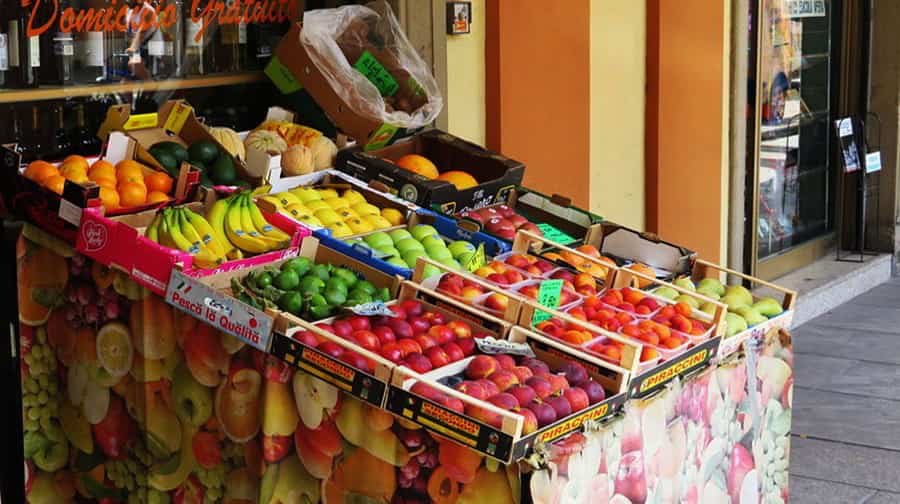
Bologna’s global reputation as a culinary capital is one of its greatest sources of pride. The city is the birthplace of many classic Italian dishes that have become known worldwide, though often misunderstood abroad. Traditional recipes emphasize craftsmanship, patience, and the highest quality ingredients. Handmade pasta, slow-simmered meat sauces, and carefully cured meats are central to local cuisine. Markets, delicatessens, and family-run trattorias form an essential part of daily life, where food is treated not simply as nourishment but as a cultural expression and a shared pleasure.
Culturally and socially, Bologna has long been associated with independence and progressive values. Its history includes strong traditions of civic engagement, political thought, and artistic experimentation. Today, this spirit is reflected in a lively music scene, contemporary art spaces, and a calendar filled with festivals and cultural events. Street musicians, open-air performances, and informal gatherings add to the city’s sense of accessibility and warmth.
The city’s setting further enhances its appeal. Bologna lies at the edge of the Apennine hills, offering easy access to green landscapes, walking trails, and scenic viewpoints. One of the most beloved landmarks is the Sanctuary of the Madonna di San Luca, perched on a hill overlooking the city. It is connected to the historic centre by a continuous covered walkway, creating a unique and symbolic journey that links urban life with the surrounding countryside.
Bologna is a city that reveals itself gradually, rewarding those who take the time to explore its layers. Its streets invite wandering, its cuisine invites lingering, and its atmosphere invites conversation. More than a collection of monuments or traditions, Bologna is a living city shaped by centuries of learning, hospitality, and civic pride. For visitors, it offers not only a rich introduction to Italian culture but also a sense of belonging that makes it easy to feel at home.
Worth a Visit
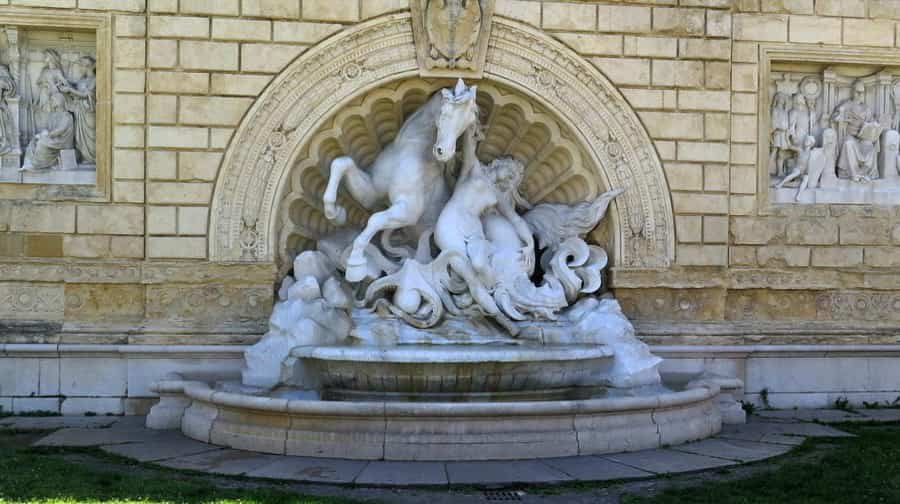
Piazza XX Settembre is a prominent and bustling urban square in Bologna, located just north of the central train station and in front of the leafy Parco della Montagnola, which together form a vital corridor between transit, greenery, and the historic centre. Named in 1909 to commemorate the Breach of Porta Pia and the final consolidation of Italian unification in 1870, the piazza occupies the former site of the city’s third ring of walls surrounding Porta Galliera. As one approaches from Via dell’Indipendenza, Bologna’s main post, Risorgimento boulevard connecting Piazza Maggiore to this piazza, one immediately perceives the square’s scale and civic presence.
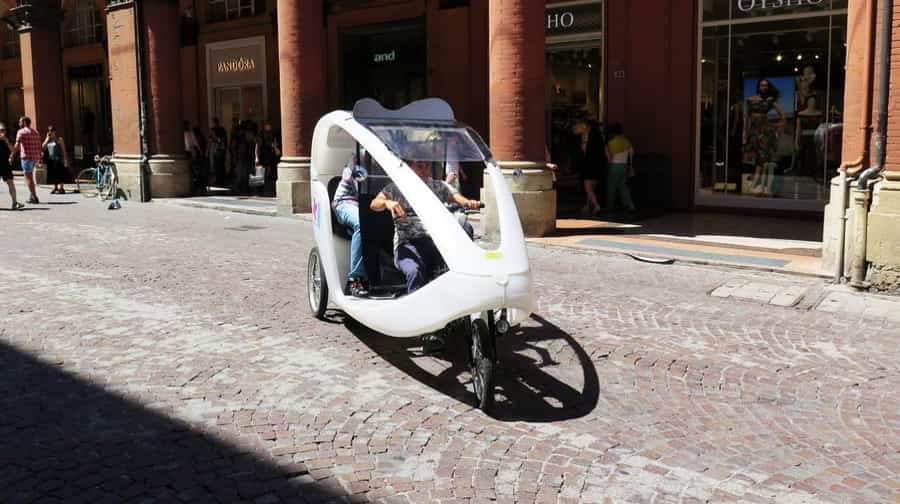
Via dell’Indipendenza is Bologna’s principal artery, stretching nearly 1,100 metres from Piazza Maggiore to Piazza XX Settembre, where it meets the train station and coach terminal. Conceived in the late 19th century, the street was a decisive urban intervention, uniting and straightening ancient thoroughfares such as Canton dei Fiori, Via Malcontenti, Campo de’ Fiori, and the Borgo di San Giuseppe, to create a grand boulevard worthy of Italy’s newly unified capital cities. The concept was initiated in 1861 by engineer Coriolano Monti, supported by Antonio Zannoni, and formally declared of public utility in 1865
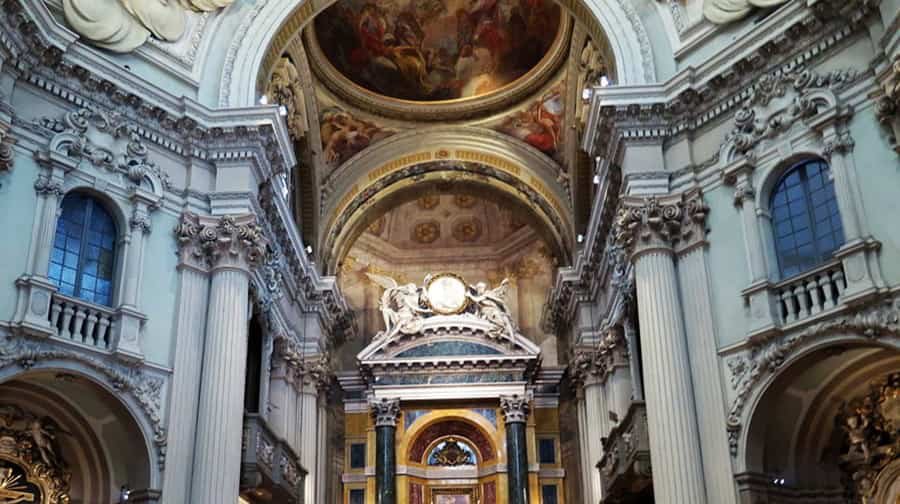
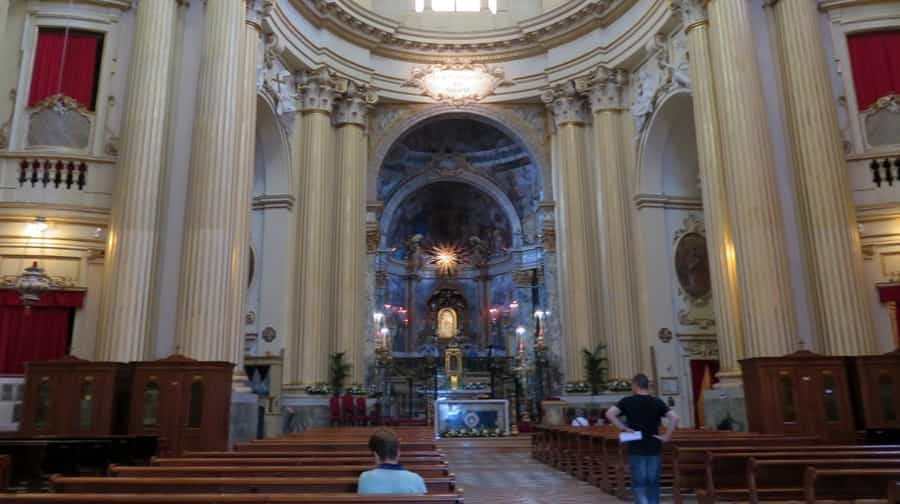
In the heart of Bologna’s historic centre, just steps from the bustling Quadrilatero district, stands the Sanctuary of Santa Maria della Vita, a remarkable church that blends Baroque elegance with profound spiritual and artistic heritage. Though often overlooked by visitors focused on Bologna’s more famous landmarks, this sanctuary is home to one of the most moving sculptural masterpieces of the Italian Renaissance and offers a unique window into the city’s religious and cultural history. The origins of Santa Maria della Vita trace back to the 13th century, when a group of flagellants known as the Battuti founded a hospital and oratory on the site. These lay penitents dedicated themselves to caring for the sick and the poor, and the name “della Vita” (“of Life”) reflected their mission of compassion and service.
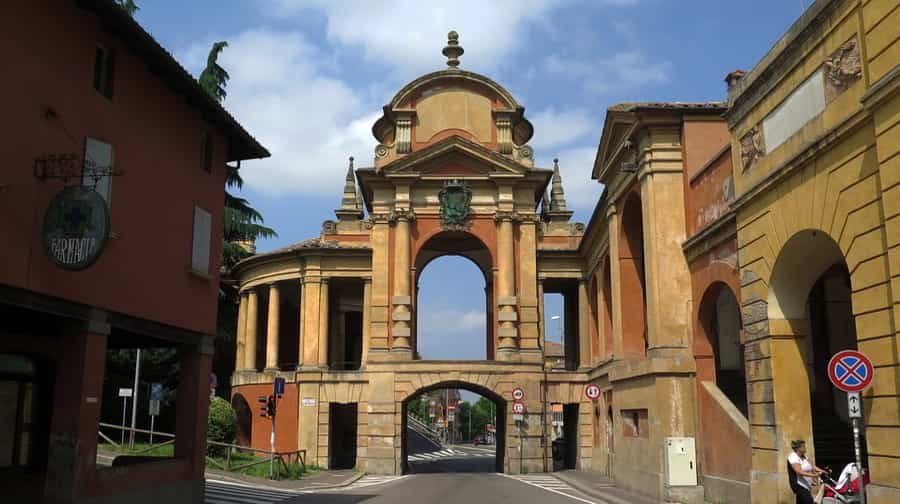
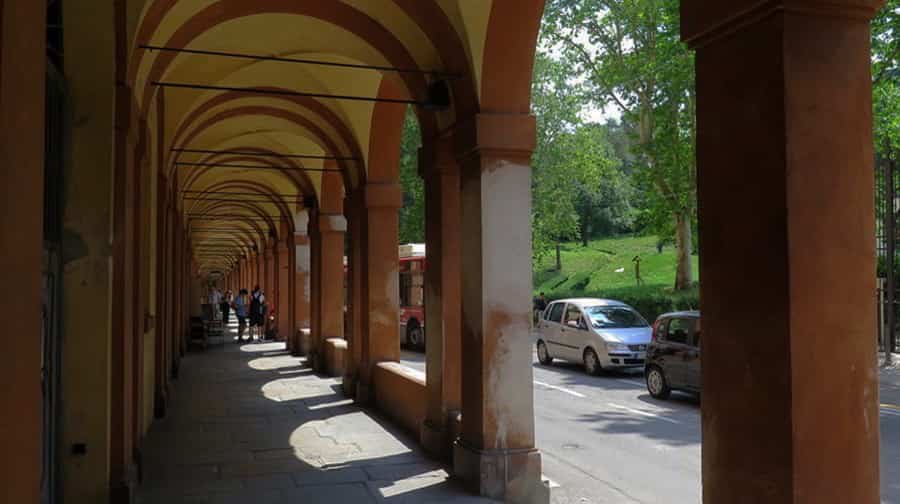
The Portico di San Luca is one of Bologna’s most iconic landmarks and a remarkable feat of religious devotion, architectural ingenuity, and civic pride. Stretching for nearly four kilometres (exactly 3,796 meters), this monumental covered walkway connects the city’s historic centre to the Sanctuary of the Madonna di San Luca, perched atop Colle della Guardia, a wooded hill overlooking Bologna. With its 666 arches, a number traditionally symbolizing the devil, which the sanctuary is said to symbolically “crush”, the portico stands as both a spiritual pilgrimage route and a beloved symbol of the city. Construction of the portico began in 1674 and continued into the 18th century, with the aim of protecting the annual procession of a sacred icon of the Virgin Mary from the sanctuary to Bologna’s Cathedral during the Ascension festival.
Perched atop Colle della Guardia, overlooking the terracotta rooftops of Bologna, the Santuario della Madonna di San Luca is one of the city’s most revered landmarks. This majestic sanctuary has long held a special place in the spiritual and cultural identity of Bologna, serving as a symbol of protection, faith, and tradition. Visible from miles away, it is both a pilgrimage destination and a beloved icon that connects the city’s medieval past with its vibrant present. The origins of the sanctuary date back to the 12th century, when a small hermitage was established on the hill. It was here that a sacred icon of the Virgin Mary and Child, believed to be of Byzantine origin, was brought from the Eastern Mediterranean by a pilgrim in 1160. Over time, reports of miracles and divine protection associated with the image drew increasing numbers of devotees, prompting the construction of a more substantial church to house the icon.
Photo Gallery of Walk 1 in Bologna – Stazione, Piazza delle Medaglie d’Oro to Via Goito
Approximately 1.21 km – 0.75 miles
Description of Walk 1
This walk explores the historic core of Bologna, beginning at Piazza delle Medaglie d’Oro, just outside the central railway station. From here, the route leads toward Porta Galliera, a reconstructed medieval gate that once formed part of the city’s defensive walls and marked an important northern entrance.
Crossing into Piazza XX Settembre, the walk reaches the elegant Scalinata del Pincio, a grand staircase rising into Parco della Montagnola, one of the city’s oldest public parks. Nearby lie the remains of Rocca Galliera, a fortress that once symbolized papal power in Bologna.
From the park, there are striking views over Via dell’Indipendenza, the city’s main commercial artery. Walking along this lively street, lined with arcades, shops, and historic buildings, offers a true sense of Bologna’s vibrant daily life. The route concludes along Via Goito, a smaller street that retains a more traditional atmosphere. Overall, the walk blends history, architecture, and urban energy, providing an engaging introduction to Bologna’s layered past and dynamic present.
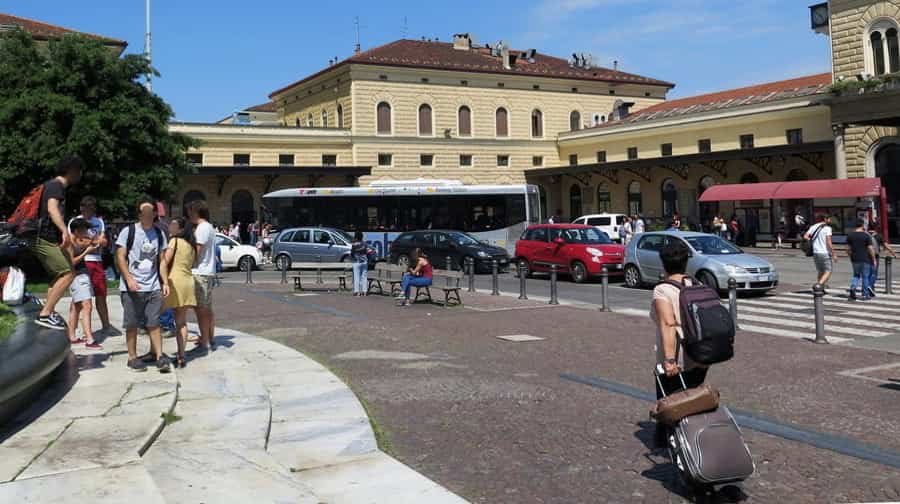
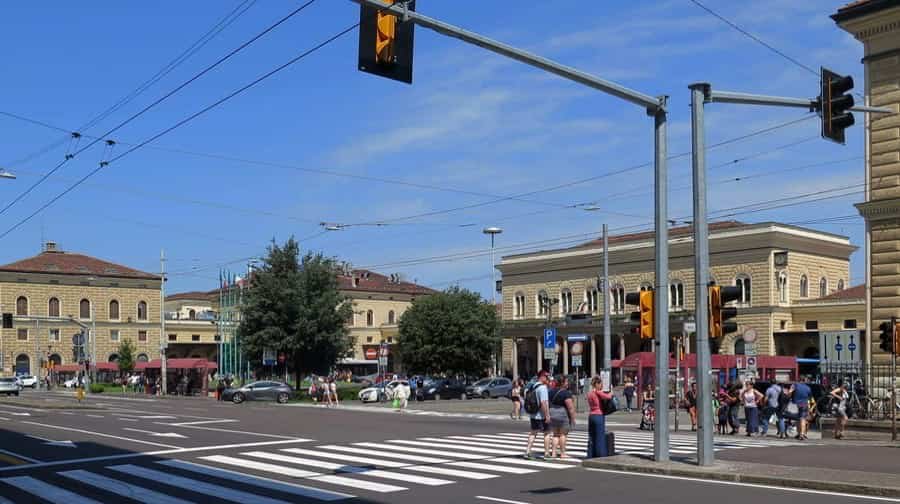
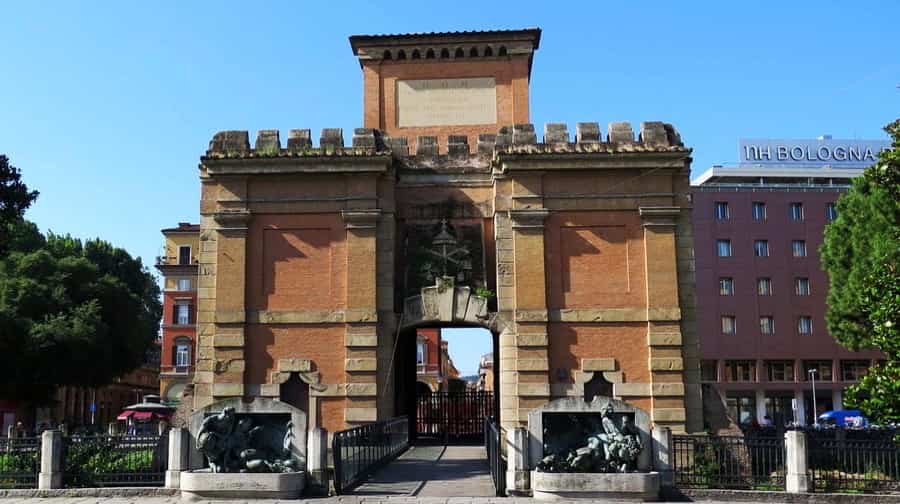
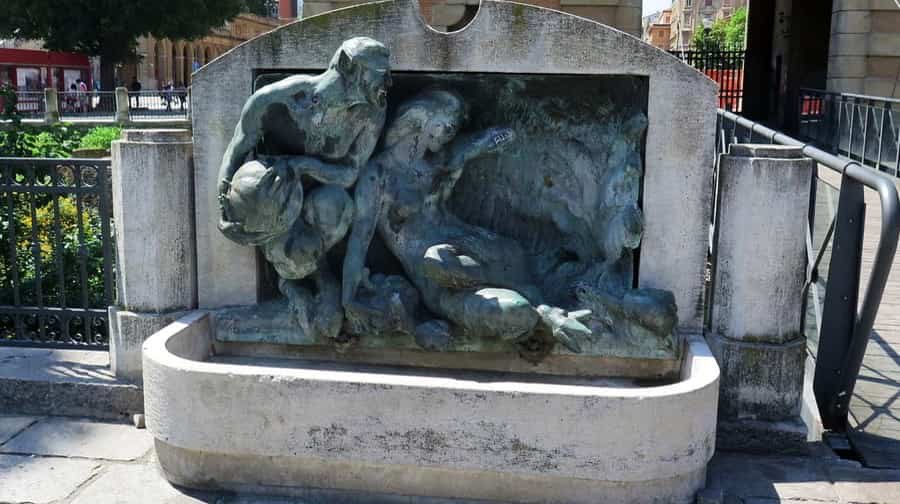
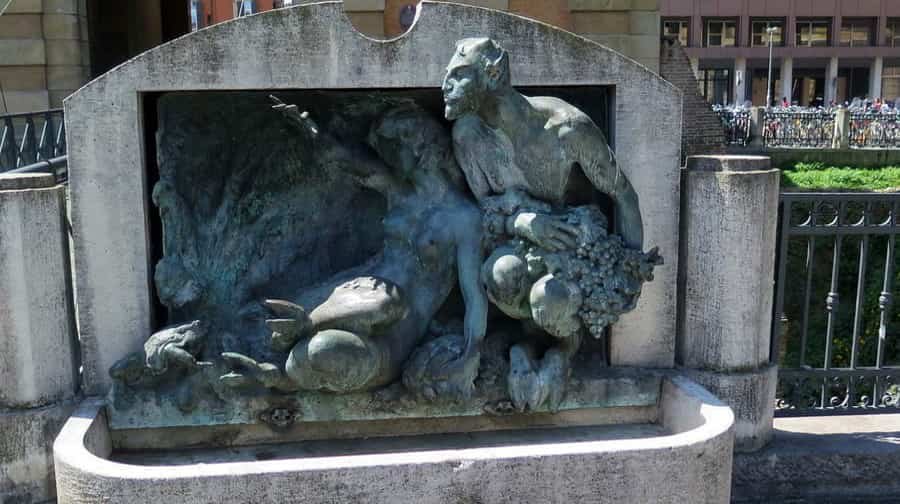
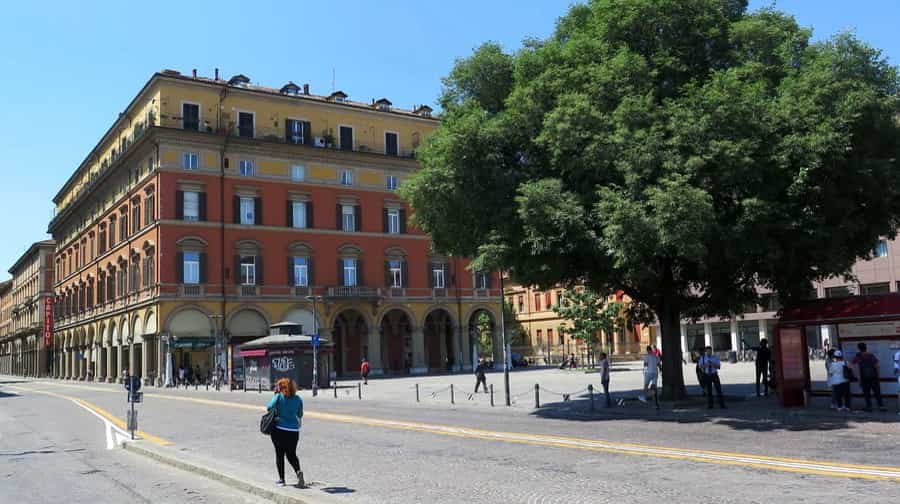
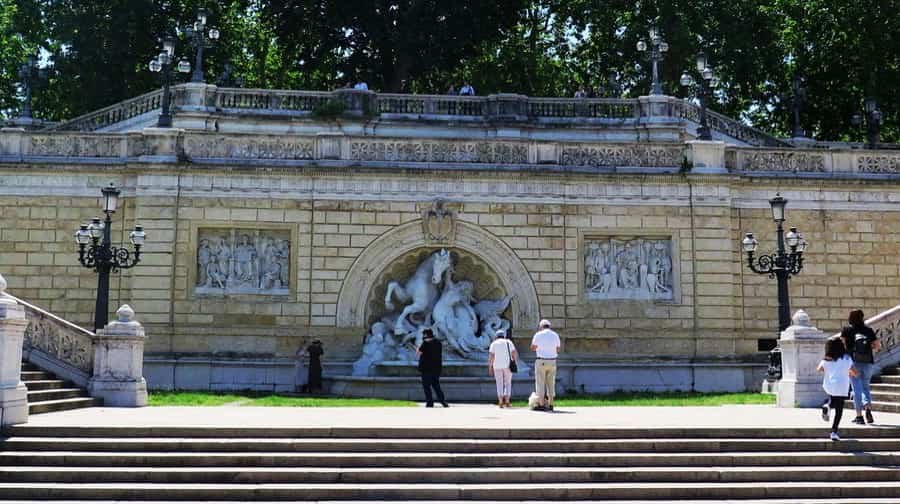
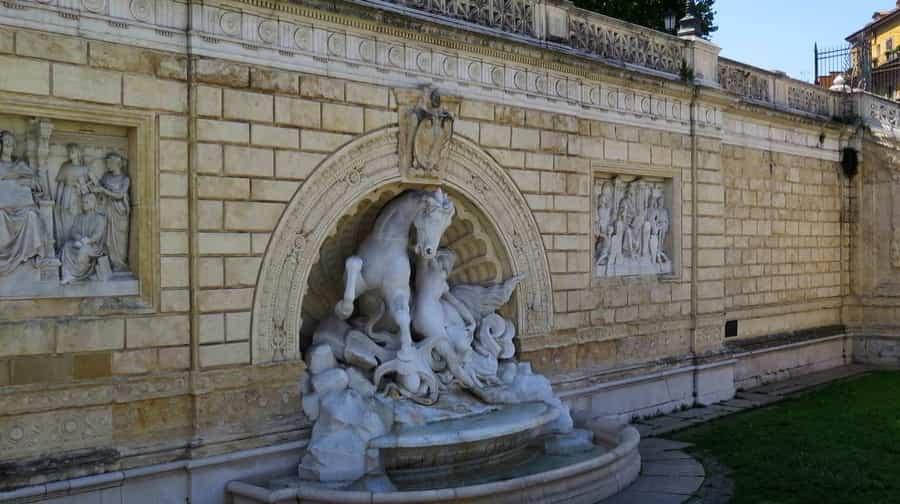
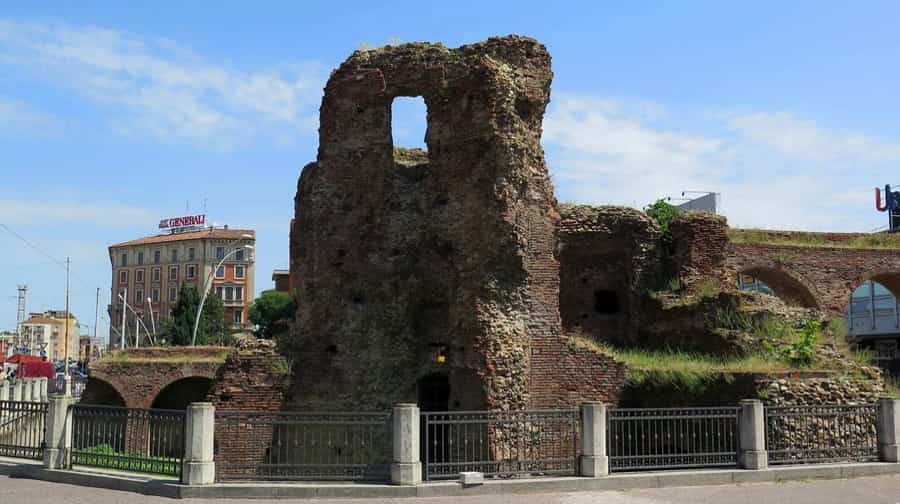
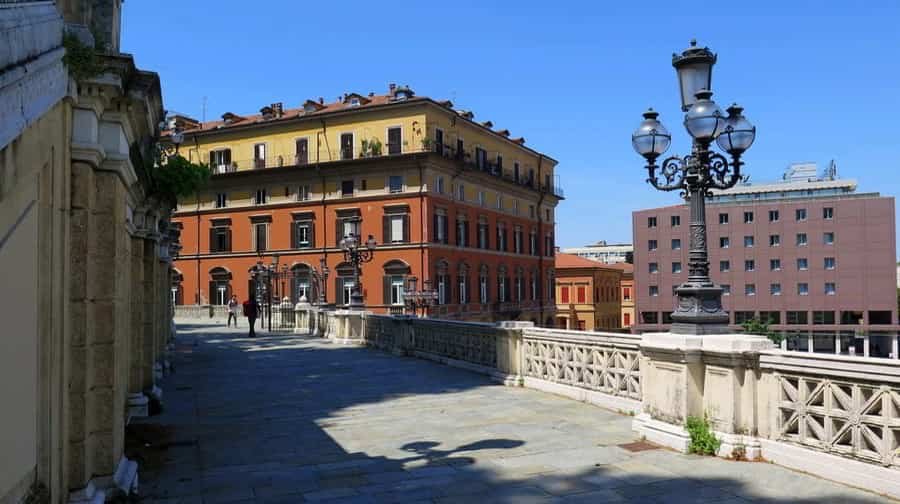
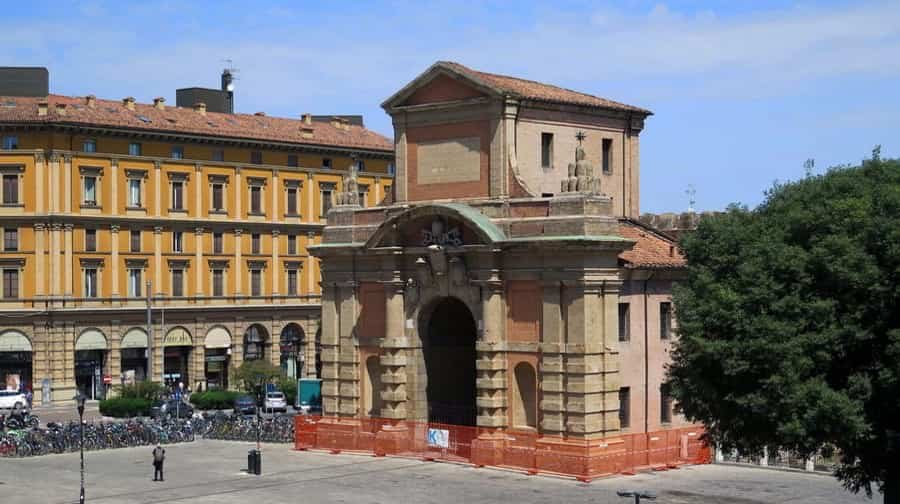
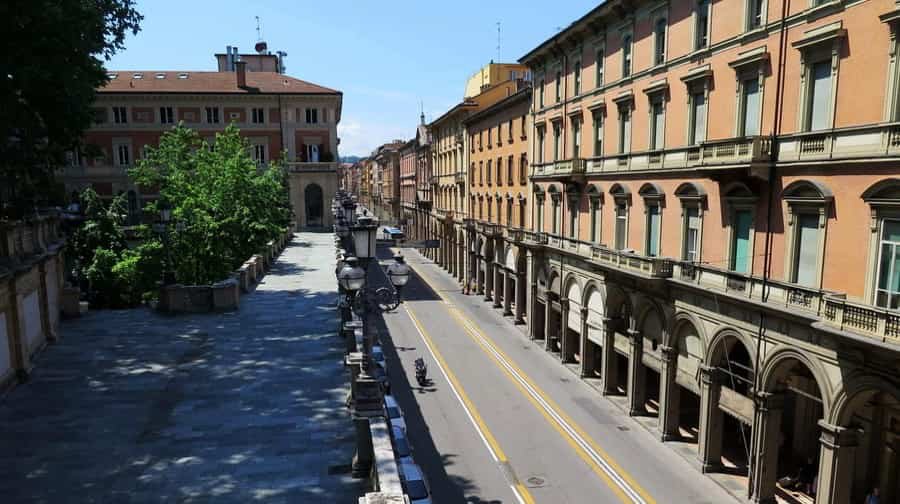
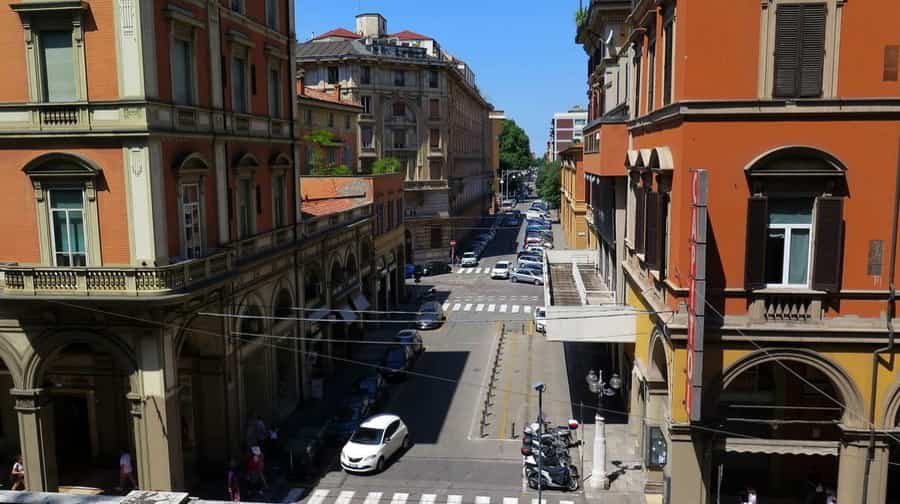
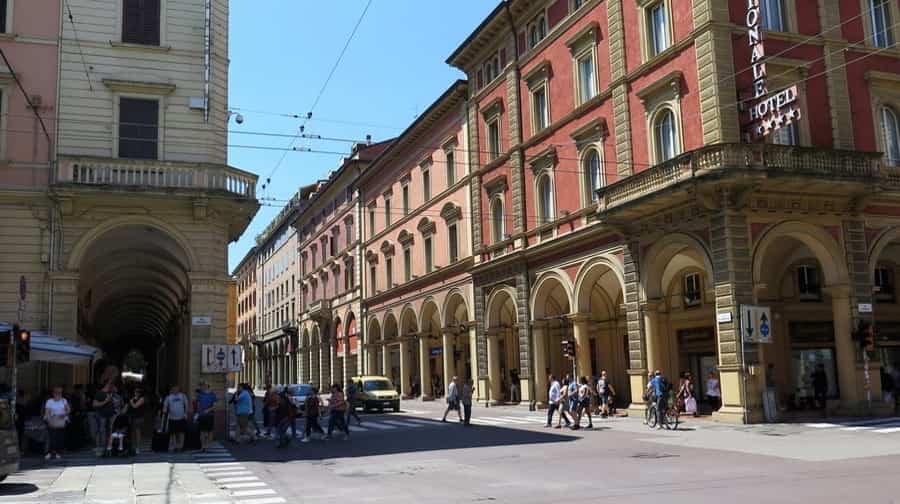
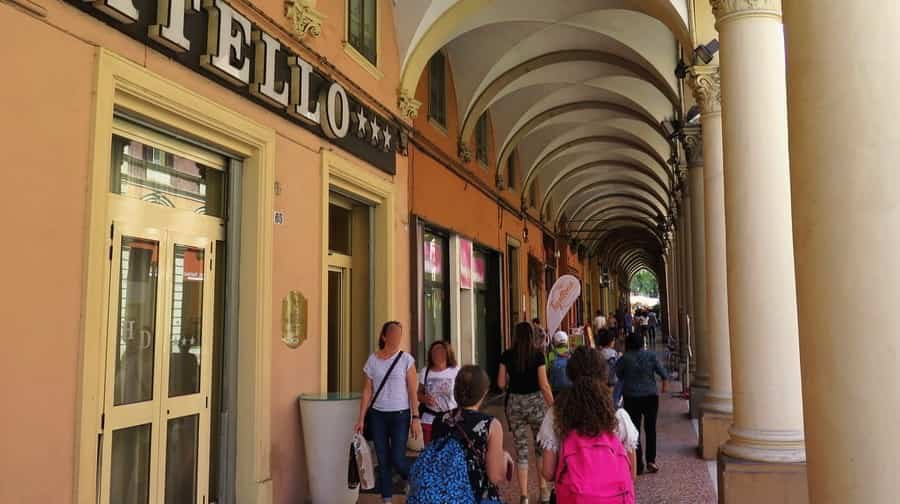
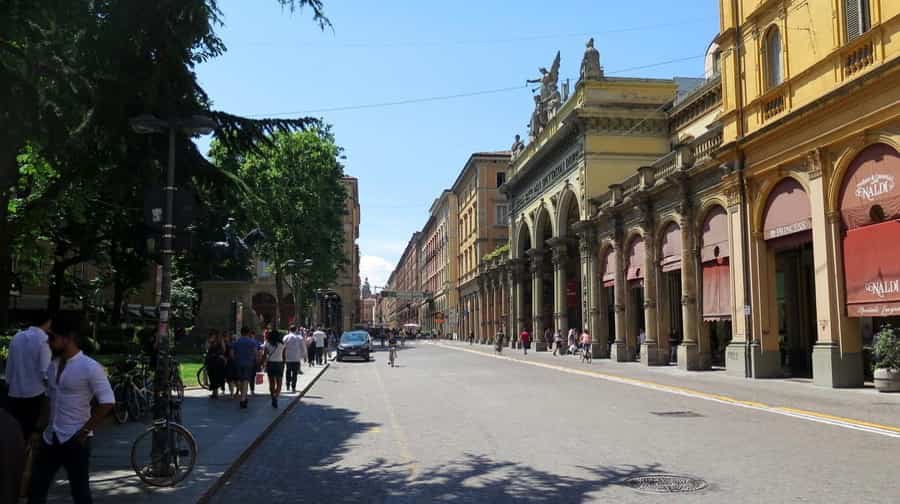
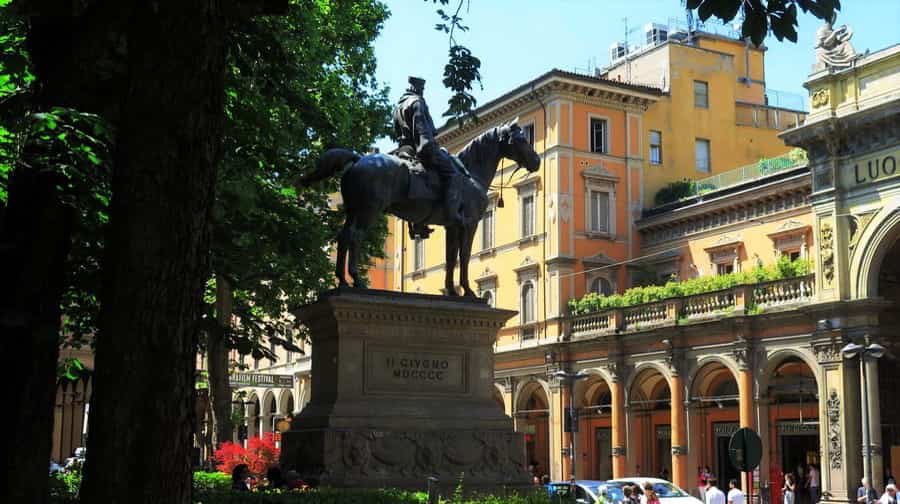
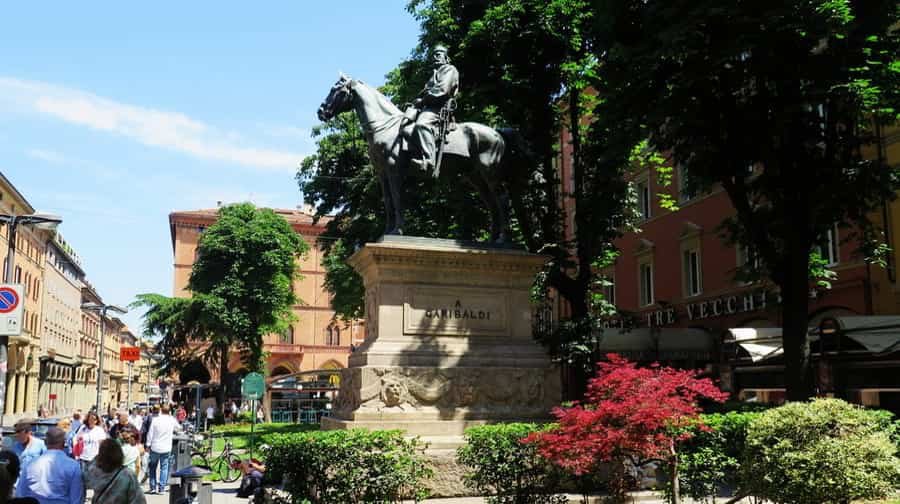
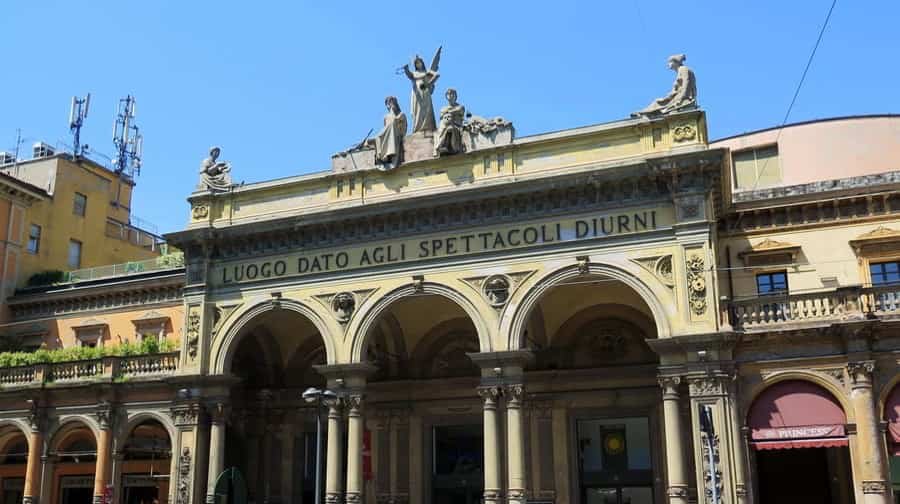
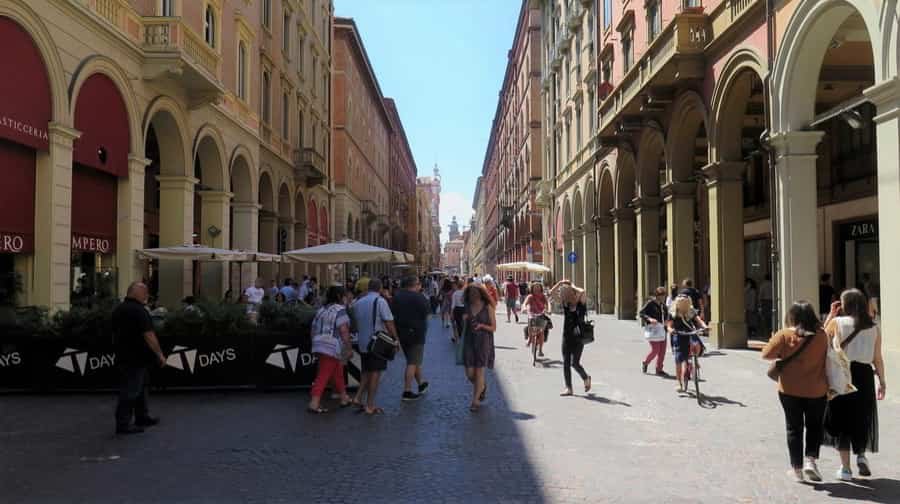
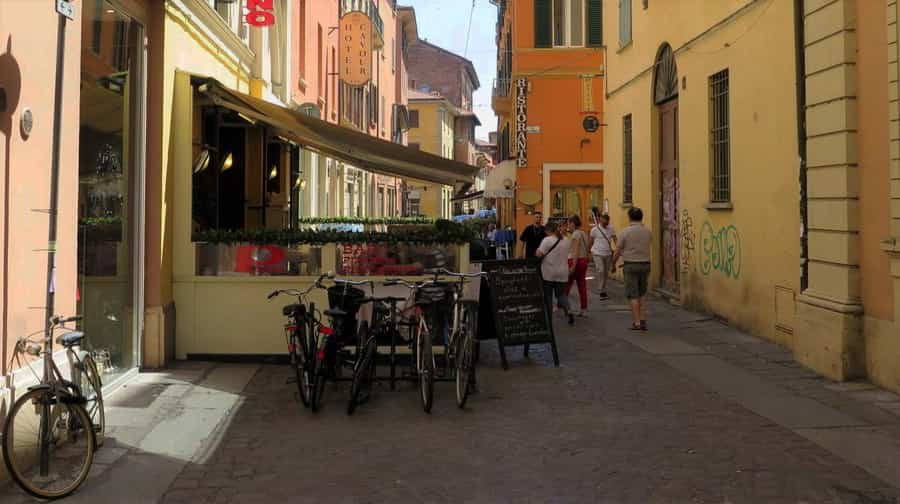
Photo Gallery of Walk 2 in Bologna – Cattedrale Metropolitana di San Pietro to Palazzo d’Accursio (Palazzo Comunale)
Approximately 1.81 km – 1.20 miles
Description of Walk 2
This walk takes you through the historic and cultural heart of Bologna, medieval architecture and lively piazzas define the atmosphere. Starting at the Cattedrale Metropolitana di San Pietro, the city’s main cathedral, the route quickly reaches Piazza del Nettuno, home to the iconic Neptune fountain, before opening into the grand Piazza Maggiore. Dominating the square is the vast Basilica di San Petronio, one of the largest churches in the world. A short walk along Via IV Novembre offers different perspectives before returning to the square and visiting Palazzo d’Accursio, the historic town hall. The route continues through Via degli Orefici and Piazza della Mercanzia, areas once central to medieval trade. Along Via Santo Stefano, the walk leads to the atmospheric Piazza Santo Stefano and the remarkable Basilica di Santo Stefano, a complex of interconnected religious buildings. Continuing via elegant streets like Via Farini and Piazza Minghetti, the walk ends at the Sanctuary of Santa Maria della Vita, rich in artistic and spiritual heritage.
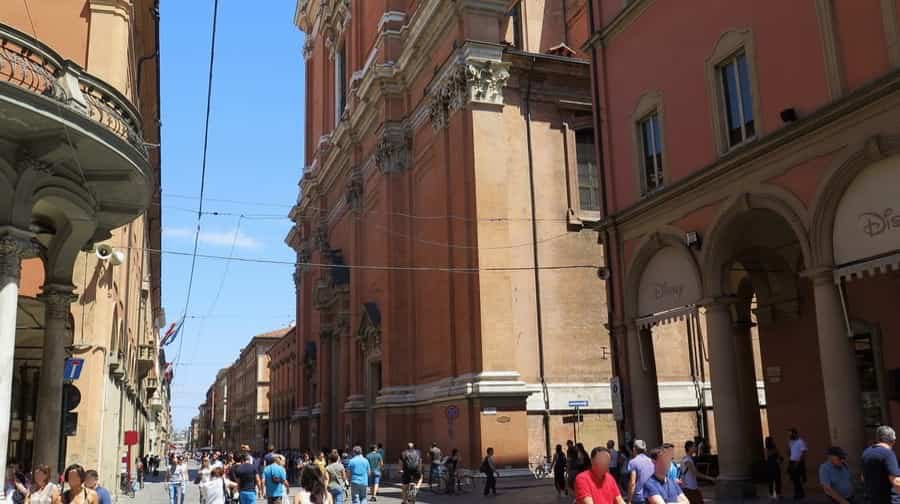
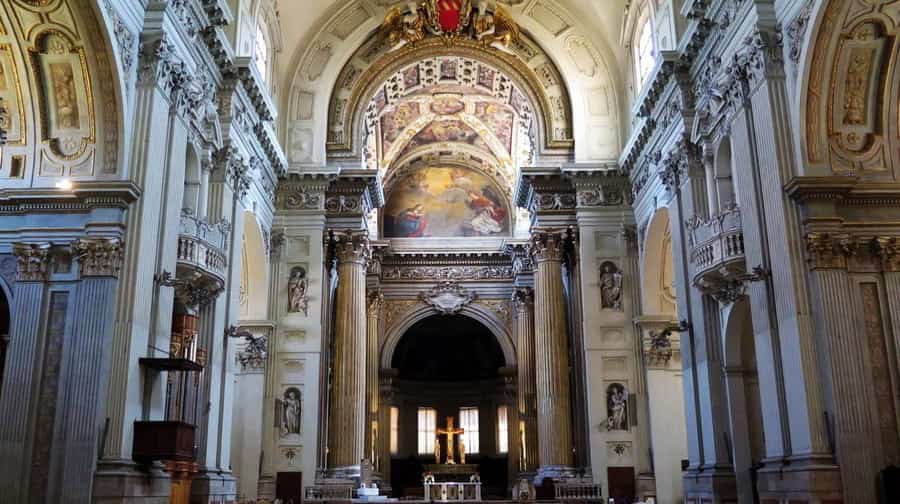
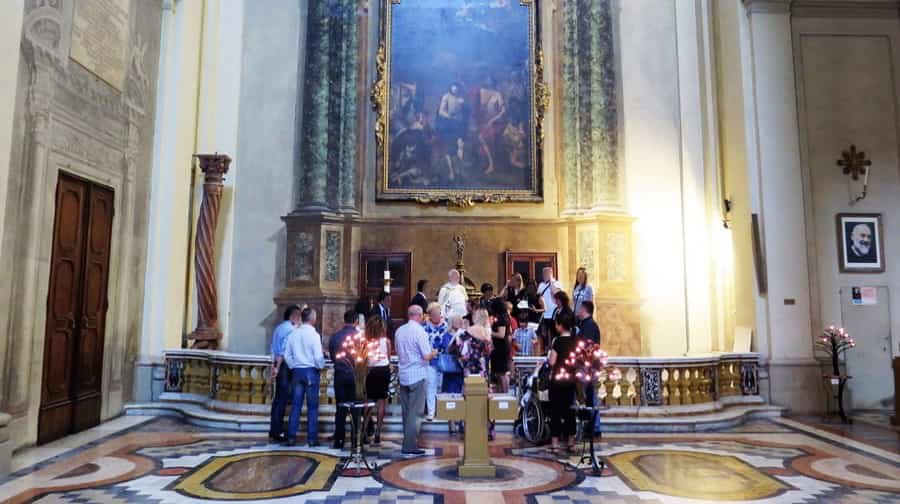
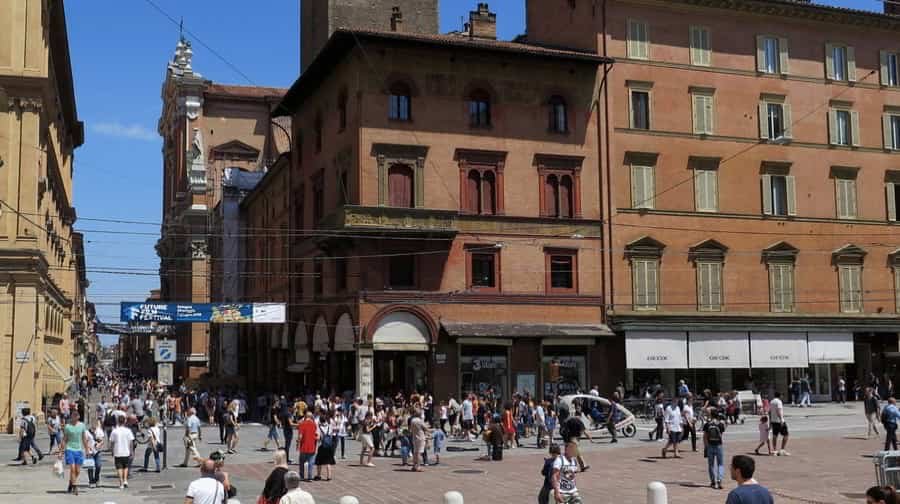
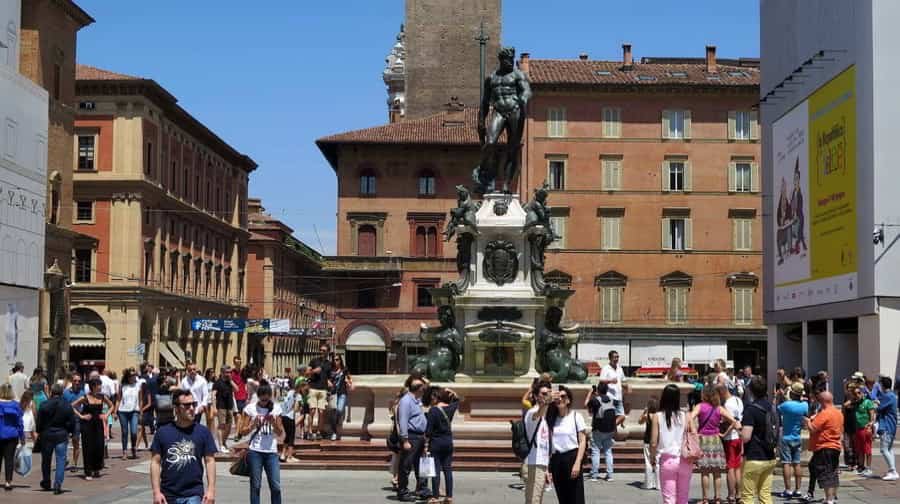
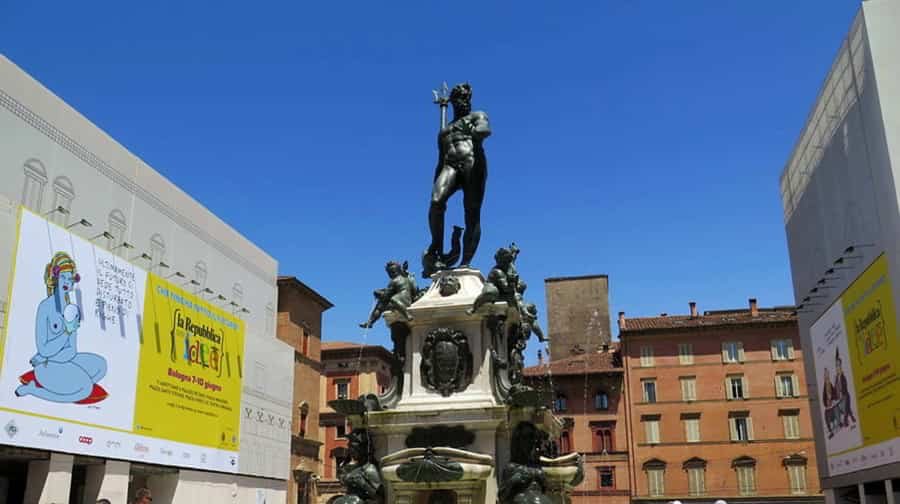
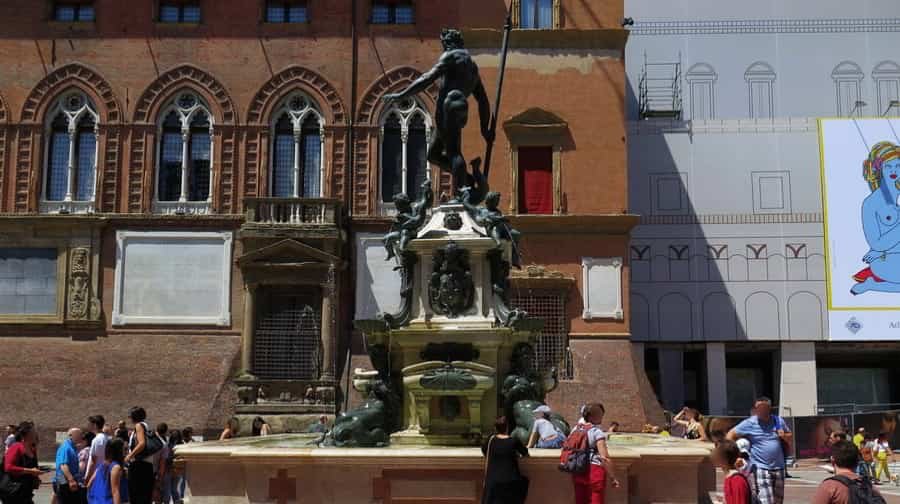
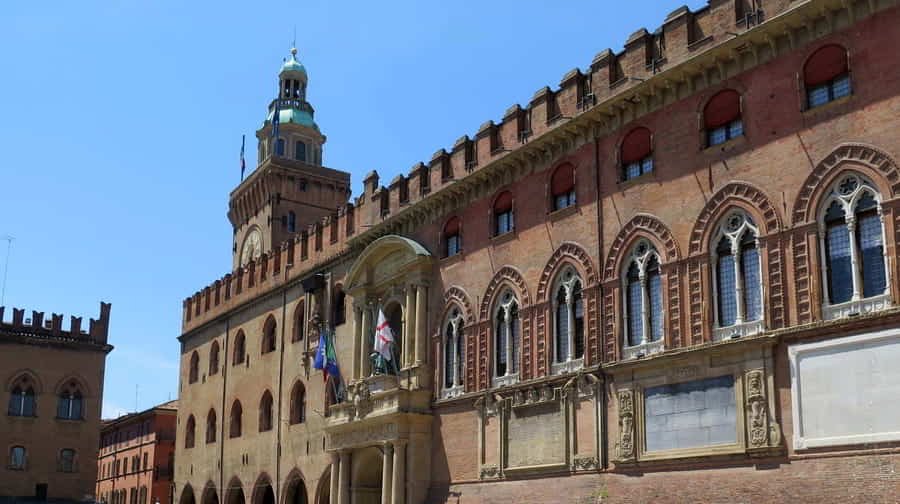
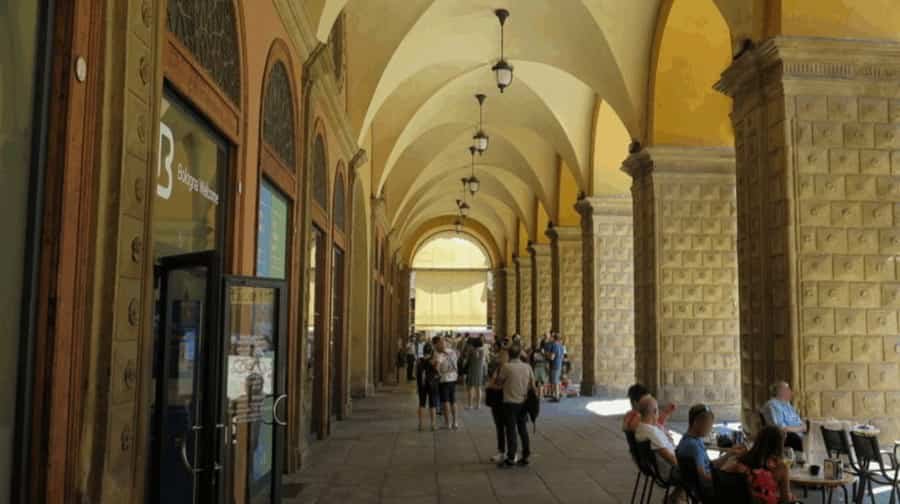
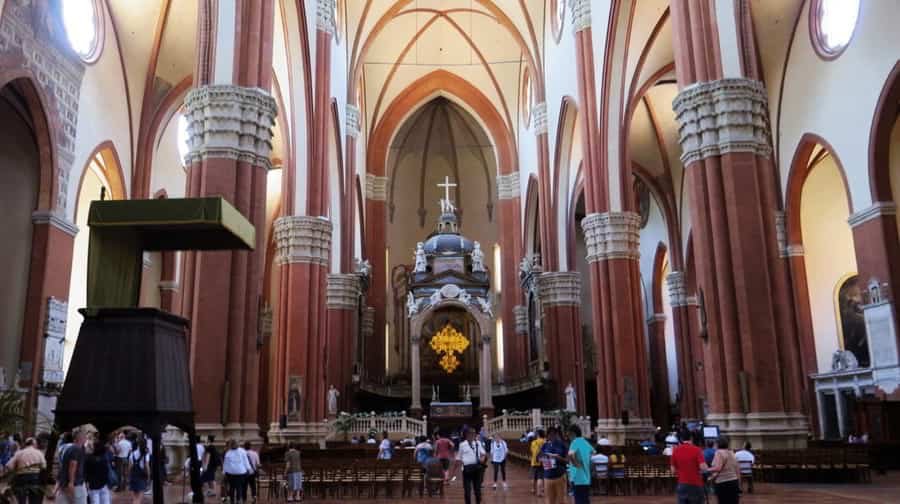
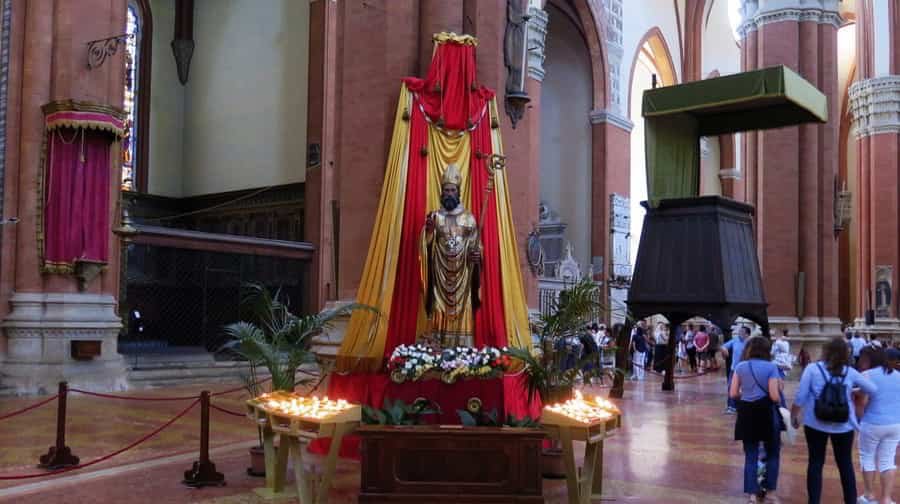
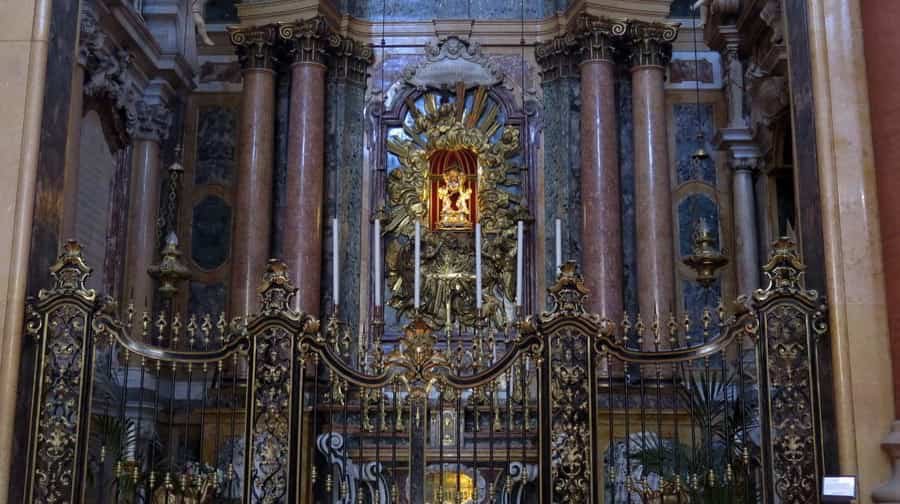
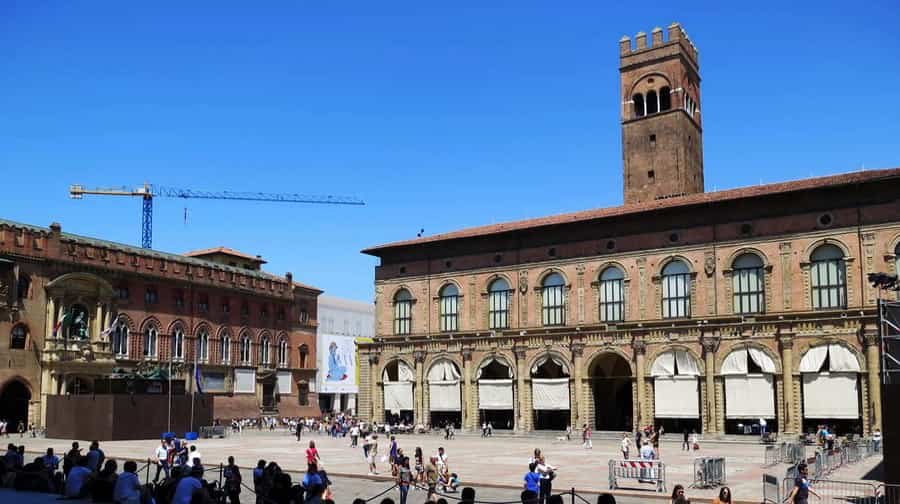
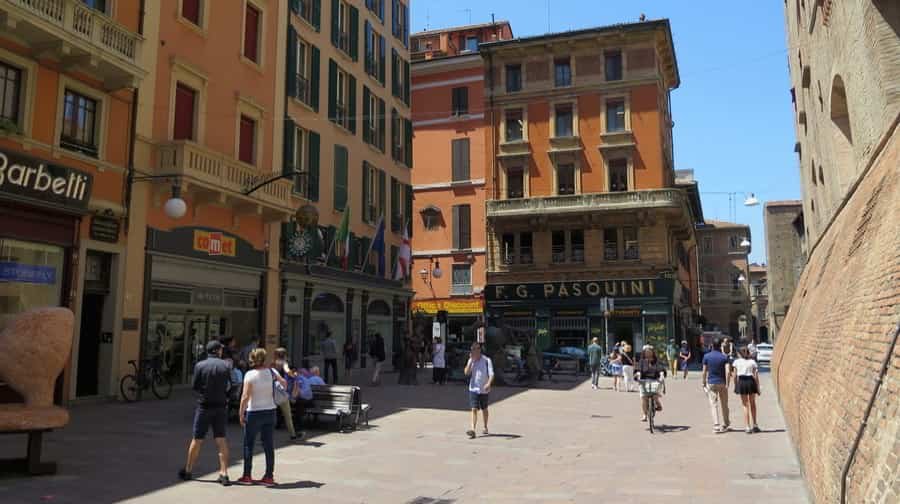
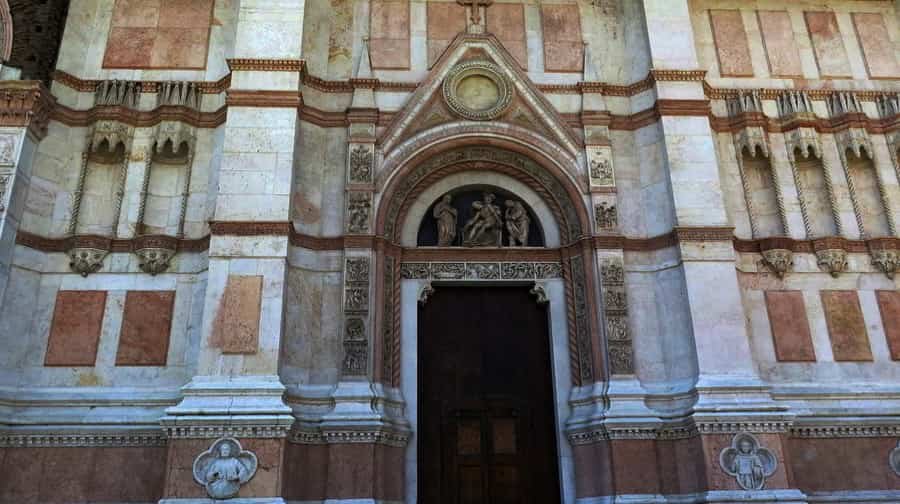
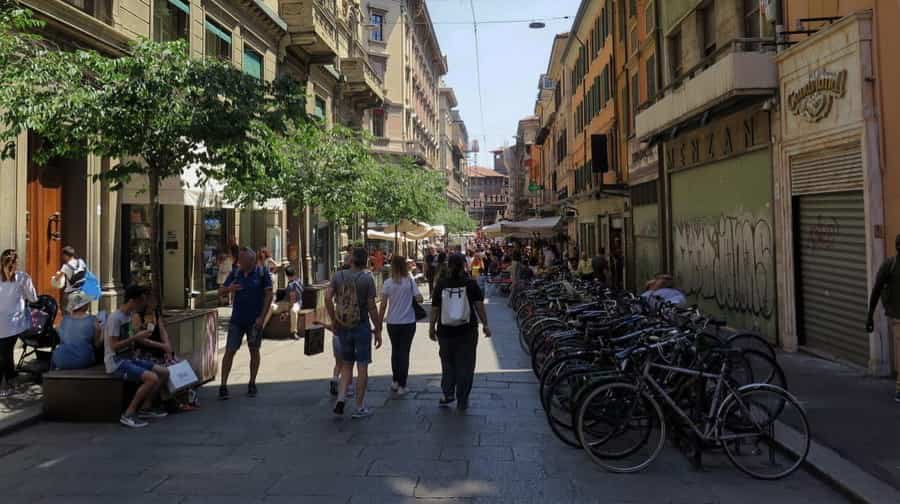
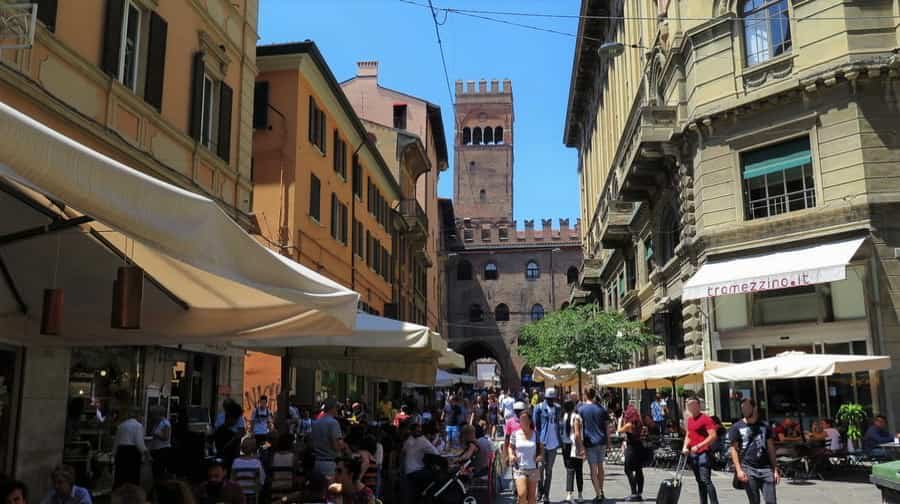
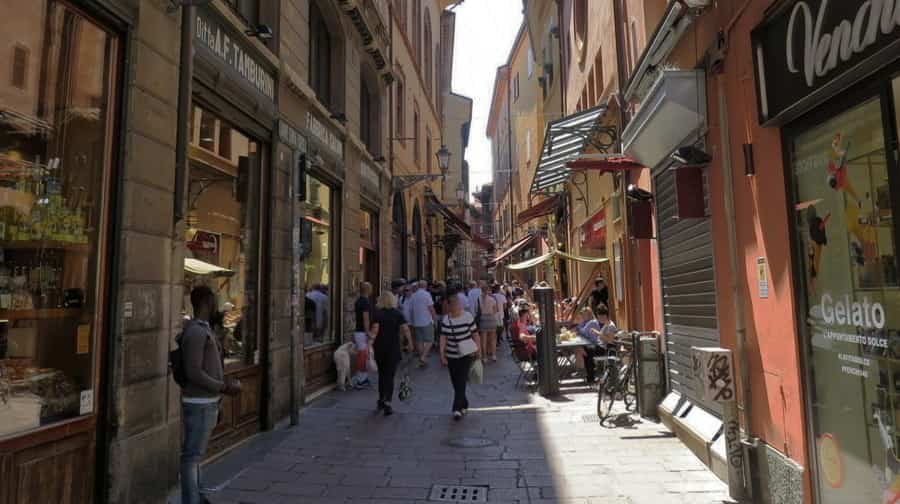
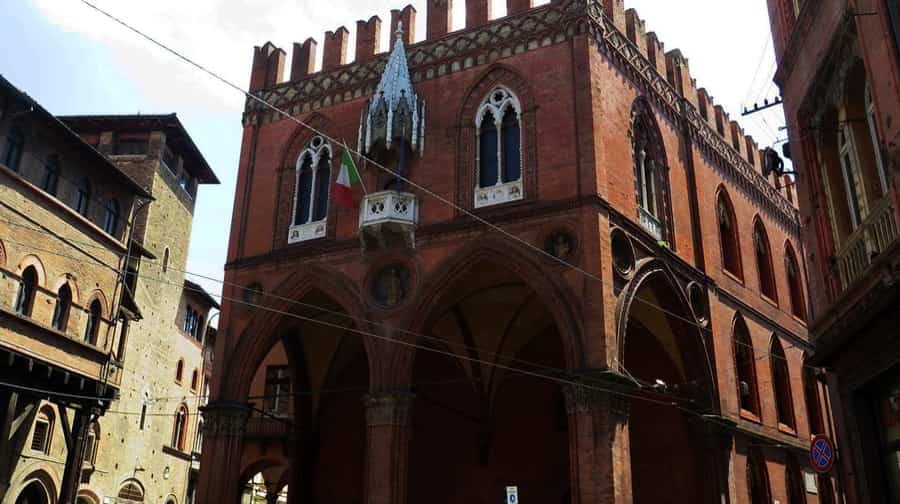
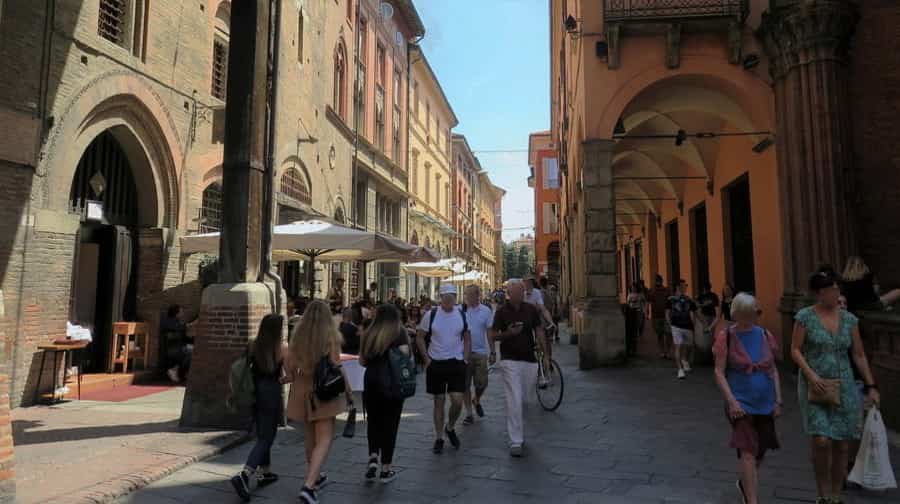
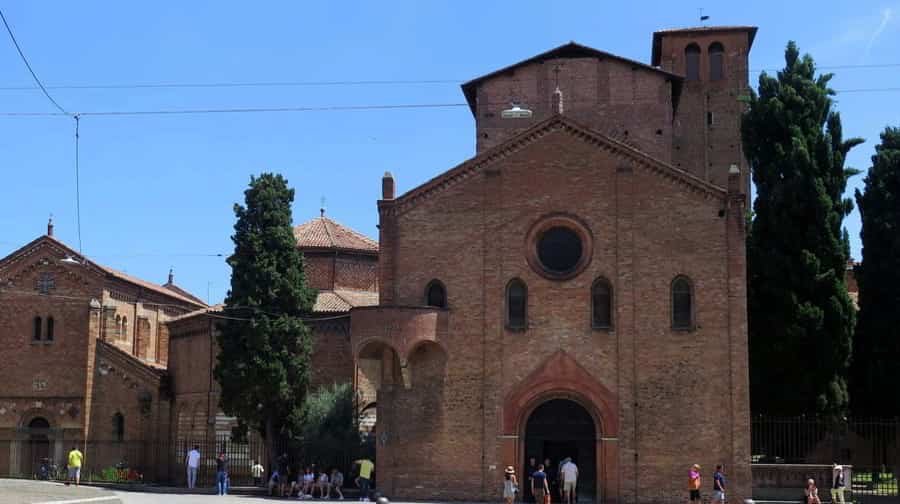
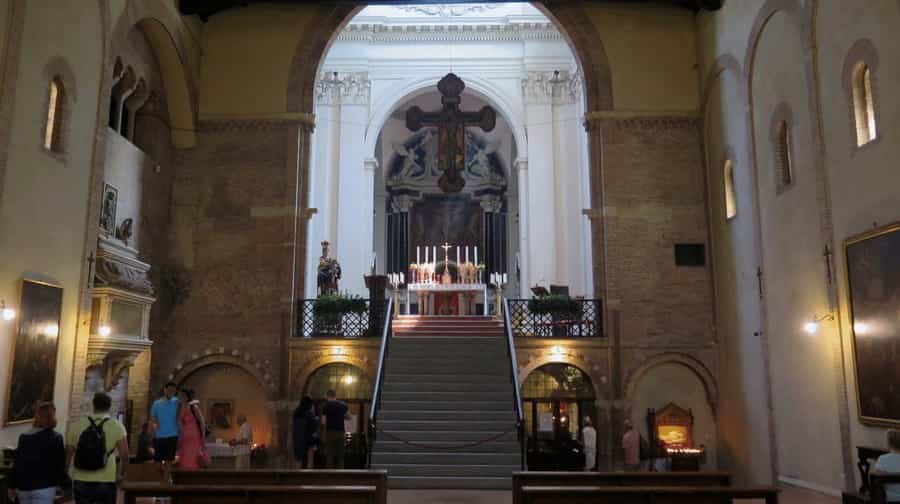
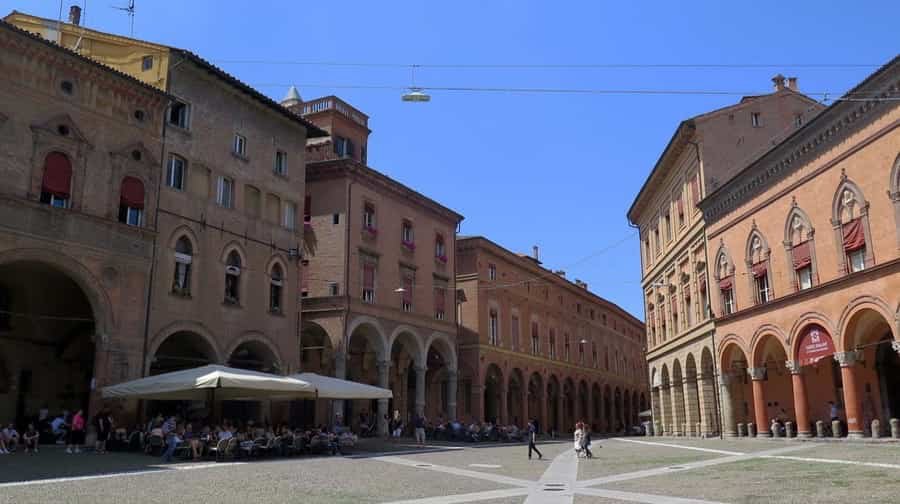
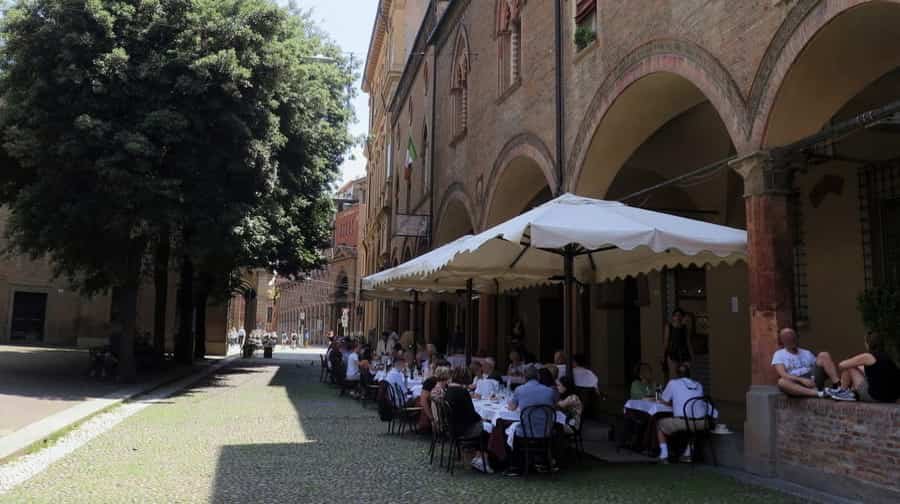
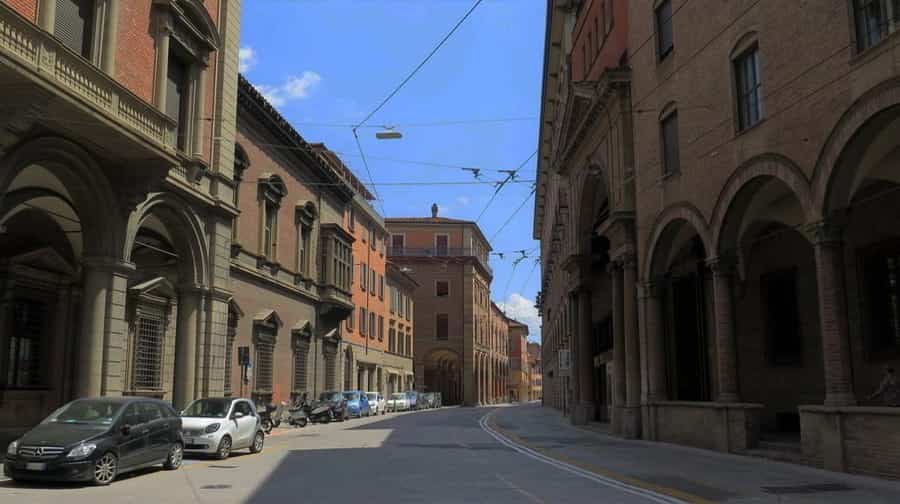
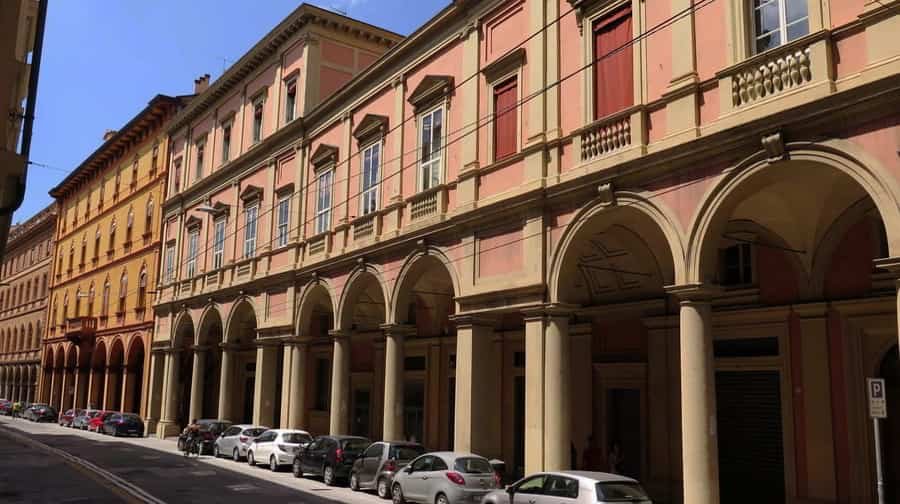
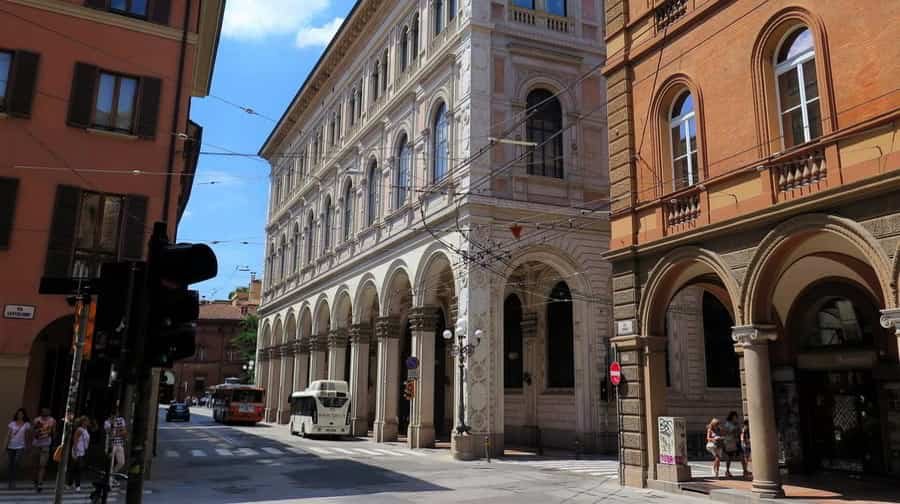
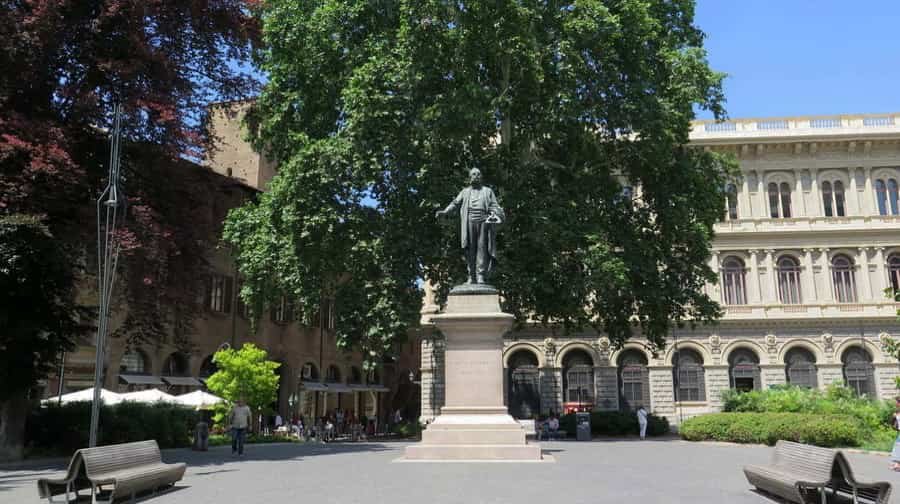
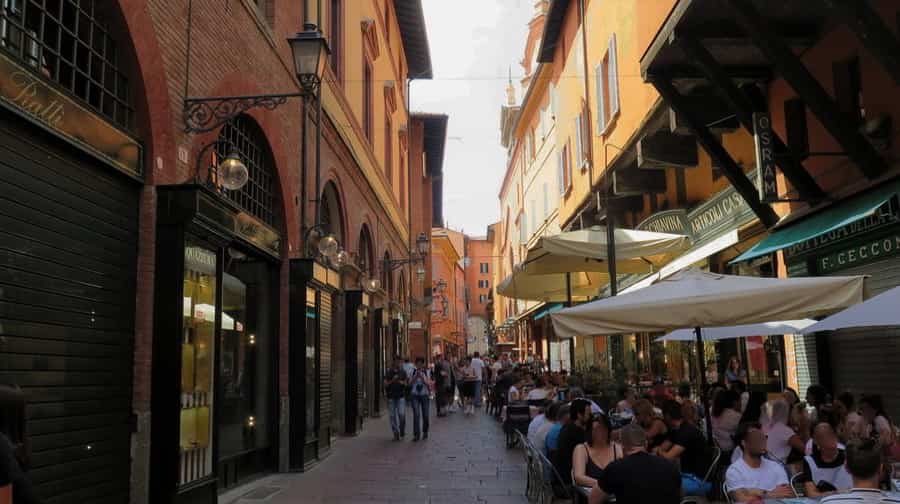
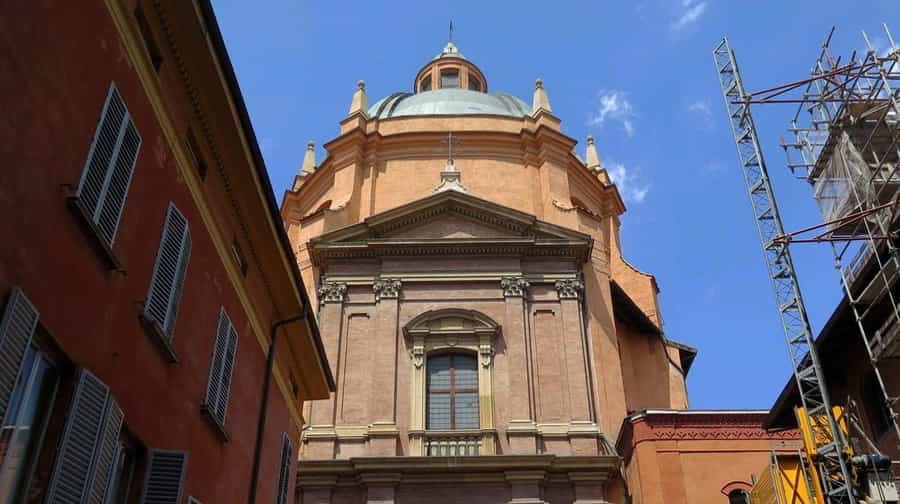
Photo Gallery of Walk 3 in Bologna – Bologna, Portico di San Luca
Approximately 0.98 km – 0.61 miles
Description of Walk 3
The Portico di San Luca in Bologna is one of the most remarkable architectural and cultural landmarks in Italy. The portico forms a long covered walkway that connects the historic city centre of Bologna with the Sanctuary of the Madonna di San Luca on Colle della Guardia. Stretching for nearly four kilometres, it consists of 666 arches, making it the longest continuous portico in the world. This unique structure provides shelter for pilgrims and walkers, protecting them from sun and rain as they ascend the hill. Along the way, the route transitions from urban streets into increasingly green and peaceful surroundings, offering panoramic views over the city and the surrounding Emilian plain. The portico has both practical and spiritual significance, traditionally used in religious processions that carry the icon of the Virgin Mary to and from the sanctuary. Today, it is also a popular walking route for visitors and locals seeking exercise, reflection, and scenic beauty. The combination of engineering, devotion, and landscape makes the Portico di San Luca an enduring symbol of Bologna’s identity and heritage. It remains one of Bologna’s most beloved and recognisable landmarks for both pilgrims and tourists alike today often.
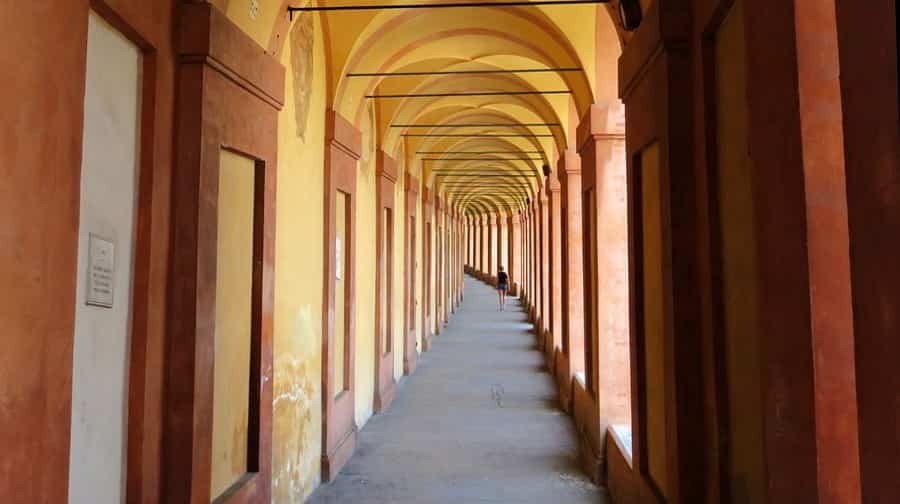
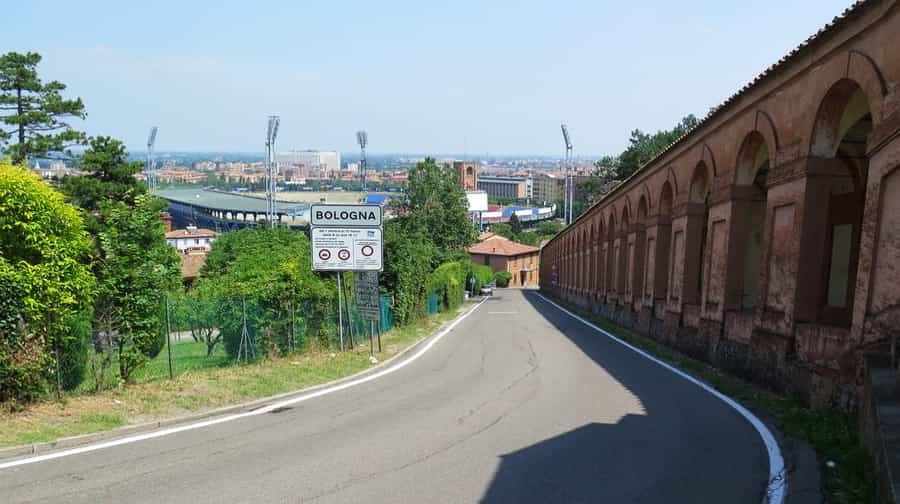
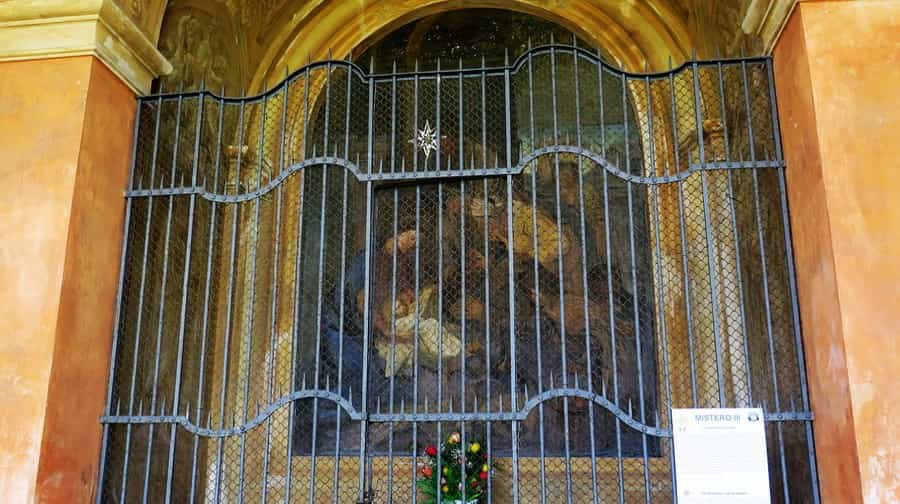
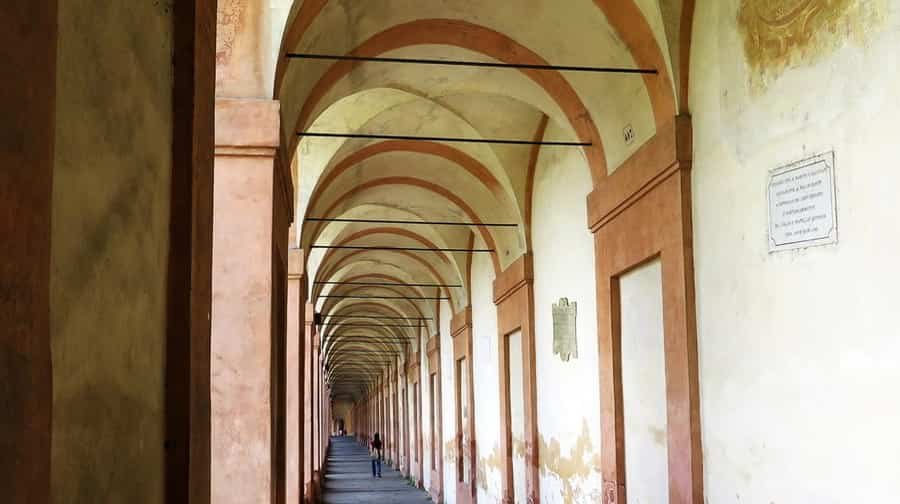
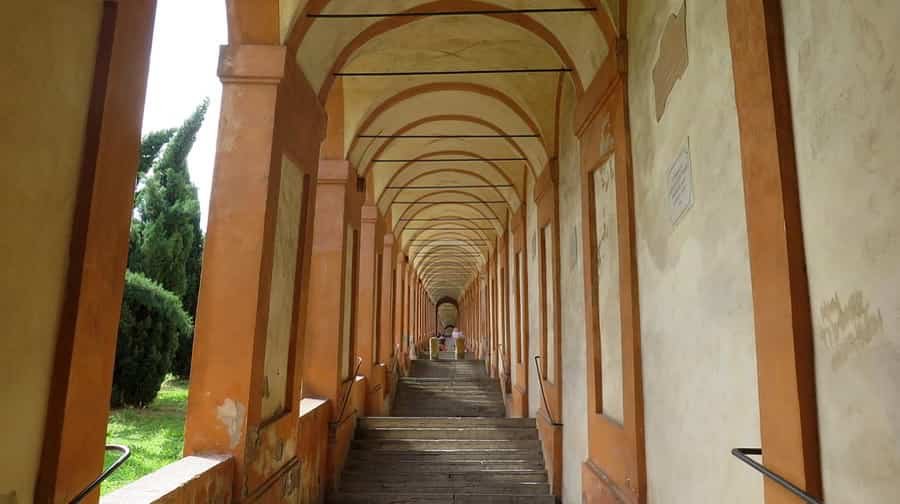
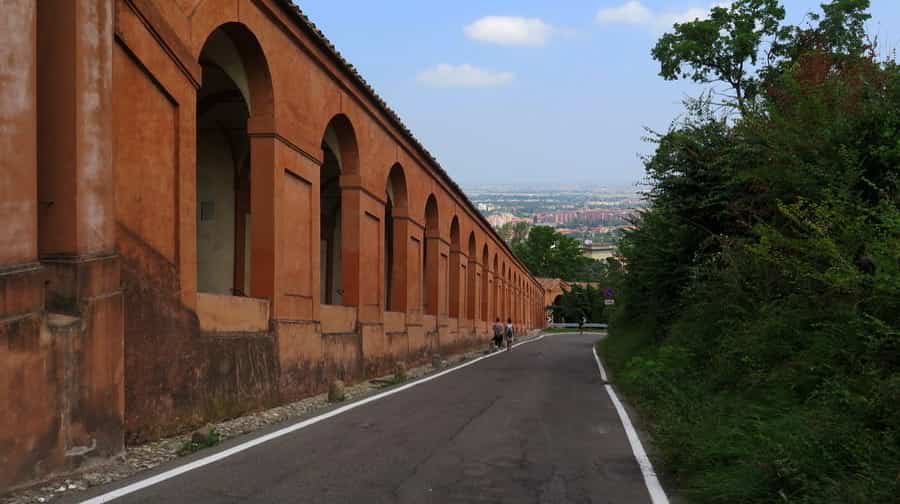
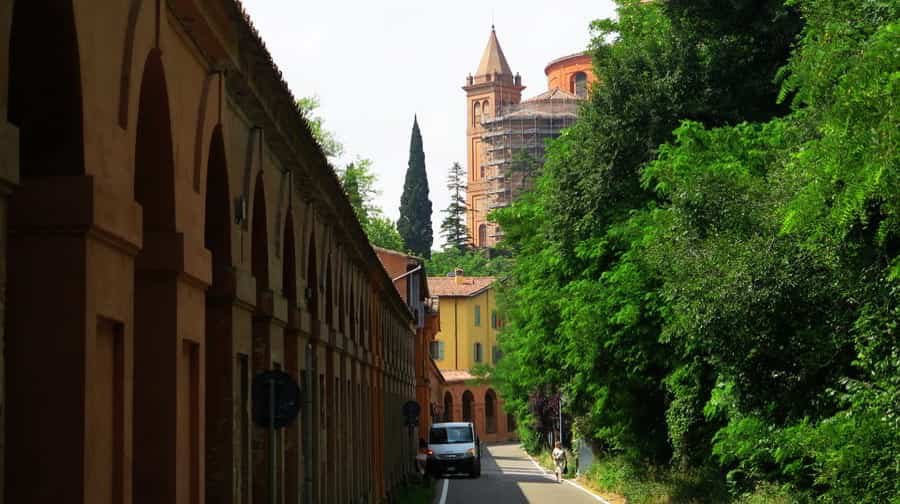
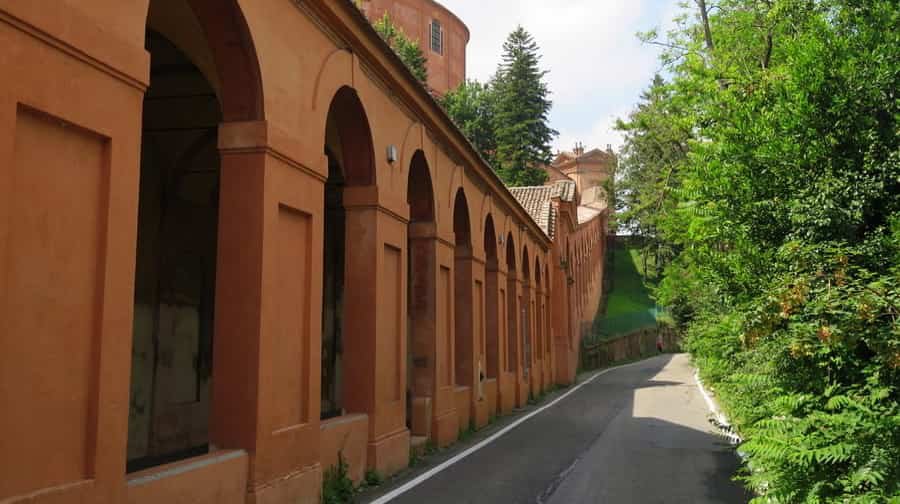
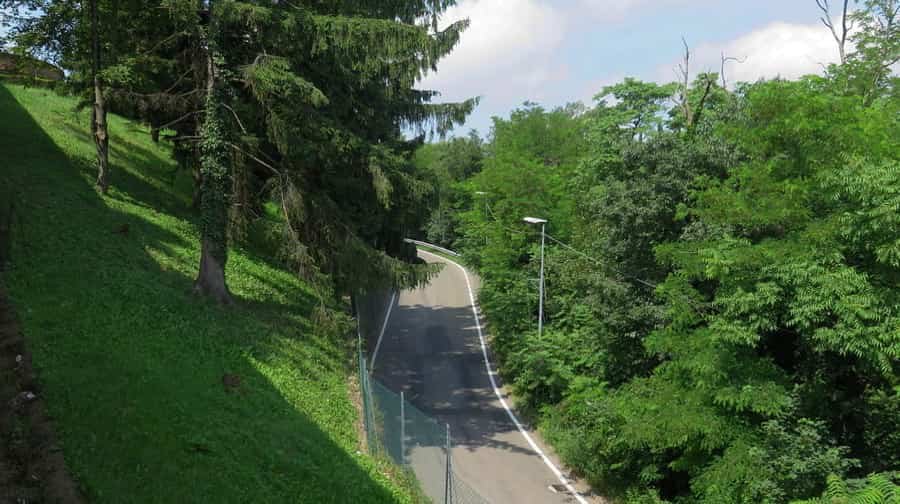
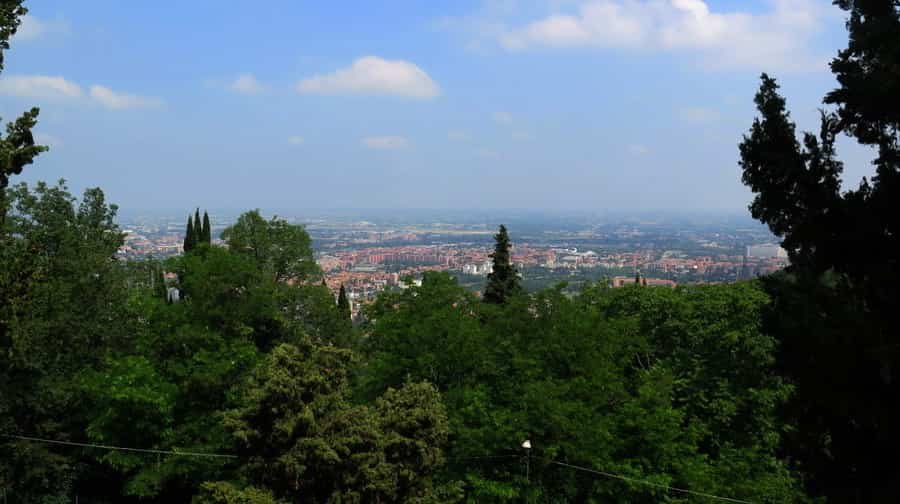
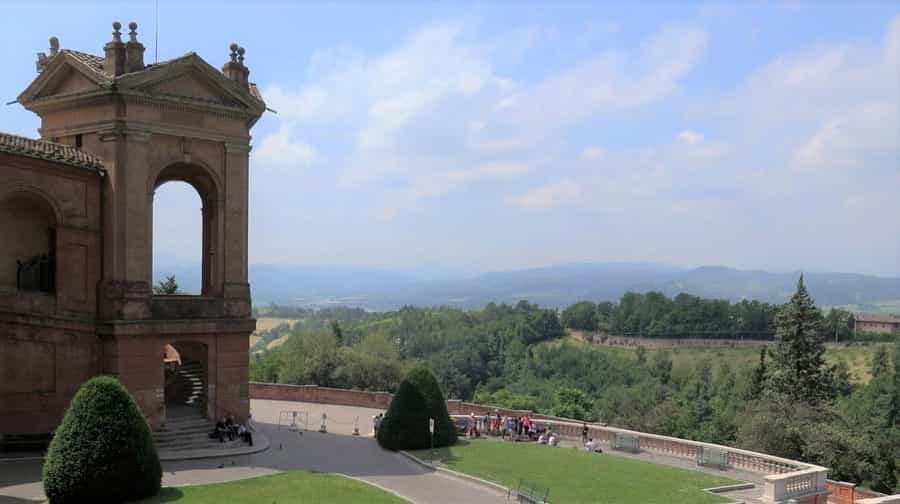
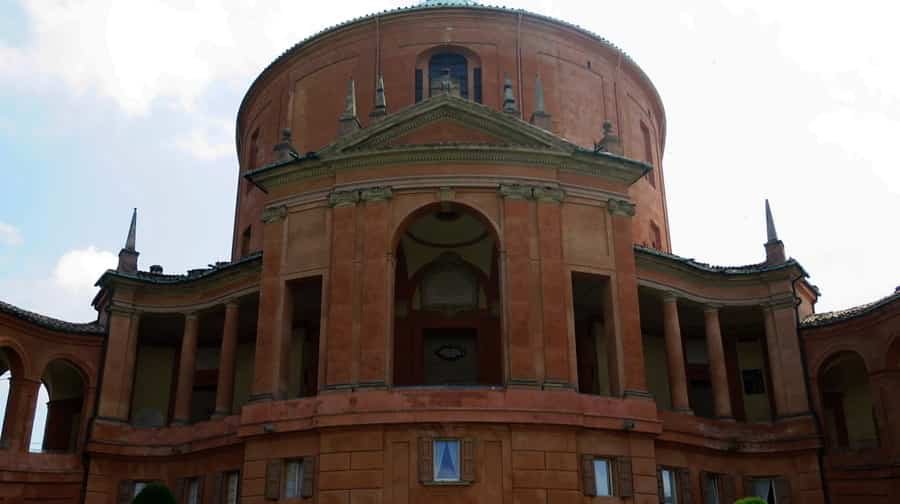
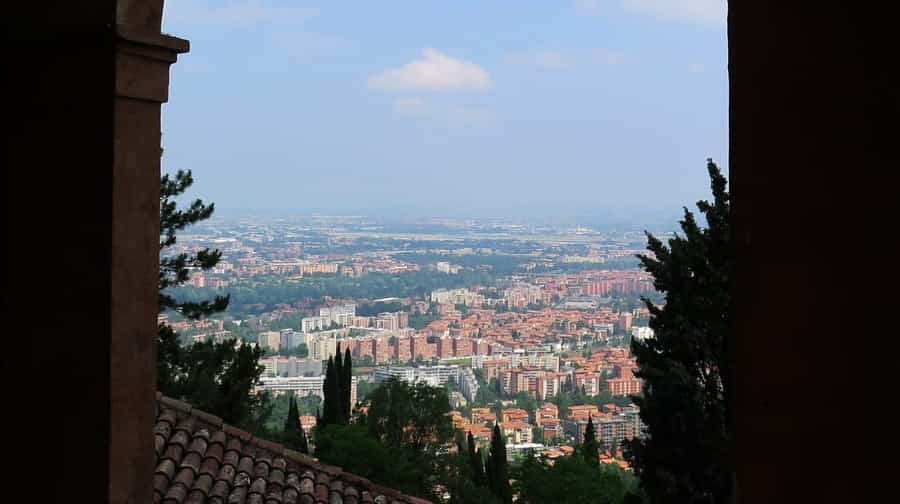
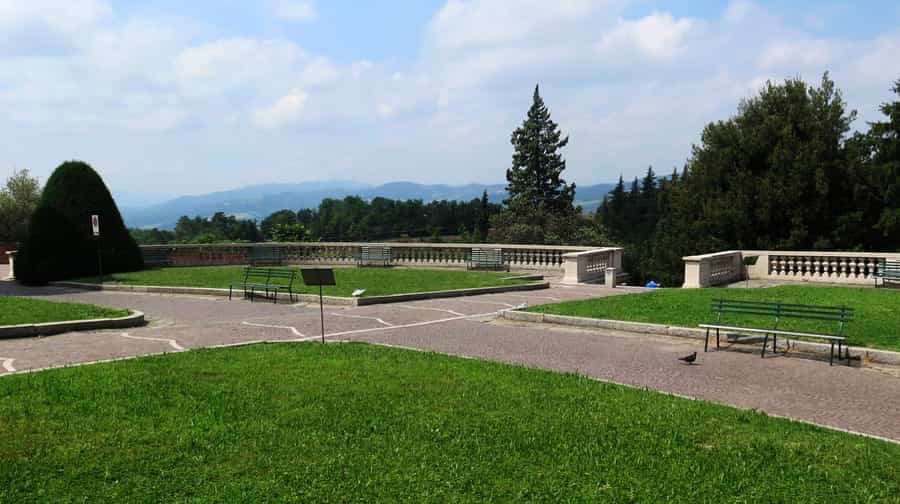
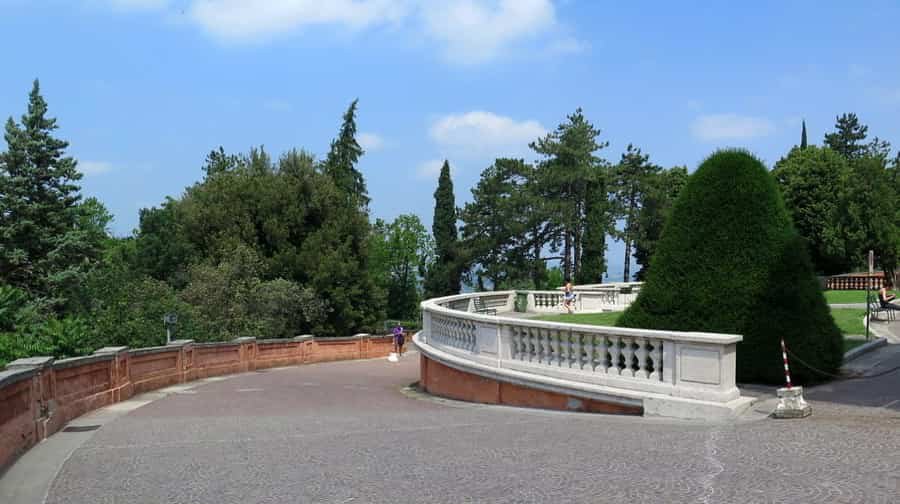
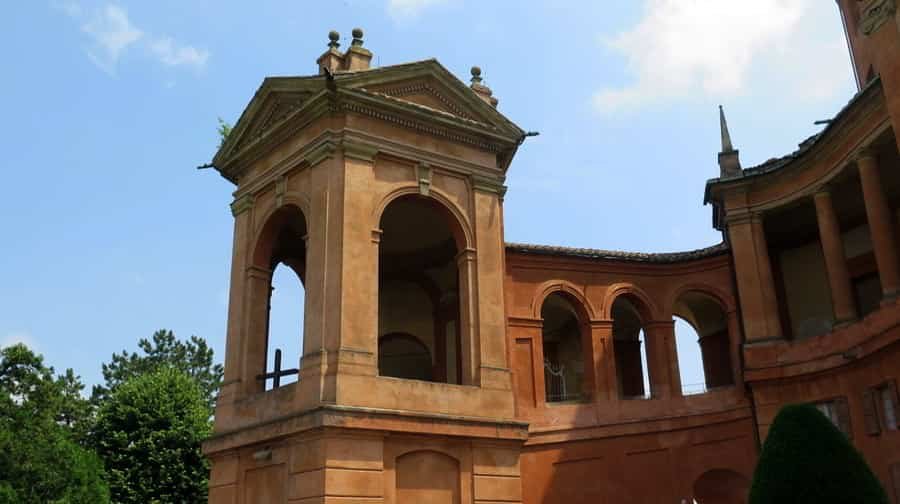
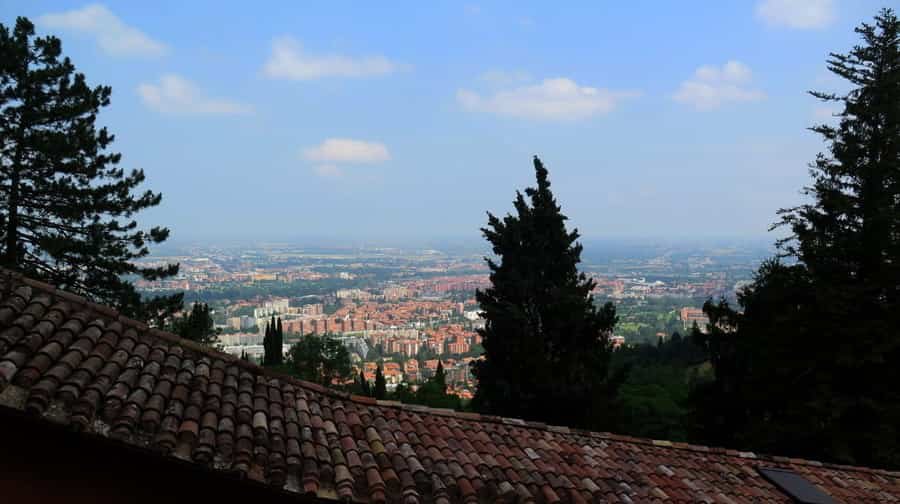
Photo Gallery of Walk 4 in Bologna – Piazza di Porta Saragozza to Via Rizzoli
Approximately 2.34 km – 1.45 miles
Description of Walk 4
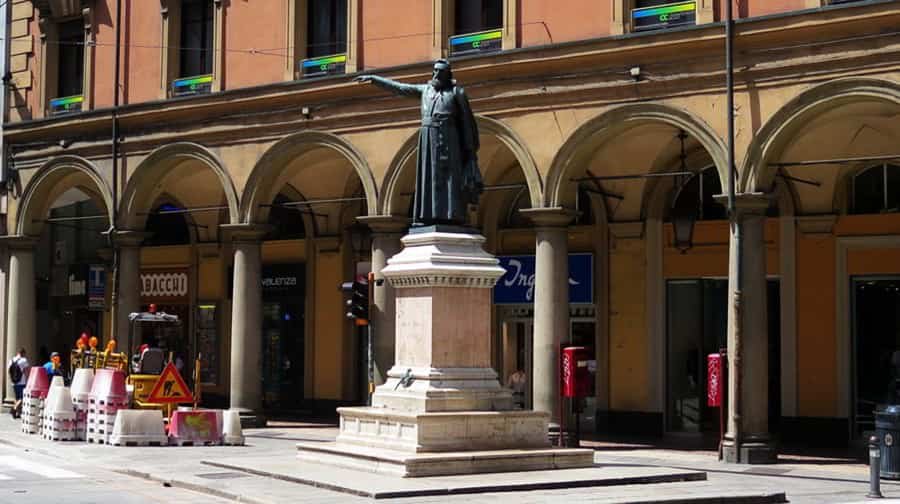
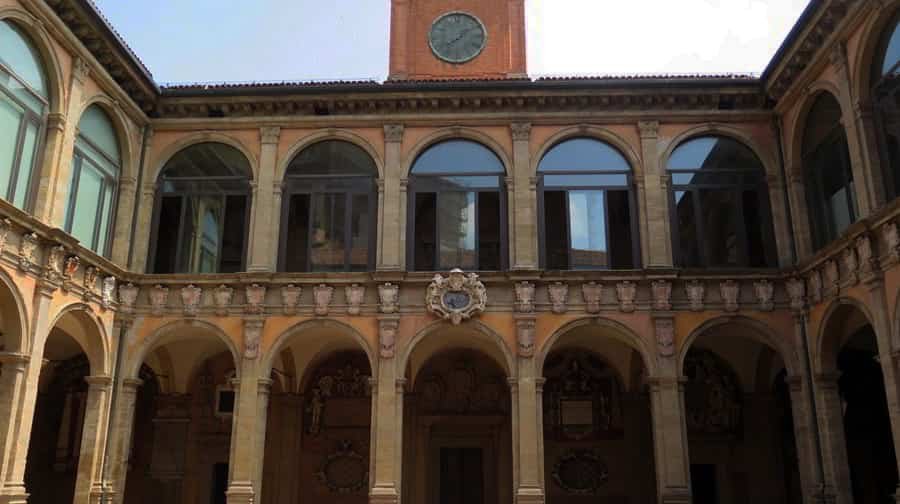
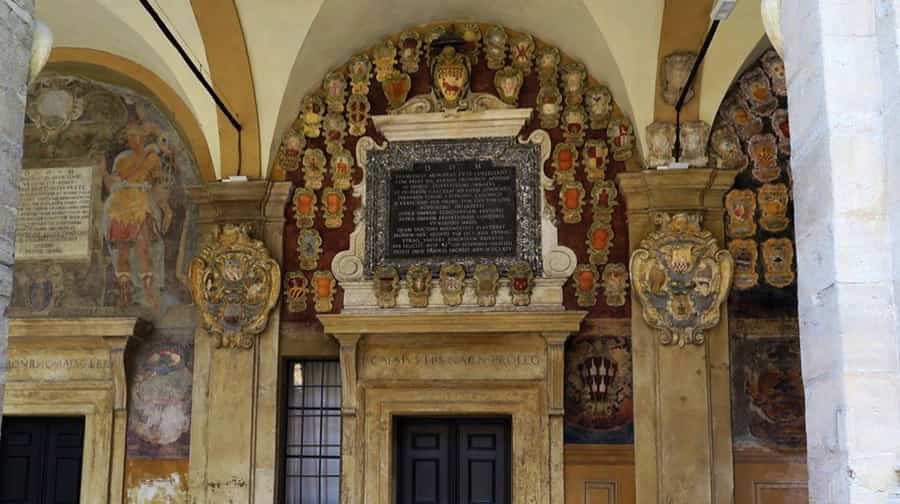
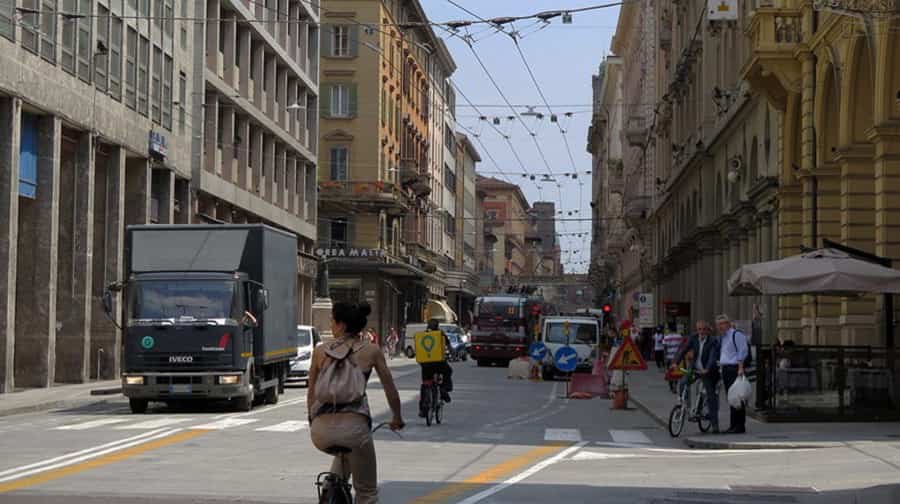
This walk offers a rich introduction to the historic centre of Bologna, blending lively streets with centuries of cultural heritage. Starting at Piazza di Porta Saragozza, near one of the city’s ancient gates, the route follows Via Frassinago and Via Sant’Isaia, where traditional buildings and local shops reflect everyday Bolognese life. eaching Piazza Malpighi, the walk enters a more open and historic space before continuing along Via Ugo Bassi, a bustling commercial street leading into the city’s core. From here, Via Rizzoli offers a grand approach toward the central squares, lined with arcades and historic façades. The route then arrives at Piazza Re Enzo and the magnificent Piazza Maggiore, the symbolic heart of Bologna, surrounded by medieval and Renaissance buildings. Turning onto Via dell’Archiginnasio, the walk reaches the renowned Biblioteca comunale dell’Archiginnasio, once the main building of the University of Bologna.
Returning to Via Rizzoli, the walk completes a loop through vibrant streets and historic landmarks, capturing the city’s unique blend of academic tradition, architectural beauty, and everyday energy.
COPYRIGHT © 2018-2026 ITALY IN PHOTOS - ALL RIGHTS RESERVED