
HOME
REGIONS OF ITALY
PLACES IN ITALY
PLAN YOUR TRIP
Italy in Photos
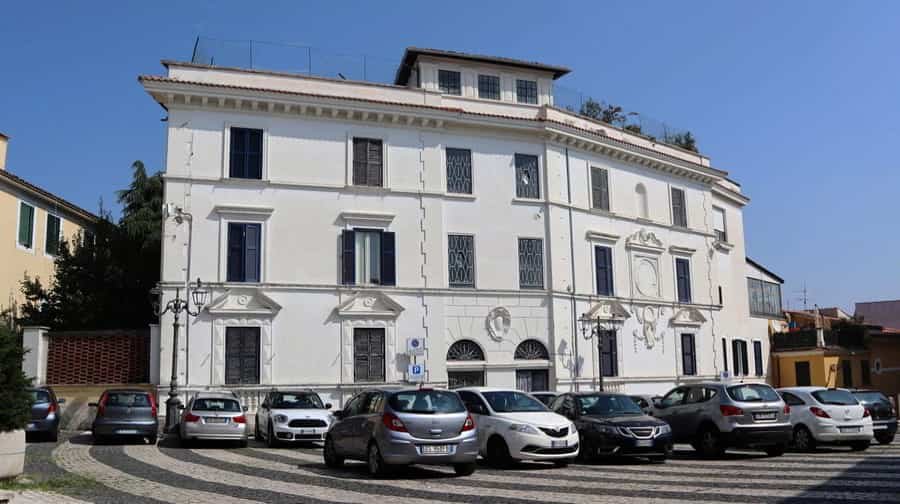
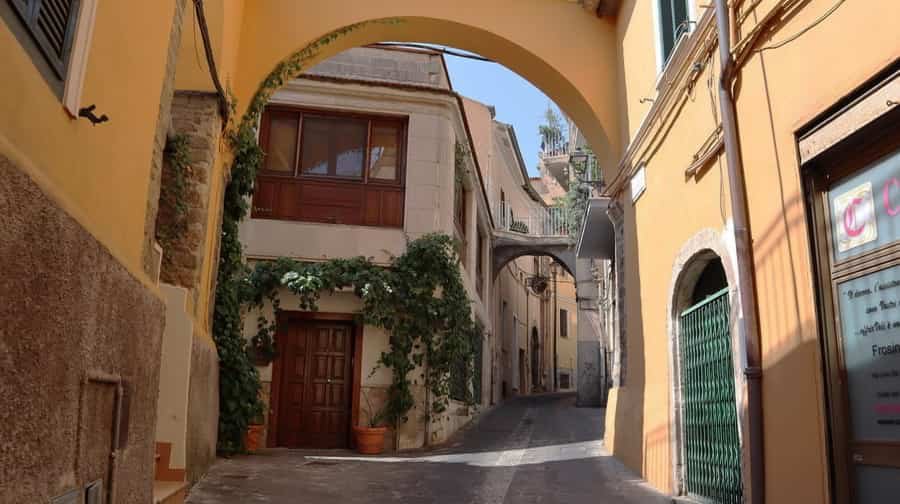
Corso della Repubblica, 03100 Frosinone, Italy (September 2019)
Frosinone
Delayed or cancelled flight?
Get up to £520!
You’ve got rights when your flight’s disrupted.
We enforce them and handle everything so you get paid
Frosinone is a city in central Italy, located in the Lazio region between Rome and Naples, where rolling hills give way to fertile valleys and historic mountain towns. Often seen as a gateway rather than a destination, Frosinone offers a quieter and more intimate perspective on Italian life, shaped by its deep roots in history and its close connection to the surrounding countryside. Its position along important routes has made it a place of passage, settlement, and resilience for centuries.
The origins of Frosinone date back to ancient times, when it was known as Frusino, a settlement of the Volsci people before becoming part of the Roman world. During the Roman era, the town held strategic importance due to its elevated position overlooking the Sacco Valley, which allowed control over trade and movement through the region. Remnants of Roman walls and structures still echo this early history, reminding visitors of the city’s longstanding role in central Italy.
Throughout the Middle Ages, Frosinone developed as a fortified hill town, adapting to periods of conflict and political change. It later became part of the Papal States, a connection that influenced its administrative and cultural character. Over time, the city expanded beyond its original hilltop, particularly in the modern era, evolving into a provincial capital that balances historical layers with contemporary urban life.
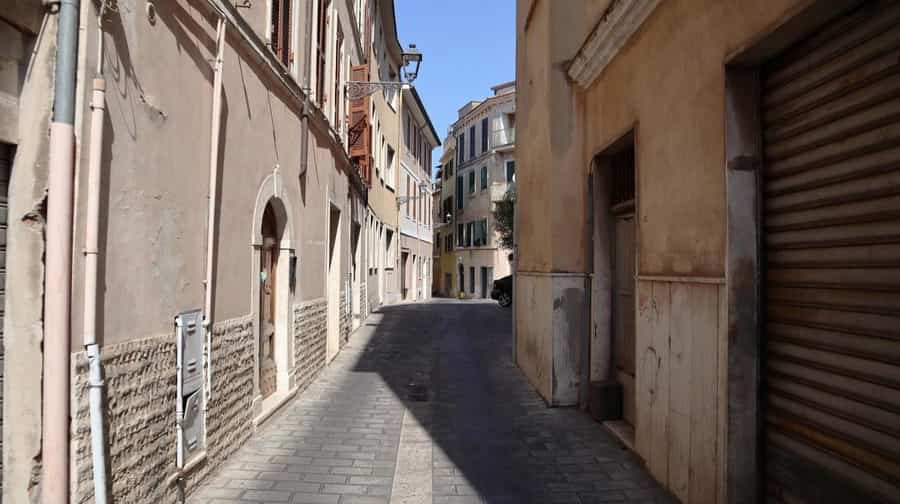
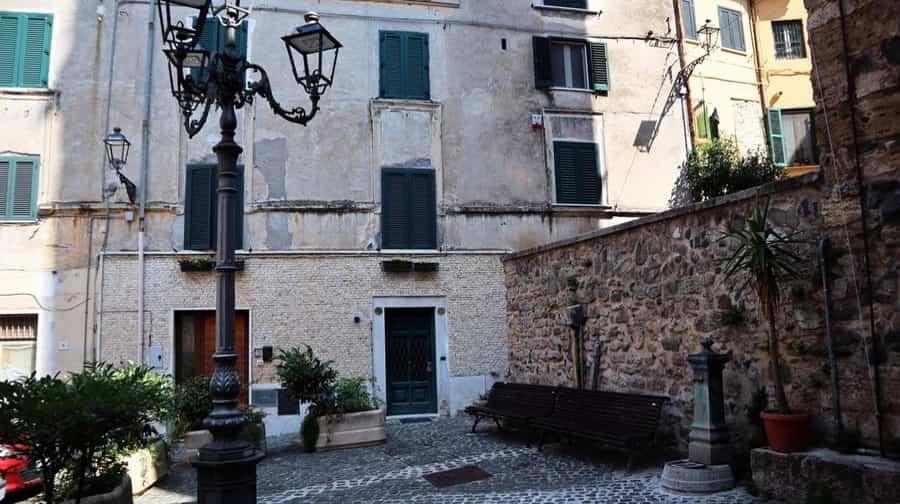
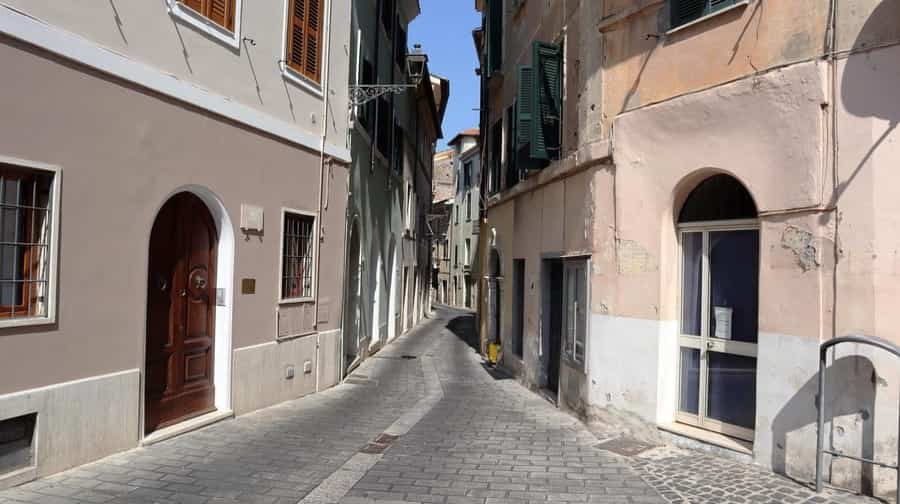
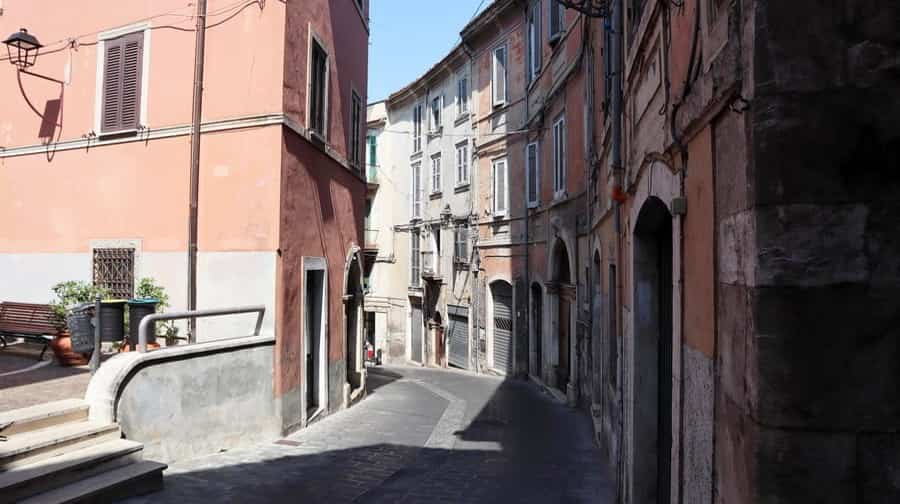
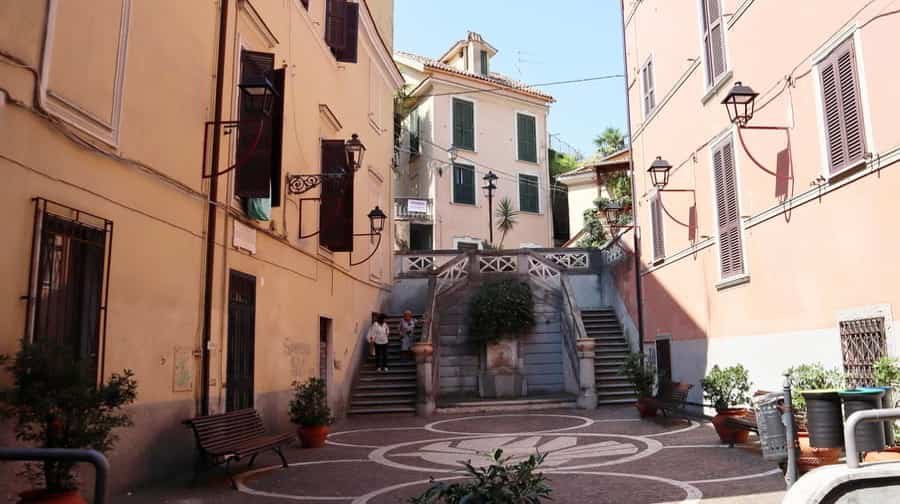
The historic centre of Frosinone sits on higher ground and retains a sense of the past through narrow streets, stone buildings, and quiet piazzas. Landmarks such as the Cathedral of Santa Maria Assunta and San Silverio reflect religious traditions that remain central to local identity. From these elevated areas, panoramic views open across the surrounding countryside, offering a visual connection between the city and the land that sustains it.
Nature plays an important role in shaping life in and around Frosinone. The city is surrounded by hills, farmland, and nearby mountain ranges, including the Apennines, which provide opportunities for outdoor exploration and seasonal change. This landscape has long supported agriculture, with olive groves, vineyards, and small farms contributing to local traditions and cuisine. Food in Frosinone reflects the simplicity of rural Lazio, emphasizing fresh ingredients, handmade pasta, and time-honoured recipes passed down through generations.
Despite its modest size, Frosinone serves as a cultural and economic centre for the wider Ciociaria area, a region known for its strong traditions, distinctive dialect, and folk customs. Festivals, religious celebrations, and local markets bring colour and energy to the city throughout the year, reinforcing a strong sense of community. Traditional music, costumes, and craftsmanship continue to be valued as expressions of regional pride.
Modern Frosinone is a city in transition, shaped by industry, services, and its proximity to Rome. While it may not possess the monumental fame of larger Italian cities, it offers something equally meaningful: an authentic glimpse into everyday life in Lazio. Frosinone is a place where history, landscape, and community intersect, revealing a city defined not by spectacle, but by continuity, resilience, and a deep connection to its roots.
Worth a Visit
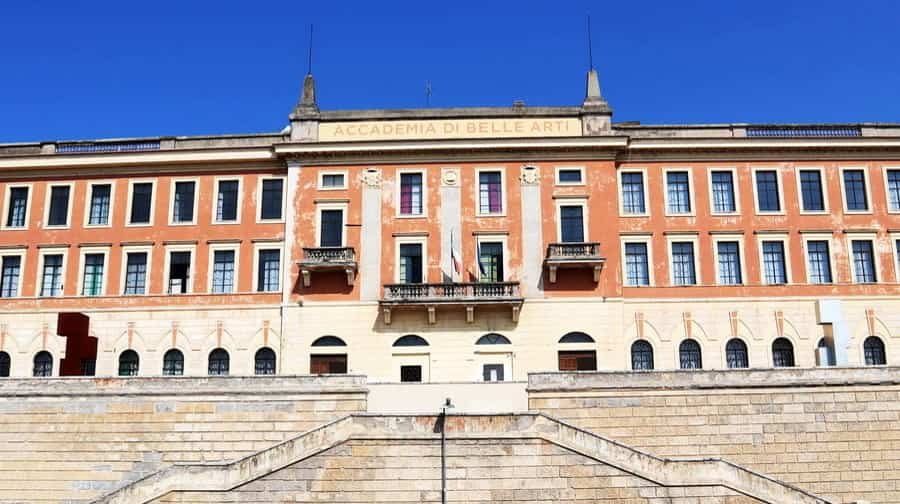
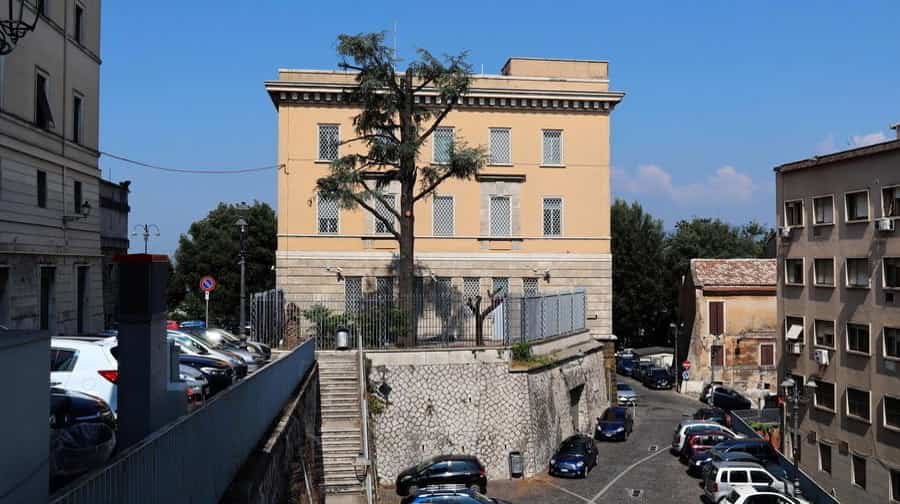
The Accademia di Belle Arti di Frosinone is a renowned institution dedicated to the study and promotion of fine arts, design, and visual communication. Founded in 1978, it has grown to become one of the most respected art academies in central Italy, attracting students from across the country and abroad. Located in the city of Frosinone, the academy provides a creative environment where tradition meets innovation, encouraging students to explore both classical and contemporary artistic expressions. The Accademia offers a wide range of programs in painting, sculpture, graphic design, new media, fashion design, and scenography, combining theoretical study with practical experience. Its faculty includes accomplished artists and professionals who guide students in developing their technical skills and personal style. With modern facilities, exhibitions, and collaborations with cultural institutions, the Accademia di Belle Arti di Frosinone stands as a vibrant centre for artistic education and creativity in Italy
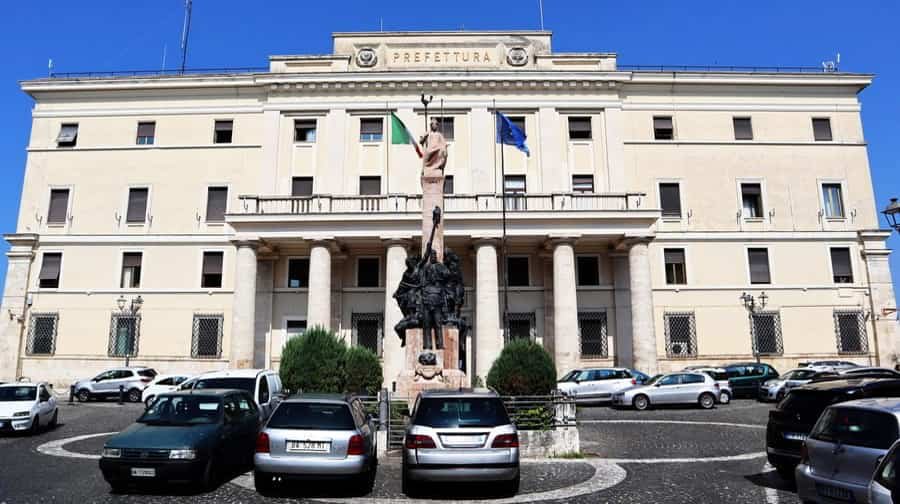
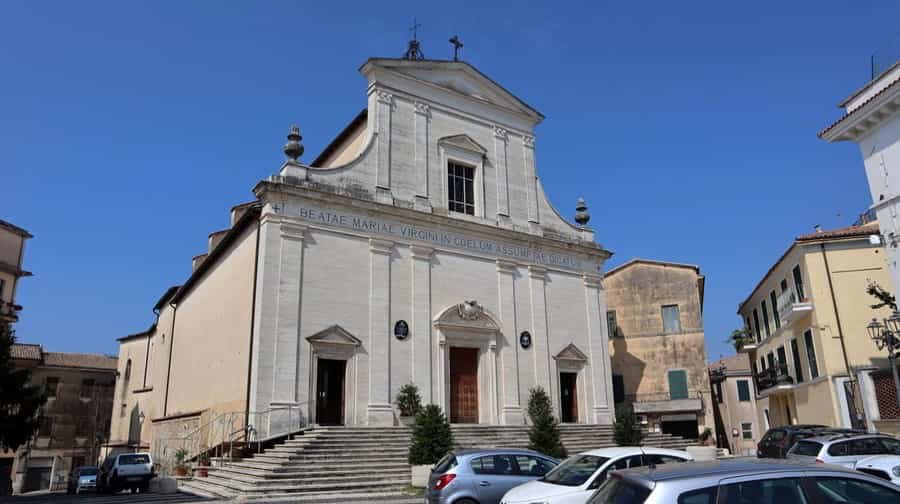
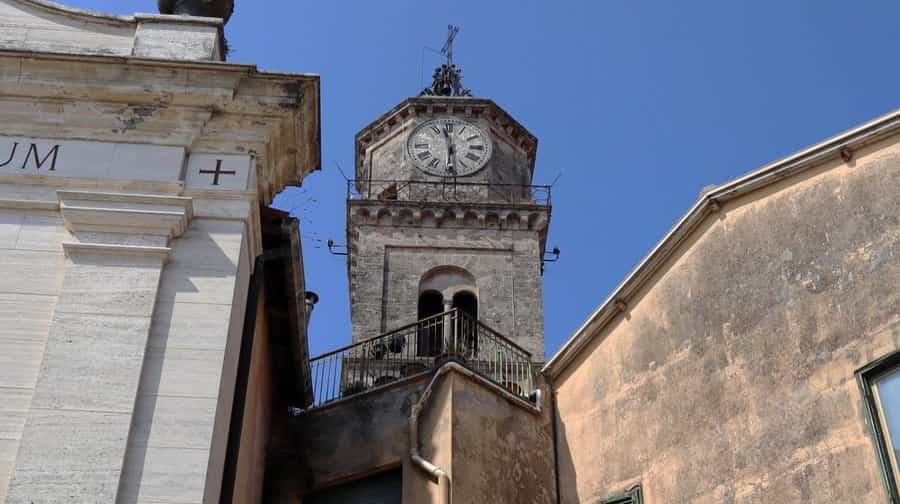
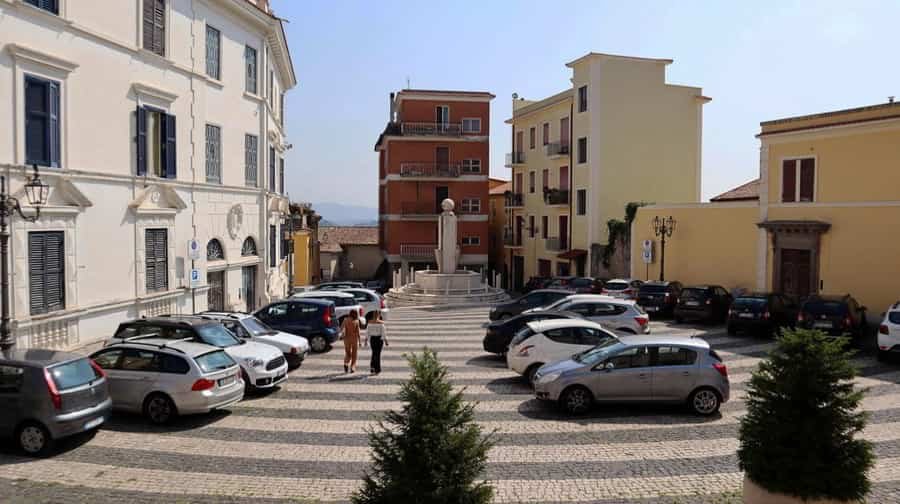
Piazza della Libertà is one of the most important and recognizable squares in Frosinone, located in the heart of the city’s historic centre. It serves as a lively meeting place for locals and visitors, surrounded by elegant buildings, cafés, and cultural landmarks that reflect the city’s character and history. The square offers a panoramic view of the surrounding hills and valleys, creating a charming setting that captures the spirit of central Italy. Among its main features is the Cathedral of Santa Maria Assunta, which dominates the square with its impressive façade and bell tower. Piazza della Libertà is also a venue for public events, celebrations, and markets throughout the year, making it a vibrant social hub. Its combination of architectural beauty, historical significance, and everyday life gives this square a timeless charm, representing the cultural heart of Frosinone and a perfect place to experience its local atmosphere.
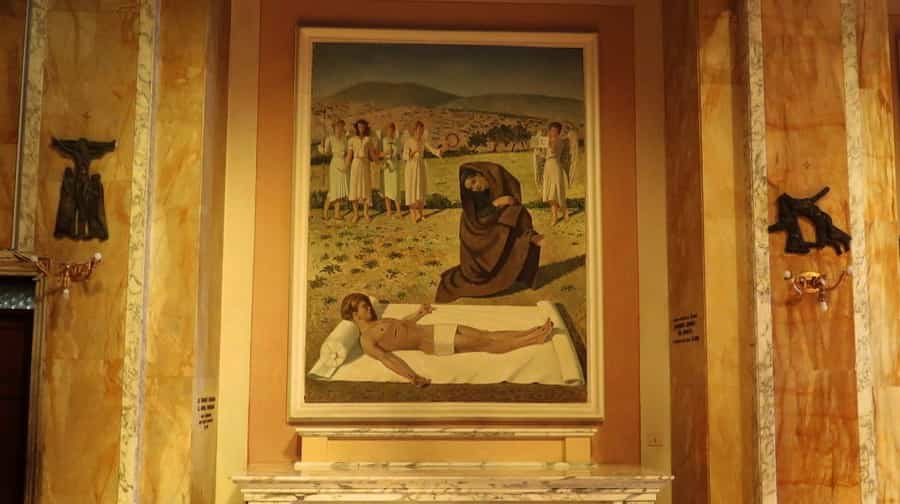
The Cattedrale di Santa Maria Assunta is the main church of Frosinone and one of its most significant landmarks. Located in Piazza della Libertà, at the highest point of the city’s historic centre, the cathedral dominates the skyline with its graceful architecture and symbolic presence. Its origins date back to early Christian times, although the current structure was rebuilt several times, most notably after being damaged during World War II. The cathedral’s neoclassical façade, elegant columns, and tall bell tower create an atmosphere of solemn beauty. Inside, visitors can admire artistic details, marble altars, and sacred artworks that reflect centuries of faith and devotion. Dedicated to the Assumption of the Virgin Mary, the church remains an active place of worship and a focal point for religious celebrations in Frosinone.
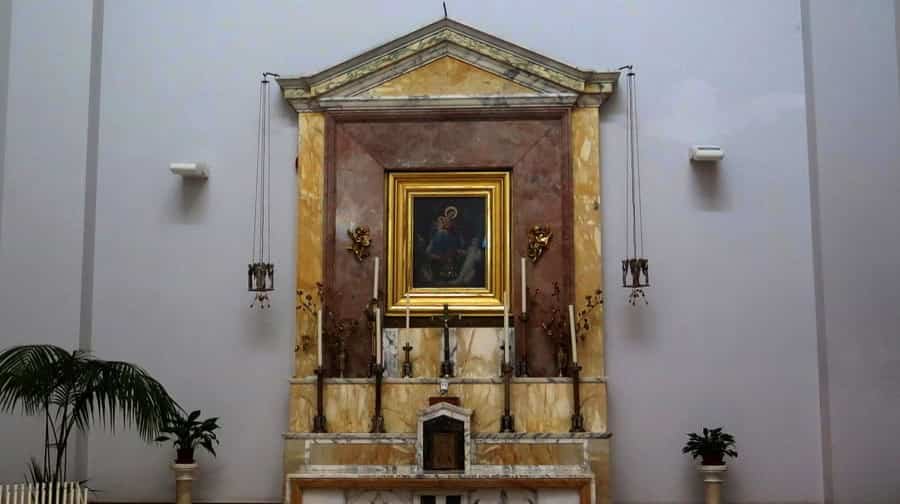
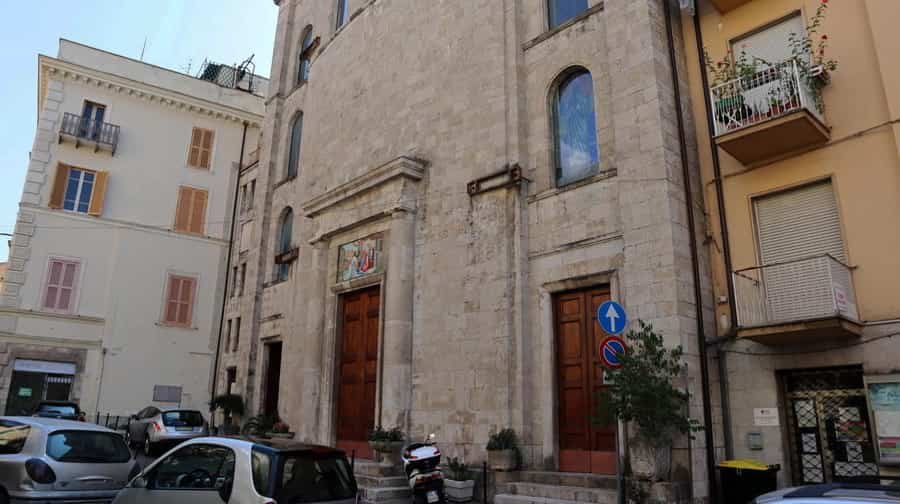
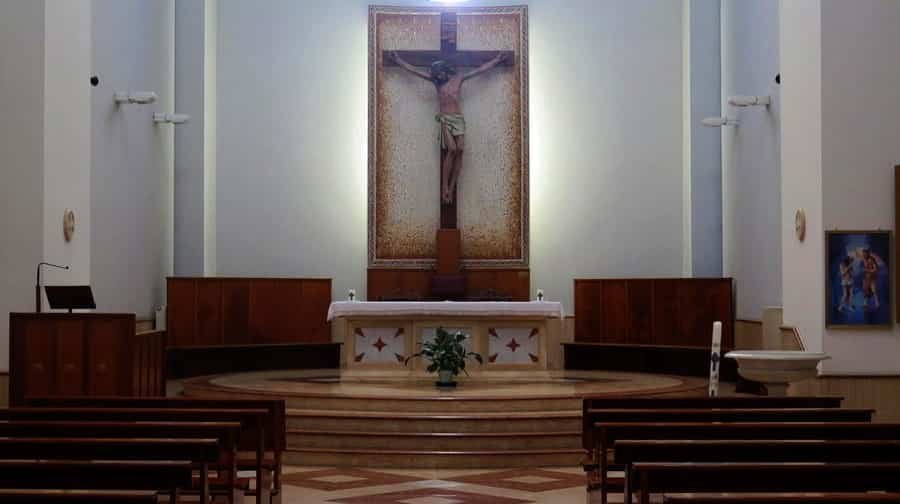
The Parrocchia SS. Annunziata, located in Largo San Silverio in Frosinone, is one of the city’s most important and beloved churches. Rich in history and devotion, it stands as a spiritual and cultural landmark for the local community. The parish is dedicated to the Annunciation of the Blessed Virgin Mary, a central theme that inspires both the church’s name and its artistic decoration. Its origins date back several centuries, and over time it has been restored and expanded, blending traditional architectural elements with modern touches. Inside, the church offers a serene and welcoming atmosphere, featuring beautiful altars, frescoes, and sacred artworks that express deep religious sentiment. The Parrocchia SS. Annunziata plays a vital role in the spiritual life of Frosinone, hosting regular Masses, ceremonies, and community events
Photo Gallery of Walk 1 – Viale Giuseppe Mazzini to Monumento Agli Eroi del Risorgimento Italiano, Piazza della Libertà
Approximately 1.54 km – 0.96 miles
Description of Walk 1
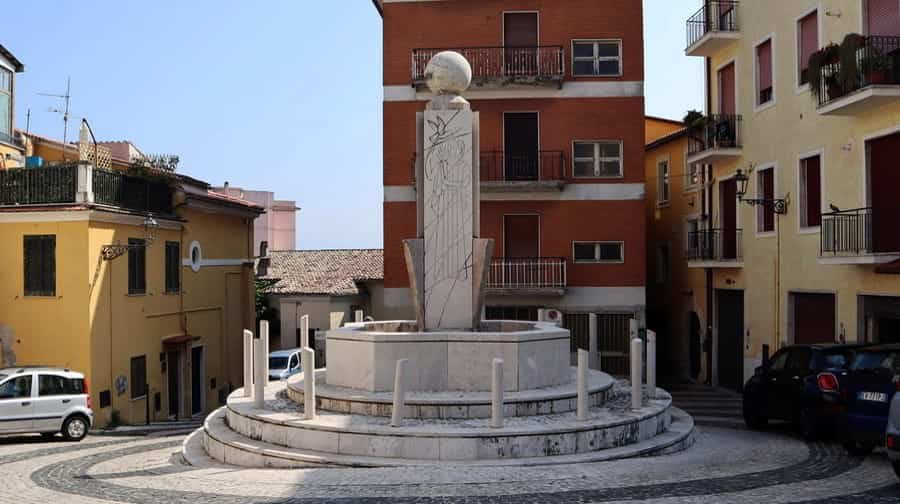
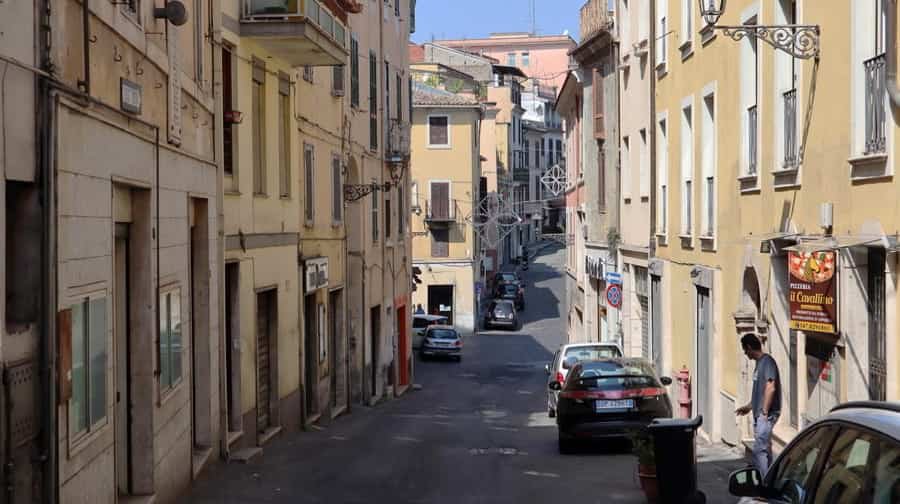
This walking route explores the civic and cultural heart of Frosinone, a hilltop city that blends modern life with historical identity. Beginning along Viale Giuseppe Mazzini, one of the main arteries, the walk moves through a lively urban setting before turning onto Via Biondi and reaching Piazza San Tommaso d’Aquino, a quieter square with a local neighbourhood feel. Returning to Viale Giuseppe Mazzini, the route highlights an important cultural landmark: the Accademia di Belle Arti di Frosinone, housed in the historic Palazzo Tiravanti. This area reflects the city’s artistic and educational significance. Continuing along the same boulevard, the walk transitions onto Corso della Repubblica, a central street known for shops, cafés, and everyday activity. The route then opens into Piazzale Vittorio Veneto before narrowing again along Via Plebiscito, leading toward the prominent Piazza della Libertà. Here stands the Monumento Agli Eroi del Risorgimento Italiano, a tribute to Italy’s unification and a focal point of civic pride. Ending in this square, the walk captures Frosinone’s balance of culture, history, and vibrant urban life.
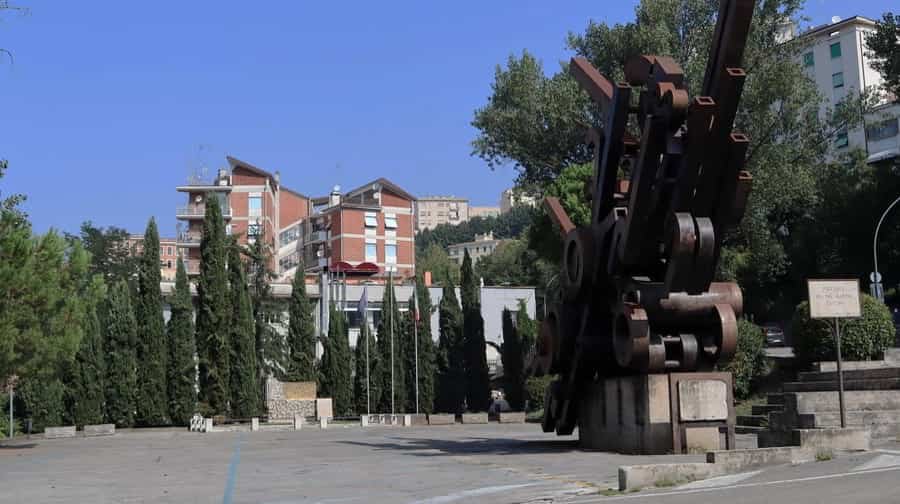
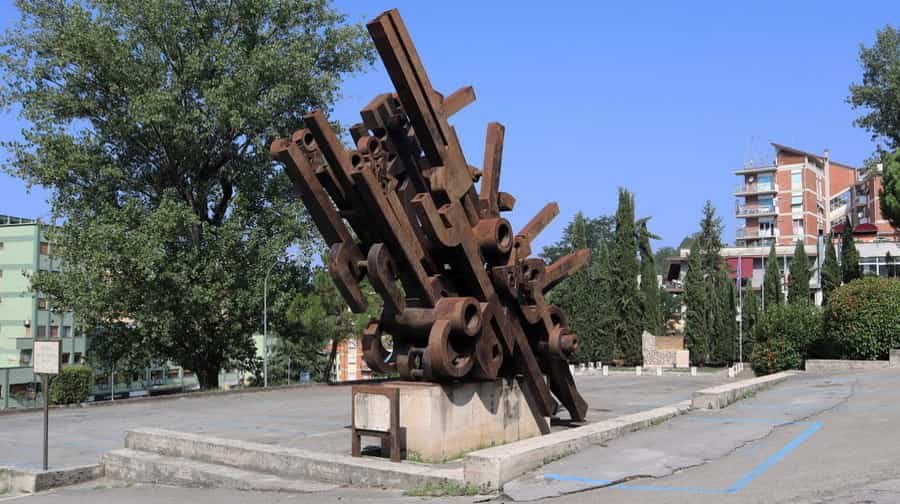
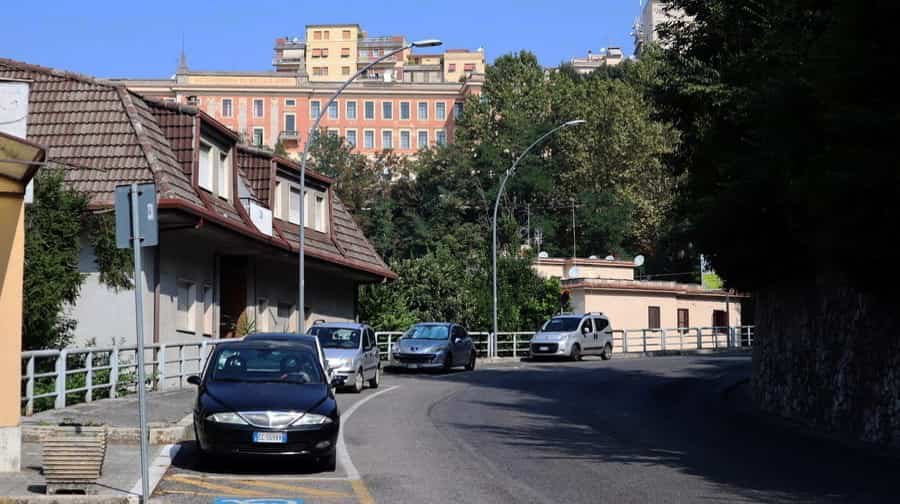
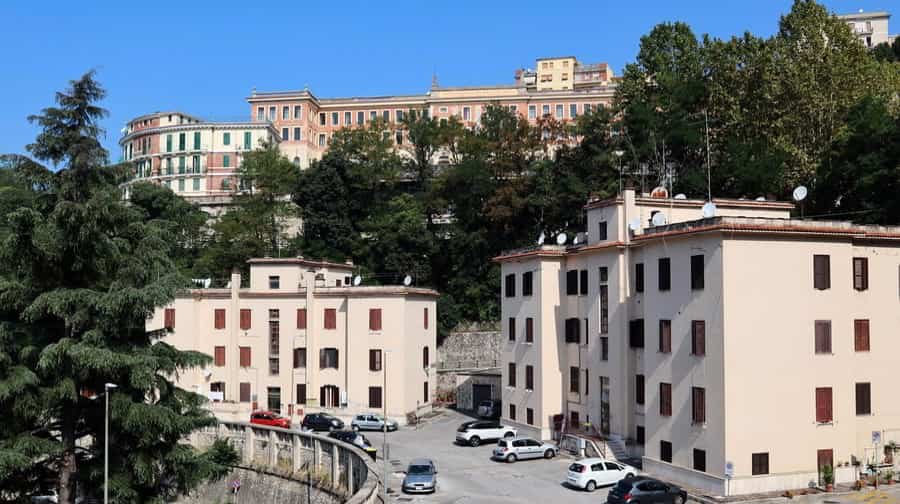
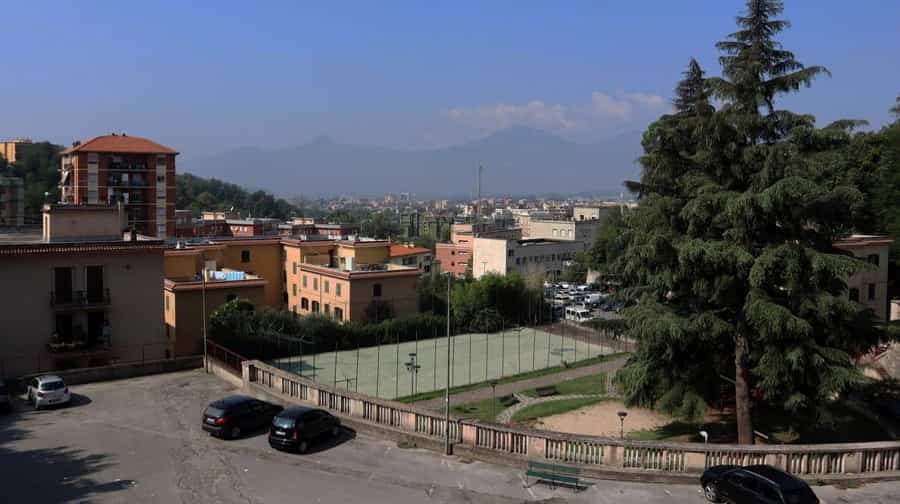

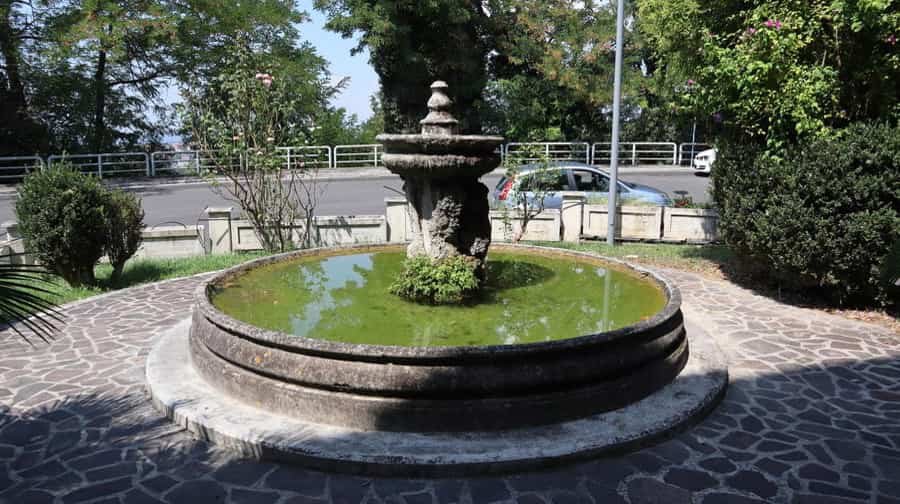
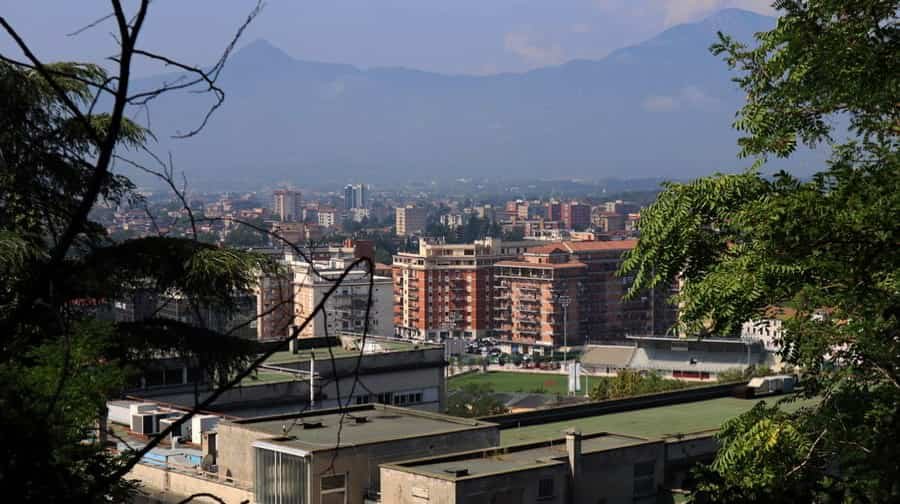


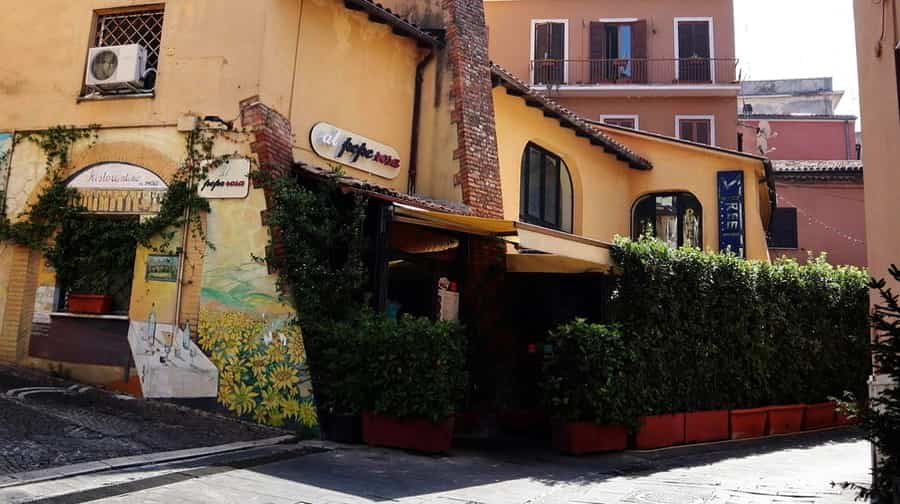

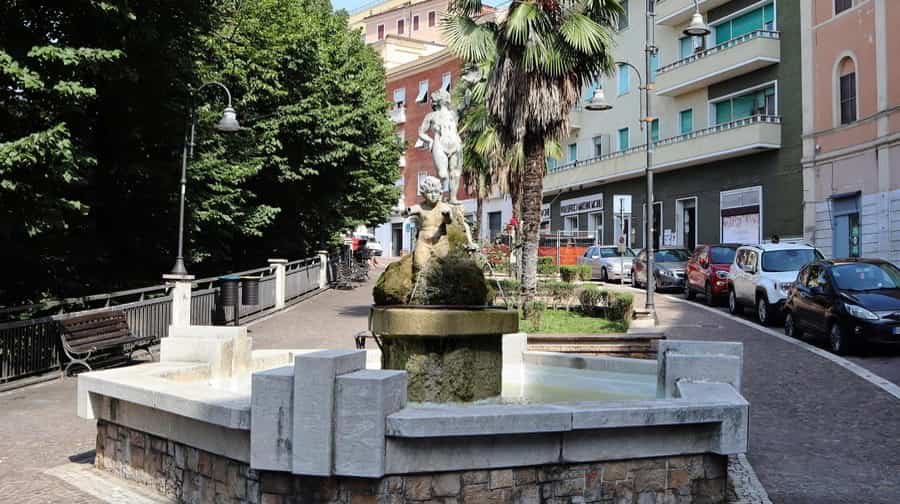
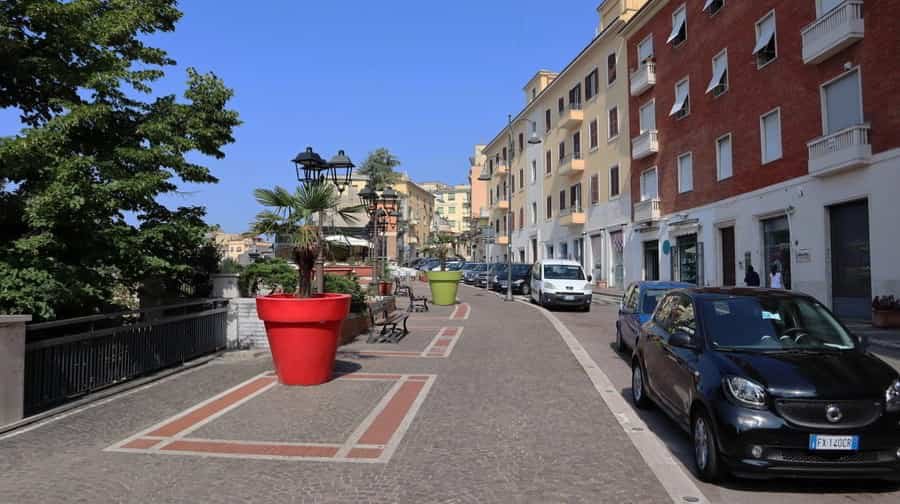
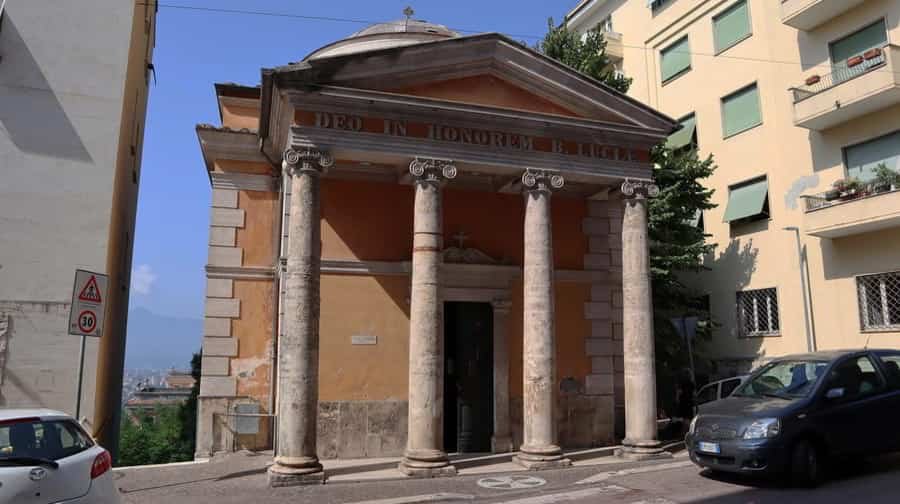
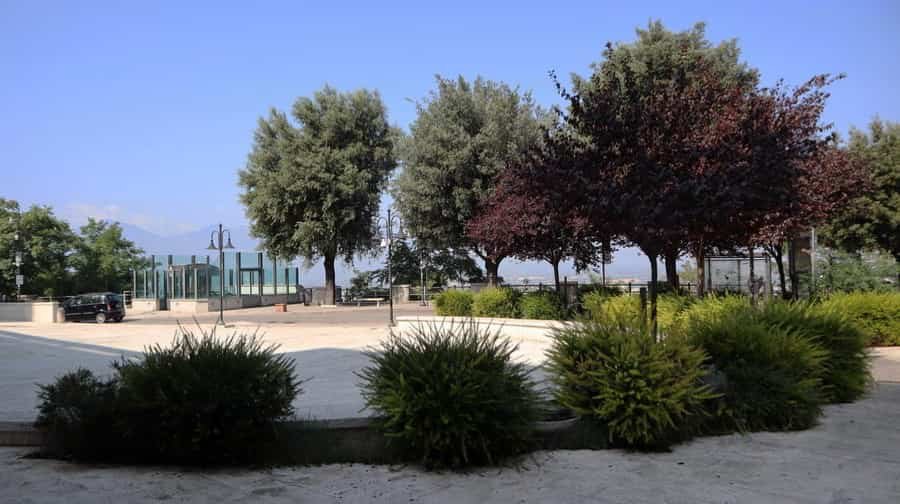
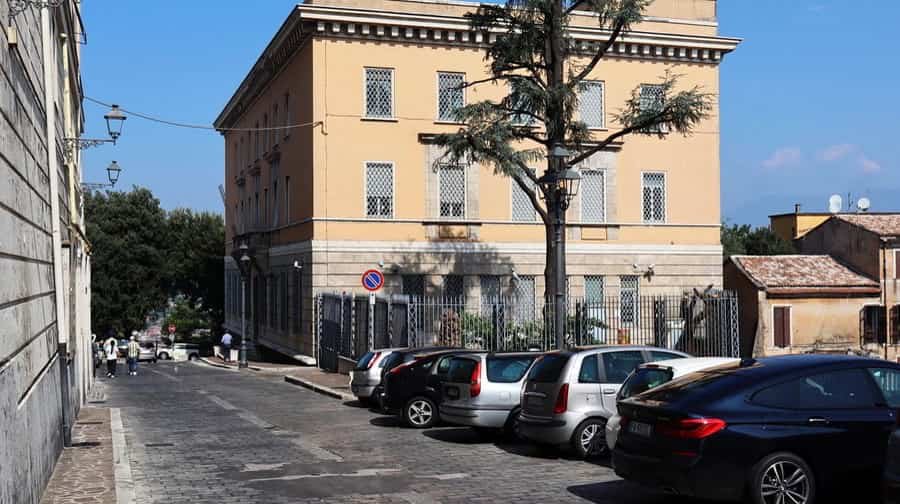
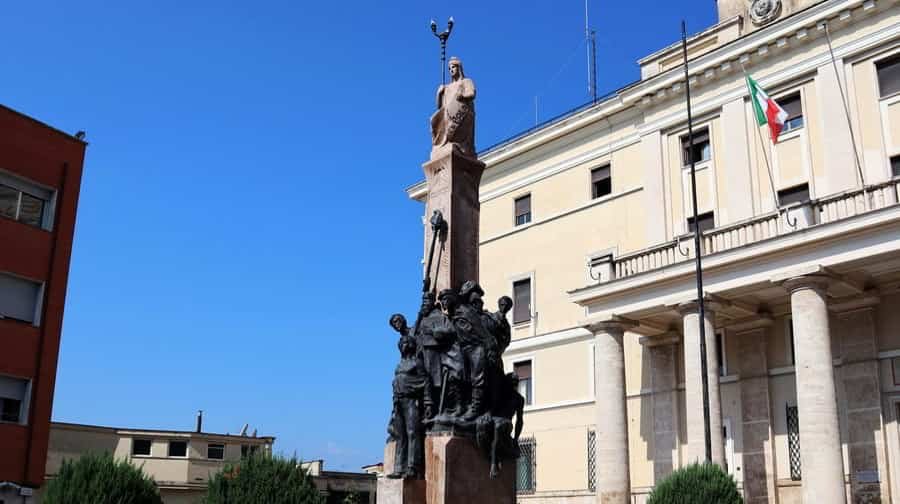
Photo Gallery of Walk 2 – Piazza della Libertà to Via Nicola Ricciotti
Approximately 1.33 km – 0.84 miles
Description of Walk 2
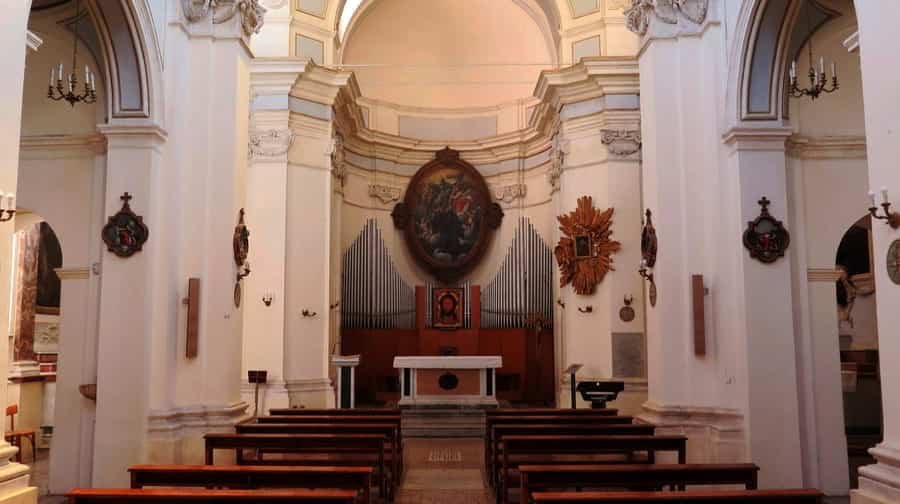
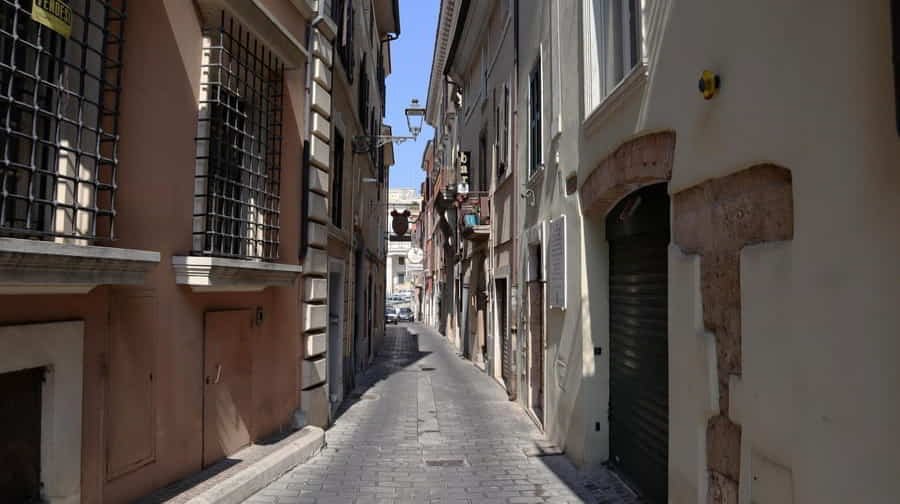
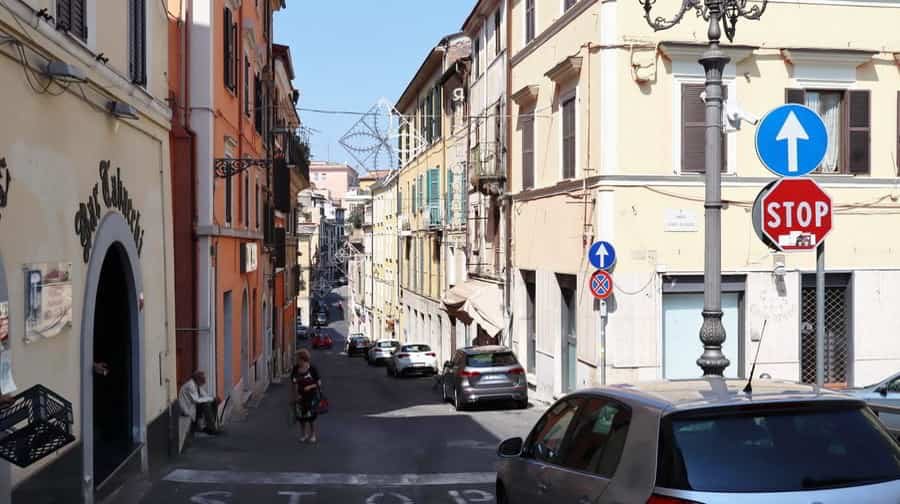
This walking route explores another fascinating section of Frosinone, focusing on its historic streets, religious landmarks, and everyday urban rhythm. Starting in Piazza della Libertà near the area of S. Benedetto, the walk begins in one of the city’s main gathering points, where civic life and history meet. From here, the route follows Via Plebiscito and Via XX Settembre, two important streets that connect different parts of the old town. Turning onto Via Don Luigi Minotti, the walk reaches the charming Piazza S. Maria, a quieter space that reflects the traditional character of the area. The route briefly loops through this neighbourhood before returning to Via XX Settembre and continuing toward Piazza Cairoli, another central spot with a lively yet local atmosphere. The path then retraces toward Via Plebiscito, branching into Via Marco Minghetti and Via Giuseppe Garibaldi, streets lined with shops and residences. Passing along Via Angeloni, the walk reaches the Parrocchia Ss. Annunziata at Largo S. Silverio, an important religious site. Concluding along Via Nicola Ricciotti, the route offers a well-rounded view of Frosinone’s blend of history, community life, and architectural charm.






COPYRIGHT © 2018-2026 ITALY IN PHOTOS - ALL RIGHTS RESERVED