
HOME
REGIONS OF ITALY
PLACES IN ITALY
PLAN YOUR TRIP
Italy in Photos
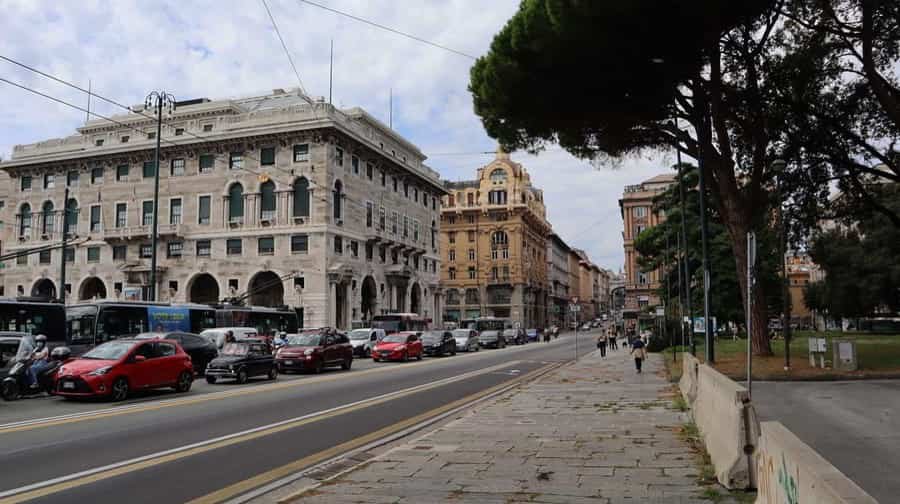
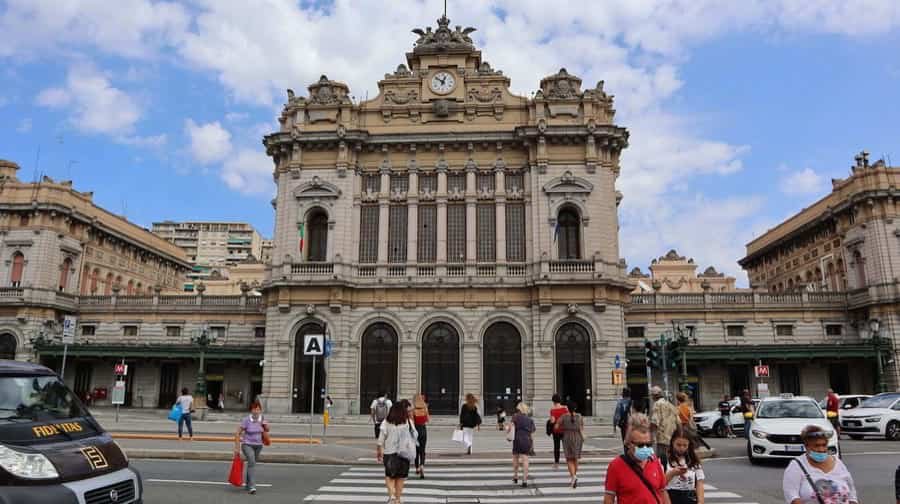
Piazzale Porta del Molo, 16128 Genova GE, Italy (September 2020)
Genoa
Delayed or cancelled flight?
Get up to £520!
You’ve got rights when your flight’s disrupted.
We enforce them and handle everything so you get paid
Genoa is a city of remarkable depth and contrast, set along the rugged Ligurian coastline of north-western Italy where steep hills descend sharply into the Mediterranean Sea. As the capital of the Liguria region, Genoa has played a central role in maritime history for more than a thousand years. Its identity has been shaped by the sea, by trade, and by a fiercely independent spirit that continues to define the city today. Often less immediately polished than other Italian destinations, Genoa rewards those who take time to explore its layers with a rich and authentic experience.
The origins of Genoa stretch back to ancient times, when it was first settled by Ligurian tribes and later developed under Roman rule. Its natural harbour and strategic location made it an ideal centre for commerce and naval power. During the Middle Ages, Genoa rose to prominence as one of the great Maritime Republics, rivalling Venice, Pisa, and Amalfi. At its height, the Republic of Genoa controlled vast trade networks across the Mediterranean and beyond, amassing wealth that would leave a lasting imprint on the city’s architecture and culture.
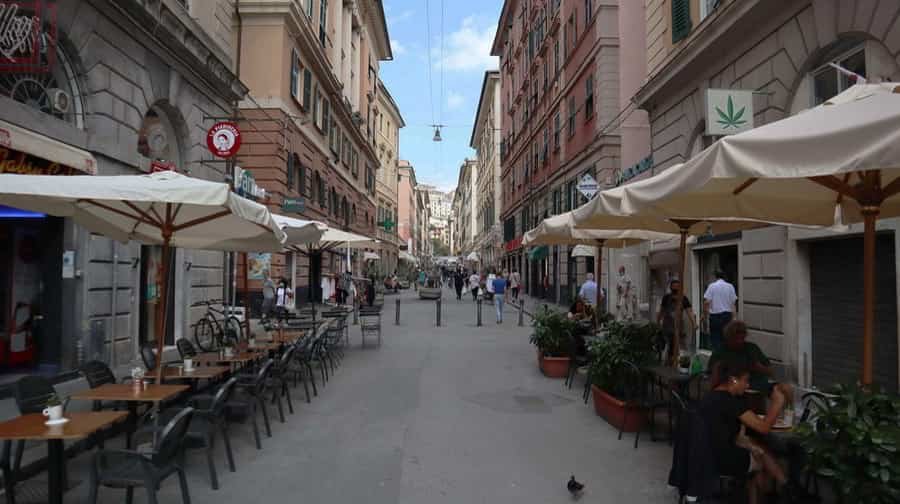
Genoa’s historic centre is one of the largest and most intricate in Europe, a dense maze of narrow streets known as caruggi. These winding alleys open unexpectedly onto small squares, churches, and palaces, creating a sense of discovery at every turn. Life in the historic centre has always been closely tied to trade and daily exchange, and even today it remains vibrant and lived-in. Shops, markets, and cafes coexist with centuries-old buildings, reflecting a city where past and present overlap seamlessly.
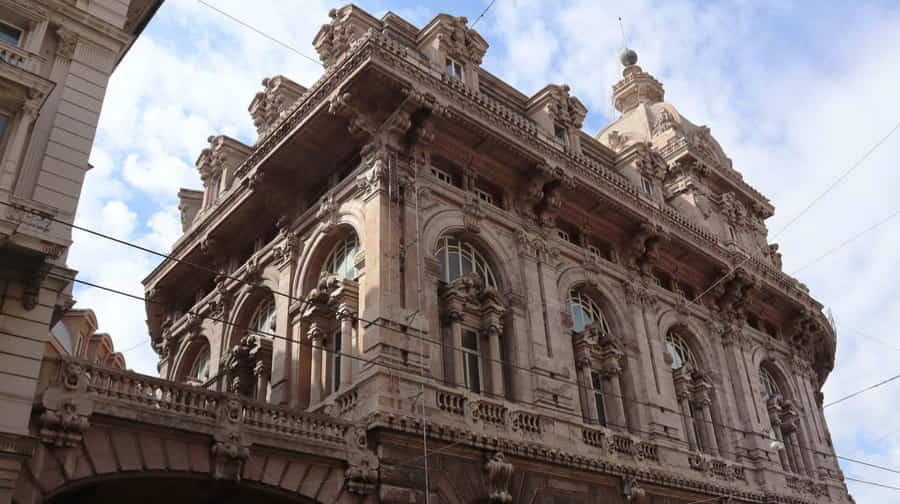
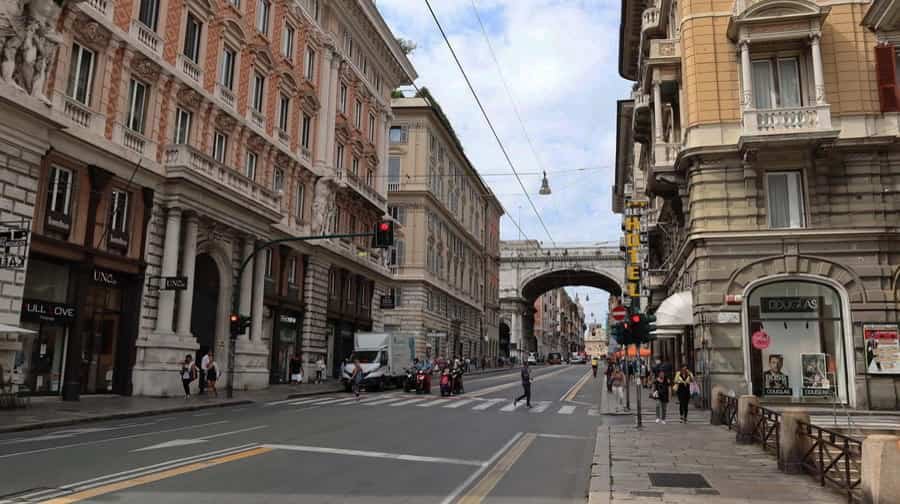
Among Genoa’s most striking features are its grand palaces, particularly those along the Strade Nuove, now recognized as a UNESCO World Heritage Site. Built in the sixteenth and seventeenth centuries by wealthy noble families, these palazzi display a level of elegance and ambition that speaks to Genoa’s former power. Many now house museums, galleries, and cultural institutions, offering insight into the art, furnishings, and lifestyles of the city’s ruling elite.
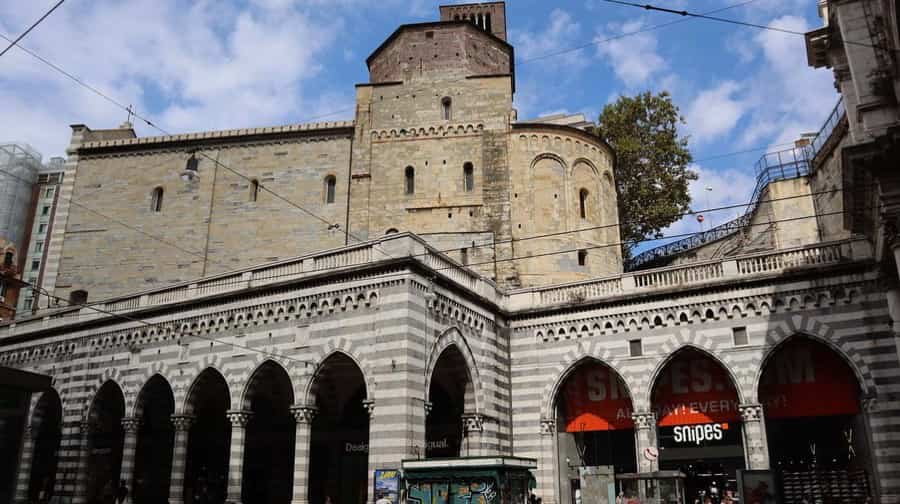
The Cathedral of San Lorenzo stands at the spiritual heart of Genoa, its striped marble façade and richly decorated interior reflecting layers of history and devotion. Nearby, historic churches and civic buildings reveal the city’s religious and political evolution. Genoa is also the birthplace of Christopher Columbus, and his legacy is woven into the city’s narrative, symbolizing Genoa’s long relationship with exploration and the wider world.
The sea remains central to Genoa’s identity. Its port, one of the largest and most important in the Mediterranean, continues to shape the city’s economy and outlook. In recent decades, the waterfront has undergone significant transformation, blending historic docks with modern architecture, cultural venues, and public spaces. This renewed connection to the sea reflects Genoa’s ability to adapt while remaining anchored in its maritime roots.
Culturally, Genoa offers a distinct atmosphere shaped by Ligurian traditions. The local cuisine is defined by simplicity and flavour, using ingredients drawn from both land and sea. Dishes such as pesto, focaccia, and fresh seafood reflect a culinary heritage that is both humble and refined. Food in Genoa is closely tied to daily life, enjoyed in small trattorias, bakeries, and street-side establishments that emphasize authenticity over spectacle.
Genoa’s landscape adds to its unique character. Steep hills rise directly behind the city, creating dramatic views and a sense of verticality that influences urban life. Historic funiculars and elevators connect different levels of the city, offering glimpses of rooftops, port activity, and the open sea. From panoramic viewpoints, Genoa reveals itself as a city carved into the terrain, shaped by necessity and resilience.
Despite its historic weight, Genoa is not a city frozen in time. It is home to universities, research centres, and a growing cultural scene that includes music, contemporary art, and design. Its population reflects centuries of exchange and migration, contributing to a cosmopolitan identity rooted in openness and endurance. Genoa is a city that does not reveal itself all at once. Its beauty is complex, sometimes austere, but deeply rewarding. For those willing to look beyond first impressions, Genoa offers a powerful introduction to Italy’s maritime soul, where history, labour, and culture remain inseparably intertwined.
Genoa is a city of remarkable depth and contrast, set along the rugged Ligurian coastline of north-western Italy where steep hills descend sharply into the Mediterranean Sea. As the capital of the Liguria region, Genoa has played a central role in maritime history for more than a thousand years. Its identity has been shaped by the sea, by trade, and by a fiercely independent spirit that continues to define the city today. Often less immediately polished than other Italian destinations, Genoa rewards those who take time to explore its layers with a rich and authentic experience.
The origins of Genoa stretch back to ancient times, when it was first settled by Ligurian tribes and later developed under Roman rule. Its natural harbour and strategic location made it an ideal centre for commerce and naval power. During the Middle Ages, Genoa rose to prominence as one of the great Maritime Republics, rivalling Venice, Pisa, and Amalfi. At its height, the Republic of Genoa controlled vast trade networks across the Mediterranean and beyond, amassing wealth that would leave a lasting imprint on the city’s architecture and culture.
Genoa’s historic centre is one of the largest and most intricate in Europe, a dense maze of narrow streets known as caruggi. These winding alleys open unexpectedly onto small squares, churches, and palaces, creating a sense of discovery at every turn. Life in the historic centre has always been closely tied to trade and daily exchange, and even today it remains vibrant and lived-in. Shops, markets, and cafes coexist with centuries-old buildings, reflecting a city where past and present overlap seamlessly.
Among Genoa’s most striking features are its grand palaces, particularly those along the Strade Nuove, now recognized as a UNESCO World Heritage Site. Built in the sixteenth and seventeenth centuries by wealthy noble families, these palazzi display a level of elegance and ambition that speaks to Genoa’s former power. Many now house museums, galleries, and cultural institutions, offering insight into the art, furnishings, and lifestyles of the city’s ruling elite.
The Cathedral of San Lorenzo stands at the spiritual heart of Genoa, its striped marble façade and richly decorated interior reflecting layers of history and devotion. Nearby, historic churches and civic buildings reveal the city’s religious and political evolution. Genoa is also the birthplace of Christopher Columbus, and his legacy is woven into the city’s narrative, symbolizing Genoa’s long relationship with exploration and the wider world.
The sea remains central to Genoa’s identity. Its port, one of the largest and most important in the Mediterranean, continues to shape the city’s economy and outlook. In recent decades, the waterfront has undergone significant transformation, blending historic docks with modern architecture, cultural venues, and public spaces. This renewed connection to the sea reflects Genoa’s ability to adapt while remaining anchored in its maritime roots.
Culturally, Genoa offers a distinct atmosphere shaped by Ligurian traditions. The local cuisine is defined by simplicity and flavour, using ingredients drawn from both land and sea. Dishes such as pesto, focaccia, and fresh seafood reflect a culinary heritage that is both humble and refined. Food in Genoa is closely tied to daily life, enjoyed in small trattorias, bakeries, and street-side establishments that emphasize authenticity over spectacle.
Genoa’s landscape adds to its unique character. Steep hills rise directly behind the city, creating dramatic views and a sense of verticality that influences urban life. Historic funiculars and elevators connect different levels of the city, offering glimpses of rooftops, port activity, and the open sea. From panoramic viewpoints, Genoa reveals itself as a city carved into the terrain, shaped by necessity and resilience.
Despite its historic weight, Genoa is not a city frozen in time. It is home to universities, research centres, and a growing cultural scene that includes music, contemporary art, and design. Its population reflects centuries of exchange and migration, contributing to a cosmopolitan identity rooted in openness and endurance. Genoa is a city that does not reveal itself all at once. Its beauty is complex, sometimes austere, but deeply rewarding. For those willing to look beyond first impressions, Genoa offers a powerful introduction to Italy’s maritime soul, where history, labour, and culture remain inseparably intertwined.
Worth a Visit
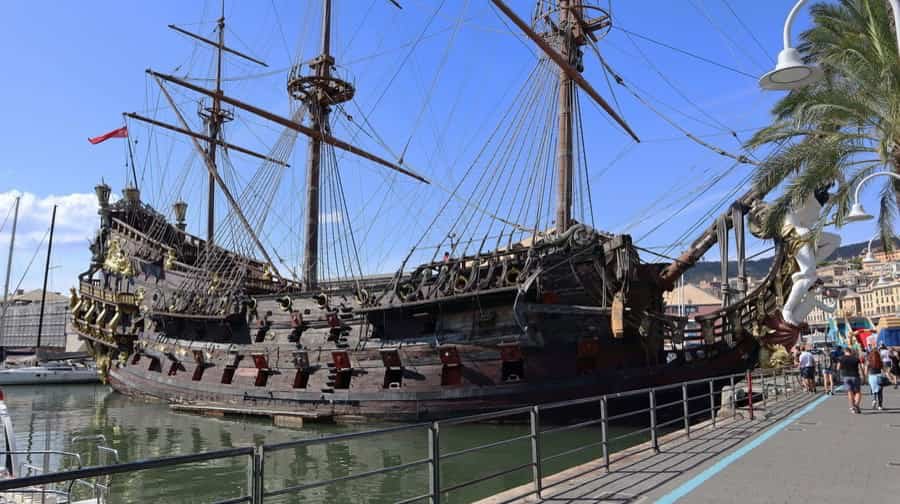
Porto Antico, or the Old Port of Genoa, is one of the most fascinating and vibrant areas of the city, blending centuries of maritime history with modern attractions and cultural life. Once the heart of Genoa’s naval power, the port has been at the centre of trade, commerce, and exploration since the Middle Ages. It was from here that ships set sail across the Mediterranean and beyond, linking Genoa to faraway markets and contributing to its reputation as one of the great maritime republics of Italy. Today, while its role as a commercial harbour has shifted to more modern facilities, Porto Antico has been transformed into a dynamic space that welcomes visitors with museums, entertainment, dining, and scenic views. The redevelopment of the Old Port was largely guided by the world-renowned Genoese architect Renzo Piano in the early 1990s. His vision preserved the historic character of the harbour while opening it up to the public as a space of leisure and culture.
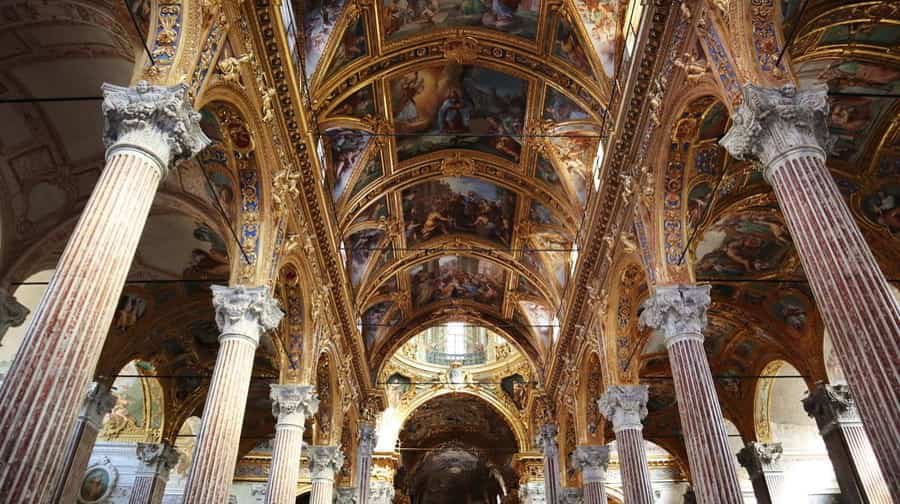
The Basilica della Santissima Annunziata del Vastato in Genoa is one of the city’s most remarkable religious landmarks, admired for its striking Baroque interior and its role in the artistic and spiritual life of the Ligurian capital. Located just outside the historic centre, near Piazza della Nunziata, the church immediately impresses visitors with its grand façade and monumental presence. While its exterior may appear relatively restrained, stepping inside reveals a breath-taking display of Baroque decoration, gilded stuccoes, and dramatic frescoes that have made it one of the most richly adorned churches in Genoa. The history of the basilica stretches back to the early 16th century, when construction began under the direction of the Franciscan friars. The term “Vastato” refers to the area outside the medieval city walls that had been cleared for defensive purposes, providing the space on which the church was erected.
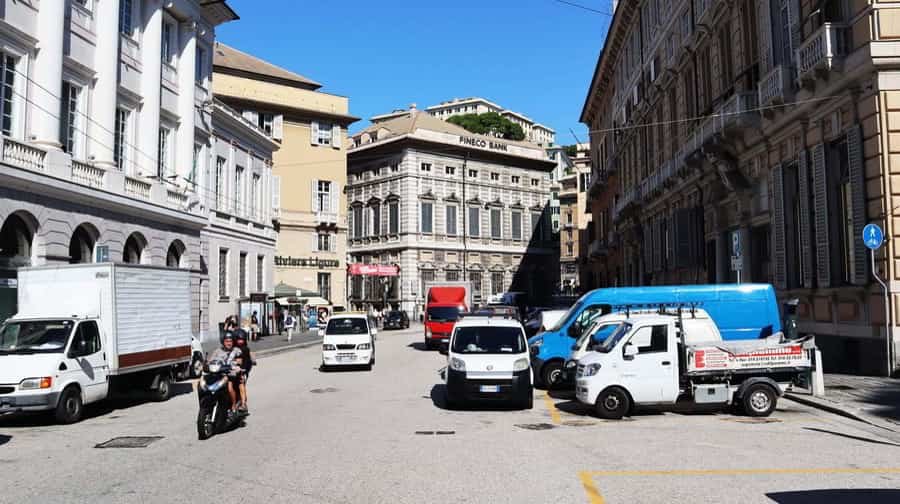
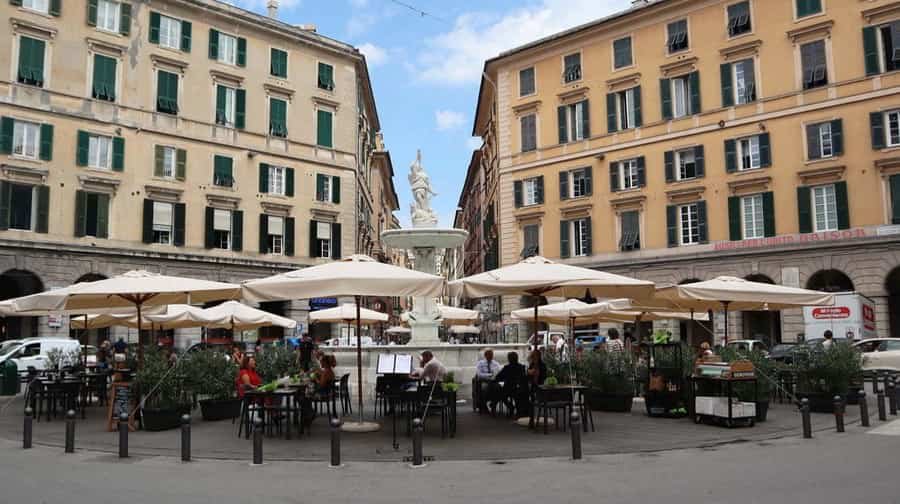
Piazza delle Fontane Marose is one of Genoa’s most refined and historically resonant squares, a place where architecture, history, and urban memory intersect. Situated close to Via Garibaldi and the network of the Palazzi dei Rolli, this square has long been associated with the city’s aristocratic heritage. Unlike larger, more bustling piazzas, Piazza delle Fontane Marose has an intimate, almost secluded charm. It owes its name and much of its identity to the presence of the fountains (fontane) that once adorned the area, an element so important that it became permanently linked to the square’s character. The word “marose” comes from the Genoese dialect, meaning “wet” or “dripping.” This refers to the abundant water that flowed here from natural springs and aqueducts.
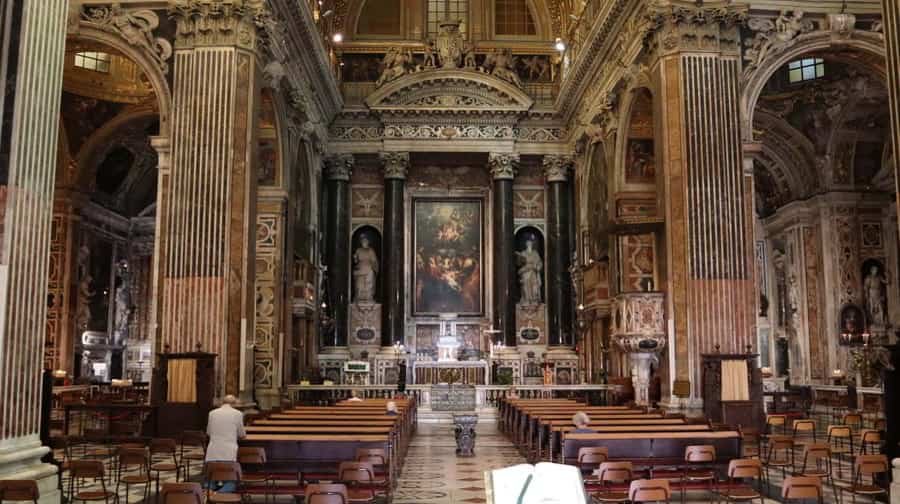
Situated majestically on Piazza Matteotti, just a step away from Piazza De Ferrari and the Palazzo Ducale, the Chiesa del Gesù e dei Santi Ambrogio e Andrea, often shortened to Chiesa del Gesù, is one of Genoa’s most lavish Baroque churches. Its origins are ancient: the church traces back to the 6th century, created as a refuge for the Milanese clergy, including the exiled Bishop Ambrose, fleeing Lombard invasions. This early house of worship, built near the Cathedral of San Lorenzo, served Milanese exiles until the 7th century. The current church took shape significantly later. In 1552, the Jesuits arrived in Genoa and, by 1589, had initiated a grand reconstruction under the direction of the Jesuit architect Giuseppe Valeriano.
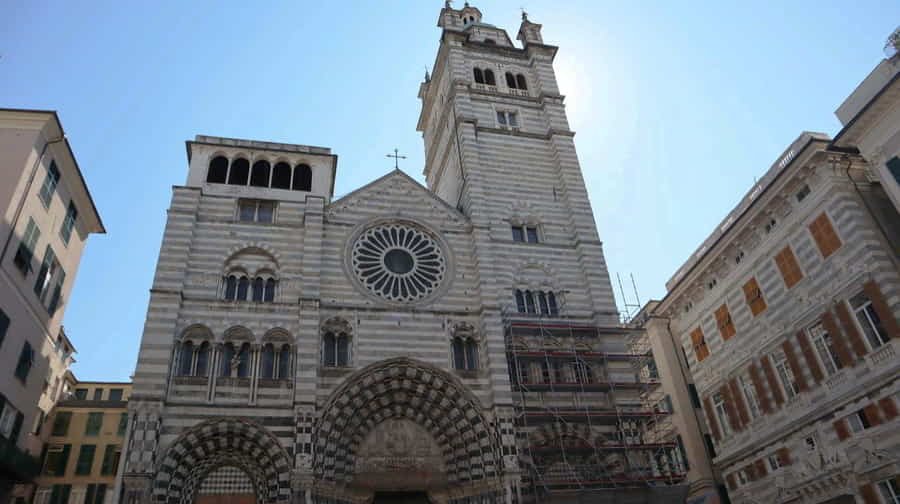
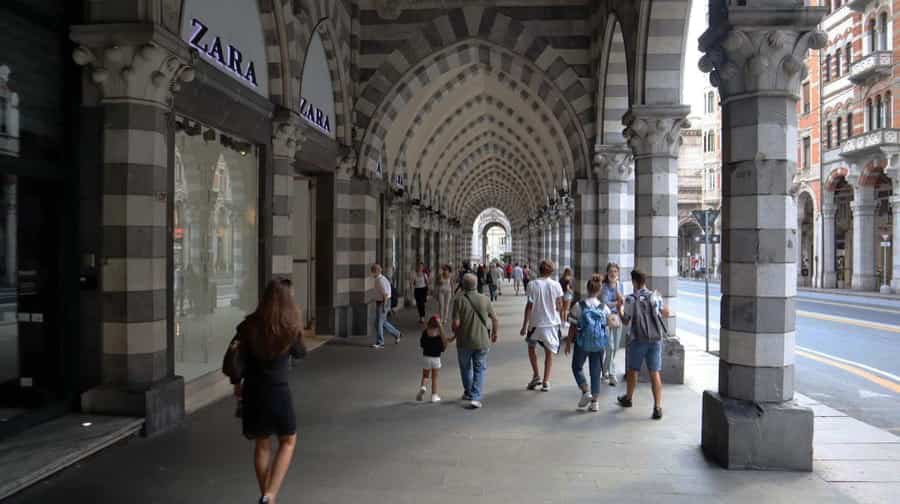
Piazza San Lorenzo, located in the historic heart of Genoa, is one of the city’s most important and symbolic squares. It takes its name from the magnificent Cattedrale di San Lorenzo (Cathedral of Saint Lawrence), which dominates the space with its striking black-and-white striped façade, a fine example of Ligurian Gothic architecture. The square is not only a religious centre but also a cultural and civic landmark, reflecting centuries of history and the changing fortunes of Genoa as a powerful maritime republic. Visitors arriving at Piazza San Lorenzo immediately sense the weight of tradition and the enduring presence of a city that once stood at the crossroads of Mediterranean trade, diplomacy, and art.
Photo Gallery of Walk 1 – Via Venezia to Piazzale Porta del Molo
Approximately 0.00 km – 0.00 miles
Description of Walk 1
This walk explores the historic waterfront and urban fabric of Genoa, tracing a route that reveals the city’s deep connection to the sea and its layered past. Beginning along Via Venezia and moving through Piazza Dinegro and Via S. Benedetto, the route passes through areas shaped by both everyday life and centuries of maritime activity. At Piazza del Principe, the presence of the grand Palazzo del Principe recalls the power of the Doria family and Genoa’s role as a dominant maritime republic. Continuing along Via Antonio Gramsci and Via Marino Boccanegra, the walk follows the edge of the old harbor, where historic warehouses and port structures meet modern redevelopment. As the route reaches Calata Ansaldo De Mari and Calata Simone Vignoso, the scenery opens toward the revitalized Porto Antico, a vibrant waterfront redesigned by Renzo Piano. Here, old docks have been transformed into cultural and leisure spaces, blending history with contemporary life. Passing Calata Falcone e Borsellino and Calata Cattaneo, the walk continues along the harbor’s edge, ending at Piazzale Porta del Molo, near the historic gateway to the sea. This route captures Genoa’s enduring identity as a city shaped by trade, architecture, and its intimate relationship with the Mediterranean.
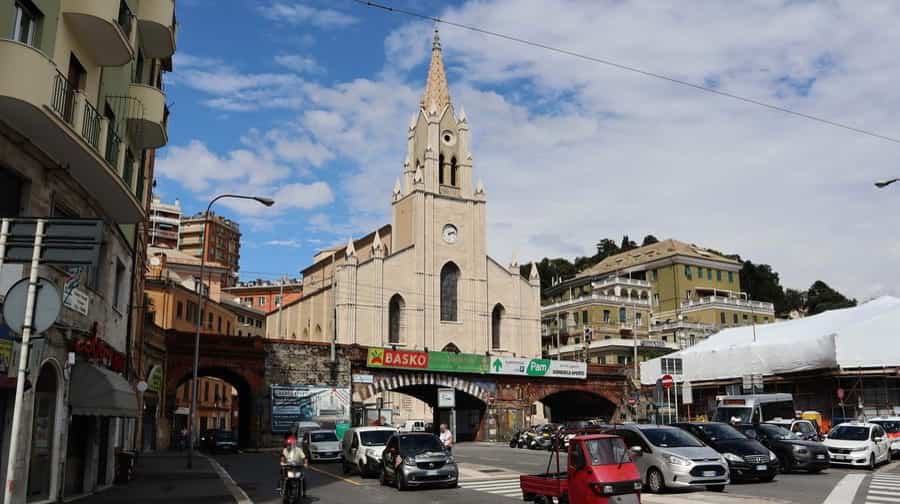
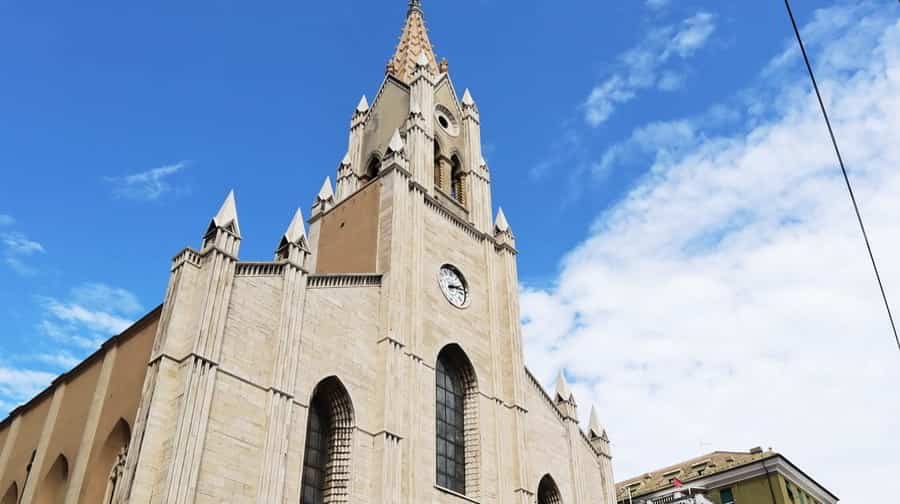
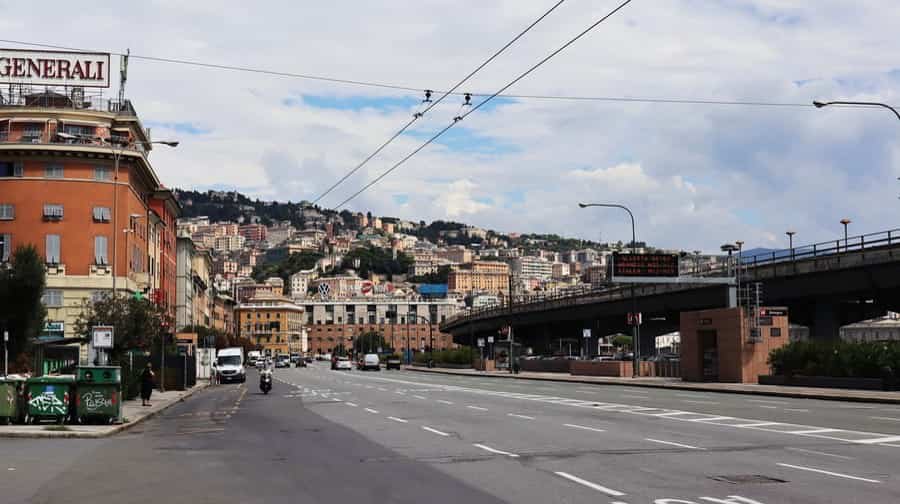
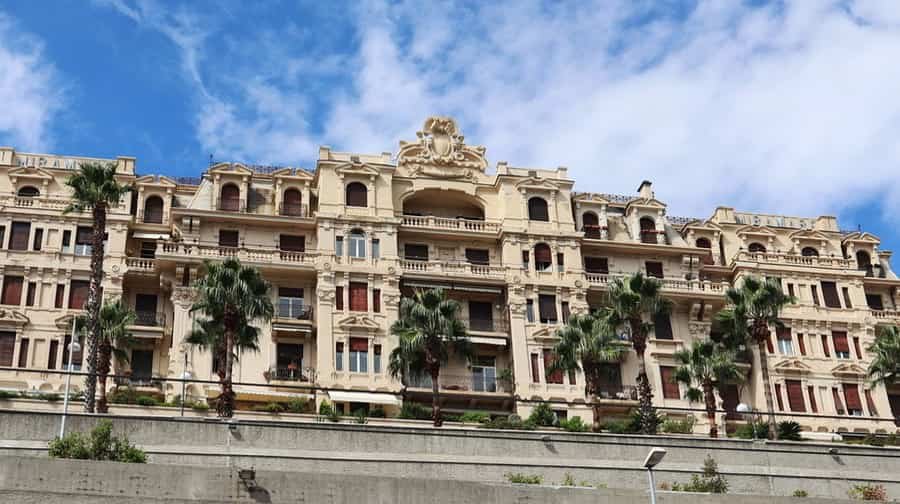
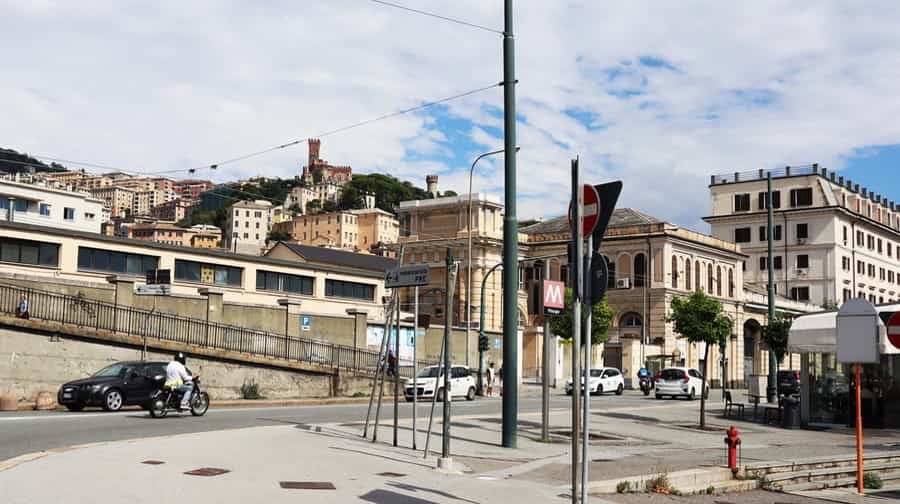
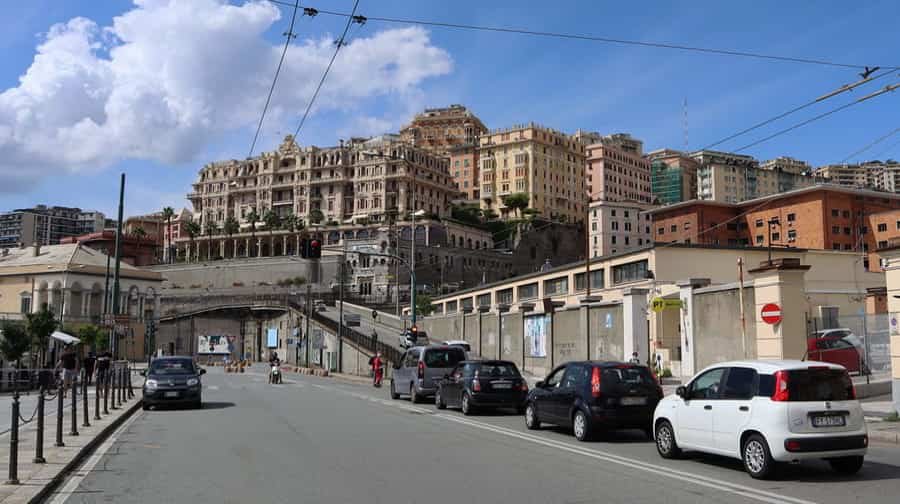
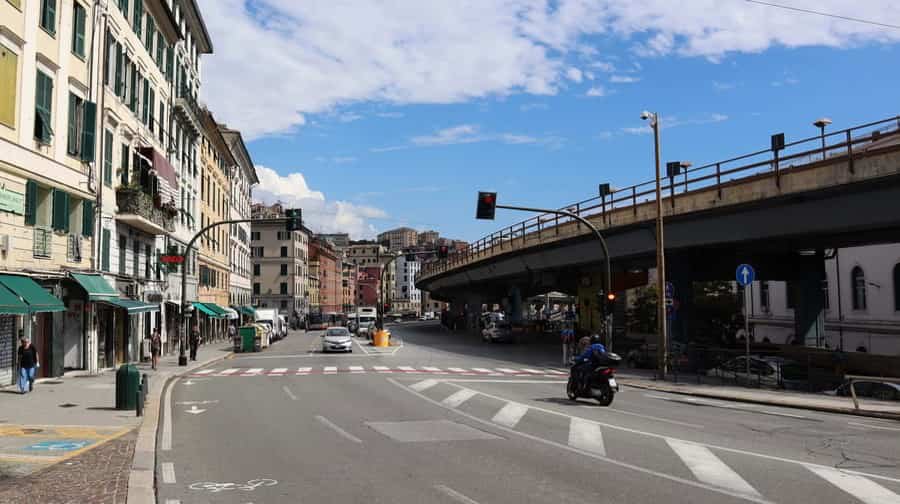
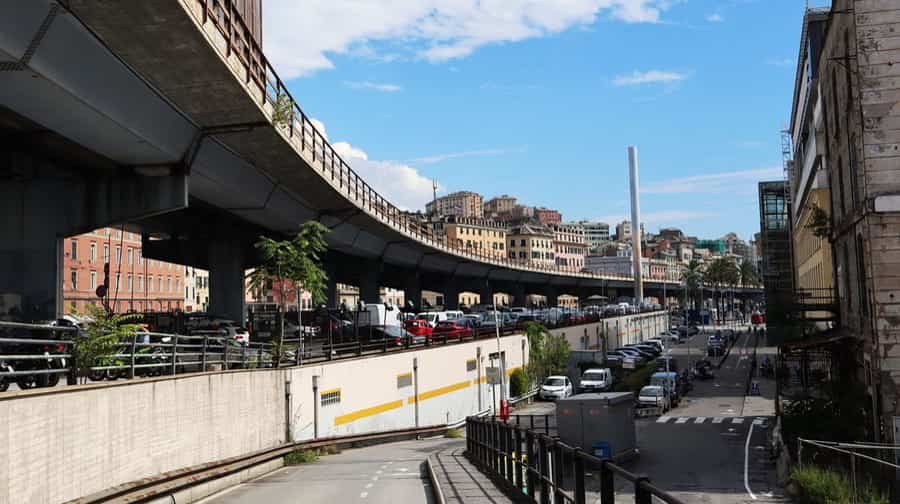
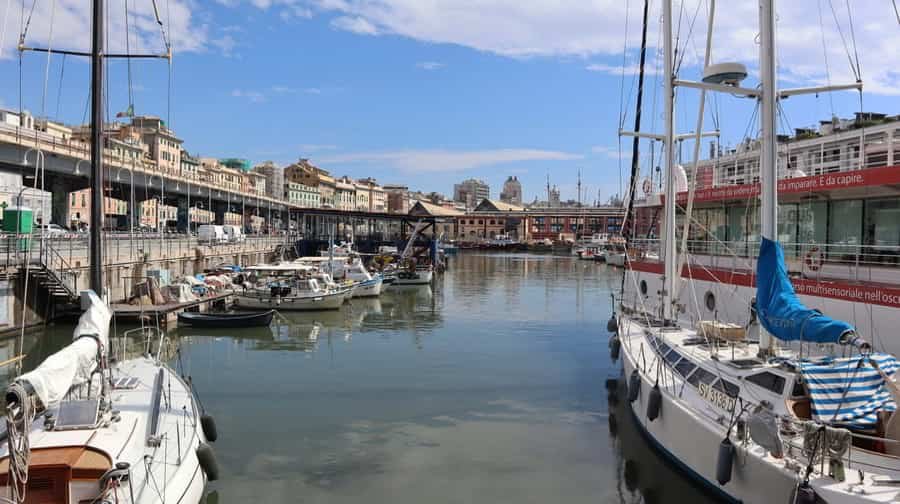
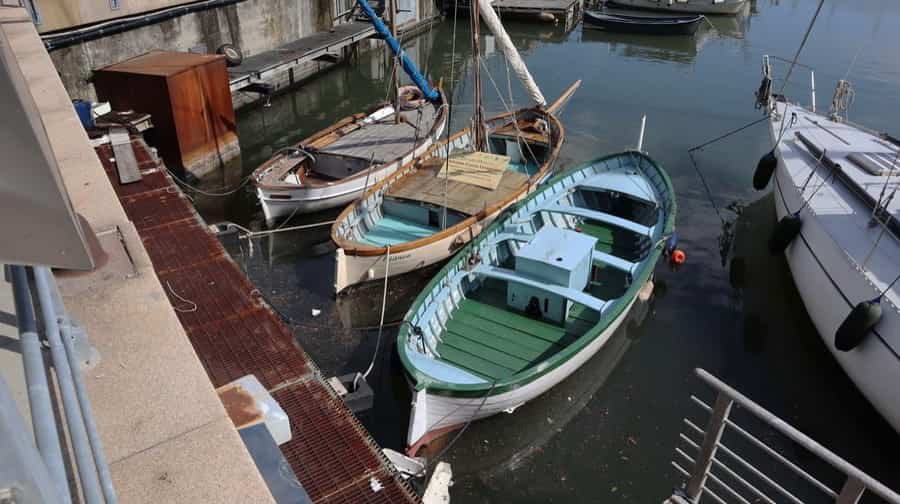
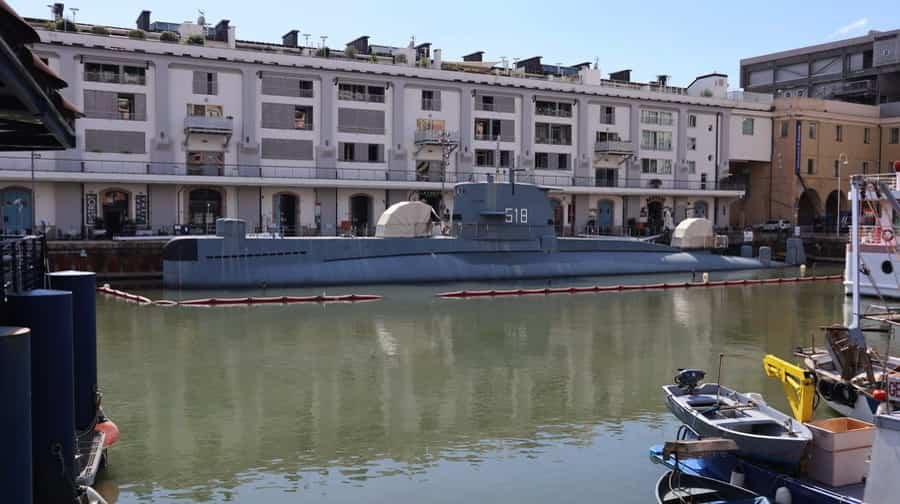
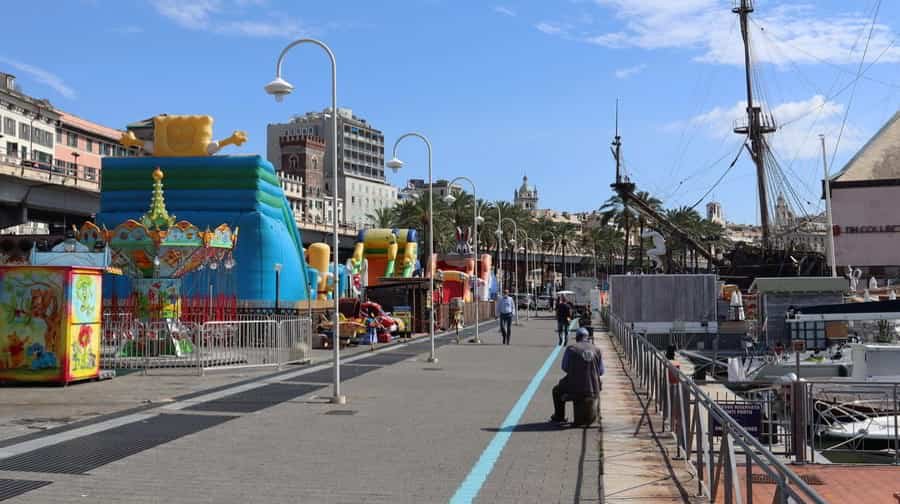
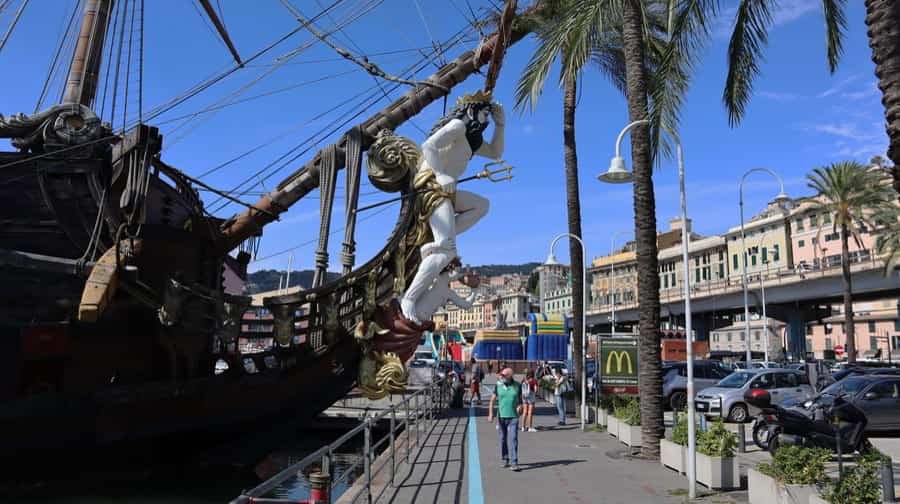
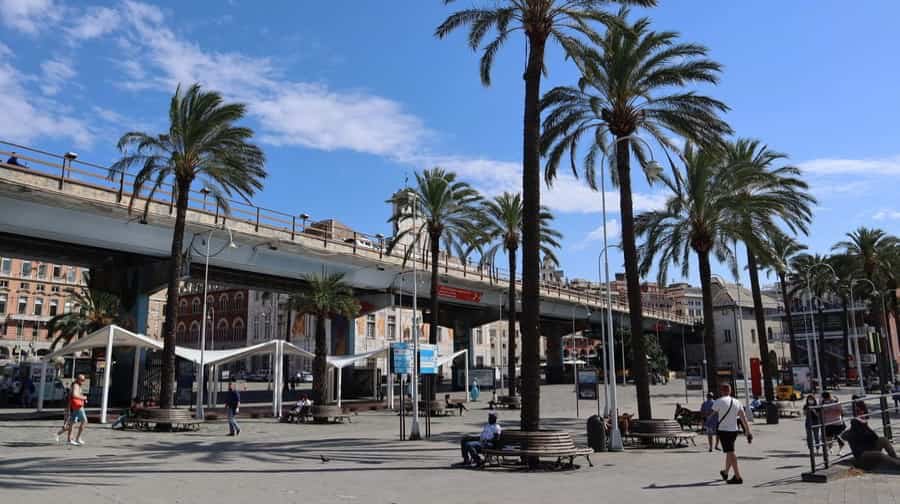
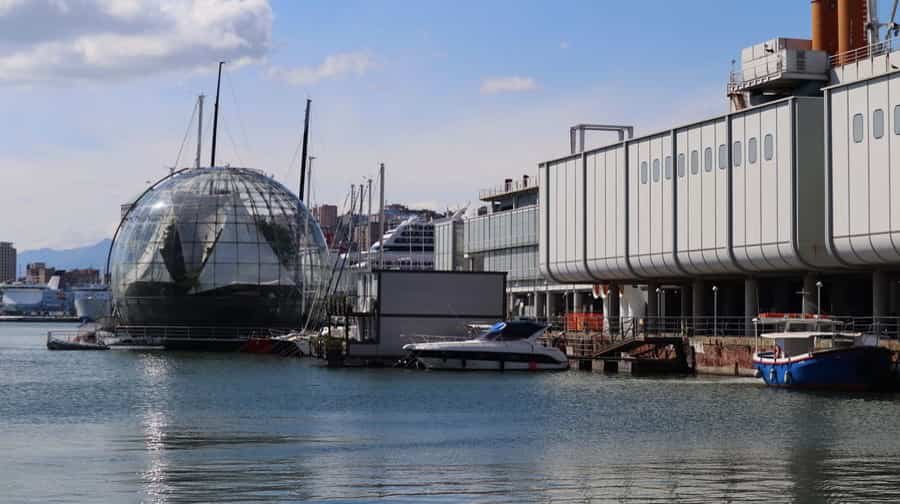
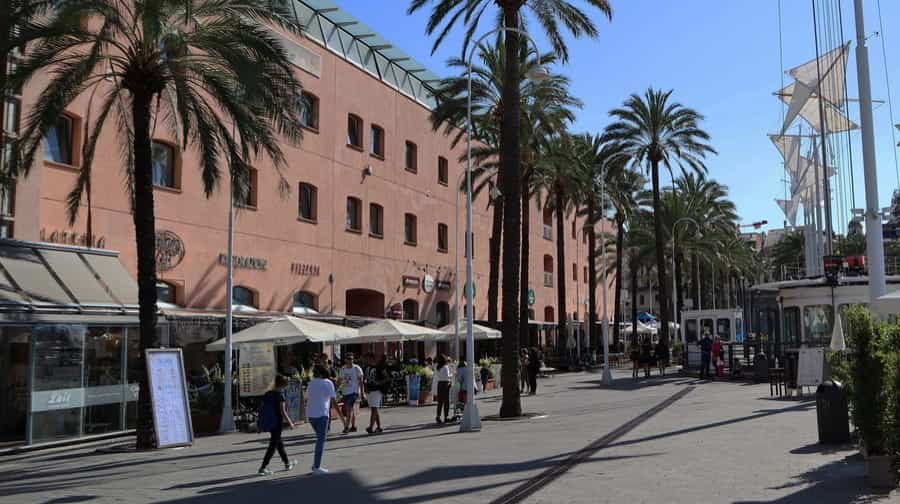
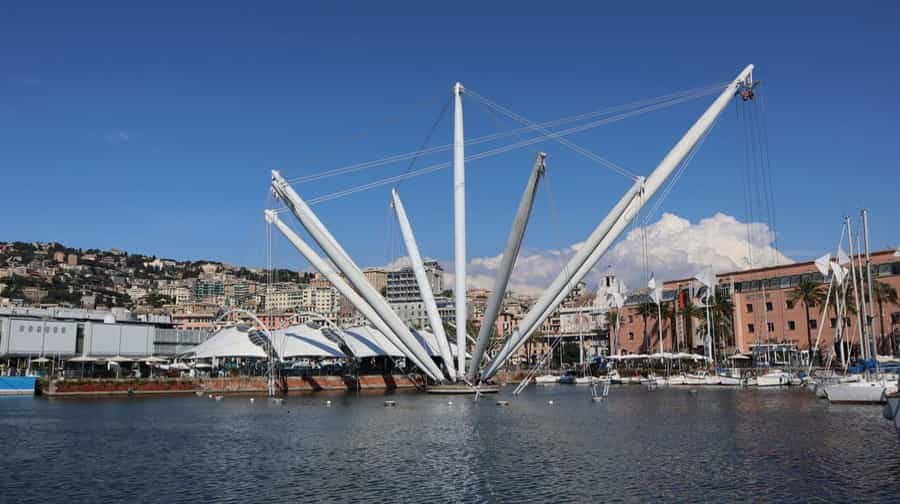
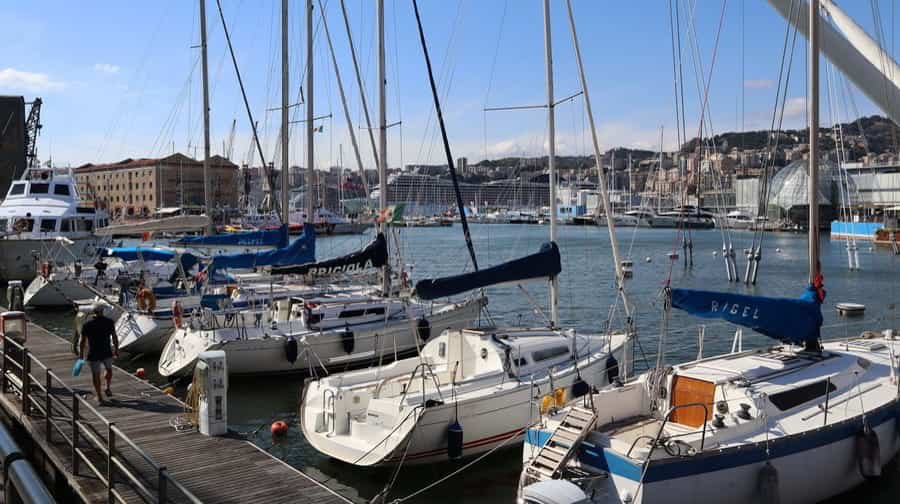
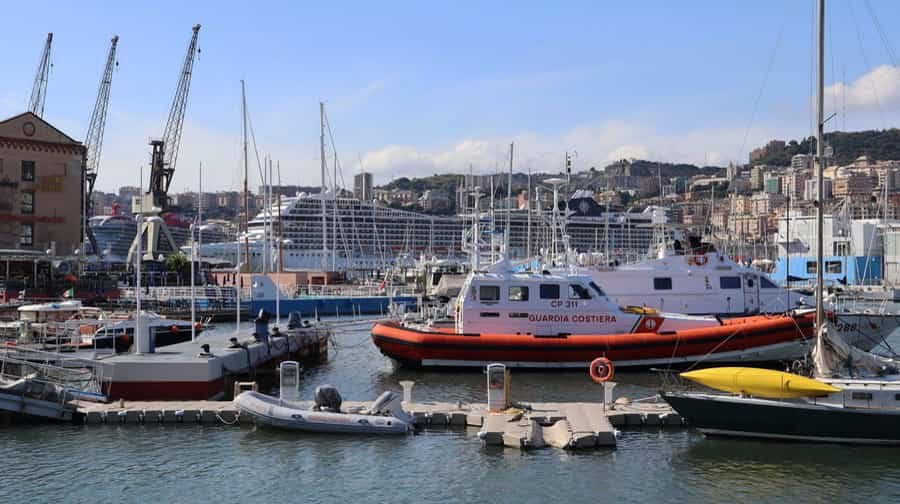
Photo Gallery of Walk 2 – Piazzale Porta del Molo to Piazza Raffaele de Ferrari
Approximately 0.00 km – 0.00 miles
Description of Walk 2
This walk through Genoa reveals the city’s transition from its historic port to its grand aristocratic and commercial heart. Starting at Piazzale Porta del Molo, near the old harbor, the route moves inland toward one of Genoa’s most striking landmarks, the Basilica della Santissima Annunziata del Vastato, renowned for its richly decorated Baroque interior. Crossing Piazza della Nunziata, the walk enters Via Cairoli, a street that introduces the elegant urban planning of the Renaissance period. This leads seamlessly into the famous Via Garibaldi, a UNESCO-listed street lined with magnificent palaces such as the Palazzi dei Rolli, once home to Genoa’s powerful noble families. Continuing through Piazza delle Fontane Marose and along Via XXV Aprile, the atmosphere shifts toward a lively shopping and business district. Via Roma offers a more refined commercial avenue, filled with boutiques and historic cafés, before reaching Largo Sandro Pertini, a space that blends modern city life with historic surroundings. The walk concludes at Piazza Raffaele de Ferrari, the city’s main square, dominated by its iconic fountain and surrounded by important institutions. This route captures Genoa’s evolution from maritime power to a city of culture, wealth, and architectural grandeur.
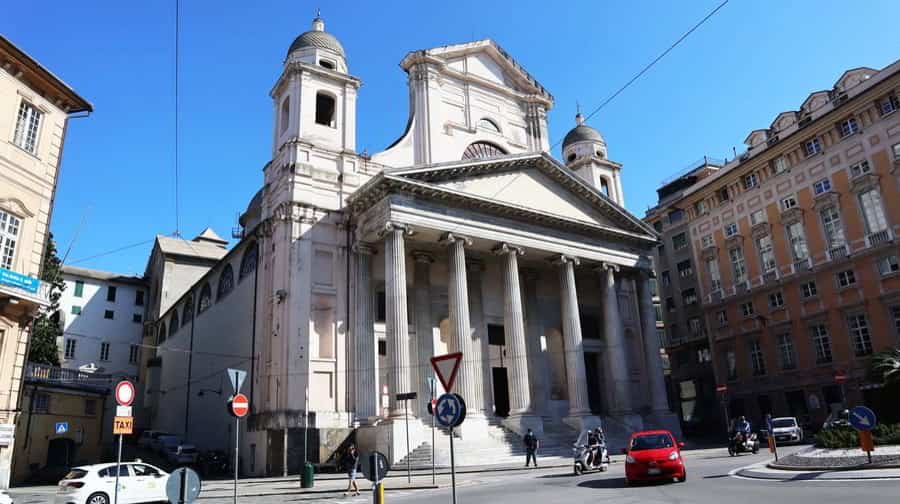
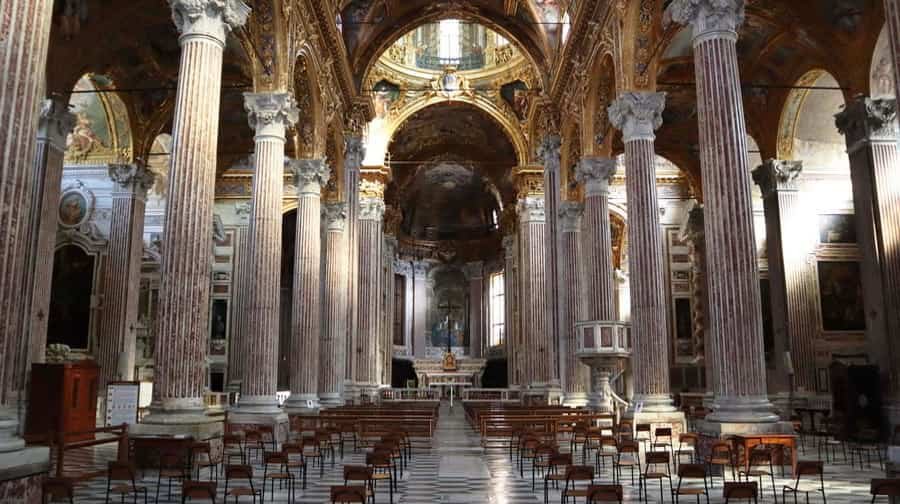
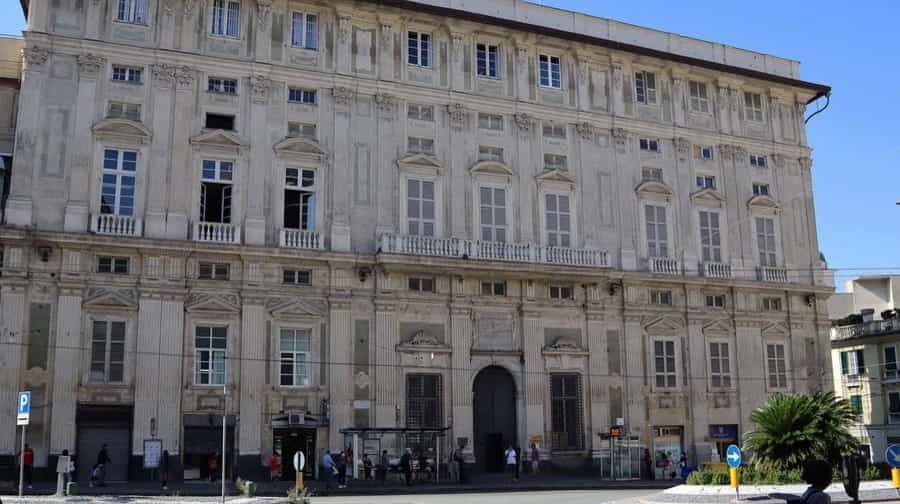
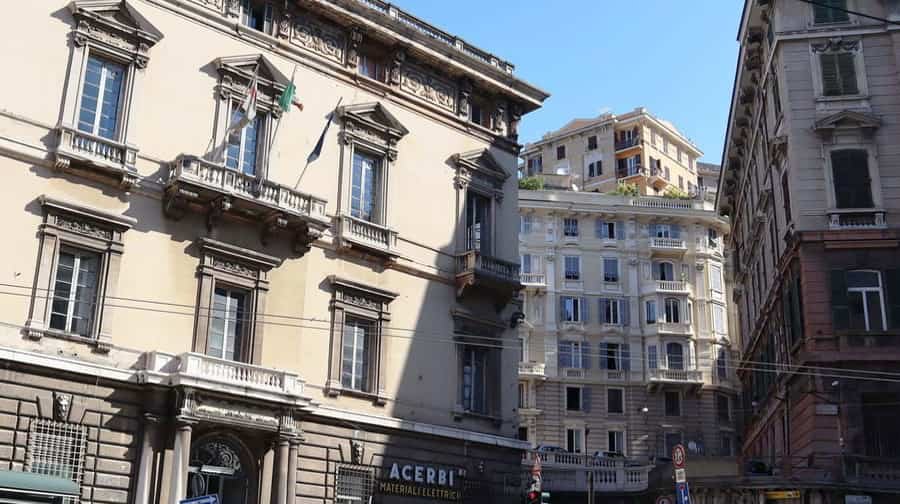
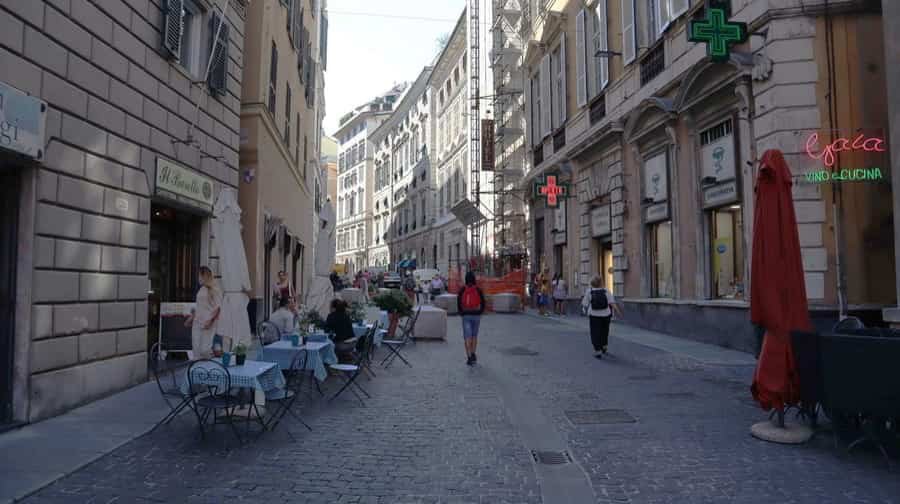
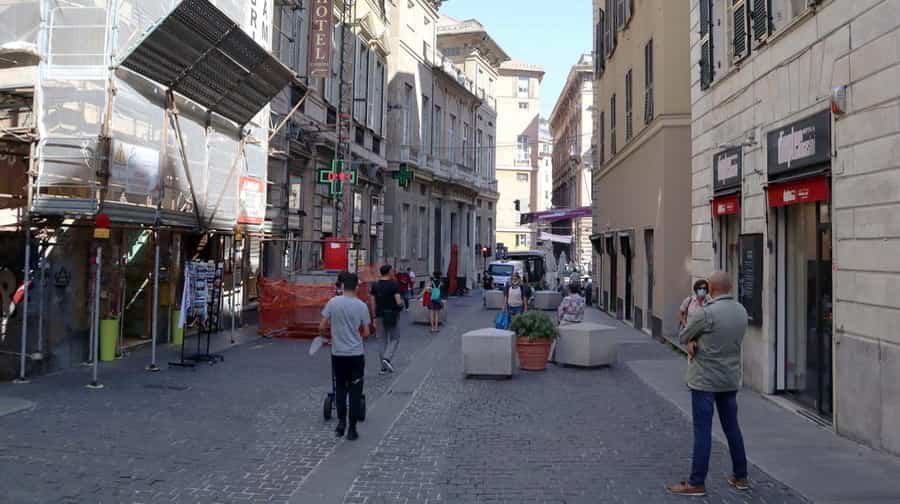
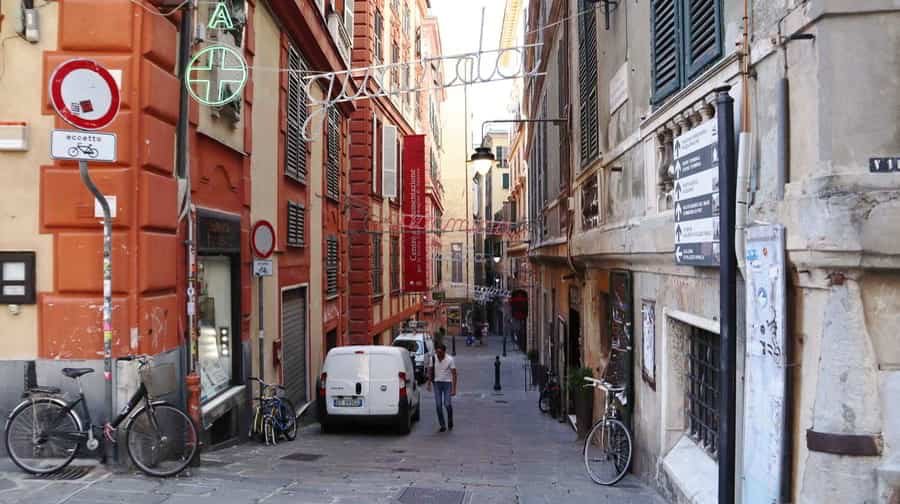
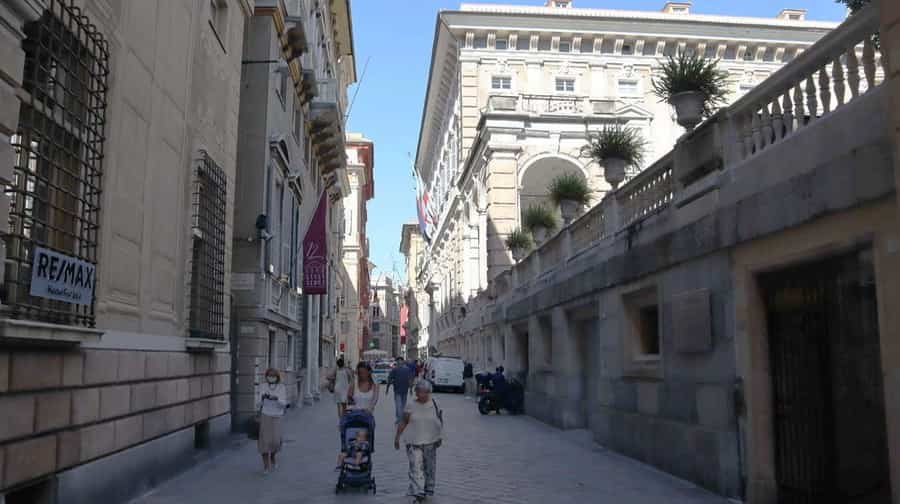
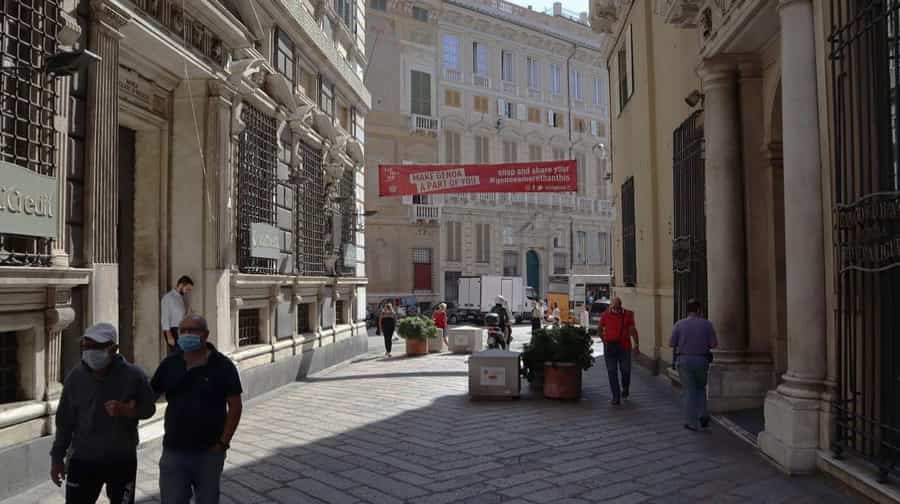
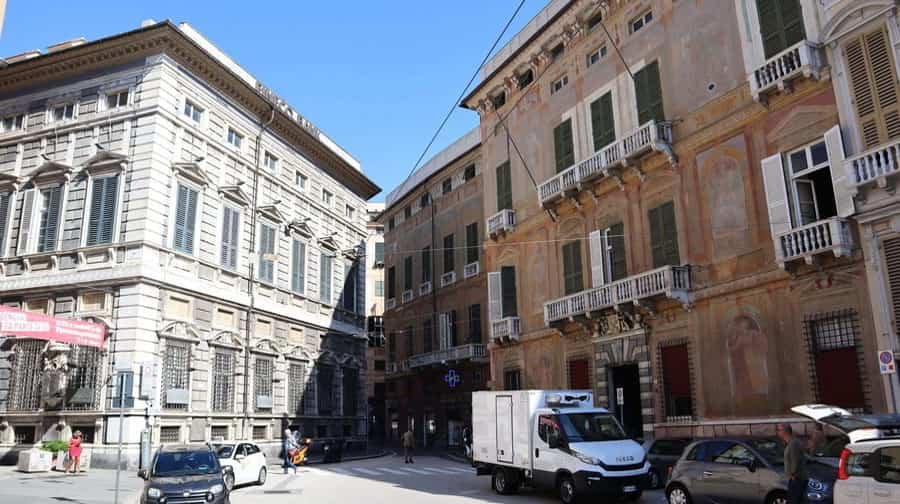
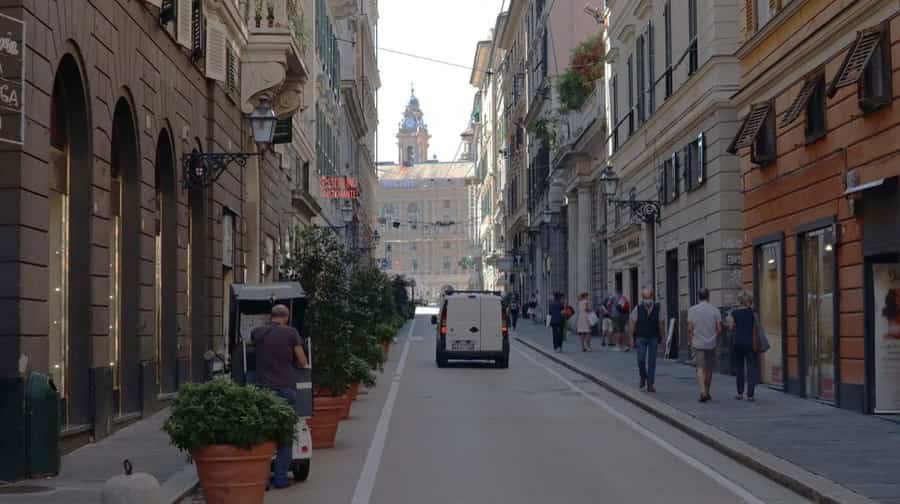
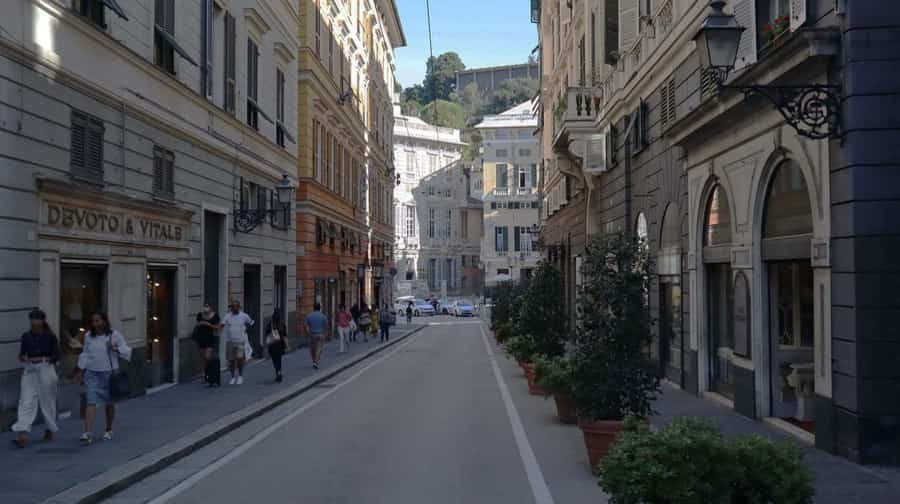
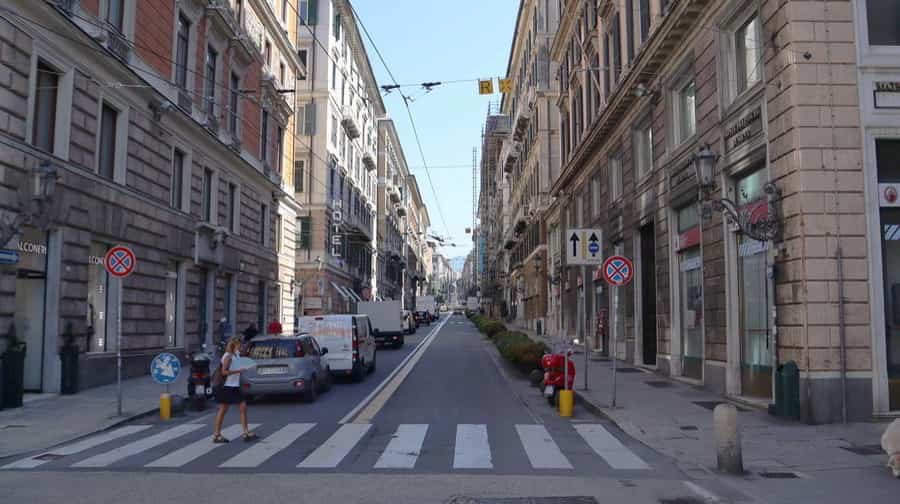
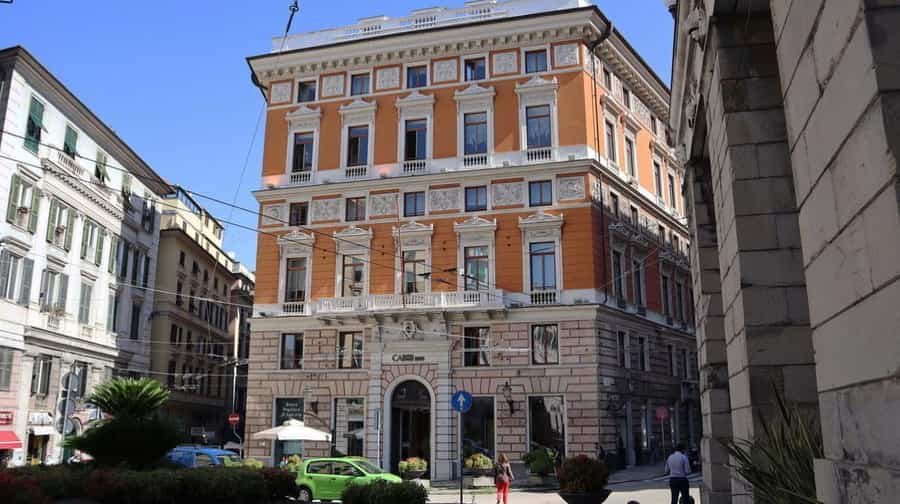
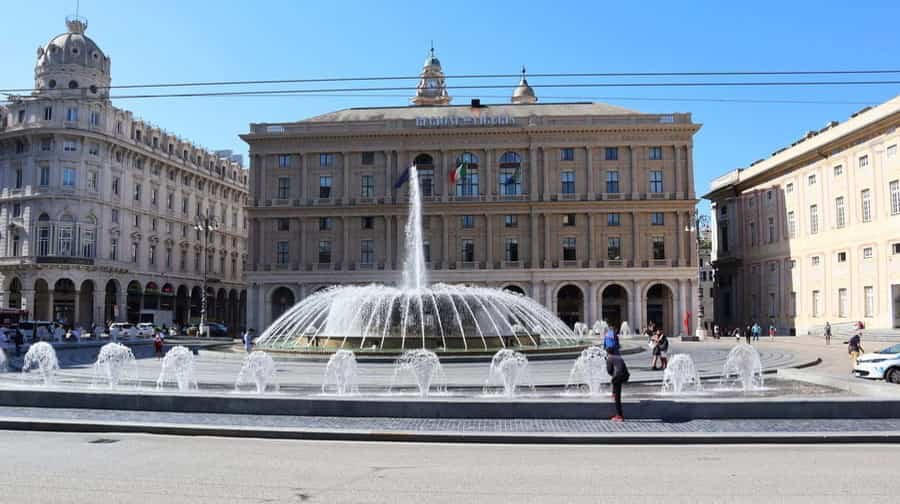
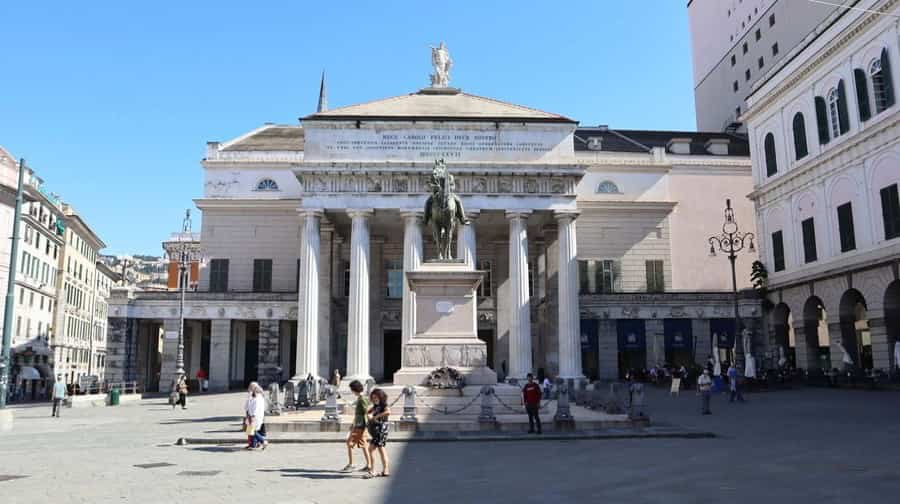
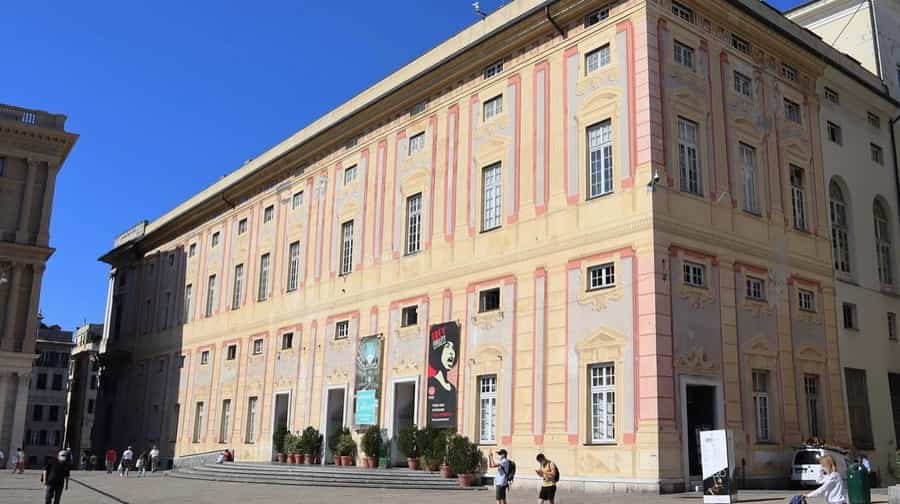
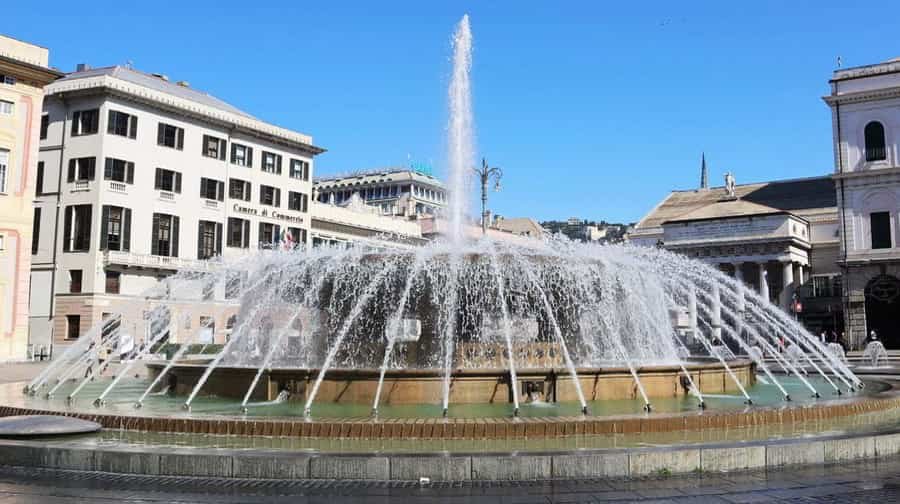
Photo Gallery of Walk 3 – Piazza Raffaele de Ferrari to Piazza S. Giorgio
Approximately 0.00 km – 0.00 miles
Description of Walk 3
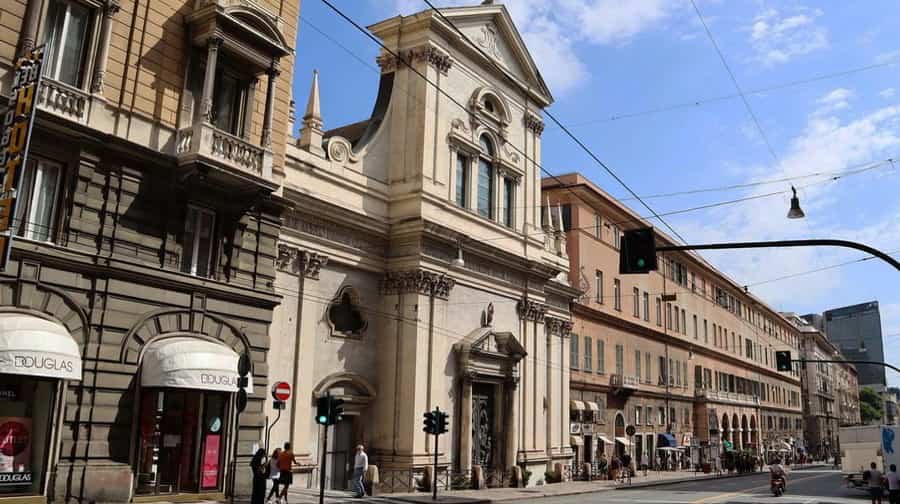
This walk through Genoa explores the dense historic core, where medieval streets intertwine with monumental landmarks. Beginning at Piazza Raffaele de Ferrari, the city’s main square, the route moves past Largo Sandro Pertini into quieter streets that quickly reveal Genoa’s layered past. Along Via Cardinale Pietro Boetto stands the impressive Chiesa dei Santi Ambrogio e Andrea (del Gesù), a Jesuit church filled with rich Baroque decoration and notable artworks. Continuing toward Via di Porta Soprana and Piazza Giacomo Matteotti, the walk passes near the medieval gates and the political heart of the city. The route then follows Via San Lorenzo, one of Genoa’s most historic streets, leading to the striking Cattedrale di San Lorenzo. Its black-and-white striped façade reflects the city’s medieval wealth and maritime influence. The surrounding area is a maze of narrow alleys, or “caruggi,” full of small shops and local life. Turning into Via di Canneto Il Curto, the atmosphere becomes more intimate and traditional, before arriving at Piazza San Giorgio, a quiet square close to the old port. This route highlights Genoa’s rich blend of religious, civic, and everyday urban history.
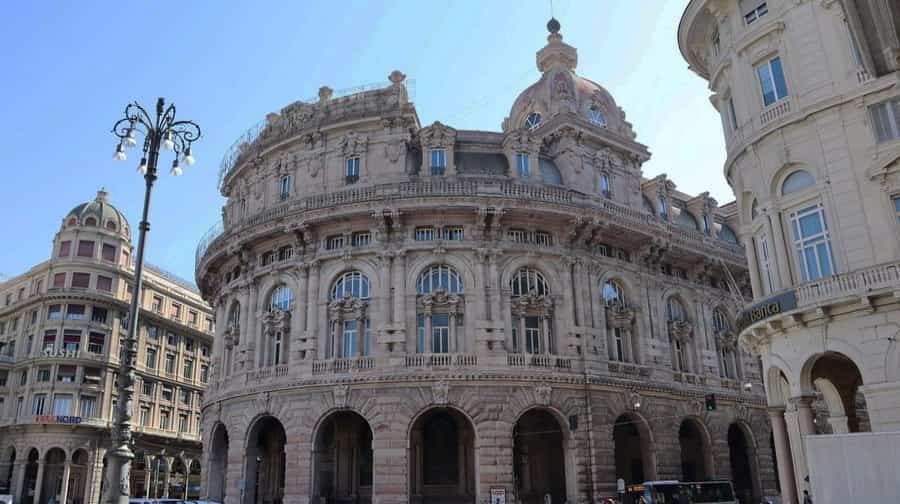
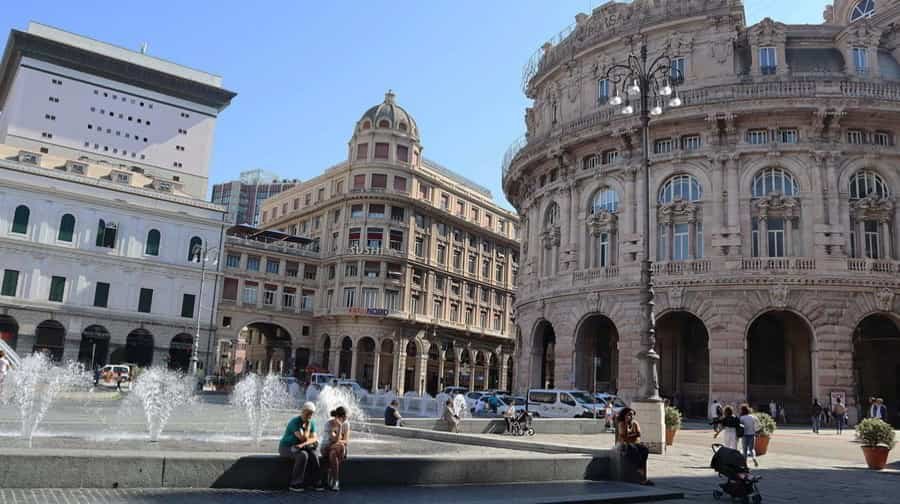
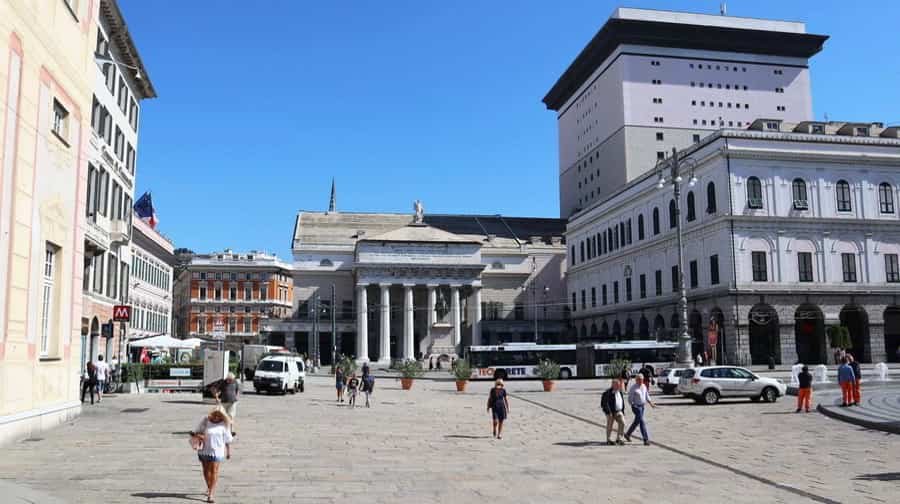
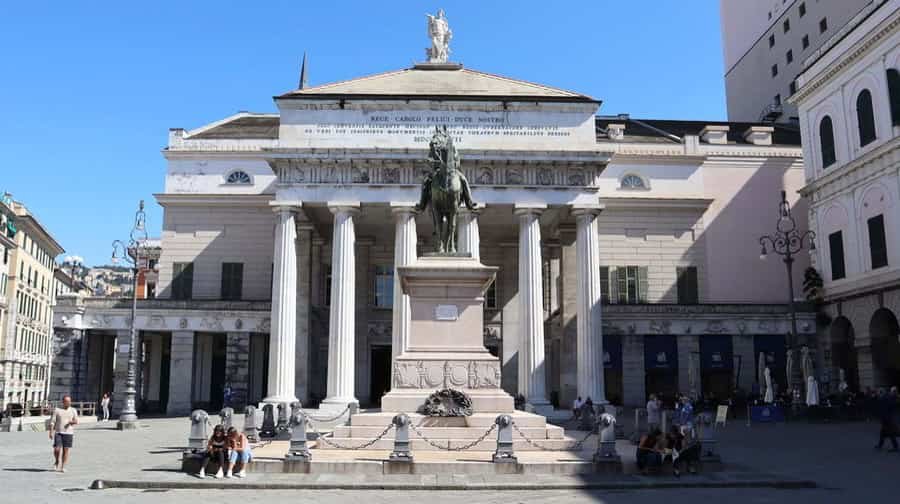
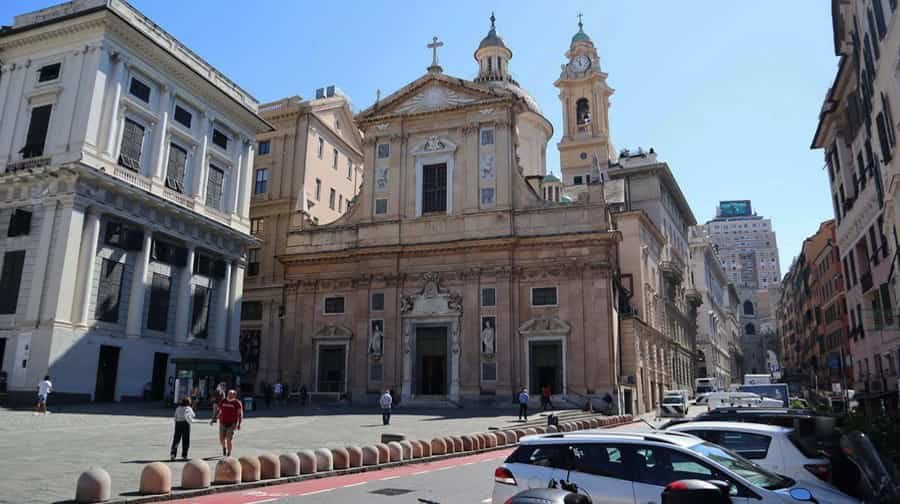
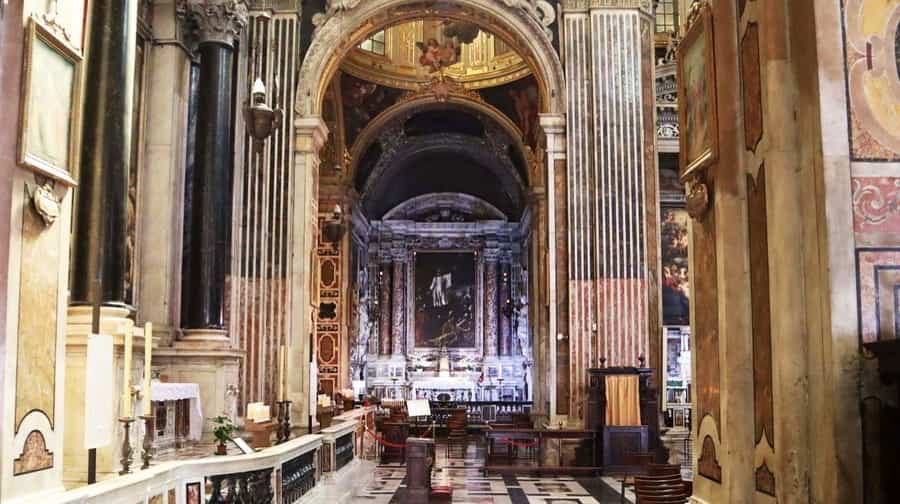
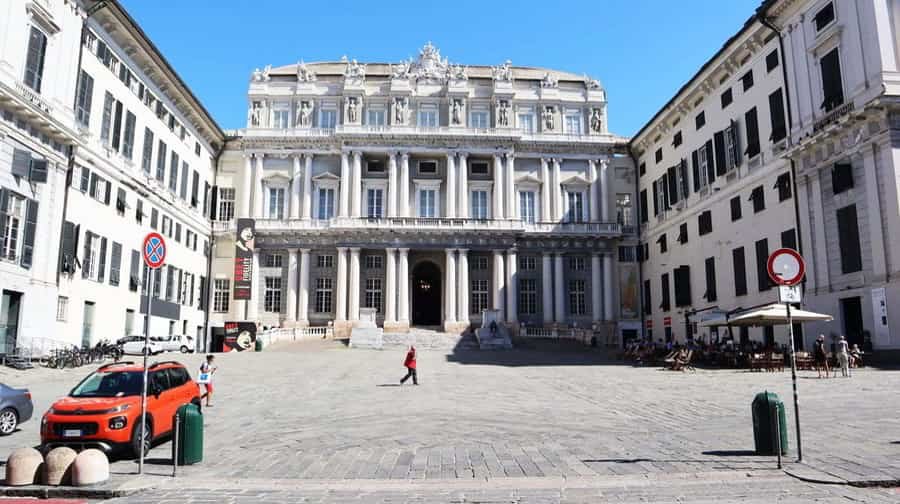
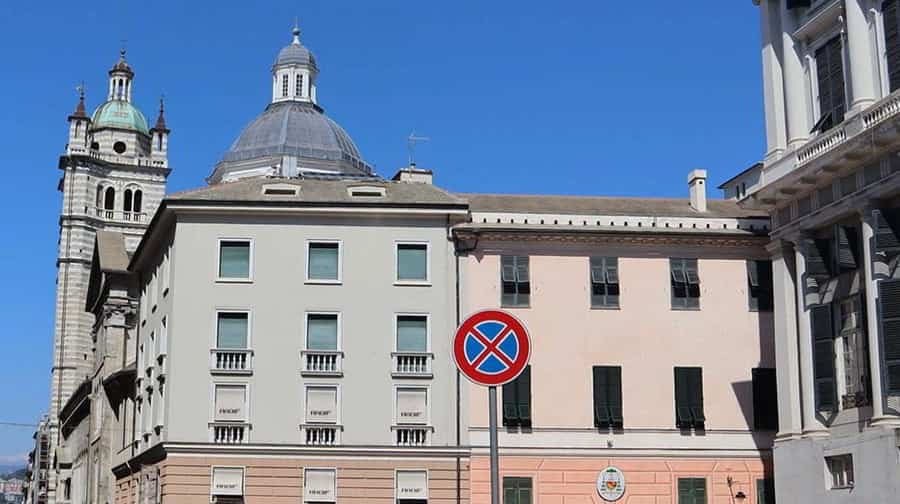
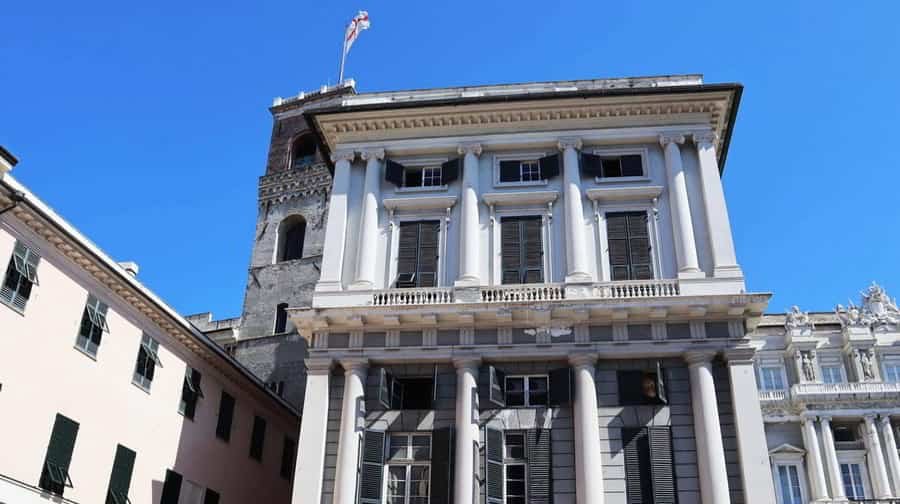
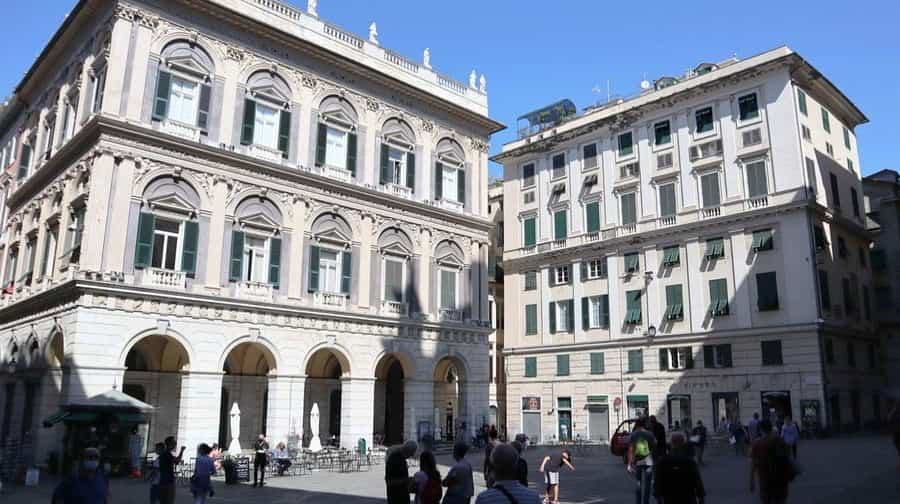
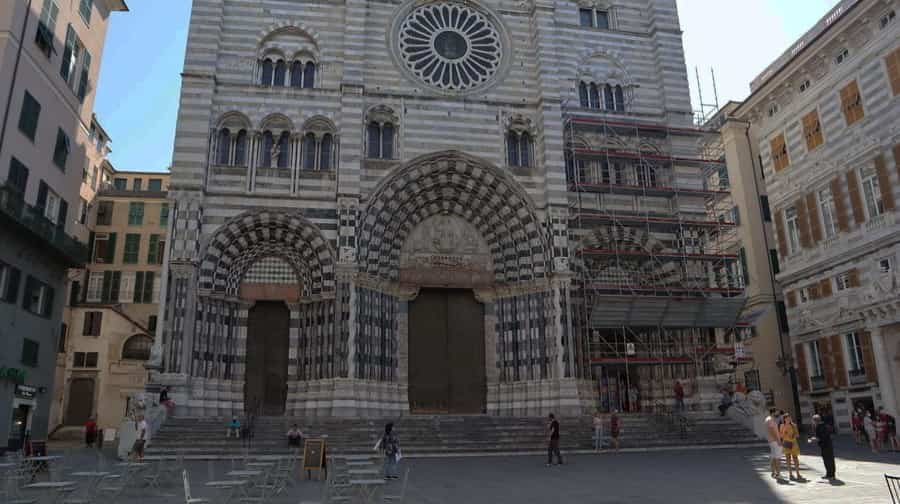
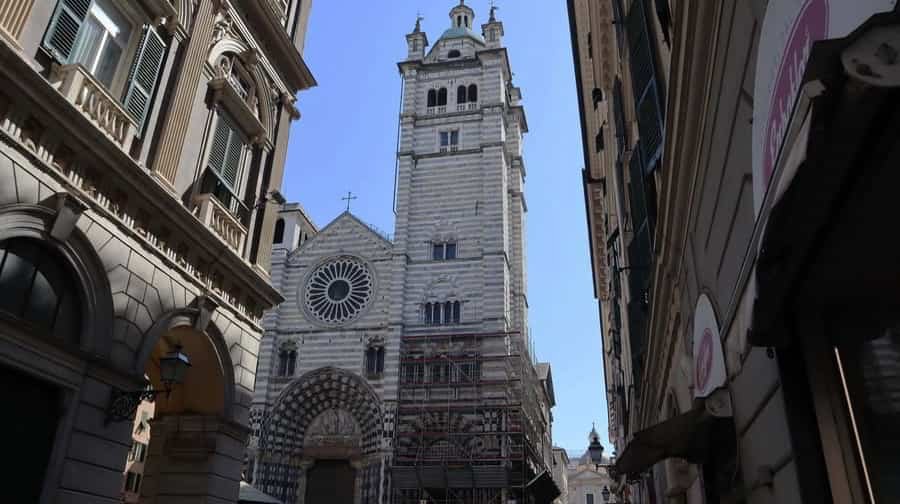
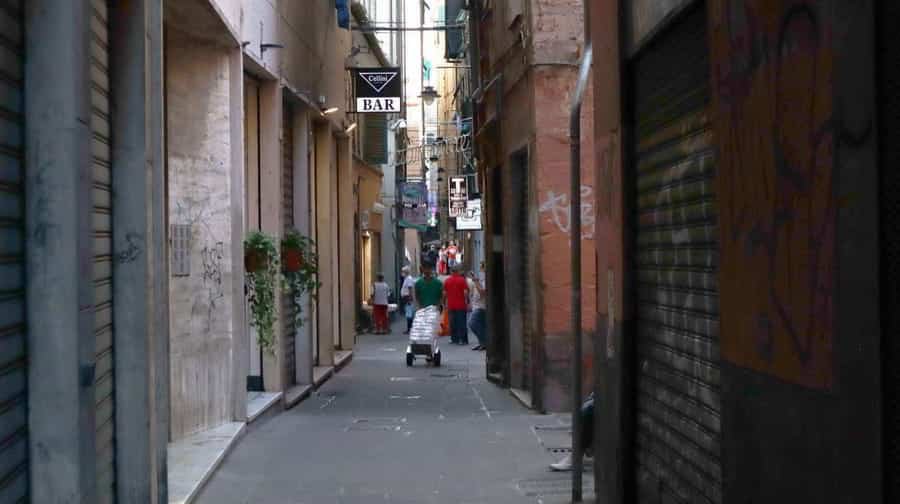
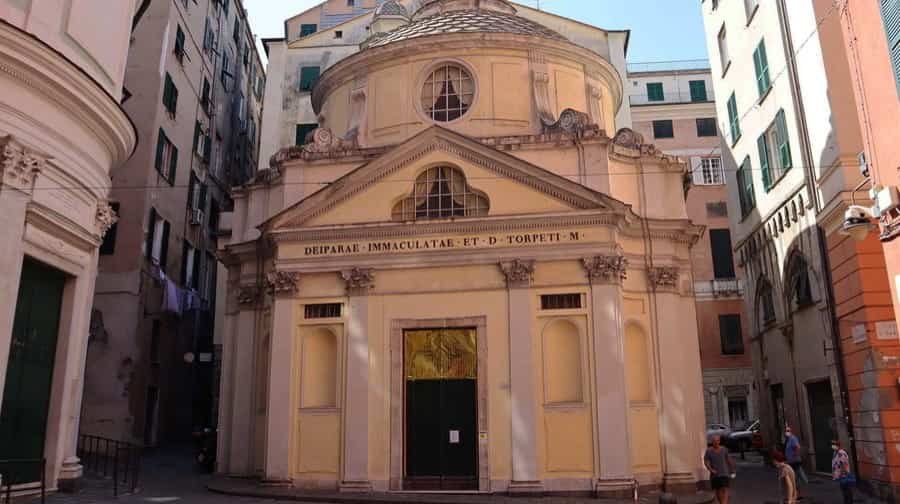
Photo Gallery of Walk 4 – Via XX Settembre to Lungomare Cordella – Via Galata – Via XX Settembre
Approximately 0.00 km – 0.00 miles
Description of Walk 4
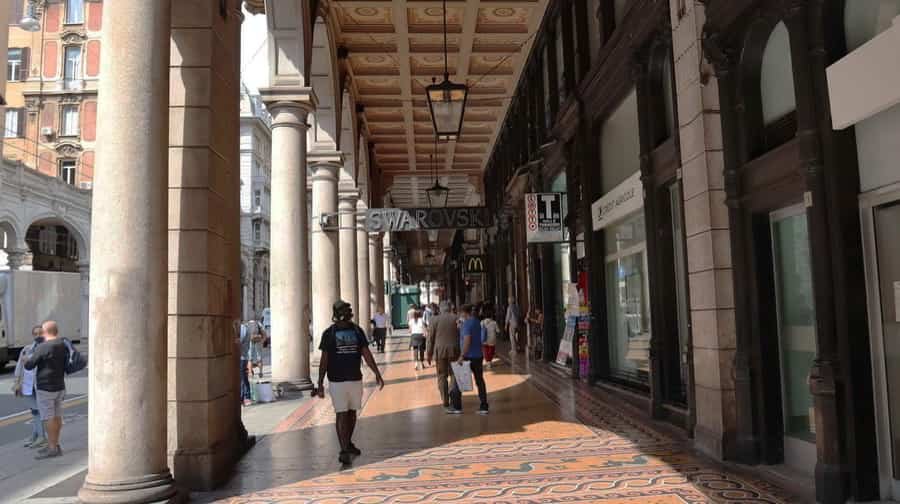
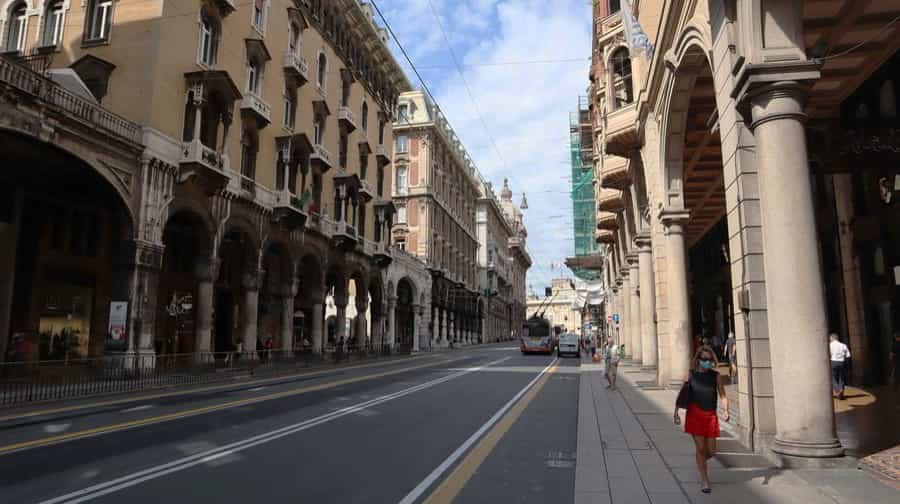
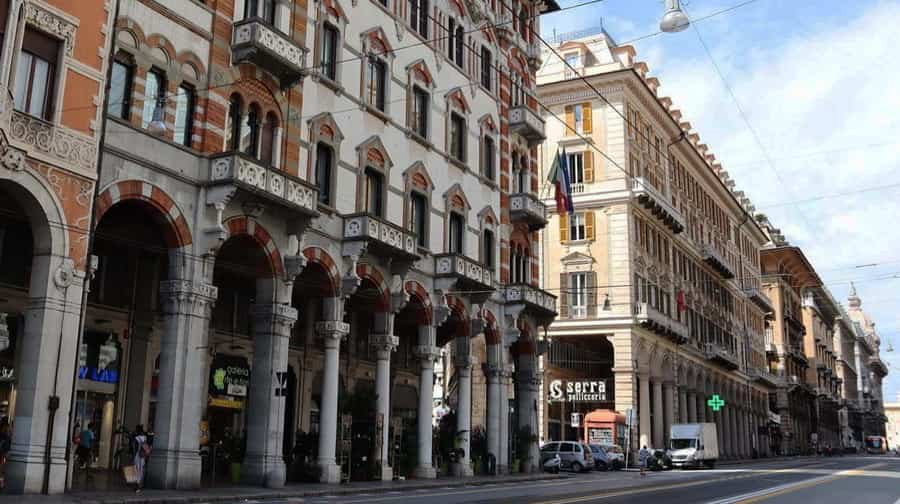
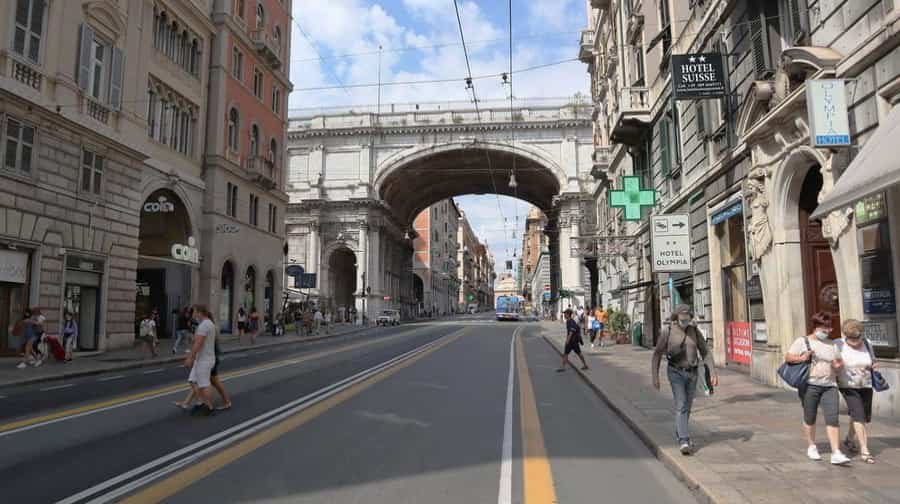
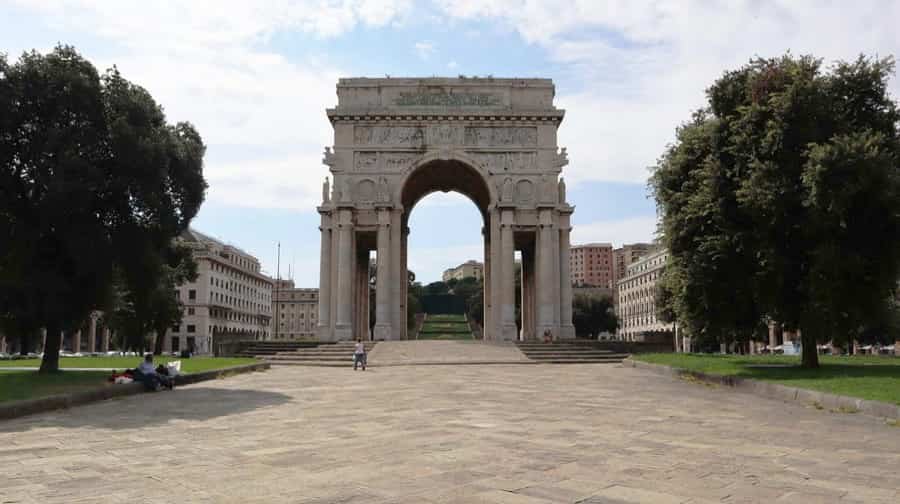
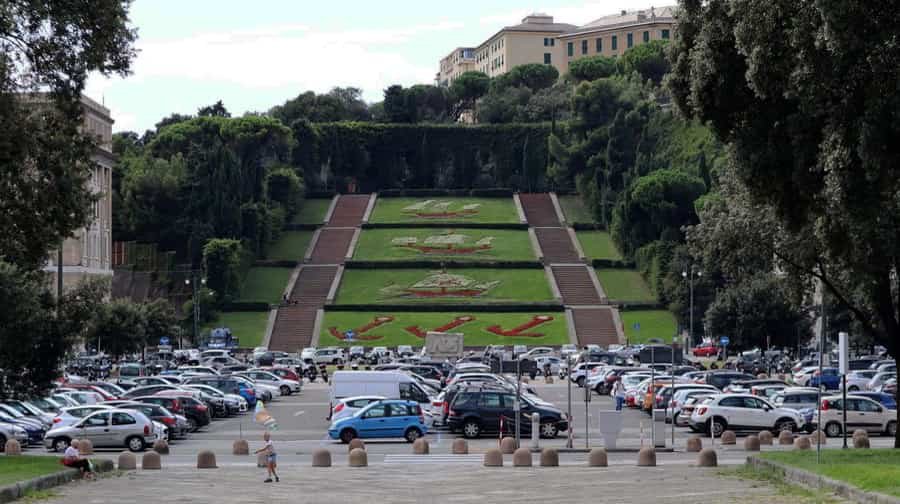
This circular walk explores the more modern and commercial heart of Genoa, highlighting the city’s 19th- and early 20th-century expansion beyond its medieval core. Beginning on Via XX Settembre, Genoa’s main shopping street, the route is lined with elegant arcades, boutiques, and cafés that reflect the city’s later urban development. Heading east, the walk reaches Piazza della Vittoria, a large open square dominated by the Arch of Victory, a monument commemorating World War I. From here, Via Luigi Cadorna leads toward Piazza Giuseppe Verdi, a key transport hub near the Brignole railway station, connecting Genoa to the wider region. Continuing along Via Fiume and Via Colombo, the route passes through busy urban streets filled with shops, offices, and residential buildings, showing everyday city life. Piazza Colombo offers a lively local atmosphere, often bustling with markets and activity, before the walk turns along Via Galata. Returning to Via XX Settembre completes the loop, bringing the walker back to Genoa’s commercial spine. This route showcases a different side of the city, less medieval, but vibrant, functional, and deeply connected to modern urban life.
COPYRIGHT © 2018-2026 ITALY IN PHOTOS – ALL RIGHTS RESERVED