
HOME
REGIONS OF ITALY
PLACES IN ITALY
PLAN YOUR TRIP
Italy in Photos
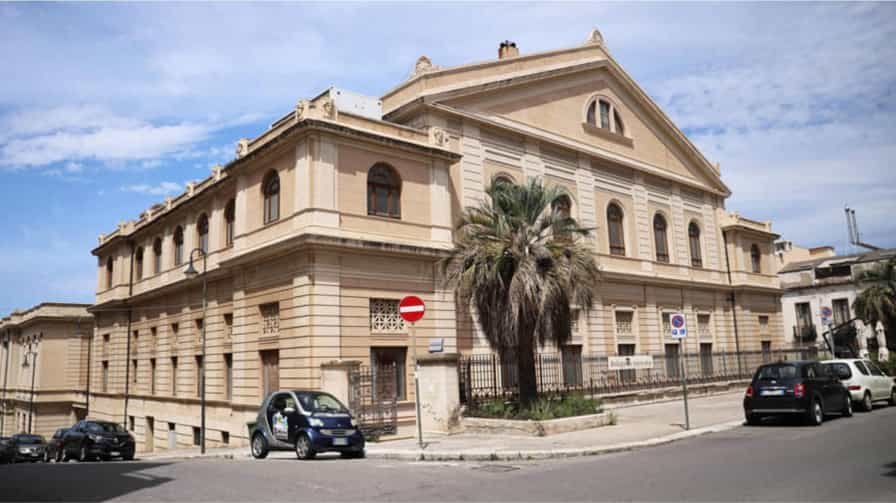
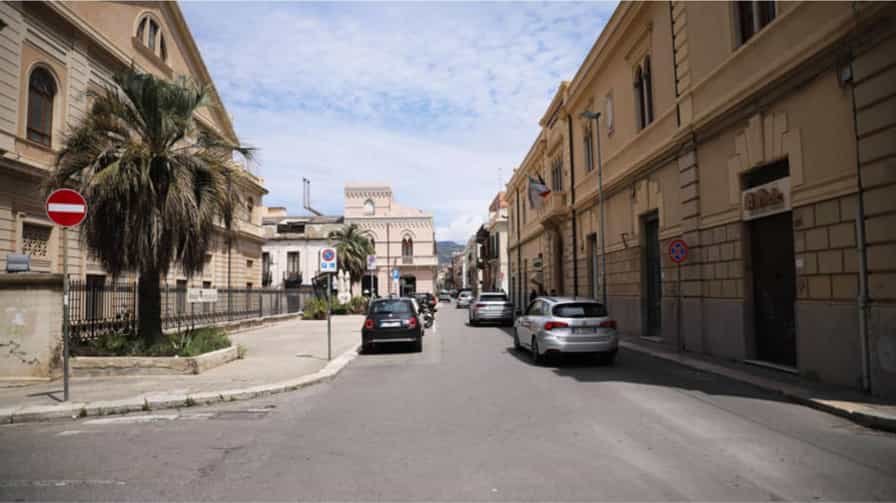
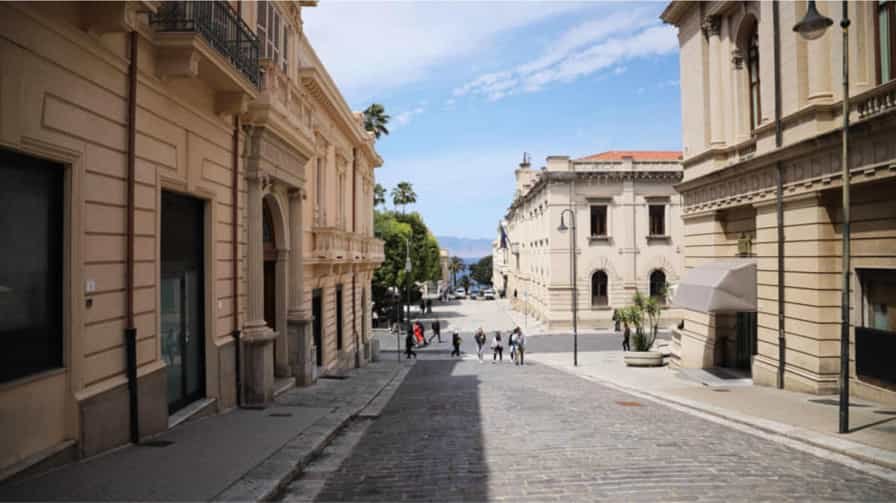
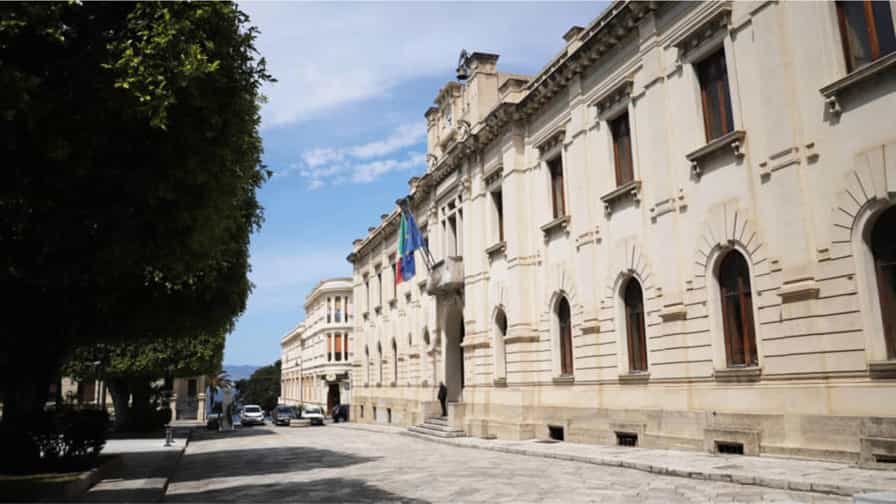
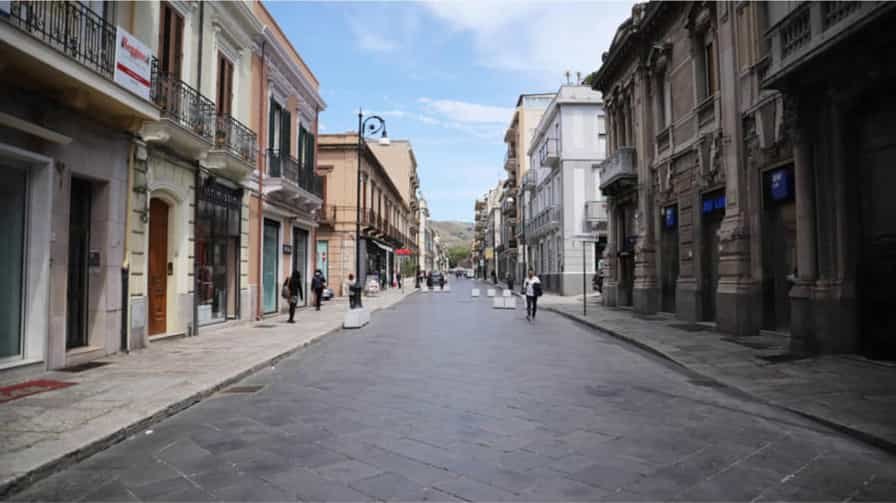
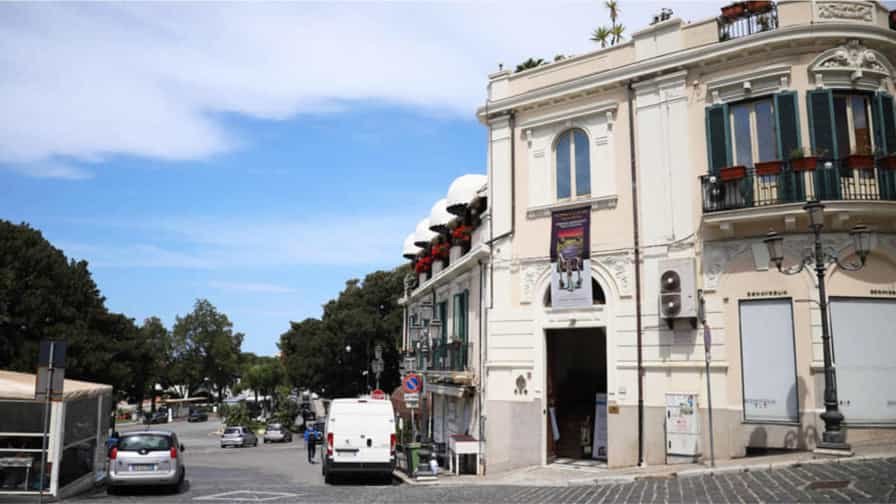
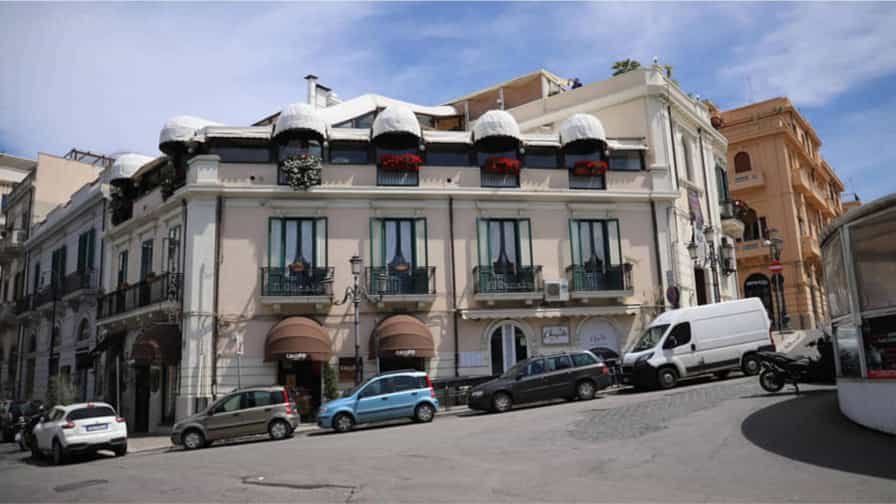
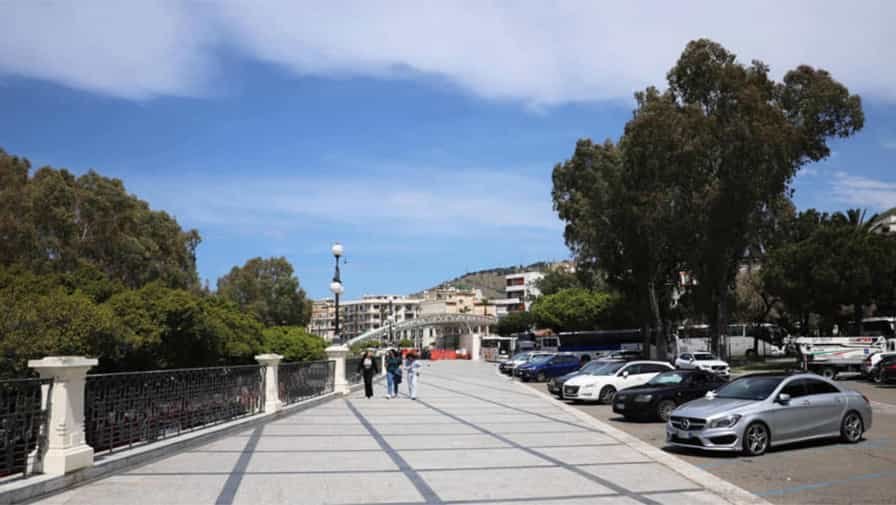
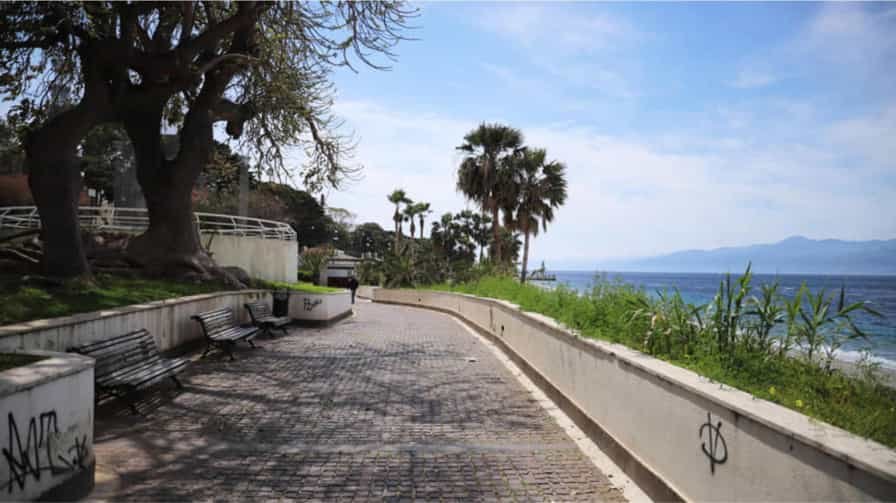
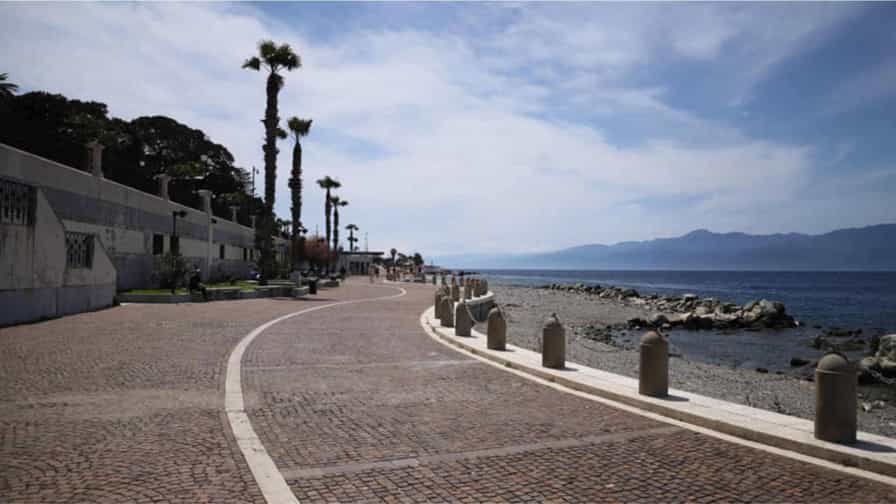
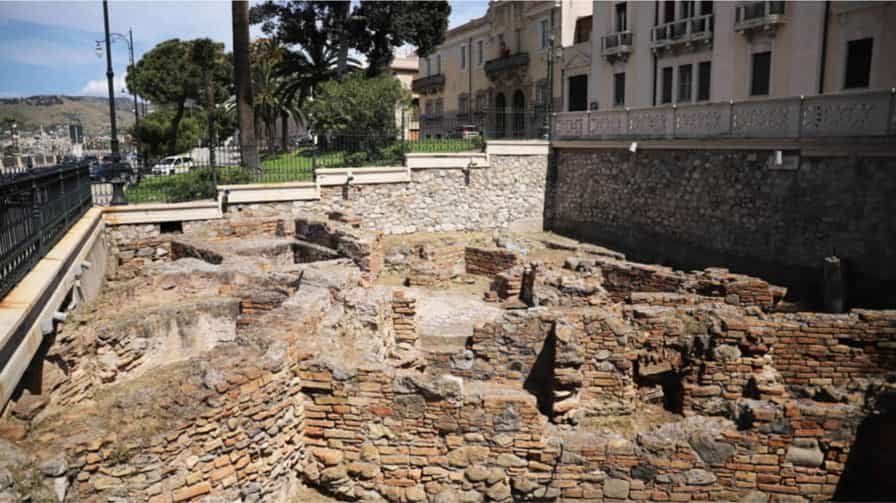
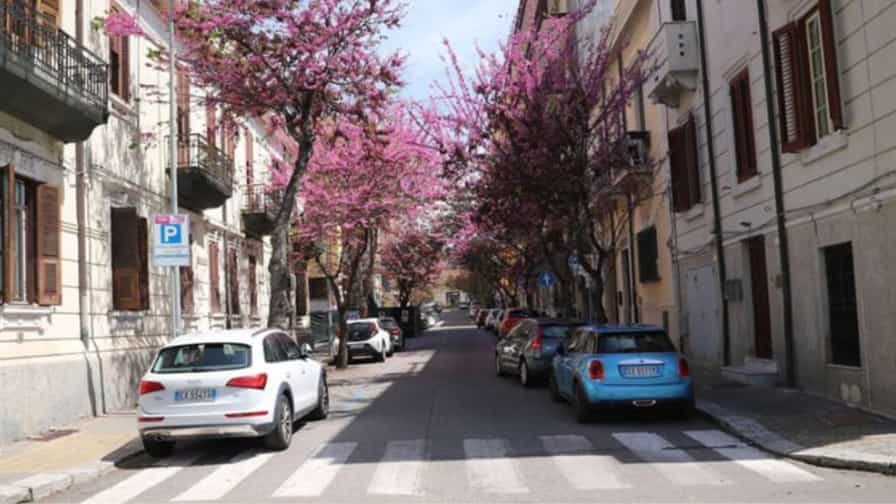
Via Castello, 89125 Reggio di Calabria RC, Italy (April 2023)
Reggio di Calabria
Delayed or cancelled flight?
Get up to £520!
You’ve got rights when your flight’s disrupted.
We enforce them and handle everything so you get paid
Reggio di Calabria is a vibrant city located at the southern tip of mainland Italy, facing the island of Sicily across the narrow Strait of Messina. As one of the oldest cities in Calabria, it holds a rich history shaped by ancient civilizations, maritime trade, and a deep connection to the Mediterranean Sea. Often overlooked in favour of more famous Italian destinations, Reggio di Calabria offers visitors a compelling blend of history, culture, natural beauty, and everyday southern Italian life.
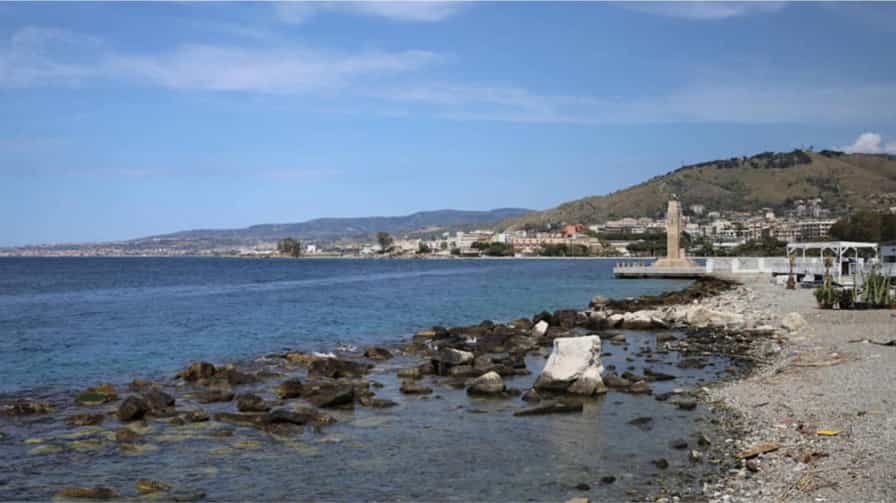
The city’s relationship with the sea defines its character. The waterfront promenade, known as the Lungomare Falcomatà, is widely considered one of the most beautiful in Italy. Lined with palm trees, gardens, and elegant buildings, it offers sweeping views of Sicily and Mount Etna on clear days. Walking along the promenade, especially at sunset, reveals the poetic atmosphere that has inspired writers and travellers for generations. The sea is ever present, shaping local traditions, cuisine, and daily rhythms.
Reggio di Calabria’s historical roots stretch back over two thousand years. Founded as Rhegion by Greek settlers in the eighth century BC, the city became an important centre of Magna Graecia. This ancient heritage remains central to its identity, most famously represented by the Riace Bronzes. These two remarkably preserved Greek statues, dating from the fifth century BC, are housed in the National Archaeological Museum of Reggio Calabria. The museum itself is a major cultural landmark, offering insight into the region’s ancient past through artifacts, sculptures, and archaeological discoveries.
Beyond its ancient history, Reggio di Calabria reflects the layered influences of Roman, Byzantine, Norman, and Spanish rule. Although much of the city was rebuilt after a devastating earthquake in 1908, traces of earlier periods survive in churches, archaeological areas, and urban layouts. The Cathedral of Reggio Calabria, one of the largest religious buildings in the region, stands as a symbol of resilience and renewal, combining traditional design with modern reconstruction.
The cultural life of Reggio di Calabria is closely tied to Calabrian traditions. Music, festivals, and religious celebrations play an important role in community life. Events often bring together neighbourhoods and families, reinforcing strong social bonds and a sense of local pride. These traditions are passed down through generations and offer visitors an authentic glimpse into the region’s identity.
Calabrian cuisine is another key expression of the city’s character. Known for its bold flavours, it reflects both the richness of the land and the bounty of the sea. Local dishes often feature fresh fish, citrus fruits, vegetables, and olive oil, alongside the region’s famous spicy chili peppers. Simple ingredients are transformed into deeply flavourful meals that tell the story of Calabrian history and resourcefulness. Dining in Reggio di Calabria is not just about food, but about hospitality, conversation, and shared experience.
The natural surroundings further enhance the city’s appeal. The nearby Aspromonte mountains rise dramatically behind the coast, offering opportunities for hiking, exploration, and panoramic views. This close proximity between sea and mountains creates a striking contrast and allows visitors to experience diverse landscapes within a short distance. Small villages scattered throughout the hills preserve traditional ways of life and offer insight into Calabria’s rural heritage.
Reggio di Calabria is also a gateway to Sicily, with frequent ferry connections to Messina. This strategic location has long made it a point of exchange between cultures and regions. The constant movement across the strait reinforces the city’s role as a bridge between mainland Italy and the island, both geographically and culturally.
Reggio di Calabria may not seek attention through grandeur, but it rewards those who take the time to explore it. Its beauty lies in its authenticity, its layered history, and its strong connection to place. For travellers interested in discovering a deeper and more genuine side of Italy, Reggio di Calabria offers a warm welcome and a memorable introduction to the spirit of the south.
Worth a Visit

The Villa Comunale di Reggio Calabria, located on Corso Giuseppe Garibaldi, is a historic and verdant public park in the heart of the city. Established in the late 19th century, the villa provides a serene escape from urban life, offering lush gardens, tree-lined avenues, and shaded walkways for leisurely strolls. Visitors can admire a variety of plant species, ornamental fountains, and sculptures that reflect the park’s artistic and cultural heritage. The villa is also a popular gathering place for families, joggers, and tourists seeking relaxation or recreation, with benches and open spaces that invite rest and reflection. Its central location makes it easily accessible and a perfect starting point for exploring Reggio Calabria’s historic streets, nearby museums, and vibrant waterfront. Combining natural beauty, historical significance, and social vitality, the Villa Comunale di Reggio Calabria embodies the city’s charm, offering both residents and visitors a peaceful oasis in the urban landscape.

Castello Aragonese, located in Piazza Castello in Reggio Calabria, is a historic fortress that stands as a symbol of the city’s rich military and architectural heritage. Originally built in the 6th century and later expanded during the Aragonese period in the 15th century, the castle was designed to defend the city from invaders and control the strategic Strait of Messina. Its robust walls, imposing towers, and panoramic terraces offer visitors striking views of the surrounding city, coastline, and the distant Sicilian shores. Inside, the castle features historic halls, courtyards, and remnants of its defensive structures, providing a tangible connection to Reggio Calabria’s past. Castello Aragonese also hosts cultural events, exhibitions, and guided tours that allow visitors to explore its historical significance and architectural beauty. A visit to this fortress offers a fascinating glimpse into the city’s history, combining strategic importance, medieval architecture, and scenic vistas in one remarkable landmark.
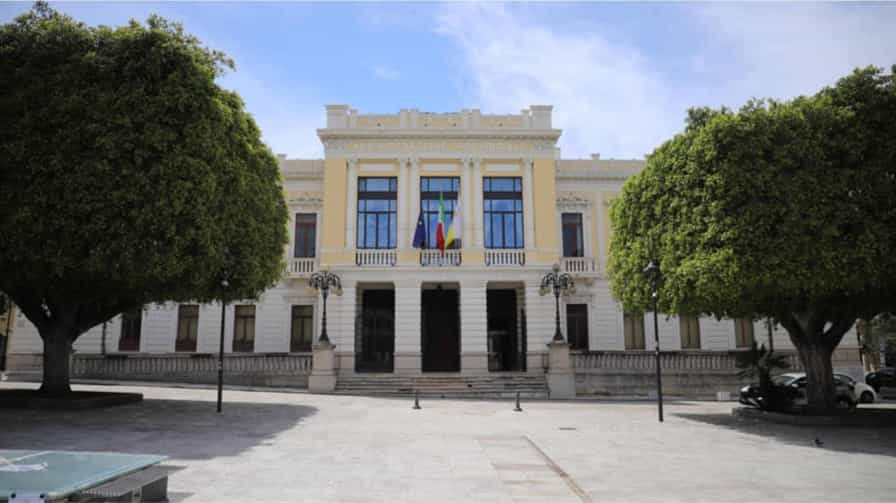
Piazza Italia is the central and vibrant square of Reggio di Calabria, serving as a hub of social, cultural, and civic life in the city. Surrounded by historic buildings, cafés, shops, and government offices, the piazza reflects both the architectural charm and lively atmosphere of the city. Its open layout provides space for gatherings, events, and leisurely strolls, making it a popular meeting point for locals and visitors alike. Throughout the year, Piazza Italia hosts markets, festivals, concerts, and public celebrations, highlighting the city’s rich traditions and community spirit. The square also offers easy access to key landmarks, including the waterfront promenade, museums, and historic streets, making it a convenient starting point for exploring Reggio di Calabria. With its combination of historic significance, vibrant social life, and central location, Piazza Italia embodies the heart of the city, offering an authentic glimpse into its everyday rhythm and cultural heritage.
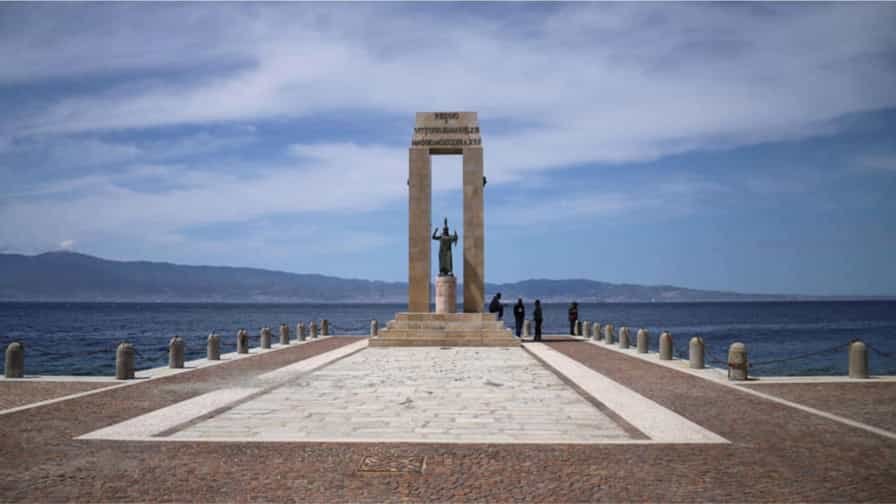
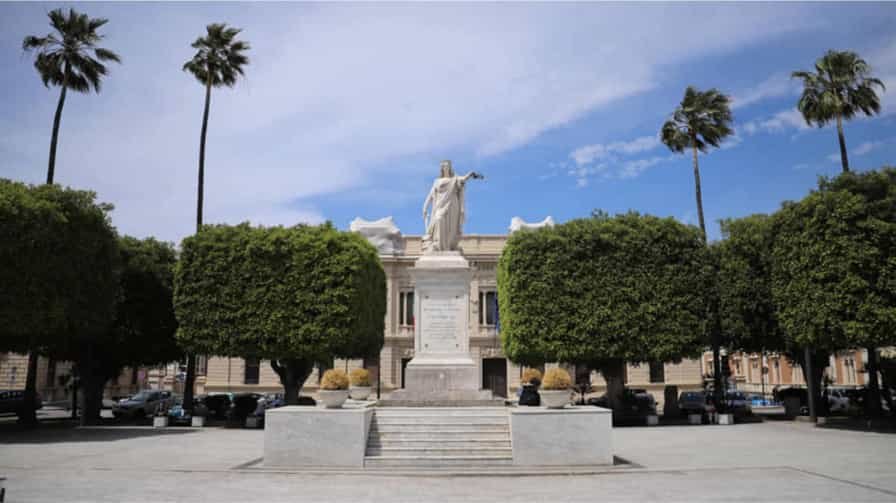
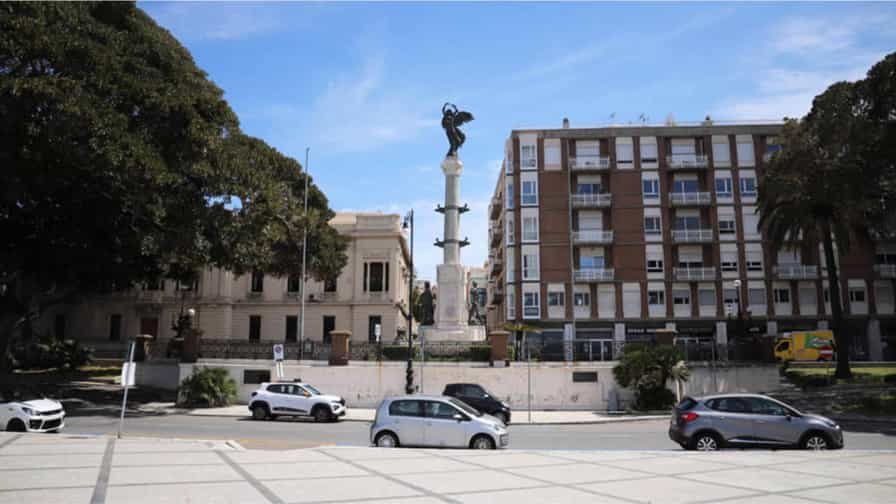
The Monumento della Vittoria in Reggio di Calabria stands as a prominent landmark commemorating the city’s sacrifices and resilience during times of war. Erected in the early 20th century, the monument honors soldiers and citizens who fought and contributed to Italy’s national victories. Its striking design, featuring symbolic sculptures and inscriptions, reflects both artistic craftsmanship and deep historical significance. The monument is situated in a central and accessible location, allowing visitors to appreciate its architectural details while reflecting on the historical events it represents. Surrounding the site are open spaces ideal for contemplation, photography, and leisurely walks. The Monumento della Vittoria not only serves as a reminder of the past but also plays a role in public ceremonies and commemorations, reinforcing civic pride and collective memory. Visiting this landmark provides insight into Reggio di Calabria’s history, culture, and enduring spirit of remembrance.
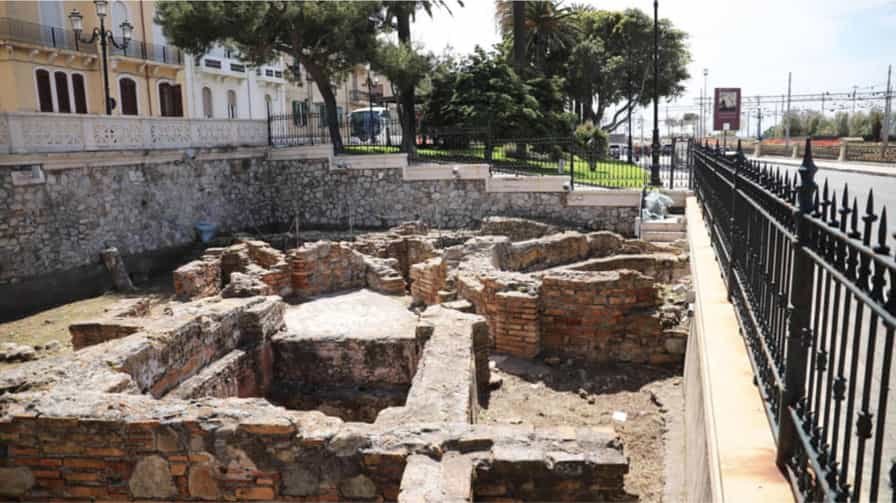
The Terme Romane, located along Lungomare Italo Falcomatà in Reggio di Calabria, are the well-preserved remains of ancient Roman baths, offering a fascinating glimpse into the city’s classical past. Built during the Roman period, these thermal baths once served as a social and recreational center, where citizens gathered for relaxation, hygiene, and conversation. The site features remarkable architectural elements, including mosaic floors, brick structures, and fragments of vaulted ceilings, reflecting the advanced engineering and aesthetic sensibilities of Roman architecture. Its location along the scenic seafront provides visitors with a striking contrast between historical ruins and modern waterfront vistas. Today, the Terme Romane are accessible to the public, allowing history enthusiasts and tourists to explore the site and learn about daily life in ancient Reggio Calabria. Visiting the baths offers both educational insight and a tangible connection to the city’s rich cultural and historical heritage.
Photo Gallery of Walk 1 – Piazza Garibaldi Giuseppe to Via Castello
Approximately 0.00 km – 0.0.00 miles
Description of Walk 1
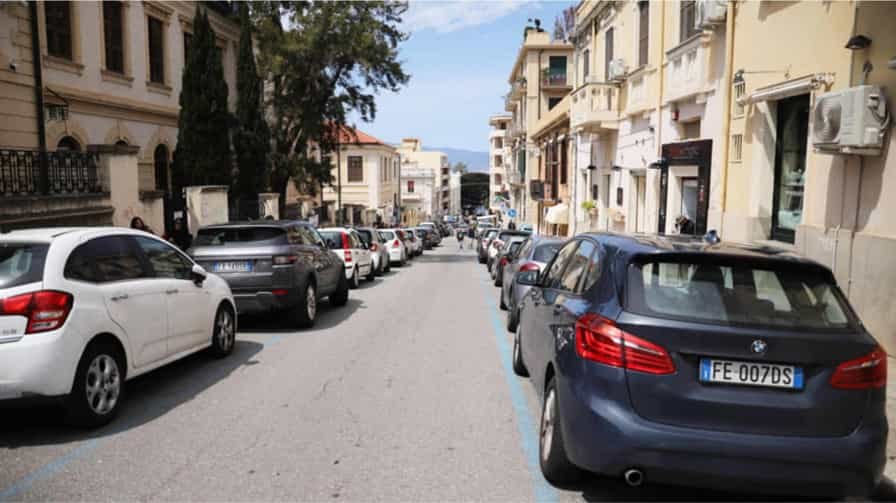
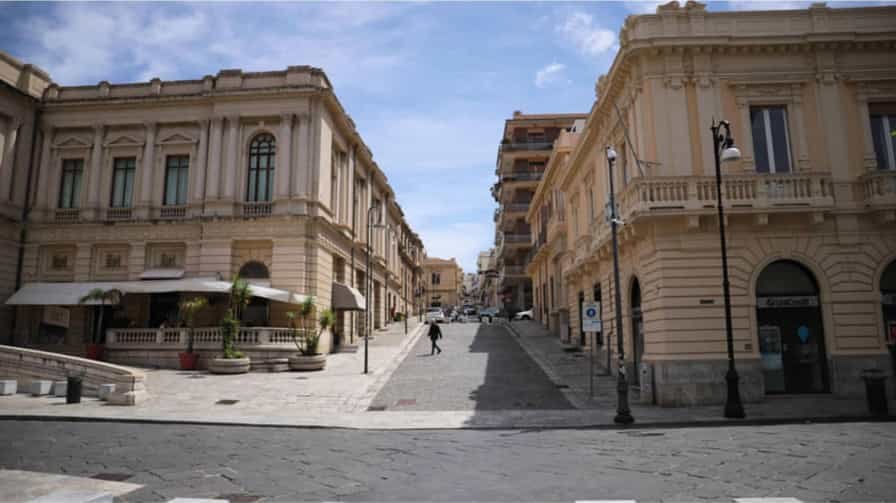
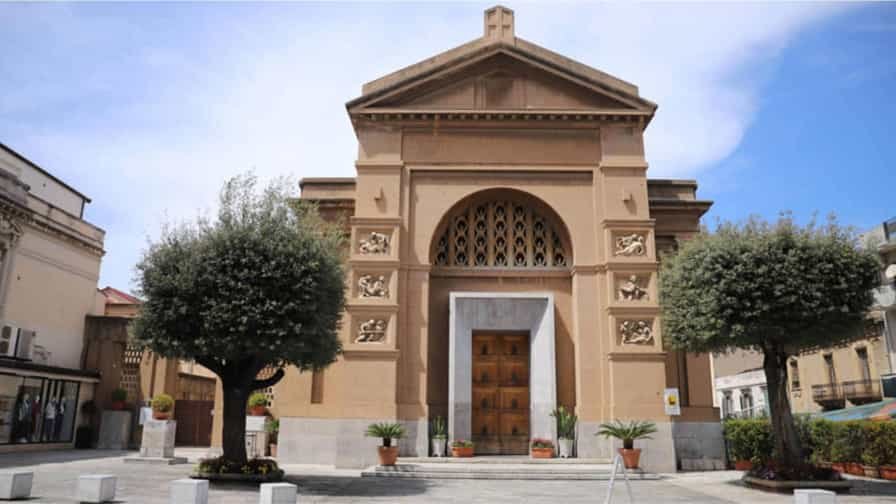
This walk explores the historic centre of Reggio di Calabria, the largest city in Calabria and one of the oldest settlements in southern Italy. Situated on the Strait of Messina, the city enjoys spectacular views towards Sicily and is renowned for its rich history, elegant seafront, archaeological treasures, and vibrant urban atmosphere. Reggio di Calabria has been influenced by Greek, Roman, Byzantine, and Norman cultures, creating a fascinating blend of architectural and cultural heritage. The route begins in Piazza Garibaldi Giuseppe, an important gateway to the city centre, before joining Corso Giuseppe Garibaldi, Reggio’s principal shopping and pedestrian avenue. Lined with cafés, boutiques, and historic buildings, this lively street forms the heart of the city. A short detour along Via Andrea Caridi leads towards the Villa Comunale di Reggio Calabria, a beautiful public garden filled with exotic plants, shaded walkways, and views towards the coast. Returning to Corso Giuseppe Garibaldi, the walk continues through several sections of this historic boulevard, passing local landmarks and elegant civic buildings. The route then follows Via Fra Gesualdo Melacrino and Via Mons. Paolo Giunta before reaching Piazza Duomo, home to the city’s cathedral, one of the most significant religious buildings in Calabria. From here, the walk continues along Via Tommaso Campanella, Via Mons. Giovanni Ferro, and Via Marvasi before finishing on Via Castello, near the elevated historic area that overlooks the city and the Strait of Messina.
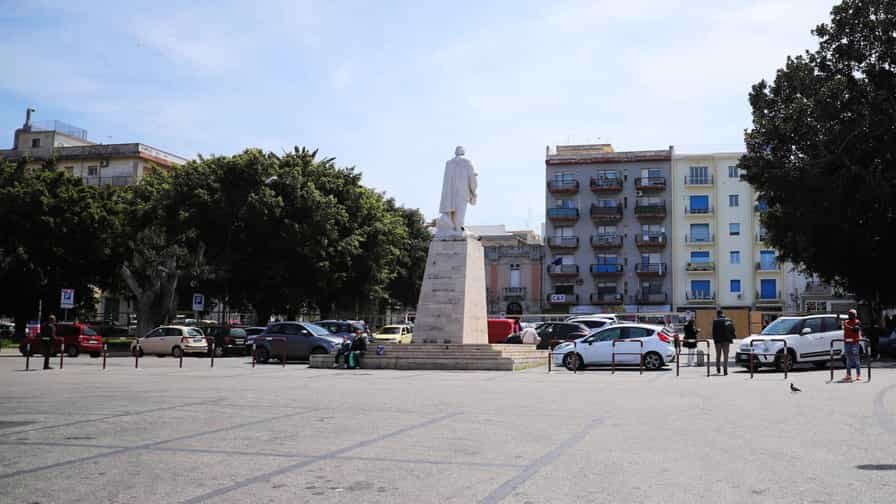
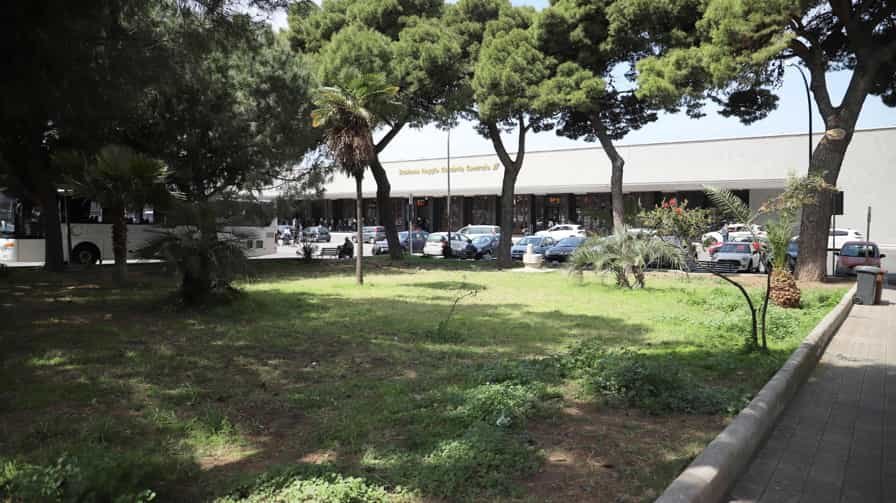
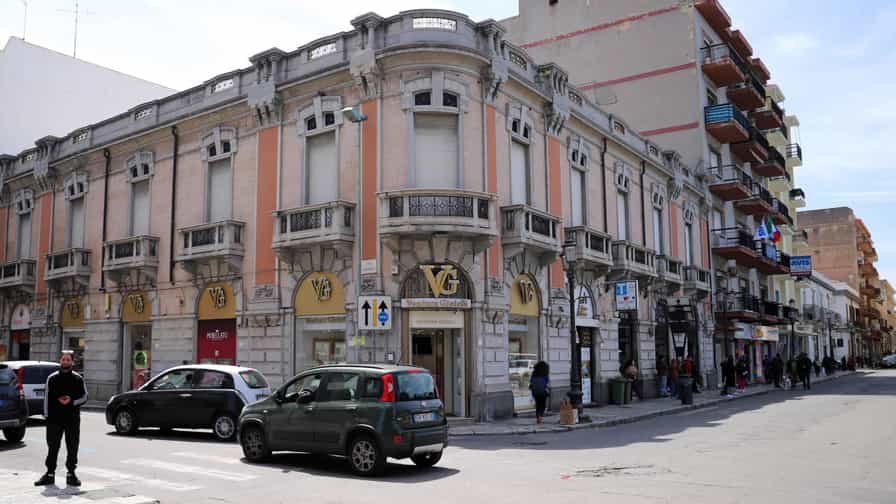

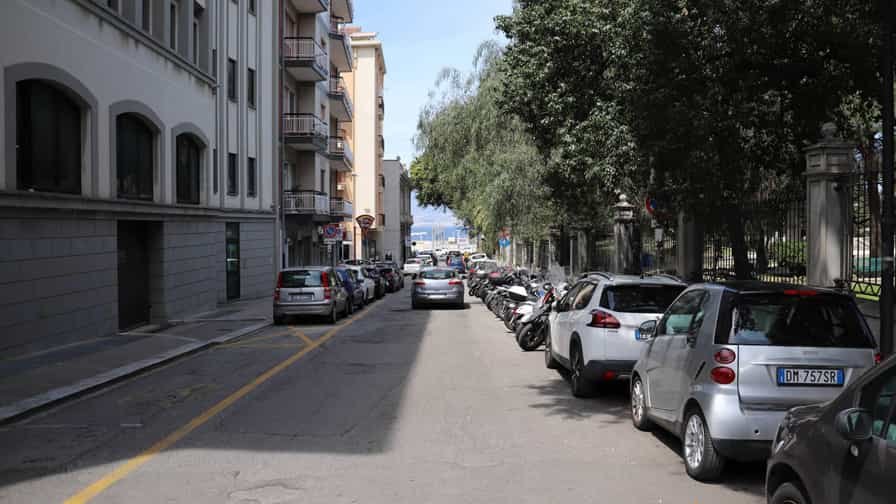


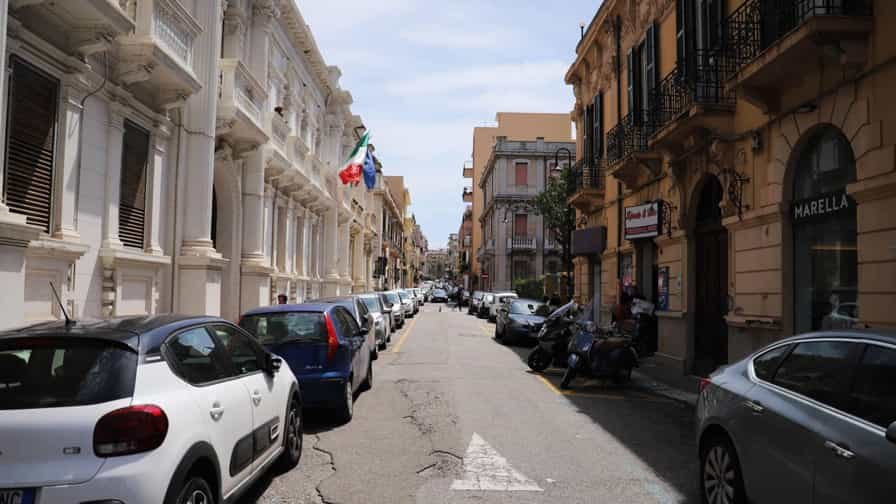
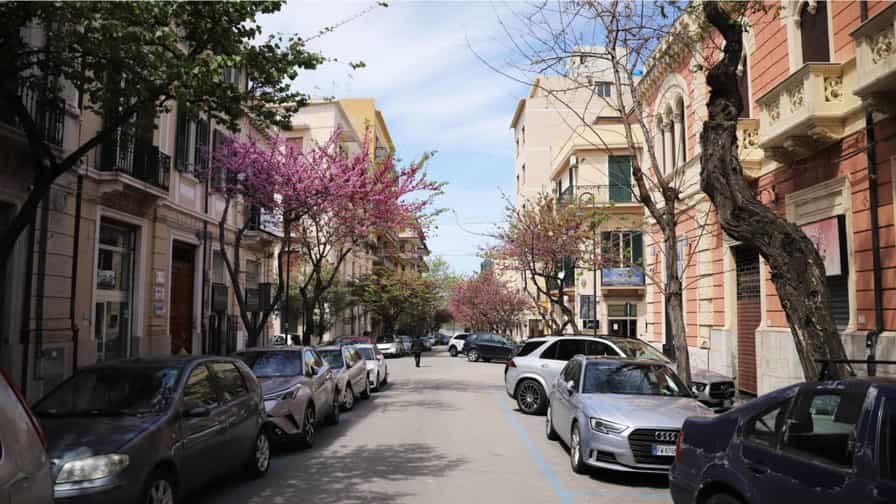
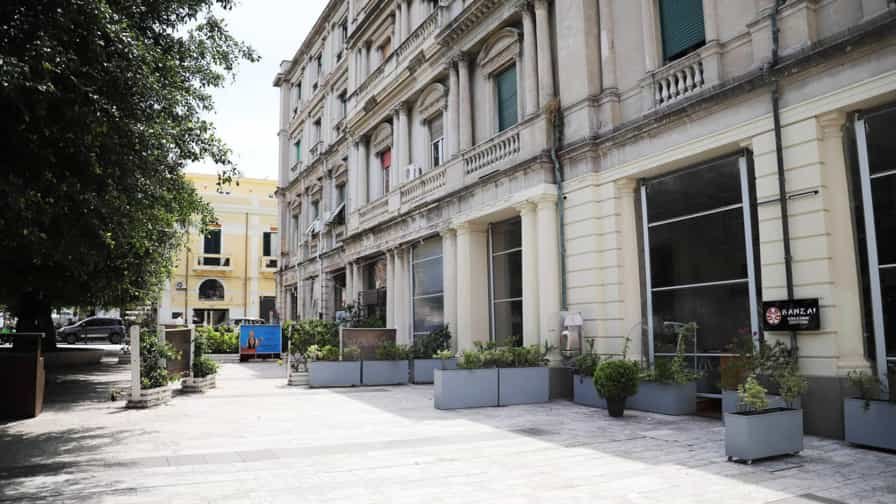
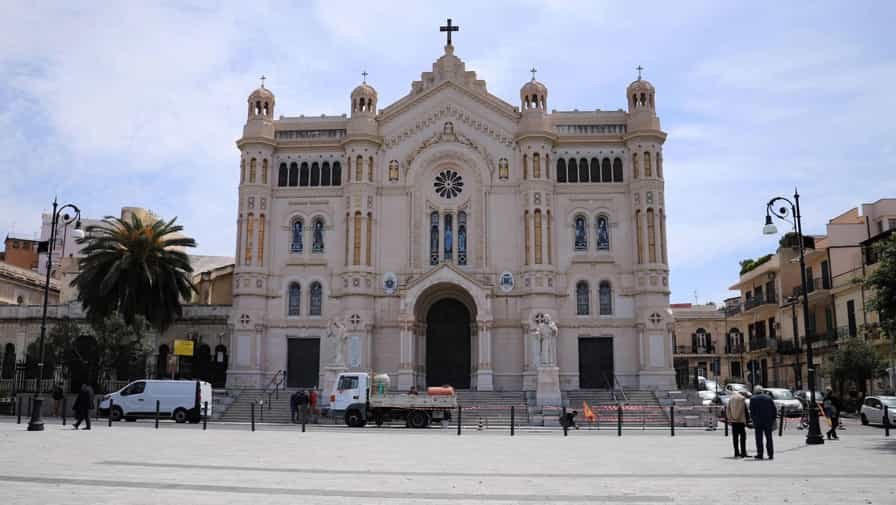
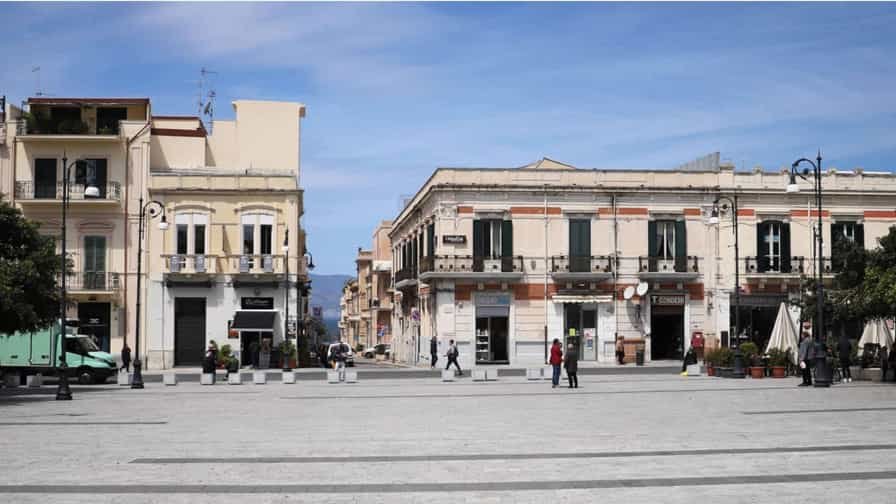
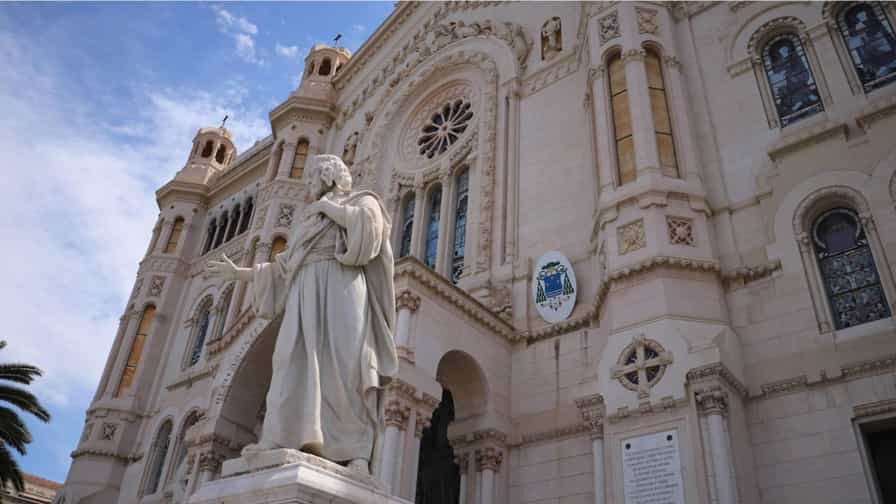

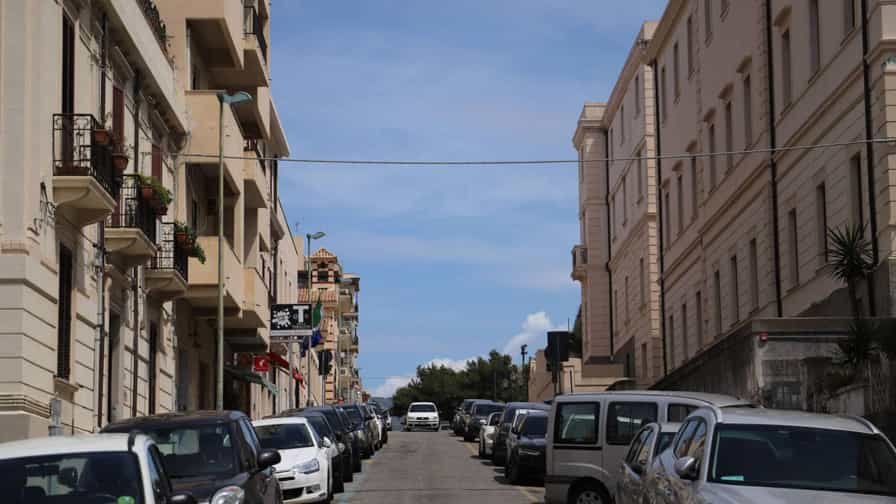
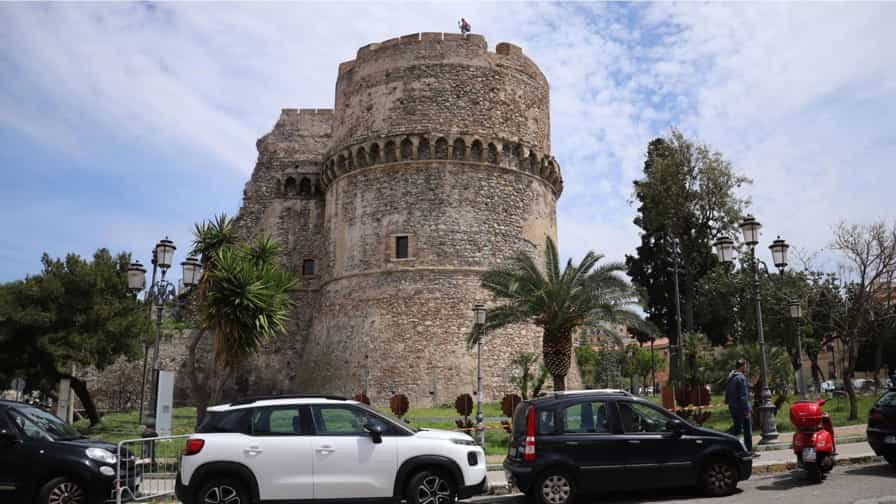
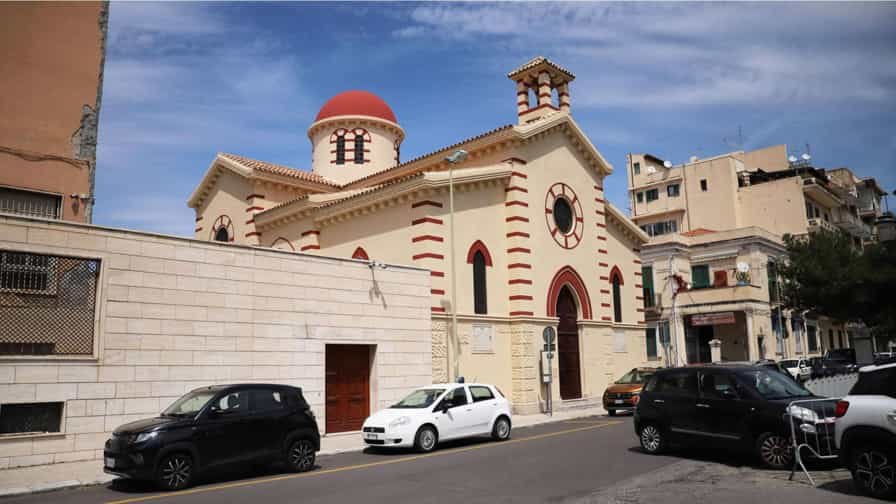
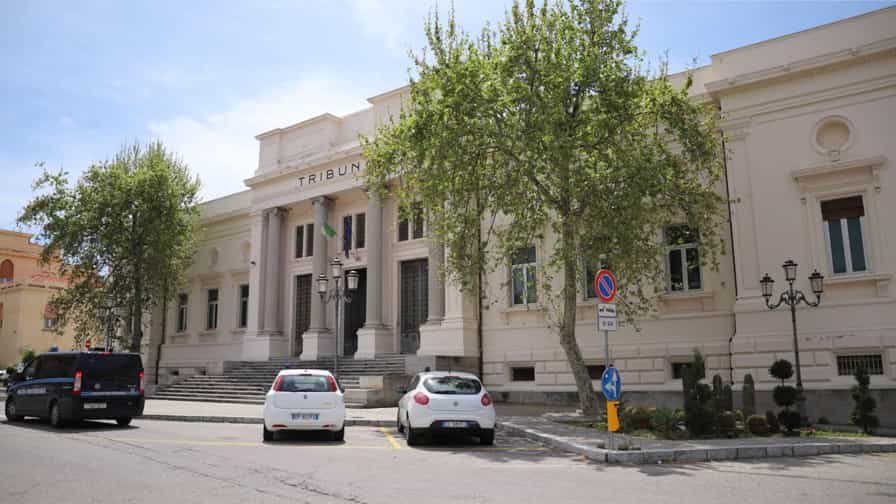
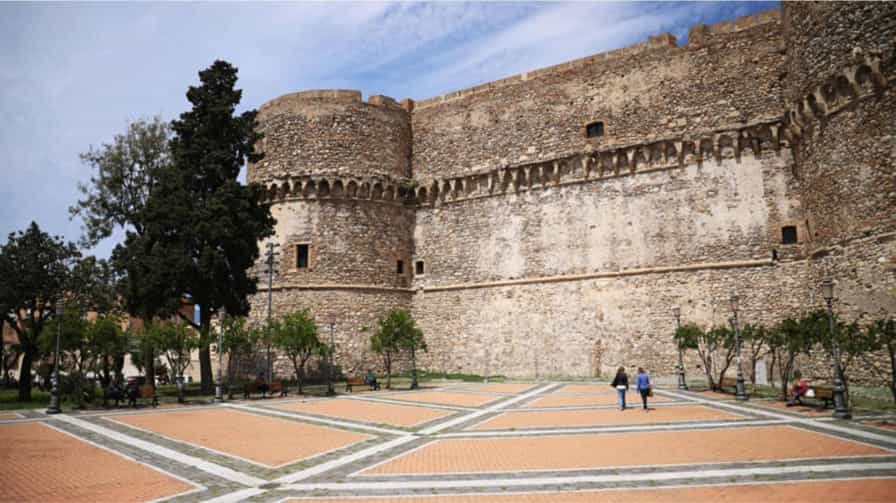

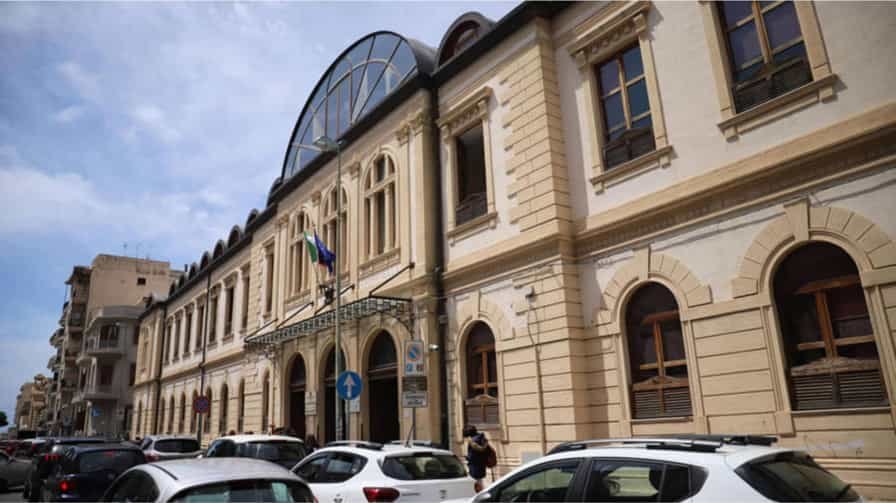
Photo Gallery of Walk 2 – Piazza del Tomolo to Via Adriatica
Approximately 0.60 km – 0.37 miles
Description of Walk 2
This walk explores a historic urban area rich in cultural and architectural heritage, centred around attractive squares, narrow streets, and important religious landmarks. Beginning in Piazza del Tomolo, the route follows Via Santa Maria and Via Giosia, passing through traditional streets that reflect the character and history of the old town. The walk reaches Piazza L. V. Pudente, an important gathering place surrounded by historic buildings. Here stands the Cattedrale di San Giuseppe, a prominent religious landmark that serves as a focal point for both visitors and local residents. The cathedral’s architecture and historical significance make it one of the highlights of the route. After visiting the cathedral, the walk returns through Piazza L. V. Pudente and continues along Via Vescovado, a street closely linked to the ecclesiastical history of the area. The route then proceeds to Piazza del Popolo, a lively public square that often serves as the social heart of the town. Finally, the walk follows Via Adriatica, offering a pleasant conclusion while showcasing the atmosphere and heritage of this historic Italian centre.

COPYRIGHT © 2018-2026 ITALY IN PHOTOS – ALL RIGHTS RESERVED