
HOME
REGIONS OF ITALY
PLACES IN ITALY
PLAN YOUR TRIP
Italy in Photos
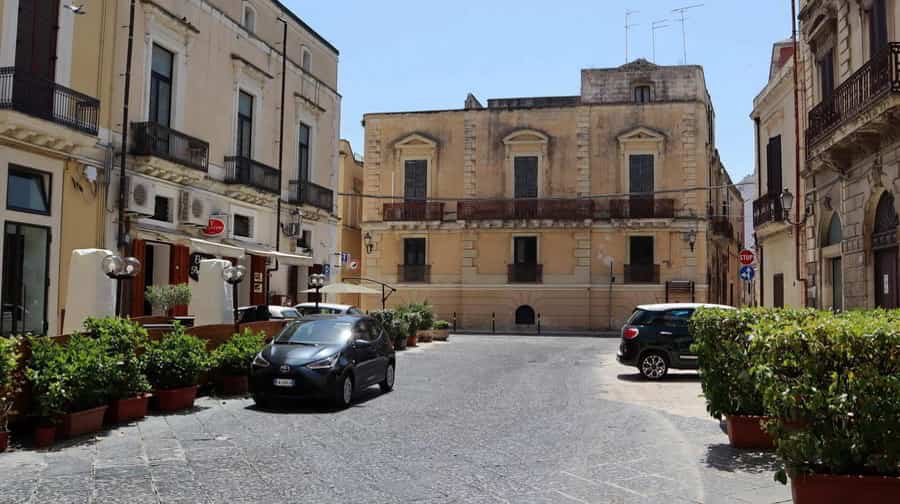
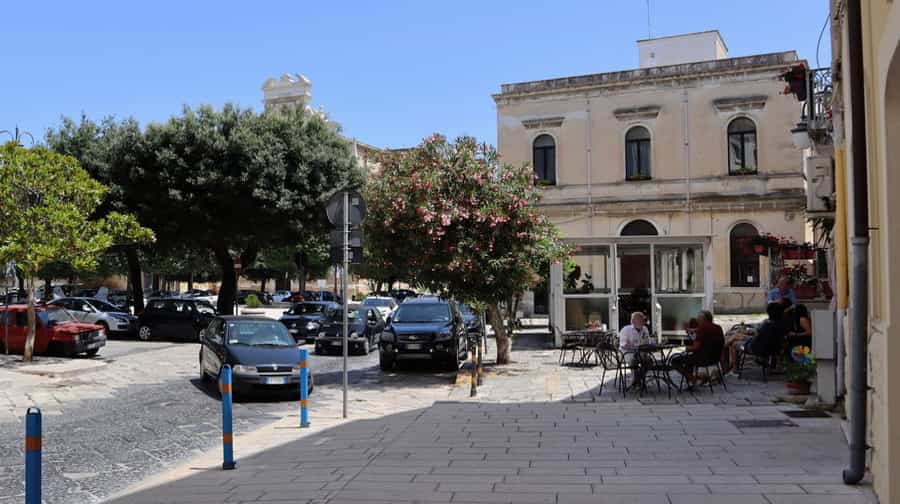
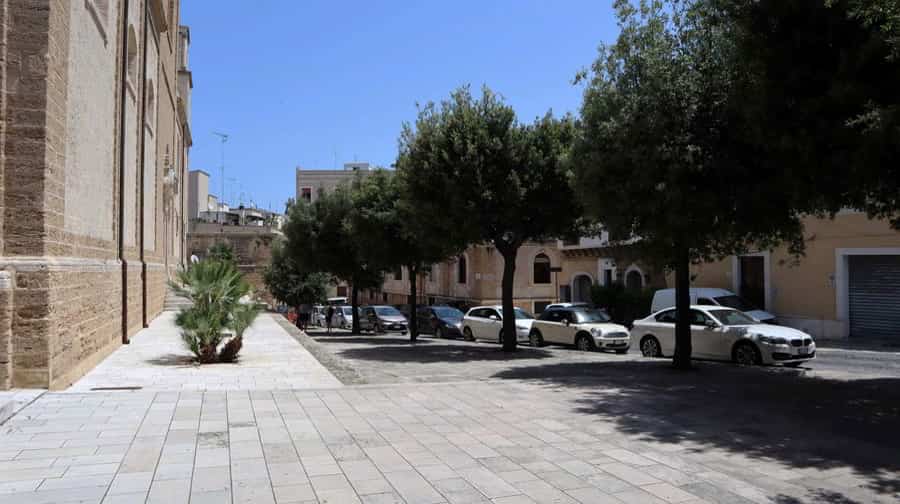
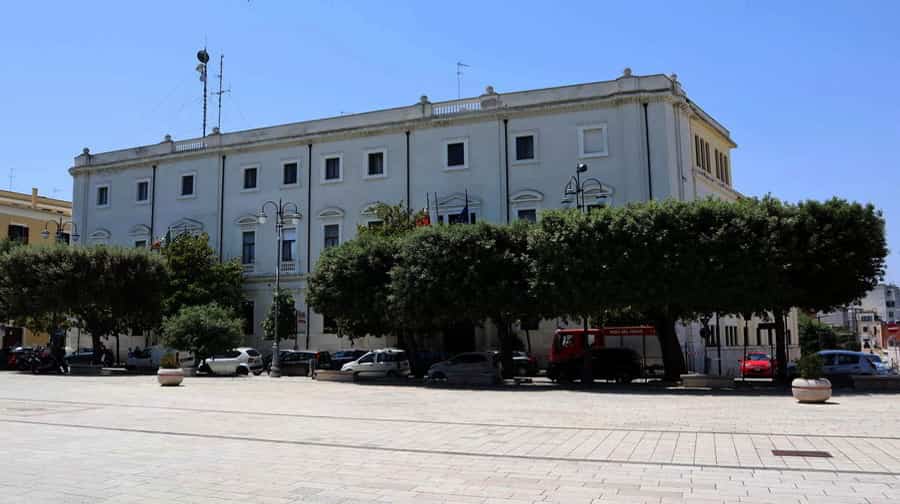
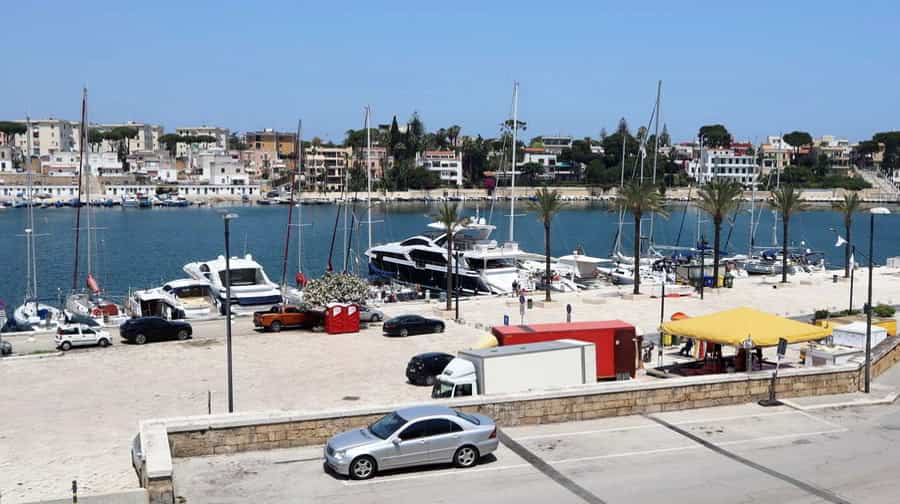
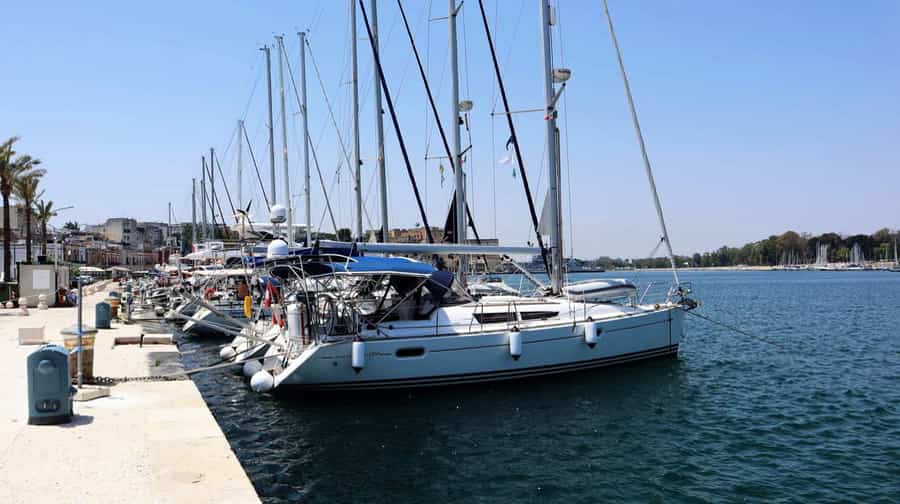
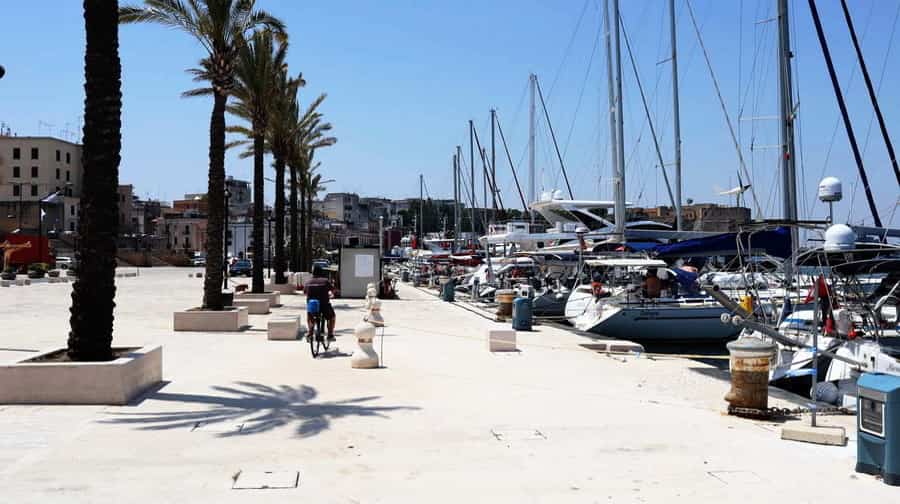
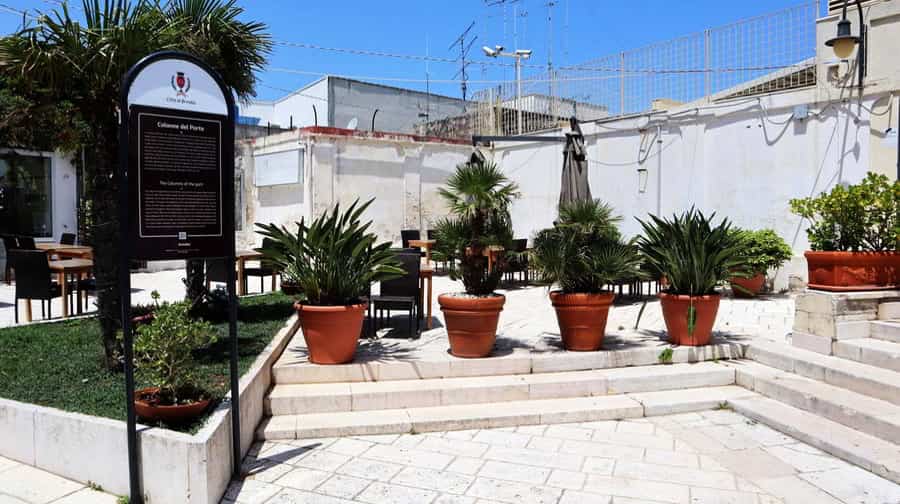
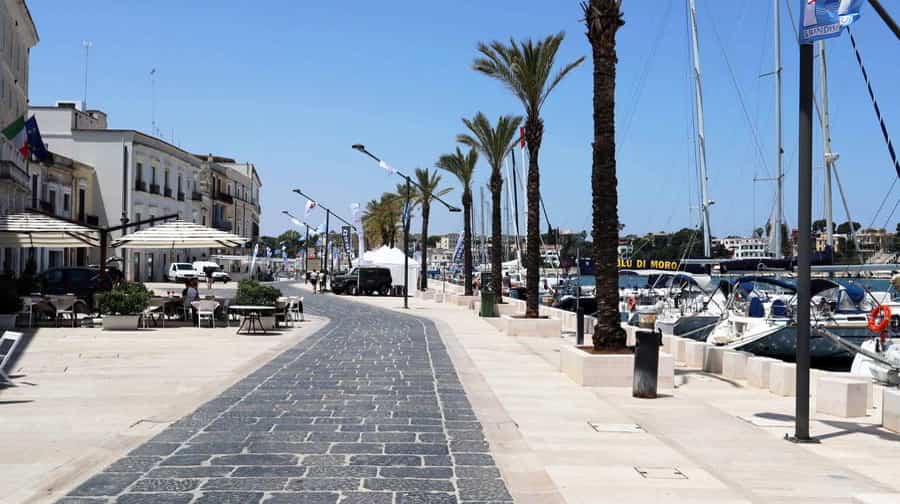
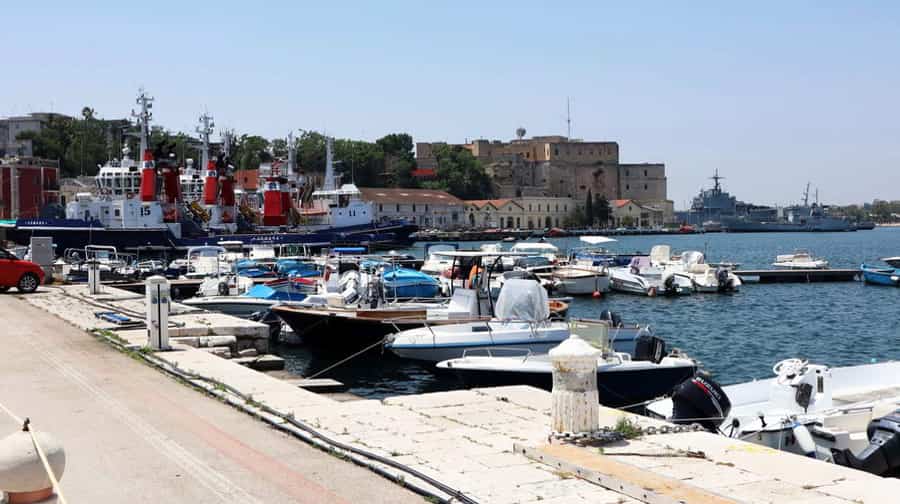
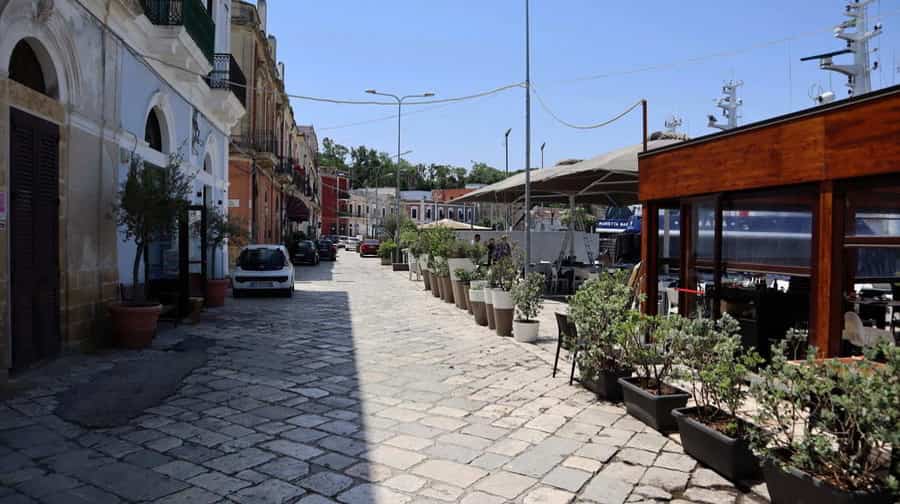
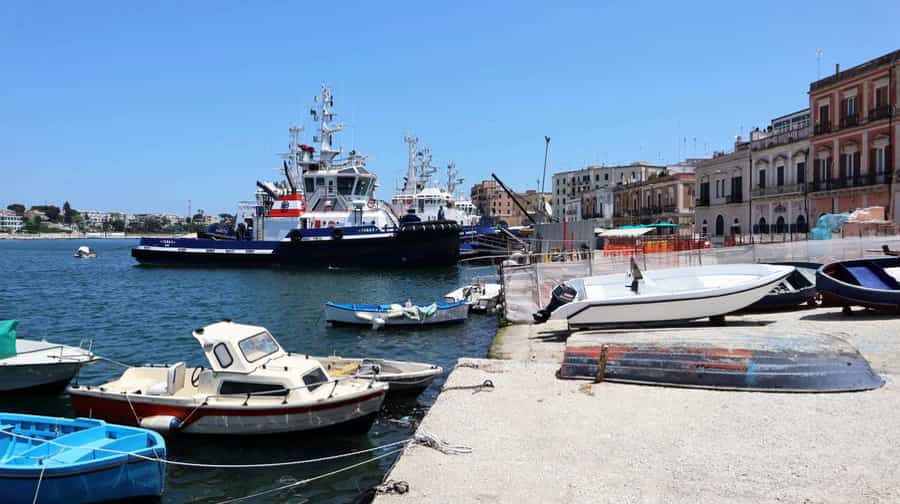
Via Thaon De Revel Paolo, 72100 Brindisi, Italy (2019)
Brindisi
Delayed or cancelled flight?
Get up to £520!
You’ve got rights when your flight’s disrupted.
We enforce them and handle everything so you get paid
Brindisi, a picturesque city located in the Apulia region of southern Italy, is a destination rich in history, culture, and natural beauty. Nestled on the Adriatic Sea, it has served as an important port for centuries, connecting Italy with Greece, the Balkans, and the wider Mediterranean. Its strategic location made it a significant hub during the Roman Empire, and today, the city continues to be a gateway for travellers and trade. Visitors to Brindisi are greeted with a unique blend of ancient charm and modern vibrancy, making it an appealing destination for tourists seeking both history and relaxation.
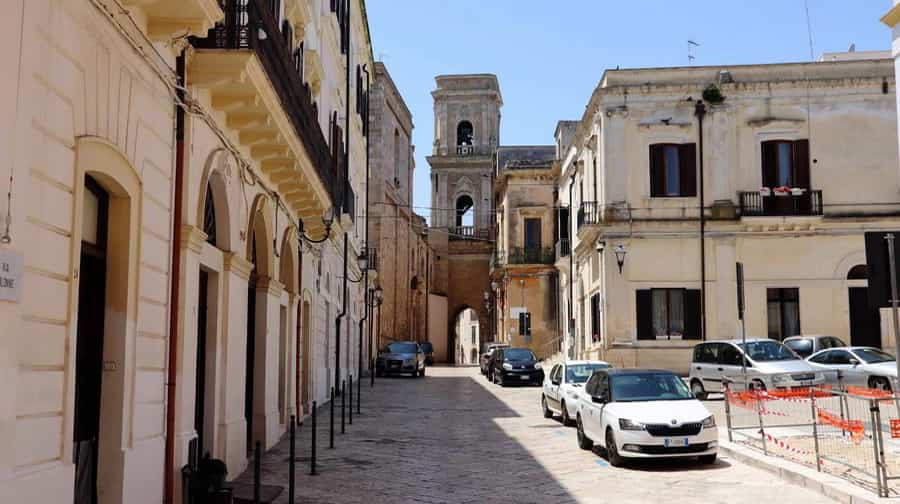
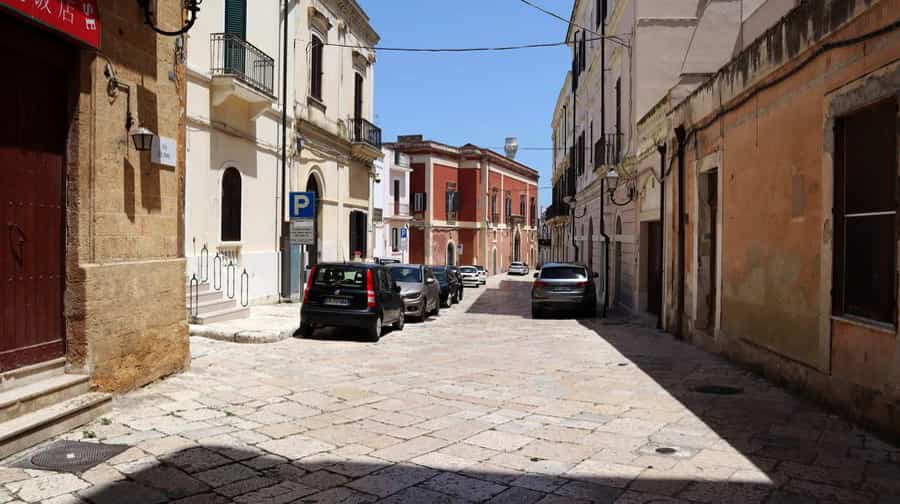
One of the most striking features of Brindisi is its historic centre. The city’s layout reflects its long past, with narrow cobblestone streets weaving between old buildings that have stood for centuries. Architecture enthusiasts will find much to admire, from Roman columns to Baroque churches. Among the most notable landmarks is the Church of Santa Maria del Casale, a stunning example of Romanesque-Gothic architecture, renowned for its intricate frescoes and elegant design. Another must-see is the Roman Column, a monument that marks the end of the ancient Via Appia, one of Rome’s most important roads, symbolizing Brindisi’s role as a key connection point in antiquity.
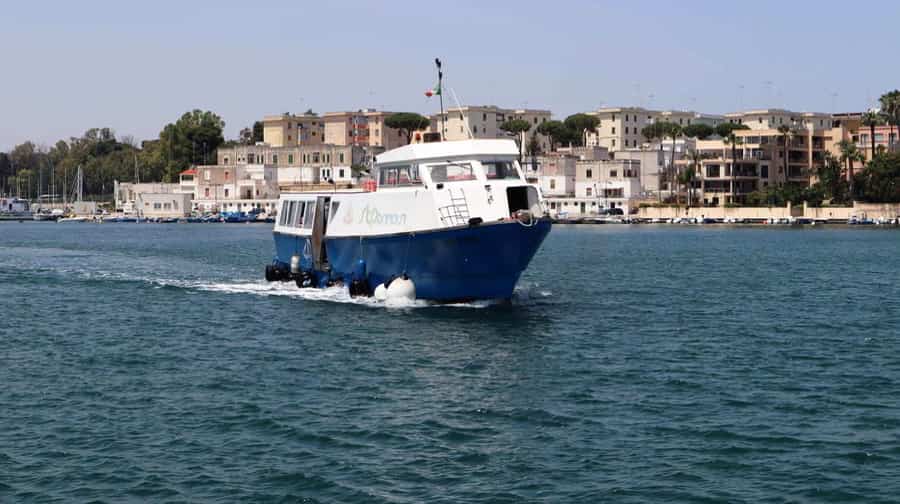
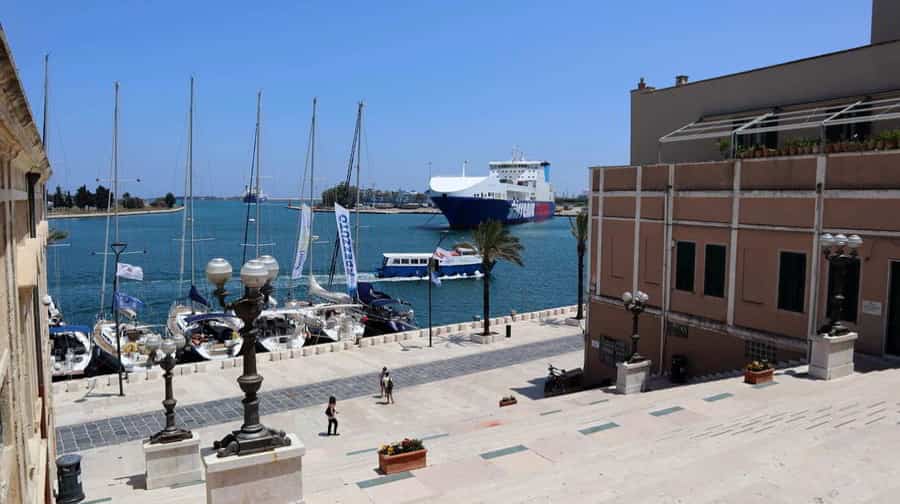
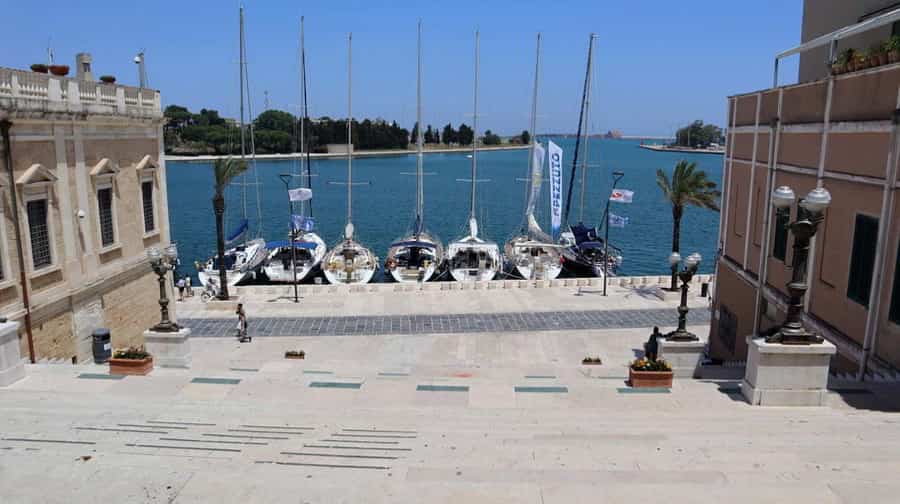
The port of Brindisi remains a central part of city life. Its harbours bustle with activity, serving both commercial shipping and passenger ferries that connect Italy with destinations across the Adriatic Sea, including Greece. Walking along the waterfront, visitors can enjoy the scenic views of the sea, dotted with fishing boats and larger vessels. The harbour area also features a variety of cafes and restaurants, allowing travellers to savour local cuisine while taking in the maritime atmosphere. Seafood plays a significant role in Brindisi’s culinary tradition, with fresh fish, octopus, and shrimp featured in many traditional dishes, often accompanied by locally produced olive oil and wine.
Brindisi is also surrounded by beautiful natural landscapes. The coastline offers pristine beaches and crystal-clear waters, perfect for swimming and sunbathing. Inland, the region is dotted with olive groves, vineyards, and charming countryside, providing opportunities for hiking, cycling, and exploring small towns. These landscapes reflect the city’s connection to the land and its agricultural heritage, offering a serene contrast to the busy port and urban centre.
Worth a Visit
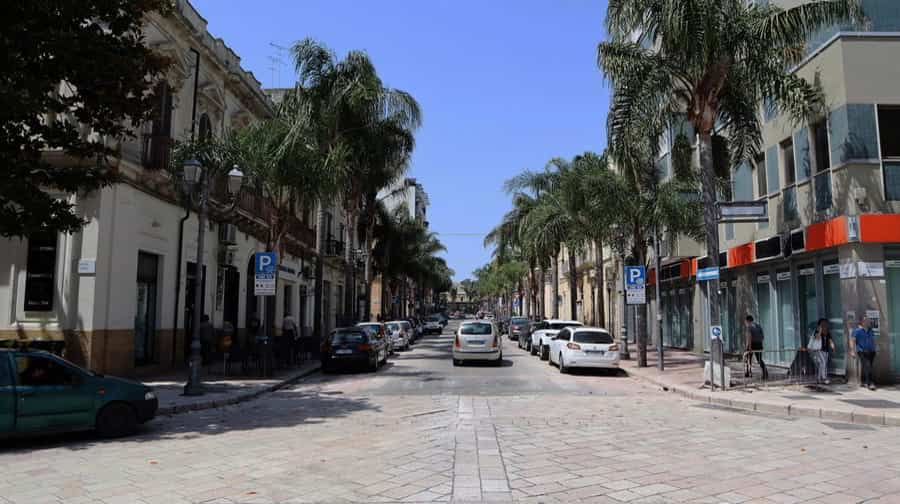
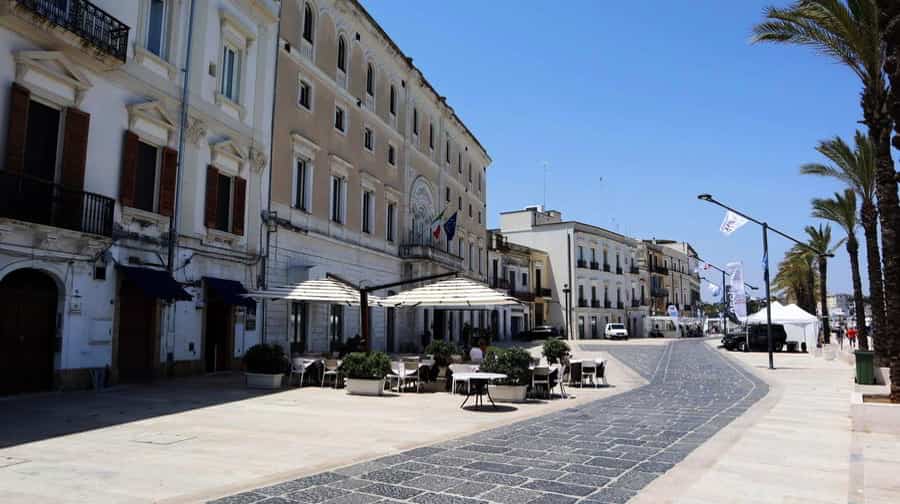
Corso Umberto I is one of the main thoroughfares in the city of Brindisi, a vibrant coastal town in southern Italy, steeped in ancient history and Mediterranean charm. Stretching from the central train station toward the heart of the city, Corso Umberto I serves not only as a vital urban artery but also as a gateway for visitors arriving to explore Brindisi’s cultural, historical, and commercial offerings. With its elegant facades, wide sidewalks, and lively atmosphere, the street captures both the energy of modern Brindisi and echoes of its illustrious past. Originally laid out during the late 19th and early 20th centuries, the Corso was named in honour of King Umberto I of Italy, a monarch who reigned during a time of national consolidation and modernization.
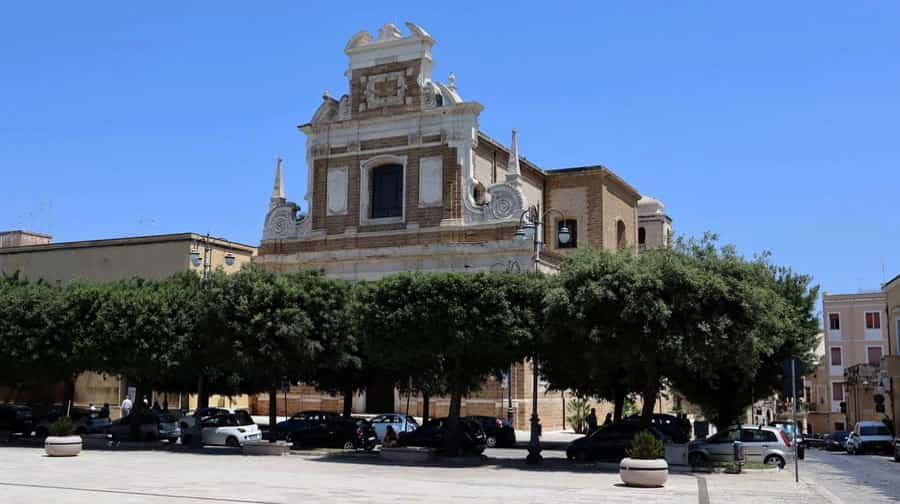
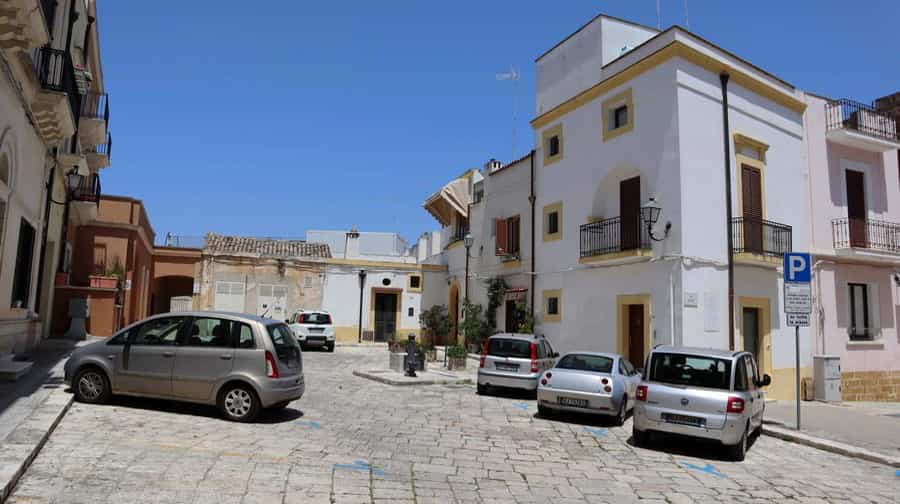
Piazza Santa Teresa is one of Brindisi’s most evocative and historically rich squares, situated in the heart of this ancient port city on Italy’s Adriatic coast. Though modest in size compared to grander Italian piazzas, its quiet elegance and layered past give it a distinct charm that draws both locals and visitors alike. Surrounded by architectural remnants that span centuries, the square is a living testimony to Brindisi’s complex history, a crossroads of Mediterranean cultures, commerce, and faith. The piazza takes its name from the adjacent Church and Monastery of Santa Teresa, an 18th-century Baroque complex built by the Discalced Carmelites. The church’s elegant façade, with its balanced proportions and decorative details, stands as a focal point of the square.
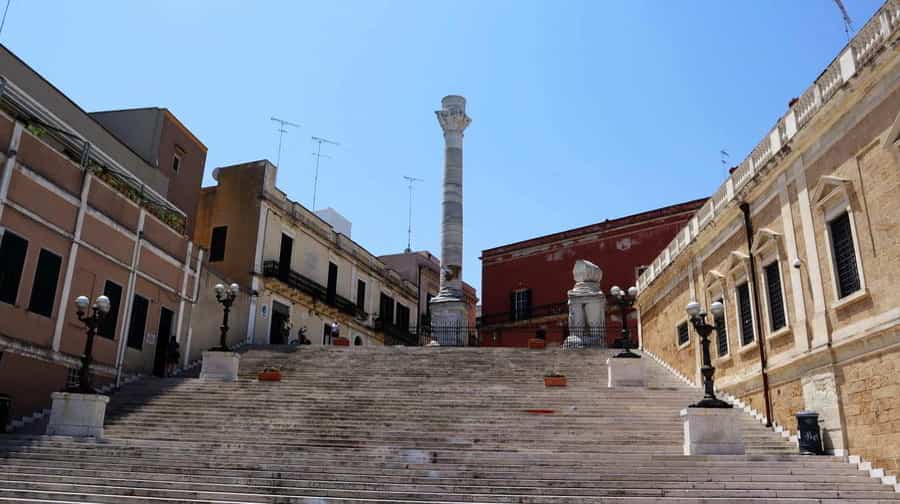
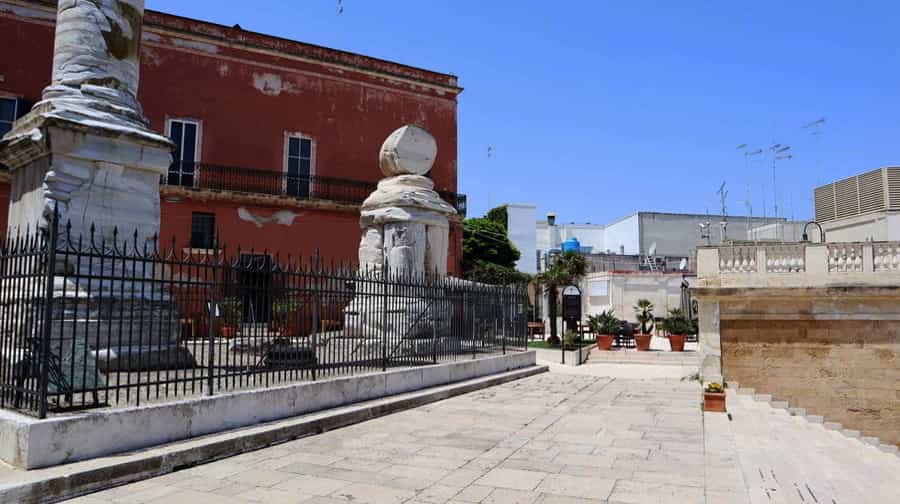
The Colonne Romane (Roman Columns) in Brindisi stand as iconic symbols of the city’s ancient past and its crucial role in the Roman Empire. Positioned dramatically at the top of a broad staircase overlooking the inner harbour, these towering marble columns once marked the end of the Via Appia, the legendary Roman road that connected Rome to the south-eastern tip of Italy. For centuries, travellers, merchants, soldiers, and pilgrims arriving by sea would see the columns as a sign that they had reached the gateway to Rome, or, for those departing, the last glimpse of imperial civilization. Originally a pair, only one of the two columns remains fully standing today. The second collapsed in the 16th century and part of it, specifically the capital, was later gifted to the city of Lecce, where it now adorns Piazza Sant’Oronzo.
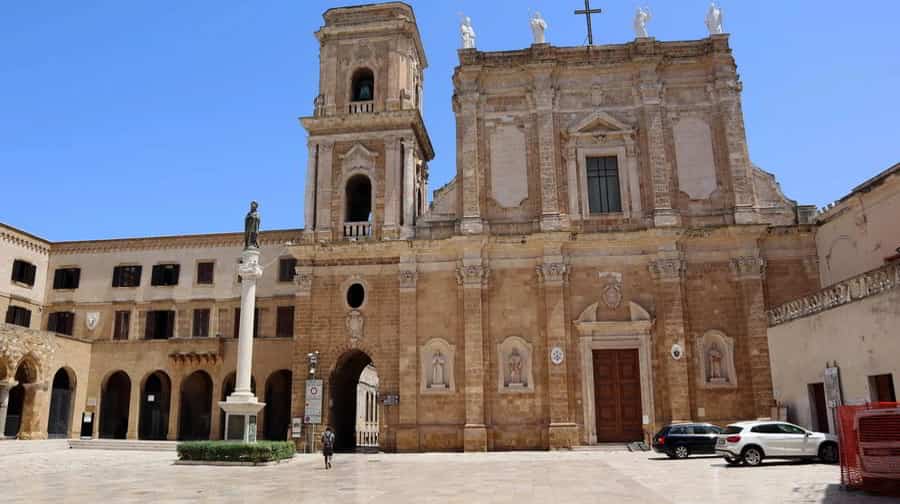
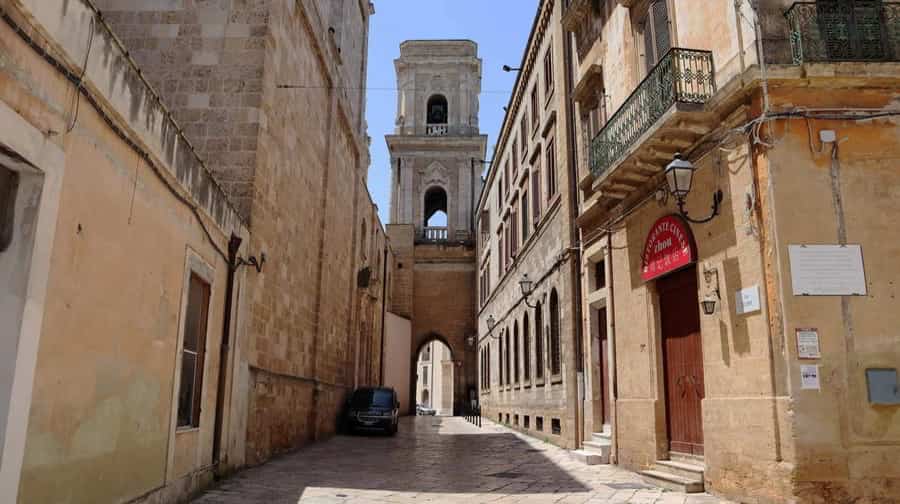
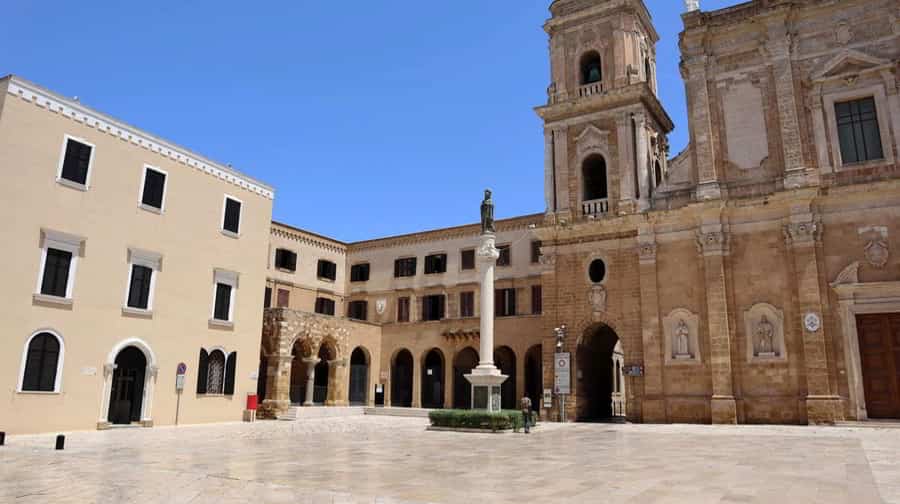
Piazza Duomo in Brindisi is one of the city’s most historically and architecturally significant spaces, a serene, elegant square that reflects centuries of religious, civic, and cultural development. Located within the ancient heart of Brindisi, this piazza has long served as a focal point of spiritual and administrative life, anchoring the community both symbolically and physically. Unlike the more commercial or bustling squares found elsewhere in the city, Piazza Duomo possesses a quiet dignity, its open expanse framed by some of Brindisi’s most important monuments. At the centre of the square stands the Cathedral of Brindisi, or Duomo di San Giovanni Battista, originally constructed in the 11th century and later rebuilt following the earthquake of 1743.
Photo Gallery of Walk 1 – Stazione, Corso Umberto I to Chiesa di San Paolo Eremita
Approximately 1.80 km – 1.12 miles
Description of Walk 1
Brindisi is one of southern Italy’s most historic port cities, positioned on the Adriatic coast of Salento. Known since Roman times as the gateway to the East, Brindisi combines maritime history, elegant piazzas, and narrow medieval streets with a relaxed coastal atmosphere. The city developed around its natural harbour, which for centuries welcomed traders, pilgrims, and crusaders travelling toward Greece and the Holy Land. This walking route begins at Brindisi Railway Station and follows the lively Corso Umberto I, one of the city’s principal avenues lined with cafés, shops, and nineteenth-century architecture. Passing through Piazza Cairoli and Piazza del Popolo, the walk reveals the civic heart of the city before continuing toward the waterfront atmosphere of Piazza Vittoria and Piazza Mercato. The route then enters the older medieval quarter along Via dei del Balzo and Largo de’ Calò, where narrow lanes preserve the character of ancient Brindisi. Highlights include the remarkable Tempio di San Giovanni al Sepolcro, a circular Romanesque church inspired by Jerusalem’s Holy Sepulchre, and the peaceful Chiesa di San Paolo Eremita, which reflects the city’s deep religious and cultural heritage.
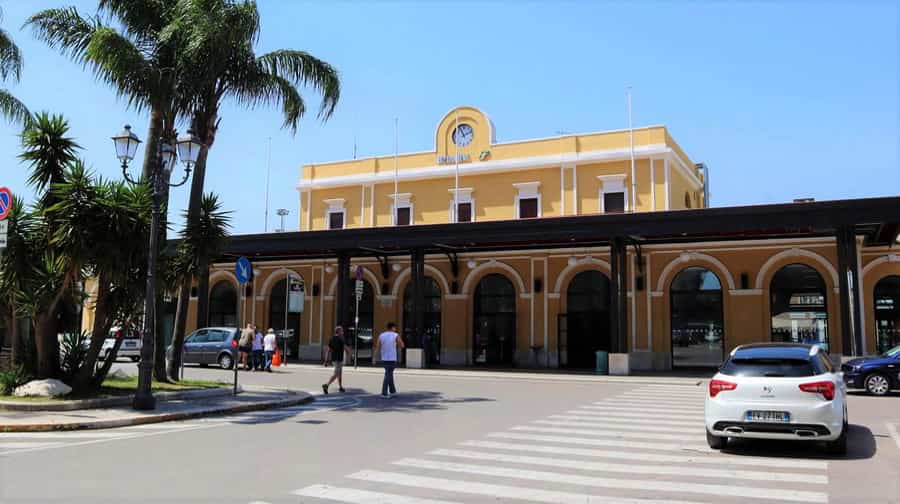
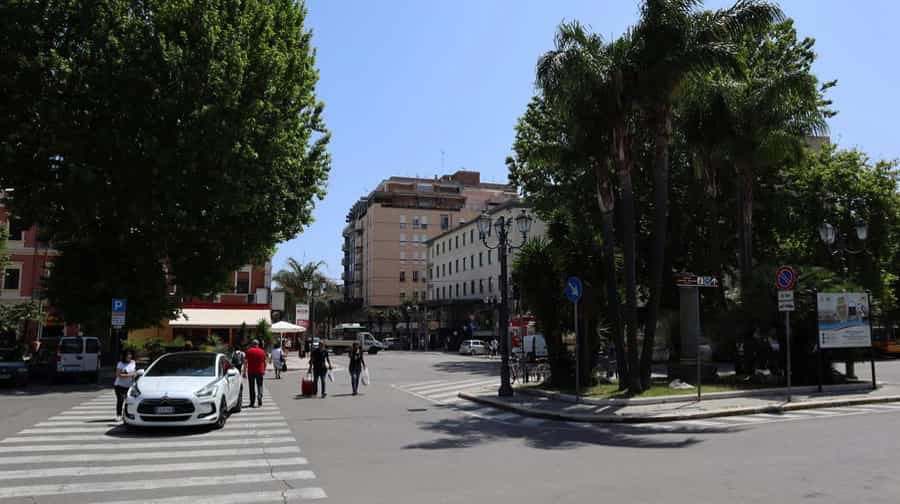
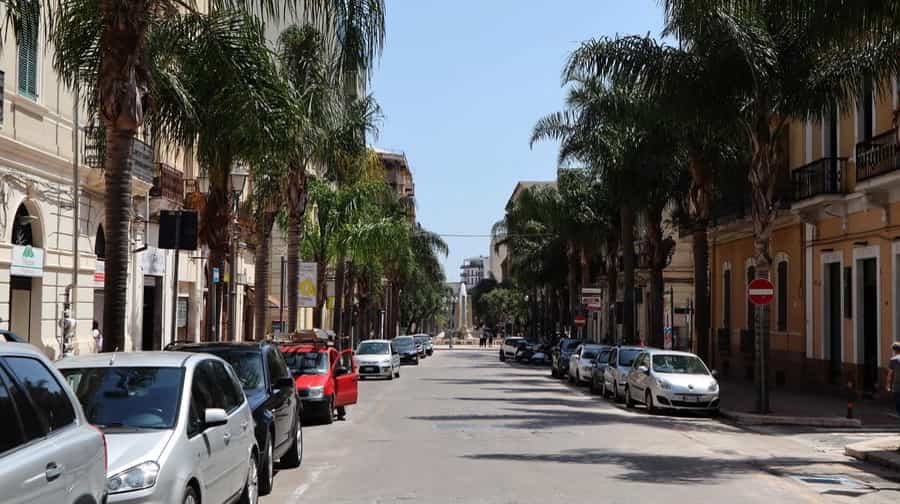
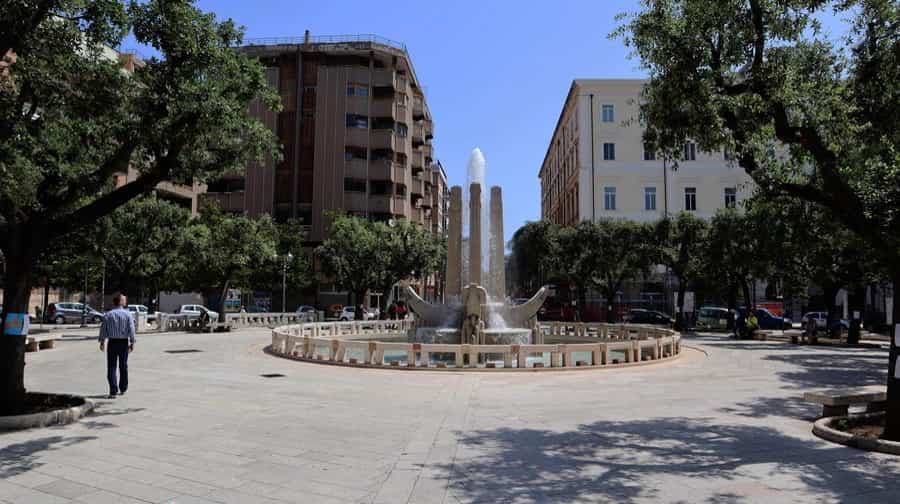
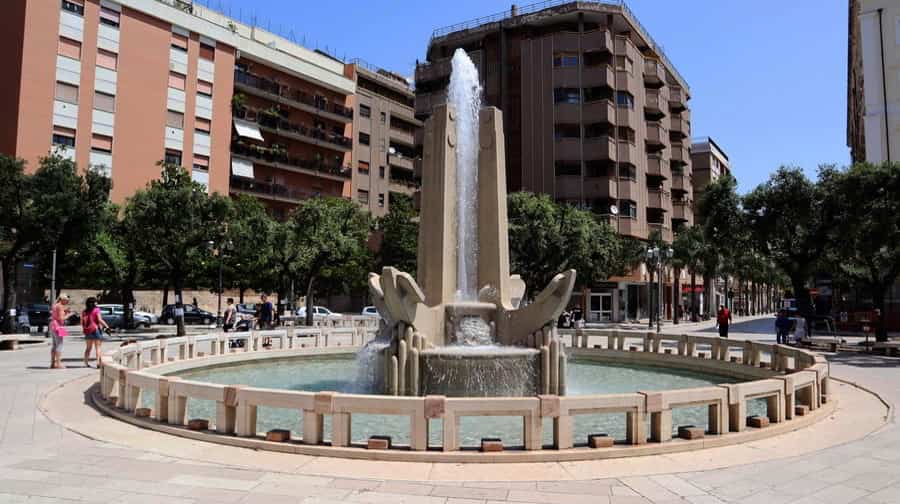
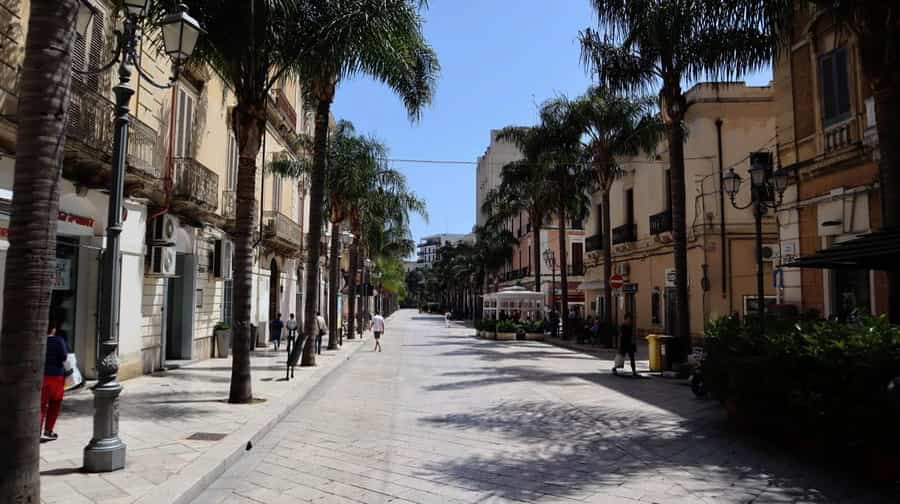
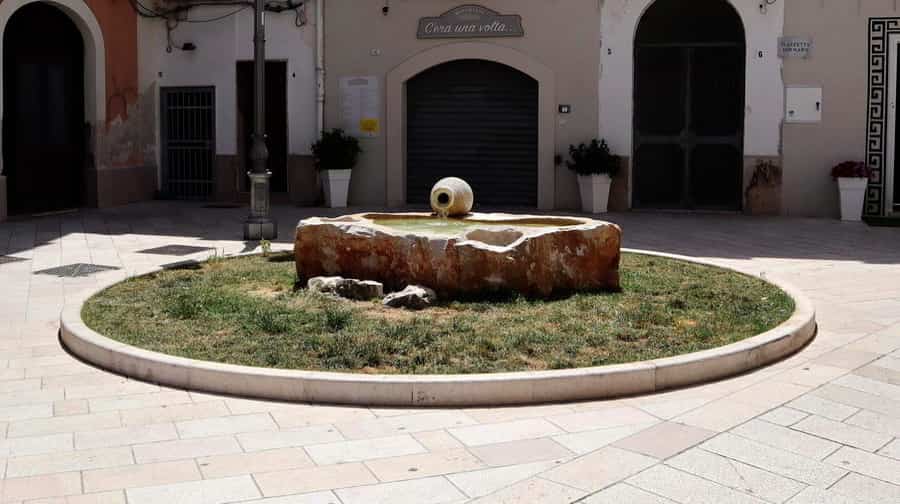
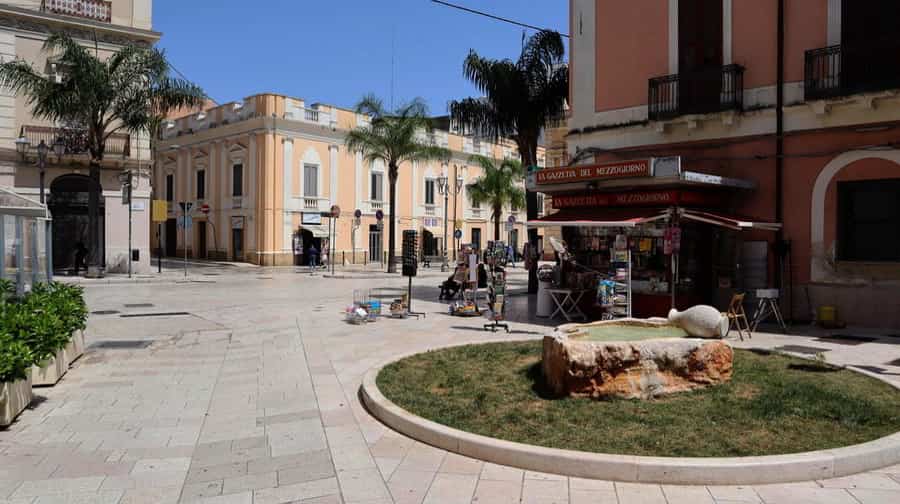
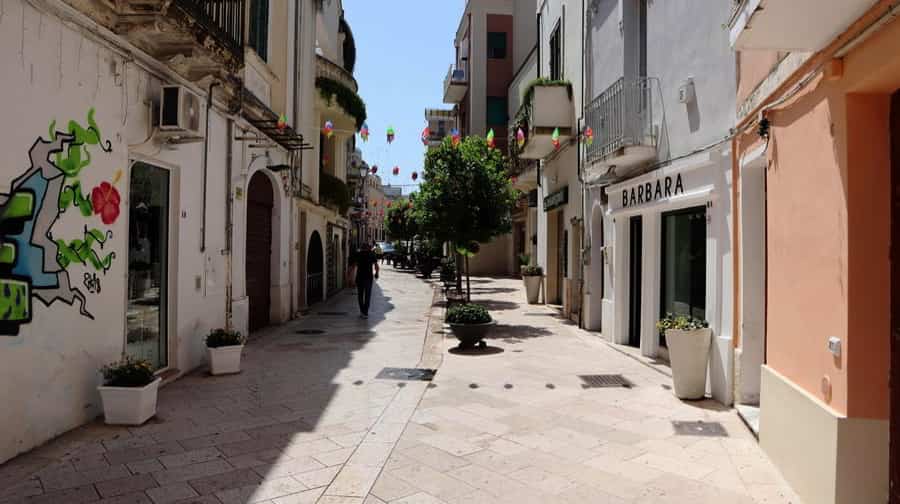
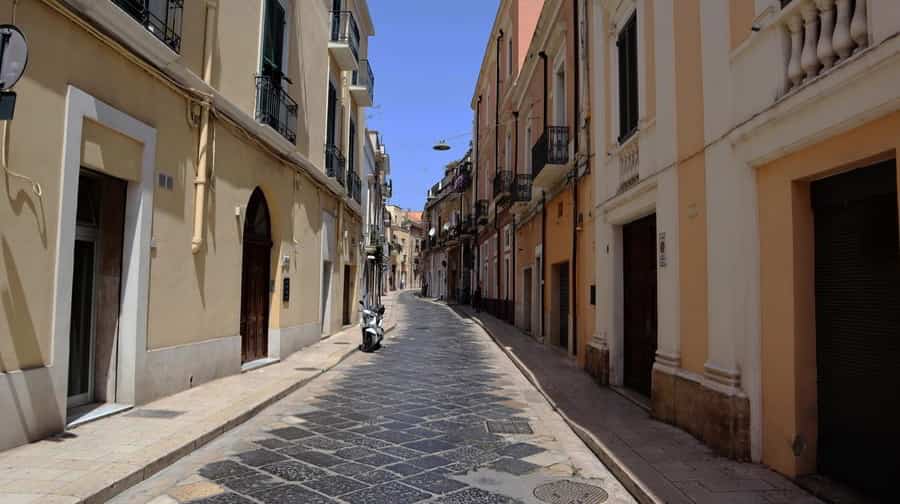
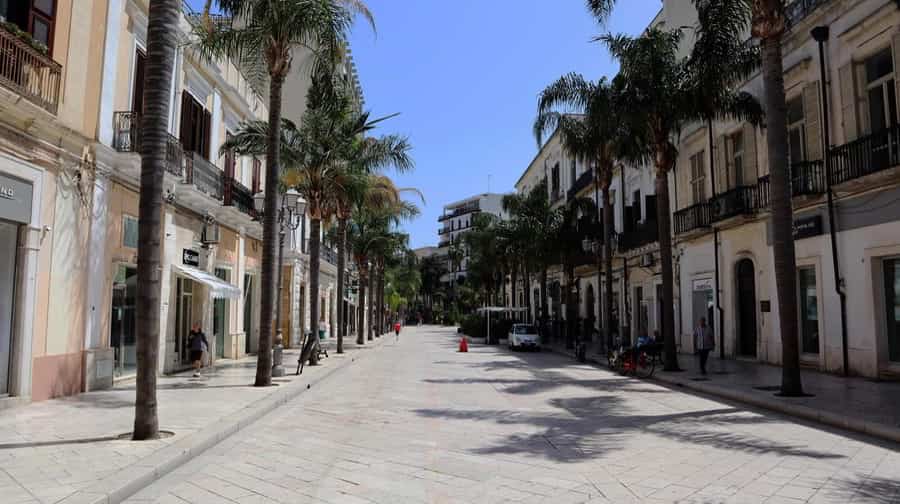
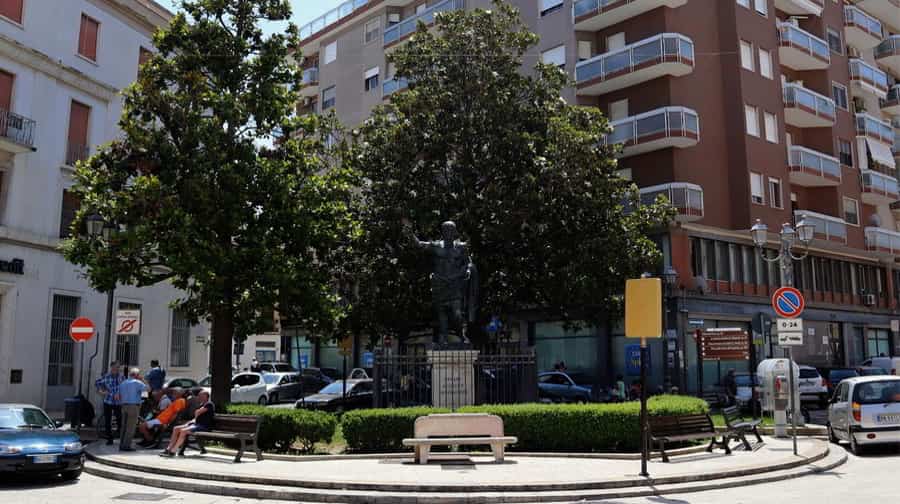
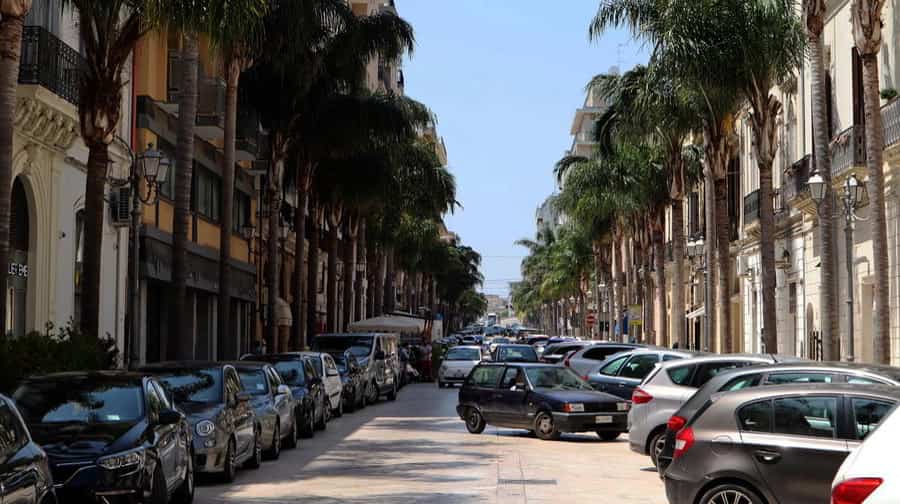
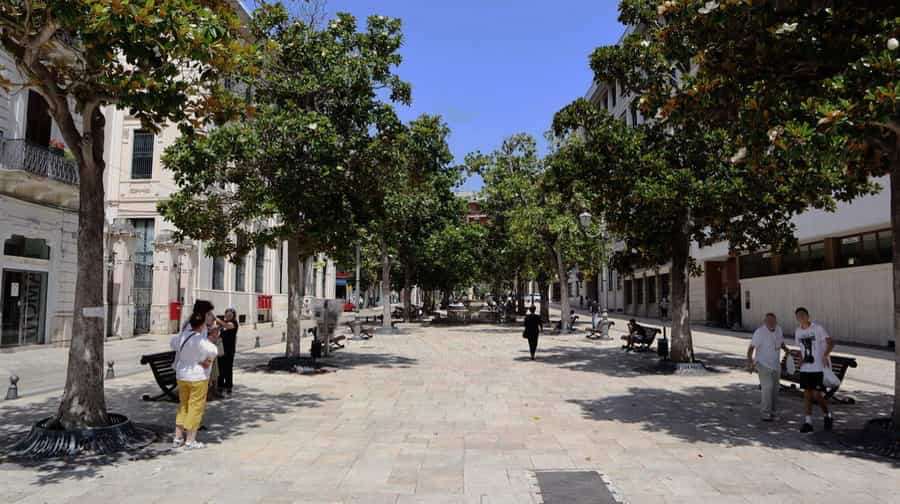
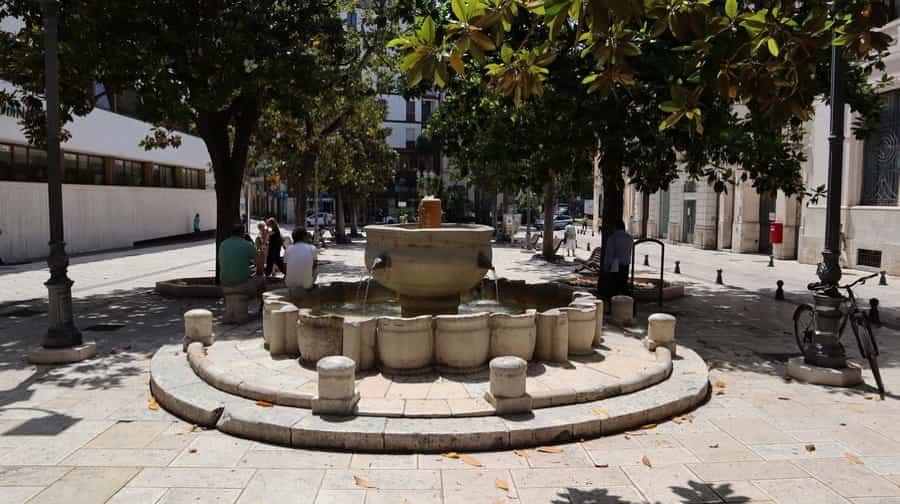
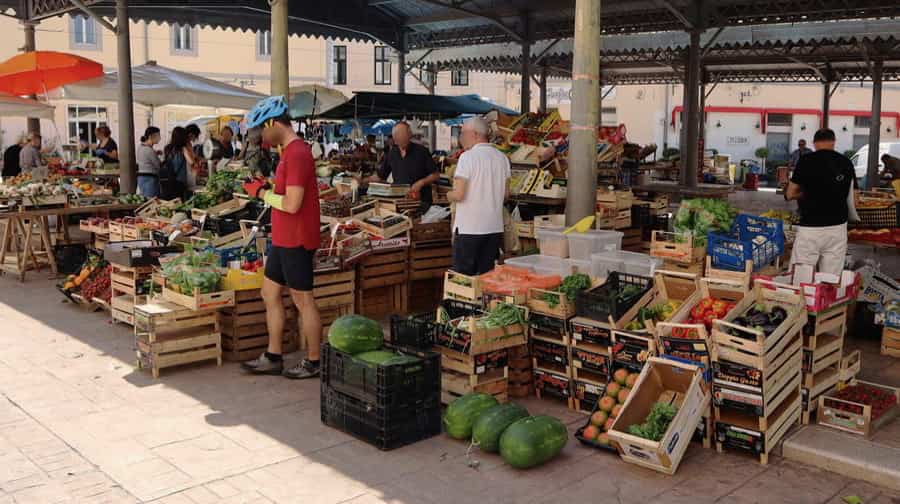
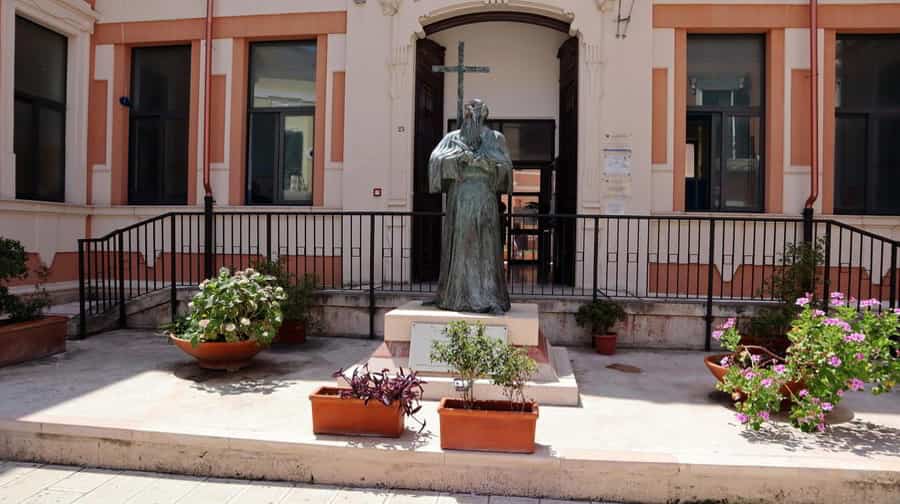
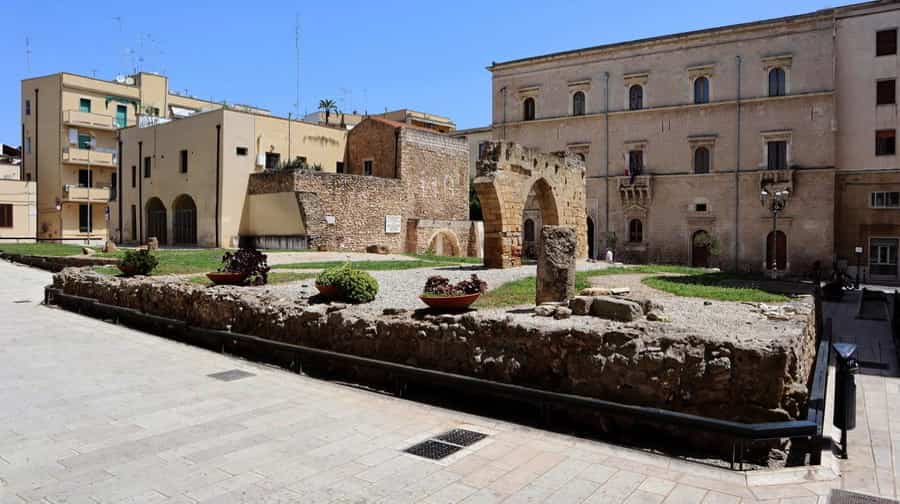
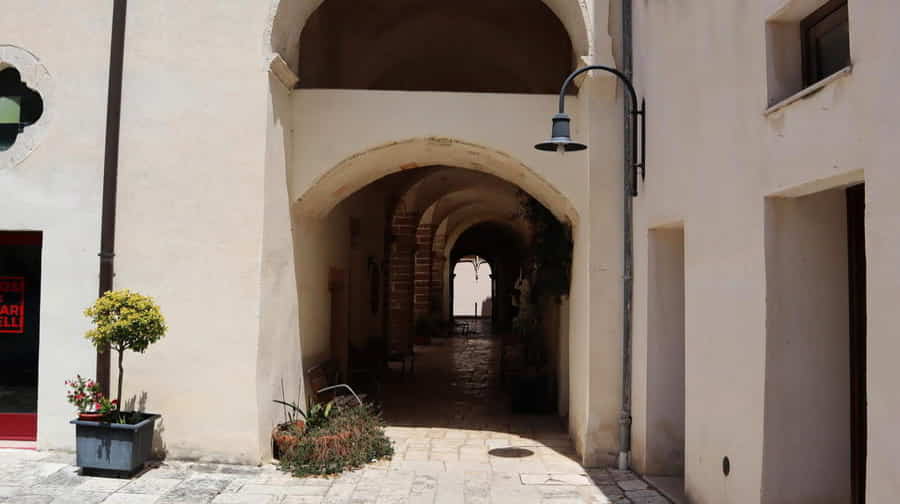
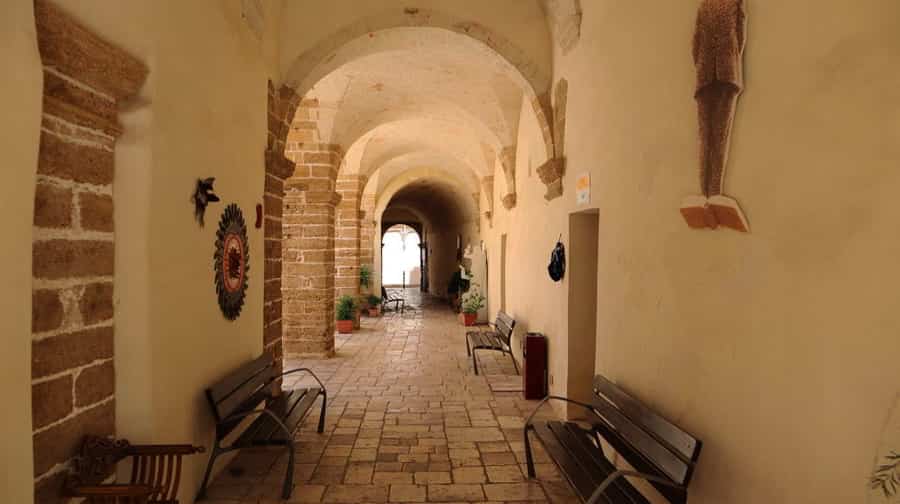
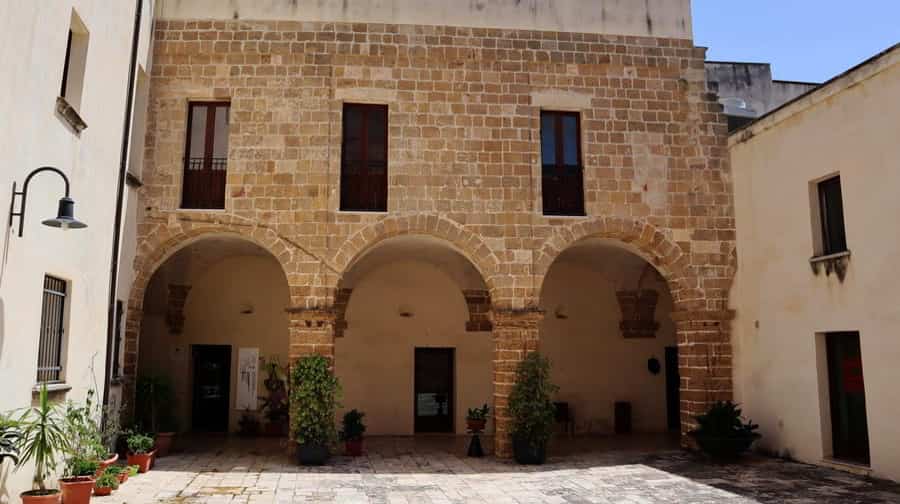
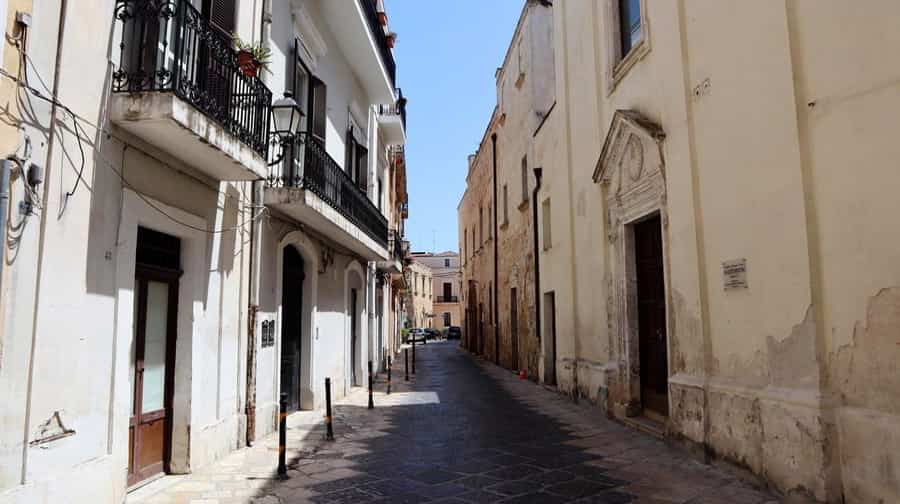
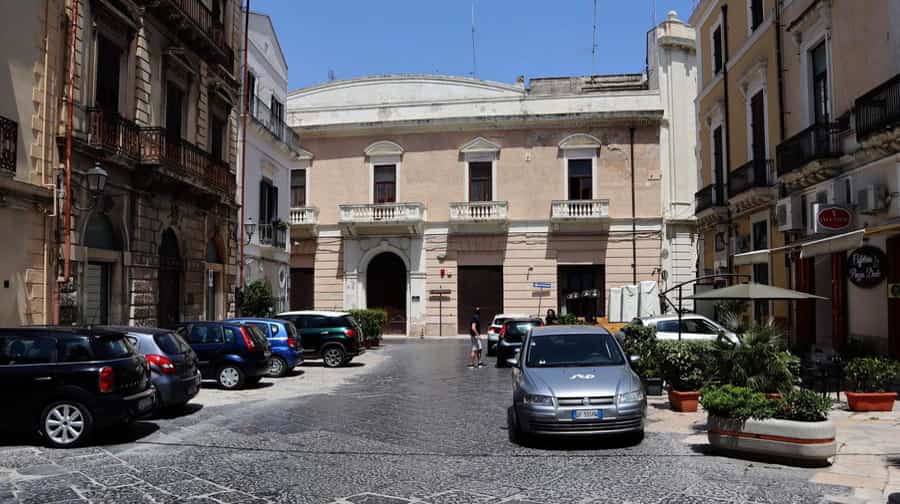
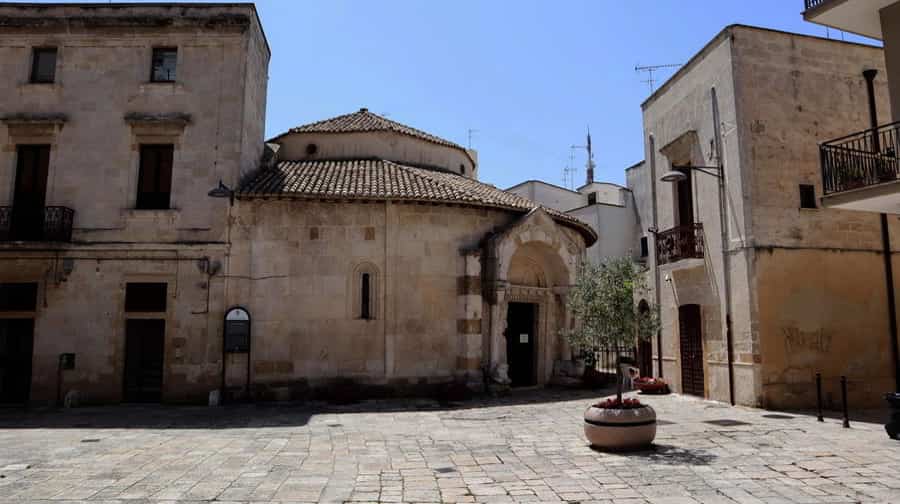
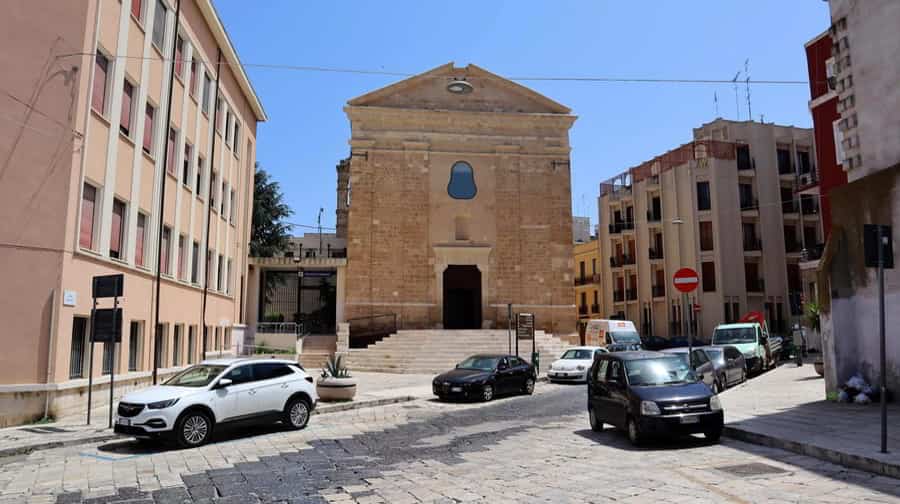
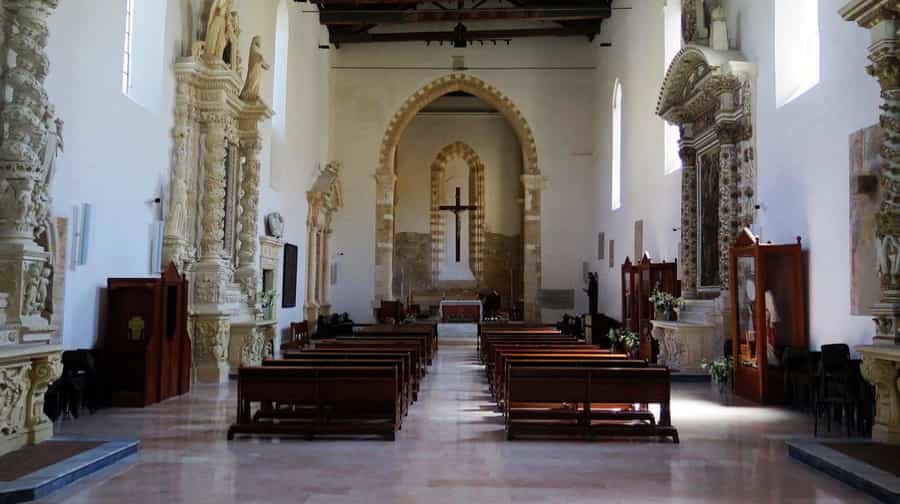
Photo Gallery of Walk 2 – Vico De’ Vavotici to Via Thaon De Revel Paolo
Approximately 0.00 km – 0.00 miles
Description of Walk 2
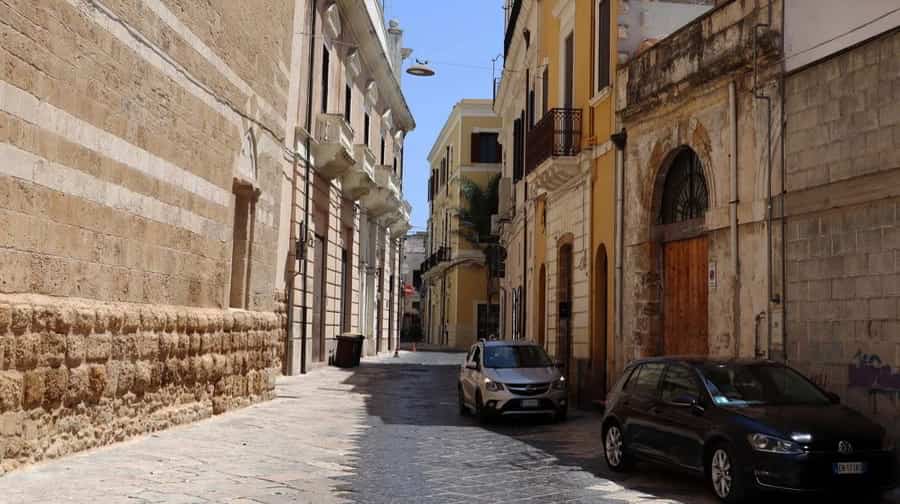
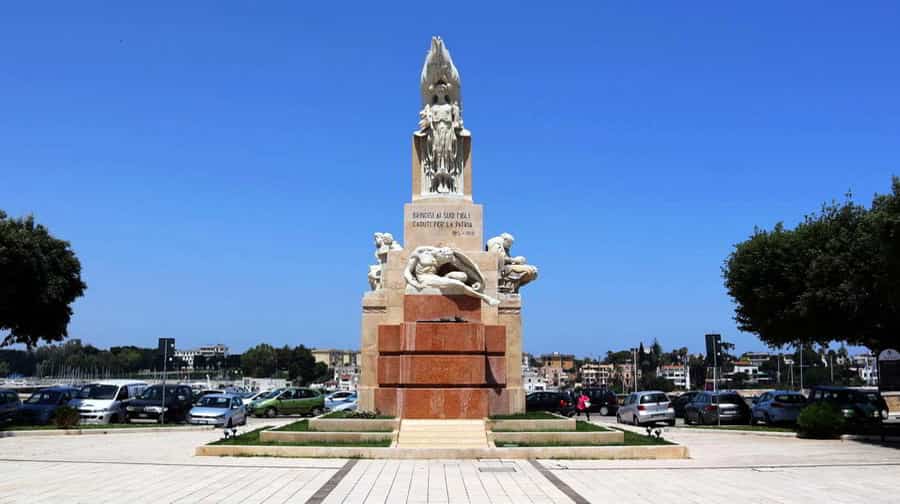
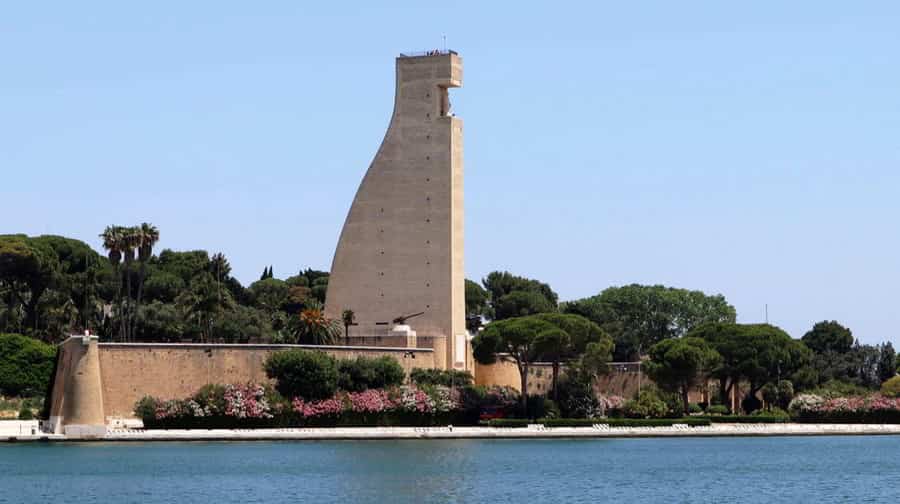
Brindisi is a historic Adriatic port city in southern Italy, celebrated for its long maritime tradition and its role as a gateway between western Europe and the eastern Mediterranean. Founded in antiquity, the city flourished under the Romans, who developed its harbour into one of the most important ports of the empire. Today, Brindisi combines archaeological treasures, elegant waterfront promenades, and quiet medieval streets that reflect centuries of cultural influence. This walking route explores the historic centre and waterfront district of Brindisi. Beginning in the narrow lane of Vico De’ Vavotici near Piazza Dante, the walk continues along Via Annibale de Leo toward Piazza Santa Teresa, an attractive square surrounded by historic buildings and churches. Nearby stands the Monumento ai Caduti d’Italia, dedicated to Italian war victims and overlooking the harbour. The route then passes through Via Pasquale Camassa and Via Lenio Flacco before reaching the scenic waterfront promenade of Viale Regina Margherita. Walking along Via Colonne leads to the famous Colonne Romane, the symbolic end of the ancient Appian Way. The walk also visits Piazza Duomo, a beautiful square rich in medieval architecture, before returning along the harbourfront toward Via Thaon De Revel Paolo.
COPYRIGHT © 2018-2026 ITALY IN PHOTOS - ALL RIGHTS RESERVED