
HOME
REGIONS OF ITALY
PLACES IN ITALY
PLAN YOUR TRIP
Italy in Photos
Piazzza San Marco, 30100 Metropolitan City of Venice, Italy (June 2022)
The City of Venice
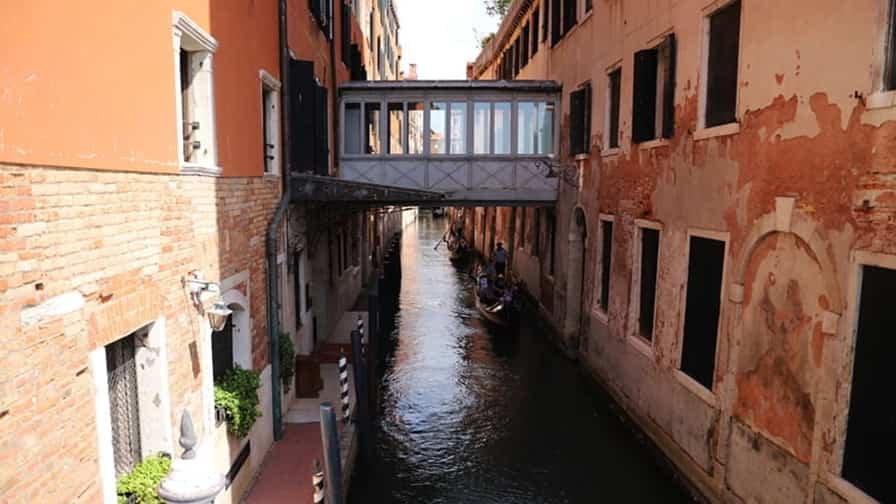
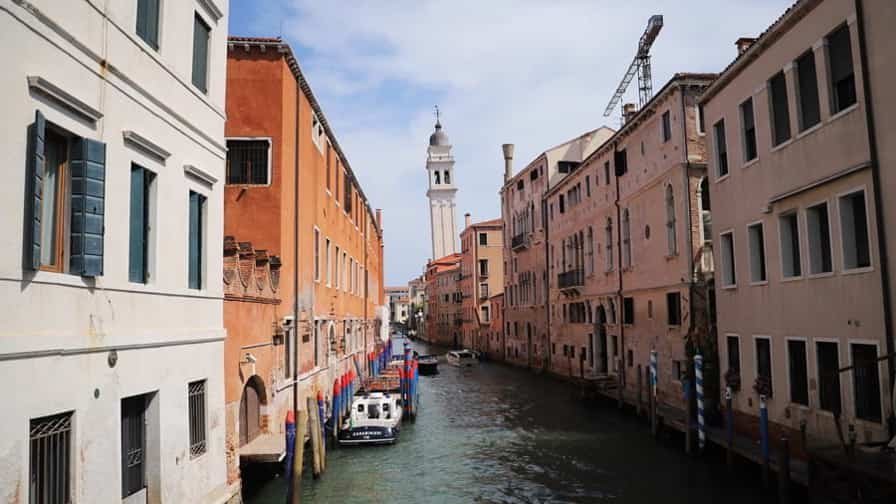
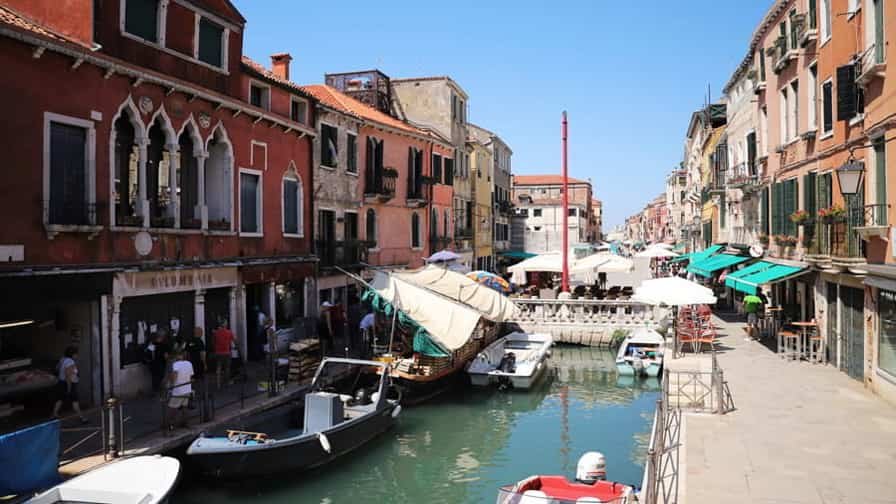
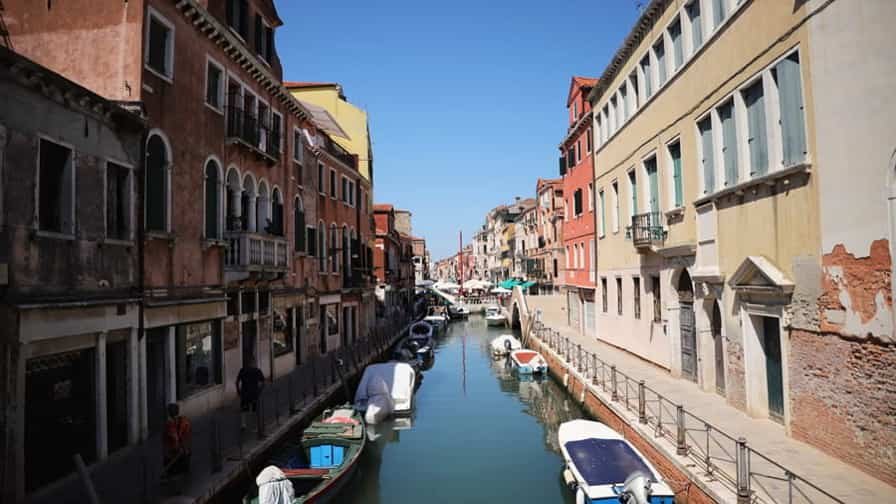
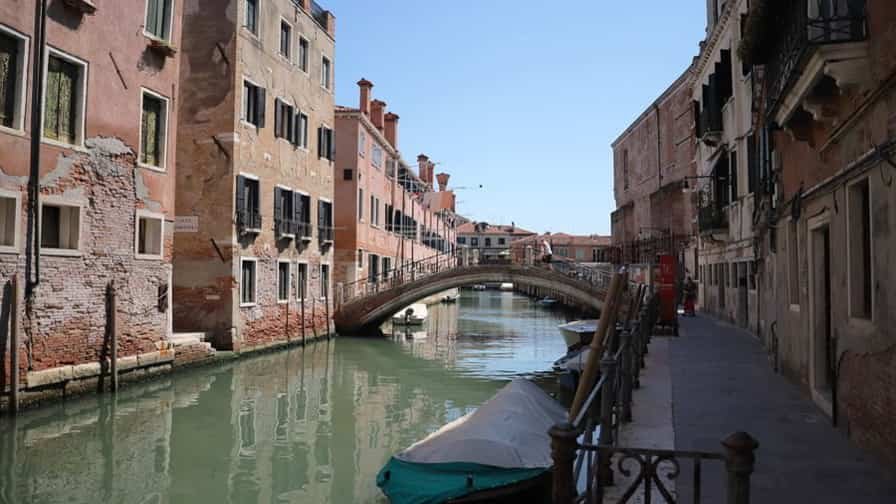
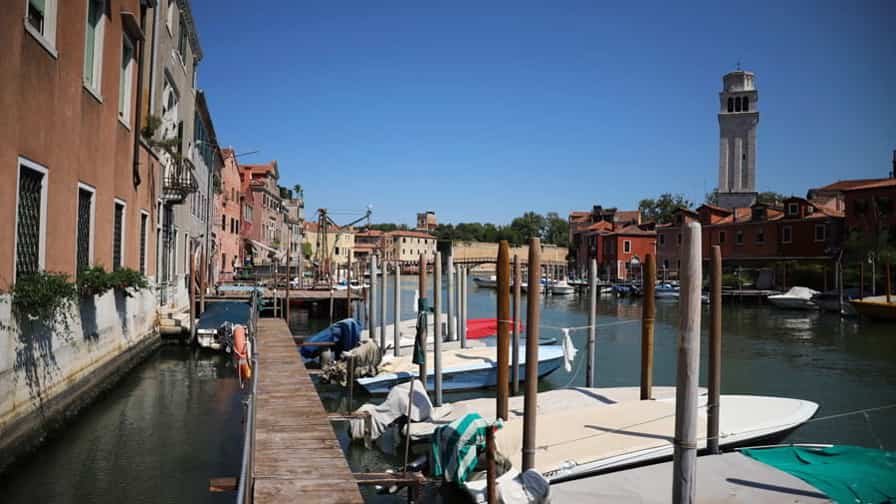
Venice is one of the world’s most enchanting and distinctive cities, renowned for its unique setting, rich history, and extraordinary artistic heritage. Located in northeastern Italy, Venice is built upon a network of more than 100 small islands in a lagoon of the Adriatic Sea. Instead of roads, the city is defined by its intricate system of canals, with the iconic Grand Canal serving as its central thoroughfare. Gondolas, vaporetti (water buses), and small boats glide through the waterways, giving Venice a timeless, almost dreamlike atmosphere.
Founded over a millennium ago, Venice grew into a powerful maritime republic during the Middle Ages and Renaissance. Its strategic position allowed it to dominate trade between Europe and the East, bringing immense wealth and cultural exchange. This prosperity is reflected in the city’s stunning architecture, which blends Byzantine, Gothic, and Renaissance influences. Landmarks such as St Mark’s Basilica, with its opulent mosaics and domes, and the Doge’s Palace, once the seat of Venetian political power, stand as enduring symbols of its grandeur.
Beyond its historical significance, Venice is also a cultural treasure. The city has long inspired artists, writers, and musicians, from Renaissance painters to modern filmmakers. Its narrow alleyways, elegant bridges, and hidden squares invite exploration, while events such as the famous Carnival bring the city to life with masks, costumes, and centuries-old traditions. Venice’s artistic legacy is further preserved in its museums and galleries, which house masterpieces from some of Italy’s greatest artists.
However, Venice is not only a city of beauty and history; it also faces modern challenges. Rising sea levels and frequent flooding, known locally as “acqua alta,” threaten its fragile infrastructure and cultural heritage. Efforts are ongoing to preserve this unique city for future generations, balancing tourism with conservation.
In essence, Venice is a place unlike any other a city where history, art, and water intertwine to create an unforgettable experience. Its enduring charm continues to captivate visitors from around the world, making it one of the most iconic destinations on Earth.
Worth a Visit
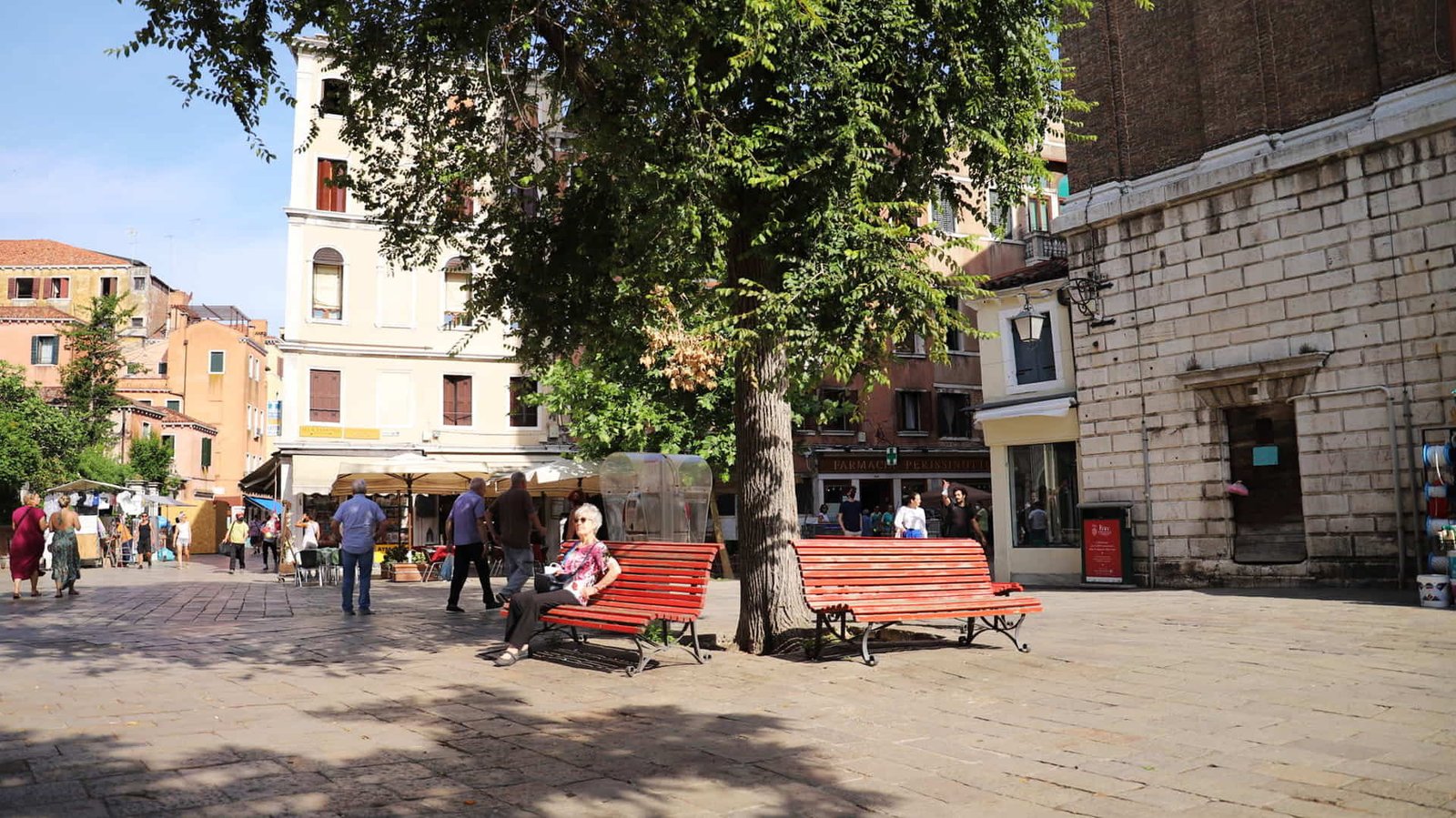
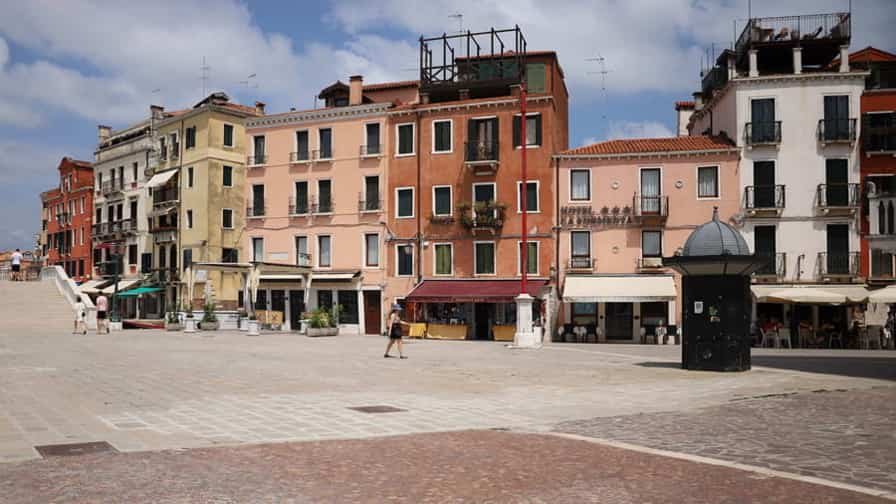
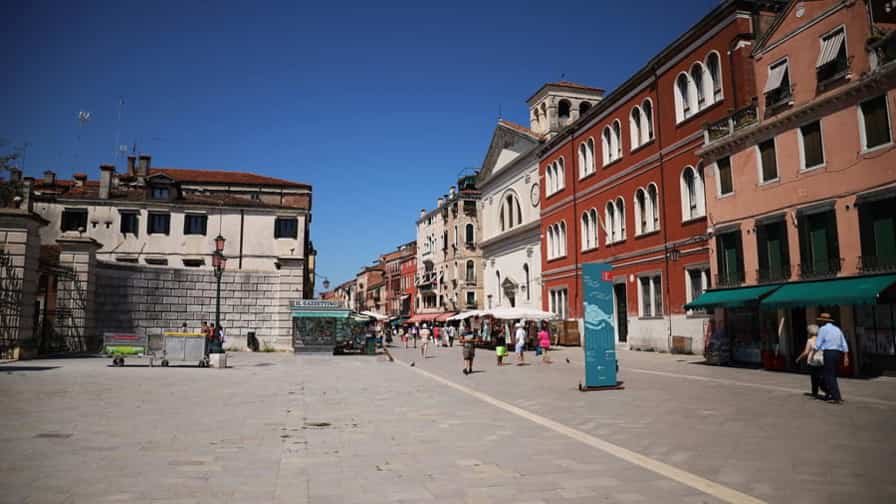
Campo Santi Apostoli is one of the most vibrant and historically layered squares in Venice, where everyday Venetian life unfolds against a backdrop of remarkable architecture. Situated in the Cannaregio district, just a short walk from the Rialto area, the campo serves as both a social gathering place and a crossroads connecting important routes through the city. Unlike the grand, monumental spaces of Venice, Campo Santi Apostoli retains an intimate neighborhood character, animated by cafés, small shops, and the steady flow of residents and visitors.
The square takes its name from the Church of Santi Apostoli, whose origins date back to the 7th century, making it one of the oldest religious foundations in Venice. The present structure reflects centuries of rebuilding and artistic enrichment, embodying layers of Venetian history within its walls. Nearby stands the elegant Palazzo Vendramin-Calergi, a masterpiece of Renaissance architecture overlooking the Grand Canal. Campo Santi Apostoli offers a compelling introduction to Venice beyond the iconic landmarks. It reveals a living city shaped by faith, commerce, and community, where history is not confined to monuments but woven into the rhythms of daily life.
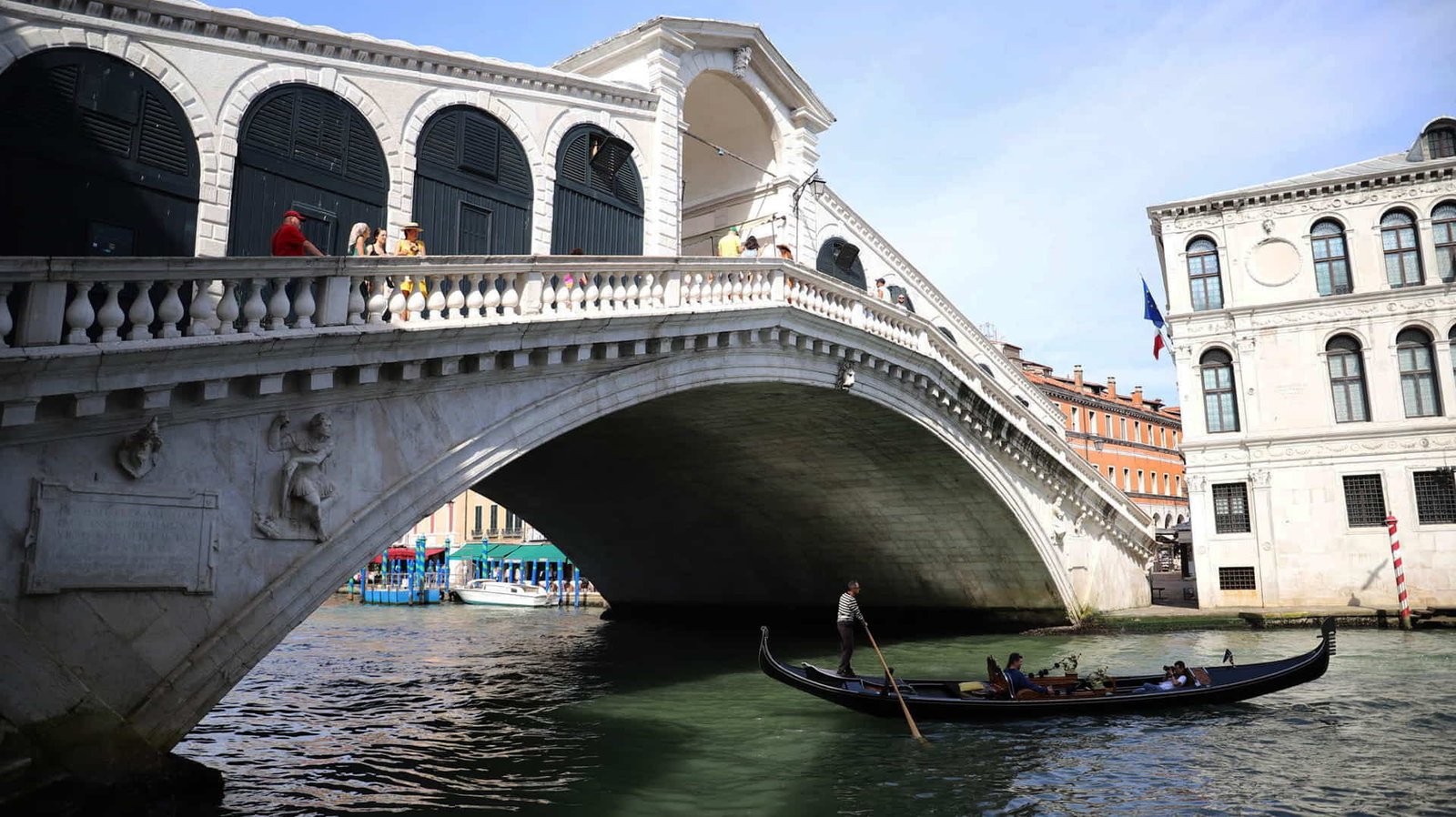
Ponte di Rialto is the oldest and most celebrated bridge spanning the Grand Canal in Venice, and one of the city’s most enduring architectural symbols. Completed in 1591 and designed by Antonio da Ponte, the stone bridge replaced earlier wooden structures that had collapsed under the weight of crowds and commerce. Its bold single-span arch was considered an engineering risk at the time, yet it has stood for more than four centuries as a testament to Venetian ingenuity.
The bridge connects the districts of San Marco and San Polo, historically linking the political center of the Republic with its principal commercial quarter. Adjacent to the bridge lies the historic Rialto Market, where trade in fish, spices, and precious goods once animated the heart of the city’s economy. Small shops still line the covered arcades of the bridge itself, continuing a long tradition of mercantile activity. From its summit, visitors are rewarded with sweeping views along the Grand Canal, where palaces rise directly from the water. Ponte di Rialto embodies the spirit of Venice: resilient, elegant, and inseparable from the rhythms of trade, travel, and daily life shaped by the lagoon.
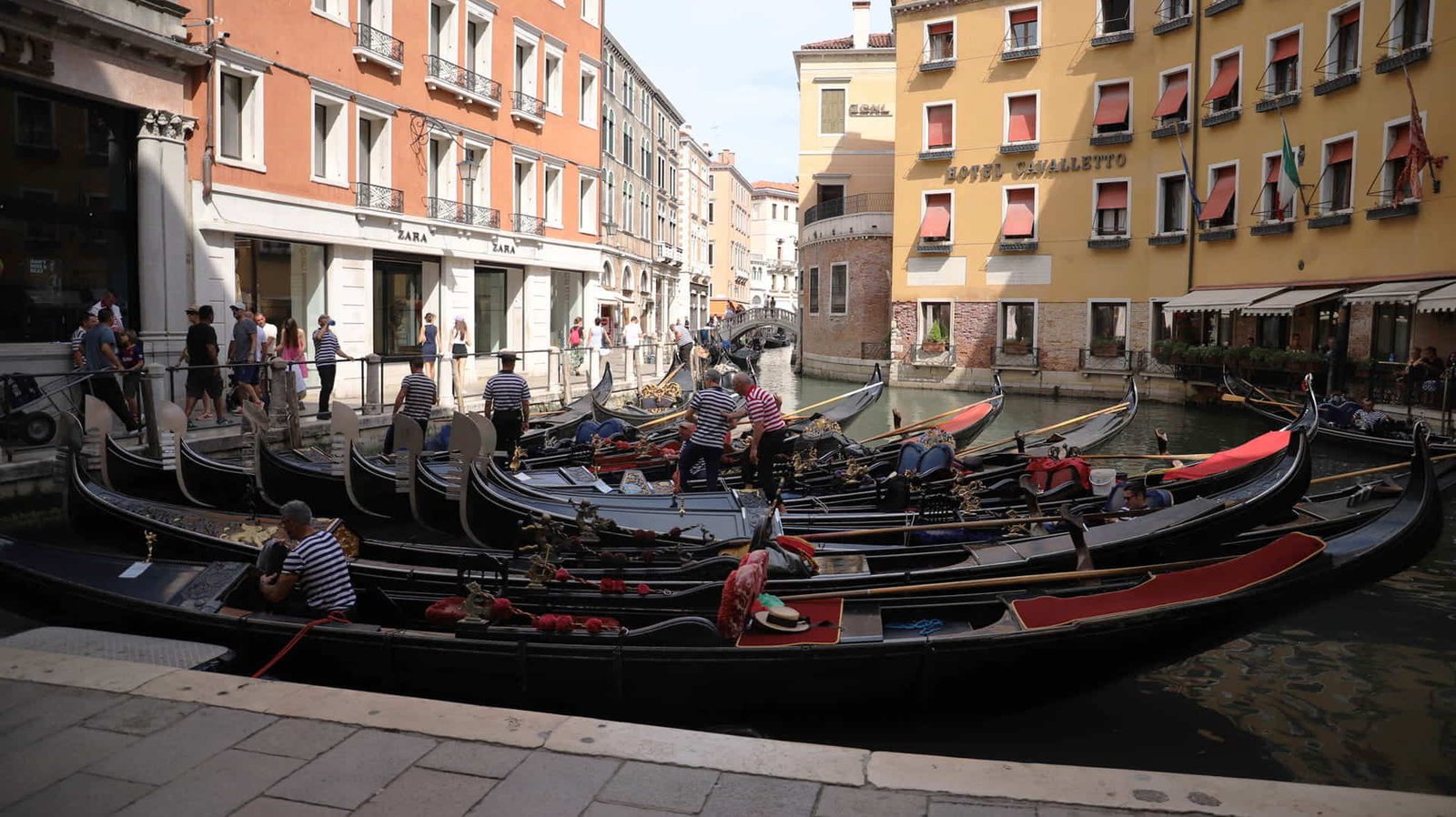
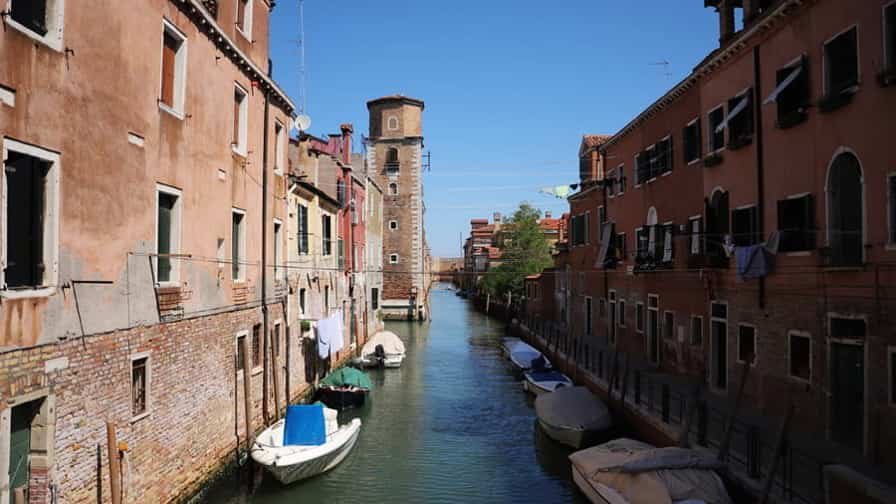
Fondamenta Orseolo is a small yet iconic canal-side promenade in the heart of Venice, just steps away from the grandeur of Piazza San Marco. Despite its modest size, this narrow fondamenta offers one of the most recognizable scenes in the city: a quiet canal lined with gondolas gently moored in a row, their black hulls reflecting in the water beneath surrounding historic facades. It is here that many visitors encounter the intimate scale and poetic atmosphere that define Venice.
Named after the noble Orseolo family, one of the most influential dynasties in early Venetian history, the fondamenta carries echoes of the Republic’s past. Today, it functions as an active gondola station, where gondoliers prepare their boats and welcome passengers for journeys through the city’s intricate network of canals. The space is animated by the rhythm of daily life, yet retains a sense of calm distinct from the nearby crowds. Fondamenta Orseolo encapsulates the essence of Venice: water as street, boat as vehicle, and architecture rising directly from the canal. It is a place where history, tradition, and everyday movement converge in a uniquely Venetian setting.
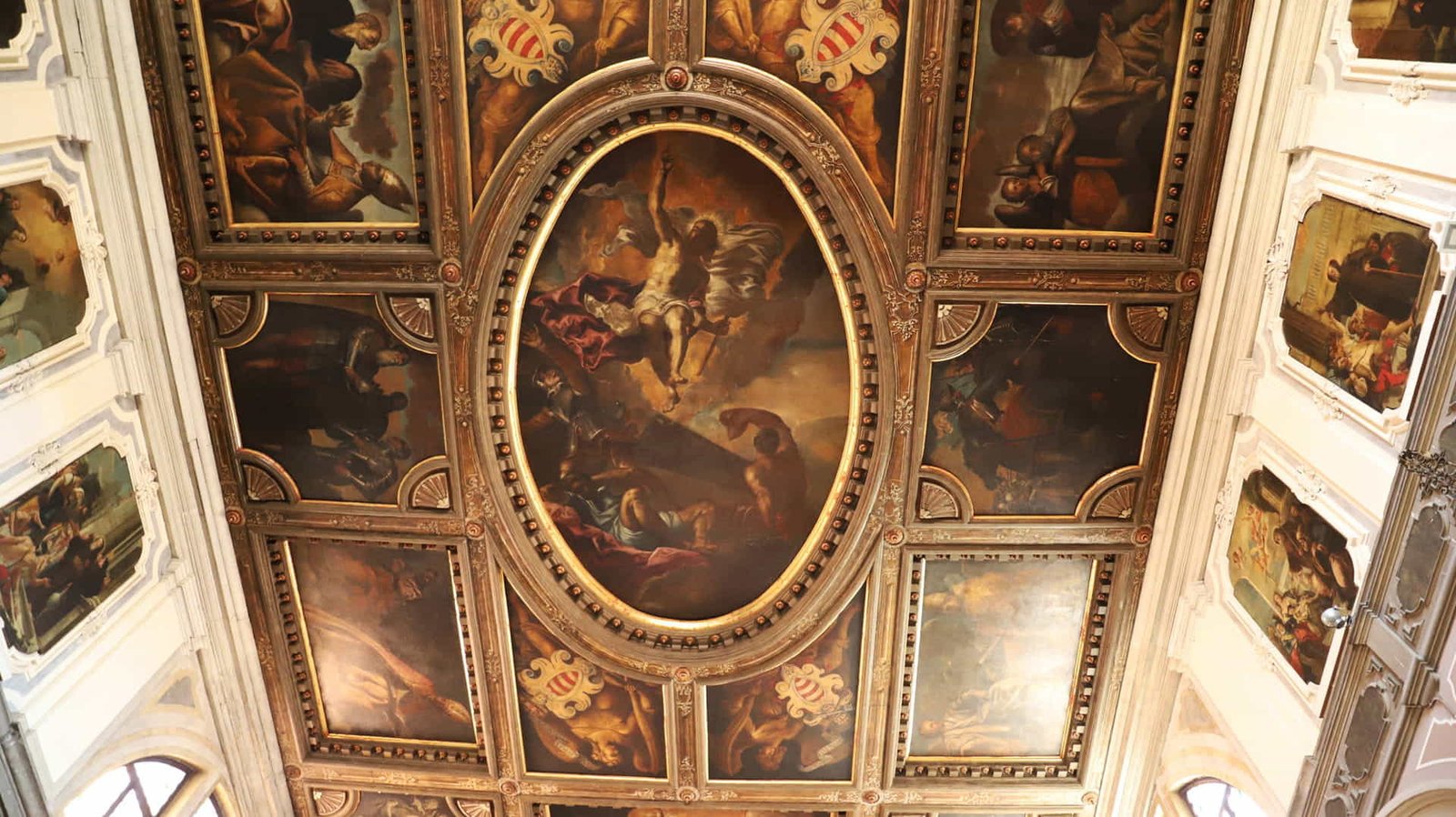
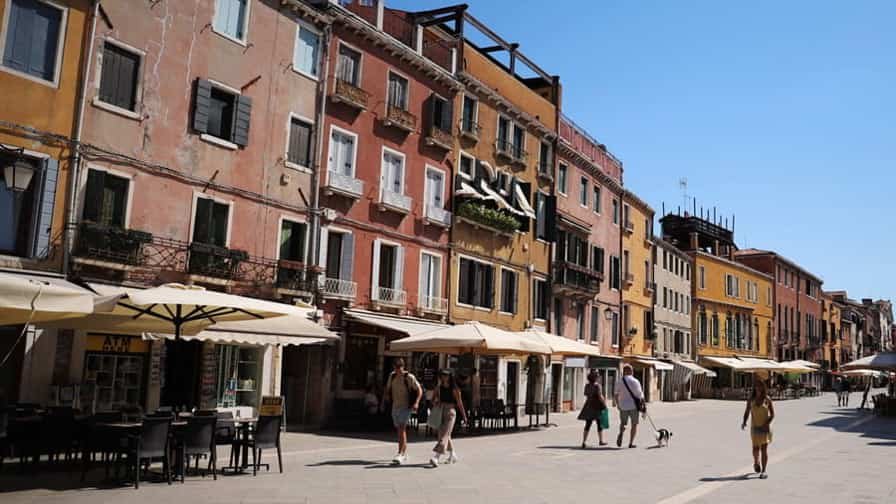
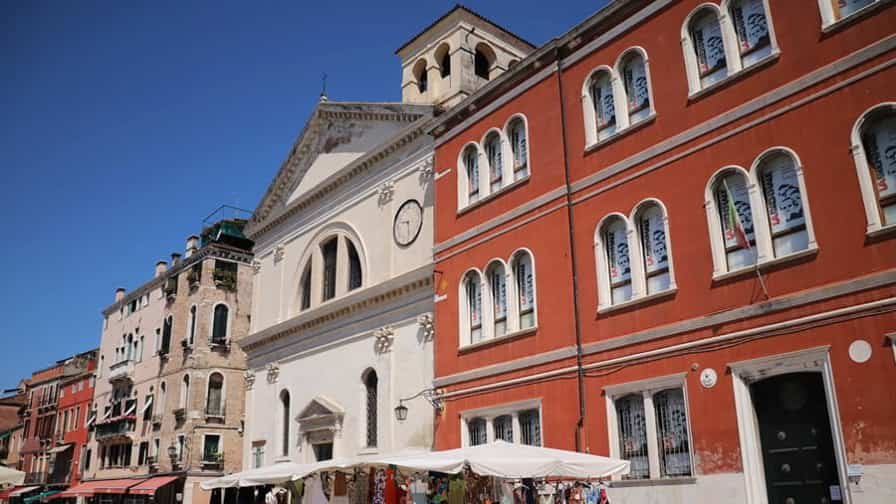
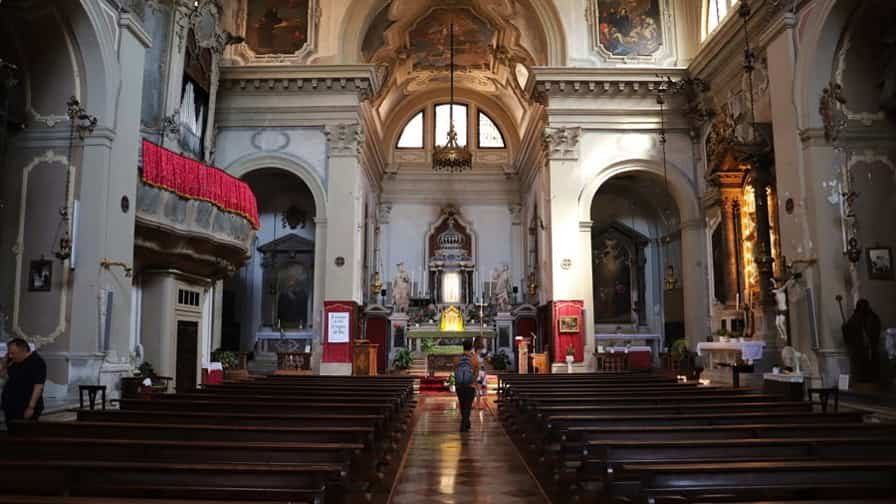
Chiesa di San Francesco di Paola stands along Via Giuseppe Garibaldi in the eastern district of Castello, one of the most authentic and residential areas of Venice. Slightly removed from the main tourist routes, the church reflects a quieter dimension of the city, rooted in local devotion and everyday community life. Its position along the broad avenue of Via Giuseppe Garibaldi places it within one of the few areas in Venice characterized by an unusually wide street, created during the Napoleonic period.
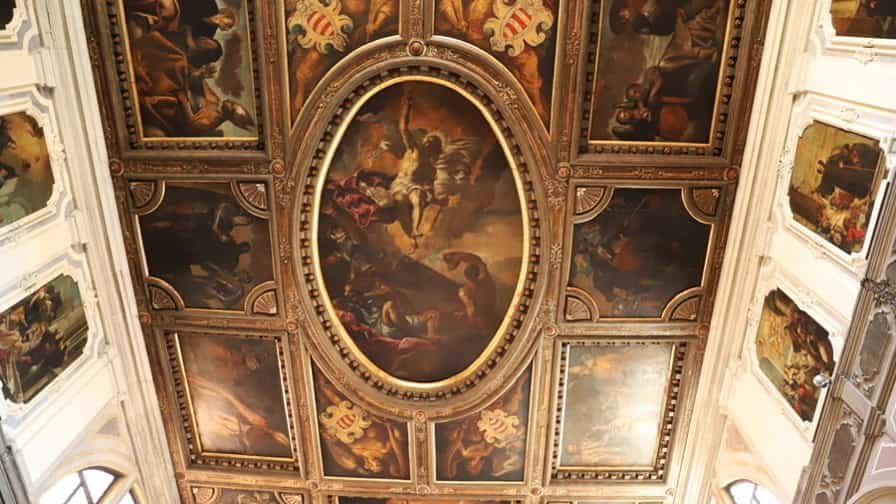
Founded in the eighteenth century and dedicated to Saint Francis of Paola, the church features a restrained neoclassical façade that harmonizes with the surrounding residential architecture. The interior, modest yet dignified, preserves altars and devotional artworks that speak to the spiritual traditions of the neighborhood. Unlike the monumental basilicas of central Venice, San Francesco di Paola offers a more intimate atmosphere, shaped by parish life rather than grand spectacle. The church forms part of the social and architectural fabric of Castello, where markets, small shops, and local families animate daily life. In this setting, sacred space and urban routine coexist, revealing a Venice that remains deeply connected to its inhabitants and enduring religious heritage.
Photo Gallery of Walk 1 – Fondamenta Santa Lucia to Campo S.S. Apostoli
Approximately 1.92 km – 1.19 miles
Descripton of Walk 1
This walk explores the lively northern district of Venice, beginning near the busy transport hub at Fondamenta Santa Lucia and moving into Cannaregio. The route follows Rio Terà Lista di Spagna, a bustling street lined with shops and cafés, before reaching Campo San Geremia and crossing the elegant Ponte delle Guglie. From there, quieter residential lanes such as Rio Terà S. Leonardo and Calle de l’Anconeta reveal a more local side of Venice. Passing through Campo de la Maddalena, one of the city’s oldest squares, the walk continues along peaceful canals and fondamenta, including Fondamenta de le Colonete. At Campo Santa Fosca, the monument to Paolo Sarpi highlights Venice’s intellectual history. The route finishes along the popular Strada Nova, ending at Campo S.S. Apostoli, a vibrant square blending history, daily life, and Venetian charm.
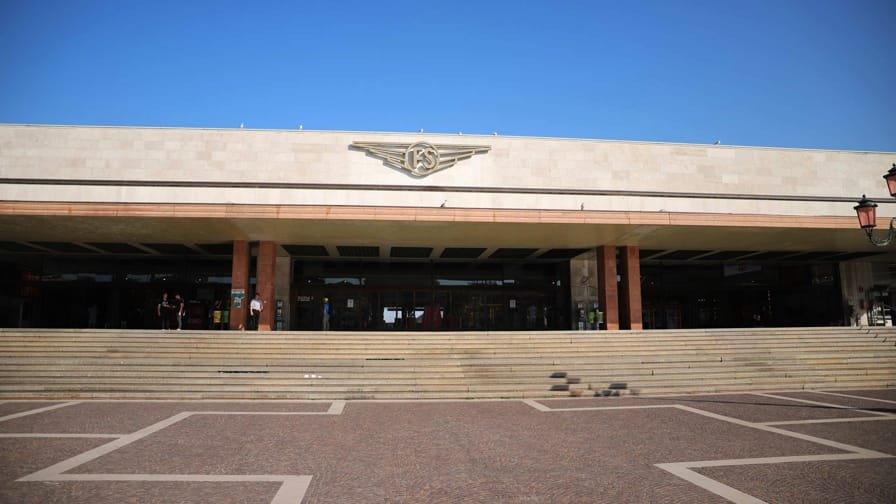
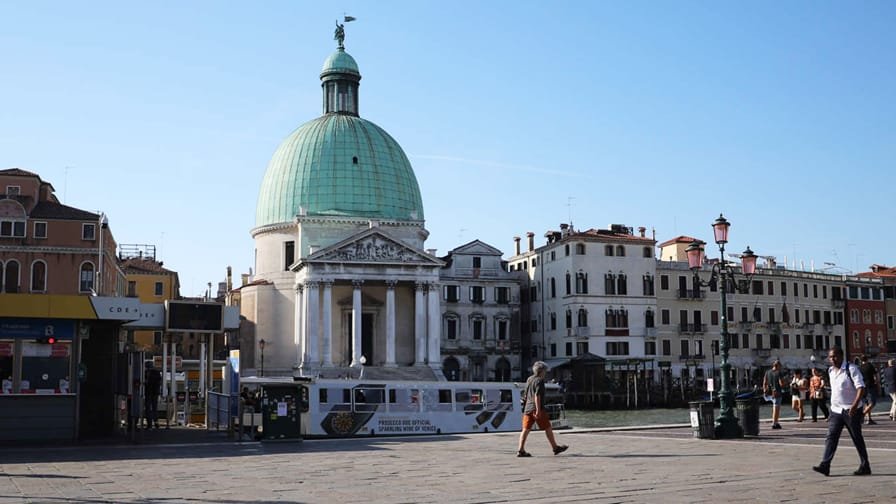
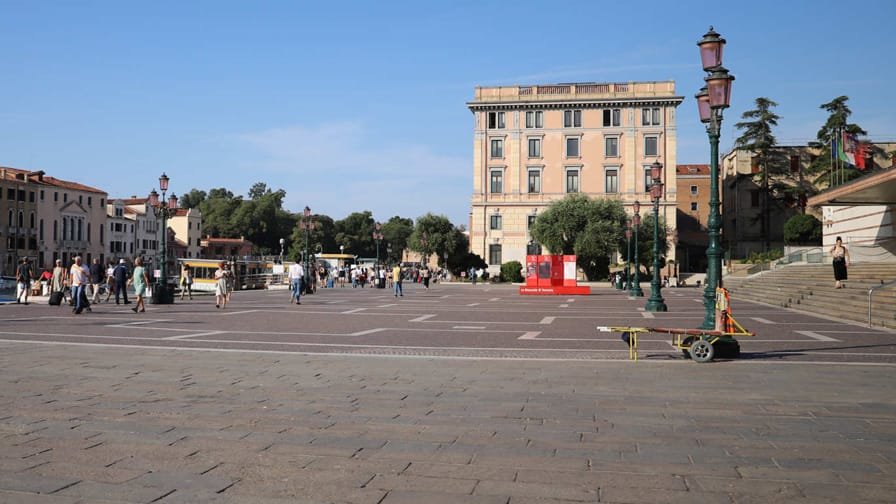


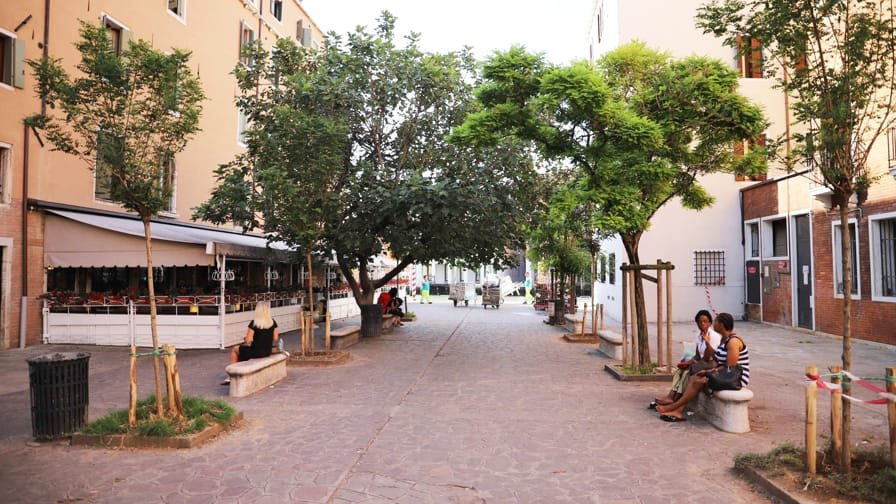
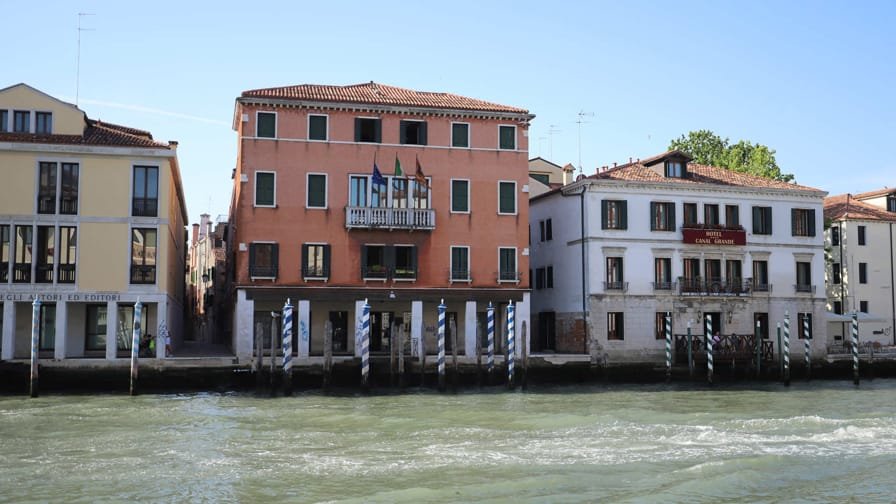
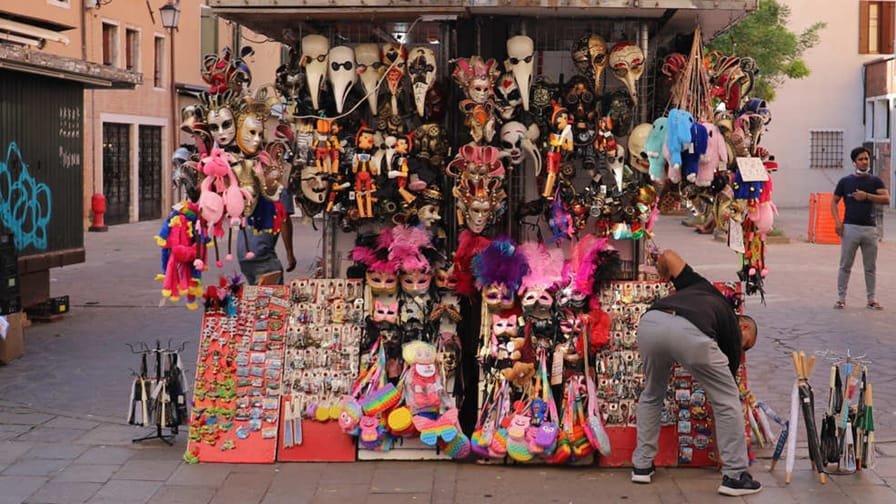
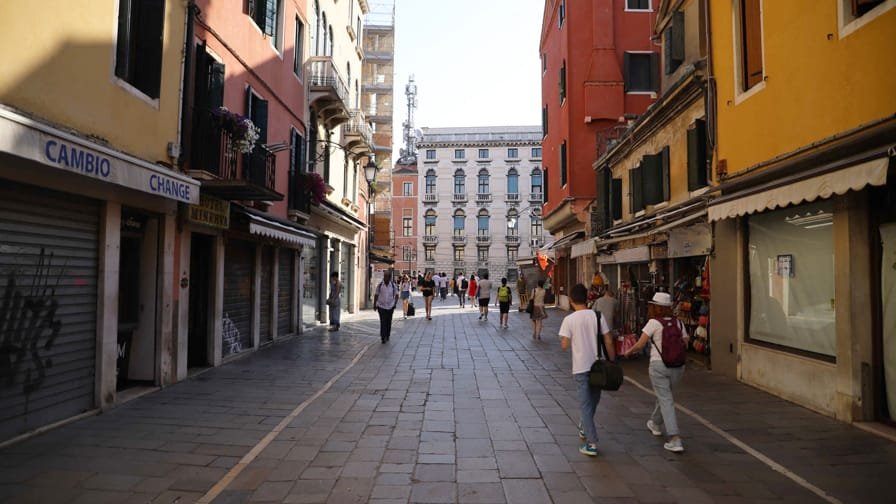

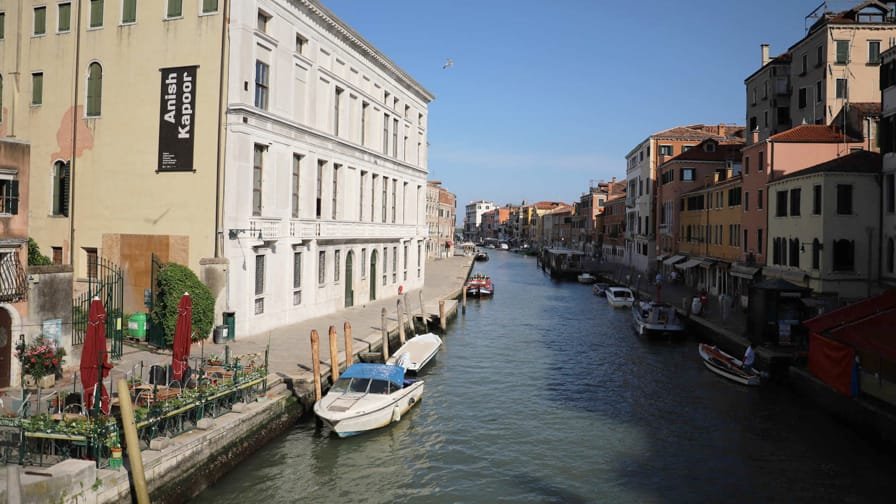
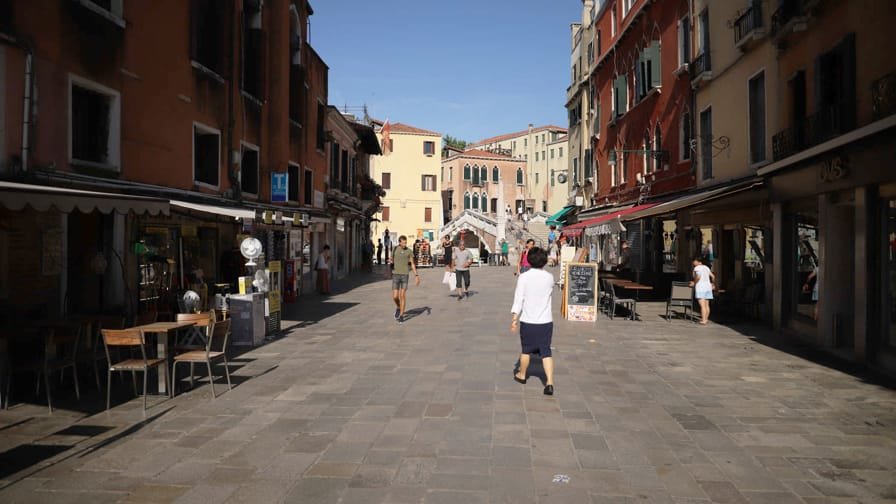
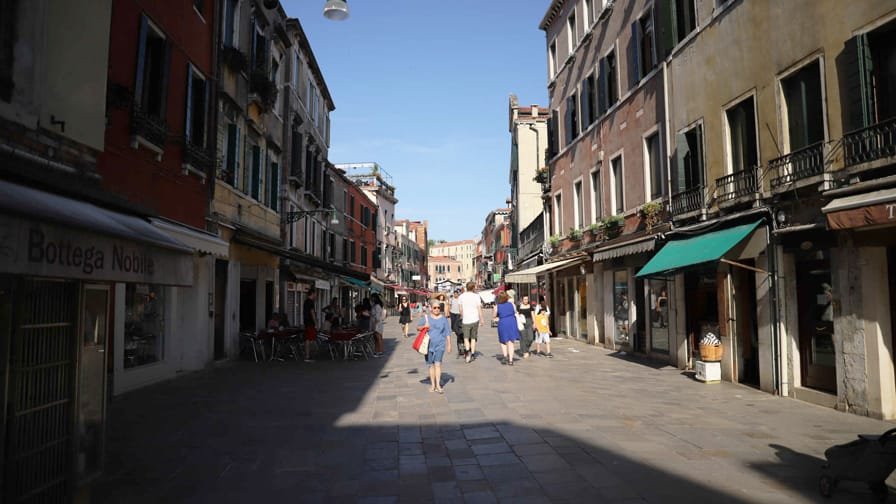

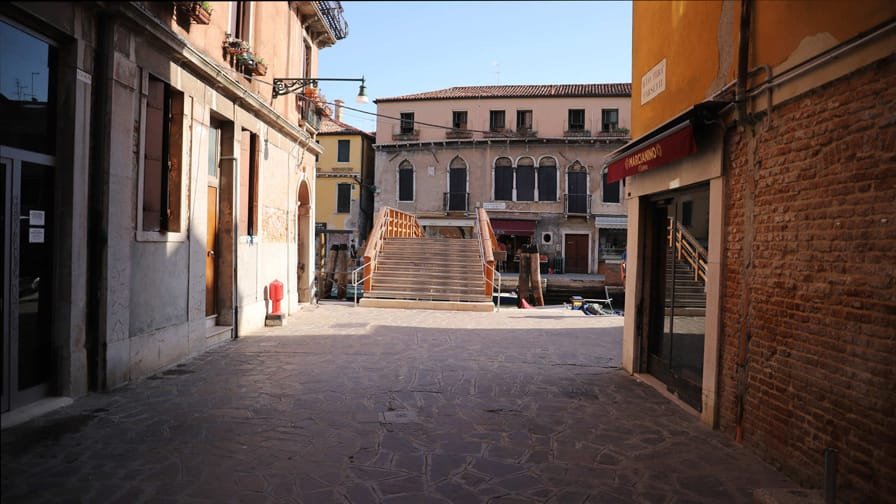
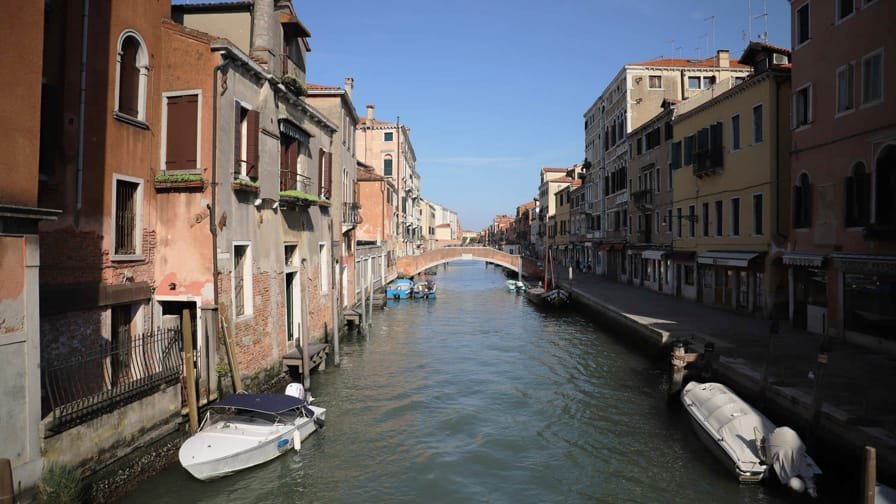
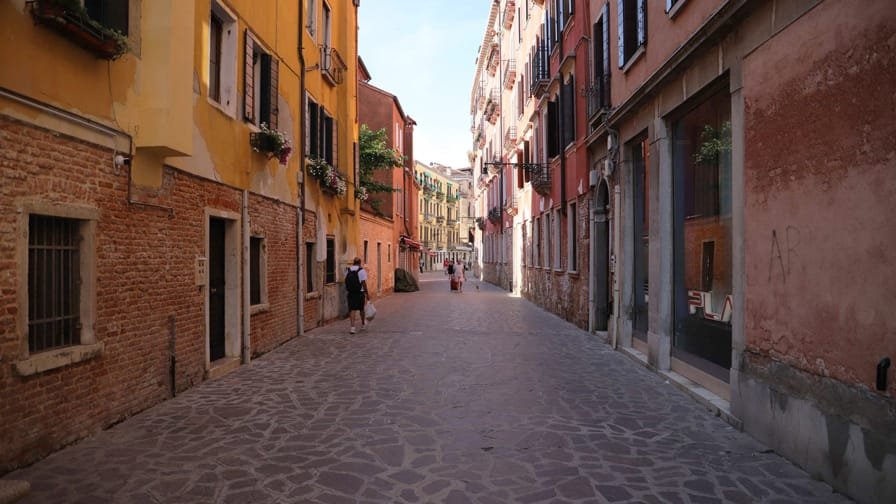


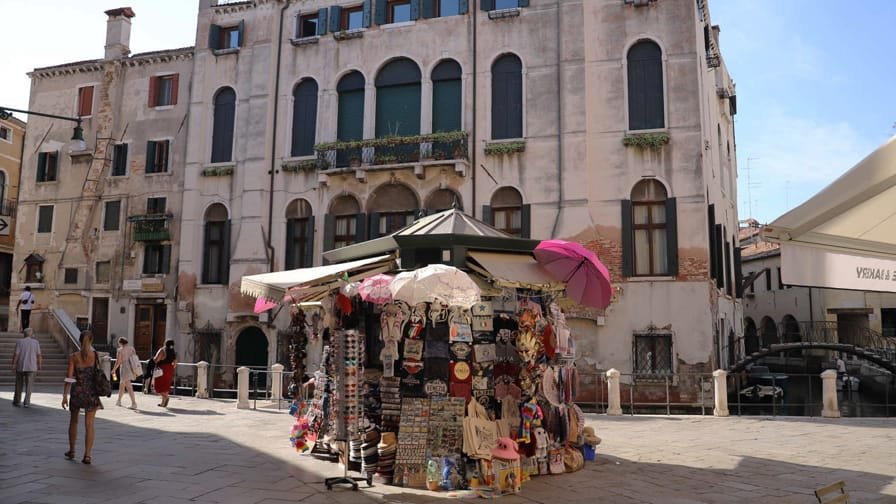

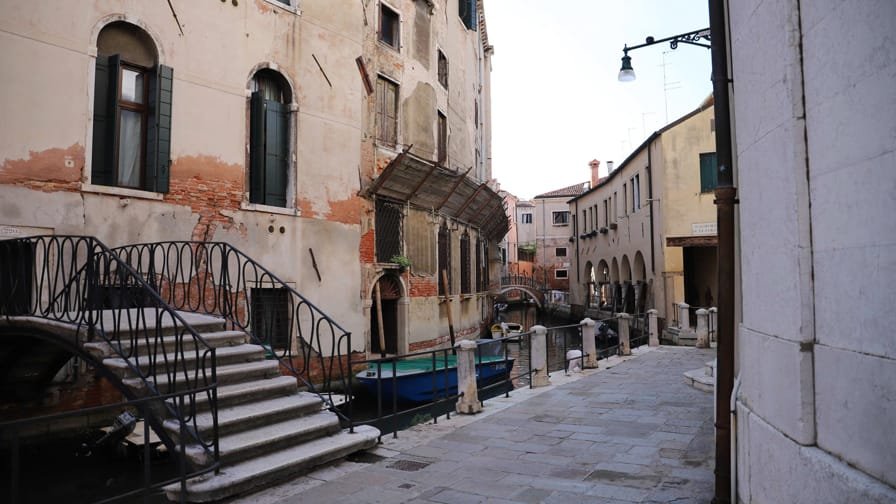
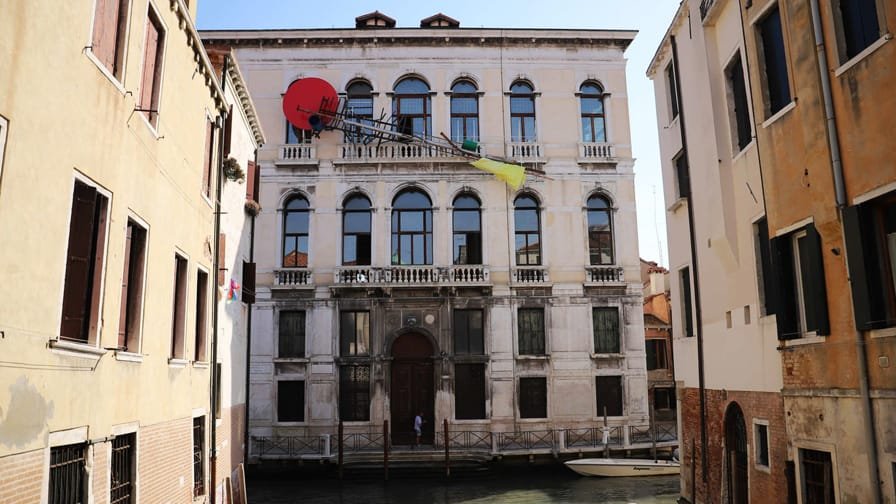

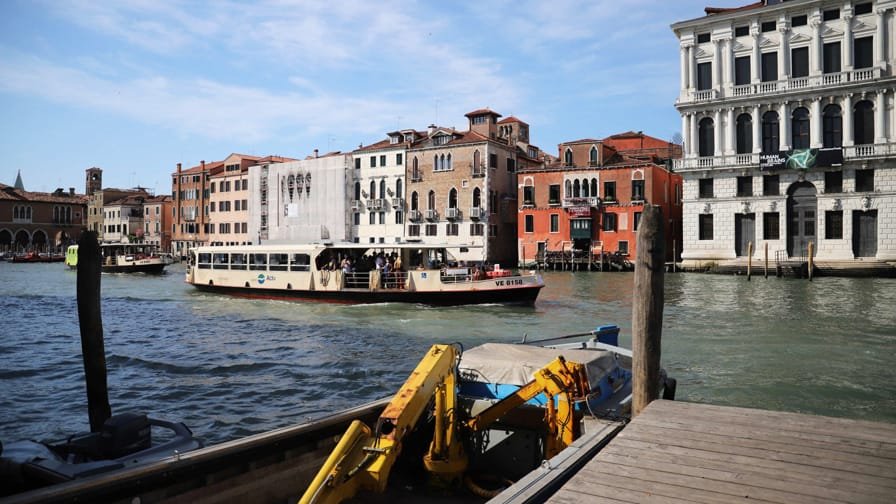


Photo Gallery of Walk 2 – Campo S.S. Apostoli t0 Fondamenta Orseolo
Approximately 1.23 km – 0.76 miles
Descripton of Walk 2
This walking route through Venice offers a vivid glimpse into the city’s historic heart, weaving through lively neighborhoods and quieter backstreets. Beginning in Campo Santi Apostoli, a charming square surrounded by local shops and residences, the path follows narrow calles such as Fondamenta Trapolin and Calle Dolfin, where everyday Venetian life unfolds away from the busiest crowds. Crossing small bridges like Ponte dei Zogatoli, the walk reveals hidden architectural details and canals at every turn.
Passing the elegant Chiesa di San Giovanni Crisostomo, the route gradually leads toward the bustling Sestiere di San Marco. Here, the atmosphere shifts as visitors approach the iconic Rialto Bridge, a historic commercial hub. The walk concludes near Fondamenta Orseolo, close to gondola-filled canals, capturing Venice’s timeless charm.


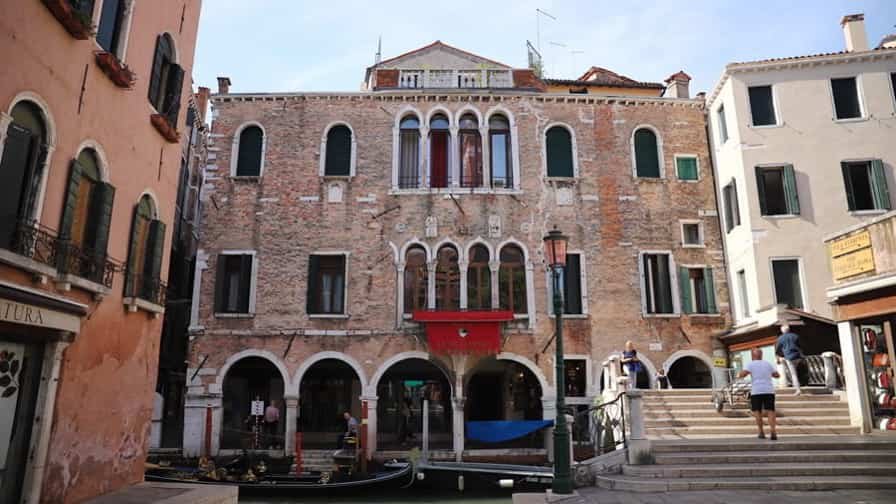

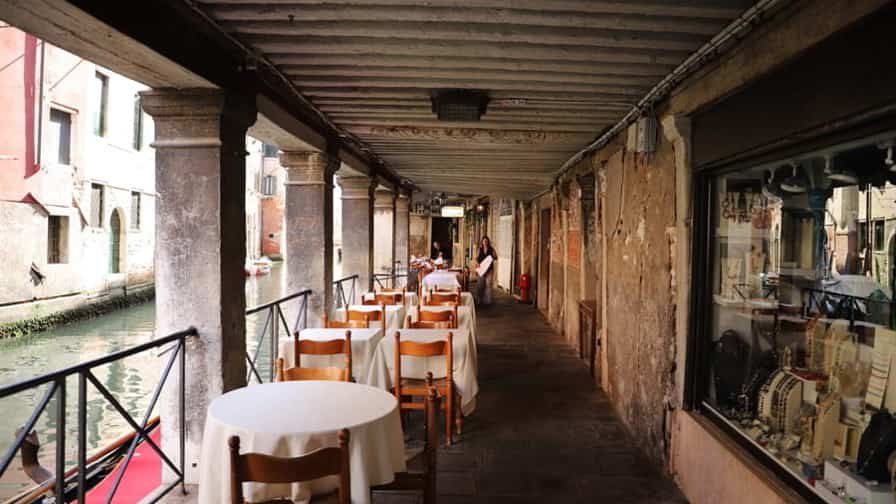
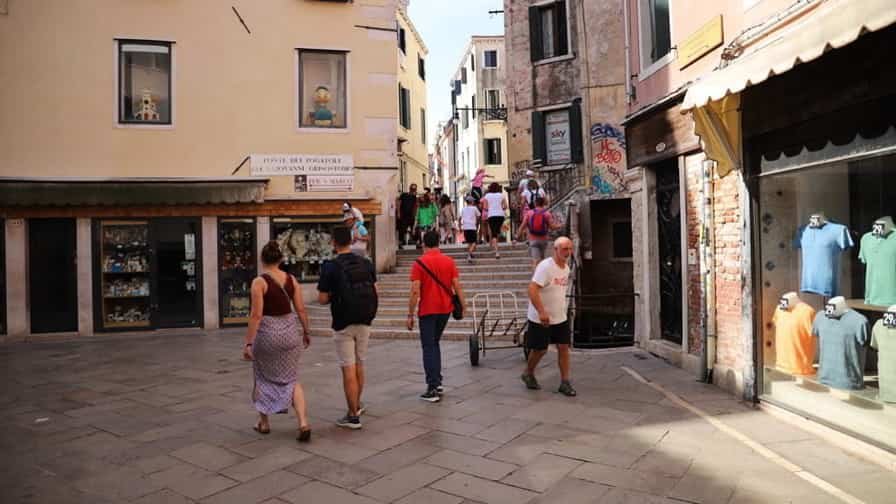
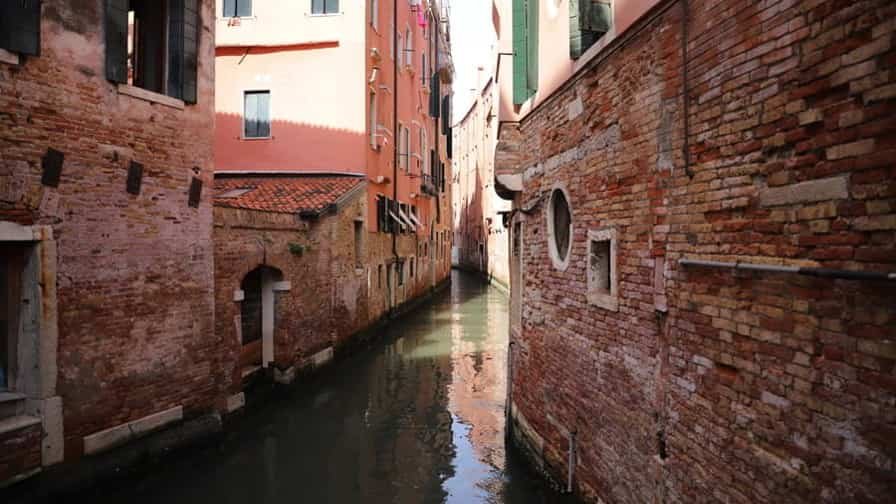
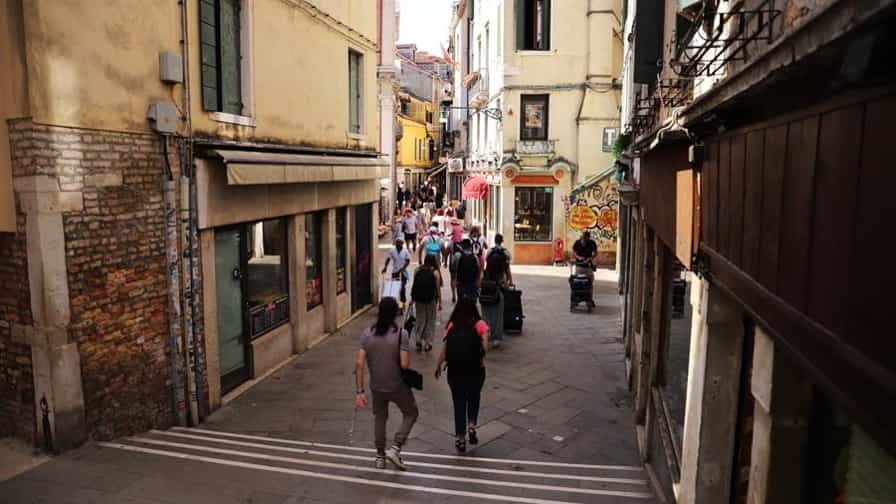


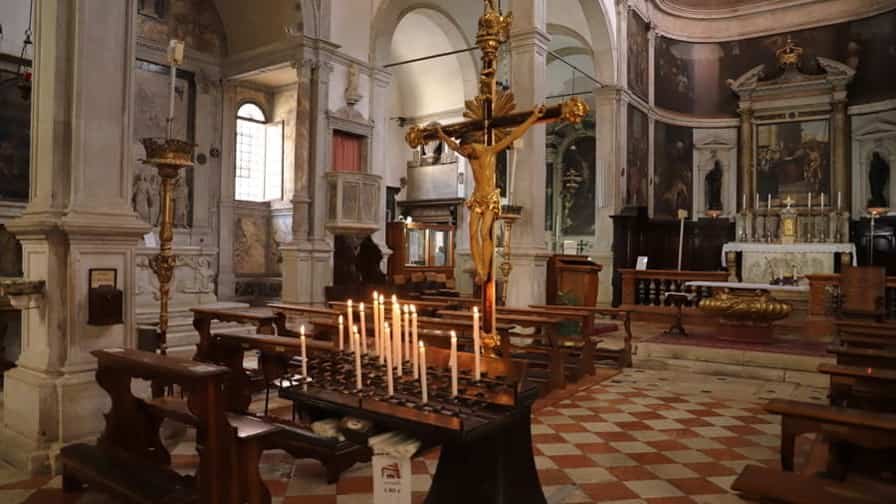
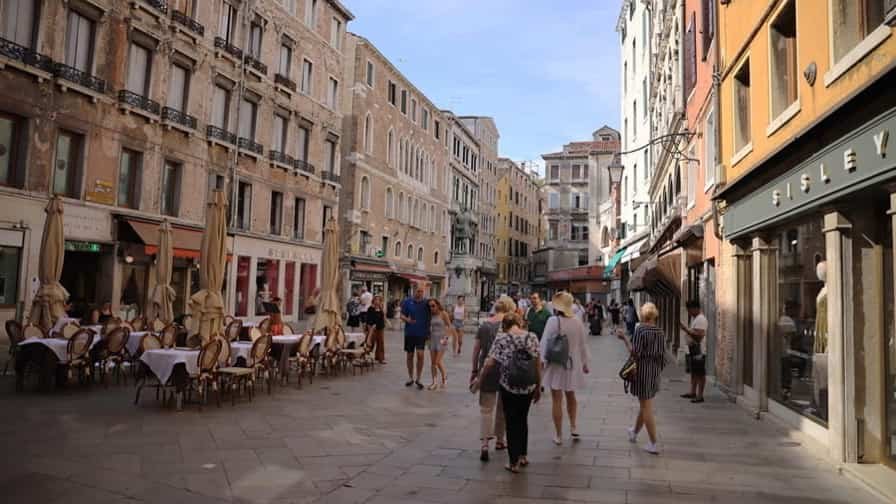
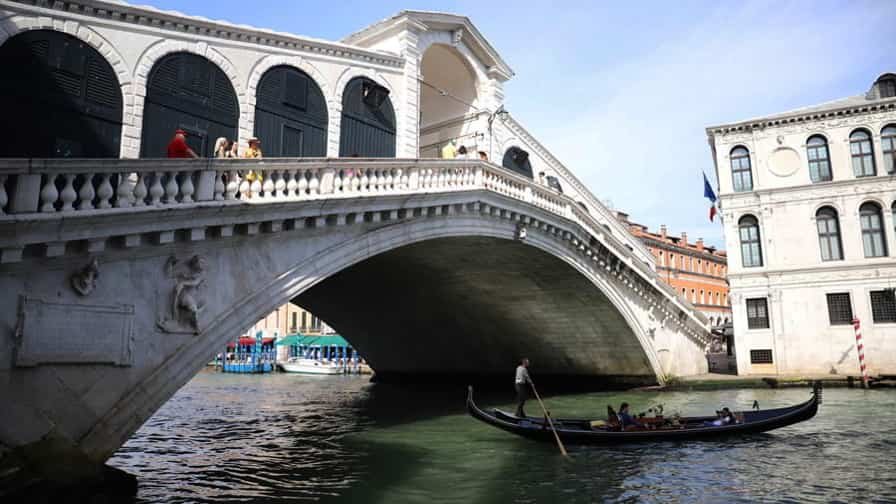
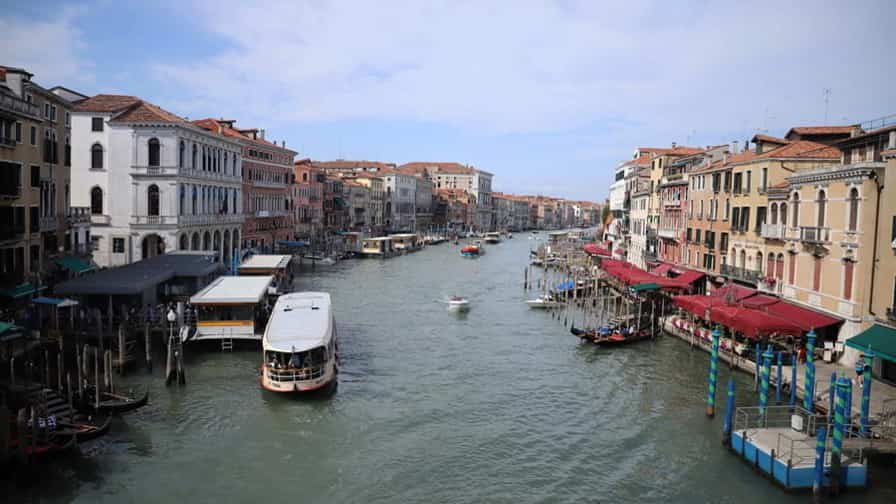
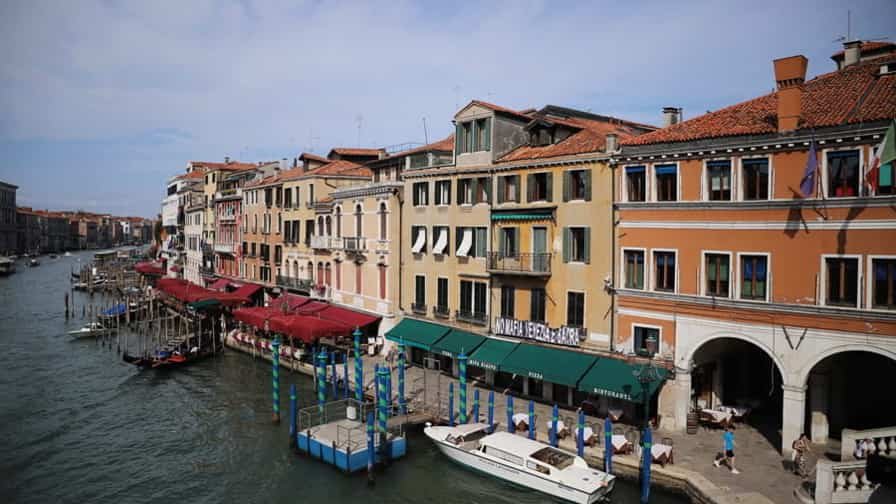
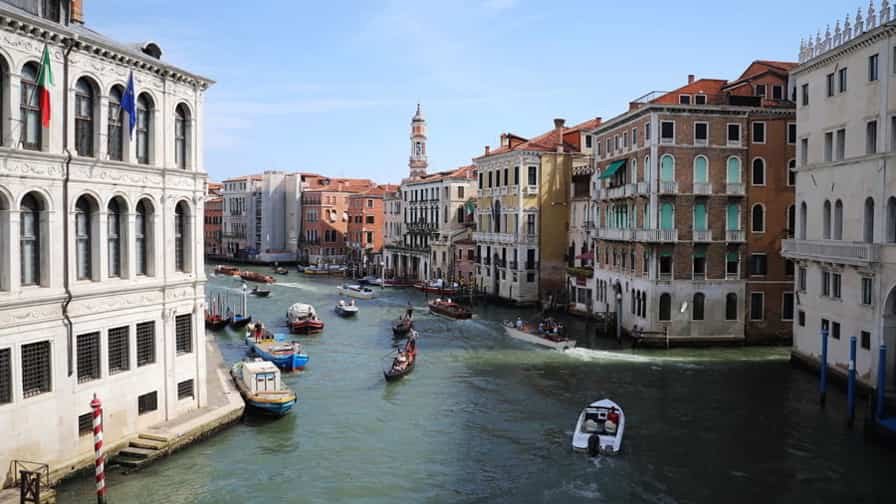
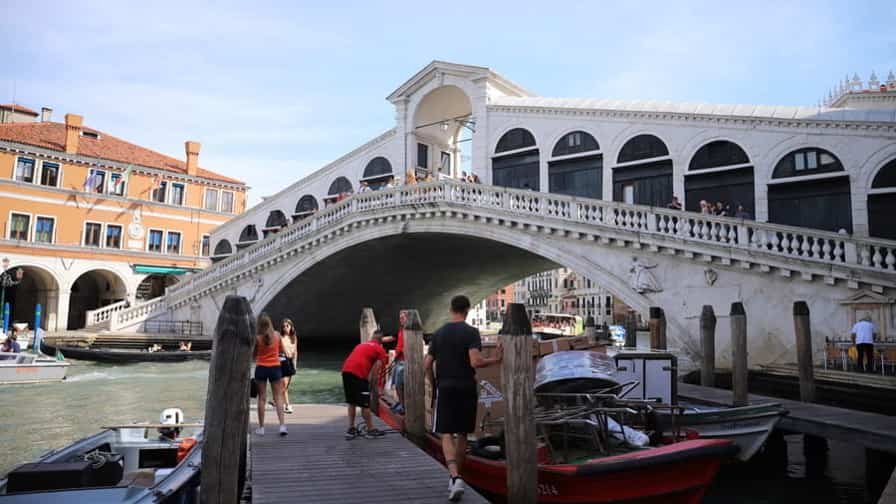


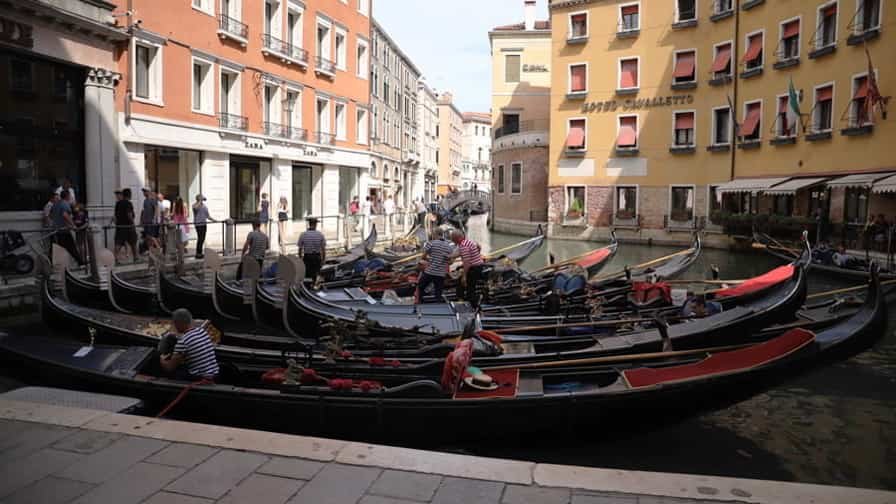
Photo Gallery of Walk 3 – Piazza San Marco to Piazzetta San Marco
Approximately 0.052 km – 0.32 miles
Description of Walk 3
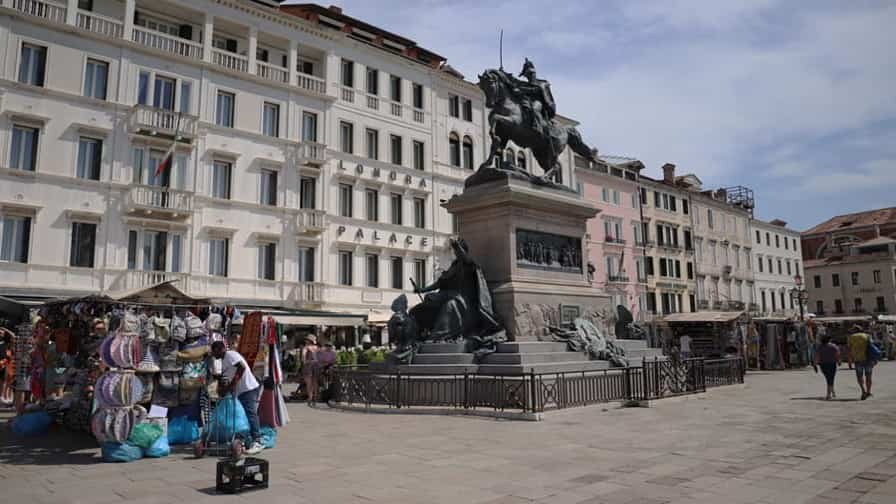
This short walk centers on the monumental heart of Venice, beginning in the magnificent Piazza San Marco, often called the city’s grand drawing room. Surrounded by architectural masterpieces such as St Mark’s Basilica and the Doge’s Palace, the area reflects Venice’s historic power and elegance. The route continues through Piazzetta San Marco toward the peaceful Giardini Ex Reali, offering a quiet green retreat beside the lagoon. Returning to the piazzetta, the walk captures both the grandeur and serenity of Venice’s most iconic setting.
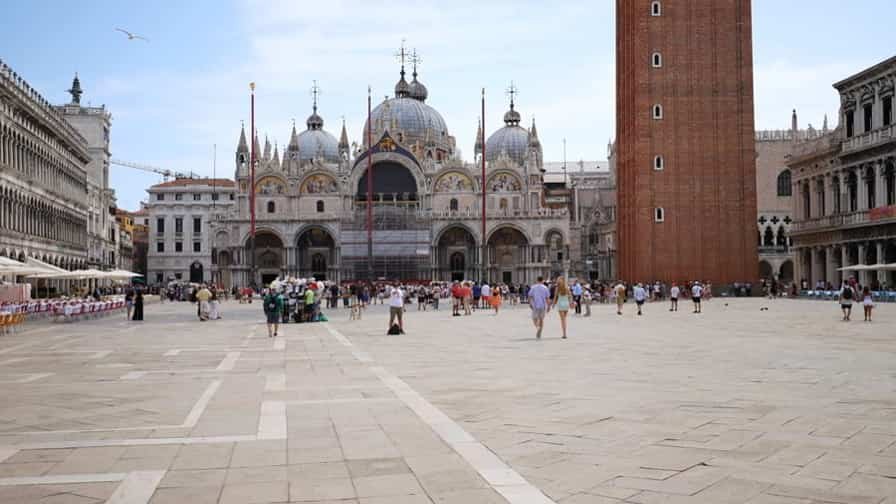
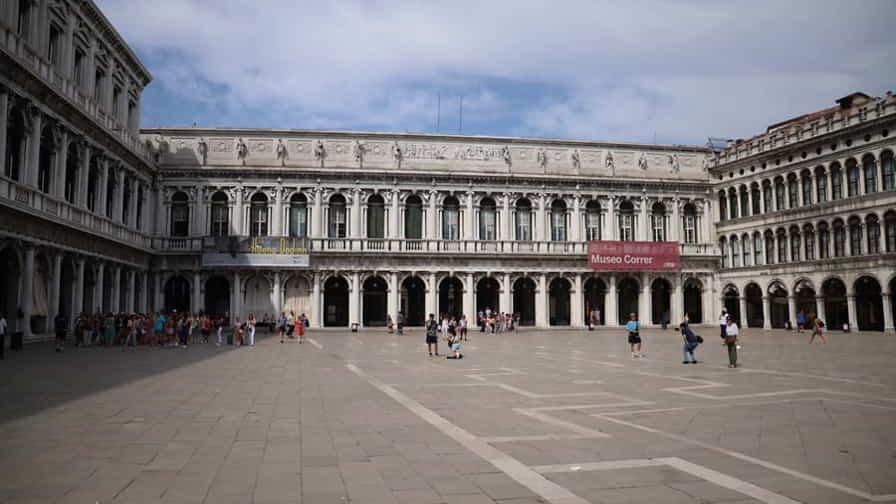
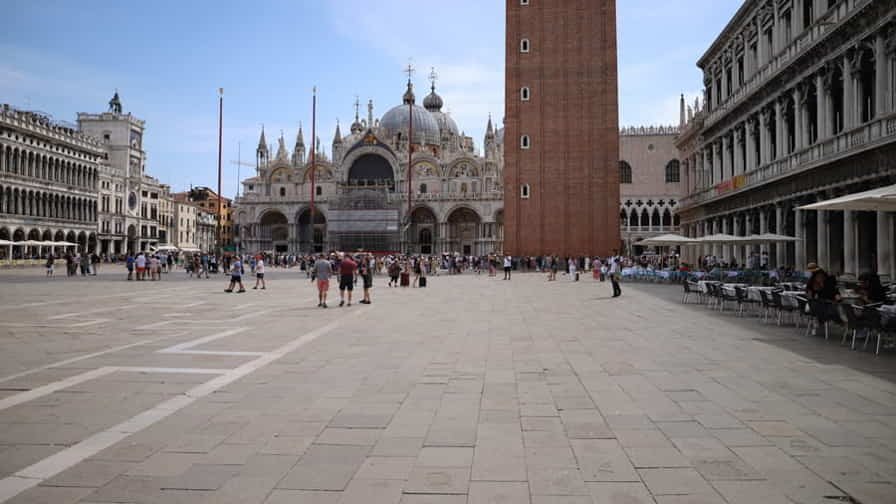

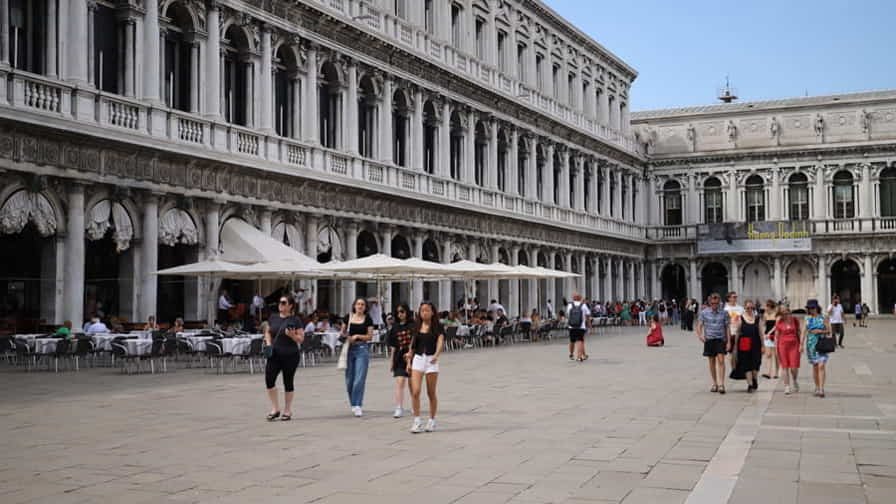
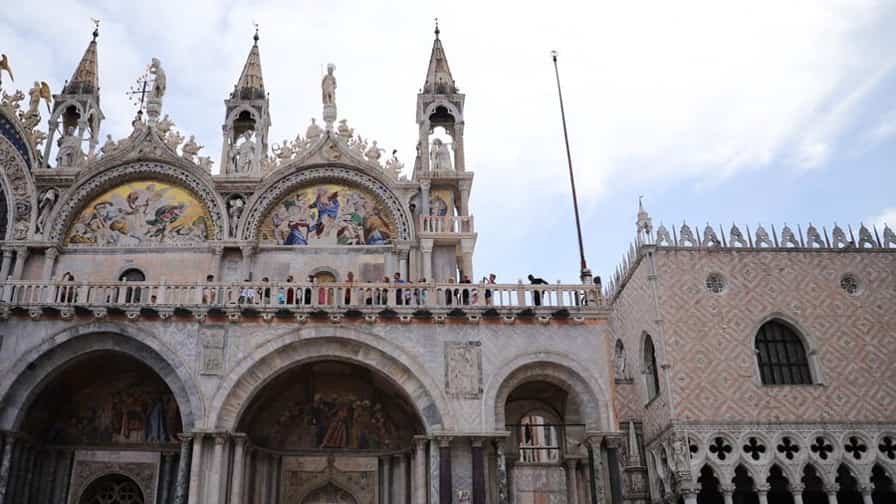
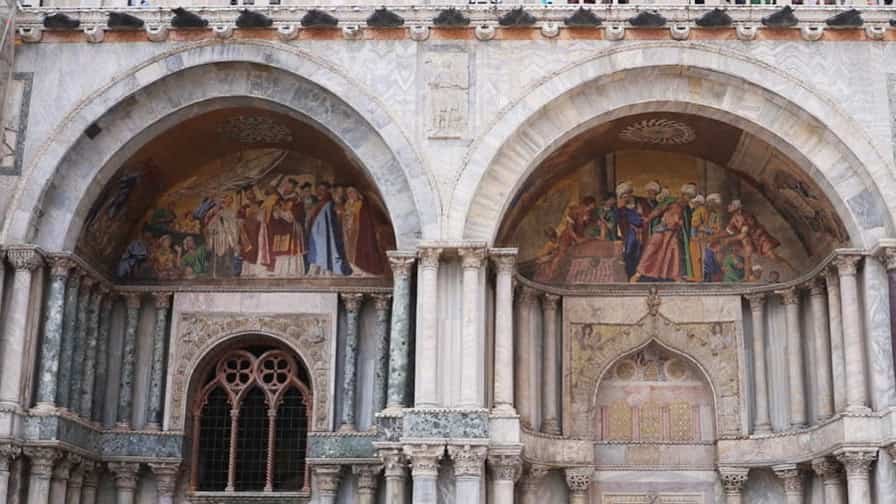
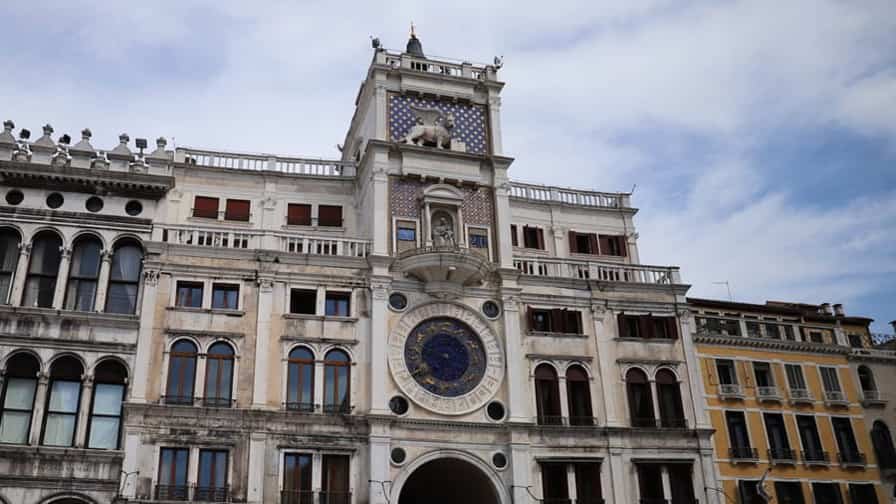

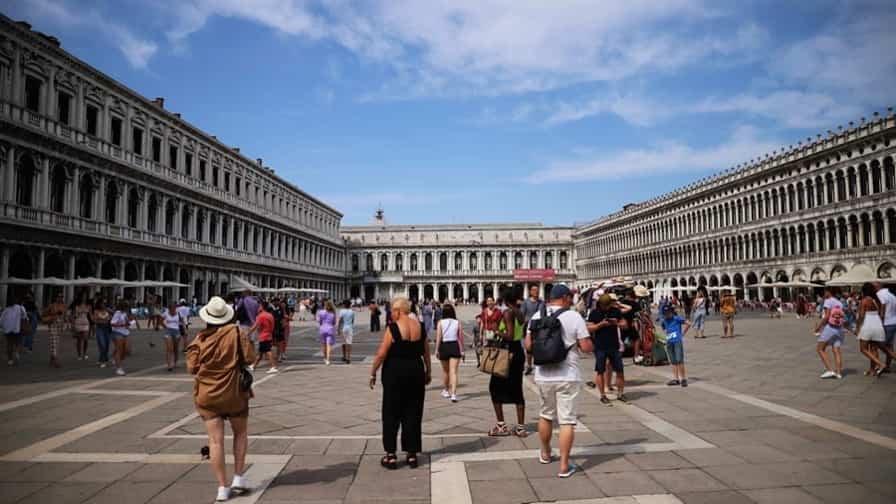
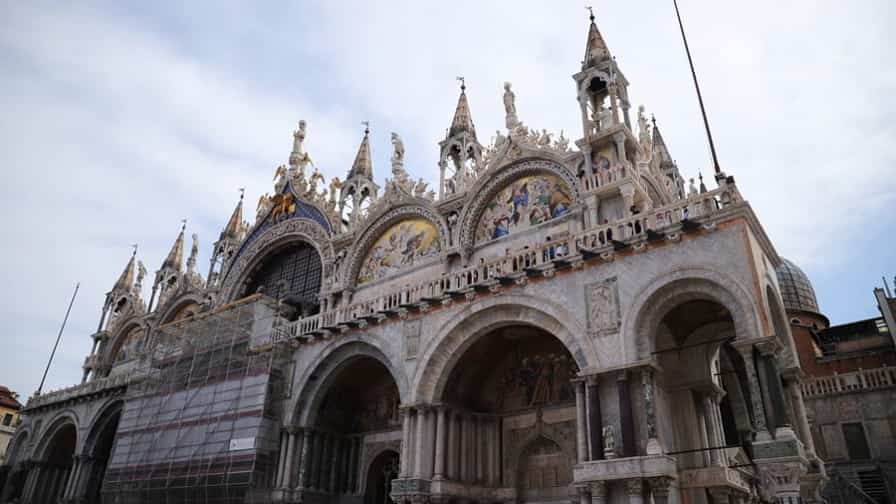
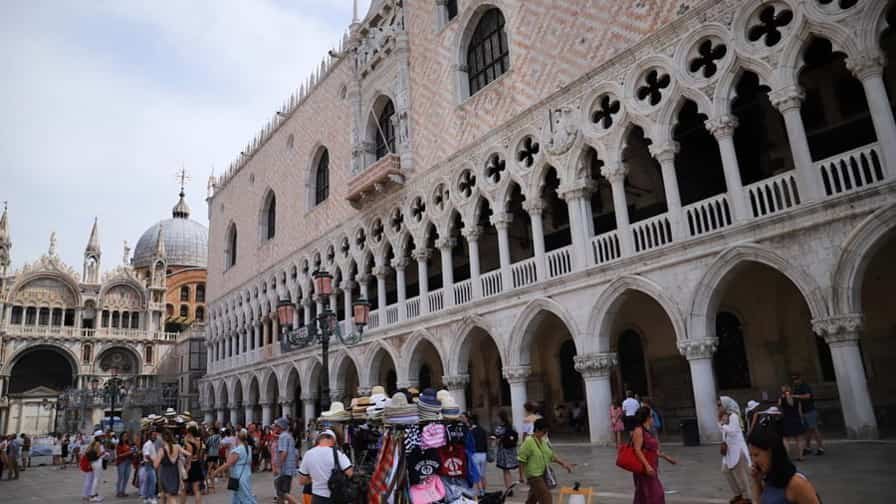


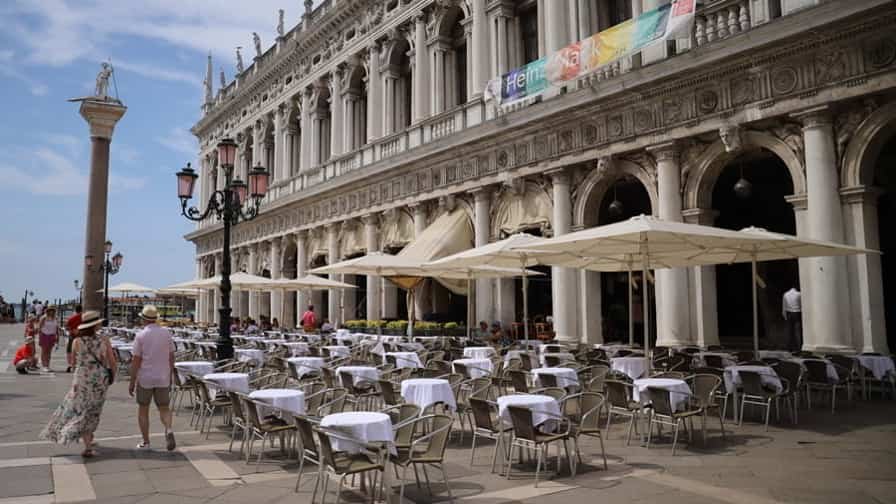
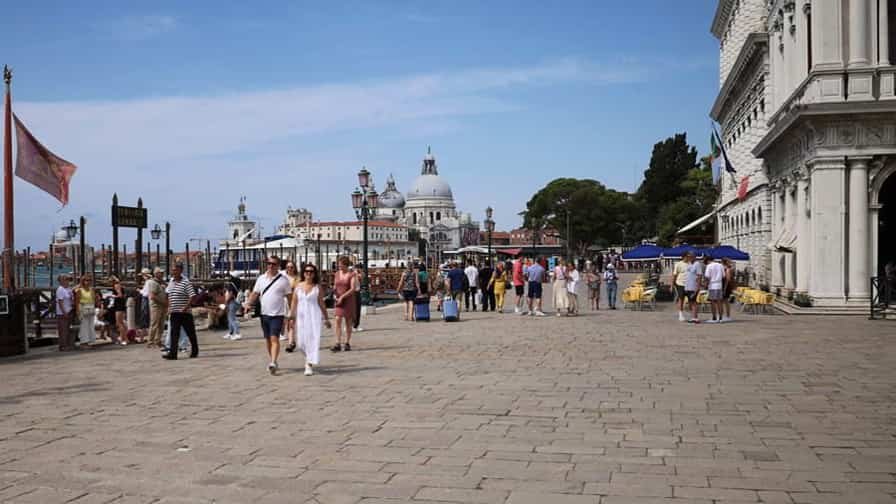
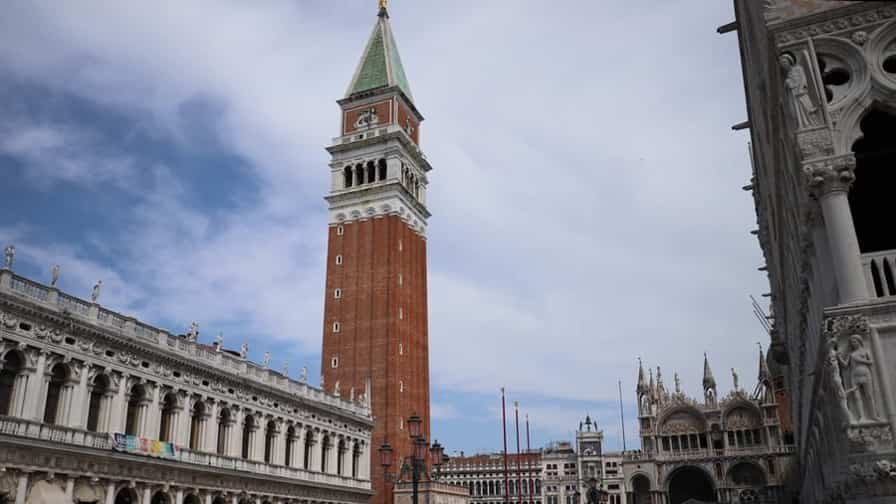
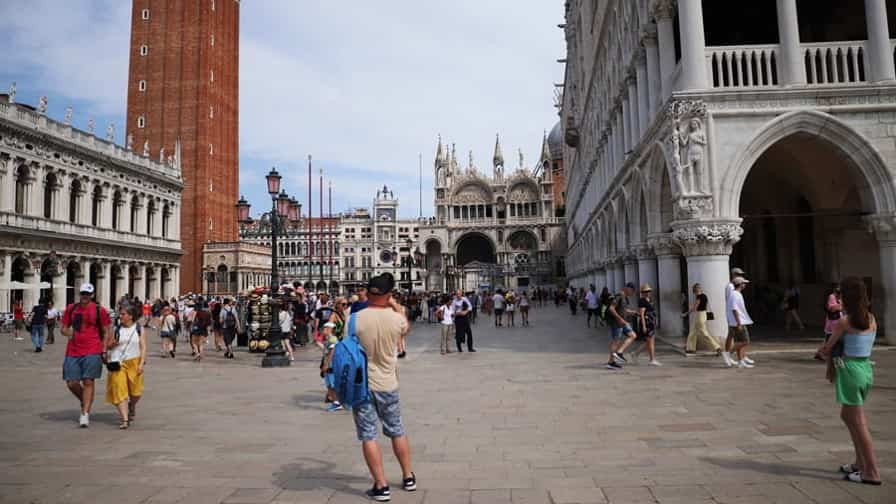
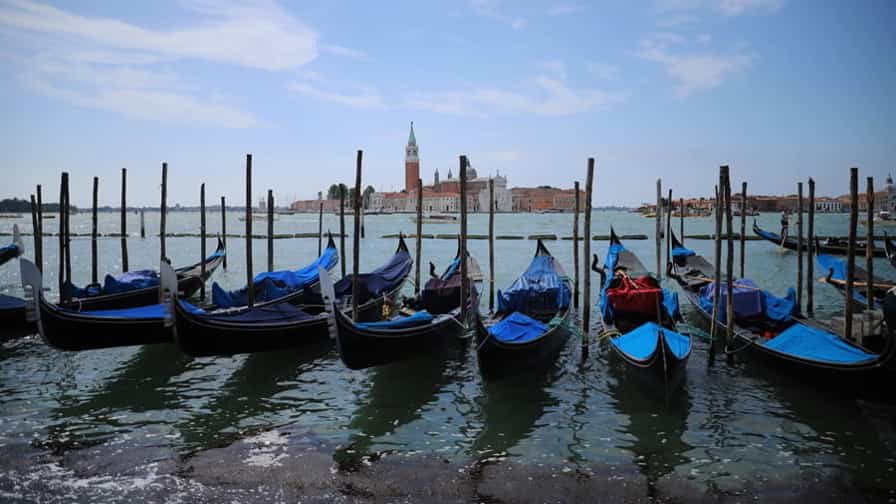
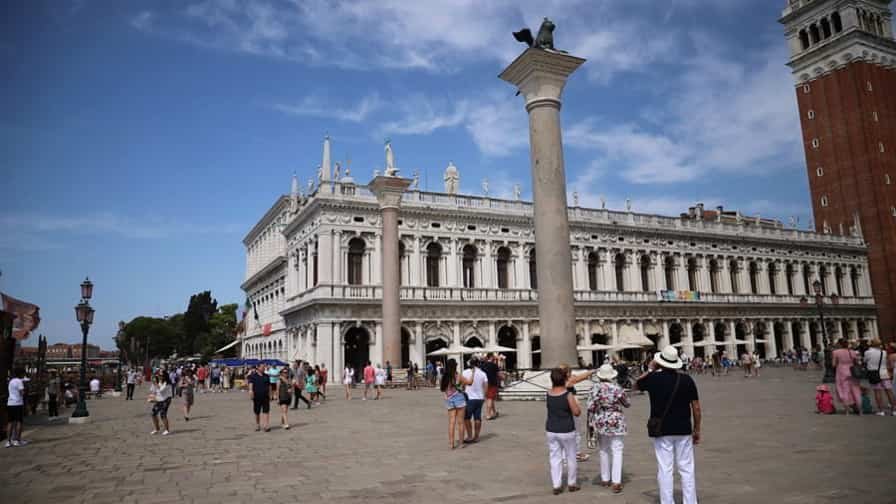
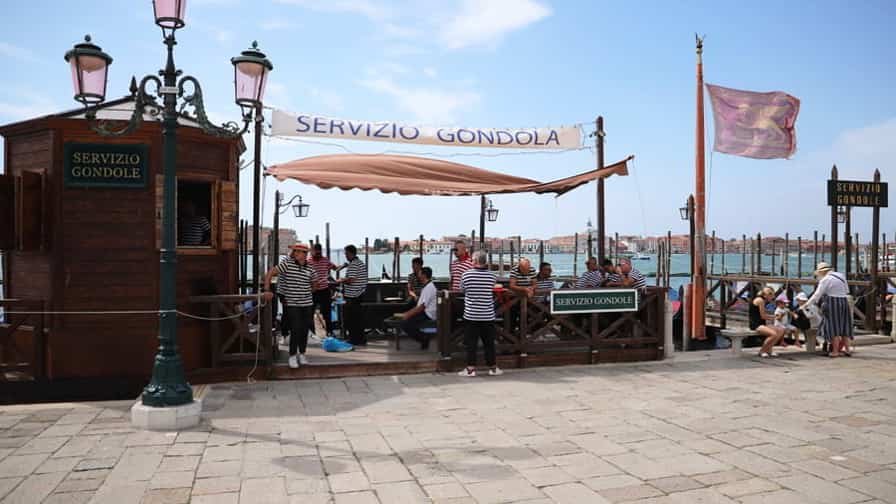

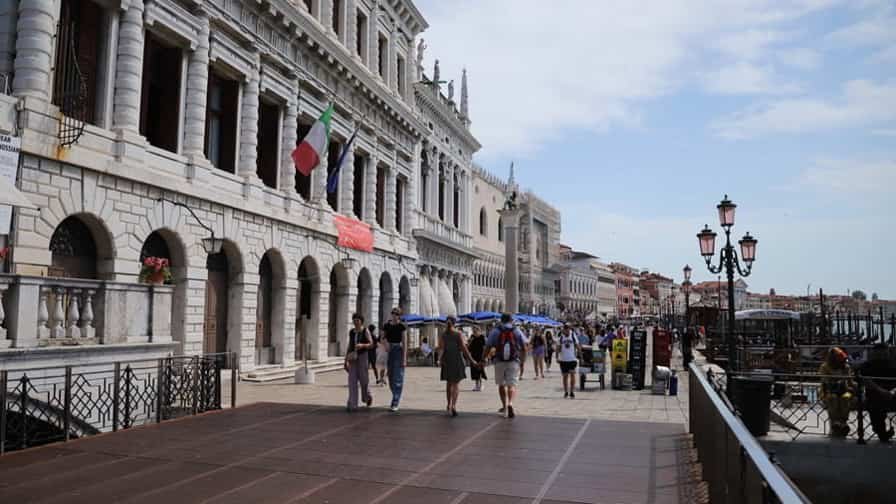

Photo Gallery of Walk 4 – Riva degli Schiavoni to Ponte de Quintavale
Approximately 1.56 km – 0.97 miles
Description of Walk 4
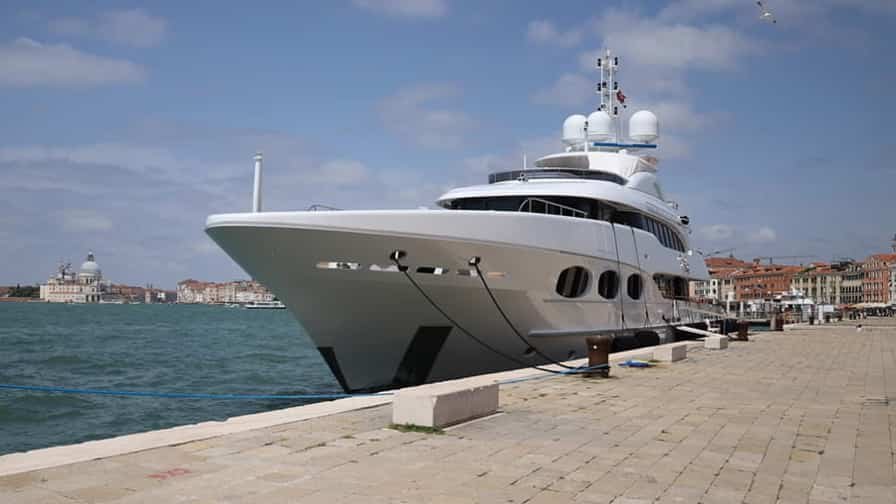
Riva degli Schiavoni – Ponte della Paglia – Riva degli Schiavoni – Ponte del Vin – Riva degli Schiavoni – Ponte de la Pietà – Ponte del Sepolcro – Riva degli Schiavoni – Fondamenta Arsenale – Riva S. Biasio – Riva dei Sette Martiri – Via Giuseppe Garibaldi – Church of San Francesco di Paola, Via Giuseppe Garibaldi – Via Giuseppe Garibaldi – Fondamenta S. Gioacchin – Via Giuseppe Garibaldi – Fondamenta S. Gioacchin – Calle S. Gioachino – Fondamenta S Anna – Ponte de Quintavale






COPYRIGHT © 2018-2026 ITALY IN PHOTOS - ALL RIGHTS RESERVED