
HOME
REGIONS OF ITALY
PLACES IN ITALY
PLAN YOUR TRIP
Italy in Photos
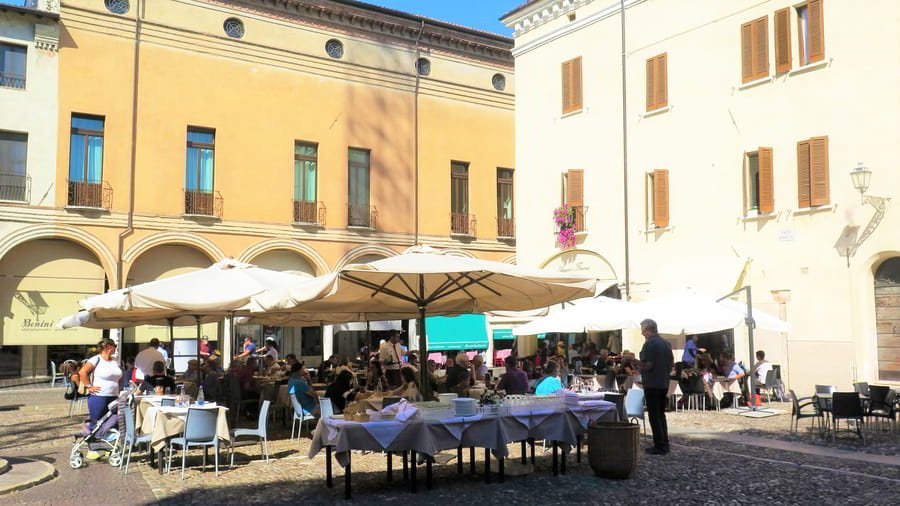
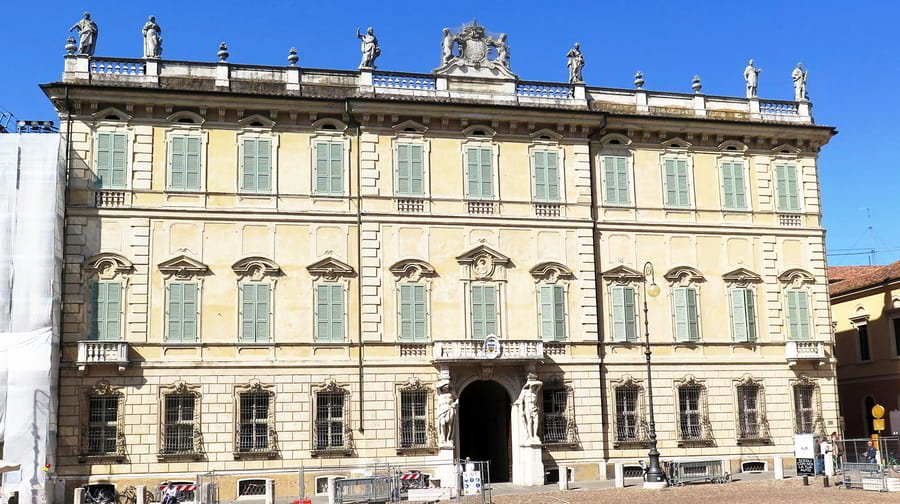
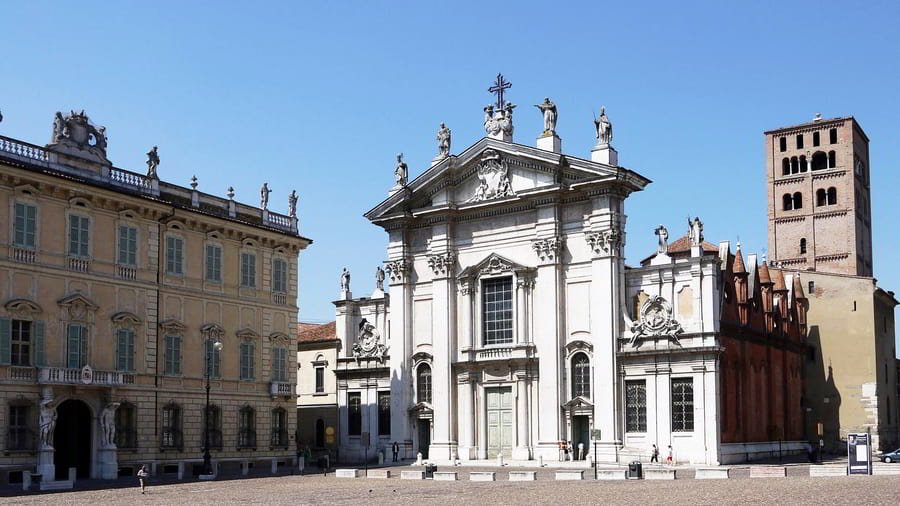
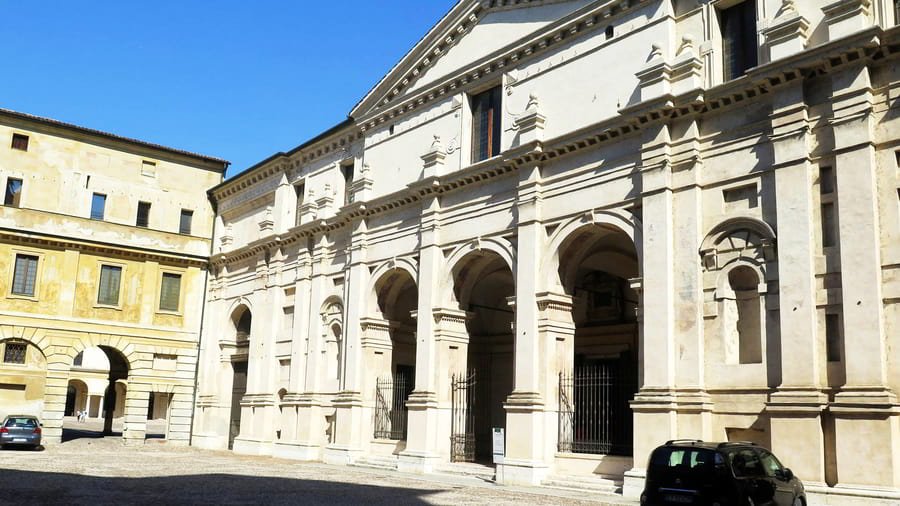
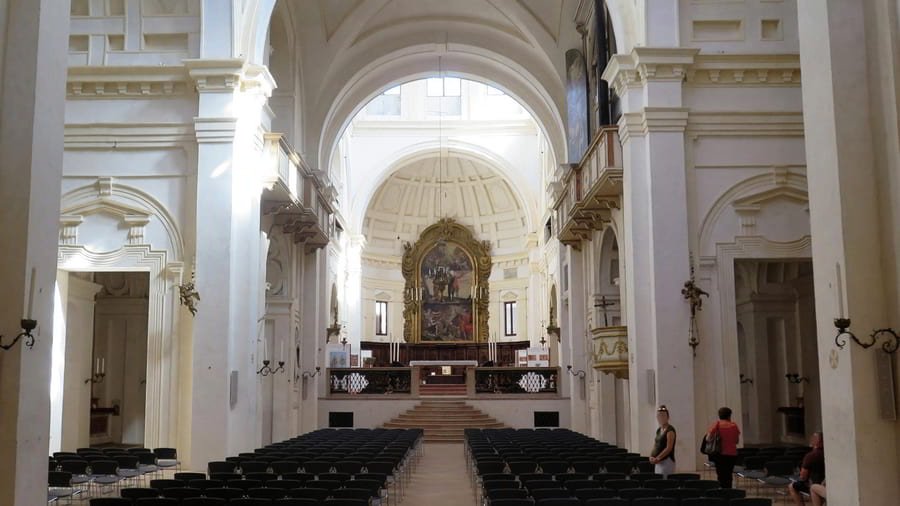
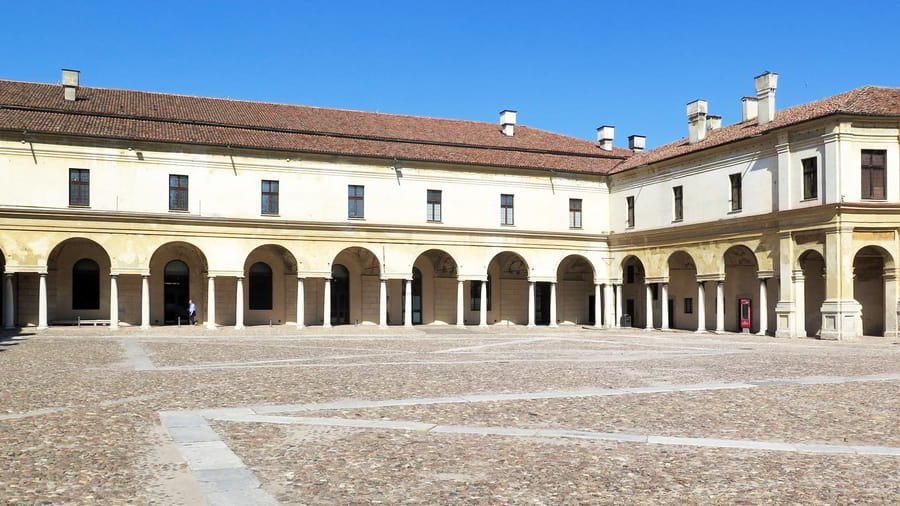
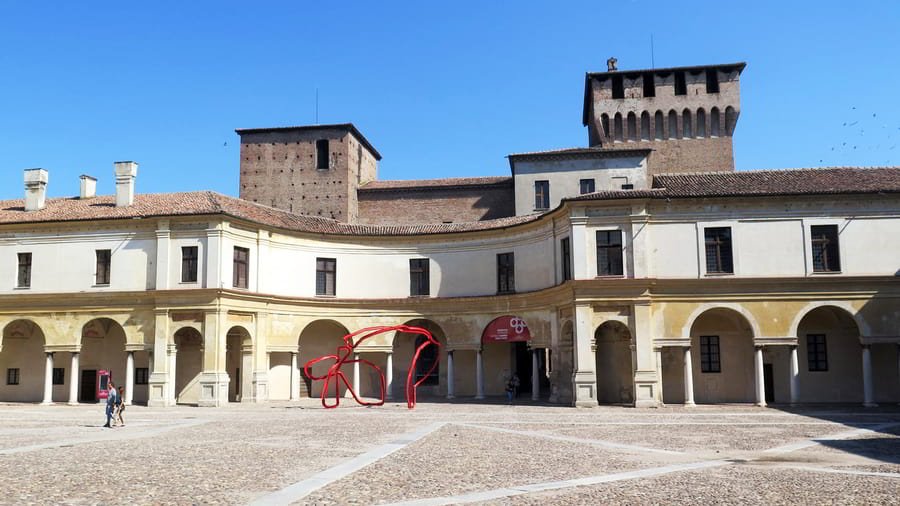
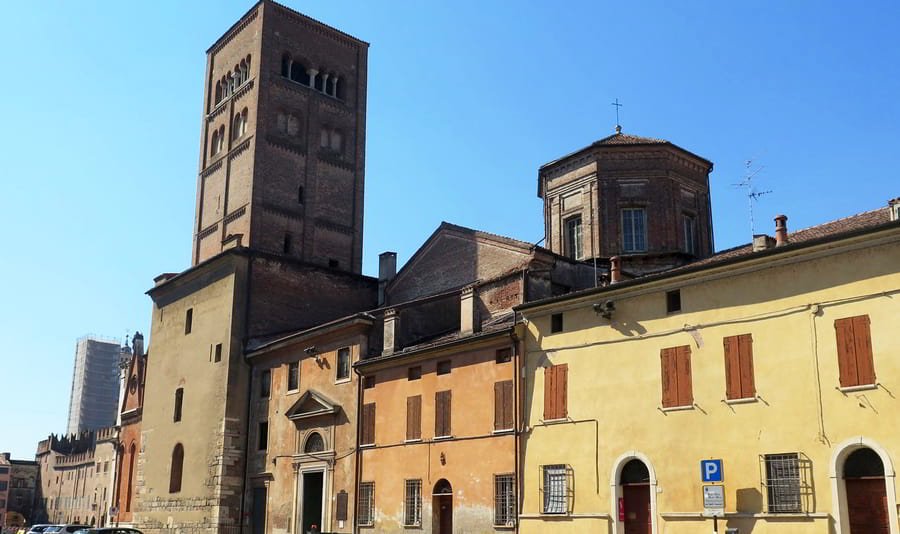
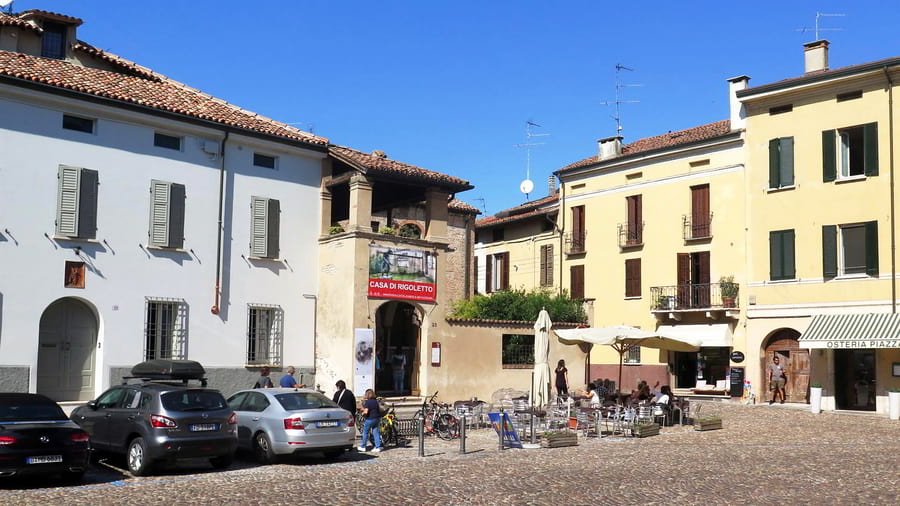
Piazza Sordello, 46100 Mantova, Italy (September 2018)
Mantova
Delayed or cancelled flight?
Get up to £520!
You’ve got rights when your flight’s disrupted.
We enforce them and handle everything so you get paid
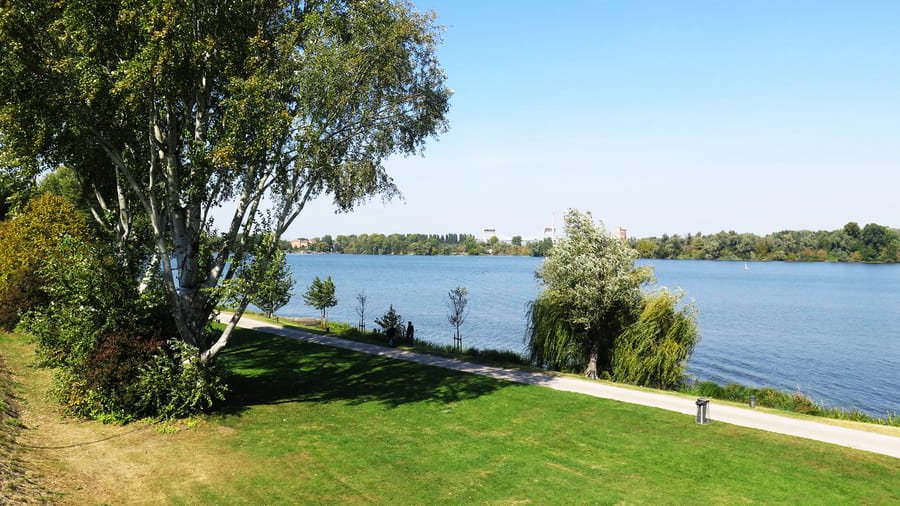
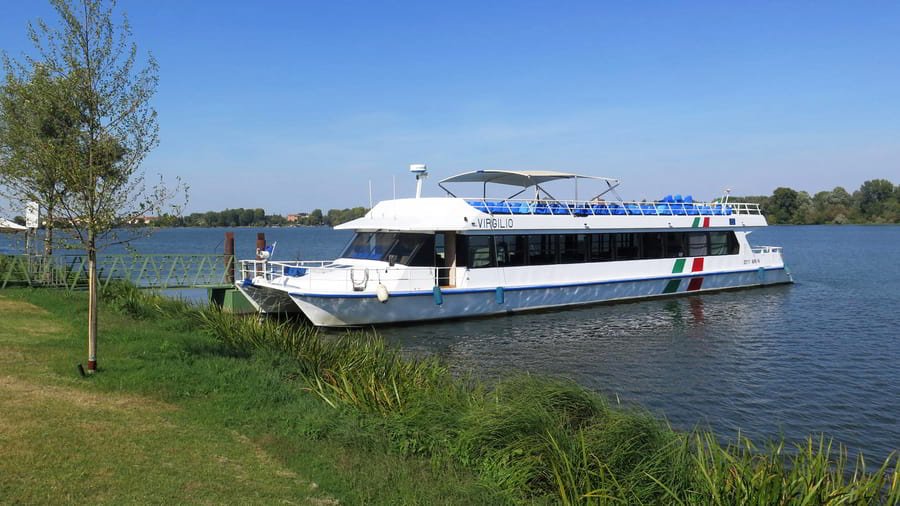
Mantova, known in English as Mantua, is a small yet remarkably rich city in northern Italy, located in the Lombardy region. Surrounded on three sides by artificial lakes formed by the Mincio River, Mantova feels almost like an island suspended between water and land. This unique setting has shaped its history, atmosphere, and urban design, giving the city a quiet elegance that sets it apart from larger Italian destinations. Though compact in size, Mantova holds an extraordinary concentration of art, history, and cultural heritage that reflects centuries of political power, intellectual achievement, and artistic brilliance.
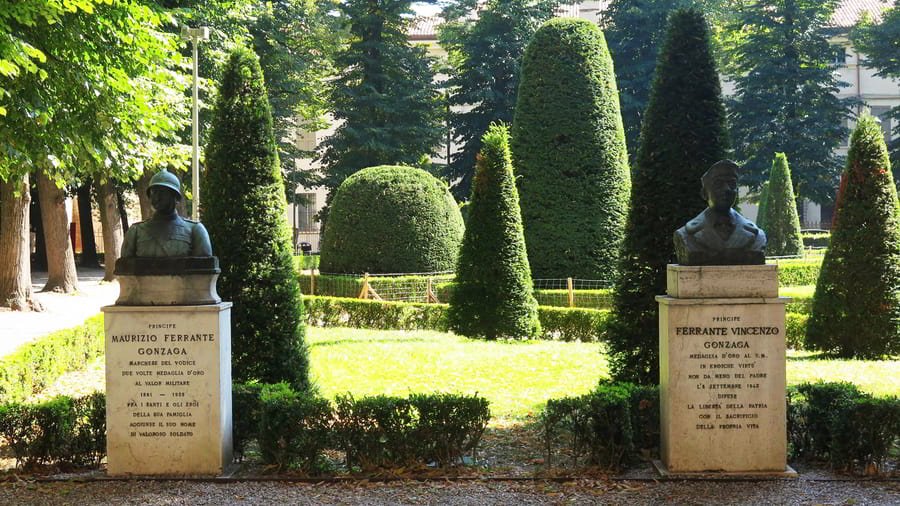
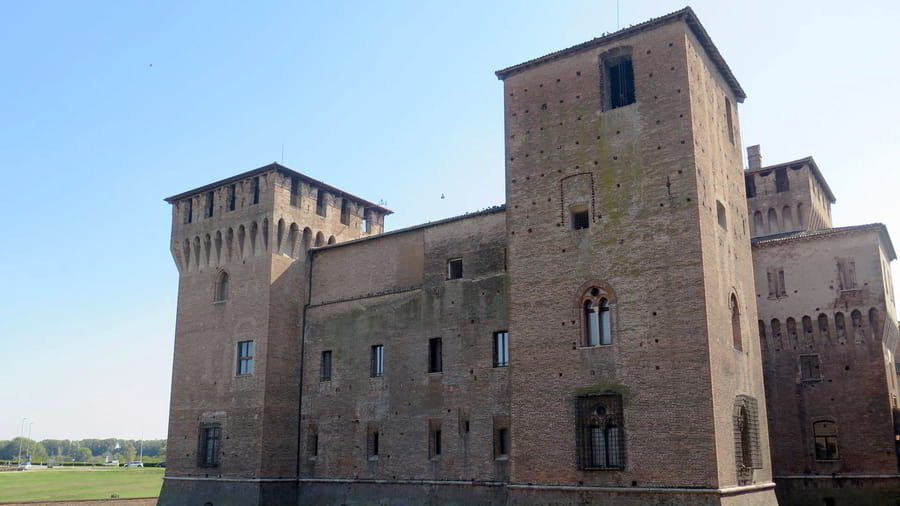
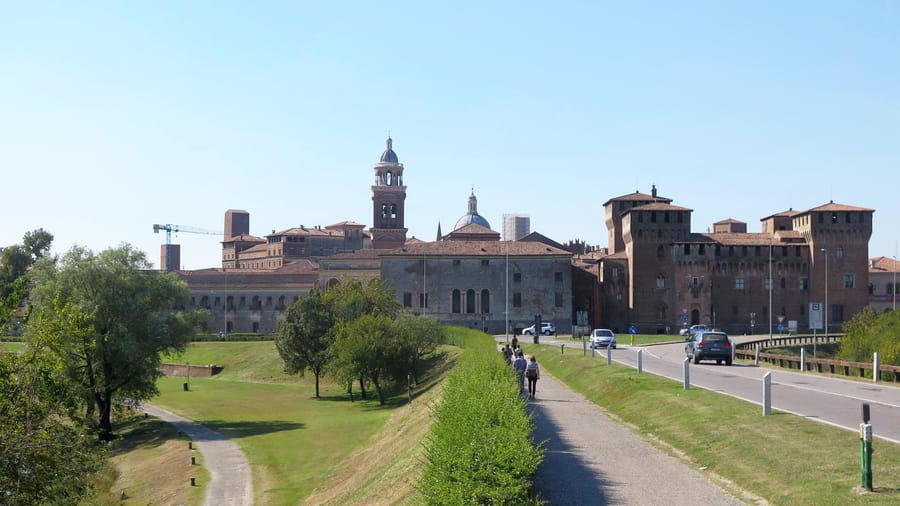
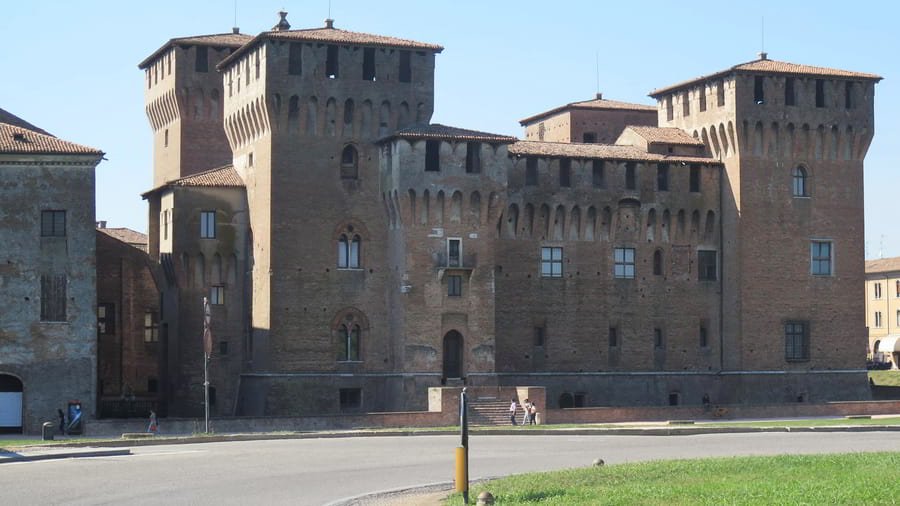
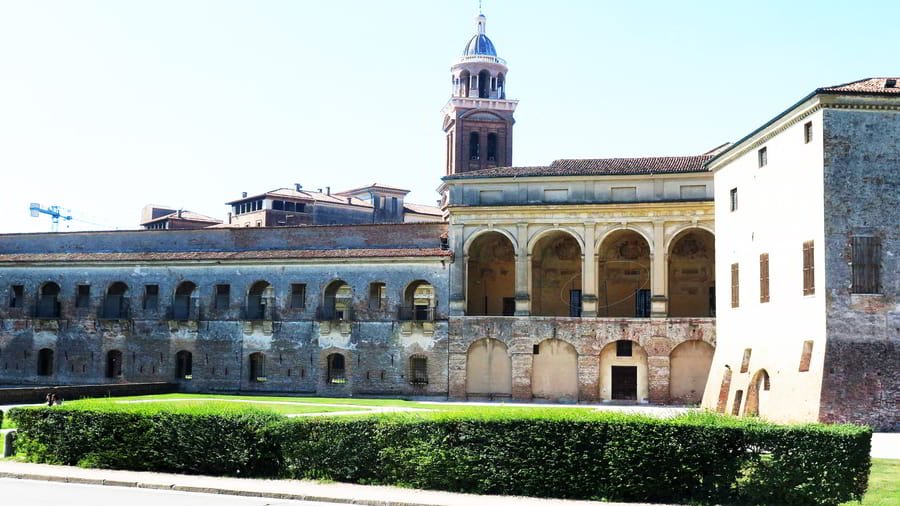
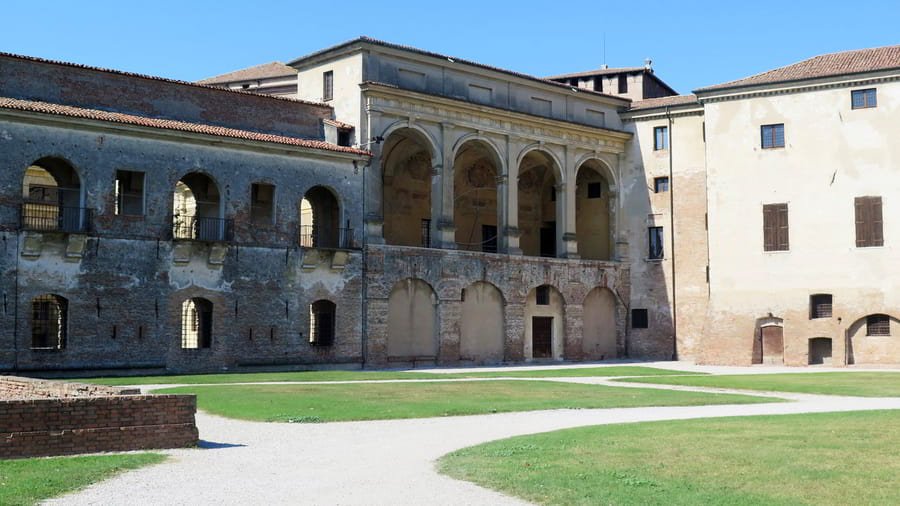
The city’s identity is inseparable from the Gonzaga family, who ruled Mantova for nearly four hundred years, from the fourteenth to the early eighteenth century. Under their patronage, Mantova became one of the most important cultural centres of the Italian Renaissance. The Gonzagas attracted leading artists, architects, writers, and thinkers, transforming the city into a court renowned across Europe. Their legacy remains visible in the architecture and urban layout, most notably in the vast Palazzo Ducale, a complex of buildings, courtyards, and gardens that once served as the heart of Gonzaga power. Walking through its halls today offers a direct encounter with the ambitions and refined taste of a ruling family that shaped the city’s destiny.
Mantova is also inseparably linked to some of the greatest names in art history. Andrea Mantegna, one of the most influential painters of the Renaissance, spent much of his career in the city. His masterpiece, the Camera degli Sposi, located within the Palazzo Ducale, is celebrated for its innovative use of perspective and illusion, creating a sense of openness and realism that was revolutionary for its time. The presence of Mantegna’s work alone would secure Mantova a place in the history of European art, yet the city offers far more, including contributions by architects such as Leon Battista Alberti, whose Basilica of Sant’Andrea stands as a harmonious blend of classical inspiration and Renaissance innovation.
Despite its grand artistic legacy, Mantova retains a calm and intimate atmosphere. Unlike Italy’s more crowded tourist cities, Mantova invites visitors to slow down and absorb its rhythms. Narrow streets open into elegant piazzas, where daily life unfolds much as it has for generations. The Piazza delle Erbe and Piazza Sordello form the civic heart of the city, framed by medieval towers, Renaissance palaces, and historic churches. Cafés and small shops line these squares, offering spaces where locals and visitors alike gather, reinforcing the sense that Mantova is a living city rather than an open-air museum.
Food plays a central role in Mantuan culture, reflecting the agricultural richness of the surrounding Po Valley. The local cuisine is distinctive, often blending simple rural ingredients with refined courtly traditions inherited from the Gonzaga era. Dishes such as tortelli di zucca, a pasta filled with pumpkin and amaretti, reveal a taste for contrasts between sweet and savoury that is characteristic of the region. Rice dishes, slow-cooked meats, and traditional desserts further express a culinary identity deeply tied to the land and its seasons.
Mantova’s importance has been recognized internationally through its designation as a UNESCO World Heritage Site, shared with the nearby city of Sabbioneta. This acknowledgment highlights not only the city’s architectural and artistic value but also its role in the development of Renaissance urban planning. Mantova represents a vision of the ideal city shaped by humanist ideals, where art, governance, and daily life were carefully integrated into a coherent whole.
Today, Mantova balances preservation with contemporary life. Cultural festivals, music performances, and literary events bring renewed energy to historic spaces, ensuring that the city continues to evolve while honouring its past. Whether approached as a destination for art lovers, history enthusiasts, or travelers seeking a quieter, more reflective Italian experience, Mantova offers a depth of character that far exceeds its modest scale. It is a city that rewards attention and curiosity, revealing layers of beauty and meaning to those willing to look beyond first impressions.
Worth a Visit
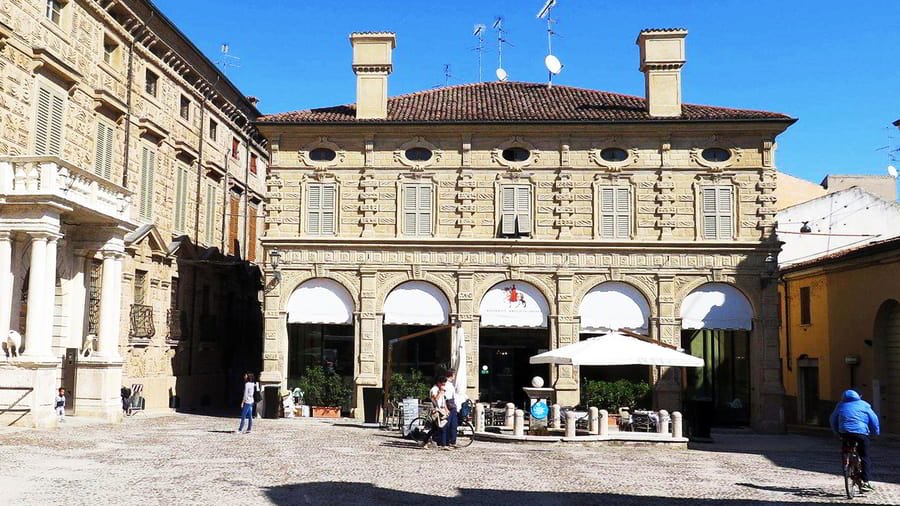
Piazza Matilde di Canossa in Mantova is a charming square that embodies both the historical legacy of the city and its enduring sense of community. Named after the powerful medieval countess Matilde di Canossa, one of the most influential figures of the eleventh century, the piazza honors a woman who played a central role in the political and religious affairs of her time. Her legacy is deeply intertwined with the region’s history, and dedicating a public space to her in Mantova highlights the city’s connection to the broader currents of Italian and European history. The square, though smaller and less grand than Mantova’s monumental Piazza Sordello or Piazza delle Erbe, offers an atmosphere of intimacy and reflection that sets it apart.
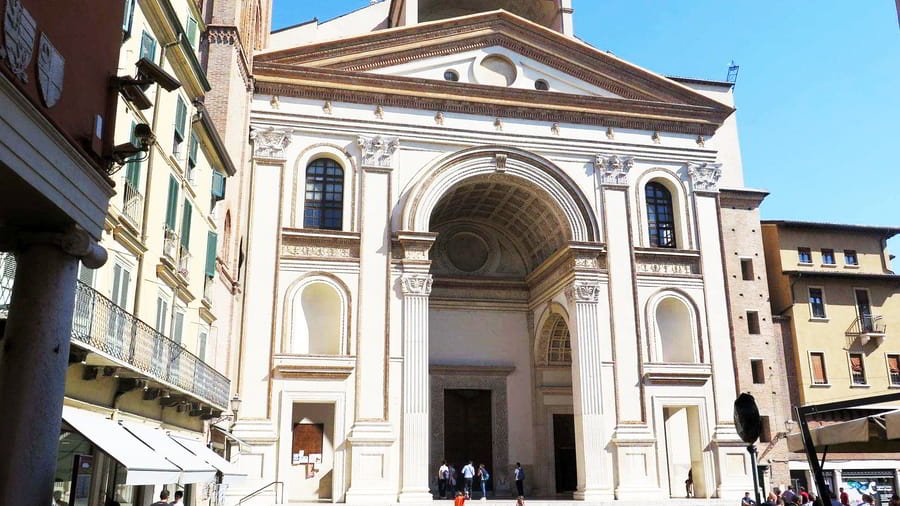
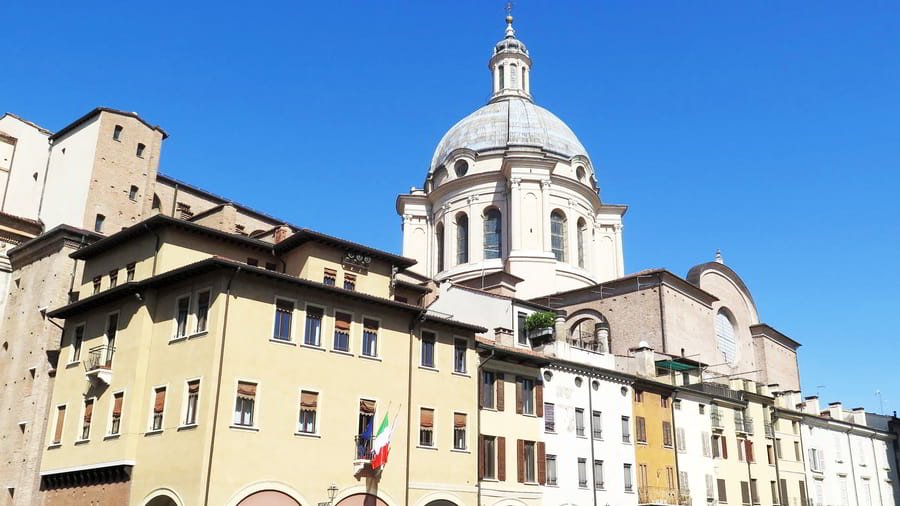
The Basilica di Sant’Andrea in Mantova is one of the city’s most celebrated landmarks and a masterpiece of Renaissance architecture. Designed by the great humanist architect Leon Battista Alberti, the basilica represents a turning point in the history of church building in Italy. Commissioned in the mid fifteenth century by Ludovico III Gonzaga, ruler of Mantova, it was conceived as both a grand religious monument and a symbol of the Gonzaga family’s cultural ambition. The church’s primary purpose was to house a relic of enormous spiritual significance, said to be vials of the Precious Blood of Christ, which according to tradition had been brought to Mantova by the Roman centurion Longinus. From the moment one approaches the Basilica di Sant’Andrea, its monumental façade captures attention. Alberti’s design combines classical harmony with Renaissance innovation.
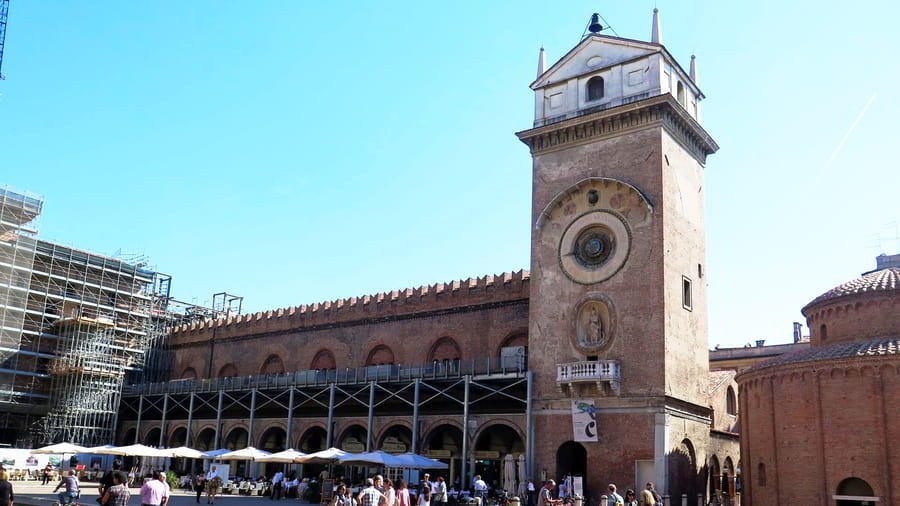
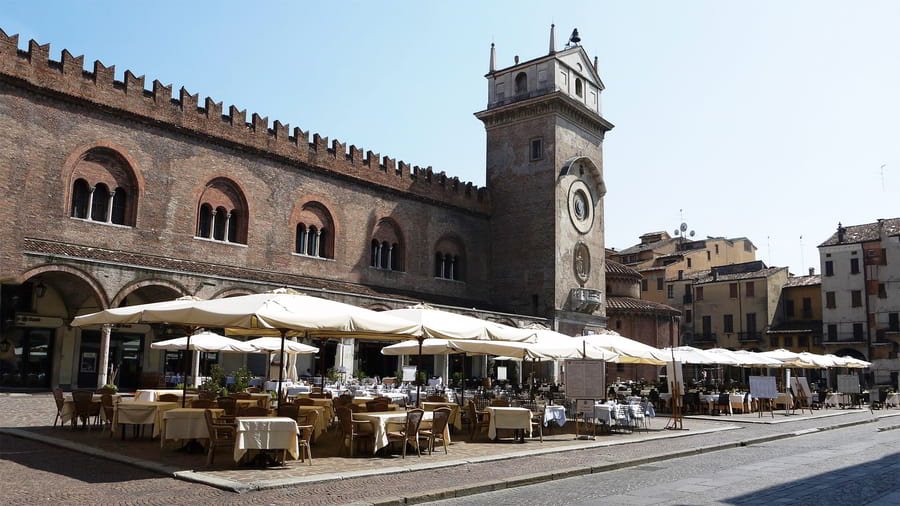
Piazza Erbe in Mantova is one of the most atmospheric and historically significant squares in the city, a place where centuries of civic, religious, and commercial life come together. Unlike the grand Piazza Sordello, which is dominated by aristocratic palaces and the Duomo, Piazza Erbe has always been a more popular and lively space, closely tied to the daily rhythms of Mantuan citizens. Its very name, meaning “Herbs Square,” recalls its origins as a marketplace where vegetables, spices, and everyday goods were traded, and this tradition of commerce continues to echo in its lively character today. The square is framed by some of Mantova’s most iconic buildings, each of which adds to its charm and historical depth. On one side stands the Palazzo della Ragione, a medieval civic building that once housed the city’s administrative offices and courtrooms.
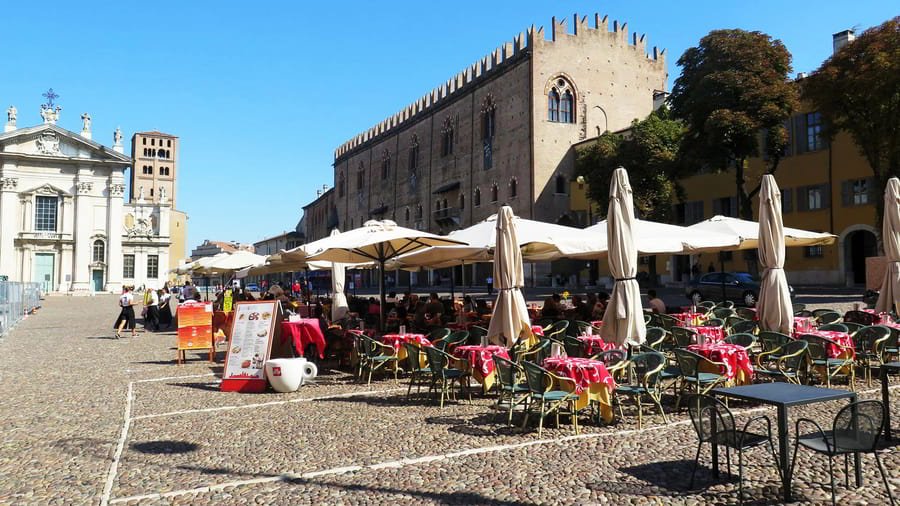
Piazza Sordello in Mantova is the city’s most important and majestic square, a grand space that has served as the political and cultural heart of Mantova for centuries. Named after the thirteenth century troubadour Sordello da Goito, the piazza was laid out in 1330 and has since been the stage for some of the city’s most significant historical events. With its vast open expanse framed by imposing palaces, churches, and civic buildings, Piazza Sordello conveys a sense of power and authority that reflects Mantova’s role as a Renaissance capital under the Gonzaga family. At one end of the piazza rises the imposing silhouette of the Ducal Palace, or Palazzo Ducale, the seat of the Gonzaga dynasty. This monumental complex of courtyards, halls, gardens, and chapels dominates the square, both physically and symbolically.
Photo Gallery of Walk 1 in Mantua – Vicolo Ospitale to Via S. Giorgio
Approximately 0.95 km – 0.59 miles
Description of Walk 1
This walking route offers an enjoyable introduction to the historic heart of Mantova (Mantua), a UNESCO World Heritage city celebrated for its Renaissance architecture, elegant squares, and rich artistic heritage. Beginning at Vicolo Ospitale beside the Church of San Leonardo, the walk follows quiet streets including Via Alessandro Cavriani, Via Trento, Via Dario Tassoni, Via Giovanni Arrivabene, and Via Domenico Fernelli, allowing visitors to experience the city’s medieval street layout and traditional buildings. Reaching Piazza Matilde di Canossa, the route passes the charming Church of the Madonna del Terremoto, a small sanctuary linked to local history and devotion. Continuing along Via Giuseppe Verdi, the walk arrives at the magnificent Piazza Andrea Mantegna, the vibrant centre of Mantova. Here stands the impressive Basilica di Sant’Andrea, designed by Leon Battista Alberti and regarded as one of Italy’s greatest Renaissance churches. The route concludes in Piazza Andrea Mantegna, where cafés, historic façades, and lively public spaces create a memorable finish.
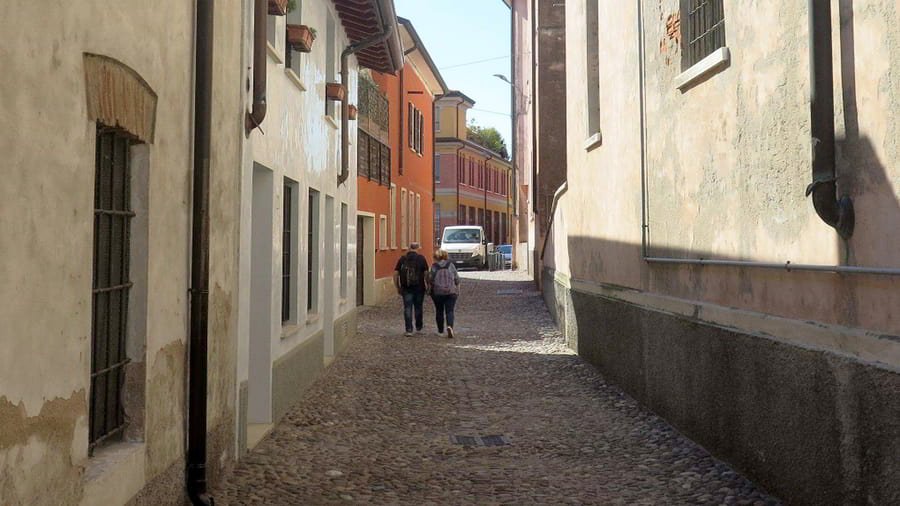
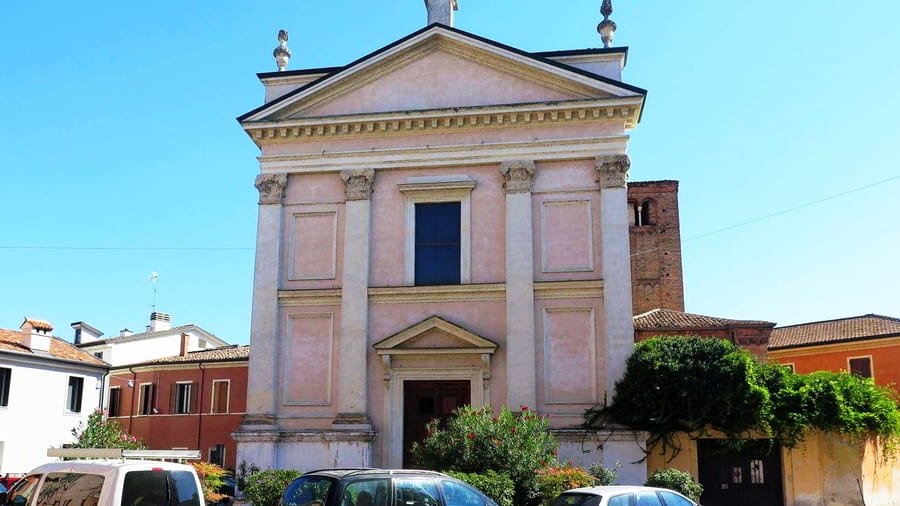
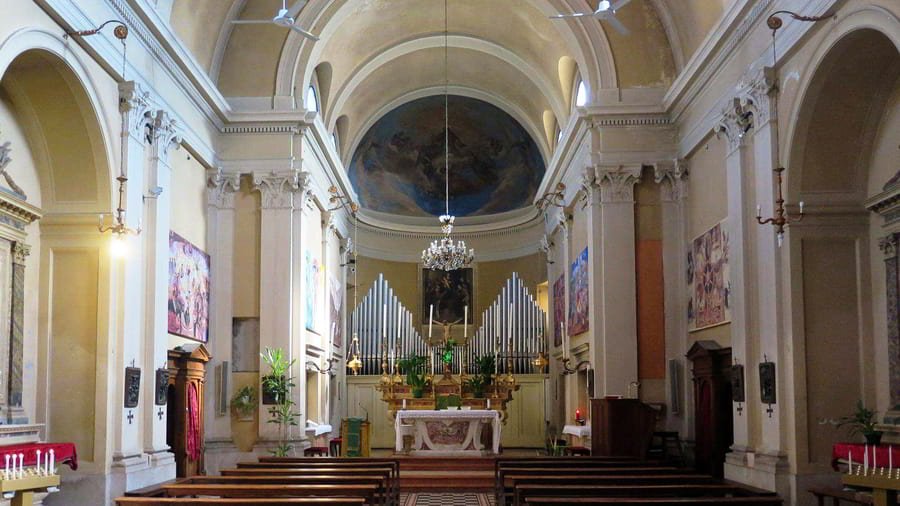
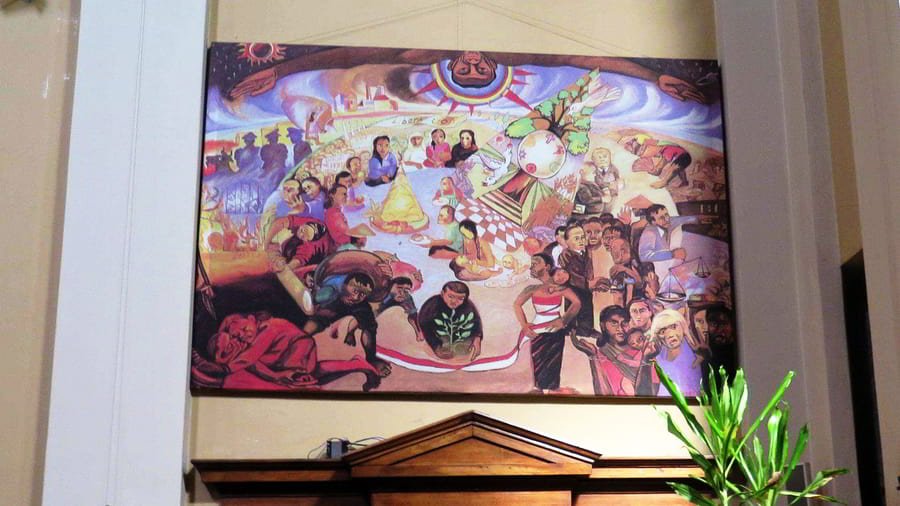
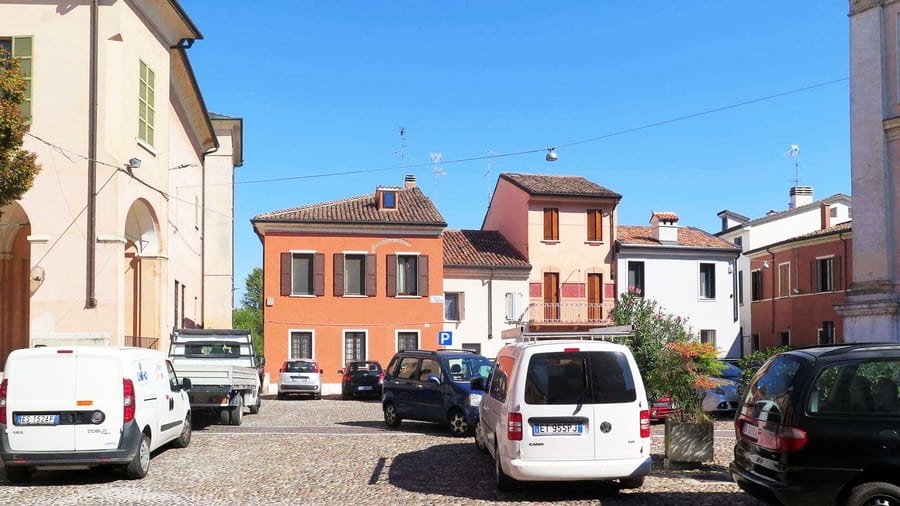
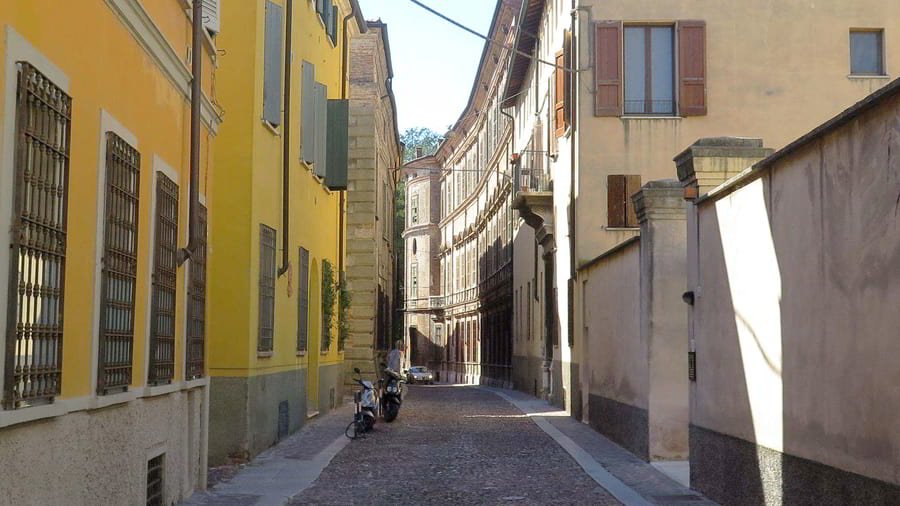
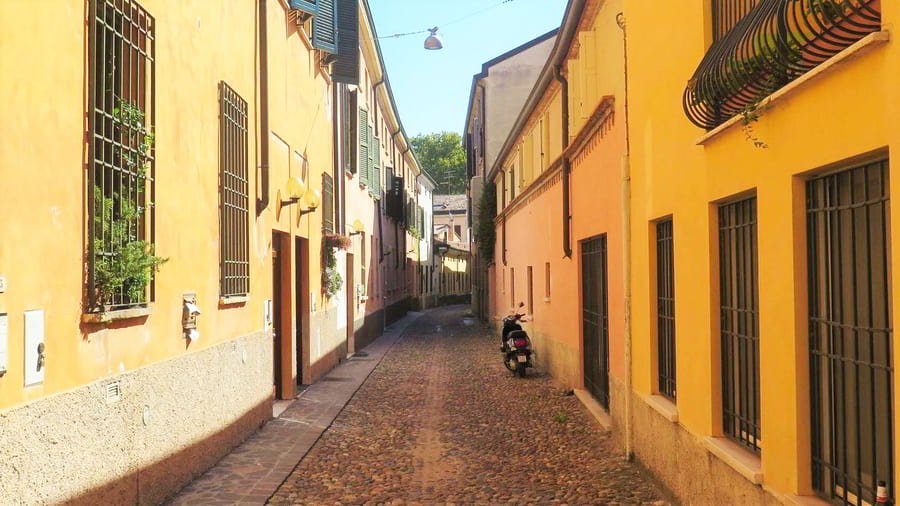
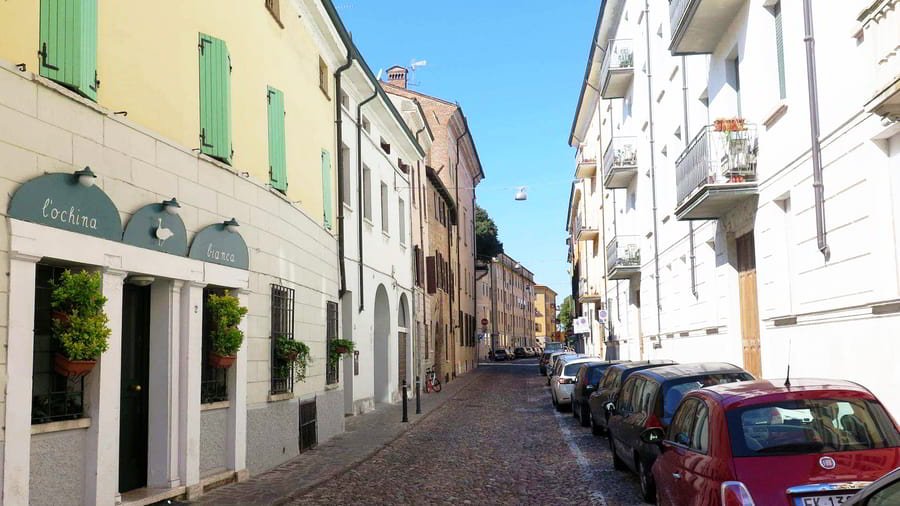
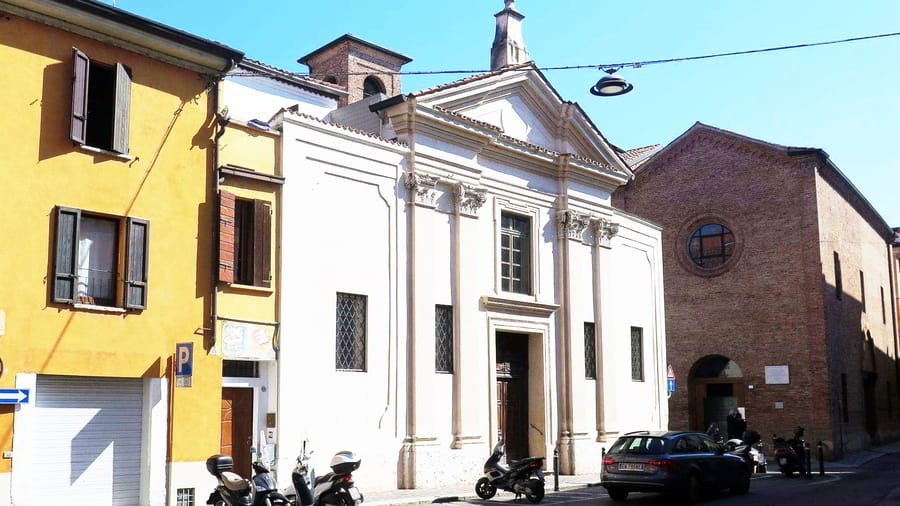
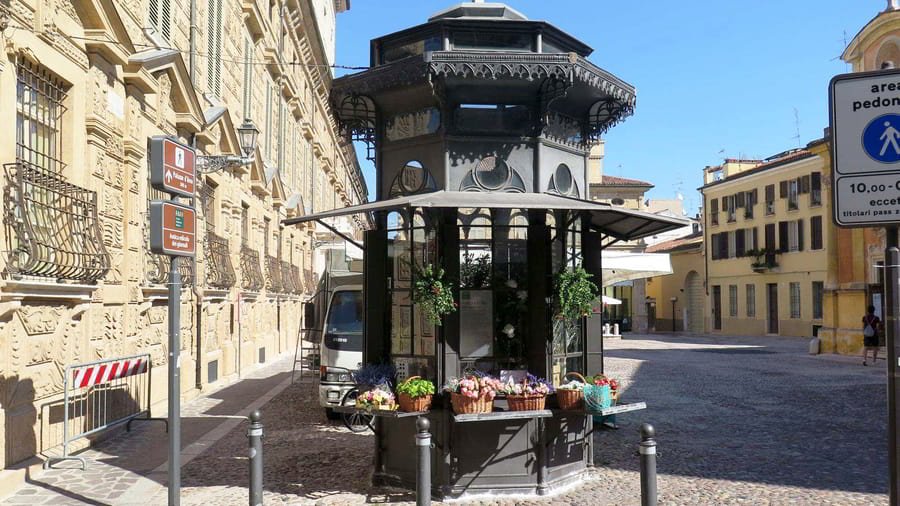
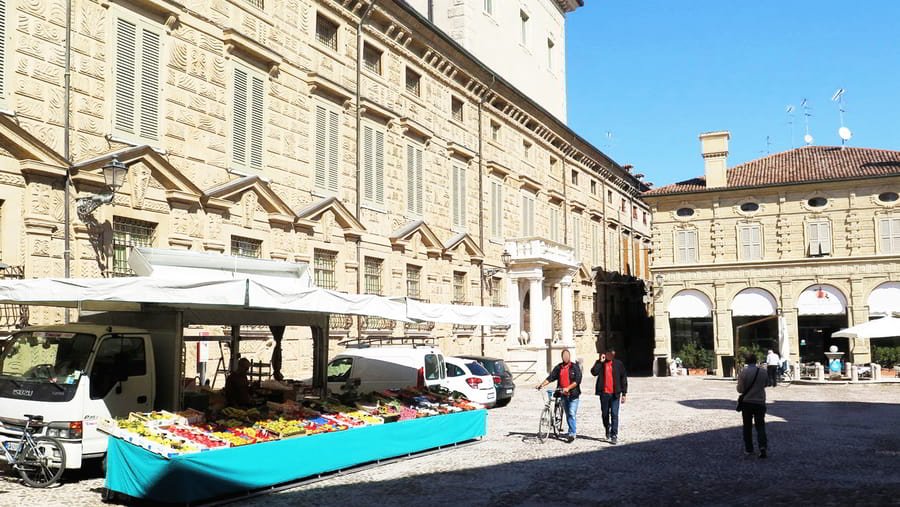
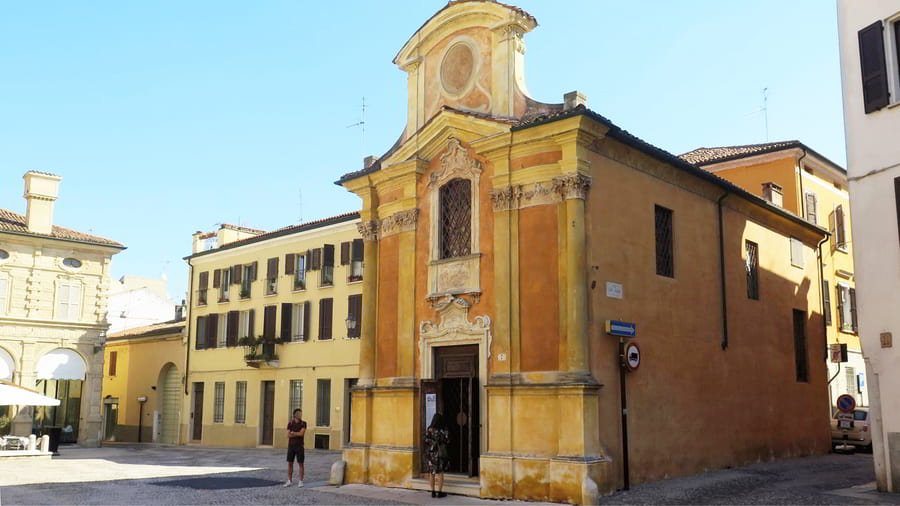
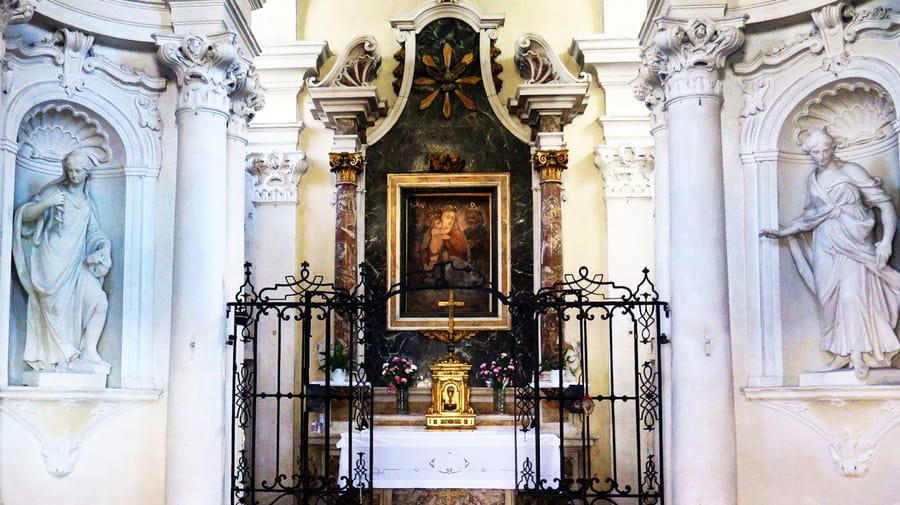
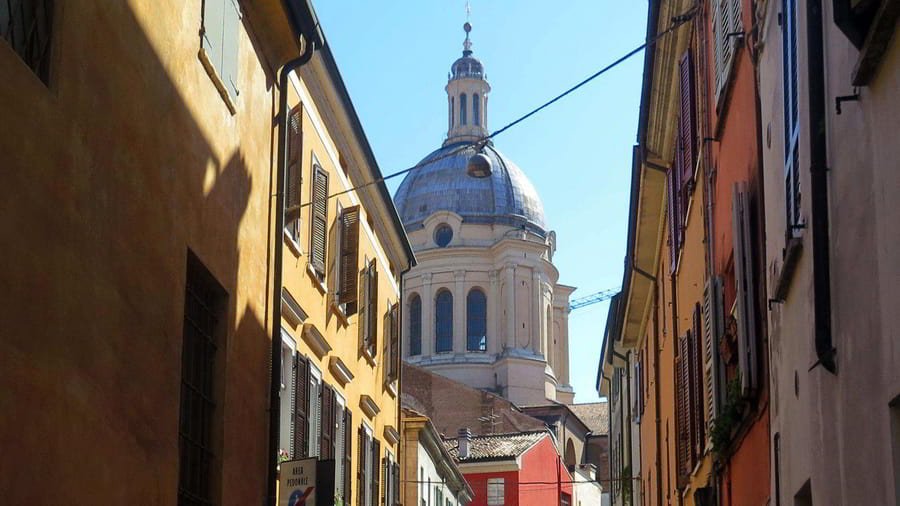
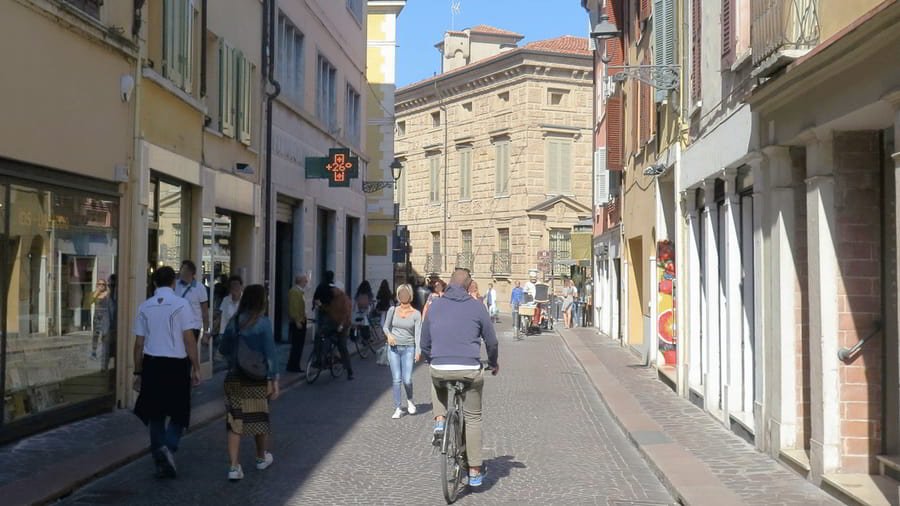
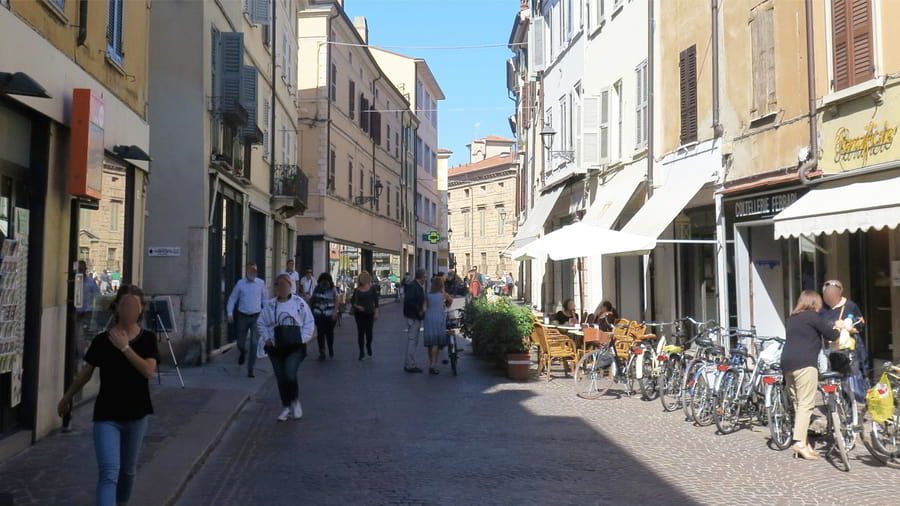
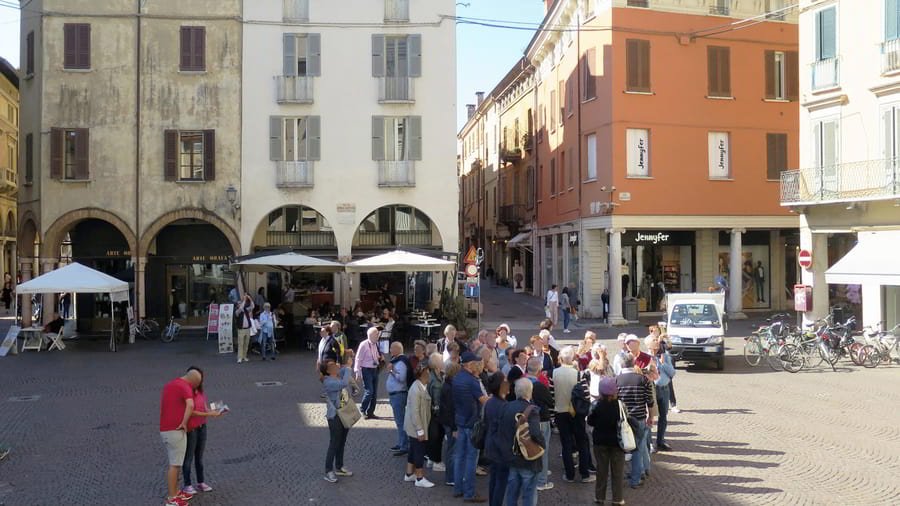
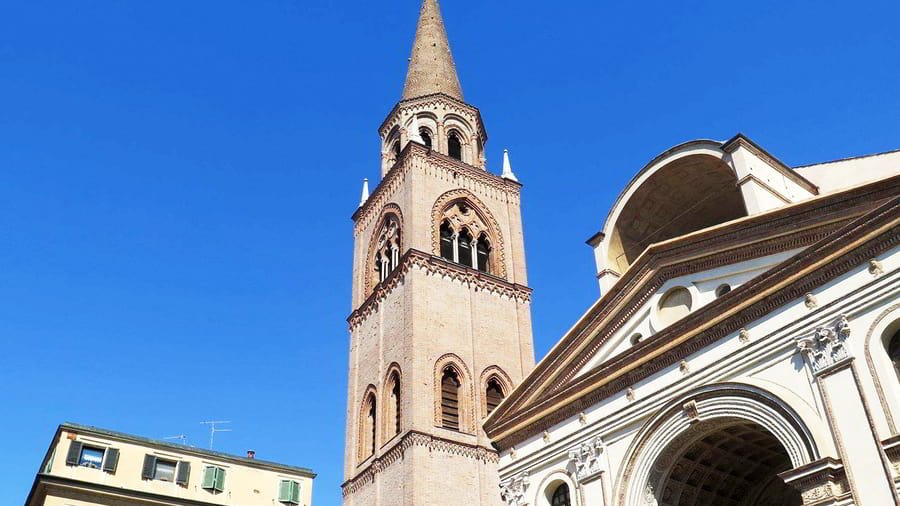
Photo Gallery of Walk 2 in Mantua – Piazza Erbe to Via S. Giorgi
Approximately 1.99 km – 1.24 miles
Description of Walk 2
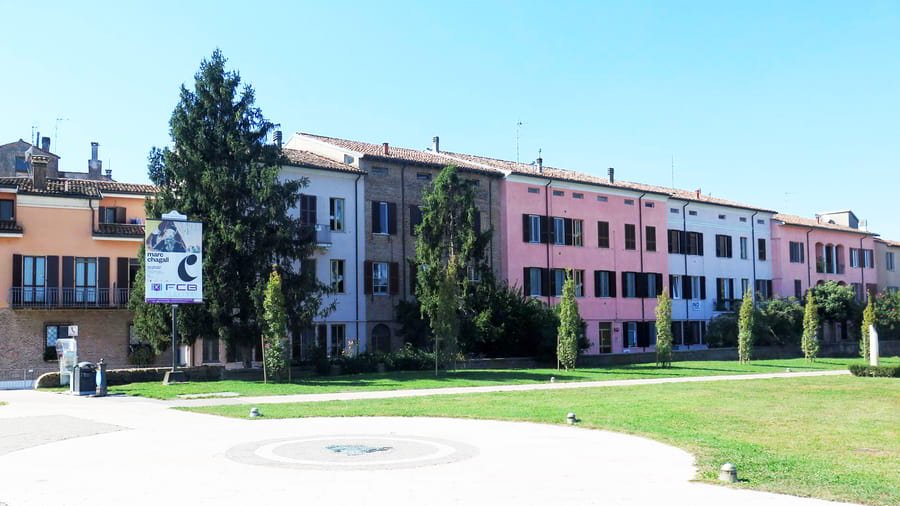
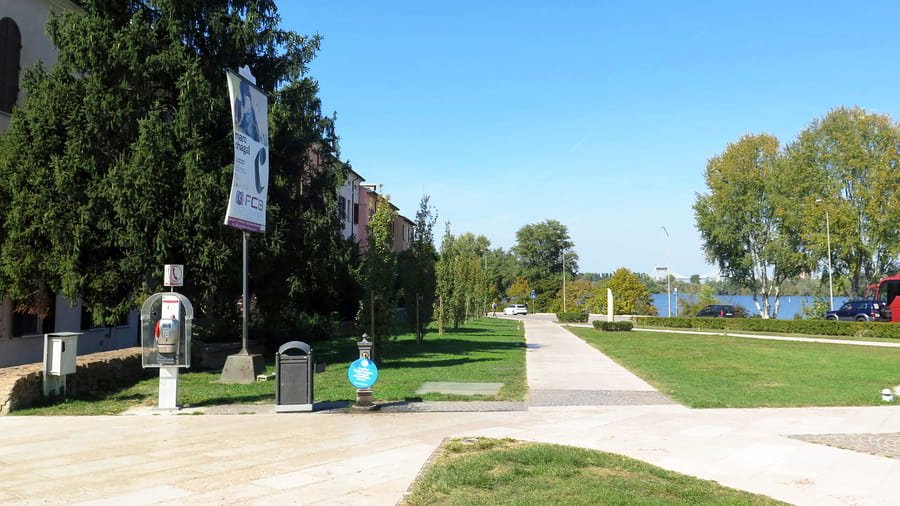
This walking route explores the historic heart of Mantova, a UNESCO World Heritage city celebrated for its Renaissance architecture, elegant squares, and peaceful lakeside setting. The walk begins in Piazza delle Erbe, the city’s lively medieval market square, before continuing through Piazza Broletto and the magnificent Piazza Sordello, surrounded by impressive historic buildings. Passing the gardens of Piazza Lega Lombarda and Piazza Giovanni Paccagnini, the route reaches Piazzetta Santa Barbara and the Basilica Palatina di Santa Barbara, an important example of Gonzaga patronage. From Piazza Castello, beside the grand Ducal Palace complex, the walk returns briefly to Piazza Sordello before following Via San Giorgio toward the waterfront. The route continues along Lungolago, offering scenic views across Mantova’s lakes and skyline, before reaching Via Legnago. It then retraces its steps along Via Legnago and Lungolago Gonzaga, returning via Via San Giorgio. The walk combines magnificent architecture, tranquil green spaces, and beautiful lakeside panoramas, providing an excellent introduction to Mantova’s rich cultural heritage

COPYRIGHT © 2018-2026 ITALY IN PHOTOS - ALL RIGHTS RESERVED