
HOME
REGIONS OF ITALY
PLACES IN ITALY
PLAN YOUR TRIP
Italy in Photos
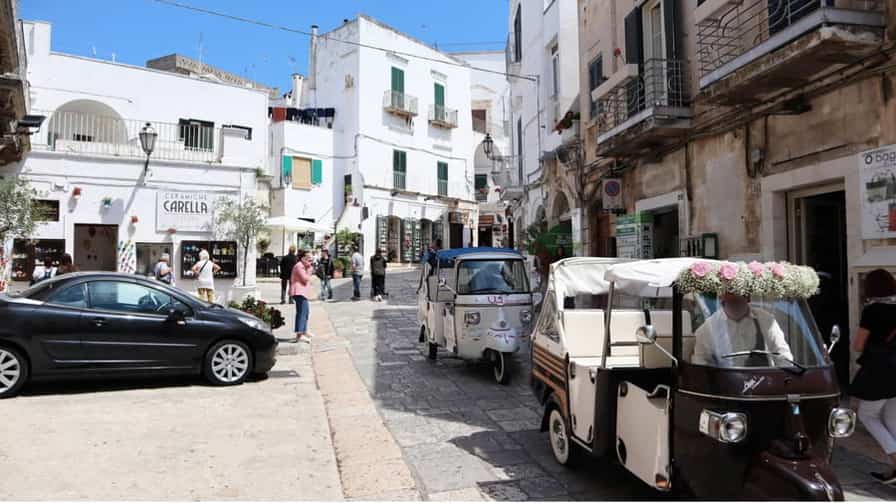
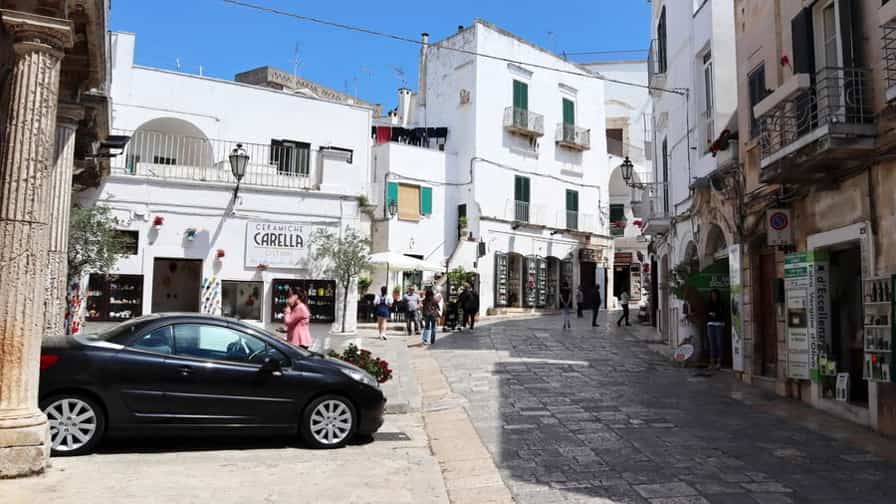
Via Giuseppe Rodio, 72017 Ostuni, Italy (June 2019)
Ostuni
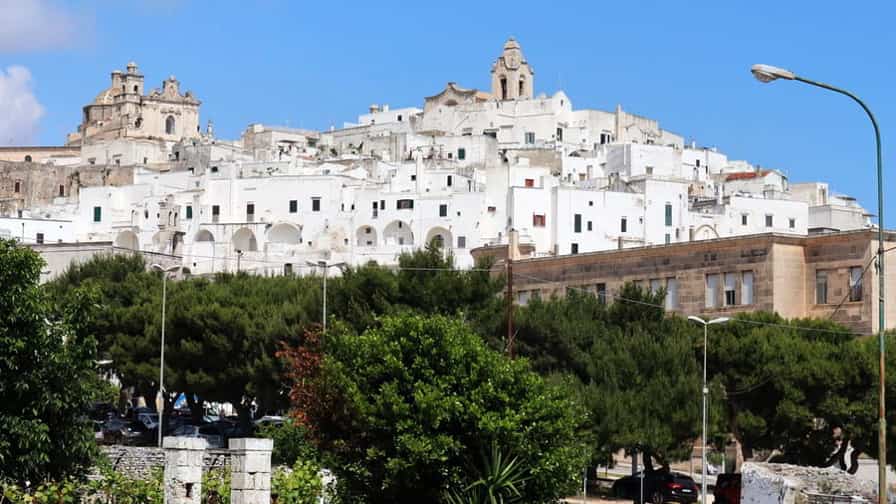
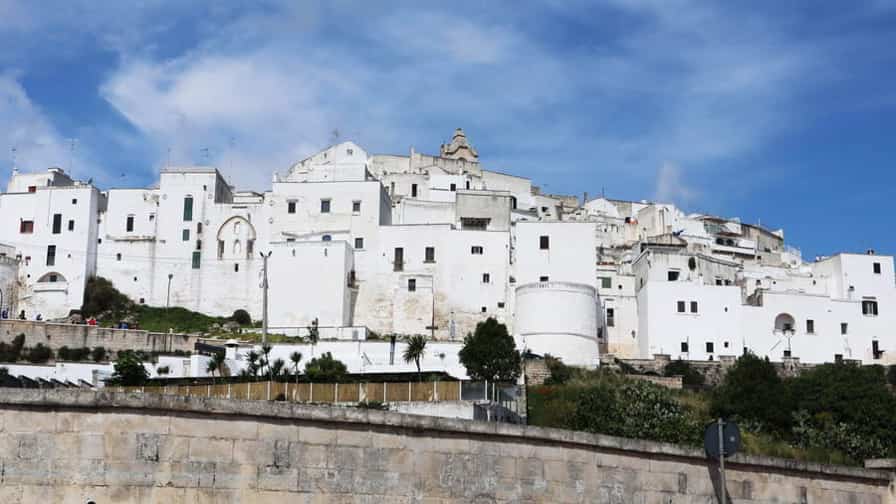
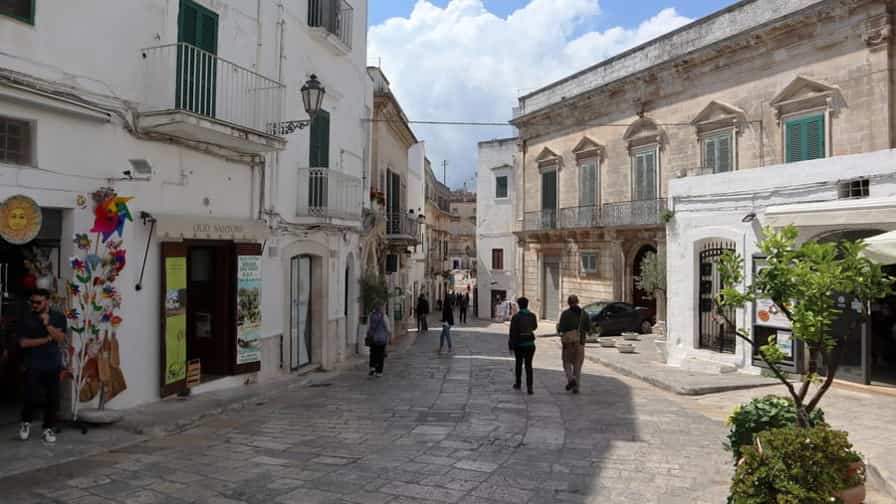
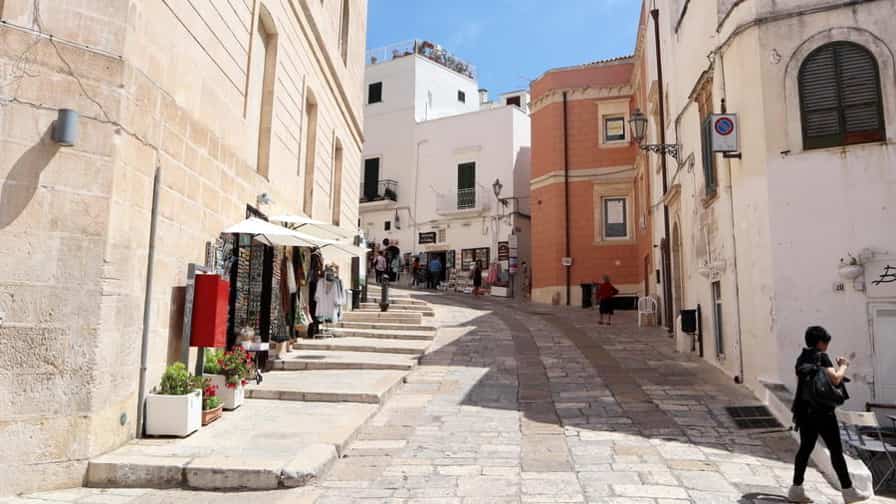
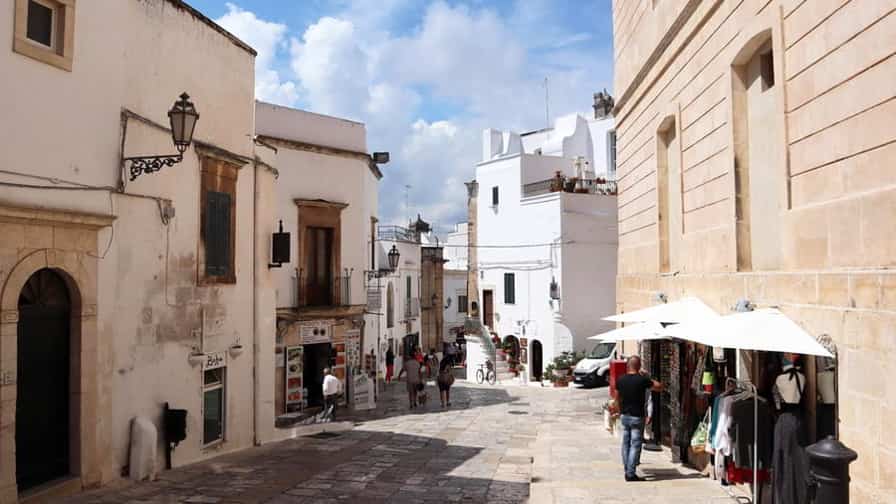
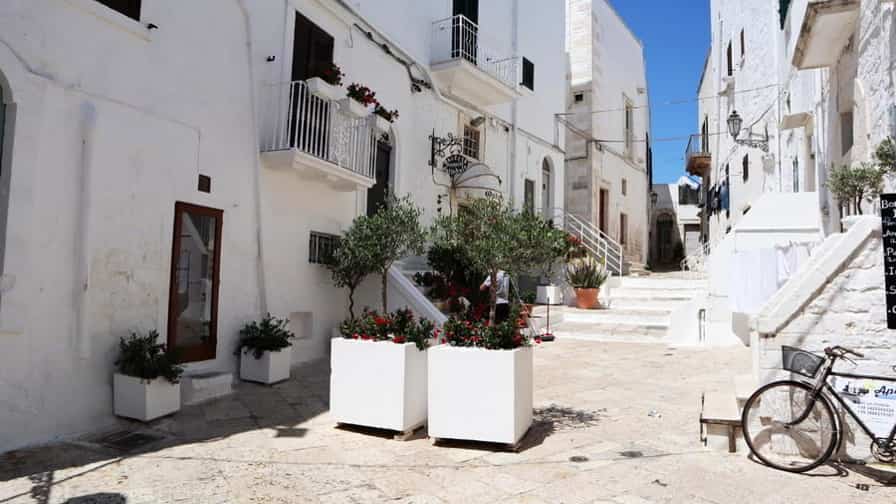
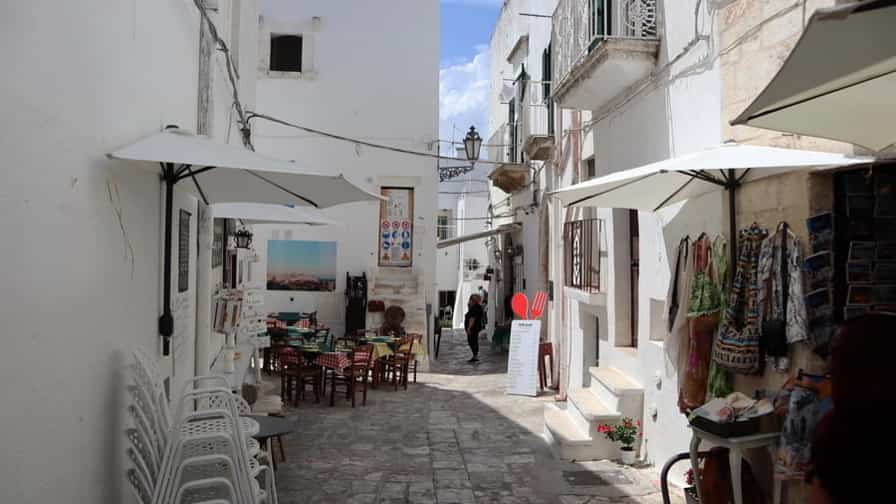
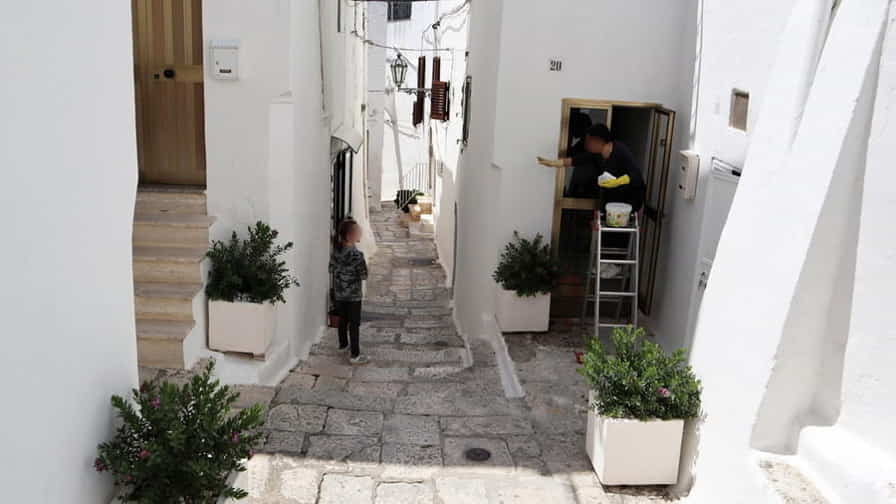
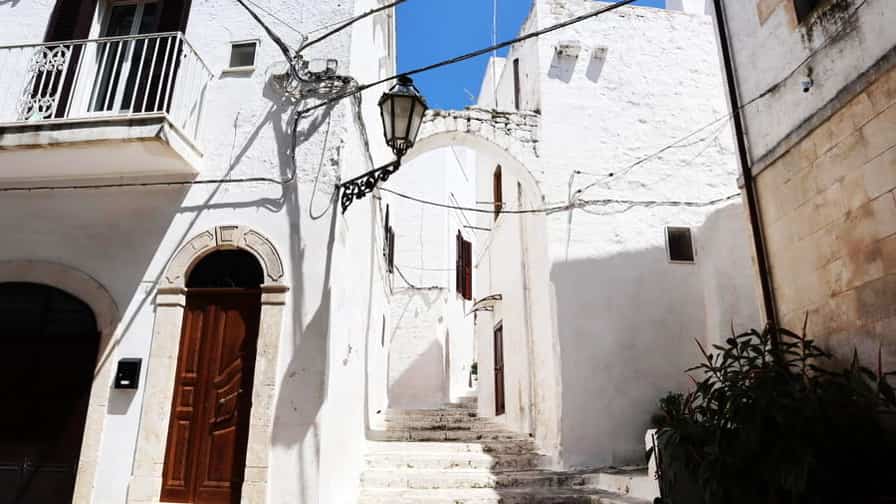
Perched atop a trio of hills in the southern Italian region of Puglia, Ostuni is a place that seems to shimmer under the Mediterranean sun. Known as “La Città Bianca,” or the White City, it immediately captivates visitors with its labyrinth of limewashed buildings, glowing almost blindingly bright against the deep blue sky. This striking visual identity is not just aesthetic but historical—centuries ago, residents painted their homes with white lime to reflect sunlight and help prevent the spread of disease. Today, that tradition endures, giving Ostuni its unmistakable charm and a sense of timelessness.
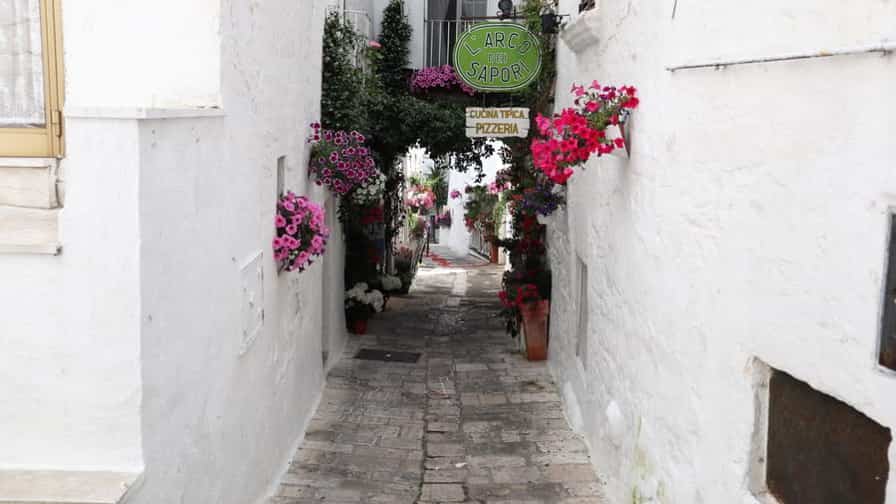
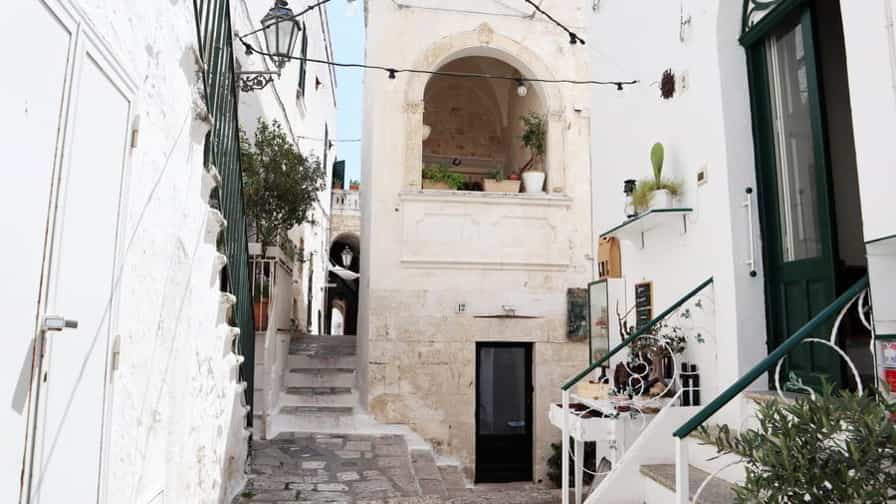
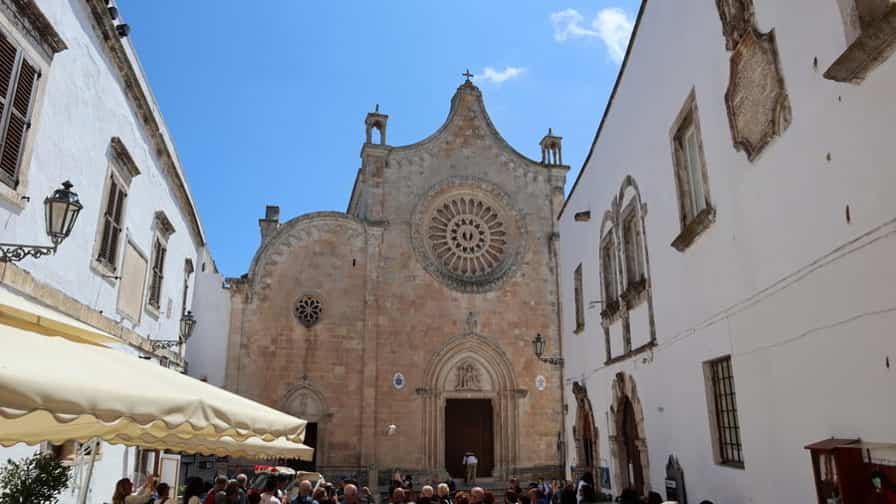
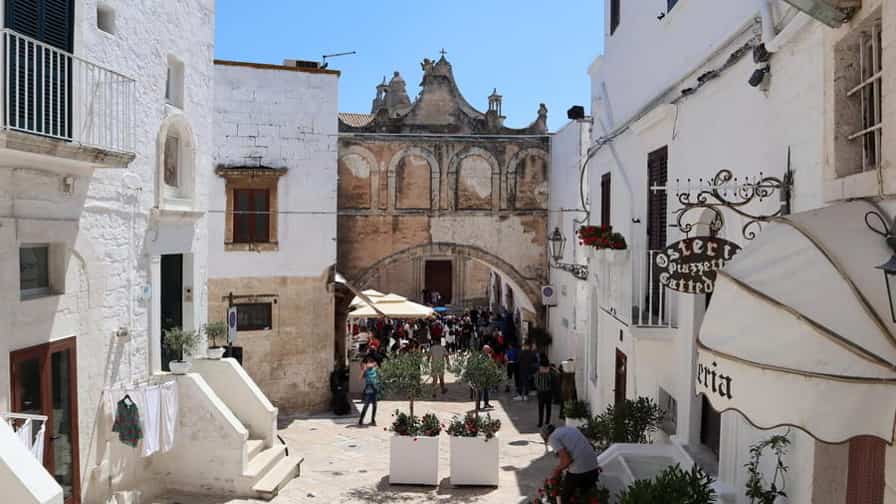
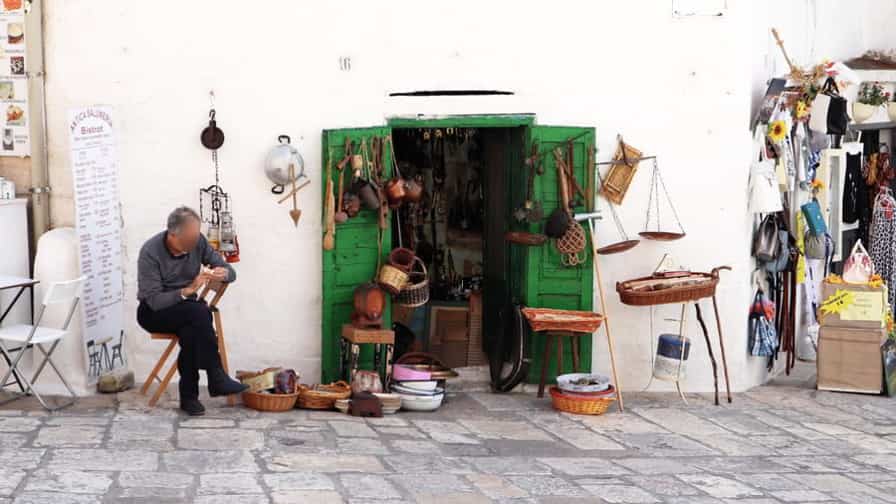
Wandering through Ostuni’s old town feels like stepping into a living postcard. Narrow, winding alleys twist unpredictably, opening onto small piazzas where life unfolds at an unhurried pace. Flower pots spill color from balconies, laundry lines stretch between buildings, and the scent of fresh bread and olive oil drifts through the air. At the highest point of the city stands the impressive Gothic-style cathedral, its ornate façade carved from pale stone, watching over the Adriatic coastline that stretches into the distance.
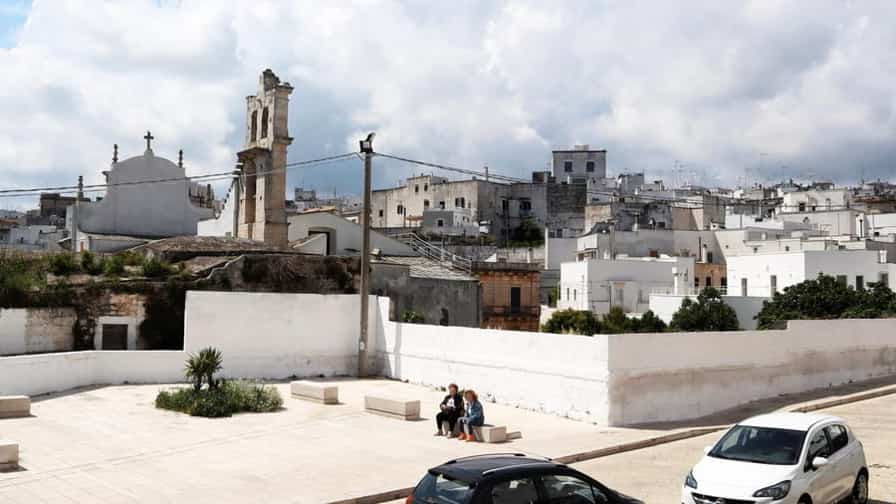
Ostuni’s history is as layered as its architecture. Its origins trace back to prehistoric settlements, and over the centuries it has been shaped by a succession of civilizations, including the Messapians, Romans, Byzantines, and Normans. Each left subtle imprints on the city’s culture and structure, contributing to the rich tapestry that defines Ostuni today. This blend of influences is evident not only in the buildings but also in local traditions, dialect, and cuisine.
Food is central to life in Ostuni, as it is throughout Puglia. The region is often called the breadbasket of Italy, and the surrounding countryside is dotted with ancient olive groves, some trees thousands of years old. Local dishes celebrate simplicity and quality, with ingredients like extra virgin olive oil, fresh vegetables, durum wheat pasta, and seafood from nearby waters. Dining here is less about formality and more about savoring flavors, often enjoyed outdoors as the sun sets and the city glows golden.
Beyond its historic center, Ostuni offers easy access to both countryside and coast. The nearby Valle d’Itria is famous for its trulli—cone-roofed stone houses that appear almost fairytale-like, while the Adriatic beaches provide a refreshing contrast to the town’s hilltop setting. This balance between cultural richness and natural beauty makes Ostuni an ideal base for exploring the wider region.
What truly defines Ostuni, however, is its atmosphere. There is a quiet magic in the way light reflects off its white walls at different times of day, shifting from brilliant midday brightness to soft, warm hues at dusk. It is a place where past and present coexist effortlessly, where traditions are preserved without feeling frozen in time. Whether arriving for a brief visit or an extended stay, Ostuni leaves a lasting impression—one of elegance, authenticity, and a deep connection to the rhythms of southern Italy.
Worth a Visit
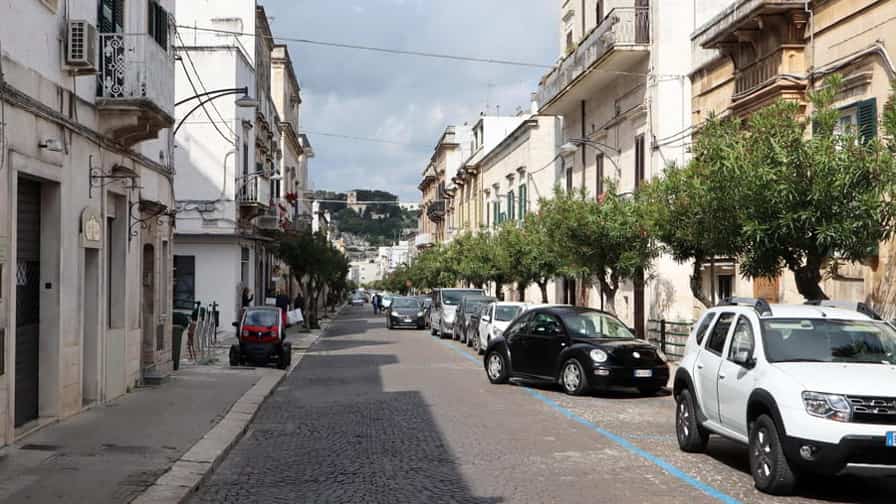
Corso Giuseppe Mazzini in Ostuni, Italy, is one of the town’s central streets, offering a blend of local charm, daily life, and convenient access to key landmarks. Located in the heart of Ostuni’s modern district, the street serves as an important connection between the picturesque old town and the surrounding neighbourhoods. Lined with shops, cafés, and services, it reflects the rhythm of everyday life in contrast to the more historic, touristic areas of the “White City.” Its strategic position makes it a popular route for both residents and visitors, providing access to public amenities, transport links, and cultural spots. From here, one can easily explore Ostuni’s famous whitewashed old quarter, admire panoramic views of the Adriatic coast, or enjoy the lively atmosphere of the newer part of town. Corso Giuseppe Mazzini is not only practical but also a true expression of Ostuni’s vibrant community spirit.
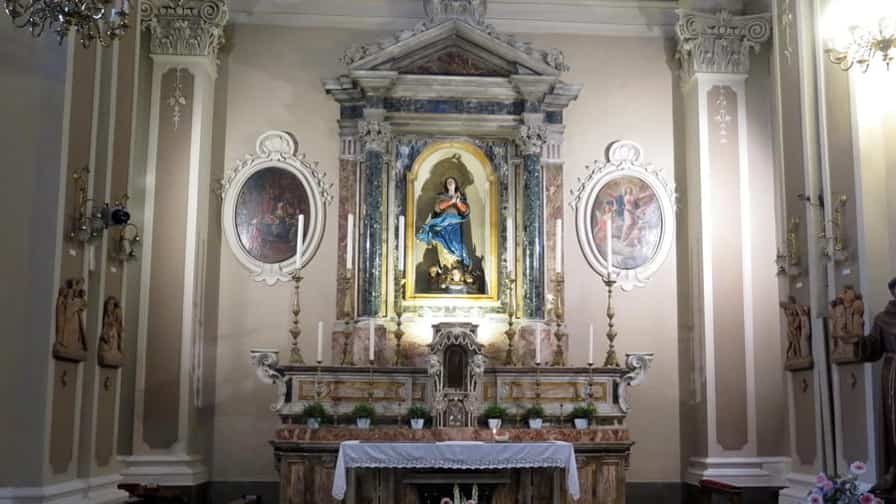
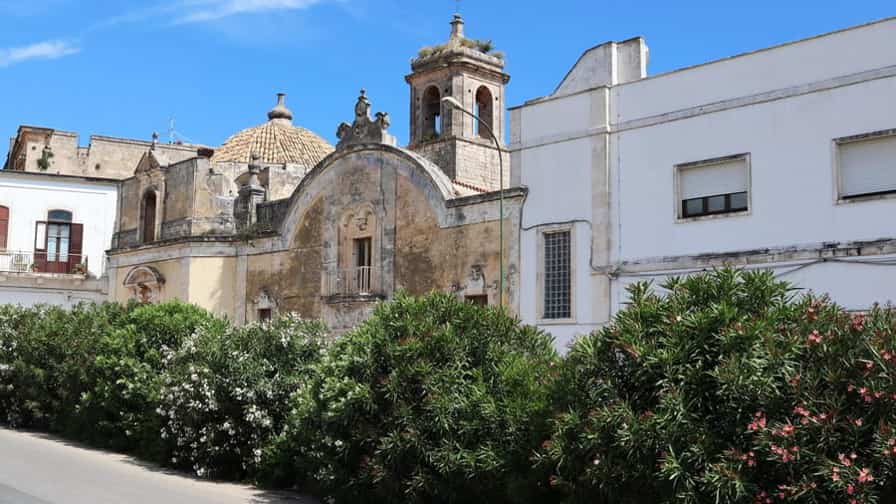
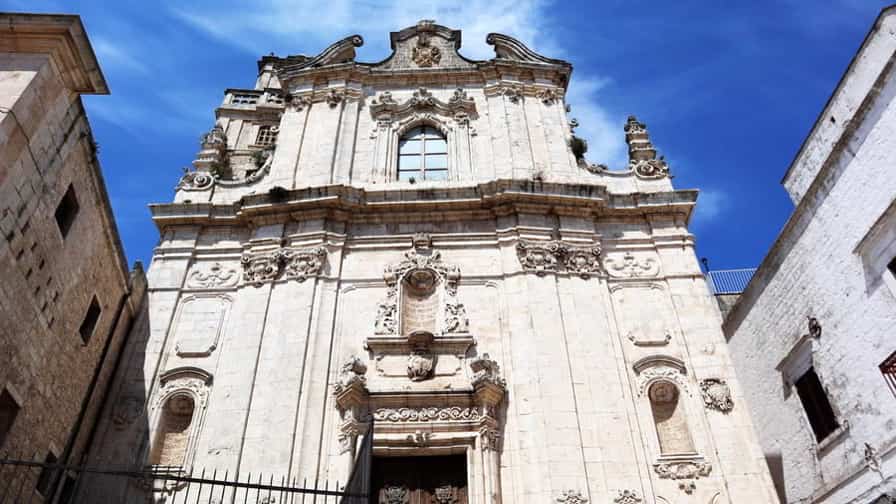
The Chiesa di San Francesco, located along Corso Giuseppe Mazzini in Ostuni, Italy, is a remarkable landmark that reflects the town’s deep religious and cultural heritage. Originally built in the 14th century and later transformed in the 18th century, the church combines elements of Gothic and Baroque architecture, creating a harmonious and elegant presence in the heart of the White City. Its striking façade, adorned with ornate details, invites visitors to step inside and experience a peaceful, spiritual atmosphere. The interior is equally captivating, featuring refined altars, sacred artworks, and a sense of tranquillity that contrasts beautifully with the lively streets outside. As one of Ostuni’s most significant churches, it stands not only as a place of worship but also as a cultural and historical treasure. Easily accessible from the main square and nearby attractions, the Chiesa di San Francesco is a must-see for anyone exploring Ostuni’s charm.
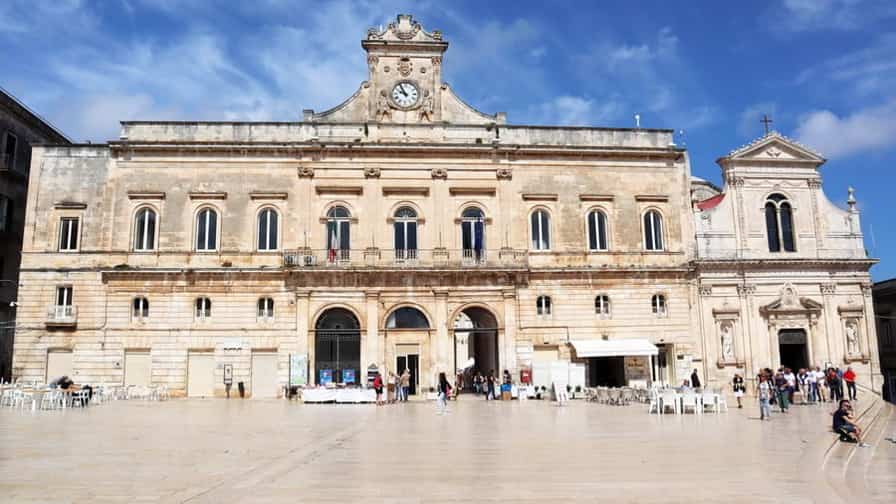
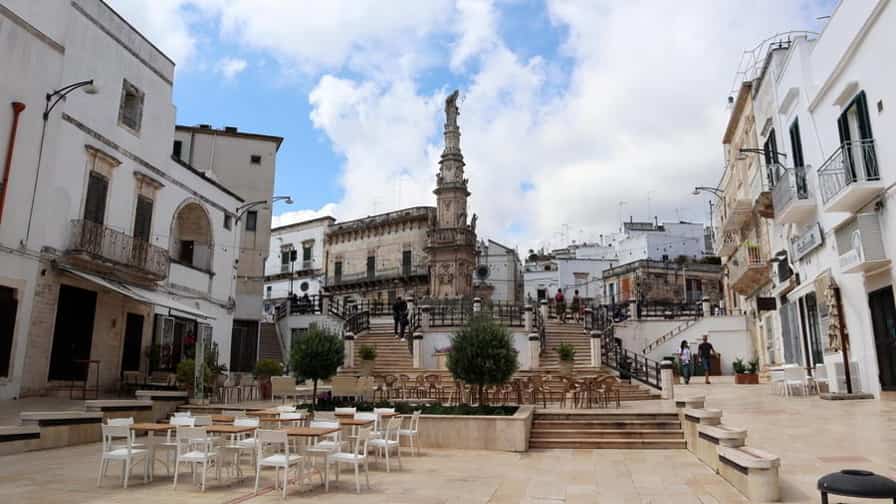
Piazza della Libertà is the vibrant heart of Ostuni, a lively square where history, culture, and community life come together. Surrounded by elegant buildings and charming cafés, the piazza is the main gathering point for both locals and visitors. Dominating the square is the impressive 18th-century Obelisk of Sant’Oronzo, a monument dedicated to the town’s patron saint, who is credited with protecting Ostuni from plague and disaster. Nearby, the former Convento di San Francesco, now the Town Hall, adds historical depth with its grand architecture. The piazza serves as the perfect starting point to explore Ostuni, linking the winding streets of the medieval old town with the broader modern district. By day, it is filled with movement and light, while in the evening it transforms into a lively social hub with restaurants and events. Piazza della Libertà is truly the beating heart of the “White City.”
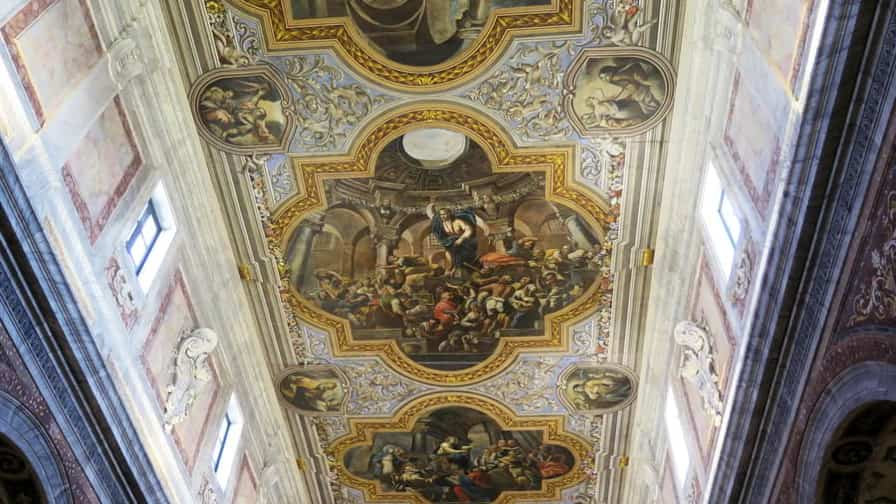
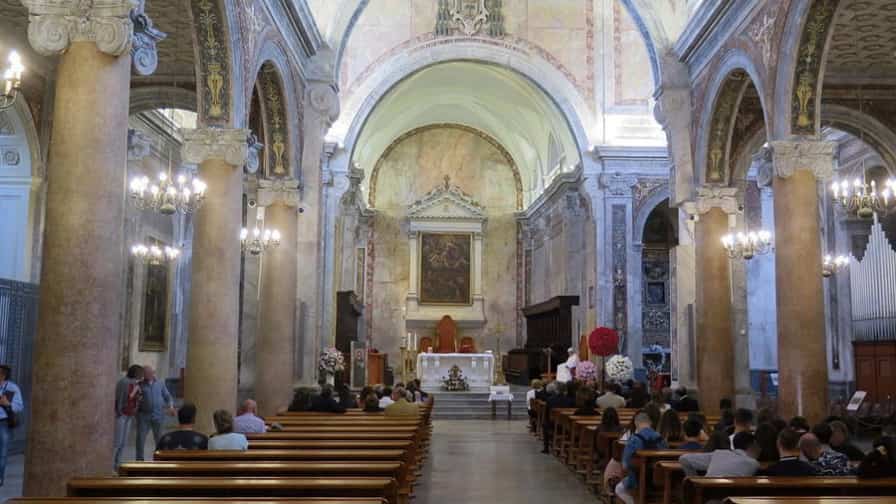
The Concattedrale di Santa Maria Assunta in Cielo, standing proudly in Piazza Beato Giovanni Paolo II, is the spiritual and architectural centerpiece of Ostuni. Originally constructed in the 15th century, the cathedral blends late Gothic and Romanesque influences with later Baroque touches, creating a harmonious and striking monument. Its most distinctive feature is the grand rose window on the façade, a finely carved masterpiece that symbolizes eternity and divine light. Inside, visitors are greeted by a bright and serene space adorned with elegant altars, sacred artworks, and refined details that reflect centuries of devotion. The cathedral has long been a place of worship and community gathering, serving as both a religious and cultural landmark in the “White City.” Its prominent location at the highest point of Ostuni offers not only a spiritual experience but also sweeping views of the old town’s whitewashed streets and the surrounding Apulian landscape.
Photo Gallery of Walk 1 – Corso Giuseppe Mazzini to Corso Vittorio Emanuele II
Approximately 1.18 km – 0.73 miles
The walk starts in Corso Giuseppe Mazzini – Via Giuseppe Rodio – Giuseppe Orlando – Via Giuseppe Rodio – Corso Giuseppe Mazzini – Vicolo Domenico Anglani – Corso Giuseppe Mazzini – Vico Aurelio Saffi – Corso Giuseppe Mazzini – Via G. Pisanelli – Corso Giuseppe Mazzini – Chiesa di San Francesco, Corso Giuseppe Mazzini – Piazza della Libertà – Via Matteo Renato Imbriani – Chiesa dello Spirito Santo, Via Roma – Corso Vittorio Emanuele II
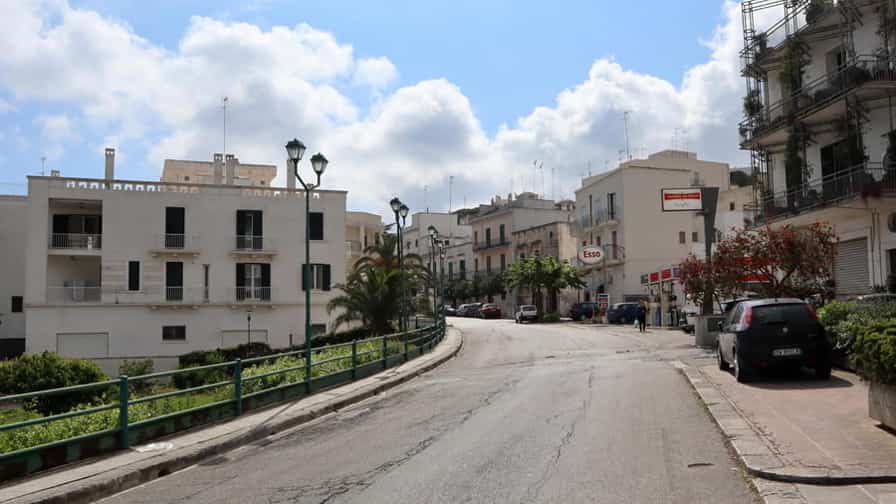
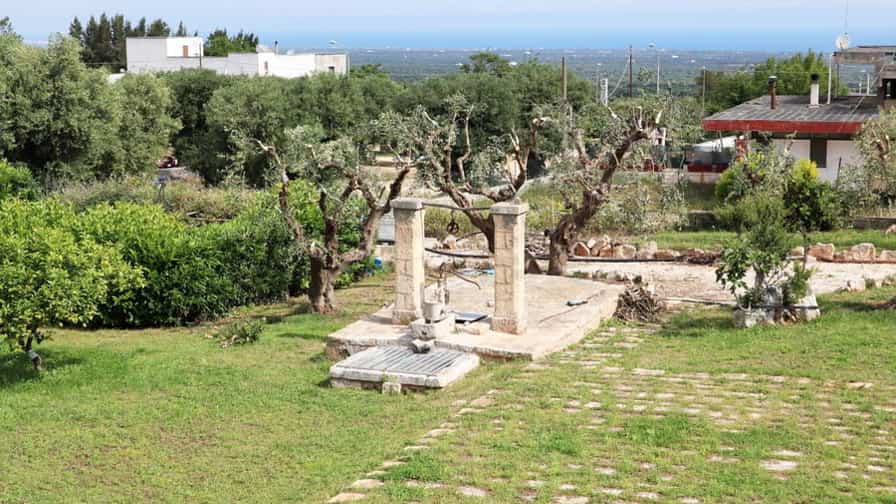
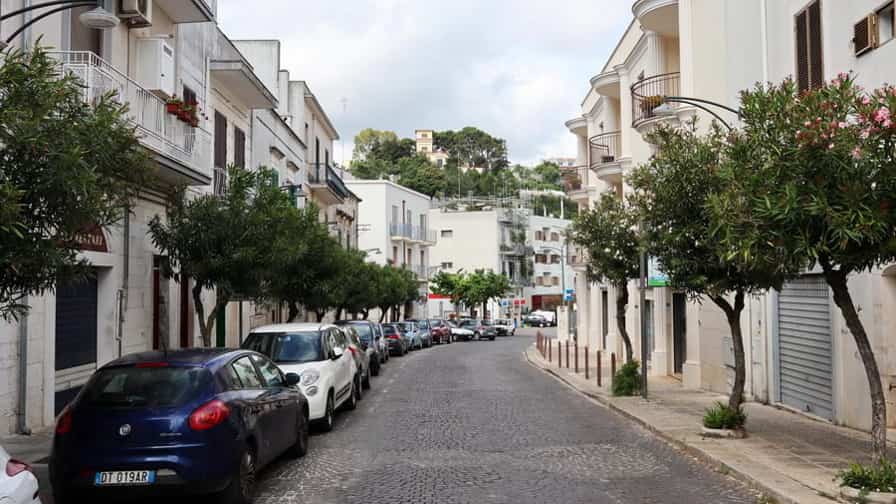
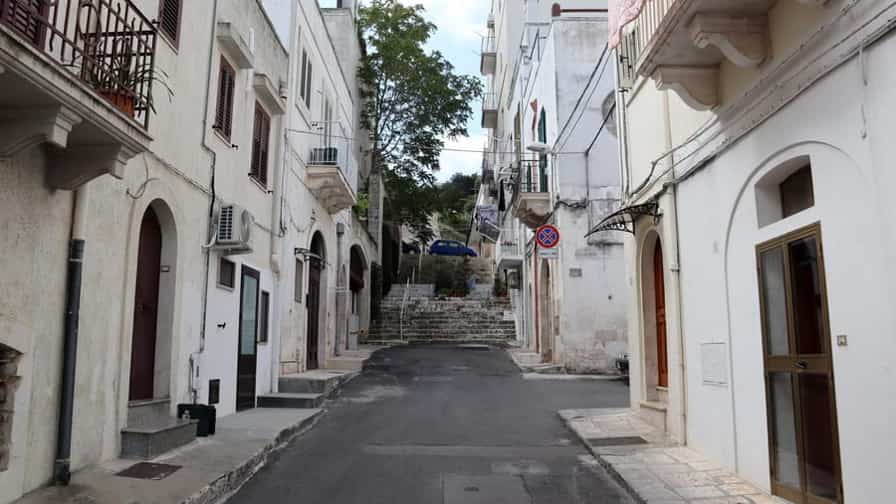
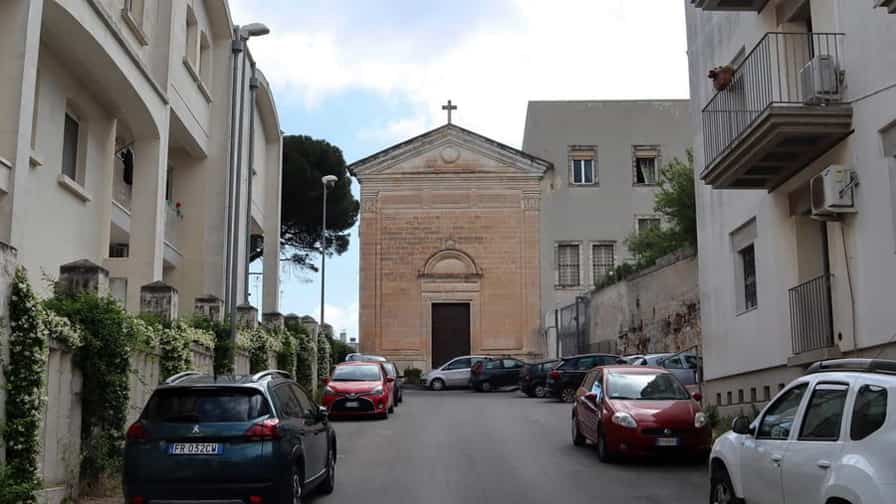
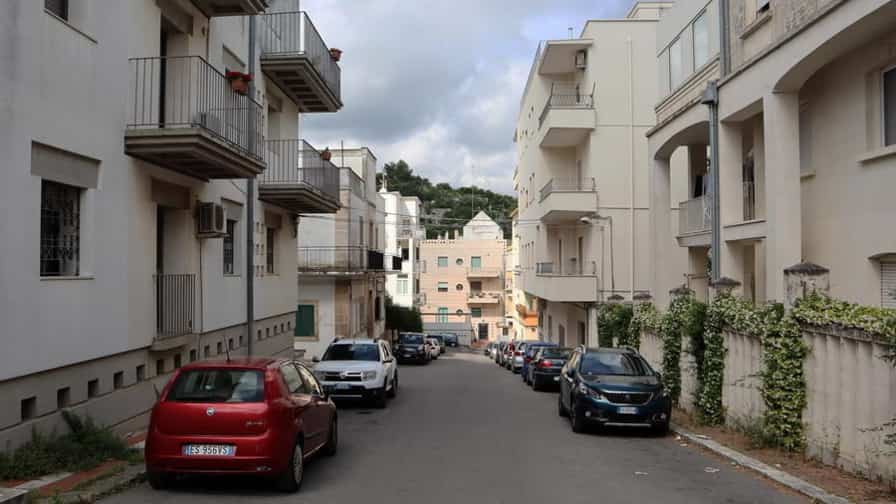
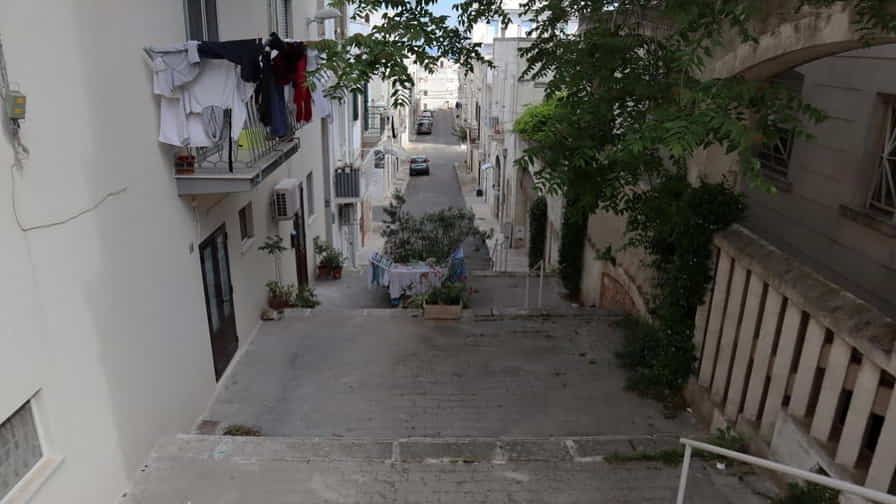
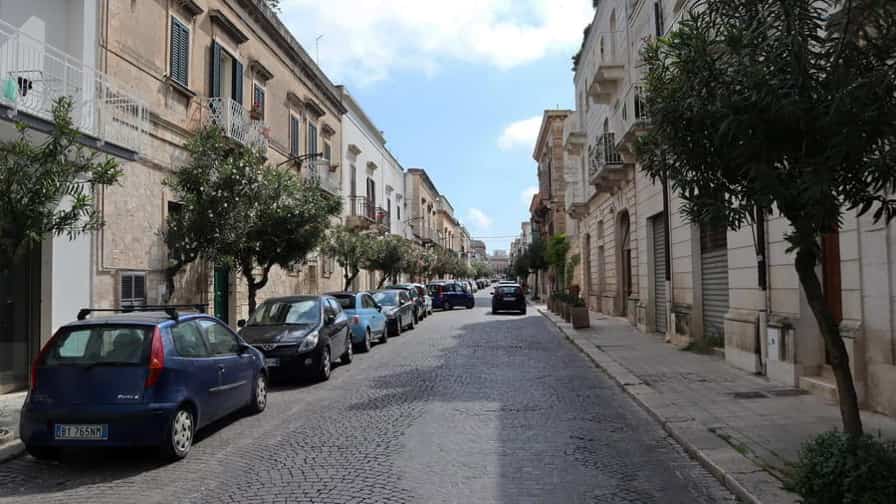
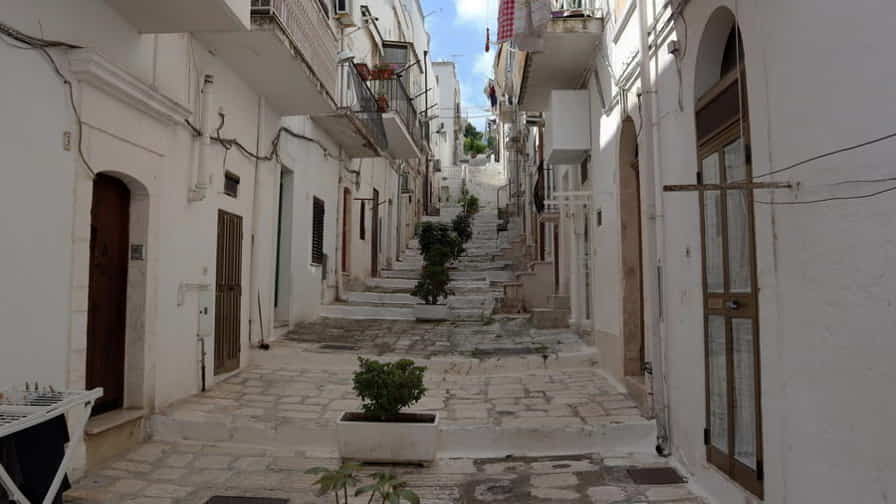
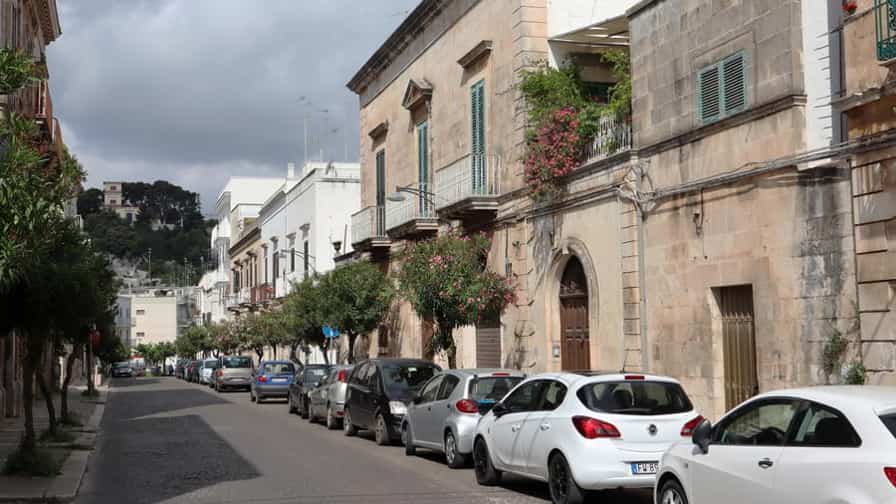
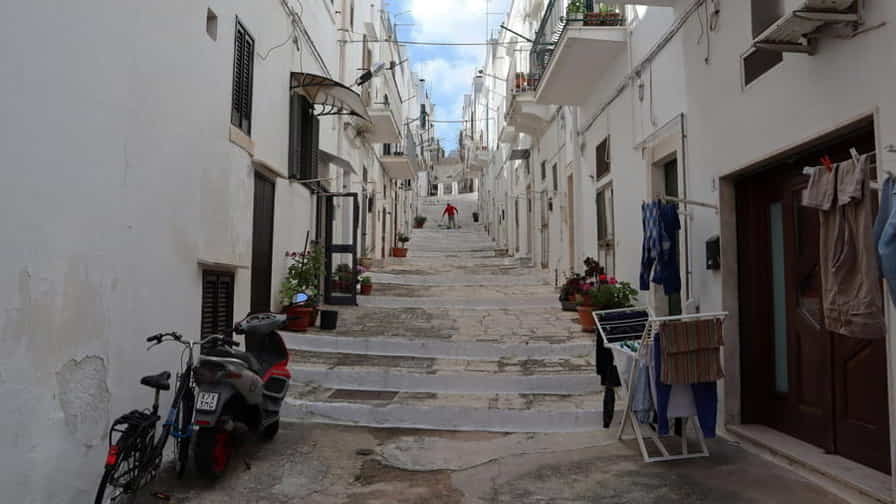
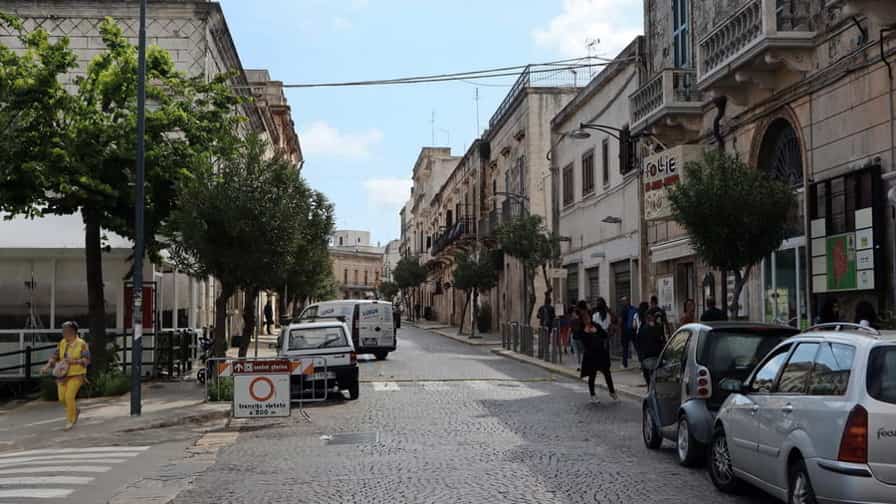
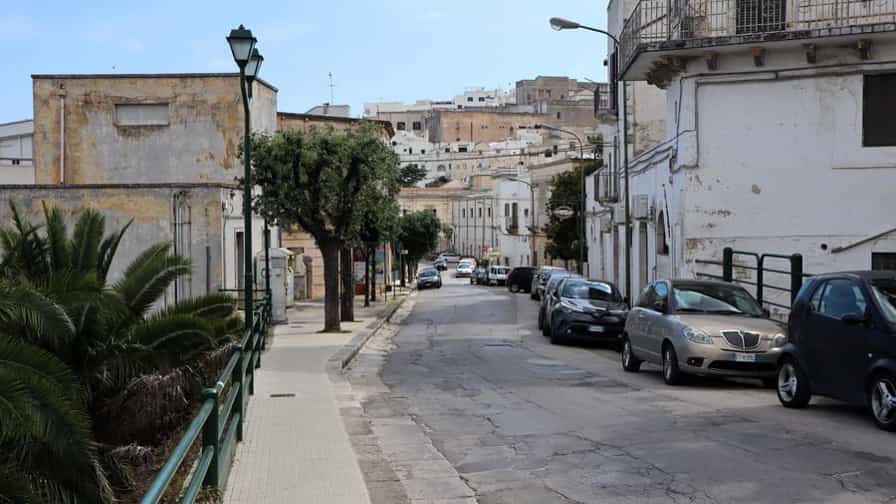
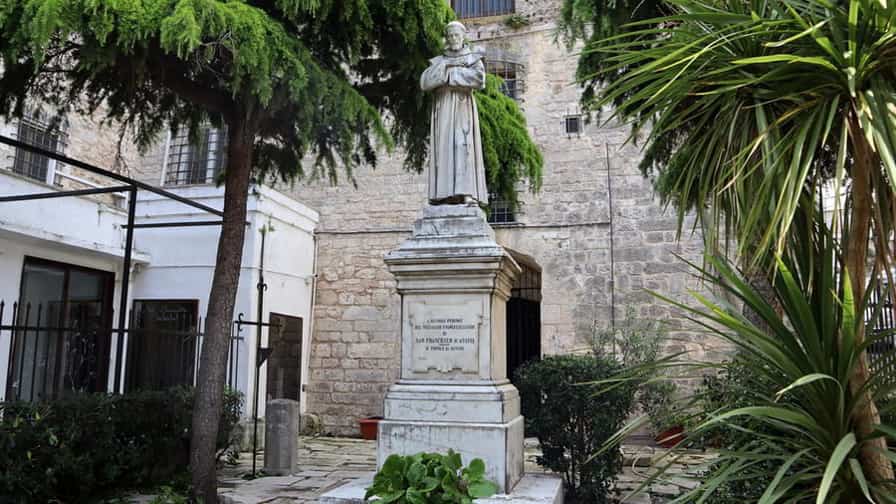
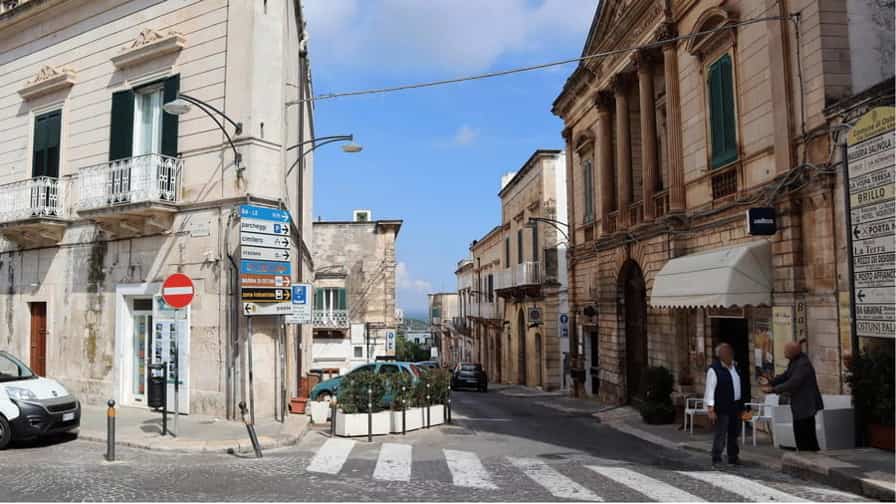
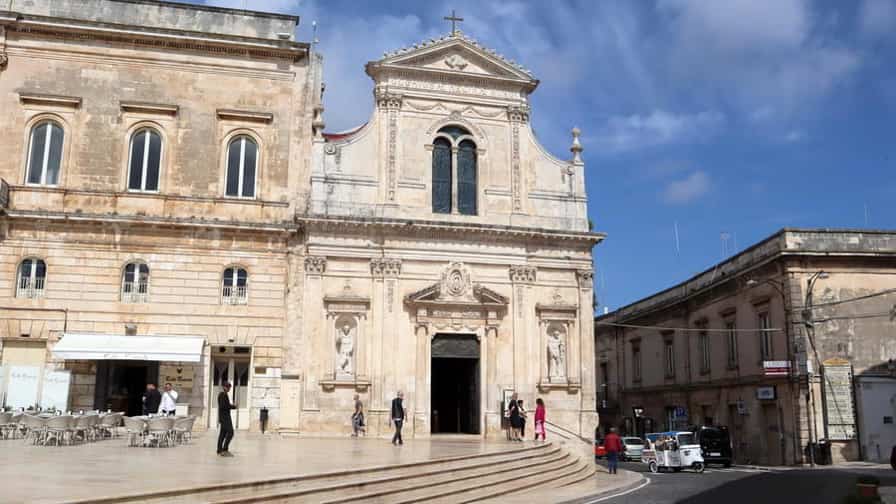
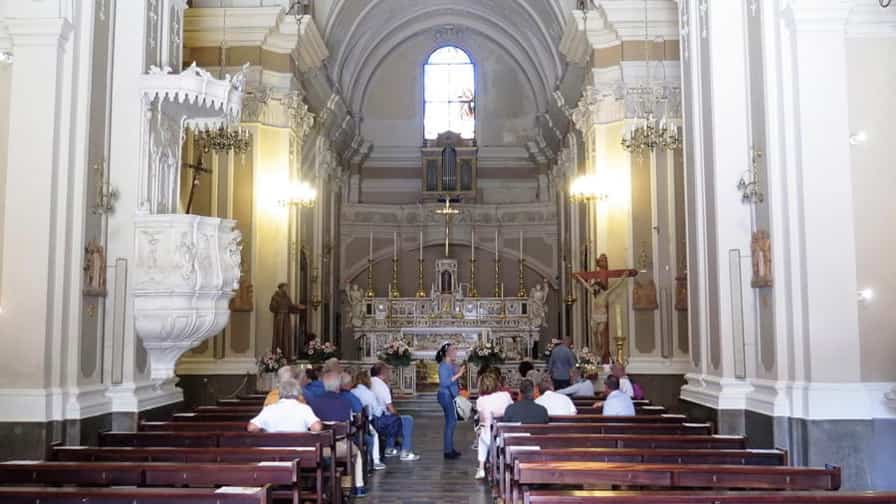
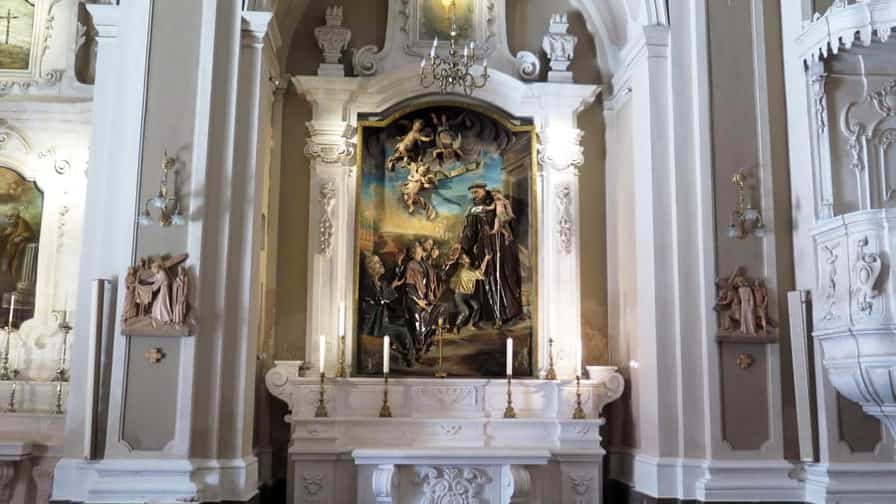
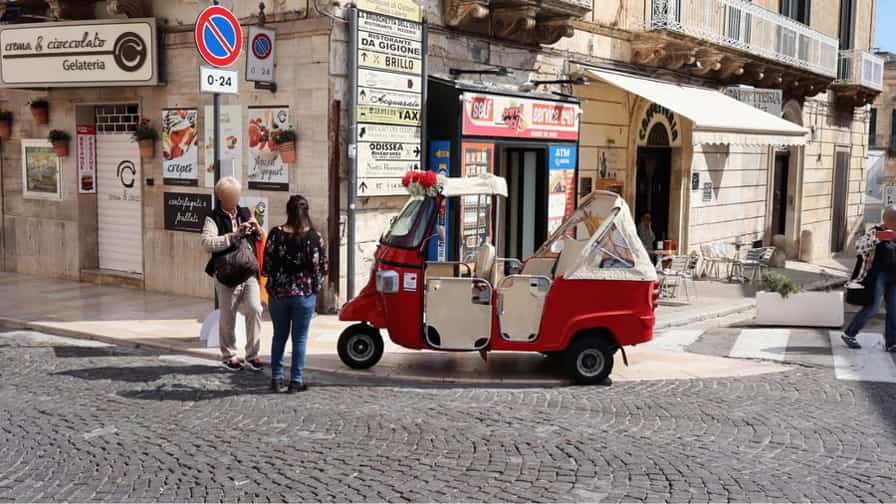
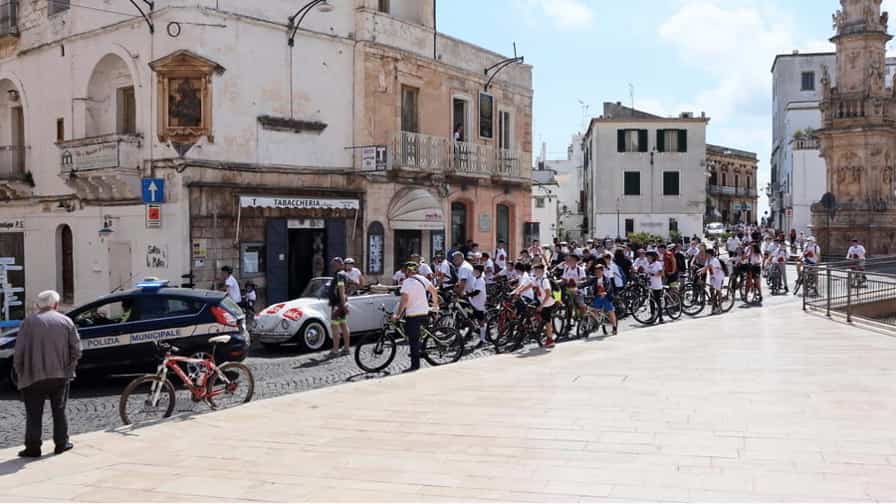
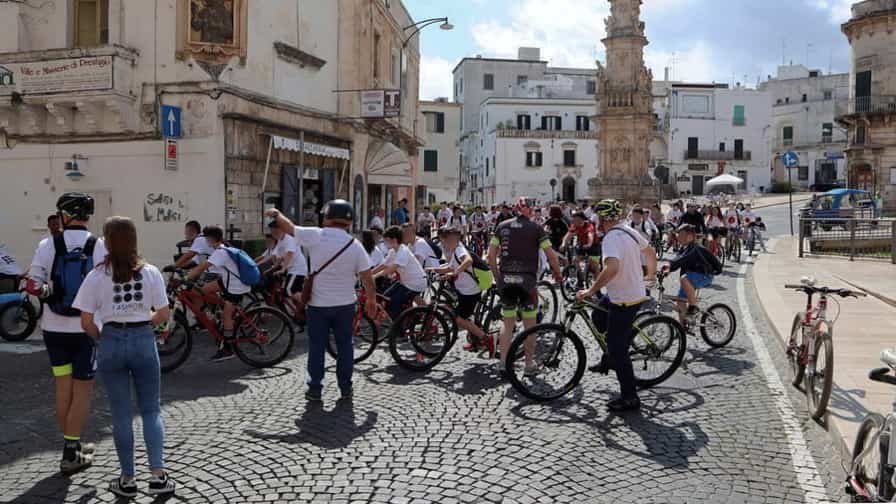
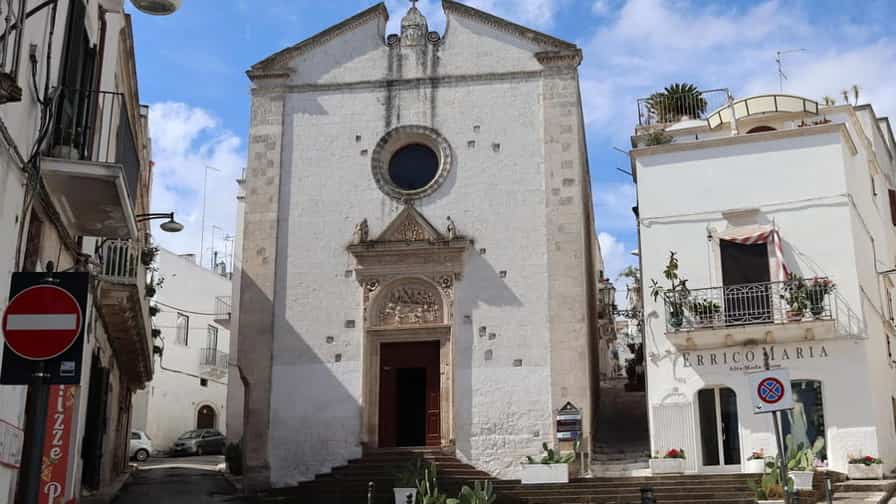
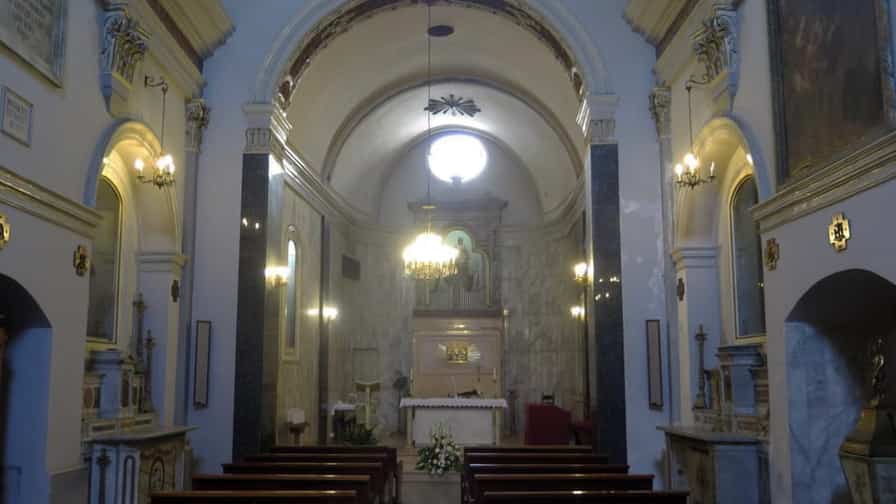
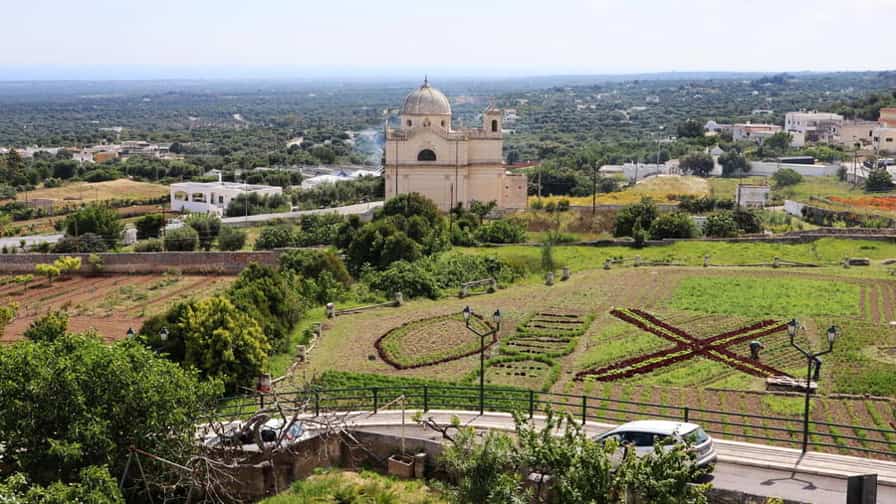
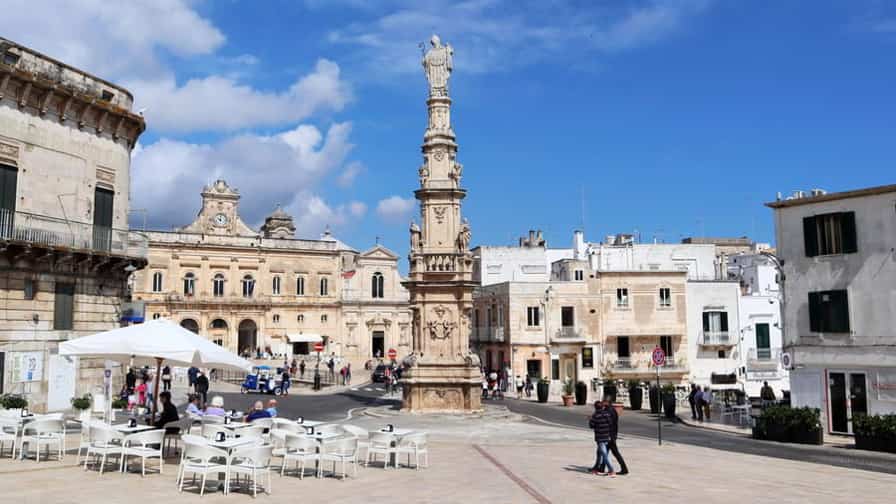
Photo Gallery of Walk 2 – Via Indipendenza to Via Giovanni Antonio Petrarolo
Approximately 1.51 km – 0.94 miles
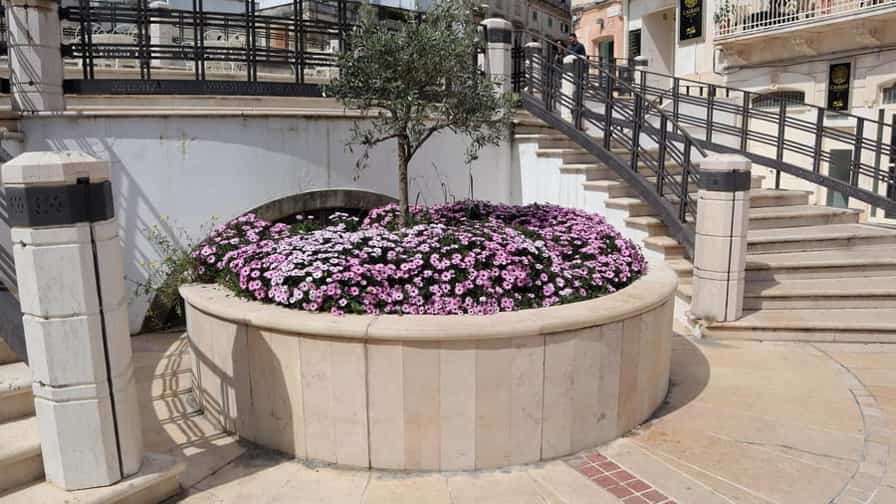
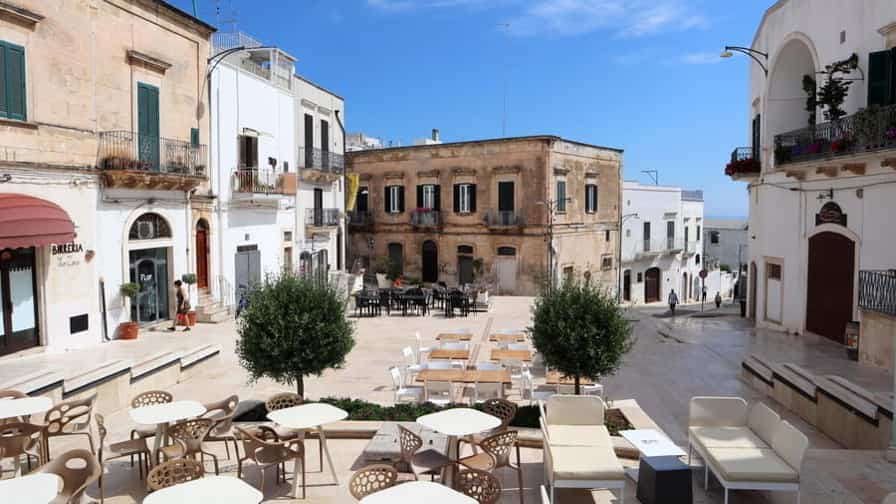
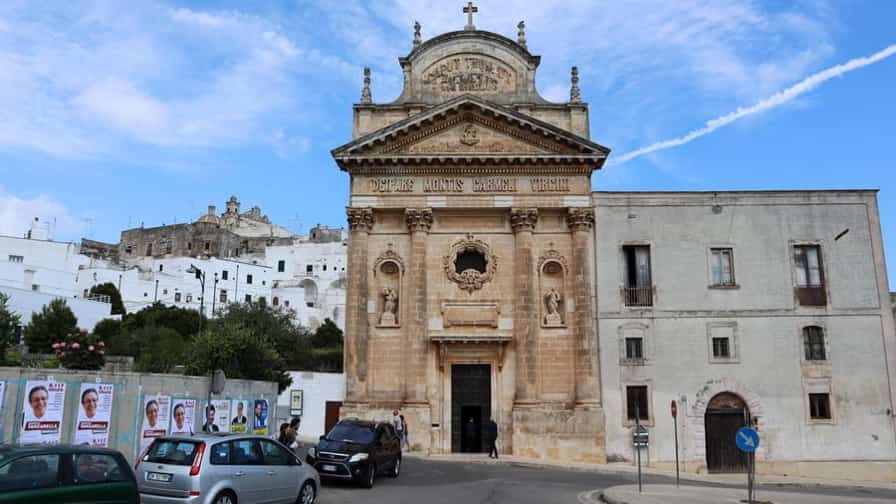
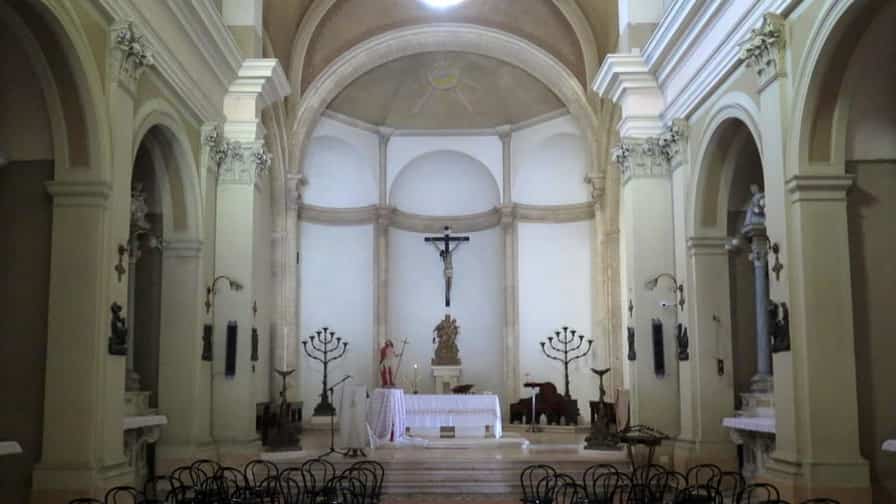
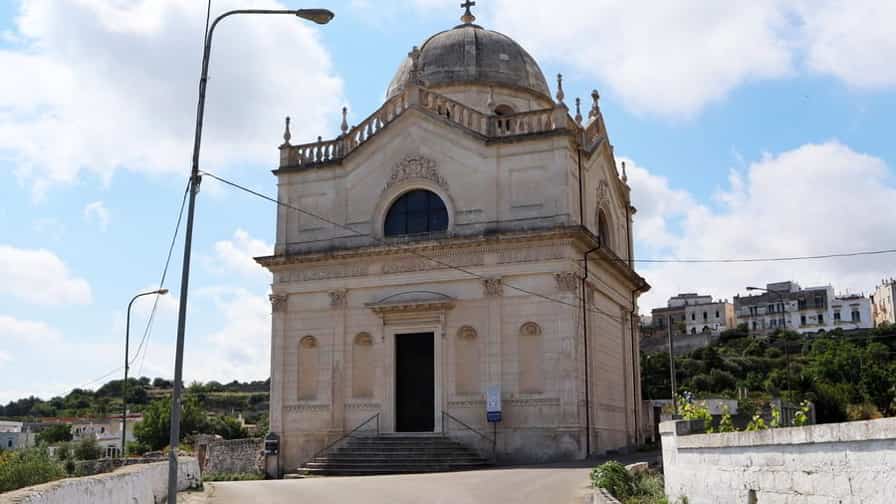
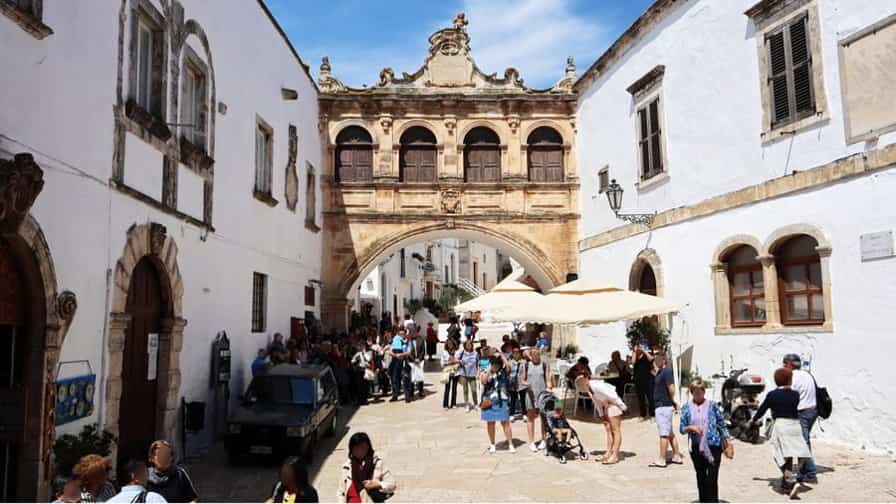
The walk starts in Via Indipendenza -Via Salvatore Tommasi – Chiesa del Carmine, Via Giosuè Pinto – Unnamd Roads – Via Arciduca Francesco Antonio Zaccaria – Via Cattedrale – Concattedrale di Santa Maria Assunta in Cielo, Piazza Beato Giovanni Paolo II – Piazza Beato Giovanni Paolo II – L. Arcidiacono Trinchera – Arco Scoppa, L. Arcidiacono Trinchera – Via F. Incalzi Antonelli – Vico Pasquale Villari – Via Giovanni Antonio Petrarolo
COPYRIGHT © 2018-2025 ITALY IN PHOTOS – ALL RIGHTS RESERVED