
HOME
REGIONS OF ITALY
PLACES IN ITALY
PLAN YOUR TRIP
Italy in Photos
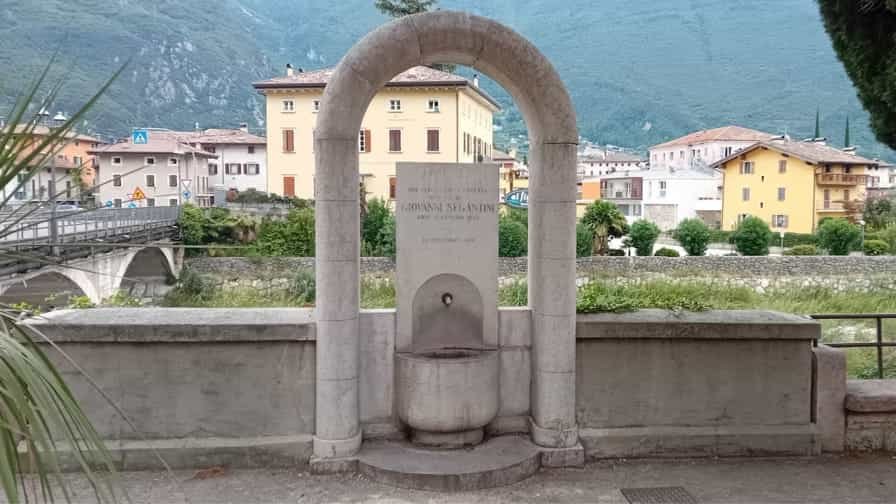
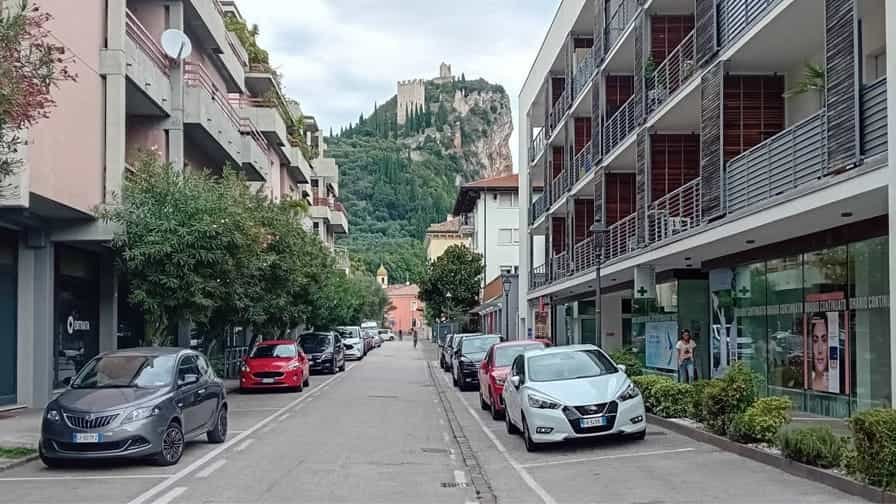
Via Roma, 38062 Arco TN, Italy (September 2024)
Arco
Delayed or cancelled flight?
Get up to £520!
You’ve got rights when your flight’s disrupted.
We enforce them and handle everything so you get paid
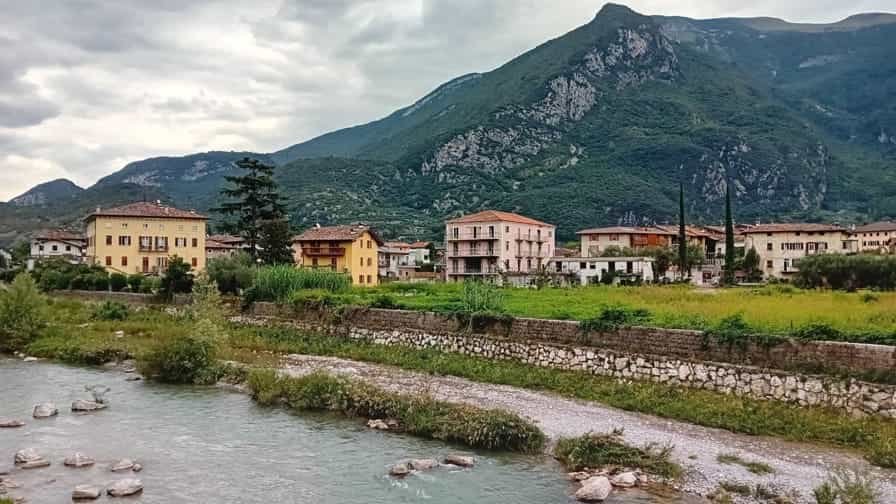
Set against the dramatic limestone cliffs at the northern edge of Lake Garda, Arco is a picturesque town in northern Italy where Mediterranean light meets Alpine landscapes. Located in the Trentino region, Arco enjoys a mild microclimate that has long attracted visitors seeking both natural beauty and restorative air. With its palm trees, olive groves, and sheer rock faces rising above terracotta rooftops, the town presents a striking blend of mountain strength and southern elegance.
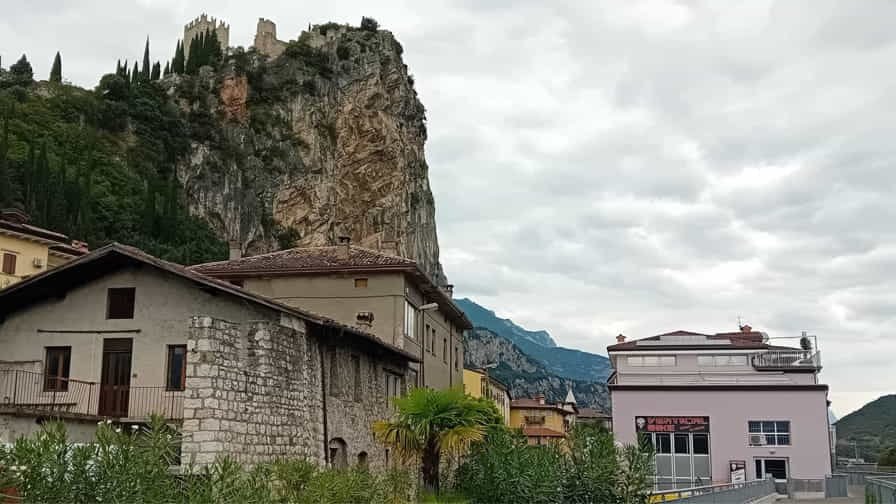
Arco’s history stretches back to antiquity, but it is the Middle Ages that most strongly shaped its identity. Dominating the town from a rocky outcrop is the Castello di Arco, a ruined medieval fortress that remains its most iconic landmark. The castle’s silhouette is visible from nearly every corner of the town, and the walk up to its walls rewards visitors with sweeping views over the Sarca Valley and Lake Garda. Frescoes preserved within the castle ruins offer glimpses into medieval court life, while the surrounding cliffs have become legendary among rock climbers from around the world.
In the 19th century, Arco gained fame as a health resort within the Austro-Hungarian Empire. Its gentle climate, abundant sunshine, and clean air made it a favoured destination for aristocrats and artists seeking relief from respiratory ailments. Elegant villas, landscaped gardens, and grand hotels from this era still line the streets, lending the town a refined, almost nostalgic atmosphere. This legacy of wellness continues today, as Arco is associated with outdoor activity, balance, and a healthy lifestyle.
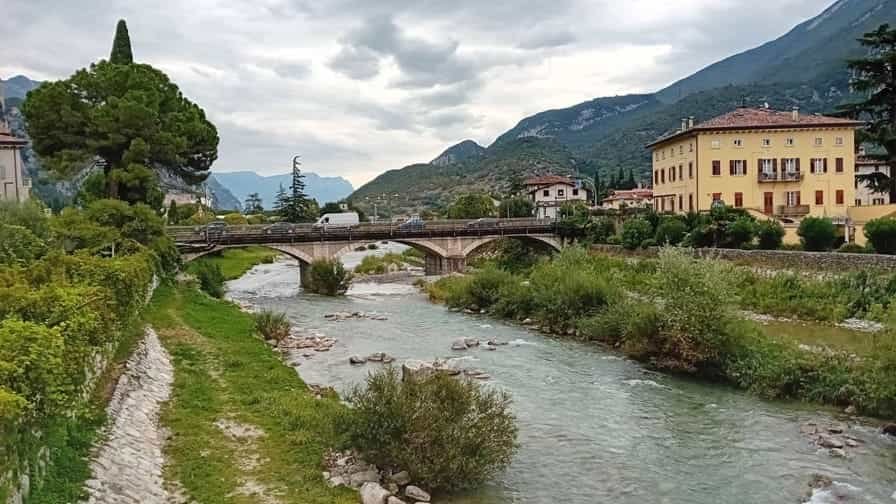
Nature is central to life in Arco. The surrounding area offers exceptional opportunities for outdoor recreation, from climbing and hiking to cycling and wind sports on nearby Lake Garda. The cliffs around the town are considered some of the best sport-climbing destinations in Europe, hosting international competitions and attracting climbers year-round. For those who prefer gentler pursuits, walking paths wind through olive groves, vineyards, and along the Sarca River, offering serene ways to explore the landscape.
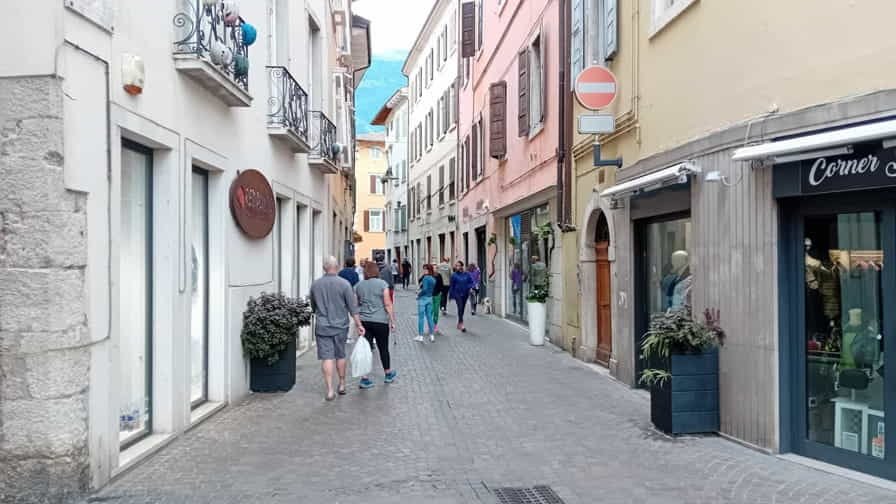
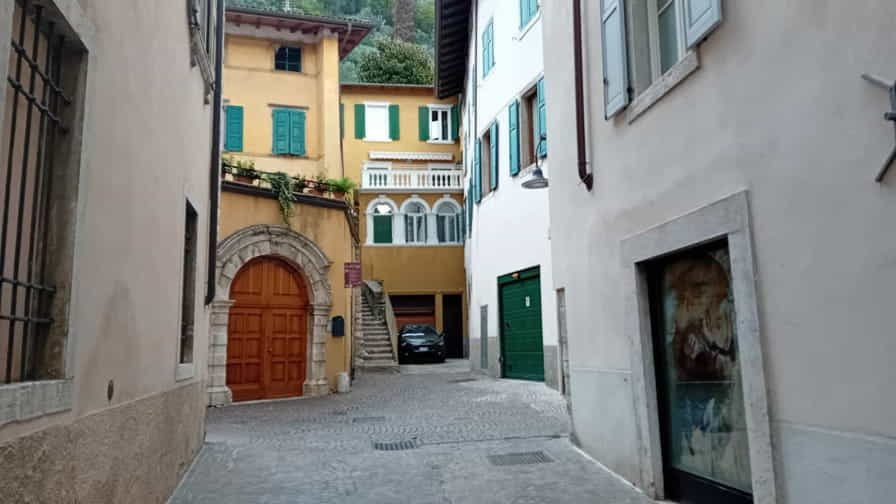
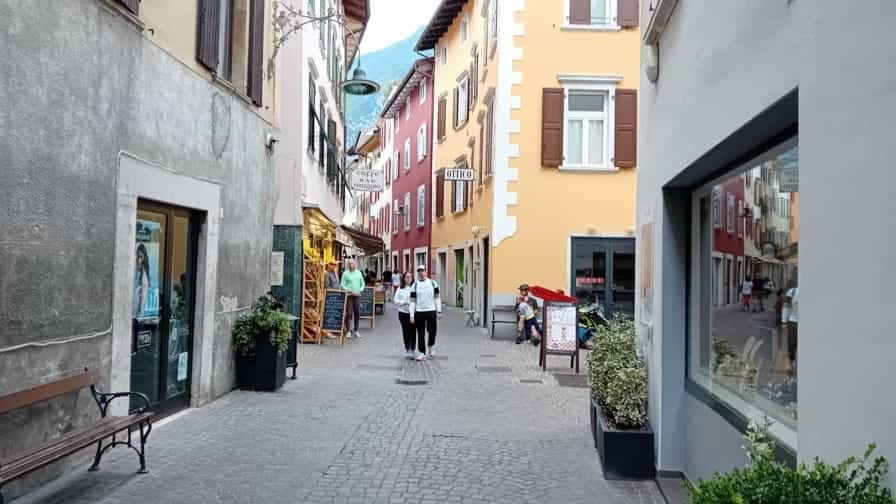
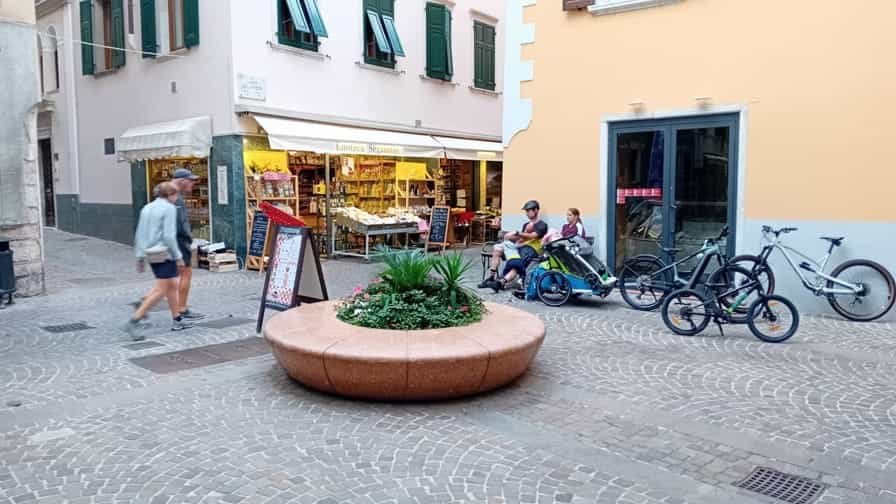
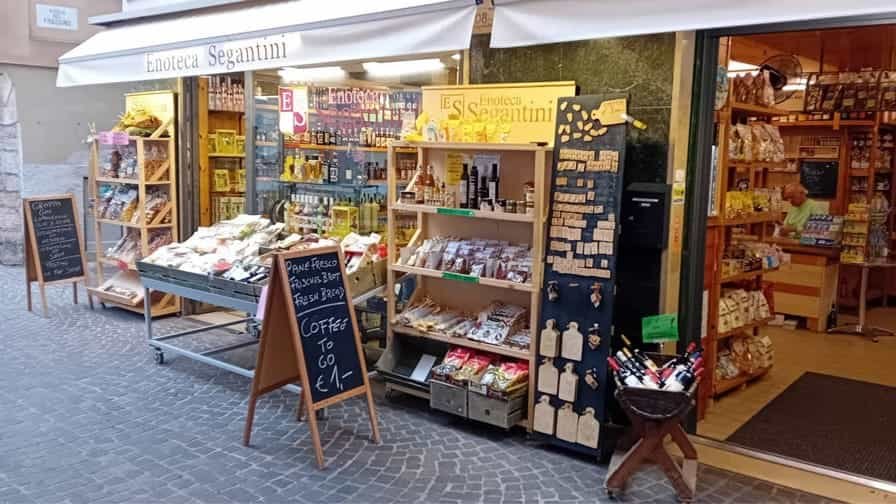
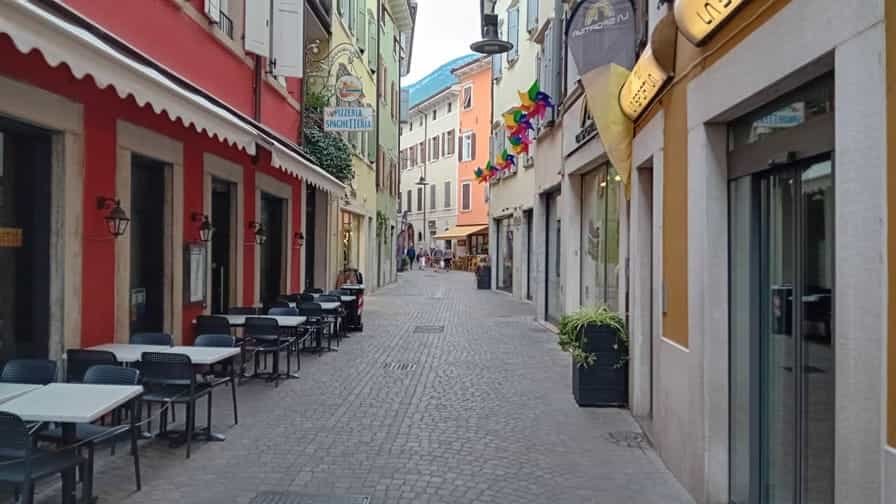
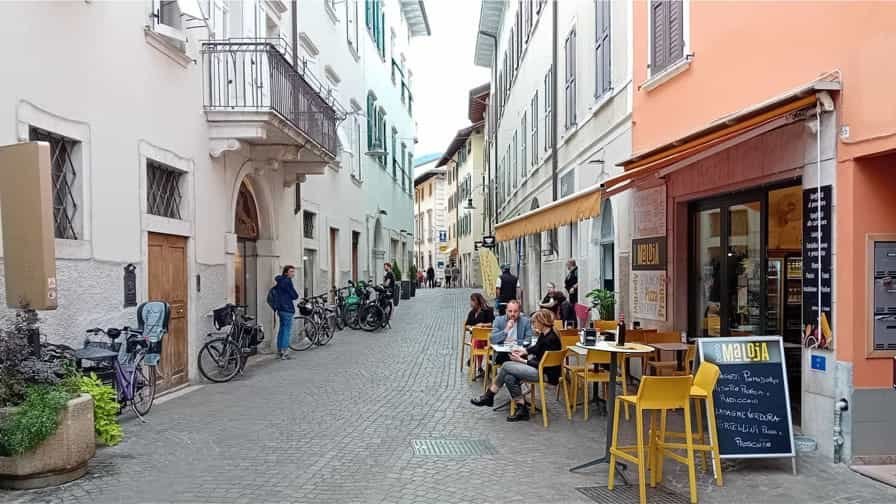
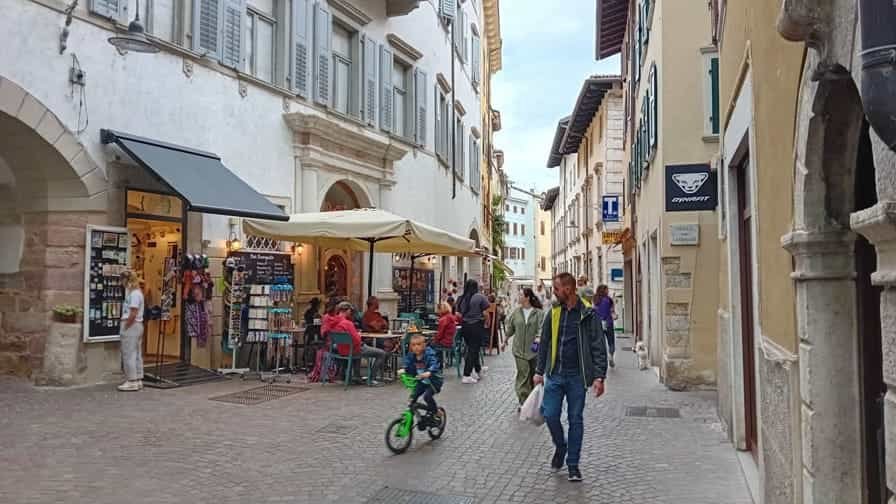
Arco’s historic centre is compact and inviting, characterized by narrow streets, pastel-coloured buildings, and lively piazzas. Cafés and small restaurants spill onto cobblestone squares, creating a relaxed social scene that reflects the town’s laid-back rhythm. Local cuisine blends Trentino traditions with Mediterranean influences, featuring fresh fish from Lake Garda, locally pressed olive oil, seasonal vegetables, and regional wines. Markets and festivals throughout the year celebrate these flavours, as well as local crafts and music.
Culturally, Arco balances tradition with an international outlook shaped by tourism and sport. While deeply rooted in regional customs, the town feels open and cosmopolitan, welcoming visitors from across Europe and beyond. This mix gives Arco a dynamic yet peaceful character that appeals to travellers seeking both activity and tranquillity.
Arco is not simply a gateway to Lake Garda or the surrounding mountains; it is a destination in its own right. With its striking scenery, layered history, and vibrant outdoor culture, Arco offers an experience that is both energizing and restorative, capturing the unique spirit of northern Italy where Alps and Mediterranean meet.
Worth a Visit
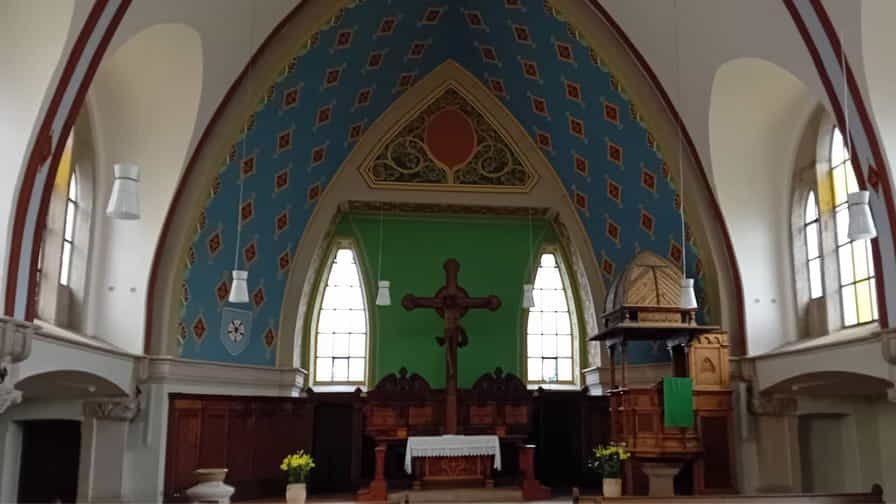
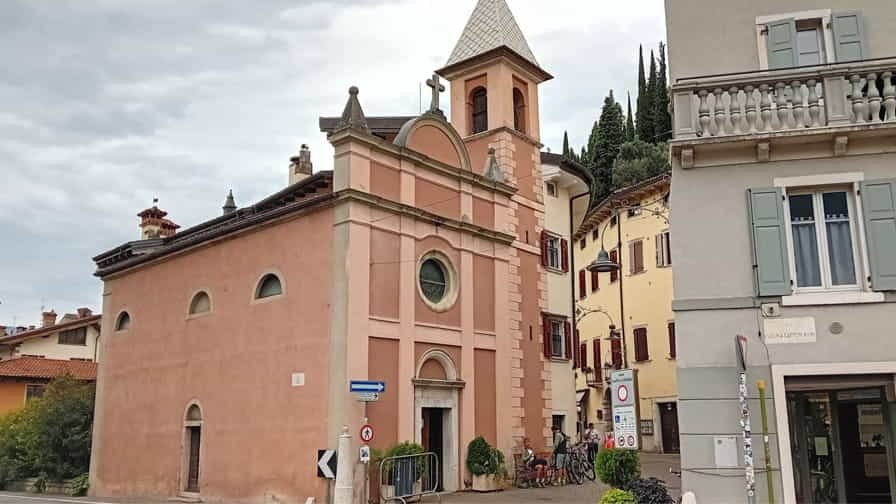
The Chiesa Evangelica on Via Roma in Arco is a graceful and historically significant church that reflects the town’s late nineteenth-century cosmopolitan character. Built during a period when Arco was a popular health resort within the Austro-Hungarian Empire, the church served the growing community of Protestant visitors who came to the town for its mild climate and therapeutic atmosphere. Its architectural style, elegant yet understated, blends elements of Gothic and Neo-Romanesque design, distinguished by pointed arches, tall windows, and a simple façade that harmonizes beautifully with the surrounding streetscape. Inside, the church offers a serene space for reflection, enriched by natural light that enhances its calm and spiritual atmosphere. Today, the Chiesa Evangelica stands not only as a place of worship but also as a symbol of Arco’s openness and cultural diversity, recalling an era when the town became a meeting point for people from across Europe.
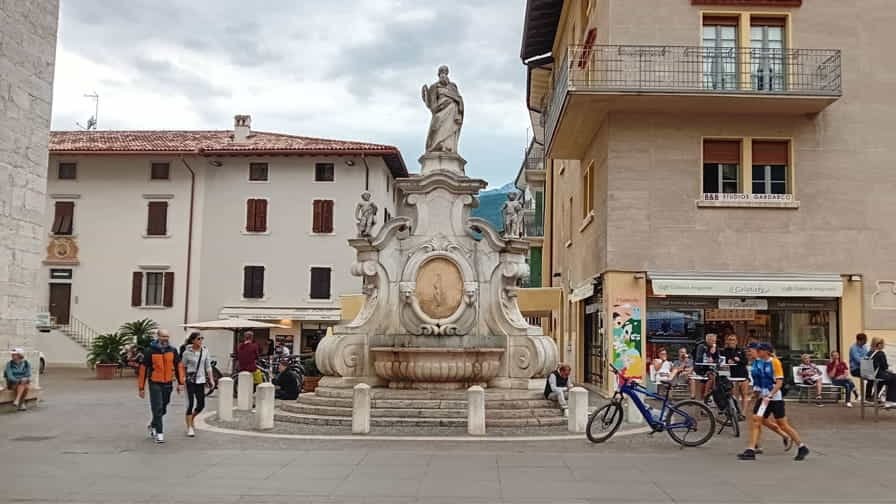
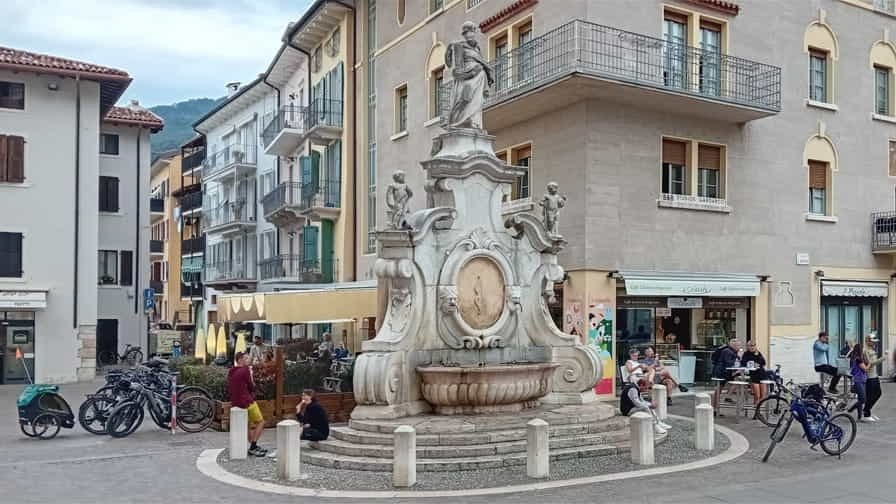
Piazza III Novembre is the heart of Arco, a beautiful square that captures the essence of this historic town in northern Italy. Surrounded by elegant palaces, arcades, and cafés, the square has long been the center of social, cultural, and civic life. Its name, commemorating the date of Italy’s victory in World War I, reflects Arco’s historical ties and national pride. The square is framed by notable buildings such as Palazzo Marchetti, known for its Renaissance frescoes, and the Church of Santa Maria Assunta, whose Baroque façade adds grace to the scene. At its center, the open space invites both locals and visitors to gather, enjoy coffee, and admire the view toward the imposing Arco Castle perched on the hill above. With its harmonious architecture and lively yet relaxed atmosphere, Piazza III Novembre embodies the timeless charm of Arco and serves as a welcoming gateway to the town’s history and culture.
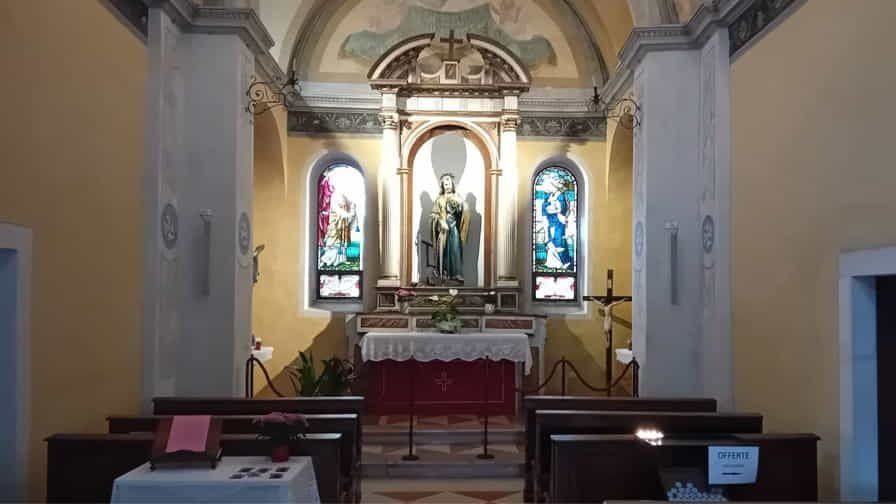
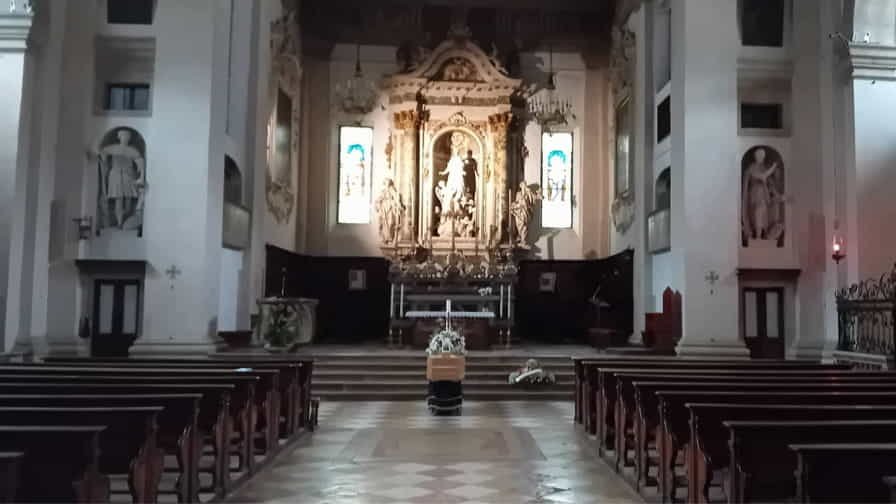
The Chiesa di San Giuseppe in Arco is a serene and elegant church that reflects the town’s deep spiritual and artistic heritage. Located near the historic center, this church was built in the seventeenth century and dedicated to Saint Joseph, the protector of families and workers. Its simple yet refined façade, characterized by balanced proportions and classical elements, opens to an interior rich in devotion and beauty. Inside, visitors can admire harmonious altars, delicate frescoes, and paintings that depict scenes from the life of Saint Joseph and the Holy Family. The warm light filtering through its windows enhances the atmosphere of peace and contemplation. Over the centuries, the Chiesa di San Giuseppe has remained an important place of worship and reflection for the local community. Surrounded by the charm of Arco’s old streets, it stands as a quiet sanctuary where history, faith, and art meet in perfect balance.
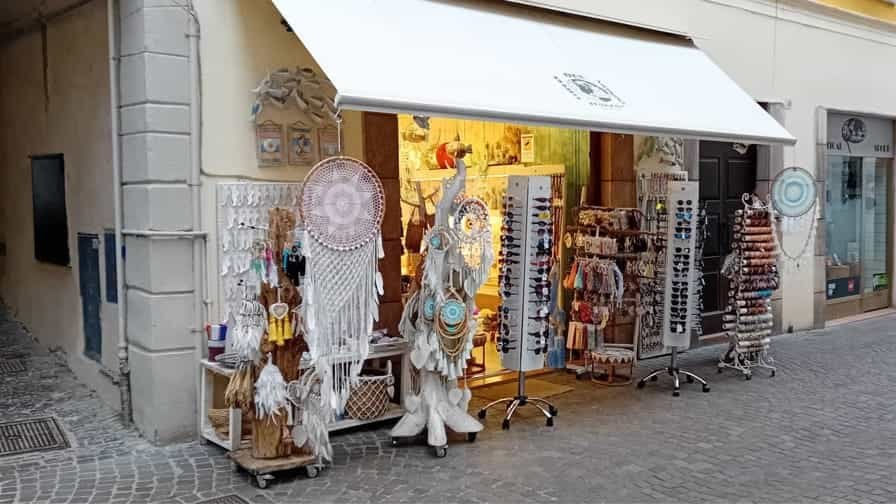
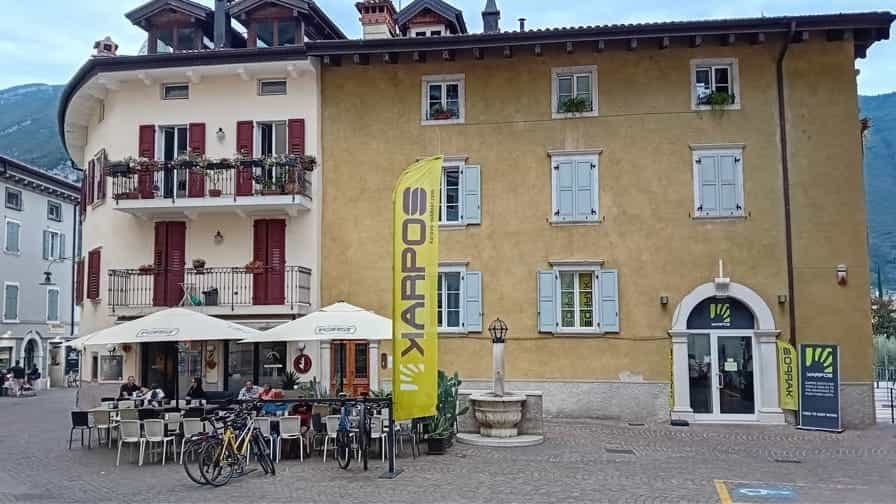
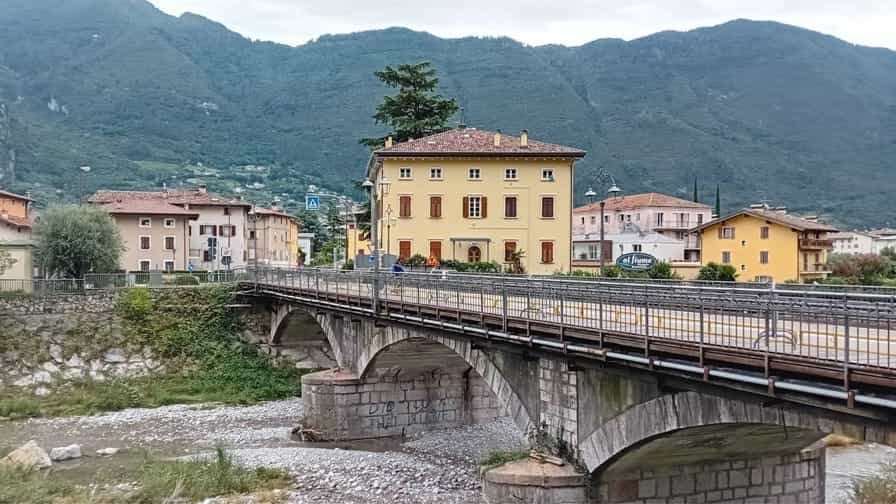
Photo Gallery of Walk 1 – – Via Roma to Piazza III Novembre
Approximately 0.00 km – 0.00 miles
Description of Walk 1
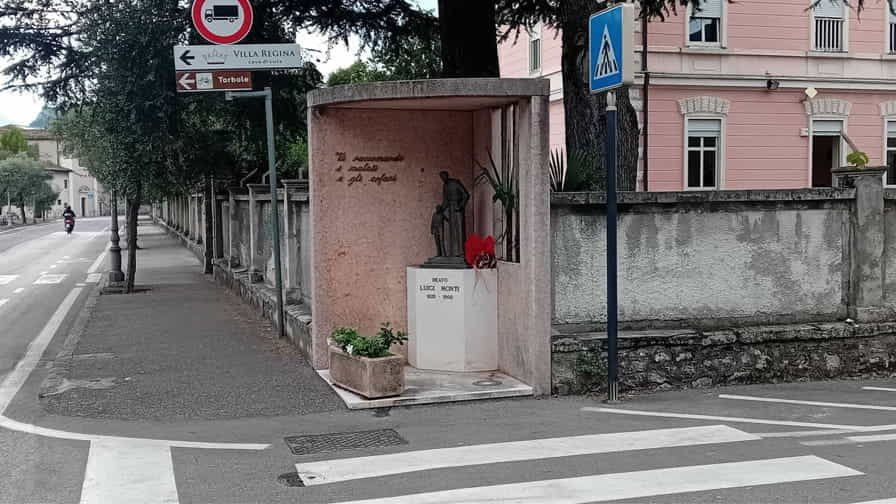
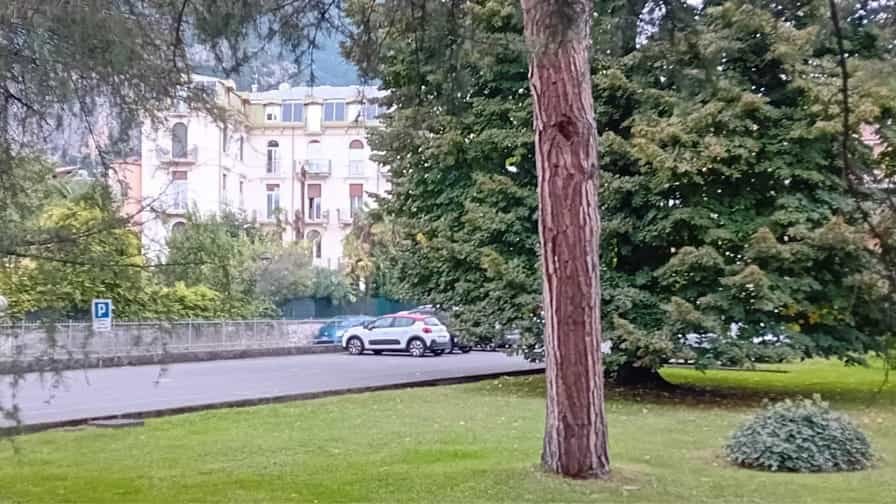
The town of Arco, set at the northern edge of Lake Garda, is known for its mild climate, palm-lined avenues, and dramatic mountain backdrop dominated by its hilltop castle. This walking route offers a relaxed exploration of Arco’s elegant streets and green public spaces, reflecting its history as a 19th-century spa destination. Beginning on Via Roma at the Chiesa Evangelica, the walk starts in a quiet yet historically significant area, where Central European influences are evident in the architecture. Continuing along Via Roma, the route transitions into Viale delle Palme, a distinctive boulevard lined with tall palm trees that highlight Arco’s unique microclimate. The walk then enters the Giardini Pubblici along Viale Magnolie, a peaceful green space ideal for relaxation, with shaded paths and well-kept gardens. Following Viale Magnolie further, the route reaches Piazza delle Canoniche, a quieter square that reflects the town’s historic core. The walk concludes at Piazza III Novembre, the vibrant heart of Arco, surrounded by cafés and historic buildings, offering a lively contrast to the greenery encountered along the way.
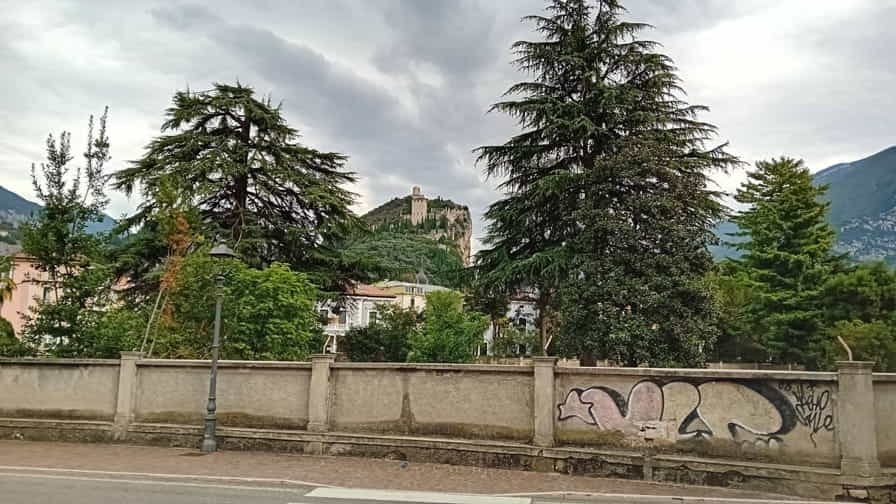
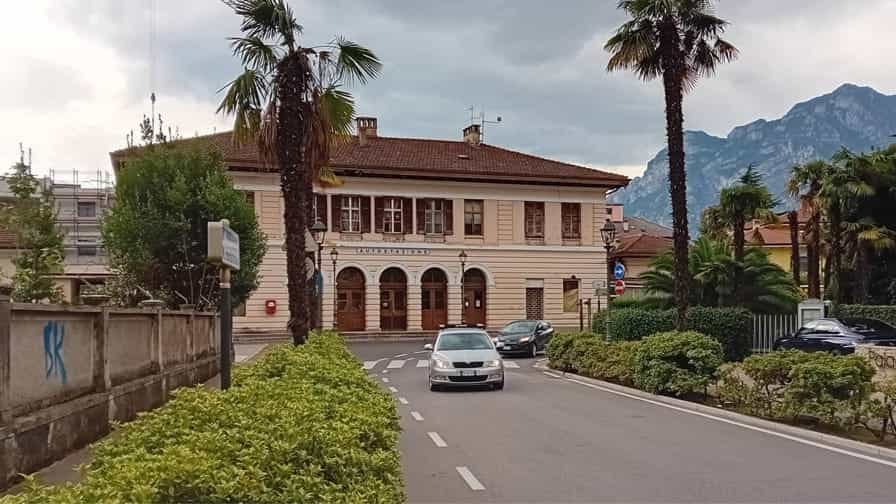
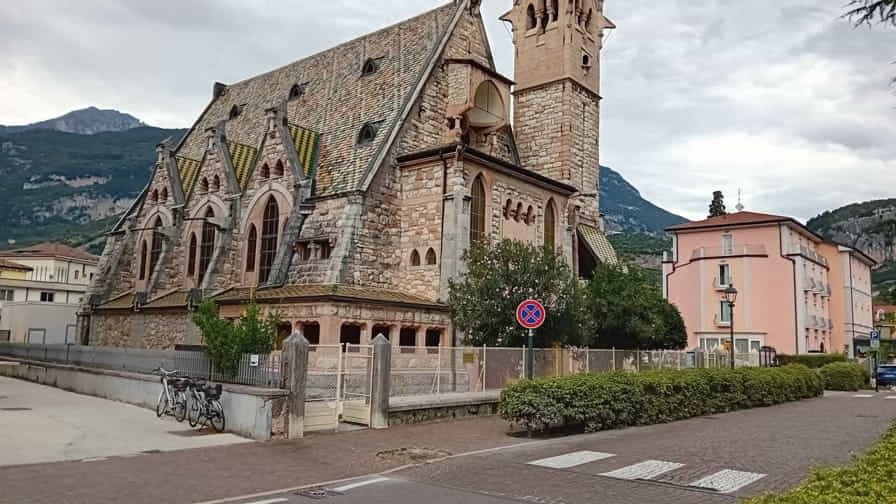
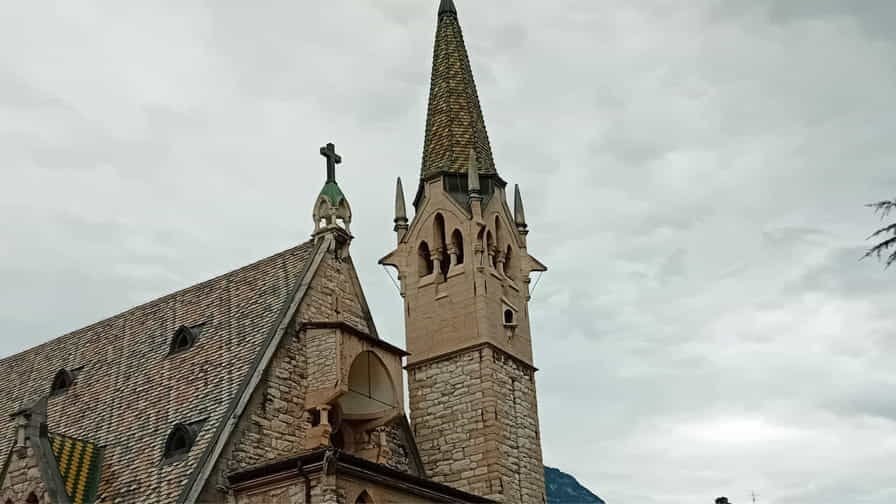
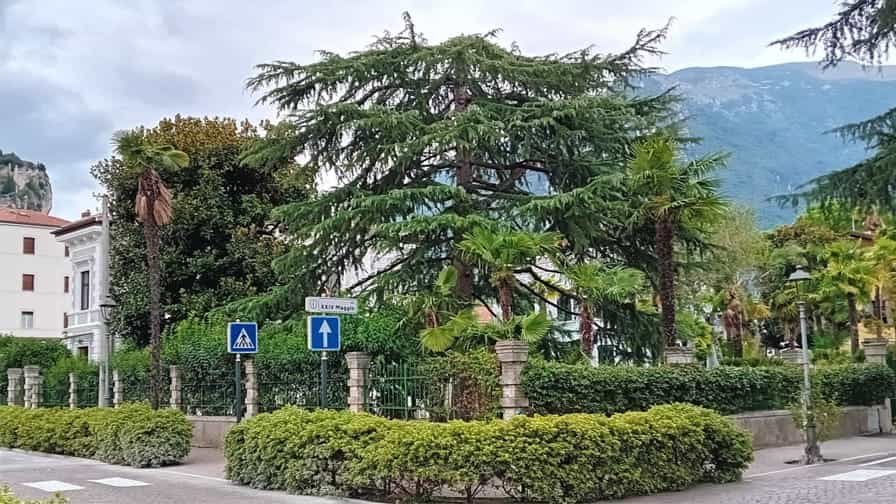
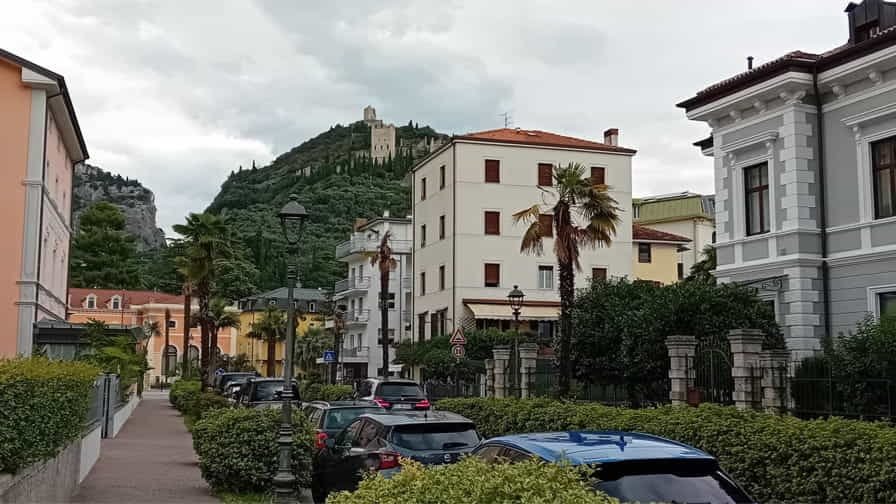
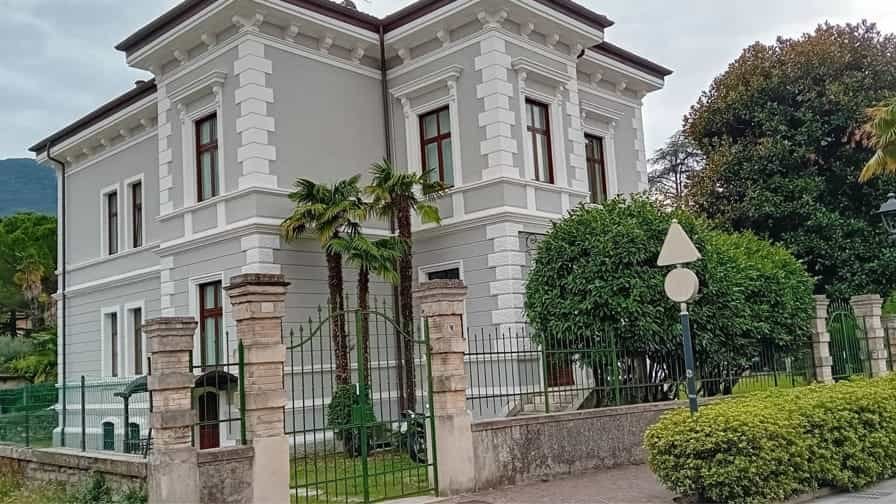
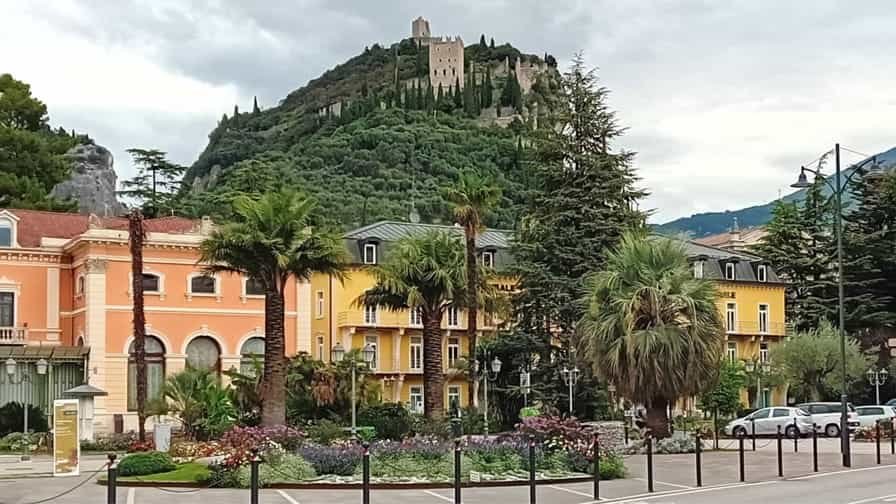
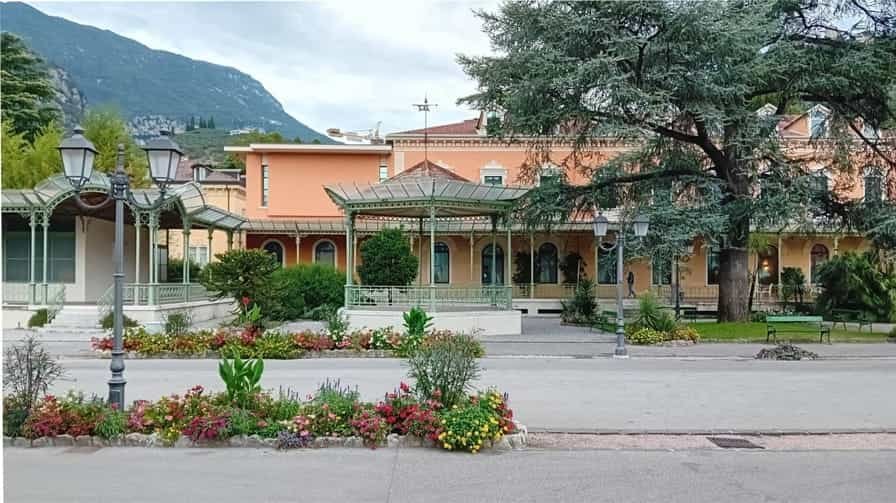
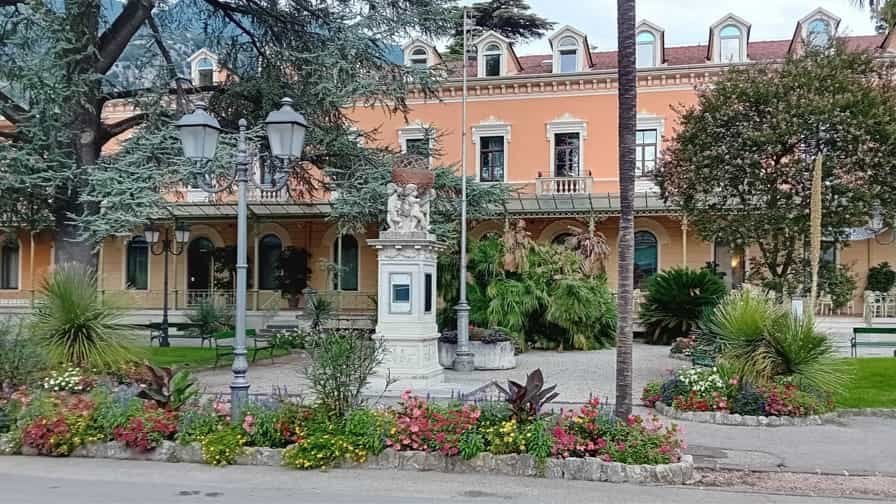
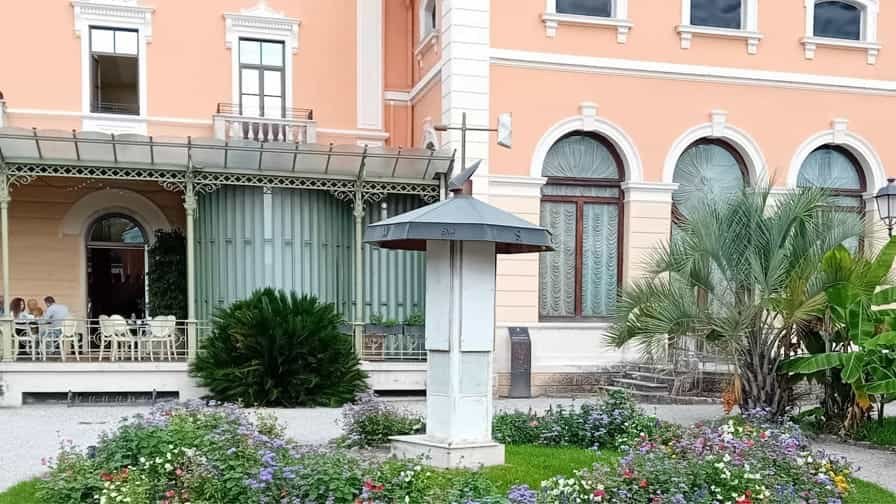
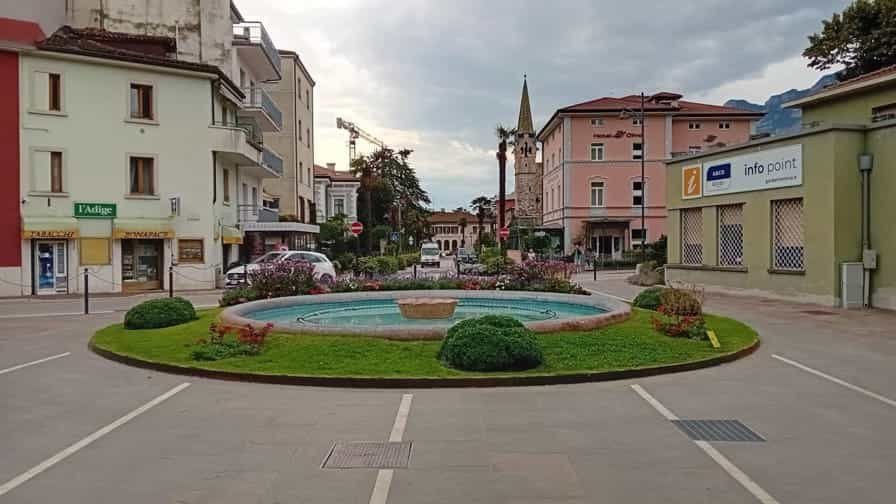
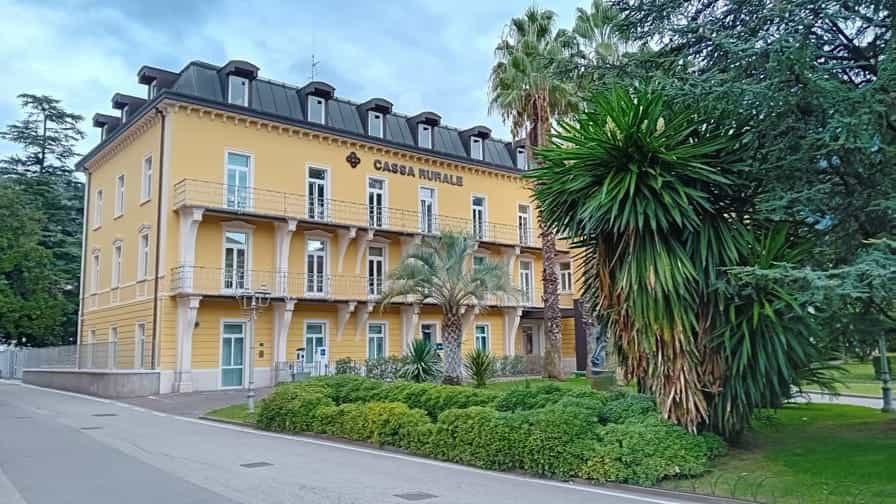
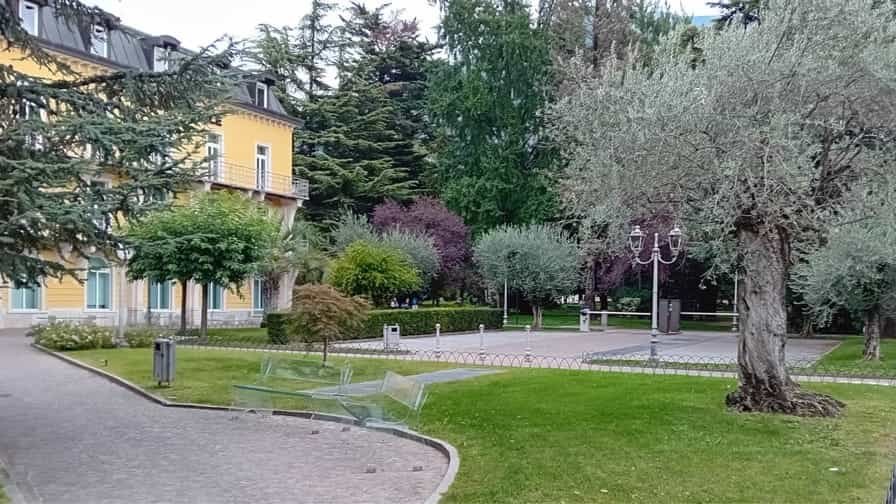
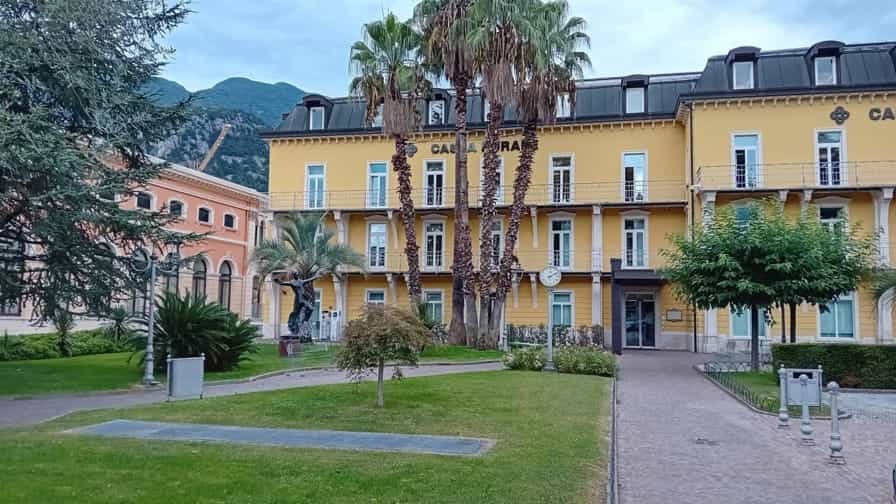
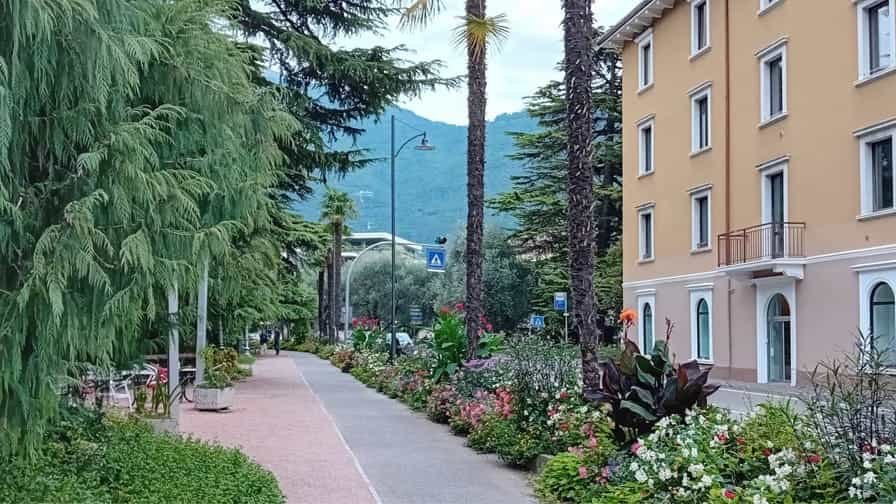
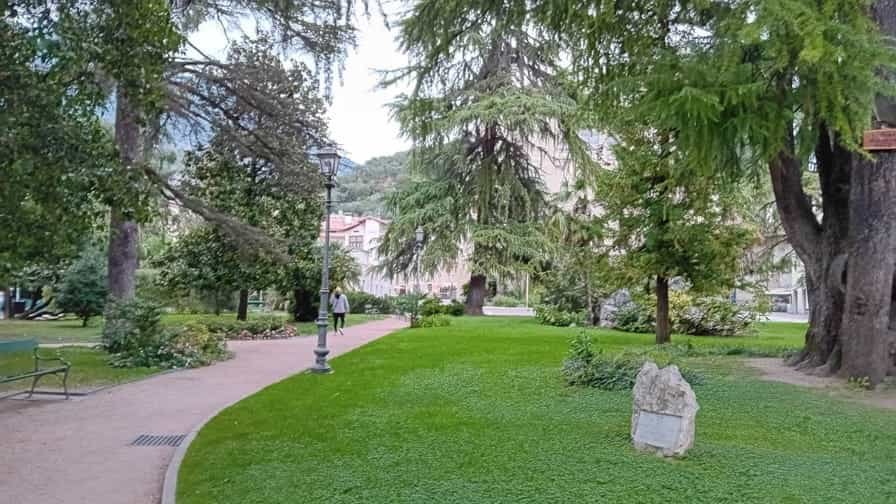
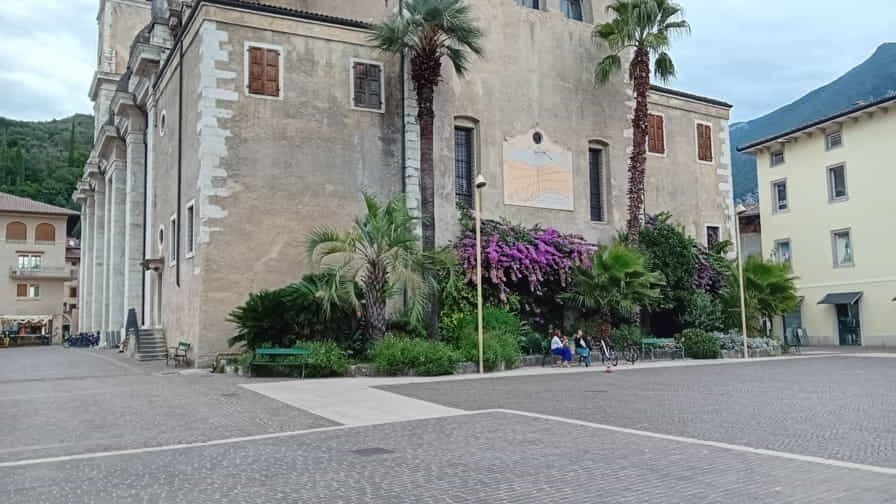
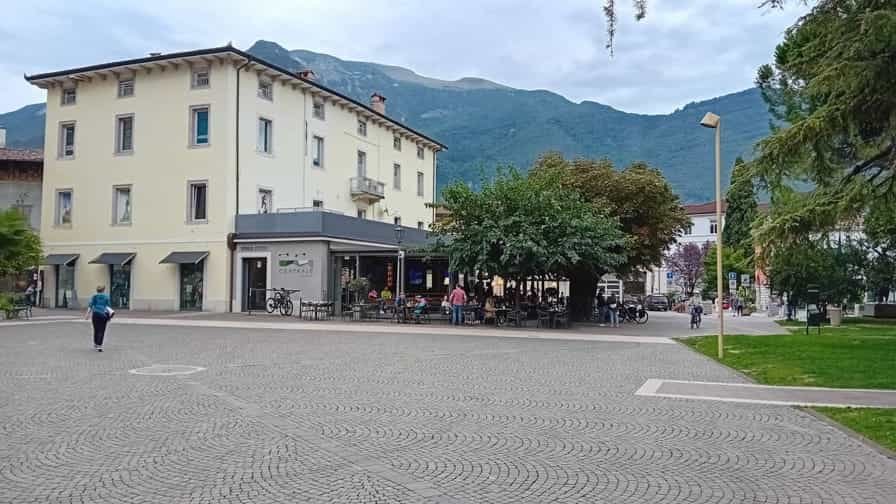
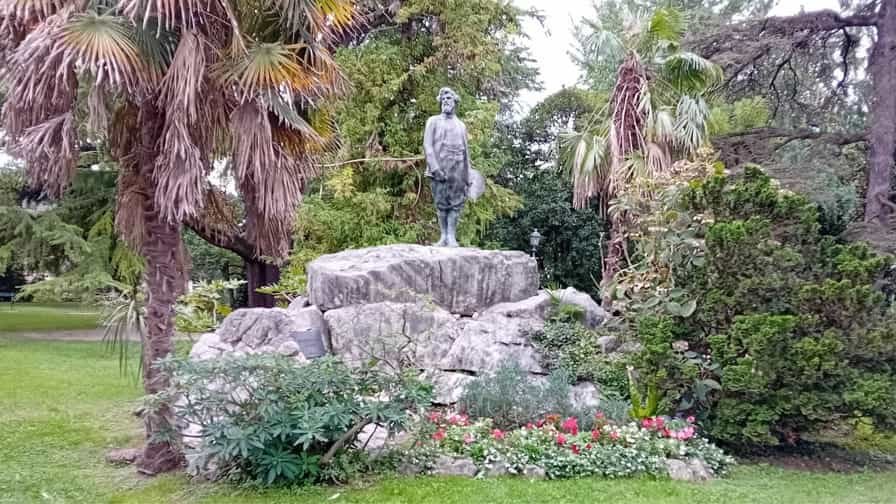
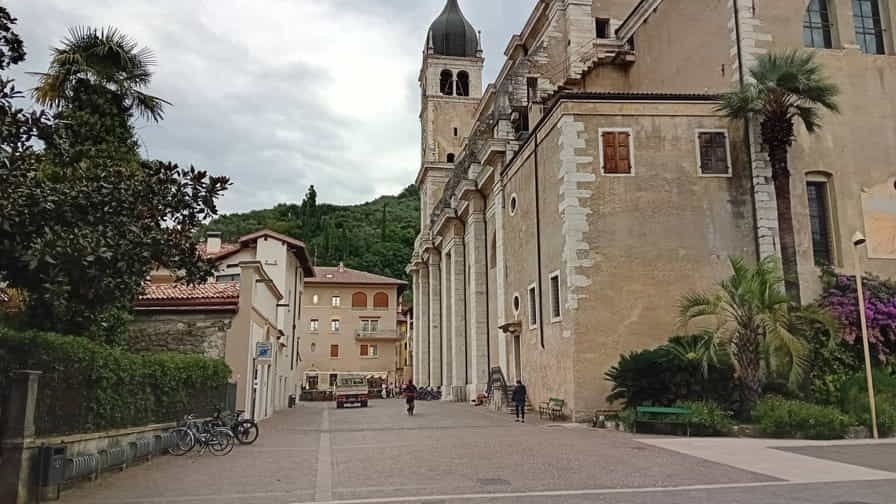
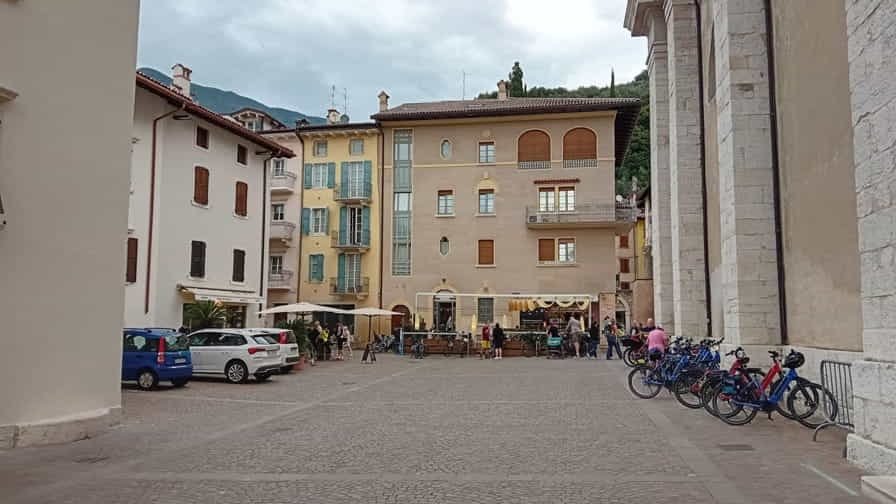
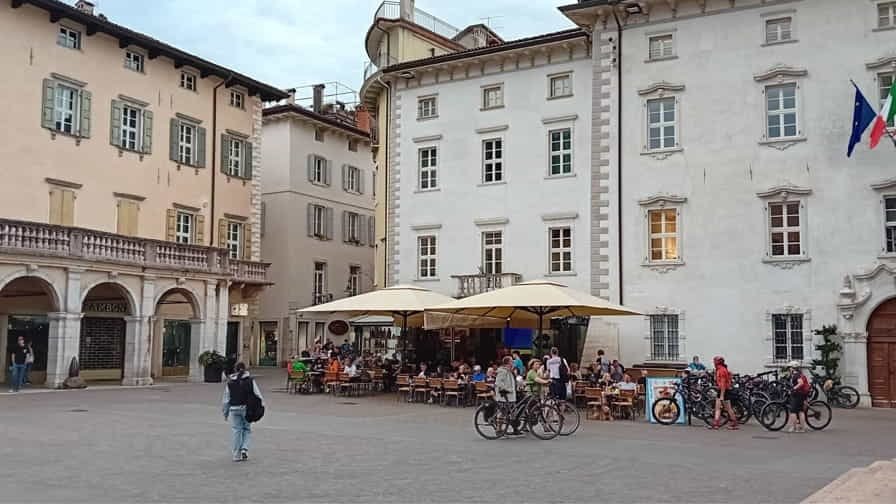
Photo Gallery of Walk 2 – Collegiata di Santa Maria Assunta di Arco, Piazza delle Canoniche to Via XXIV Maggio
Approximately 0.00 km – 0.00 miles
Description of Walk 2
The walk begins at the Collegiata di Santa Maria Assunta in Piazza delle Canoniche, an important religious building that reflects Arco’s long ecclesiastical history. From here, the route moves into Piazza III Novembre, the lively main square surrounded by historic façades and cafés, offering a glimpse of daily life.Following Via Giovanni Segantini, the walk passes through the town’s core streets before turning onto Via Castello, which hints at the steep path leading towards Arco Castle above. Returning to Via Segantini and continuing through smaller connecting streets such as Via Guido Bettinazi, the route reaches Piazza San Giuseppe and the nearby Chiesa di San Giuseppe, a modest yet significant local church. The final stretch along Via della Cinta, Via Bruno Galas, and Via Monache transitions into quieter residential areas, ending on Via XXIV Maggio. This route captures Arco’s balance of historic landmarks, scenic surroundings, and everyday life.

COPYRIGHT © 2018-2026 ITALY IN PHOTOS - ALL RIGHTS RESERVED