
HOME
REGIONS OF ITALY
PLACES IN ITALY
PLAN YOUR TRIP
Italy in Photos
Piazza Cordusio, 20123 Milano MI, Italy (June 2022)
Milan
Delayed or cancelled flight?
Get up to £520!
You’ve got rights when your flight’s disrupted.
We enforce them and handle everything so you get paid
Milan is one of Italy’s most influential and multifaceted cities, known internationally as a centre of fashion, finance, design, and innovation. Located in the heart of northern Italy’s Lombardy region, Milan combines a powerful economic role with a rich cultural and historical legacy. Unlike cities that are defined primarily by ancient ruins or scenic landscapes, Milan stands out for its forward looking spirit, where tradition and modernity coexist in a constantly evolving urban environment.
The history of Milan stretches back more than two thousand years. Originally founded by Celtic tribes and later conquered by the Romans, the city was known as Mediolanum and became an important administrative centre of the Roman Empire. Over the centuries, Milan passed through the hands of powerful dynasties, including the Visconti and the Sforza families, whose influence shaped much of the city’s architectural and artistic heritage. During the Renaissance, Milan emerged as a major cultural centre, attracting artists, architects, and thinkers who left a lasting imprint on the city’s identity.
One of Milan’s most striking characteristics is its architectural diversity. Medieval churches, Renaissance palaces, neoclassical buildings, and contemporary skyscrapers exist side by side, creating a layered cityscape that reflects centuries of change. The Duomo di Milano, with its intricate marble façade and forest of spires, dominates the city centre and stands as a symbol of Milan’s ambition and craftsmanship. Nearby, the Galleria Vittorio Emanuele II represents nineteenth century elegance and commercial vitality, while modern districts such as Porta Nuova showcase cutting edge urban design and sustainable architecture.
Milan is also deeply connected to the arts. It is home to Leonardo da Vinci’s Last Supper, one of the most celebrated masterpieces in the world, housed in the refectory of Santa Maria delle Grazie. The city’s museums, galleries, and theatres play a central role in Italy’s cultural life. La Scala opera house, renowned for its exceptional acoustics and prestigious performances, has hosted some of the most influential composers and singers in history. These institutions contribute to Milan’s reputation as a city that values artistic excellence and cultural expression.
Beyond its historical and artistic importance, Milan is widely recognized as Italy’s economic engine. It is the country’s leading financial centre, hosting major banks, corporations, and the Italian stock exchange. This economic strength has attracted professionals, entrepreneurs, and international companies, making Milan one of the most cosmopolitan cities in Italy. The fast paced business environment shapes the city’s rhythm, influencing everything from daily routines to urban planning and social life.
Fashion and design are perhaps the fields most closely associated with Milan on a global scale. The city is considered one of the world’s fashion capitals, alongside Paris, London, and New York. Milan Fashion Week draws designers, models, journalists, and buyers from around the world, turning the city into a stage for creativity and innovation. Italian luxury brands and emerging designers alike contribute to a vibrant industry that extends beyond clothing to include interior design, industrial design, and visual communication. This creative energy is also evident during major events such as the Salone del Mobile, which reinforces Milan’s leadership in design and architecture.
Despite its reputation for efficiency and modernity, Milan maintains a strong sense of local tradition. Neighbourhoods, known as quartieri, each have their own character and social life. Areas such as Brera, Navigli, and Isola offer distinct atmospheres, from artistic and historic to youthful and experimental. The Navigli canals, originally designed in part with the involvement of Leonardo da Vinci, provide a reminder of Milan’s connection to water and trade, and today serve as lively gathering places lined with cafes and restaurants.
Food plays an essential role in Milanese culture. The city’s cuisine reflects the agricultural richness of Lombardy, with dishes that emphasize rice, butter, and meat. Classics such as risotto alla milanese and ossobuco express a culinary identity that differs from the tomato based traditions of southern Italy. At the same time, Milan’s international population has expanded the culinary landscape, making the city a place where traditional trattorias coexist with global dining experiences.
Milan is also a city of education and innovation. Prestigious universities, research centres, and technology start-ups contribute to a culture of learning and experimentation. This intellectual vitality supports Milan’s role as a city that not only preserves its heritage but actively shapes the future. Urban regeneration projects, investments in public transportation, and a growing focus on sustainability demonstrate Milan’s commitment to adapting to contemporary challenges. Milan is a city defined by movement and ambition. It is a place where history informs progress, where creativity drives industry, and where local identity interacts with global influence. As an introduction to Italy, Milan offers a perspective that goes beyond romantic imagery, revealing a country that is dynamic, industrious, and deeply connected to the modern world.
Worth a Visit
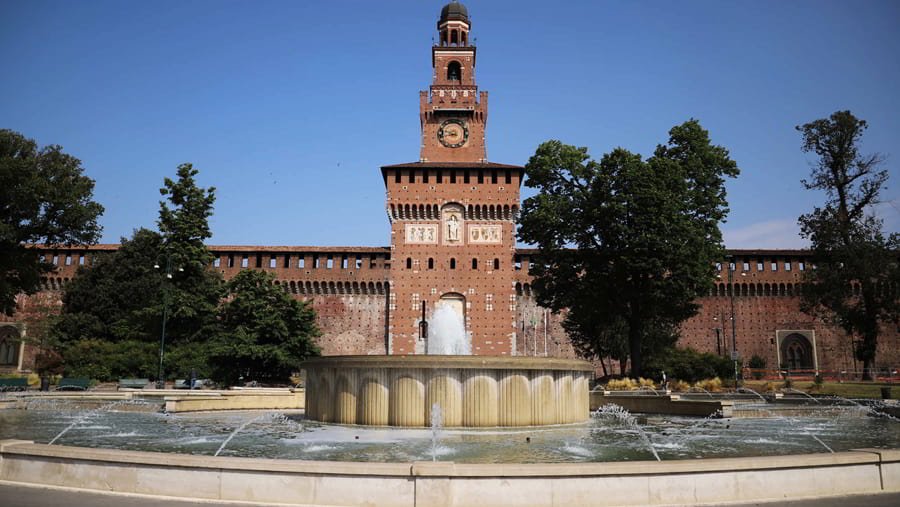
Sforzesco Castle, or Castello Sforzesco, is a historic fortress in the heart of Milan, Italy, renowned for its rich history and stunning architecture. Originally built in the 14th century by the Visconti family, the castle was later expanded and transformed into a Renaissance residence by Francesco Sforza, the Duke of Milan, in the 15th century. The castle’s red-brick façade, imposing towers, and massive walls reflect its defensive origins, while its interior courtyards and elegant loggias showcase Renaissance artistry. Over the centuries, the castle has witnessed significant events in Milan’s history, including invasions, occupations, and restorations. Today, it serves as a cultural hub, housing several important museums and art collections. These include the Museum of Ancient Art, the Egyptian Museum, and the Museum of Musical Instruments. One of its most famous treasures is Michelangelo’s unfinished Pietà Rondanini, a moving sculpture housed in a dedicated space within the castle. Surrounded by the expansive Sempione Park, Sforzesco Castle is a popular destination for both locals and tourists. Its blend of history, art, and culture makes it a must-visit site
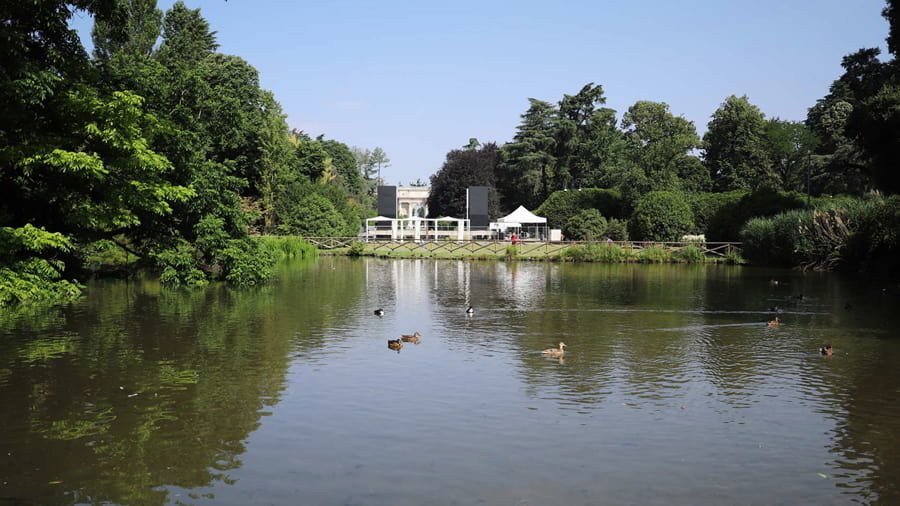
Parco Sempione is a sprawling, picturesque park located in the heart of Milan, Italy, adjacent to the iconic Sforzesco Castle. Covering approximately 95 acres, it is one of the city’s most beloved green spaces, offering a tranquil retreat from the urban bustle. Established in 1888, the park was designed in the English landscape style, characterized by its meandering pathways, rolling lawns, and lush groves. The park is home to several notable landmarks, including the Arco della Pace (Arch of Peace), a neoclassical triumphal arch that marks one of its entrances. Additionally, Parco Sempione houses the Torre Branca, a towering steel structure offering panoramic views of the city, and the Acquario Civico, Milan’s public aquarium. The park’s small lake, bridges, and sculptures add to its charm, making it a popular spot for leisurely walks, picnics, and cultural events. Parco Sempione also serves as a vital cultural hub, hosting concerts, exhibitions, and public gatherings throughout the year. Its blend of natural beauty and historical significance makes it a favourite destination for both locals and visitors, embodying the spirit of Milan’s rich heritage and vibrant urban life.
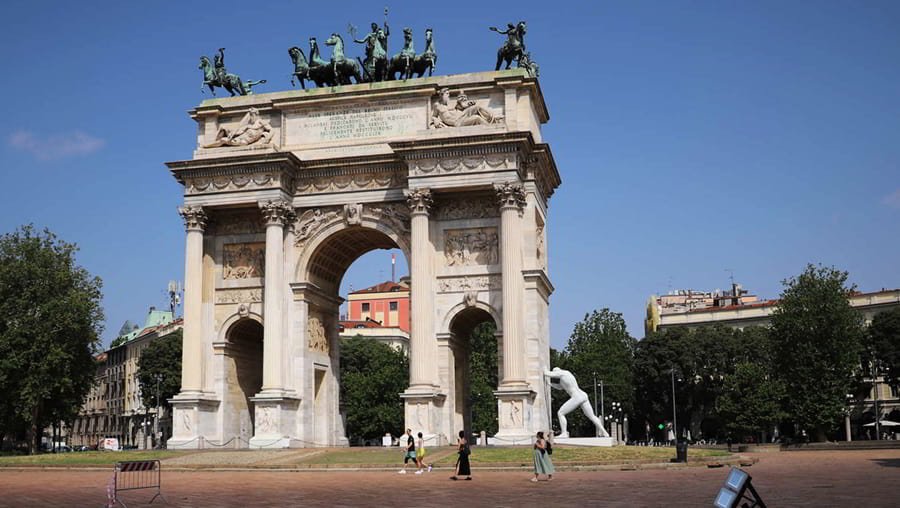
The Arco della Pace, or Arch of Peace, is a stunning neoclassical monument located at the edge of Parco Sempione in Milan, Italy. Originally commissioned by Napoleon in 1807 as part of the grandiose plans to transform Milan into the capital of his Kingdom of Italy, the arch was intended to celebrate his military victories. However, the project was halted after Napoleon’s defeat, and it was eventually completed under Austrian rule in 1838 to commemorate European peace after the Congress of Vienna. Designed by architect Luigi Cagnola, the Arco della Pace stands 25 meters tall and is intricately adorned with sculptures and reliefs. The central figure atop the arch is the “Sestiga della Pace,” a bronze chariot drawn by six horses, symbolizing peace. The arch is further embellished with statues of classical deities and allegorical figures, adding to its grandeur. The Arco della Pace is not just a historical monument but also a focal point for cultural and social activities in Milan. It marks the beginning of Corso Sempione, a major thoroughfare, and is a popular meeting spot for locals and tourists alike. Its majestic presence and rich history make it one of Milan’s most iconic landmarks.
Photo Gallery of Walk 1 – Piazza Luigi di Savoia to Via Daniele Manin
Approximately 1.45 km – 0.90 miles
Description of Walk 1
The walk begins in Piazza Luigi di Savoia, a busy square near Milan’s central station, reflecting the city’s constant movement and modern energy. Crossing into Piazza Duca d’Aosta, you encounter the grand façade of Milano Centrale, an architectural symbol of power and elegance. Heading along Via Vittor Pisani, the route passes sleek offices and hotels, blending business life with urban style. The walk continues to Piazza della Repubblica, known for its gardens and historic buildings, offering a calmer atmosphere. Finally, Via Daniele Manin leads toward cultural landmarks and green spaces, capturing the balance of history and modernity in Milan.
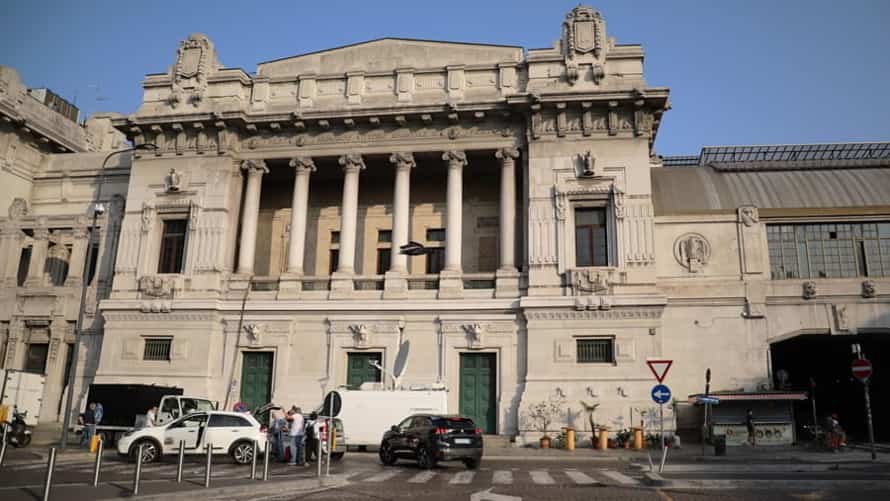
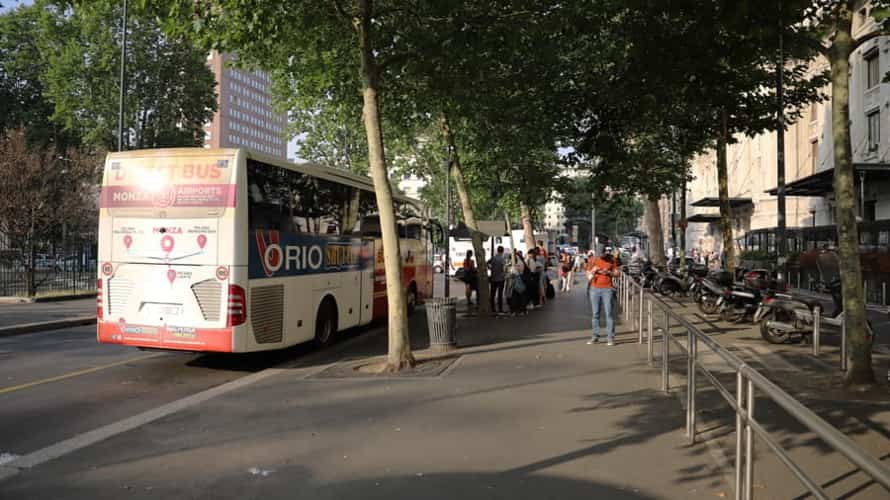
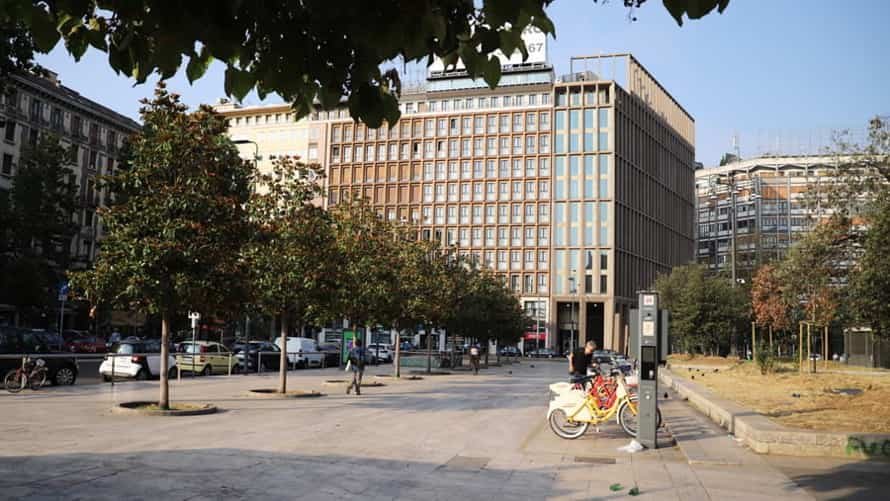
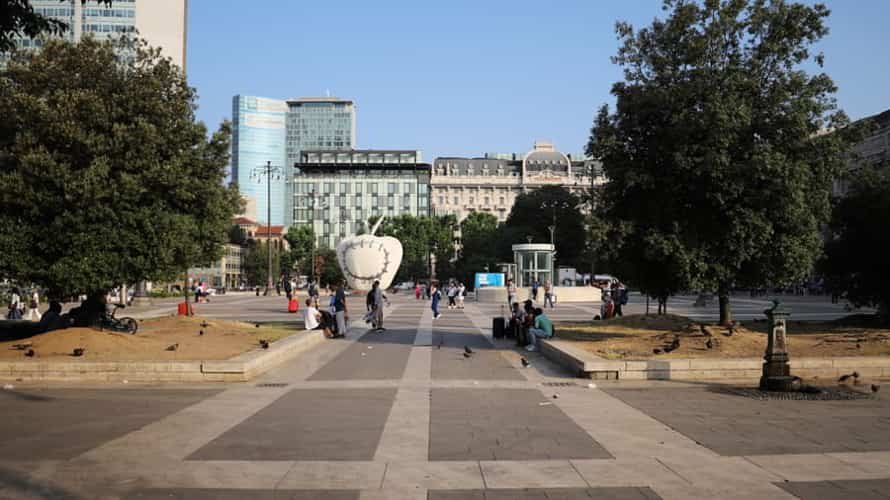
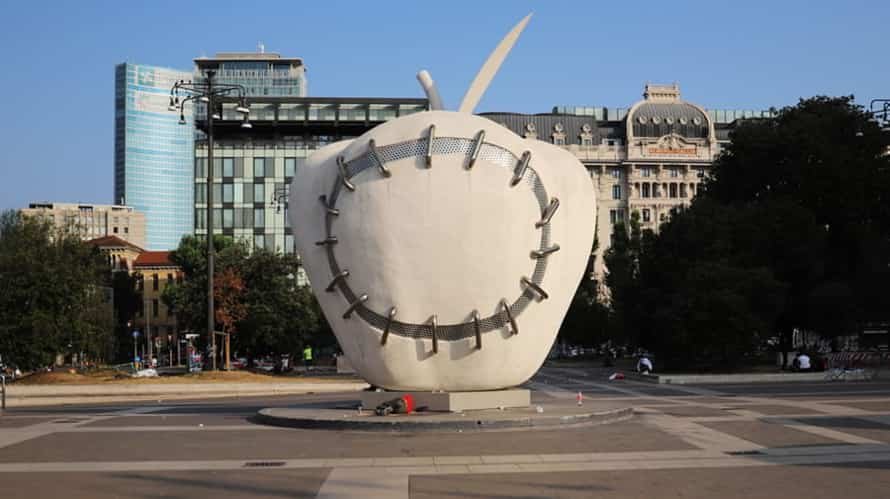
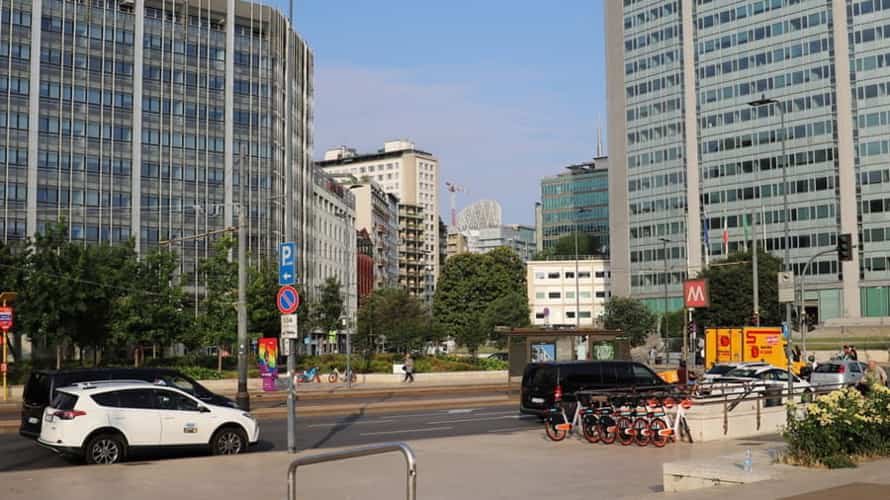
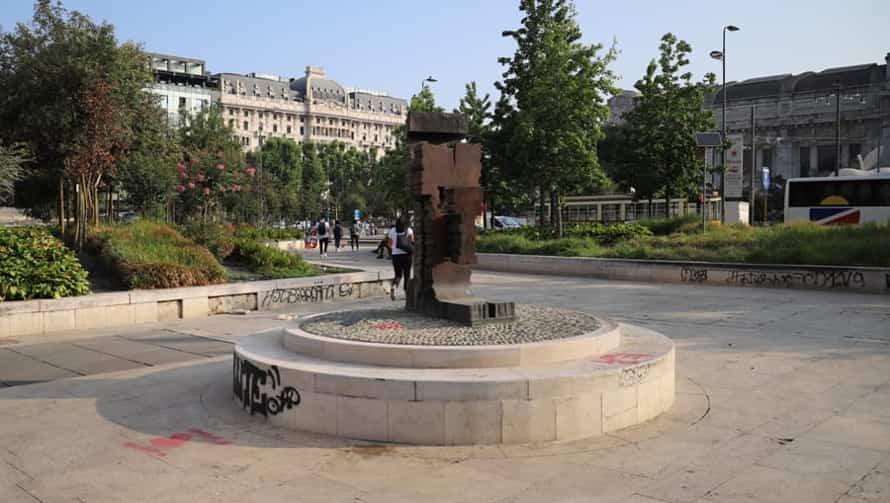
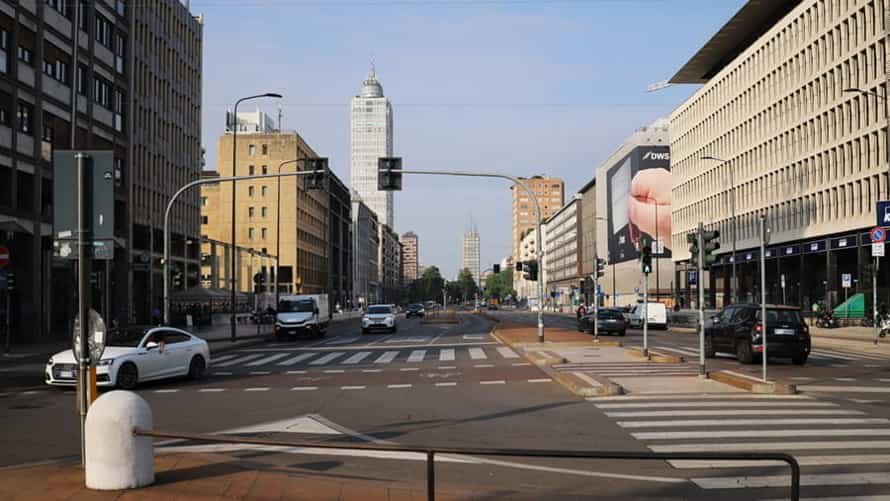
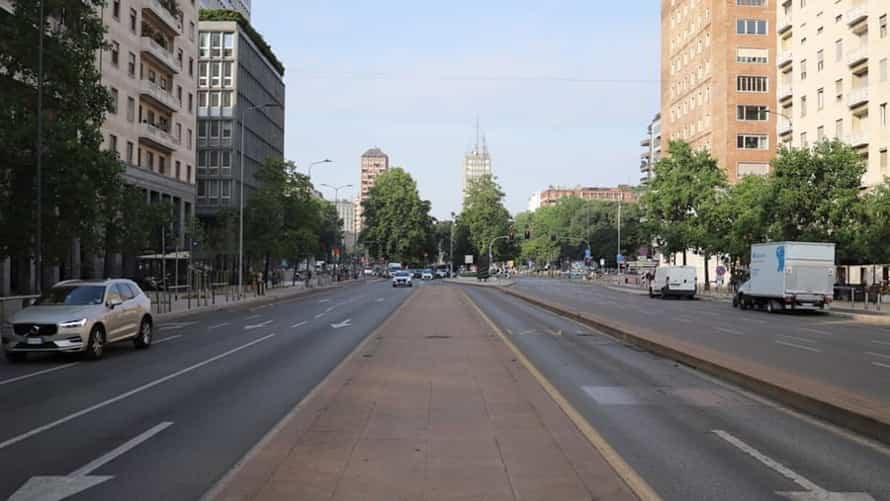
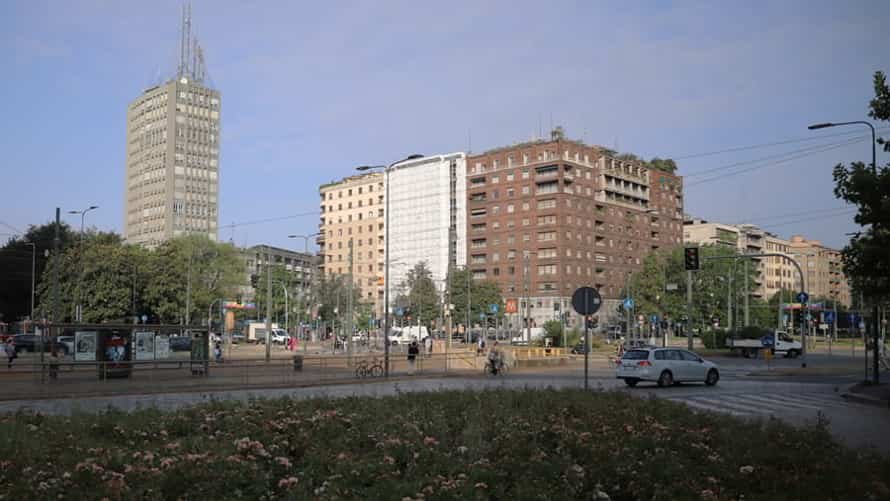
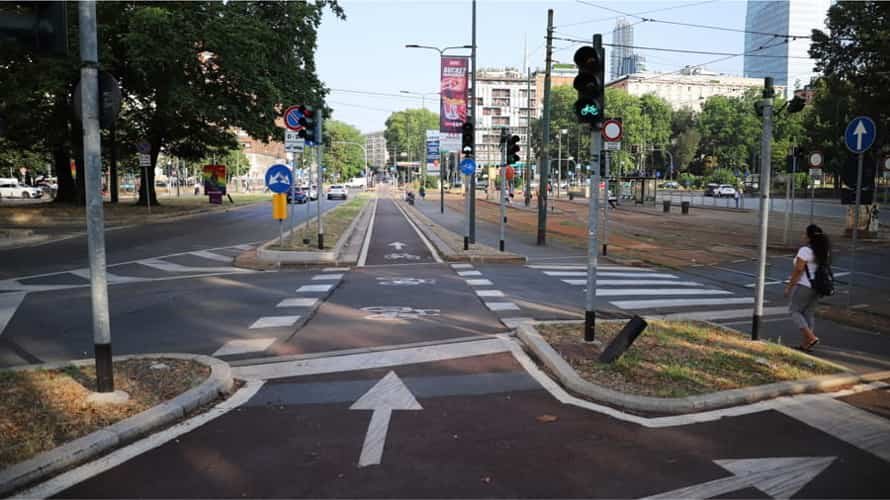
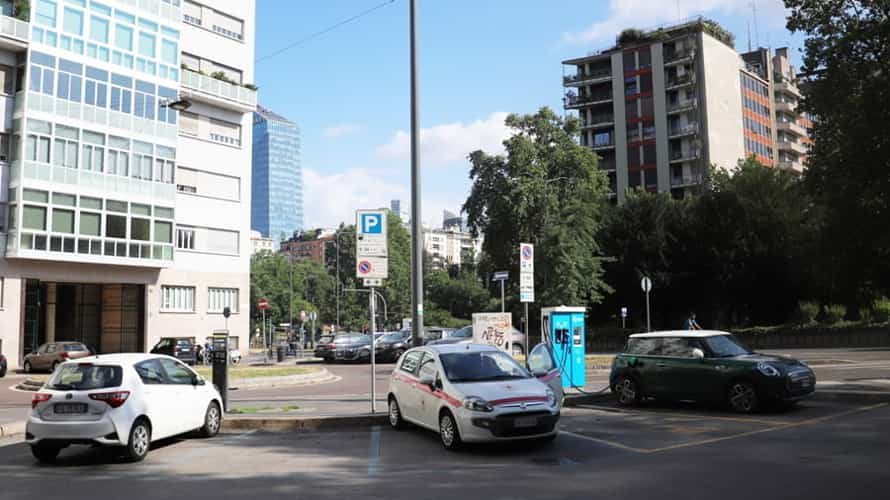
Photo Gallery of Walk 2 – Piazza Cavour to Piazza del Duomo
Approximately 1.30 km – 0.81miles
Description of Walk 2
The walk begins in Piazza Cavour, a refined square in central Milan known for its elegant architecture and proximity to the historic district of Brera. From here, Via Alessandro Manzoni leads you along one of the city’s most prestigious streets, lined with luxury boutiques, historic buildings, and cultural landmarks. Along this route stands the Chiesa di San Francesco di Paola, a quiet Baroque church that offers a moment of calm amid the bustle of the city. Continuing down Via Alessandro Manzoni, the atmosphere gradually becomes more vibrant as you approach Piazza della Scala, home to the world-famous Teatro alla Scala. This square is a cultural hub, dominated by statues and grand façades that reflect Milan’s artistic heritage. From here, the route flows seamlessly into the magnificent Galleria Vittorio Emanuele II, an iconic 19th-century shopping arcade with a soaring glass dome and intricate mosaics. The walk concludes in the breath-taking Piazza del Duomo, where the imposing Milan Cathedral stands as a masterpiece of Gothic architecture and the symbolic heart of the city.
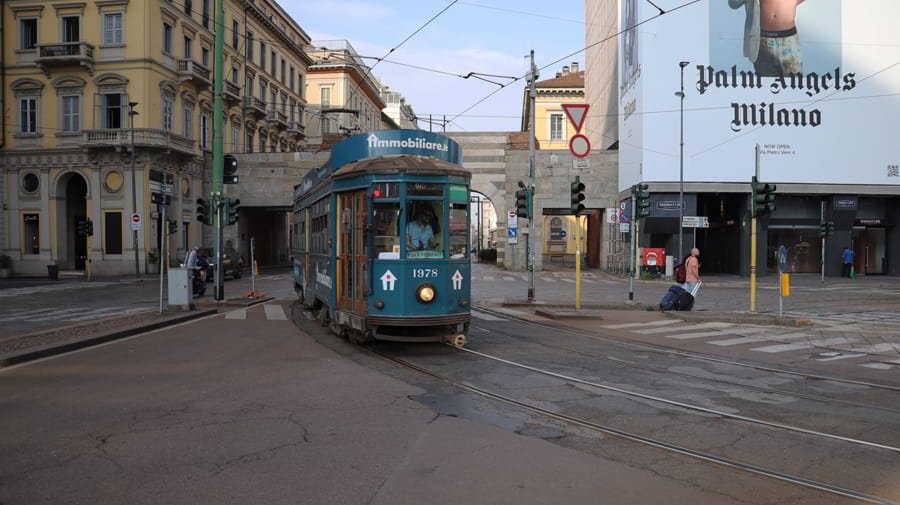
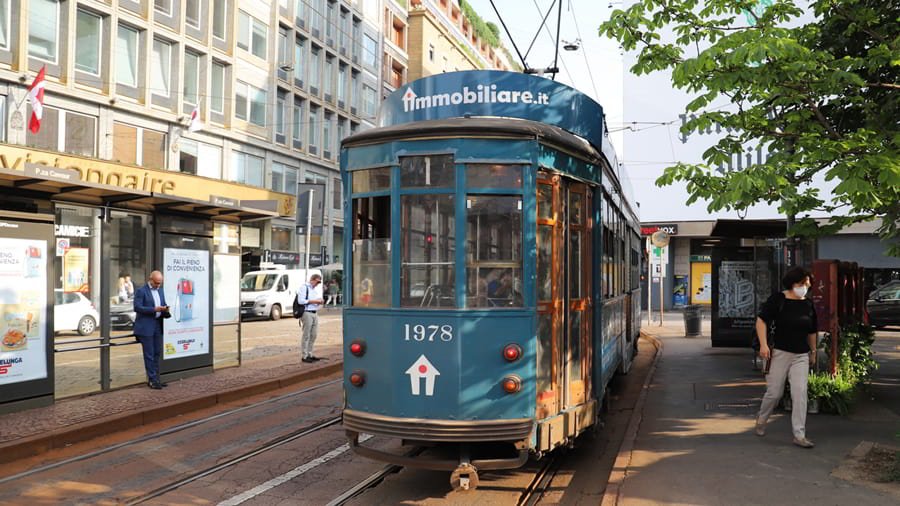
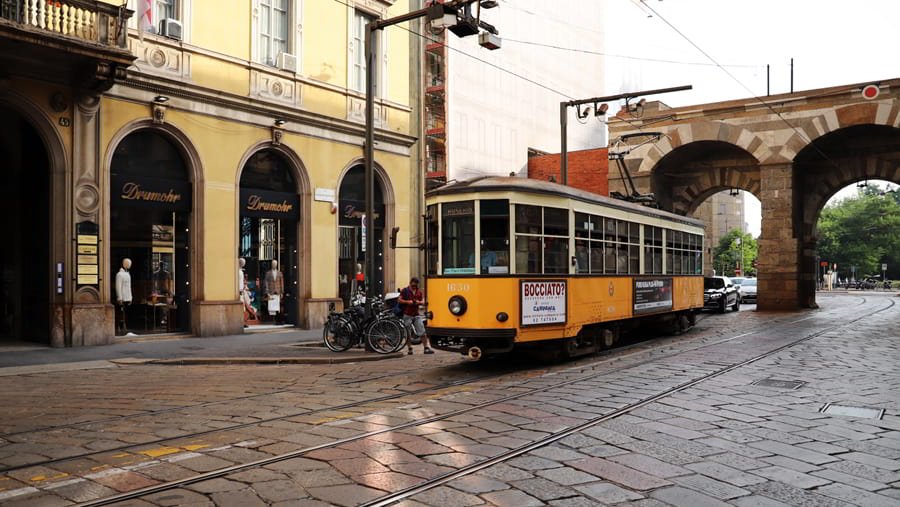
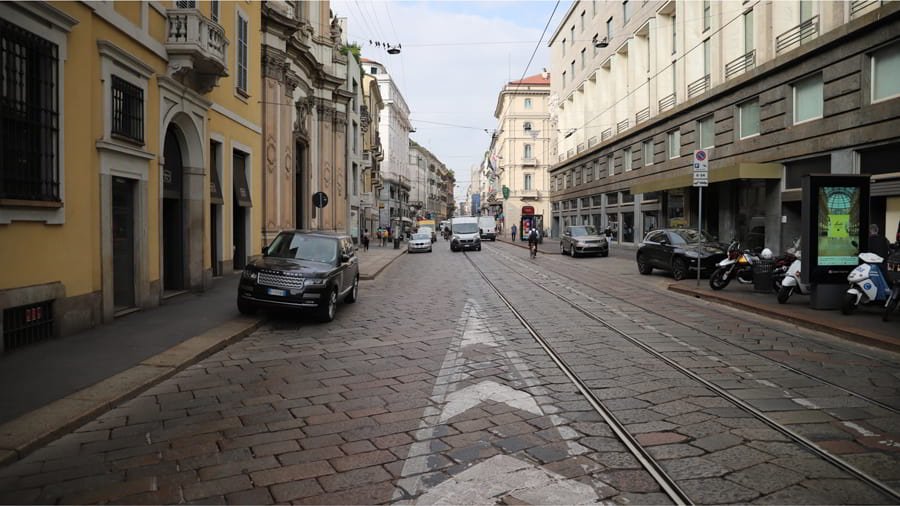
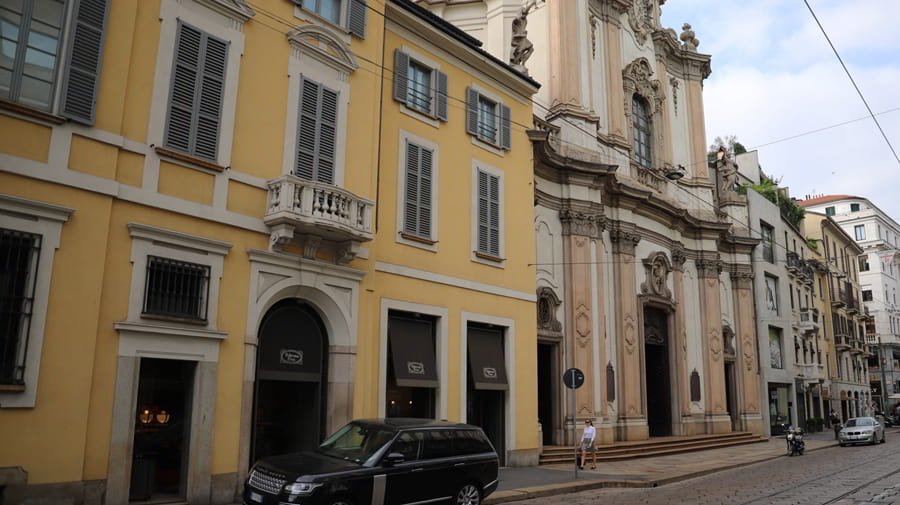
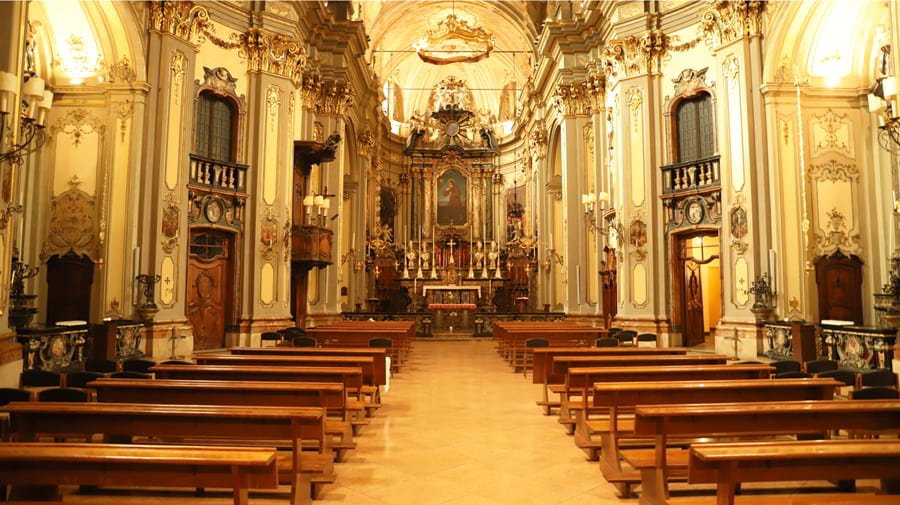
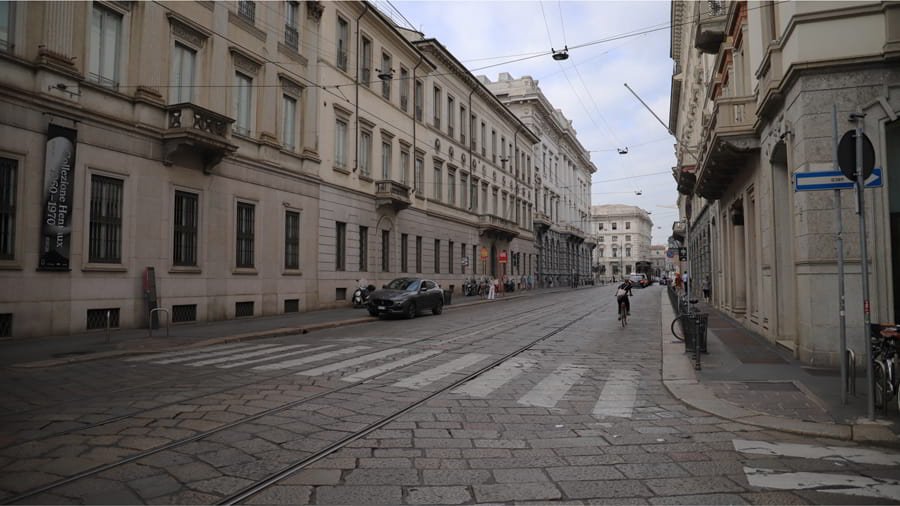
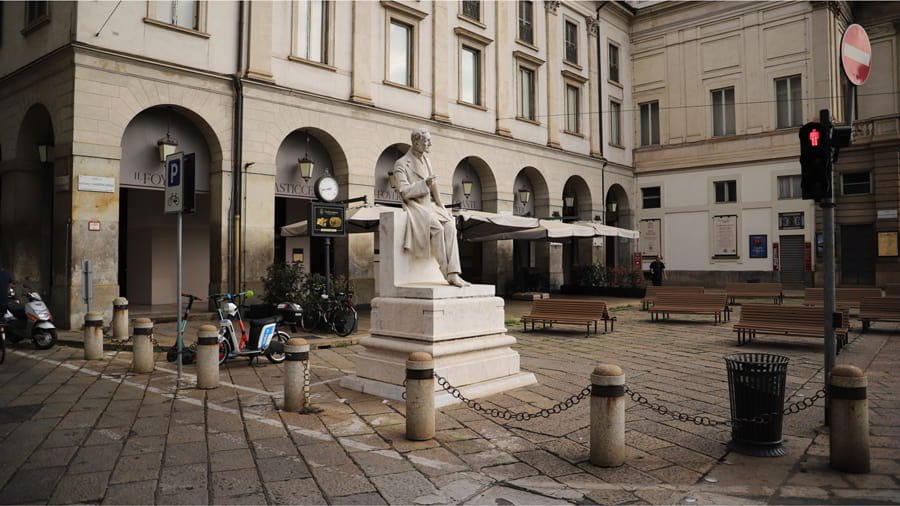
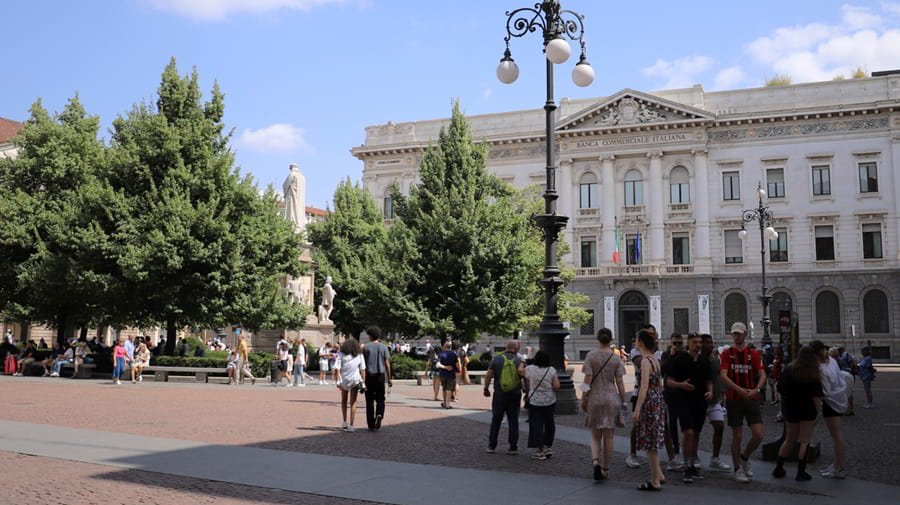

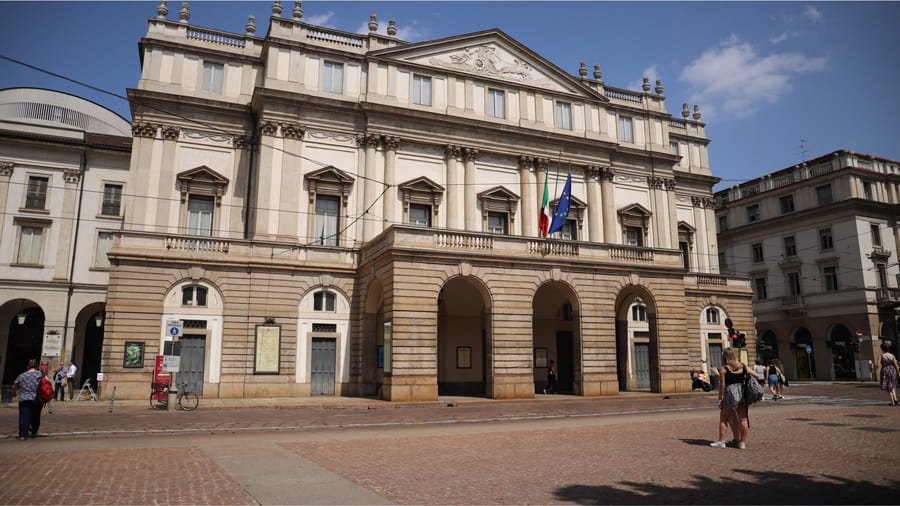
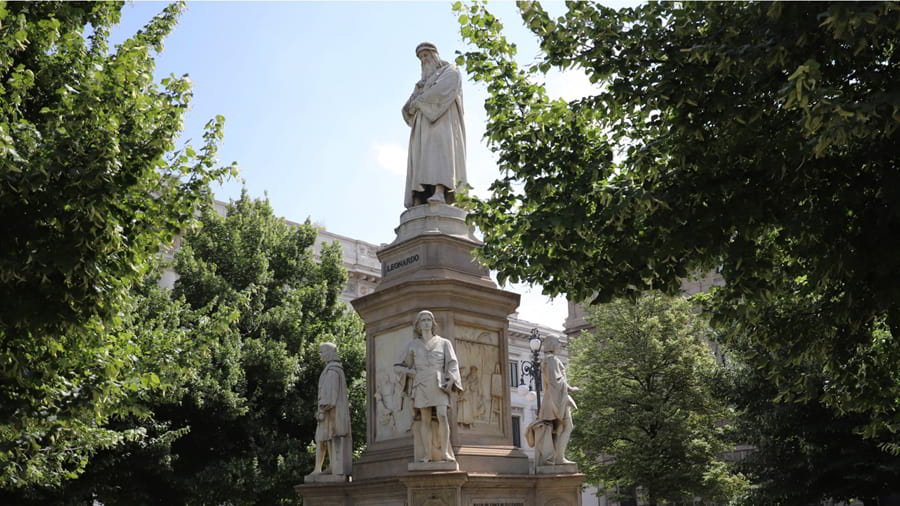

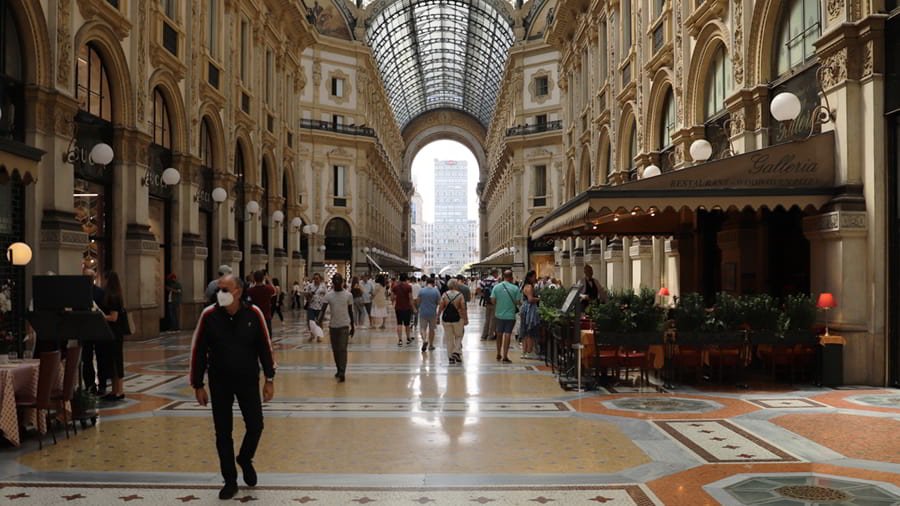
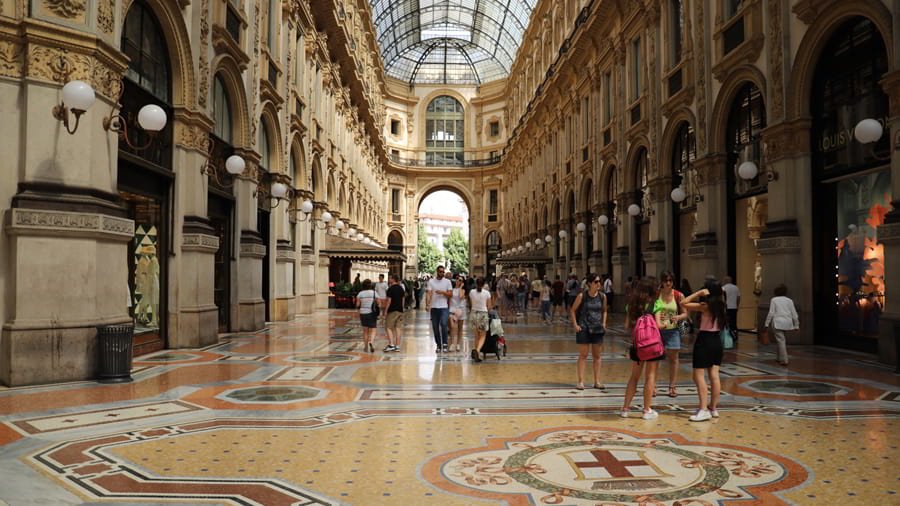
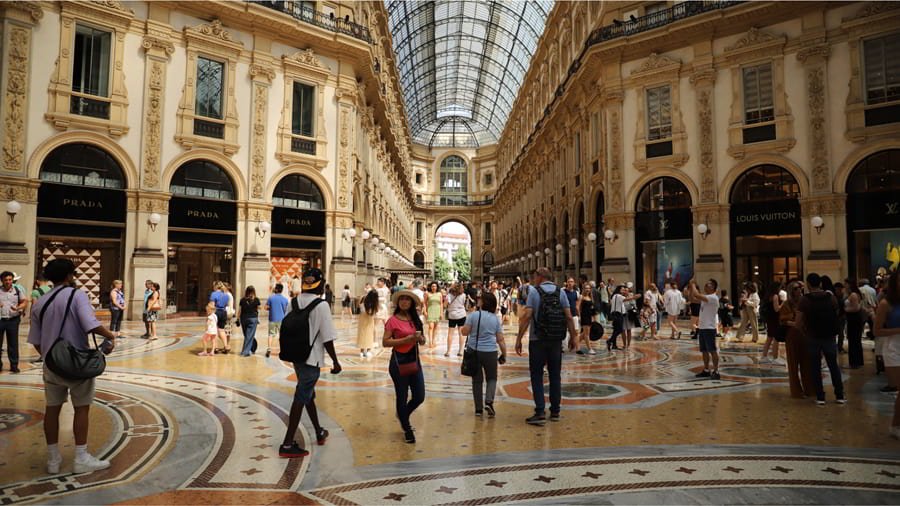
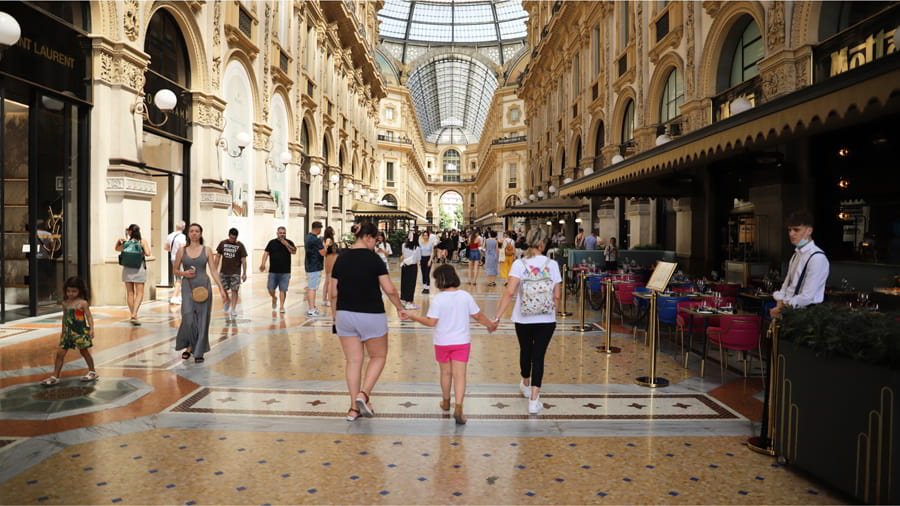
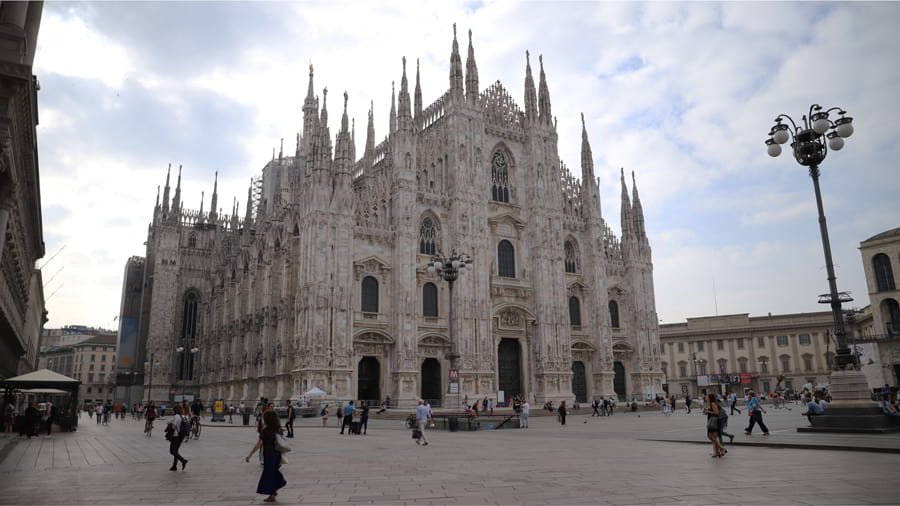
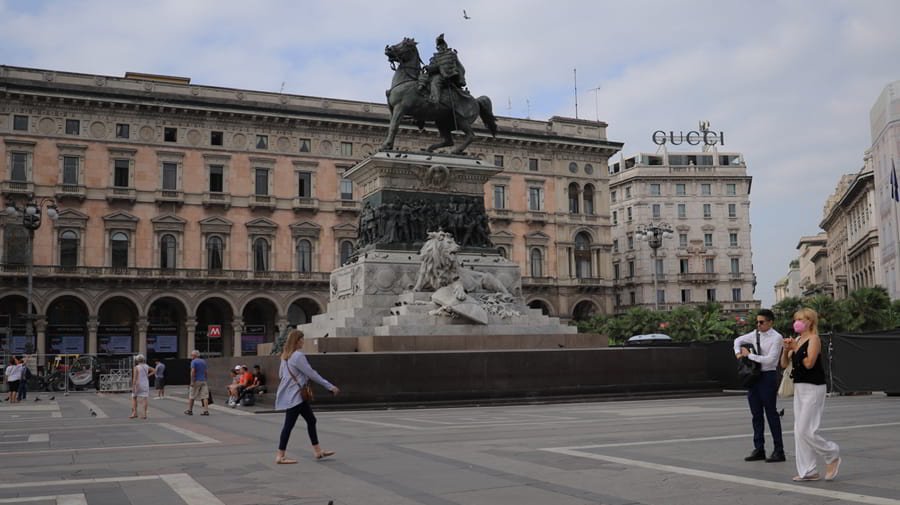
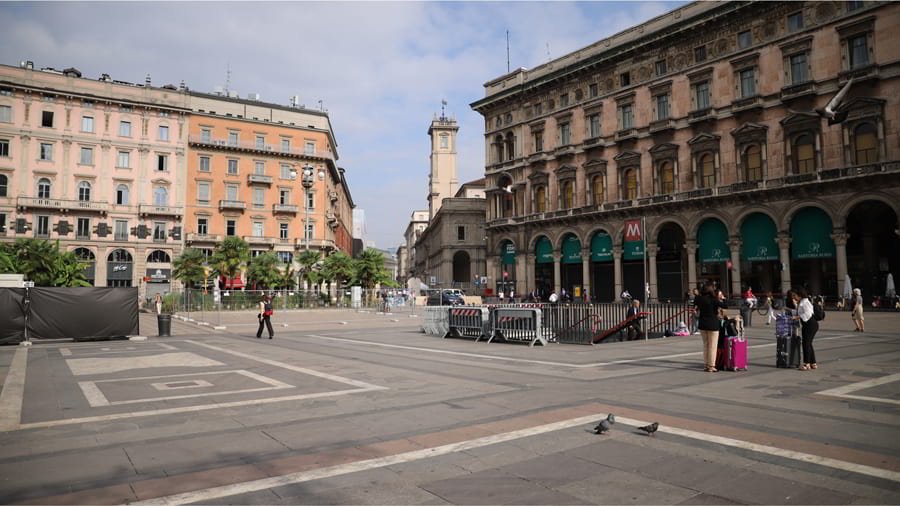
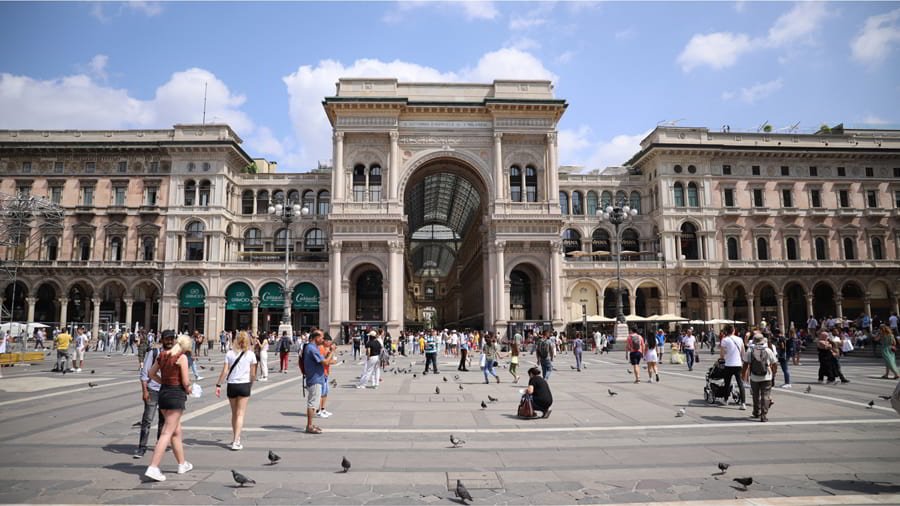
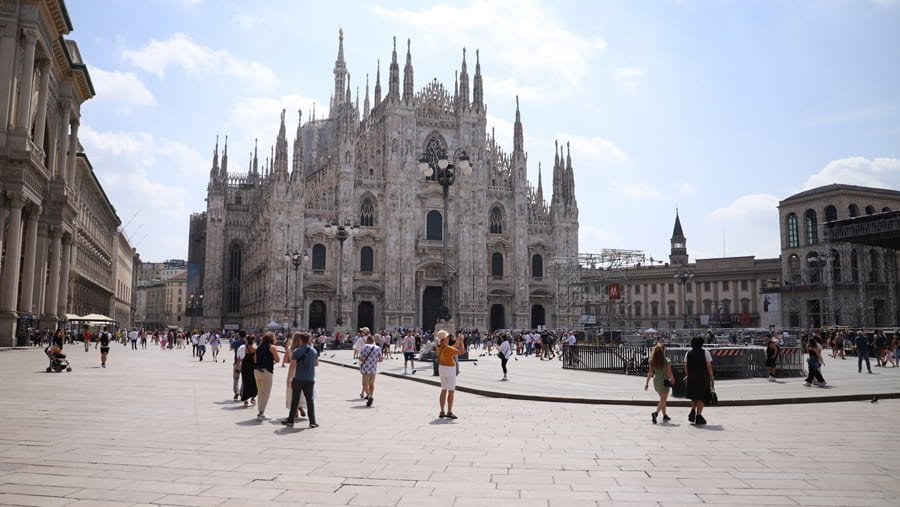

Photo Gallery of Walk 3 – Piazza del Duomo to Piazza Sempione
Approximately 2.51 km – 1.56 miles
Description of Walk 3
This walking route through central Milan offers a rich journey through the city’s historical and cultural heart. Beginning in Piazza del Duomo, the vibrant square dominated by the magnificent cathedral, the walk immediately immerses you in Milan’s Gothic grandeur and bustling atmosphere. Moving toward Piazza dei Mercanti, the scene shifts to a quieter, medieval space that once served as the city’s commercial hub, where echoes of Milan’s past still linger in its arcades and historic buildings. Continuing to Piazza Cordusio, the architecture becomes more eclectic, reflecting Milan’s evolution into a modern financial center. Via Dante provides a lively pedestrian stretch filled with shops, cafés, and street performers, creating a dynamic contrast between history and contemporary life. A brief detour along Via Rovello reveals more intimate streets before returning to Via Dante and arriving at Largo Cairoli, where the city opens up again. The route culminates in Piazza Castello and the imposing Castello Sforzesco, a symbol of Milanese power and Renaissance heritage. Beyond the castle lies Parco Sempione, a vast green space offering a peaceful retreat. This progression from dense urban streets to open parkland highlights Milan’s unique blend of history, culture, and modern vitality.
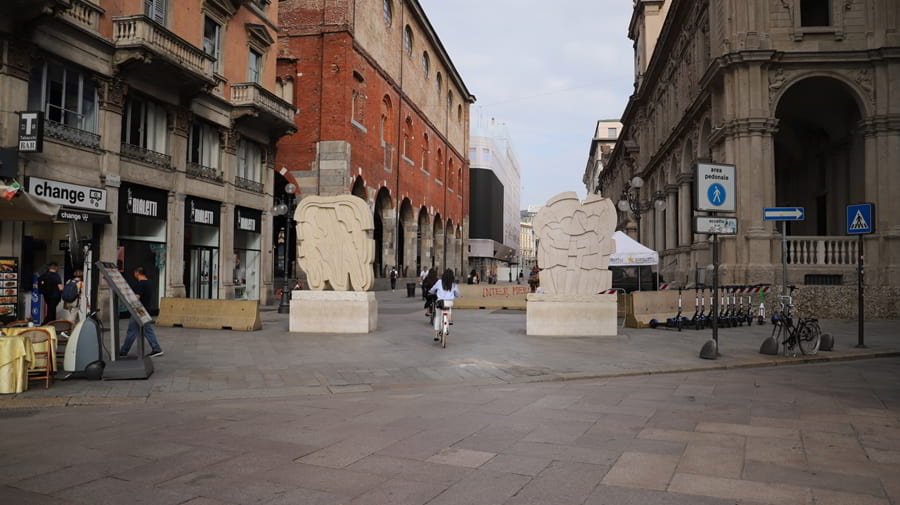
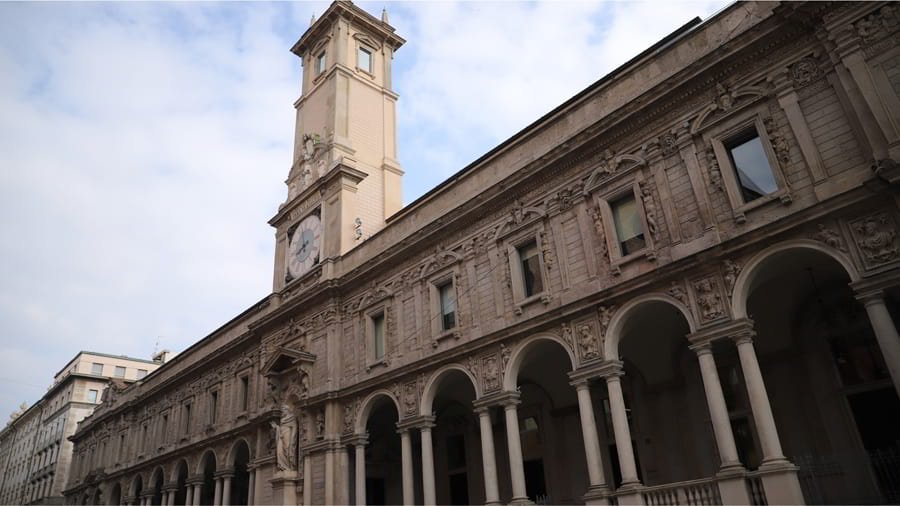
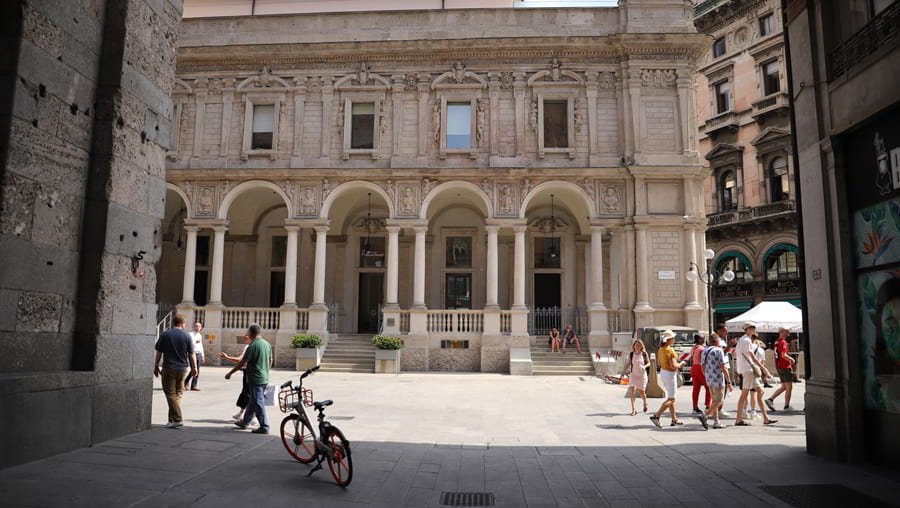
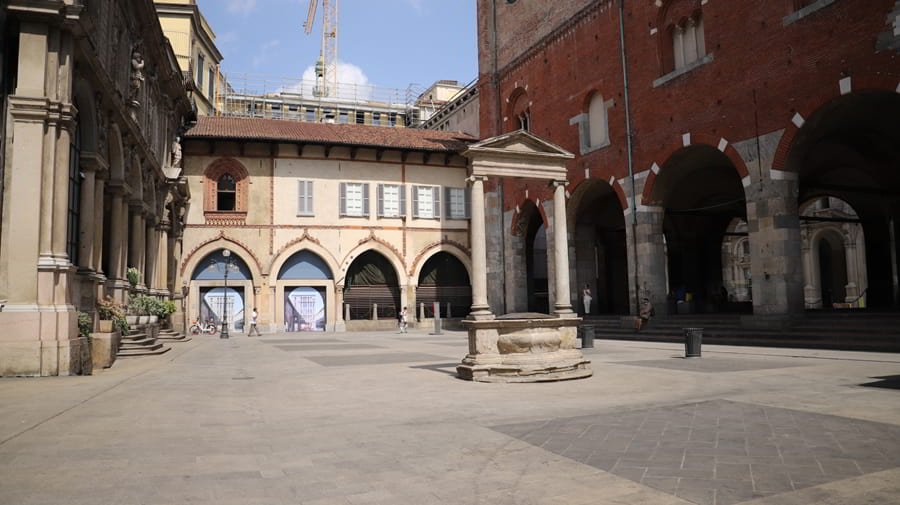
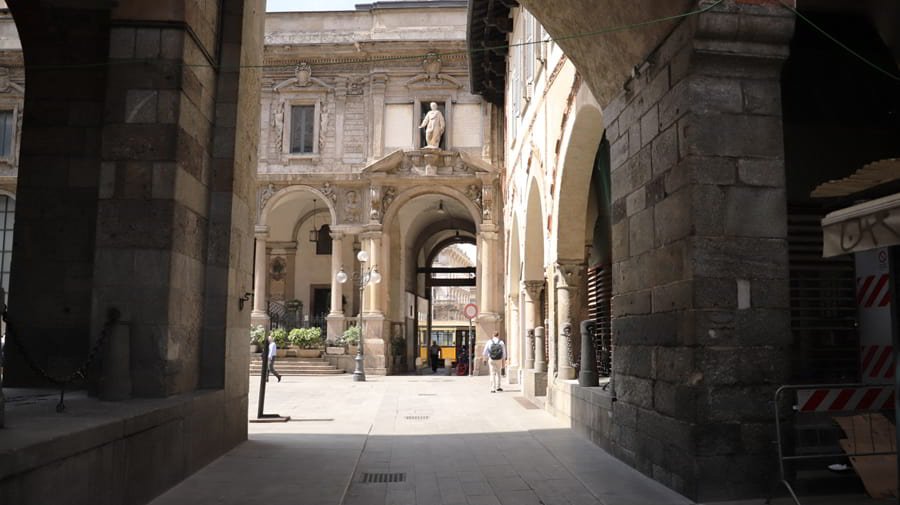
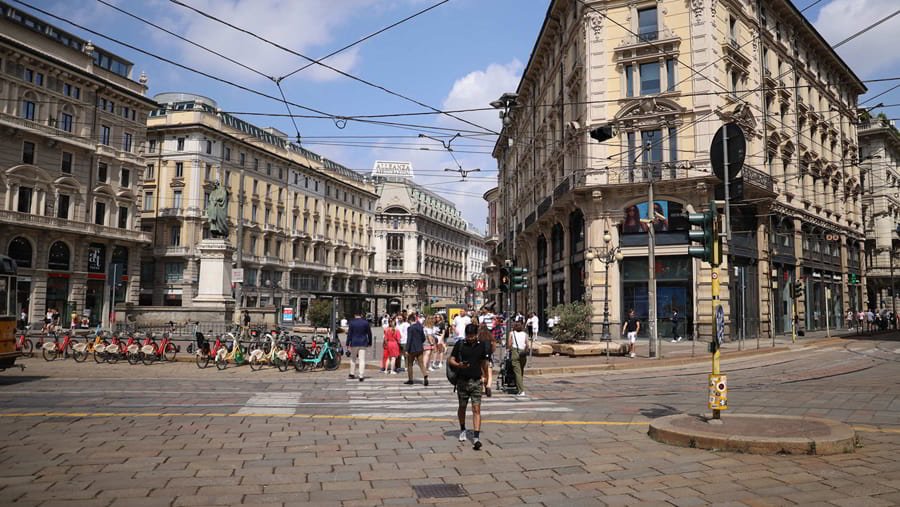
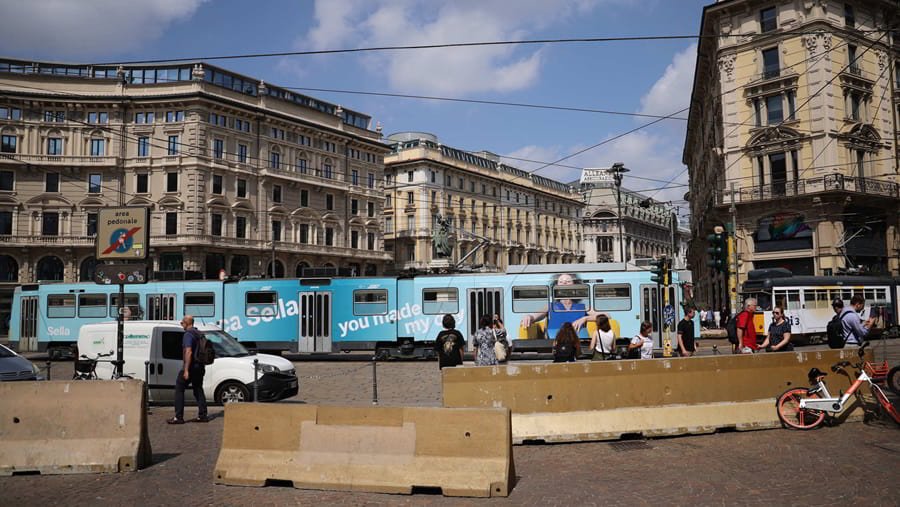
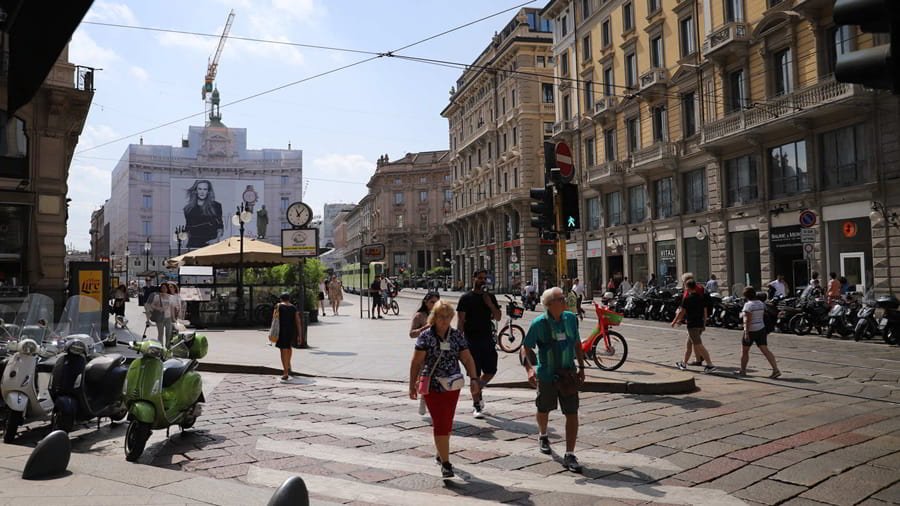
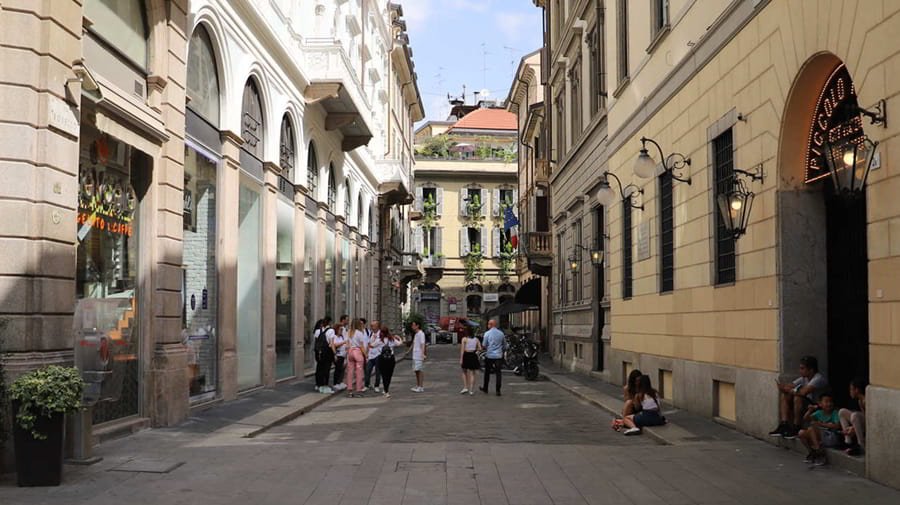
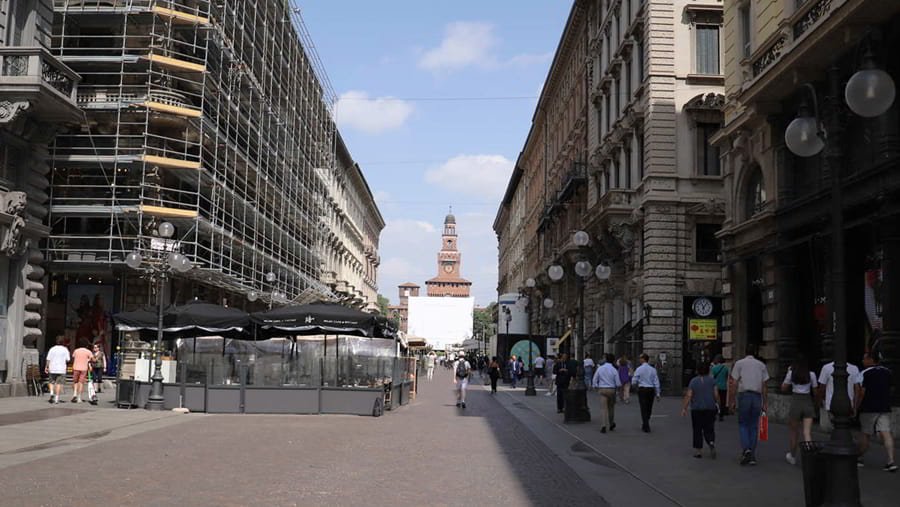
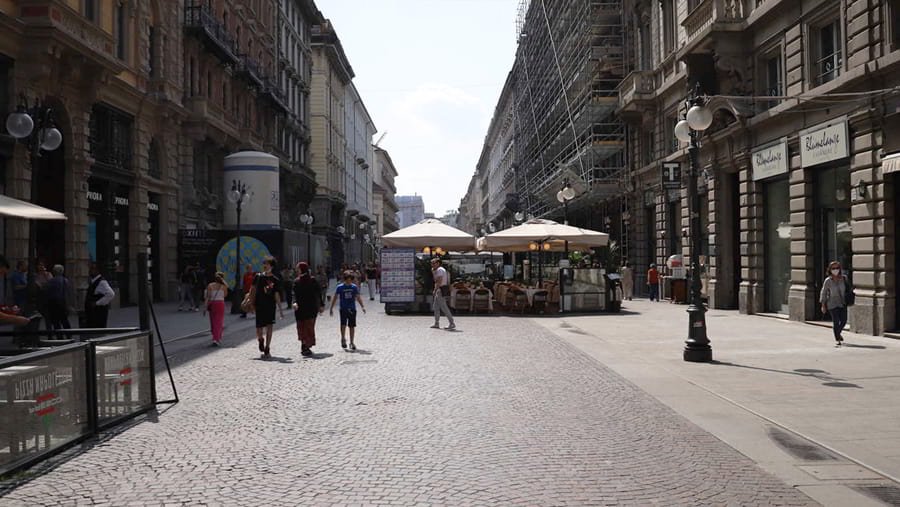
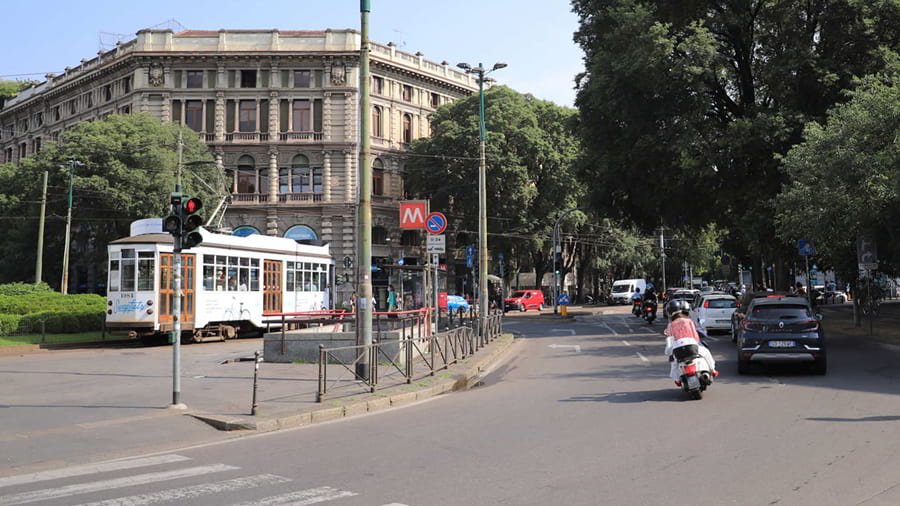
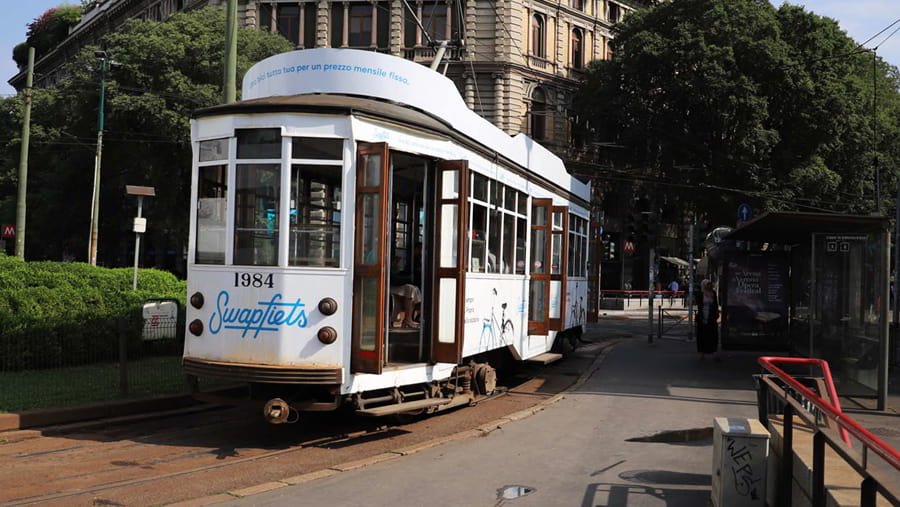
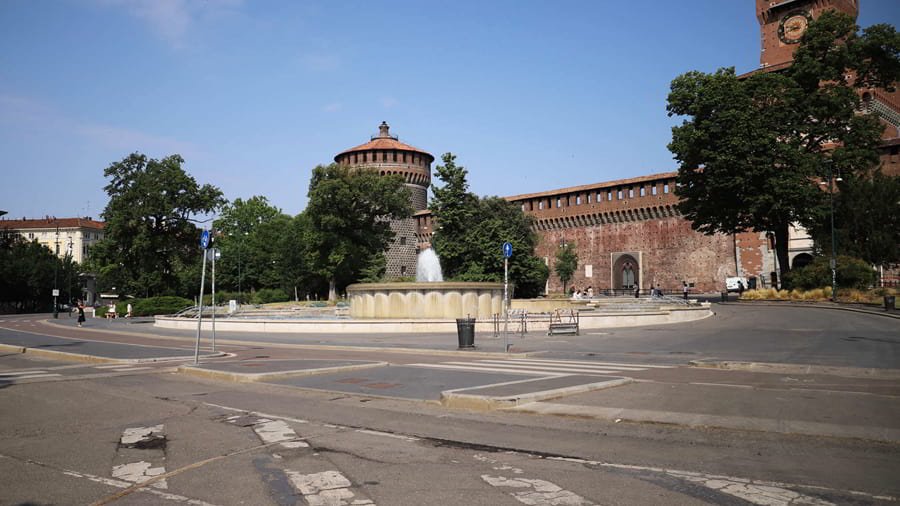
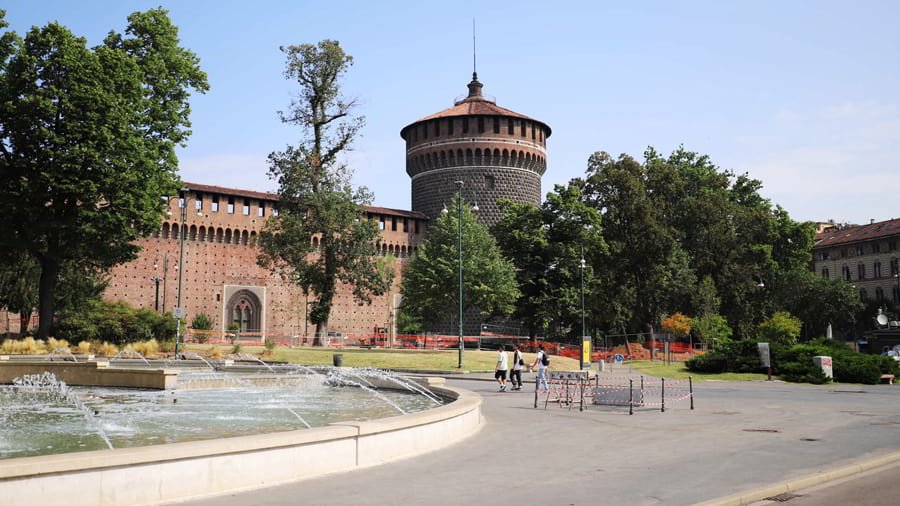


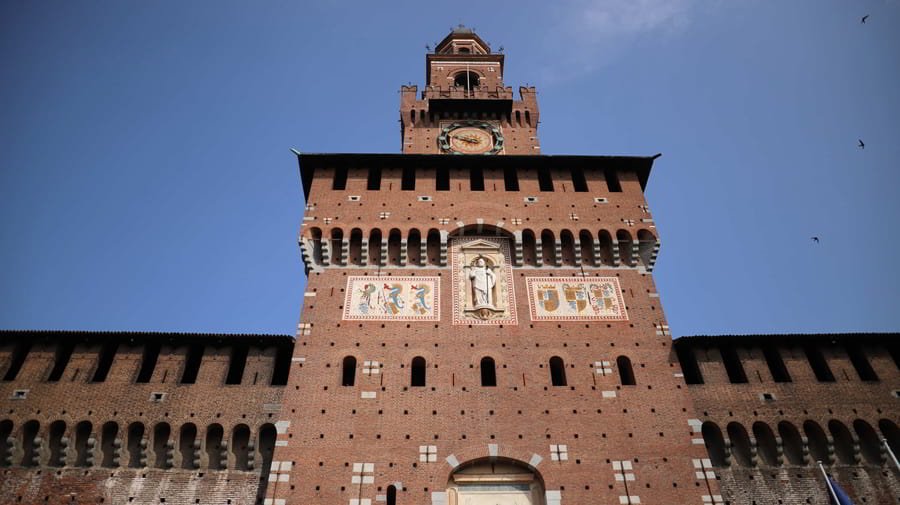
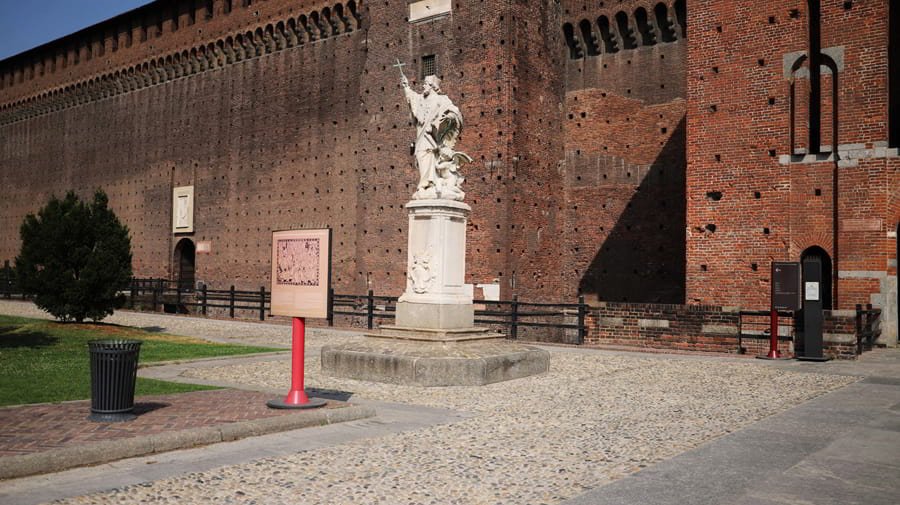
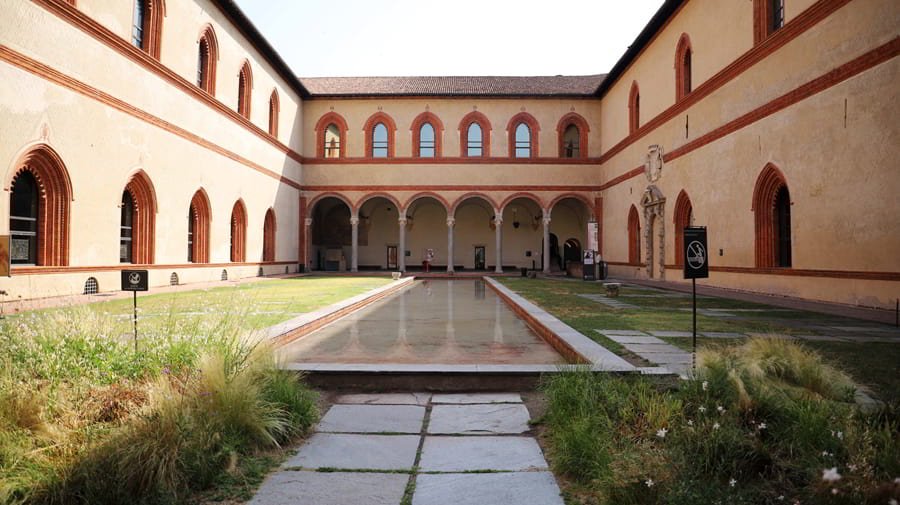
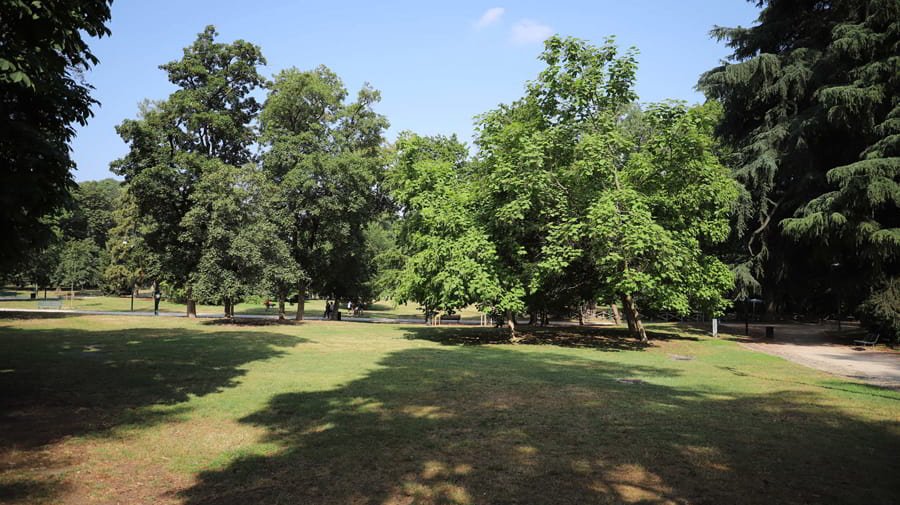
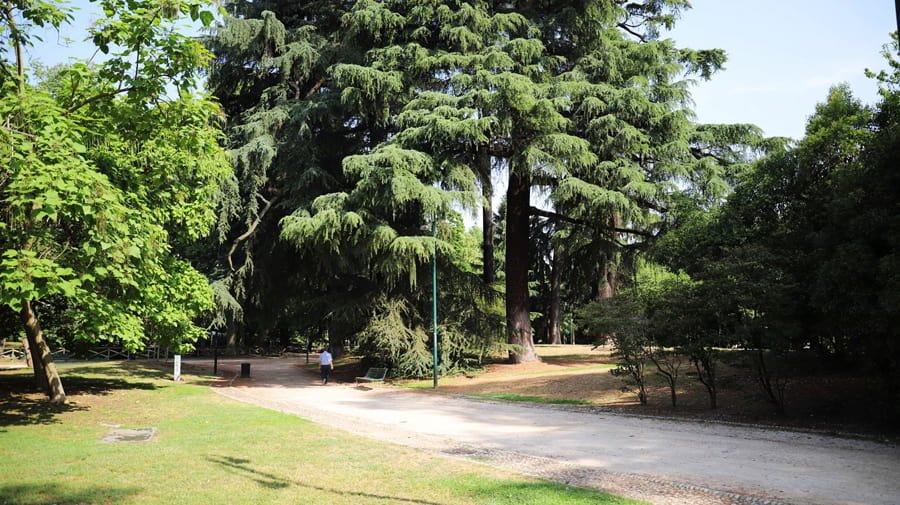
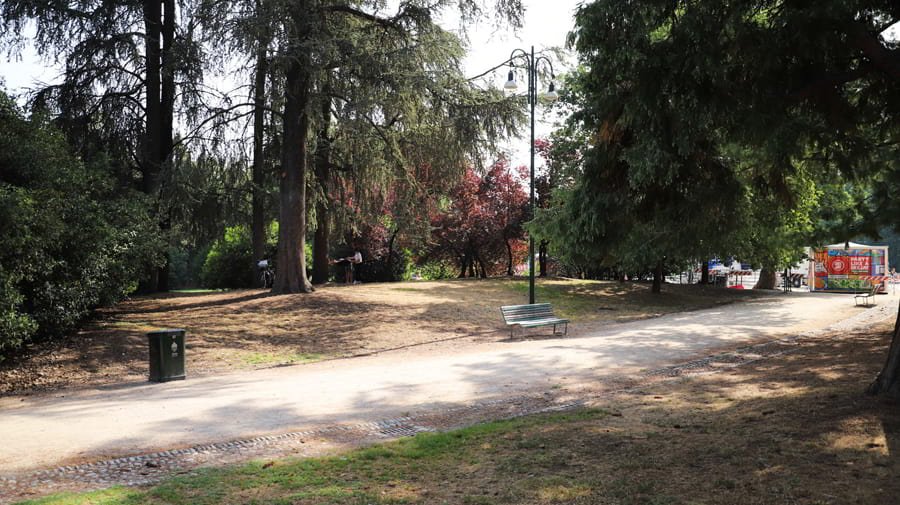

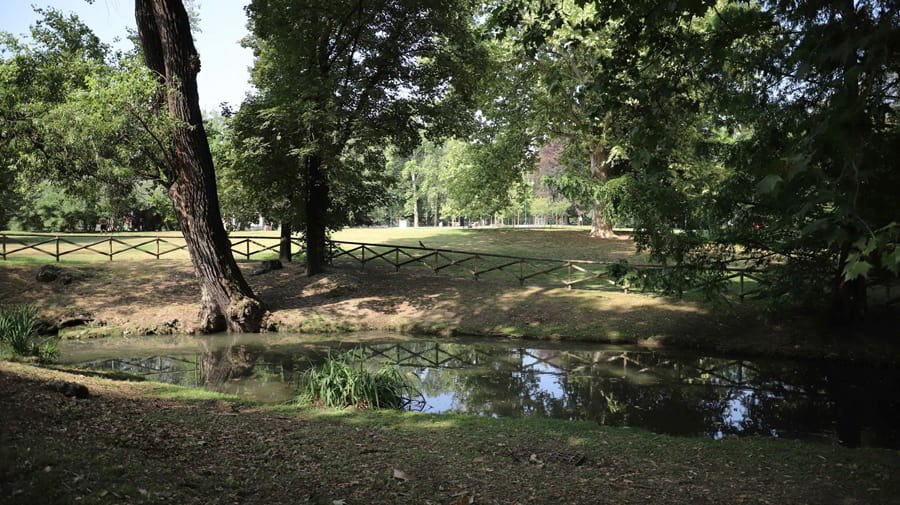
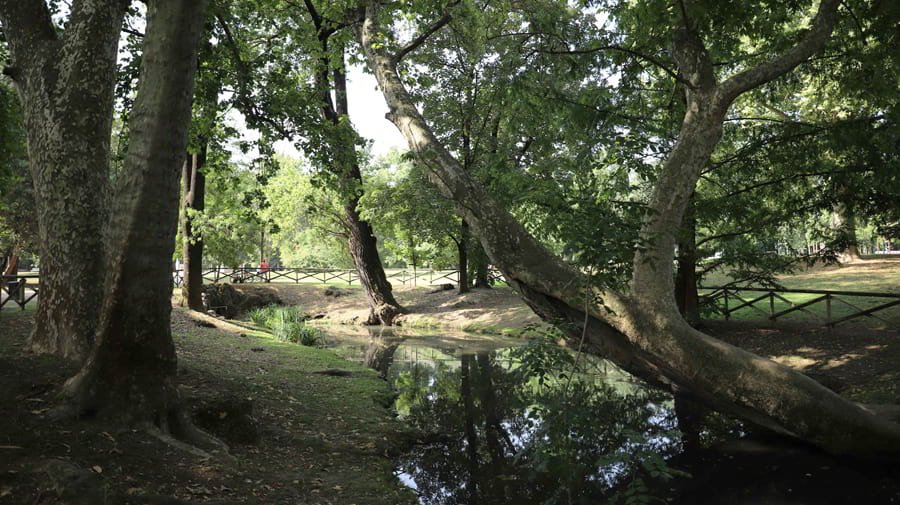
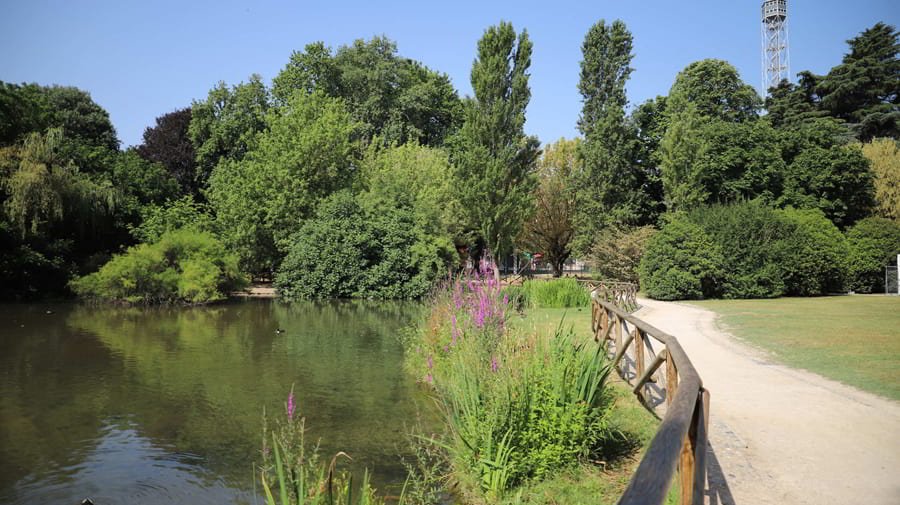
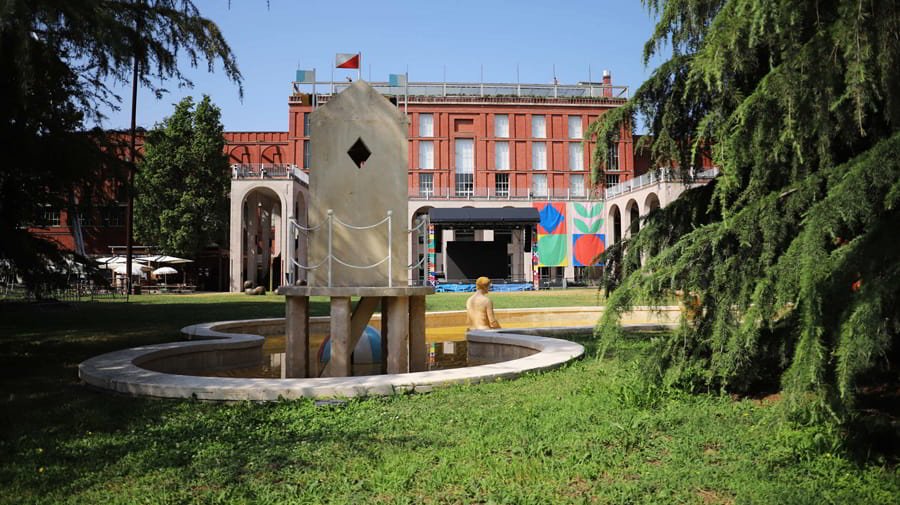
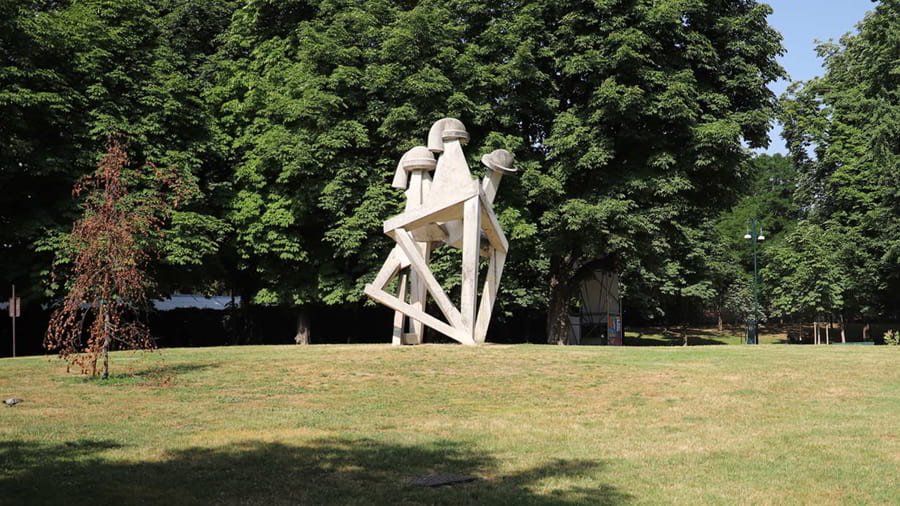
Photo Gallery of Walk 4 – Piazza Luigi di Savoia Tto Giardini Indro Montanelli
Approximately 3.00 km – 1.86 miles
Description of Walk 4
This route explores a different side of Milan, shaped by modern development, business districts, and traces of its historic city walls. Starting in Piazza Luigi di Savoia, near the busy Stazione Centrale, the atmosphere is defined by grand early 20th-century architecture and constant movement. Crossing into Piazza Duca d’Aosta, the monumental façade of the station dominates the scene, symbolising Milan’s role as a major transport hub. The walk continues along Via Giovanni Battista Pirelli and Via Melchiorre Gioia, where sleek office buildings and contemporary towers reflect the city’s economic energy. Approaching the Bastioni di Porta Nuova, remnants of the old Spanish walls emerge, offering a glimpse into Milan’s layered past. Around Piazzale Principessa Clotilde, historic gates and modern traffic flows meet, marking a transition point between eras. Viale Monte Santo and Via Galileo Galilei guide you through a mix of residential and commercial streets, gradually leading toward the more open space of Piazza della Repubblica, one of Milan’s largest and busiest squares. The route ends at Giardini Indro Montanelli, a green park that provides a welcome contrast to the surrounding urban intensity. Altogether, this walk highlights Milan’s blend of historic boundaries and modern expansion.
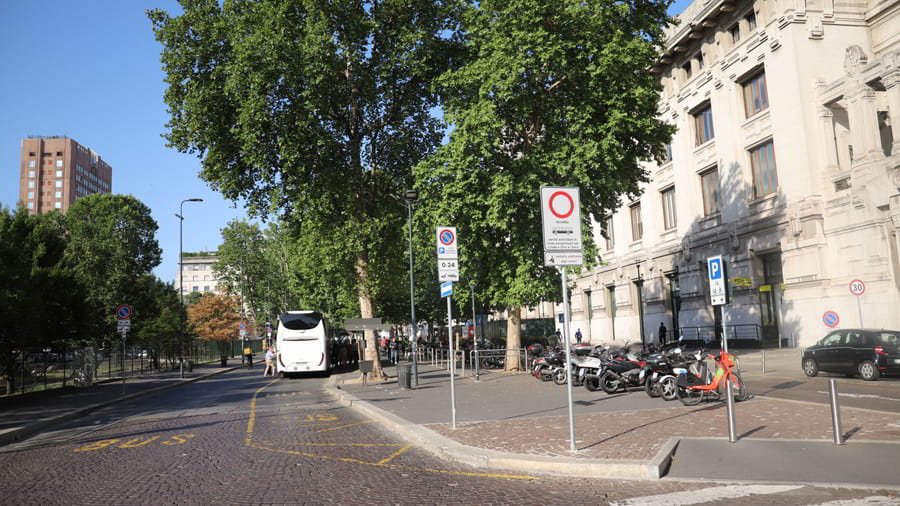
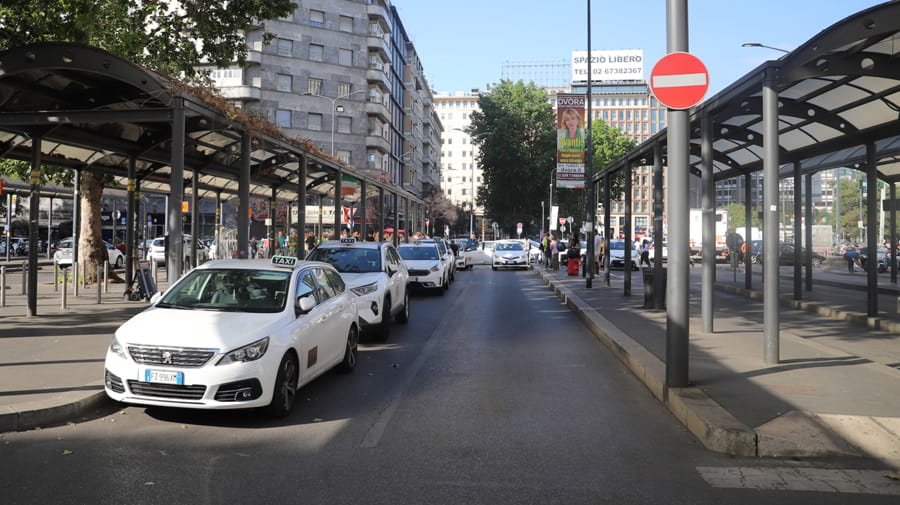
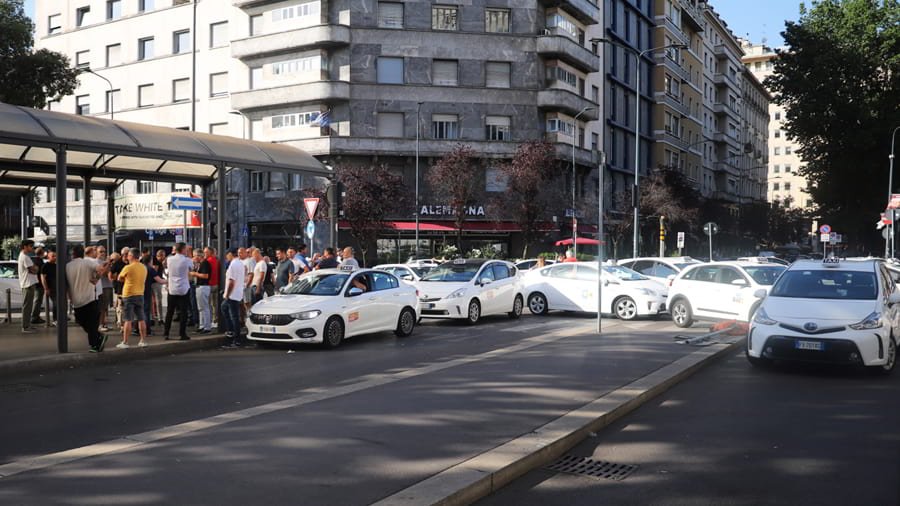
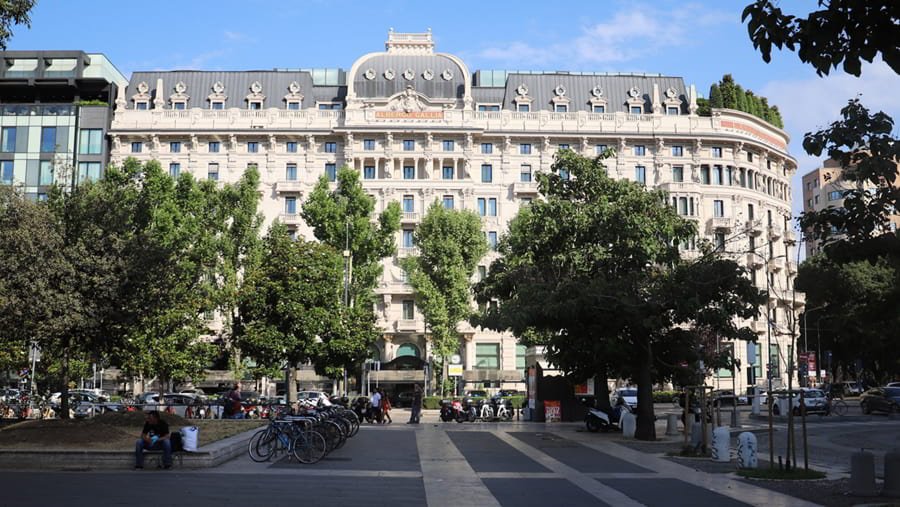
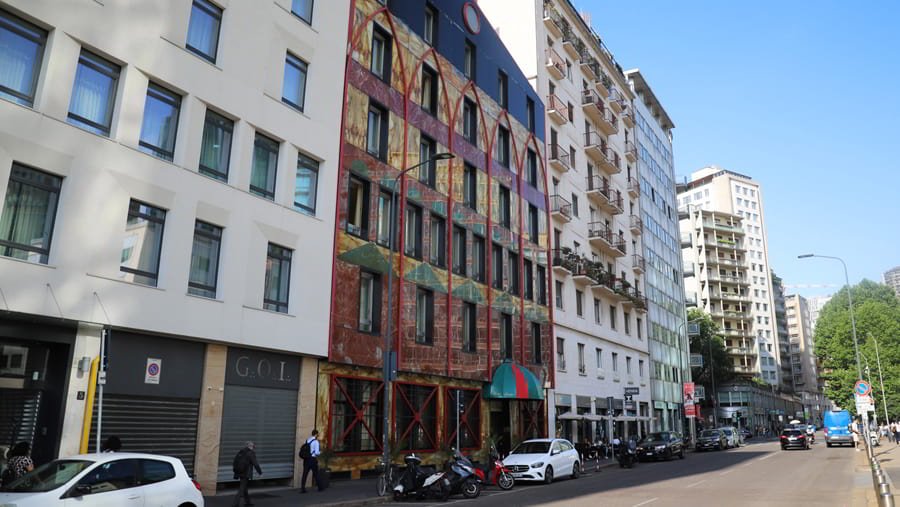
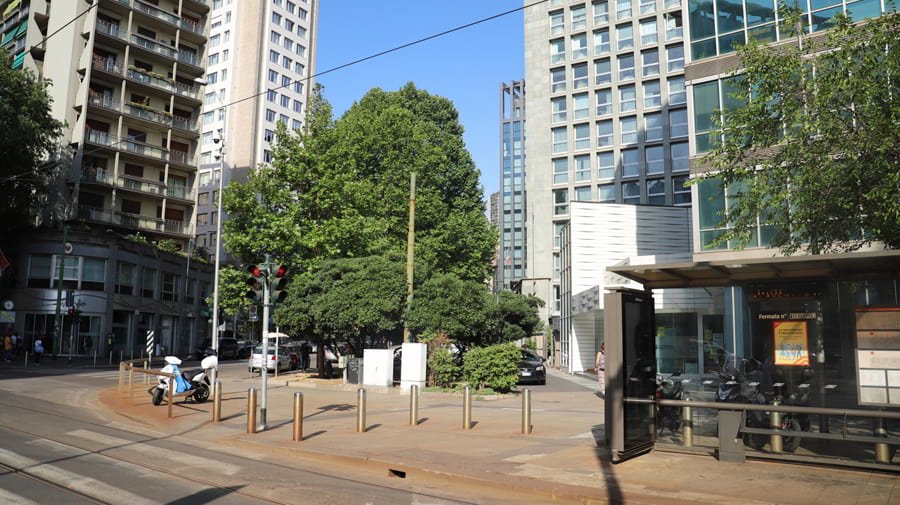
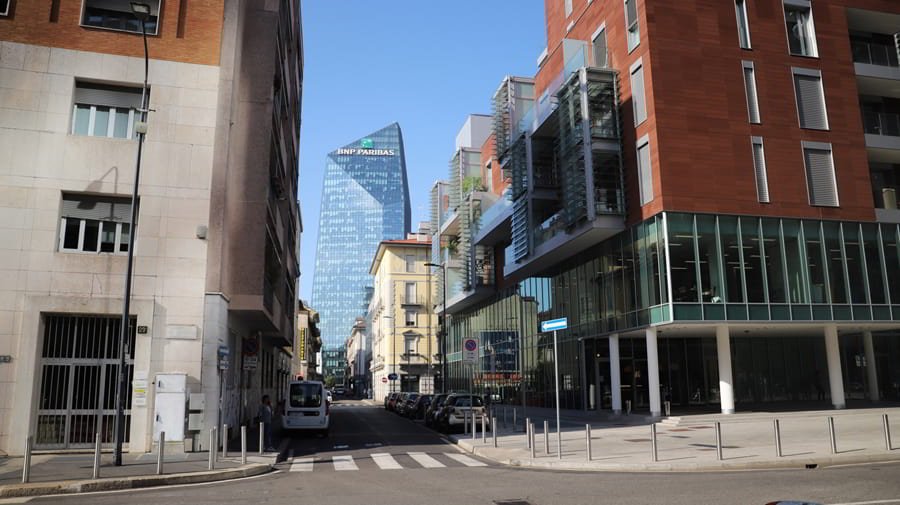
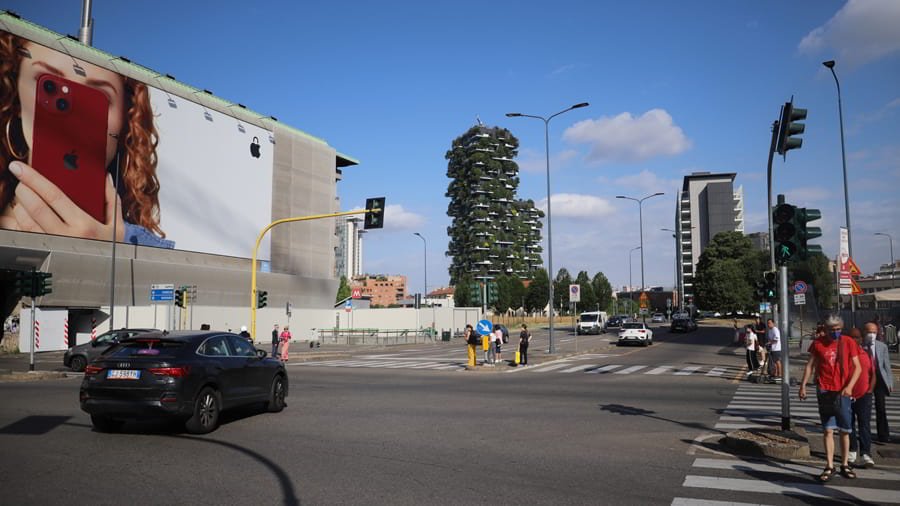
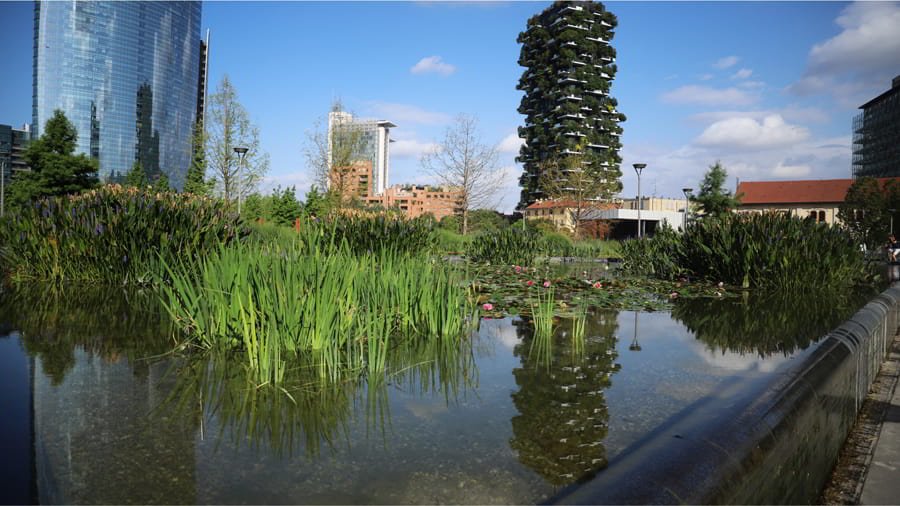
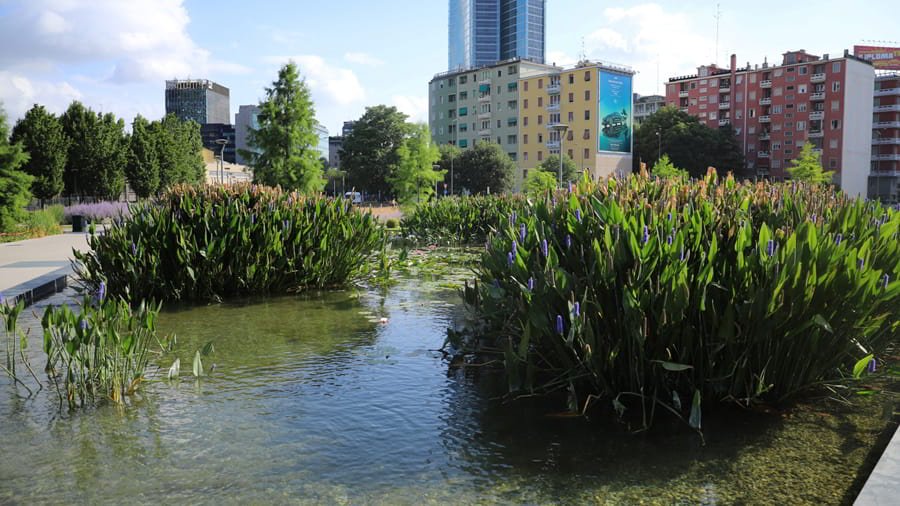


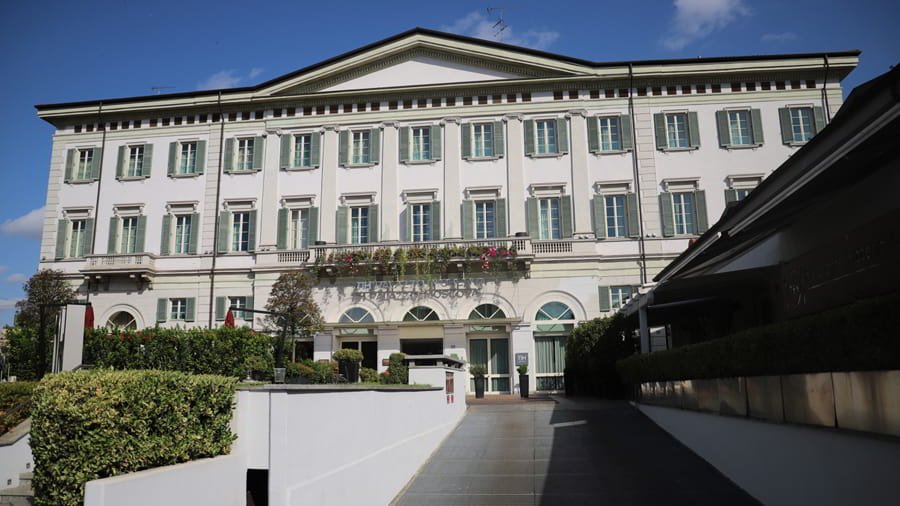
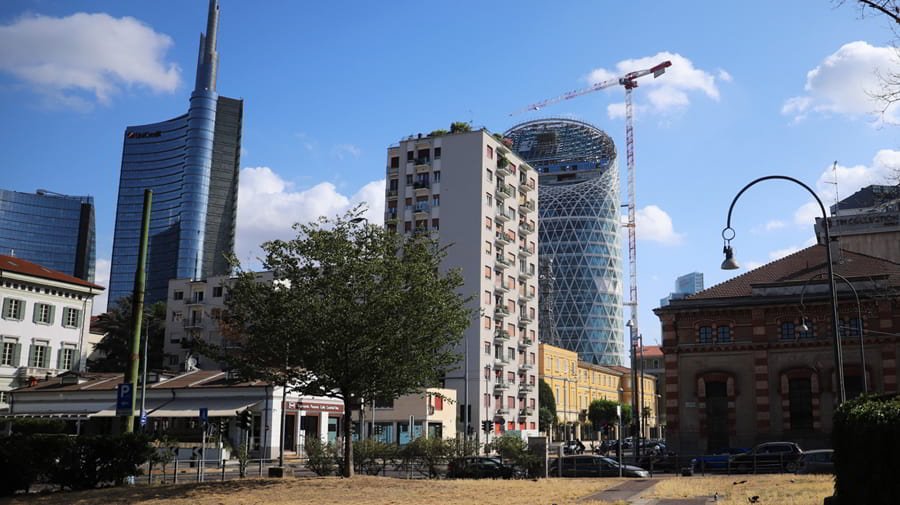
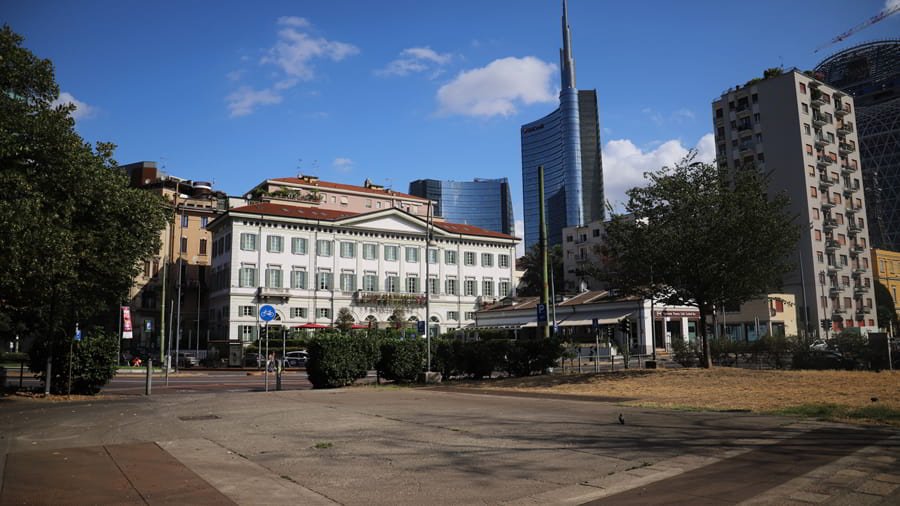
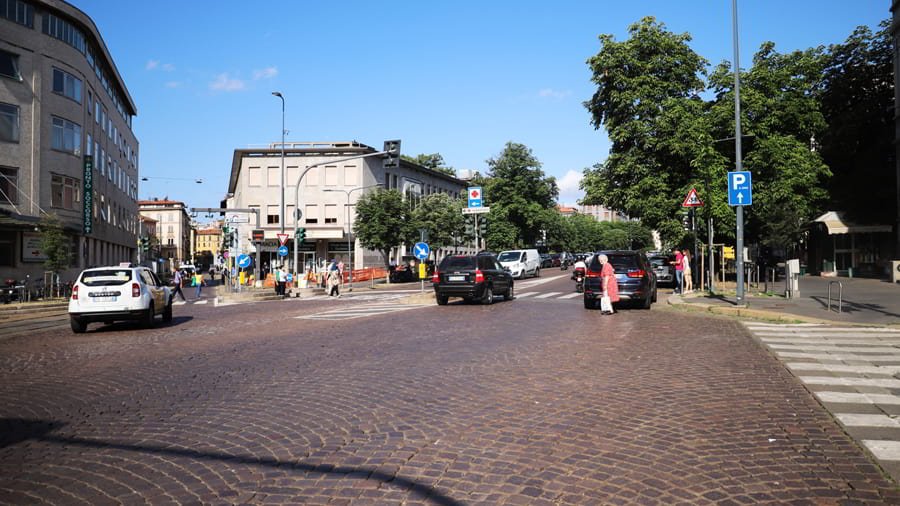
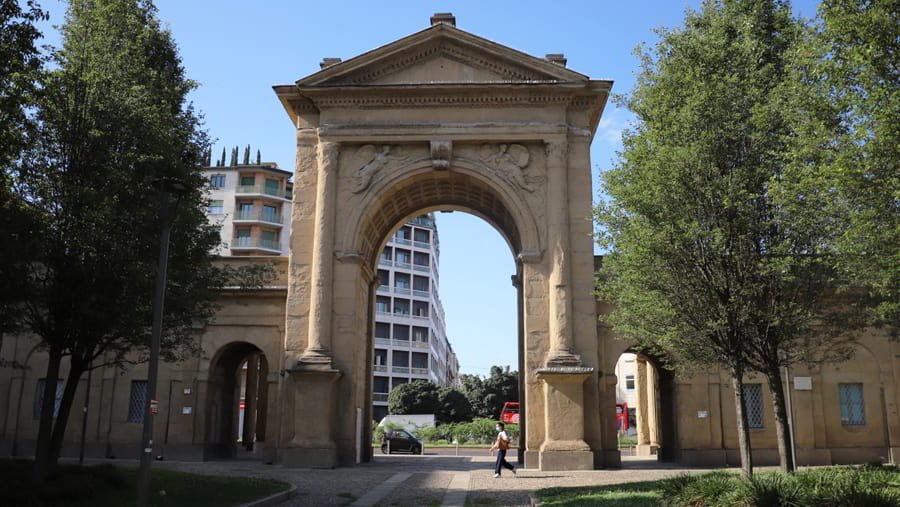
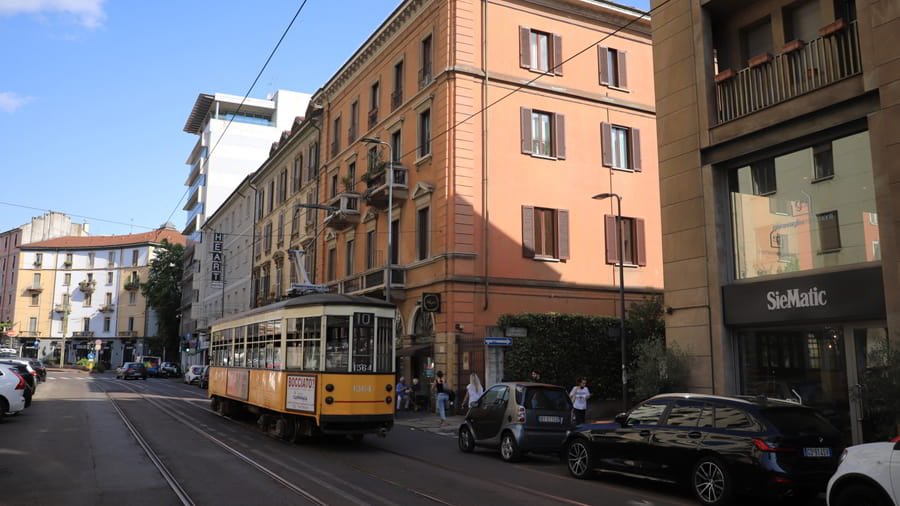
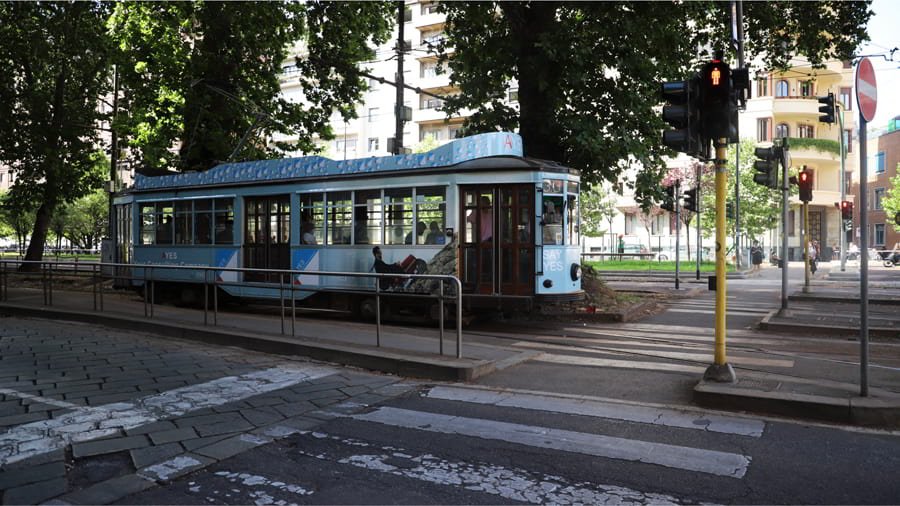
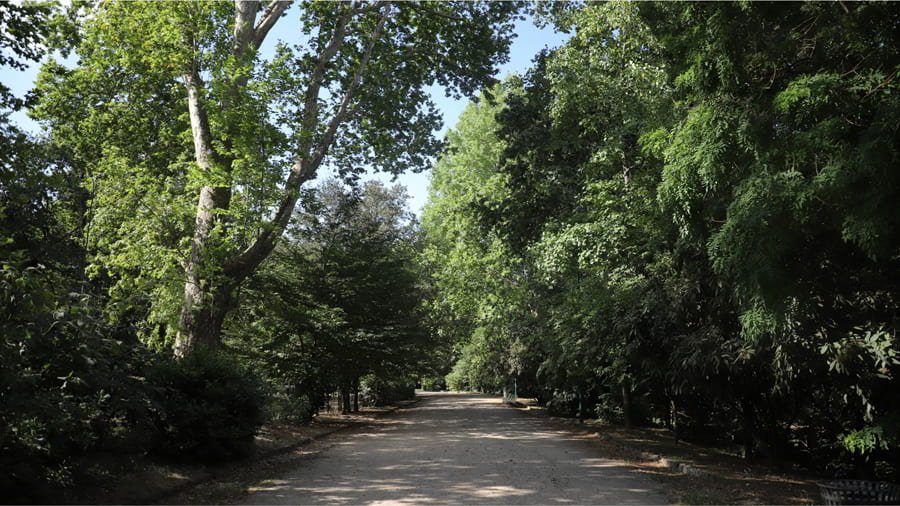
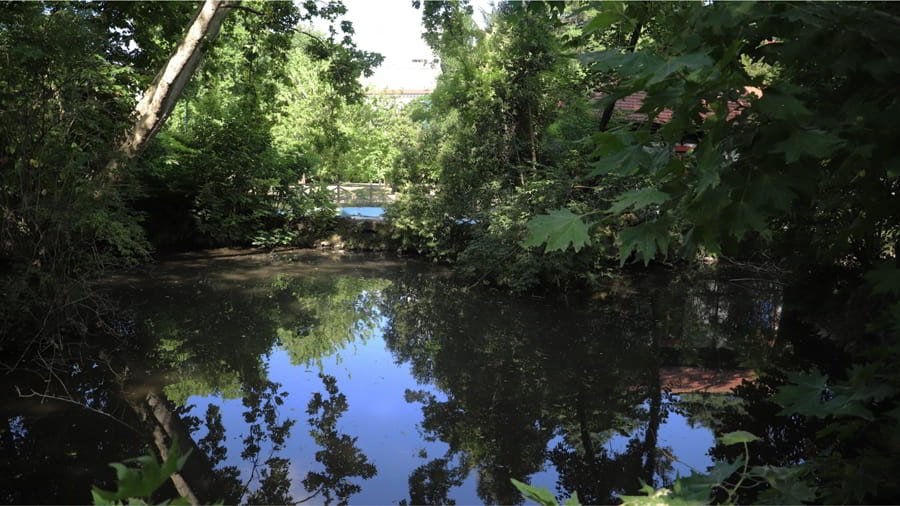
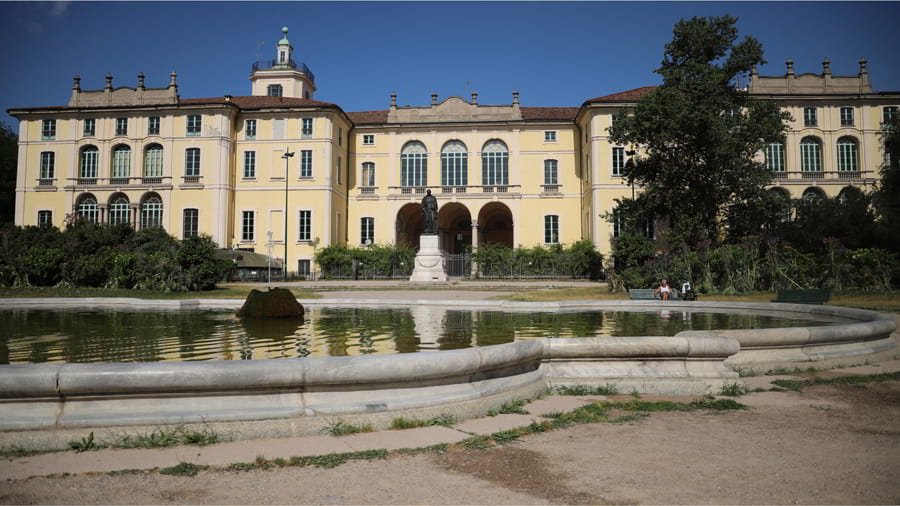
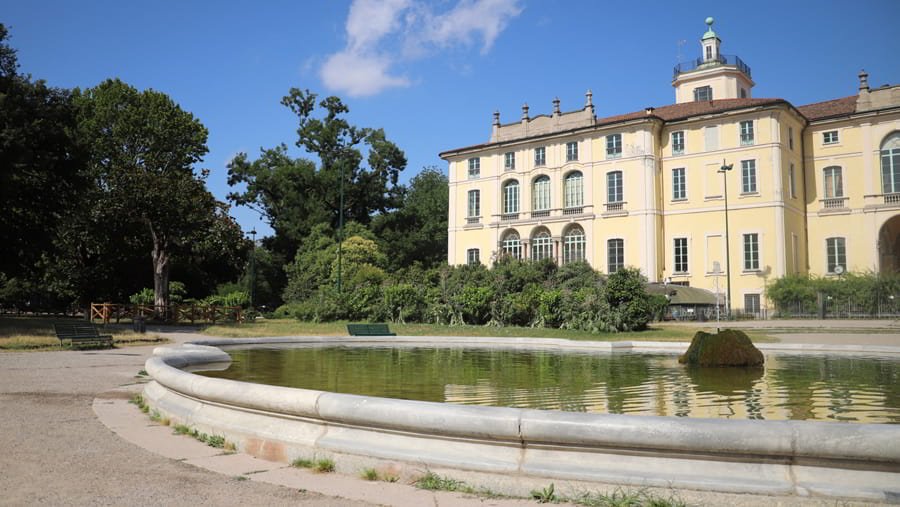
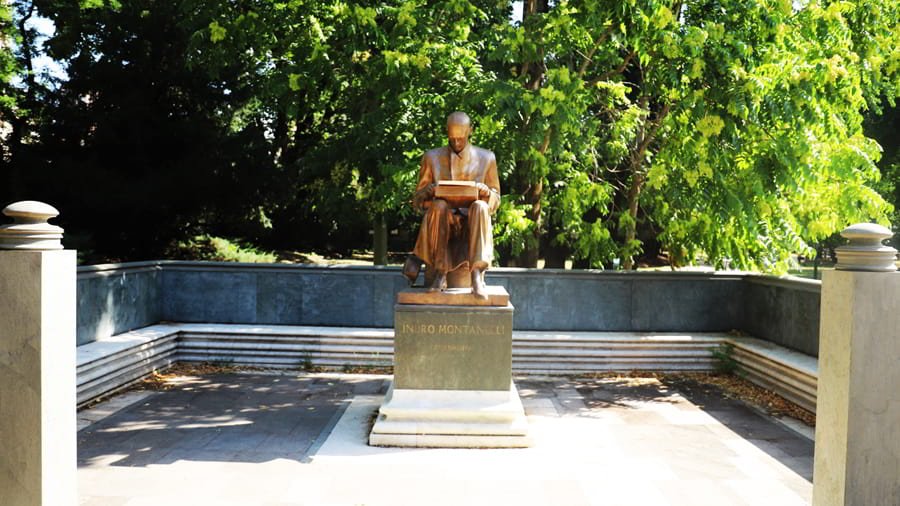
Photo Gallery of Walk 5 – Viale Brianza to Parco Lambro, Via Feltre
Approximately 3.24 km – 2.01 miles
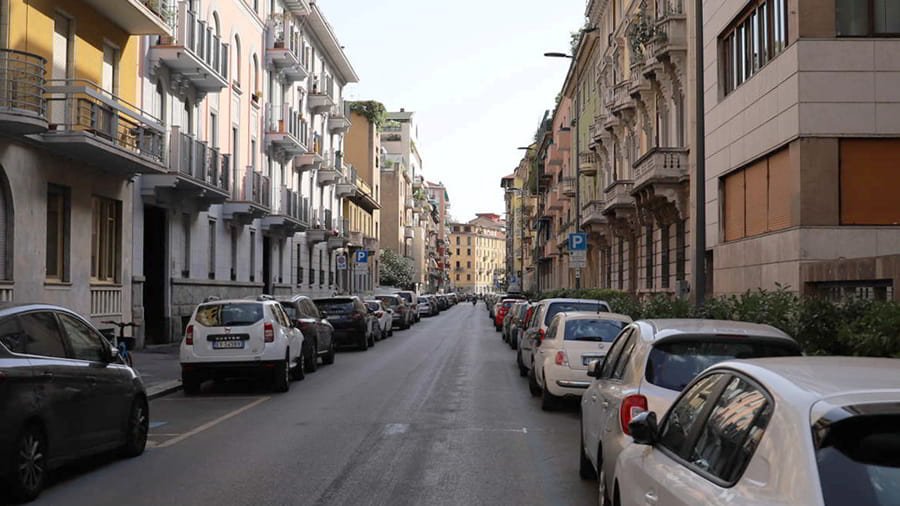
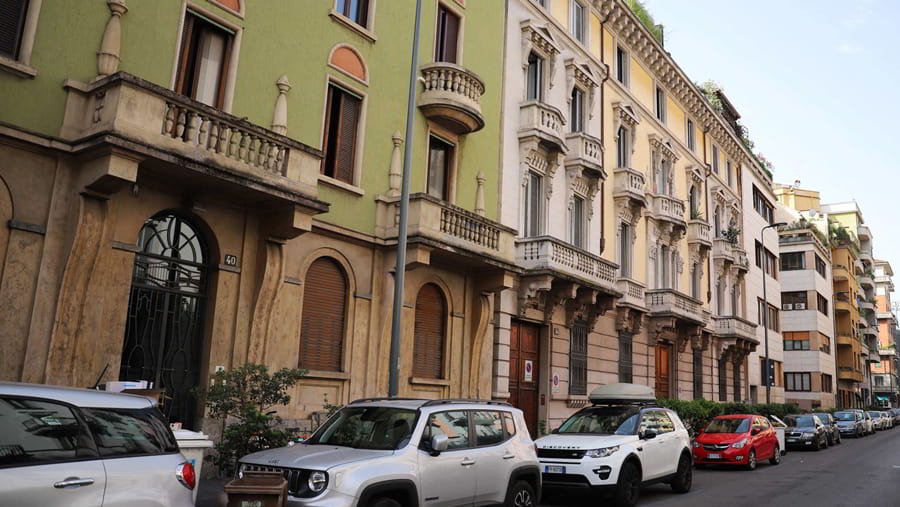
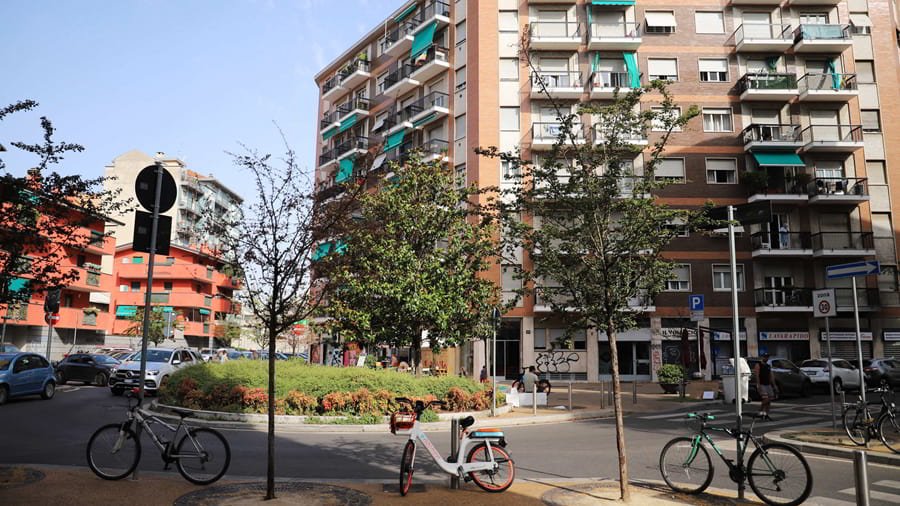
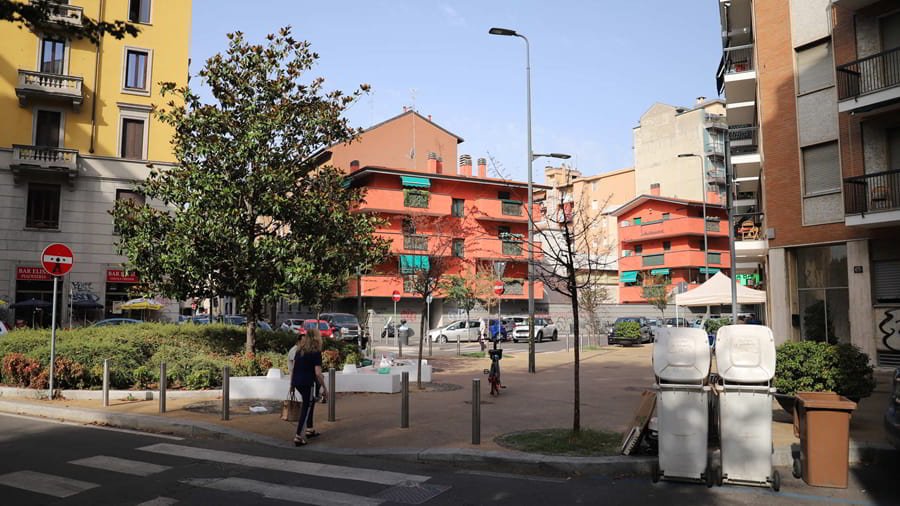
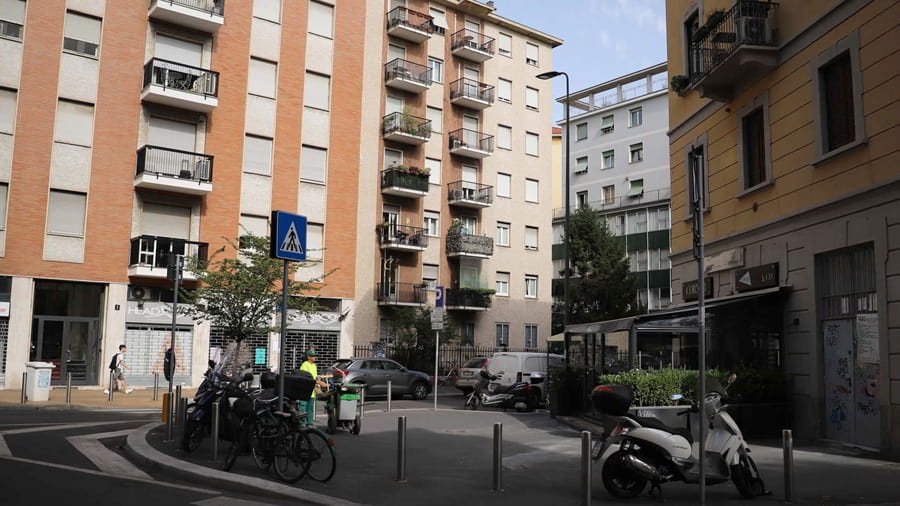
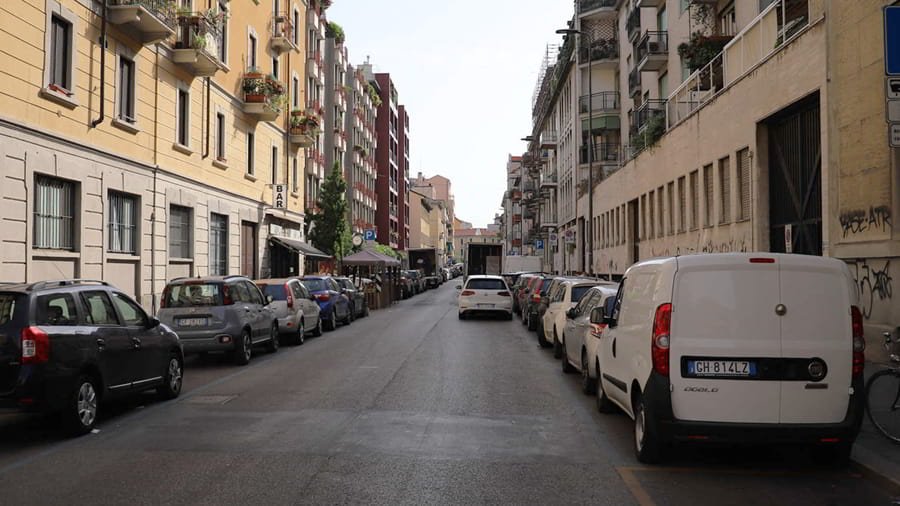
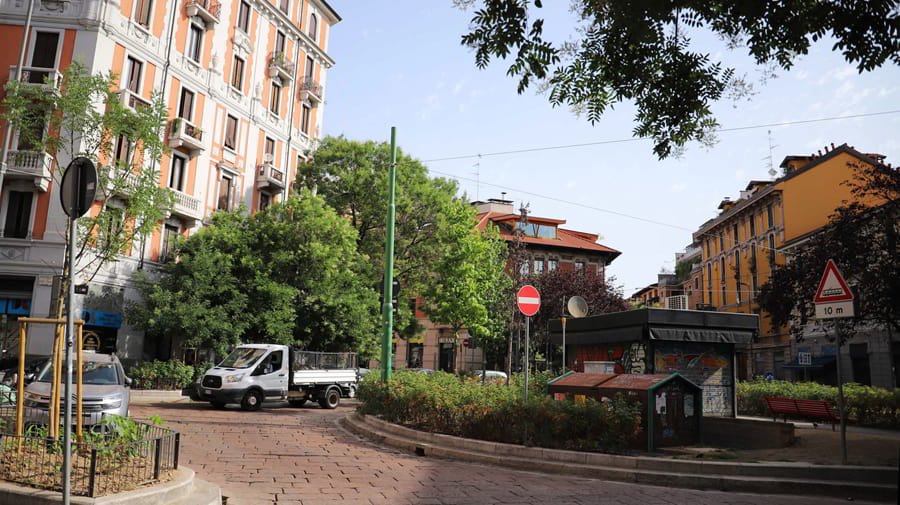
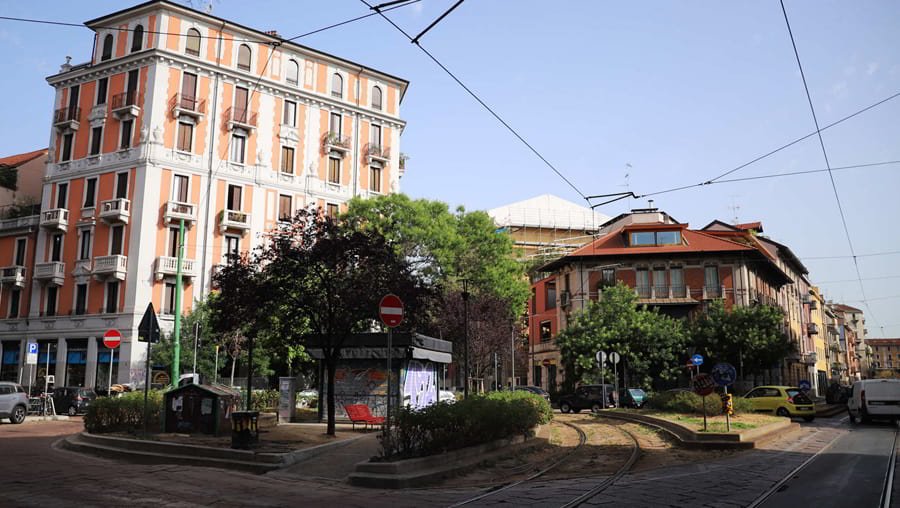
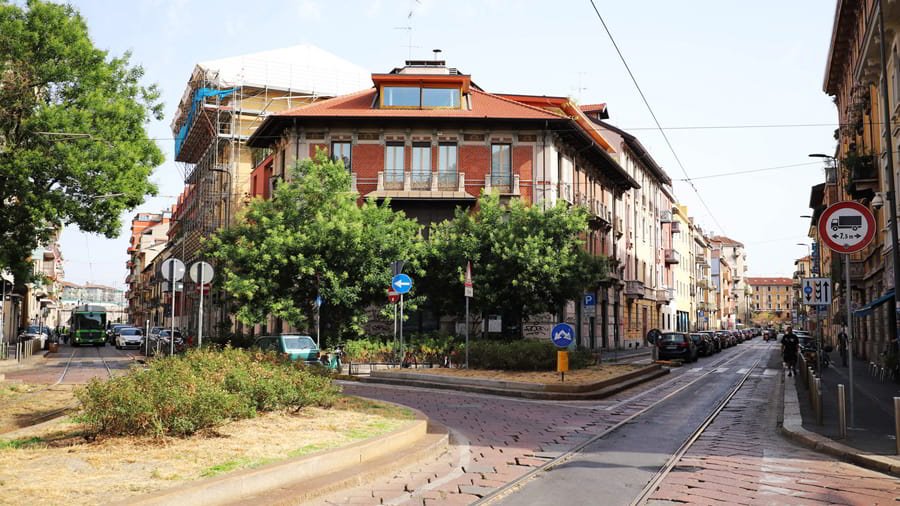
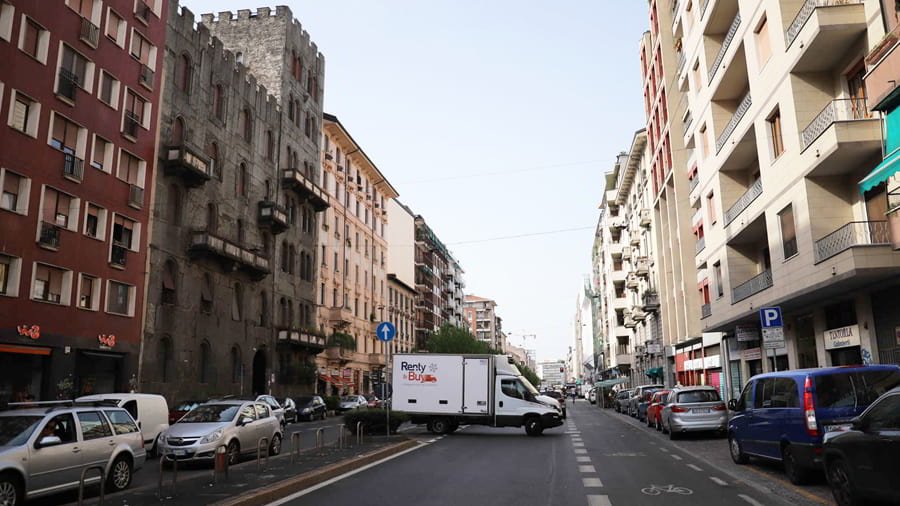
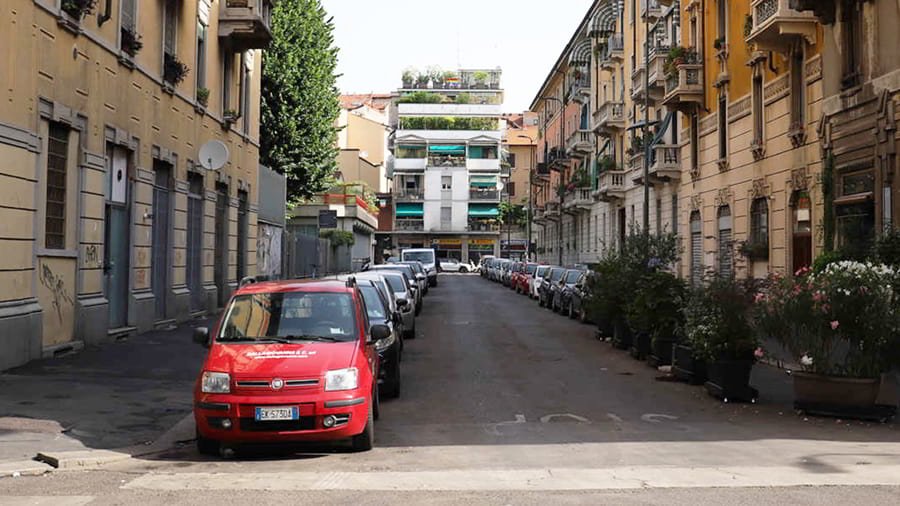
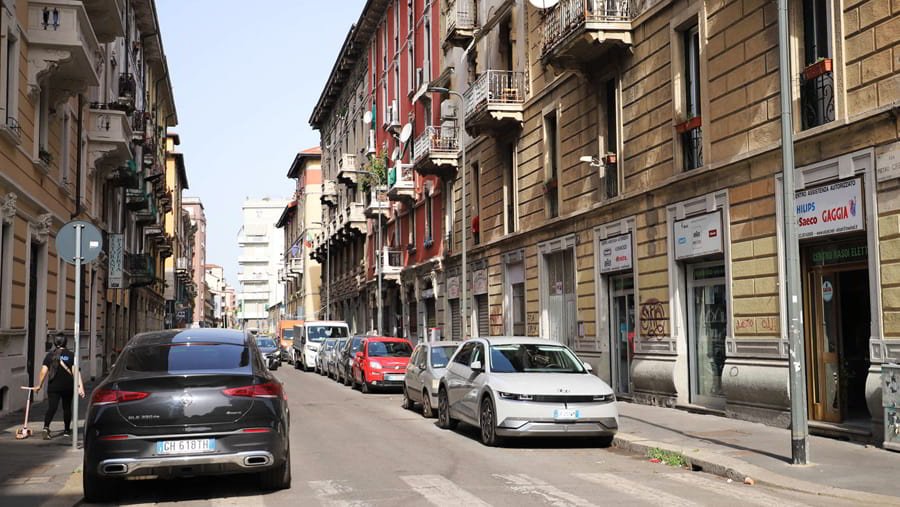
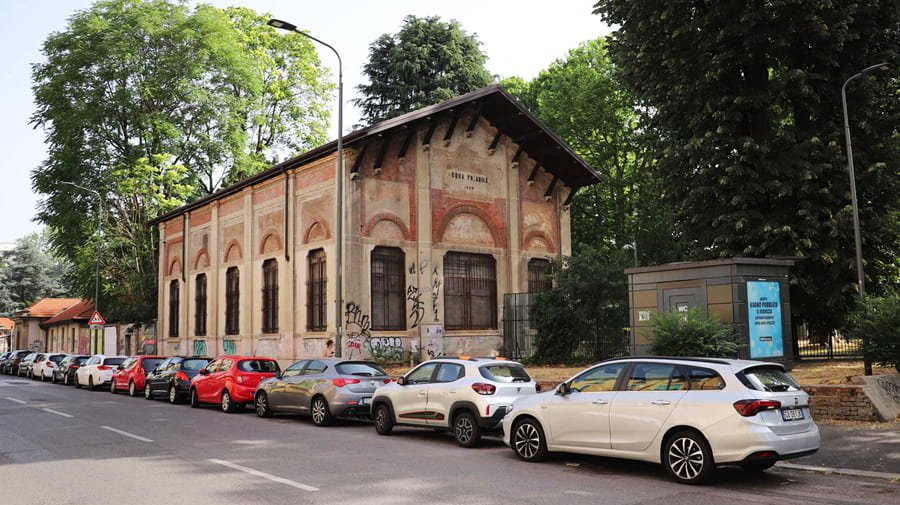
This route takes you through northeastern Milan, an area that blends everyday residential life with traces of the city’s expansion in the 20th century. Starting on Viale Brianza, near the busy Centrale district, the surroundings are characterised by mid-century apartment blocks, local shops, and a multicultural atmosphere. Moving along Via Giulio e Corrado Venini, the streets feel more intimate, reflecting a lived-in neighbourhood with small businesses and cafés. Returning to Viale Brianza and continuing onto Viale Monza, the scale increases as traffic and commercial activity intensify. Piazzale Loreto is a major crossroads, historically significant and always bustling, marking a key transition in the walk. From here, Via Andrea Costa and Via Giovanni Ricordi lead into quieter residential zones with a more relaxed pace and a strong local character. Passing through Piazza Francesco Durante and continuing along Via Andrea Maria Ampère and Via Casoretto, the environment becomes greener and more open. Via Feltre gradually guides you away from dense urban streets toward nature. The route concludes in Parco Lambro, one of Milan’s largest parks, where wooded paths and open spaces offer a peaceful escape from the city’s energy.

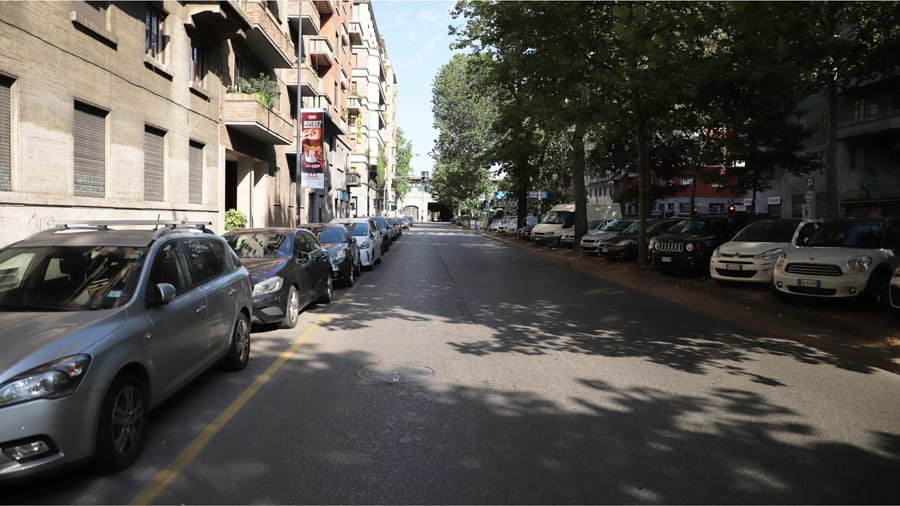

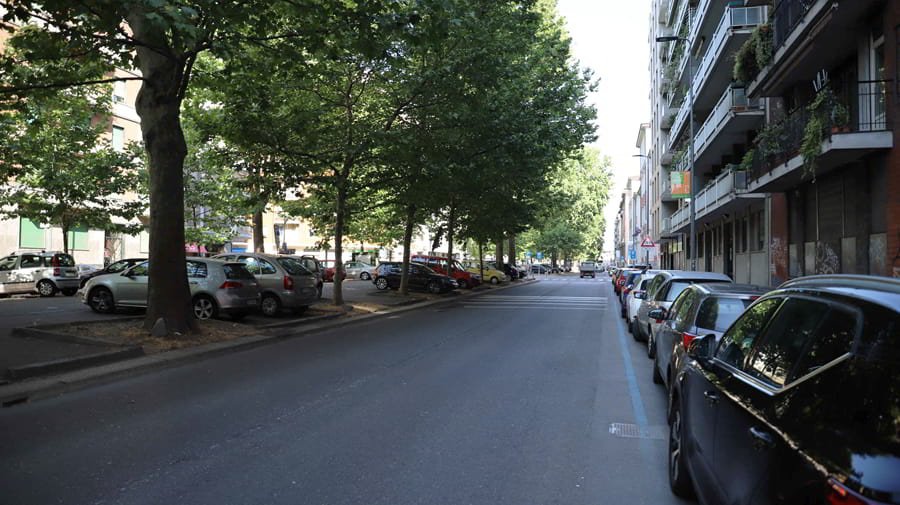

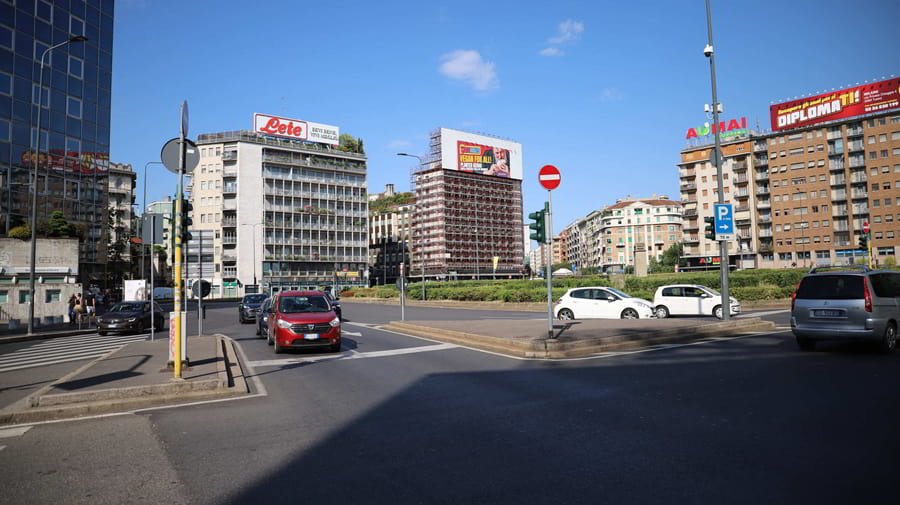
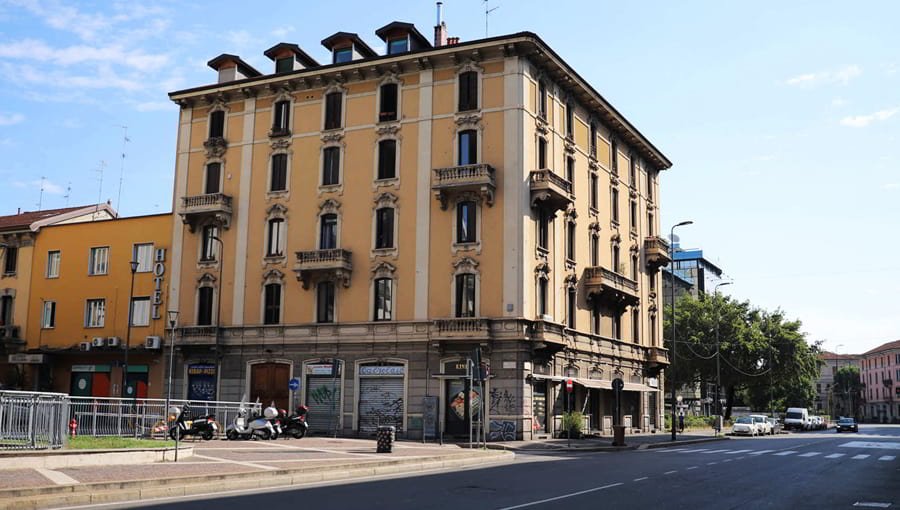
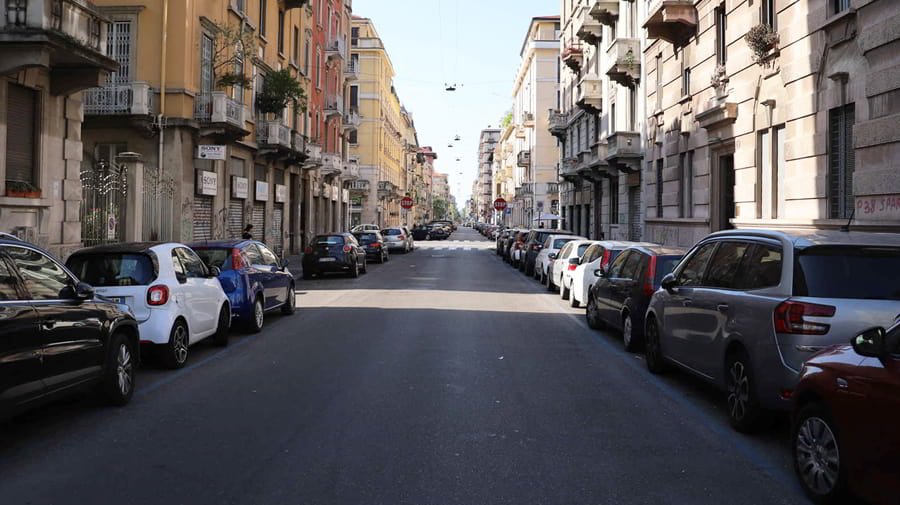
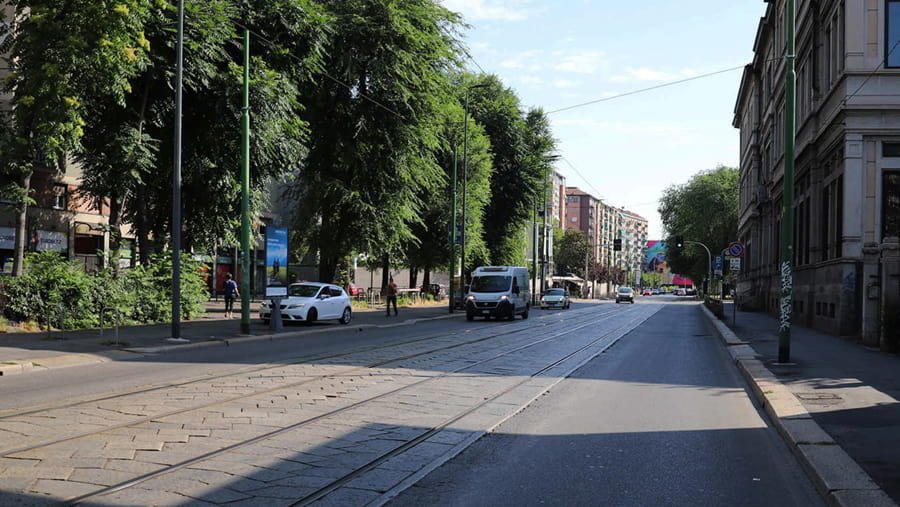
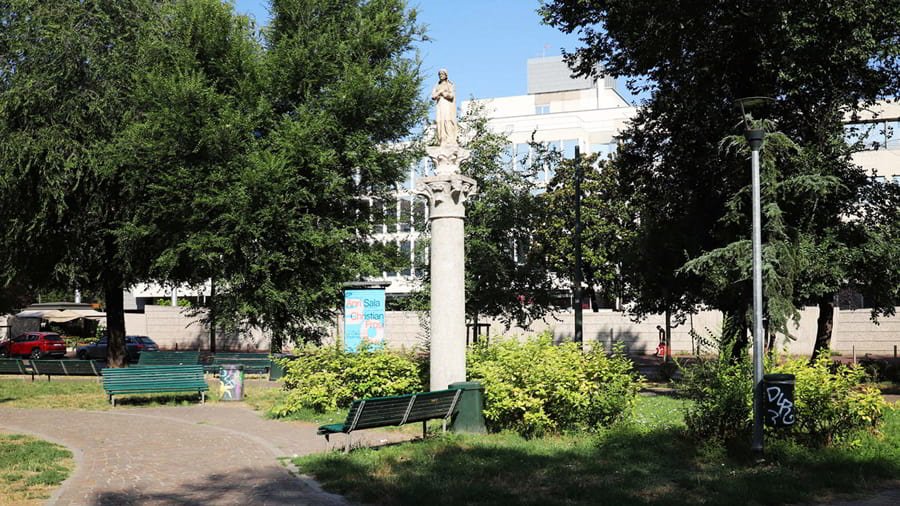

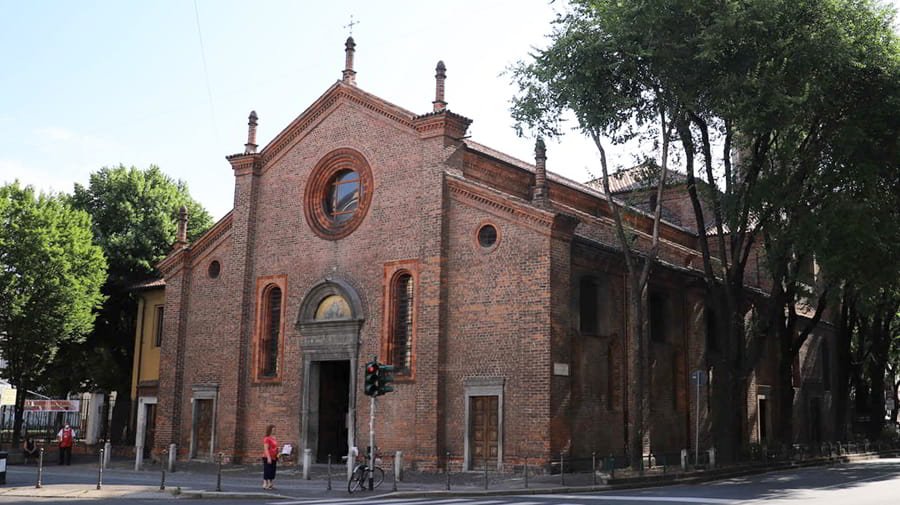
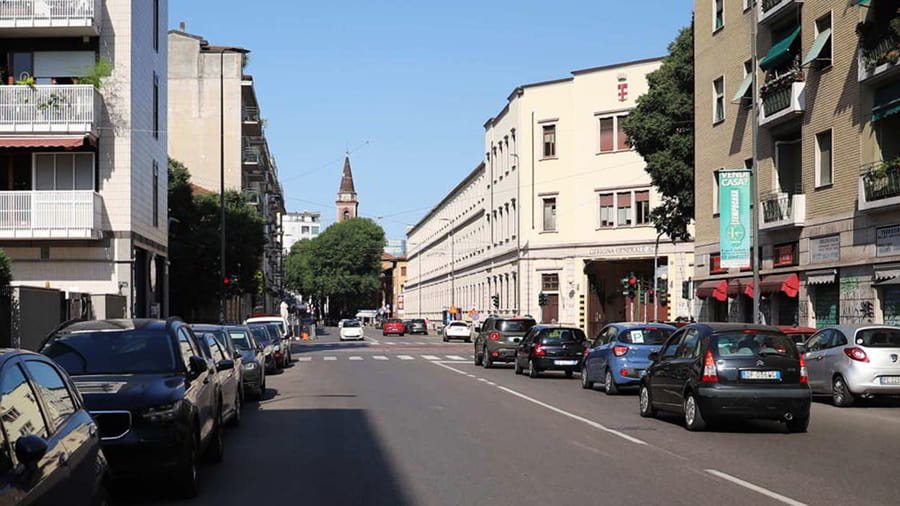
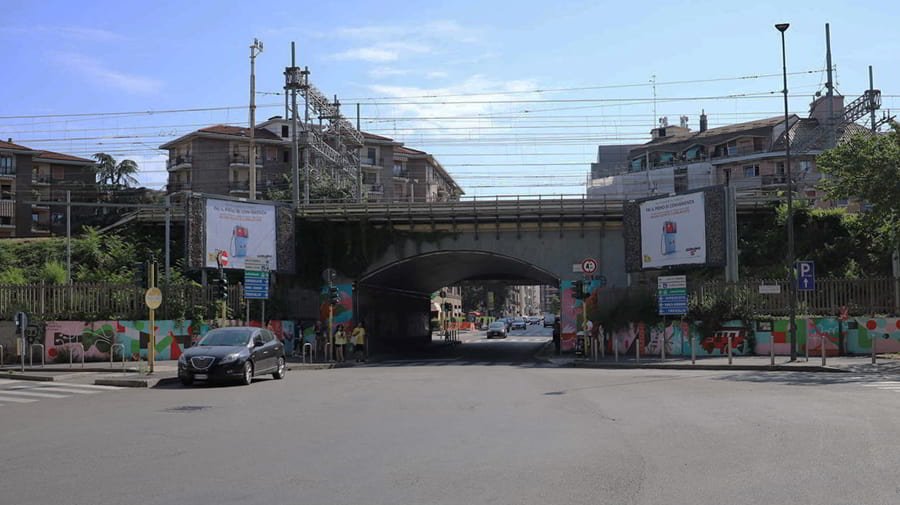
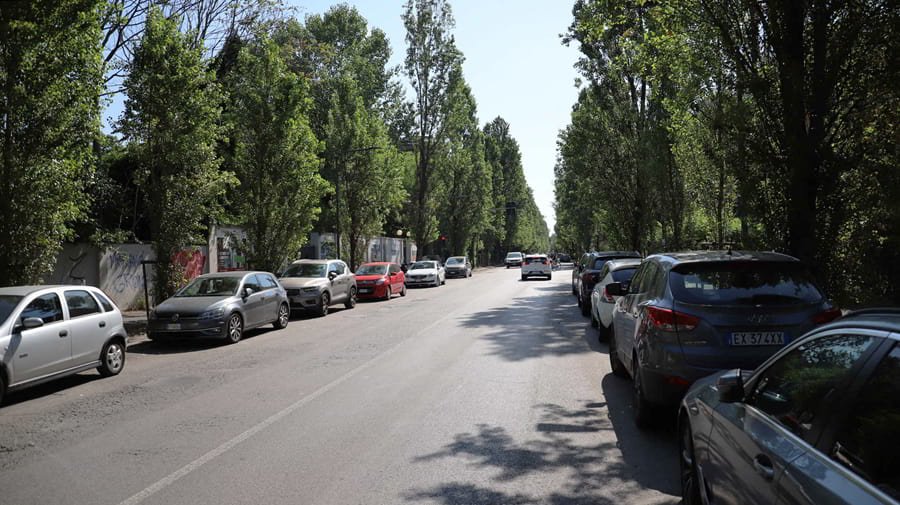
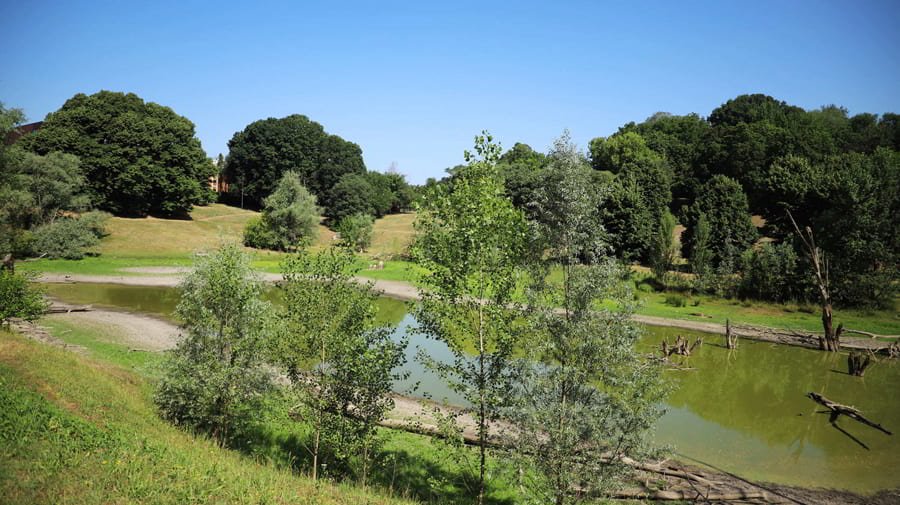
Photo Gallery of Walk 6 – Via Soperga to Parco Trotter, Via Giuseppe Giacosa
Approximately 1.51 km – 0.94 miles
Description of Walk 6
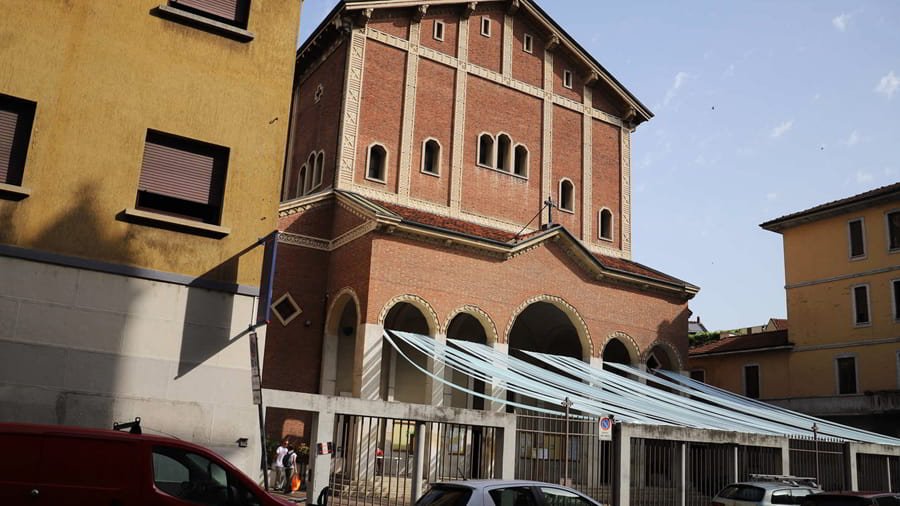
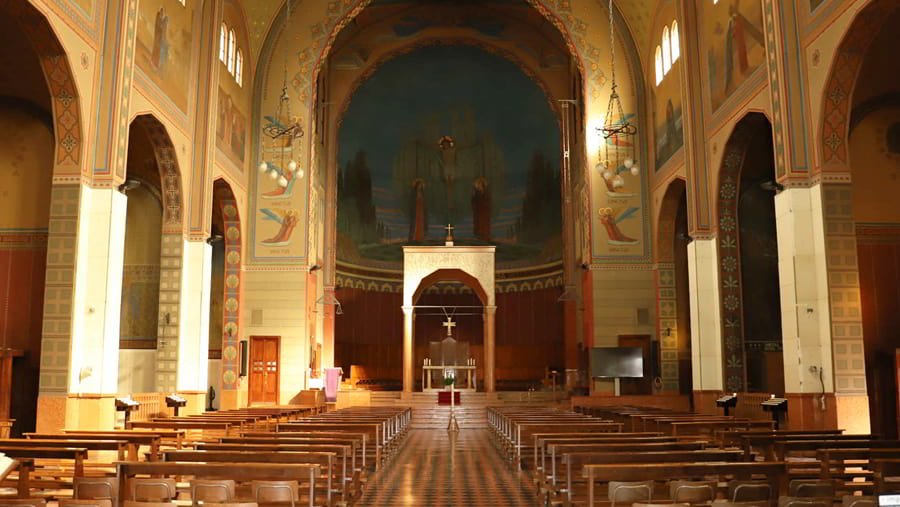
This walk explores a lively and multicultural area of northeastern Milan, where everyday city life blends with pockets of history and green space. It begins on Via Soperga, a residential street near Centrale, and passes through the small but charming Giardino degli Artisti, a quiet spot that reflects the neighbourhood’s creative spirit. Continuing along Via Nino Oxilia, the route reaches the Chiesa Parrocchiale di Santa Maria Beltrade, a modest parish church that anchors the local community. The walk then opens into Piazza Morbegno, a vibrant square known for its markets, cafés, and diverse atmosphere, capturing the dynamic character of the area. Following Via Luigi Varanini and crossing Viale Monza, the environment becomes more residential again, with a mix of early 20th-century buildings and local businesses. Streets like Via Pietro Crespi and Via Giuseppe Giacosa feel quieter and more neighbourhood-oriented. The route concludes at Parco Trotter, a spacious park with tree-lined paths and a unique history as a former open-air school. This final green space offers a peaceful contrast to the surrounding urban fabric, highlighting the balance between density and liveability in this part of Milan.
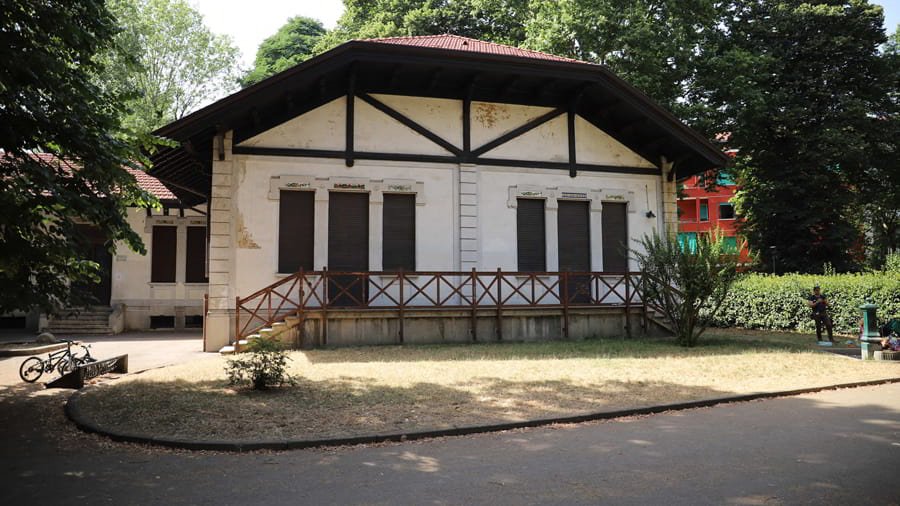
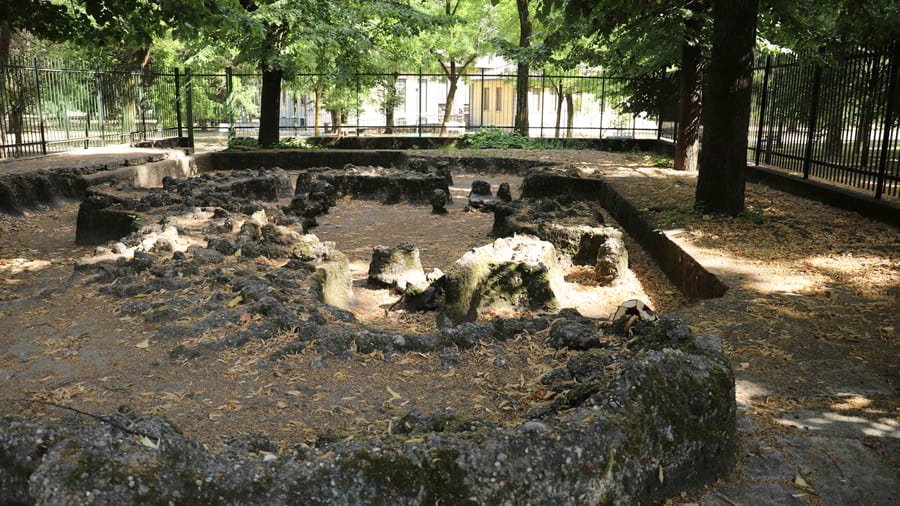
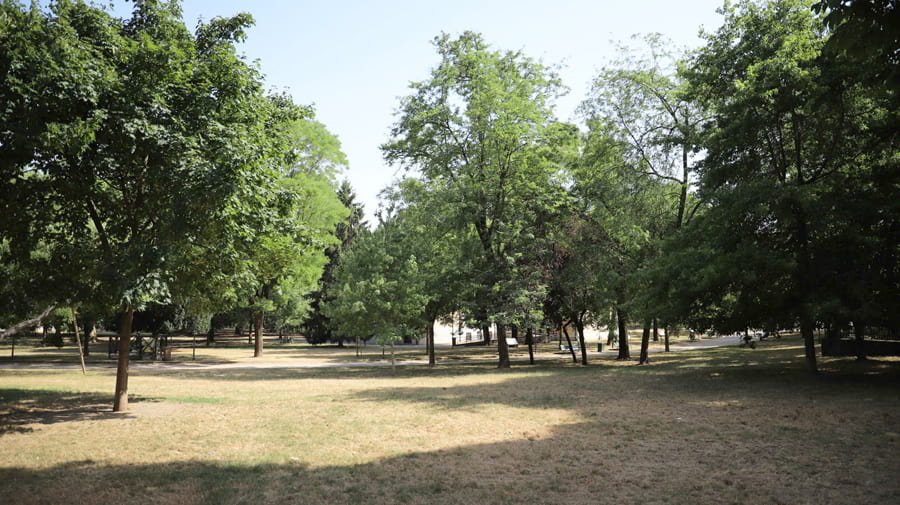
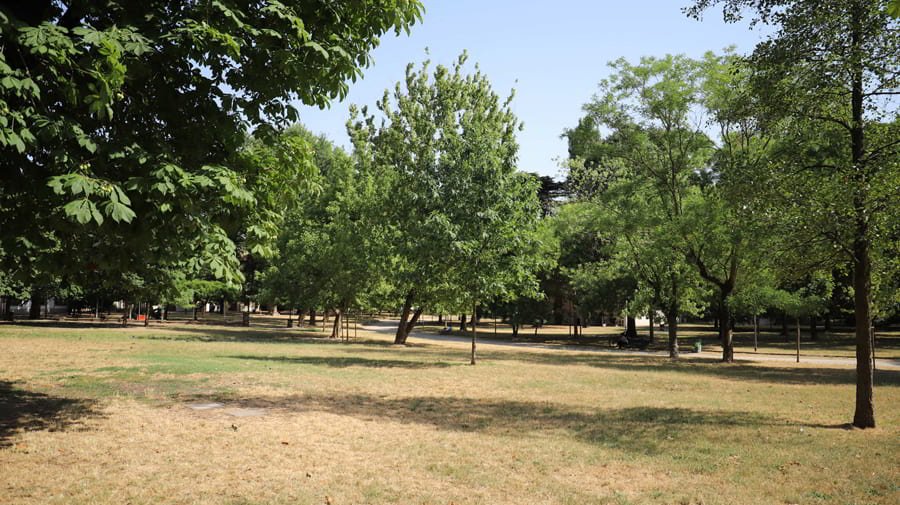
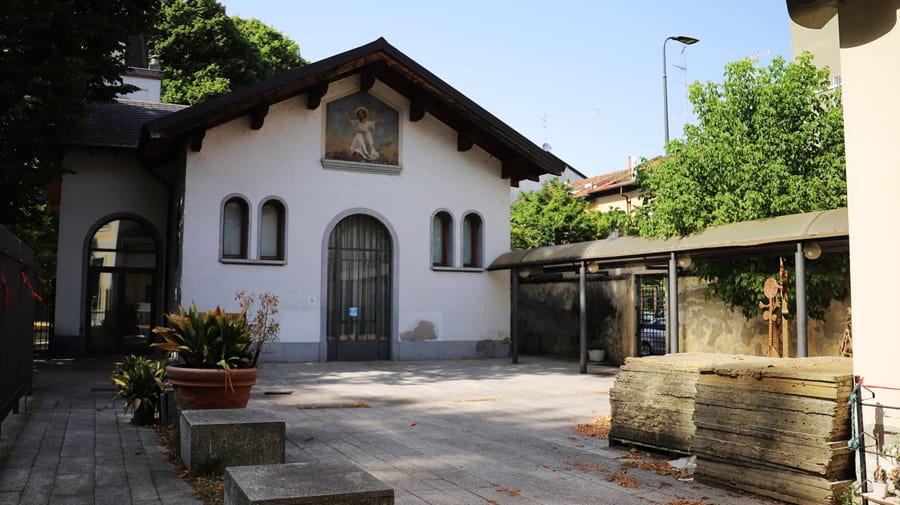
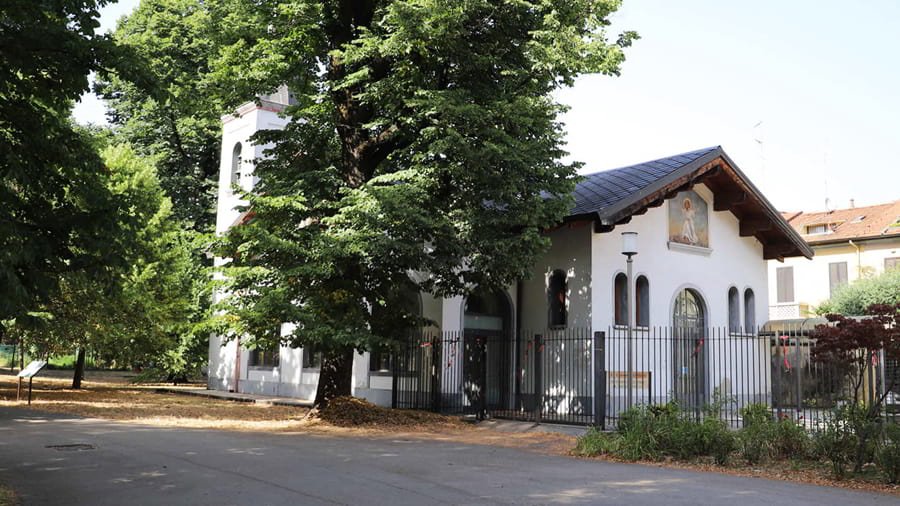
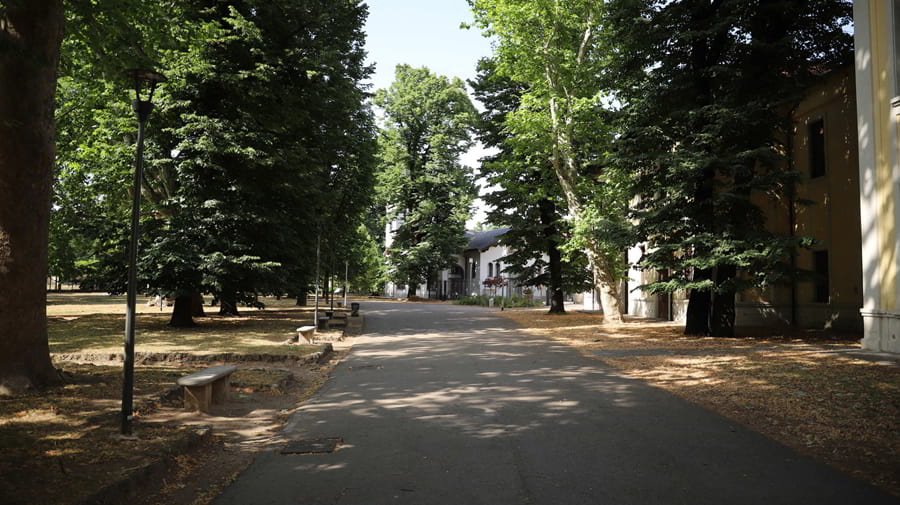
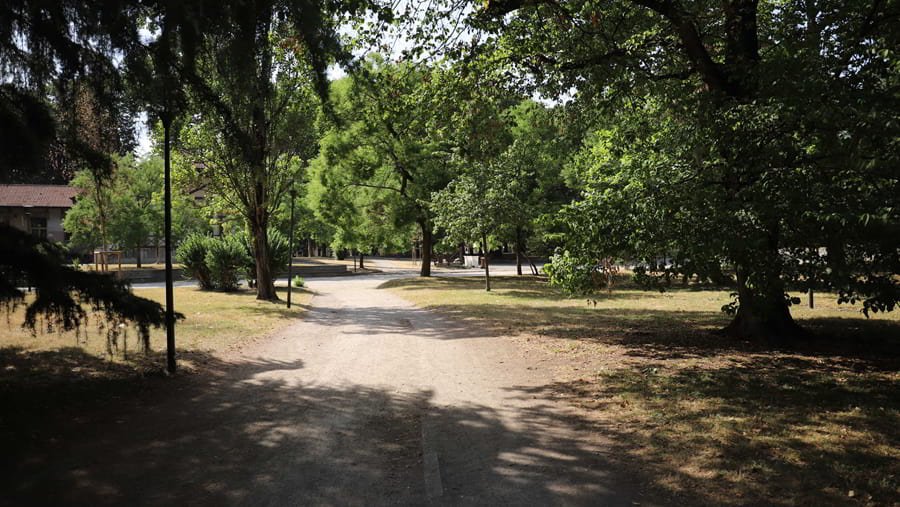
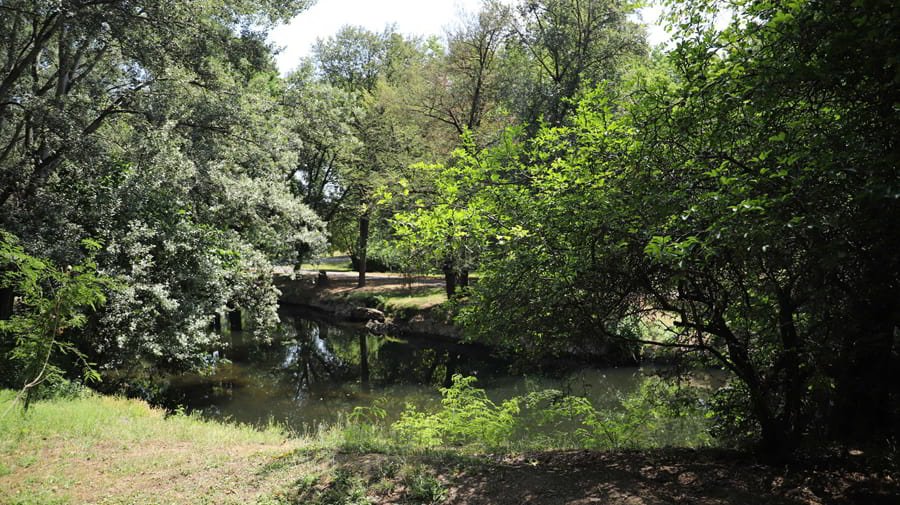
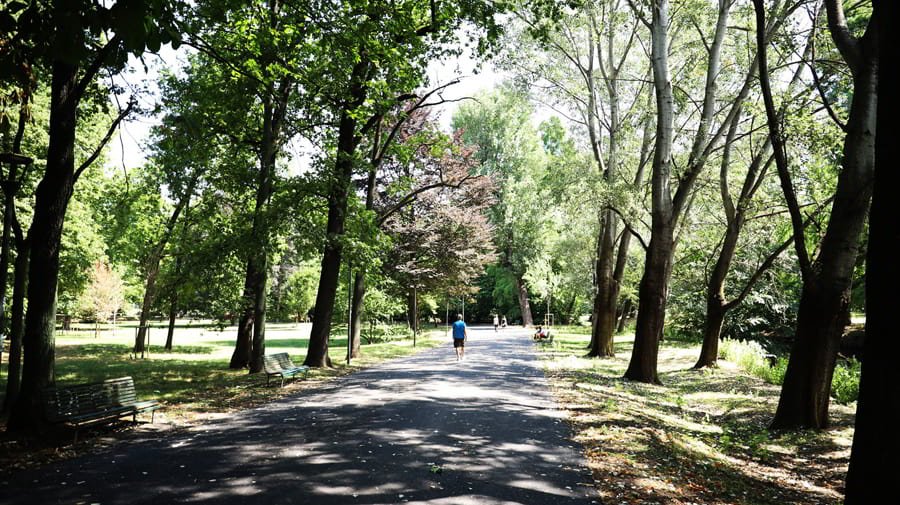
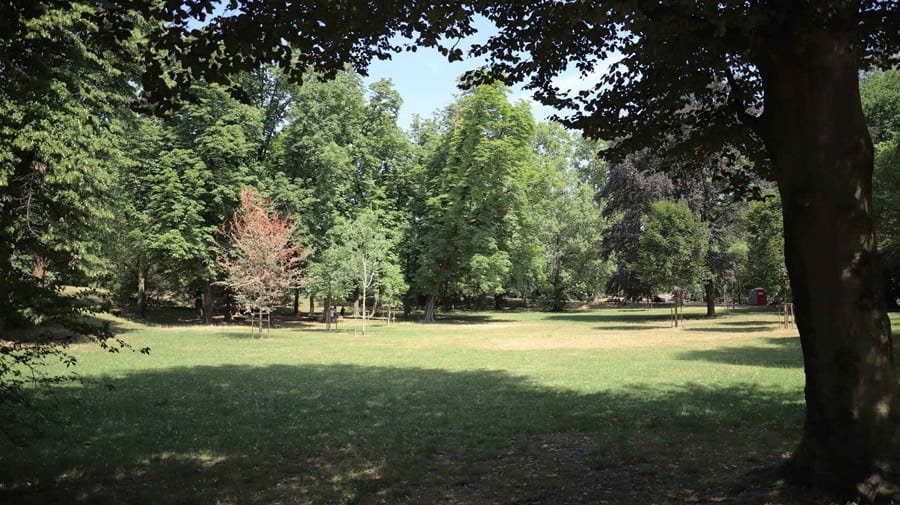
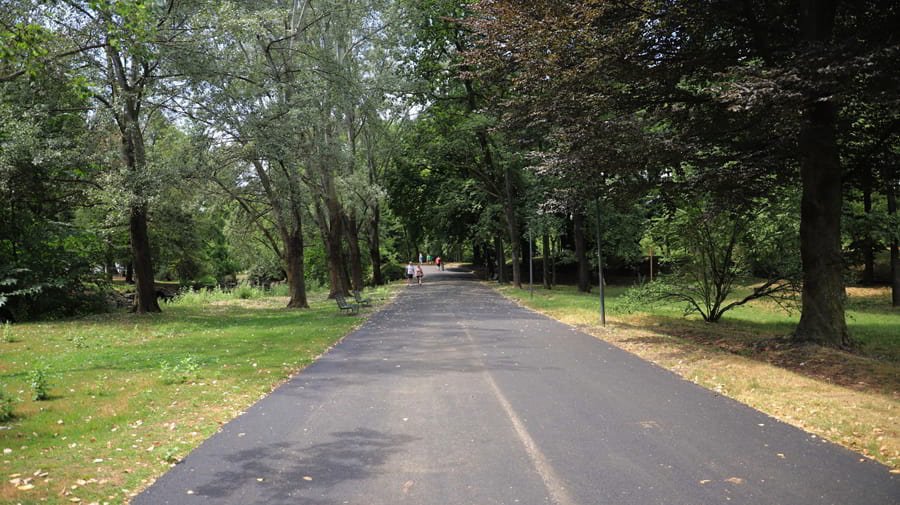
Parco Lambro
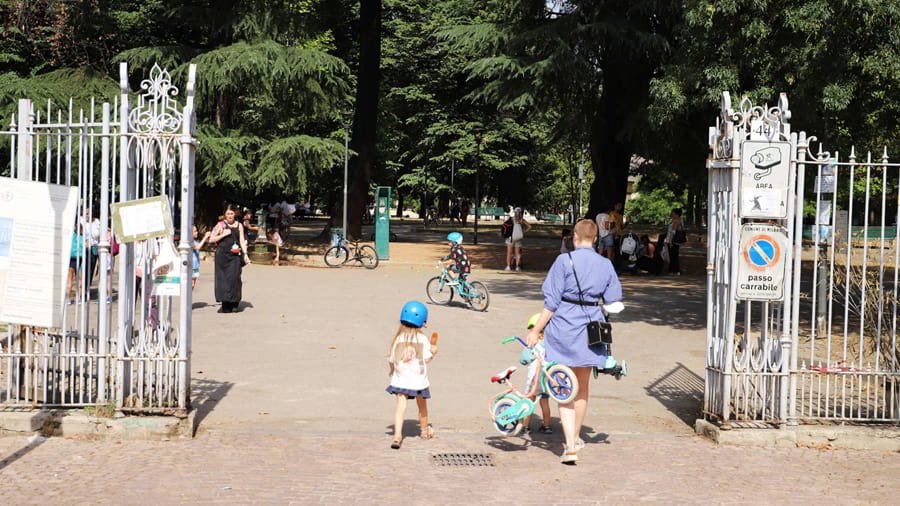
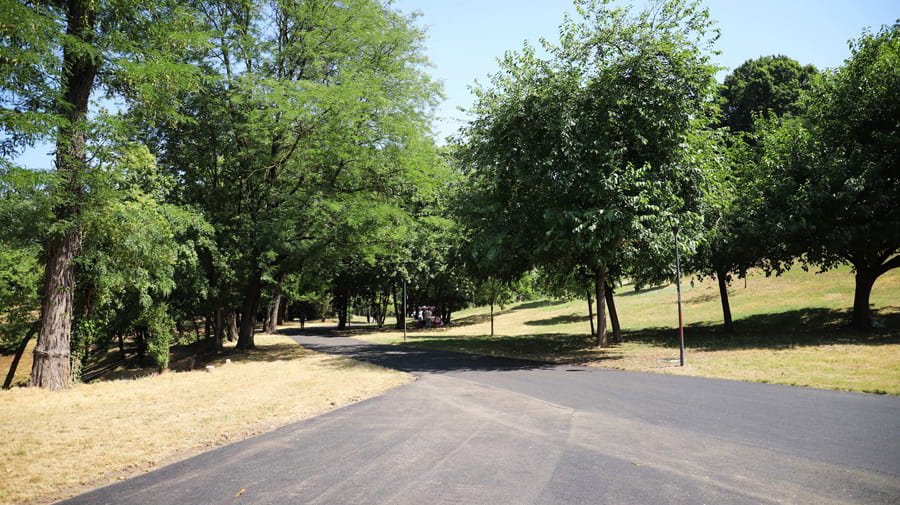
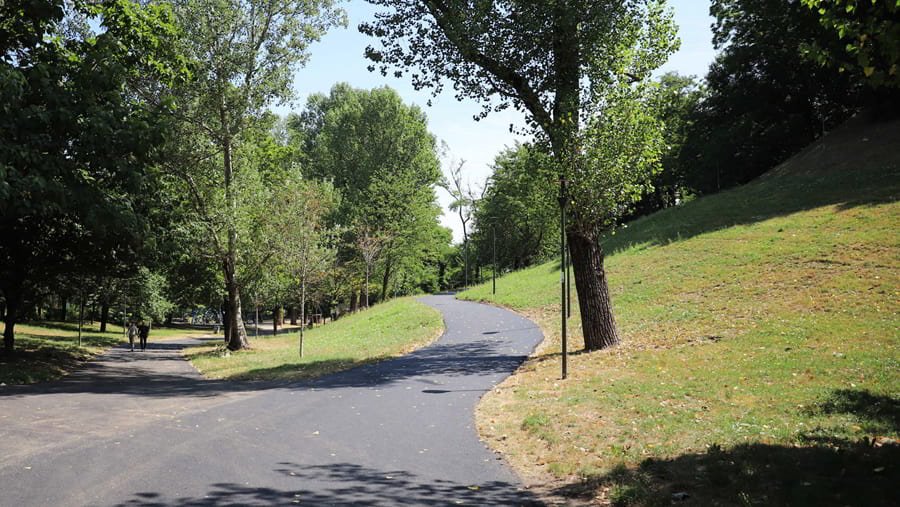
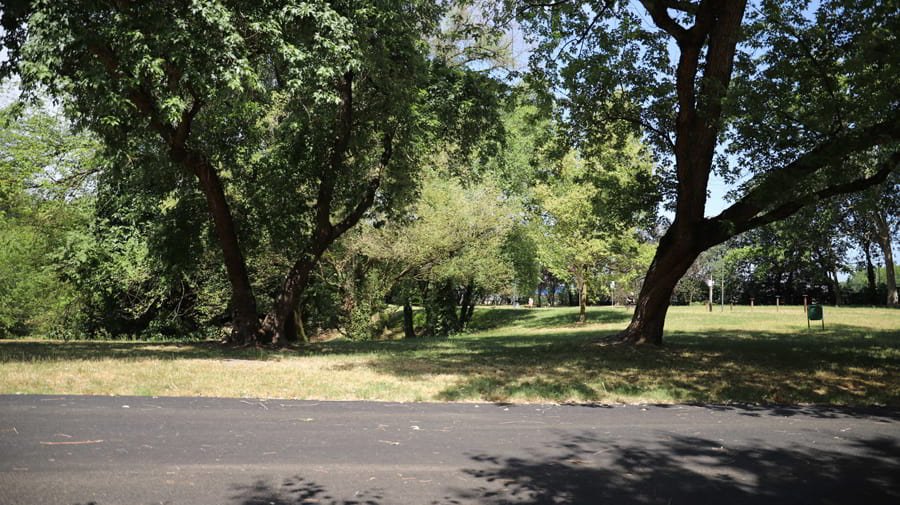
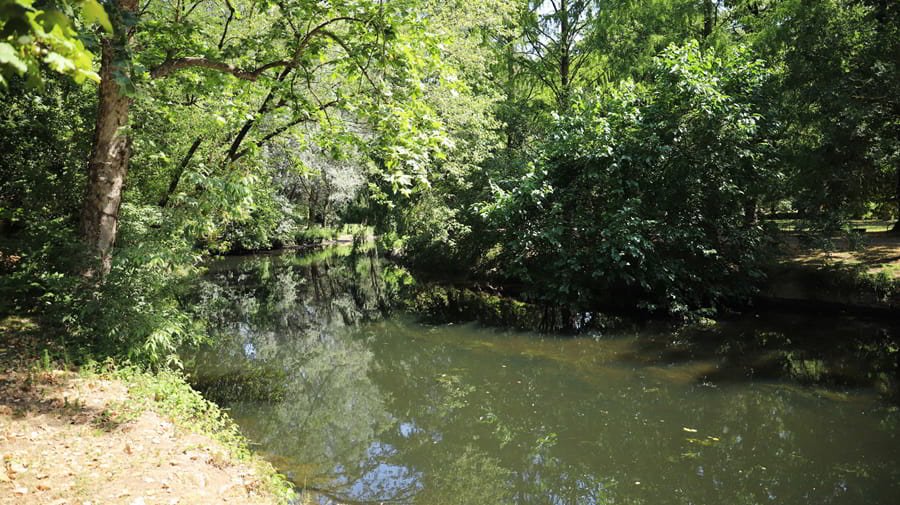
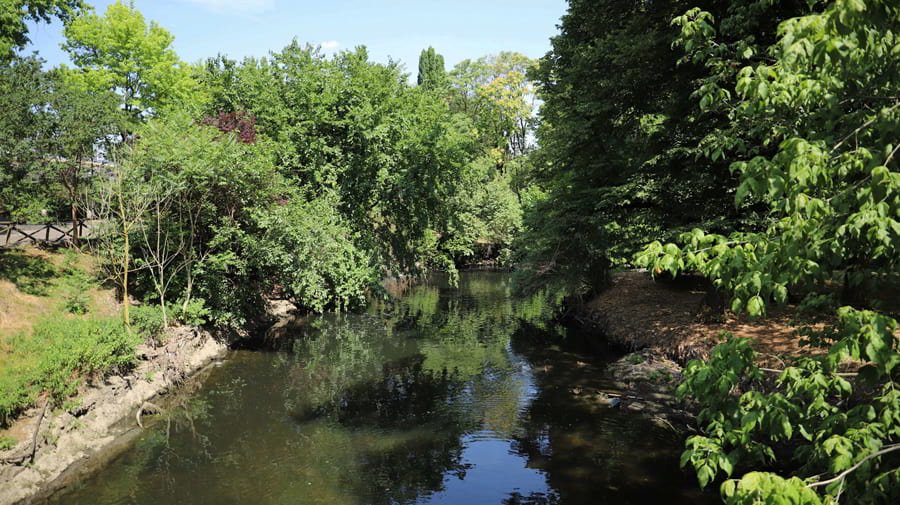
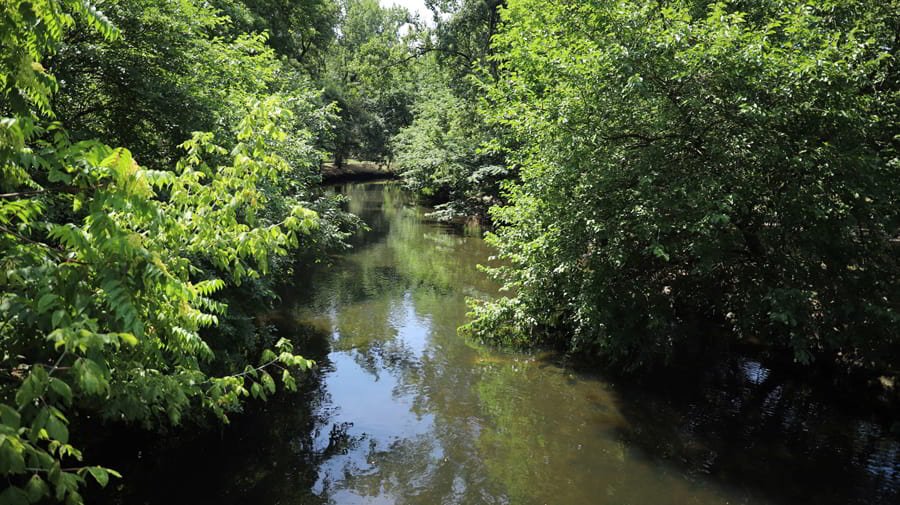
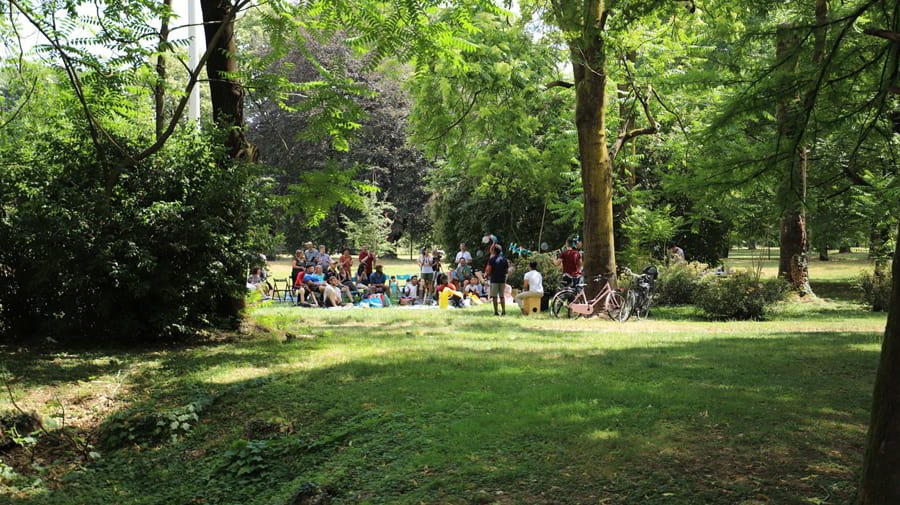
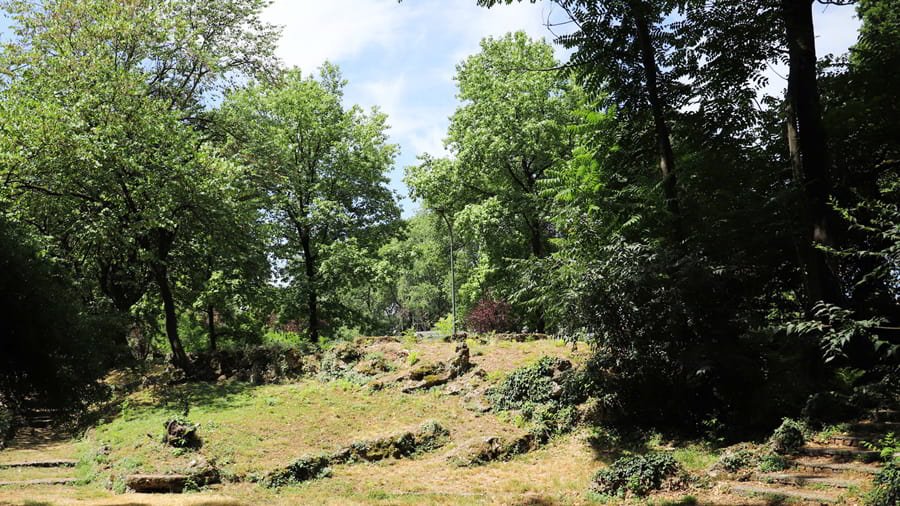
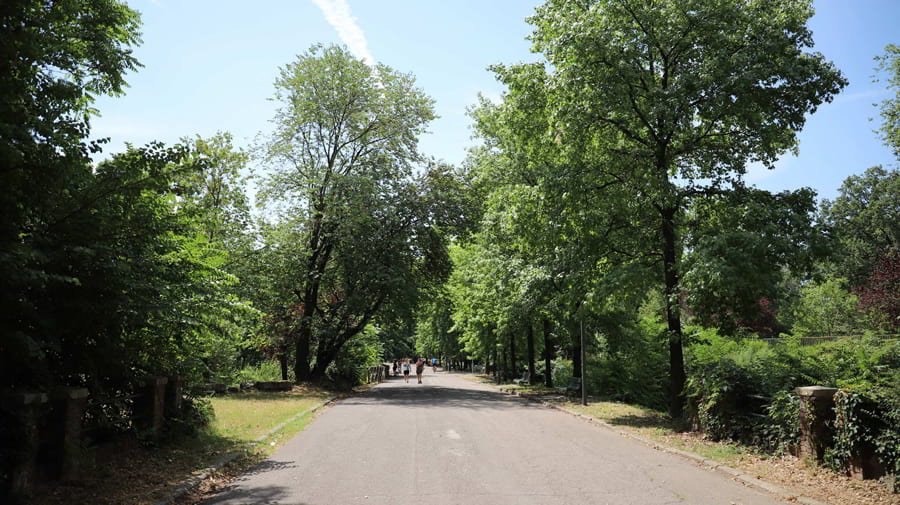
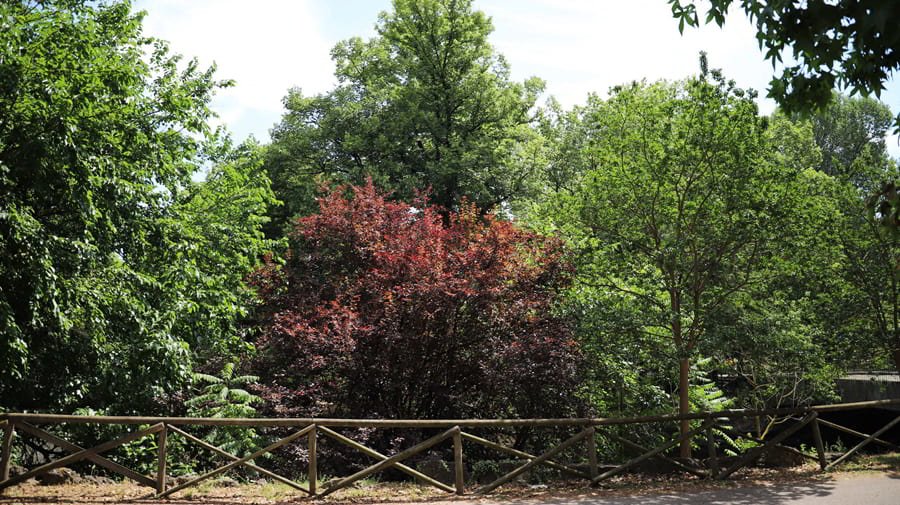
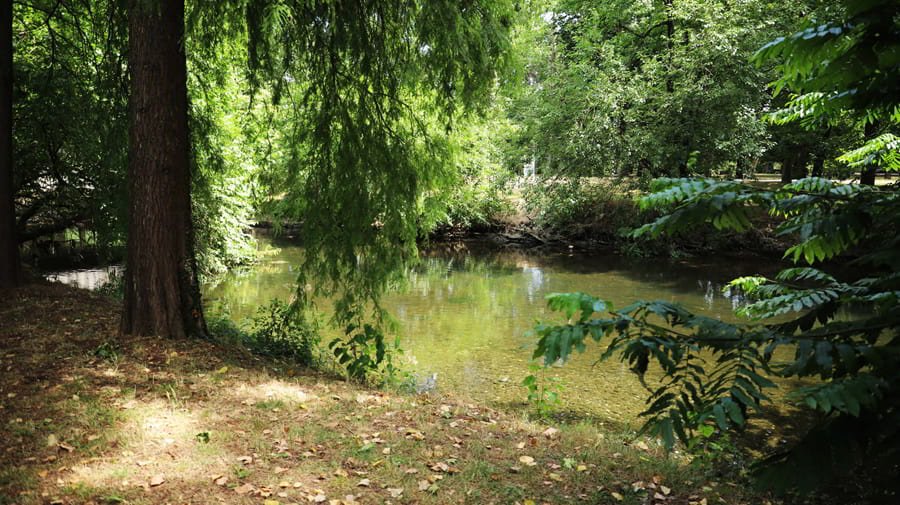
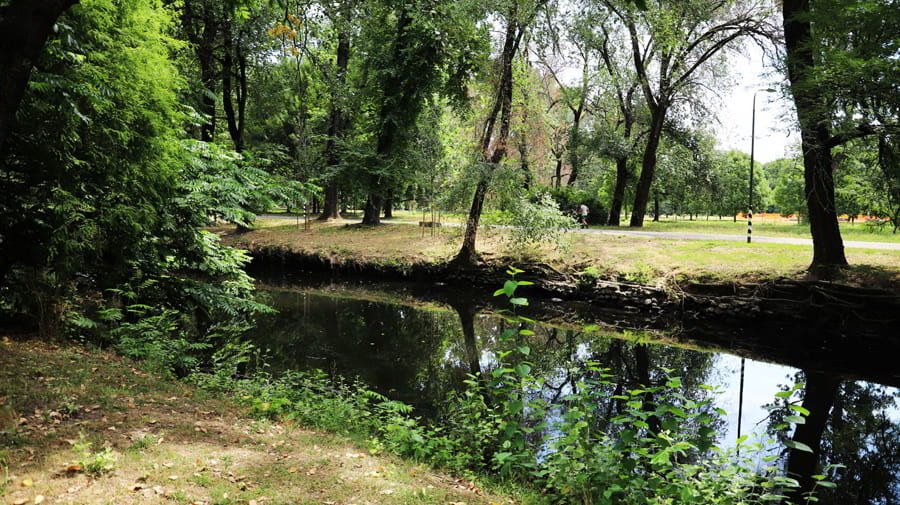
Parco Lambro is one of Milan’s largest and most historically significant green spaces, located in the northeastern part of the city. Spanning more than ninety hectares, the park offers a vast landscape of meadows, wooded areas, and gently rolling hills along the banks of the Lambro River, from which it takes its name. Originally designed in the 1930s as a model of urban recreation and later expanded in the 1950s, Parco Lambro reflects the evolving relationship between Milan and its natural environment. It stands as a peaceful counterpoint to the dense urban fabric that surrounds it, offering residents and visitors a place to walk, cycle, or simply enjoy a quiet moment in nature. The park has played a notable role in the city’s cultural life. In the 1970s it became famous as the site of major music festivals and gatherings that reflected the social and political energy of the time. Today, it hosts community events, sports activities, and environmental education programs, maintaining its identity as a space for both leisure and civic engagement. Beyond its cultural history, Parco Lambro also serves as an important ecological area within Milan. The Lambro River runs through it, creating habitats for various bird species and native plants. The park’s mix of natural and designed landscapes makes it a key part of Milan’s green network, connecting citizens to the rhythms of the natural world and reminding visitors of the enduring value of open, shared spaces in the life of a modern city.




COPYRIGHT © 2018-2026 ITALY IN PHOTOS - ALL RIGHTS RESERVED