
HOME
REGIONS OF ITALY
PLACES IN ITALY
PLAN YOUR TRIP
Italy in Photos
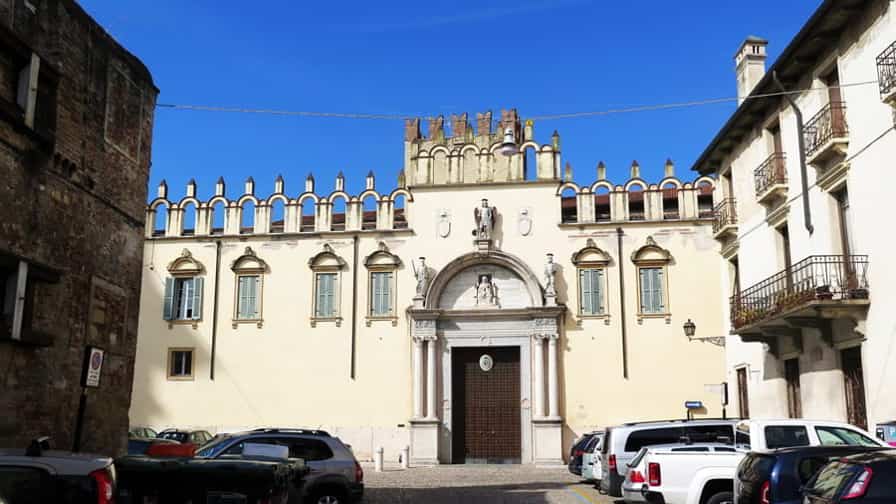
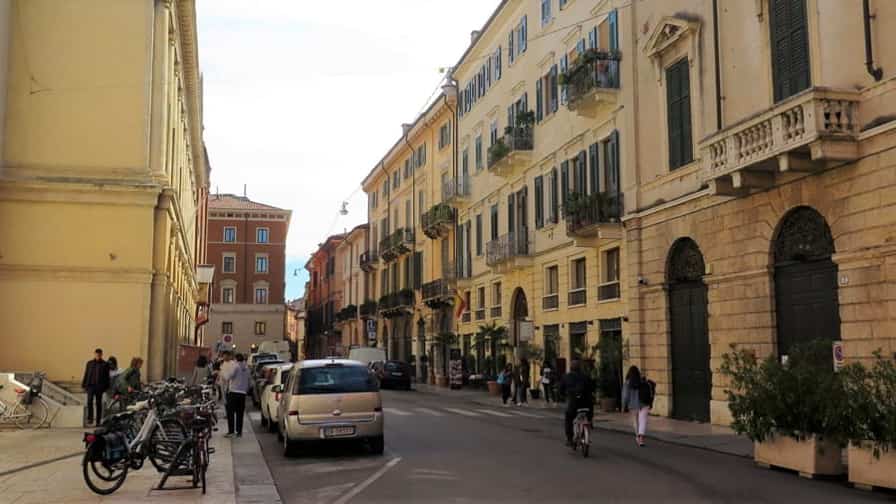
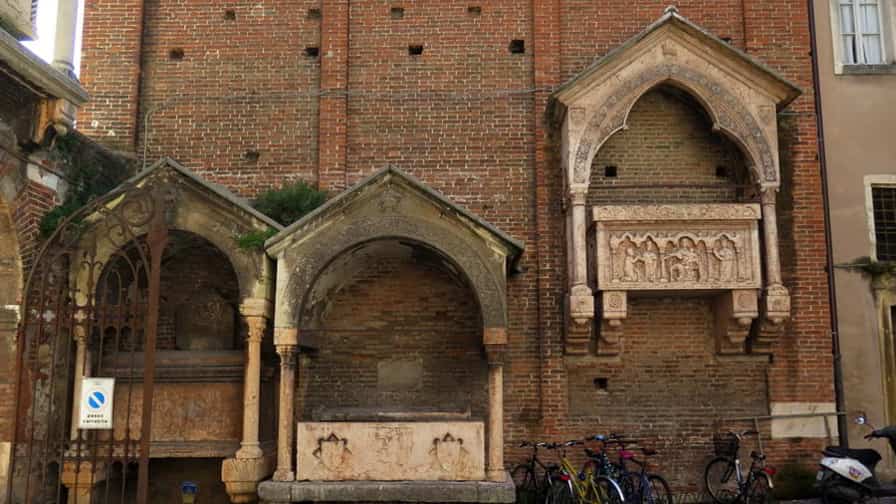
Piazzetta Mura Gallieno, 37121 Verona, Italy (October 2018)
Verona
Verona is a city that seamlessly blends history, romance, and culture, making it one of northern Italy’s most captivating destinations. Located in the Veneto region, along the Adige River, Verona is famed for its rich Roman and medieval heritage, well-preserved architecture, and its status as the setting for Shakespeare’s timeless tragedy Romeo and Juliet. With its compact historic center, elegant piazzas, and vibrant cultural scene, Verona offers visitors a journey through centuries of Italian history and artistic achievement.
The city’s origins date back to Roman times, and its strategic location made it a vital commercial and military hub. Remnants of this ancient past are evident throughout Verona, from the imposing Arena di Verona, a Roman amphitheatre built in the 1st century AD, to the arches, bridges, and mosaics that punctuate the historic centre. The Arena, one of the best preserved amphitheatres of its kind, is still in use today for operas, concerts, and performances, reflecting Verona’s enduring connection to the arts.
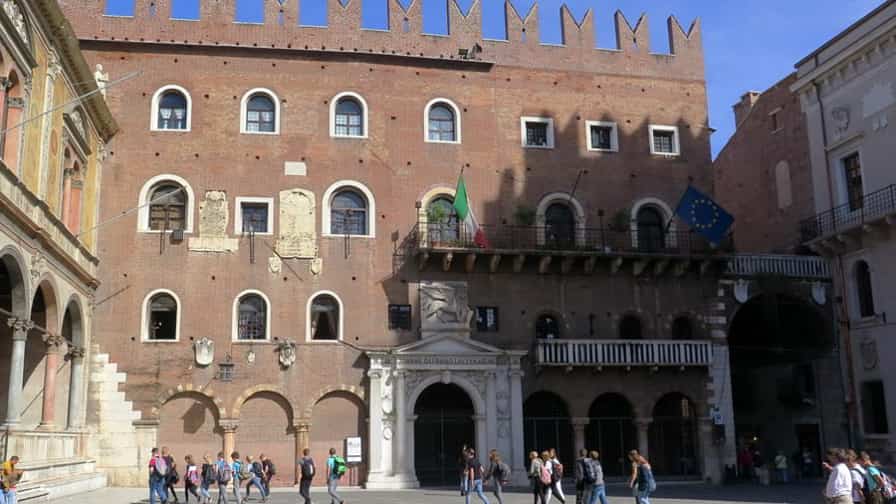
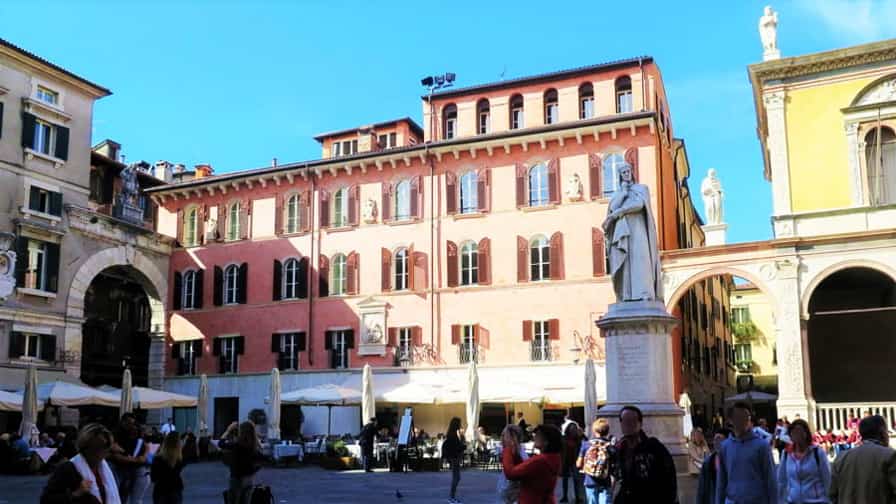
Verona’s medieval and Renaissance periods also left a profound mark on the cityscape. The historic centre is dotted with elegant piazzas such as Piazza delle Erbe and Piazza dei Signori, where stately palazzi, fountains, and statues showcase architectural mastery and civic pride. The Castelvecchio, a 14th-century fortress turned museum, provides insight into Verona’s defensive history while housing significant art collections, while the Basilica of San Zeno Maggiore exemplifies Romanesque architecture at its finest.
The romantic aura of Verona is famously tied to Juliet’s House (Casa di Giulietta), where tourists flock to see the balcony said to have inspired Shakespeare. Although the connection is literary rather than historical, it has cemented Verona’s reputation as a city of love, drawing couples from around the world. This romantic appeal is complemented by charming streets, quaint cafés, and scenic riverside walks that invite visitors to linger and explore at a leisurely pace.
Beyond its historical and literary significance, Verona is a vibrant modern city with thriving cultural, culinary, and social life. Local markets, gourmet restaurants, and wine bars offer a taste of the Veneto region, renowned for its Amarone and Valpolicella wines. Festivals, concerts, and art exhibitions throughout the year reflect a city that honours its heritage while embracing contemporary creativity.
Verona’s accessibility also adds to its appeal. Situated between Venice and Milan, with excellent rail and road connections, it serves as an ideal base for exploring northern Italy. Yet despite its connectivity, Verona maintains an intimate, human scale, allowing visitors to experience history, romance, and local life without feeling overwhelmed.
With its blend of Roman grandeur, medieval charm, and literary romance, Verona captures the imagination of every traveller. Whether wandering through cobblestone streets, marvelling at ancient monuments, or enjoying a sunset along the Adige, visitors encounter a city where history, culture, and passion converge, a timeless Italian destination that continues to inspire awe and admiration.
Worth a Visit
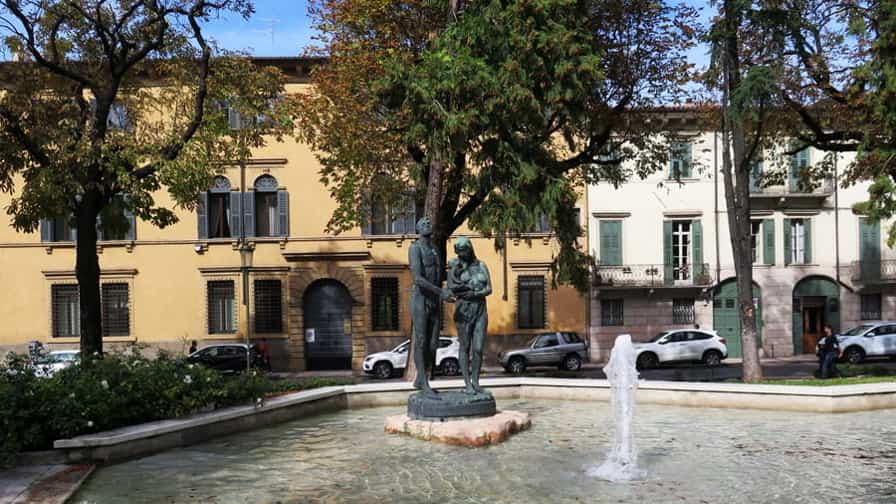
Piazza Pradaval, located in the heart of Verona’s historic centre, is a lively square that blends history, culture, and modern urban life. Once a medieval meadow used for fairs and gatherings, the area was transformed over the centuries into a welcoming public space framed by elegant architecture and bustling streets. Today, it serves as a crossroads between Verona’s iconic attractions, offering visitors a peaceful pause just steps from landmarks such as the Arena di Verona and Piazza Bra. Lined with cafés, shops, and shaded benches, Piazza Pradaval is both a meeting point for locals and a gateway for travellers eager to explore the city. Its atmosphere reflects Verona’s unique charm, where Roman heritage, Renaissance beauty, and everyday Italian life seamlessly coexist. Whether as a starting point for sightseeing or a quiet place to enjoy an espresso, the square captures the essence of Verona’s timeless appeal.
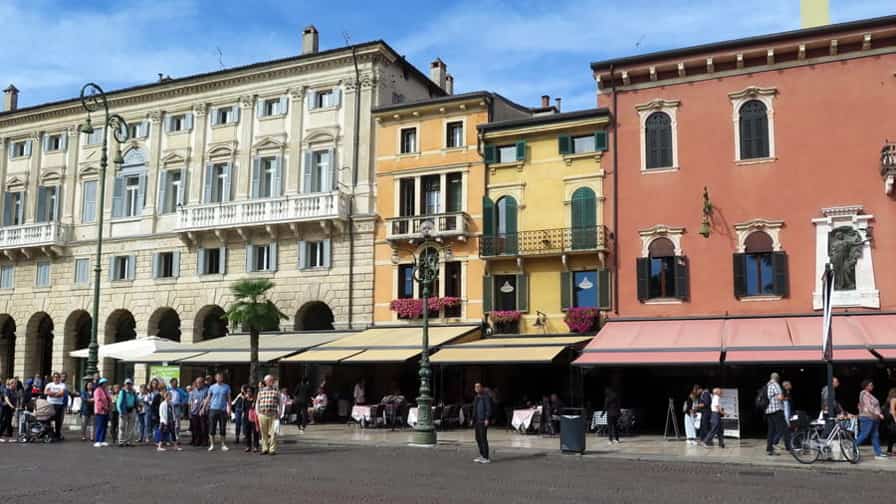
Piazza Bra, the largest square in Verona and one of the most famous in Italy, is a vibrant focal point of the city’s historic centre. Expansive and elegant, the piazza is dominated by the magnificent Verona Arena, the ancient Roman amphitheatre that still hosts world-renowned operas and concerts. Around its broad open space, a graceful mix of neoclassical, medieval, and Renaissance architecture frames the scene, including the imposing Palazzo Barbieri and the Gran Guardia. The square’s wide pedestrian avenues are lined with lively cafés and restaurants, offering visitors a perfect place to relax with a coffee or aperitivo while soaking in the atmosphere. More than just a landmark, Piazza Bra is the cultural and social heart of Verona, where history, art, and daily life come together. Whether arriving for an opera night, a stroll, or simply people-watching, this iconic piazza embodies the spirit of the city.
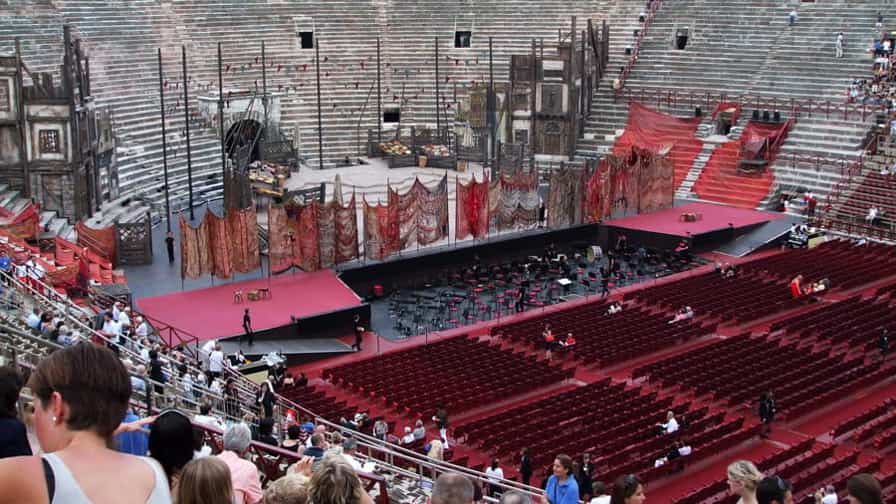
The Arena di Verona, standing proudly in Piazza Bra at 37121 Verona, is one of the most remarkable and best-preserved Roman amphitheatres in the world. Built in the 1st century AD, this grand structure once hosted gladiatorial games and public spectacles, accommodating up to 30,000 spectators. Crafted from pink and white Valpolicella marble, the arena has withstood centuries of history, earthquakes, and transformations, remaining a symbol of Verona’s enduring legacy. Today, it is internationally celebrated as a premier venue for opera and large-scale concerts, drawing artists and audiences from across the globe. Each summer, the Arena Opera Festival transforms the ancient stage into a breath-taking cultural experience, where timeless music resonates under the stars. Beyond its performances, the amphitheatre is open year-round to visitors eager to explore its arches, tiers, and panoramic views. The Arena di Verona is more than a monument—it is a living link between antiquity and modern artistry.
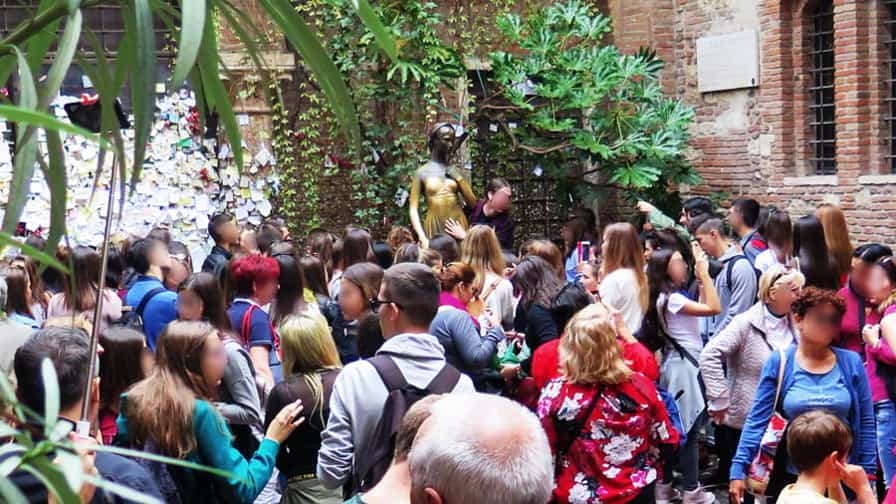
Casa di Giulietta, located on Via Cappello, is one of the city’s most romantic and visited landmarks. Associated with Shakespeare’s timeless tragedy Romeo and Juliet, the 13th-century building is traditionally identified as the home of the Capuleti family, inspiring the story of Juliet. Its most iconic feature is the stone balcony overlooking the courtyard, where countless visitors imagine the famous scene of young love. Inside, the house has been transformed into a small museum, showcasing period furnishings, Renaissance costumes, and artworks that reflect Verona’s cultural heritage. The walls of the entrance passage are covered with love notes and declarations left by travelers from around the world, adding to its atmosphere of devotion and hope. Whether explored for its history, its literary significance, or simply its romantic charm, Casa di Giulietta offers a unique glimpse into Verona’s enduring identity as the “city of love.”
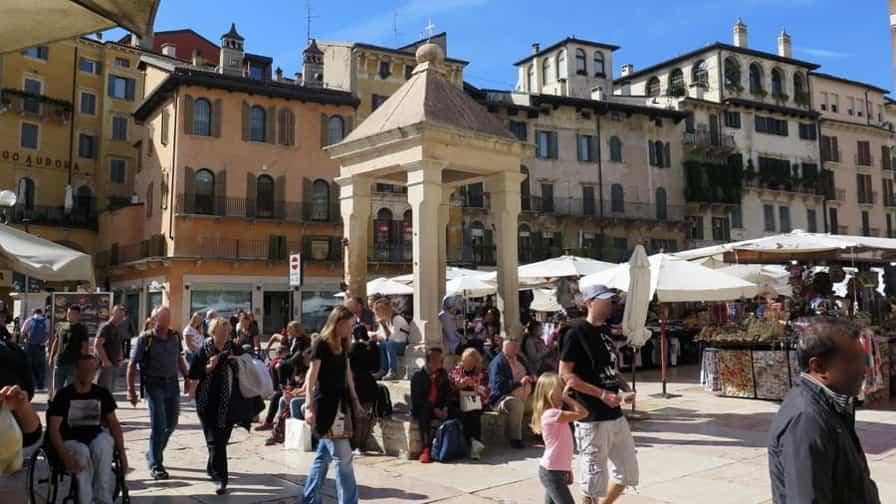
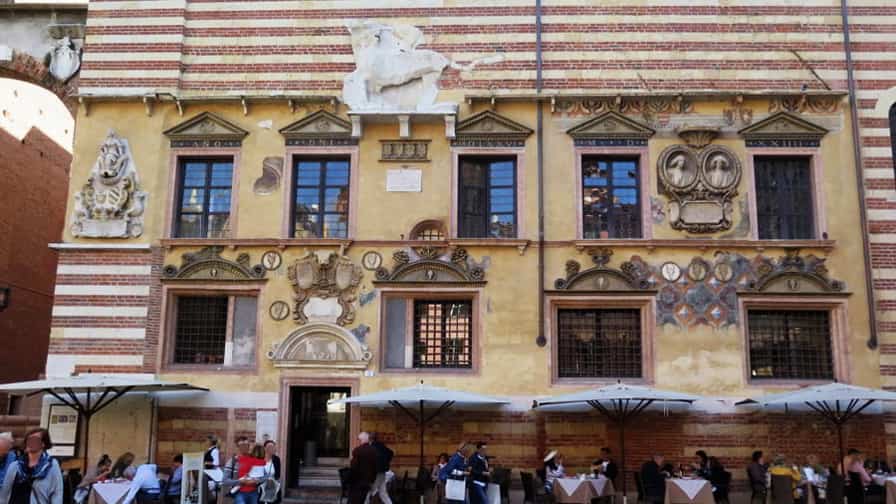
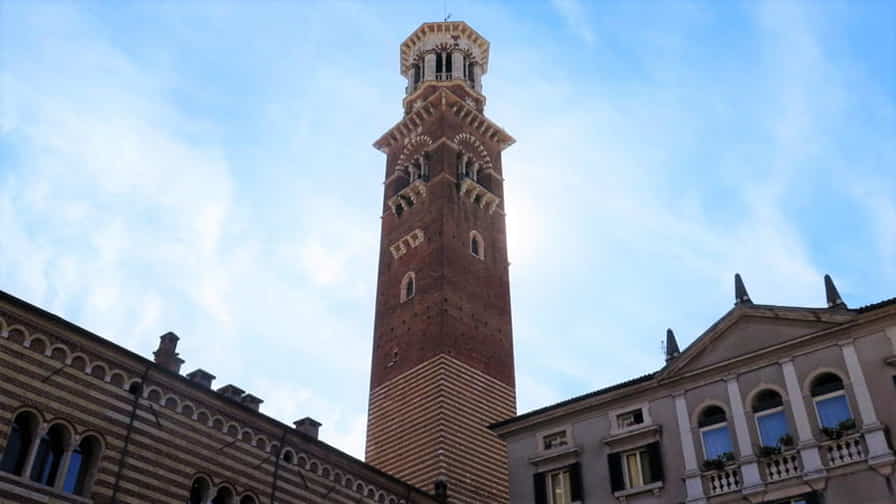
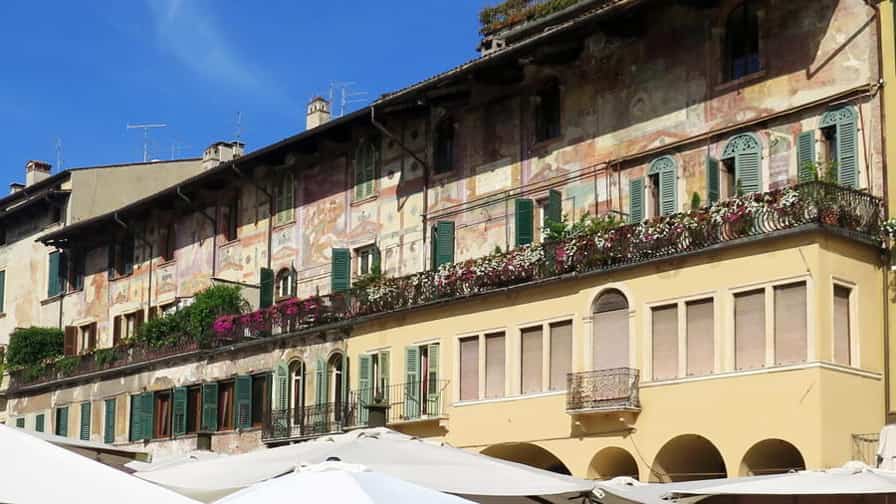
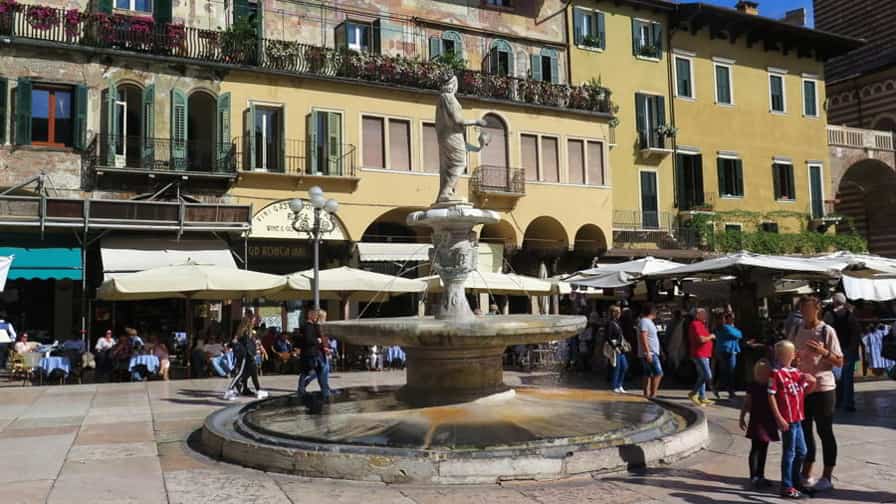
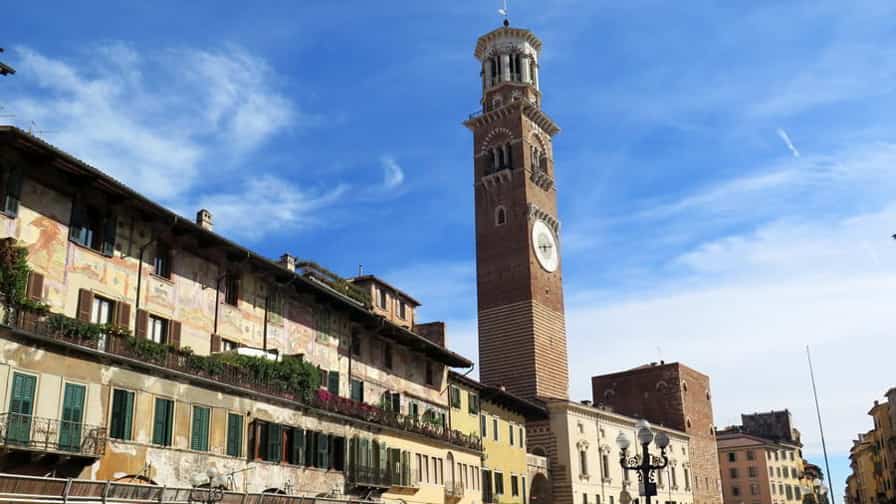
Piazza delle Erbe, the oldest square in Verona, has been the vibrant heart of the city’s social and commercial life for centuries. In October 2018, the piazza continued to embody its timeless charm, bustling with market stalls, cafés, and the daily rhythm of locals and visitors alike. Once the site of the Roman Forum, it remains surrounded by architectural treasures that trace Verona’s layered history, from the Baroque Palazzo Maffei to the medieval Torre dei Lamberti and the frescoed façades of historic houses. The square’s central fountain, crowned by the Madonna Verona statue, stands as a symbol of the city’s continuity from antiquity to the present day. During autumn, the piazza offers a particularly atmospheric setting, with crisp air and golden light enhancing its beauty. Whether for shopping, dining, or simply people-watching, Piazza delle Erbe captures the essence of Verona’s cultural and historical soul.
Photo Gallery of Walk 1 – Piazza Pradaval to Piazza Bra
Approximately km 0.70 – 0.44 miles
Description of Walk 1
This short walk explores the elegant entrance to the historic centre of Verona. Beginning along Corso Porta Nuova, a grand boulevard lined with shops and cafés, the route leads directly toward the iconic Piazza Bra, one of the largest and most lively squares in the city. Dominating the square is the impressive Verona Arena, a remarkably preserved Roman amphitheatre that still hosts concerts and operas today. The walk briefly follows Via degli Alpini, offering a quieter perspective just off the bustling piazza, before looping back into Piazza Bra. This compact route highlights Verona’s blend of ancient history and modern life, where historic monuments, open spaces, and vibrant street activity come together. It is an ideal introduction to the city, capturing its atmosphere, architectural beauty, and cultural significance in a short, accessible walk.
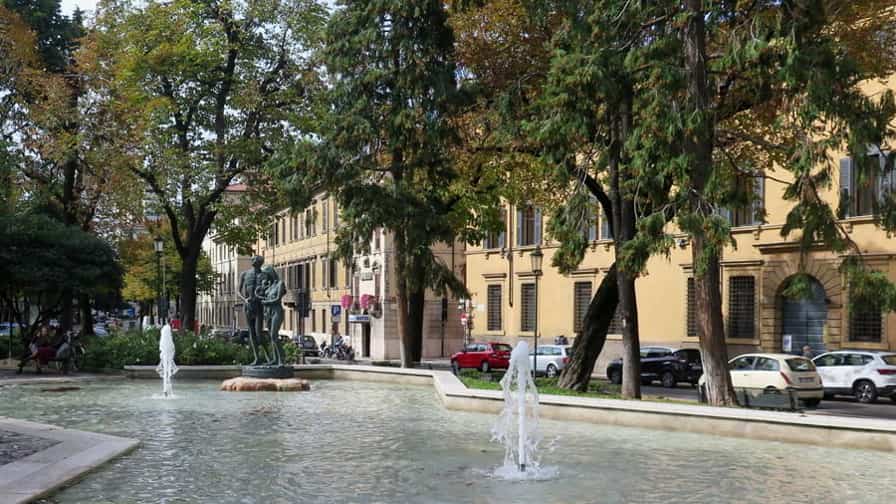
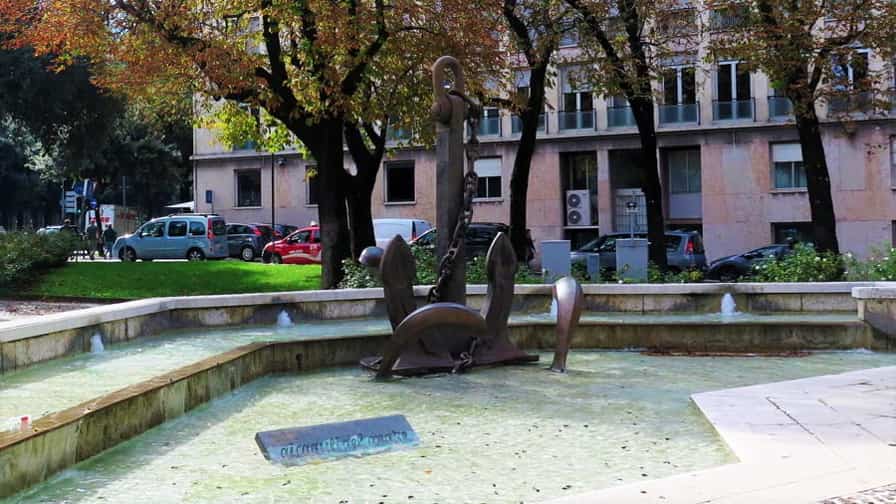
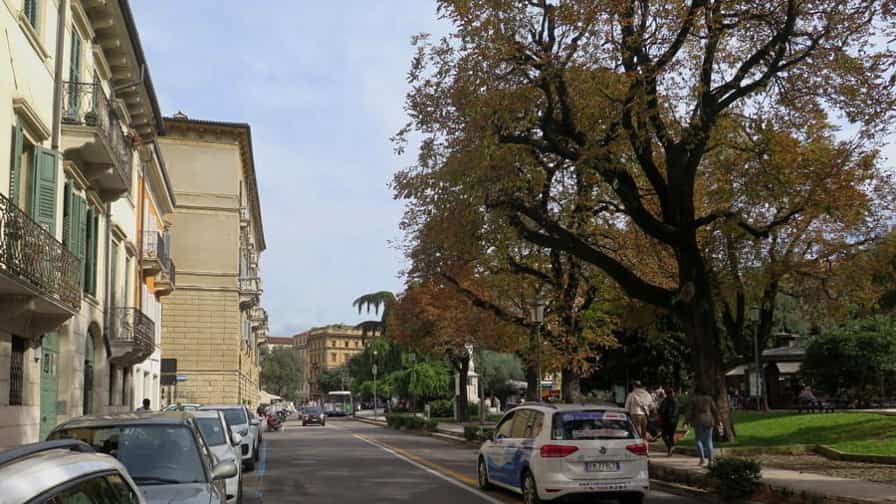
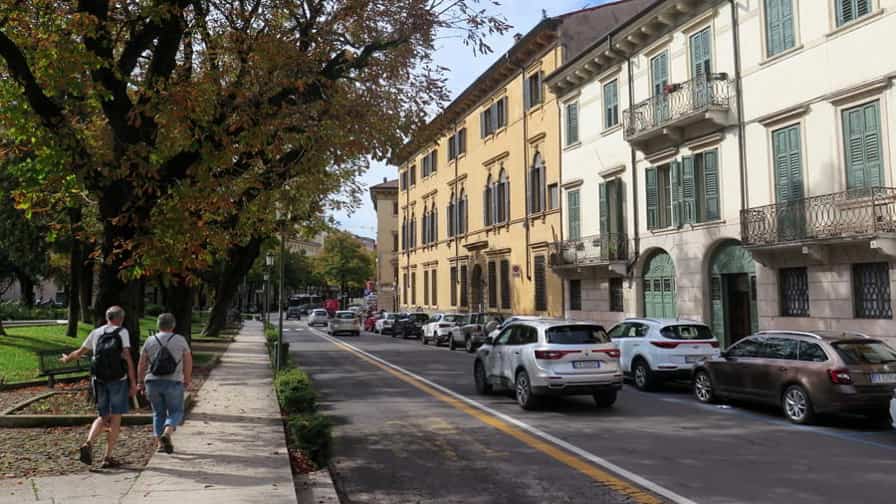
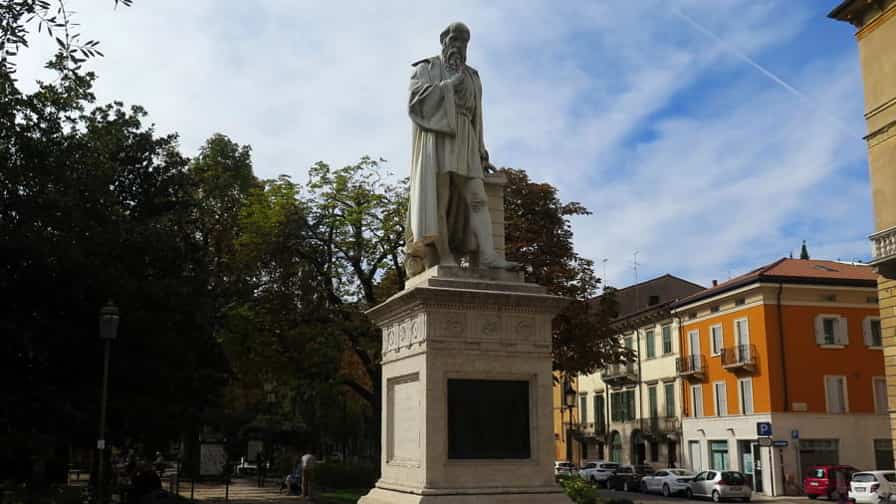
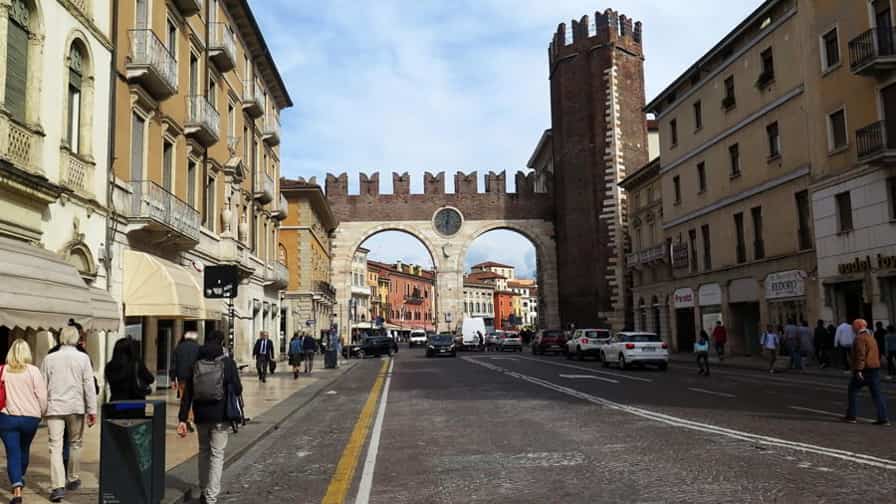
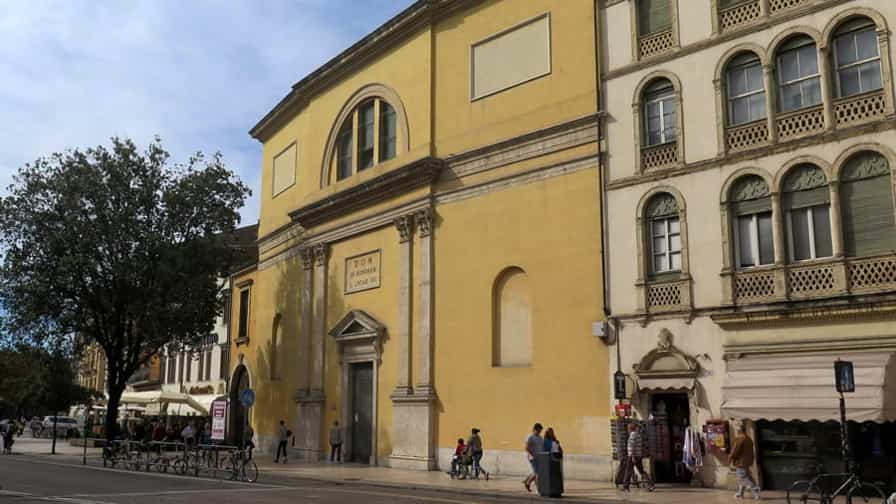


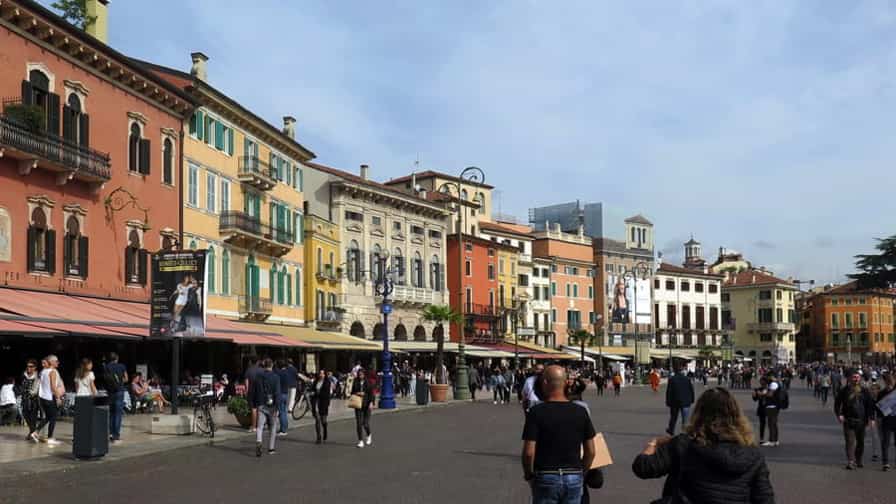
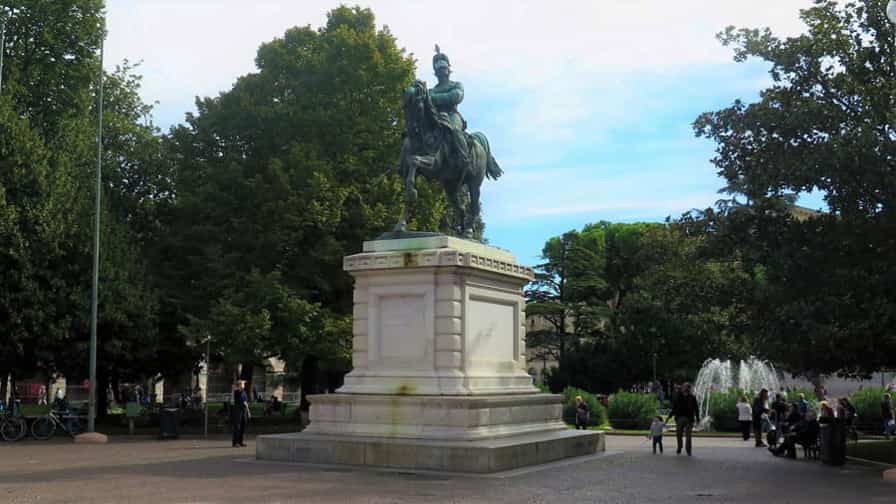
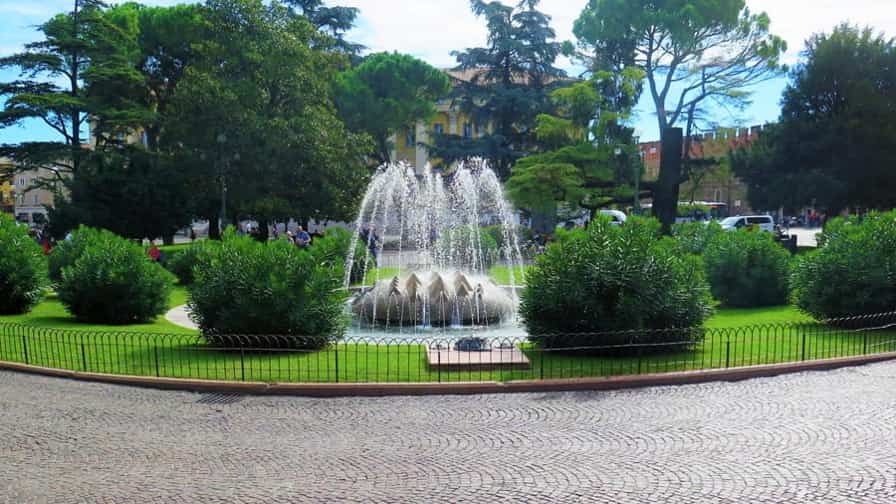
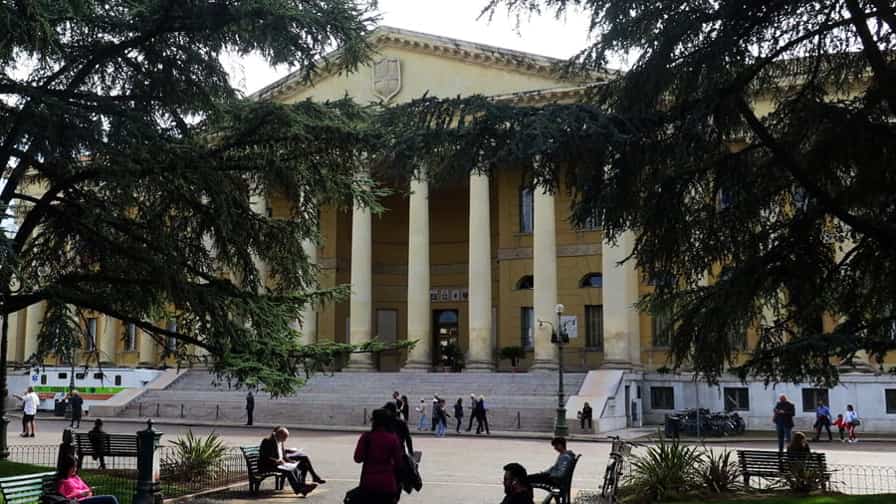
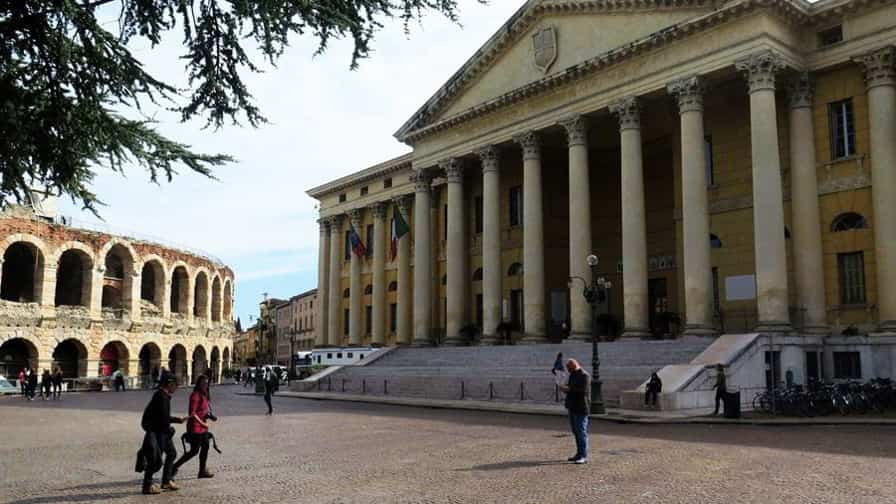
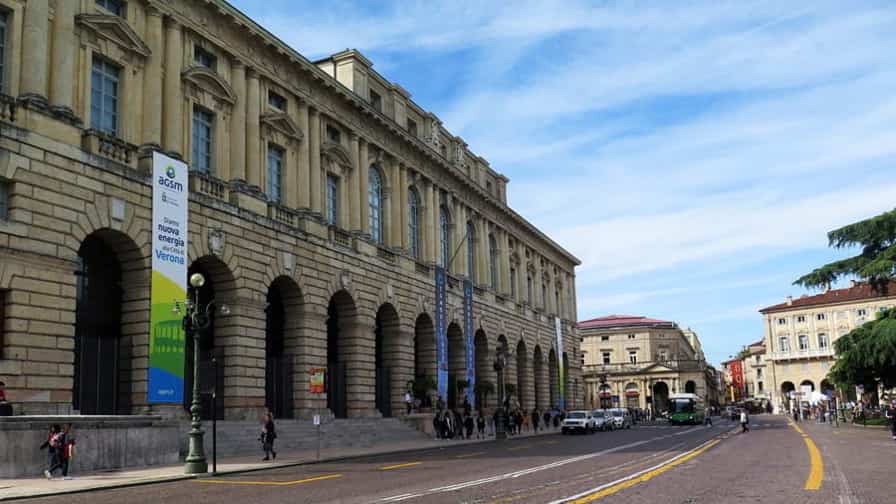
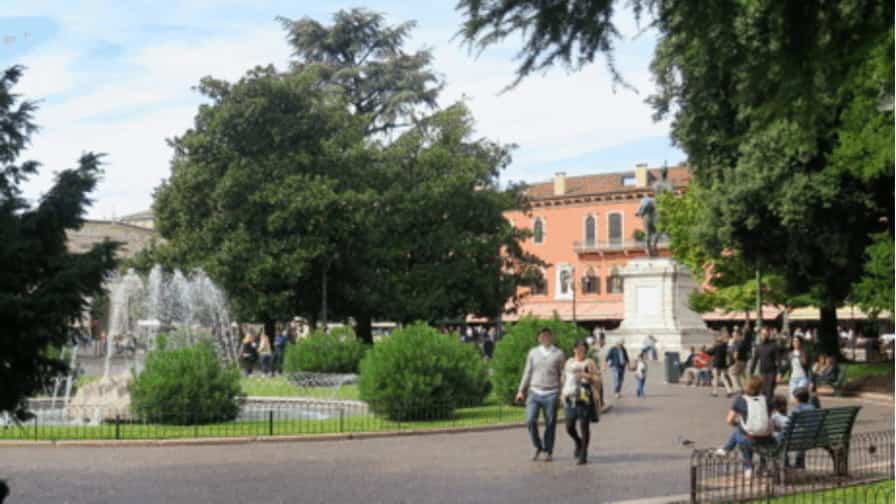
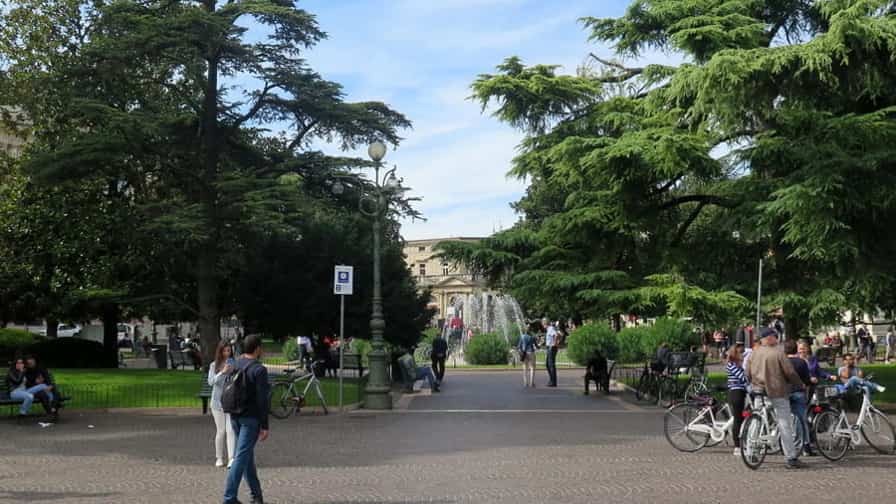
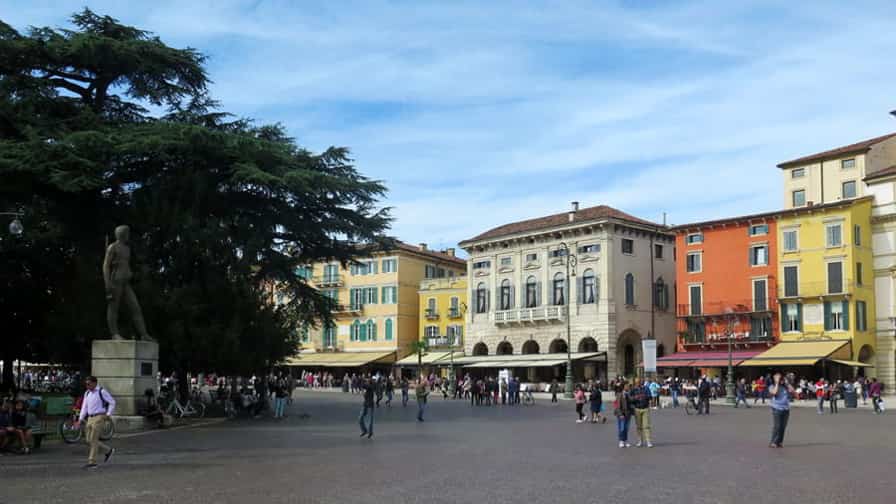
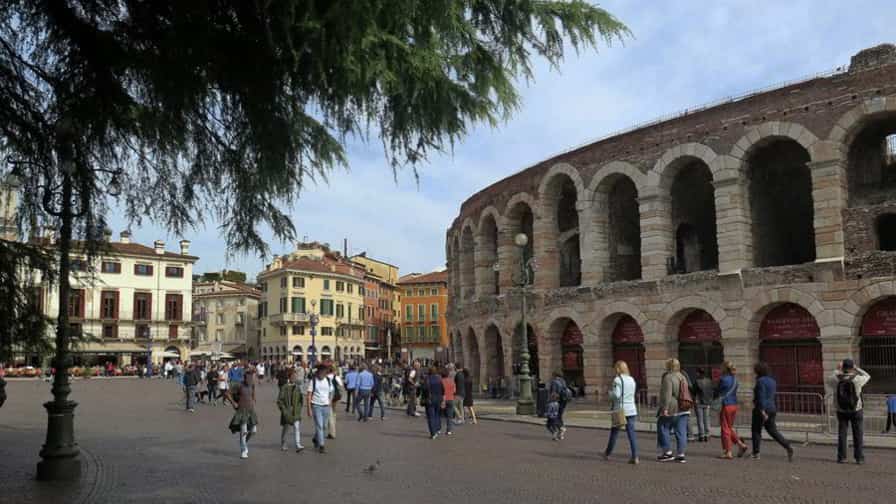
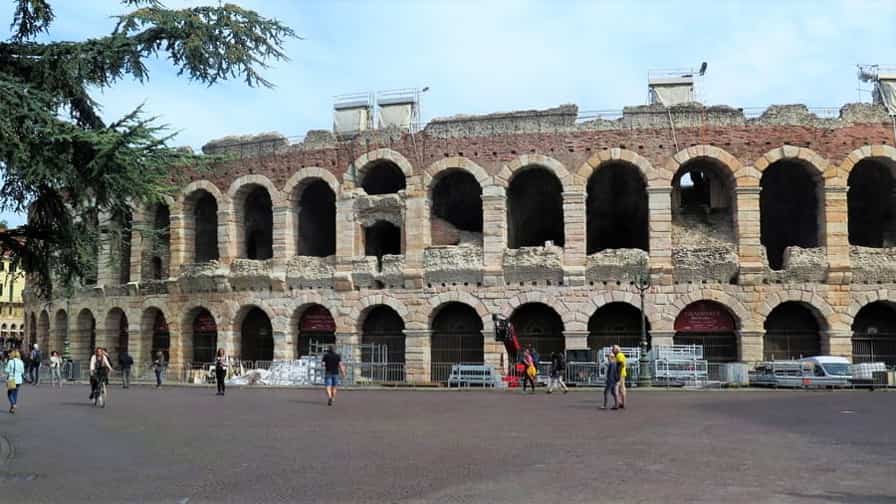
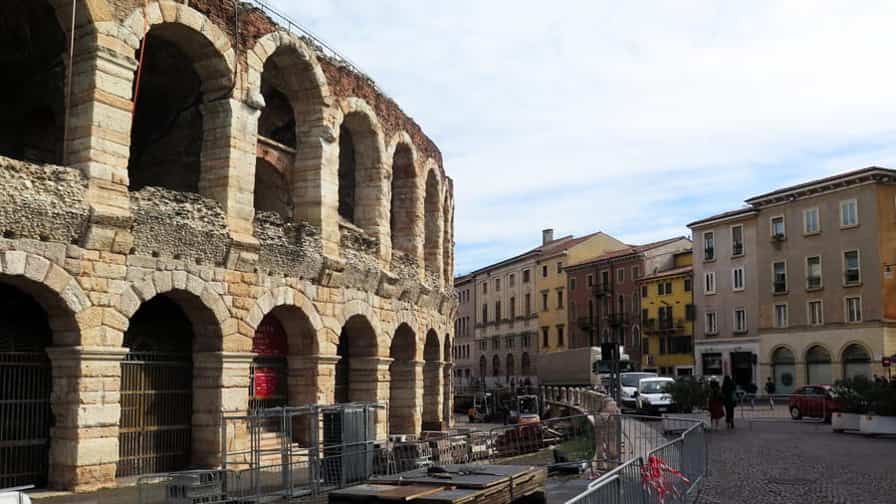
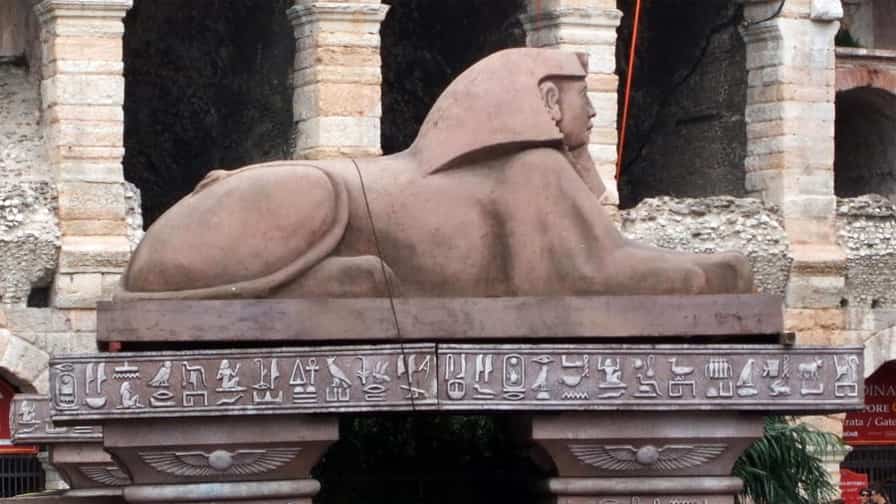
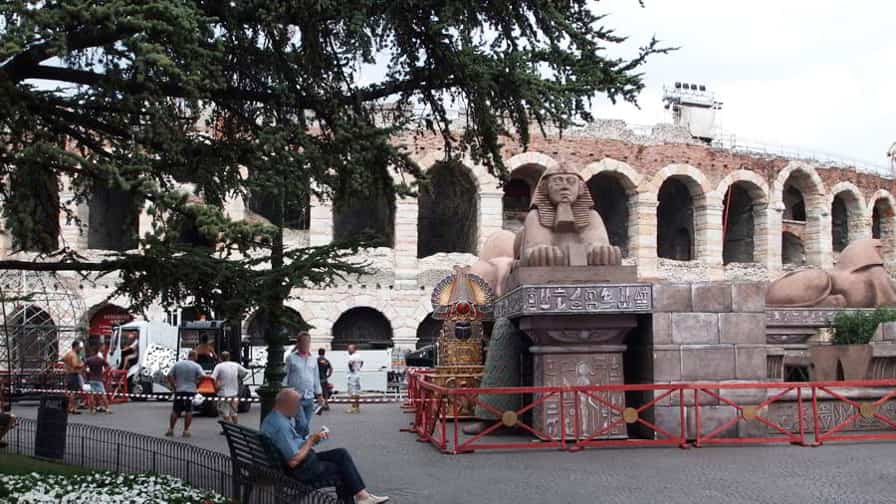
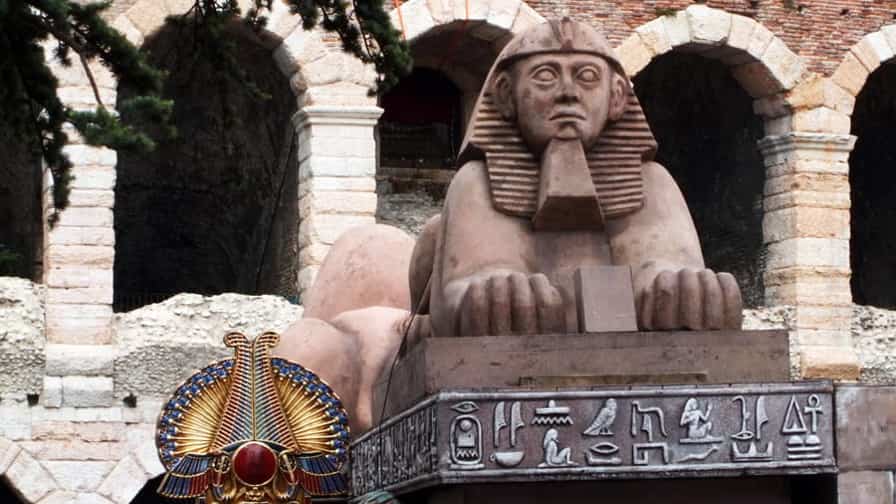
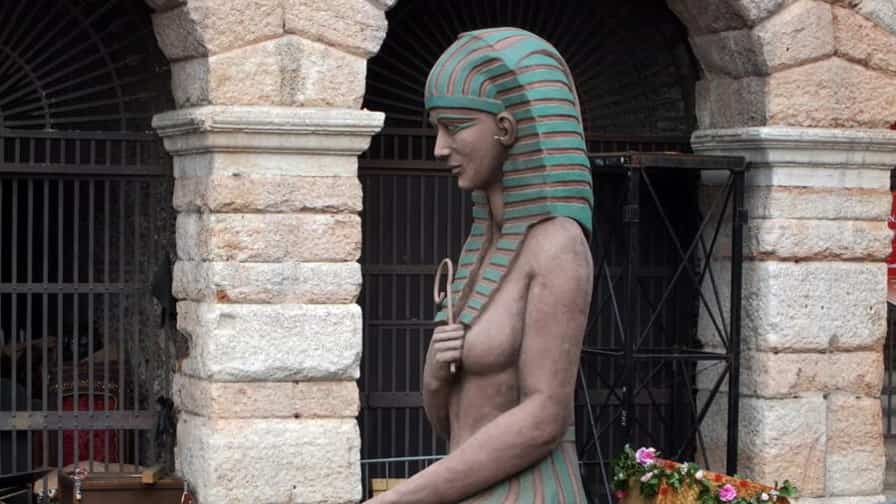
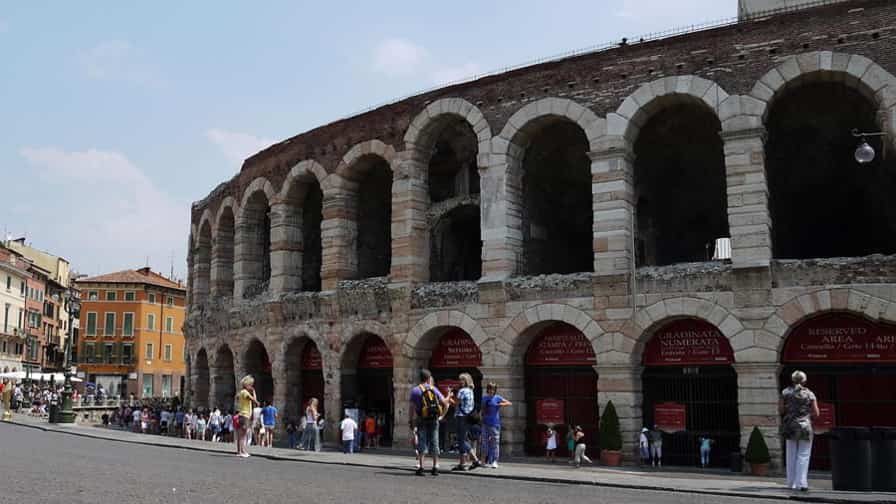
Photo Gallery of Walk 2 – Via Leoncino to Lungadige Bartolomeo Rubele
Approximately km 1.35 – 0.84 miles
Description of Walk 2
This walk explores the historic centre of Verona, beginning along Via Leoncino and passing the ancient remains at Piazzetta Mura Gallieno. The route continues through Via Anfiteatro and Via Dietro Anfiteatro, leading to the impressive Verona Arena in Piazza Bra, a symbol of the city’s Roman heritage. From here, the walk follows Via Giuseppe Mazzini, Verona’s main shopping street, before turning into smaller, atmospheric lanes such as Via Quattro Spade and Via Cappello. Along this street lies the famous Juliet’s House, linked to Shakespeare’s Romeo and Juliet. Continuing through Via Leoni, the route reaches Lungadige Bartolomeo Rubele along the Adige River, offering scenic views. This walk combines history, literature, and vibrant urban life in the heart of Verona.
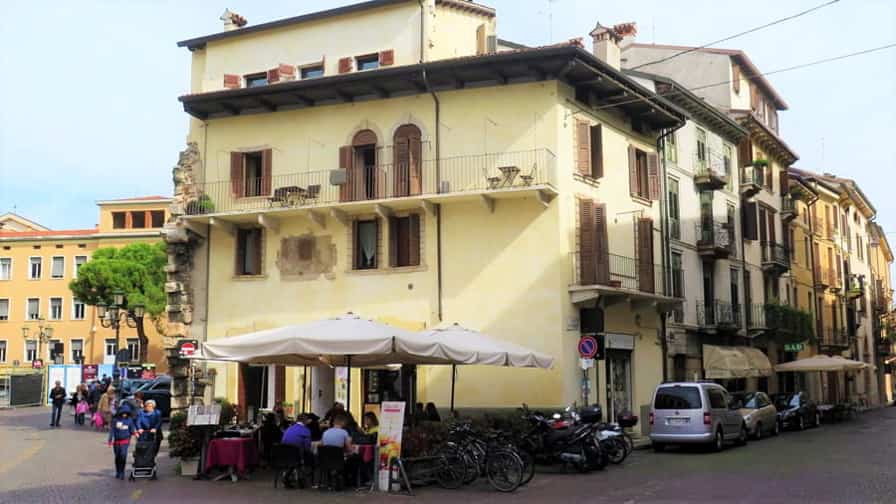

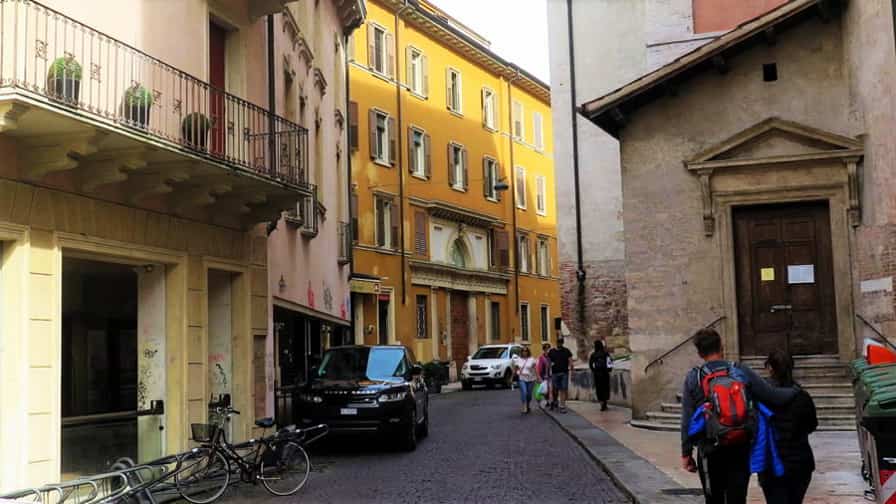
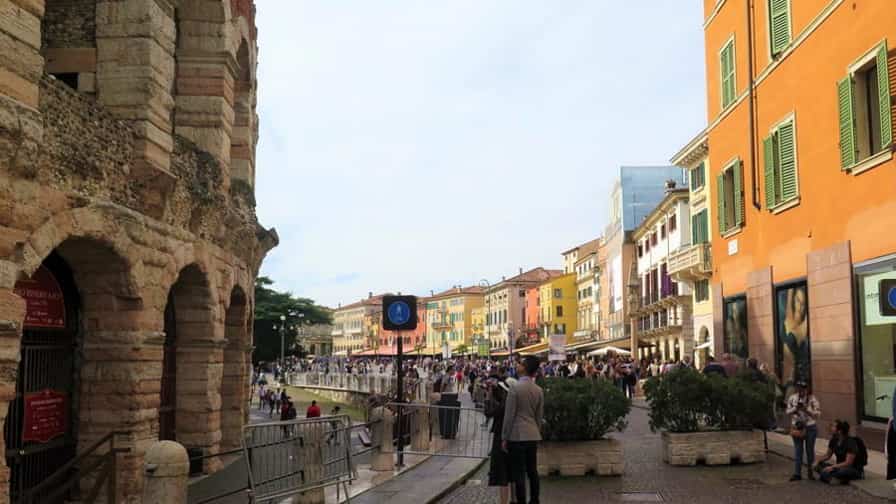
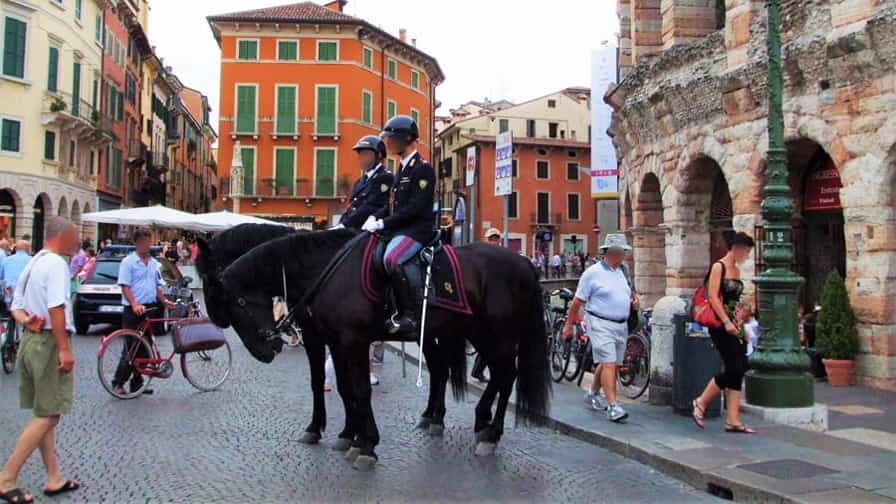
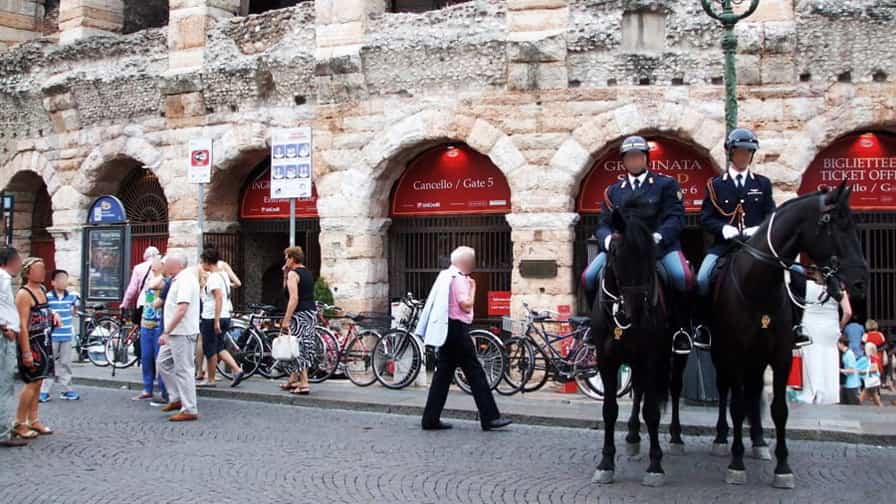
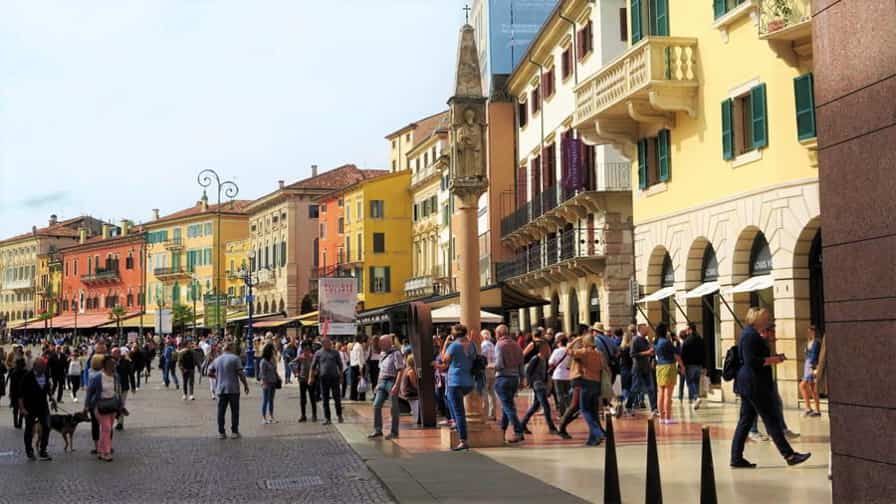
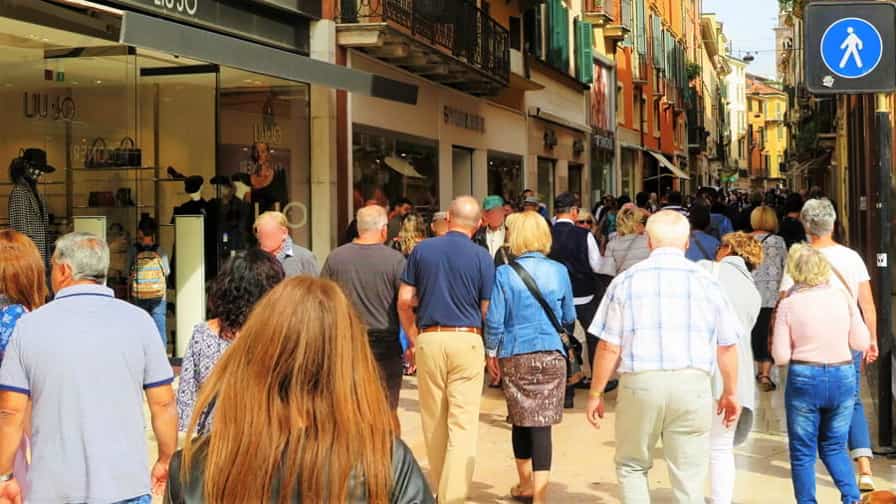
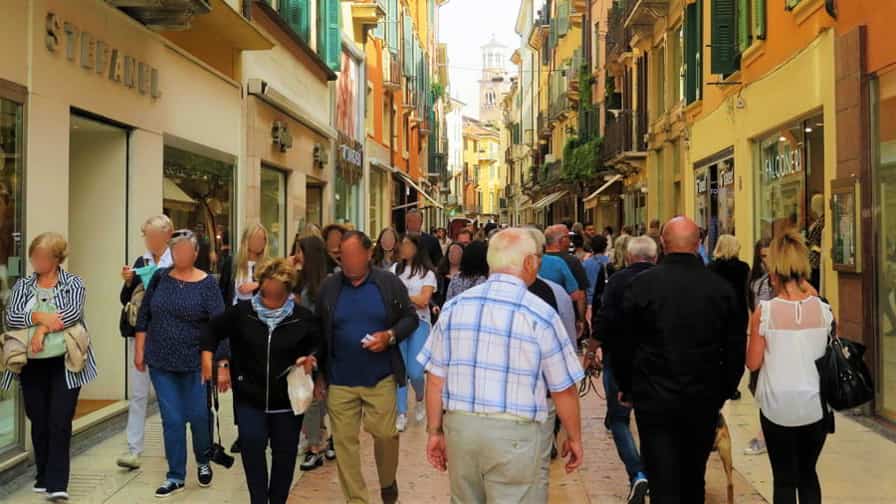
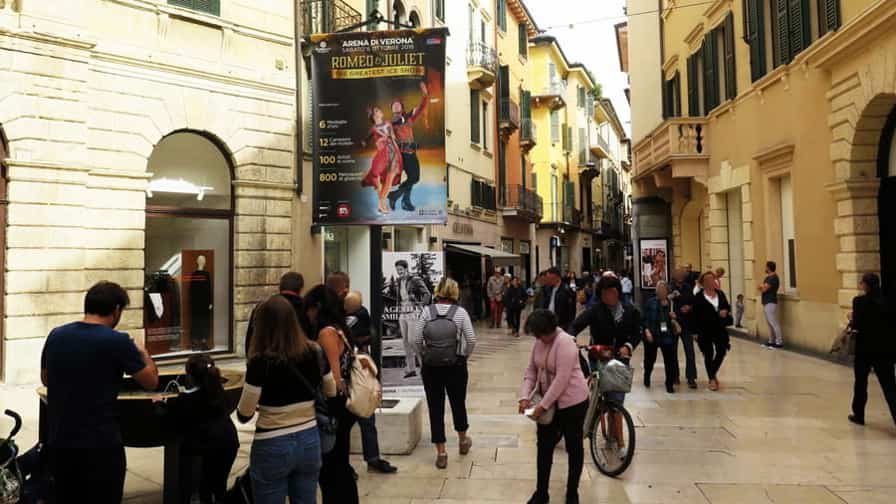
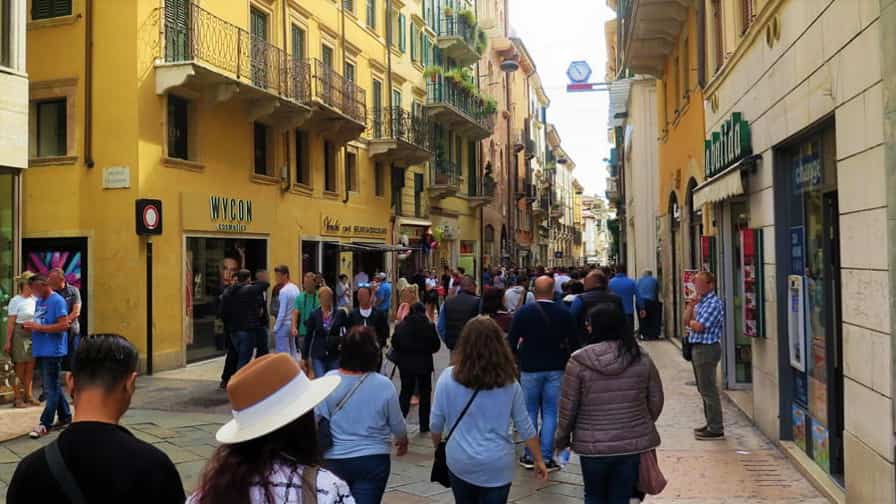
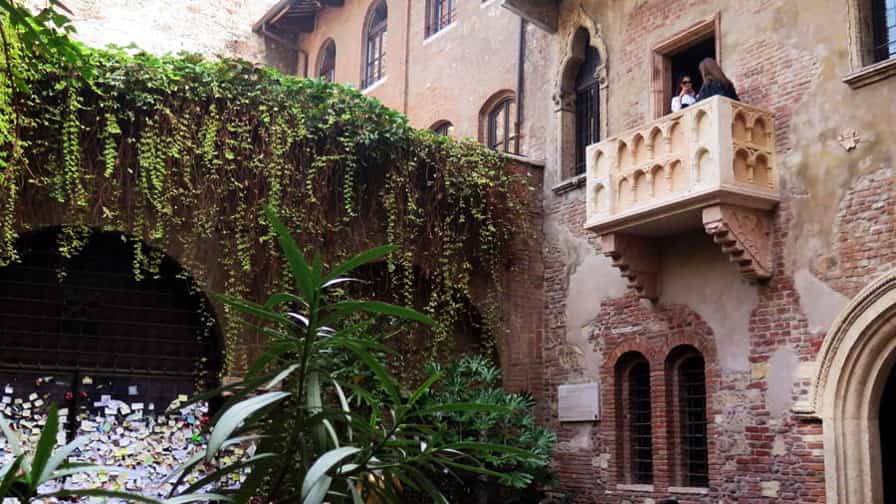
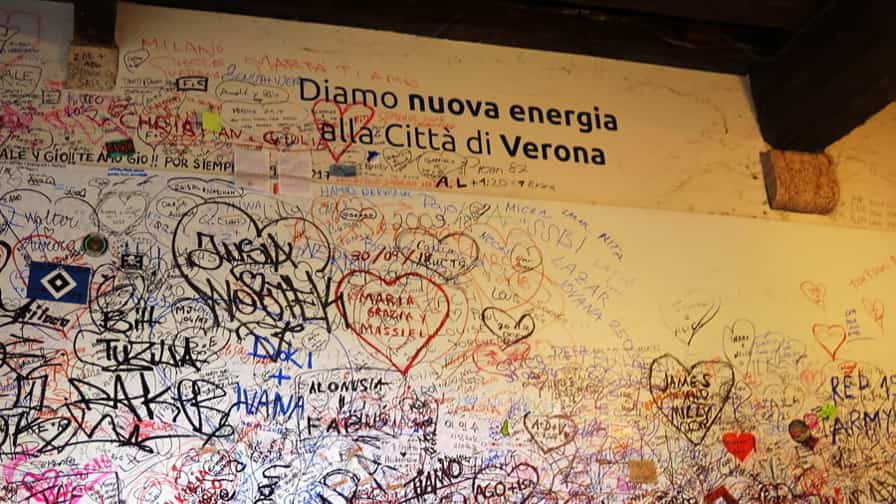
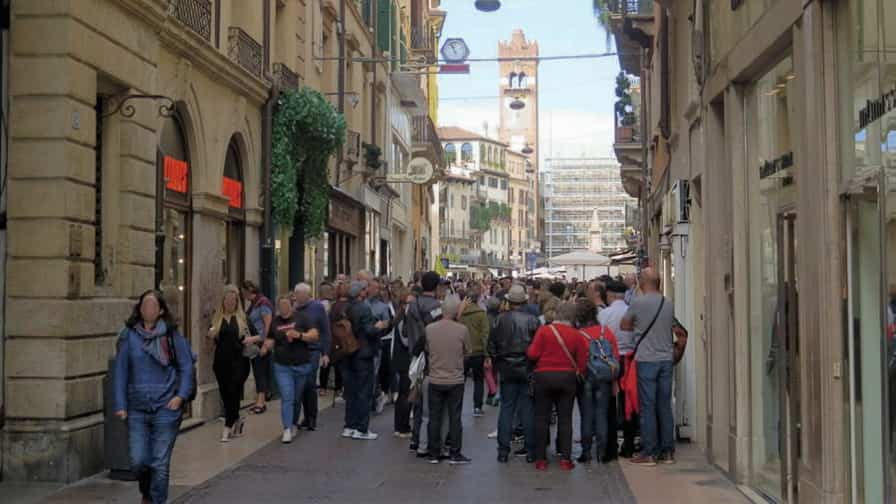
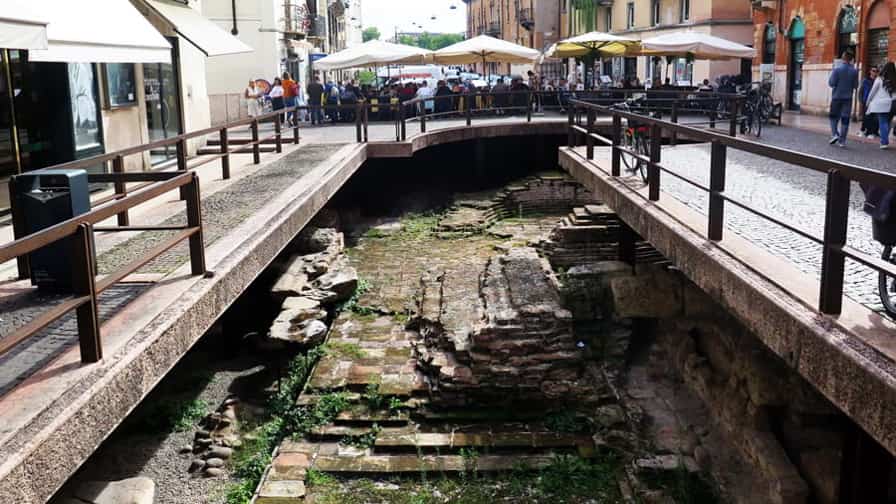
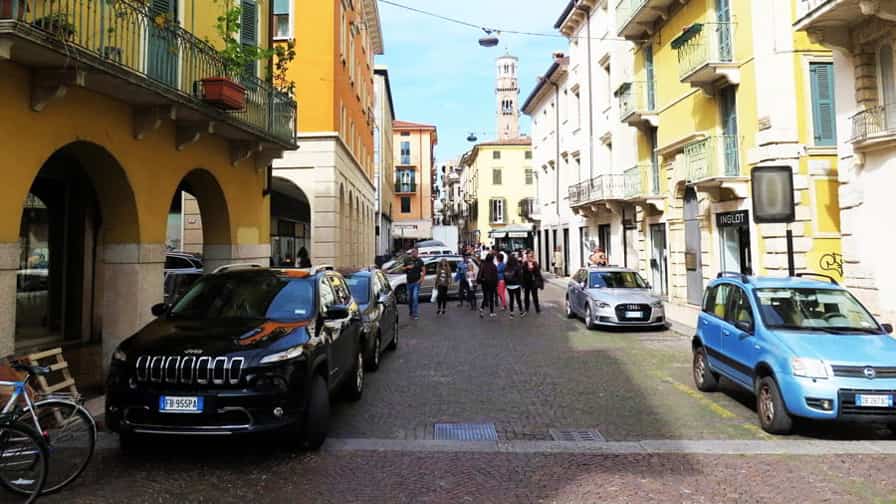
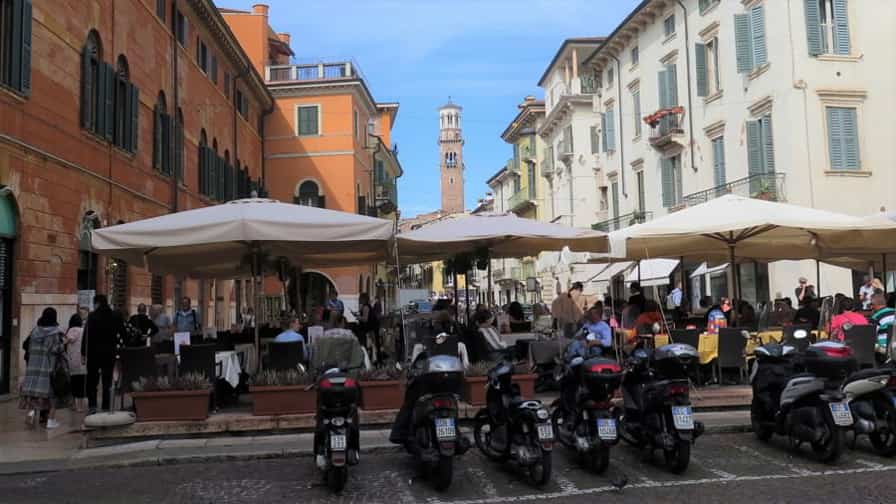
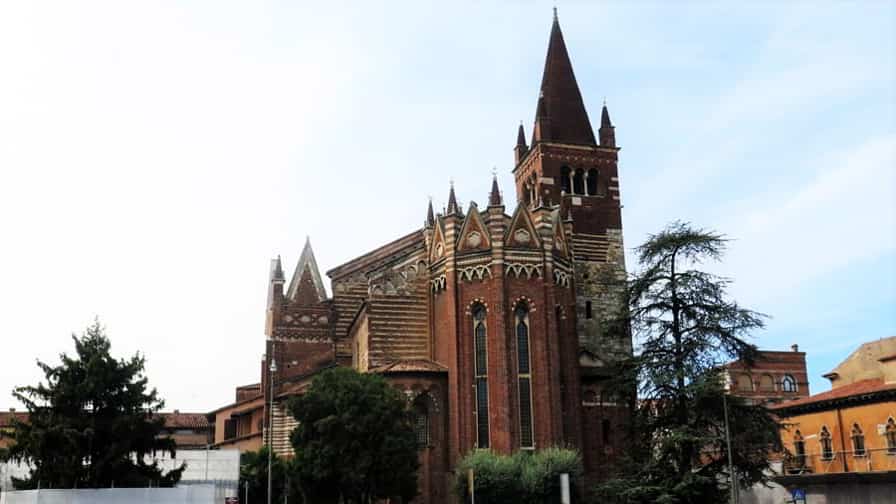
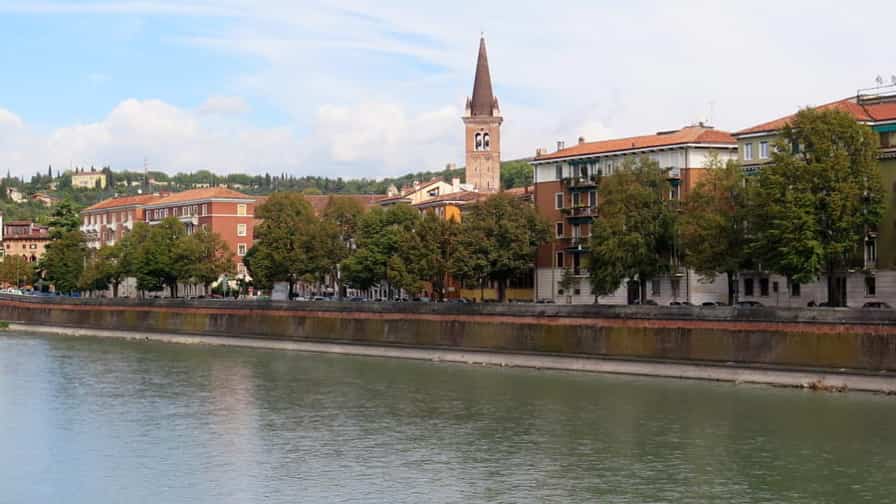
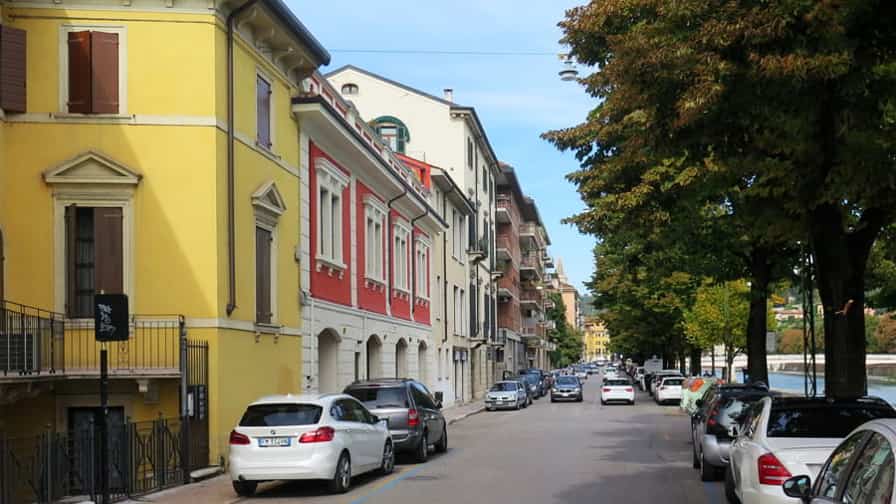
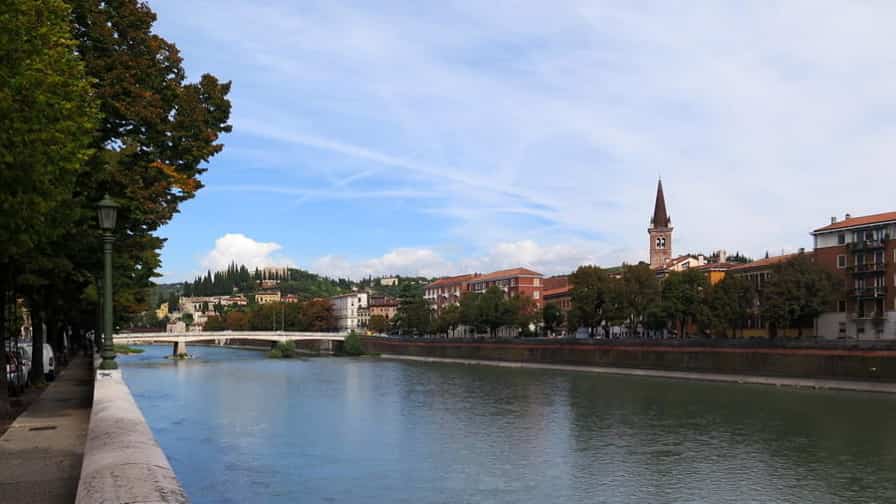
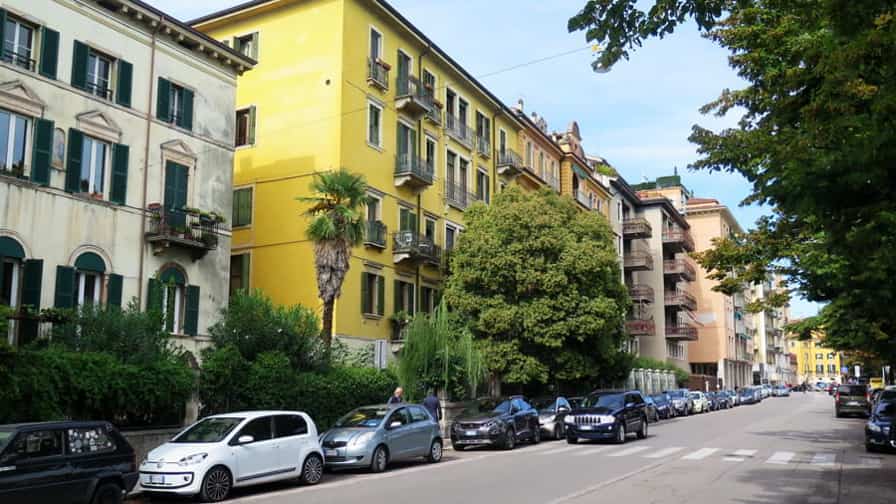
Photo Gallery of Walk 3 – Ponte Nuovo to Ponte Pietra
Approximately km 1.10 – 0.70 miles
Description of Walk 3
This walk follows the scenic riverfront of Verona, beginning at Ponte Nuovo. It continues along Lungadige Bartolomeo Rubele and Lungadige Tullio Donatelli, peaceful promenades that run beside the Adige River, offering picturesque views of historic buildings and flowing water. Turning into Via Sottoriva, one of Verona’s most atmospheric streets, the route reveals medieval arcades, small shops, and traditional trattorias, capturing the city’s authentic character. The walk then proceeds toward Via Ponte Pietra, leading to the remarkable Ponte Pietra, the oldest bridge in the city, dating back to Roman times. Crossing into Rigaste Redentore, the route offers beautiful views of the river and surrounding hills before returning to Ponte Pietra. This walk highlights Verona’s blend of history, architecture, and tranquil riverside charm.
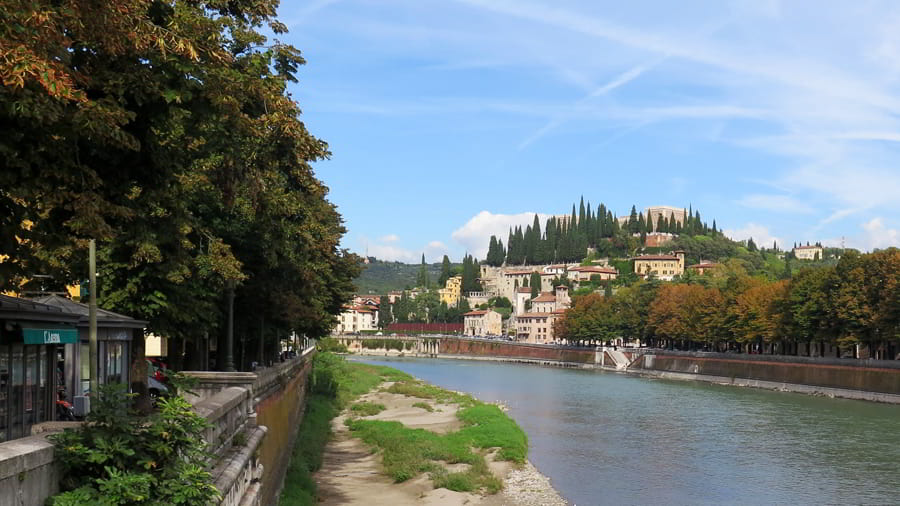
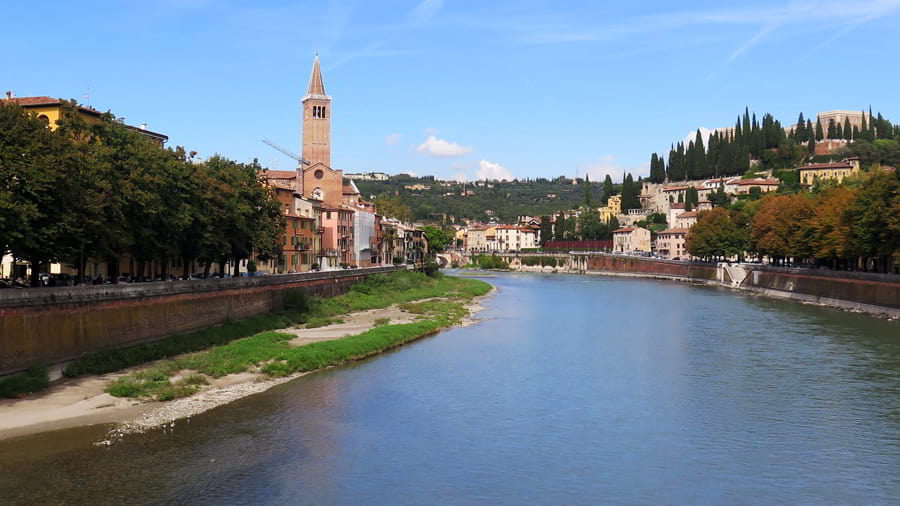
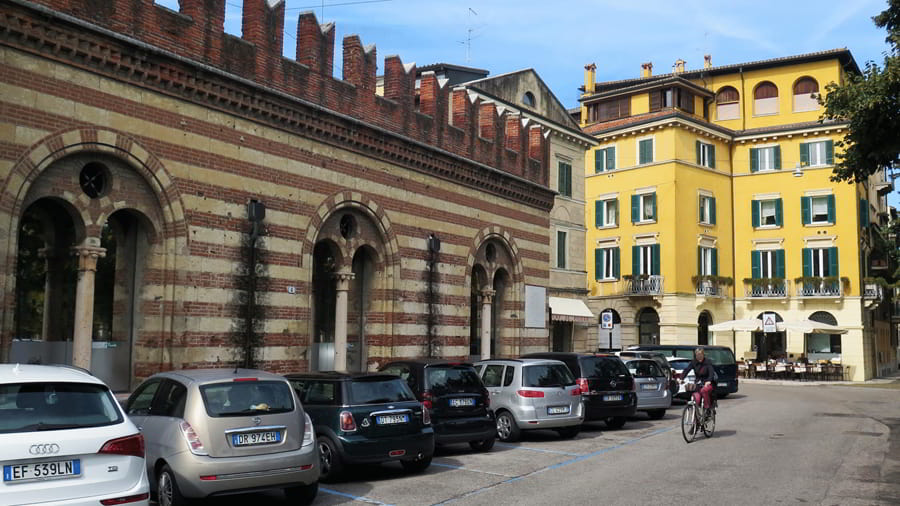
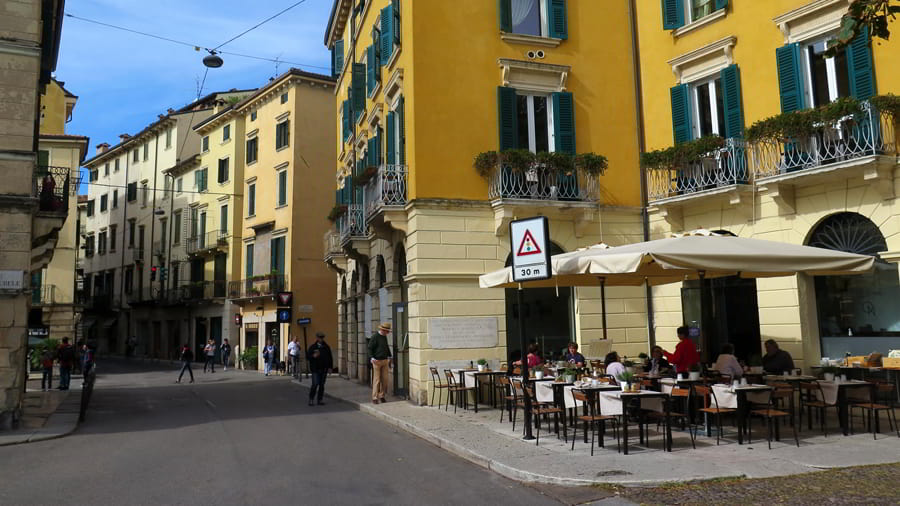
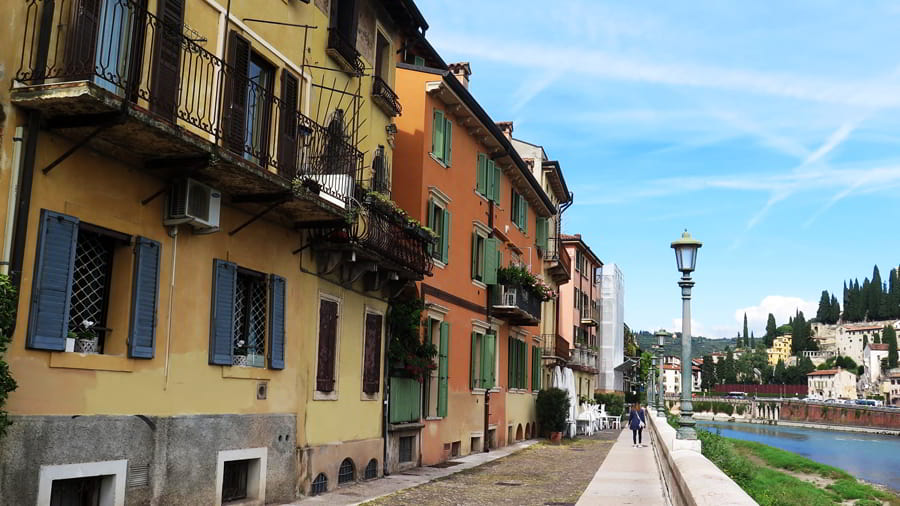
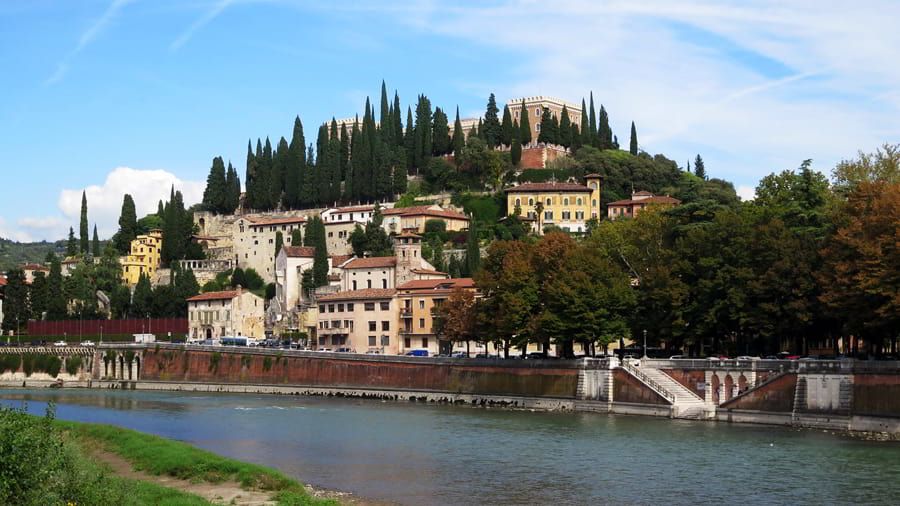
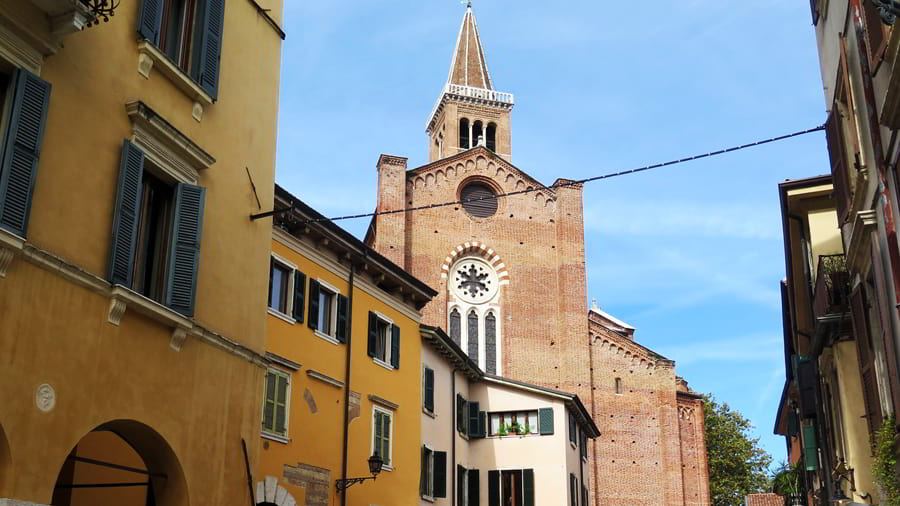
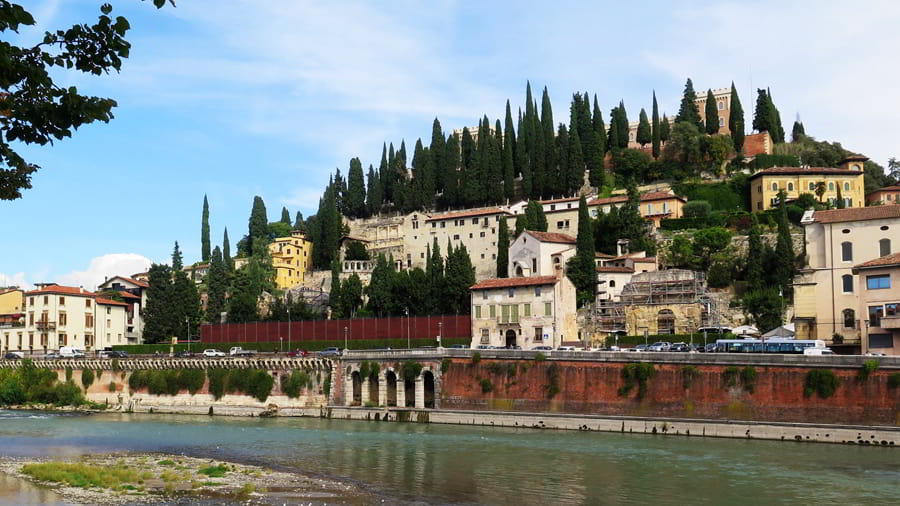
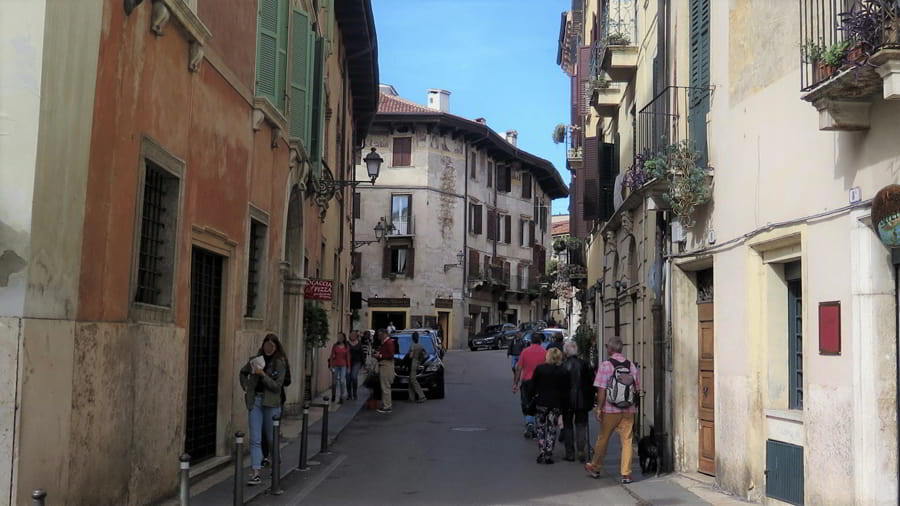
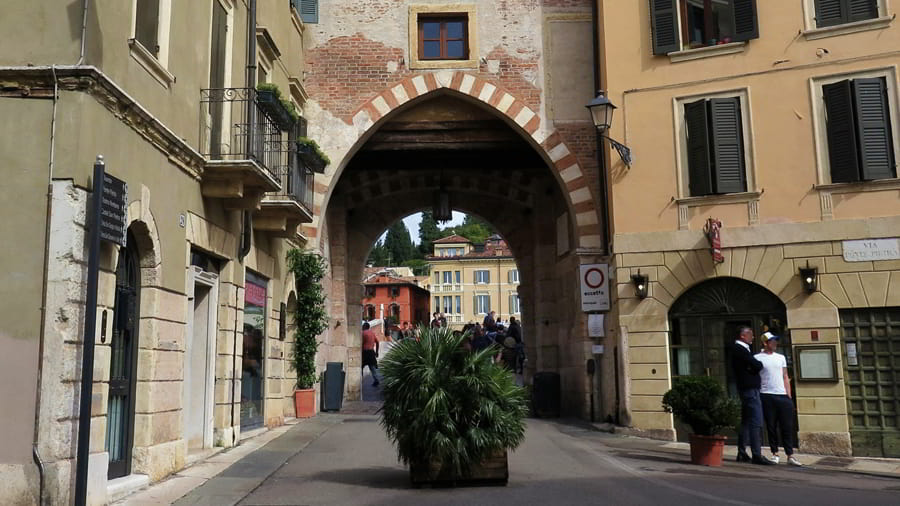
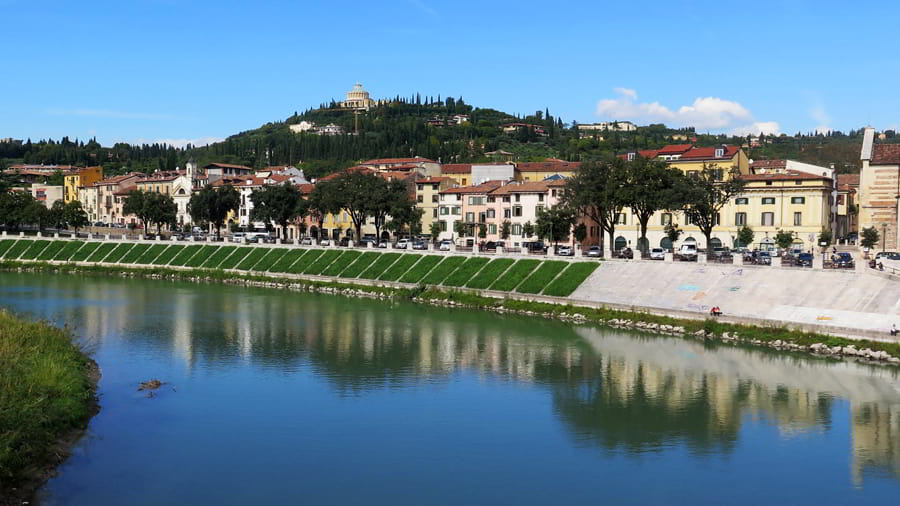
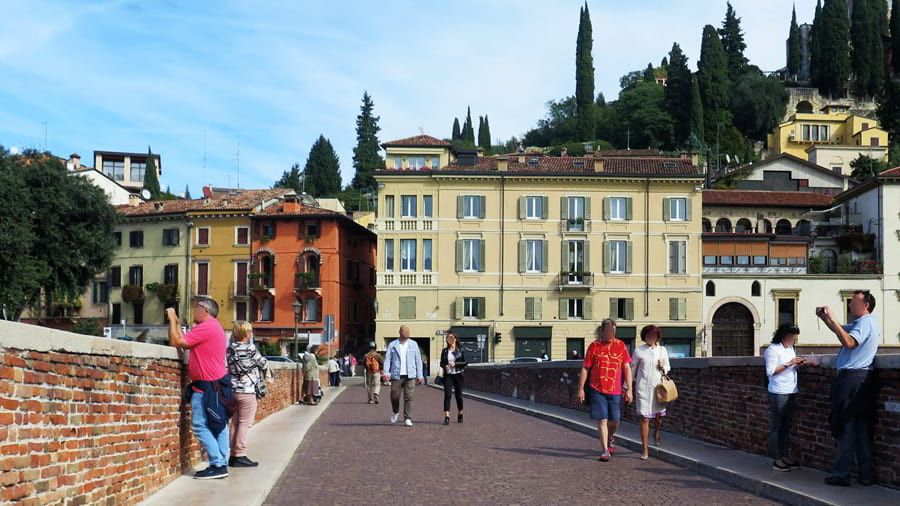
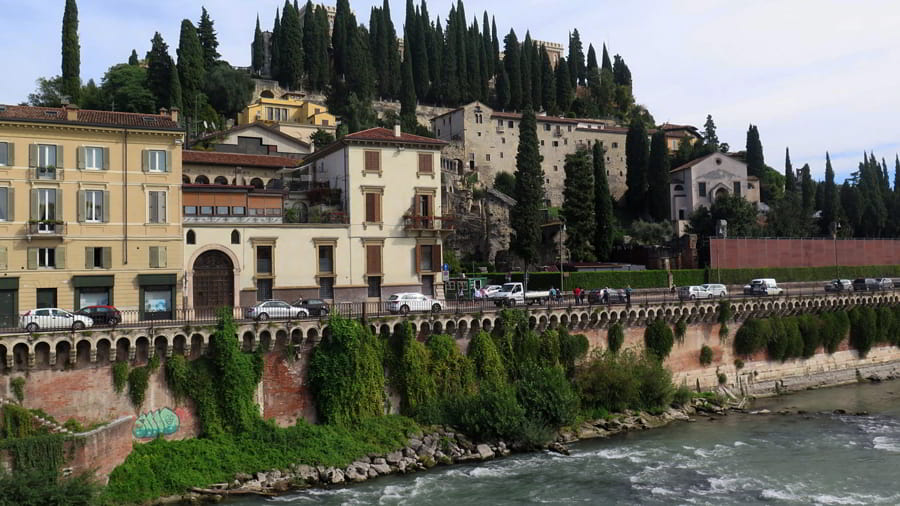
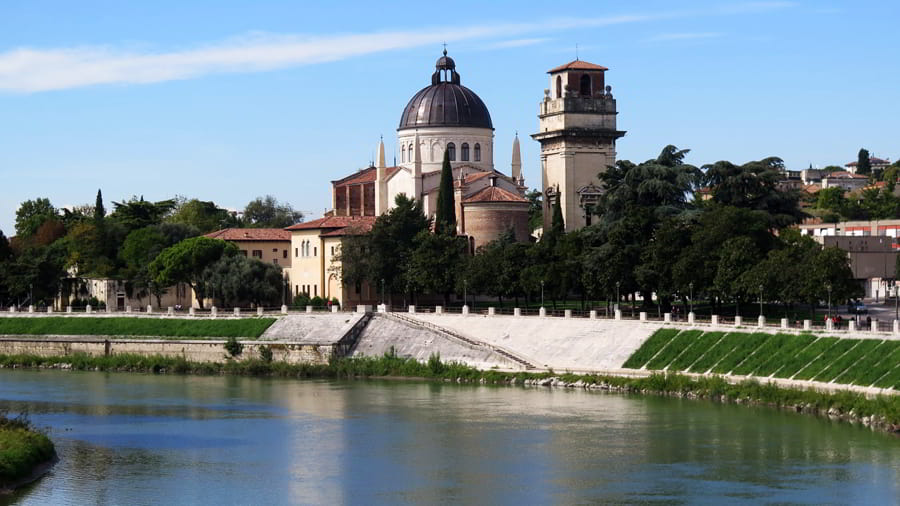
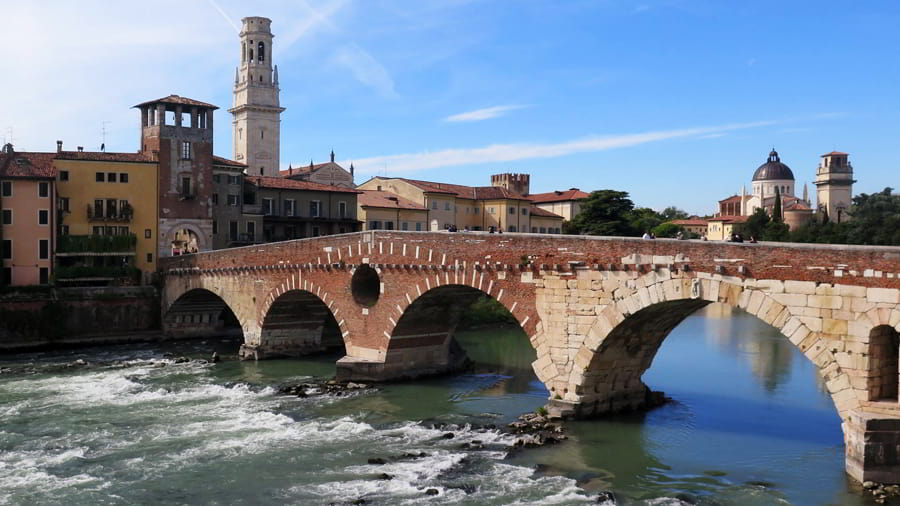
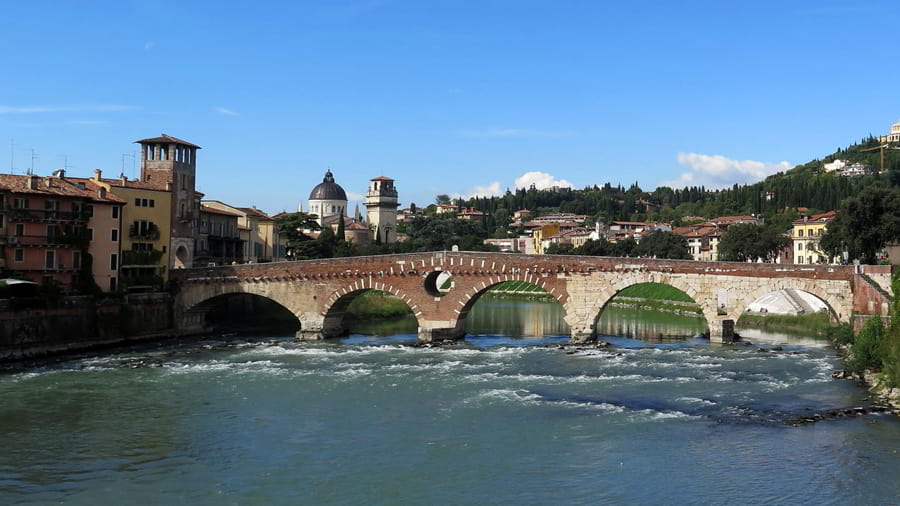
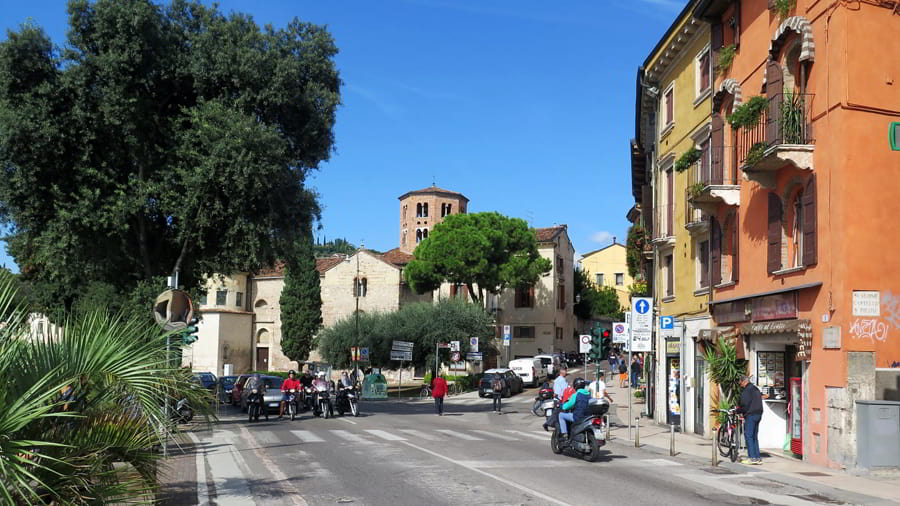
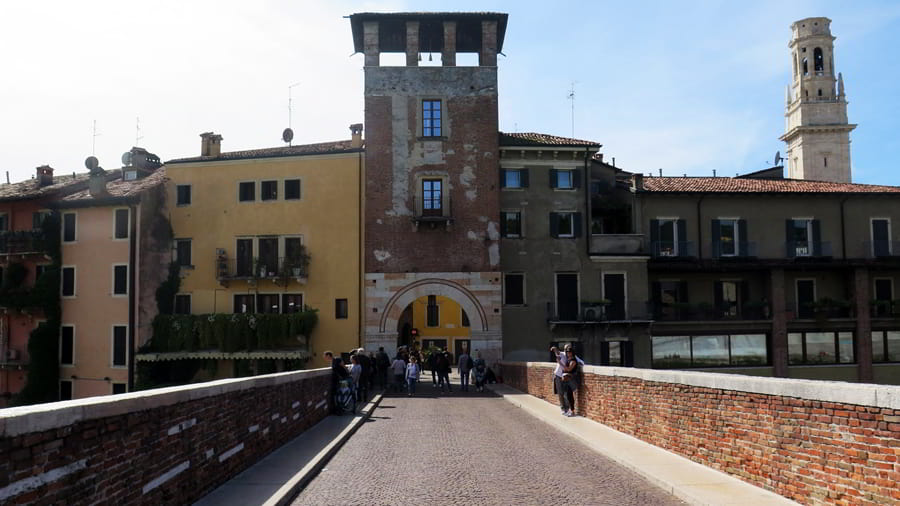
Photo Gallery of Walk 4 – Piazza Broilo to Piazza Delle Erbe
Approximately km 1.10 – 0.70 miles
Description of Walk 4
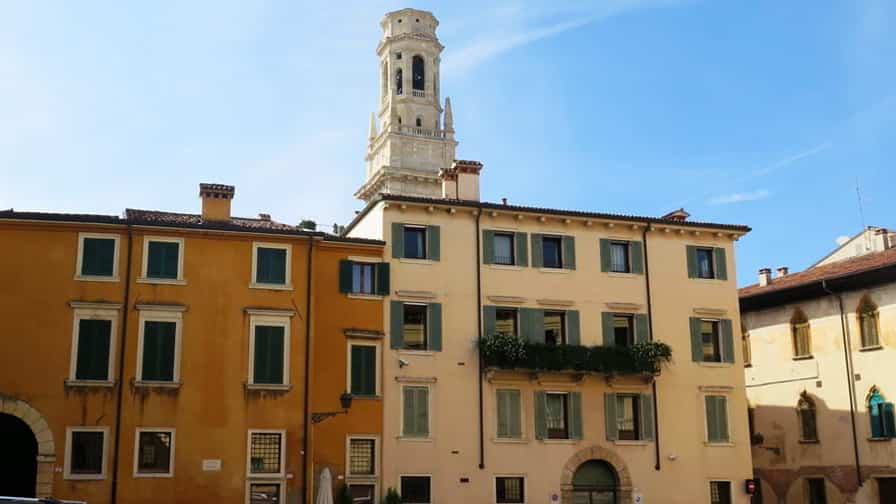
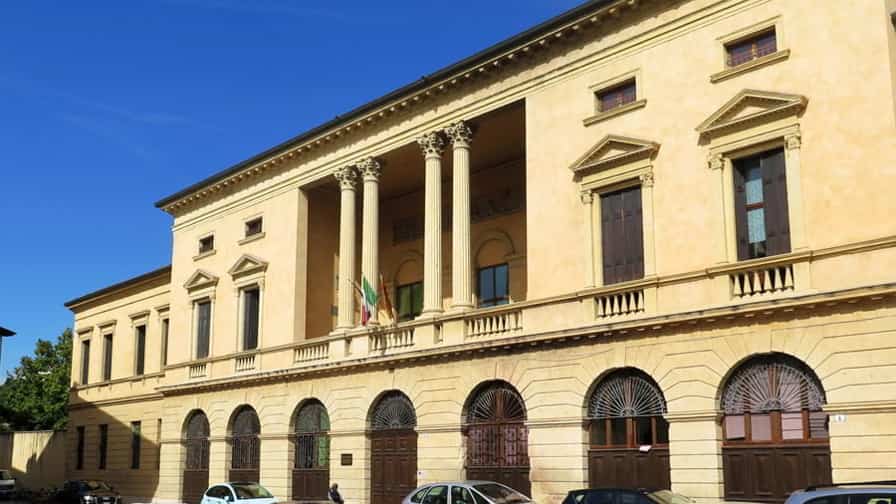
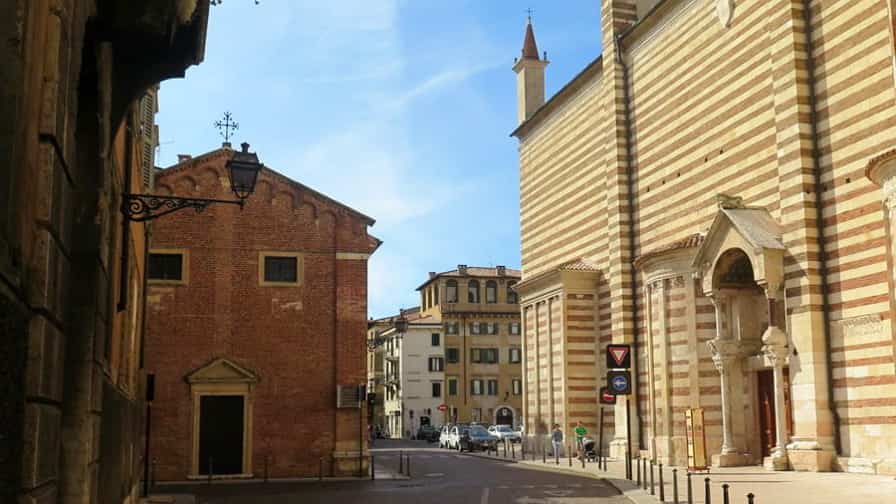
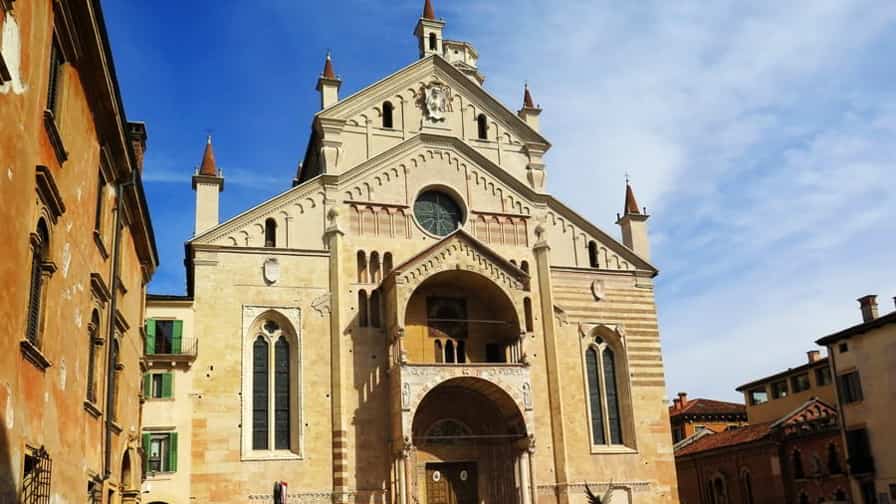
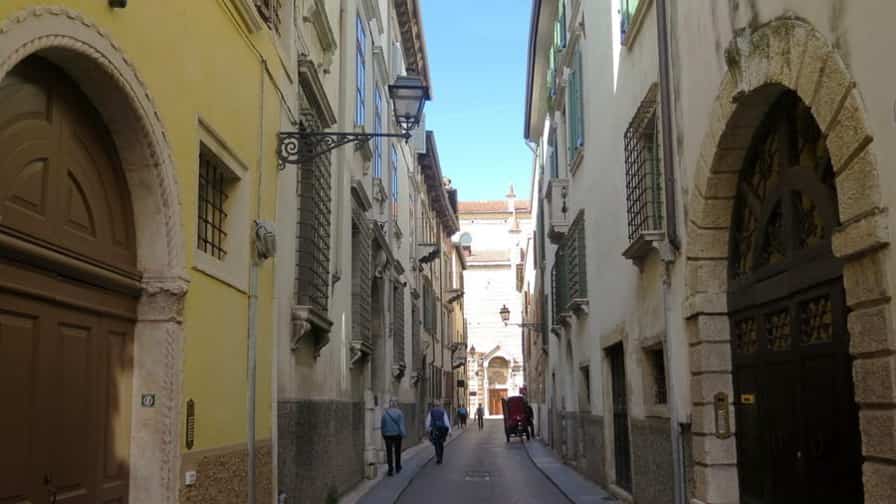
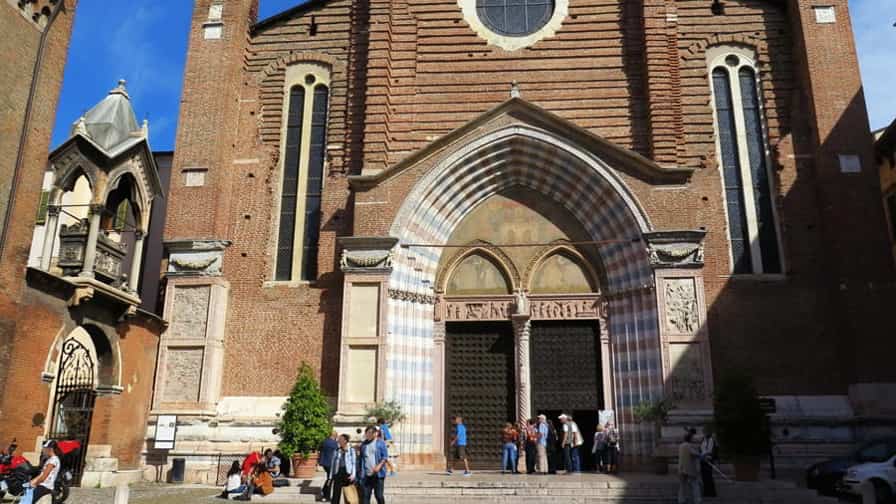
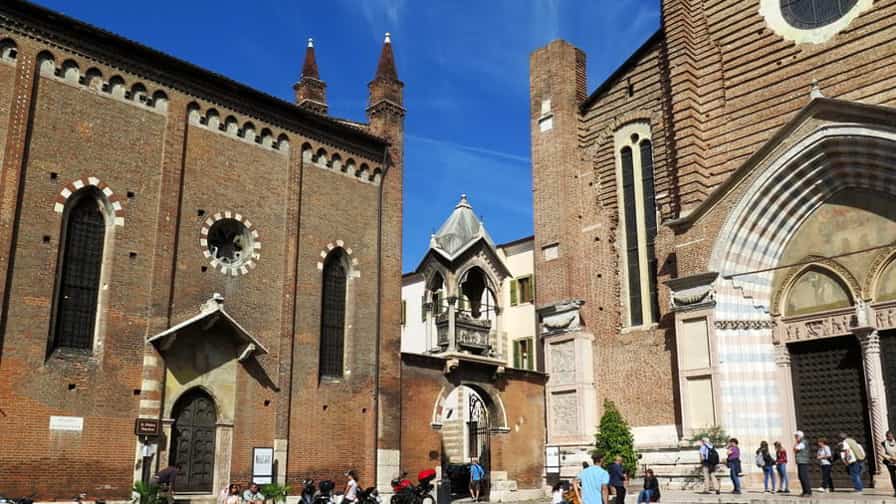
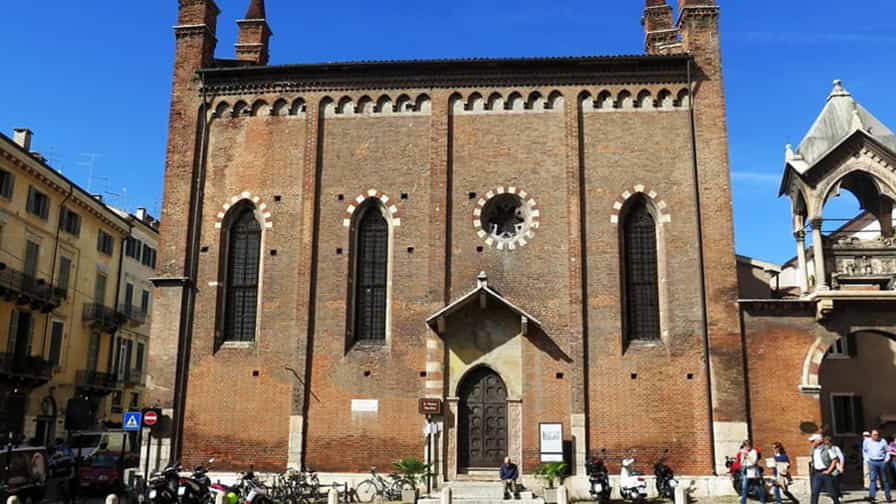
This walk explores the historic core of Verona, beginning in the quiet Piazza Broilo and winding through narrow lanes such as Vicolo Broilo and Vicolo Accoliti. These intimate streets lead to Via Pietà Vecchia and the impressive Verona Cathedral in Piazza Duomo, a key religious landmark showcasing Romanesque architecture. Continuing along Via Duomo and Via Abramo Massalongo, the route reaches the elegant Piazza Santa Anastasia, dominated by the Gothic church of Santa Anastasia. The walk then follows Corso Sant’Anastasia toward the political heart of the city at Piazza dei Signori, home to historic buildings such as the Palazzo del Capitano. Finally, the route ends at the vibrant Piazza delle Erbe, filled with market stalls, frescoed facades, and lively cafés, capturing Verona’s rich history and atmosphere.
COPYRIGHT © 2018-2026 ITALY IN PHOTOS - ALL RIGHTS RESERVED