
HOME
REGIONS OF ITALY
PLACES IN ITALY
PLAN YOUR TRIP
Italy in Photos
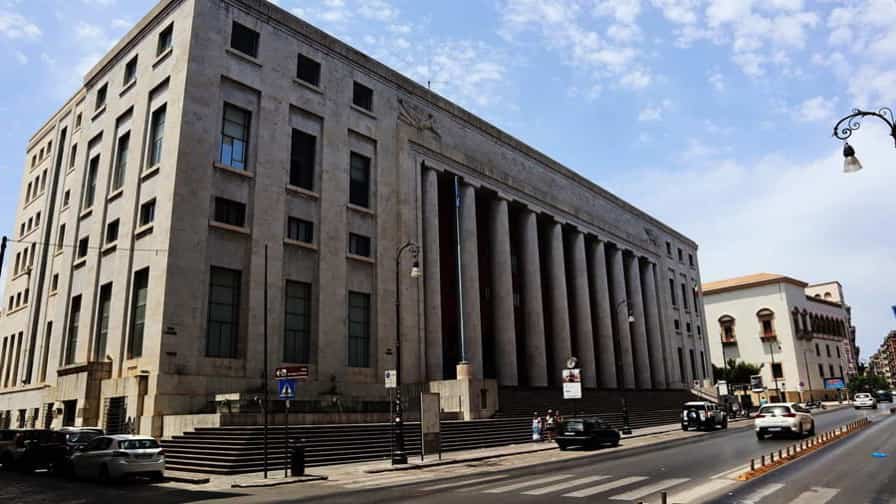
Cattedrale di Palermo, 90040 Palermo, Italy (July 2019)
Delayed or cancelled flight?
Get up to £520!
You’ve got rights when your flight’s disrupted.
We enforce them and handle everything so you get paid
Palermo
Palermo is a city of striking contrasts and profound history, located on the north-western coast of the island of Sicily. As the capital of the autonomous region of Sicily, Palermo has long been a crossroads of civilizations, cultures, and ideas. Framed by the Tyrrhenian Sea on one side and the rugged mountains of the Conca d’Oro on the other, the city presents a dramatic setting that reflects its complex identity. Palermo is not a place defined by a single era or style, but rather by the layered coexistence of many influences that have shaped its character over more than two thousand years.
The origins of Palermo date back to the Phoenicians, who founded the settlement as a strategic trading port. Over the centuries, the city passed under the control of the Romans, Byzantines, Arabs, Normans, Swabians, Spanish, and Bourbons. Each ruling power left a visible imprint on the city’s architecture, language, cuisine, and traditions. Few European cities display such a rich and tangible fusion of cultures. Walking through Palermo often feels like moving through different historical worlds at once, where Arab domes rise beside Norman towers and Baroque facades stand next to ancient walls.
One of Palermo’s most distinctive features is its unique architectural heritage. The Arab Norman style, recognized by UNESCO as a World Heritage Site, is particularly emblematic of the city. Monuments such as the Palermo Cathedral, the Palatine Chapel, and the churches of San Giovanni degli Eremiti and San Cataldo reveal a remarkable blend of Islamic, Byzantine, and Western Christian elements. Golden mosaics, geometric decorations, and intricate stonework demonstrate a level of artistic harmony rarely seen elsewhere. These structures are not only historical landmarks but also powerful symbols of cultural coexistence.
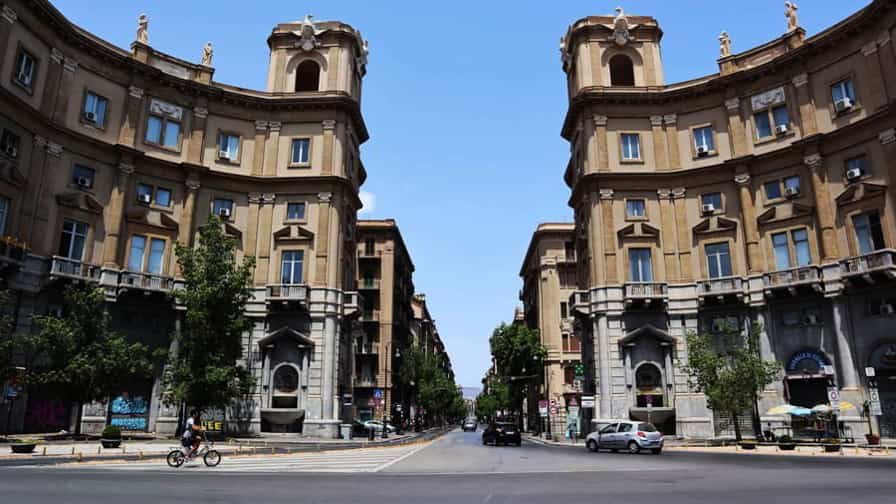
Palermo’s urban fabric is equally compelling. The historic centre, one of the largest in Europe, is organized around ancient axes such as the Cassaro and Via Maqueda, which intersect at the Quattro Canti, a Baroque square that divides the city into four historic quarters. Narrow alleys, grand palaces, lively markets, and hidden courtyards create a dense and vibrant environment. While some areas bear signs of decay, they also convey authenticity and resilience, reflecting the city’s enduring spirit and complex social history.
Markets are an essential expression of Palermo’s identity. Places such as Ballarò, Vucciria, and Capo are not merely spaces for commerce but living theatres of daily life. Here, vendors call out in melodic chants, stalls overflow with fresh produce, seafood, spices, and street food, and traditions are passed down through generations. Palermo’s cuisine is deeply rooted in its multicultural past, combining flavours and techniques from Arab, Spanish, and Italian traditions. Dishes such as arancini, pasta con le sarde, panelle, and cannoli offer a sensory journey into the city’s history and collective memory.
Religion and spirituality play a significant role in Palermo’s cultural landscape. The city is home to countless churches, monasteries, and religious festivals that punctuate the calendar. One of the most important is the Feast of Saint Rosalia, the city’s patron saint, celebrated with processions, music, and public devotion. The Capuchin Catacombs, with their preserved mummies, offer a more contemplative and unconventional perspective on Sicilian attitudes toward life, death, and memory.
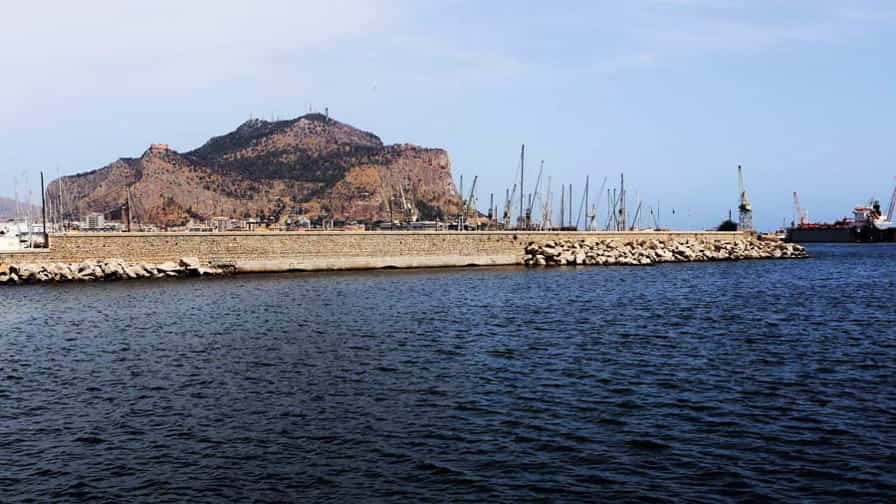
Palermo’s relationship with the sea is central to its identity. The port has long connected the city to the wider Mediterranean world, facilitating trade, migration, and cultural exchange. Today, the waterfront and nearby beaches such as Mondello provide spaces for leisure and reflection, where urban life meets natural beauty. The surrounding landscape, including the Monte Pellegrino promontory, offers panoramic views and reinforces the city’s dramatic setting between land and sea.
Despite its ancient roots, Palermo is a living, evolving city. In recent decades, cultural revitalization projects, artistic initiatives, and social movements have sought to reclaim public spaces and celebrate local identity. Museums, theatres, and contemporary art venues coexist with historic monuments, contributing to a dynamic cultural scene. The city’s energy is often chaotic and intense, but it is also deeply human and welcoming.
Palermo is a city that defies simple definition. Its beauty lies not in perfection but in complexity, contradiction, and continuity. Palermo invites visitors to engage with its stories, to listen to its voices, and to experience a place where history is not confined to the past but actively shapes the present. As an introduction to Sicily and the Mediterranean world, Palermo offers a profound and unforgettable encounter with the richness of human civilization.
Worth a Visit
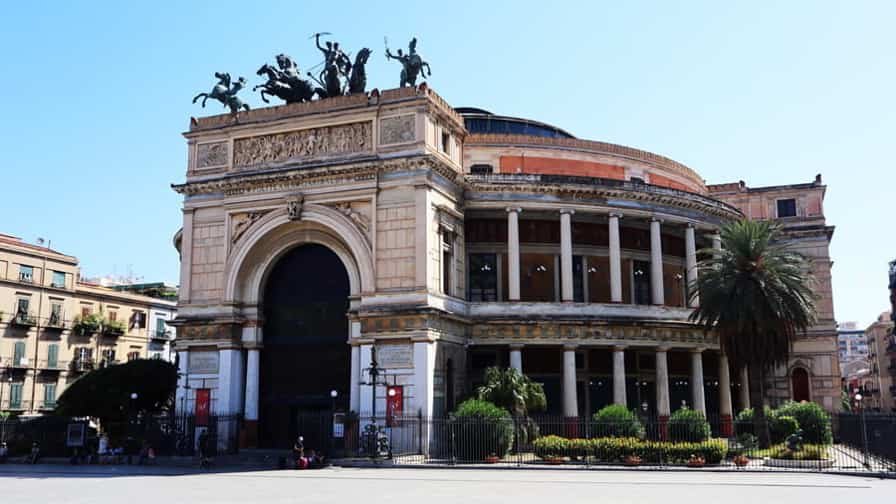
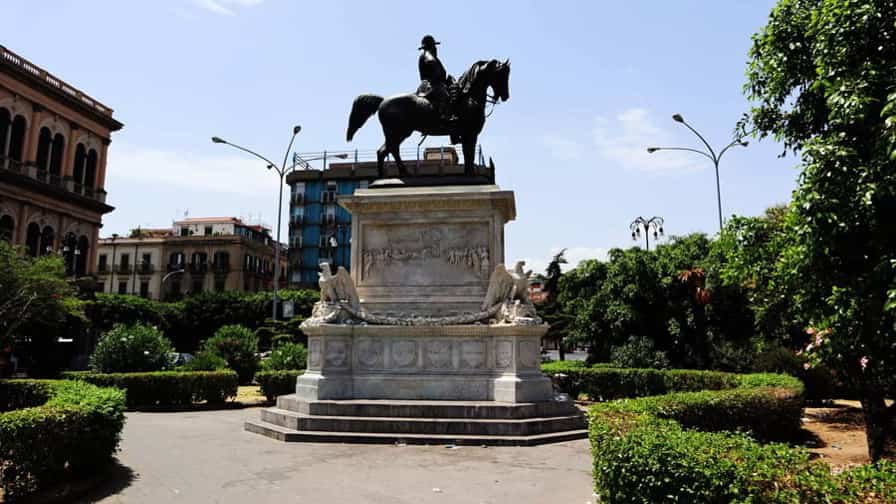
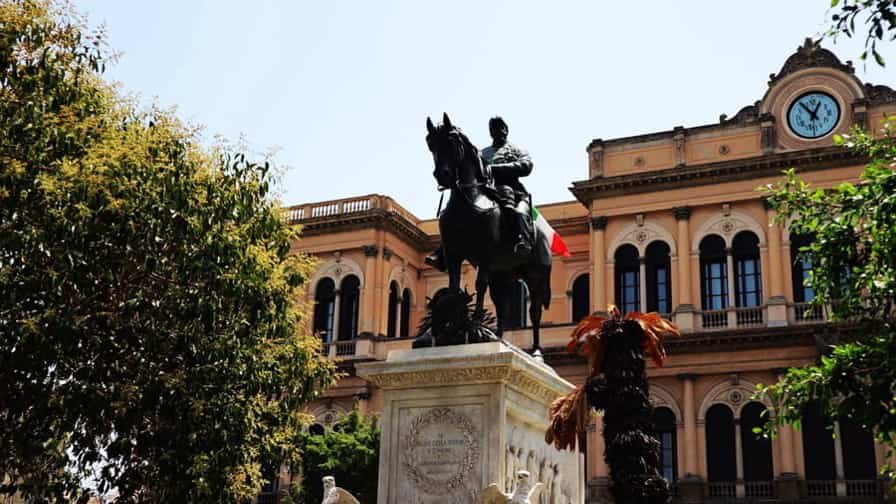
Piazza Ruggero Settimo is one of Palermo’s most elegant and lively squares, often considered a symbol of the city’s refined urban life. Located at the junction of Via Ruggero Settimo and Viale della Libertà, it forms part of the grand boulevard that connects Palermo’s historic centre with its modern districts. The square is dominated by the imposing Teatro Politeama Garibaldi, a magnificent 19th-century theatre that stands as a landmark of Sicilian architecture and culture. At its heart rises the bronze equestrian statue of Ruggero Settimo, a statesman and patriot who played a key role in the Italian unification movement. Today, Piazza Ruggero Settimo is not only a cultural hub but also a social meeting point, surrounded by stylish cafés, shops, and boutiques. Its blend of history, architecture, and vibrant atmosphere makes it a must-see stop when exploring Palermo.
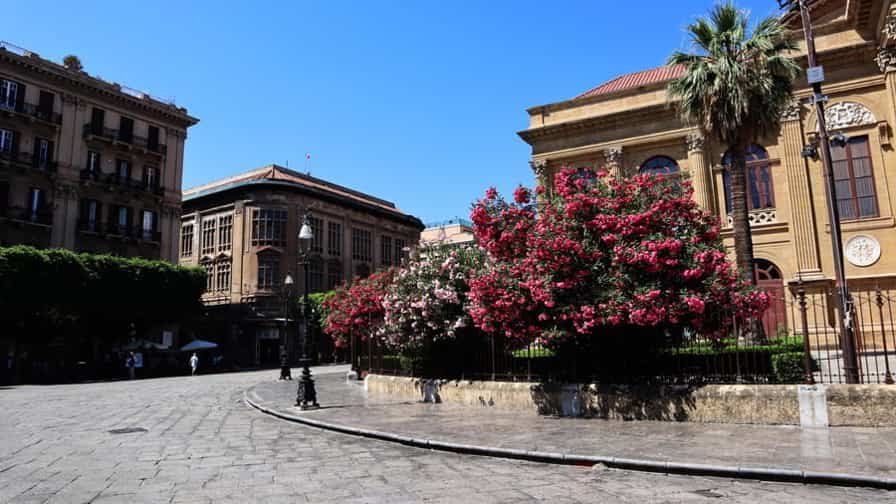
Piazza Verdi is one of Palermo’s most iconic squares, best known as the setting for the majestic Teatro Massimo, the largest opera house in Italy and a symbol of the city’s artistic soul. Opened in 1897, the theatre dominates the square with its grand neoclassical façade, elegant stairways, and monumental presence, drawing visitors from around the world. The piazza itself was designed to complement this masterpiece, creating a wide, open space that highlights the theatre’s architecture and serves as a gathering place for locals and tourists alike. Over the years, Piazza Verdi has become a lively cultural hub, hosting concerts, festivals, and public events that reflect Palermo’s rich musical and theatrical traditions. Surrounded by cafés, restaurants, and vibrant city life, it offers a perfect blend of history, culture, and daily activity, making it a central point for anyone wishing to experience the essence of Palermo.
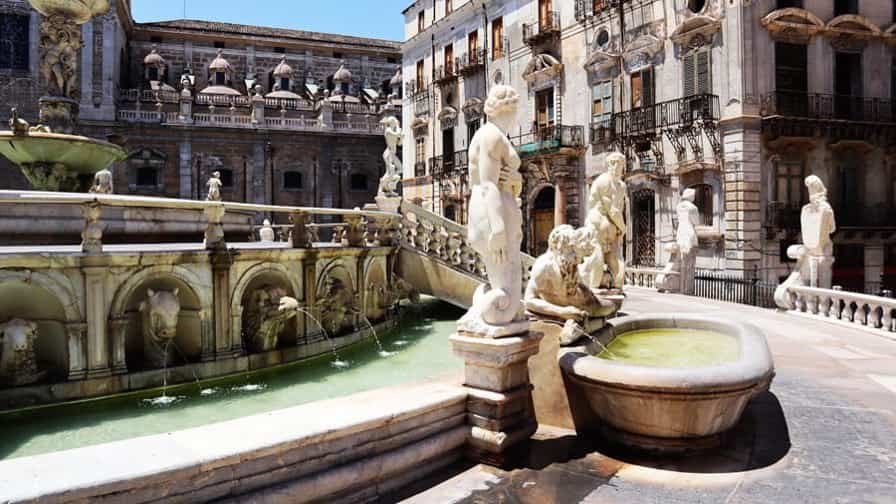
The Fontana Pretoria, located in Piazza Pretoria in the heart of Palermo, is one of the city’s most striking and admired landmarks. Originally built in Florence in the 16th century, the fountain was later transported to Palermo in 1574, where it became the centrepiece of the square in front of the city’s town hall. The vast marble structure is decorated with a stunning array of statues representing mythological figures, allegories, animals, and decorative motifs, all arranged in a harmonious circular design. Its bold, sensual sculptures earned it the nickname *“Fontana della Vergogna”* (Fountain of Shame), as the nude figures shocked the conservative citizens of the time. Today, the fountain is celebrated as a masterpiece of Renaissance art and urban design, admired for its beauty, complexity, and symbolism. Surrounded by historic palaces and churches, Piazza Pretoria and its fountain remain an essential stop for anyone exploring Palermo’s historic centre.

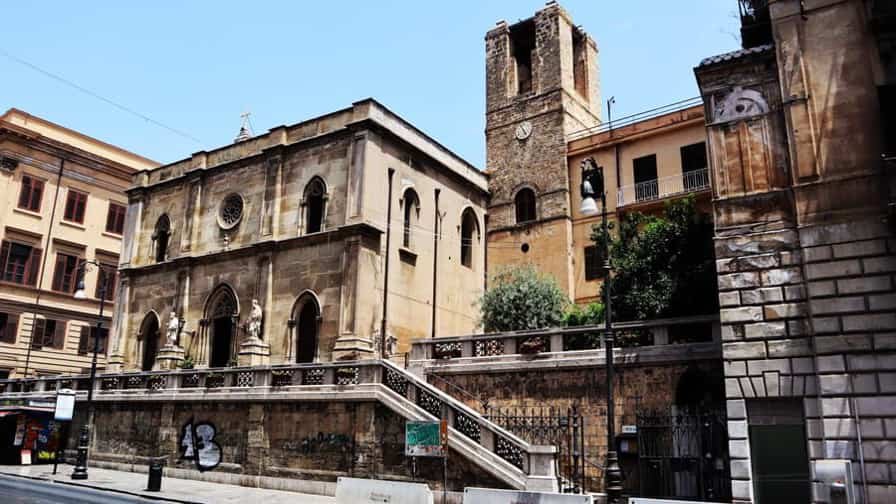
The Cattedrale di Palermo, officially the Metropolitan Cathedral of the Assumption of the Virgin Mary, is one of Sicily’s most remarkable monuments and a symbol of Palermo’s rich cultural history. Built in 1185 by Archbishop Gualtiero Offamilio, the cathedral reflects the city’s diverse heritage, blending Norman, Arab, Gothic, Baroque, and Neoclassical influences into a unique architectural masterpiece. Its grand exterior, with towers, arches, and intricate carvings, showcases the city’s medieval power and artistry. Inside, the cathedral houses royal tombs, including those of Emperor Frederick II and other Norman kings, as well as a precious treasury with sacred relics and jewels. Over the centuries, it has undergone several modifications, each leaving its imprint on the structure while preserving its grandeur. Today, the Cattedrale di Palermo stands not only as a place of worship but also as a historical treasure, embodying the spiritual and artistic identity of the Sicilian capital.
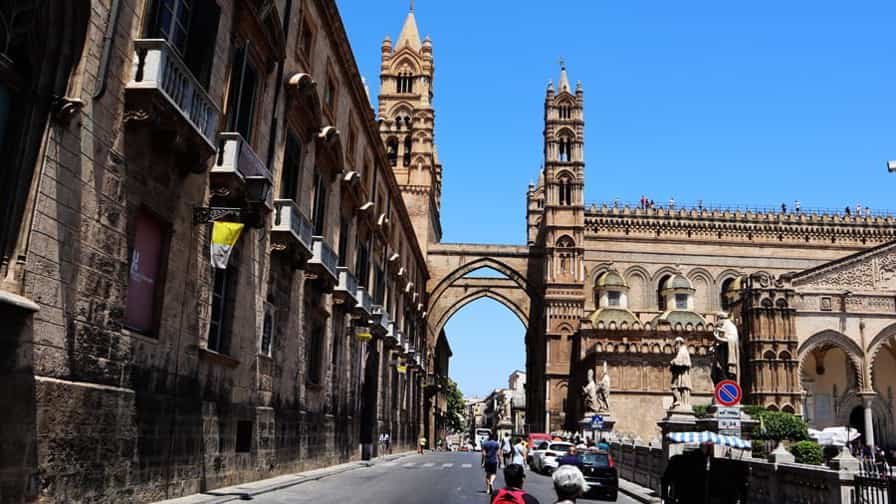
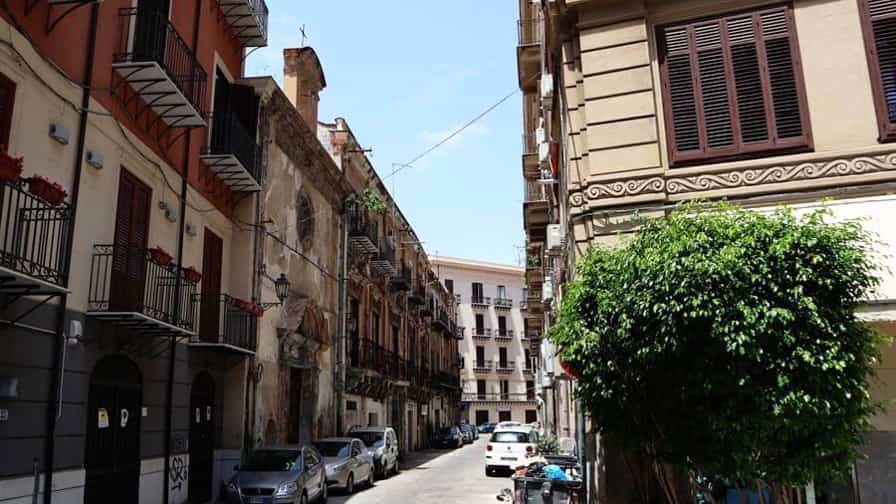
Via Matteo Bonello is a historic street in the heart of Palermo, running alongside the majestic Cattedrale di Palermo and forming part of the city’s vibrant old quarter. Named after Matteo Bonello, a 12th-century nobleman known for his role in the Sicilian uprising against Norman rule, the street carries deep historical resonance. Walking along Via Matteo Bonello, visitors are immersed in the atmosphere of medieval Palermo, with its mix of narrow passages, stone façades, and glimpses of grand monuments. The street offers striking views of the cathedral’s towers and intricate details, making it a favorite path for those exploring the UNESCO-listed Arab-Norman itinerary. Today, Via Matteo Bonello is not only a route steeped in history but also a lively area, lined with artisan shops, small cafés, and local vendors. It provides an authentic glimpse into Palermo’s character, where daily life blends seamlessly with centuries of heritage.
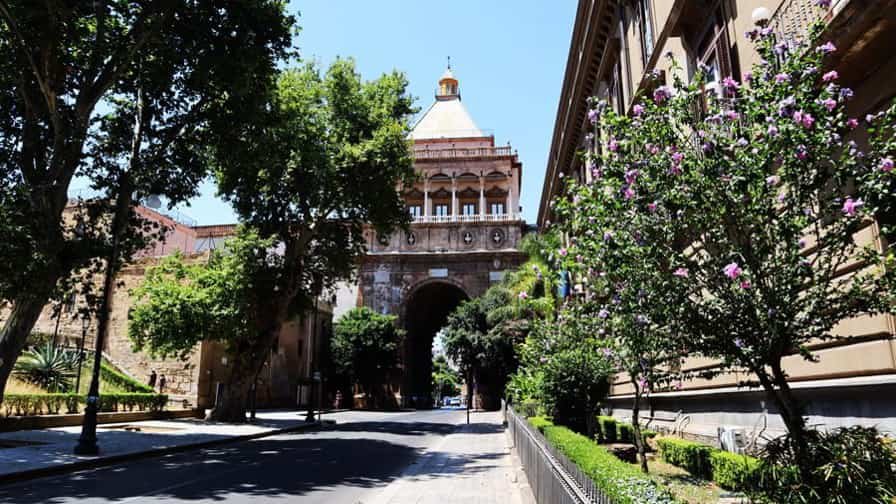
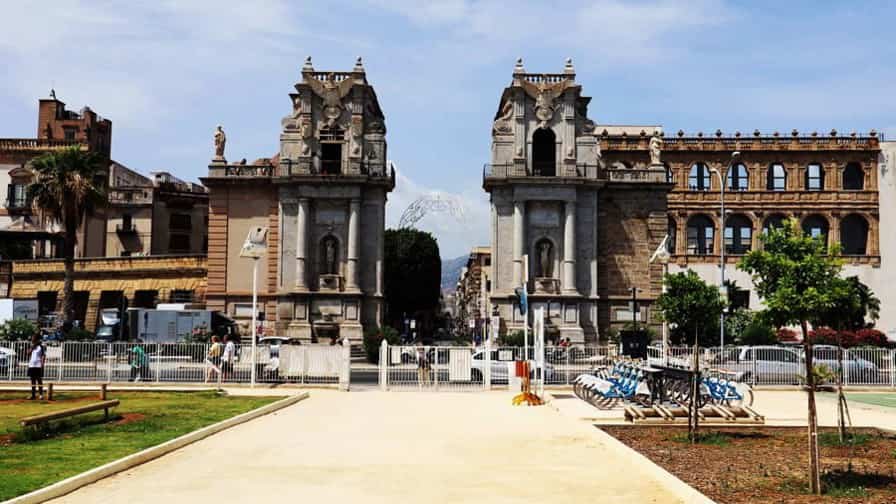
The Porta Nuova is one of Palermo’s most impressive and historically significant city gates, standing proudly beside the Cattedrale di Palermo at the entrance to the old town. Built in 1583 to celebrate the visit of King Charles V after his victory over the Turks in Tunis, the gate symbolizes both triumph and power. Its design combines Renaissance and Baroque elements, with a majestic façade that features elaborate decorations and statues. On the city-facing side, visitors can admire elegant arches and refined details, while the outer façade is striking for its bold figures of Moorish prisoners, intended to glorify the king’s conquest. Over the centuries, the Porta Nuova has served as a monumental entrance to the Cassaro, Palermo’s oldest and most important street. Today, it remains not only a remarkable example of 16th-century architecture but also a key landmark, welcoming visitors into the historic heart of the Sicilian capital.
Photo Gallery of Walk 1 – Walk along Via della Libertà
Approximately 2.09 km – 1.30 miles
Description of Walk 1
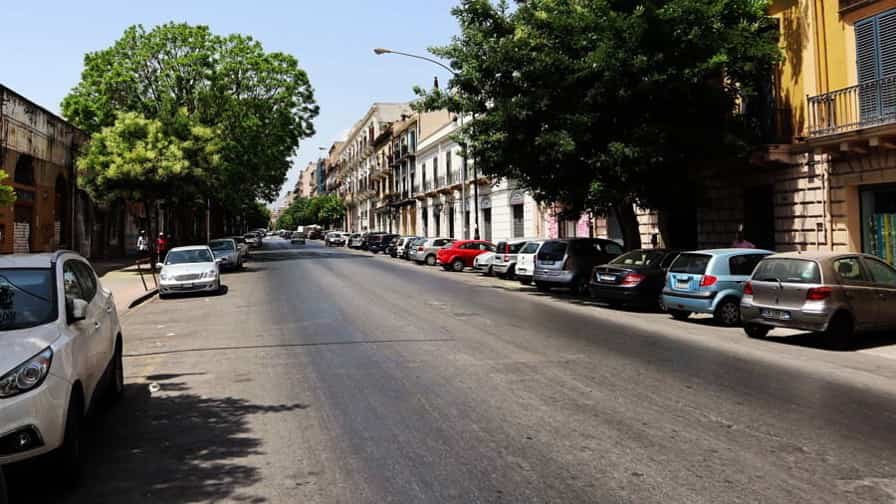
This walk explores one of the most elegant districts of Palermo, centred on Via della Libertà, a grand boulevard that reflects the city’s expansion during the late nineteenth and early twentieth centuries. Often compared to the great avenues of European capitals, this area is characterised by refined architecture, historic villas, green spaces, and lively cafés that showcase Palermo’s cosmopolitan character. The route begins at the Statua della Libertà and follows Via della Libertà, one of the city’s most prestigious streets. A brief detour along Via Vodige returns to the boulevard before reaching Piazza Alberico Gentili, an important urban square. Here visitors encounter the Fontana Della Ninfa, a notable decorative landmark that enhances the square’s elegant atmosphere. Continuing along Via Duca della Verdura, the walk enters the historic Giardino Inglese, a landscaped garden created in the nineteenth century and valued for its exotic plants, winding paths, and peaceful environment. The route also passes the Fontana Giardino Inglese before returning to Via della Libertà. Near the end of the walk stands the Statua di Francesco Crispi, dedicated to the prominent Sicilian statesman. Overall, the route offers a pleasant introduction to Palermo’s elegant modern quarter, combining monumental architecture, public art, and green spaces.
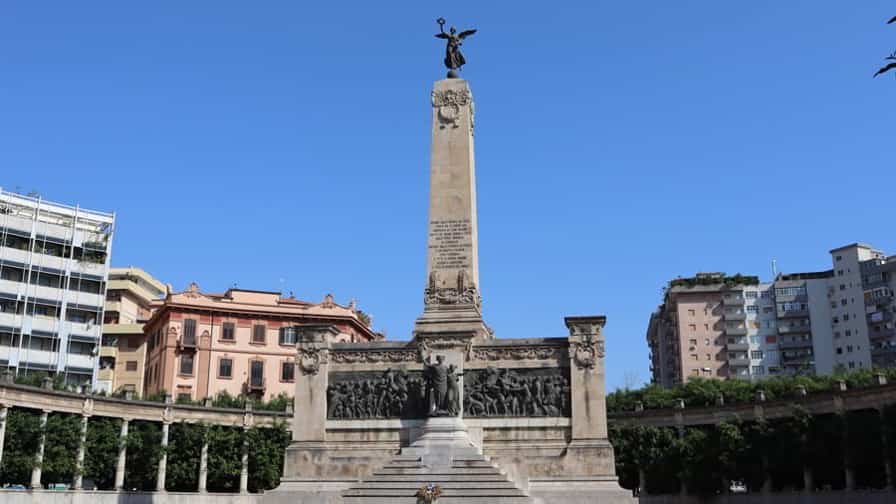
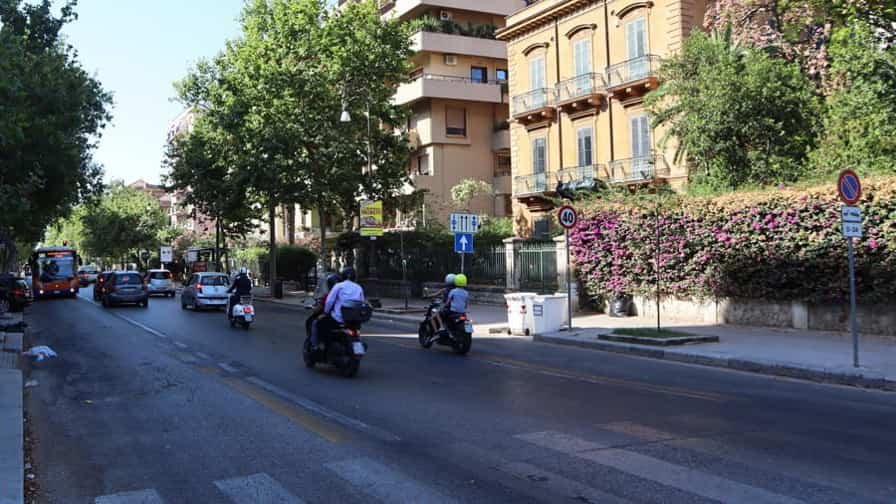
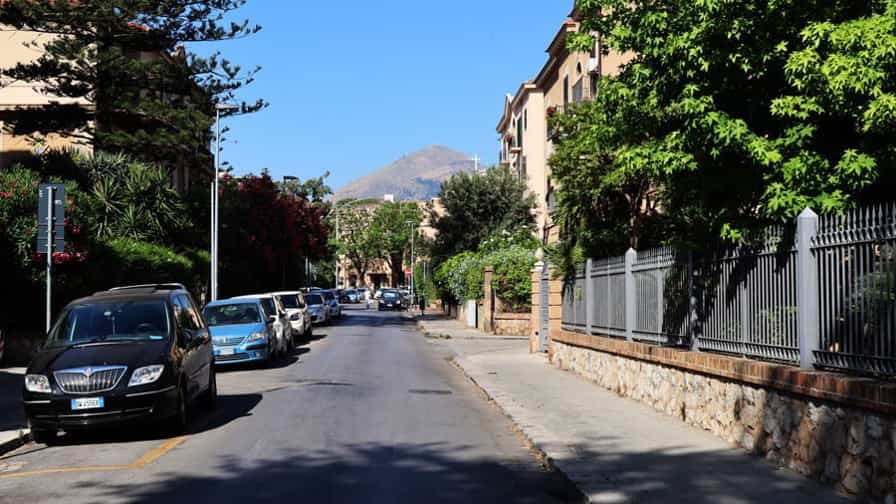
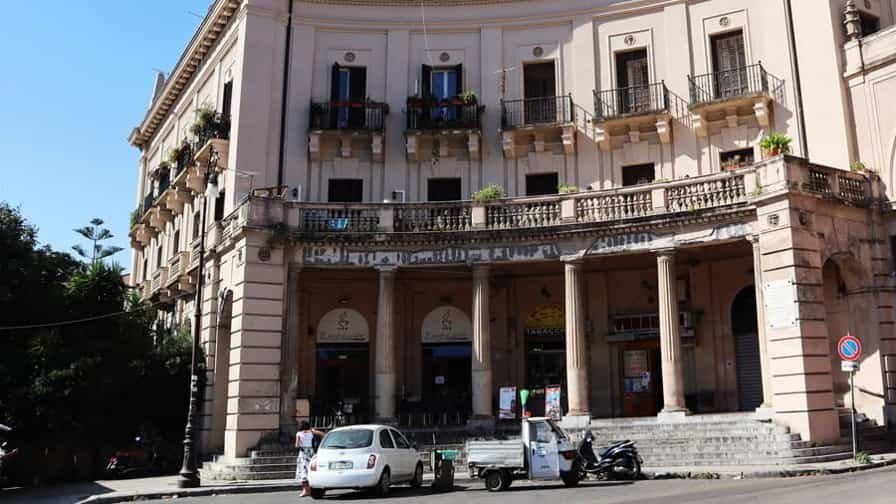
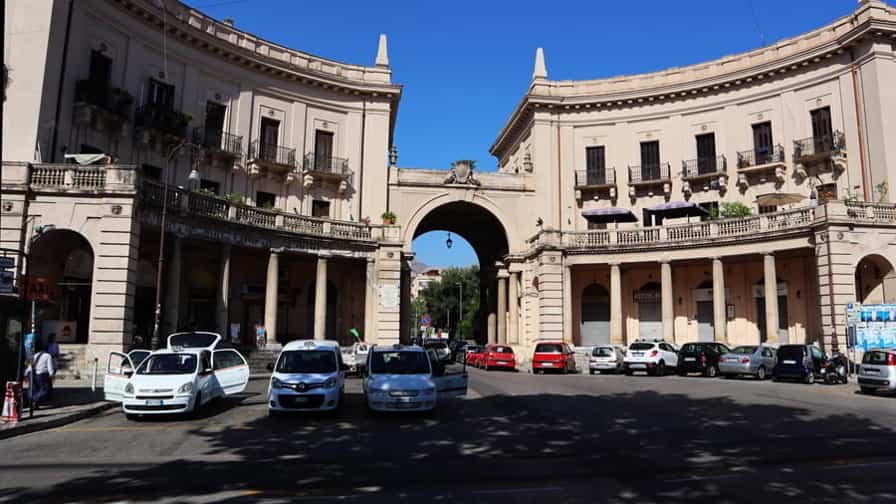
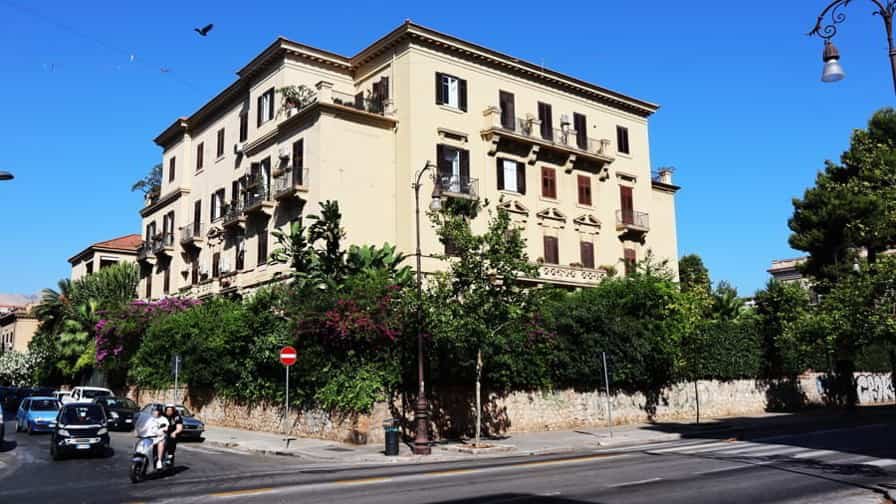
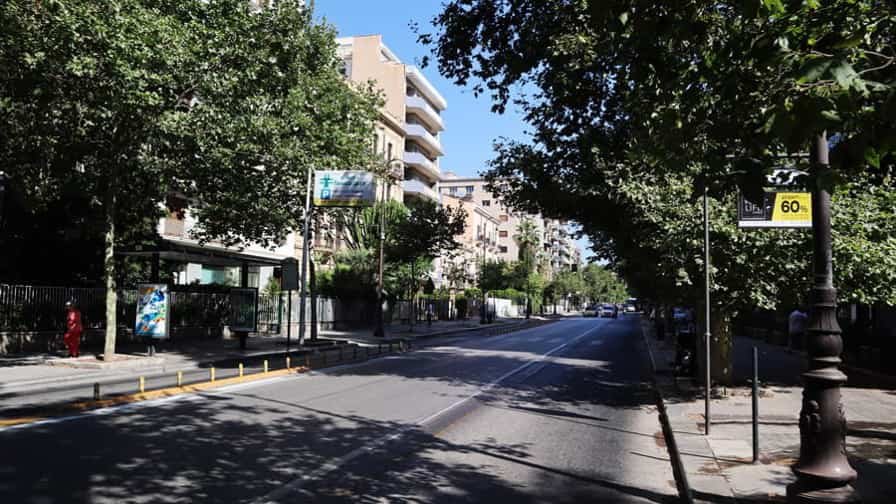
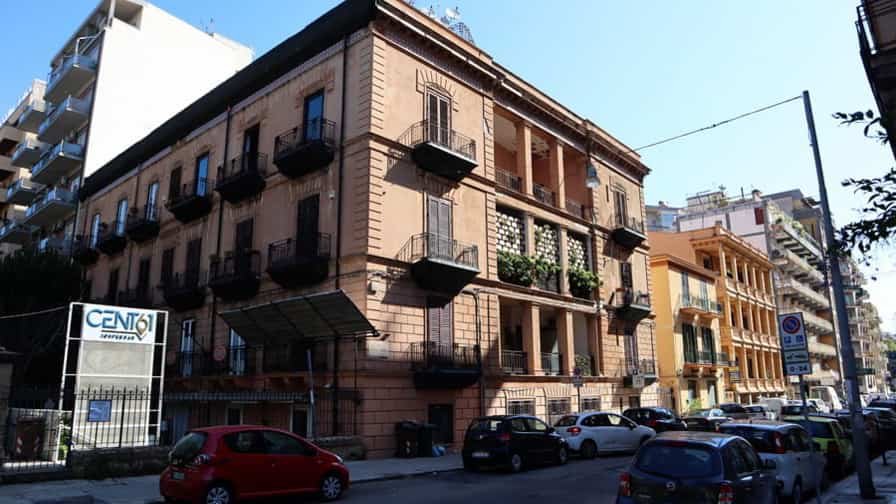

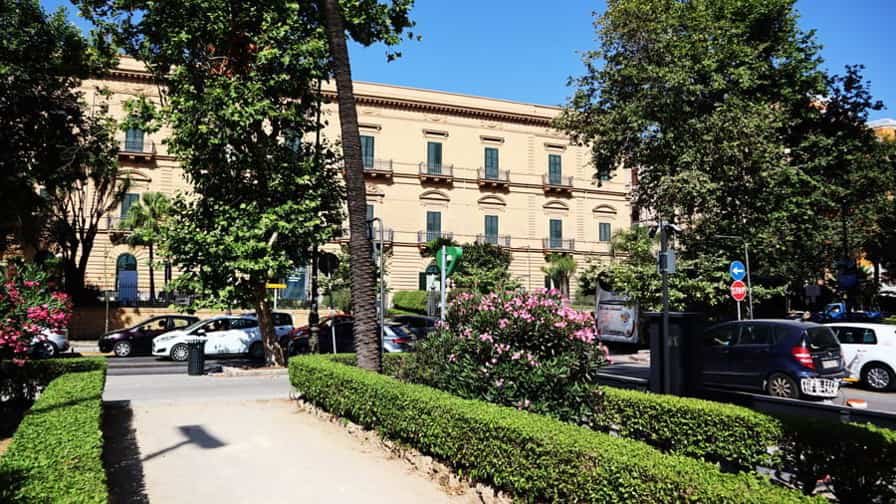
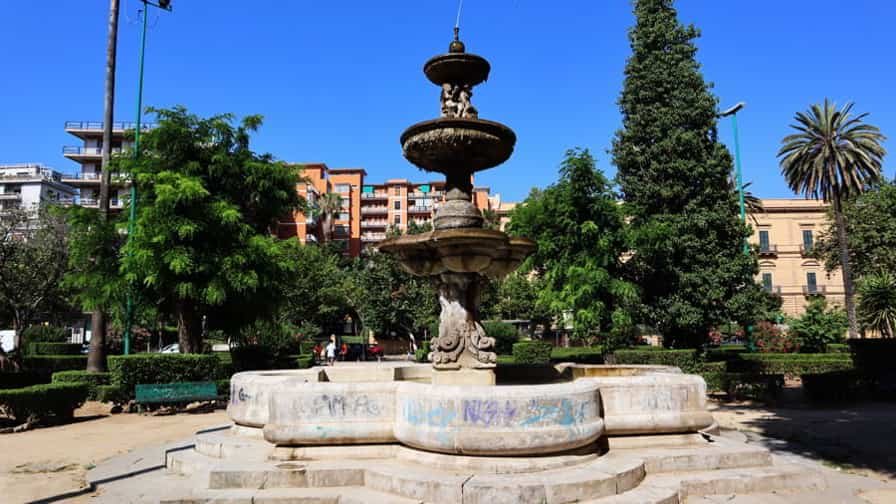
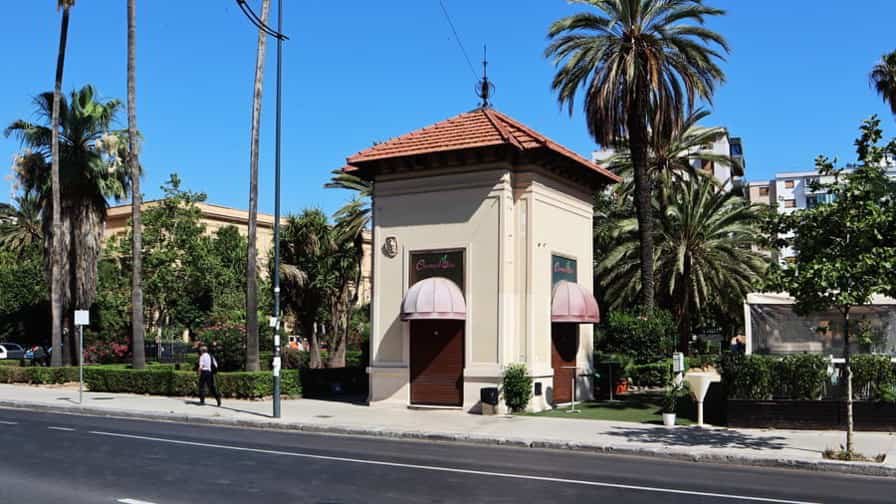
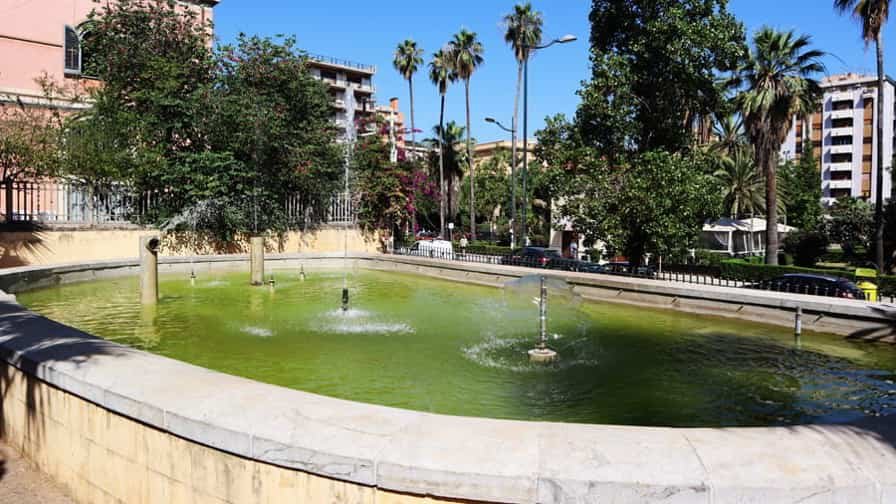
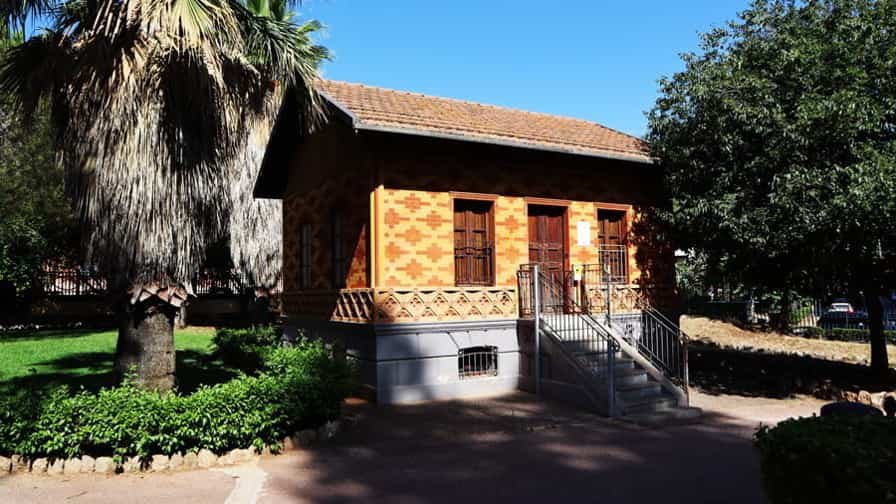

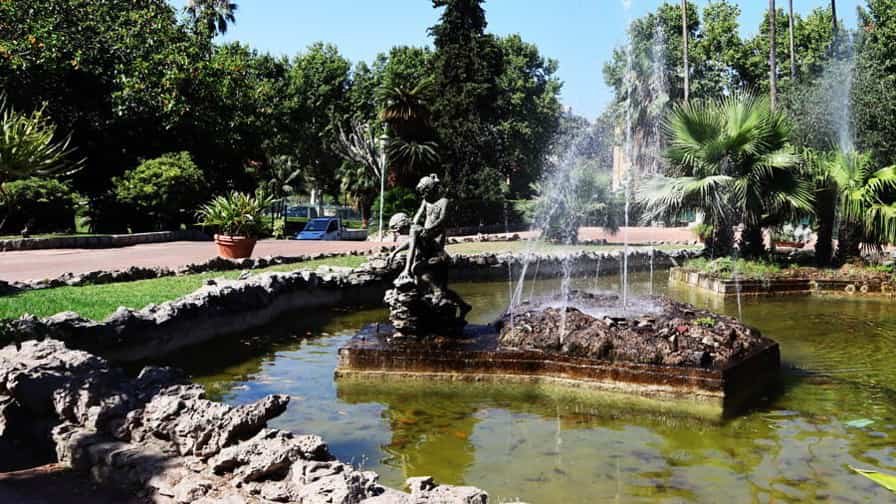
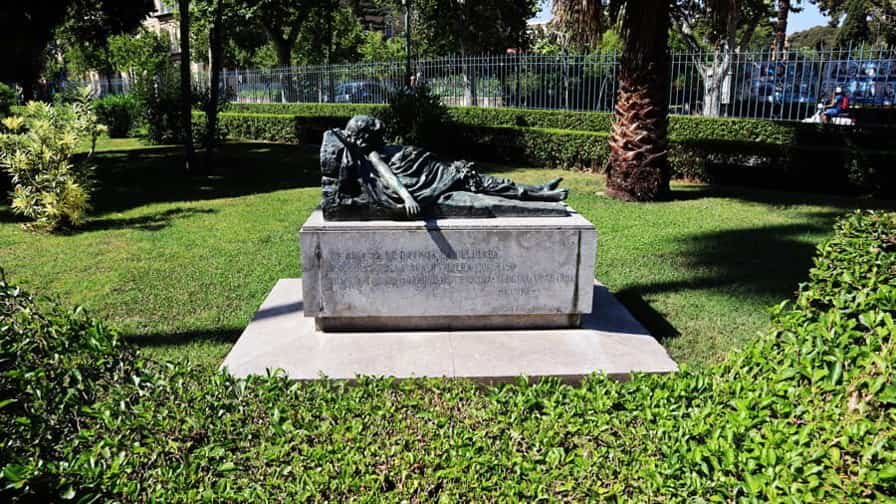
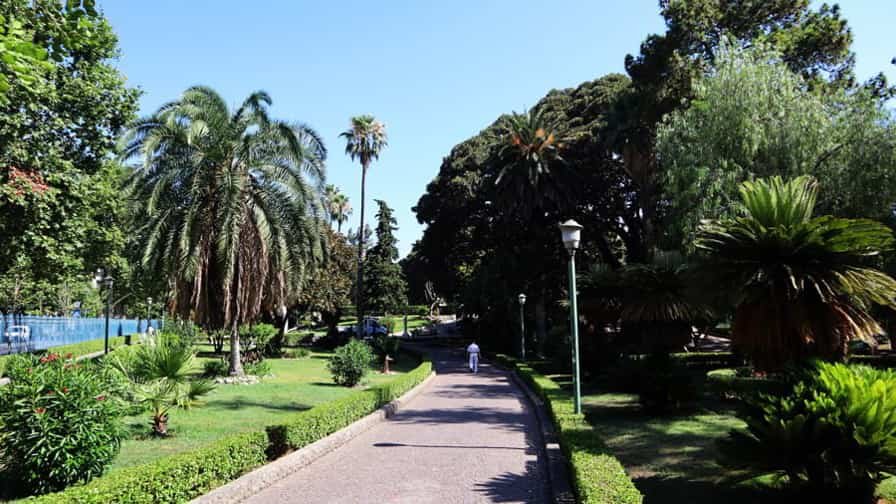
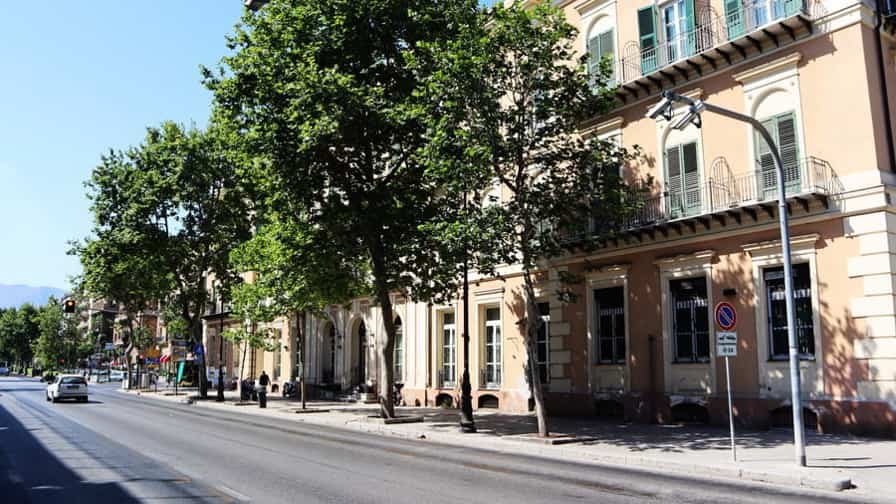
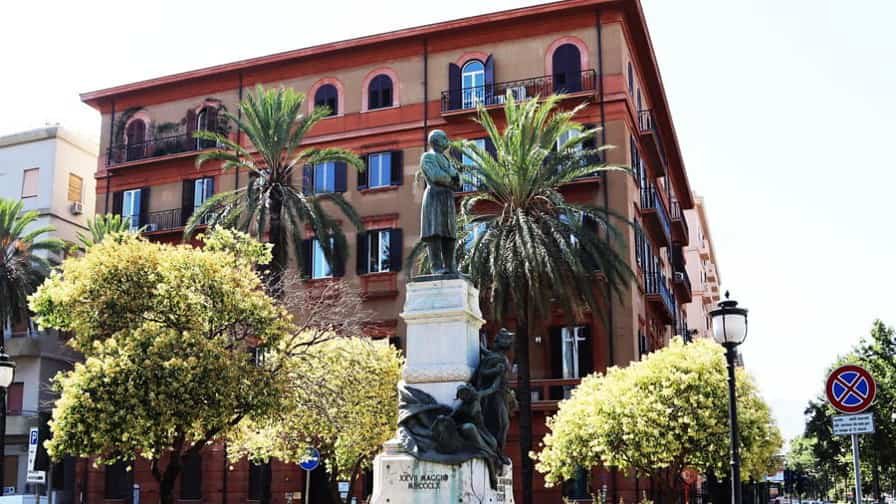
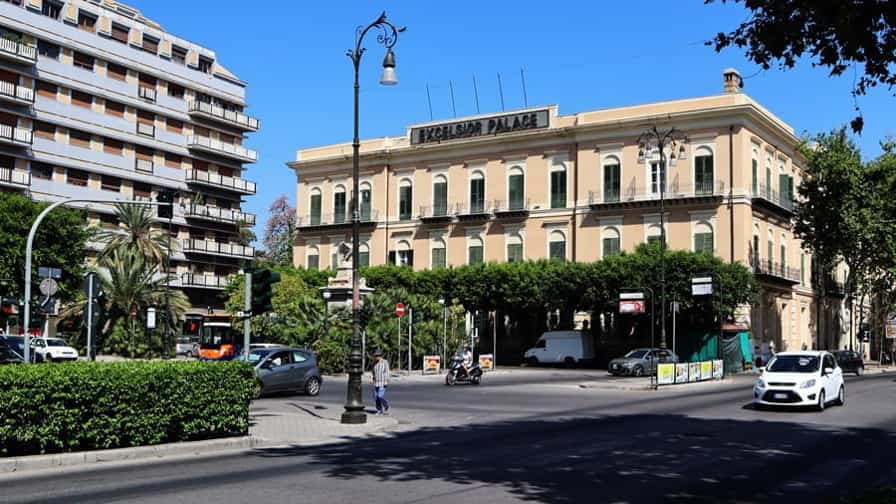
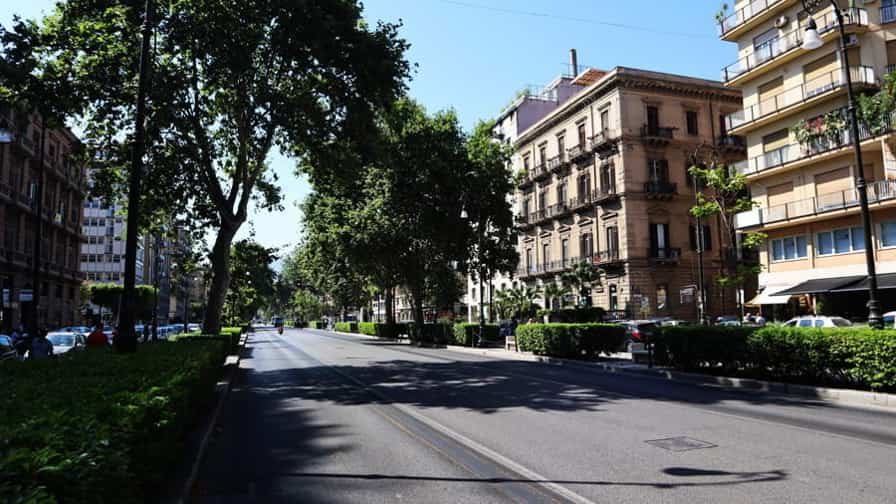
Photo Gallery of Walk 2 – Piazza Ruggiero Settimo to Chiesa di San Giuseppe dei Padri Teatini, Via Vittorio Emanuele
Approximately 1.33 km – 0.83 miles
Description of Walk 2
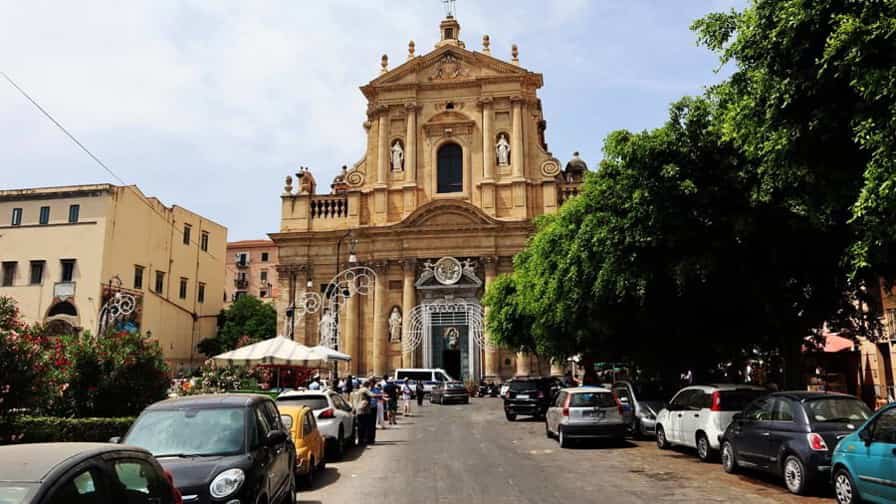
This walk explores the vibrant historic centre of Palermo, a city where centuries of Arab, Norman, Spanish, and Italian influences have created a unique cultural and architectural landscape. The route passes through some of Palermo’s most famous squares, streets, and monuments, offering an excellent introduction to the city’s rich heritage. The walk begins in Piazza Ruggiero Settimo and continues to Piazza Castelnuovo, home to the elegant Palchetto della Musica. From here, Via Ruggero Settimo leads toward Piazza Verdi, dominated by the magnificent Teatro Massimo, one of the largest opera houses in Europe and a symbol of the city’s cultural life. The route then follows Via Maqueda, one of Palermo’s principal historic streets, passing through lively areas lined with shops, cafés, and historic buildings. Short detours along Via Bara all’Olivella, Via Orologio, Via Alessandro Scarlatti, Via Bandiera, and Via Sant’Agostino reveal the character of the surrounding neighbourhoods and their bustling atmosphere. The walk concludes at the famous Quattro Canti, the symbolic crossroads of the historic centre, before reaching the beautiful Chiesa di San Giuseppe dei Padri Teatini on Via Vittorio Emanuele. Together, these landmarks showcase Palermo’s extraordinary artistic, architectural, and cultural heritage.
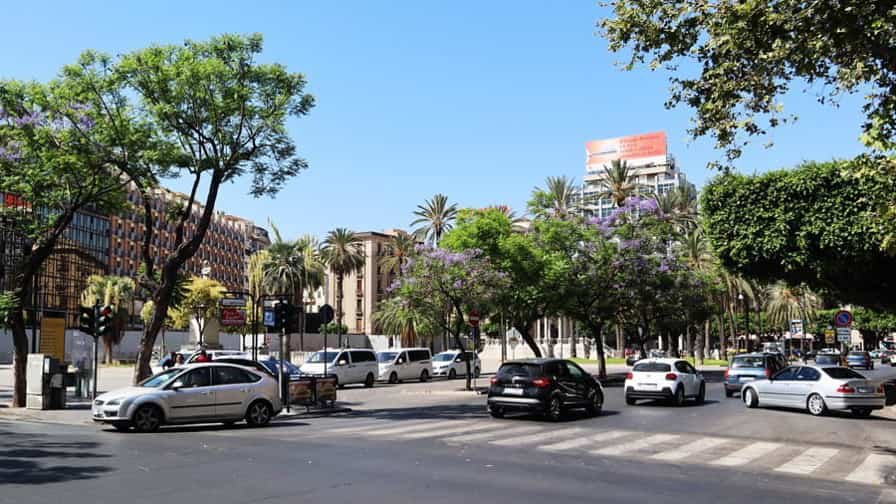
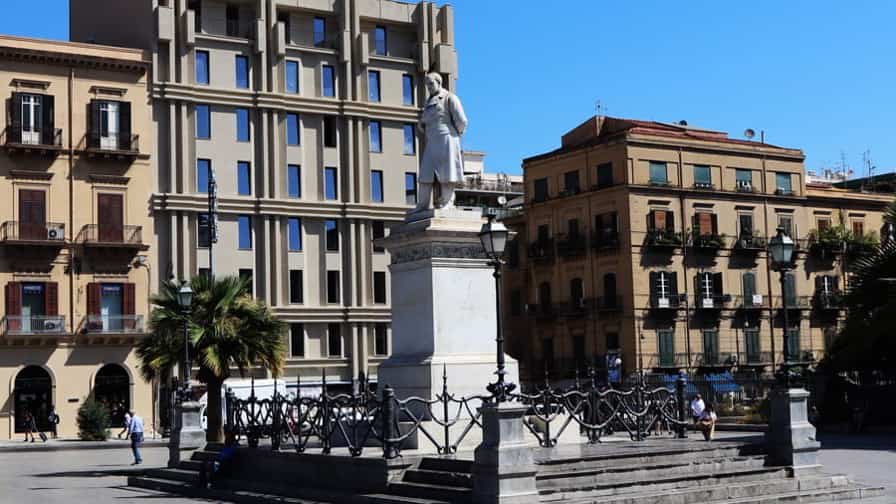
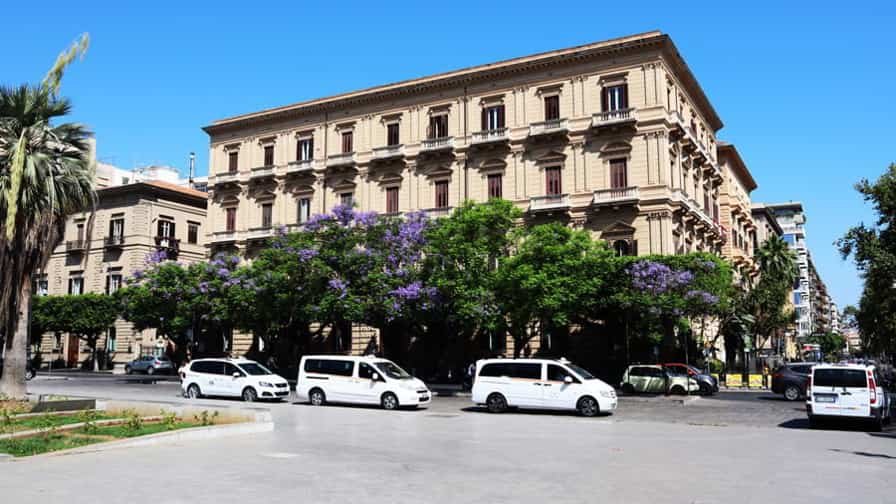
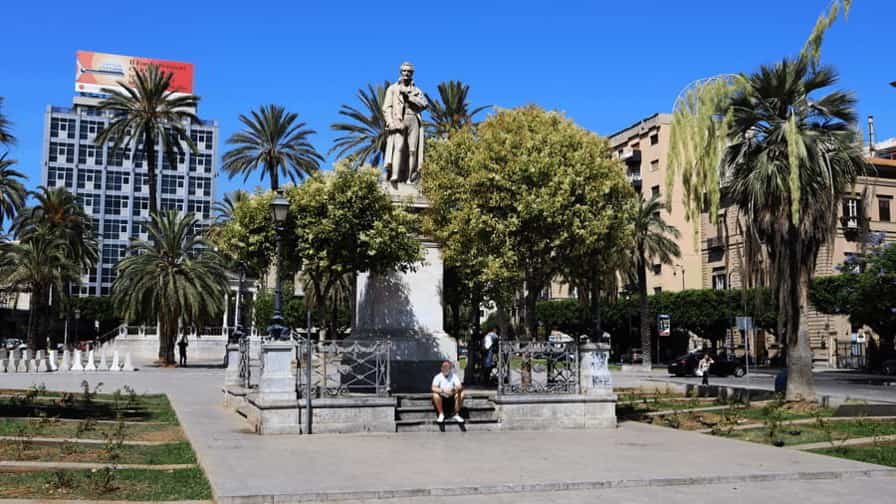
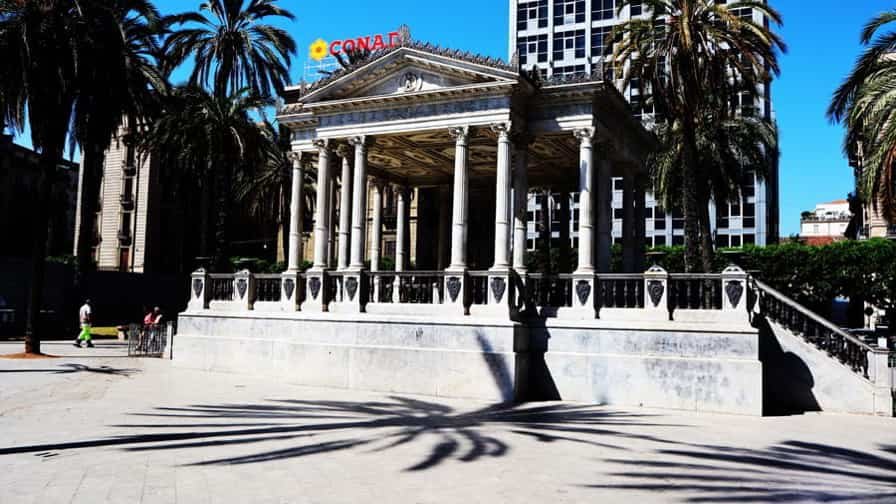
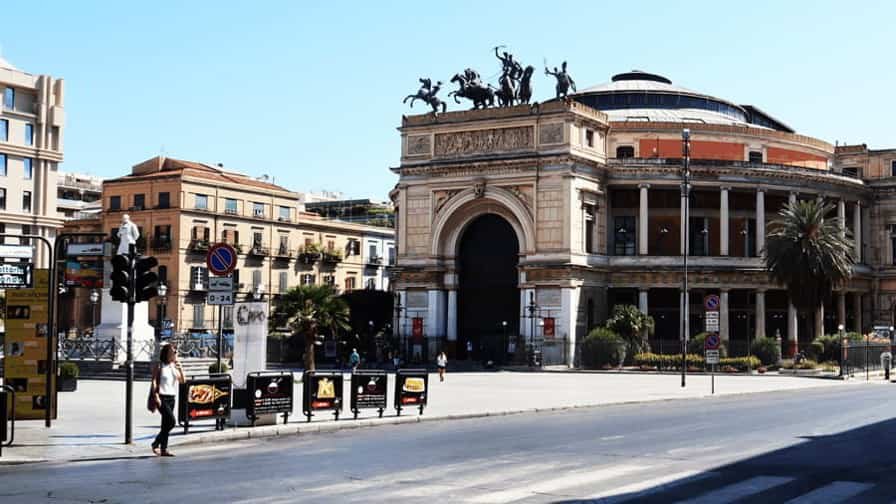
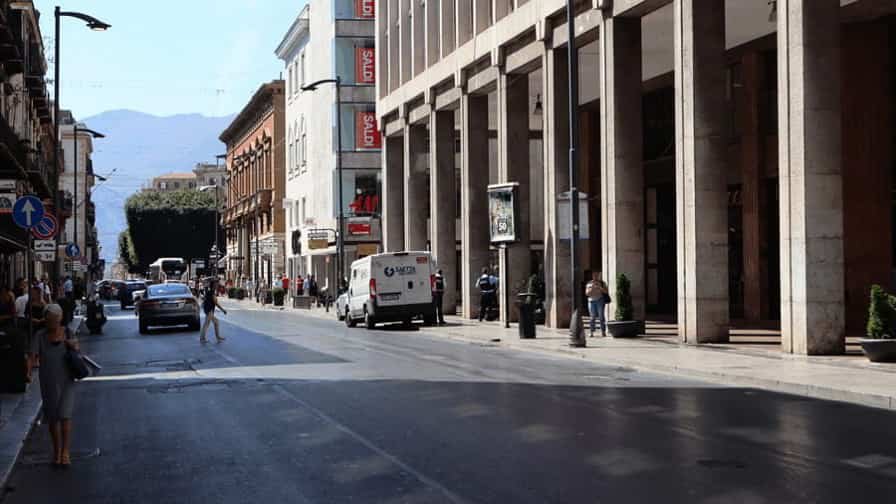
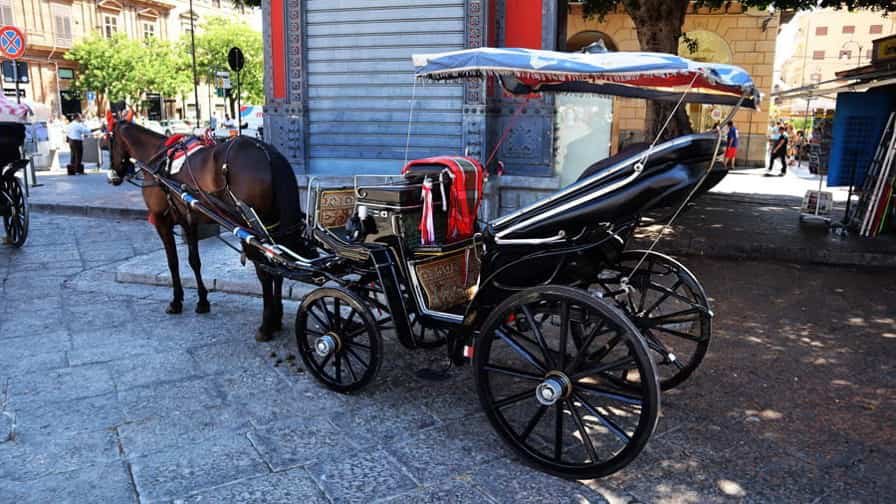
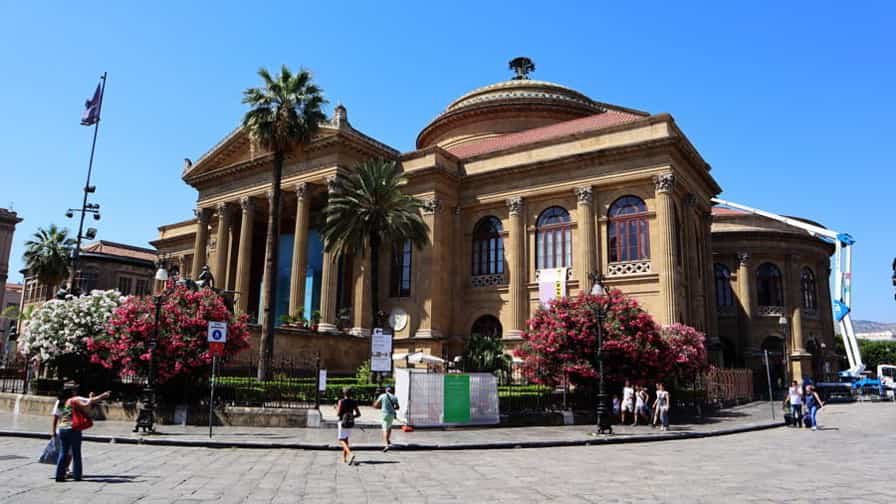
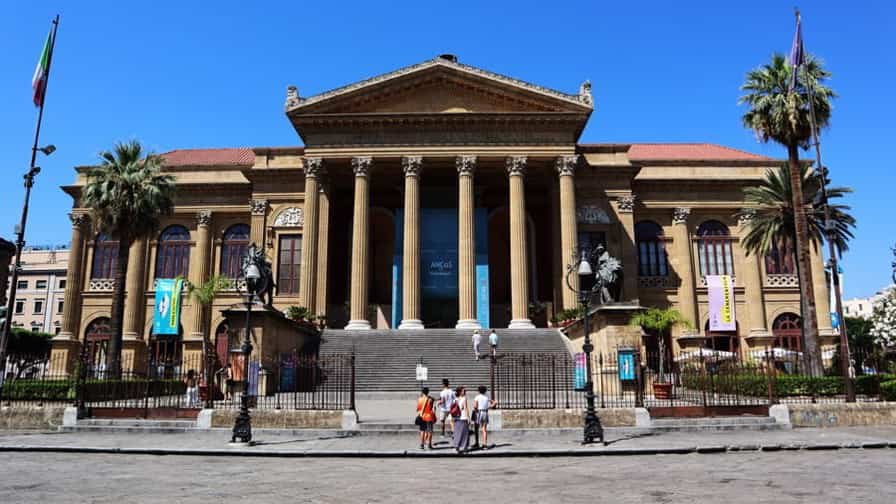
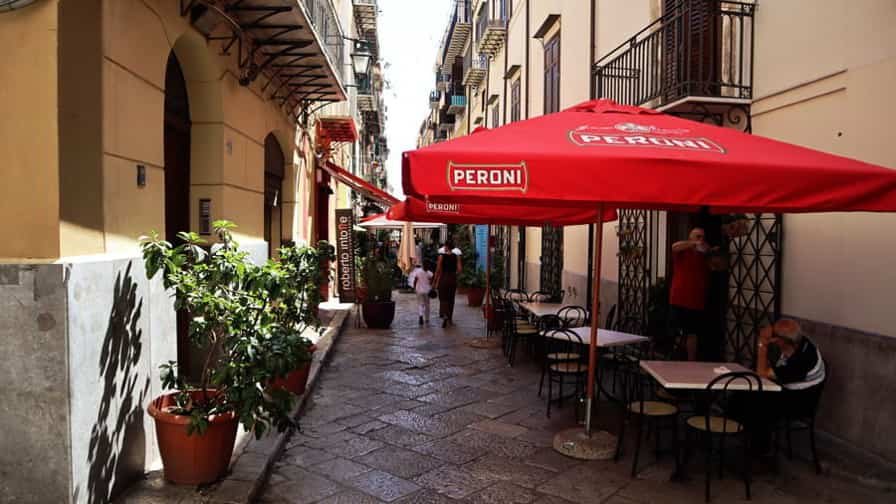
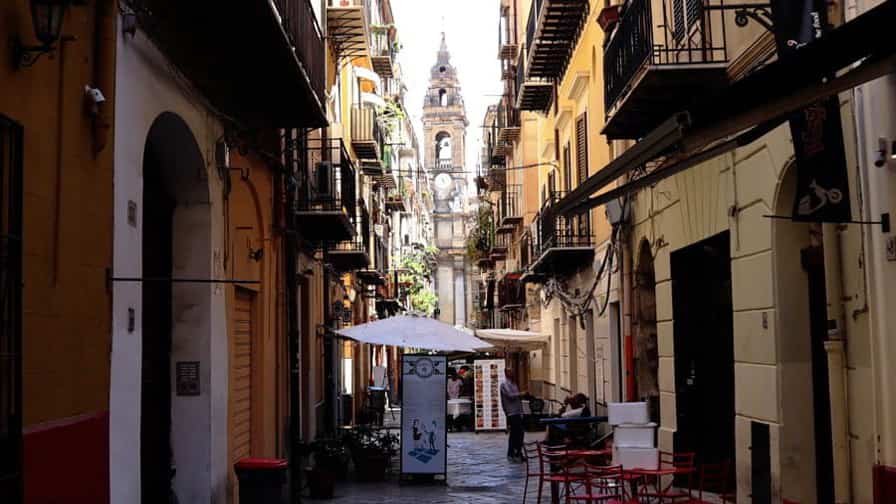
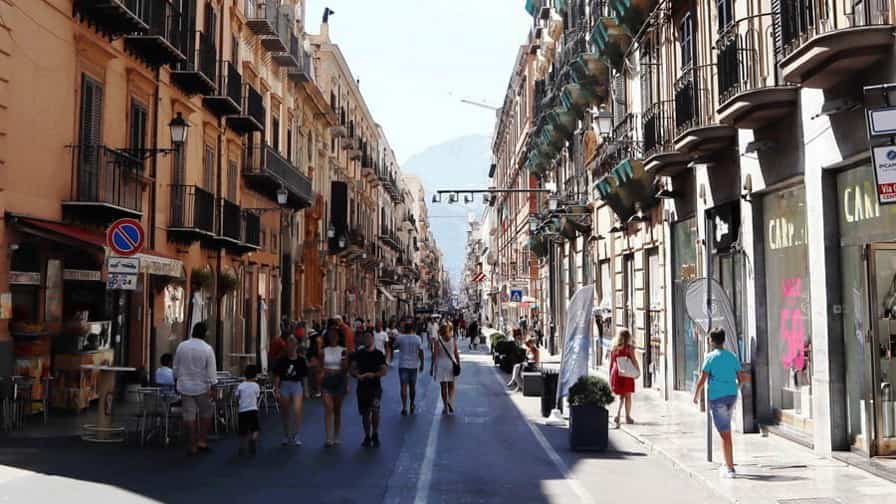
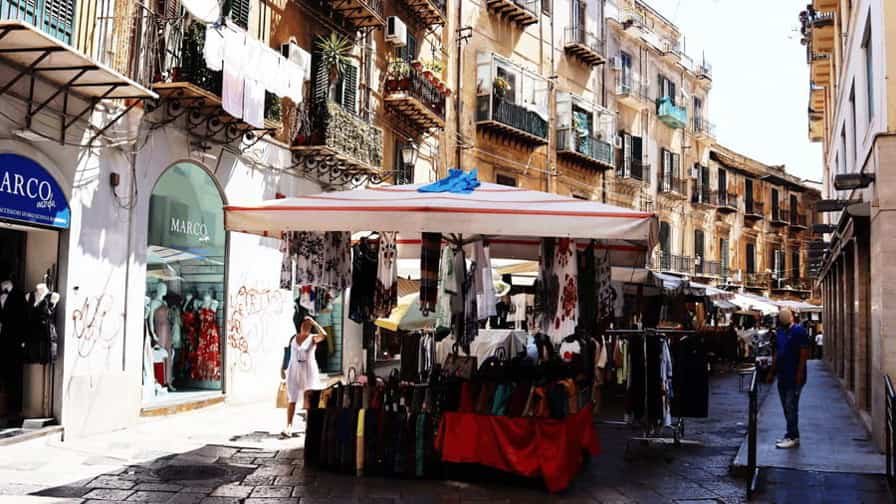
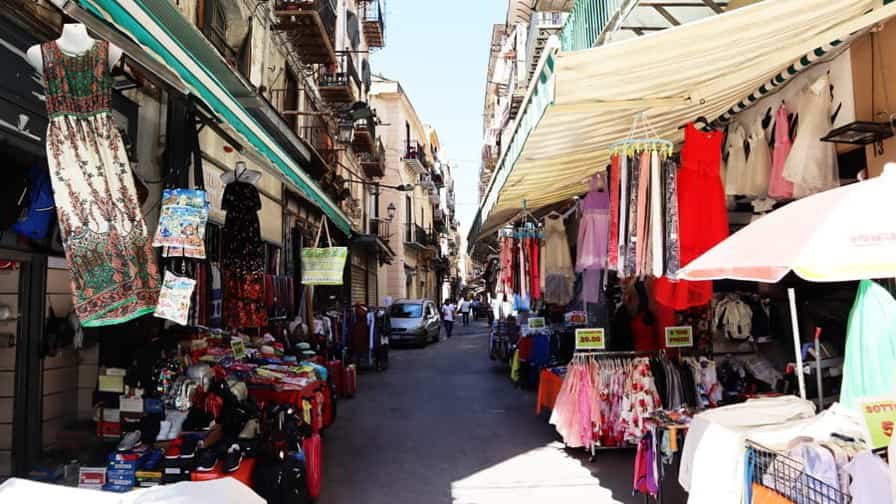
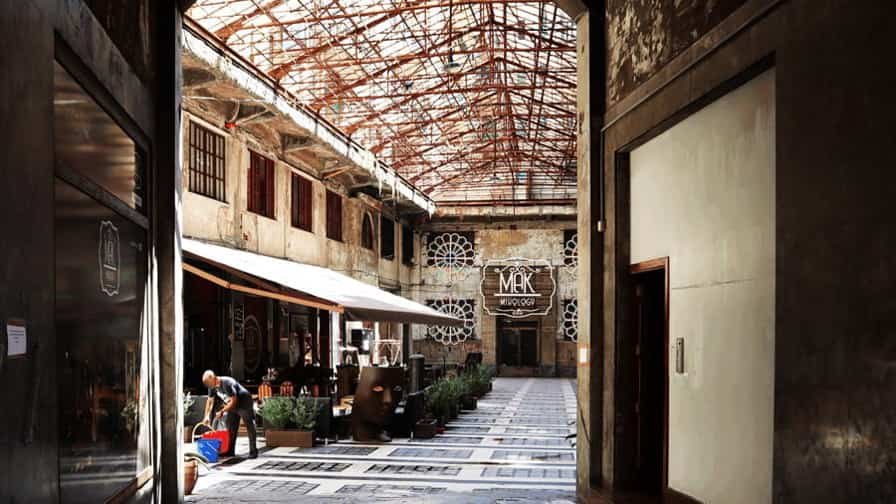
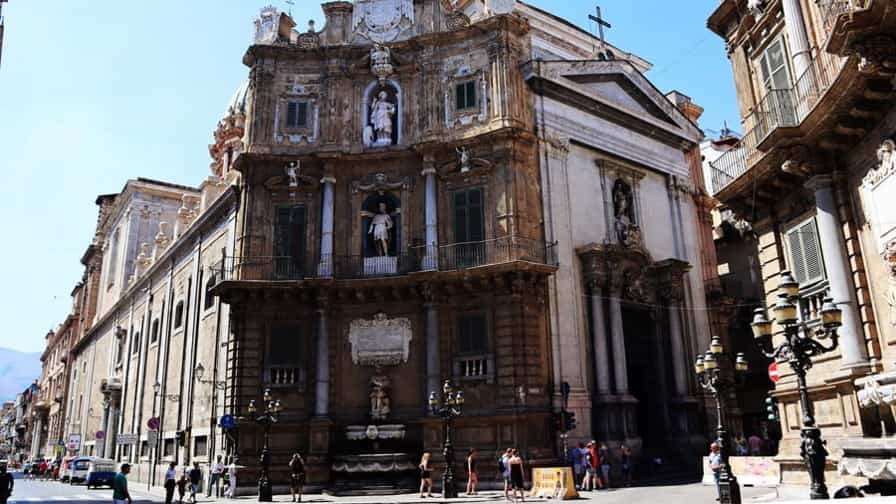
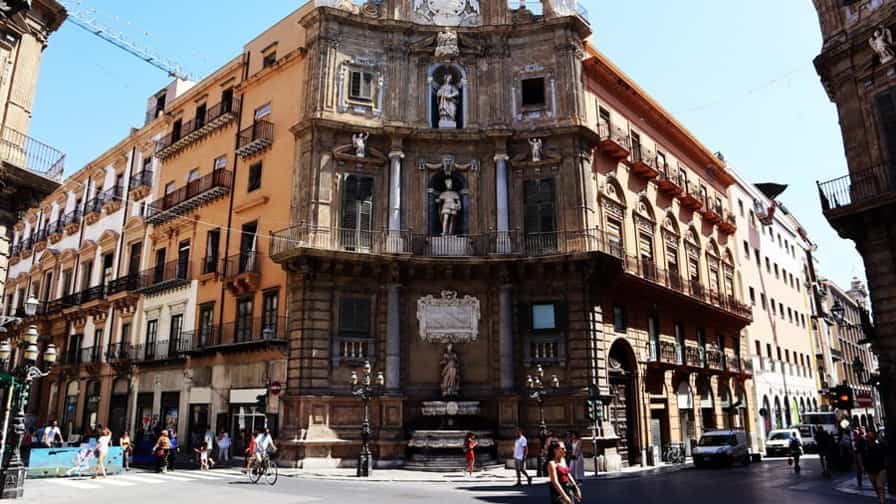
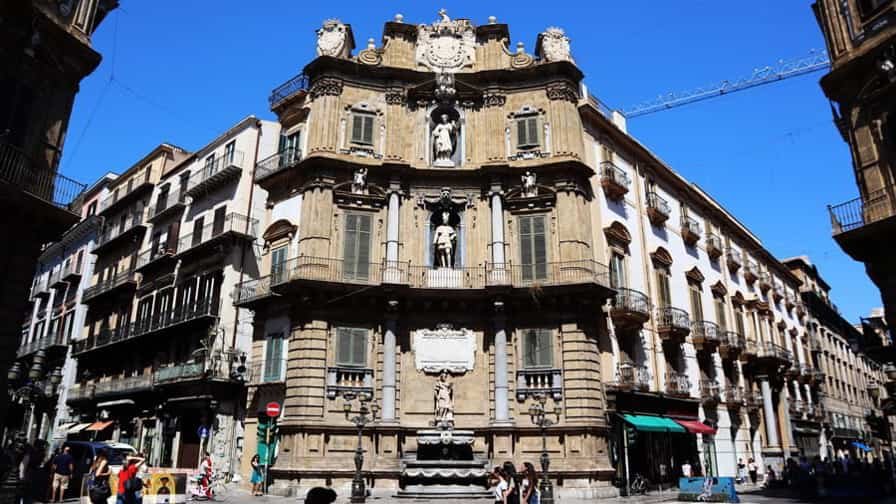
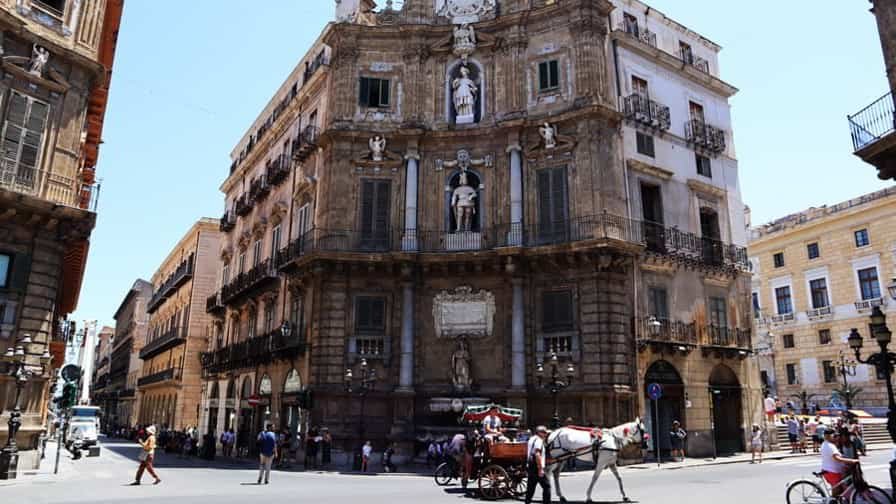
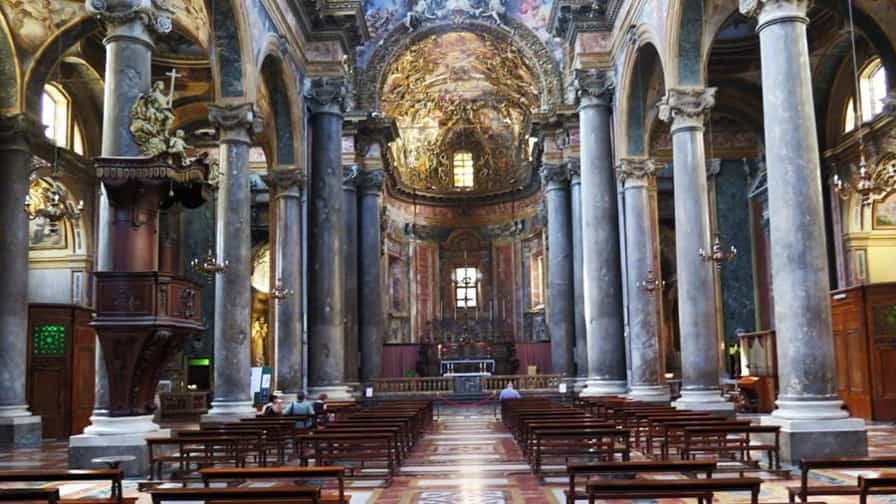
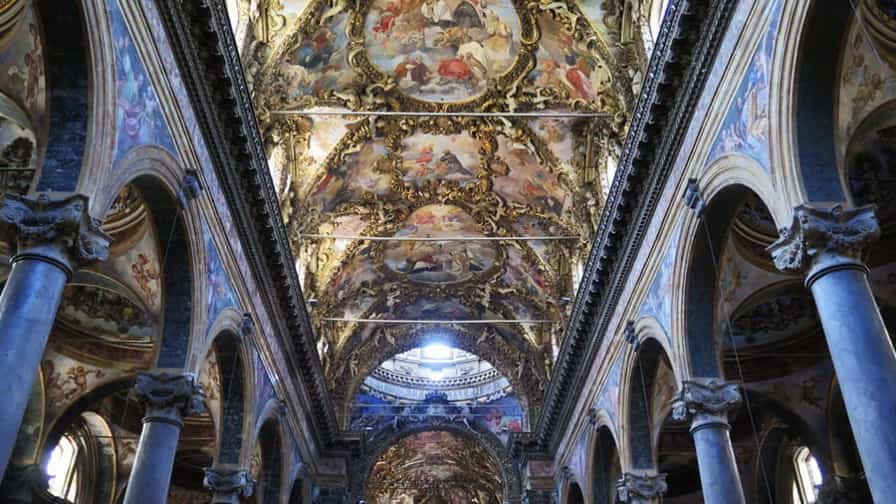
Photo Gallery of Walk 3 – Fontana Pretoria, Piazza Pretoria to Porta Nuova
Approximately 1.84 km – 1.14 miles
Description of Walk 3
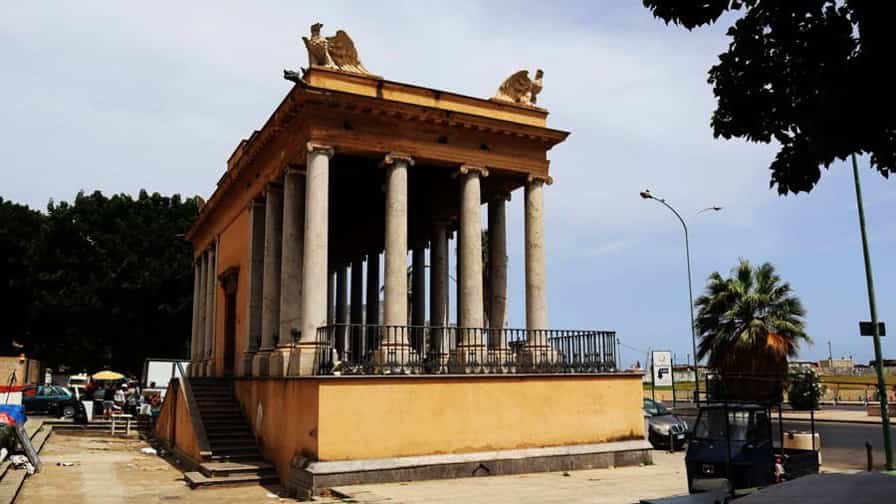
This walk explores the monumental heart of Palermo, following one of the city’s most historic axes and showcasing landmarks that reflect its rich and multicultural past. From Norman rulers to Spanish governors, many of Palermo’s most important monuments are concentrated along this route. The walk begins at the magnificent Fontana Pretoria in Piazza Pretoria, renowned for its elaborate Renaissance sculptures. Continuing along Via Vittorio Emanuele, one of the city’s oldest and most significant streets, the route reaches Piazza Bologni, an elegant square surrounded by historic palaces. Proceeding further, visitors arrive at the impressive Cattedrale di Palermo, a masterpiece that combines Norman, Gothic, Baroque, and Neoclassical elements, reflecting the diverse cultures that shaped the city. The walk then continues through Piazza Sett’Angeli and nearby historic streets, including Via Simone di Bologna, Via Pietro Novelli, and Via Matteo Bonello. Returning to Via Vittorio Emanuele, the route reaches Piazza della Vittoria and Piazza del Parlamento, the centre of Palermo’s Norman district. Here stands the elegant Teatro Marmoreo. The walk concludes at the monumental Porta Nuova, a grand gateway that marks the entrance to the city’s historic core and symbolises Palermo’s centuries of history.
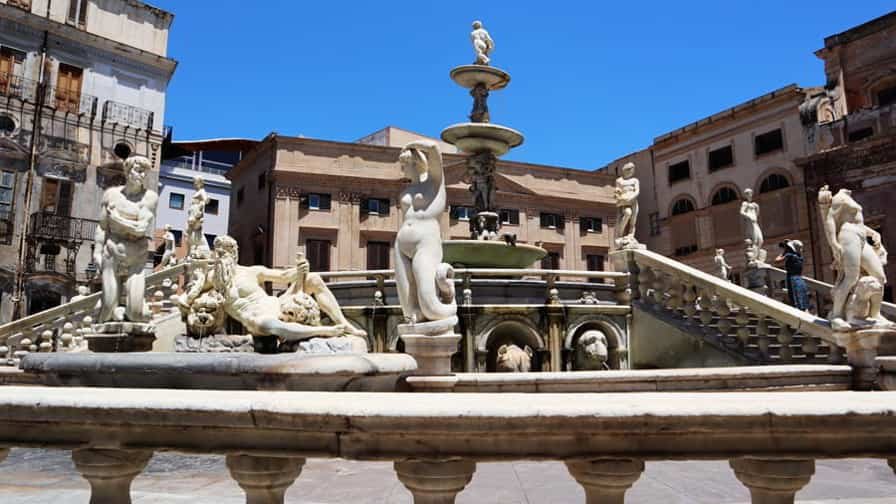

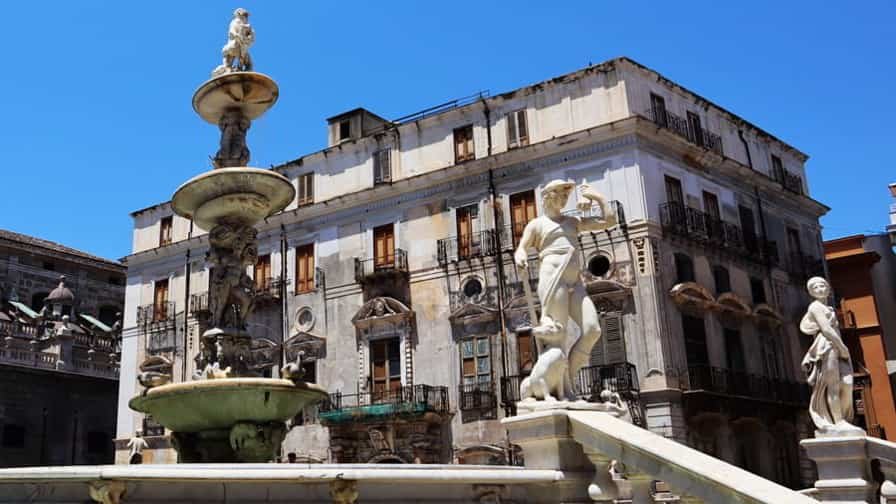
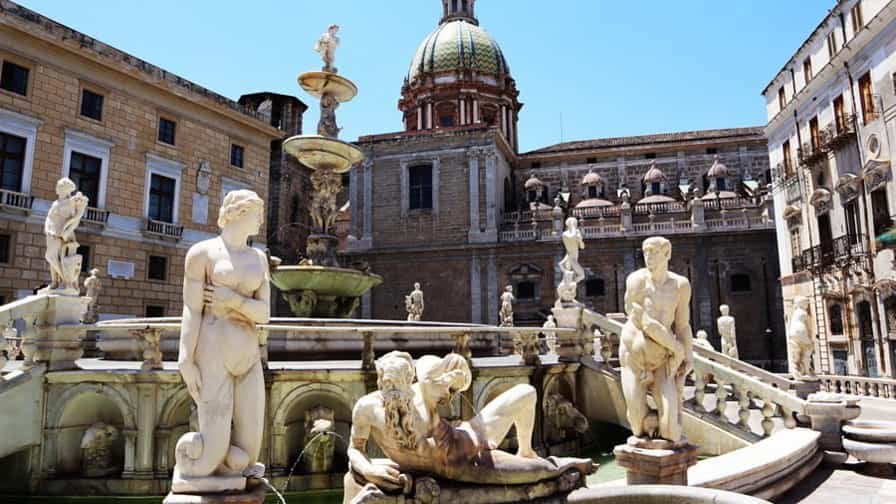
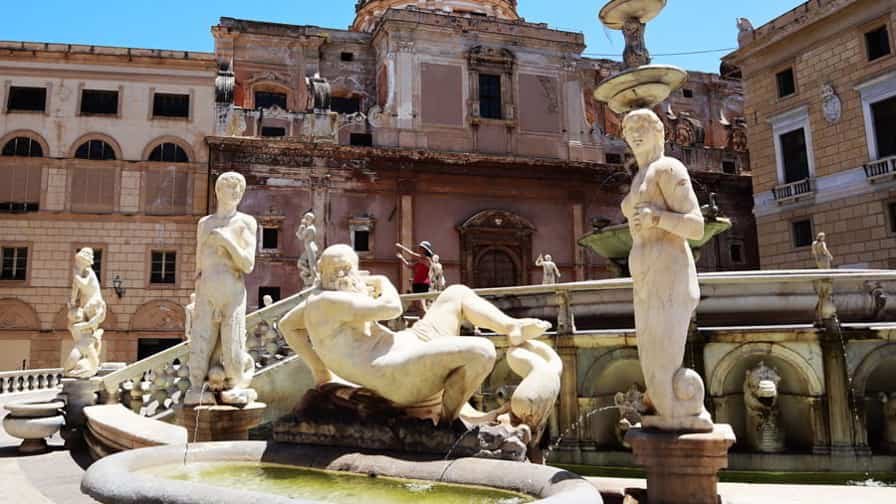
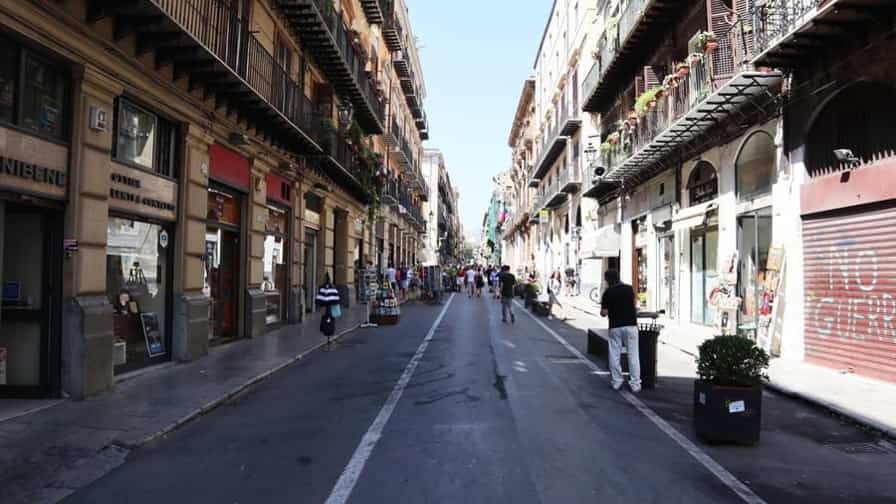
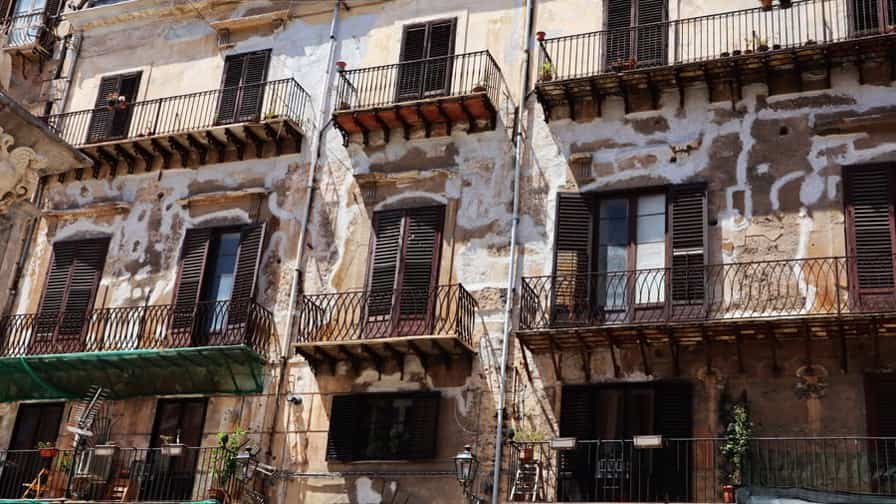
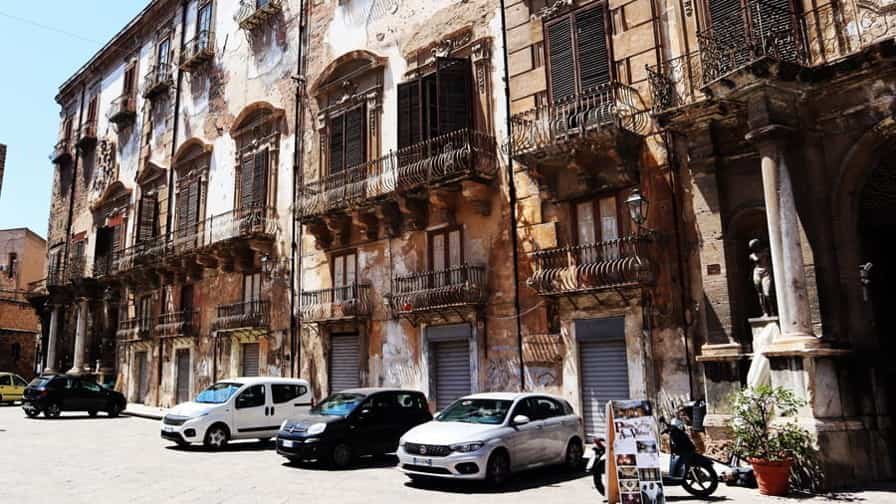
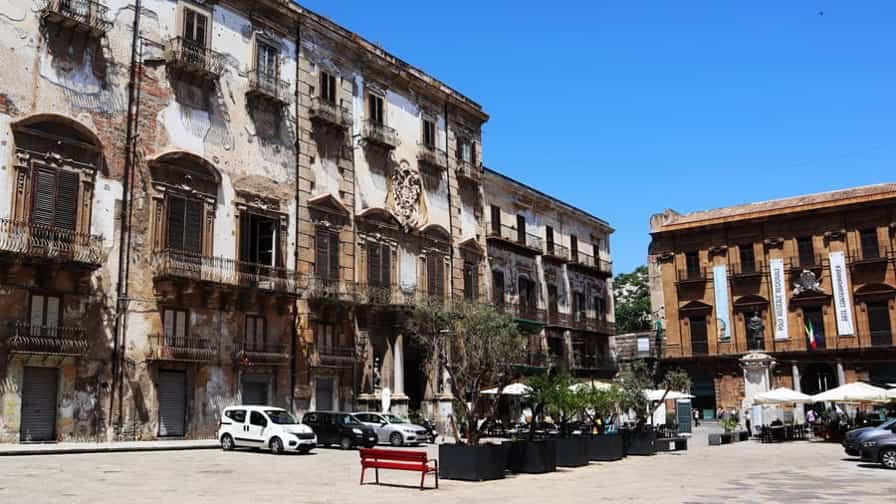
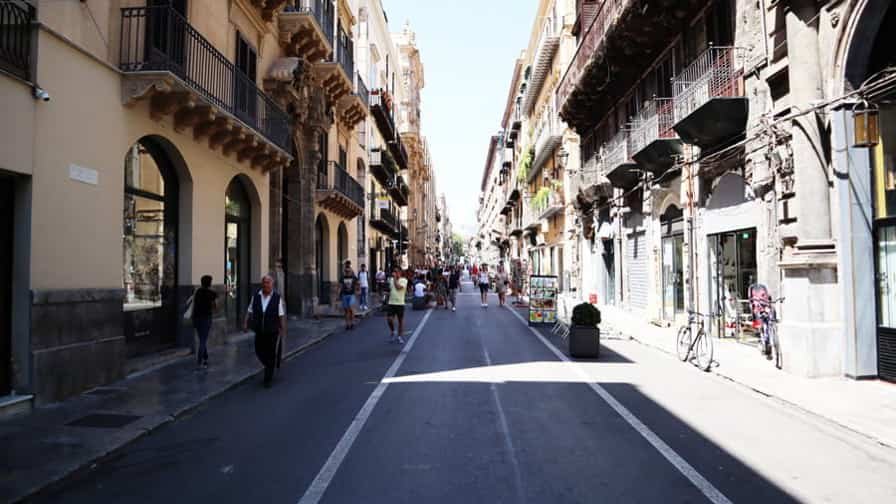
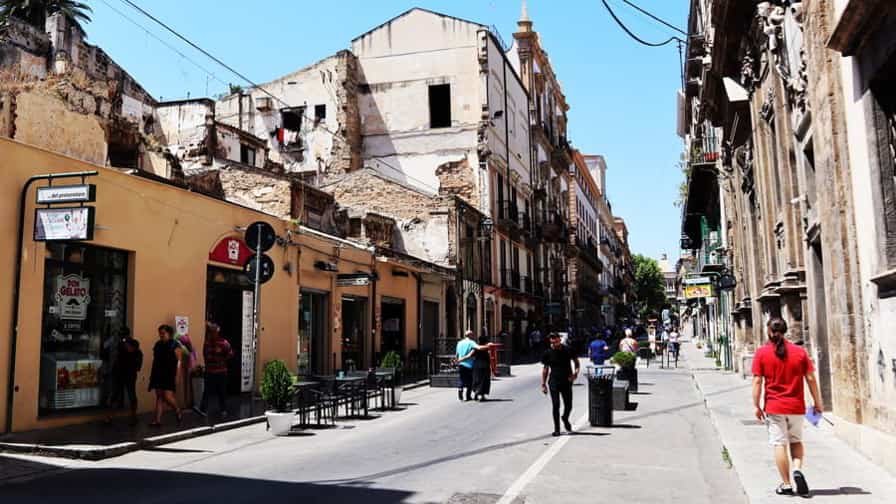
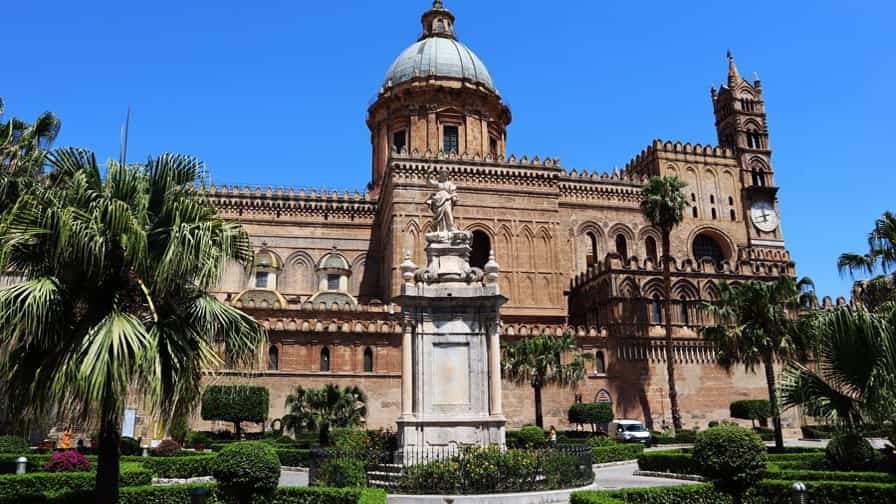
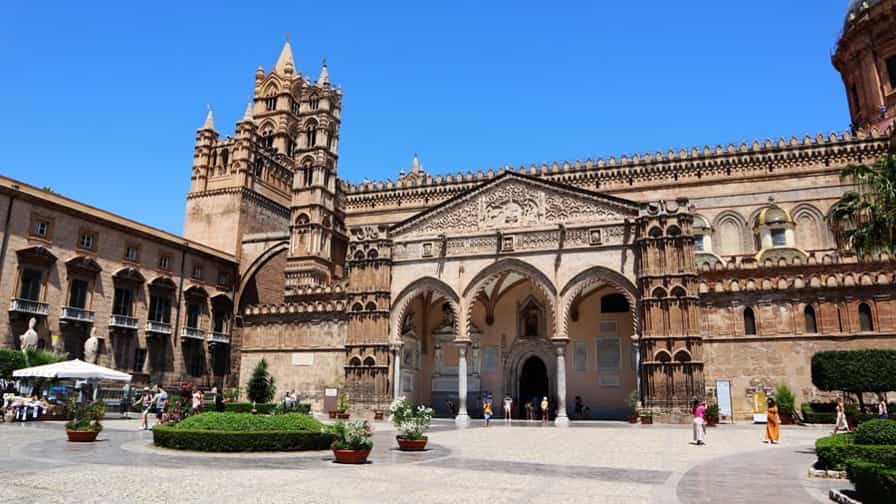
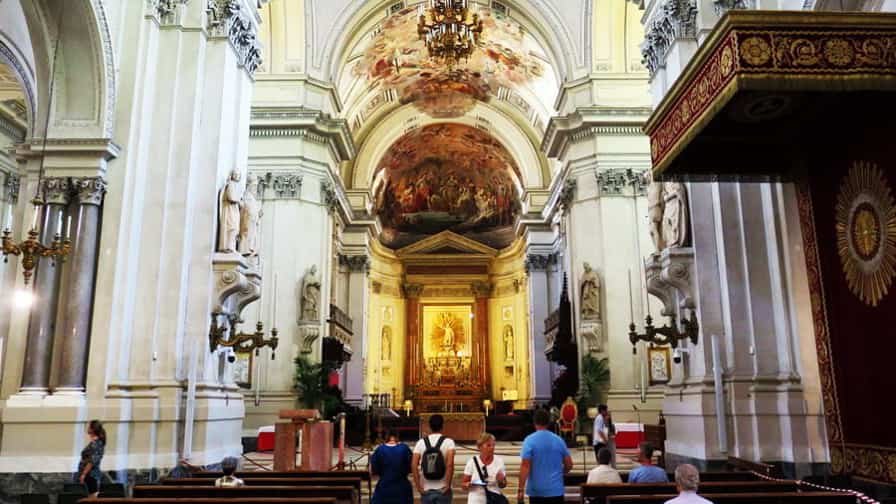
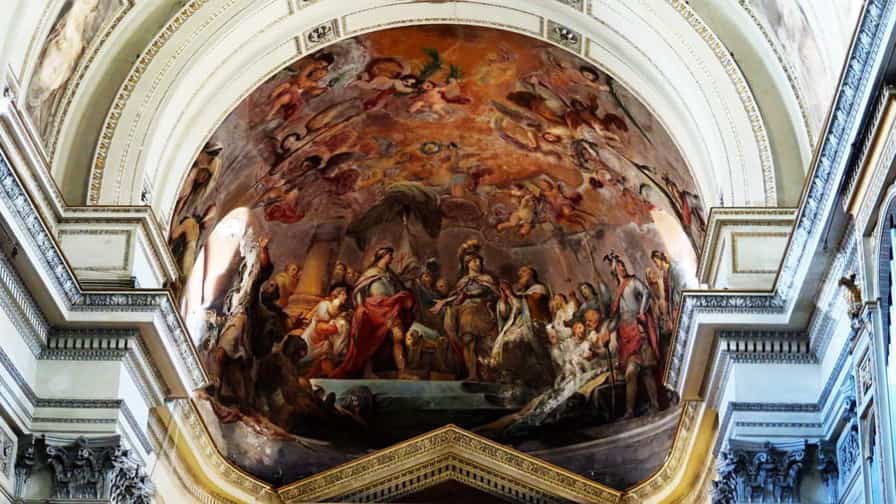
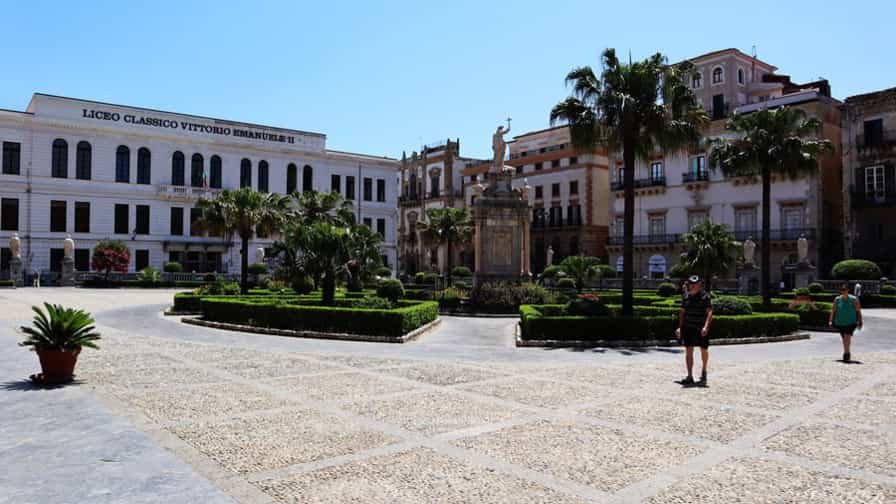
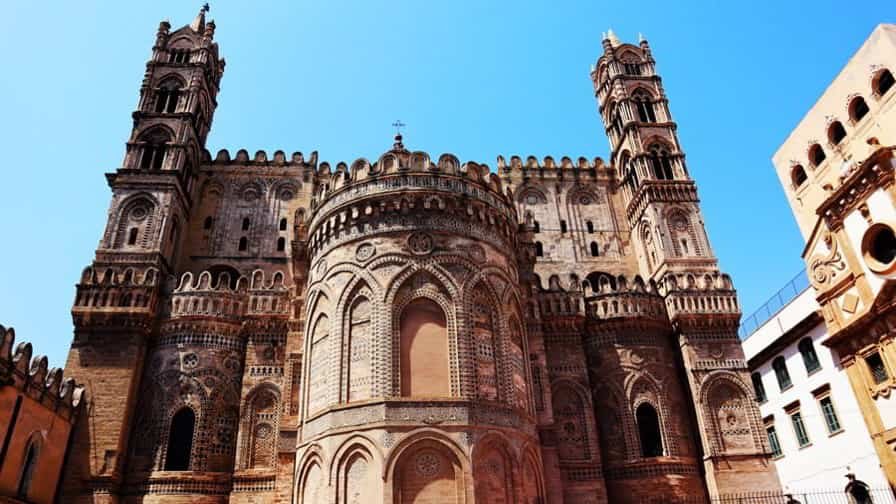
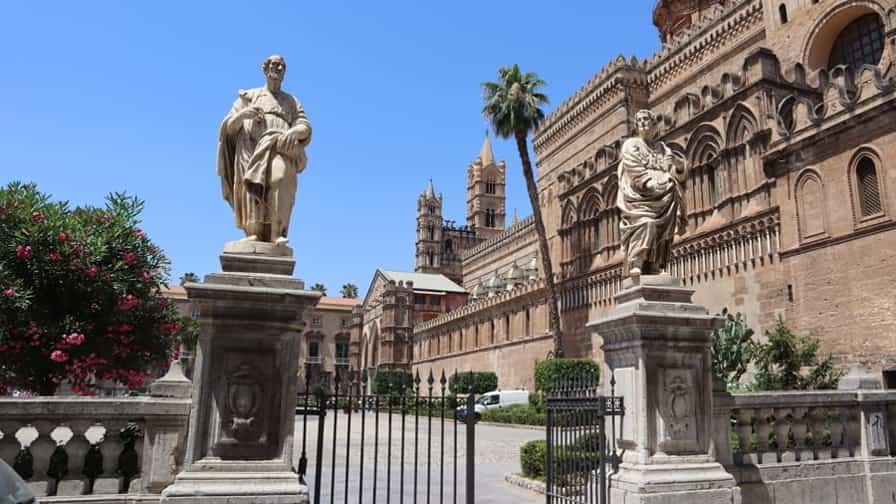
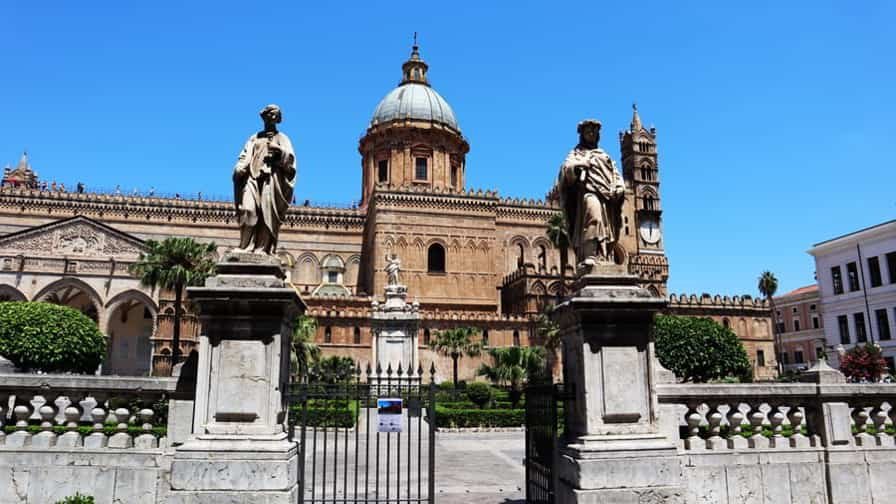
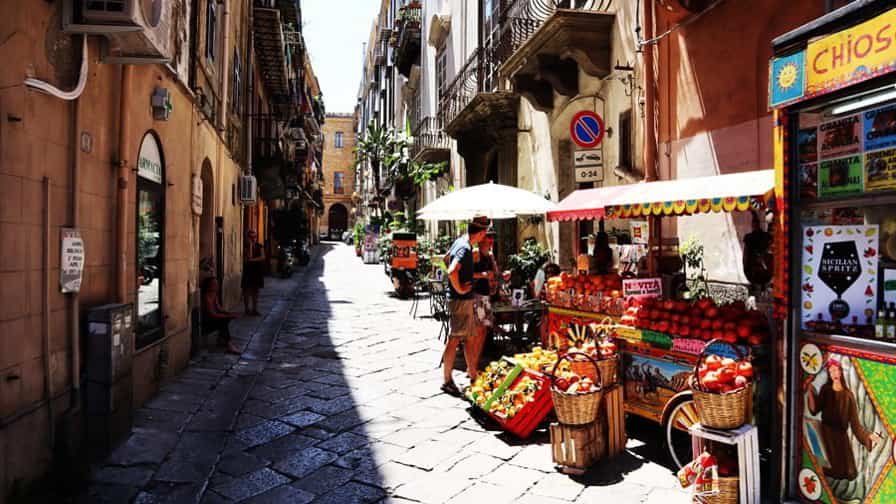
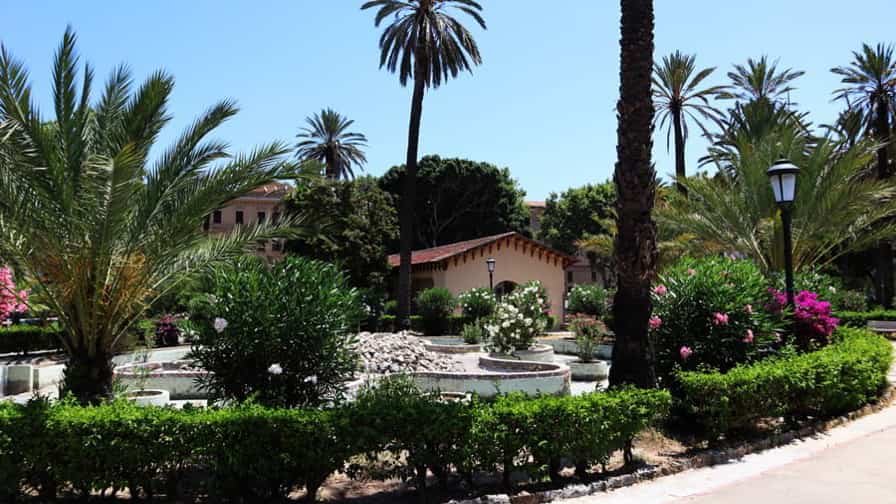

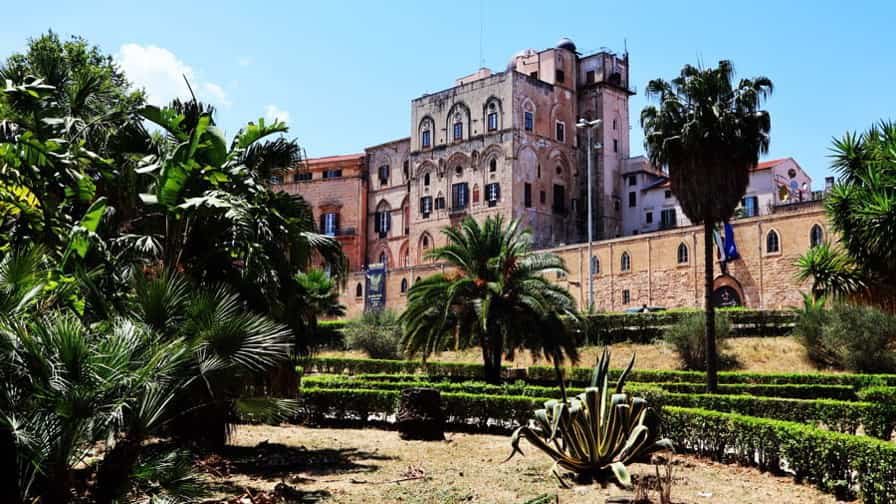
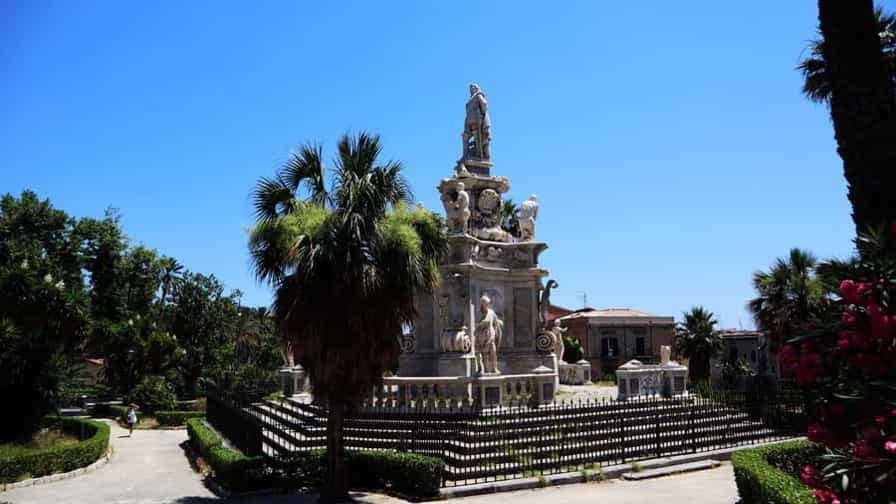
Photo Gallery of Walk 4 – Via Duca della Verdura to Porta Felice, Foro Italico Umberto I
Approximately 3.49 km – 2.17 miles
Description of Walk 4
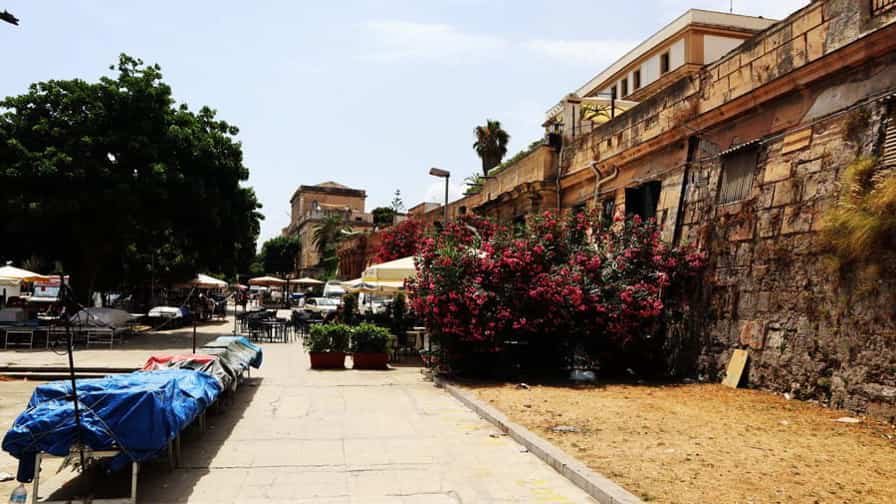
This walk explores the historic waterfront and maritime districts of Palermo, revealing a fascinating blend of noble residences, bustling markets, ancient streets, and seafront views. The route connects elegant nineteenth-century neighbourhoods with some of the city’s oldest quarters, highlighting Palermo’s long relationship with the Mediterranean Sea. The walk begins on Via Duca della Verdura and follows Via Piano dell’Ucciardone and Via Enrico Albanese, areas that developed during Palermo’s modern expansion. Continuing towards Piazza delle XIII Vittime, the route enters a district shaped by the city’s commercial and maritime history. From here, Via Squarcialupo, Largo Cavalieri di Malta, Via Pantelleria, and Via Bambinai lead into the intricate network of streets that characterise Palermo’s historic centre. Passing through Piazza Giovanni Meli and Piazza Fonderia, the walk reaches Piazza Tarzanà, once closely associated with the city’s harbour activities. The route then follows the waterfront promenade along Via Cala, offering views of the historic port and the sea that has influenced Palermo’s development for centuries. Continuing through Via Porto Salvo and Via Vittorio Emanuele, visitors encounter the historic Fontana del Garraffo, a celebrated symbol of the old market district. The walk then reaches the beautiful Giardino Garibaldi, famous for its monumental trees and tranquil atmosphere. The final section passes the Fountain of Cavallo Marino before arriving at the impressive Porta Felice on the Foro Italico. This grand gateway opens toward the sea and provides a fitting conclusion to a walk that showcases Palermo’s maritime heritage, historic architecture, and vibrant urban character.
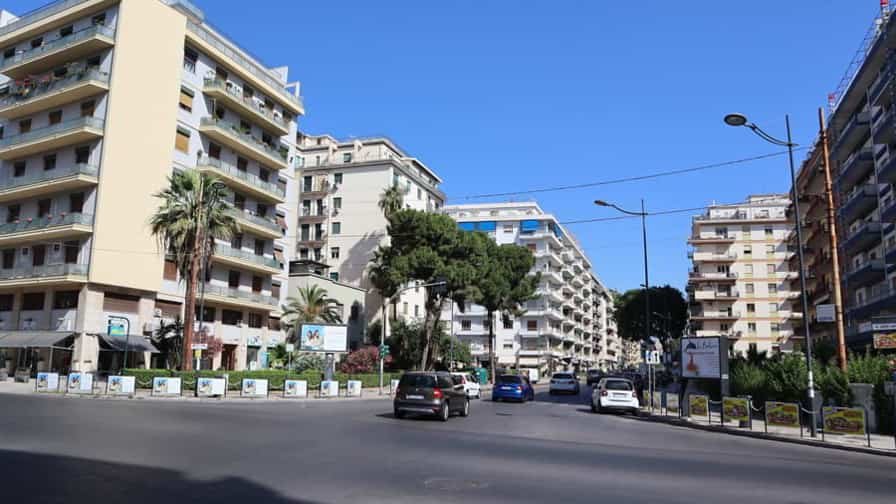
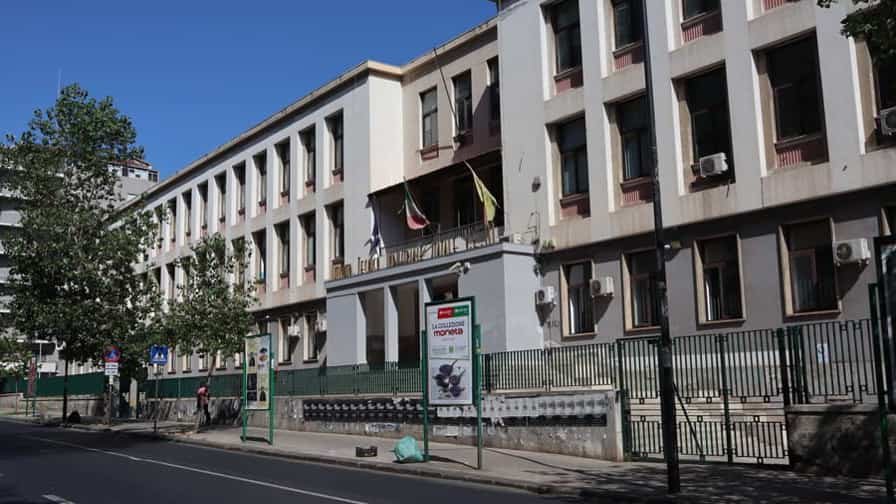
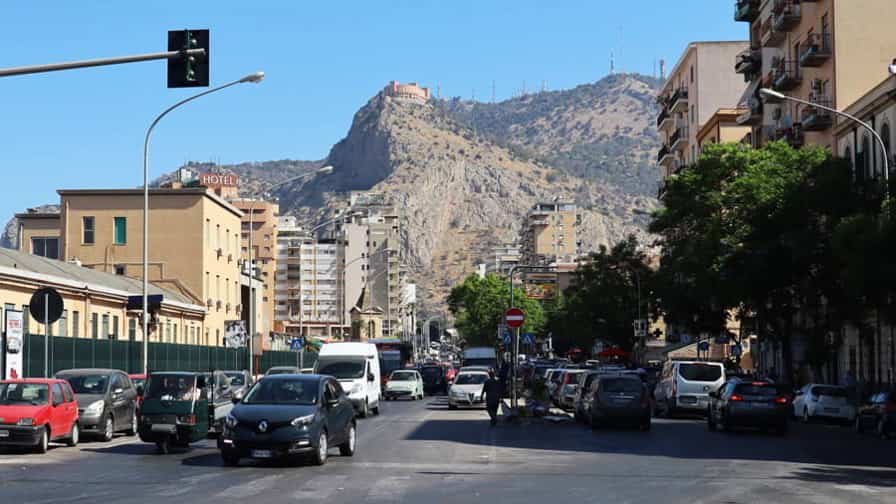
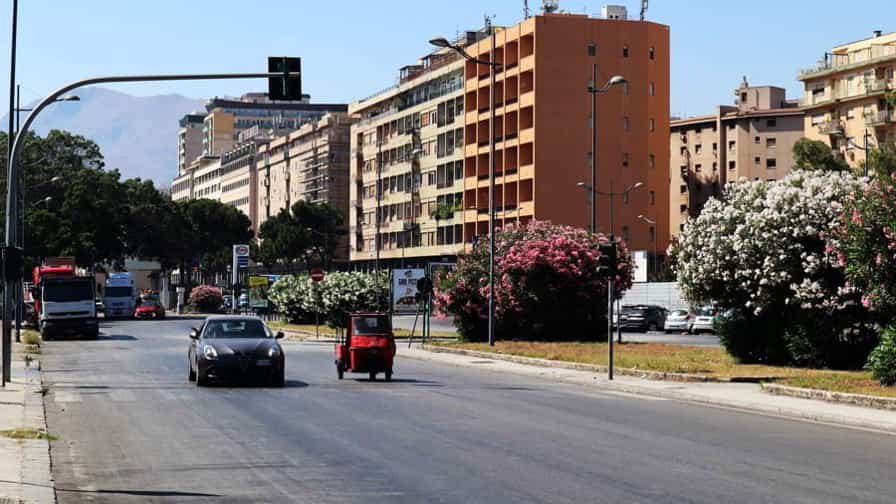
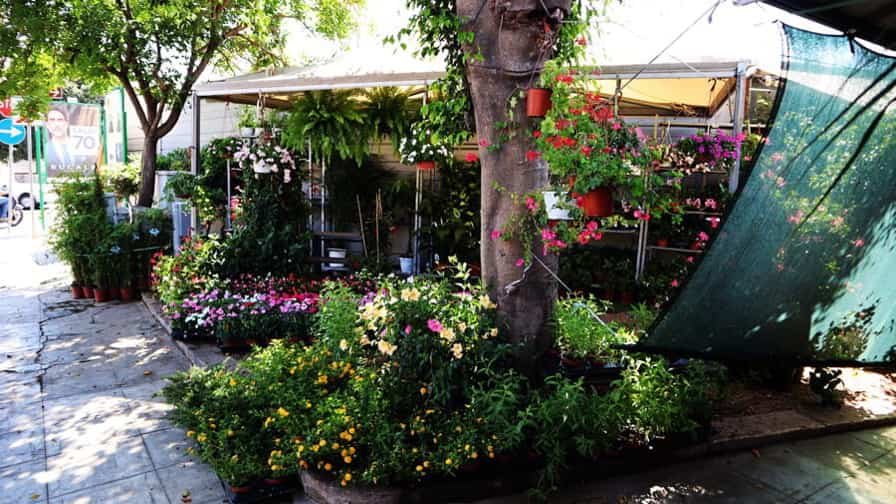
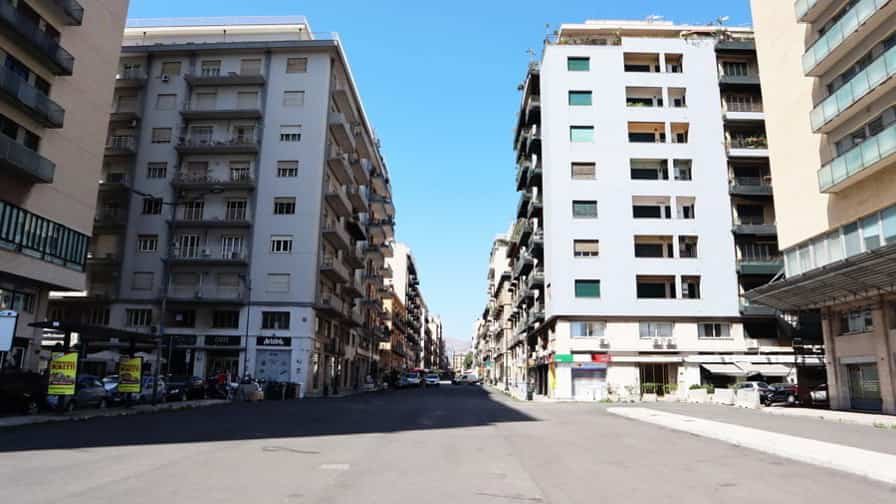

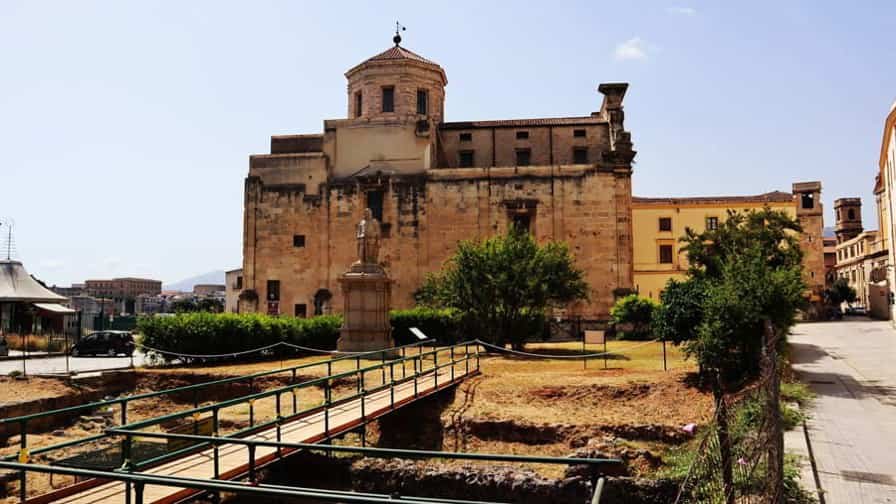
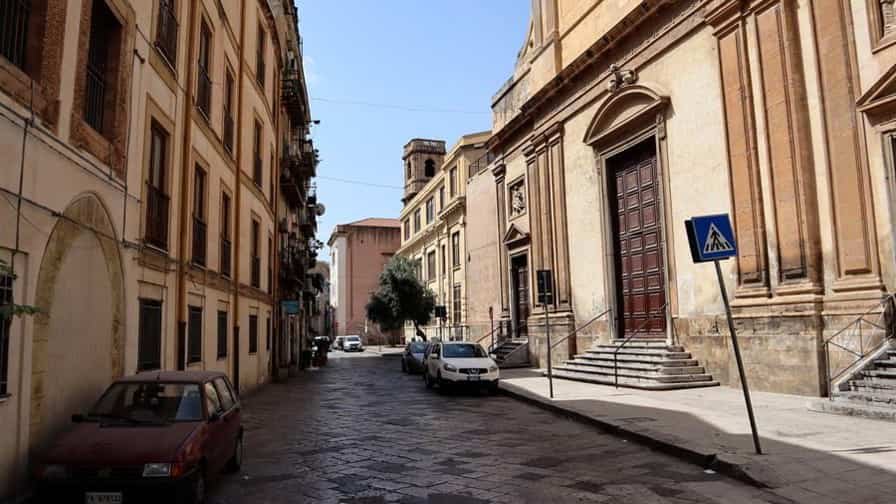
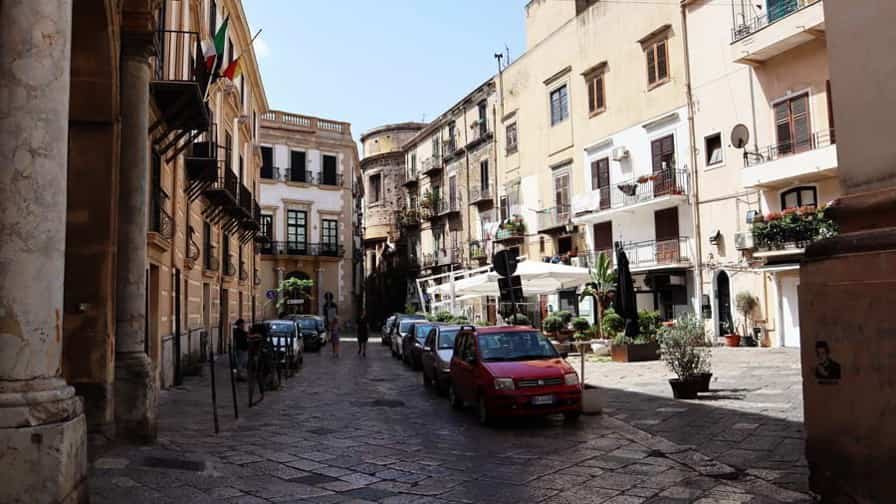
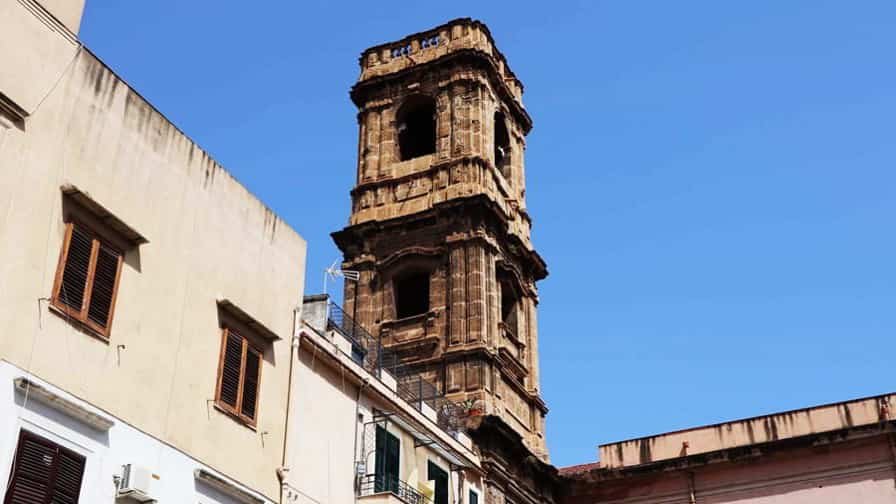
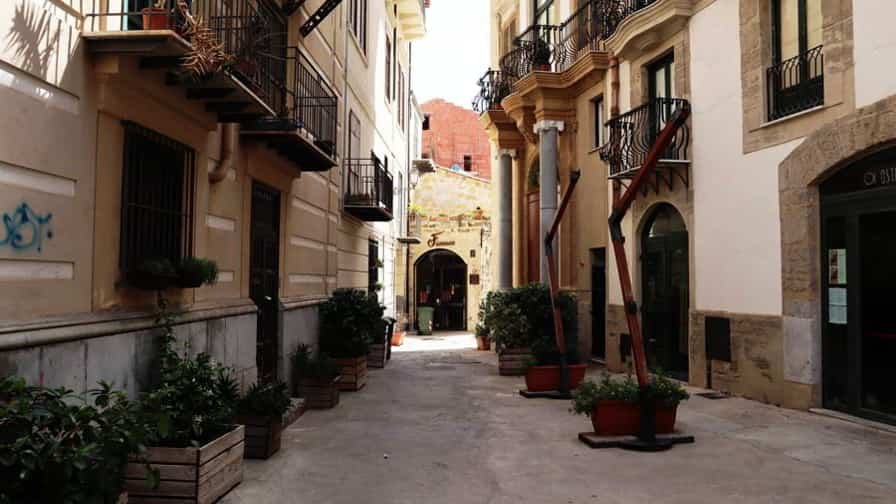
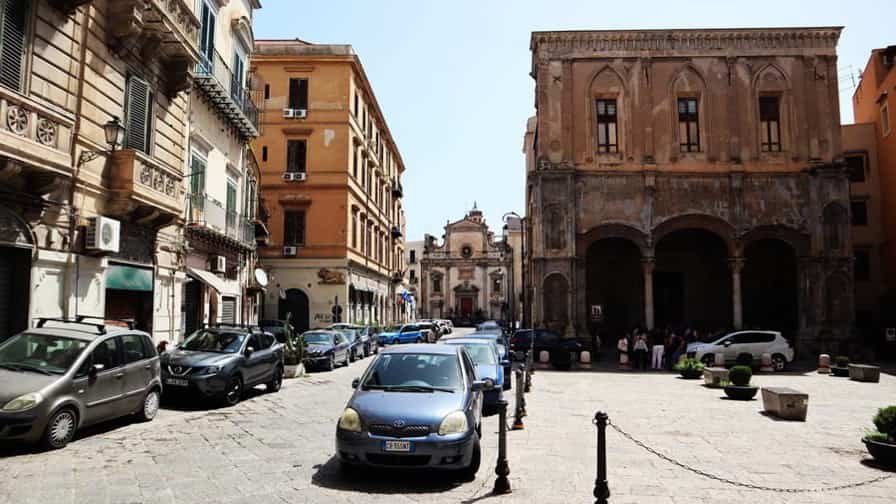
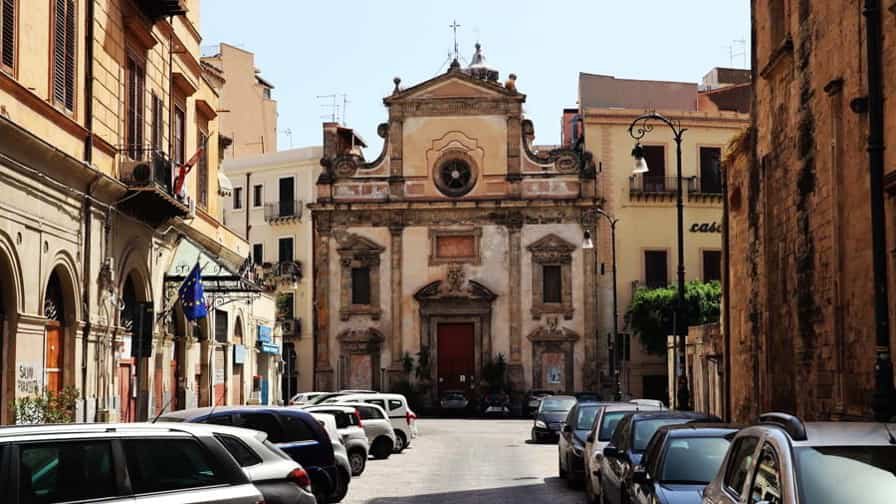
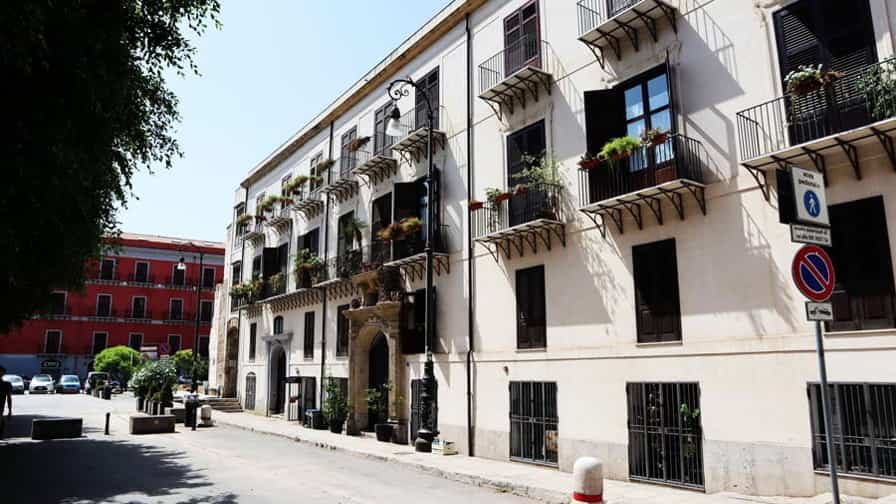
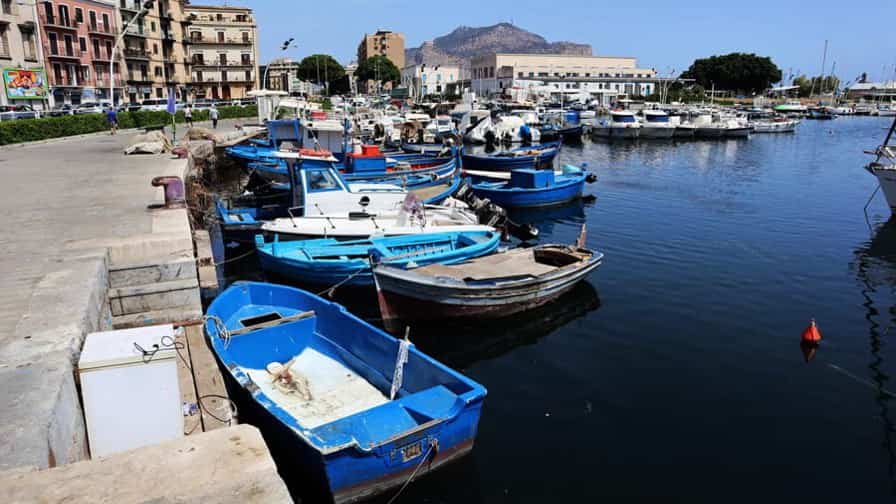
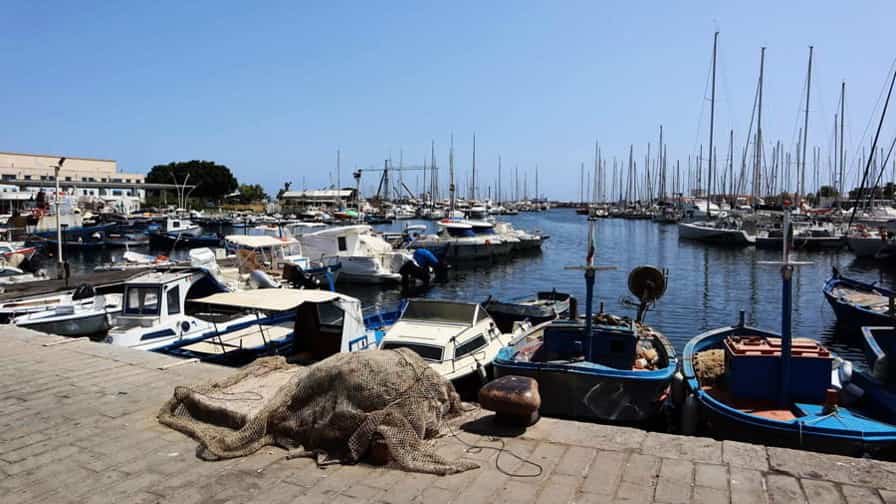


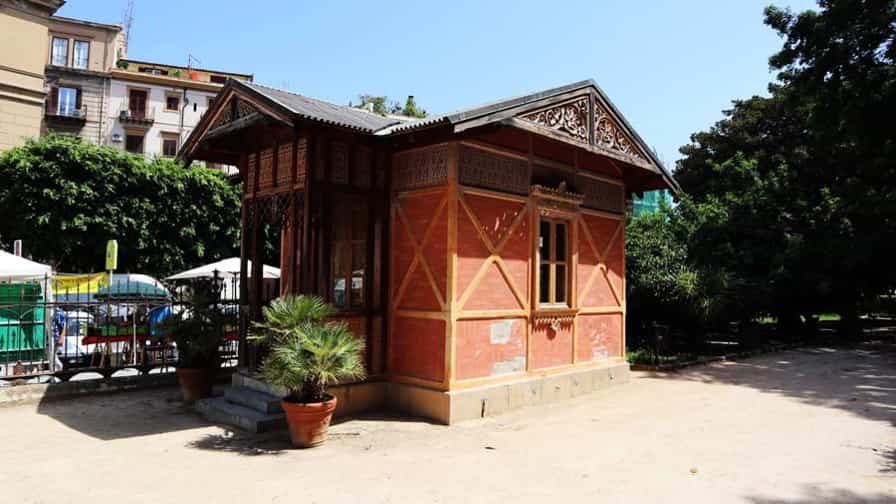
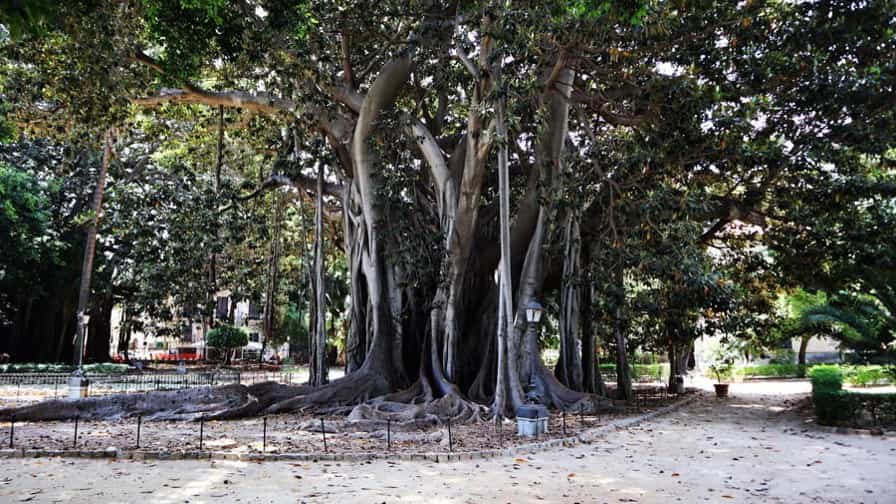
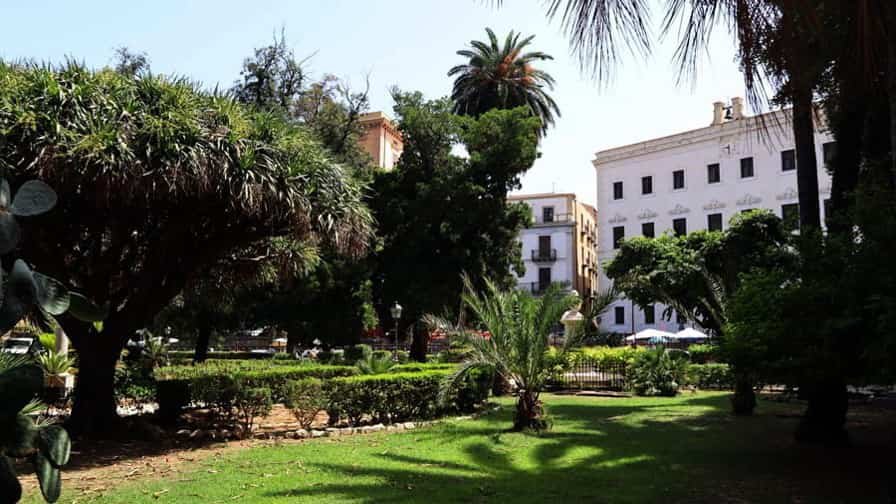
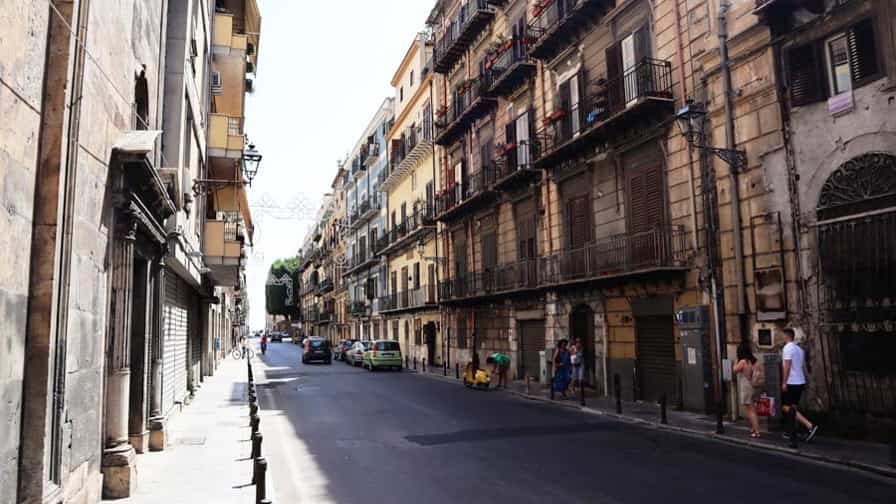
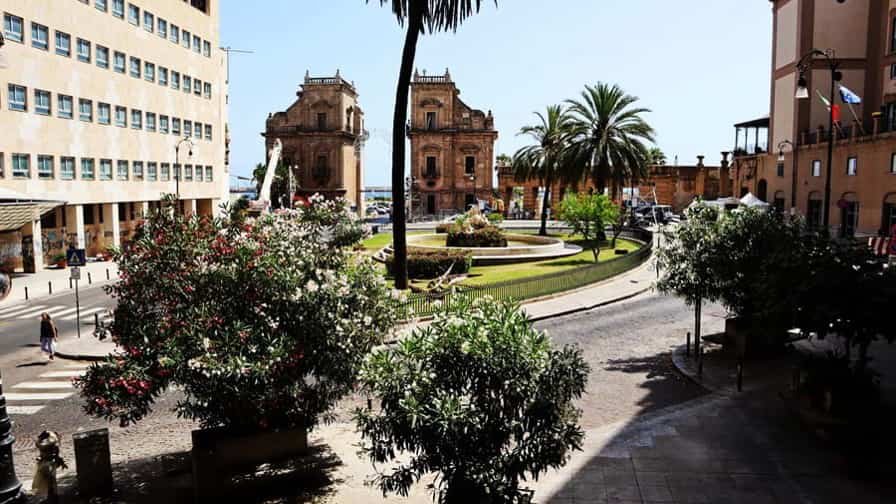
Photo Gallery of Walk 5 – Foro Italico Umberto to Via Roma
Approximately 3.0 km – 1.86 miles
Description of Walk 5
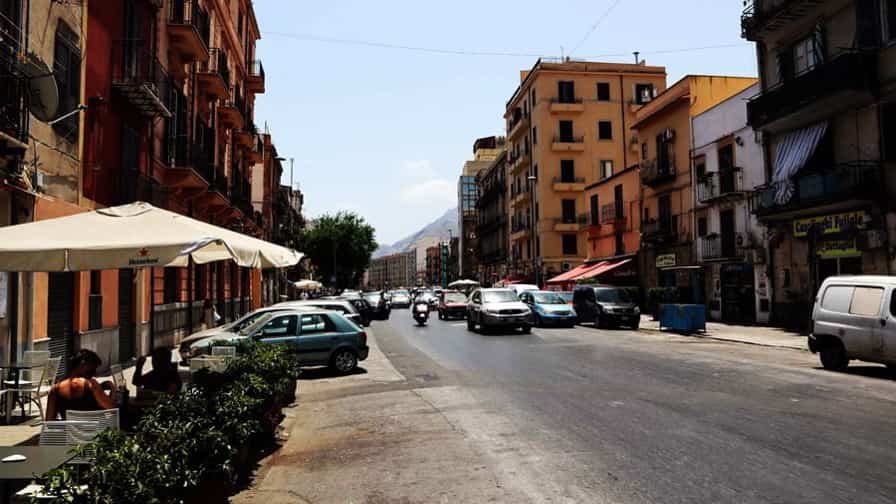
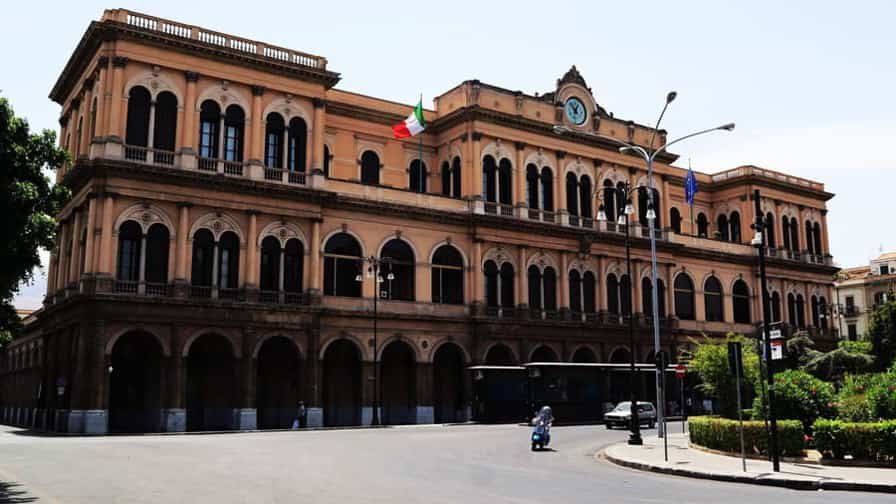
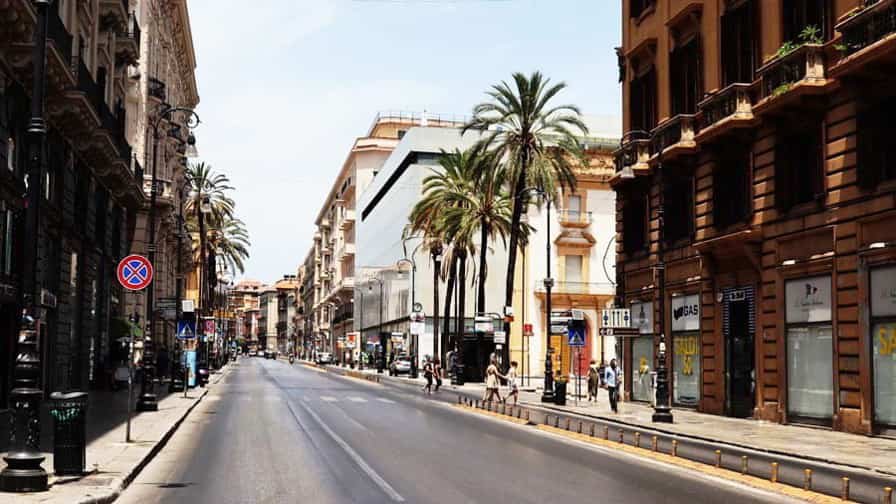
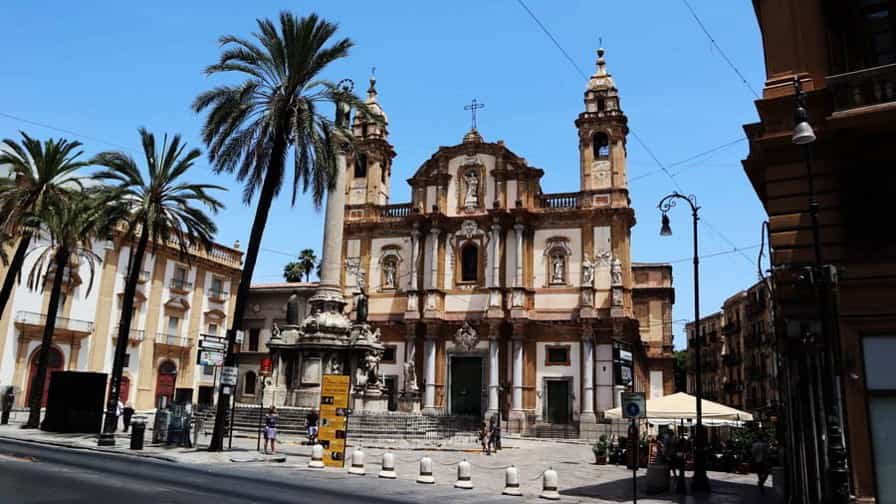
This walk explores the eastern side of the historic centre of Palermo, linking the city’s waterfront, historic neighbourhoods, and lively urban streets. The route highlights areas that reflect Palermo’s long history as a Mediterranean port and its role as a cultural crossroads. The walk begins along the Foro Italico, Palermo’s scenic seafront promenade, and passes through the Parco della Salute Livia Morello, a modern green space overlooking the sea. Continuing along Foro Italico Umberto I, the route reaches Piazza della Kalsa, at the heart of the historic Kalsa district, one of the oldest quarters of the city, founded during the Arab period. Following Via Nicolò Cervello and Via Lincoln, the walk arrives at Stazione Centrale in Piazza Giulio Cesare, an important transport hub and gateway to the city. The route then continues along Via Roma, one of Palermo’s principal avenues, passing through busy commercial and residential areas. Short detours along Via San Cristoforo and Discesa dei Giudici reveal the character of the surrounding historic streets.The walk also visits the Chiesa di Sant’Antonio Abate before continuing to Piazza San Domenico, a notable square surrounded by elegant architecture. The route concludes on Via Roma, providing an engaging overview of Palermo’s maritime heritage, historic districts, and vibrant urban life.

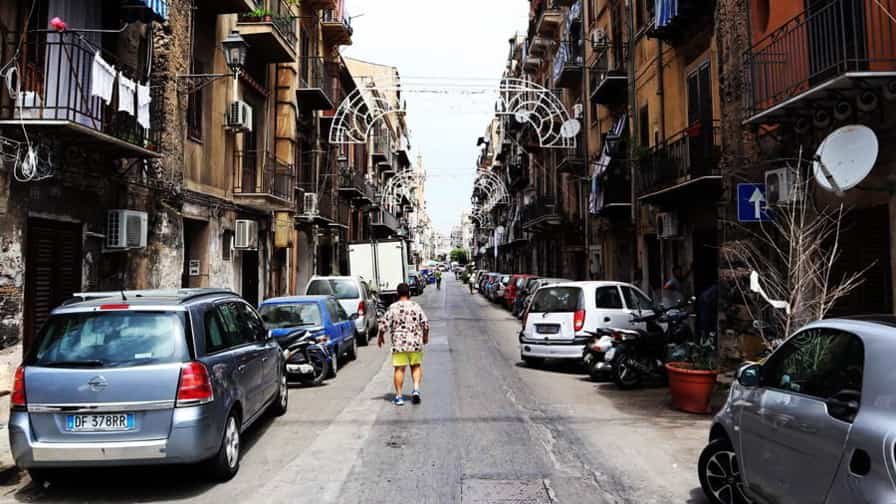
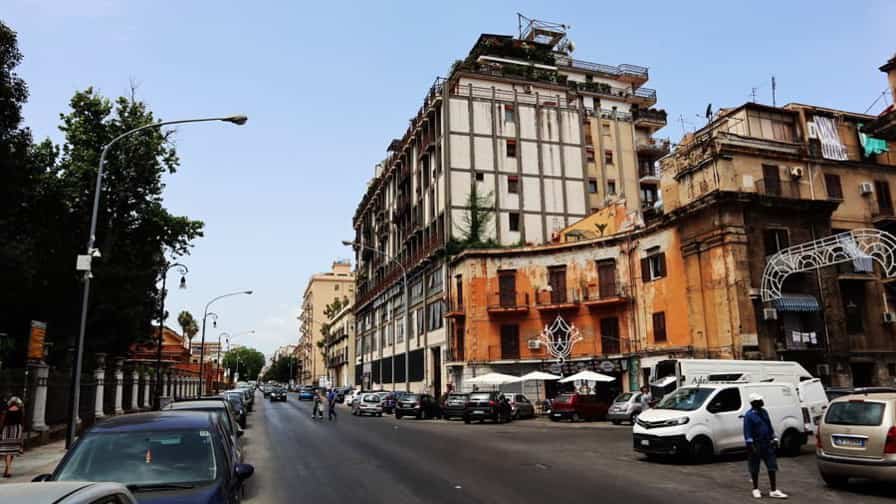
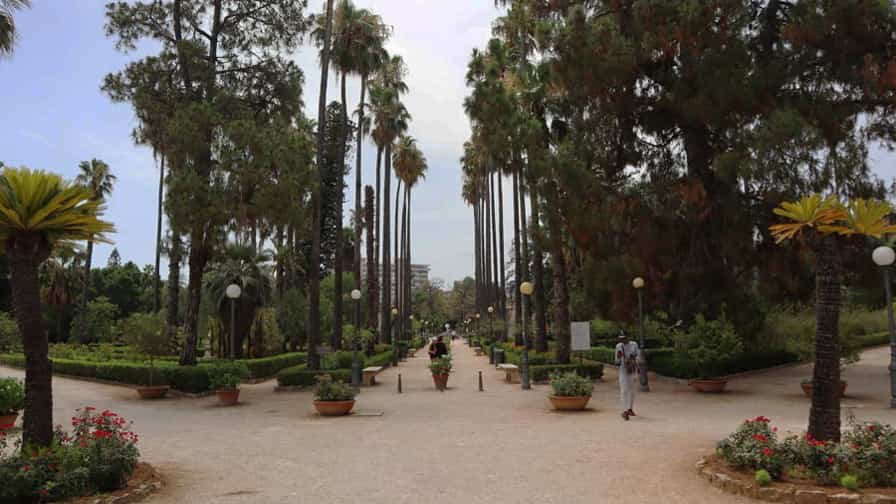
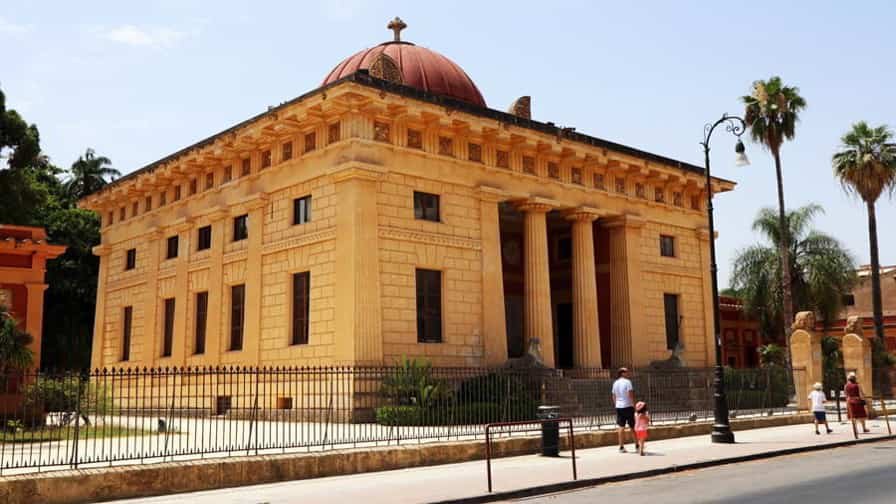

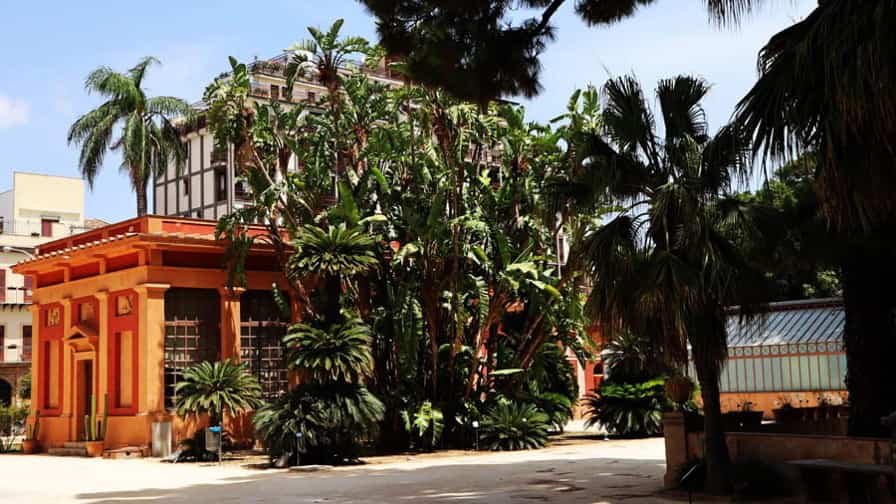
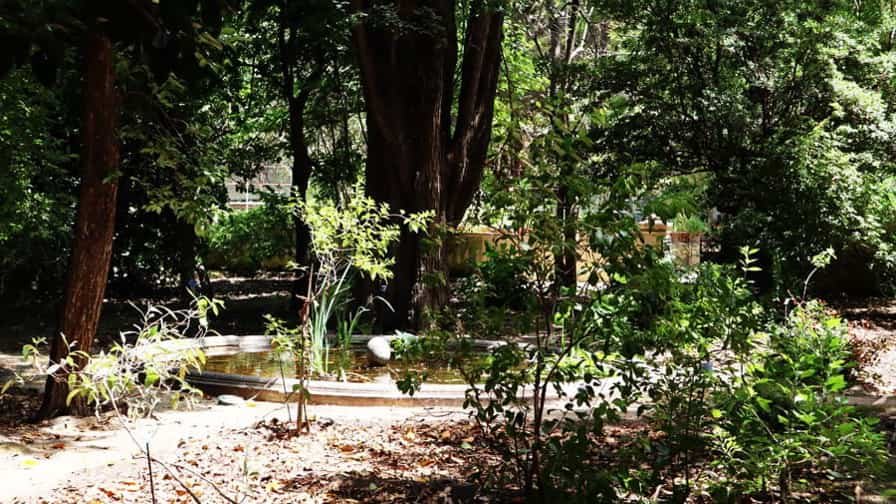
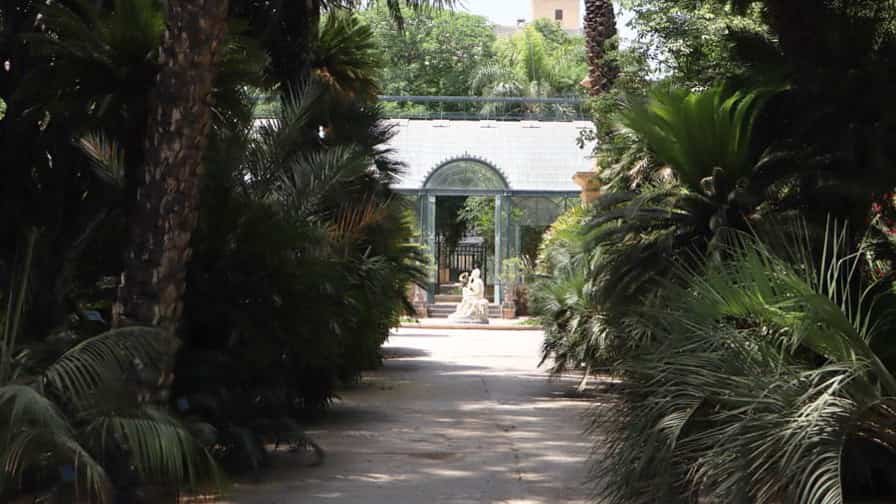
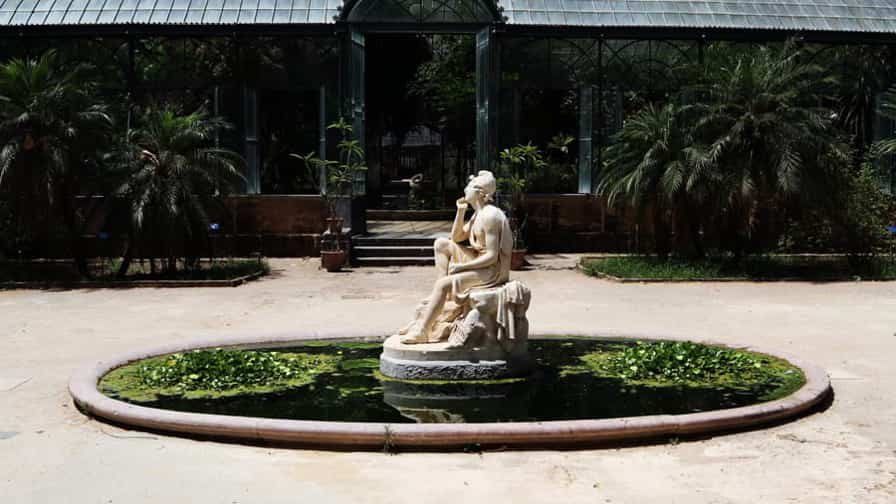
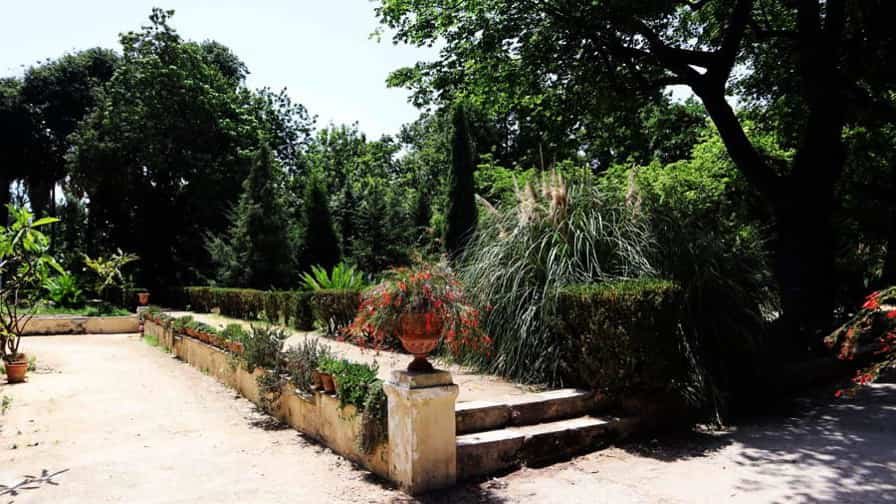
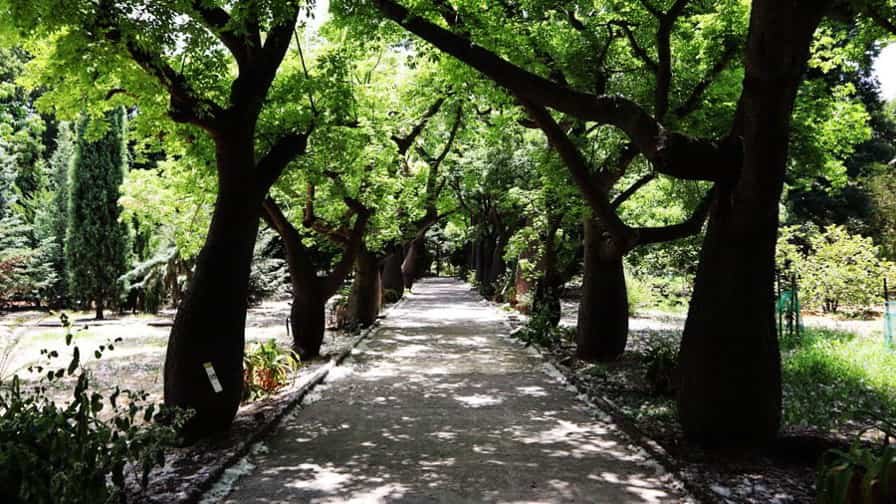
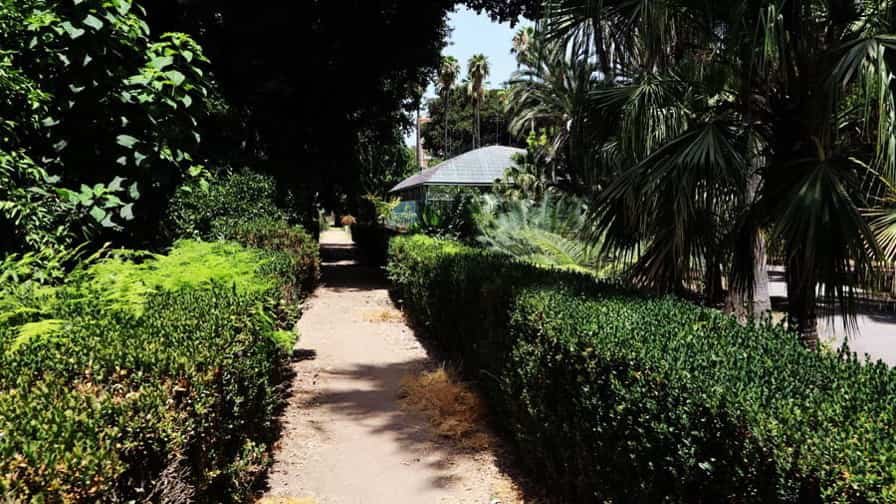
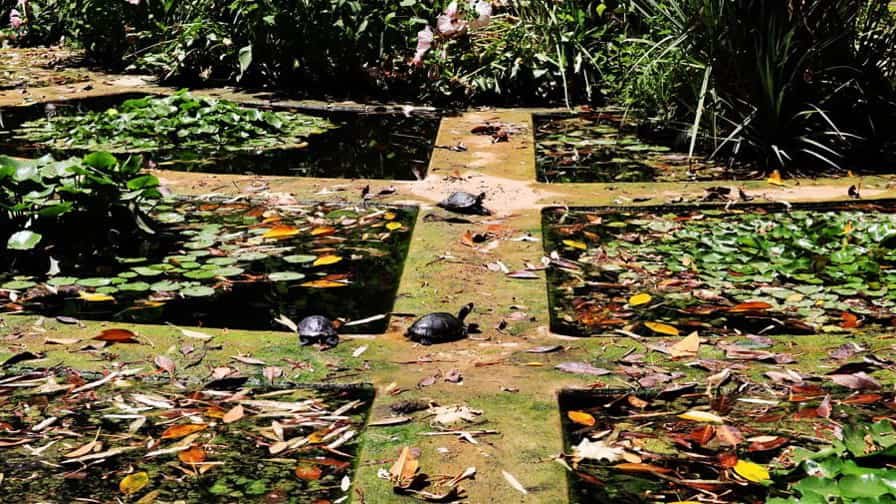
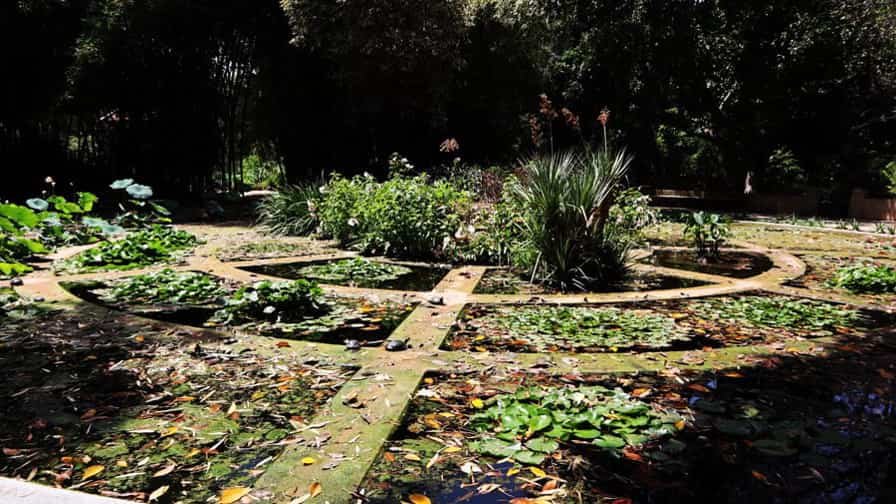
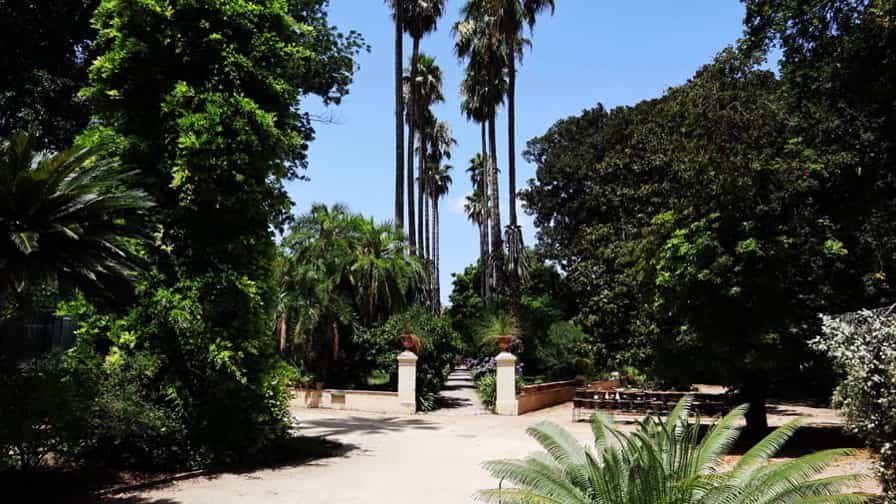
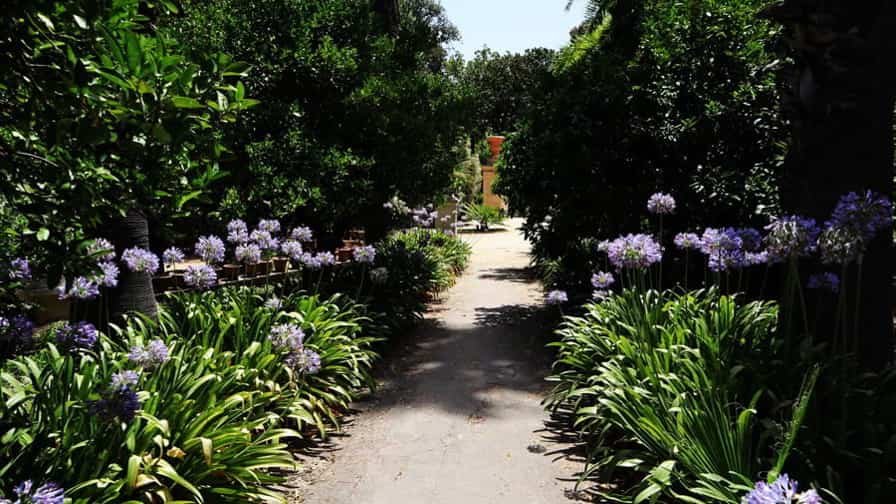
Orto Botanico
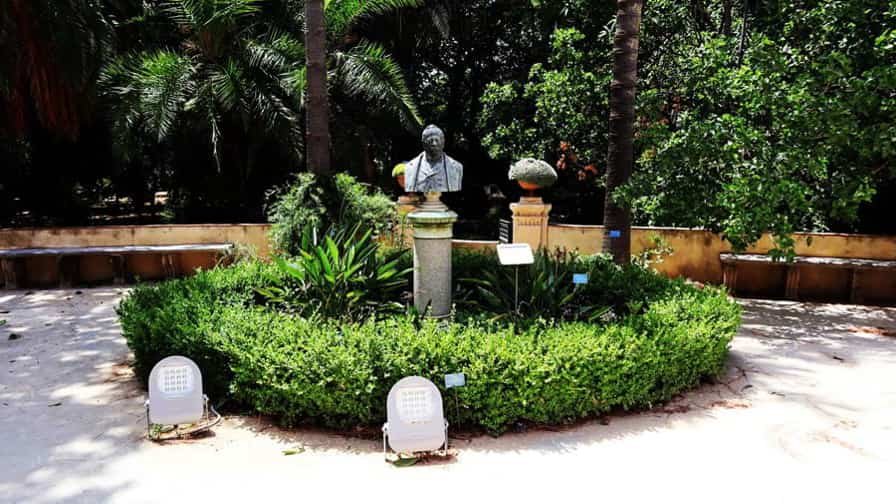
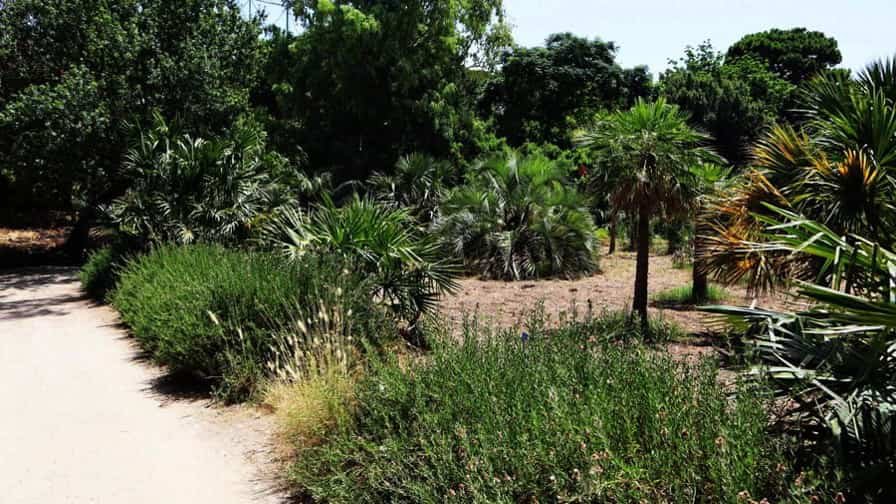
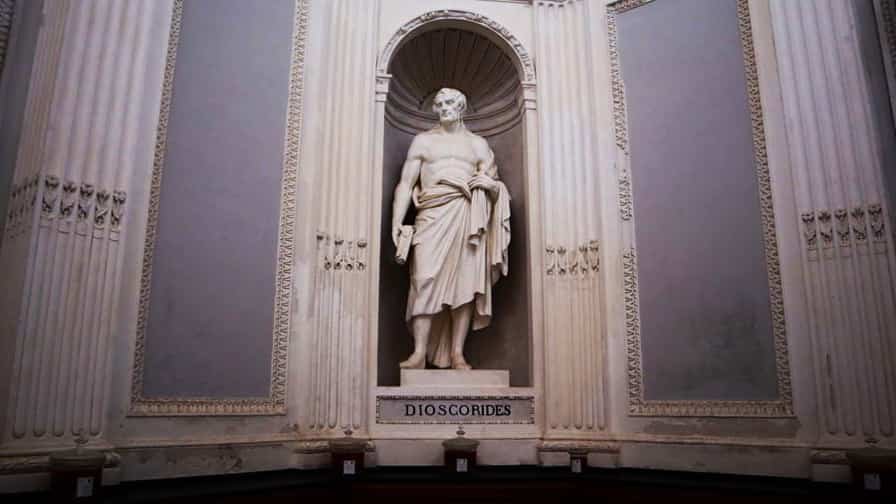
The Orto Botanico di Palermo, the city’s historic botanical garden, is one of the most important scientific and cultural institutions in Sicily and among the most renowned in Europe. Located in the vibrant Kalsa district near the seafront, the garden forms part of the University of Palermo and has served as a center for research, education, and conservation for over two centuries. Established officially in 1789, the Orto Botanico was created to support the teaching of medicine and natural sciences, reflecting the Enlightenment ideals of knowledge, exploration, and the study of nature. Its founding coincided with a period of intense scientific curiosity, when scholars and explorers were cataloguing the world’s flora and fauna and exchanging specimens across continents. Palermo’s mild climate and strategic position in the Mediterranean made it an ideal location for such a project.
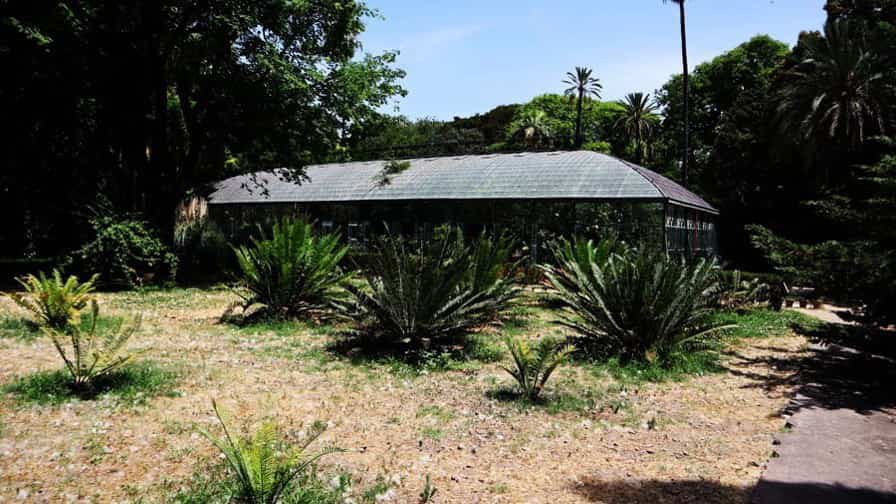
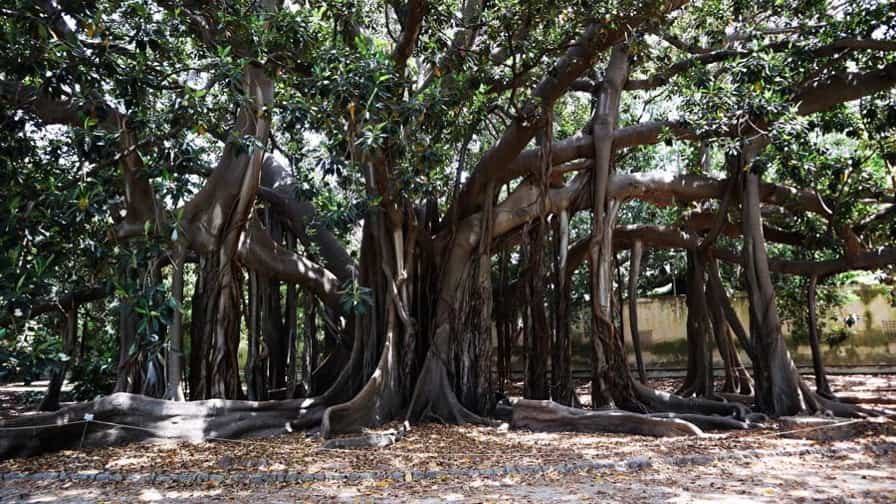
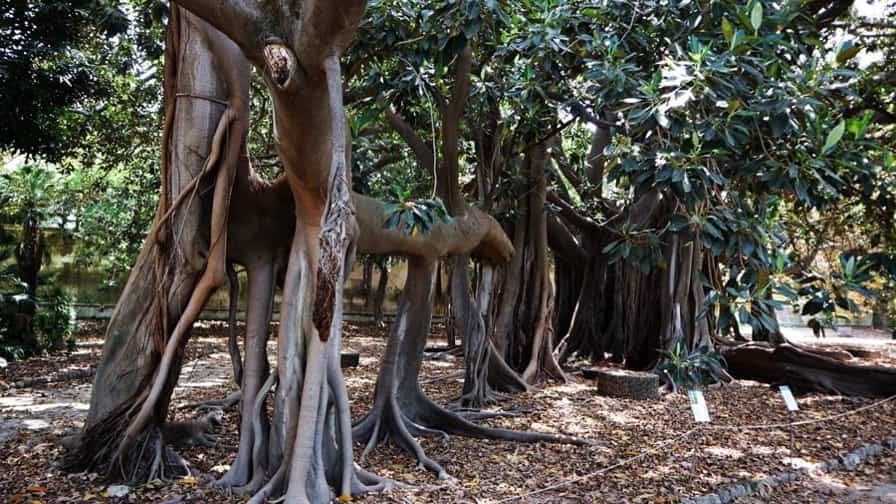
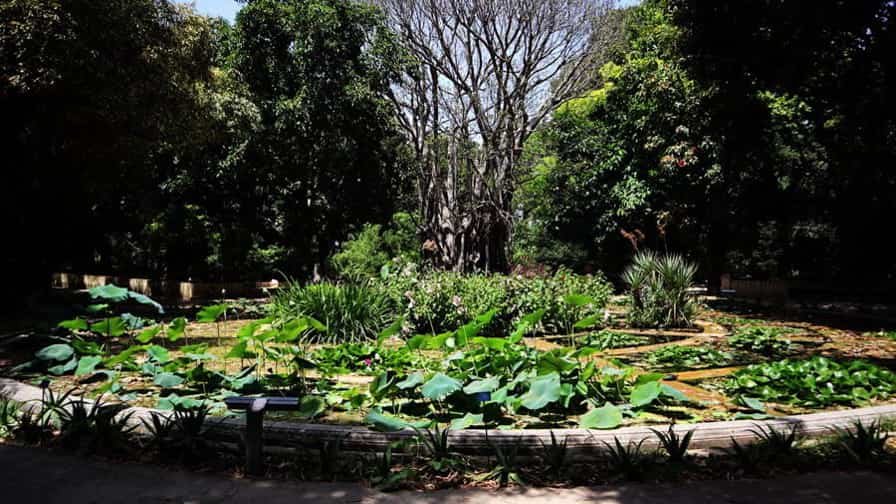
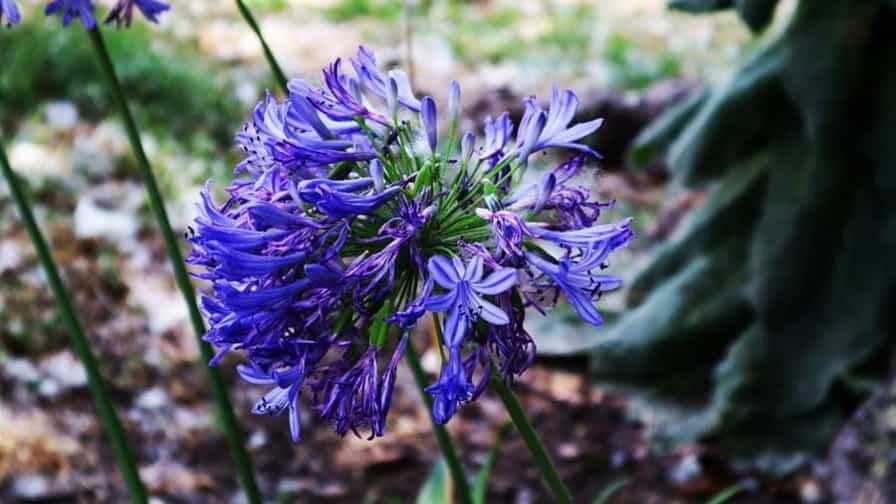
Spanning roughly 10 hectares, the Orto Botanico is not just a garden but a living museum, home to thousands of plant species from every corner of the globe. It offers an extraordinary journey through different ecosystems, from tropical palms and succulents to Mediterranean shrubs and ancient trees. The garden is particularly famous for its monumental specimens of Ficus macrophylla, a giant Australian banyan introduced in the 19th century that now dominates the entrance with its sprawling aerial roots. Visitors also encounter collections of aquatic plants, cycads, bamboo groves, and medicinal herbs, each carefully arranged to serve both scientific study and aesthetic enjoyment.
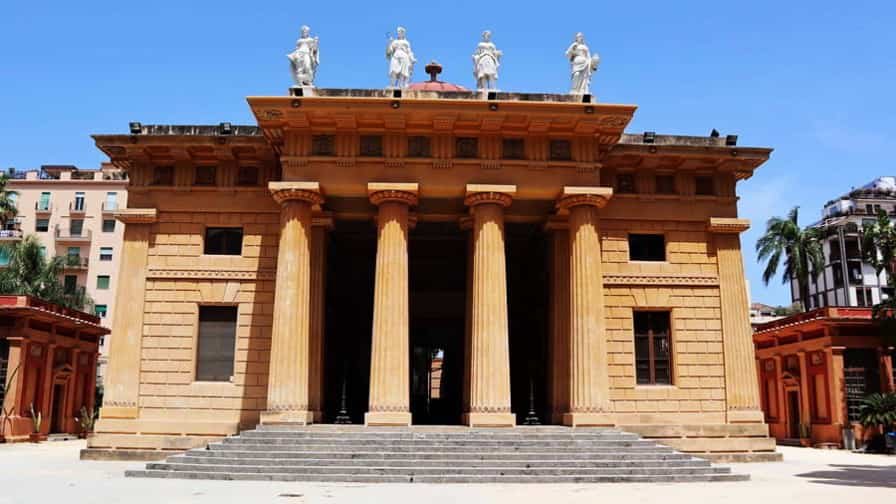
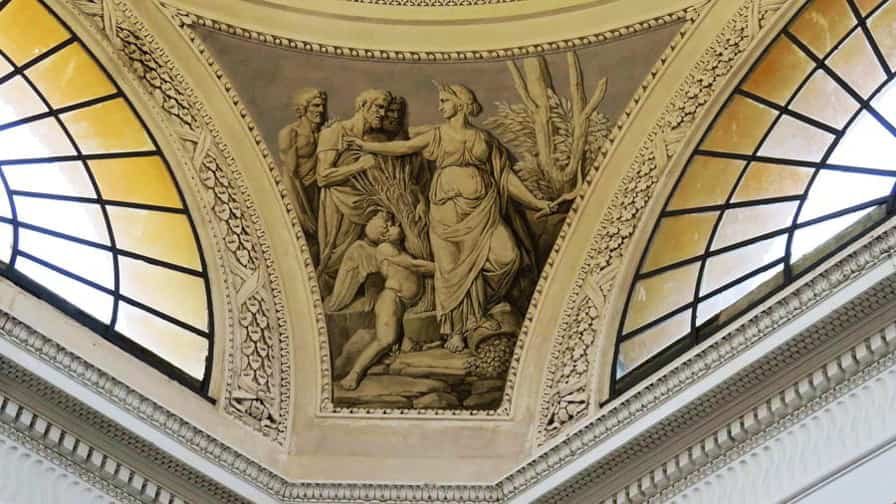
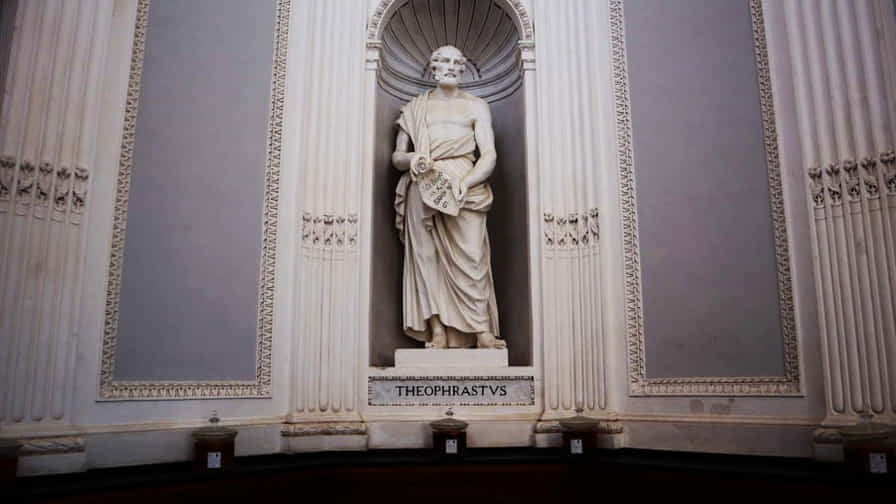
Beyond its remarkable plant collections, the garden is architecturally significant. The central neoclassical building, known as the Gymnasium, was designed by French architect Léon Dufourny and completed in 1795. With its temple-like façade and harmonious proportions, it reflects the Enlightenment ideals of order and rationality, symbolizing the union of art and science. Nearby, greenhouses, aquaria, and experimental plots demonstrate the garden’s original function as a research institution, where plants were cultivated, classified, and tested for their agricultural or medicinal potential.
Today, the Orto Botanico continues to fulfill its dual role as a center for scientific research and a public space for relaxation and education. It collaborates with international institutions on conservation projects, focusing especially on Mediterranean biodiversity and endangered species. At the same time, it offers residents and visitors a green oasis in the heart of Palermo, where one can stroll among exotic landscapes, study rare plants, or simply enjoy the peaceful atmosphere. The garden thus embodies a rich fusion of history, science, and natural beauty, making it a vital part of Palermo’s cultural heritage and a unique destination for all who wish to explore the deep connections between humans and the plant world.

COPYRIGHT © 2018-2026 ITALY IN PHOTOS - ALL RIGHTS RESERVED