
HOME
REGIONS OF ITALY
PLACES IN ITALY
PLAN YOUR TRIP
Italy in Photos
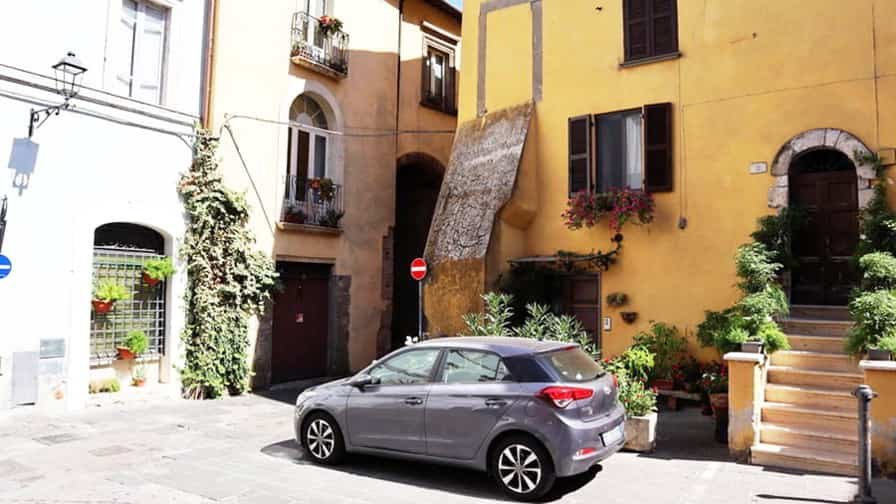
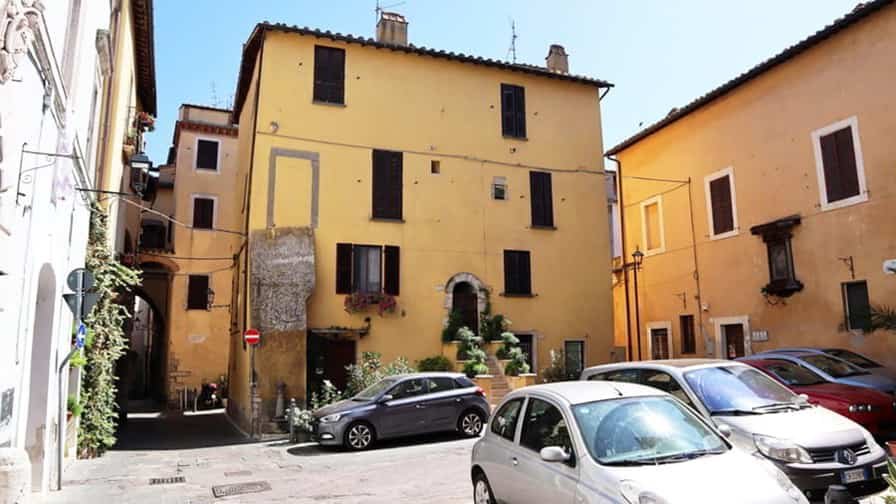
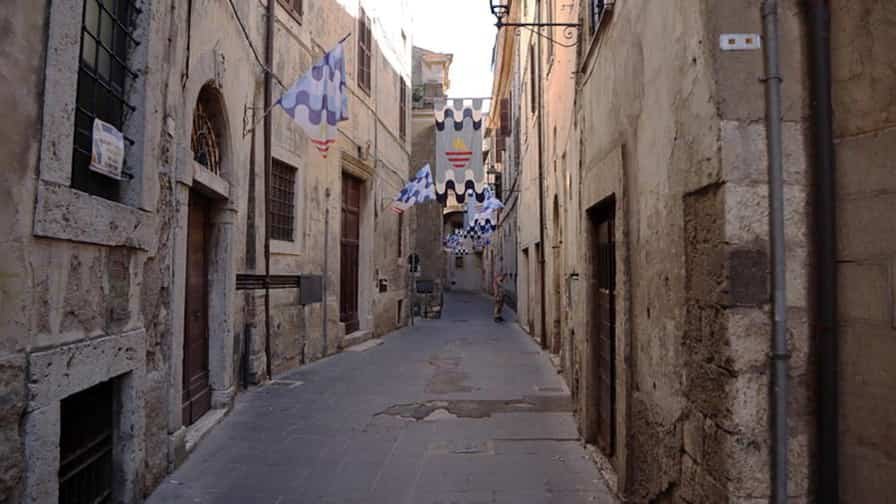
Piazza d’Erba, 01028 Orte, Italy (September 2019)
Orte
Delayed or cancelled flight?
Get up to £520!
You’ve got rights when your flight’s disrupted.
We enforce them and handle everything so you get paid
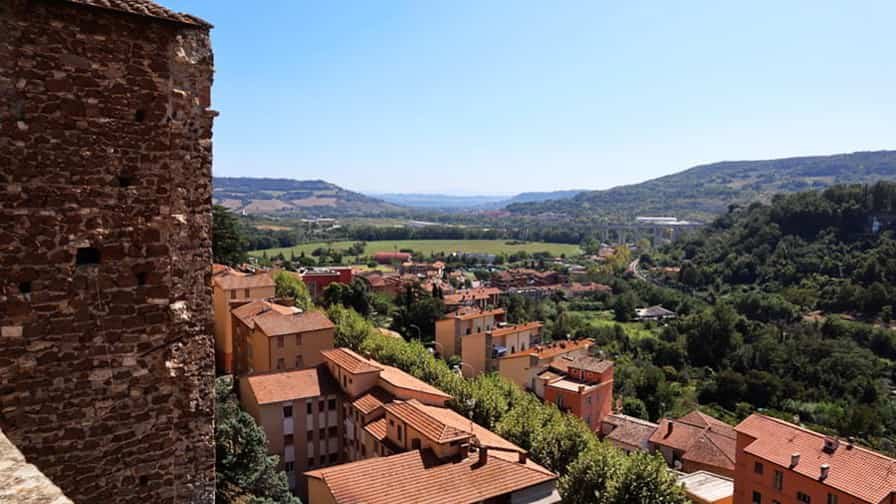
Orte is a historic town located in the Lazio region of central Italy, perched on a rocky hill overlooking the Tiber Valley. Its elevated position has given it strategic importance for thousands of years, shaping its development as a crossroads of cultures, trade, and travel. Though less widely known than some of Italy’s major destinations, Orte possesses a distinctive character defined by its deep historical roots, dramatic landscape, and authentic atmosphere. The town offers visitors a quieter yet richly layered experience, where ancient history and everyday life coexist in a setting shaped by both nature and human ingenuity.
The origins of Orte trace back to the Etruscans, who first settled the hill due to its natural defences and commanding views of the surrounding plains. Later, the Romans recognized its strategic value and incorporated it into their expanding network of roads and settlements. Orte became an important waypoint along routes connecting Rome to northern and central Italy, a role it has continued to play throughout the centuries. Remnants of these early civilizations remain visible today, embedded within the town’s structure and preserved in archaeological sites scattered across the area.
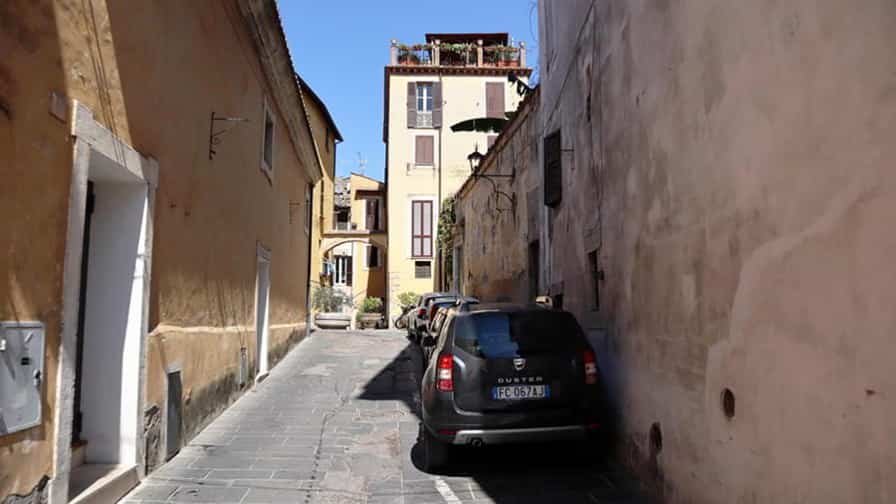
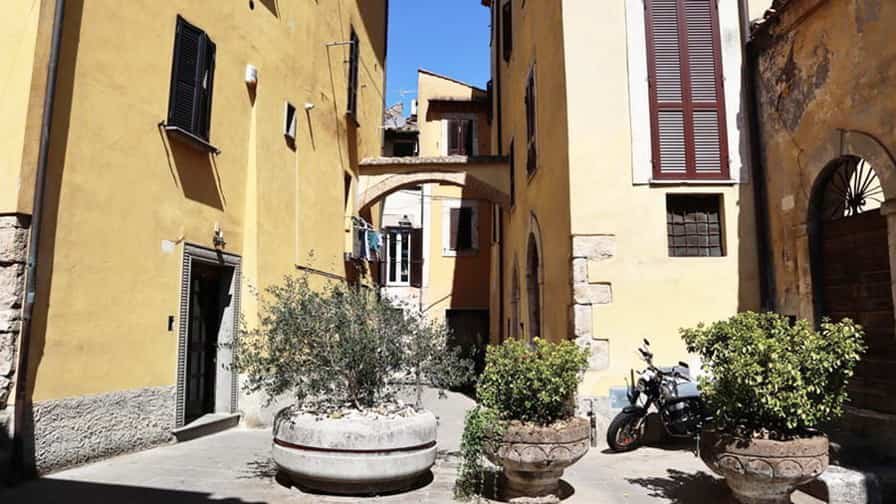
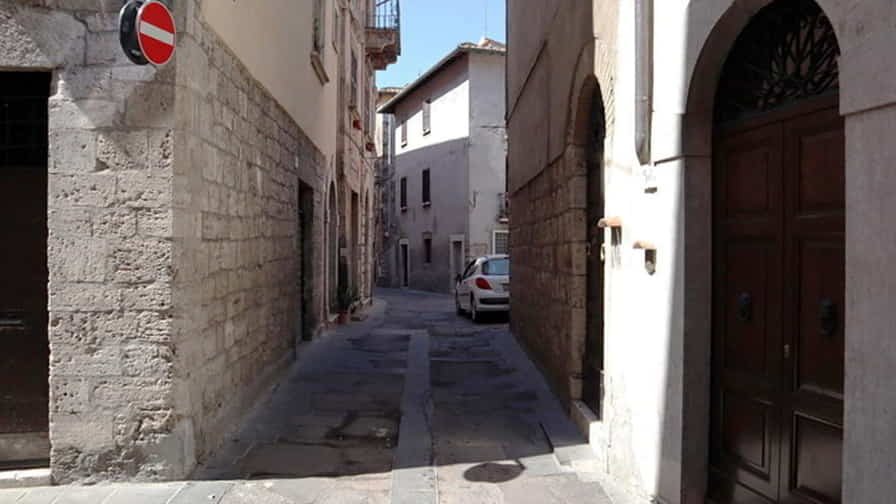
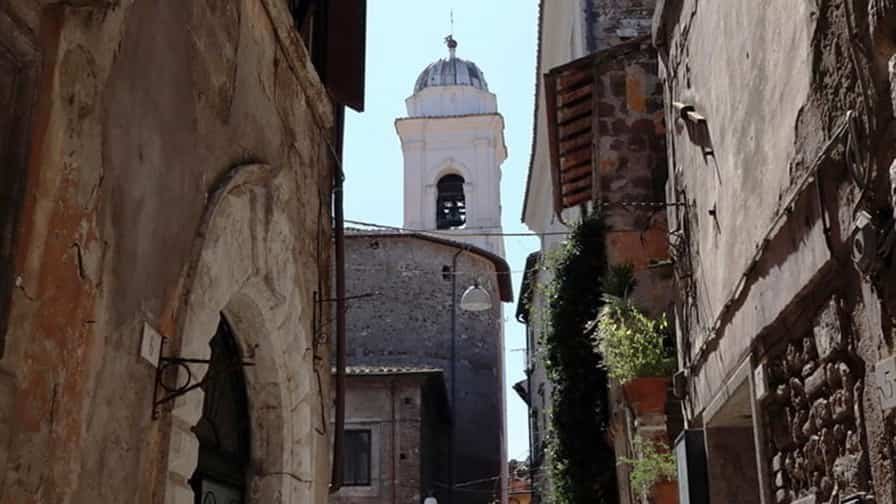
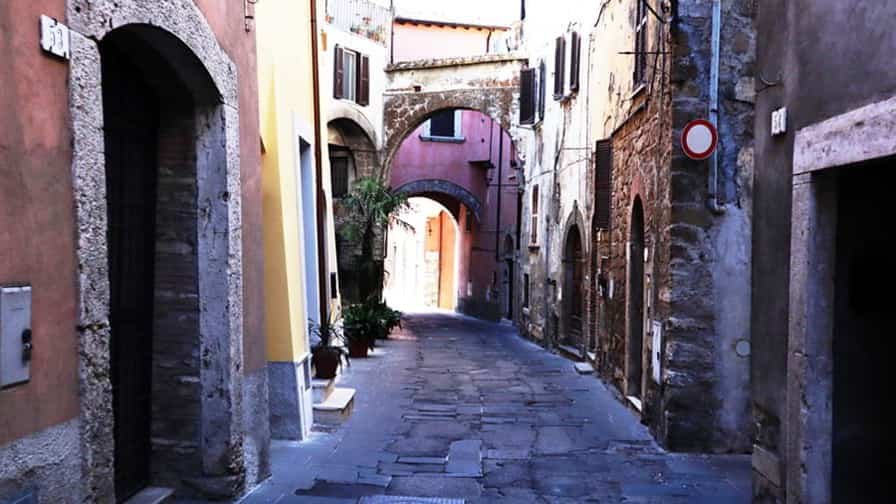
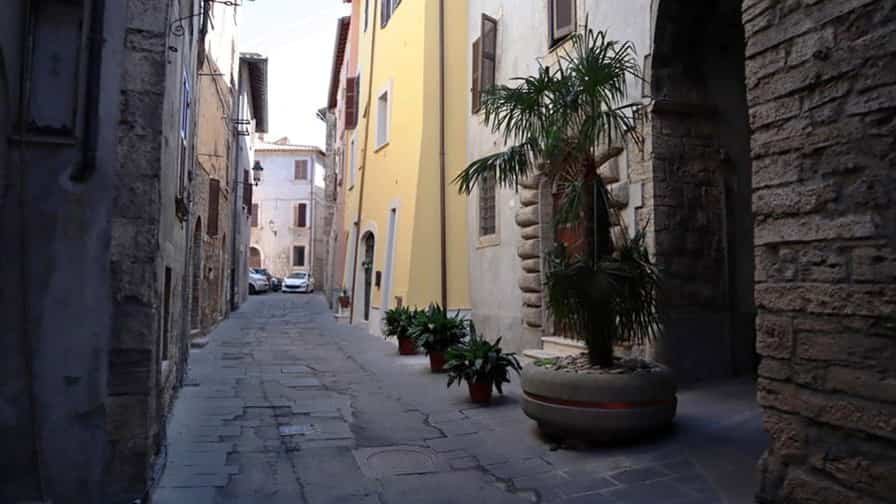
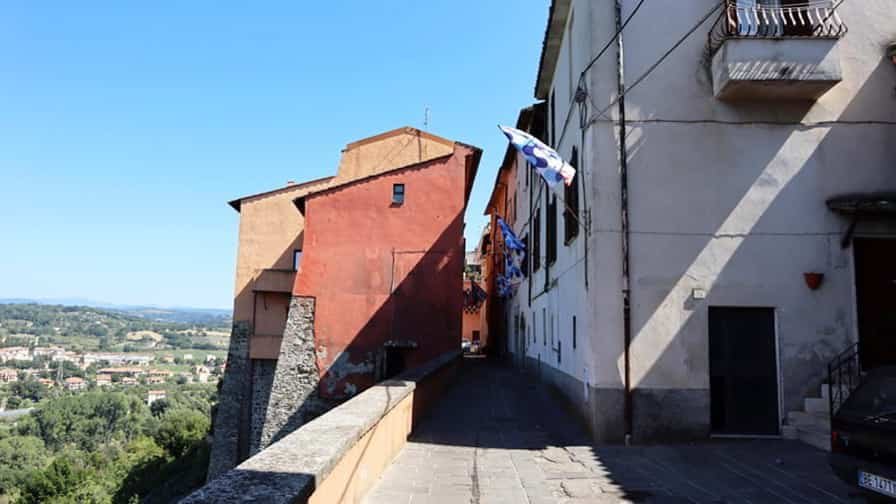
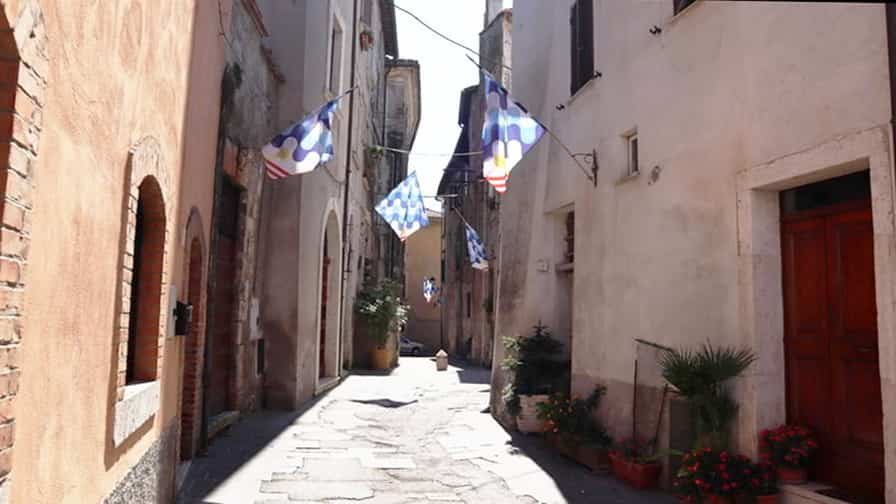
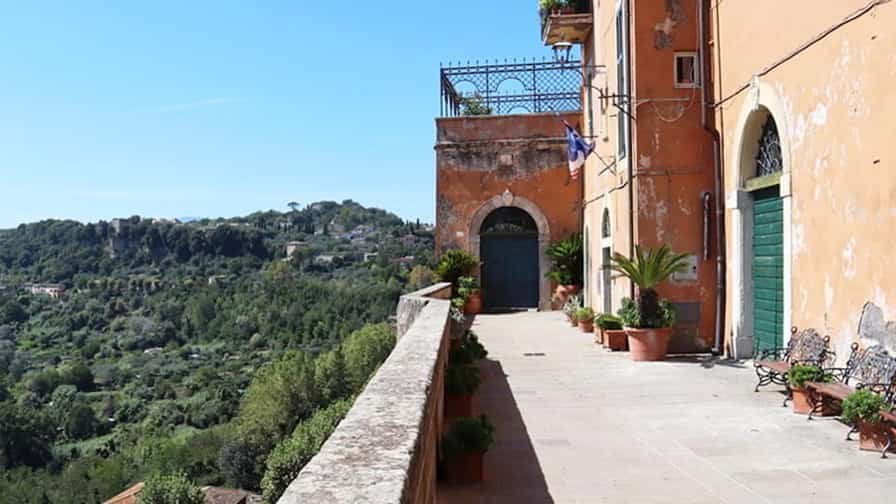
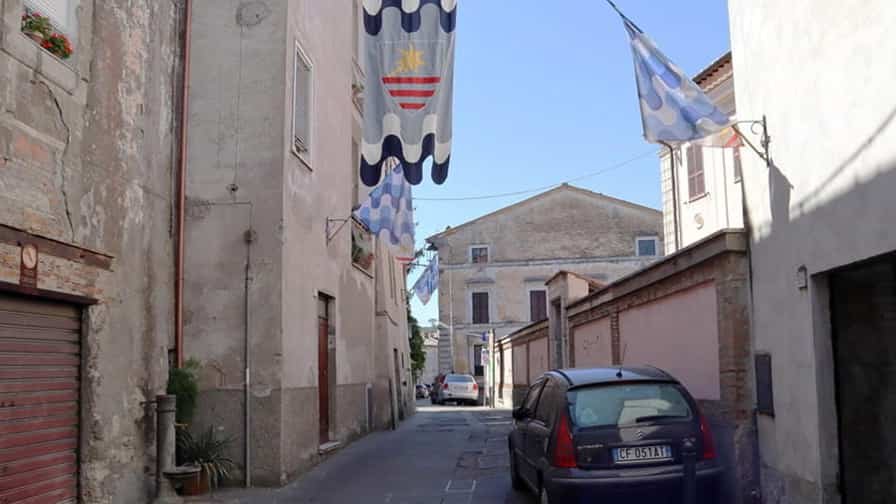
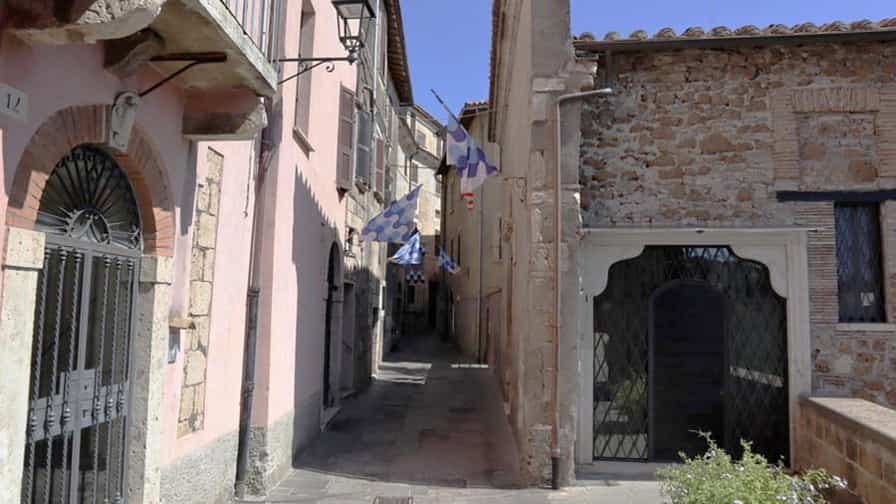
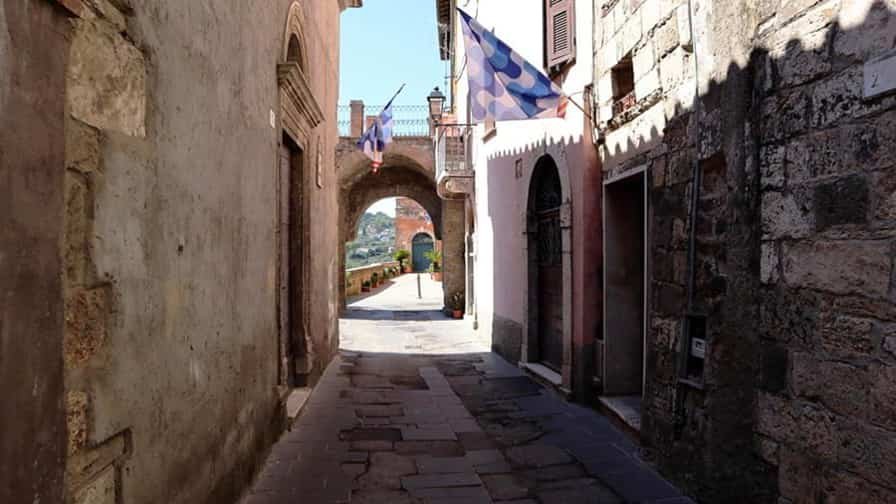
During the Middle Ages, Orte developed as a fortified centre, protected by thick walls and towers that still define its silhouette. The historic centre is a maze of narrow streets, stone buildings, and small squares that reflect centuries of adaptation and resilience. Churches, palaces, and civic buildings from medieval and Renaissance periods reveal the town’s religious and political significance. Among these landmarks are elegant facades and ancient bell towers that rise above the rooftops, contributing to Orte’s timeless appearance. Walking through the old town, visitors encounter layers of history that unfold naturally with each step.
One of Orte’s most fascinating features lies beneath its streets. The underground city, carved into the volcanic rock, consists of tunnels, chambers, and wells created over centuries by different civilizations. These subterranean spaces served various purposes, including water storage, escape routes, and places of refuge during times of conflict. Today, guided tours allow visitors to explore this hidden world, offering a deeper understanding of how the town adapted to its environment and survived periods of uncertainty.
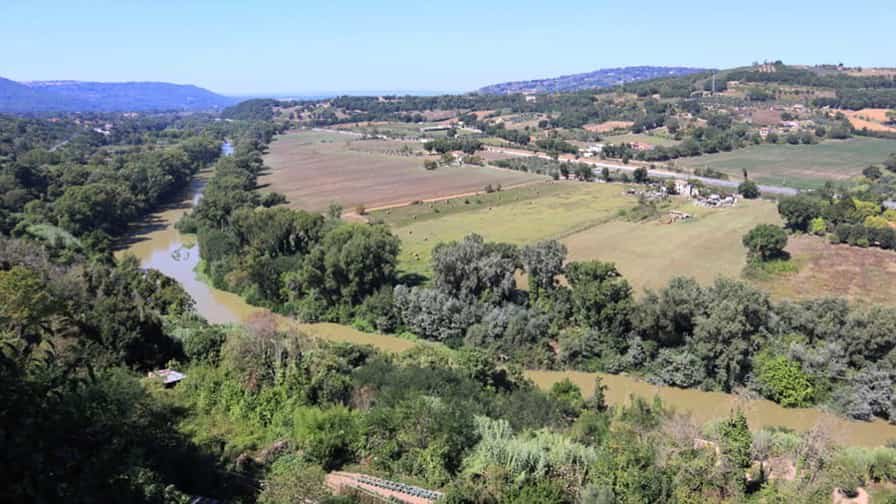
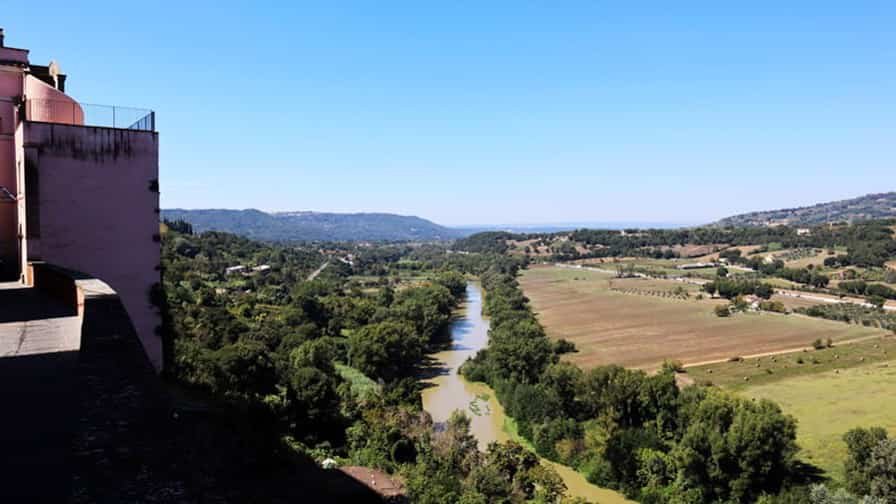
The natural surroundings of Orte add to its appeal and sense of identity. The Tiber River flows nearby, shaping the fertile valley below and supporting agriculture that has sustained local communities for generations. Olive groves, vineyards, and fields stretch across the landscape, reflecting a close connection between the town and the land. The surrounding countryside invites exploration, with walking paths and scenic viewpoints offering peaceful retreats from modern life. The contrast between the rugged hilltop and the gentle valley below creates a visually striking and harmonious setting.
Community life in Orte is rooted in tradition and local pride. Festivals, religious processions, and seasonal events bring residents together and preserve customs passed down through generations. Local cuisine reflects the flavours of Lazio, emphasizing simple yet robust ingredients such as pasta, legumes, olive oil, and locally sourced meats. Family-run restaurants and bakeries provide an authentic taste of regional cooking, making food an essential part of the visitor experience. These culinary traditions are closely tied to the rhythms of the land and the agricultural cycles of the surrounding area.
Despite its historical character, Orte remains well connected to the modern world. Its railway station serves as an important transportation hub, linking Rome with central and northern Italy. This accessibility makes Orte both a practical stop for travellers and a place where tradition and contemporary life intersect. The town manages to preserve its identity while adapting to modern needs, maintaining a balance that enhances its charm.
Orte is a town that embodies the continuity of Italian history within a compact and evocative setting. Its Etruscan origins, medieval streets, underground passages, and scenic surroundings form a rich tapestry that rewards exploration. Orte offers an introduction to Italy that is understated yet deeply meaningful, inviting visitors to discover beauty in its layers of history, its landscapes, and its enduring sense of place.
Worth a Visit
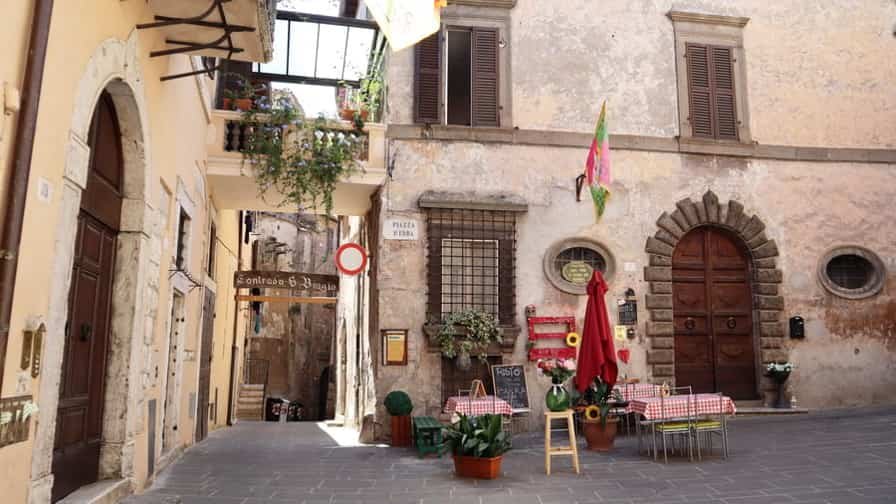
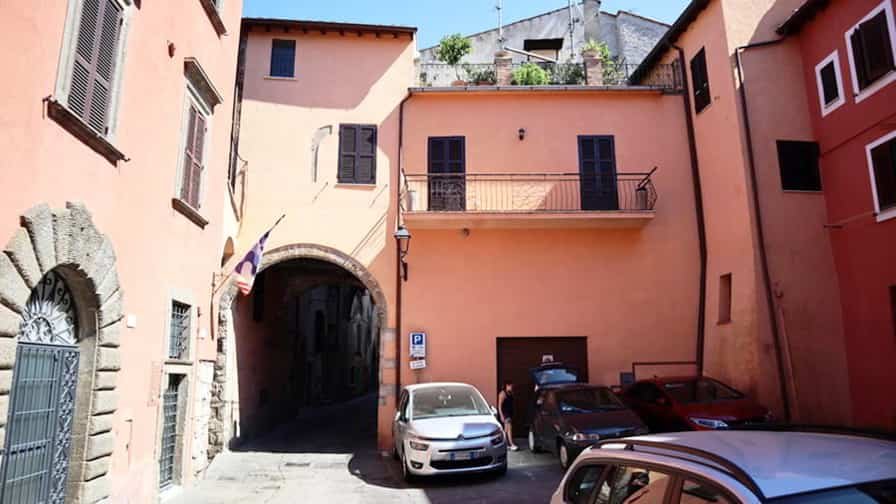
Piazza d’Erba is one of the most picturesque and historic squares in Orte, a medieval hilltop town in the province of Viterbo, Italy. Nestled within the town’s ancient walls, the square exudes old-world charm with its stone-paved surface, rustic façades, and peaceful atmosphere. Historically, Piazza d’Erba served as a marketplace where locals gathered to trade fresh produce, herbs, and daily goods—hence its name, meaning “Herb Square.” Today, it remains a quiet yet captivating corner that reflects the authentic rhythm of local life. Surrounded by narrow alleys and centuries-old buildings, the piazza invites visitors to pause and admire the harmony between architecture and history. From this spot, one can easily wander through Orte’s winding streets, discovering hidden courtyards, traditional workshops, and scenic viewpoints. Piazza d’Erba perfectly embodies the town’s enduring beauty and its deep connection to tradition and community.
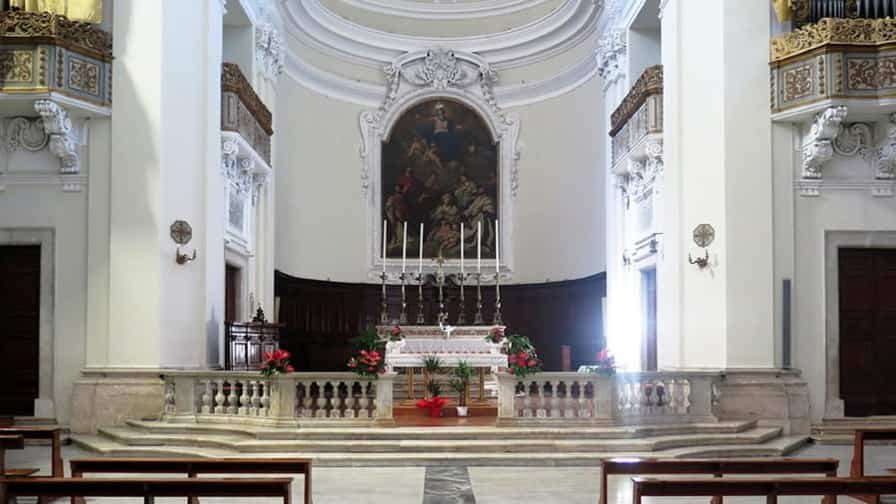
The Concattedrale di Santa Maria Assunta, located on Via G. Roscio in Orte, is the town’s principal church and a remarkable example of religious architecture steeped in history. Originally built on the site of an ancient temple, the cathedral has undergone numerous restorations, blending Romanesque foundations with later Baroque influences. Its elegant façade, crowned with a bell tower, welcomes visitors into a serene interior adorned with frescoes, marble altars, and sacred artworks that reflect centuries of devotion and artistic mastery. The cathedral’s atmosphere inspires reverence and tranquility, serving as both a spiritual center and a symbol of Orte’s enduring faith. Inside, visitors can admire the beautiful main altar and a collection of religious artifacts that highlight the town’s deep cultural and artistic roots. The Concattedrale di Santa Maria Assunta remains a treasured landmark, connecting Orte’s present with its rich historical and spiritual past.
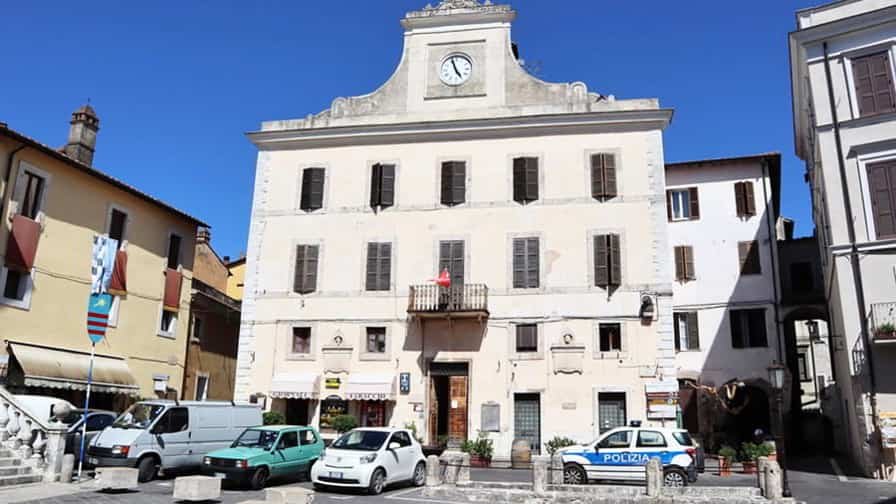
Piazza della Libertà is one of the most elegant and historically significant squares in Orte, a charming medieval town in the province of Viterbo, Italy. Located in the heart of the historic centre, the square has long served as a focal point for civic and social life. Surrounded by stately buildings and graceful arches, it reflects the town’s architectural evolution through the centuries. The atmosphere of Piazza della Libertà is both lively and serene, offering locals and visitors a welcoming space to gather, stroll, or enjoy a coffee while admiring its timeless beauty. The square often hosts community events, markets, and celebrations that highlight Orte’s vibrant traditions. From Piazza della Libertà, narrow cobblestone streets lead to other important landmarks, creating a natural crossroads of culture and daily life. It stands today as a symbol of Orte’s enduring charm, history, and sense of community.
Photo Gallery of Walk 1 – Via del Ponte to Piazza d’Erba
Approximately 1.60 km – 0.99 miles
This walk explores the historic centre of Orte, a hilltop town in northern Lazio known for its ancient origins, medieval streets, and strategic position overlooking the Tiber Valley. Founded in antiquity and later developed during the Middle Ages, Orte preserves a rich architectural heritage within its compact historic core. The route begins on Via del Ponte and continues along Via de Dominicis and Via G. Matteotti, streets lined with historic buildings that reflect the town’s long history. A short detour leads to the Monumento ai Caduti nella Grande Guerra on Via Giordano Bruno, a monument dedicated to local residents who lost their lives during the First World War. The walk then follows Via Giordano Bruno to Piazza del Popolo, one of the town’s principal public squares and a traditional meeting place for residents. Returning to Via G. Matteotti, the route reaches Piazza Colonna before continuing to Piazza del Plebiscito, an important civic space surrounded by notable historic architecture. From here, the walk follows Via della Vittoria and concludes in Piazza d’Erba, a charming square that recalls the town’s historic commercial activity. Overall, the route offers an excellent introduction to Orte’s cultural heritage, urban character, and the atmosphere of one of Lazio’s most distinctive historic towns.
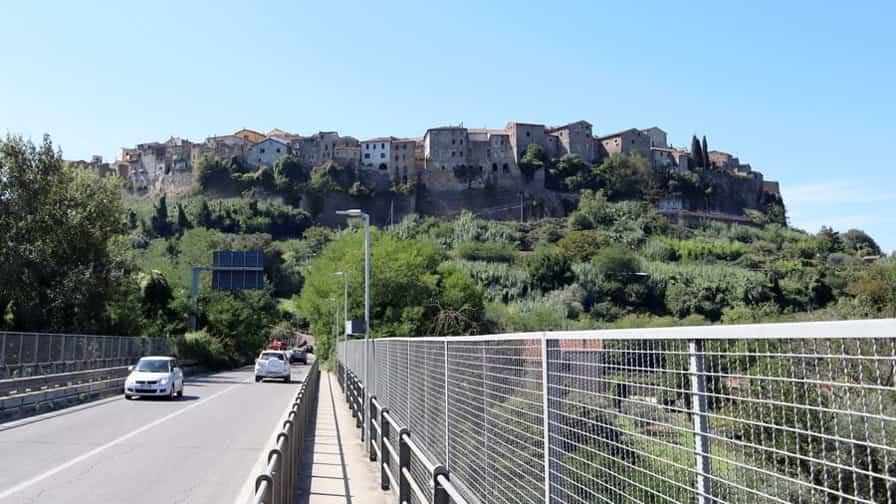
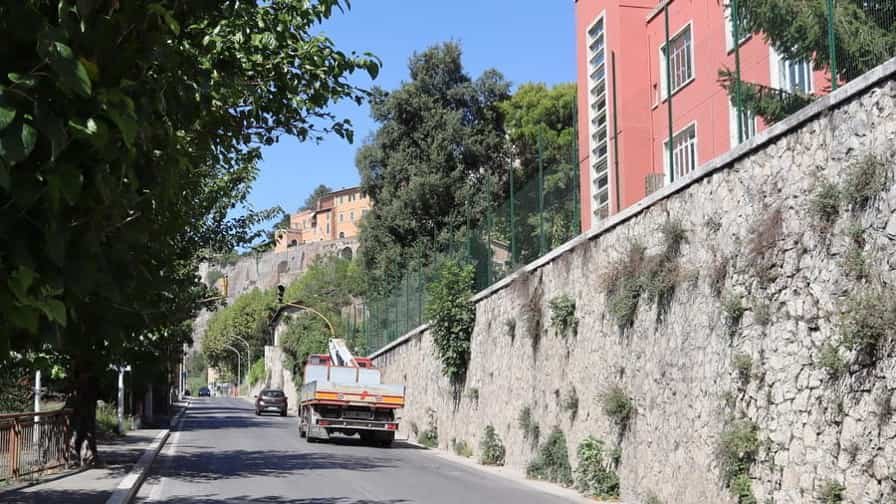
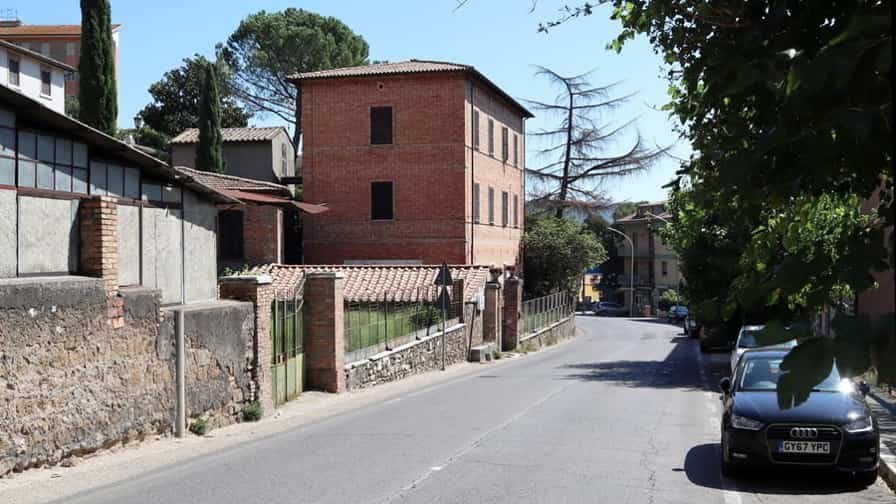
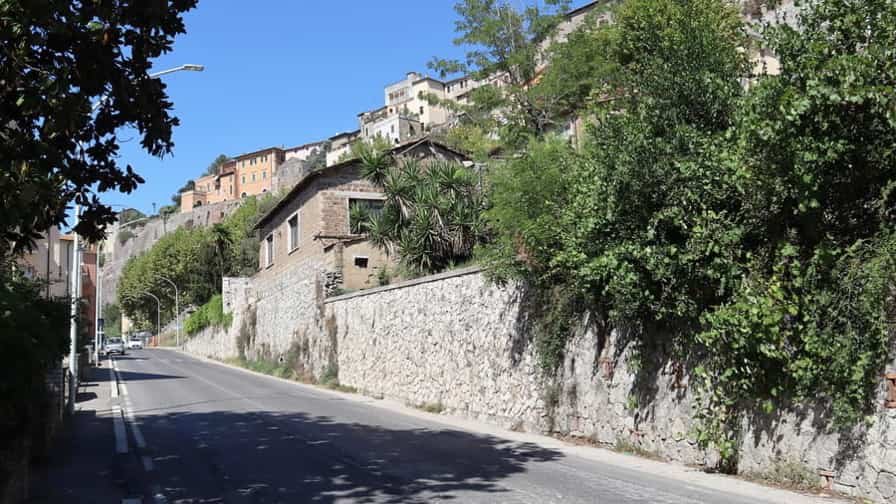
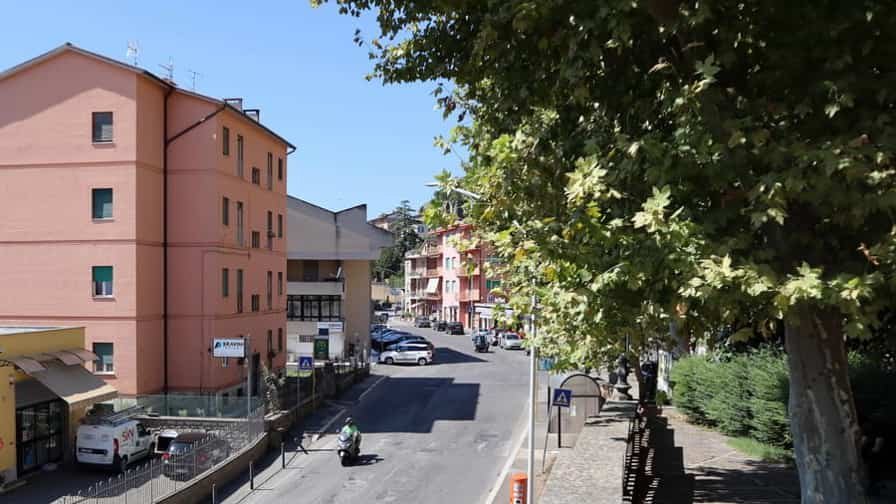
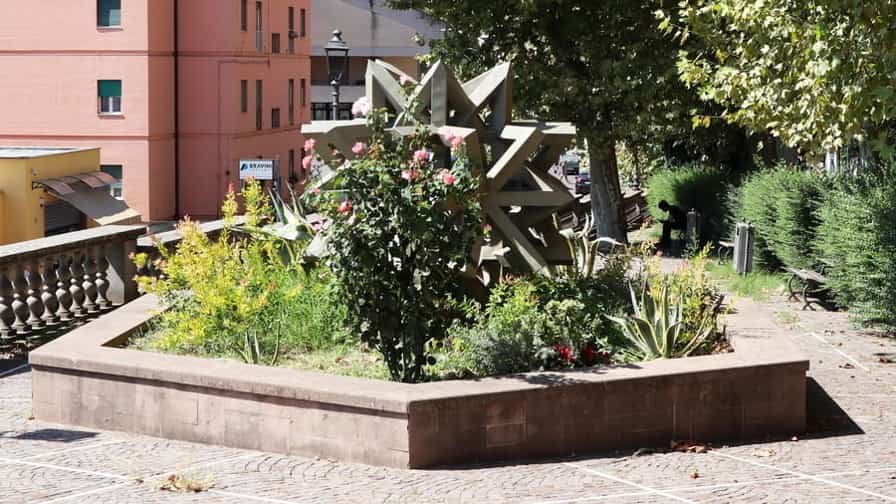
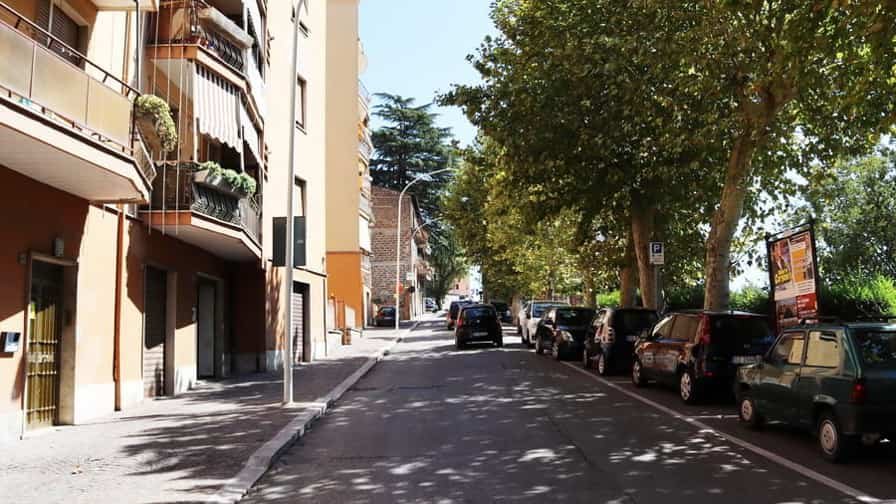
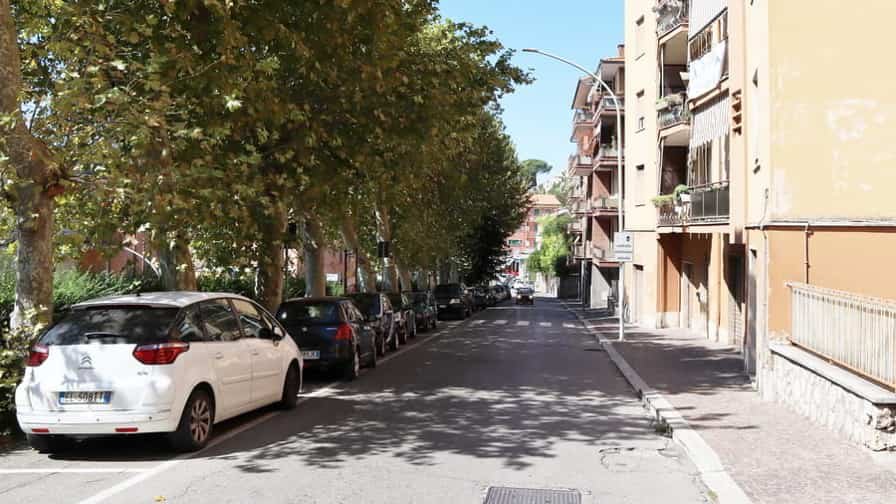
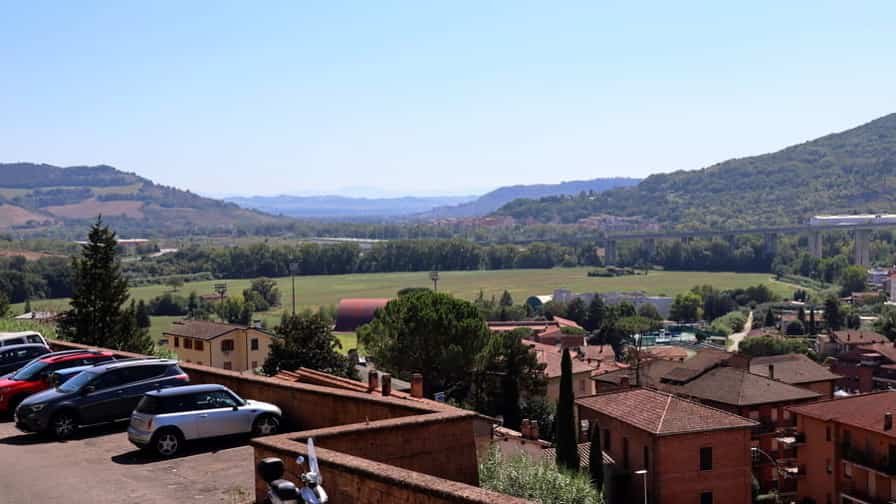
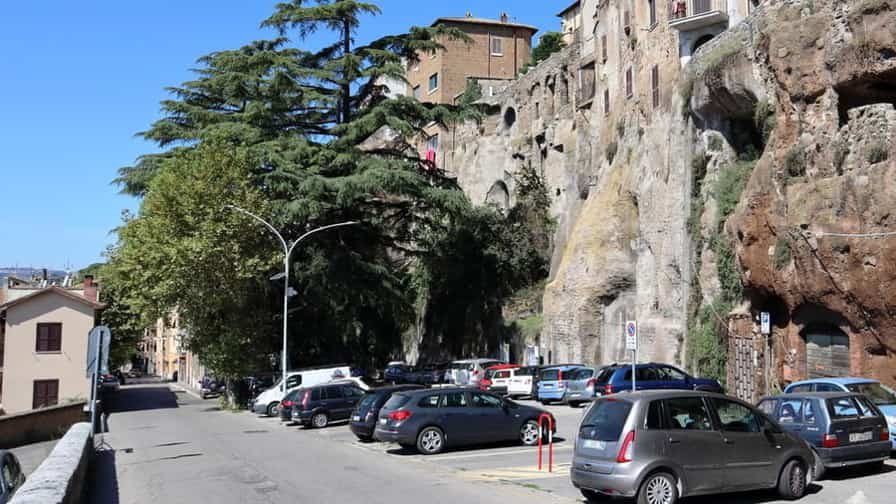
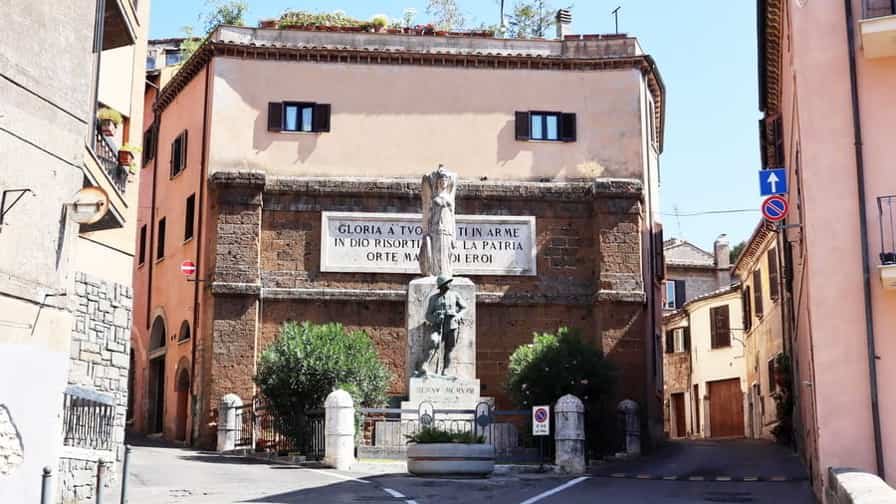
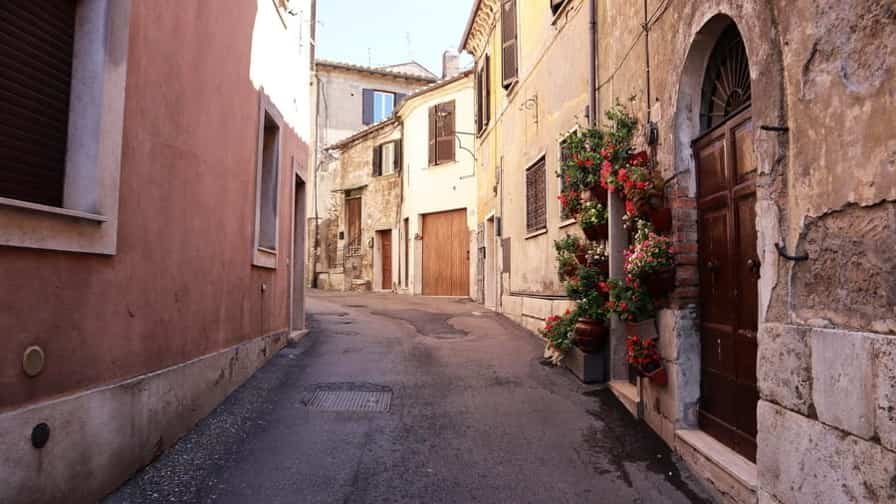
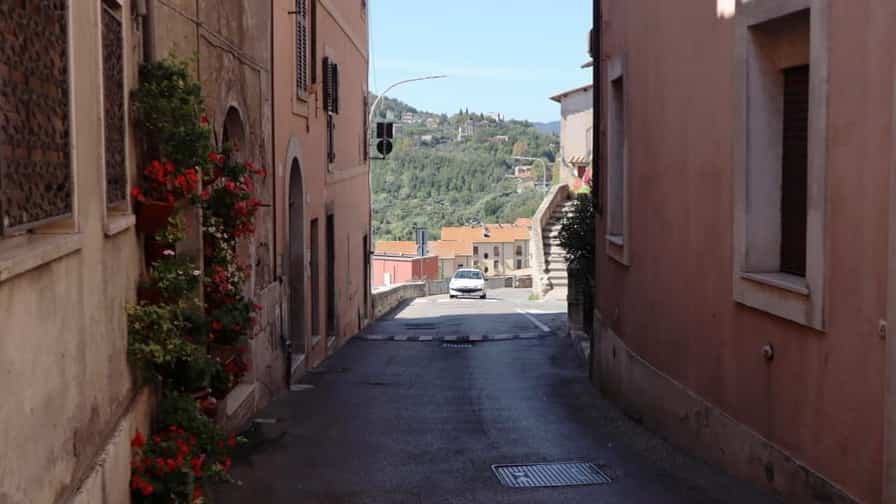
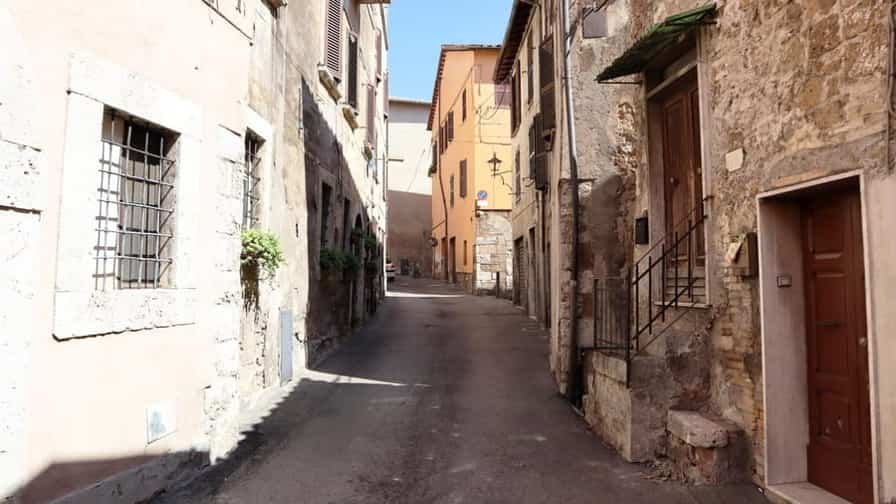
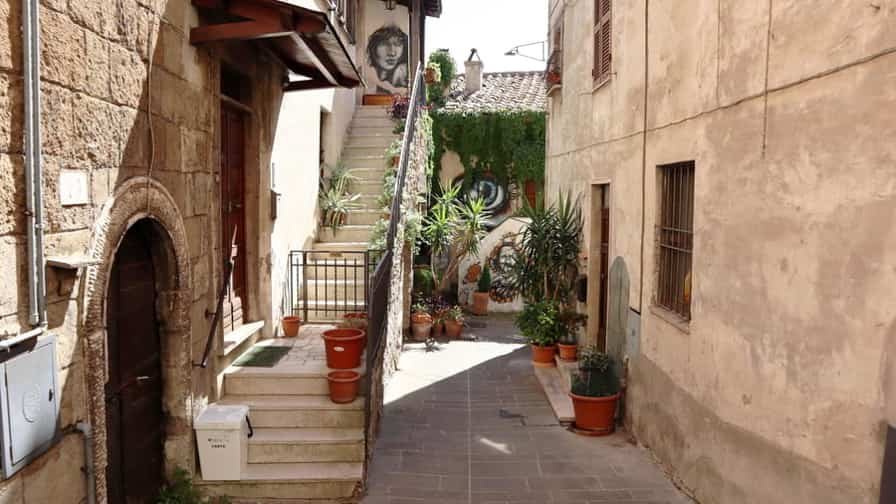
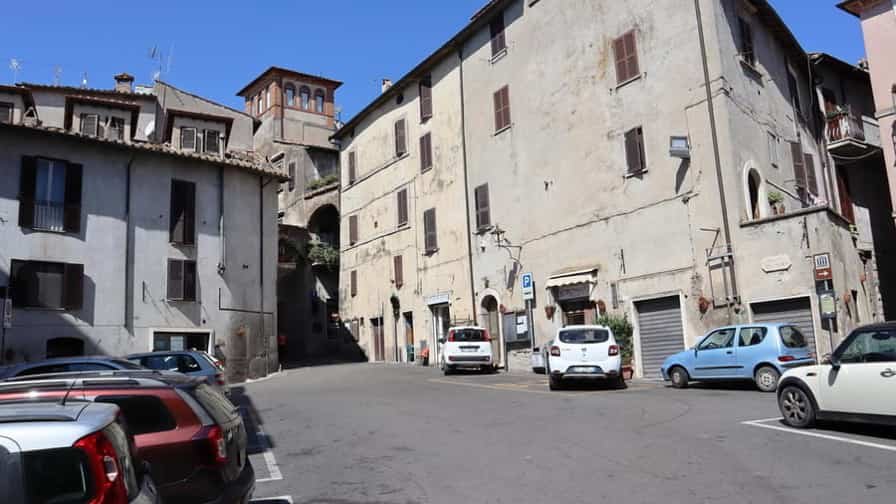
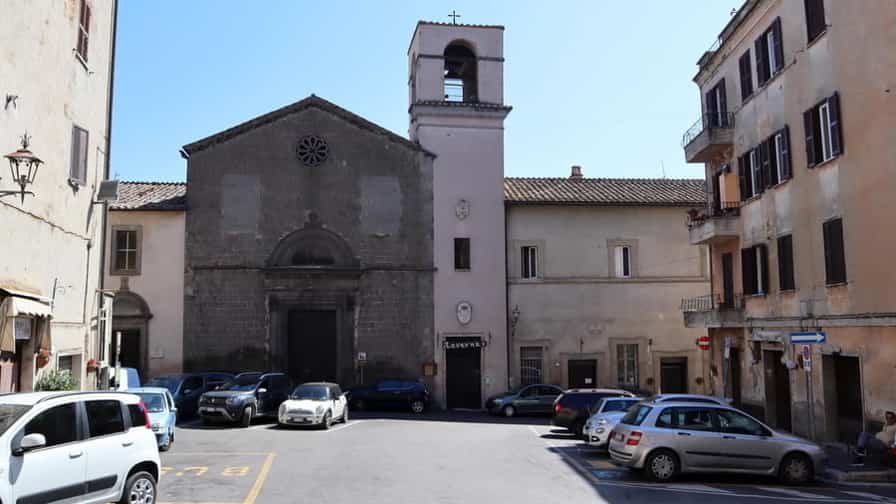
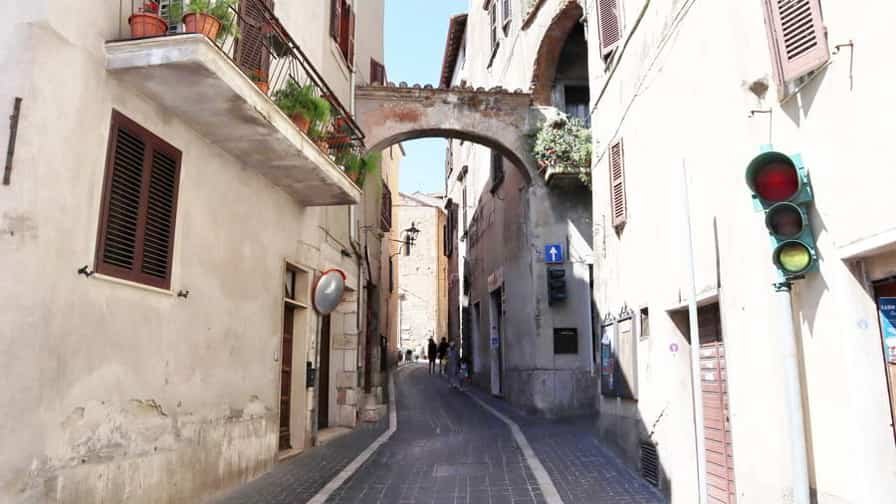
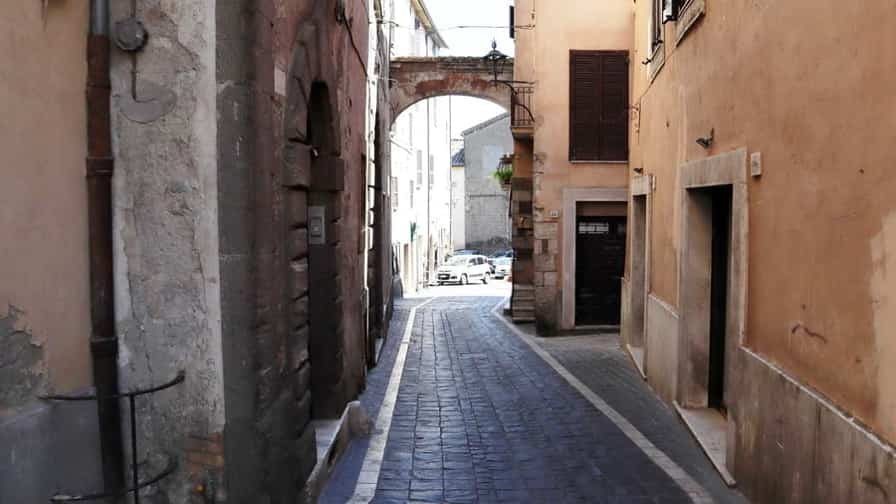
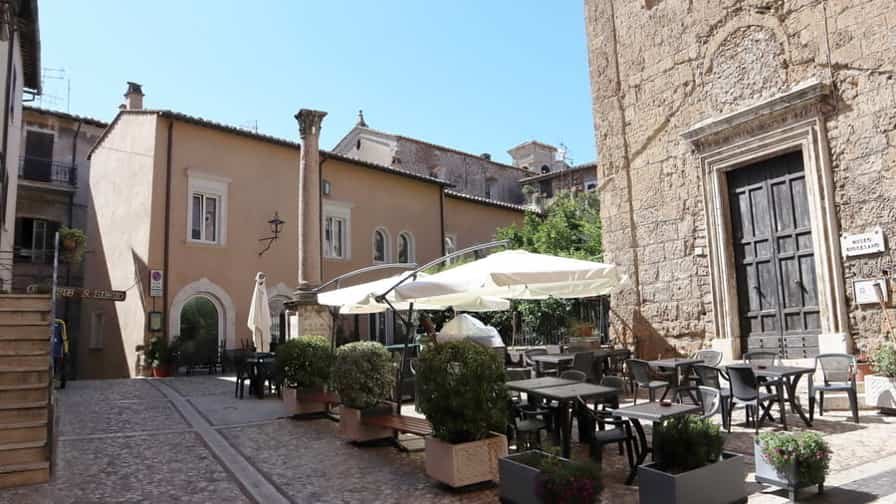
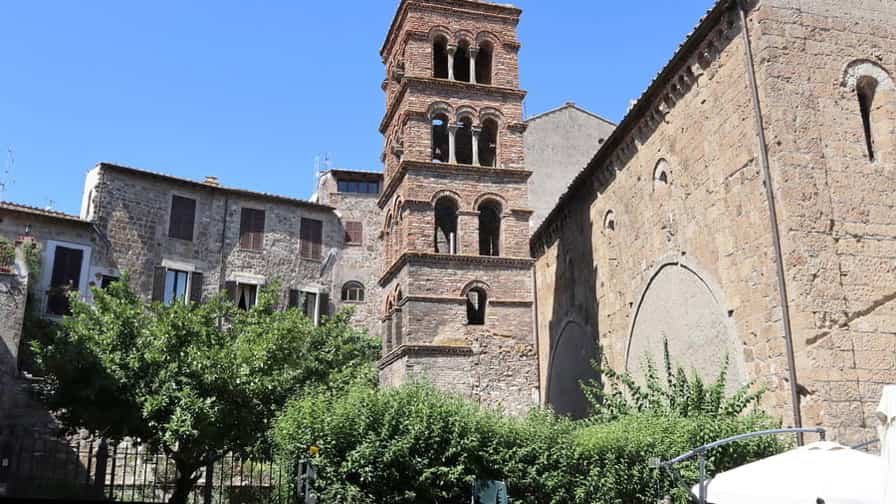
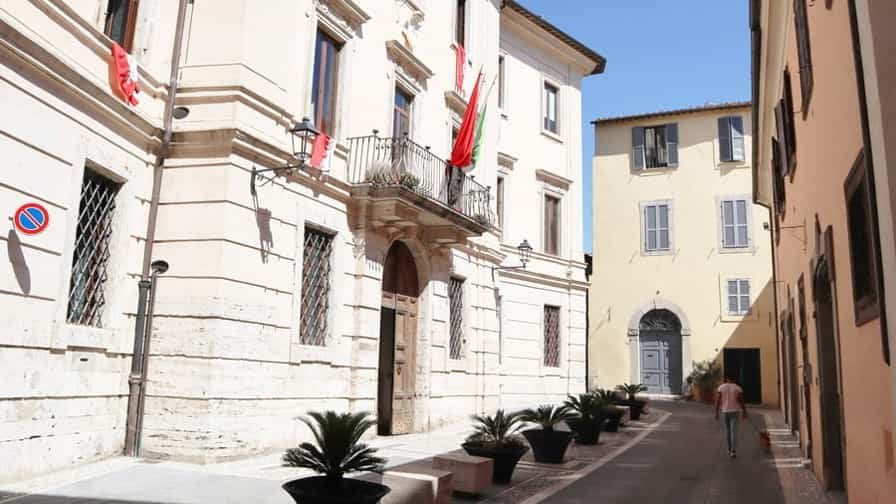
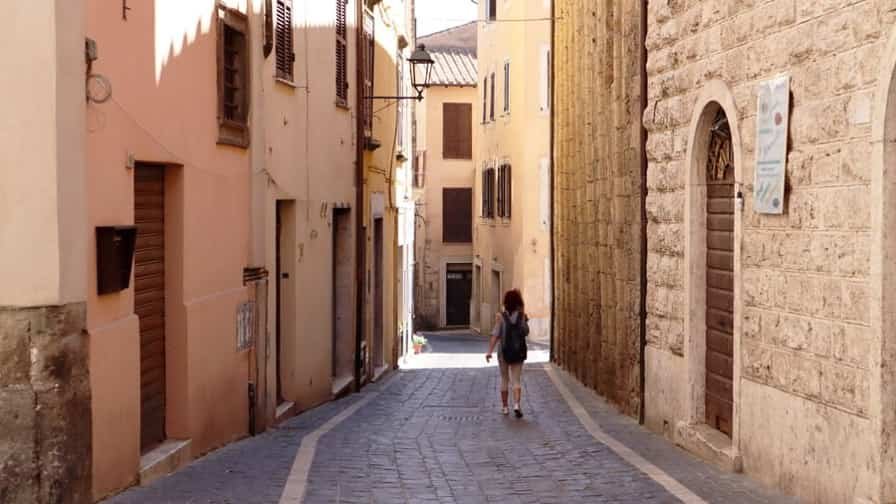
Photo Gallery of Walk 2 – Piazza della Libertà to Via A. Gramsci
Approximately 0.62 km – 0.39 miles
Description of Walk 2
This short walk explores the historic centre of Orte, a picturesque hilltop town known for its medieval character and panoramic views over the Tiber Valley. The route begins in Piazza della Libertà, the heart of the old town, and visits the impressive Concattedrale di Santa Maria Assunta, an important religious landmark that reflects the town’s long history. From the square, the walk follows Via G. Roscio to Piazza Federico Fratini before continuing along Via Principe Umberto and Via della Rocca, where historic buildings and narrow streets showcase Orte’s medieval heritage. The route then proceeds along Via A. Gramsci and returns to Piazza della Libertà. Although compact, this walk offers an enjoyable introduction to Orte’s architectural heritage, historic atmosphere, and cultural significance.
COPYRIGHT © 2018-2026 ITALY IN PHOTOS - ALL RIGHTS RESERVED