
HOME
REGIONS OF ITALY
PLACES IN ITALY
PLAN YOUR TRIP
Italy in Photos
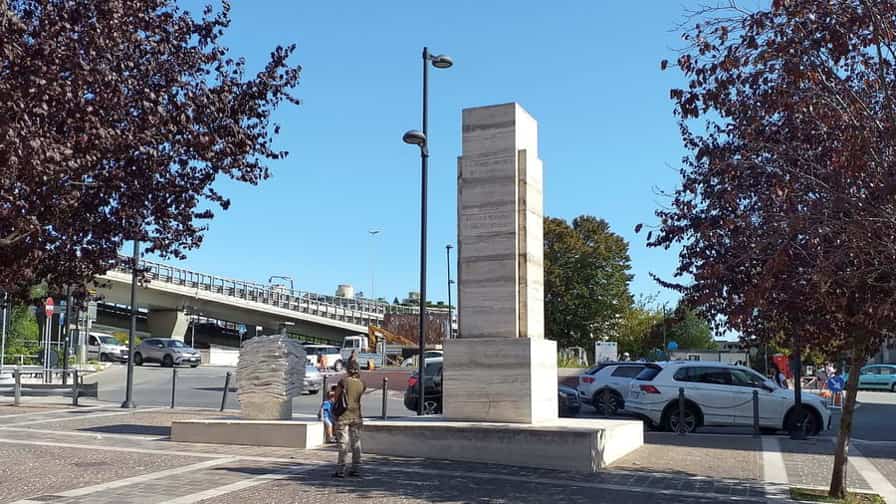
Ponte Risorgimento, 65122 Pescara PE (September 2020)
Pescara
Delayed or cancelled flight?
Get up to £520!
You’ve got rights when your flight’s disrupted.
We enforce them and handle everything so you get paid
Pescara is a dynamic coastal city located in the Abruzzo region of central Italy, where the Adriatic Sea meets the mouth of the Pescara River. Known for its long sandy beaches, modern urban character, and vibrant cultural life, Pescara offers a different perspective on Italy compared to its medieval hill towns and ancient cities. As one of the most important economic and transportation hubs in the region, Pescara combines seaside leisure with the energy of a contemporary city, making it an appealing destination for both residents and visitors.
The history of Pescara is shaped by its strategic position along the Adriatic coast. In ancient times, the area was known as Aternum, a Roman port that played a key role in trade between the interior of the Italian peninsula and the sea. The river provided access to inland routes, linking coastal commerce with mountainous regions. Over the centuries, Pescara experienced periods of conquest, fortification, and rebuilding under various rulers, including the Normans, Swabians, and Spanish. Its military importance led to the construction of a large fortress, which dominated the settlement until it was largely destroyed in the nineteenth century.
Unlike many Italian cities, Pescara’s modern appearance is largely the result of twentieth century reconstruction. During the Second World War, the city suffered extensive damage from bombing, leading to a significant rebuilding process that reshaped its urban landscape. As a result, Pescara is characterized by wide streets, contemporary architecture, and a functional layout that reflects modern planning rather than medieval design. This gives the city a distinct identity, marked by openness, light, and a strong connection to the sea.
The coastline is central to life in Pescara. Stretching for several kilometres, the sandy beach is lined with palm trees, promenades, and beach establishments that define the city’s relaxed yet lively atmosphere. During the summer months, the seafront becomes a focal point for social life, with residents and visitors enjoying swimming, sunbathing, and evening walks along the shore. The Adriatic Sea also influences local cuisine, with seafood playing a prominent role in traditional dishes served in restaurants and family run trattorias.
Pescara is also an important cultural centre in Abruzzo, particularly known for its association with literature and the arts. The city is the birthplace of Gabriele D’Annunzio, one of Italy’s most influential writers and intellectual figures of the late nineteenth and early twentieth centuries. His legacy is preserved through museums, cultural institutions, and events that celebrate his contribution to Italian literature and national identity. This artistic heritage adds depth to Pescara’s modern character, linking the city to broader cultural movements in Italian history.
In addition to literature, Pescara hosts a variety of cultural events and festivals throughout the year. Music, theatre, film, and visual arts all play a role in the city’s cultural life, with venues and public spaces frequently used for performances and exhibitions. The Pescara Jazz Festival, one of the oldest jazz festivals in Italy, attracts internationally renowned musicians and contributes to the city’s reputation as a lively and creative destination. These events reflect the city’s openness and contemporary spirit.
The natural surroundings of Pescara offer a striking contrast between sea and mountains. Just a short distance inland, the landscape rises toward the Apennines, home to national parks, forests, and traditional villages. This proximity allows residents and visitors to enjoy both coastal and mountain environments, often within the same day. The Pescara River itself provides green spaces and walking paths, creating a natural corridor that connects the city to its hinterland.
Pescara’s role as a transportation hub further enhances its significance. The city is served by an international airport, major railway connections, and highway links that connect Abruzzo to the rest of Italy. This accessibility has contributed to its growth as a commercial and service center, attracting businesses, students, and professionals. At the same time, the city maintains a relaxed rhythm of life influenced by its seaside setting and strong community ties.
Local cuisine reflects the character of the region, blending coastal and inland traditions. Fresh fish, shellfish, and simple preparations highlight the flavours of the Adriatic, while pasta dishes, olive oil, and vegetables connect Pescara to Abruzzo’s rural heritage. Meals are often social occasions, enjoyed slowly and in good company, reflecting the region’s emphasis on hospitality and togetherness.
Pescara is a city that represents modern Italy at the crossroads of tradition and innovation. Its seaside lifestyle, cultural vitality, and strategic location create a multifaceted identity that is both relaxed and forward looking. Pescara offers an introduction to Italy that is contemporary and authentic, where the rhythm of the sea meets the energy of urban life and the enduring traditions of the Abruzzo region.
Worth a Visit
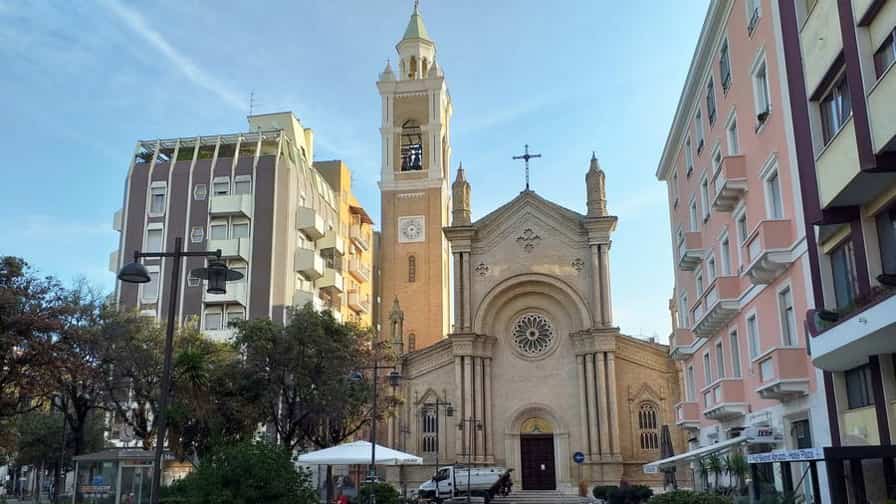
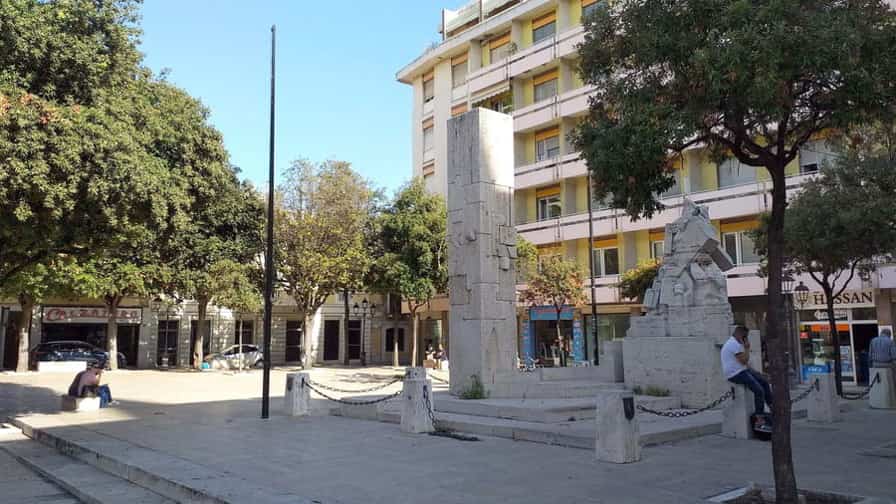
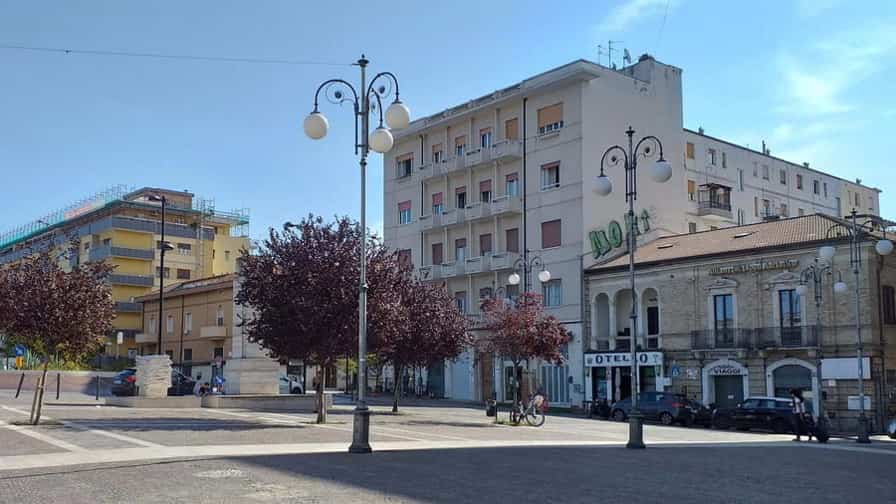
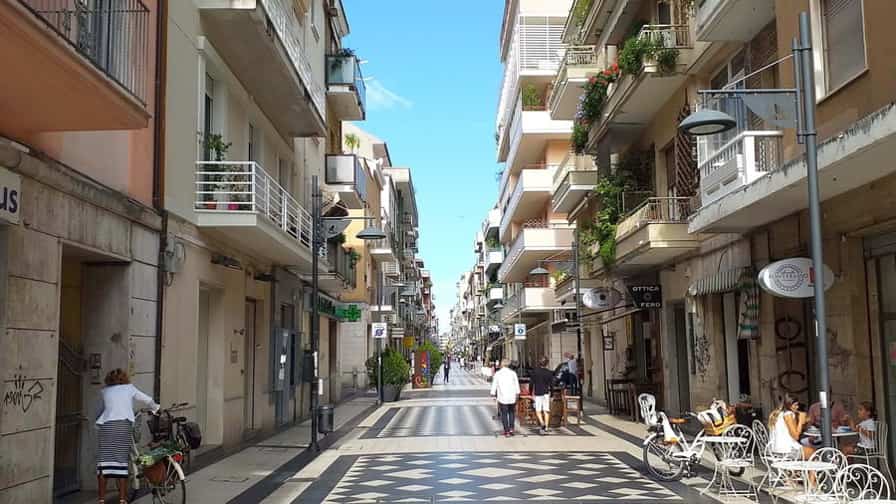
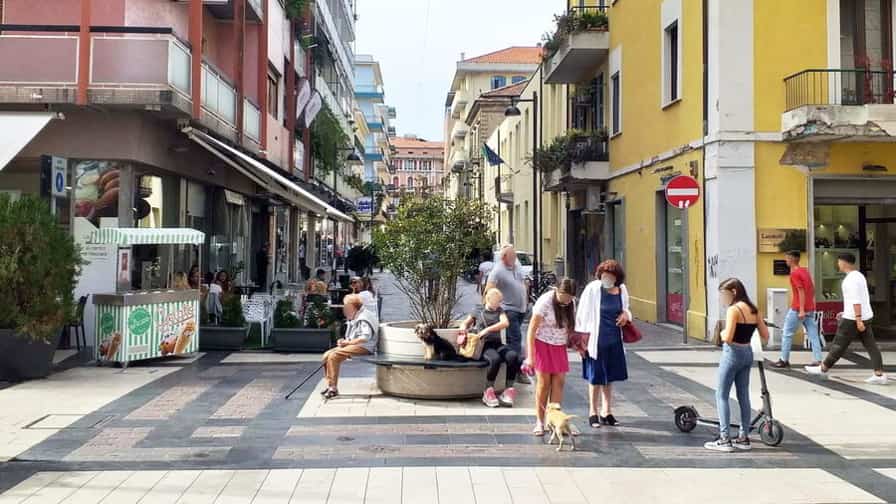
Piazza del Sacro Cuore is one of the most central and lively squares in Pescara, located in the heart of the modern city. The square takes its name from the Church of the Sacred Heart, a prominent neoclassical-style church that stands as its main landmark. Surrounded by shops, cafés, and bustling streets, Piazza del Sacro Cuore is both a spiritual and social hub for residents and visitors alike. It lies close to Corso Umberto I, one of Pescara’s main shopping avenues, and serves as a natural meeting point within the city. The square often hosts cultural events, street performances, and festive gatherings, reflecting the vibrant atmosphere of Pescara. Its combination of religious significance, commercial activity, and everyday life makes Piazza del Sacro Cuore a symbolic place where tradition and modernity meet, offering a welcoming space to pause, explore, and enjoy the rhythm of the city.
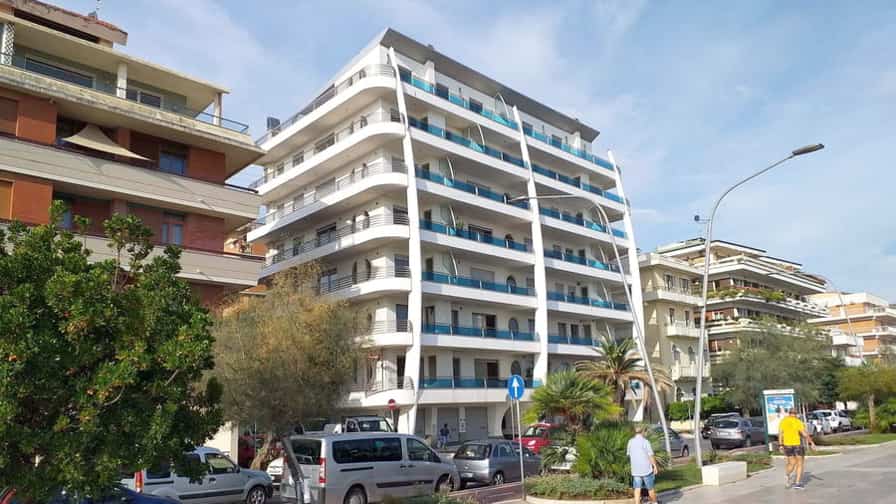
Lungomare G. Matteotti is one of the most famous seaside promenades in Pescara, stretching along the Adriatic coast and offering stunning views of the sea. Lined with palm trees, sandy beaches, and lively beach clubs, it is a favorite destination for both locals and visitors who enjoy walking, cycling, or relaxing by the waterfront. The promenade is well known for its vibrant atmosphere, especially in the summer months, when restaurants, cafés, and gelaterias come alive with activity. By day, Lungomare G. Matteotti is perfect for sunbathing and water sports, while in the evening it transforms into a lively social spot with nightlife and cultural events. Its wide pedestrian areas, bike paths, and proximity to the city centre make it easily accessible and enjoyable year-round. More than just a seaside walk, Lungomare G. Matteotti captures the essence of Pescara’s coastal lifestyle.
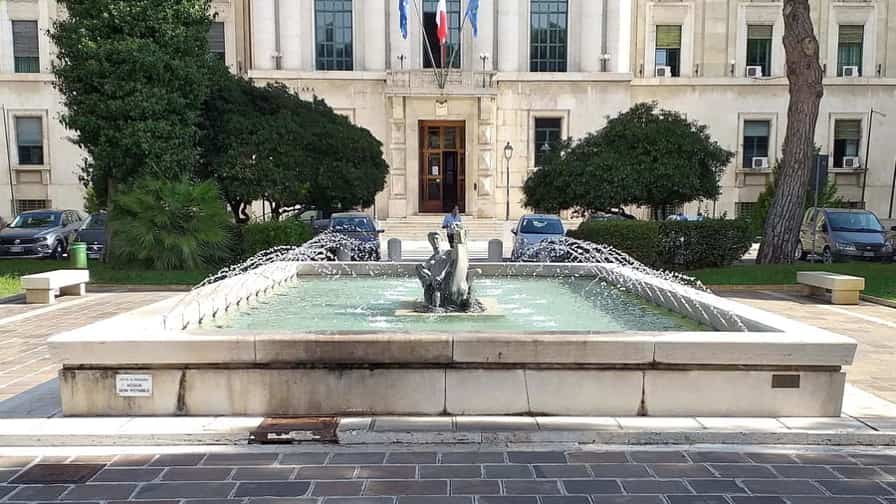
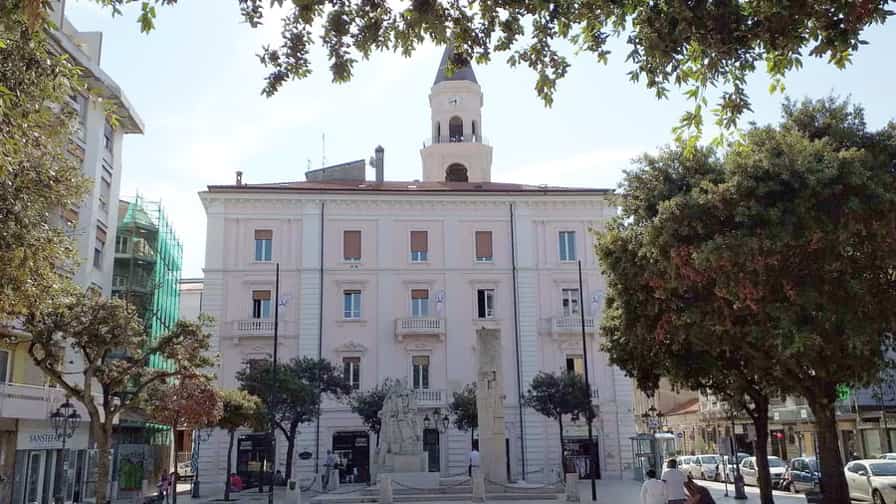
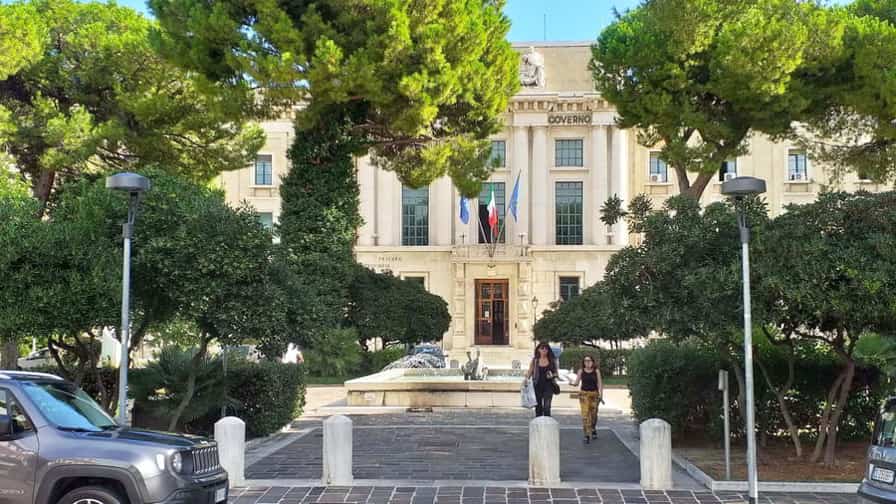
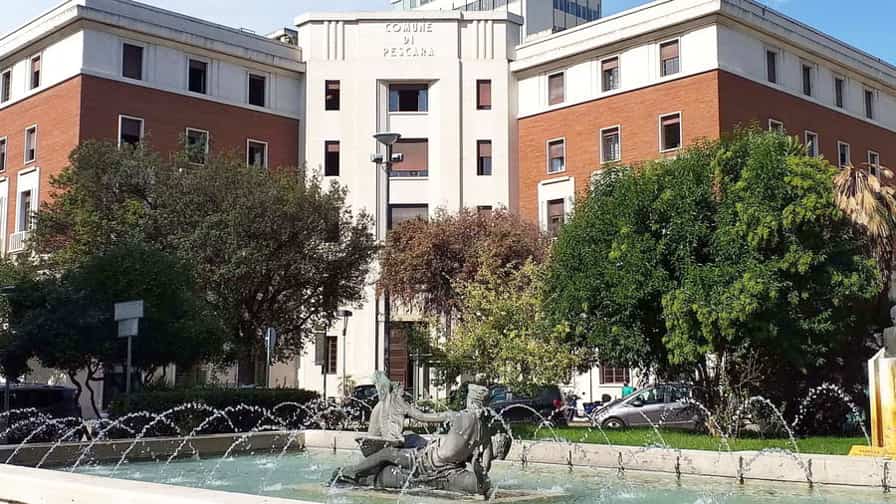
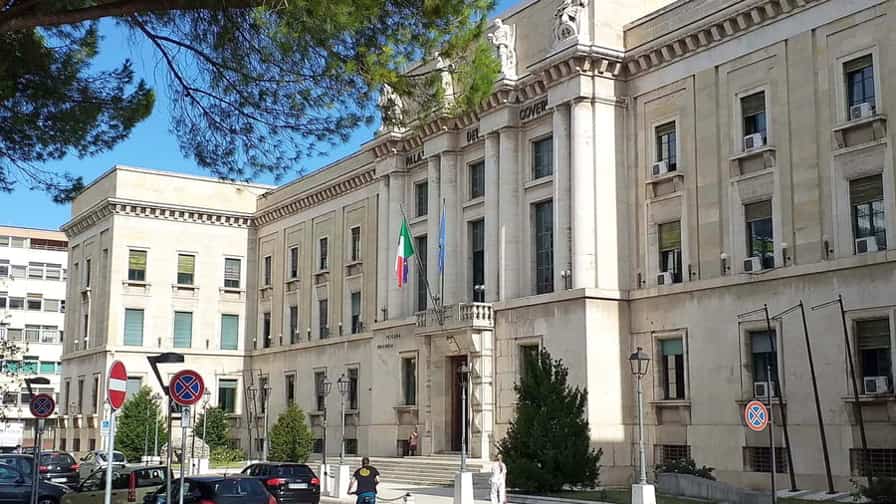
Piazza Italia is the institutional and political heart of Pescara, located between the city center and the riverside. Surrounded by important government buildings, including the Town Hall and the Prefecture Palace, the square represents the civic core of the city. Its spacious design, elegant fountains, and well-kept green areas make it a pleasant place to walk, rest, or meet friends, while also highlighting its role as a symbol of local identity. Piazza Italia often hosts official ceremonies, cultural events, and public gatherings, reflecting its importance in the social and administrative life of Pescara. Its central location makes it a natural crossroads between the commercial areas of Corso Umberto I and the waterfront, offering visitors a chance to experience both the institutional and leisure sides of the city. With its mix of history, architecture, and daily life, Piazza Italia remains one of Pescara’s most significant landmarks.
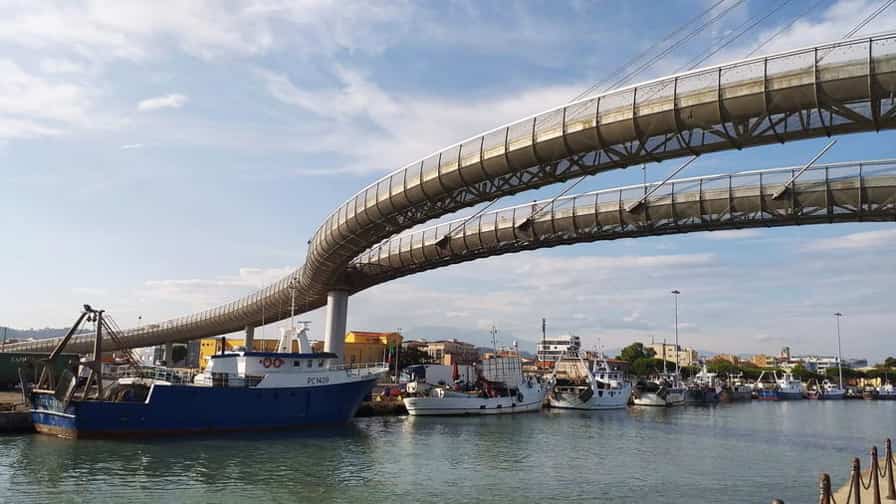
Ponte del Mare is one of Pescara’s most iconic landmarks and a striking symbol of the city’s modern identity. Opened in 2009, this impressive pedestrian and cycling bridge spans the mouth of the Pescara River, connecting the northern and southern parts of the city’s seafront. With its elegant, sail-like design and sweeping curves, Ponte del Mare is not only an architectural masterpiece but also an experience in itself. From its highest point, visitors can enjoy breath-taking panoramic views of the Adriatic Sea, the sandy coastline, the city skyline, and, on clear days, even the distant peaks of the Apennines. The bridge has quickly become a favourite spot for leisurely walks, bike rides, and romantic sunsets, as well as a key venue for cultural events and city celebrations. More than just a crossing, Ponte del Mare represents the vibrant spirit of Pescara, where innovation, nature, and daily life come together.
Photo Gallery of Walk 1 – Corso Vittorio Emanuele II to Cattedrale di San Cetteo, Piazza San Cetteo
Approximately 1.47 km – 0.91 miles
Description of Walk 1
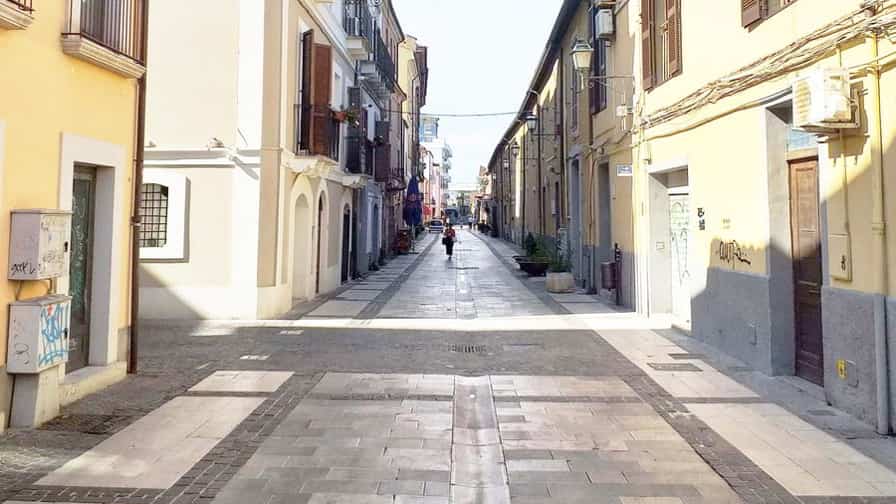
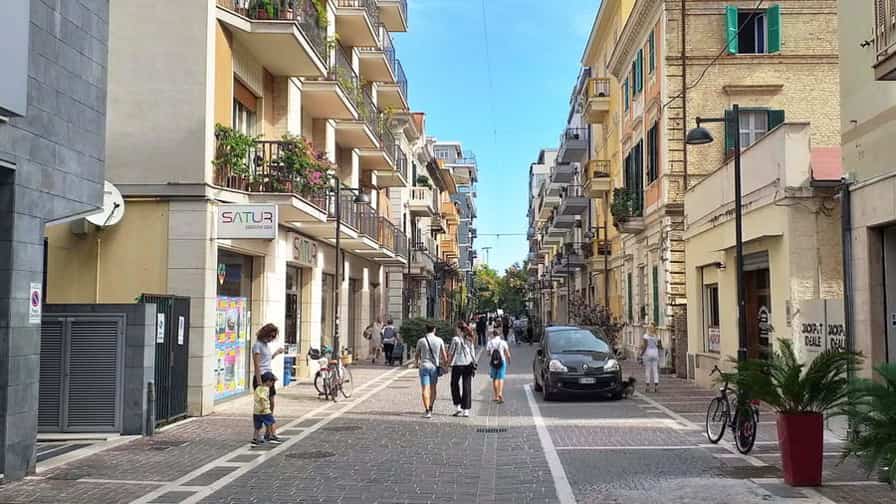
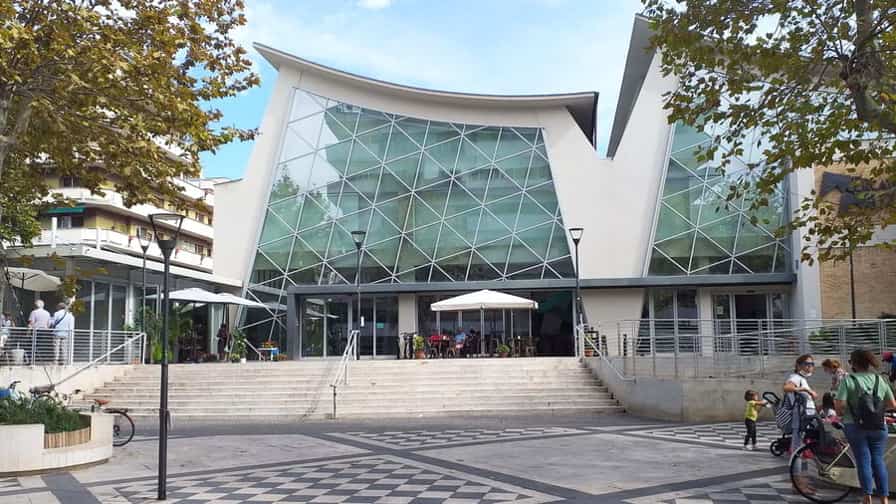
This walk explores the historic heart of Pescara, a vibrant coastal city in the Abruzzo region of central Italy. Known for its long Adriatic beaches, modern urban character, and cultural heritage, Pescara combines contemporary life with traces of its medieval and nineteenth-century past. The route begins at Vittorio Emanuele II and Piazza Duca D’Aosta, an area that reflects the city’s role as a commercial and transportation hub. From here, the walk continues toward Ponte Risorgimento, one of the bridges crossing the Pescara River, offering views of the waterway that has shaped the city’s development. The route then passes through Piazza Unione, an important public space symbolizing the union of the communities that formed modern Pescara. Continuing along Largo dei Frentani and Via Cecco Angiolieri, visitors enter quieter streets that reveal everyday urban life. Via Conte di Ruvo and Viale Gabriele D’Annunzio are particularly significant, as they are associated with the famous poet and writer Gabriele D’Annunzio, who was born in Pescara. The walk concludes at the Cattedrale di San Cetteo in Piazza San Cetteo. This cathedral, dedicated to the city’s patron saint, is one of Pescara’s most important religious landmarks. The route provides a fascinating introduction to the city’s history, culture, architecture, and local identity.
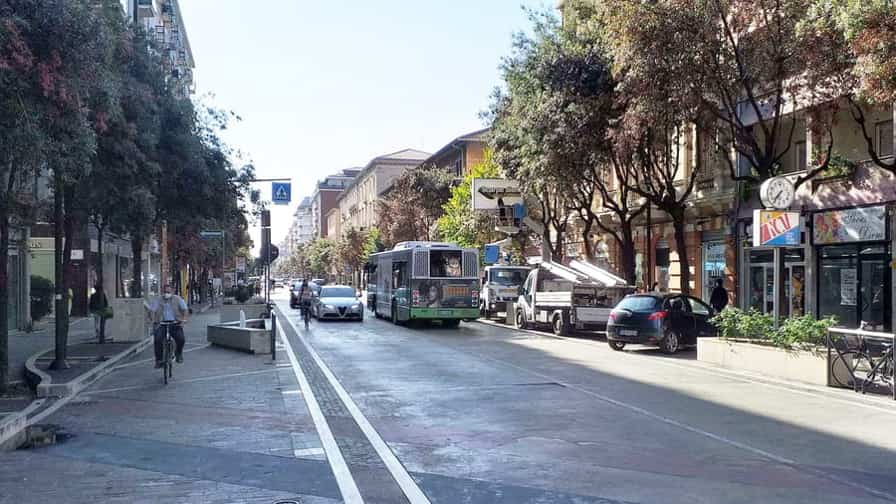
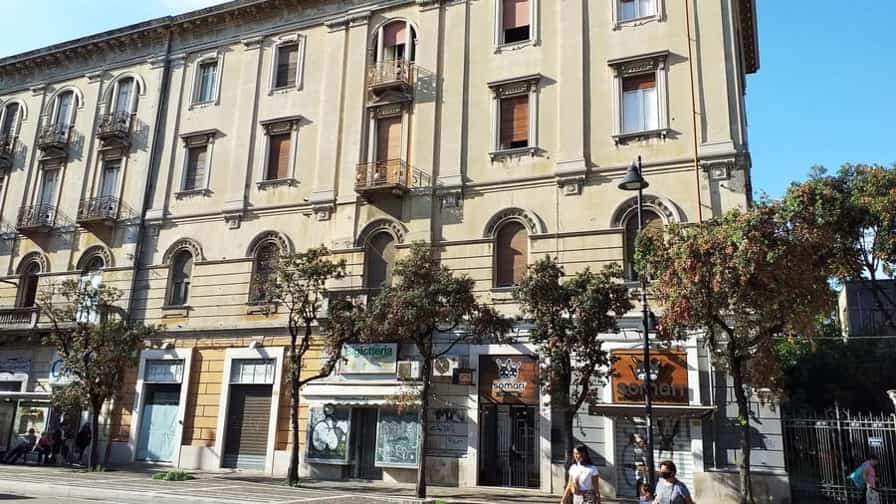
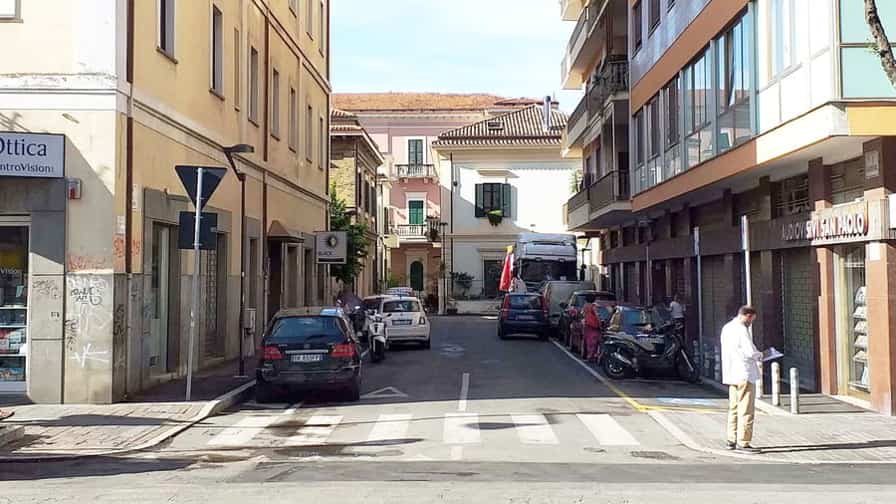
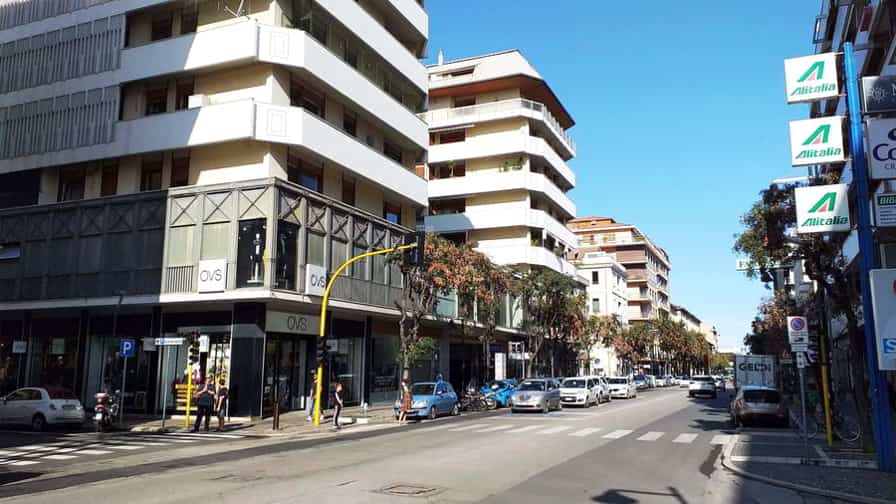
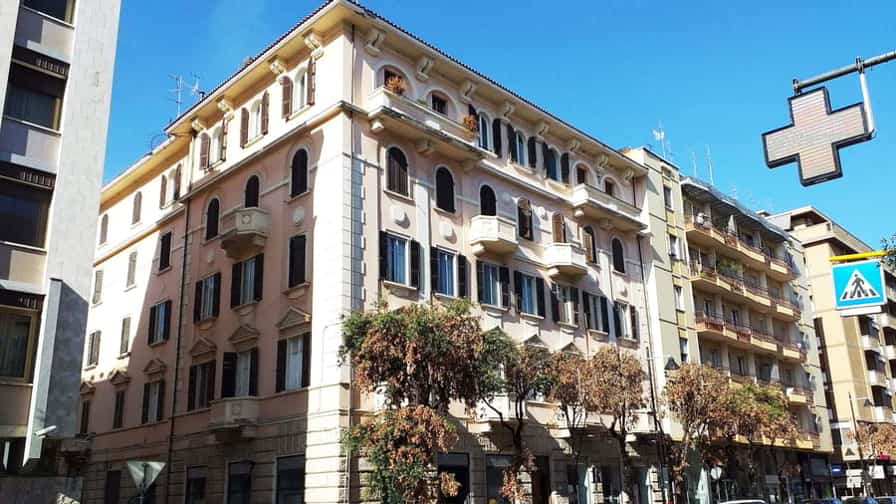
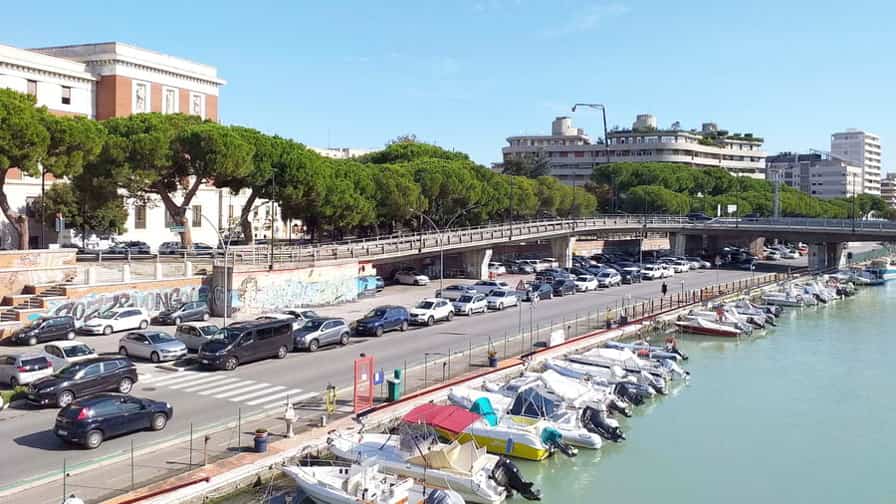
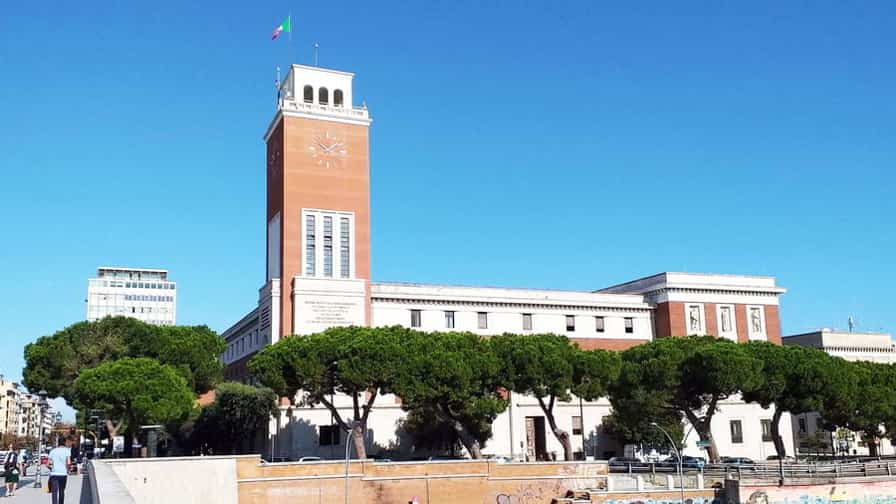
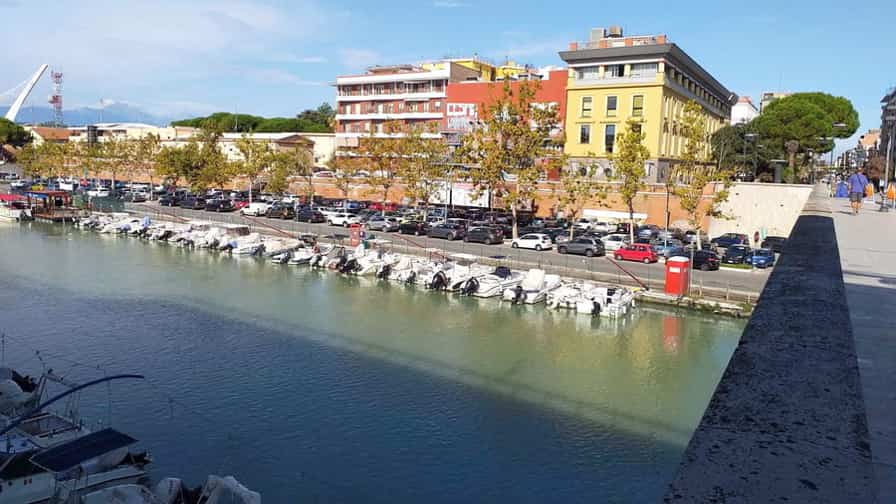
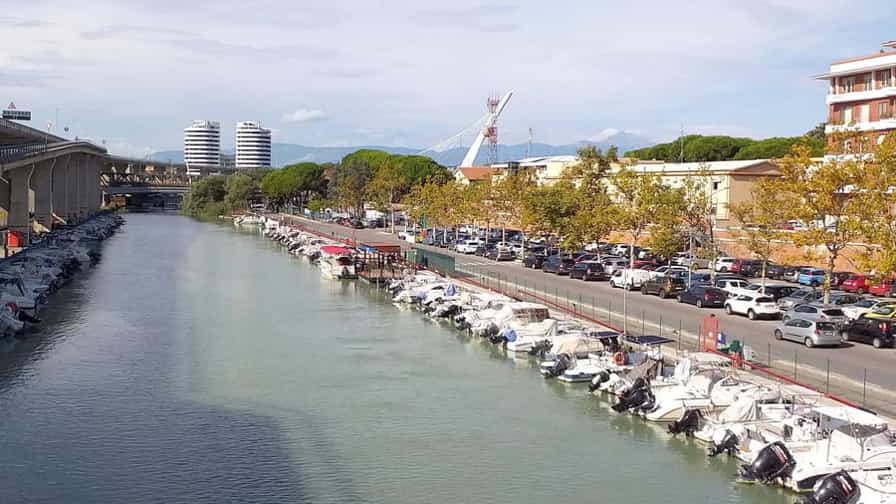
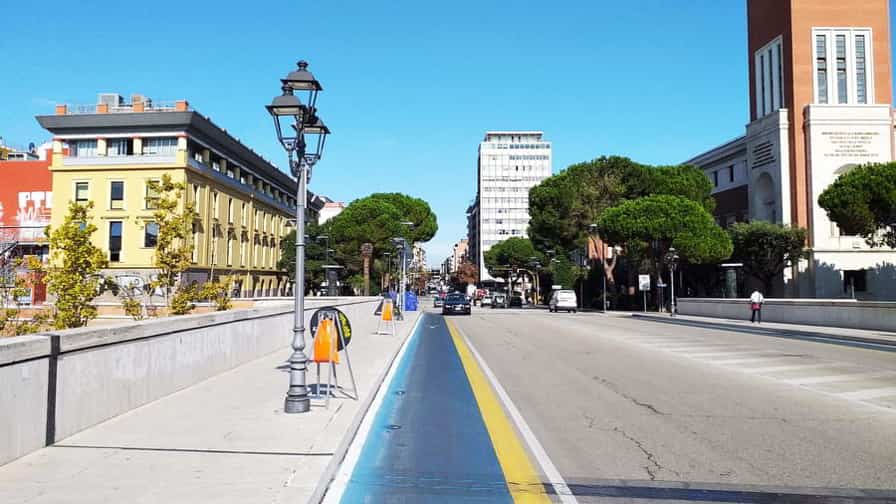
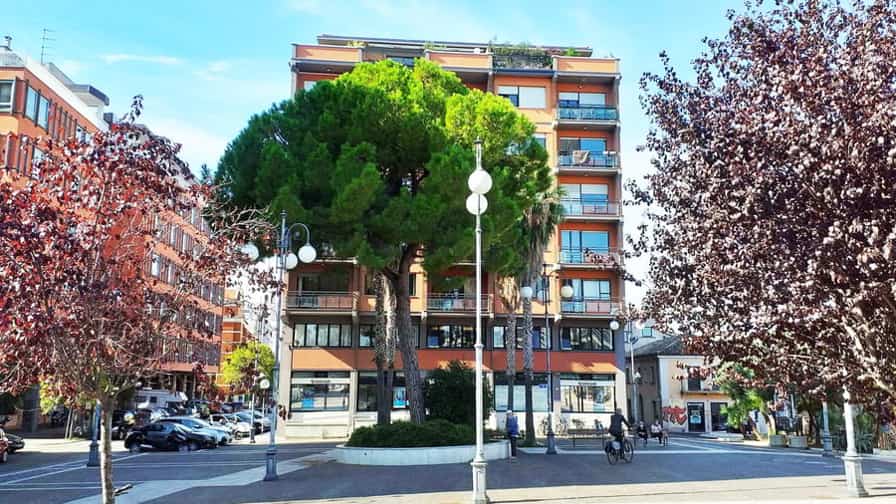
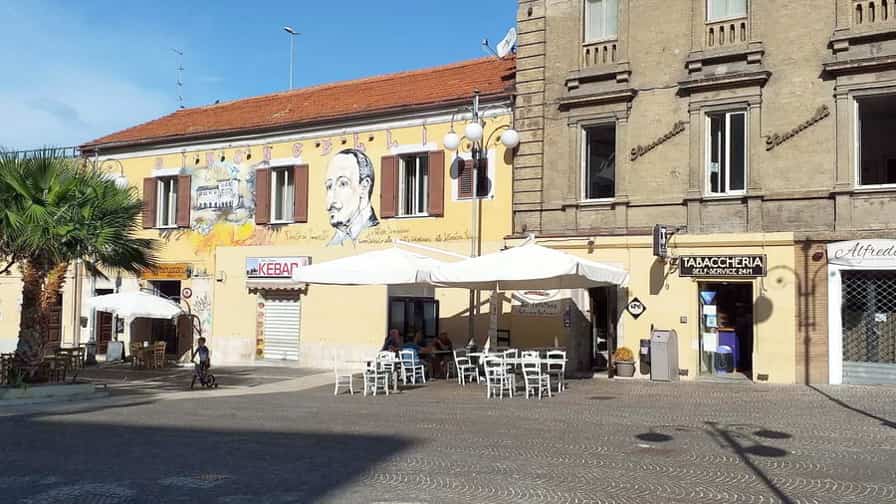
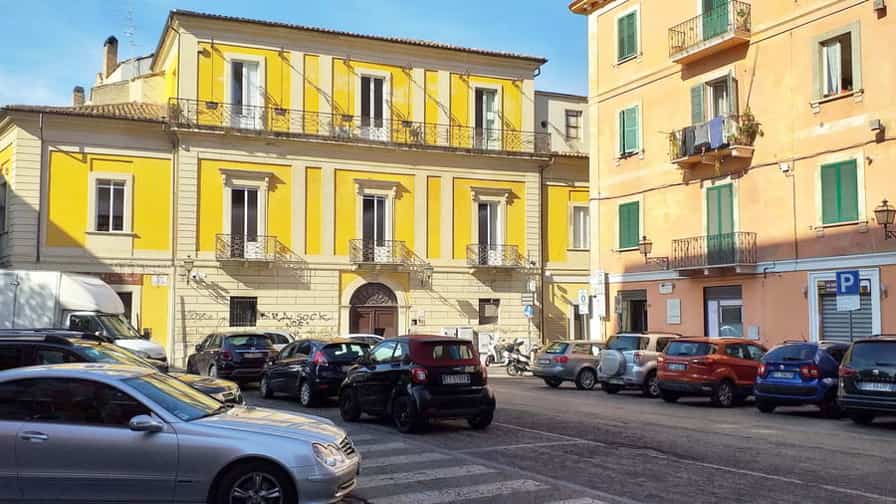
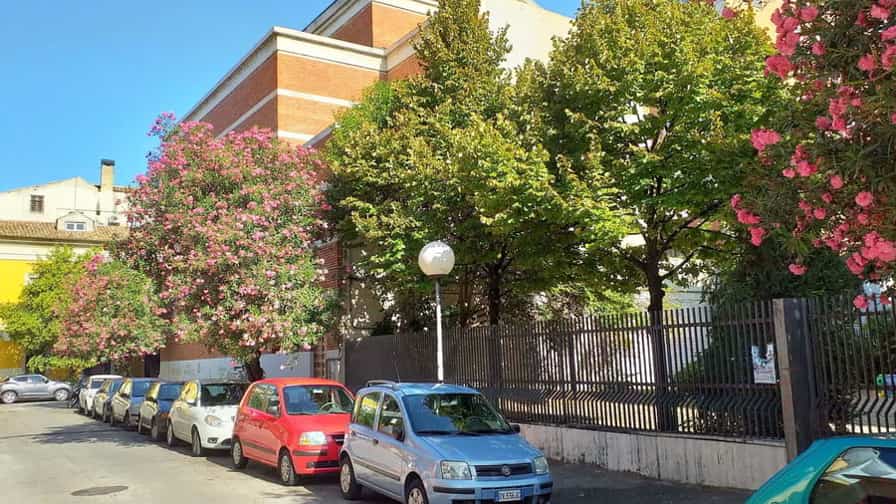
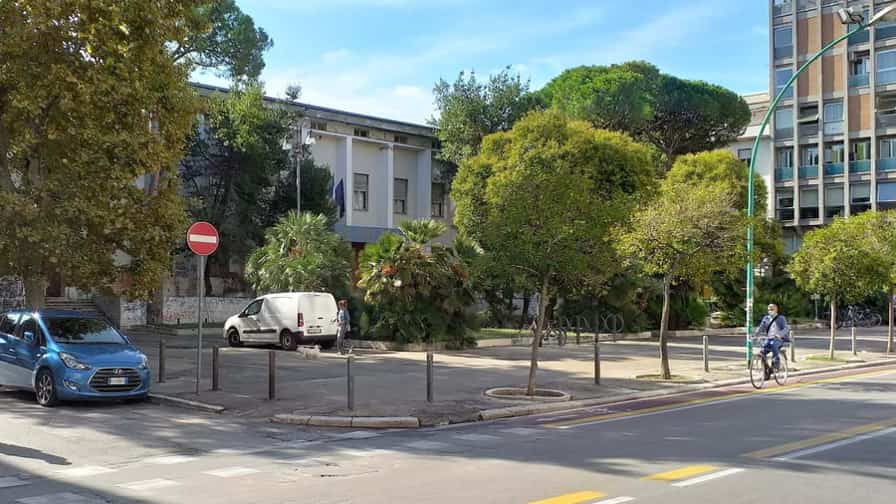
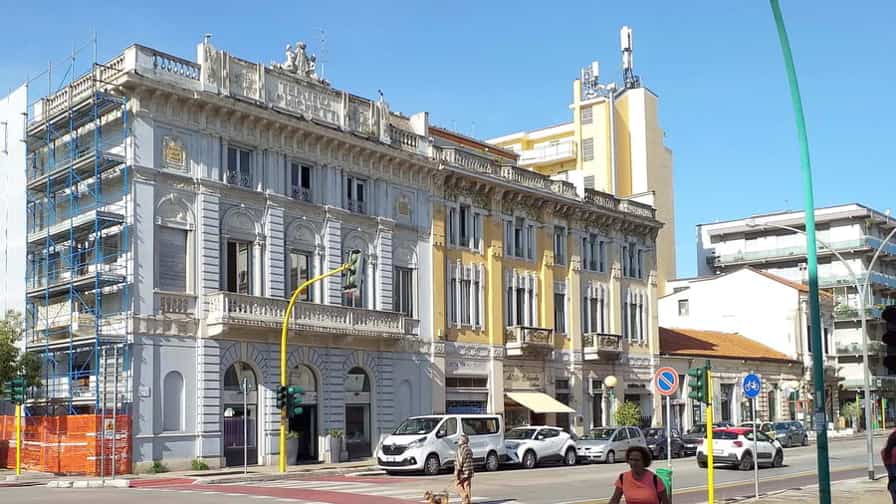
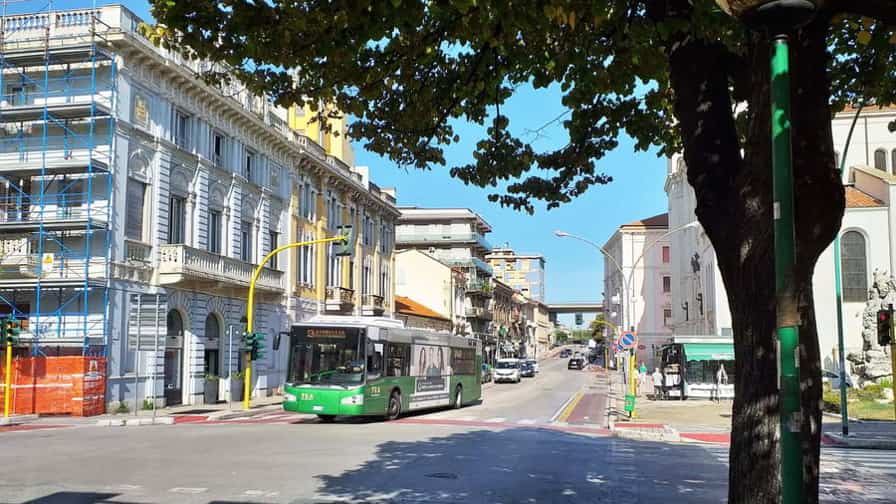
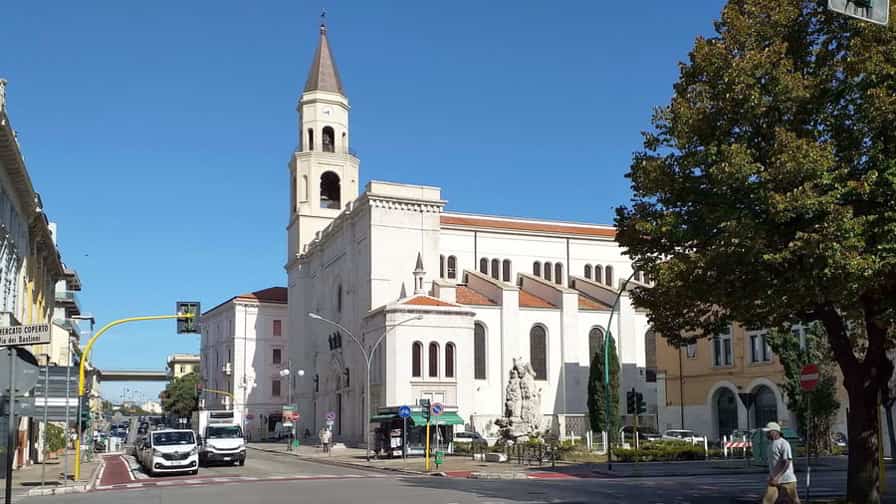
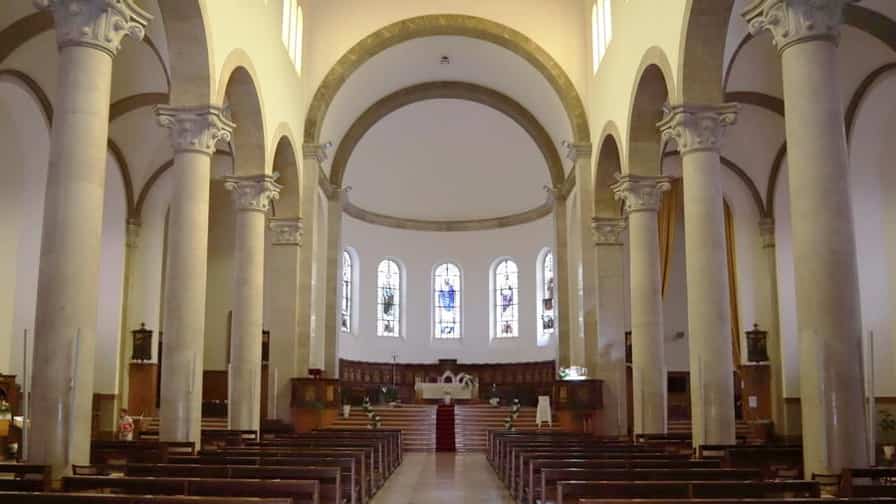
Photo Gallery of Walk 2 – Piazza della Repubblica to Ponte del Mare, Lungomare Colombo
Approximately 2.35 km – 1.46 miles
Description of Walk 2
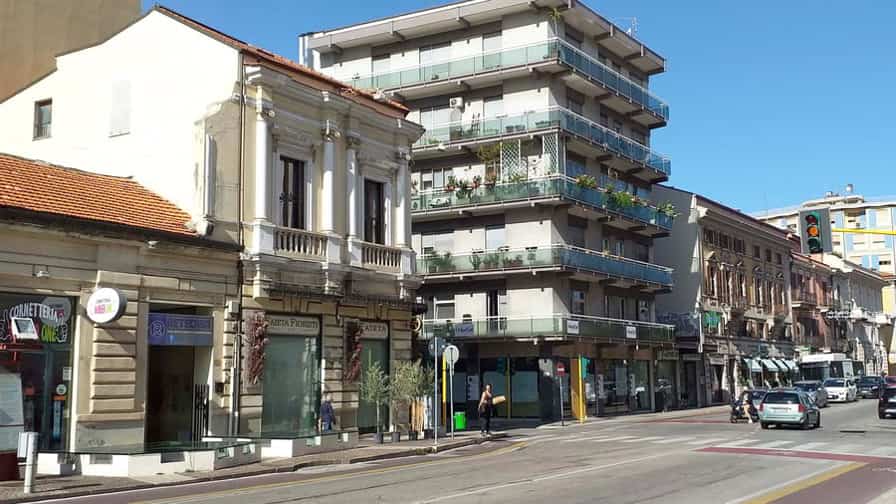
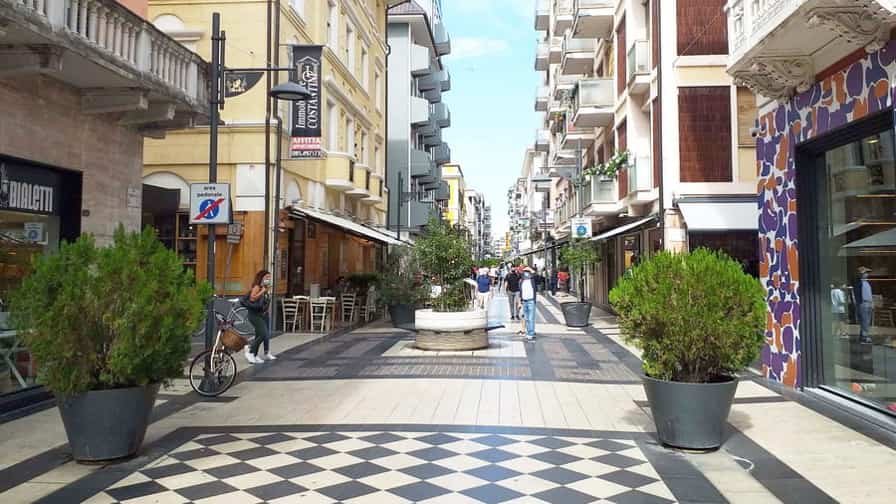
This walking route showcases the modern and seaside character of Pescara, one of the most important cities on Italy’s Adriatic coast. Located in the region of Abruzzo, Pescara is known for its wide sandy beaches, lively shopping streets, and vibrant cultural atmosphere. The city developed significantly during the nineteenth and twentieth centuries and today serves as a major economic, tourist, and transportation center. The walk begins in Piazza della Repubblica, near the city’s railway station, an area that acts as a gateway for visitors arriving in Pescara. From there, the route follows Corso Umberto I, one of the city’s main commercial avenues, lined with shops, cafés, and elegant buildings. Passing through Piazza del Sacro Cuore, visitors encounter one of Pescara’s most important churches and a popular gathering place for residents. Continuing along Corso Umberto I, the route reaches Via Cesare Battisti before returning to the city’s central promenade. Piazza della Rinascita, often called “Piazza Salotto,” is the social heart of Pescara and a popular meeting point. The walk then proceeds to Piazza I Maggio and the seafront along Lungomare Giacomo Matteotti and Lungomare Cristoforo Colombo. Here, walkers can enjoy views of the Adriatic Sea, beaches, and palm-lined promenades. The route concludes at Ponte del Mare, an iconic modern bridge offering spectacular panoramic views of the coastline, river, and city skyline.
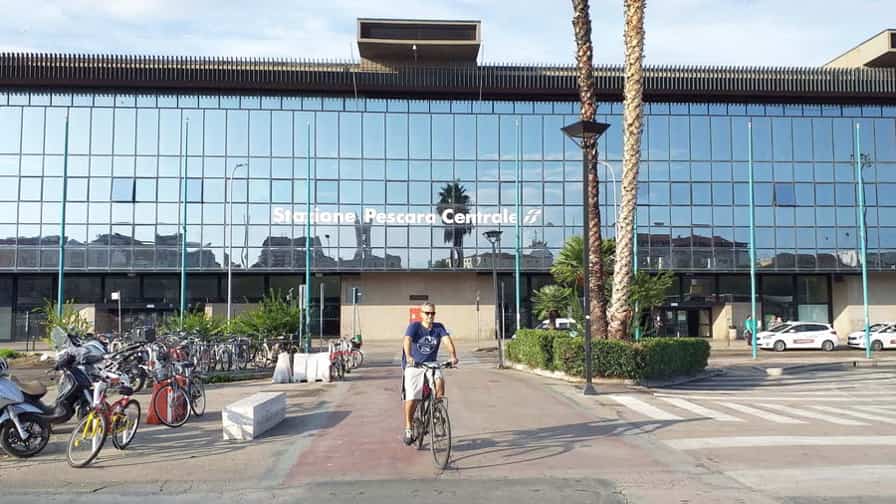
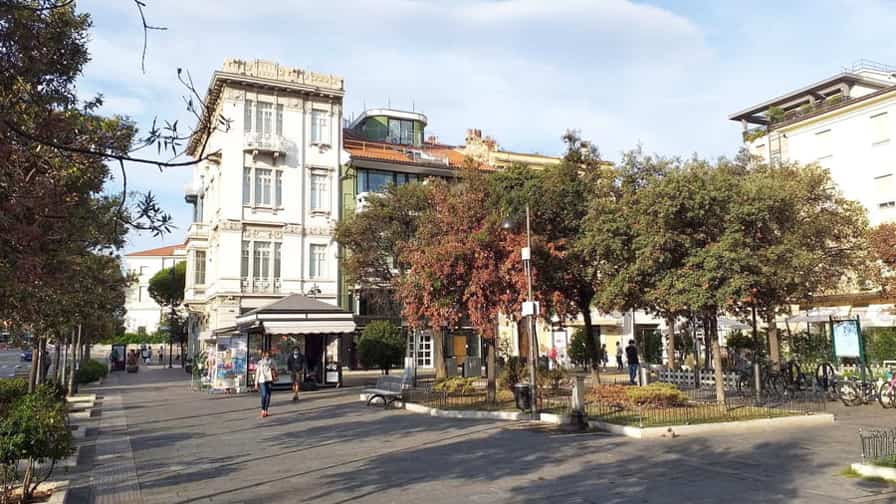
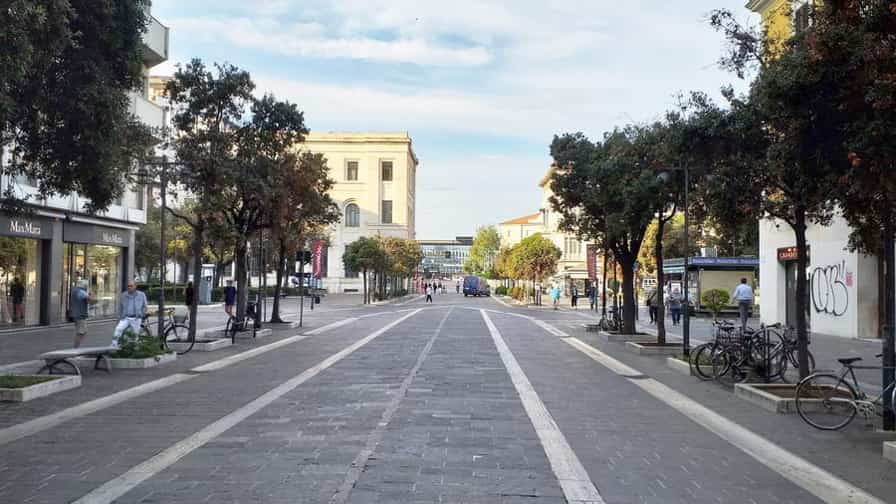
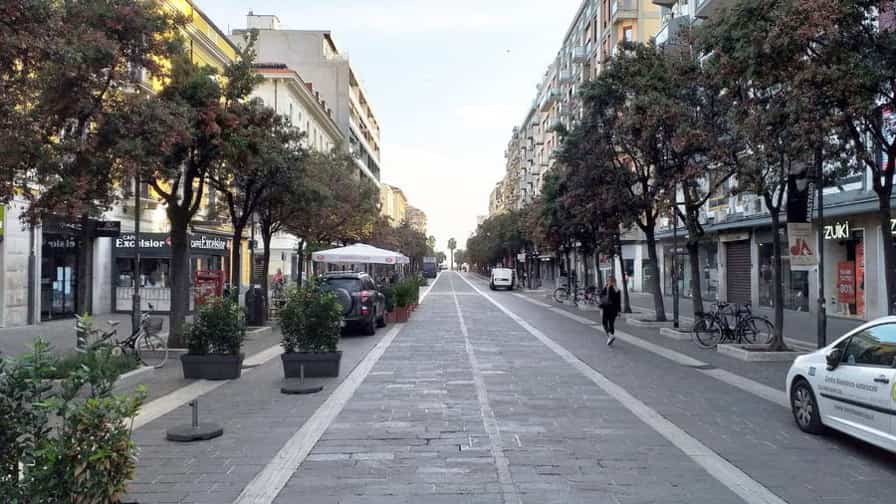
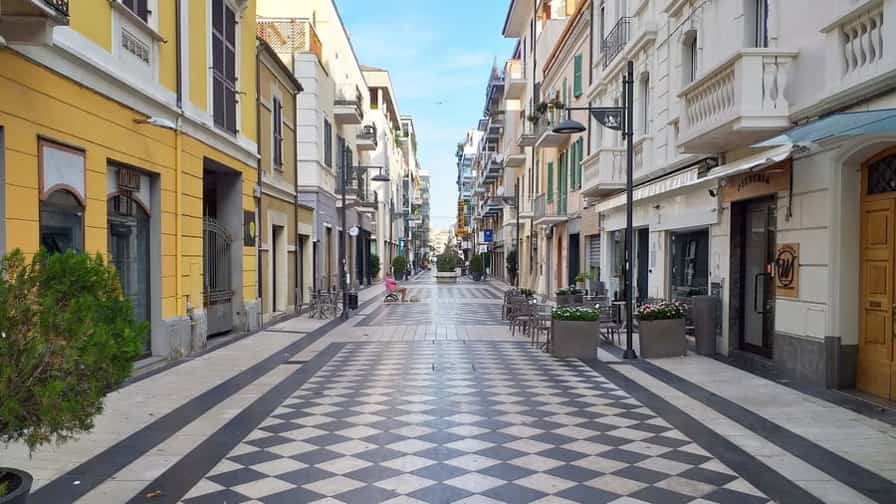
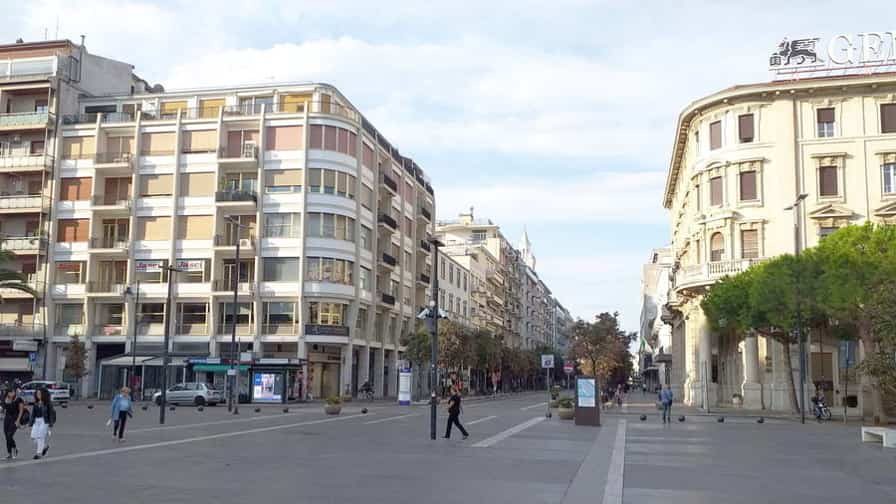
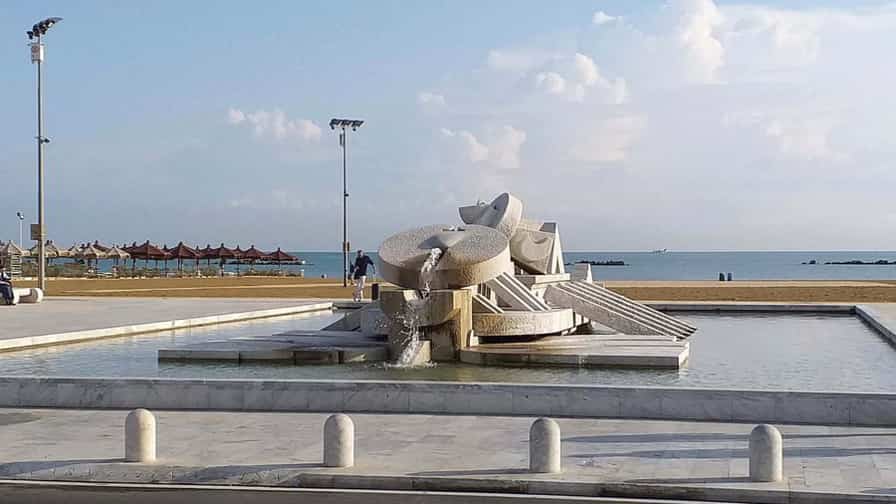
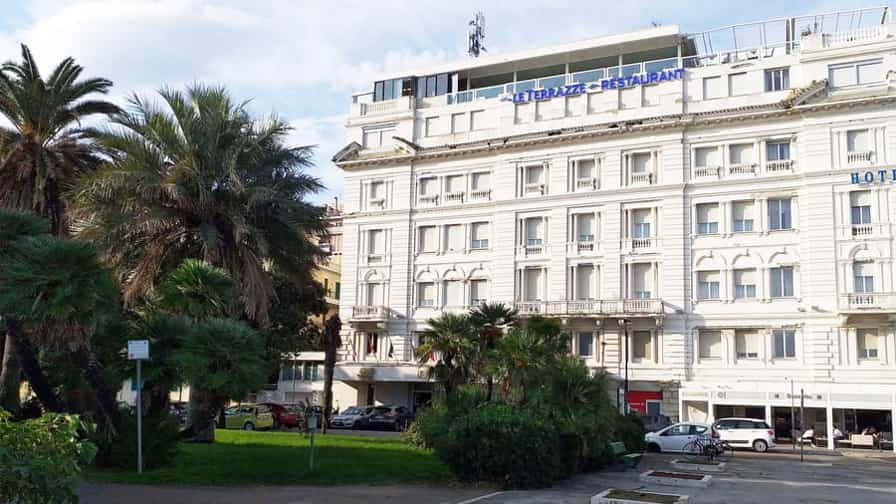
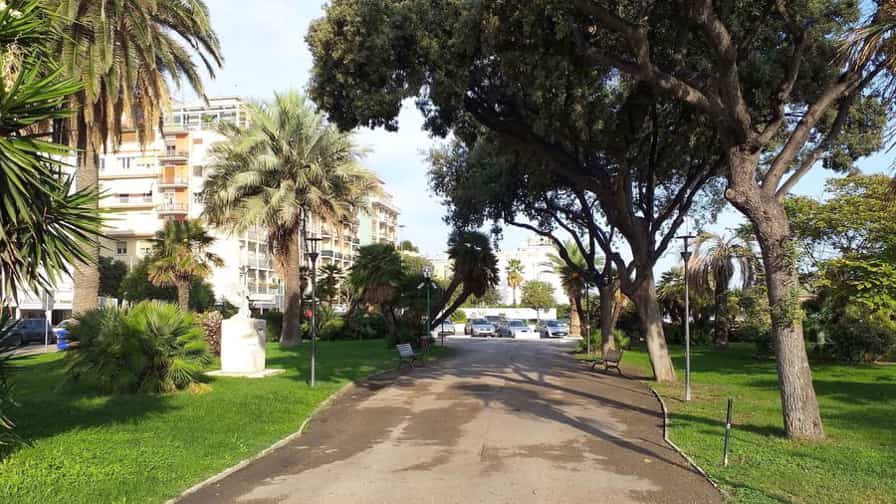
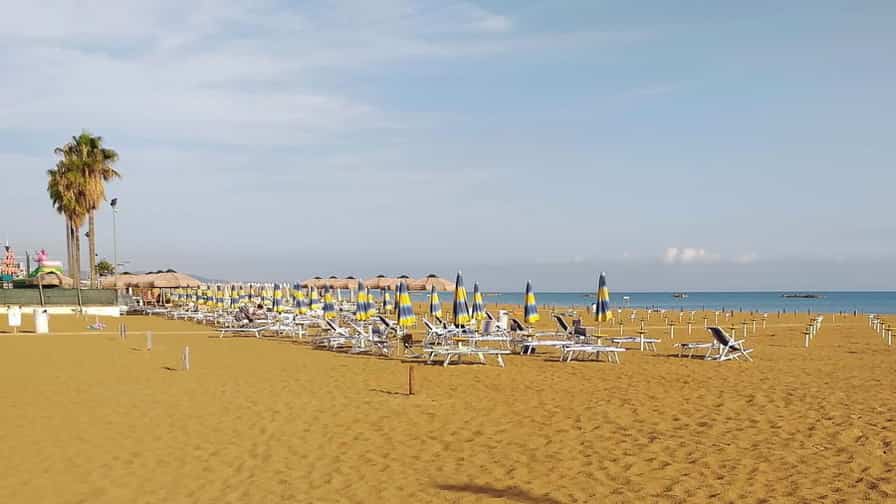
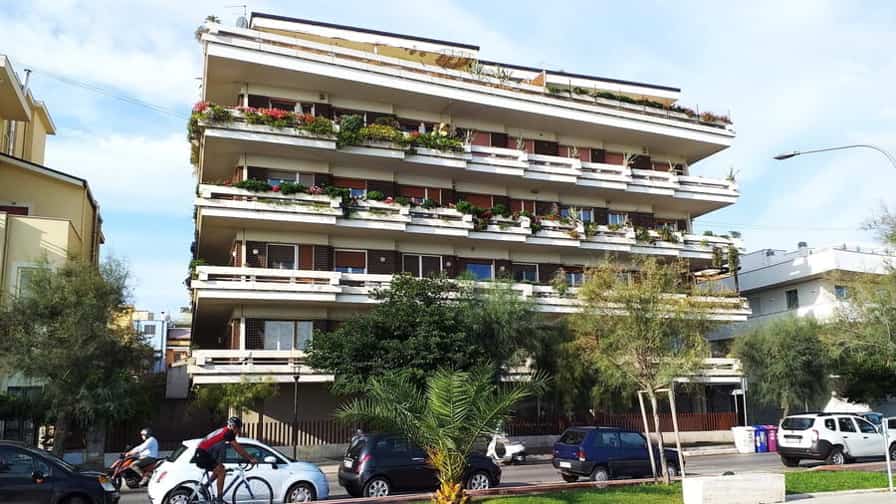
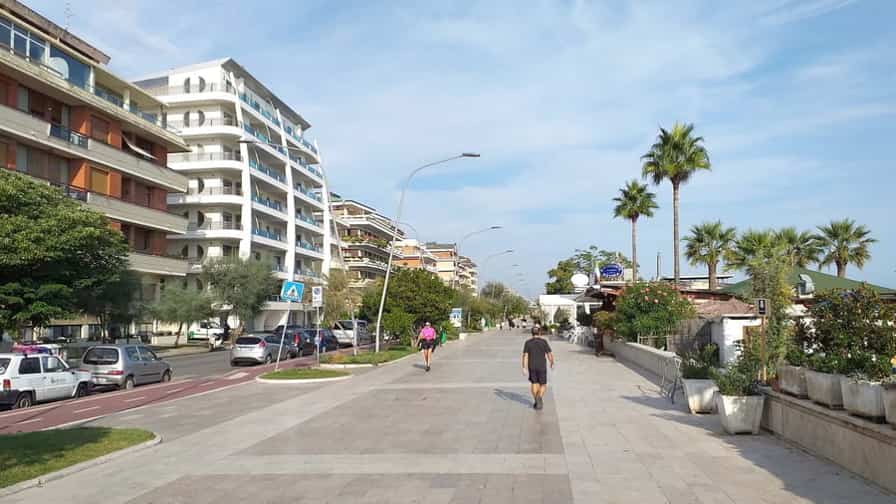
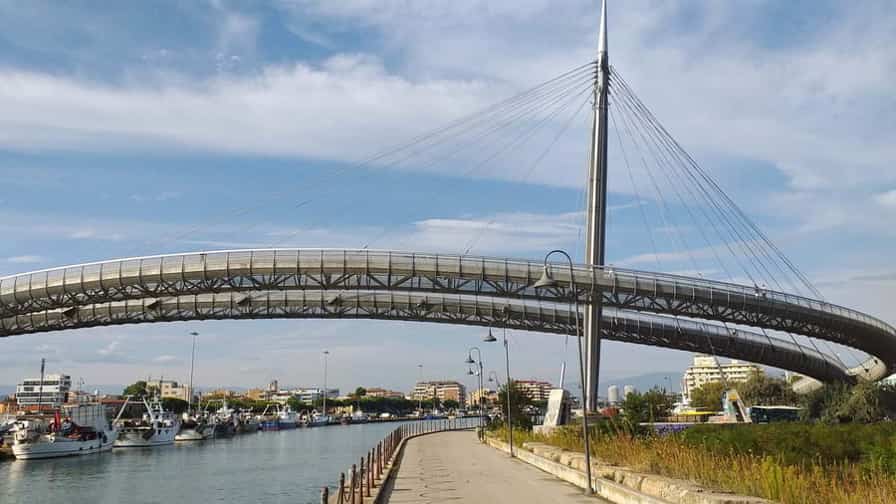
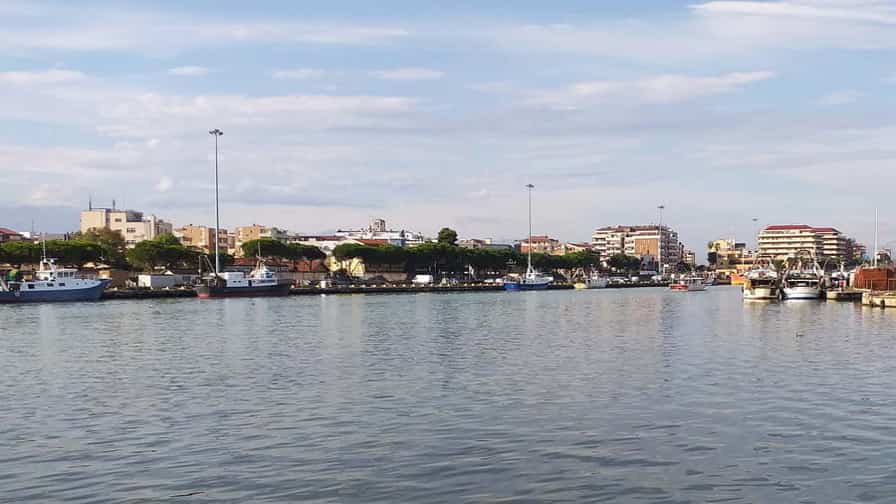
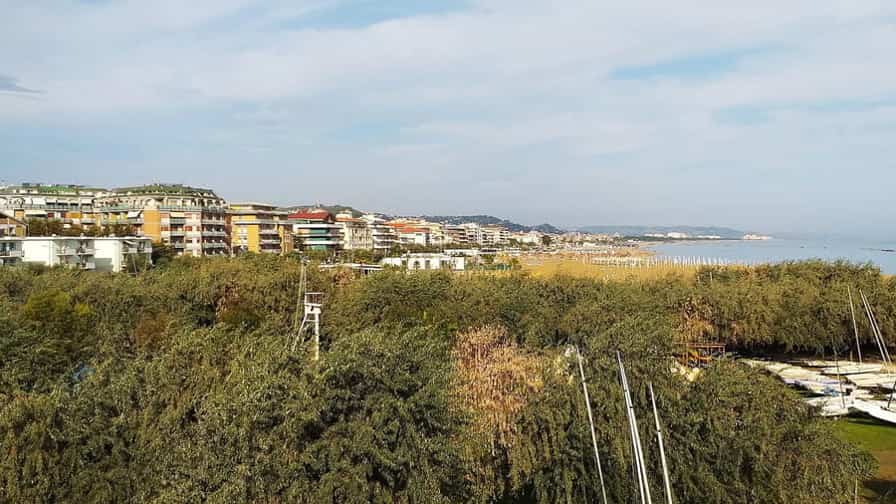
Photo Gallery of Walk 3 – Viale Gabriele D’Annunzio to Via C. Battisti
Approximately 1.92 km – 1.19 miles
Description of Walk 3
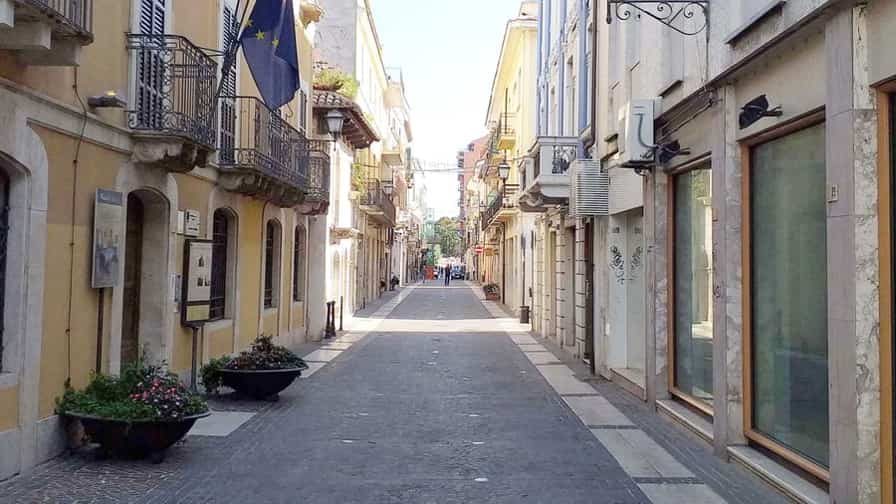
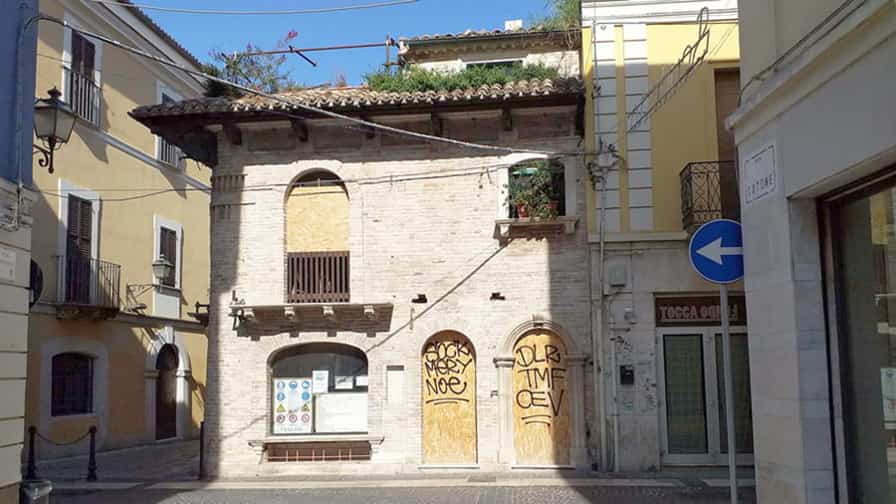
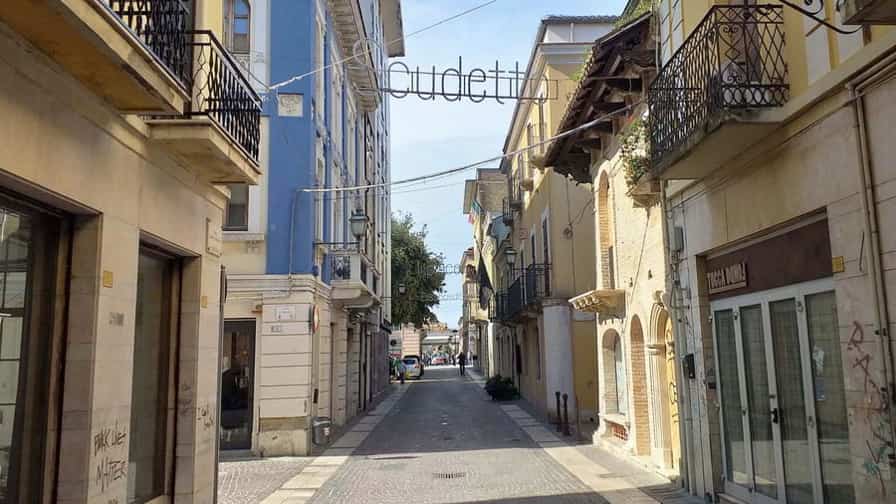
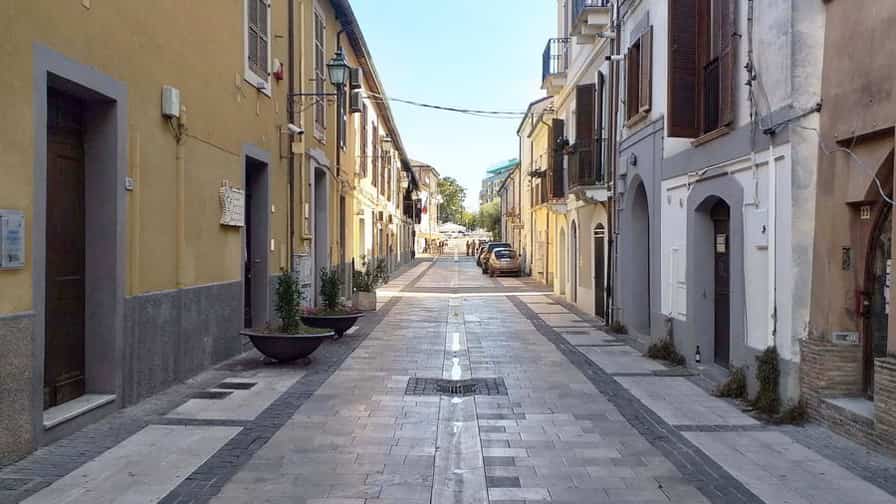
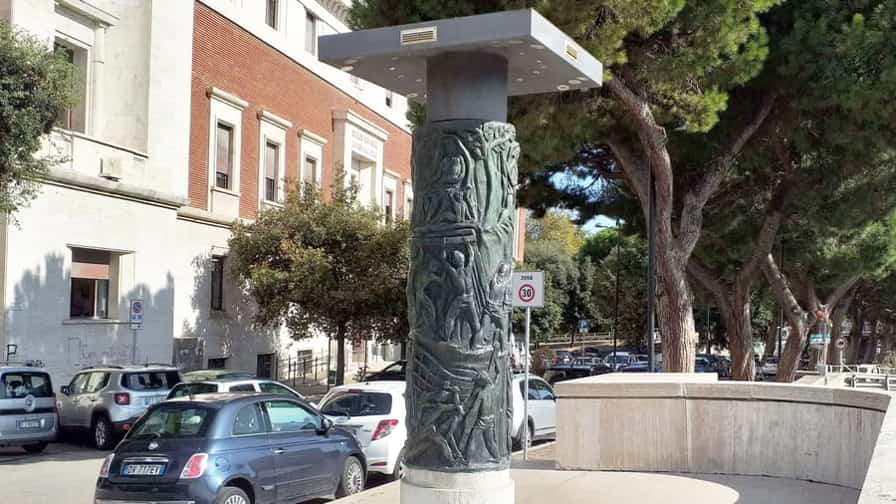
This walking route explores both the historic origins and the civic center of Pescara, offering an insight into the city’s cultural heritage and urban development. Situated on Italy’s Adriatic coast in the Abruzzo region, Pescara is a dynamic city known for its beaches, commercial activity, and connections to notable figures such as the writer and poet Gabriele D’Annunzio. The walk begins along Viale Gabriele D’Annunzio, in the older part of the city located south of the Pescara River. The route passes through Piazza Giuseppe Garibaldi, an important public square that reflects the city’s nineteenth-century growth. Continuing along Via Lago di Scanno and Via Catone, visitors move through residential areas before reaching Via delle Caserme, one of the most historic streets in Pescara Vecchia. This district preserves traces of the city’s past and contains several buildings of historical and cultural significance. Crossing Ponte Risorgimento, the route enters the modern center of Pescara. Piazza Duca d’Aosta and Piazza Italia are key civic spaces, the latter surrounded by important administrative buildings that highlight the city’s role as the capital of the province. The walk continues through Via Calabria, Via Firenze, Via Roma, and Via Cesare Battisti, streets characterized by shops, cafés, and everyday urban life. Together, these locations illustrate the contrast between historic Pescara and its modern commercial center, providing a comprehensive view of the city’s identity and development.
COPYRIGHT © 2018-2026 ITALY IN PHOTOS - ALL RIGHTS RESERVED