
HOME
REGIONS OF ITALY
PLACES IN ITALY
PLAN YOUR TRIP
Italy in Photos
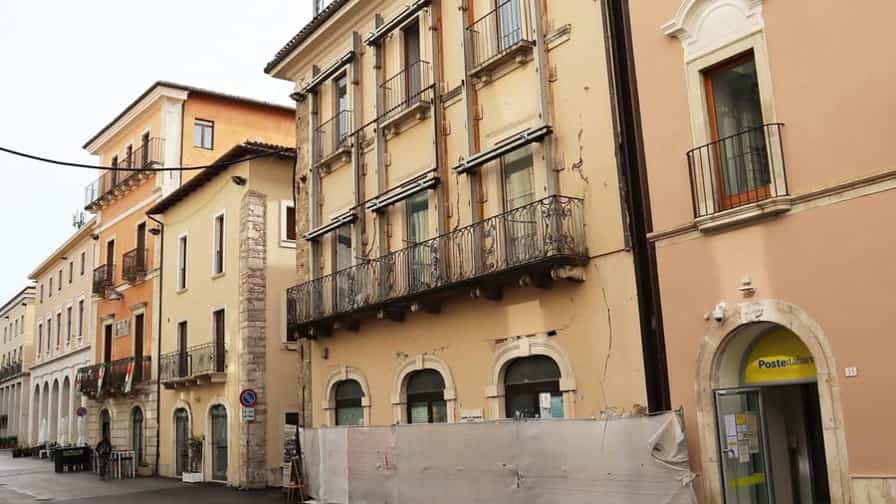
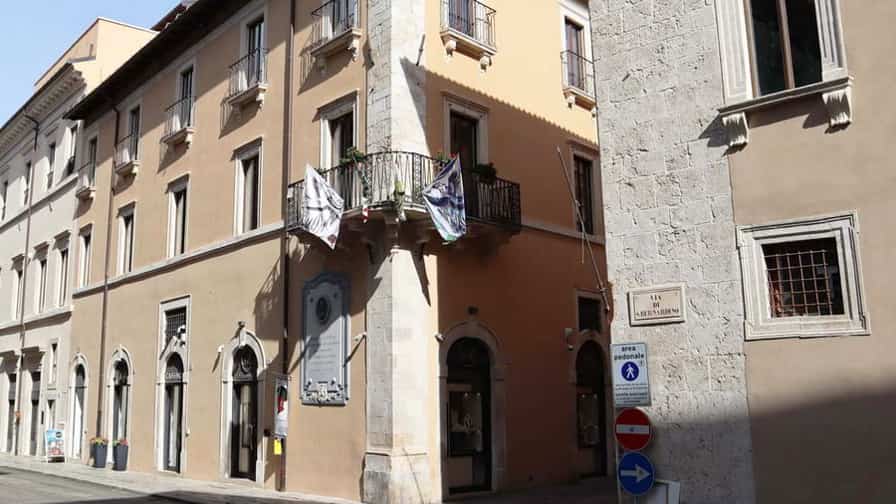
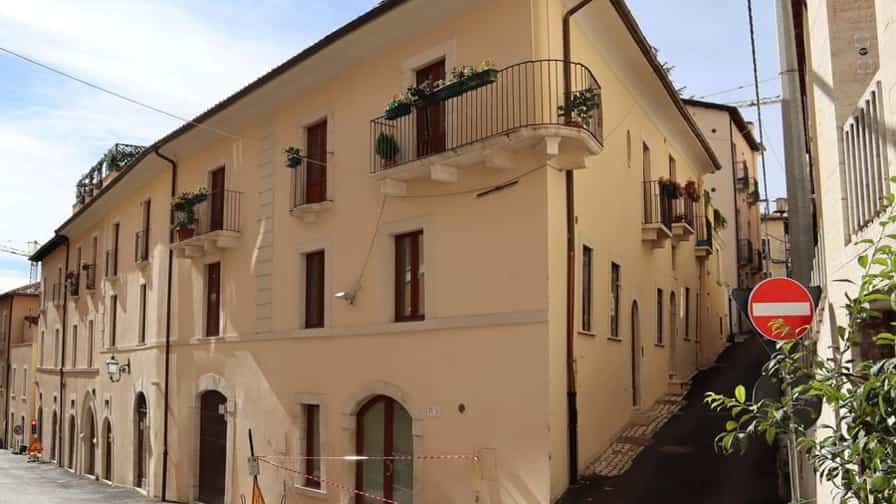
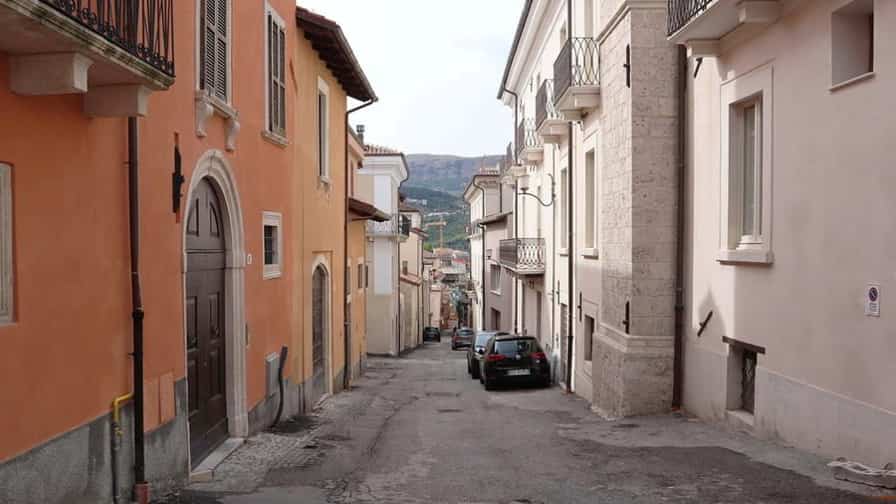
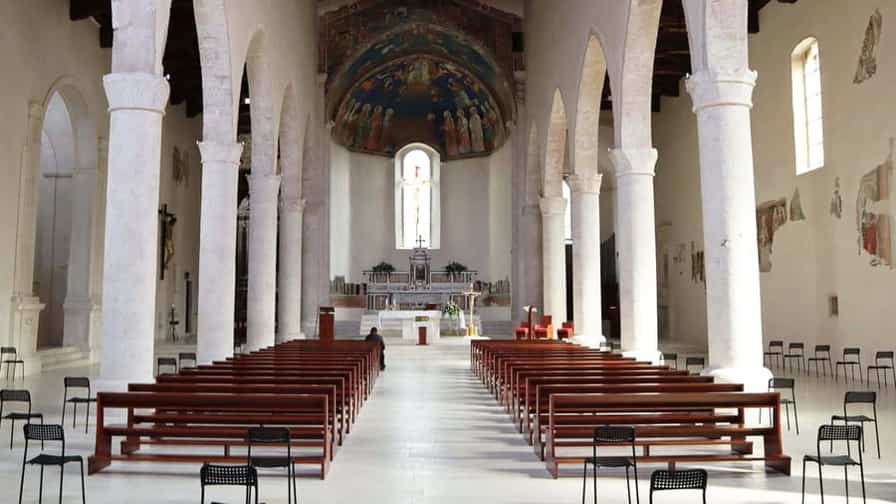
Via S. Bernardino, 67100 L’Aquila AQ, Italy (September 2020)
L’Aquila
Delayed or cancelled flight?
Get up to £520!
You’ve got rights when your flight’s disrupted.
We enforce them and handle everything so you get paid
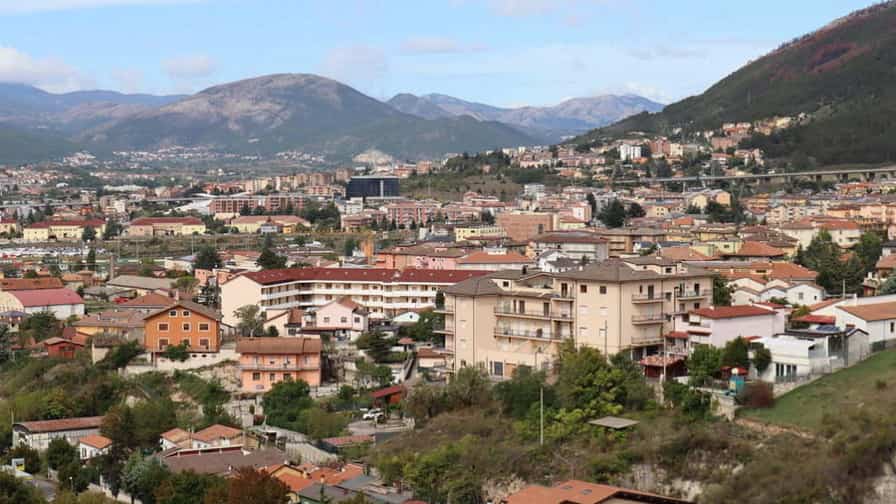
L’Aquila, the capital of the Abruzzo region in central Italy, is a city shaped by history, resilience, and a deep connection to its mountainous landscape. Set within the Apennines at an altitude of over 700 meters, it is one of the highest provincial capitals in Italy. Surrounded by dramatic peaks, broad valleys, and national parks, L’Aquila offers a striking blend of natural beauty and cultural depth that distinguishes it from many other Italian cities.
Founded in the thirteenth century, L’Aquila was established as a federation of castles and rural communities seeking autonomy and protection. This unique origin shaped its urban layout and civic identity, fostering a strong sense of independence that continues to characterize the city today. Over the centuries, L’Aquila grew into a significant political, religious, and cultural centre, particularly during the medieval and Renaissance periods. Its wealth and influence are still visible in its architecture, which includes grand churches, fortified walls, and elegant palaces built of local white and pink stone.
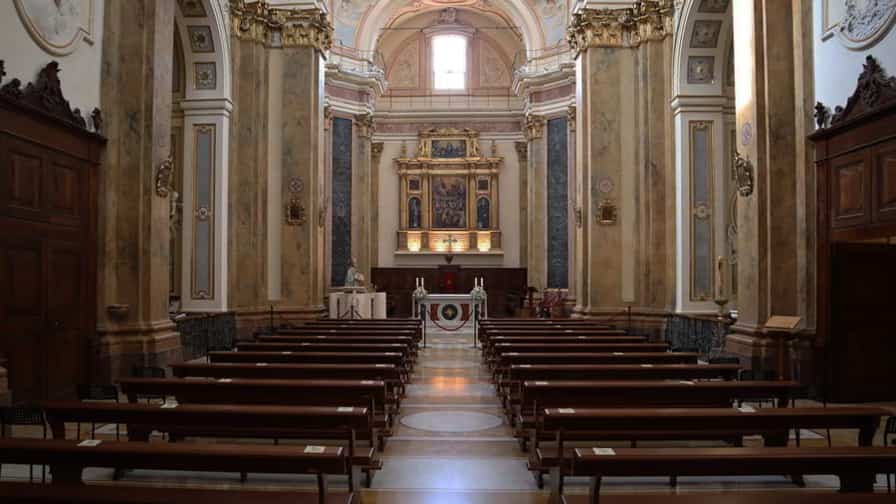
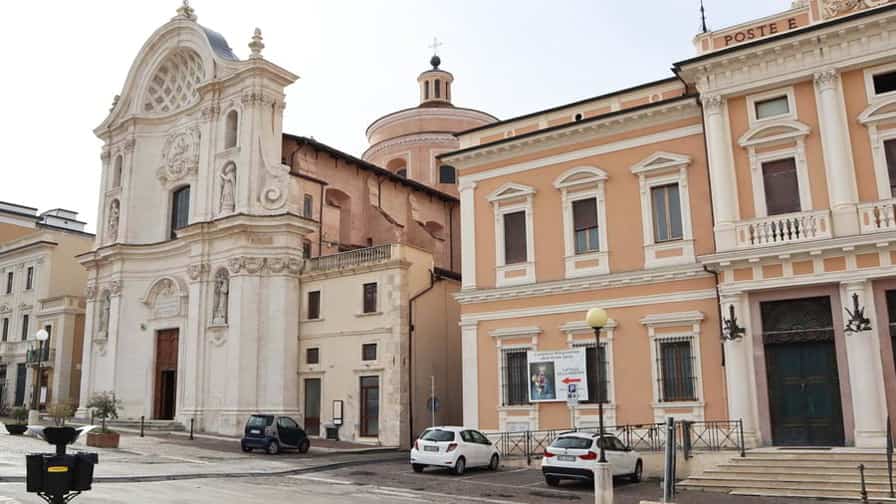
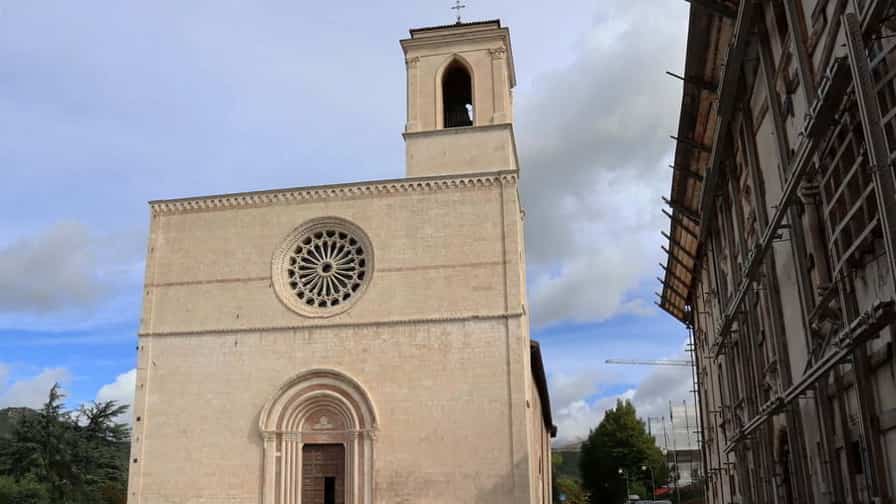
The historic centre of L’Aquila is rich with artistic and architectural landmarks. Among the most notable is the Basilica di Santa Maria di Collemaggio, a masterpiece of Romanesque and Gothic design and the symbolic heart of the city. It is closely associated with the Perdonanza Celestiniana, an annual religious and cultural event dating back to 1294, when Pope Celestine V granted a plenary indulgence to pilgrims. This tradition, recognized by UNESCO as intangible cultural heritage, reflects the city’s long-standing role as a place of spiritual significance and communal gathering.
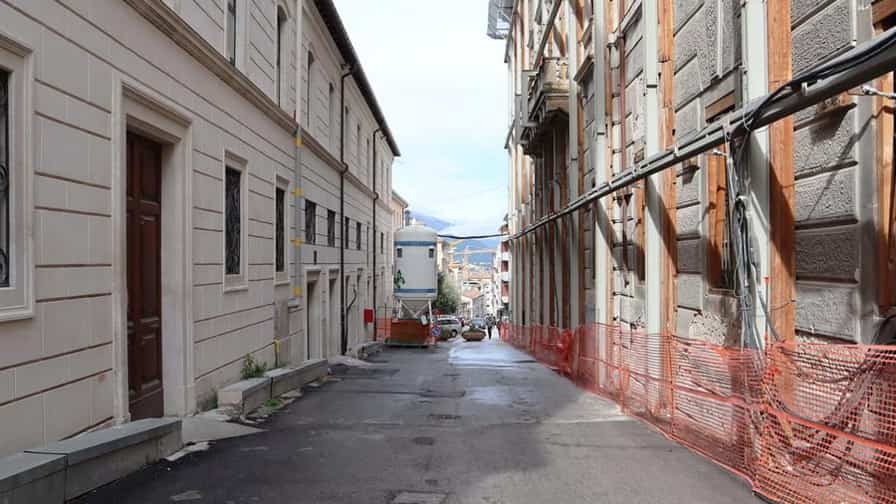
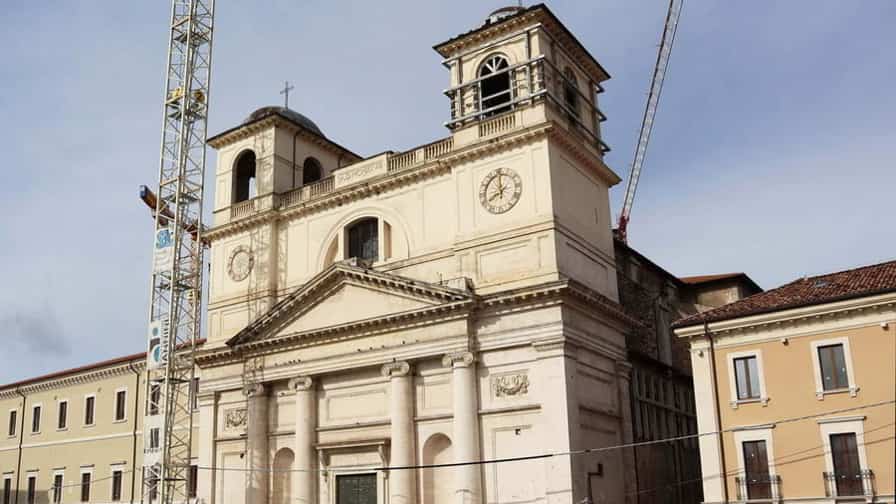
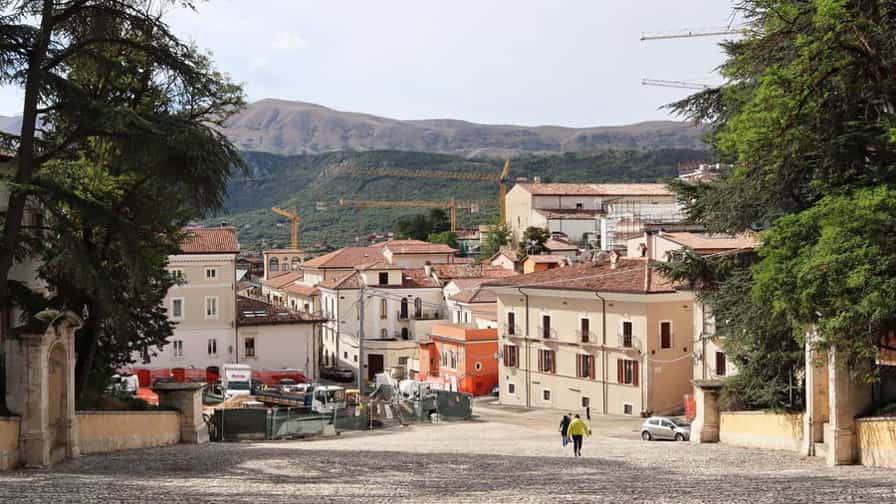
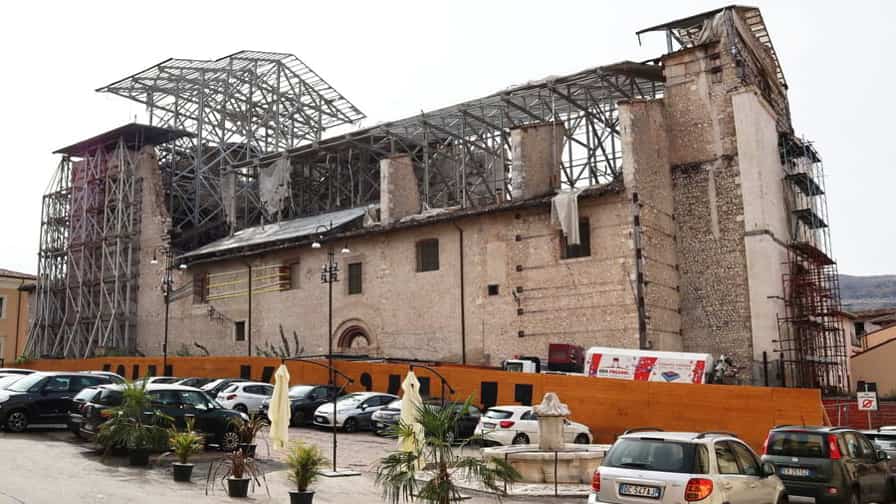
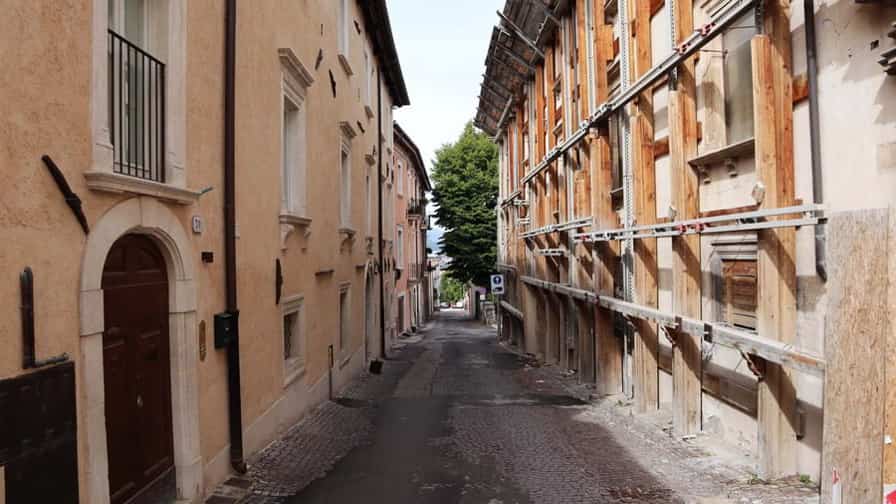
L’Aquila’s history has not been without hardship. Earthquakes have repeatedly marked its past, most notably the devastating earthquake of 2009 that caused extensive damage and loss of life. In the years since, the city has undergone a long and complex process of reconstruction. This period has revealed the resilience of its people and their commitment to preserving cultural identity while adapting to modern needs. Walking through L’Aquila today, visitors encounter a city in renewal, where restored monuments stand alongside construction sites, symbolizing both memory and hope.
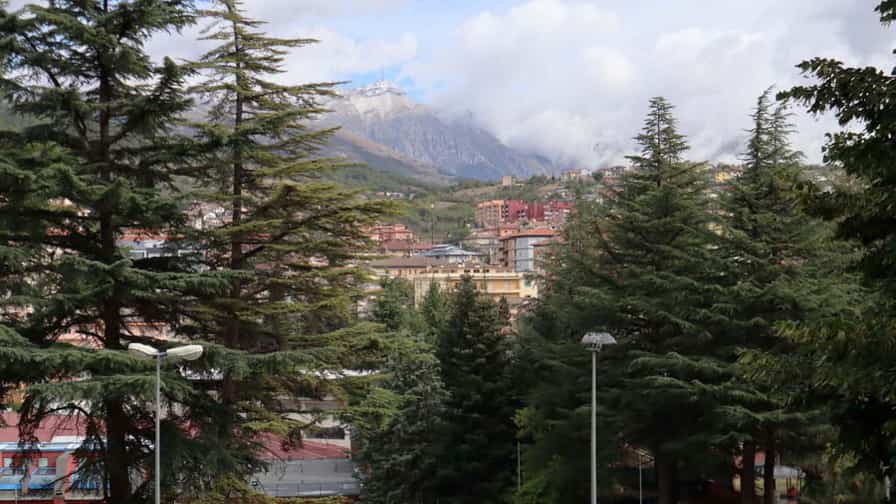
Beyond its historical core, L’Aquila is closely tied to its surrounding environment. The city lies near the Gran Sasso massif, home to the highest peak in the Apennines and part of the Gran Sasso e Monti della Laga National Park. This proximity makes L’Aquila a gateway to outdoor activities such as hiking, skiing, and wildlife observation. The landscape has also influenced local traditions, cuisine, and rhythms of life, reinforcing a strong bond between urban culture and rural heritage.
L’Aquila is also an important academic and cultural hub. The University of L’Aquila attracts students from across Italy and abroad, contributing to a youthful and dynamic atmosphere. Cultural life is expressed through music, theatre, festivals, and craftsmanship, often rooted in centuries-old practices. Local cuisine reflects the region’s pastoral traditions, featuring hearty dishes made with lamb, saffron, lentils, and high-quality cheeses, offering a taste of Abruzzo’s distinctive flavours.
Today, L’Aquila stands as a city of layered identities. It is ancient yet evolving, marked by loss yet defined by endurance. Its streets tell stories of medieval ambition, artistic achievement, and collective strength in the face of adversity. For visitors and residents alike, L’Aquila offers more than monuments and scenery; it presents an authentic experience of Italy’s interior, where history, nature, and community are deeply intertwined.
Worth a Visit
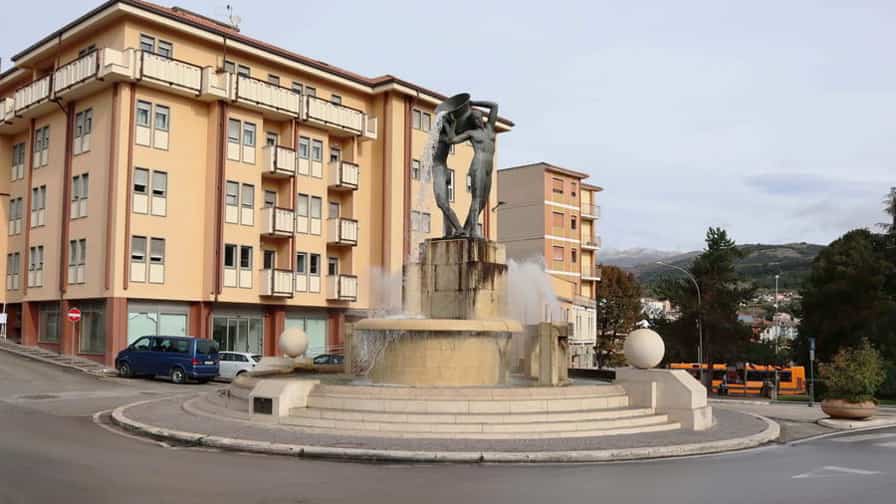
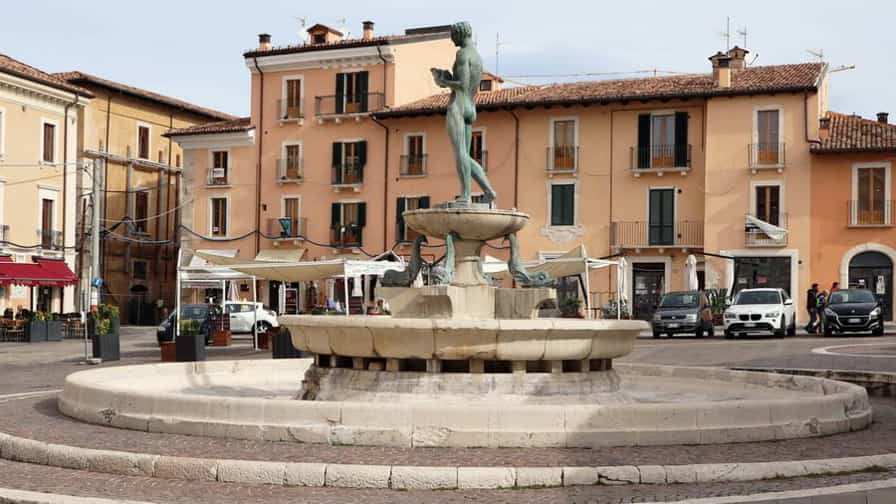
Piazza Battaglione degli Alpini in L’Aquila is a central and symbolic urban space, deeply connected to the city’s modern identity and collective memory. Located not far from the historic core, the square honours the Alpini, Italy’s renowned mountain infantry corps, whose history is closely intertwined with the Abruzzo region and its rugged Apennine landscape. The dedication of the piazza reflects both respect for military tradition and the gratitude of the local community toward those who have served and sacrificed, particularly in times of conflict and in moments of national need. The Alpini have long been admired throughout Italy for their resilience, discipline, and strong bond with mountainous territories. In Abruzzo, where the mountains define much of daily life and culture, the connection feels especially profound.
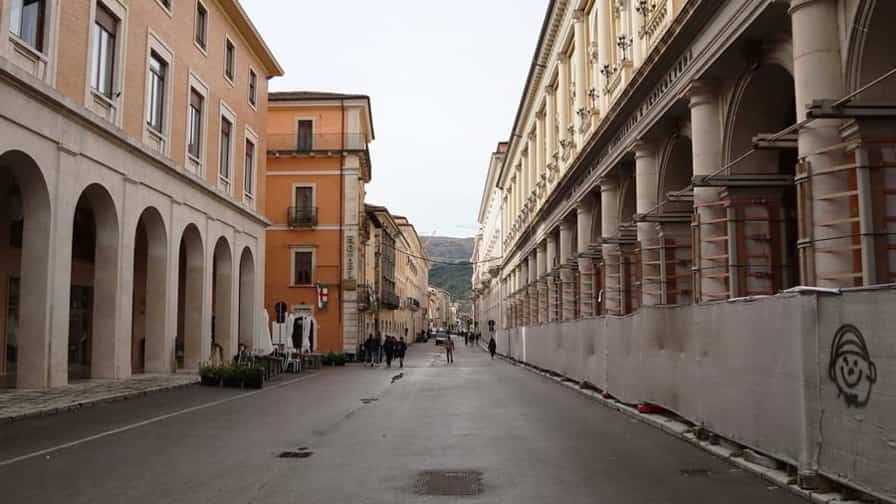
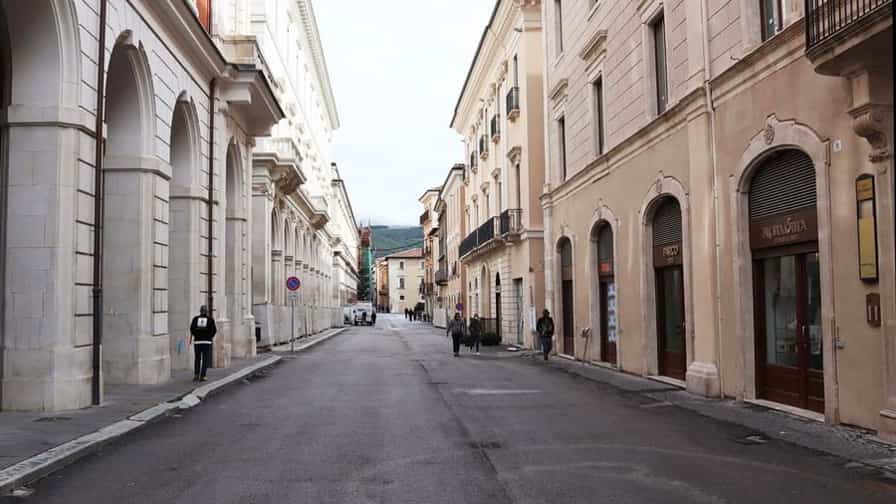
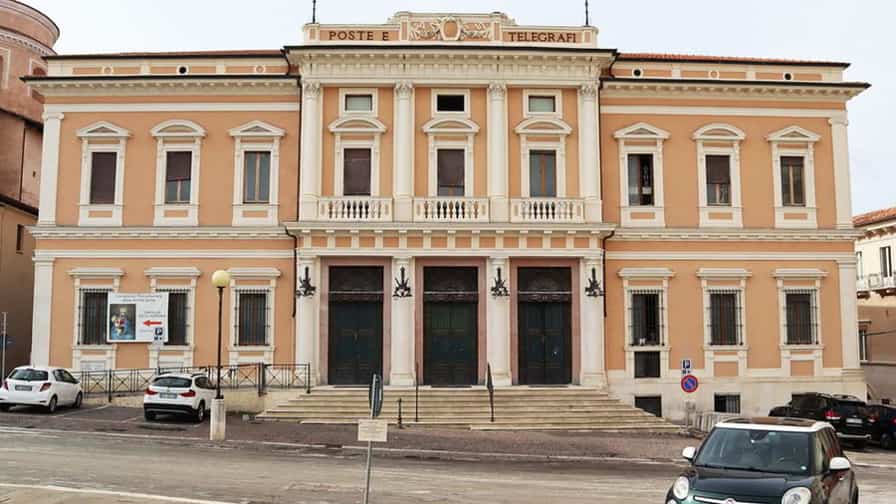
The devastating earthquake of April 6, 2009, profoundly changed the appearance and life of Corso Vittorio Emanuele. Many of the historic buildings along the street were severely damaged or left uninhabitable, and the once bustling heart of the city became largely inaccessible. The silence that fell over the Corso after the disaster was a stark reminder of the earthquake’s impact, not only on architecture but also on the social and cultural fabric of L’Aquila. Yet, even in those dark years, Corso Vittorio Emanuele remained a symbol of resilience, a reminder of what needed to be restored for the city to regain its vitality. Reconstruction work along the Corso has been one of the most complex and significant aspects of L’Aquila’s post earthquake recovery. Restoring centuries-old palazzi, repairing façades, and making structures safe required enormous effort, technical skill, and collaboration between local authorities, national institutions, and international support.
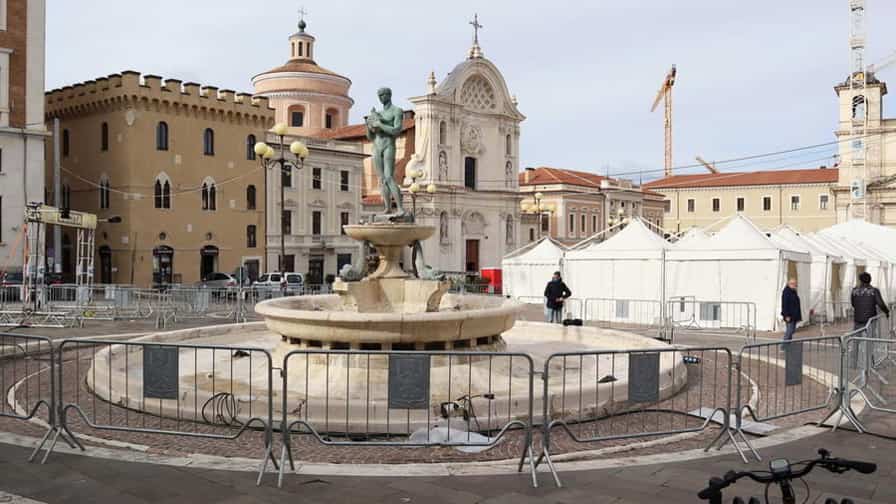
Piazza Duomo in L’Aquila is one of the city’s most important and symbolic public spaces, a square that has long stood at the heart of civic, social, and religious life. Surrounded by elegant buildings and overlooked by the Cattedrale dei Santi Massimo e Giorgio, the city’s main cathedral, the piazza has traditionally been the place where history, faith, and daily life converge. Its size, centrality, and monumental character have made it not only the geographic core of L’Aquila but also a key stage for markets, celebrations, and civic gatherings throughout the centuries. The origins of Piazza Duomo date back to the medieval foundation of L’Aquila in the thirteenth century.
Photo Gallery of Walk 1 – Via Pescara to Piazza Nove Martiri
Approximately 1.62 km – 1.00 miles
Description of Walk 1
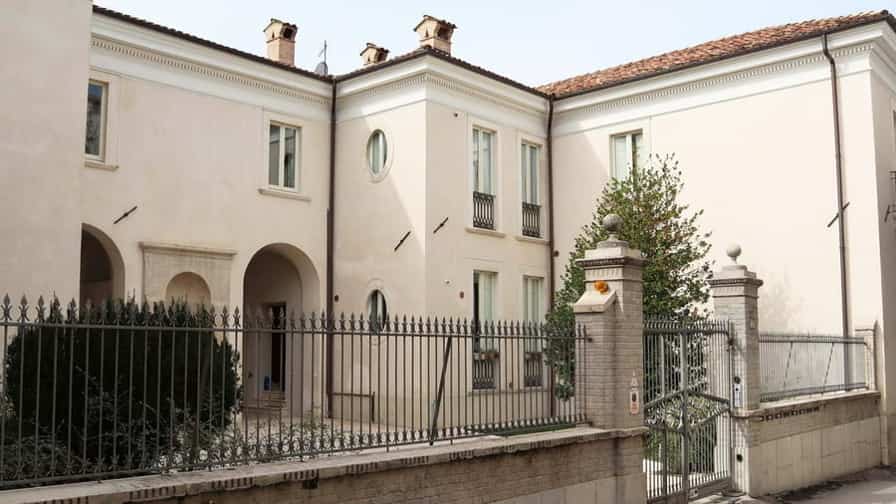
The walk through the historic centre of L’Aquila offers a rich introduction to one of central Italy’s most distinctive mountain cities. Founded in the thirteenth century and surrounded by the peaks of the Apennines, L’Aquila is known for its medieval streets, elegant piazzas, and strong cultural identity. The city has undergone major restoration following the devastating earthquake of 2009, and today many of its historic buildings and public spaces have been carefully revived. The route begins along Via Pescara and continues to Via Castello, leading toward the green open space of Parco del Castello. This park surrounds the impressive Forte Spagnolo, a sixteenth-century Spanish fortress that remains one of the city’s most recognisable landmarks. From here, the walk passes through Piazza Battaglione degli Alpini and Piazza Regina Margherita, both lively gathering places lined with cafés and historic architecture. Continuing along Corso Vittorio Emanuele, one of the city’s principal streets, visitors experience the heart of local life, with shops, churches, and restored palaces. Via Navelli provides a quieter contrast before returning to the corso and ending in Piazza Nove Martiri, an important civic square reflecting the resilience and history of L’Aquila.
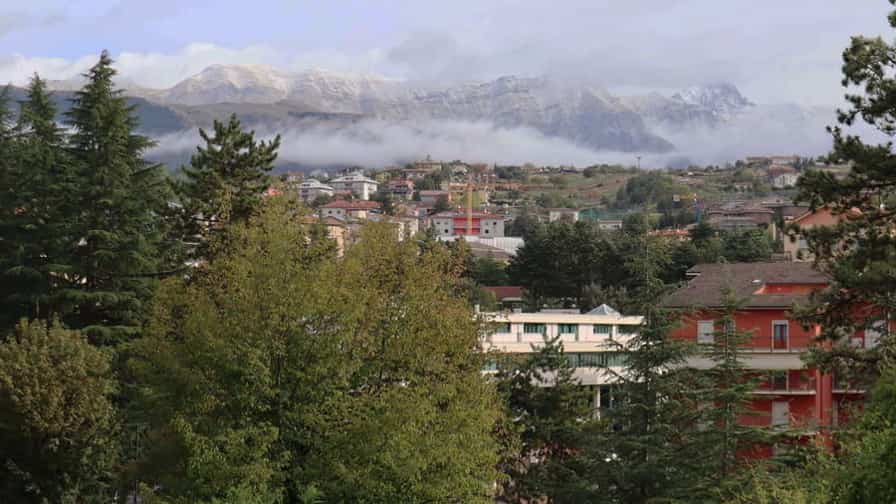
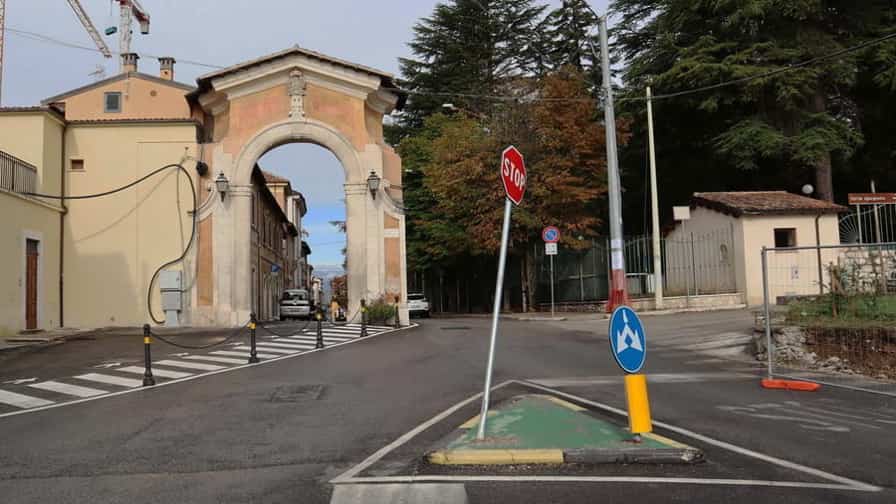
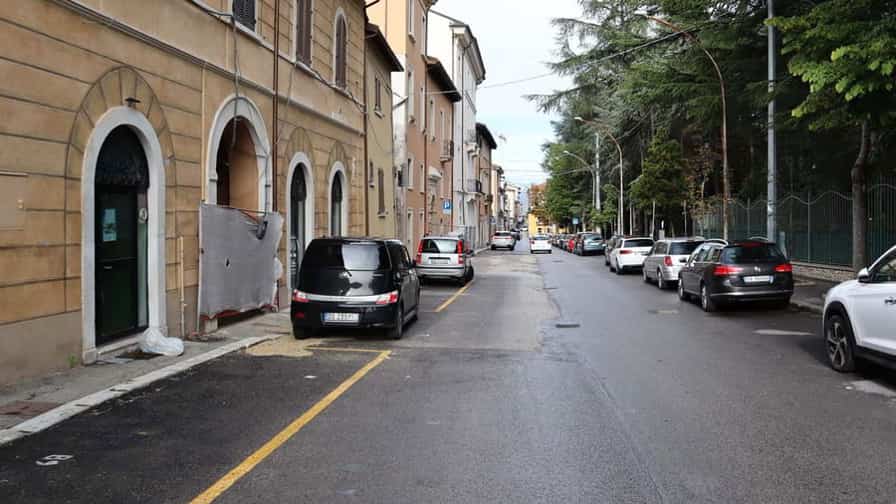
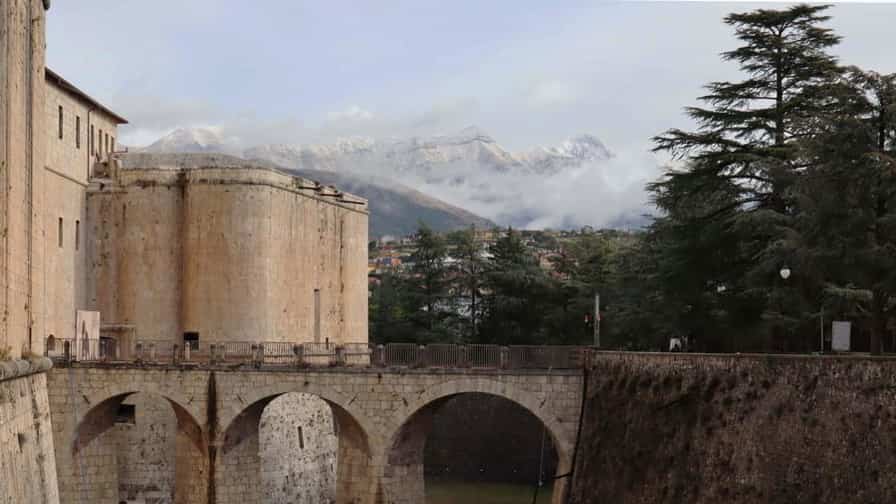
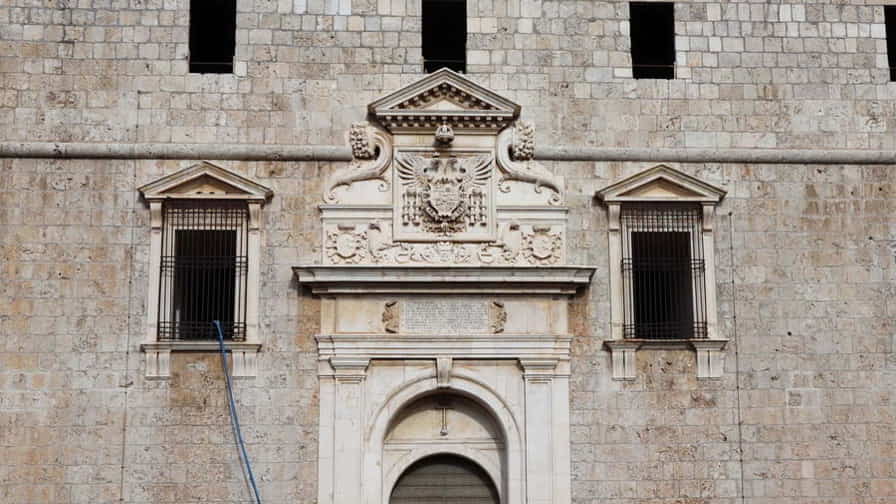
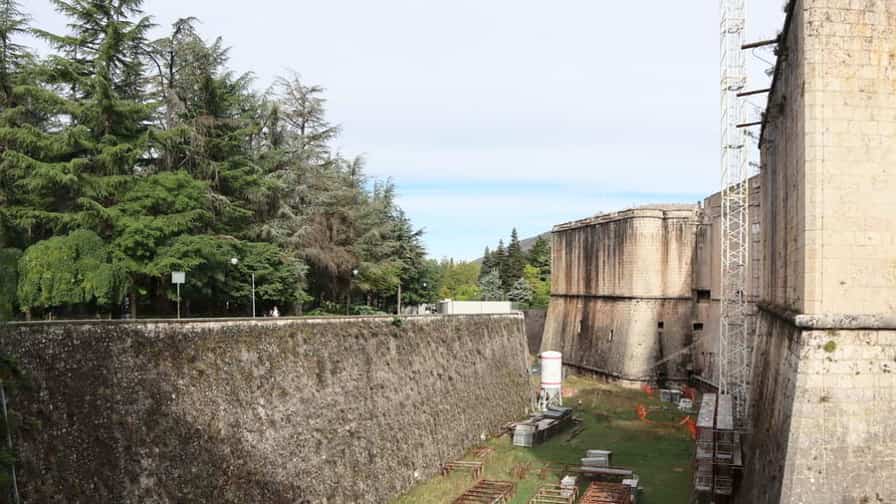

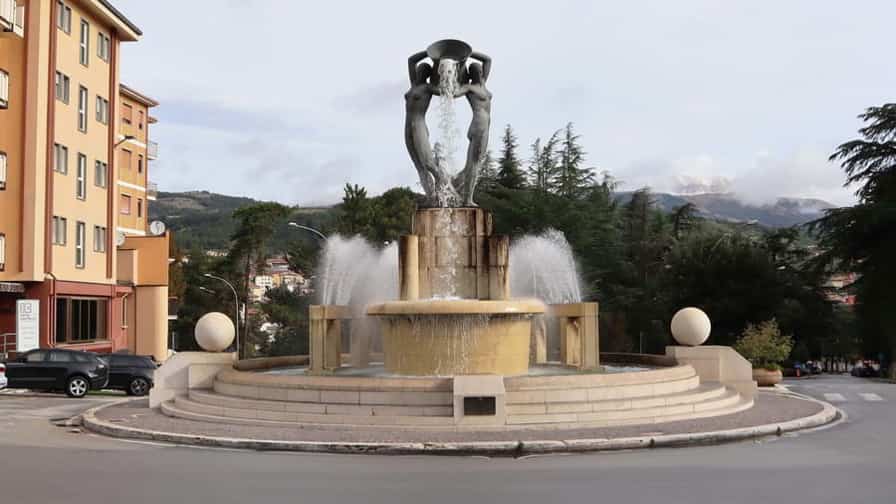
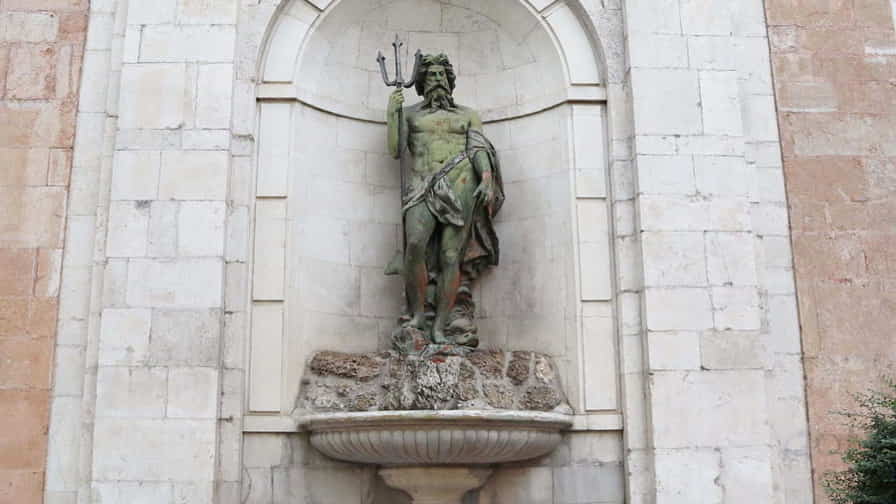
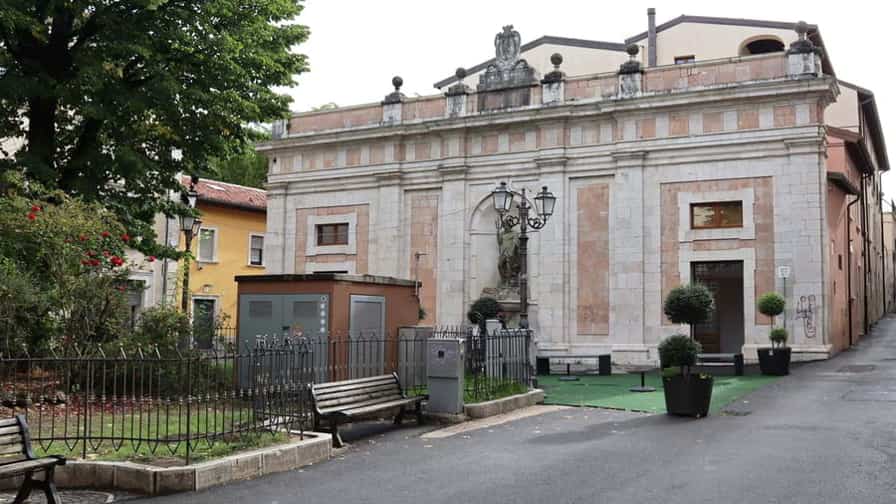
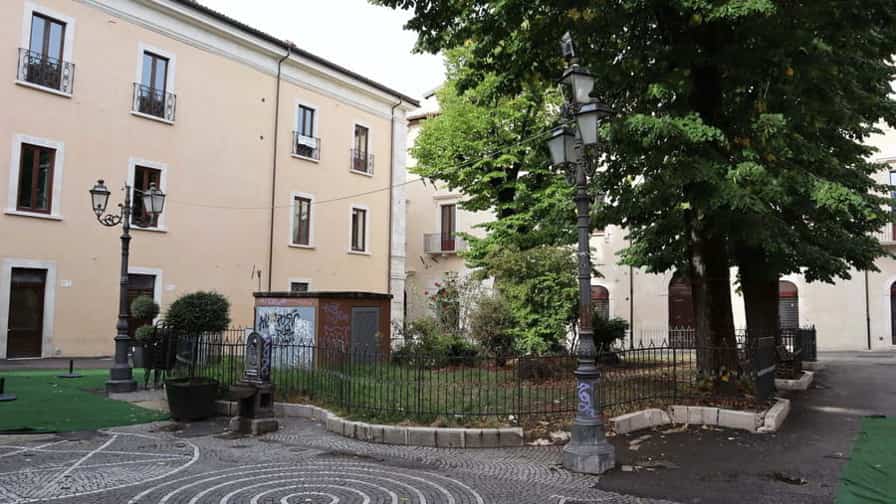
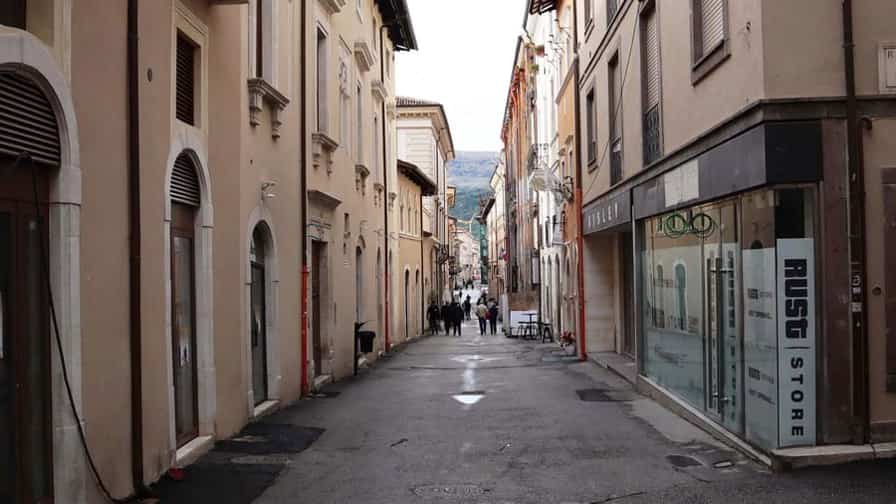
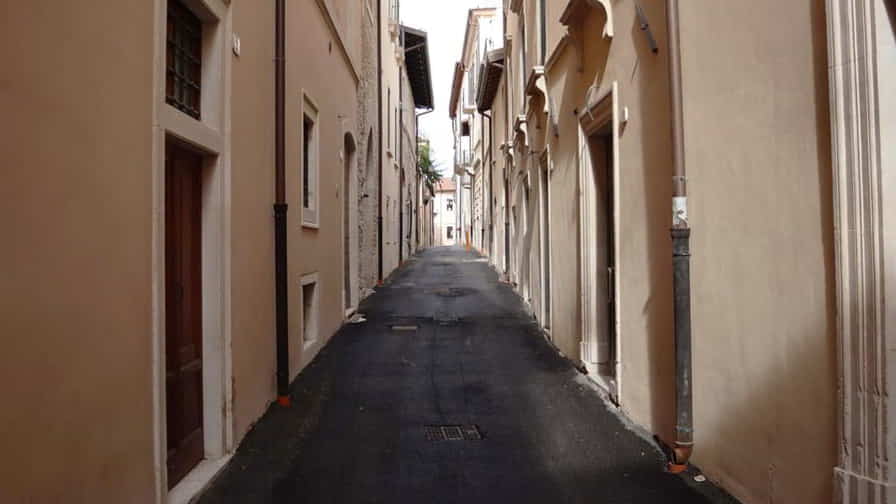
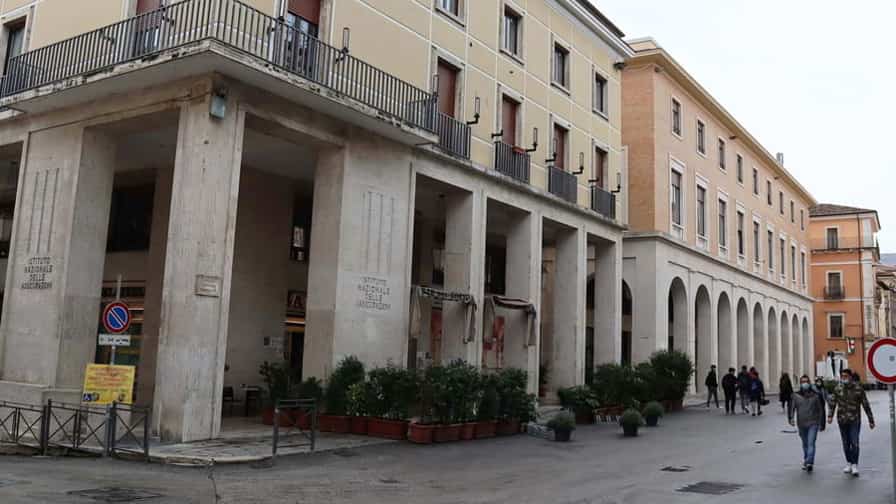
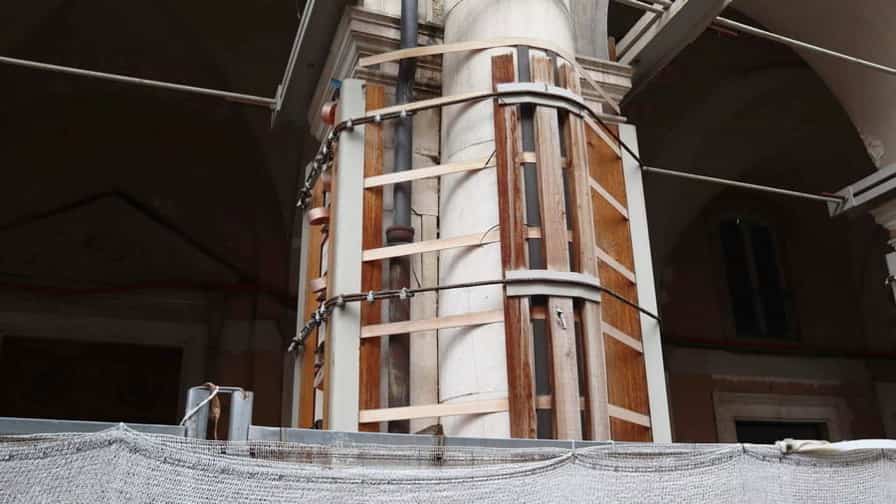
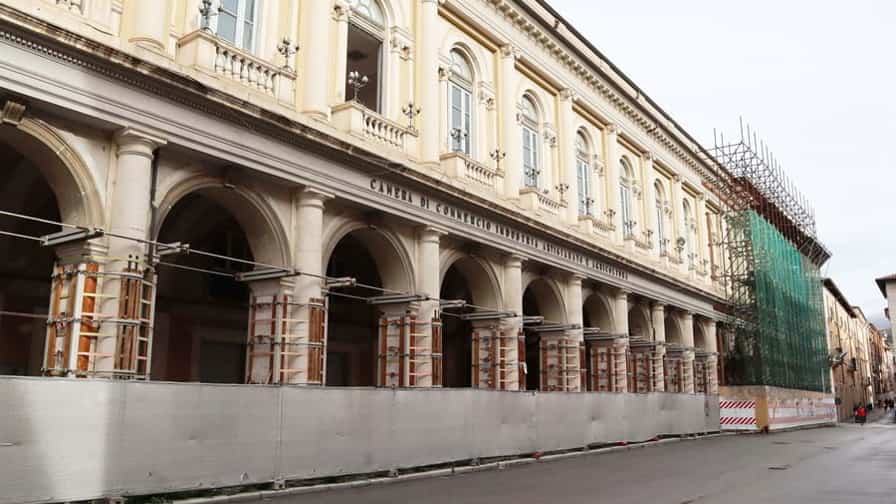
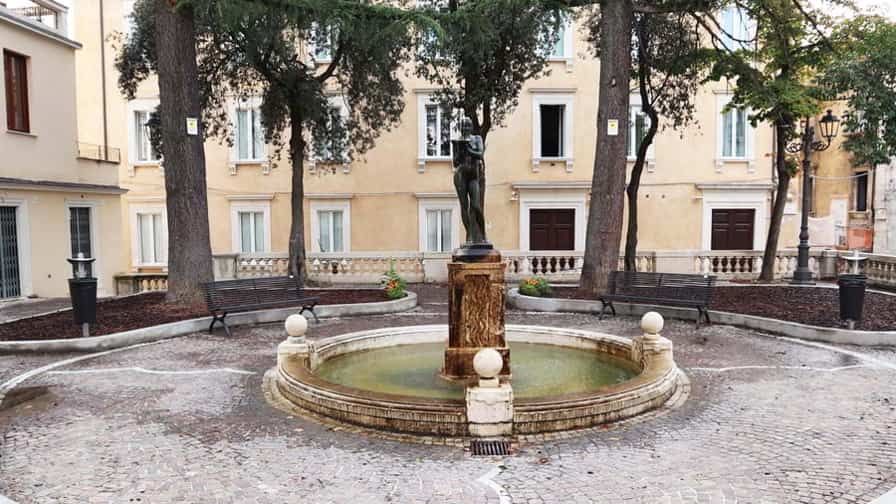

Photo Gallery of Walk 2 – Via Sallustio to Viale Nizza
Approximately 1.97 km – 1.22 miles
Description of Walk 2
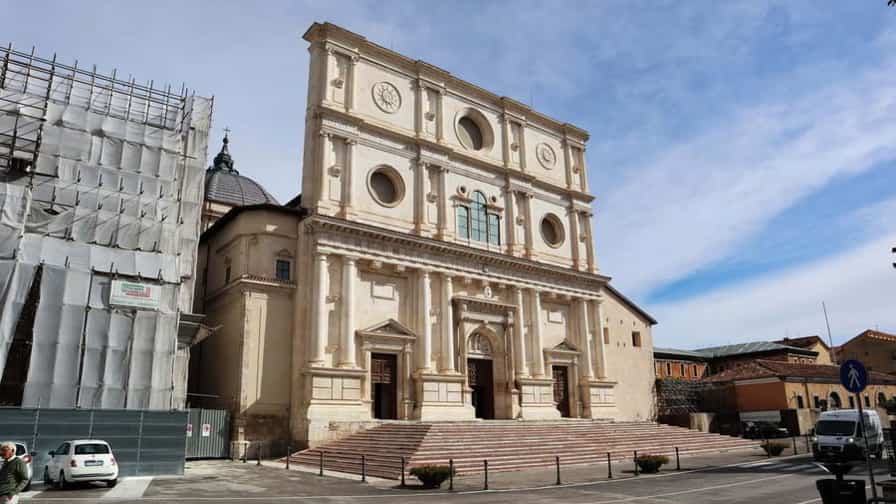
This walking route explores the artistic and historic heart of L’Aquila, a city renowned for its medieval origins, elegant Renaissance architecture, and dramatic mountain setting in the Abruzzo region. Despite the destruction caused by the 2009 earthquake, L’Aquila has preserved its cultural identity through extensive restoration, and today its streets combine historic charm with renewed civic life. Beginning in Via Sallustio, the walk joins Corso Vittorio Emanuele, one of the city’s main thoroughfares, lined with cafés, shops, and restored palazzi. The route reaches Piazza Duomo, the city’s central square and an important meeting place surrounded by religious and civic buildings. Returning along the corso, the walk continues through Via S. Bernardino toward the magnificent Basilica di San Bernardino, famous for its richly decorated façade and connection to Saint Bernardino of Siena. Via Fortebraccio offers views of quieter medieval streets before the route loops back through Via Giuseppe Garibaldi and Via Paganica, areas characterised by traditional stone buildings and narrow lanes. The walk then reaches Piazza S. Silvestro and the historic Chiesa di San Silvestro, an important Romanesque church. Finally, Via Porcinari, Viale Duca degli Abruzzi, and Viale Nizza lead toward broader tree-lined avenues that reflect the city’s later urban development.



COPYRIGHT © 2018-2026 ITALY IN PHOTOS - ALL RIGHTS RESERVED