
HOME
REGIONS OF ITALY
PLACES IN ITALY
PLAN YOUR TRIP
Italy in Photos
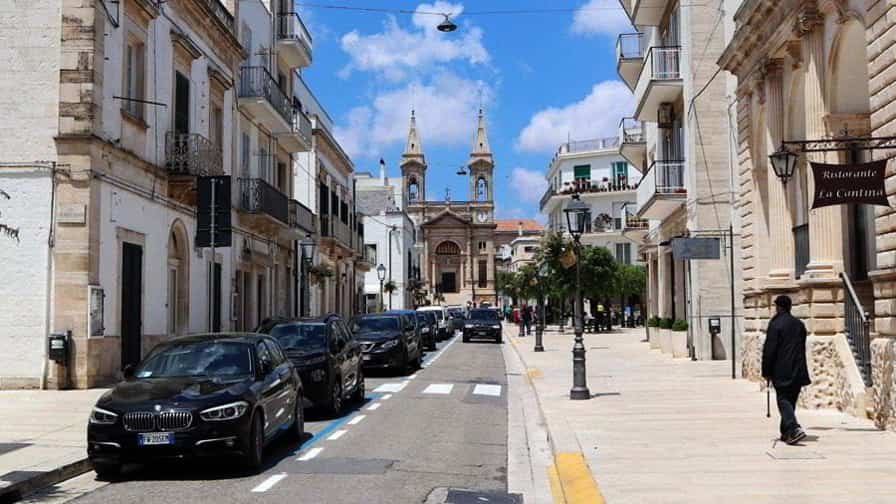
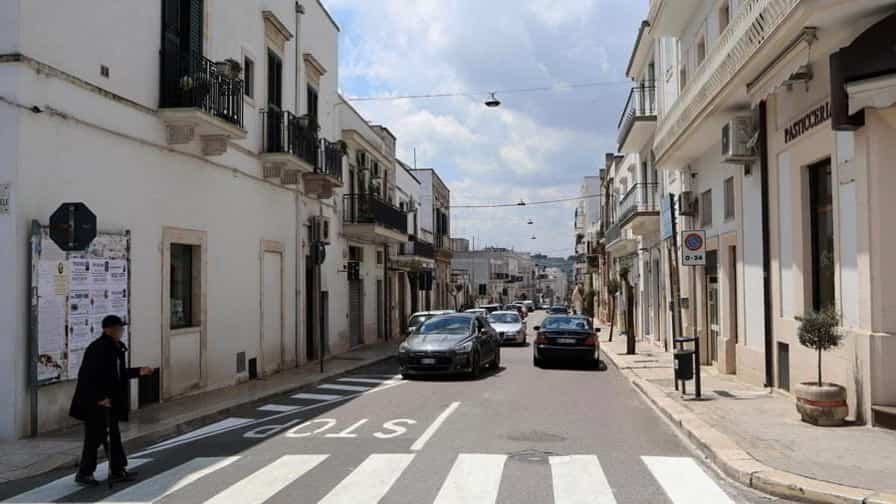
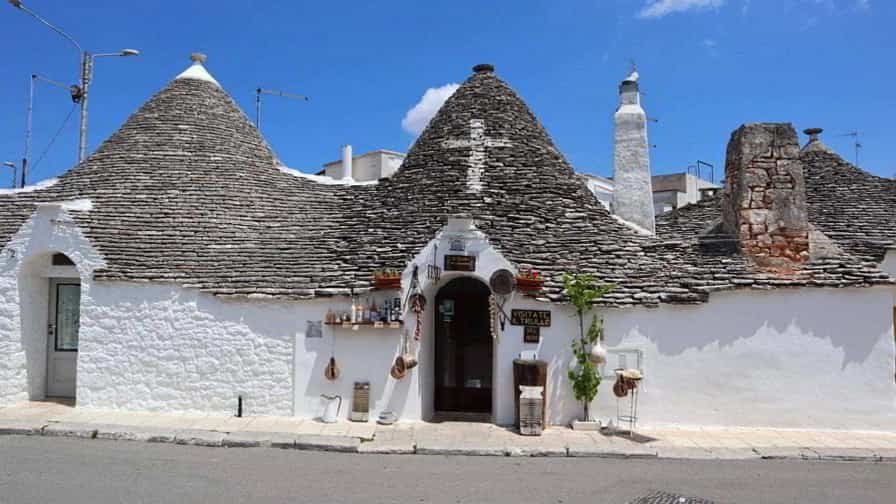
Via Monte S. Gabriele, 70011 Alberobello, Italy (June 2019)
Alberobello
Delayed or cancelled flight?
Get up to £520!
You’ve got rights when your flight’s disrupted.
We enforce them and handle everything so you get paid
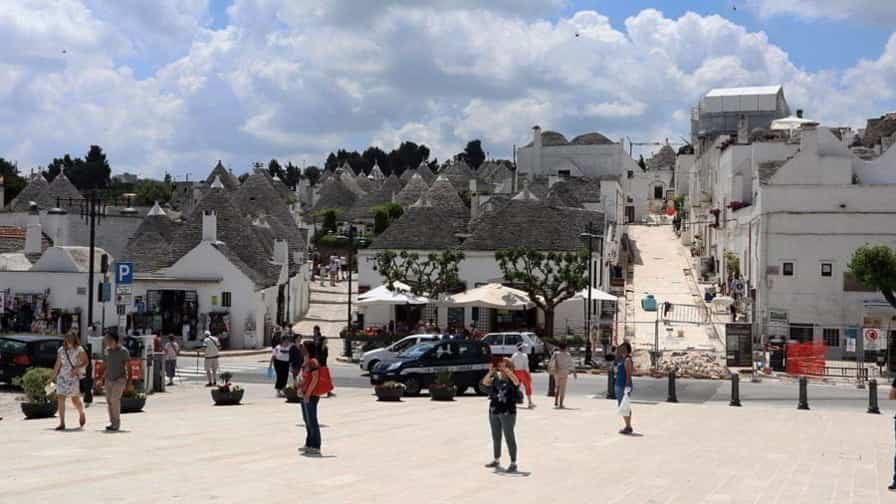
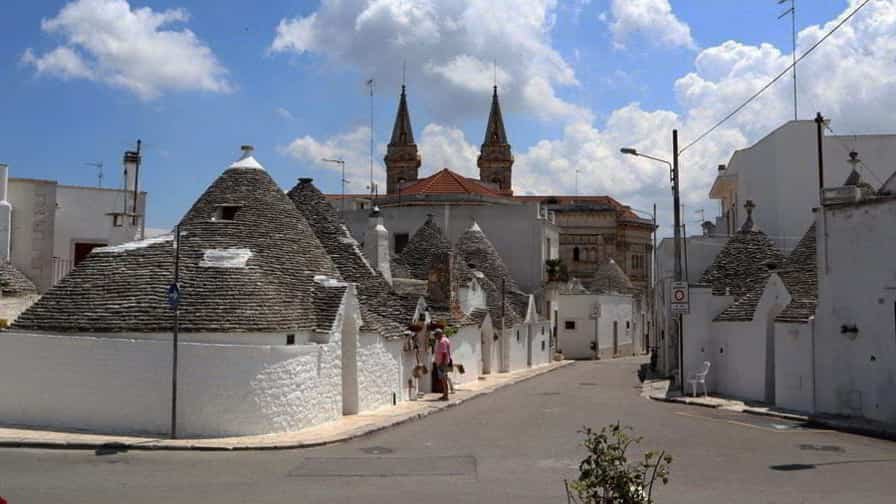
Located in the heart of Puglia, Alberobello is one of Italy’s most distinctive and enchanting towns, instantly recognizable for its unique trulli, small, whitewashed stone houses topped with conical roofs. These remarkable structures, built without mortar using a prehistoric dry-stone technique, give Alberobello the appearance of a fairytale village and set it apart from any other place in Italy. More than a visual curiosity, the town is a living testament to centuries of local ingenuity, tradition, and adaptation to the land.
Alberobello’s development is closely tied to its unusual architecture. The trulli were constructed from limestone gathered directly from surrounding fields, making use of abundant local materials. Their dry-stone construction once allowed them to be dismantled quickly, a practice rooted in historical tax avoidance during feudal rule, when permanent dwellings were heavily taxed. While legend and fact intertwine in these stories, the result is an urban landscape unlike any other, preserved today as a UNESCO World Heritage Site. The districts of Rione Monti and Aia Piccola form the historic heart of Alberobello, with hundreds of trulli clustered along narrow streets that curve gently up and down the hillside.
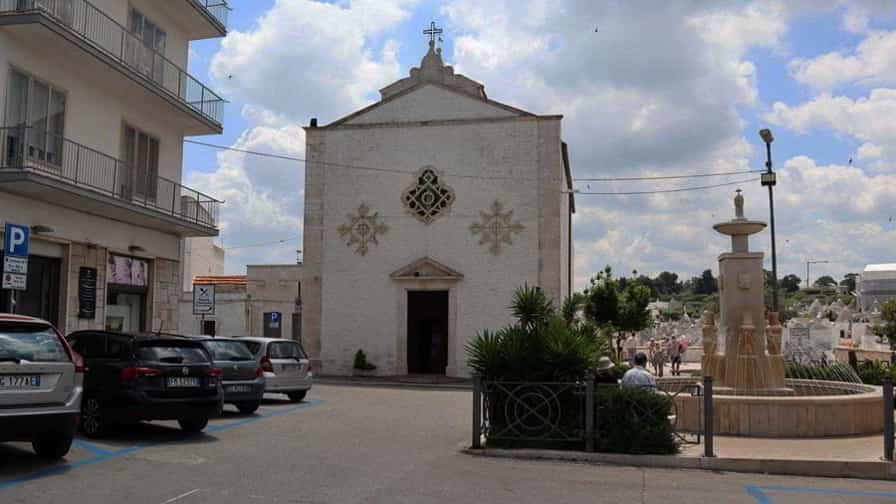
Walking through Alberobello is an immersive experience. Symbols painted on the conical roofs, ranging from religious icons to astrological signs, hint at ancient beliefs and folk traditions. The Trullo Sovrano, the only two-story trullo in town, offers insight into how these structures functioned as family homes, while the Church of Sant’Antonio, itself built in trullo form, demonstrates how this architectural language extended beyond domestic life. Despite the town’s popularity, especially in peak season, quieter corners still reveal a sense of everyday rhythm and continuity.
Alberobello’s charm is deeply connected to the wider landscape of the Itria Valley. Olive groves, vineyards, and dry-stone walls stretch across the countryside, reflecting a long agricultural tradition that continues to shape local life. The cuisine of the area mirrors this simplicity and abundance, favouring fresh vegetables, durum wheat pasta, cheeses, and olive oil of exceptional quality. Meals are often rooted in recipes passed down through generations, emphasizing flavour through restraint rather than complexity.
Though tourism plays a significant role in the local economy, Alberobello remains more than a preserved village or open-air museum. Many trulli are still used as homes, workshops, and small businesses, blending past and present in a way that feels organic rather than staged. Seasonal festivals, religious processions, and community gatherings reinforce the town’s identity as a living place with deep roots.
Alberobello’s appeal lies not only in its visual uniqueness but also in the story it tells about human adaptation and continuity. It invites visitors to slow their pace, wander its winding streets, and appreciate the quiet intelligence behind its stone forms. In Alberobello, architecture becomes narrative, and history is not confined to monuments but woven into everyday life, offering a rare and memorable glimpse into southern Italy’s enduring traditions.
Worth a Visit
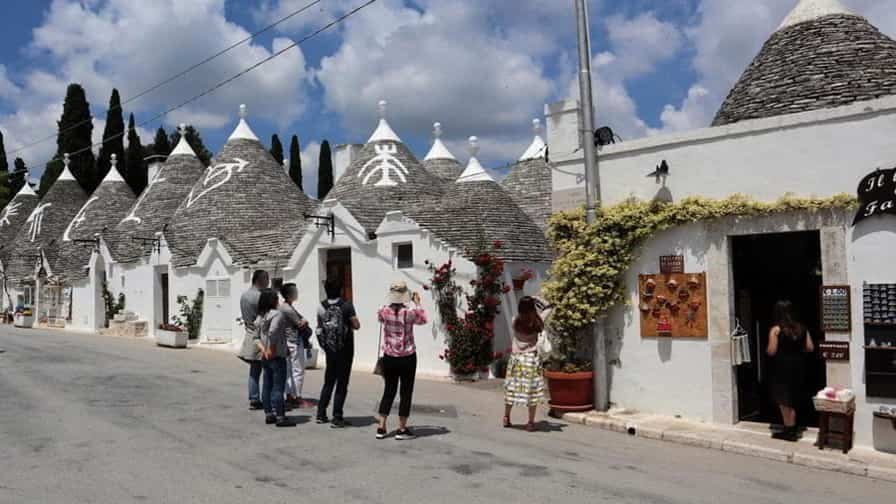
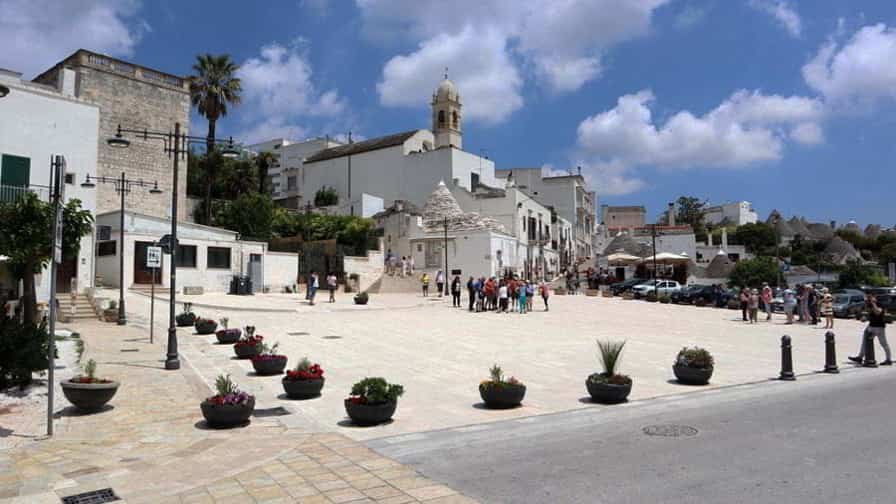
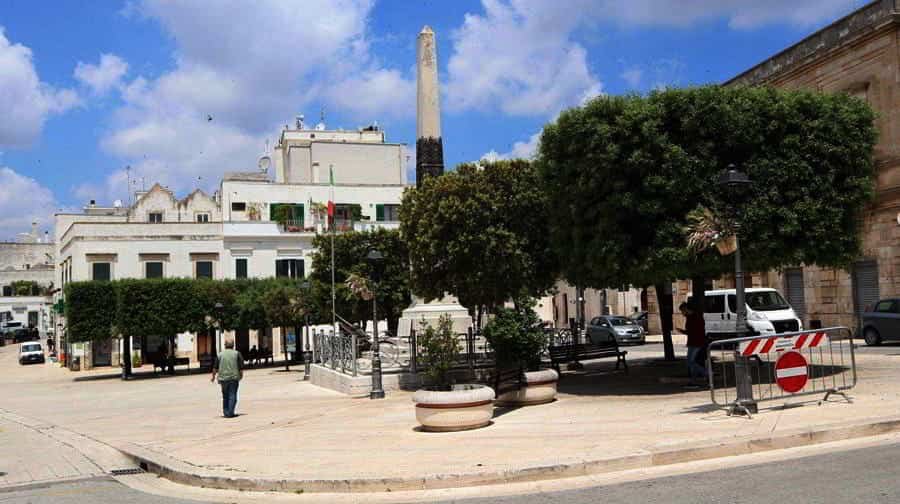
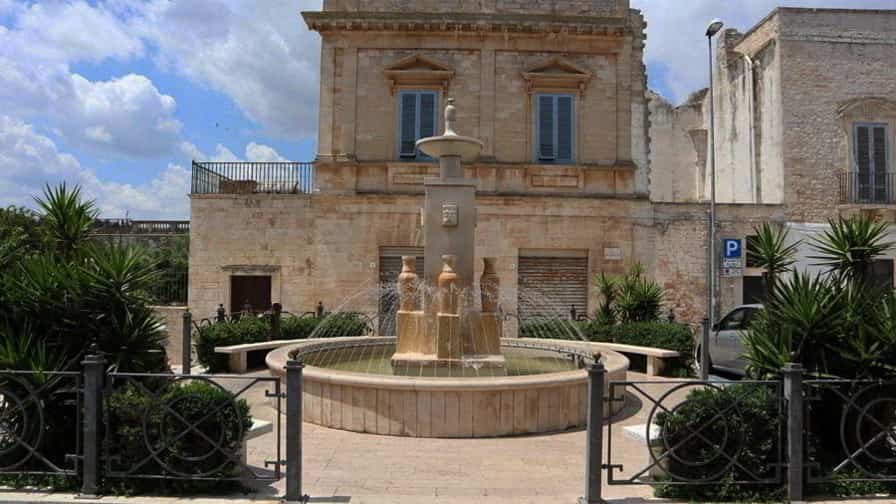
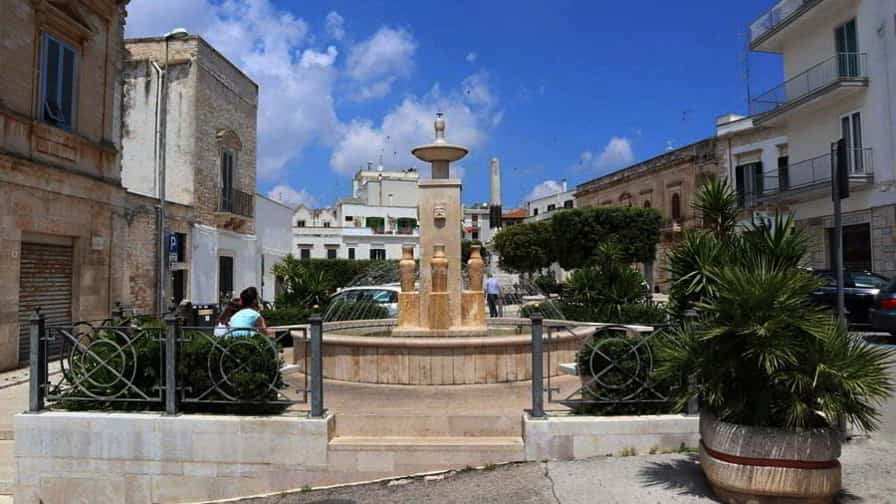
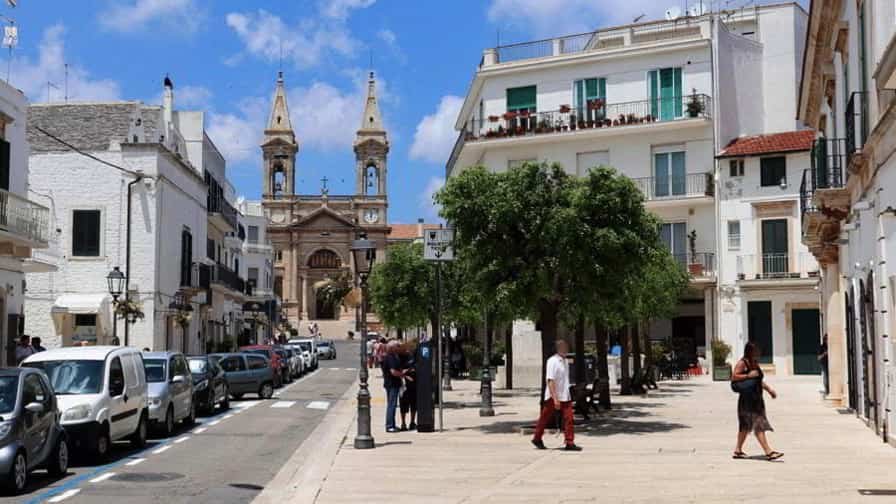
Situated in the heart of Alberobello, a UNESCO World Heritage town in the Apulia region of southern Italy, Piazza Gabriele D’Annunzio offers a unique blend of historical charm and local culture. This picturesque square is named after the celebrated Italian poet, playwright, and patriot Gabriele D’Annunzio, a towering literary and political figure of the late 19th and early 20th centuries. The piazza stands as a symbolic link between the town’s rich architectural heritage and Italy’s broader cultural history. Alberobello is world-famous for its “trulli”, traditional dry-stone huts with conical roofs, built without mortar and characterized by their whitewashed walls and stone-tiled domes. These structures create an almost fairy-tale like setting, and Piazza Gabriele D’Annunzio is ideally situated as a point of entry into this magical atmosphere
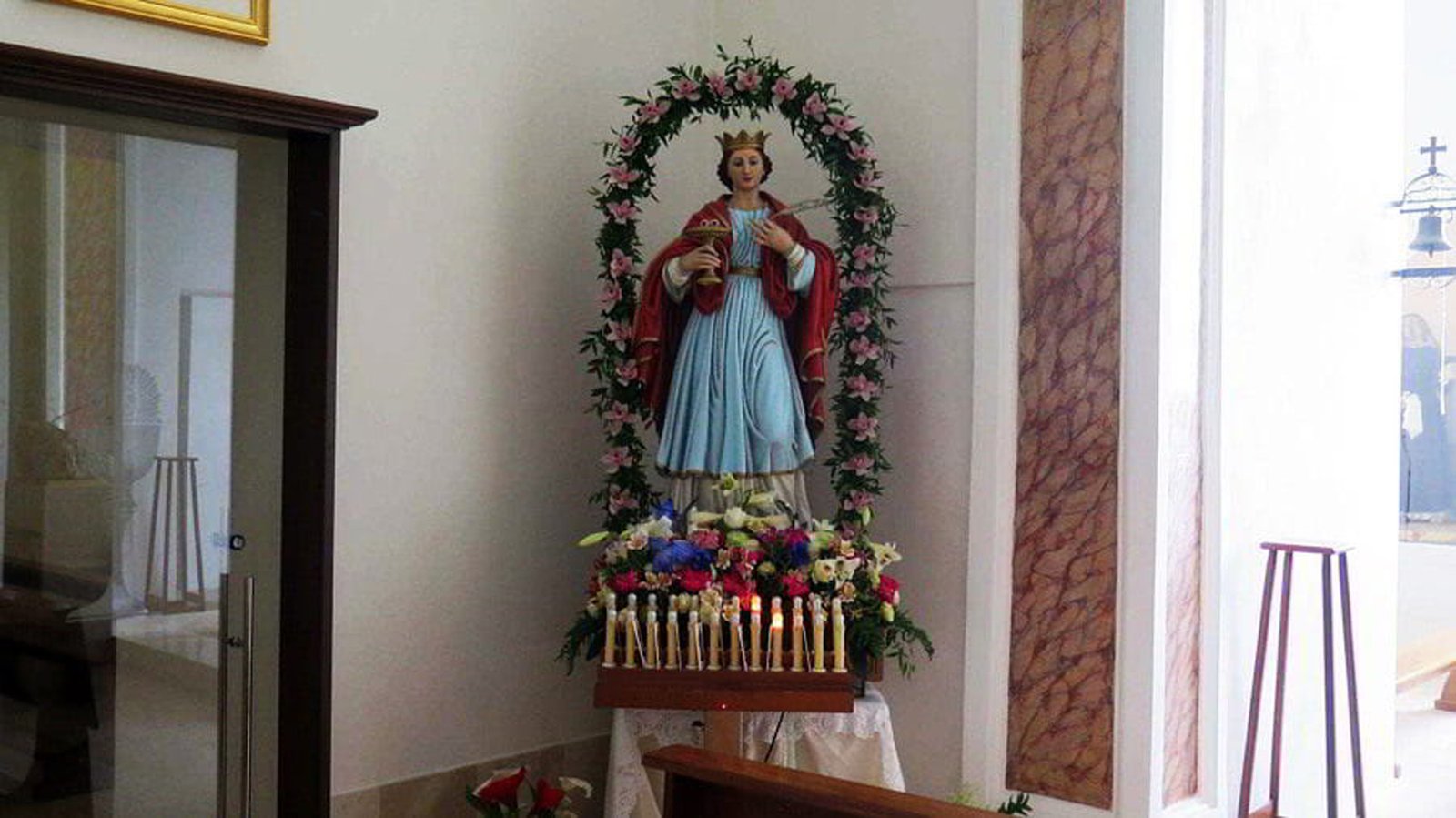
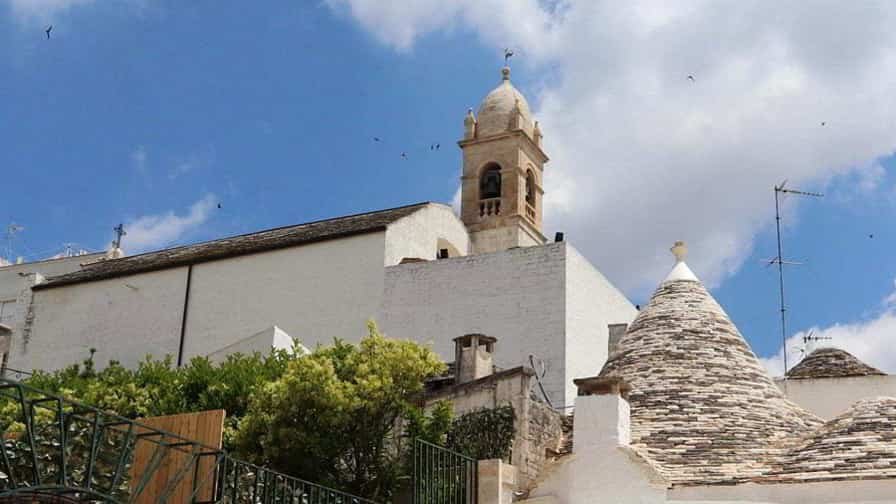
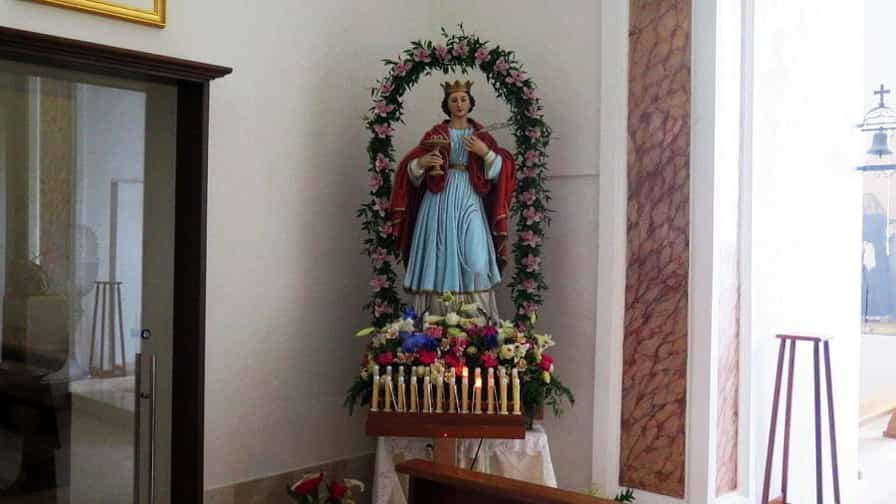
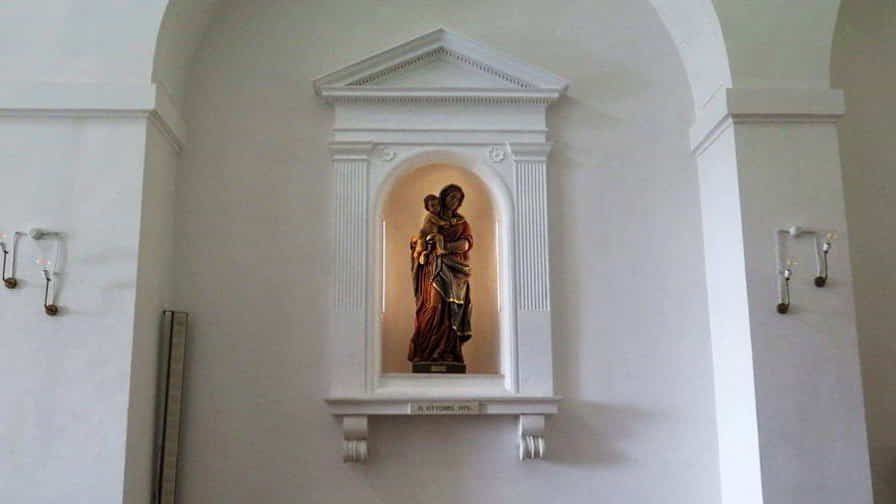
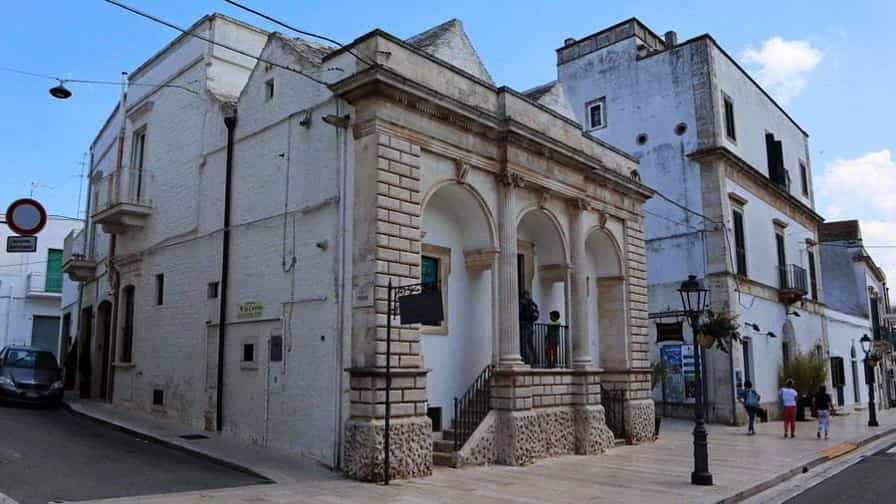
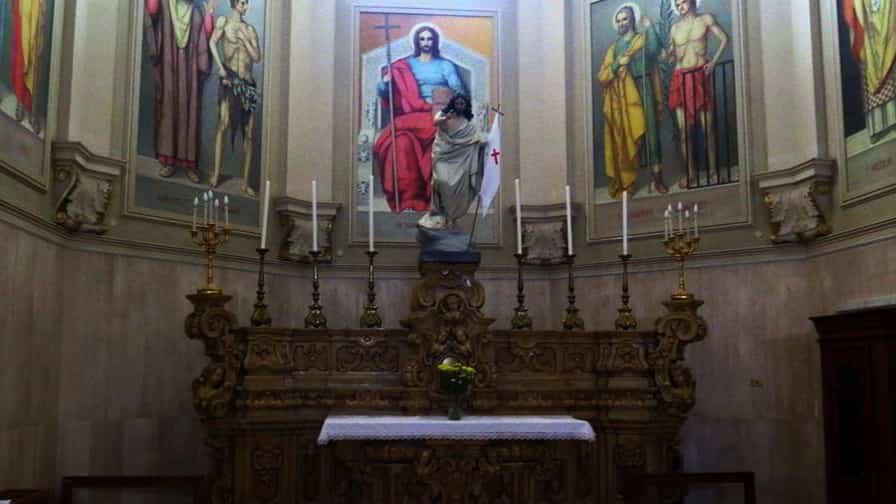
Tucked away in the enchanting town of Alberobello in southern Italy, the Chiesetta Rettoria SS. Sacramento e S. Lucia is a small yet spiritually significant church that offers visitors a quiet moment of reflection amidst the town’s iconic trulli landscape. Located in a more tranquil part of Alberobello, this charming church is a testament to the enduring faith and devotion of the local community. Though modest in size, it holds an important place in the religious and cultural life of the town. Amidst the limestone cones and cobbled alleys lies this intimate church dedicated to the Most Holy Sacrament (SS. Sacramento) and Saint Lucy (S. Lucia), a revered Christian martyr known for her association with light and vision.
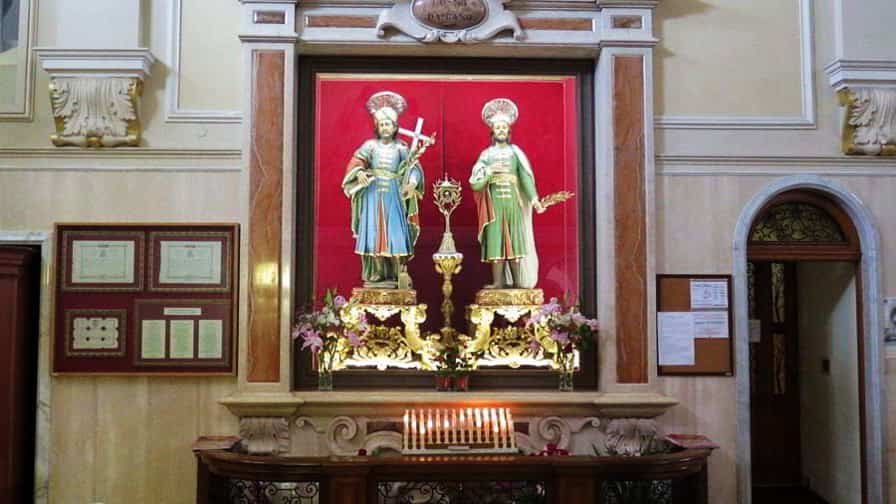
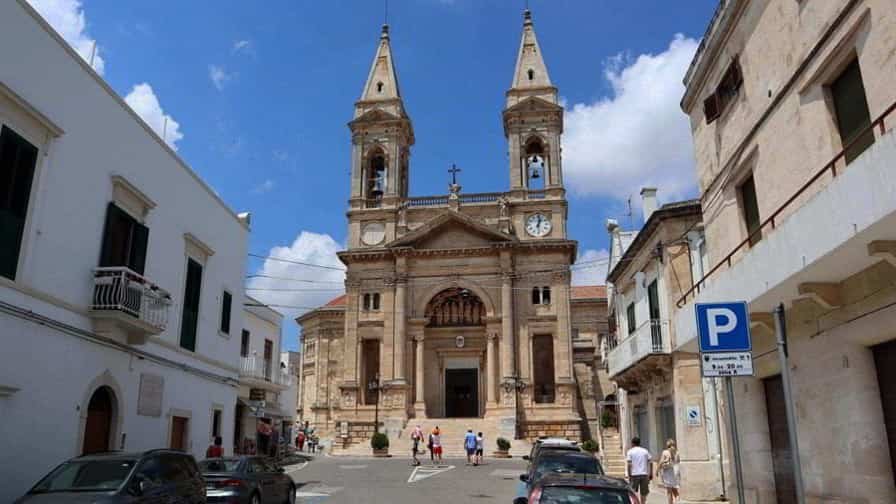
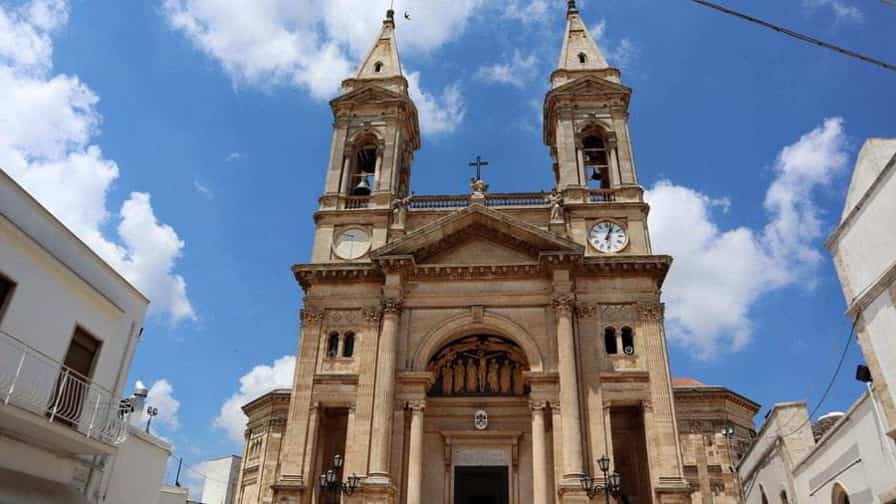
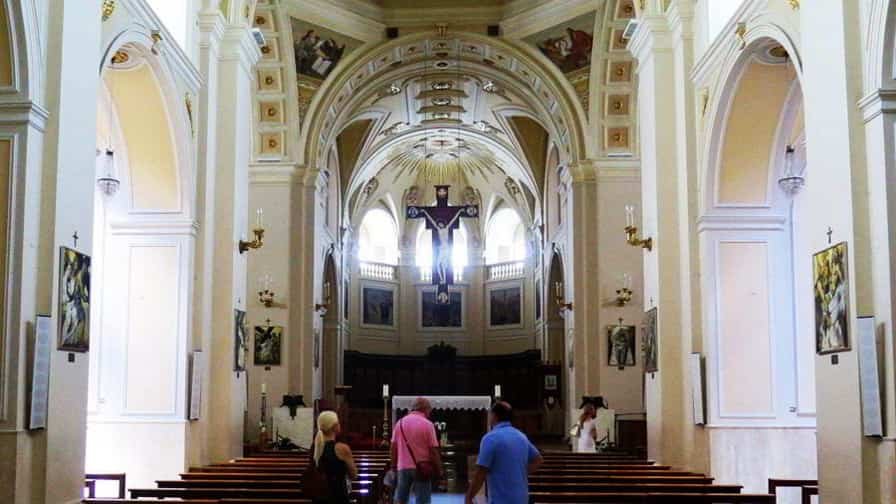
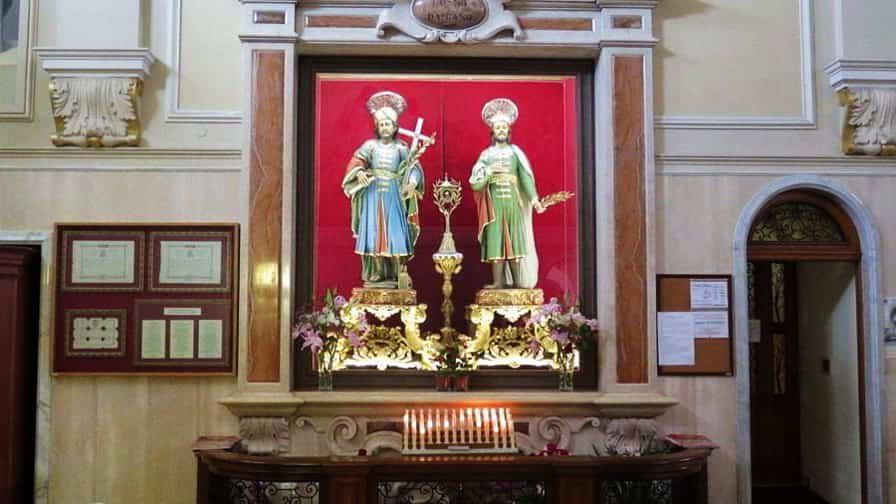
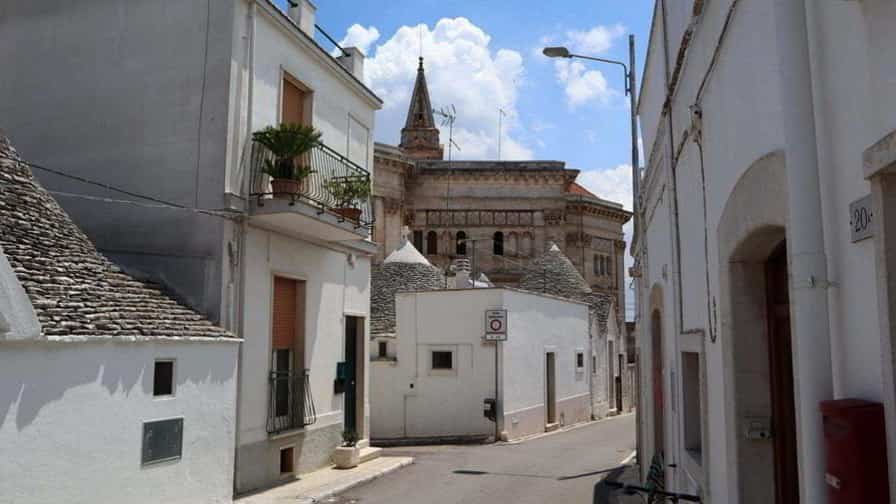
At the spiritual and cultural heart of Alberobello, the Basilica of Saints Cosma and Damiano stands as a beacon of faith, tradition, and local identity. Located near the town centre, this magnificent church is the main place of worship in Alberobello and is dedicated to the twin saints Cosma and Damiano, who are highly venerated in the region. Their legacy as early Christian martyrs and patron saints of doctors and pharmacists resonates deeply with the community, making the basilica not only a religious landmark but also a symbol of protection and healing. The basilica’s origins date back to the late 18th century, when it was first built to replace a smaller chapel on the same site.
Photo Gallery of Walk 1 in Alberobello – Via Monte S. Gabriele to Via Monte S. Michele
Approximately 0.88 km – 0.55 miles
Description of Walk 1
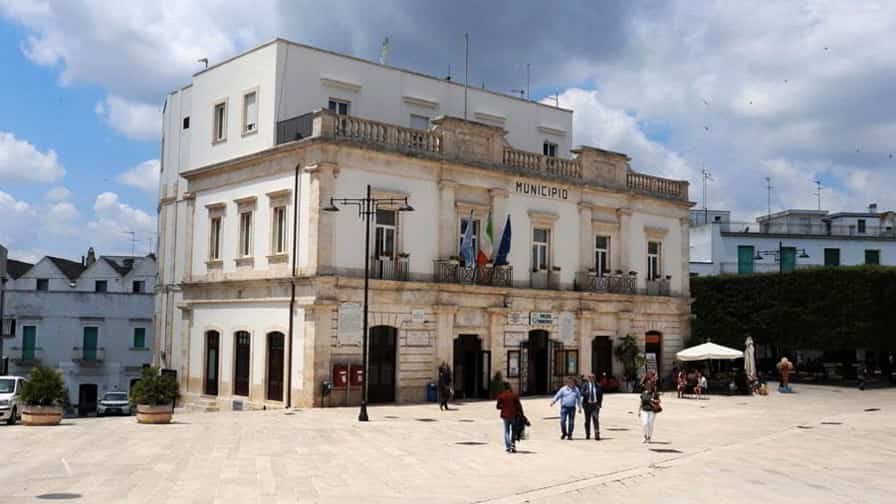
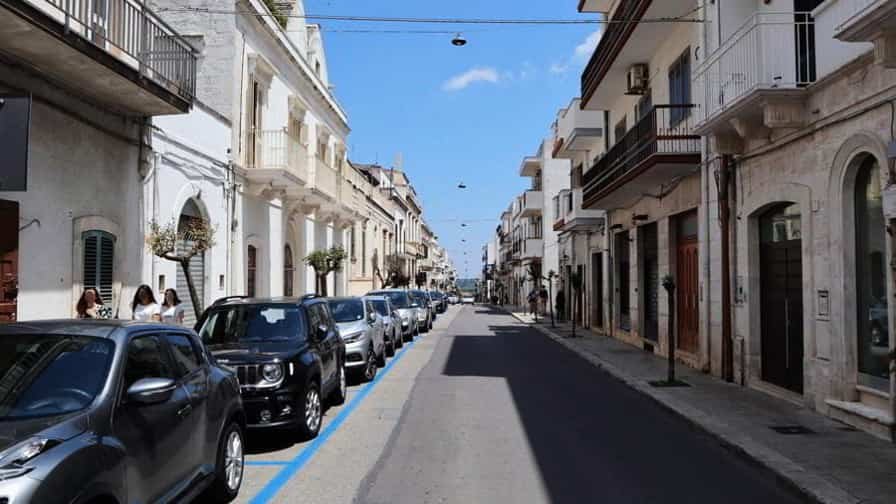
The walk unfolds in the charming town of Alberobello, a UNESCO-listed destination famous for its distinctive trulli, whitewashed stone huts topped with conical-shaped roofs. Beginning along Via Monte S. Gabriele and weaving through Via Duca D’Aosta and Via Monte S. Michele, the route passes through quiet residential streets where everyday life blends seamlessly with centuries-old architecture. Arriving at Piazza Gabriele D’Annunzio, the atmosphere becomes livelier, with open spaces framed by local cafés and small shops. Continuing along Via Monte Pertica toward Parrocchia di Sant’Antonio di Padova in Piazza Canonico Don Antonio, the walk reaches one of Alberobello’s most striking landmarks, a church uniquely built in trullo style, reflecting the town’s architectural identity. The route then leads along Via Cadore to the serene Villa Don Giacomo Donnaloja, offering a quieter, reflective pause surrounded by greenery. Looping back through familiar streets and returning to Piazza Gabriele D’Annunzio, the journey highlights both the historic charm and lived-in authenticity of Alberobello. This circular walk captures the essence of the town: intimate, picturesque, and deeply rooted in tradition.
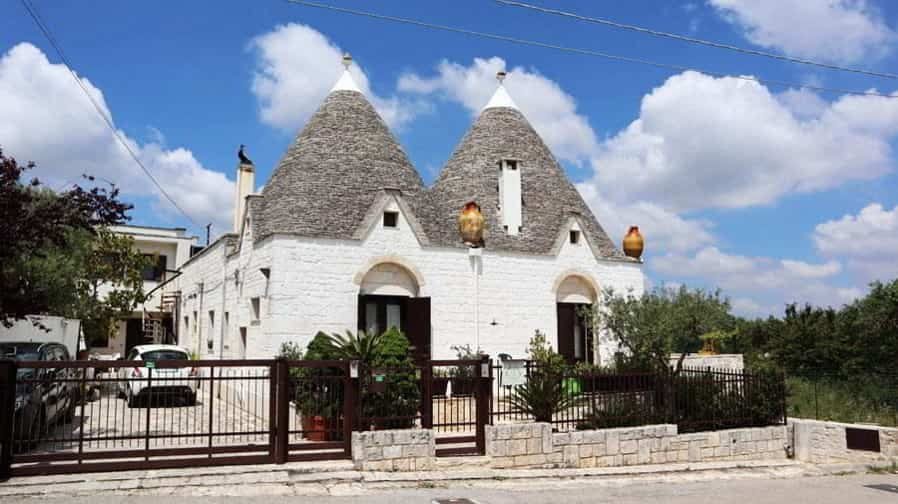
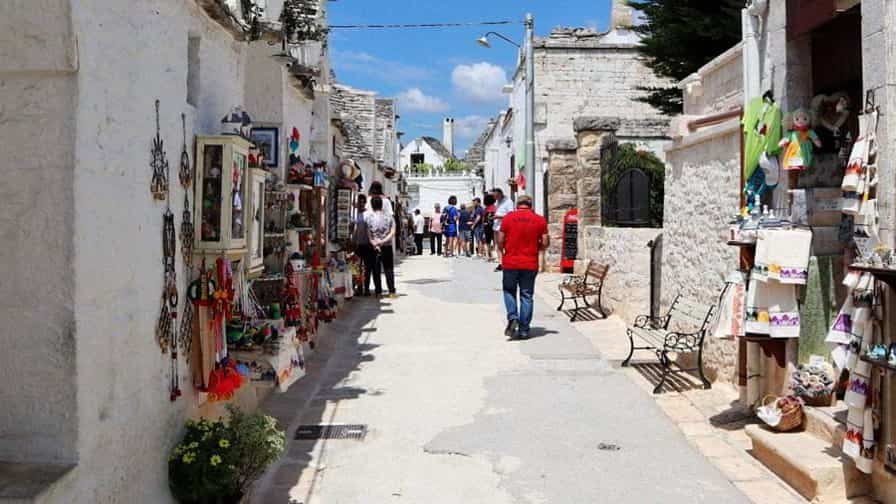
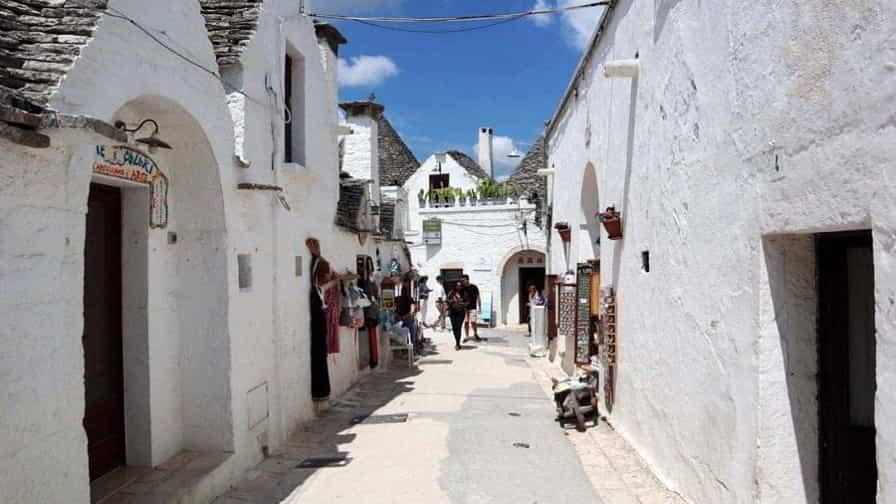
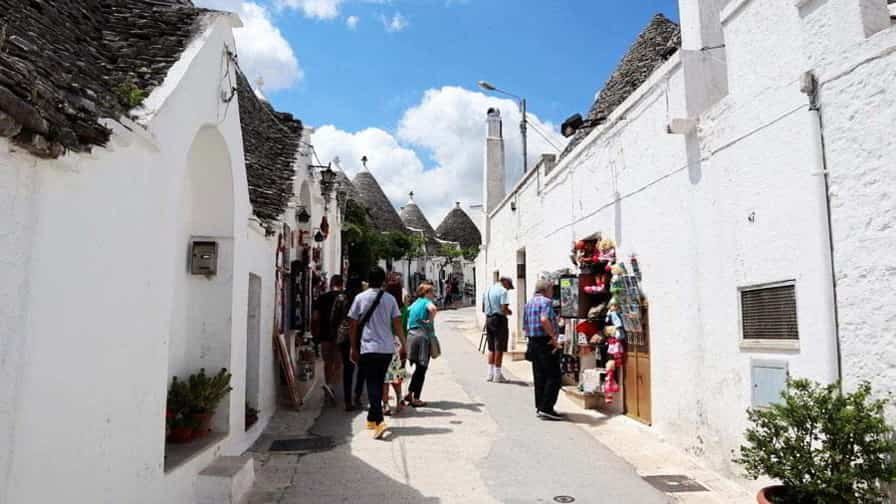
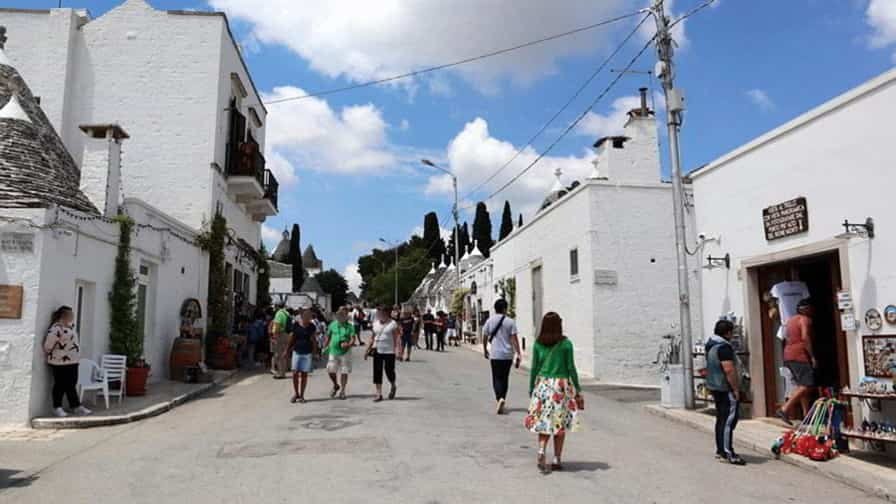
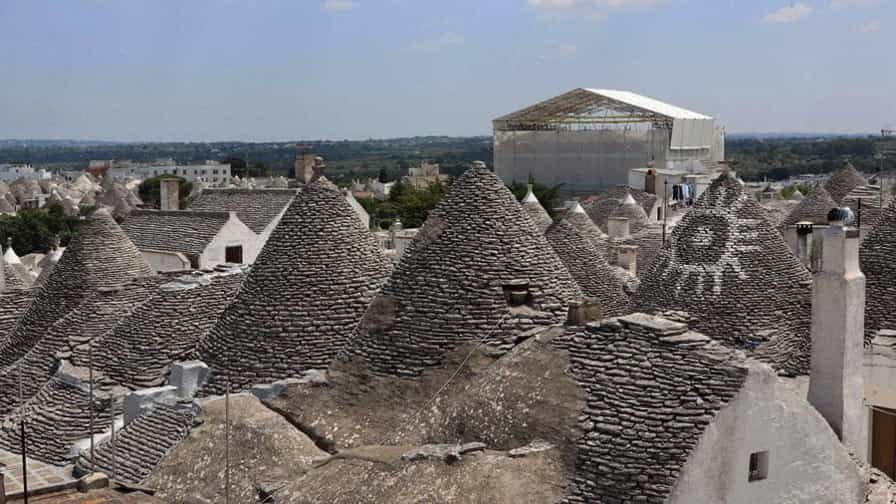
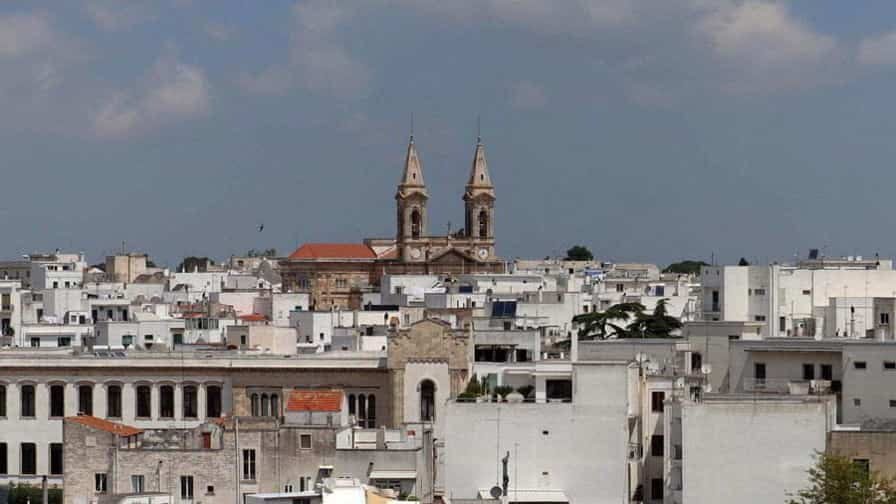
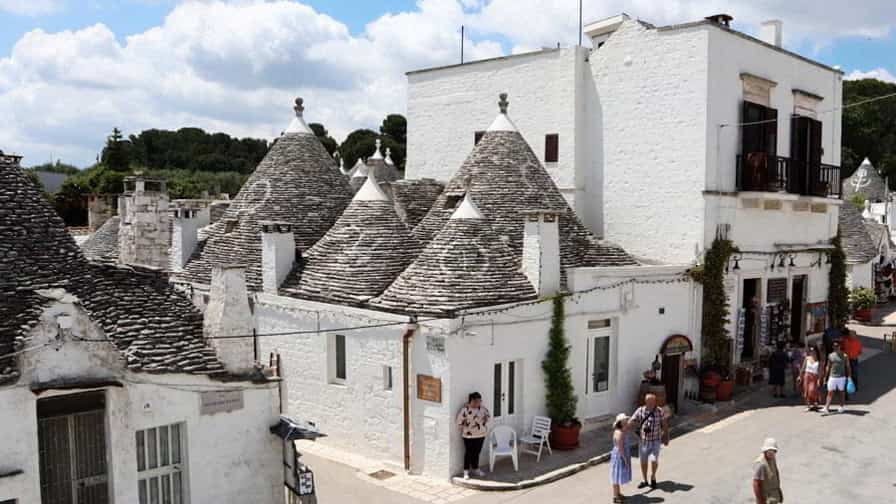
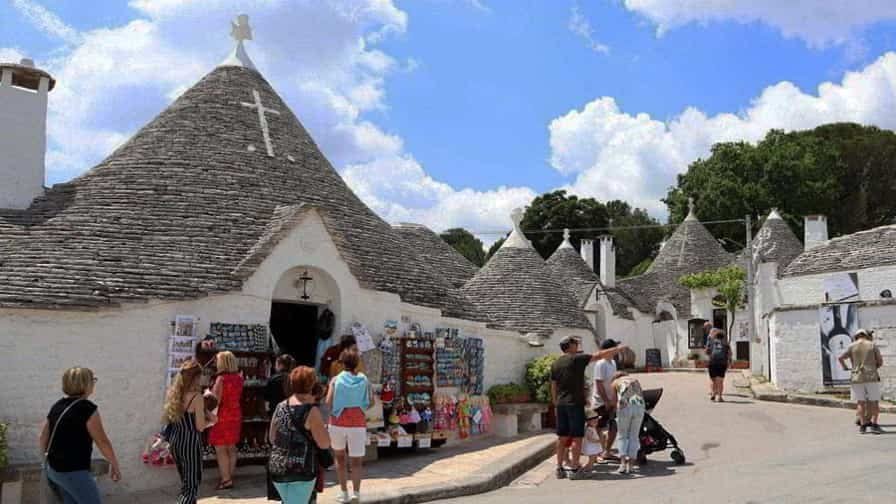
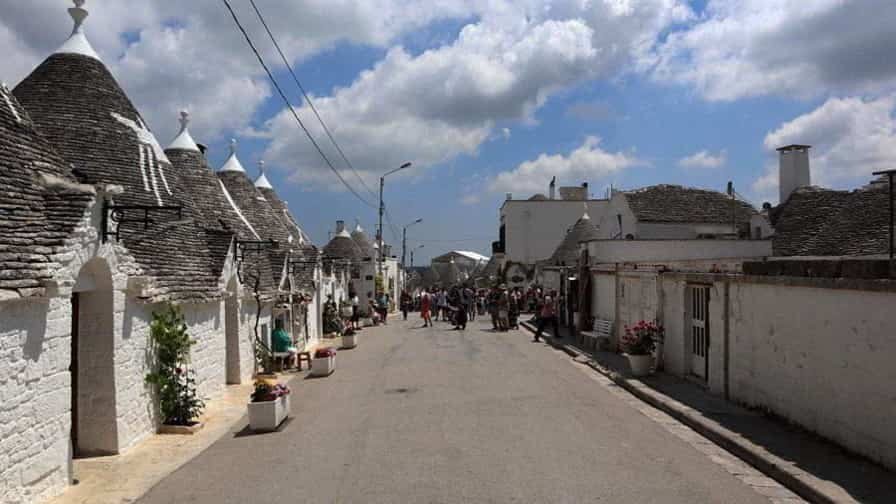
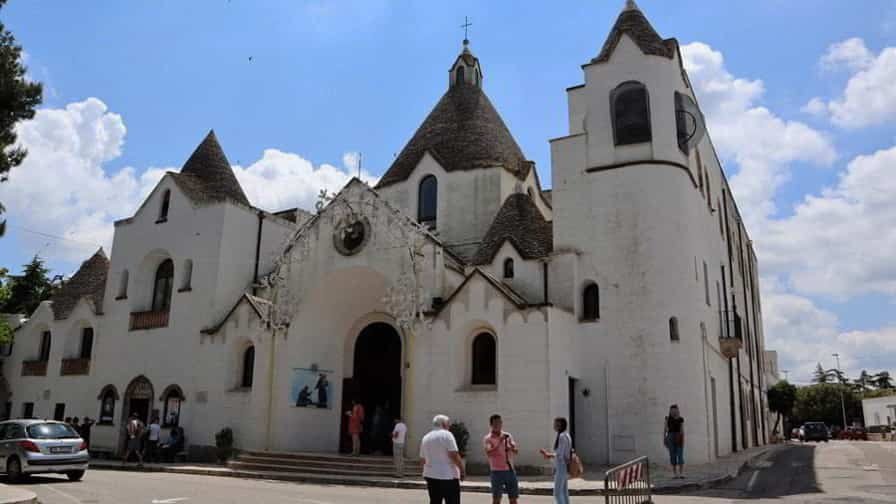
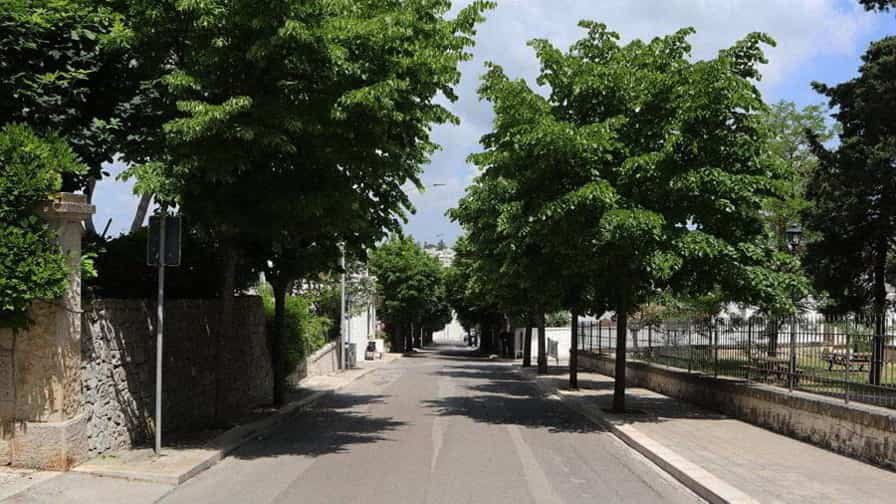
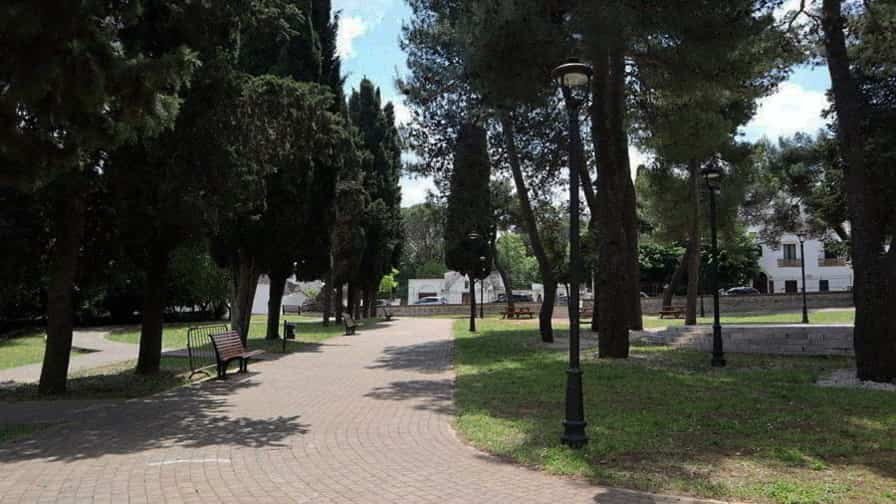
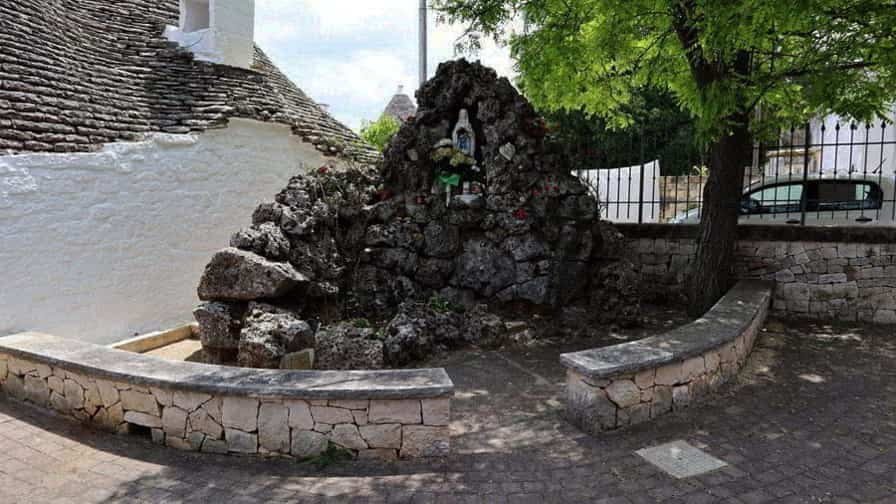
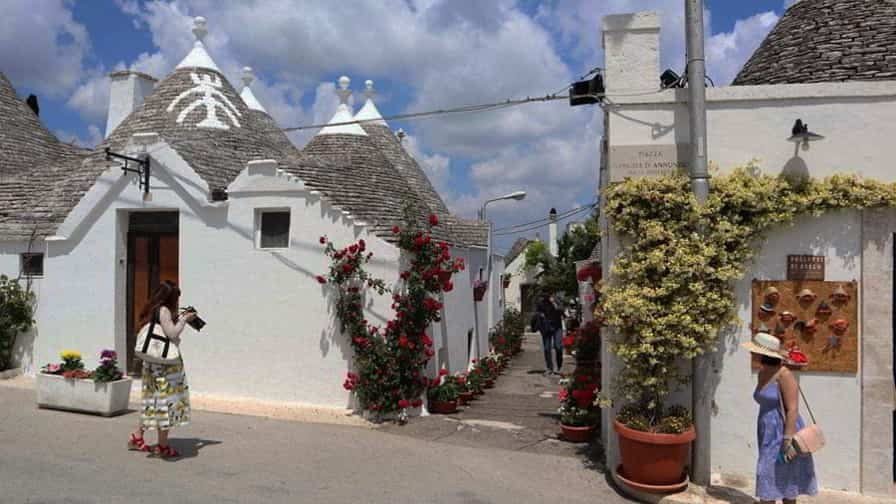
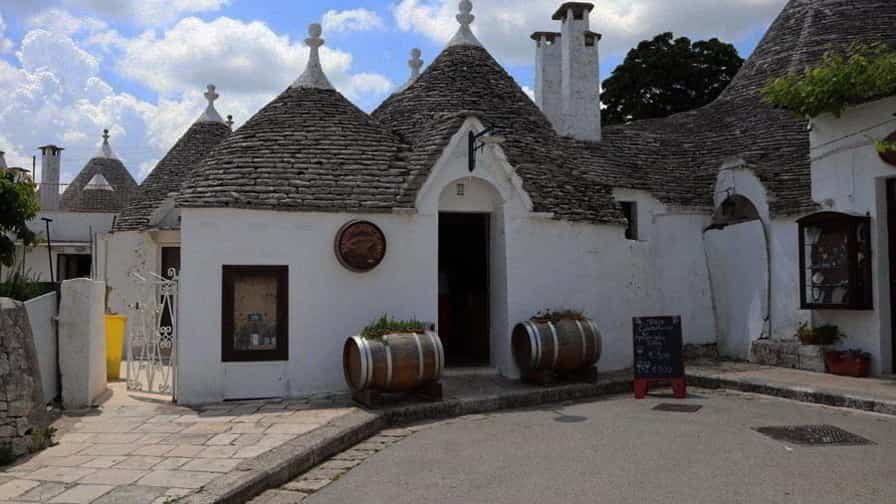
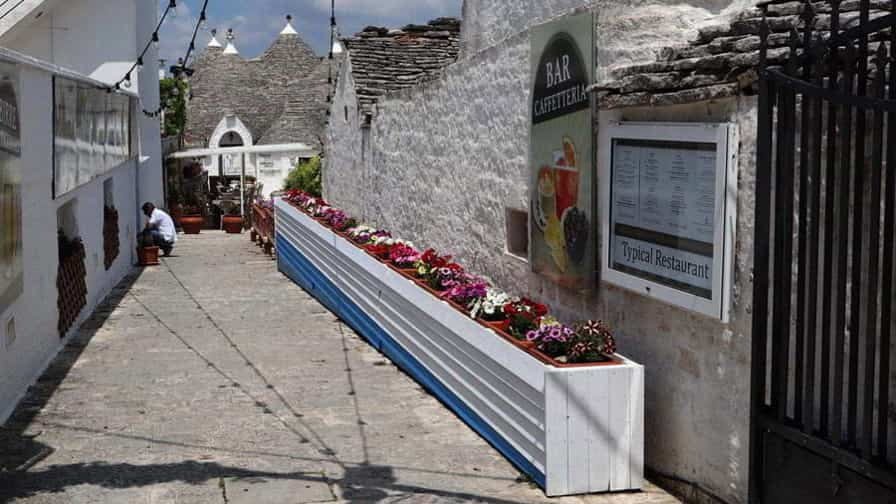
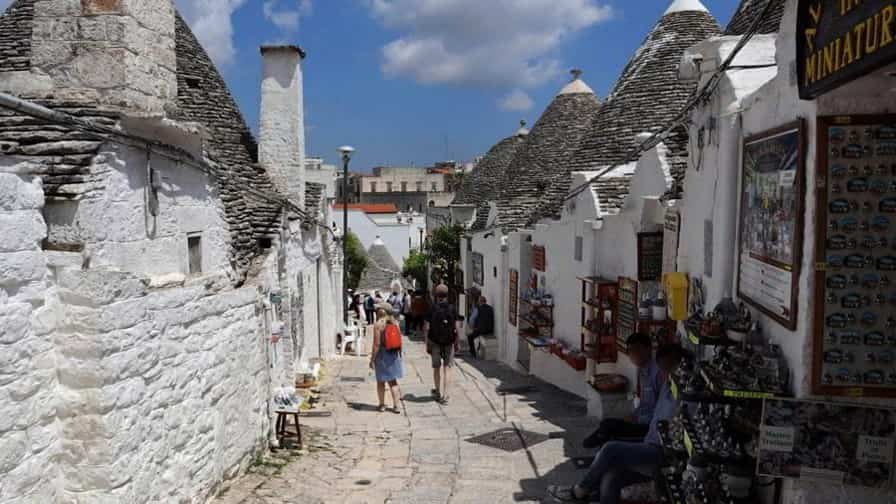
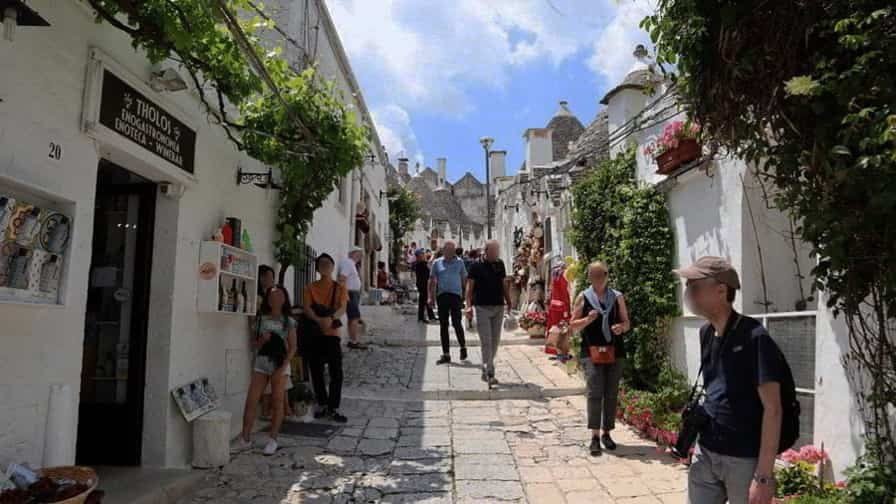
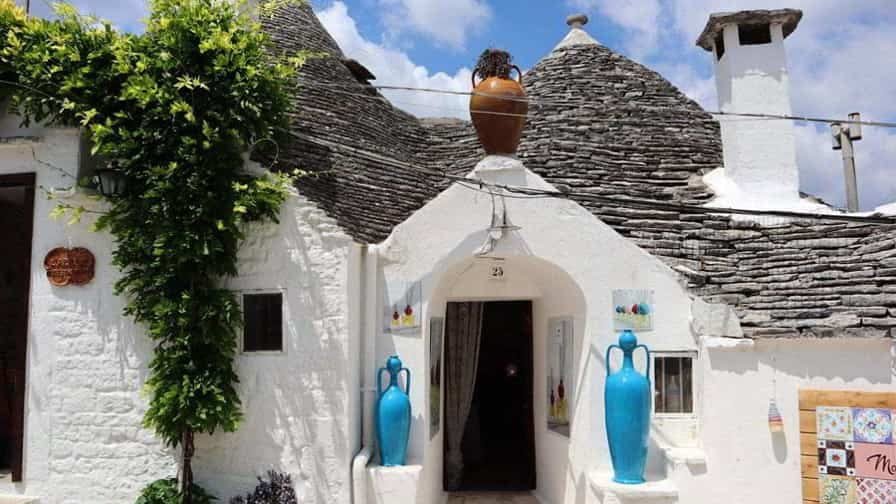
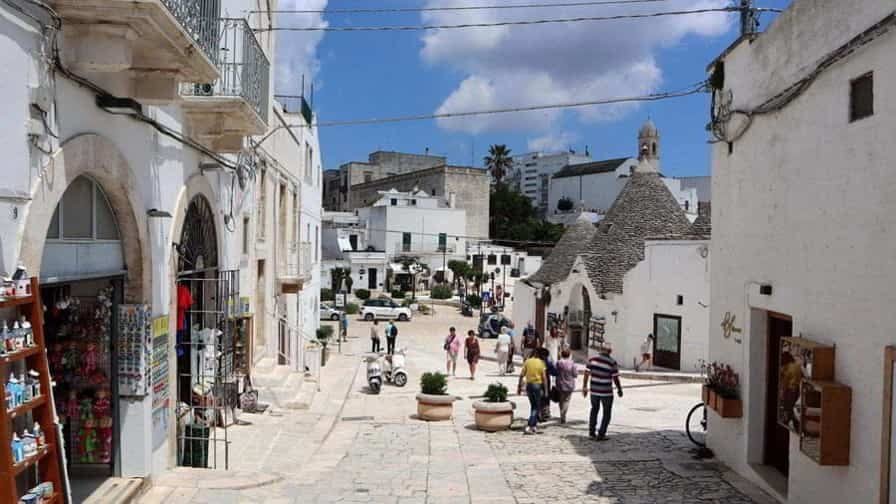
Photo Gallery of Walk 2 in Alberobello – Largo Martellotta to Via del Gesù
Approximately 0.58 km – 0.36 miles
Description of Walk 2
This walk through Alberobello reveals a rich blend of everyday life, religious heritage, and the town’s iconic scenery. Beginning in Largo Martellotta, near the famous trulli quarters, the route follows Via Brigata Regina to Piazza del Popolo, a central meeting place reflecting the town’s social energy. Moving into Piazza Giangirolamo, the walk highlights local devotion through the Oratorio del SS. Sacramento e Santa Lucia and the nearby Fontana di Santa Lucia. A short climb leads to the Belvedere Santa Lucia, offering sweeping views over the dense clusters of trulli rooftops—one of the most iconic sights in Puglia. Descending along Via Contessa and through Corso Vittorio Emanuele and Corso Trieste e Trento, the route passes lively streets lined with shops and cafés before reaching Piazza Antonio Curri. Here stands the imposing Basilica dei Santi Medici Cosma e Damiano, a key spiritual landmark. The walk continues to Piazza XI Febbraio and along Via del Gesù to Piazza Sacramento, completing a route that captures Alberobello’s cultural depth and timeless charm.

COPYRIGHT © 2018-2026 ITALY IN PHOTOS - ALL RIGHTS RESERVED