
HOME
REGIONS OF ITALY
PLACES IN ITALY
PLAN YOUR TRIP
Italy in Photos
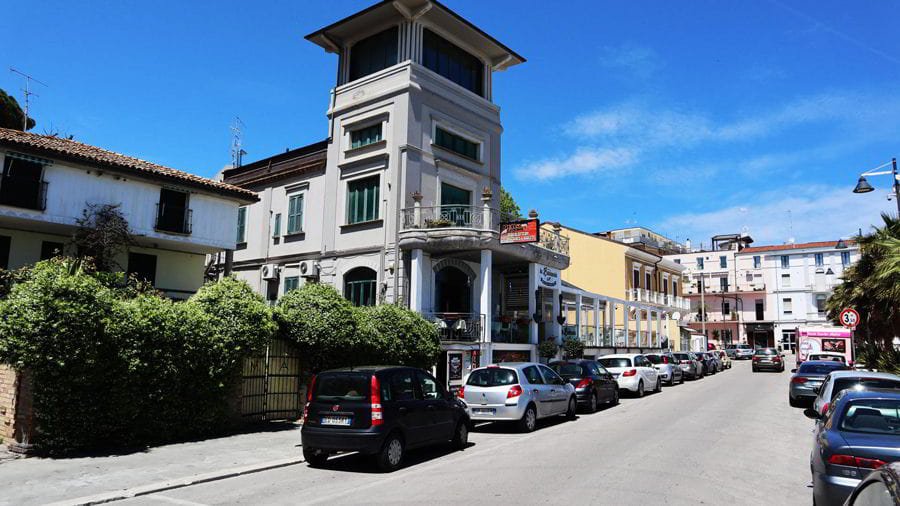
Via Adriatica, 66054 Vasto, Italy (May 2019)
Vasto
Delayed or cancelled flight?
Get up to £520!
You’ve got rights when your flight’s disrupted.
We enforce them and handle everything so you get paid
Vasto is a captivating coastal town in the Abruzzo region of central Italy, where history, nature, and the Adriatic Sea come together in a striking and harmonious setting. Perched on a hillside overlooking a long stretch of golden shoreline, Vasto offers sweeping sea views, a well-preserved historic centre, and a relaxed pace of life that reflects the authentic character of the region. Known in ancient times as Histonium, the town’s roots stretch back to Roman and pre-Roman eras, giving Vasto a rich historical foundation that is still visible today.
The historic heart of Vasto is a maze of narrow streets, elegant squares, and panoramic terraces. Landmarks such as Palazzo d’Avalos, once the residence of Spanish nobles, highlight the town’s aristocratic past and now house museums and cultural spaces. Nearby, the Cathedral of San Giuseppe stands as a symbol of local devotion, while smaller churches and historic buildings reveal layers of architectural influence accumulated over centuries. From the Belvedere Loggia Amblingh, visitors can admire one of the most iconic views on the Adriatic coast, with the sea stretching endlessly toward the horizon.
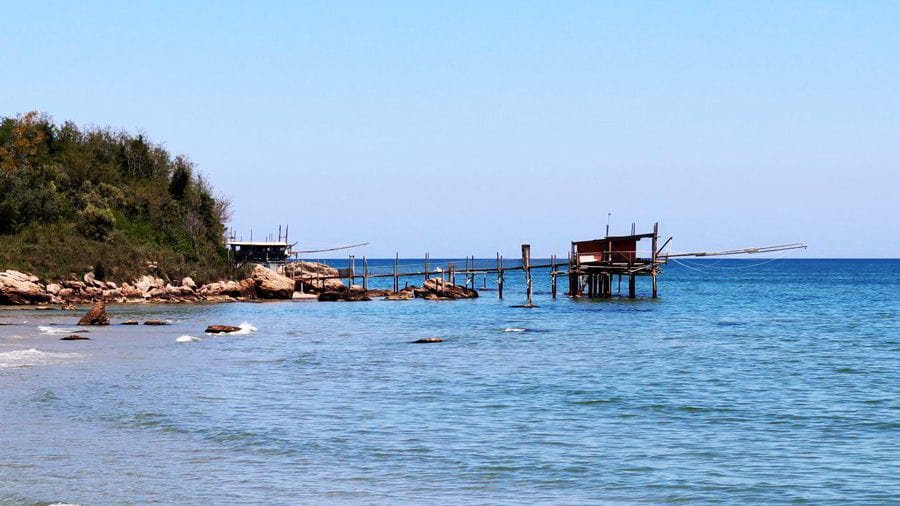
Below the old town lies Vasto Marina, the modern seaside district known for its sandy beaches and clear waters. The coastline here is part of the Costa dei Trabocchi, a unique stretch of shore famous for its traditional wooden fishing platforms, or trabocchi, which extend into the sea on stilts. This area has become a symbol of Abruzzo’s maritime heritage and is now a popular destination for swimming, cycling, and coastal walks, especially along the scenic Greenway that follows the former railway line.
Nature plays a central role in Vasto’s appeal. Just south of the town lies the Punta Aderci Nature Reserve, one of the most unspoiled coastal areas in the Adriatic. With its wild beaches, cliffs, and Mediterranean vegetation, the reserve offers opportunities for hiking, birdwatching, and quiet immersion in nature. Inland, gentle hills and vineyards reflect Abruzzo’s agricultural traditions, contributing to the town’s strong culinary identity.
Vasto’s cuisine embodies the flavours of both land and sea, featuring fresh seafood, handmade pasta, and local olive oil and wines. Combined with its historical depth, natural beauty, and welcoming atmosphere, Vasto offers visitors an enriching experience that feels both timeless and genuine, capturing the essence of Abruzzo at its best.
Worth a Visit
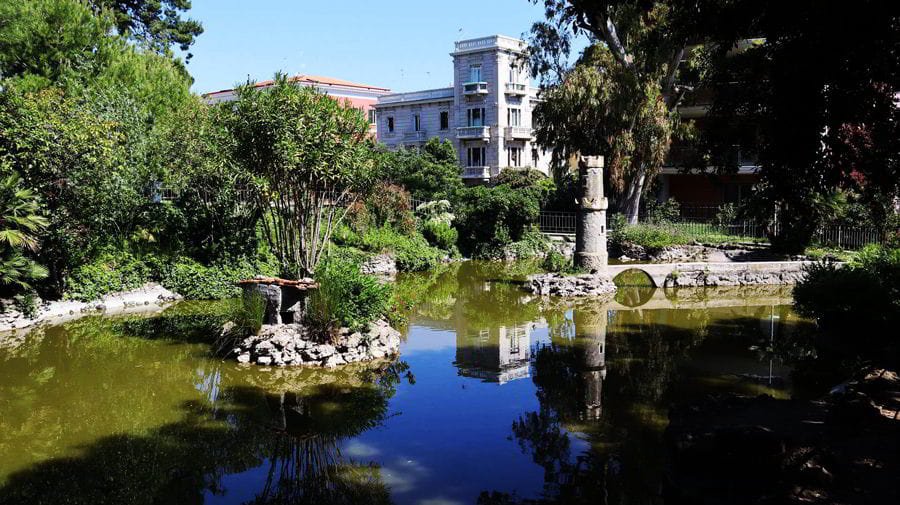
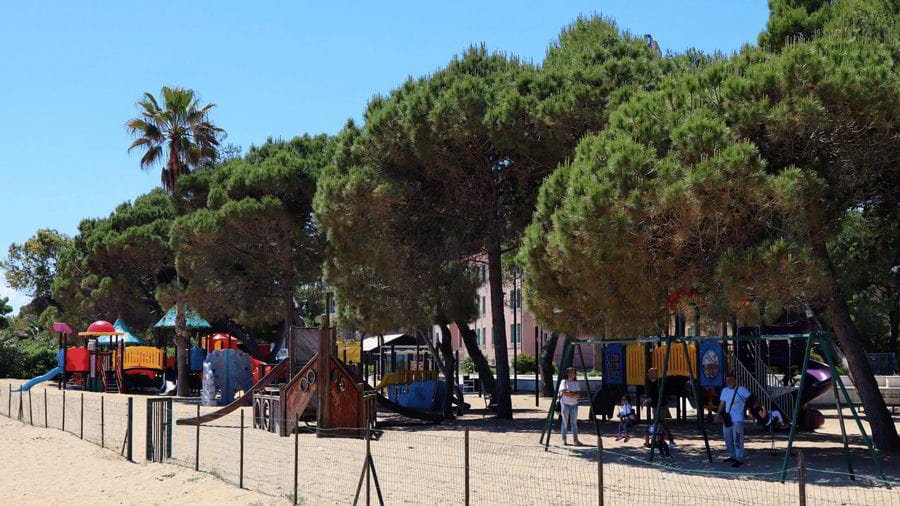
Parco Villa Comunale, located along Viale Rimembranza in Vasto, Italy, is one of the city’s most beloved green spaces and a favourite destination for both locals and visitors. Overlooking the Adriatic Sea, the park offers sweeping panoramic views that make it a perfect spot for relaxation and photography. Its well-maintained gardens, shaded pathways, and elegant fountains create a serene atmosphere ideal for leisurely walks or quiet moments of reflection. The park also features play areas for children, benches for rest, and open spaces for community events, making it a versatile place for all ages. Rich in history, Parco Villa Comunale is not only a recreational retreat but also a cultural landmark that reflects the charm of Vasto’s heritage. Whether enjoying a stroll, attending a local gathering, or simply admiring the stunning coastal views, visitors find the park an essential part of the city’s vibrant social and natural landscape.

Chiesa di Santa Maria Maggiore, located on Via Santa Maria in the historic canter of Vasto, Italy, is one of the city’s most significant religious and cultural landmarks. Dating back to the 13th century, the church showcases a striking blend of Gothic and Romanesque architectural styles, with later Baroque additions that enrich its character. Its elegant façade, tall bell tower, and rose window make it a distinctive feature of the town’s skyline. Inside, visitors are welcomed by a serene and spiritual atmosphere, adorned with intricate frescoes, religious artworks, and altars that reflect centuries of devotion. The church has long been a focal point for community life, hosting important religious celebrations and local traditions. Beyond its role as a place of worship, Santa Maria Maggiore stands as a symbol of Vasto’s deep historical roots and artistic heritage, offering a glimpse into the city’s past while remaining a living centre of faith and culture

The Cattedrale di San Giuseppe, located in Piazza Lucio Valerio Pudente in the heart of Vasto, Italy, is the city’s main cathedral and a remarkable symbol of its spiritual and historical identity. Originally built in the 13th century on the remains of an earlier church, it has undergone several transformations that reveal a blend of Romanesque and Gothic influences, with later Baroque touches. The cathedral’s façade, with its elegant stonework and rose window, stands as a testament to centuries of devotion and craftsmanship. Inside, visitors find a harmonious blend of sacred art, ornate altars, and peaceful chapels, creating an atmosphere of reverence and reflection. As the seat of Vasto’s religious life, the cathedral hosts important ceremonies, festivals, and cultural events that connect the community to its traditions. The Cattedrale di San Giuseppe is not only a place of worship but also a living monument, embodying the enduring faith and heritage of Vasto.
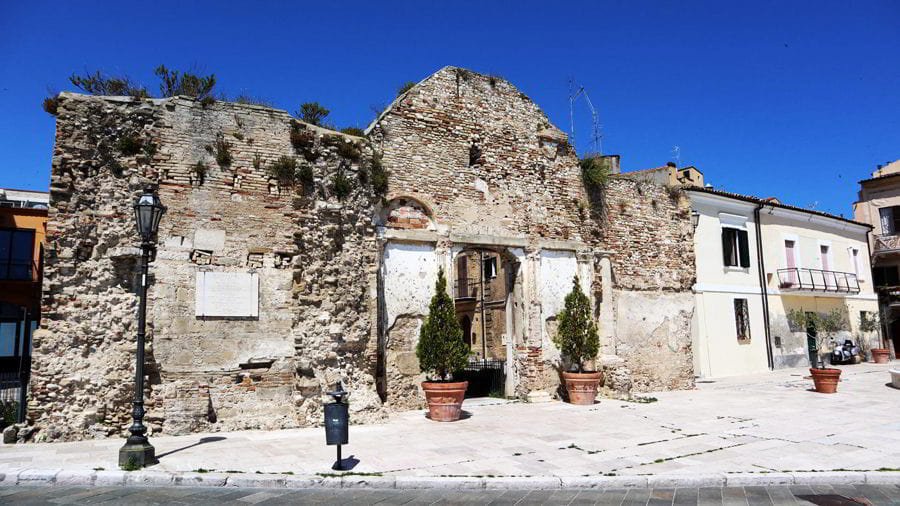
Via Adriatica, in 66054 Vasto, Italy, is a charming street that beautifully reflects the character and history of this coastal town. Winding through the heart of Vasto, it offers a delightful mix of architectural styles, traditional residences, and inviting shops that highlight the area’s cultural heritage. The street provides both locals and visitors with a pleasant setting for leisurely strolls, where the rhythm of daily life blends seamlessly with the echoes of the past. From Via Adriatica, one can enjoy glimpses of the nearby Adriatic Sea, adding a scenic backdrop that enhances its appeal. The area is also home to cafés and restaurants where regional flavours can be savoured, making it a vibrant stop for those exploring the town. With its blend of history, culture, and everyday charm, Via Adriatica embodies the essence of Vasto, offering a memorable experience for those seeking to discover the city’s authentic atmosphere.

Piazza Gabriele Rossetti, located in Vasto, Italy, is one of the city’s most iconic and lively squares, dedicated to the famous poet and patriot Gabriele Rossetti, who was born here. Surrounded by elegant historic buildings, cafés, and shops, the square serves as a natural gathering point for both residents and visitors. Its spacious layout makes it ideal for community events, concerts, and festivals, which bring the area to life throughout the year. From Piazza Rossetti, one can also admire beautiful views of nearby landmarks and enjoy easy access to Vasto’s historic center. In May 2019, the square continued to play its traditional role as a hub of social and cultural activity, offering a welcoming atmosphere where history and modern life meet. Whether relaxing at an outdoor café, strolling through its open spaces, or attending local celebrations, visitors find Piazza Rossetti an essential stop to experience the vibrant spirit of Vasto.
Photo Gallery of Walk 1 – Via S. Michele to Loggia Amblingh
Approximately 1.23 km – 0.76 miles
Description of Walk 1
This walk explores the historic heart of Vasto, a charming Adriatic town in the Abruzzo region known for its medieval streets, panoramic viewpoints, and rich cultural heritage. The route begins at Via S. Michele in Parco Villa Comunale, a pleasant green space that offers a relaxing introduction to the town. Following Viale Rimembranza to Piazza Guglielmo Marconi, walkers enter one of the central areas of Vasto, where local life and historic architecture blend together. From the square, the route continues along Via Tre Segni before returning to Piazza Guglielmo Marconi and proceeding to the Municipal Market Hall of Santa Chiara in Piazza Santa Chiara. This area reflects the town’s long-standing commercial traditions and vibrant community atmosphere. The walk then follows Via Sportello, Via Tripoli, and Via Santa Maria to the beautiful Chiesa Santa Maria Maggiore, one of Vasto’s most important religious landmarks, notable for its historic character and artistic significance. Continuing along Via Santa Maria, the route reaches Piazza del Tomolo and then Via Catena, leading to Porta Catena, a surviving gateway that recalls the town’s medieval defenses. The walk concludes at Loggia Amblingh, one of Vasto’s most celebrated viewpoints. From here, visitors can enjoy spectacular views over the Adriatic Sea, making it a memorable finish to a route that combines history, culture, and scenic beauty.
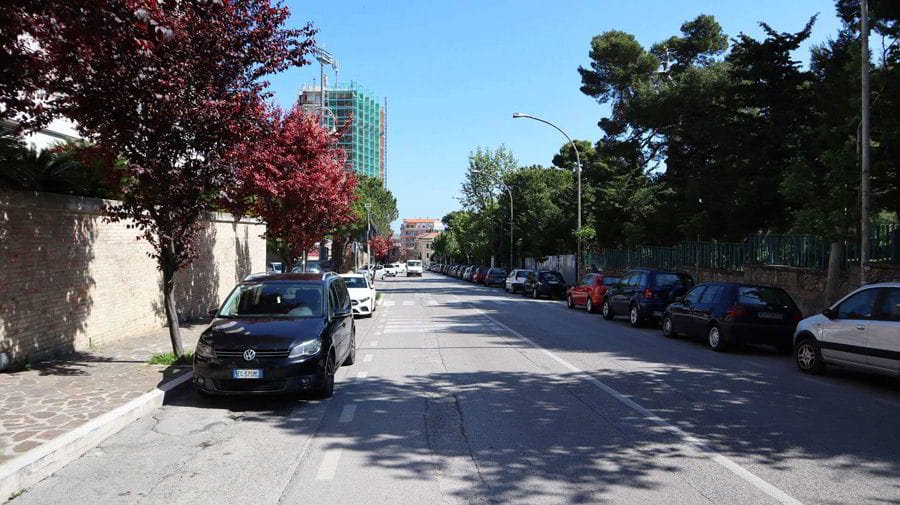
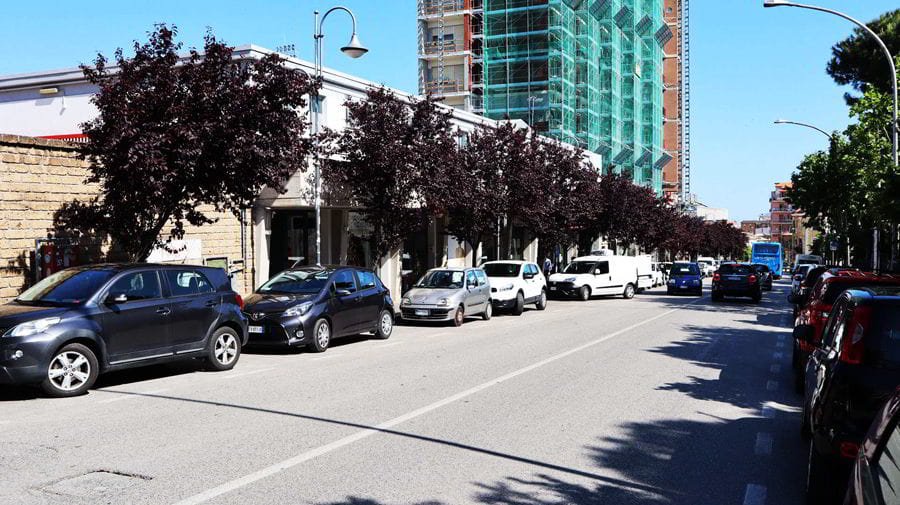
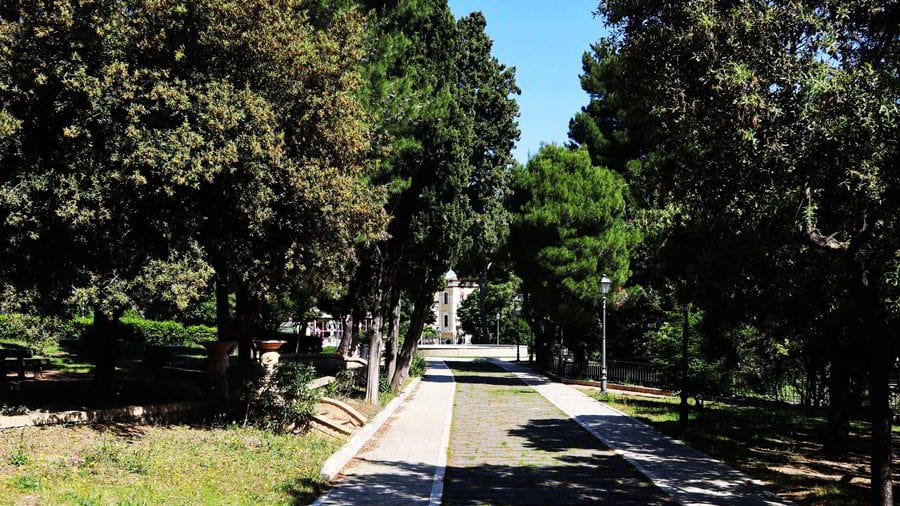
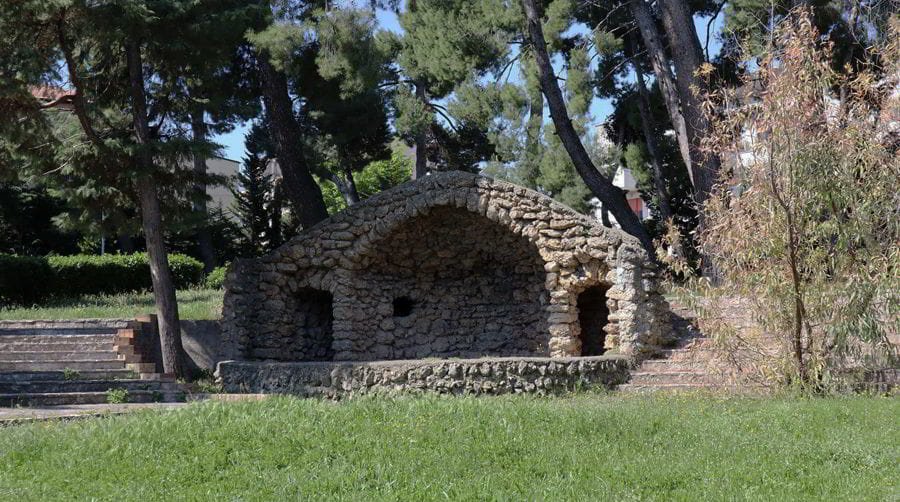
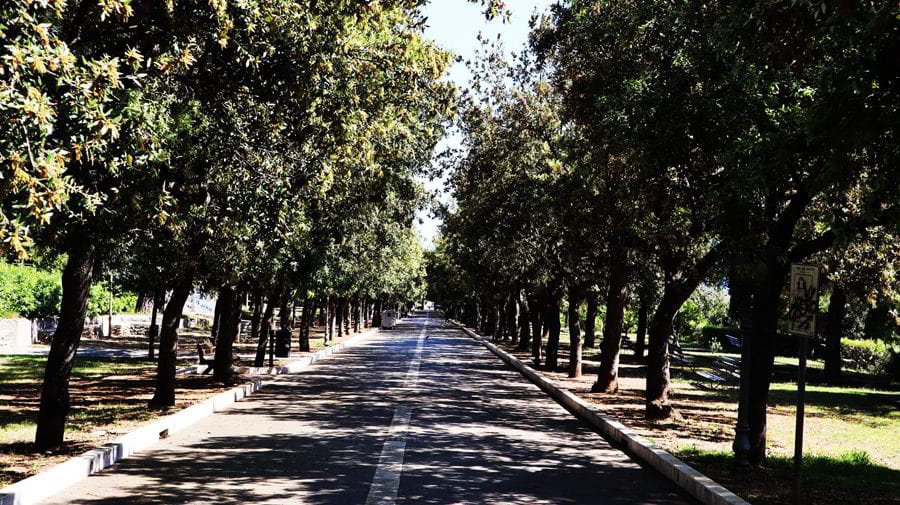
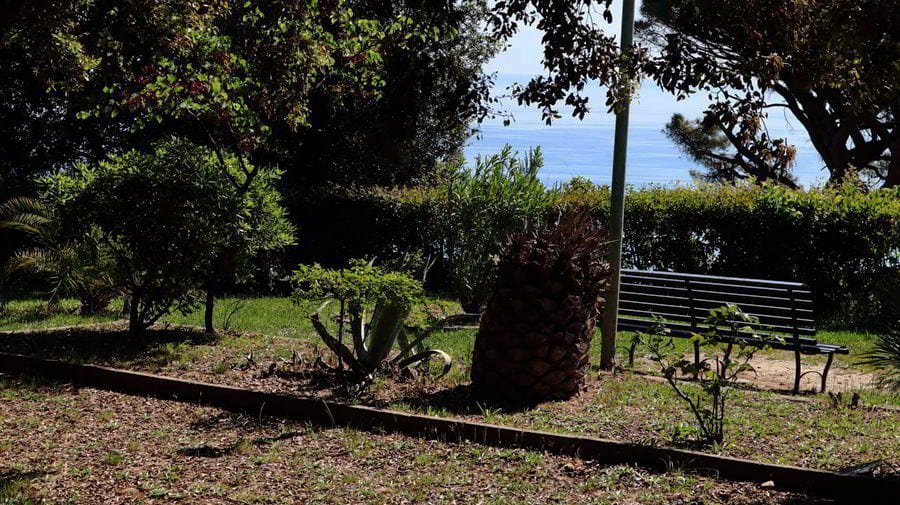
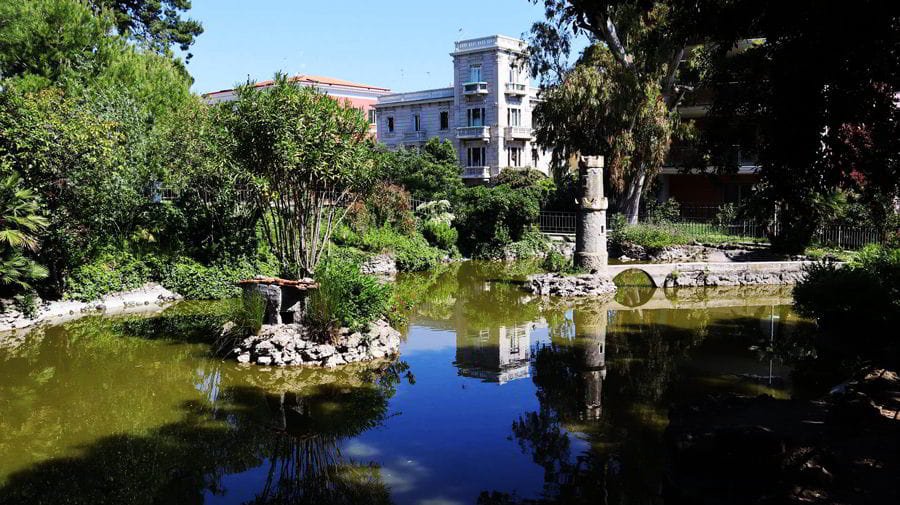
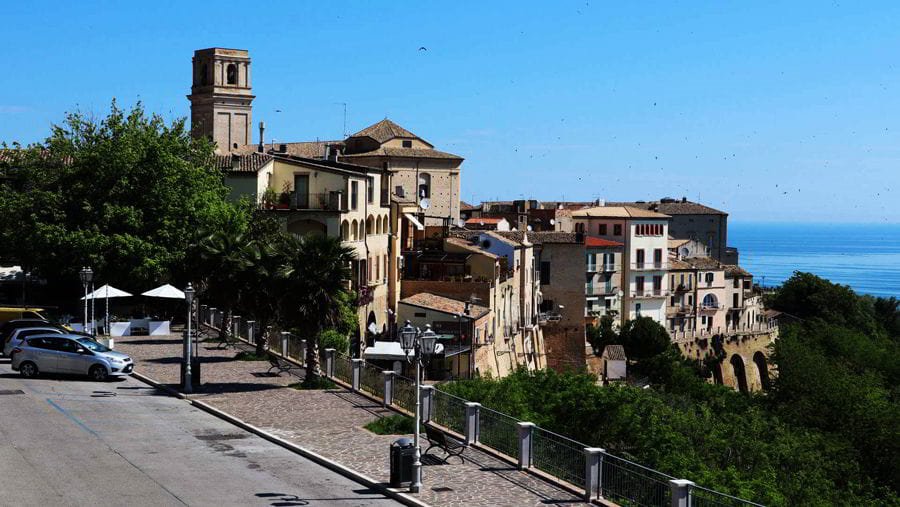
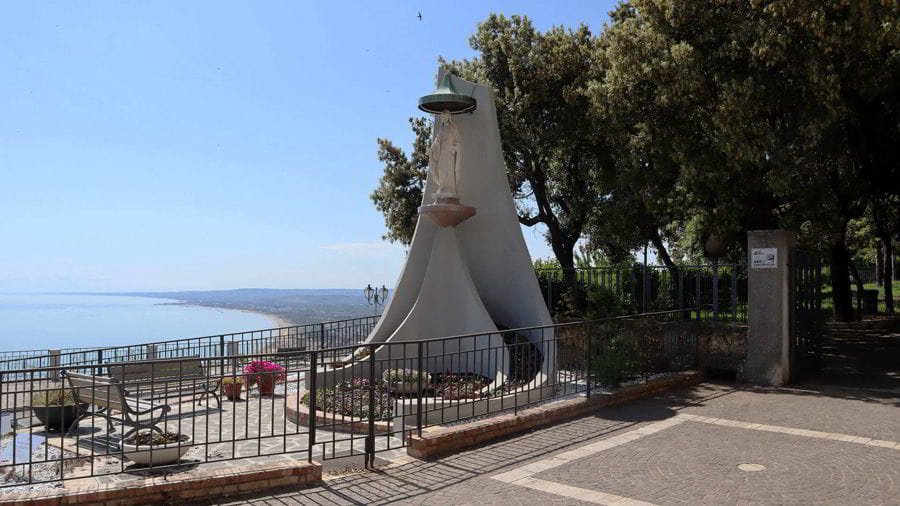


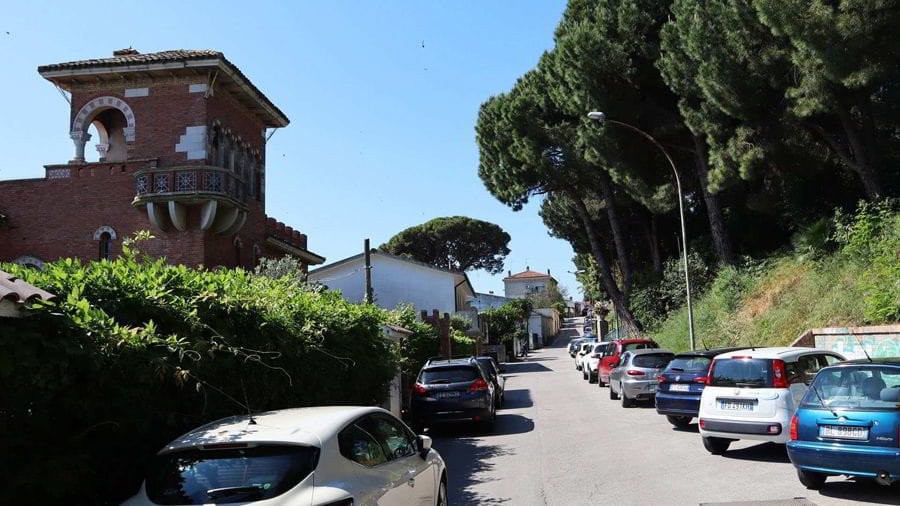
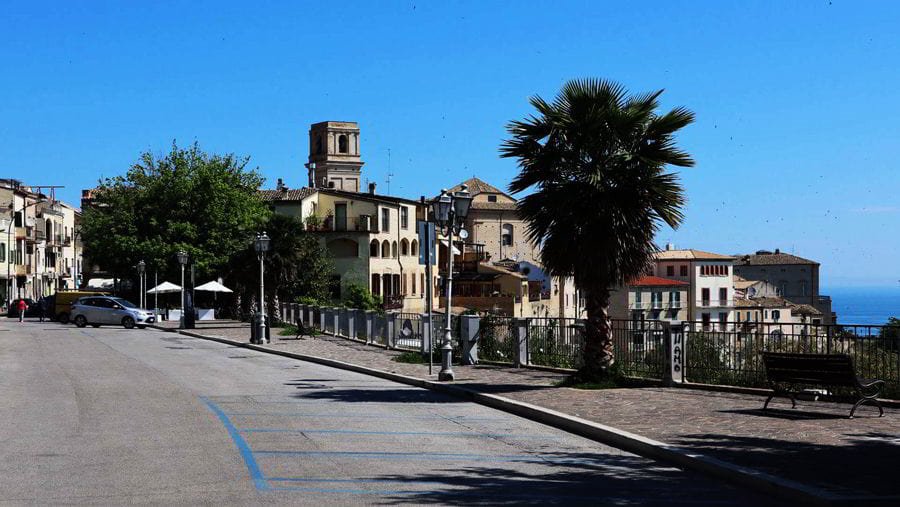


Photo Gallery of Walk 2 – Piazza del Tomolo to Via Adriatica
Approximately 0.60 km – 0.37 miles
Description of Walk 2
This walk explores the historic centre of Vasto, a coastal town in Abruzzo known for its rich history, elegant architecture, and stunning views of the Adriatic Sea. Beginning in Piazza del Tomolo, the route follows Via Santa Maria and Via Giosia through narrow streets that reflect the town’s medieval origins and long cultural heritage. The walk reaches Piazza Lucio Valerio Pudente, one of the most significant squares in Vasto’s old town. Here stands the impressive Cattedrale di San Giuseppe, the town’s cathedral, which occupies the site of an ancient church and serves as an important religious and historical landmark. The square itself is a focal point of civic and cultural life. Continuing along Via Vescovado and returning through Piazza Lucio Valerio Pudente, the route passes into Piazza del Popolo before ending on Via Adriatica. Throughout the walk, visitors experience Vasto’s blend of medieval character, religious heritage, and vibrant urban atmosphere.


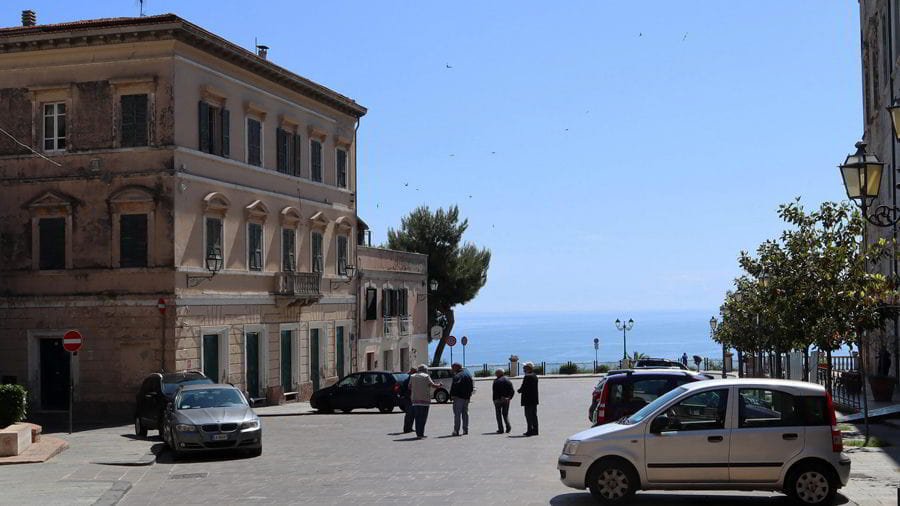


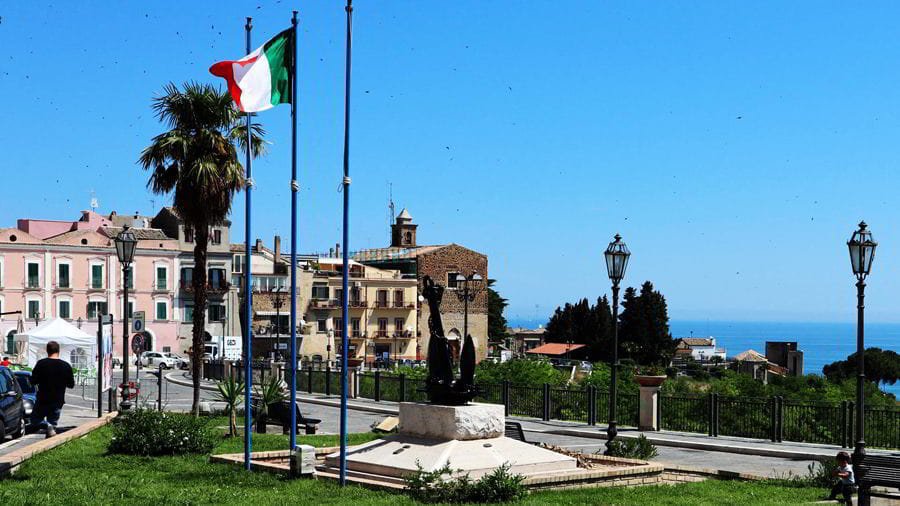
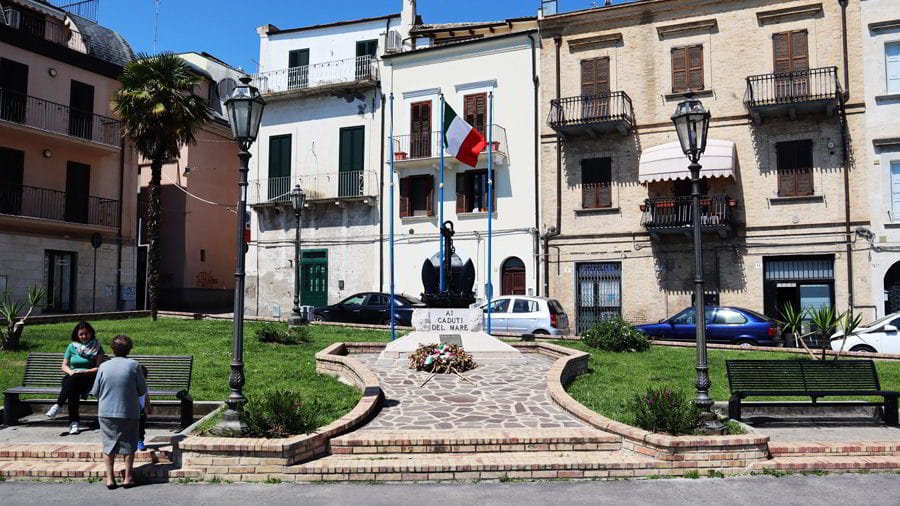
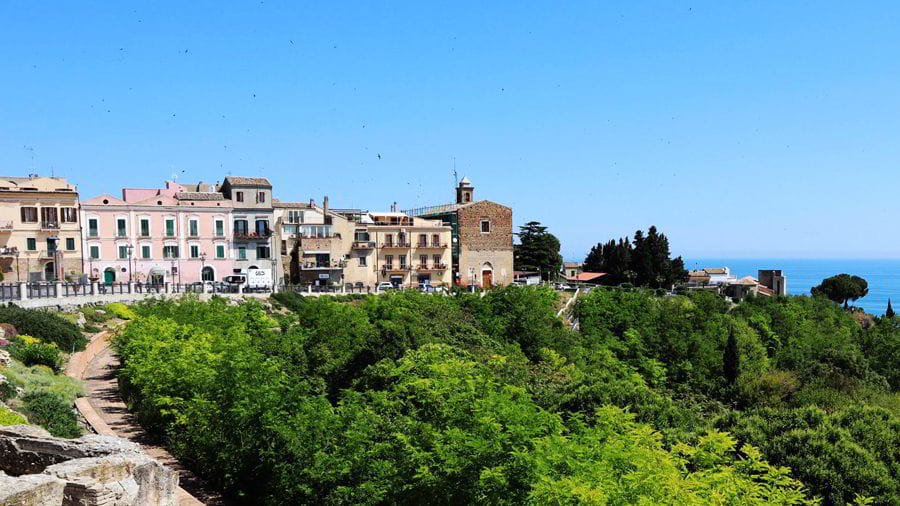
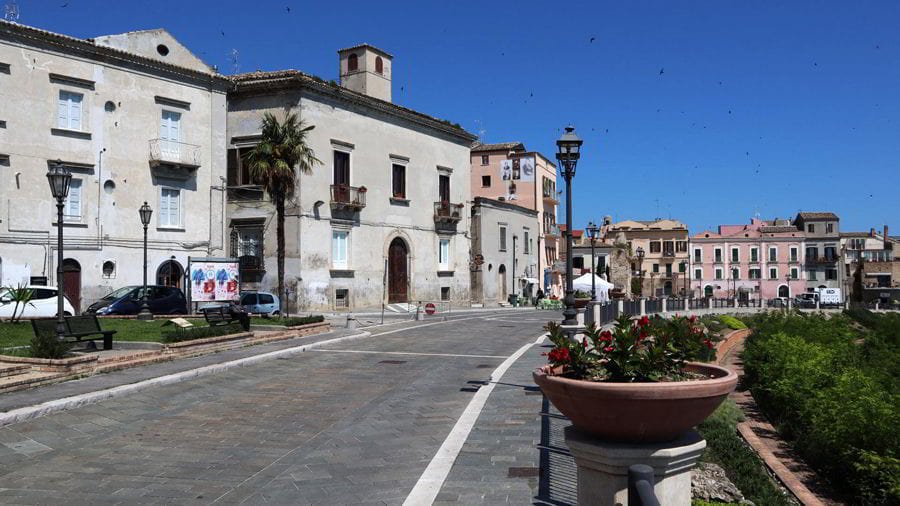
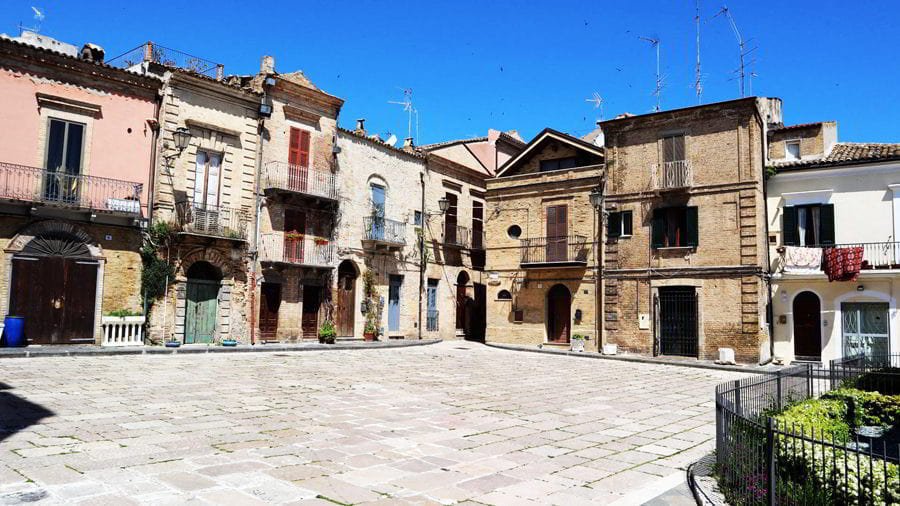
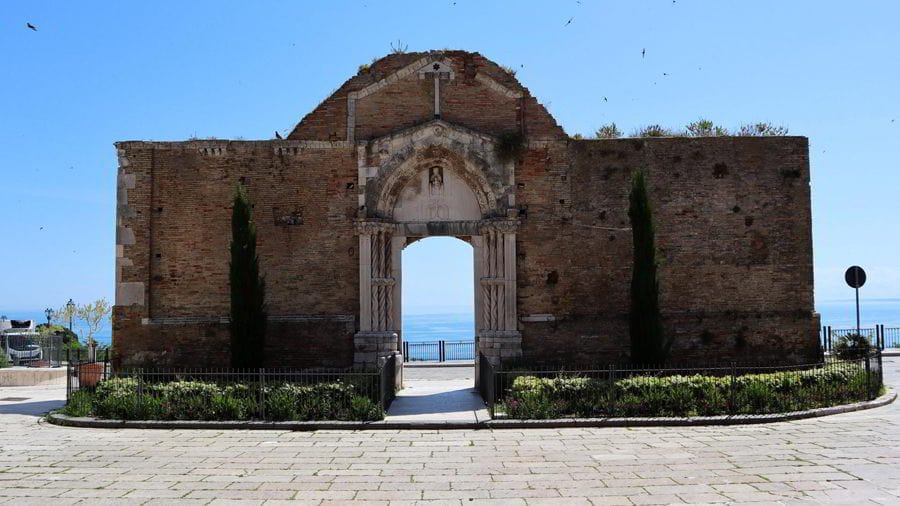

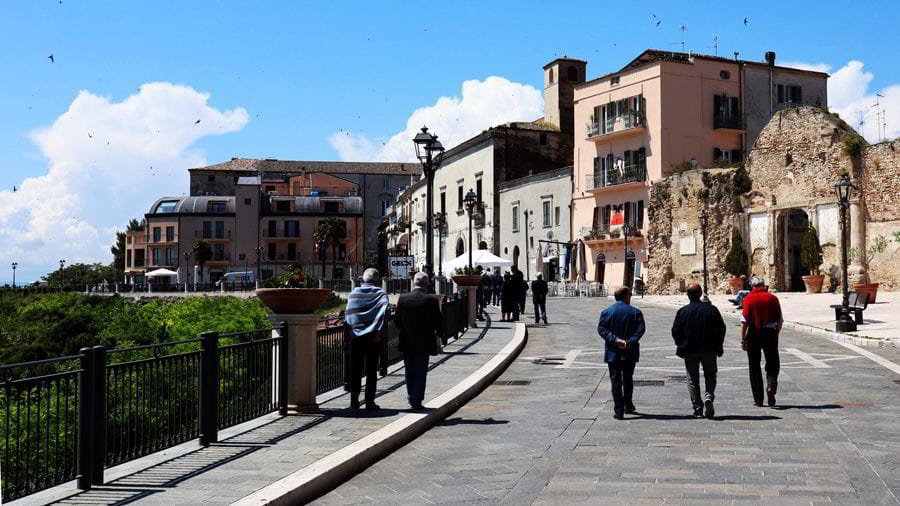
Photo Gallery of Walk 3 – Corso Dante Alighieri to Via Vittorio Veneto
Approximately 1.76 km – 1.09 miles
Description of Walk 3
This walk explores a fascinating section of Vasto, a historic coastal town overlooking the Adriatic Sea. Known for its medieval origins, elegant squares, and vibrant cultural life, Vasto offers visitors a rich blend of history, architecture, and local character. The route begins along Corso Dante Alighieri, one of the town’s important streets, before continuing through Via Palizzi and Via Aimone. Returning to Corso Dante Alighieri, the walk follows Corso Plebiscito into the historic centre, where centuries of urban development can be seen in the surrounding buildings and streets. A highlight of the route is the Chiesa di Santa Maria del Carmine, an important religious landmark that reflects the town’s spiritual and architectural heritage. From Via Vescovado, the walk continues through Via Valerico Laccetti and Via Giovanni Pascoli to Piazza Caprioli, then along Corso de Parma to Piazza Diomede and Piazza Barbacani. These interconnected streets and squares showcase the historic fabric of Vasto and provide insight into its long civic history. The route then reaches Piazza G. Rossetti, the town’s principal square and social hub, before following Corso Nuova Italia and concluding on Via Vittorio Veneto. Throughout the walk, visitors experience Vasto’s distinctive combination of historic charm, cultural significance, and lively urban atmosphere.


Photo Gallery of Walk 4 – Viale della Dalmazia to Lungomare Cordella
Approximately 1.98 km – 1.23 miles
Description of Walk 4
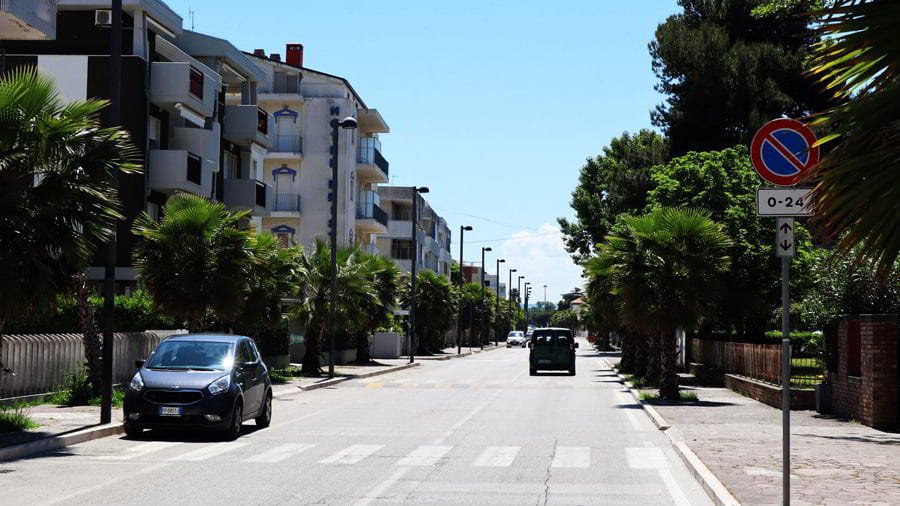
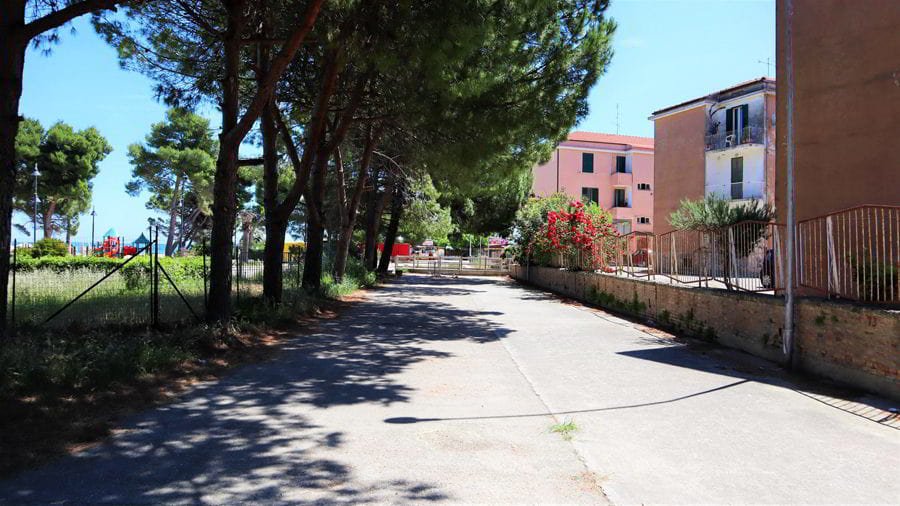
This walk takes place in the seaside district of Vasto Marina, the coastal area of Vasto that stretches along the Adriatic Sea. Known for its wide sandy beaches, promenade, and relaxed atmosphere, Vasto Marina is a popular destination for both residents and visitors seeking scenic coastal views and easy access to the waterfront. The route begins on Viale della Dalmazia near the beach and follows Lungomare Cordella, the main seafront promenade. Passing the sandy shoreline of Spiaggia di Vasto Marina, walkers can enjoy panoramic views of the Adriatic and the lively atmosphere of the waterfront. The walk continues through Parco Suriani, a pleasant green space that provides a contrast to the coastal scenery.
Returning along Lungomare Cordella and Viale della Dalmazia, the route reaches the Chiesa di Santa Maria Stella Maris, an important landmark serving the local community. The walk then continues via Via Zara and Via Gaetano Donizetti before ending back on Lungomare Cordella, offering a pleasant combination of seaside landscapes, local culture, and coastal relaxation.








COPYRIGHT © 2018-2026 ITALY IN PHOTOS - ALL RIGHTS RESERVED