
HOME
REGIONS OF ITALY
PLACES IN ITALY
PLAN YOUR TRIP
Italy in Photos
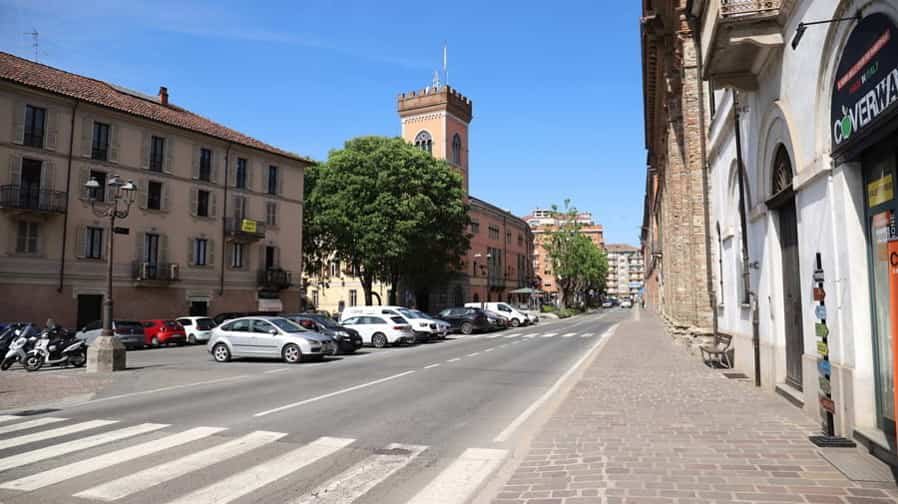
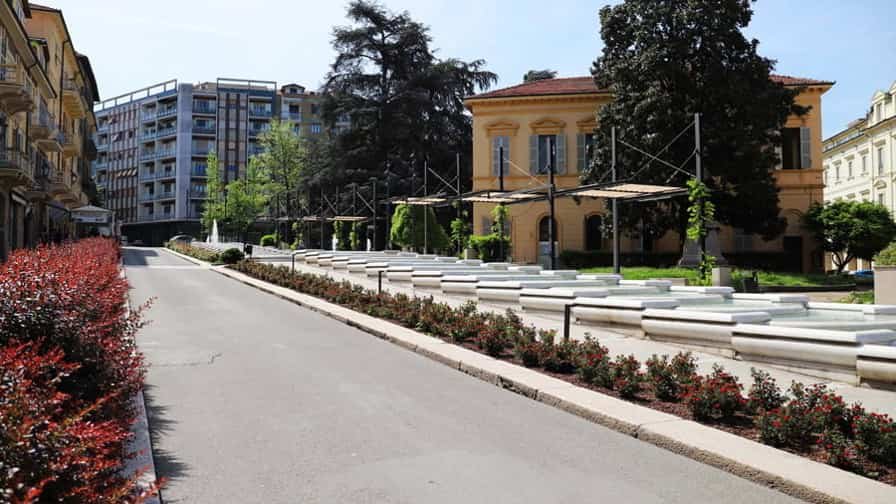
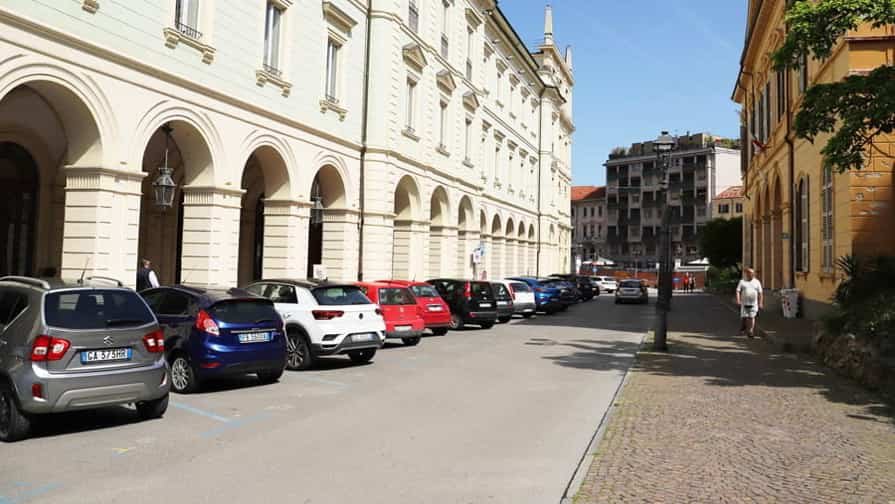
Via Nizza, 15011 Acqui Terme AL, Italy (May 2022)
Acqui Terme
Delayed or cancelled flight?
Get up to £520!
You’ve got rights when your flight’s disrupted.
We enforce them and handle everything so you get paid
Set amid the rolling hills of southern Piedmont, Acqui Terme is a town defined by water, wellness, and a quietly elegant sense of history. Renowned since antiquity for its thermal springs, Acqui Terme has long been a place of rest and renewal, where Roman engineering, medieval architecture, and refined spa culture converge. Less crowded than Italy’s major tourist centres, the town offers a gracious and authentic introduction to the Monferrato region, an area celebrated for its landscapes, cuisine, and wines.
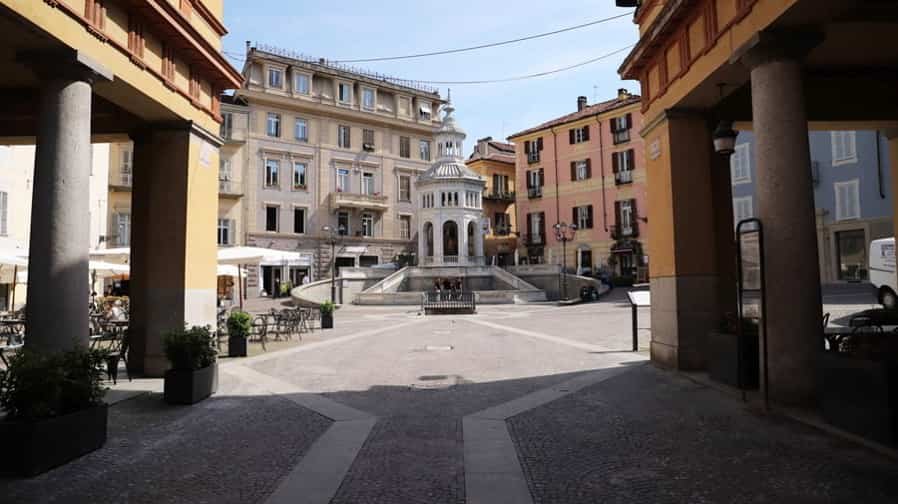
The origins of Acqui Terme date back to Roman times, when it was known as Aquae Statiellae. Drawn by the abundance of naturally hot, mineral-rich waters, the Romans transformed the area into an important thermal hub, constructing baths, aqueducts, and roads that connected it to the wider empire. This legacy remains at the heart of the town today. In the central Piazza Bollente stands La Bollente, a striking octagonal marble fountain from which steaming water emerges at nearly 75°C. Both a functional spring and a symbol of the town, it anchors daily life, drawing locals and visitors alike to pause, gather, and admire the ever-rising vapor.
Acqui Terme’s historic centre unfolds gently around this landmark. Medieval towers, arcaded streets, and stately palazzi reflect centuries of prosperity tied to health tourism and regional trade. The Cathedral of Santa Maria Assunta, with its Romanesque façade and richly decorated interior, speaks to the town’s religious and artistic heritage, while the remains of ancient Roman baths hint at the scale and sophistication of Acqui’s early importance. Unlike grander cities, Acqui Terme feels intimate, its streets inviting exploration at an unhurried pace.
Wellness remains central to the town’s identity. Modern spa facilities, including the Terme Nuove and historic thermal establishments, continue the tradition of therapeutic bathing, attracting visitors seeking relaxation and treatment. The mineral waters, long believed to aid circulation and joint health, are woven seamlessly into contemporary life, reinforcing Acqui Terme’s reputation as a place where care of the body and mind is a natural part of the environment.
Beyond its waters, Acqui Terme is deeply connected to the surrounding Piedmontese countryside. Vineyards, hazelnut groves, and sunflower fields stretch across nearby hills, producing some of Italy’s most celebrated wines, including Brachetto d’Acqui and Dolcetto. Local cuisine reflects this agricultural richness, favouring seasonal ingredients, handmade pasta, truffles, and slow-cooked meats, often enjoyed in family-run trattorias that emphasize tradition over trend.
Acqui Terme’s charm lies in its balance: refined yet approachable, historic yet lived-in. It is a town that reveals itself gradually, rewarding visitors who linger. Whether soaking in its ancient waters, wandering its quiet streets, or savouring a glass of local wine, Acqui Terme offers a gentle but enduring impression of Piedmont at its most restorative and sincere.
Worth a Visit
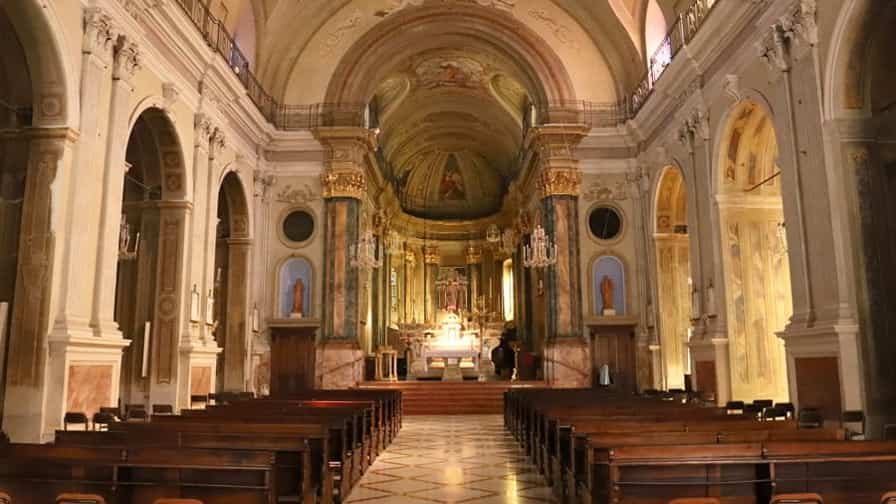
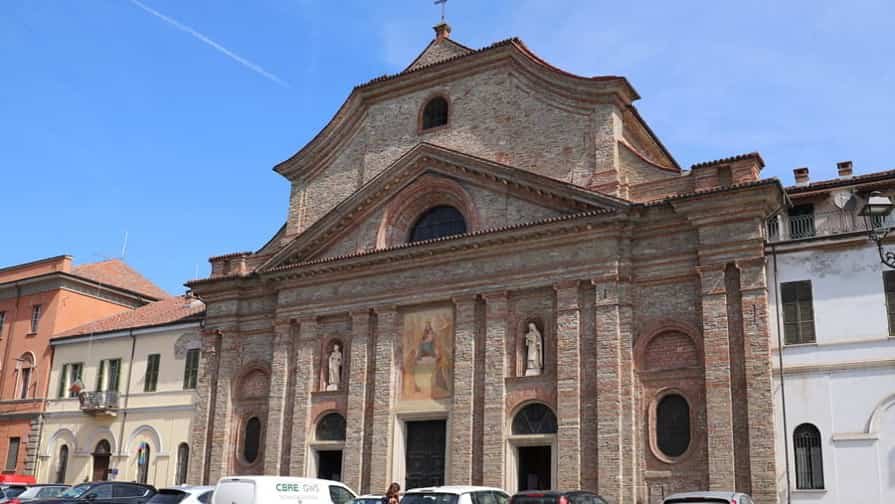
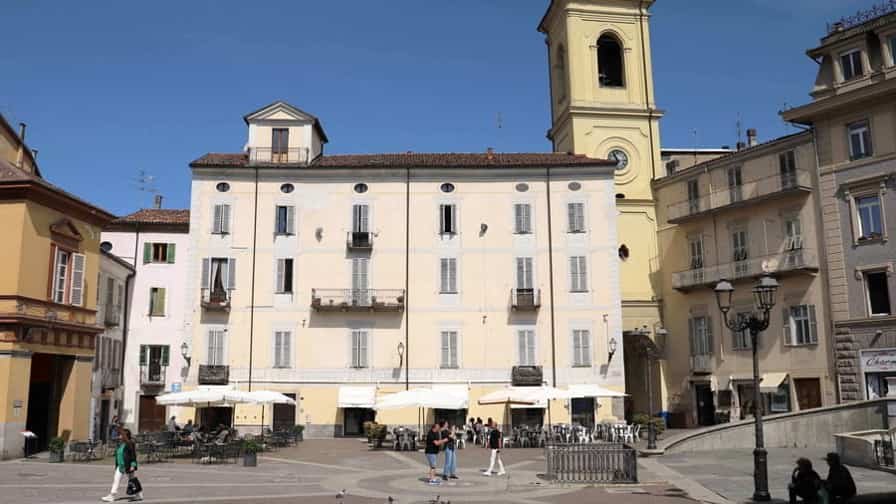
Situated in the historic town of Acqui Terme in northern Italy, the Parrocchia di San Francesco is a remarkable spiritual and cultural landmark located in Piazza San Francesco, 15011 Acqui Terme. This parish church stands as a testament to centuries of faith, community, and architectural evolution, offering both locals and visitors a place of worship, reflection, and connection to the town’s deep-rooted Christian heritage. The church is dedicated to Saint Francis of Assisi, one of the most beloved and influential figures in the history of the Catholic Church. His legacy of humility, compassion, and a deep love for nature and all of creation is reflected in the spirit and mission of the parish today
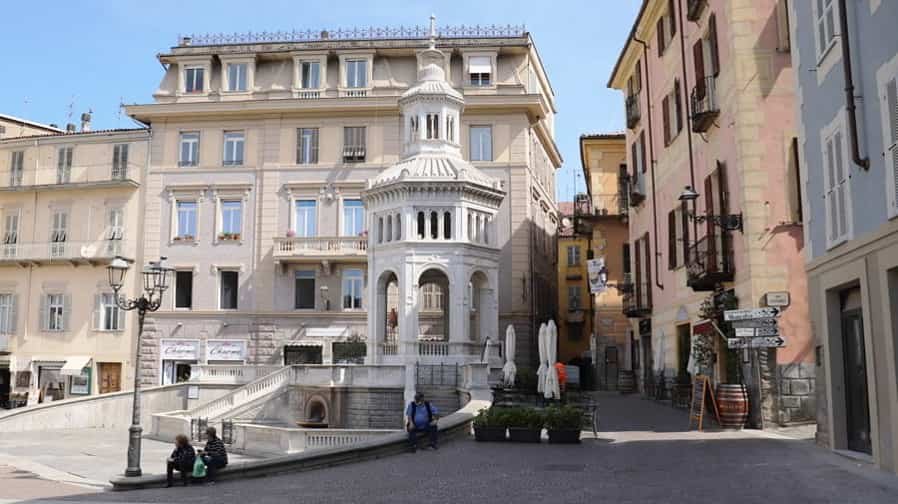
At the heart of Acqui Terme, a charming town in the Piedmont region of northern Italy, lies one of its most iconic and symbolic landmarks: the Piazza della Bollente. This picturesque square is not only a popular meeting place and tourist attraction but also the home of the famous La Bollente spring—a natural hot thermal water source that has defined the town’s identity for centuries. The centrepiece of the piazza is the striking octagonal marble pavilion built in 1879, designed by the architect Giovanni Ceruti. This elegant structure houses the Bollente spring, where water emerges from the ground at a scalding temperature of 74.5°C (166°F).
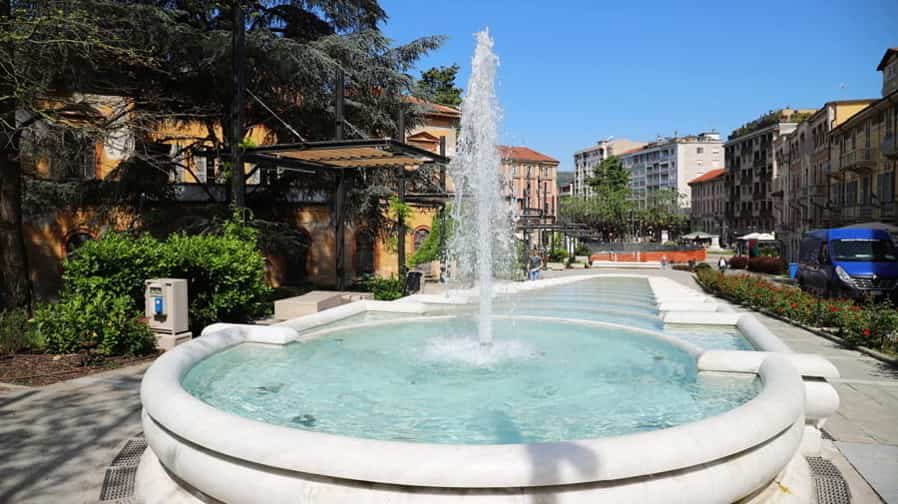
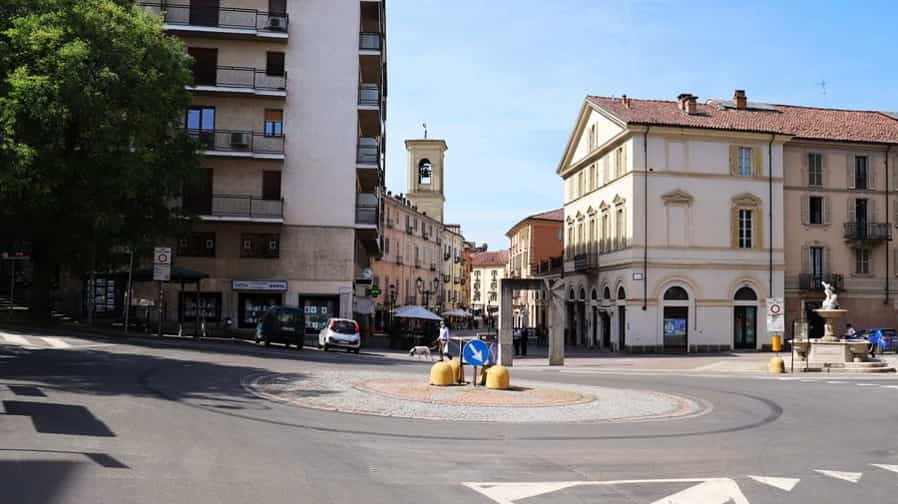
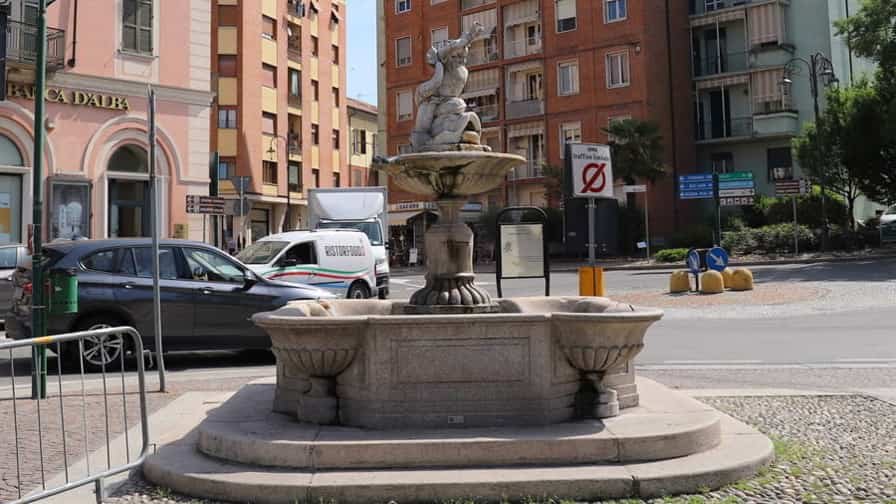
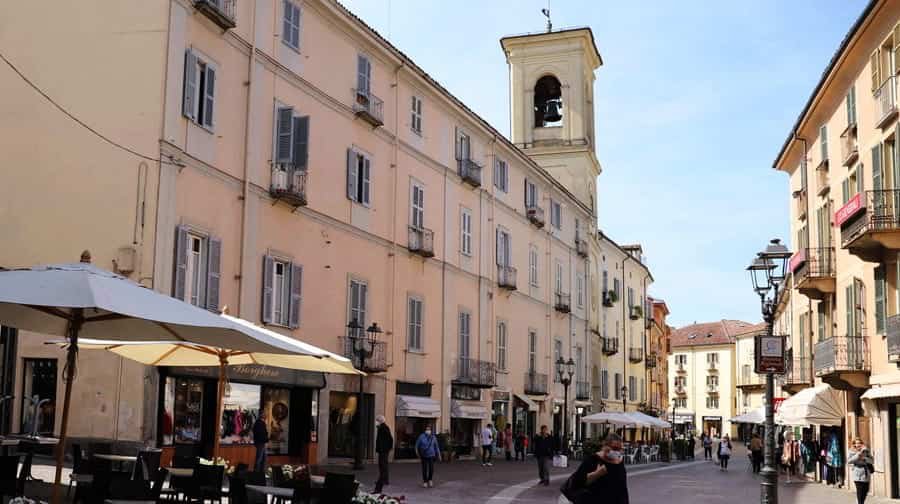
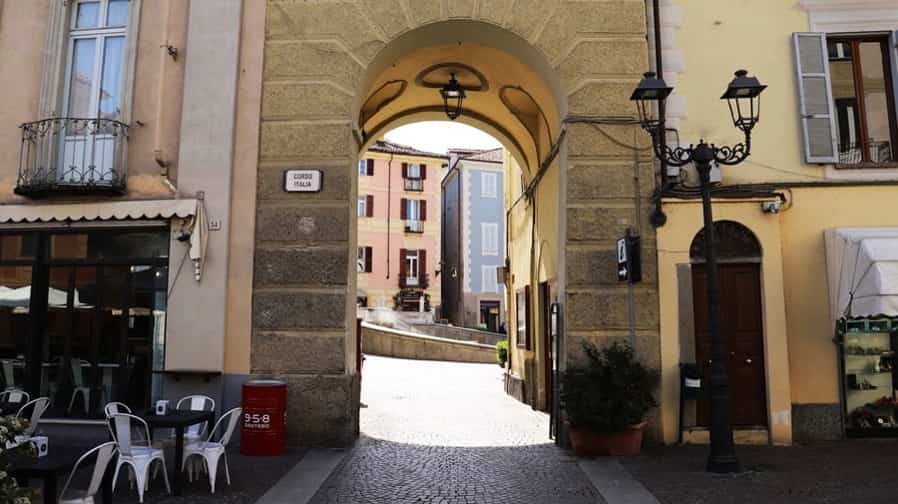
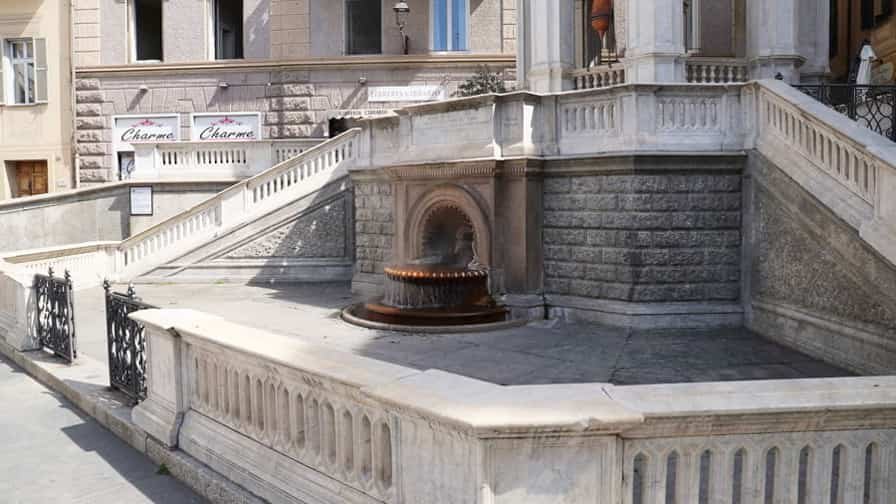
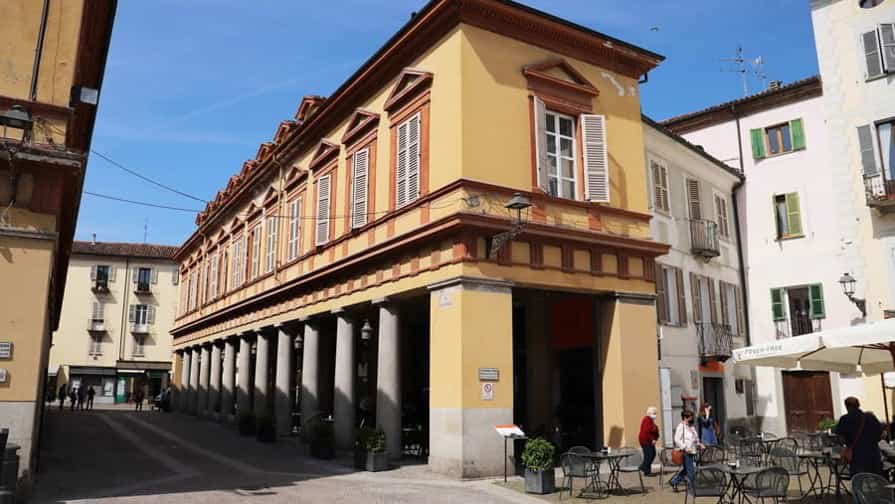
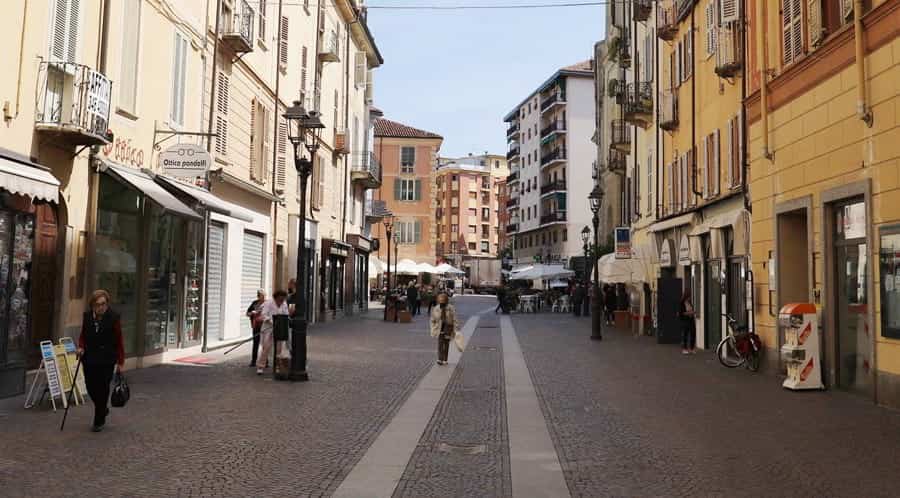
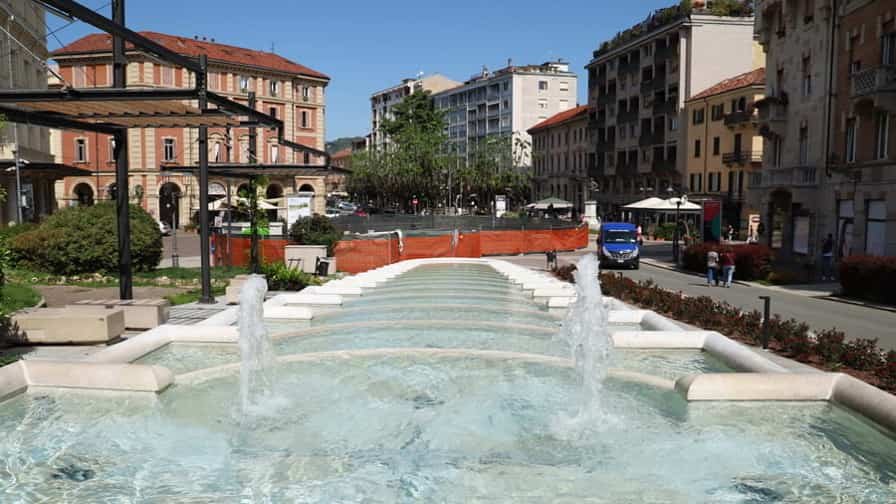
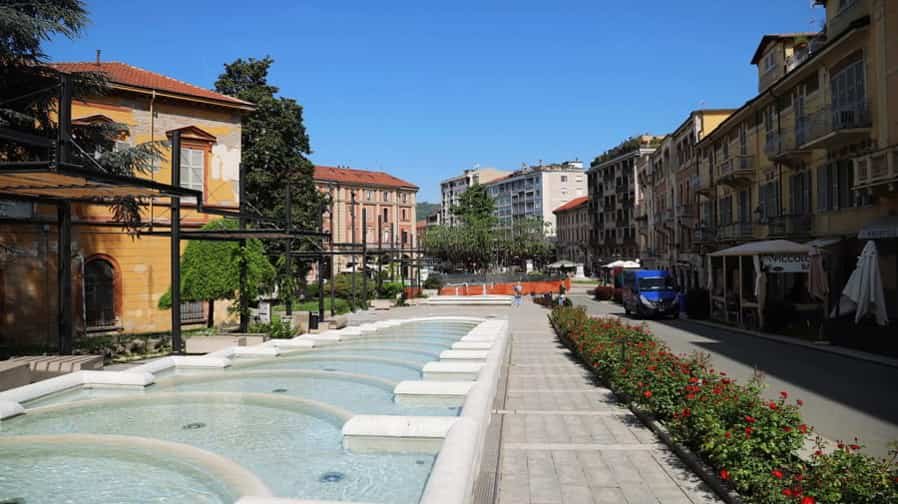
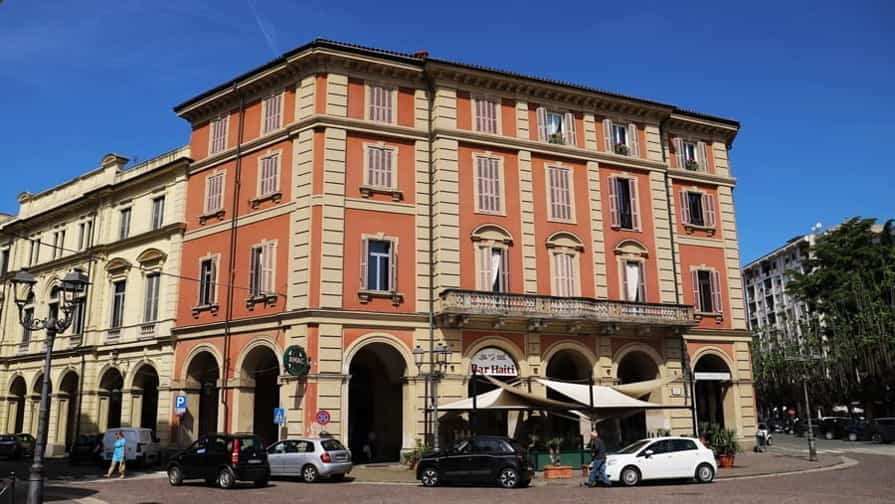
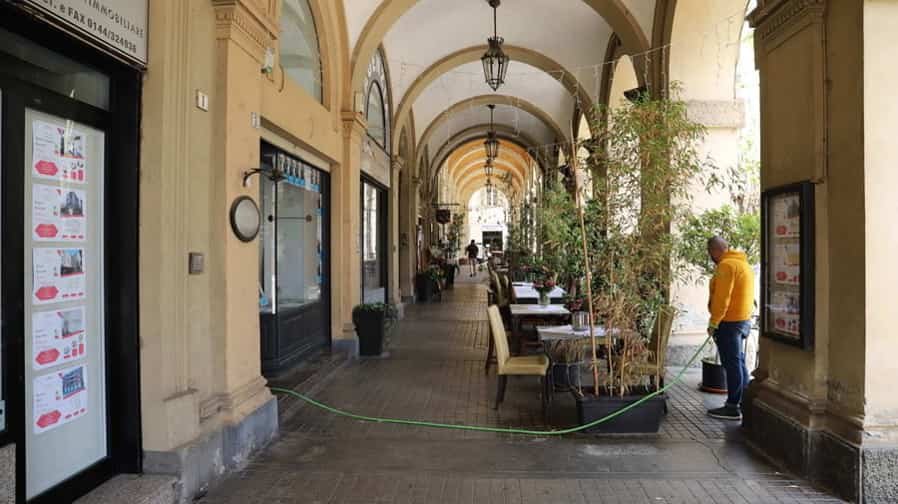
Corso Viganò, located in the heart of Acqui Terme, is one of the town’s most charming and essential streets, acting as both a pedestrian thoroughfare and a focal point of community life. Stretching gracefully between Piazza Italia and Piazza San Francesco, this elegant street offers a pleasant blend of history, architecture, and everyday rhythm. Lined with arcaded buildings, small shops, cafés, and boutiques, Corso Viganò captures the essence of this Piedmontese spa town. What truly sets Corso Viganò apart, however, is the striking fountain that dominates the street’s lower end. Known locally as the Fontana delle Ninfe (Fountain of the Nymphs), this neoclassical masterpiece anchors Piazza Italia and commands attention from all who pass by.
Photo Gallery of Walk in Acqui Terme – Via Vallerana to Corso Dante
Approximately 1.91 km – 1.19 miles
Description of Walk in Acqui Terme
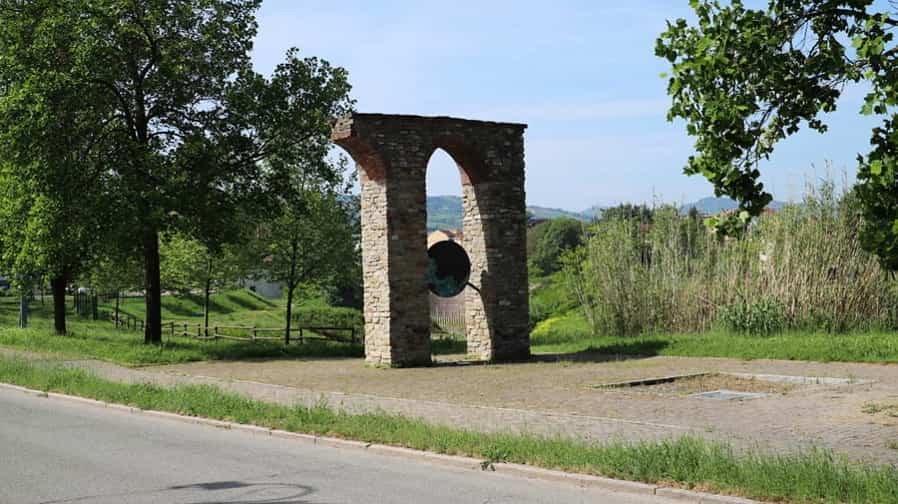
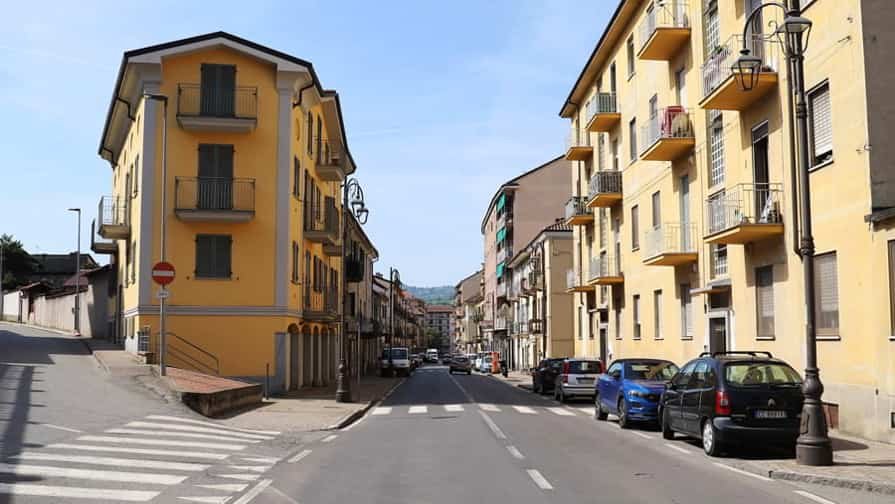
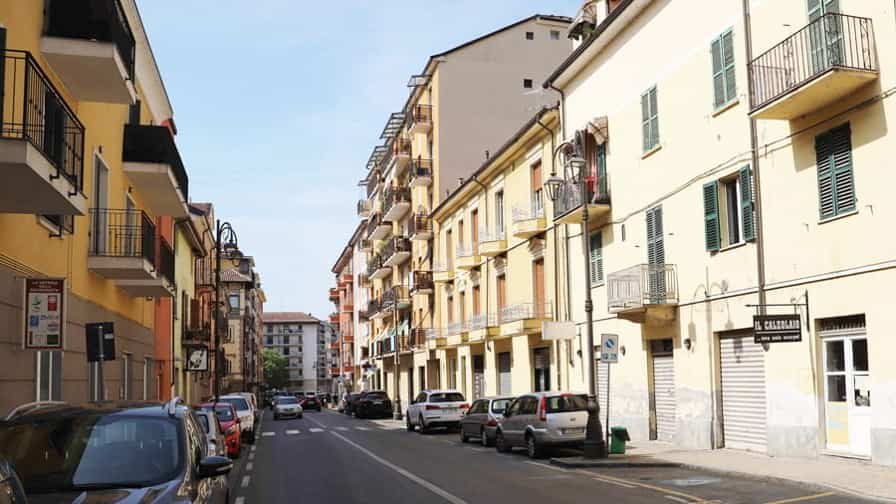
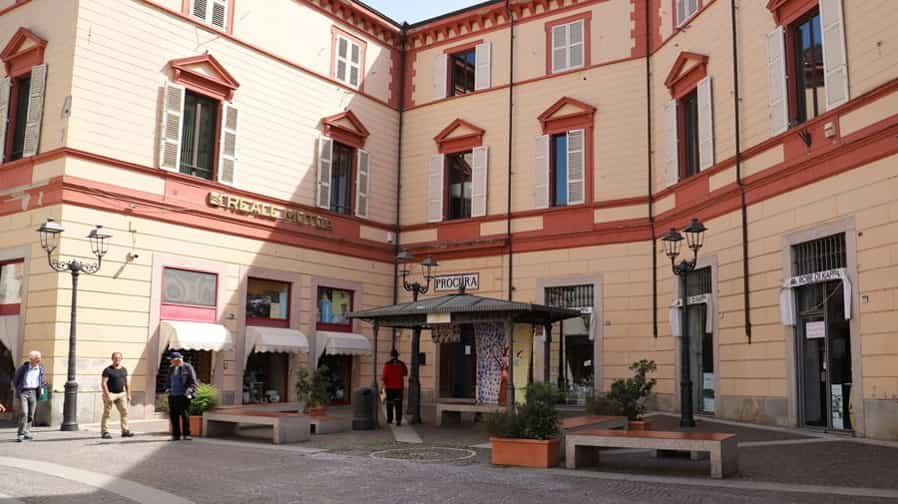
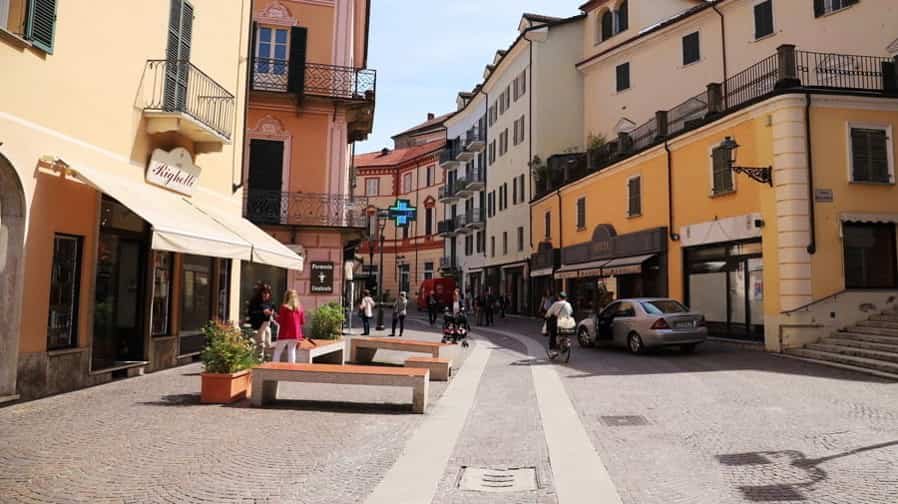
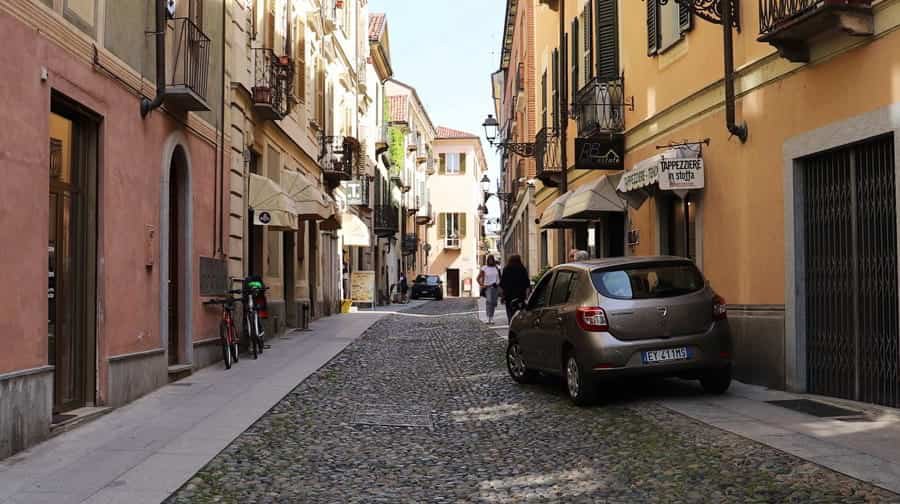
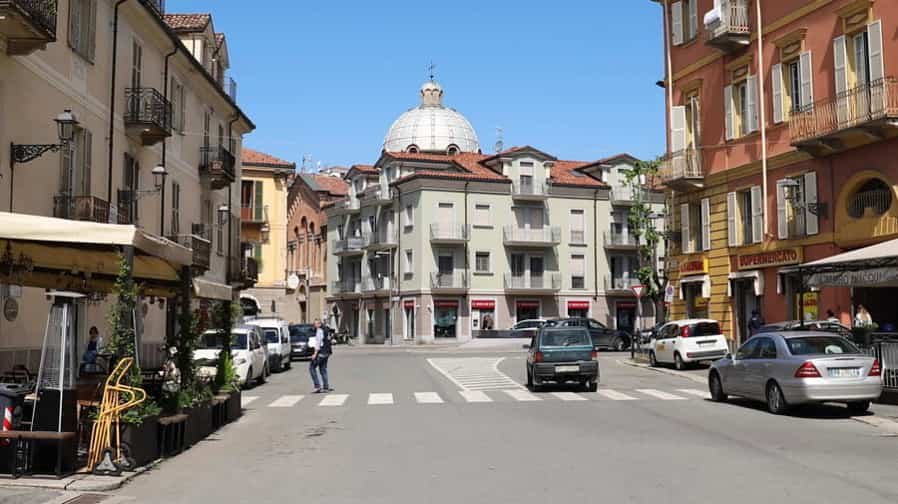
Acqui Terme is a historic spa town in the Piedmont region of northern Italy, renowned for its thermal waters dating back to Roman times. The town’s elegant character blends ancient remains, medieval streets, and 19th-century architecture, creating a relaxed yet culturally rich atmosphere. At its heart lies Piazza della Bollente, famous for its steaming sulphur spring that continuously bubbles at high temperature, symbolising the town’s identity as a thermal destination. The walk begins along Via Vallerana and Via Nizza, quieter streets that introduce the local rhythm of daily life, before opening into Piazza San Francesco. Here, the Parrocchia di San Francesco provides a focal point, reflecting the town’s religious and architectural heritage. Moving along Corso Italia, a lively central artery lined with shops and cafés, the route reaches Piazza della Bollente, where visitors can experience the warmth and scent of the thermal spring firsthand. Continuing through Via Saracco and Corso Italia again, the walk transitions into broader avenues like Corso Vigano and Corso Bagni, areas shaped by Acqui Terme’s spa culture and 19th-century expansion. Passing Piazza Italia and concluding along Corso Dante, the route showcases a seamless blend of historic charm and leisurely elegance that defines the town.
COPYRIGHT © 2018-2026 ITALY IN PHOTOS - ALL RIGHTS RESERVED