
HOME
REGIONS OF ITALY
PLACES IN ITALY
PLAN YOUR TRIP
Italy in Photos
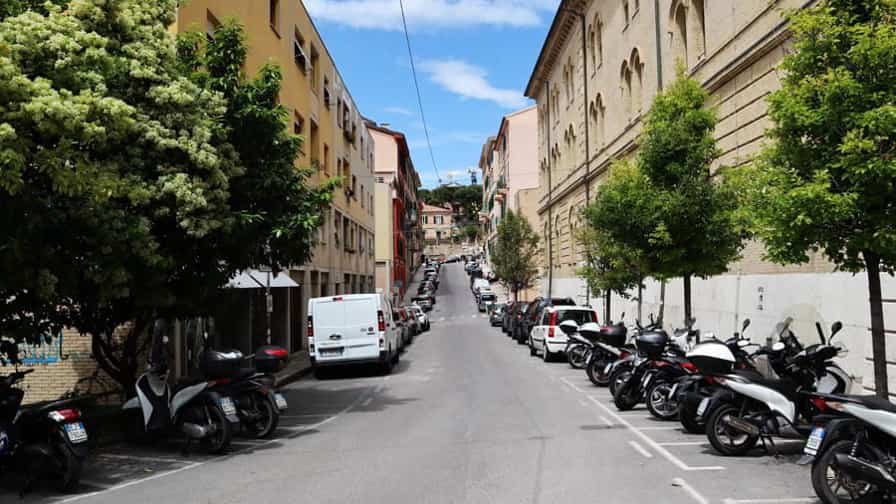
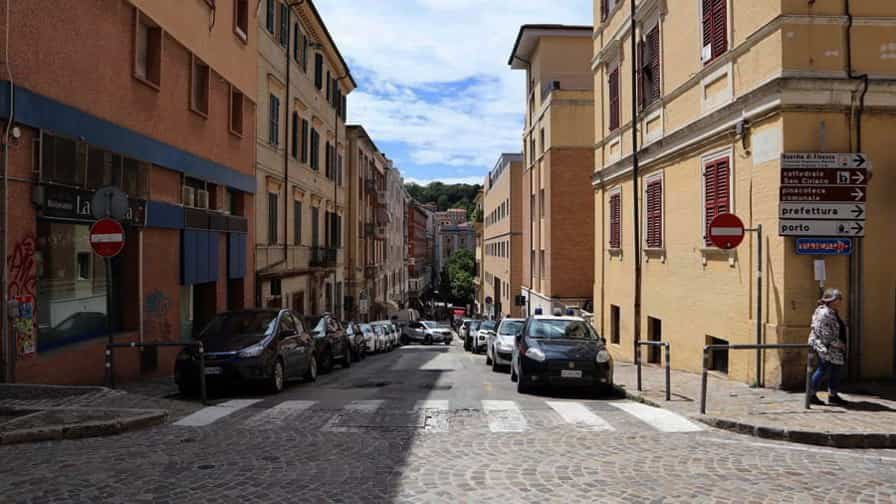
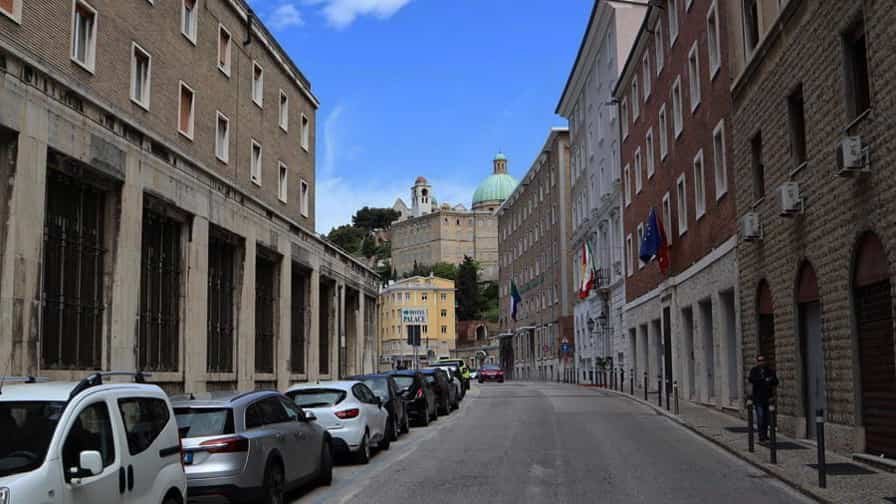
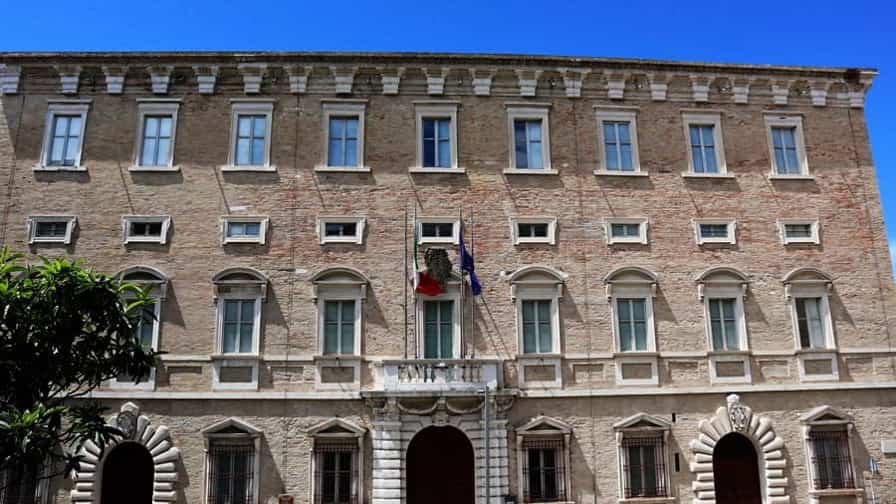
Via XXIX Settembre, 60122 Ancona, Italy (May 2019)
Ancona
Delayed or cancelled flight?
Get up to £520!
You’ve got rights when your flight’s disrupted.
We enforce them and handle everything so you get paid
Situated along the Adriatic Sea in central Italy, Ancona is a city shaped by the close relationship between land and water. As the capital of the Marche region, Ancona combines the energy of a working port with layers of history that span more than two millennia. Often overlooked in favour of Italy’s more famous coastal destinations, the city rewards visitors with a distinctive character, panoramic views, and a strong sense of everyday Italian life rooted in maritime tradition.
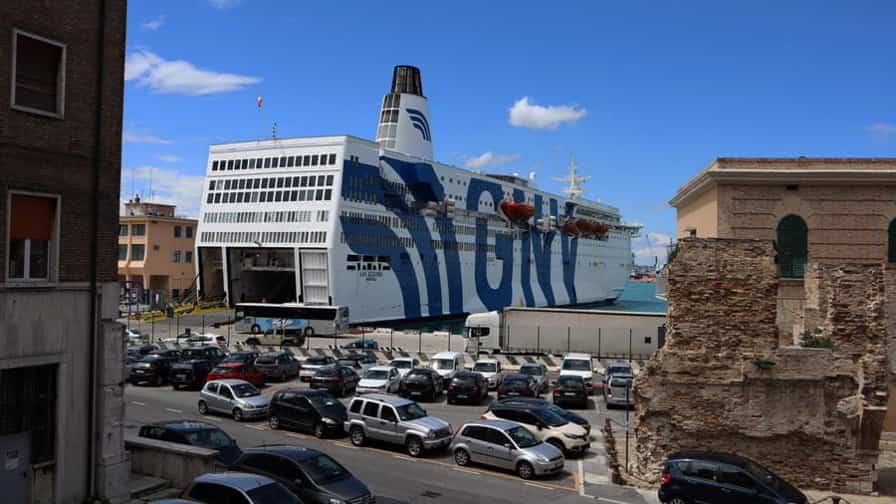
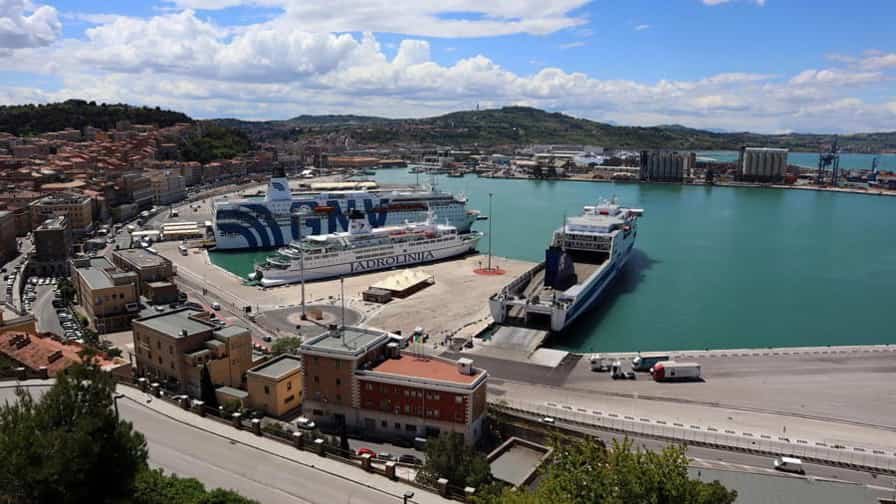
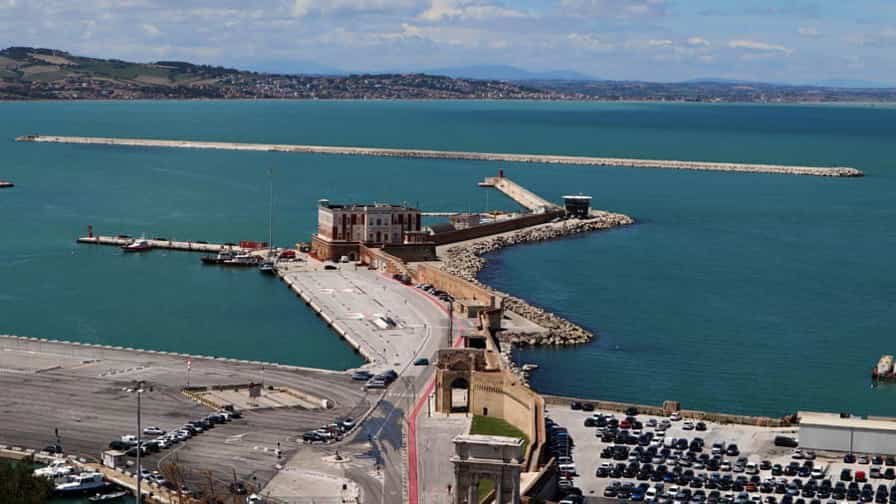
Ancona’s origins date back to 387 BCE, when it was founded by Greek settlers from Syracuse. They named it Ankon, meaning “elbow,” a reference to the unique curve of the coastline that forms a natural harbour, one of the safest on the Adriatic. This strategic position made Ancona an important trading hub in antiquity, a role it has never relinquished. The port remains the city’s economic heart, connecting Italy with the Balkans and eastern Mediterranean, and lending Ancona a dynamic, outward-looking identity.
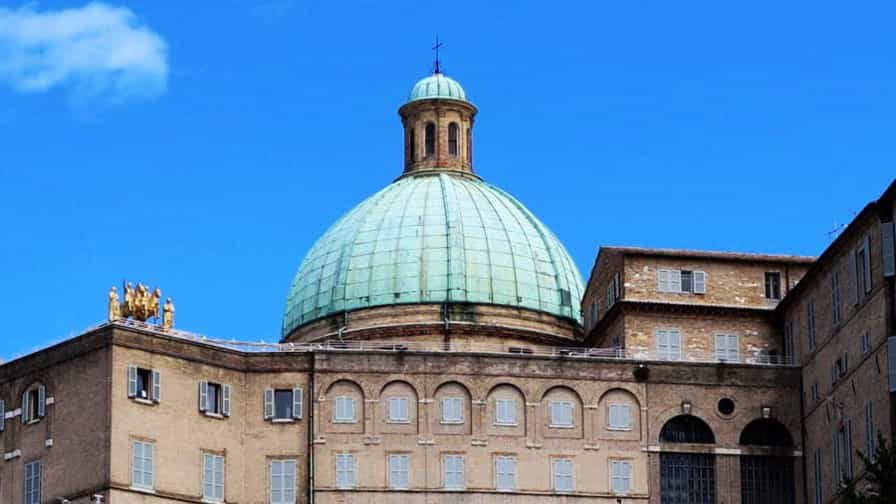
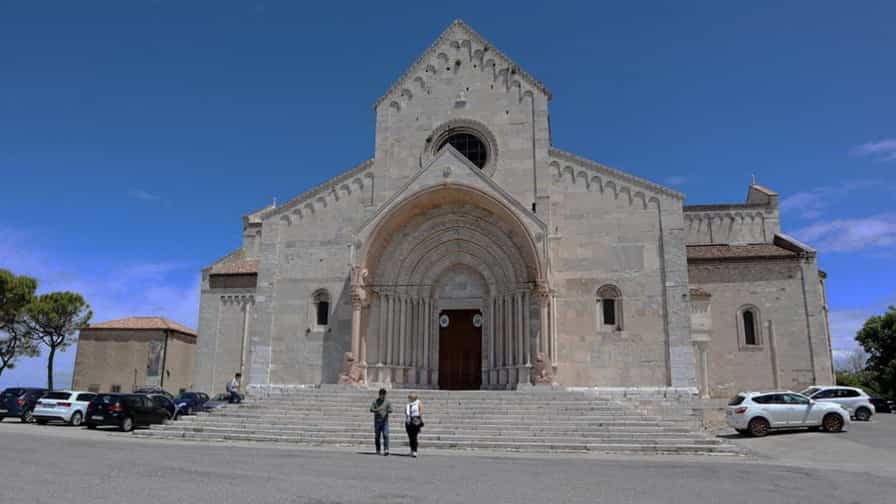
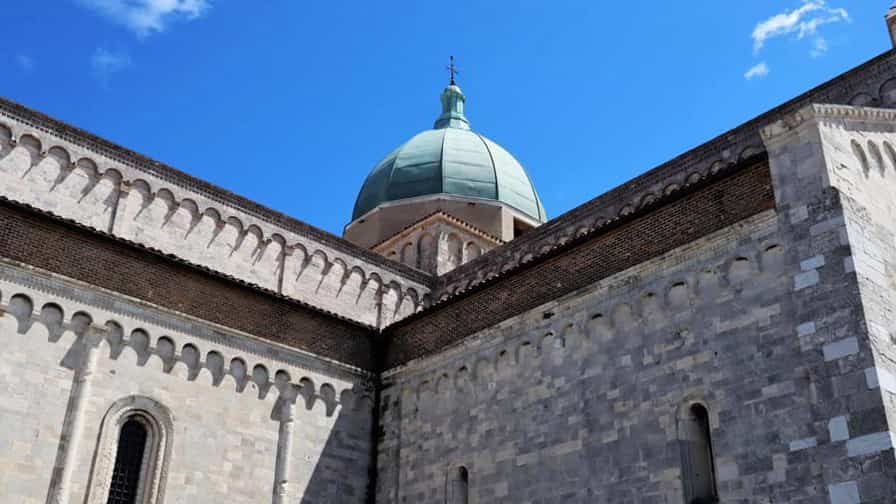
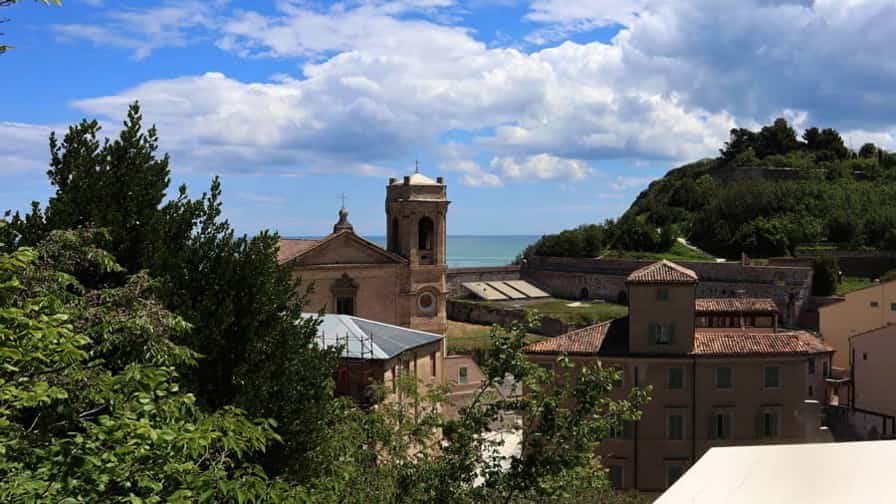
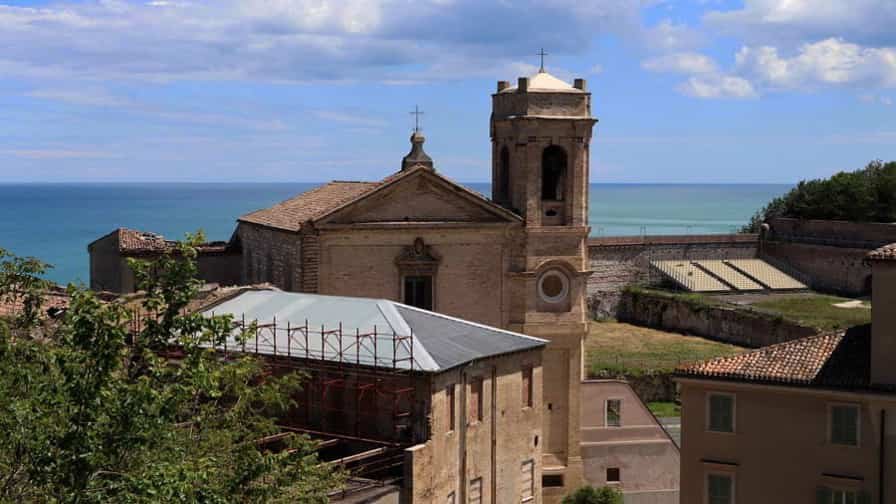
History is woven throughout the city’s urban fabric. Overlooking the harbour is the Arch of Trajan, a remarkably well-preserved Roman monument built in the 2nd century CE to honour the emperor who expanded the port. Nearby, the Cathedral of San Ciriaco crowns Guasco Hill, blending Romanesque and Byzantine elements and offering sweeping views of the sea below. Its elevated position reflects both spiritual significance and the defensive needs of a city long exposed to maritime threats.
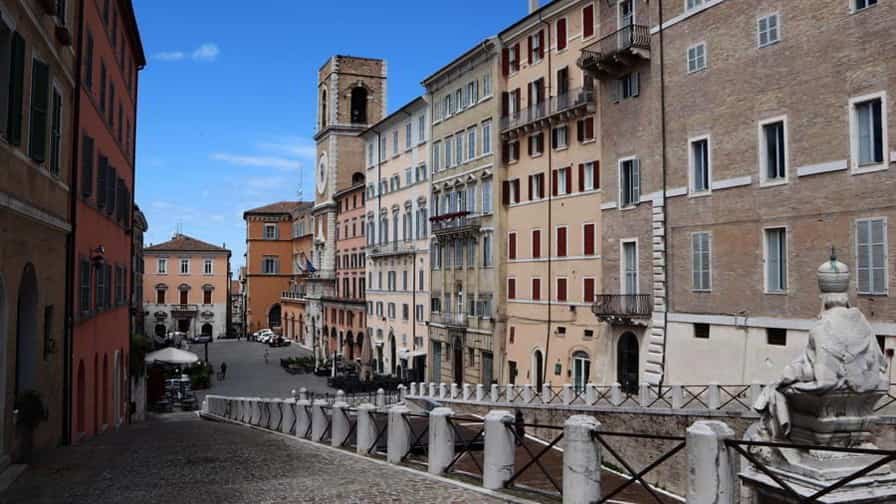
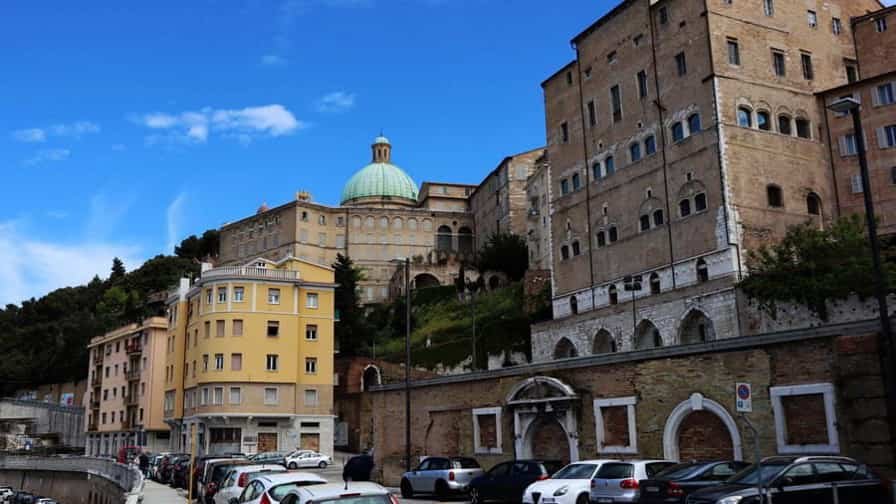
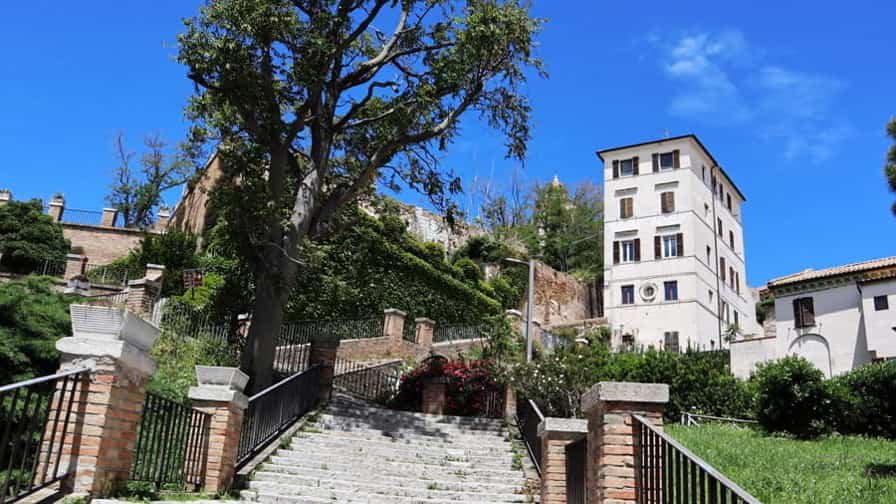
Ancona’s historic centre unfolds across a series of hills, connected by stairways and narrow streets that open onto unexpected vistas. Medieval churches, Renaissance palaces, and modest residential quarters coexist, creating a cityscape that feels authentic rather than curated. Unlike towns shaped primarily by tourism, Ancona maintains a lived-in atmosphere, where markets, universities, and neighbourhood cafés anchor daily routines.
The natural setting further defines the city’s appeal. To the south lies Monte Conero, a dramatic promontory that plunges into the Adriatic and shelters some of the region’s most beautiful beaches. White limestone cliffs, hidden coves, and clear waters contrast sharply with the working harbour to the north, highlighting the city’s dual identity as both industrial and scenic. The Conero area also supports vineyards and olive groves, reinforcing Ancona’s connection to the surrounding countryside.
Culinary traditions reflect this balance between sea and land. Seafood plays a central role, particularly in dishes such as brodetto all’anconetana, a rich fish stew that varies by season and catch. Local wines, including Verdicchio, complement the cuisine and reflect the agricultural heritage of the Marche region.
Worth a Visit
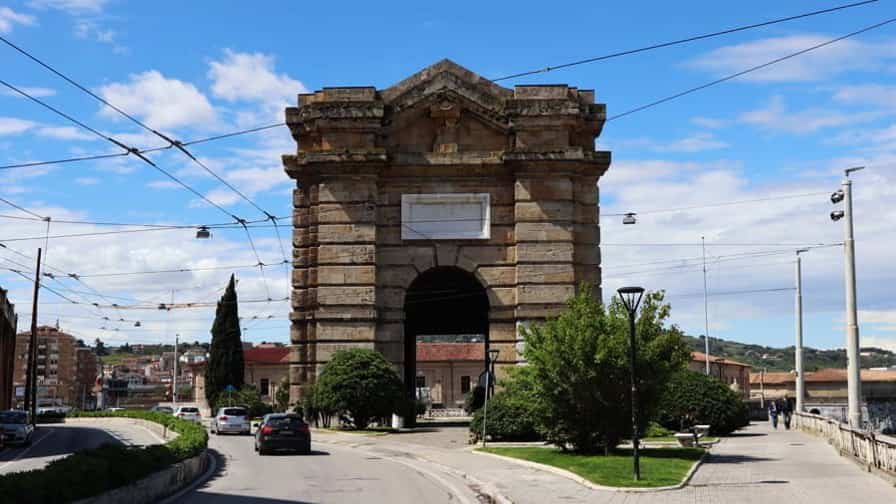
Porta Pia is a distinguished architectural and historical monument located in the coastal city of Ancona, Italy. Built in the late 18th century, this elegant city gate stands as one of the most iconic symbols of Ancona’s urban landscape and a testament to the artistic and civic ambitions of its era. Situated near the entrance to the old city centre, Porta Pia once served as a principal gateway into the city, both a ceremonial entrance and a practical point of access for those arriving by land or sea. Today, it remains a prominent landmark, appreciated for its classical beauty, historical significance, and cultural value. Commissioned by Pope Pius VI, Porta Pia was constructed between 1787 and 1789 and designed by the renowned Italian architect Filippo Marchionni.
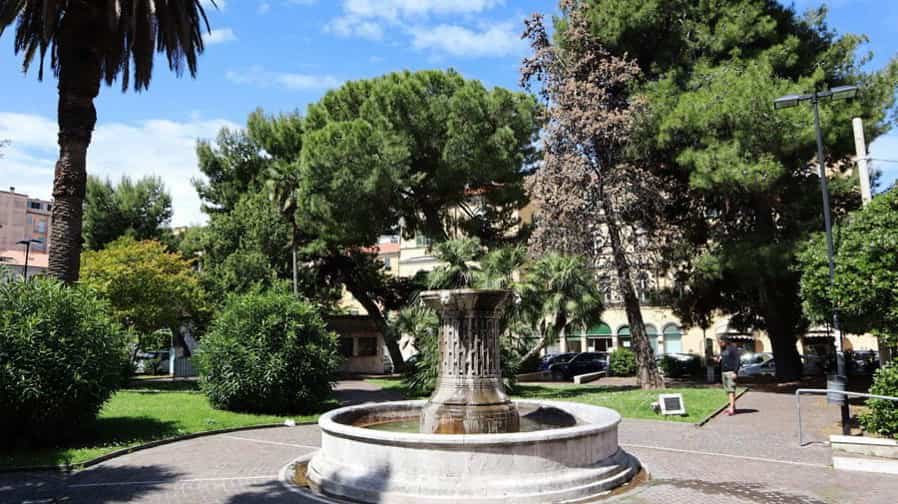
The Giardino Pubblico Piazza Stamira, or Stamira Public Garden, is a charming green space located in the heart of Ancona, Italy. Nestled within the bustling urban environment of the city, this public garden serves as a peaceful retreat for residents and visitors alike. Named after Stamira, a local heroine who played a significant role in Ancona’s defence during the 12th century, the garden is not only a place of relaxation and beauty but also a site rich in local history and civic pride. Situated near the central Piazza Stamira, the garden occupies a prominent location that makes it easily accessible from various parts of the city.
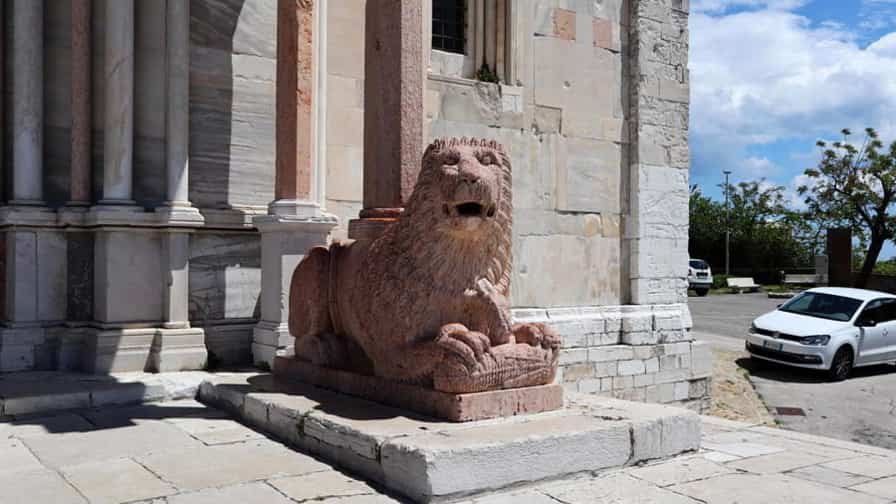
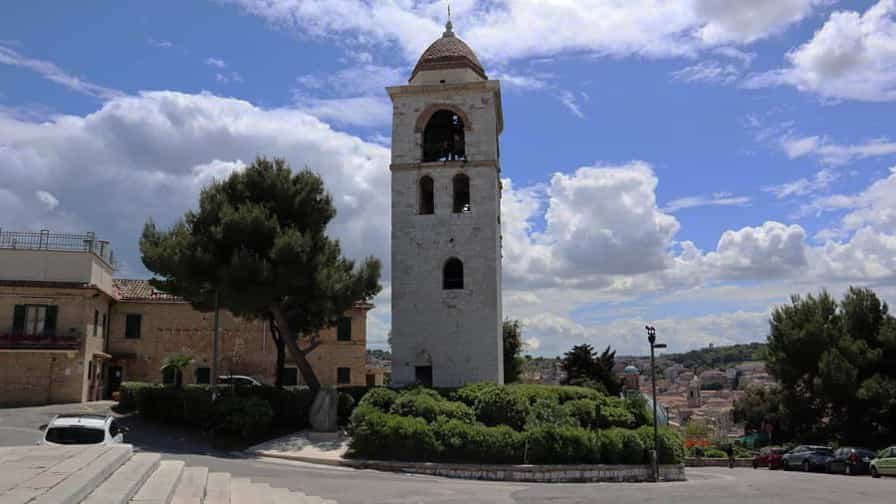
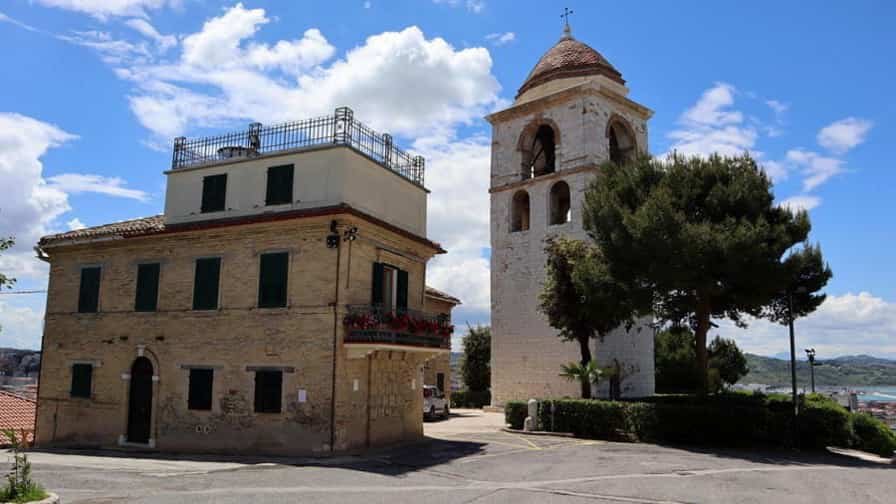
The Piazzale del Duomo in Ancona is a striking and historically rich open space that serves as the dramatic forecourt to one of the city’s most important landmarks, the Cathedral of San Ciriaco. Perched on the summit of Monte Guasco, this panoramic square offers breath-taking views over the Adriatic Sea, the city of Ancona, and the surrounding hills. It is a place where history, architecture, and landscape converge, creating a deeply atmospheric and symbolic setting that captures the essence of Ancona’s identity. At the heart of the Piazzale is the Duomo di San Ciriaco, a magnificent Romanesque-Gothic cathedral that has stood for centuries as both a religious and civic symbol of the city.
Photo Gallery of Walk 1 – Via Flaminia to Piazza Camillo Benso di Cavour
Approximately 2.65 km – 1.65 miles
Description of Walk 1
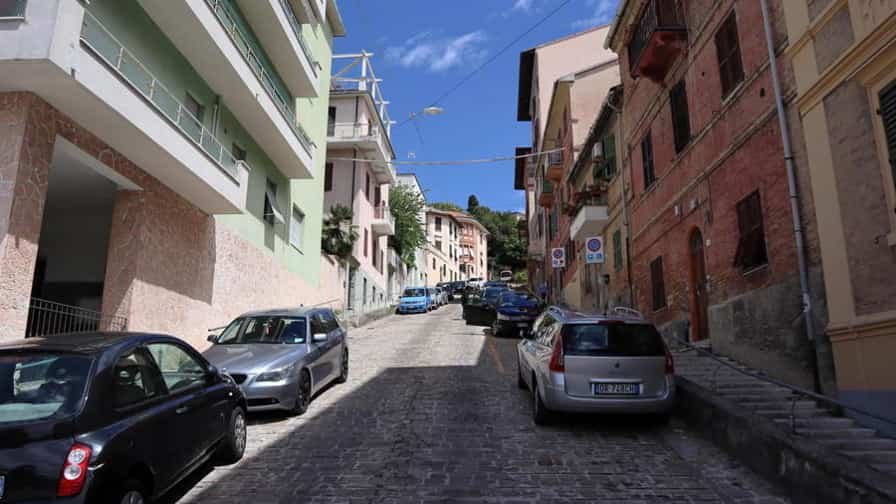
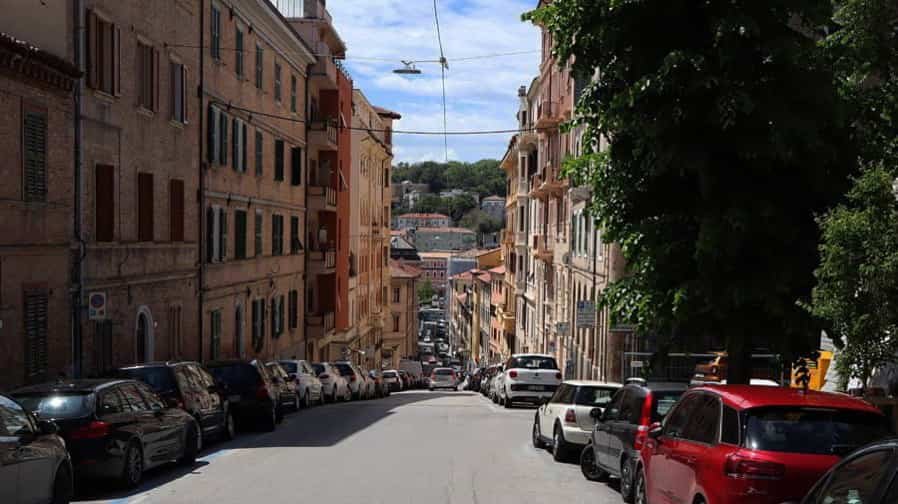
Ancona, perched on Italy’s Adriatic coast, is a city shaped by centuries of maritime trade, layered history, and a lively urban rhythm. This walking route threads through its heart, blending everyday life with architectural and cultural highlights. Beginning along Via Flaminia and moving through Via Guglielmo Marconi, the path introduces a modern, bustling side of the city before transitioning into more historic streets like Via XXIX Settembre and Via dell’Appannaggio, where older buildings and narrower lanes hint at Ancona’s past. Reaching Piazza della Repubblica, the atmosphere opens into a central gathering space, often animated with cafés and local activity. Continuing toward Largo Sacramento and the Parrocchia del Sacramento, the route reveals religious landmarks that anchor the community. From Piazza J. F. Kennedy through Via Enrico Cialdini and Corso Giuseppe Garibaldi, the walk follows one of the city’s main arteries, lined with shops and classic Italian façades. Detours to Via Giacomo Leopardi and Piazza Roma highlight elegant squares, including the Fontana del Calamo, a Renaissance fountain rich in symbolism. The route then softens into greenery at Giardino Pubblico Piazza Stamira, offering a pause among trees and shaded paths, before looping back toward Piazza Camillo Benso di Cavour, where the journey concludes in a grand civic space.
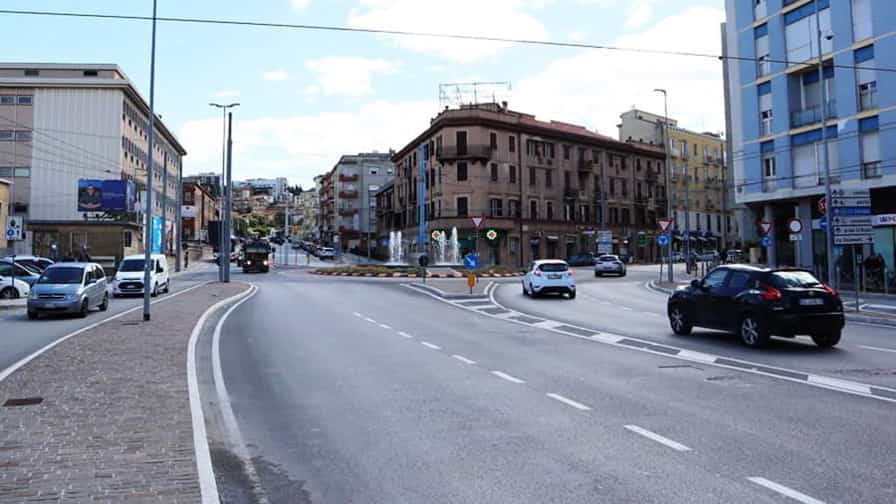
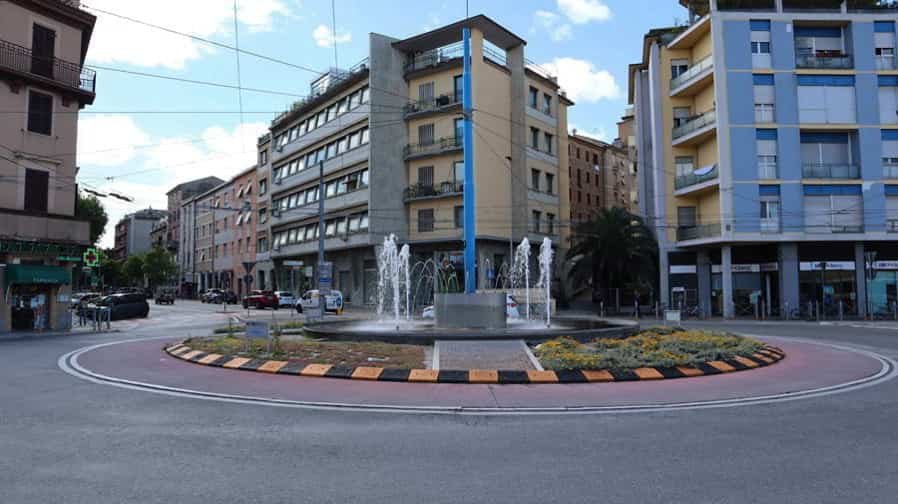
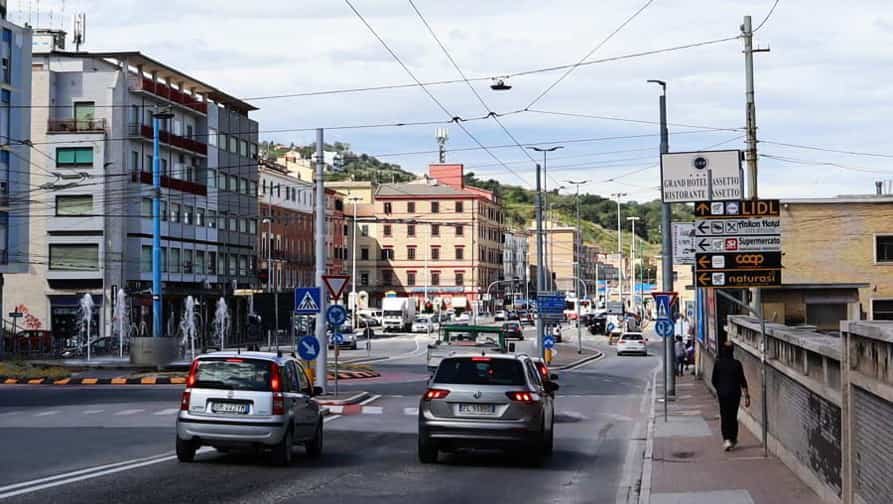
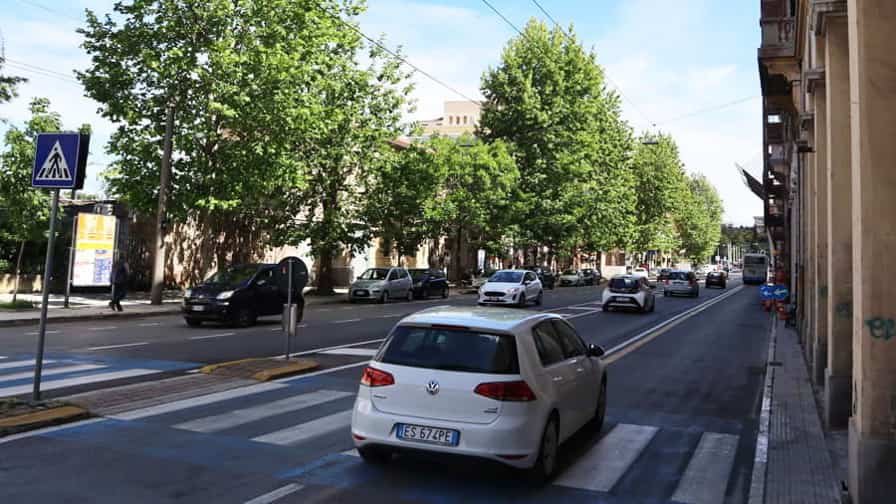
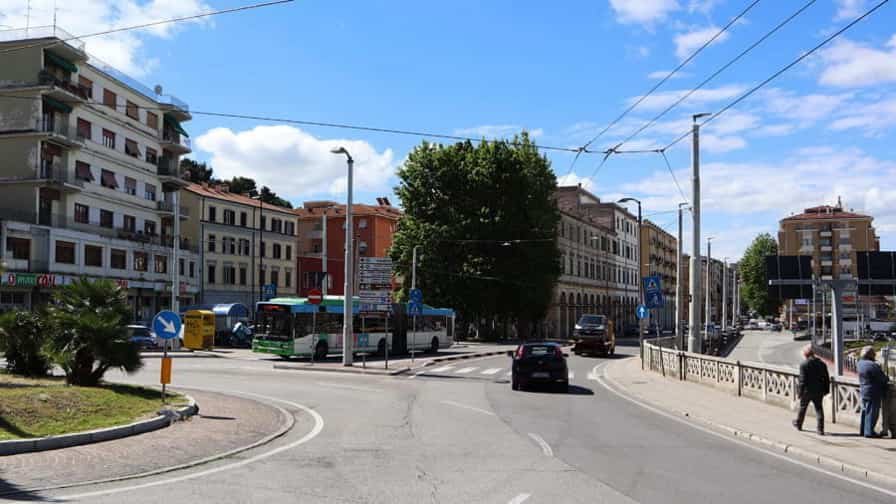
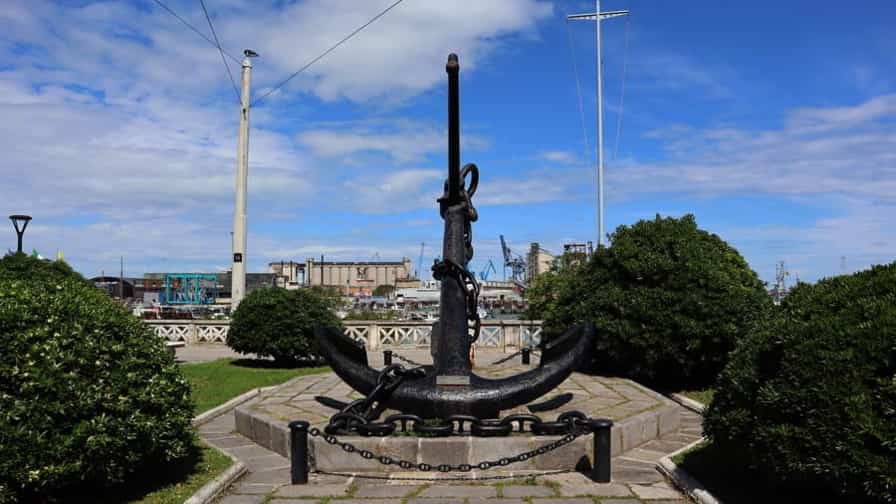
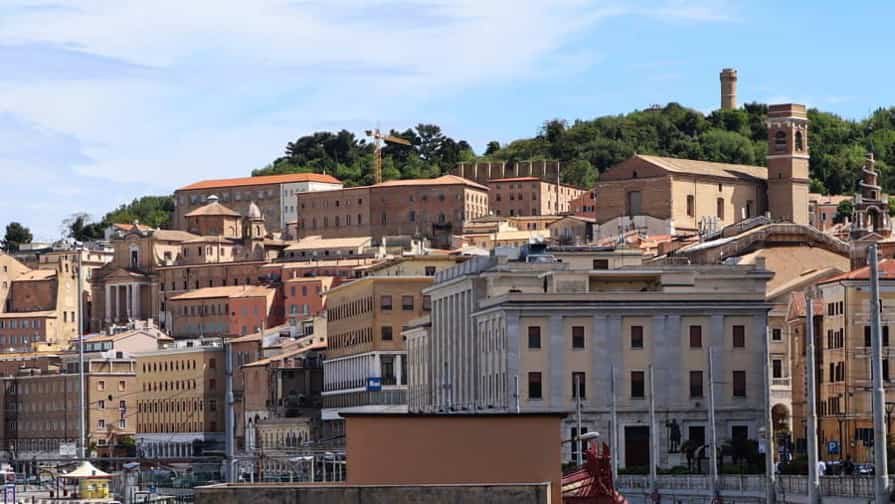
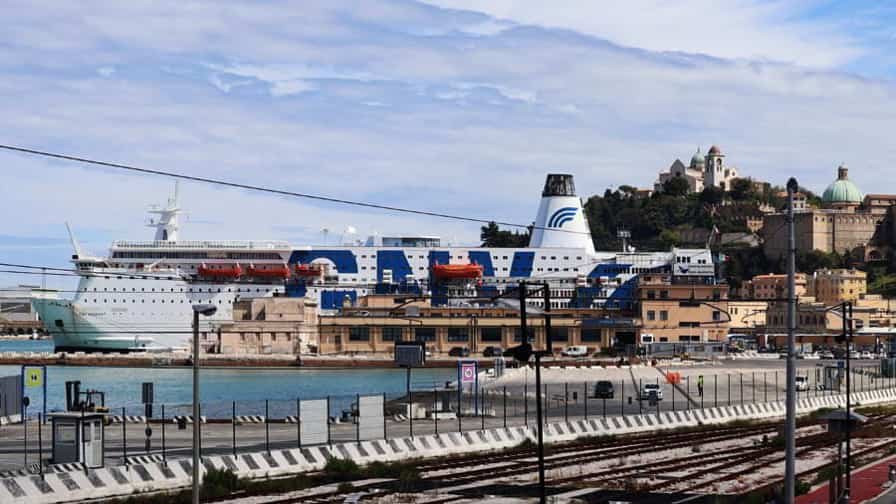
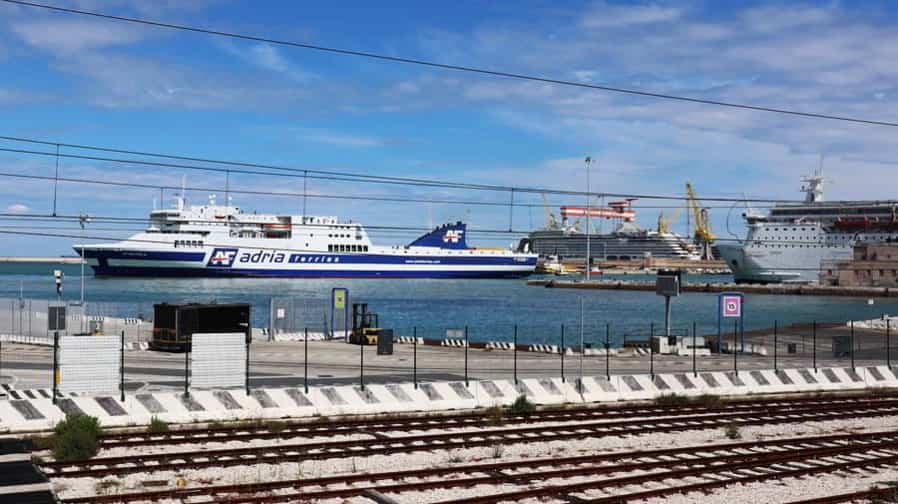
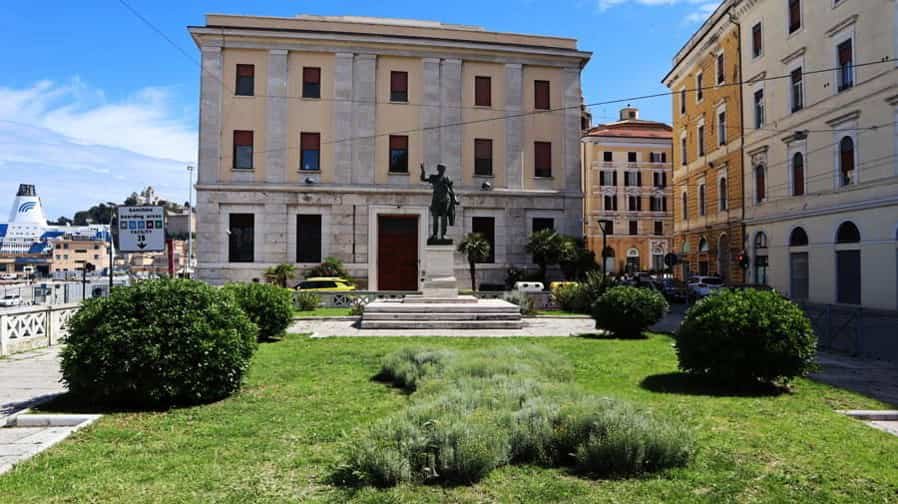
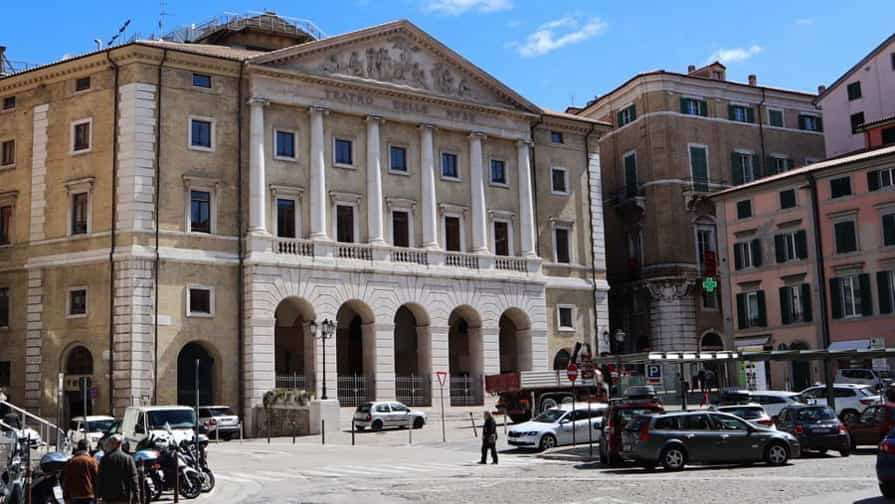
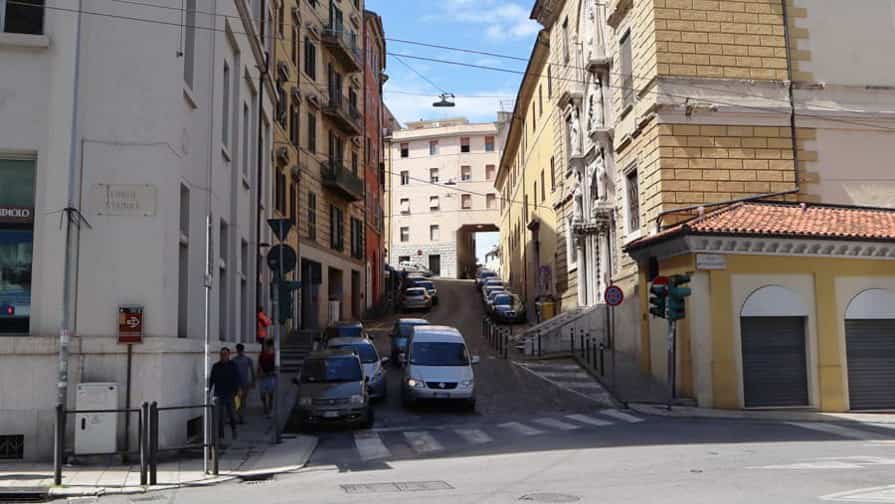
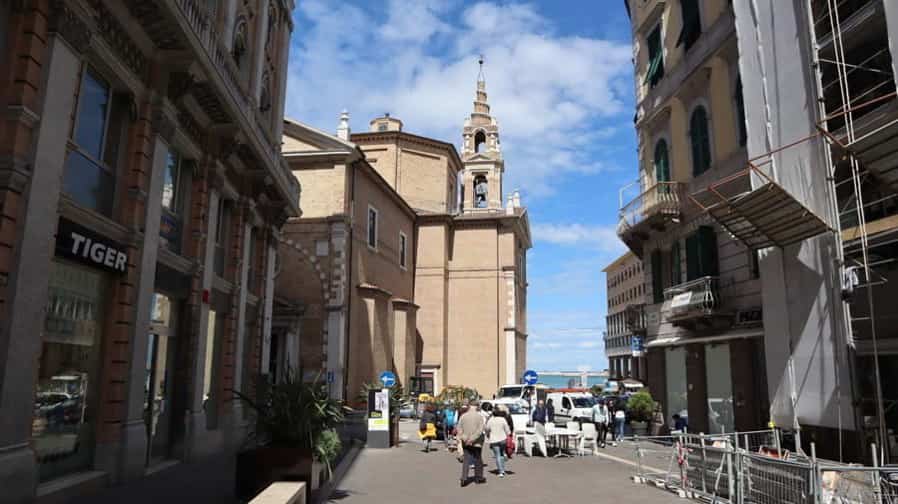
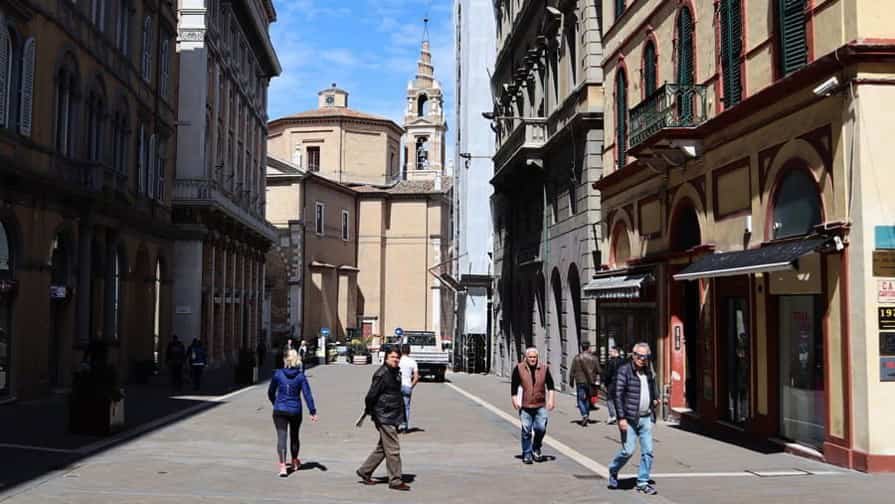
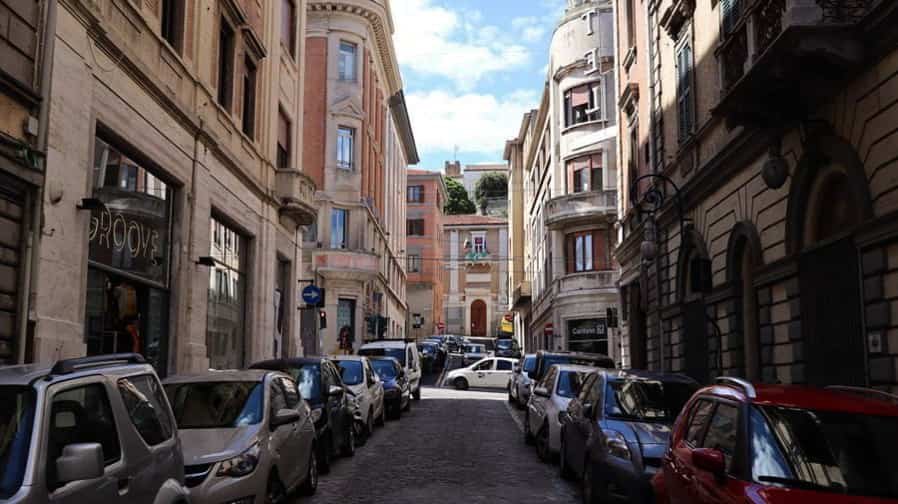
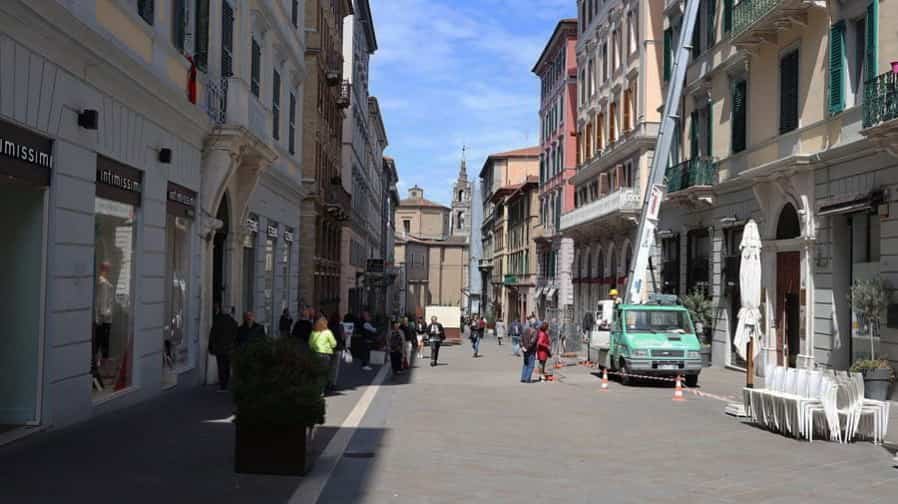
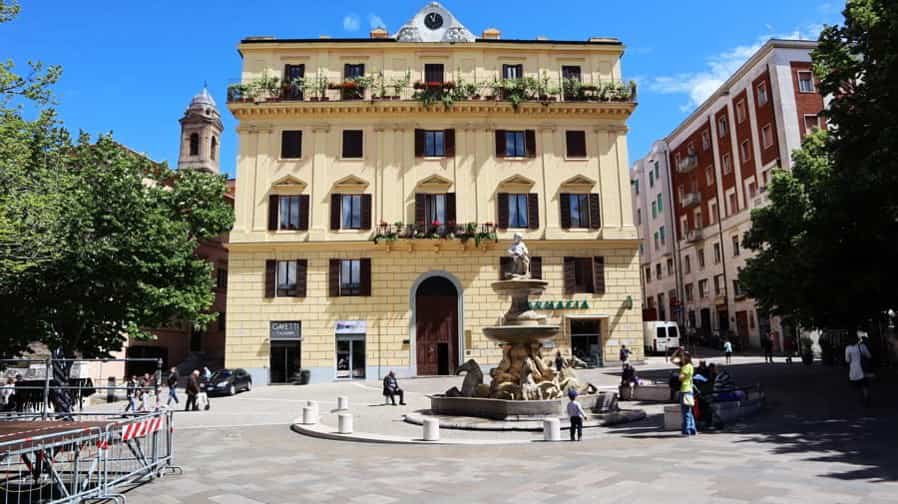
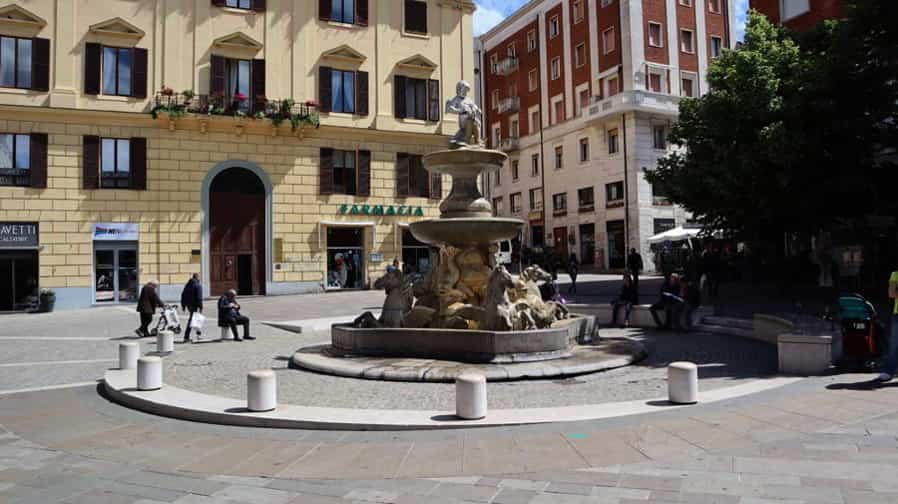
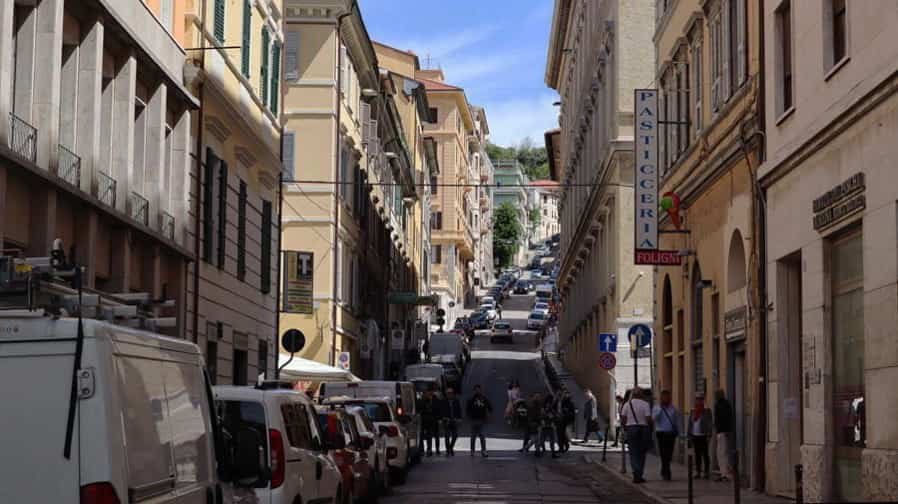
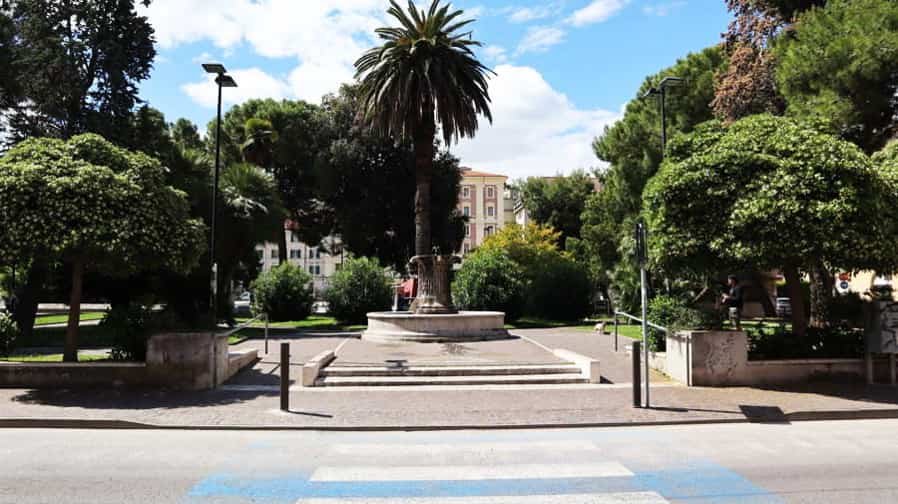
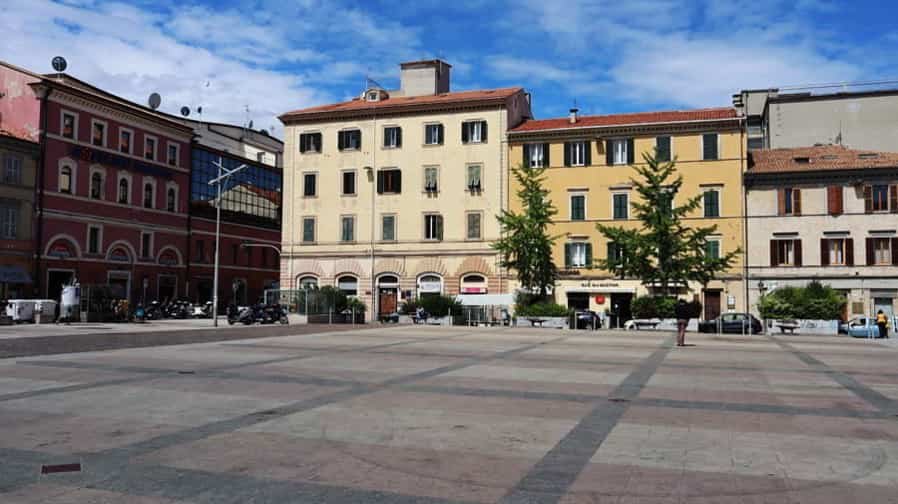
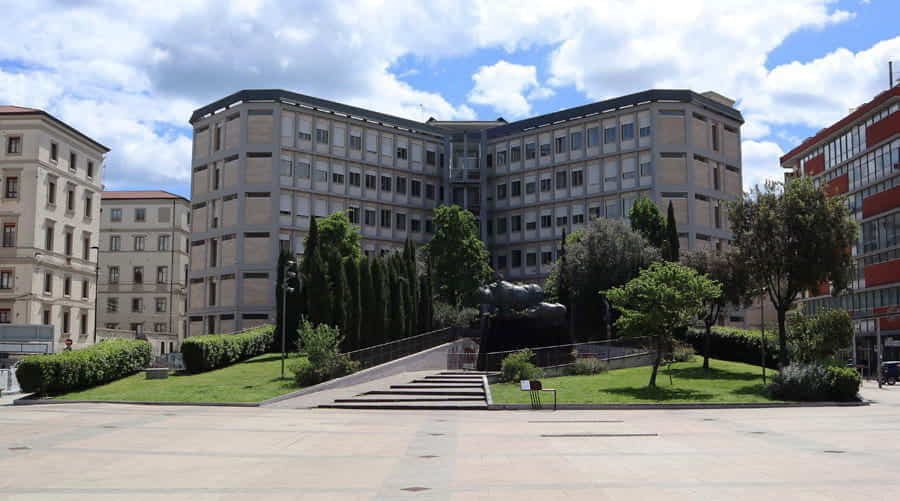
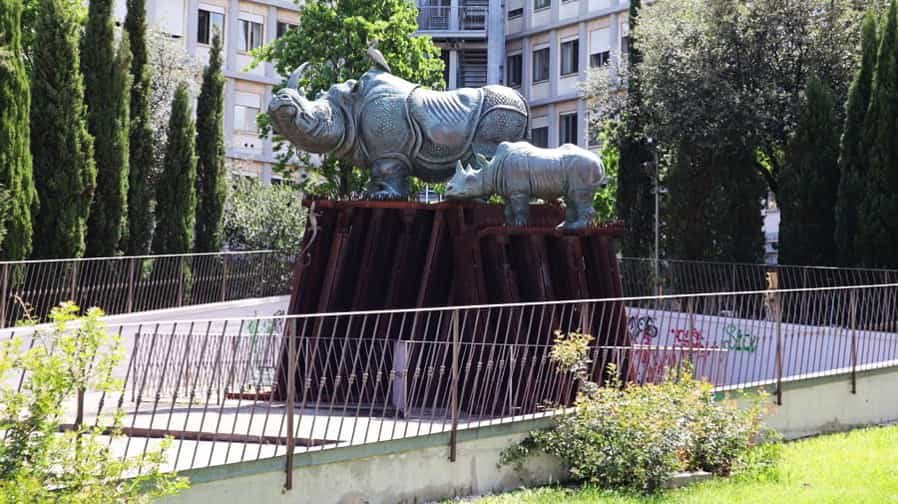
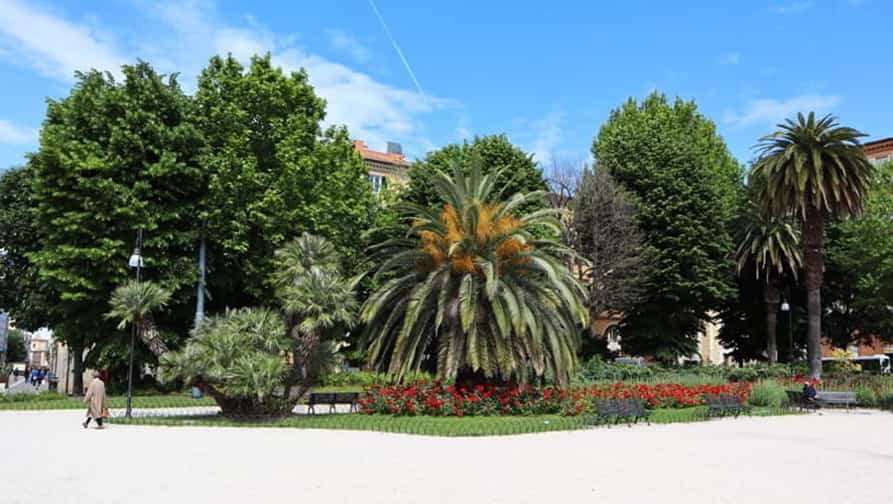
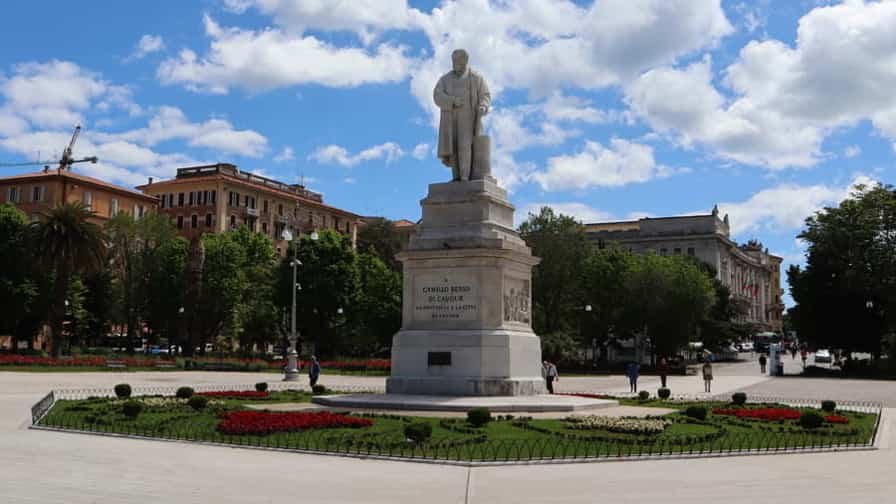
Photo Gallery of Walk 2 – Via Indipendenza to Piazzale del Duomo
Approximately 1.65 km – 1.04 miles
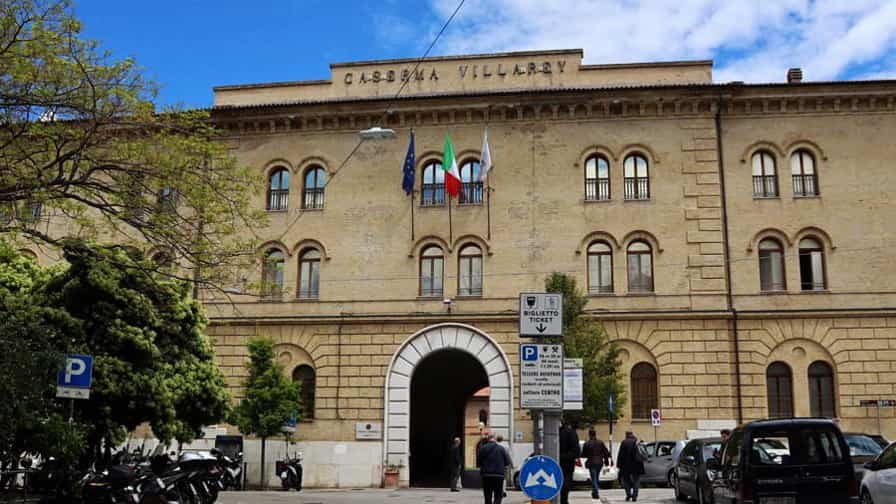
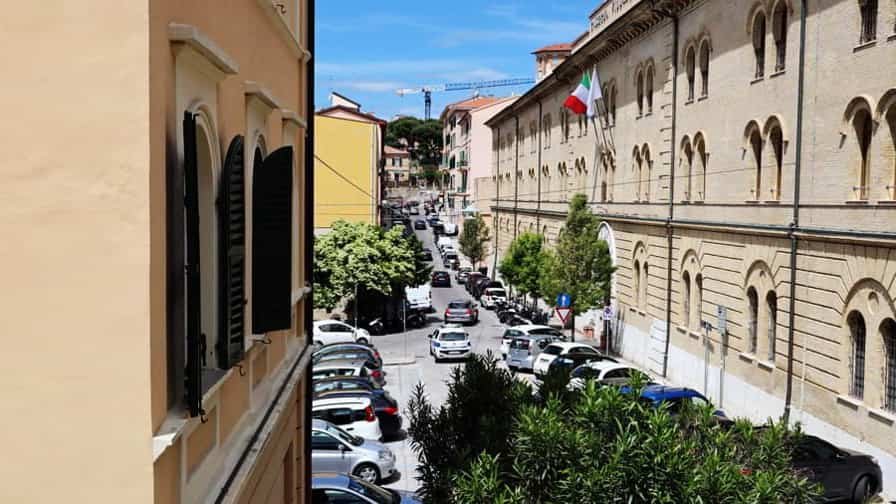
This route explores the historic core and waterfront of Ancona, revealing layers of medieval, Renaissance, and maritime heritage. Starting on Via Indipendenza, the walk quickly reaches Caserma Villarey at Piazzale Martelli Raffaele, a reminder of the city’s strategic importance as a port. Moving through Via Villarey and Via Goito into the narrower Via delle Cavorchie, the atmosphere shifts to a more intimate, old-town character.
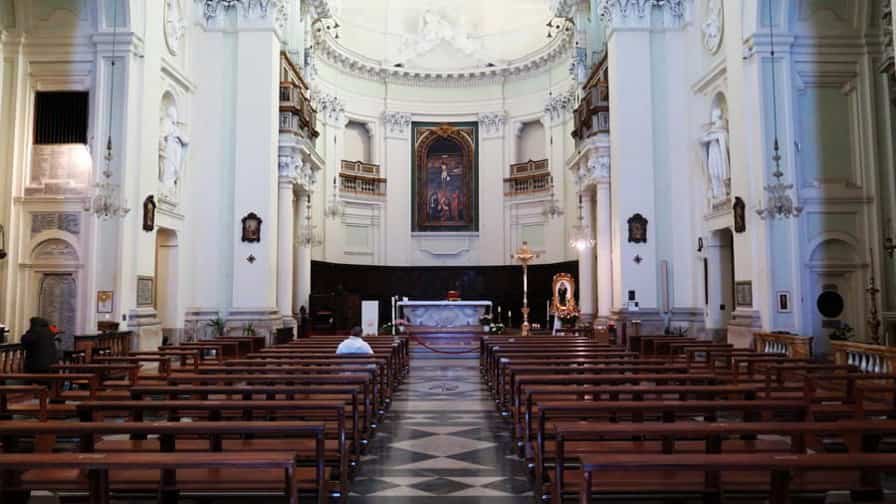
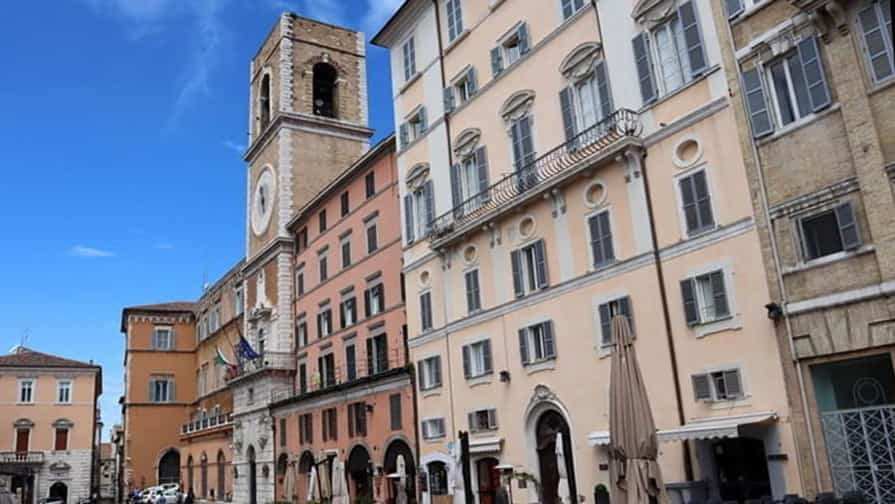
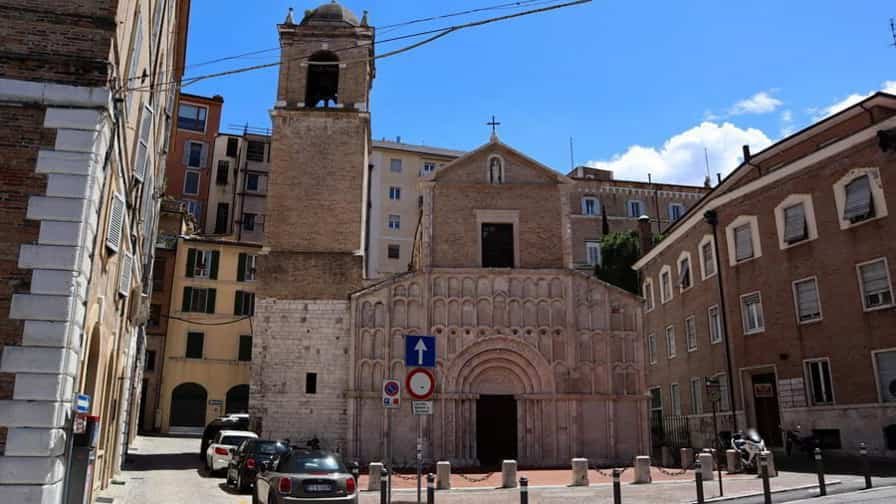
Via Giacomo Matteotti leads into the elegant Piazza del Plebiscito, often called “Piazza del Papa,” a lively square framed by historic buildings. Here stands the Chiesa di San Domenico, anchoring the space with its religious and artistic presence. Continuing along Via Catena, the route reaches the remarkable Chiesa di Santa Maria della Piazza, known for its Romanesque façade and archaeological layers beneath.
The walk then opens onto the seafront at Lungomare Luigi Vanvitelli, where views of the Adriatic connect the city to its trading past. A lift ascent to Via Gabriele Ferretti and the historic Scalone Nappi provides a vertical transition back into the upper town, ending with sweeping perspectives over Ancona’s harbor and rooftops.
COPYRIGHT © 2018-2026 ITALY IN PHOTOS - ALL RIGHTS RESERVED