
HOME
REGIONS OF ITALY
PLACES IN ITALY
PLAN YOUR TRIP
Italy in Photos
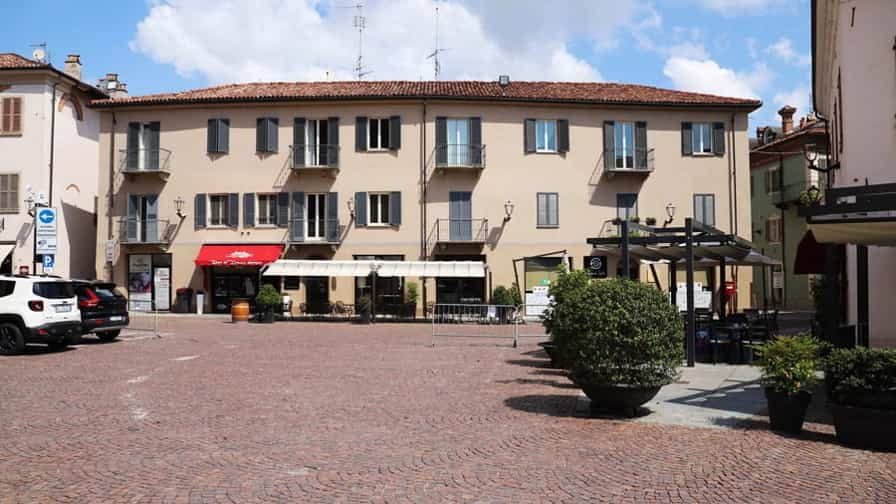
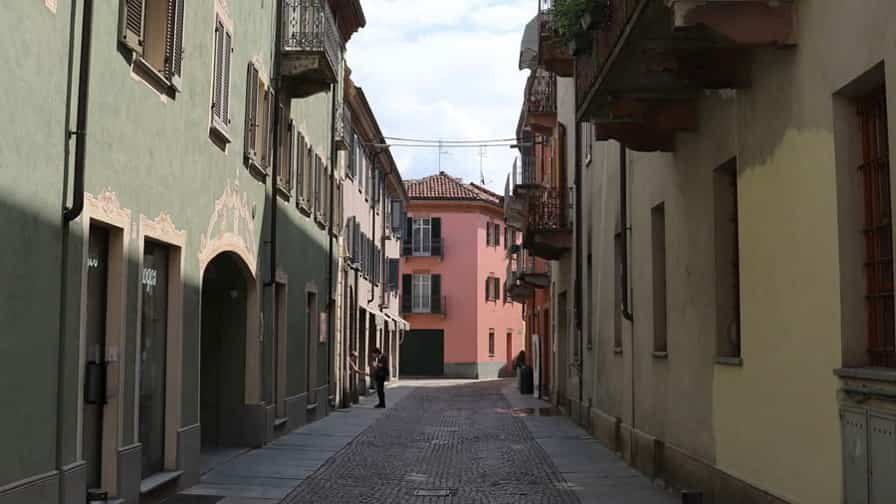
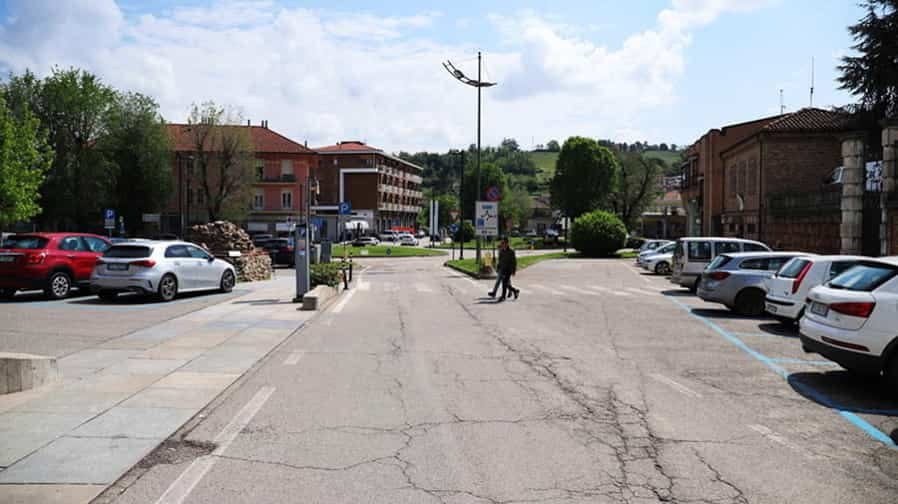
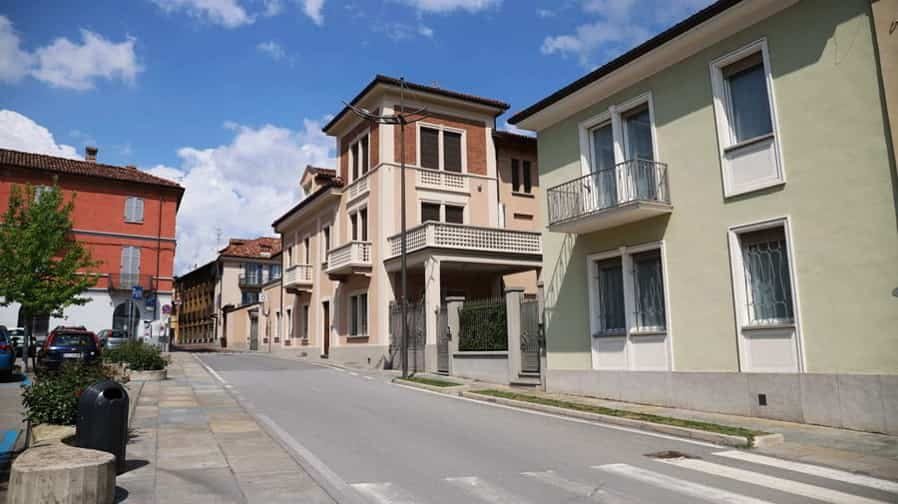
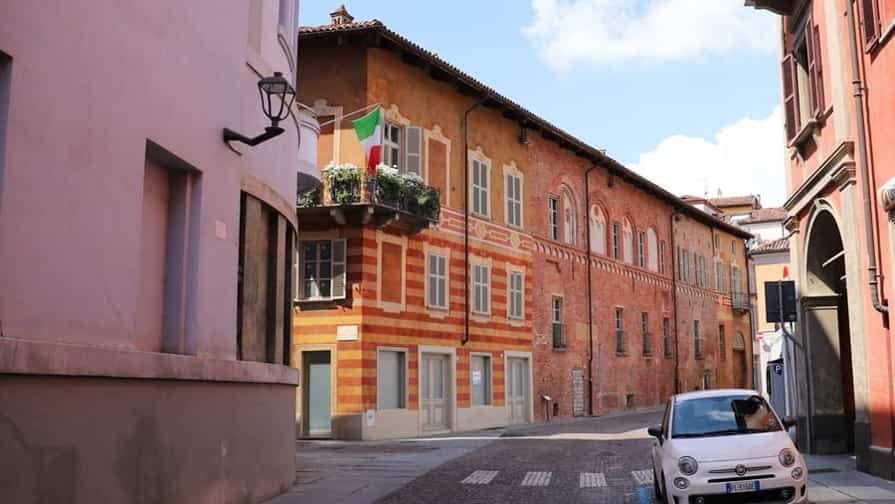
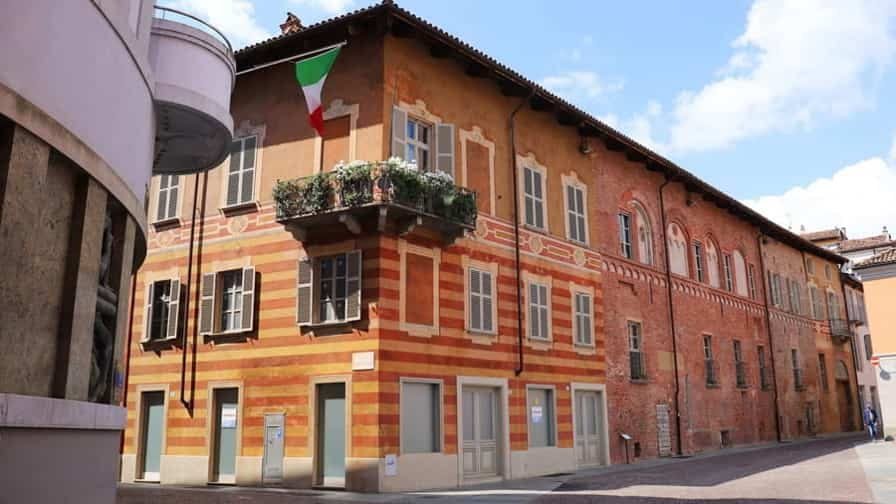
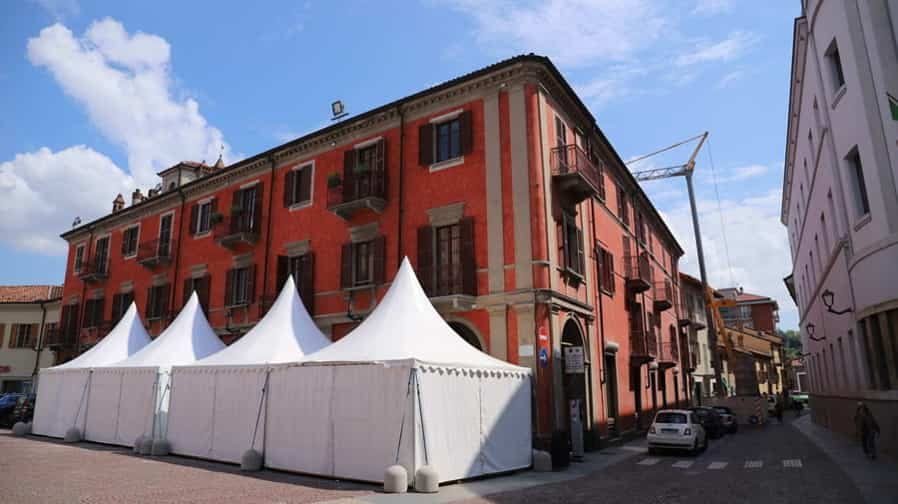
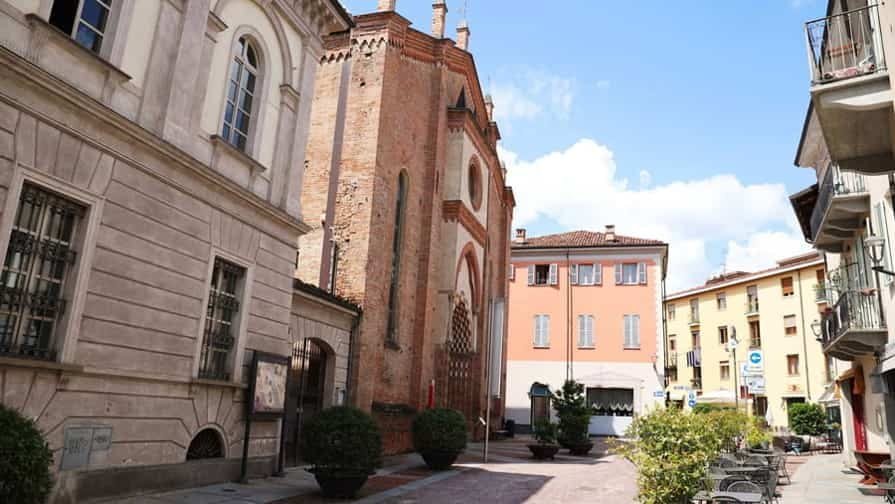
Via Vittorio Emanuele, 12051 Alba CN, Italy (May 2022)
Alba
Delayed or cancelled flight?
Get up to £520!
You’ve got rights when your flight’s disrupted.
We enforce them and handle everything so you get paid
Nestled among the rolling hills of Piedmont in northwestern Italy, Alba is a town where history, gastronomy, and landscape are inseparably intertwined. Best known as the world capital of white truffles and as the heart of the Langhe wine region, Alba offers a refined yet welcoming introduction to one of Italy’s most celebrated culinary and cultural areas. Elegant in scale and rich in tradition, the town serves as both a historic center and a gateway to the vineyard-covered hills that surround it.
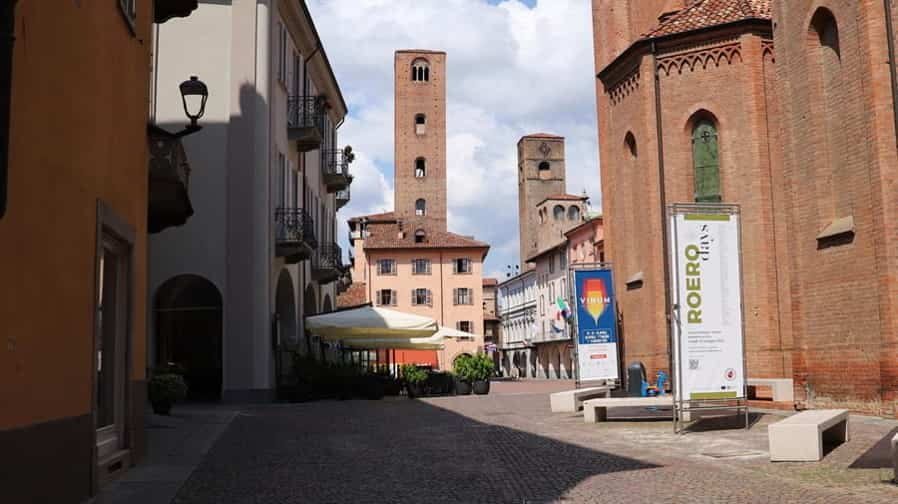
Alba’s origins stretch back to Roman times, when it was founded as Alba Pompeia, an important settlement along key trade routes. Over the centuries, it grew into a prosperous medieval commune, competing with neighboring towns for power and influence. This period left a lasting architectural legacy, most notably in the towers that once dotted the skyline. Although only a handful remain today, they still give Alba its distinctive vertical profile and echo its medieval past. The compact historic center is a pleasure to explore, with cobbled streets, shaded piazzas, and arcaded walkways that reveal layers of Roman, Gothic, and Baroque architecture.
At the heart of the town stands the Cathedral of San Lorenzo, whose origins date to the 12th century. Its sober façade and harmonious interior reflect the understated elegance that characterizes Alba as a whole. Nearby, the Church of San Domenico—now a cultural space—adds to the town’s sense of continuity between past and present, often hosting exhibitions and events that animate the historic core.
Alba’s global reputation, however, rests largely on its extraordinary food culture. Each autumn, the town becomes the epicenter of the celebrated Alba White Truffle Fair, drawing chefs, food lovers, and gourmands from around the world. The prized tartufo bianco d’Alba is revered for its intense aroma and rarity, and its presence elevates even the simplest local dishes. Beyond truffles, Alba is closely associated with some of Italy’s most prestigious wines, including Barolo and Barbaresco, produced in the surrounding Langhe hills. Wine enotecas and traditional trattorias throughout the town reflect this deep connection to the land and its harvests.
The surrounding landscape, recognized as a UNESCO World Heritage Site, is an essential part of Alba’s identity. Gently rolling hills lined with vineyards, hazelnut groves, and small villages create a patchwork of cultivated beauty that changes with the seasons. Alba functions as a natural base from which to explore this countryside, linking rural traditions with urban sophistication.
Despite its international fame, Alba retains a strong sense of local life. Weekly markets, slow-paced evenings, and a close-knit community give the town an atmosphere that feels genuine rather than performative. Alba is not a place of grand gestures, but of measured pleasures—where history, flavor, and landscape come together in quiet harmony. It is a town that invites visitors to slow down, taste deeply, and appreciate the richness of Piedmont in its most concentrated form.
Worth a Visit
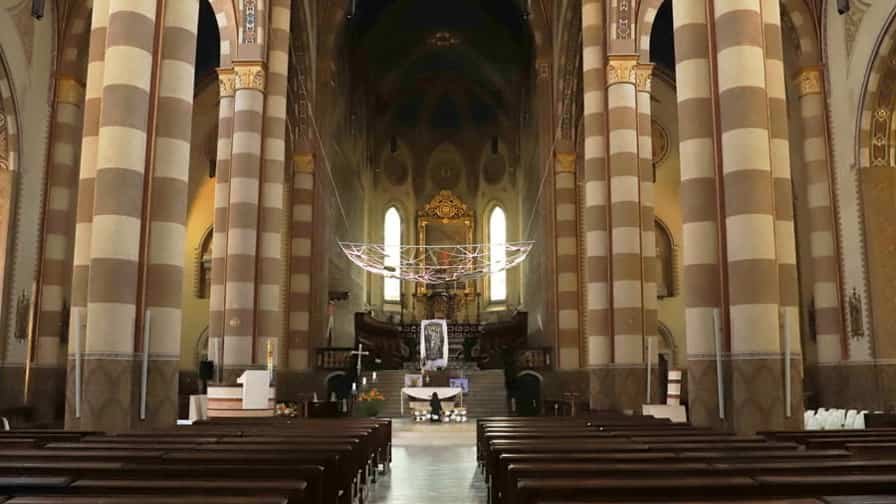
The Cattedrale di San Lorenzo, located in the centre of Alba, a historic town in the Piedmont region of northern Italy, stands as one of the most significant religious and architectural landmarks of the area. Also known as the Alba Cathedral, it is dedicated to Saint Lawrence, a revered Christian martyr, and reflects centuries of spiritual devotion, artistic evolution, and civic pride. Positioned in Piazza Risorgimento, the cathedral dominates the central square with its imposing red-brick façade and its blend of Romanesque and Gothic elements, making it a central feature of Alba’s historic and cultural identity.
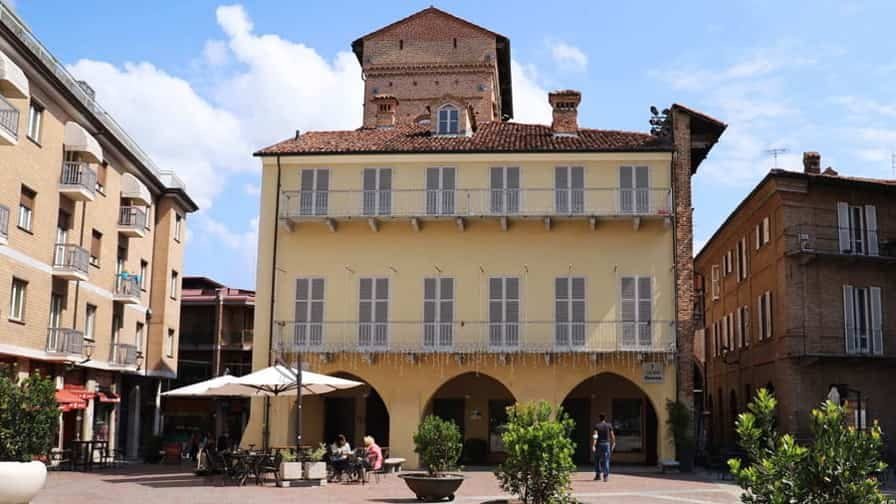
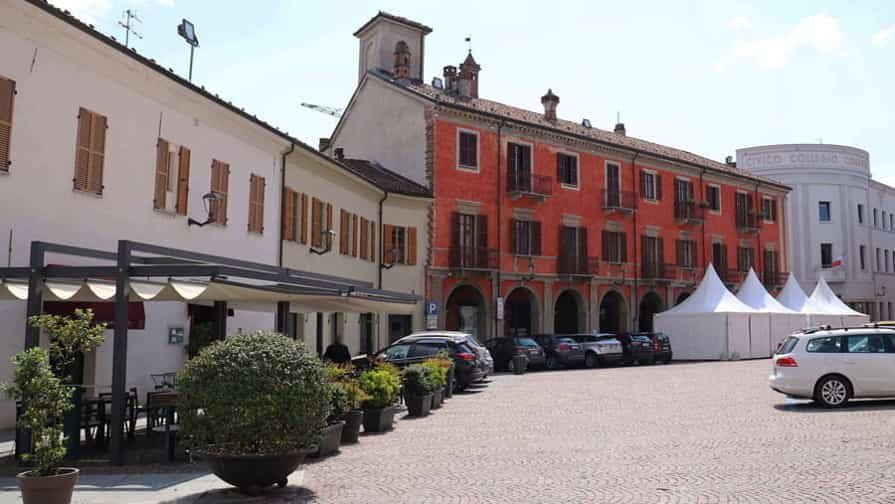
Piazza Elvio Pertinace forms one of the vibrant cores of historic Alba, in the Piedmont region of Italy. Named in honour of Publius Helvius Pertinax, the Roman Emperor born in Alba in AD 126 who reigned briefly in 193 before his assassination, the square features a bust of Pertinax at its centre, a tangible tribute to the city’s ancient heritage. Surrounding the piazza are distinctive medieval structures such as Casa‑torre Marro (also known as Palazzo Marro) and the Riva tower-house, which evoke Alba’s architectural legacy. Palazzo Marro, dating from the 13th–14th centuries, was constructed atop the podium of an earlier Roman temple, whose remains remain visible at the building’s foundation and were revealed during late‑19th‑century renovation works that expanded the piazza.
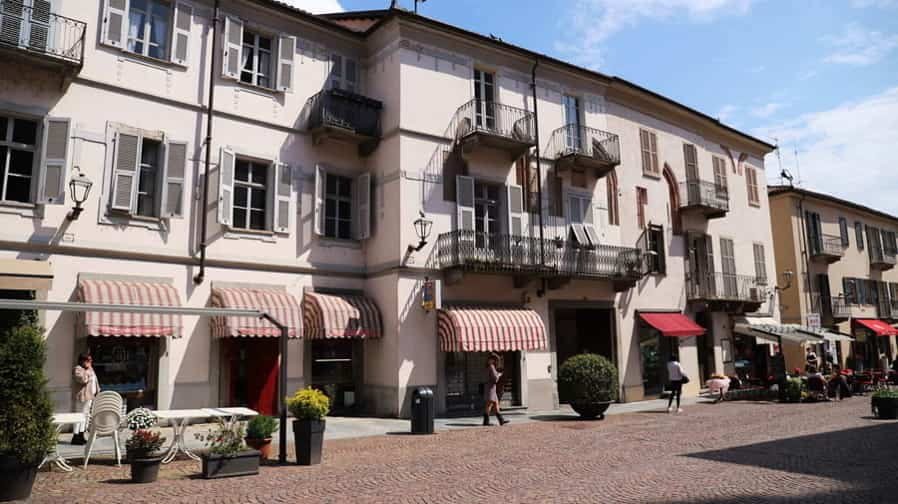
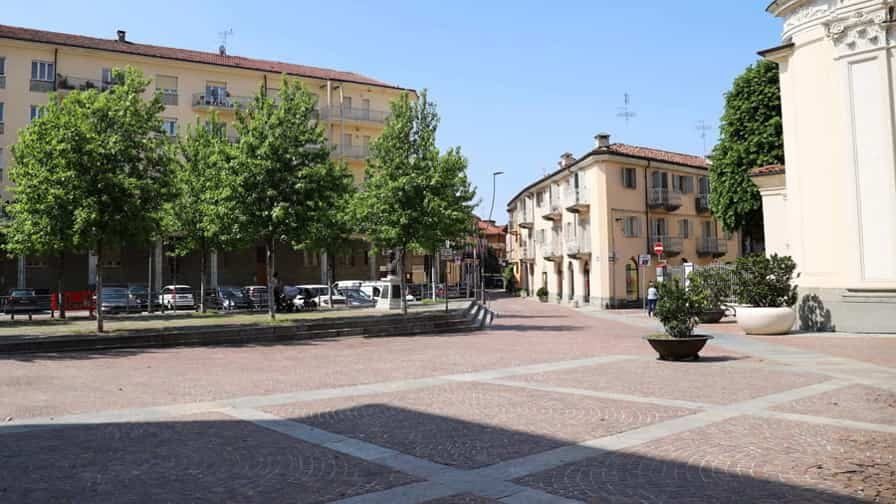
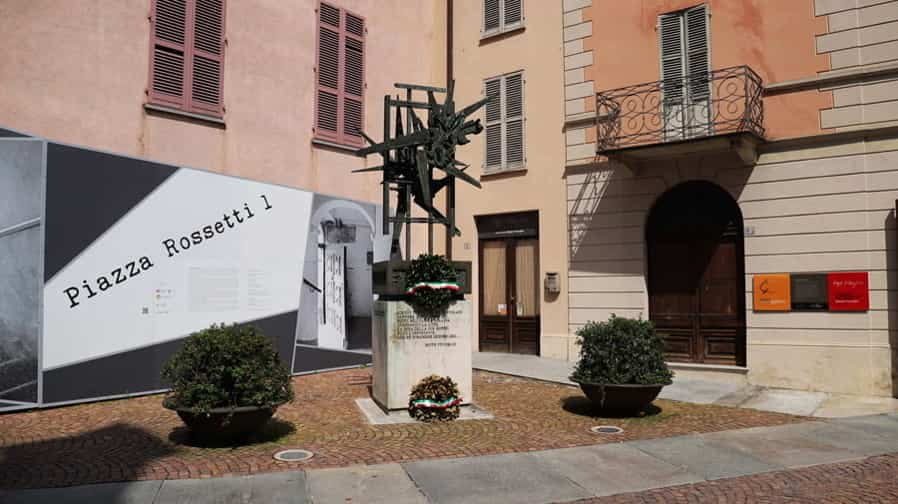
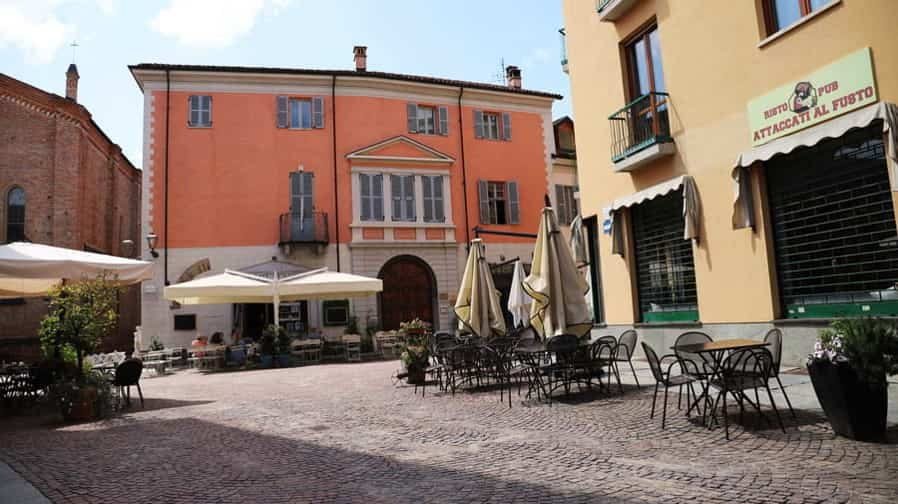
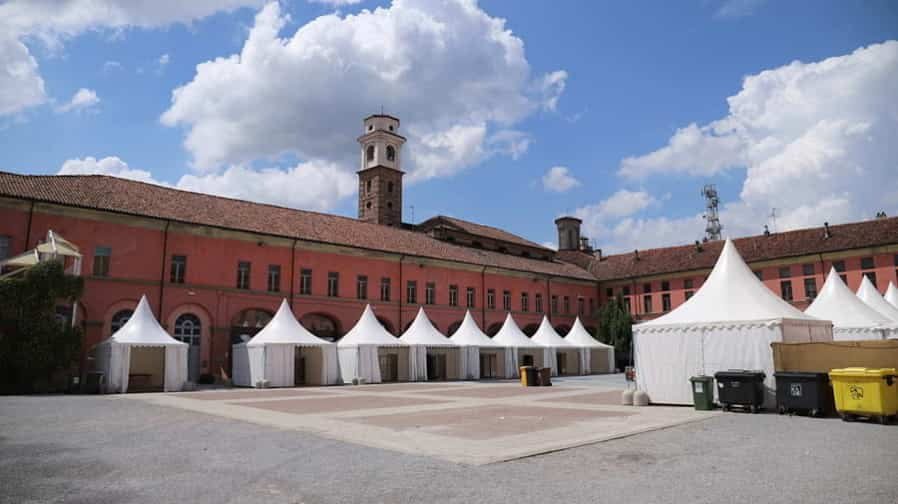
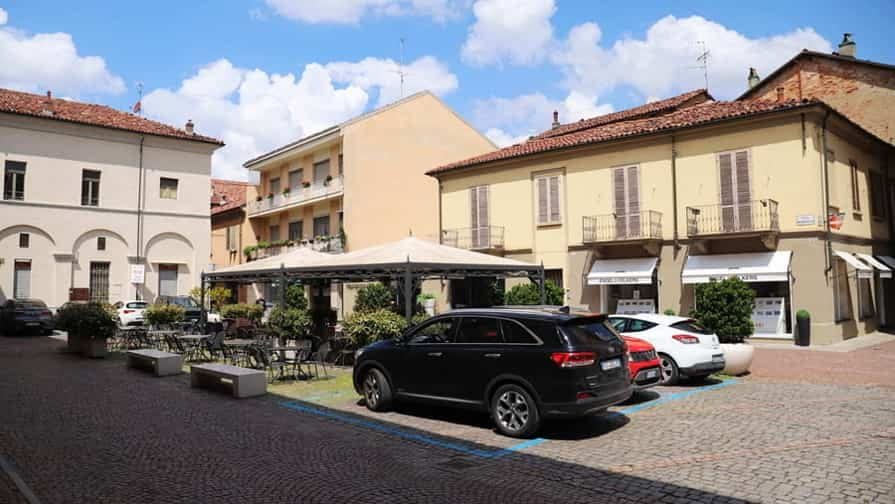
Piazza Rossetti is one of the most elegant and vibrant squares in Alba, located in the heart of the historic centre of this charming Piedmontese town. Surrounded by beautiful buildings and lively cafes, it captures the essence of Alba’s welcoming atmosphere and refined style. The square is named after Giovanni Rossetti, an important local figure, and serves as a key meeting point for residents and visitors alike. Its spacious layout and graceful architecture make it an ideal spot to pause and enjoy the rhythm of local life. Piazza Rossetti is also closely connected to Alba’s cultural and gastronomic traditions, especially during the famous White Truffle Fair, when the area comes alive with market stalls, music, and the aroma of local delicacies. Whether for a morning coffee, an evening stroll, or a festive event, Piazza Rossetti reflects the timeless charm of Alba.
Photo Gallery of Walk 1 – Corso Fratelli Bandiera to Piazza S. Francesco D’Assisi
Approximately 1.17 km – 0.73 miles
Description of Walk 1
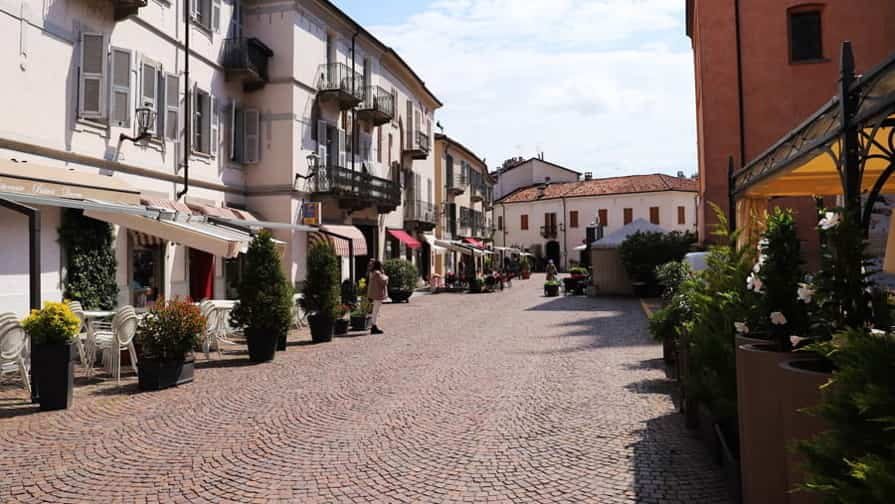
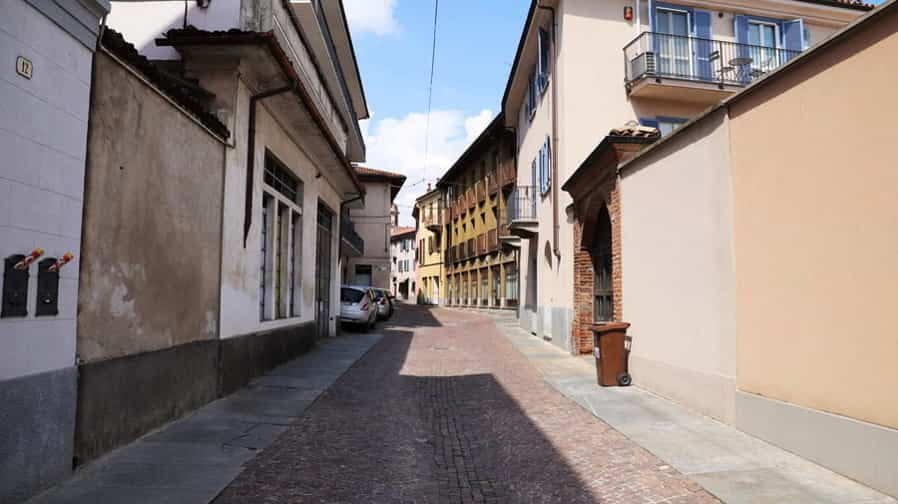
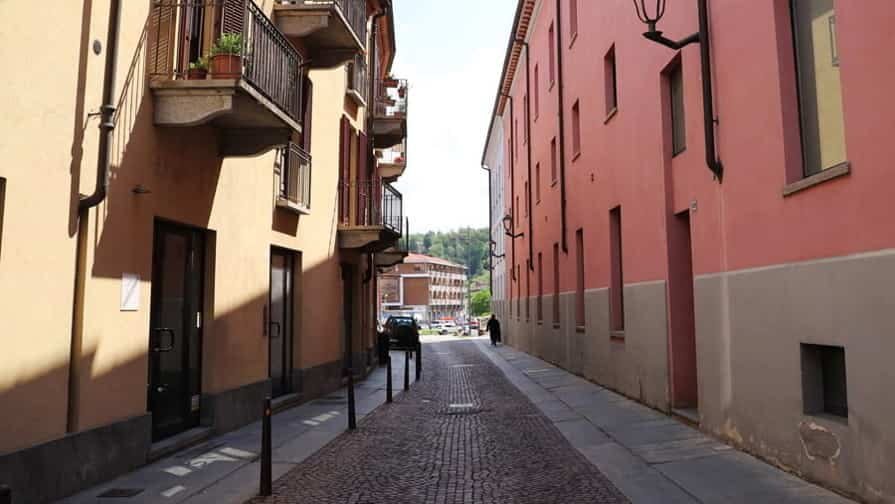
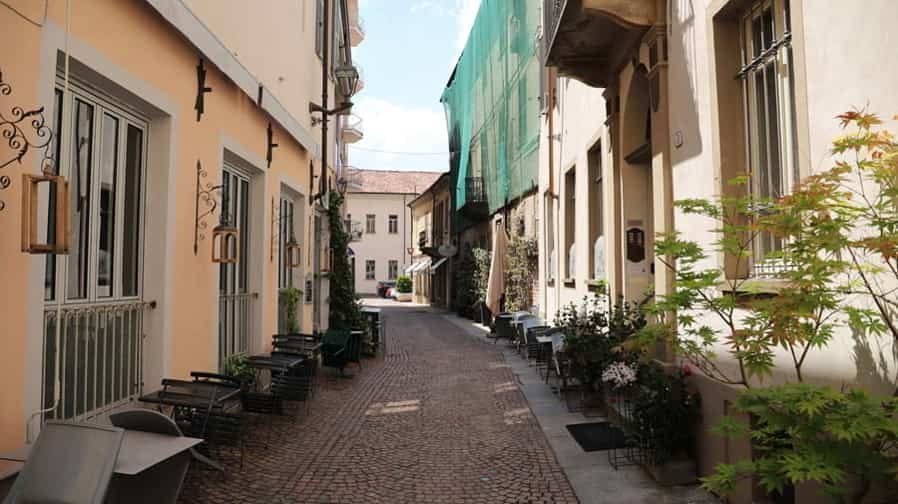
The town of Alba, located in the heart of the Langhe region, is known for its rich history, elegant streets, and reputation as a centre of gastronomy, particularly for white truffles and fine wines. This walking route offers a compact yet immersive way to experience Alba’s historic character, weaving through narrow lanes, open piazzas, and significant landmarks. Beginning on Corso Fratelli Bandiera, the route moves into Via Pietrino Belli and the quieter Vicolo del Pozzo, where the medieval layout of the town becomes evident through its tight alleyways and traditional architecture. Retracing steps back to Via Pietrino Belli and continuing along Via Vittorio Emanuele, the walk opens up into the lively Piazza Duomo, the cultural and social heart of Alba. Here stands the impressive Cattedrale di San Lorenzo, a striking example of Gothic architecture that dominates the square. Passing along Via Vida and returning through Piazza Duomo, the route continues via Via Camillo Benso Conte di Cavour, leading to Piazza San Francesco d’Assisi. This final square reflects Alba’s blend of history and everyday life, completing a walk that highlights both its heritage and vibrant atmosphere.
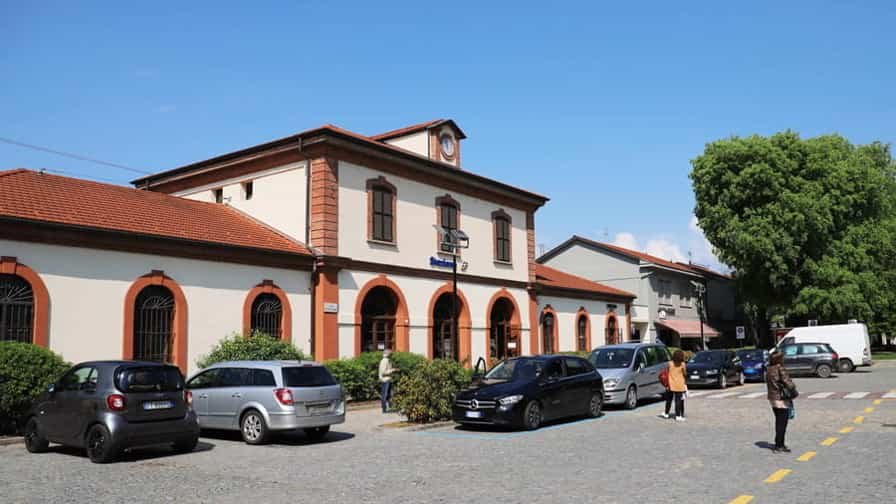
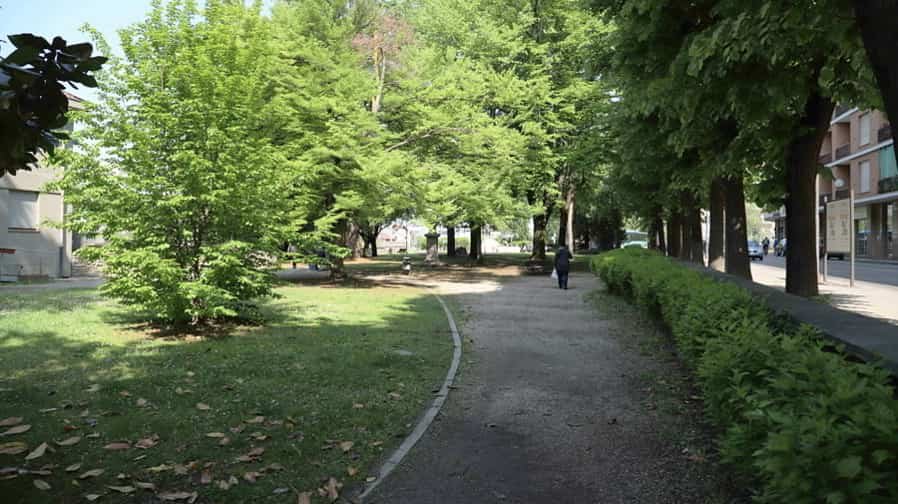
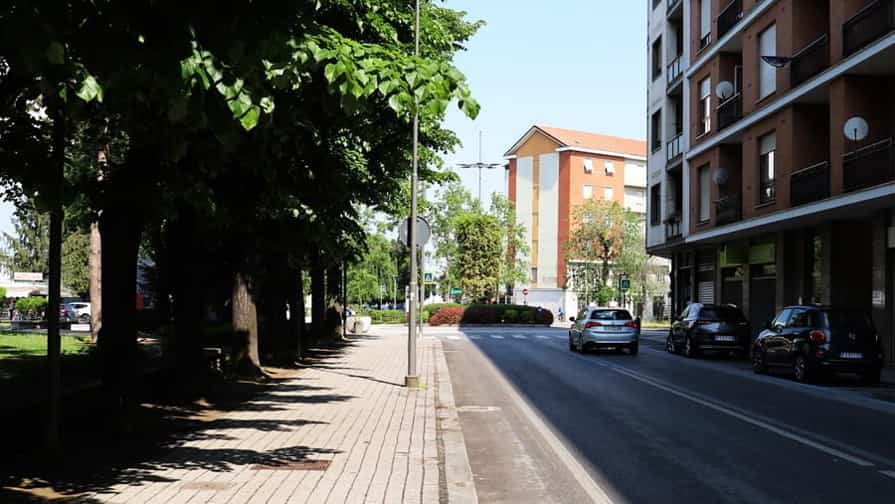
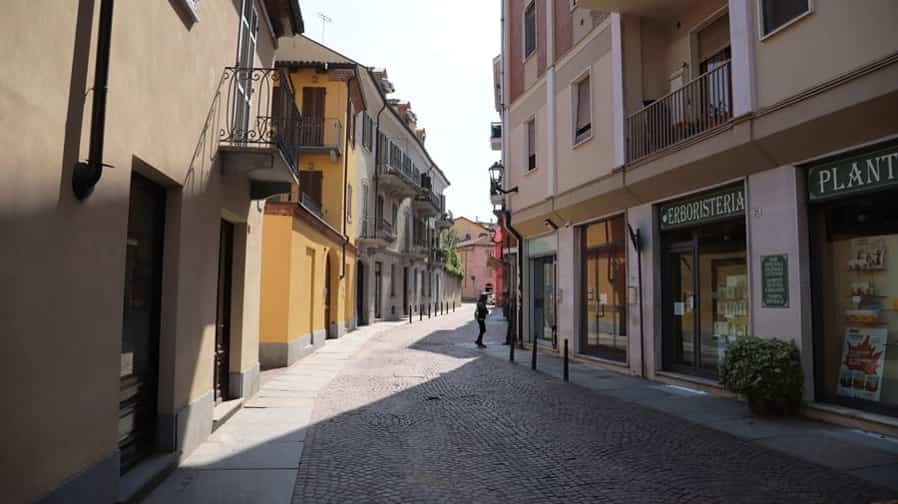
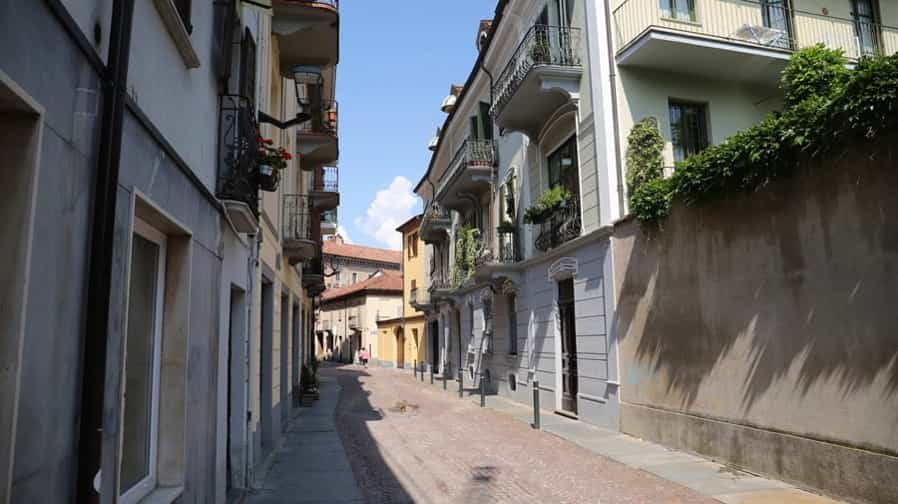
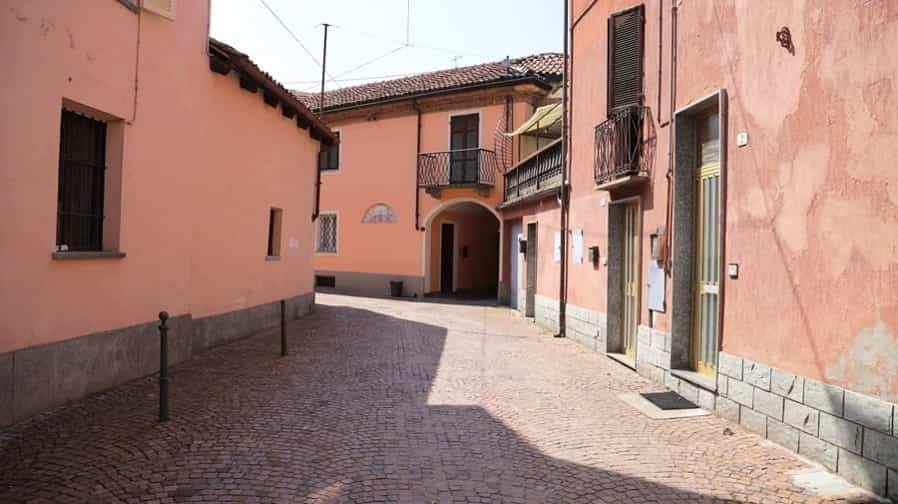
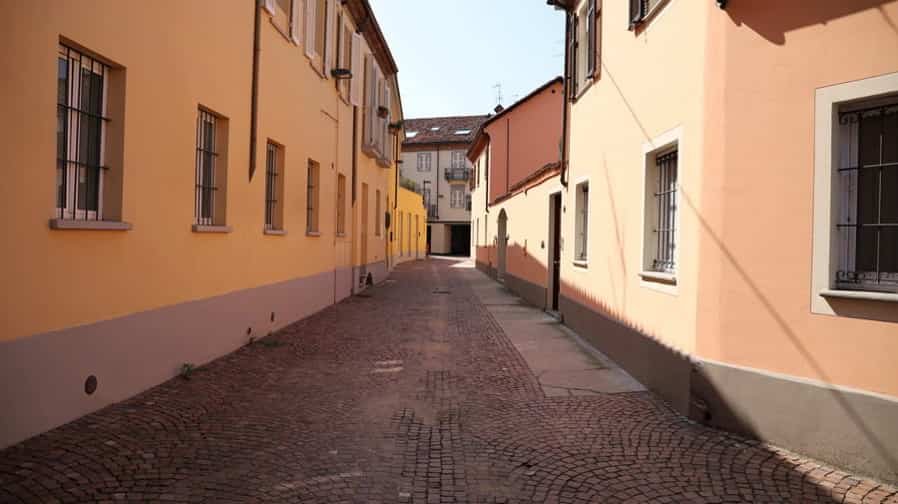
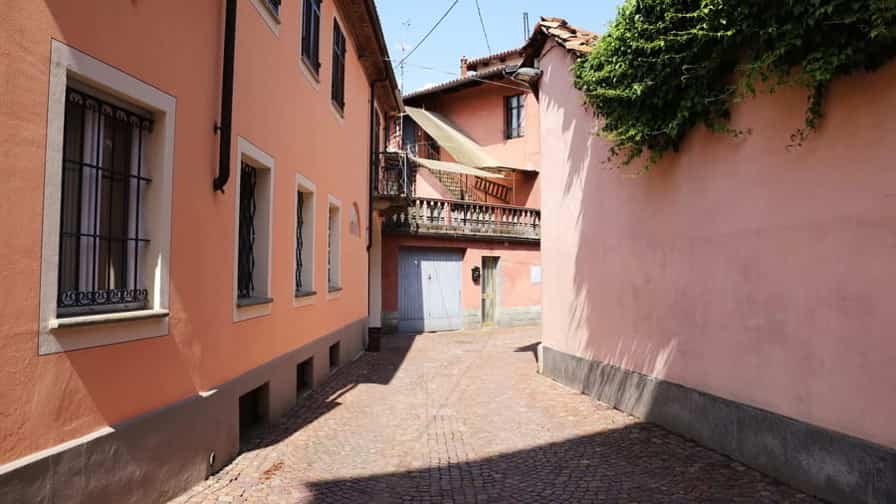
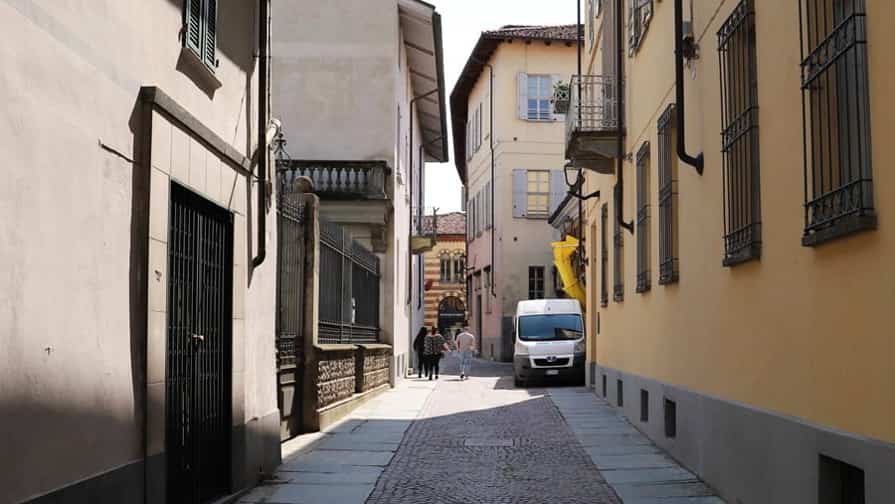
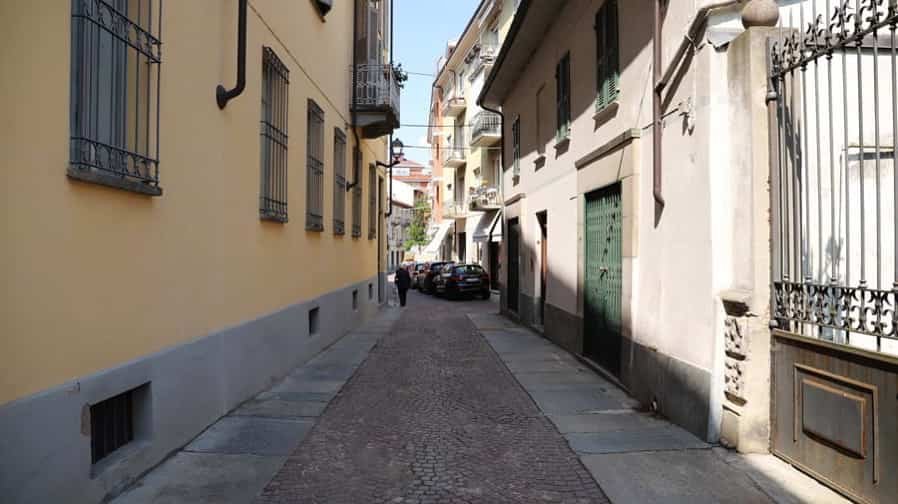
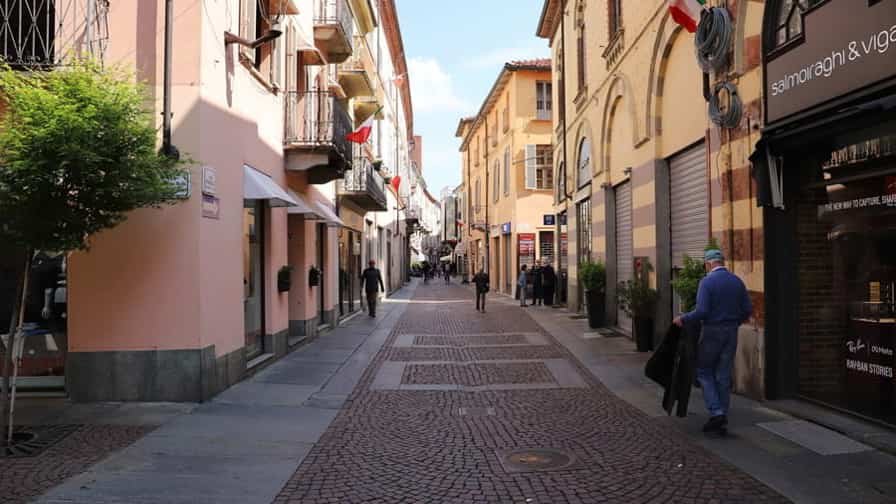
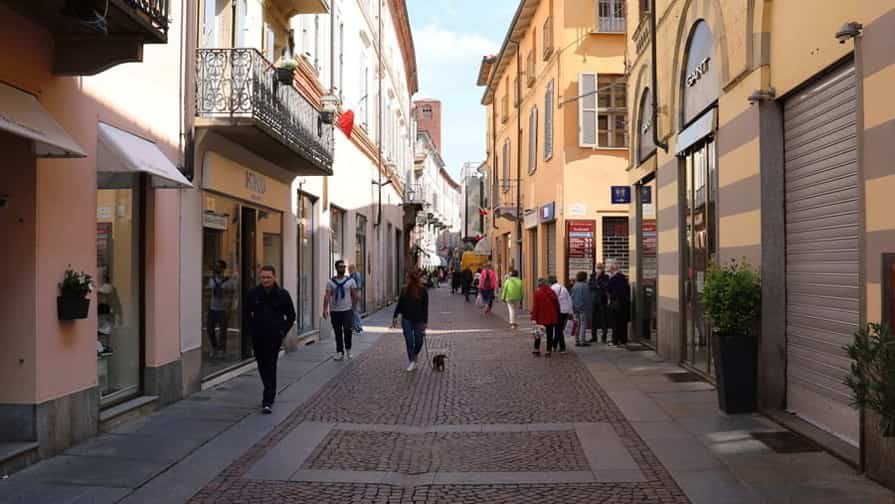
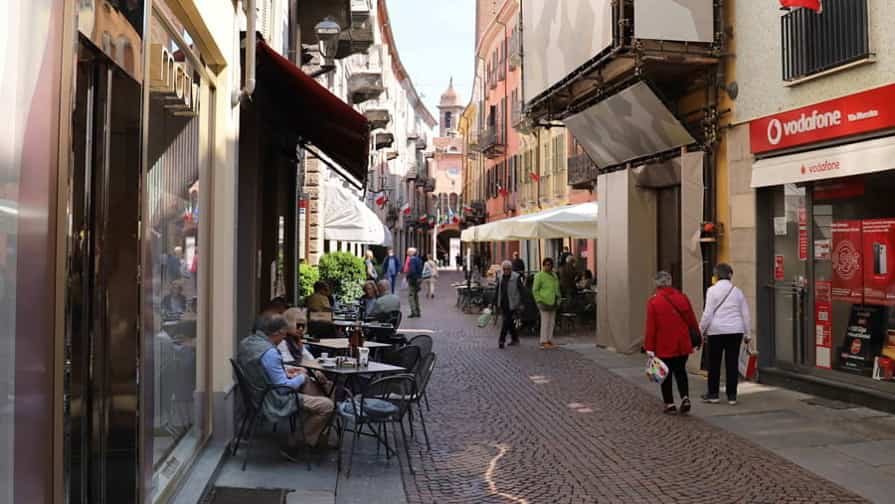
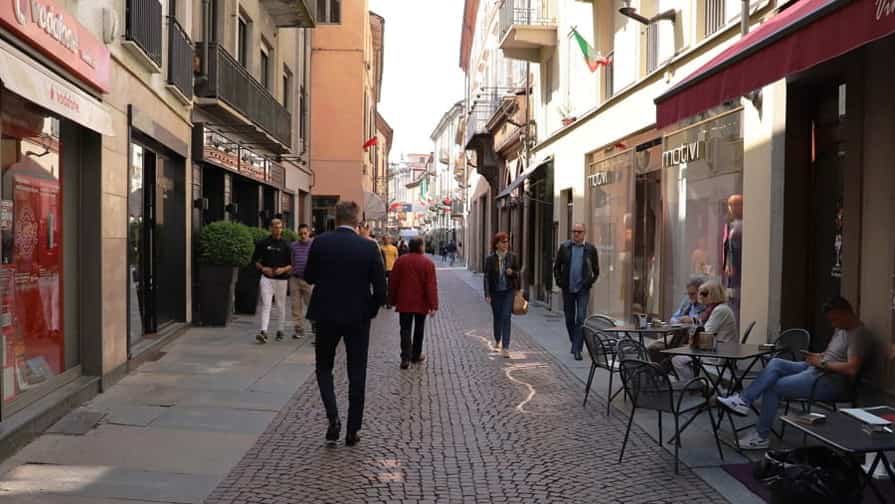
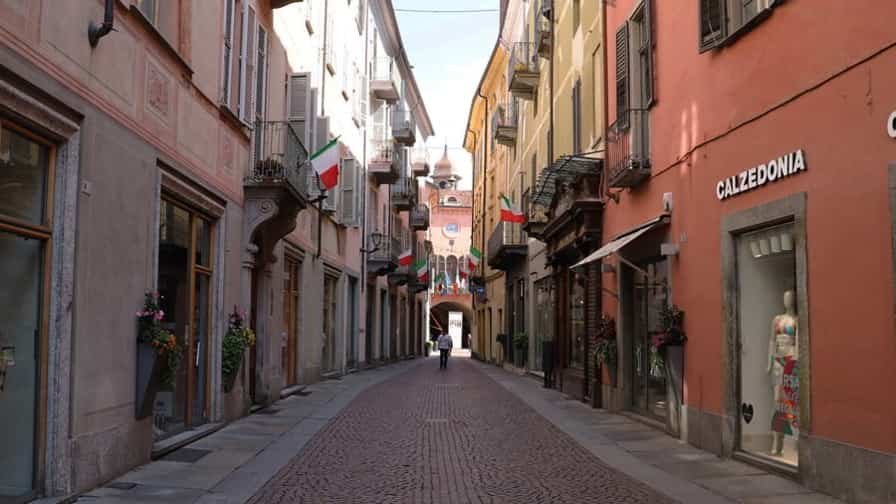
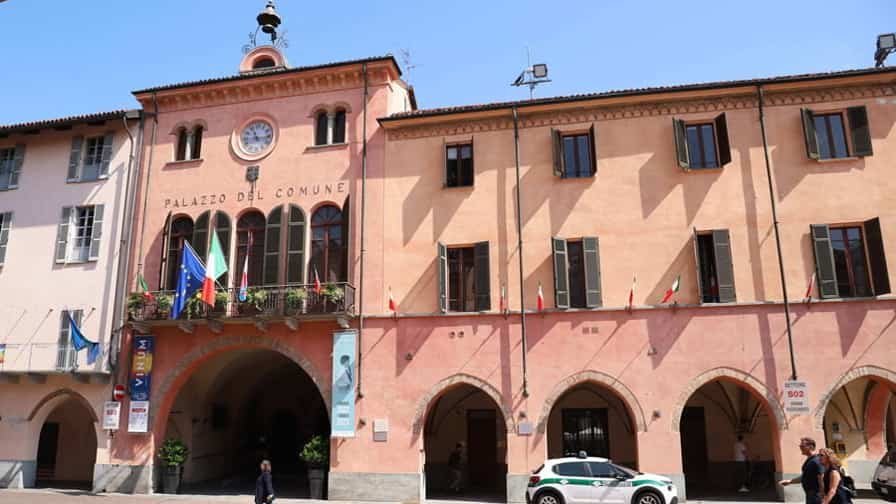
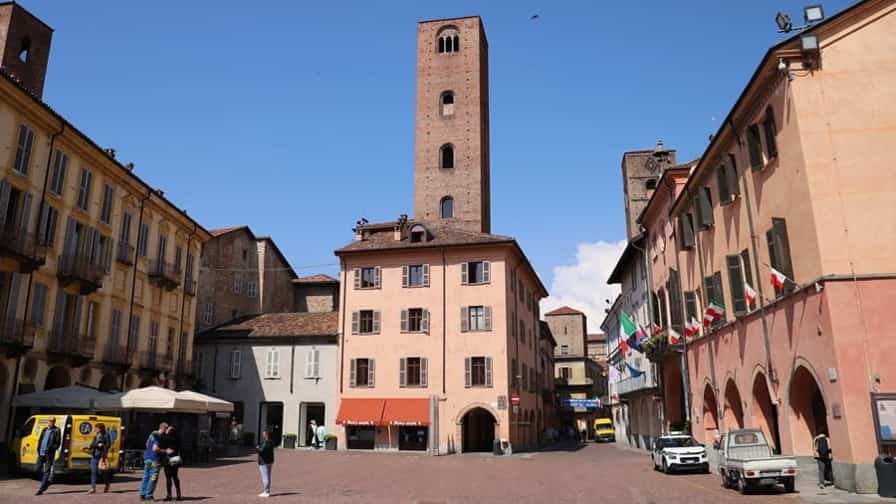
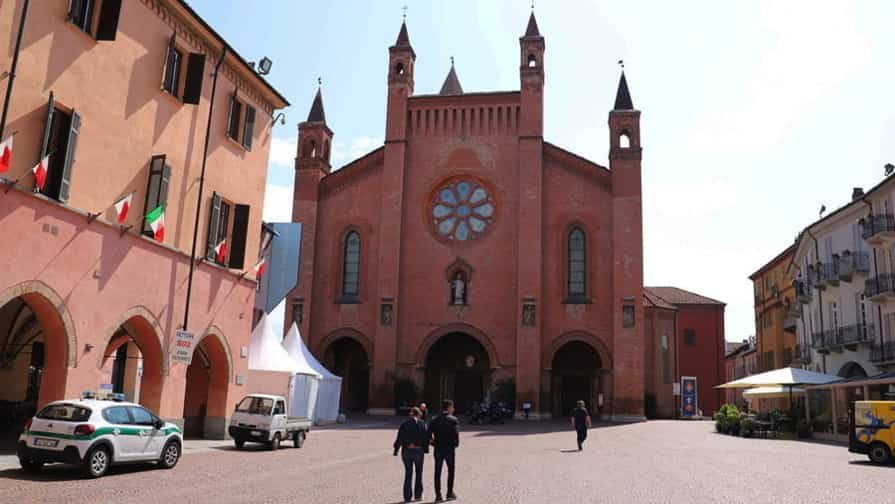
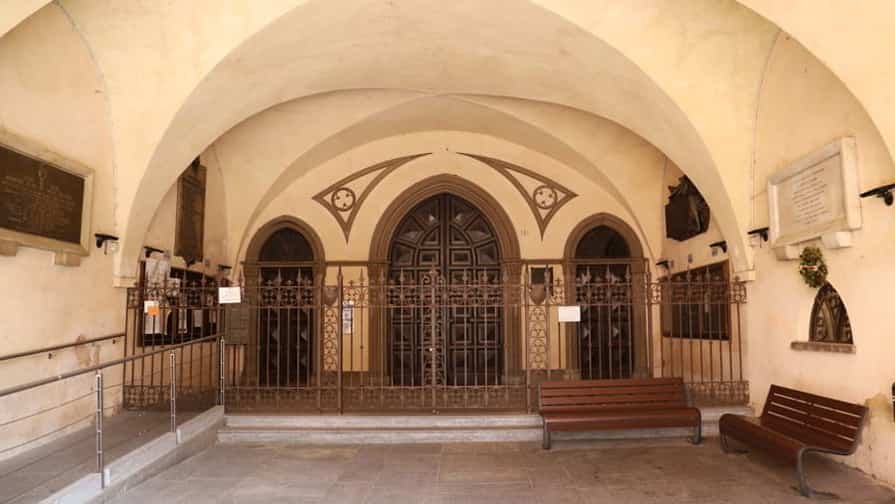
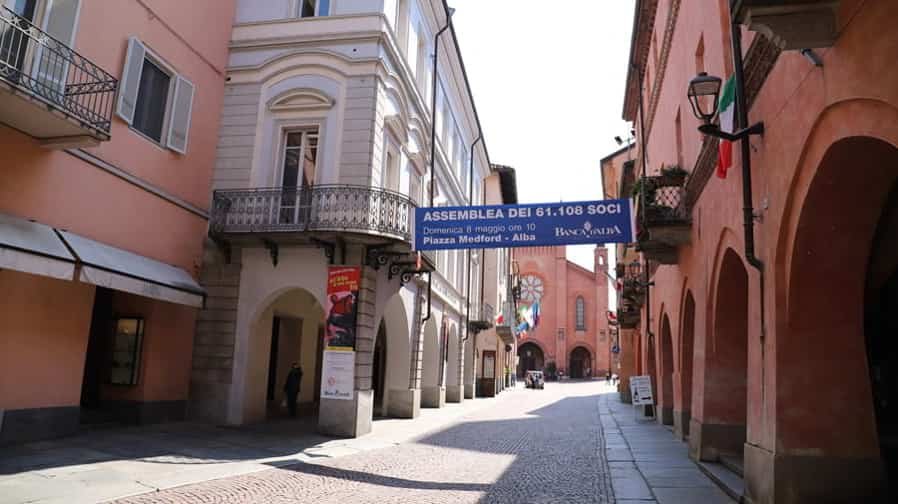
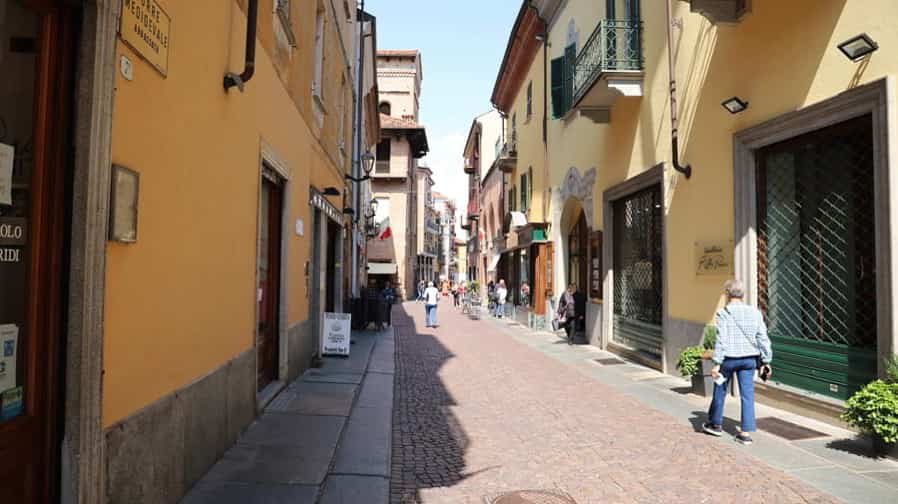
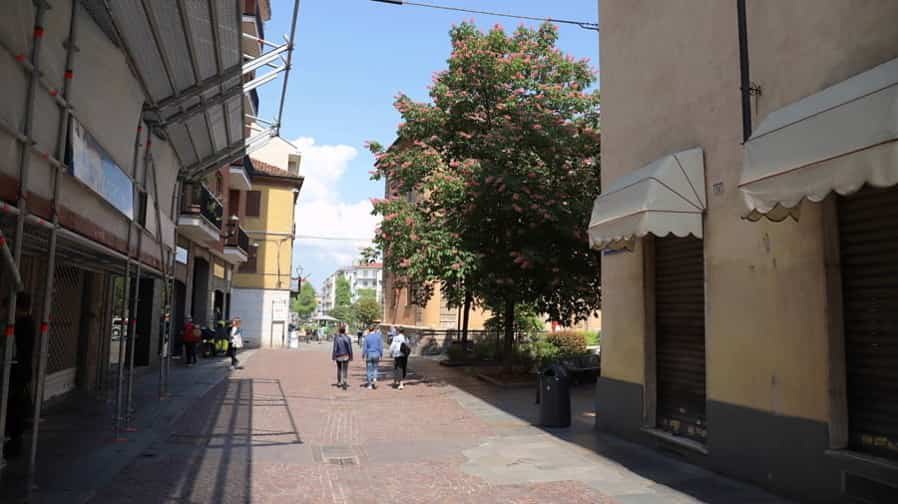
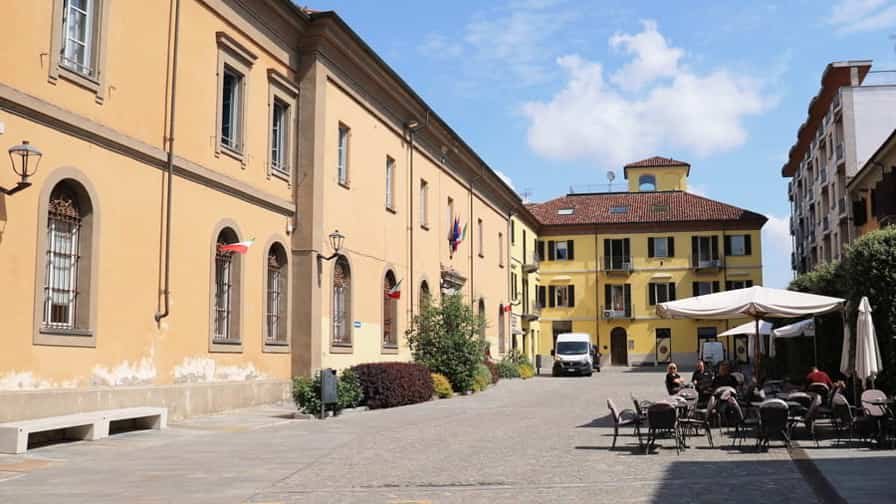
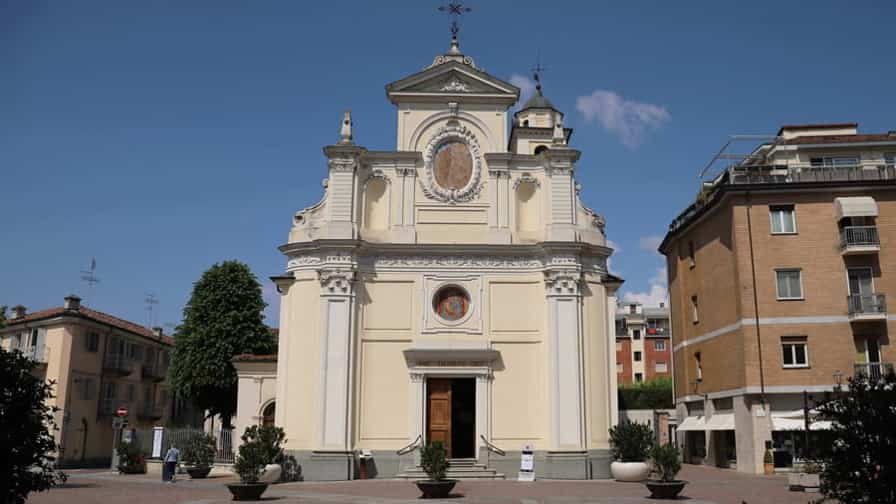
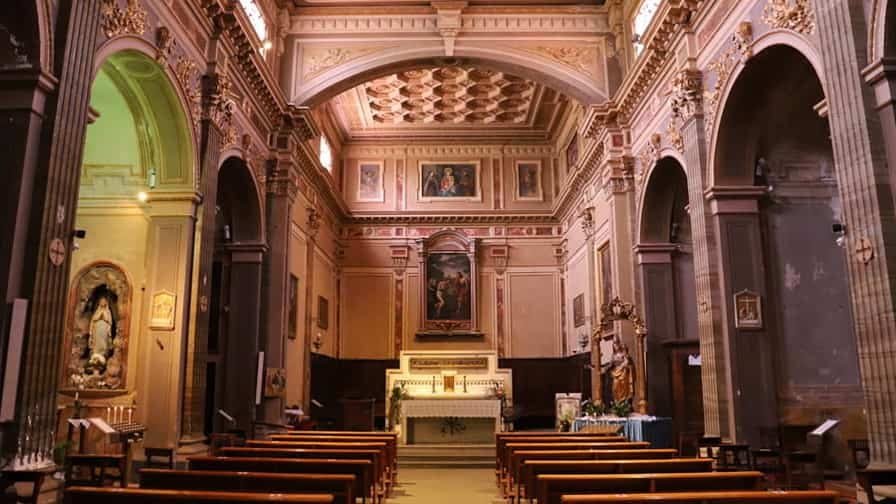
Photo Gallery of Walk 2 – Piazza Elvio Pertinace to Piazzetta Giovanni Falcone
Approximately 1.15 km – 0.71 miles
Description of Walk 2
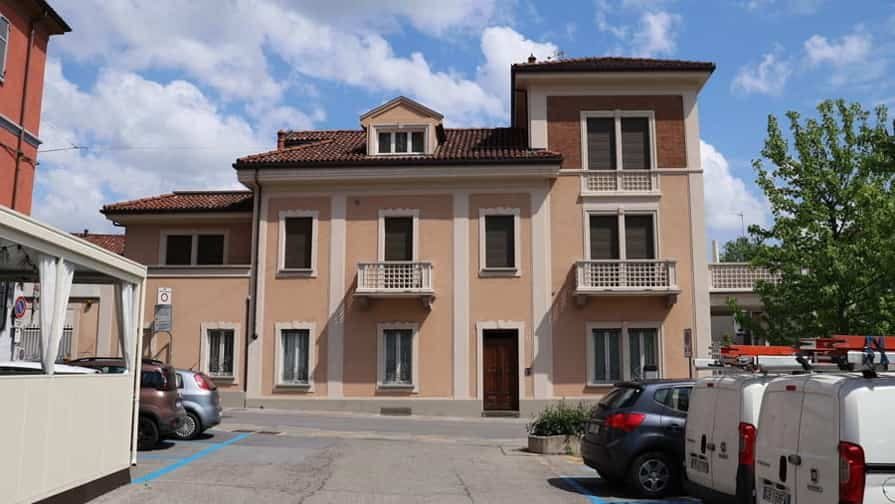
The historic centre of Alba offers a rich blend of medieval charm and vibrant daily life, making it ideal for a walking exploration. This route begins in Piazza Elvio Pertinace, a lively square that reflects the town’s Roman origins, where fragments of ancient walls can still be seen. Overlooking the piazza is the Chiesa Parrocchiale di San Giovanni Battista, an elegant church that adds historical depth to the starting point. From the piazza, the walk follows Via Elvio Pertinace and joins Via Camillo Benso Conte di Cavour, one of the main arteries of Alba, lined with shops, cafés, and historic buildings. The route then opens into Piazza Rossetti, a central hub that often hosts markets and local gatherings, capturing the town’s social atmosphere. Continuing along Via Acqui to Piazza Monsignor Luigi Grassi, the walk transitions into quieter streets such as Via Vida and Via Antonio Coppa, where Alba’s residential character becomes more apparent. The final stretch through Via Teobaldo Calissano and Via Mandelli leads to Piazzetta Giovanni Falcone, a peaceful square that provides a reflective end to a route showcasing Alba’s layered history and everyday charm.
COPYRIGHT © 2018-2026 ITALY IN PHOTOS - ALL RIGHTS RESERVED