
HOME
REGIONS OF ITALY
PLACES IN ITALY
PLAN YOUR TRIP
Italy in Photos
Castello Estense di Ferrara, 44121 Ferrara, Italy (June 2018)
Ferrara
Ferrara is a city in the Emilia-Romagna region of northern Italy, renowned for its rich Renaissance heritage, well preserved historic centre, and distinctive urban planning. Situated on the fertile plains near the Po River, Ferrara has a long and layered history, blending cultural achievement, artistic innovation, and strategic importance. Today, it offers visitors a unique combination of architectural beauty, intellectual tradition, and a serene, human scale that sets it apart from more crowded Italian cities.
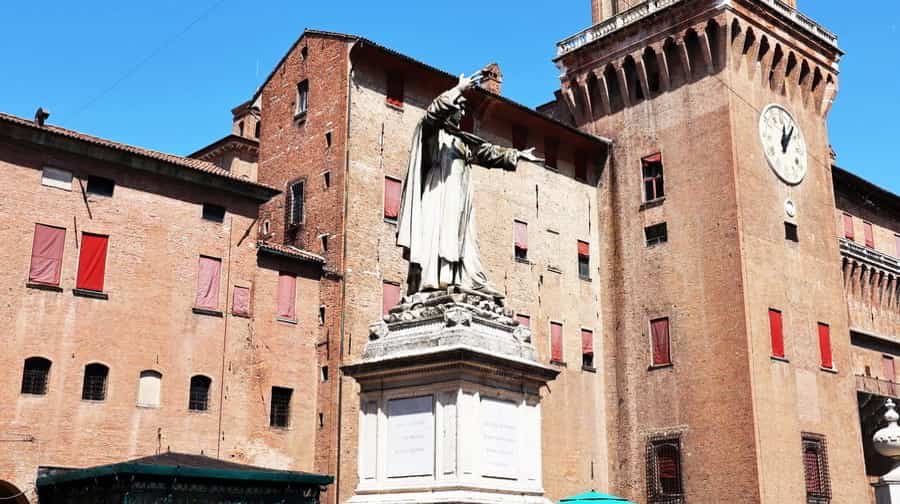
The origins of Ferrara date back to the early Middle Ages, but it reached its cultural and political peak during the Renaissance under the Este family, who ruled the city for over three centuries. The Este family transformed Ferrara into a model Renaissance city, designing wide streets, elegant palaces, and public squares that reflected humanist ideals. The Castello Estense, a massive moated castle at the centre of the city, remains one of Ferrara’s most striking landmarks. Built in the fourteenth century, it served both as a residence for the Este rulers and a symbol of their authority. Today, its towers, courtyards, and interiors are open to visitors, offering insight into the life and power of Renaissance nobility.
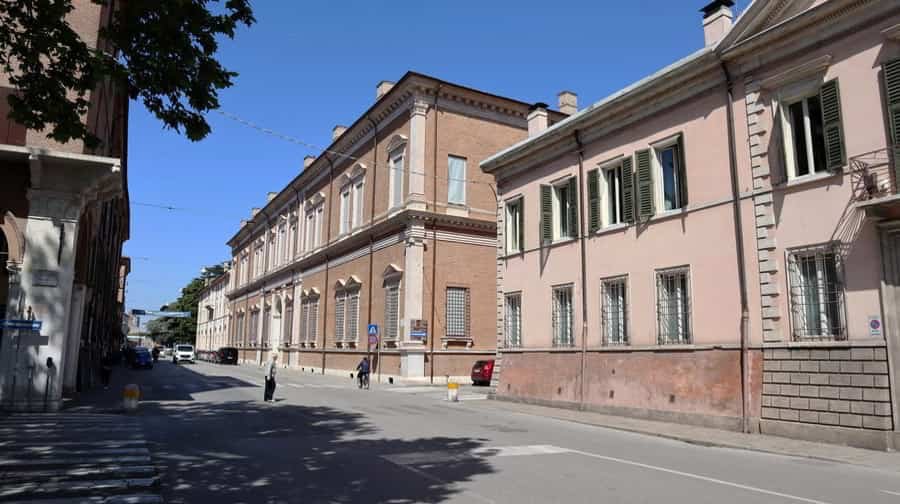
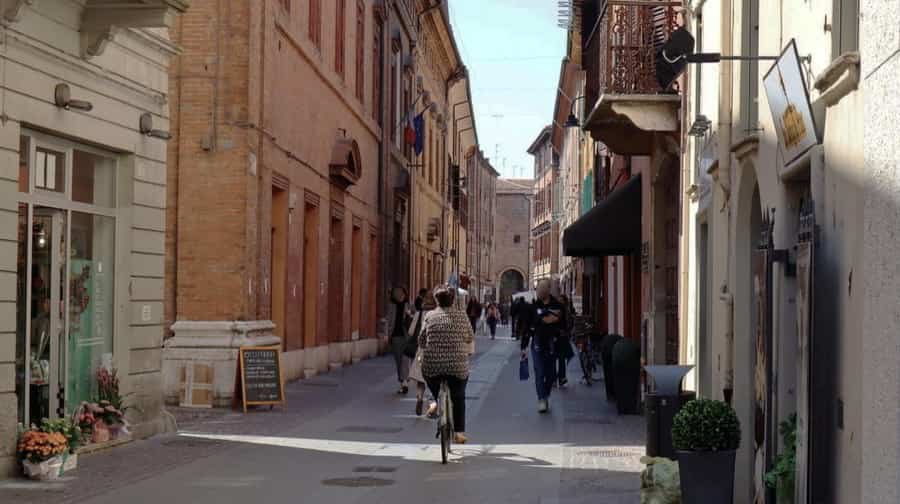
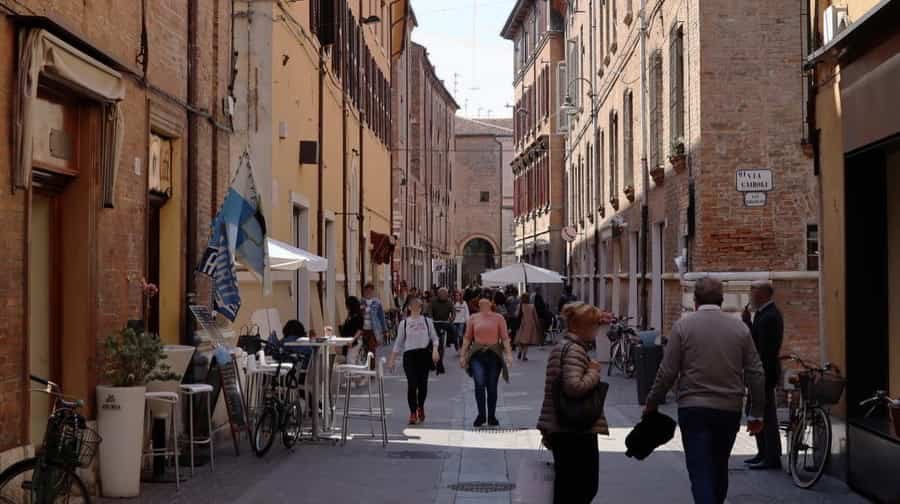
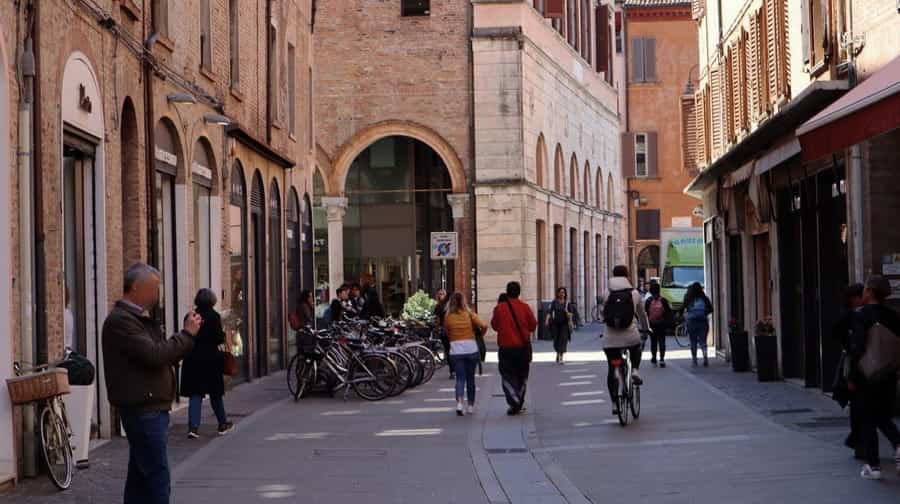
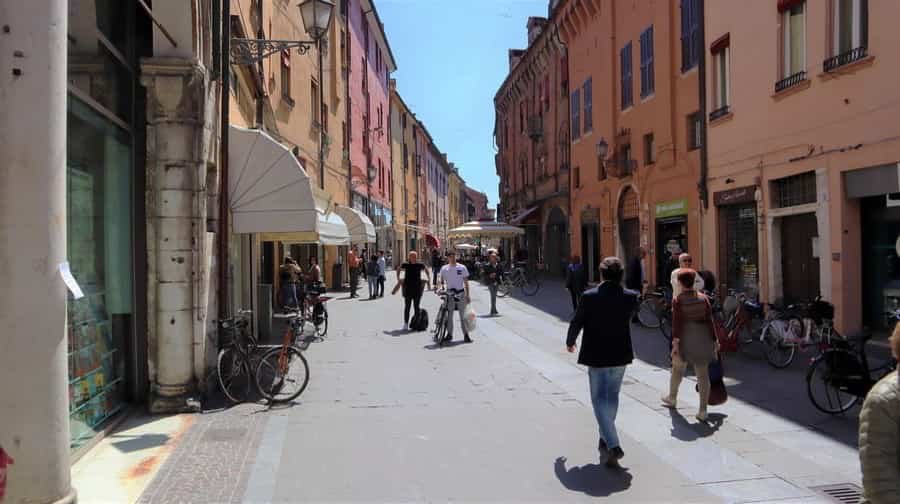
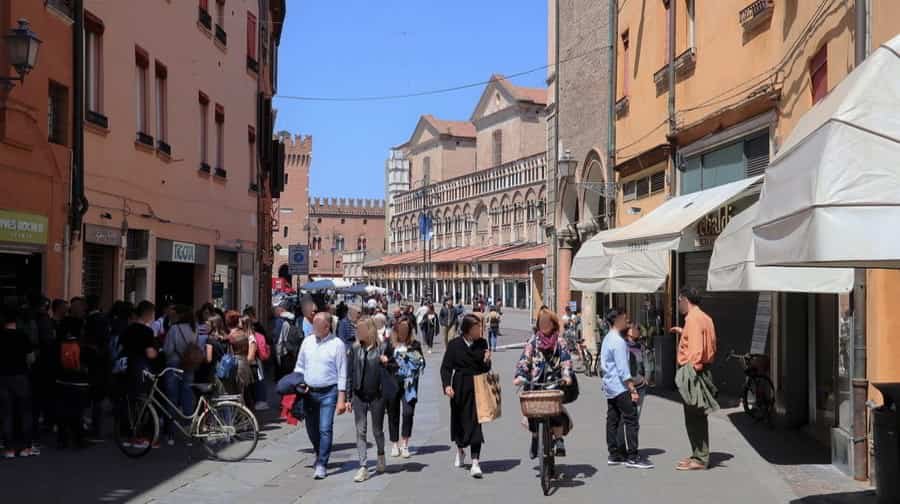
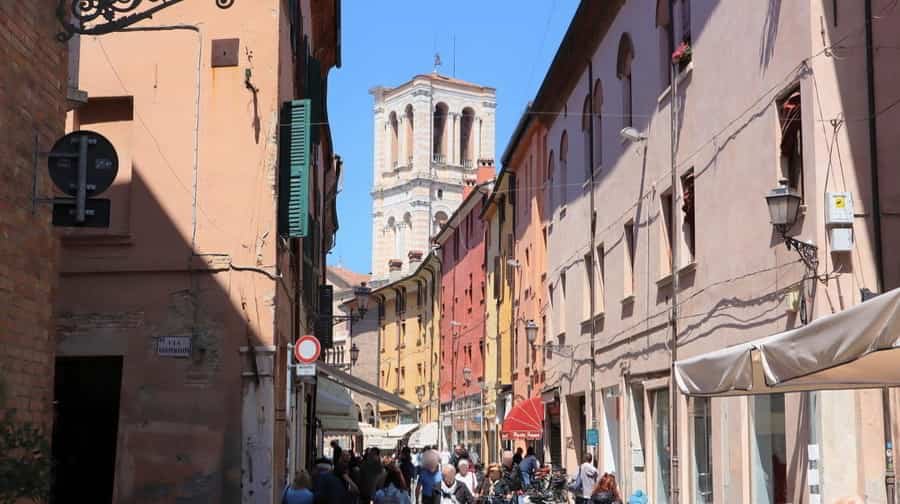
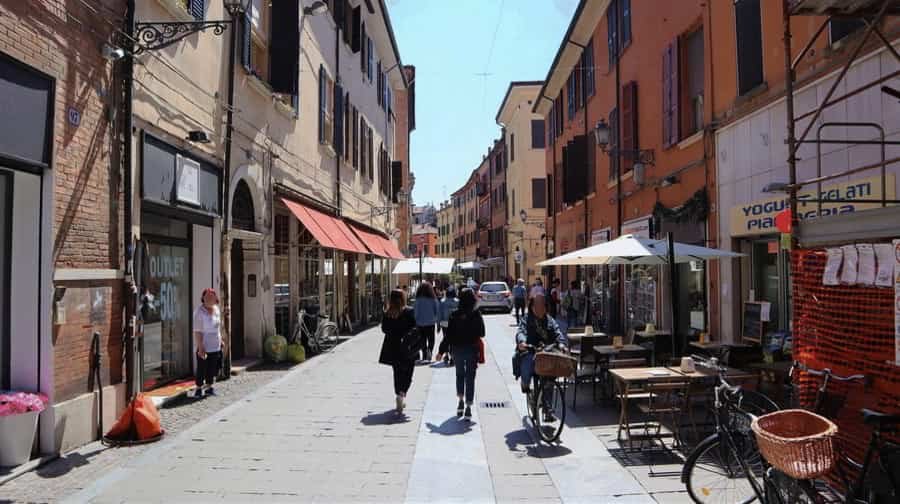
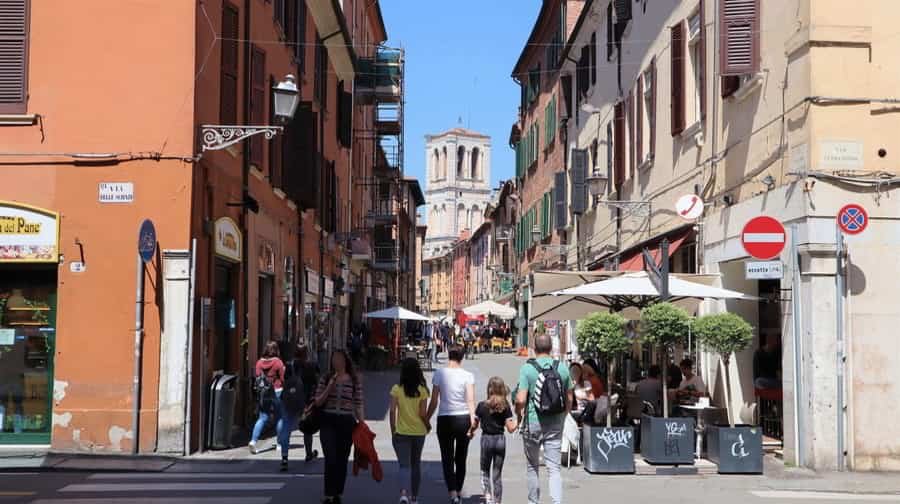
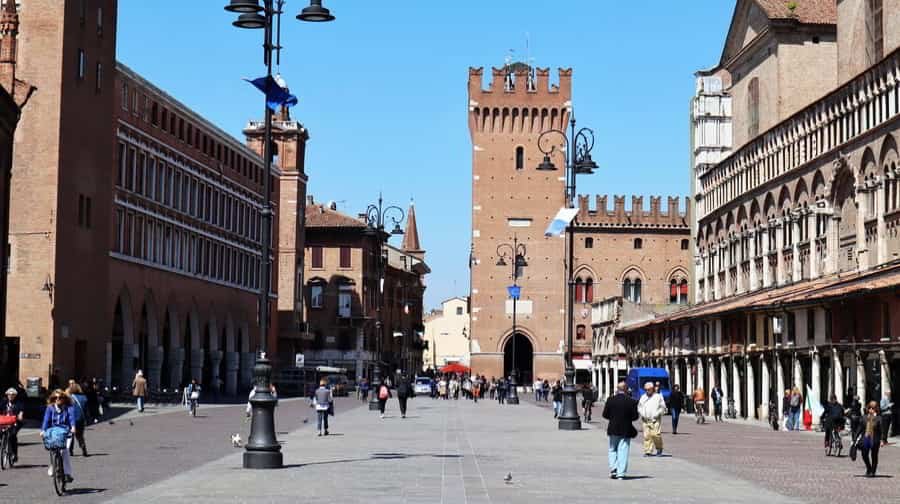
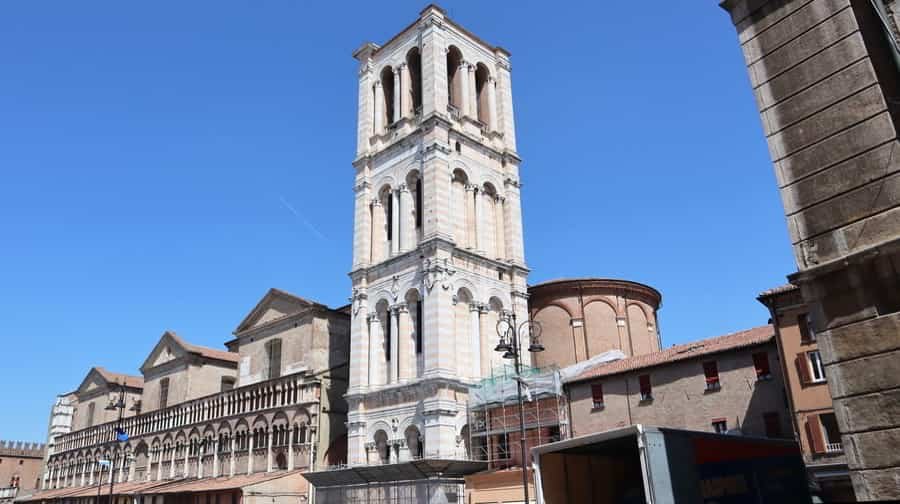
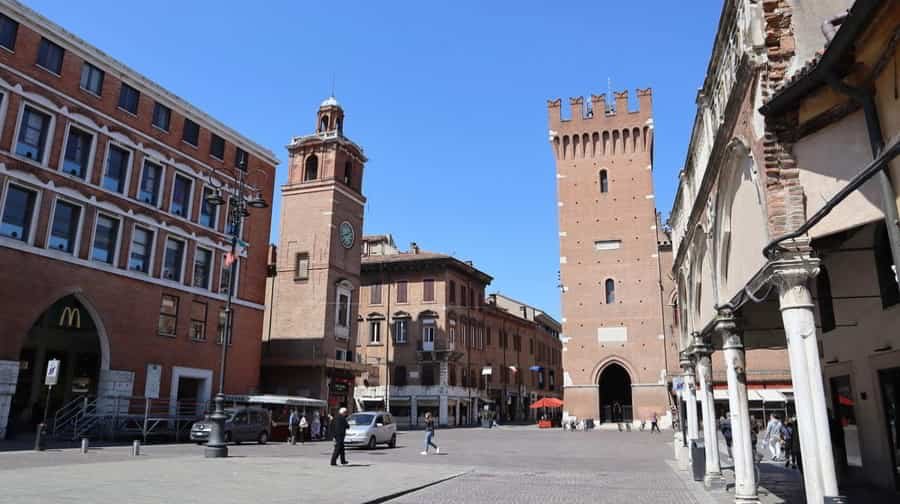
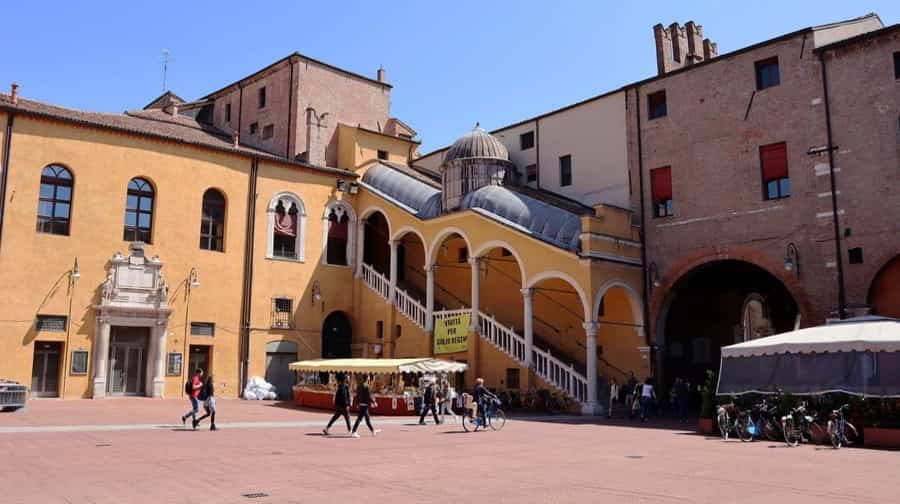
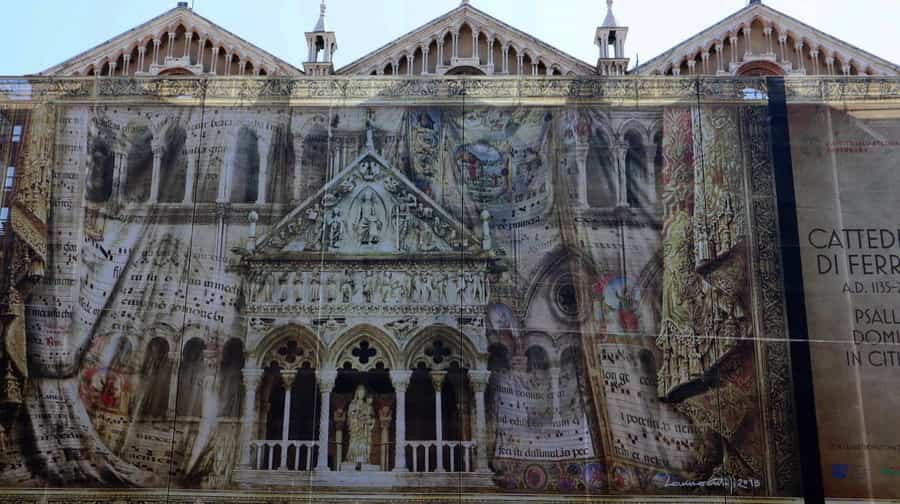
Walking through Ferrara’s historic centre, visitors notice a harmonious blend of medieval, Renaissance, and later architecture. The streets are wide and orderly, designed with careful attention to symmetry and proportion, a rare feature among Italian cities. Piazza Trento e Trieste, the city’s main square, is surrounded by important civic and religious buildings and often hosts markets and public events, maintaining the square’s traditional role as a gathering place. Churches such as the Cathedral of Saint George demonstrate Ferrara’s architectural richness, combining Romanesque and Gothic elements with Renaissance details.
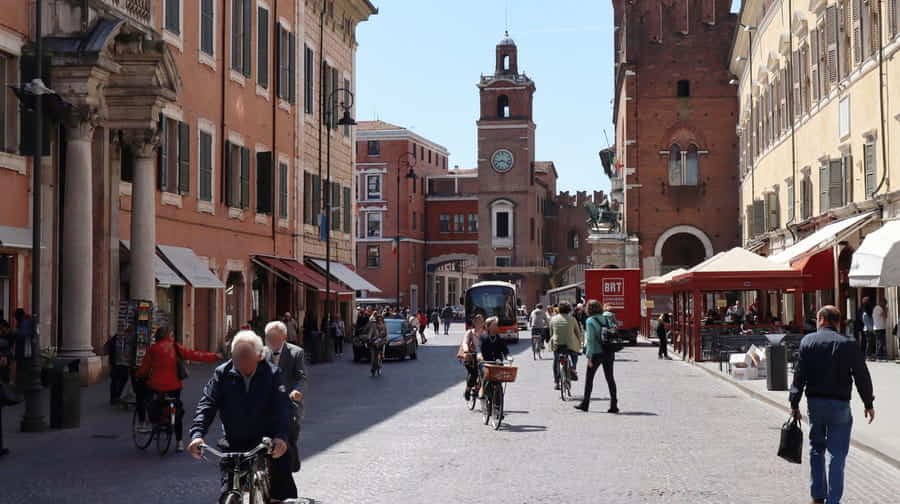
Ferrara’s urban landscape reflects not only aesthetic vision but also practical design. The city’s walls, largely intact, once defended it against external threats and now serve as tree lined promenades that encircle the centre. Cycling is a popular way to explore Ferrara, as the flat terrain and extensive network of bike paths make it accessible and enjoyable. This attention to mobility and public space contributes to the city’s reputation as one of Italy’s most liveable historic centres.
Culture and education have long been central to Ferrara’s identity. The city has a strong literary tradition, with writers and intellectuals finding inspiration among its streets and libraries. Museums, galleries, and theatres continue this legacy, showcasing art, history, and contemporary creativity. Ferrara also hosts festivals, exhibitions, and music events throughout the year, enriching public life and attracting visitors who appreciate both tradition and modern culture.
Cuisine in Ferrara reflects the fertility of the surrounding plains and the city’s historical connections. Local dishes feature fresh pasta, meats, and vegetables, often enhanced with regional products such as pumpkin, salami, and Parmigiano Reggiano. The city’s bakeries and trattorias are known for distinctive treats like cappellacci di zucca, pasta filled with pumpkin, illustrating Ferrara’s ability to blend simplicity with refined flavours.
Ferrara’s location makes it a quiet yet well connected destination. The Po River and surrounding countryside offer opportunities for nature walks, bird watching, and exploring small villages nearby, while the city’s proximity to Bologna, Venice, and the Adriatic coast makes it accessible for travellers seeking a balance between exploration and relaxation.
As an introduction to Emilia-Romagna, Ferrara exemplifies the harmonious blend of history, culture, and everyday life. It is a city that rewards slow exploration, where wide streets, historic monuments, and serene public spaces invite visitors to appreciate the depth and continuity of Italian urban heritage. Ferrara demonstrates that beauty can be measured not only in grand gestures but also in thoughtful design, lived experience, and the quiet elegance of a city shaped by centuries of creativity.
Worth a Visit

Rising proudly in Piazza XXIV Maggio within the verdant Rione Giardino, Ferrara’s Monumental Aqueduct, also known as the city’s aqueduct tank, is a striking blend of functional infrastructure and architectural artistry. Conceived and brought to life between 1930 and 1932, the structure was designed by municipal engineer Carlo Savonuzzi as part of the ambitious Addizione Novecentista, an urban redevelopment plan focused on modernizing the city while paying homage to its Estense legacy. Despite its robust size, soaring to approximately 37 meters, the aqueduct tank maintains an elegant sense of openness. Constructed almost entirely of reinforced concrete, it evokes the refined aesthetics of Renaissance architecture, particularly recalling the sacred structures featured in works by Raphael and Perugino.
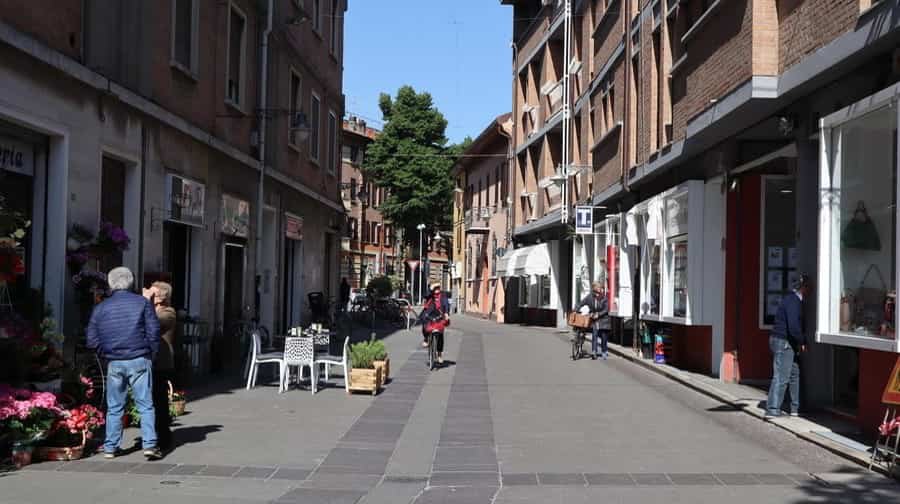
Via Giuseppe Garibaldi, commonly referred to simply as Via Garibaldi, is one of the oldest and most vibrant streets in Ferrara’s historic centre. It stretches gracefully from Piazzetta Municipale to Corso Isonzo, serving as a key pedestrian and cultural artery in the city. Over the centuries, the street has borne many names. In the Middle Ages, it was known as Via dei Sabbioni, after the sand (“sabbioni”) that once lined it for races and festivities. It was also called Via della Rotta, referencing frequent Po River floods, particularly the devastating inundation of 1499 that swept through the area near the old San Giacomo tower. On February 7, 1860, the city council officially renamed it Via Giuseppe Garibaldi, in honour of the national hero celebrated for his role in Italian unification.
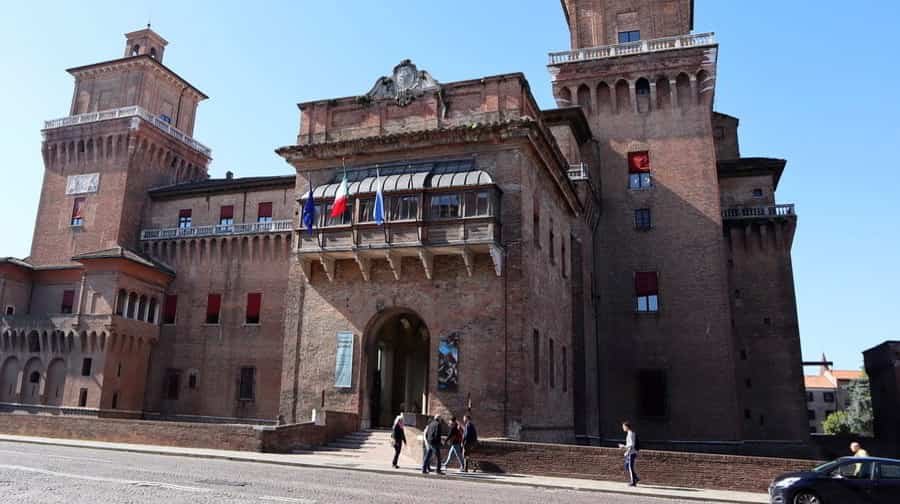
The Castello Estense, also known as the Castle of Saint Michael, is Ferrara’s iconic medieval stronghold turned Renaissance palace, an unmissable symbol of the city’s enduring legacy. Commissioned in 1385 by Marquis Niccolò II d’Este and designed by Bartolino da Novara, the fortress was built to assert ducal authority and quell popular unrest after a violent uprising. Central to the structure was the ancient Torre dei Leoni, a 13th-century watchtower integrated into the new defensive complex surrounded by a deep moat and connected via drawbridges. Over time, the castle evolved from a symbol of martial control into an opulent ducal residence. Under Ercole I d’Este, the creation of the Addizione Erculea, a visionary Renaissance urban expansion, brought the castle into Ferrara’s heart and transformed it into a locus of courtly life.
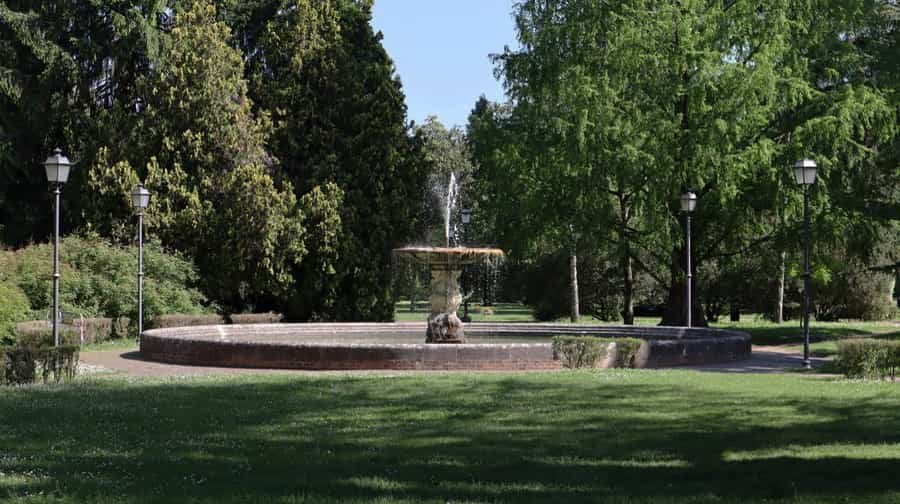
Located within the verdant embrace of Parco Massari, the Giardini Estensi stand is one of Ferrara’s most beloved and seasonally transformed green havens. Originally part of the gardens behind the sixteenth-century Palazzo Massari, this area transitioned into a public park in the nineteenth century and has since become the site of the celebrated annual Giardini Estensi garden festival. Brimming with fragrant blooms, rare flora, and horticultural innovation, the Giardini Estensi festival unfolds twice a year, typically in spring and autumn, drawing gardening enthusiasts and curious visitors into its floral symphony. The spring edition showcases a vivid array of seasonal plants: flowering shrubs, hydrangeas, irises, ornamental peppers, succulents, bonsai, and aromatic herbaceous perennials.
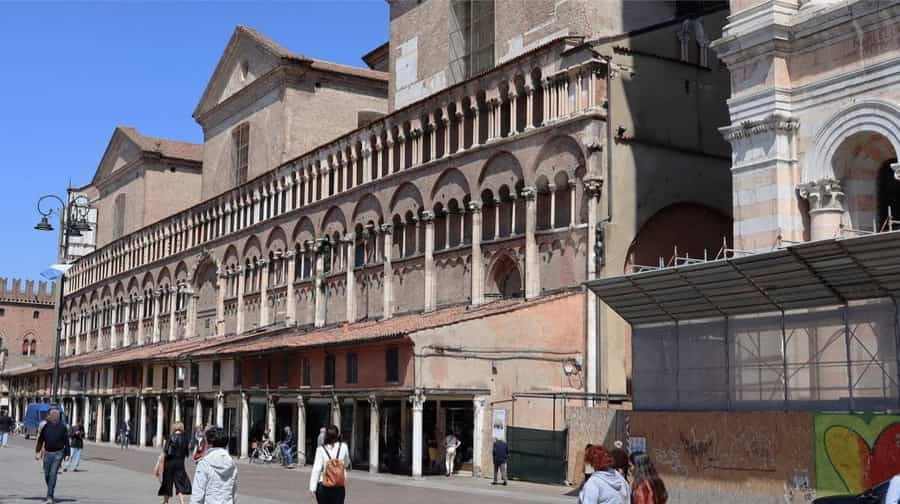
Nestled at the heart of Ferrara’s historic centre, Piazza Trento e Trieste, often affectionately called Listone, is the city’s principal public square and symbolic meeting point. Dating back to the 12th century, it emerged concurrently with the construction of the Cathedral of St. George the Martyr, anchoring civic, religious, and political life around its rectangular, open-air span. One of the square’s most distinctive features is the “Listone”, a raised stone platform measuring approximately 120 meters long and 12 meters wide. This elevated pavement, a rare Venetian-style element in Ferrara, invites locals to stroll, chat, and linger, particularly on Sunday mornings, through festive or fog-blanketed.
Photo Gallery of Walk 1 – Via Darsena to Stazione, Via S. Giacomo
Approximately 4.11 km – 2.55 miles
Description of Walk 1 in Ferrara
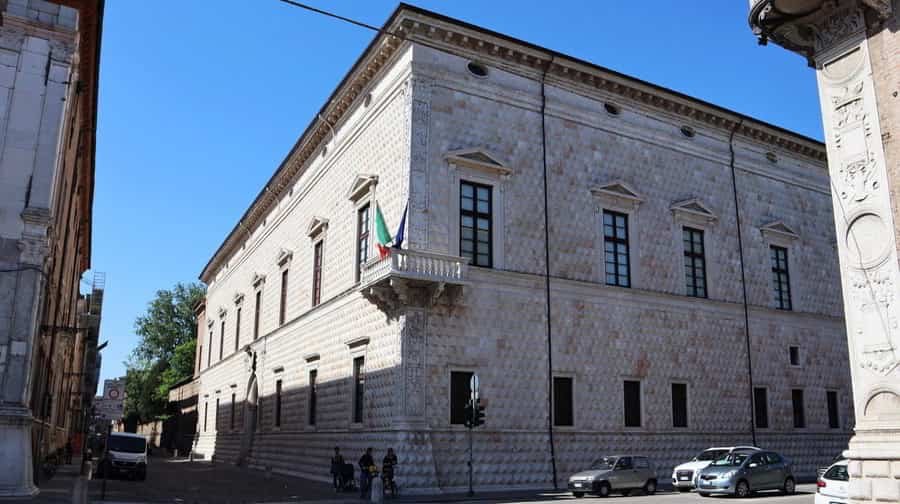
The area of Ferrara explored in this route offers a rich cross-section of the city, blending its industrial outskirts, elegant Renaissance planning, and cultural landmarks. Beginning in Via Darsena, the walk traces the quieter, more modern edge of Ferrara before gradually moving toward its historic heart. Streets such as Via Pola and Via Giuseppe Agnelli reflect everyday residential life, while Viale dei Mille leads toward the striking Acquedotto Monumentale in Piazza XXIV Maggio, an impressive symbol of early 20th-century engineering. As the route continues along Corso Vittorio Veneto and into Via Giuseppe Garibaldi, the atmosphere shifts noticeably, with more historic buildings and lively urban spaces. The path reaches the central squares, including Piazza della Repubblica and Piazzetta del Castello, where the imposing Castello Estense dominates the landscape, marking the political and cultural center of Ferrara. From there, the walk extends into quieter, refined areas such as Via Borgo dei Leoni and Corso Porta Mare, home to green spaces like the Giardini Estensi and cultural sites including the botanical garden and Palazzo dei Diamanti. The final stretch toward the station passes through a mix of residential and transit zones, highlighting Ferrara’s balance between historic charm and modern functionality.
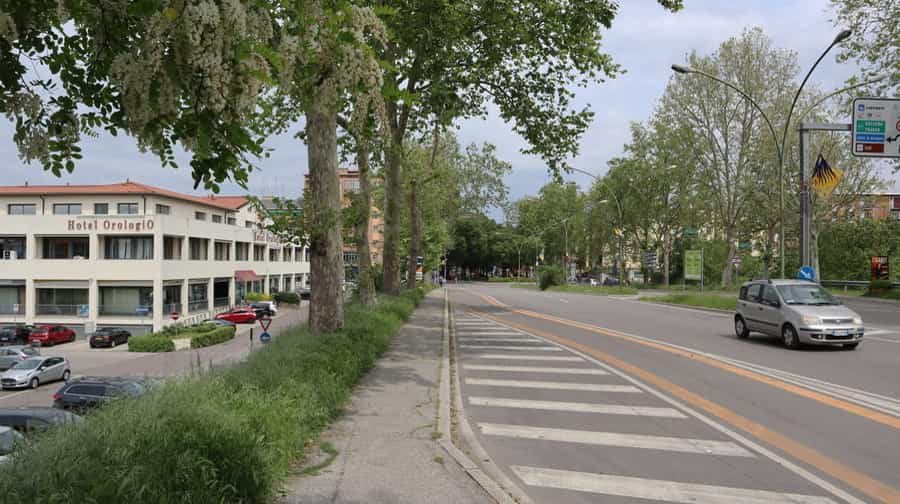
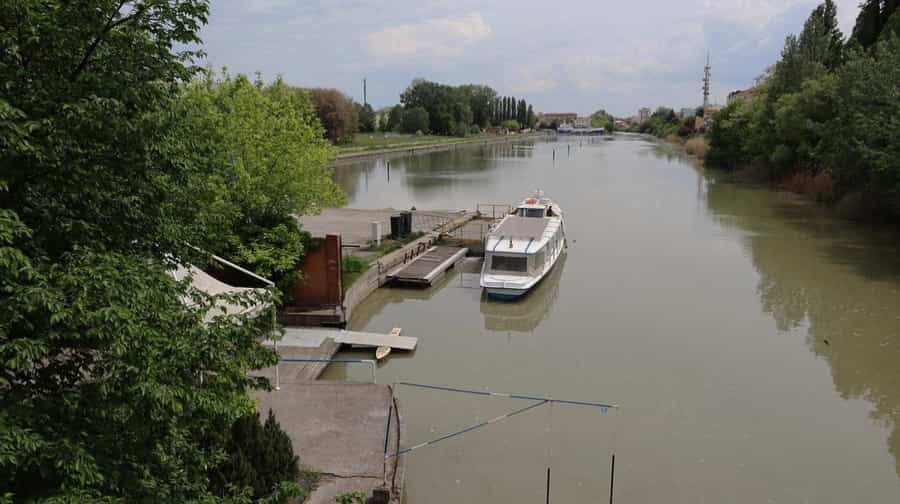
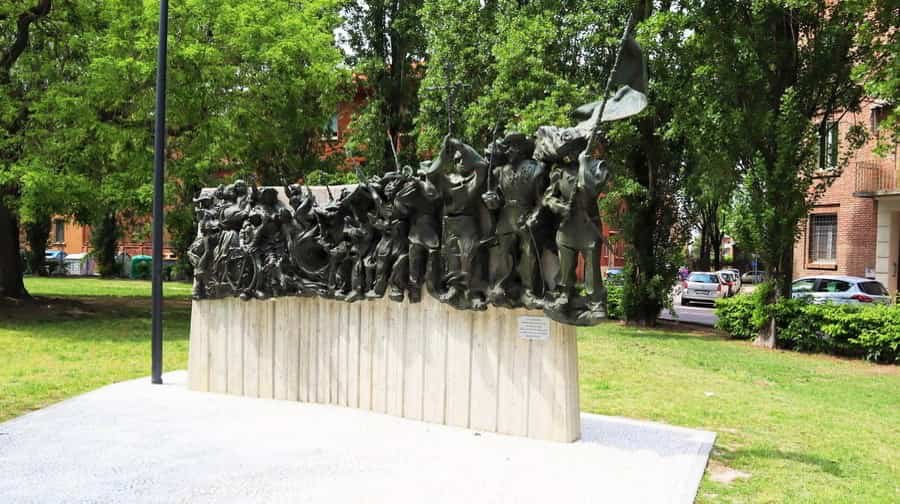
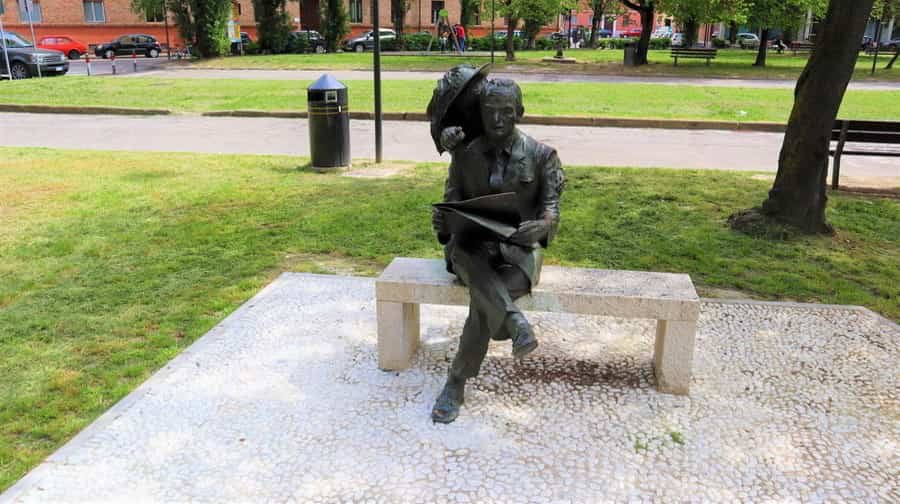
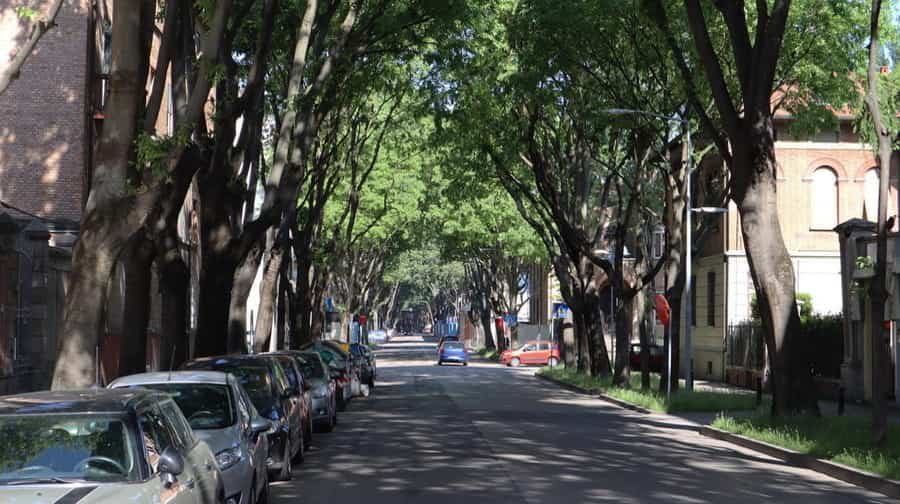
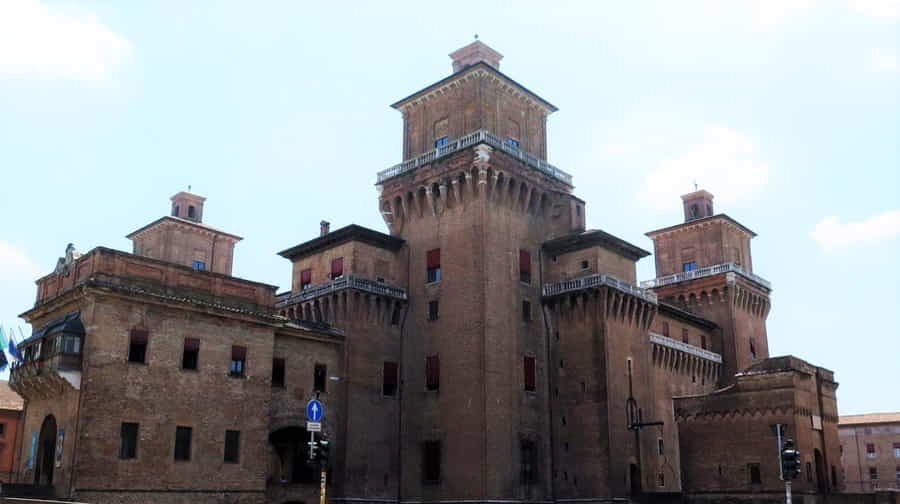
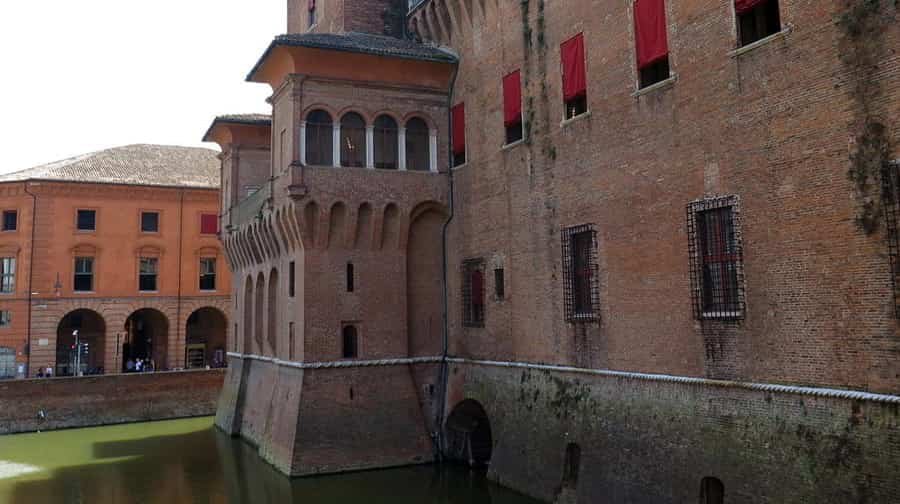
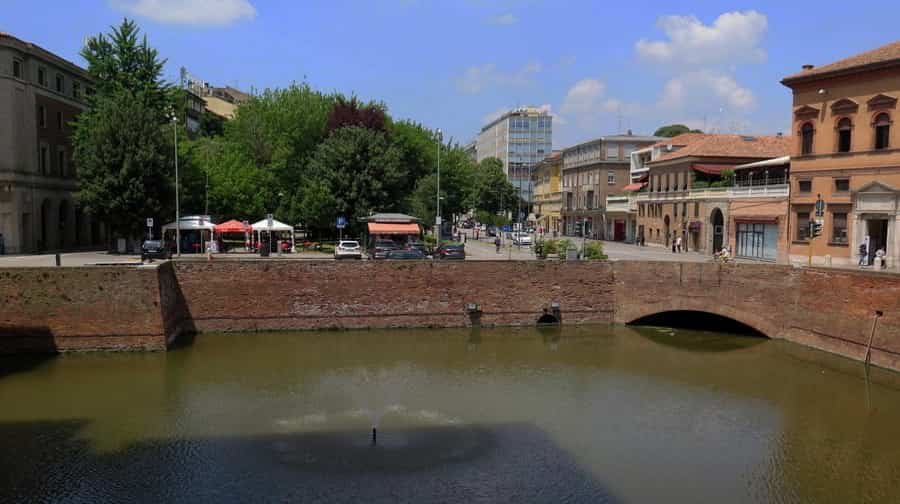
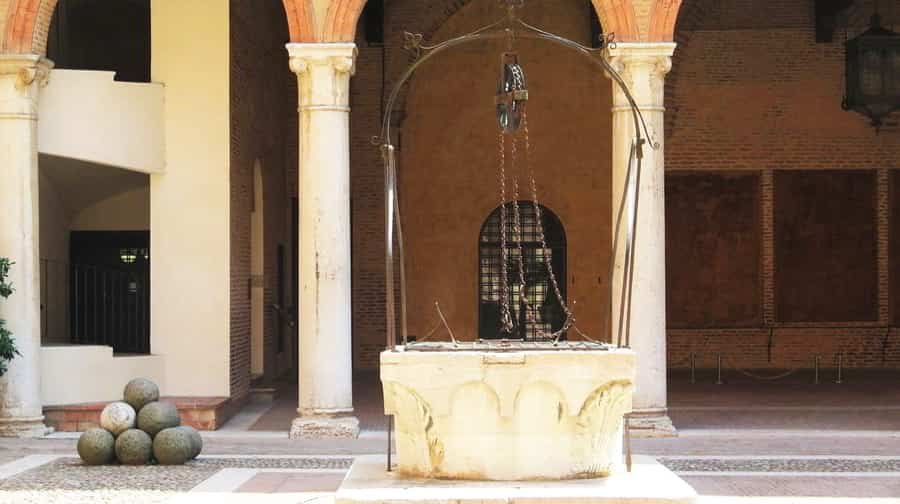
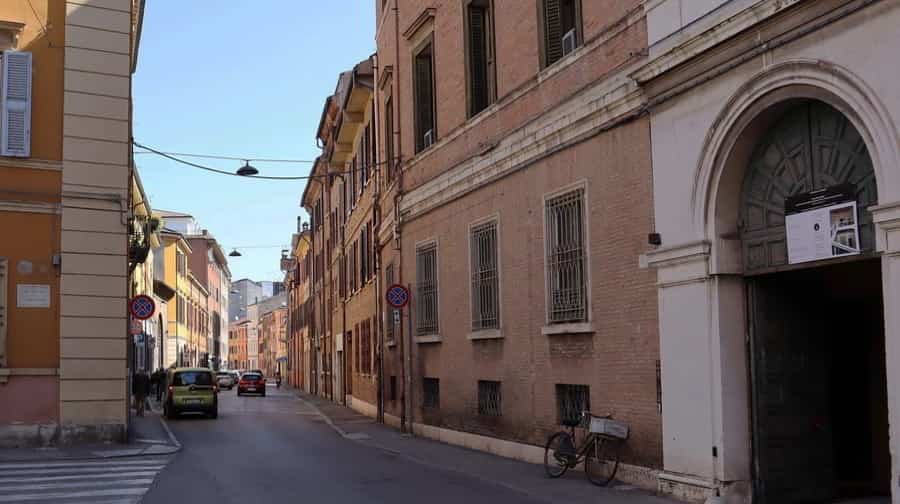
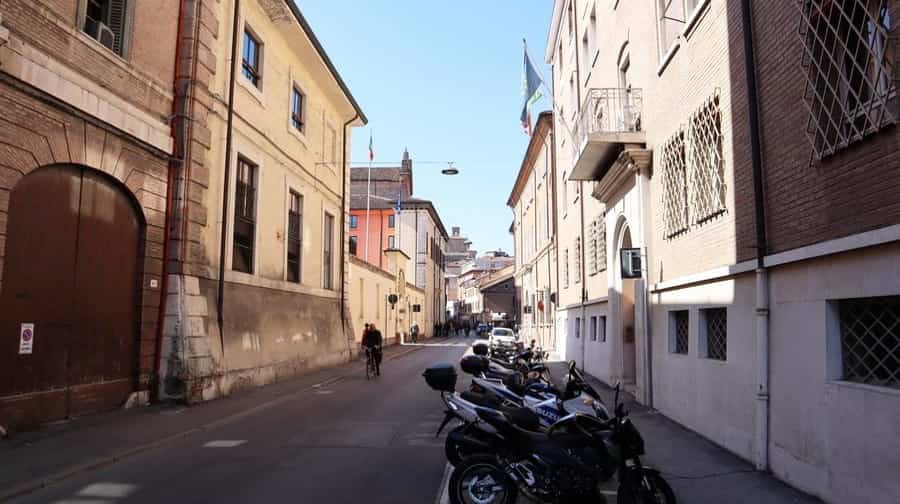
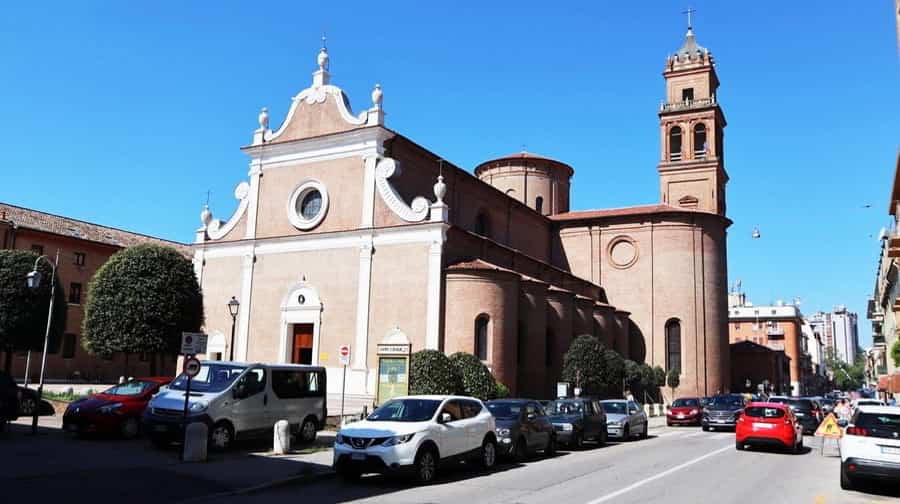
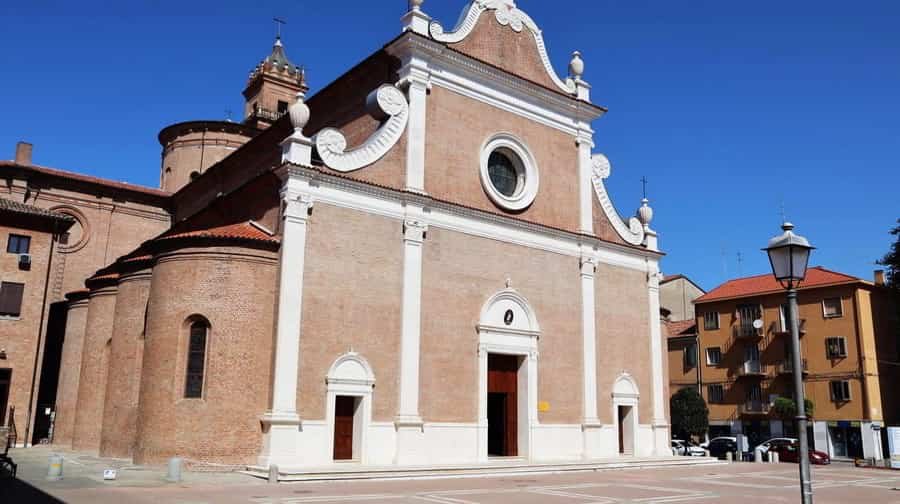
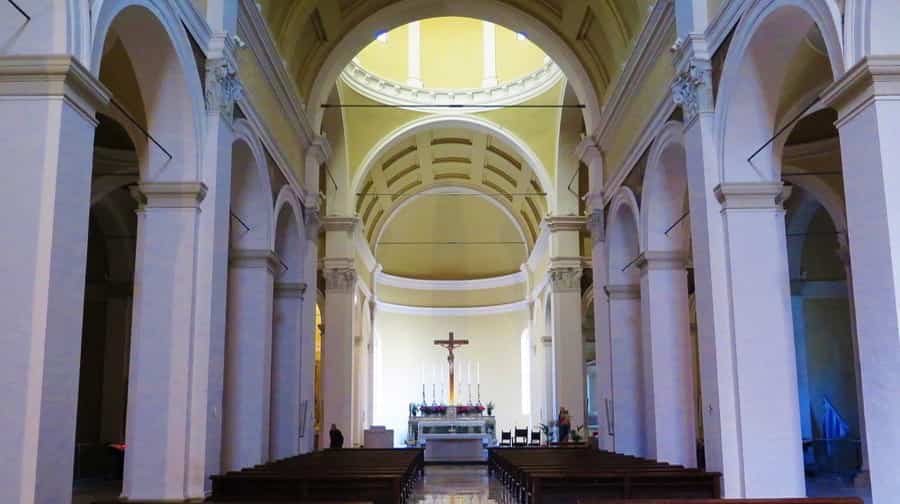
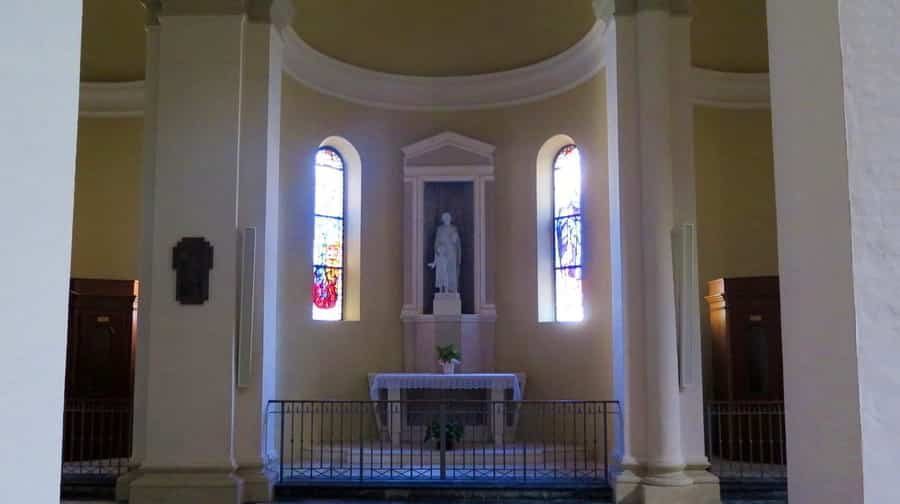
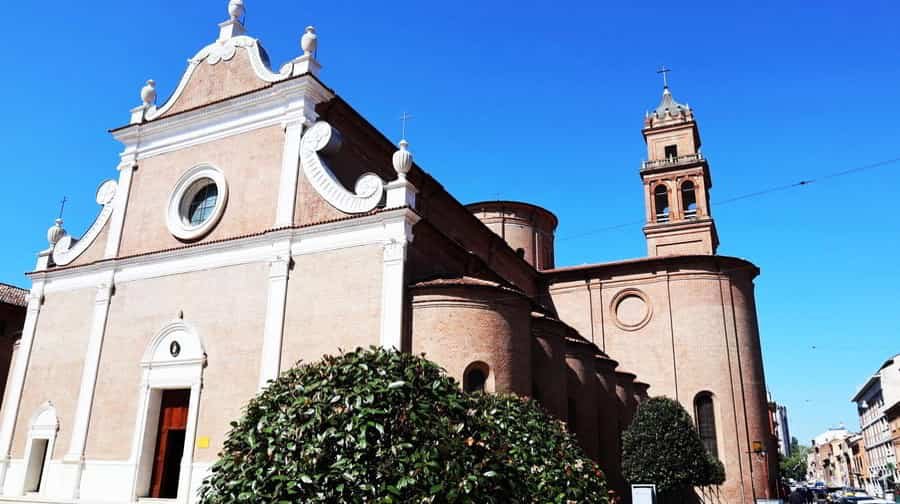
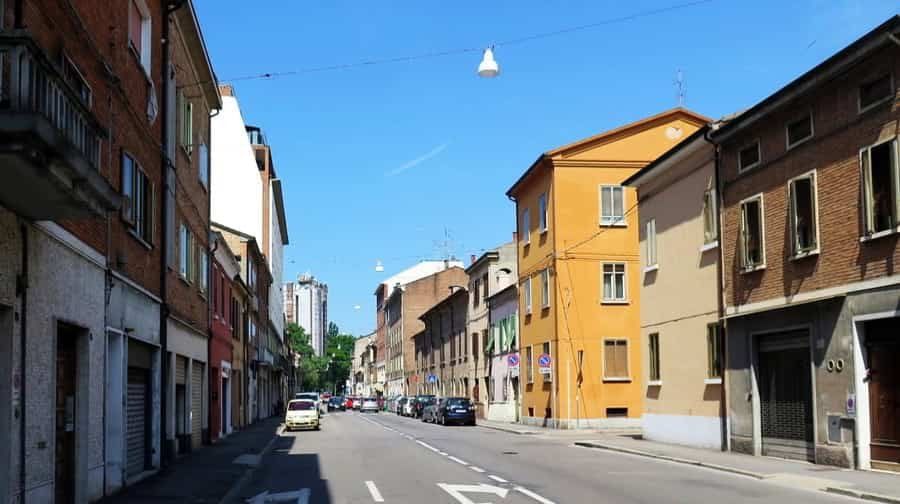
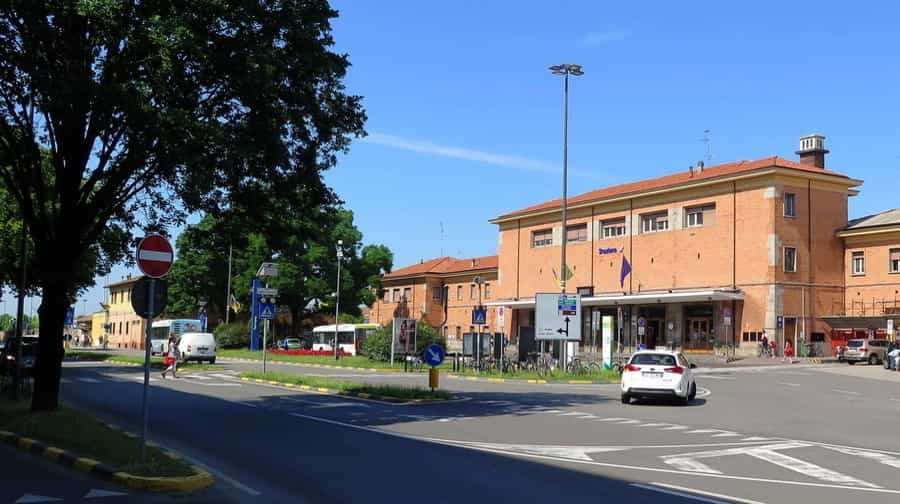
Photo Gallery of Walk 2– Corso Ercole I d’Este to Corso Martiri della Libertà
Approximately 2.73 km – 1.70 miles
Description of Walk 2 in Ferrara
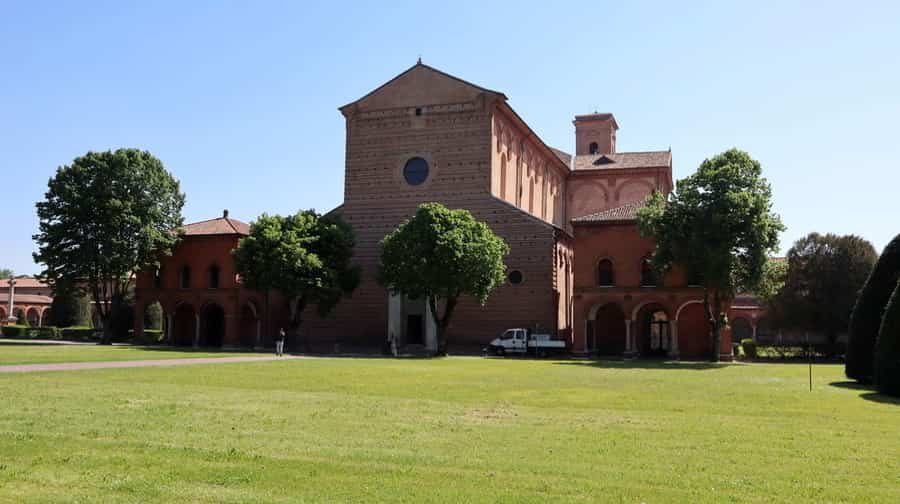
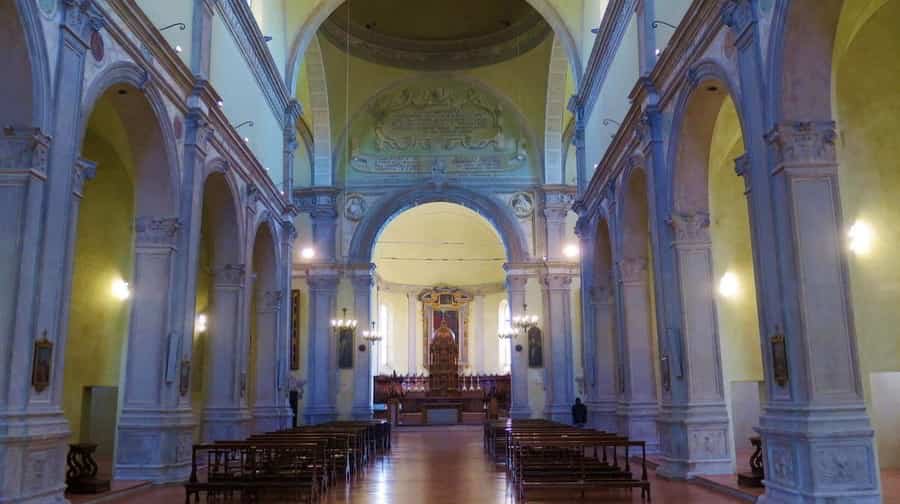
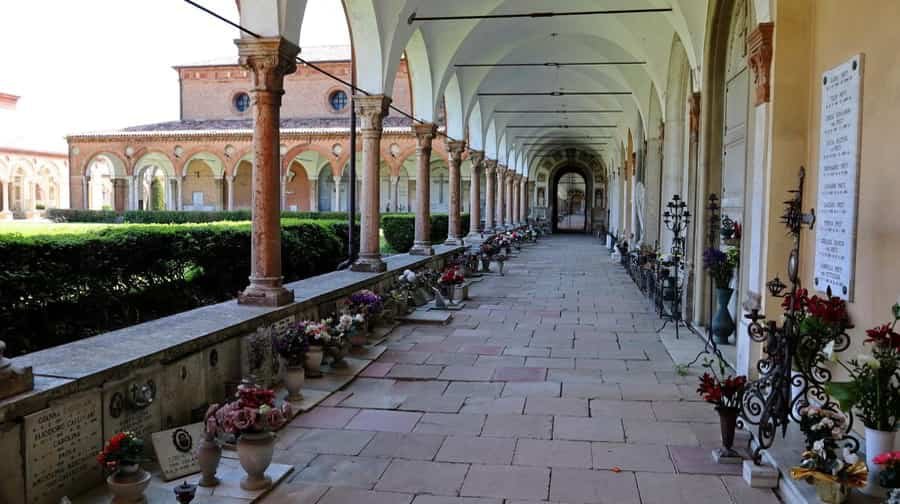
The route explores the historic heart of Ferrara, a Renaissance city renowned for its elegant urban planning and well-preserved architecture. Beginning along Corso Ercole I d’Este, one of Europe’s finest examples of Renaissance streets, the walk passes green spaces and quiet residential areas before reaching the peaceful Certosa di Ferrara and the nearby Chiesa di San Cristoforo alla Certosa. Continuing along Via Borso, the route opens into the grand Piazza Ariostea, a vast oval square surrounded by noble palaces. Moving through smaller streets like Via Palestro and Via Bersaglieri del Po, the walk reveals medieval charm and local life. It then reaches Piazza Trento e Trieste, home to the impressive Ferrara Cathedral. Finally, the route concludes along Corso Martiri della Libertà, blending history, culture, and vibrant city atmosphere.



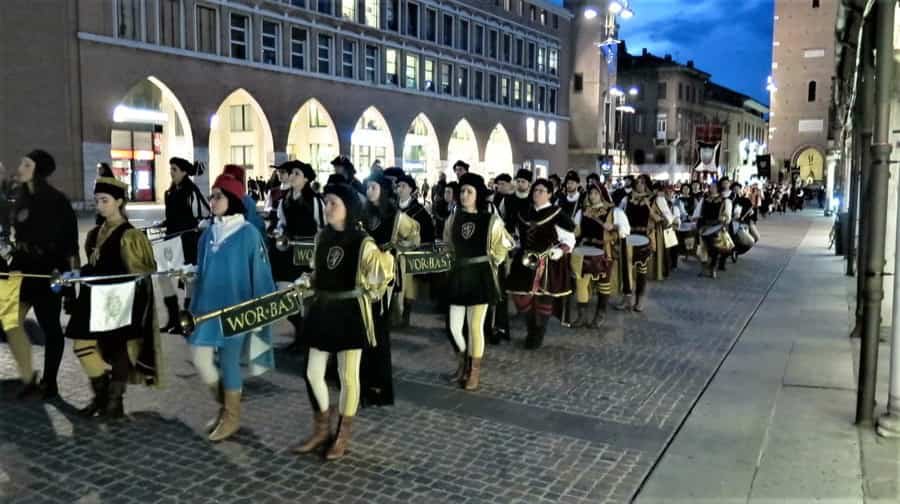
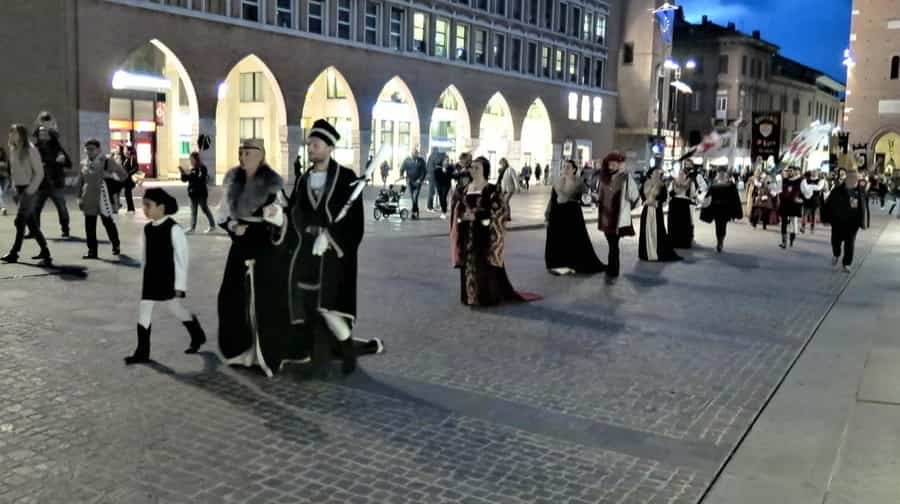
Historical Procession of the Palio of Ferrara
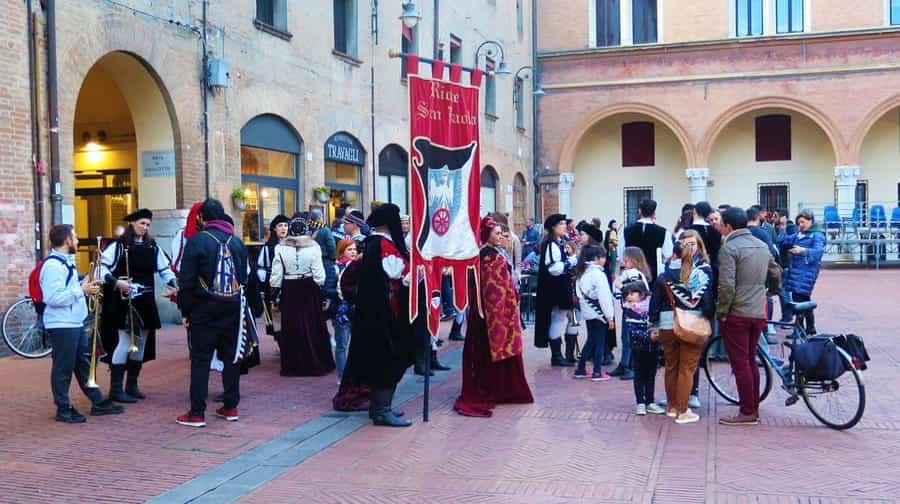
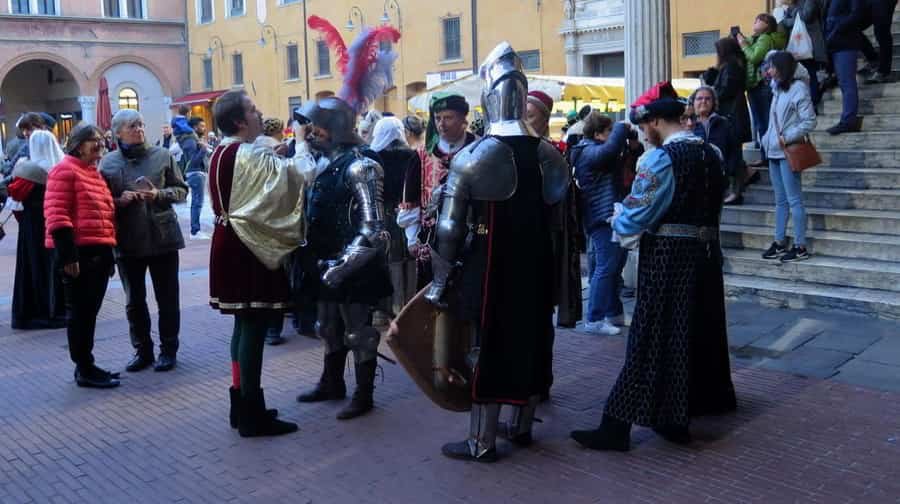
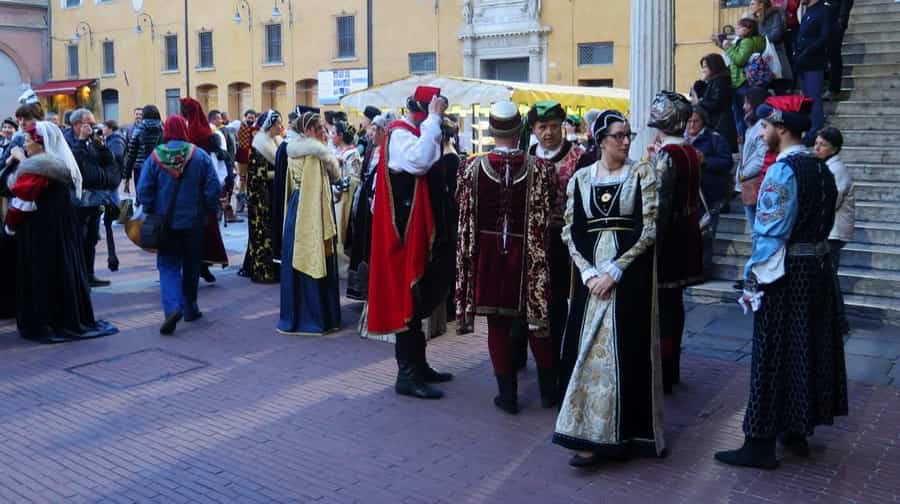
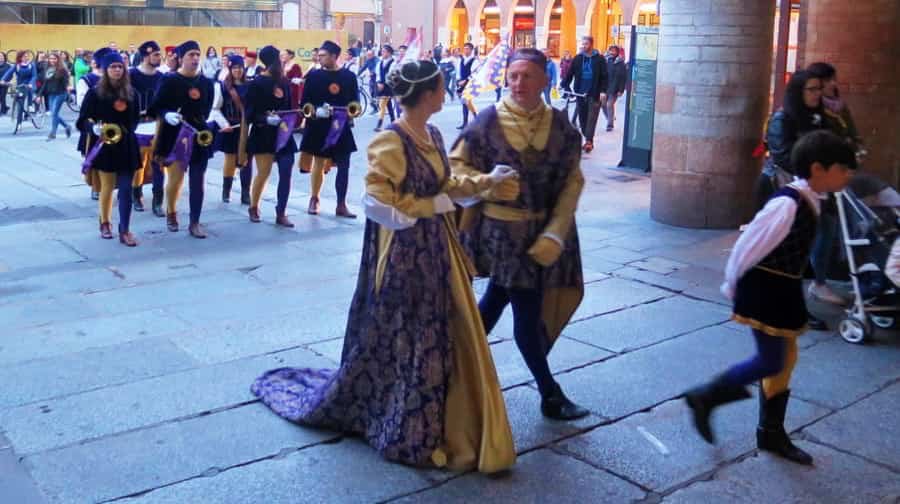
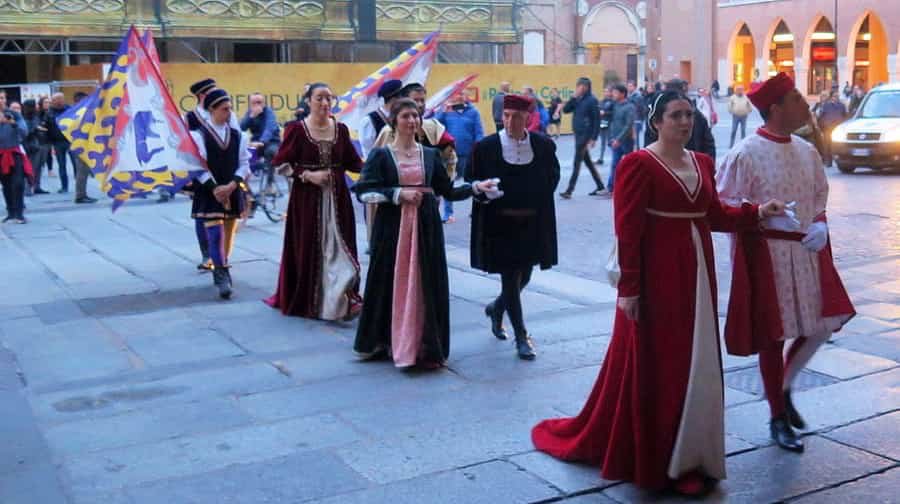
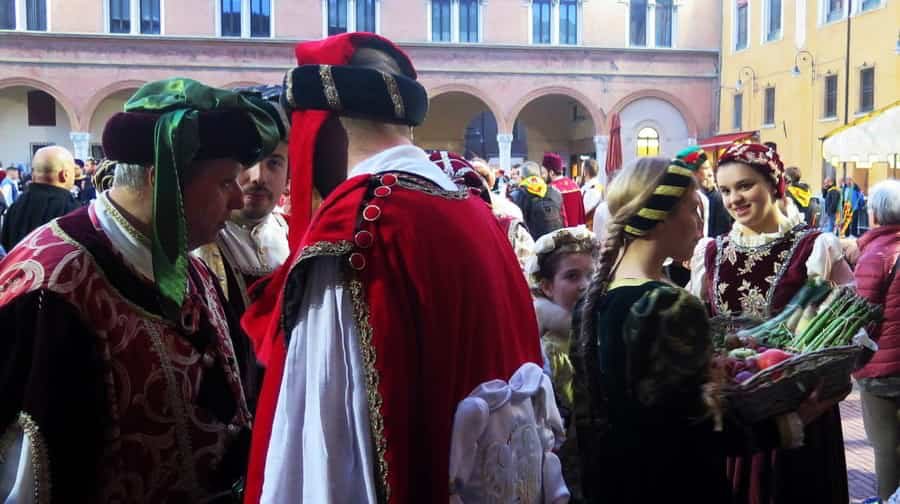
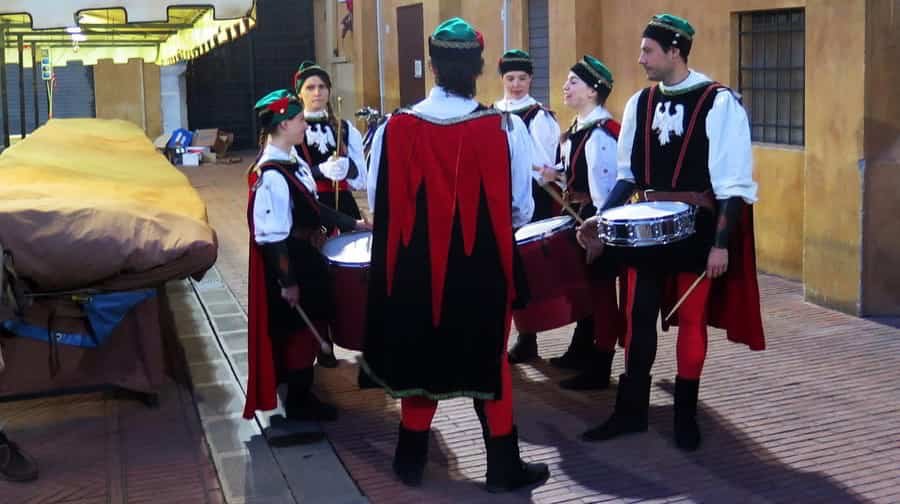
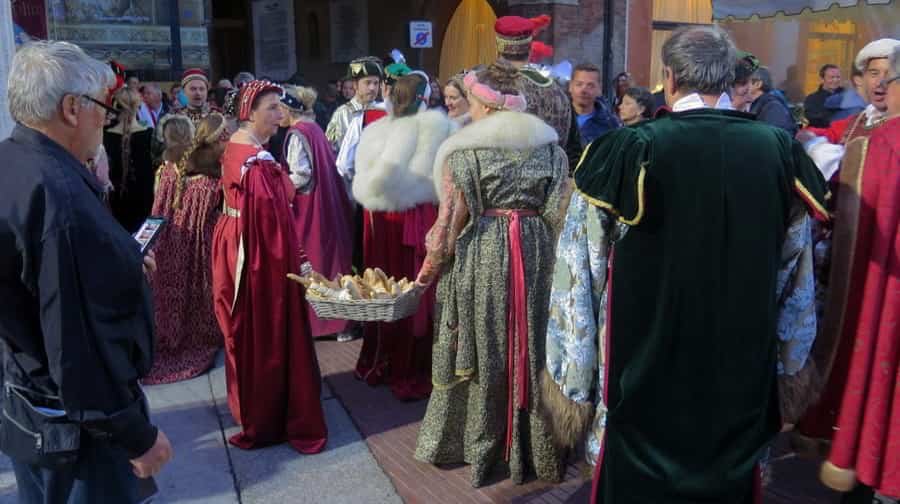
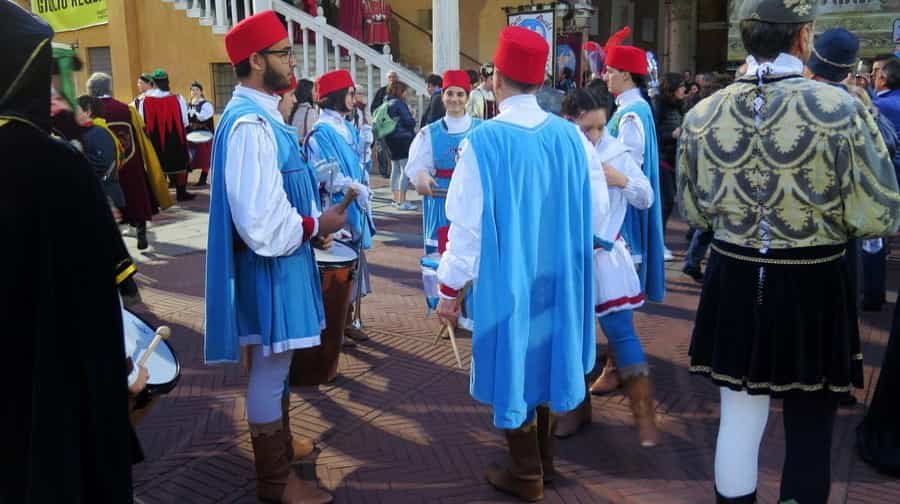
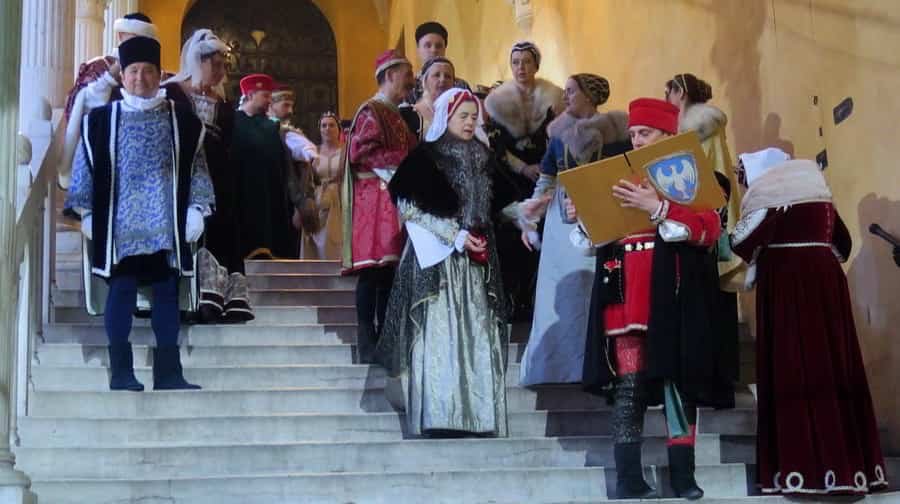
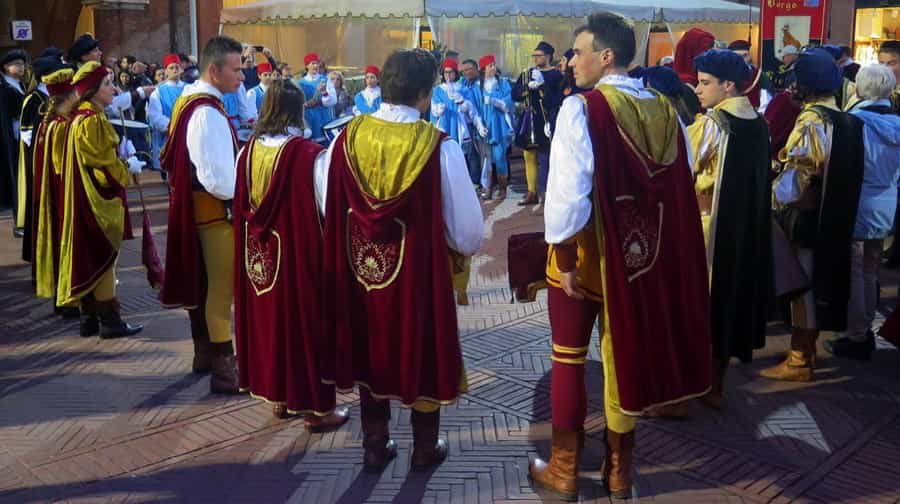
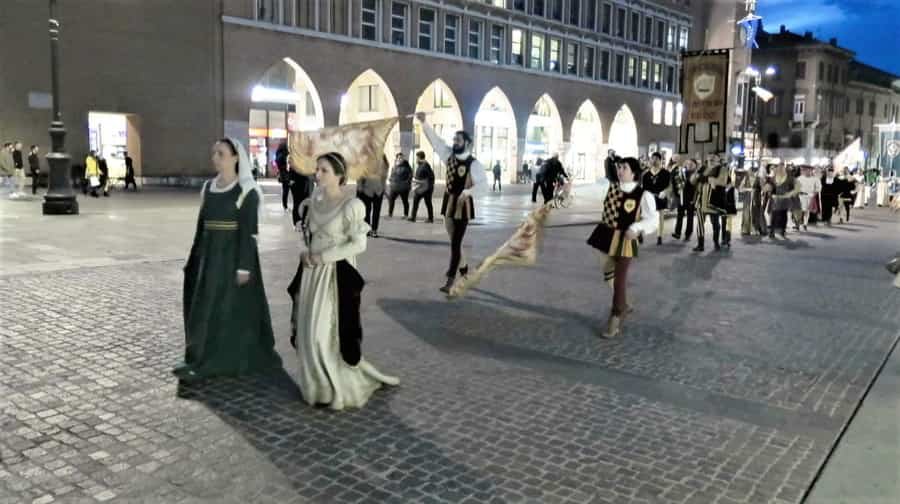
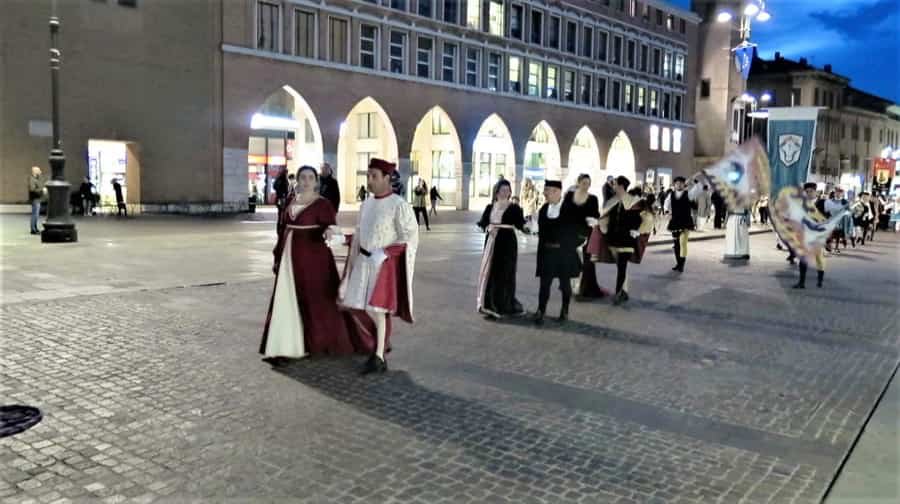
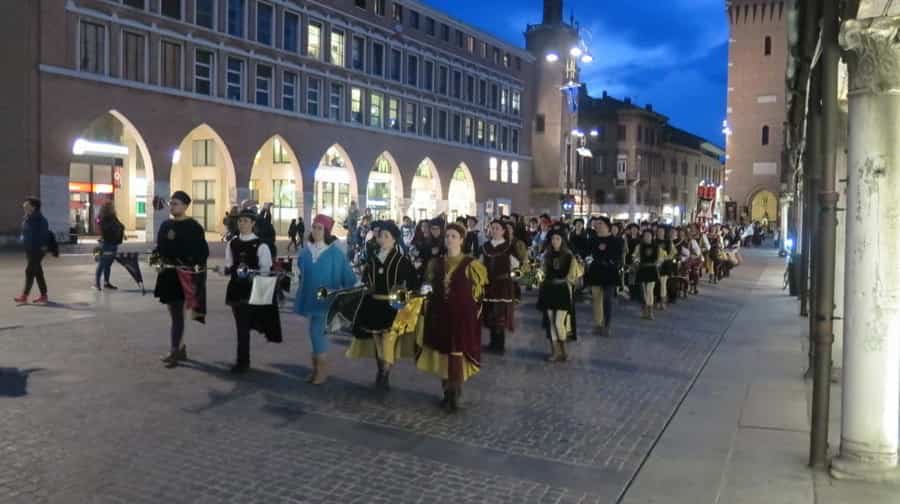
The Procession of the Palio of Ferrara is one of the most captivating and historically rich events in northern Italy, celebrating centuries of tradition, pageantry, and civic pride. Deeply rooted in the city’s medieval past, this grand spectacle transforms Ferrara into a living tableau of its Renaissance glory. The event takes place each year in the heart of the city, usually in May, when Ferrara’s streets and squares are filled with colourful banners, traditional costumes, and the sound of drums and trumpets echoing through the ancient walls.
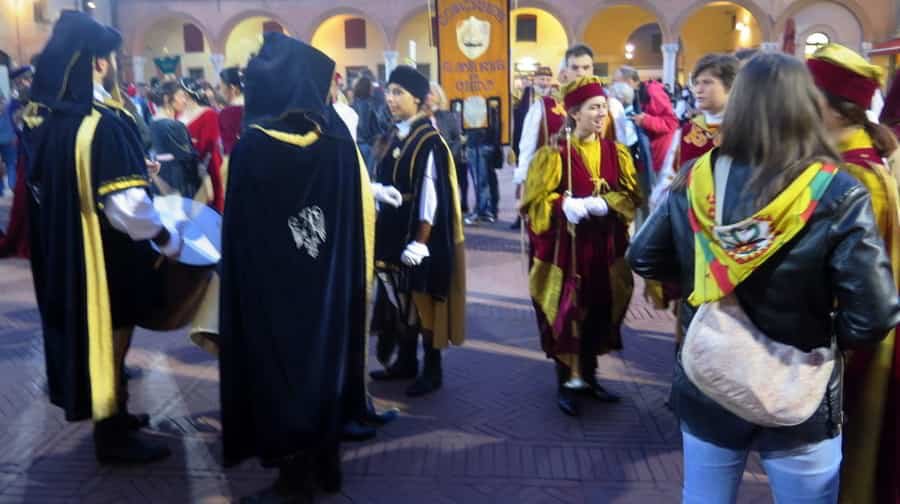
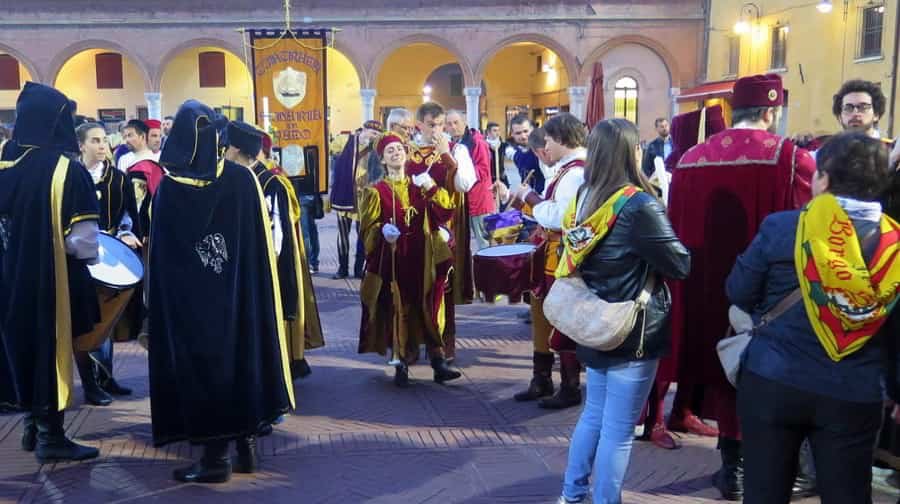
The Palio of Ferrara dates back to the thirteenth century, making it one of the oldest known palio races in the world, even older than the more famous one held in Siena. Originally, it was organized to honour important events such as victories in battle, royal visits, and religious celebrations. Over time, it evolved into a symbol of unity and competition among the city’s eight historic districts, or contrade. Each district proudly parades its colours, coat of arms, and traditional attire, representing the spirit and identity of its community.
The Procession, known as the Corteo Storico, is the highlight of the celebration. Hundreds of participants take part, dressed in magnificent Renaissance costumes inspired by the Este court. Nobles, knights, ladies, pages, musicians, and flag bearers march through the streets, recreating the splendour of Ferrara during the rule of the Este family. The attention to detail is extraordinary: every garment, every gesture, and every instrument reflects the customs of a bygone era. The spectacle reaches its peak when the parade arrives at Piazza Ariostea, where the races of the Palio take place, including contests among horses, donkeys, and even young runners.
Beyond its visual beauty, the Procession of the Palio of Ferrara carries deep cultural meaning. It serves as a bridge between past and present, linking modern citizens with the heritage of their ancestors. It is not merely a re-enactment, but a living expression of pride and belonging. The city’s residents participate with enthusiasm, ensuring that ancient traditions remain alive for future generations.
Visitors who witness the Procession are transported into another time, surrounded by music, colour, and emotion. It is an unforgettable experience that captures the essence of Ferrara’s identity—a city that continues to honour its glorious history while celebrating the enduring power of community and tradition


COPYRIGHT © 2018-2026 ITALY IN PHOTOS - ALL RIGHTS RESERVED