
HOME
REGIONS OF ITALY
PLACES IN ITALY
PLAN YOUR TRIP
Italy in Photos
Via Maestri Comacini, 22100 Como CO, Italy June 2022
Como
Delayed or cancelled flight?
Get up to £520!
You’ve got rights when your flight’s disrupted.
We enforce them and handle everything so you get paid
Como is a captivating city in northern Italy, located in the Lombardy region at the southern tip of Lake Como. Surrounded by dramatic alpine landscapes and serene waters, the city has long been admired for its natural beauty, refined atmosphere, and historical significance. Como combines the elegance of a lakeside resort with the depth of a city shaped by centuries of cultural, artistic, and commercial activity, making it one of Italy’s most appealing destinations.
The history of Como stretches back to ancient times. Originally settled by Celtic tribes, the area later became an important Roman colony due to its strategic position along trade routes connecting Italy with central Europe. The Roman legacy remains visible in the layout of the historic centre, which follows the grid plan typical of Roman urban design. Over the centuries, Como developed into a prosperous town, benefiting from its location and its role as a gateway between the Mediterranean world and northern Europe.
During the medieval period, Como was often involved in regional conflicts, particularly with neighbouring Milan. Despite periods of destruction and political struggle, the city continued to grow and assert its identity. One of the most significant symbols of this era is the Como Cathedral, or Duomo di Como, a magnificent structure built over several centuries. Blending Gothic, Renaissance, and Baroque elements, the cathedral stands at the heart of the city and reflects Como’s artistic ambition and religious importance.
Como is also renowned for its long-standing tradition of silk production. From the Renaissance onward, the city became one of Europe’s most important centres for silk manufacturing. This industry brought wealth, innovation, and international connections, shaping the city’s economy and social fabric. Even today, silk remains an important part of Como’s identity, with museums and workshops preserving this legacy and showcasing the craftsmanship that made the city famous worldwide.
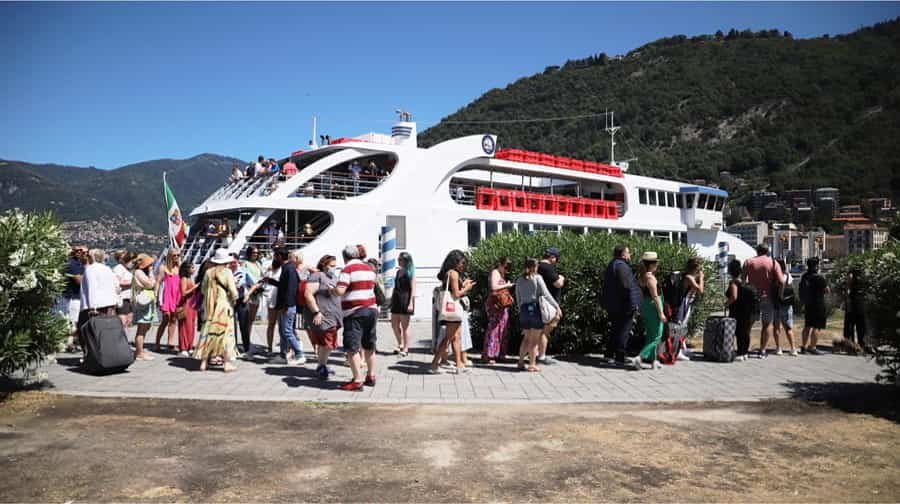
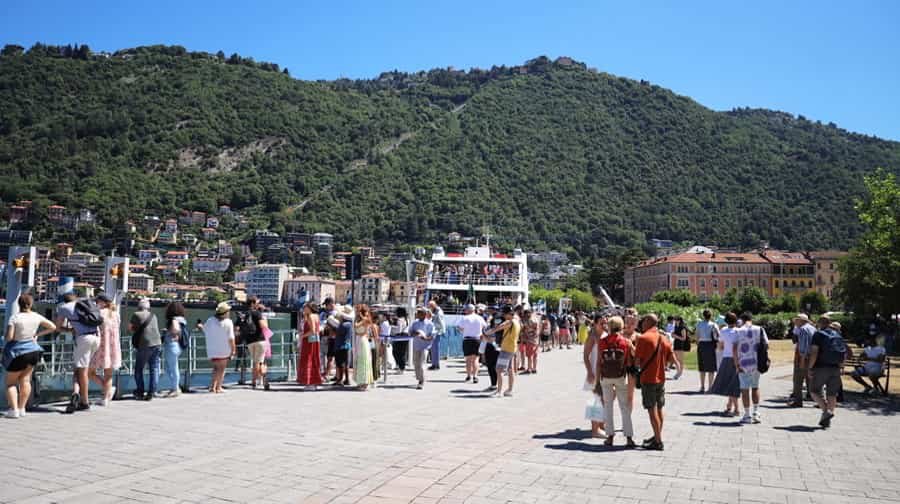
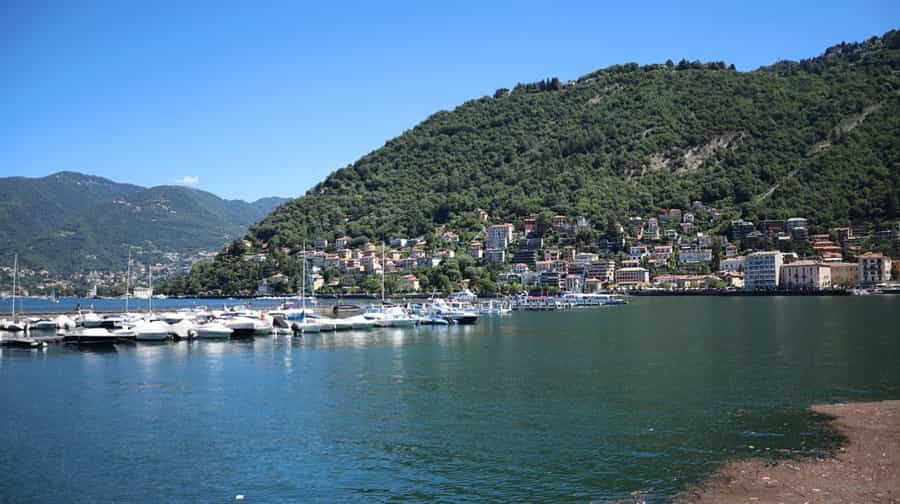
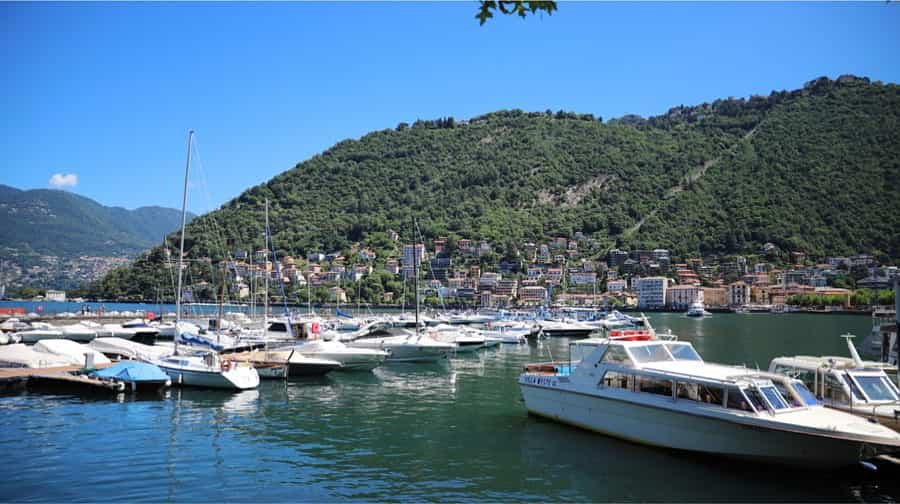
The relationship between Como and Lake Como is central to the city’s character. The lake, with its distinctive Y shape and crystal-clear waters, has attracted visitors for centuries. Writers, artists, and travellers from across Europe were drawn to its beauty, particularly during the Romantic period. Elegant villas, lush gardens, and small lakeside villages line the shores, creating a landscape that feels both intimate and grand. From the city, ferries and boats provide access to nearby towns such as Bellagio, Varenna, and Menaggio, each offering its own charm and history.
Como’s setting also offers exceptional opportunities for enjoying nature. The surrounding hills and mountains provide panoramic viewpoints, walking trails, and outdoor activities. One of the most popular attractions is the funicular railway that connects the city to the village of Brunate, offering breath-taking views over the lake and the rooftops of Como below. These natural surroundings create a harmonious balance between urban life and outdoor exploration.
Culturally, Como maintains a lively yet refined atmosphere. Its historic streets are lined with cafes, boutiques, and small squares where local life unfolds at a relaxed pace. The city hosts cultural events, exhibitions, and concerts throughout the year, reflecting a strong appreciation for the arts. Local cuisine further enriches the experience, featuring dishes that combine Lombard traditions with freshwater fish from the lake and high-quality regional ingredients. Como is also associated with notable historical figures, including Alessandro Volta, the inventor of the electric battery, who was born in the city. His legacy is honoured through monuments and museums that highlight Como’s contribution to scientific progress.
Today, Como stands as a place where history, innovation, and natural beauty come together. Its rich past, elegant architecture, and stunning lakeside setting create an atmosphere that is both timeless and welcoming. Whether admired for its cultural depth, scenic landscapes, or relaxed lifestyle, Como offers an introduction to Italy that is refined, inspiring, and deeply connected to its surroundings.
Worth a Visit
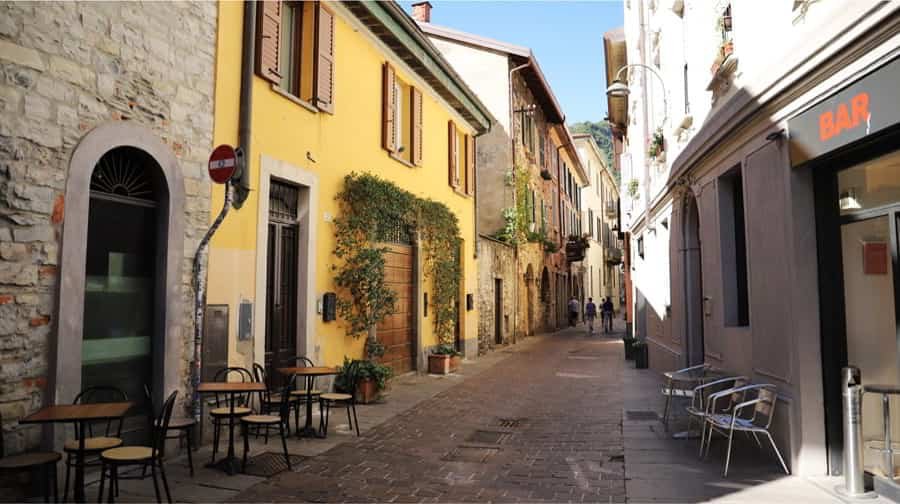
Located within Como’s historic San Bartolomeo district, Via Armando Diaz is an unassuming yet captivating street that embodies the city’s rich cultural and architectural heritage. Named after General Armando Diaz, celebrated for his leadership of the Italian Army during World War I, the street anchors a vibrant quarter that’s both walkable and historically resonant. One of the street’s most prominent landmarks is the Pinacoteca Civica di Palazzo Volpi, located at and housed in a 17th-century Renaissance style palace. The civic art gallery showcases an impressive collection of medieval and Renaissance sculptures, stained glass, tapestries, and notable portraits of Italian luminaries. This cultural gem provides a direct window into Como’s artistic past, right in the heart of Via Diaz.
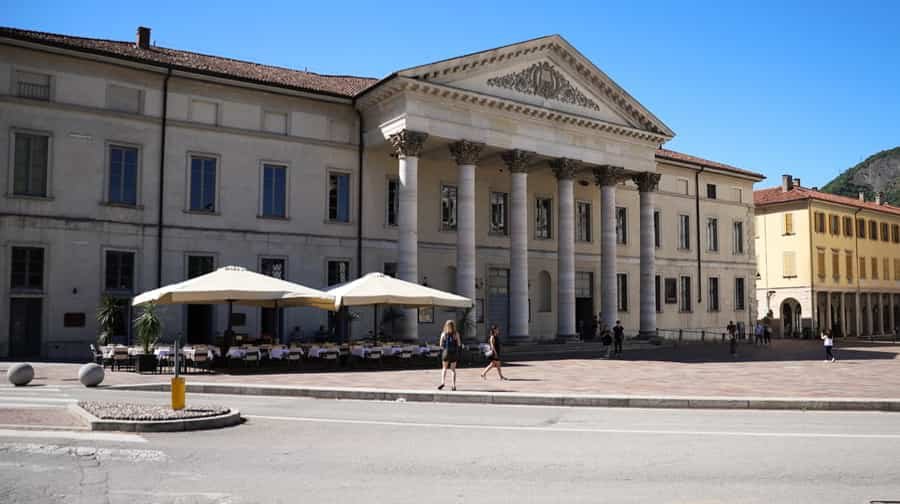
At the cultural crossroads of Como’s historic heart lies Piazza Giuseppe Verdi, a refined and welcoming open square that beautifully frames two of the city’s architectural landmarks: the Teatro Sociale and the Duomo di Como. This piazza isn’t just a crossroads, it’s a moment of arrival, where artistry, history, and civic life converge. The focal point of the piazza is the Teatro Sociale, a neoclassical gem whose construction began in 1812. Designed by Giuseppe Cusi and funded by Como’s cultural elite, the theatre opened its doors in August 1813 with the opera Adriano in Siria. Its stately façade, anchored by a pronaos of six Corinthian columns, immediately commands attention and sets a tone of refined drama.
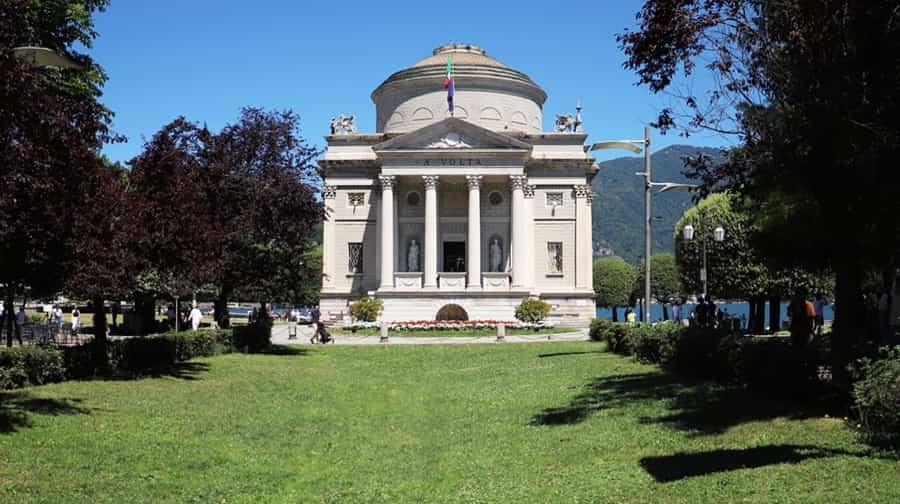
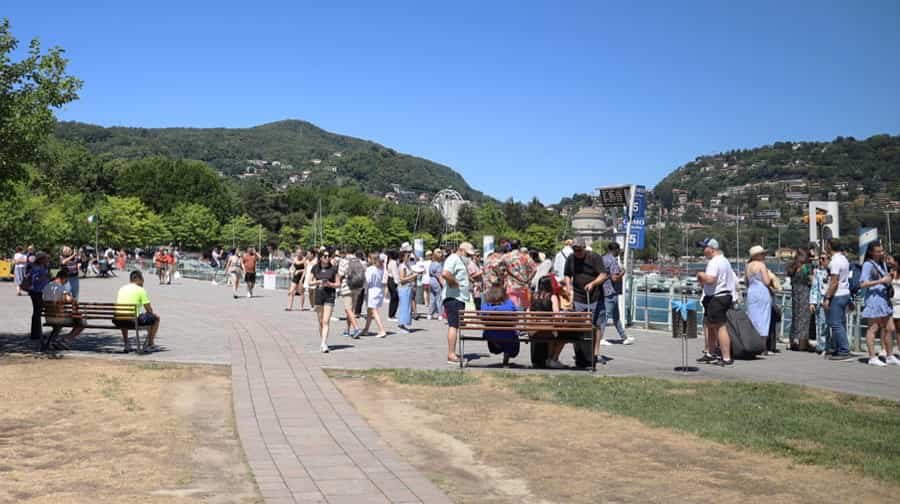
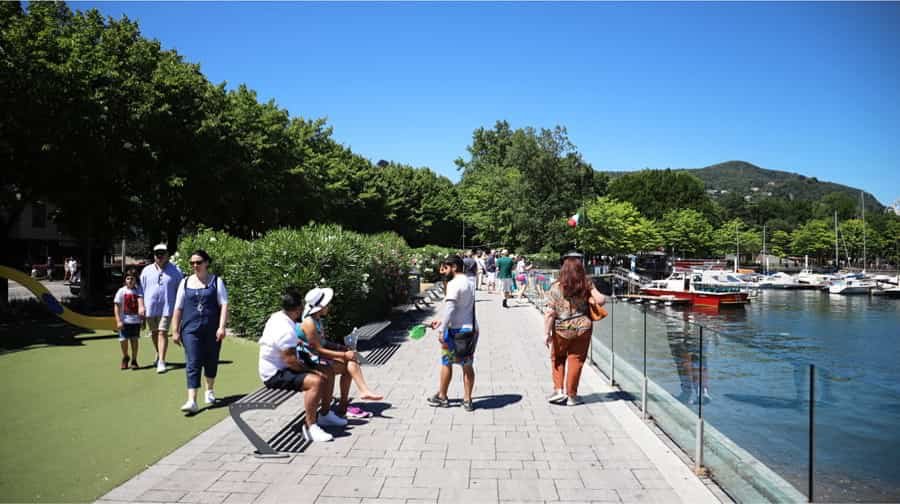
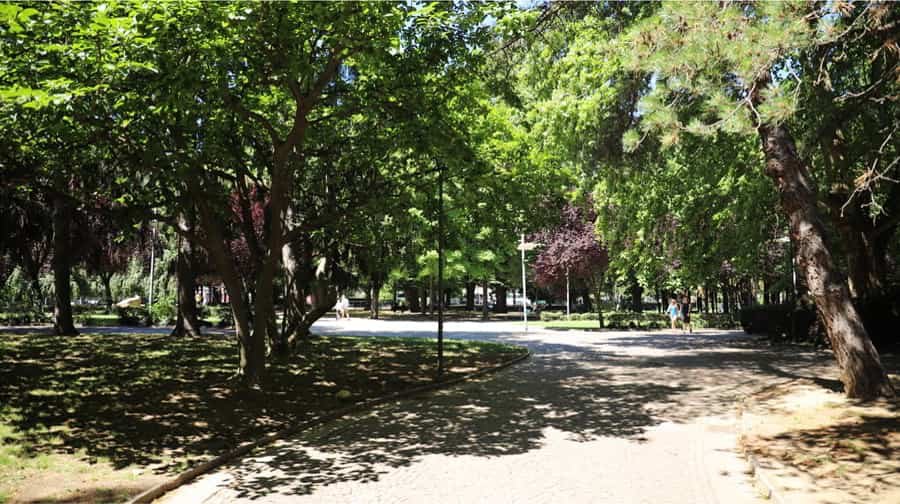
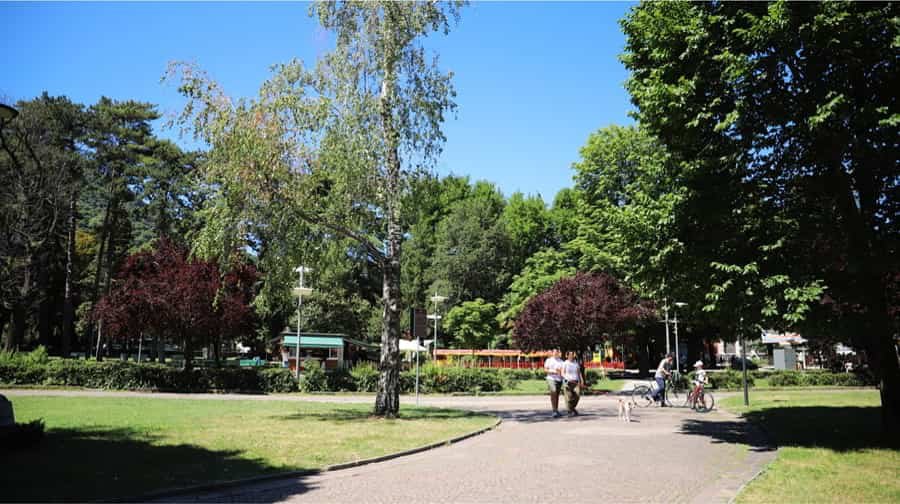
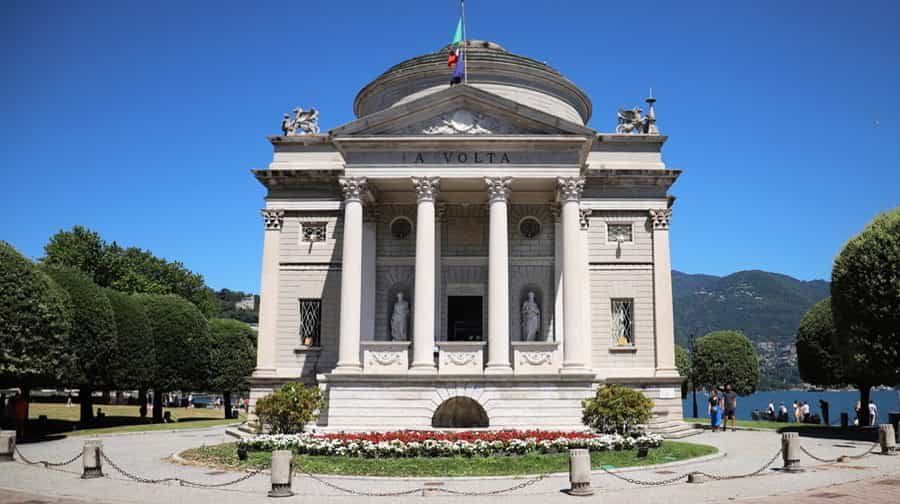
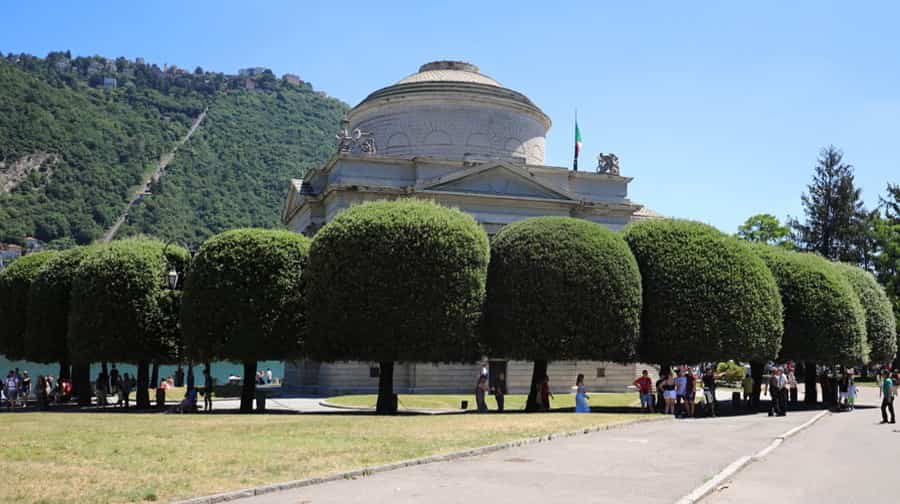
Situated on the lakeshore beside the historic temple, the Giardini del Tempio Voltiano offer visitors a peaceful public green space that complements both the scientific and architectural significance of the Tempio Voltiano. Built between 1925 and 1927 and inaugurated in 1928 to mark the centenary of Alessandro Volta’s death, the temple, and its surrounding gardens, were sponsored by industrialist Francesco Somaini and masterfully designed by architect Federico Frigerio. These gardens are a favourite among locals, particularly younger generations, as a relaxed meeting place and an idyllic spot for open-air enjoyment. Their tranquil atmosphere, enhanced by a lakeside setting facing the beautiful first basin of Lake Como, makes them perfect for leisurely strolls or quiet reflection.
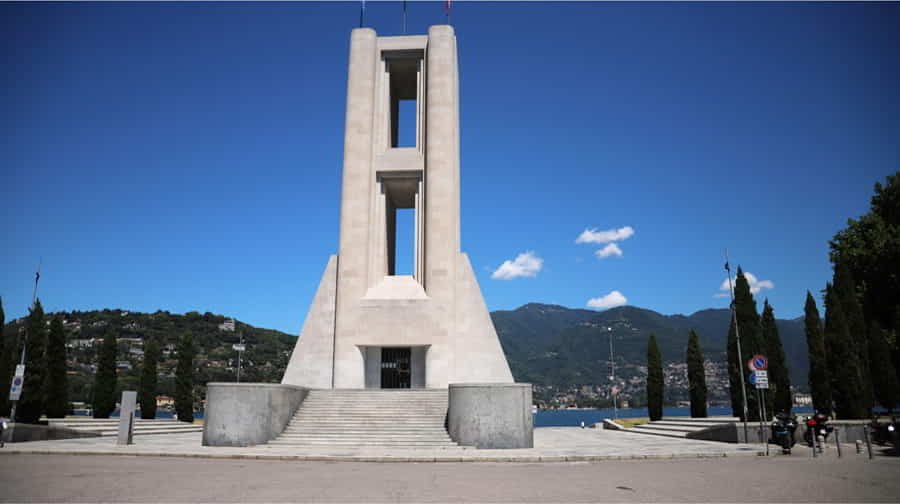
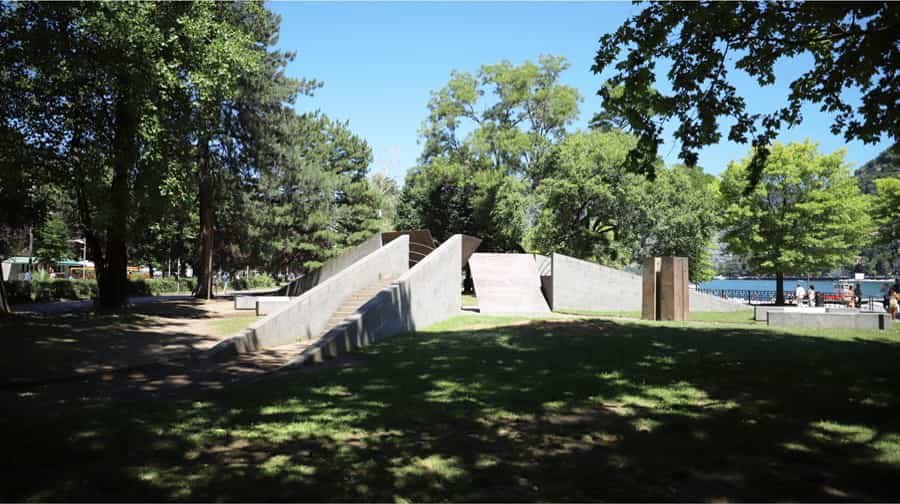
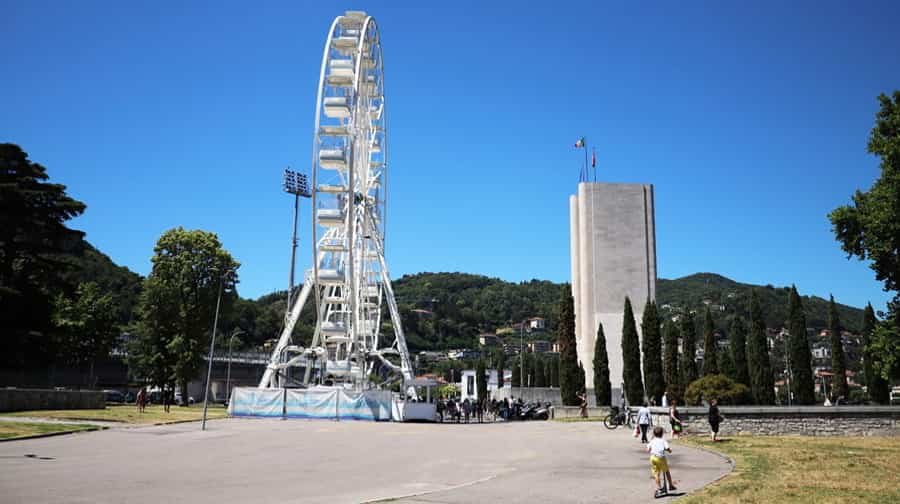
Situated on the scenic shores of Lake Como, the Monumento ai Caduti di Como stands as a solemn yet architecturally striking tribute to the 650 citizens of Como who perished during World War I. Designed by Giuseppe Terragni, a leading figure in Italy’s Rationalist architectural movement, in collaboration with his brother Attilio (then mayor of Como), the monument was completed and inaugurated in 1933 . The monument draws inspiration from a visionary sketch by futurist architect Antonio Sant’Elia, a Como native and one of WWI’s early casualties. Sant’Elia envisioned a lighthouse-like structure symbolizing dynamism and modernity, ideas that Terragni adapted into a dignified memorial tower.
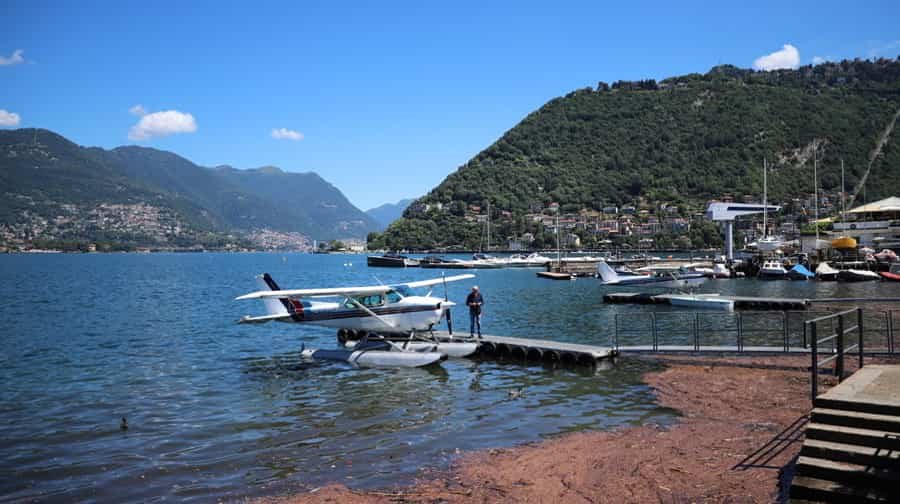
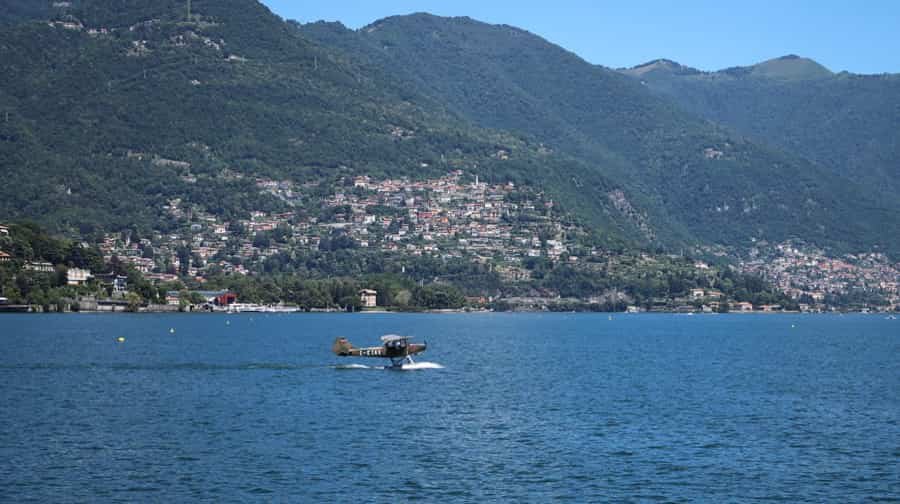
Located on the shores of Lake Como next to the Giuseppe Sinigaglia Stadium, the Aero Club Como stands as the world’s oldest seaplane organization and flight school, certified by Guinness World Records for its pioneering role since its founding in 1930. Yet seaplanes soared above these waters as early as 1913, when Italy’s first-ever was launched from Lake Como, a moment that roots Como in the genesis of aviation history. Operating as a devoted non-profit amateur sports association, the club fosters a community of pilots and enthusiasts dedicated to preserving and expanding seaplane aviation traditions. Its flight school, the most important in Europe for water-based aircraft, welcomes complete beginners and seasoned pilots seeking SEP or amphibious ratings.
Photo Gallery of Walk 1 – Stazione FS San Giovanni, P.le S. Gottardo to Via Armando Diaz
Approximately 0.99 km – 0.61 miles
Description of Walk 1
This walk explores the elegant lakeside city of Como, beginning near Stazione Como San Giovanni, the main railway station that connects the city to Milan and Switzerland. From Piazzale San Gottardo, the route moves along Viale Tokamachi, a tree-lined avenue reflecting Como’s international ties, before continuing onto Viale Innocenzo XI. Turning into Via Tolomeo Gallio, the walk passes through a mix of residential and historic buildings, gradually approaching the lively Piazza Cacciatori delle Alpi, a central square that connects several key streets. From here, the route follows Viale Varese, which traces part of the old city walls and offers a pleasant, green promenade encircling the historic centre. Walking back along Viale Varese toward Via Cinque Giornate, the atmosphere becomes more local and relaxed. The final stretch along Via Armando Diaz leads closer to the heart of Como’s old town, where narrow streets, small shops, and cafés create an inviting setting. Overall, the route blends modern avenues with historic charm, offering a gentle introduction to the city.
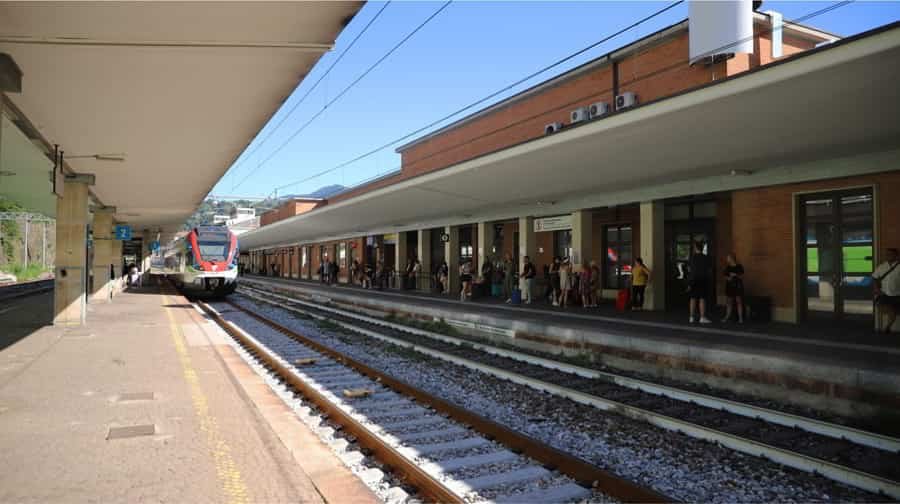
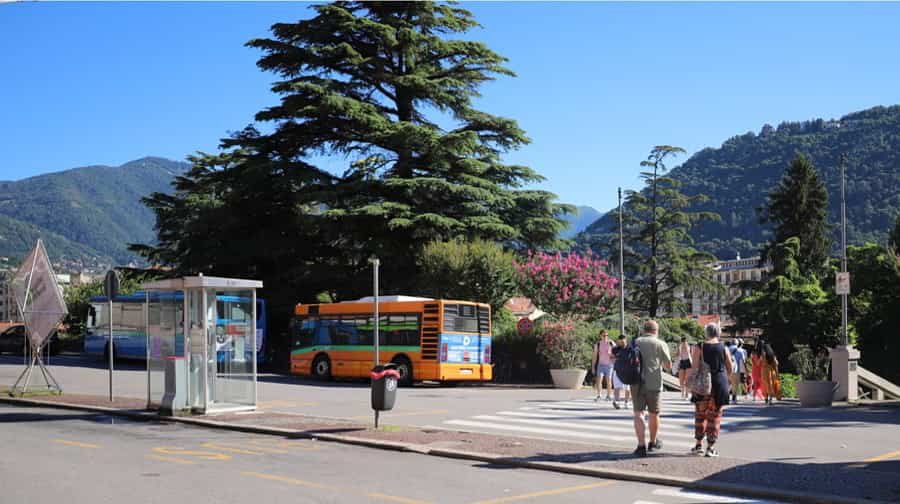
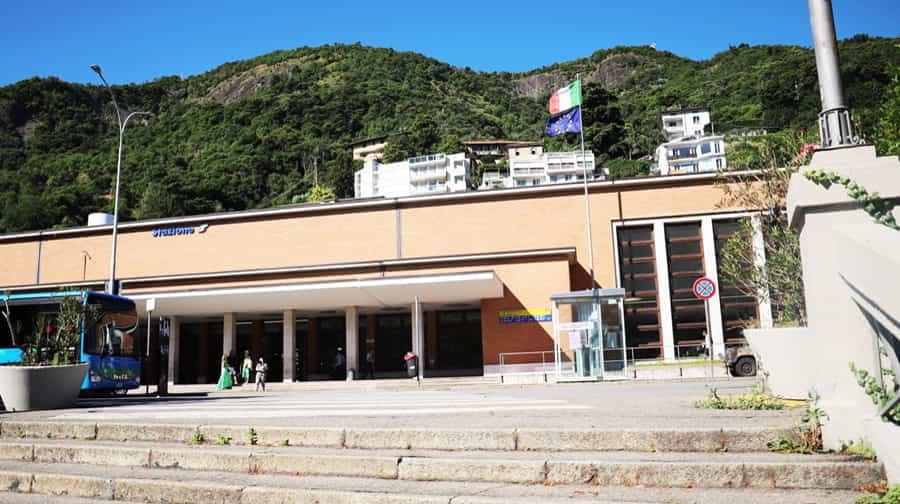
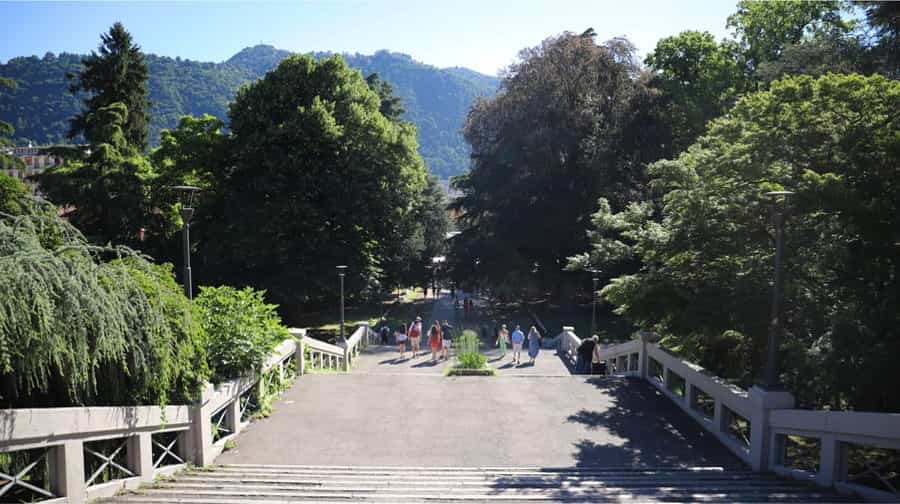
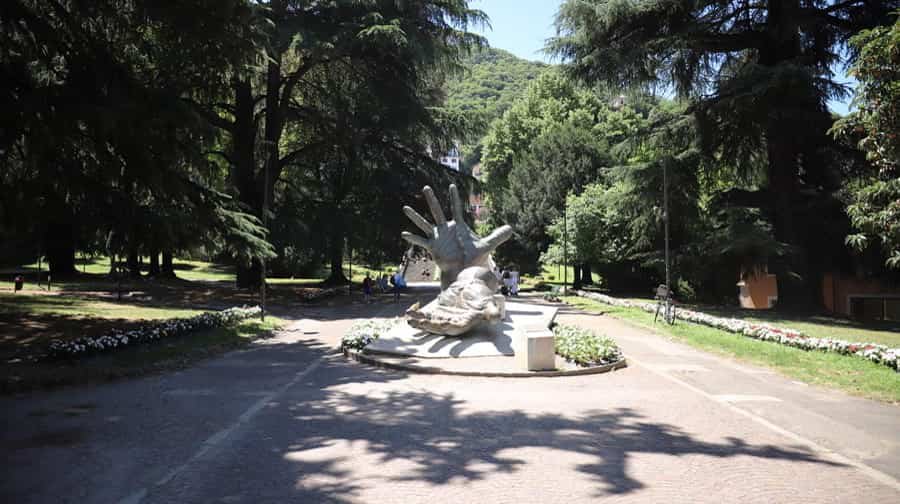
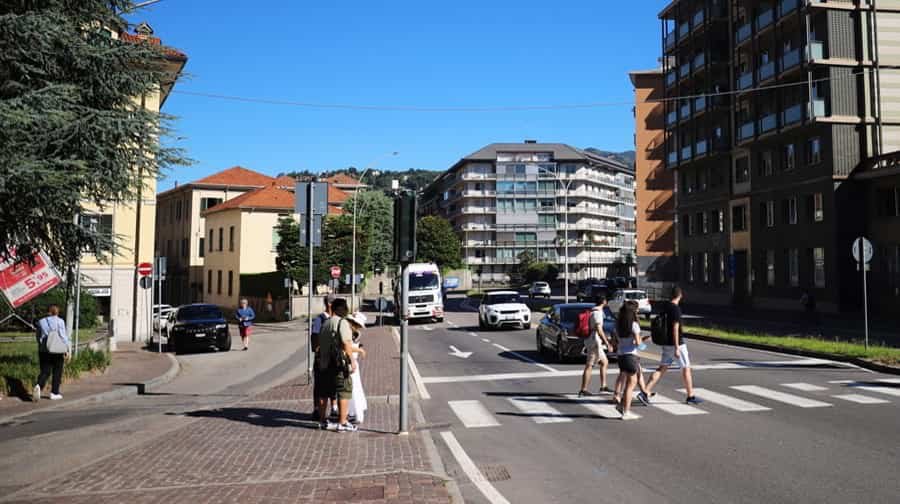
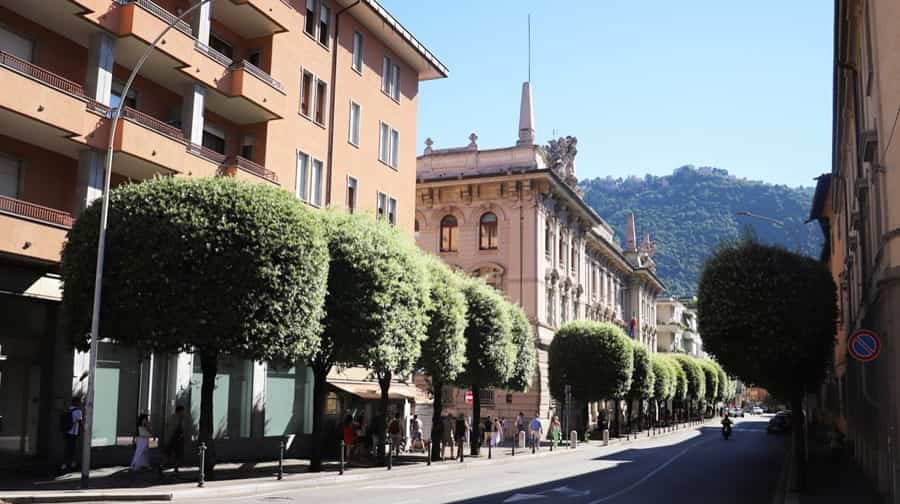
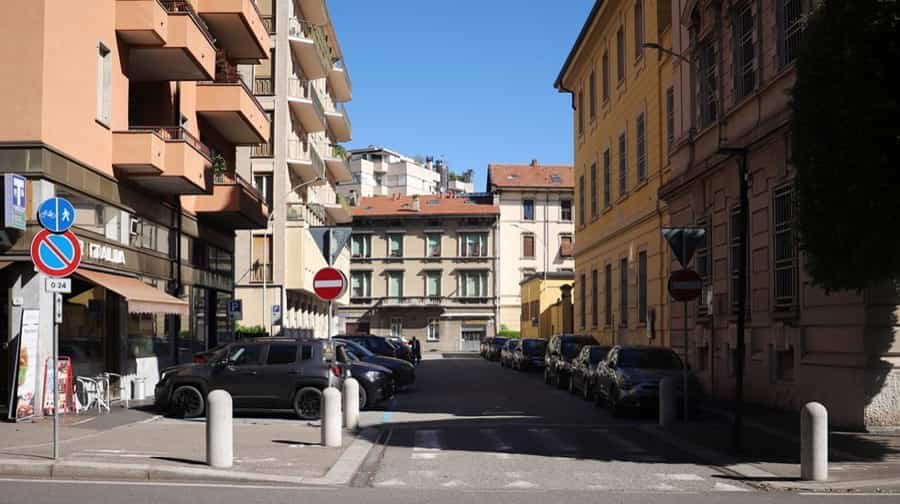
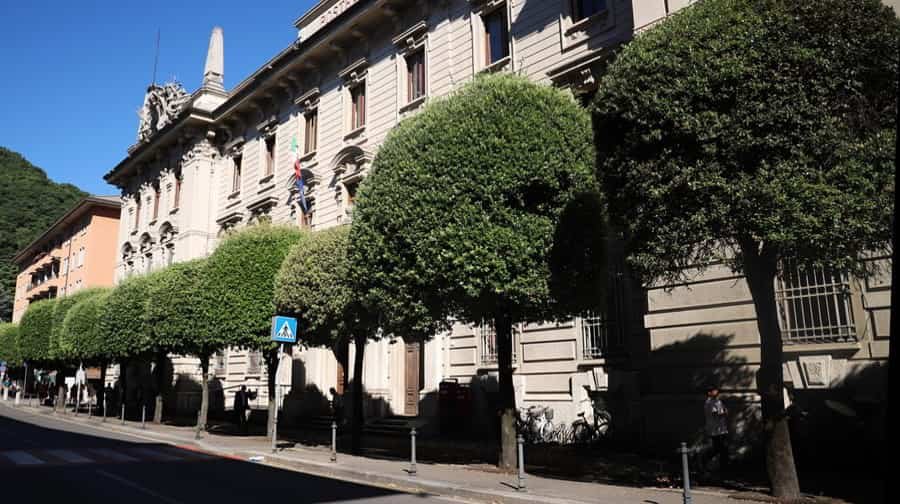
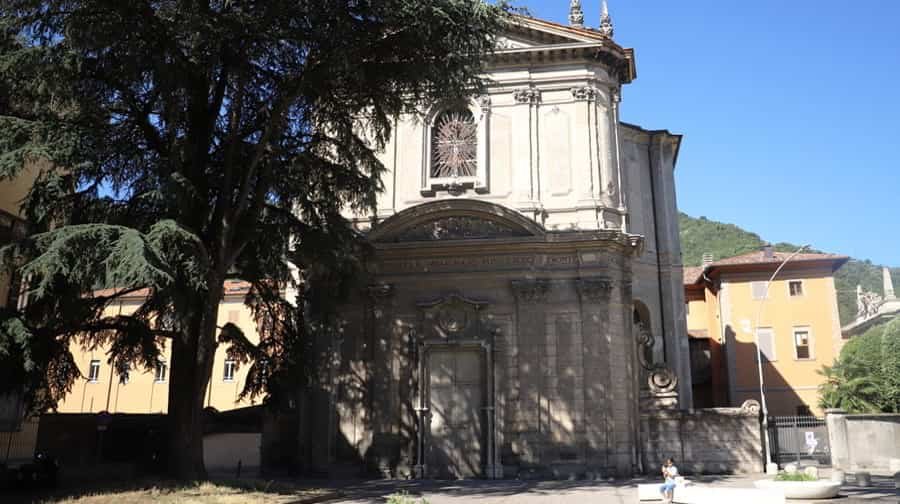
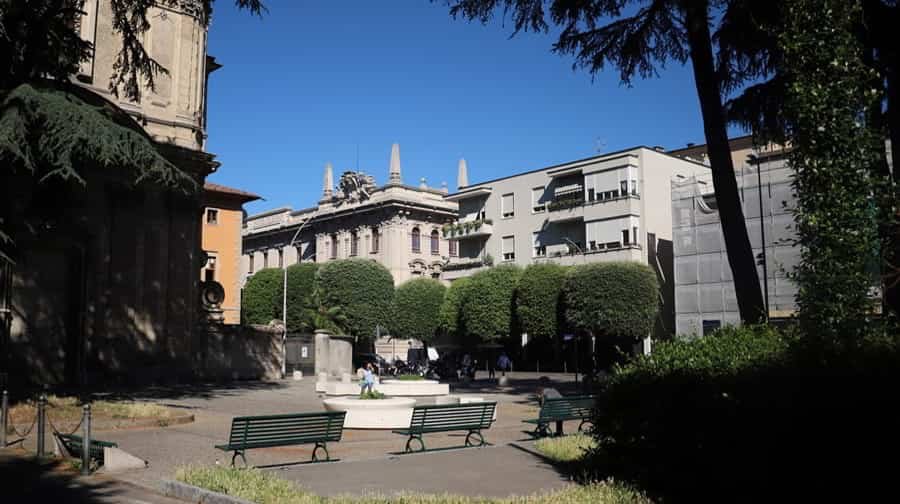
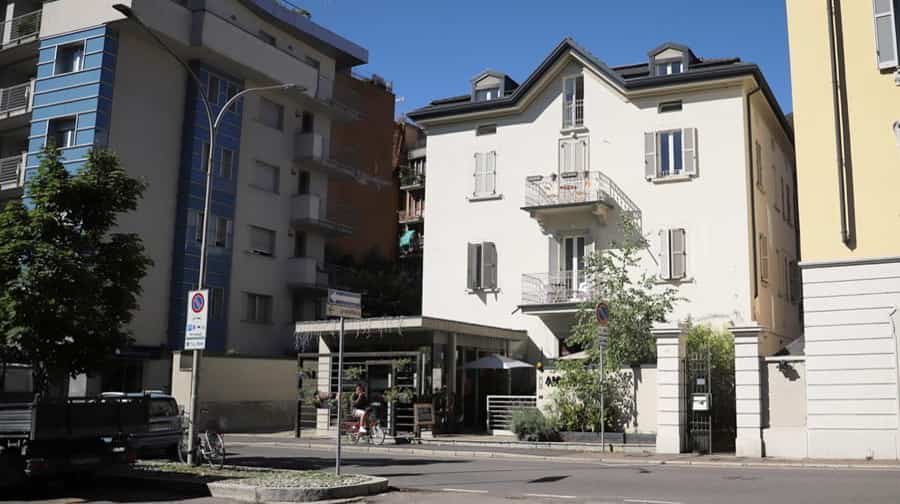
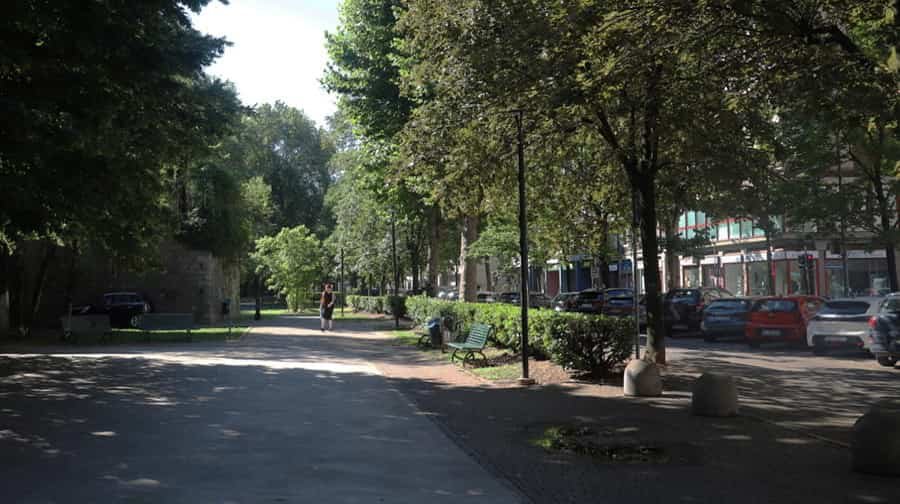
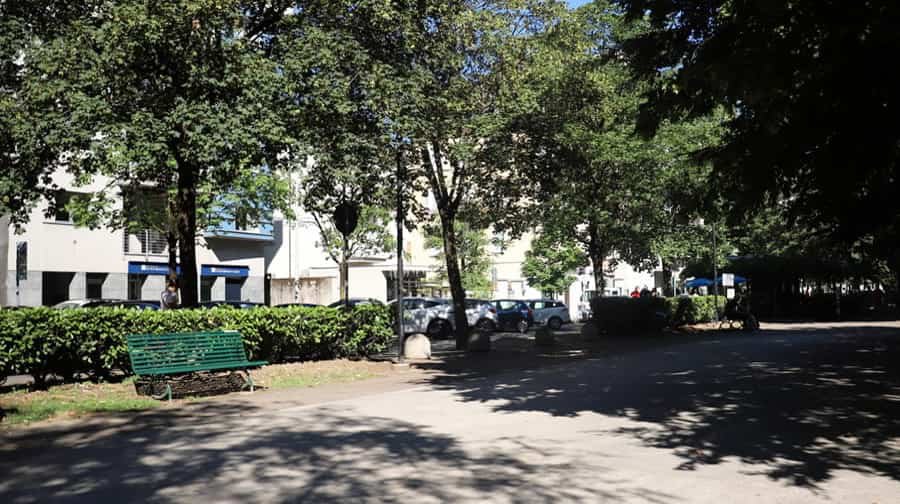
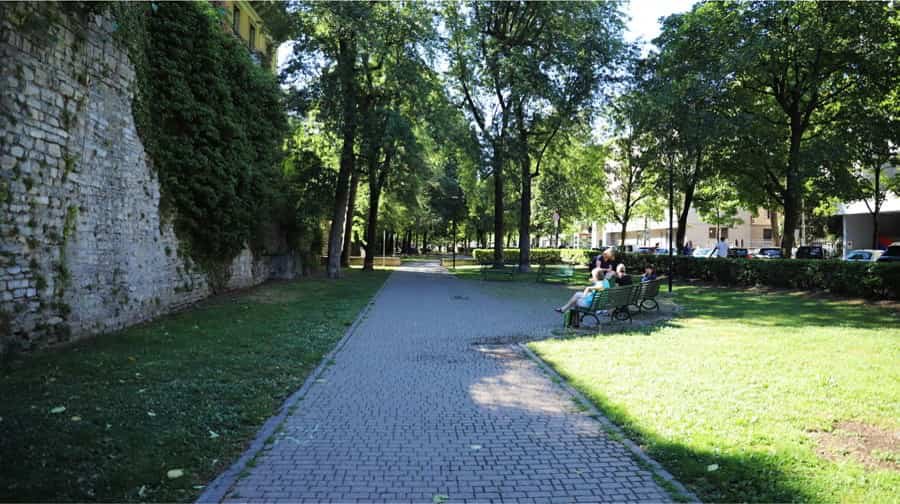
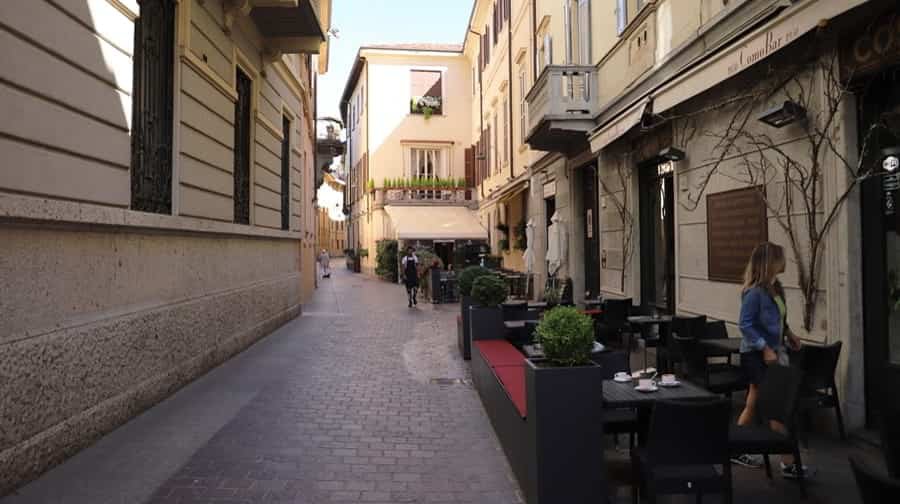
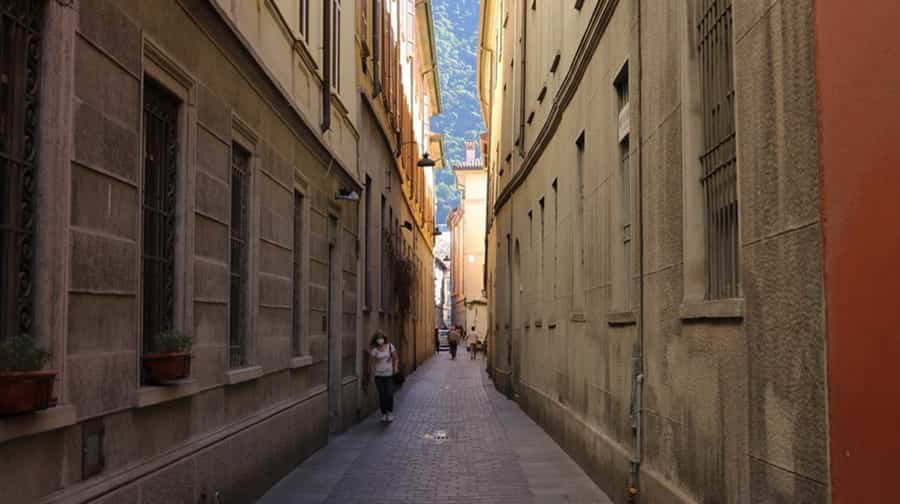
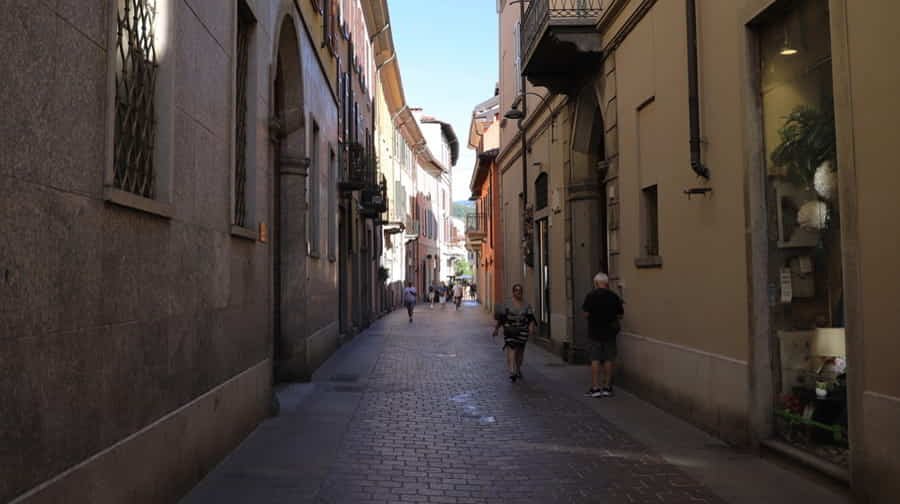
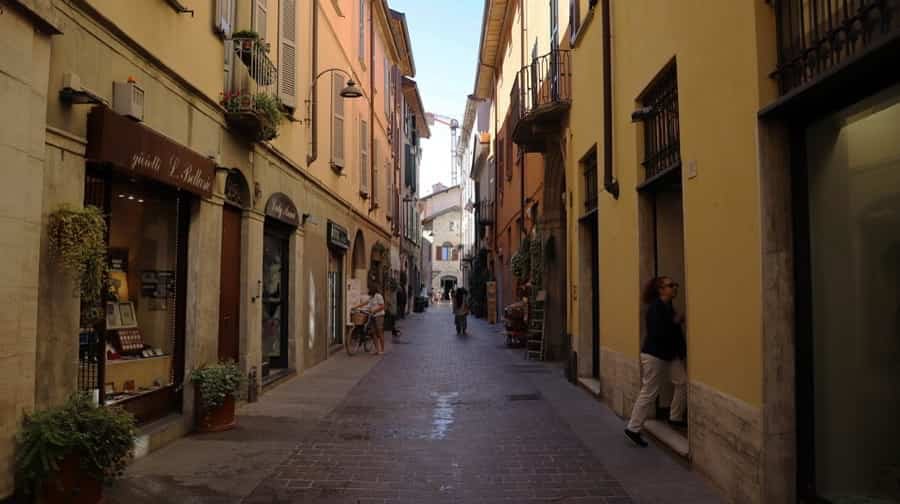
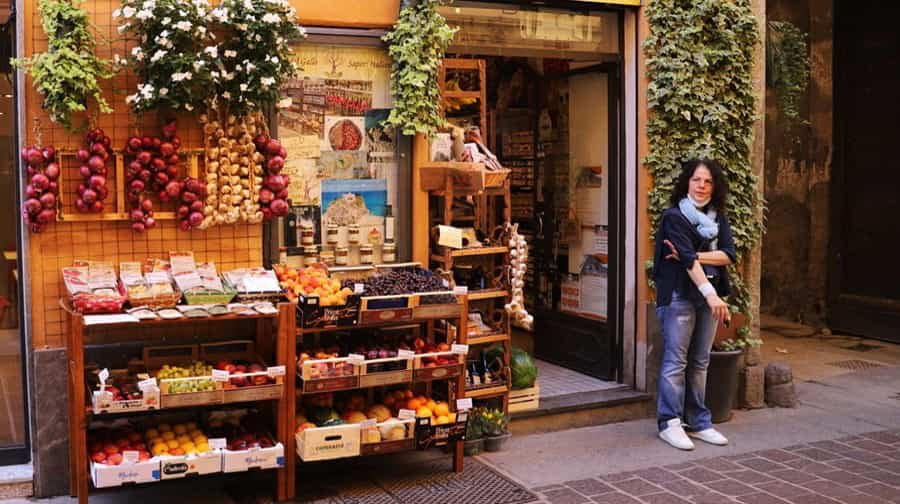
Photo Gallery of Walk 2 – Via Armando Diaz to Piazza Camillo Benso Conte di Cavour
Approximately 1.02 km – 0.63 miles
Description of Walk 2
This walk explores the historic core of Como, where narrow medieval streets open onto grand piazzas beside the lake. Beginning along Via Armando Diaz, the route winds through quieter streets such as Via Lambertenghi and Via Bonanomi, offering a glimpse of local life away from the busiest areas. Continuing along Via Collegio dei Dottori and Via Rusconi, the walk reaches the more central Via Vittorio Emanuele II, lined with shops and historic façades. From here, Via Maestri Comacini leads to the magnificent Duomo di Como, officially the Cattedrale di Santa Maria Assunta, one of northern Italy’s most impressive churches.
Nearby, Giardino Monsignor Alessandro Maggiolini provides a peaceful green space, while Piazza Giuseppe Verdi adds a lively cultural atmosphere. The route loops back through Via Pretorio to Piazza del Duomo, before continuing along Via Caio Plinio Secondo. The walk concludes at Piazza Cavour, a vibrant lakeside square where the historic city meets the waterfront, capturing Como’s blend of history, culture, and scenic beauty.
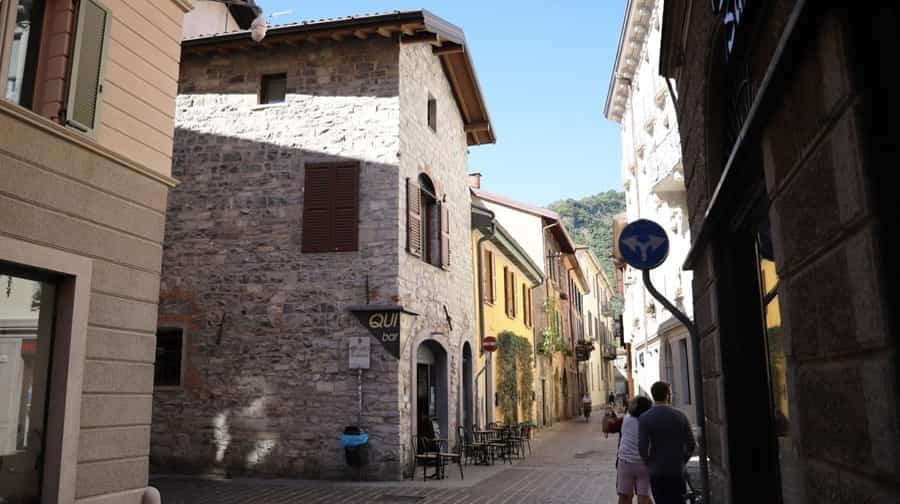
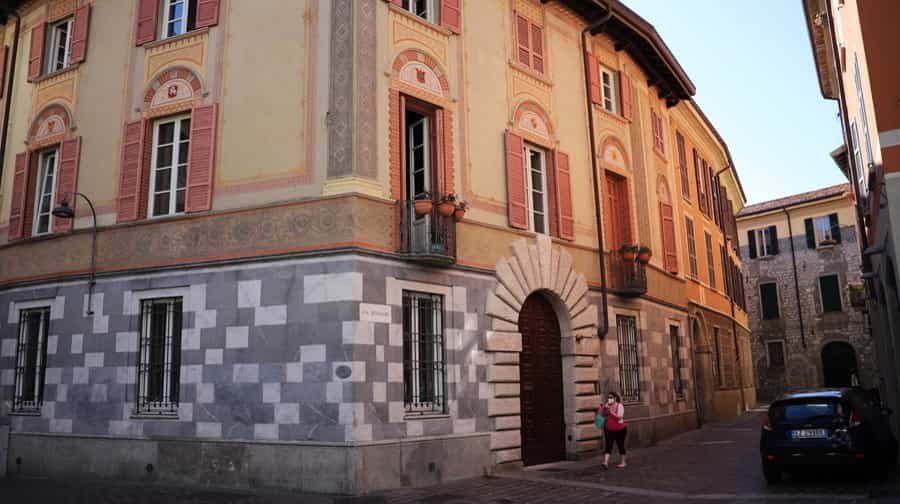
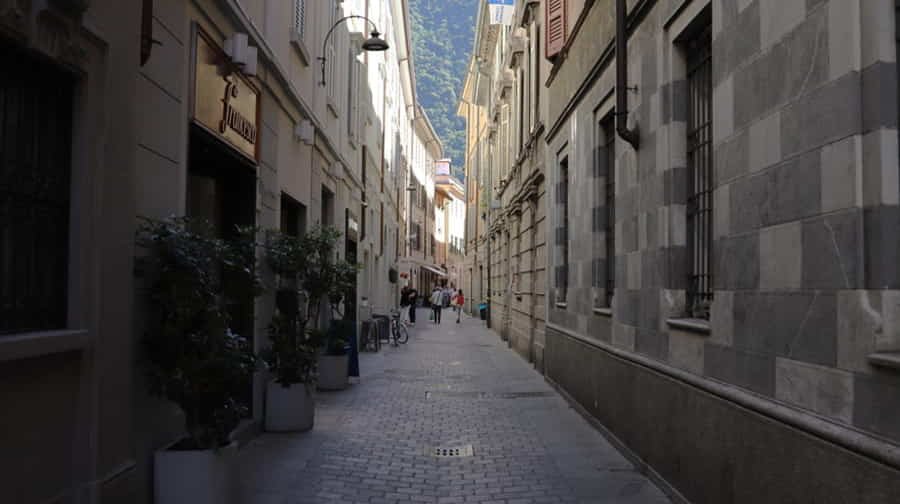
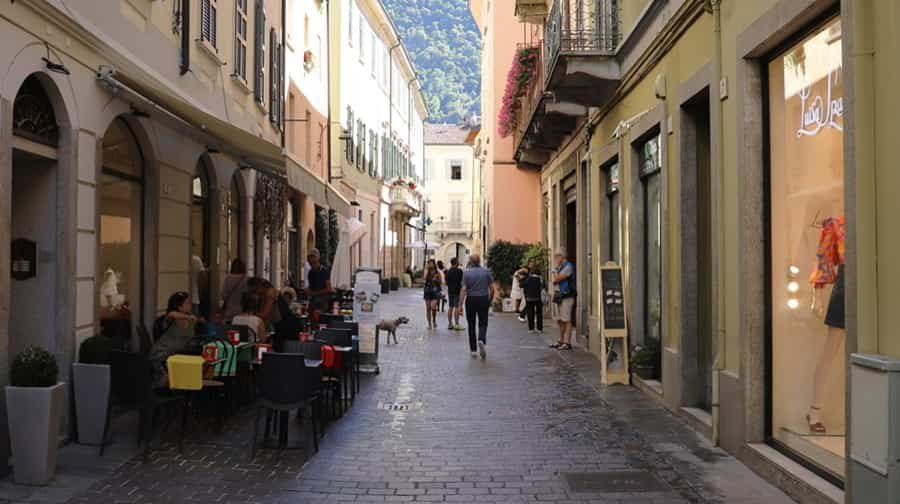
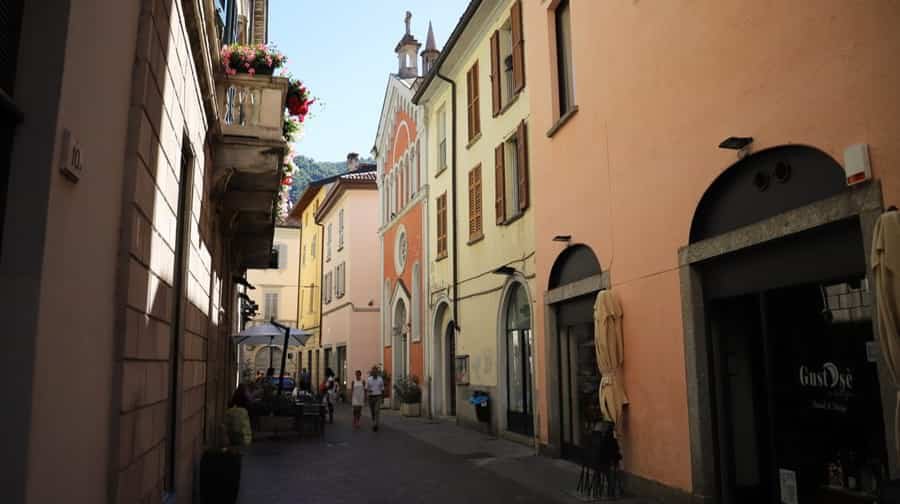
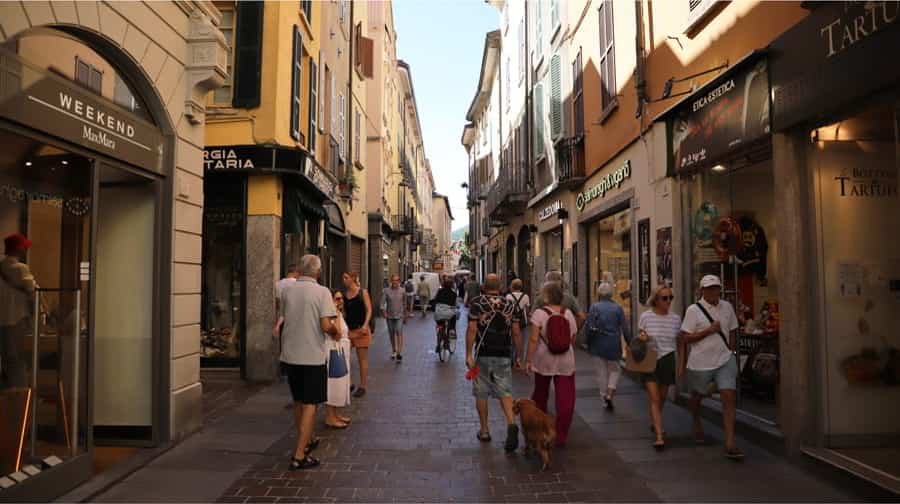
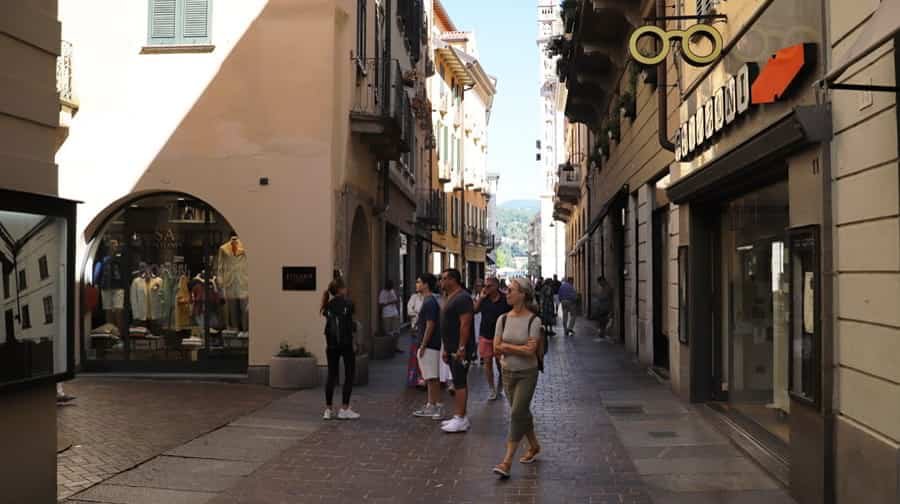
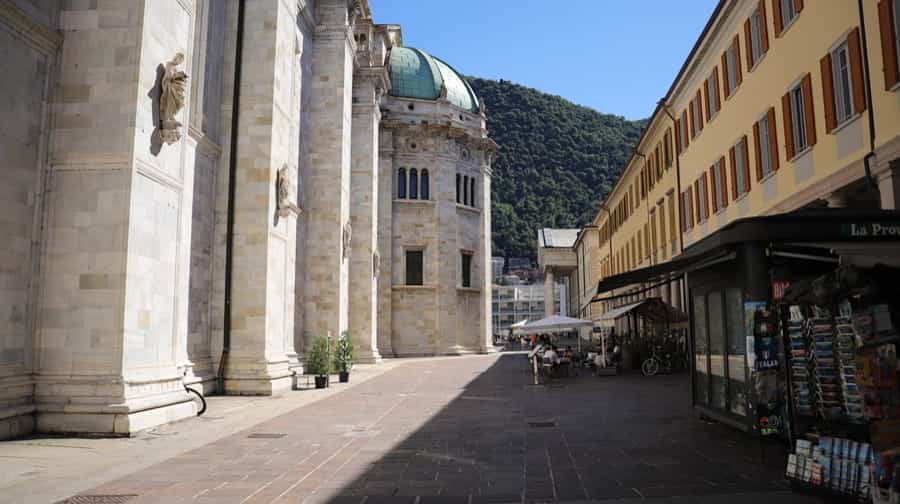
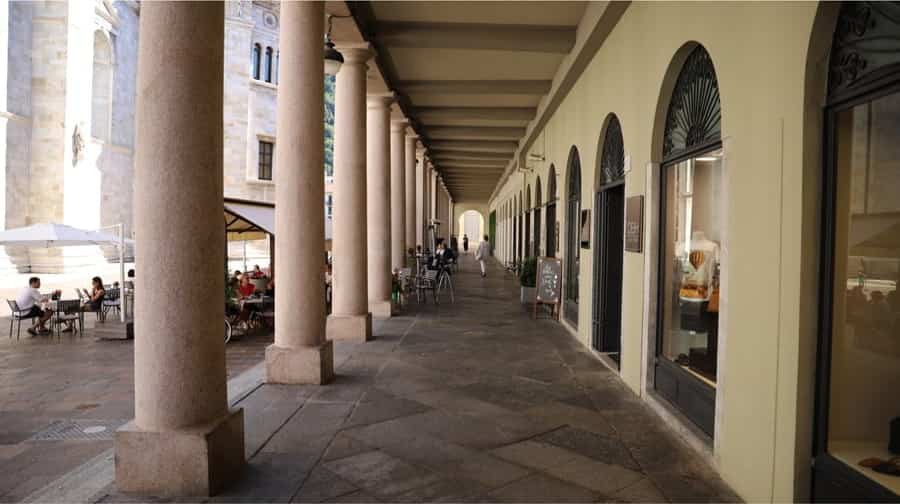
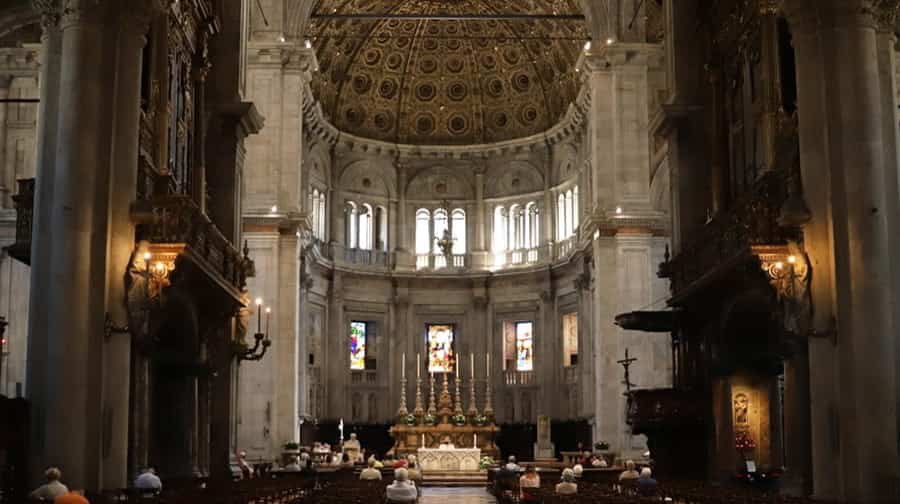
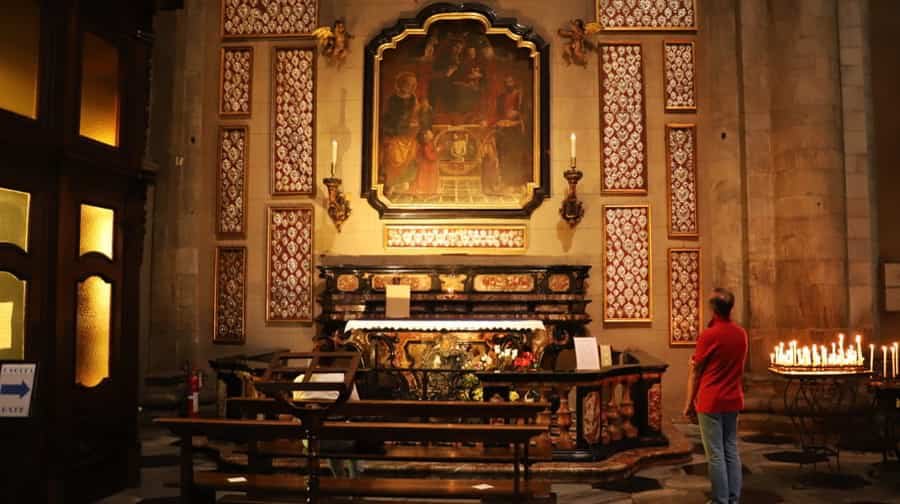
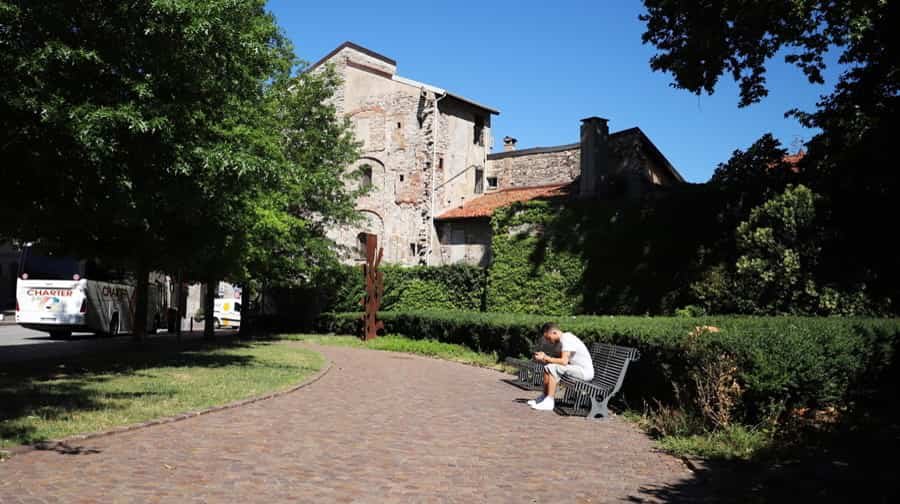
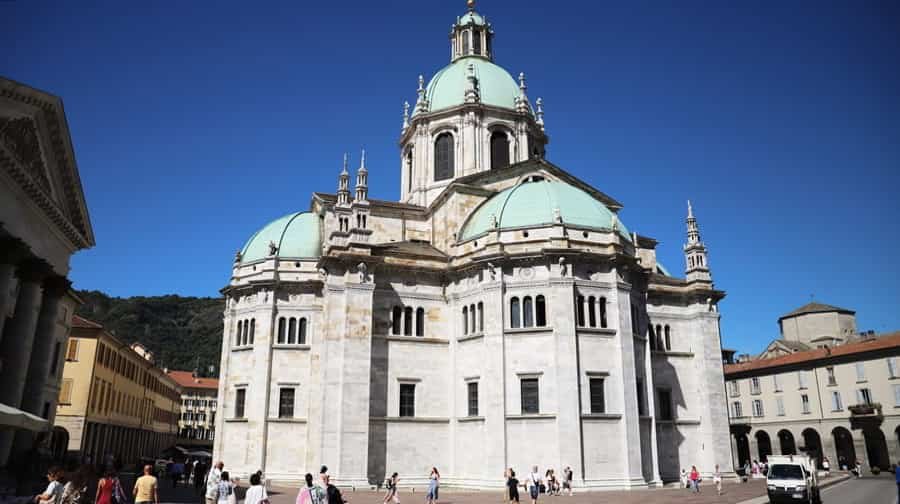
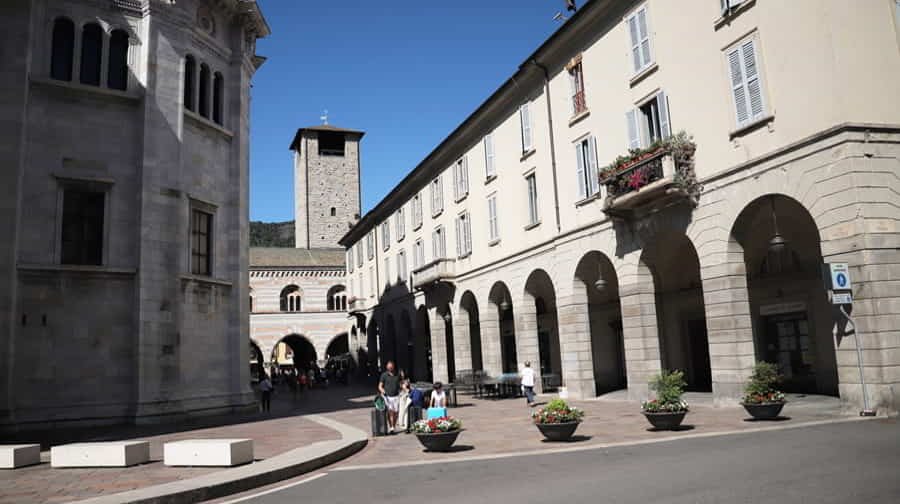
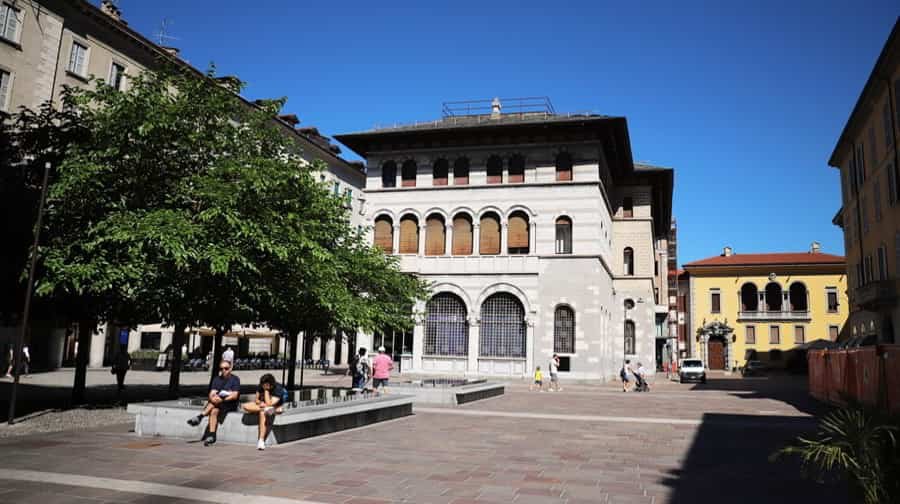
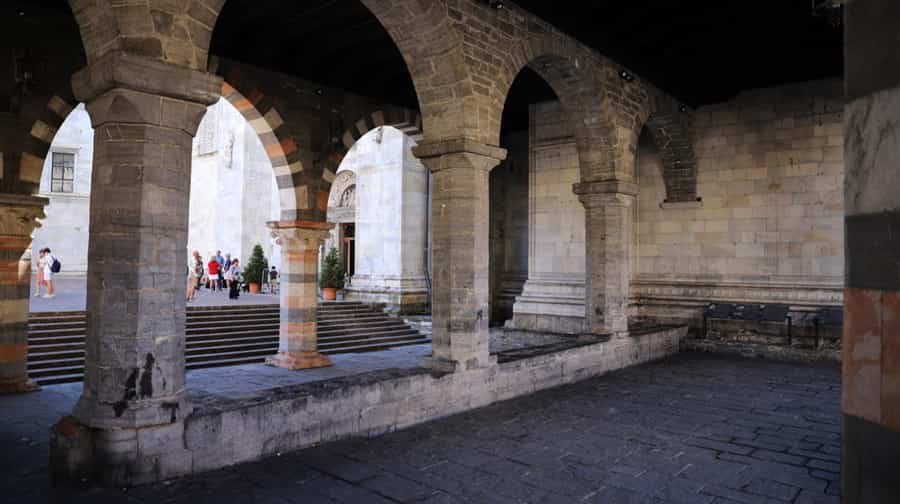
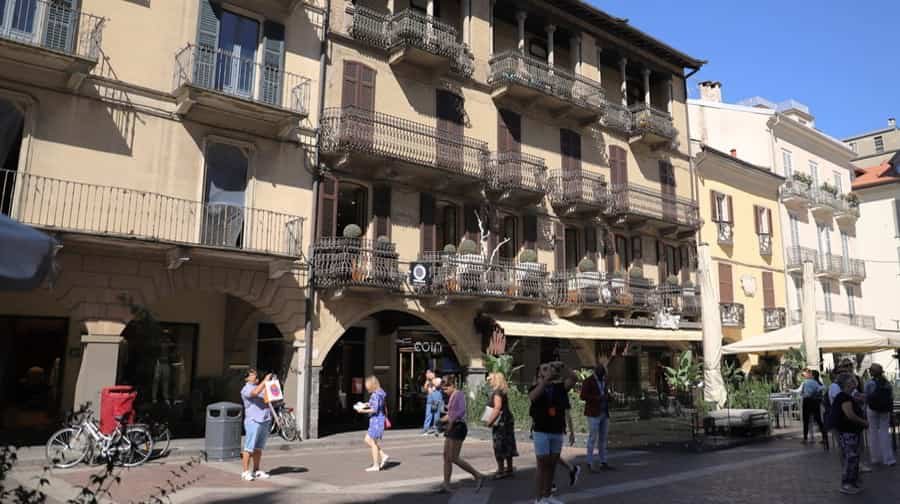
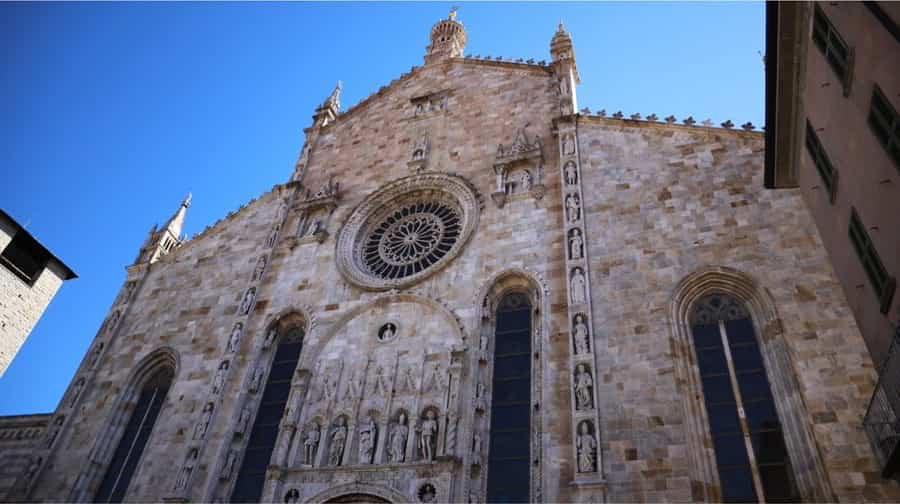
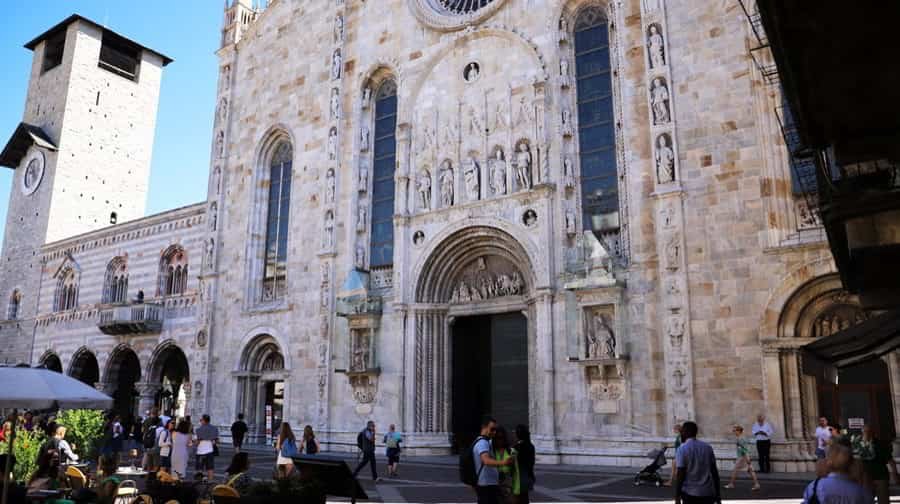
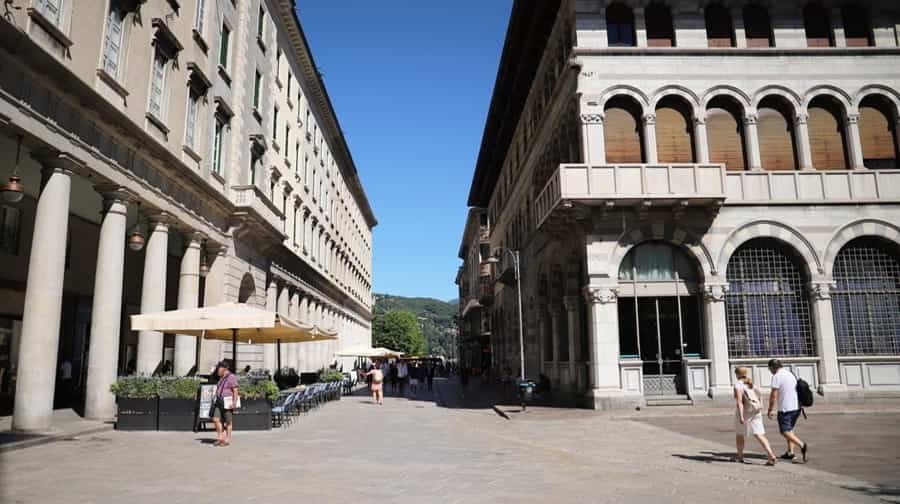
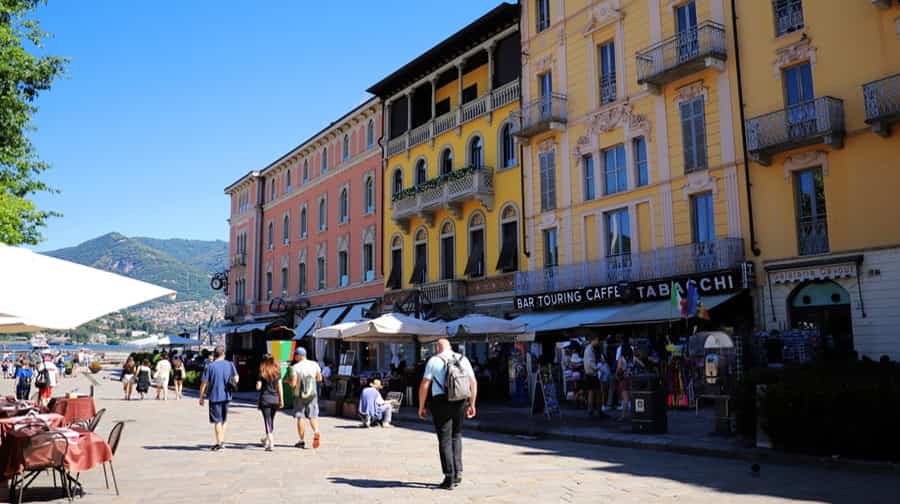
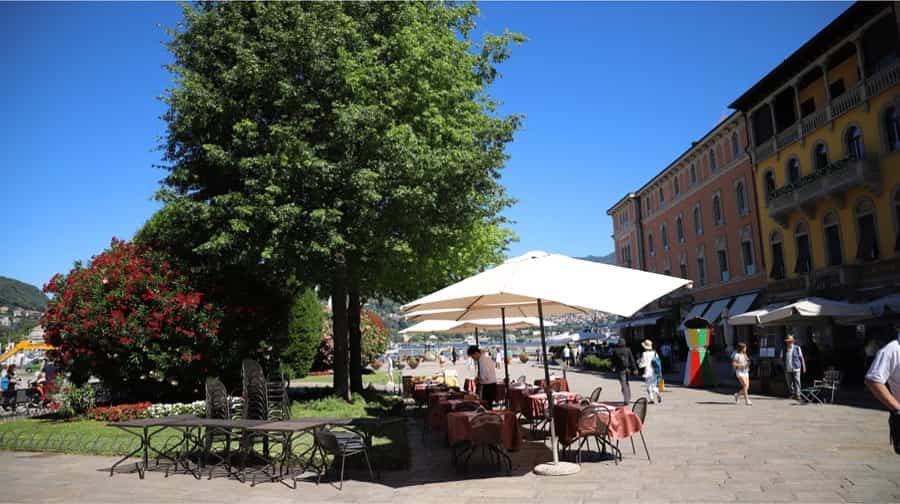
Photo Gallery of Walk 3 – Fontana di Villa Geno, Viale Geno to Lungo Lario Trieste
Approximately 1.25 km – 0.78 miles
Description of Walk 3
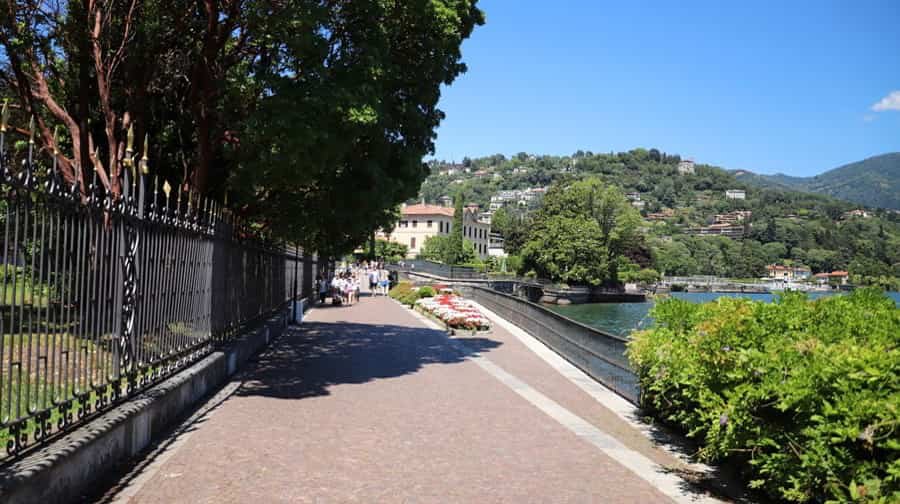
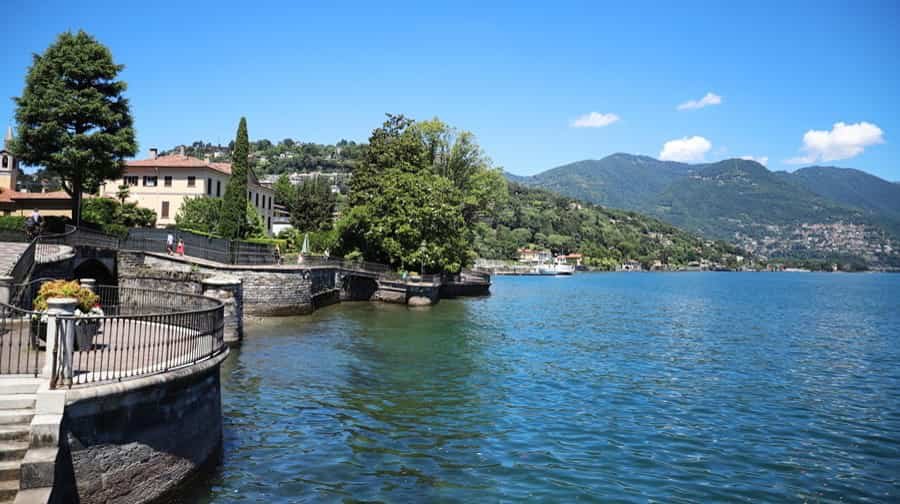
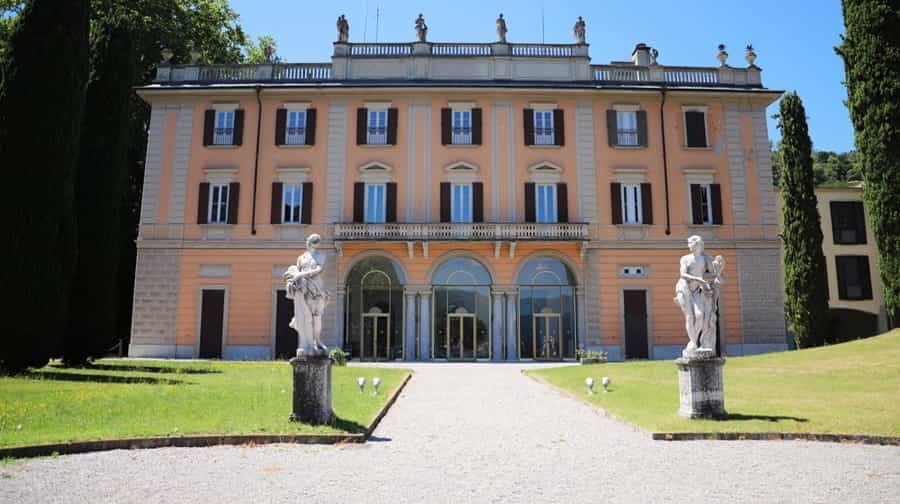
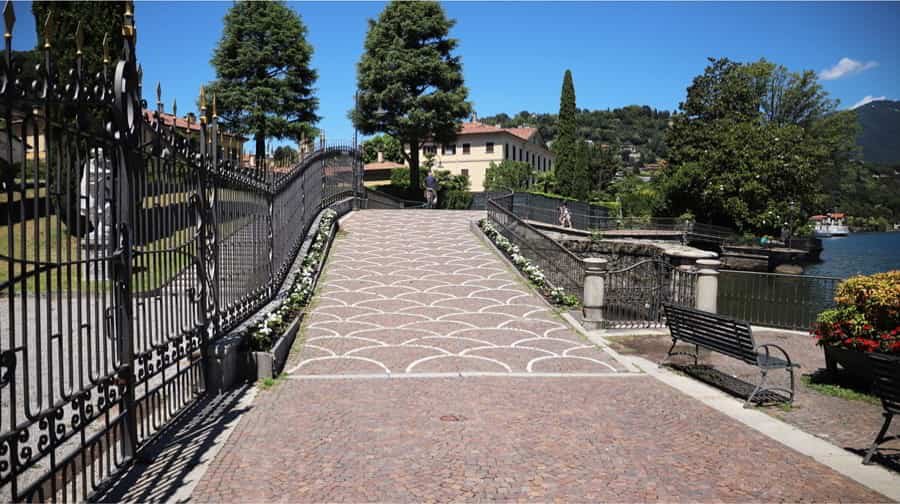
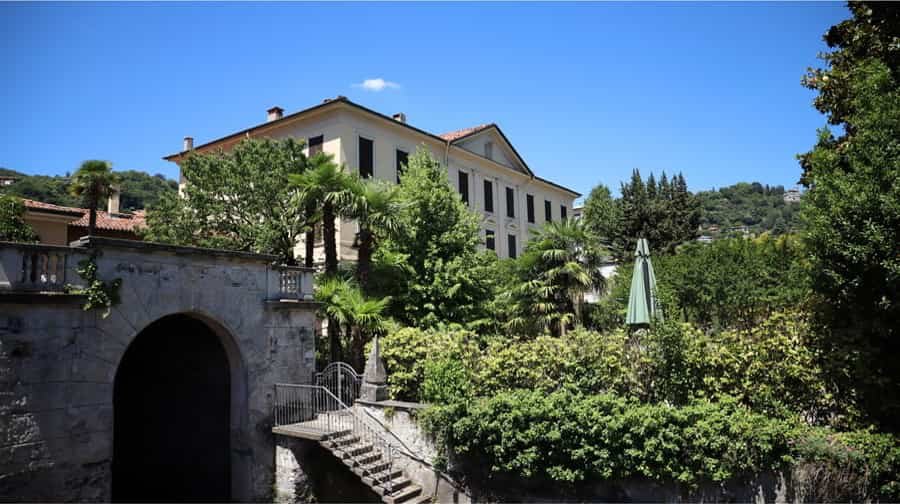
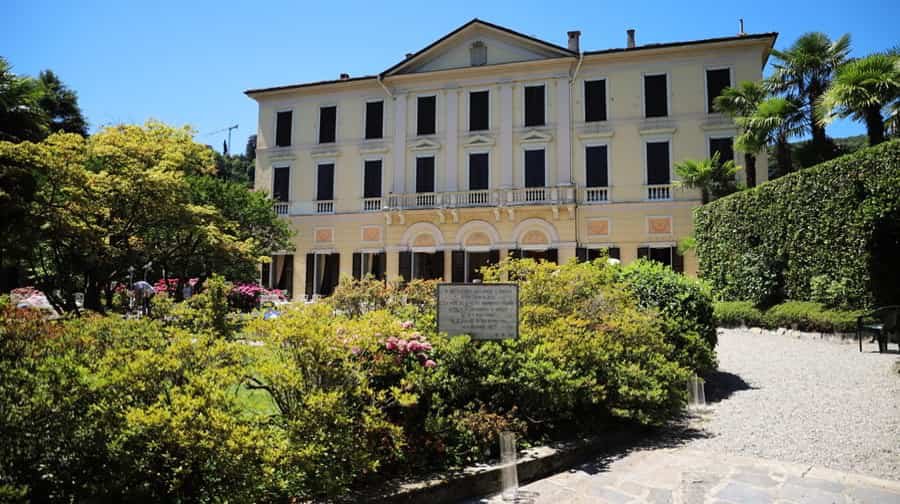
This scenic walk explores the lakeside charm of Como, offering a blend of natural beauty and historic streets. Starting at the Fontana di Villa Geno, a striking lakeside fountain surrounded by greenery, the route follows Viale Geno, a peaceful promenade with beautiful views across Lake Como. Continuing along the aptly named Passeggiata romantica, the walk captures a tranquil atmosphere, popular with locals and visitors alike. Reaching Piazza Alcide De Gasperi, near the funicular station, the route connects to the lively waterfront along Lungo Lario Trieste, where cafés and boats animate the lakeside setting. Turning inland, the walk passes through narrower, more traditional streets such as Via Coloniola and Via Dionigi da Parravicino, before continuing along Via Crespi. The route reaches Piazza De Orchi and then Piazza Giacomo Matteotti, lively squares that reflect the everyday rhythm of the city. Finally, returning to Lungo Lario Trieste, the walk concludes with sweeping lake views, highlighting Como’s unique combination of serene landscapes and vibrant urban life.
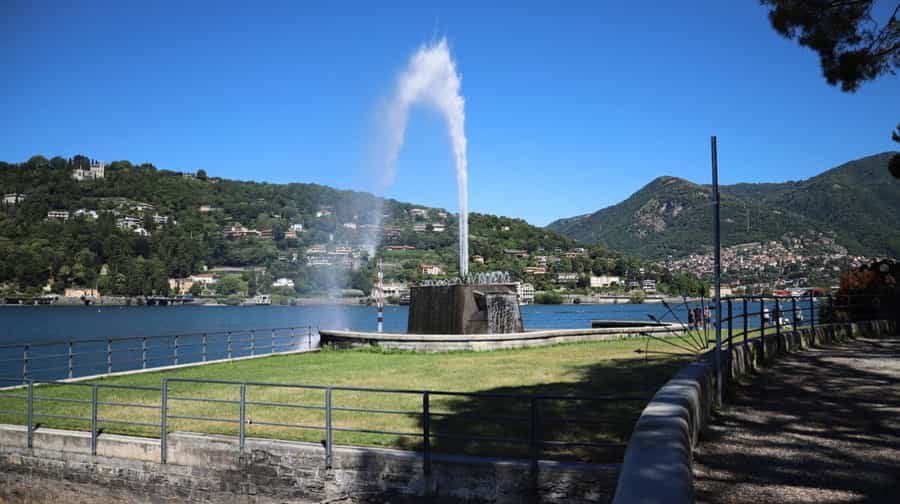
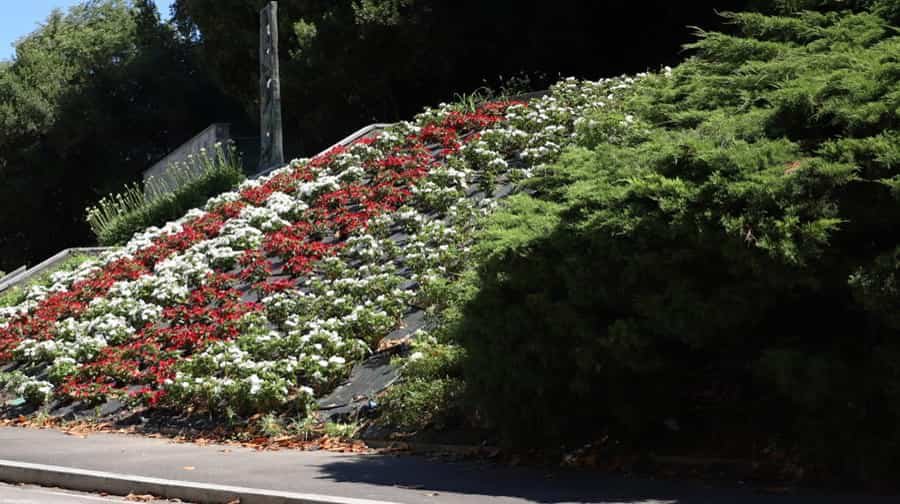
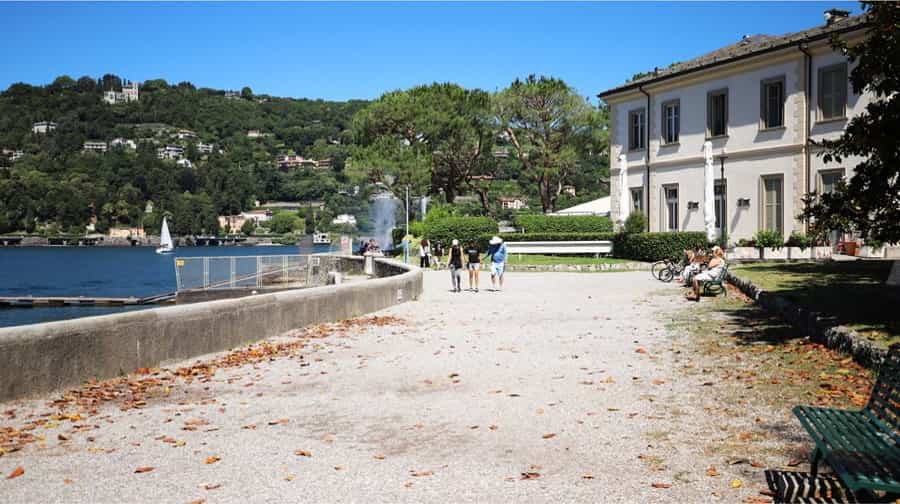
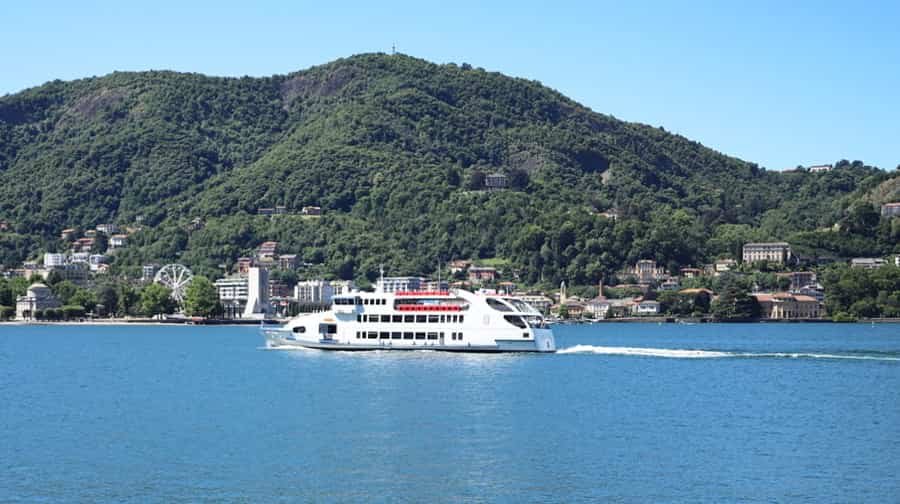
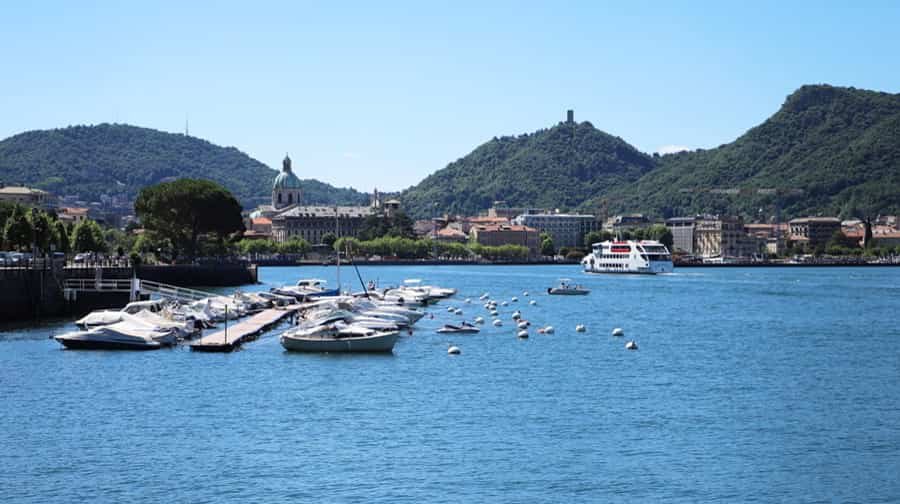
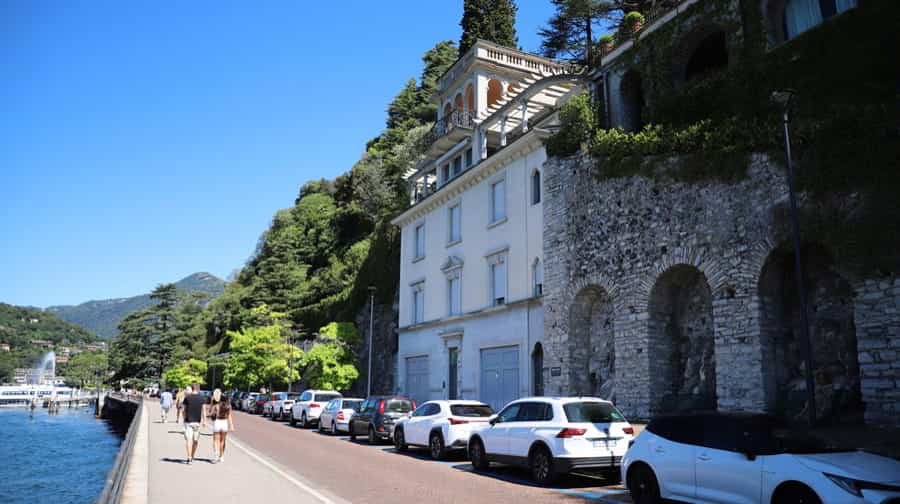
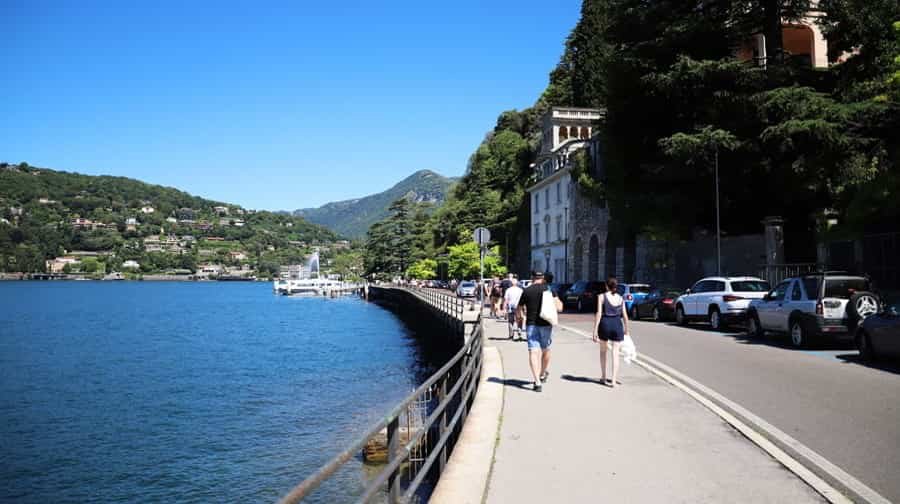
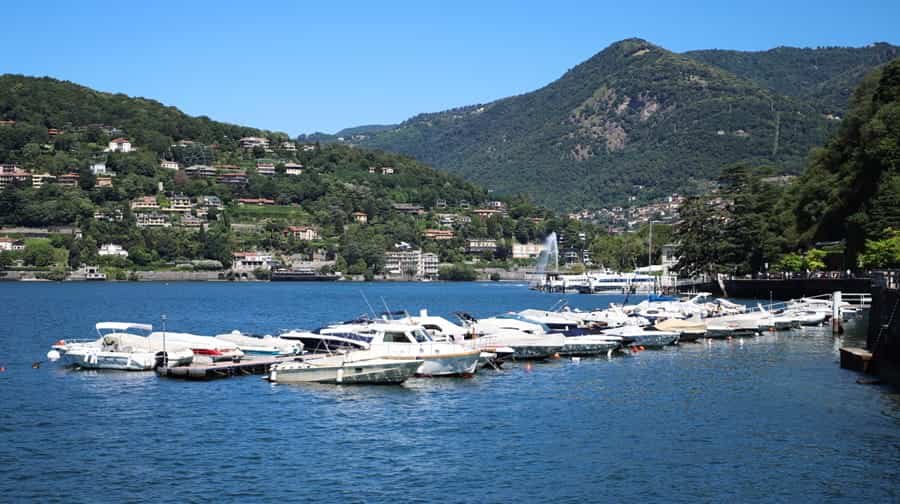
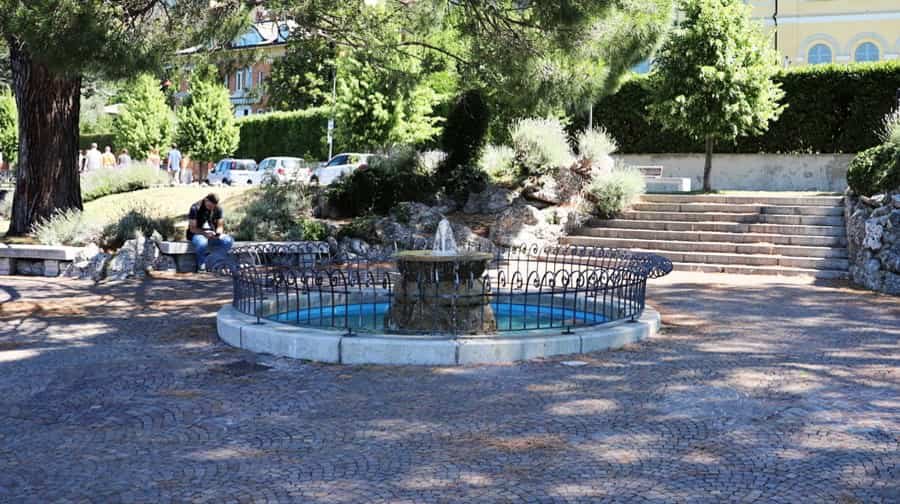
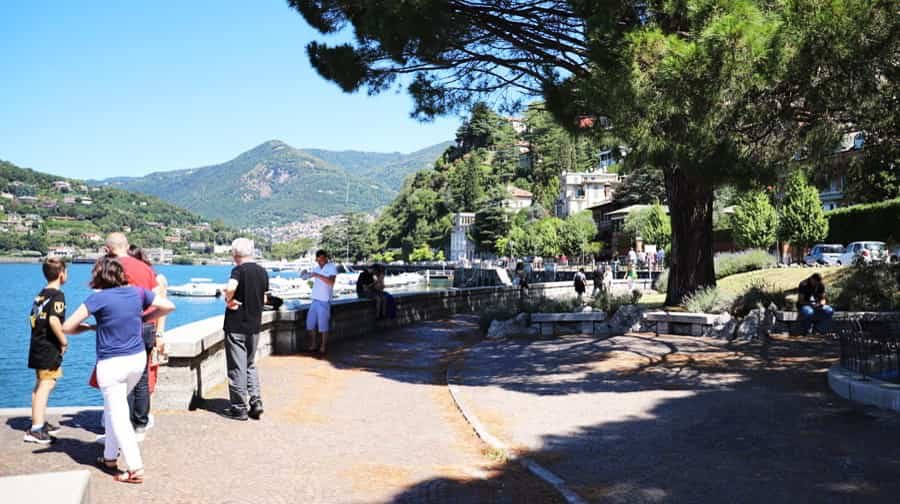
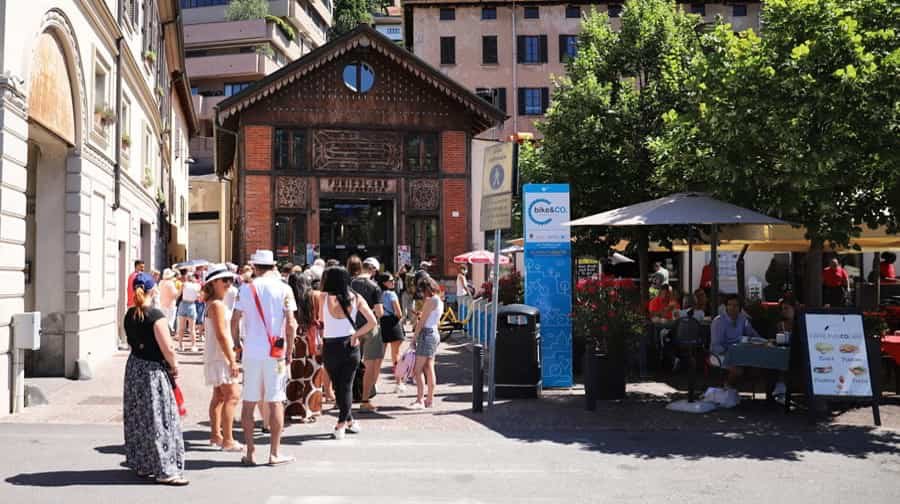
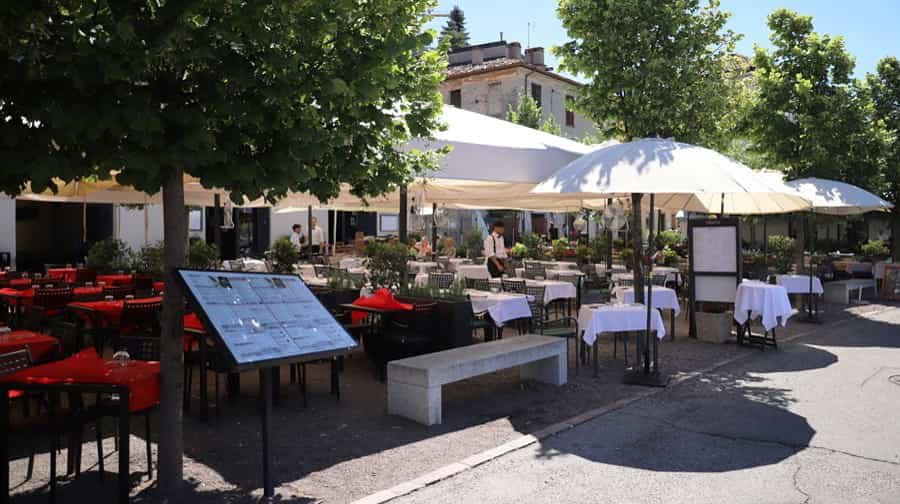
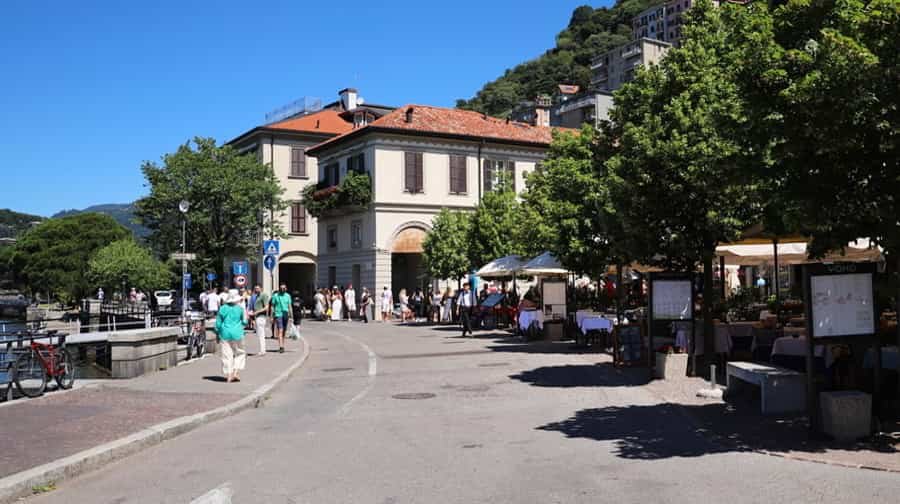
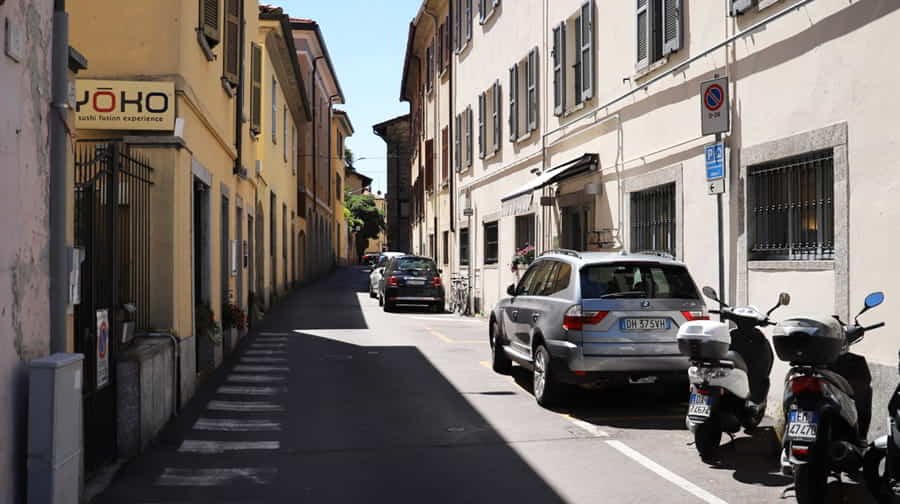
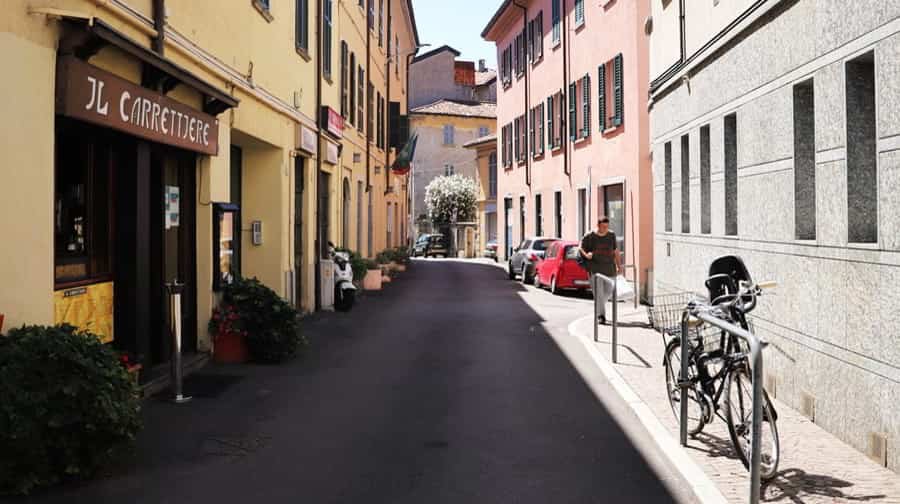
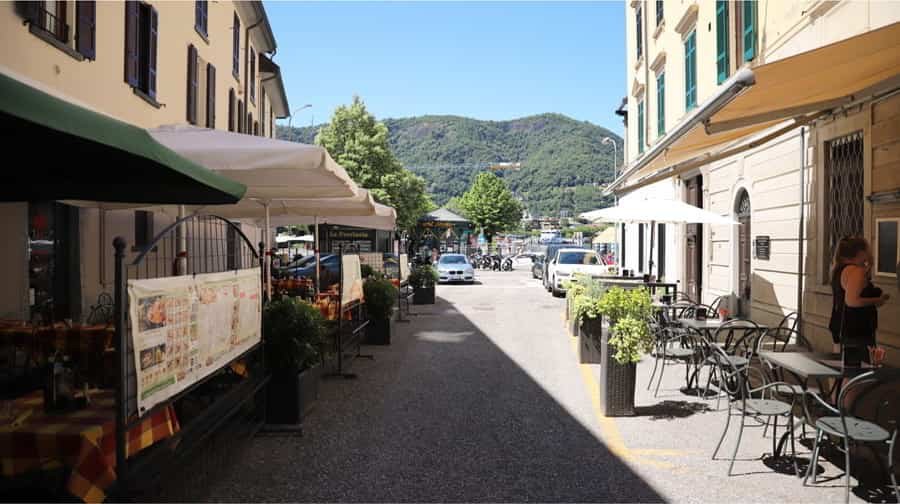
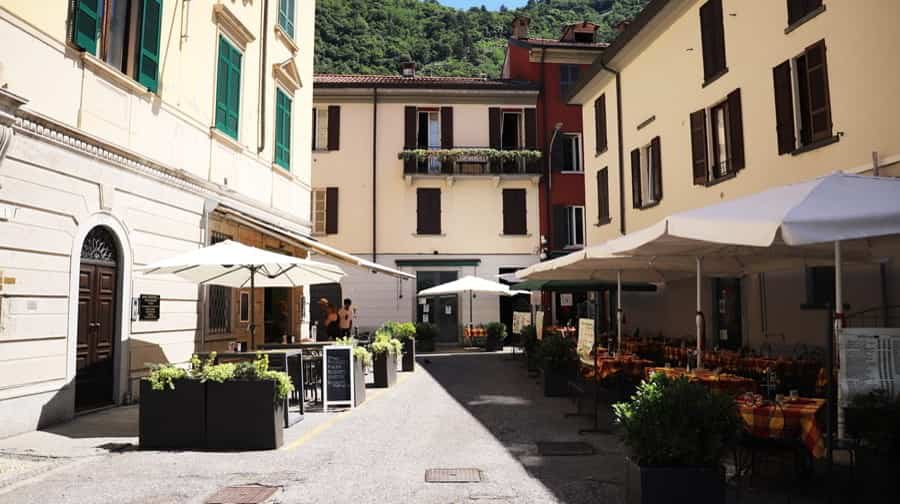
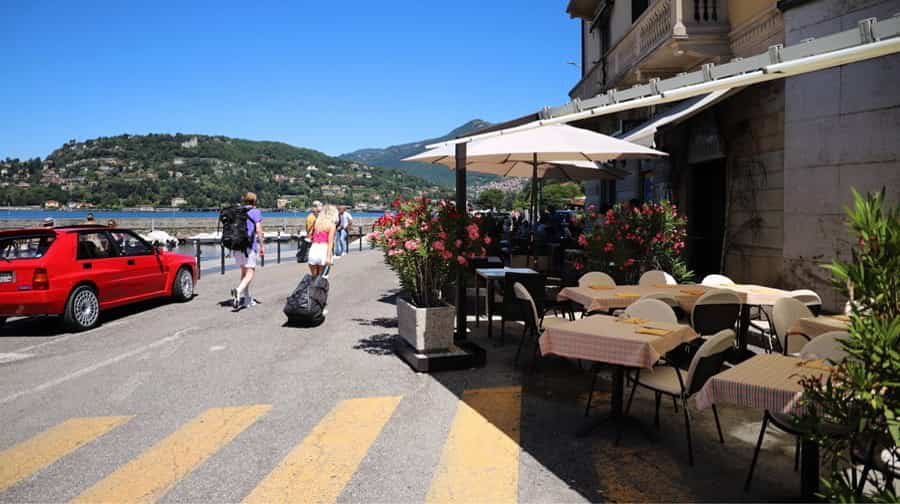
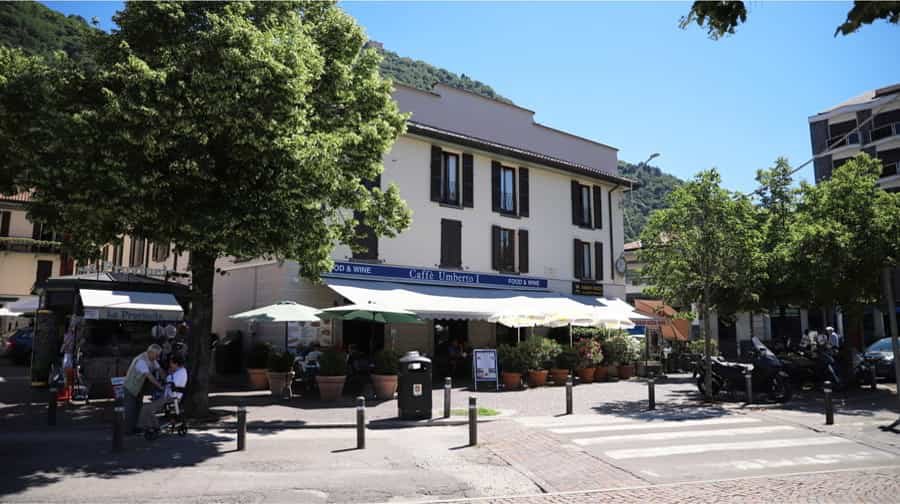
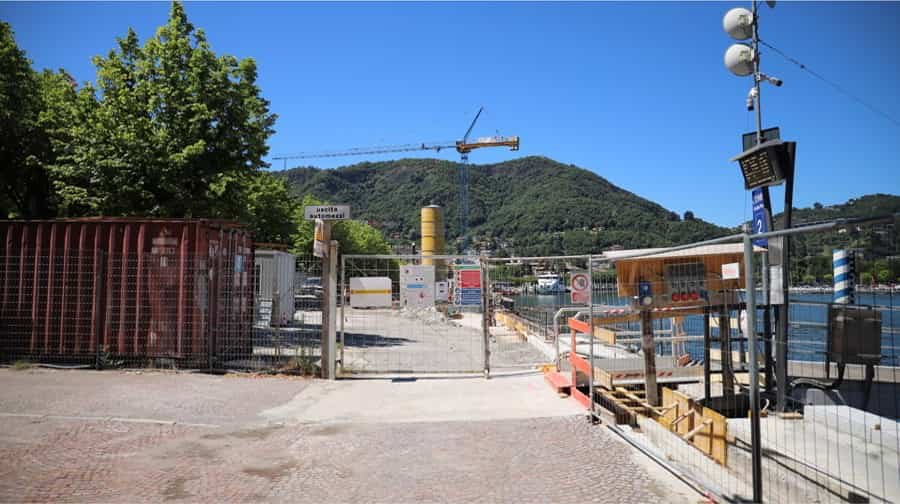
Photo Gallery of Walk 4 – Lungo Lario Trieste to Passeggiata Lino Gelpi
Approximately 1.79 km – 1.11 miles
Description of Walk 4
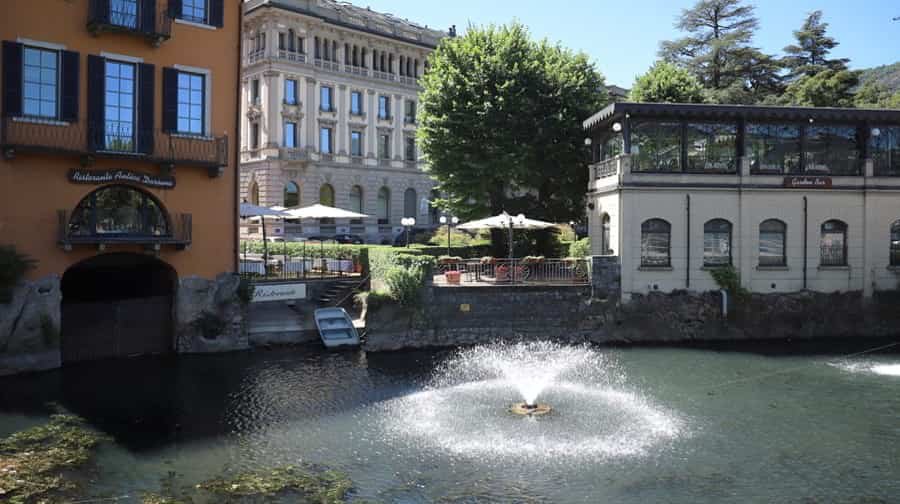
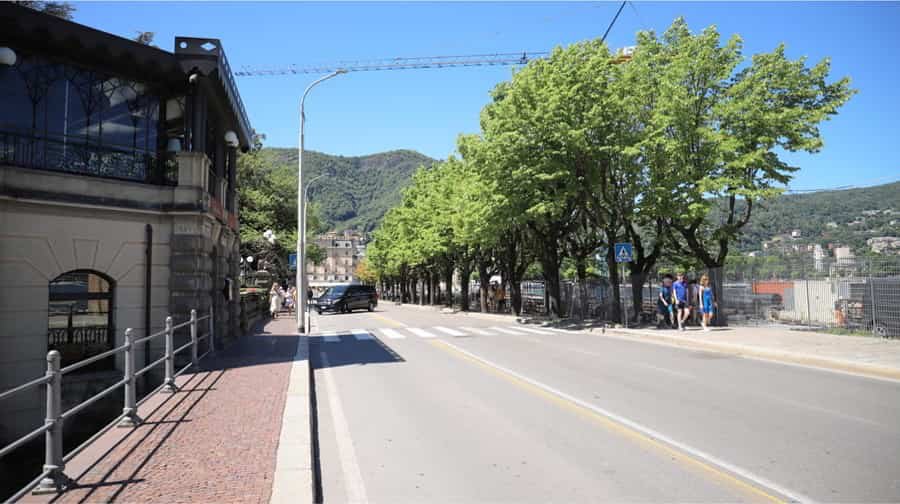
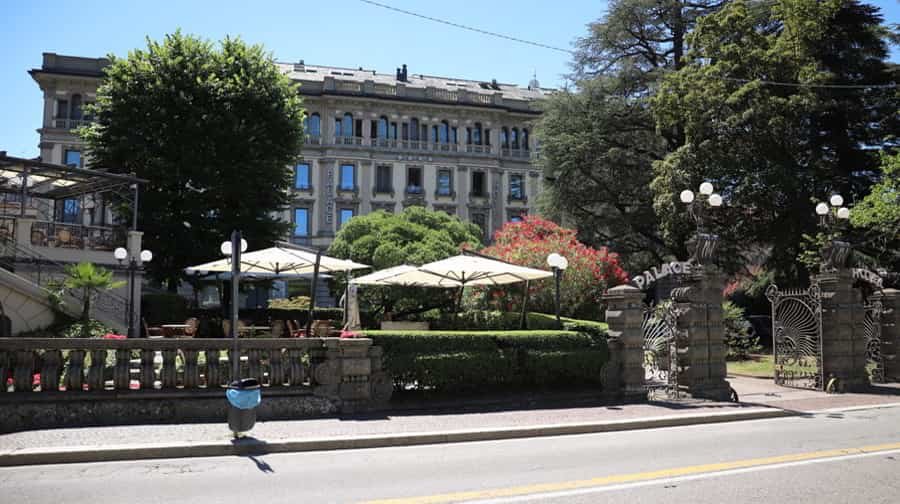
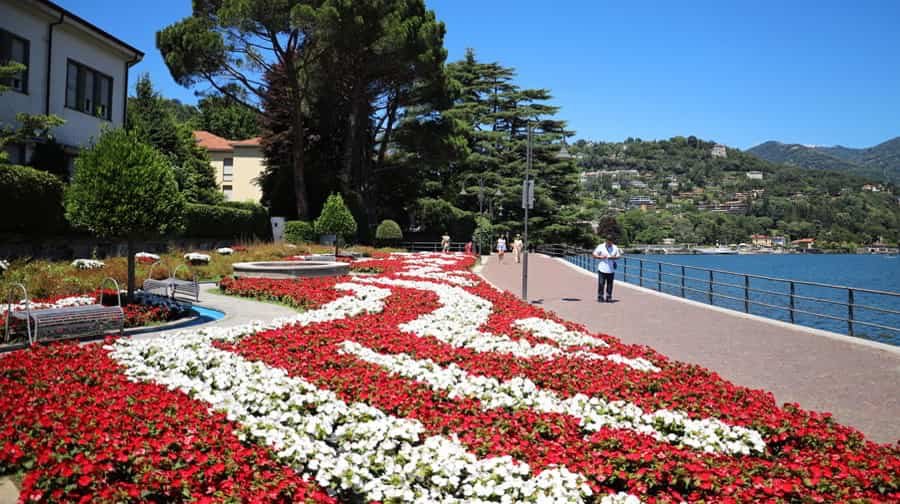
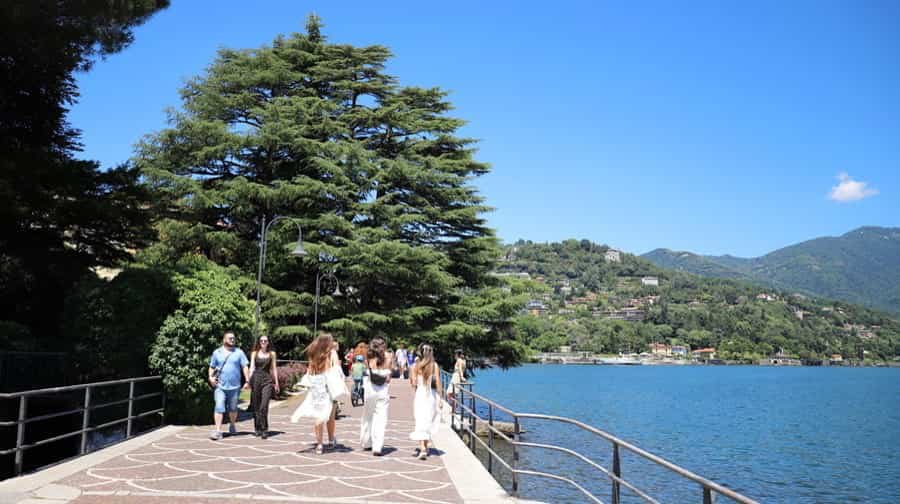
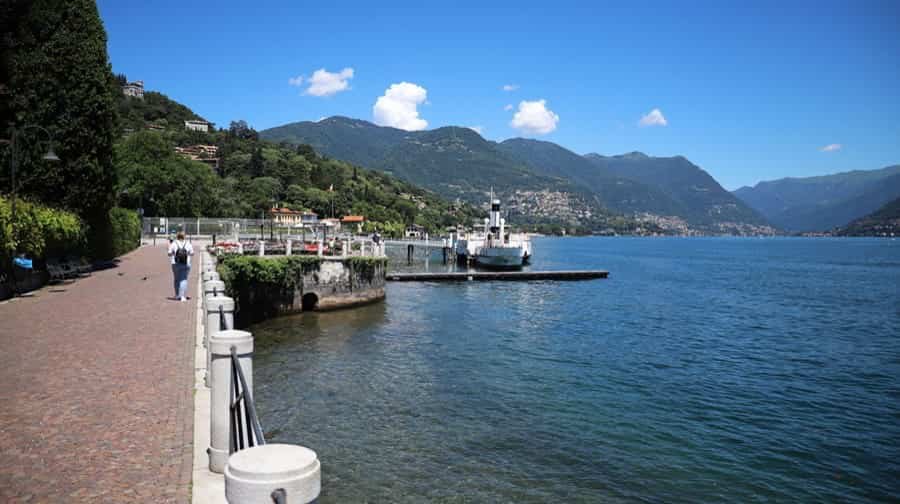
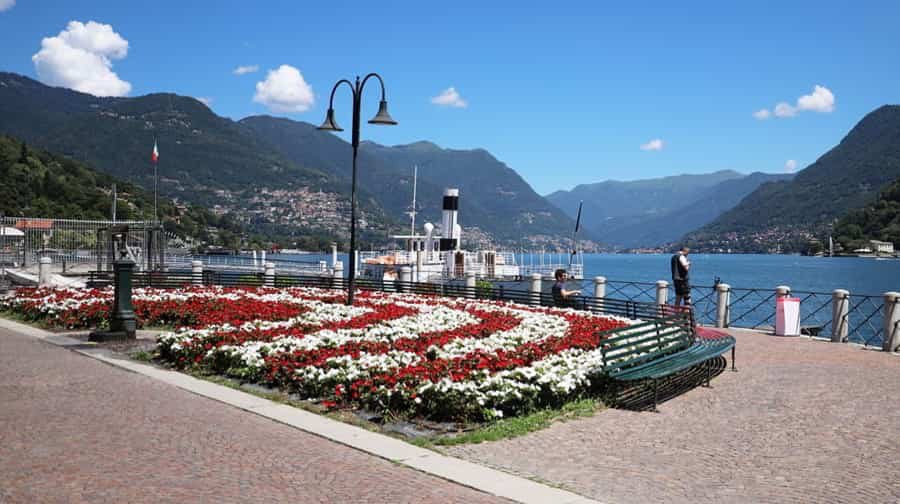
This walk follows the elegant lakeside of Como, offering a relaxing route through green spaces and scenic promenades along Lake Como. Beginning at Lungo Lario Trieste, a lively waterfront lined with cafés and views of boats on the lake, the route continues seamlessly onto Lungolago Mafalda di Savoia, where the atmosphere becomes more open and tranquil.The walk then passes through the beautiful Giardini del Tempio Voltiano, a well-kept park dedicated to Alessandro Volta, the inventor of the electric battery and one of Como’s most famous figures. Nearby stands the Tempio Voltiano, a museum celebrating his life and achievements, surrounded by lawns and lakeside paths. Continuing along Viale Giancarlo Puecher, the route maintains close contact with the water, offering uninterrupted views across the lake and toward the surrounding mountains. At Piazzale Francesco Somaini, the walk transitions into the quieter Passeggiata Lino Gelpi, a peaceful promenade popular for walking and relaxation.
COPYRIGHT © 2018-2026 ITALY IN PHOTOS - ALL RIGHTS RESERVED