
HOME
REGIONS OF ITALY
PLACES IN ITALY
PLAN YOUR TRIP
Italy in Photos
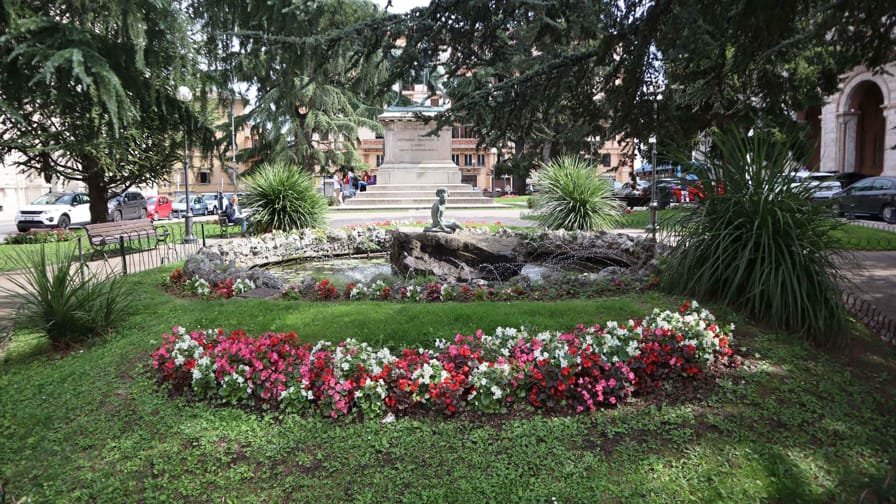
Parco della Pescaia, 06124 Perugia PG, Italy (September 2020)
Umbria
Umbria, often called the “green heart of Italy,” is a region defined by its quiet strength, layered history, and deeply rooted traditions. Landlocked and largely untouched by mass tourism, it offers a more intimate vision of Italy, where medieval hill towns rise from wooded valleys, olive groves and vineyards pattern the countryside, and daily life still follows rhythms shaped by centuries of continuity. Umbria does not dazzle with coastal views or grand imperial cities; instead, it captivates through balance, authenticity, and a profound sense of place.
Geographically, Umbria sits at the centre of the Italian peninsula, a position that has shaped its historical role as a crossroads of cultures. Rolling hills, fertile plains, and the Apennine Mountains define its landscape, while rivers such as the Tiber and the Nera have long supported agriculture and settlement. The region’s natural environment remains one of its greatest assets, with forests, lakes, and protected areas contributing to a sense of harmony between human activity and nature. Lake Trasimeno, one of Italy’s largest lakes, is both a scenic and historical landmark, recalling ancient conflicts while today offering tranquillity and rural charm.
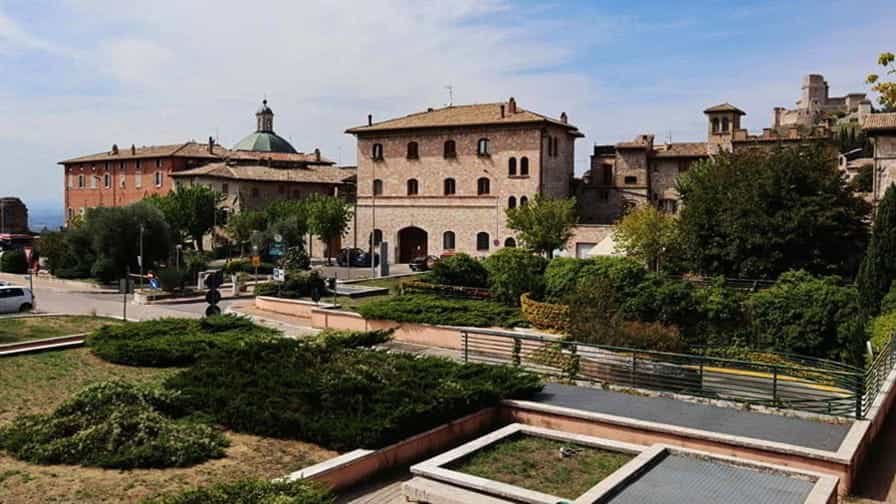
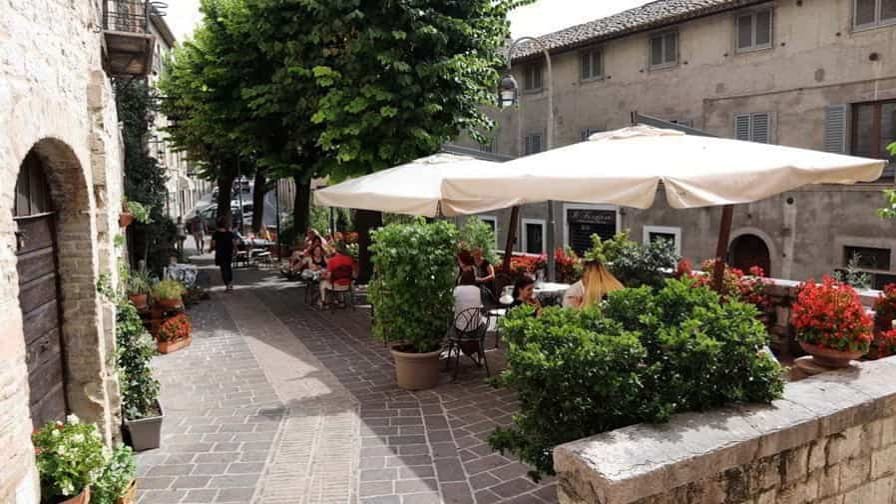
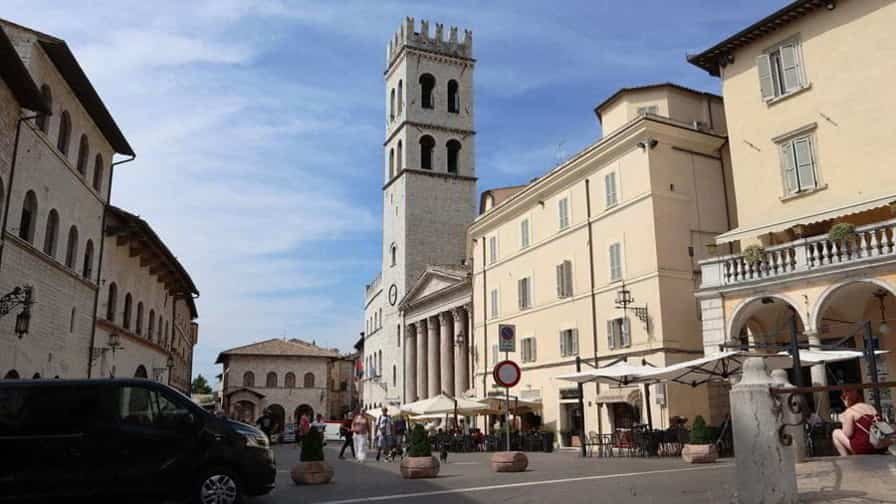
Historically, Umbria’s roots extend back to the Umbri people and the Etruscans, before becoming an integral part of the Roman world. Traces of these civilizations remain visible in archaeological sites, city walls, roads, and bridges. After the fall of Rome, Umbria developed into a constellation of independent city-states and religious centres, leaving behind a remarkable medieval heritage. Towns such as Assisi, Perugia, Spoleto, Orvieto, and Gubbio preserve historic cores that seem suspended in time, with stone streets, fortified walls, and piazzas that still function as social and civic hearts.
Religion has played a central role in shaping Umbria’s identity, most notably through Saint Francis of Assisi, whose life and teachings left a lasting spiritual legacy. Assisi became a global pilgrimage destination, yet it remains deeply Umbrian in character, blending sacred art and architecture with everyday life. Monasteries, abbeys, and churches scattered throughout the region reflect centuries of religious devotion and artistic patronage, housing masterpieces of medieval and Renaissance art.
Umbrian culture is also expressed through its food, which is simple, robust, and closely tied to the land. Local cuisine emphasizes seasonal ingredients, traditional techniques, and bold flavours, from black truffles and lentils to cured meats, olive oil, and handmade pasta. Wine production, particularly in areas such as Montefalco and Orvieto, complements the regional table and reflects the diversity of Umbrian terroirs. Food festivals and local sagre play an important role in community life, celebrating harvests, patron saints, and time-honoured recipes.
Despite its deep historical roots, Umbria is not frozen in the past. Contemporary life coexists with tradition, especially in university cities like Perugia, where students, artists, and international residents contribute to a dynamic cultural atmosphere. Craftsmanship, music, literature, and contemporary art continue to evolve, often drawing inspiration from the region’s history and landscape.
Umbria ultimately offers a vision of Italy that is inward-looking yet expansive in meaning. It is a place where history is lived rather than displayed, where landscapes invite contemplation, and where cultural identity is preserved through everyday practices. For visitors and residents alike, Umbria reveals itself gradually, rewarding patience and curiosity with depth, warmth, and an enduring sense of belonging.
The Provinces in the Region of Umbria
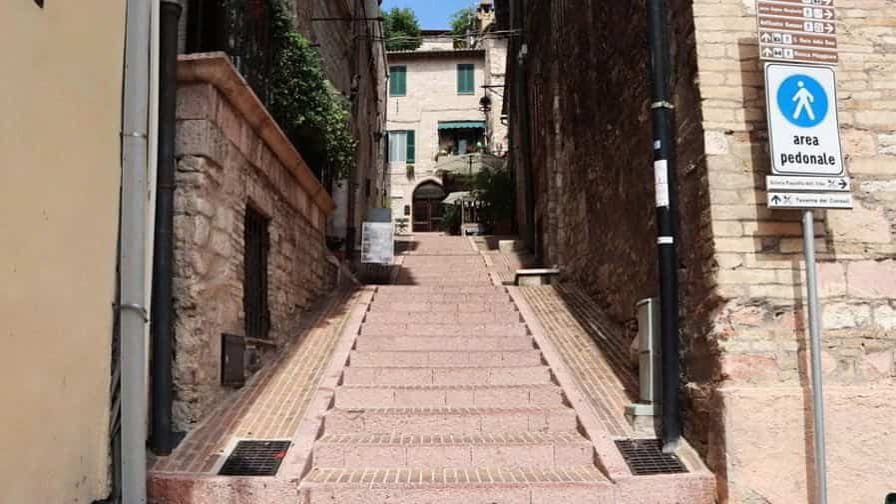
The photos shown for each province were taken during my visits to those locations. For more information, click on the name to be taken to the main page for that place.
The Province of Perugia
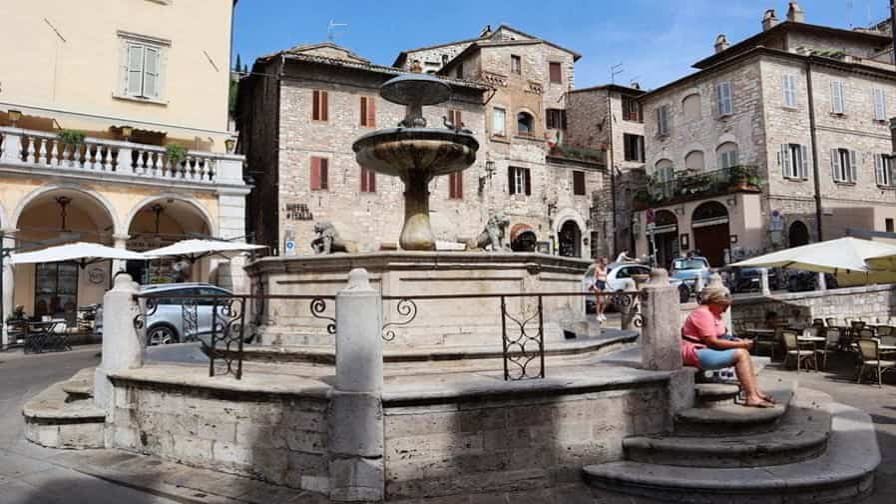
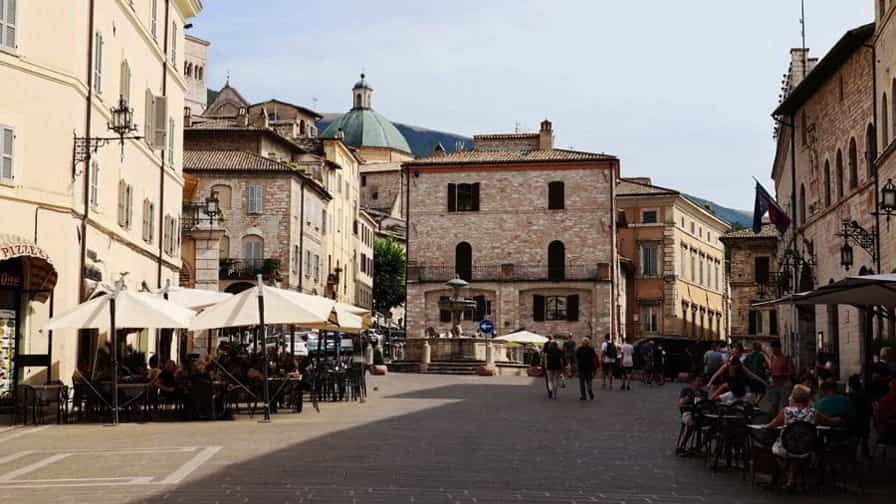
Assisi
Bevagna
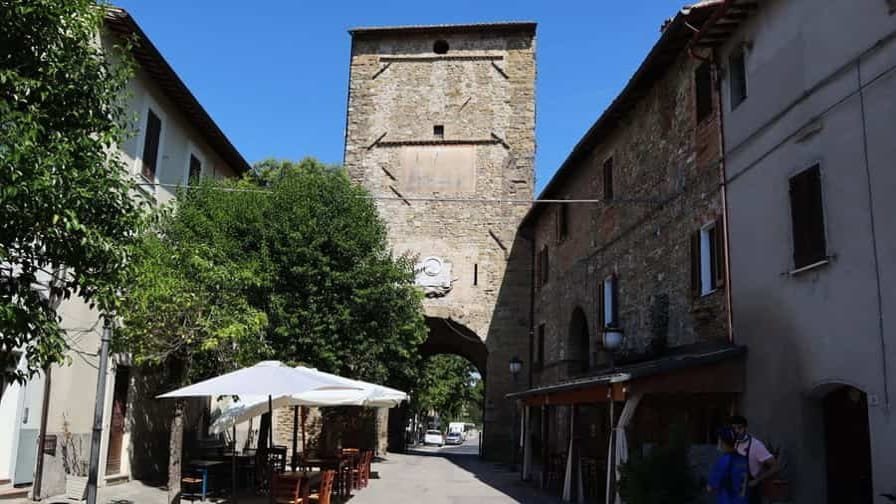
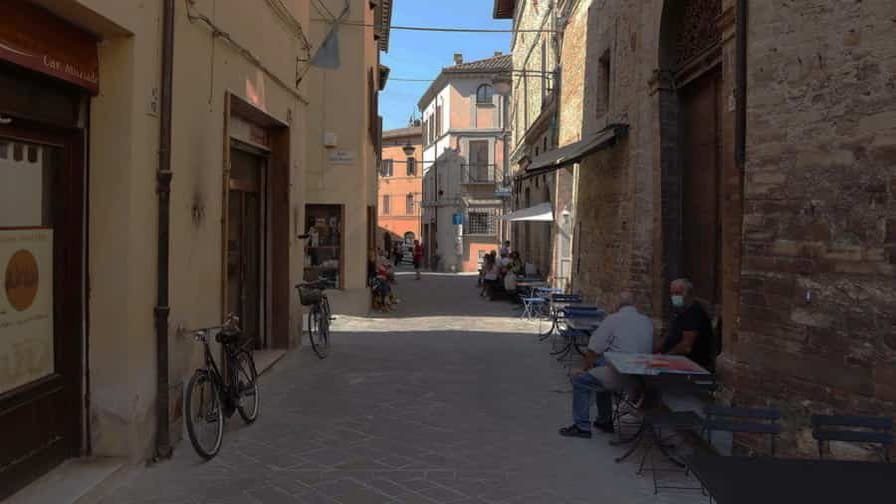
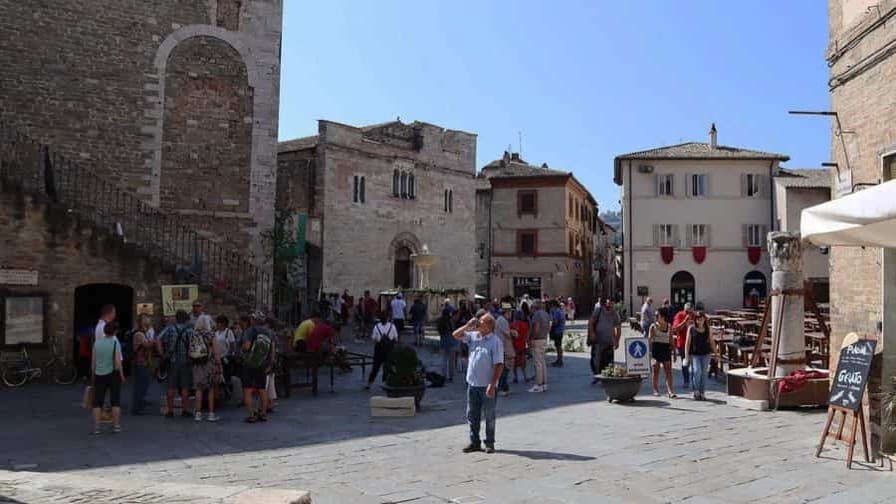
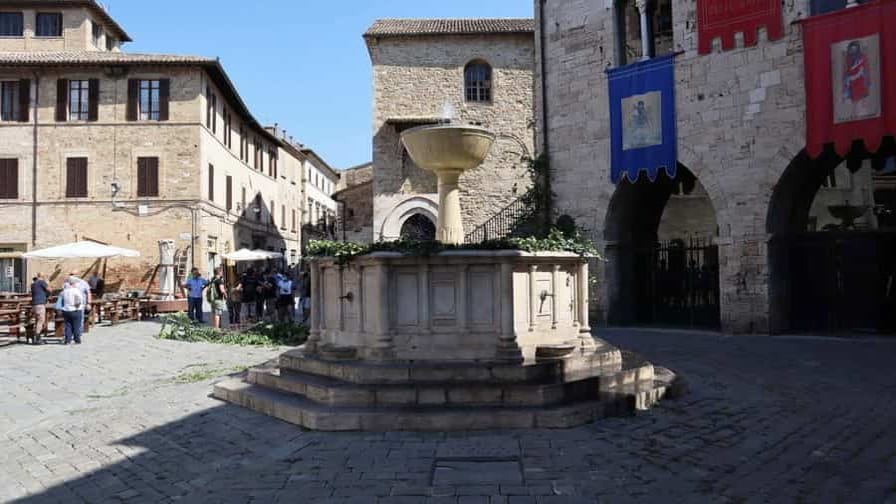
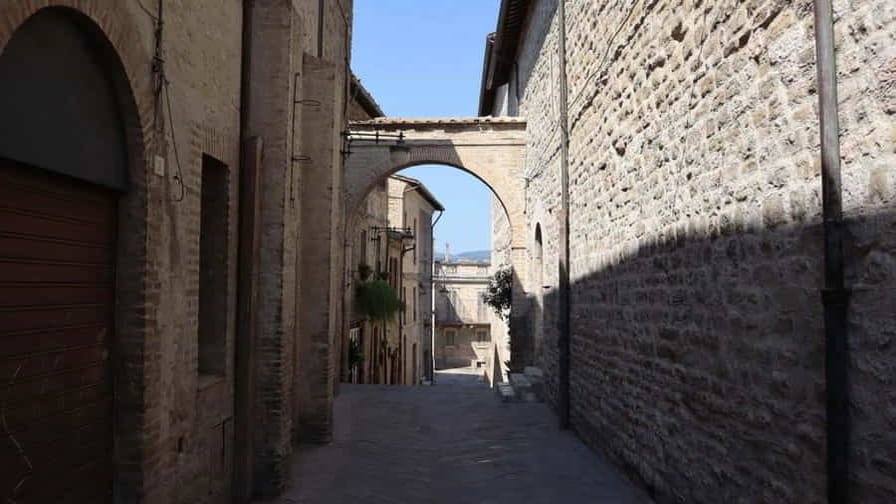
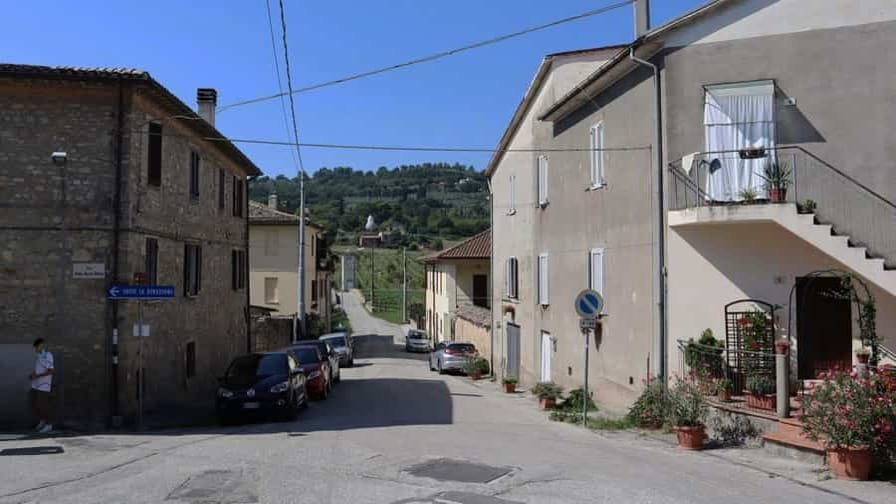
Montefalco
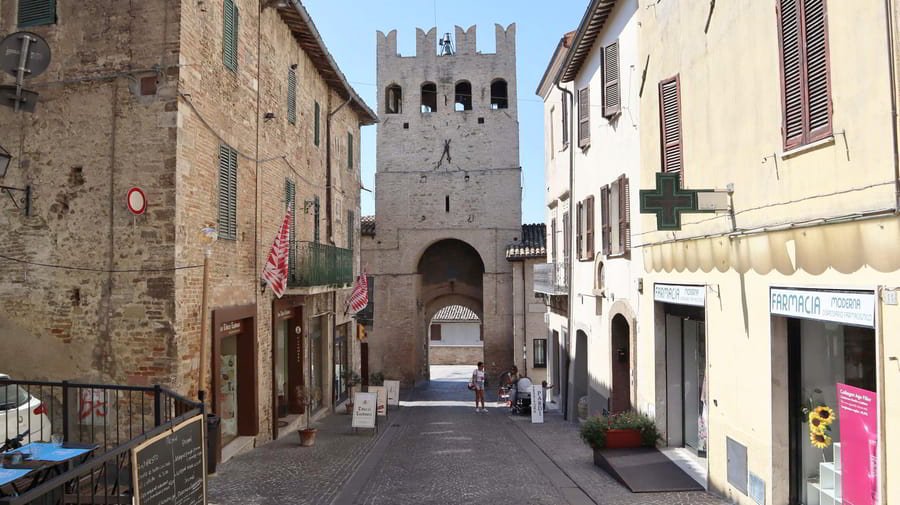
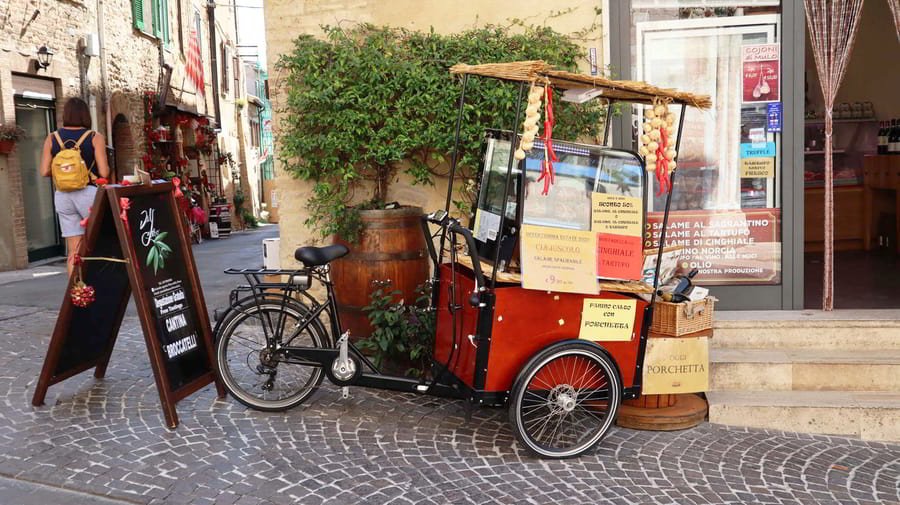
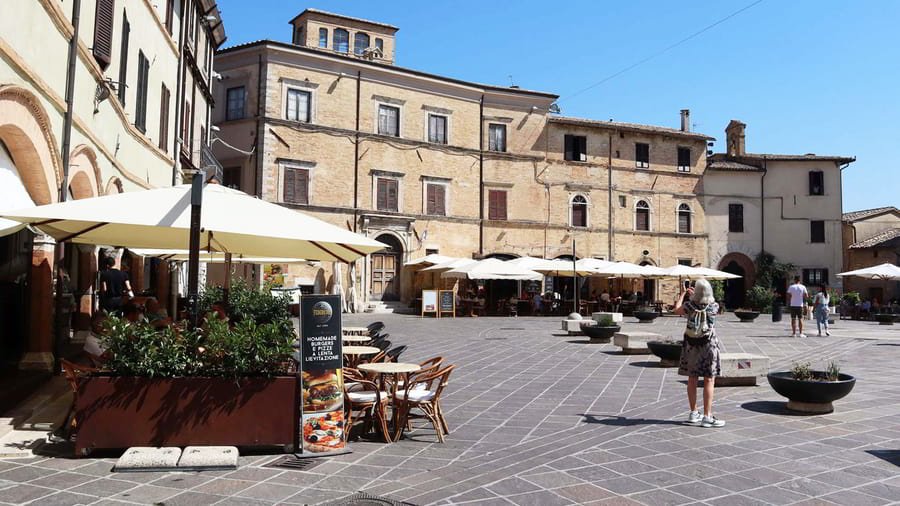
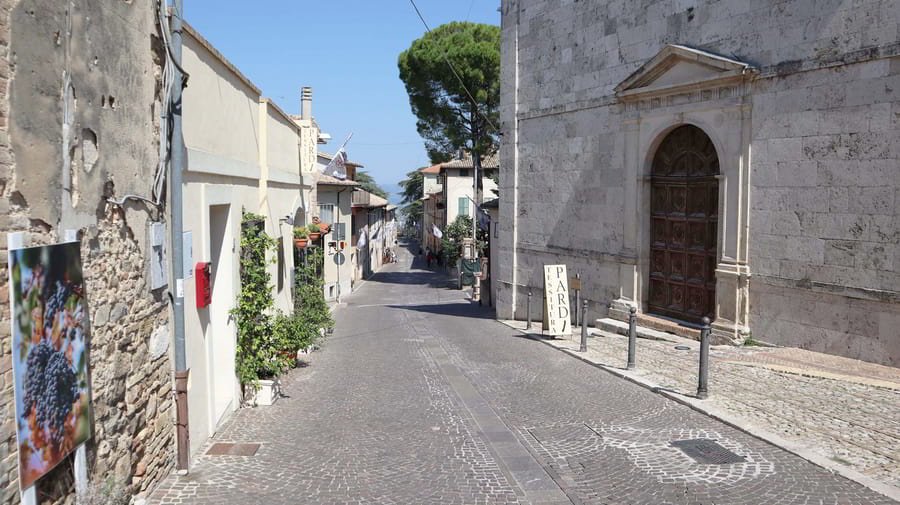
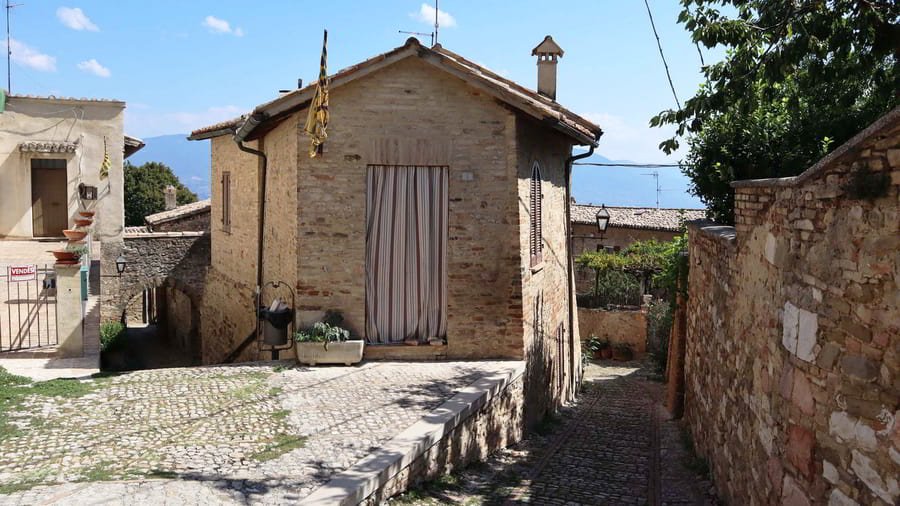
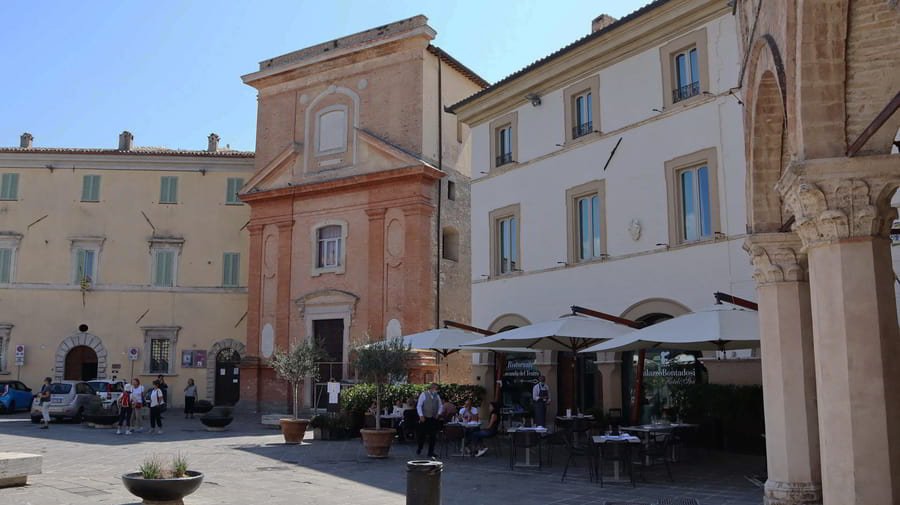
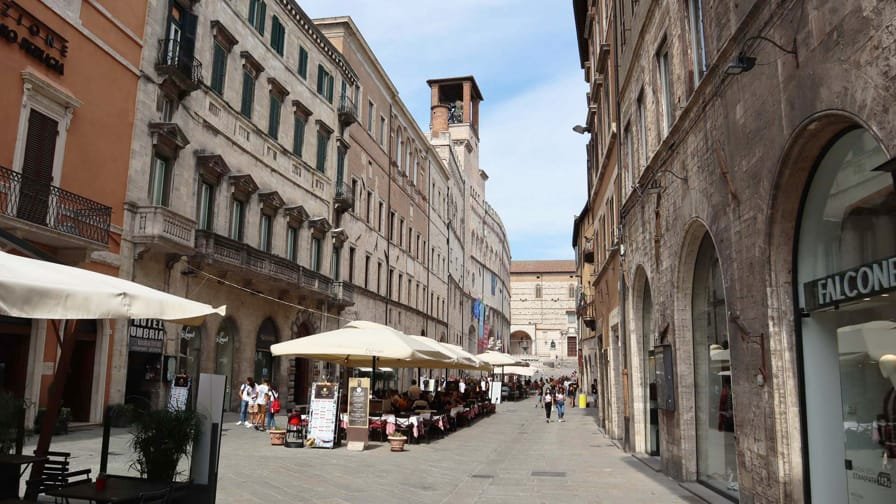
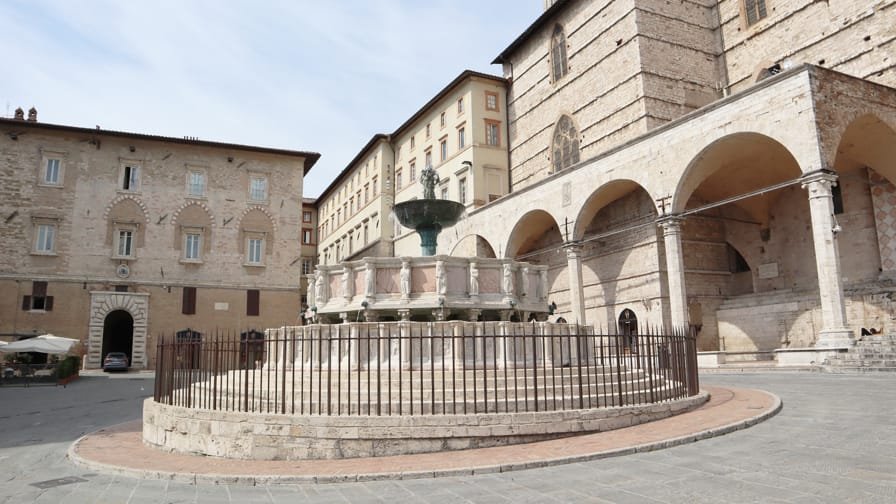
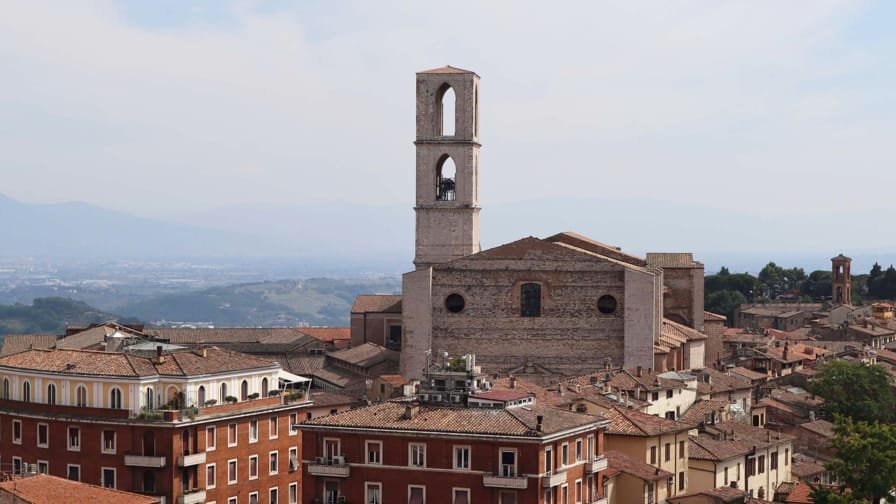
Perugia
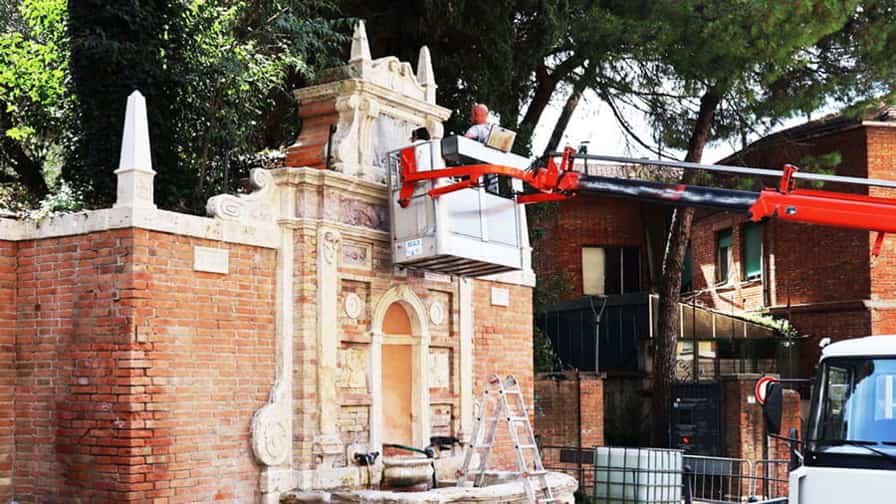
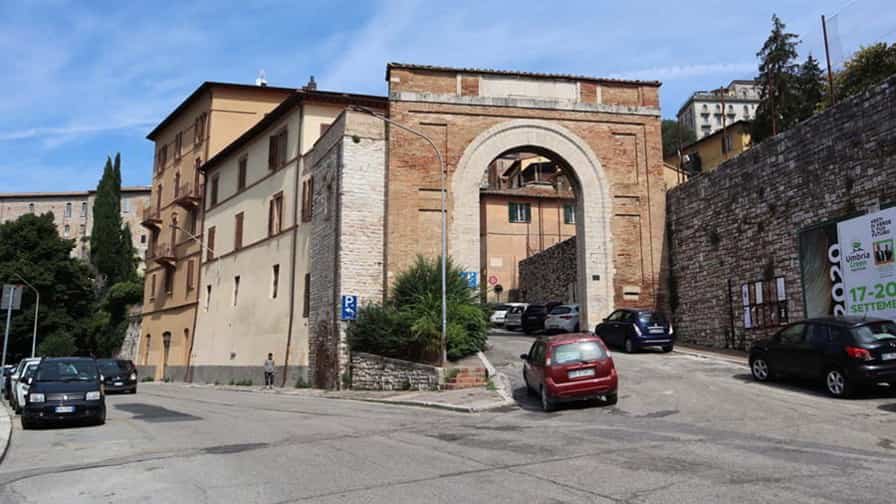
Santa Maria degli Angeli
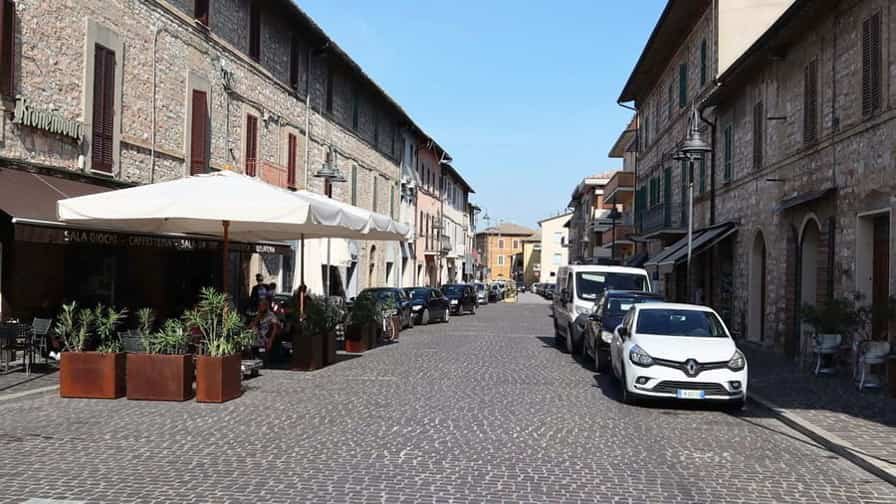
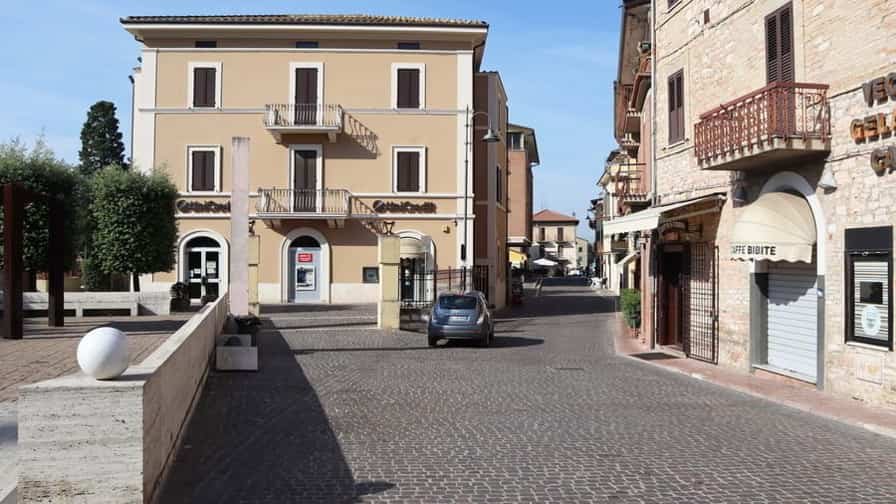
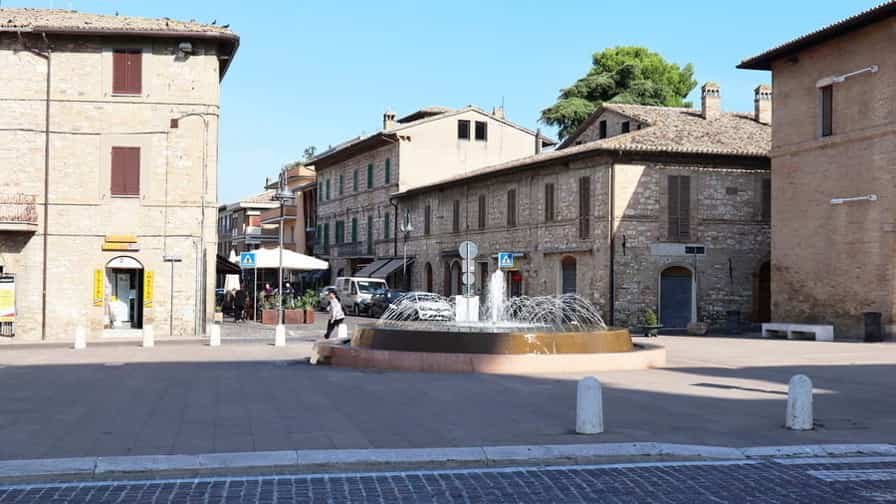
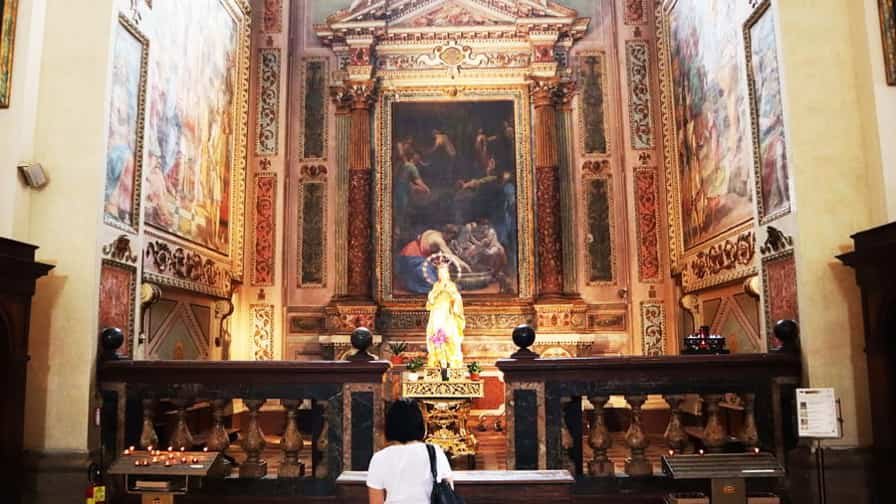
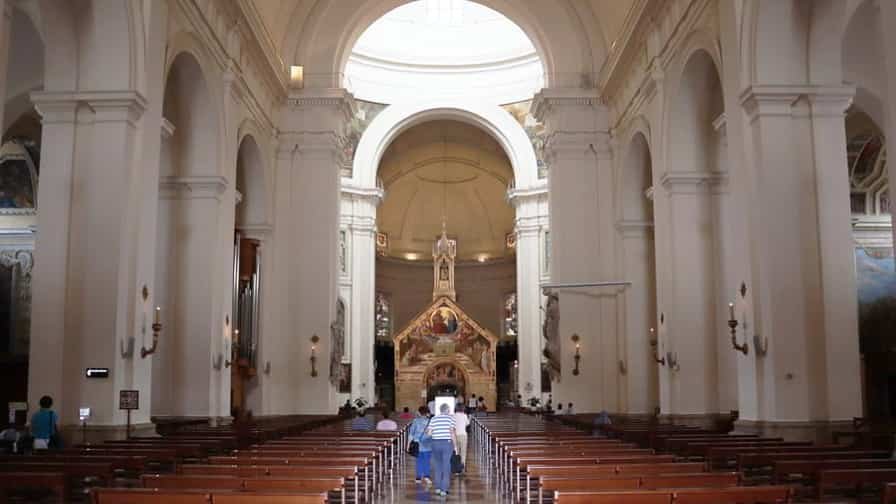
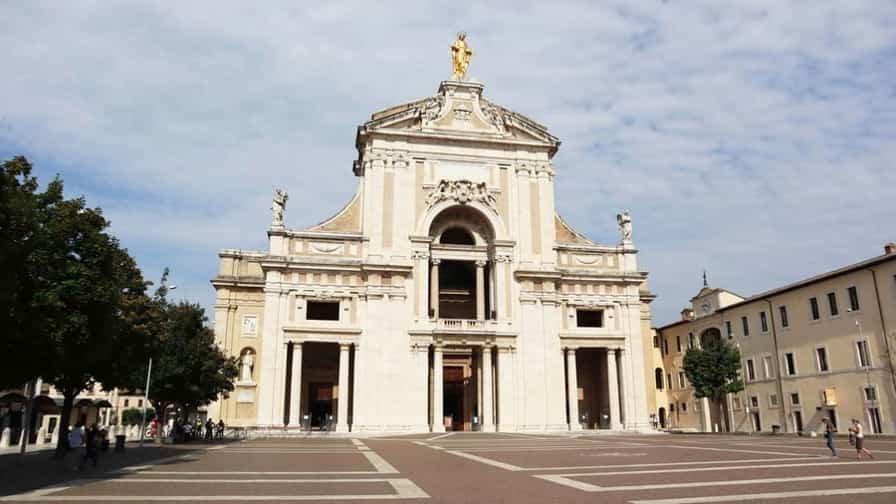
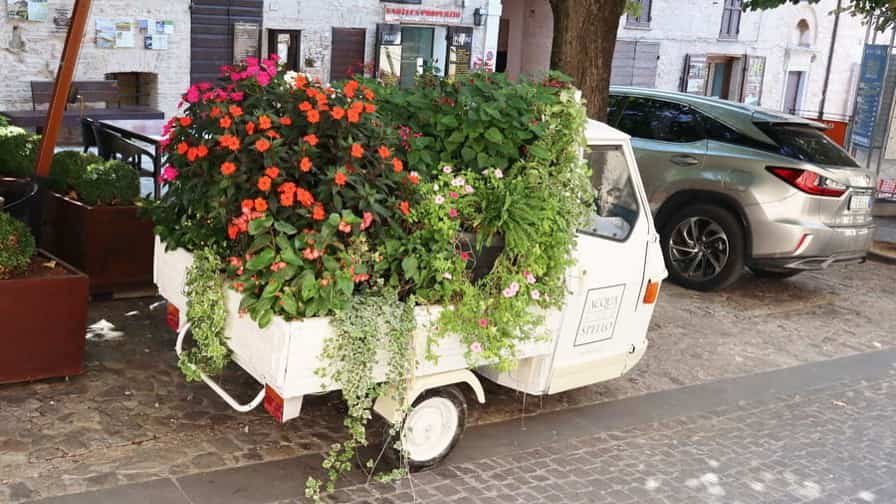
Spello




The Province of Terni
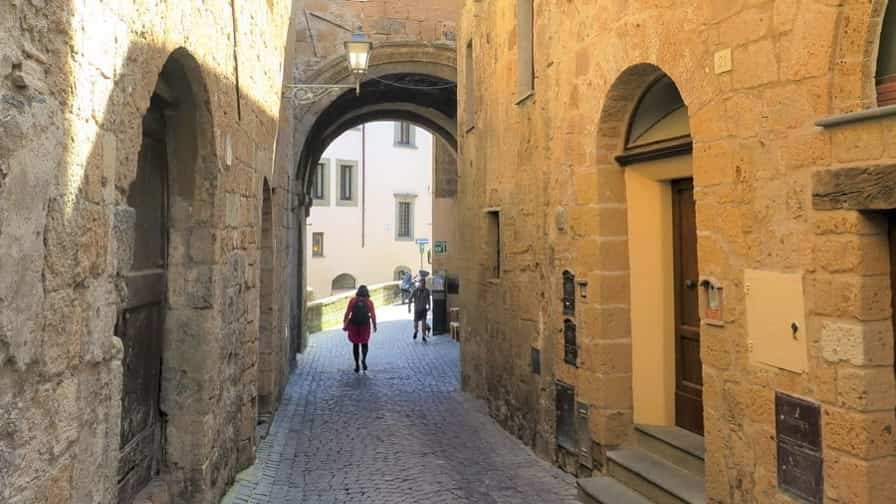
Orvieto
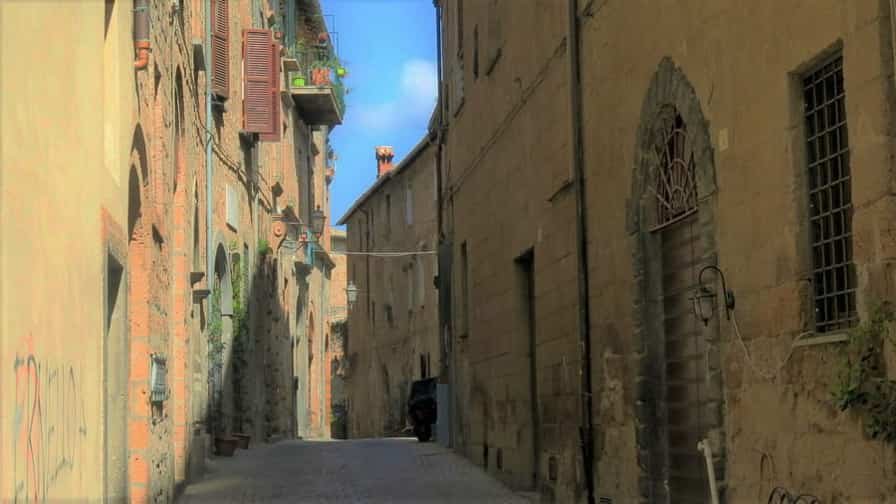
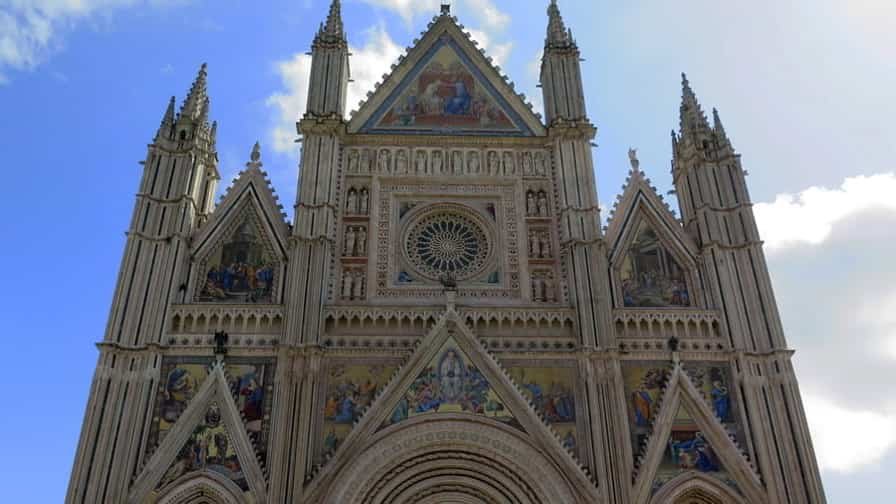
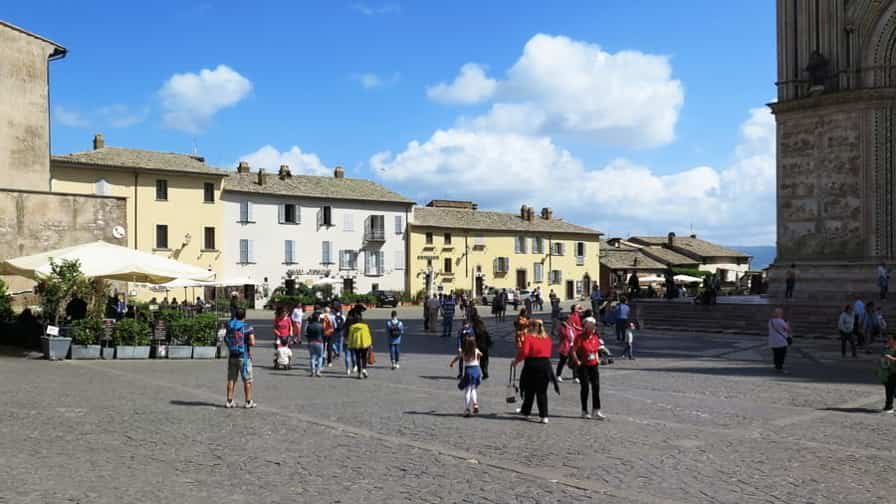
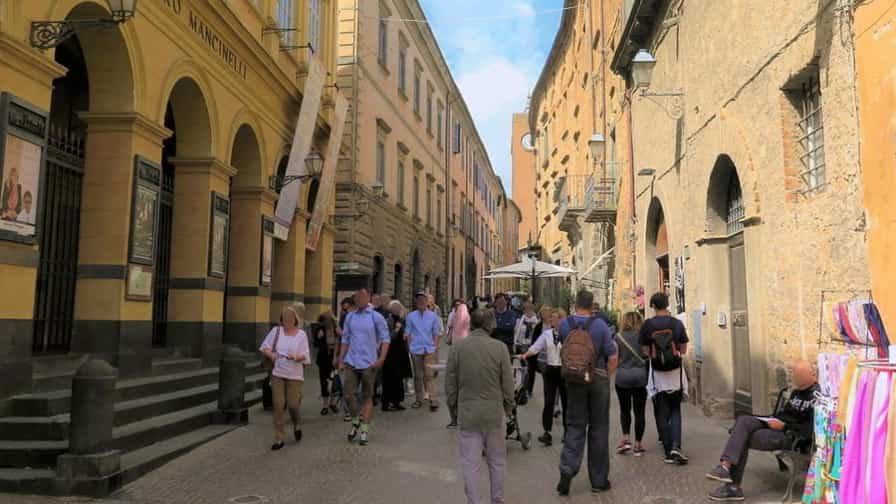
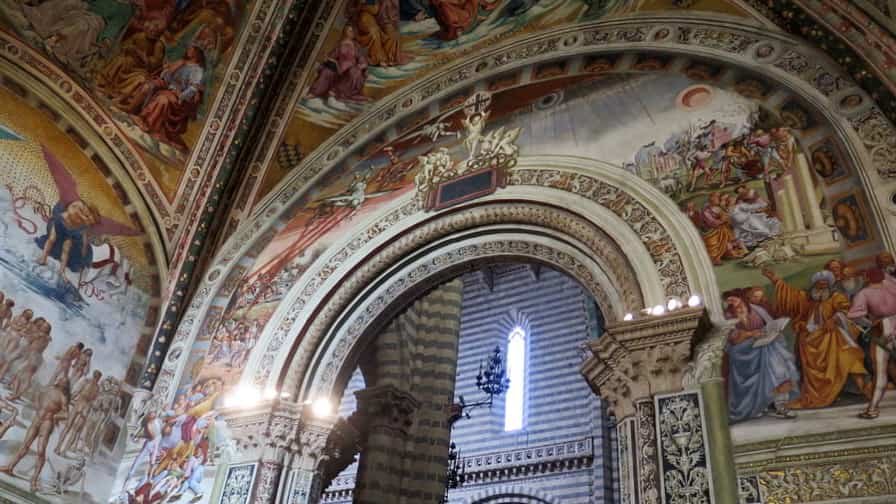
The Province of Terni, located in the southern part of the Umbria region, is an area of striking contrasts where nature, history, and industry coexist in a distinctive balance. Often referred to as the more dynamic and less explored side of Umbria, the province is characterized by dramatic landscapes that range from rolling hills and fertile valleys to rugged mountains and deep river gorges. The Nera and Velino rivers shape much of the territory, creating lush environments and supporting one of the province’s most iconic natural landmarks, the Marmore Waterfall, among the highest man-made waterfalls in Europe.
The city of Terni, the provincial capital, has ancient Roman origins and is historically linked to industrial development, earning it the nickname the Steel City. Alongside its modern identity, the province preserves a rich cultural heritage visible in medieval towns such as Narni, Amelia, and Orvieto, where ancient walls, churches, and underground passages tell stories spanning centuries. The area is also closely associated with Saint Valentine, believed to have been born in Terni, adding a romantic and spiritual dimension to its identity.
With its authentic atmosphere, diverse landscapes, and deep historical roots, the Province of Terni offers a compelling and multifaceted portrait of southern Umbria
Assisi
Bevagna
Montefalco
Orvieto
Perugia
Santa Maria degli Angeli
Spello
Photo Gallery of Walk 1 – Corso Giuseppe Mazzini to Corso Vittorio Emanuele II
Approximately 1.18 km – 0.73 miles
Description of Walk 1
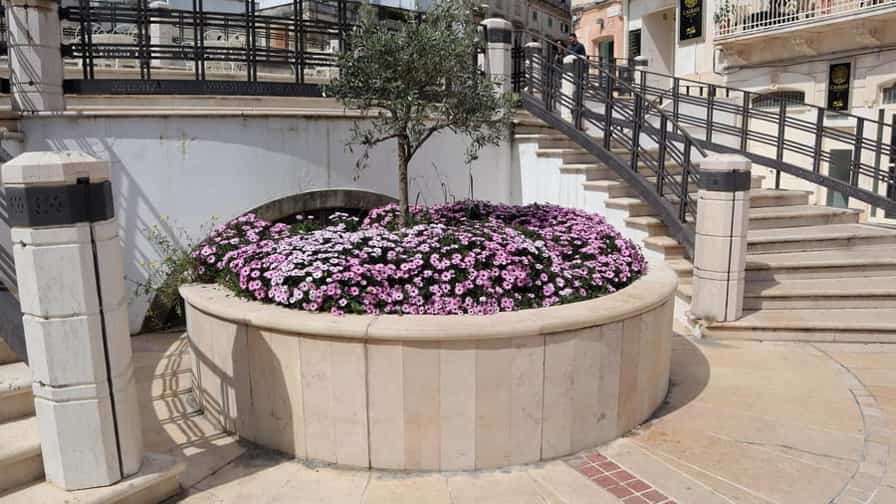
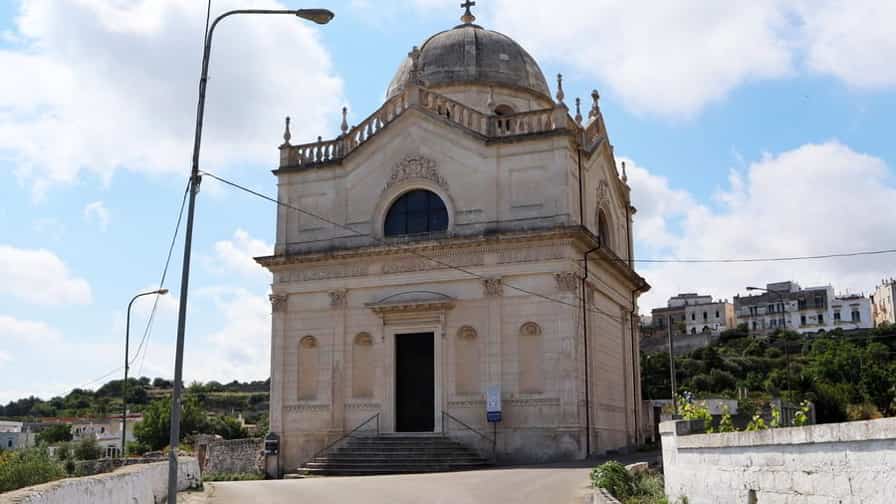
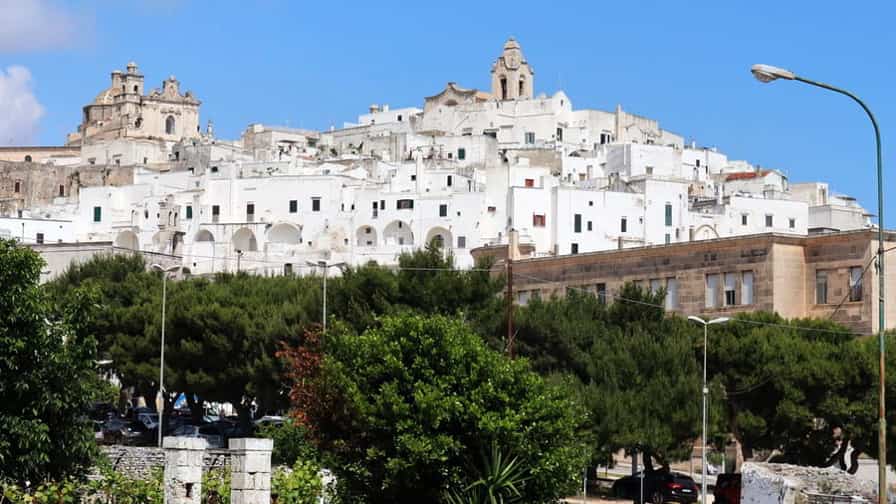
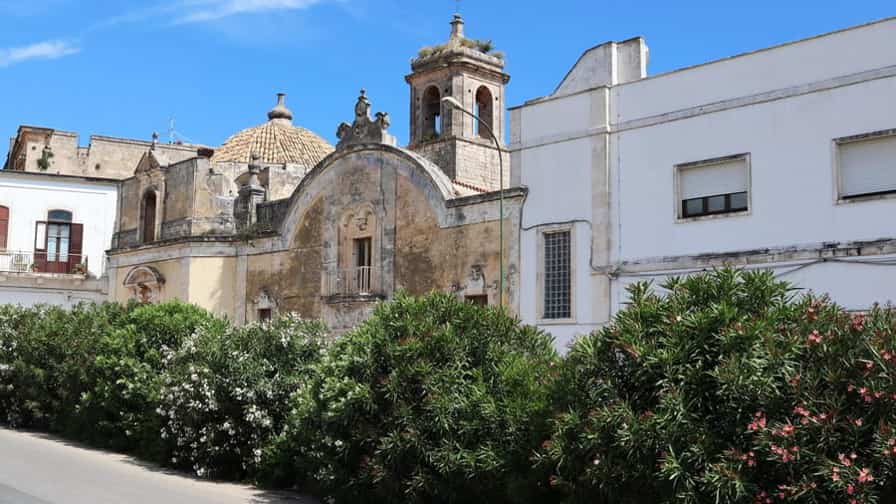
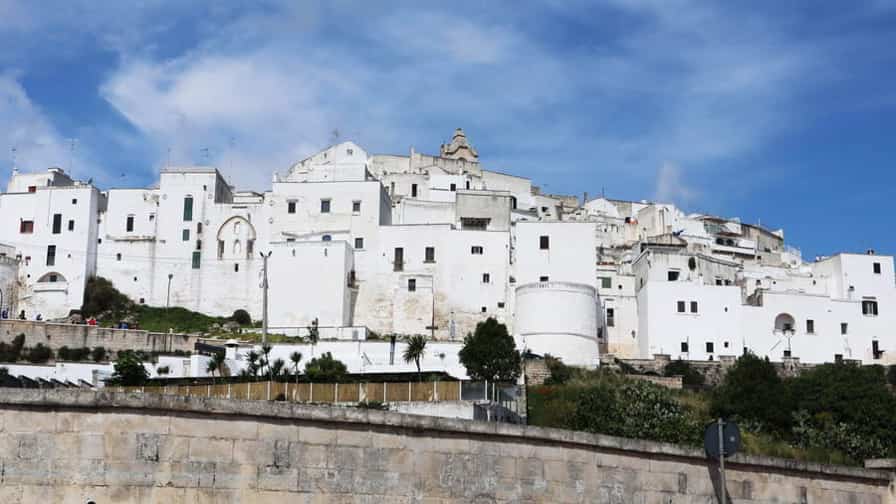
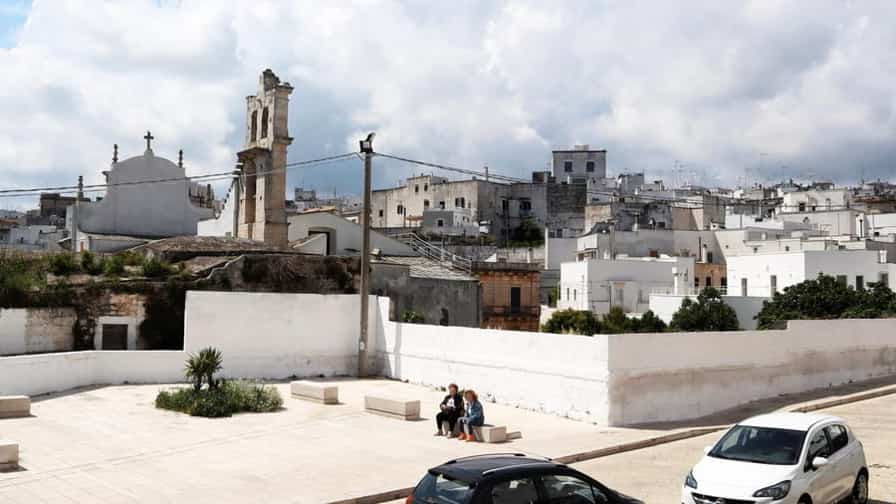
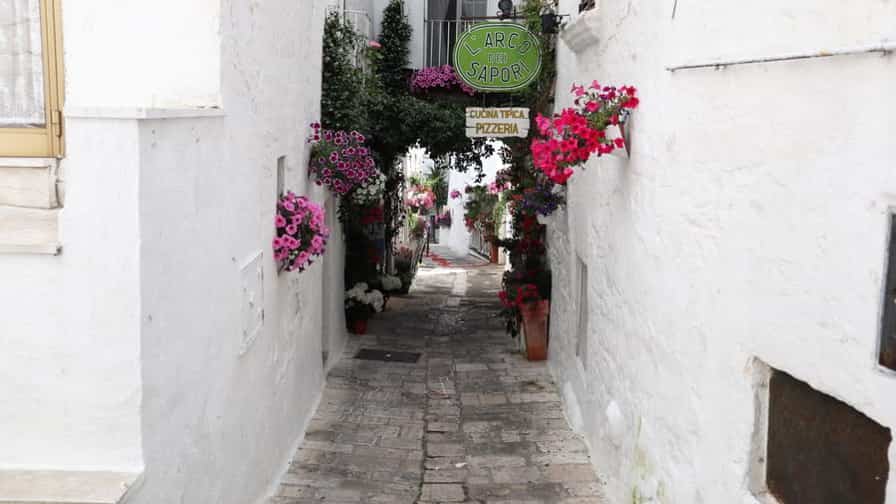
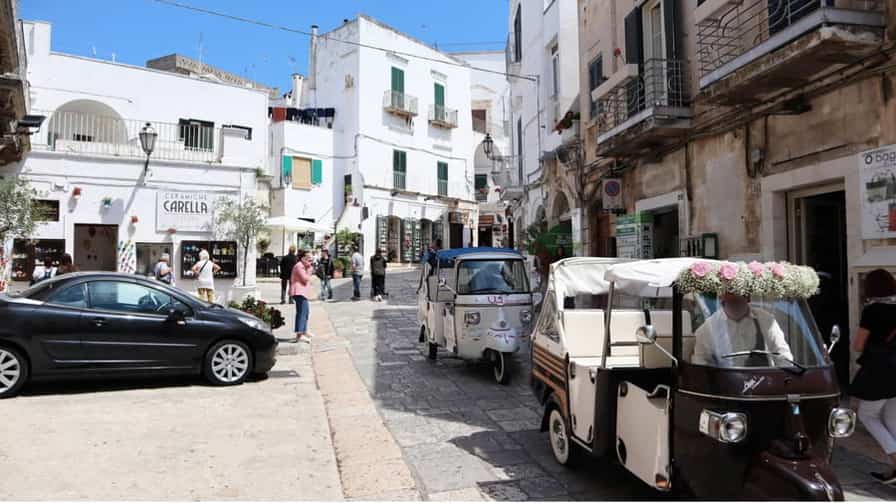
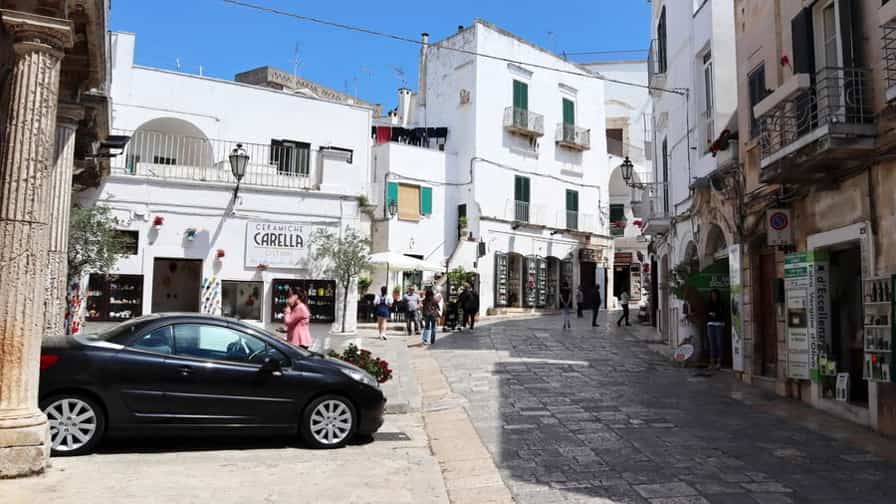
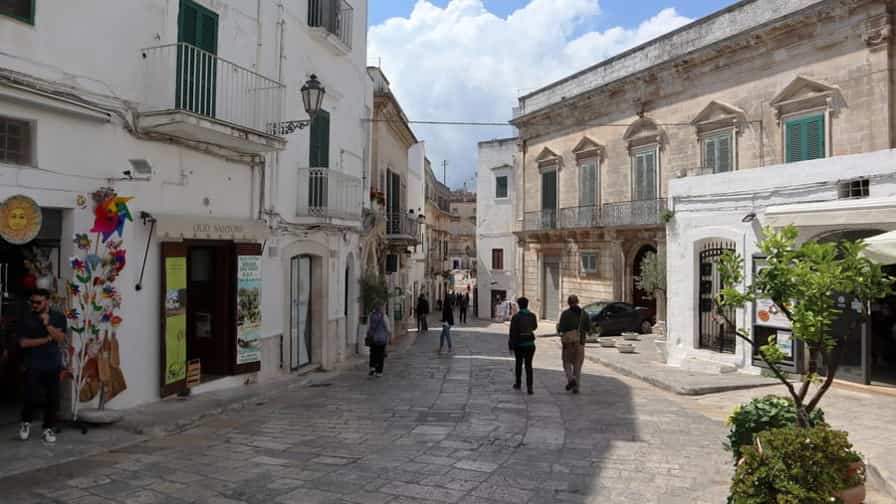
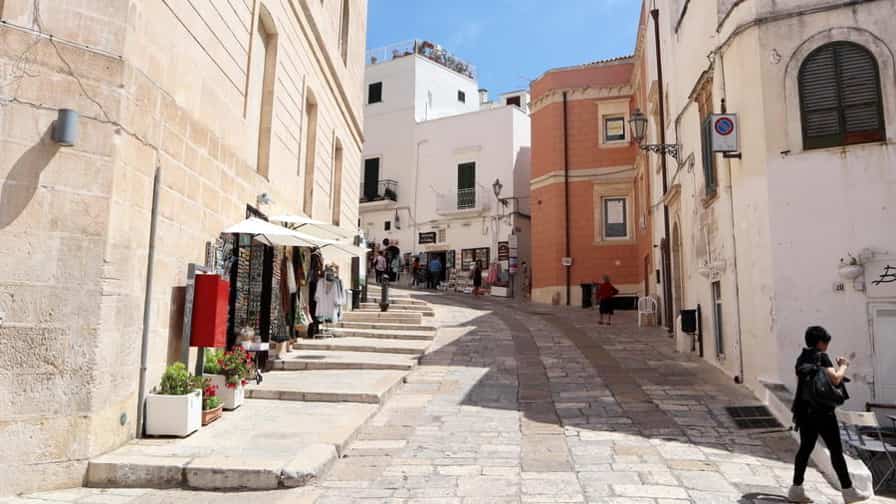
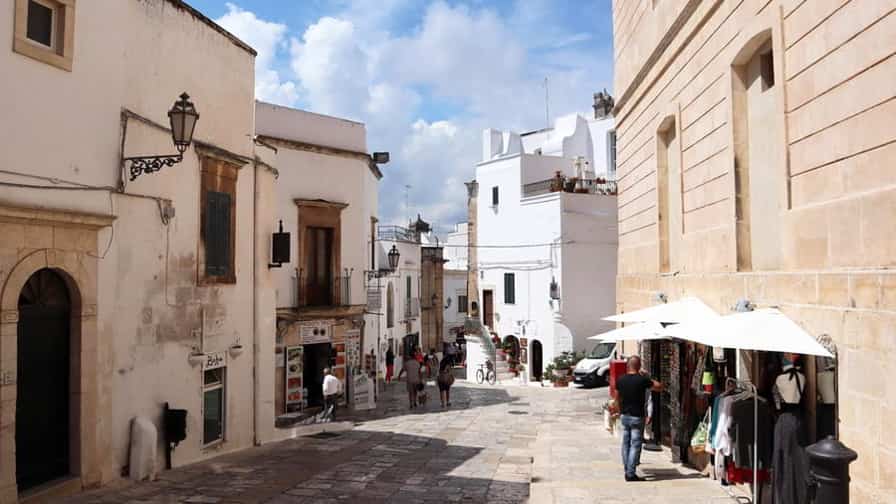
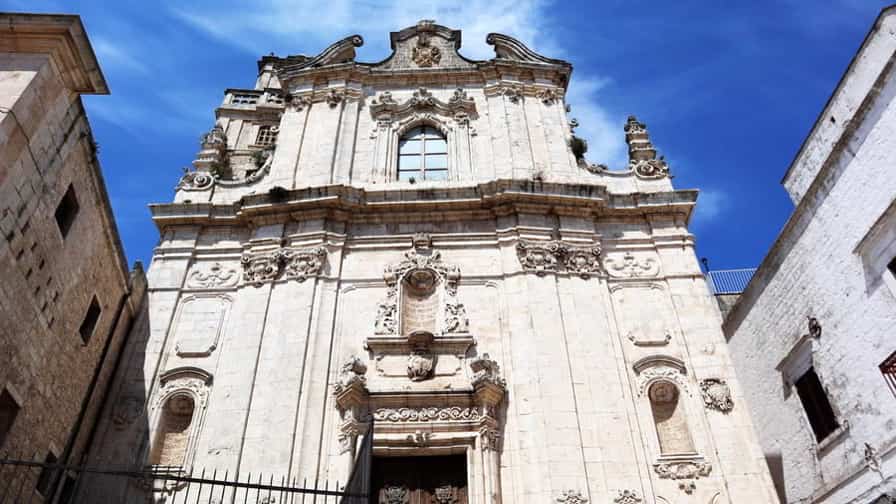
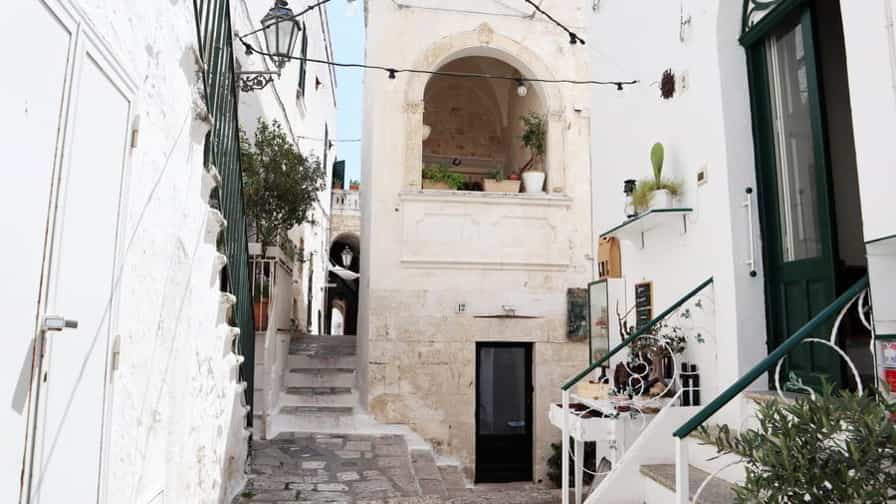
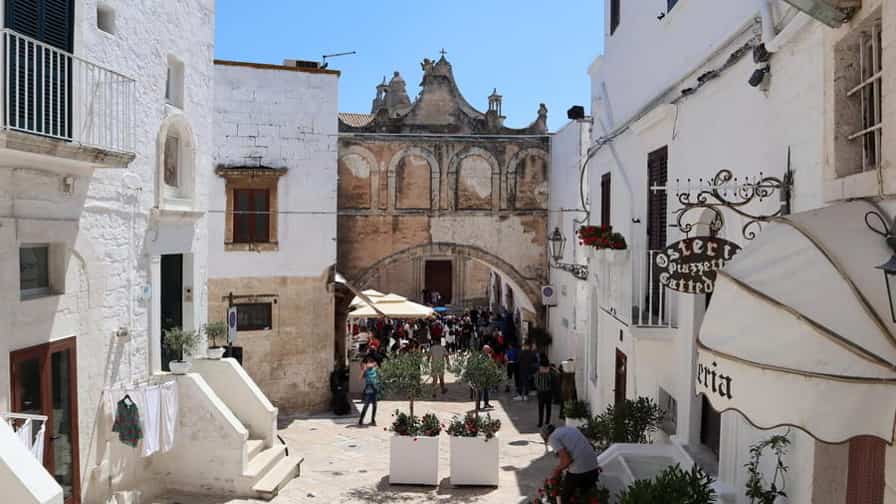
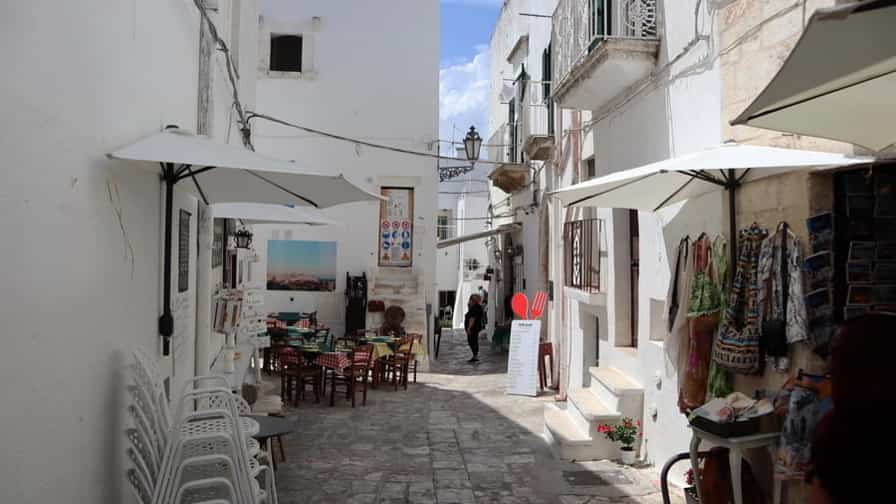
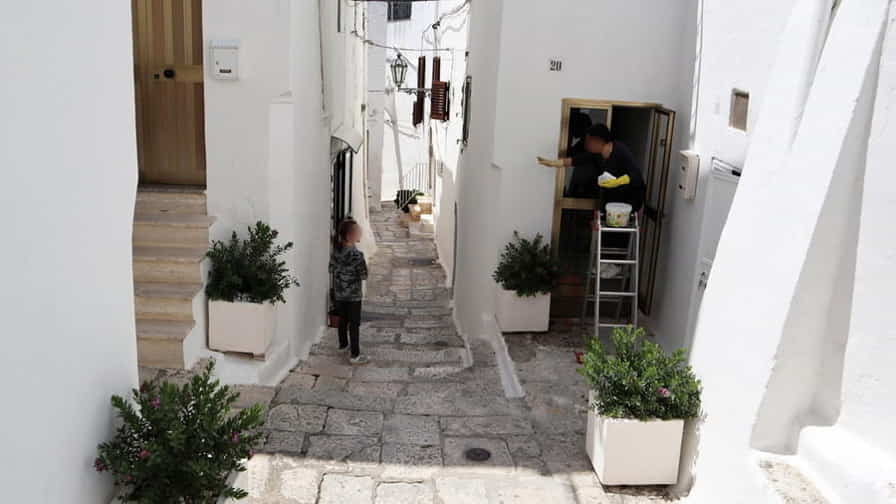
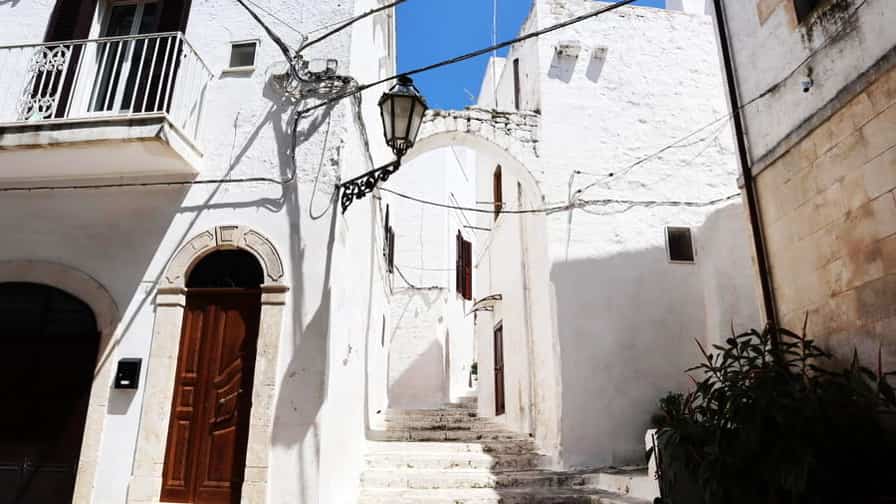
This walk explores the historic centre of Ostuni, often called the “White City” because of the whitewashed buildings that cover its hillside. Perched above the Adriatic coast, Ostuni is one of the most distinctive towns in Puglia, celebrated for its maze of narrow streets, elegant squares, and panoramic views of olive groves stretching toward the sea. The route begins along Corso Giuseppe Mazzini, a lively street that connects several important parts of the town. It follows Via Giuseppe Rodio and passes the monument dedicated to Giuseppe Orlando before returning to Corso Giuseppe Mazzini. The walk continues through charming lanes such as Vicolo Domenico Anglani and Vico Aurelio Saffi, which reveal the intimate character of Ostuni’s historic urban fabric. The route then reaches Via G. Pisanelli and visits the Chiesa di San Francesco, an important religious landmark. From there, it proceeds to Piazza della Libertà, the town’s principal square and social hub. Continuing along Via Matteo Renato Imbriani, the walk arrives at the Chiesa dello Spirito Santo before concluding on Corso Vittorio Emanuele II. Overall, the route offers a rich introduction to Ostuni’s history, architecture, and vibrant atmosphere.
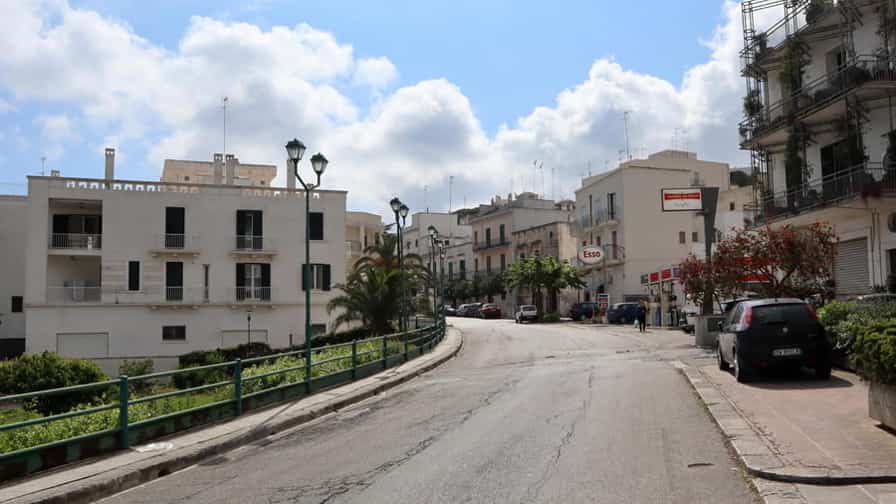
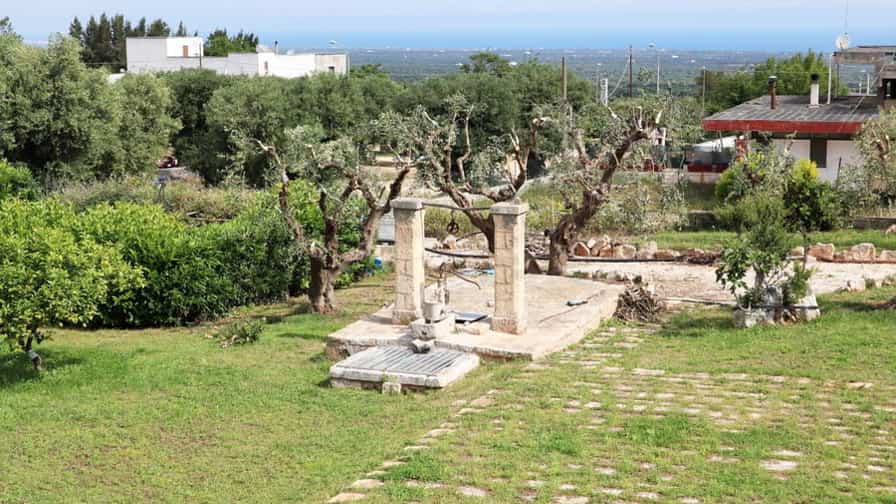
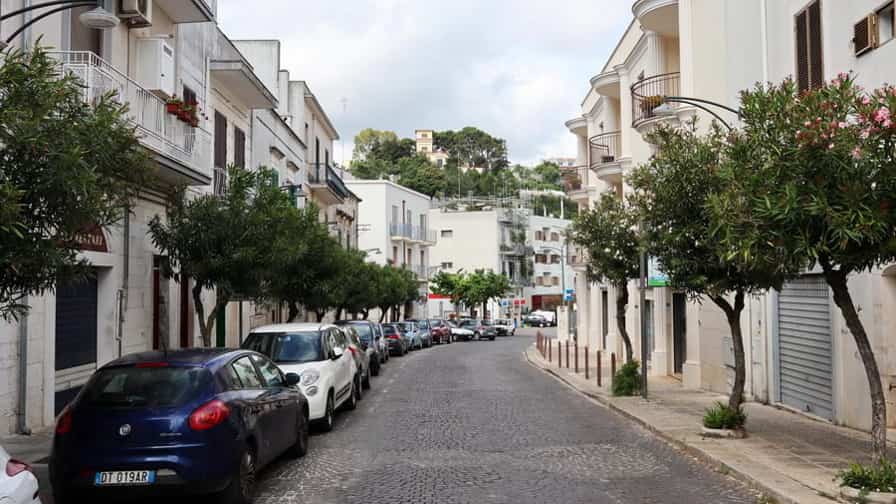
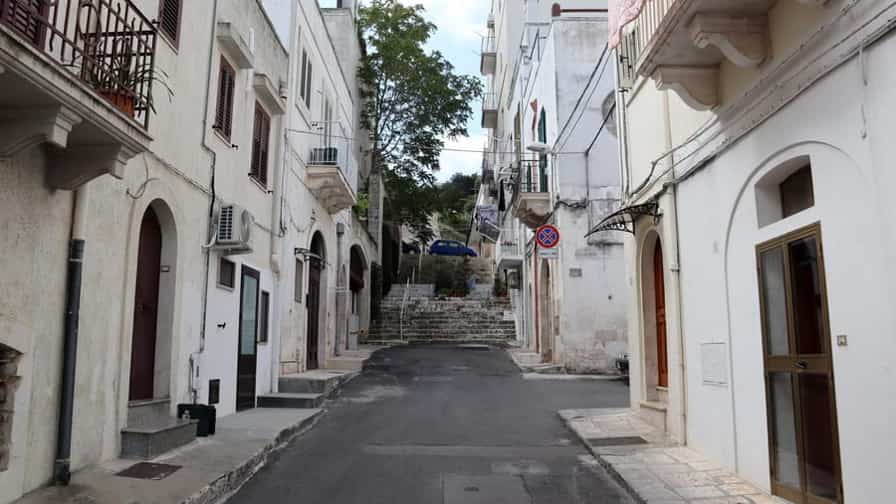
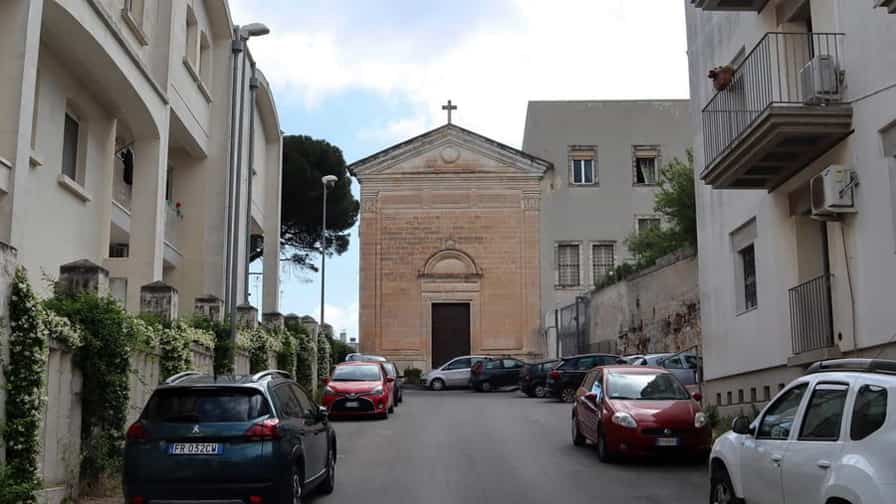
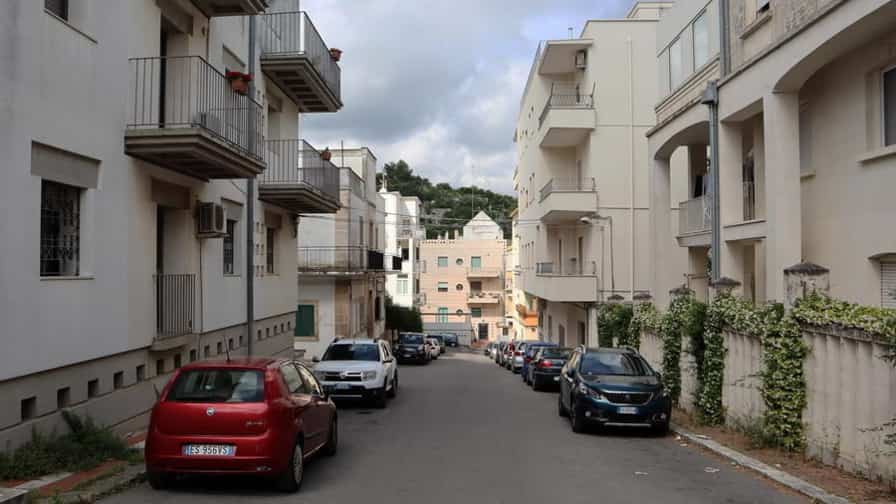
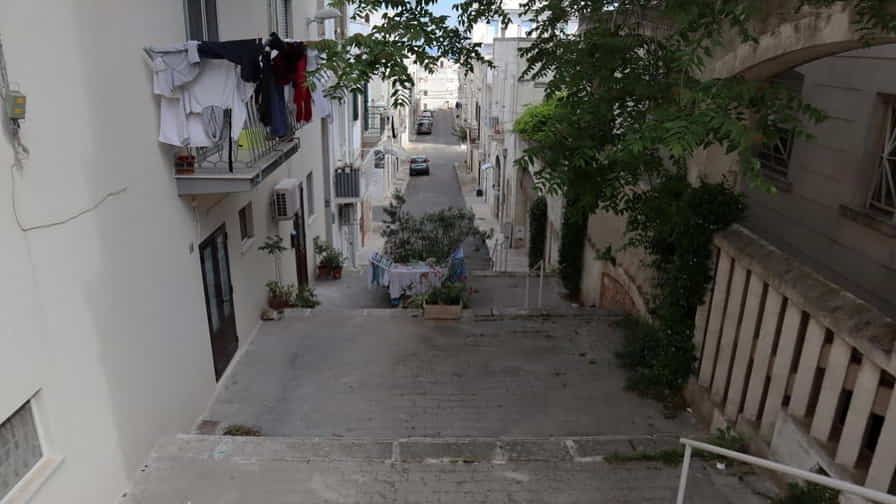
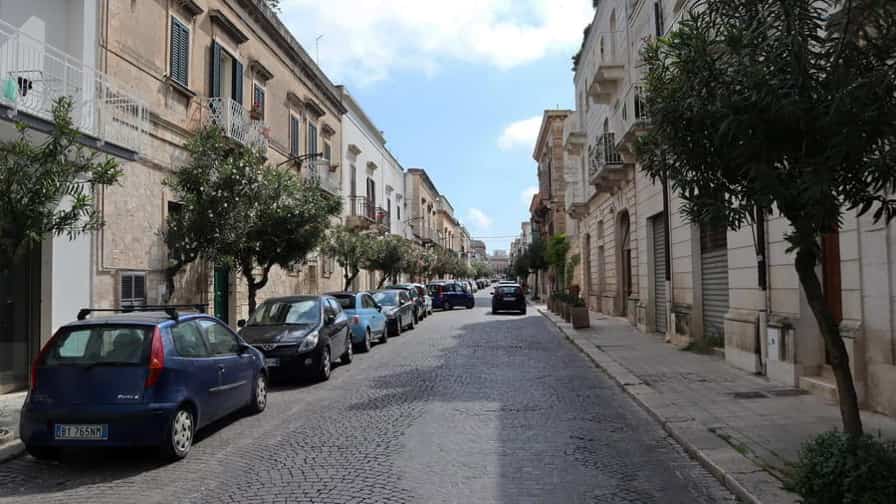
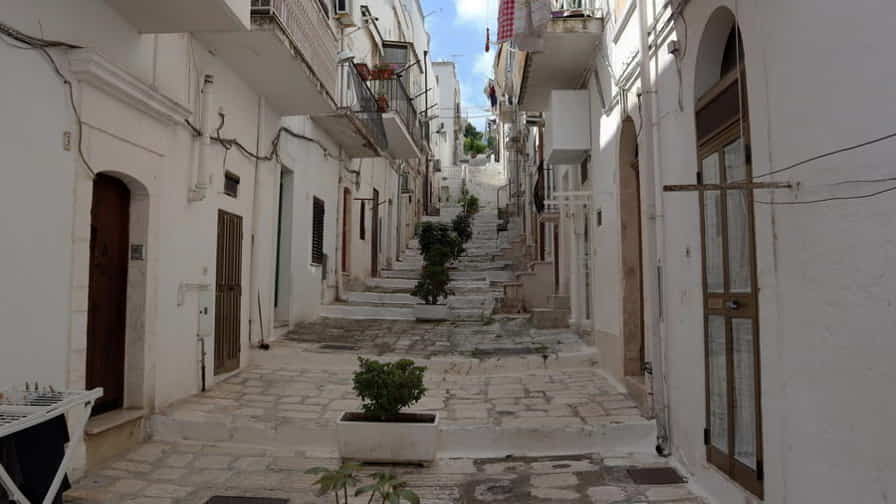
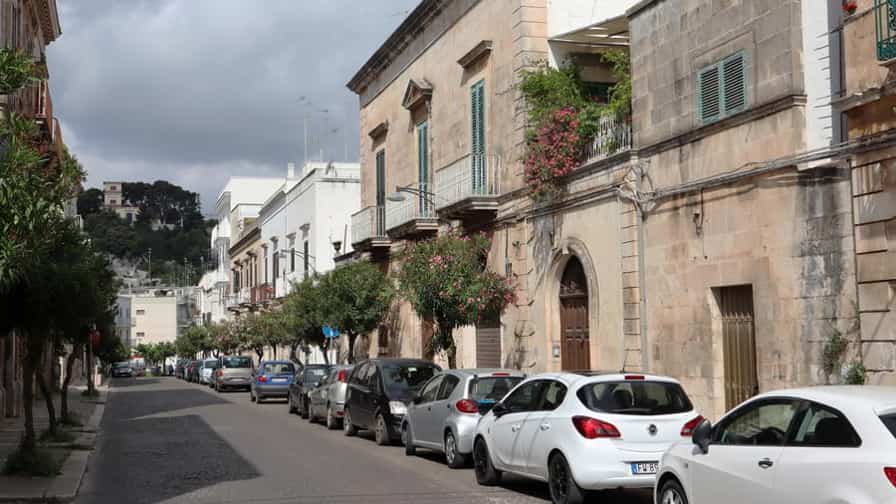
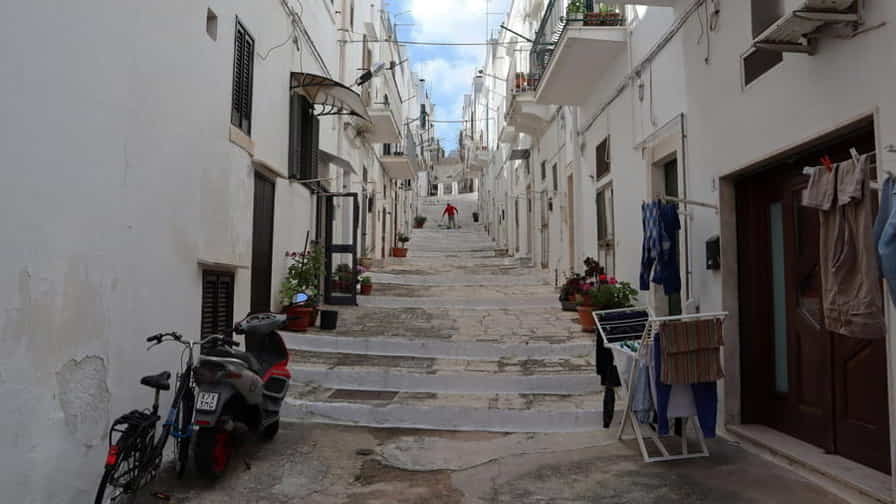
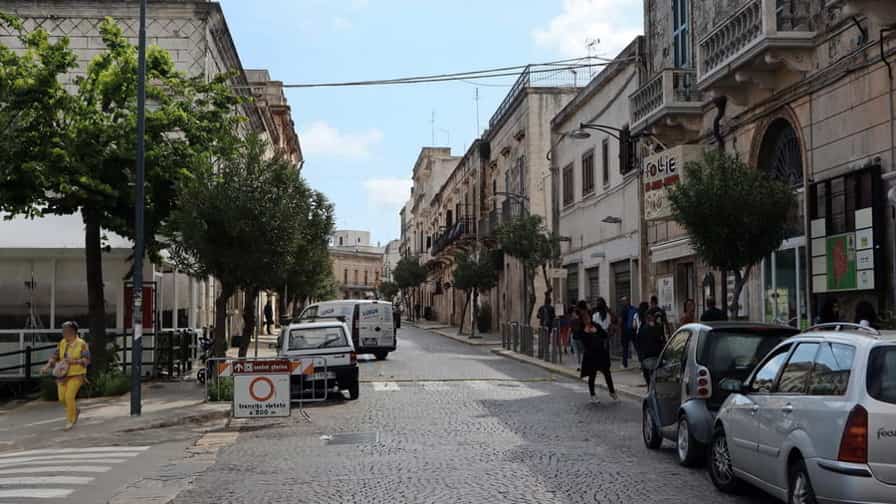
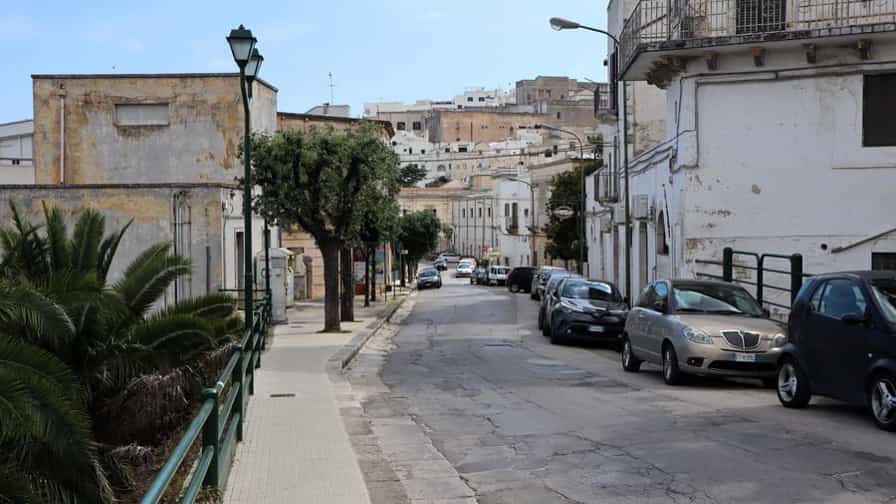
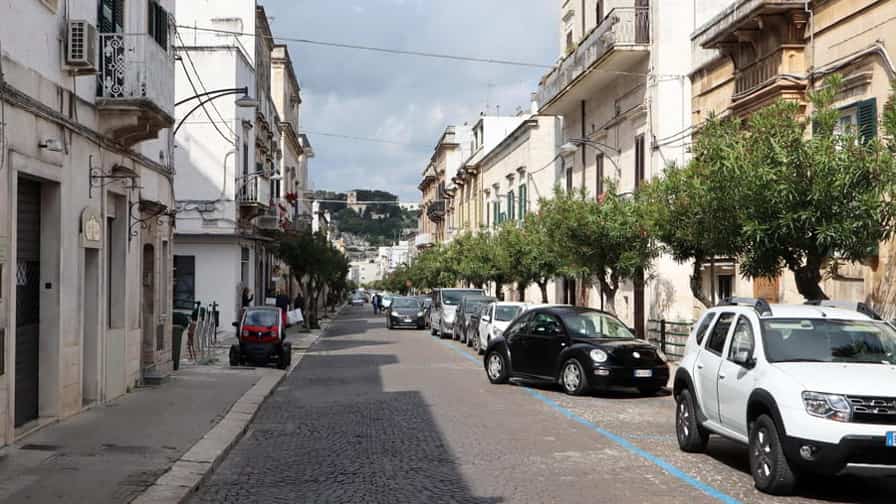
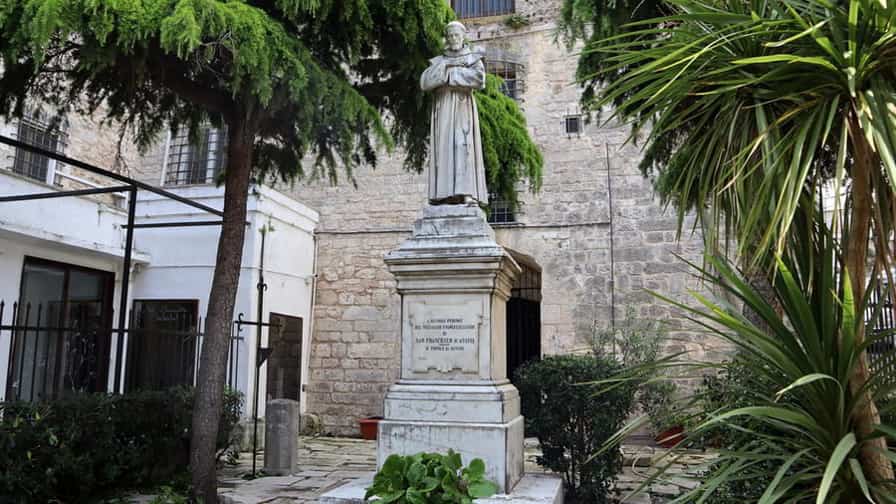
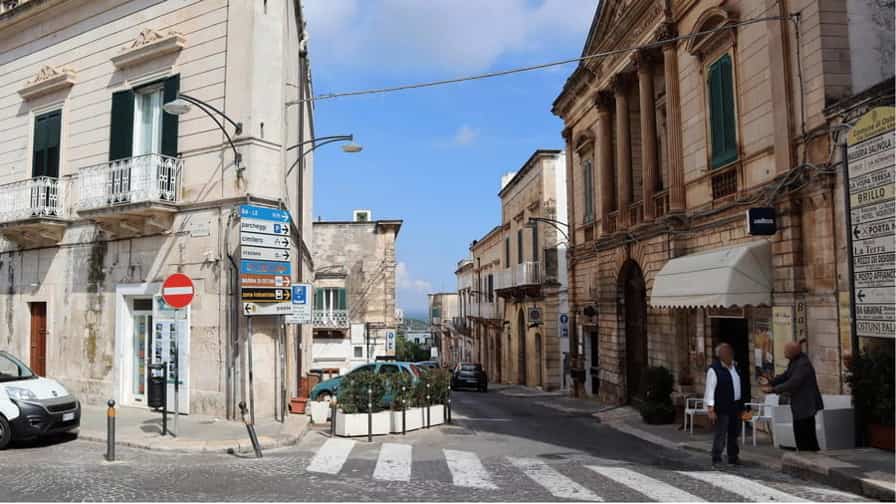
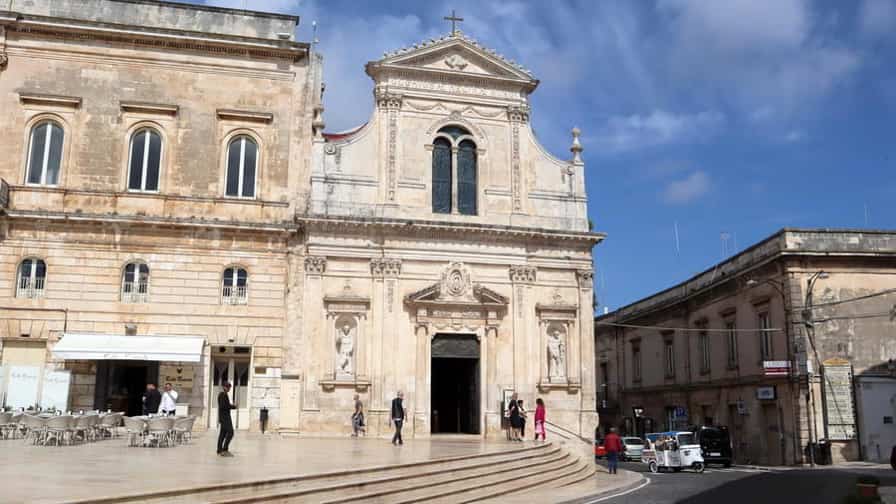
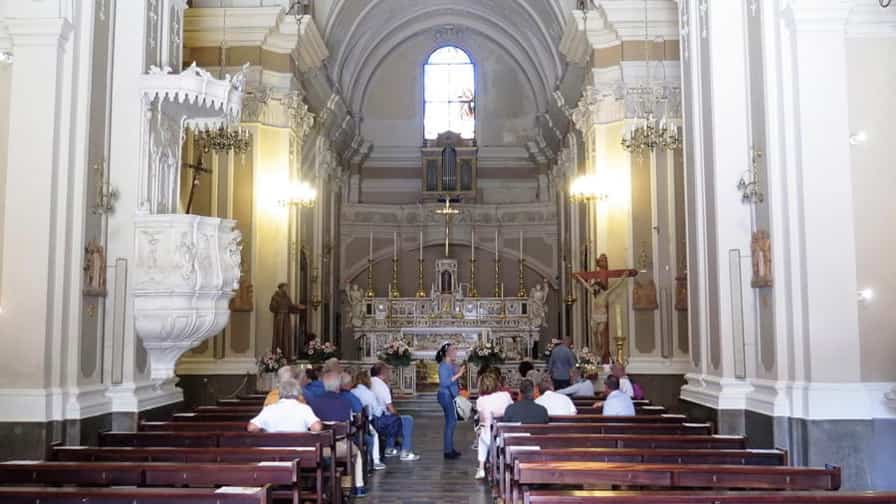
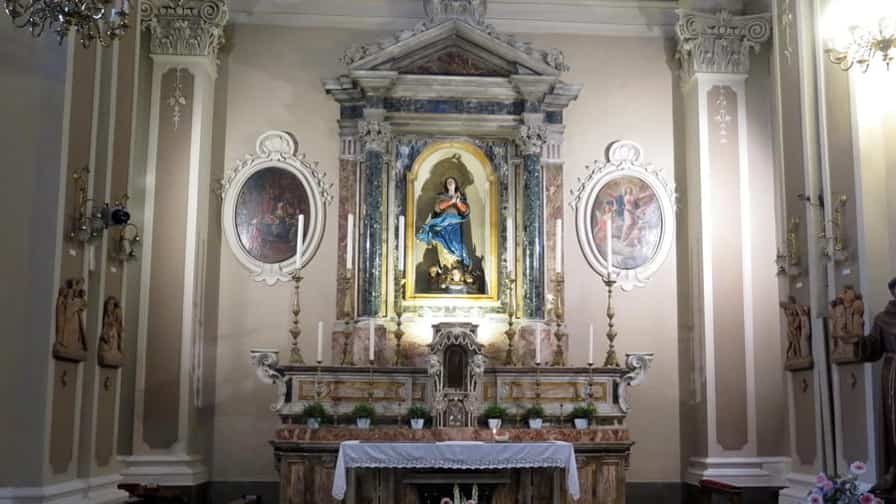
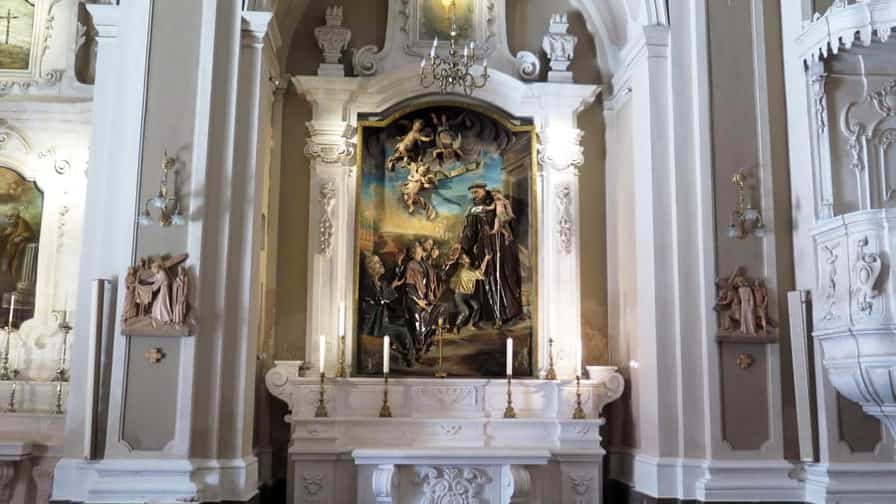
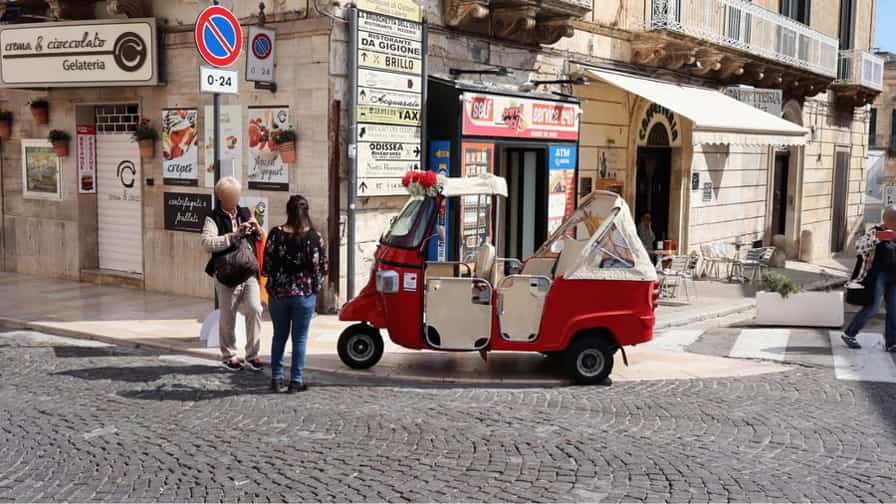
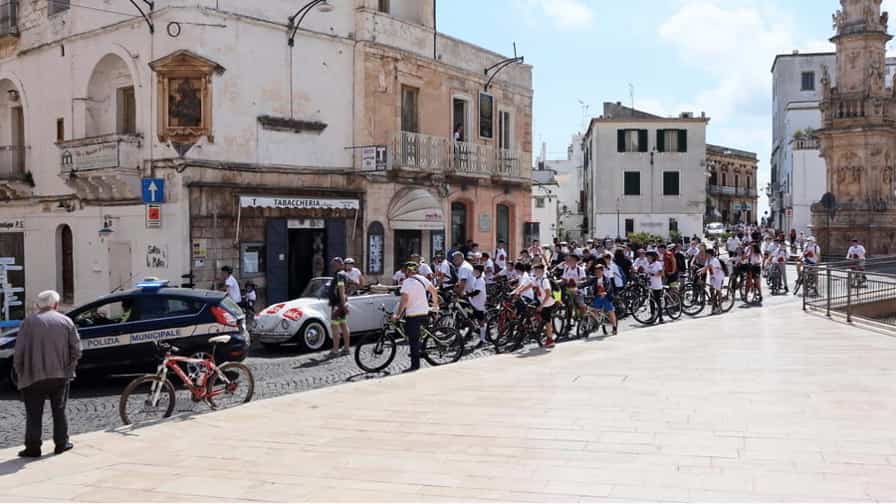
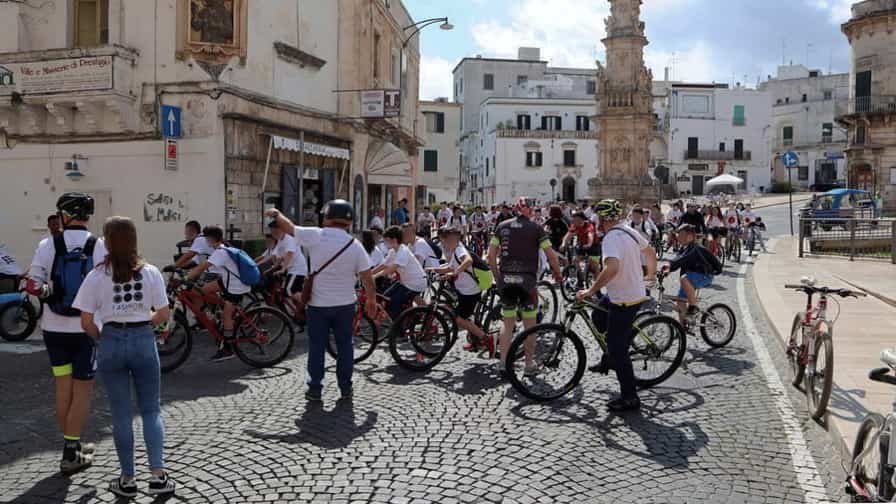
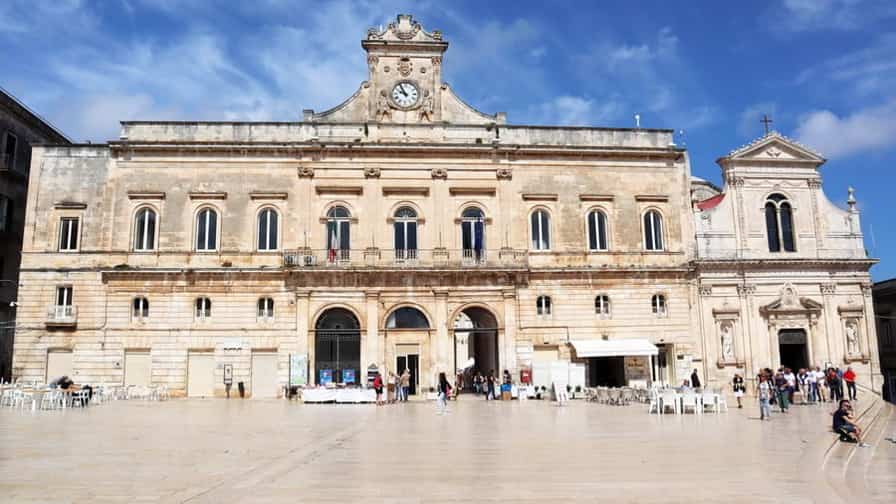
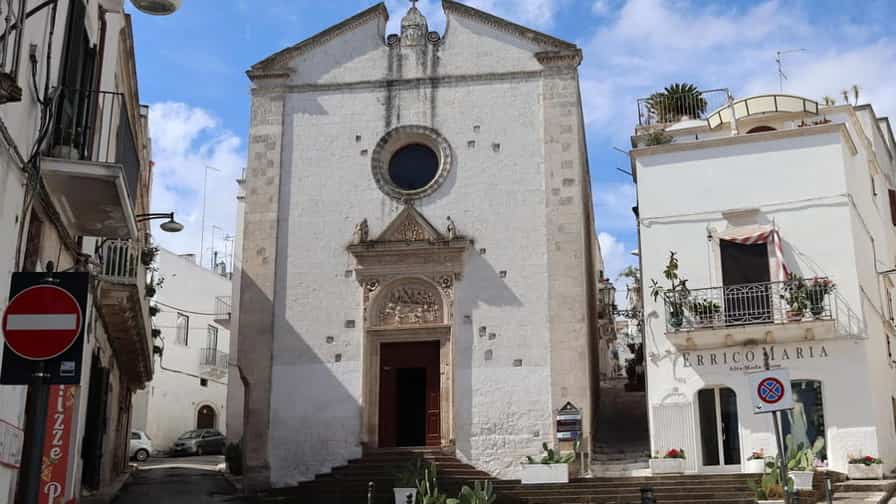
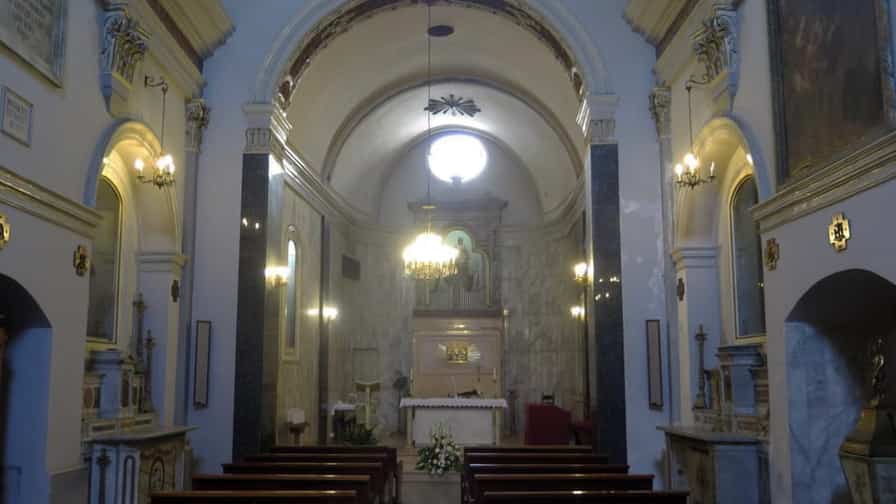
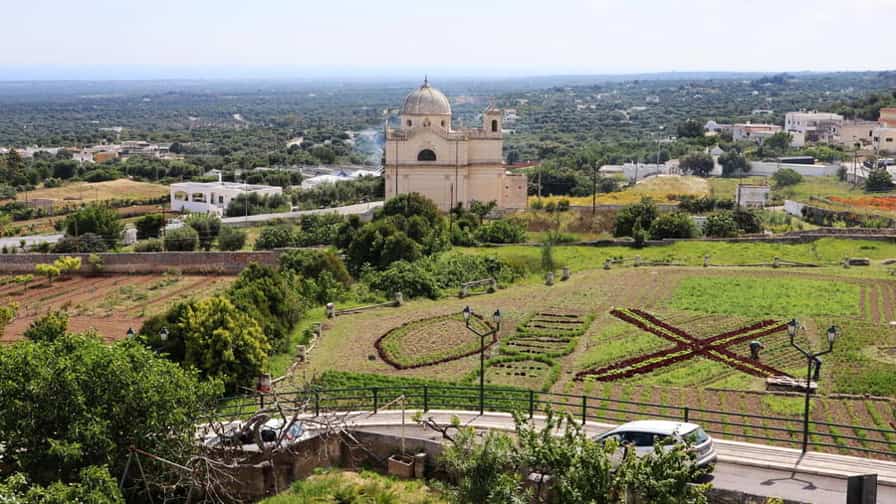
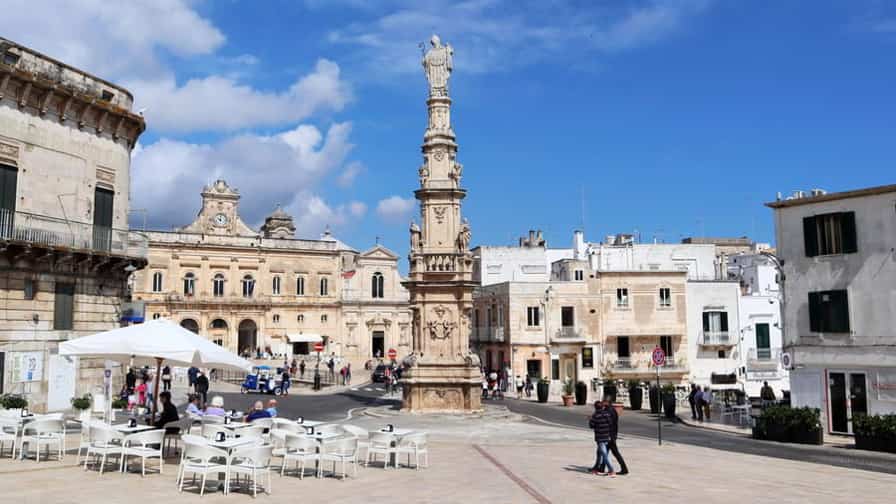
Photo Gallery of Walk 2 – Via Indipendenza to Via Giovanni Antonio Petrarolo
Approximately 1.51 km – 0.94 miles
Description of Walk 2
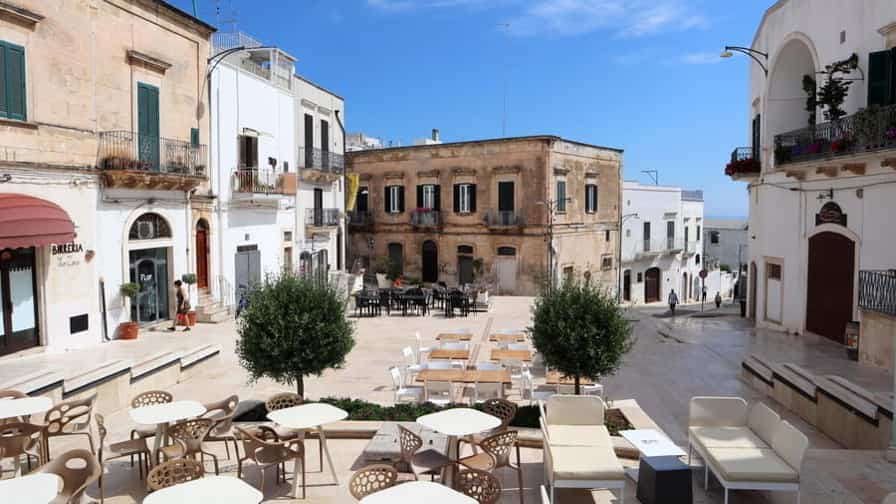
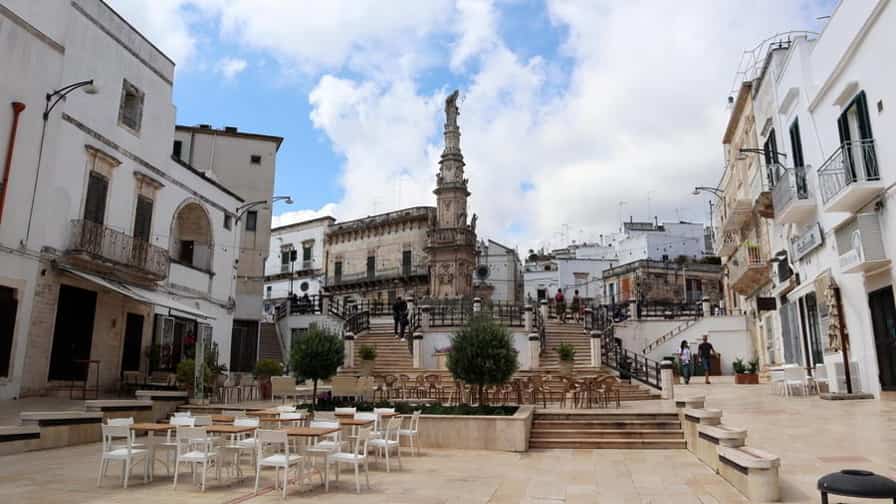
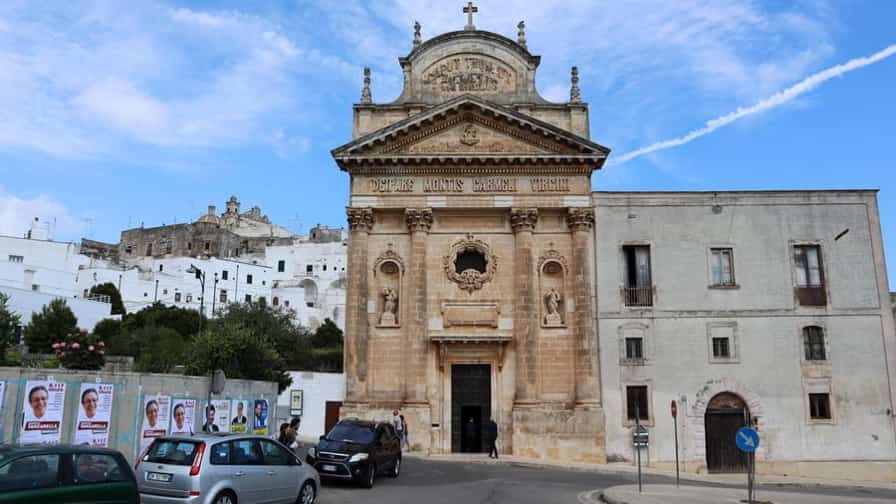
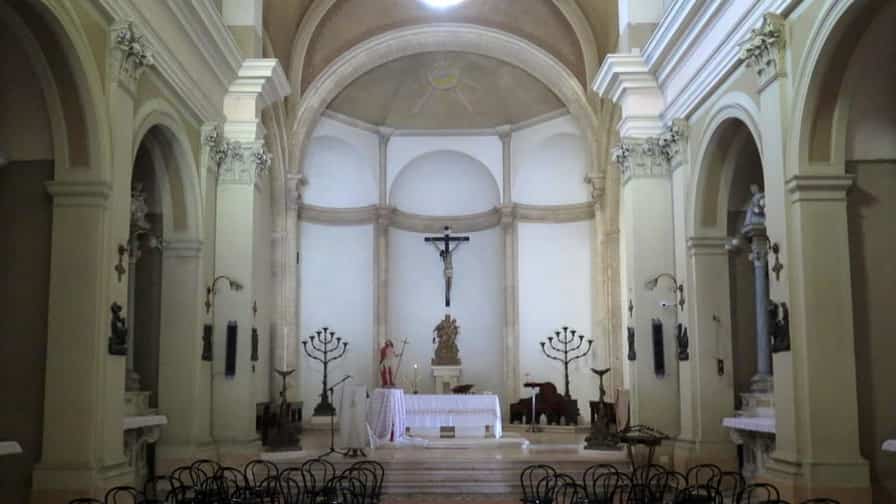
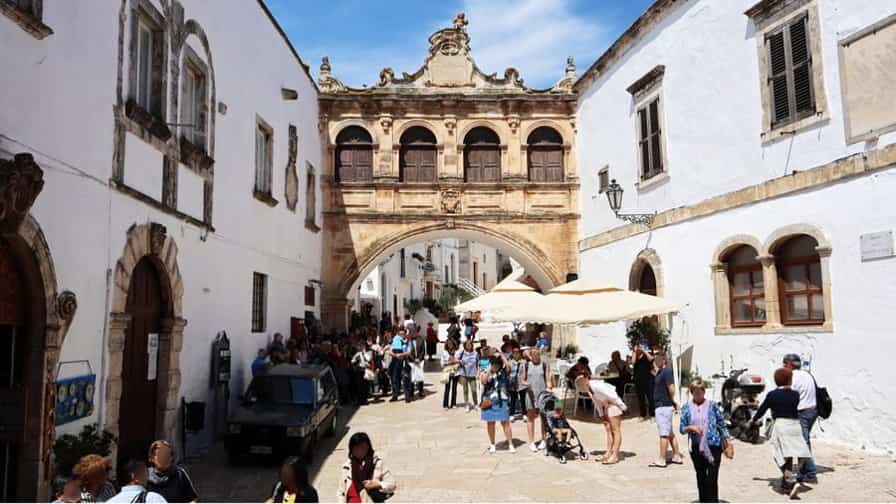
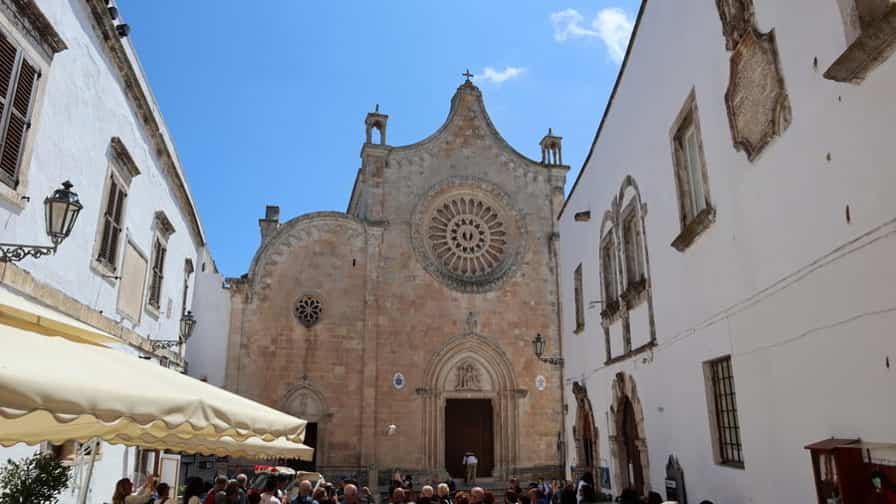
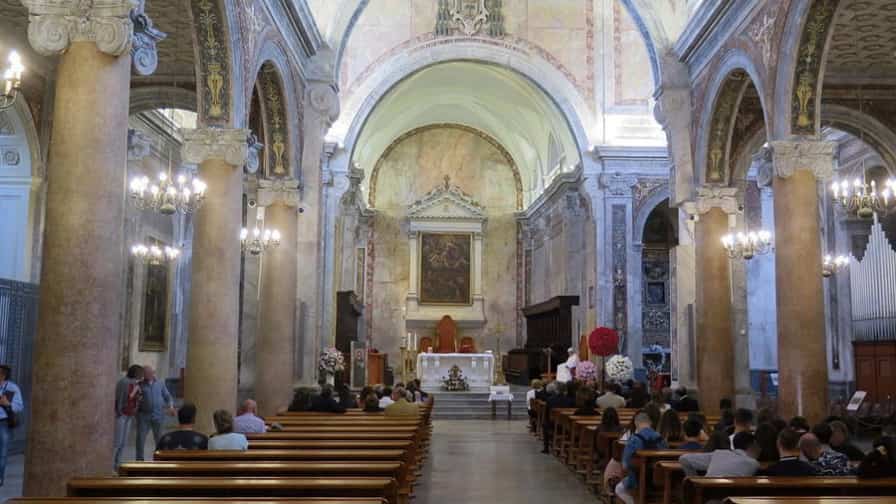
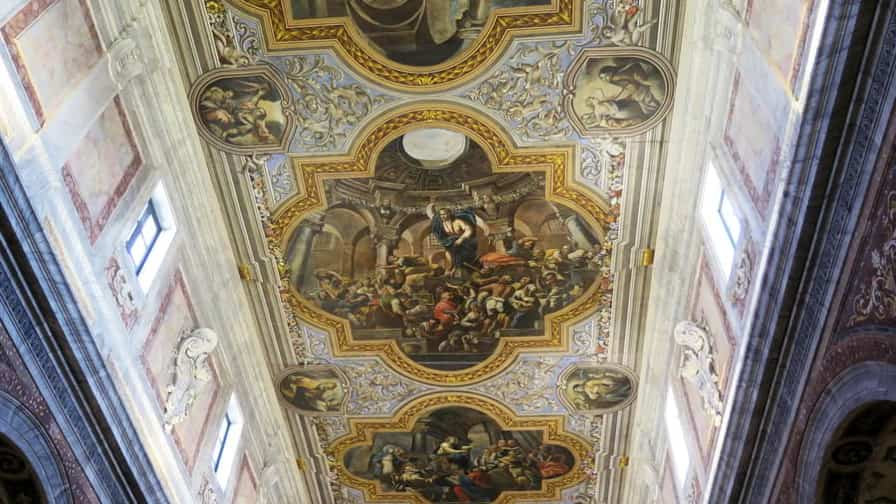
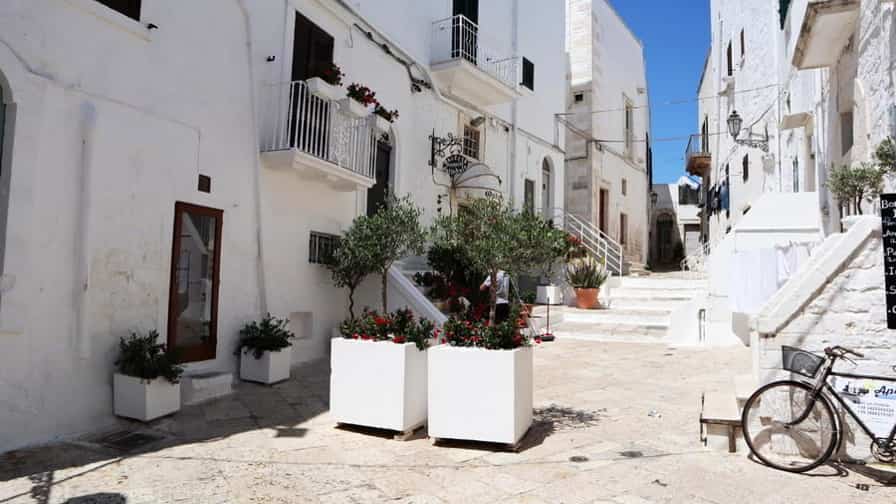
This walk explores the historic heart of Ostuni, one of the most beautiful towns in southern Italy. Known as the “White City,” Ostuni is famous for its whitewashed houses, winding alleys, and spectacular views over the Adriatic coastline and the surrounding olive groves. The historic centre, enclosed by ancient walls, preserves a distinctive medieval atmosphere shaped by centuries of cultural influences. The route begins on Via Indipendenza and continues along Via Salvatore Tommasi to the Chiesa del Carmine, a religious landmark that reflects the town’s spiritual heritage. It then follows Via Giosuè Pinto and Via Arciduca Francesco Antonio Zaccaria before reaching Via Cattedrale, one of the most important streets in the old town. The walk arrives at the magnificent Concattedrale di Santa Maria Assunta in Cielo in Piazza Beato Giovanni Paolo II. This Gothic cathedral is among Ostuni’s most significant monuments and dominates the historic centre. From the square, the route continues through L. Arcidiacono Trinchera to the elegant Arco Scoppa, which links historic buildings across a narrow street. The walk concludes along Via F. Incalzi Antonelli, Vico Pasquale Villari, and Via Giovanni Antonio Petrarolo, offering further views of Ostuni’s charming architecture and unique urban landscape.
COPYRIGHT © 2018-2026 ITALY IN PHOTOS – ALL RIGHTS RESERVED