
HOME
REGIONS OF ITALY
PLACES IN ITALY
PLAN YOUR TRIP
Italy in Photos
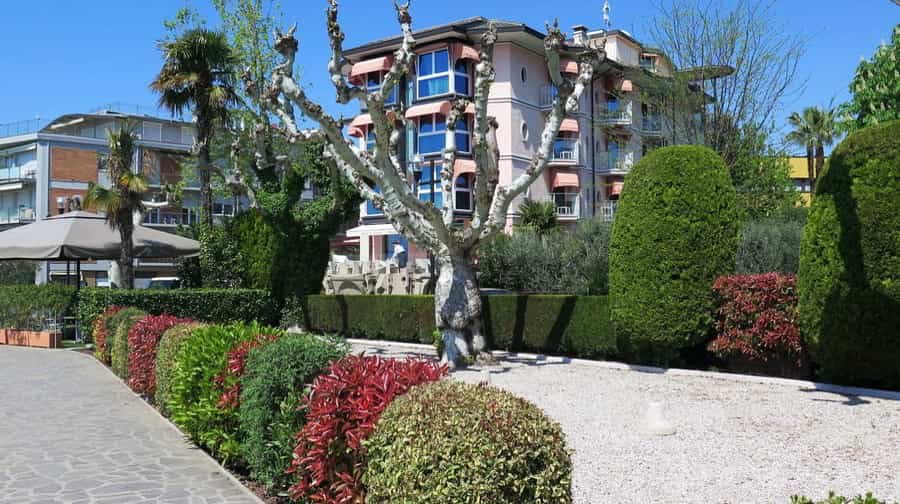
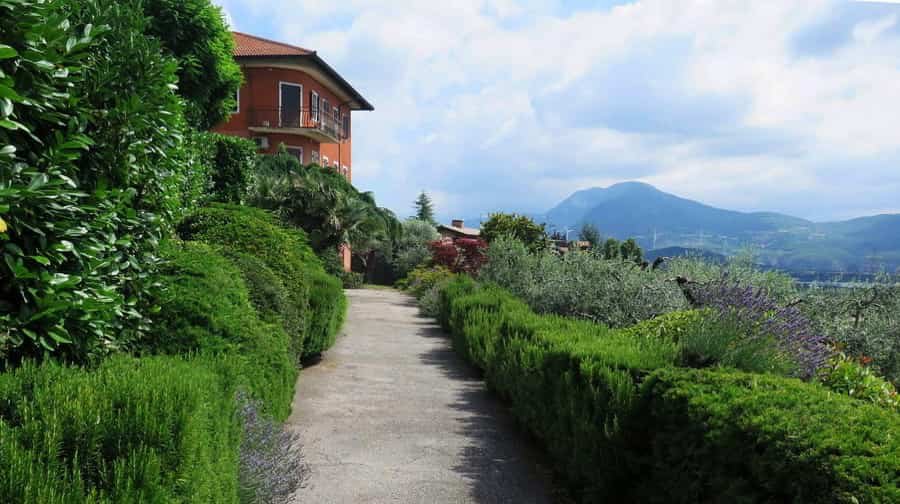
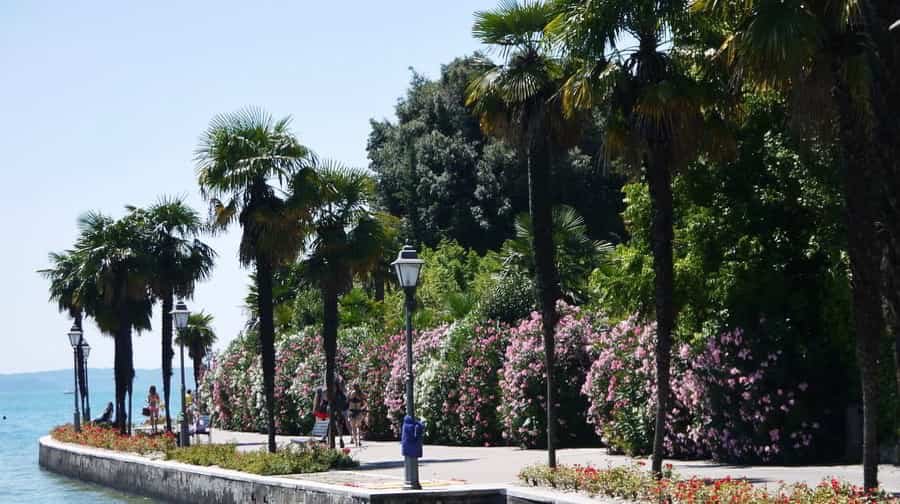
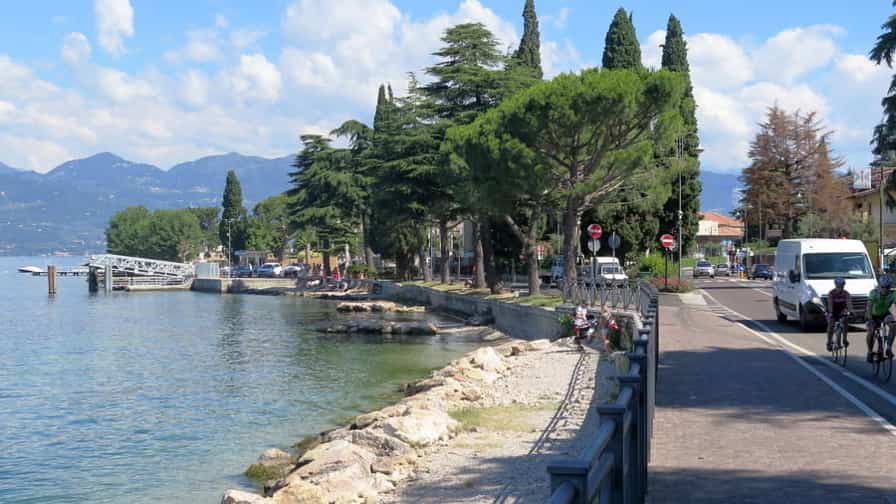
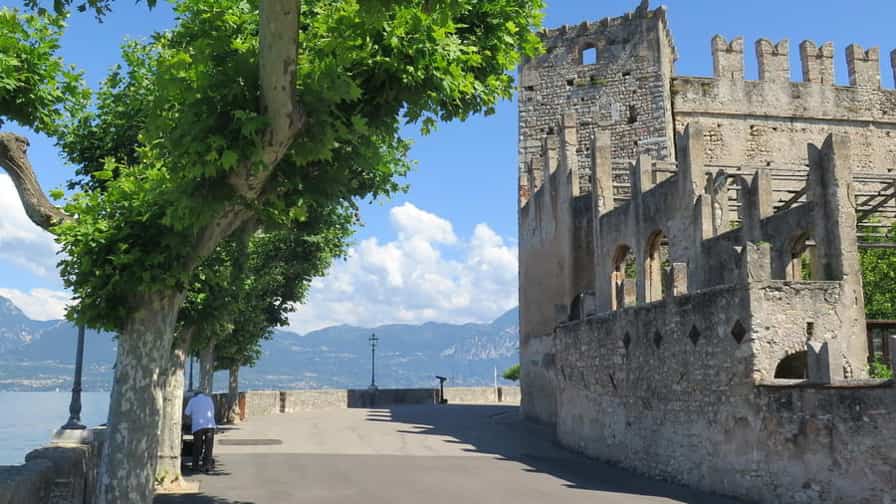
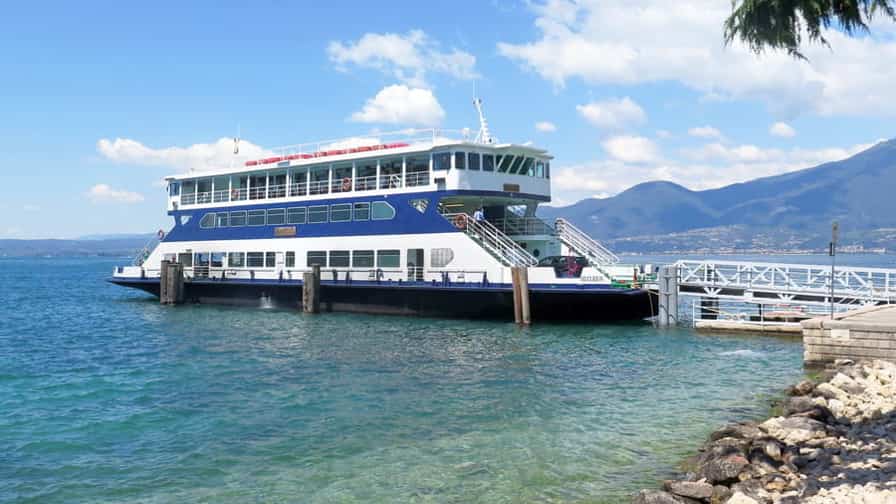
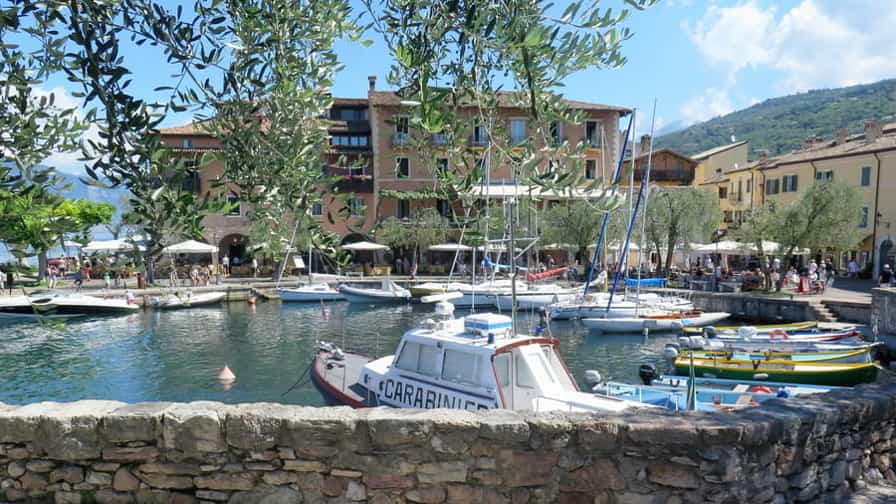
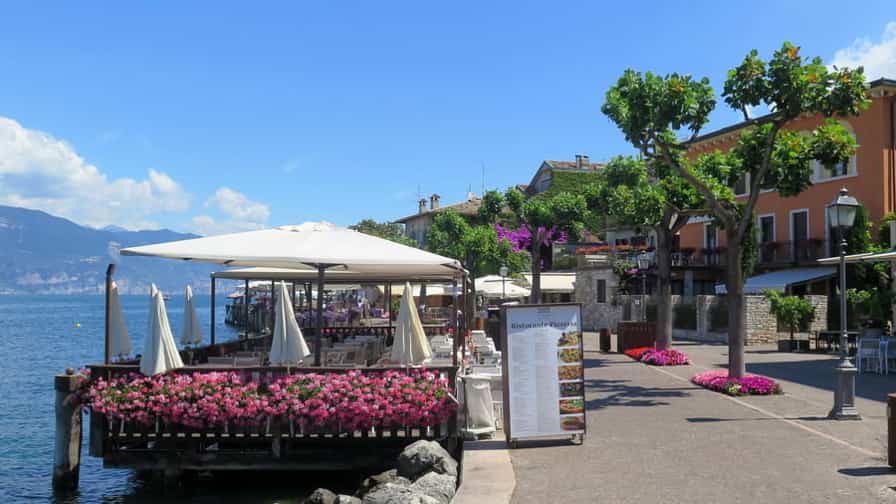
Via Gardesana, 37010 Torri del Benaco, Italy (June 2018)
Veneto
The Veneto is a region that seems to hold several worlds at once, bound together by a shared sense of place and history. Located in north-eastern Italy, it stretches from the dramatic limestone peaks of the Dolomites down to the soft, lagoon-fringed edges of the Adriatic Sea. This geographical sweep gives the Veneto an extraordinary variety of landscapes, climates, and ways of life, making it one of Italy’s most complex and compelling regions. To travel through the Veneto is to move continuously between mountain and plain, river and sea, ancient city and quiet countryside, all within a relatively compact area.
At the heart of the region lies Venice, a city whose name alone evokes images of water, light, and layered history. Built on a network of islands and canals, Venice was once the capital of a powerful maritime republic that shaped trade, politics, and culture across the Mediterranean for centuries. Its influence radiated far beyond the lagoon, leaving marks throughout the Veneto in architecture, art, and civic traditions. Yet while Venice remains the region’s most famous symbol, the Veneto cannot be reduced to a single city. It is a mosaic of distinct territories, each with its own character and rhythm.
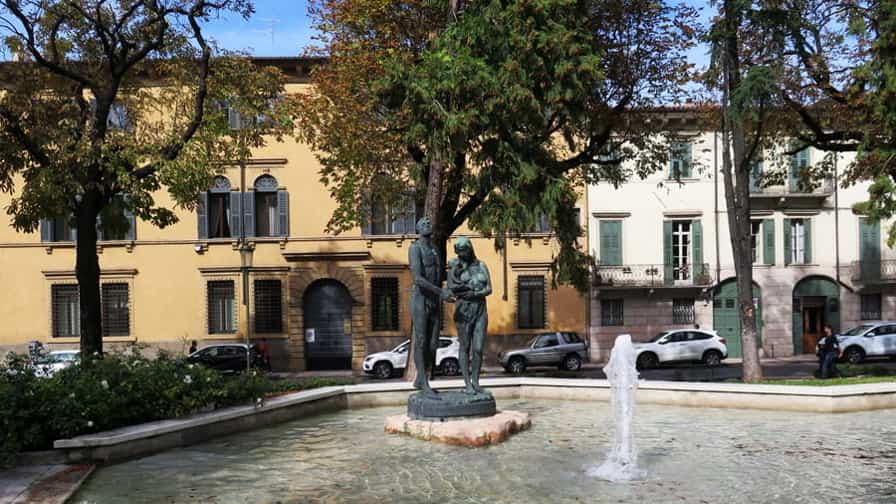
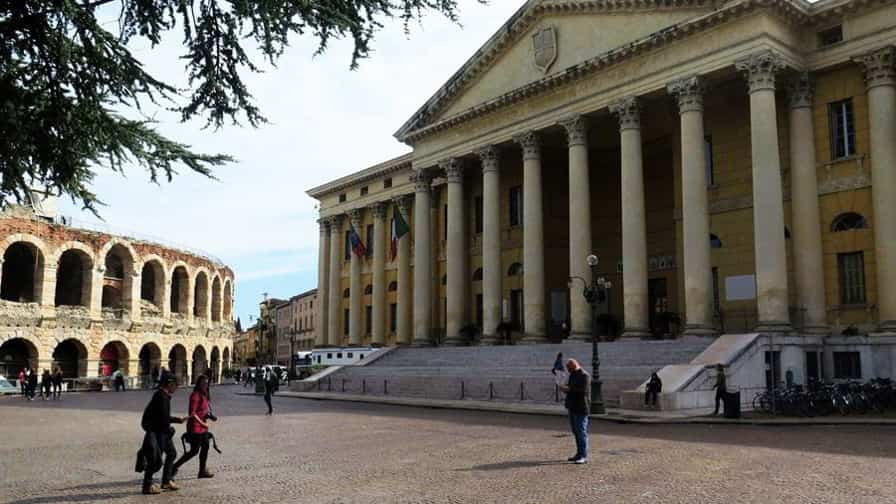
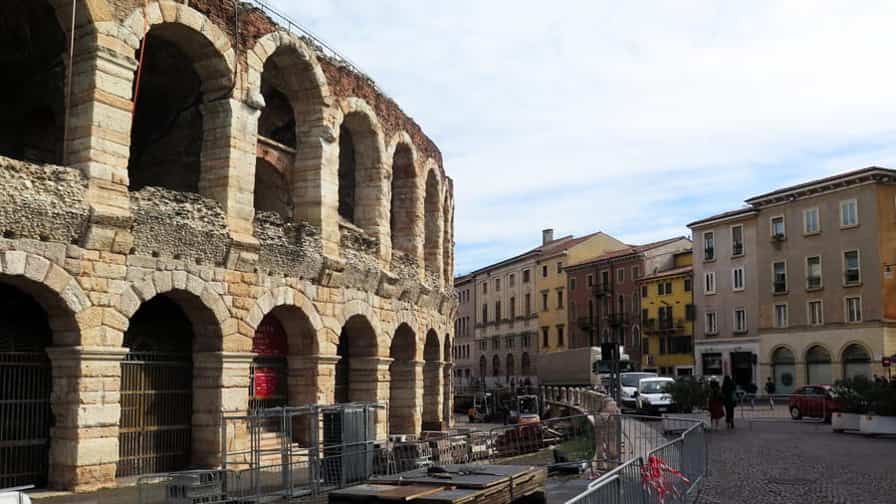
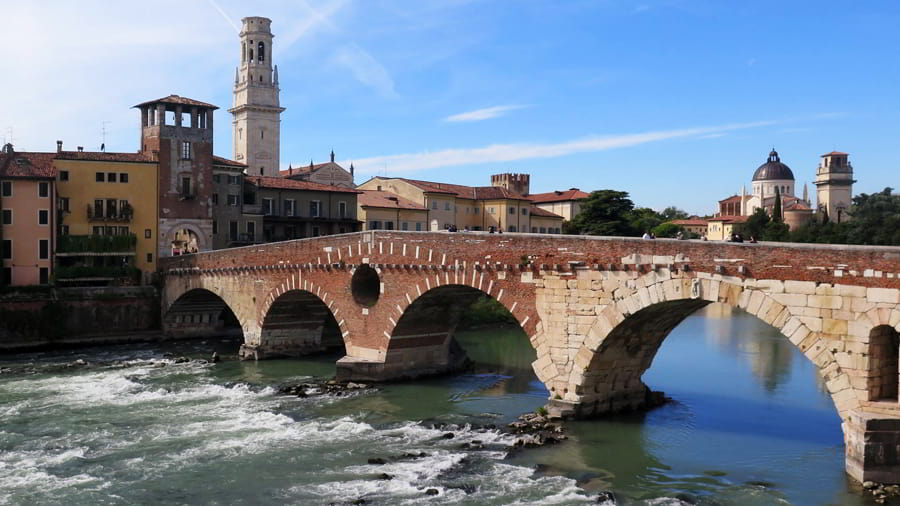
To the west, Verona stands as a city of stone and memory, known worldwide for its Roman arena and its association with Shakespeare’s Romeo and Juliet. Beyond its literary fame, Verona reflects the Veneto’s long continuity, where Roman foundations, medieval walls, and Renaissance palaces coexist in everyday urban life. Nearby Vicenza offers a different expression of cultural richness through the legacy of Andrea Palladio, whose harmonious villas and public buildings helped define architectural ideals that would influence Europe and the wider world. These cities illustrate how the Veneto has long been a crossroads of artistic innovation and practical governance.
The Veneto’s plains, shaped by rivers such as the Po, Adige, and Piave, have historically been an engine of agriculture and commerce. Fertile soils and careful water management supported prosperous farming communities, producing grains, vegetables, and wine that still define the region’s economy and cuisine. The countryside is dotted with villas that once served as both working estates and expressions of refined taste, blending utility and beauty in a way that remains characteristic of the Veneto. Even today, industry and craftsmanship thrive alongside agriculture, reflecting a culture that values productivity, adaptability, and local identity.
In the north, the Dolomites rise sharply, forming a landscape that feels almost alpine in spirit. These mountains, now recognized as a UNESCO World Heritage site, have shaped a way of life based on resilience and close ties to the natural environment. Mountain towns and valleys preserve traditions, dialects, and cuisines that differ noticeably from those of the lowlands. The contrast between the high peaks and the Venetian lagoon underscores the region’s diversity, yet the sense of belonging to the Veneto remains strong across these differences.
Culturally, the Veneto balances pragmatism with elegance. Its people are often described as reserved but deeply attached to their land, with a strong work ethic and a quiet pride in local traditions. Food and wine play a central role in expressing this identity, from simple dishes rooted in peasant cooking to refined preparations shaped by centuries of trade and cultural exchange. Festivals, markets, and religious celebrations continue to mark the calendar, connecting contemporary life to long-standing customs.
The Veneto is, above all, a region defined by layers. History does not sit apart from the present but flows through it, much like the rivers that cross its plains or the tides that shape its lagoon. To understand the Veneto is to appreciate how geography, history, and daily life intertwine, creating a region that is not only rich in monuments and landscapes, but also deeply coherent in spirit.
The Provinces of Veneto
The photos shown for each province were taken during my visits to those locations. For more information, click on the name to be taken to the main page for that place.
The Provence of Belluno
The Province of Belluno is a land of dramatic beauty, where mountains, valleys, and traditions meet in quiet harmony. Located in the northeastern heart of Italy, it is defined by the soaring Dolomites, a UNESCO World Heritage landscape that shapes both daily life and local identity. Ancient villages cling to hillsides, while alpine pastures, forests, and clear rivers create a setting that feels both powerful and intimate.
Belluno’s history is written in stone churches, medieval towns, and long standing rural customs. Agriculture, craftsmanship, and mountain culture have shaped a resilient community deeply connected to its environment. Seasonal rhythms still matter here, from winter snows to summer festivals celebrating food, faith, and folklore.
Nature is the province’s greatest treasure. Hiking trails, ski routes, and scenic roads invite visitors to explore peaks, lakes, and hidden valleys at a slower pace. At the same time, Belluno offers a sense of calm increasingly rare in modern life. It is a place where silence, tradition, and landscape come together, offering an authentic experience of alpine Italy rooted in beauty, balance, and enduring cultural pride. For travelers and residents alike, Belluno inspires reflection, respect for nature, and a lasting appreciation of mountain heritage and local identity.
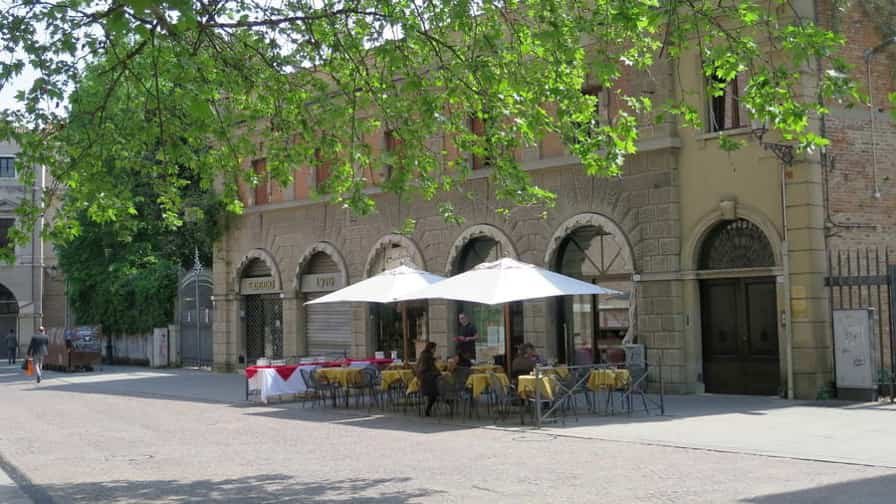
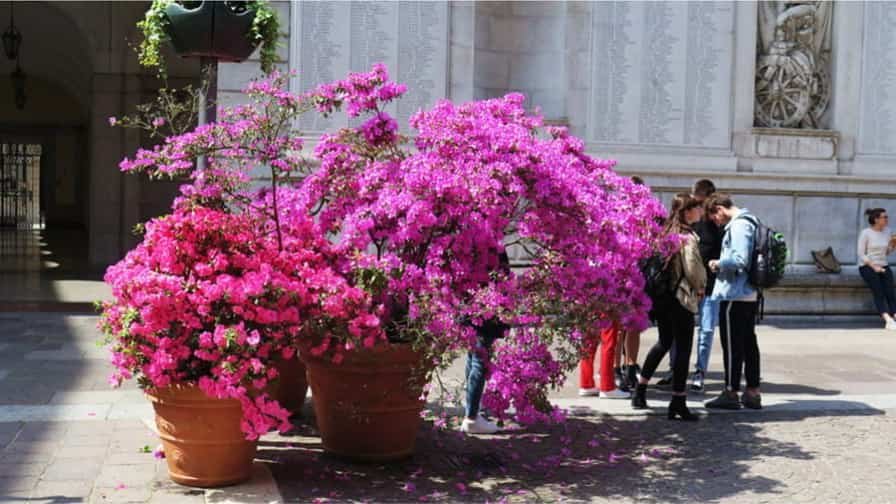
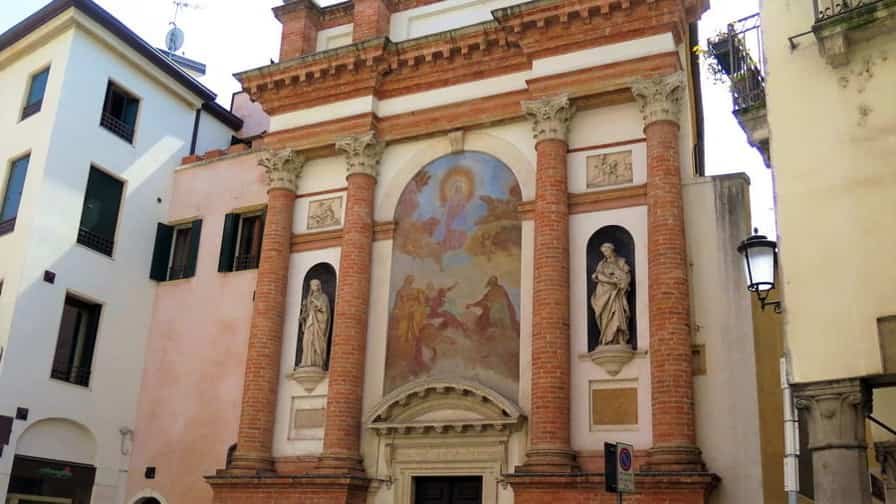
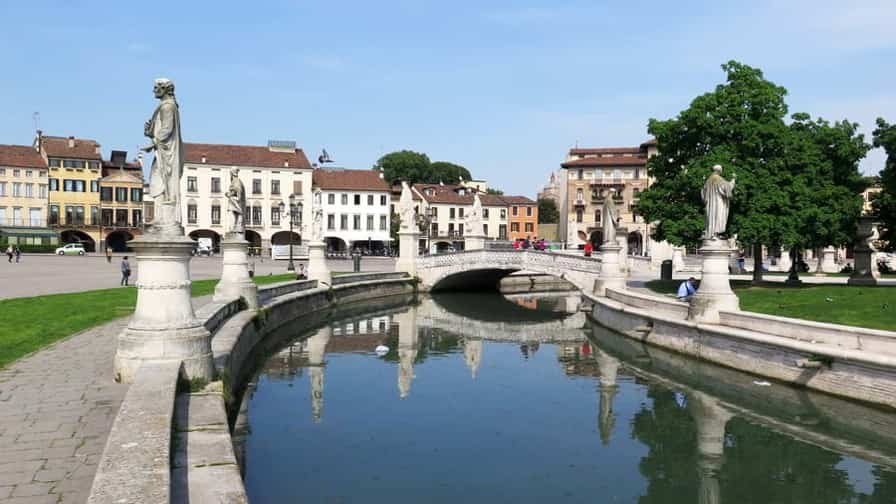
The Provence of Padova
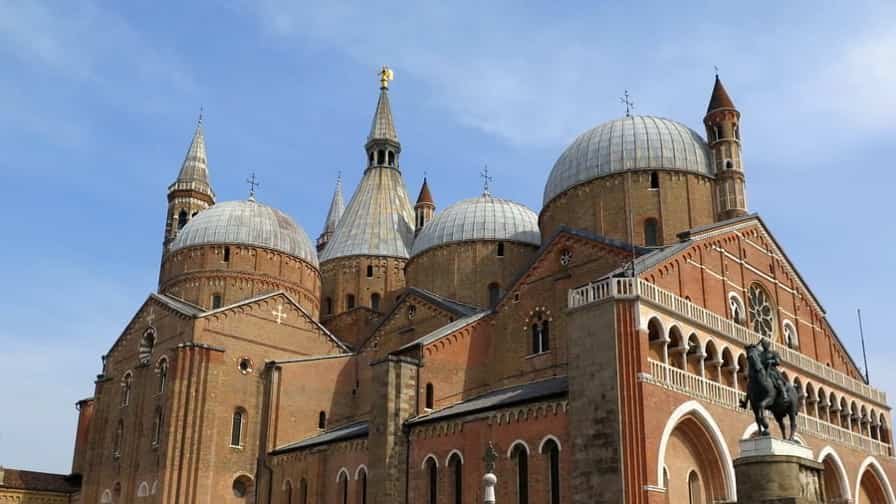
Padova

The Provence of Rovigo
The Province of Rovigo, located in the southern part of the Veneto region, is a land shaped by water, plains, and quiet rural charm. Bordered by the Po River to the south and the Adige River to the north, this province is defined by wide horizons, fertile fields, and a deep connection to agriculture and river life. Its landscape is flat and expansive, offering a sense of openness that contrasts with the mountains of northern Veneto.
Rovigo’s identity is closely tied to the Po Delta, one of Italy’s most important natural areas and a UNESCO Biosphere Reserve. Here, wetlands, lagoons, and waterways create a unique ecosystem rich in wildlife and natural beauty. Fishing, farming, and traditional crafts remain central to local culture, reflecting centuries of coexistence between people and nature.
The province’s towns and villages preserve a quiet historical elegance, with Renaissance palaces, ancient churches, and civic buildings that tell stories of Venetian influence and regional pride. Life in Rovigo moves at a gentle pace, shaped by seasonal cycles and long held traditions. For visitors, the province offers authenticity, tranquillity, and an intimate view of Veneto’s lesser known but deeply rooted cultural and natural heritage.
The Provence of Treviso
The Province of Treviso, located in the northern part of the Veneto region, is a land where history, landscape, and refined tradition come together with effortless grace. Stretching from the gentle plains near Venice to the rolling hills of the Prosecco area and the foothills of the Alps, Treviso offers remarkable geographic and cultural variety. Vineyards, rivers, and medieval towns shape a scenery that is both elegant and deeply rooted in rural life.
The province is internationally known for its wine culture, particularly Prosecco, produced in the UNESCO listed hills of Conegliano and Valdobbiadene. This landscape reflects centuries of careful cultivation, where agriculture and beauty coexist. Alongside vineyards, historic villas, watermills, and walled towns speak of Treviso’s long relationship with the Venetian Republic.
The city of Treviso itself is a place of canals, frescoed buildings, and lively piazzas, embodying a refined yet welcoming atmosphere. Culinary traditions are central to local identity, with celebrated products such as radicchio, artisanal cheeses, and traditional dishes that highlight seasonal ingredients.
Life in the Province of Treviso balances productivity with quality of living. It is a territory where craftsmanship, gastronomy, and landscape form a harmonious whole, offering visitors an authentic and graceful expression of Veneto culture.
The Provence of Venice
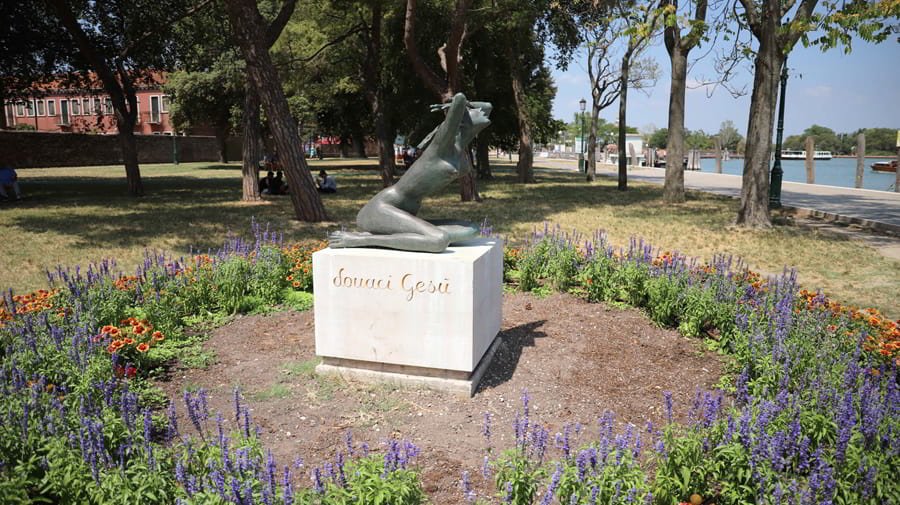
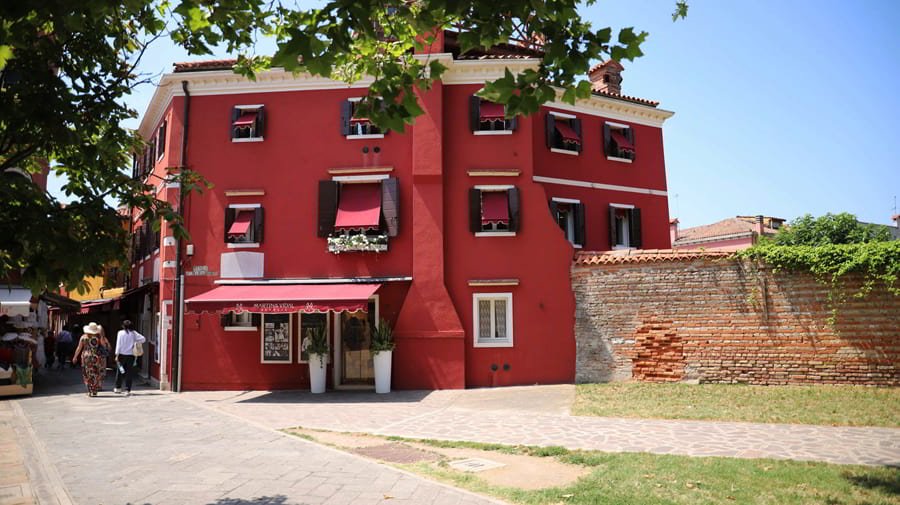
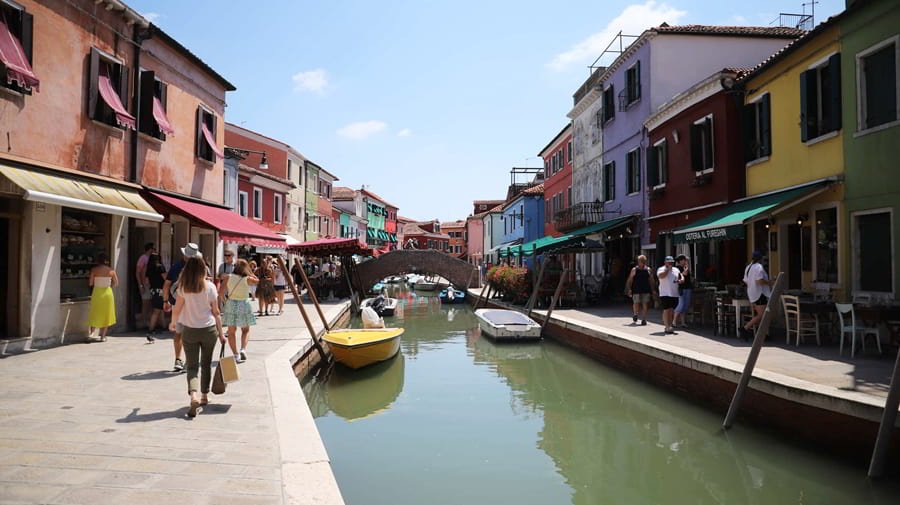
Burano
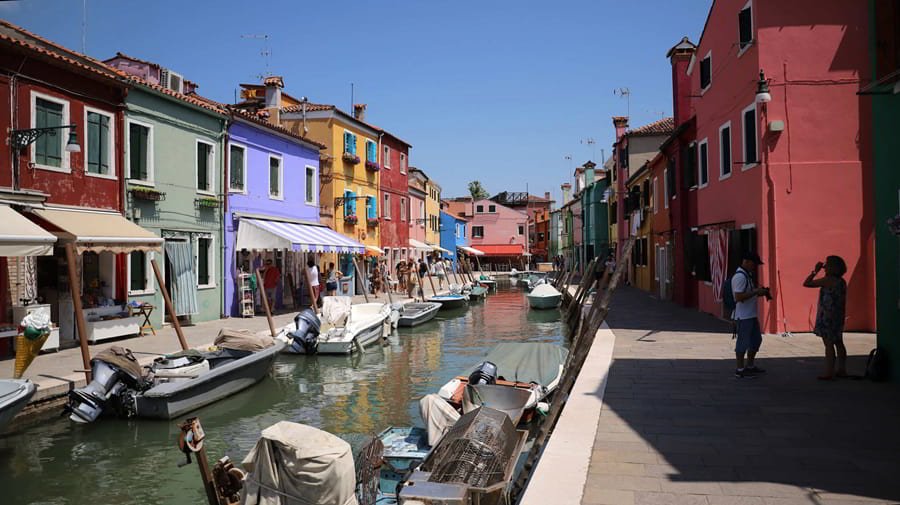
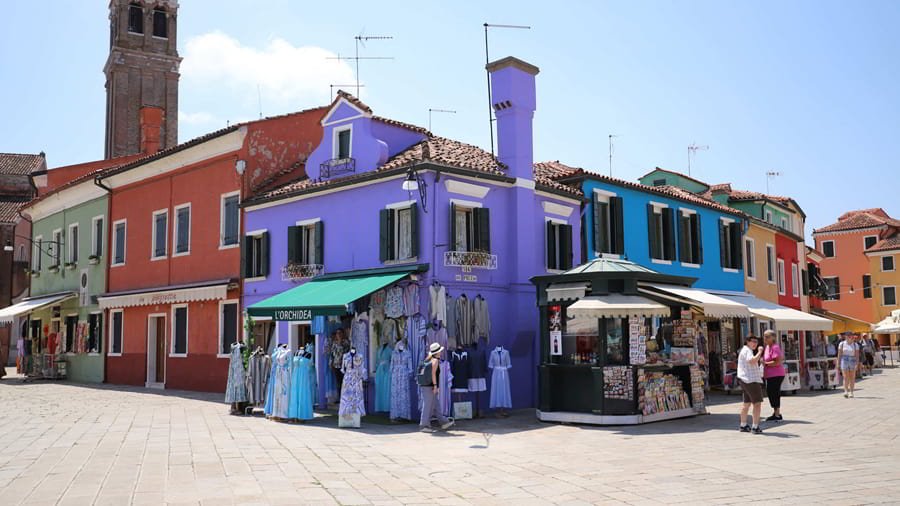
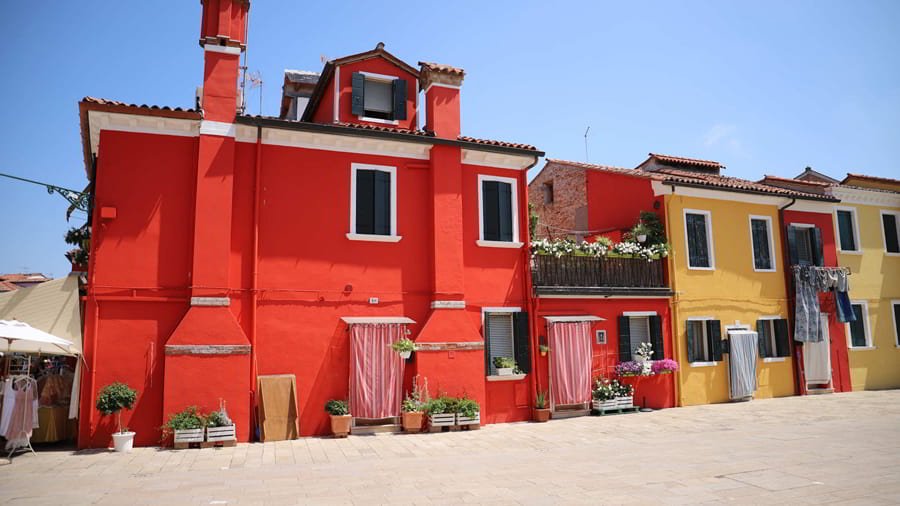
Giudecca
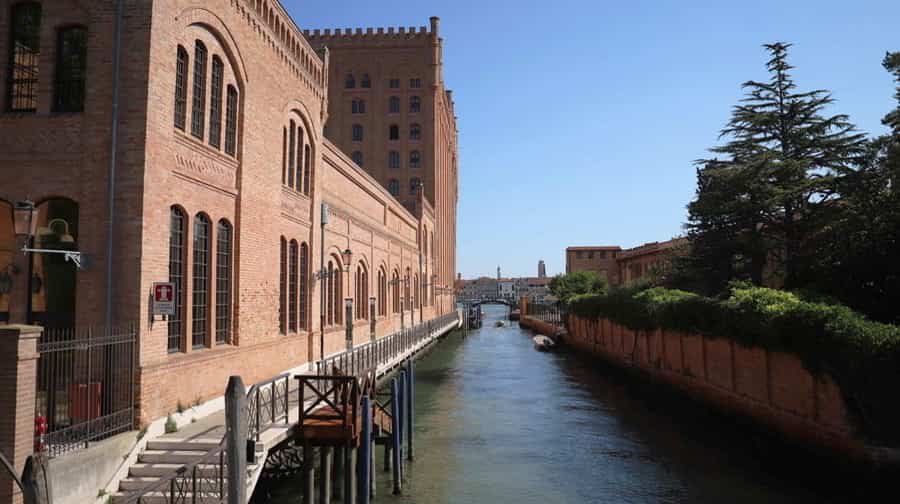
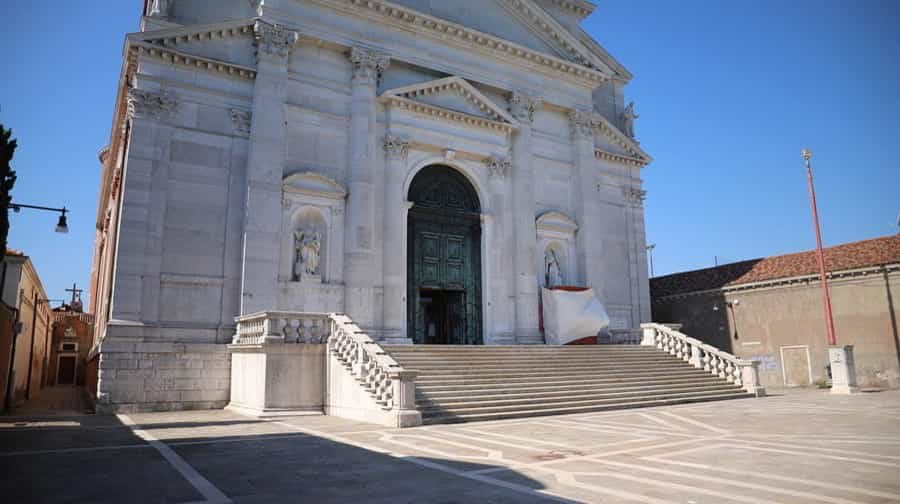
Mestre
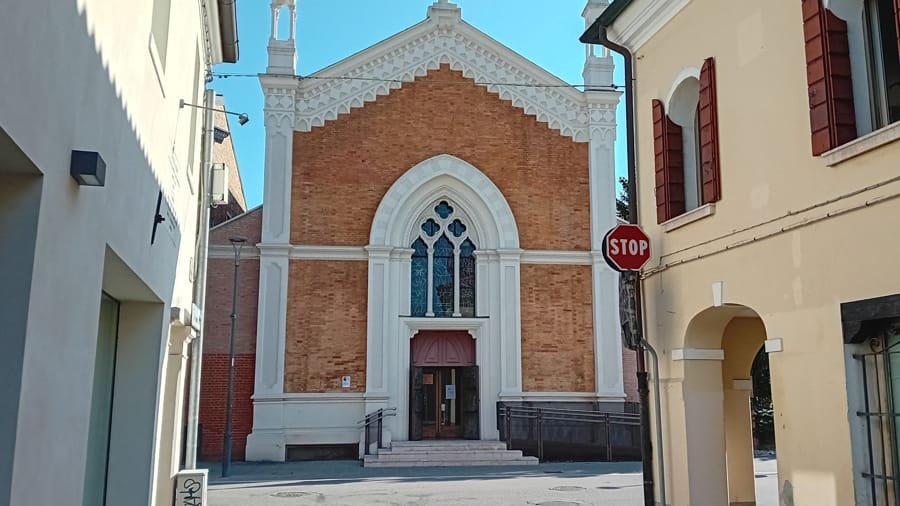

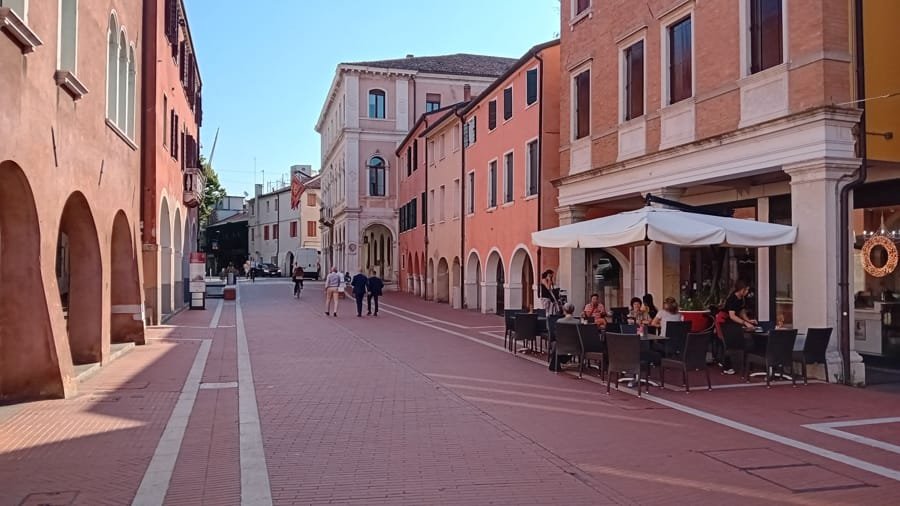
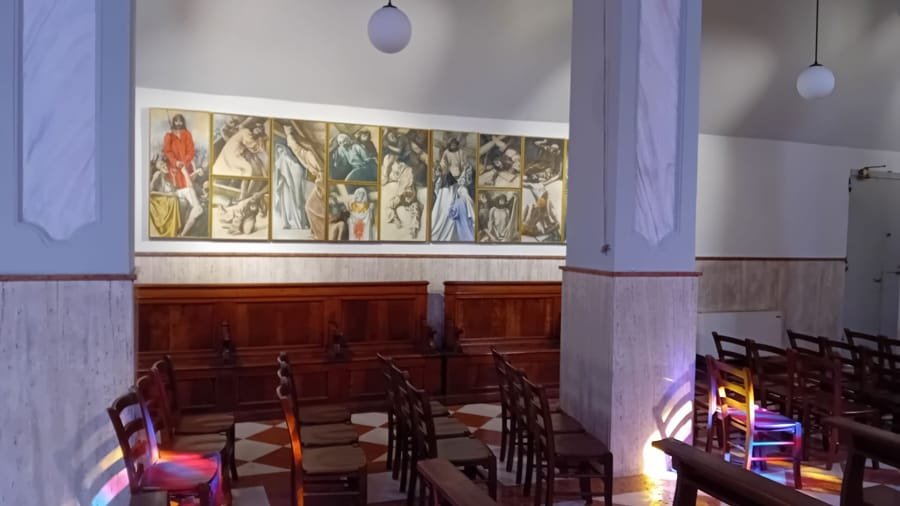
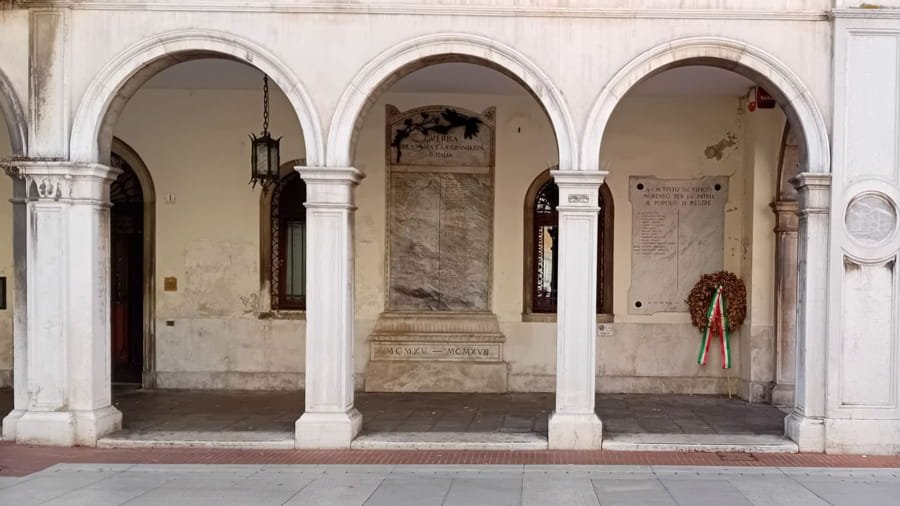

Murano
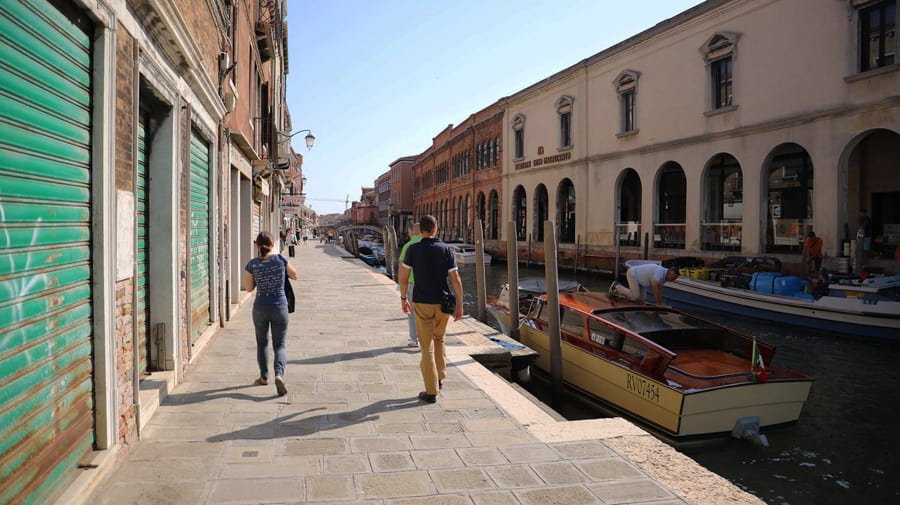
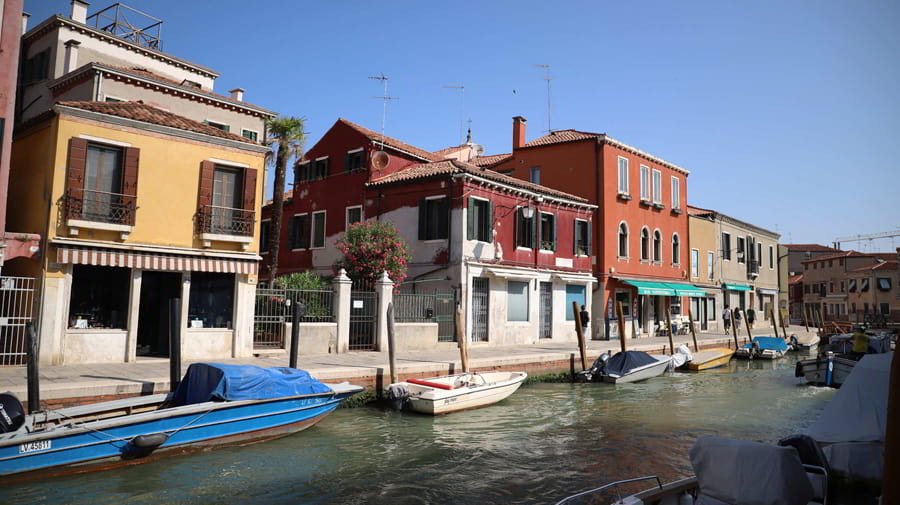
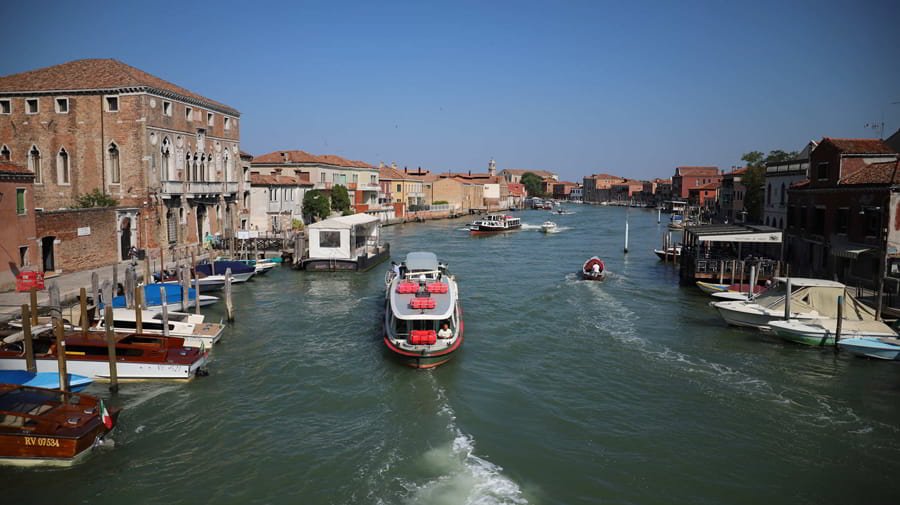
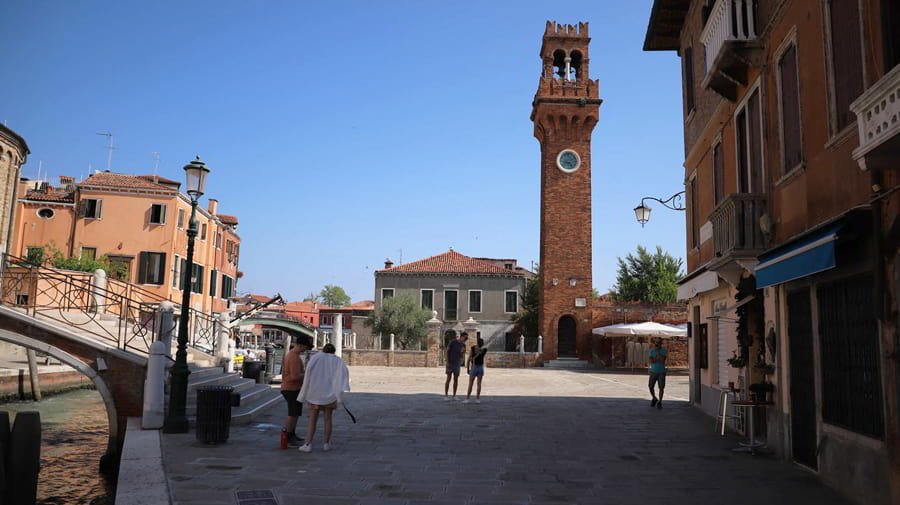
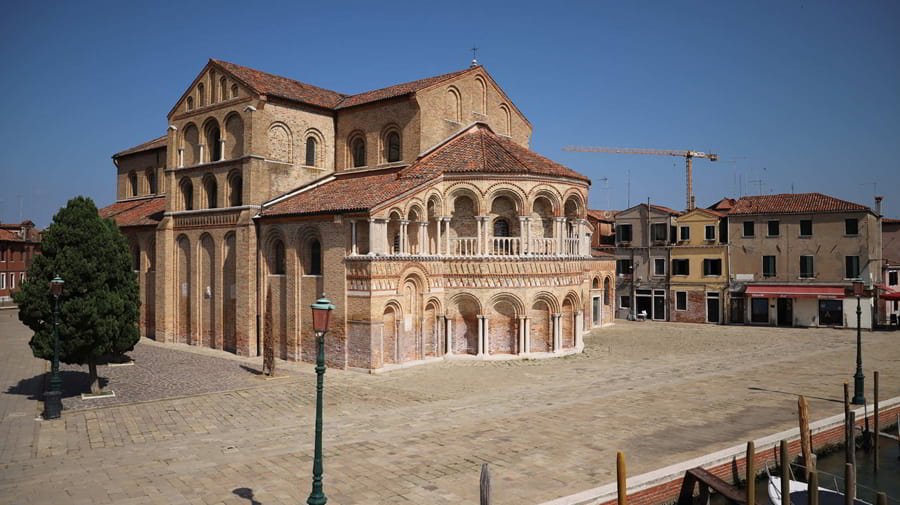
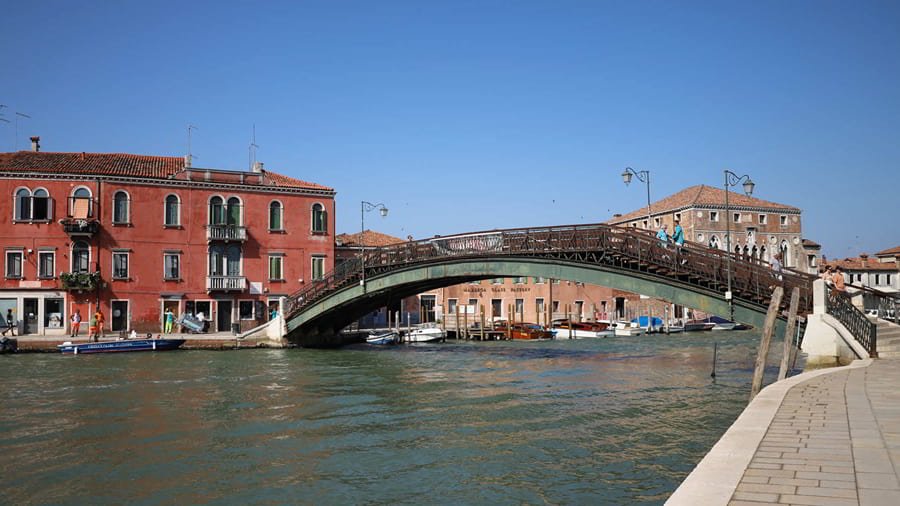
Isola Pietro di Castello
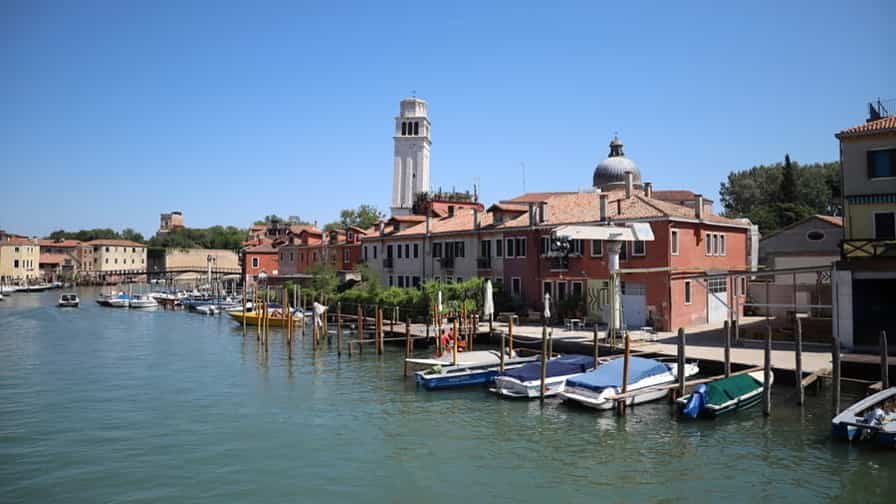
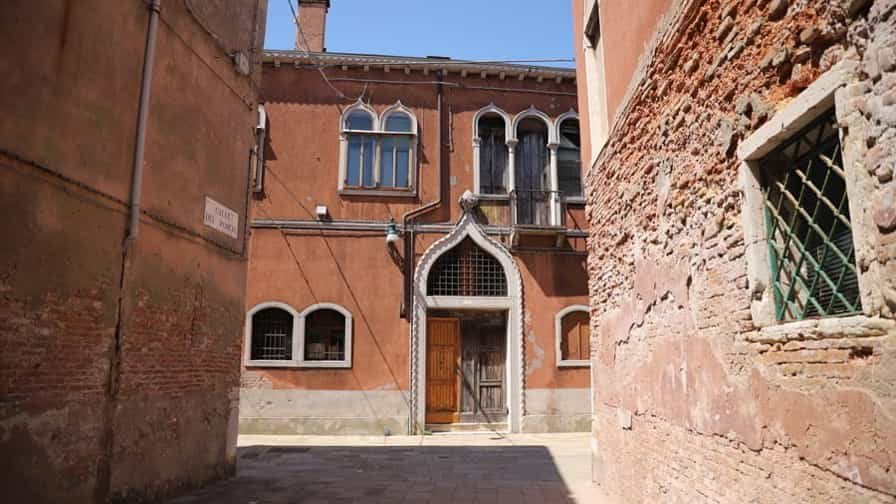
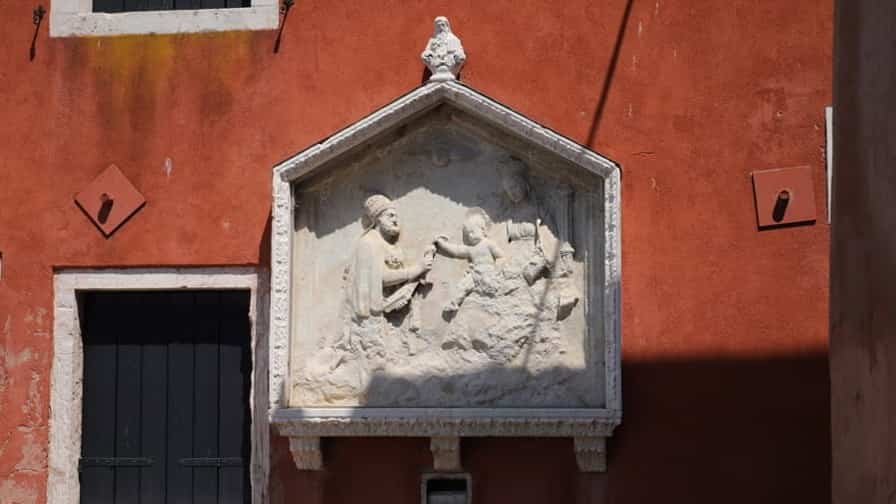
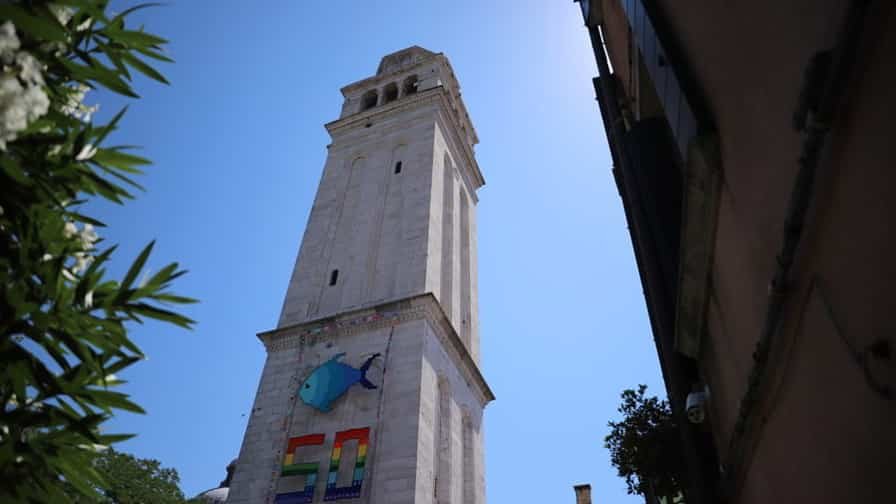
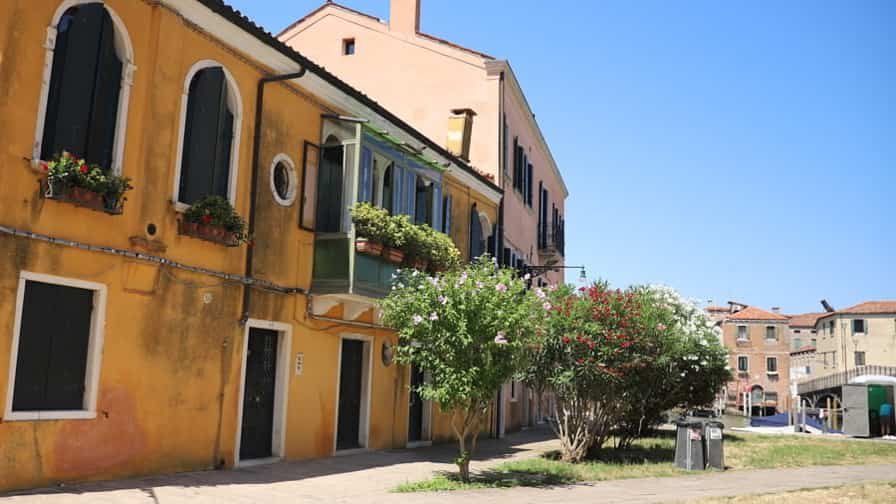
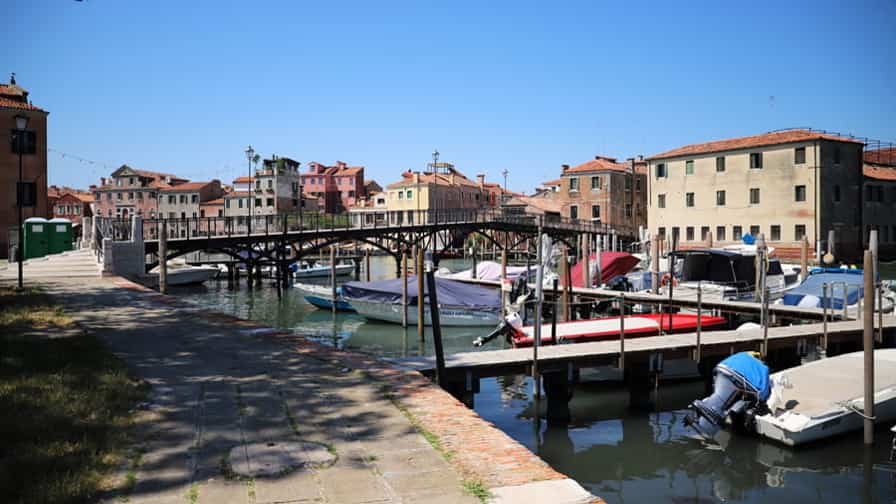
Venice

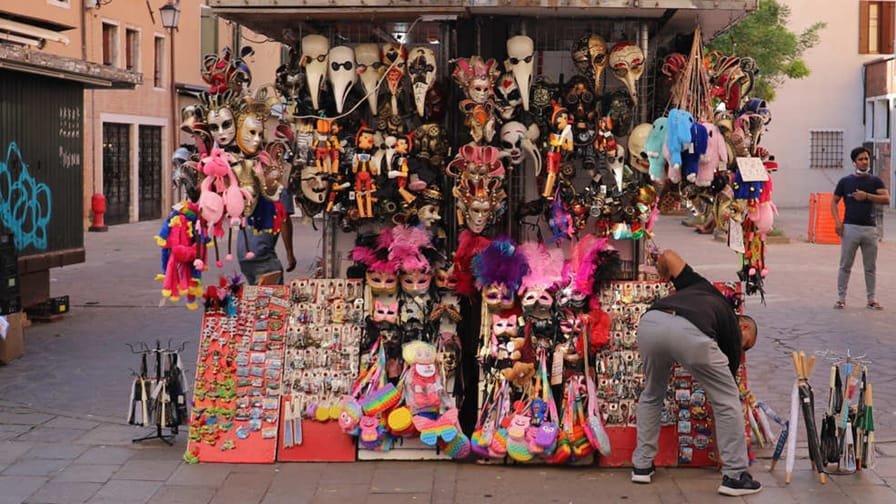

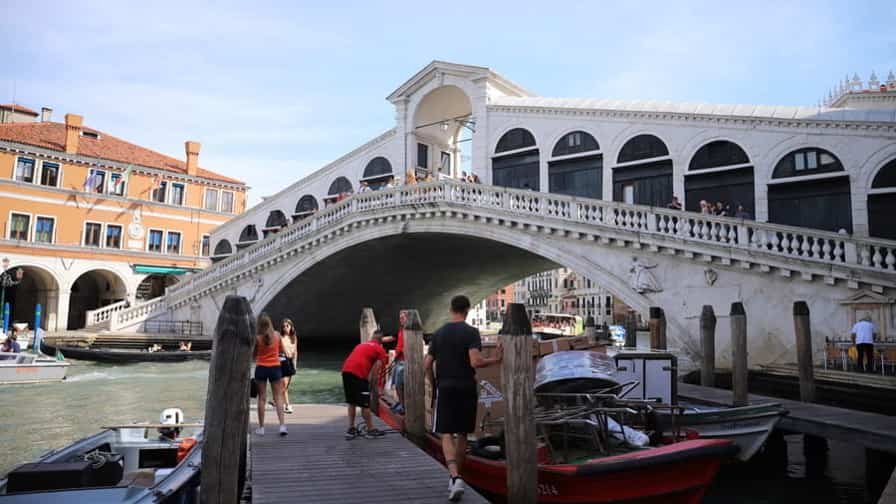
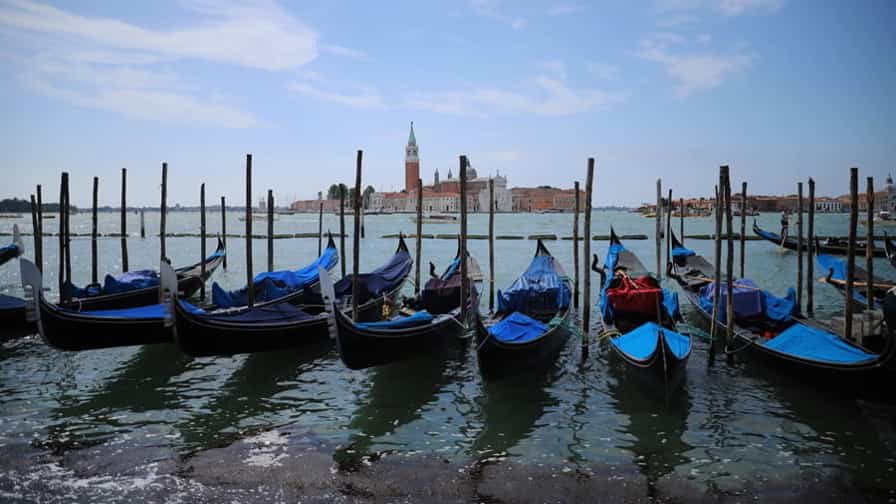
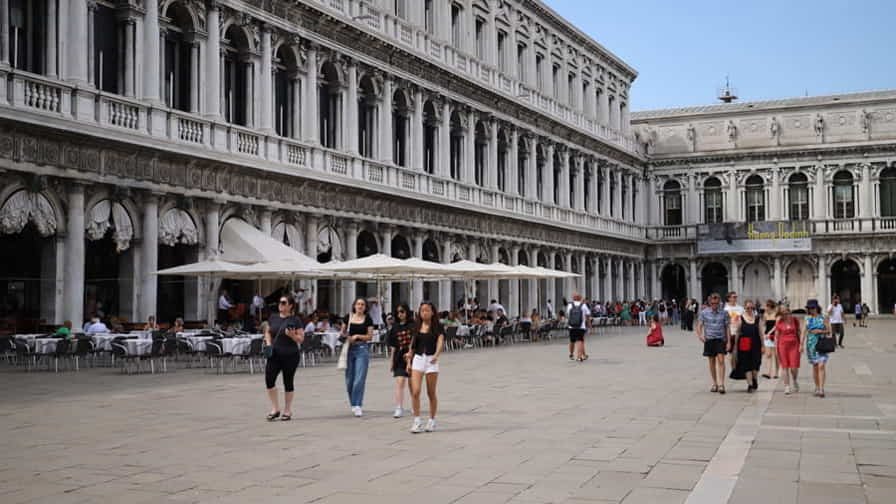
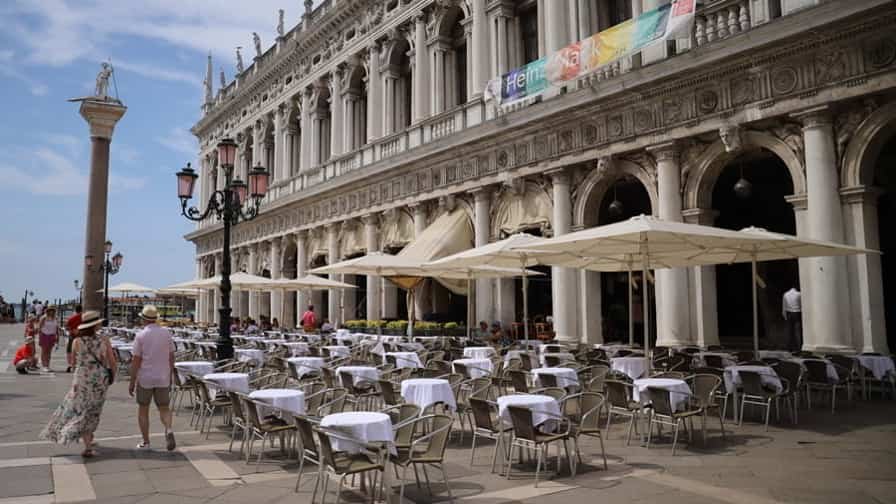

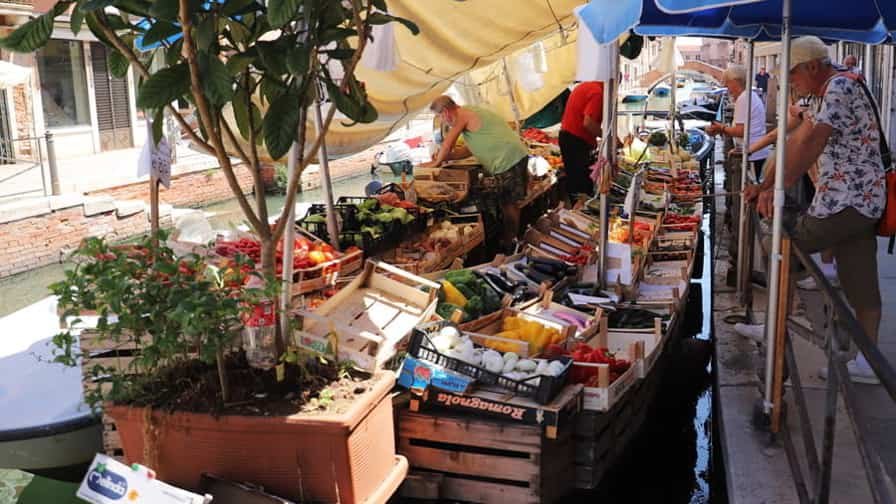


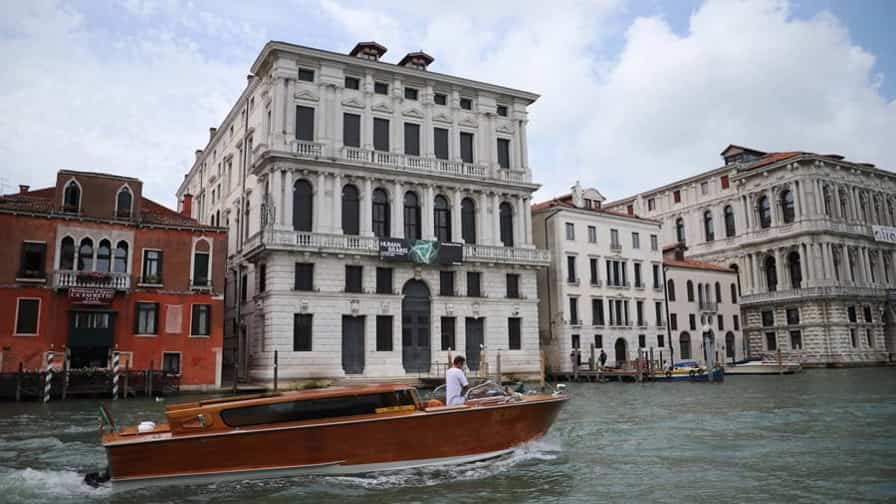
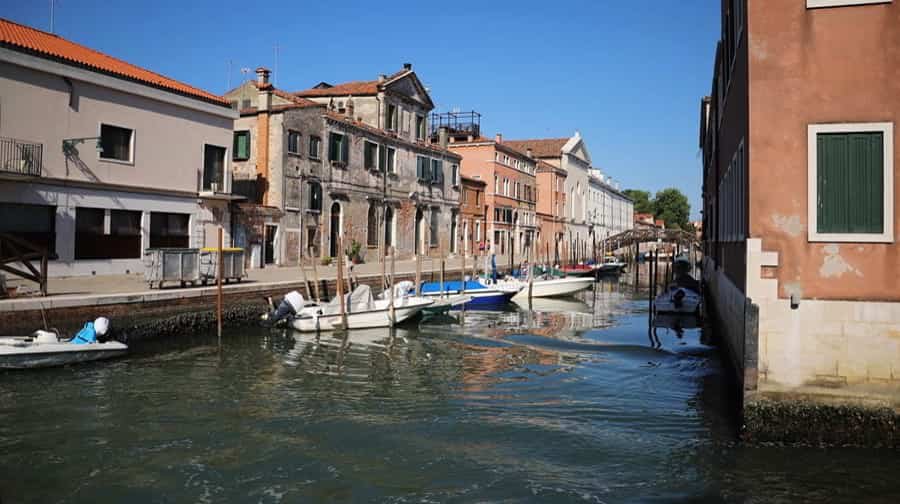
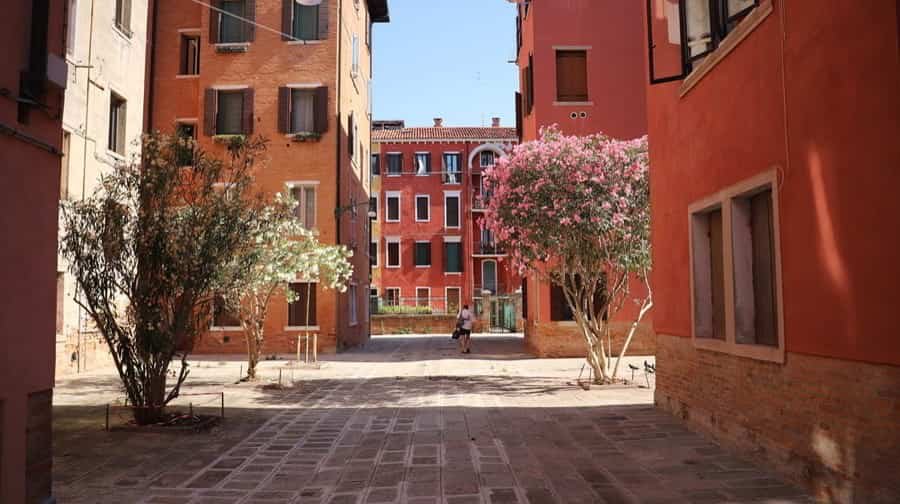
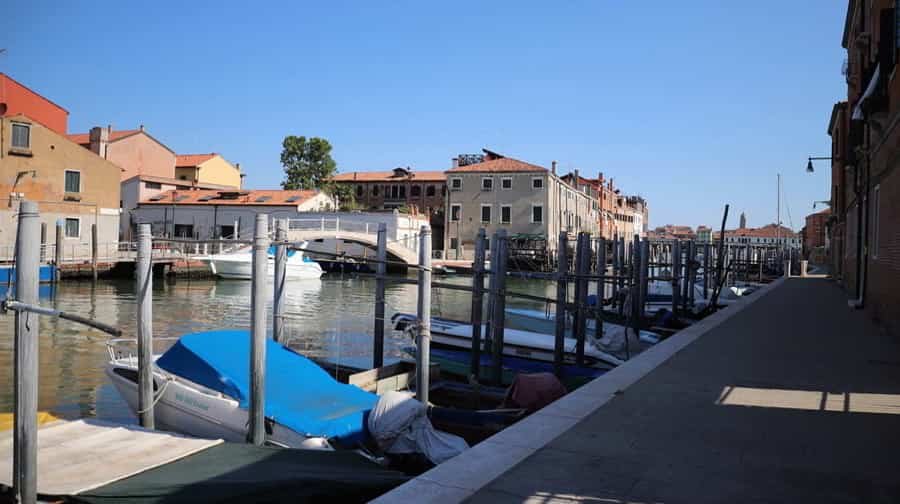
The Province of Venice, located in the heart of the Veneto region, is a territory defined by water, history, and extraordinary cultural heritage. At its center lies the city of Venice, one of the world’s most iconic destinations, built on a lagoon that has shaped every aspect of local life for centuries. Canals, islands, and historic trade routes have given the province a unique identity, where land and sea exist in constant dialogue.
Beyond the city itself, the province includes a rich variety of landscapes, from the quiet islands of the Venetian Lagoon to fertile mainland areas and long stretches of Adriatic coastline. Fishing villages, agricultural towns, and seaside resorts reflect the diverse ways communities have adapted to this watery environment. The lagoon, a delicate ecosystem recognized for its environmental value, remains central to cultural traditions and daily rhythms.
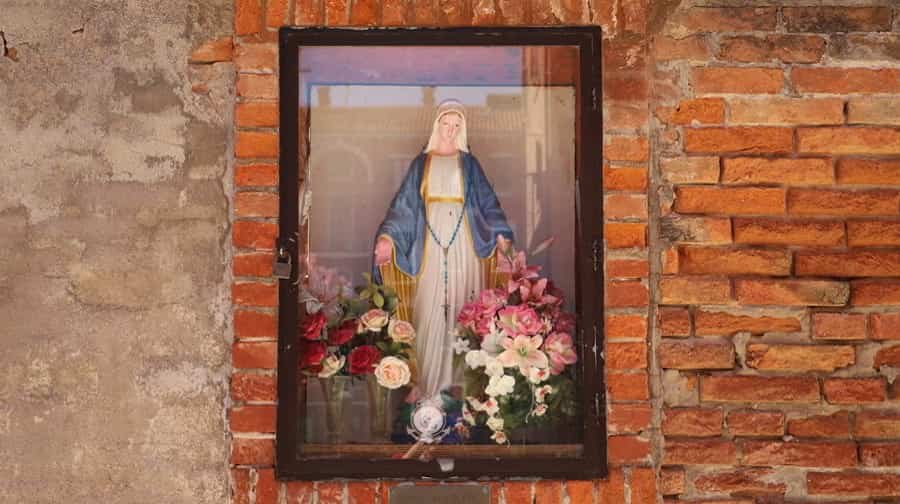
The legacy of the Venetian Republic is visible throughout the province in palaces, churches, and civic architecture that speak of centuries of artistic and commercial influence. Art, craftsmanship, and maritime culture continue to define local identity. The Province of Venice offers a rare blend of beauty, history, and living tradition, inviting visitors to experience Veneto through a landscape shaped by water, resilience, and enduring cultural splendor.
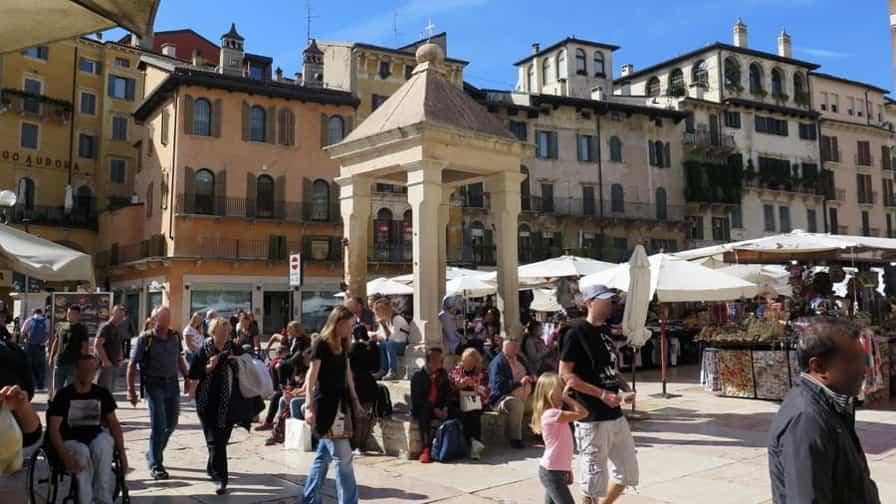
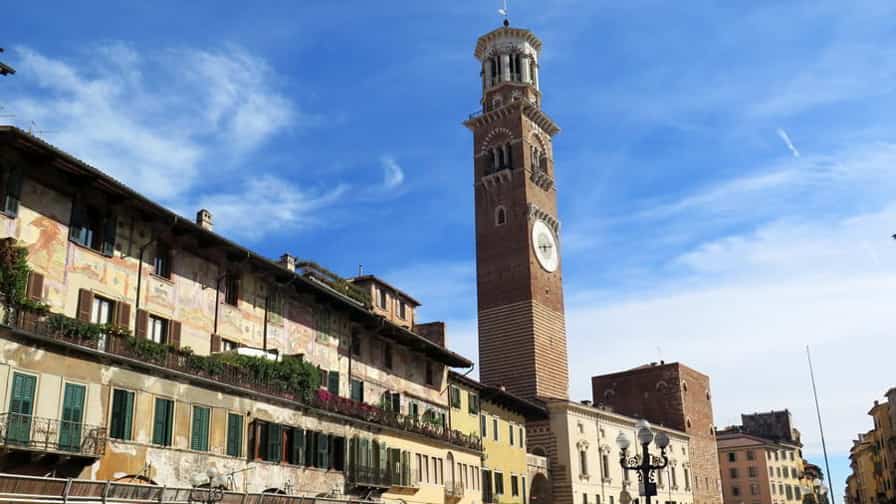
The Provence of Verona
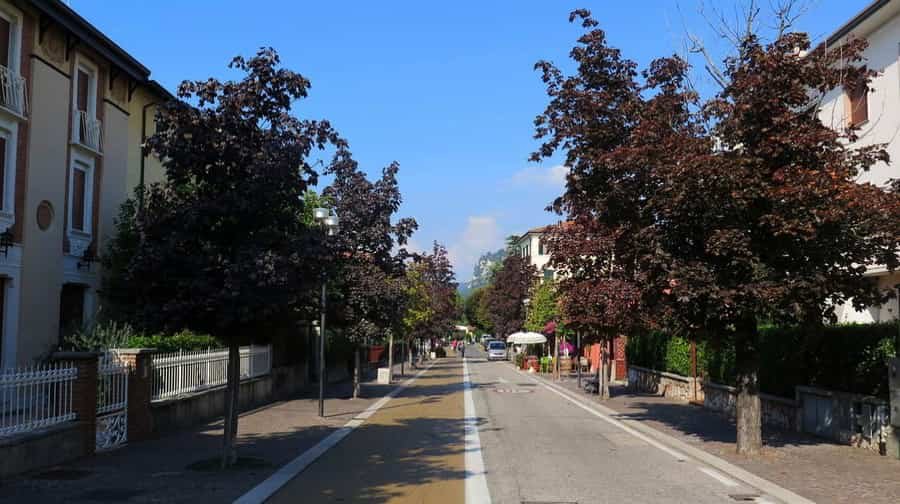
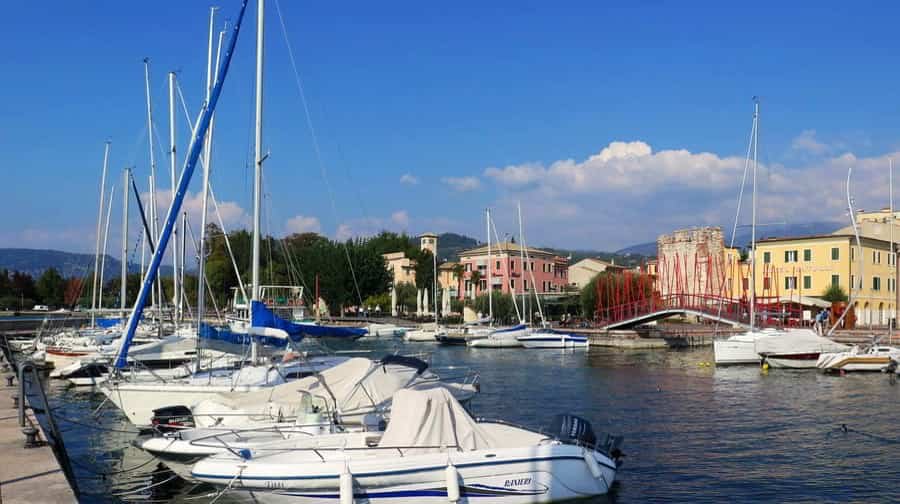
Bardolino
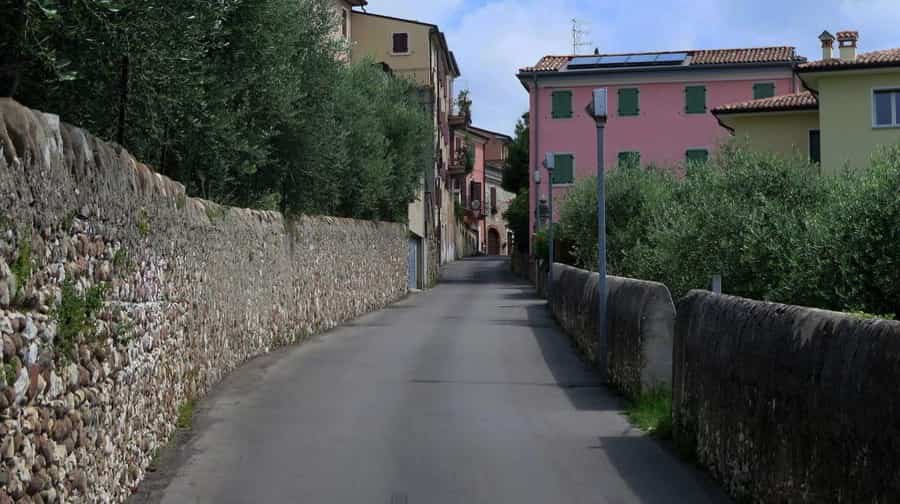
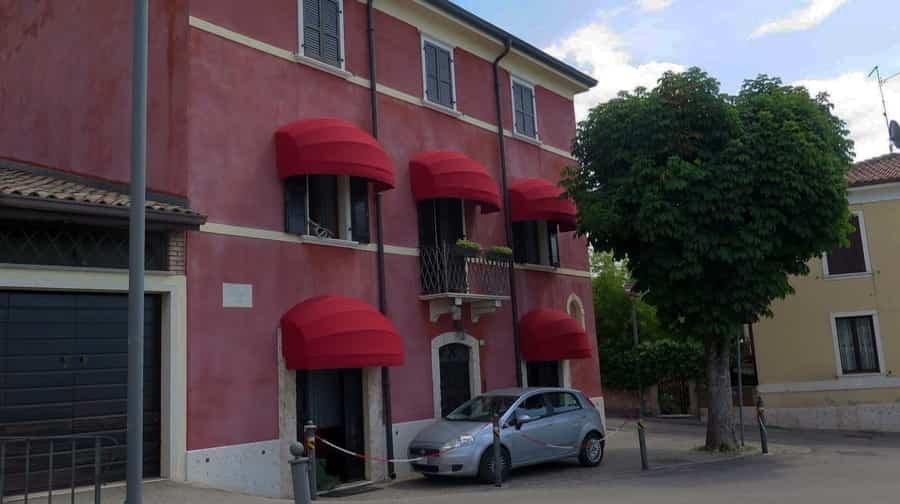
Cavaion Veronese
Garda
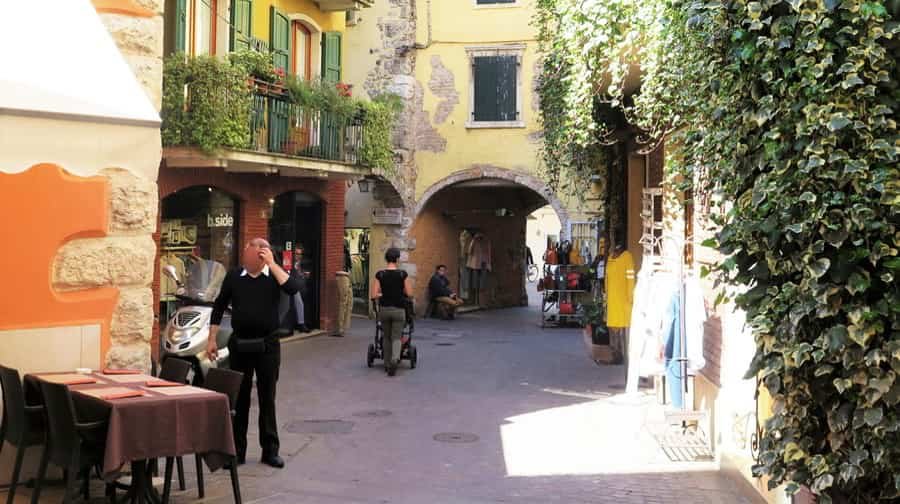
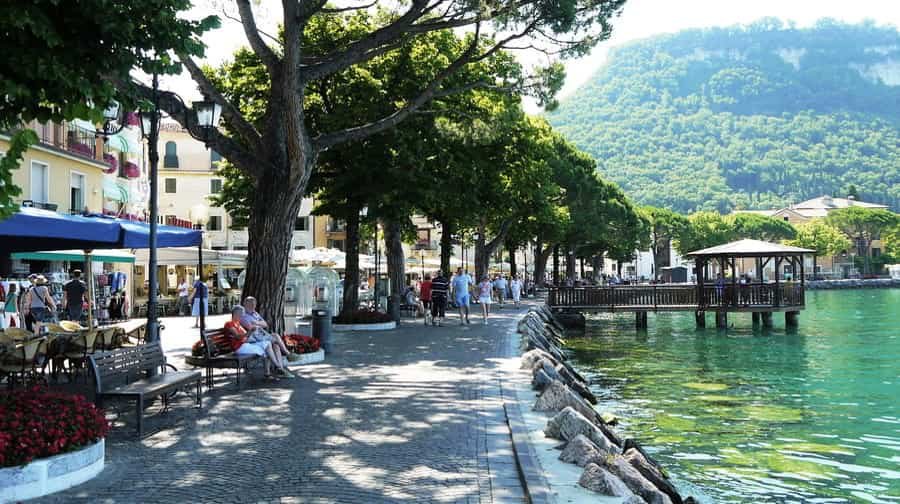
Lazise
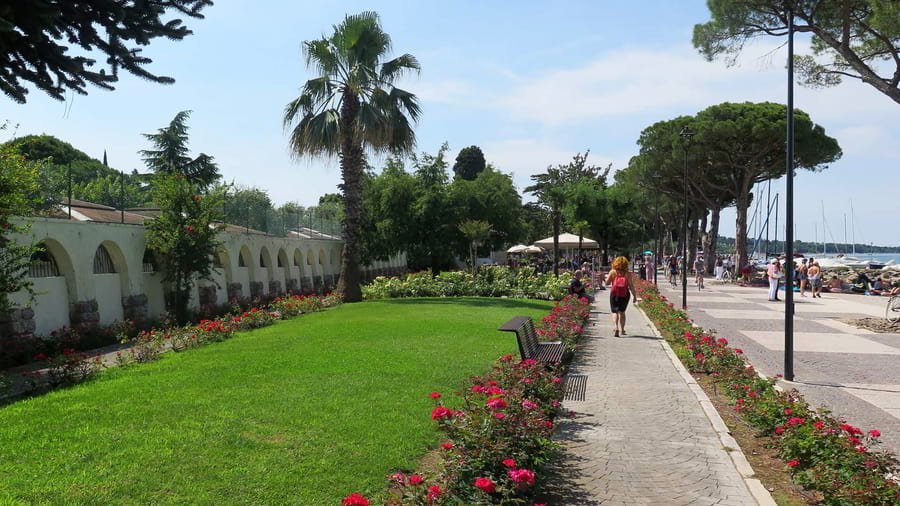
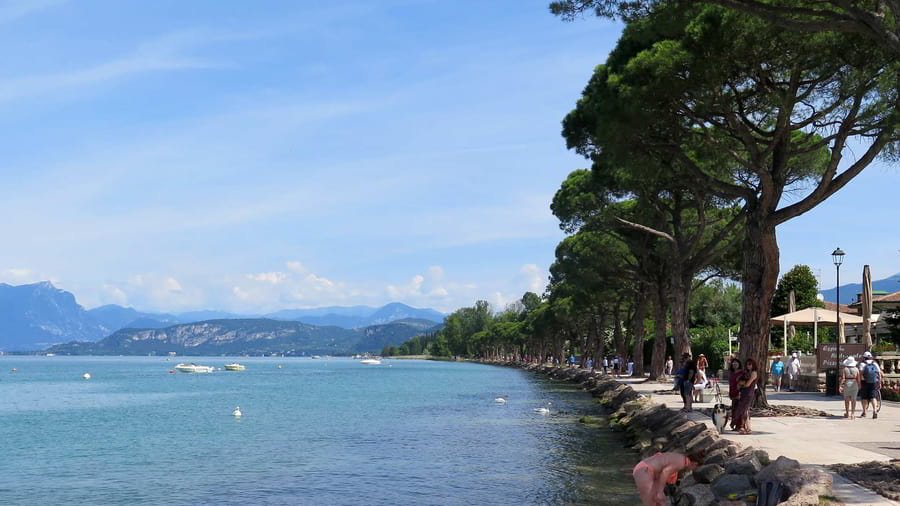
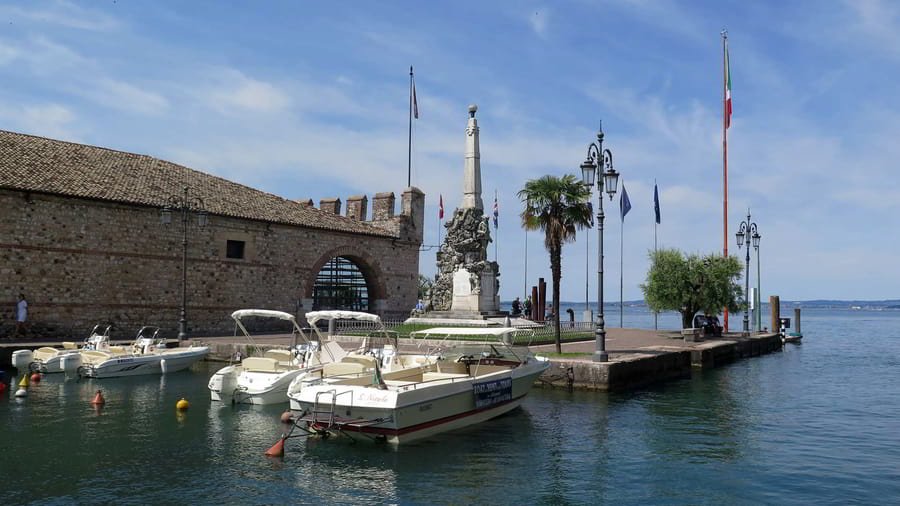
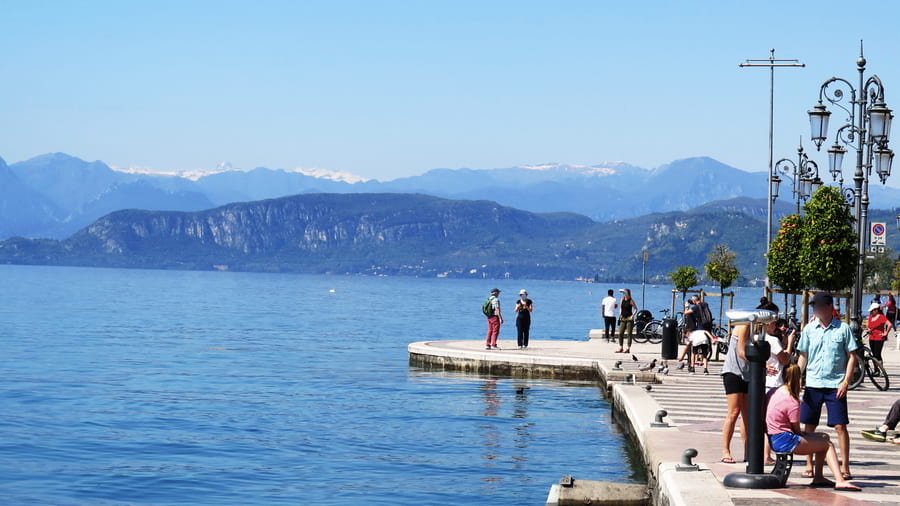
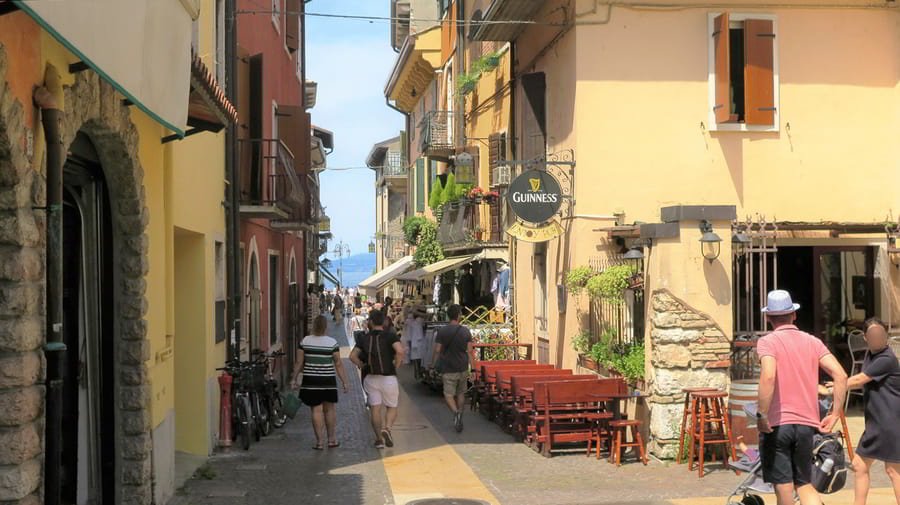
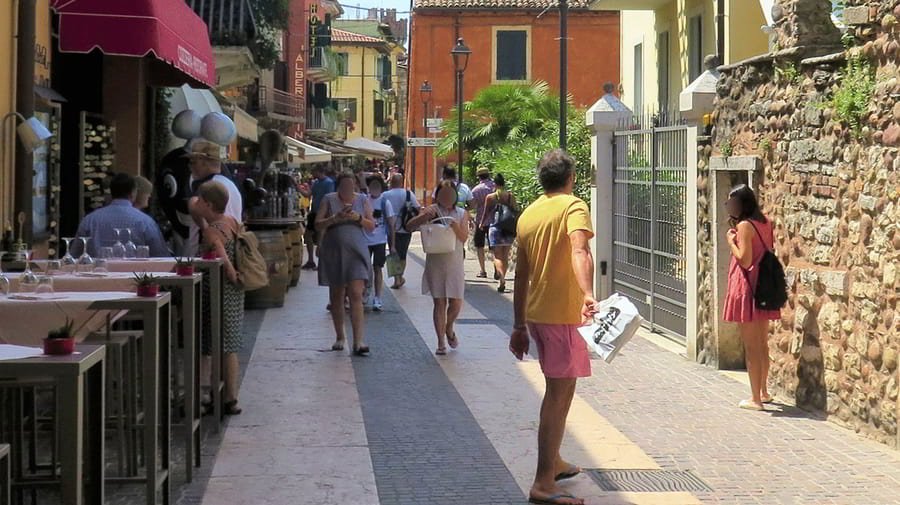
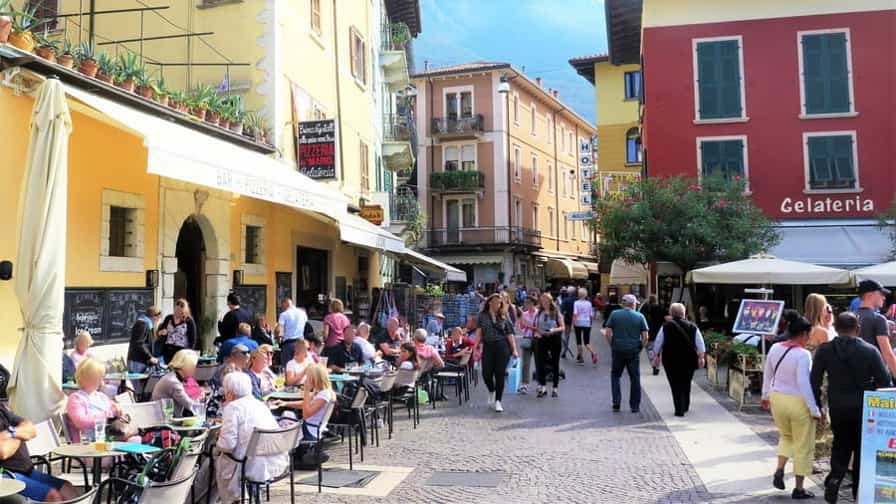
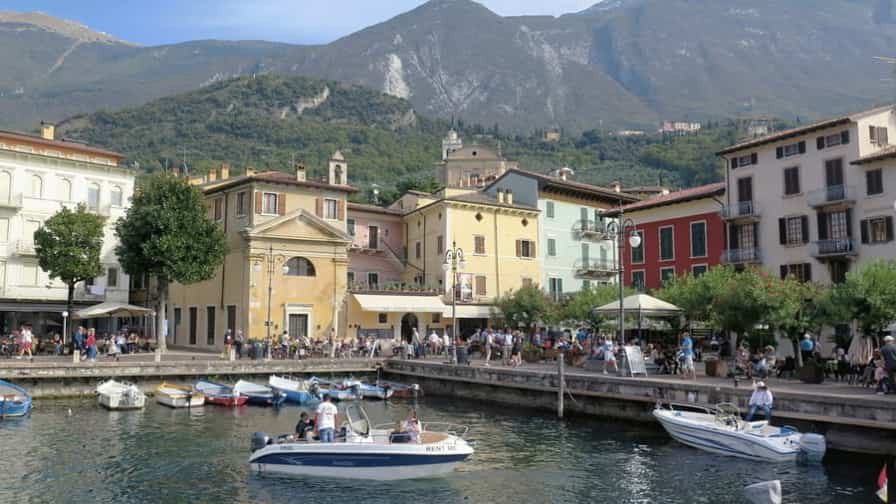
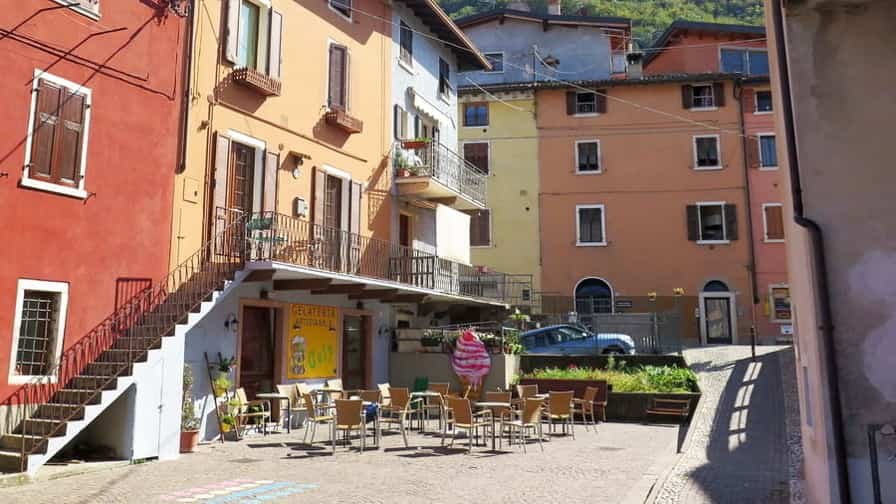
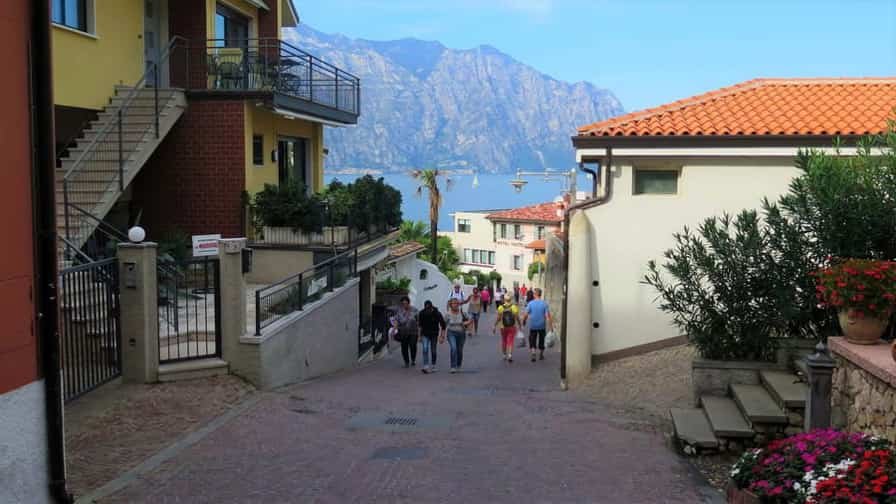
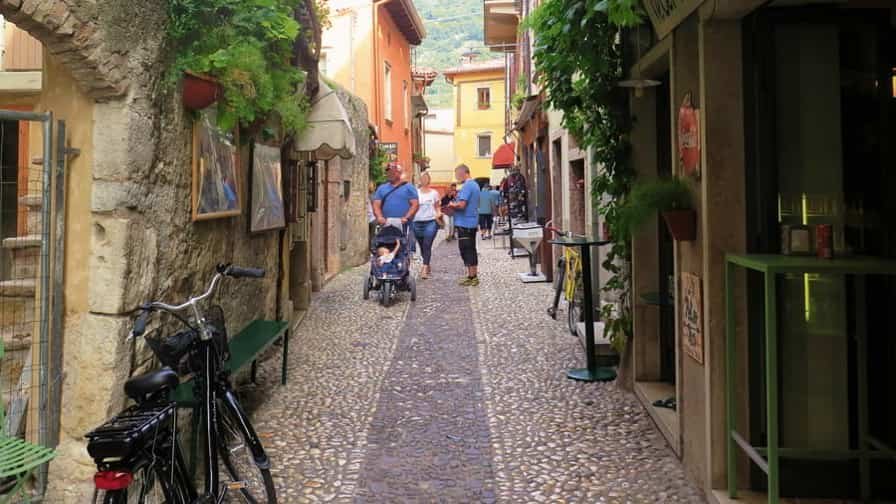
Malcesine
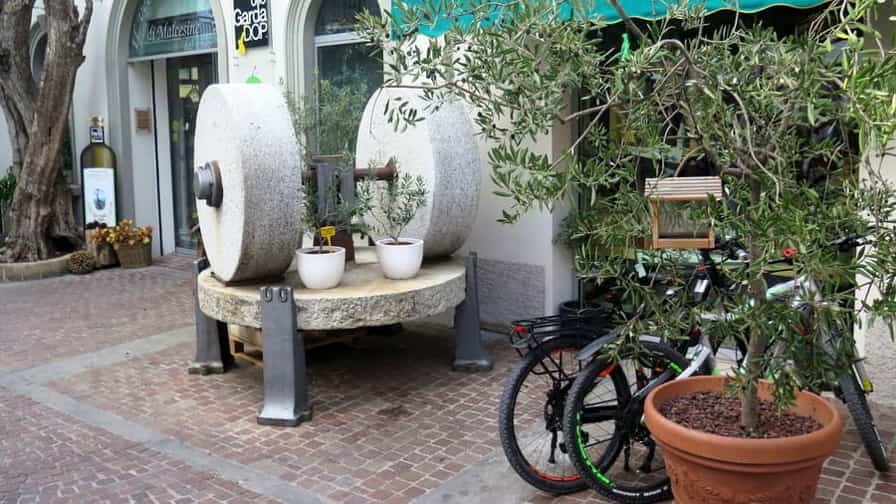
Peschiera del Garda
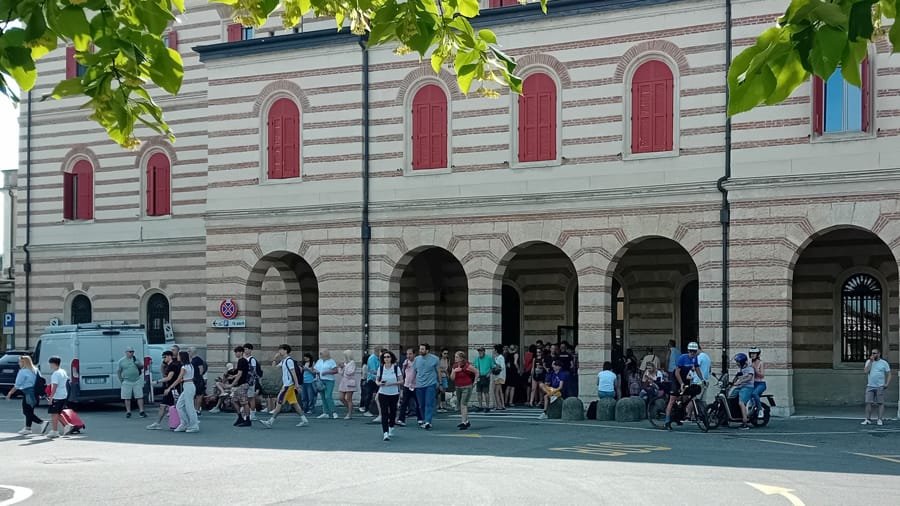
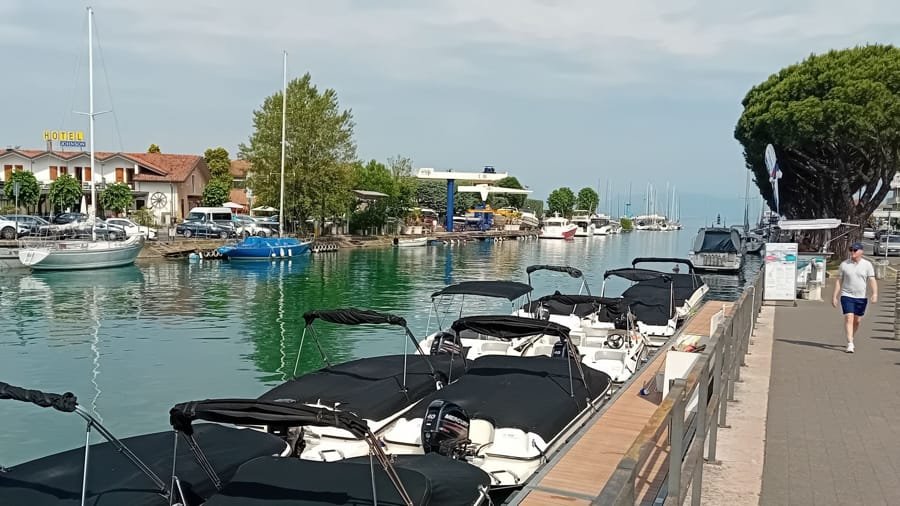
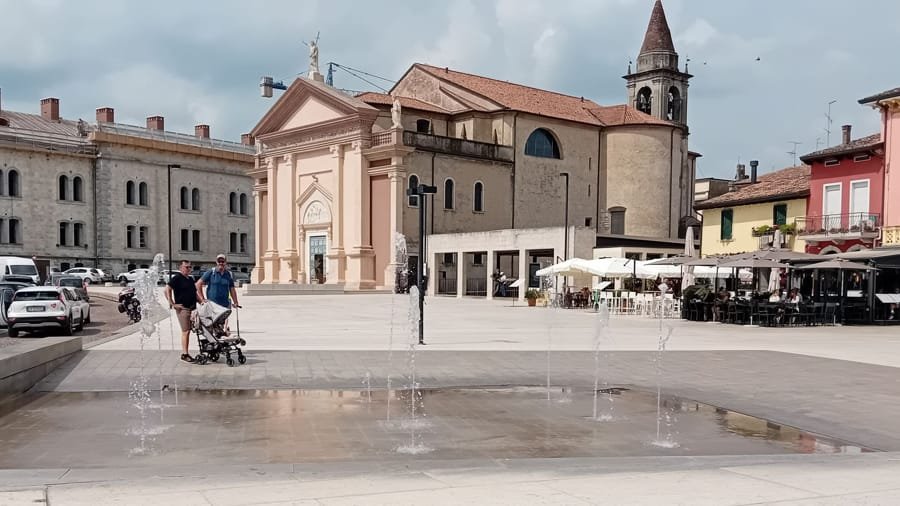
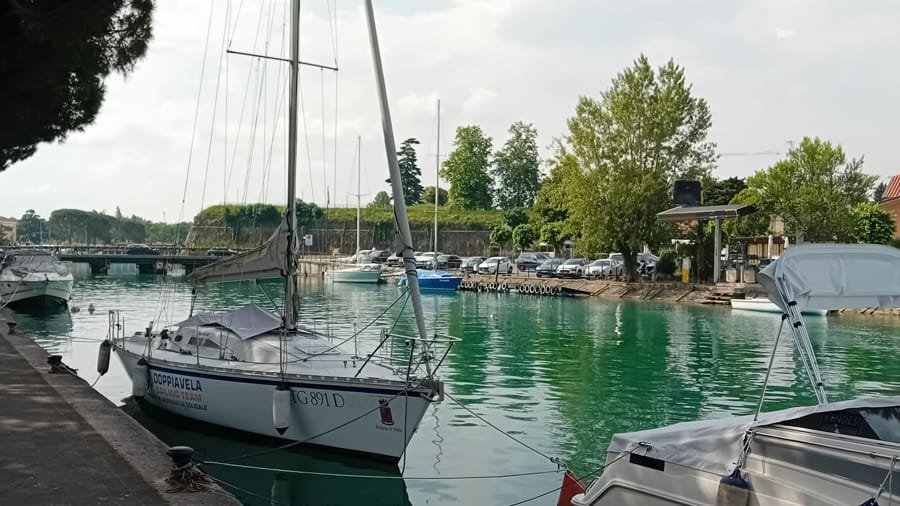
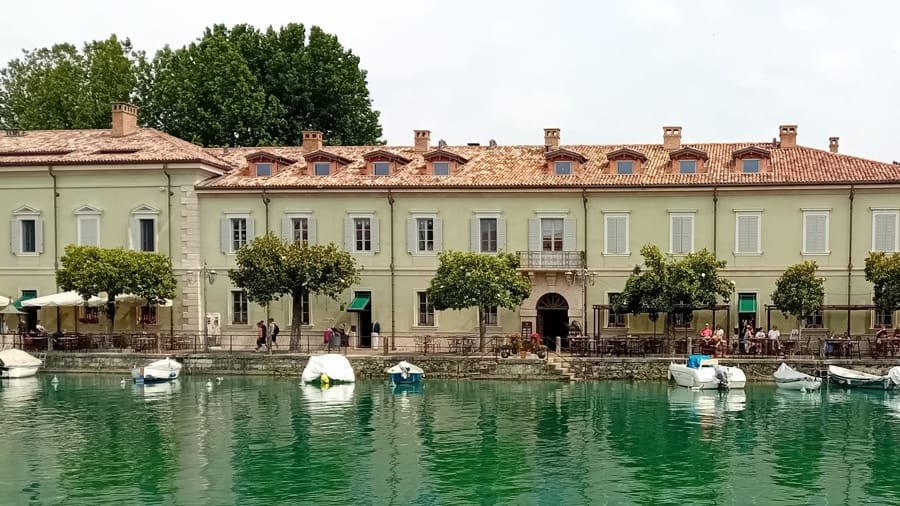
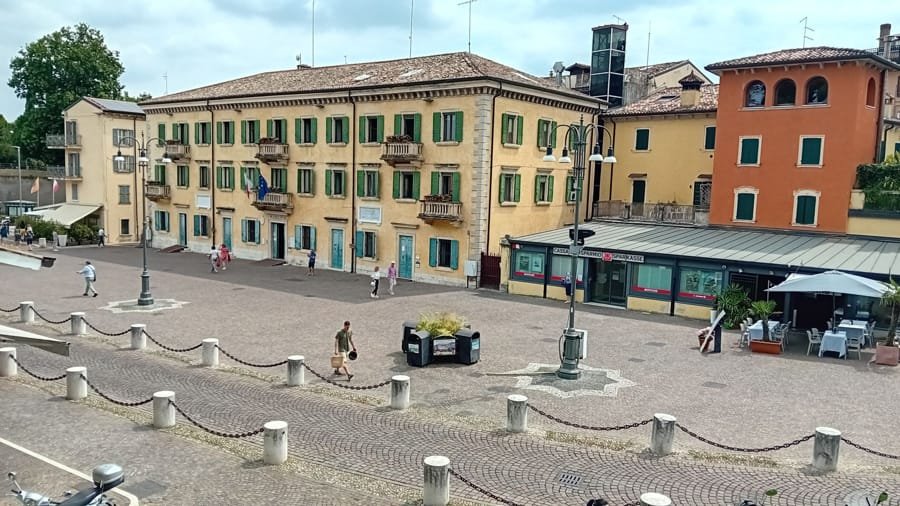
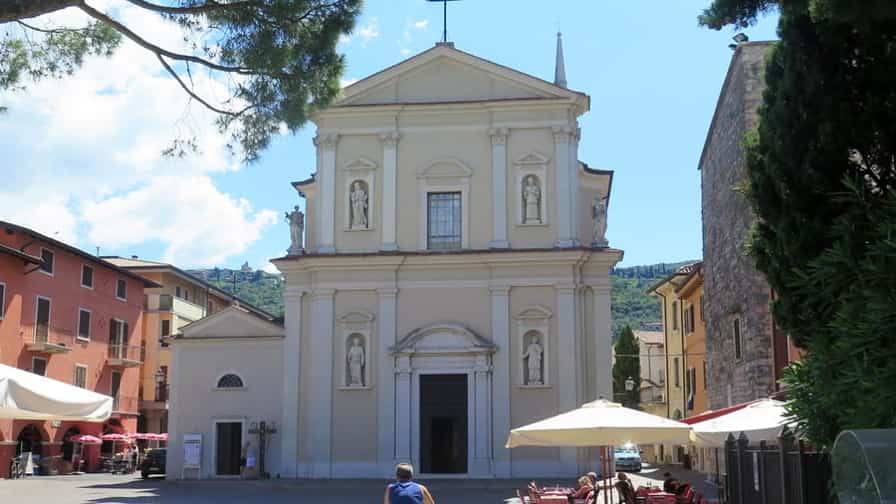
Torri del Benaco
Verona
The Provence of Vicenza
Vicenza
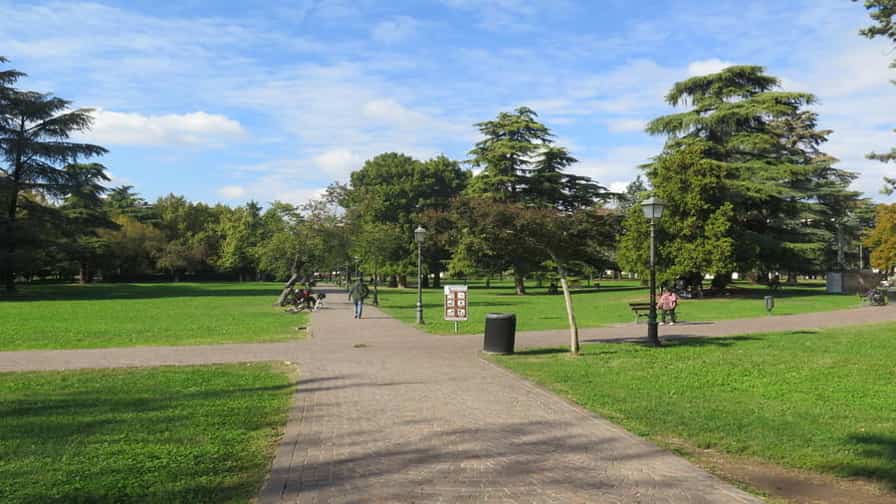
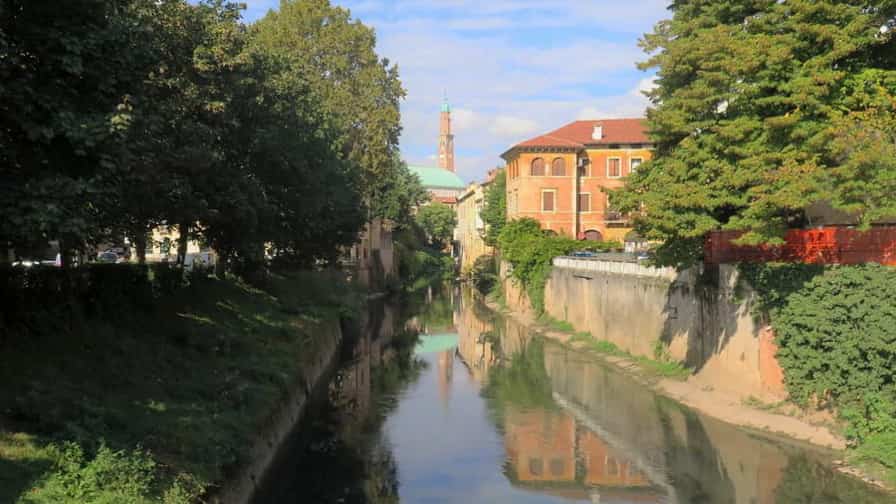
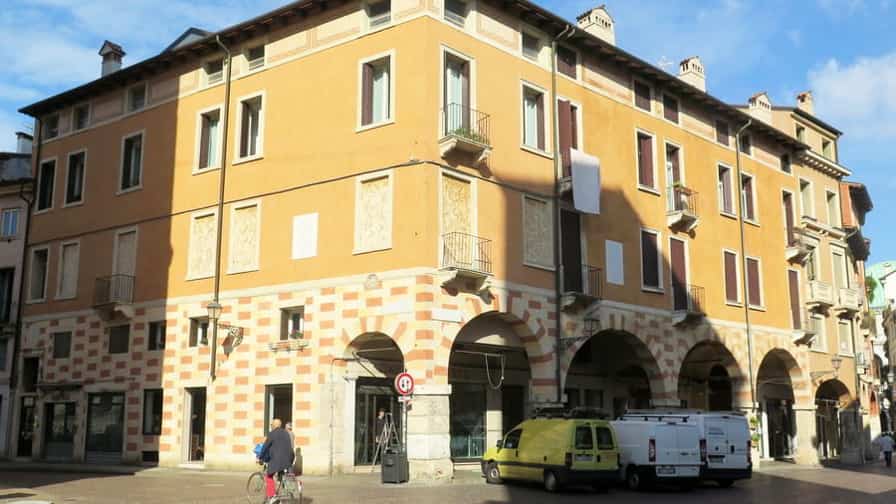
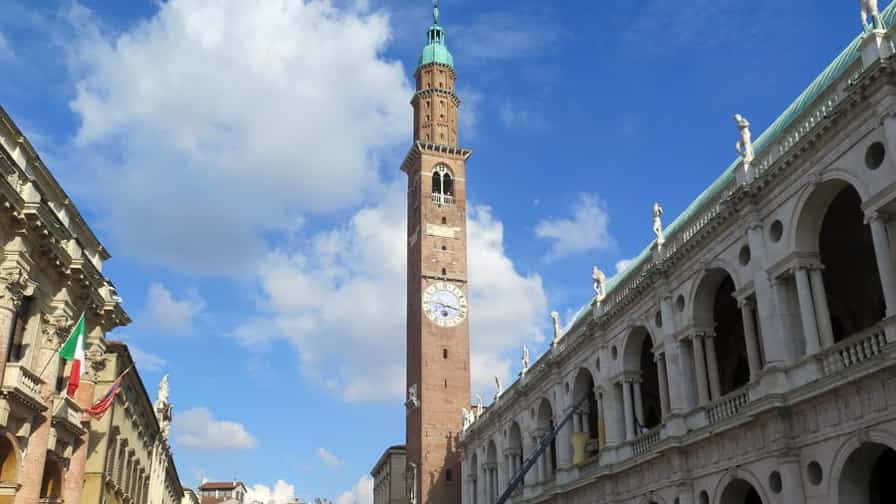
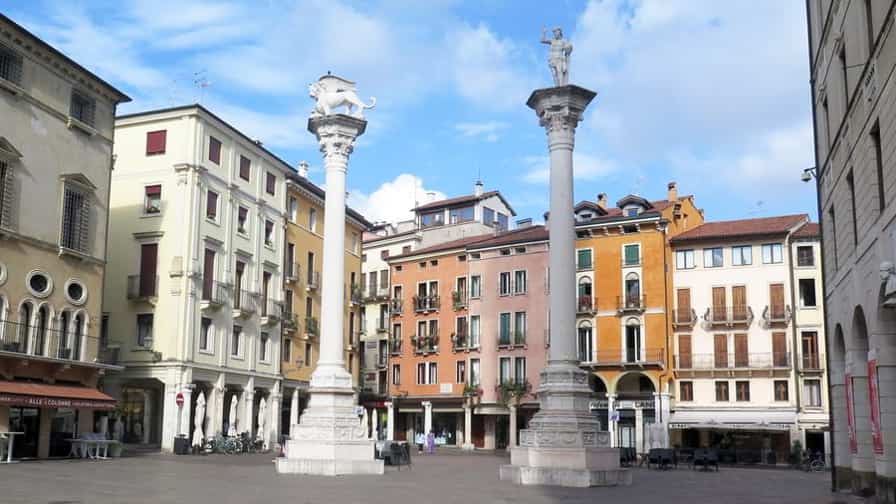
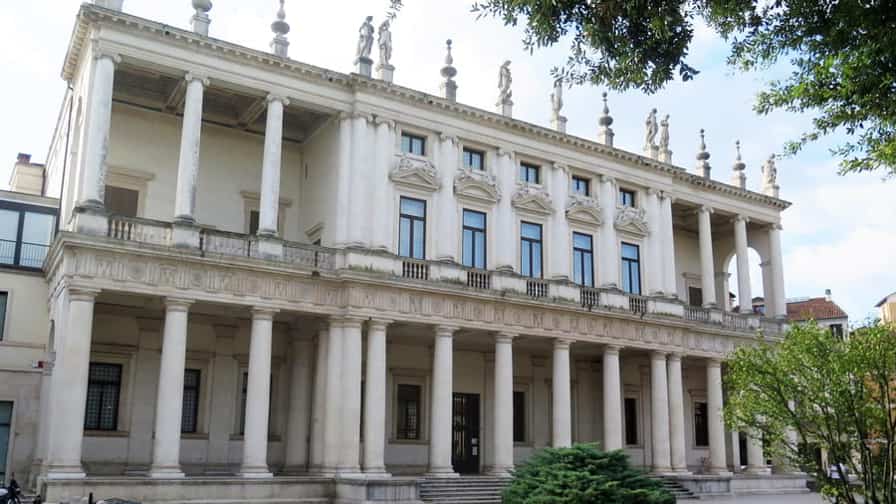
The Province of Vicenza, set in the heart of the Veneto region in north-eastern Italy, is a land where history, craftsmanship, and natural beauty come together with quiet elegance. Stretching from the fertile Venetian plain to the foothills of the Alps, the province offers a varied landscape of vineyards, rivers, rolling hills, and mountain pastures that have shaped local life for centuries. At its centre lies the city of Vicenza, internationally renowned for the architectural legacy of Andrea Palladio, whose harmonious villas, palaces, and churches have earned UNESCO World Heritage status.
Beyond its artistic treasures, Vicenza is deeply rooted in tradition and innovation alike. The province has long been a hub of skilled craftsmanship, particularly in jewellery, textiles, and mechanical industries, balancing a strong economy with a respect for heritage. Small towns and villages preserve a slower rhythm of life, where local festivals, family-run trattorias, and seasonal cuisine reflect a close connection to the land.
The Province of Vicenza invites visitors to experience Veneto from an intimate perspective, one defined not by spectacle, but by refined beauty, cultural depth, and an enduring sense of place.
Bardolino
Burano
Cavaion Veronese
Garda
Giudecca
Lazise
Malcesine
Mestre
Murano
Padova
Peschiera del Garda
San Pietro di Castello
Torri del Benaco
Venice
Verona
Vicenza
Walk Bardolino to Lazise
Walk Brenzone–Malcesine
COPYRIGHT © 2018-2026 ITALY IN PHOTOS – ALL RIGHTS RESERVED