
HOME
REGIONS OF ITALY
PLACES IN ITALY
TRAVEL GUIDES
Italy in Photos
Discover the Regions of Italy
Corso Ovidio, 67039 Sulmona, Italy (September 2019)
Abruzzo
The Region of Abruzzo, located in central Italy between the Apennine Mountains and the Adriatic Sea, is a land of remarkable contrasts and enduring traditions. Often described as one of the most authentic regions of the country, Abruzzo combines unspoiled natural landscapes with a rich historical and cultural heritage. Its position, bridging the mountainous heart of Italy and the eastern coastline, has shaped its identity over centuries, creating a region where nature, history, and everyday life are deeply interconnected.
Geographically, Abruzzo is distinguished by its dramatic variety. Much of the region is mountainous, dominated by some of the highest peaks of the Apennines, including the Gran Sasso d’Italia. These highlands give way to rolling hills and fertile valleys before reaching the Adriatic coast, where long sandy beaches and rocky stretches define the shoreline. Abruzzo is also known as the “greenest region in Europe” due to its extensive system of national parks, regional reserves, and protected areas, which safeguard a rich biodiversity and offer opportunities for hiking, skiing, and nature-based tourism.
Historically, Abruzzo has been inhabited since ancient times, first by Italic tribes and later by the Romans, whose presence left lasting marks in towns, roads, and archaeological sites. During the medieval period, the region developed a network of fortified villages, castles, and monasteries, many of which remain remarkably well preserved. These settlements reflect a history shaped by pastoral life, transhumance, and strong local autonomy, elements that continue to influence Abruzzo’s cultural identity.
The region is administratively divided into four provinces: L’Aquila, Teramo, Pescara, and Chieti. Each contributes distinct characteristics to the whole. L’Aquila represents the mountainous and historic heart of the region, Teramo offers a balance of mountains and coastline, Pescara stands out as a modern and dynamic urban centre, and Chieti reflects a deep connection between agriculture, industry, and the sea. Together, they form a region that is diverse yet cohesive.
Abruzzo’s cultural traditions remain vibrant and deeply rooted. Religious festivals, seasonal celebrations, and local customs play a central role in community life. The region is also renowned for its gastronomy, which reflects its land-based heritage. Dishes often rely on simple, high-quality ingredients such as lamb, sheep’s milk cheeses, legumes, olive oil, and pasta, accompanied by well-regarded local wines. These culinary traditions are closely tied to the rhythms of rural life and the changing seasons.
In modern times, Abruzzo has embraced development while striving to preserve its identity. Agriculture, manufacturing, services, and tourism all contribute to the regional economy. Coastal tourism thrives during the summer months, while mountain resorts and natural parks attract visitors year-round. At the same time, many inland villages maintain a slower pace of life, offering a sense of continuity and authenticity that is increasingly rare.
Overall, the Region of Abruzzo presents a compelling blend of natural beauty, historical depth, and living tradition. Its landscapes, shaped by mountains and sea, mirror the resilience and character of its people. Abruzzo stands as a region where past and present coexist, offering visitors and residents alike a rich and meaningful experience of Italy beyond the well-trodden paths.
The Provinces of Abruzzo
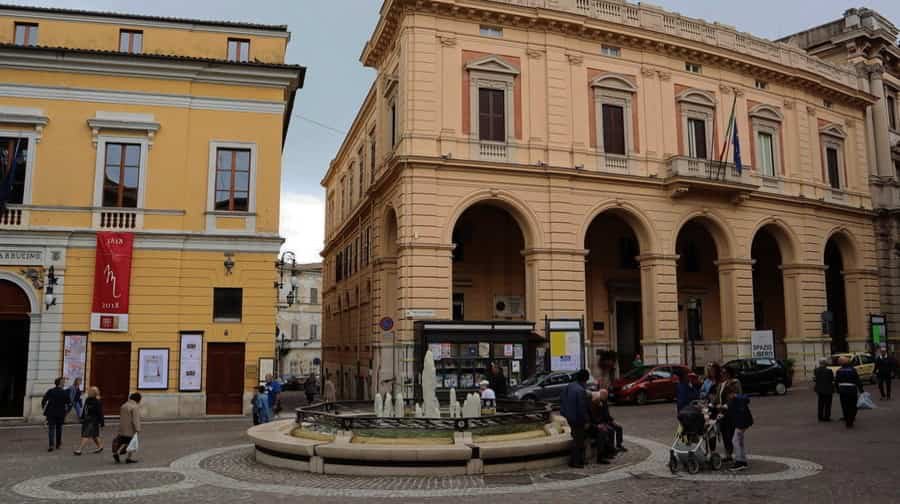
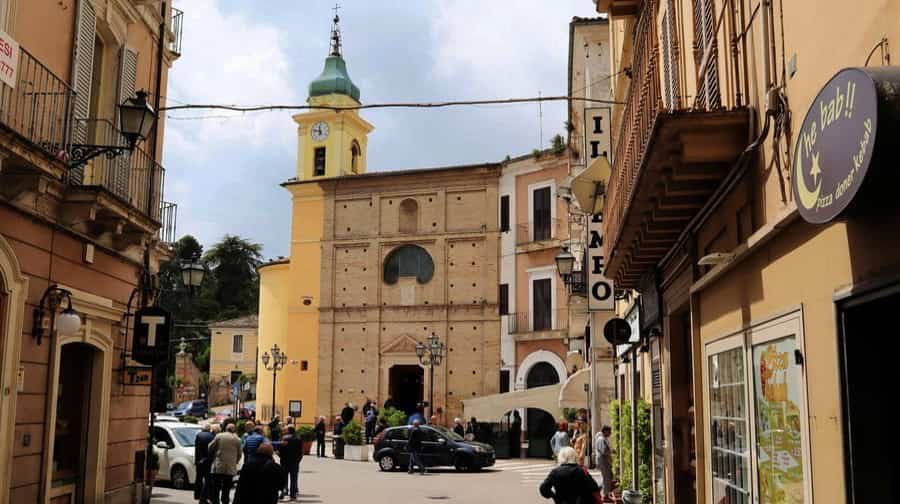
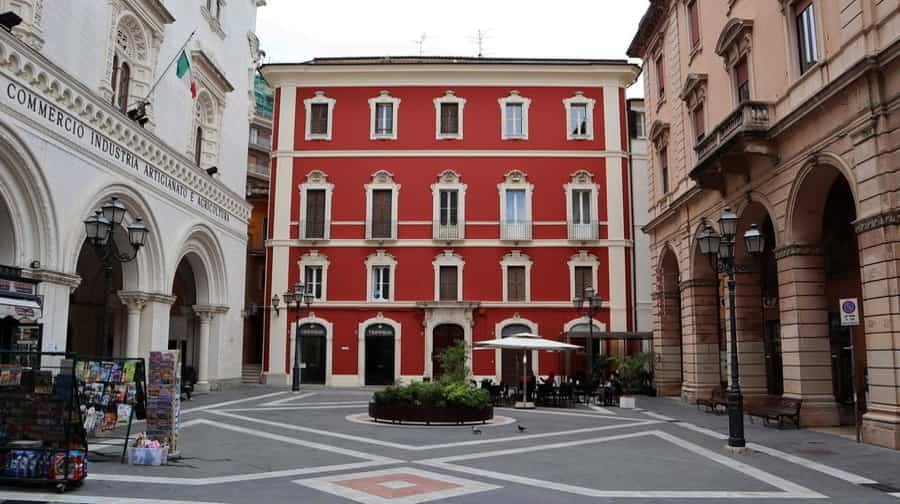
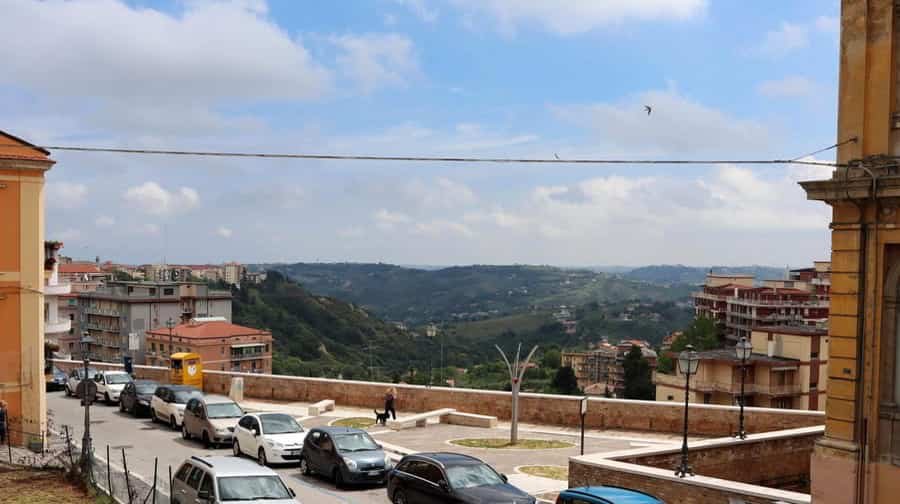
The photos shown for each province were taken during my visits to those locations. For more information, click on the name to be taken to the main page for that place.
The Province of Teramo
The Province of Teramo, situated in the northern part of the Abruzzo region, is a territory defined by variety and balance between mountains, hills, and coastline. From the peaks of the Gran Sasso massif to the sandy beaches of the Adriatic Sea, the landscape changes rapidly, offering a rich combination of natural beauty and human settlement. This geographic diversity has shaped a strong agricultural tradition, particularly in olive oil, wine, and cereals, while also supporting seaside tourism and mountain activities.
Historically, the province has deep roots that date back to ancient Italic and Roman civilizations, traces of which can still be seen in archaeological sites and historic towns. The city of Teramo itself preserves an elegant historic center, marked by Roman remains, medieval streets, and Renaissance architecture. Throughout the province, small towns and villages reflect a long-standing connection to local customs, religious festivals, and craftsmanship.
Today, the Province of Teramo presents a dynamic identity where tradition meets modern life. Coastal resorts, cultural heritage, and protected natural areas coexist with local industries and vibrant communities. This harmony between environment, history, and everyday life makes Teramo an essential and appealing part of Abruzzo.
The Province of L’Aquila
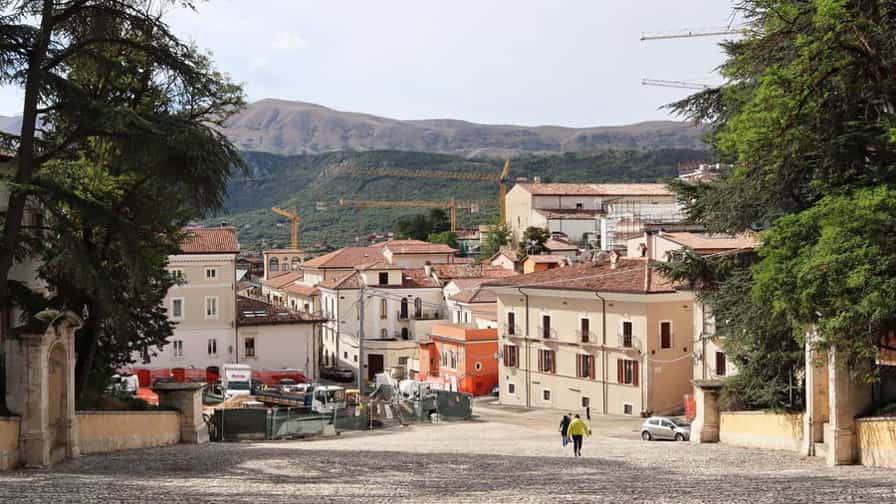
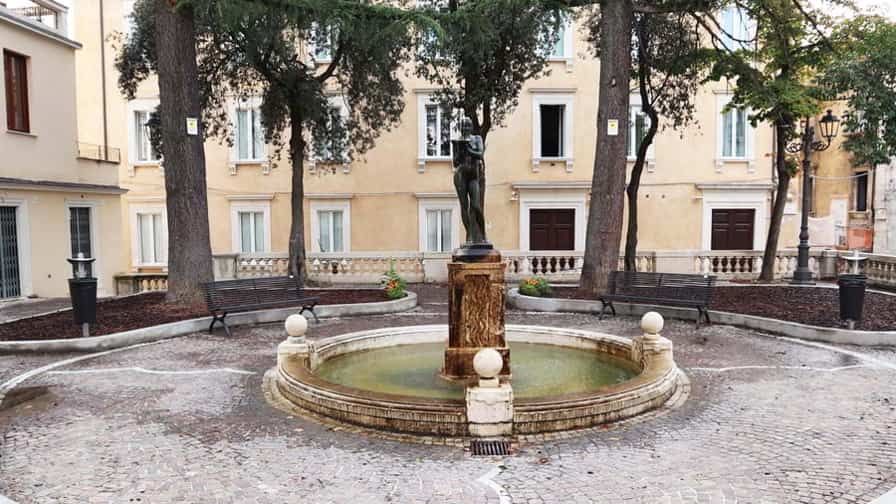
L’Aquila
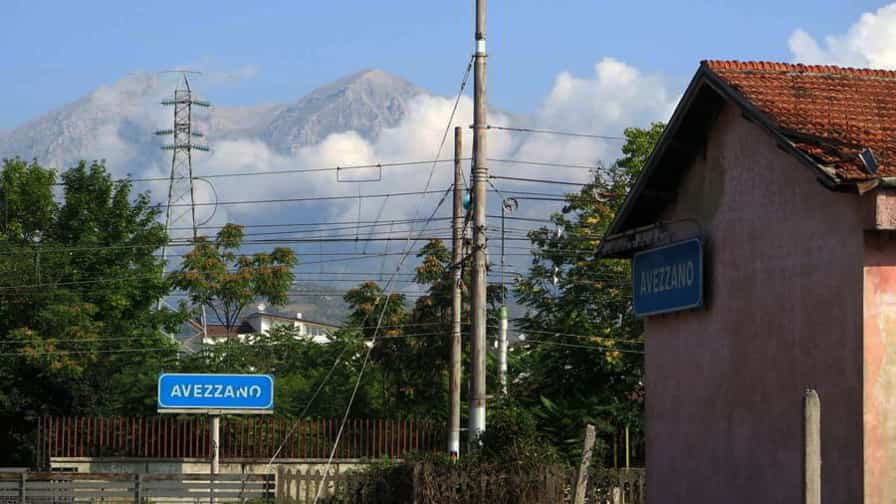
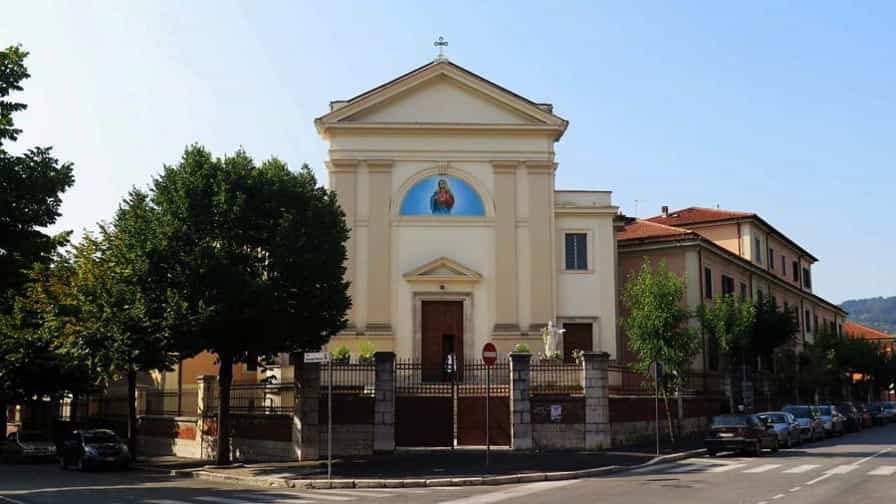
Avezzano
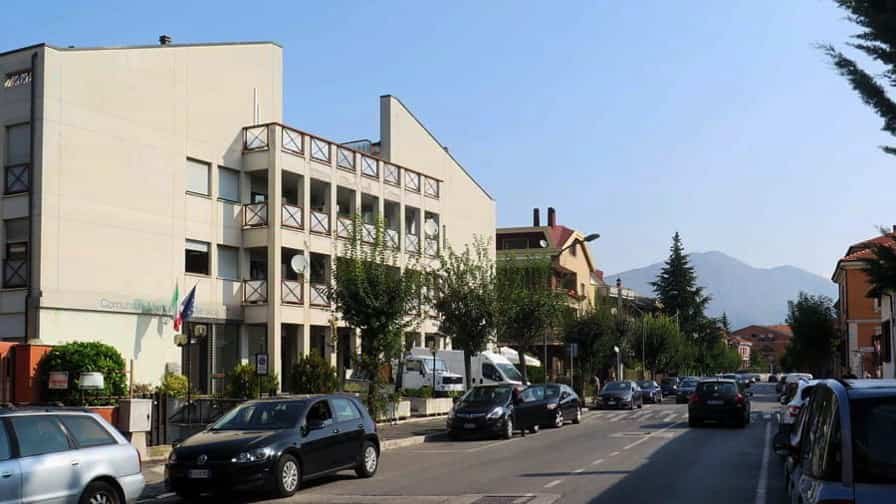
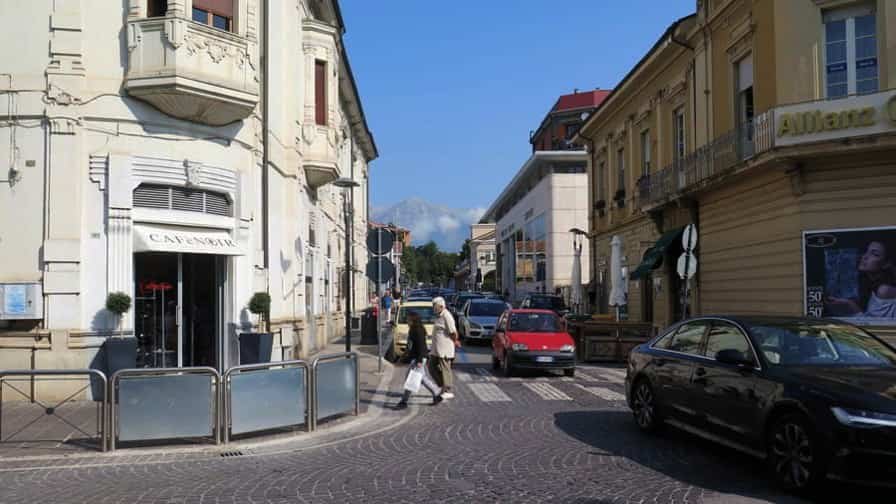
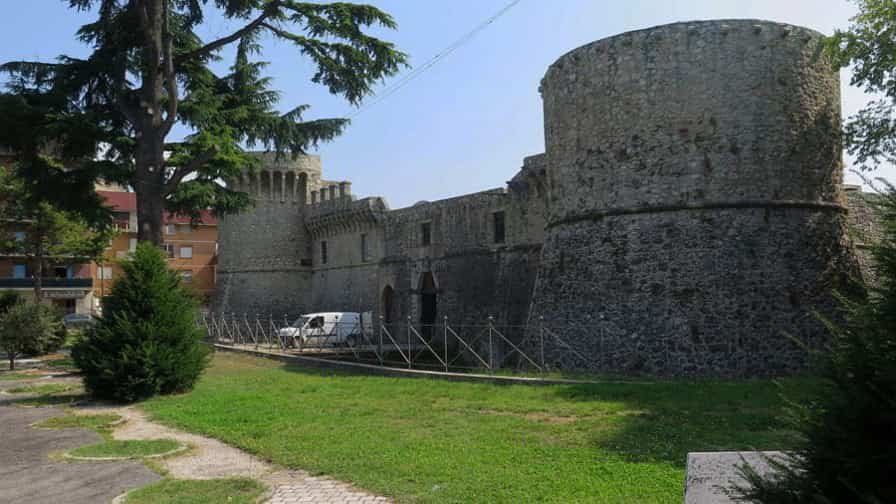
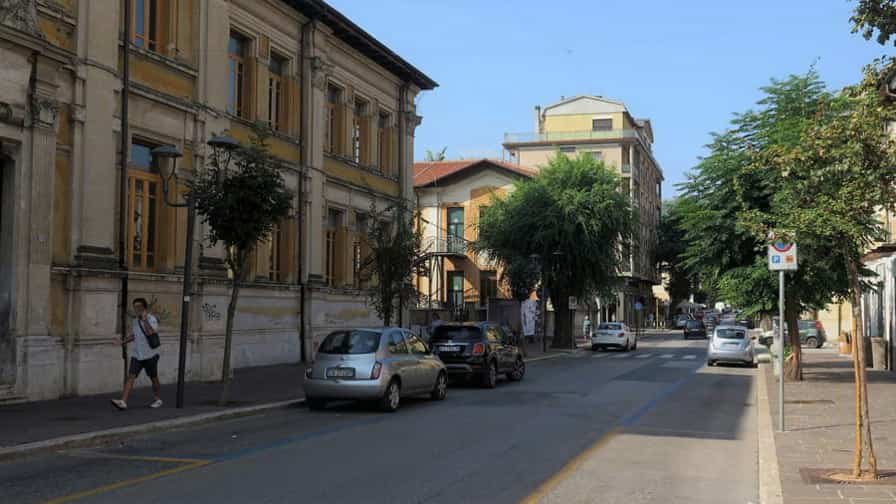
Sulmona
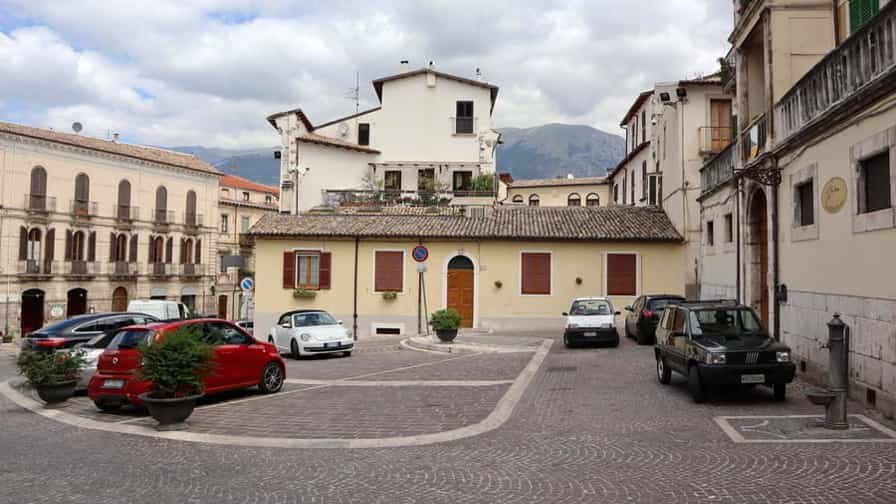
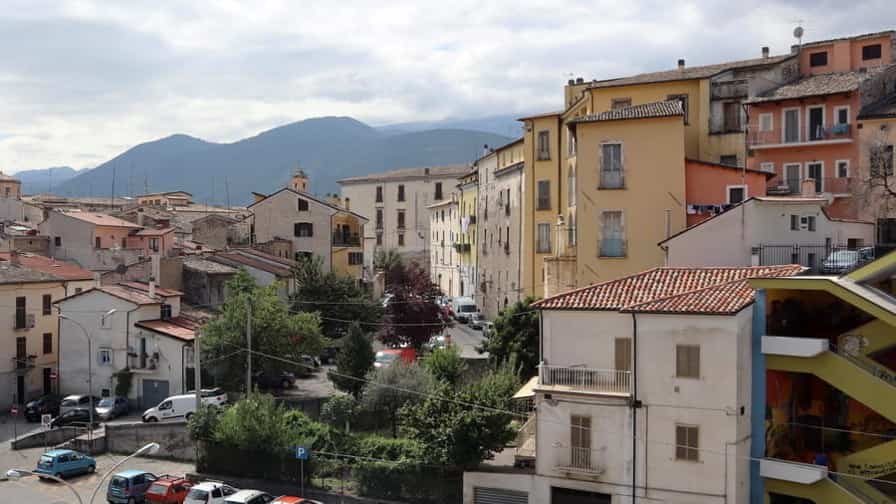

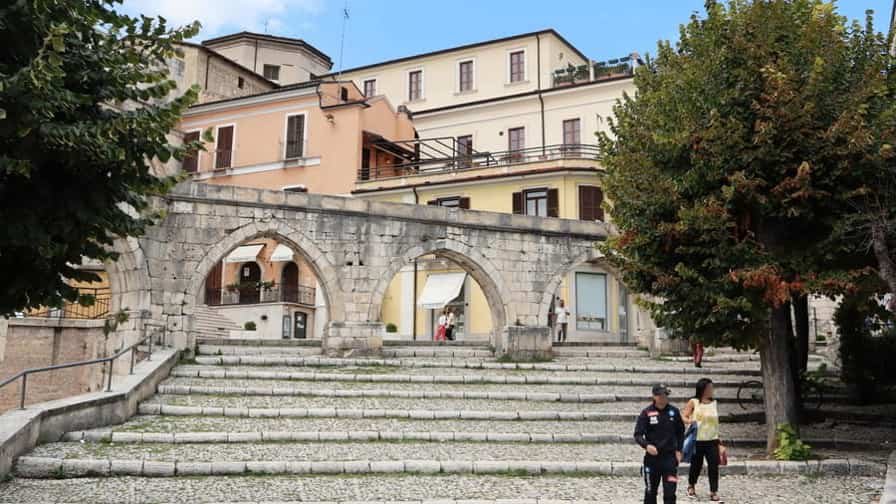
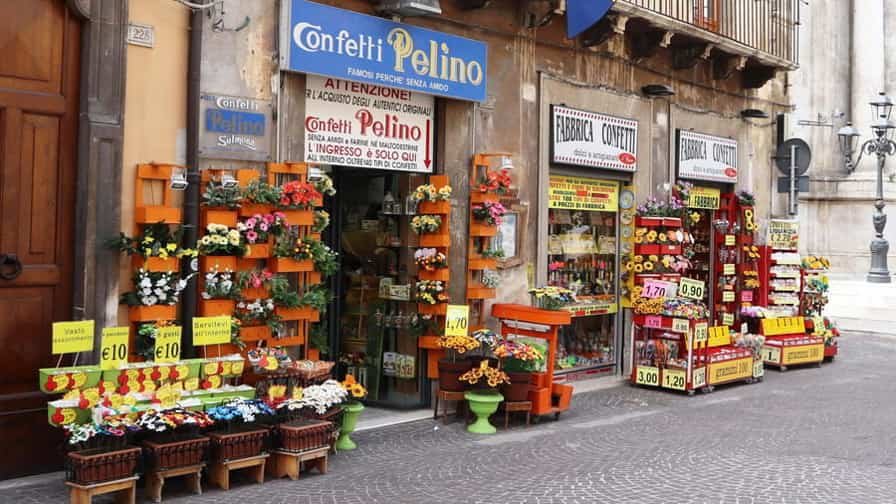
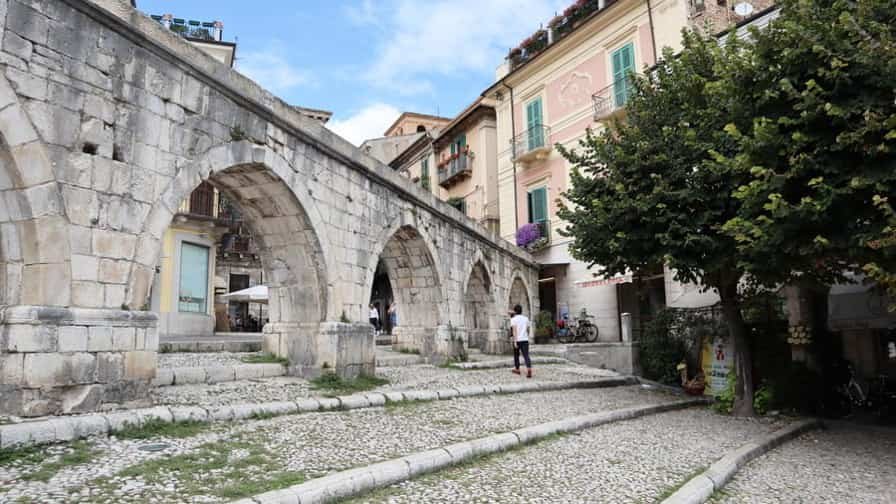
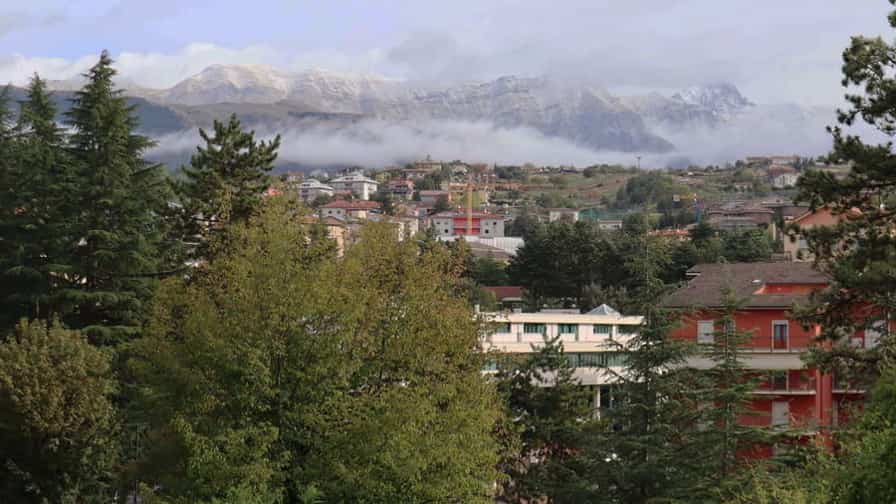
The Province of L’Aquila, located in the heart of the Abruzzo region, is a land of striking contrasts, where dramatic mountain landscapes meet centuries of history and deeply rooted traditions. Covering a vast and largely mountainous territory, it is dominated by the Apennines and framed by some of Italy’s most impressive natural areas, including the Gran Sasso and Sirente Velino massifs. These environments shape both the scenery and the lifestyle, offering wide plateaus, high-altitude villages, and protected parks rich in biodiversity.
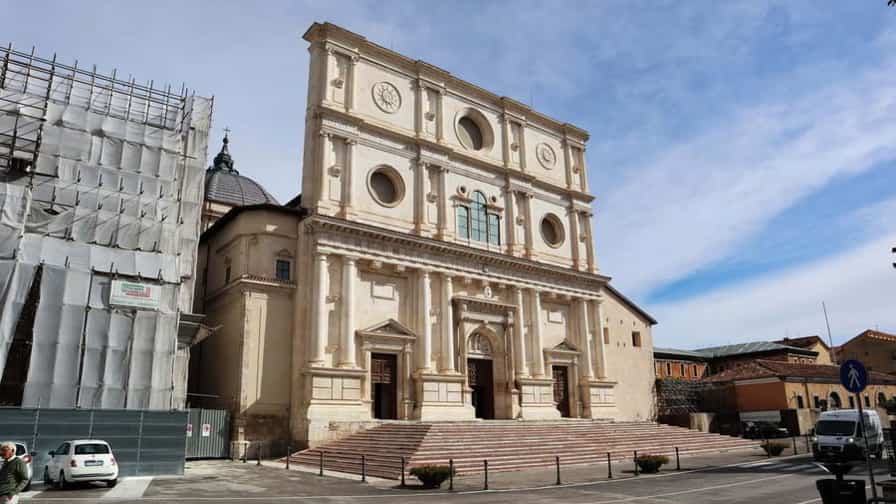
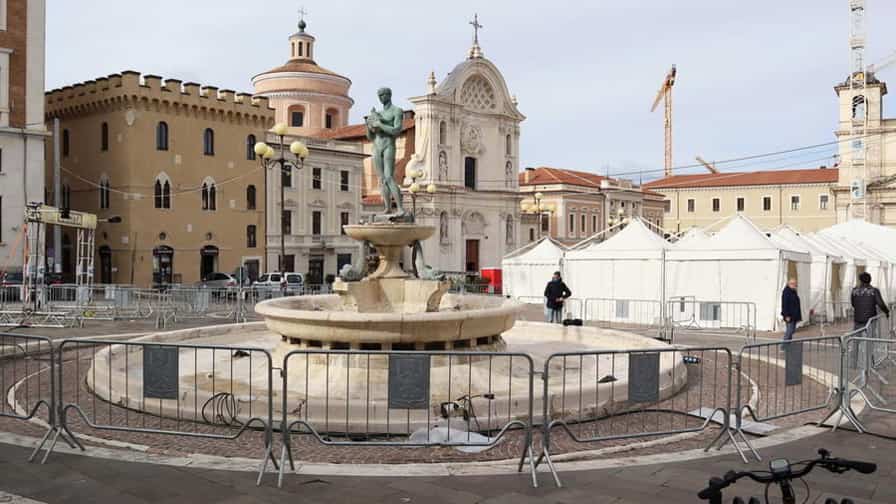
Historically, the province has played an important role since ancient times, with roots reaching back to Roman settlements and flourishing medieval communities. The city of L’Aquila itself stands as a cultural and architectural landmark, known for its historic centre, churches, and civic buildings that reflect a proud and resilient identity. Throughout the province, stone towns and castles tell stories of feudal power, religious devotion, and local craftsmanship.
Today, the Province of L’Aquila balances tradition and renewal. Agriculture, pastoral practices, and artisanal products coexist with growing interest in sustainable tourism, outdoor activities, and cultural events. This blend of nature, history, and authentic rural life makes the province a distinctive and compelling part of Abruzzo.
The Province of Pescara
Pescara
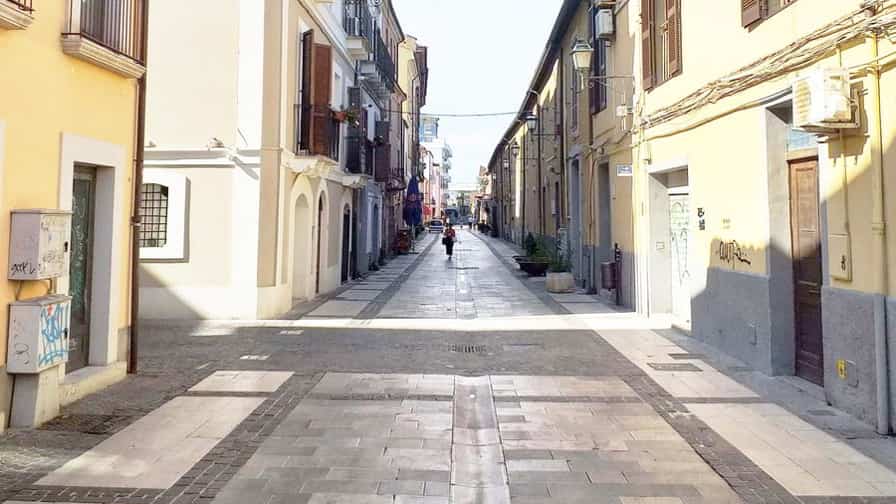
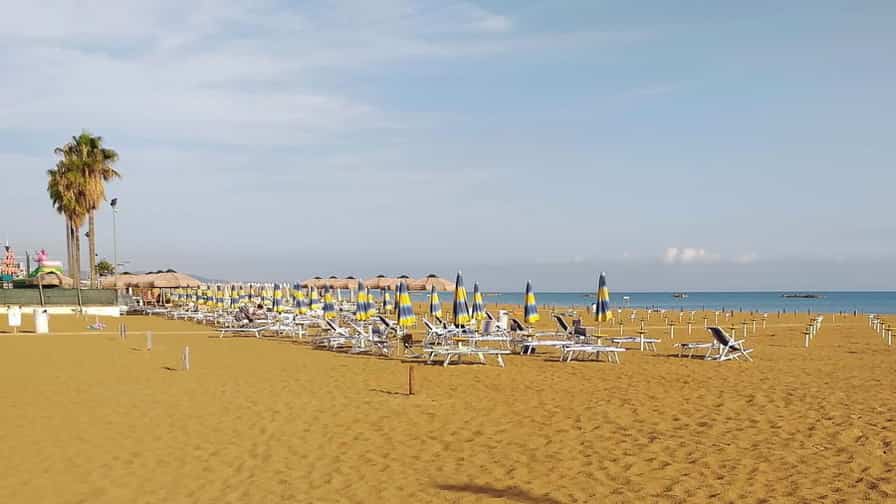
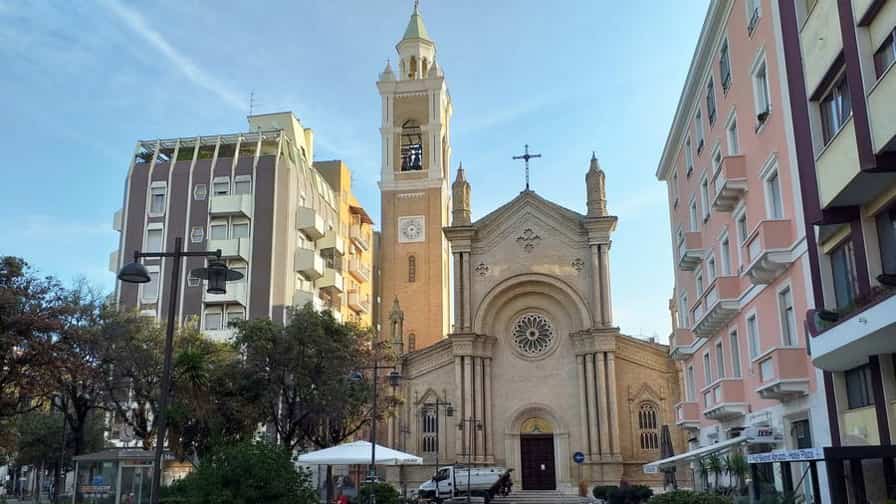
Loreto Aprutino
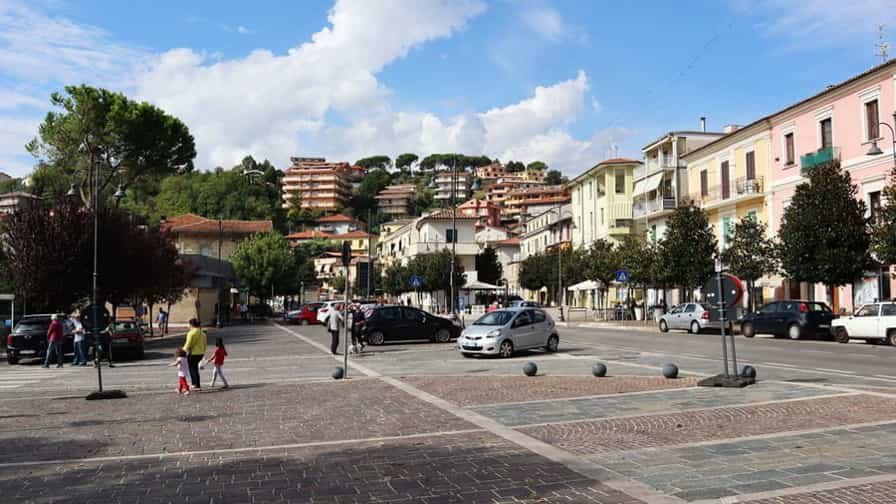
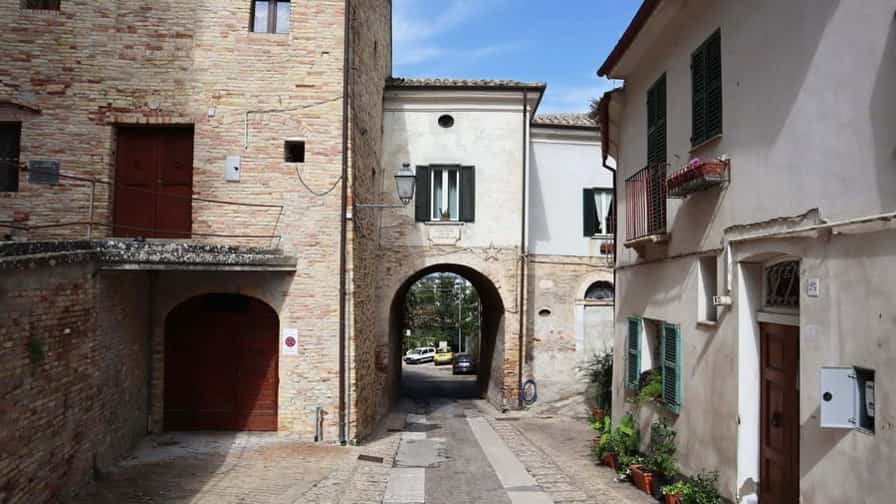
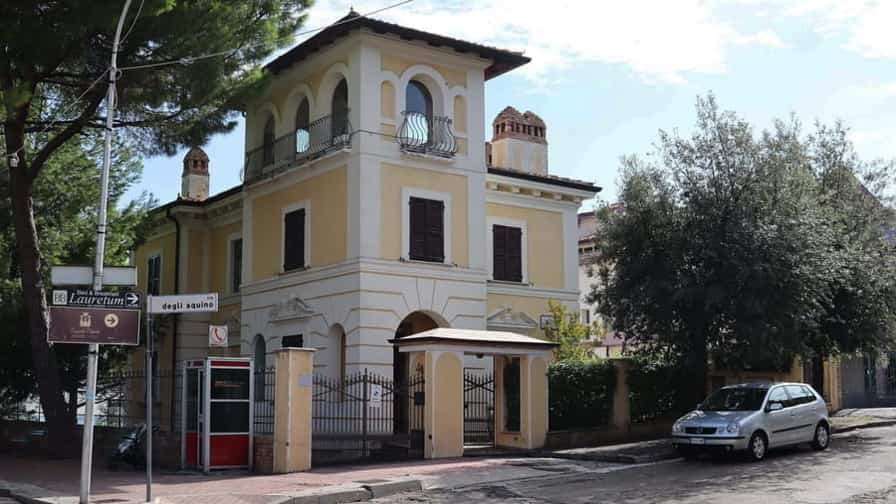
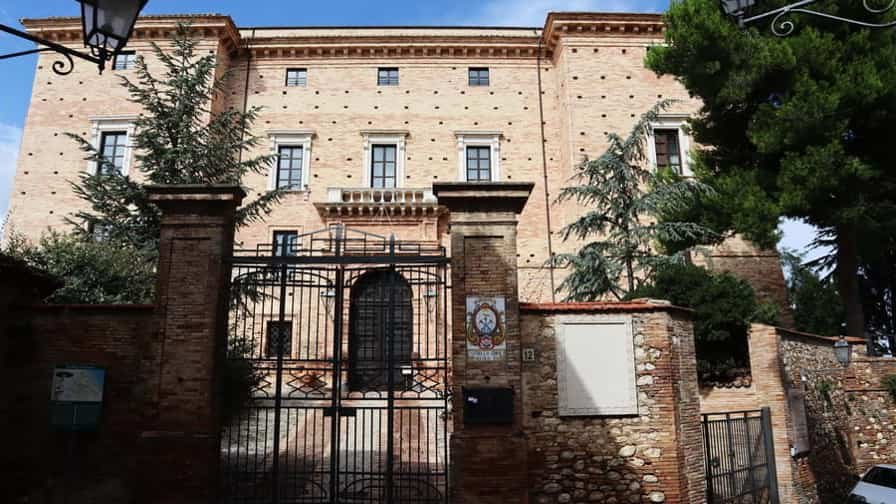
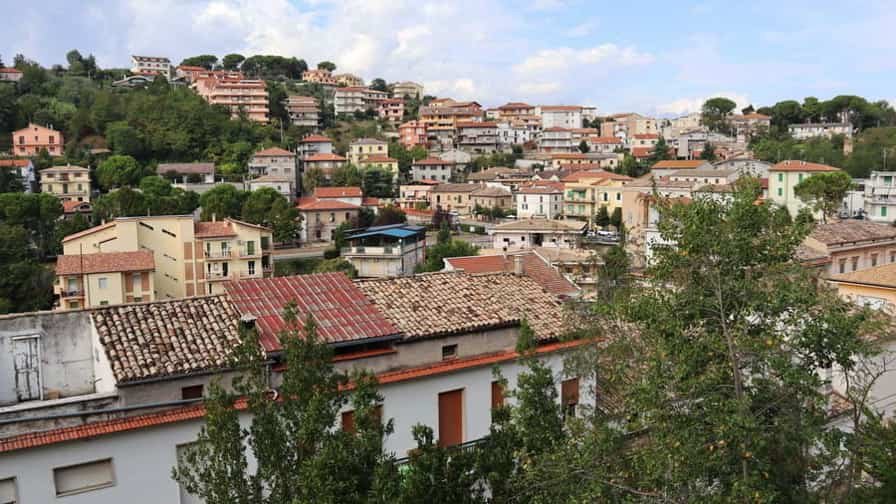
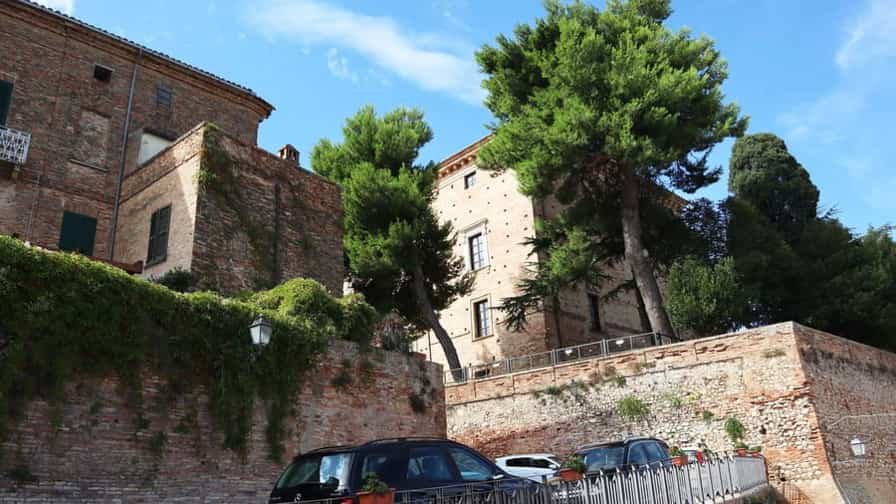
Penne
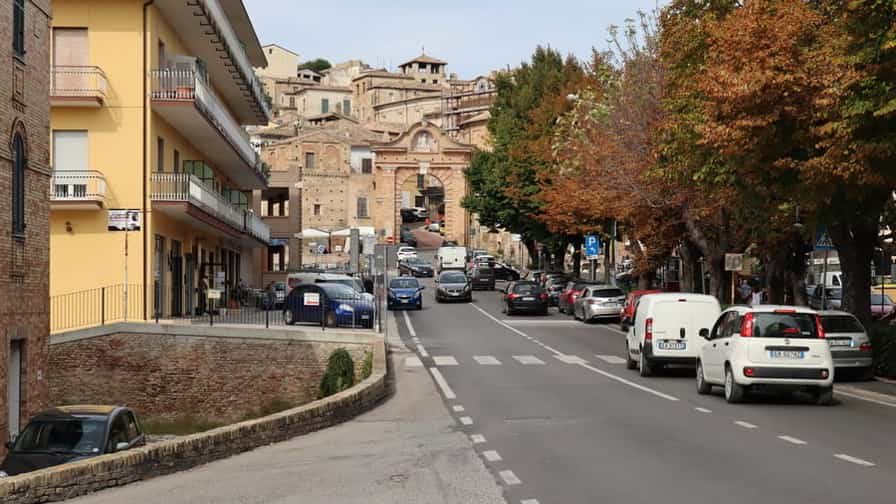
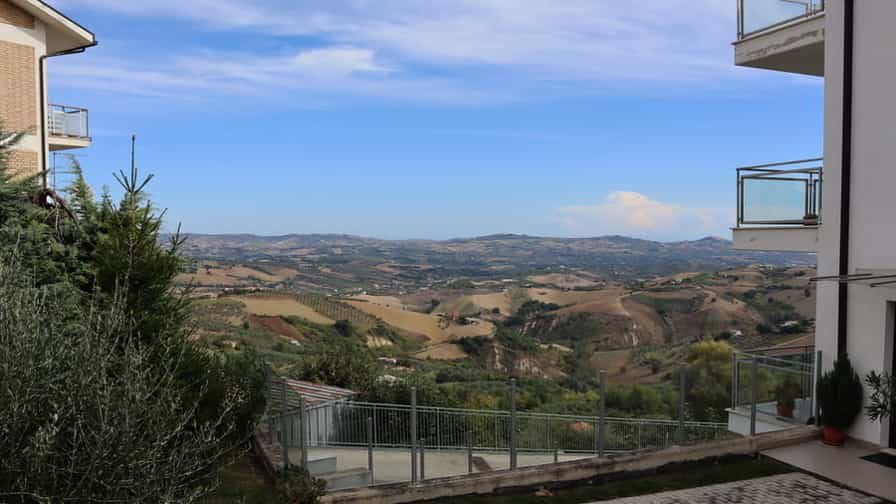
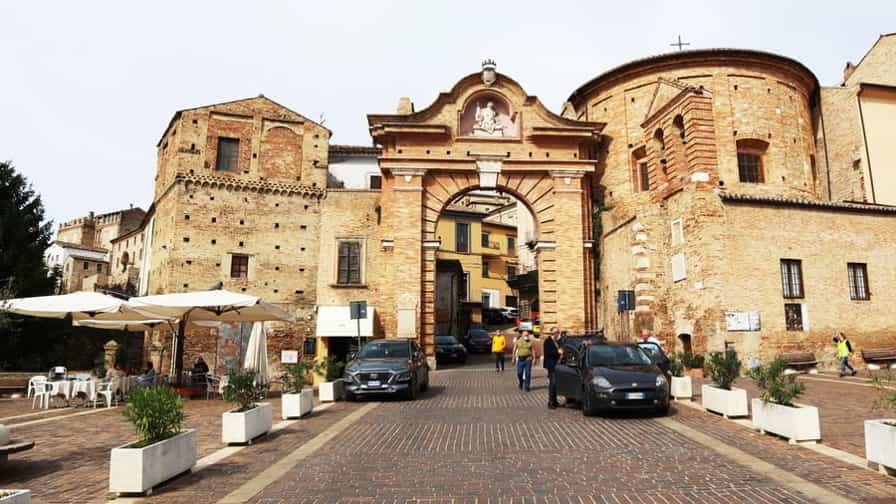
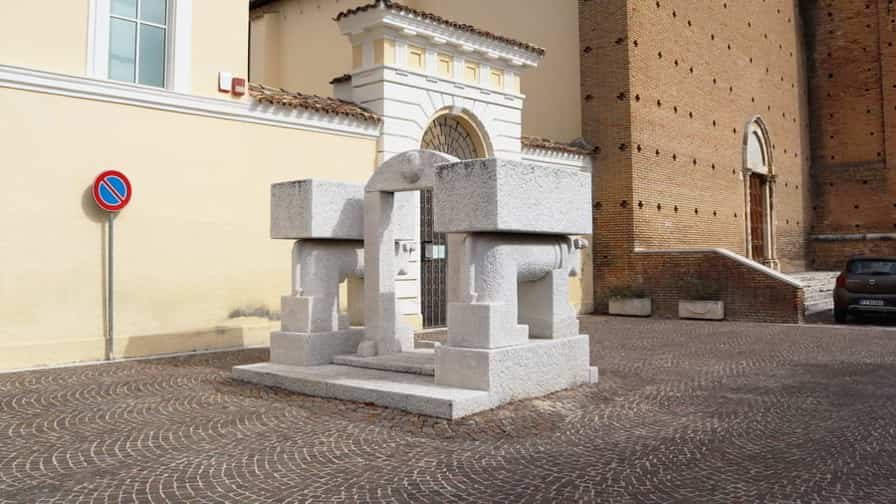
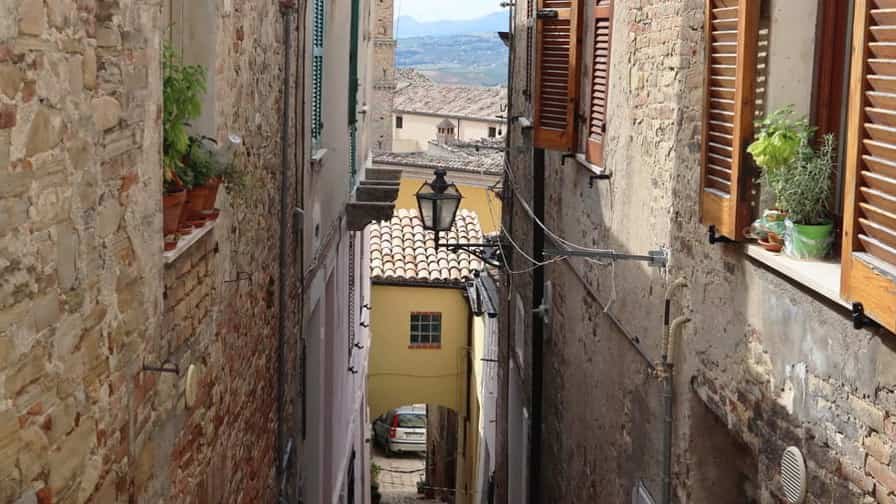
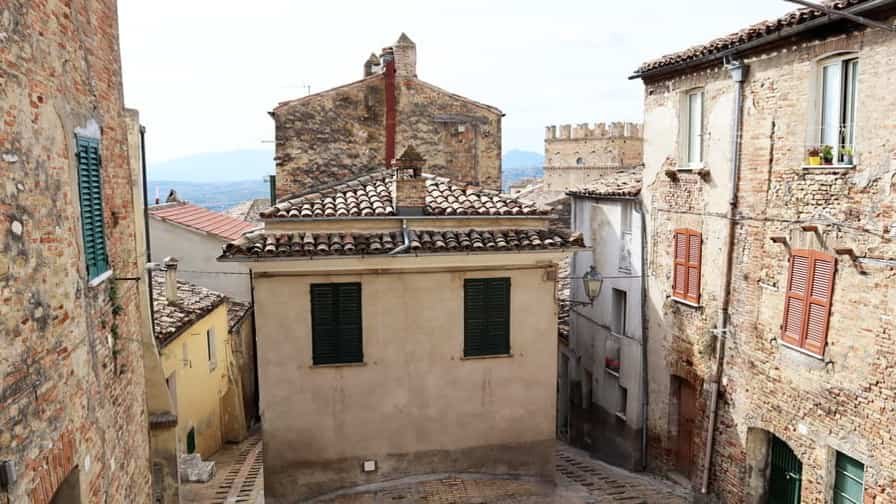
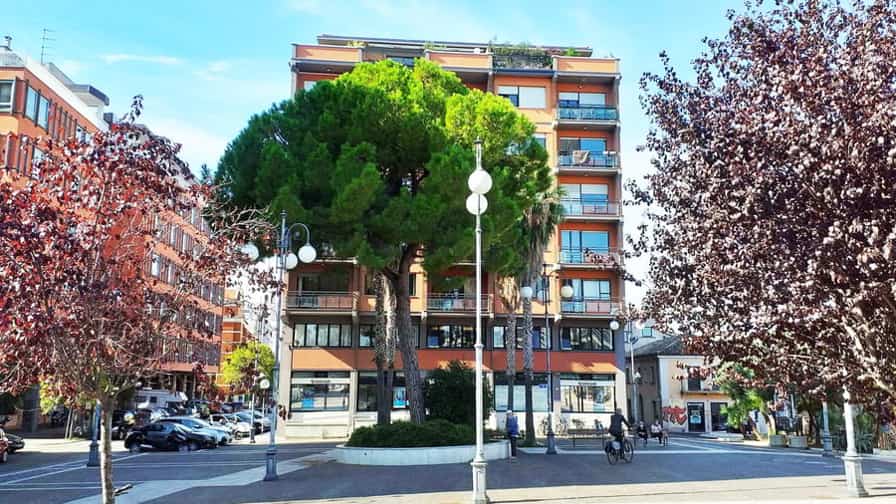
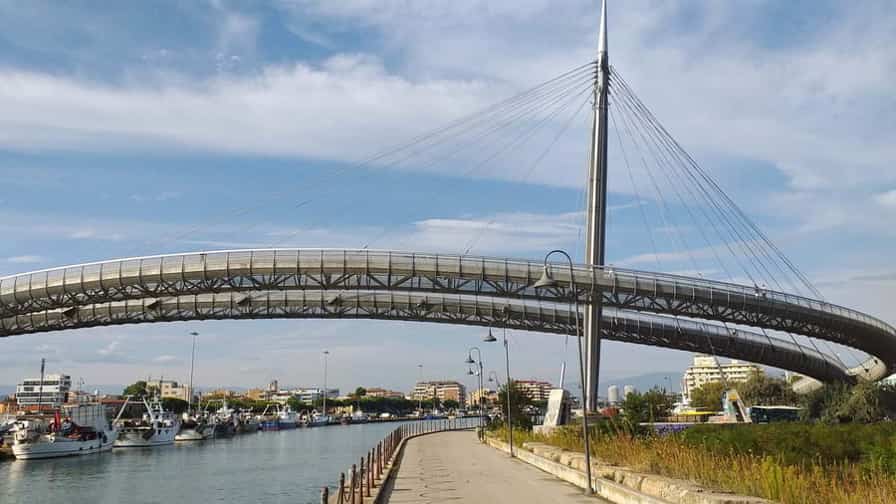
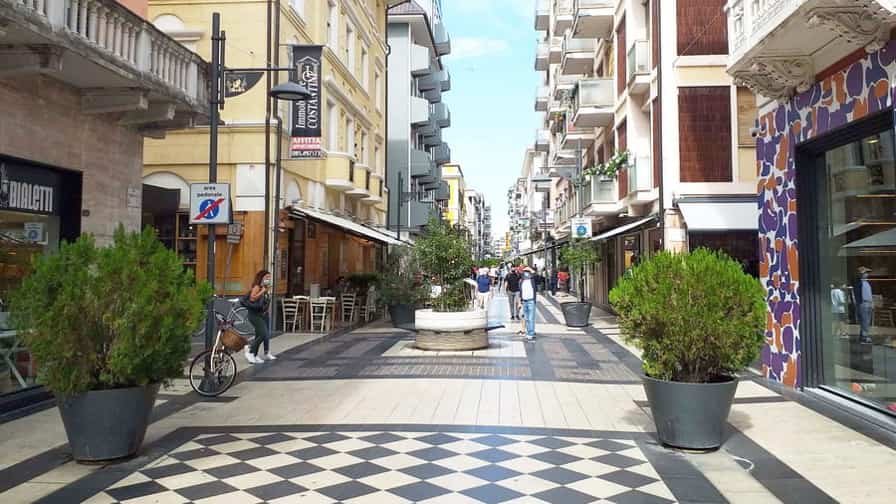
The Province of Pescara, located along the central Adriatic coast in the Abruzzo region, is the smallest province in Italy by surface area, yet one of the most dynamic and densely populated. It is characterized by a strong contrast between the lively coastal plain and the gentle hills that rise inland, offering scenic views over the sea and surrounding countryside. The Adriatic coastline plays a central role in the province’s identity, shaping its economy, culture, and lifestyle.
At the heart of the province lies the city of Pescara, a modern urban center known for its vibrant cultural scene, commercial activity, and seaside attractions. Historically, the area developed rapidly during the twentieth century, becoming a key hub for trade, transportation, and tourism within Abruzzo. Despite its modern character, the province maintains links to its past through local traditions, historic districts, and rural landscapes in the surrounding hills.
Today, the Province of Pescara represents a balance between urban energy and natural charm. Beach tourism, services, and industry coexist with agriculture and protected green areas along rivers and hillsides. This blend of innovation, accessibility, and coastal beauty makes Pescara a distinctive and influential province within the Abruzzo region.
The Province of Chieti
Chieti
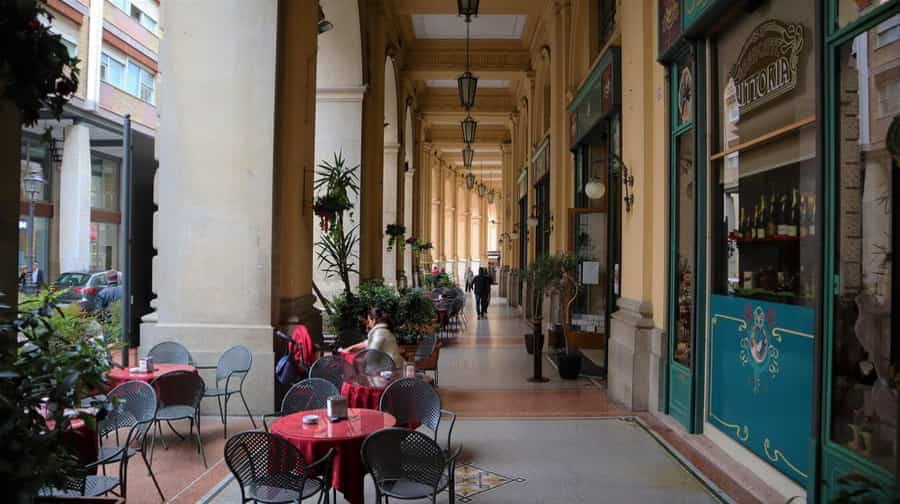
Vasto
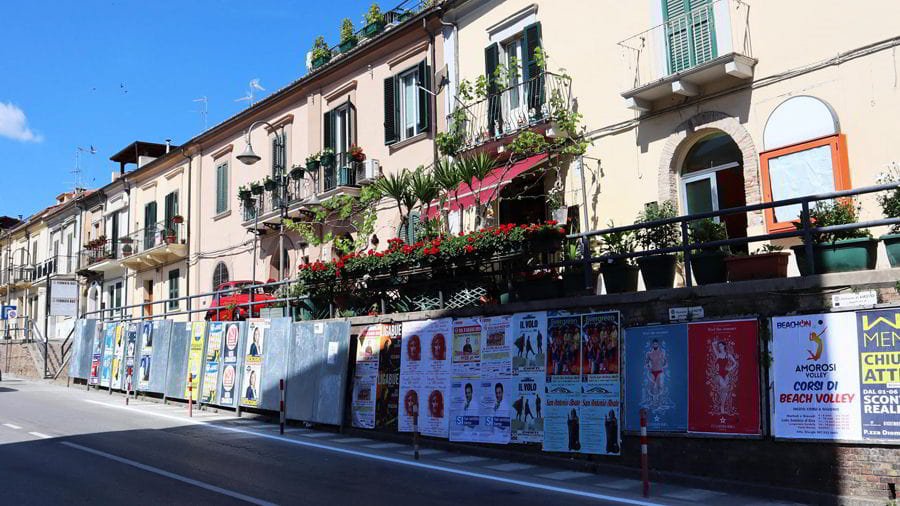
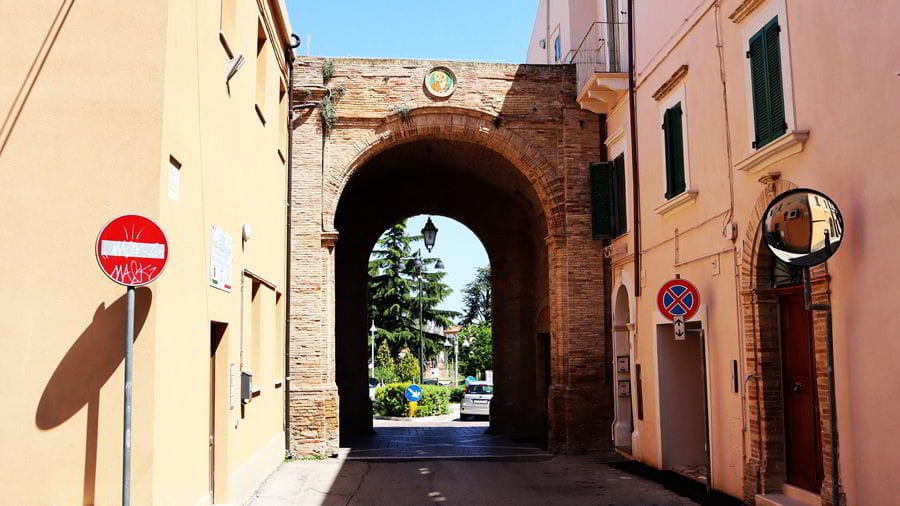
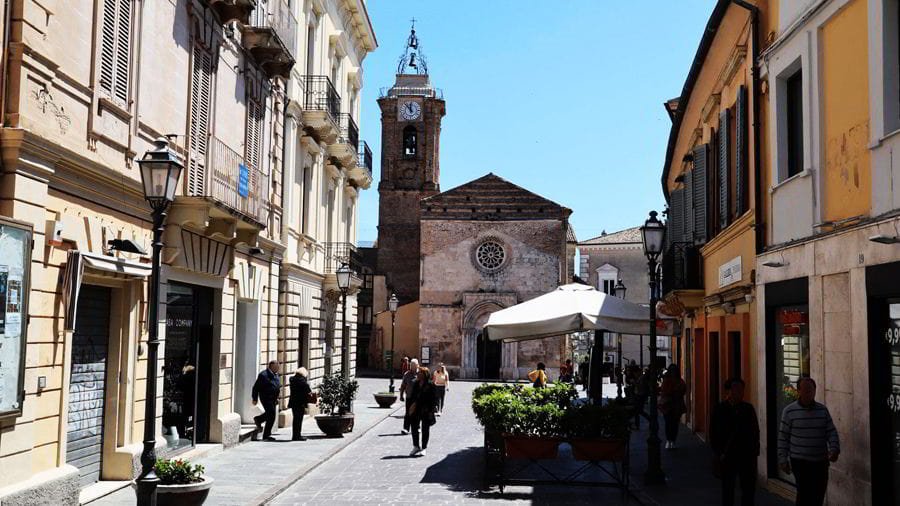
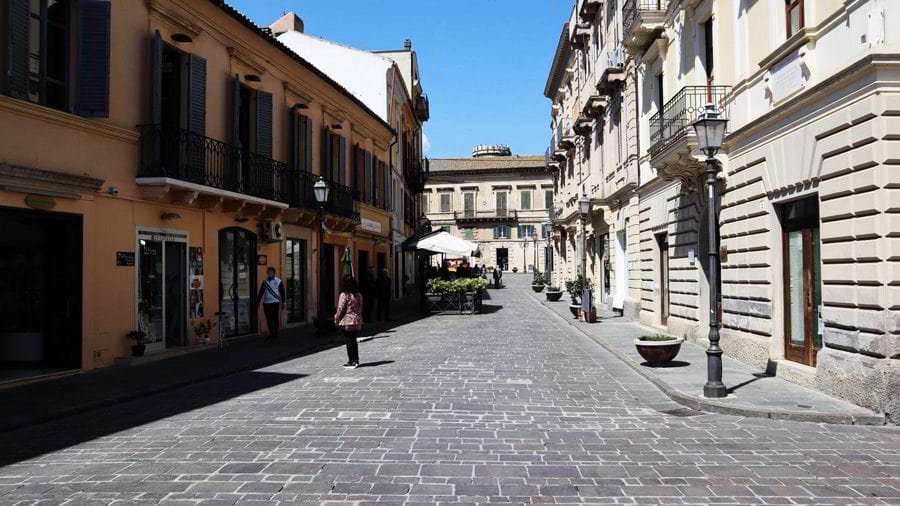
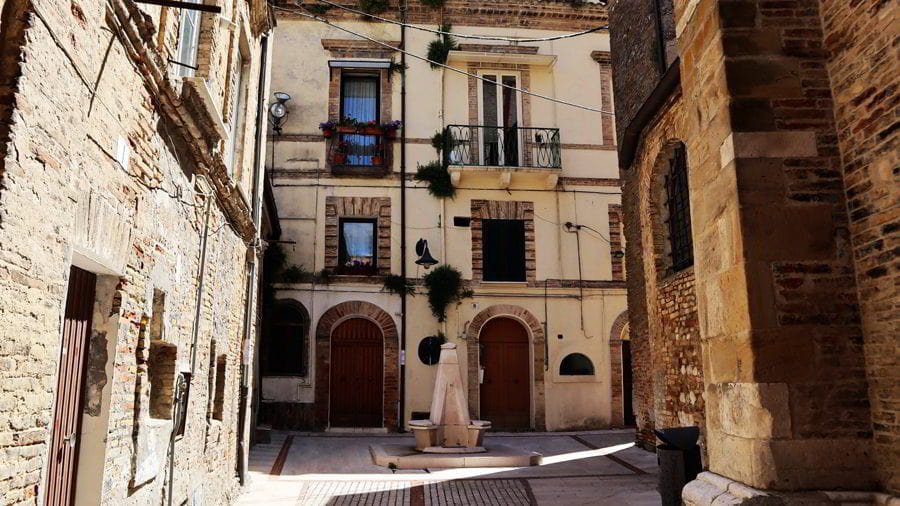
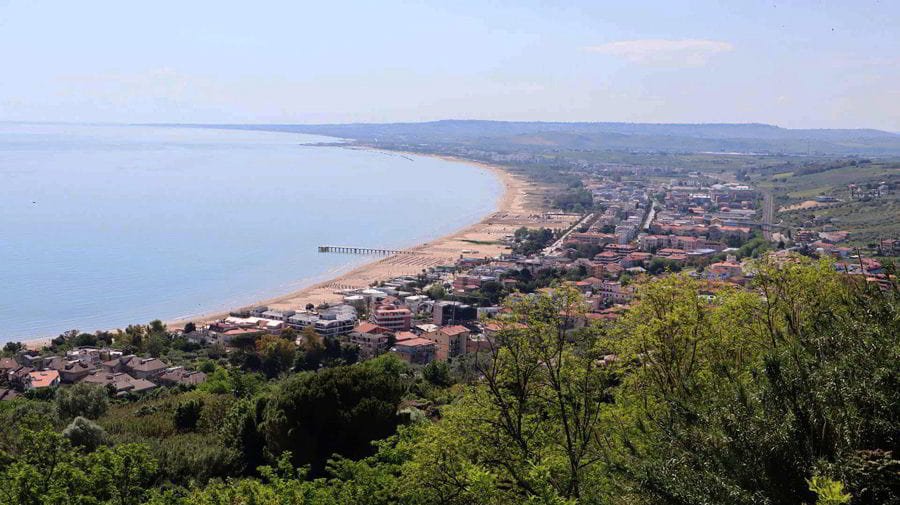
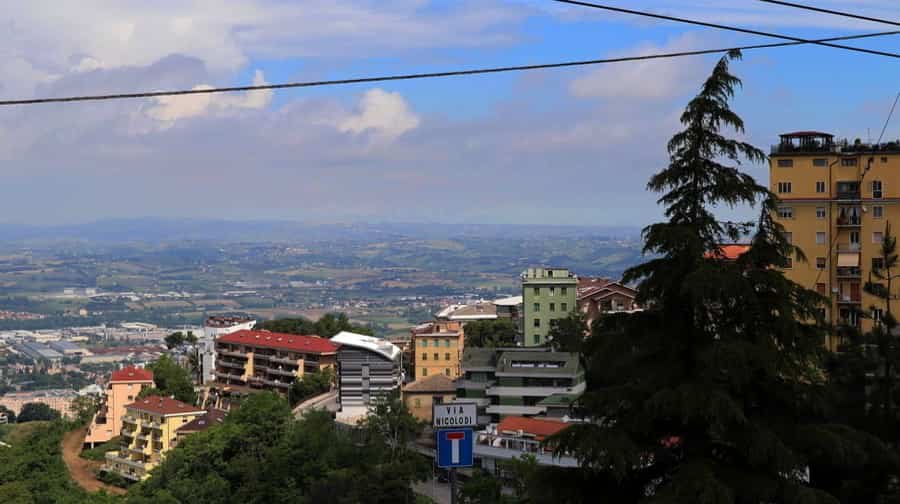
The Province of Chieti, located in the southern part of the Abruzzo region, is a territory rich in landscapes, history, and cultural identity. Stretching from the Apennine mountains to the Adriatic Sea, it offers a remarkable variety of environments, including forested hills, fertile valleys, and one of the most scenic coastlines in central Italy, known as the Costa dei Trabocchi. This diversity has long supported agriculture, fishing, and trade, shaping a strong connection between land and sea.
With origins dating back to ancient Italic and Roman civilizations, the province preserves an extensive historical heritage. The city of Chieti, one of the oldest in Italy, features archaeological remains, museums, and religious architecture that reflect its long and complex past. Across the province, hill towns, abbeys, and rural villages display enduring traditions, dialects, and craftsmanship.
In the present day, the Province of Chieti combines economic vitality with cultural continuity. Vineyards, olive groves, and artisanal industries thrive alongside modern manufacturing and tourism. Festivals, gastronomy, and local customs continue to play an essential role in community life. This harmonious blend of natural beauty, historical depth, and living tradition makes the Province of Chieti a fundamental part of Abruzzo’s identity.
Avezzano
Chieti
L’Aquila
Loreto Aprutino
Penne
Pescara
Sulmona
Vasto
COPYRIGHT © 2018-2026 ITALY IN PHOTOS – ALL RIGHTS RESERVED