
HOME
THE REGIONS OF ITALY
PLACES IN ITALY
TRAVEL GUIDES COMING SOON
Italy in Photos
Via Mont Velan, 11100 Aosta AO Italy
Aosta Travel Guide
Nestled in the heart of the Italian Alps, Aosta is a captivating city that blends dramatic mountain scenery with a rich tapestry of history and culture. Often referred to as the “Rome of the Alps,” Aosta serves as the gateway to some of Europe’s most spectacular peaks, including Mont Blanc, the Matterhorn, and Monte Rosa. Despite its relatively small size, the city offers an extraordinary depth of experiences, making it an appealing destination for travellers seeking both natural beauty and historical intrigue.
Aosta’s origins date back over two thousand years to its founding as a Roman colony in 25 BCE. Established under Emperor Augustus, the city was strategically positioned at the crossroads of important trade routes linking Italy with what are now France and Switzerland. This legacy is still vividly visible today, as Aosta boasts some of the best-preserved Roman ruins in northern Italy. Visitors can wander through the ancient streets and encounter landmarks such as the Arch of Augustus, the Porta Praetoria, and the impressive Roman Theatre, all of which stand as enduring reminders of the city’s imperial past.
Beyond its Roman heritage, Aosta has evolved through centuries of cultural influence, particularly from nearby France. This is reflected in the region’s bilingual character, where both Italian and French are commonly spoken, and in its distinctive architecture and cuisine. The surrounding Aosta Valley is an autonomous region, known for its strong local identity and traditions that have been carefully preserved over generations. Alpine chalets, medieval castles, and picturesque villages dot the landscape, creating a setting that feels both timeless and inviting.
Nature plays a central role in Aosta’s appeal. The city is encircled by towering mountains, offering year-round opportunities for outdoor activities. In winter, the region transforms into a haven for skiing and snowboarding, with access to world-renowned resorts such as Courmayeur and Cervinia. During the warmer months, hiking, mountaineering, and cycling take centre stage, allowing visitors to explore lush valleys, glacial lakes, and panoramic viewpoints. The pristine environment and fresh mountain air make Aosta an ideal escape for those looking to reconnect with nature.
Equally compelling is Aosta’s culinary scene, which reflects the hearty flavours of the Alps. Local specialties include rich cheeses like Fontina, cured meats, and warming dishes such as polenta and hearty stews. These traditional foods are often paired with wines produced in the region’s high-altitude vineyards, offering a taste of the valley’s unique terroir. Dining in Aosta is not just about nourishment but about experiencing a deep-rooted culinary heritage that celebrates local ingredients and craftsmanship.
In essence, Aosta is a city where history, culture, and nature converge harmoniously. Whether exploring ancient ruins, savoring regional delicacies, or venturing into the surrounding mountains, visitors are met with a sense of authenticity that is increasingly rare. Its blend of accessibility and charm makes Aosta a compelling introduction to the wonders of the Alps and a destination that leaves a lasting impression on all who pass through.
Choose Where to Stay
⭐ Hotel Duca D’Aosta****
Guests value the location for making travel plans effortless.
Check availability on Hotels.com
📍Le Pageot ***
The top-rated staff and service will ensure you feel welcome and pampered.
See current prices on Hotels.com
What to see
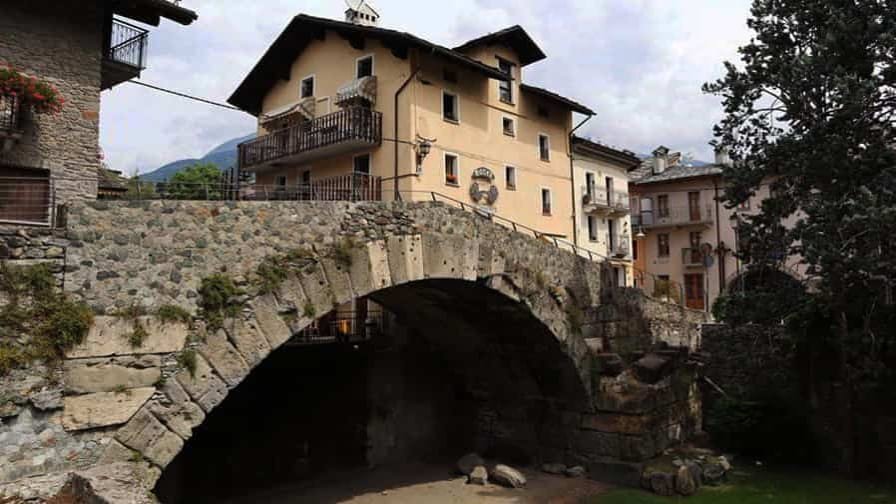
Ponte Romano, located in the historic city of Aosta in northern Italy, stands as a remarkable testament to ancient Roman engineering and enduring heritage. Built during the reign of Emperor Augustus, this stone bridge once formed a crucial part of the Roman road network, facilitating travel and trade across the region. Today, it remains one of Aosta’s most iconic landmarks, admired for its elegant arch and impressive preservation.
Aosta private tour: wonderful Roman town surrounded by Alps
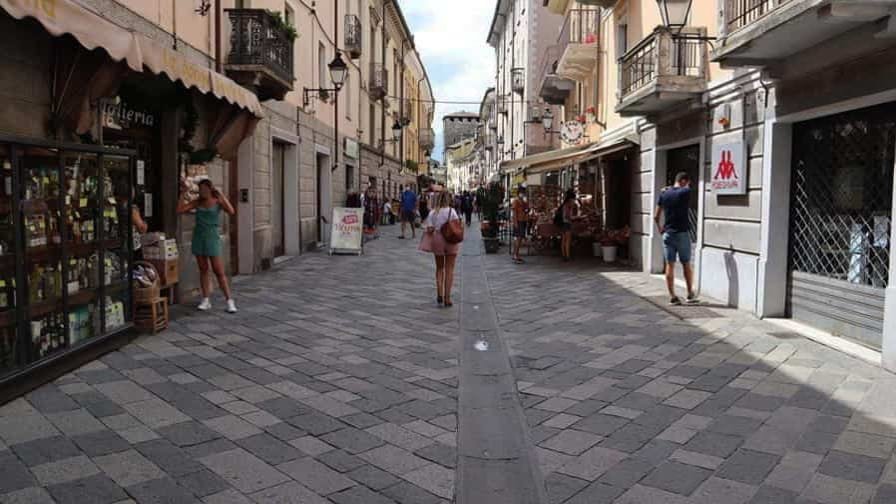
Via Sant’Anselmo is one of the most vibrant and historic streets in Aosta, Italy, blending Roman heritage with modern Alpine charm. Stretching through the heart of the old town, this lively pedestrian street is lined with boutiques, cafés, and traditional shops that reflect the region’s culture. Named after Saint Anselm, a prominent medieval philosopher born in Aosta, it carries both cultural and historical significance.
Aosta: A Full Meal Walking Food Tour with a Local
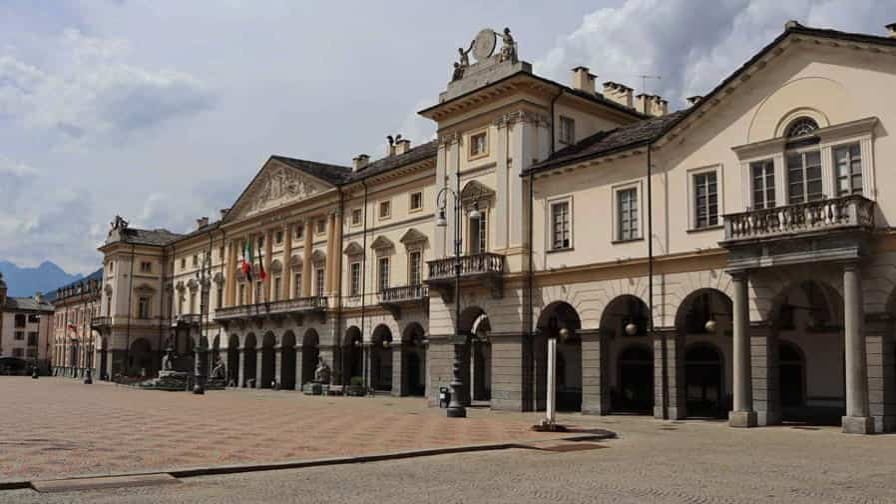
Piazza Porta Pretoria is a historic square at the heart of Aosta, renowned for its close connection to the city’s Roman past. Located beside the impressive Porta Praetoria, the ancient gateway to the Roman city, the piazza serves as a vibrant meeting point for locals and visitors. Surrounded by charming buildings, cafés, and shops, it blends historical significance with everyday life.
Aosta: Pasta & Tiramisu Cooking Class at a Local’s Home
Food & Drink
🐟 Seafood
Though landlocked, you’ll find freshwater specialties like trout from Alpine streams, often grilled or served with herbs.
🍝 Signature Pasta & Rice
Try risotto alla valdostana, rich with cheese, or fresh pasta with local butter and sage.
🥩 Meat Dishes
Don’t miss carbonade valdostana (slow-cooked beef in wine) or hearty venison dishes.
🥪 Casual & Street Food
Sample panini with local cured meats or focaccia from bakeries
🍰 Desserts & Sweets
Indulge in tegole valdostane (thin almond biscuits) or chestnut-based treats.
🍷 What to Drink
Enjoy regional wines from the Aosta Valley or a warming glass of genepì, a traditional herbal liqueur.
How to Travel To Aosta
The closest international airport to Alba is Cuneo International Airport (CUF)
Cuneo International Airport (CUF) is a regional gateway serving the southwestern part of Italy, particularly the province of Cuneo and the wider Piedmont region. Located near the town of Levaldigi, approximately 20 kilometres from the city of Cuneo, the airport provides convenient access to both the Italian Alps and the Ligurian coast. Its strategic position makes it an appealing entry point for travellers seeking outdoor activities such as skiing, hiking, and cycling, as well as those exploring northern Italy’s cultural and culinary offerings.
Originally developed for military purposes, the airport has evolved into a civilian facility handling both scheduled and charter flights. While relatively small compared to major international hubs, Cuneo International Airport is valued for its efficiency, ease of navigation, and shorter waiting times. It primarily connects the region with select domestic and European destinations, often serving low-cost carriers and seasonal routes.
The airport also plays an important role in supporting local tourism and business travel, contributing to the economic development of the surrounding area. With its relaxed atmosphere and proximity to scenic landscapes, CUF offers travellers a practical and pleasant alternative to busier airports in northern Italy.
The best way to travel from Cuneo International Airport (CUF) to Alba
Traveling from Cuneo International Airport (CUF) to Alba. There are limited options for reaching Alba efficiently using public transport.
The best way to travel from Cuneo International Airport (CUF) to Aosta
Traveling from Turin Caselle Airport (TRN) to Aosta is straightforward and can be done using several modes of transport.
1. By Train and Bus
Take the SFM (Metropolitan Railway Service) Line SFMA train from the airport to Torino Dora Station. Transfer to a local bus (line 11 or DoraFly service) to reach Turin Porta Susa Station. From Porta Susa, take a regional train to Aosta.
Duration: about 2 hours
2. By Direct Bus
Direct buses operate from Turin Caselle Airport to Aosta. Service: Savda or FlixBus often runs direct services. Duration: about 2 hours
3. Taxi
4. Private Transfer
5. Car Rental
What to See
What to See
Food & Drink
COPYRIGHT © 2018-2026 ITALY IN PHOTOS – ALL RIGHTS RESERVED