
HOME
THE REGIONS OF ITALY
PLACES IN ITALY
TRAVEL GUIDES COMING SOON
Italy in Photos
Discover the Regions of Italy
Contrada Pozzillo, 71010 Peschici, Italy (September 2018)
Auplia
The Region of Apulia, known in Italian as Puglia, is located in southeastern Italy and forms the long, sunlit peninsula that stretches between the Adriatic and Ionian Seas. Often described as the bridge between East and West, Apulia has historically been a crossroads of civilizations, shaped by Greek, Roman, Byzantine, Norman, and Spanish influences. This layered past, combined with a strong sense of local identity, gives the region a distinctive cultural character within Italy.
Geographically, Apulia is defined by open landscapes and an extensive coastline. Unlike many other Italian regions, it is largely flat or gently rolling, with fertile plains such as the Tavoliere delle Puglie in the north and limestone plateaus like the Murge in the centre. The coastline extends for hundreds of kilometres and alternates between sandy beaches, rocky cliffs, and hidden coves. This close relationship with the sea has played a crucial role in shaping Apulia’s economy, cuisine, and way of life.
Apulia’s history is deeply visible in its towns and cities. Ancient ruins, medieval castles, Romanesque cathedrals, and baroque architecture coexist within a relatively compact territory. The region is especially famous for its traditional whitewashed towns and unique rural architecture, including trulli, masserie, and fortified farmhouses that reflect centuries of agricultural life. Historic centres often retain their original urban layouts, creating a strong sense of continuity between past and present.
The region is administratively divided into six provinces: Bari, Barletta-Andria-Trani, Brindisi, Foggia, Lecce, and Taranto. Bari serves as the regional capital and main economic hub, while each province contributes its own cultural and geographic identity. From the vast agricultural lands of Foggia to the baroque elegance of Lecce and the industrial and maritime heritage of Taranto, Apulia presents a diverse yet coherent regional profile.
Agriculture has long been a cornerstone of Apulian life and remains central to its economy. The region is one of Italy’s leading producers of olive oil, wheat, wine, and vegetables, with centuries-old olive groves shaping much of the landscape. Traditional farming practices coexist with modern production, maintaining strong links between land, community, and local cuisine. Apulian gastronomy is known for its simplicity and quality, emphasizing fresh ingredients, handmade pasta, seafood, legumes, and vegetables, all rooted in a tradition of rural self-sufficiency.
In recent decades, Apulia has experienced significant cultural and economic renewal. Tourism has grown steadily, attracted by the region’s beaches, historic towns, and authentic lifestyle. Visitors are drawn not only to well-known destinations but also to smaller villages, festivals, and local traditions that offer immersive experiences. At the same time, Apulia has invested in innovation, sustainability, and cultural industries, balancing growth with the preservation of its heritage.
Overall, the Region of Apulia offers a powerful blend of history, landscape, and living tradition. Its openness to the sea, strong agricultural roots, and enduring cultural identity create a region that feels both timeless and dynamic. Apulia stands as a place where everyday life, shaped by sun, land, and community, remains closely connected to centuries of shared history.
The Provinces of Auplia
The photos shown for each province were taken during my visits to those locations. For more information, click on the name to be taken to the main page for that place.
The Province of Bari
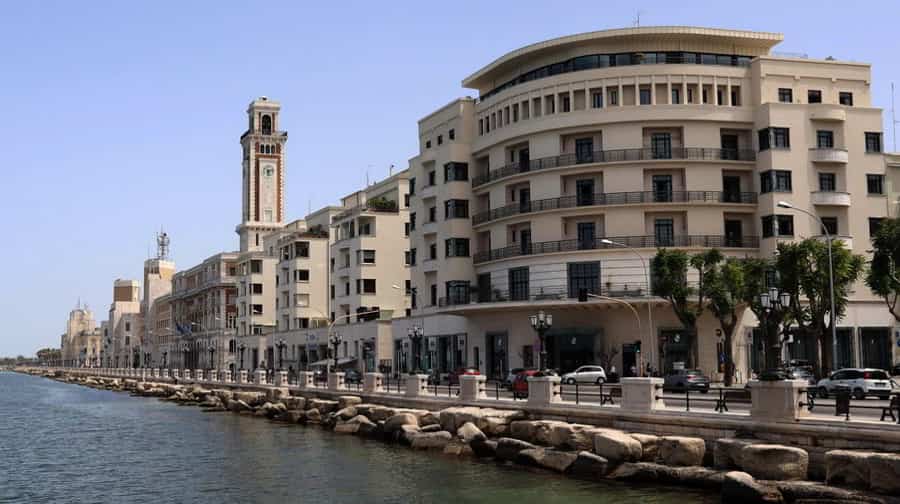
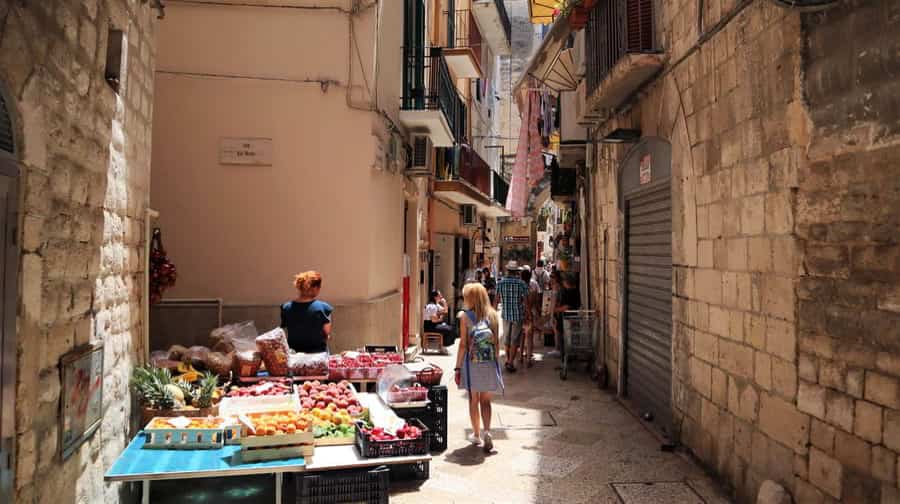
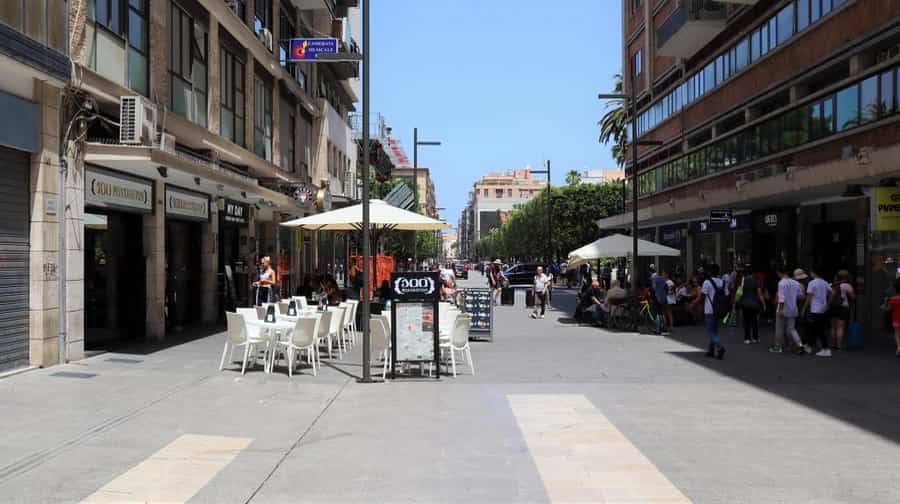
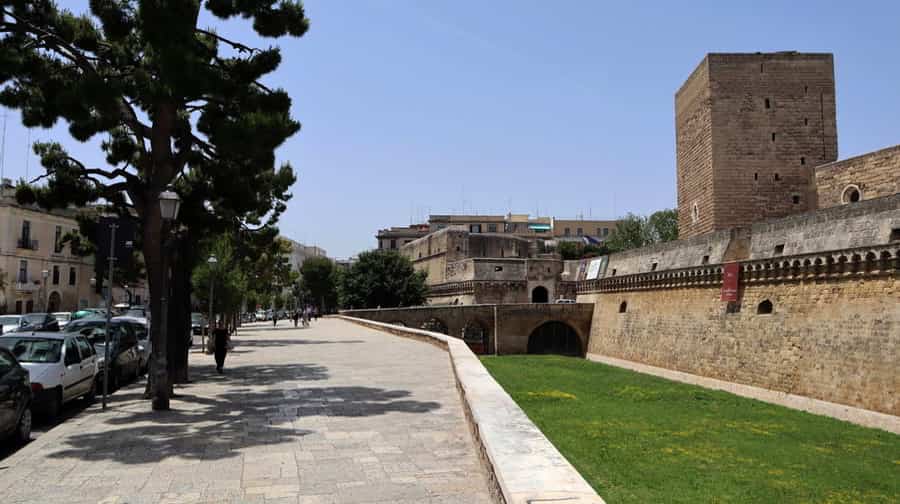
Bari
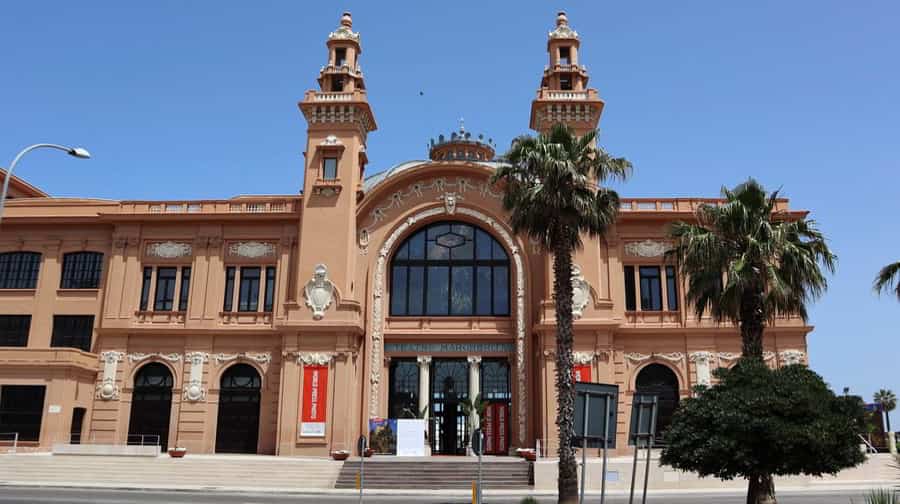
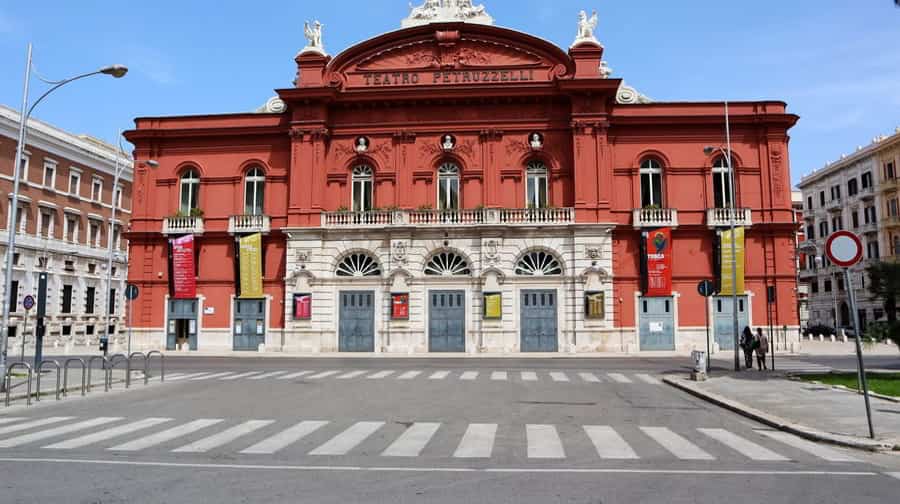
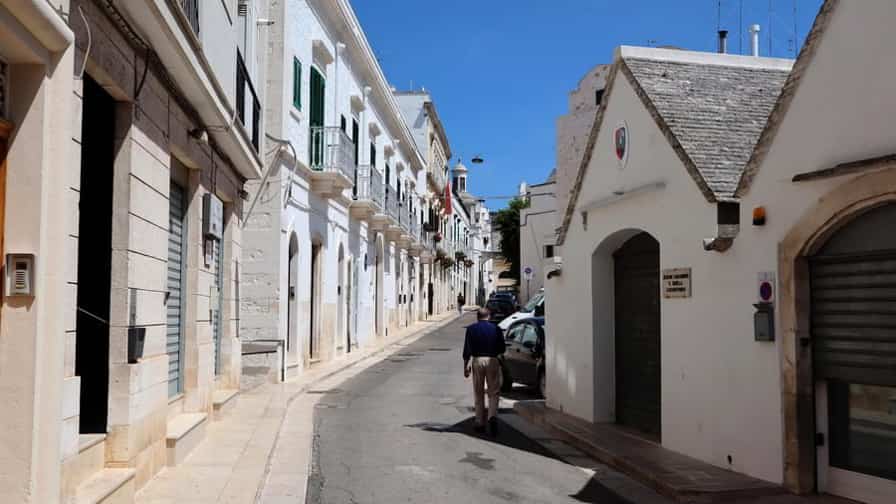
Alberobello
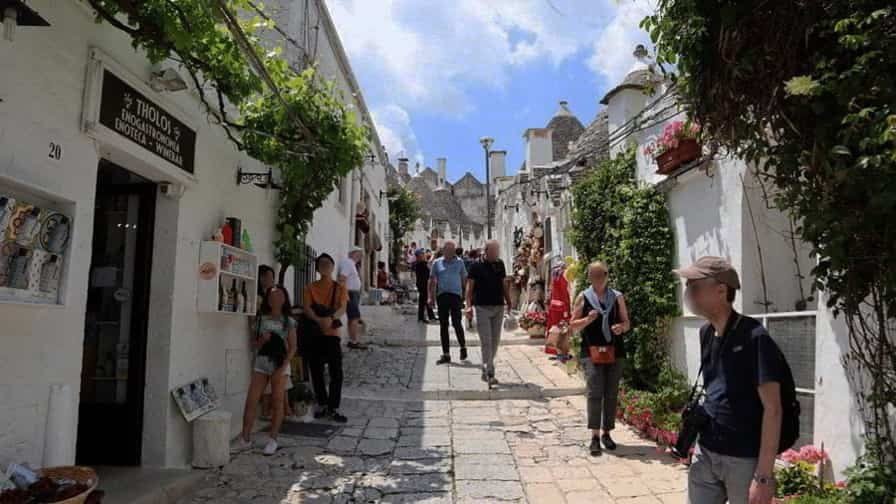
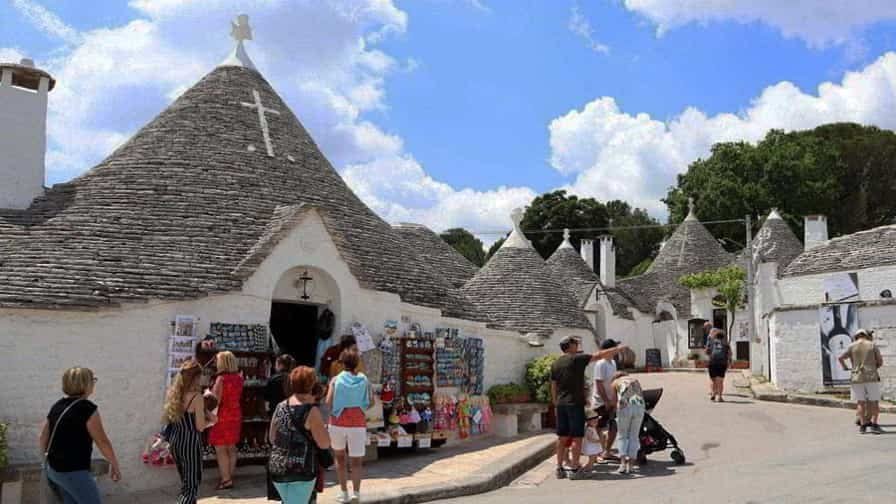

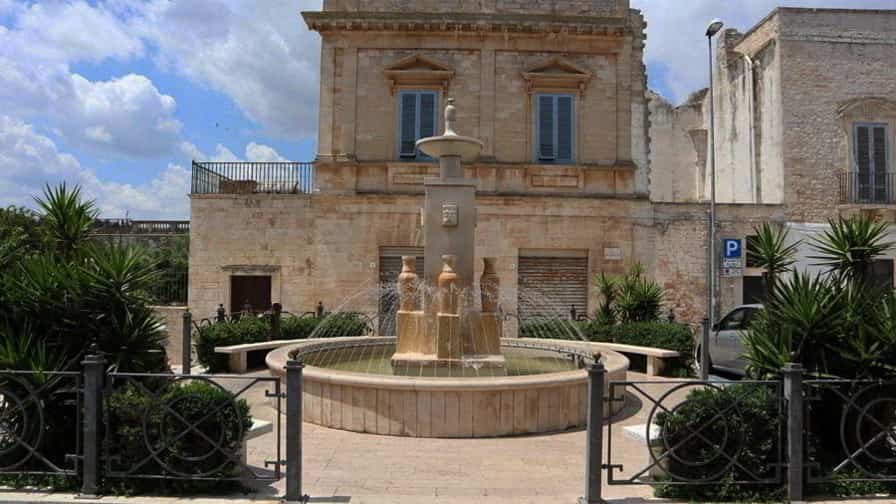
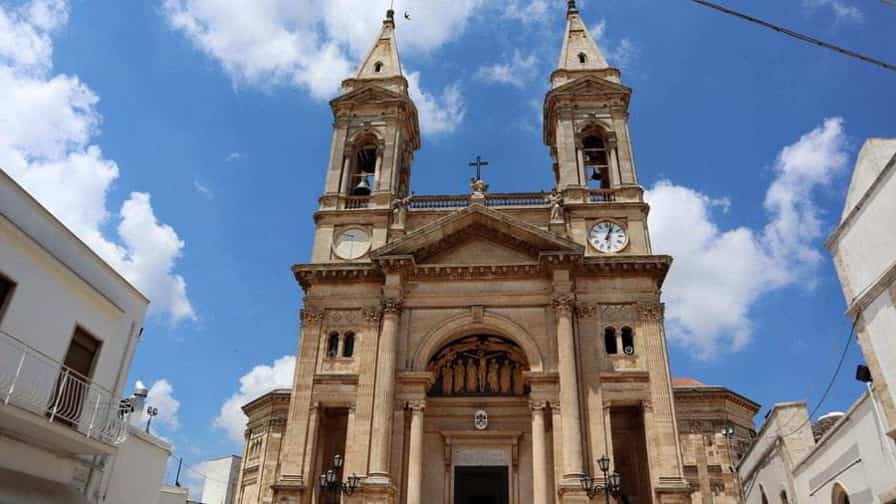
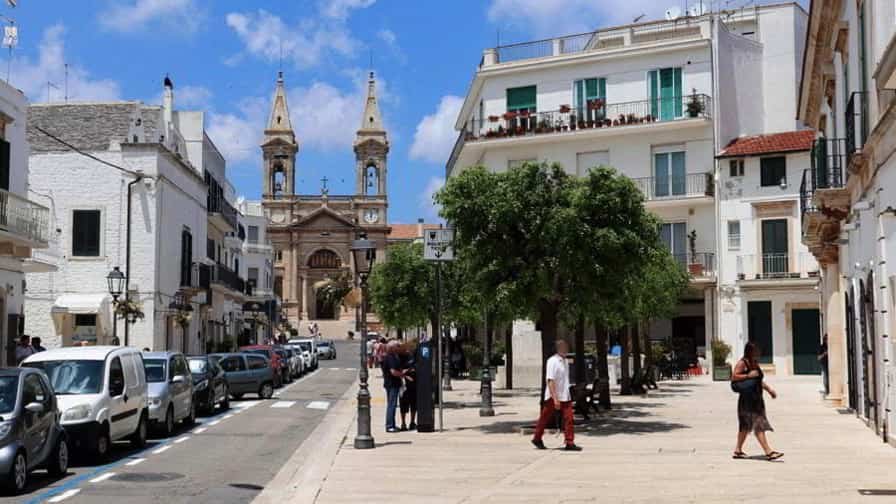
Locorotondo
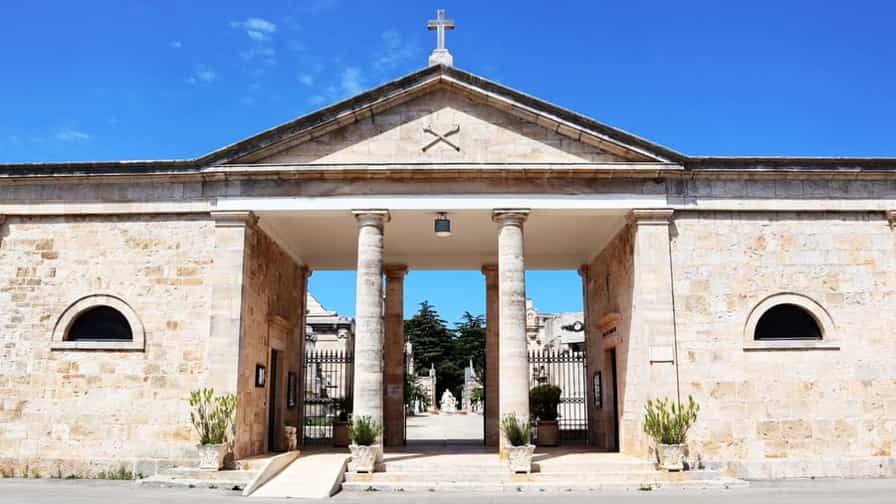
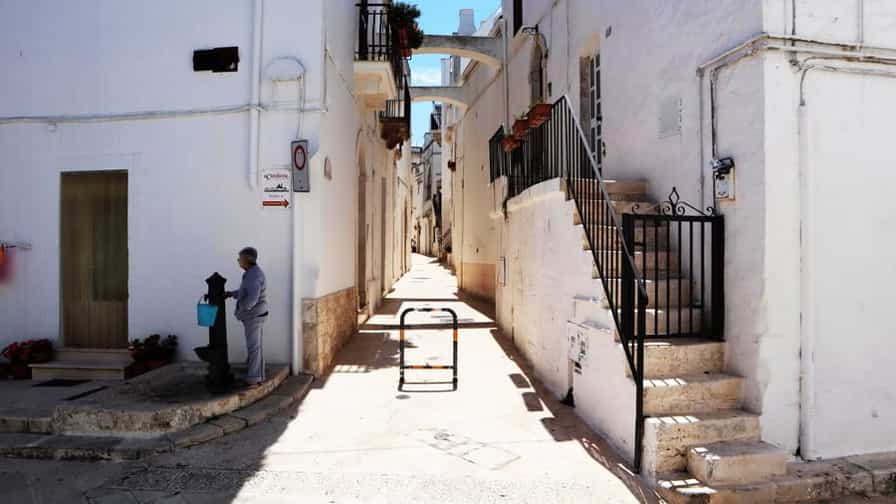
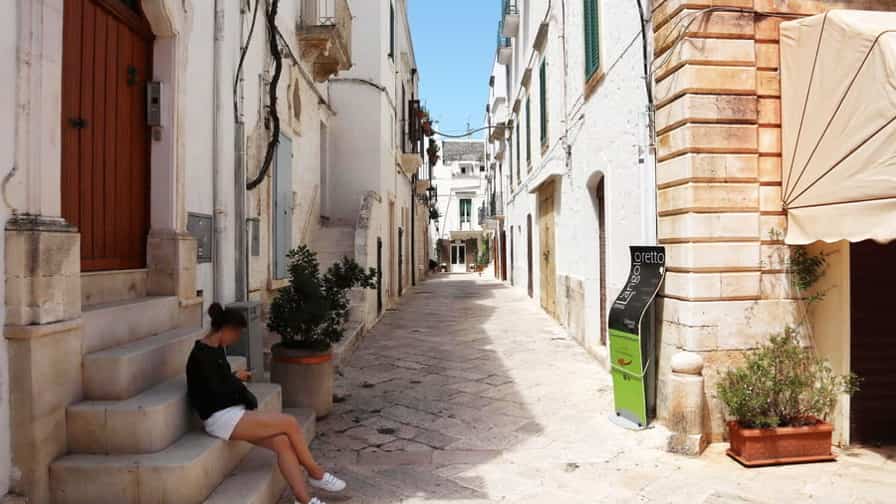
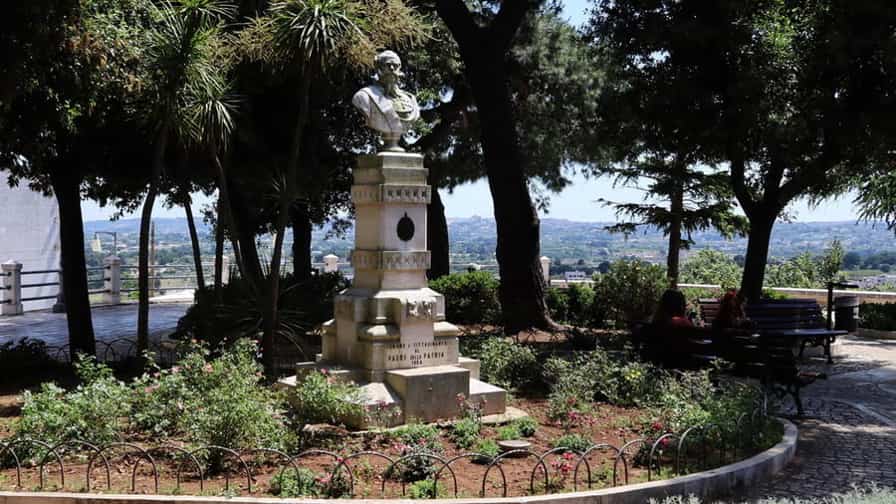
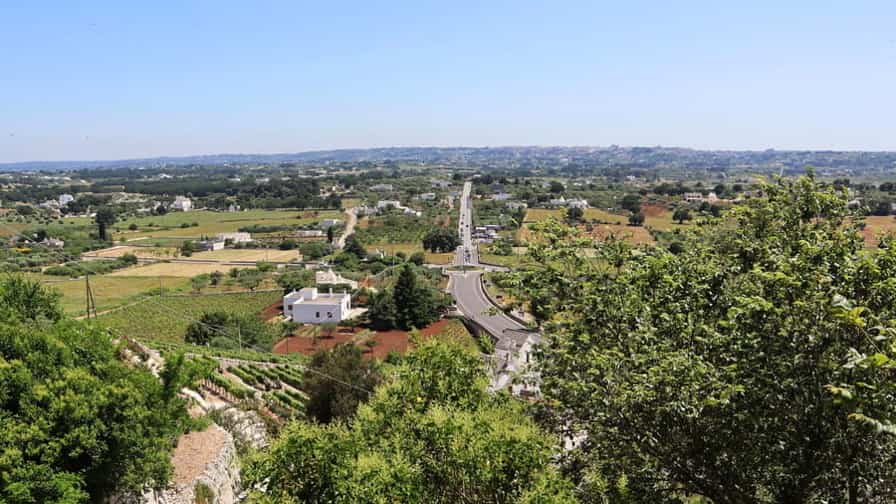
Polignano a Mare
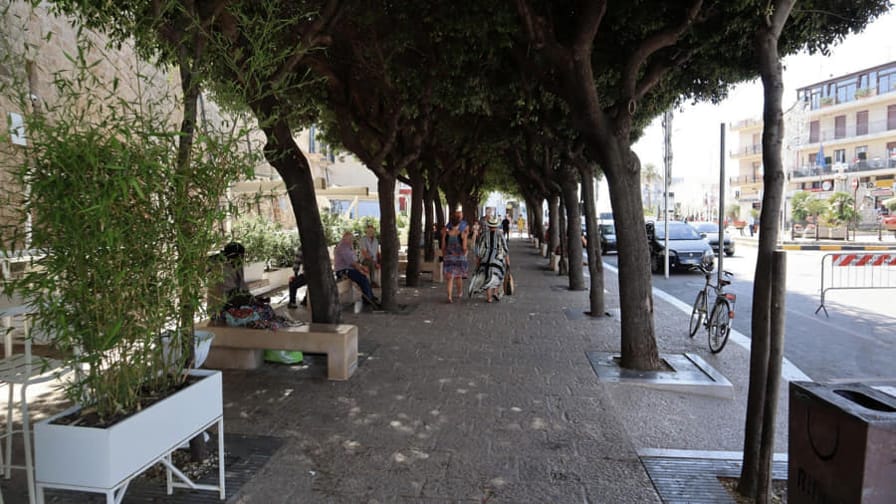
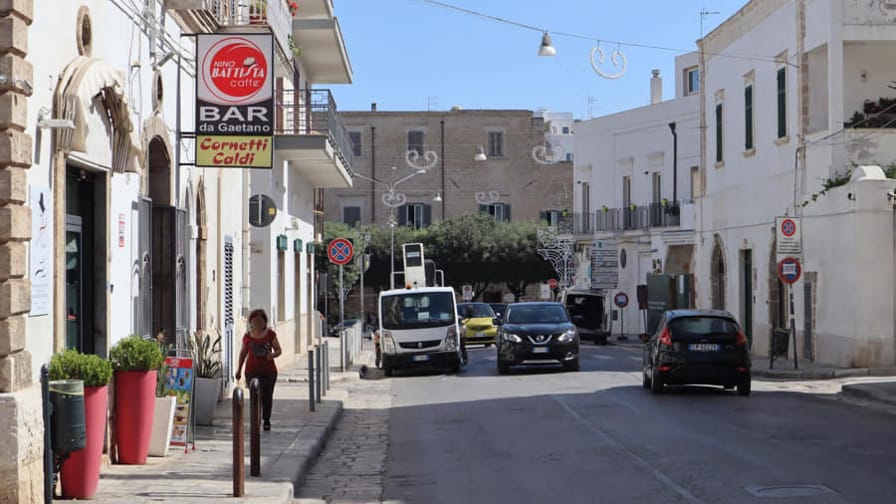
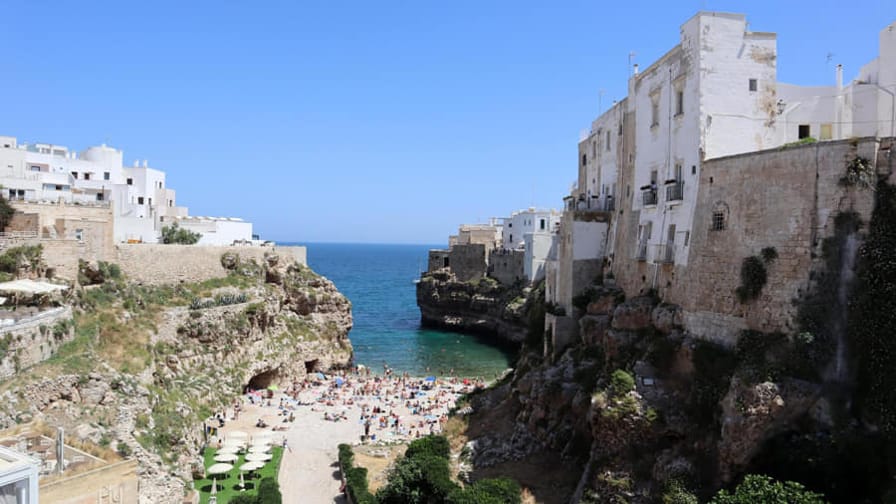
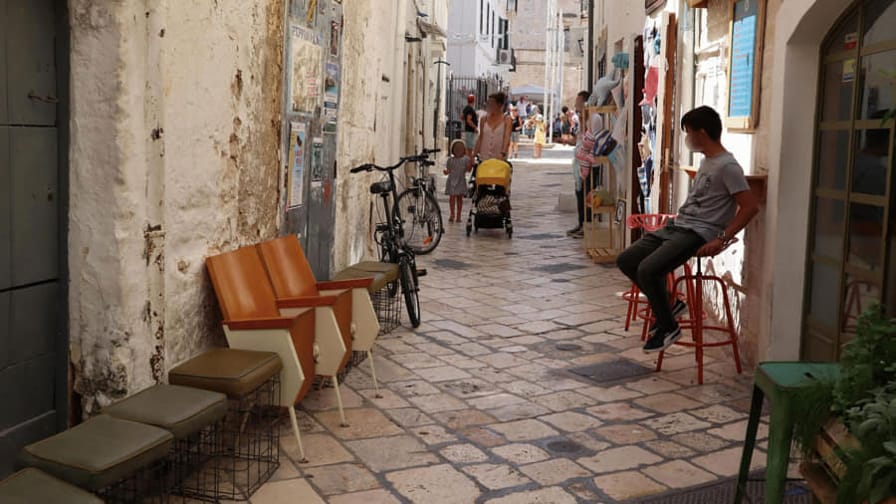
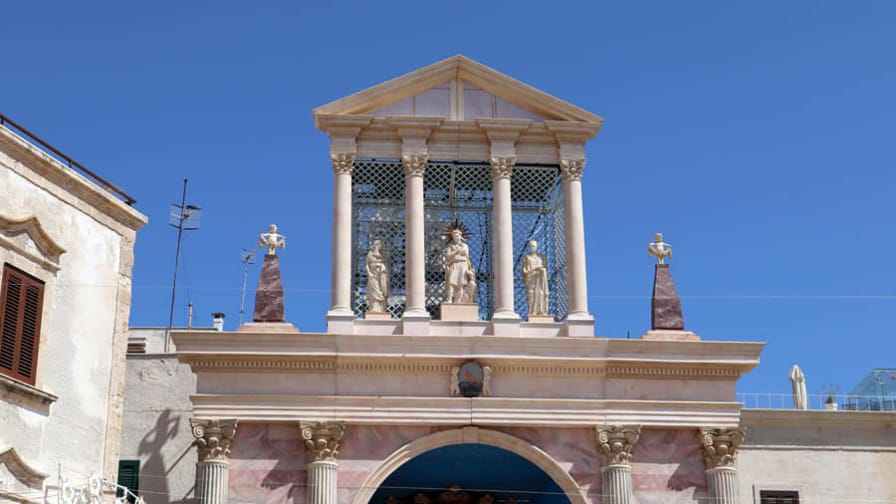
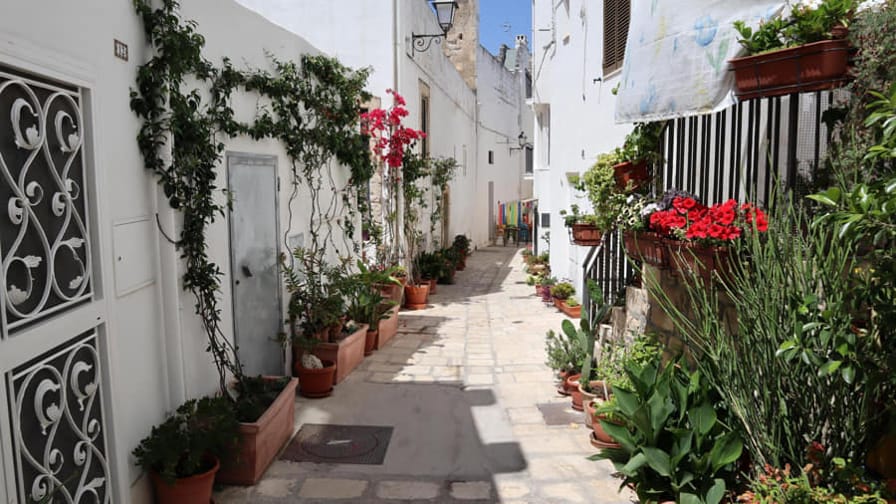
The Province of Bari, located in the central part of the Apulia region along the Adriatic coast, is a dynamic and historically rich territory that plays a central role in southern Italy. It combines a long maritime tradition with a strong agricultural and commercial identity, shaped by its strategic position as a gateway between Italy and the eastern Mediterranean. The coastline features both urban waterfronts and quieter stretches, while inland areas are characterized by fertile plains, olive groves, and traditional rural settlements.
At the heart of the province lies the city of Bari, the regional capital and a major port, known for its historic old town, religious landmarks, and vibrant urban life. Bari has long served as a centre for trade, culture, and transportation, influencing the economic and social development of the surrounding area. Across the province, towns and villages preserve architectural heritage, local crafts, and customs rooted in centuries of communal life.
Today, the Province of Bari reflects a balance between tradition and modernity. Agriculture, industry, services, and tourism coexist within a diversified economy. Cultural events, gastronomy, and coastal activities contribute to a lively regional character, making the province a key reference point within Apulia.
The Province of Barletta-Andria-Trani
The Province of Barletta-Andria-Trani, located in the northern part of the Apulia region along the Adriatic coast, is a young administrative area established to unify several historically and culturally linked towns. Despite its recent formation, the province is rich in history, architecture, and economic activity. Its territory combines coastal plains, rolling hills, and fertile agricultural lands, making it an important centre for the production of olives, wine, and other crops.
The province is named after its three main cities: Barletta, Andria, and Trani, each with its own distinctive identity. Barletta is known for its historic centre and cultural heritage, Andria for the famous Castel del Monte, a UNESCO World Heritage Site, and Trani for its stunning cathedral overlooking the sea. These urban centres are complemented by smaller towns and villages, where traditions, festivals, and craftsmanship continue to play an essential role in daily life.
Today, the Province of Barletta-Andria-Trani balances tradition with modern development. Agriculture, trade, tourism, and services drive the economy, while cultural events and historical sites attract visitors from across Italy and abroad. The combination of history, natural landscapes, and economic vitality makes the province a unique and important part of Apulia.
The Province of Brindisi
Brindisi
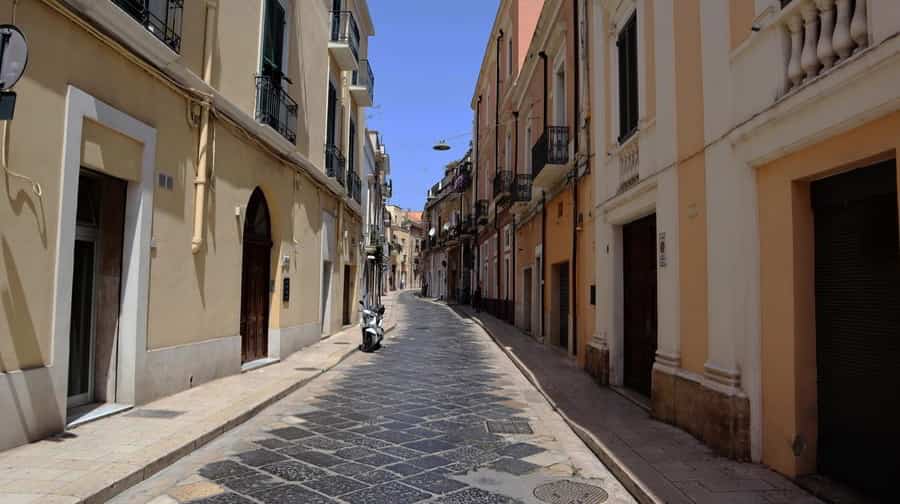
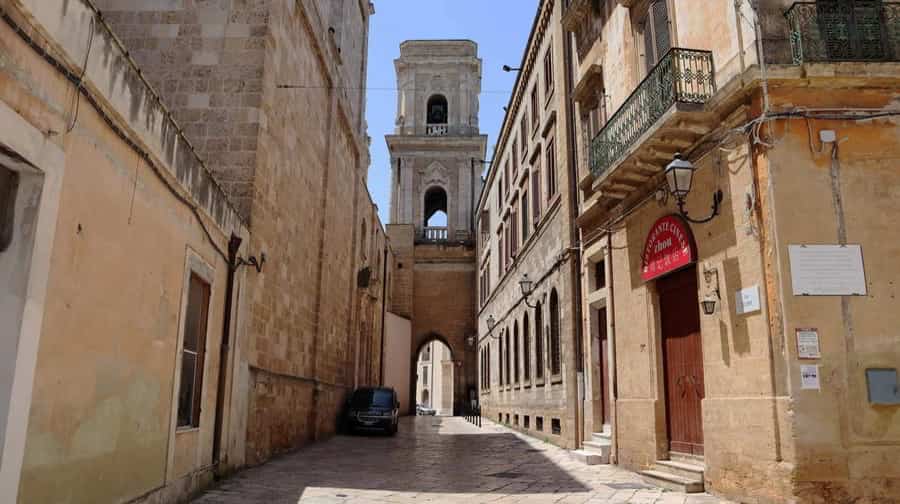
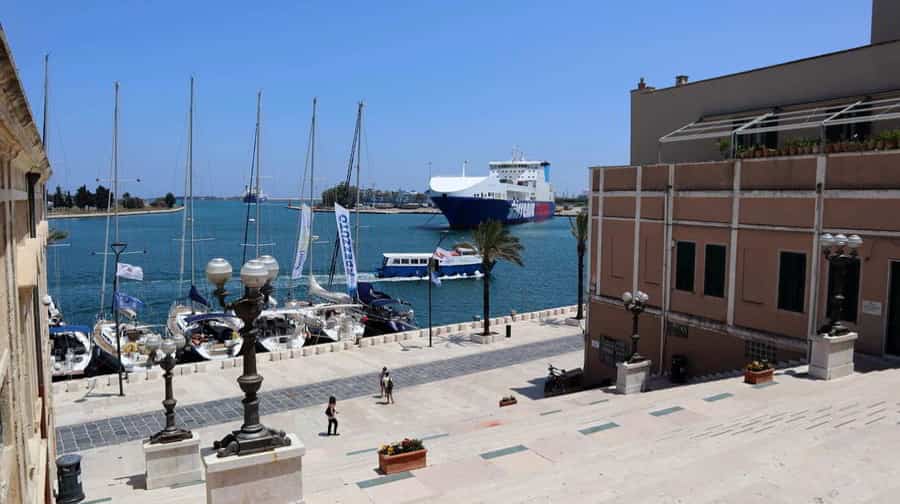
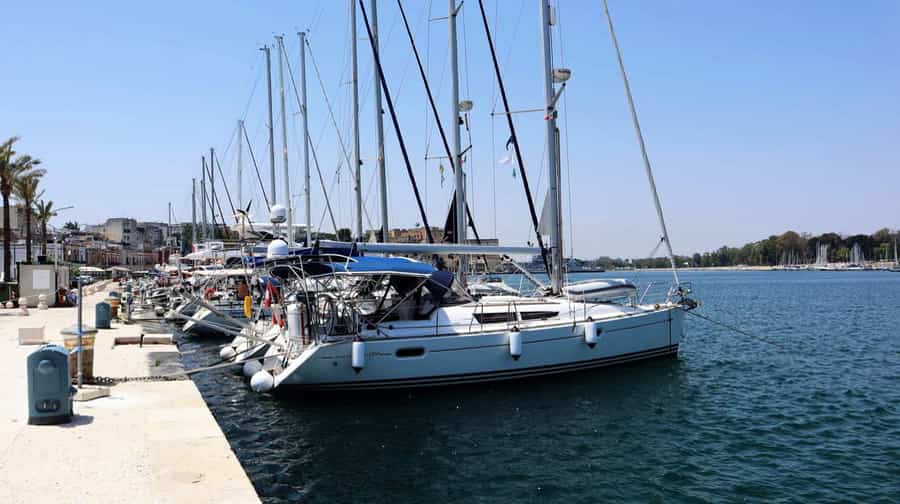
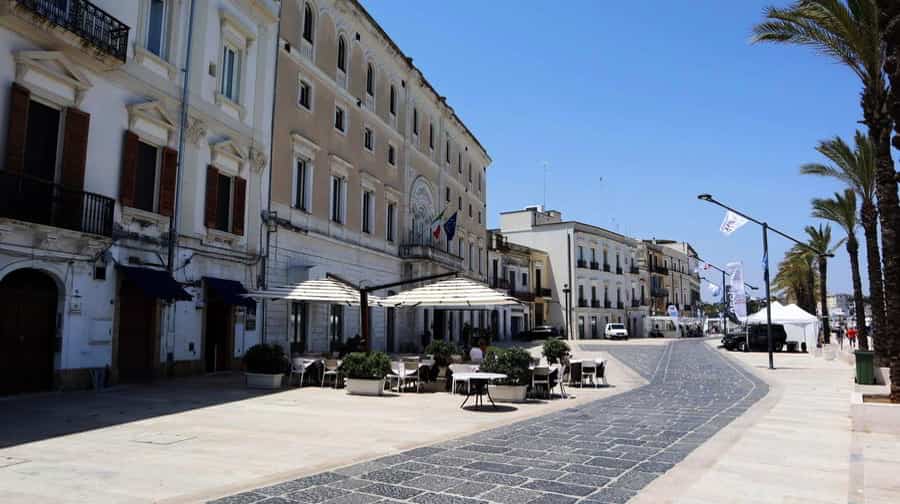
Ostuni
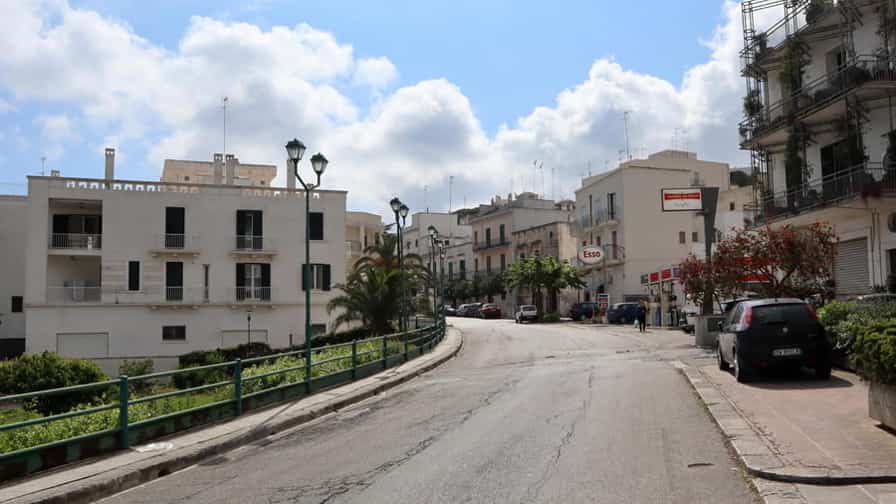
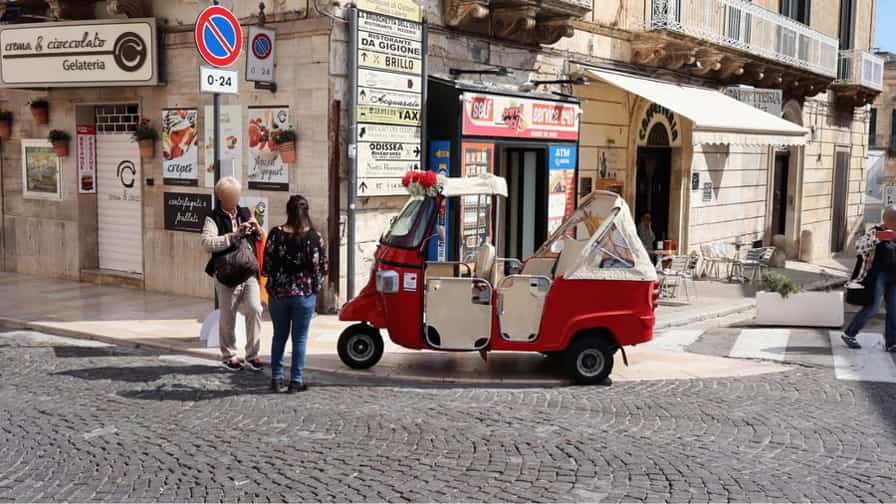
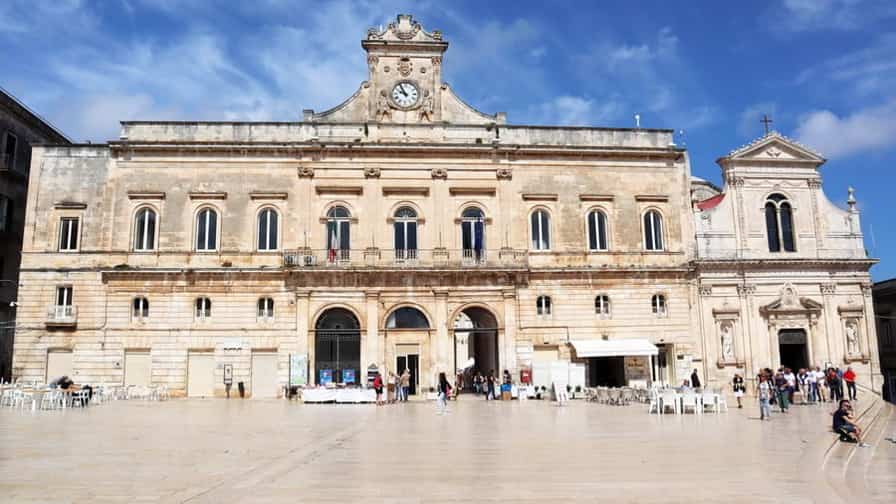
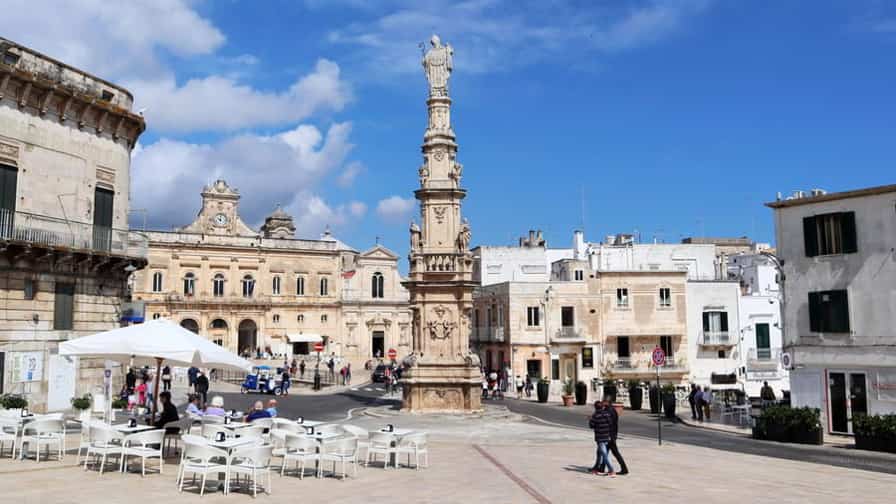
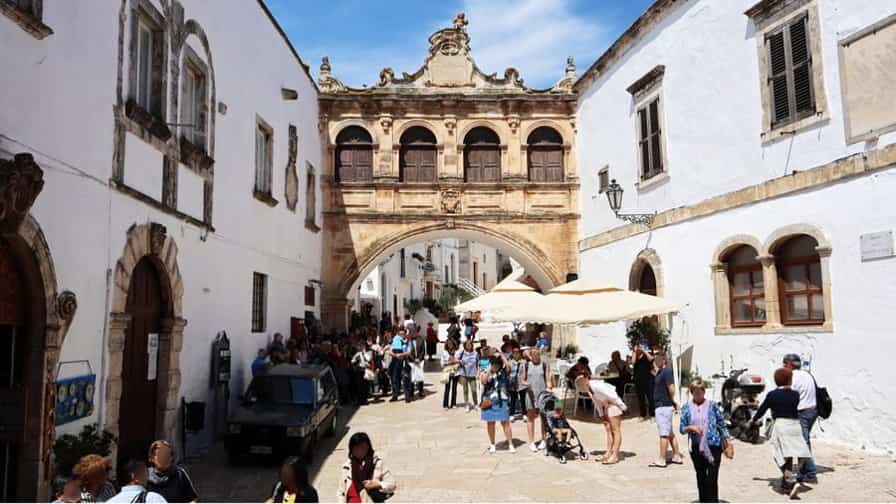
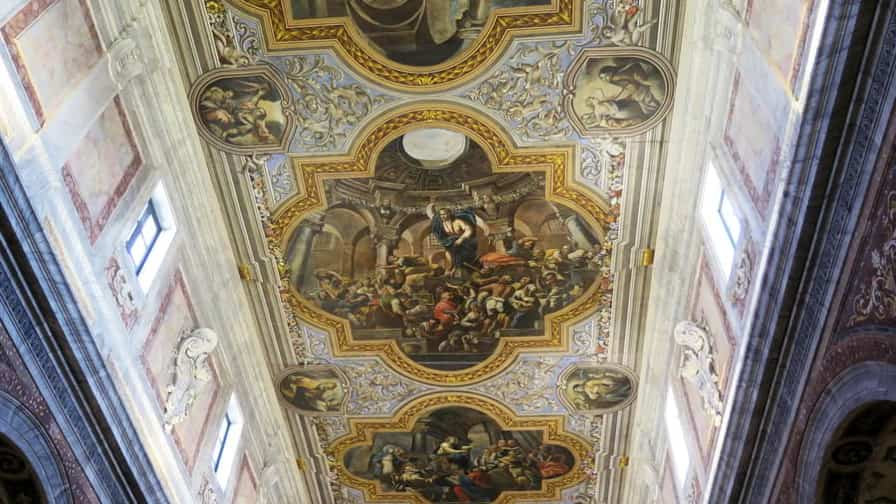
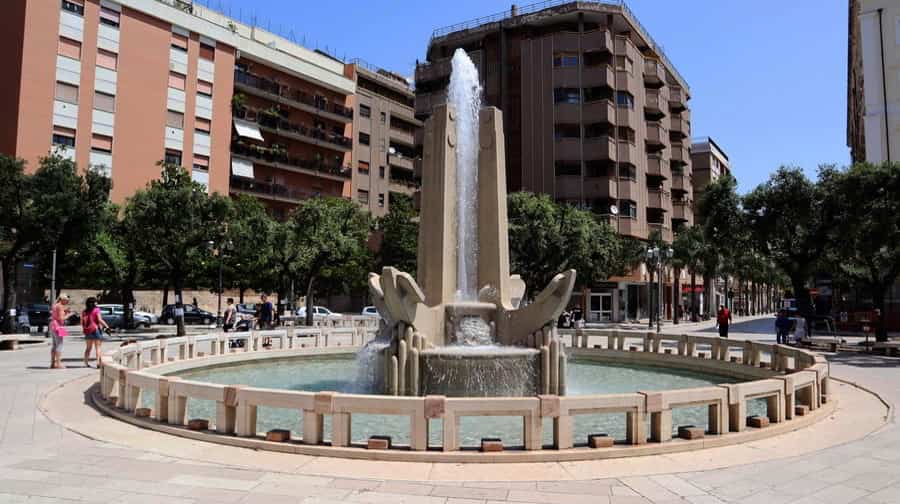
The Province of Brindisi, located in the south-eastern part of the Apulia region, is a land shaped by the close relationship between coast and countryside. Bordered by the Adriatic Sea, it has long served as an important point of contact between Italy and the eastern Mediterranean, a role reflected in its history, culture, and maritime traditions. The coastline alternates between sandy beaches and rocky stretches, while inland areas are dominated by olive groves, vineyards, and fertile agricultural land.
The city of Brindisi, the provincial capital, is known for its natural harbour, which has been a strategic asset since ancient times. Over the centuries, the province developed through trade, navigation, and agriculture, leaving a legacy of archaeological sites, historic churches, and rural architecture. Towns throughout the province maintain strong local identities, expressed through festivals, craftsmanship, and traditional cuisine.
In contemporary times, the Province of Brindisi combines economic activity with cultural continuity. Agriculture remains central, alongside industry, port services, and tourism. Coastal attractions, rural landscapes, and historic centres draw visitors seeking an authentic Apulian experience. This blend of history, environment, and everyday life makes the Province of Brindisi an essential component of Apulia’s regional identity.
The Province of Foggia
Foggia
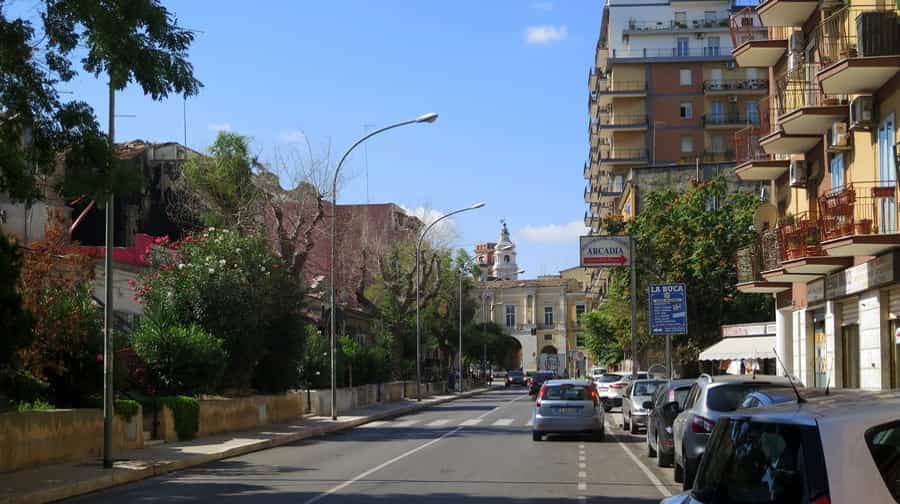
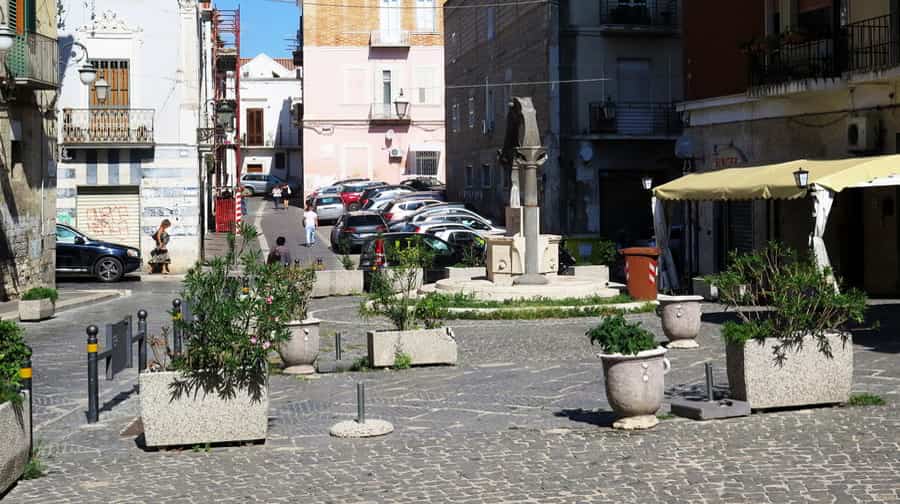
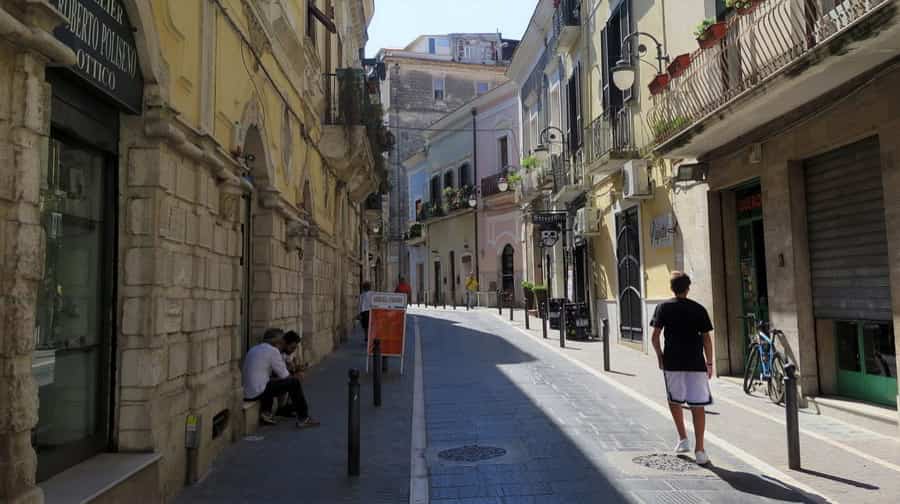
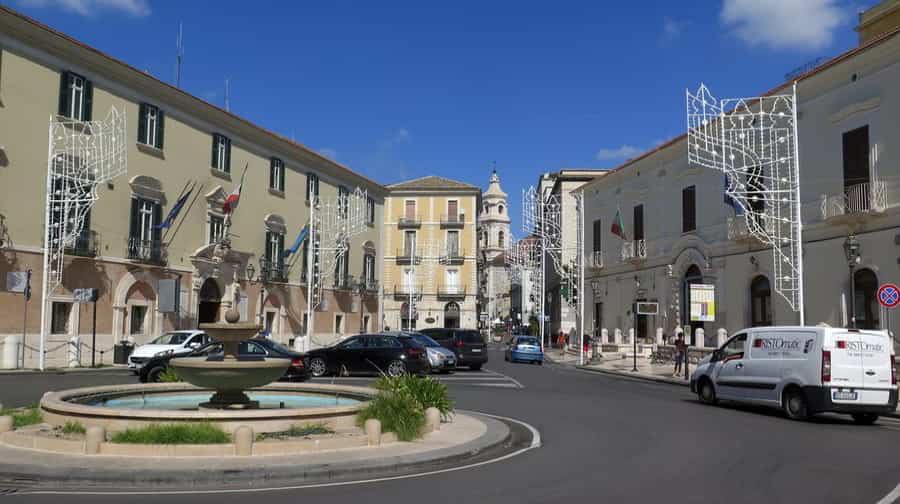
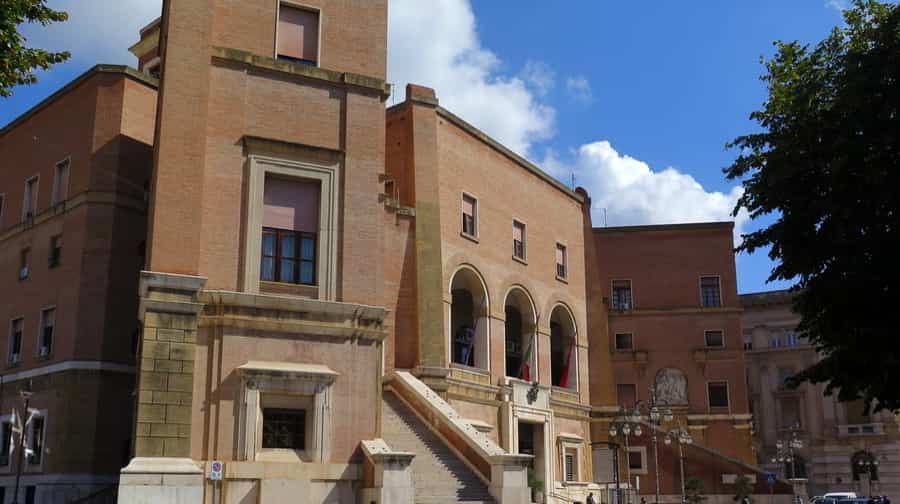
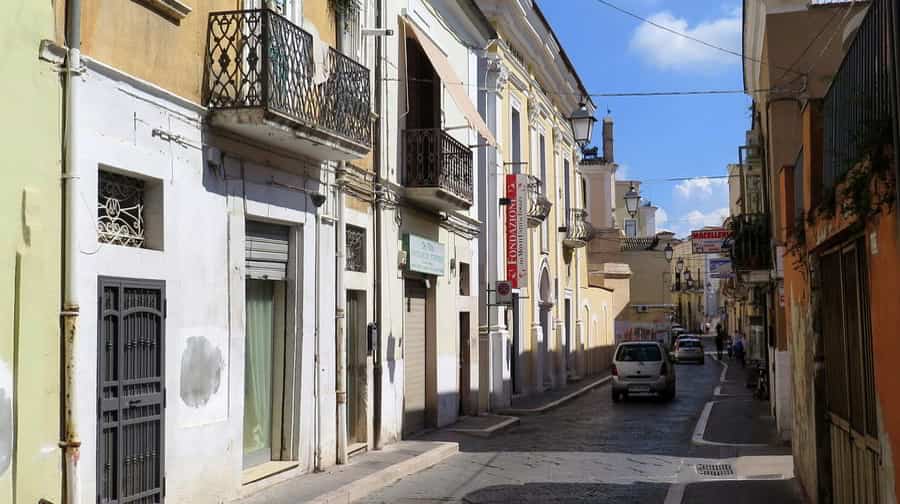
Peschici
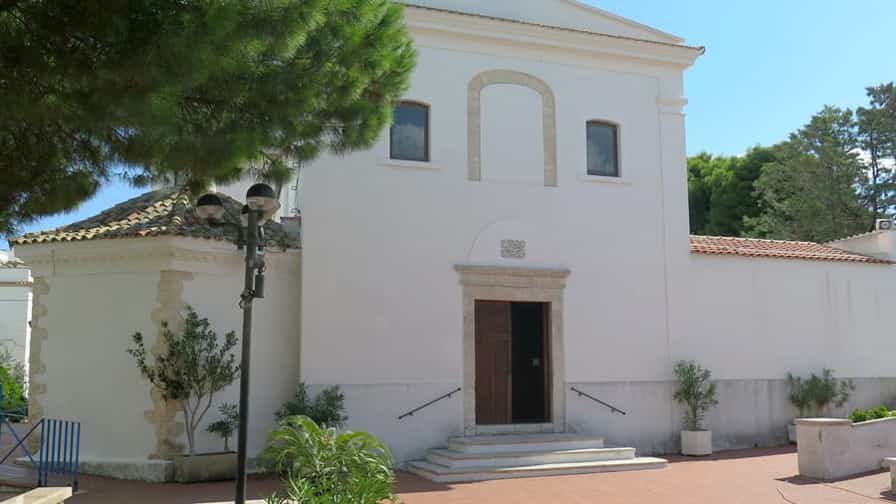
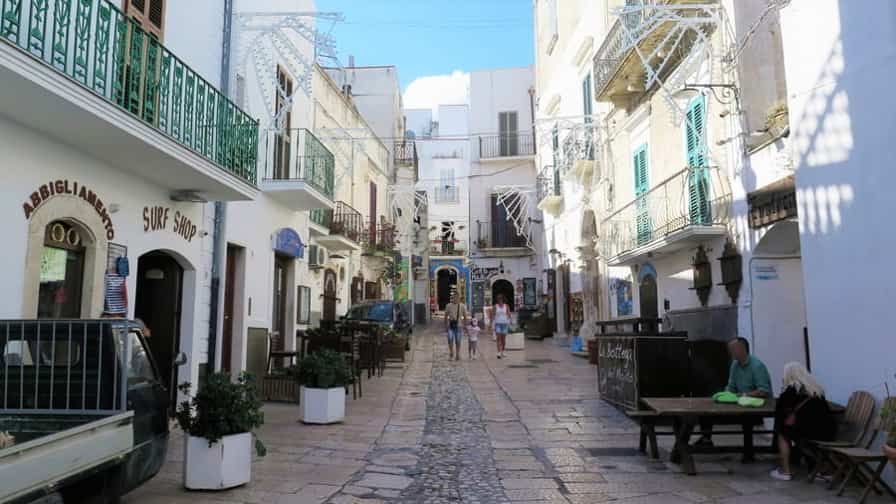
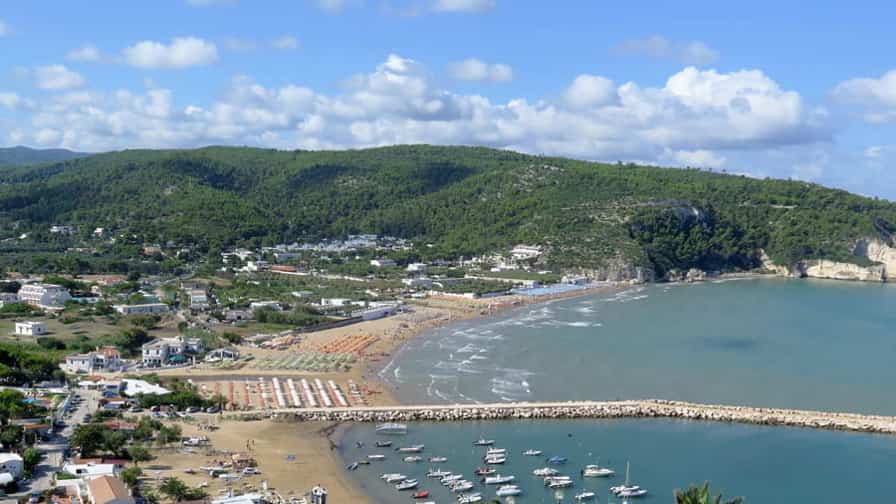
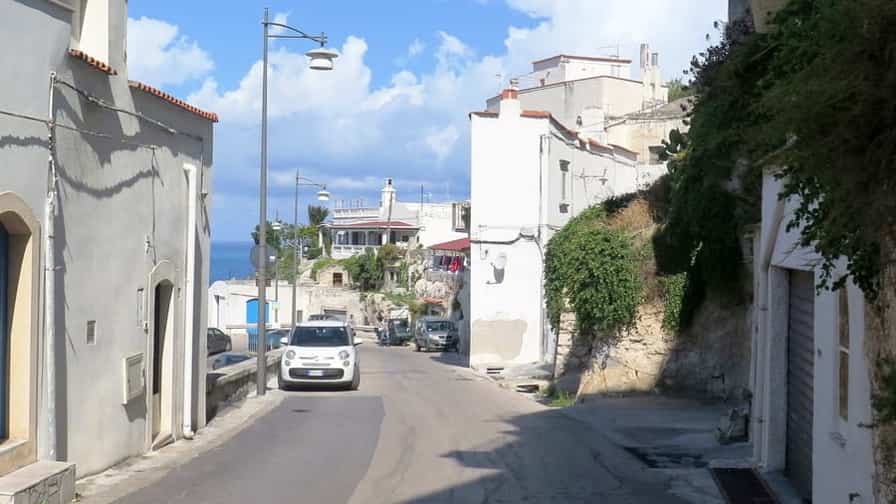
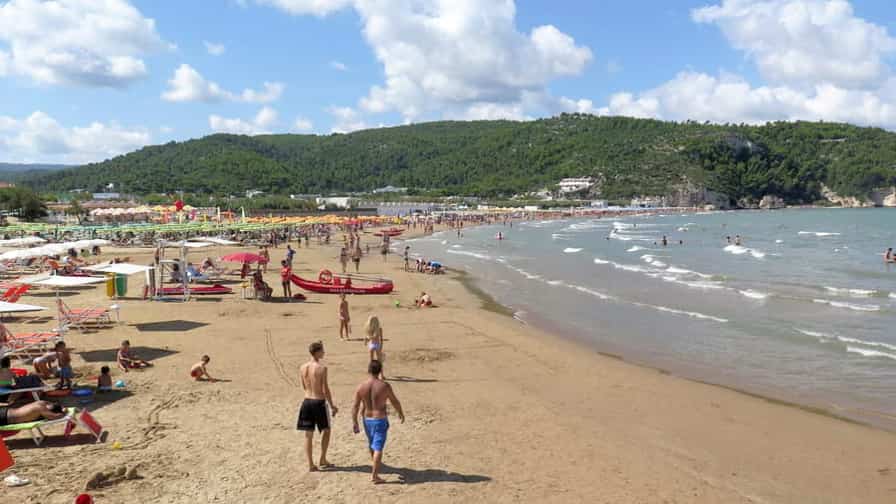
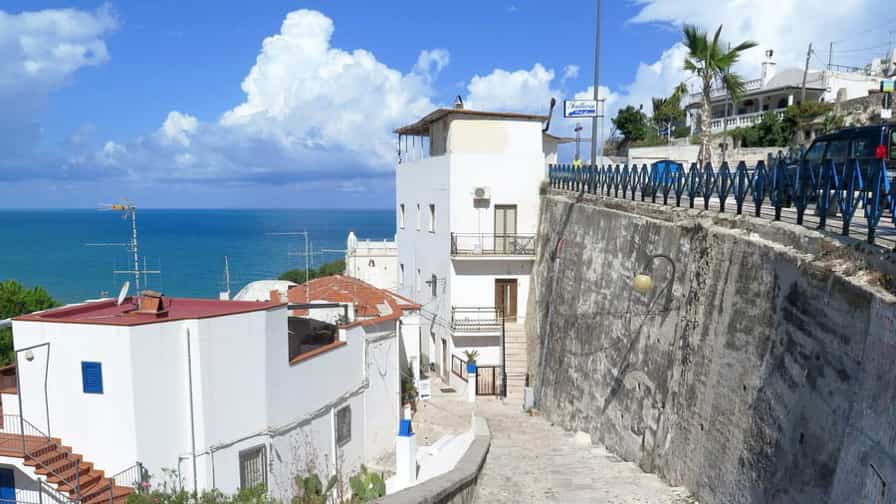
Vieste
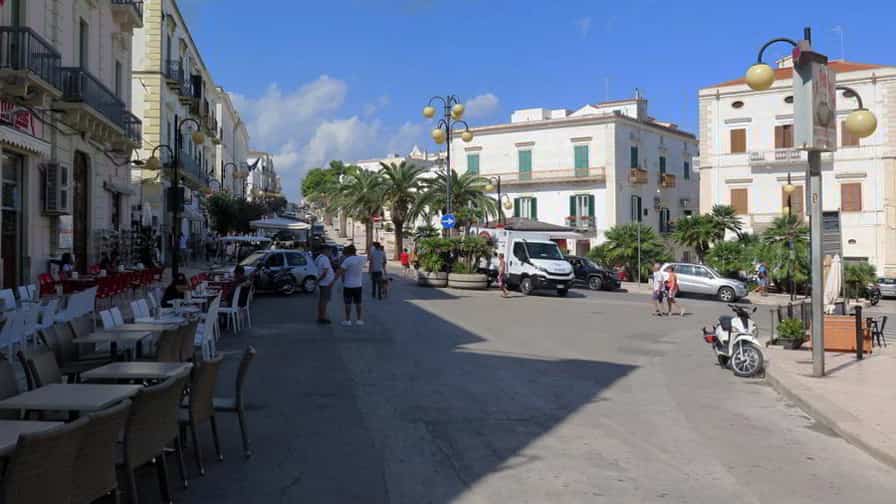
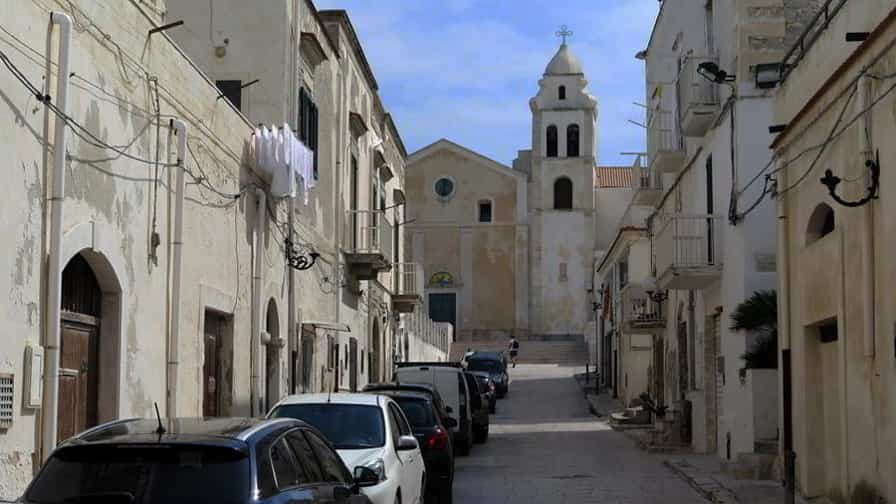

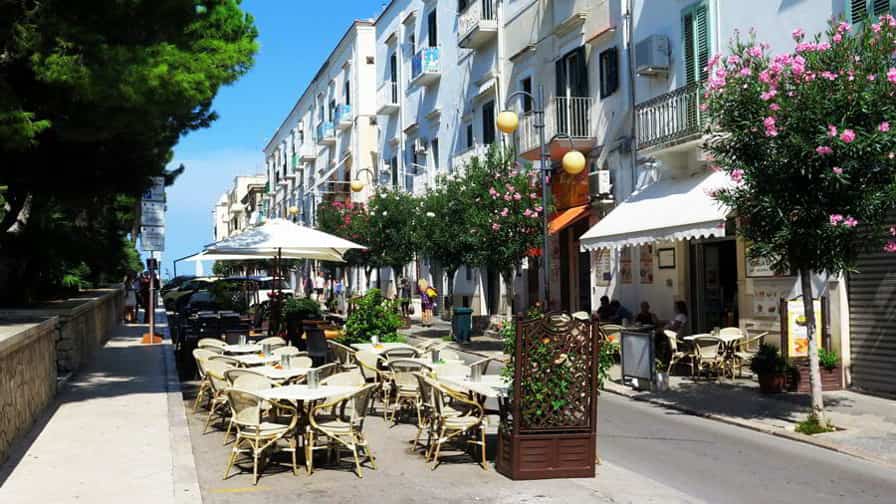
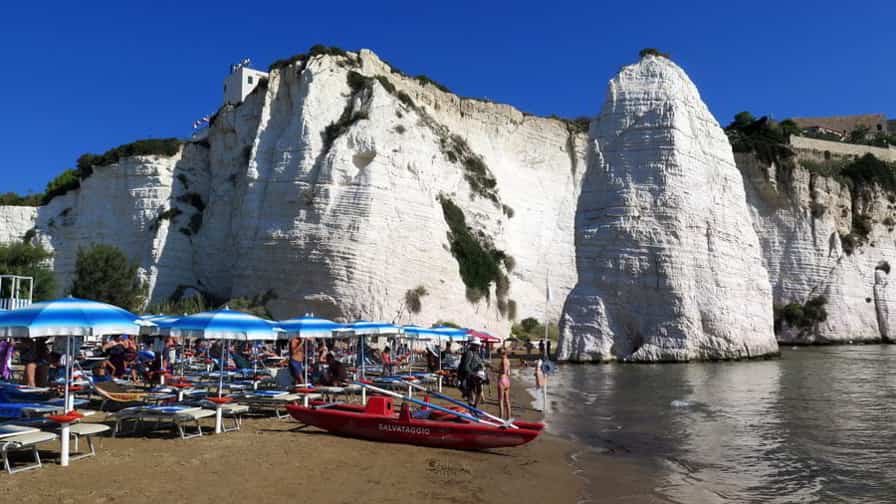
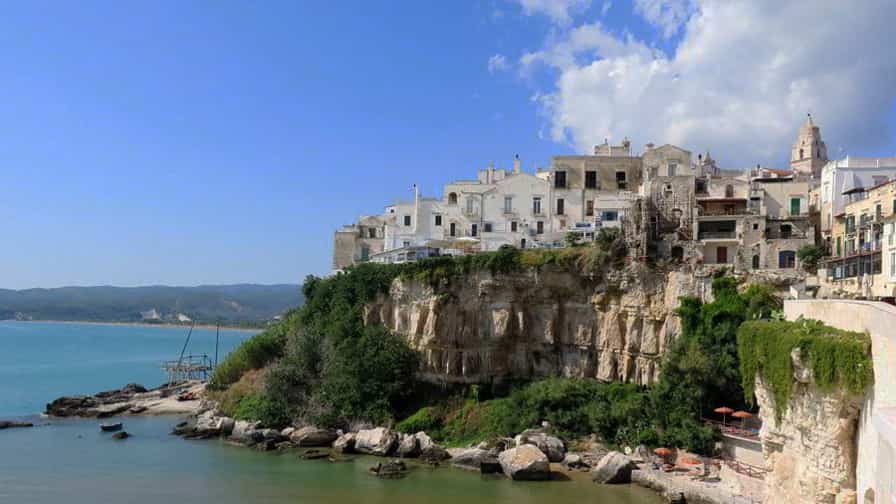
The Province of Foggia, located in the northern part of the Apulia region, is one of the largest provinces in Italy by area and is often referred to as the “granary of Italy” due to its extensive agricultural plains. The territory is dominated by the Tavoliere delle Puglie, a vast fertile plateau that has supported farming for centuries, producing wheat, vegetables, and olives, as well as livestock. To the east, the province reaches the Adriatic coast, while to the west it borders the Gargano promontory, a mountainous area rich in forests, wildlife, and protected natural parks.
The city of Foggia, the provincial capital, serves as an economic and administrative hub, blending modern urban development with historic architecture and cultural institutions. Across the province, small towns and villages preserve traditional lifestyles, local festivals, and craftsmanship, reflecting a strong connection to both land and community.
Today, the Province of Foggia balances its agricultural heritage with growing industrial and service sectors. Tourism, particularly in the Gargano area and along the coast, adds further vitality to the local economy. With its wide open landscapes, historic towns, and natural beauty, the Province of Foggia represents a distinctive and essential part of Apulia’s identity.
The Province of Lecce
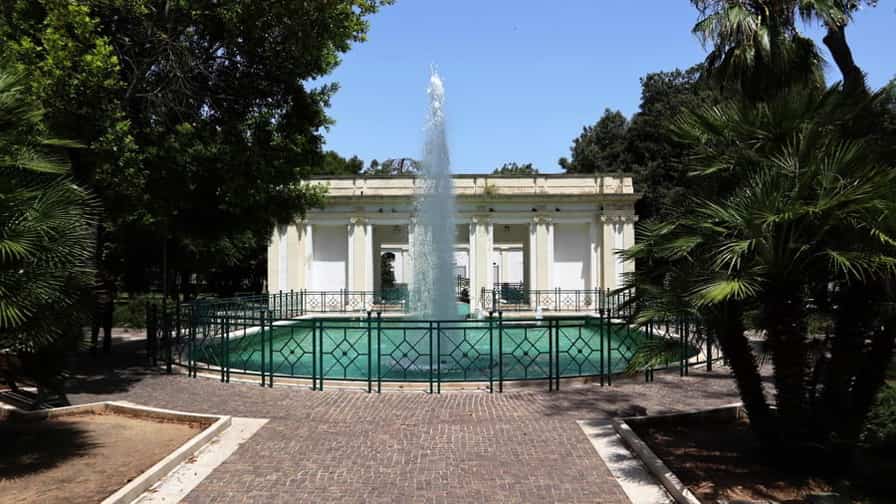
Lecce
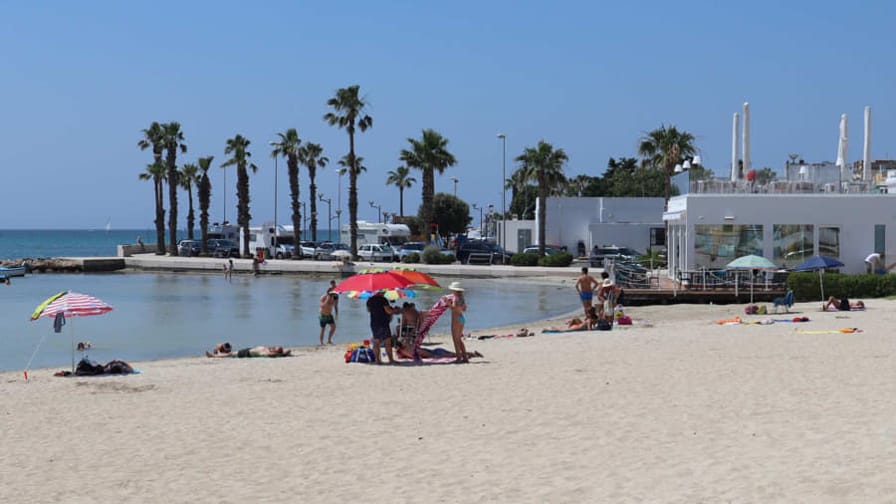
Porto Cesareo
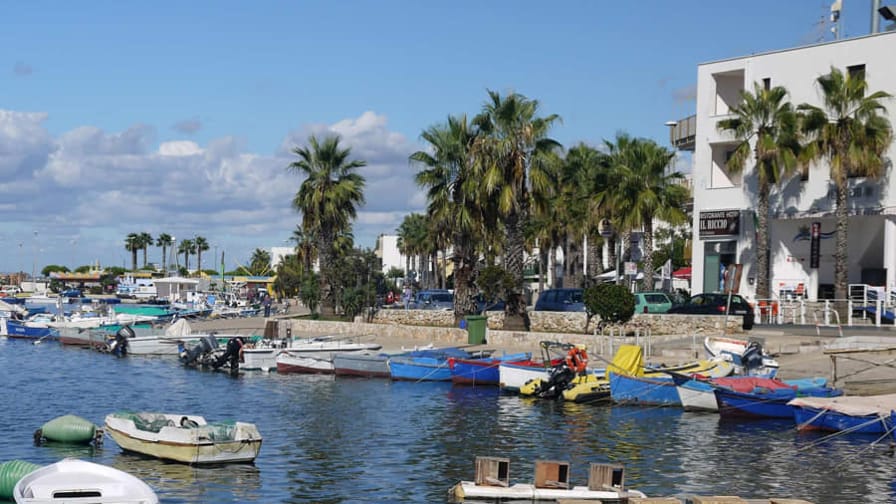
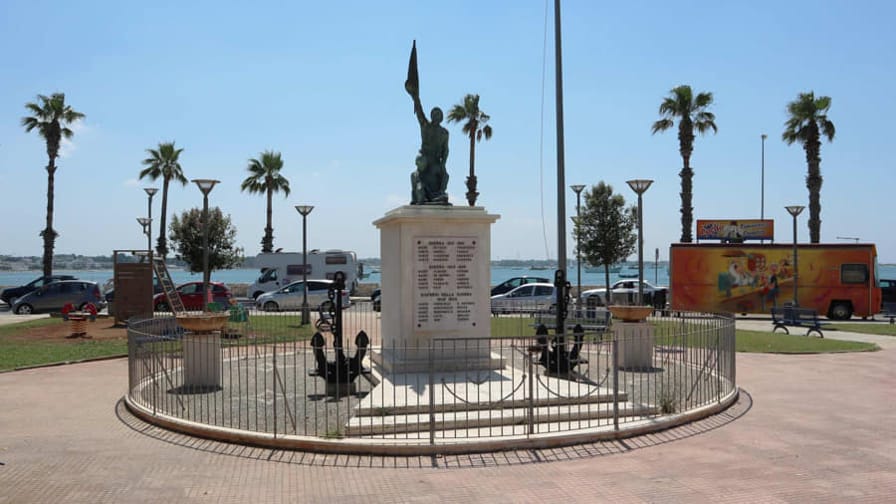
Santa Caterina
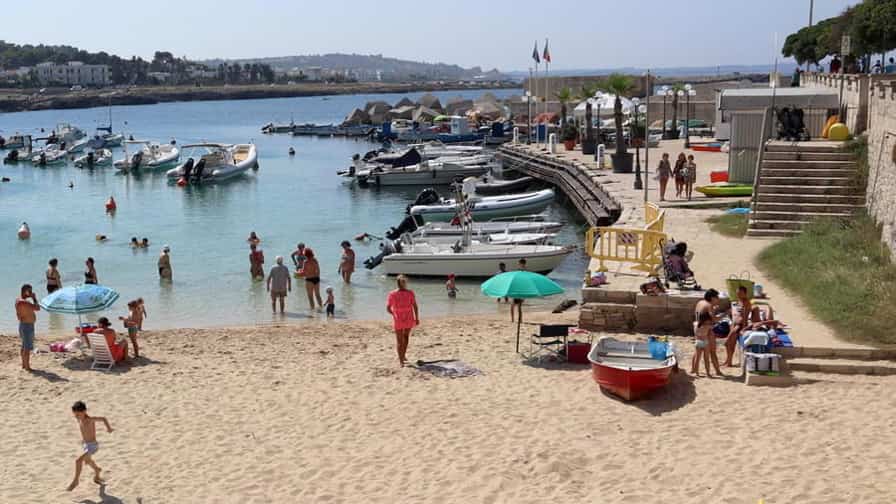
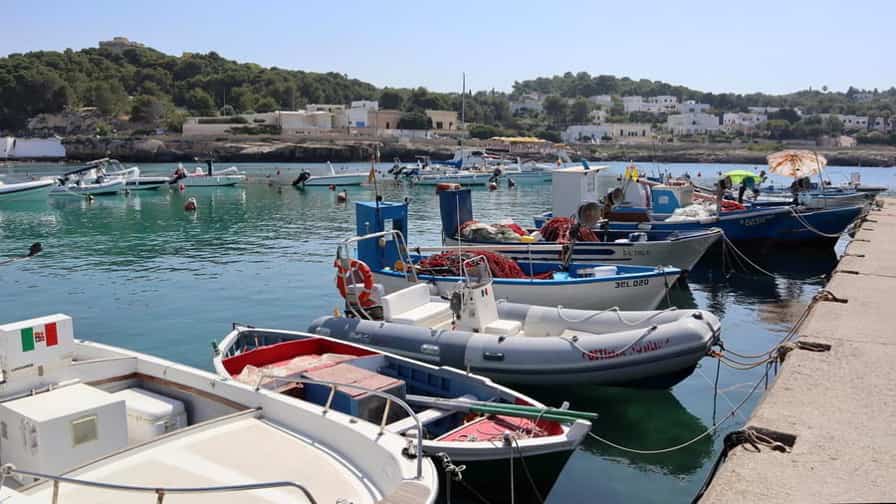
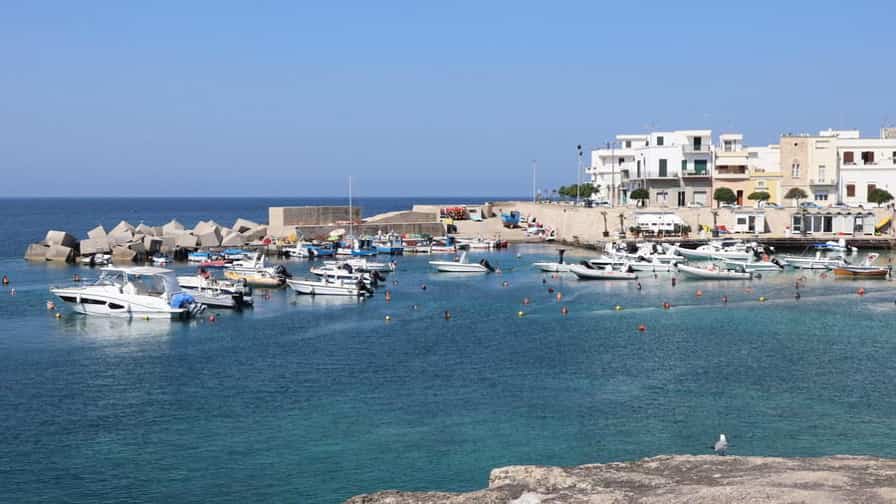
Santa Maria al Bongo
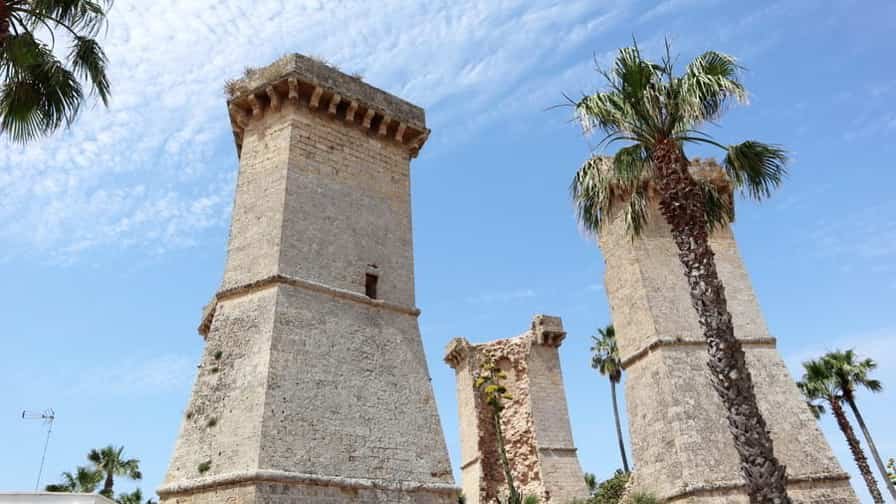
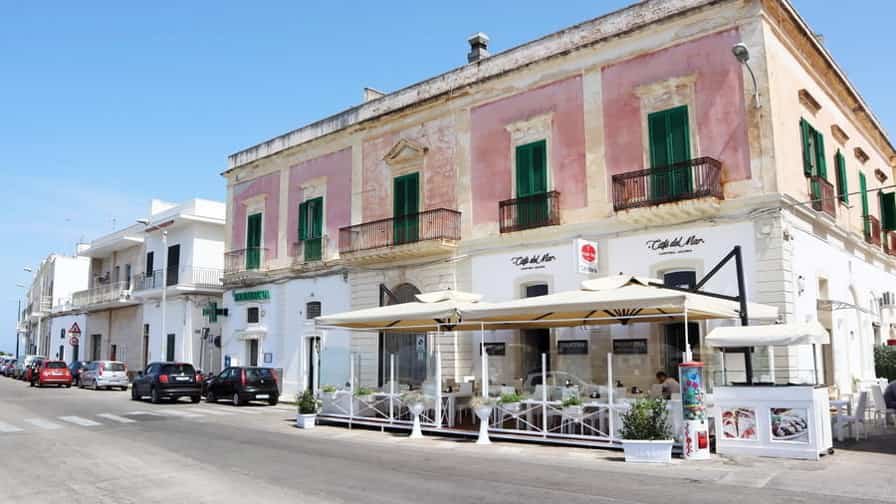
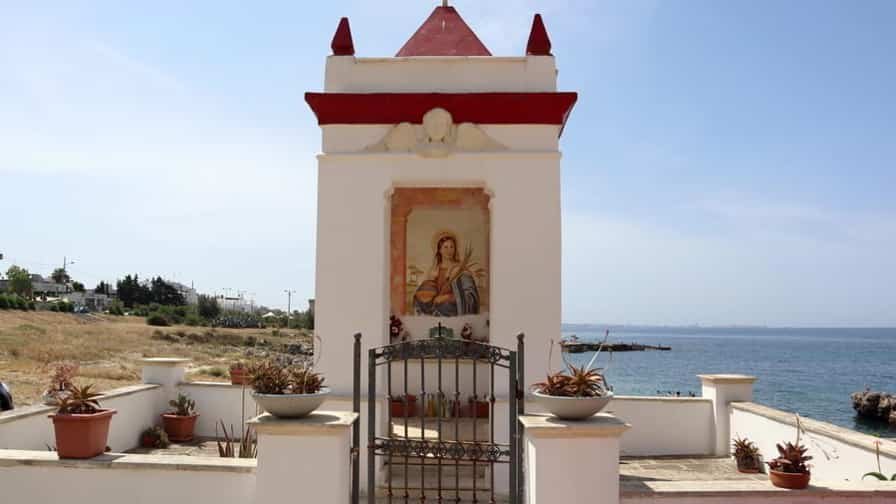
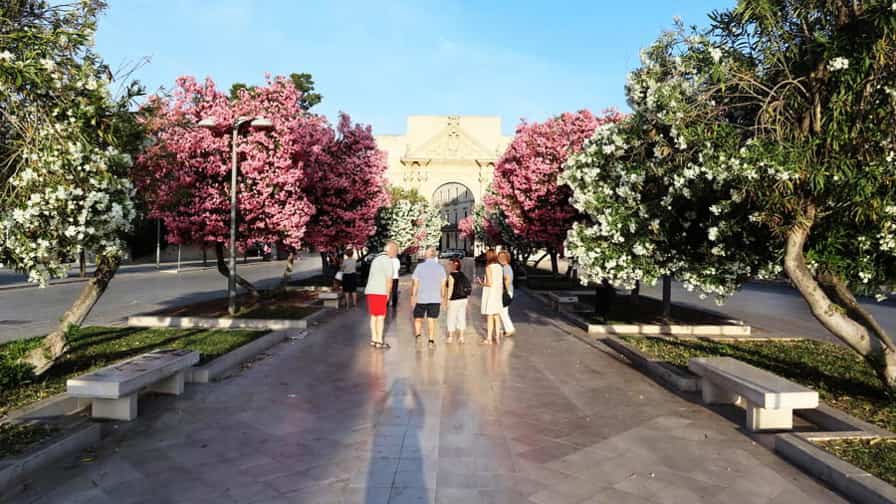
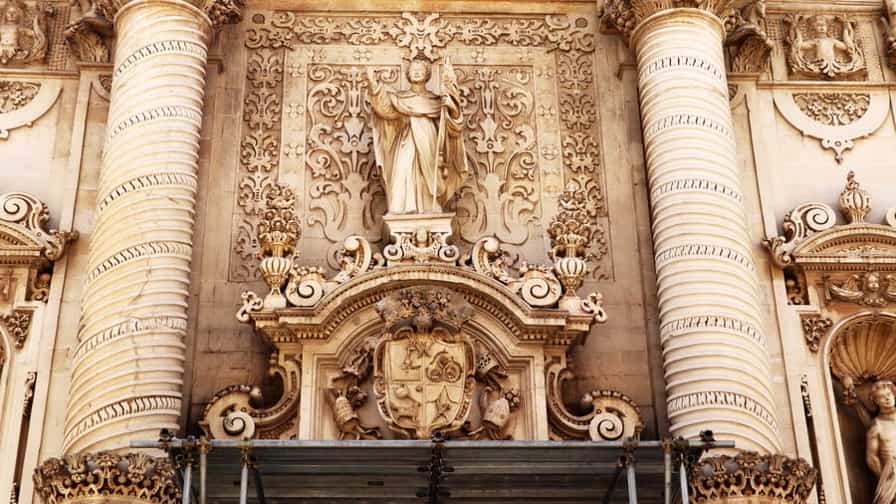
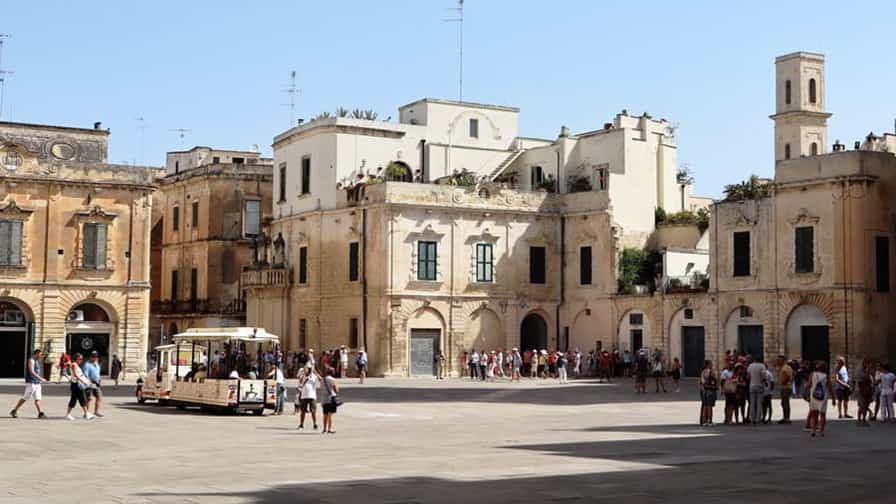
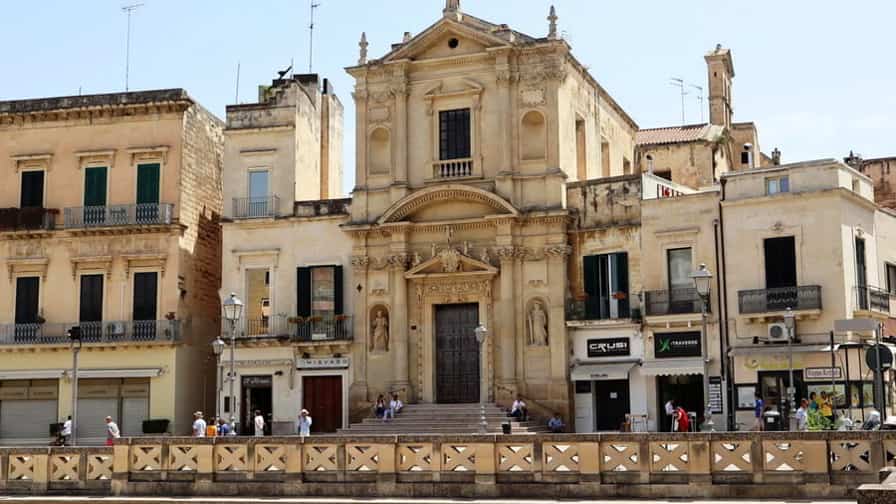
Lecce: is a captivating city in the southern part of Apulia, often celebrated as the cultural and artistic jewel of the Salento peninsula. Known as the “Florence of the South,” Lecce is renowned for its extraordinary Baroque architecture, shaped from local golden limestone that glows warmly in the Mediterranean sun. Walking through the historic centre reveals an open-air museum of ornate churches, noble palaces, and finely carved façades that reflect centuries of creativity and devotion.
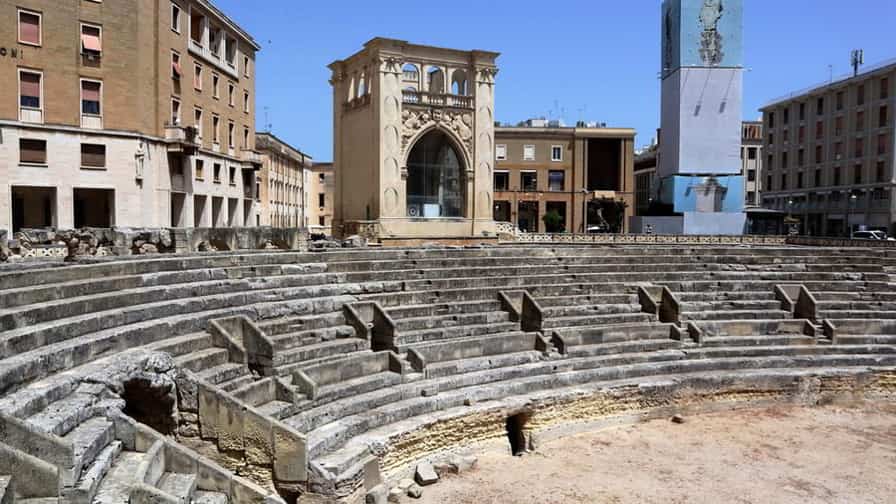
The city’s origins date back to ancient Messapian times, later enriched by Roman influence, traces of which remain visible in the well-preserved Roman amphitheatre at the heart of the city. Over time, Lecce developed a refined urban character, balancing grandeur with a relaxed southern rhythm. Elegant streets lead to lively piazzas where cafés, artisan shops, and pasticcerie create a vibrant everyday atmosphere.
Lecce is also a gateway to the landscapes and traditions of Salento, with its nearby Adriatic and Ionian coastlines, crystal-clear waters, and distinctive local culture. Deeply rooted in craftsmanship, music, and cuisine, Lecce offers visitors an immersive experience that blends history, beauty, and contemporary life in a uniquely Apulian setting.
The Province of Taranto
The Province of Taranto, situated in the southwestern part of the Apulia region, is a land where ancient history, coastal beauty, and strong traditions come together. Its capital, Taranto, is one of the oldest cities in Italy, founded by the ancient Greeks and long known as the City of Two Seas, lying between the Mar Grande and the Mar Piccolo. This unique geographic position has shaped the province’s identity for centuries, influencing trade, culture, and daily life.
The province features a varied landscape that includes sandy beaches along the Ionian Sea, fertile plains, and gently rolling hills inland. Archaeological sites, medieval villages, and baroque towns reflect the many civilizations that have passed through the area, from the Greeks and Romans to the Byzantines and Normans. Taranto itself is home to important cultural institutions, including the National Archaeological Museum, which preserves remarkable artifacts from Magna Graecia.
Agriculture and fishing have traditionally played a central role in the local economy, with olive oil, wine, citrus fruits, and seafood forming the backbone of regional cuisine. Alongside its industrial development, the Province of Taranto continues to preserve a strong sense of cultural heritage, expressed through festivals, religious traditions, and a deep connection to the sea and the land.
Alberobello
Bari
Brindisi
Foggia
Lecce
Locorotondo
Ostuni
Peschici
Polignano a Mare
Porto Cesareo
Santa Caterina
Santa Maria al Bongo
Vieste
COPYRIGHT © 2018-2026 ITALY IN PHOTOS – ALL RIGHTS RESERVED