
HOME
REGIONS OF ITALY
PLACES IN ITALY
TRAVEL GUIDES
Italy in Photos
[language-switcher]
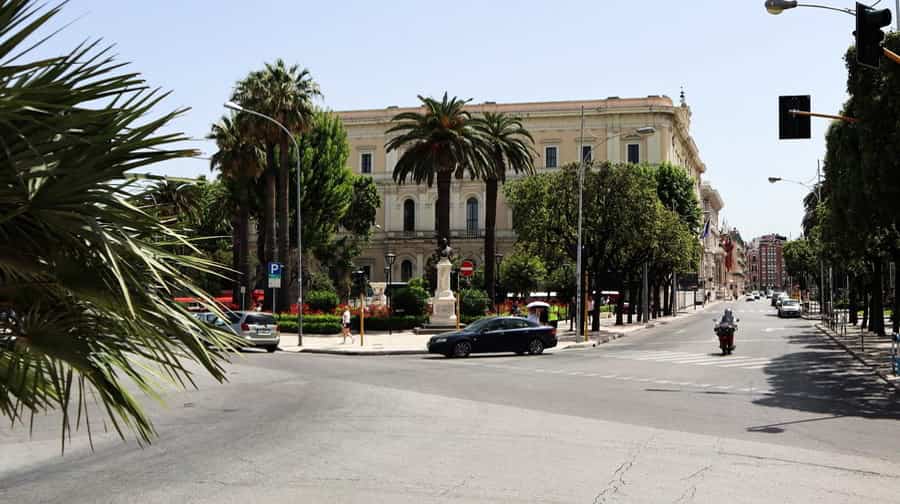
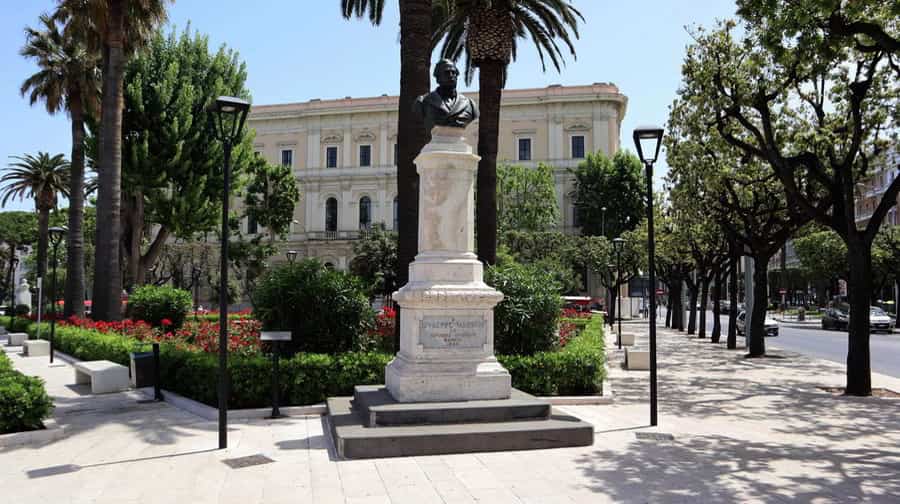
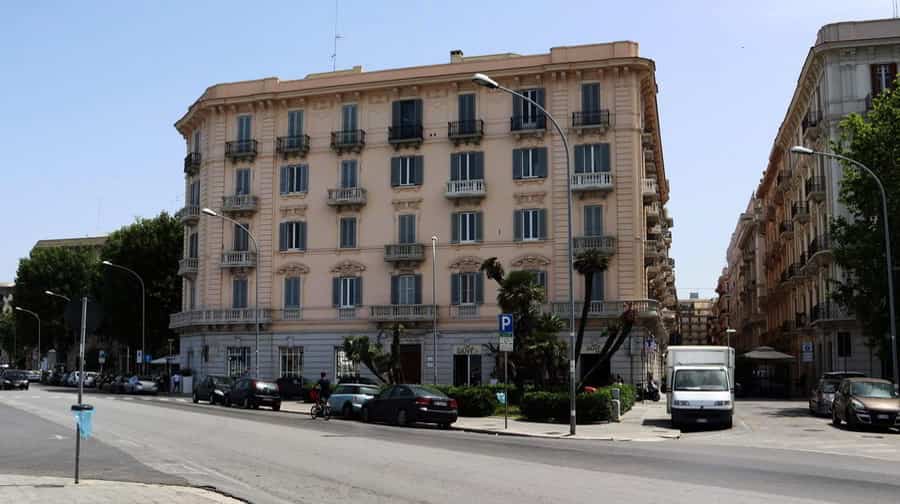
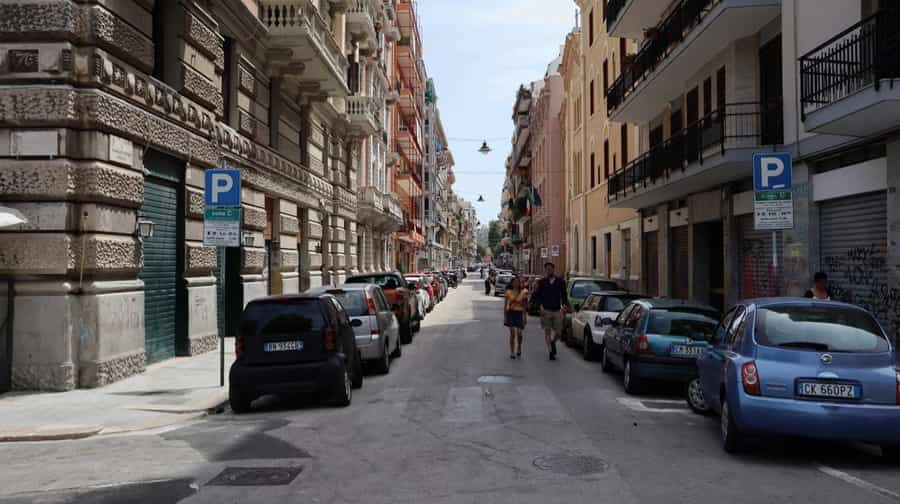
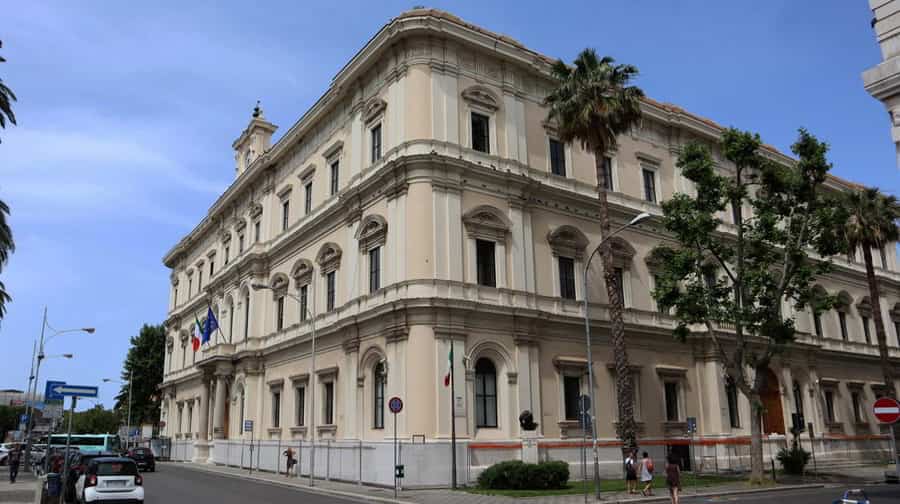
Via Sparano da Bari, 70123 Bari, Italy (June 2019)
Bari
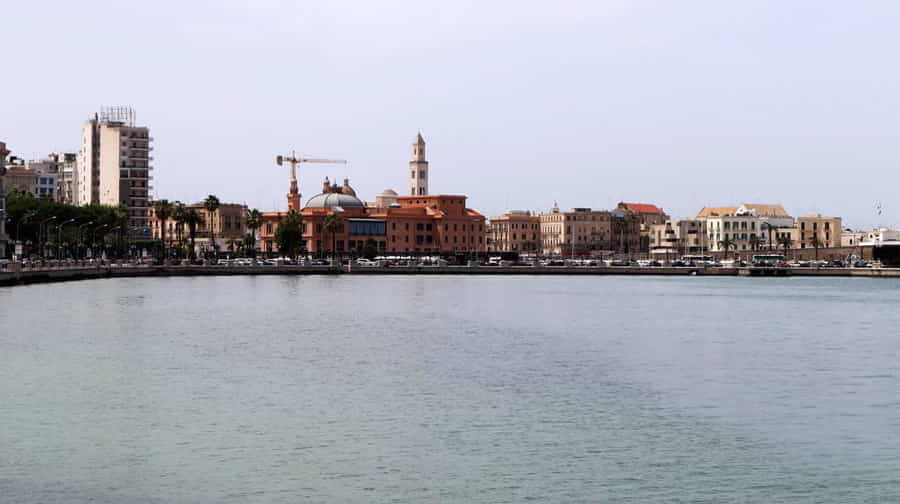
Bari, the vibrant capital of Italy’s Puglia region, is a city where history, tradition, and modern life come together along the sparkling Adriatic coast. As one of southern Italy’s most important port cities, Bari has long served as a gateway between East and West, shaped by centuries of trade, conquest, and cultural exchange. Today, it offers visitors a rich blend of ancient architecture, lively street life, and deeply rooted local traditions that make it both authentic and welcoming.
At the heart of the city lies Bari Vecchia, the historic old town, a maze of narrow stone streets that feels frozen in time. Here, daily life unfolds outdoors: residents chat from balconies, children play in the alleys, and women sit at wooden tables hand-making fresh orecchiette pasta, a symbol of Puglian cuisine. Dominating this quarter is the Basilica of San Nicola, an important pilgrimage site that houses the relics of Saint Nicholas, revered by both Catholic and Orthodox Christians. Nearby stands the Norman-Swabian Castle, a powerful reminder of Bari’s medieval past and its strategic importance.
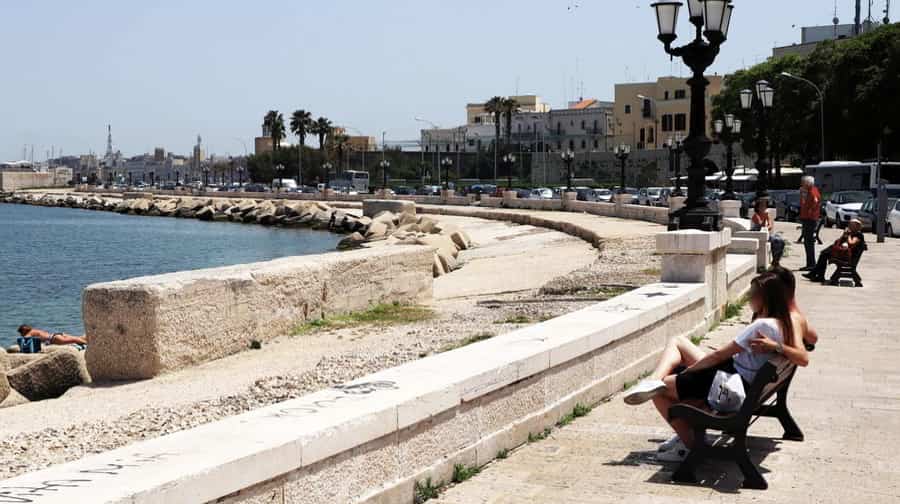
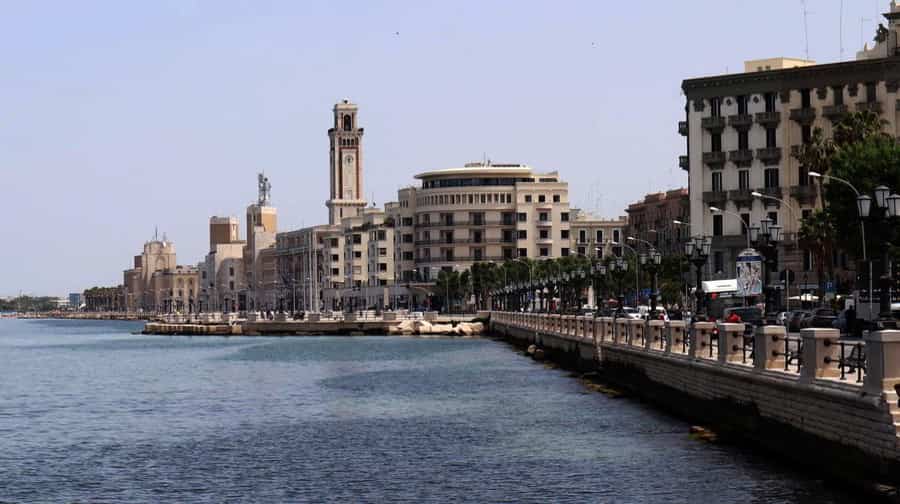
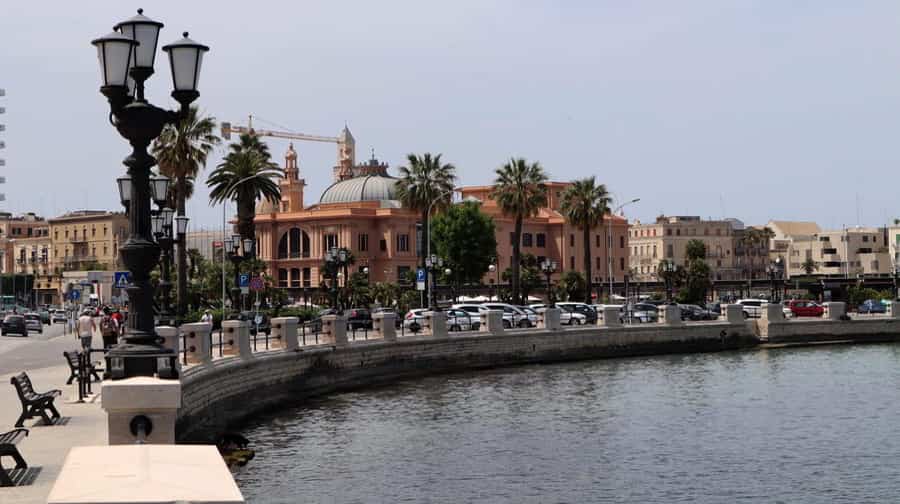
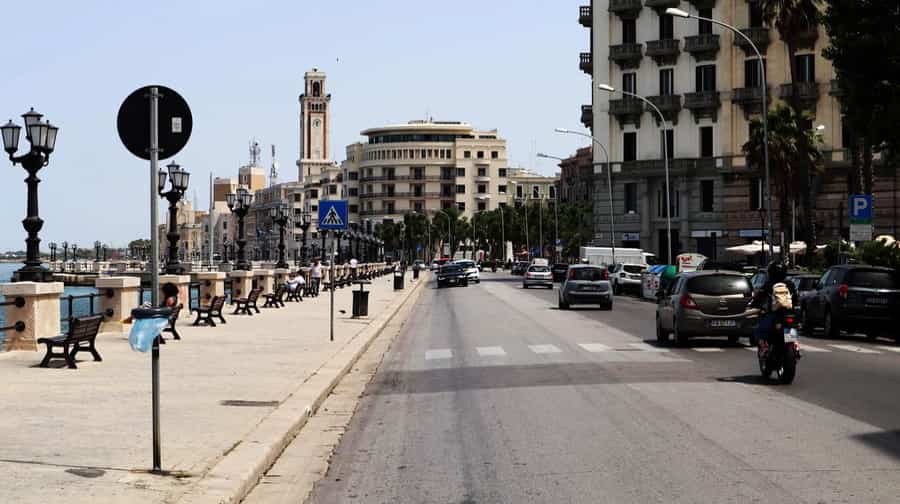
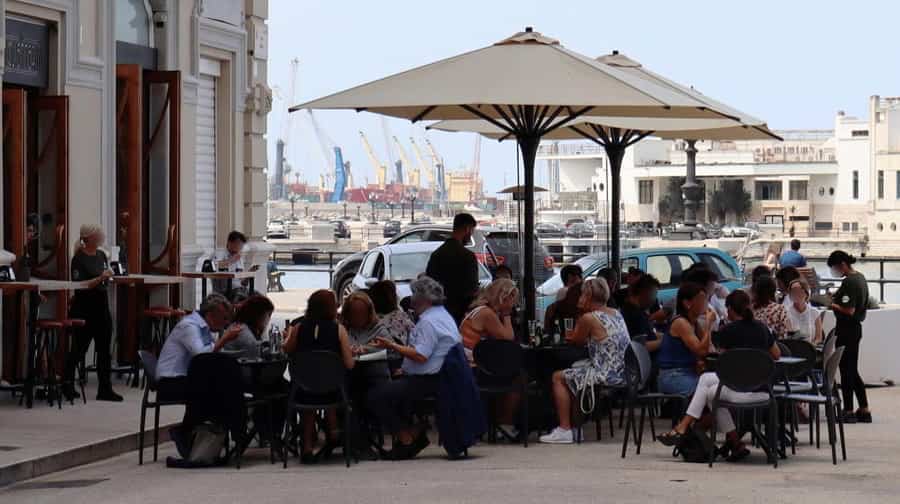
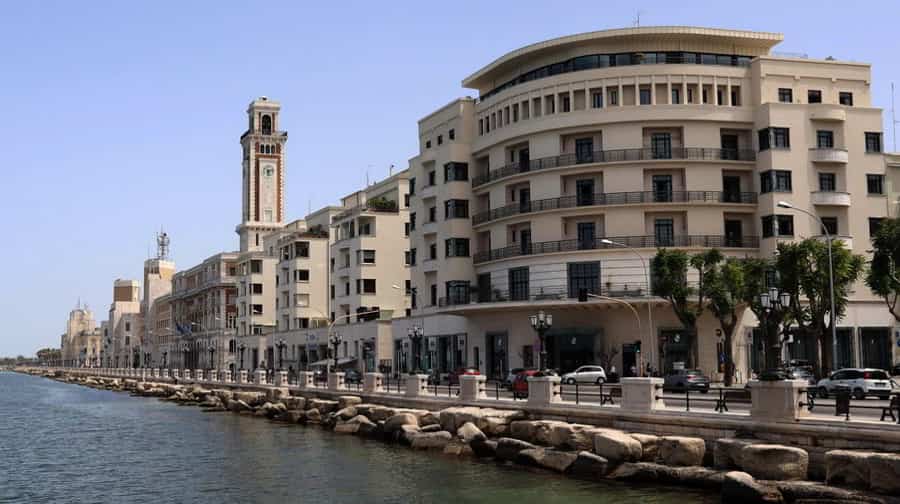
Beyond the old town, Bari reveals a more modern and elegant side. The Murattiano district, laid out in a neat grid during the 19th century, features wide boulevards, stylish shops, and cafés where locals gather for espresso or an evening passeggiata. The city’s seafront promenade, the Lungomare, stretches for several kilometres and is considered one of the most beautiful in Italy. It offers sweeping views of the Adriatic Sea and serves as a favourite spot for walking, cycling, and watching the sunset.
Food is central to Bari’s identity. The city’s cuisine reflects its coastal location and agricultural surroundings, with simple yet flavourful dishes based on fresh ingredients. Raw seafood, such as mussels and shrimp, is a local delicacy, while baked focaccia barese—topped with tomatoes and olives, is beloved by residents and visitors alike. Meals in Bari are not just about eating; they are social rituals that celebrate family, community, and tradition.
Culturally, Bari is lively and expressive. Festivals, religious processions, and open-air events fill the calendar, especially during the summer months. The people of Bari are known for their warmth and strong sense of local pride, eager to share their city’s stories and customs. At the same time, Bari is a forward-looking city, home to a major university and an active port that connects southern Italy with the Balkans and beyond. In essence, Bari is a city of contrasts: ancient yet dynamic, deeply traditional yet open to the world. Whether wandering through its historic streets, savouring its cuisine, or gazing out over the sea, visitors quickly discover that Bari offers a genuine and unforgettable Italian experience.
Worth a Visit
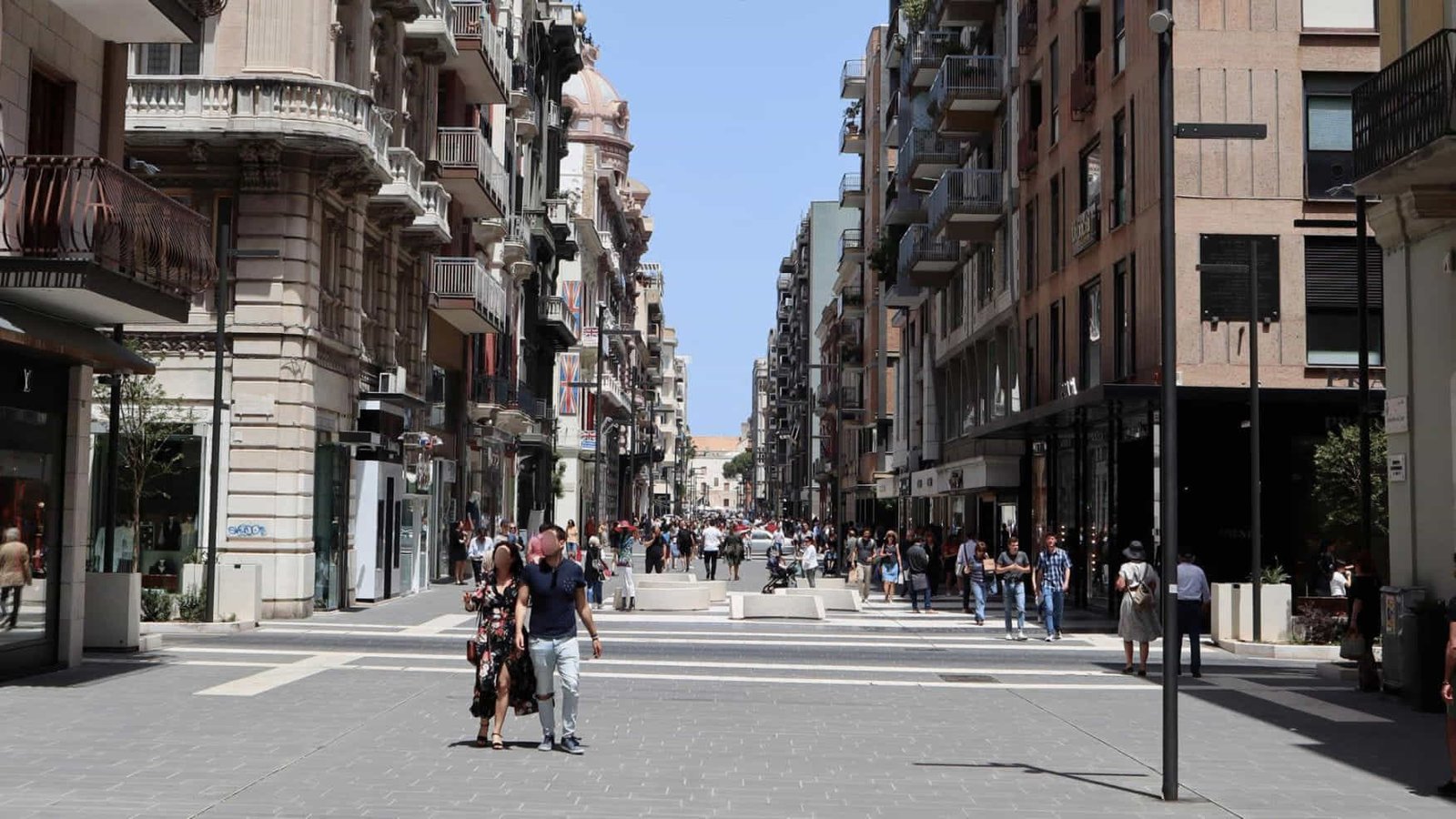
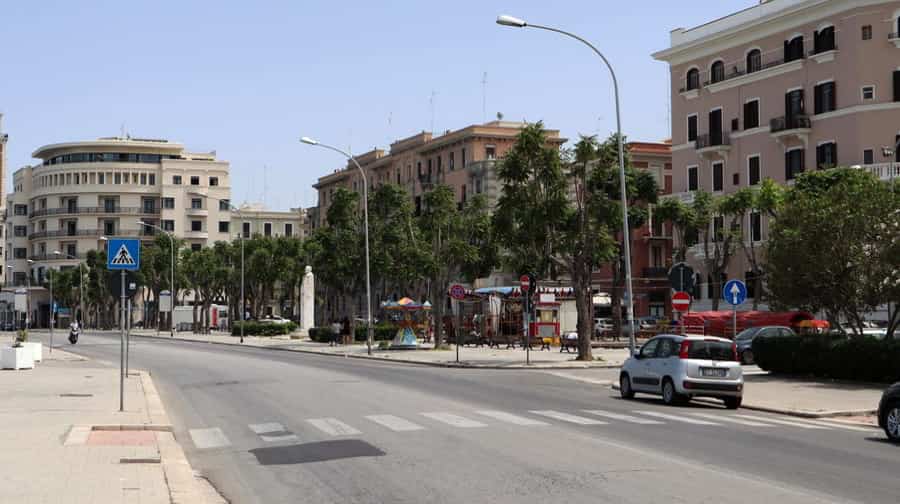
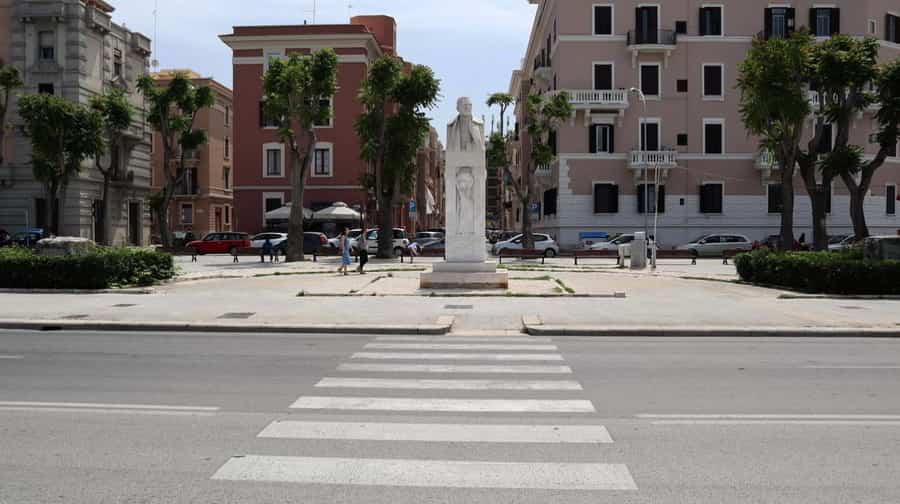
Via Sparano da Bari is the most elegant and well-known shopping street in the city of Bari, located in the Puglia region of southern Italy. Running through the heart of the city’s Murat district, this pedestrian-only avenue stretches from the historic Piazza Aldo Moro, near the central train station, all the way toward Corso Vittorio Emanuele and the old town (Bari Vecchia). Lined with palm trees, marble pavements, and stylish architecture, Via Sparano is more than just a commercial street, it’s a vibrant urban promenade and a symbol of Bari’s modern identity. The street is named after Giovanni Sparano, a notable figure in Bari’s history, and today it represents the city’s most fashionable and cosmopolitan side.
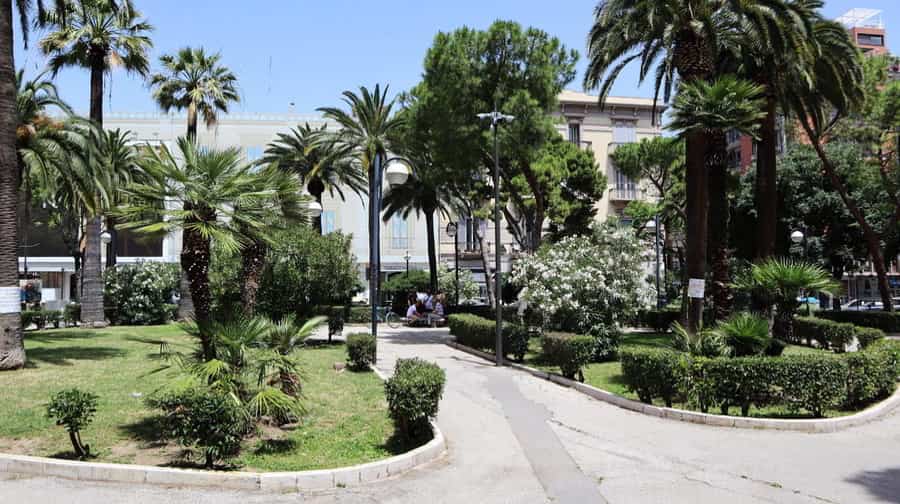
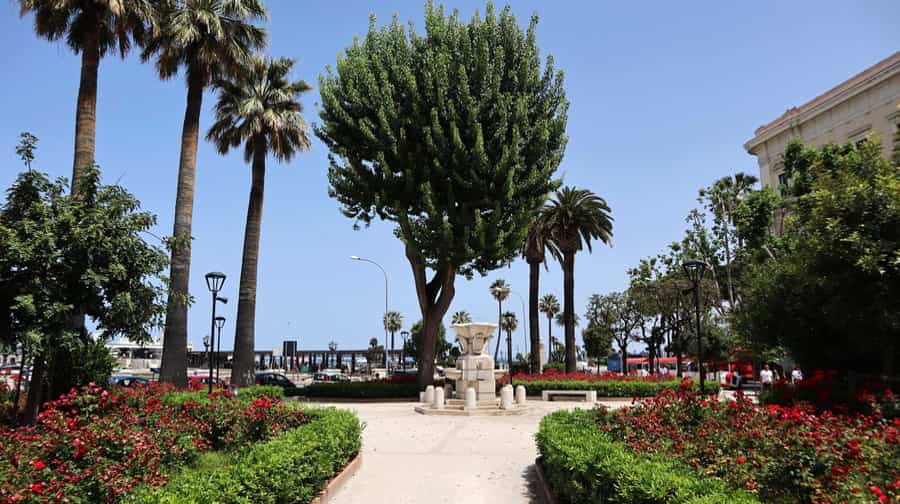
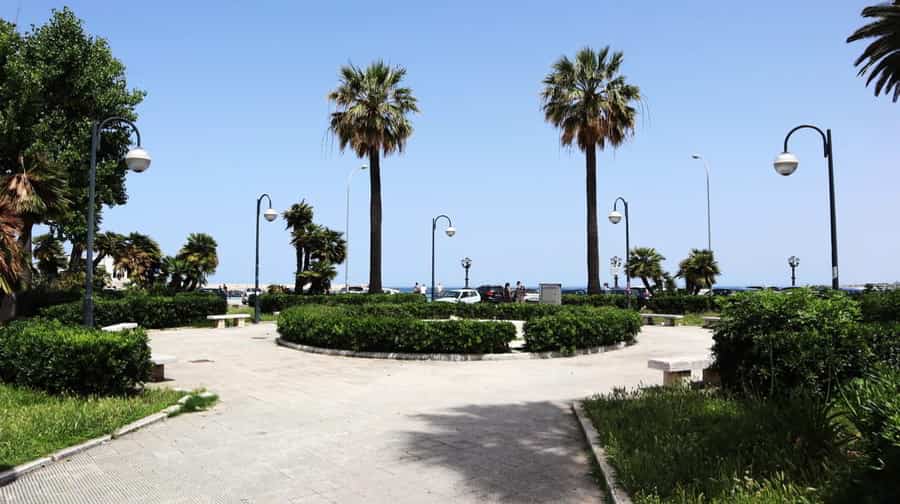
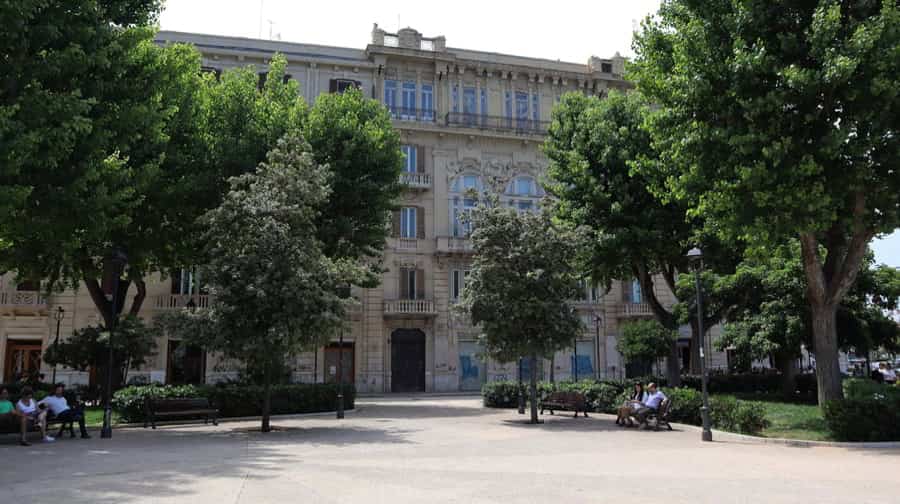
Located in the heart of Bari’s central Murattiano district, the Giardini di Piazza Umberto I offers an inviting urban retreat that marries history, horticulture, and everyday life in Southern Italy. This beloved public garden occupies a generous space between the train station and Via Sparano, the city’s main shopping boulevard. It stands as an unfenced green refuge owned by the Municipality of Bari, deeply woven into the fabric of the neighbourhood. Created through the union of two nineteenth-century gardens, one designed in 1866 by Neapolitan architect Giovanni Castelli, originally tied to the Palazzo Ateneo, and the other conceived later around a commemorative statue—the current layout has endured more than a century.
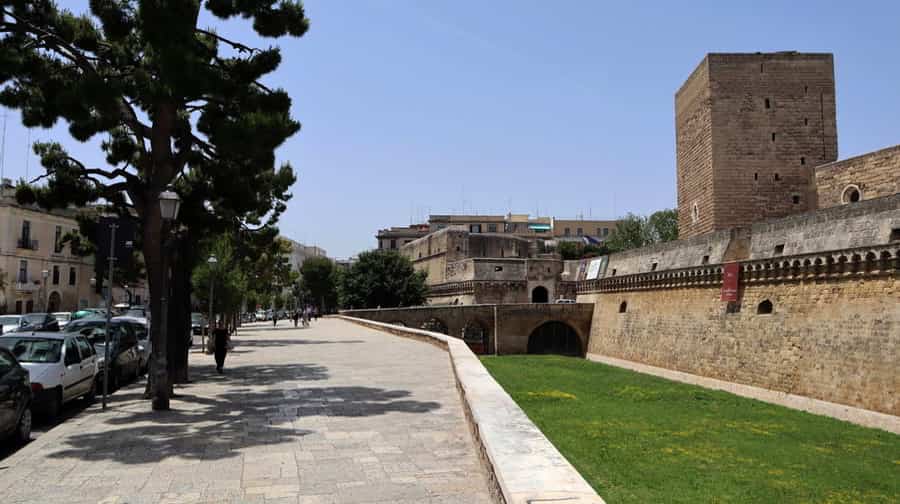
Situated in the atmospheric labyrinth of Bari Vecchia, Piazza Federico II di Svevia is a historic and visually striking open space that sits directly in front of the imposing Castello Normanno‑Svevo. Named in honour of the medieval Emperor Frederick II, who ordered the castle’s reconstruction in the 13th century, this piazza captures the architectural and civic spirit of Bari’s storied past. For much of its history, the square served as an informal vehicular space but has recently undergone a transformation into a pedestrian-friendly plaza. Local authorities have removed traffic and introduced elegant urban enhancements including fourteen C-shaped benches, a central planter with a young tree, bicycle racks, and litter bins—creating a refreshed space for public gathering and leisure
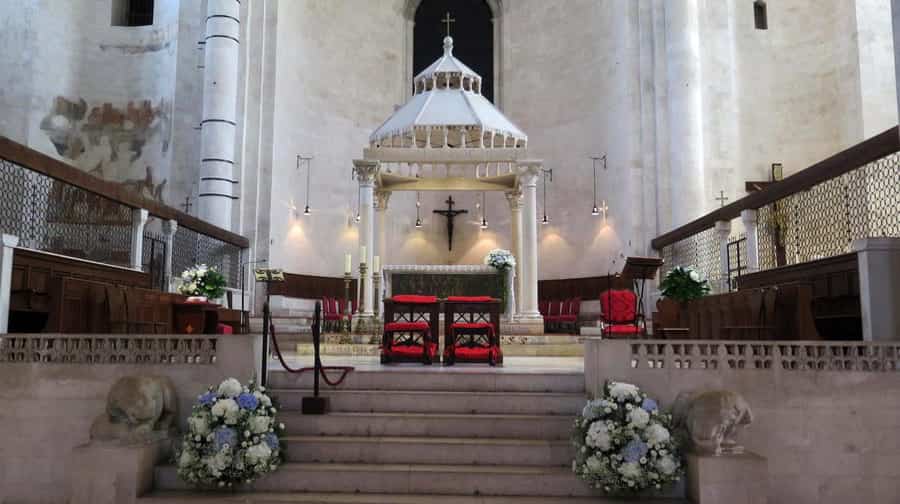
The Basilica Cattedrale Metropolitana di San Sabino in Bari, often referred to simply as Bari Cathedral, is a remarkable testimony to Puglia’s medieval Romanesque heritage and the spiritual heart of the Archdiocese of Bari–Bitonto. Dedicated to Saint Sabinus of Canosa, whose relics were transferred to Bari in the 9th century, the cathedral has stood as a guardian of faith and history for over eight centuries. Constructed between the late 12th and early 13th centuries by Archbishop Rainaldo on the ruins of a Byzantine cathedral destroyed in 1156, the current building reflects the influence of the nearby Basilica di San Nicola—an inspiration in both style and symbolism. Consecrated in 1292, the cathedral was built using salvaged materials from earlier structures, blending continuity and renewal in its very stones.
Photo Gallery of Walk 1 – Piazza Aldo Moro to Via Benedetto Petrone
Approximately 1.10 km – 0.68 miles
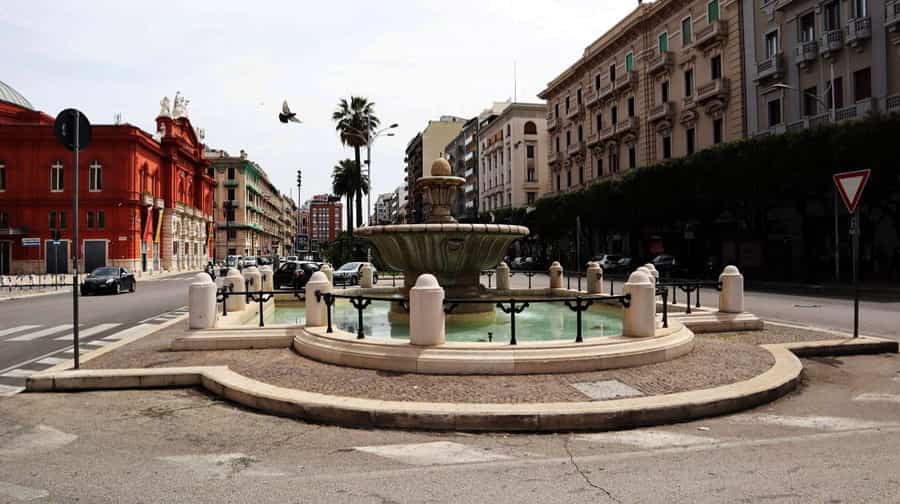
The walk starts in Piazza Aldo Moro – Via Sparano da Bari – Piazza Umberto I – Fontana Piazza Umberto I – Giardini di Piazza Umberto I – Via Sparano da Bari – Via Principe Amedeo – Via Sparano da Bari – Palazzo Mincuzzi, Via Sparano da Bari – Via Sparano da Bari – Via Nicolò Putignani – Via Sparano da Bari – Corso Vittorio Emanuele – Via Benedetto Petrone
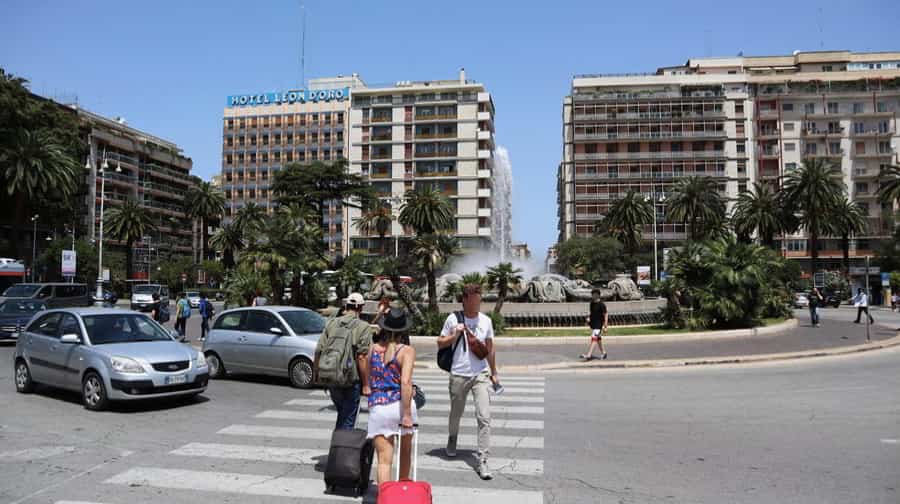
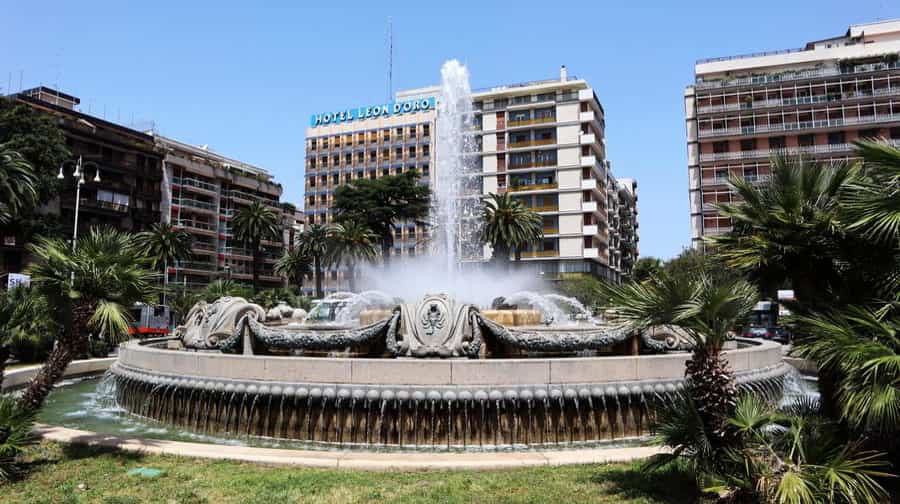
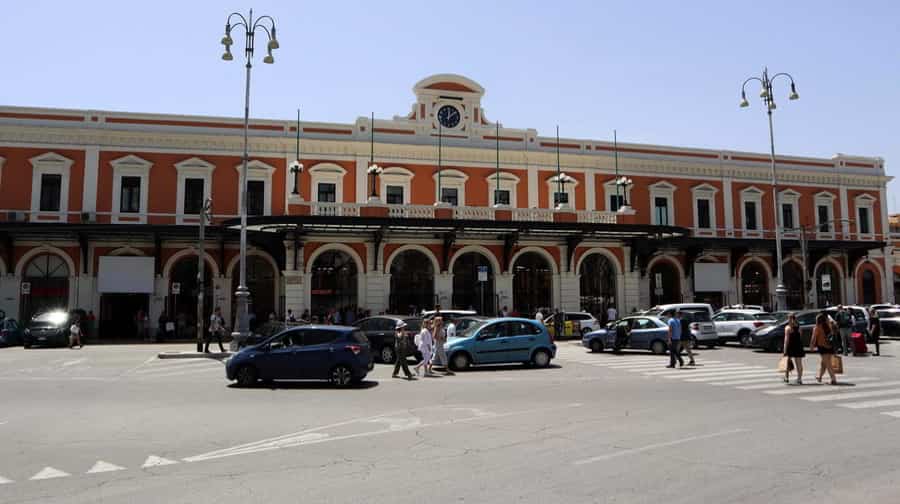

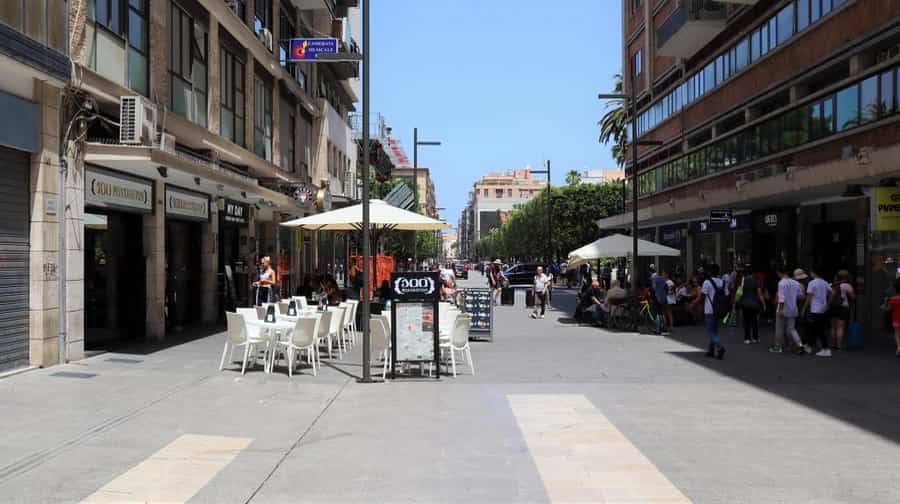
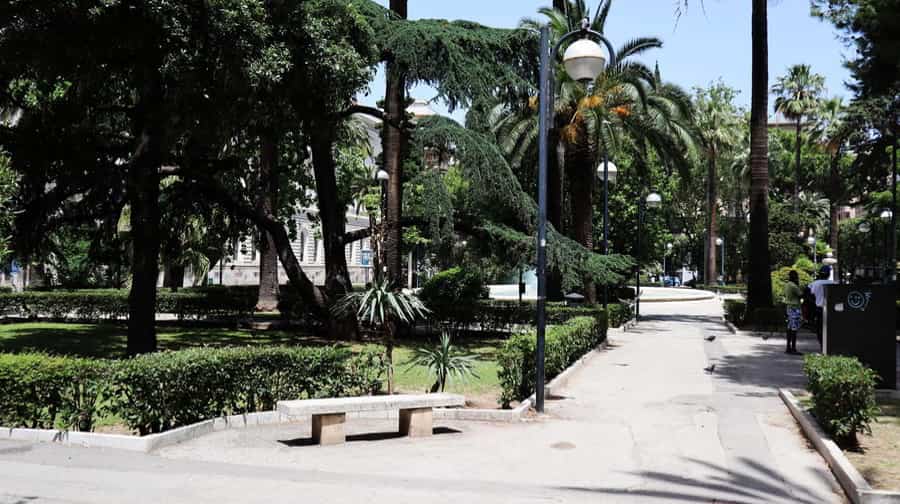
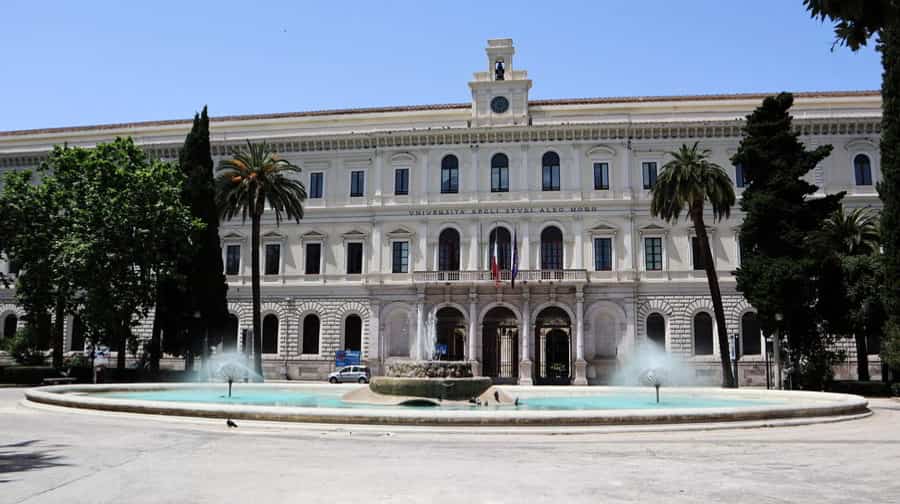
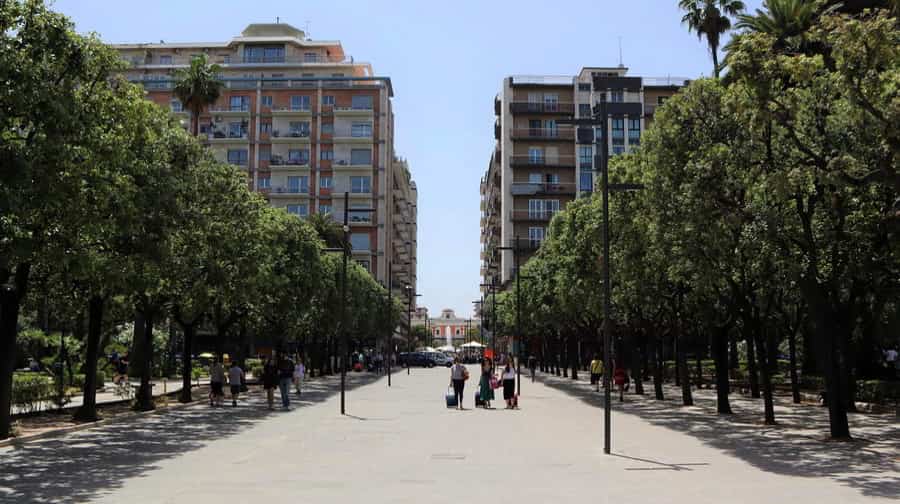
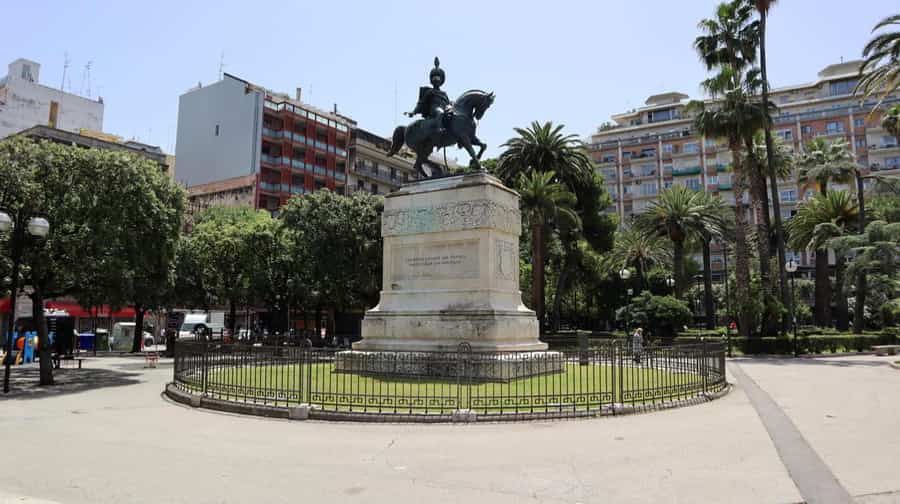
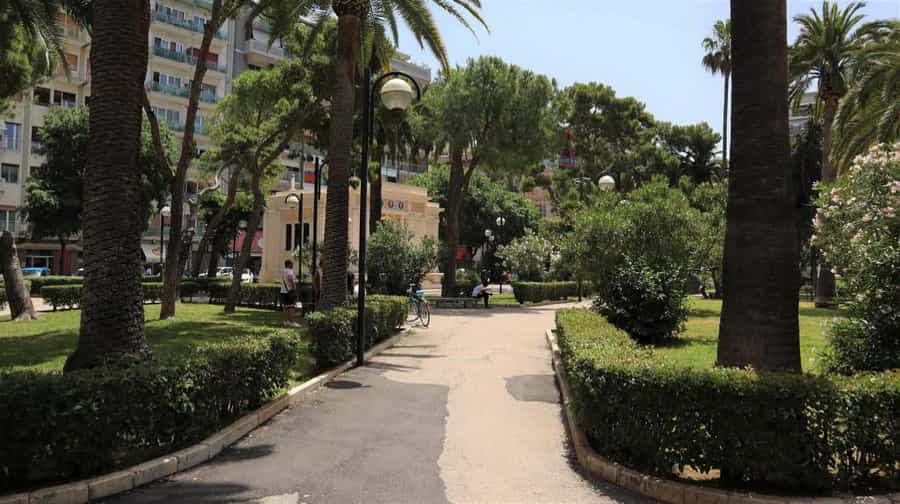
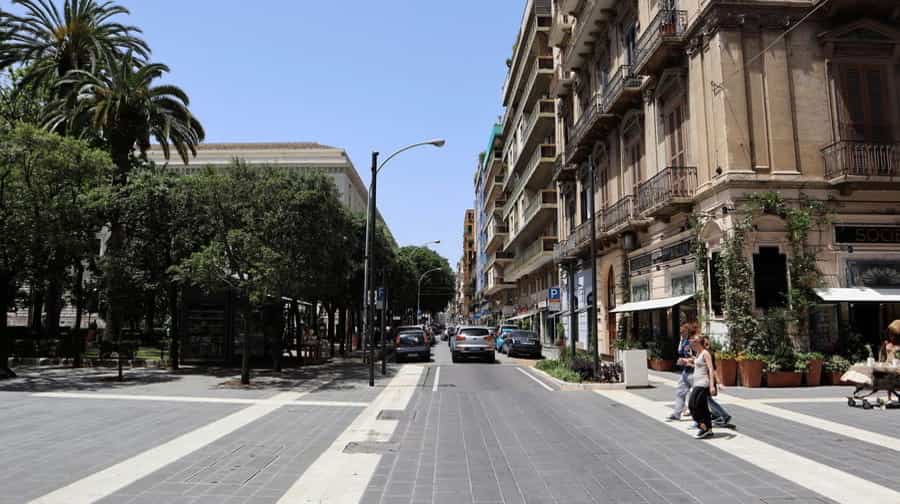
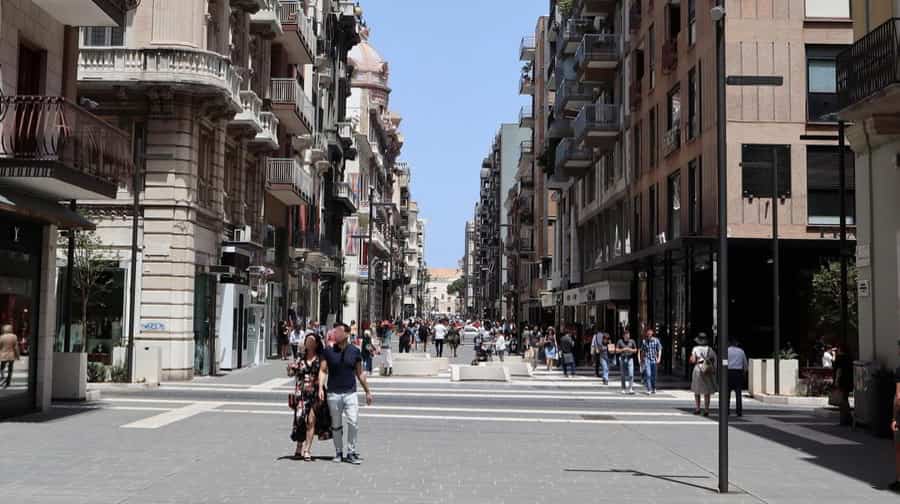
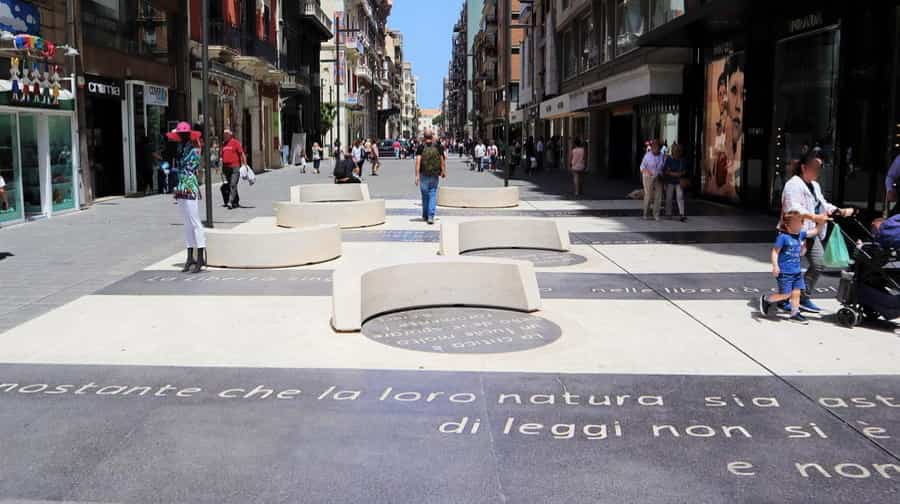
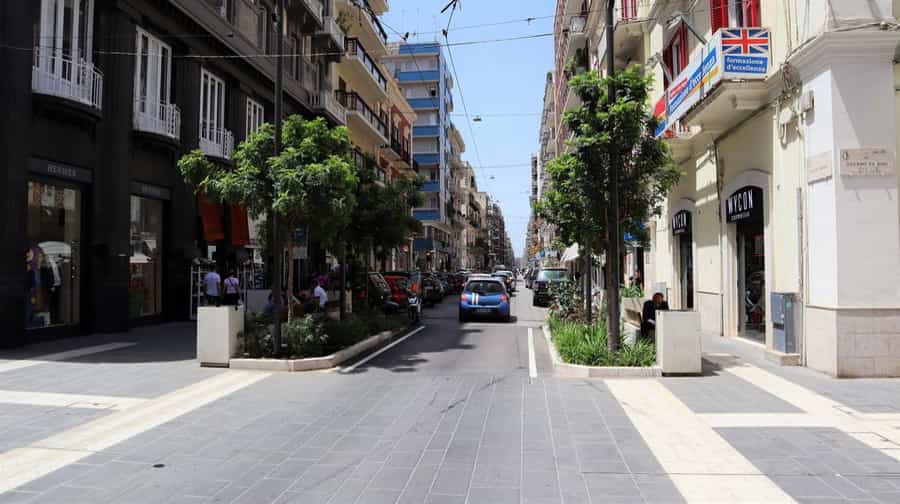
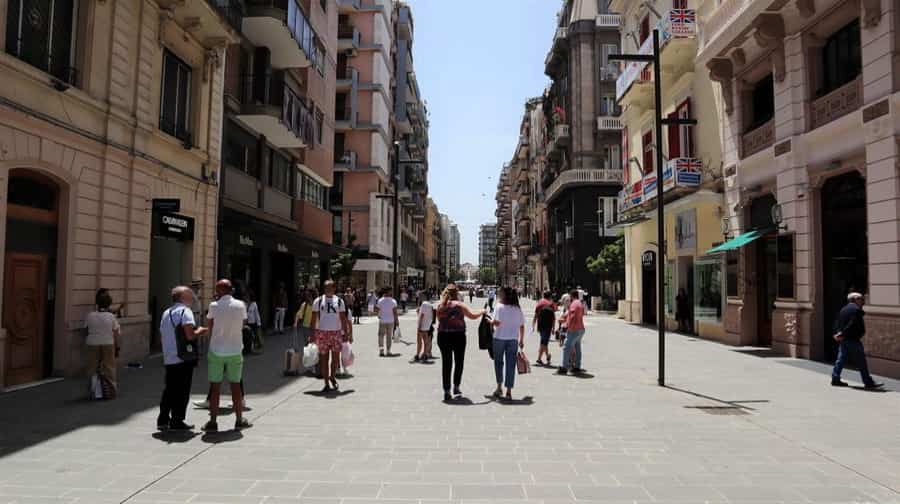
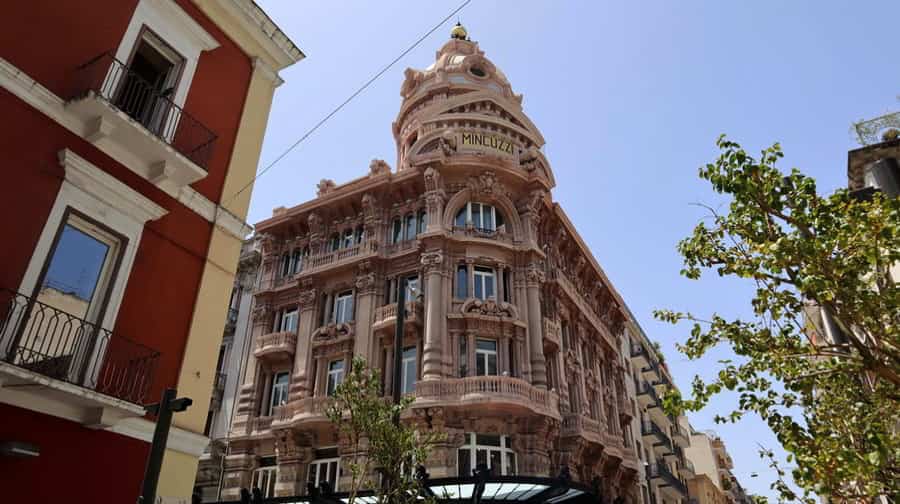
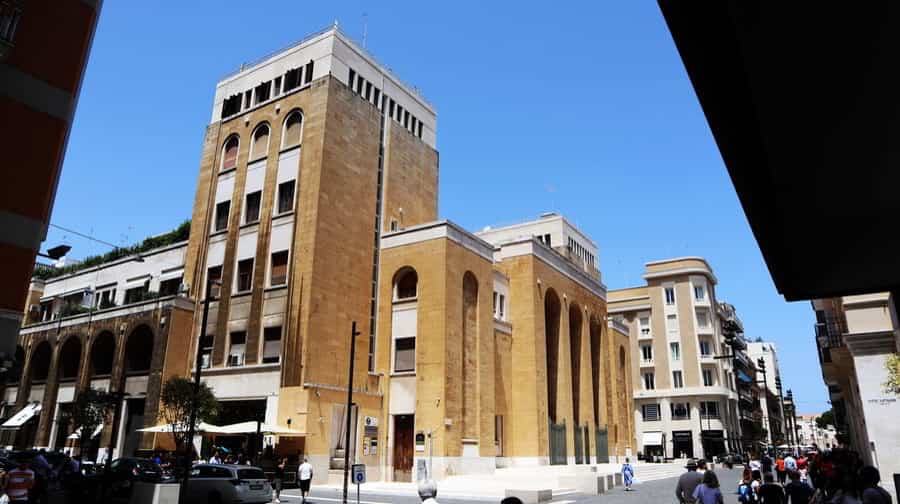
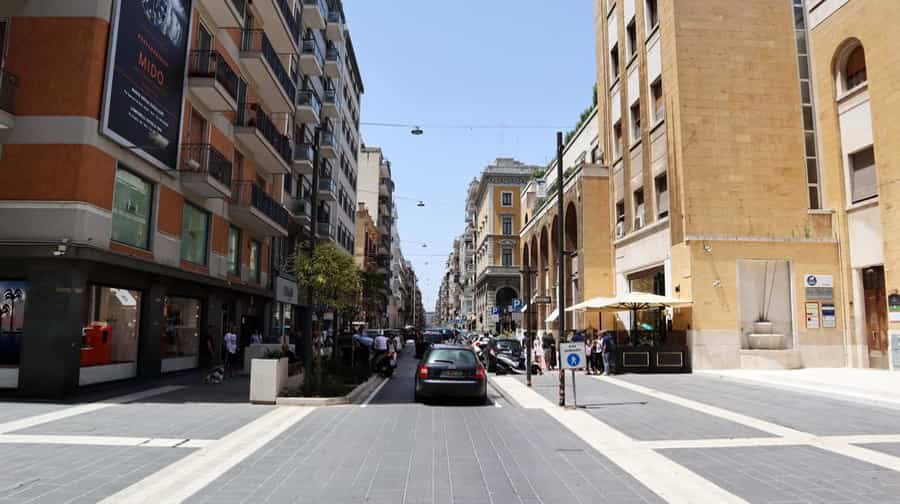
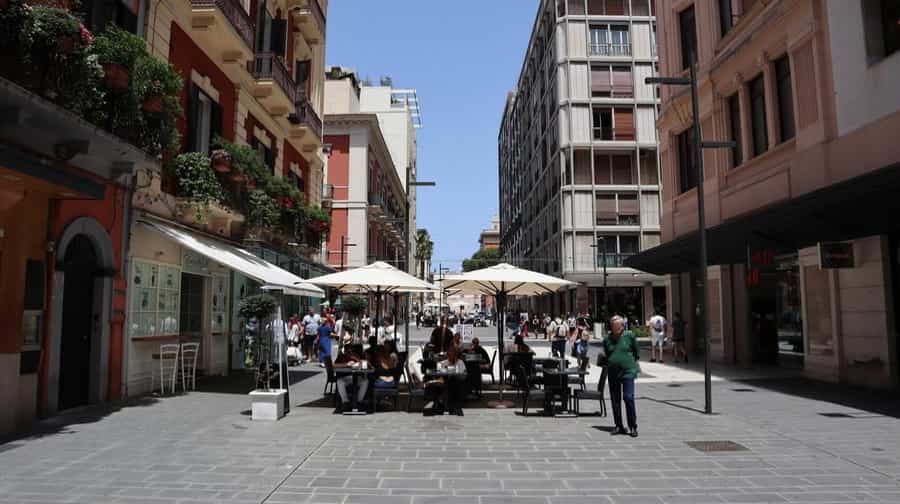
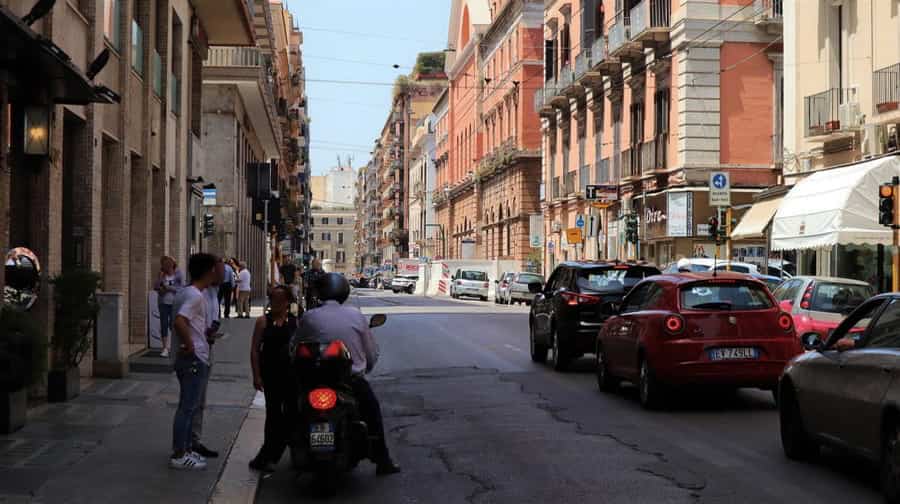
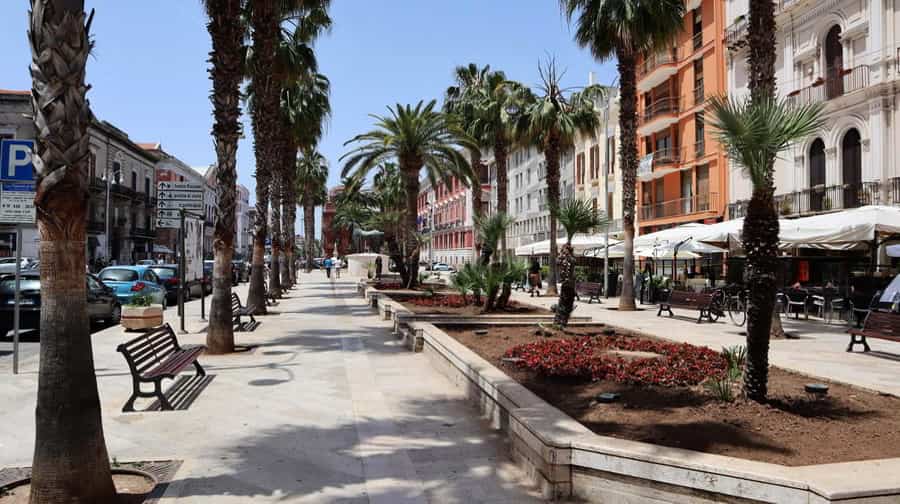
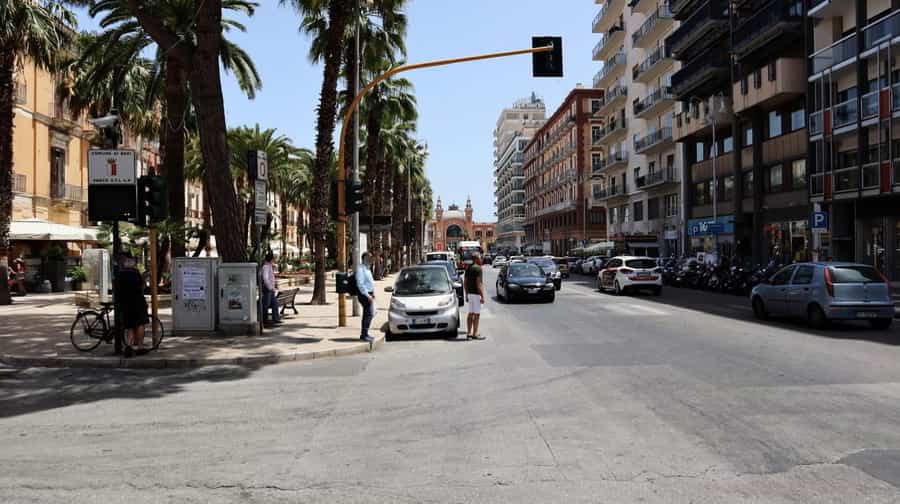
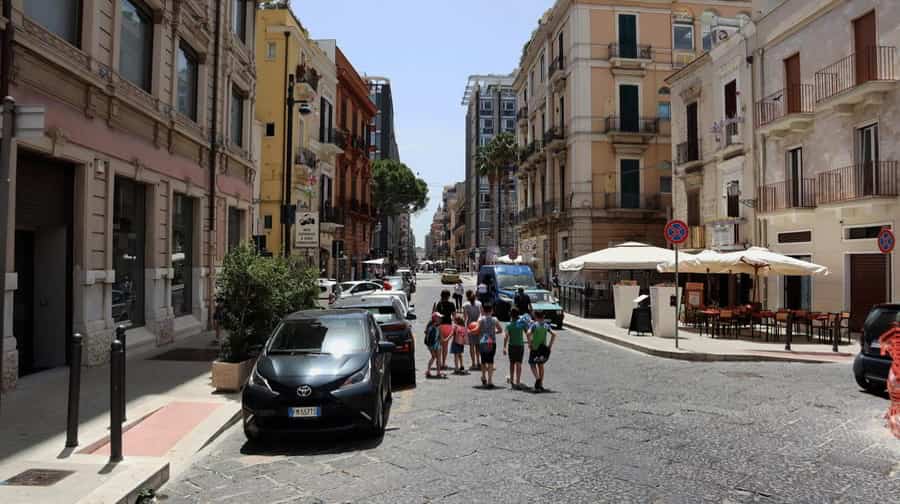
Photo Gallery of Walk 2 – Strada S. Giuseppe to Chiesa di San Gregorio, Piazzetta 62 Marina
Approximately 1.02 km – 0.64 miles
The walk starts in Strada S. Giuseppe – Strada Bianchi-Dottula – Largo Albicocca – Strada Bianchi-Dottula – Corte Macario – Strada Attolini – Piazza Federico II di Svevia – Via Boemondo – Piazza Federico II di Svevia – Piazza Giuseppe Massari – Piazza Federico II di Svevia – Strada Attolini – Strada S. Giacomo – Piazza dell’Odegitria – Basilica Cattedrale Metropolitana di San Sabino, Piazza dell’Odegitria – Piazza dell’Odegitria – Piazzetta Bisanzio e Rainaldo – Strada del Carmine – Piazzetta 62 Marinai – Chiesa di San Gregorio, Piazzetta 62 Marinai
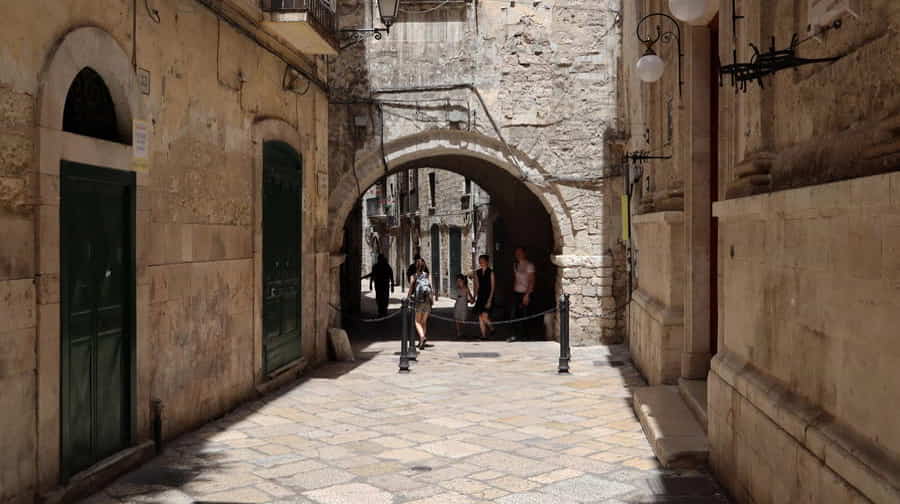
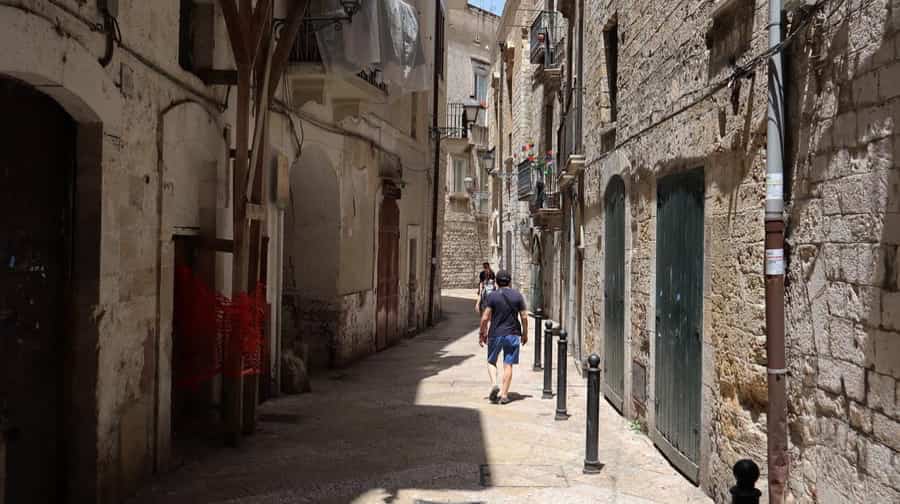
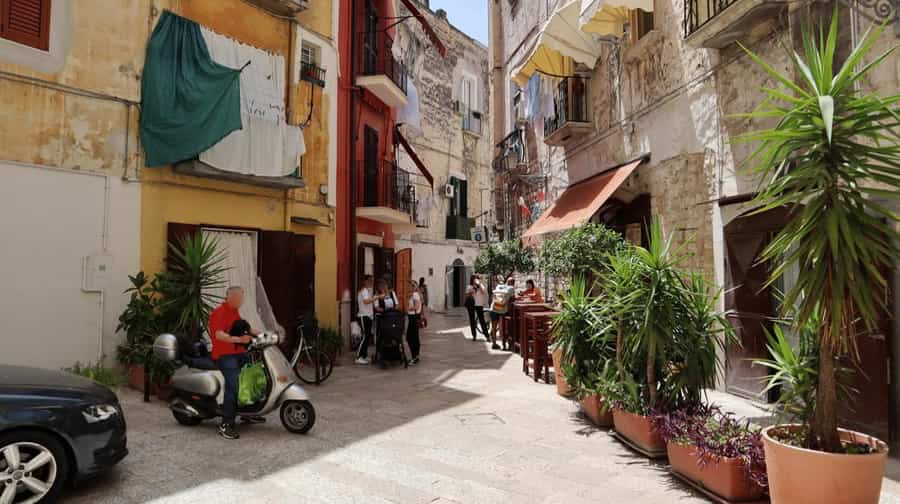
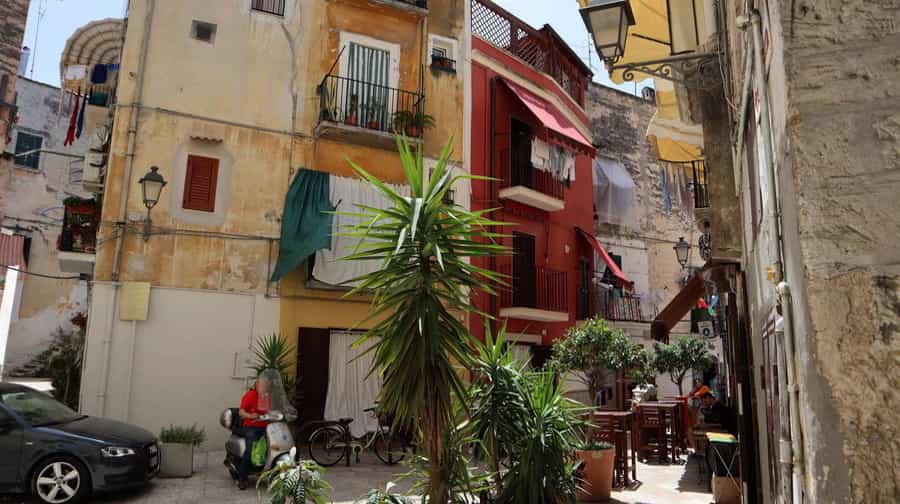
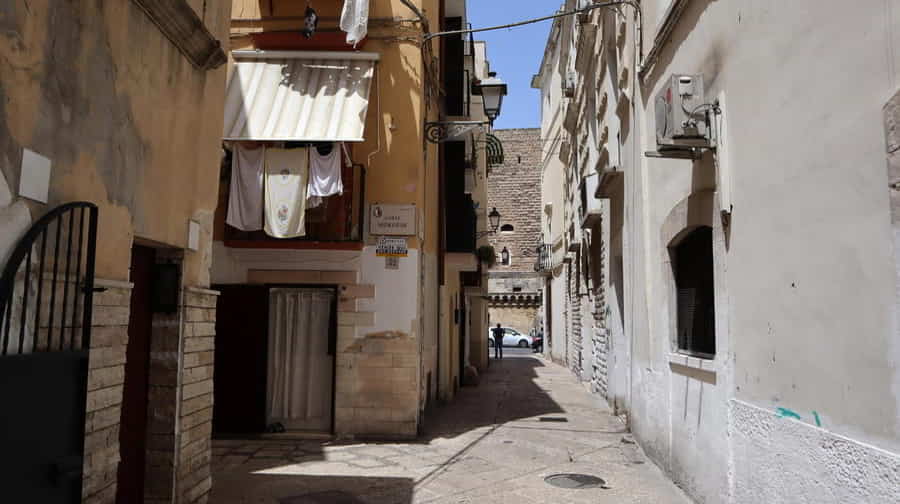
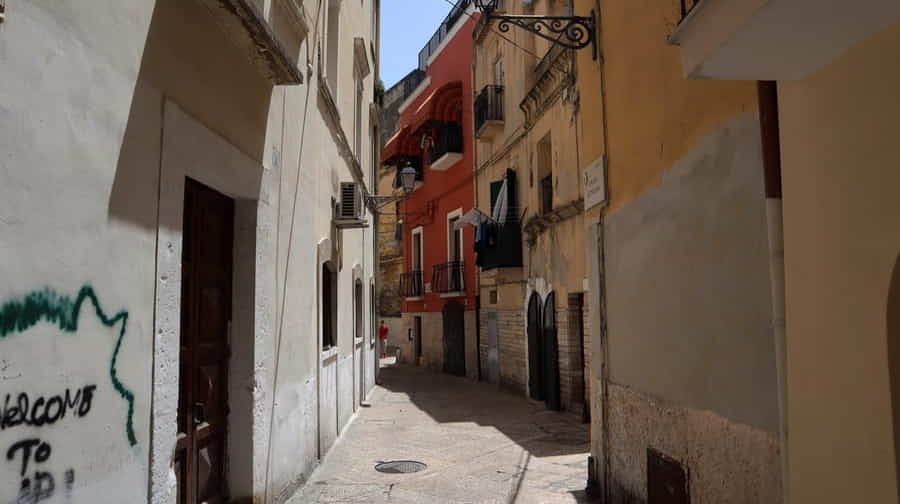
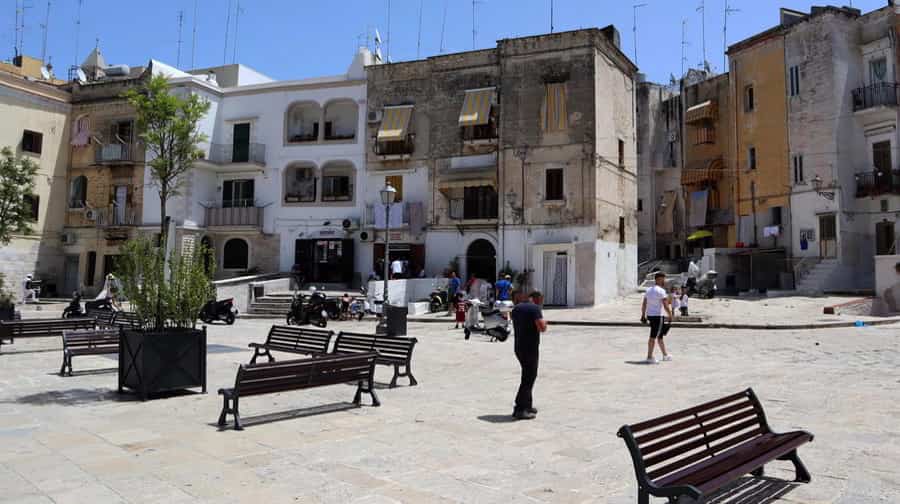
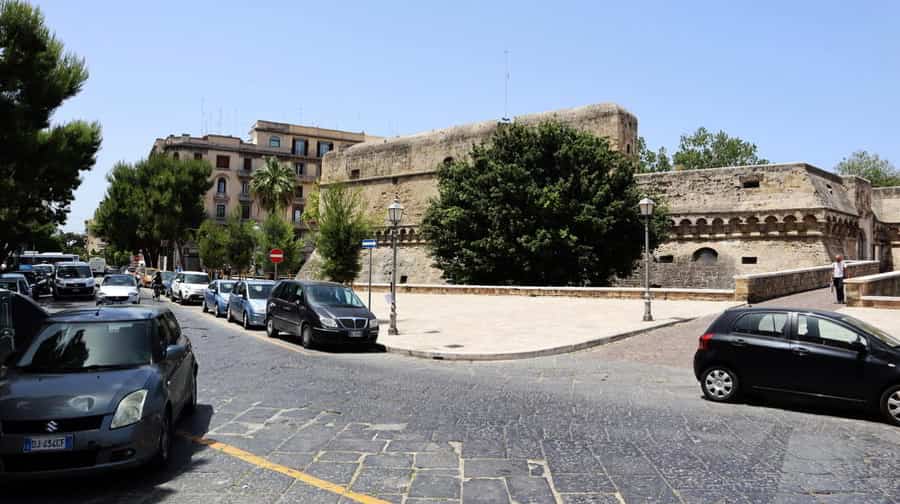
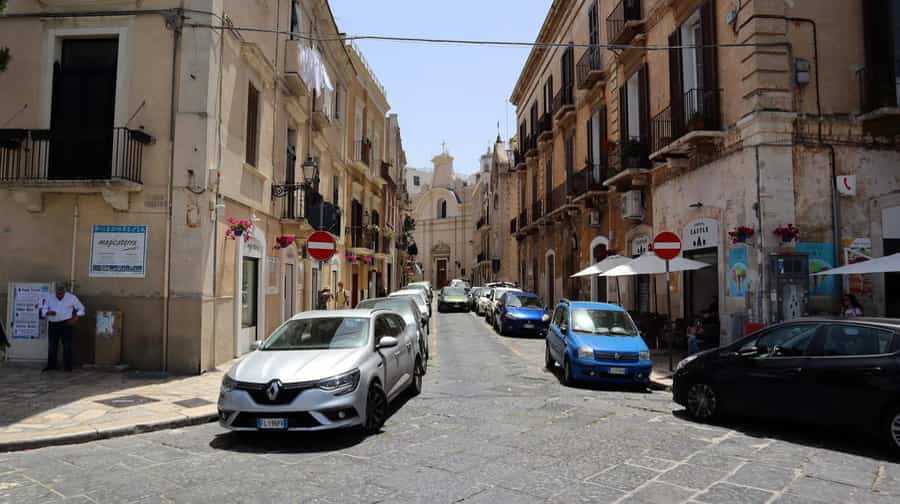
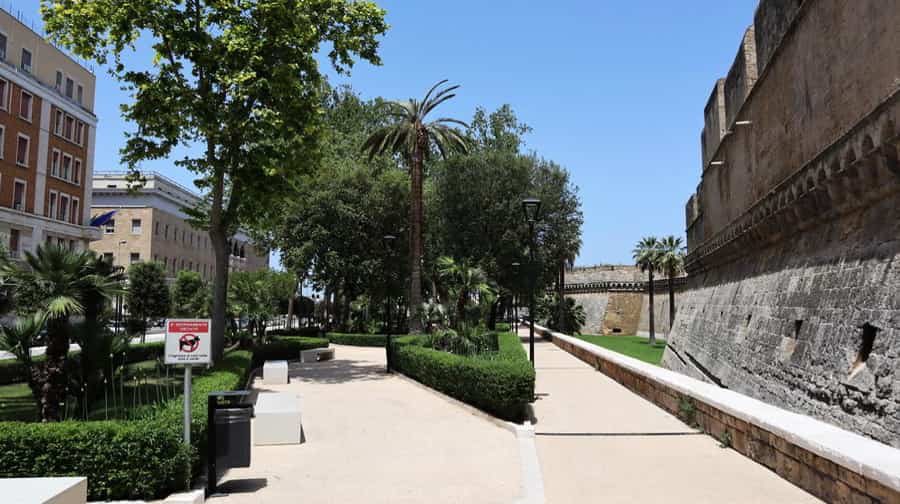
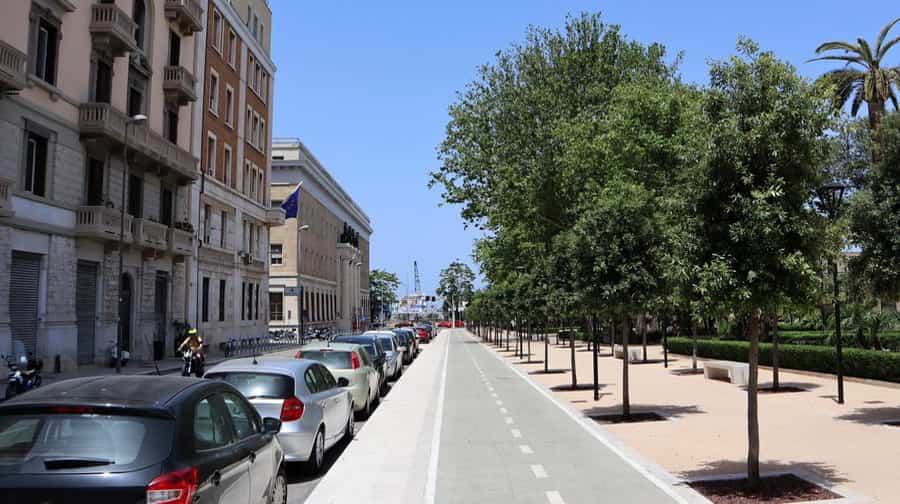
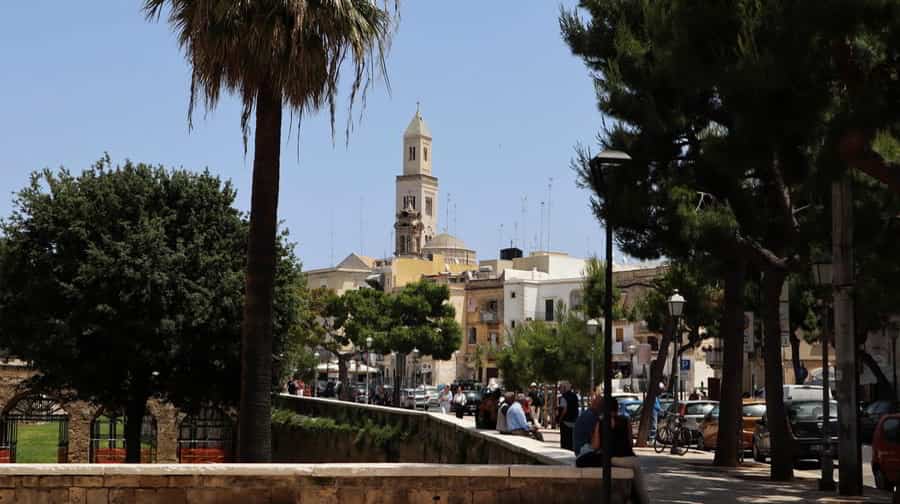
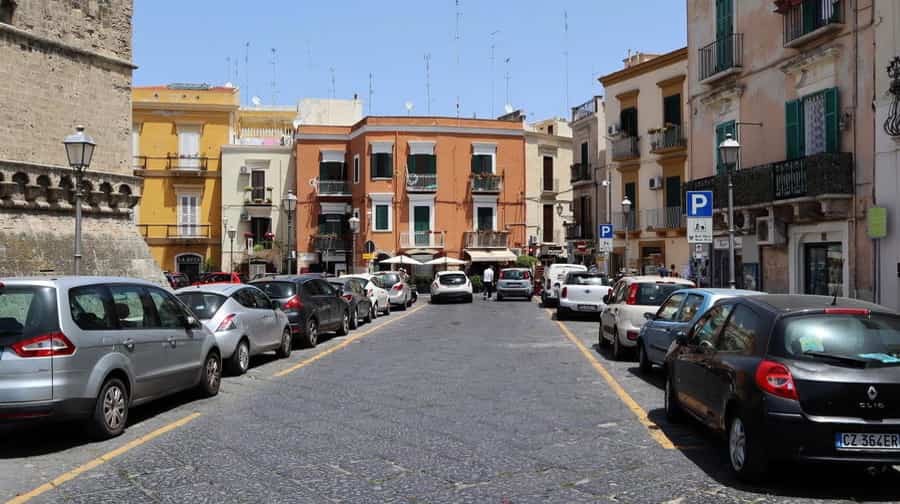
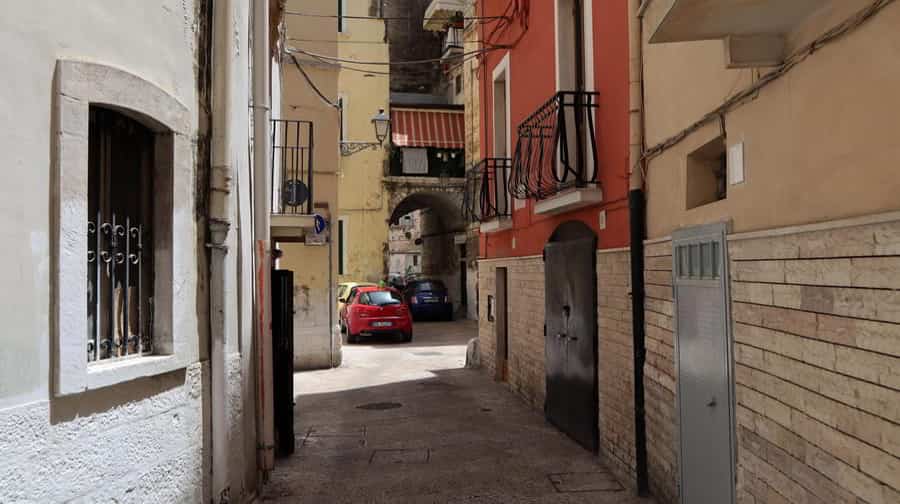
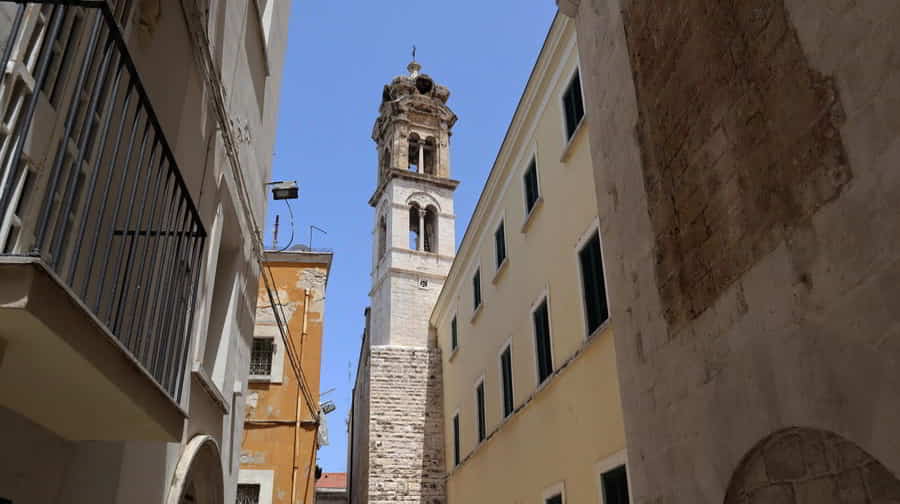
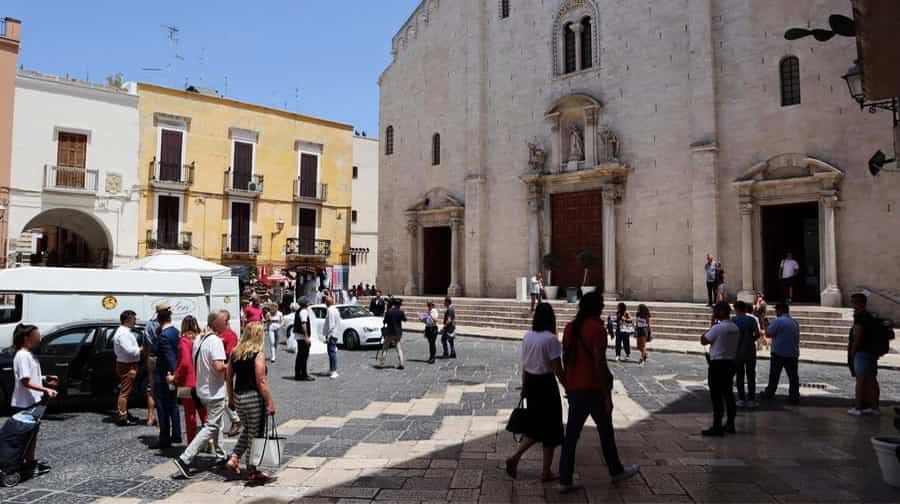

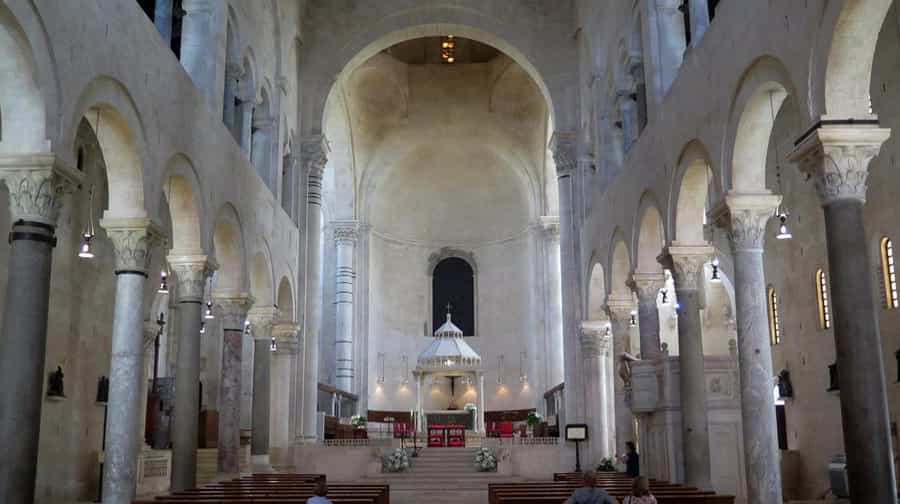

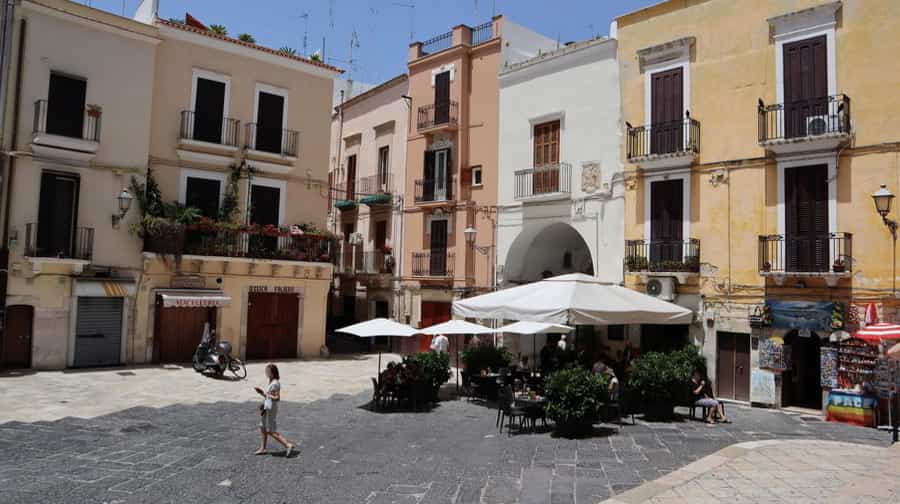
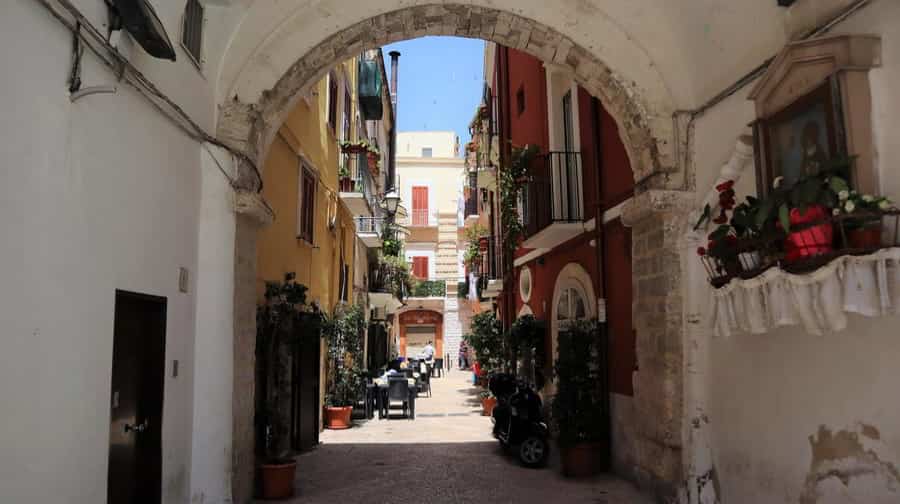
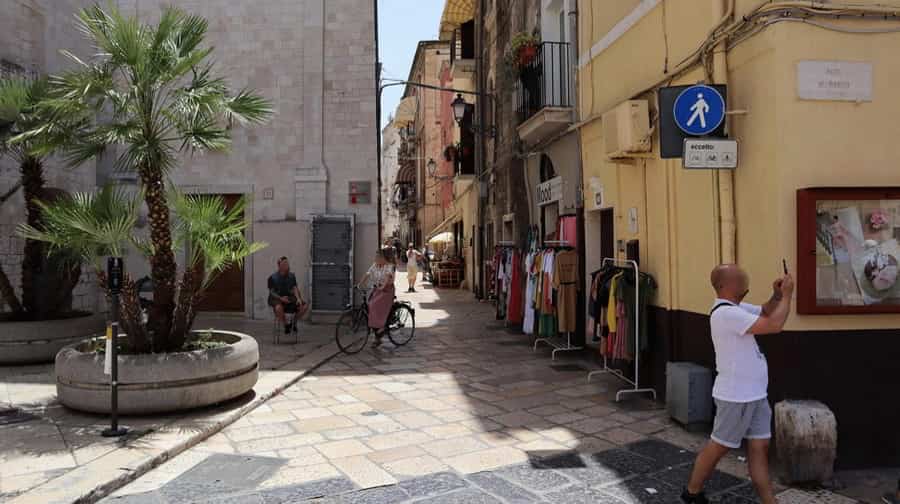
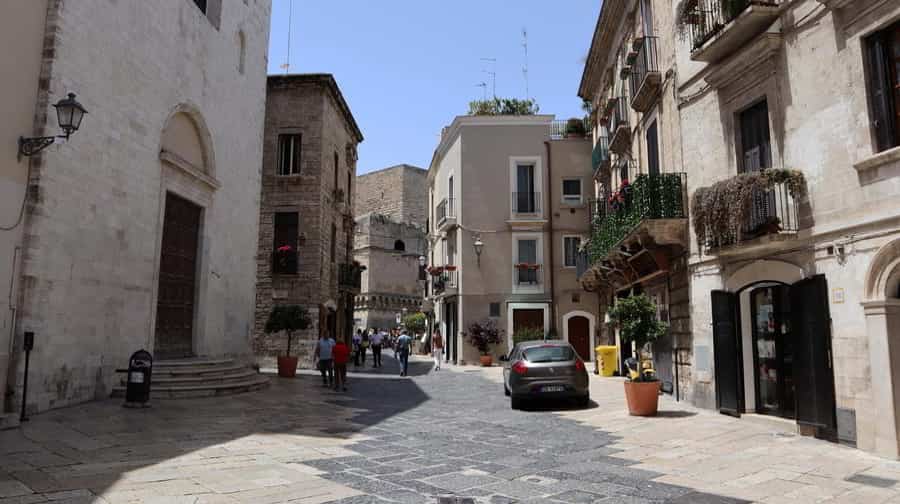
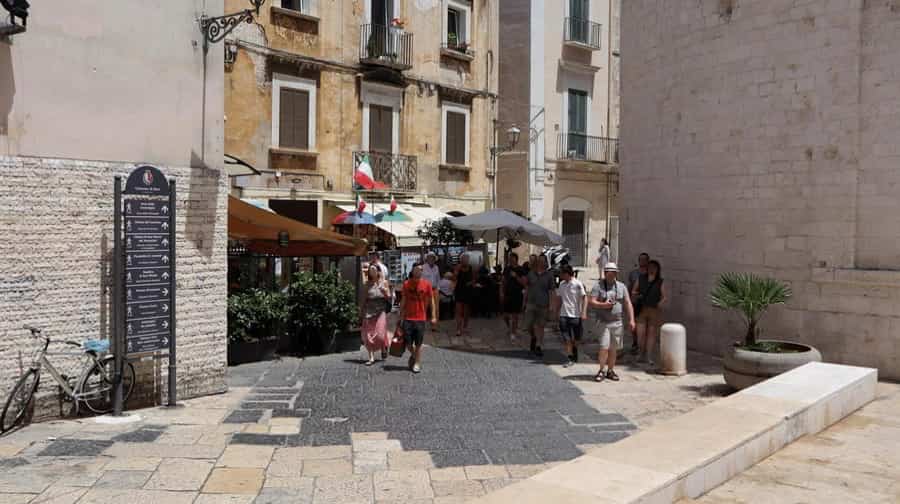
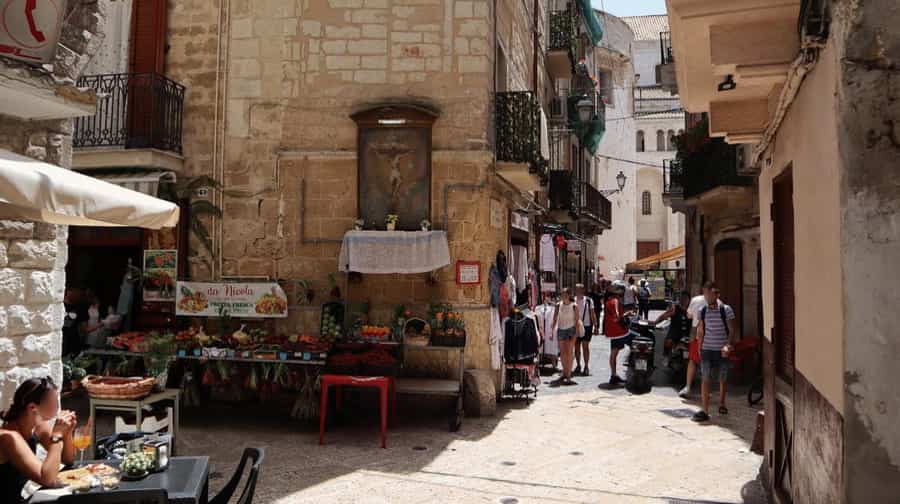
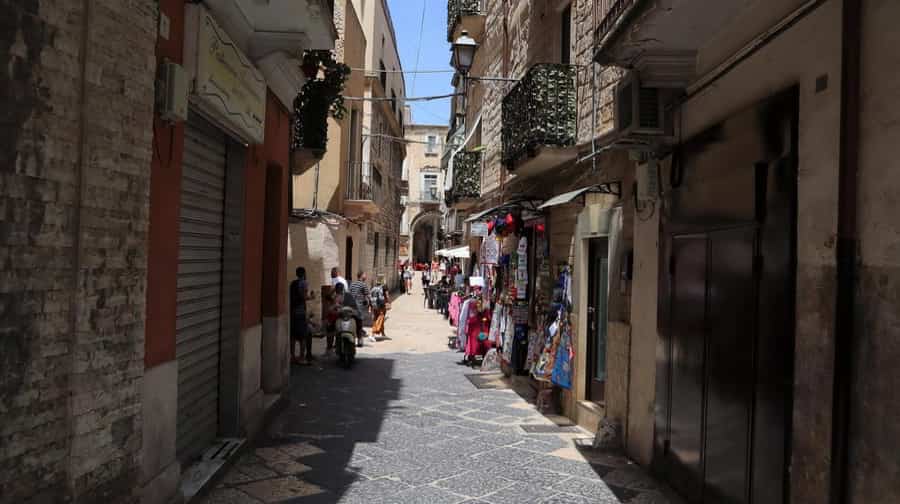
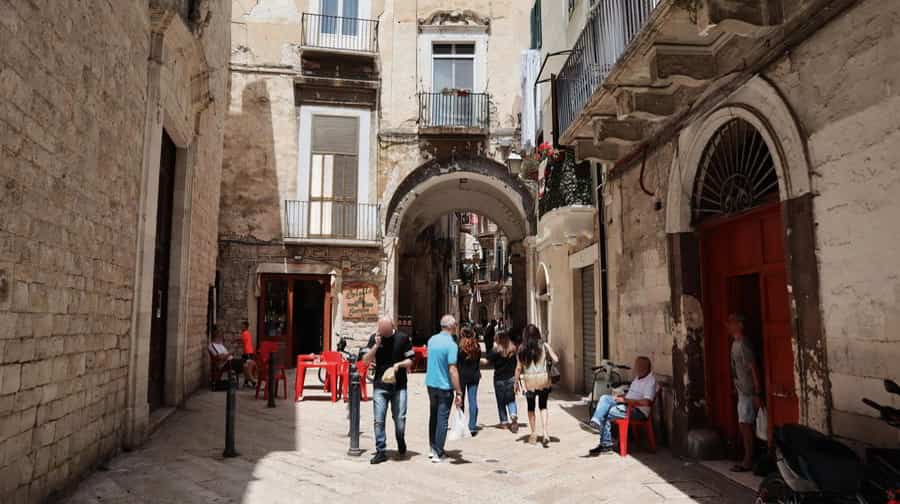
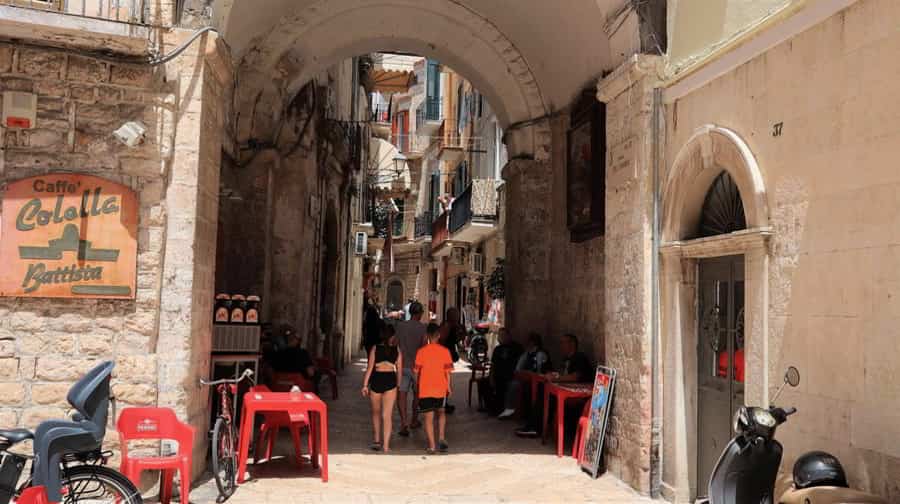
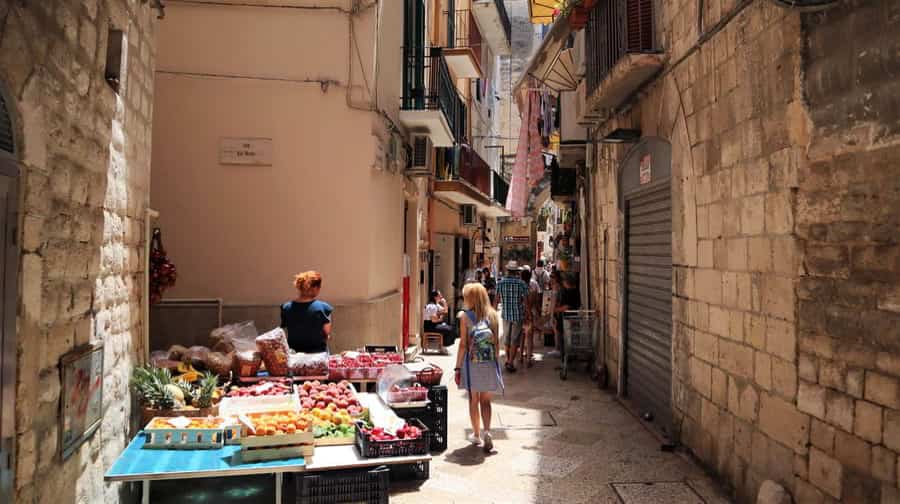

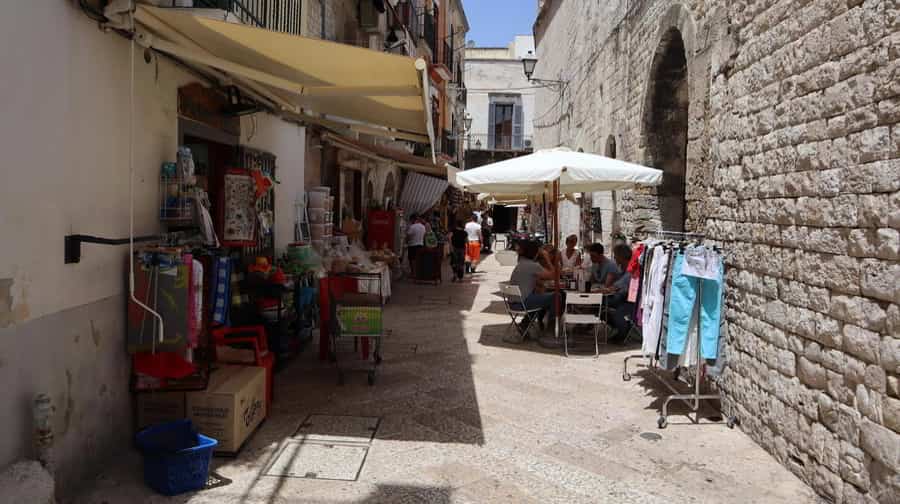
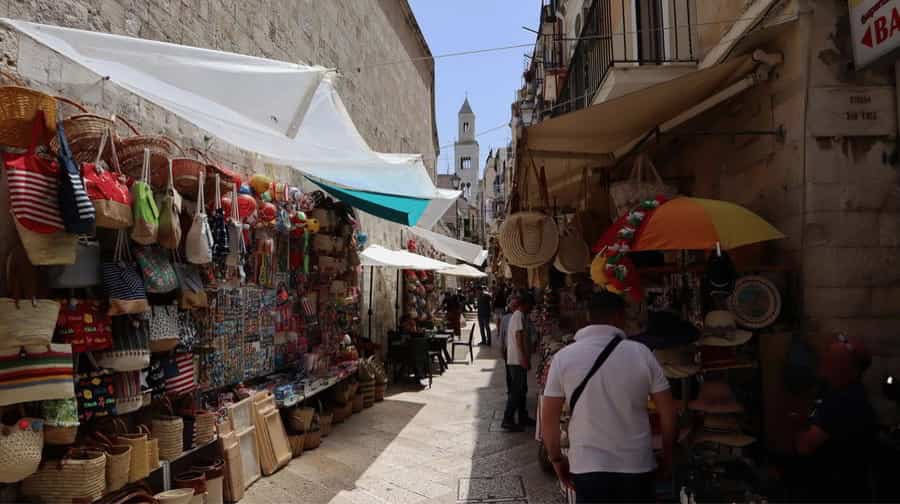
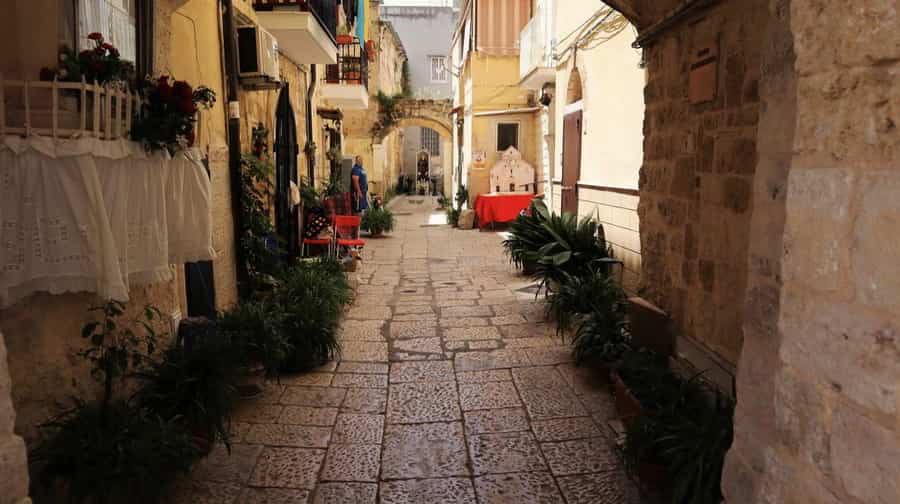
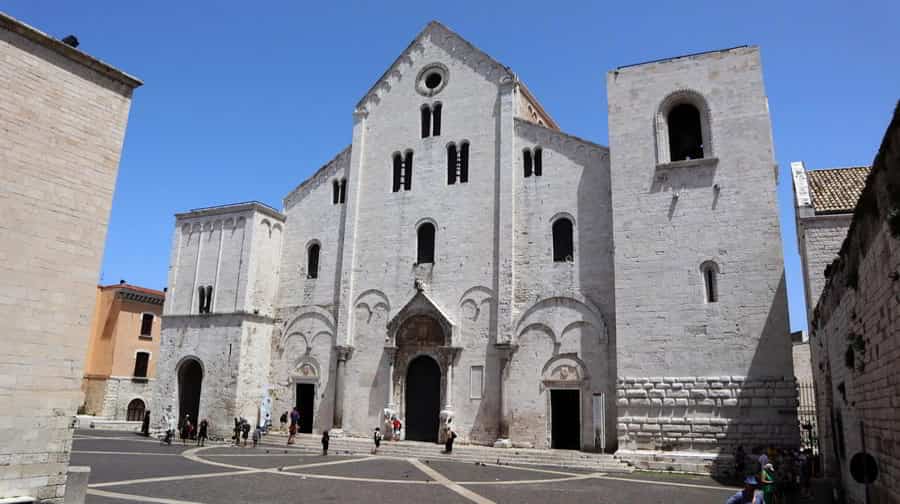
Photo Gallery of Walk 3 – Lungomare Imperatore Augusto to Corso Cavour
Approximately 2.85 km – 1.77 miles
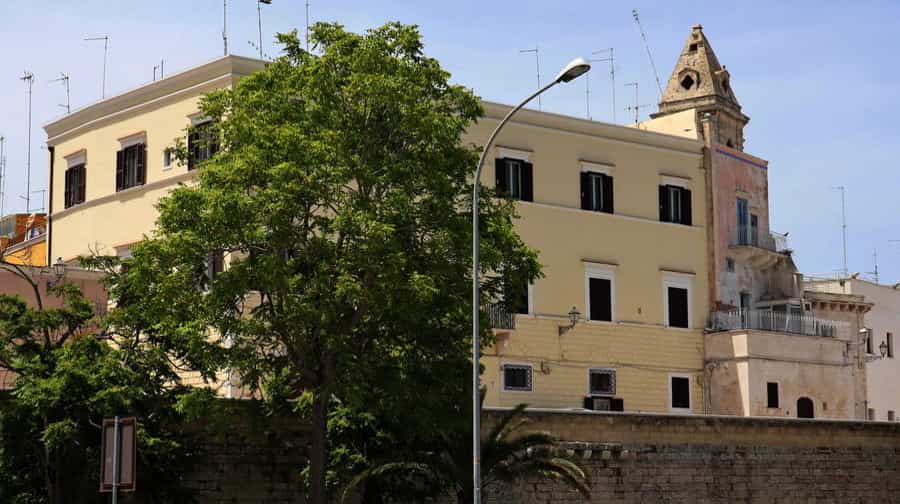
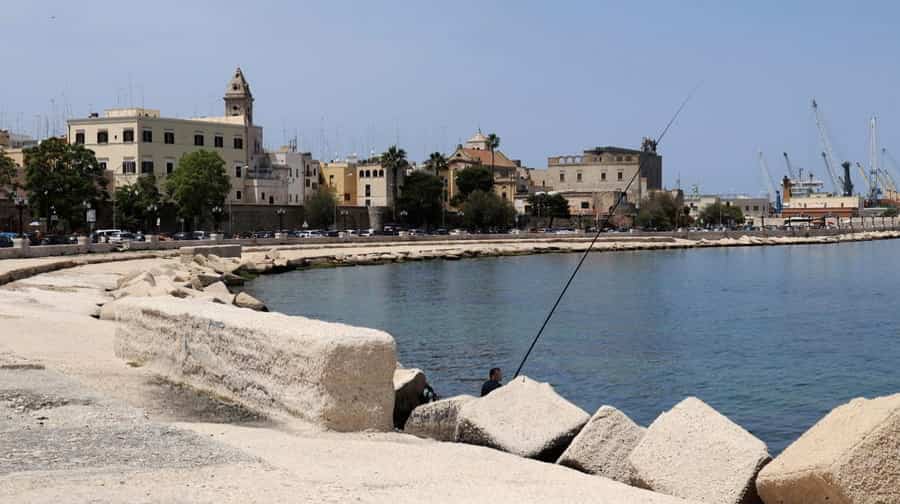
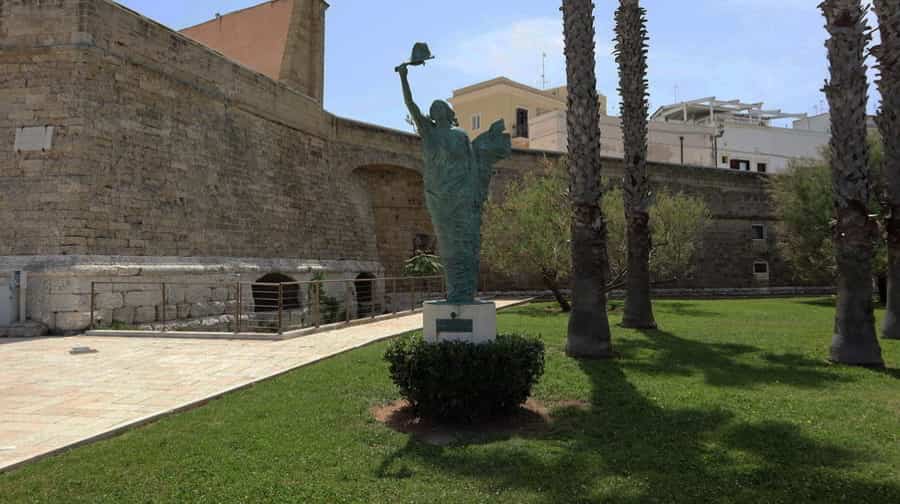
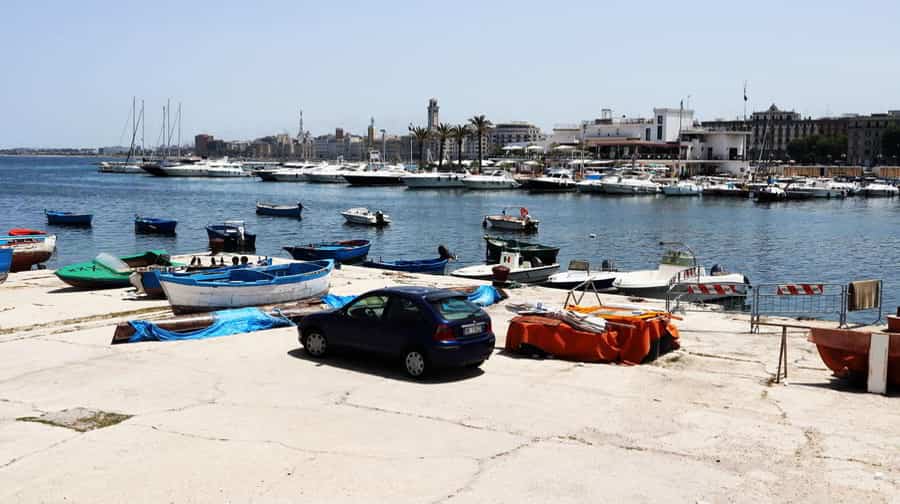
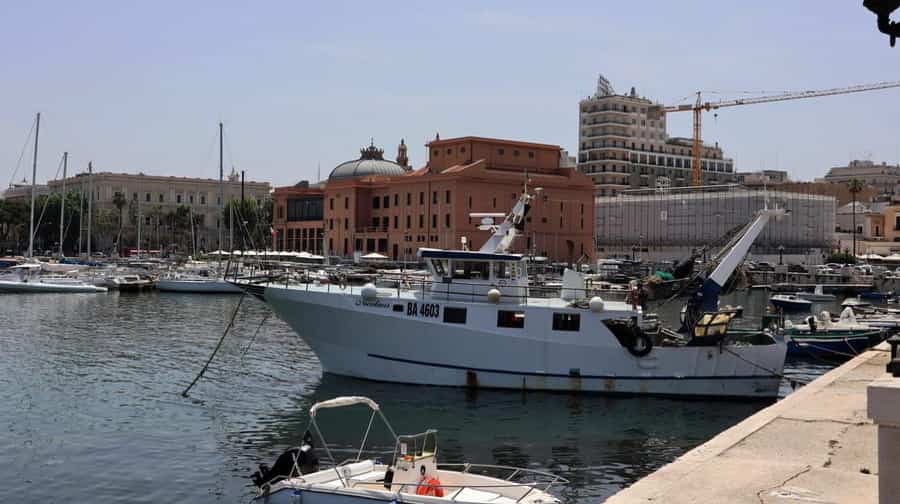
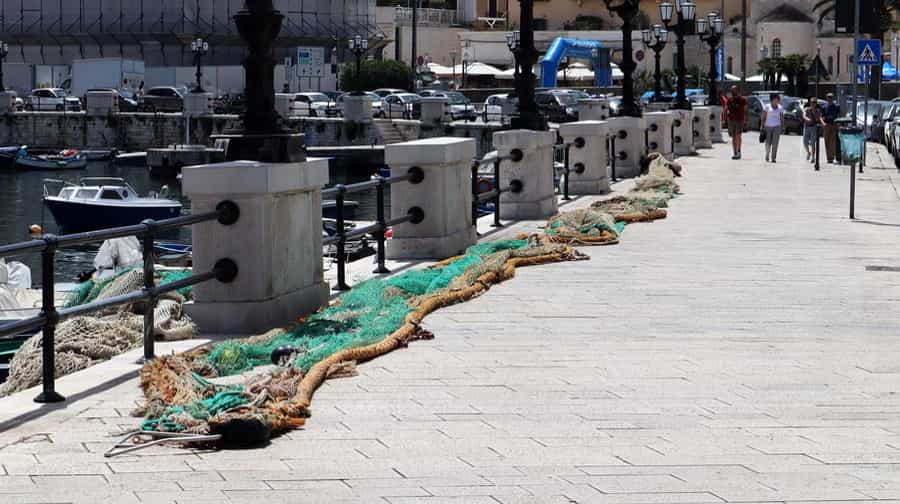
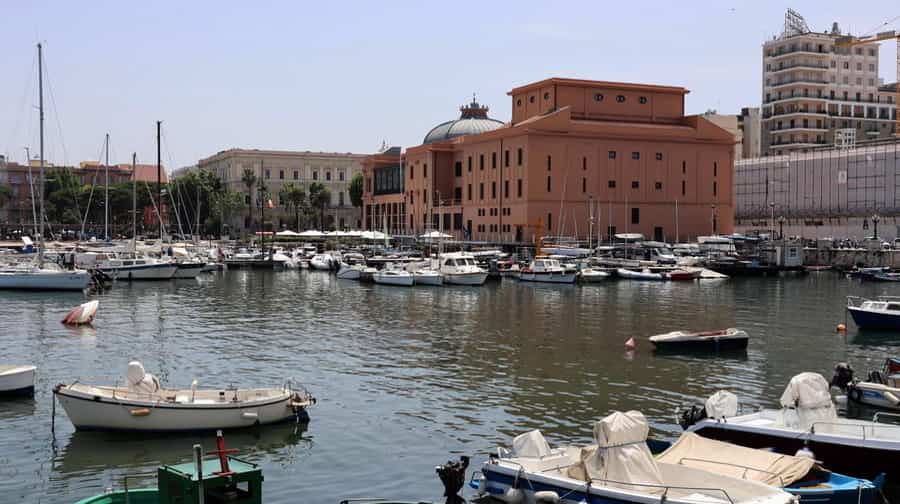
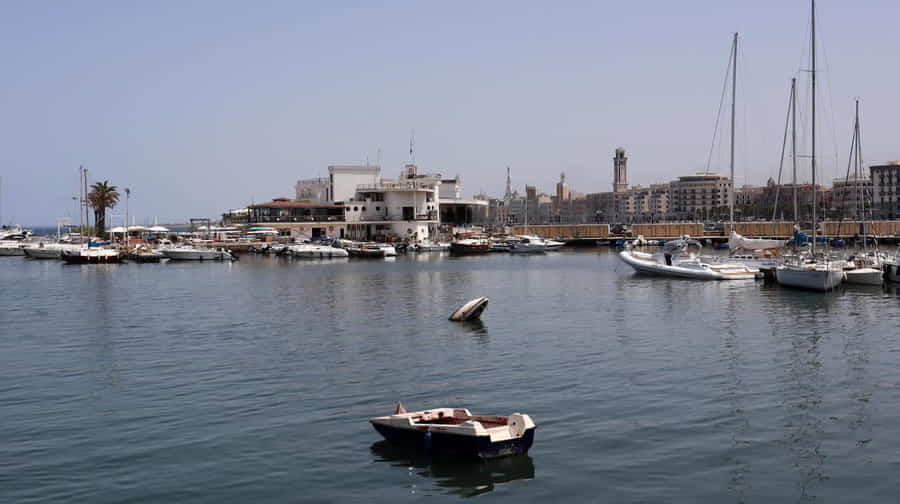
The walk starts in Lungomare Imperatore Augusto – Piazza IV Novembre – Lungomare Araldo di Crollalanza – Molo S. Nicola – Piazza Eroi del Mare – Lungomare Araldo di Crollalanza – Largo Adua – Via Abbrescia – Lungomare Araldo di Crollalanza – walk back along Lungomare Araldo di Crollalanza to Corso Cavour
COPYRIGHT © 2018-2026 ITALY IN PHOTOS – ALL RIGHTS RESERVED