
HOME
THE REGIONS OF ITALY
PLACES IN ITALY
TRAVEL GUIDES COMING SOON
Italy in Photos
Discover the Regions of Italy
Palio Sbandieratori di Asti, Piazza S. Secondo, Asti AT, Italy (May 2022)
Campania
Campania is a region of southern Italy where landscape, history, and daily life are deeply intertwined. Stretching along the Tyrrhenian Sea, it is a land defined by dramatic contrasts: fertile plains and rugged mountains, ancient ruins and vibrant modern cities, moments of quiet rural tradition and the constant energy of urban life. For centuries, Campania has stood at the crossroads of Mediterranean civilizations, absorbing influences while maintaining a strong and unmistakable identity of its own.
The region’s geography plays a central role in shaping its character. Campania is dominated by volcanic formations, most famously Mount Vesuvius, whose silhouette rises above the Bay of Naples. The volcanic soil, enriched by millennia of eruptions, has made the region one of the most agriculturally productive areas in Italy. Vineyards, citrus groves, olive trees, and vegetable fields thrive here, contributing to a food culture that is both simple and deeply rooted in the land. The coastline alternates between long sandy beaches and steep cliffs, with the Amalfi Coast standing out as one of the most striking coastal landscapes in Europe.
Campania’s history is layered and visible everywhere. Long before Rome became an empire, Greek settlers founded prosperous cities along the coast, leaving behind temples, urban layouts, and a legacy of art and philosophy. The Romans later transformed the region into a favoured retreat for emperors and aristocrats, a legacy preserved in extraordinary archaeological sites such as Pompeii and Herculaneum. These cities, frozen in time by the eruption of Vesuvius in 79 CE, offer an unparalleled glimpse into everyday life in the ancient world. After the fall of Rome, Campania passed through the hands of Byzantines, Normans, Spaniards, and Bourbons, each leaving traces in architecture, language, and customs.
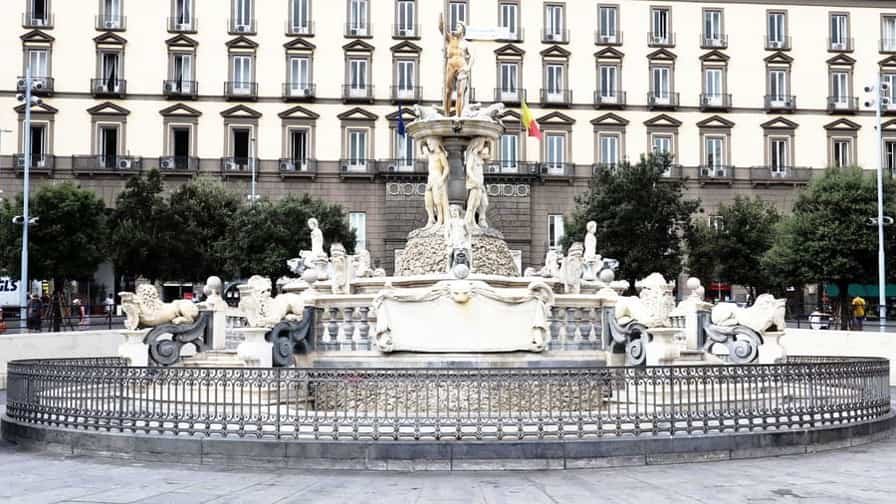
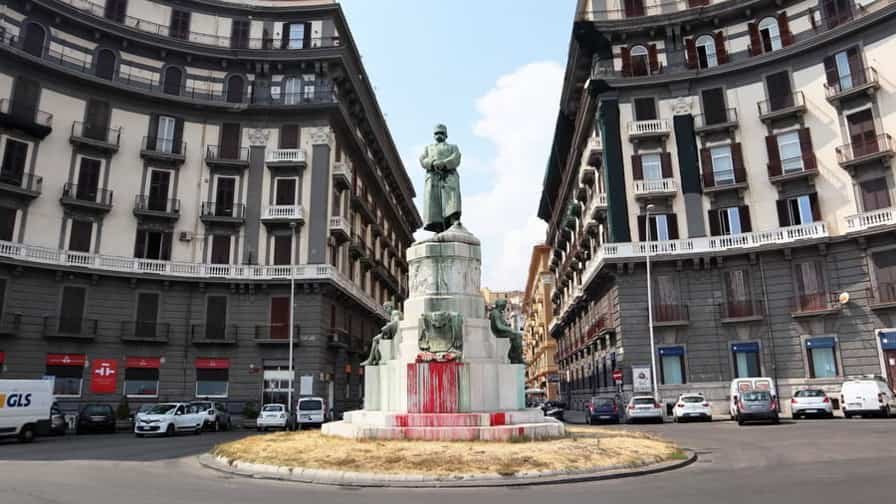
Naples, the regional capital, is the beating heart of Campania. It is one of Europe’s oldest continuously inhabited cities and a place of intense vitality. Naples can feel chaotic at first glance, but beneath the surface lies a profound cultural richness. Music, theatre, literature, and visual art are part of daily life, as are deep traditions of community and family. The historic centre, a UNESCO World Heritage Site, is a dense network of churches, palaces, and narrow streets that tell the story of centuries of human creativity and resilience.
Beyond Naples, Campania reveals a mosaic of distinct areas. The islands of Capri, Ischia, and Procida each have their own rhythm, from Capri’s refined elegance to Procida’s understated authenticity. Inland, the Apennine mountains shelter small towns where life moves at a slower pace and traditions are carefully preserved. Places like Benevento and Avellino reflect a more rural and introspective side of the region, often overlooked but essential to understanding Campania as a whole.
Food is one of Campania’s most powerful expressions of identity. The region is widely considered the birthplace of pizza, but its culinary heritage goes far beyond that single dish. Campanian cuisine emphasizes freshness, seasonality, and balance, with recipes passed down through generations. Meals are social rituals, moments where history, land, and family come together at the table.
The Provinces of Campania
The photos shown for each province were taken during my visits to those locations. For more information, click on the name to be taken to the main page for that place.
The Province of Avellino
Pietrastornina
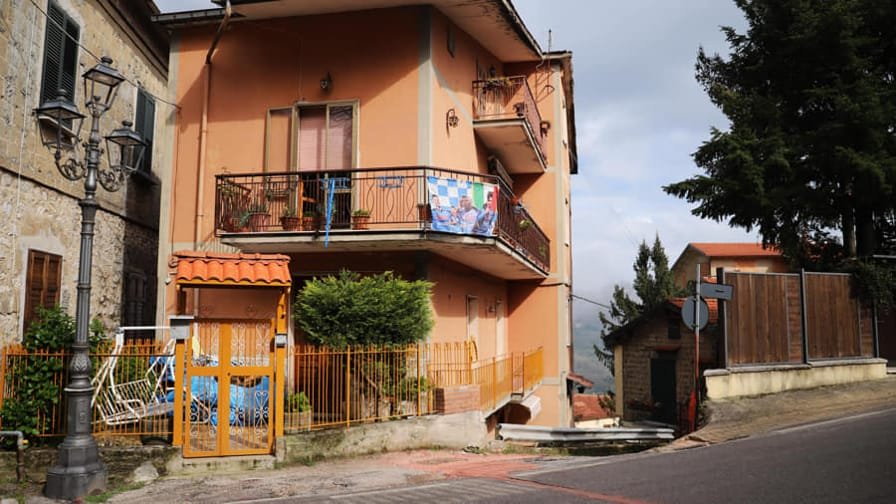
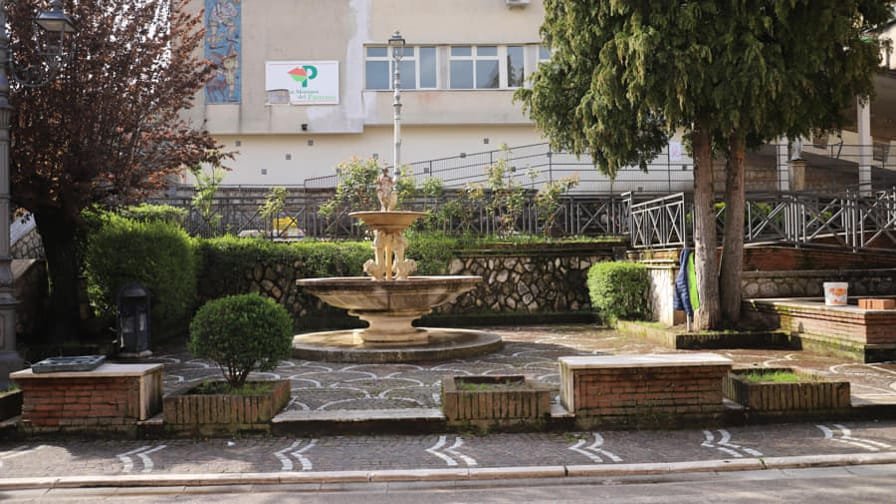
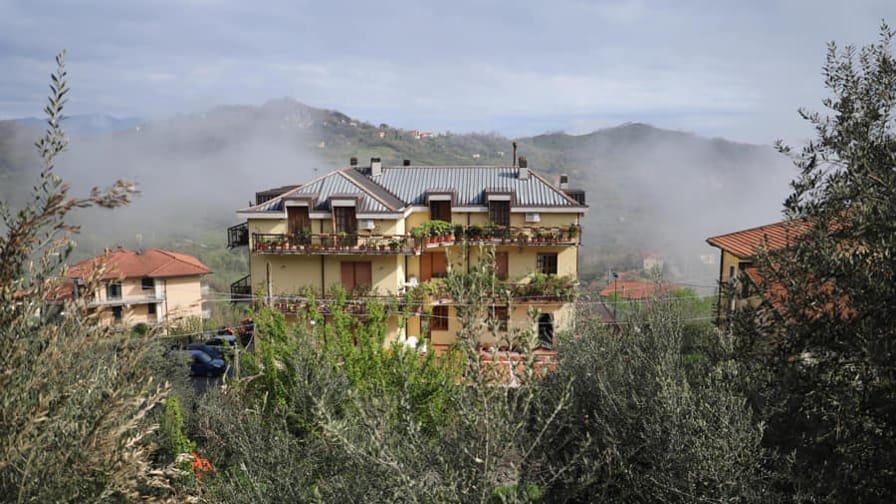
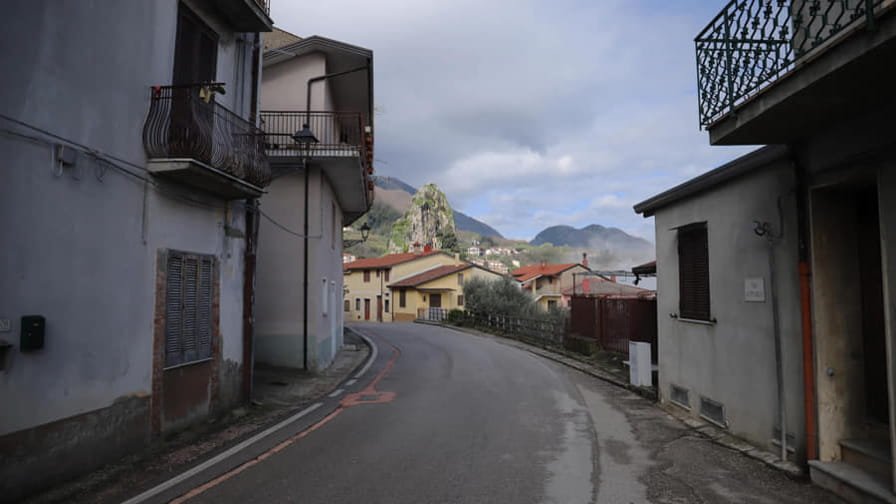
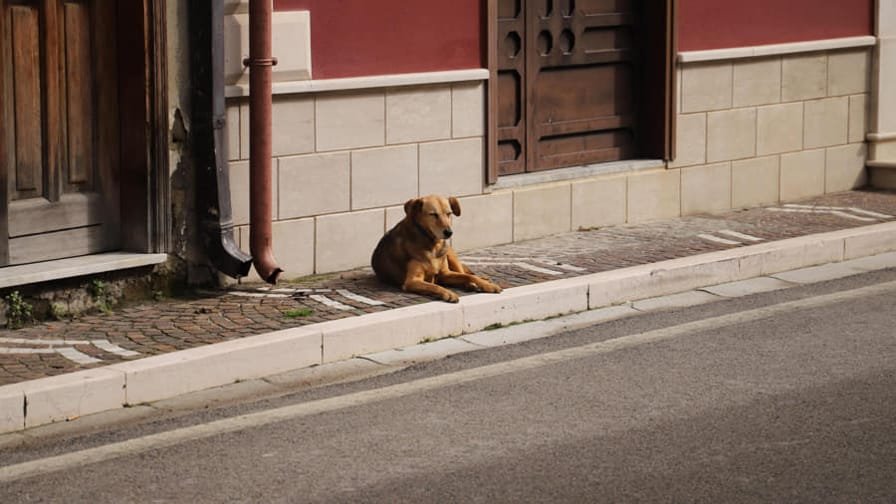
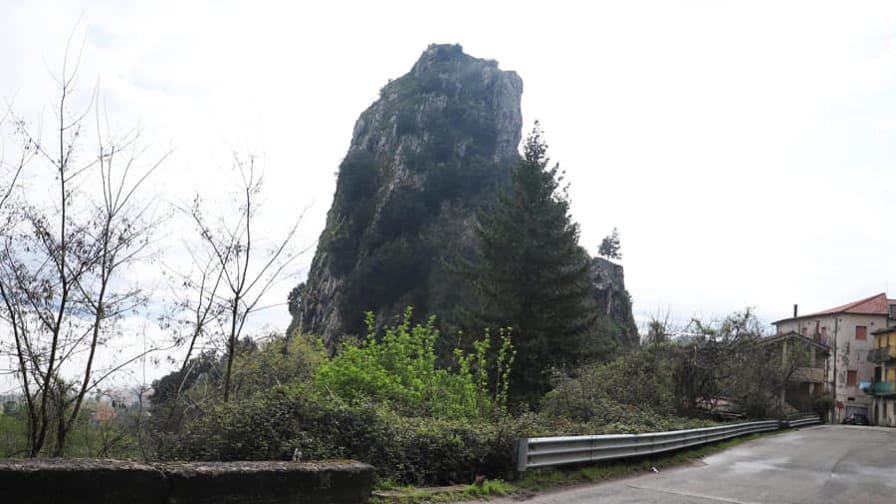
The Province of Avellino is a historic and mountainous area located in the heart of southern Italy, within the region of Campania. Although it is sometimes mistakenly associated with Calabria, Avellino lies further north and is deeply rooted in the cultural and geographical landscape of inland Campania. Often referred to as Irpinia, the province is known for its rolling hills, dense forests, and the Apennine mountain range that shapes much of its scenery. This natural environment has long influenced local traditions, agriculture, and ways of life.
Avellino is rich in history, with origins that trace back to ancient Italic peoples and later Roman settlements. Over the centuries, it has absorbed Norman, Lombard, and Bourbon influences, all of which are reflected in its architecture, castles, and historic town centres. The province is also renowned for its strong agricultural identity, particularly its production of high-quality wines, olives, chestnuts, and cheeses that are celebrated throughout Italy.
Beyond its landscapes and cuisine, Avellino is characterized by small towns that preserve a strong sense of community and tradition. Religious festivals, folk music, and artisanal crafts continue to play an important role in daily life. Together, these elements make the Province of Avellino a compelling destination that reflects the authentic, rural soul of southern Italy.
The Province of Benevento
The Province of Benevento is a distinctive and often overlooked part of the Campania region, offering a quieter and more introspective perspective on southern Italy. Located inland, far from the coastal energy of Naples and the Amalfi Coast, this province is shaped by rolling hills, fertile valleys, and the rugged contours of the southern Apennines. Its landscape supports agriculture as a central way of life, with vineyards, olive groves, and grain fields forming a patchwork that reflects centuries of rural tradition.
Historically, Benevento has held a unique position in Italy. Once a powerful centre of the ancient Samnites and later an important Roman city, it became the capital of the Lombard Duchy of Benevento during the early Middle Ages. This legacy is still visible today in monuments such as the Arch of Trajan and the Church of Santa Sofia, which stands as a symbol of the province’s cultural and political importance across different eras.
Today, the Province of Benevento is defined by small towns, strong local identities, and a deep sense of continuity with the past. Its slower pace, rich traditions, and close connection to the land offer a compelling contrast to more heavily travelled parts of Campania.
The Province of Caserta
Caserta
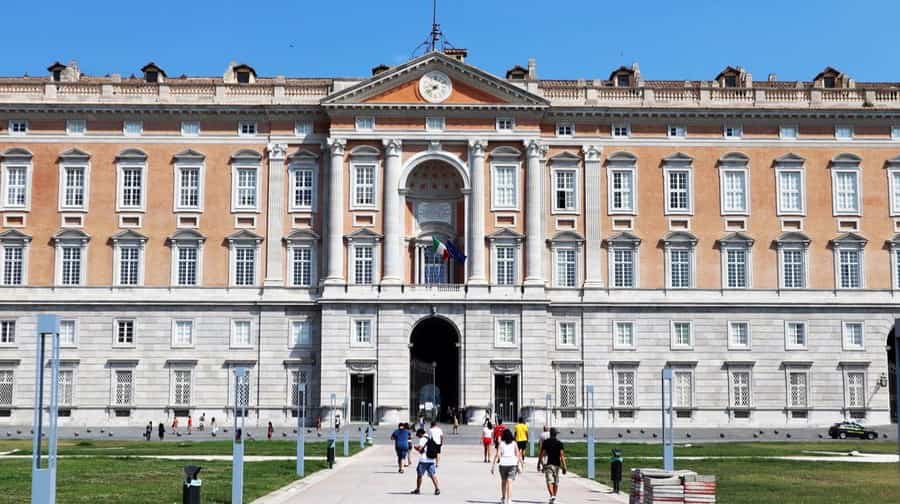
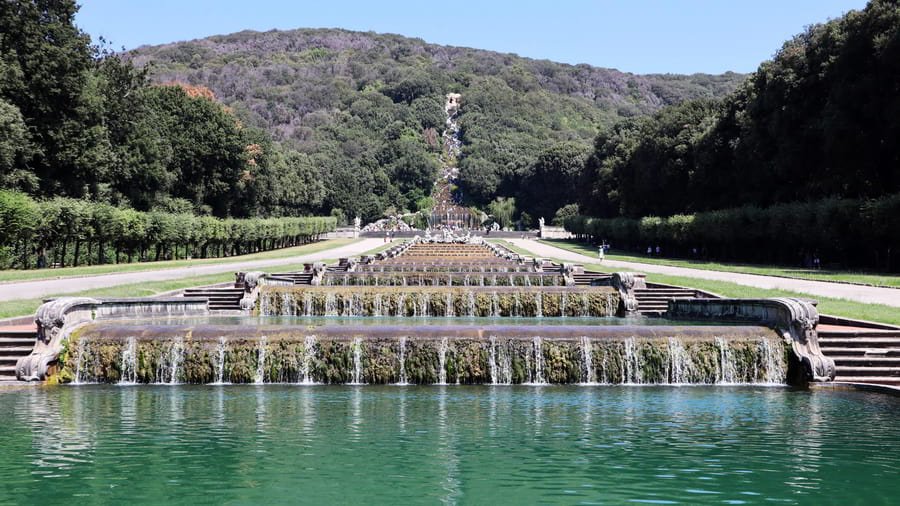
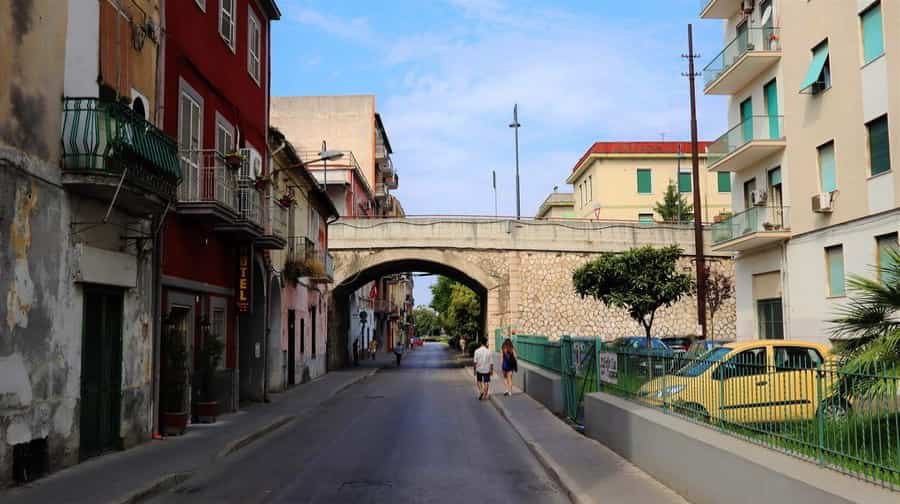
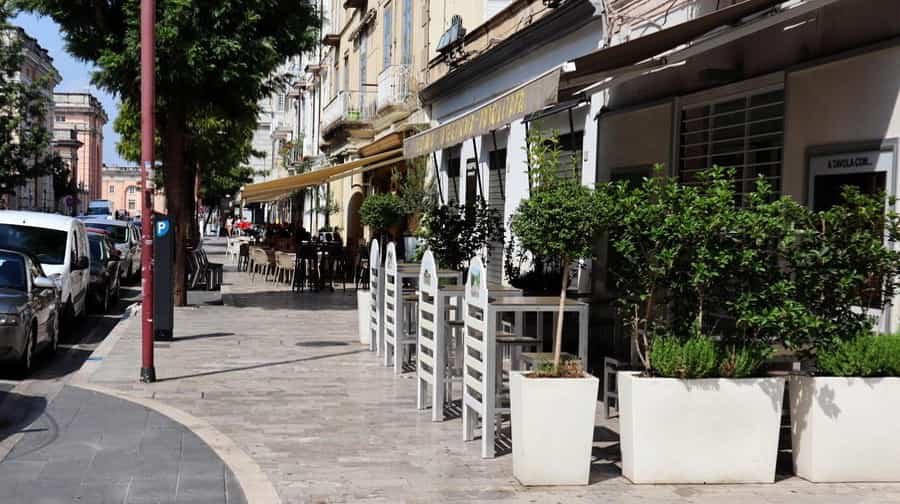
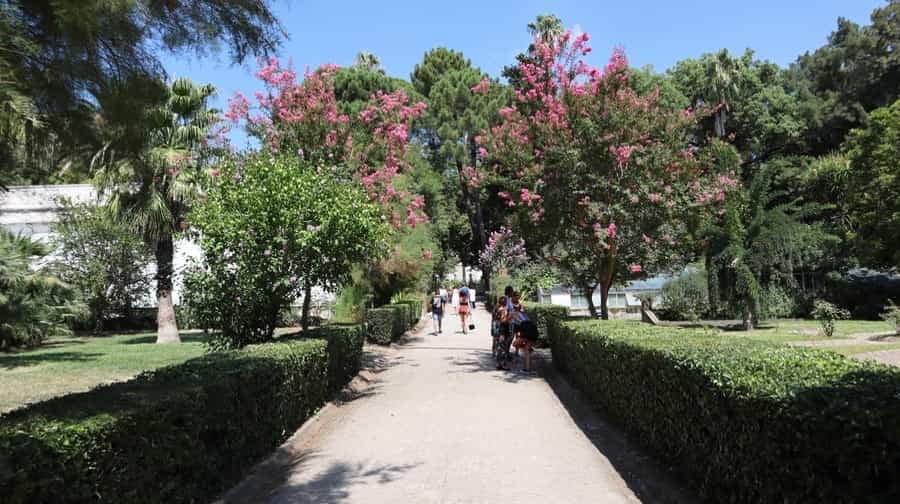
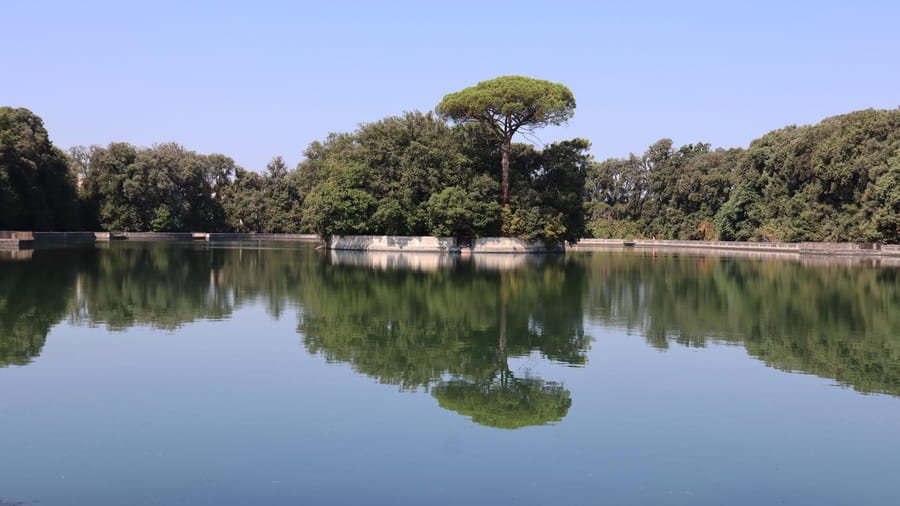
The Province of Caserta occupies a central and dynamic position within the Campania region, bridging coastal plains, fertile countryside, and mountainous interior areas. Located just north of Naples, it has long served as a strategic and agricultural heartland, shaped by both natural abundance and historical ambition. The broad plains of the Volturno River support extensive farming, while the Matese mountains define the province’s northern landscape, creating a varied and productive territory.
Caserta is best known for the Royal Palace of Caserta, one of the largest royal residences in Europe and a symbol of the Bourbon era. Built in the eighteenth century, the palace and its vast gardens reflect the political power and artistic vision that once placed Caserta at the centre of southern Italian governance. Beyond this monumental landmark, the province preserves layers of history that stretch from ancient Capuan settlements to medieval towns and religious complexes.
Today, the Province of Caserta is a place of contrasts, where urban centres coexist with rural communities and industrial zones stand beside agricultural land. Traditional crafts, local food production, and strong community ties remain central to daily life, giving the province a character that balances historical grandeur with living tradition.
The Province of Naples
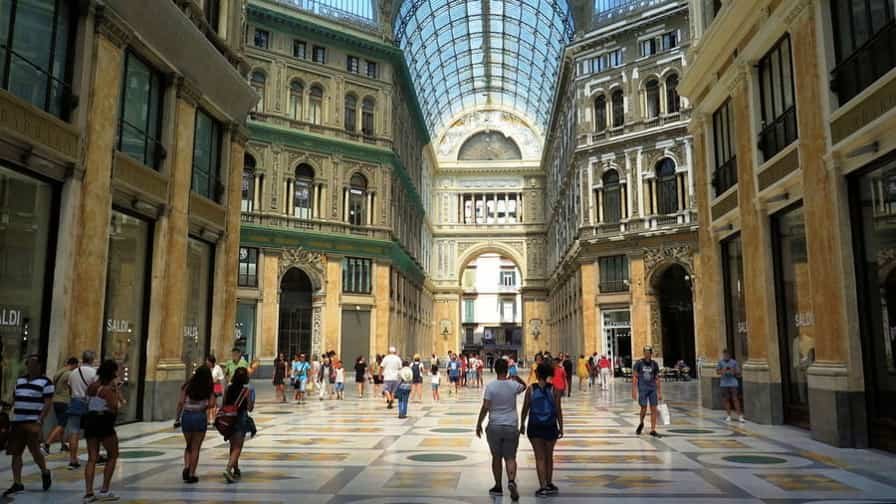
Naples
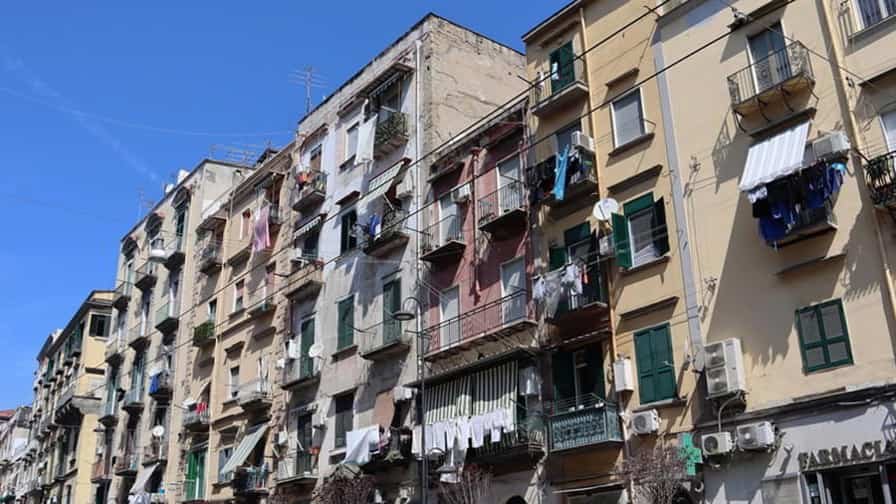
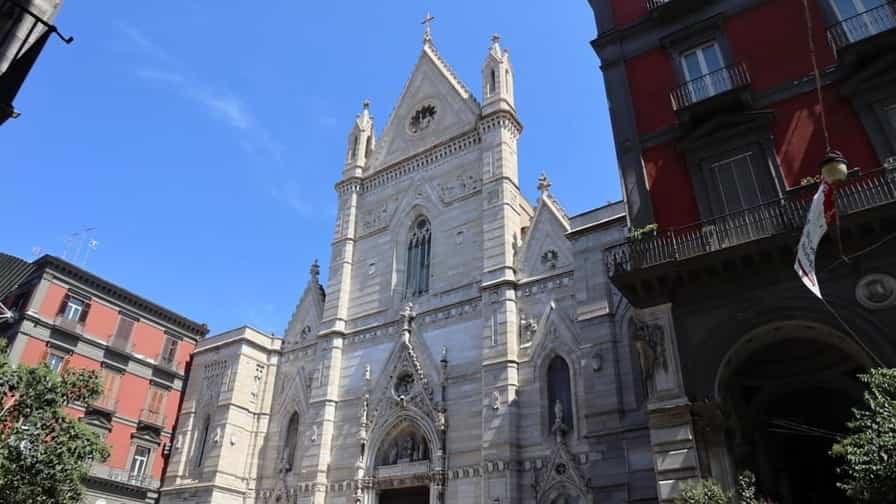
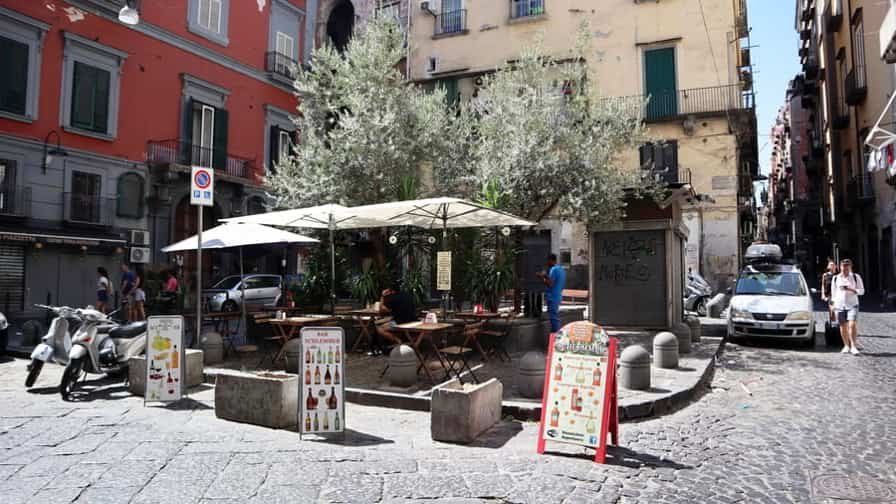
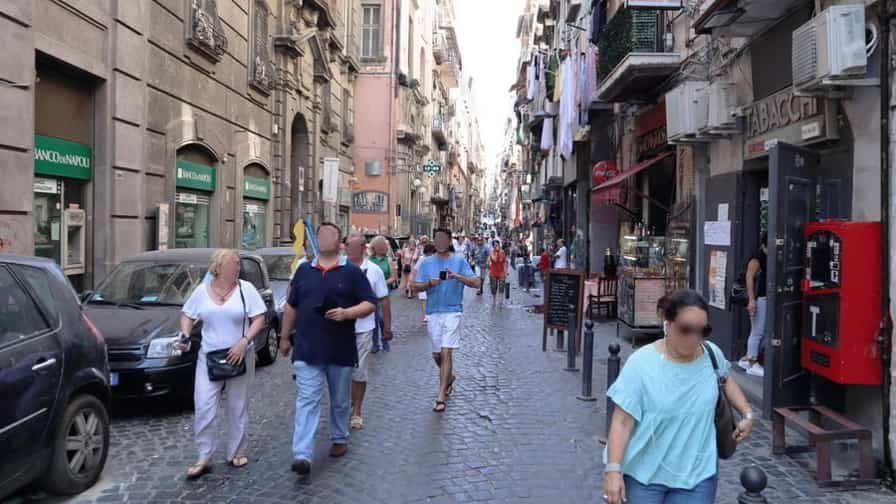
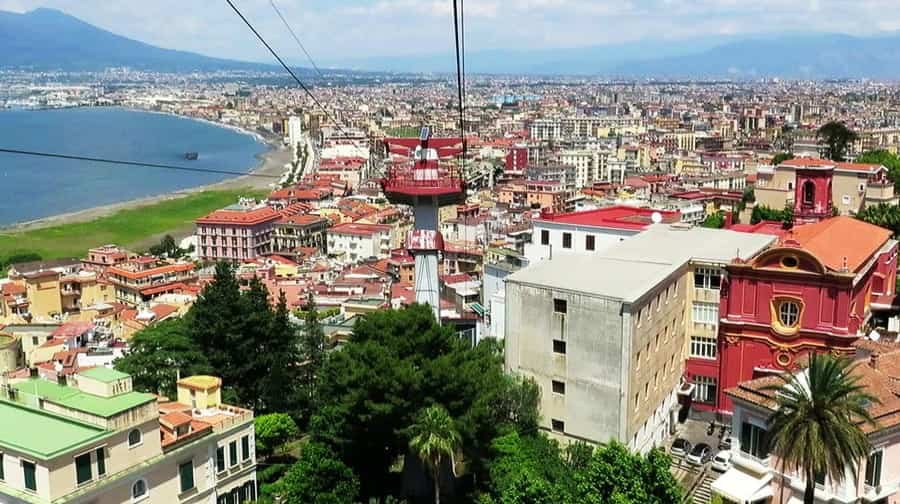
Castellammare di Stabia
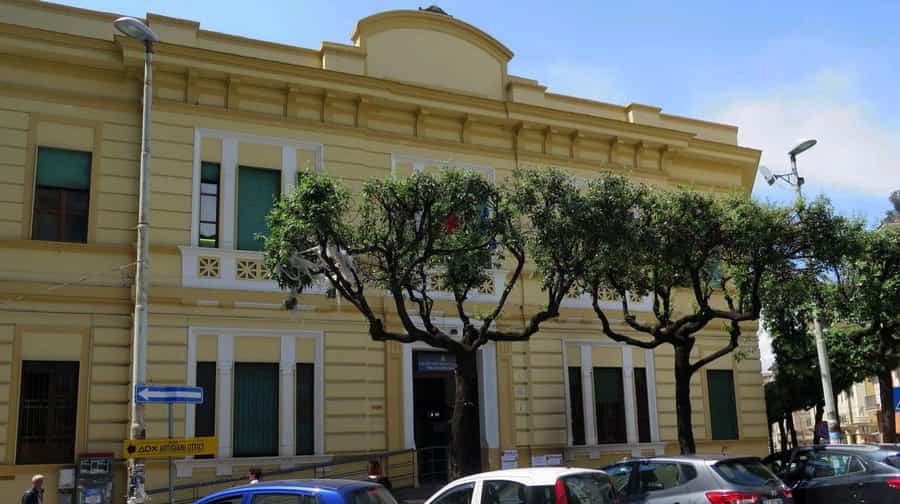
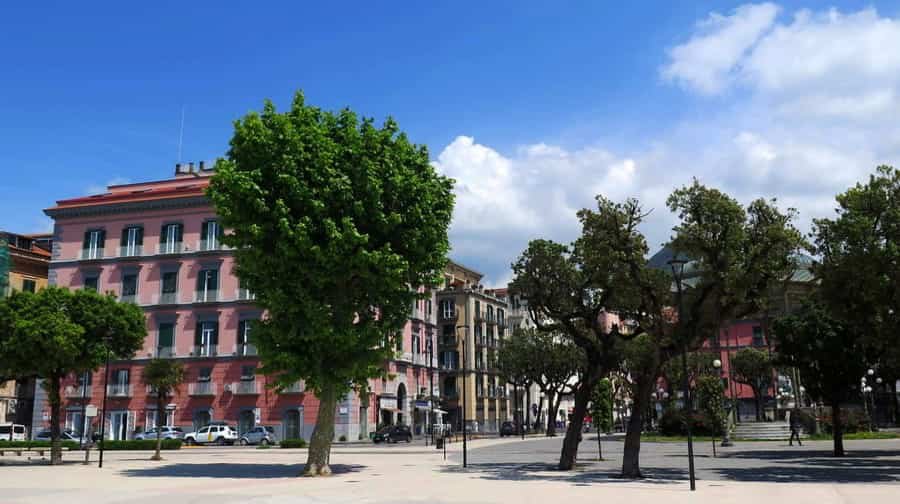
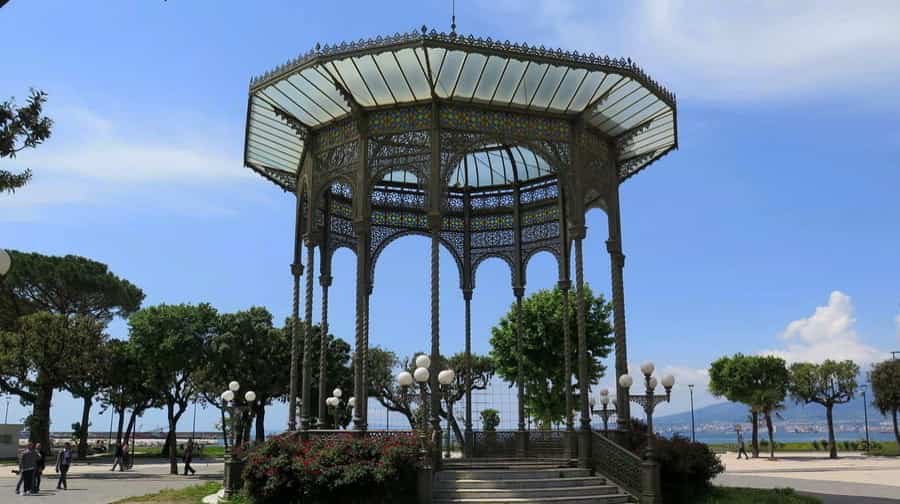
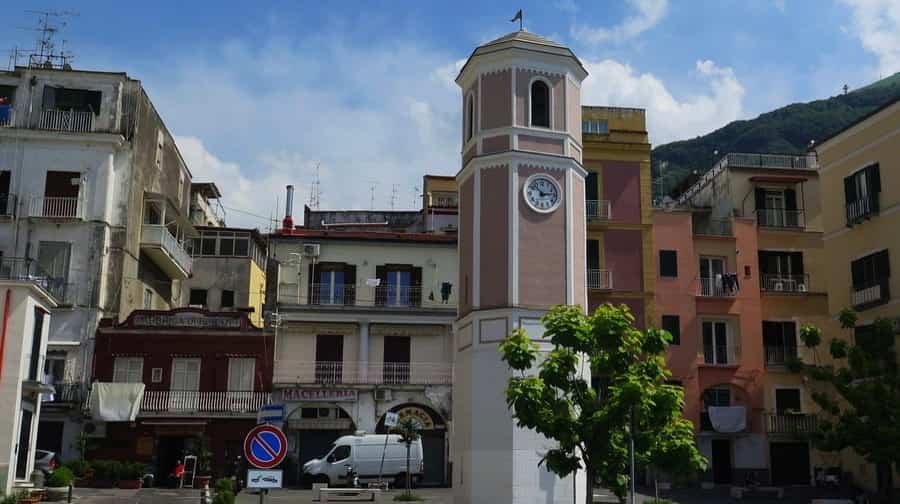
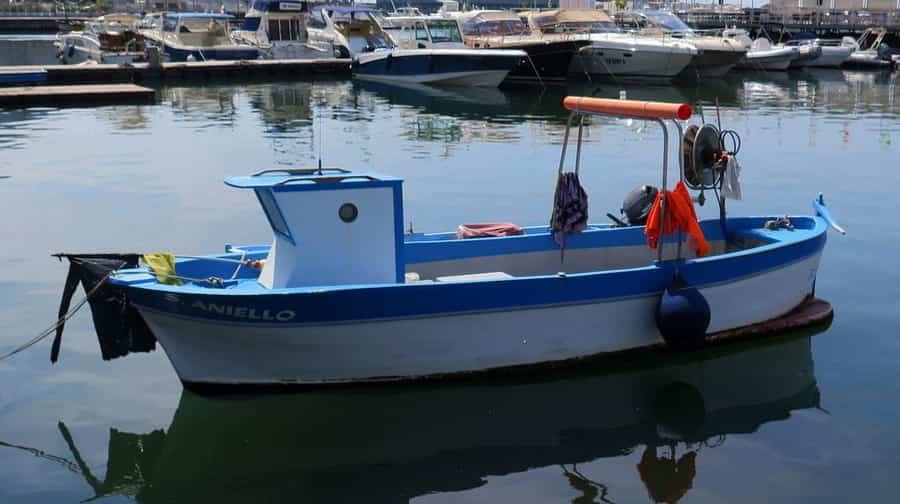
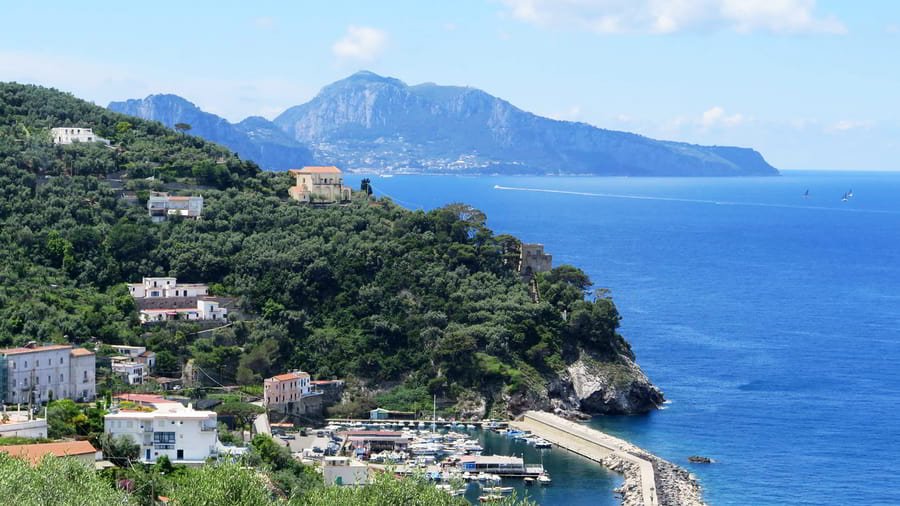
Massa Lubrense
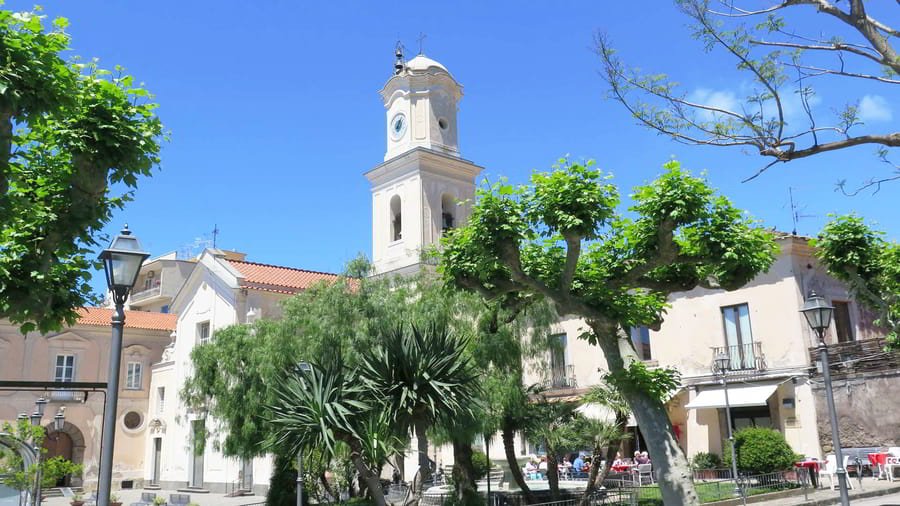
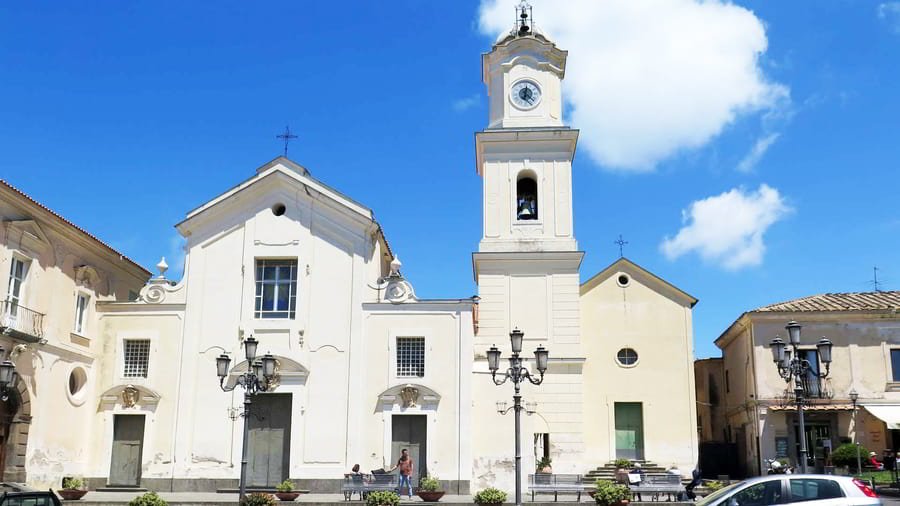
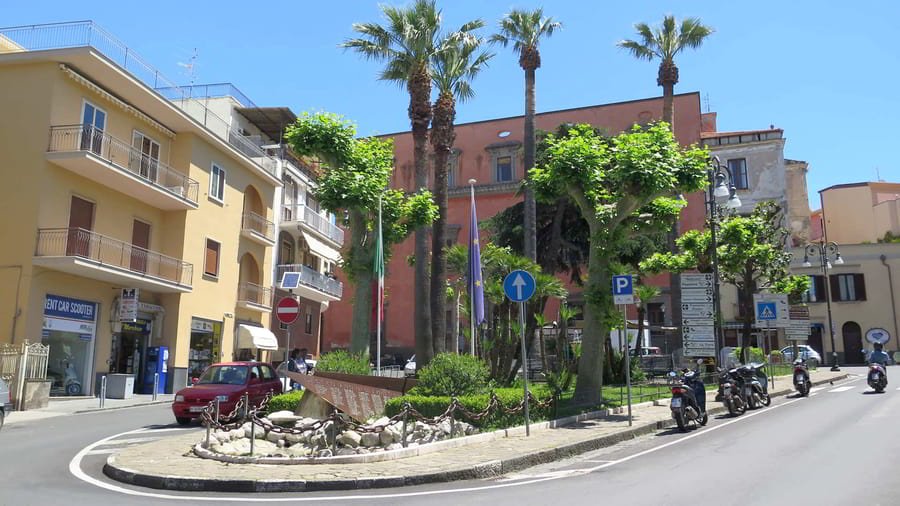
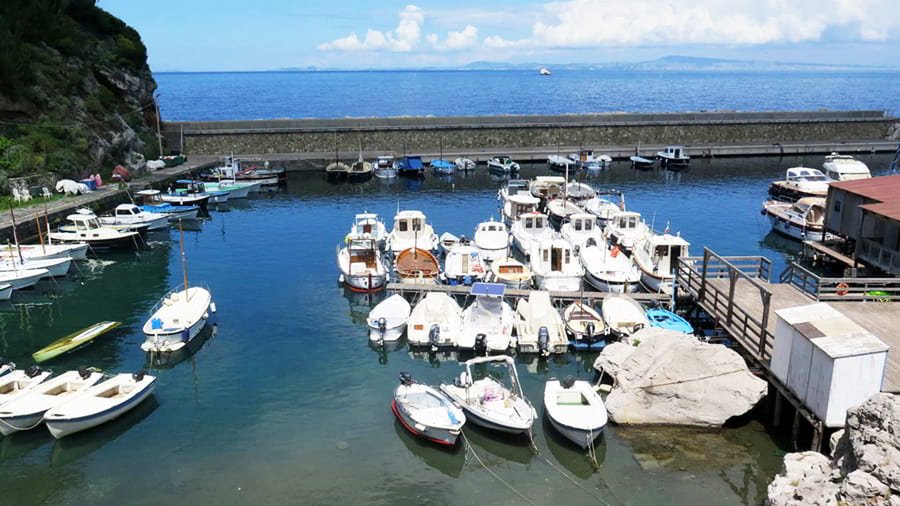
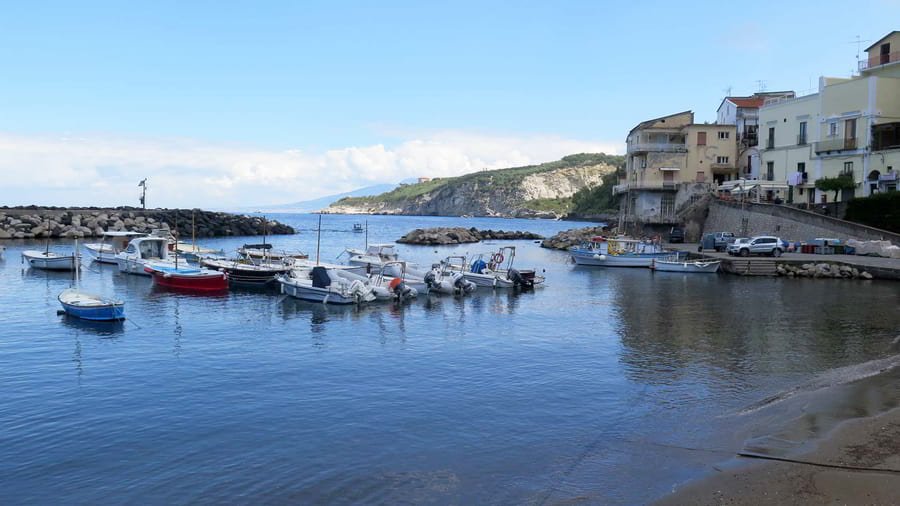
Pompeii
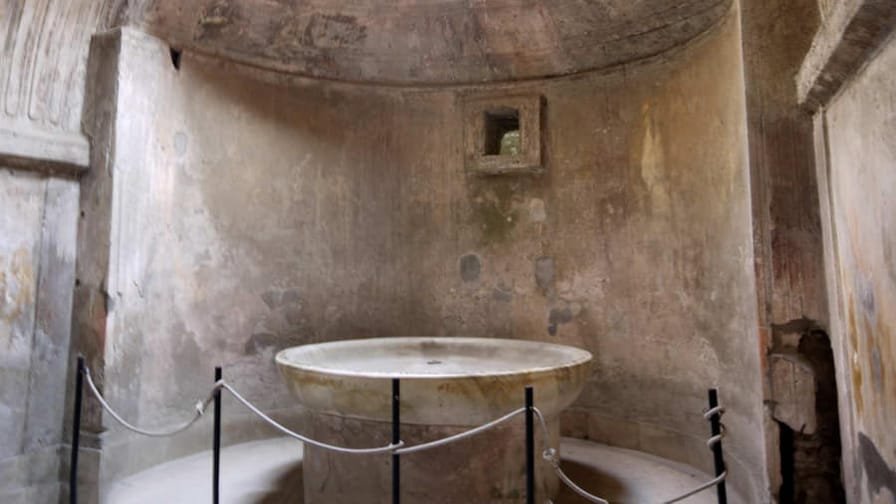
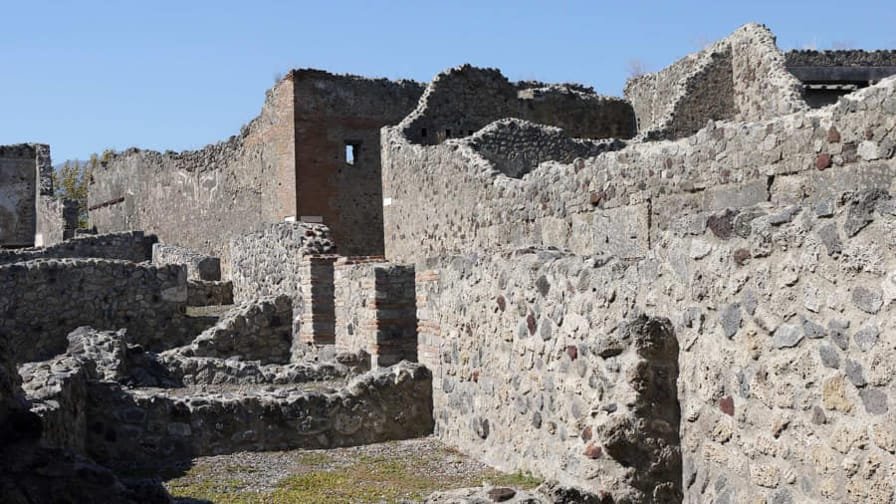
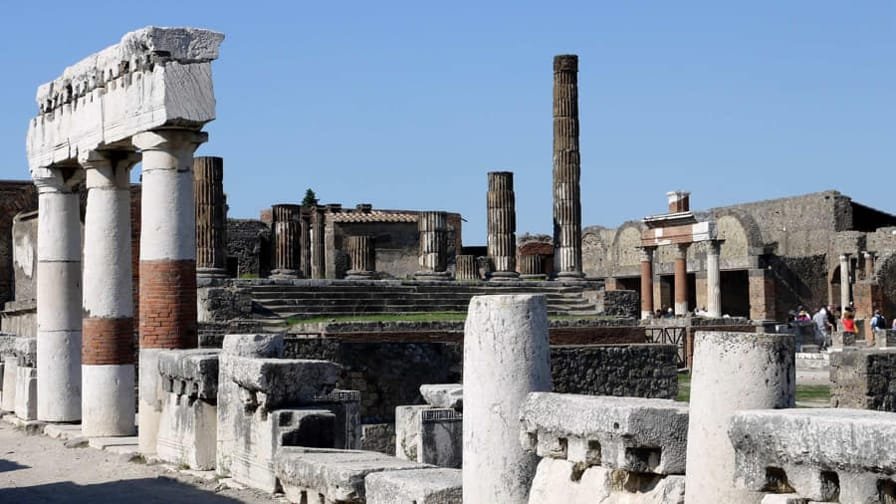
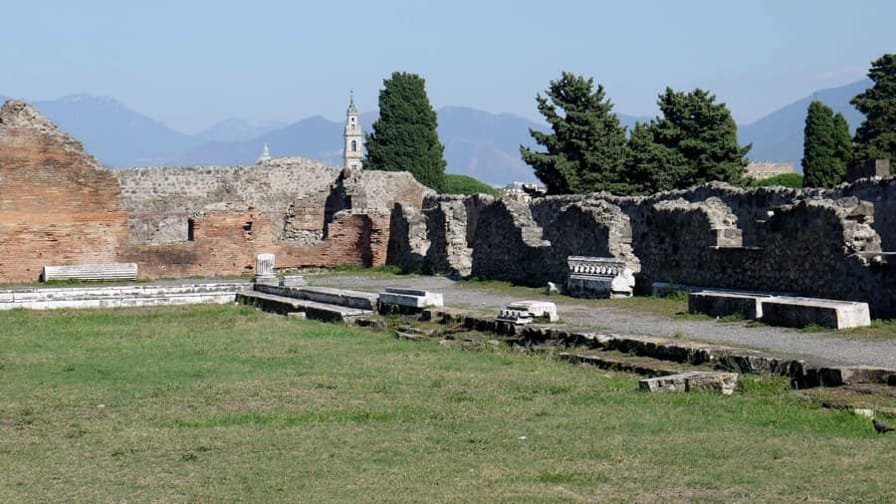
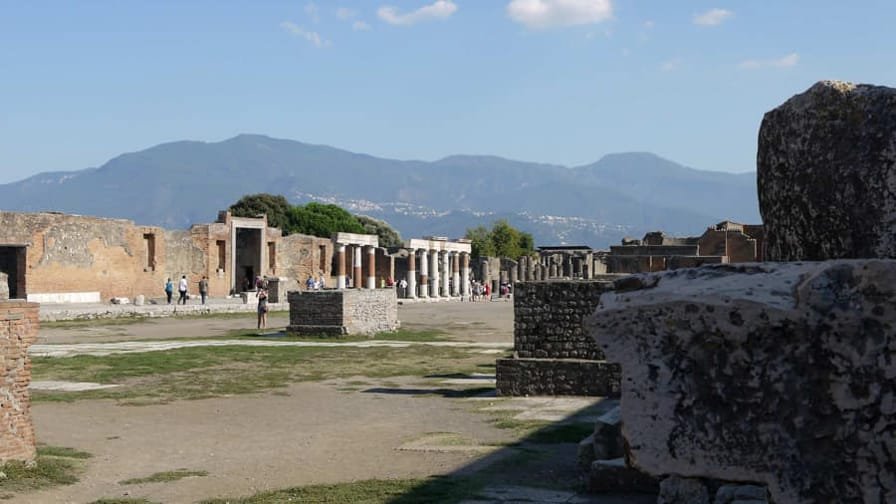
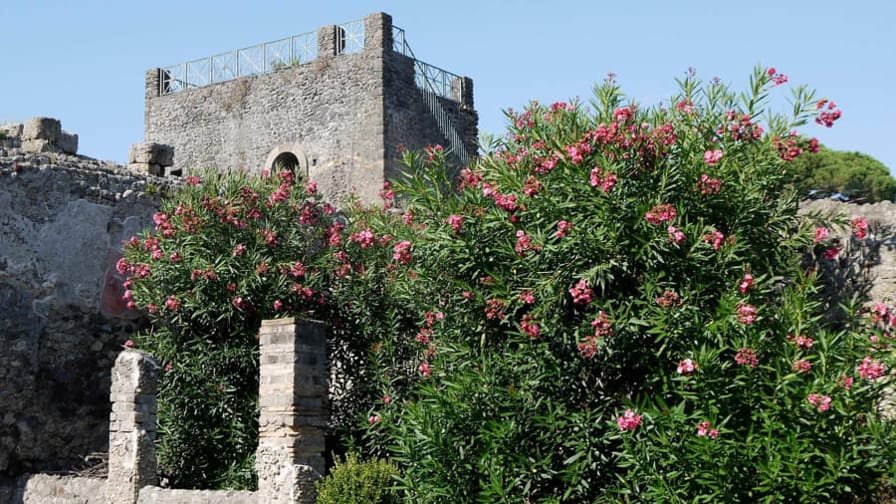
Piano di Sorrento
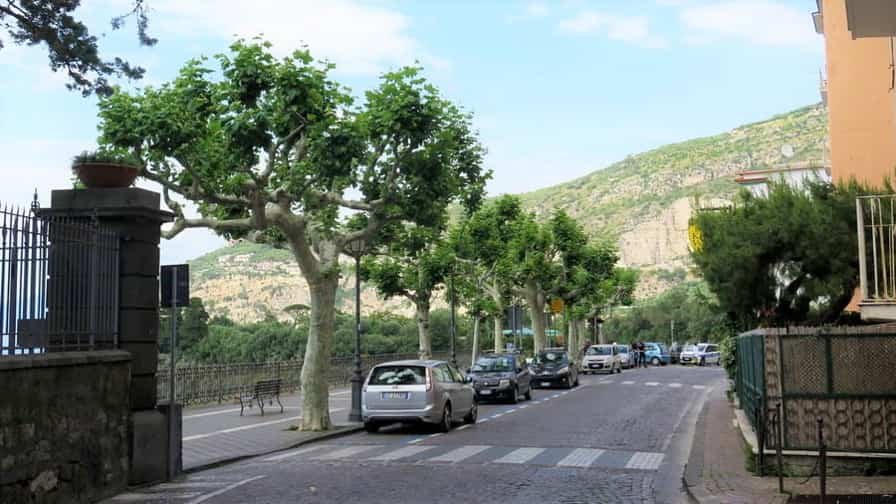
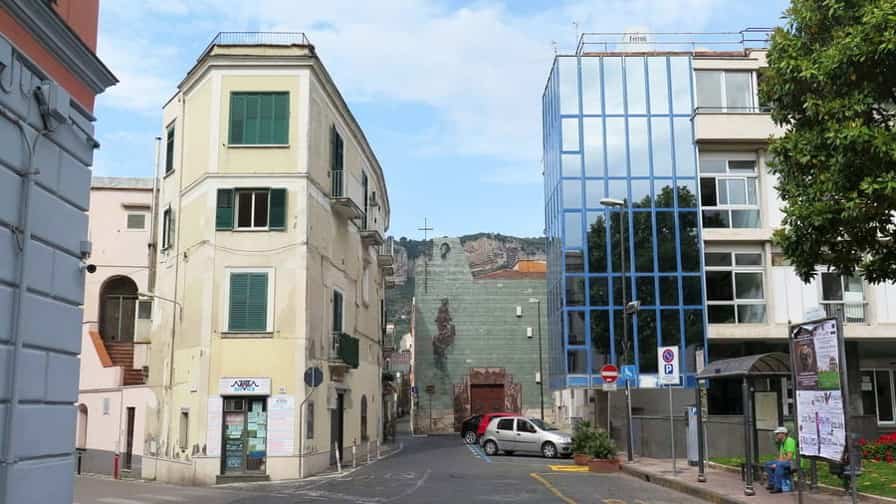
Sant’Agata sui Due Golfi
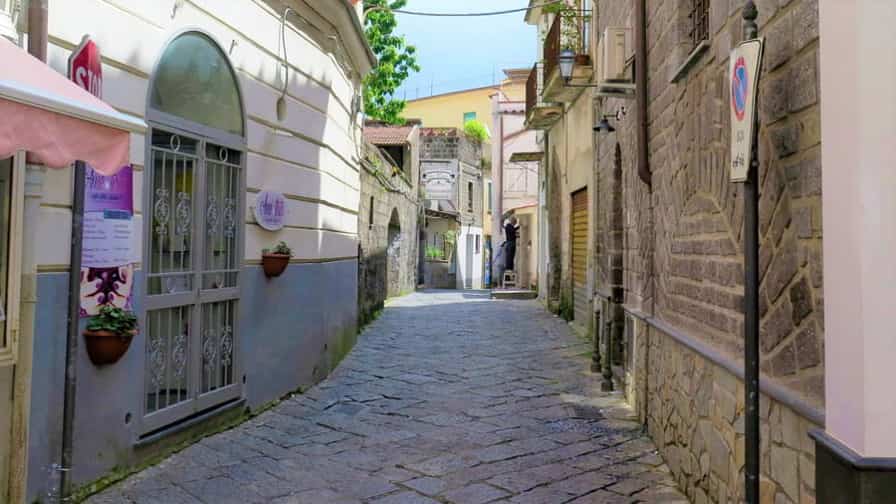
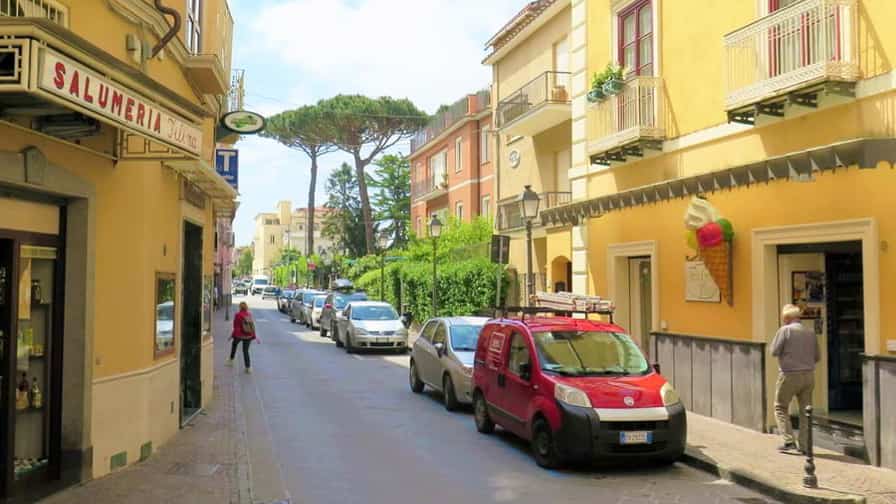
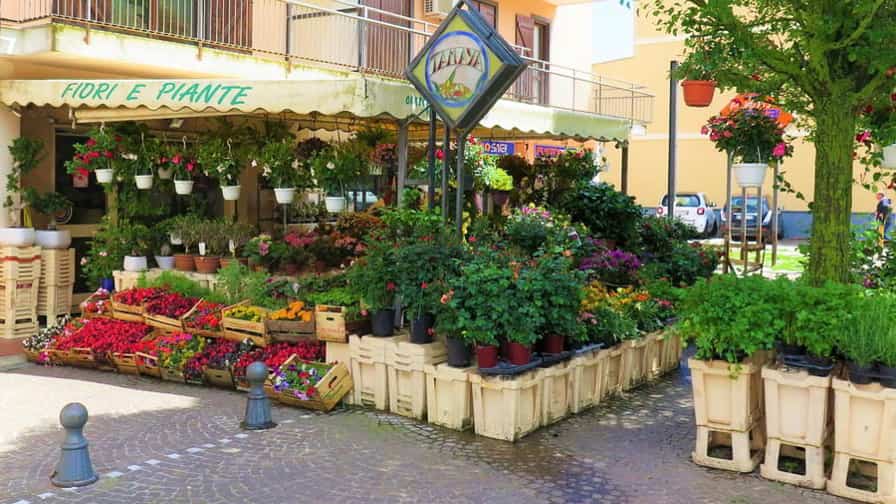
Sorrento




Torca


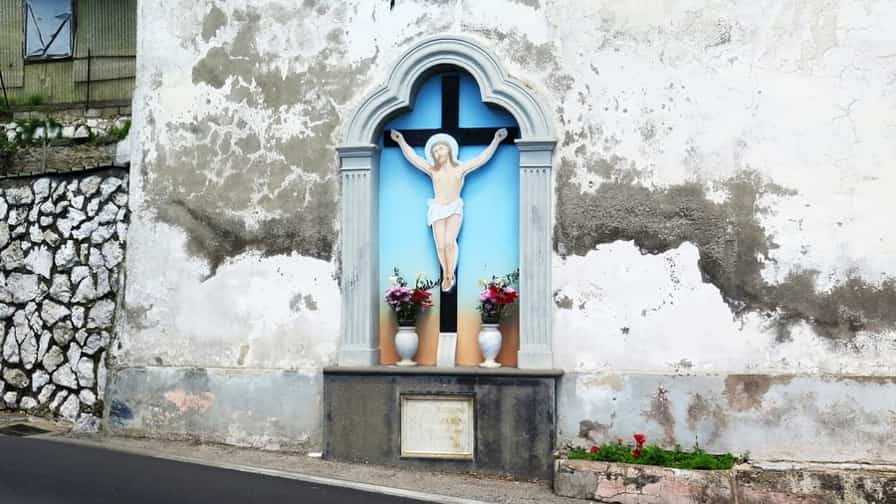


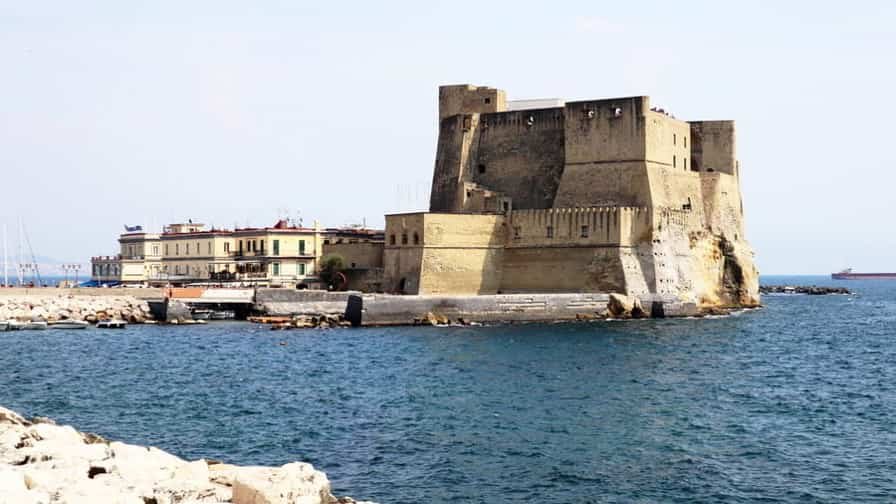
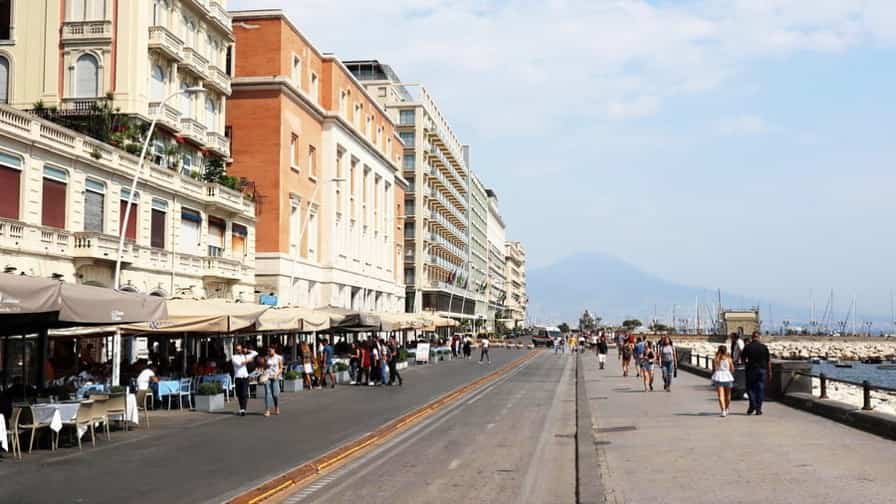
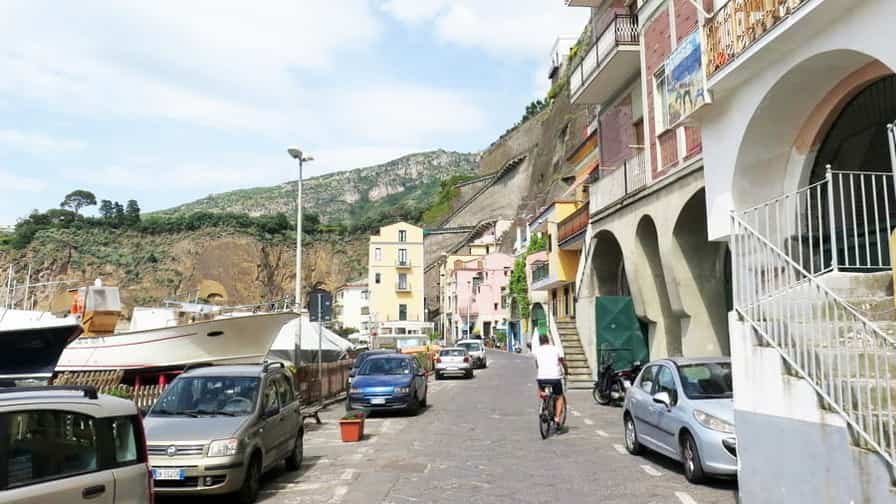
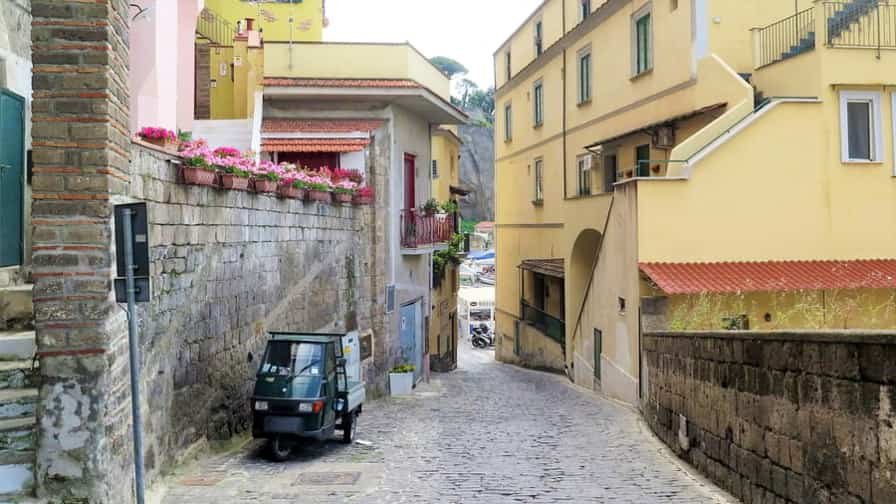
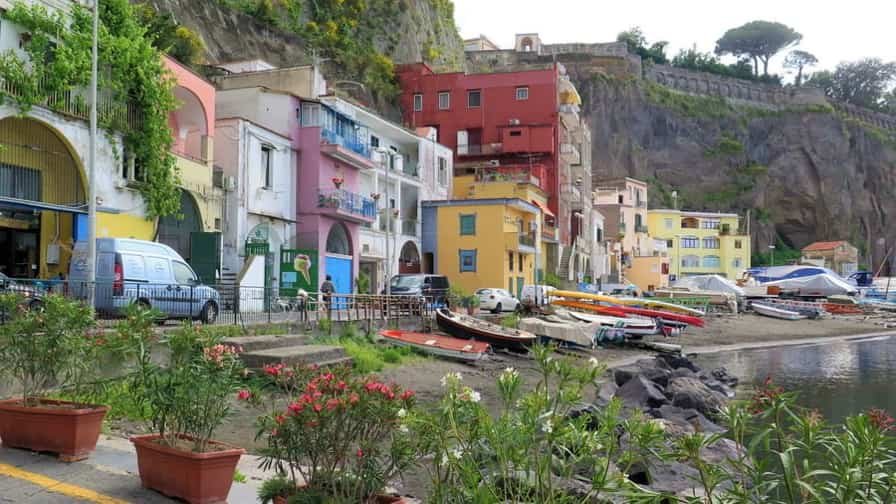
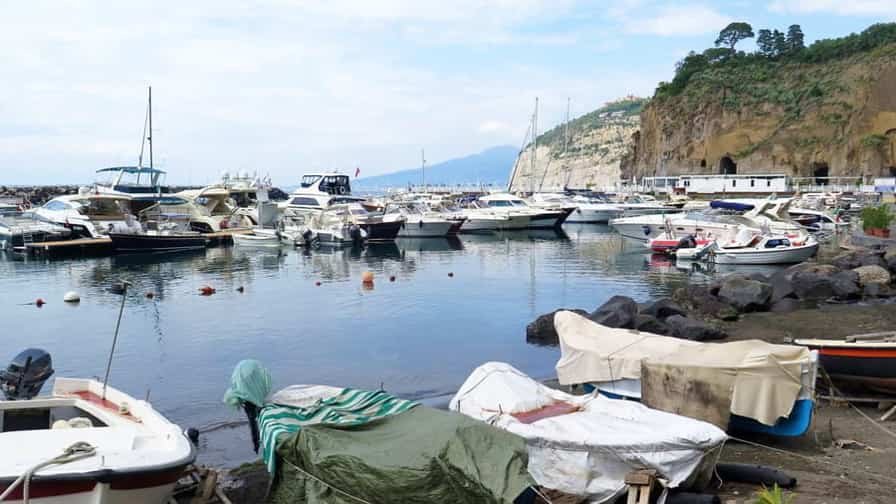
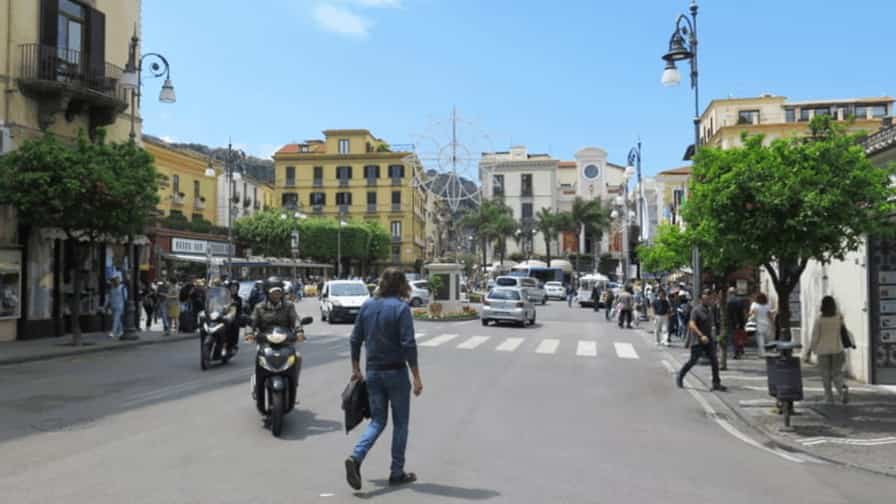
The Province of Naples is the most densely populated and culturally vibrant area of the Campania region, cantered around the city of Naples and extending across a landscape shaped by sea and volcano. Overlooking the Bay of Naples, the province is dominated by Mount Vesuvius, whose presence has influenced both the history and identity of the area for thousands of years. Fertile volcanic soil has supported agriculture since antiquity, contributing to a long tradition of cultivation and settlement.
Historically, the province has been a focal point of Mediterranean civilization. Ancient Greek foundations, Roman villas, and extraordinary archaeological sites such as Pompeii, Herculaneum, and Oplontis testify to its importance in the classical world. These remains coexist with a living urban culture that is expressive, intense, and deeply rooted in tradition. Naples itself is renowned for its historic centre, artistic heritage, and enduring influence on music, theatre, and cuisine.
Beyond the city, the province includes coastal towns, volcanic landscapes, and islands such as Capri, Ischia, and Procida, each offering a distinct atmosphere. Together, these elements define the Province of Naples as a place where history, natural beauty, and daily life are inseparably connected.
The Province of Salerno
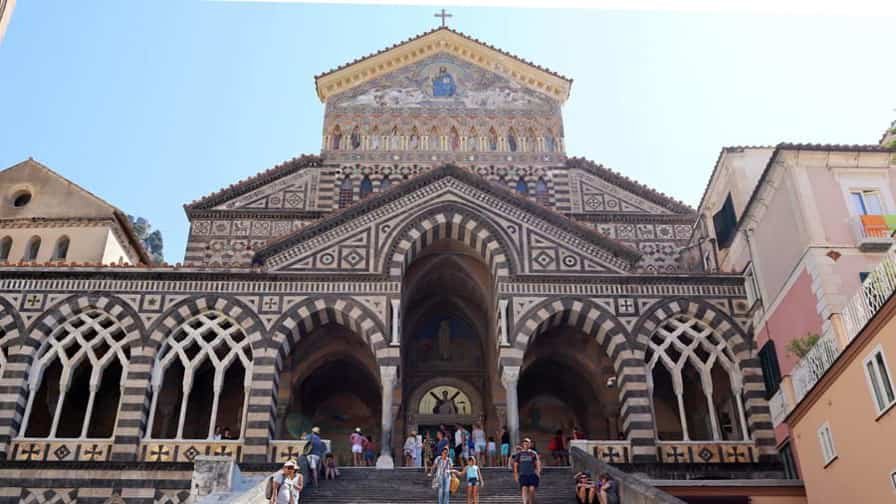
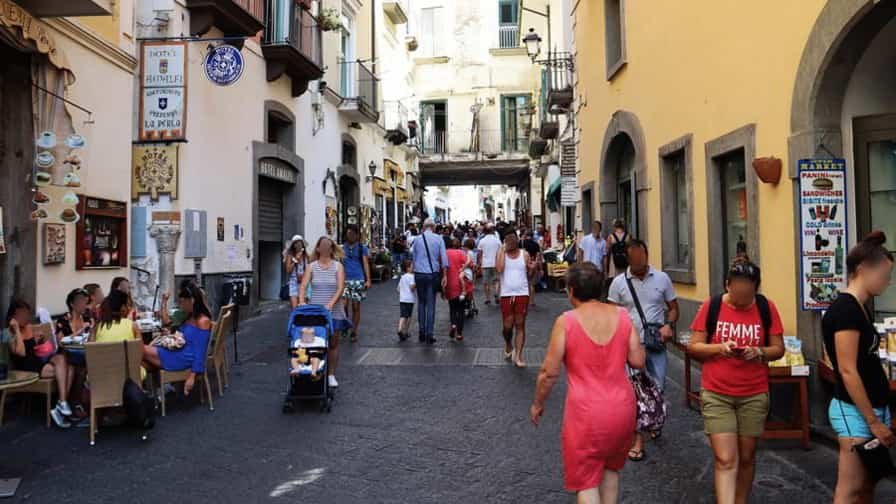
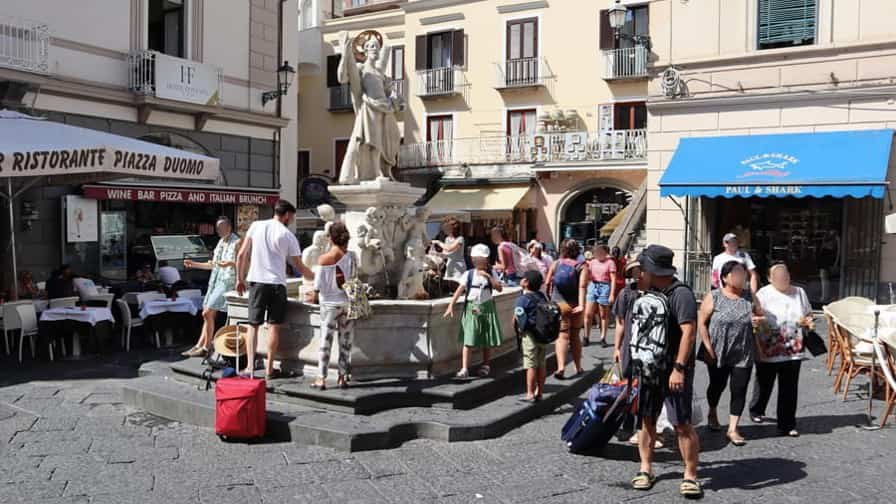
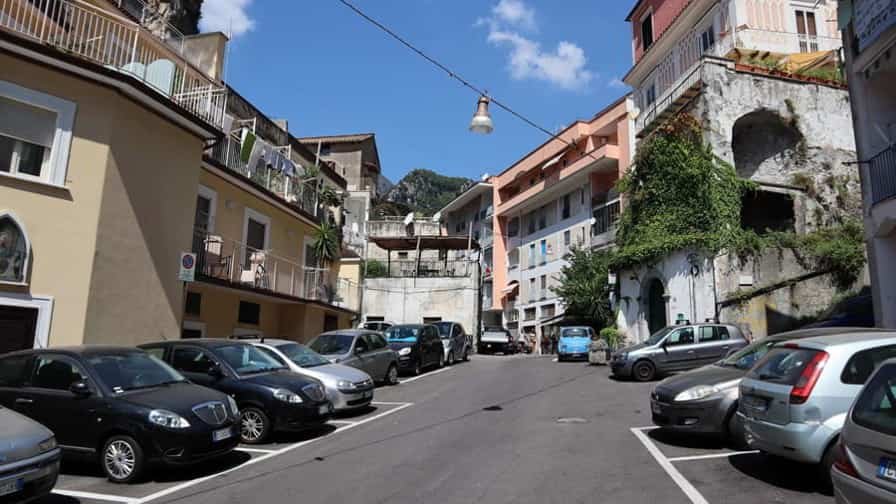
Amalfi
Marina di Camerota
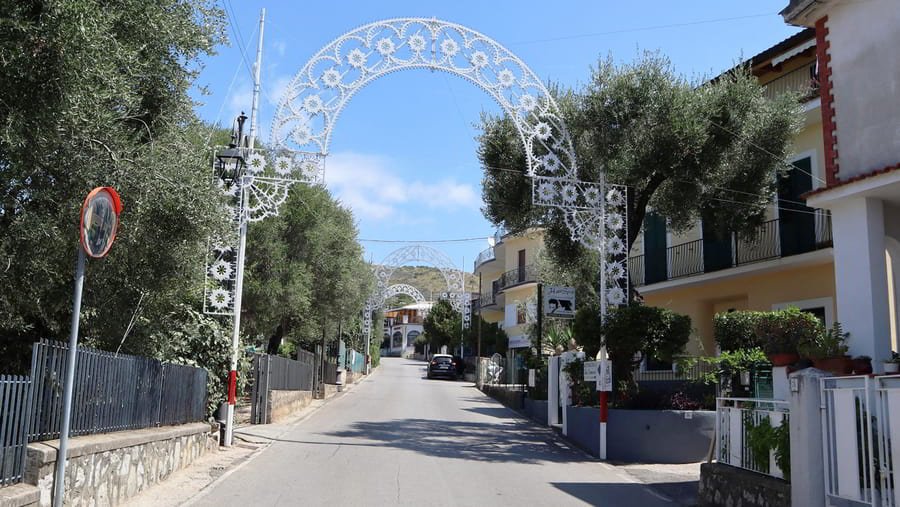
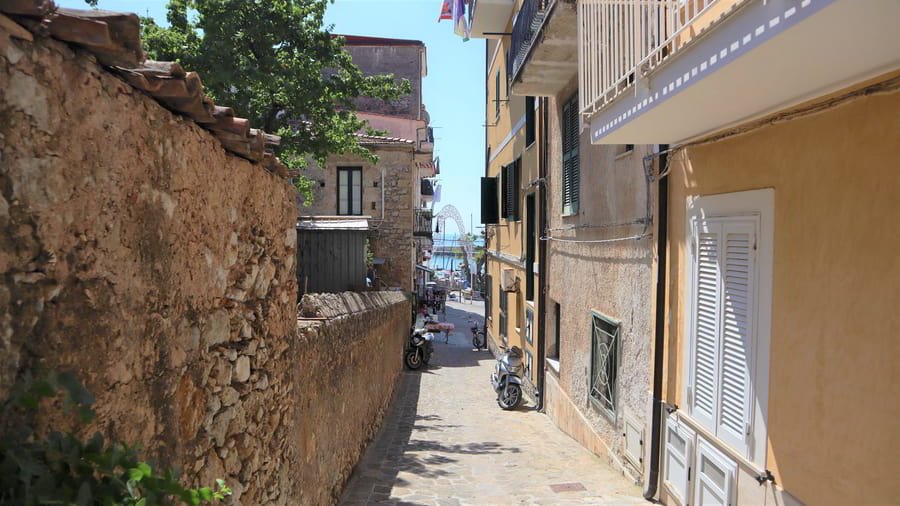
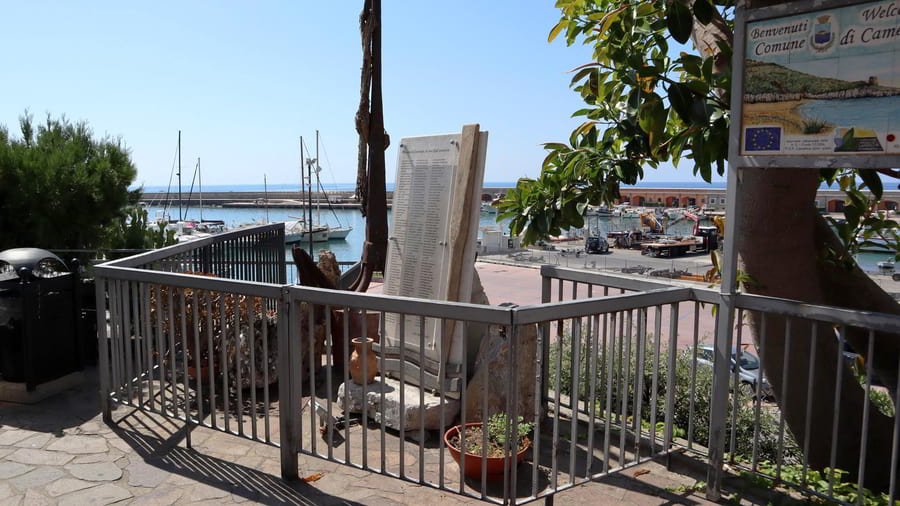
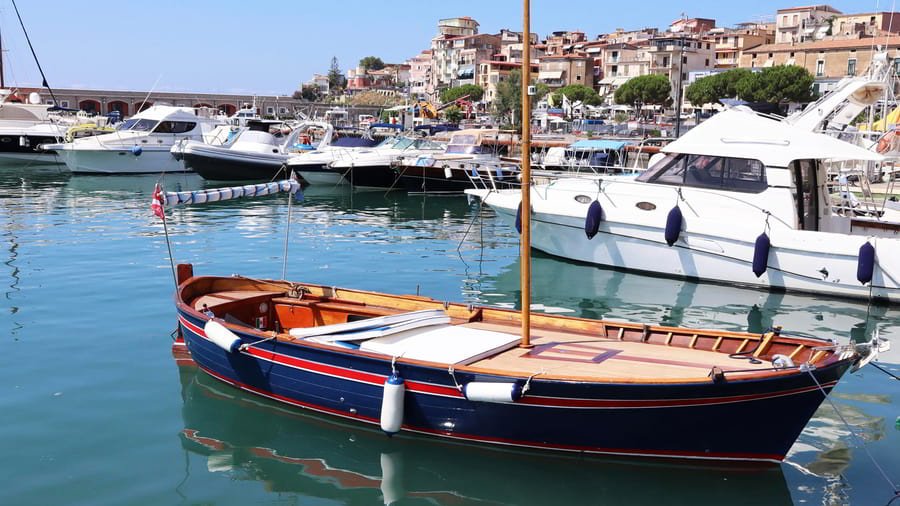
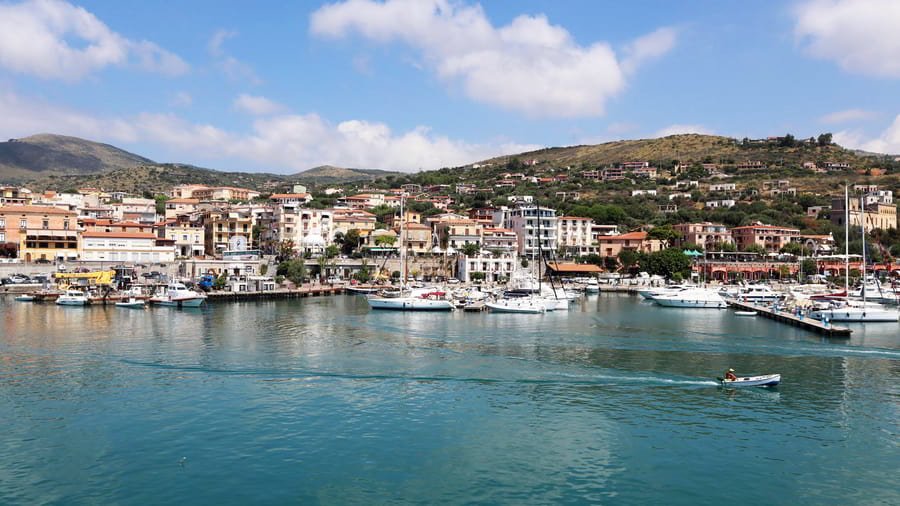
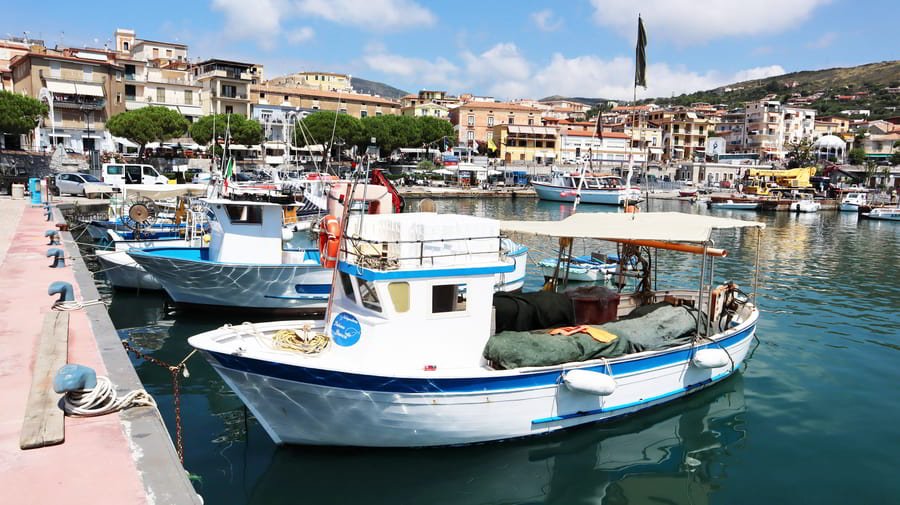
Pisciotta
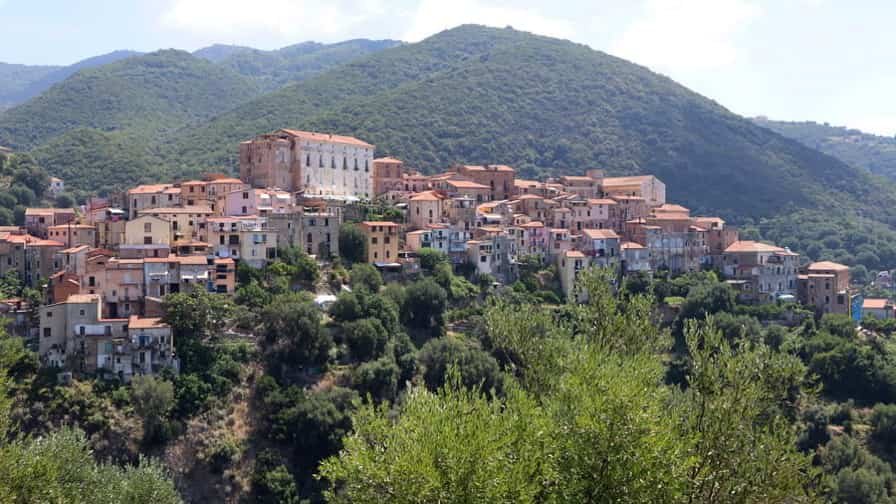
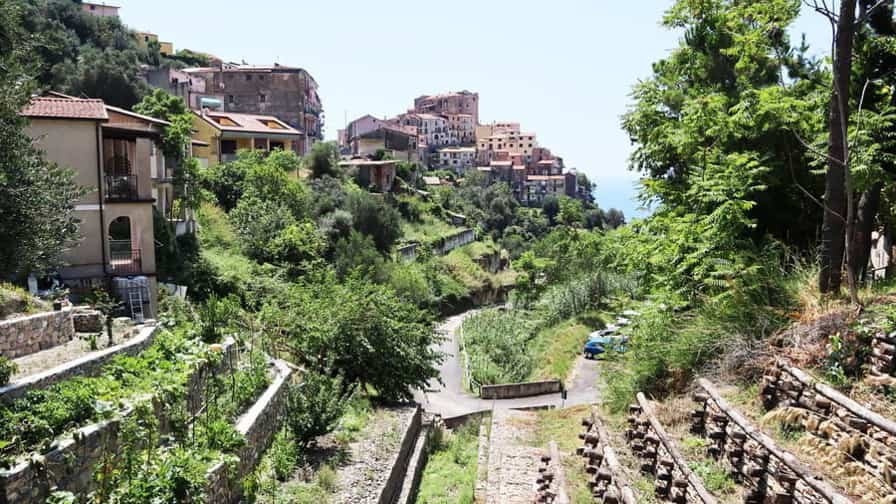
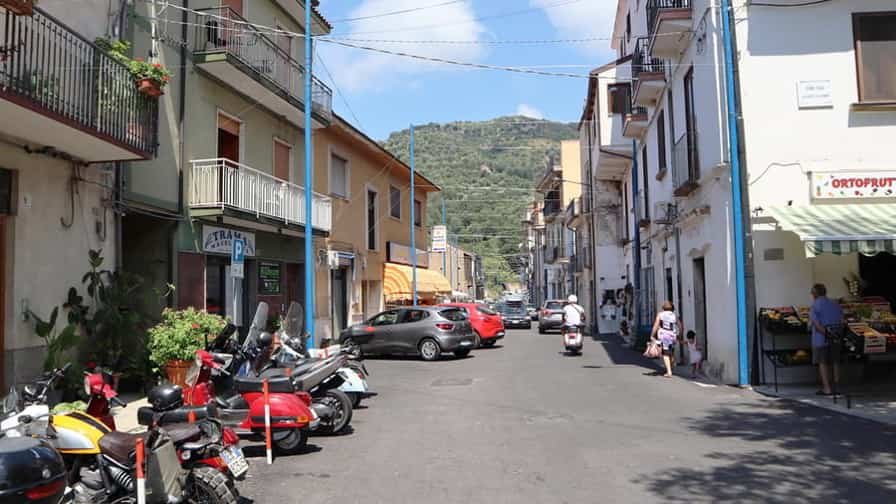
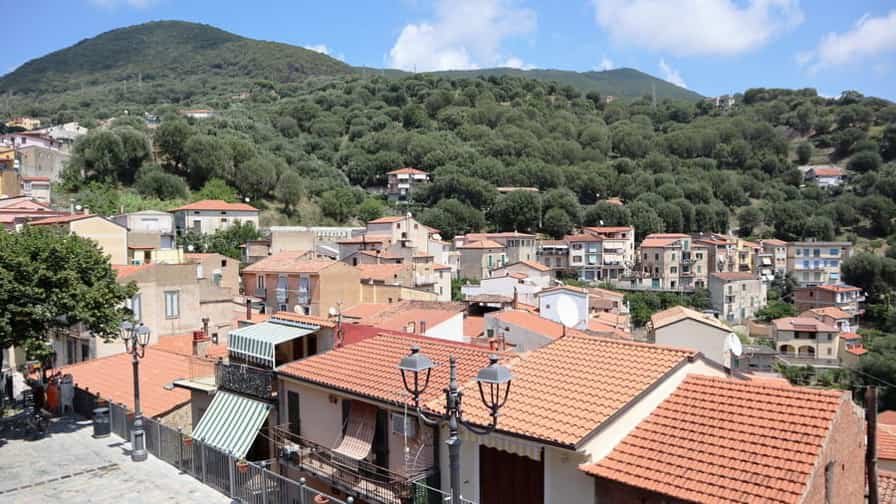

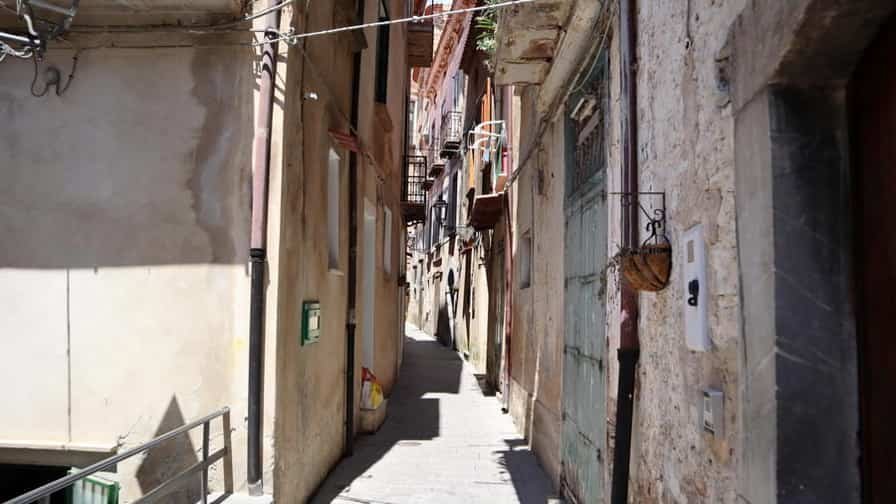
Positano
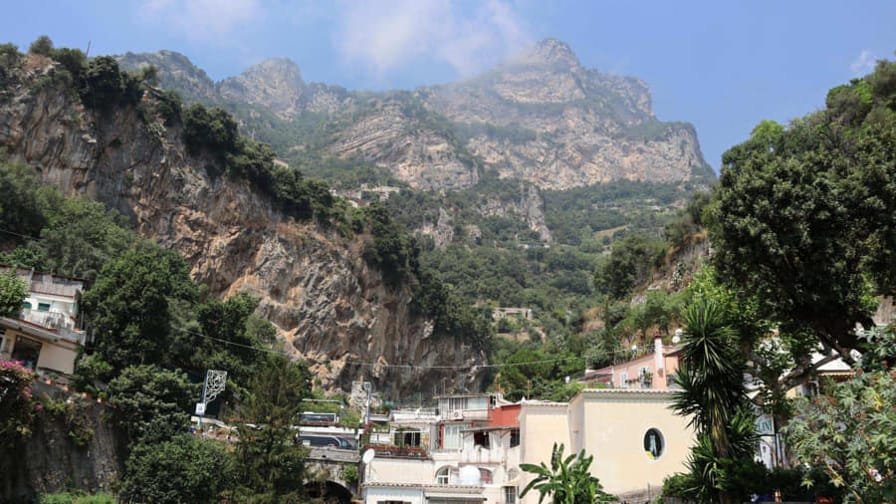
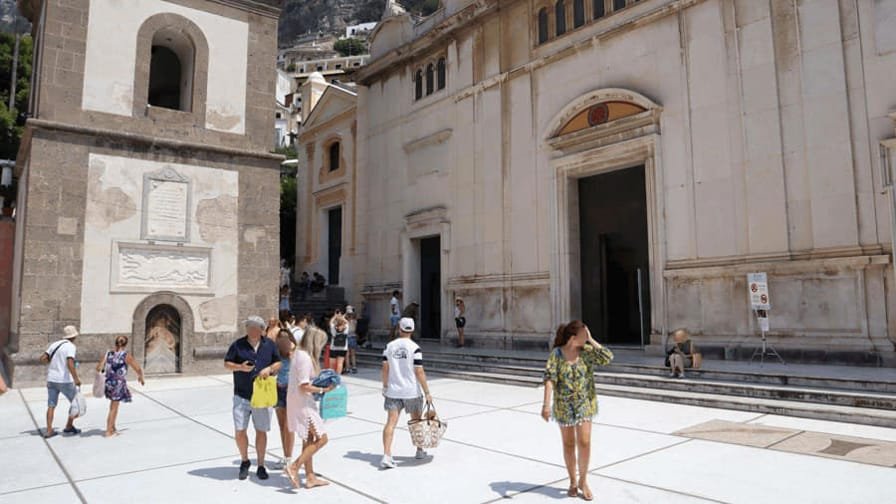
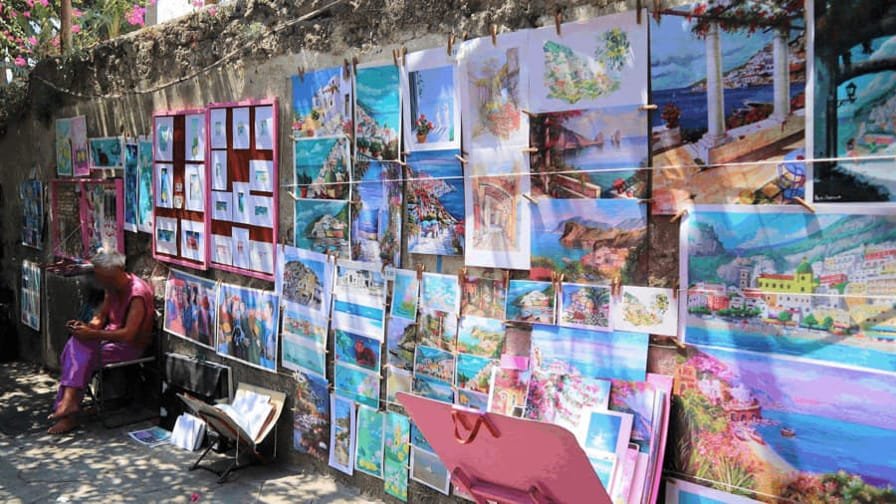
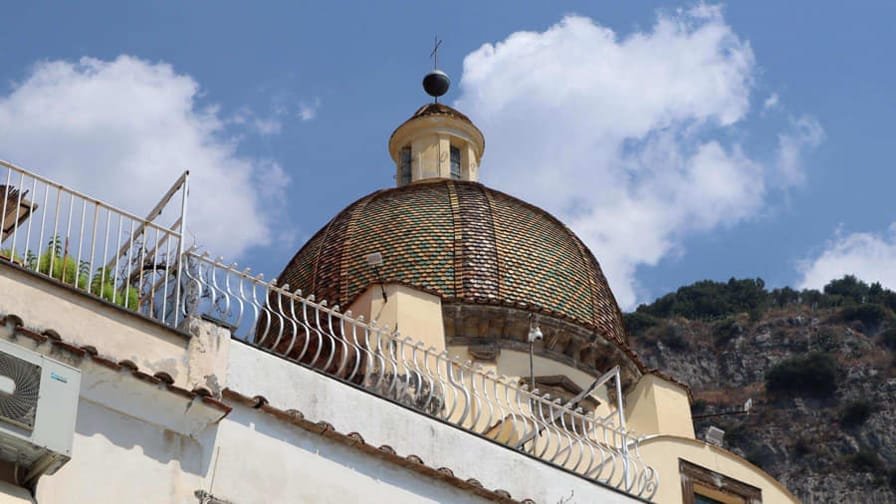
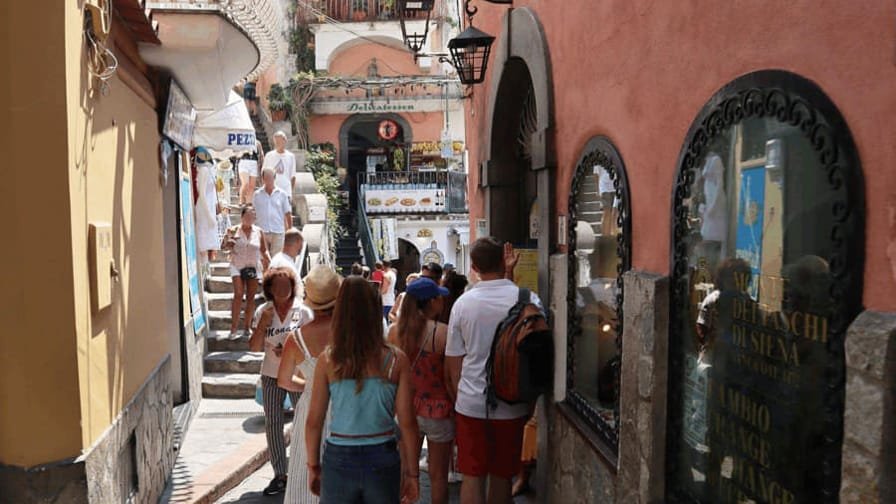
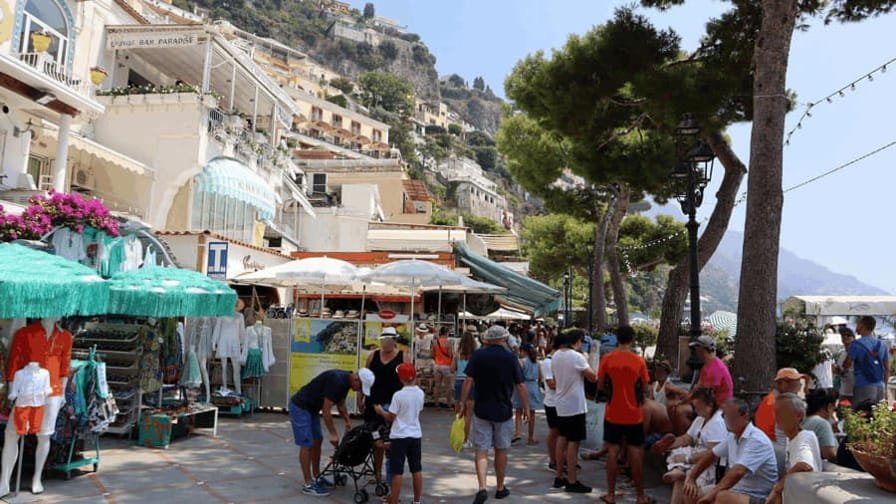
Ravello
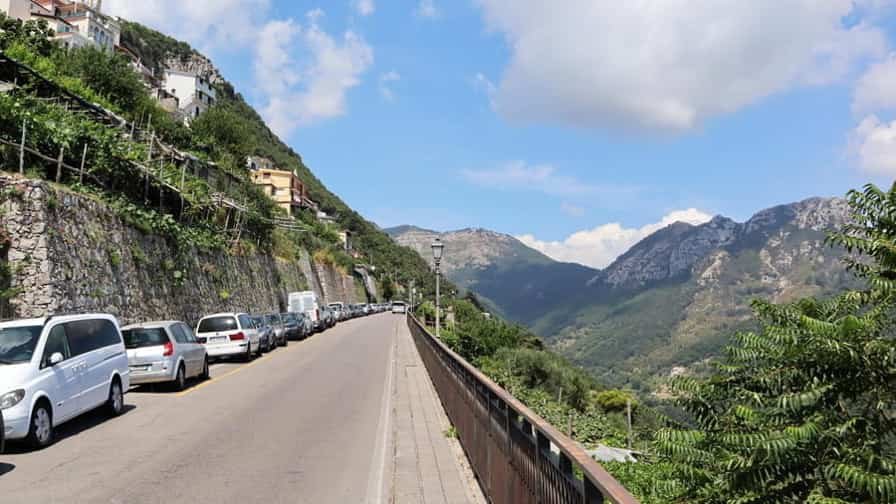
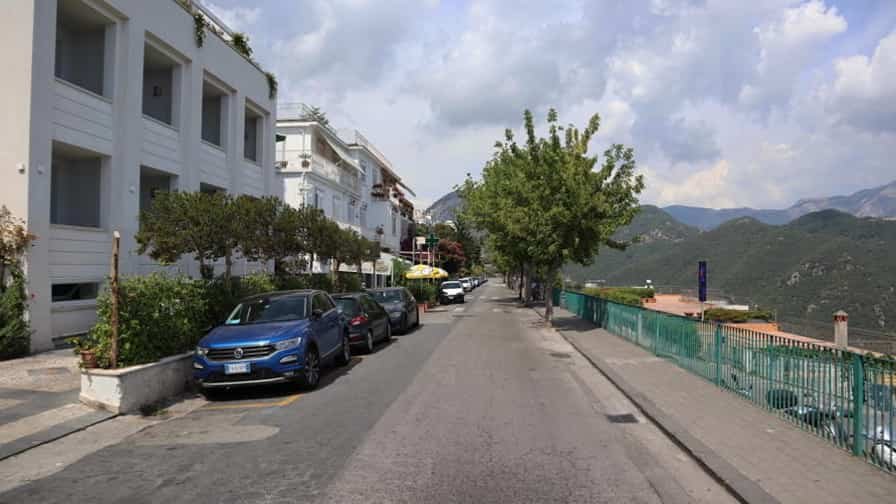
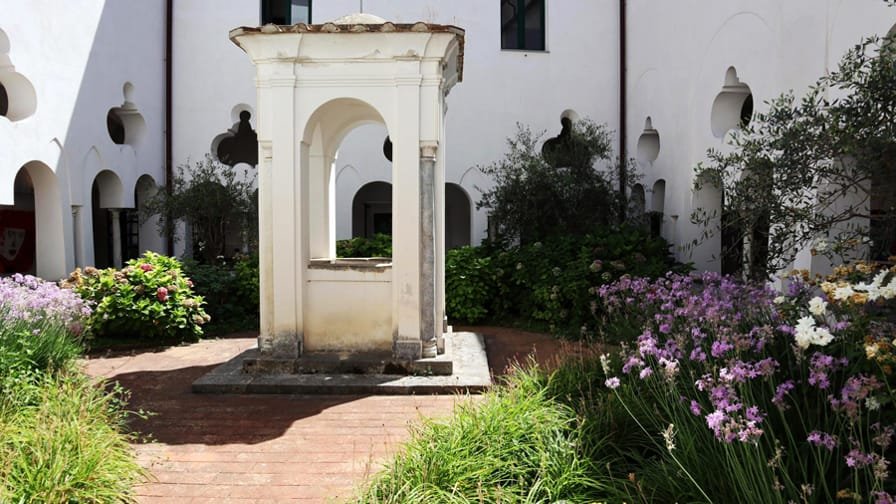
San Giovanni A Piro


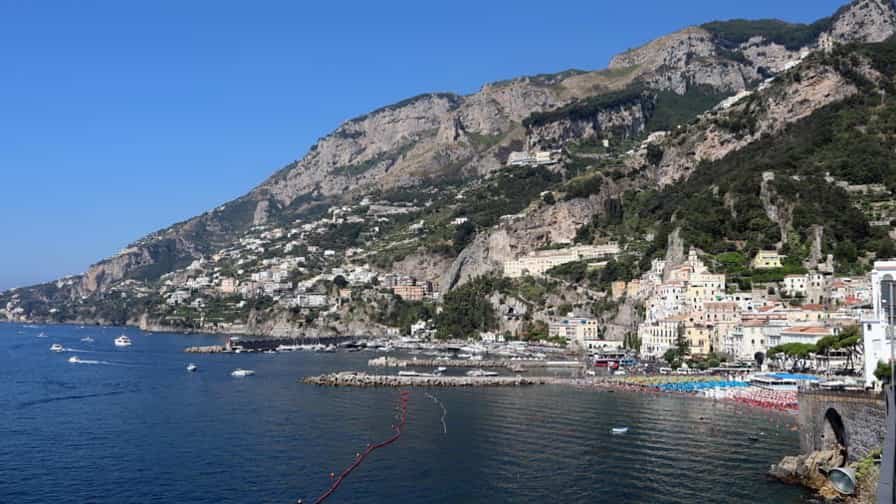
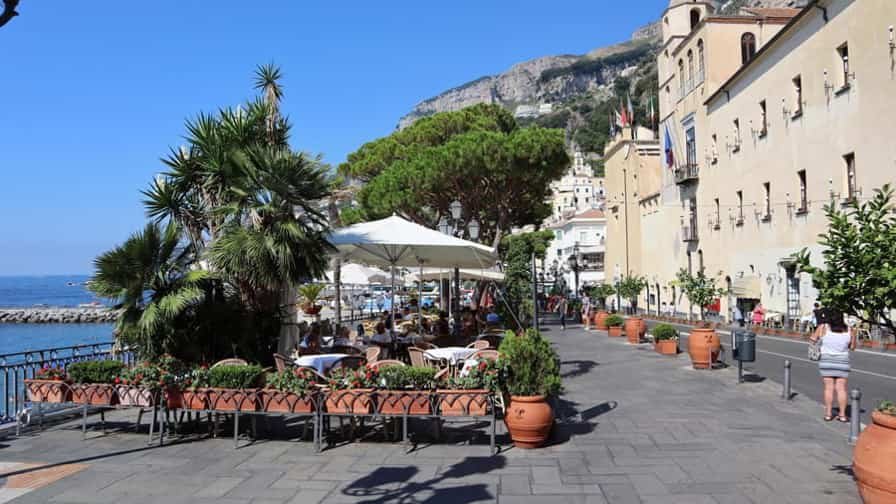
The Province of Salerno is one of the most geographically diverse and visually striking areas of the Campania region, extending from the Tyrrhenian coastline deep into the Apennine mountains. Situated south of Naples, it encompasses a wide range of landscapes, including fertile plains, forested hills, dramatic cliffs, and unspoiled inland valleys. This diversity has shaped a province where coastal life and rural traditions coexist in close proximity.
Salerno has a rich and complex history that reflects its strategic position in southern Italy. In the Middle Ages, the city of Salerno was renowned throughout Europe for its medical school, one of the earliest and most influential centers of medical learning in the Western world. Over time, the province absorbed influences from Roman, Lombard, Norman, and later Spanish rule, leaving behind a wealth of architectural and cultural heritage.
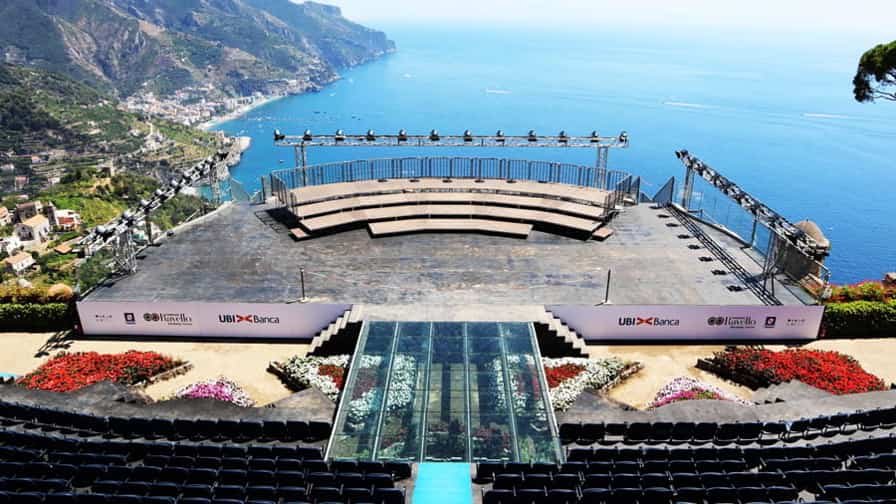
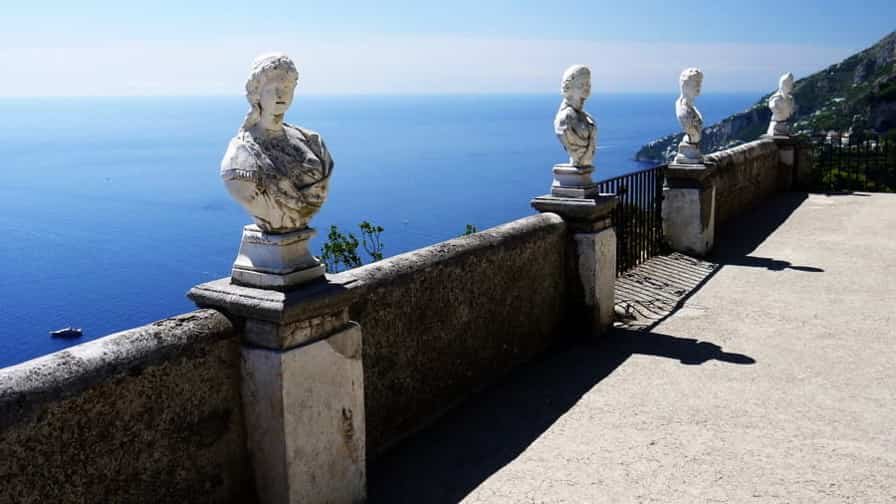
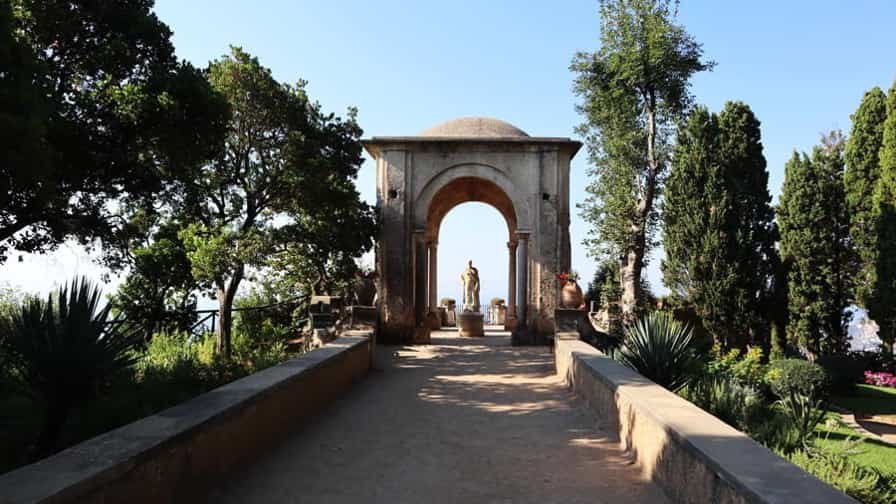
The province is internationally known for the Amalfi Coast, where towns cling to steep cliffs above the sea, creating one of Italy’s most iconic landscapes. Beyond the coast, areas such as the Sele Plain and the Cilento region reveal a slower rhythm of life, rooted in agriculture, traditional cuisine, and a strong connection to the natural environment.
Amalfi
Caserta
Castellammare di Stabia
Marina di Camerota
Massa Lubrense
Naples
Piano di Sorrento
Pietrastornina
Pisciotta
Pompeii
Positano
Ravello
San Giovanni A Piro
Sant’Agata sui Due Golfi
Sorrento
Torca
COPYRIGHT © 2018-2026 ITALY IN PHOTOS – ALL RIGHTS RESERVED