
HOME
THE REGIONS OF ITALY
PLACES IN ITALY
TRAVEL GUIDES COMING SOON
Italy in Photos
Discover the Regions of Italy
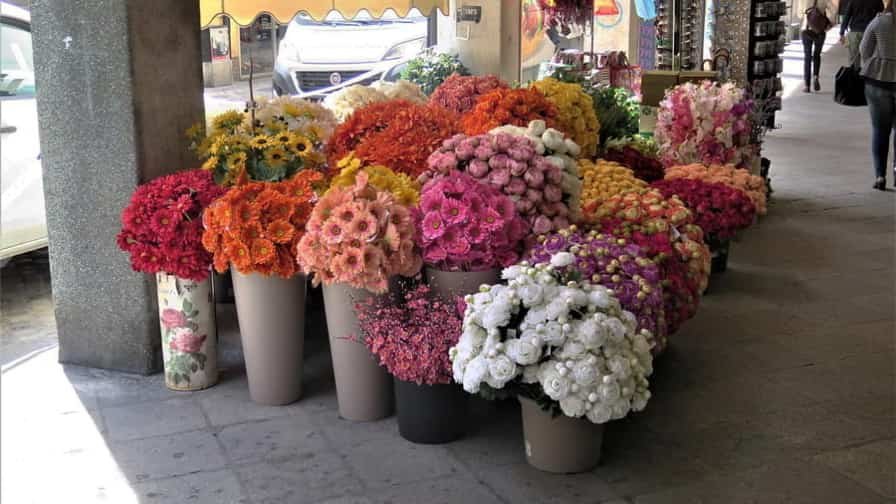
Viale Farini, 48121 Ravenna, Italy (May 2019)
Emilia-Romagna
Emilia-Romagna is a region in northern Italy that occupies a distinctive place in the country’s geography, history, and cultural imagination. Stretching from the Po River in the north to the Apennine Mountains in the south, and from the Adriatic Sea in the east toward Lombardy and Piedmont in the west, it forms a natural crossroads between northern and central Italy. This strategic position has shaped the region for centuries, making it a land of movement, exchange, and innovation.
The region takes its name from two historical areas. Emilia derives from the Via Aemilia, a Roman road built in 187 BCE that connected Rimini to Piacenza and became the backbone of settlement and trade across the plain. Romagna, by contrast, reflects a more complex medieval and Byzantine past, with cultural influences that differ subtly from those of Emilia. Together, these two identities create a region that is diverse yet remarkably cohesive, bound by shared traditions of civic pride, enterprise, and hospitality.
Geographically, Emilia-Romagna is defined by variety. The fertile Po Valley dominates the northern part of the region, one of the most productive agricultural areas in Europe. Fields of wheat, corn, vineyards, and orchards stretch across a flat landscape shaped by rivers and canals. To the south, the Apennines rise gradually, offering wooded hills, small villages, and a slower rhythm of life. To the east, the Adriatic coastline provides sandy beaches and lively seaside towns, long associated with tourism and leisure. This range of environments contributes to the region’s economic strength and its rich culinary traditions.
Historically, Emilia-Romagna has been a centre of political and intellectual life. In the Middle Ages and Renaissance, cities such as Bologna, Ferrara, Parma, and Modena flourished as independent communes or ducal capitals. Bologna is home to the oldest university in the Western world, founded in 1088, and remains a symbol of learning and debate. Ferrara and Modena were shaped by powerful ruling families who patronized art, architecture, and music, leaving behind a legacy of palaces and historic centres that still define the urban landscape today.
The modern identity of Emilia-Romagna is closely linked to its strong sense of community and social organization. The region has long been associated with cooperative movements, local governance, and a high quality of life. After the devastation of the Second World War, Emilia-Romagna rebuilt itself through a combination of industrial growth and social investment, becoming one of Italy’s most prosperous and well-organized regions. Small and medium-sized enterprises, often family-run, coexist with global brands in sectors such as automotive engineering, food production, ceramics, and fashion.
Few regions are as closely associated with food as Emilia-Romagna. Often described as the heart of Italian gastronomy, it is the birthplace of iconic products that are known and loved around the world. The cuisine reflects the generosity of the land and a deep respect for tradition, emphasizing craftsmanship, patience, and quality ingredients. Meals are central to social life, and recipes are often passed down through generations, reinforcing a strong connection between food, family, and identity.
Culturally, Emilia-Romagna balances tradition with openness to change. Its cities host festivals, exhibitions, and performances that celebrate music, cinema, and contemporary art, while historic piazzas and porticoes preserve a sense of continuity with the past. This blend of heritage and modernity makes the region not only a place to visit, but a place that continues to evolve while remaining deeply rooted in its history.
The Provinces of Emilia-Romagn
The photos shown for each province were taken during my visits to those locations. For more information, click on the name to be taken to the main page for that place.
The Provinces of Bologna
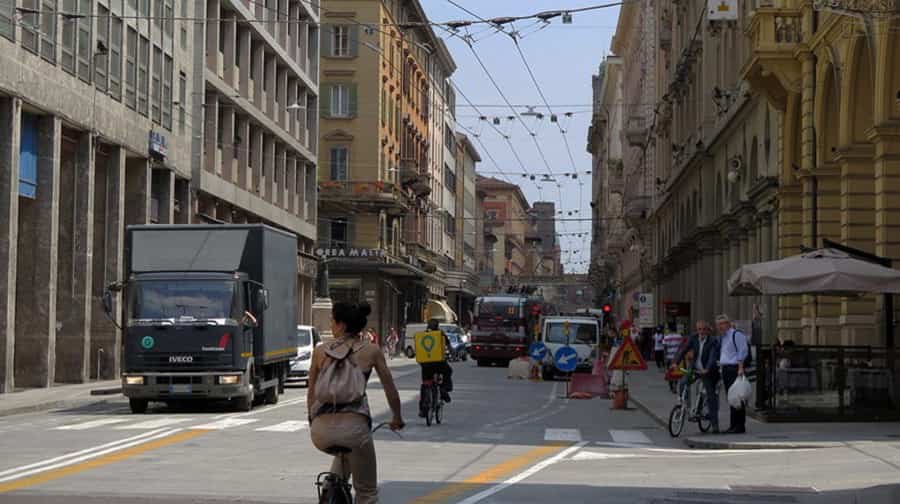
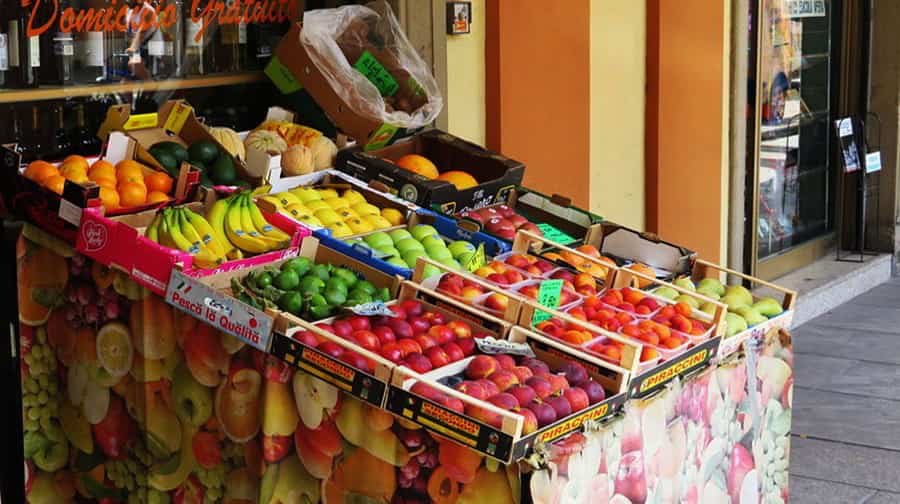
Bologna (Metropolitan City)
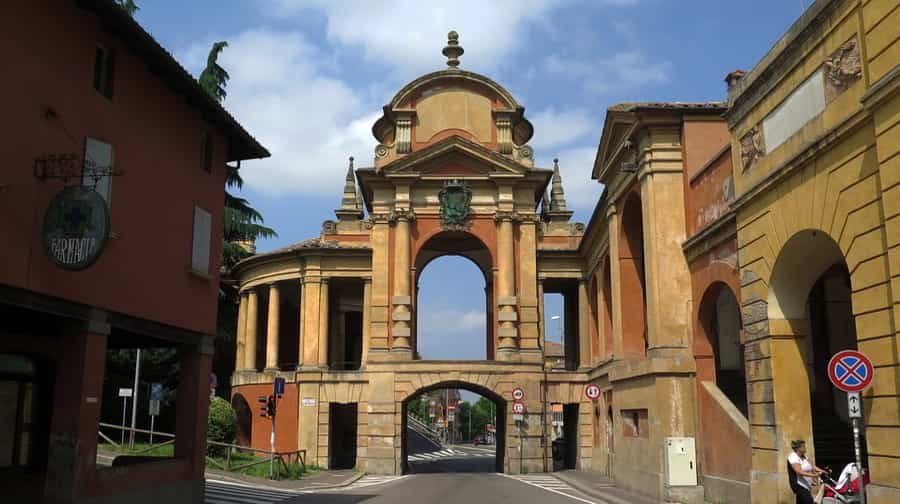
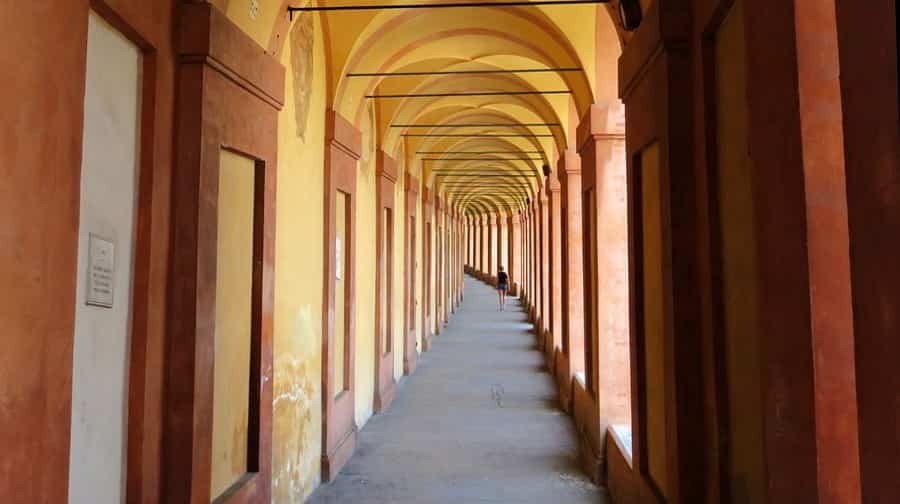
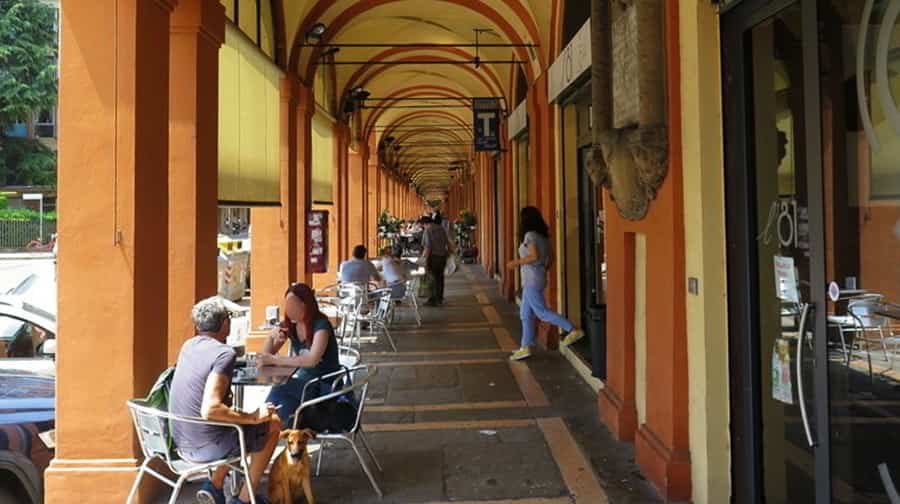
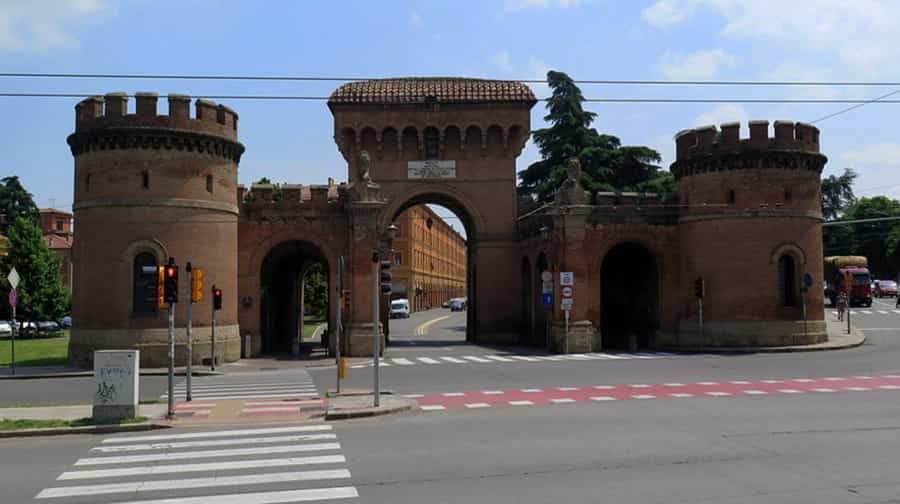
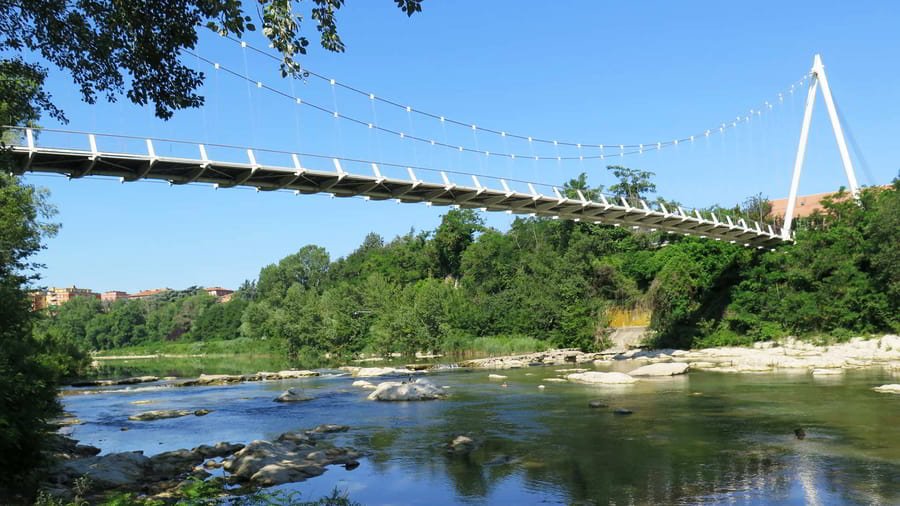
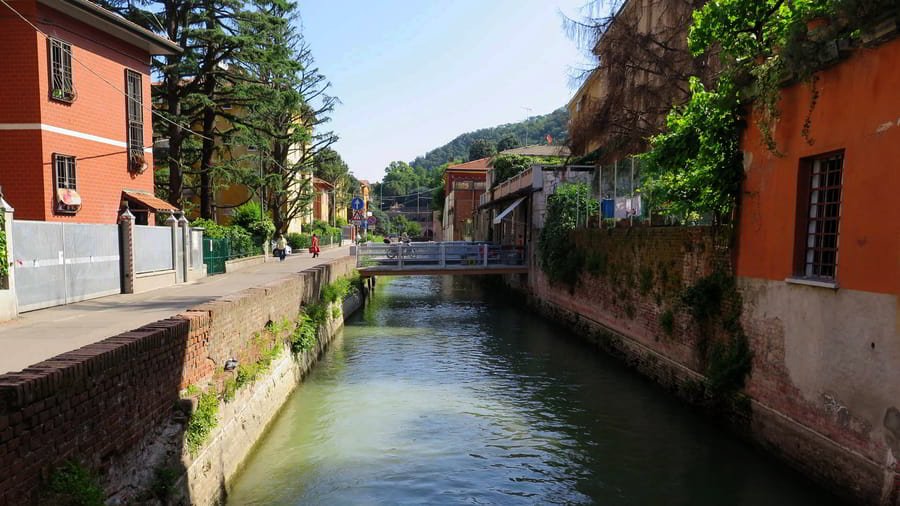
Casalecchio di Reno
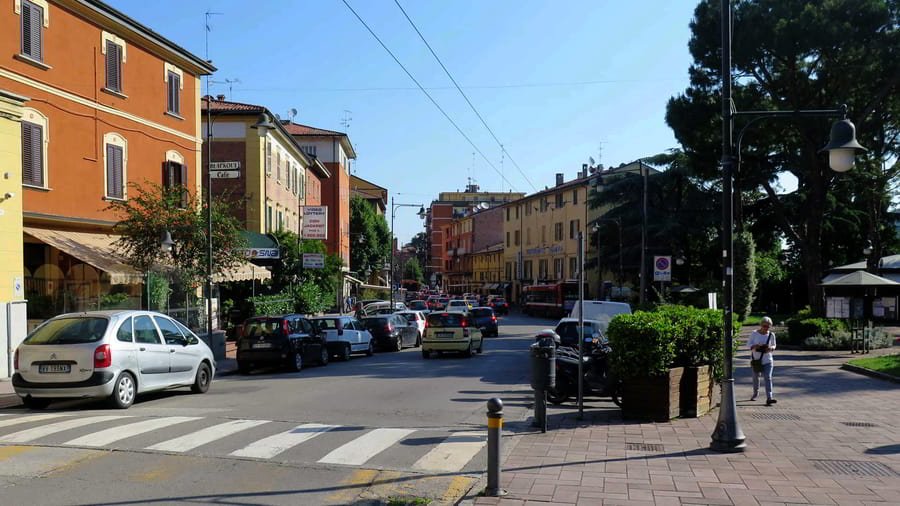
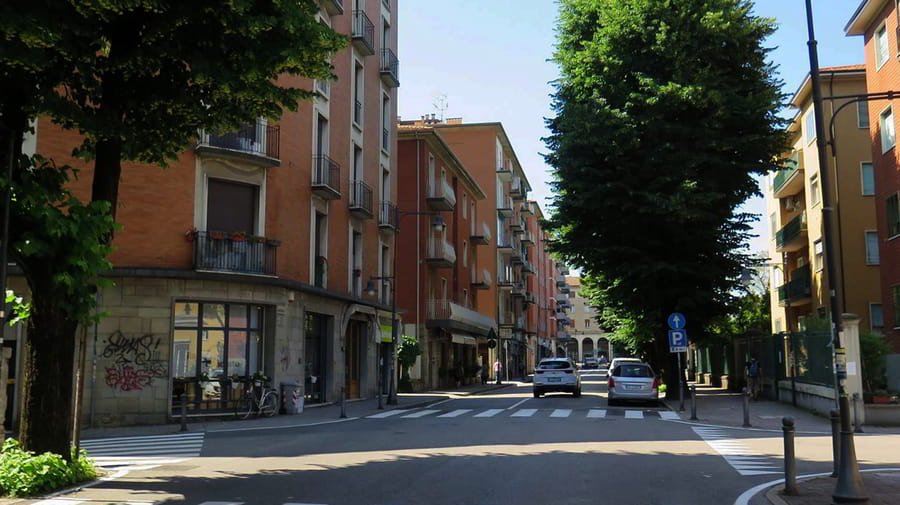
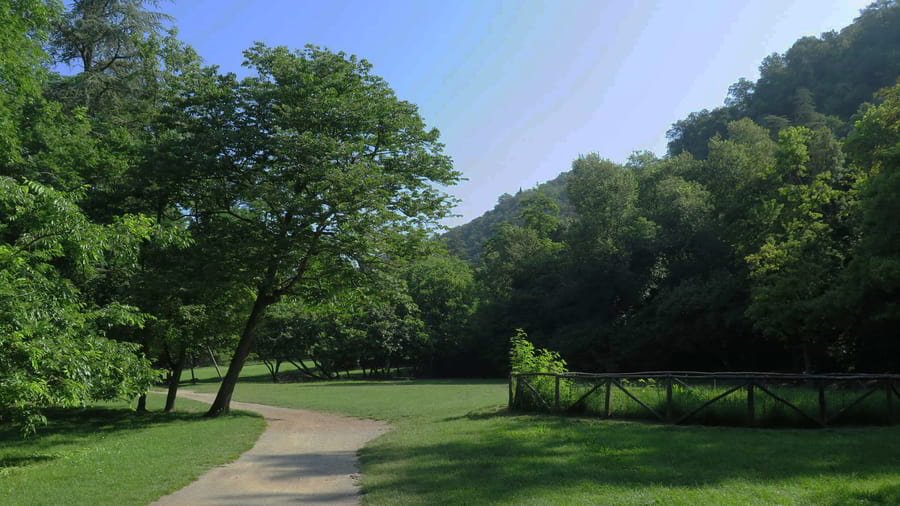
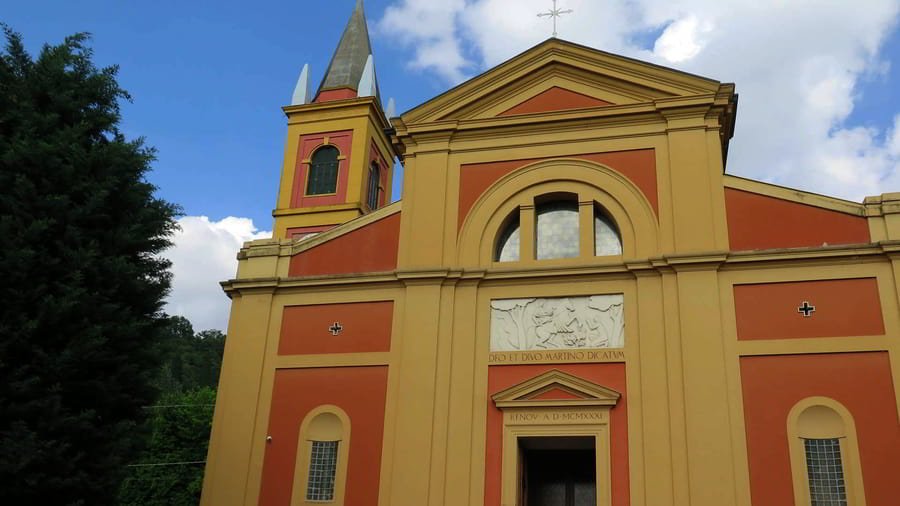
The Province of Bologna, located in the heart of the Emilia-Romagna region of northern Italy, is an area where history, culture, and innovation converge. Centred on the city of Bologna, the province has long played a pivotal role in the political, intellectual, and economic life of the region. Its strategic position between the Po Valley and the Apennine Mountains has made it a natural link between northern and central Italy, encouraging trade, travel, and cultural exchange for centuries.
The landscape of the Province of Bologna is marked by striking contrasts. Fertile plains dominate the northern areas, supporting agriculture and industry, while the southern part rises into rolling hills and wooded mountains dotted with historic villages and medieval castles. This diversity shapes local traditions and lifestyles, offering both vibrant urban centres and quieter rural communities.
Historically, Bologna has been renowned as a city of learning and civic independence, home to the oldest university in the Western world. This legacy of scholarship extends throughout the province, influencing its progressive outlook and strong civic identity. Today, the Province of Bologna is known for its high quality of life, dynamic economy, and deep-rooted cultural traditions that reflect the enduring spirit of Emilia-Romagna.
The Provinces of Modena
Modena
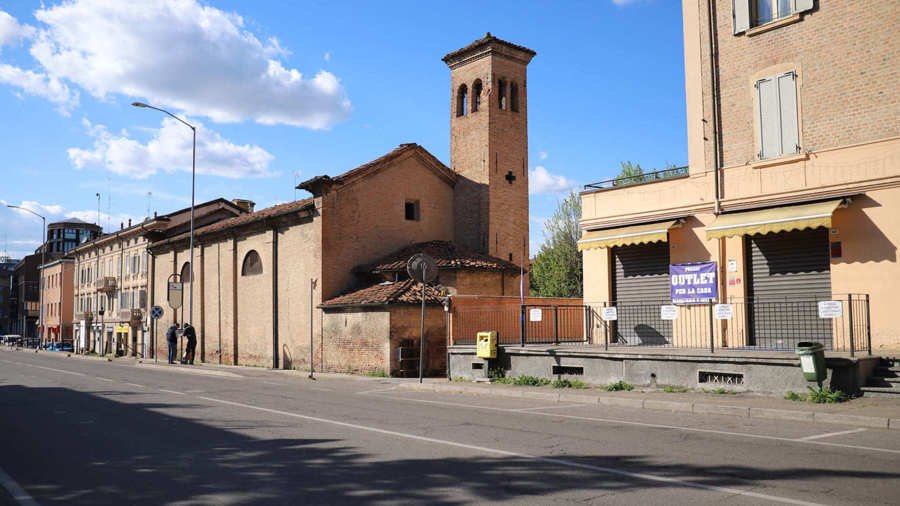
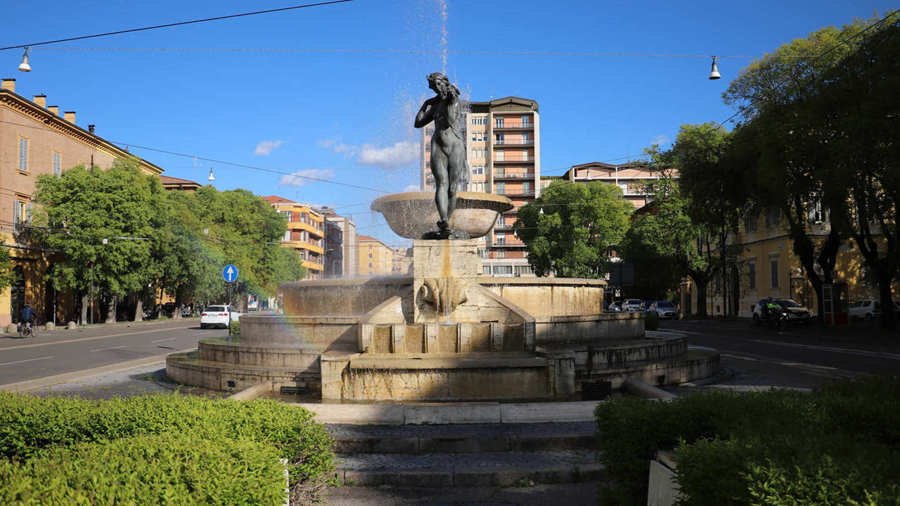
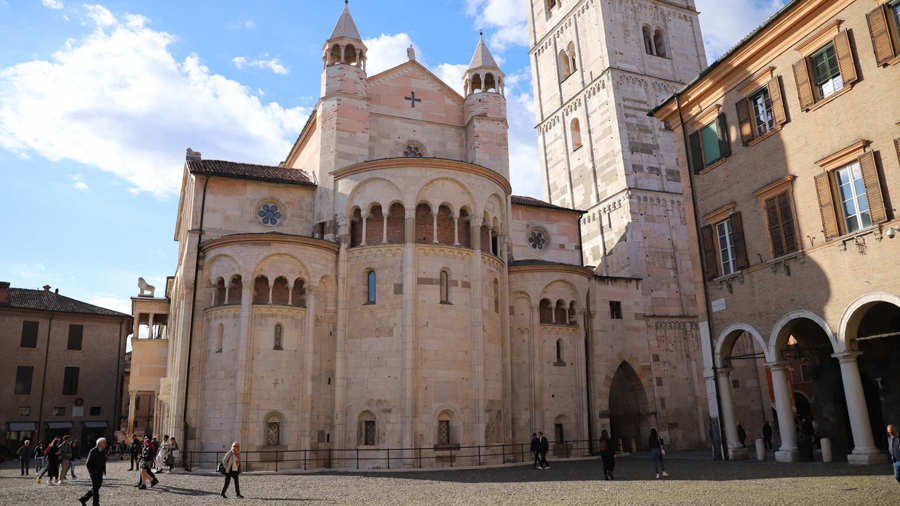
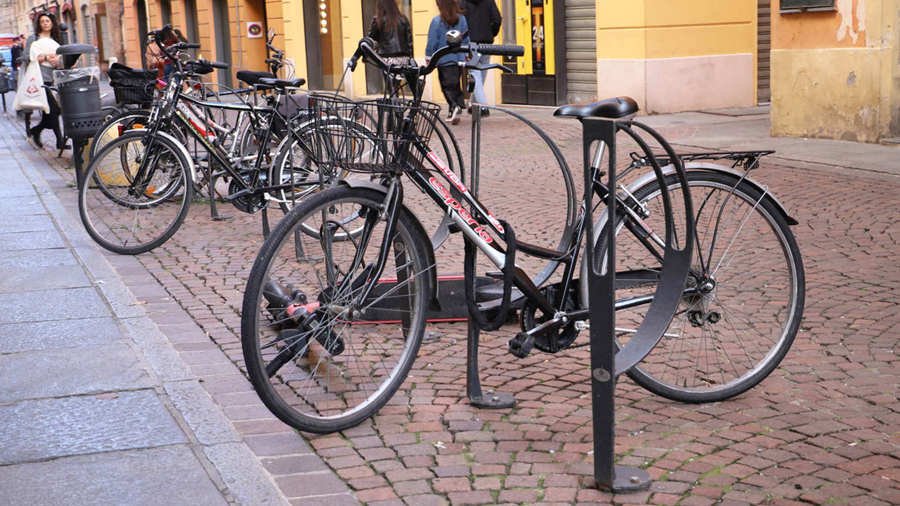
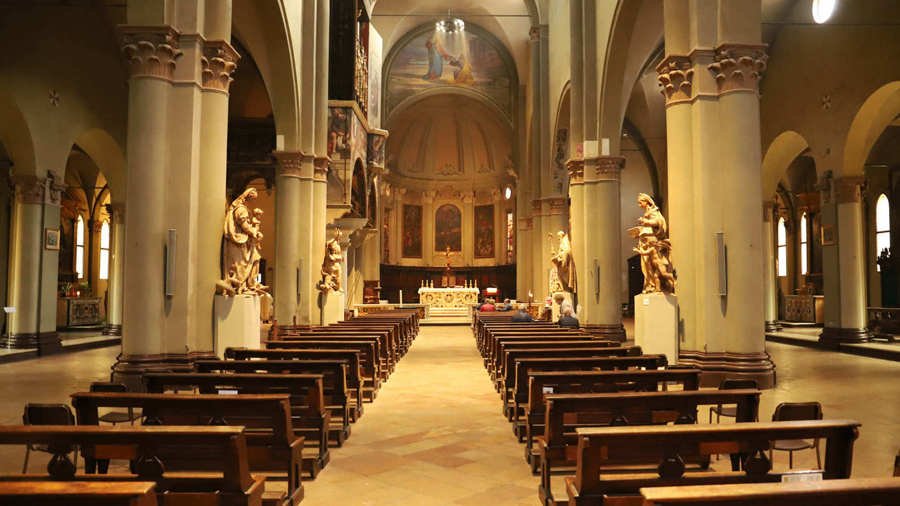

The Province of Modena is located in the central part of the Emilia-Romagna region and is known for its rich blend of history, industry, and cultural excellence. Extending from the fertile plains of the Po Valley to the foothills and mountains of the northern Apennines, the province encompasses a varied landscape that has supported both agriculture and craftsmanship for centuries. Its central position has long made it an important crossroads for commerce and communication within northern Italy.
The city of Modena, the provincial capital, has a distinguished past shaped by the Este family, whose rule left a lasting architectural and artistic legacy. The historic centre is dominated by the Romanesque cathedral, a UNESCO World Heritage site, along with the Ghirlandina tower and Piazza Grande, which together symbolize the city’s medieval and civic heritage. Modena has also earned international recognition for its deep connection to music and engineering.
Beyond its historic monuments, the Province of Modena is globally associated with innovation and quality production. It is the birthplace of traditional balsamic vinegar and home to world-renowned automotive manufacturers. Today, the province balances tradition and modernity, combining strong industrial activity with agricultural roots and a vibrant cultural life, making it one of the most dynamic areas of Emilia-Romagna.
The Provinces of Reggio nell’Emilia
Reggio Emilia

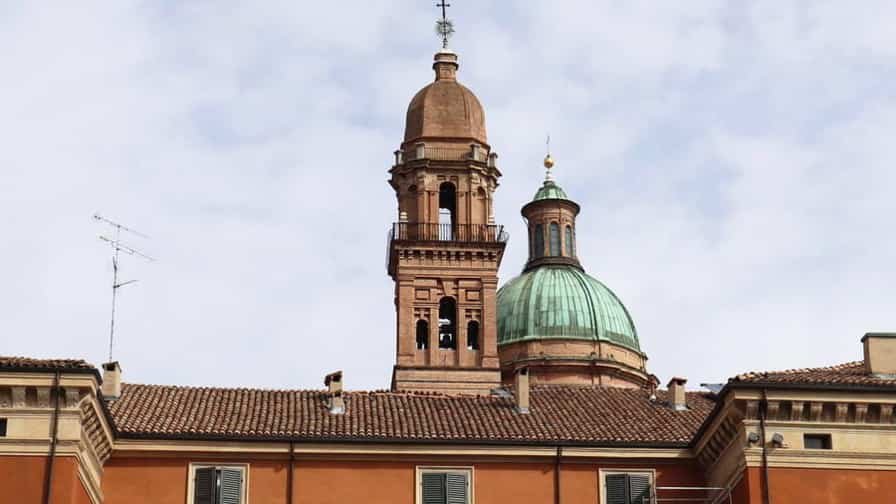
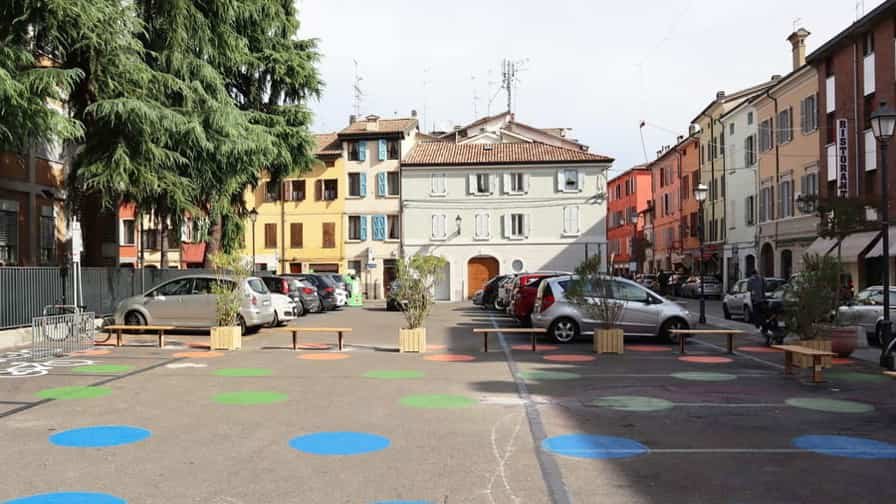
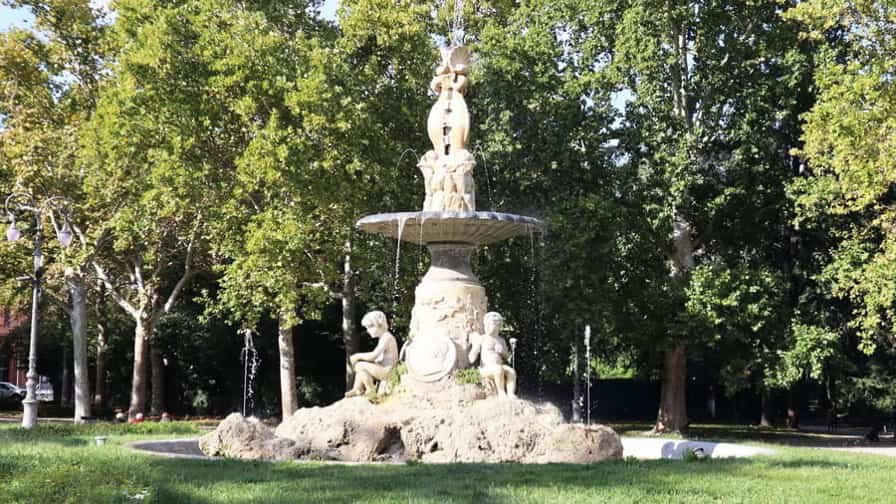
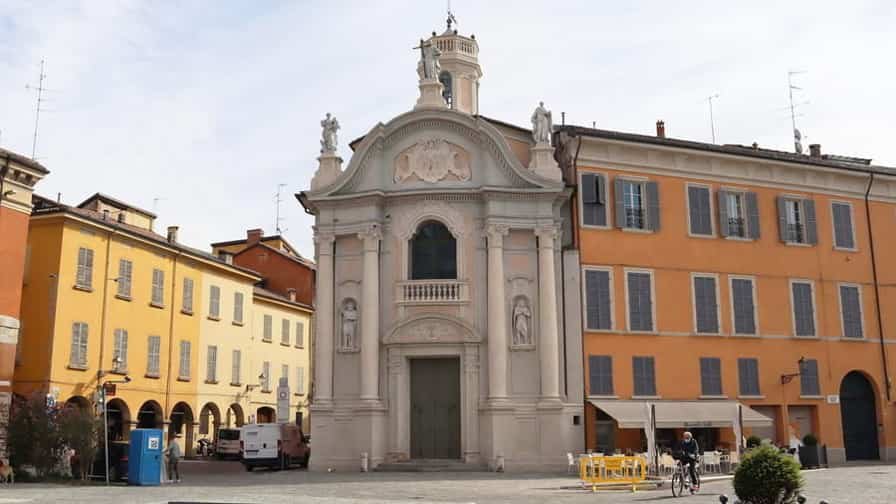

The Province of Reggio nell’Emilia is located in the western part of Emilia-Romagna, nestled between the fertile plains of the Po Valley and the gentle slopes of the northern Apennines. Its landscape is marked by rich agricultural land, dotted with small towns, rivers, and historic villas, reflecting centuries of human settlement and cultivation. This geographic position has made the province a crossroads of trade, culture, and innovation, linking northern and central Italy.
At the heart of the province lies the city of Reggio nell’Emilia, known for its historical, cultural, and civic significance. Founded during Roman times, the city has preserved its medieval and Renaissance heritage in its squares, churches, and palaces. It is also recognized as the birthplace of the Italian tricolour flag, symbolizing its long-standing role in the country’s history and identity.
The province is renowned for its agricultural and gastronomic traditions, producing high-quality foods such as Parmigiano Reggiano cheese and cured meats that reflect the region’s dedication to craftsmanship and local products. Beyond agriculture, Reggio nell’Emilia has developed a dynamic industrial sector, particularly in mechanics and ceramics, while maintaining a strong sense of community and cultural vitality. Today, the province blends historical richness, economic activity, and social cohesion, embodying the essence of Emilia-Romagna.
The Province of Parma
The Province of Parma is situated in the western part of the Emilia-Romagna region and is widely admired for its harmonious blend of natural beauty, cultural heritage, and culinary excellence. Extending from the fertile plains of the Po Valley to the wooded slopes of the Apennine Mountains, the province offers a diverse landscape that has shaped its economy and traditions over time. This geographical variety supports agriculture, artisanal production, and a strong connection between land and local identity.
At the centre of the province lies the city of Parma, a historic capital known for its refined artistic and musical legacy. Once ruled by powerful dynasties and later shaped by Enlightenment ideals, Parma developed a distinctive cultural character marked by elegance and humanistic values. Its historic architecture, theatres, and museums reflect centuries of patronage and intellectual life.
The Province of Parma is internationally recognized as a symbol of Italian gastronomy. Iconic products such as Parmigiano Reggiano cheese and Parma ham originate here, representing a tradition of quality, patience, and craftsmanship. Beyond food, the province maintains a strong sense of community and cultural continuity. Today, it combines economic vitality with a high quality of life, embodying the enduring traditions and modern spirit of Emilia-Romagna.
The Province of Piacenza
The Province of Piacenza is located in the north-western corner of Emilia-Romagna, bordering Lombardy and the Ligurian Apennines, making it a natural gateway between northern and central Italy. Its territory stretches from the fertile plains along the Po River to the rolling hills and mountains of the Apennines, offering a landscape of remarkable variety. Rivers, vineyards, and woodlands shape both the economy and the local way of life, fostering a strong connection between people and the land.
At the heart of the province is the city of Piacenza, a historic centre with roots in Roman times. Over the centuries, it has been shaped by various rulers, including the Visconti and Farnese families, leaving a rich architectural and artistic heritage. Palaces, churches, and public squares reflect its civic pride and strategic importance as a trading and military hub.
The Province of Piacenza is also known for its agricultural and culinary traditions. Fertile soils support grains, fruits, and vineyards, while local cuisine emphasizes simplicity, seasonality, and quality, with products such as salumi and wines gaining national and international recognition. Today, Piacenza combines its historical legacy with modern industry and a vibrant cultural life, representing a unique intersection of tradition, nature, and economic vitality within Emilia-Romagna.
The Province of Ferrara
Ferrara
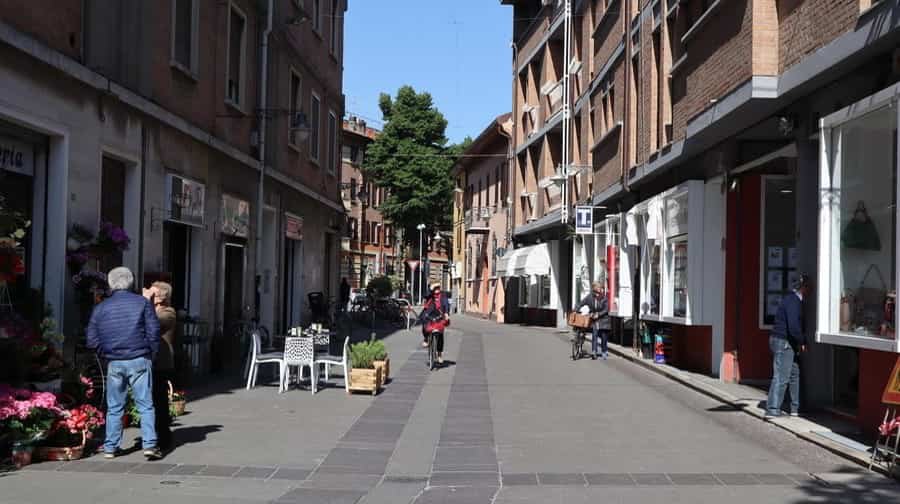
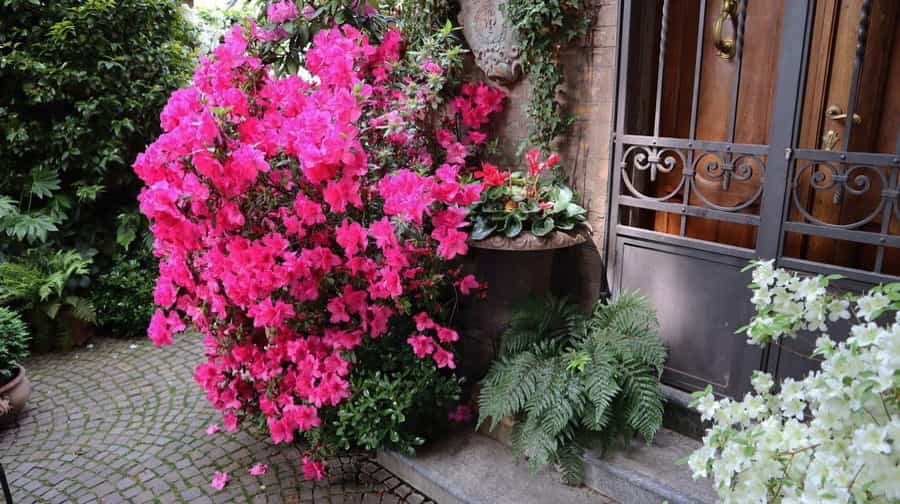
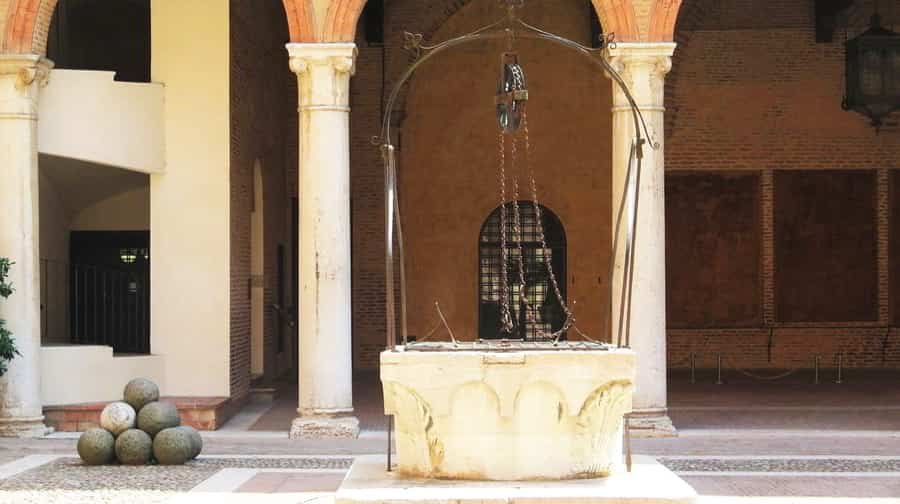
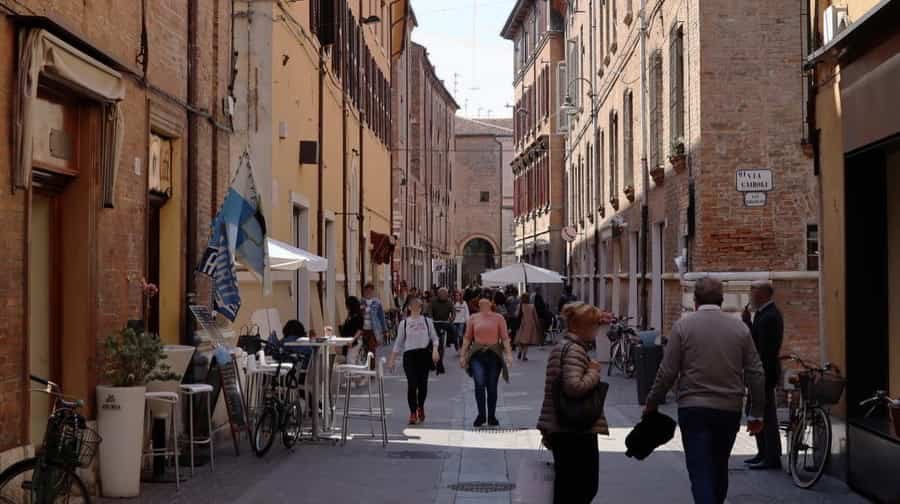
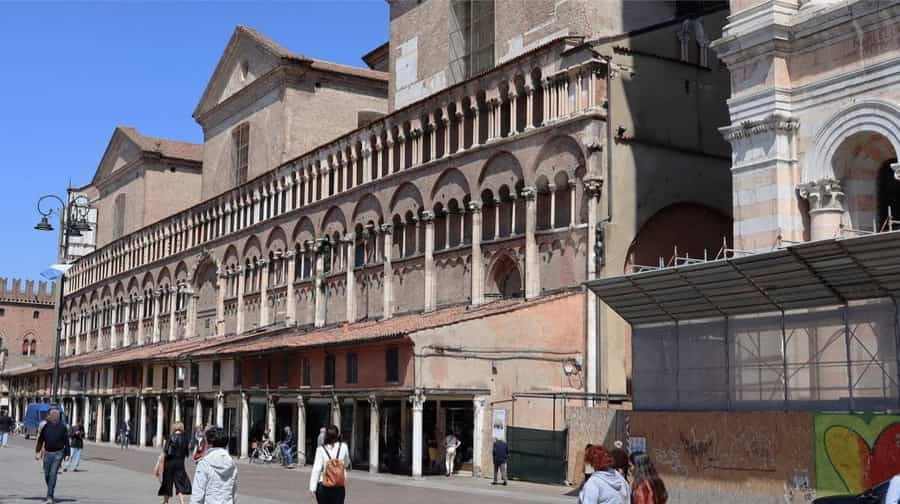
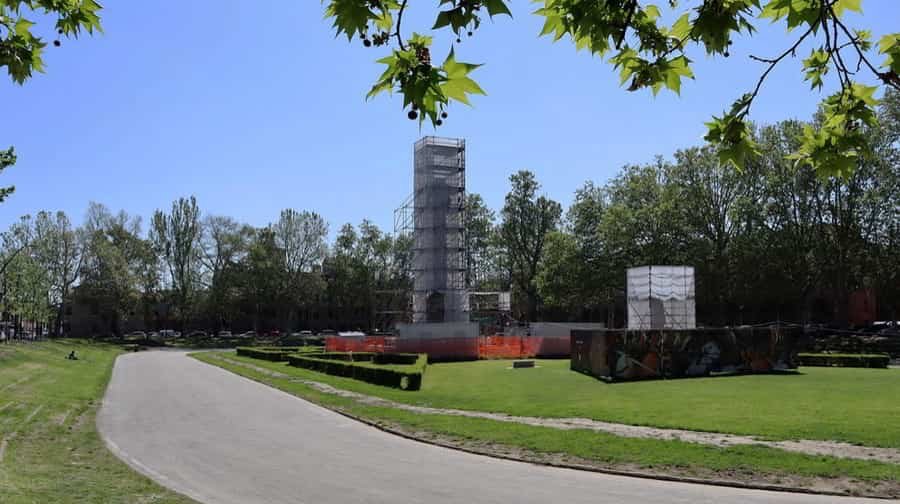
The Province of Ferrara lies in the eastern part of the Emilia-Romagna region, where land, water, and history are closely intertwined. Stretching from the lower Po Valley toward the Adriatic coast, the province is defined by wide plains, rivers, and reclaimed wetlands that have shaped both its landscape and its way of life. This close relationship with water has influenced settlement patterns, agriculture, and local traditions for centuries.
At its heart is the city of Ferrara, a Renaissance jewel renowned for its well-preserved urban plan and its association with the Este family, who ruled the city from the thirteenth to the sixteenth century. Under their patronage, Ferrara became a major centre of art, literature, and music, attracting some of the most important cultural figures of the time. The historic centre, enclosed by impressive city walls, reflects this period of prosperity and remains a defining feature of the province.
Beyond the city, the Province of Ferrara is characterized by fertile farmland, small towns, and natural areas such as the Po Delta, one of Italy’s most important wetlands. Today, the province combines a rich historical heritage with a strong agricultural tradition, offering a quieter yet deeply authentic expression of Emilia-Romagna’s cultural identity.
The Province of Ravenna
Ravenna
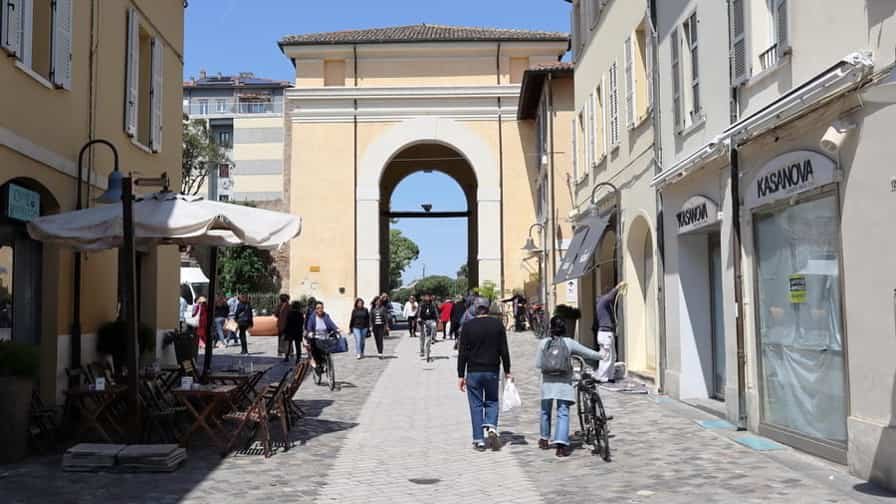
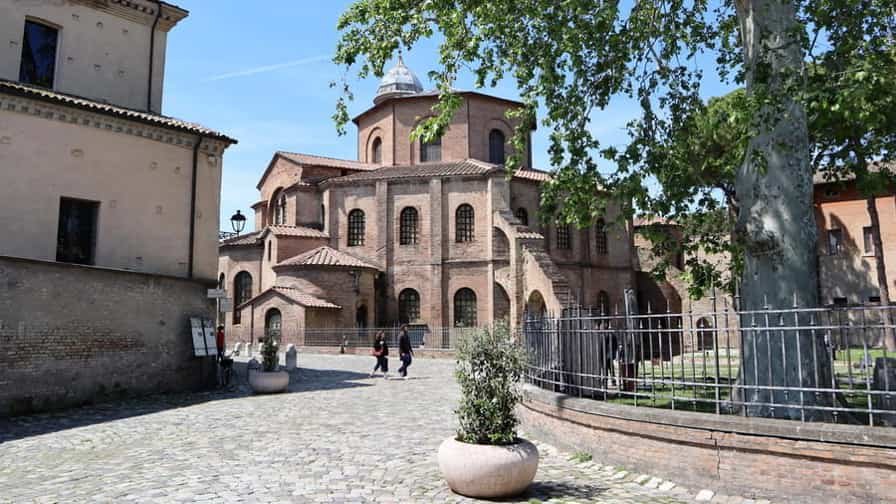
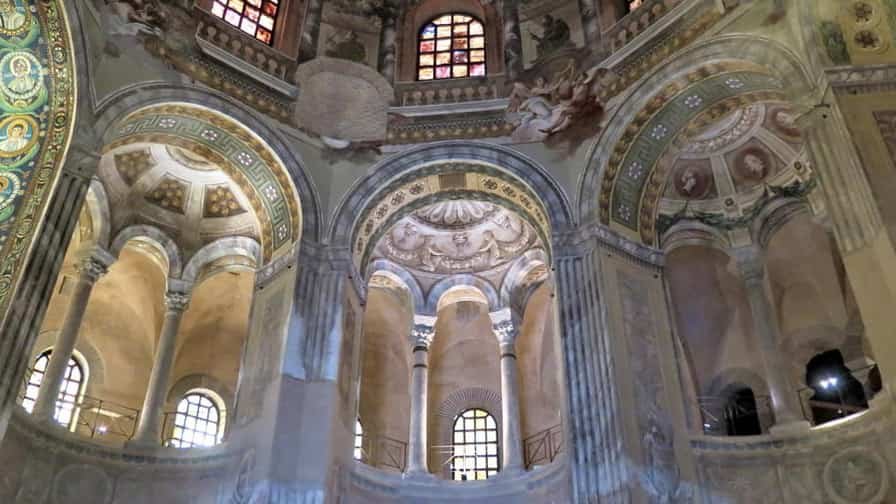
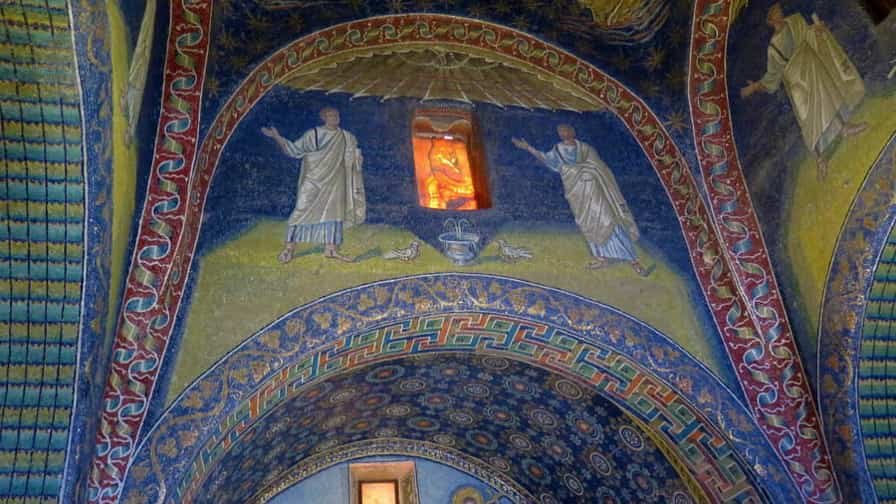
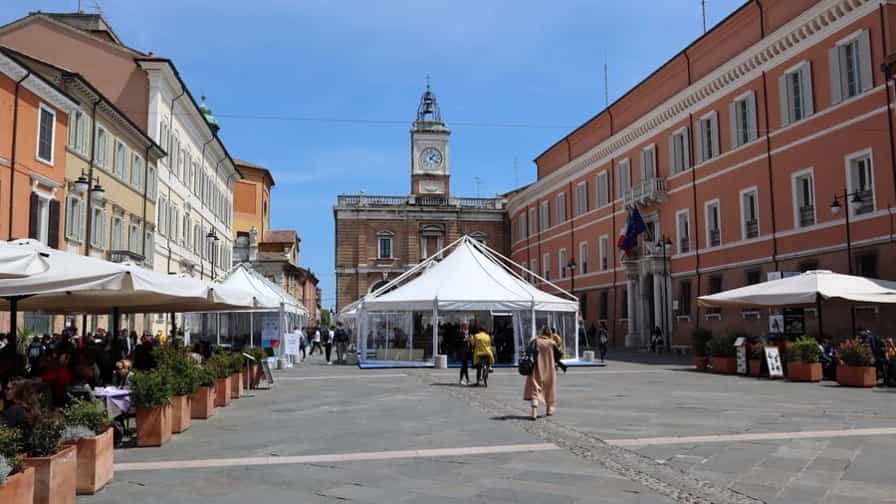
The Province of Ravenna is located in the eastern part of Emilia-Romagna, stretching from the Adriatic coast inland to the fertile plains of the Po Valley. Its territory is characterized by a unique combination of historical towns, wetlands, and seaside landscapes, making it one of the most distinctive areas of the region. The province’s geography, shaped by rivers, canals, and lagoons, has influenced its economy, culture, and settlement patterns for centuries.
At the centre of the province is the city of Ravenna, famous worldwide for its extraordinary Byzantine mosaics and well-preserved early Christian monuments, many of which are UNESCO World Heritage sites. Ravenna was once the capital of the Western Roman Empire and later of the Byzantine Exarchate, leaving a legacy of art, architecture, and urban planning that continues to attract scholars and visitors alike.
Beyond its historic city, the province encompasses beaches, pine forests, and natural reserves along the Adriatic coast, which support tourism, fishing, and recreational activities. Agriculture also plays a vital role, with fertile lands producing cereals, vegetables, and fruit. Today, the Province of Ravenna combines a deep historical heritage with modern economic activity, cultural vibrancy, and natural beauty, offering a rich and multifaceted expression of Emilia-Romagna’s identity.
The Province of Rimini
The Province of Rimini is located in the south-eastern corner of Emilia-Romagna, along the Adriatic coast, and is known for its vibrant tourism, historic heritage, and scenic landscapes. Its territory stretches from sandy beaches and lively seaside towns to the rolling hills and valleys of the northern Apennines, creating a varied environment that combines natural beauty with cultural richness. The province’s coastal location has long made it a hub for trade, travel, and recreation, while its inland areas preserve a quieter, more traditional Italian character.
At the centre of the province is the city of Rimini, famous for its beaches, historic monuments, and Roman heritage. The city hosts landmarks such as the Arch of Augustus, the Tiberius Bridge, and the Malatesta Temple, reflecting its long and diverse history. Rimini’s historic centre, with its piazzas, narrow streets, and lively markets, offers a contrast to the bustling modern coastline, blending tradition with contemporary tourism.
The province is also renowned for its culinary and cultural traditions. Local cuisine emphasizes fresh seafood, handmade pasta, and regional wines, while festivals and events celebrate music, cinema, and heritage. Today, the Province of Rimini represents a unique combination of leisure, history, and local identity, making it a vital part of Emilia-Romagna.
The Province of Forlì-Cesena
The Province of Forlì-Cesena is a province in the south-eastern part of the Emilia-Romagna region, offers a unique blend of history, culture, and natural beauty. Nestled between the Apennine Mountains and the Adriatic Sea, it boasts diverse landscapes, from rolling hills and fertile valleys to sandy beaches along the coast. The province is composed of two main cities, Forlì and Cesena, each with its own distinctive character. Forlì is known for its elegant squares, historic churches, and art galleries, while Cesena is celebrated for its medieval architecture, including the imposing Malatestiana Library, one of the oldest public libraries in Europe.
The region has a rich culinary tradition, producing specialties such as piadina, a thin flatbread, as well as fine wines and local cheeses that reflect its agricultural heritage. Forlì-Cesena is also a land of festivals and traditions, where cultural events bring communities together and celebrate both history and contemporary creativity. Nature enthusiasts can explore scenic trails in the Apennines or enjoy the Adriatic coastline, making it a province that appeals to a wide range of travellers.
With its combination of historic charm, gastronomic excellence, and natural beauty, Forlì-Cesena captures the essence of Emilia-Romagna. It is a province where the past and present coexist harmoniously, offering visitors a rich and varied Italian experience.
Bologna
Casalecchio di Reno
Ferrara
Modena
Ravenna
Reggio Emilia
COPYRIGHT © 2018-2026 ITALY IN PHOTOS – ALL RIGHTS RESERVED