
HOME
REGIONS OF ITALY
PLACES IN ITALY
PLAN YOUR TRIP
Italy in Photos
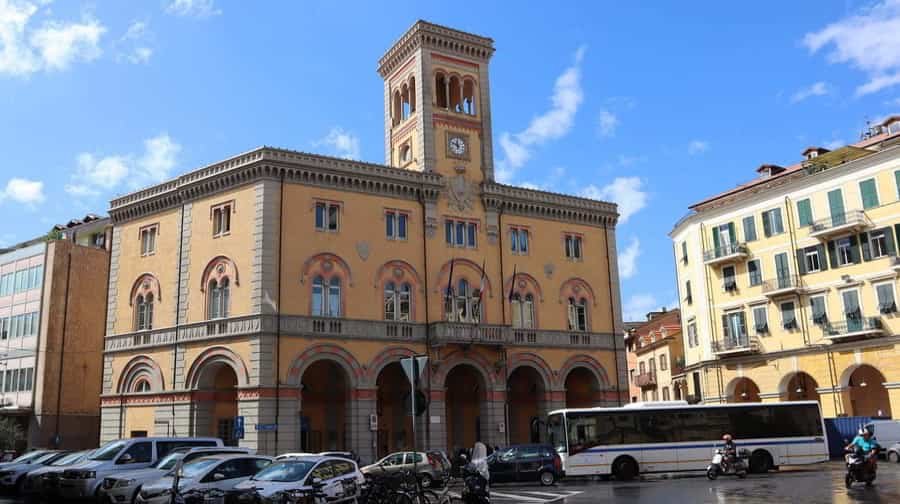
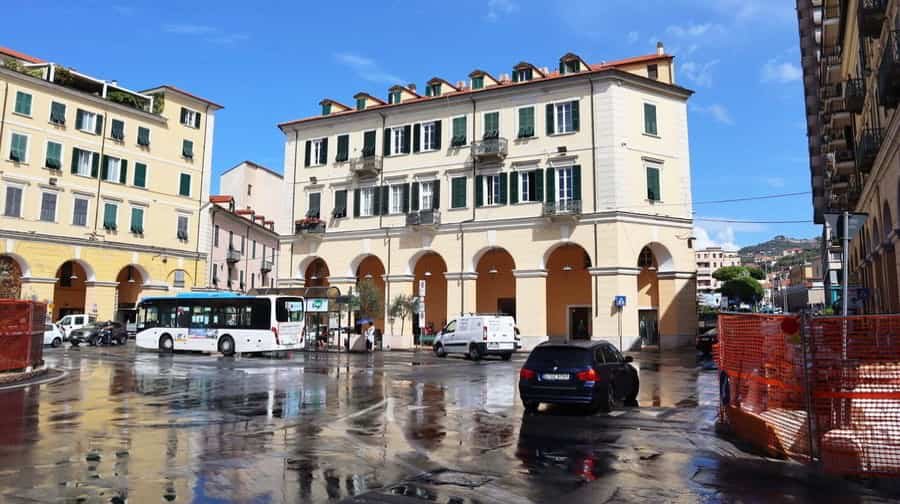
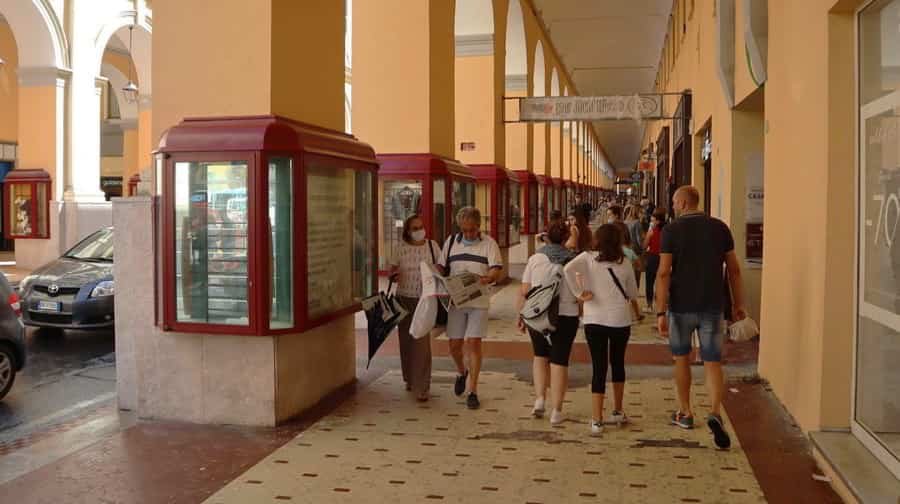
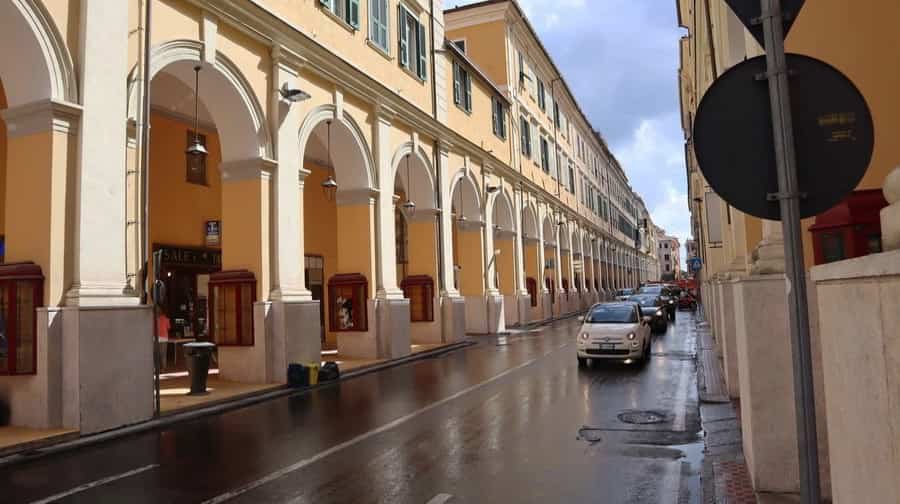
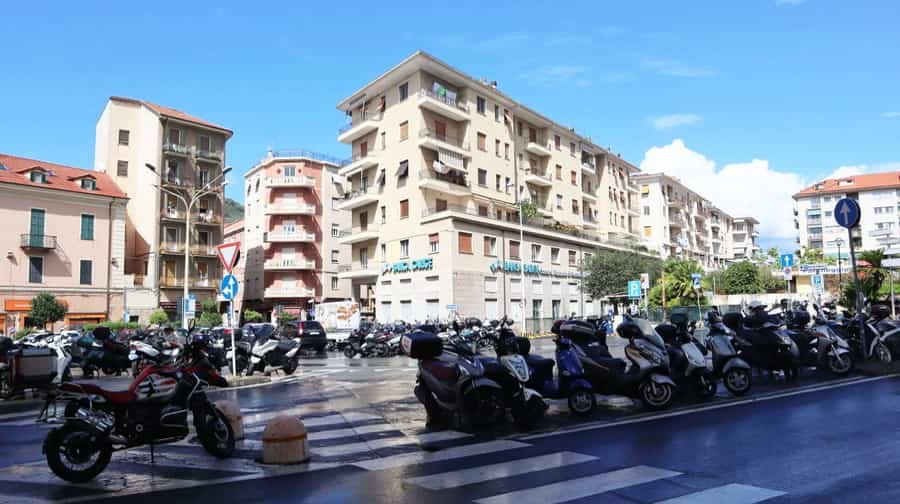
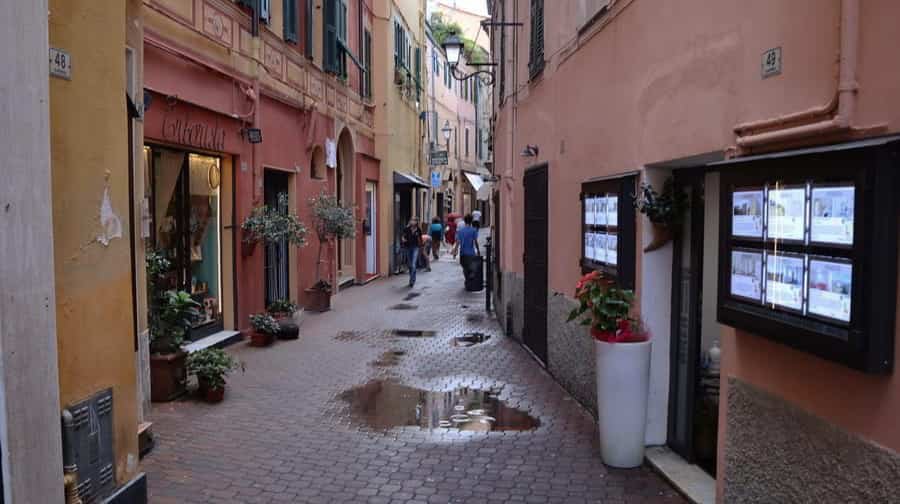
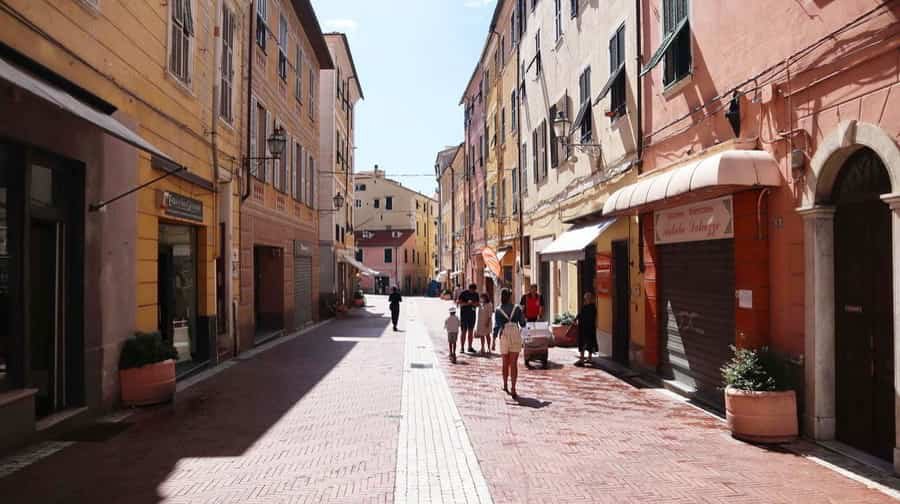
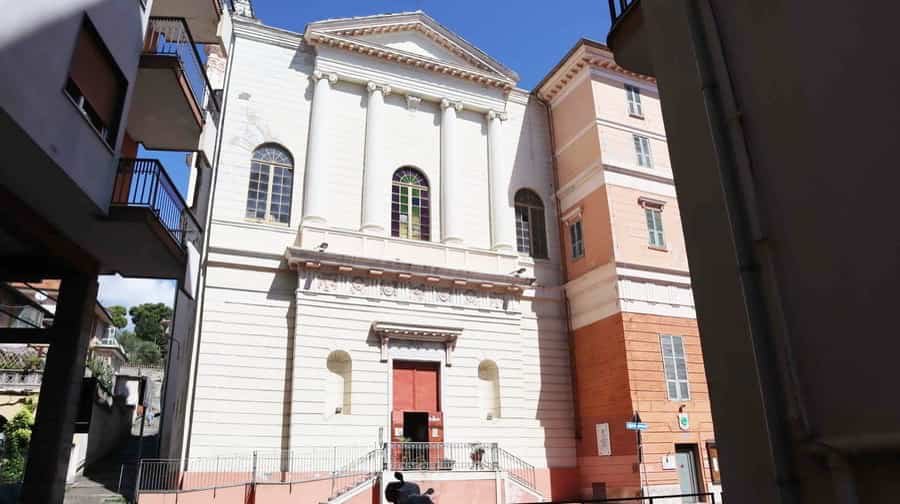
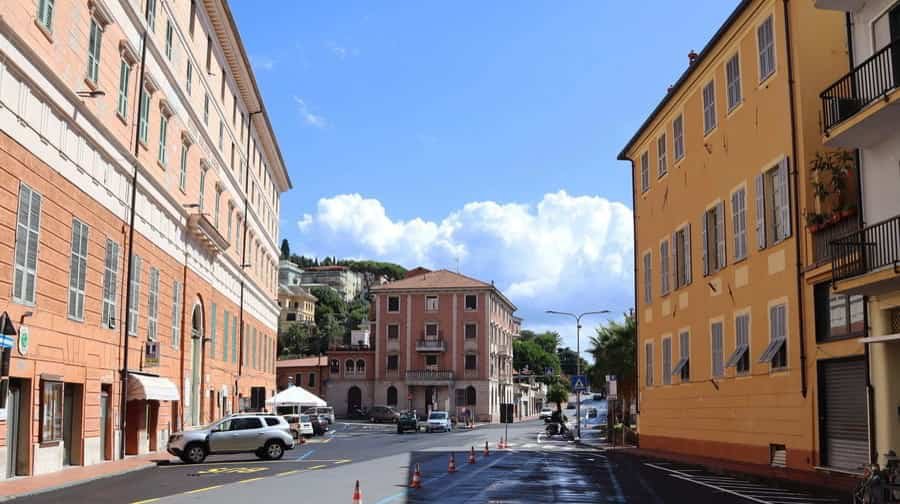
Corso Aurelio Saffi, 18100 Imperia IM, Italy (August 2020)
Imperia
Delayed or cancelled flight?
Get up to £520!
You’ve got rights when your flight’s disrupted.
We enforce them and handle everything so you get paid
Nestled along the stunning Ligurian coastline, Imperia is a city that blends natural beauty, historical charm, and rich cultural traditions. Situated in the north-western region of Italy, in the province of Liguria, Imperia is part of the Italian Riviera, a stretch of coastline renowned for its picturesque scenery, vibrant towns, and serene beaches. Often overshadowed by more famous destinations like Genoa or Portofino, Imperia offers a quieter, yet equally captivating experience for travellers and residents alike. Its unique character stems from the union of two historic towns, Oneglia and Porto Maurizio, which were merged in the early twentieth century to form the modern city.
The geography of Imperia is one of its most striking features. The city is framed by gently rolling hills that extend down to the Ligurian Sea, creating a landscape that combines both maritime and inland charm. The coastline is dotted with sandy beaches, rocky promontories, and small coves that invite exploration. Inland, olive groves, vineyards, and aromatic gardens dominate the hillsides, producing the famous Ligurian olive oil and local wines that are central to the region’s culinary identity. The mild Mediterranean climate ensures warm summers and temperate winters, making Imperia an ideal location for both tourism and agriculture.
Historically, Imperia has been shaped by centuries of trade, maritime activity, and strategic importance. The town of Oneglia, which lies on the eastern side of the modern city, developed as a trading port, specializing in the production and export of olive oil. It has long been recognized for its shipbuilding industry, and its harbour remains an important economic hub. Porto Maurizio, on the western side, evolved as a religious and administrative centre, known for its churches, monasteries, and historic architecture. The blend of these two towns has given Imperia a diverse urban fabric, where historic churches, elegant villas, and modern residential areas coexist harmoniously.
Cultural heritage is another cornerstone of life in Imperia. The city is home to a variety of museums, galleries, and cultural institutions that preserve and celebrate its history. Among the most notable is the Olive Oil Museum, which showcases the long-standing tradition of olive cultivation in the region and the methods used to produce high-quality oil. Art enthusiasts can also enjoy the Museum of Ligurian Arts, which hosts exhibitions of local paintings, sculptures, and crafts. Throughout the year, Imperia organizes festivals, markets, and events that highlight its cultural and gastronomic richness, offering visitors a chance to experience authentic Italian traditions.
The culinary scene in Imperia reflects the bounty of its land and sea. Ligurian cuisine is famous for its emphasis on fresh, locally sourced ingredients, and Imperia is no exception. Seafood plays a central role, with dishes featuring anchovies, mussels, and other fish from the Ligurian Sea. Olive oil, a regional specialty, is generously used in cooking, enhancing both flavour and nutritional value. Pasta dishes, particularly those made with pesto, are a staple of the local diet, and traditional desserts provide a sweet conclusion to meals. Local markets brim with fresh produce, cheeses, and baked goods, giving residents and visitors the chance to immerse themselves in the culinary traditions that have been passed down for generations.
In addition to its cultural and gastronomic offerings, Imperia is a city that encourages outdoor activities and appreciation of nature. The surrounding hills and coastline provide opportunities for hiking, cycling, and boating. Scenic trails lead through olive groves and vineyards, offering panoramic views of the sea and neighbouring villages. The beaches of Imperia, while more tranquil than those of larger resorts, provide sunbathing, swimming, and water sports in a serene environment. For those interested in maritime heritage, the harbour and marina offer a glimpse into the city’s ongoing connection to the sea.
Imperia’s appeal lies in its balance of tradition and modernity. While it retains the historical charm of its constituent towns, the city has embraced contemporary development, with modern infrastructure, shops, and recreational facilities. This combination of past and present allows Imperia to offer a complete experience, where visitors can explore historic streets, enjoy the natural environment, and participate in the daily life of a vibrant Italian community. Despite its relative obscurity compared to more famous Italian destinations, Imperia captures the essence of Ligurian life, providing a peaceful yet engaging environment that reflects the richness of its heritage and the beauty of its setting.
Imperia is a city that invites exploration and reflection. From its scenic coastline and rolling hills to its historical architecture and vibrant cultural scene, it represents a unique corner of Italy where tradition, nature, and modern life coexist harmoniously. Visitors are drawn to its serene beaches, fragrant olive groves, and authentic culinary experiences, all of which create a distinctive sense of place. Imperia stands as a testament to the charm of the Italian Riviera, offering a window into the lifestyle, history, and culture of Liguria that is both welcoming and memorable.
Worth a Visit
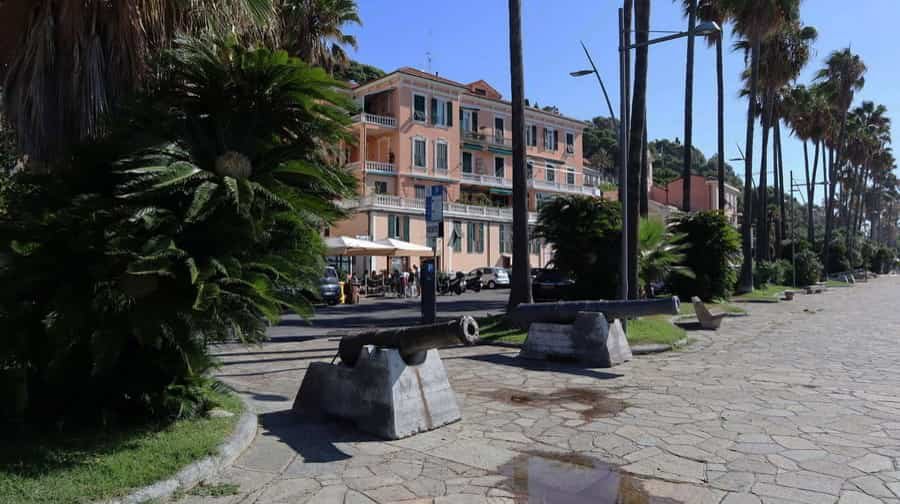
The Via Spianata Borgo Peri in Imperia is a distinctive promenade that combines the elegance of a seaside walkway with the authenticity of a Ligurian neighbourhood. Located in Oneglia, one of the two historic centres that together form the modern city of Imperia, the Spianata stretches along the coastline, offering wide open views of the Ligurian Sea. For both residents and visitors, it serves as a space of leisure, social life, and cultural expression, reflecting the maritime identity of the town and its close relationship with the Mediterranean. The name “Borgo Peri” refers to the district surrounding the promenade, an area historically linked to fishing, trade, and the daily rhythms of seafaring life. Unlike the more secluded villages of the Riviera, this part of Imperia developed as a working neighbourhood, where the sea was not only a backdrop for beauty but also the foundation of economic survival.
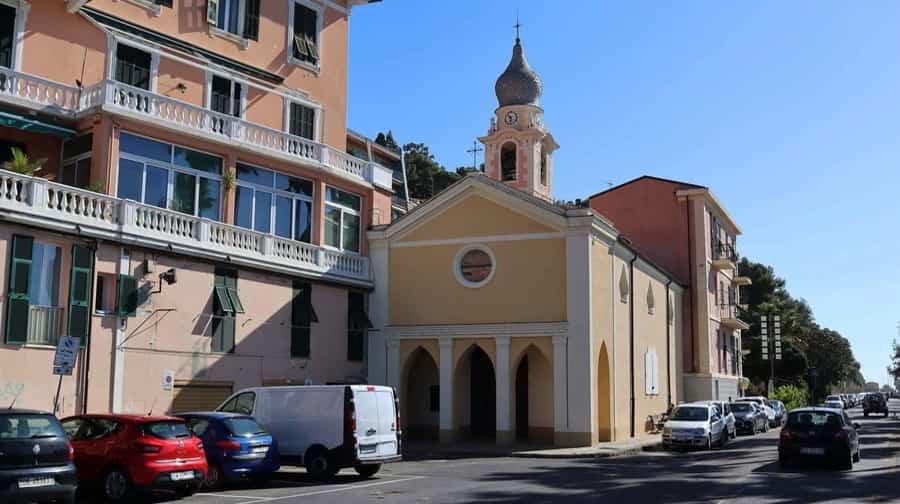
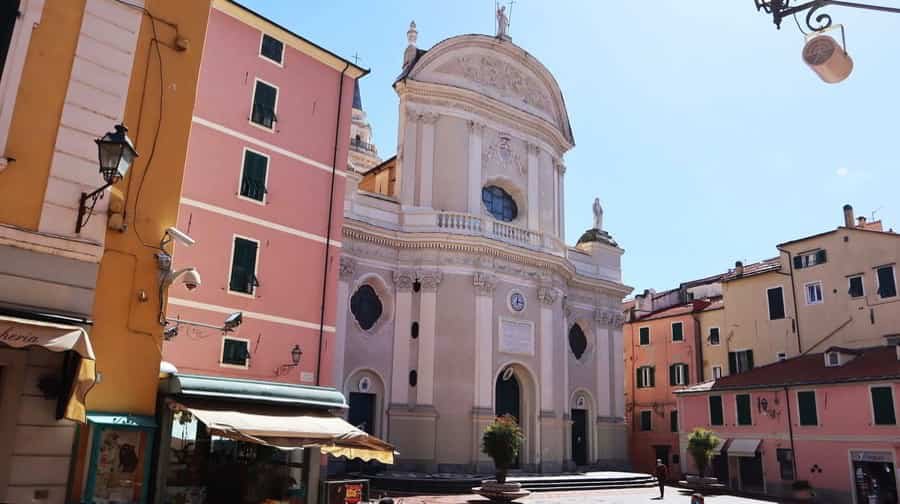
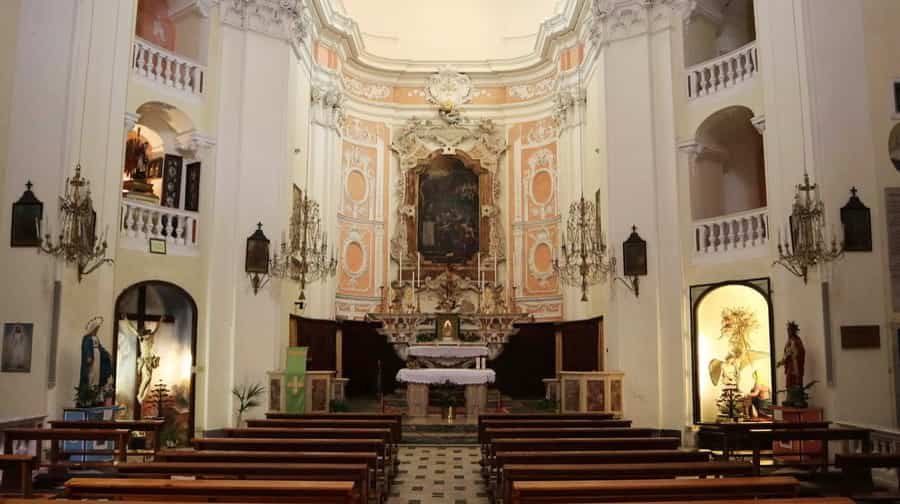
The Chiesa di Nostra Signora di Loreto in Imperia is one of the city’s most beloved landmarks, blending devotion, history, and architecture into a single monument of faith. Located in the district of Porto Maurizio, the church occupies a prominent position overlooking the Ligurian Sea, a setting that enhances its spiritual and aesthetic presence. Dedicated to Our Lady of Loreto, a Marian title deeply rooted in Italian Catholic tradition, the church reflects centuries of devotion and continues to serve as an important place of worship for the local community. The cult of the Madonna di Loreto originated in the town of Loreto in the Marche region, where the Holy House of Nazareth, according to tradition—was miraculously transported in the 13th century.
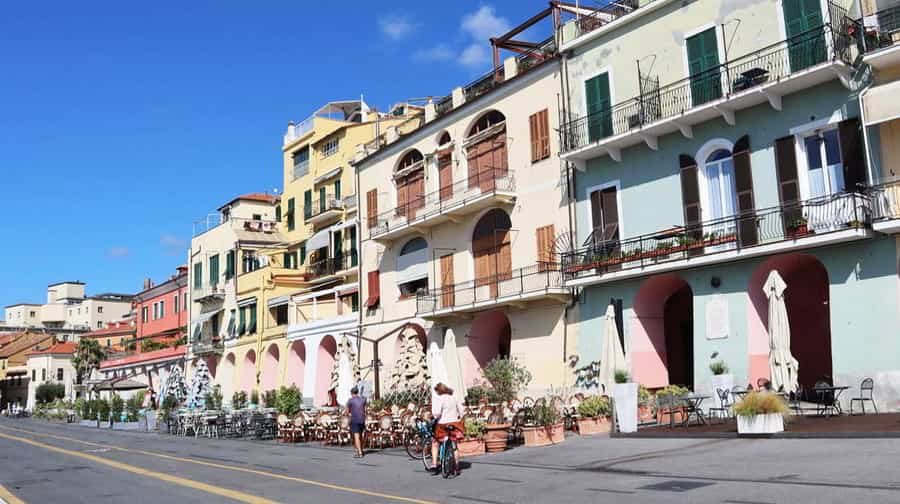
The Calata Giovanni Battista Cuneo in Imperia is one of the most atmospheric and historically significant waterfronts in the city. Located in the district of Oneglia, this elegant promenade stretches along the old port, where colourful buildings face directly onto the sea, creating one of the most iconic views of the Ligurian Riviera. For both locals and visitors, the Calata is more than just a dockside street: it is a lively meeting point, a showcase of maritime heritage, and a stage for the daily rhythms of coastal life. The area takes its name from Giovanni Battista Cuneo, an important local figure, and stands as a tribute to the civic pride of Imperia. Historically, the port of Oneglia was the beating heart of trade and fishing, central to the town’s economic development.
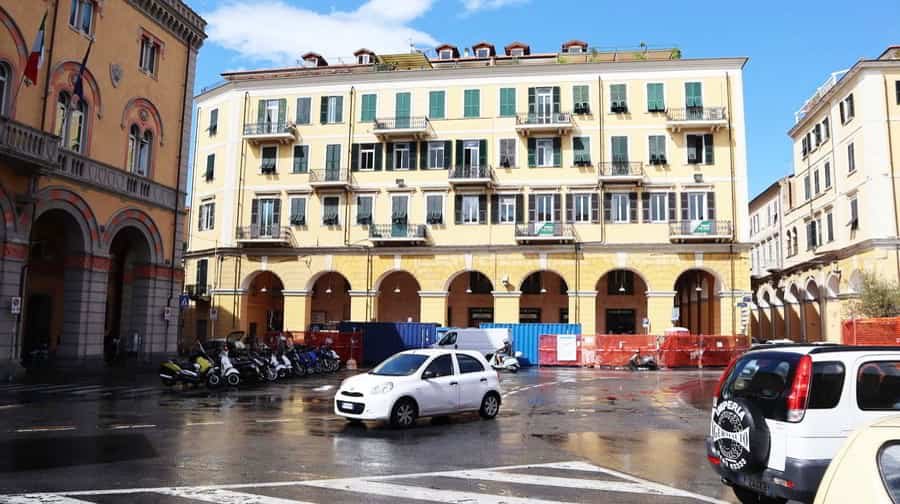
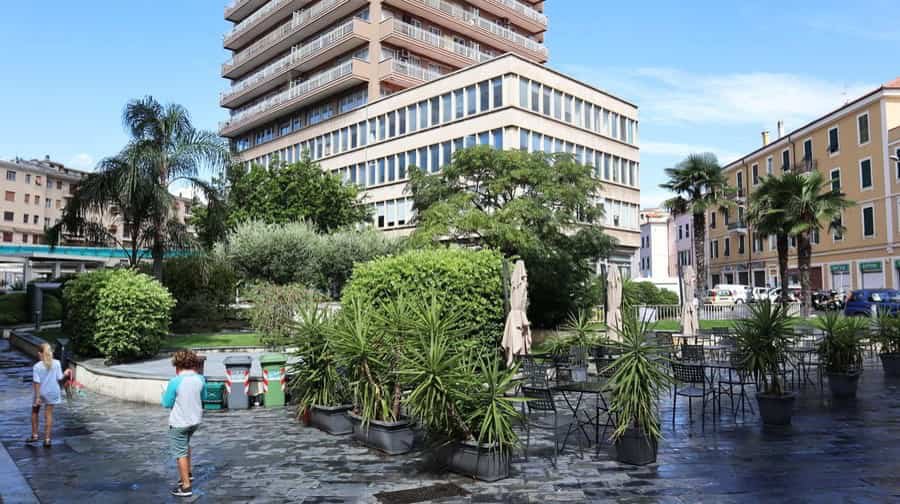
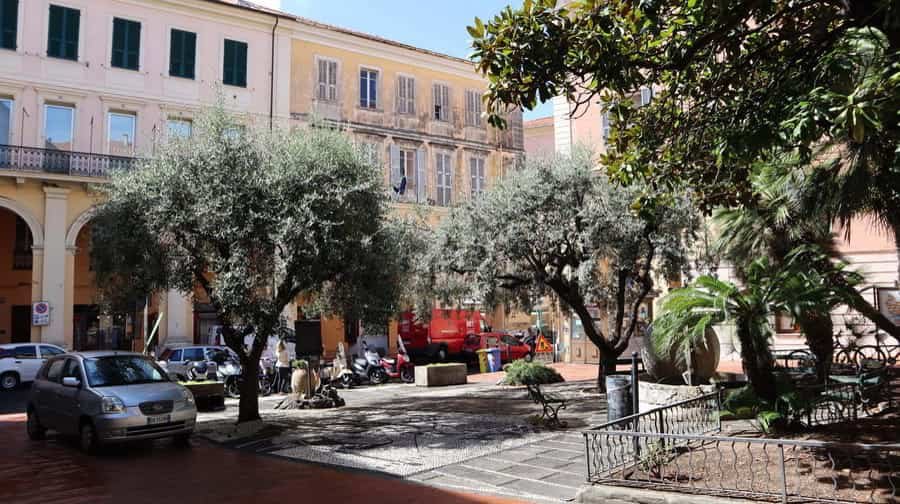
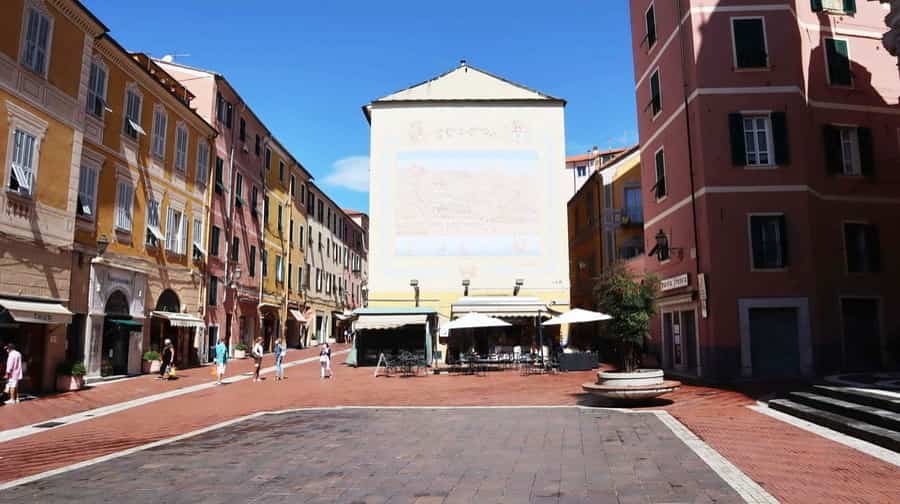
The Piazza Dante in Imperia is the beating heart of the modern city, a spacious and elegant square that reflects both its civic identity and its history. Situated between the districts of Oneglia and Porto Maurizio, Piazza Dante serves as a symbolic and physical connector, embodying the unification of the two towns in 1923 that gave birth to the city of Imperia. Named after Dante Alighieri, Italy’s greatest poet, the square celebrates national pride while functioning as a hub for daily life, cultural events, and civic activities. The creation of Piazza Dante was closely tied to the development of Imperia as a unified municipality. With the merging of Porto Maurizio, Oneglia, and several smaller villages, a need arose for a central space that could represent the new civic identity.

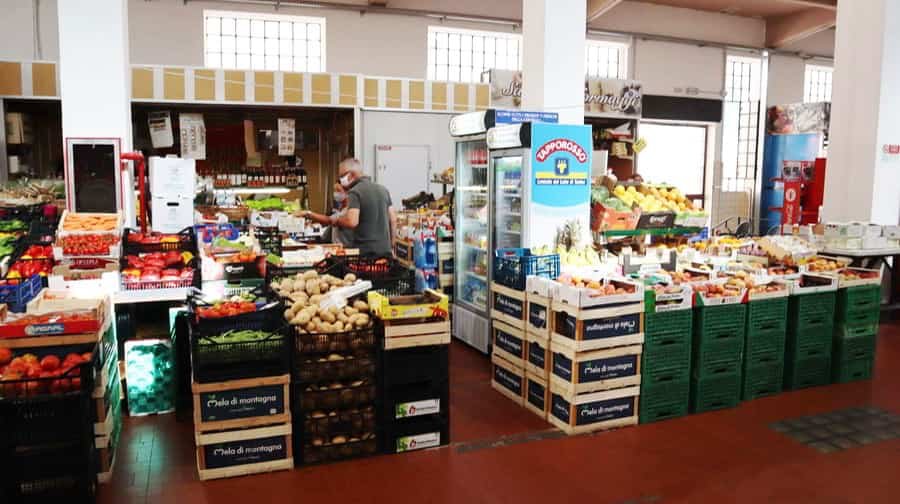
The Mercato Andrea Doria in Imperia is one of the most vibrant and authentic places to experience the city’s daily life. Located in the district of Oneglia, near the port and the colourful Calata Giovanni Battista Cuneo, the market is both a practical centre of commerce and a cultural landmark. Named after Andrea Doria, the famous 16th-century admiral from nearby Genoa, the market celebrates Liguria’s maritime traditions while serving as a lively meeting place where residents and visitors encounter the true flavours and atmosphere of the Riviera di Ponente. The market is housed in an impressive early 20th-century building, designed with large open spaces and high ceilings to accommodate the bustling activity of vendors and customers. Its architecture reflects a mix of functionality and elegance, with arcades and wide entrances that invite passers-by to step inside.
Photo Gallery of Walk 1 – Salita Ardoino to Piazza Nino Bixio
Approximately 1.42 km – 0.88 miles
Description of Walk 1
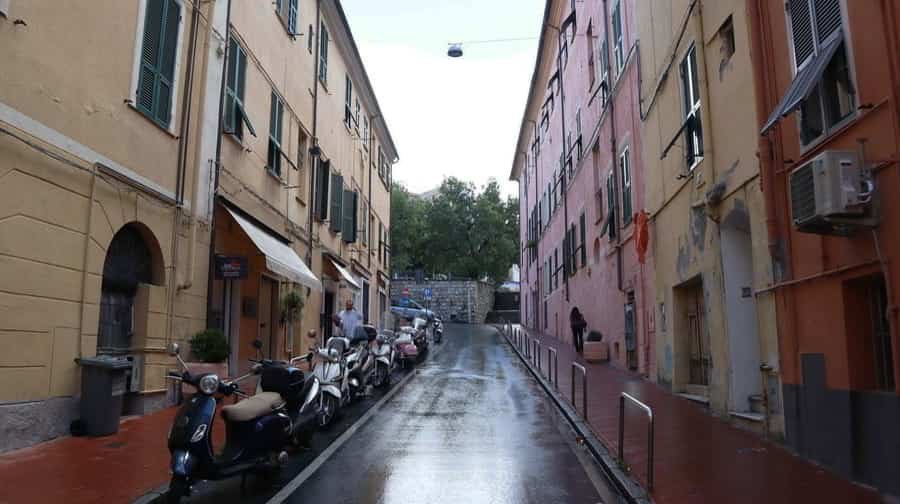
This walk explores the historic coastal character of Imperia, particularly the Porto Maurizio district, known for its elevated old town and sweeping sea views. Beginning on Salita Ardoino, the route immediately climbs through narrow, winding streets that reflect the medieval origins of the area. Passing along Via Ospedale and Via Giacomo Agnesi, the walk continues upward via Salita Frati Minimi, offering glimpses of the terraced layout typical of Ligurian towns. Reaching Via Aurelia, a major coastal road, the route transitions from quiet alleys to a more open, panoramic setting. From here, Via del Collegio and Via Palestro lead into the elegant Piazza Goito, a small square surrounded by historic buildings. Continuing downhill along Via Ludovico Maresca and Via Bormano, the path gradually descends toward the sea, where Calata Giovanni Battista Cuneo introduces the lively harbor atmosphere. The walk reaches Piazza Nino Bixio, a central waterfront hub lined with cafés and boats. Following Via Spianata Borgo Peri and Via Angiolo Silvio Novaro, the route hugs the coastline, offering expansive views of the Ligurian Sea before returning to Piazza Nino Bixio, completing a scenic blend of history, elevation, and seaside charm.
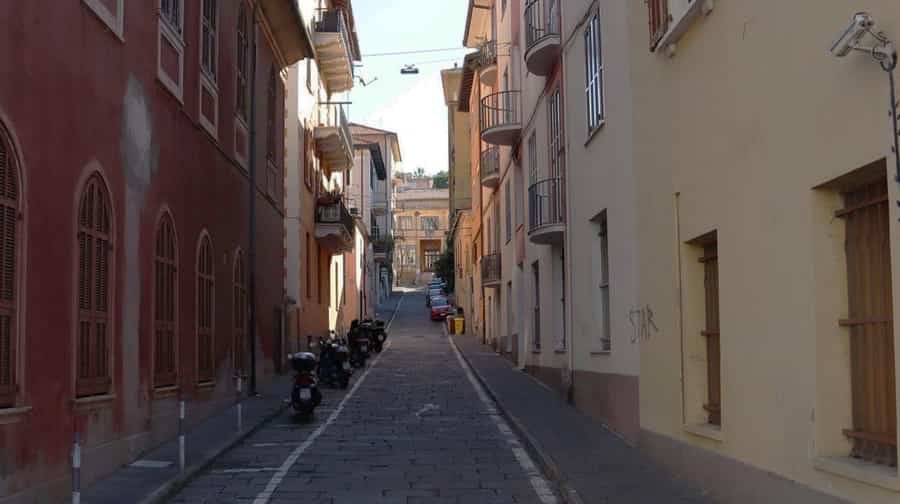
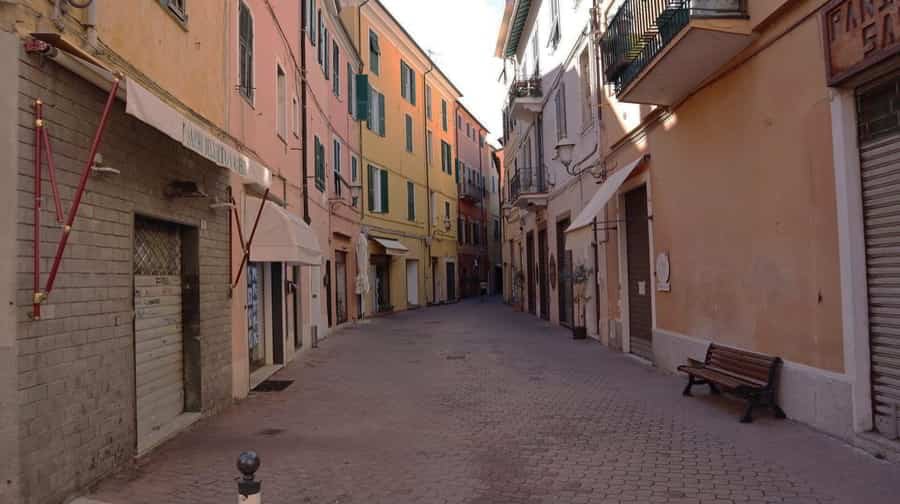
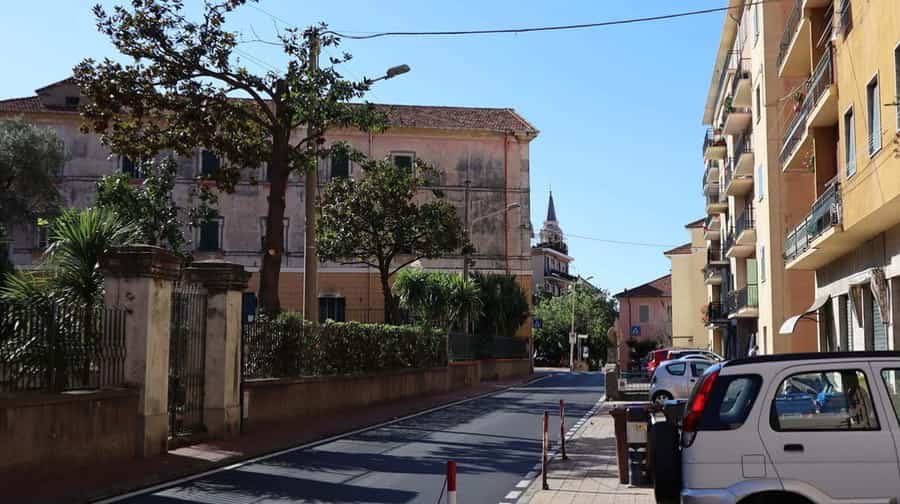
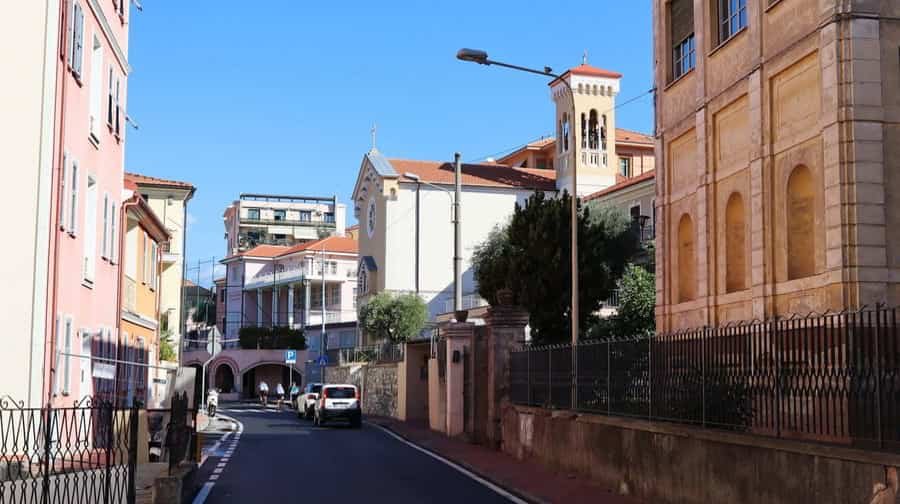
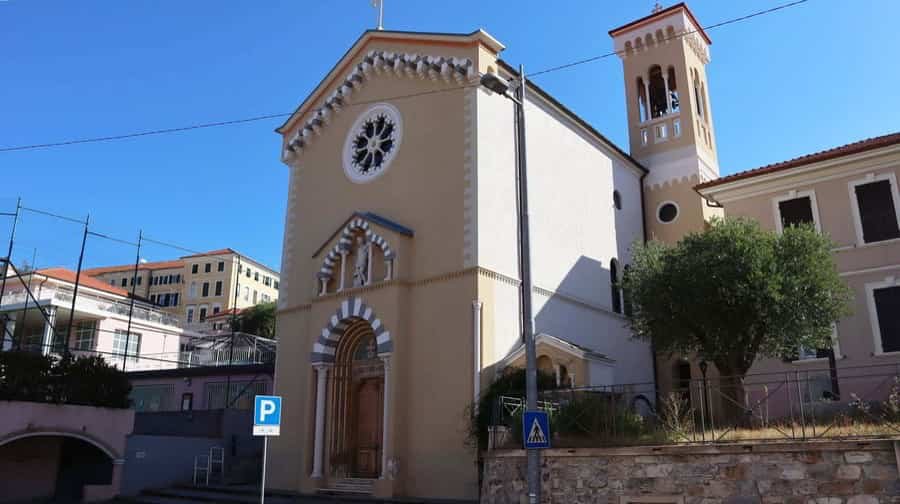
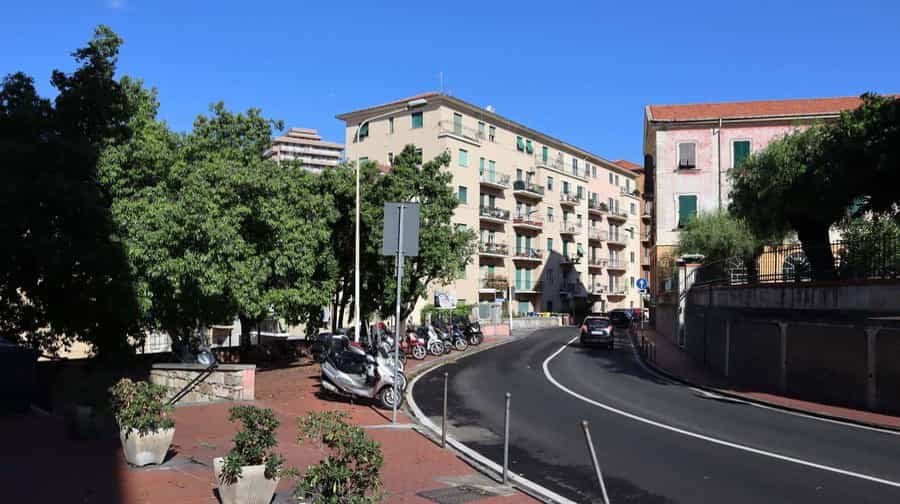

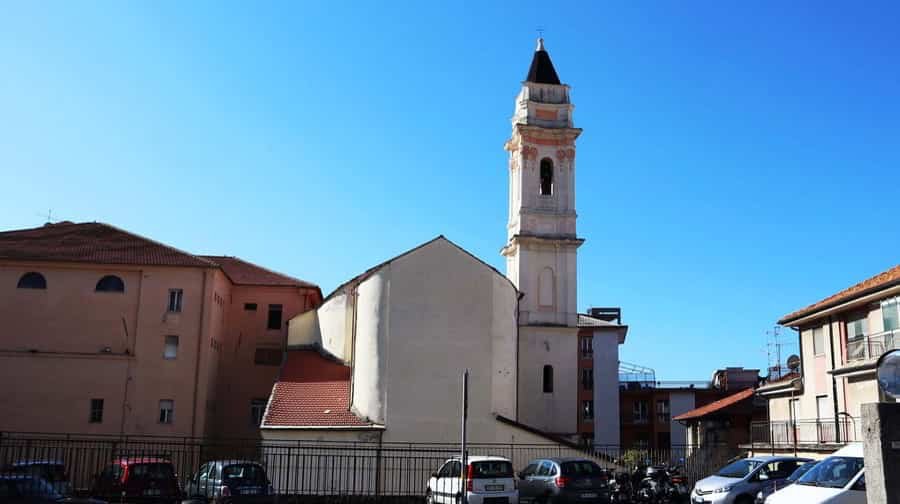
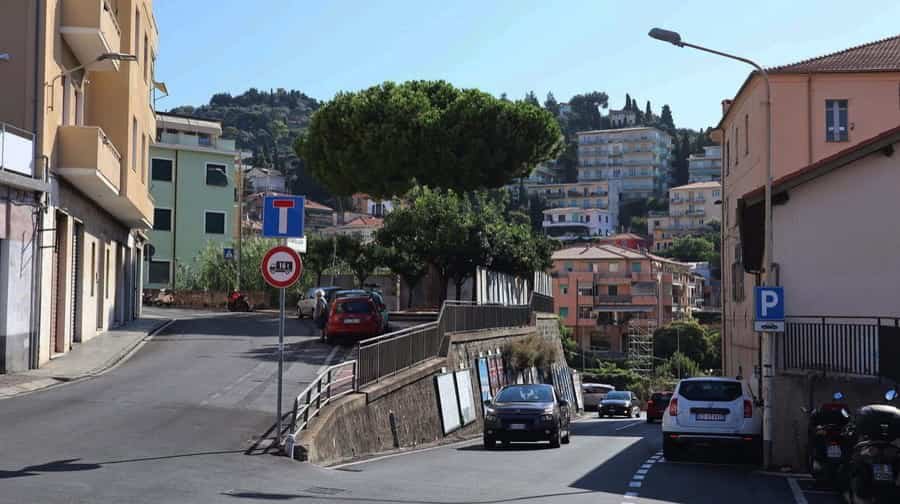
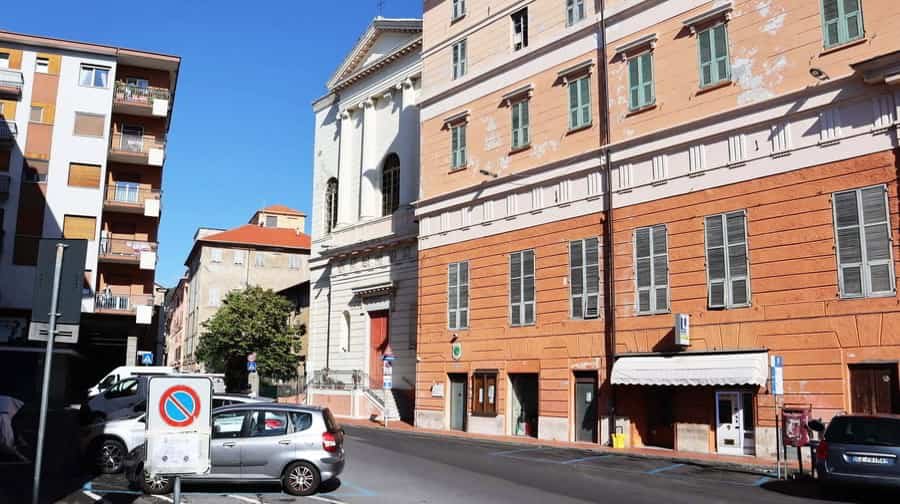
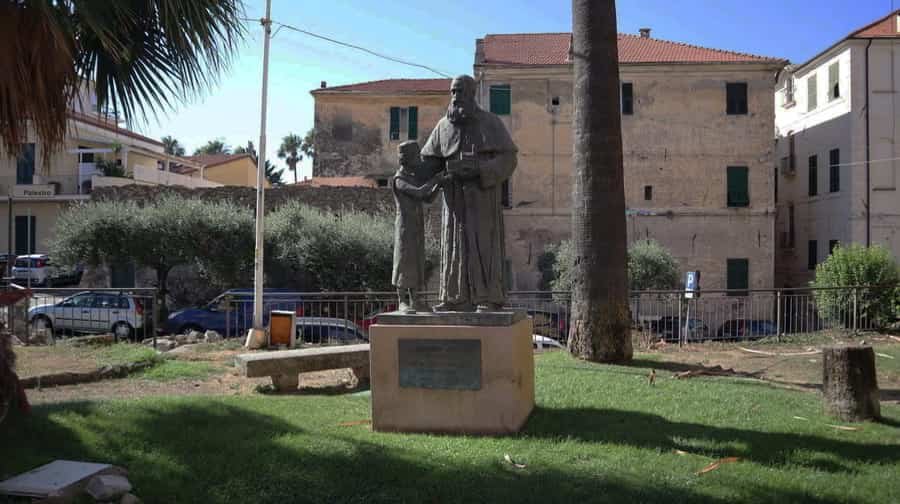
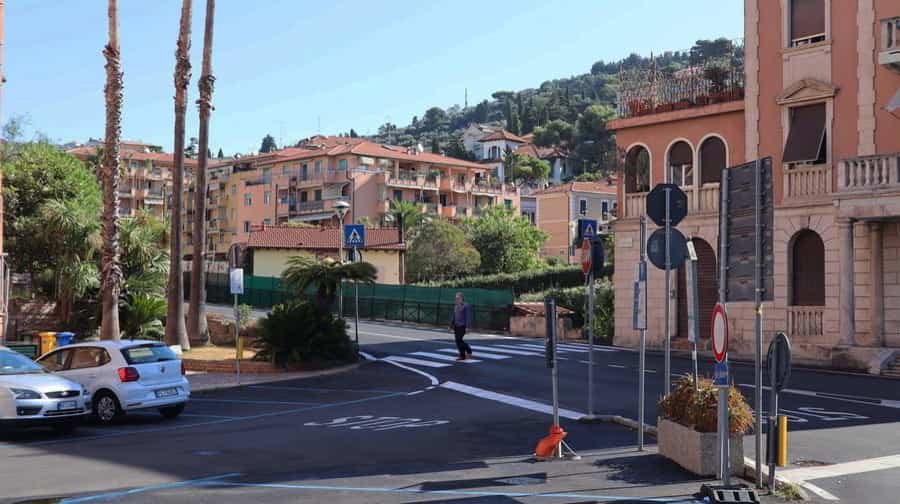
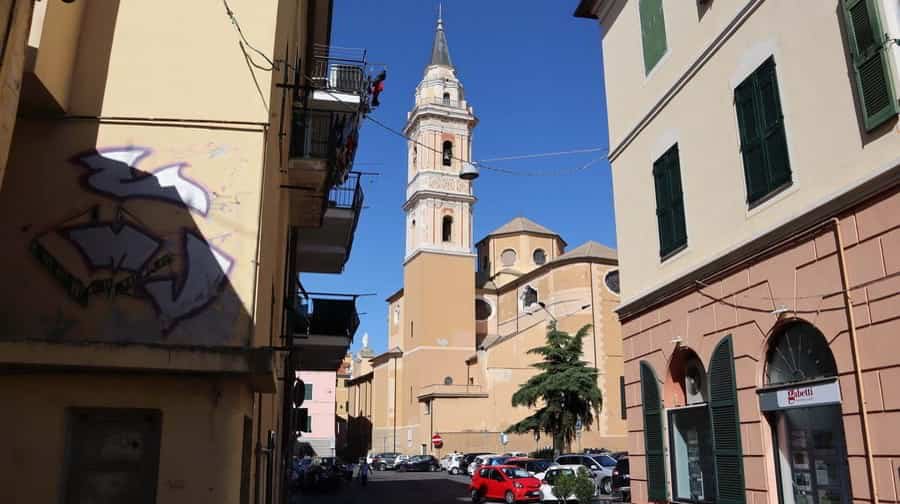
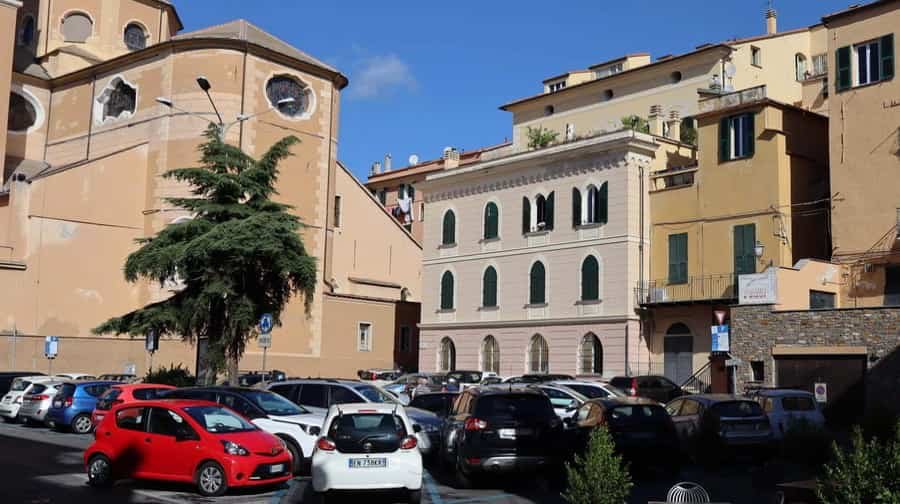
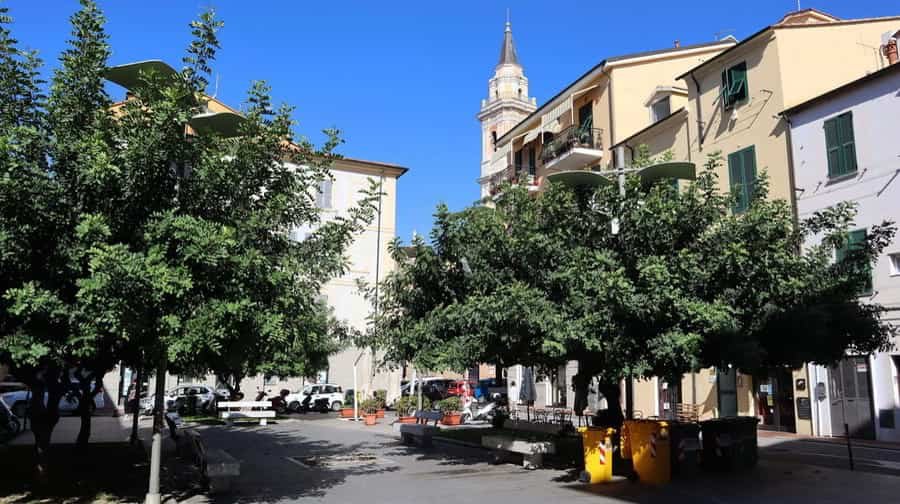
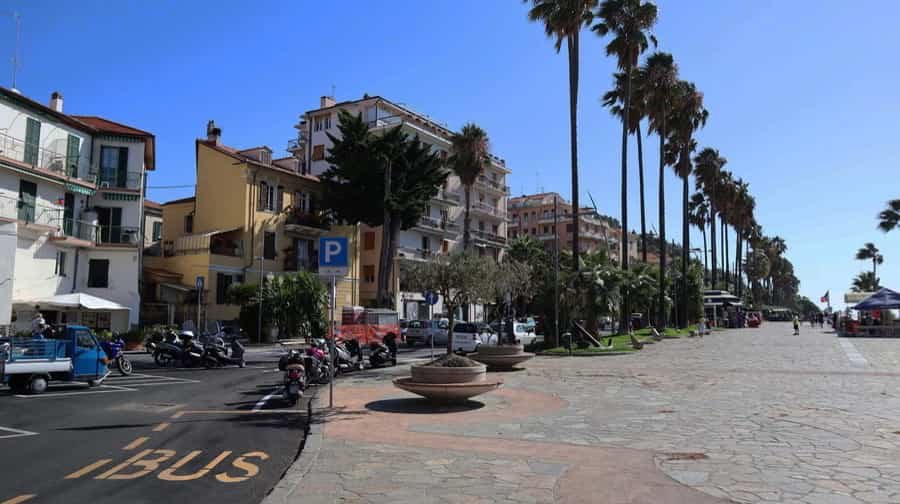

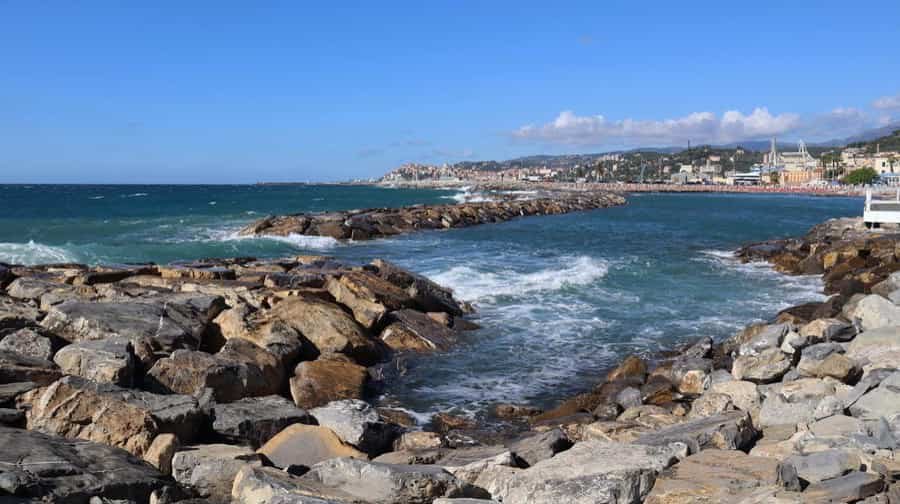
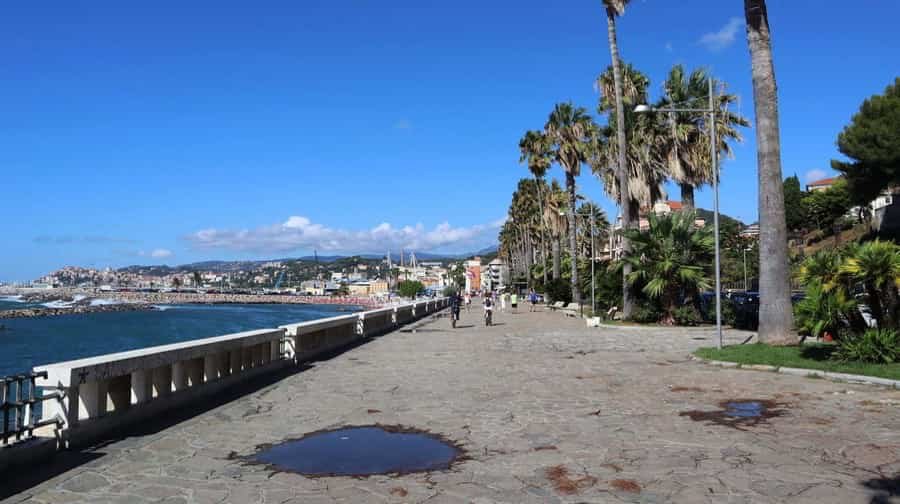
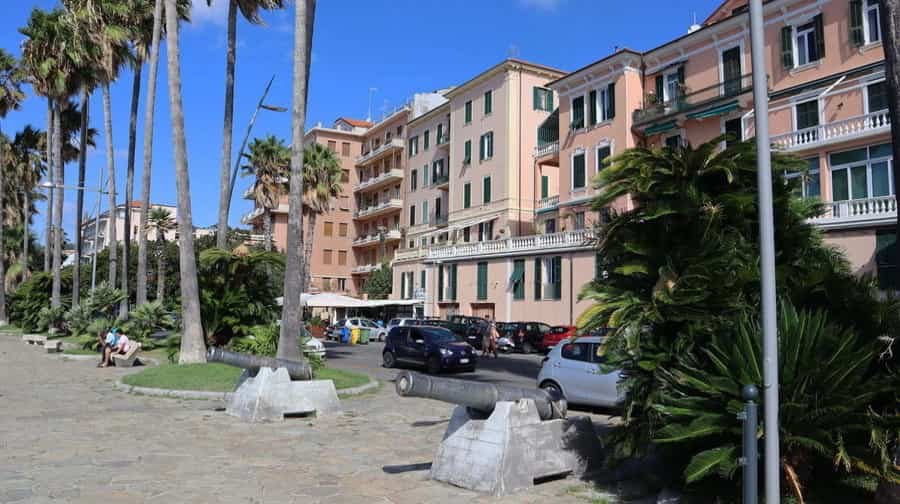
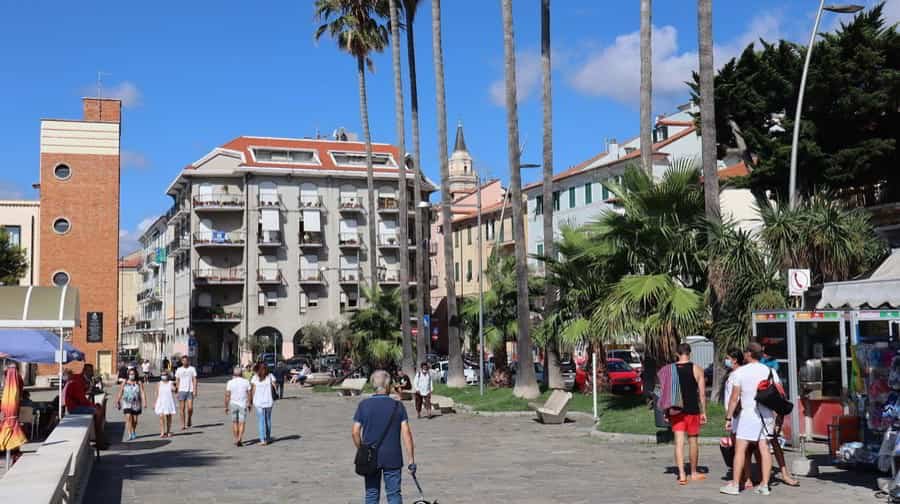
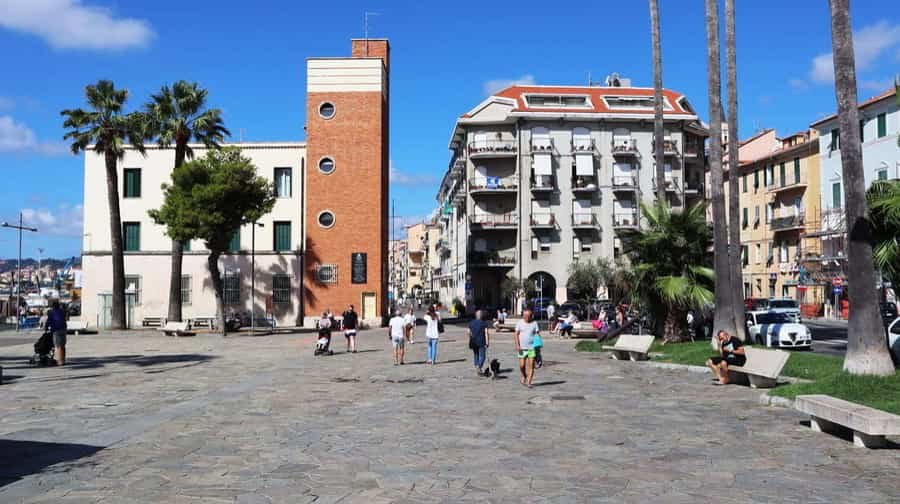
Photo Gallery of Walk 2 – Calata Giovanni Battista Cuneo to Via Scarincio
Approximately 3.93 km – 2.44 miles
Description of Walk 2
This walk explores the maritime heart of Imperia, focusing on the Porto Maurizio waterfront where the town’s seafaring identity is most visible. Beginning at Calata Giovanni Battista Cuneo, the route starts in a lively harbour area lined with colourful buildings, restaurants, and fishing boats, capturing the everyday rhythm of coastal life. Moving through Piazza E. De Amicis and along Via Generale Manuel Belgrano, the walk passes through streets that blend historic charm with a working port atmosphere. Via de Sonnaz then leads toward the open seafront, where the scenery becomes more expansive. Following Lungomare Amerigo Vespucci and Lungomare Marinai d’Italia, the route offers uninterrupted views of the Ligurian Sea, with gentle sea breezes and wide promenades ideal for walking. The path continues to Molo San Lazzaro, where the perspective shifts to the harbour itself, showcasing boats and maritime activity. Passing through Porto di Imperia at Calata Anselmi and ending along Via Scarincio, the walk combines scenic coastline with authentic port life, highlighting Imperia’s strong connection to the sea and its relaxed Mediterranean atmosphere.
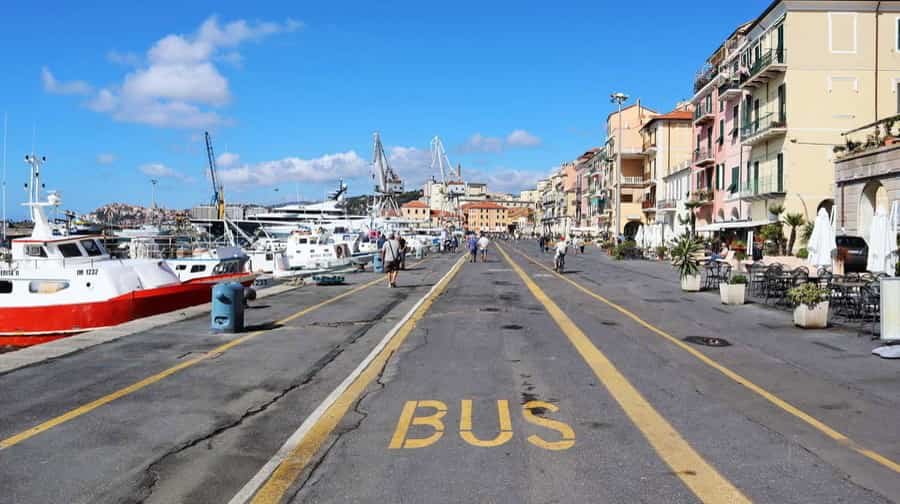
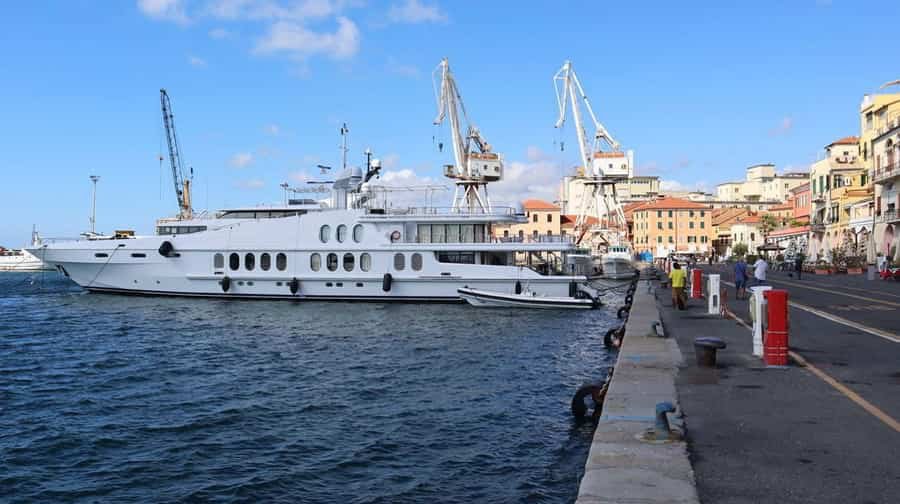
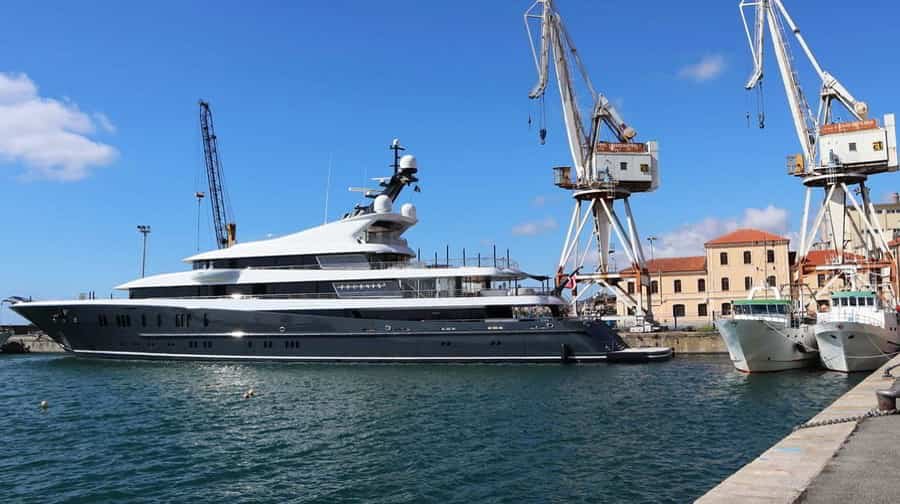
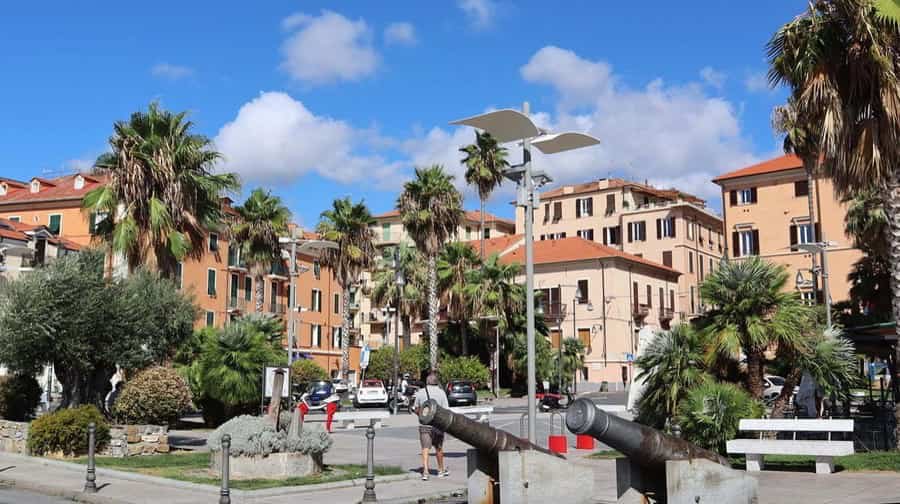
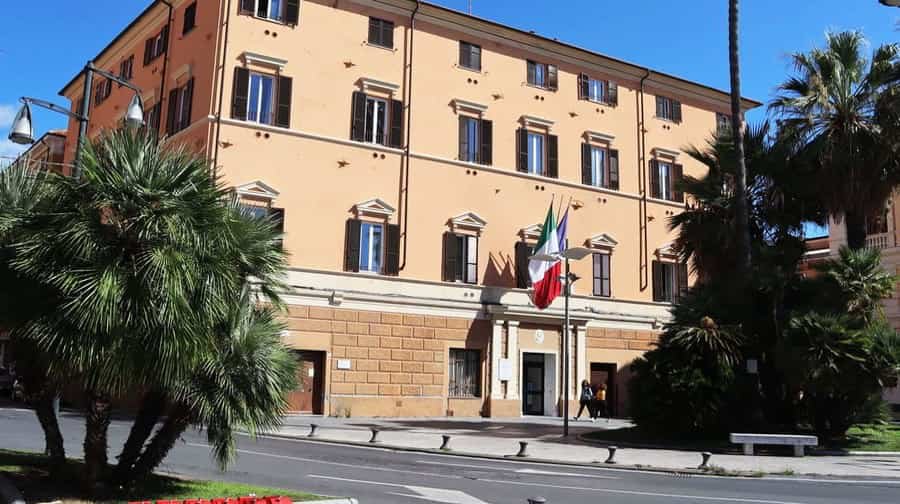
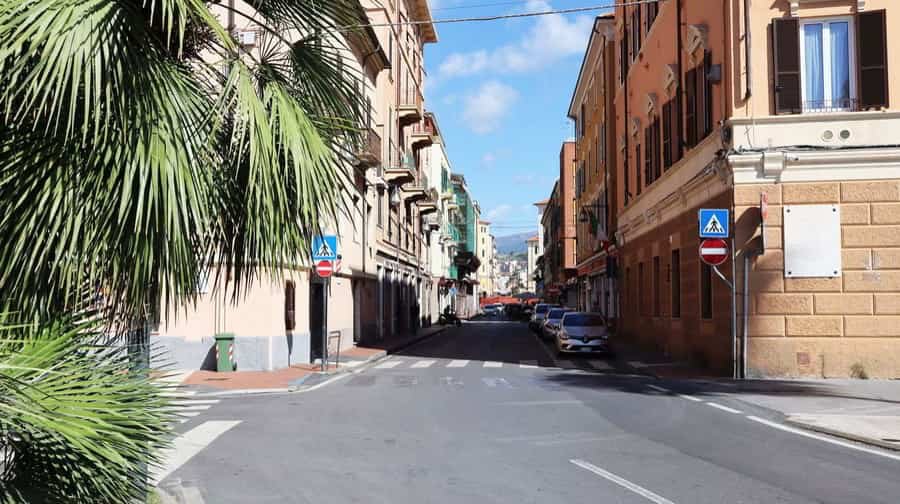
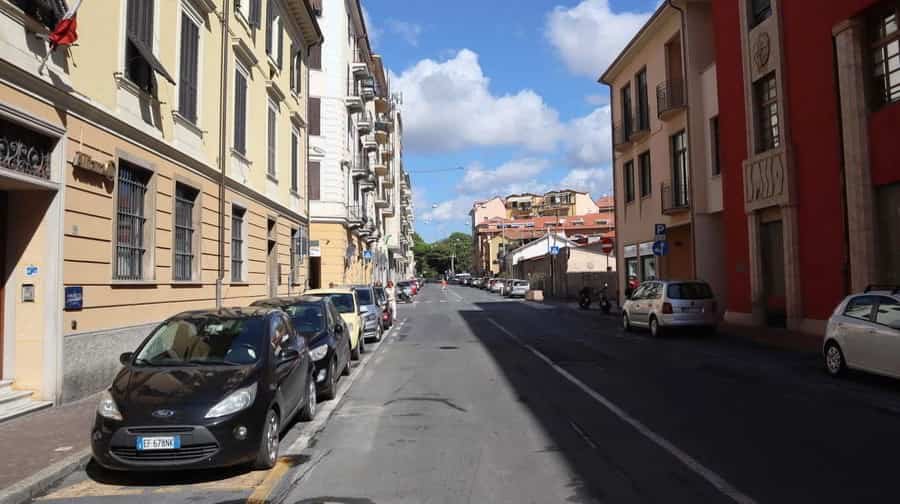
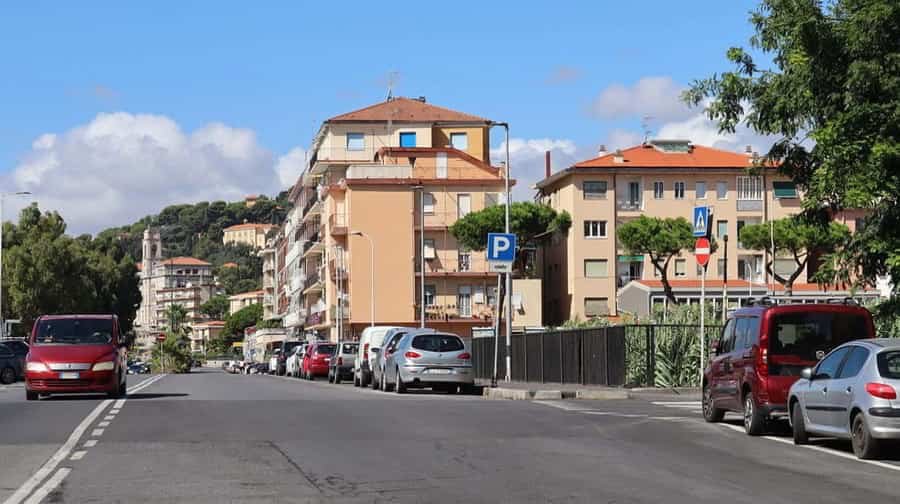
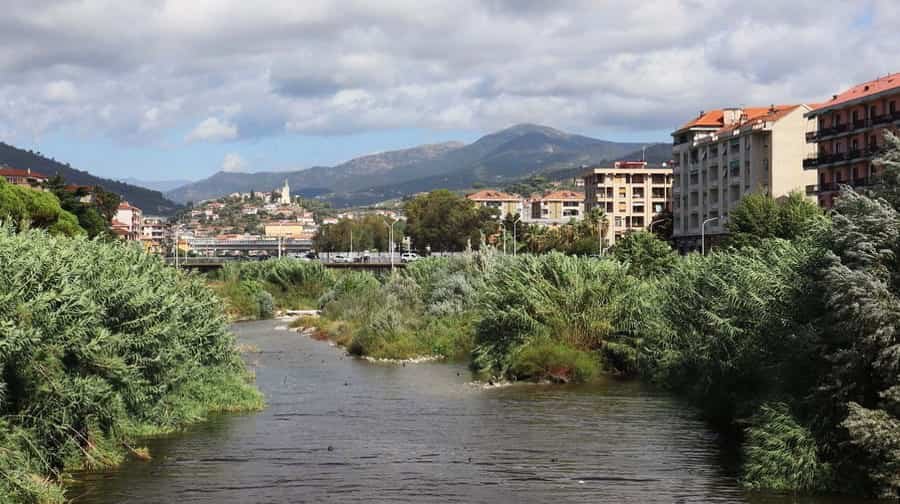
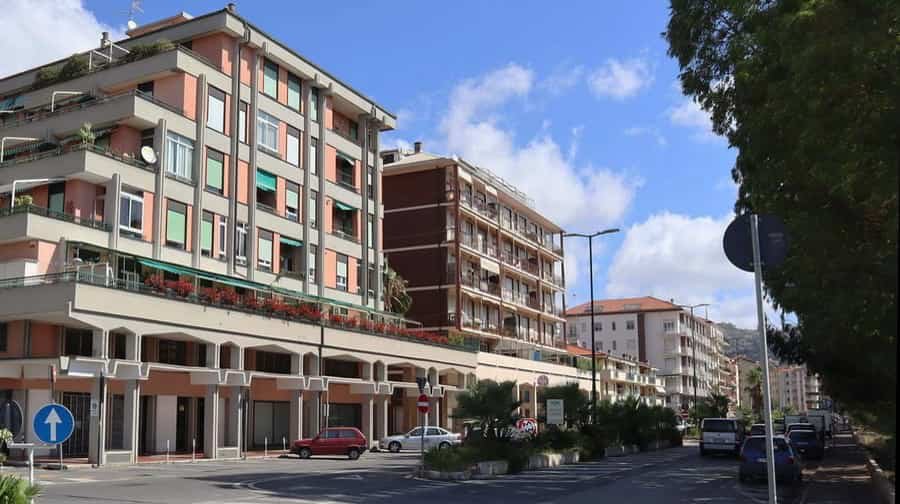
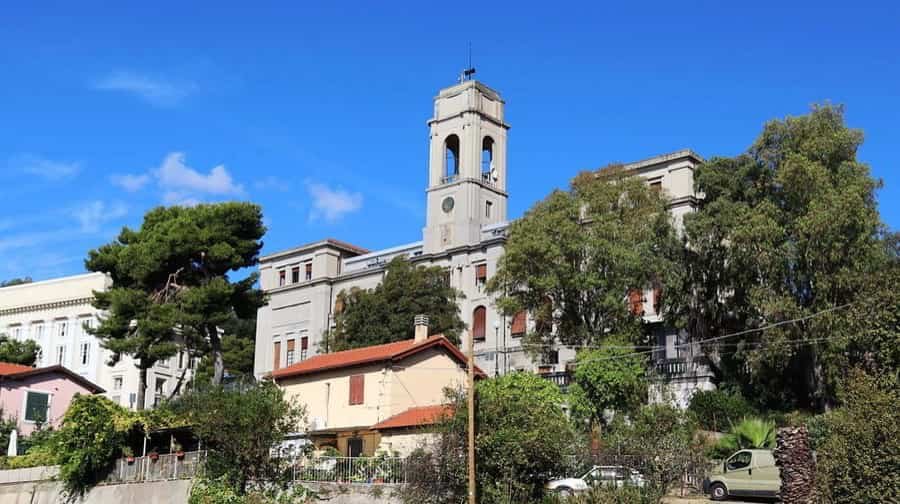
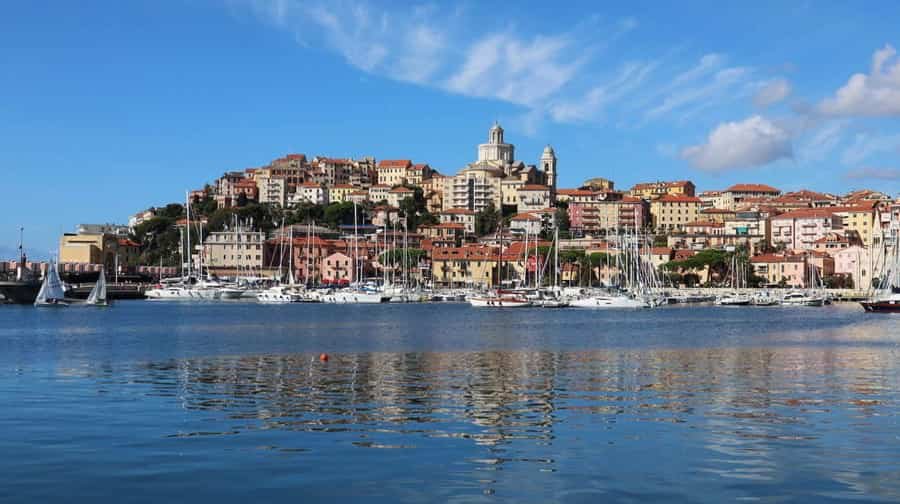
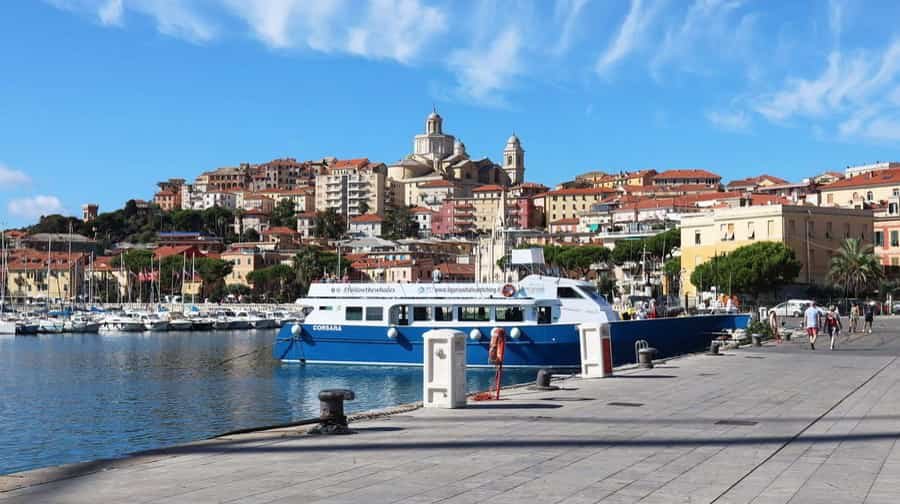
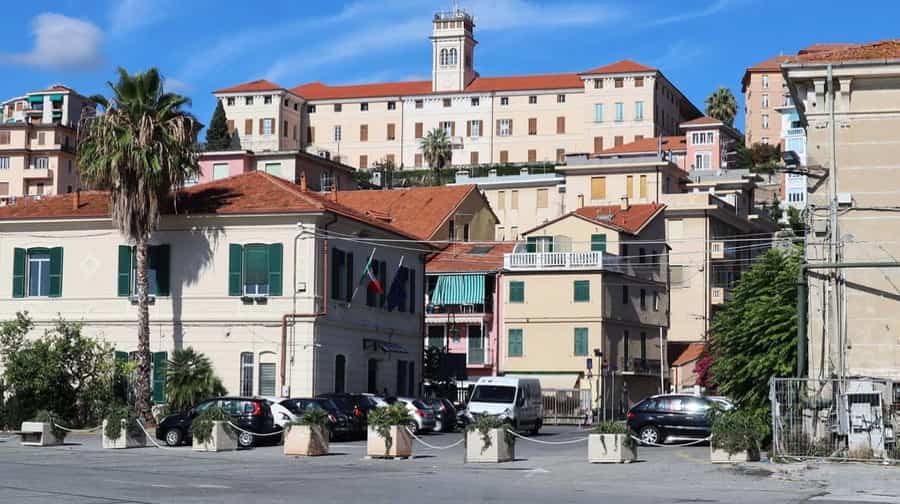

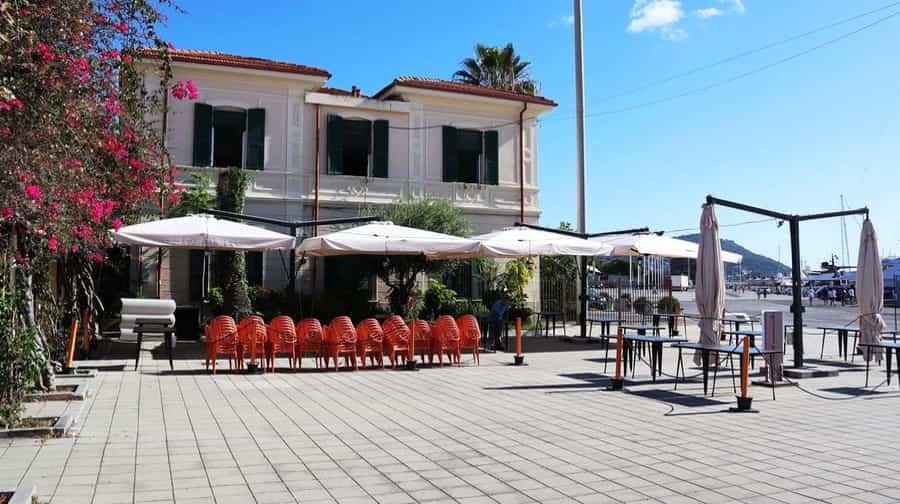
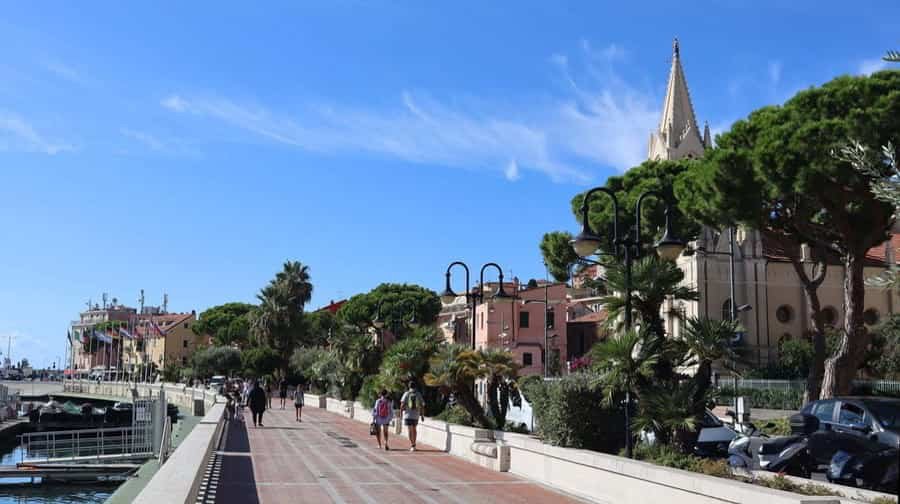
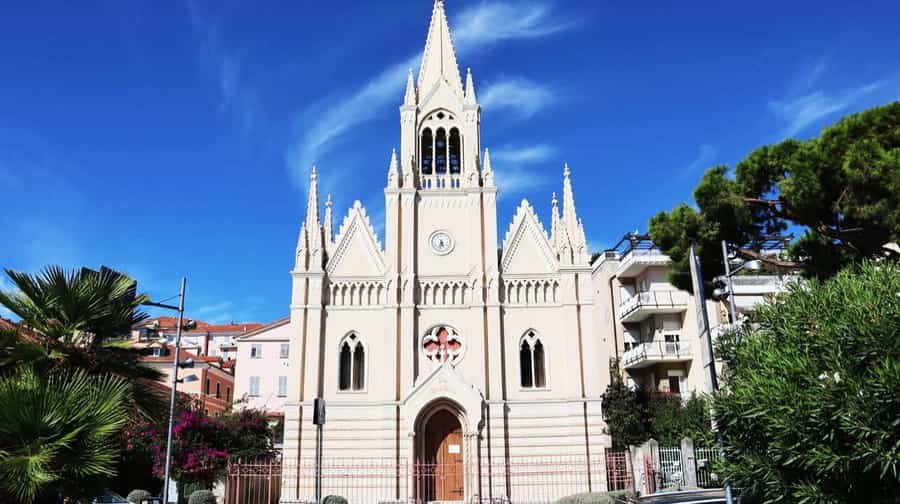
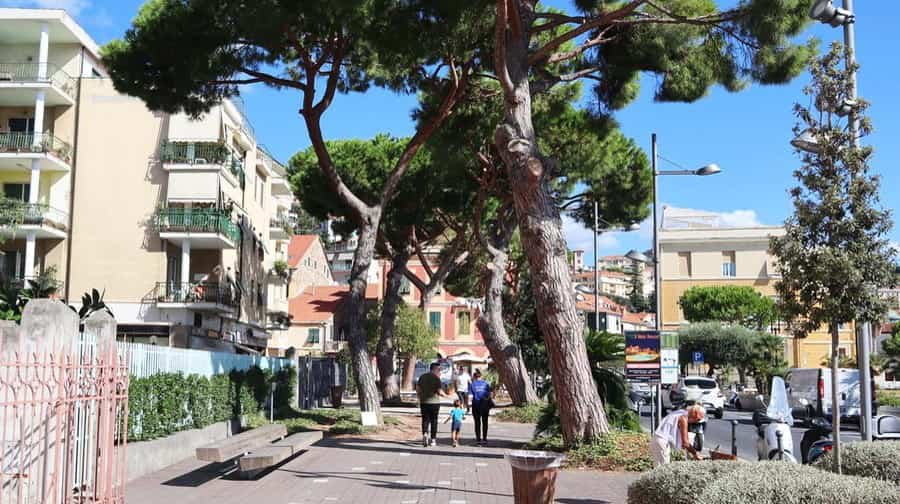
Photo Gallery of Walk 3 – Via Rambaldo to Viale Giacomo Matteotti
Approximately 1.43 km – 0.89 miles
Description of Walk 3
This walk explores the elegant and historic heart of Imperia, particularly the Porto Maurizio district, known for its refined streets and cultural landmarks. Starting on Via Rambaldo, the route moves through quiet residential lanes before joining Via Giuseppe Pirinoli and Via Sebastiano Caboto, where the town’s traditional character becomes more apparent. Reaching Viale Giacomo Matteotti, the walk enters a broader, tree-lined avenue that connects key parts of the district. From here, Via Felice Cascione and Via XX Settembre lead into livelier shopping streets, reflecting Imperia’s blend of daily life and commerce. Continuing along Corso Giuseppe Garibaldi and Corso Aurelio Saffi, the route passes elegant buildings and open spaces that highlight the town’s 19th-century development. A highlight is Piazza Duomo, home to the impressive Cathedral of San Maurizio, one of the largest churches in Liguria, set above the town with commanding views. Nearby, Piazza Miradore offers another scenic pause. The return via Via Sebastiano Caboto and surrounding streets completes a varied loop, showcasing Imperia’s mix of historic grandeur, everyday life, and coastal charm.
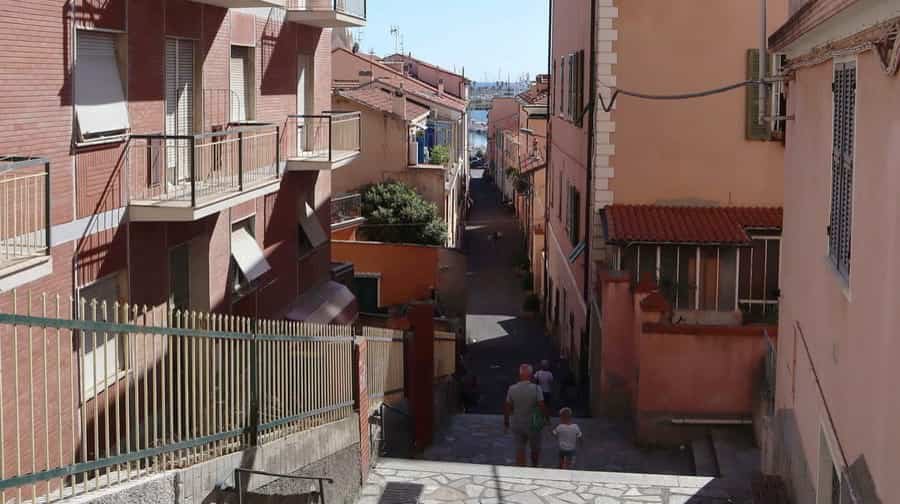
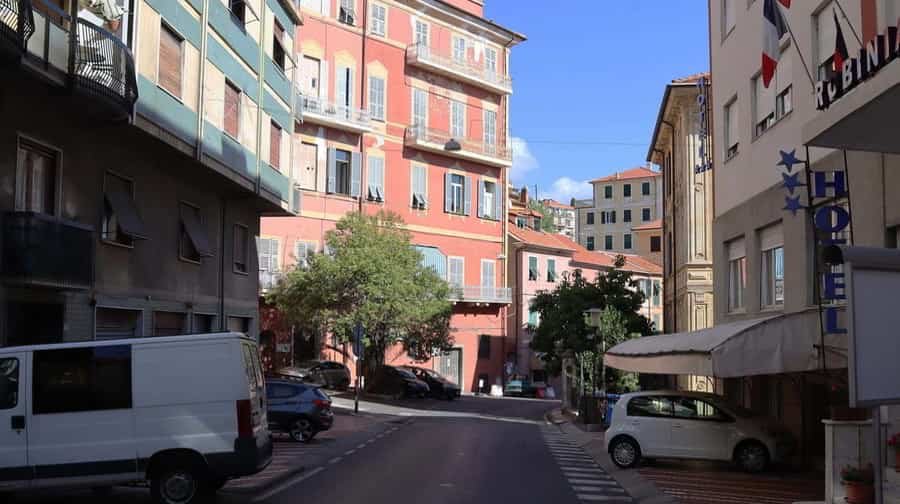
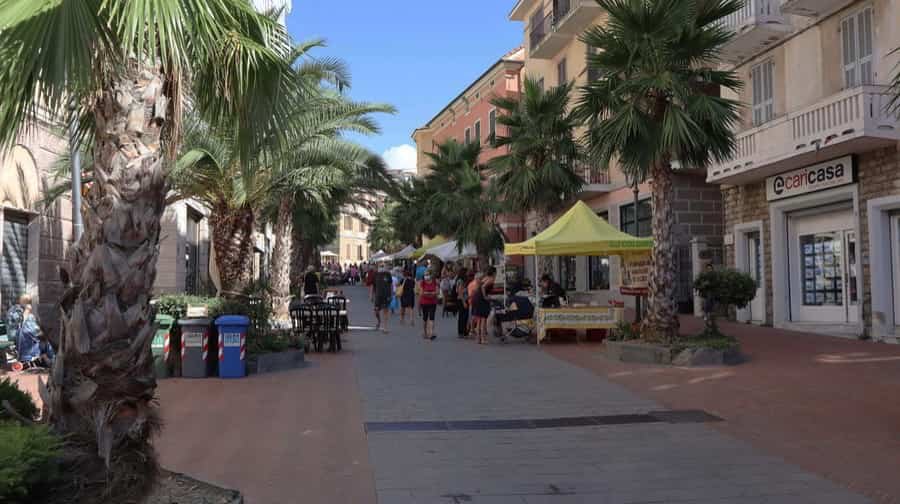
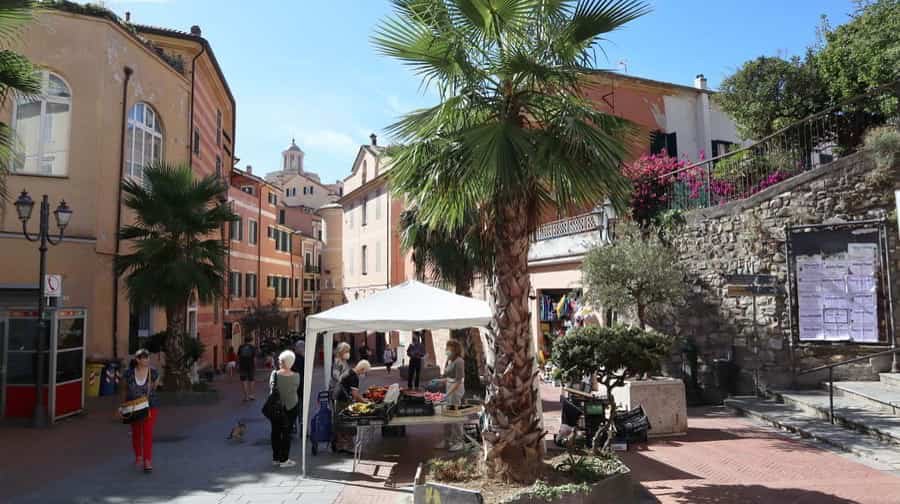
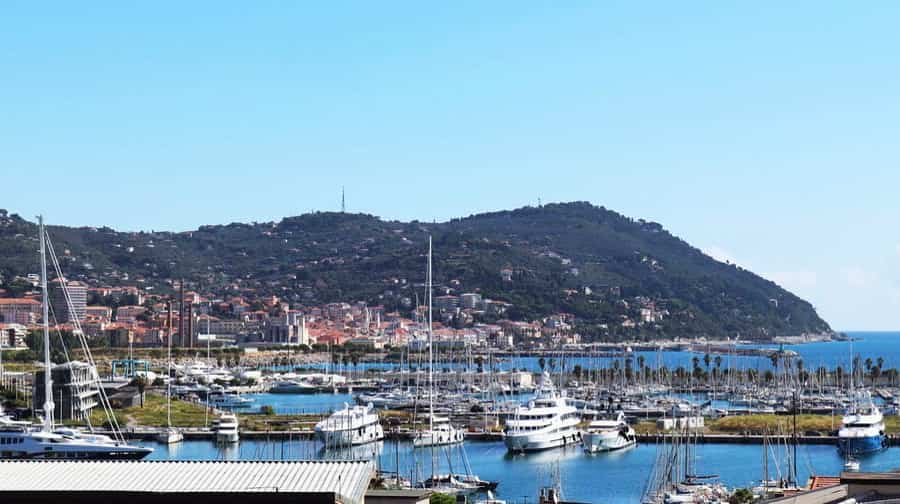
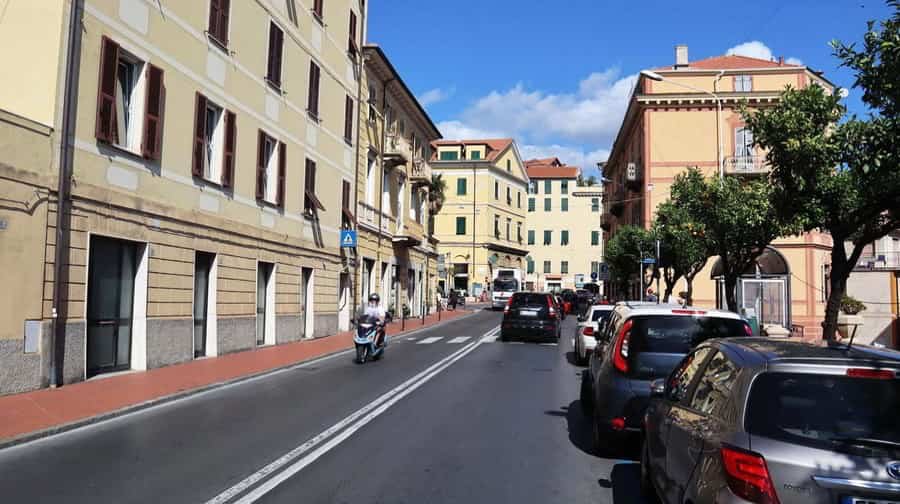
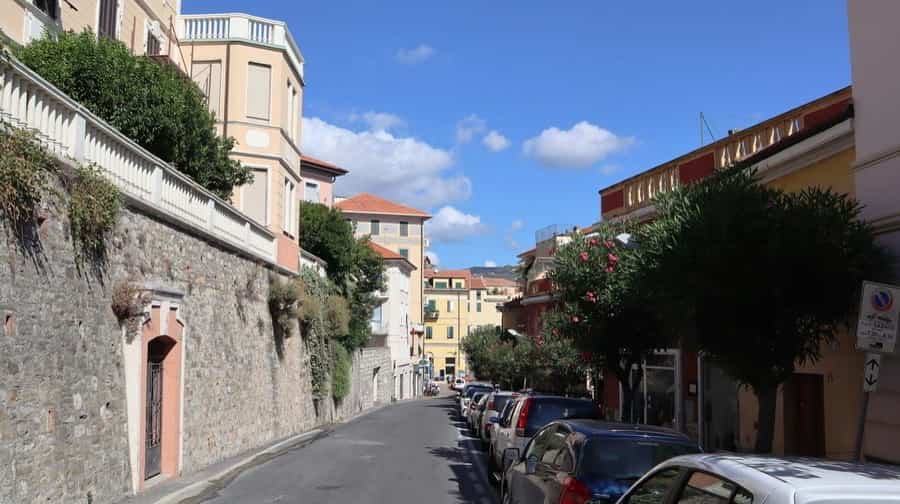
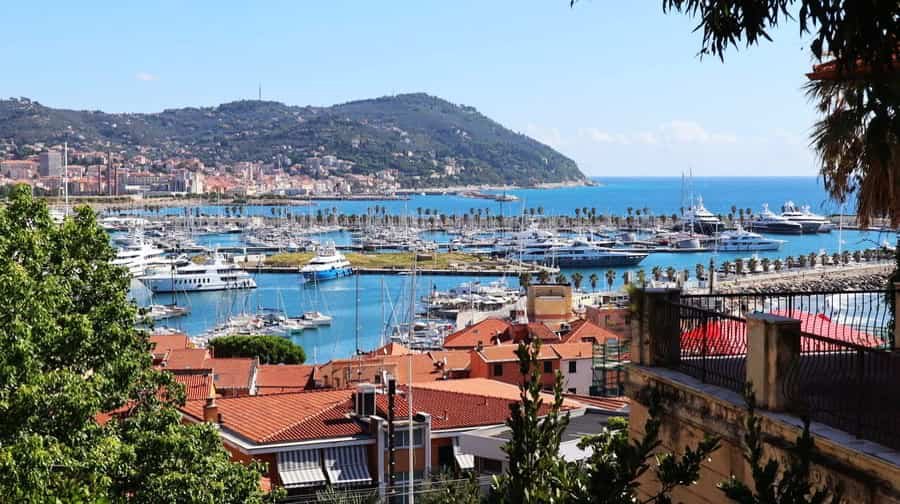
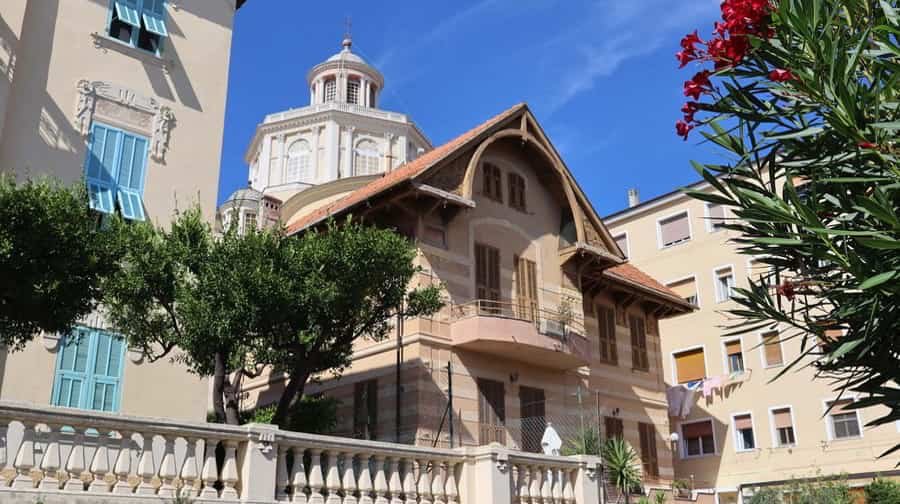
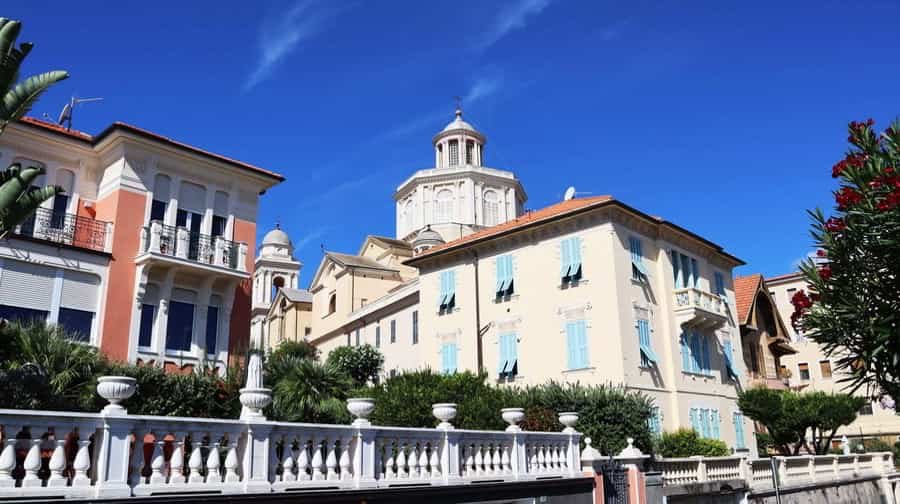
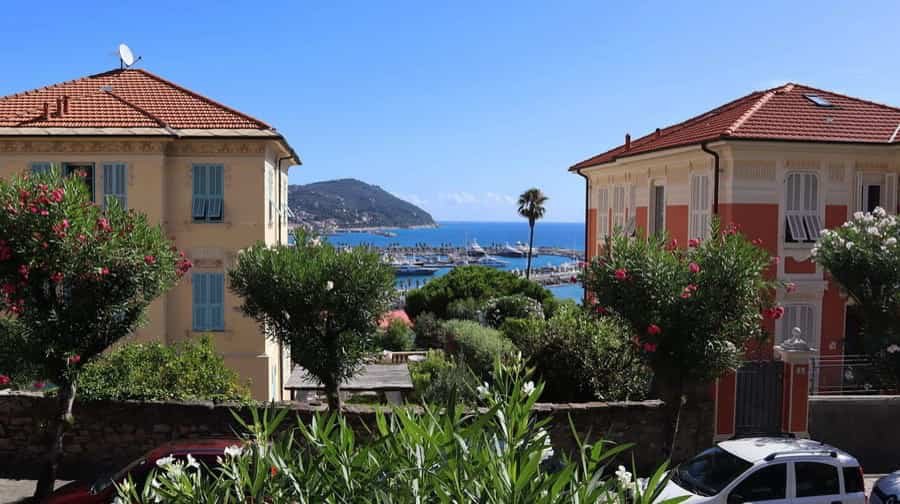
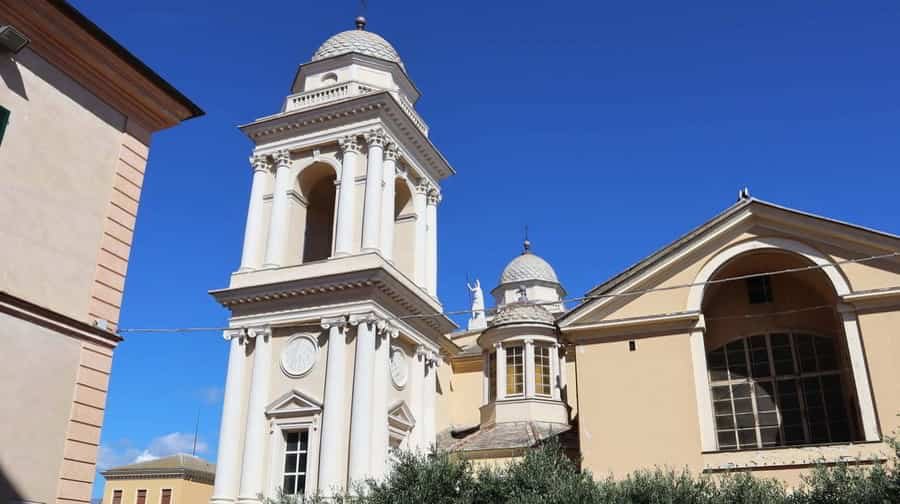

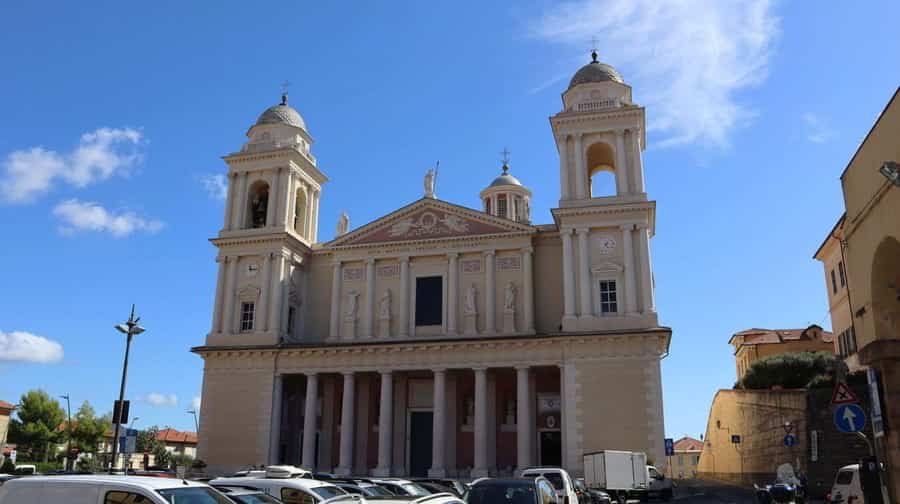
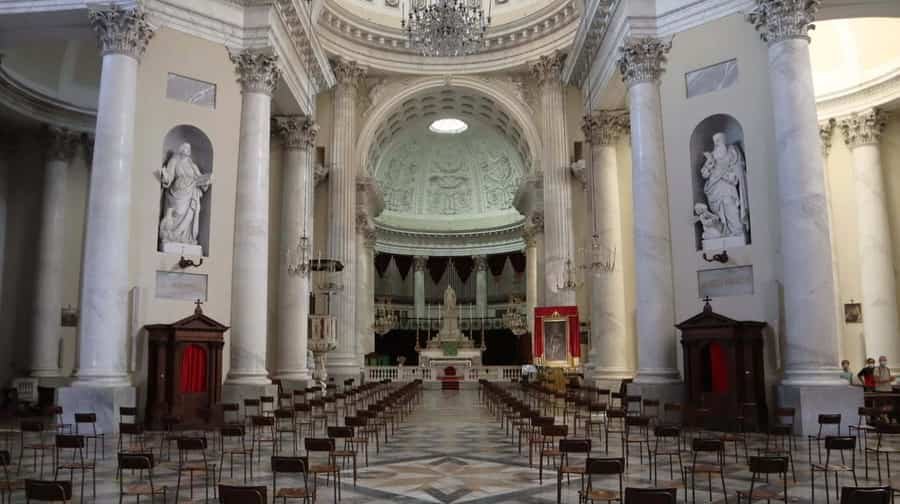
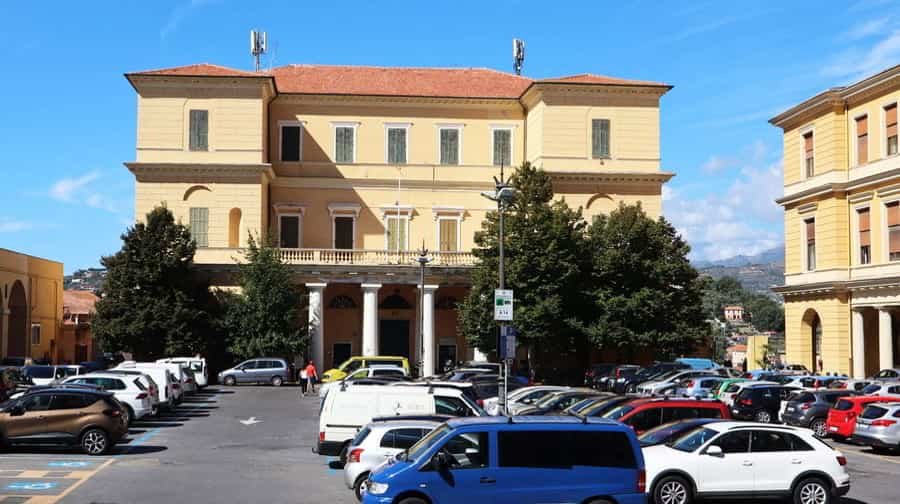
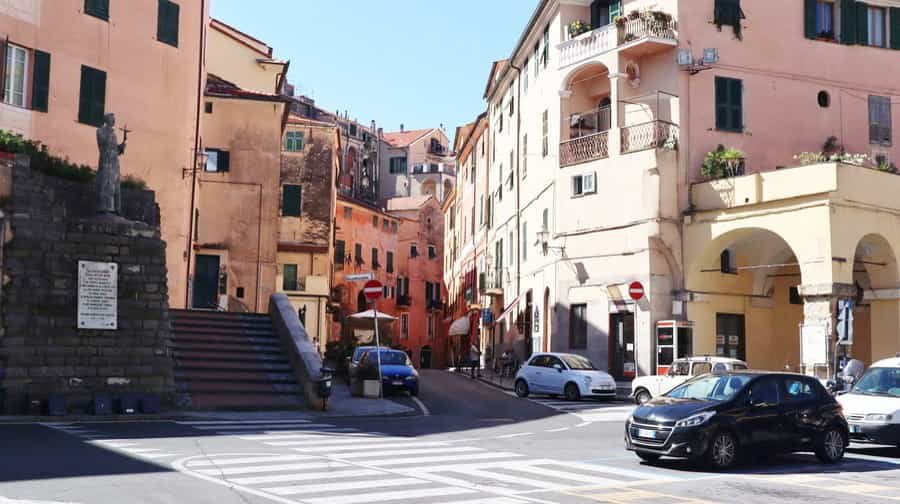
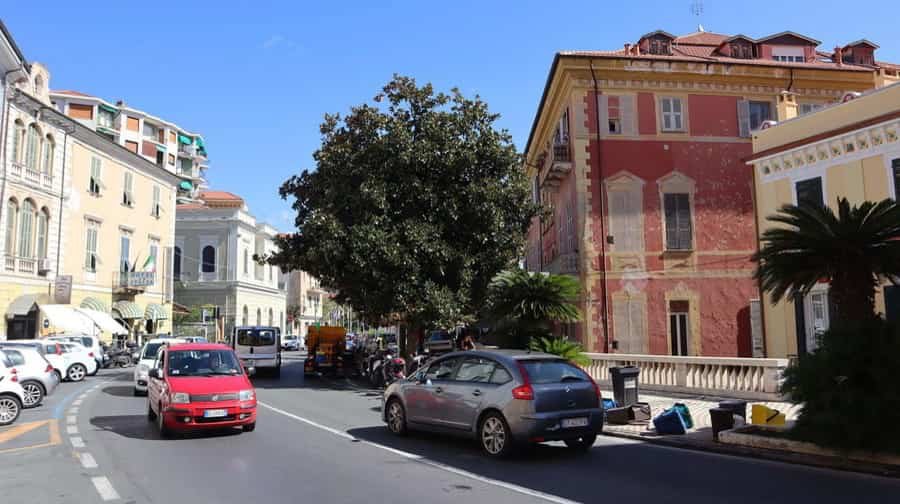
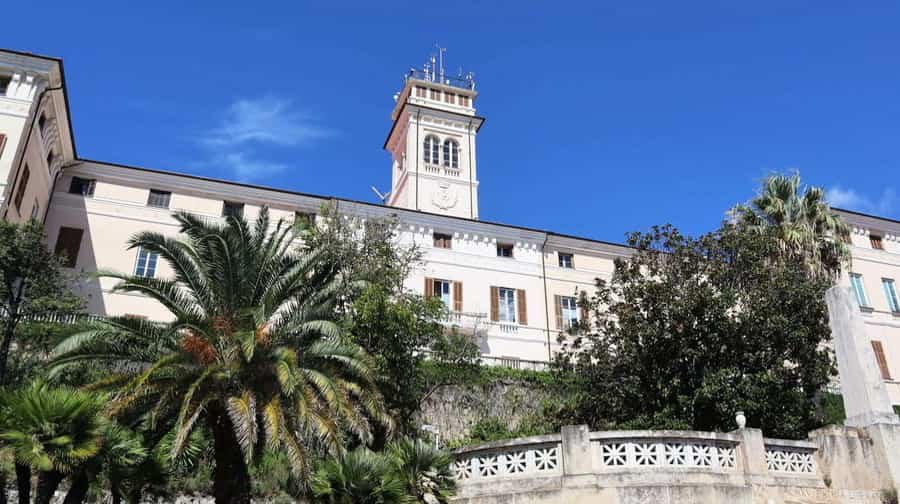
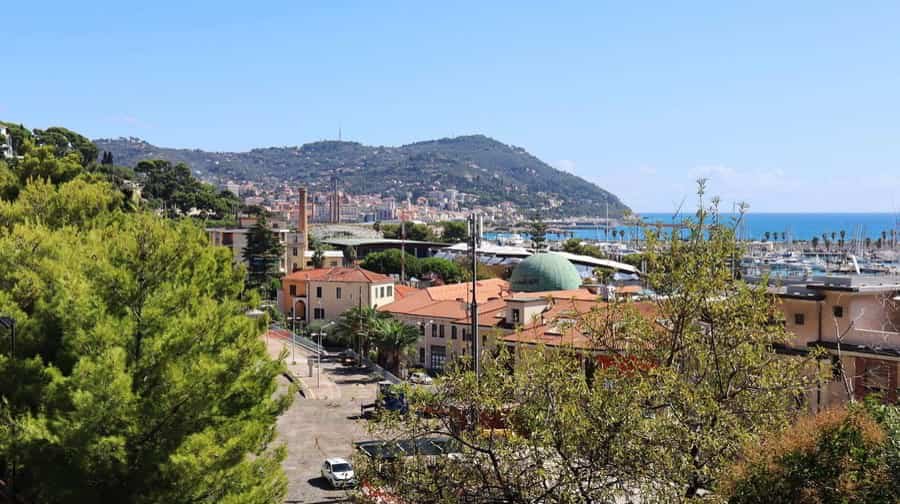
Photo Gallery of Walk 4 – Piazza Dante to Via Giovanni Amendola
Approximately 0.78 km – 0.48 miles
Description of Walk 4
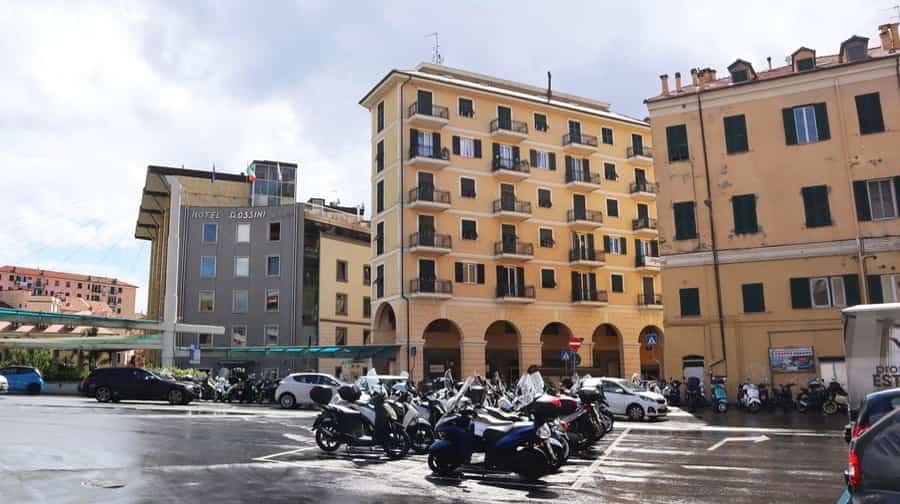
This walk offers a rich exploration of the historic core of Imperia, especially the Porto Maurizio district, known for its layered streets and elevated viewpoints. Starting in Piazza Dante, the route moves through Via Silvio Bonfante and into narrower lanes like Via Dietro Il Duomo, where the medieval character of the town becomes evident. Continuing along Via Giuseppe Parini and Via Don Abbo il Santo, the walk reaches Piazza Gioacchino Rossini, before climbing Salita Ardoino. This ascent leads to quieter streets such as Via Ospedale and Via M. Giuseppe Pira, offering glimpses of local life away from the main routes. The path then descends toward Piazza S. Giovanni, passing the lively Mercato Andrea Doria, where the town’s daily rhythm is on display. From Via Ludovico Maresca, the route reaches Piazza Goito, a scenic square with historic charm. Finally, Via Giovanni Amendola leads to the Chiesa dei Padri Minimi on Salita Frati Minimi. Overall, the walk blends steep climbs, historic architecture, and vibrant local spaces, capturing the essence of Imperia.
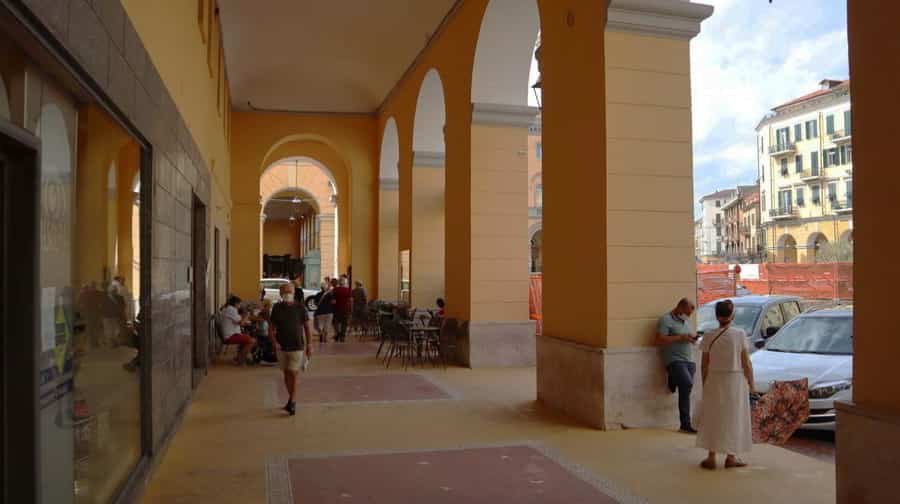
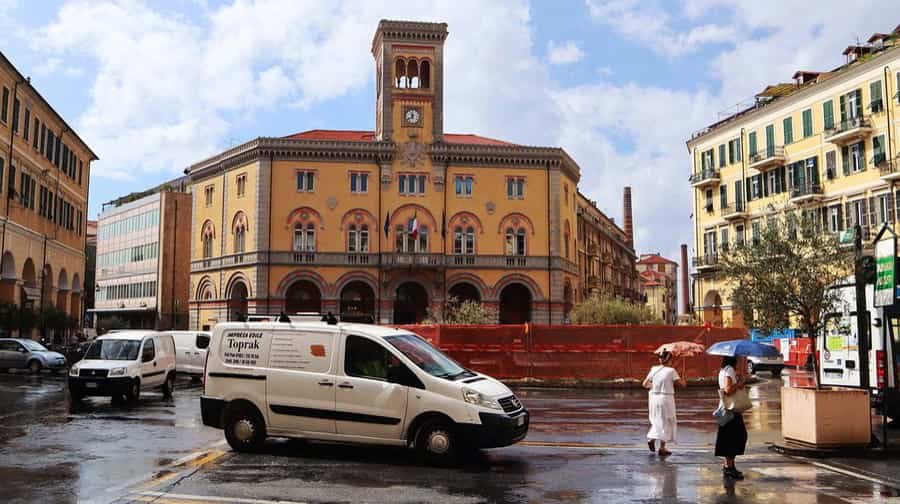
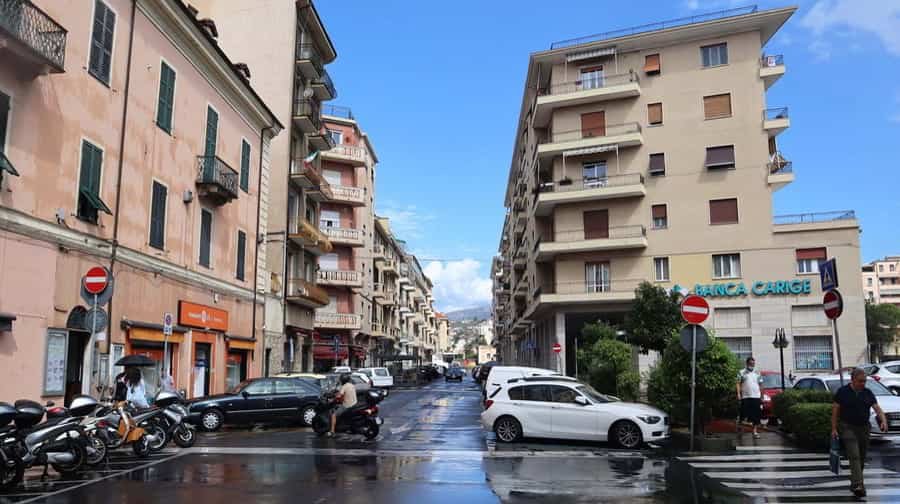
COPYRIGHT © 2018-2026 ITALY IN PHOTOS - ALL RIGHTS RESERVED