
HOME
REGIONS OF ITALY
PLACES IN ITALY
PLAN YOUR TRIP
Italy in Photos
Discover the Regions of Italy
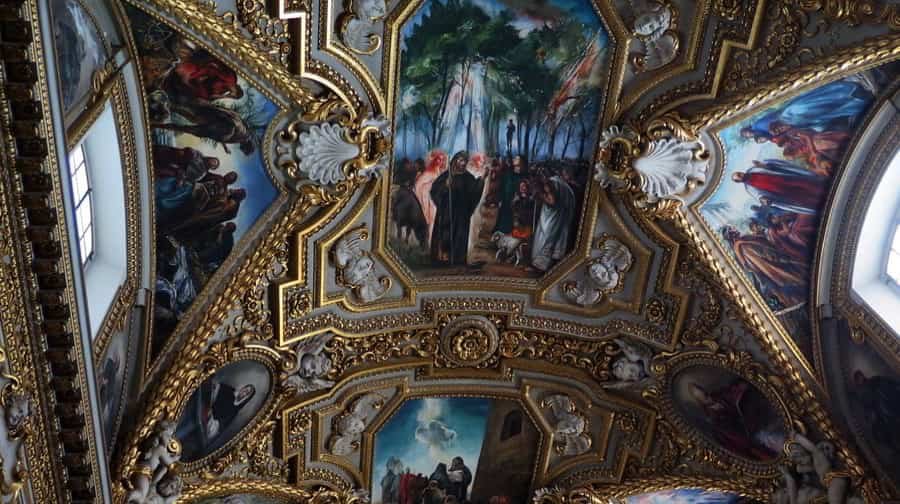
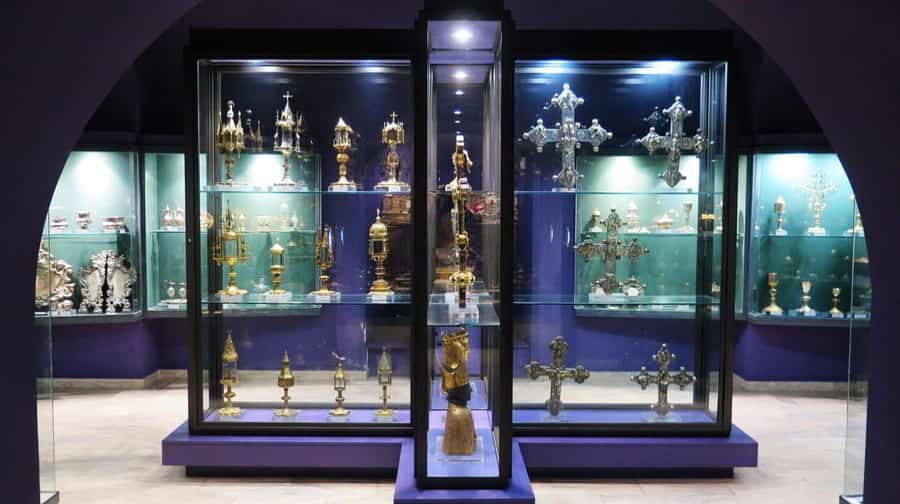
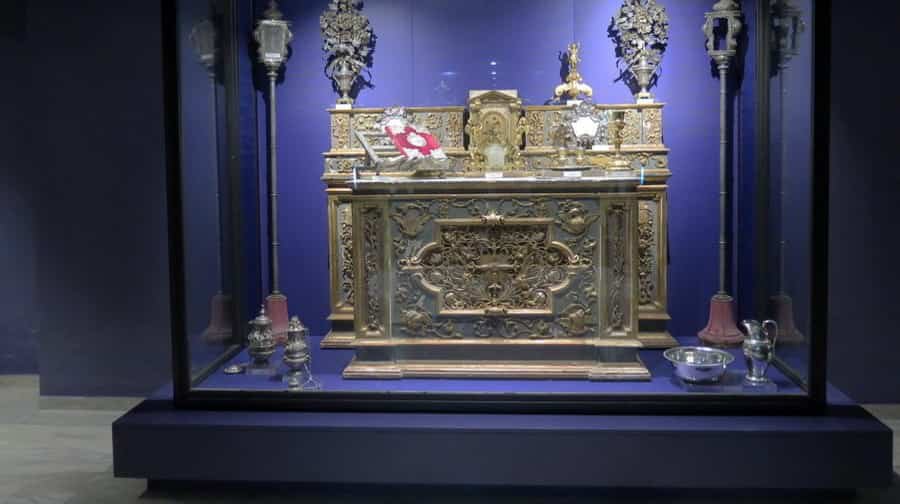
Viale Armando Diaz, 01023 Bolsena, Italy (September 2019)
Lazio
Welcome to Italy in Photos, where we invite you to immerse yourself in the enchanting Italian region of Lazio: – Lazio, also known as Latium, is a region located in central Italy. It is the second most populated region in Italy after Lombardy and has a GDP of more than €197 billion per year. The region is bordered by Tuscany, Umbria, and Marche to the north, Abruzzo and Molise to the east, Campania to the south, and the Tyrrhenian Sea to the west. The capital of Lazio is Rome, which is also the capital and largest city of Italy. Lazio has a land area of 17,242 km² and a population of 5,714,882 people. The region is mainly flat with small mountainous areas in the most eastern and southern districts. The coast of Lazio is mainly composed of sandy beaches punctuated by the headlands of Cape Circeo (541 m) and Gaeta (171 m). The Pontine Islands, which are part of Lazio, are off Lazio’s southern coast. Behind the coastal strip to the north lies the Maremma Laziale (the continuation of the Tuscan Maremma), a coastal plain interrupted at Civitavecchia by the Tolfa Mountains (616 m). The central section of the region is occupied by the Roman Campagna, a vast alluvial plain surrounding the city of Rome with an area of approximately 2,100 km. The southern districts are characterized by the flatlands of Agro Pontino, a once swampy and malarial area that was reclaimed over the centuries. Lazio has a rich history and culture that dates to ancient times. It was home to several ancient civilizations such as Etruscans, Latins, and Sabines. The region was also an important centre for art during the Renaissance period. Today, Lazio is known for its beautiful landscapes and monuments. Rome is one of the most popular tourist destinations in Lazio and attracts millions of visitors every year. It offers endless new discoveries thanks to its enormous artistic heritage. As a matter of fact, it is home to two capitals in one city: the Italian capital and the home of the Pope in Vatican City.
Apart from Rome, Lazio boasts an area of great impact and remarkable variety with its long coastline, beautiful hills, and Apennine mountains. It has several historic sites ideal for excursions and out-of-town trips starting from Rome. Visitors can enjoy delightful occasions while touring ancient villages, stunning parks, splendid lakes, and even the sea. Some popular tourist attractions include Villa d’Este in Tivoli, Castelli Romani hill towns such as Frascati and Castel Gandolfo (the Pope’s summer residence), Tarquinia’s Etruscan tombs, Civita di Bagnoregio’s medieval village on a hilltop connected by a bridge to mainland Italy, and many more. Lazio is also known for its delicious cuisine. Some popular dishes include spaghetti alla carbonara (pasta with bacon), saltimbocca alla romana (veal with prosciutto), carciofi alla giudia (Jewish-style artichokes), supplì (rice balls with tomato sauce), maritozzi con la panna (sweet buns with whipped cream), and many more. Lazio is a beautiful region located in central Italy that offers visitors an unforgettable experience. With its rich history and culture dating back to ancient times, beautiful landscapes and monuments, delicious cuisine, and much more, it is no wonder that it attracts millions of visitors every year. With Italy in Photos, be transported to Lazio’s captivating world, one image at a time..
The Provinces of Lazio
The photos shown for each province were taken during my visits to those locations. For more information, click on the name to be taken to the main page for that place.
The Province of Rome
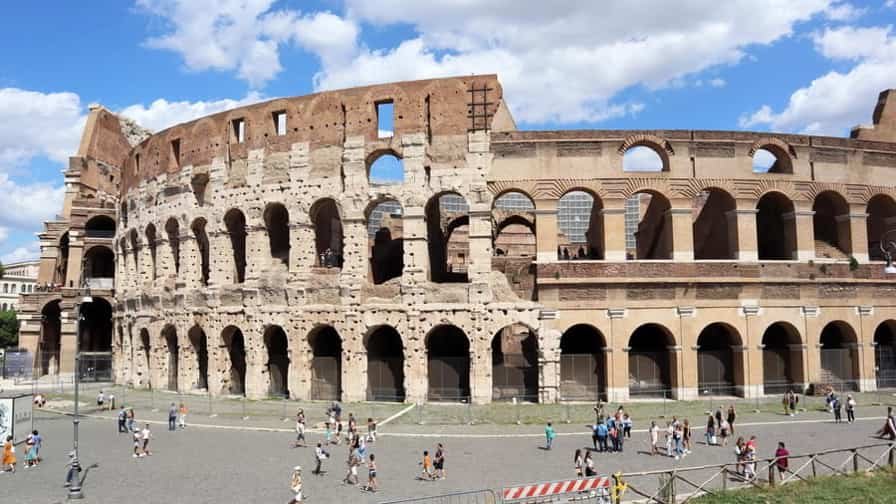
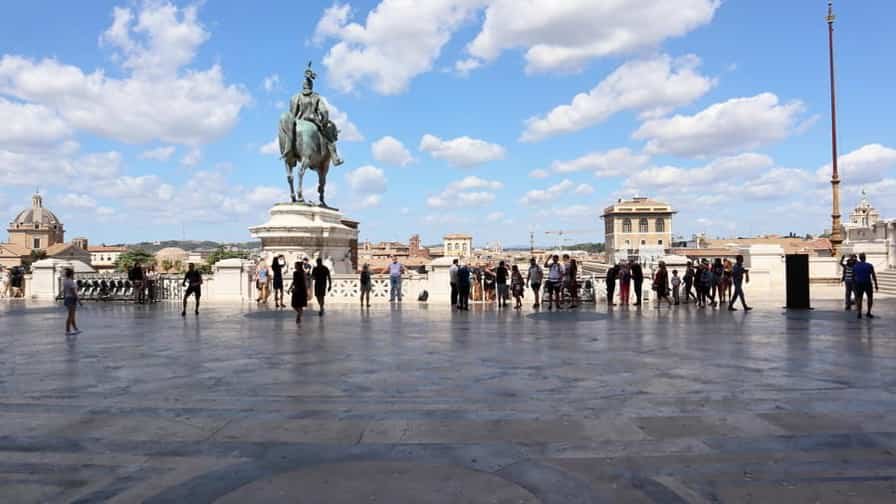
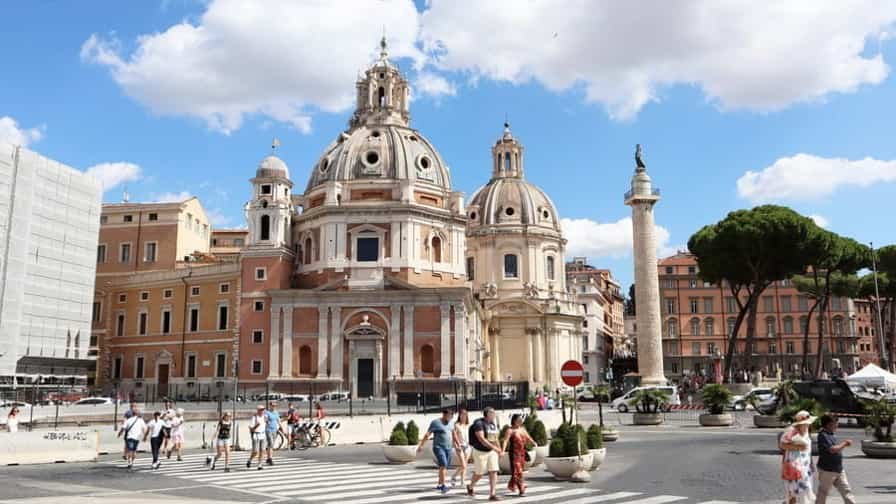
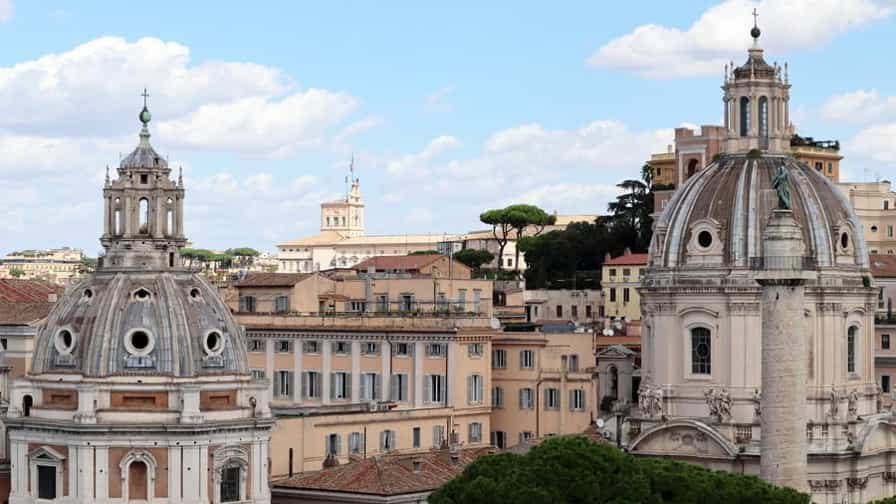
Rome
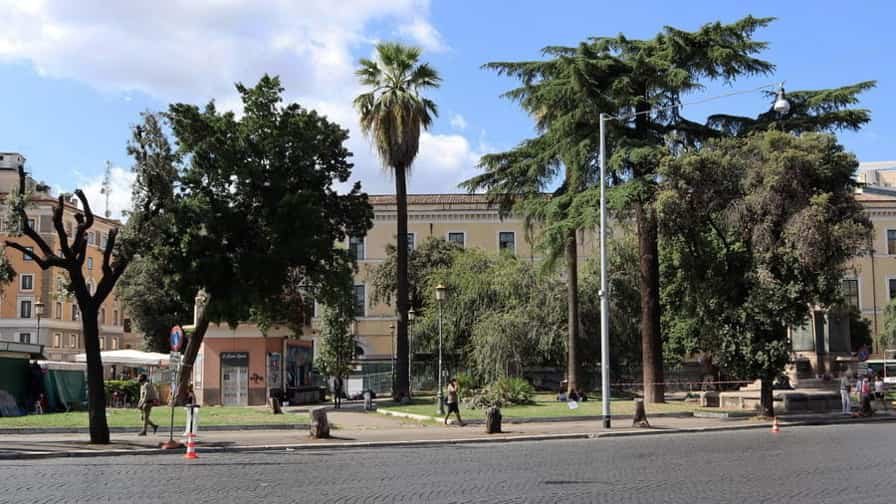
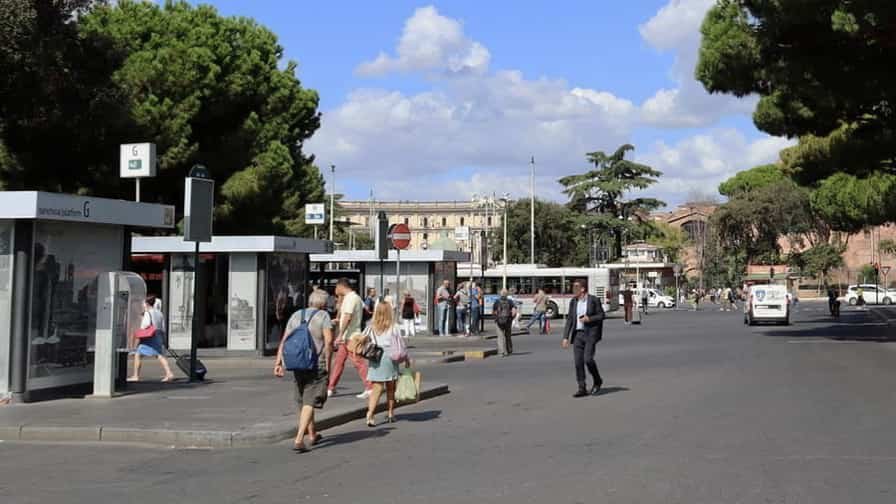
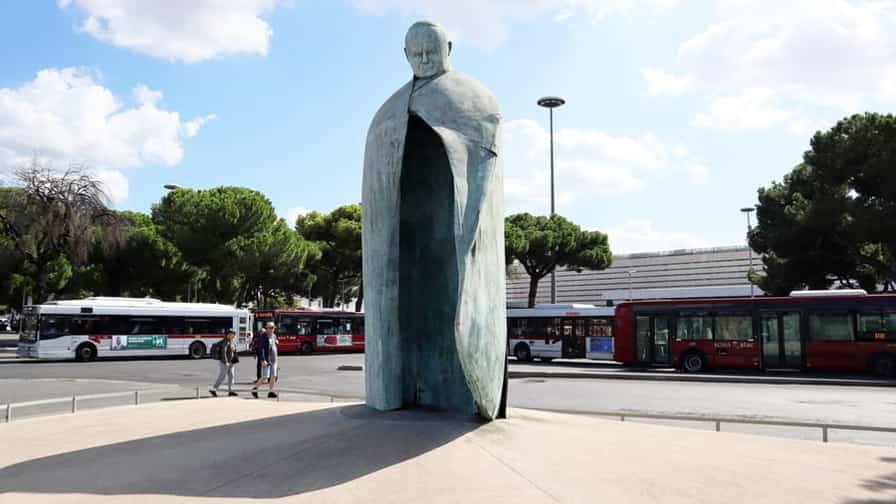
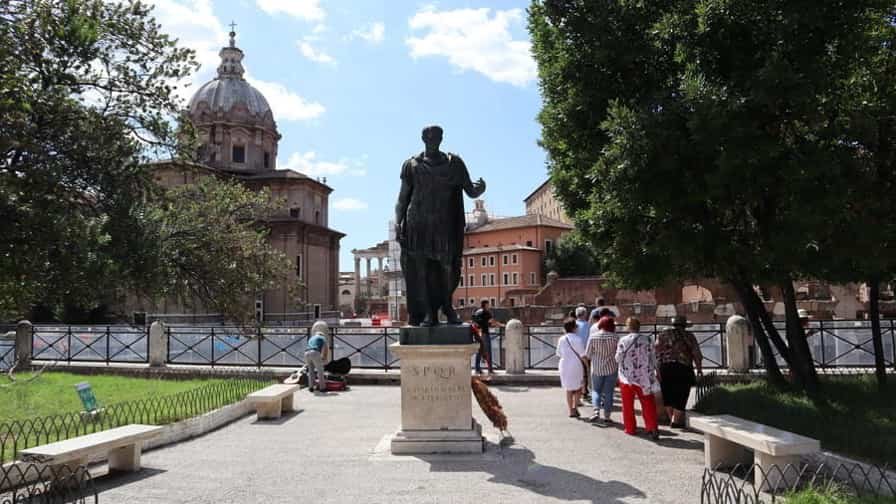
Tivoli
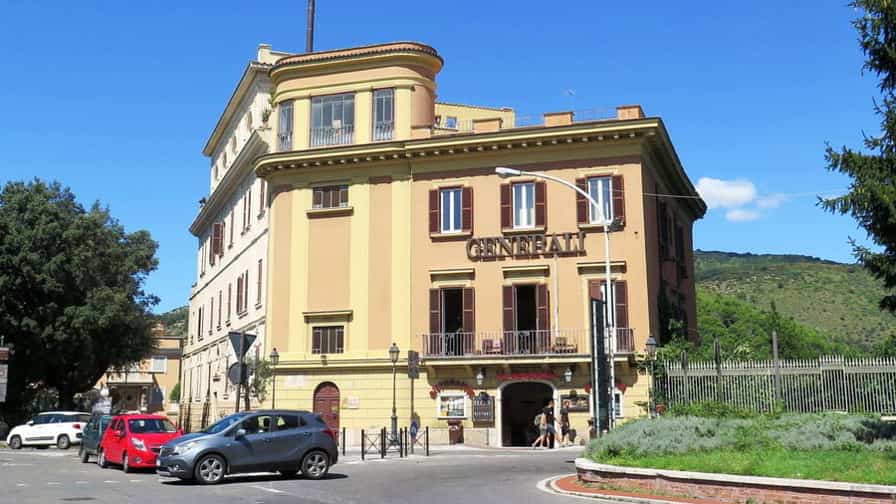
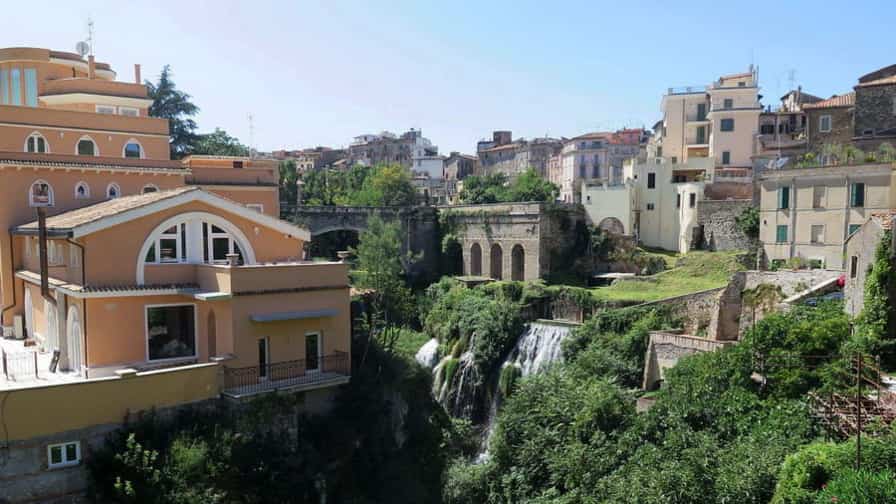
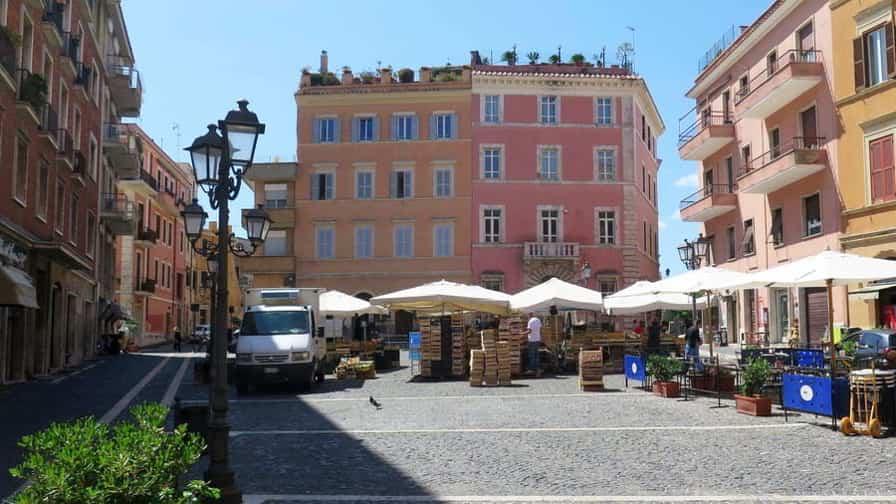
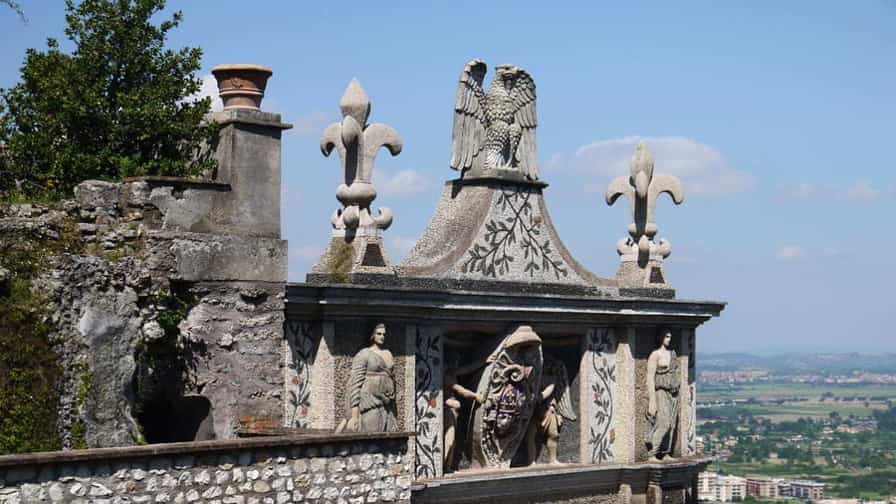
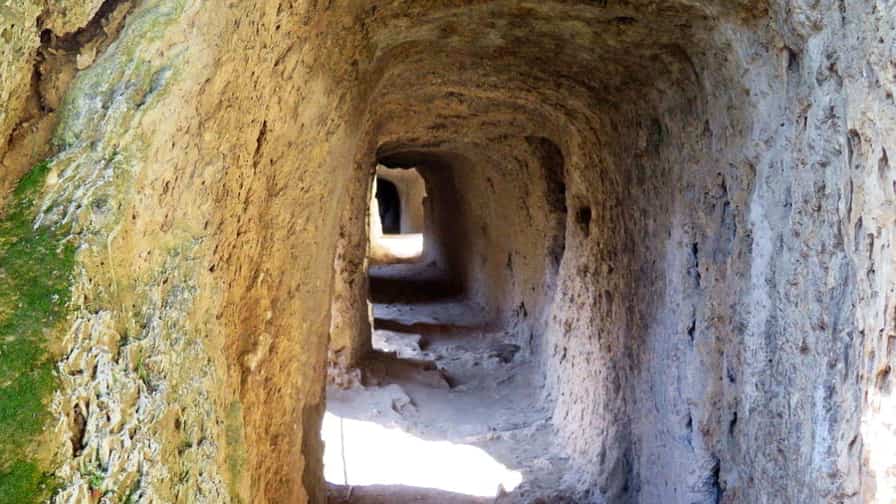
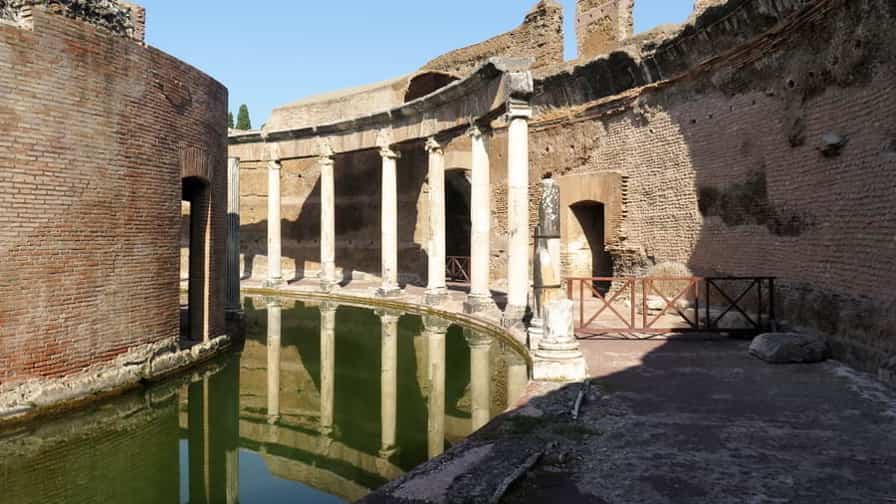
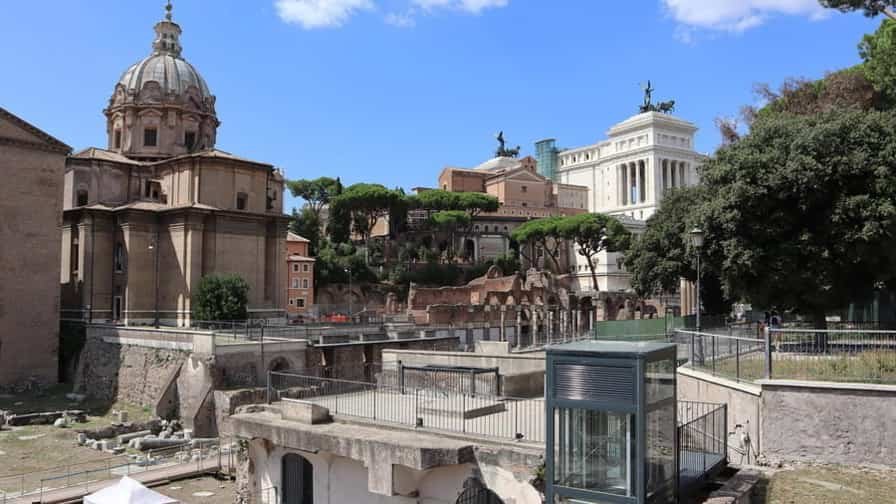
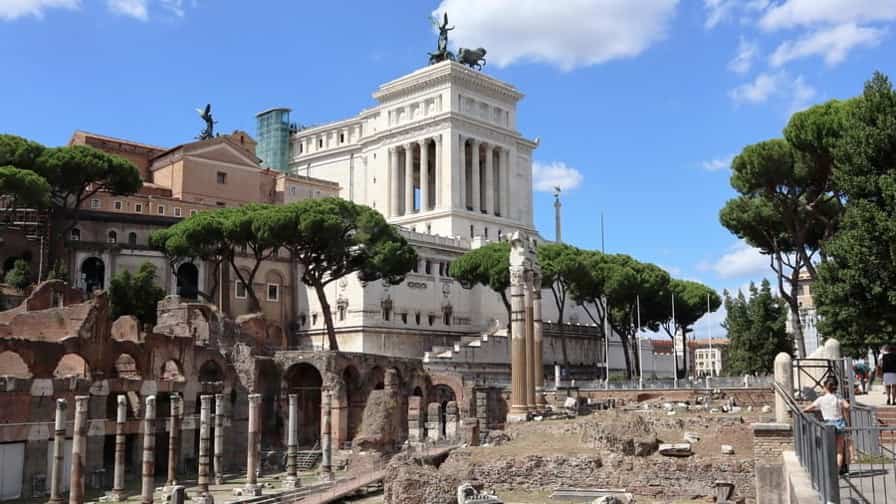
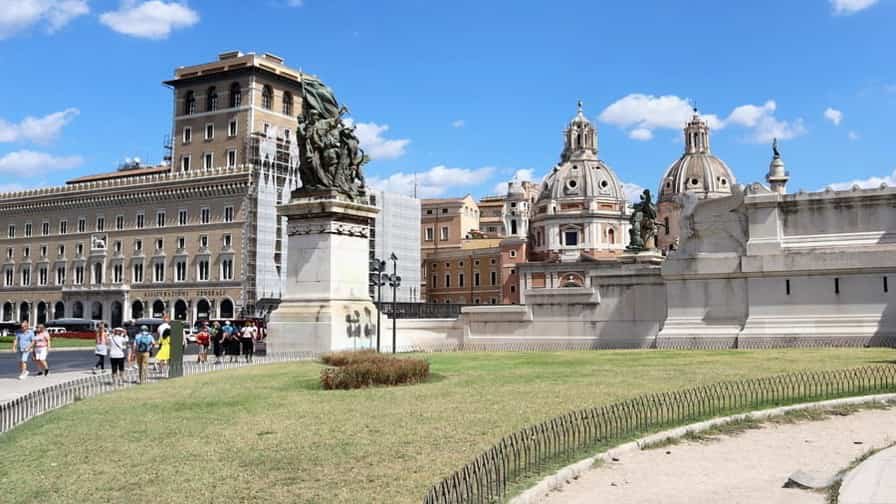
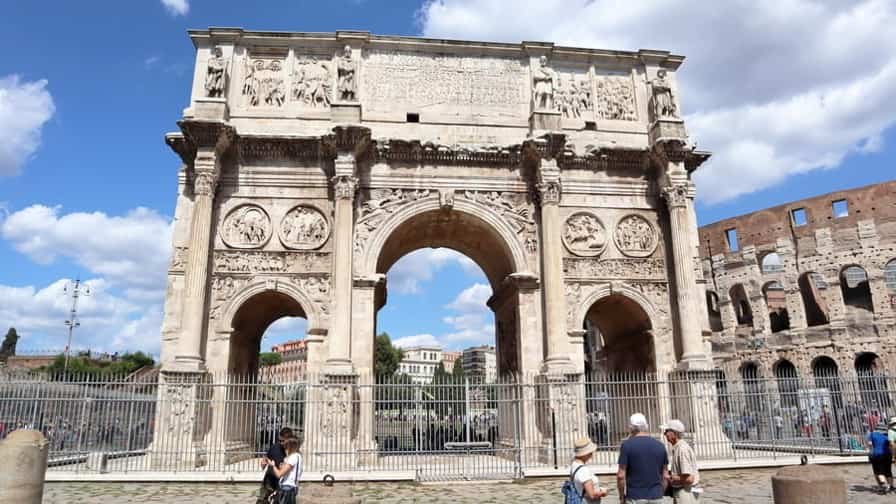
Rome: The Province of Rome was a central administrative unit of Italy located in the Region of Lazio, surrounding the city of Rome and extending from the Tyrrhenian coast to the Apennine foothills. Rich in history, culture, and varied landscapes, the province represented a bridge between Italy’s ancient past and its modern development. Rome itself, as both the provincial capital and the national capital, gave the area exceptional political, cultural, and symbolic importance, influencing governance, infrastructure, and economic life across the territory.
Beyond the city, the province included historic towns, rural villages, coastal resorts, and fertile agricultural areas, each contributing to a diverse social and economic fabric. Archaeological sites from Etruscan, Roman, and medieval periods were widely distributed, reflecting continuous human settlement over millennia. Natural features such as volcanic lakes, rolling hills, and protected coastal zones added environmental value and supported tourism alongside traditional farming.
Administratively, the Province of Rome played a key role in coordinating local municipalities and regional services until its reorganization in the twenty-first century. Its legacy remains evident in the cultural identity of Lazio, where history, urban life, and natural landscapes continue to coexist around one of the world’s most influential cities.
The Province of Frosinone
Cassino
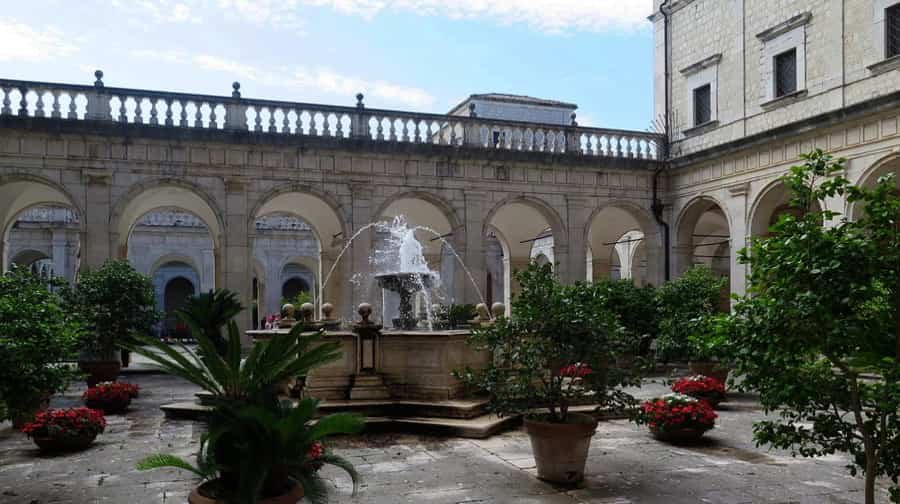
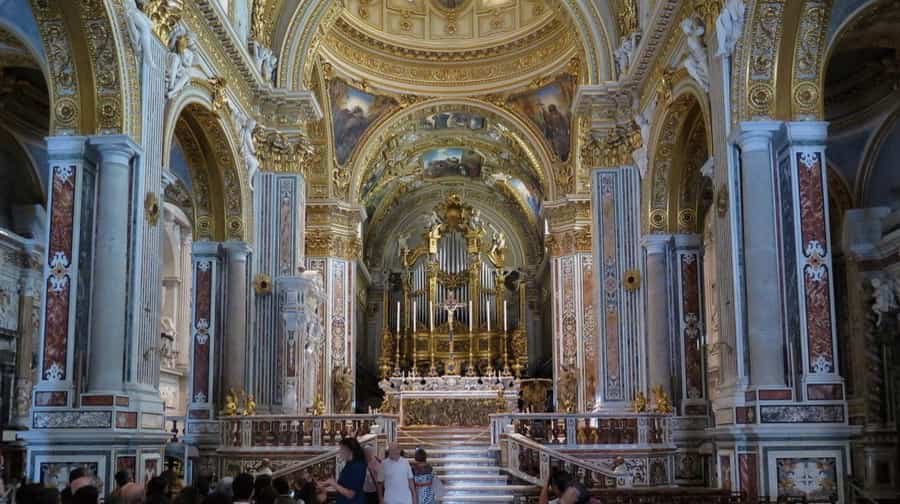
Frosinone
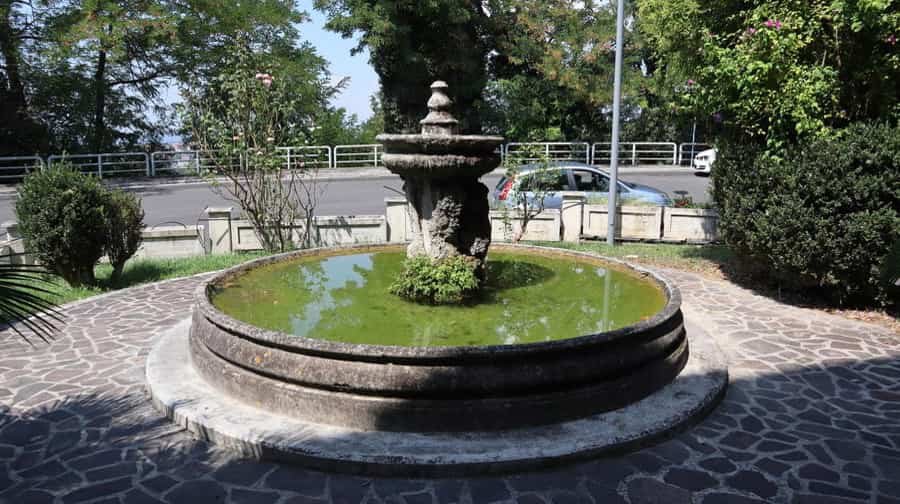

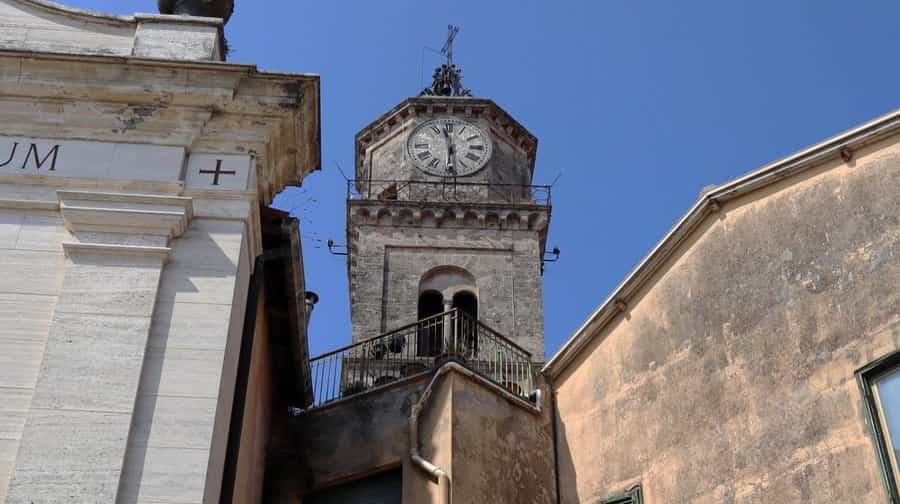
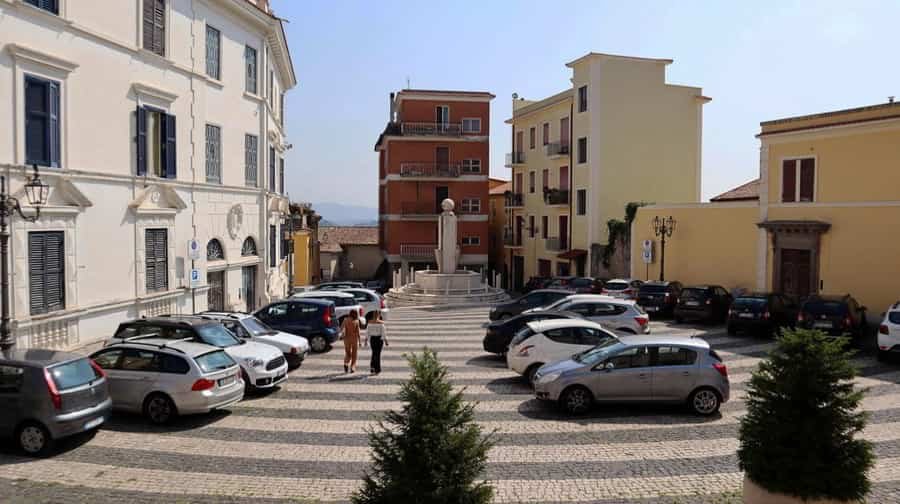

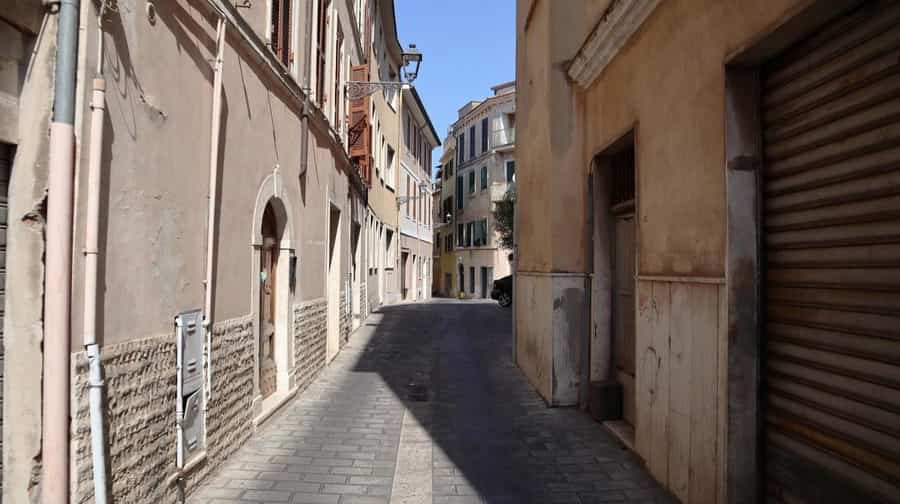
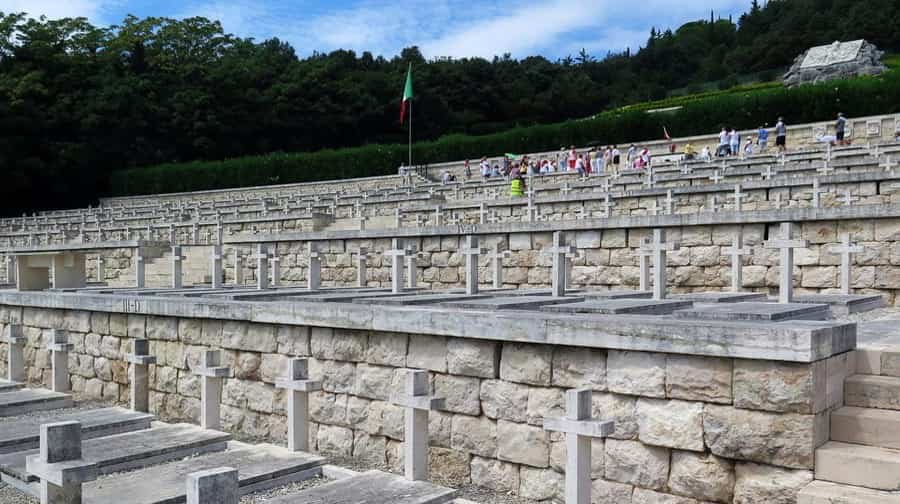
Frosinone: The Province of Frosinone is an inland area of the Region of Lazio, located in central Italy between Rome and the borders of Abruzzo, Molise, and Campania. It is characterized by a varied landscape of mountains, hills, and fertile valleys, shaped by the central Apennines and important river systems such as the Sacco and the Liri. Frosinone, the provincial capital, functions as the main administrative and economic hub, while the surrounding towns and villages maintain strong local traditions and historical identities.
The province has a long and complex history that stretches from ancient Italic populations and Roman settlements to medieval communities and modern Italian unification. This historical depth is visible in archaeological remains, historic centres, monasteries, and fortified hill towns scattered across the territory. Agriculture has traditionally played a key role in the local economy, supported by fertile plains, while industrial development has grown in the valleys during the twentieth century.
Natural areas, mountain parks, and rural landscapes contribute to the environmental value of the Province of Frosinone and support tourism focused on nature, heritage, and gastronomy. Today, the province represents a blend of historical continuity and modern life, preserving a distinct cultural character within the wider context of Lazio.
Rieti: The Province of Rieti is a predominantly mountainous area in the north-eastern part of the Region of Lazio, bordering Umbria, Marche, and Abruzzo. Known for its unspoiled landscapes and strong rural character, the province is often associated with the heart of the central Apennines. Rieti, the provincial capital, is a historic town located in a fertile basin that has been inhabited since ancient times and retains a well-preserved medieval centre.
Geographically, the province is marked by high peaks, wooded valleys, rivers, and lakes, including important natural areas that support biodiversity and traditional pastoral activities. The Velino River and the Rieti Plain have historically sustained agriculture, while mountain zones have shaped patterns of settlement and local culture. The territory is also closely linked to religious history, particularly through sites associated with Saint Francis of Assisi, which attract visitors seeking spiritual and cultural experiences.
Historically less urbanized than other parts of Lazio, the Province of Rieti has maintained a strong sense of local identity rooted in tradition, craftsmanship, and close ties to the land. Today, it represents a quieter and more rural side of Lazio, where natural heritage, historical continuity, and community life play a central role in defining the character of the province.
Gaeta
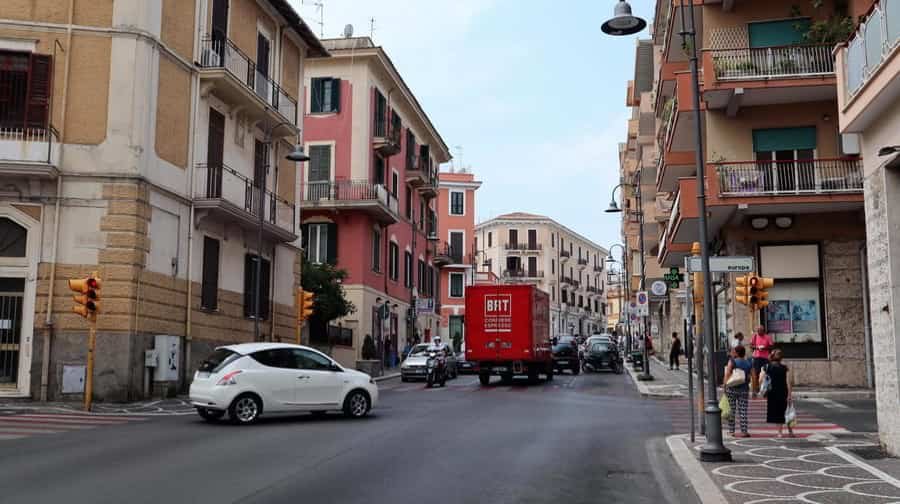
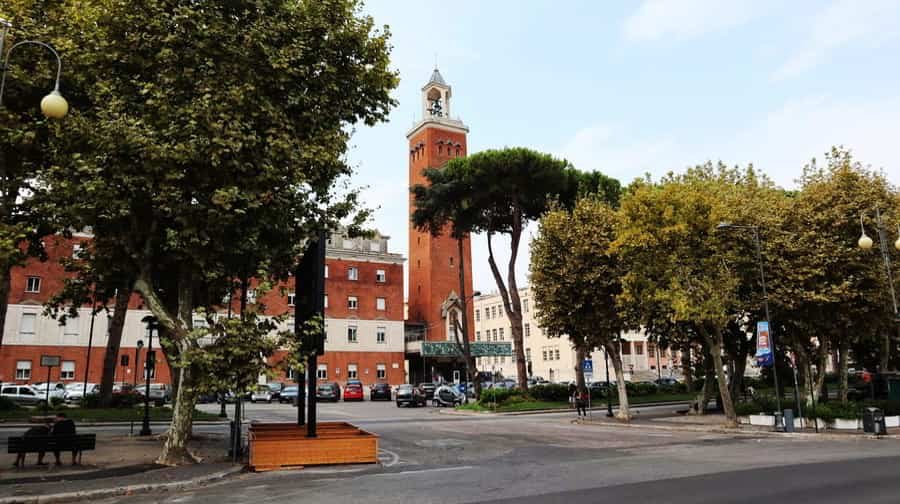
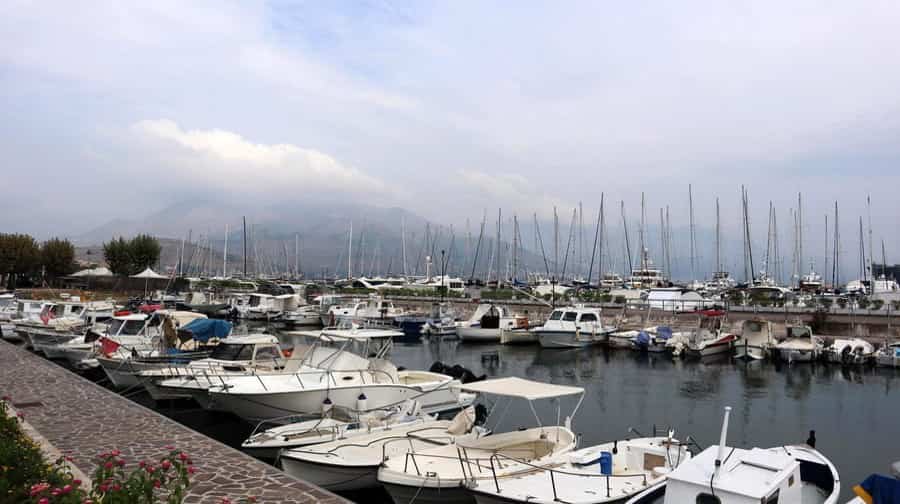
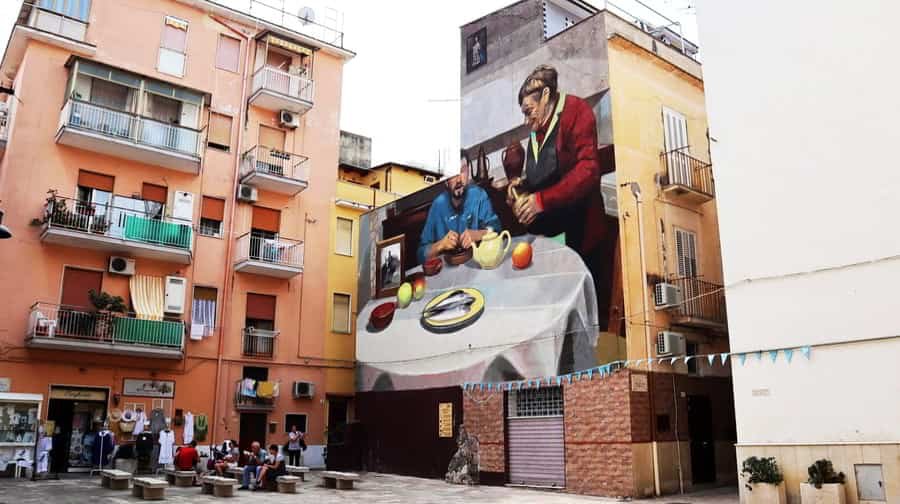
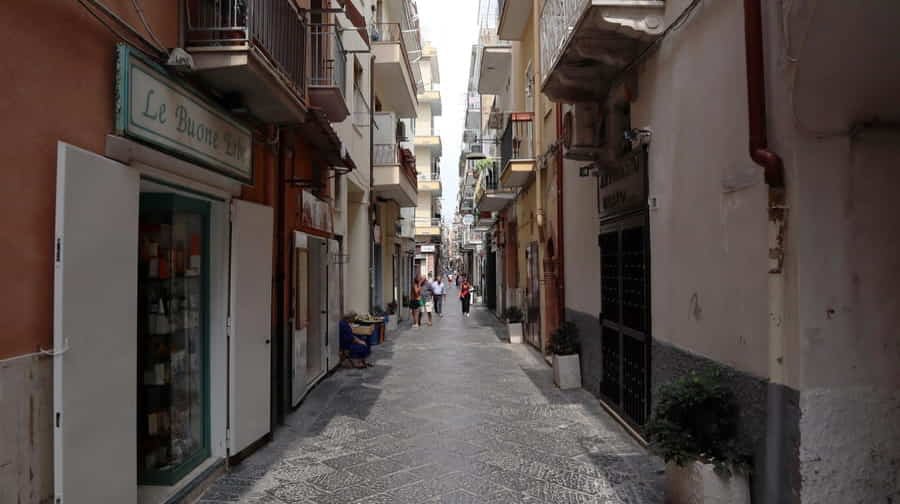
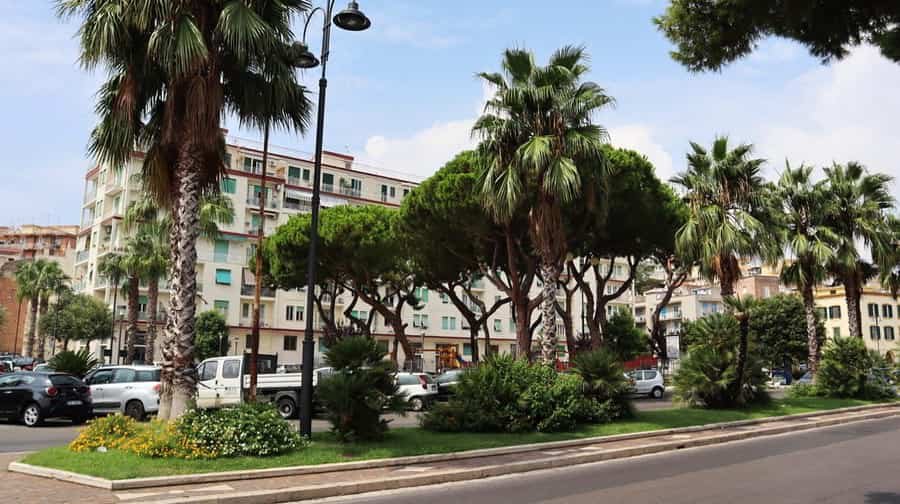
Latina: The Province of Latina is a coastal and inland territory of the Region of Lazio in central Italy, extending from the Tyrrhenian Sea to the foothills of the Apennines. Established in the twentieth century, it is one of the younger provinces in Italy, shaped by modern planning as well as ancient history. The city of Latina serves as the provincial capital and stands as a symbol of the large-scale land reclamation projects that transformed marshlands into productive agricultural areas.
The province is characterized by a diverse landscape that includes sandy beaches, fertile plains, volcanic hills, and mountainous terrain. The Pontine Plain has long been an important centre for agriculture, while the coastline supports tourism, fishing, and port activities. Offshore, the Pontine Islands add significant natural and cultural value, known for their scenic beauty and historic settlements.
Historically, the area bears traces of Roman roads, coastal towns, and medieval villages, demonstrating continuous human presence despite environmental challenges. Today, the Province of Latina combines agricultural production, industrial development, and tourism, contributing to the regional economy of Lazio. Its blend of natural environments, planned urban centres, and historical sites creates a distinctive identity within central Italy, where modern development coexists with cultural heritage and strong ties to the land.
Bolsena



Orte
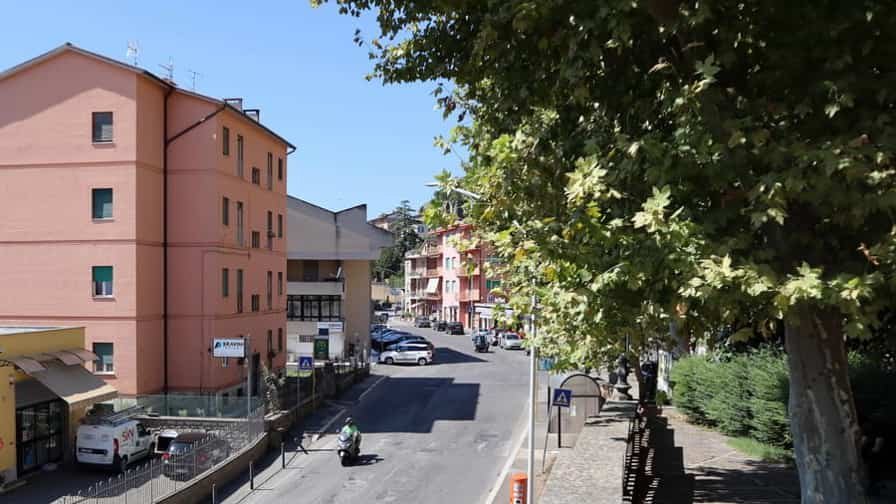
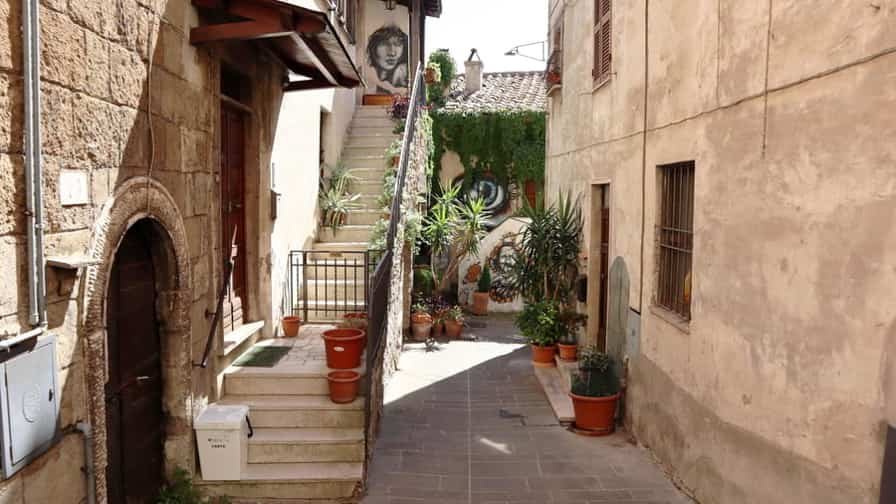
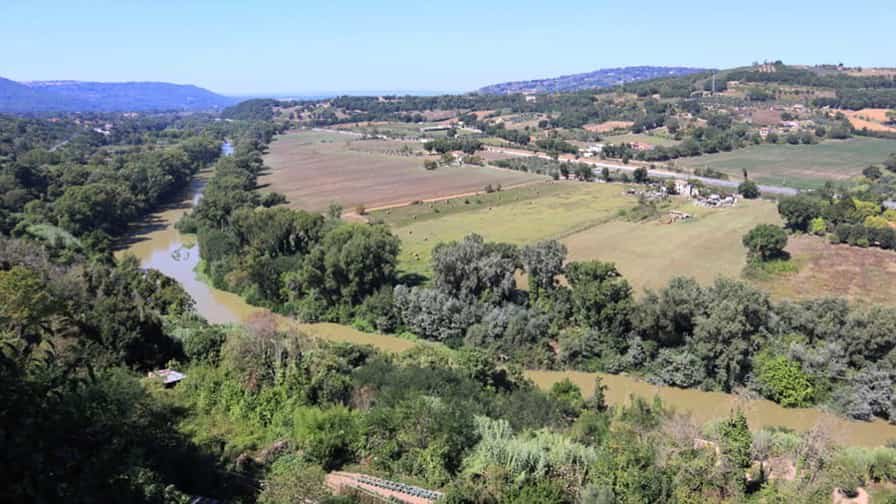
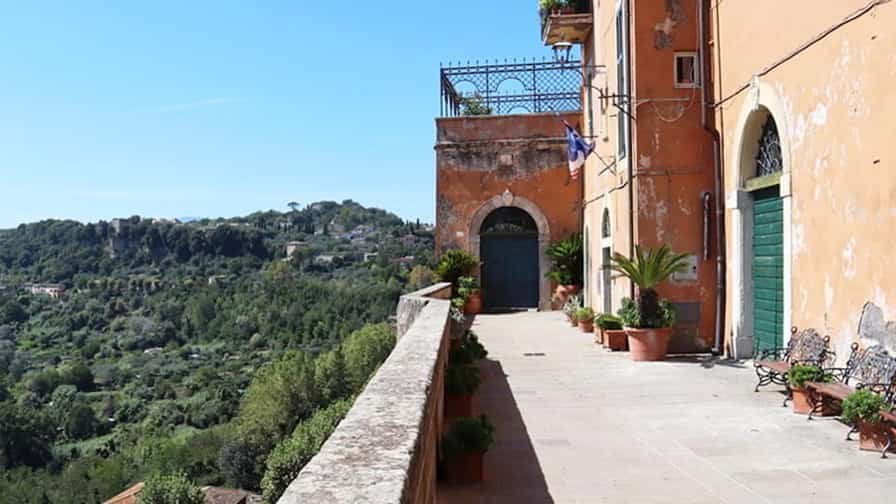
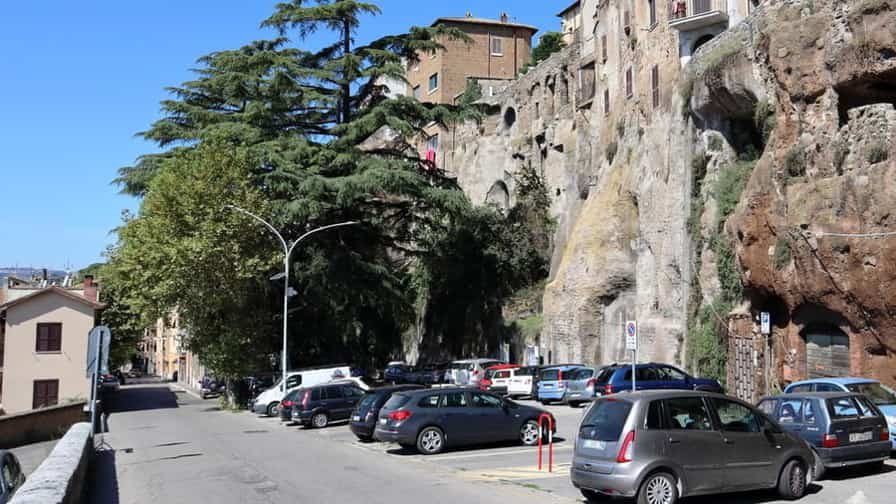
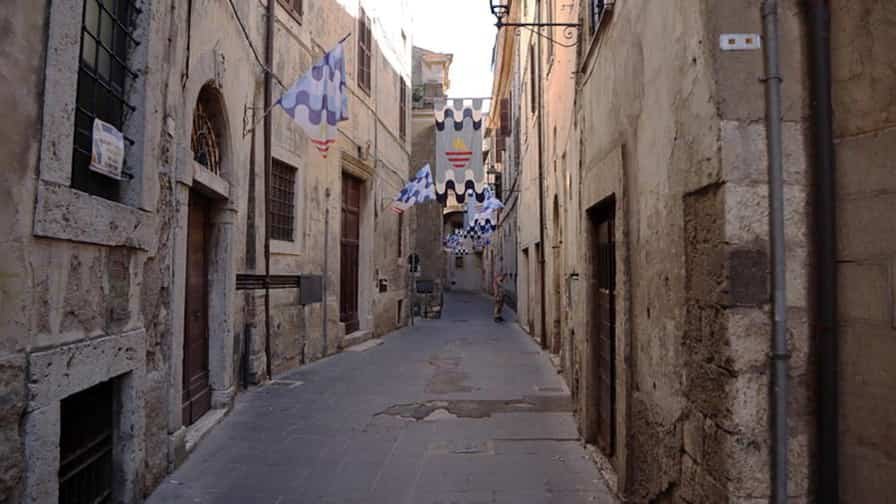
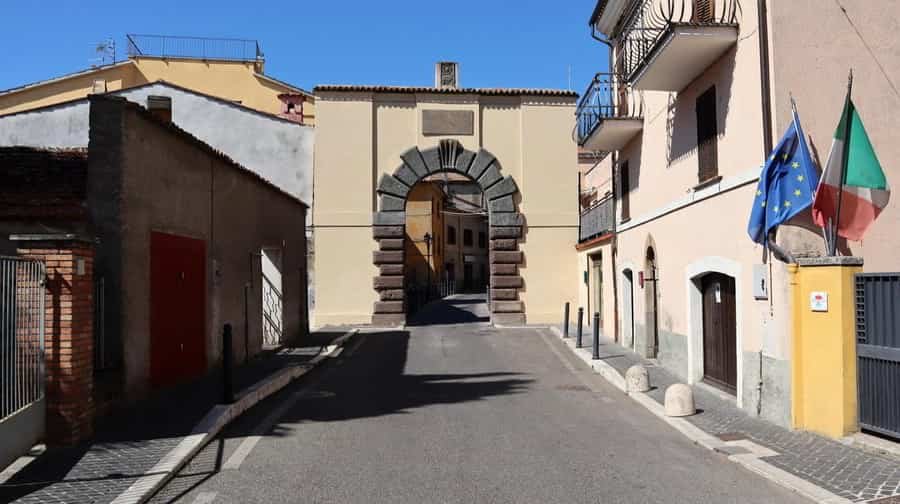
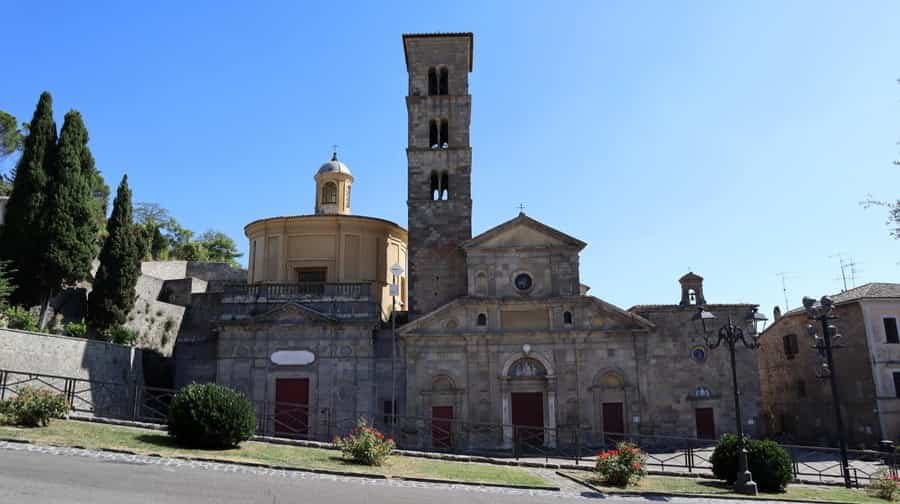
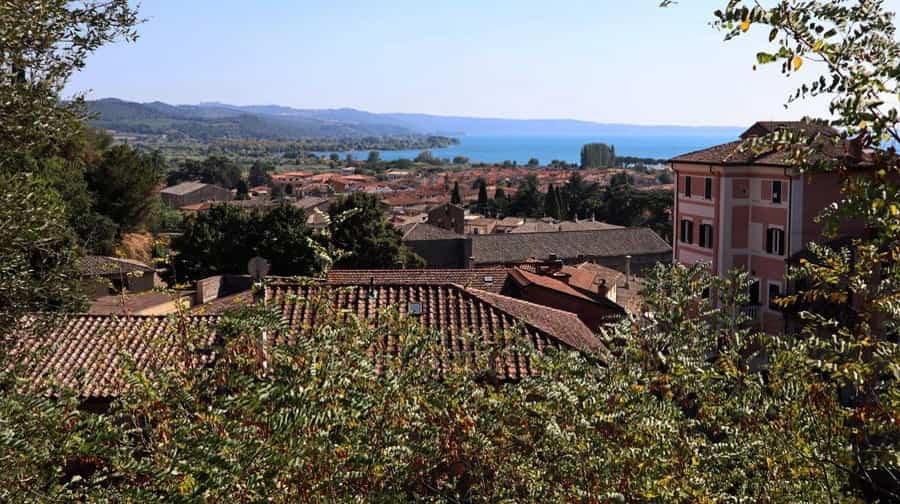
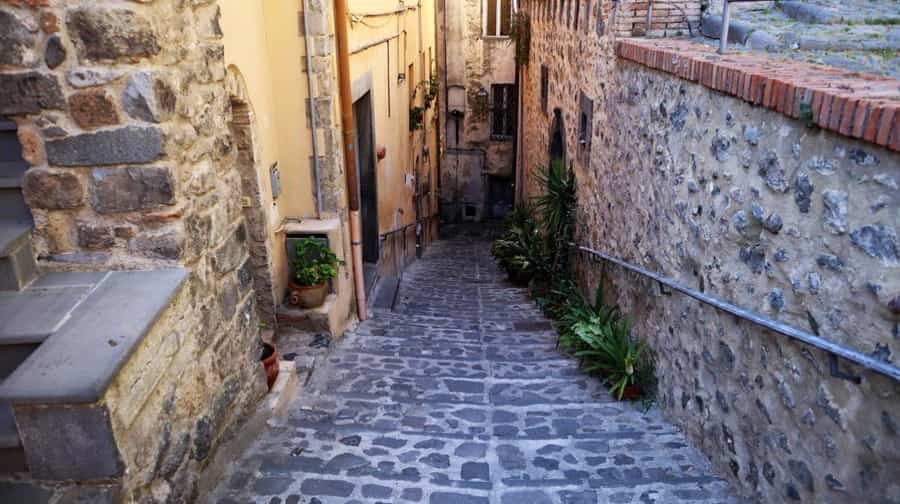
Viterbo: The Province of Viterbo is located in the north-western part of the Region of Lazio, bordering Tuscany and Umbria, and extending from inland hills to the Tyrrhenian coast. Known for its strong historical identity and well-preserved landscapes, the province is often referred to as Tuscia, a name that recalls its ancient Etruscan and medieval heritage. Viterbo, the provincial capital, is famous for its medieval centre and its role as a papal seat during the Middle Ages.
The territory is characterized by volcanic origins, evident in features such as Lake Bolsena, the largest volcanic lake in Europe, and fertile soils that support agriculture, vineyards, and olive groves. Numerous towns and villages are set on tufa plateaus, preserving historic architecture, fortifications, and traditional urban layouts. The coastal area adds further diversity, combining natural reserves with maritime activities.
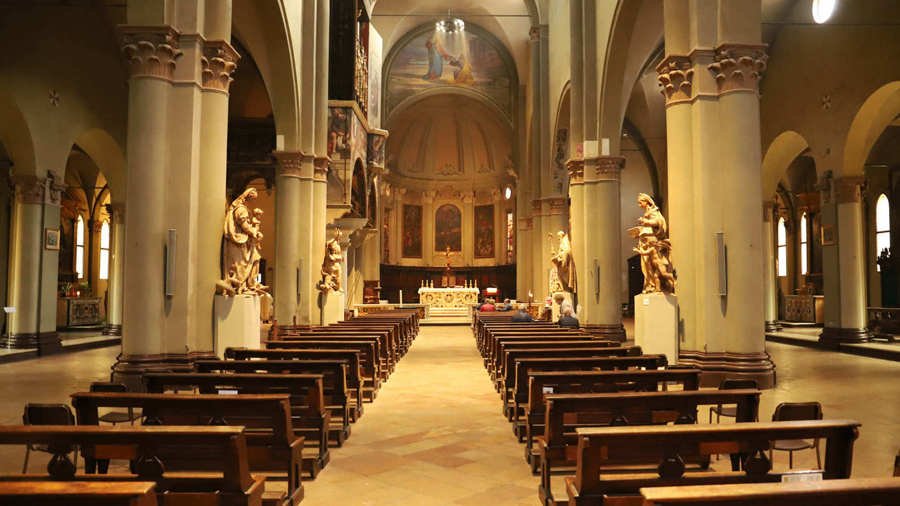
Historically, the Province of Viterbo has been shaped by Etruscan civilization, Roman expansion, and papal influence, leaving a rich legacy of archaeological sites, churches, and civic buildings. Today, the province balances agricultural production, cultural tourism, and environmental protection. Its combination of natural beauty, historical depth, and enduring traditions makes the Province of Viterbo a distinctive and valuable part of the broader regional identity of Lazio.
Ausonia
Bolsena
Cassino
Frosinone
Orte
Gaeta
Rome
Tivoli
COPYRIGHT © 2018-2026 ITALY IN PHOTOS – ALL RIGHTS RESERVED