
HOME
THE REGIONS OF ITALY
PLACES IN ITALY
TRAVEL GUIDES COMING SOON
Italy in Photos
Discover the Regions of Italy
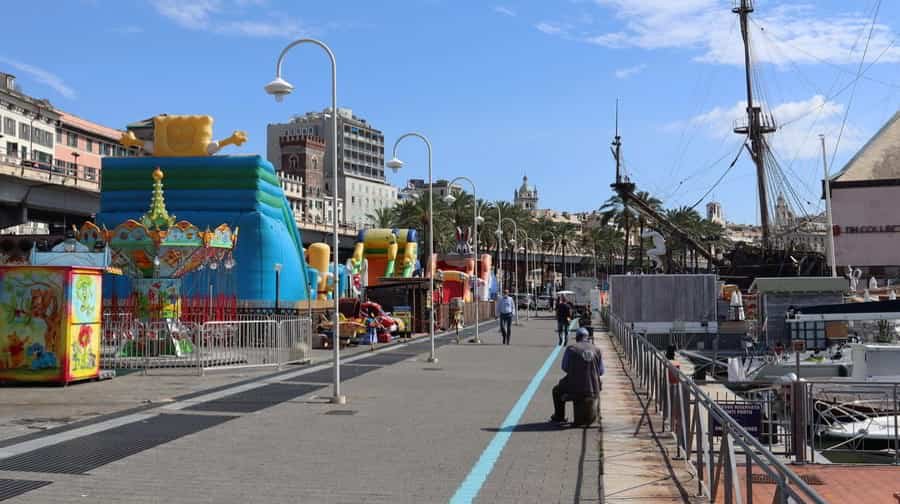
Calata Ansaldo De Mari, 16126 Genova GE, Italy (September 2020)
Liguria
Liguria is a narrow, luminous region in north-western Italy where mountains and sea exist in constant, dramatic conversation. Curving like a crescent along the Mediterranean, it stretches from the French border in the west to Tuscany in the east, embracing the Ligurian Sea with steep hillsides, terraced villages, and historic port cities. This geography shapes not only the landscape but also the culture, cuisine, and rhythm of life, giving Liguria a character that feels both intimate and outward-looking.
The region is defined by contrast. The Apennine Mountains rise sharply just a short distance from the coast, creating a thin strip of land where space has always been precious. Over centuries, Ligurians learned to adapt, carving olive groves and vineyards into stone terraces and building towns that cling to cliffs or gather tightly around natural harbours. The result is a scenery of striking beauty, where pastel houses overlook deep blue water and footpaths wind through lemon trees and wild herbs. The sea is omnipresent, visible from countless vantage points and deeply woven into everyday life.
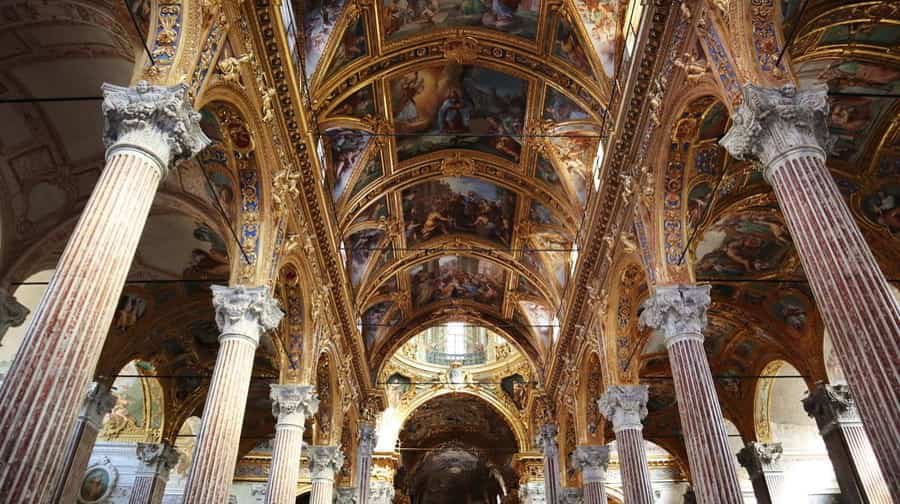
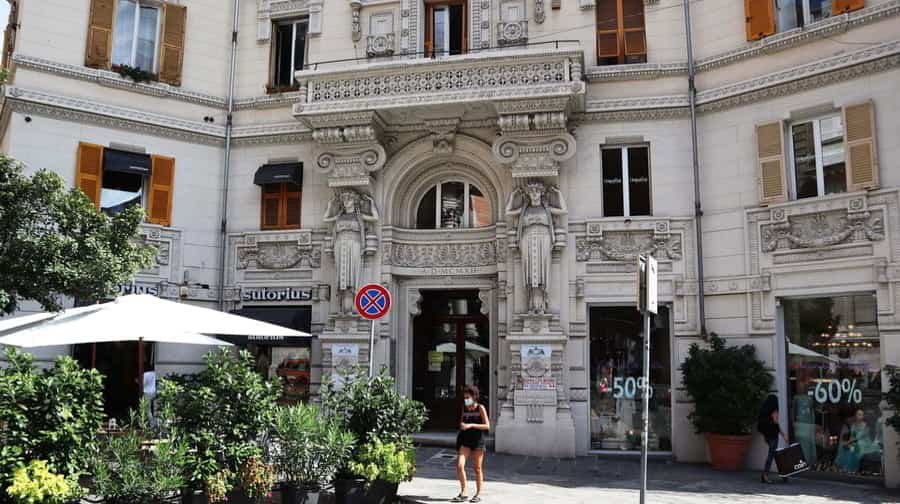
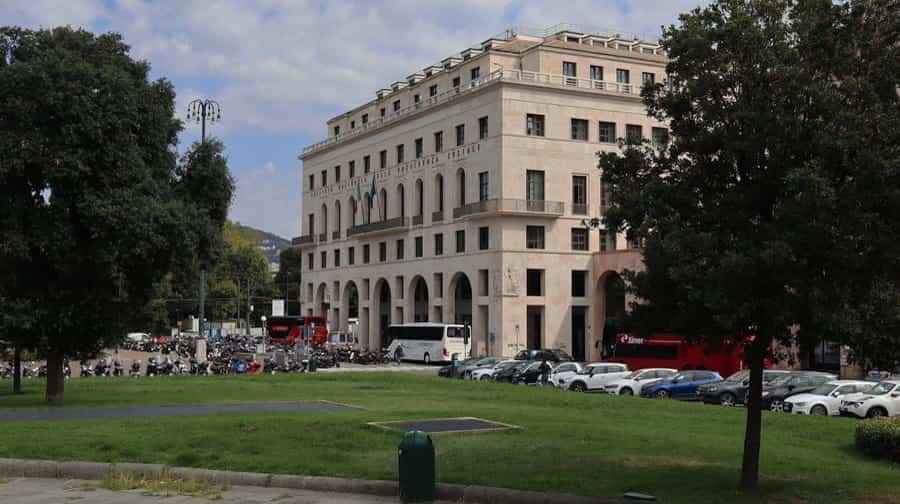
Genoa, the regional capital, stands as Liguria’s historic and cultural anchor. Once a powerful maritime republic, Genoa played a central role in Mediterranean trade, exploration, and finance from the Middle Ages onward. Its historic centre is one of the largest in Europe, a dense maze of narrow streets that open suddenly onto grand palaces, hidden churches, and lively squares. The city’s legacy as a port has left it cosmopolitan and complex, shaped by centuries of contact with distant lands while remaining firmly rooted in local traditions.
Beyond Genoa, Liguria unfolds into a series of distinct coastal zones. To the west lies the Riviera di Ponente, known for its broader beaches, elegant seaside towns, and a long tradition of winter tourism. To the east stretches the Riviera di Levante, more rugged and intimate, where rocky coves and small fishing villages dominate the coastline. This eastern stretch includes the celebrated Cinque Terre, five villages connected by trails and rail lines, often seen as symbols of Ligurian harmony between human settlement and nature.
Liguria’s culture reflects its geography: practical, resilient, and understated. Historically, limited agricultural land and a reliance on the sea fostered a people known for frugality and ingenuity. These traits are evident in the region’s cuisine, which favours simplicity and precision over excess. Olive oil replaces butter, herbs provide fragrance instead of heavy sauces, and ingredients are used sparingly but thoughtfully. Dishes such as pesto, focaccia, and seafood stews speak to a deep respect for raw materials and seasonal balance.
Despite its modest size, Liguria has exerted influence far beyond its borders. Its sailors and merchants travelled widely, its cuisine spread across continents through migration, and its landscapes have inspired writers, painters, and travellers for generations. At the same time, the region retains a strong sense of local identity. Each town has its own dialect variations, festivals, and culinary nuances, reinforcing a feeling of belonging rooted in place.
Today, Liguria balances tradition and change. Tourism plays a significant role in the regional economy, drawn by the promise of sea, history, and beauty, yet everyday life continues at a measured pace, especially away from peak seasons. Trains hug the coastline, ferries connect harbours, and footpaths invite slower exploration. Liguria reveals itself gradually, rewarding those who linger, observe, and listen. It is a region best understood not through spectacle alone, but through the quiet interplay of land, sea, and human persistence over time.
The Provinces of Liguria
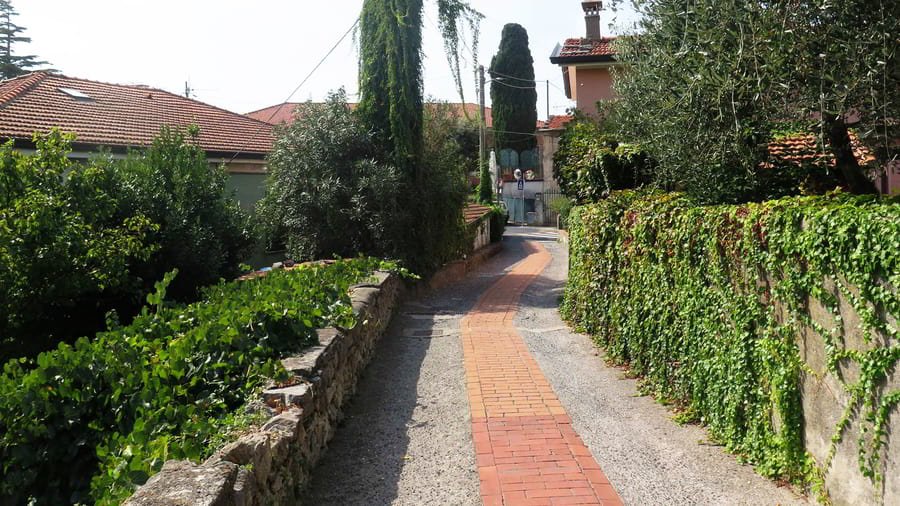
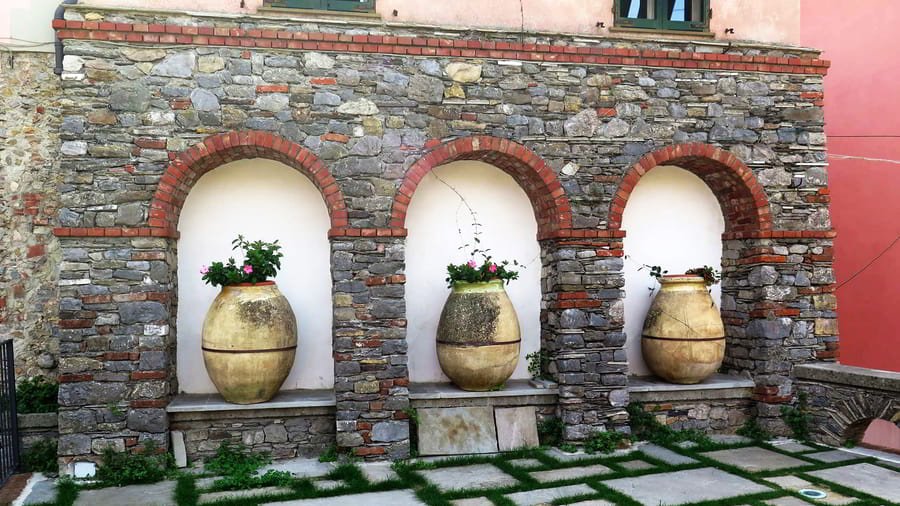
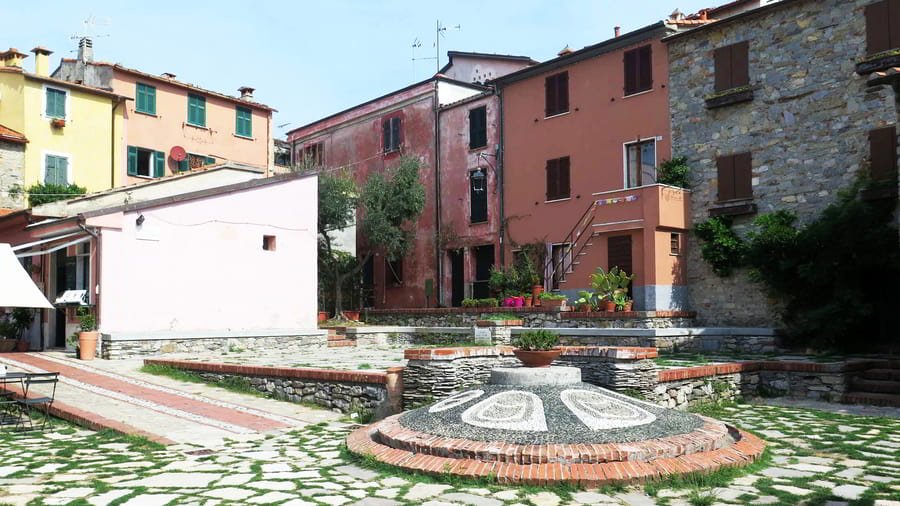
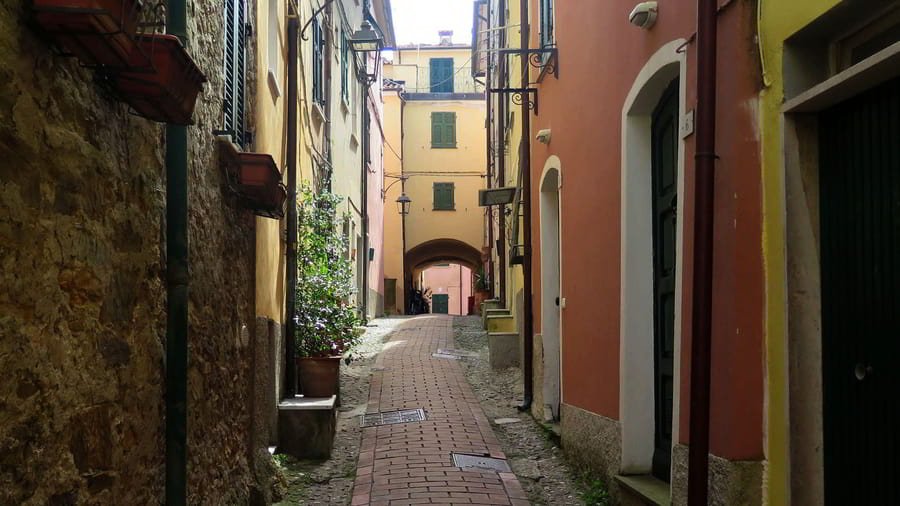
The photos shown for each province were taken during my visits to those locations. For more information, click on the name to be taken to the main page for that place.
The Provence of Imperia
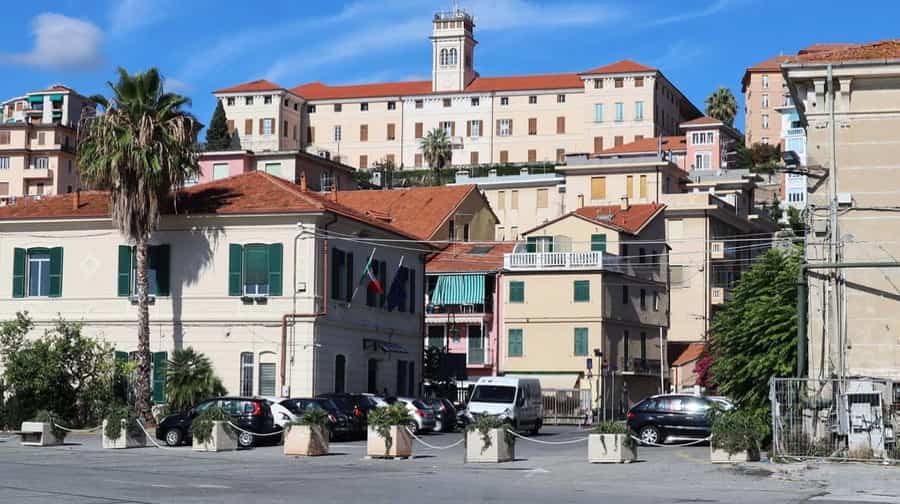
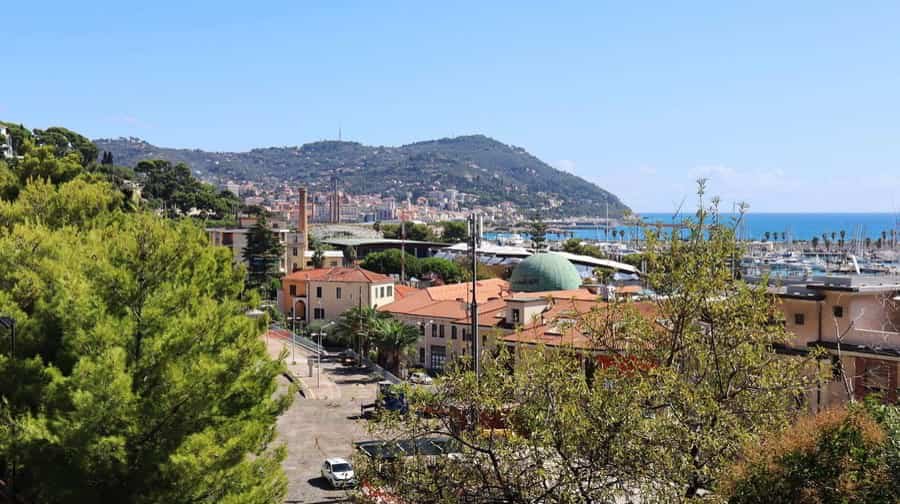
Imperia
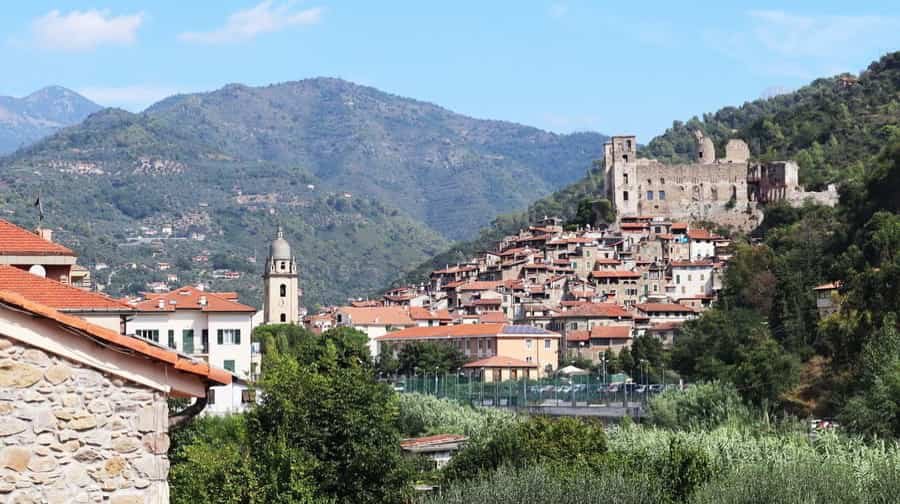
Dolceacqua
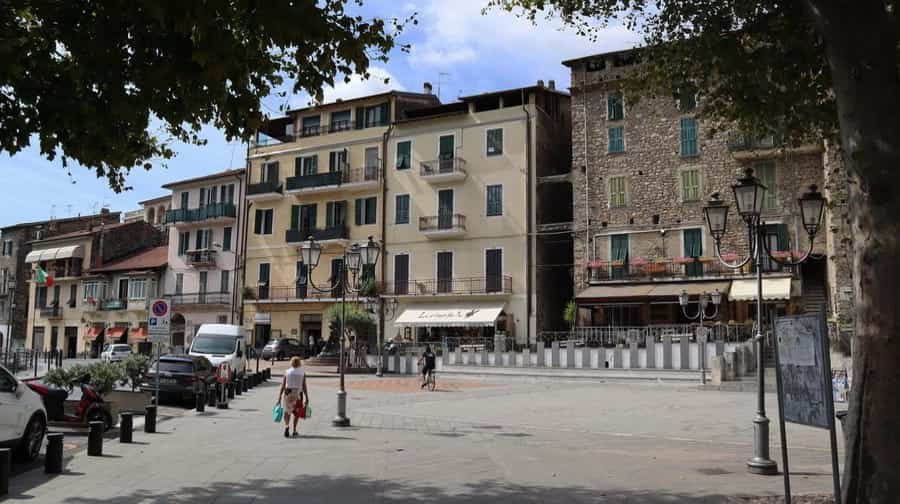
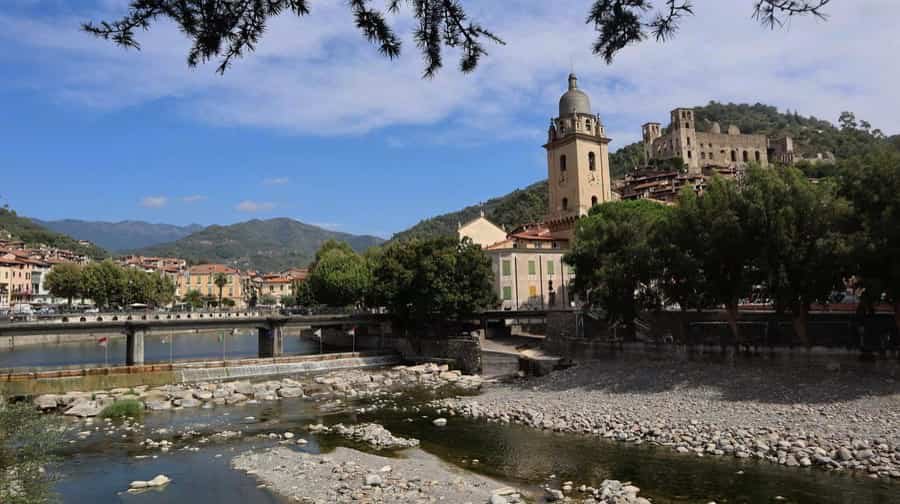
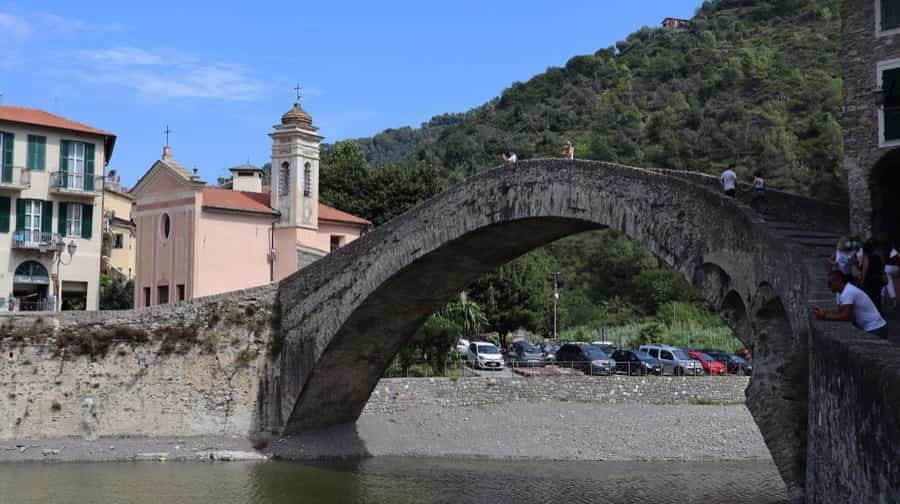
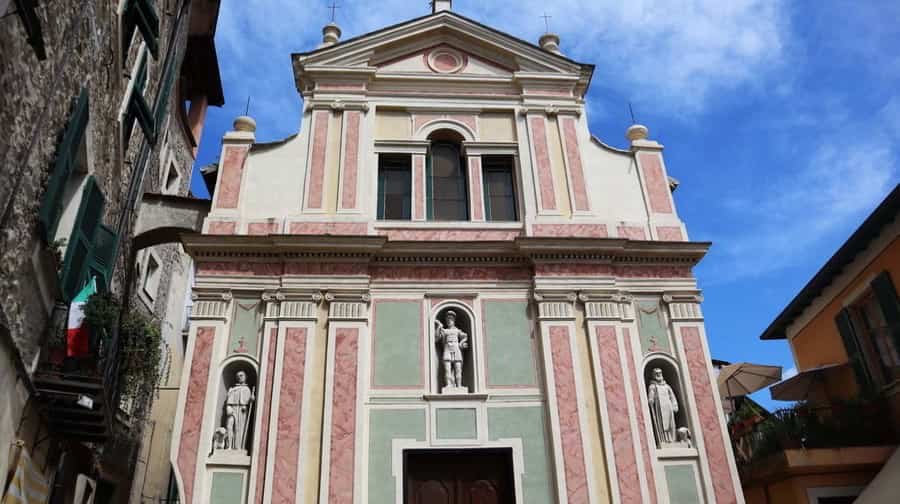
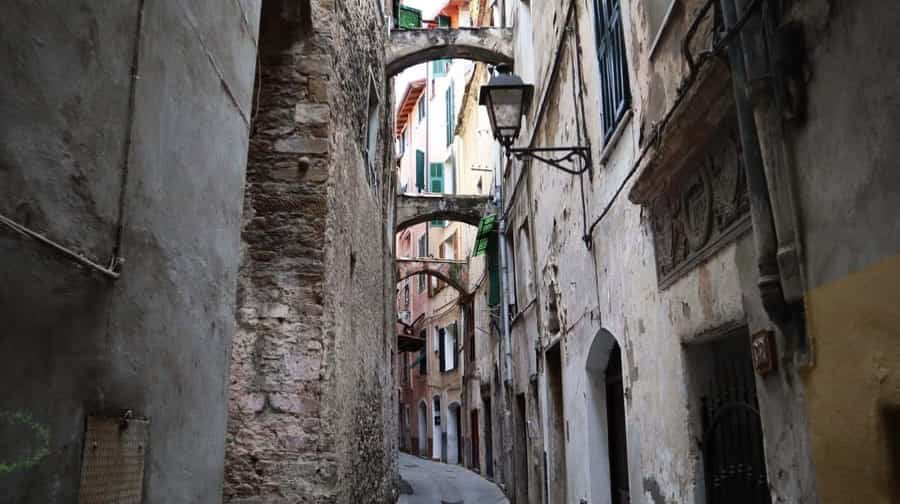
Perinaldo
Ventimiglia

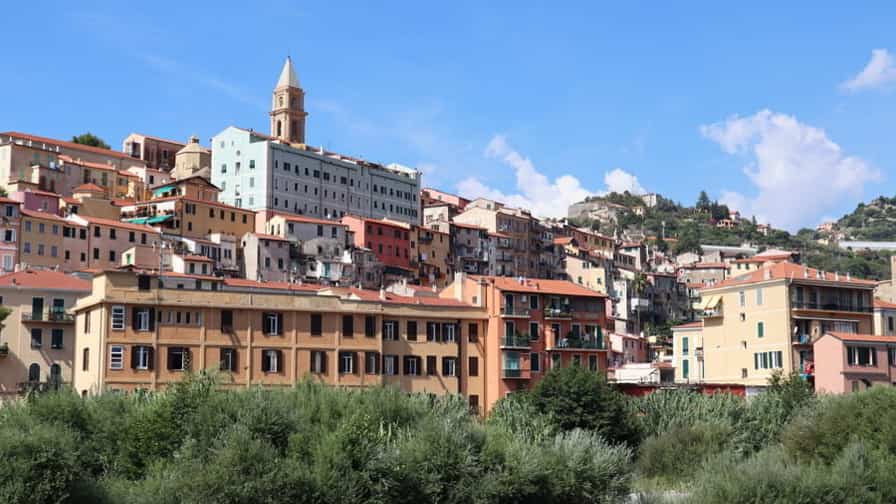
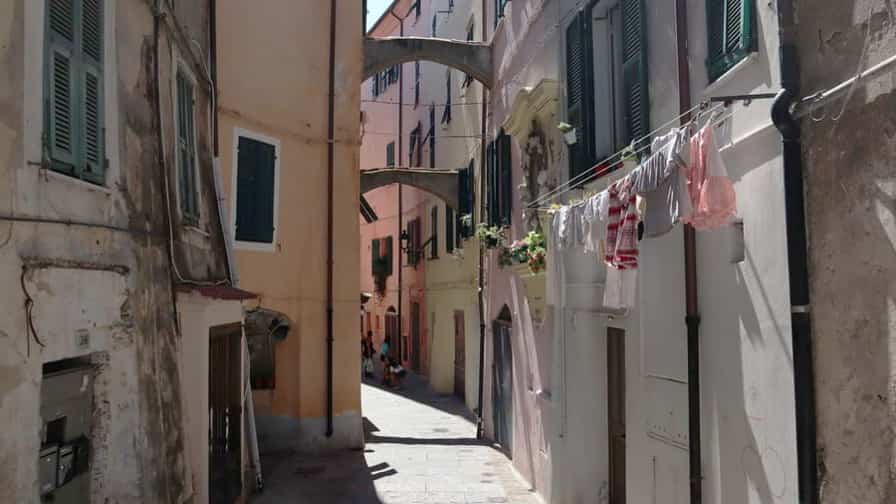
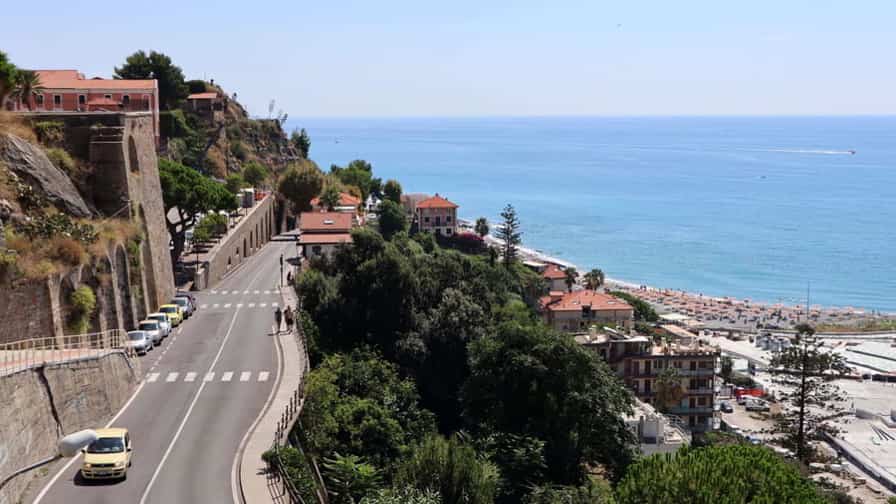
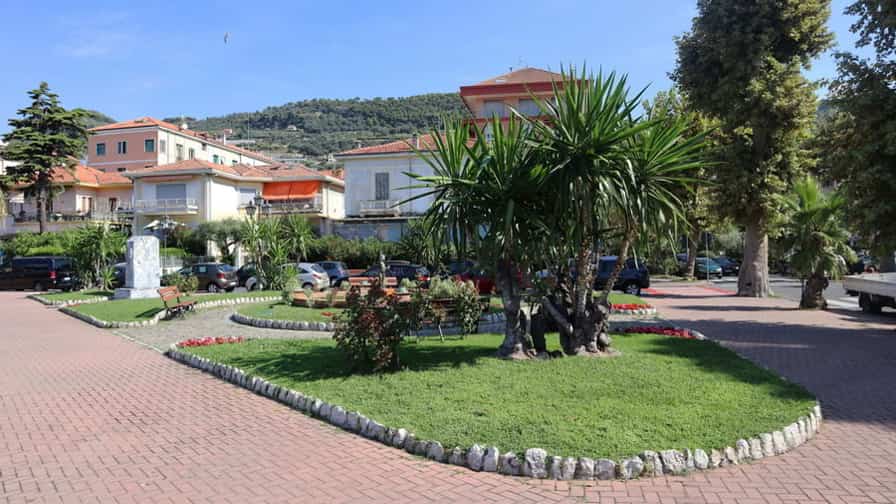

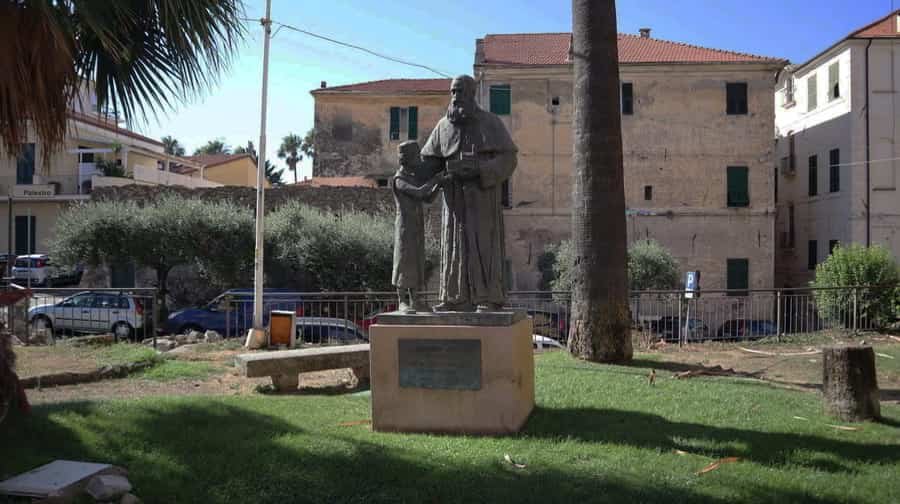
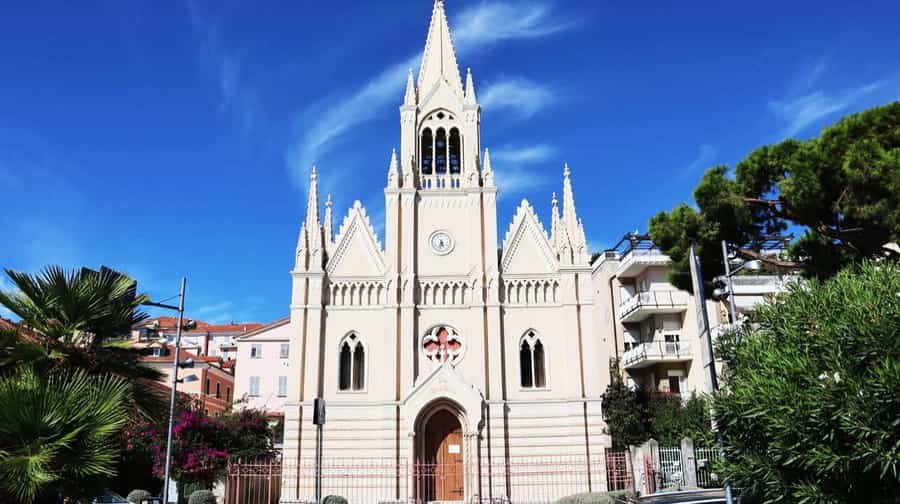
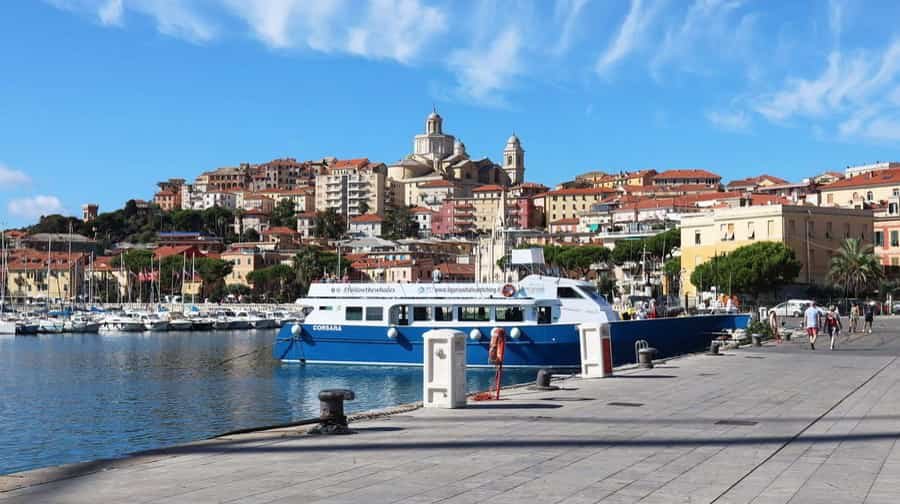
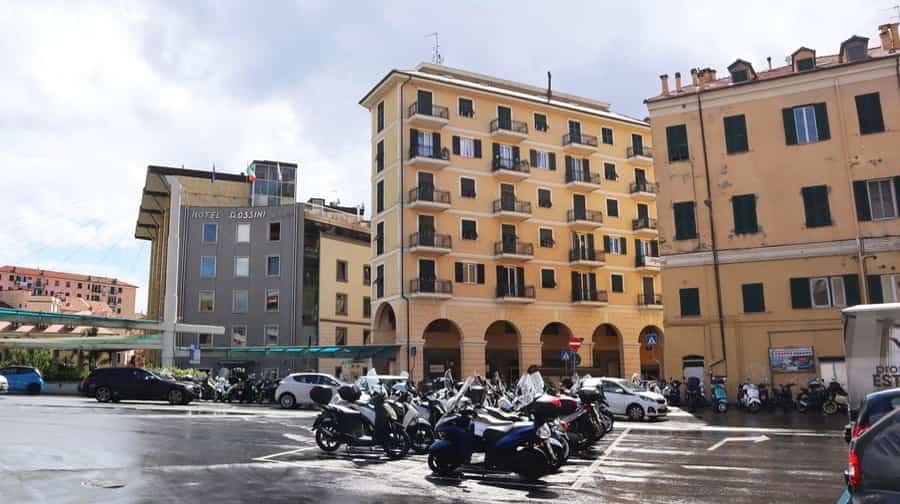
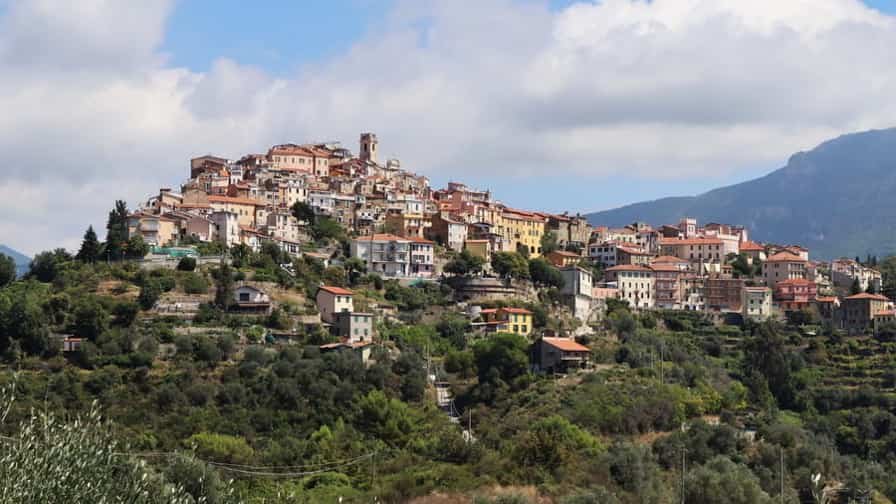
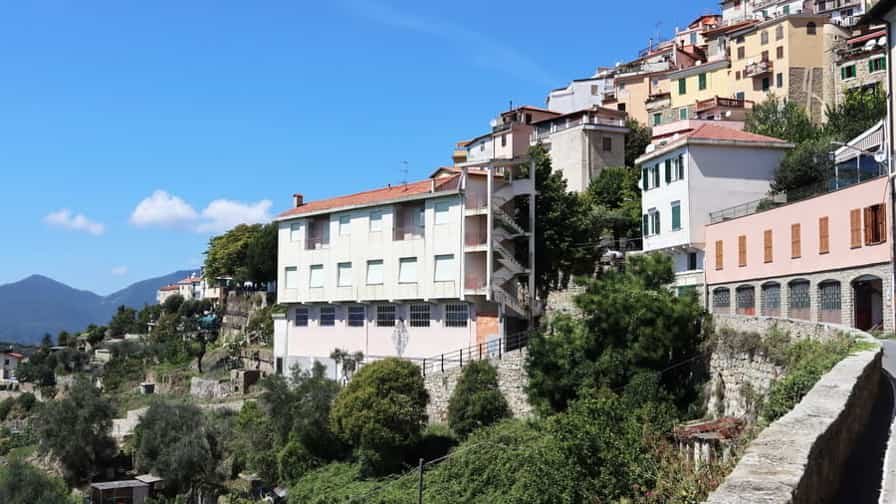
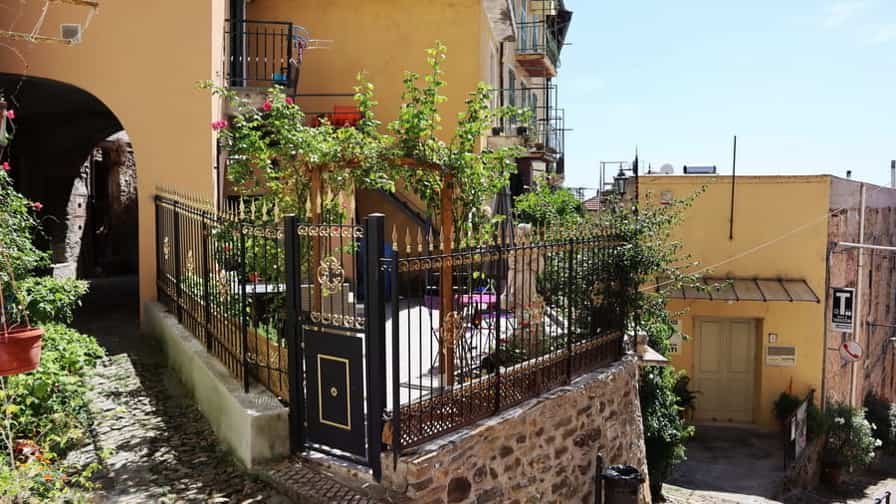
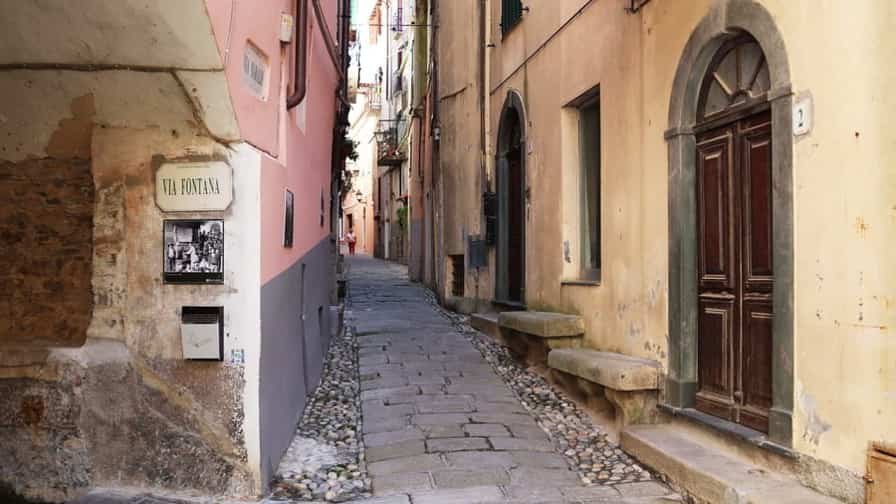
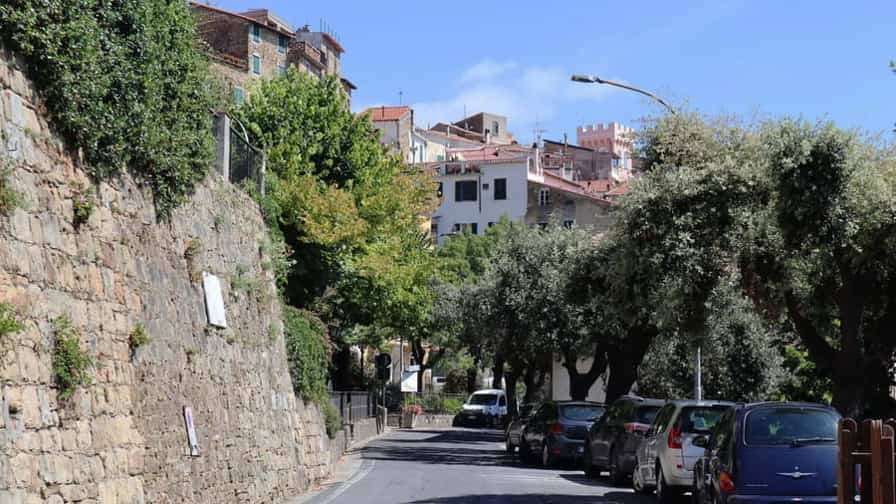
The Province of Imperia occupies the westernmost part of Liguria, stretching from the French border to the province of Savona and extending inland toward the Maritime Alps. It is a land shaped by the meeting of mountains and sea, where steep hills descend toward the Mediterranean and small towns cluster along the coast or perch above olive-covered valleys. This geography gives the province a distinct identity, quieter and more rural than other parts of the Ligurian Riviera.
Imperia is known for its long tradition of olive cultivation, particularly the prized Taggiasca olive, which has become a symbol of the local landscape and cuisine. Ancient stone terraces line the hillsides, bearing witness to centuries of agricultural skill and adaptation. Along the coast, seaside towns such as Sanremo, Ventimiglia, and Bordighera reflect a history of trade, fishing, and tourism, influenced by their proximity to France and the wider Mediterranean world.
Culturally, the province blends Ligurian traditions with subtle Provençal influences, visible in language, architecture, and food. Life here moves at a measured pace, shaped by seasonal rhythms and close ties to the land. The Province of Imperia offers a quieter, authentic introduction to Liguria, where natural beauty and everyday tradition remain closely intertwined.
The Province of Savona
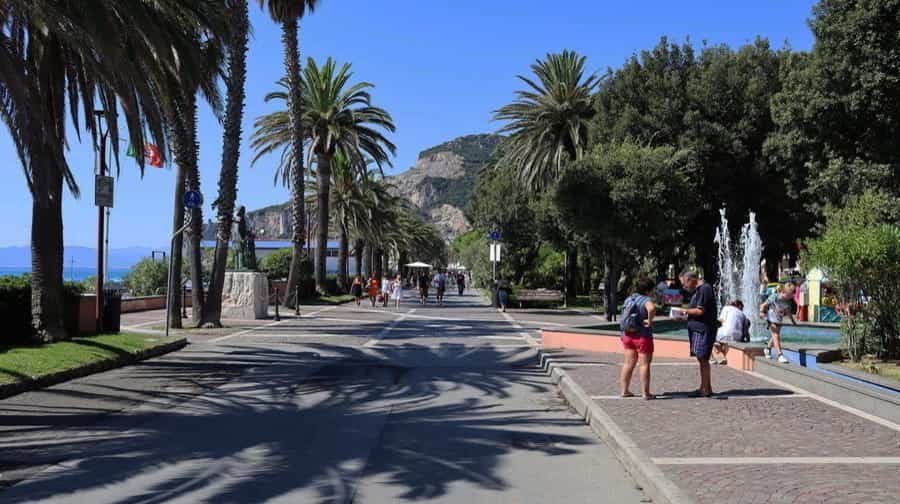
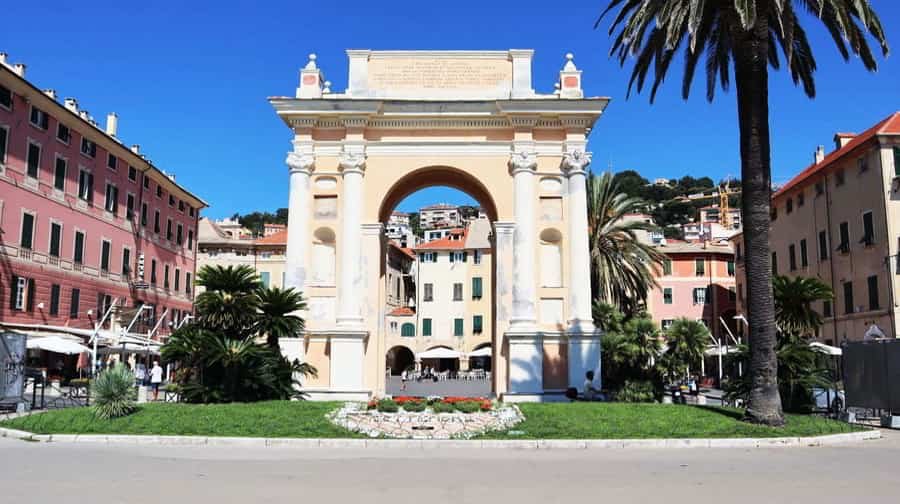
Savona
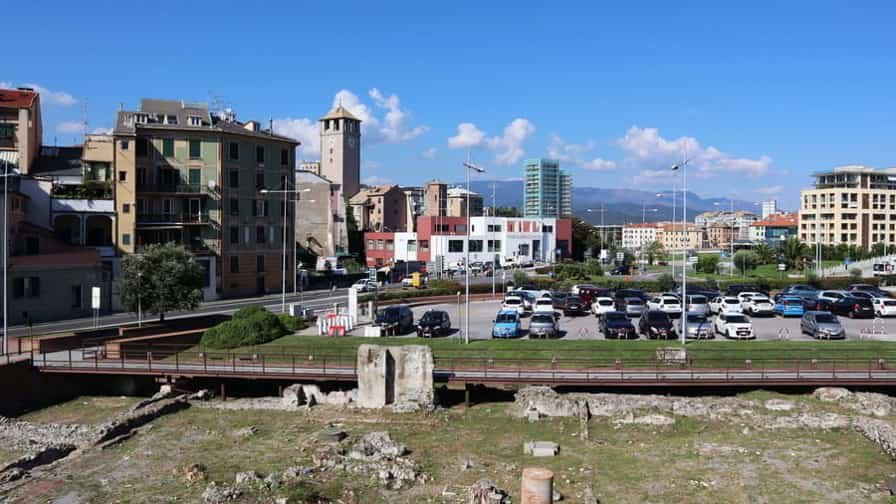
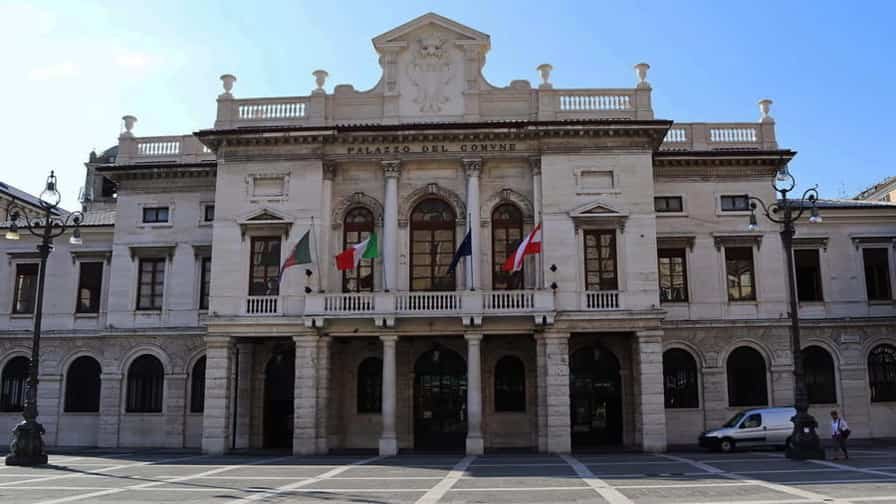
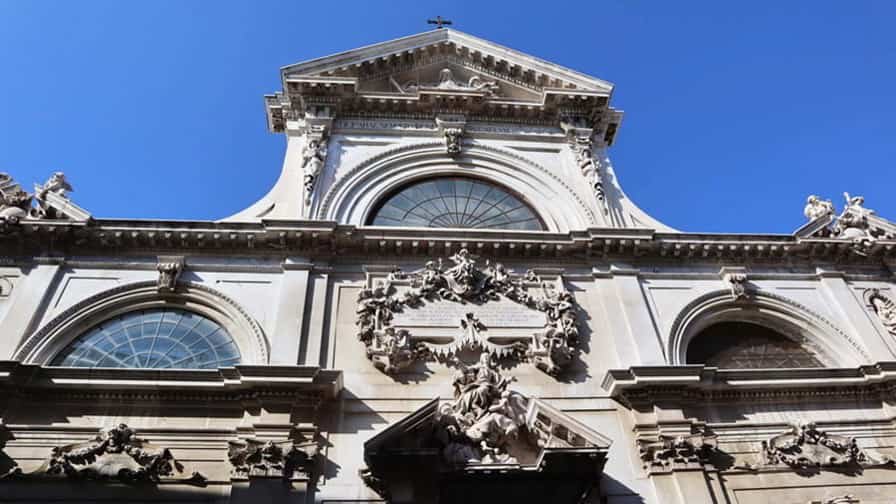
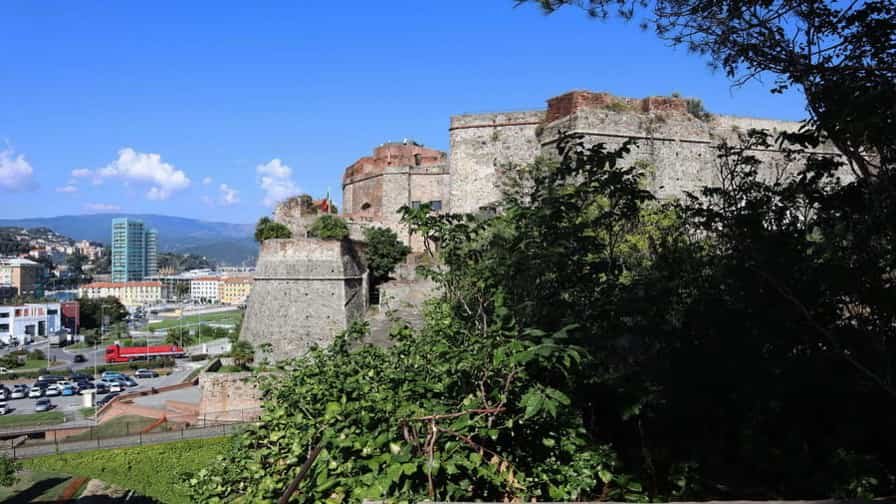
Finale Ligure
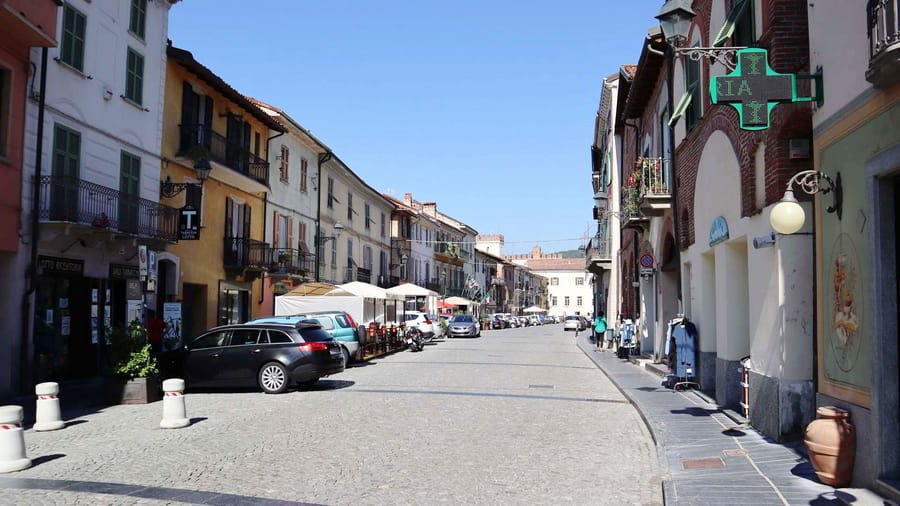
Millesimo
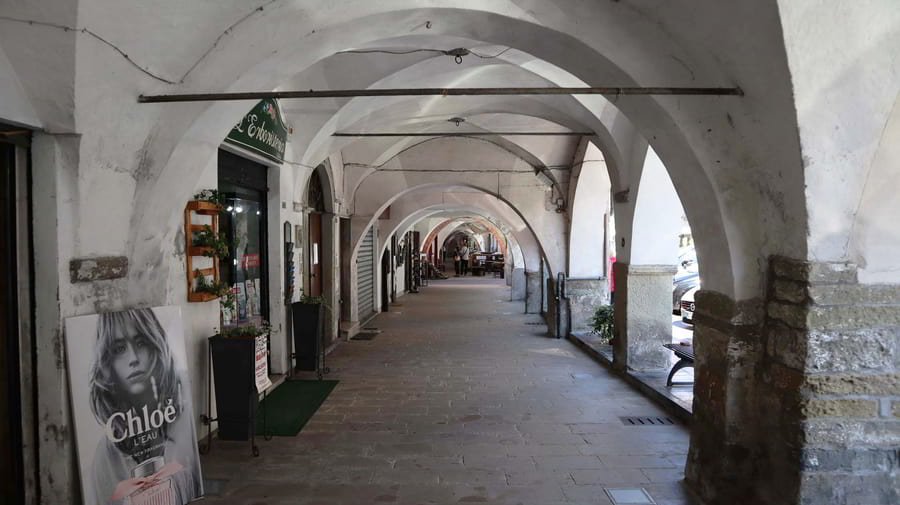
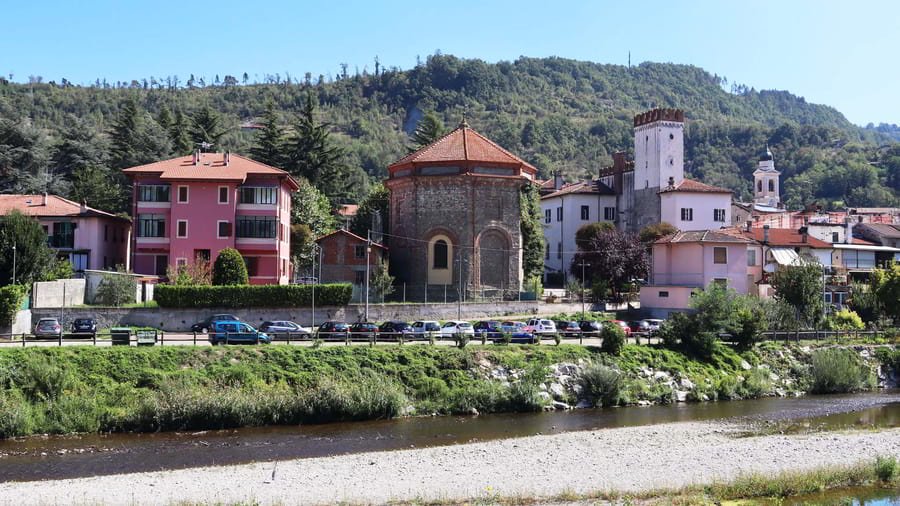
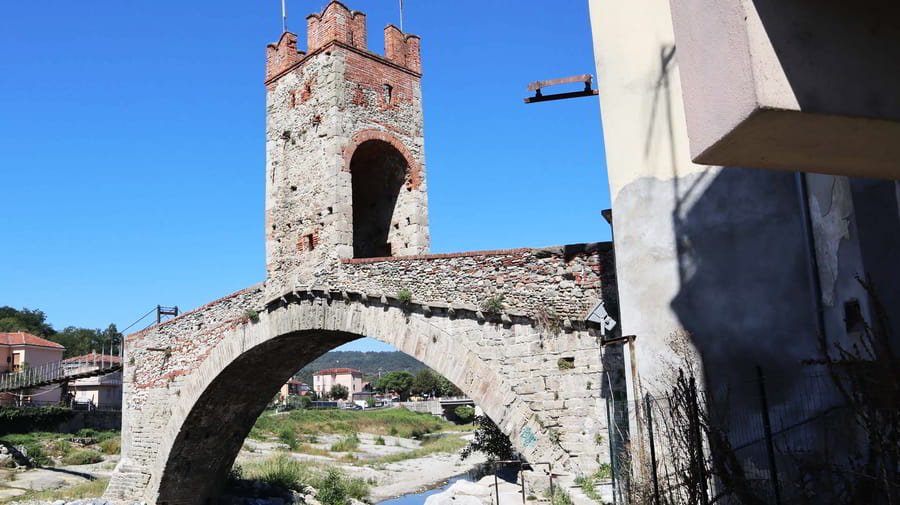
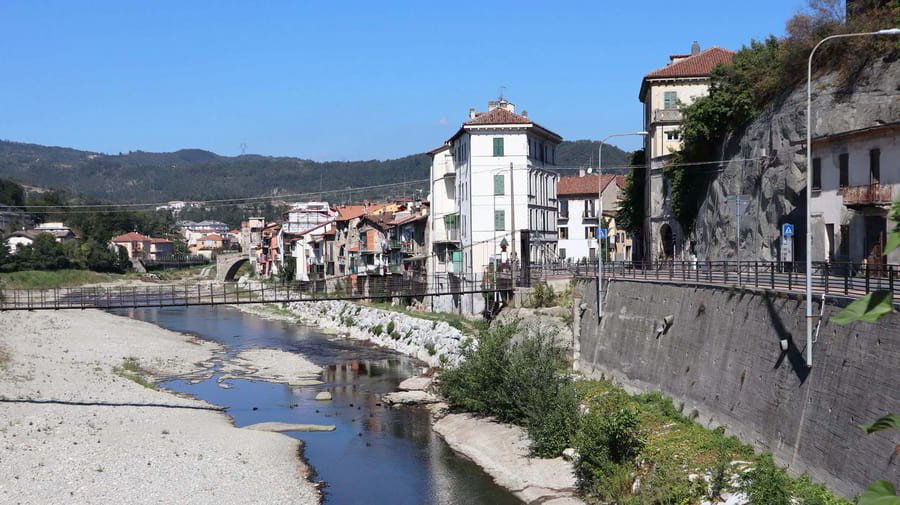
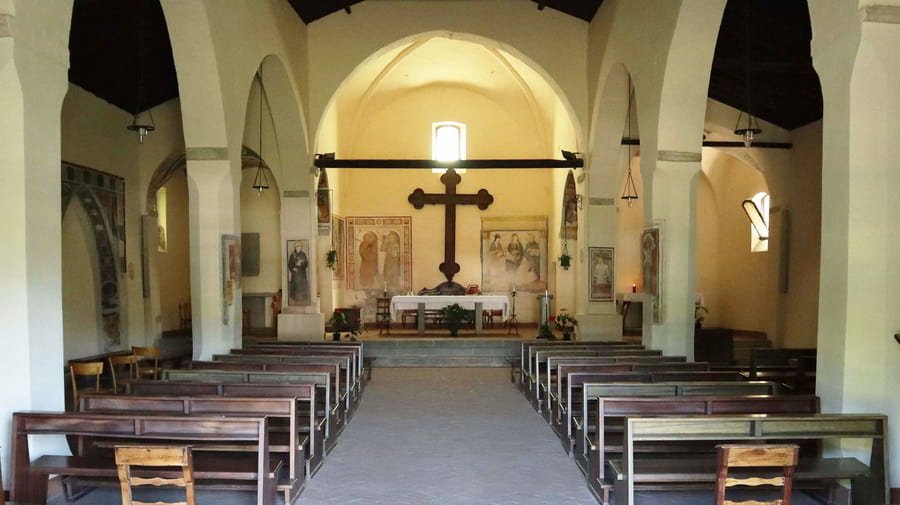
Noli
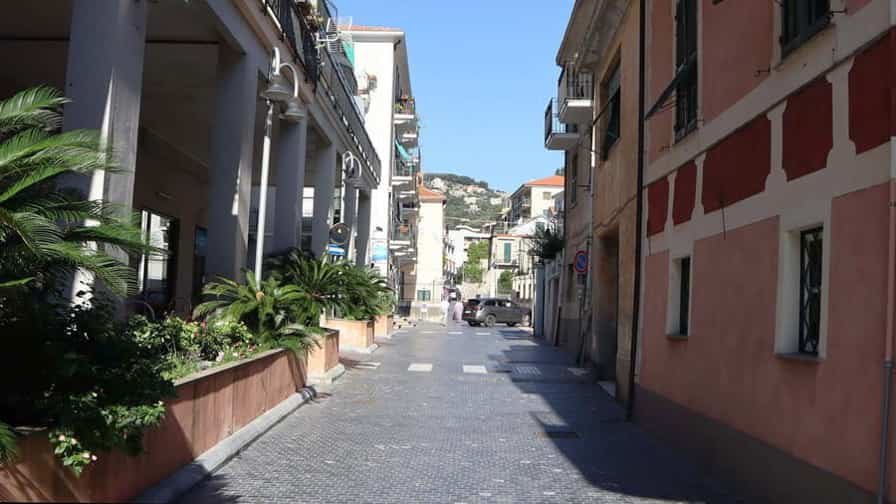
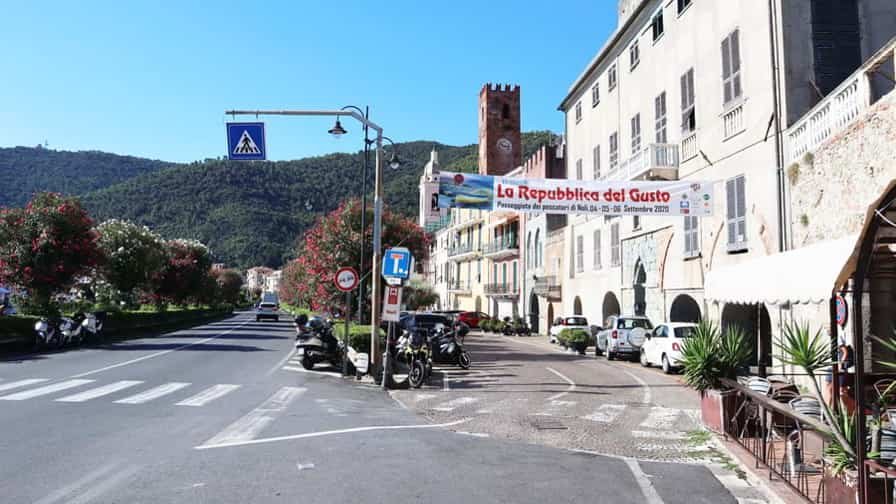
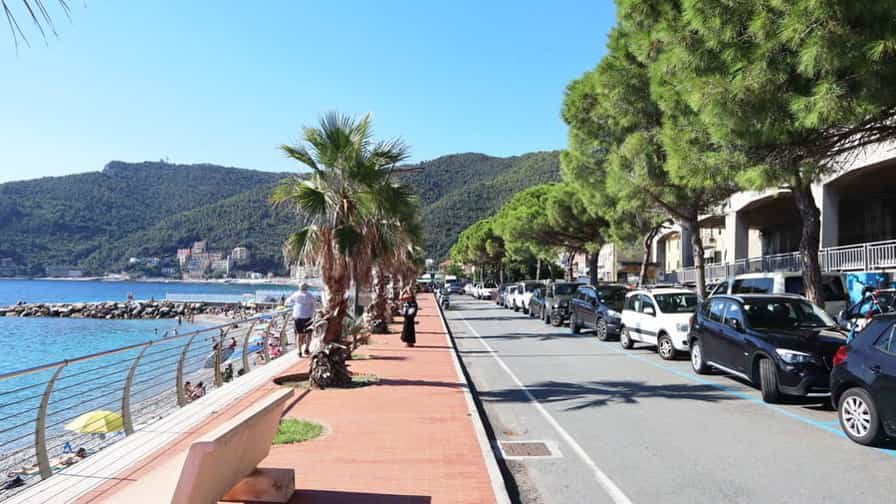
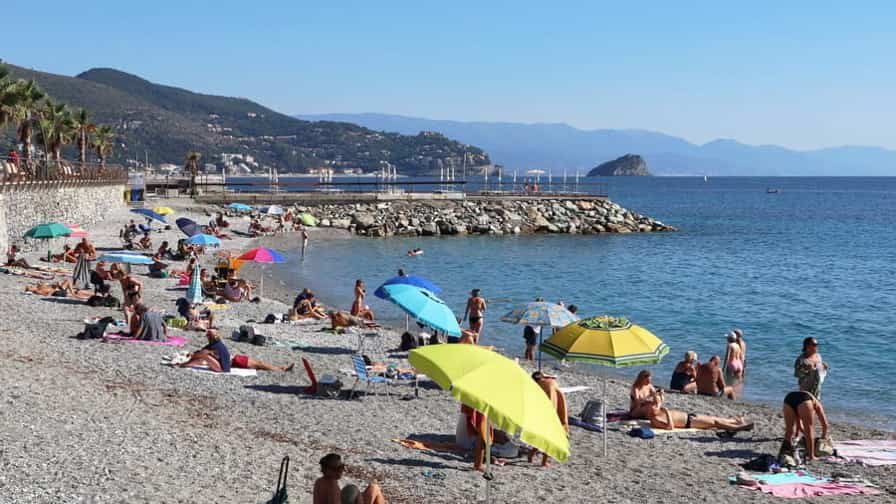
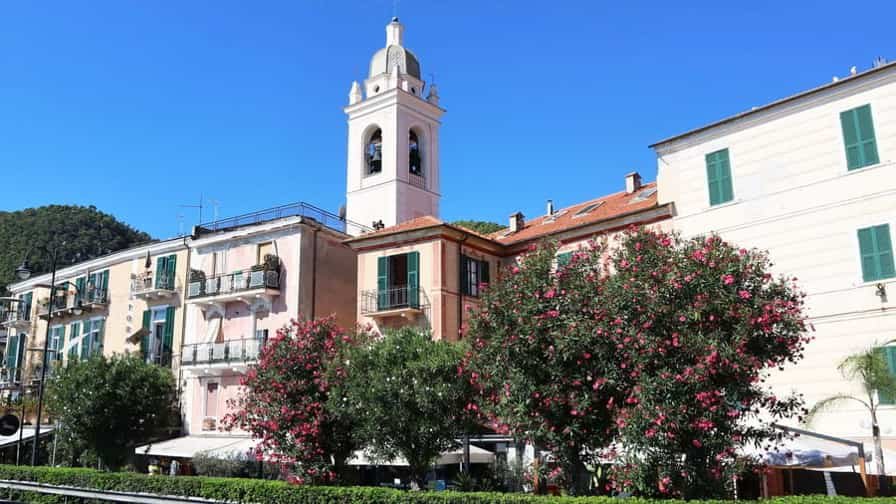
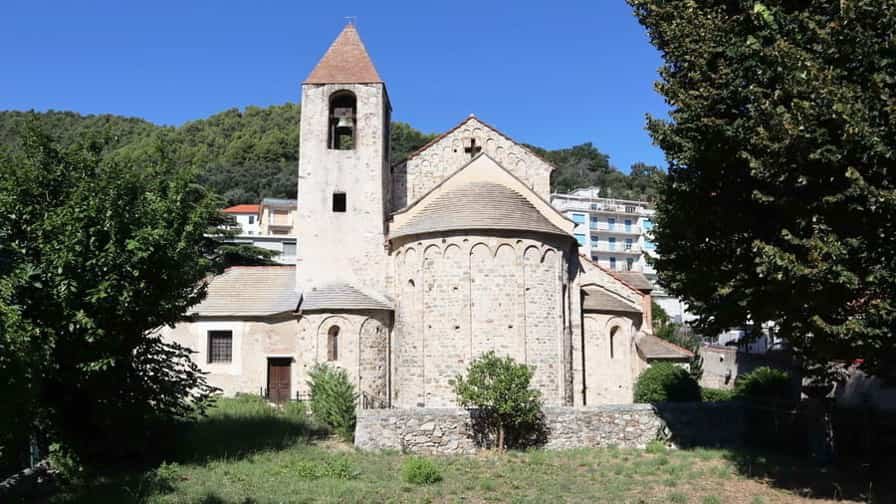
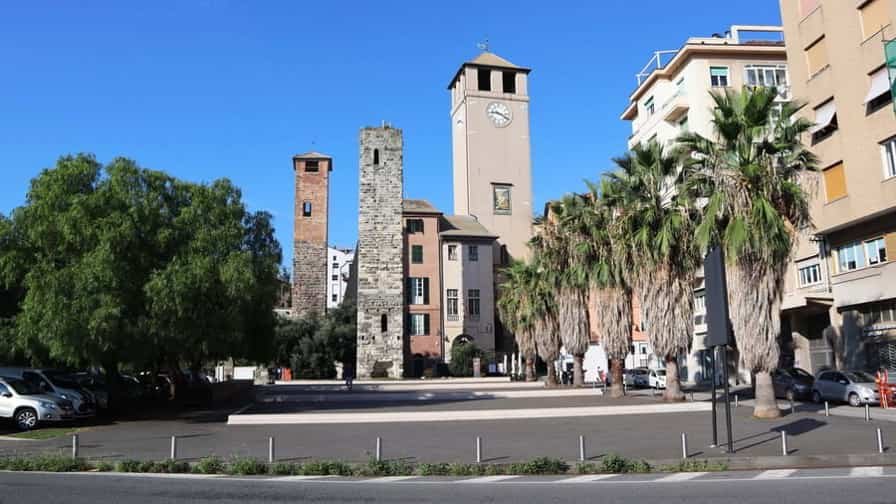
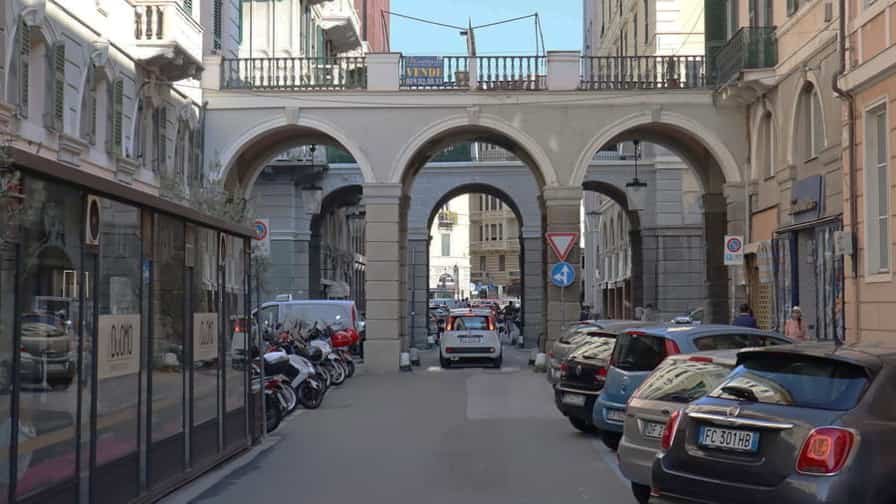
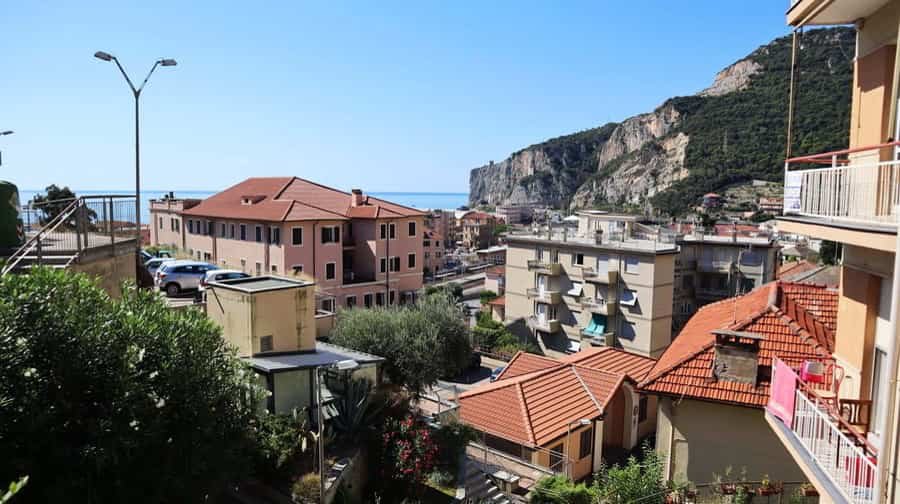
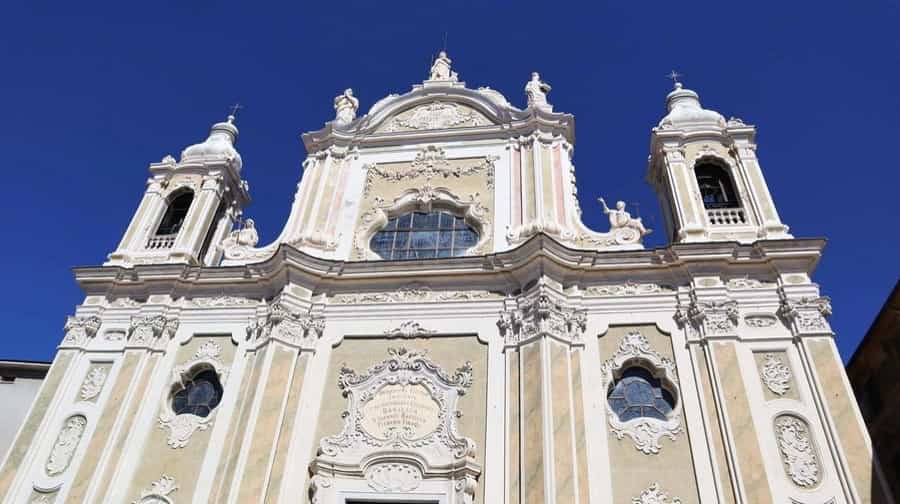
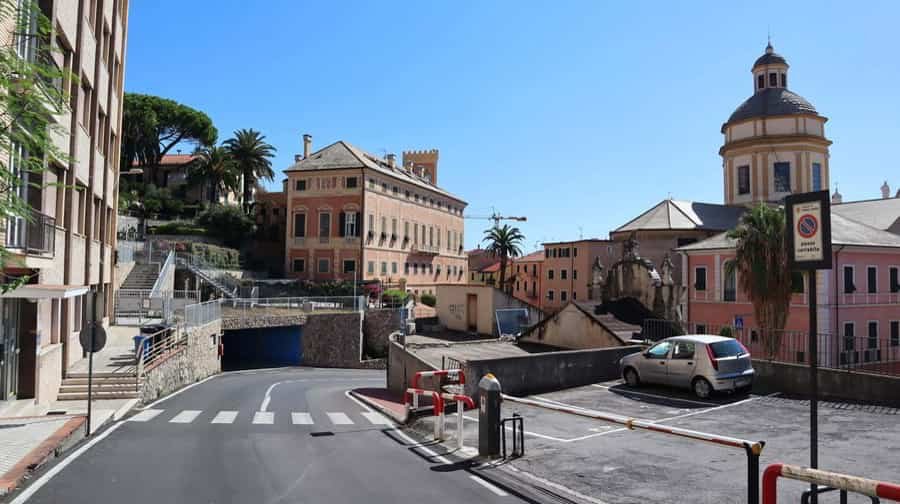
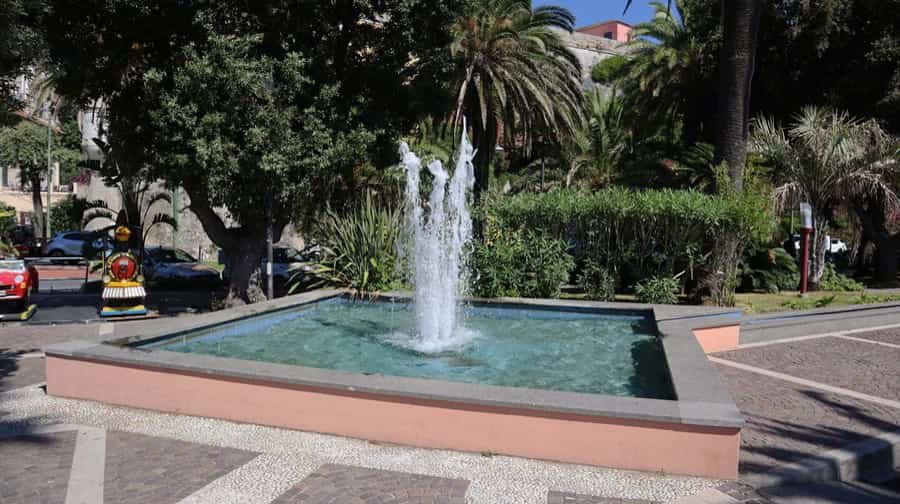
The Province of Savona lies along the central western stretch of the Ligurian coast, bridging the vibrant port of Genoa and the French-influenced west of Imperia. It is a region of gentle contrasts, where sandy beaches and seaside resorts give way to rolling hills, wooded valleys, and historic inland villages. This balance between coast and countryside has shaped Savona’s identity as both a maritime and agricultural province.
The city of Savona itself has long been an important harbour, with roots stretching back to Roman times and a history closely tied to trade, shipbuilding, and regional politics. Beyond the main port, coastal towns such as Albenga, Finale Ligure, and Alassio are known for their beaches, medieval centres, and strong links to tourism and outdoor activities. Inland, small villages preserve traditional ways of life, with stone houses, local festivals, and a deep connection to the surrounding landscape.
Savona’s economy reflects its diversity, combining industry, tourism, and farming. The fertile plains around Albenga are among the most productive agricultural areas in Liguria, supplying vegetables, herbs, and flowers. Together, history, nature, and everyday life combine to make the Province of Savona a varied and welcoming part of the Ligurian region.
The Province of Genoa
Genoa
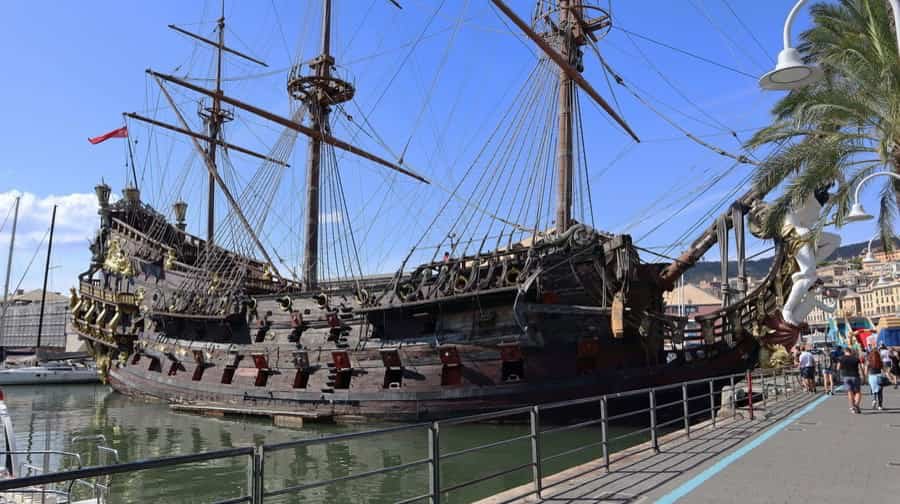
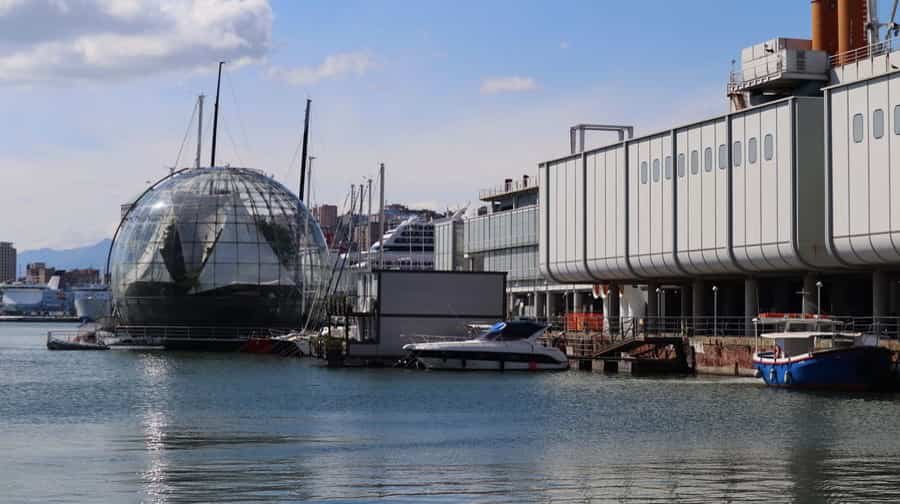
Rapallo
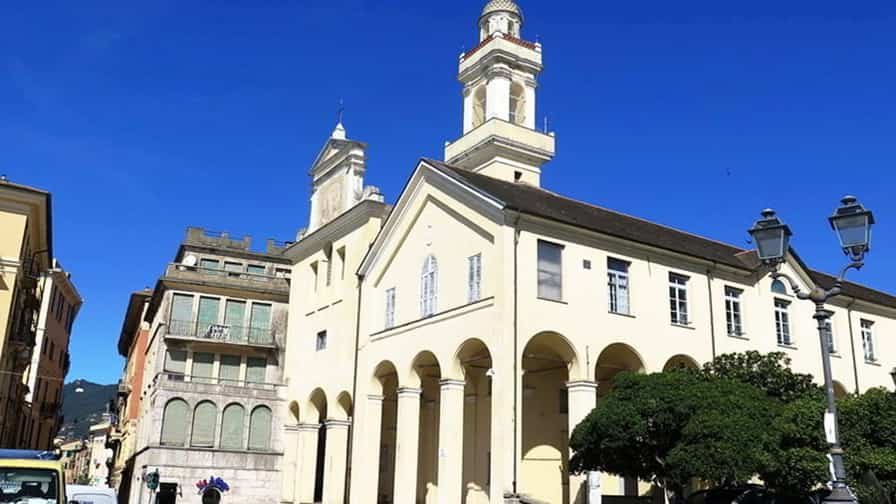
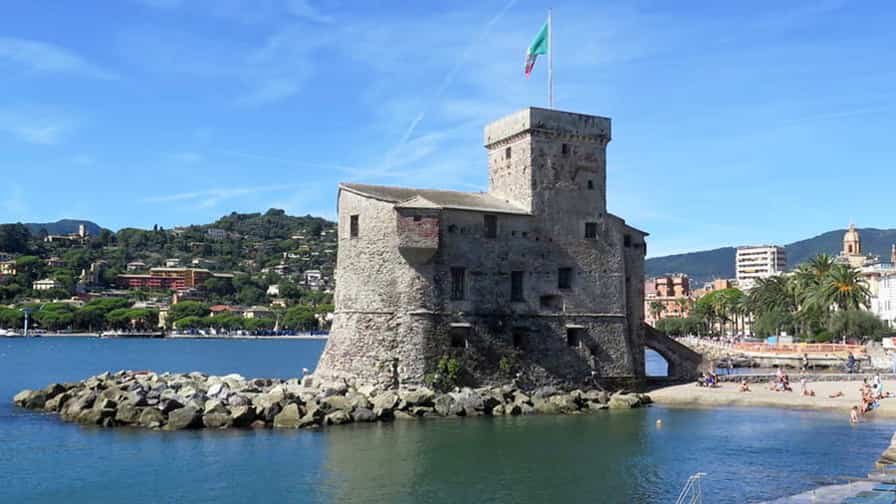

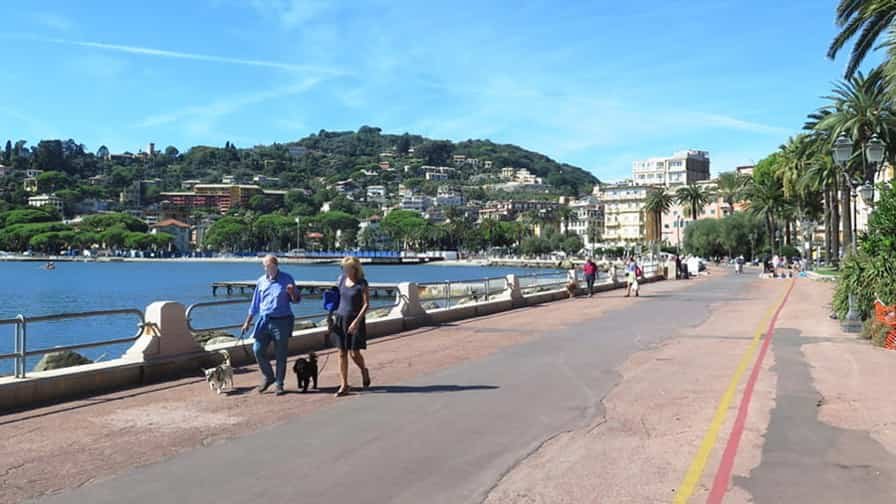
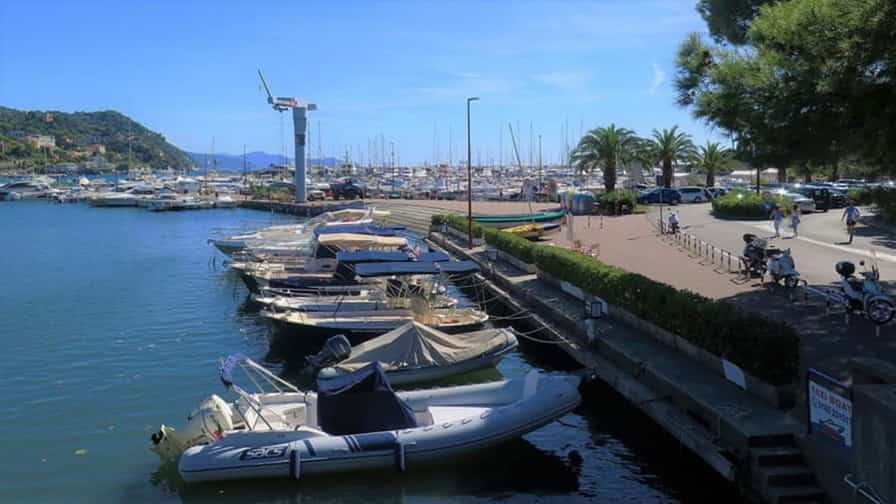

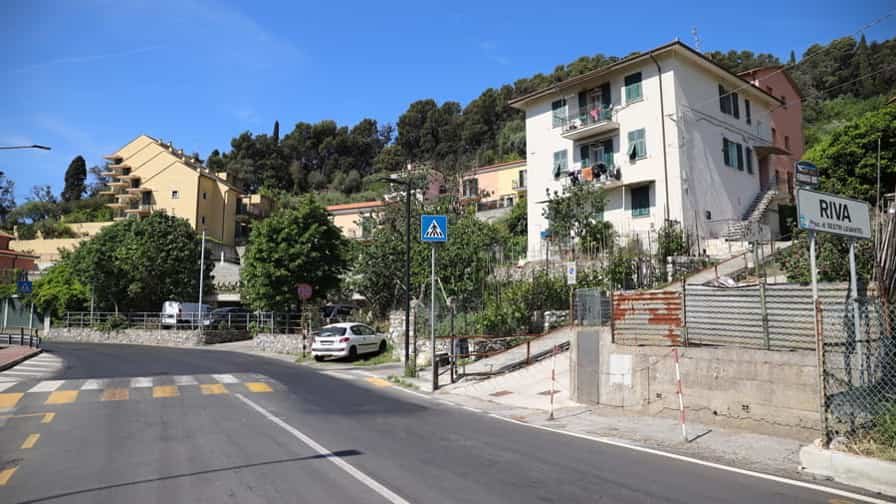
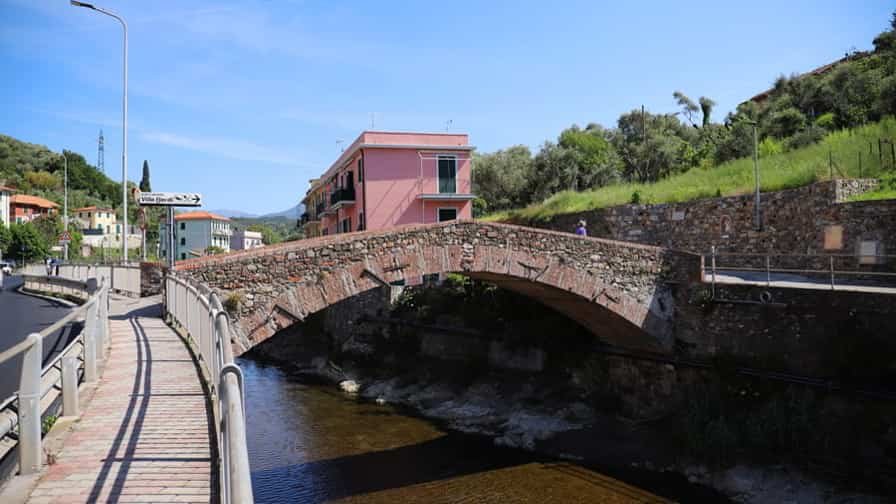
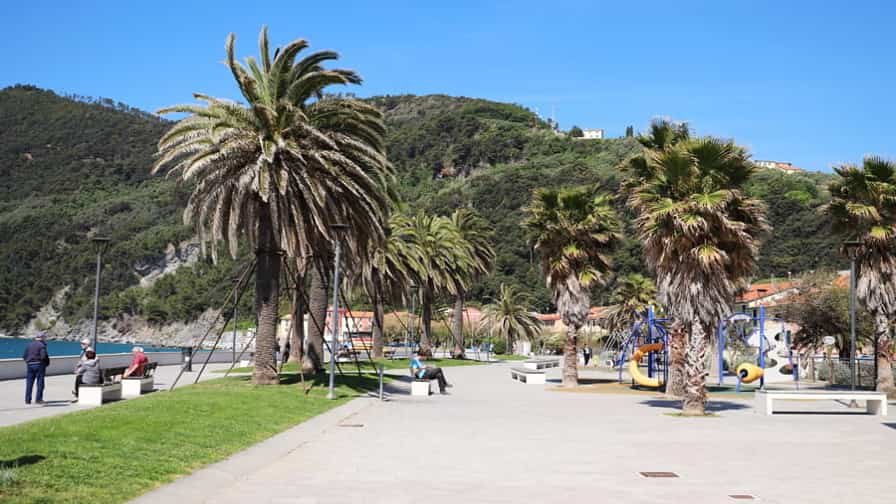
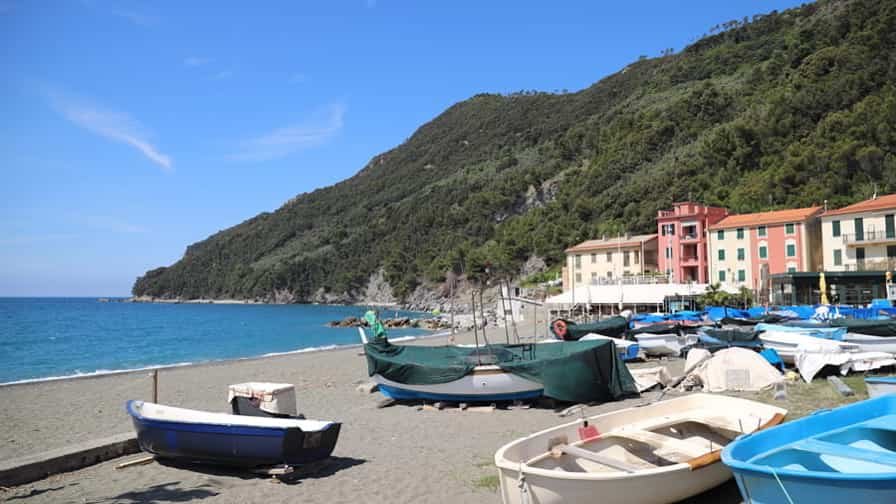
Riva Trigoso


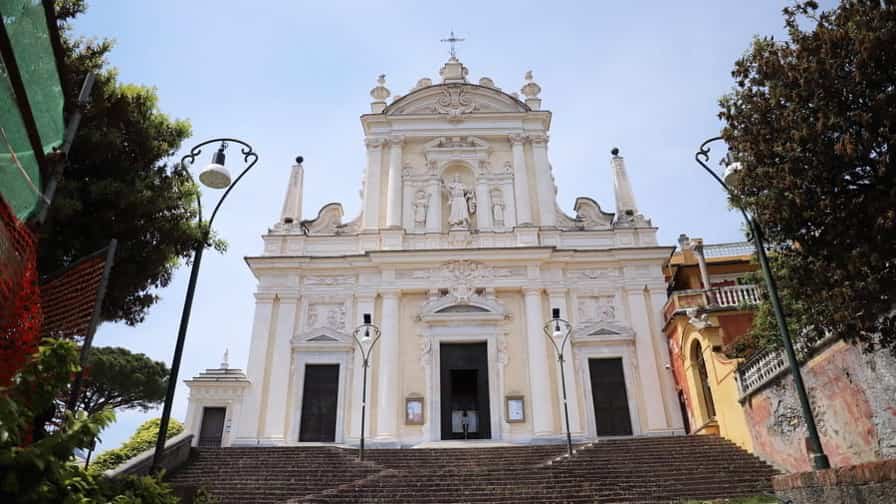
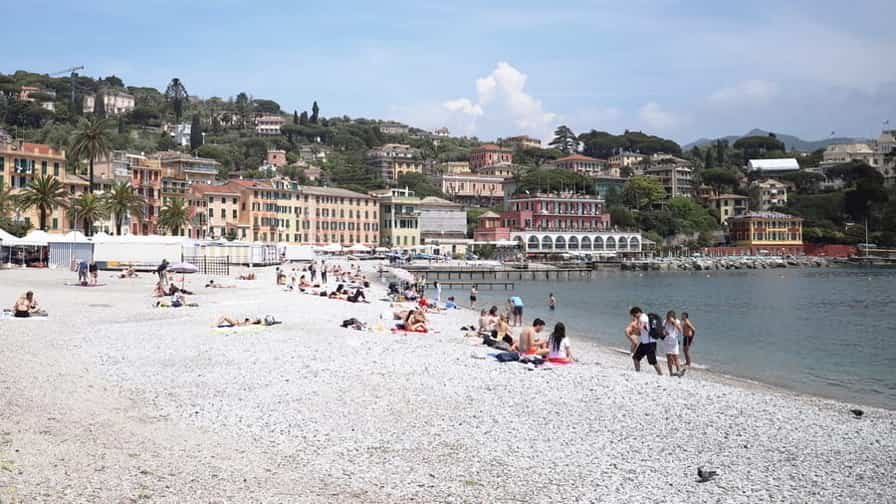
Santa Margherita Ligure
Sestri Levante


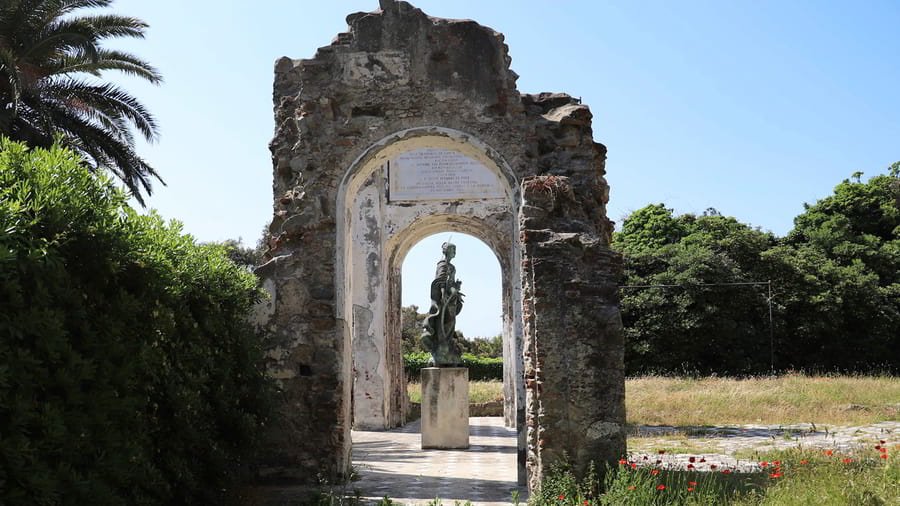

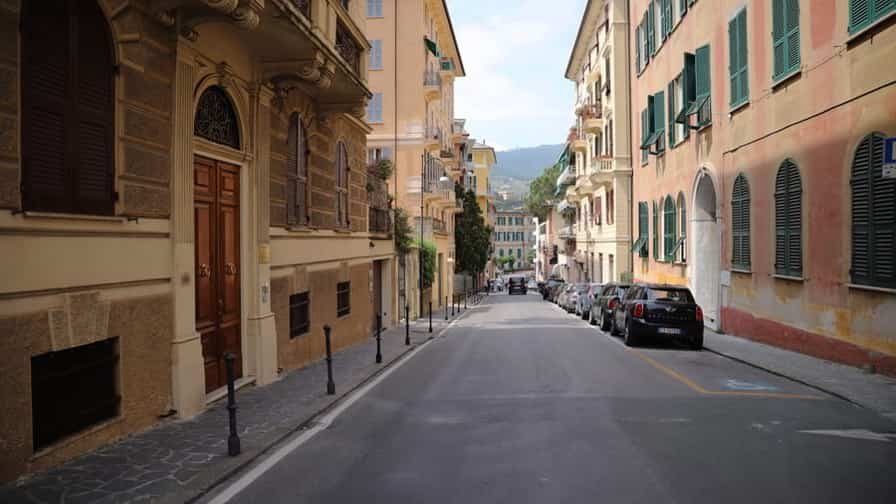
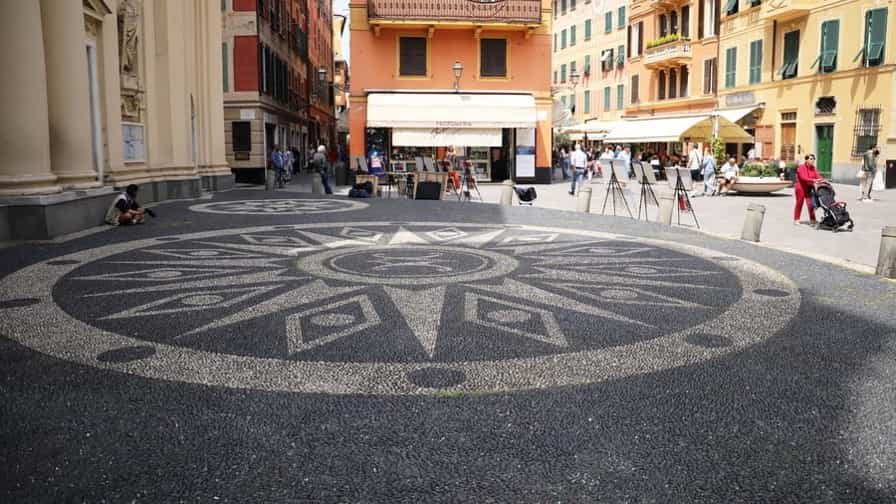
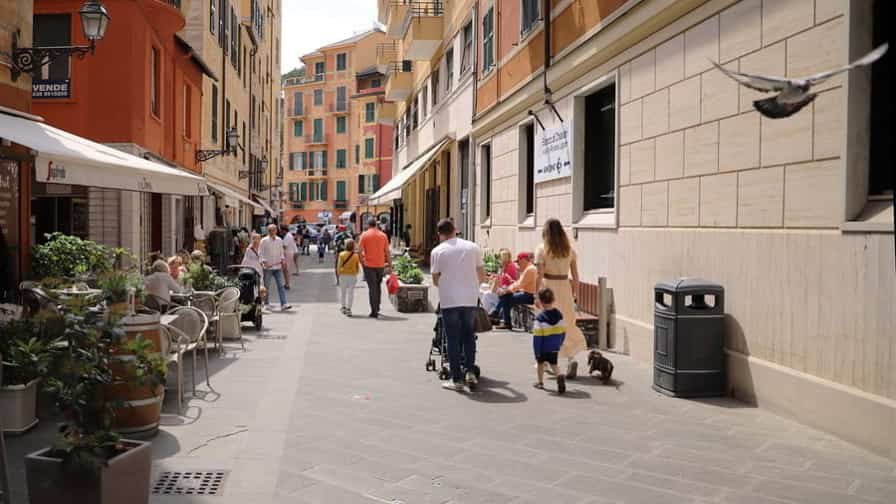
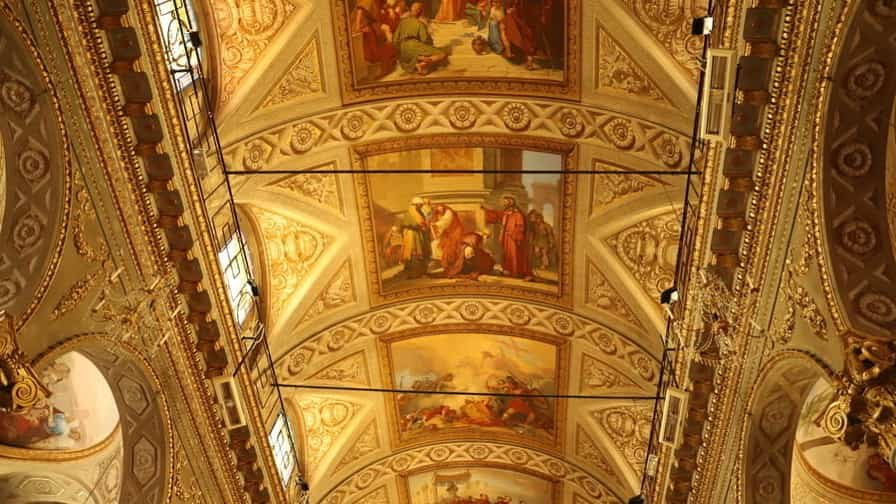
The Province of Genoa forms the cultural and historical heart of Liguria, stretching along the central portion of the region’s coastline and extending inland into the Apennine Mountains. Dominated by the city of Genoa, the provincial capital and regional seat of power, this area has long been defined by its deep relationship with the sea and its role as one of the Mediterranean’s most influential port regions.
For centuries, Genoa stood as a powerful maritime republic, shaping trade, finance, and exploration across Europe and beyond. This legacy remains visible today in the dense historic centre, monumental palaces, and extensive harbour that continue to define the city’s character. Along the coast, elegant towns such as Portofino, Camogli, and Santa Margherita Ligure reflect a different rhythm of life, where fishing traditions coexist with tourism and refined seaside culture.
Inland, the province reveals a quieter landscape of valleys, forests, and small mountain communities, offering a strong contrast to the busy coastline. These areas preserve rural customs, local crafts, and seasonal festivals rooted in long-standing traditions. Together, urban grandeur, coastal beauty, and inland simplicity give the Province of Genoa a rich and varied identity, making it a central and dynamic part of the Liguria region.
The Province of La Spezia
La Spezia
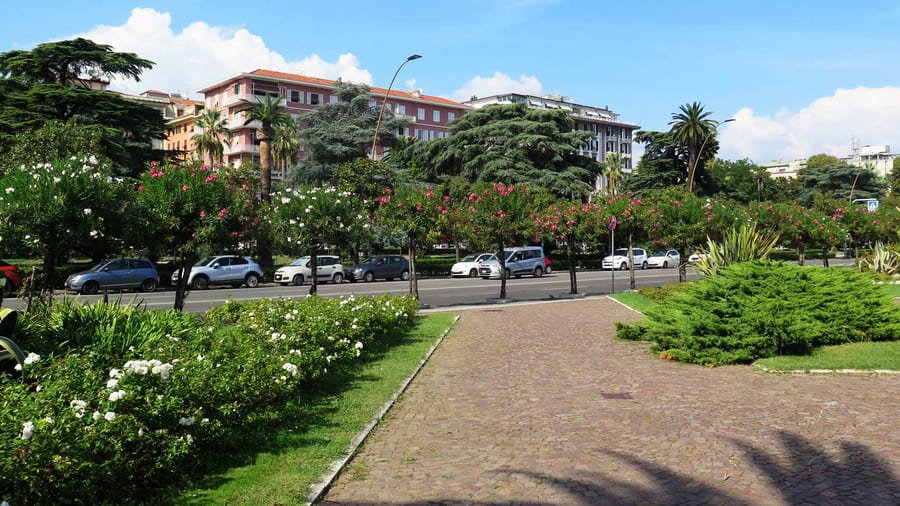
Cinque Terre
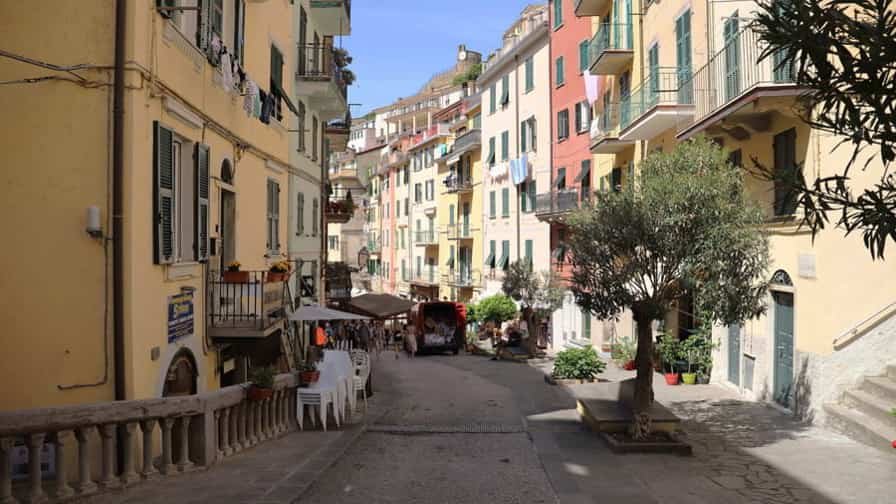
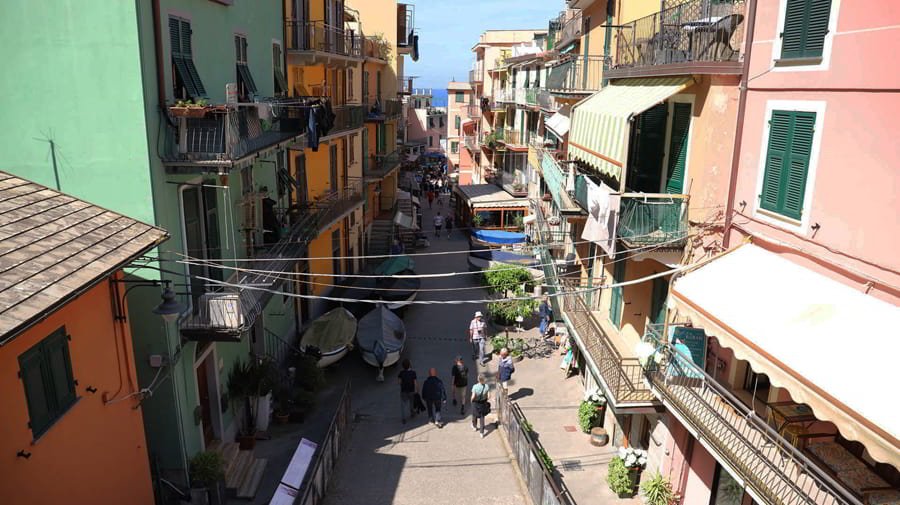
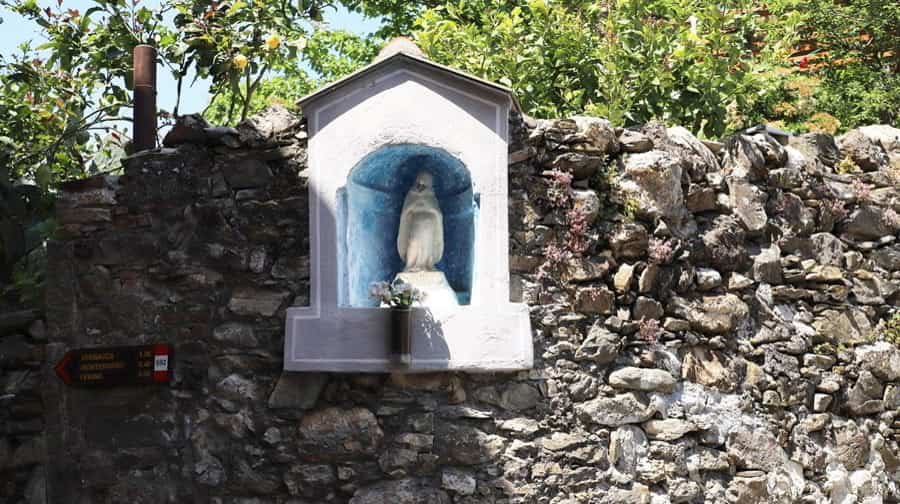

Corniglia
Lerici
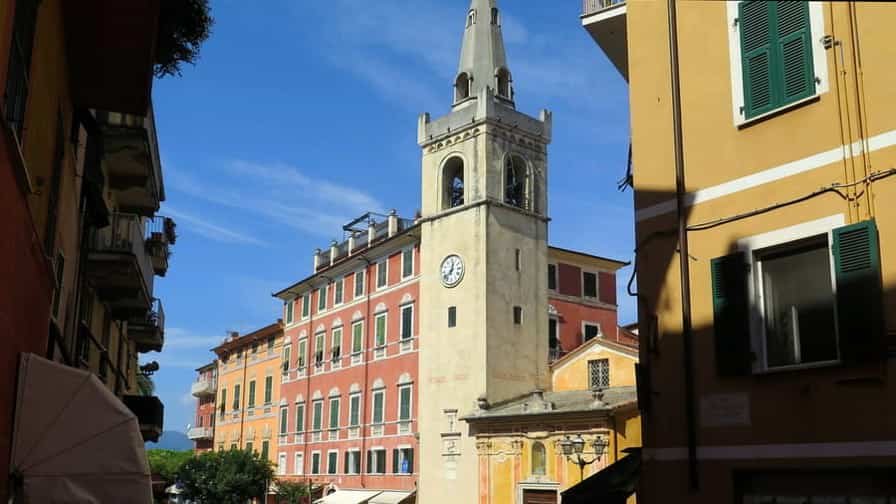


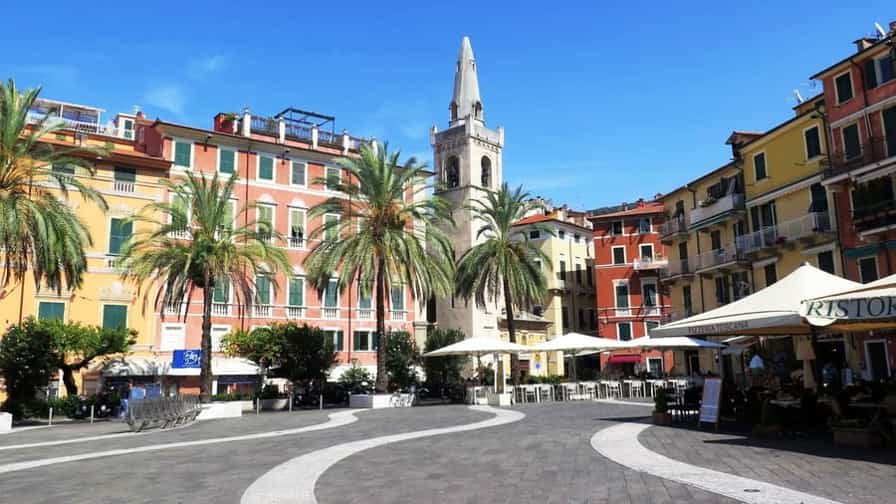

Manarola
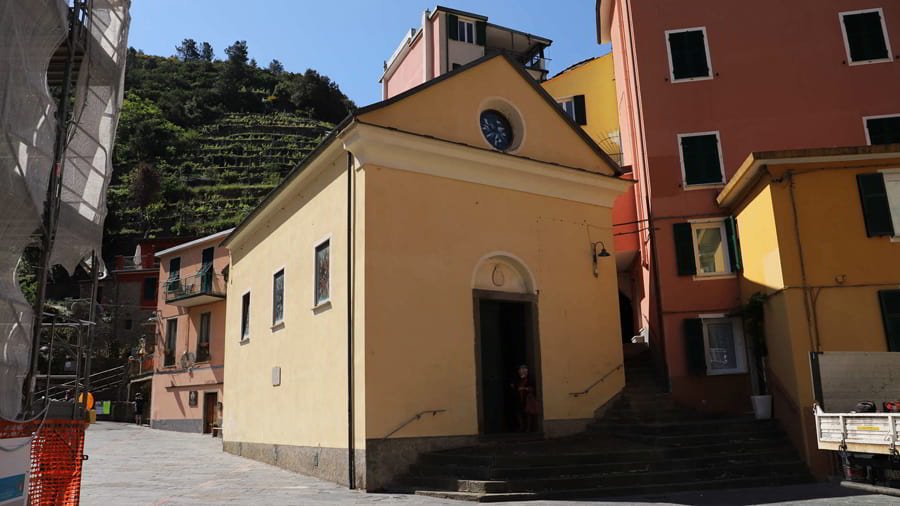
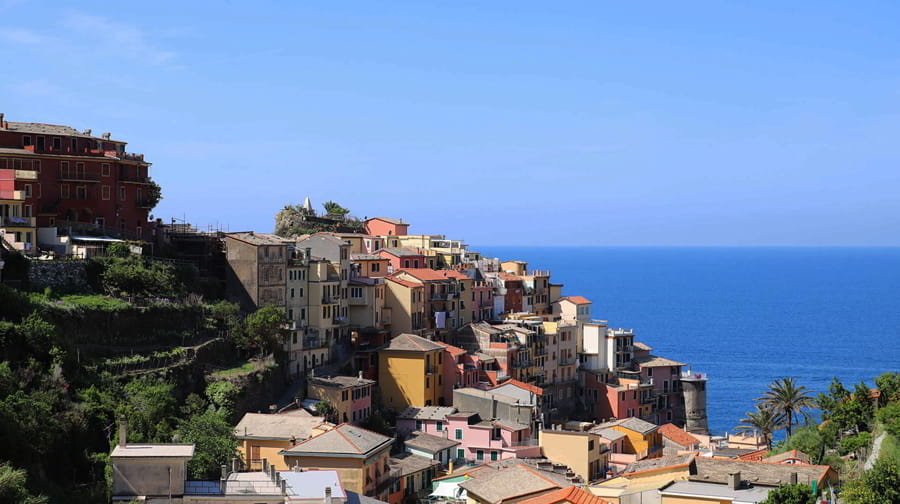
Montemarcello
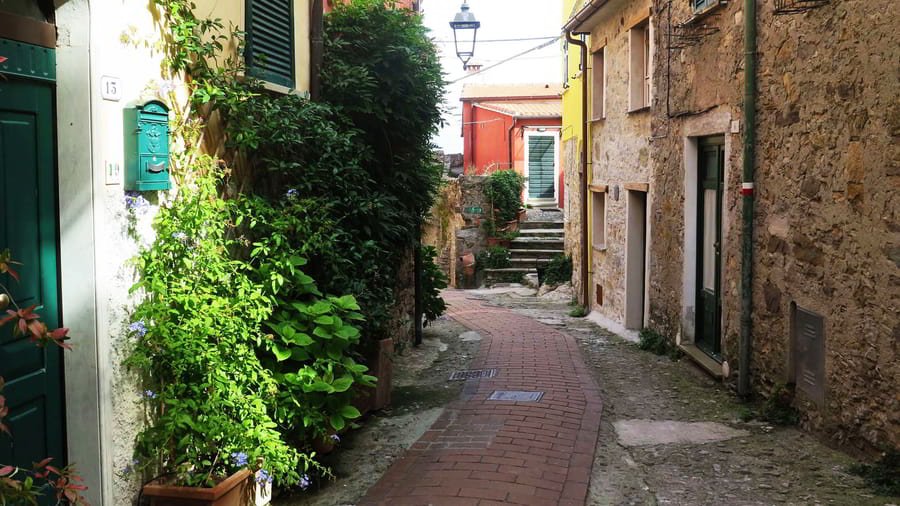
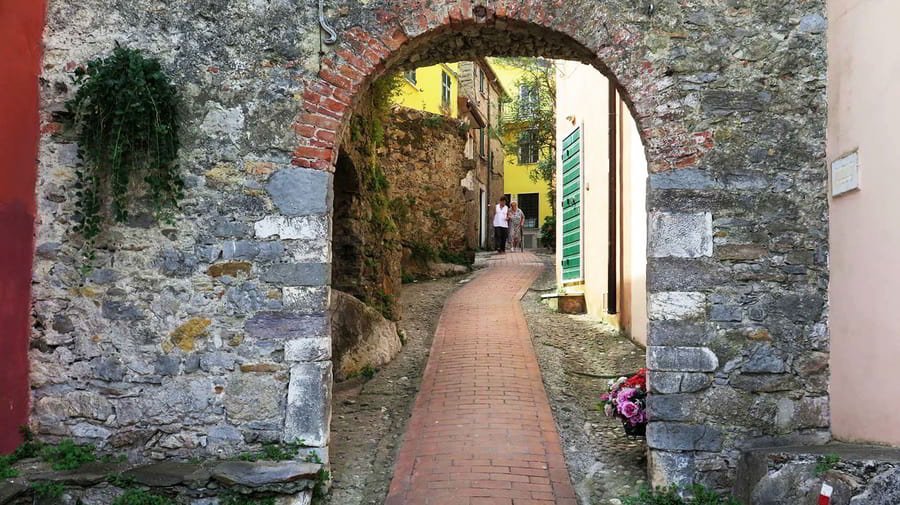
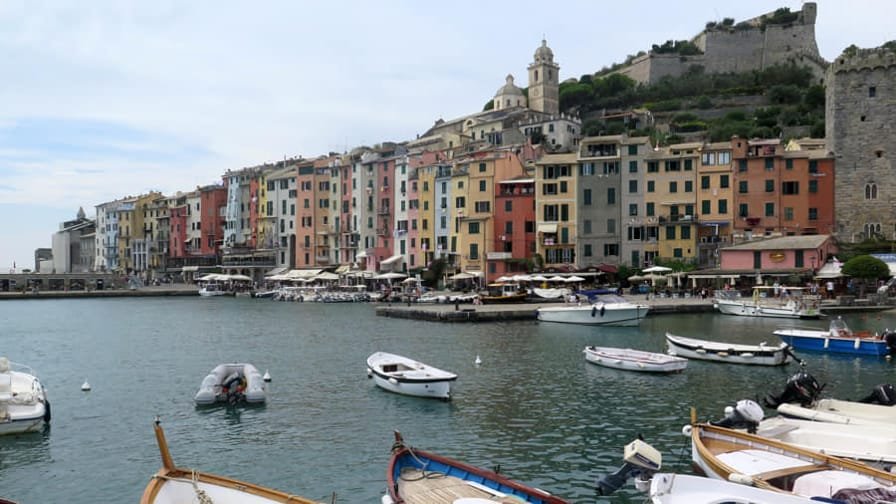
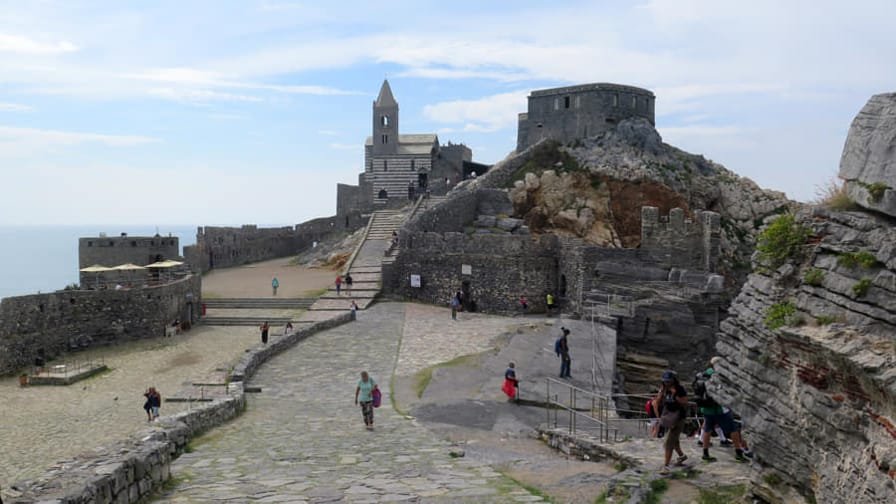
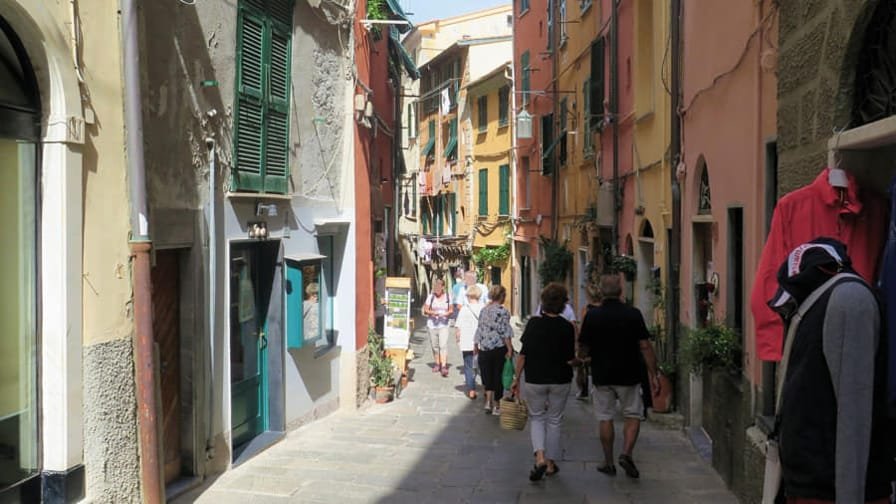
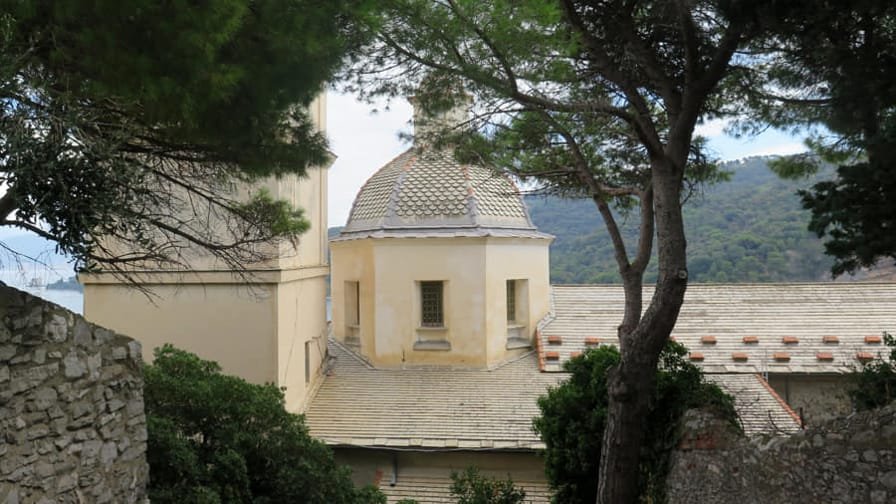
Porto Venere
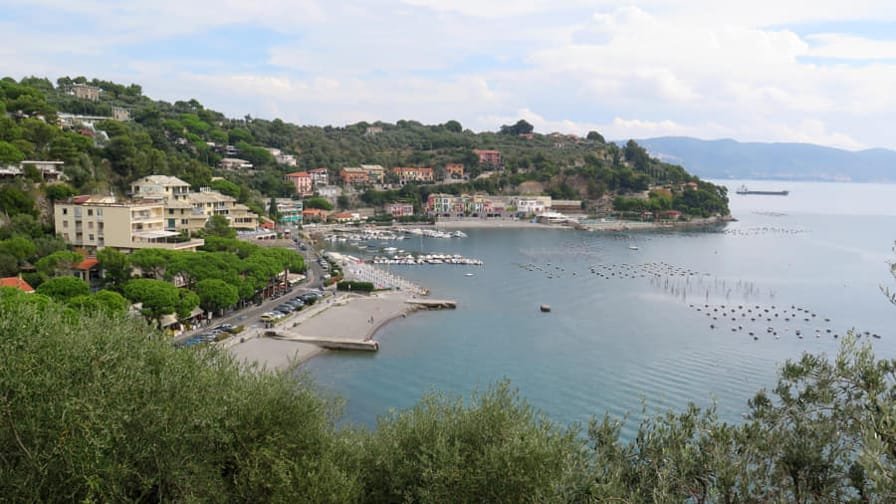
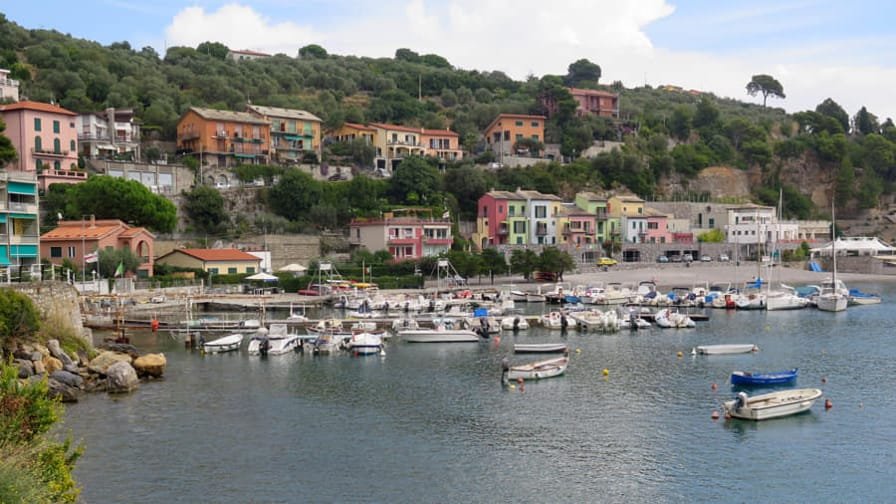
Riomaggiore
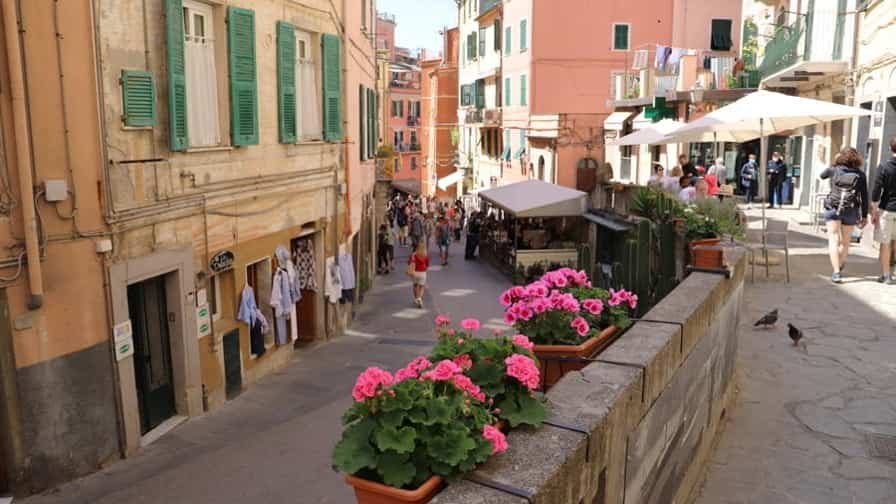


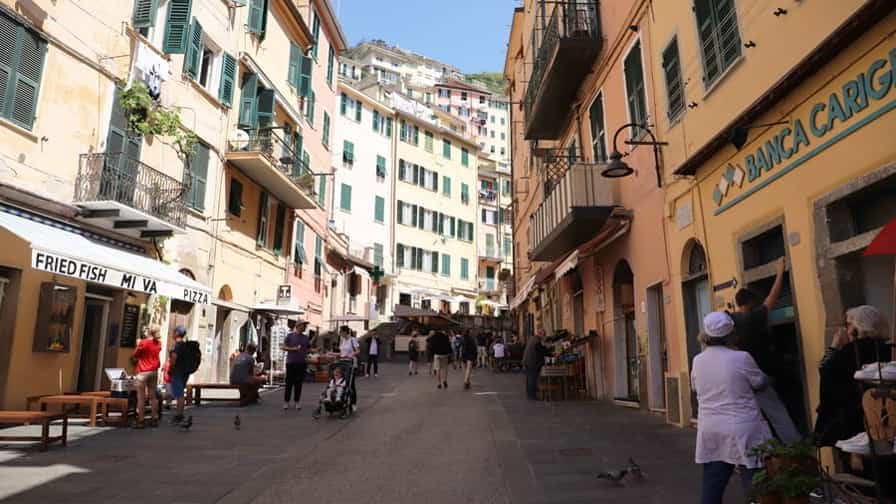

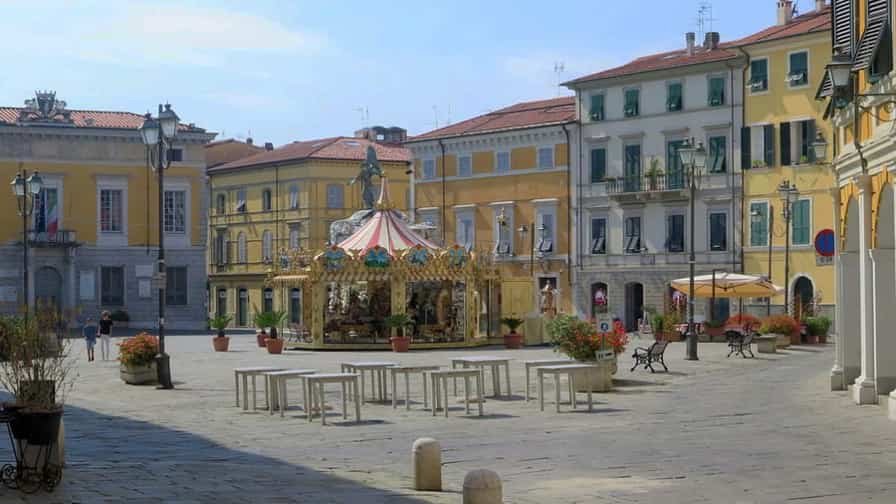
Sarzana
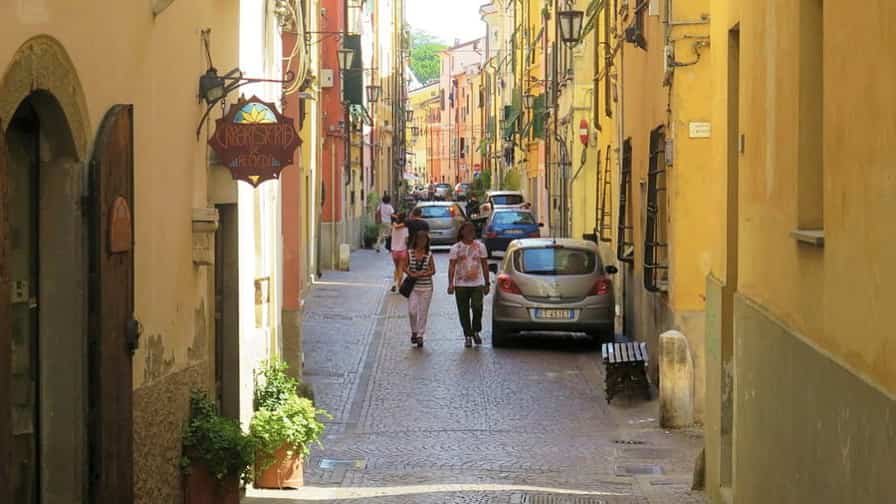
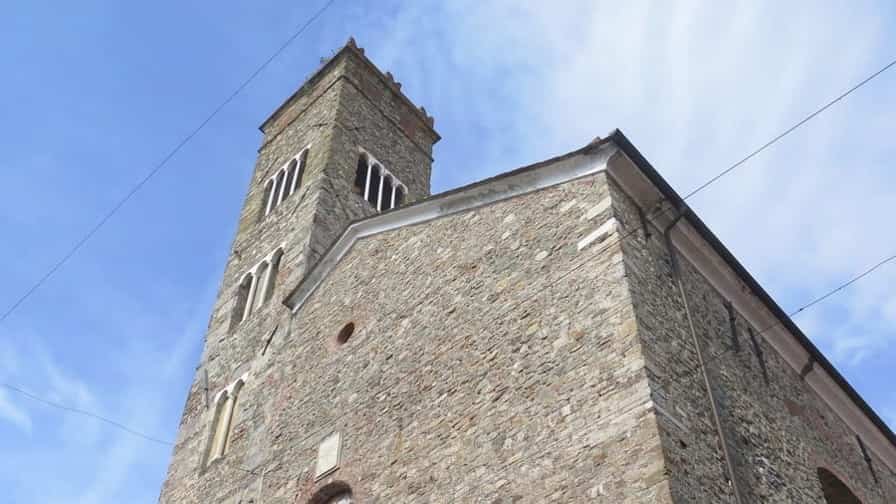
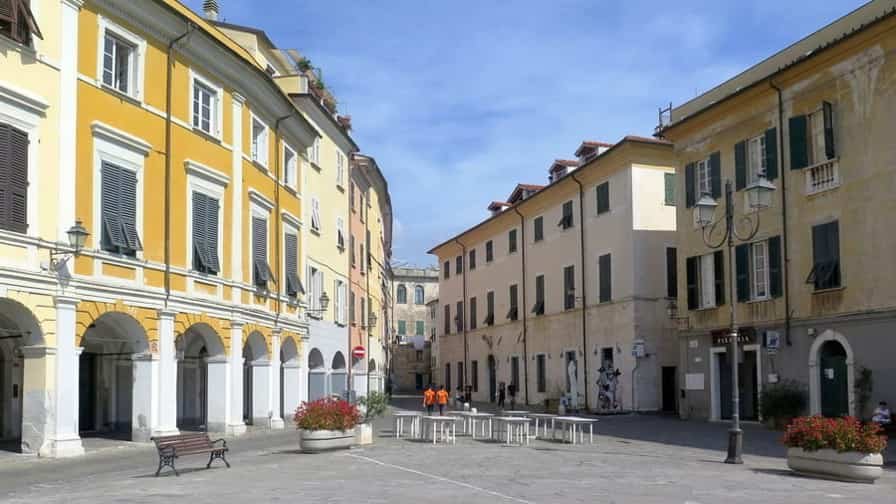
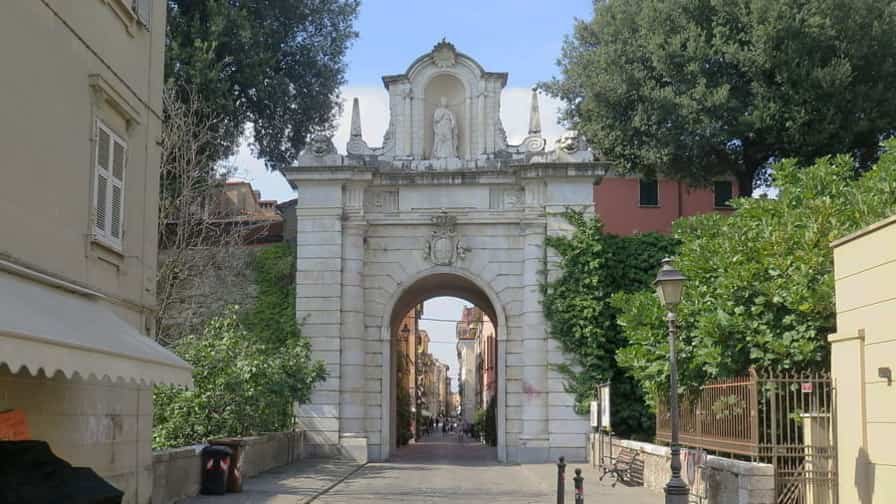
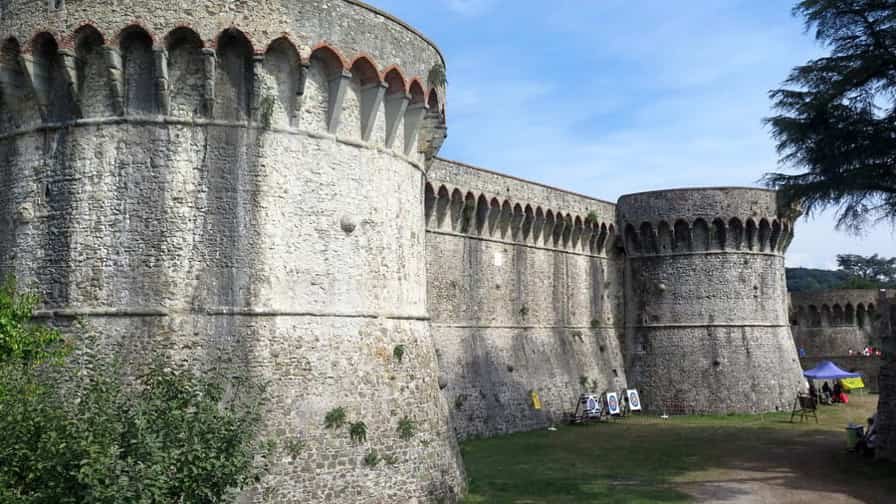
Vernazza
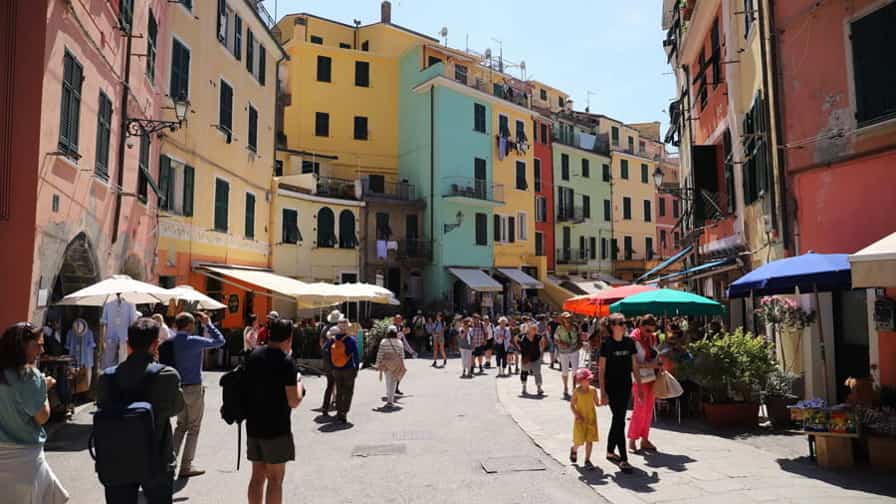
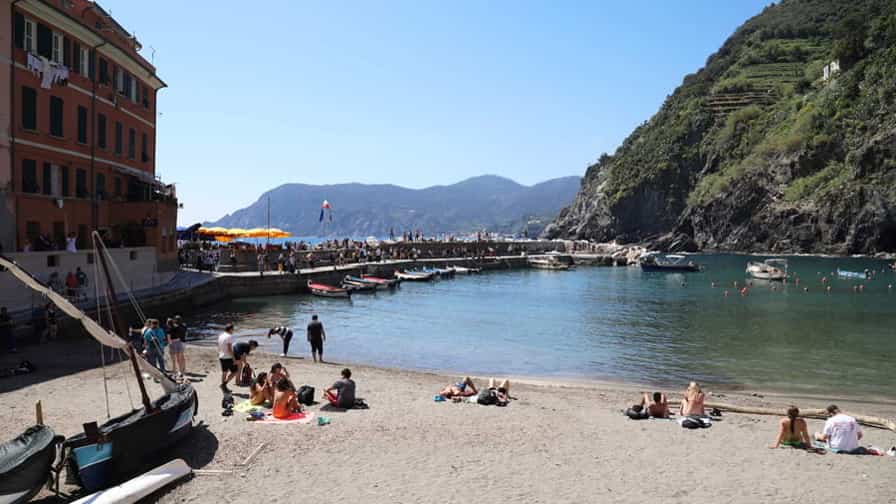
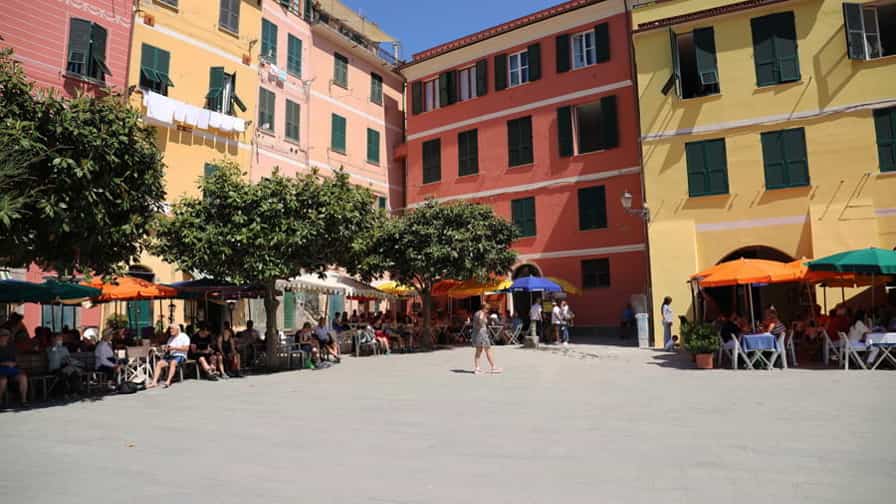
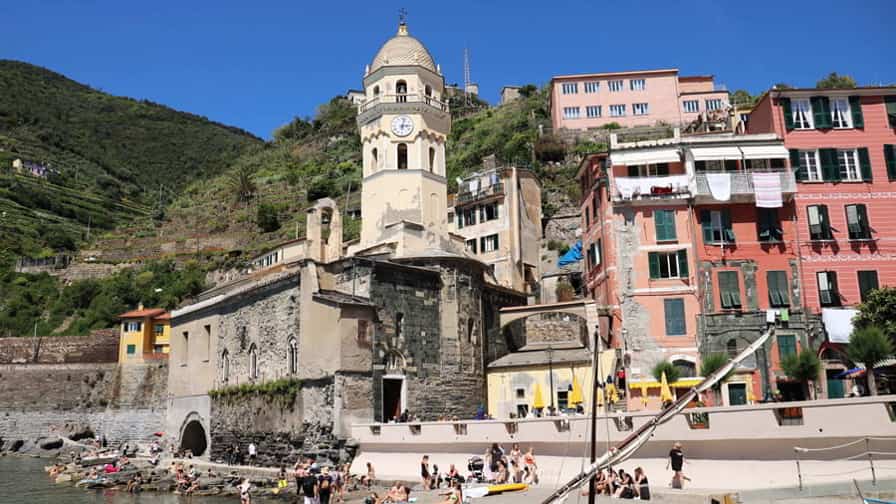
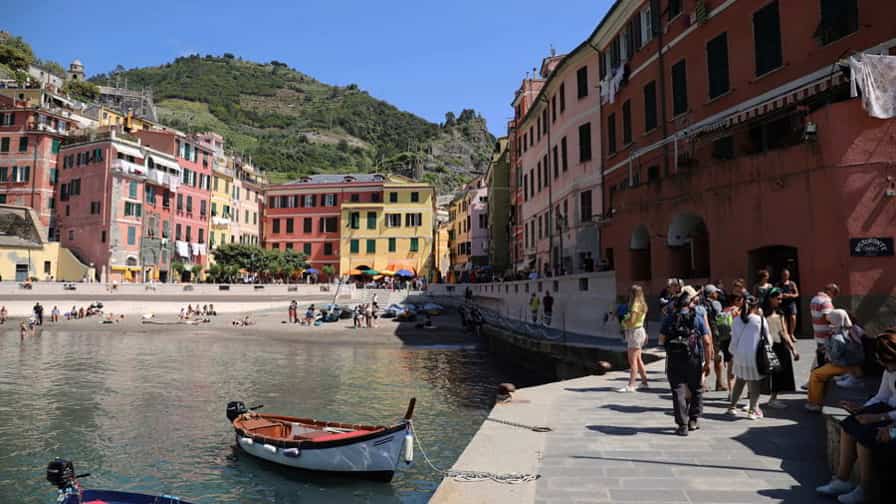
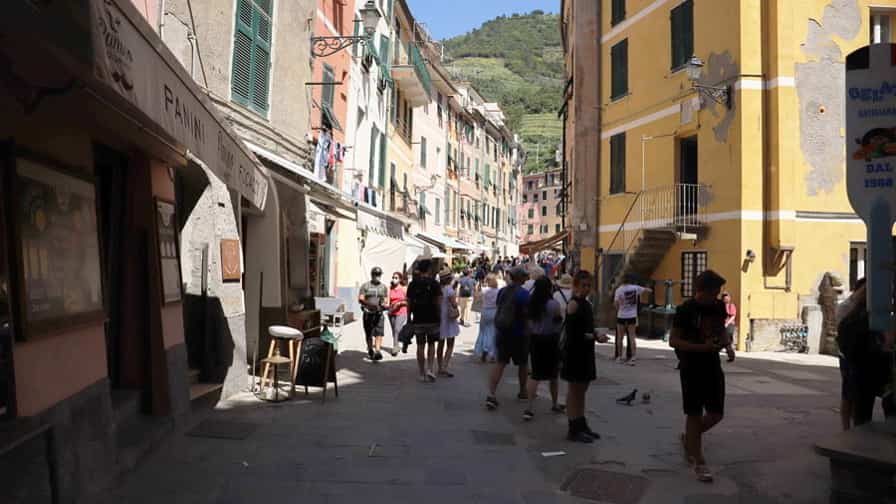
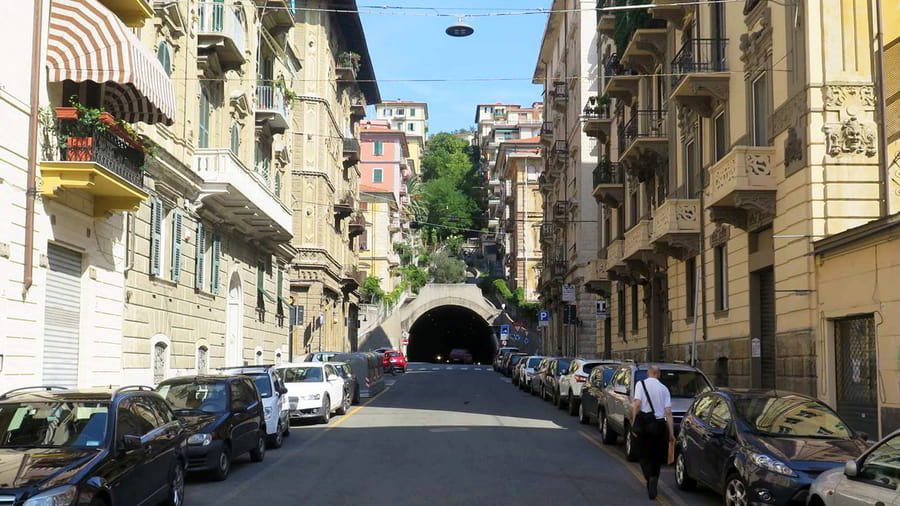
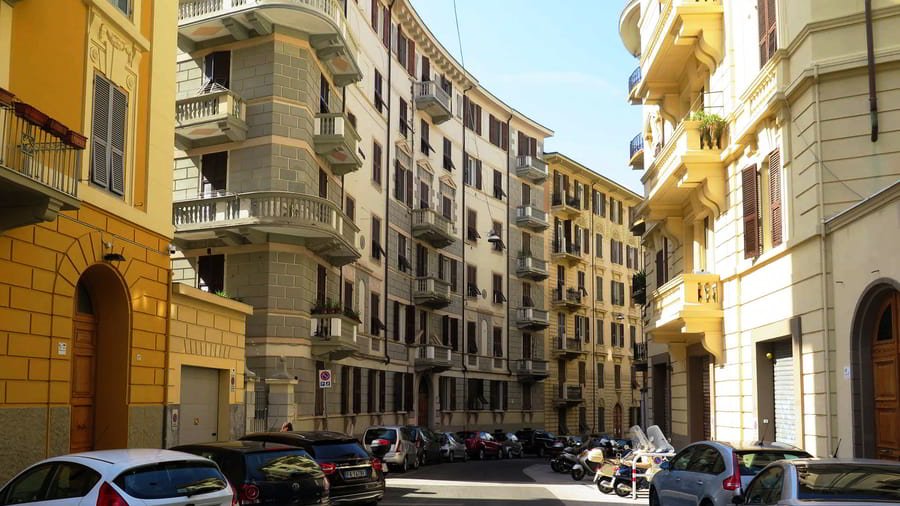
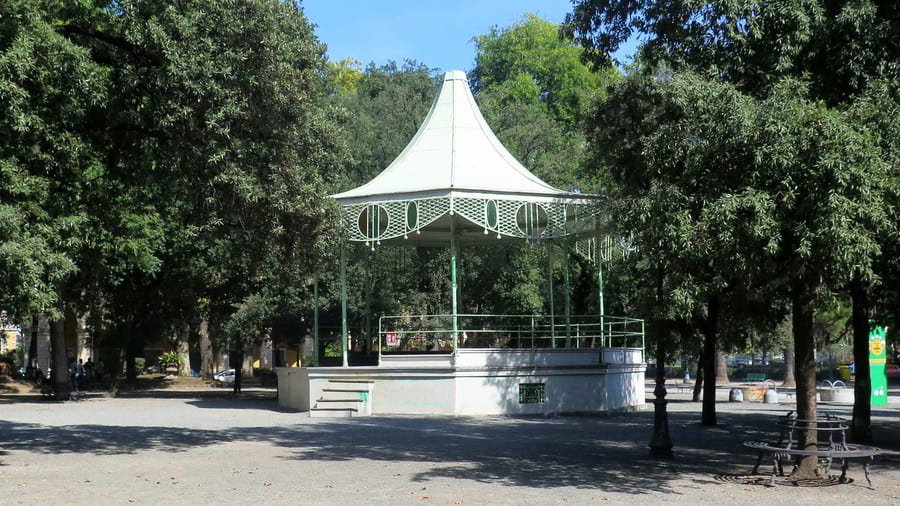
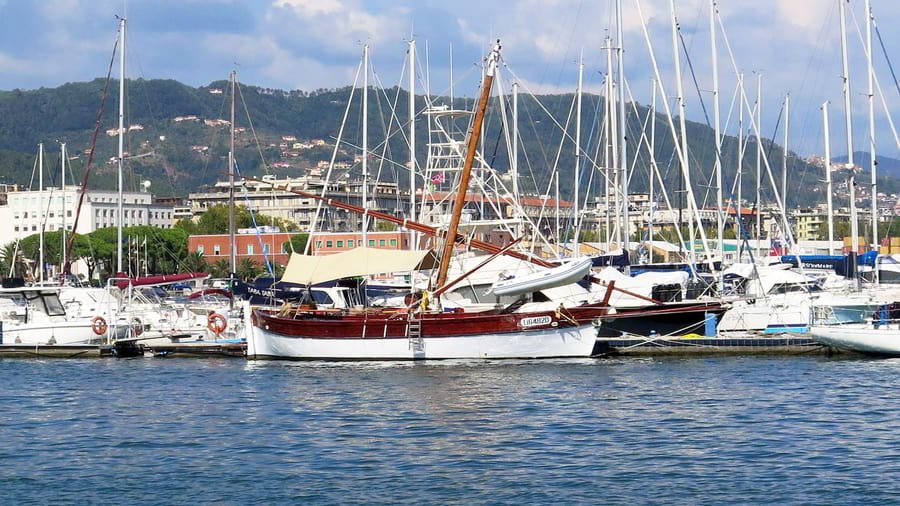
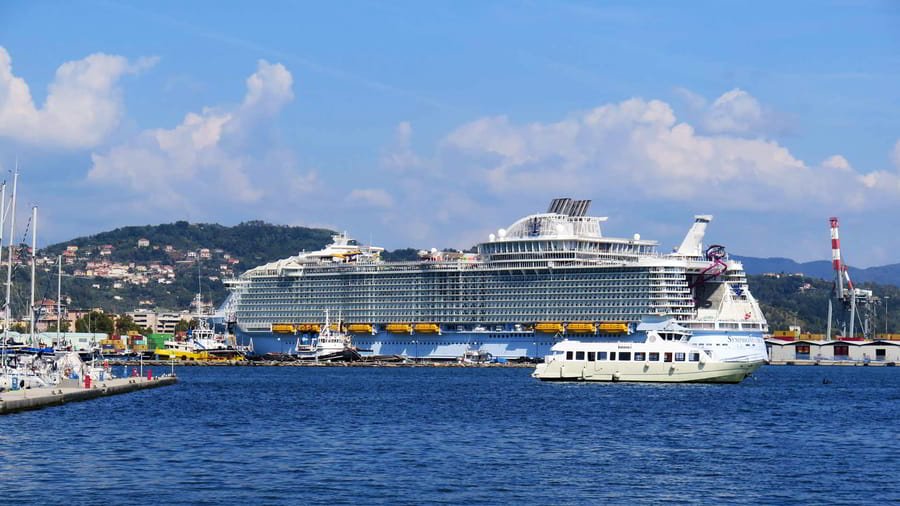
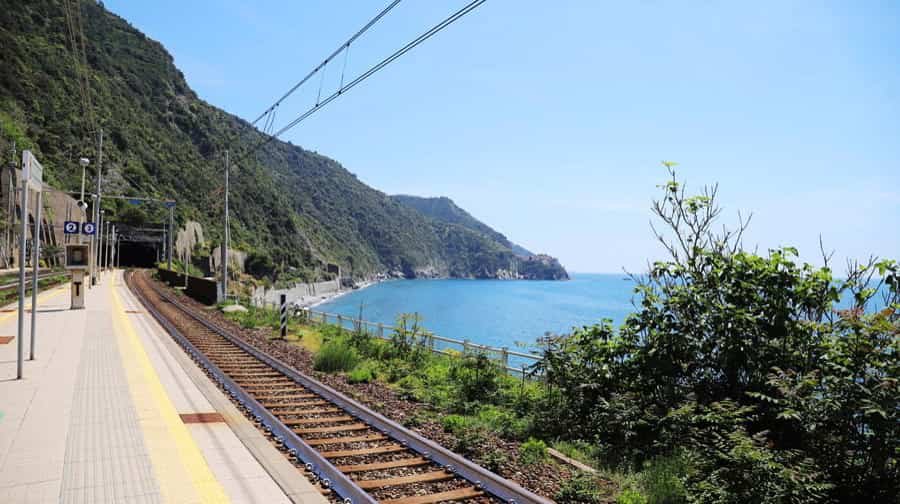
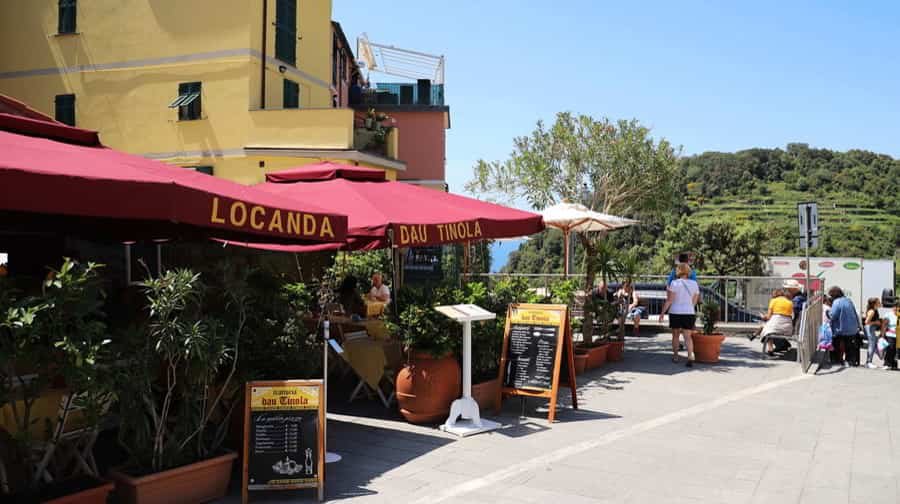
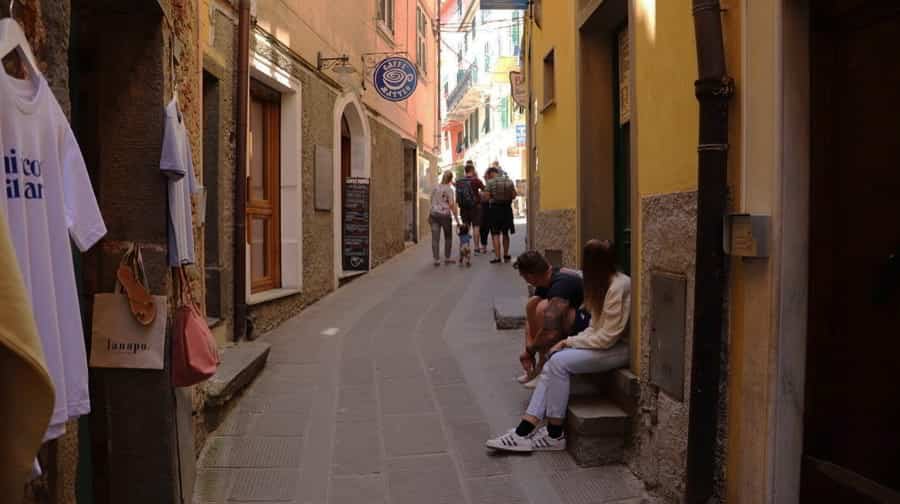
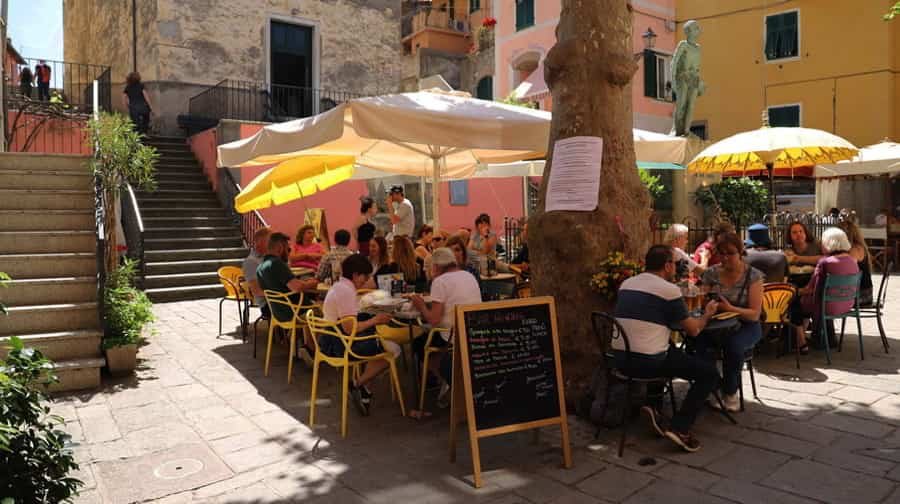
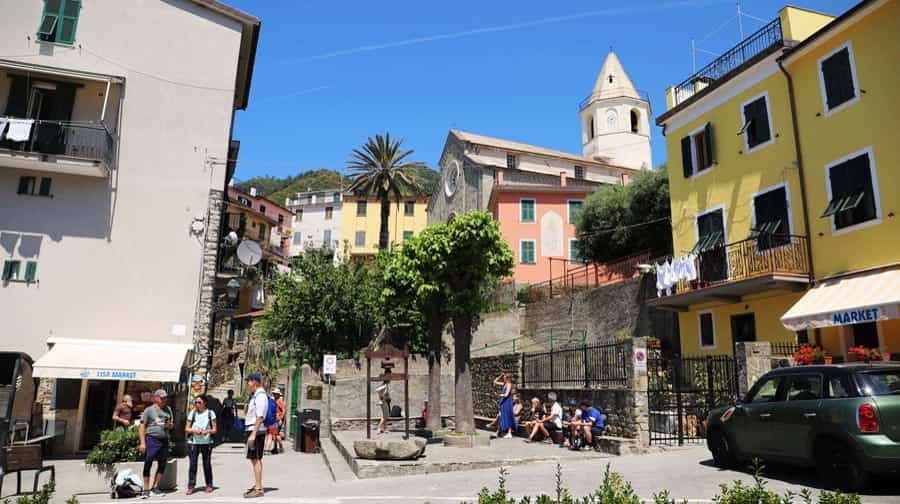
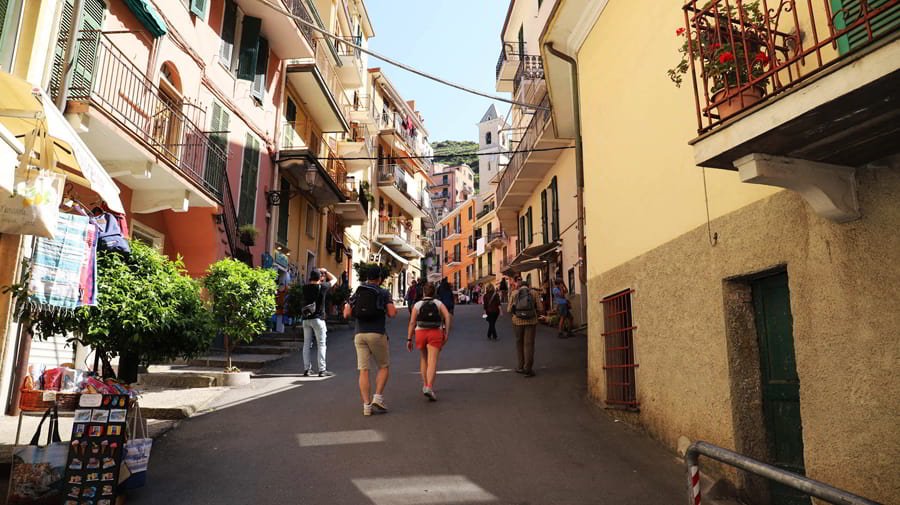
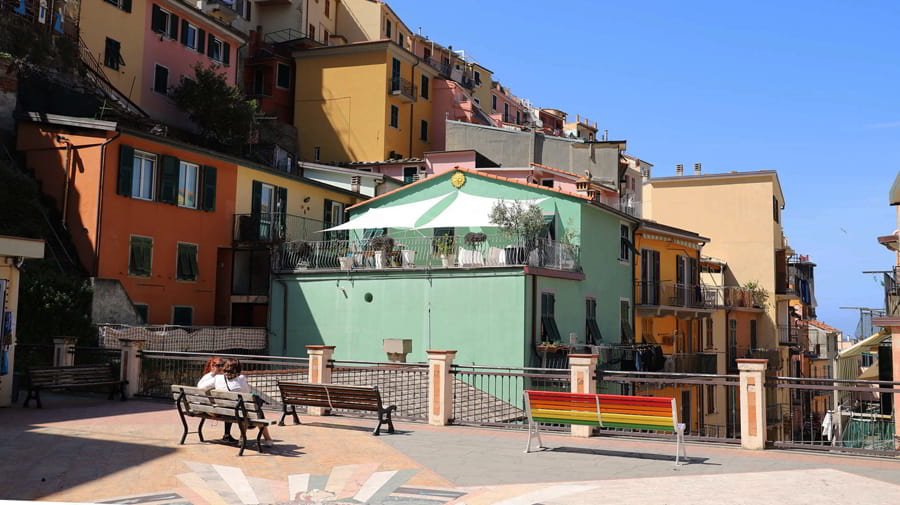
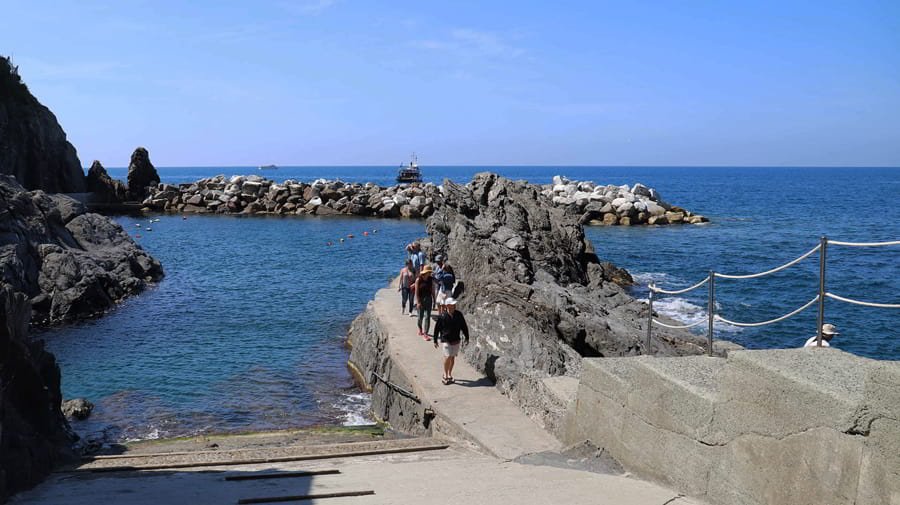
The Province of La Spezia marks the eastern edge of Liguria, where the region meets Tuscany and the landscape becomes increasingly dramatic and rugged. Defined by steep cliffs, sheltered bays, and densely wooded hills, it is an area where nature plays a dominant role in shaping both scenery and daily life. The province is best known for its striking coastline, which includes some of the most iconic and unspoiled stretches of the Ligurian Sea.
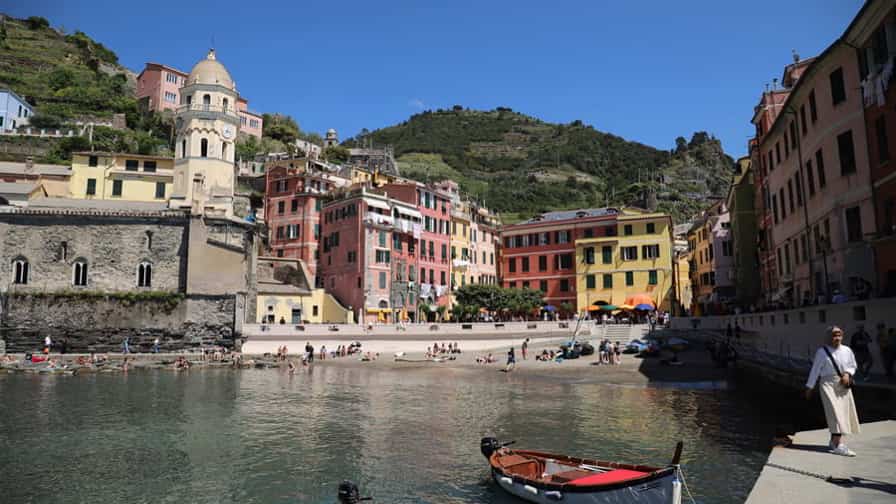
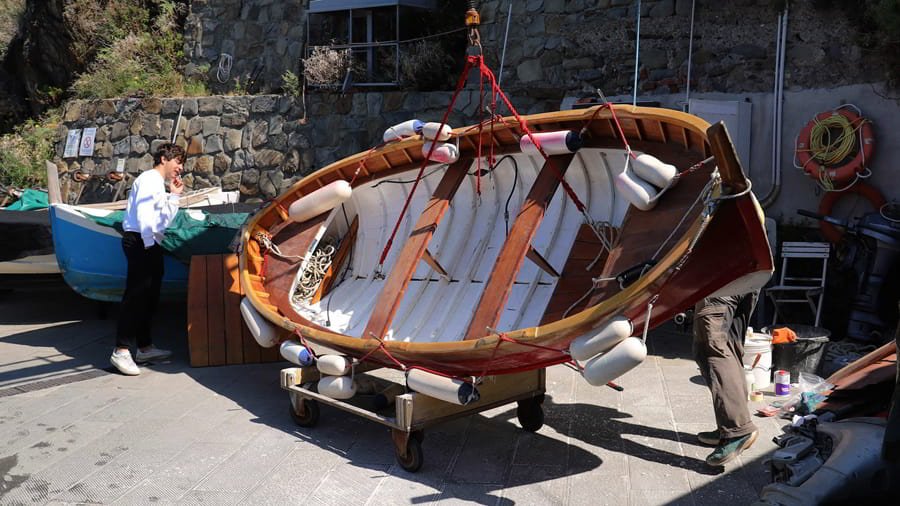
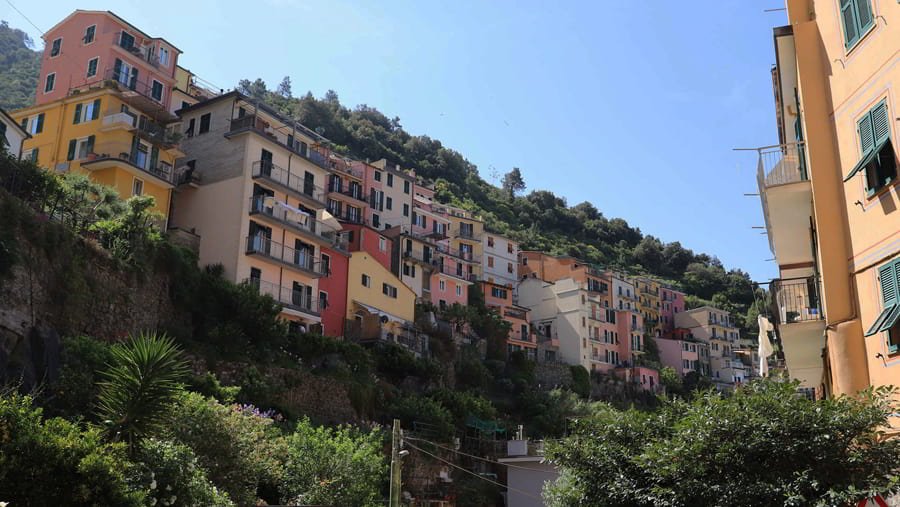
At its centre lies the city of La Spezia, an important naval and commercial port whose development has long been tied to maritime industries and military history. Beyond the city, the coastline unfolds into small villages and coves, most famously the Cinque Terre, where centuries-old settlements cling to cliffs above the sea. These villages represent a unique balance between human ingenuity and a challenging natural environment, shaped by terraced agriculture and close-knit communities.
Inland, the province transitions into quiet valleys and mountain landscapes, dotted with historic villages and ancient pathways. Life here follows a slower pace, deeply connected to the land and seasonal rhythms. The Province of La Spezia offers a compelling blend of natural beauty, maritime heritage, and cultural resilience, making it a distinctive and evocative part of the Liguria region.
Cinque Terre
Corniglia
Dolceacqua
Finale Ligure
Genoa
Imperia
La Spezia
Lerici
Manarola
Millesimo
Montemarcello
Noli
Perinaldo
Porto Venere
Rapallo
Riomaggiore
Riva Trigoso
Santa Margherita Ligure
Sarzana
Sestri Levante
Ventimiglia
Vernazza
COPYRIGHT © 2018-2026 ITALY IN PHOTOS – ALL RIGHTS RESERVED