
HOME
THE REGIONS OF ITALY
PLACES IN ITALY
TRAVEL GUIDES COMING SOON
Italy in Photos
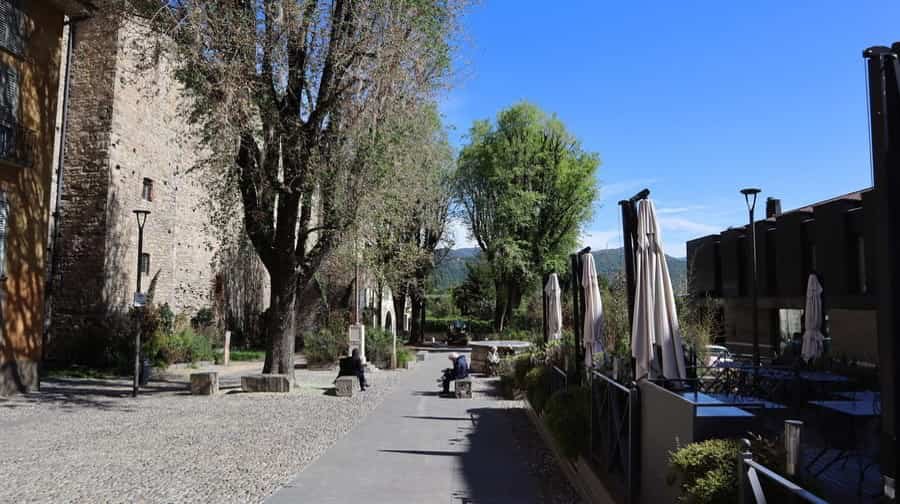
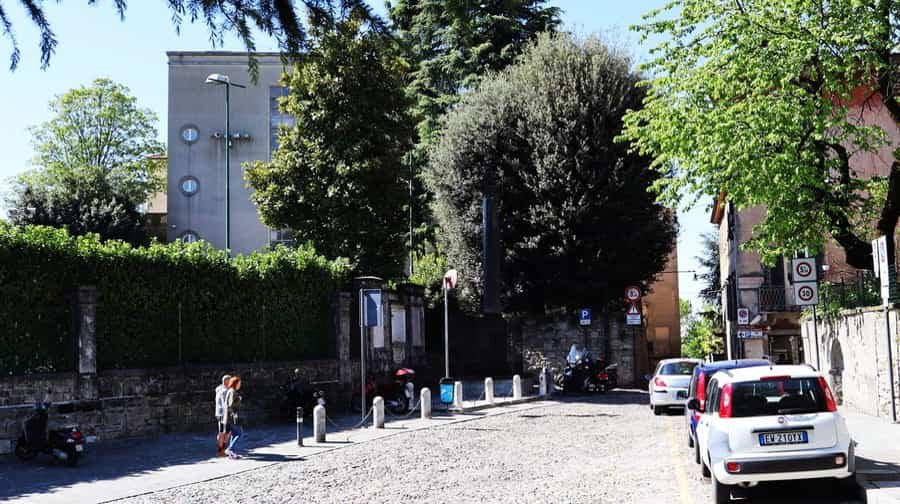
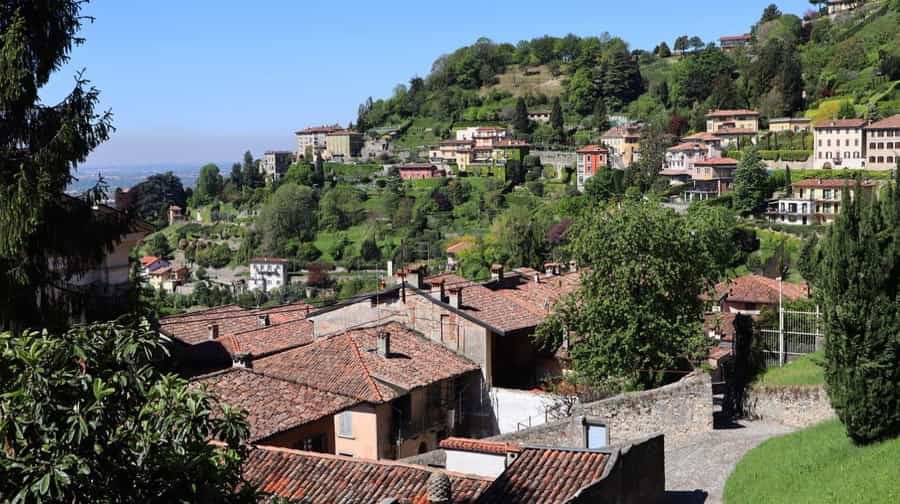
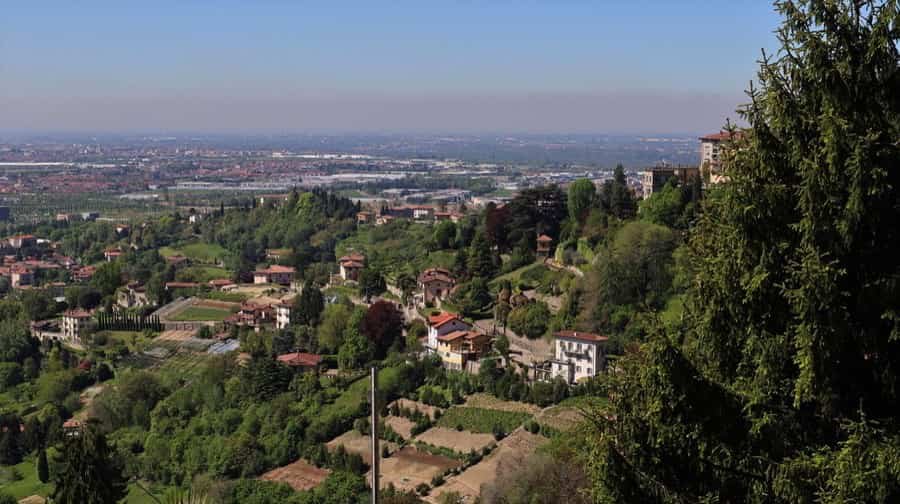
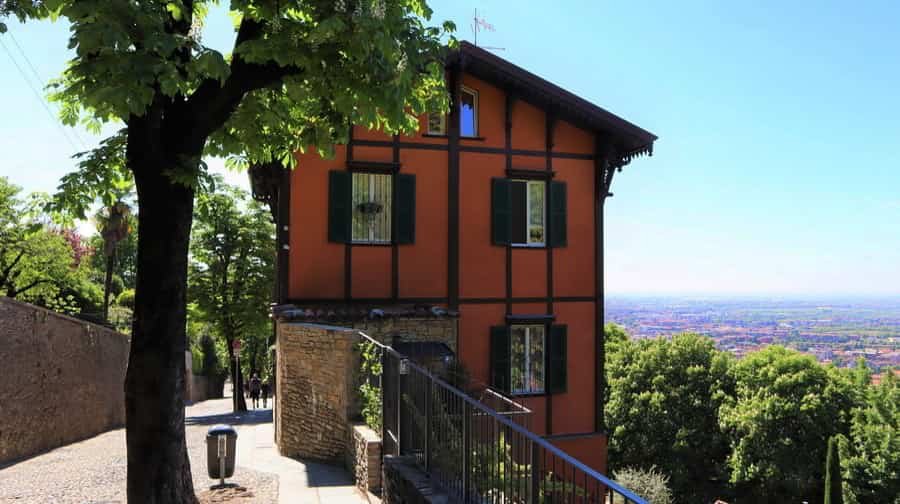
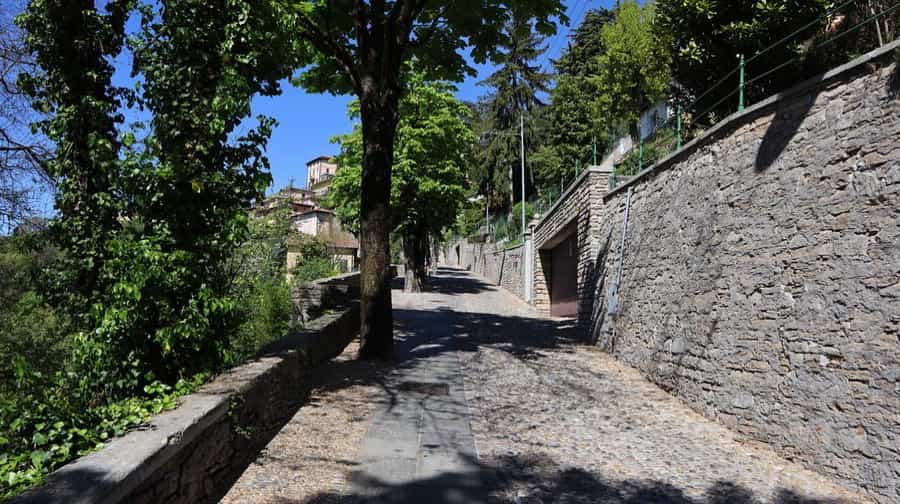
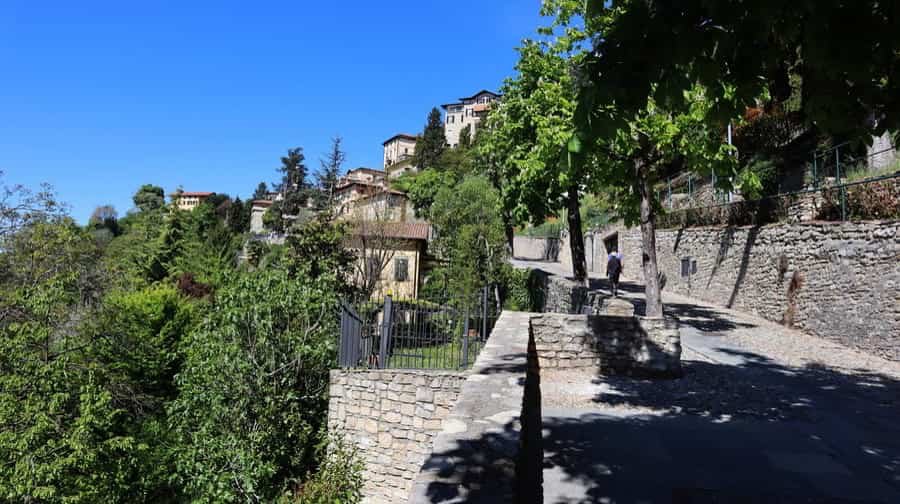
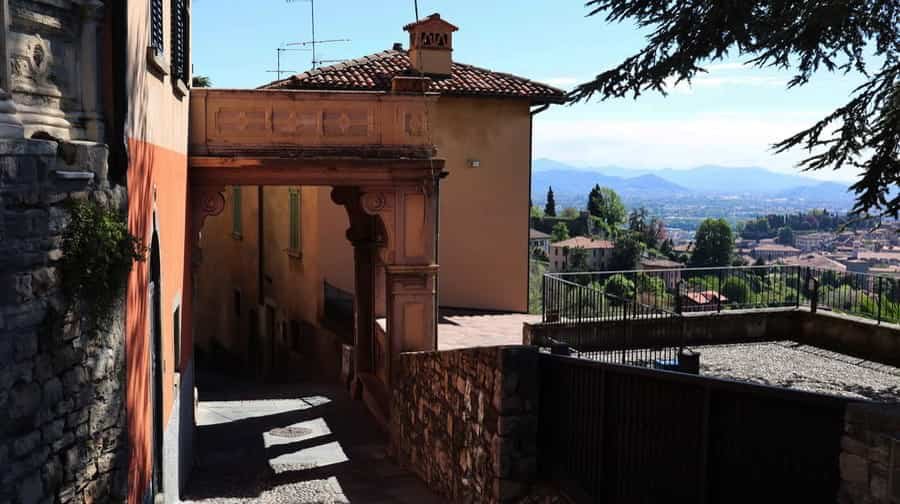
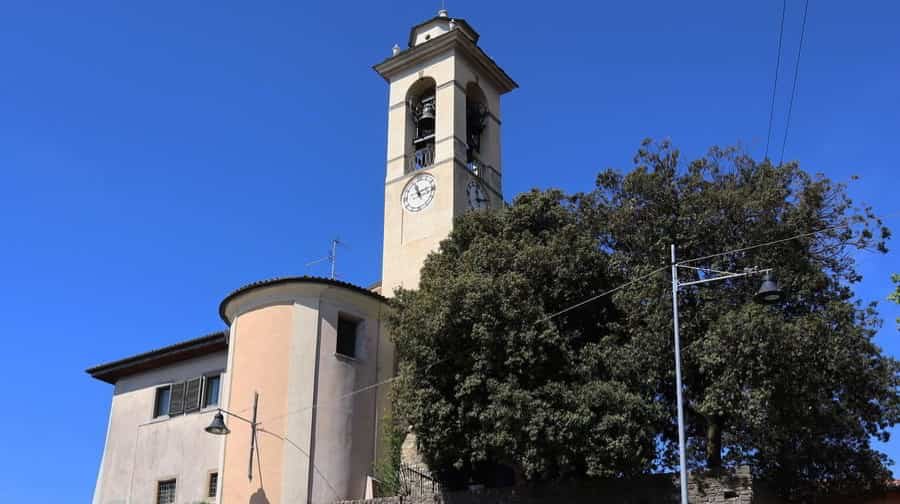
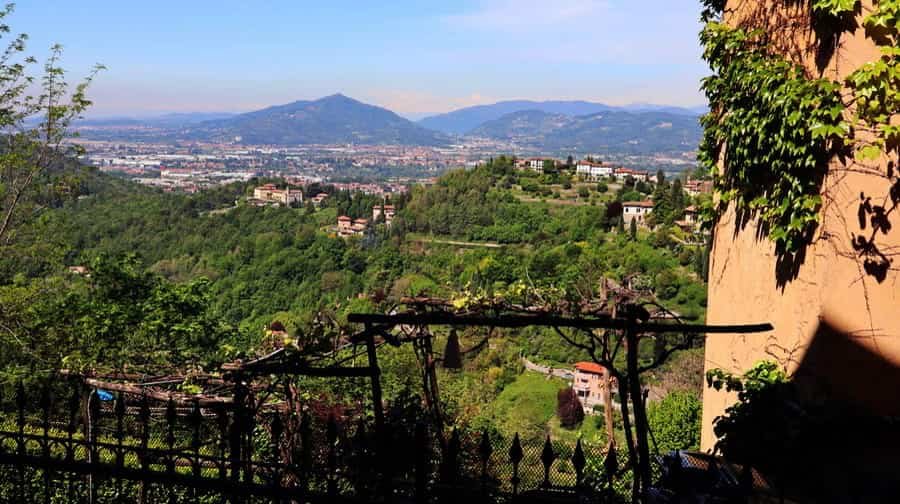
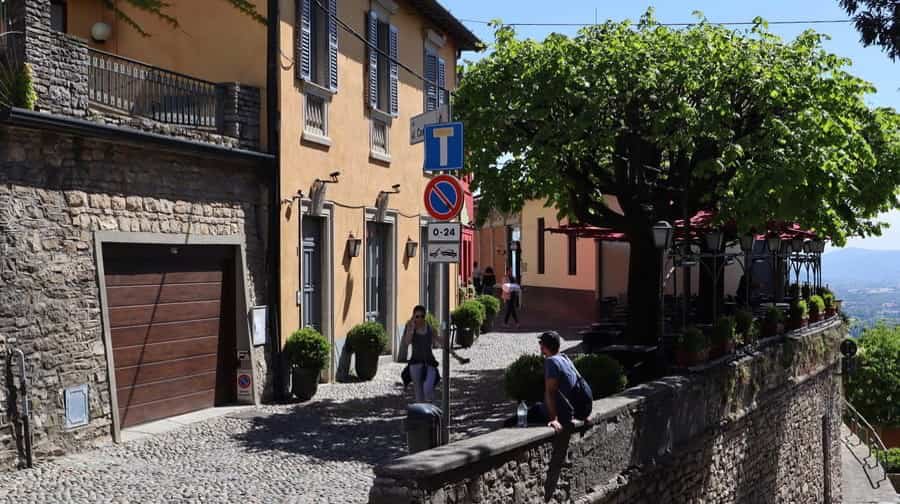
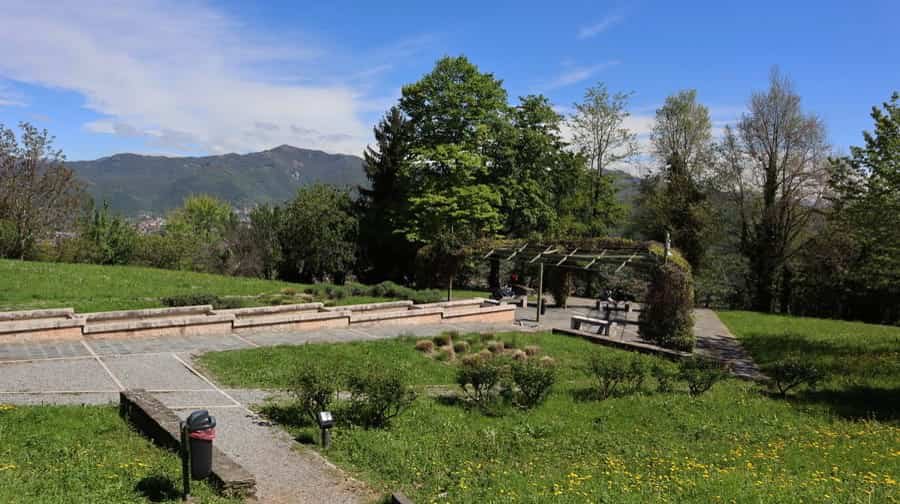
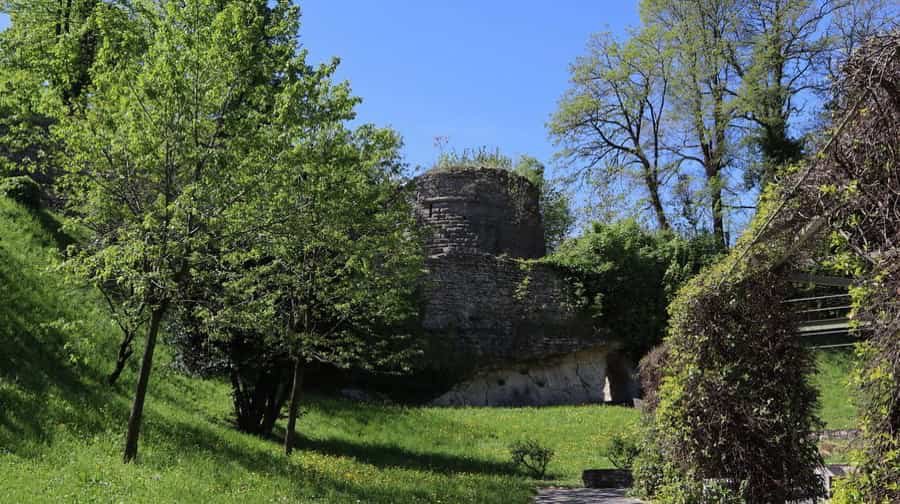
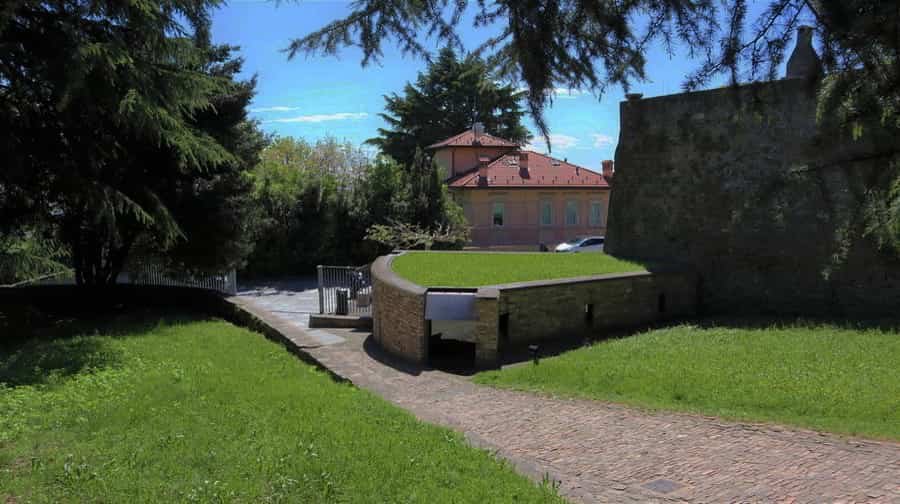
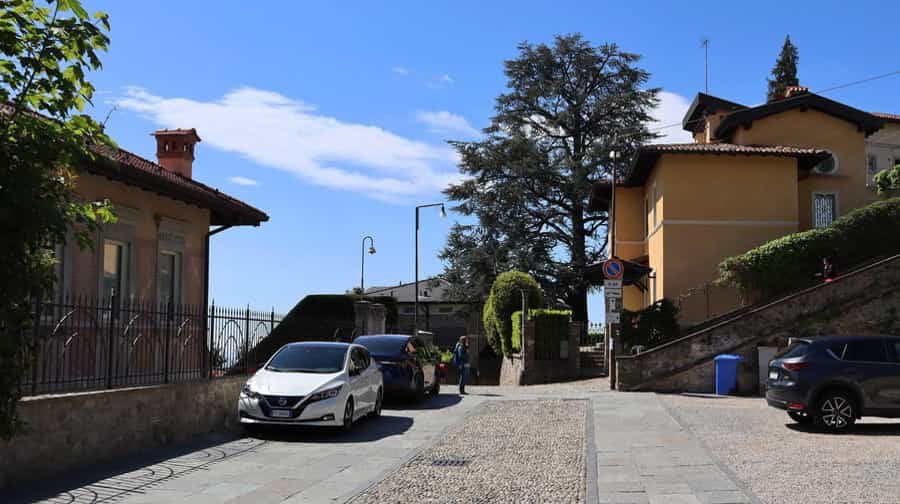
Largo Bortolo Belotti, 24121 Bergamo, Italy (April 2019)
Bergamo
Bergamo is a captivating city in northern Italy that blends rich history, artistic heritage, and vibrant modern life within a dramatic natural setting. Located in the Lombardy region, at the foothills of the Alps, Bergamo offers a unique dual identity that sets it apart from many Italian cities. Divided into two distinct parts, the medieval Città Alta (Upper City) and the modern Città Bassa (Lower City). Bergamo invites visitors to experience centuries of Italian history alongside contemporary culture and commerce.
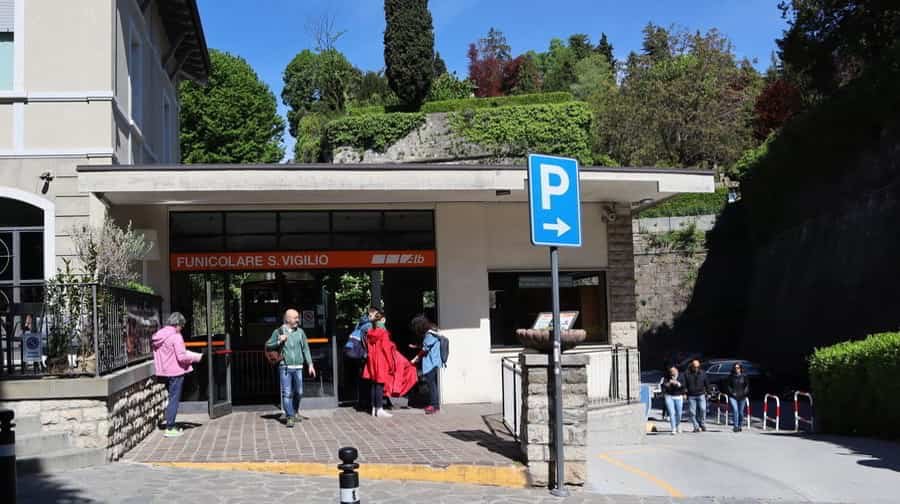
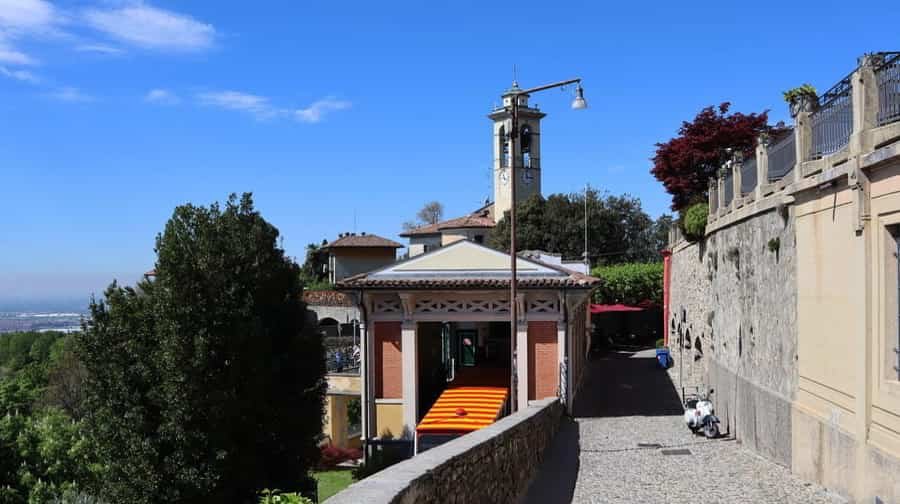
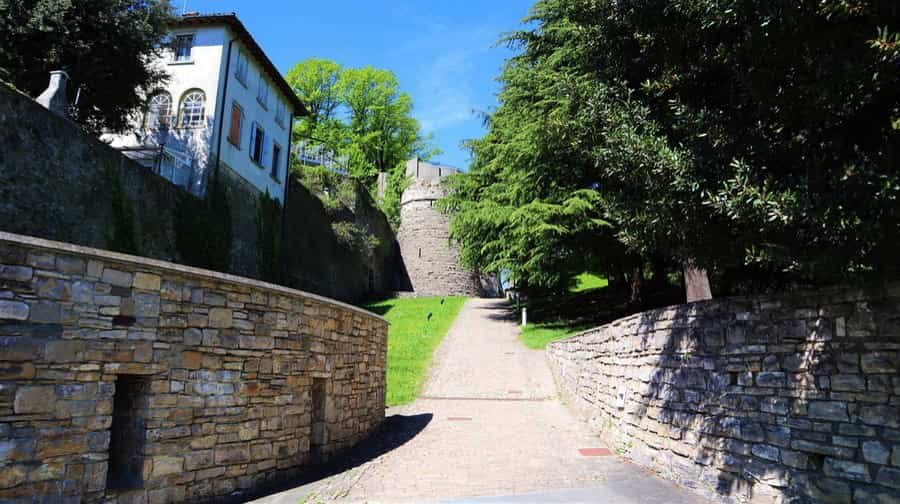
The heart of Bergamo’s historical charm lies in the Città Alta, a beautifully preserved hilltop city enclosed by massive Venetian walls, now recognized as a UNESCO World Heritage Site. Reached by a scenic funicular or a winding walk uphill, the Città Alta feels like stepping back in time. Its narrow cobblestone streets, stone buildings, and quiet piazzas create an atmosphere of elegance and calm. At its centre is Piazza Vecchia, often described as one of the most beautiful squares in Italy. Surrounded by historic landmarks such as the Palazzo della Ragione and the Torre Civica, the square has long been the political and social heart of the city.
Religious and artistic treasures are also central to Bergamo’s identity. The Basilica of Santa Maria Maggiore and the Cappella Colleoni, adorned with intricate frescoes and sculptures, showcase the city’s artistic wealth and devotion. Bergamo is also the birthplace of composer Gaetano Donizetti, and his legacy lives on through theatres, festivals, and musical traditions that continue to enrich the city’s cultural life.
Below the old town lies the Città Bassa, a lively and modern urban area characterized by wide streets, elegant shops, and bustling cafés. This part of Bergamo reflects the city’s role as an important economic and cultural centre in Lombardy. Here, historic buildings stand alongside contemporary architecture, and daily life unfolds at a dynamic pace. Tree-lined avenues and public spaces create a pleasant environment for strolling, shopping, and socializing.
Bergamo’s cuisine is deeply rooted in regional traditions and hearty flavours. Local dishes such as casoncelli, a stuffed pasta often served with butter and sage, and polenta, a staple of northern Italian cooking, reflect the city’s alpine influences. Food in Bergamo is a celebration of comfort, craftsmanship, and local ingredients, enjoyed in both traditional trattorias and refined restaurants.
Surrounded by rolling hills and close to the Alps, Bergamo is also an ideal base for exploring nature. Hiking trails, scenic viewpoints, and nearby lakes offer opportunities for outdoor activities and relaxation. At the same time, its proximity to Milan makes Bergamo easily accessible while maintaining a more intimate and authentic atmosphere. With its harmonious blend of history, culture, and everyday life, Bergamo is a city that rewards curiosity and lingering exploration. It is a place where the past is carefully preserved, the present is vibrant, and every corner tells a story.
Worth a Visit
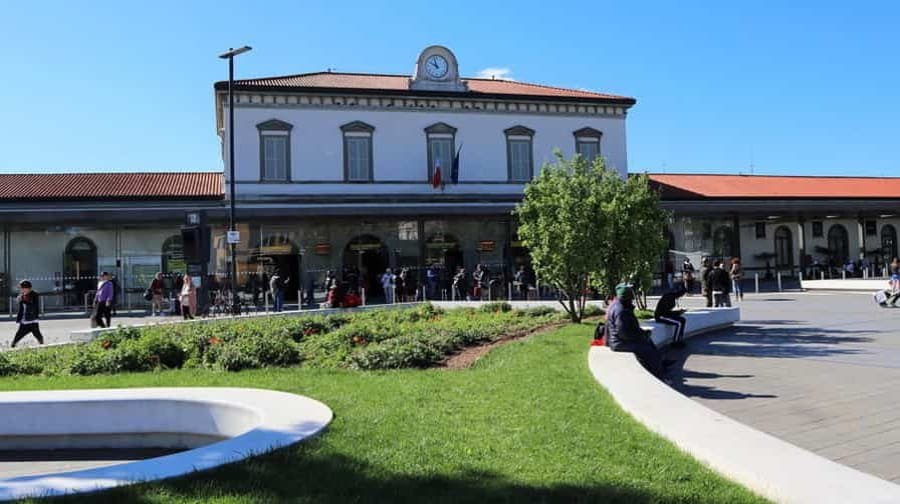
Piazzale Guglielmo Marconi is one of the central landmarks of Bergamo, serving as a vibrant gateway between the city’s historic and modern areas. Located near the main train station in the lower town, or *Città Bassa*, the square is named after the famous Italian inventor Guglielmo Marconi, a pioneer of radio communication. The piazza is surrounded by elegant buildings, cafés, and shops, creating a lively atmosphere that reflects the daily rhythm of urban life. It is also a major transportation hub, connecting visitors to the funicular that ascends to the *Città Alta*, as well as to buses and taxis that link to other parts of Bergamo. The square’s spacious layout and tree-lined surroundings make it both functional and inviting, offering a pleasant place to pause, meet, or simply watch the movement of the city. Piazzale Guglielmo Marconi beautifully represents Bergamo’s blend of tradition and modernity.
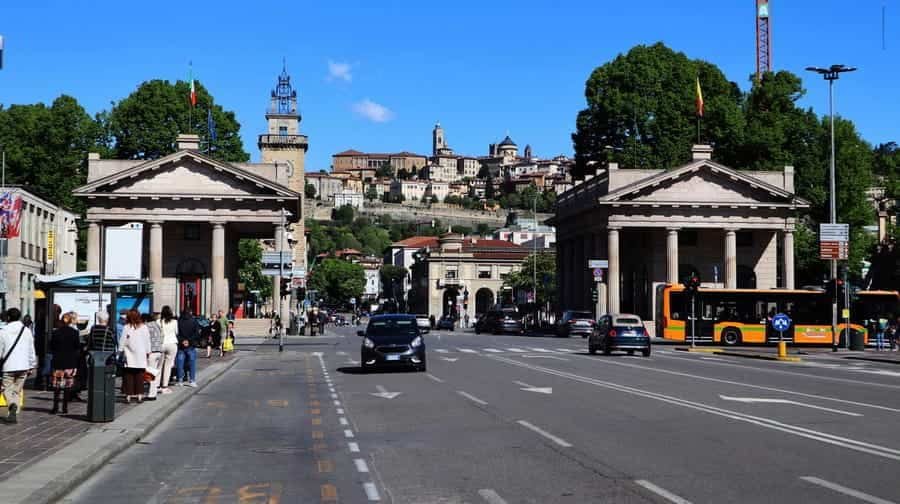
Nestled in Bergamo’s modern Città Bassa, Viale Papa Giovanni XXIII serves as a grand boulevard and a dynamic bridge between the city’s historic visage and its contemporary rhythm. Stretching from Porta Nuova near the railway station toward the heart of the city, this wide, tree-lined avenue unfolds as both a visual gateway and a central artery for everyday life. Historically known as Via Ferdinandea, the avenue emerged in the mid-19th century under Austrian rule to connect the newly built Bergamo railway station with the scenic upper town. Its creation necessitated the demolition of the old Santa Maria delle Grazie church and convent before being renamed in honour of Pope John XXIII, a beloved native of Bergamo
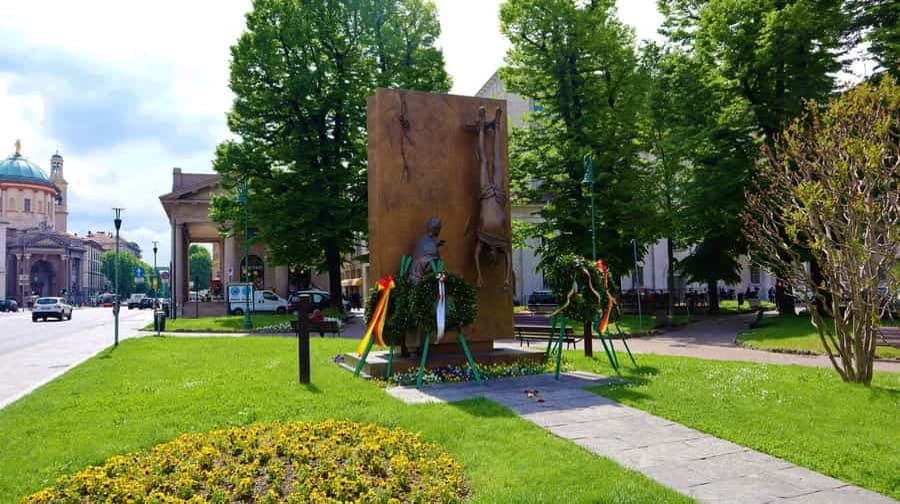
Located in Bergamo’s modern Città Bassa, Piazza Giacomo Matteotti serves as a pivotal public square, melding civic pride, architectural grandeur, monuments, and vibrant greenery into one cohesive space. At its heart stands the distinguished Monument to Vittorio Emanuele II, symbolising Italy’s unification, and nearby is the poignant Monument to the Brothers Calvi, commemorating Alpini soldiers lost during and after World War I Yet the square’s most striking artistic feature is the Monument to the Partisan by celebrated sculptor Giacomo Manzù, a powerful bronze panel evocatively depicting the tragic sacrifices of anti-fascist partisans during WWII. Surrounding the piazza are several architecturally significant structures. One prominent building, originally erected in 1857 as a military command under architect Francesco Valsecchi, later transformed into Palais Frizzoni, the city hall, following modifications by Giovanni Muzio in mid-20th century
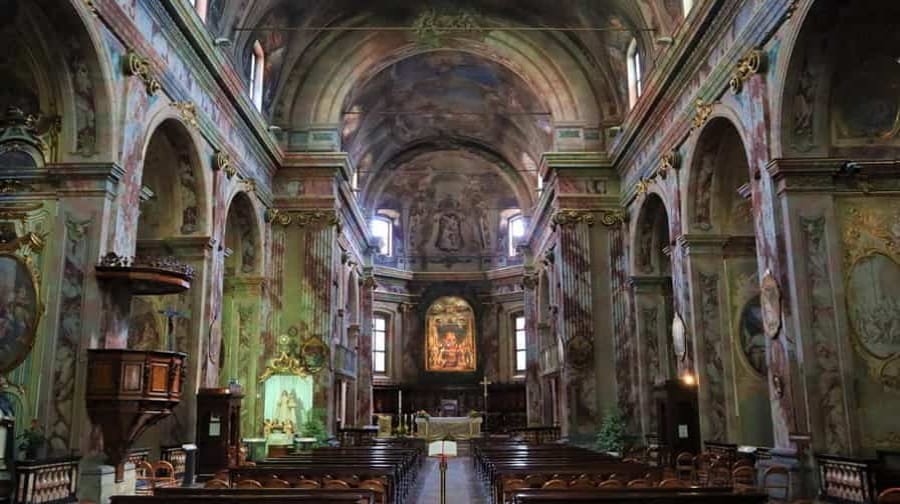
Situated in Bergamo’s Lower Town on Via Sant’Alessandro, the Basilica di Sant’Alessandro in Colonna stands as both spiritual shrine and architectural jewel, built on the very site where, according to tradition, the city’s patron saint was martyred in the early 4th century. The basilica serves as a profound symbol of Bergamo’s Christian heritage and civic identity. Historical records trace the church’s roots to at least 1133, when it was referred to as “Ecclesia S. Alexandri quae dicitur in columna“, in reference to a Roman column said to mark the location of the martyrdom. The current structure originates from a 1447 reconstruction following a collapse, before undergoing substantial Baroque-style renovations in the early 18th century under architect Marco Alessandri. It was ultimately declared a basilica in 1997.
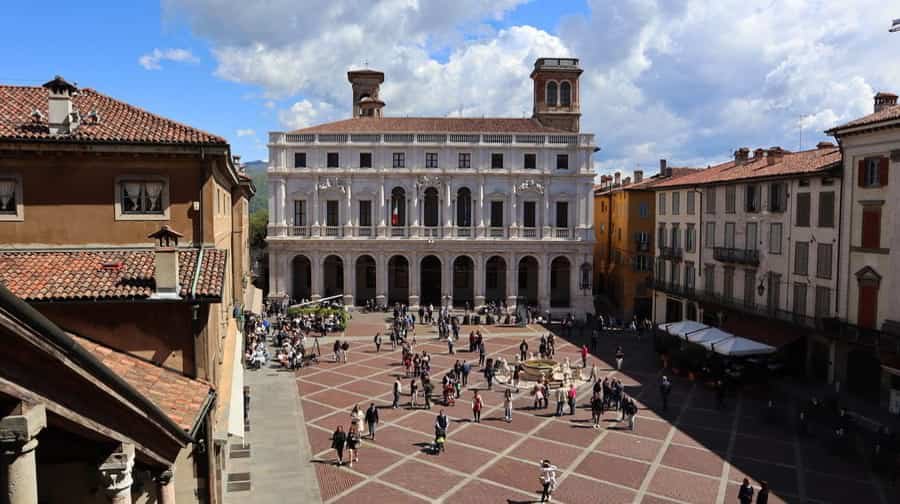
Piazza Vecchia is the historic and architectural heart of Città Alta, Bergamo’s elegant upper town, a space where time seems suspended, and every stone echoes centuries of civic pride and cultural sophistication. Described by Le Corbusier as a “perfect work of art in every stone,” this compact, near-rectangular piazza is framed by some of the most iconic buildings in Lombardy. Set on the site of Bergamo’s ancient Roman forum, Piazza Vecchia evolved through medieval and Renaissance eras into the city’s political and commercial nucleus. The 12th-century Palazzo della Ragione, with its triple-arched portico and monumental loggia, once served as the seat of justice and governance and still dominates the southern edge of the square. Adjacent to it is the Torre del Campanone, the civic tower that tolls 100 bells at 10 p.m., recalling the old curfew and offering panoramic views of the historic centre.
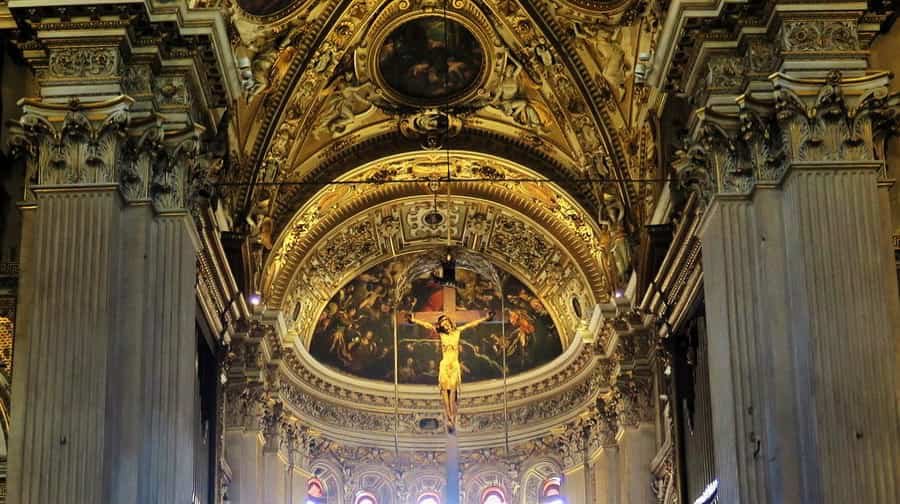
The Basilica of Santa Maria Maggiore in Bergamo’s Città Alta is a masterpiece of religious architecture, revered not only as a place of worship but also as one of Lombardy’s most opulent artistic treasures. Founded in 1137 as a votive offering after a devastating plague, believed to have been spared from the contagion through divine protection, the basilica was built on the site of both an 8th-century Christian church and a Roman temple dedicated to the goddess Clemence (“Mercy”). From the exterior, the basilica retains its austere Romanesque character: thick stone walls, round-arched windows, and a façade entirely without a main entrance, once merged with the Bishop’s Palace.
Photo Gallery of Walk 1 in Bergamo – Via Pietro Paleocapa to Via Gennaro Sora
Approximately 1.39 km – 0.86 miles
The walk starts in – Via Pietro Paleocapa – Viale Papa Giovanni XXIII – Piazzale Guglielmo Marconi – Viale Papa Giovanni XXII – Chiesa Prepositurale di Santa Maria Immacolata delle Grazie, Viale Papa Giovanni XXIII – Largo Gianandrea Gavazzeni – Largo Bortolo Belotti – Chiesa dei Santi Bartolomeo e Stefano – Via Gennaro Sora
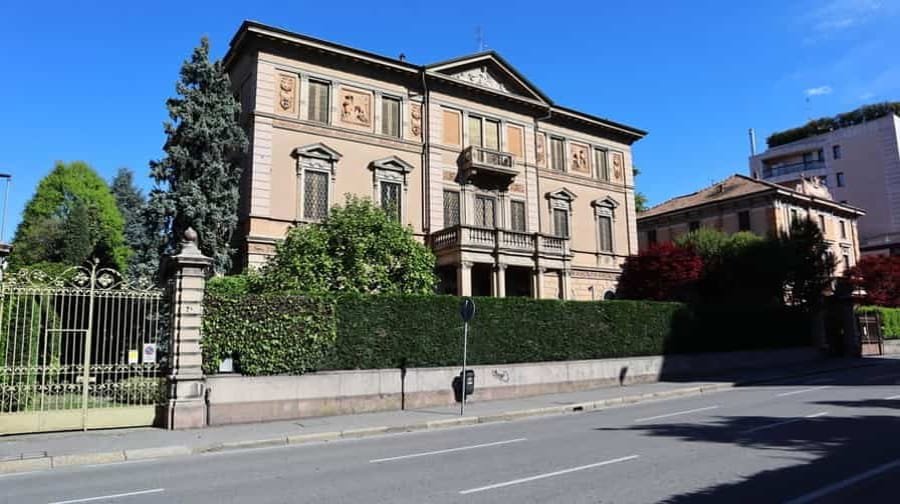
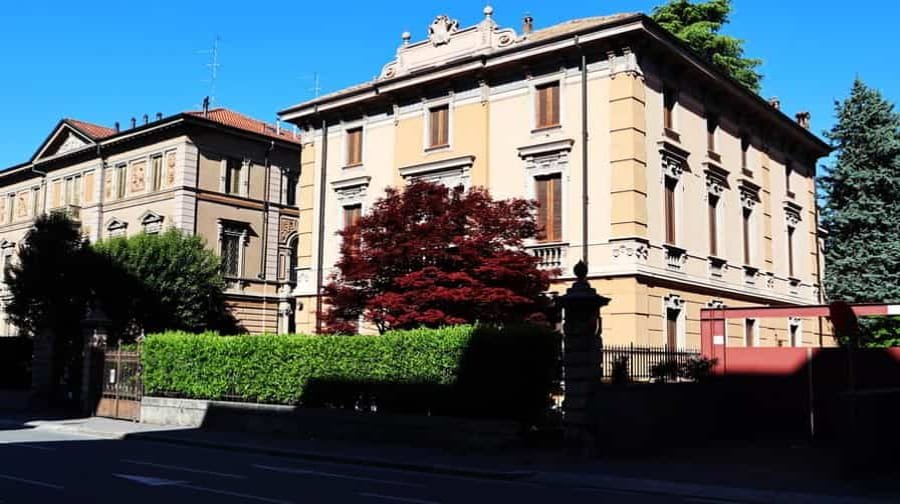
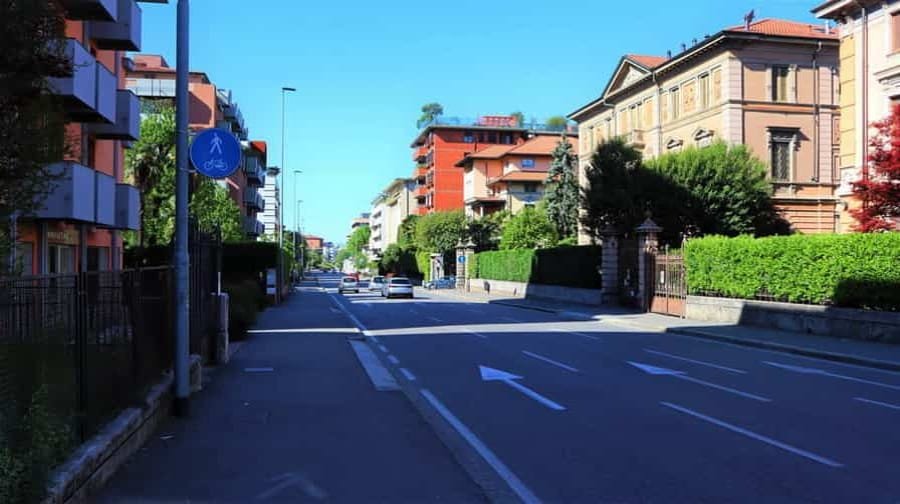
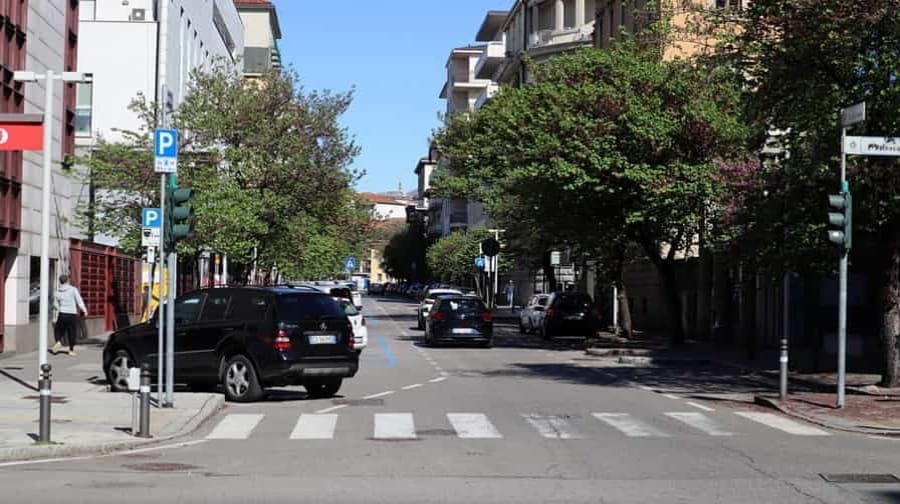
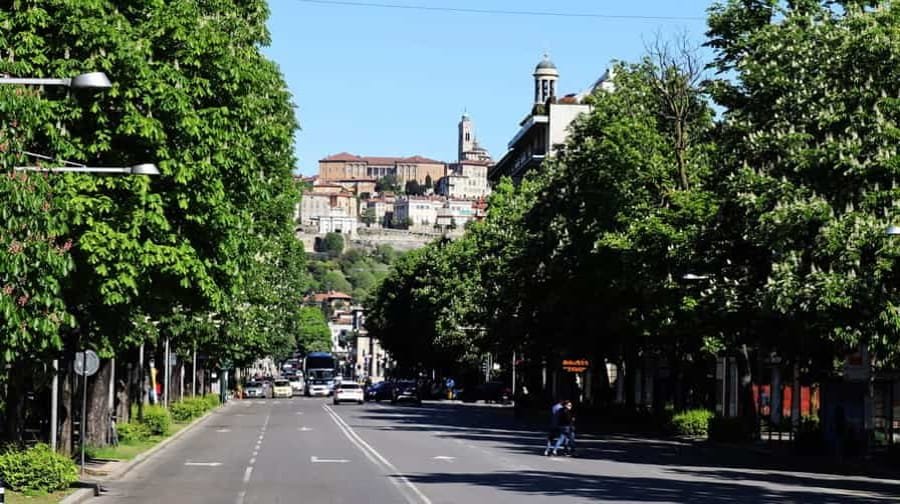
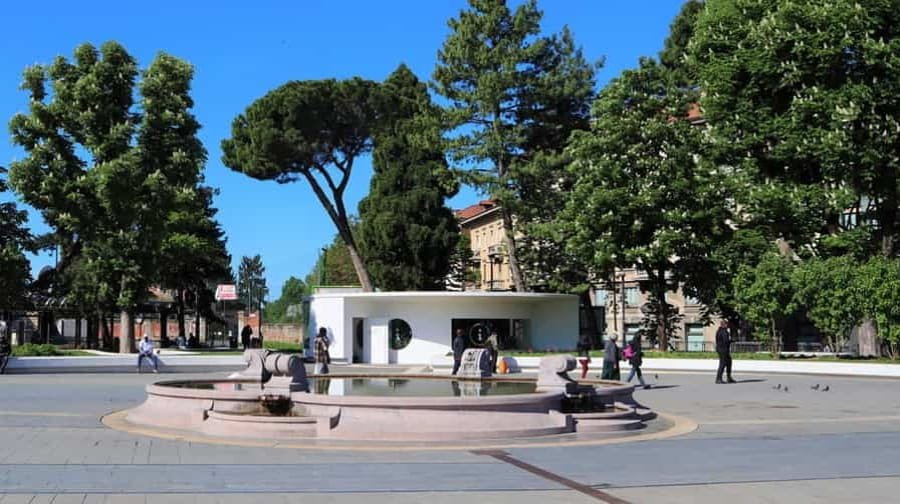
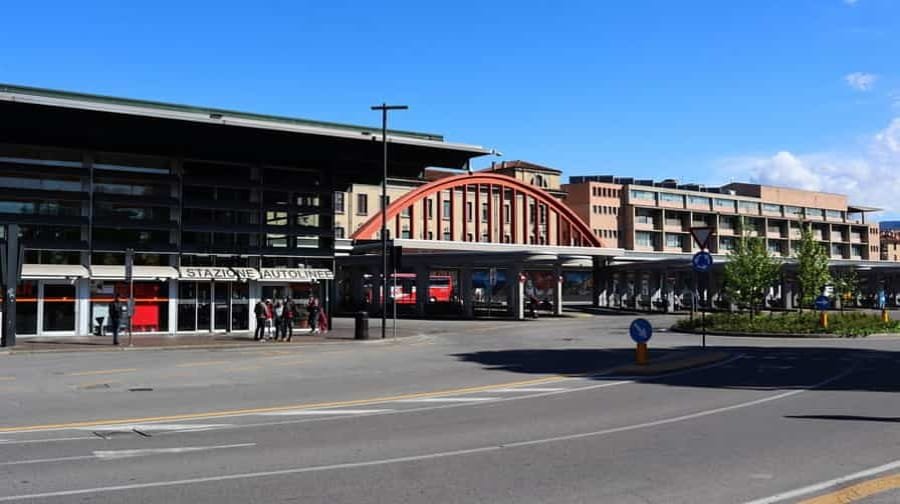
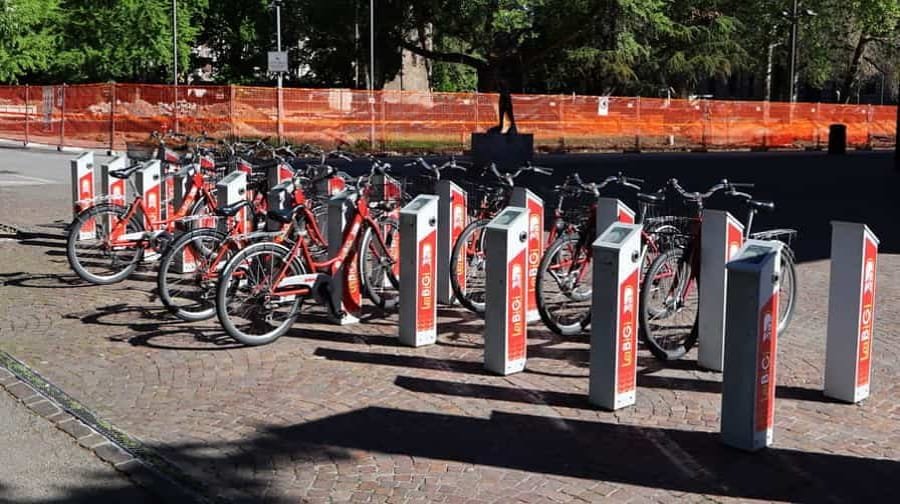
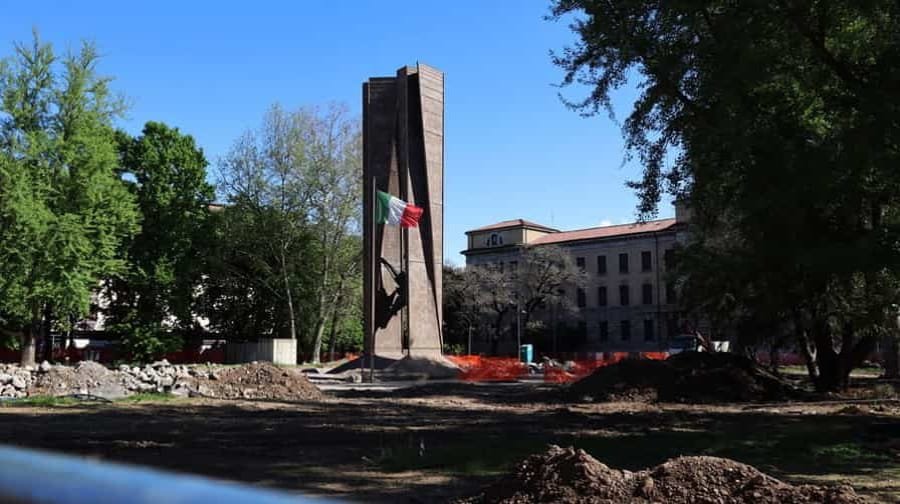
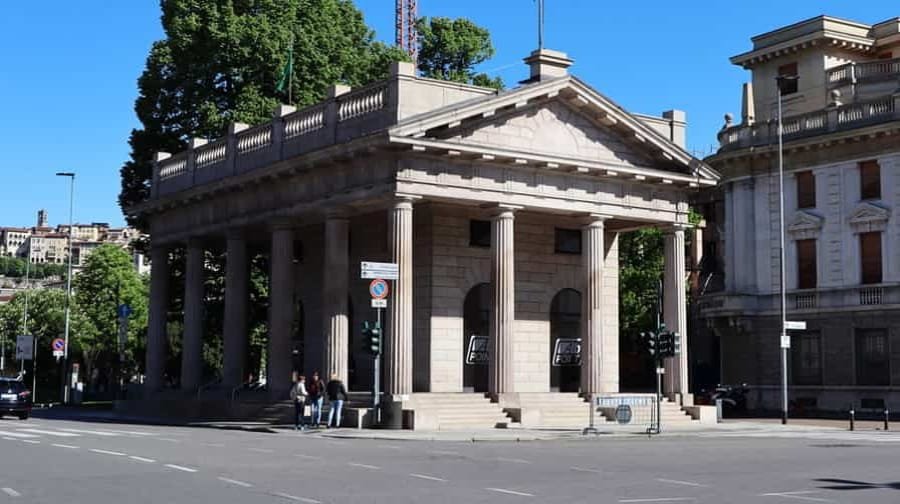
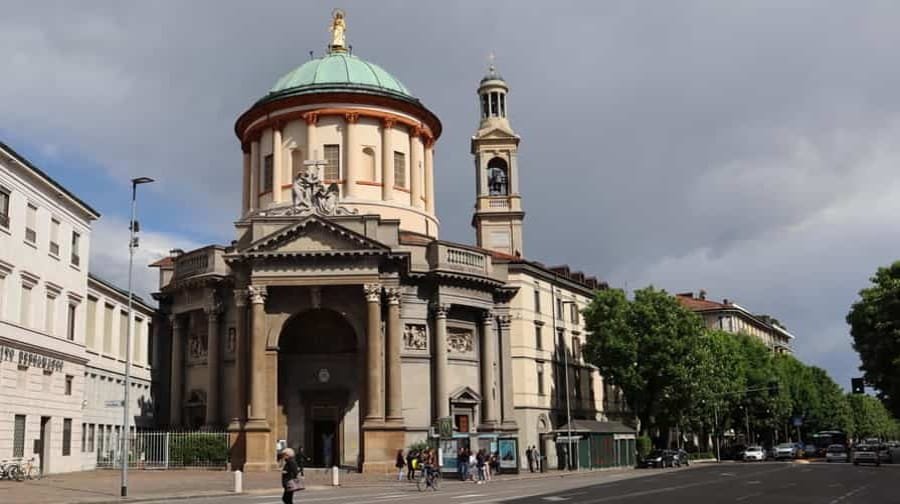
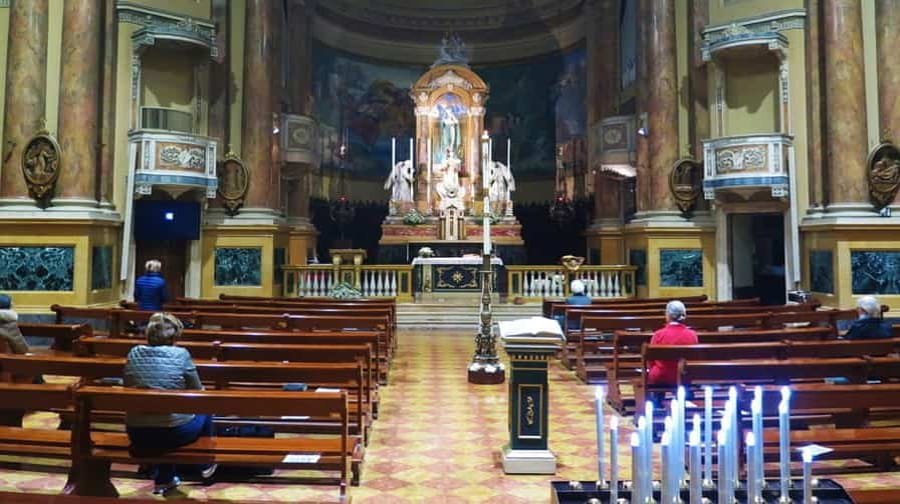
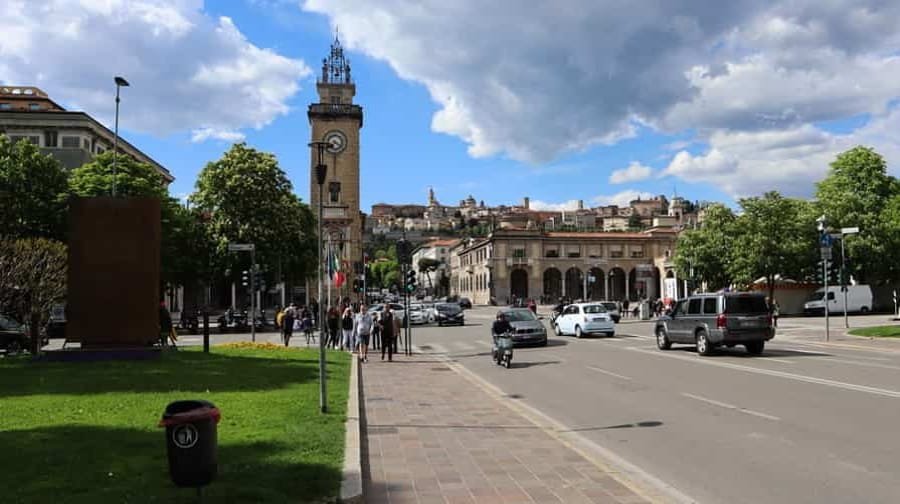
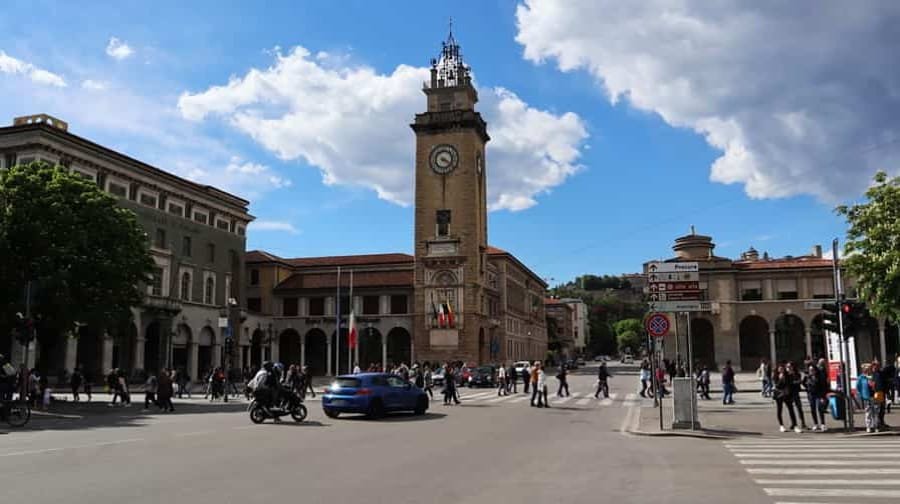
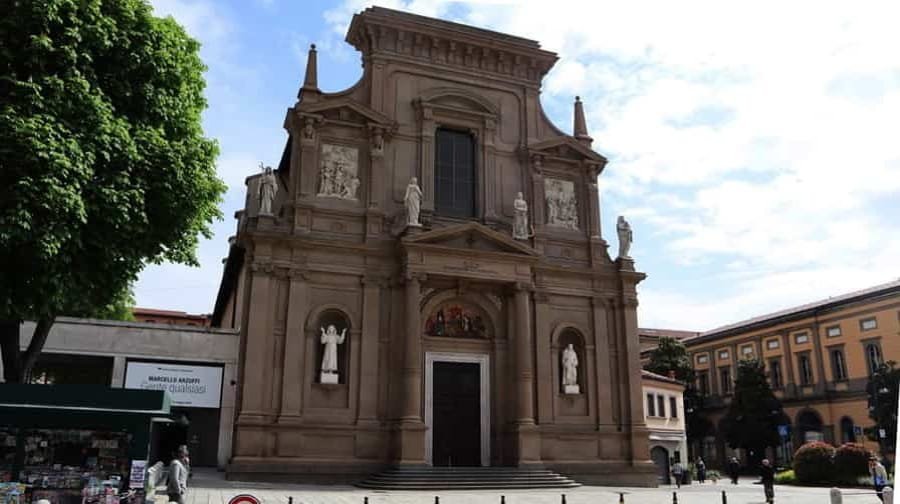
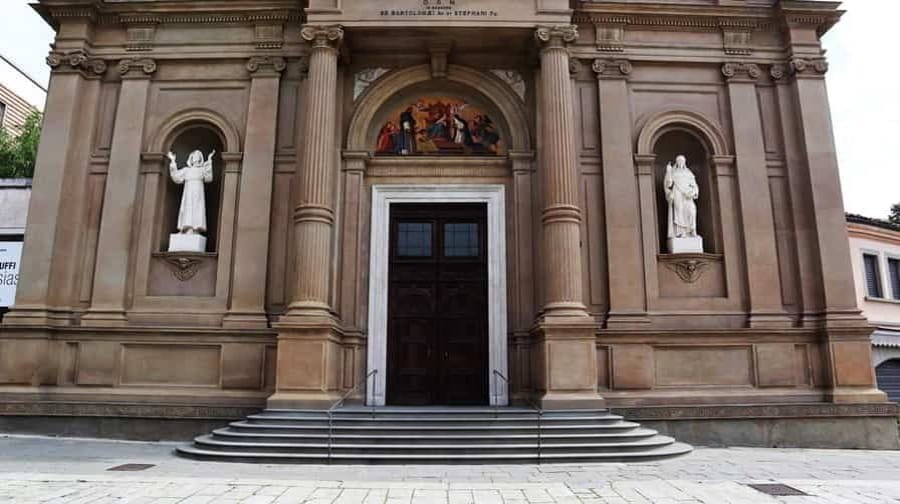
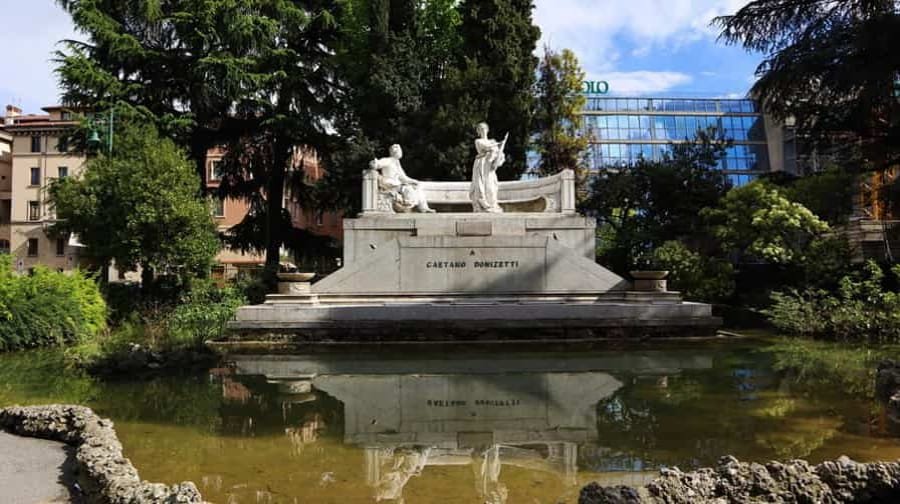
Photo Gallery of Walk 2 in Bergamo – Largo Bortolo Belotti to Viale Vittorio Emanuele II
Approximately 2.24 km – 1.39 miles
The walk starts in Largo Bortolo Belotti – Via Monte Grappa – Piazza Dante Alighieri – Piazza Giacomo Matteotti – Via XX Settembre – Chiesa di San Leonardo, Largo Nicolò Rezzara – Largo Nicolò Rezzara – Piazza Pontida – Via Sant’Alessandro – Basilica di Sant’Alessandro in Colonna, Via Sant’Alessandro – Via Giuseppe Garibaldi – Via Francesco Cucch – Via Vittore Tasca –Viale Roma – Via Zelasco Giovanni e Rodolfo – Via Antonio Locatelli – Piazzetta S. Marco – Piazza della Libertà – Via Francesco Petrarca – Viale Vittorio Emanuele II
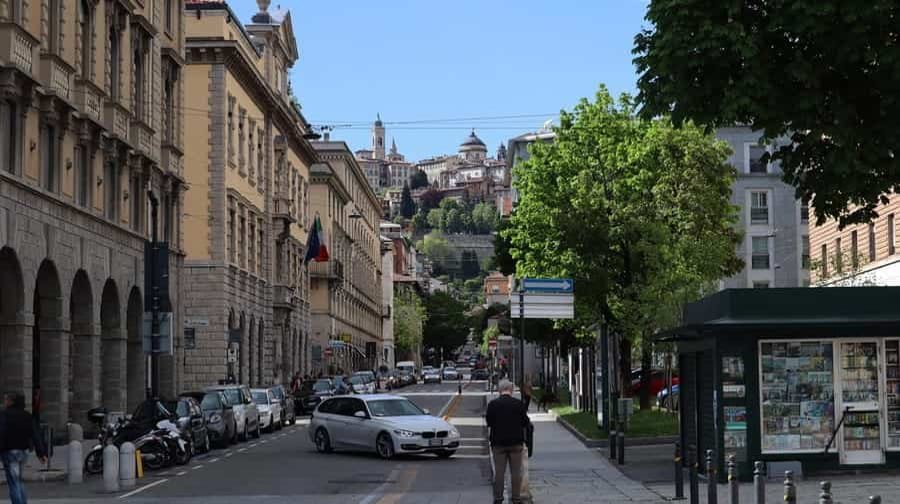
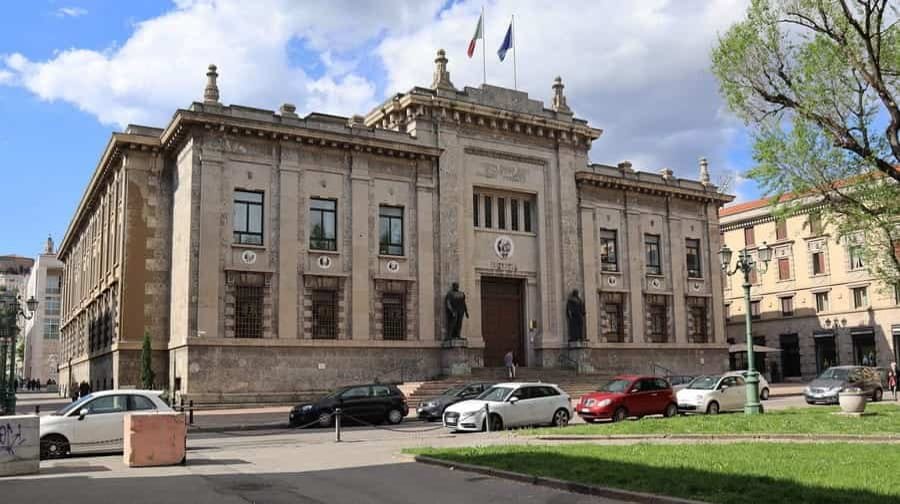
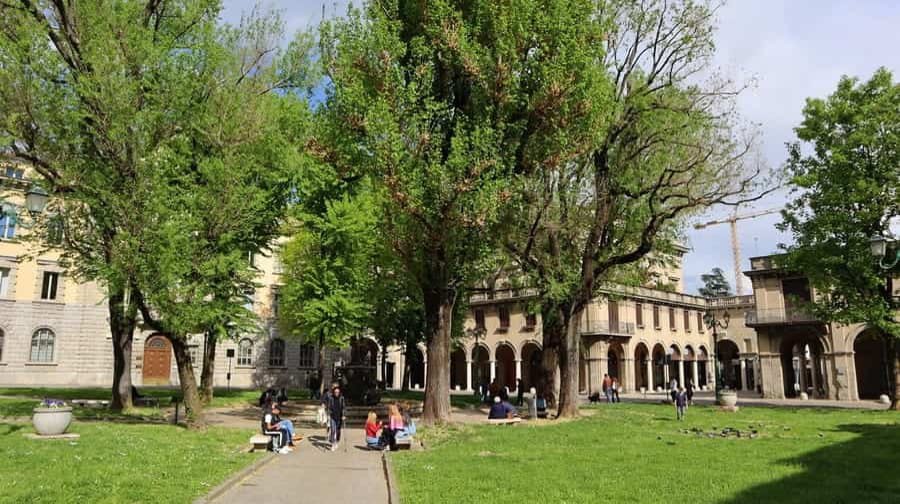
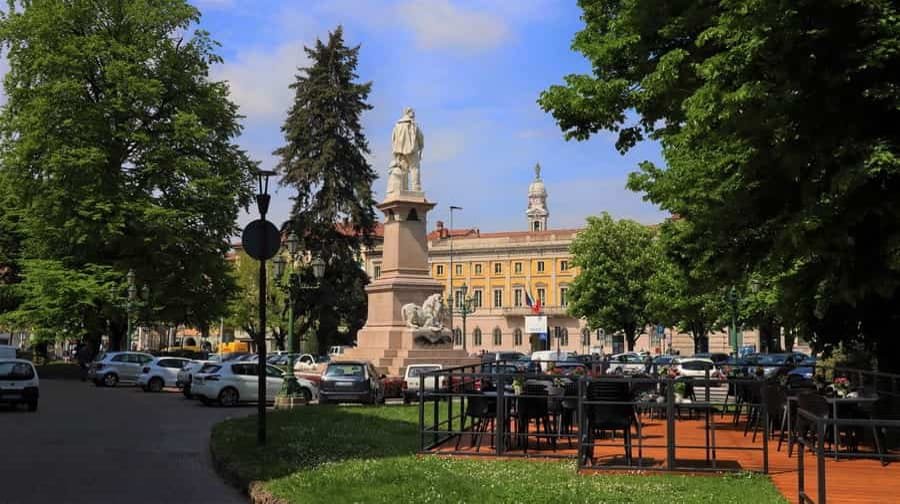
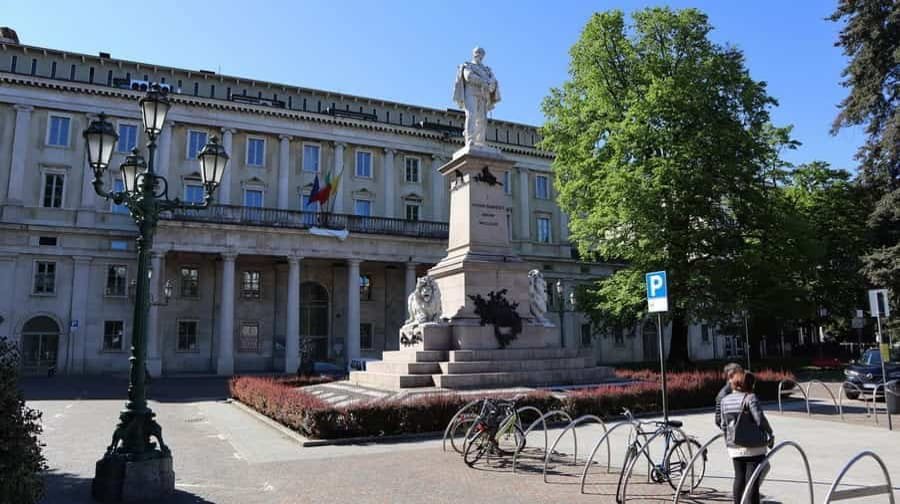
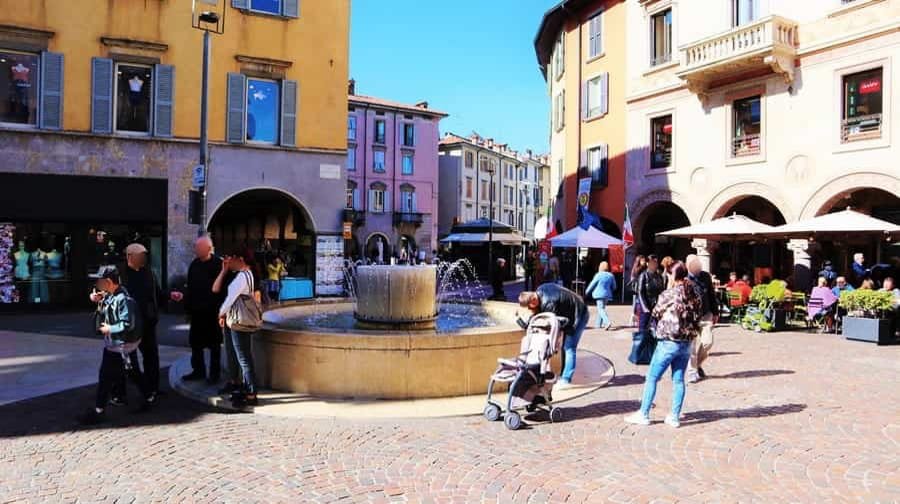
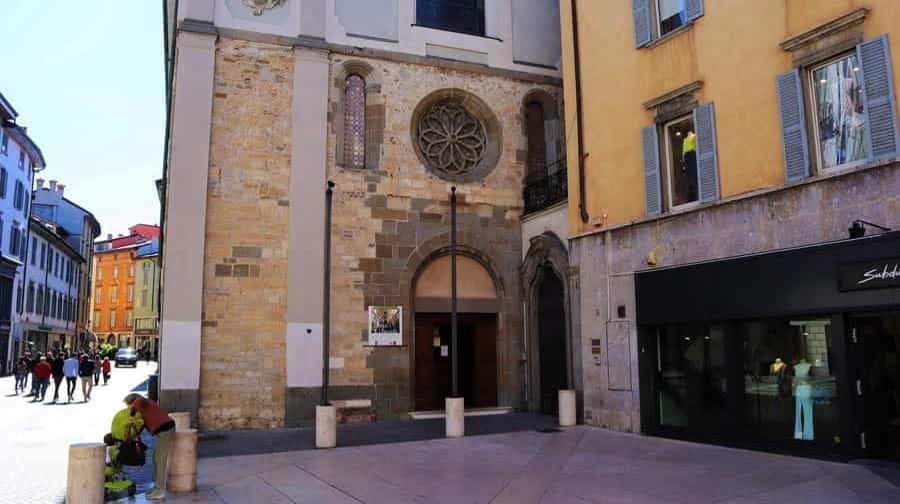
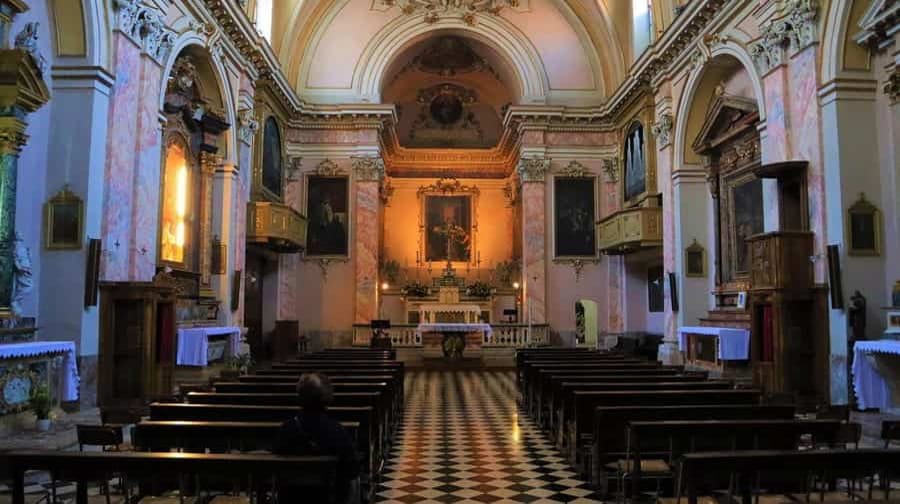
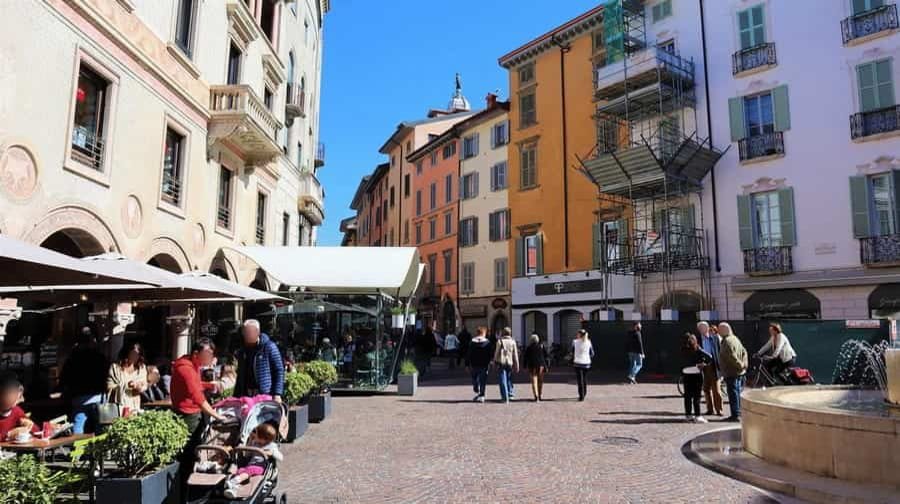
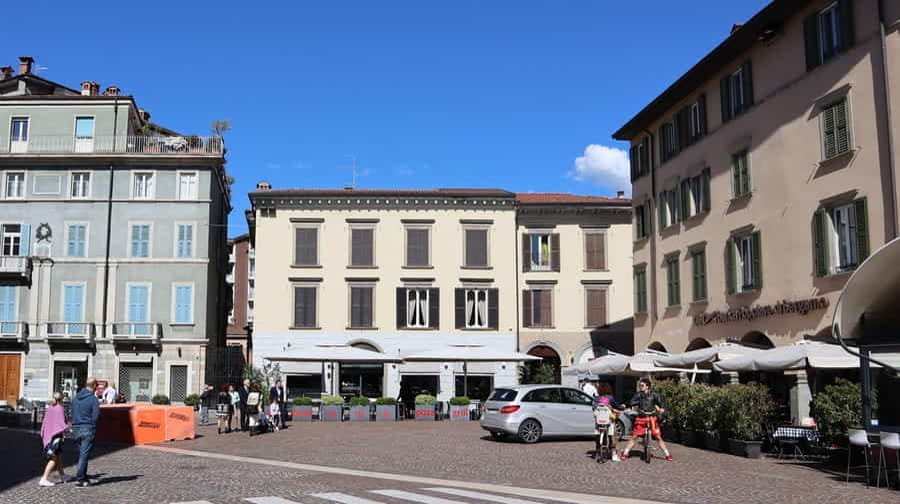
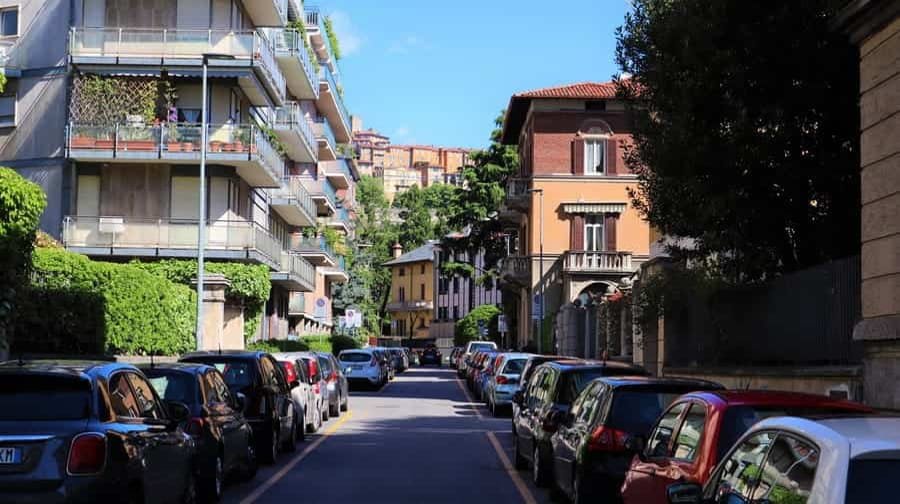
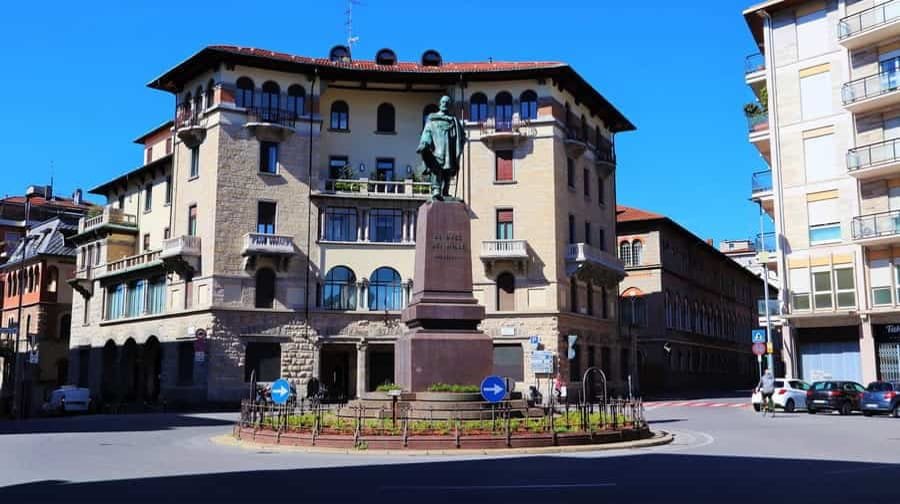
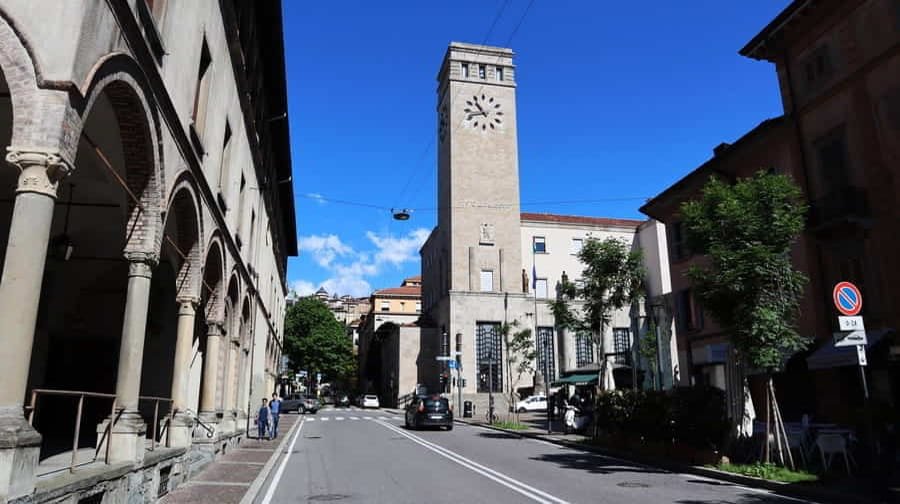
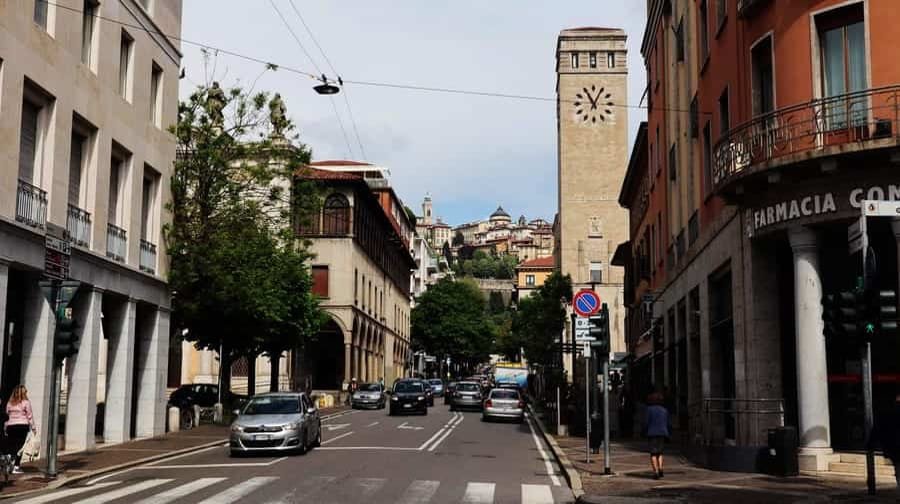
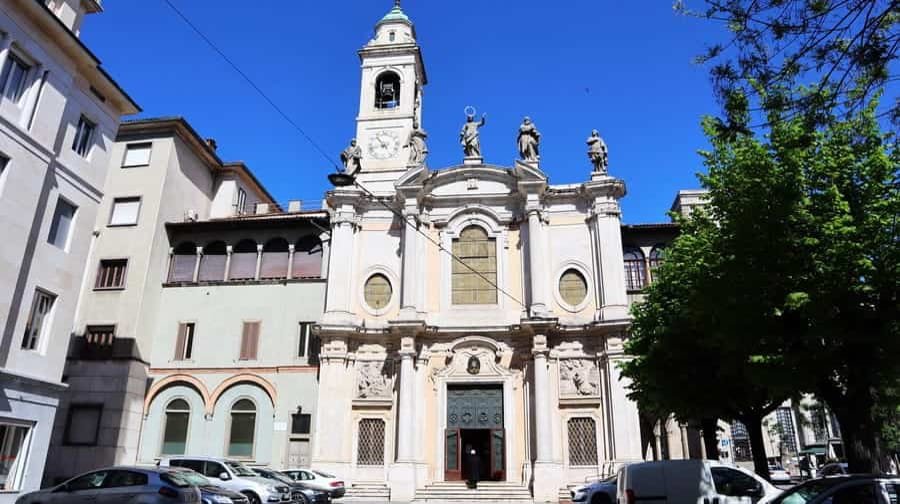
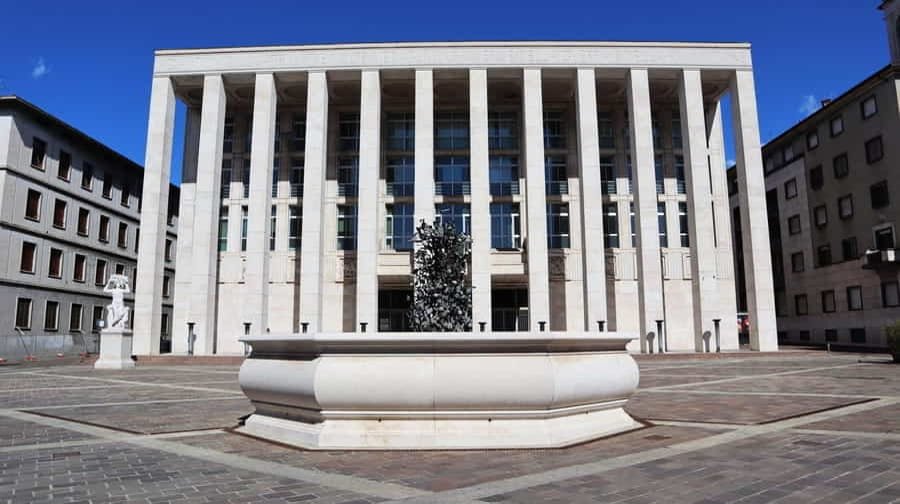
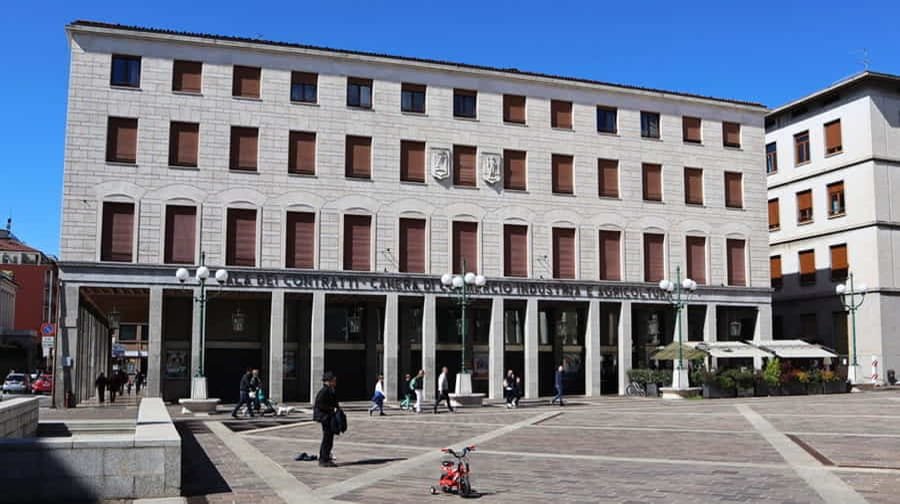
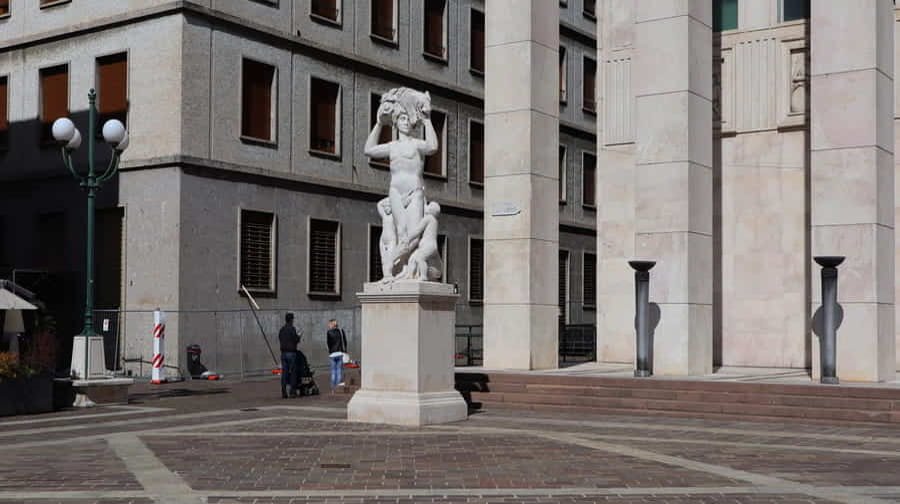
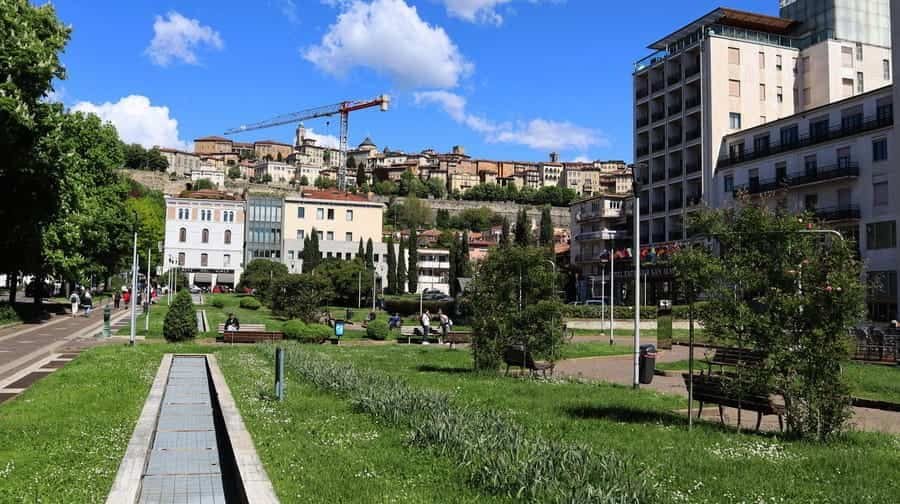
Photo Gallery of Walk 3 in Bergamo – Via Salita della Scaletta to Cattedrale di Bergamo, Piazza Duomo
Approximately 1.39 km – 0.86 miles
The walk starts in Via Salita della Scaletta – Via Sant’Alessandro – Porta San Giacomo – Viale delle Mura – Via S. Giacomo – Piazza Mercato delle Scarpe – Funicolare Città Bassa, Piazza Mercato delle Scarpe – Via Gombito – Fontana Del Gombito – Chiesa di San Pancrazio, Via S. Pancrazio – Via Gombito -Via Mario Lupo – Via Gombito – Piazza Vecchia – Piazza Duomo – Basilica of Santa Maria Maggiore – Cattedrale di Bergamo, Piazza Duomo
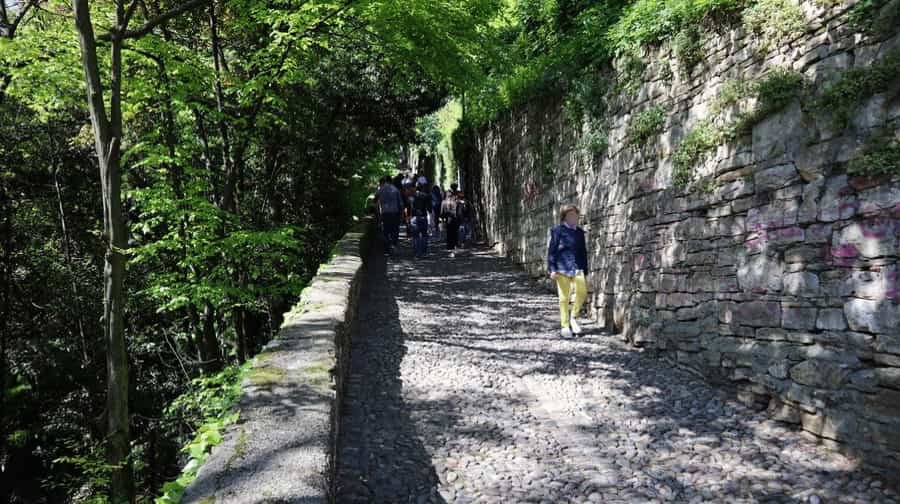
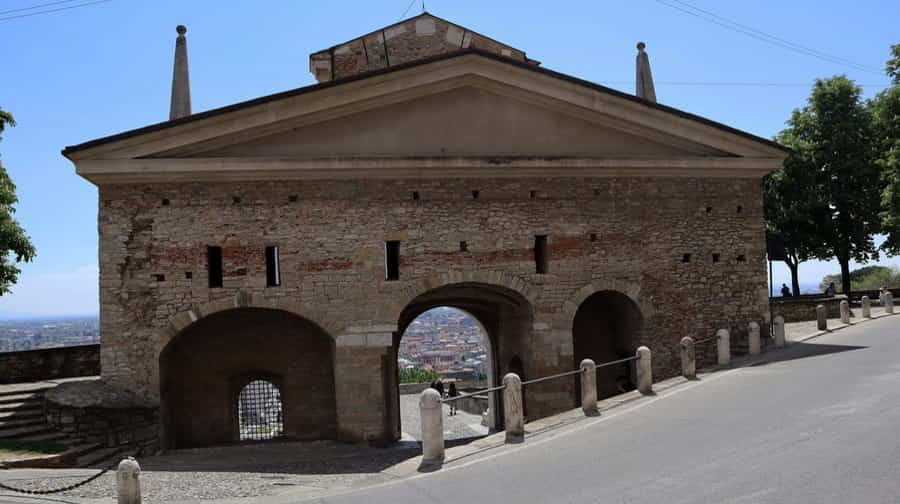
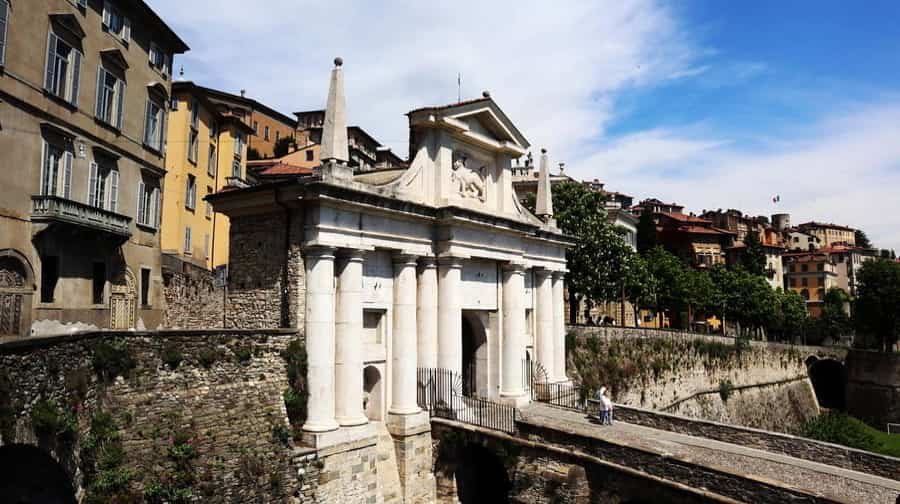
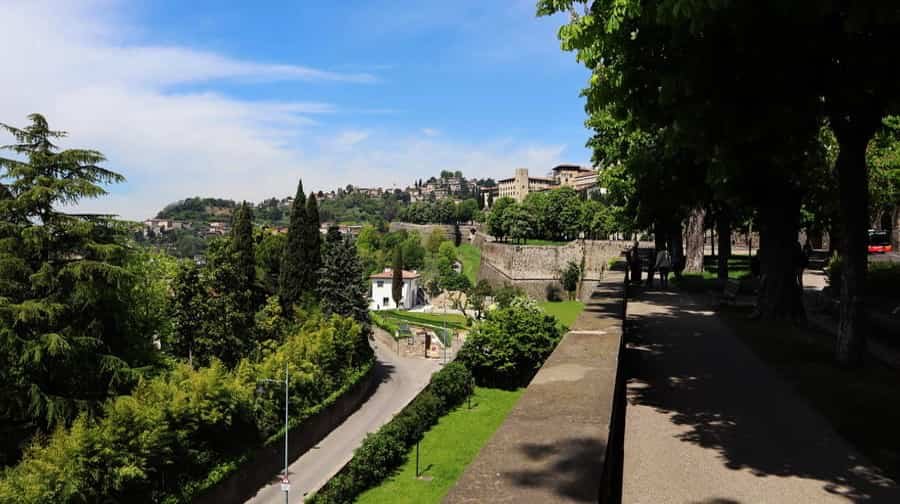
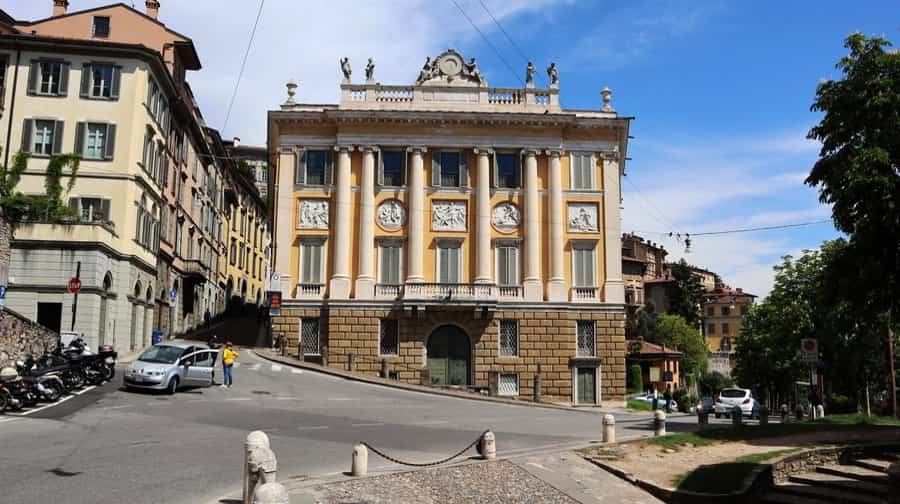
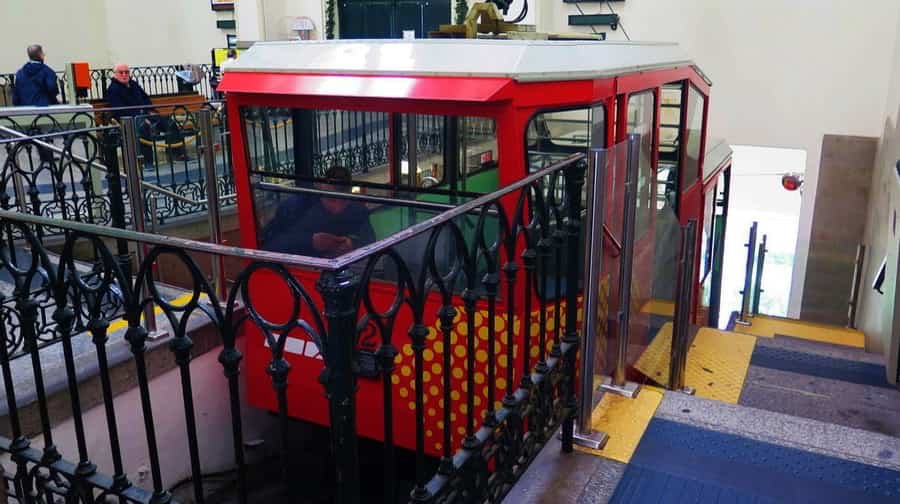
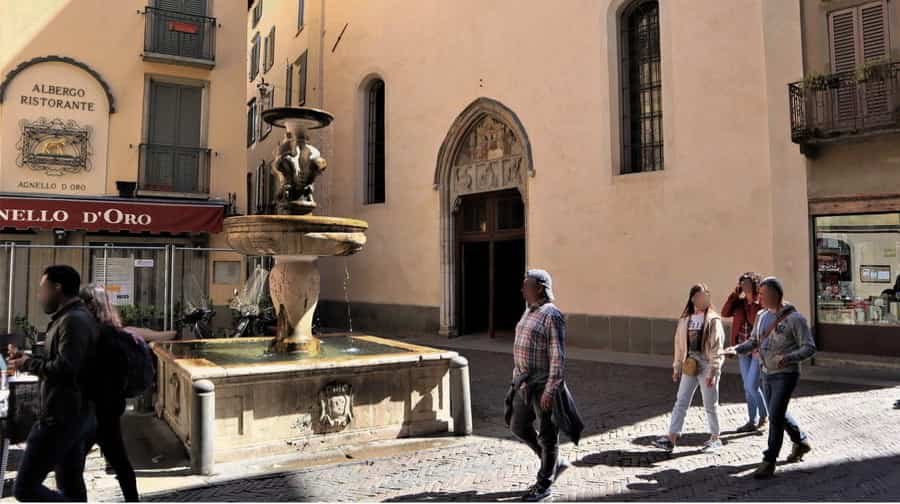
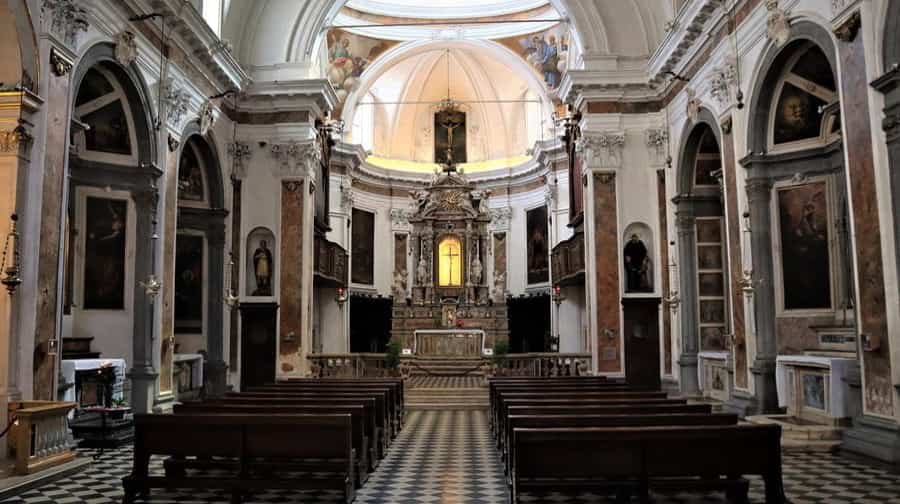
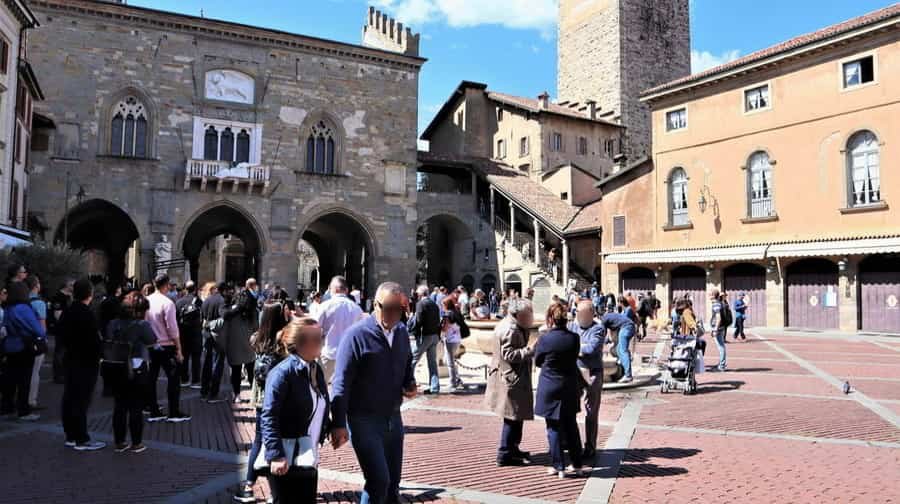
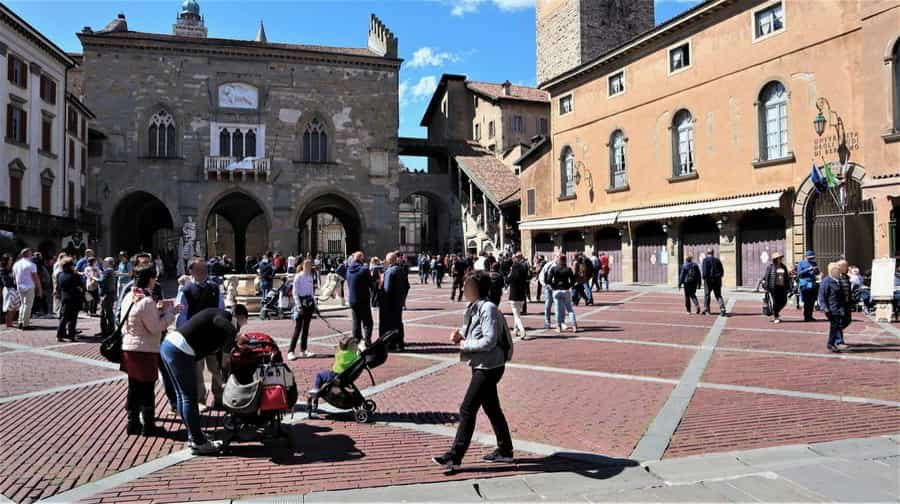
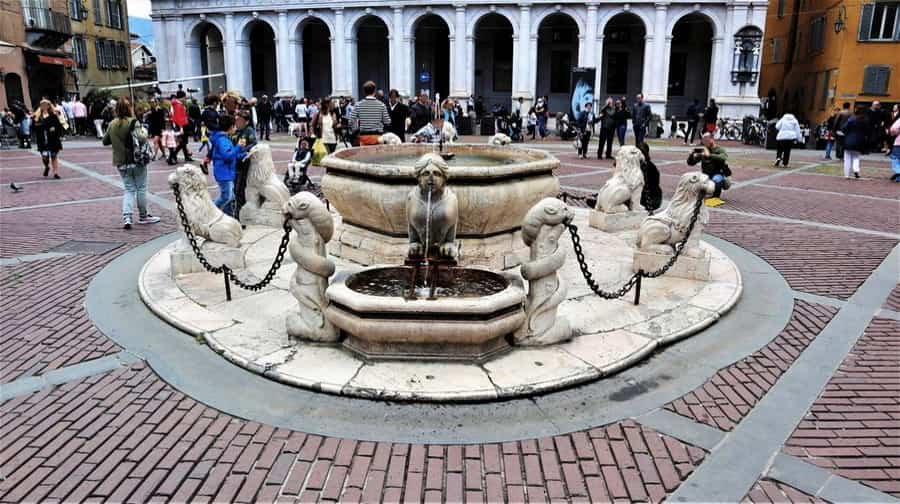
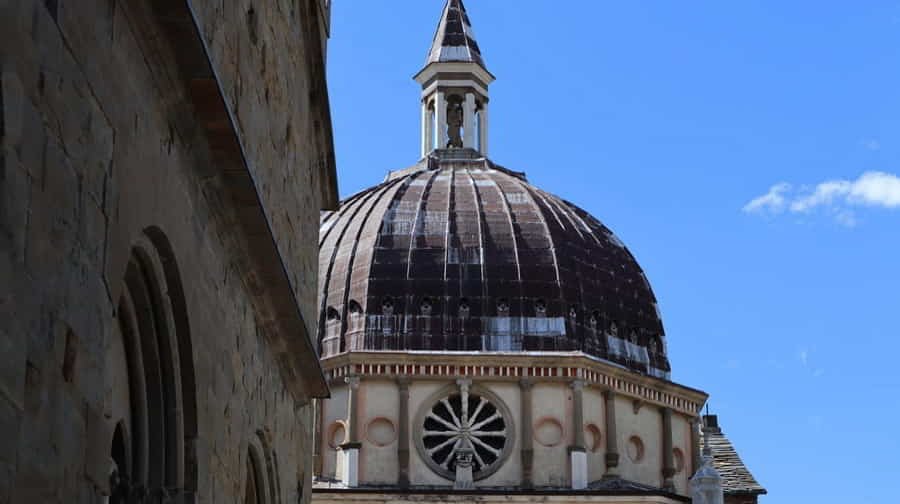
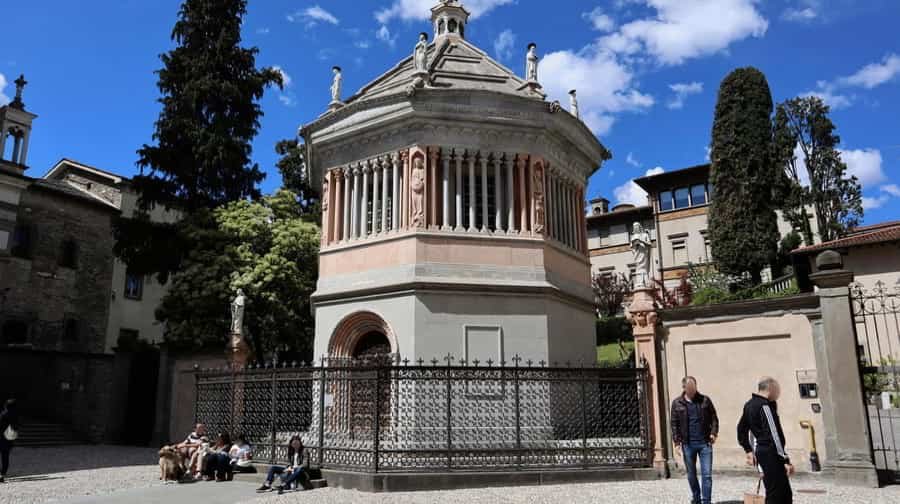
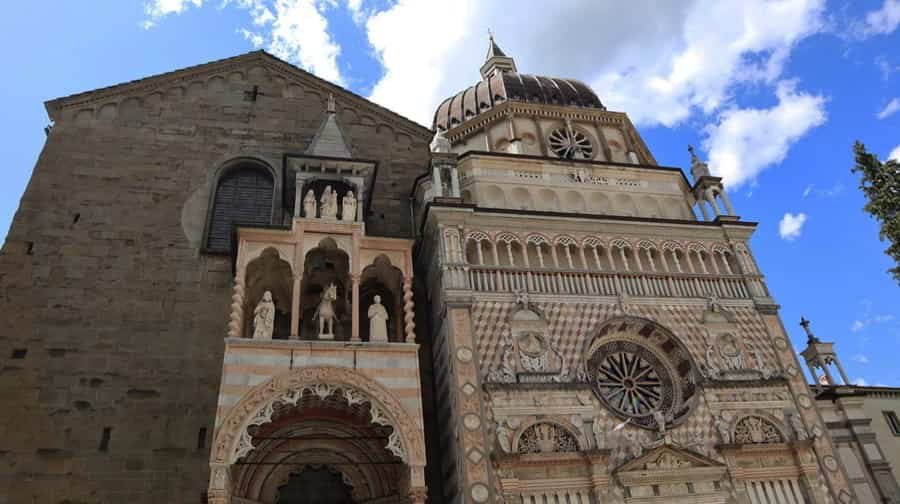
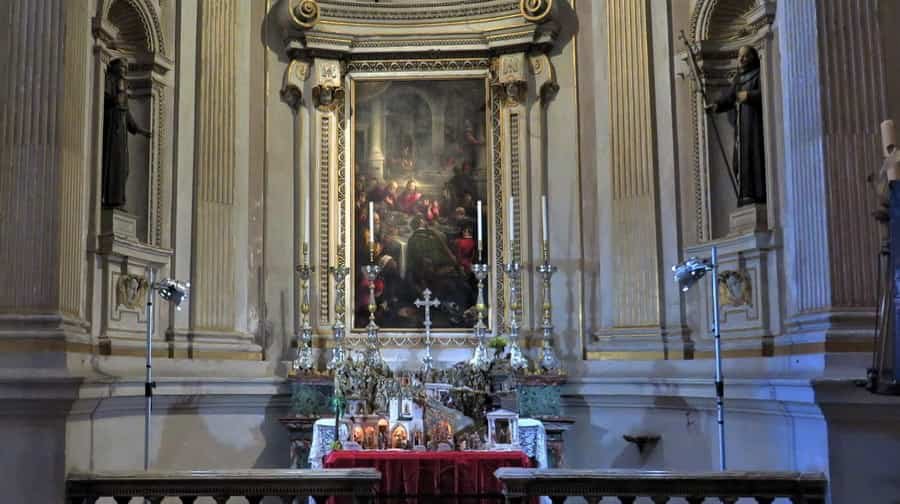
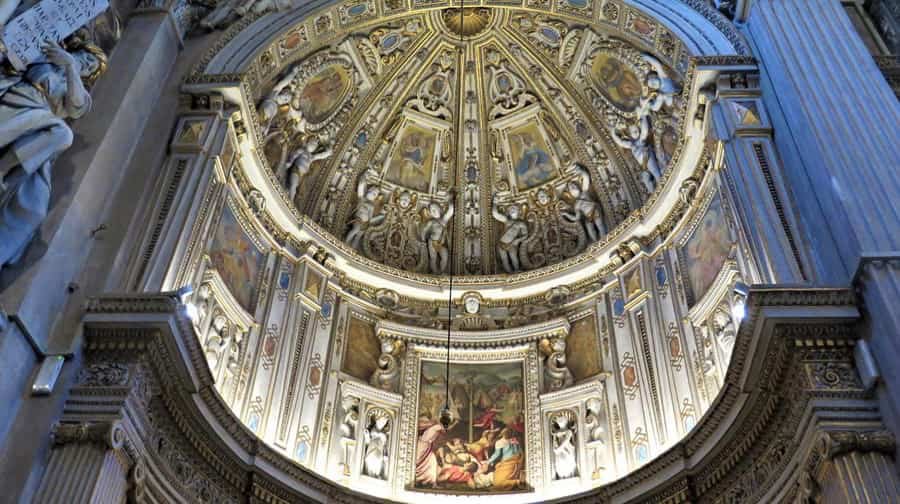
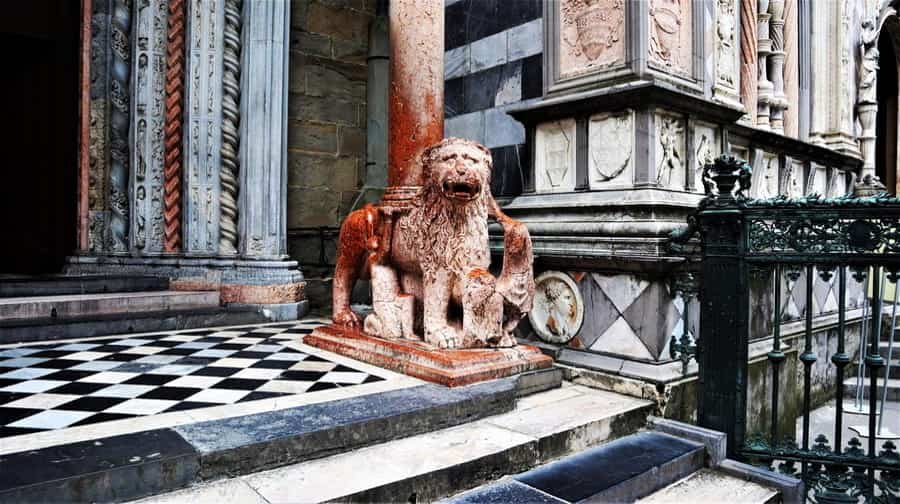
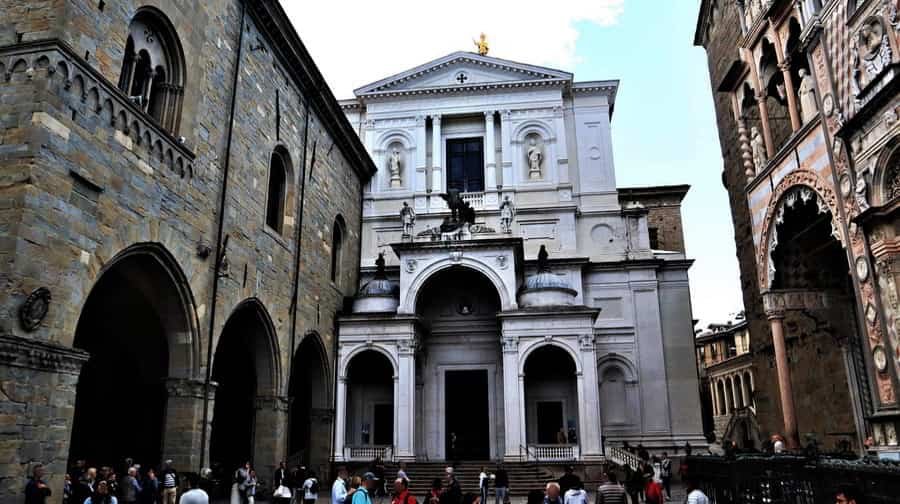
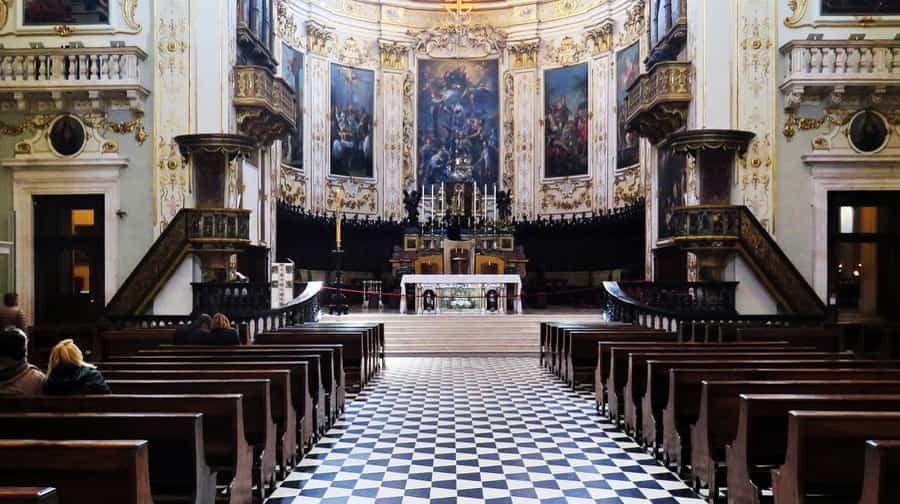
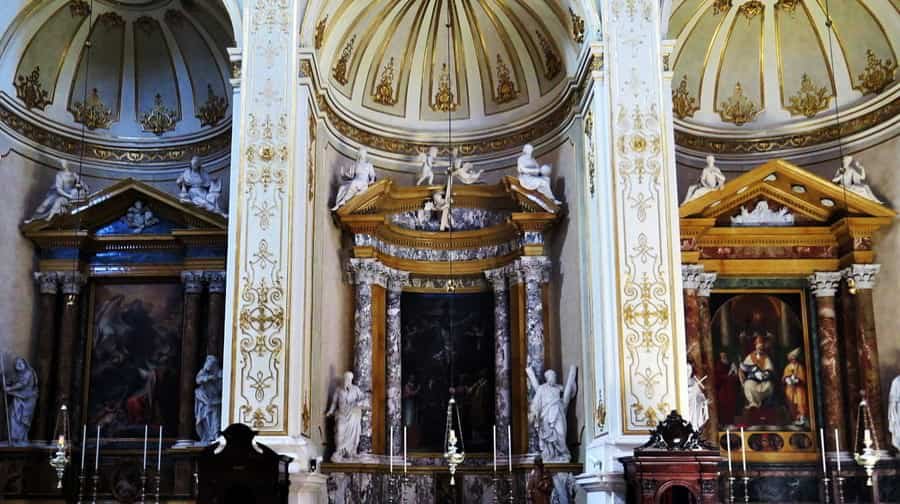
Photo Gallery of Walk 4 in Bergamo – Piazza Mascheroni Lorenzo to Castello di San Vigilio
Approximately 1.27 km – 0.80 miles
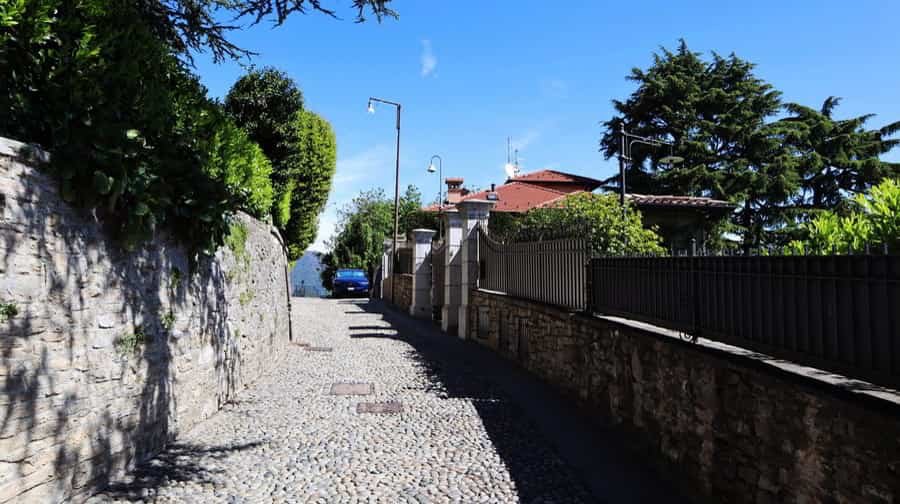
The walk starts in Piazza Mascheroni Lorenzo – Piazza della Cittadella – Via Costantino Beltrami – Largo di Porta S. Alessandro – Via Sudorno – Via S. Vigilio – Via al Castello – Castello di San Vigilio, Colle San Vigilio, Via al Castello
COPYRIGHT © 2018-2026 ITALY IN PHOTOS – ALL RIGHTS RESERVED