
HOME
REGIONS OF ITALY
PLACES IN ITALY
TRAVEL GUIDES
Italy in Photos
Largo Salvo D’Acquisto, 01023 Bolsena, Italy (September 2019)
Bolsena
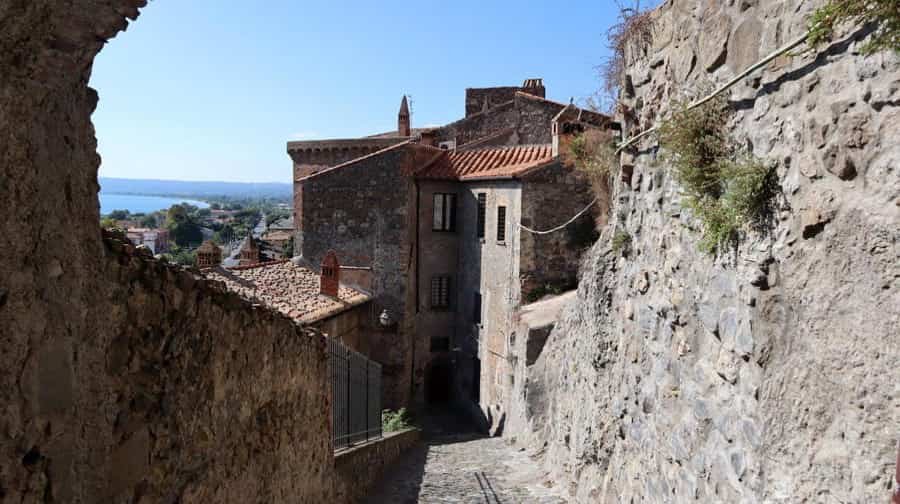
Bolsena is a picturesque town in central Italy, set along the northern shore of Lake Bolsena in the Lazio region. Known for its serene landscapes, deep historical roots, and spiritual significance, Bolsena offers visitors a harmonious blend of natural beauty and cultural heritage. Surrounded by rolling hills, volcanic terrain, and crystal-clear waters, the town provides a peaceful atmosphere that contrasts with the busier destinations of Italy, making it an ideal place for relaxation and reflection.
The history of Bolsena stretches back to ancient times. It was built near the site of Volsinii, one of the most important cities of the Etruscan civilization. Though the original Etruscan settlement was destroyed by the Romans, its influence remains an integral part of the area’s identity. Over the centuries, Bolsena developed into a medieval town of strategic importance, shaped by its lakeside location and fortified position. Today, remnants of this past can be seen throughout the town in its architecture and layout.
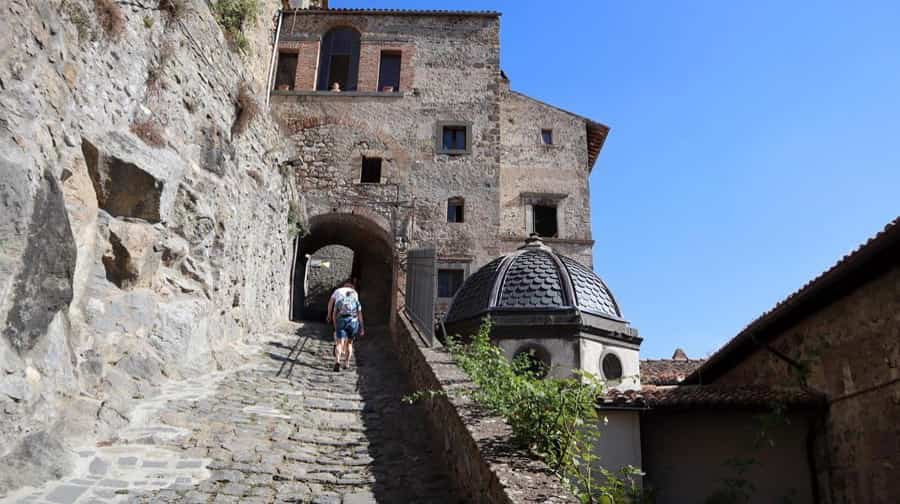
Dominating the skyline is the Rocca Monaldeschi della Cervara, a medieval fortress that overlooks both the town and the lake. This imposing structure once served as a defensive stronghold and noble residence and now houses a museum dedicated to the history of the region. From its towers, visitors can enjoy sweeping views of Lake Bolsena and the surrounding countryside, offering a powerful sense of the town’s historical and geographical significance.
Bolsena is also renowned for its religious importance, particularly as the site of the Eucharistic Miracle of 1263. According to tradition, a priest celebrating Mass experienced a miracle that reinforced belief in the doctrine of transubstantiation. This event led to the establishment of the Feast of Corpus Christi and has made Bolsena an important pilgrimage destination. The Basilica of Santa Cristina, built over the saint’s catacombs, stands as a testament to this spiritual legacy and remains a focal point for visitors and worshippers alike.
The natural beauty of Lake Bolsena plays a central role in the town’s character. Formed in the crater of an ancient volcano, the lake is the largest volcanic lake in Europe and is known for its clean, calm waters. Its shores are ideal for swimming, boating, and leisurely walks, while the surrounding countryside invites exploration by foot or bicycle. The lake also supports a local fishing tradition, which influences the cuisine and daily life of the town.
Food in Bolsena reflects the simplicity and richness of its environment. Freshwater fish, local olive oil, seasonal vegetables, and regional wines feature prominently in traditional dishes. Meals are often enjoyed at a relaxed pace, with lakeside views enhancing the sense of connection to nature. Local hospitality emphasizes warmth and authenticity, inviting visitors to feel part of the town rather than merely passing through.
Bolsena is a place where history, faith, and landscape come together in quiet harmony. Its gentle pace of life, scenic setting, and cultural depth make it a destination that encourages slow exploration and thoughtful appreciation. For those seeking an authentic Italian experience rooted in both nature and tradition, Bolsena offers an enduring and memorable introduction.
Worth a Visit
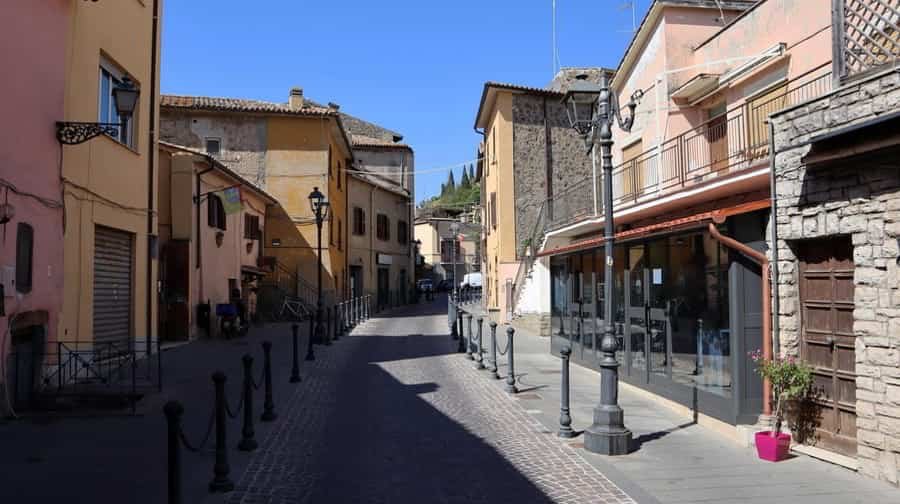
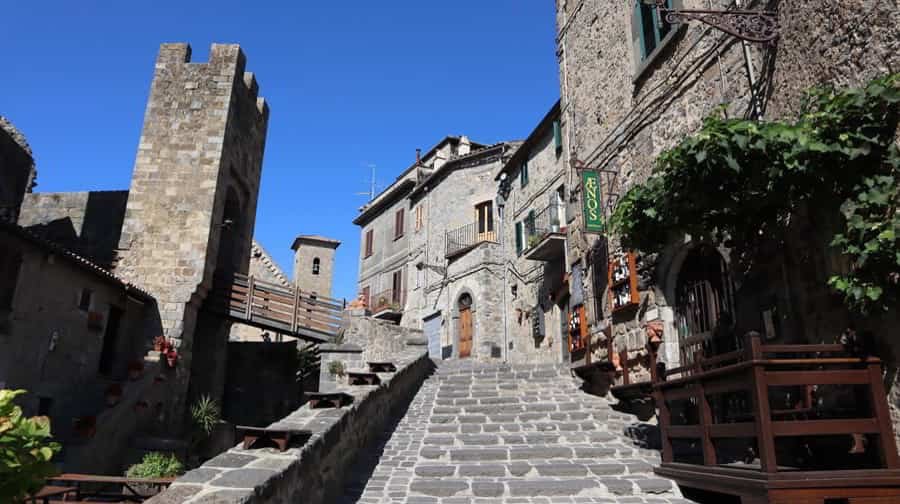
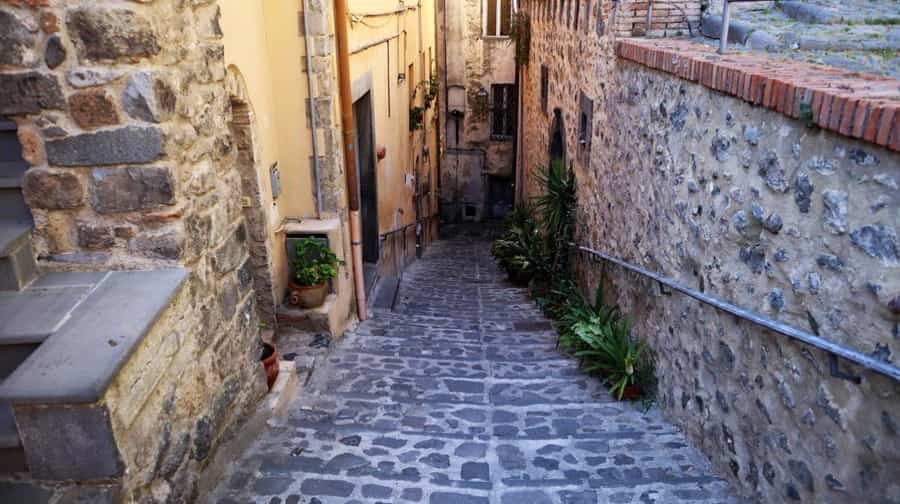
Via Porta Romana in Bolsena is one of the town’s most historically significant streets, offering a glimpse into the medieval soul of this charming lakeside community in central Italy. Situated within the region of Lazio, Bolsena is known for its deep Etruscan and Roman roots, as well as for its scenic setting along the shores of Lake Bolsena. Via Porta Romana serves as a symbolic and physical link between the ancient past and the present, as it leads directly from one of the original gateways, Porta Romana, into the historic centre of the town. As the name suggests, Via Porta Romana once marked the entrance into Bolsena for travellers coming from the south, particularly from Rome.
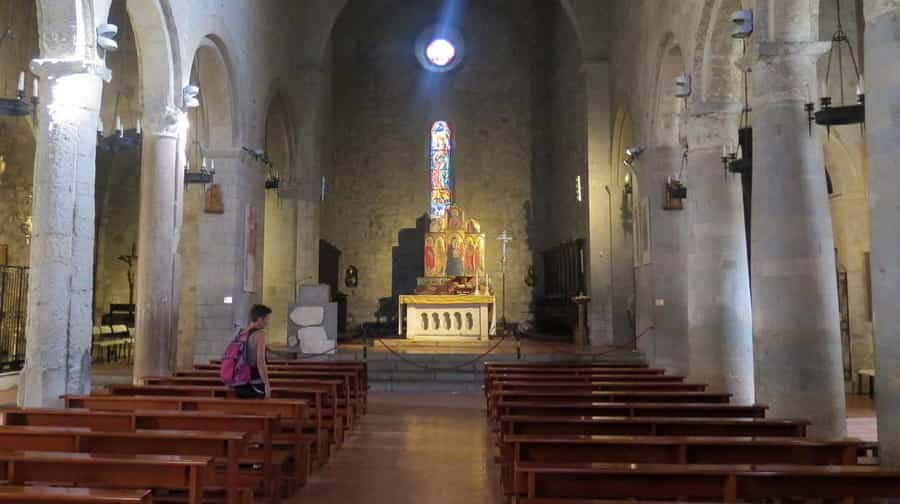
The Collegiata di Santa Cristina in Bolsena is a remarkable religious complex that stands as a testament to centuries of devotion, artistry, and architectural evolution in the heart of central Italy. Located in the picturesque lakeside town of Bolsena, in the province of Viterbo, the church is dedicated to Saint Christina, a young martyr whose legend has been central to the town’s spiritual and cultural identity since the early Christian era. The site is not only revered for its connection to the saint but also for its association with the Miracle of Bolsena, an event that played a crucial role in the institution of the Catholic Feast of Corpus Christi. The Collegiata, with its origins tracing back to the 11th century, is built over the catacombs believed to house the tomb of Saint Christina, a Roman girl martyred during the reign of Emperor Diocletian.

Piazza Matteotti is the vibrant heart of Bolsena, a charming lakeside town in the Lazio region of central Italy. Located just a short walk from the shores of Lake Bolsena, this lively square serves as the main gathering place for locals and visitors alike. It is the social, cultural, and commercial centre of the town, where history and modern life come together in a uniquely Italian atmosphere. Framed by a mix of medieval buildings, Renaissance facades, and bustling cafes, Piazza Matteotti captures the essence of Bolsena’s enduring appeal: a place where the past is never far from the present. Named after Giacomo Matteotti, the Italian politician and anti-fascist martyr, the piazza has played a central role in the town’s civic life for centuries.

The Chiesa di San Salvatore in Bolsena is a hidden gem of religious and historical significance, offering a quiet yet profound glimpse into the town’s ancient Christian roots. Located in the upper part of Bolsena near the medieval Rocca Monaldeschi, this church is one of the oldest in the area and stands as a powerful symbol of continuity between the early Christian era and the medieval development of the town. Though often overshadowed by the more famous Collegiata di Santa Cristina, San Salvatore is no less important in the religious and architectural landscape of Bolsena. The origins of the church date back to the early Middle Ages, possibly as early as the 8th or 9th century, built on or near the site of earlier Roman structures.
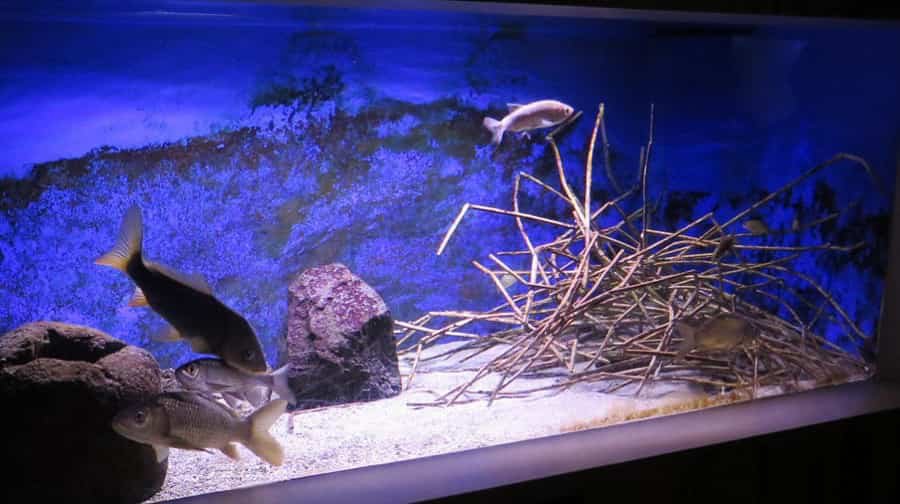
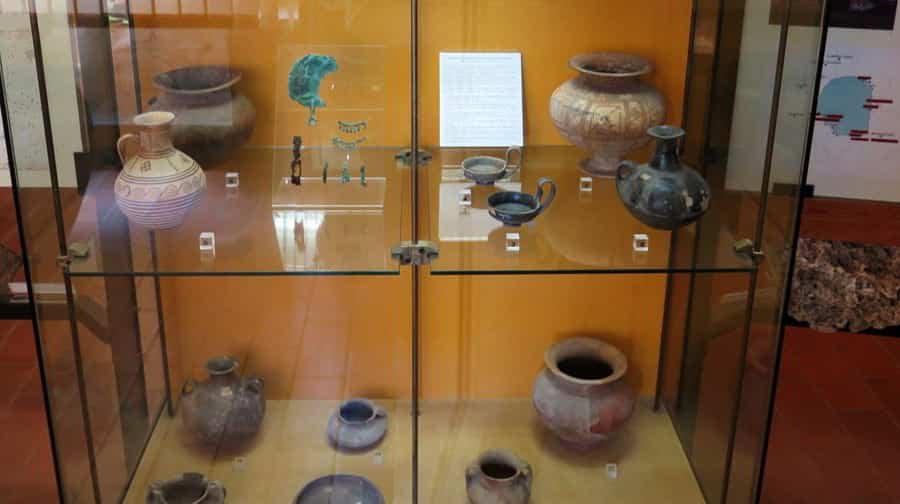
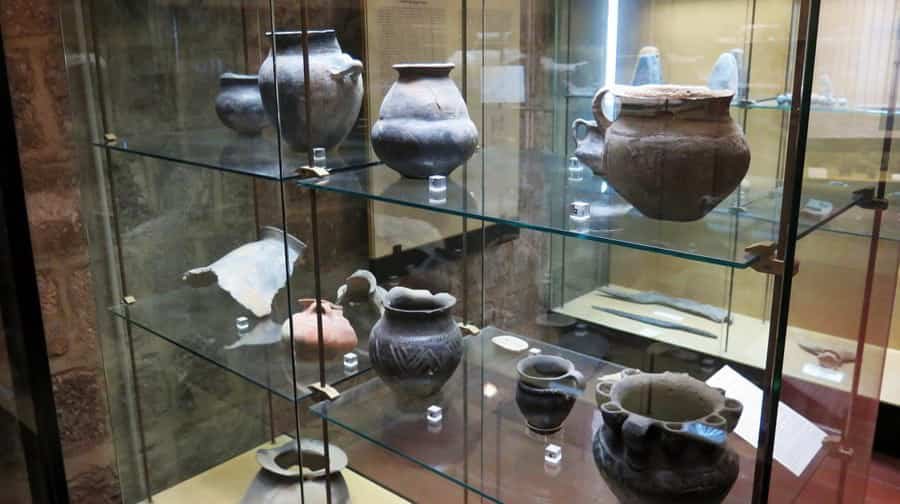
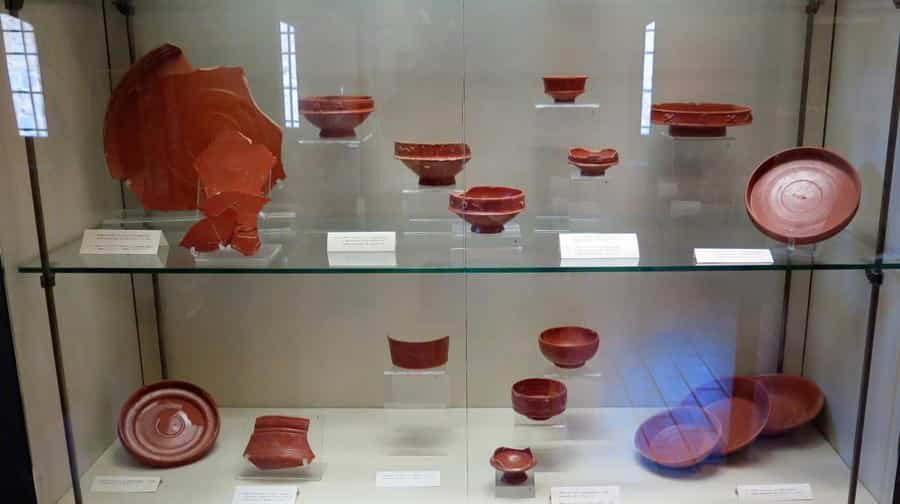
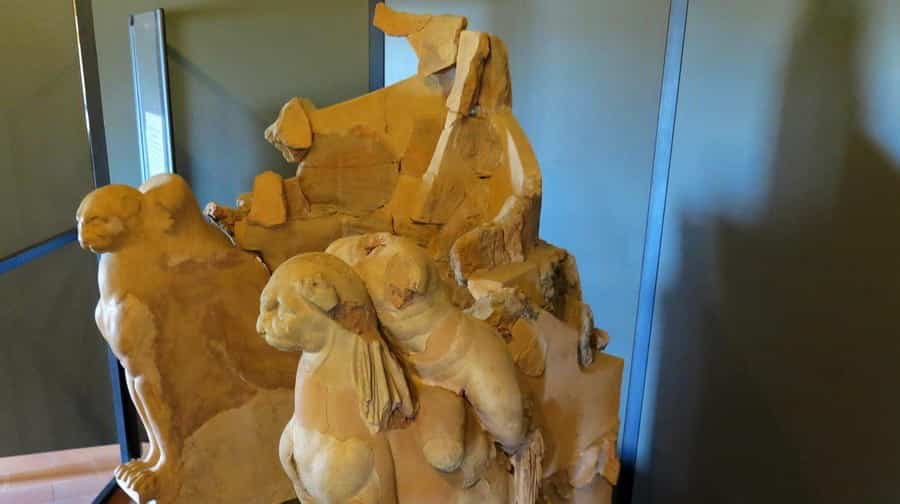
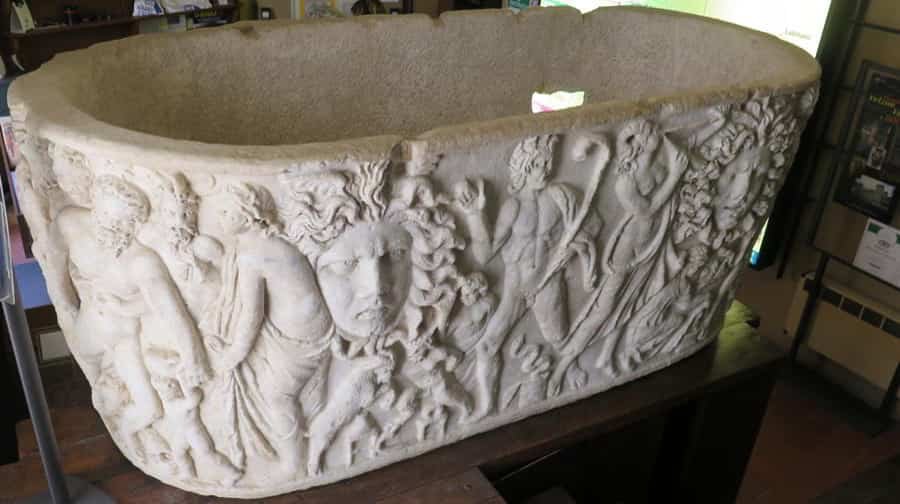
The Museo Territoriale del Lago di Bolsena is a cultural and historical treasure nestled within the walls of the Rocca Monaldeschi della Cervara, the medieval fortress that overlooks the town of Bolsena and its stunning volcanic lake. Established in the 20th century and expanded over the years, the museum offers a comprehensive exploration of the natural, archaeological, and historical heritage of the Lake Bolsena area. Through its diverse collections and thoughtfully curated exhibits, it serves as a gateway to understanding the rich layers of human and environmental history that have shaped this unique region of central Italy. Occupying several levels of the restored fortress, the museum is divided into thematic sections that guide visitors through a chronological and geographical journey.
Photo Gallery of Walk 1 – Largo Salvo D’Acquisto to Porto di Bolsena, Viale Armando Diaz
Approximately 1.31 km – 0.81 miles
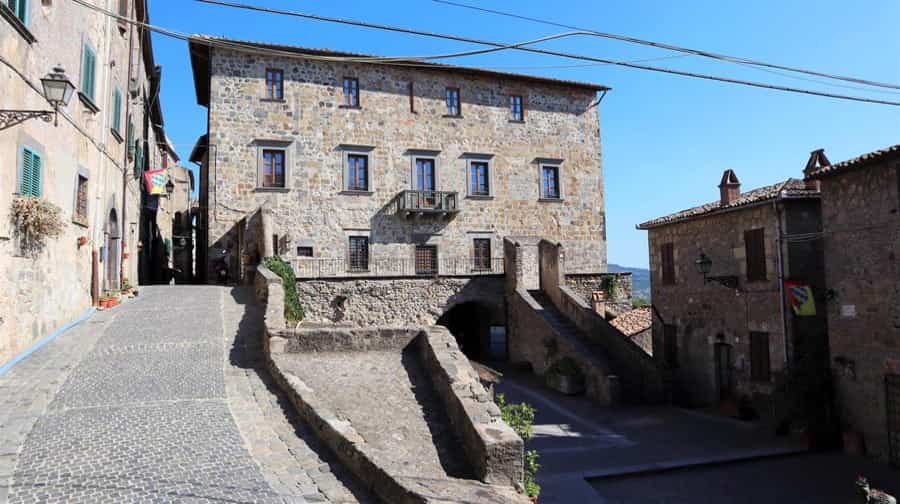
The walk starts in Largo Salvo D’Acquisto – Via Acqua della Croce – Via IV Novembre – Via Porta Romana – Piazza Santa Cristina – Collegiata di Santa Cristina, Via Giuseppe Mazzini – Corso della Repubblica – Piazza Matteotti – Via Roma – Viale Nord Colesanti – Piazzale Dante Alighieri – Viale Armando Diaz – Porto di Bolsena, Viale Armando Diaz
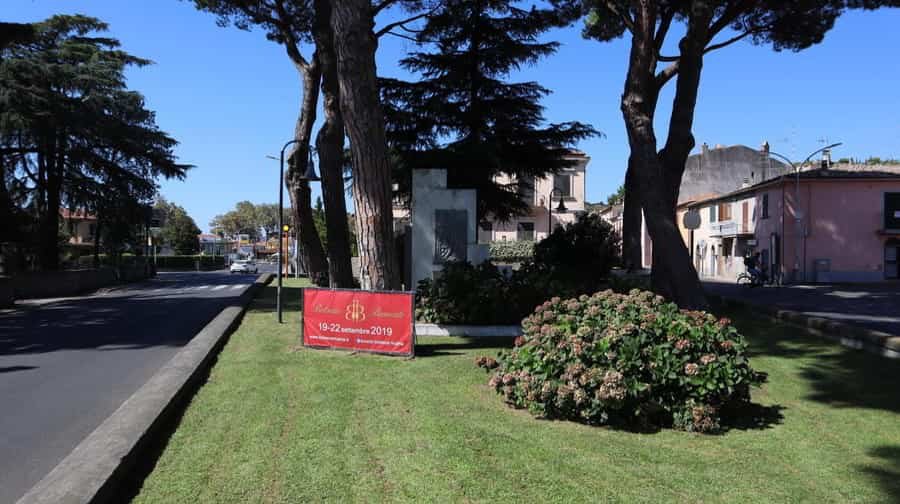
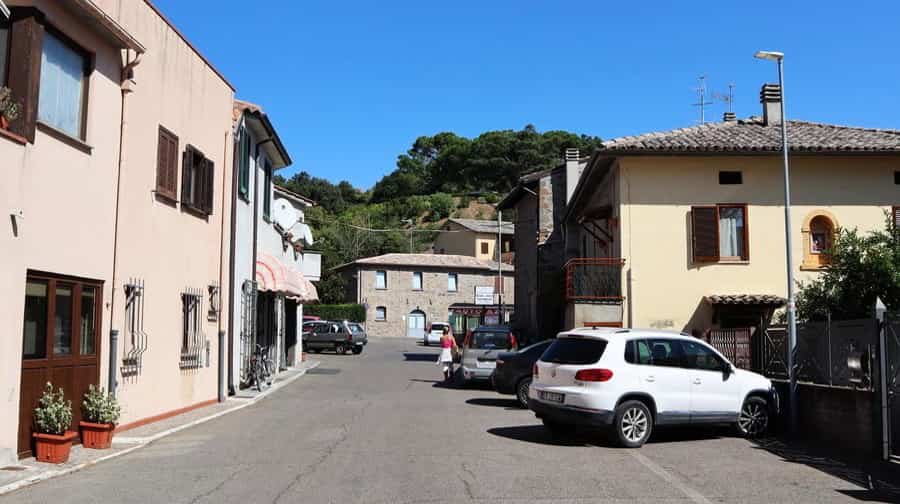


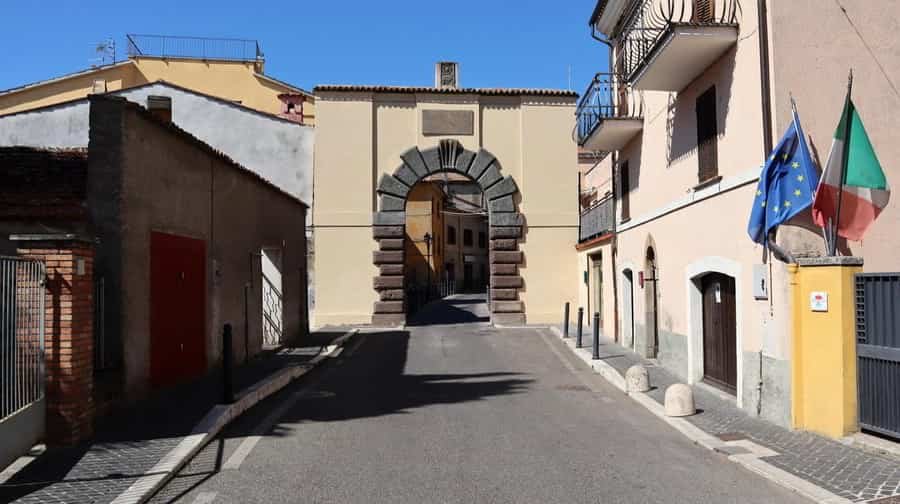
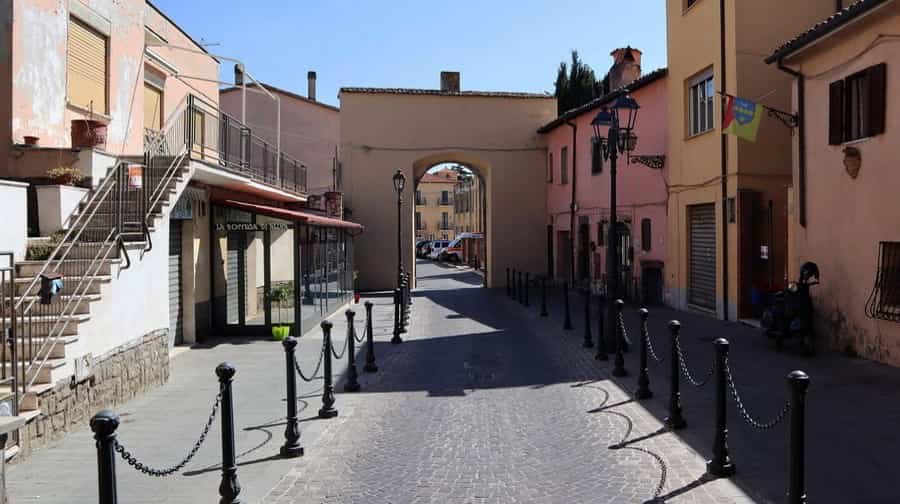
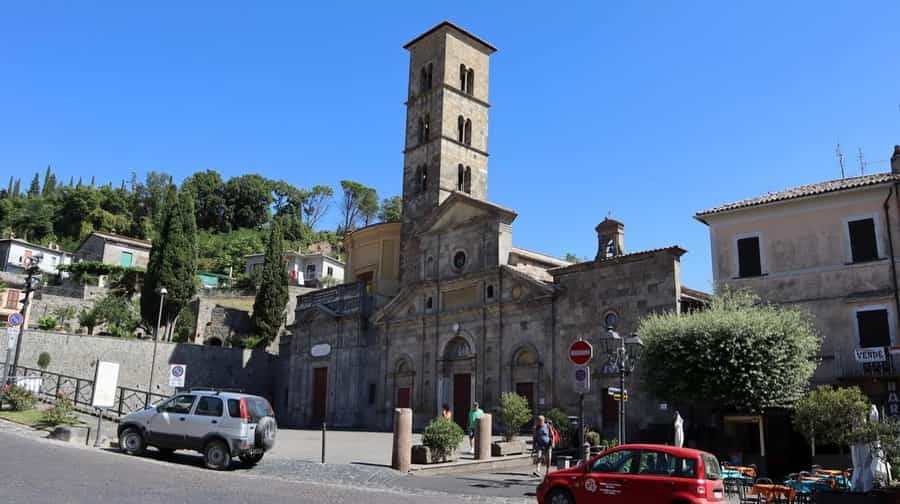
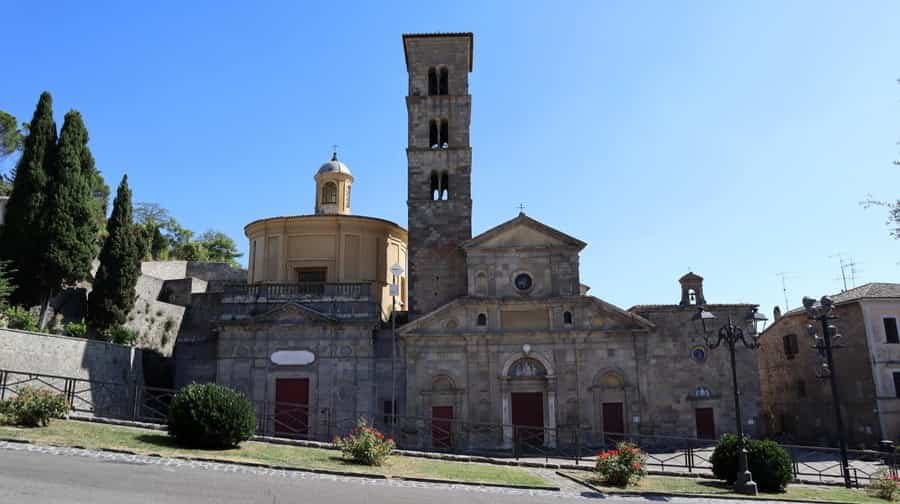
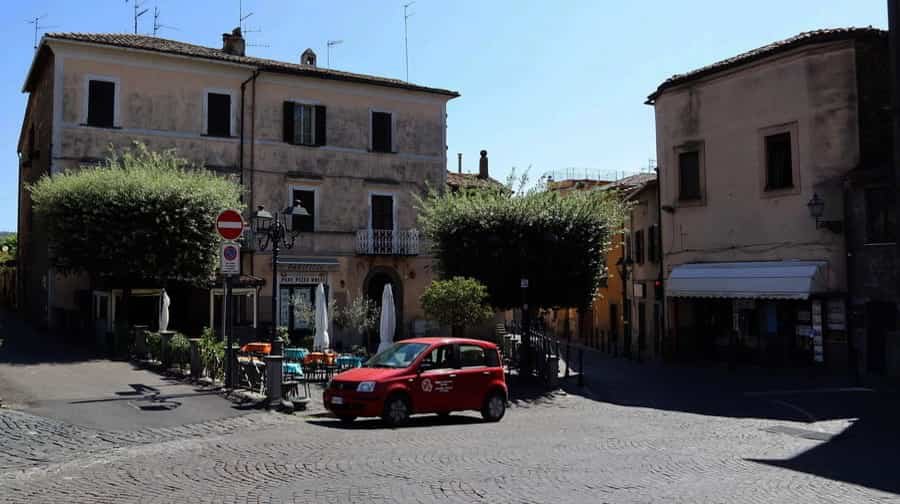
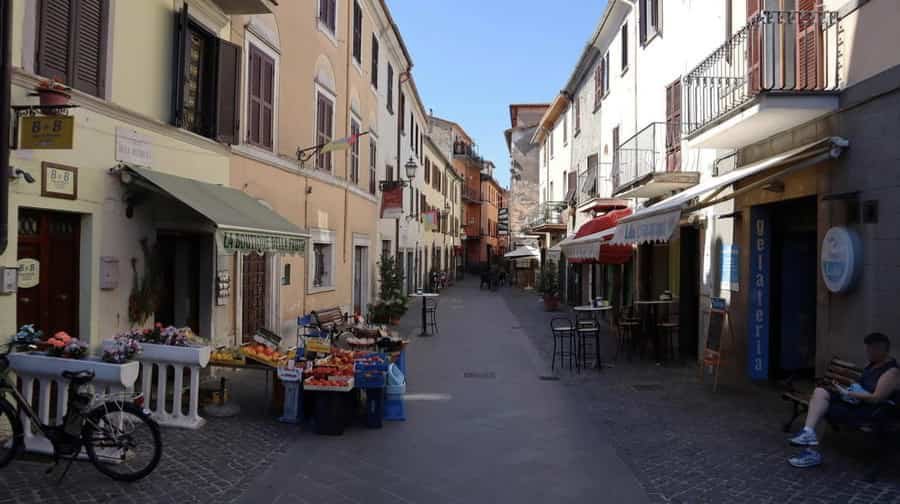


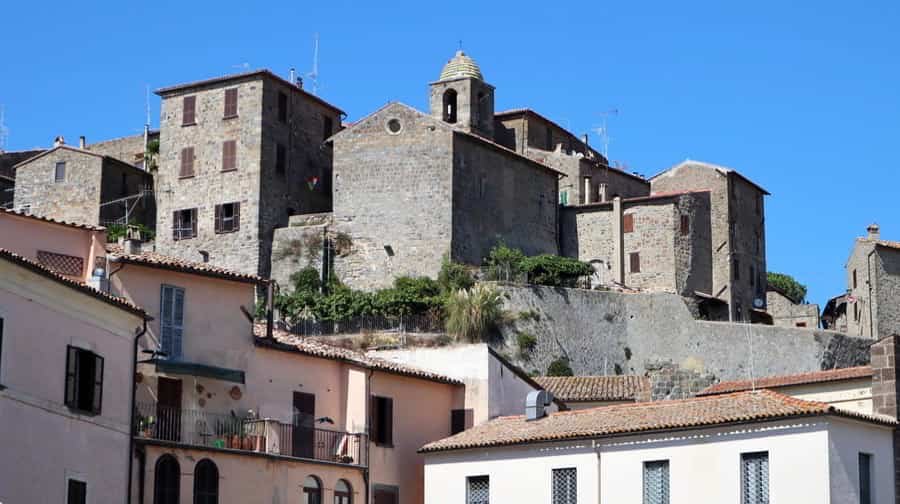

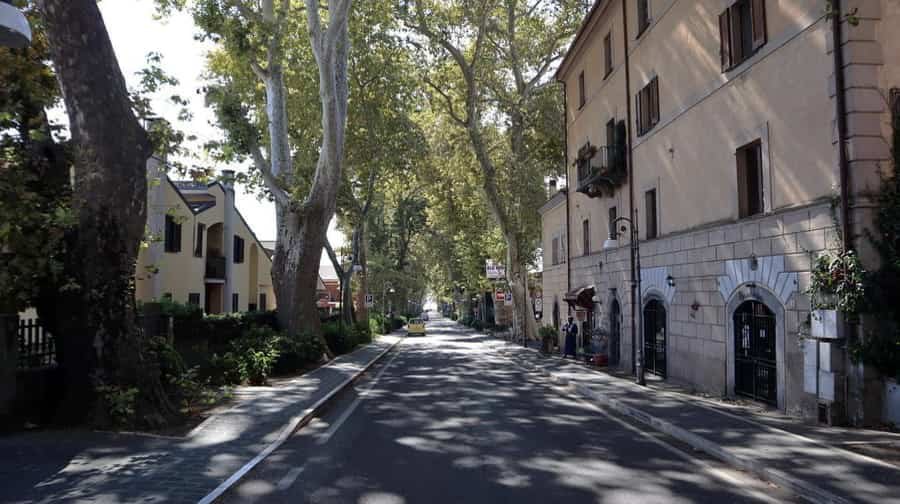
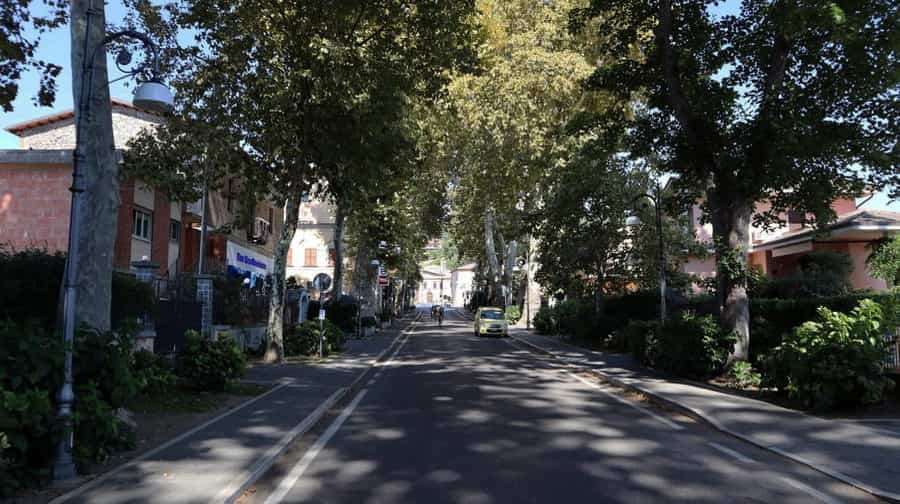
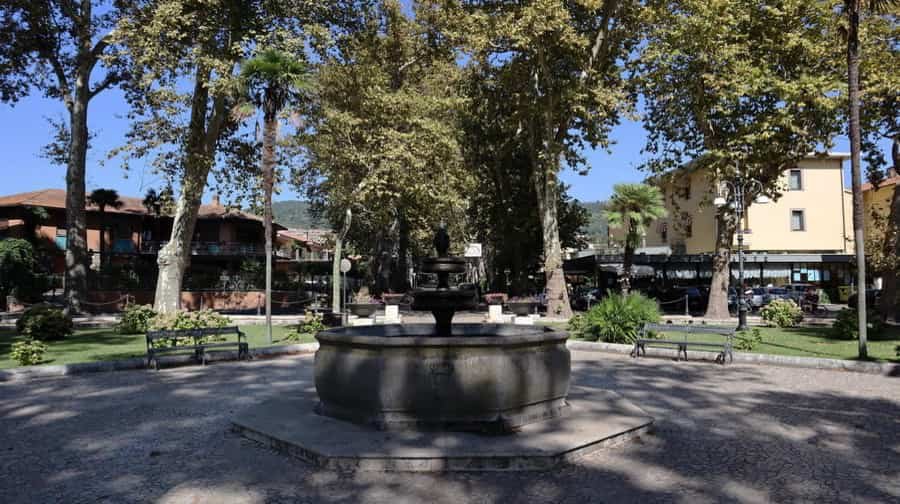
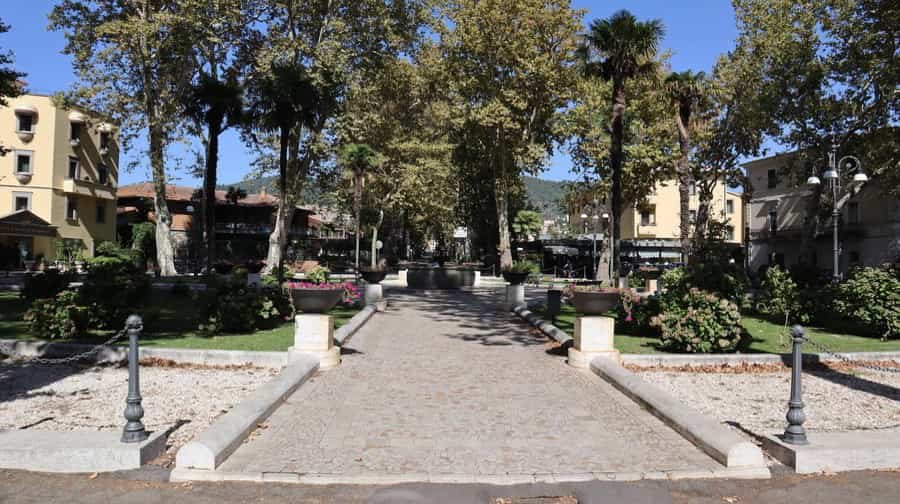
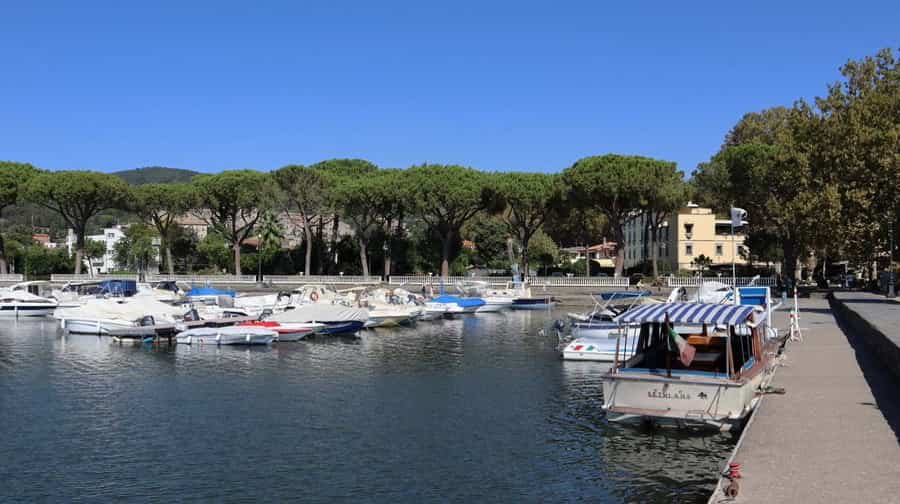
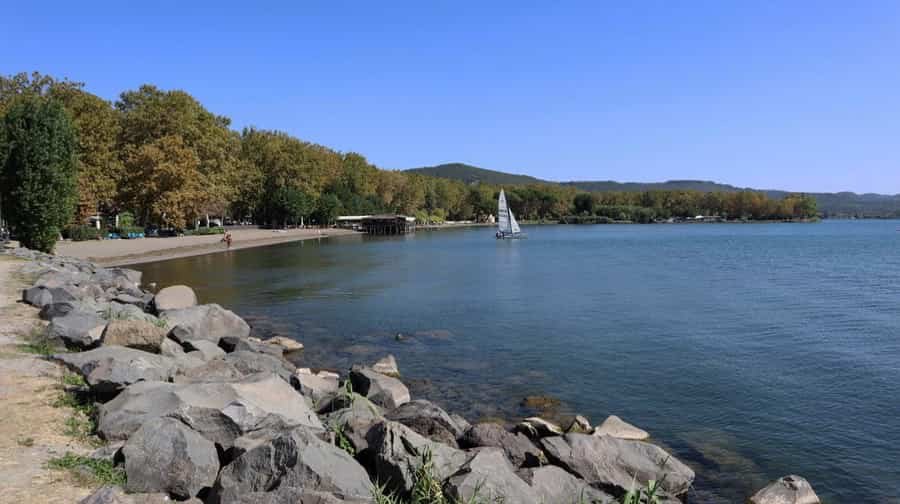
Photo Gallery of Walk 2 – Viale Armando Diaz to Via Etruria
Approximately 1.42 km – 0.88 miles
The walk starts in Viale Armando Diaz – Viale Cristoforo Colombo – Via Cassia Nord – Via Cassia Vecchia – Piazza S. Giovanni – Via Porta Fiorentina – Piazza S. Rocco – Corso Cavour – Via del Castello – Via Etruria
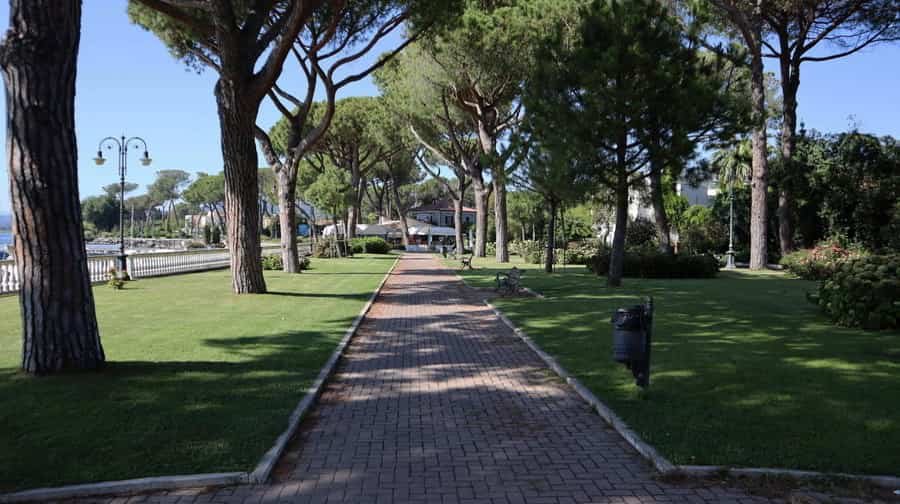


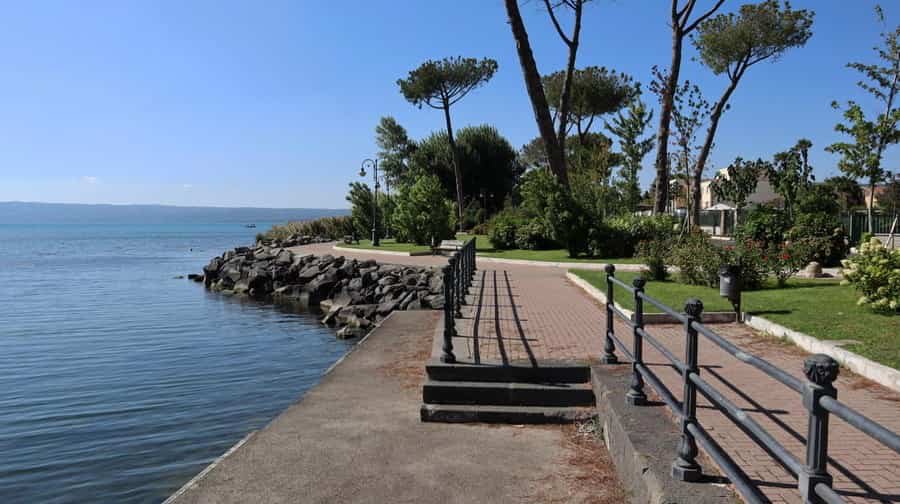
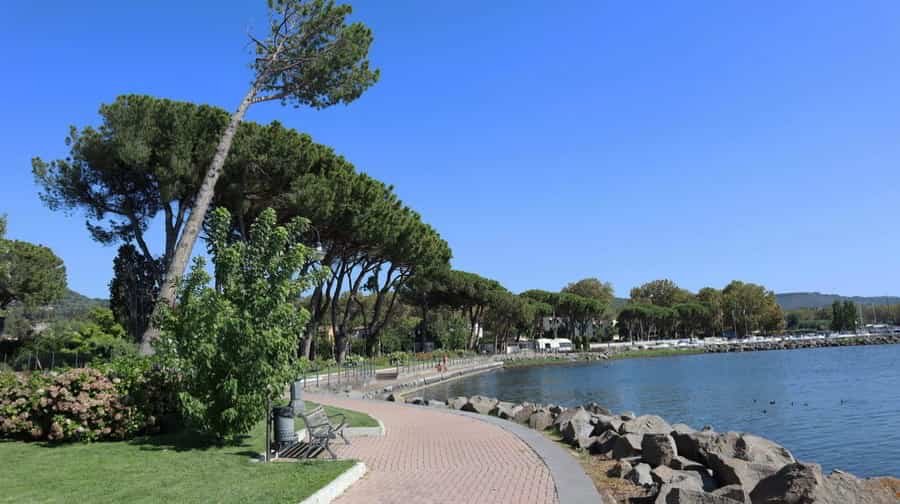
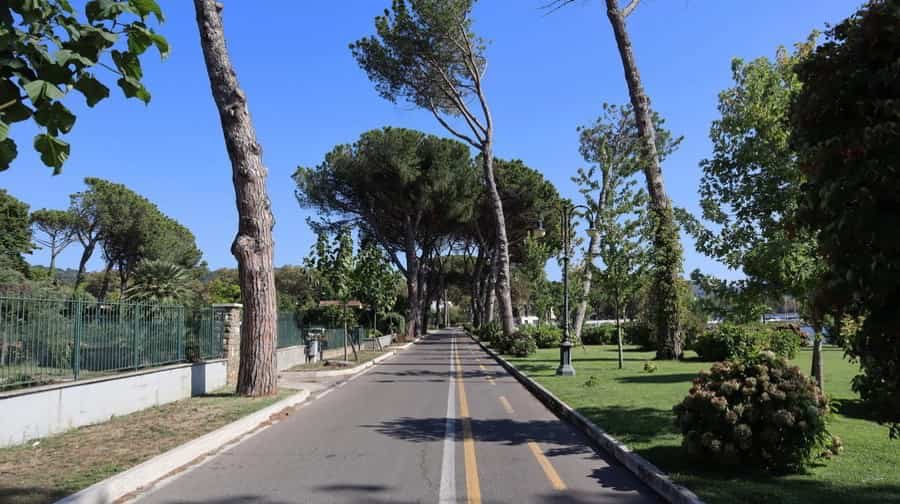
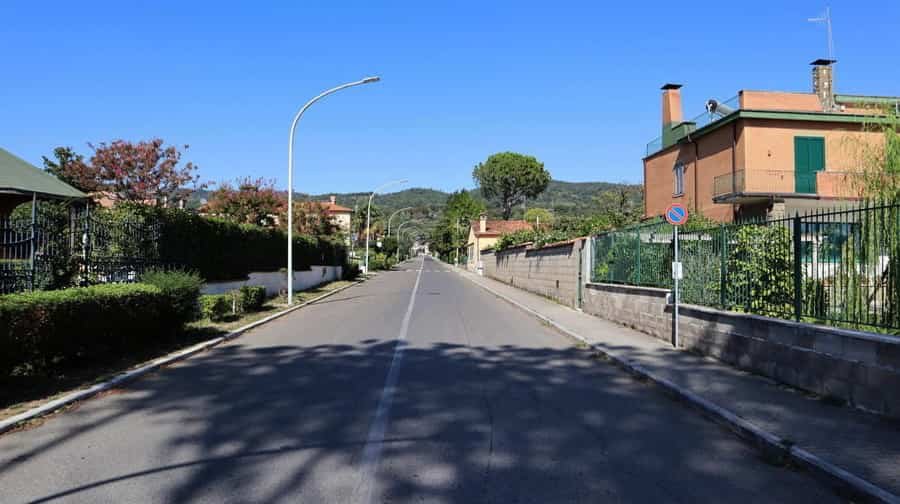
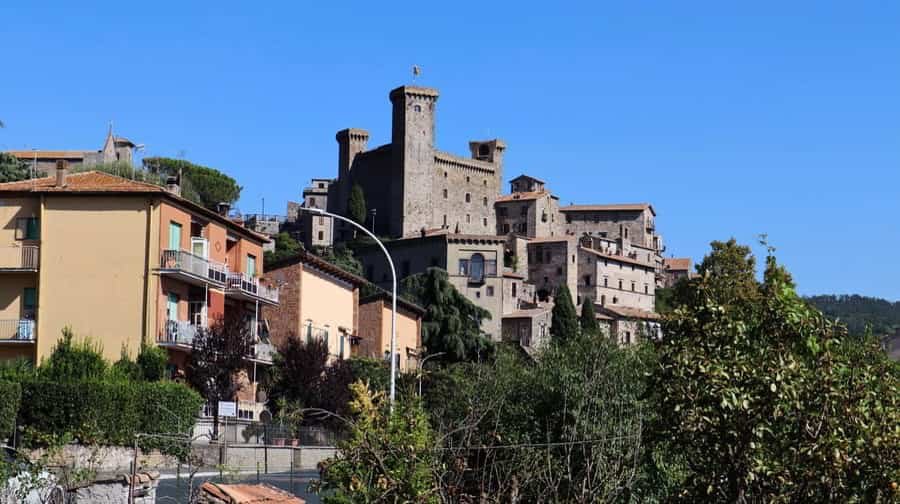


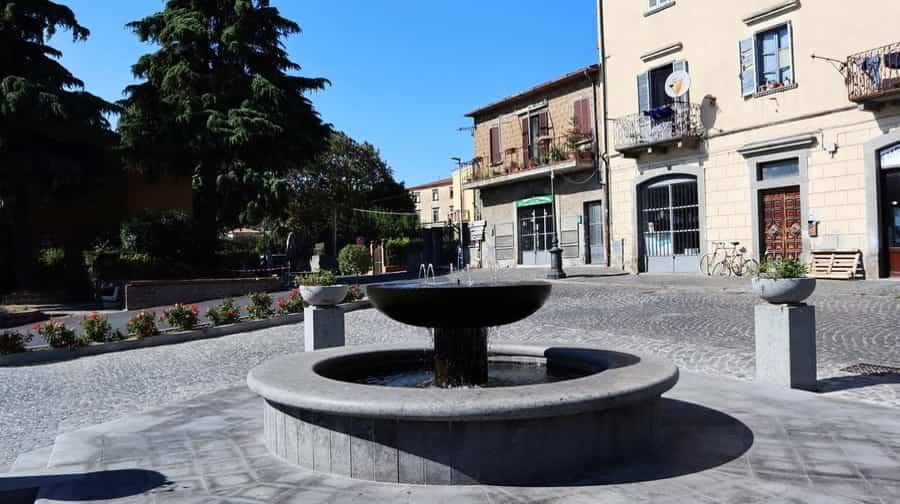
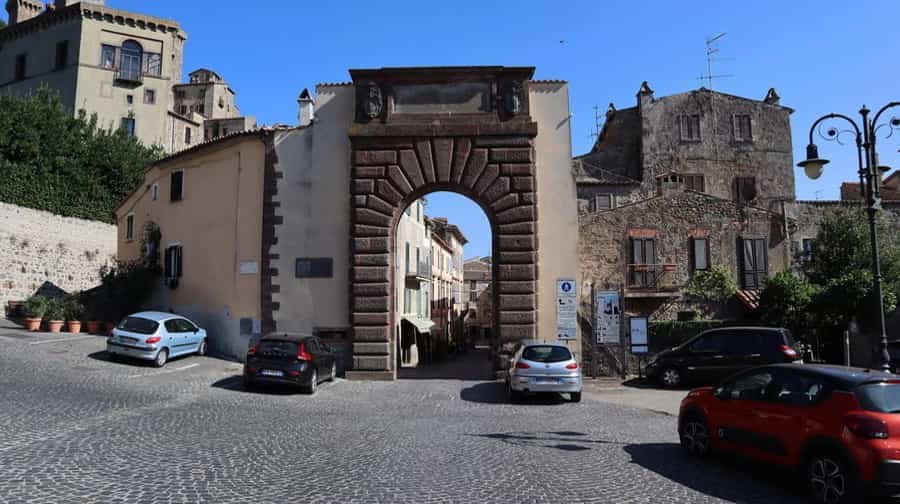
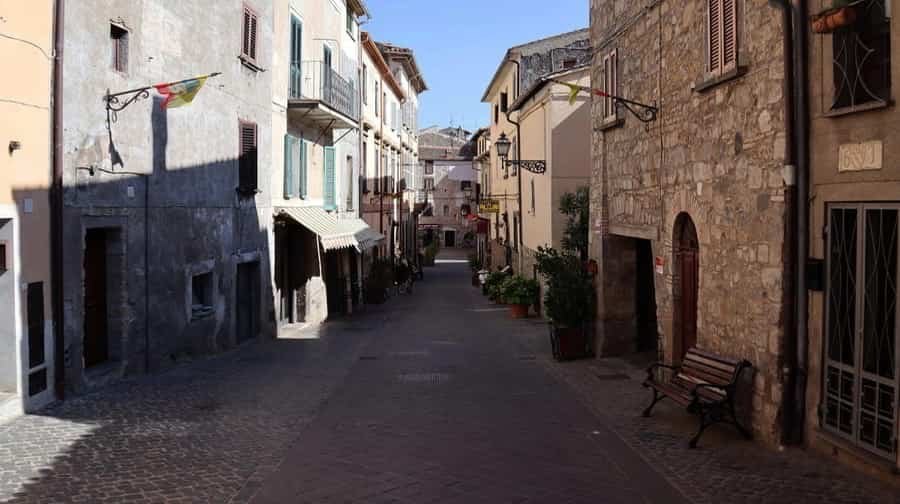

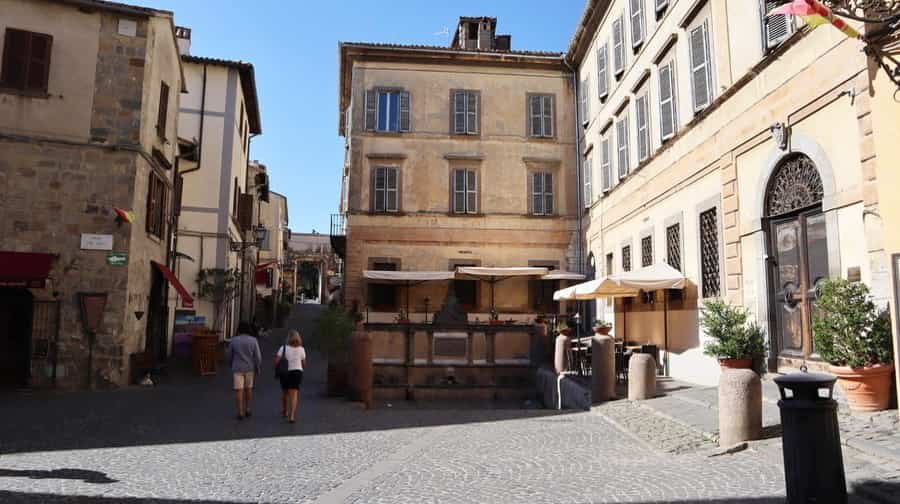
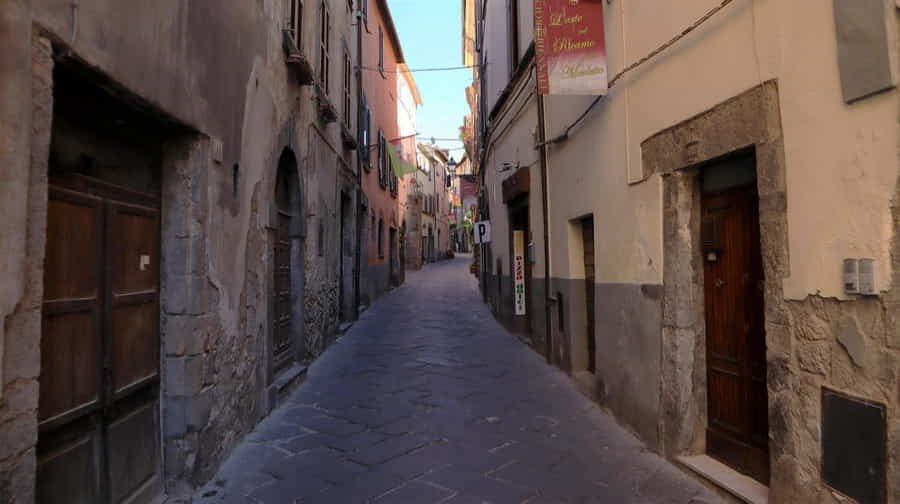
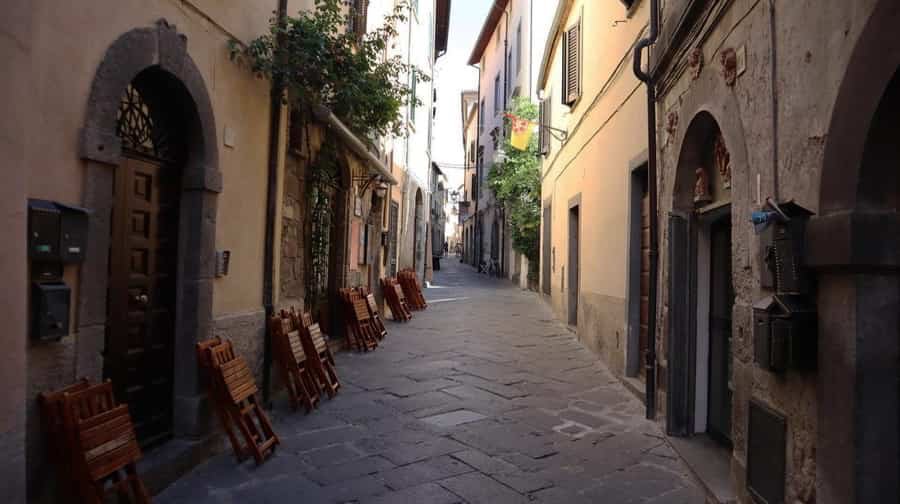
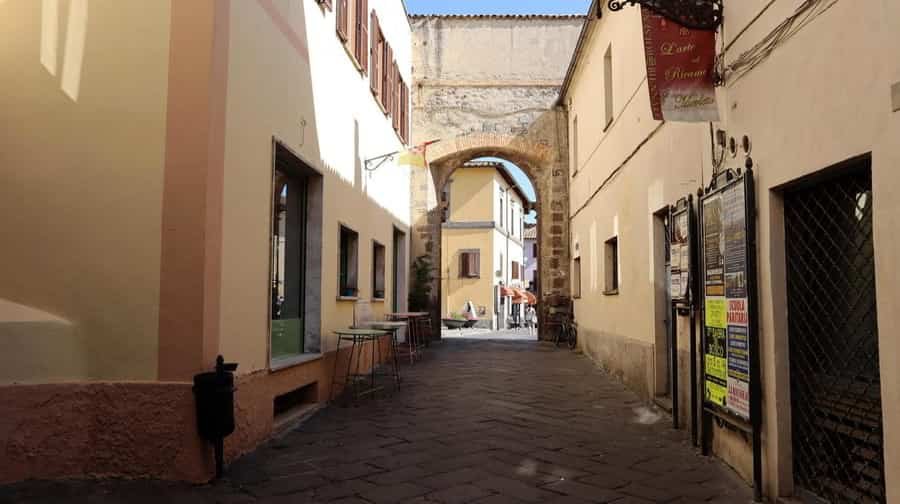

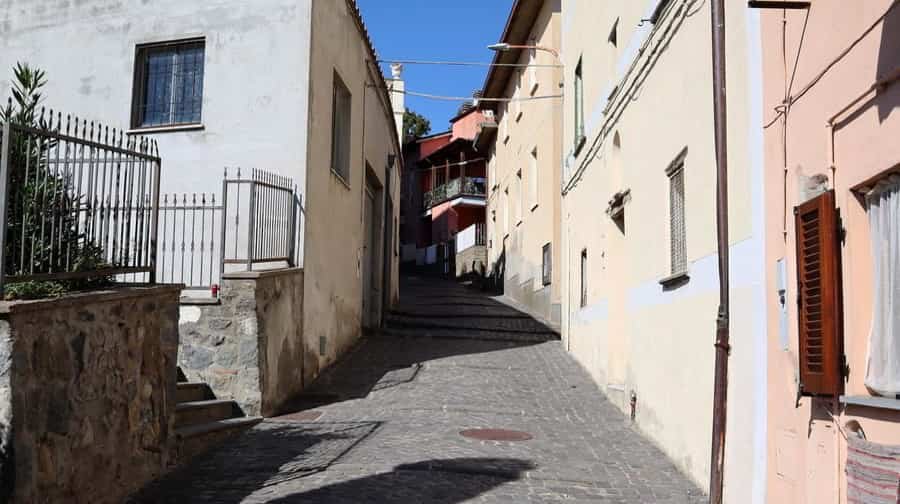
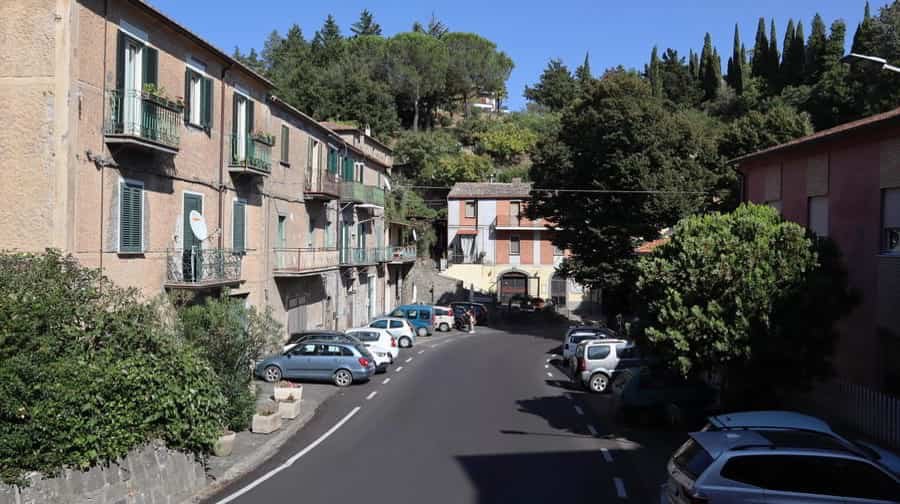

Photo Gallery of Walk 3 – Via Guglielmo Marconi to Piazza S. Rocco
Approximately 0.36 km – 0.22 miles
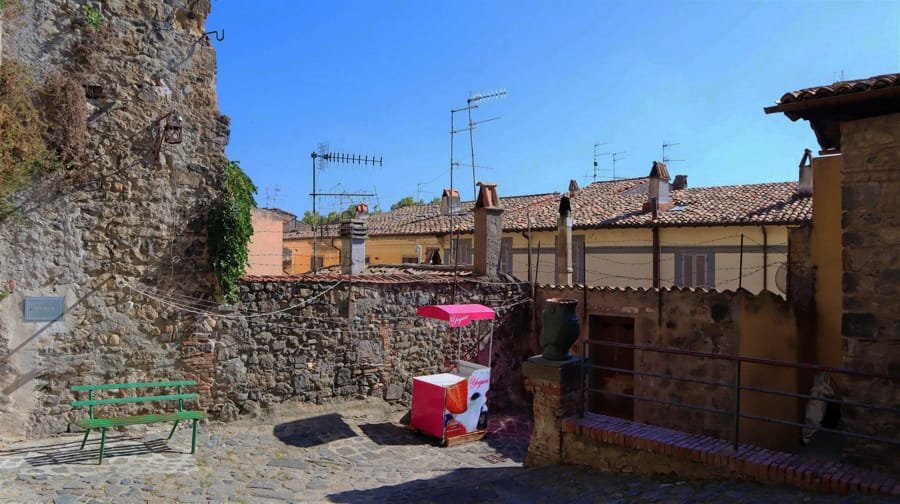
The walk starts in Via Guglielmo Marconi – Piazza Monaldeschi – Chiesa di San Salvatore – Piazza Monaldeschi – Piazza della Rocca – Passaggio da Piazza Monaldeschi a Piazza S. Rocco – Piazza S. Rocco
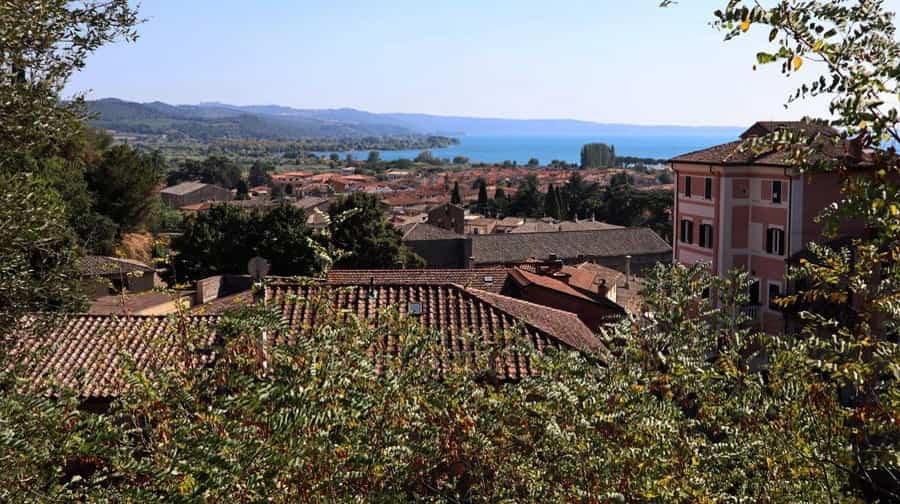

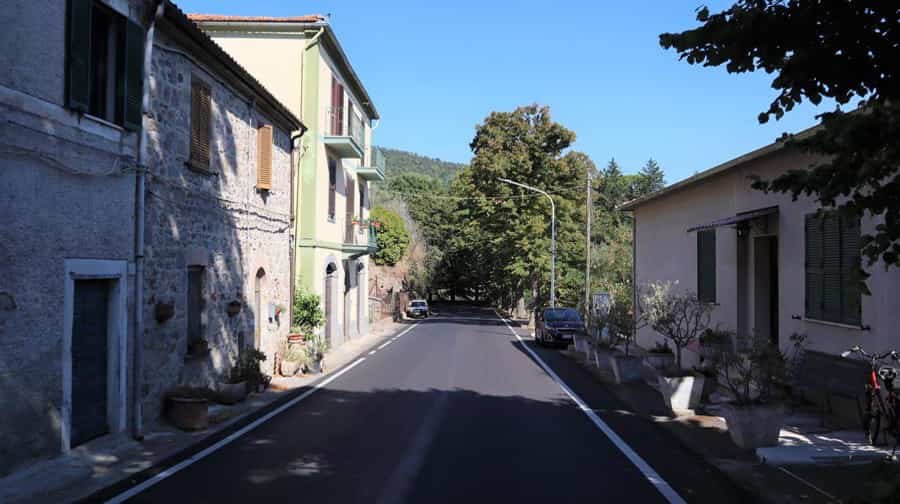





COPYRIGHT © 2018-2026 ITALY IN PHOTOS – ALL RIGHTS RESERVED