
HOME
REGIONS OF ITALY
PLACES IN ITALY
TRAVEL GUIDES
Italy in Photos
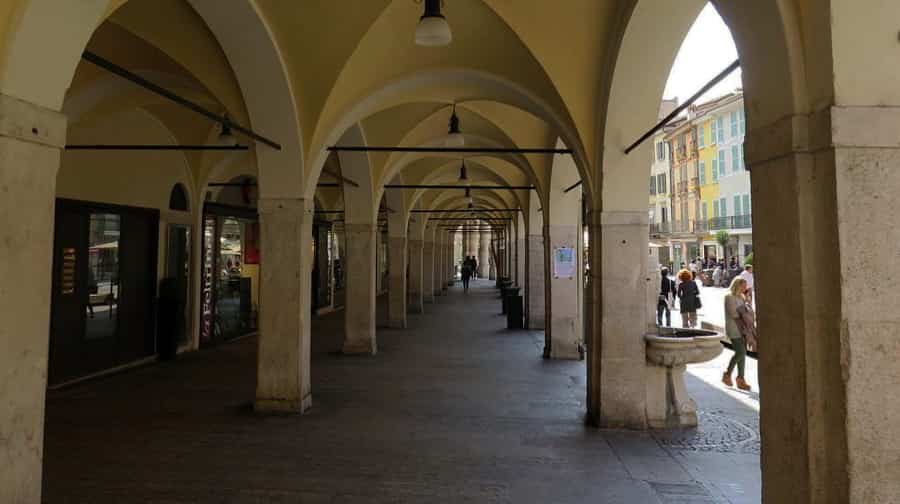
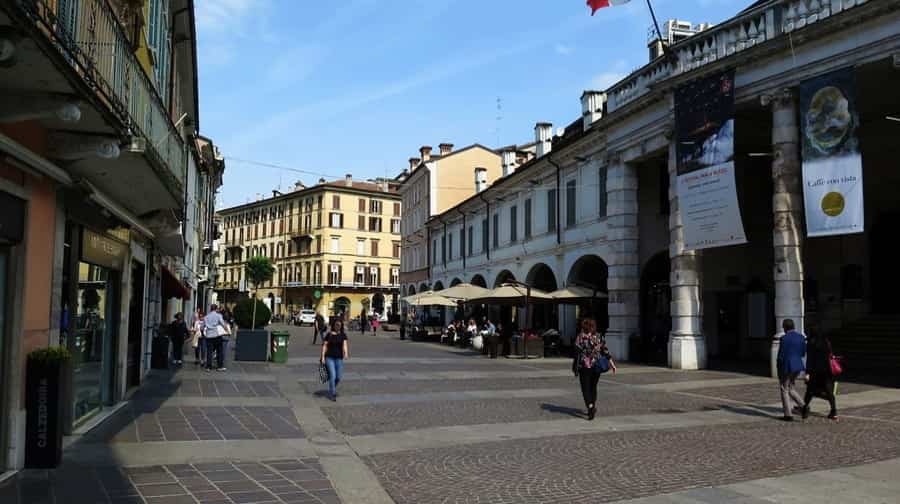
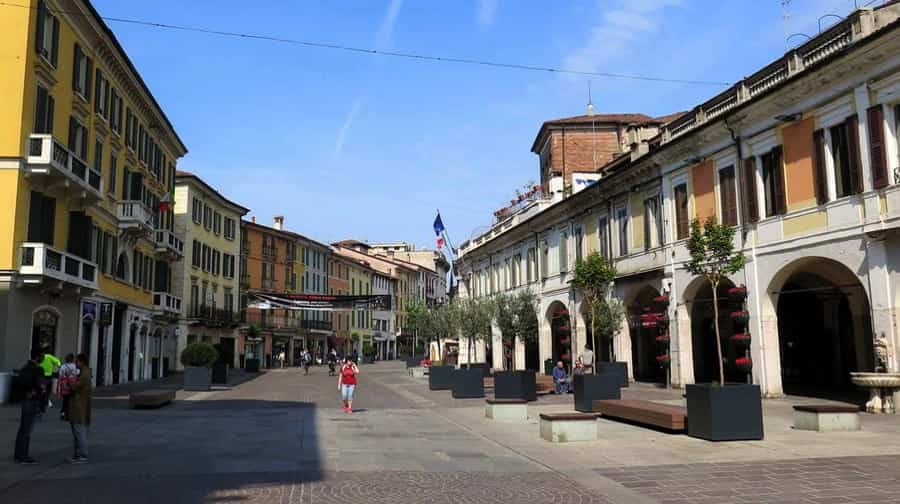
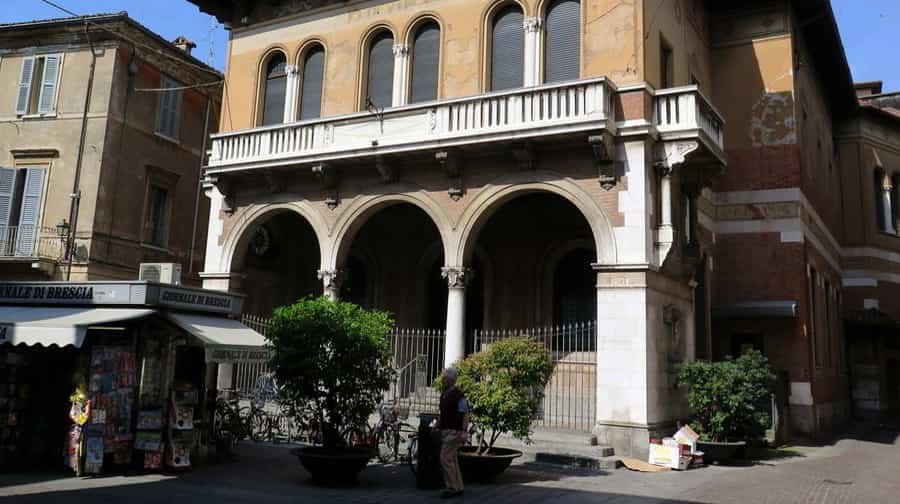
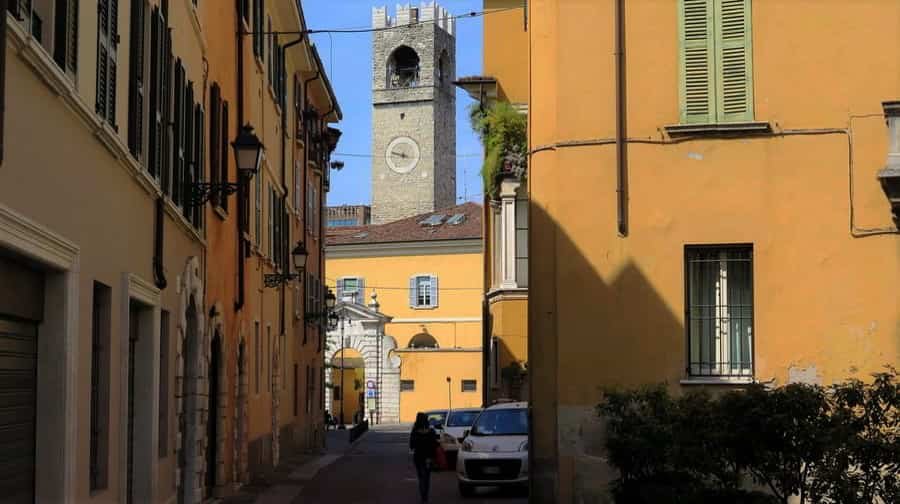
Corso Palestro, 25121 Brescia, Italy (April 2018)
Brescia
Brescia is a historic city in northern Italy, located in the eastern part of the Lombardy region between Lake Garda and the foothills of the Alps. Often overlooked in favour of more famous Italian destinations, Brescia rewards visitors with a rich blend of ancient history, impressive architecture, and a strong local identity. Its layers of Roman, medieval, and Renaissance heritage coexist with a dynamic modern city, offering a deeper and more authentic perspective on Italian culture.
The origins of Brescia date back over two thousand years to its role as an important Roman city known as Brixia. This ancient legacy remains one of the city’s most remarkable features. In the heart of Brescia, visitors can explore a well-preserved archaeological area that includes a Roman forum, a theatre, and the Capitolium temple. These sites provide a vivid glimpse into daily life during the Roman era and reflect the city’s early significance as a political and commercial centre. The Capitolium and surrounding ruins are recognized as part of a UNESCO World Heritage Site, highlighting their international importance.
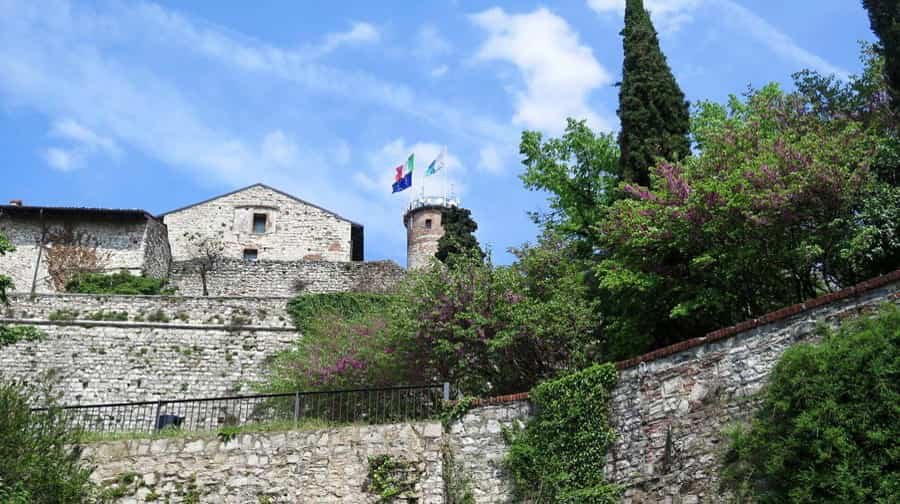
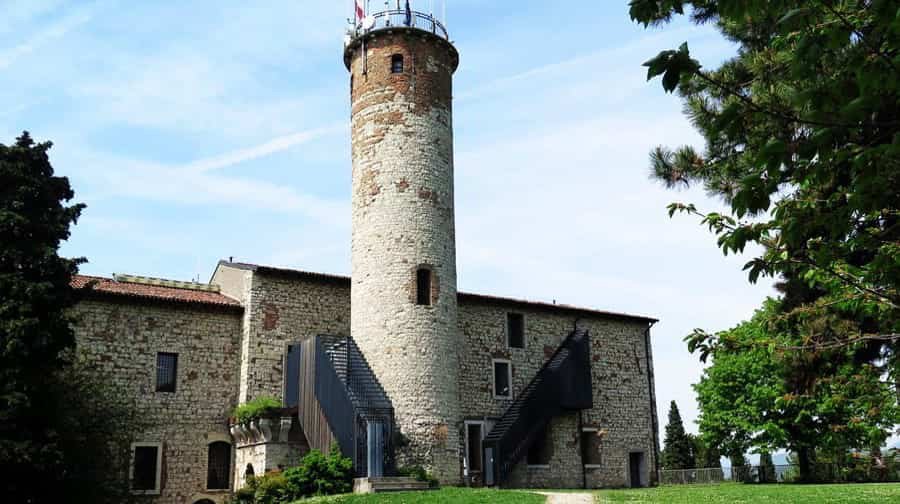
Above the historic centre rises the Castle of Brescia, one of the largest fortified complexes in Italy. Perched on Cidneo Hill, the castle has served various military and civic purposes throughout the centuries, from Roman defences to Venetian strongholds. Today, it offers panoramic views over the city and hosts museums and cultural spaces that help tell the story of Brescia’s long and complex past. Walking along its walls provides a striking contrast between the ancient stones and the modern city below.
Brescia’s medieval and Renaissance heritage is evident in its elegant piazzas and churches. Piazza della Loggia stands out as one of the finest examples of Renaissance urban design in northern Italy. Surrounded by graceful arcades and the ornate Loggia building, the square reflects the city’s period under Venetian rule and remains a lively gathering place. Nearby, Piazza Paolo VI brings together two cathedrals, the Duomo Vecchio and the Duomo Nuovo, symbolizing the continuity and evolution of religious architecture across centuries.
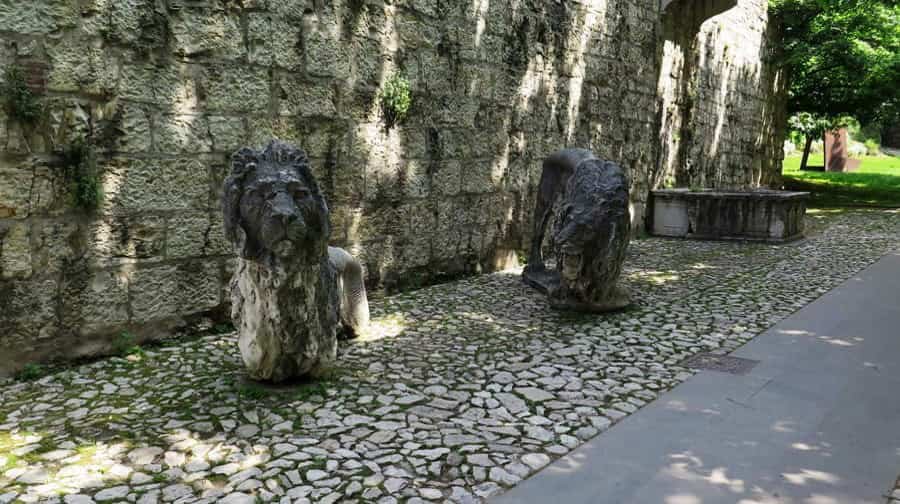
Culturally, Brescia is a city of resilience and pride. Its people are known for their strong sense of identity and connection to local traditions. The city has played an important role in Italian history, particularly during the Risorgimento, when Brescia earned the nickname Lioness of Italy for its resistance during uprisings against foreign rule. This spirit of determination continues to shape the city’s character today.
Brescia’s culinary traditions reflect the flavours of Lombardy, with hearty dishes influenced by both alpine and plains cuisine. Butter, meats, polenta, and local cheeses feature prominently in traditional recipes, while nearby vineyards produce respected regional wines. Meals are an important part of social life, often enjoyed slowly and in good company.
Surrounded by scenic landscapes, Brescia serves as an excellent base for exploring nearby natural attractions. Lake Garda lies just to the east, offering water activities and charming lakeside towns, while the valleys and mountains to the north provide opportunities for hiking and outdoor recreation. This combination of urban depth and natural beauty enhances Brescia’s appeal.
Worth a Visit
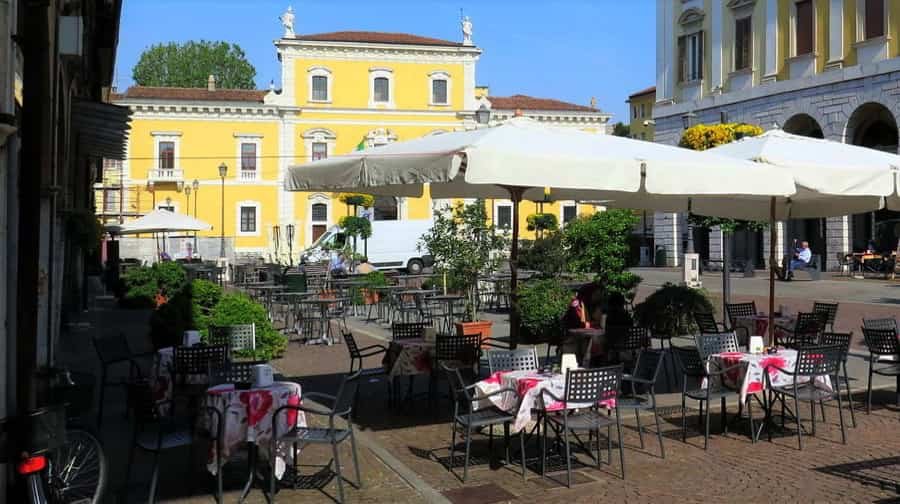
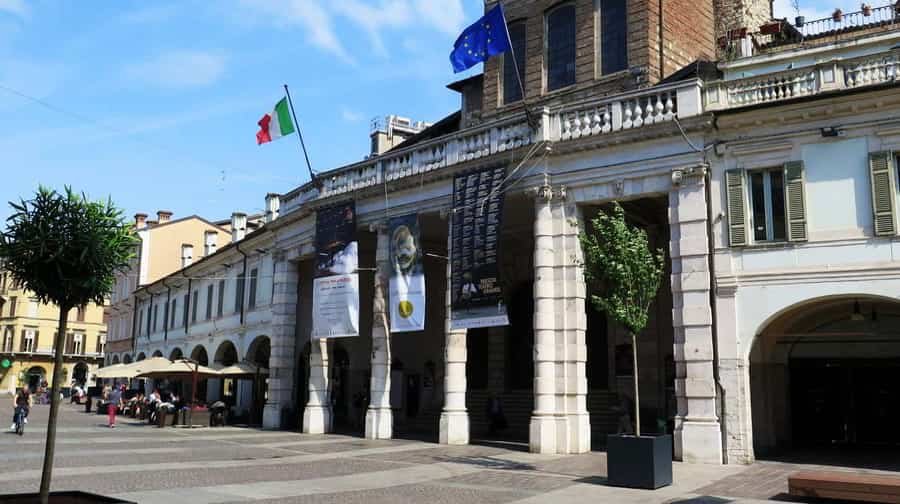
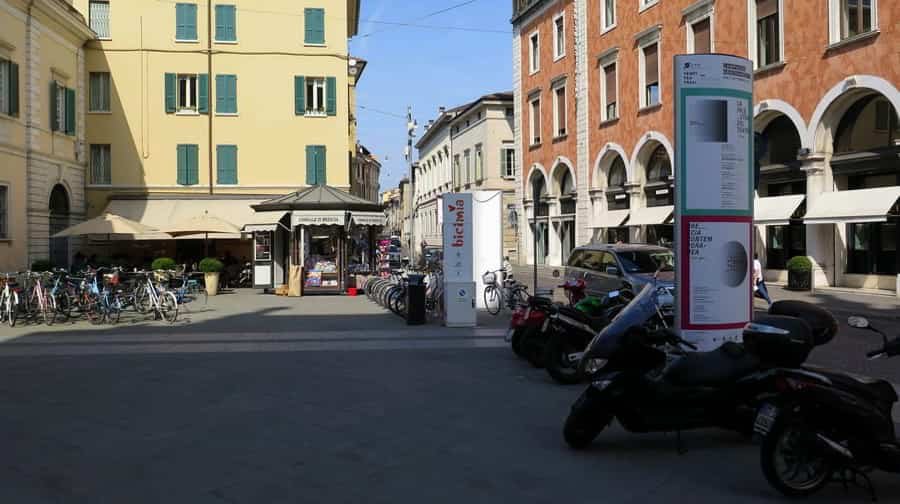
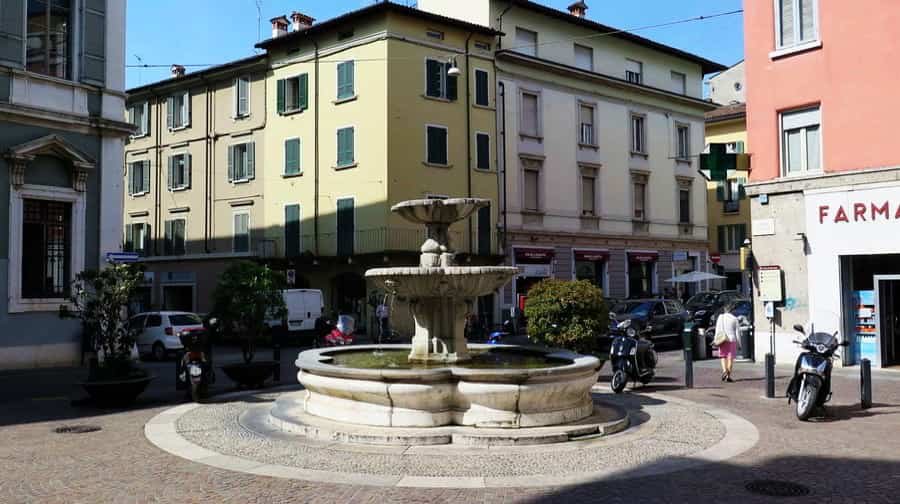
Piazza del Mercato in Brescia is one of the city’s most historically significant and architecturally charming public squares, reflecting centuries of civic life, trade, and urban development. Situated in the heart of the historic centre, just a short walk from Brescia’s Roman ruins and Renaissance-era piazzas, Piazza del Mercato has long been a hub of commerce and social exchange. Its name, meaning “Market Square,” speaks to its original purpose: a bustling marketplace where merchants, artisans, and townspeople gathered to buy, sell, and connect. The origins of the square date back to the Middle Ages, when it emerged as a key site for economic activity within the expanding city.
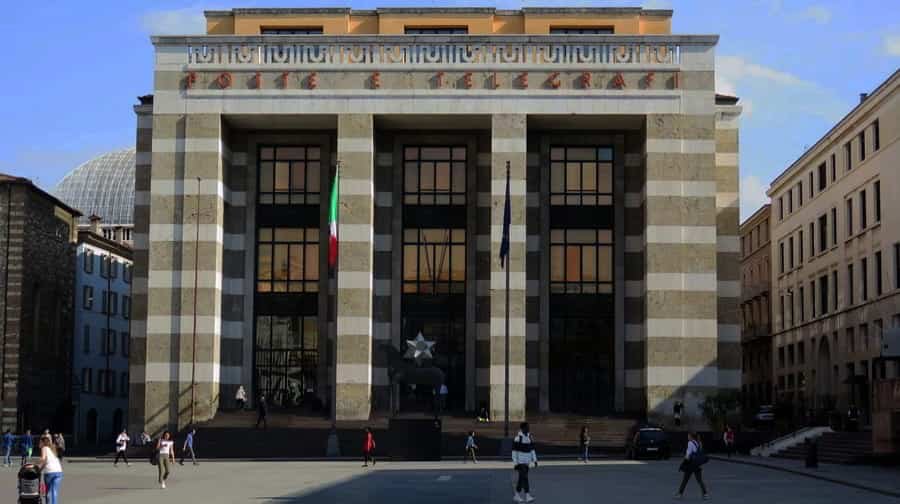
Piazza della Vittoria is one of the most distinctive and historically significant squares in Brescia, representing a bold statement of 20th-century architecture and urban planning in a city known for its Roman, medieval, and Renaissance heritage. Located in the heart of the city, just steps away from the historic Piazza della Loggia and the Duomo, this striking piazza offers a powerful contrast to its older surroundings and stands as a testament to the Fascist-era transformations that reshaped many Italian cities in the 1930s. Inaugurated in 1932 during the Fascist regime, Piazza della Vittoria was designed by architect Marcello Piacentini, a key figure in rationalist architecture and Mussolini’s urban renewal programs.
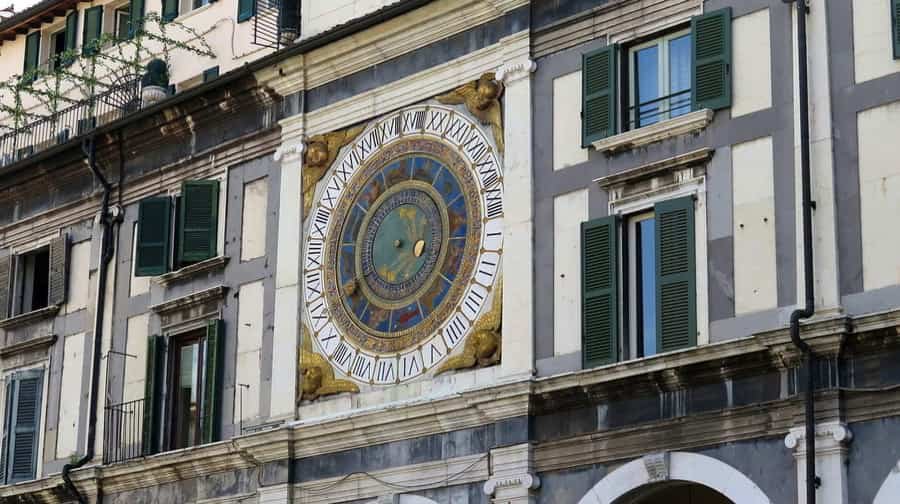
Piazza della Loggia is one of Brescia’s most elegant and historically rich squares, a masterpiece of Renaissance urban design and the cultural heart of the city. Located in the historic centre, just a short walk from the Duomo and the Roman ruins of ancient Brixia, this piazza is not only a place of civic pride but also a powerful symbol of Brescia’s artistic, political, and social identity through the centuries. With its harmonious proportions, refined architecture, and layered history, Piazza della Loggia offers a captivating blend of beauty, memory, and meaning. The square takes its name from the magnificent Loggia, the white marble Renaissance building that dominates the western side of the piazza. Construction began in the late 15th century under Venetian rule, when Brescia was part of the Republic of Venice, and it served as the seat of the city government.
Located in the heart of the historic centre of Brescia, Piazza Paolo VI is a captivating square that serves as a vibrant crossroads between the city’s rich past and its dynamic present. Formerly known as Piazza del Duomo, this iconic piazza offers a remarkable glimpse into the layers of architectural, religious, and civic life that have shaped Brescia over the centuries. It stands as a symbol of the city’s enduring cultural and spiritual identity, named after Pope Paul VI (Giovanni Battista Montini), who was born in the province of Brescia and led the Catholic Church from 1963 to 1978. The square is dominated by two magnificent cathedrals that sit side by side in striking contrast, il Duomo Vecchio (the Old Cathedral) and il Duomo Nuovo (the New Cathedral).
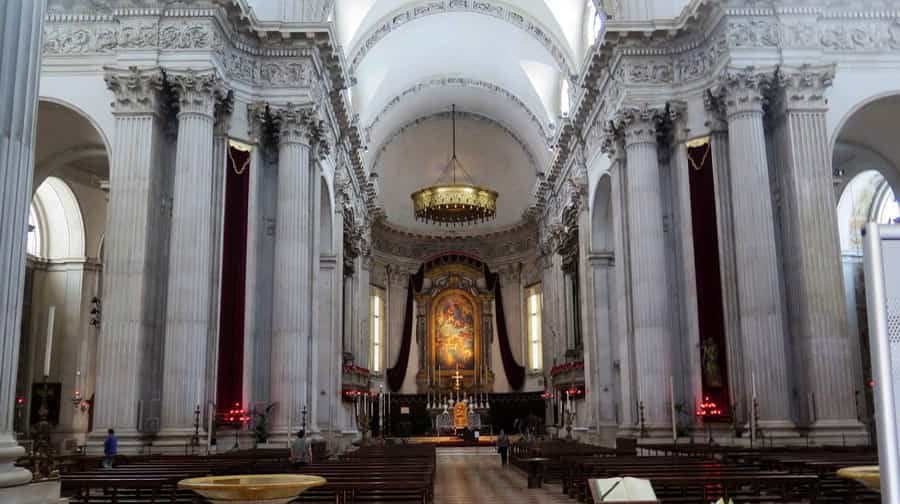
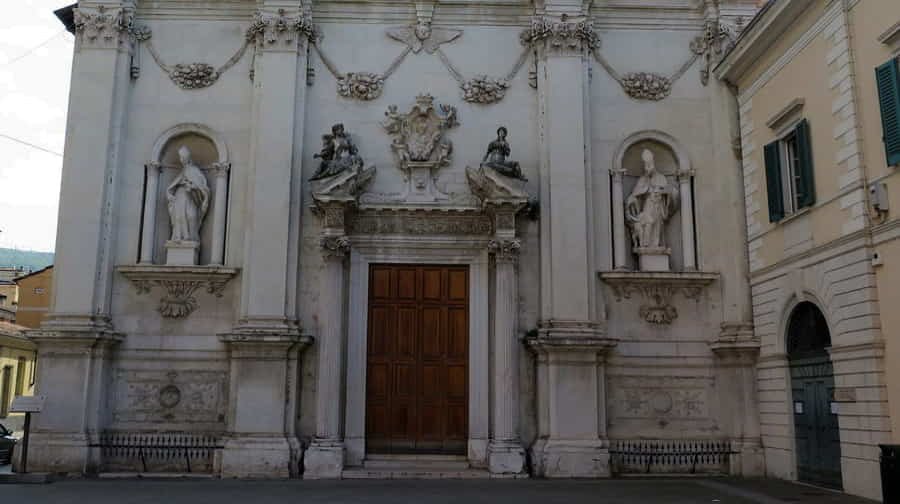
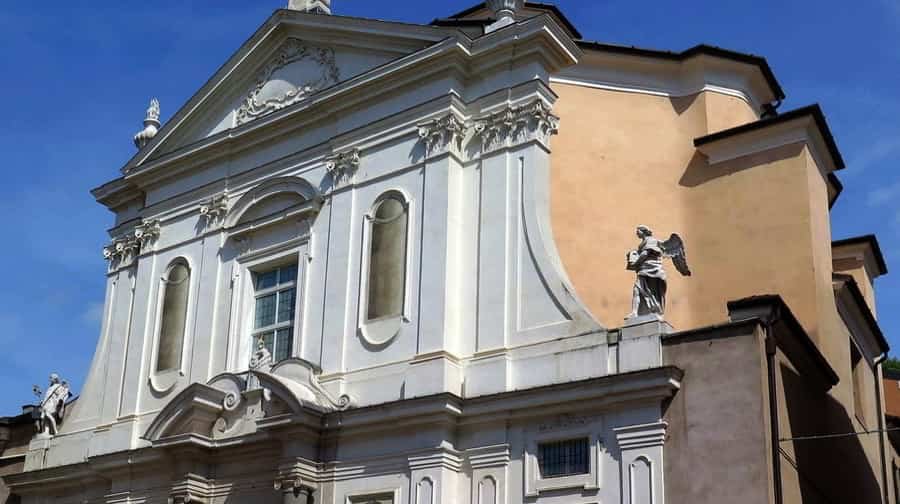
The Cattedrale di Brescia, officially known as the Duomo Nuovo (New Cathedral), is one of the most prominent and architecturally striking landmarks in the city of Brescia. Located in the heart of the historic centre, on Piazza Paolo VI, the cathedral stands side by side with the Duomo Vecchio (Old Cathedral), creating a unique and visually compelling dialogue between two distinct eras of ecclesiastical architecture. This juxtaposition is rare in Italy and symbolizes the continuity and evolution of religious life in Brescia from the early Middle Ages to the Baroque period. Construction of the Duomo Nuovo began in 1604, following the decision to replace the previous Romanesque church with a more modern and grandiose structure that reflected the spiritual and artistic ambitions of the Counter, Reformation.
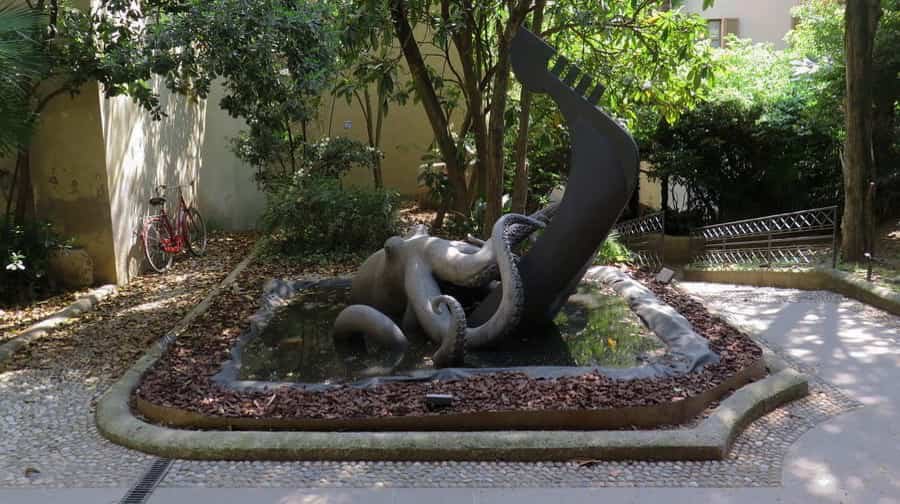
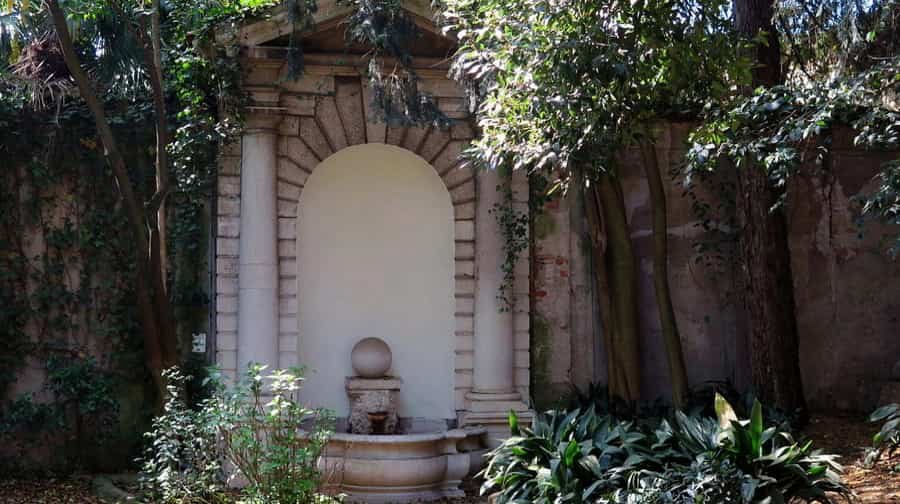
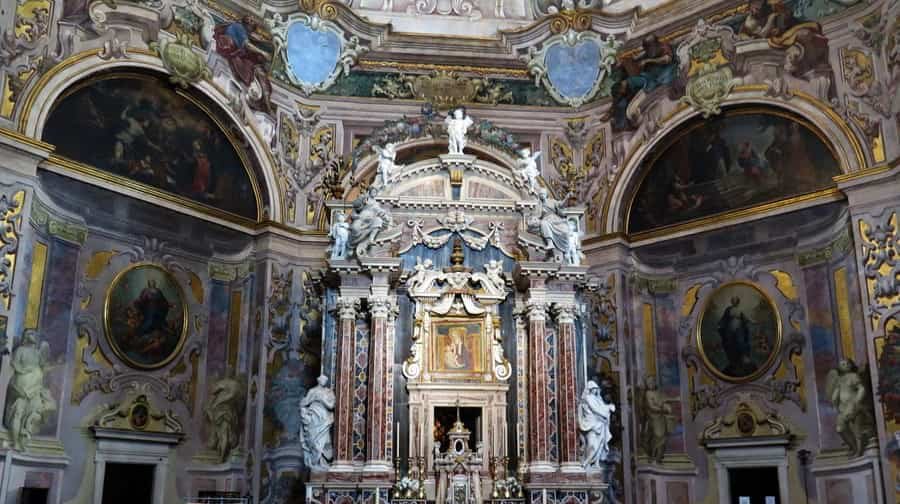
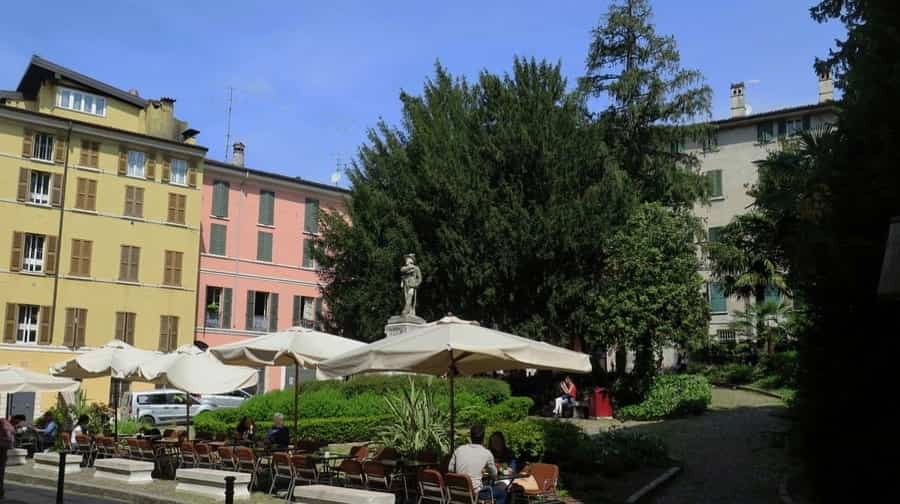
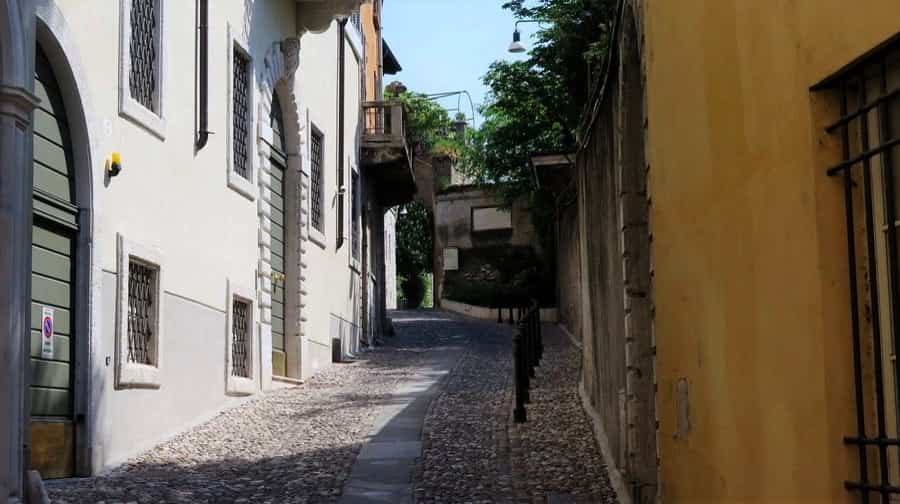
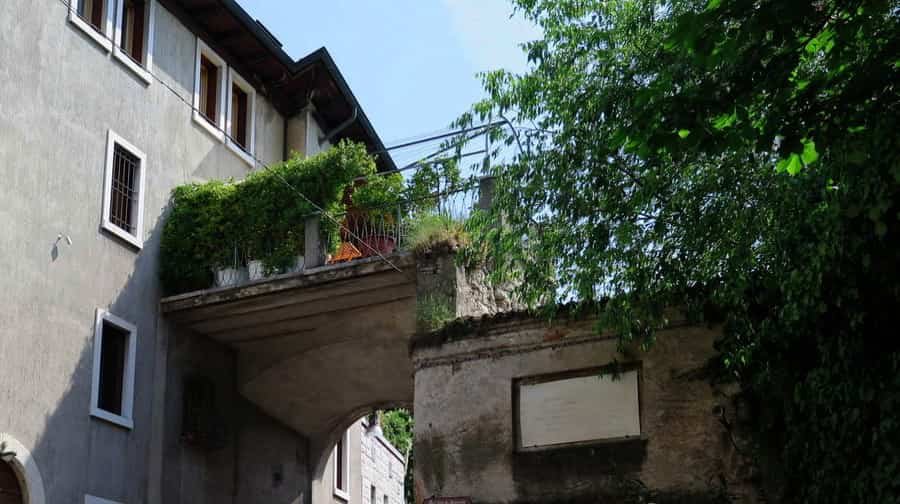
Photo Gallery of Walk 1 – Via Solferino to Piazza Paolo VI
Approximately 1.29 km – 0.80 miles
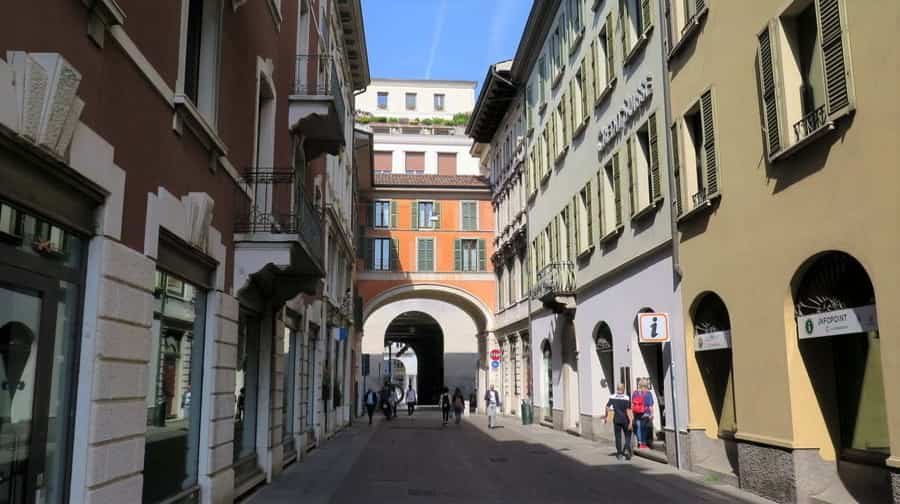
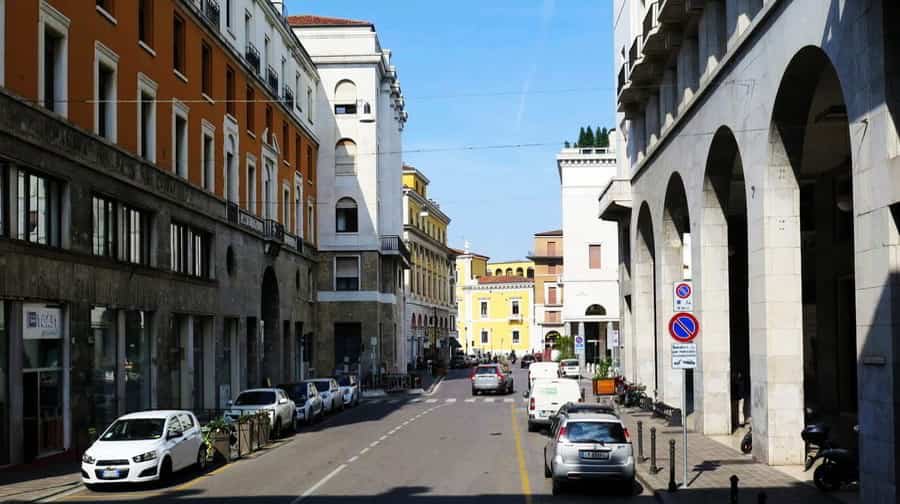
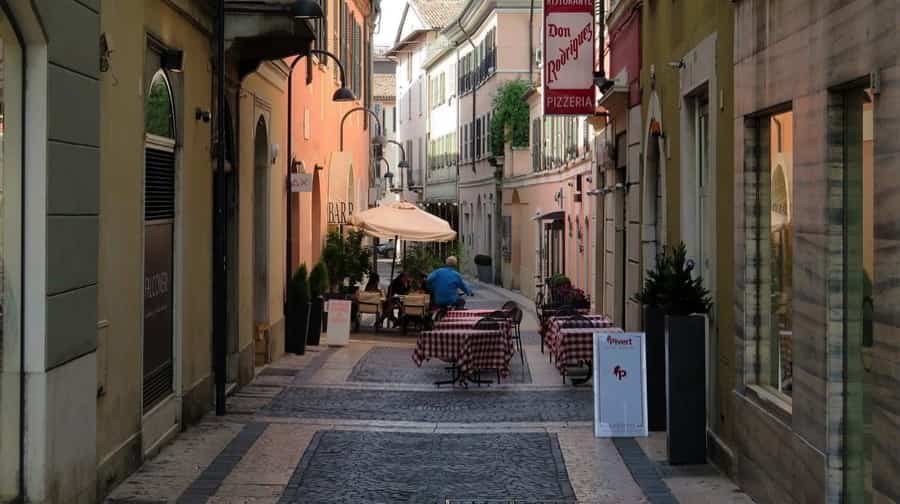
The walk starts in Via Solferino – Via Romanino Gerolamo – Via XX Settembre – Contrada del Cavalletto – Corso Palestro – Piazza del Mercato – Via Giuseppe Verdi – Via IV Novembre – Piazza della Vittoria – Cathedral of Santa Maria Assunta – Via XXIV Maggio – Piazza della Loggia – Walk back to Piazza della Vittoria – Galleria Duomo – Piazza Paolo VI
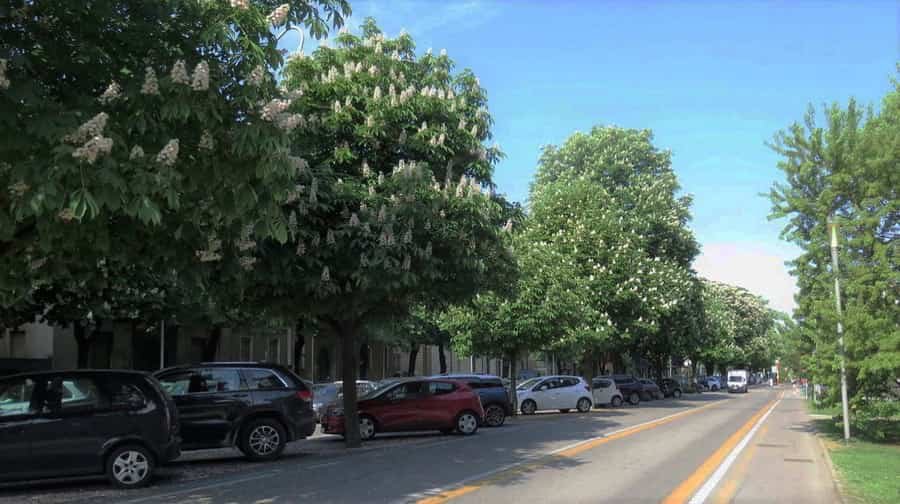
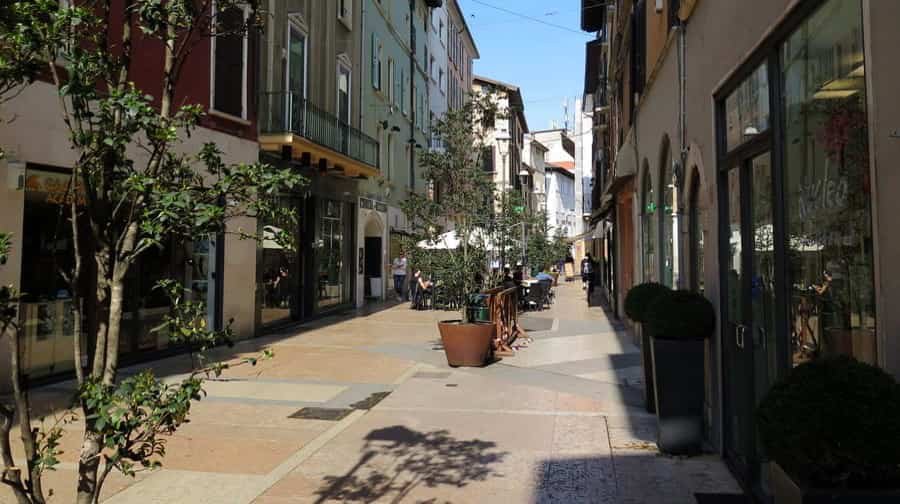
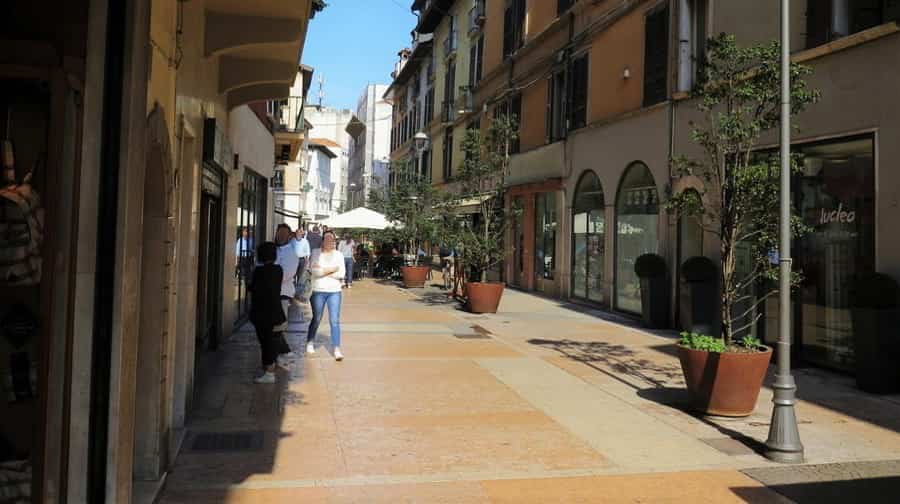
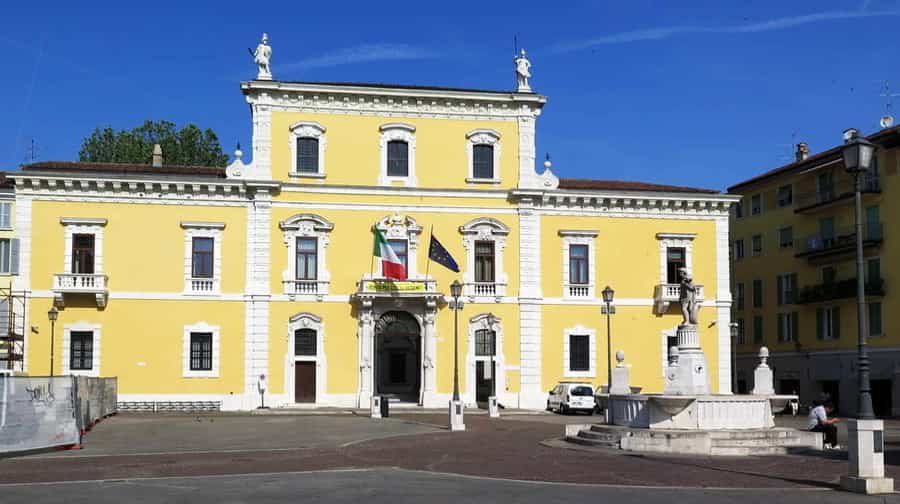
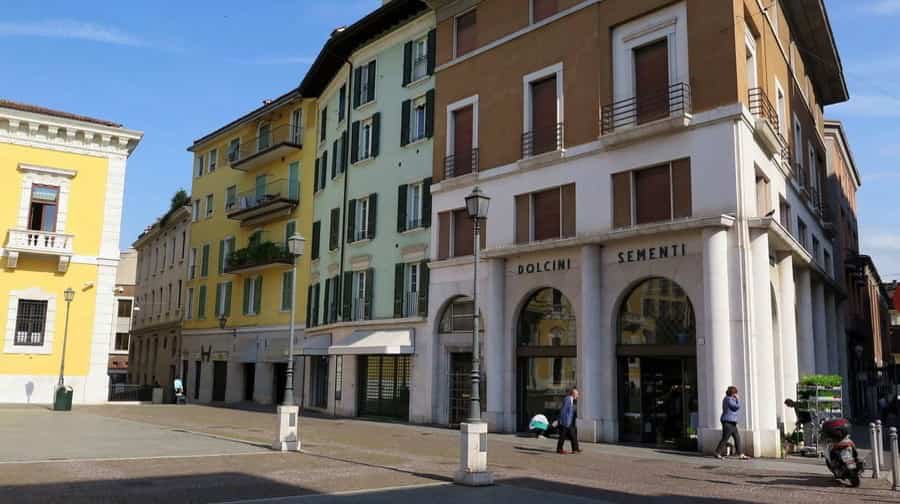
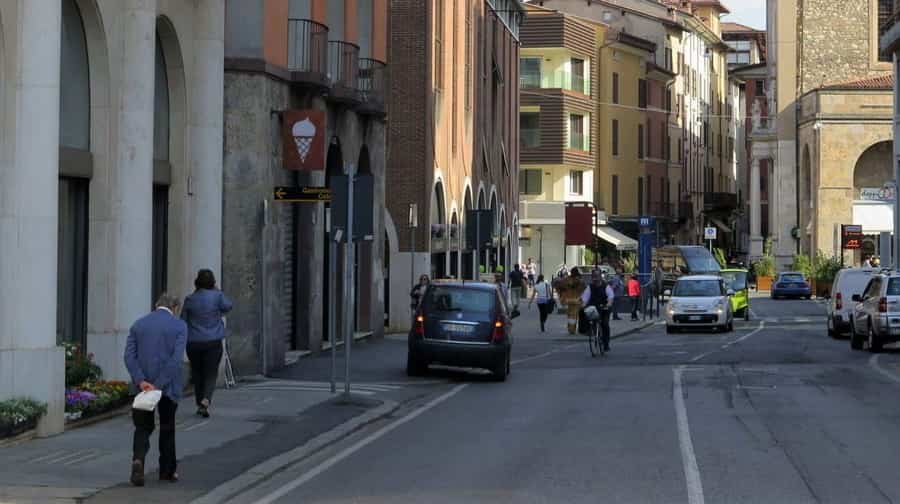
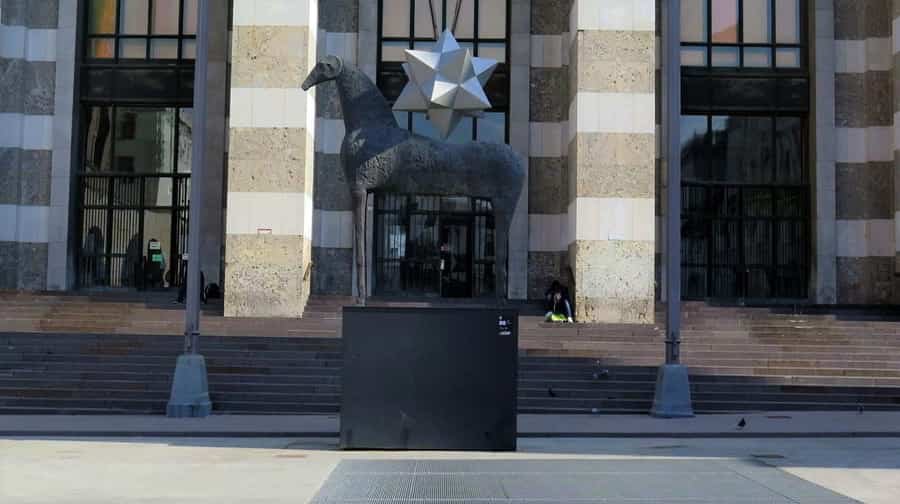
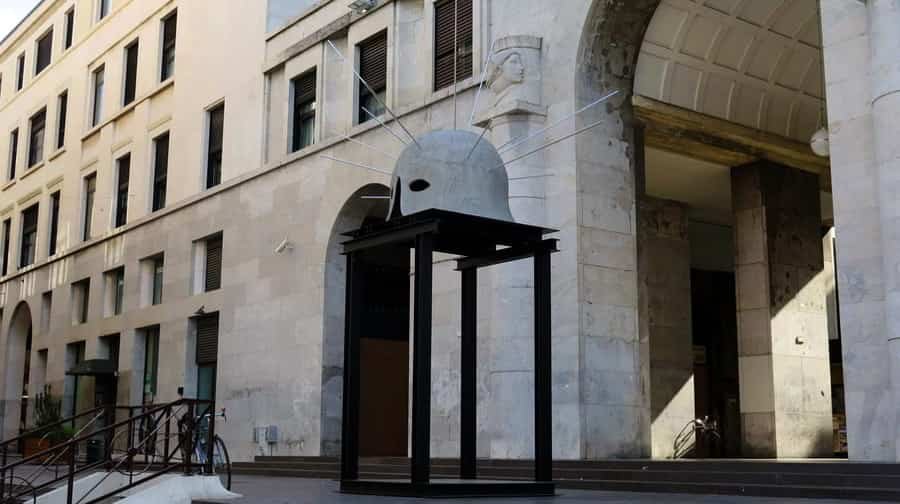
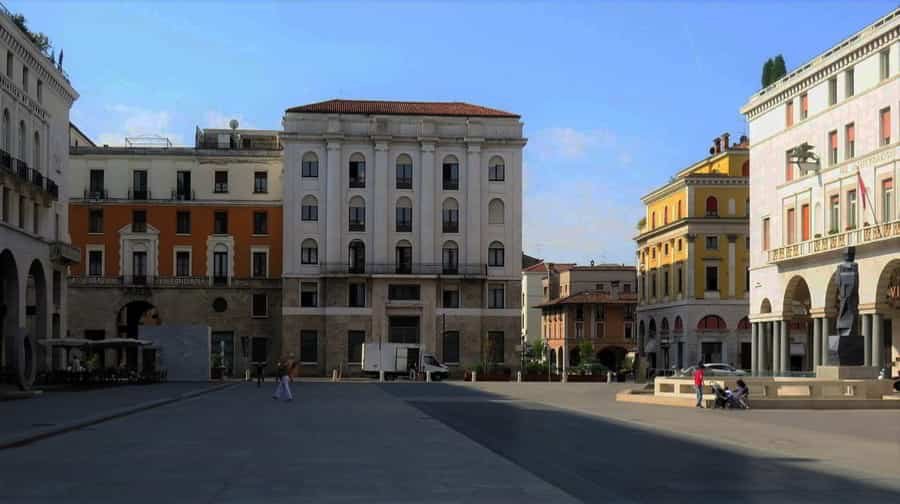
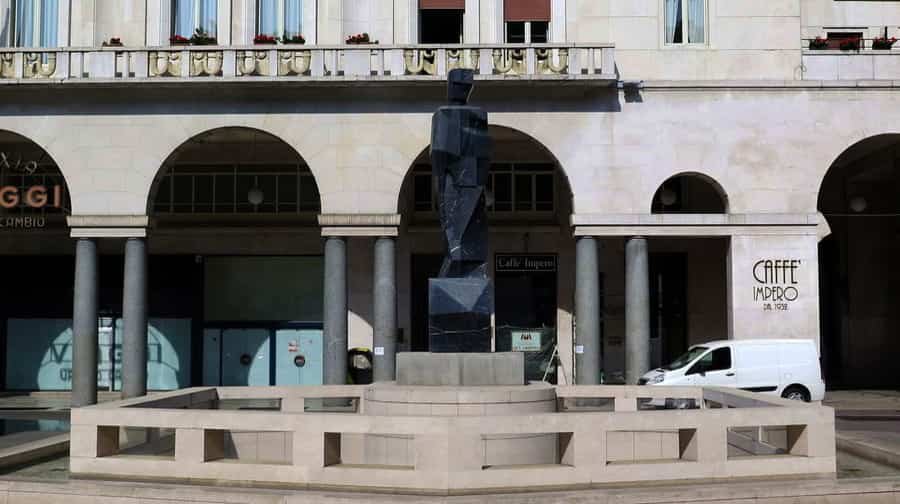
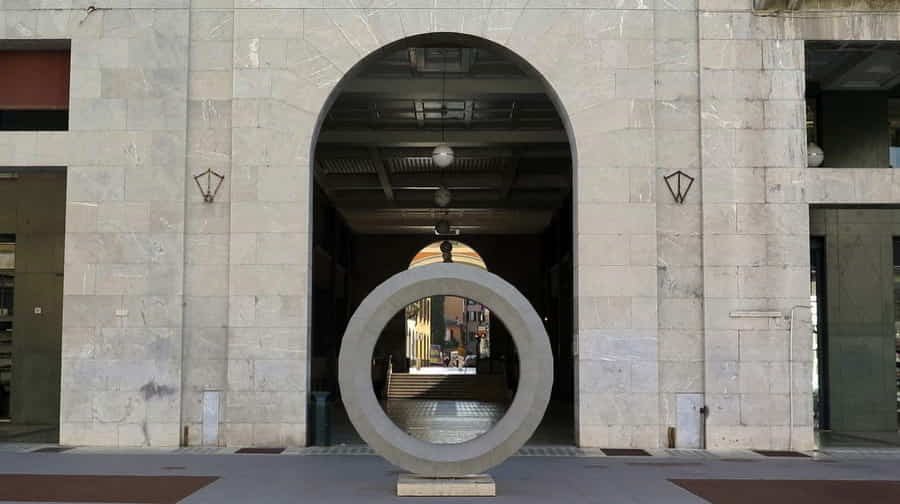
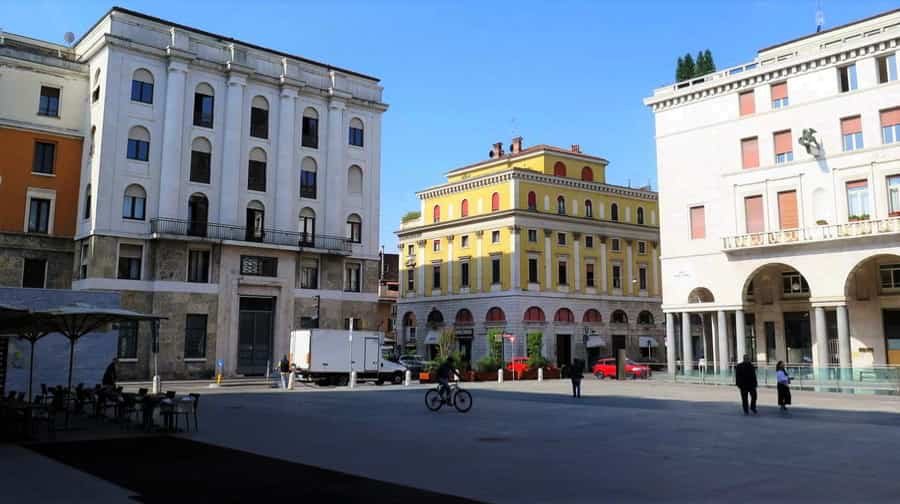
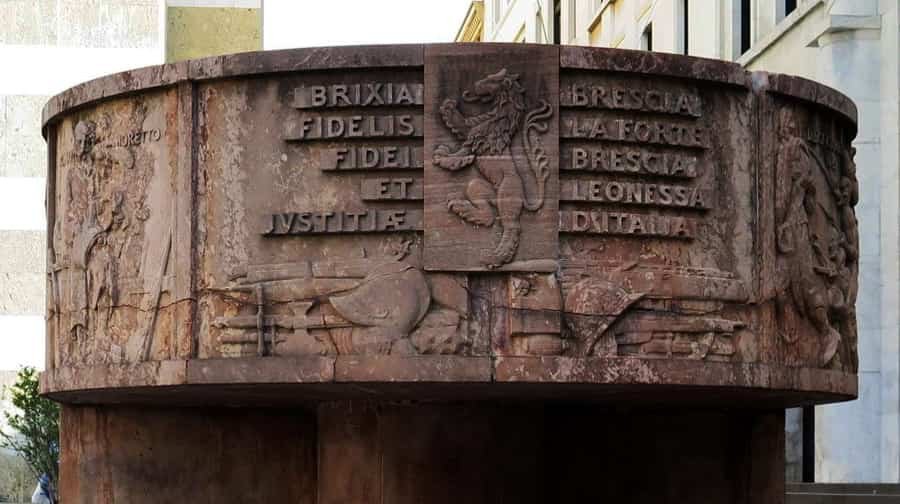
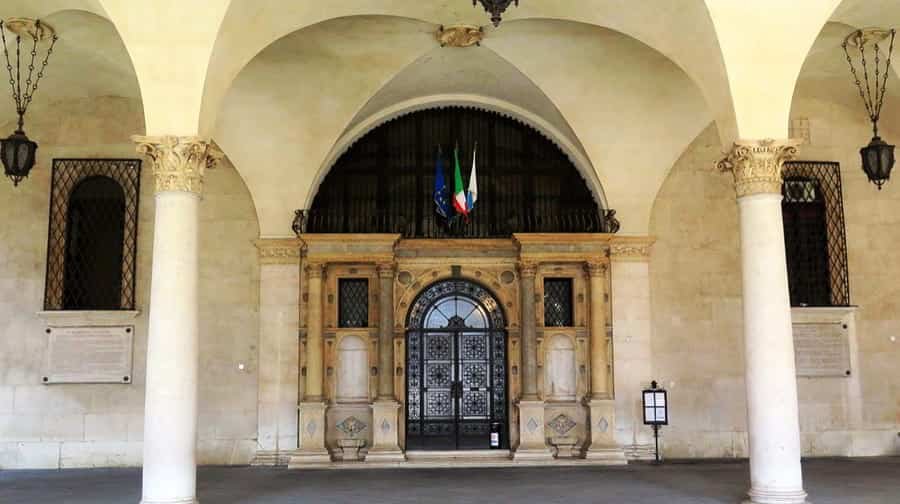
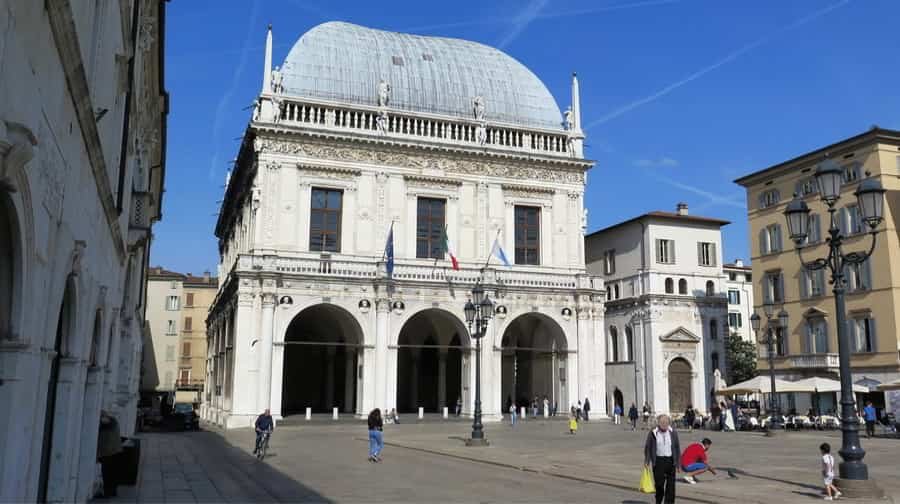
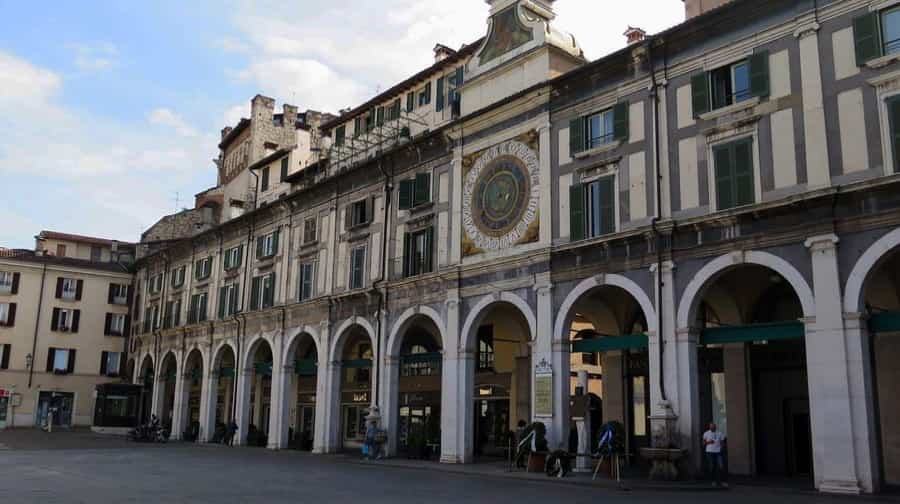
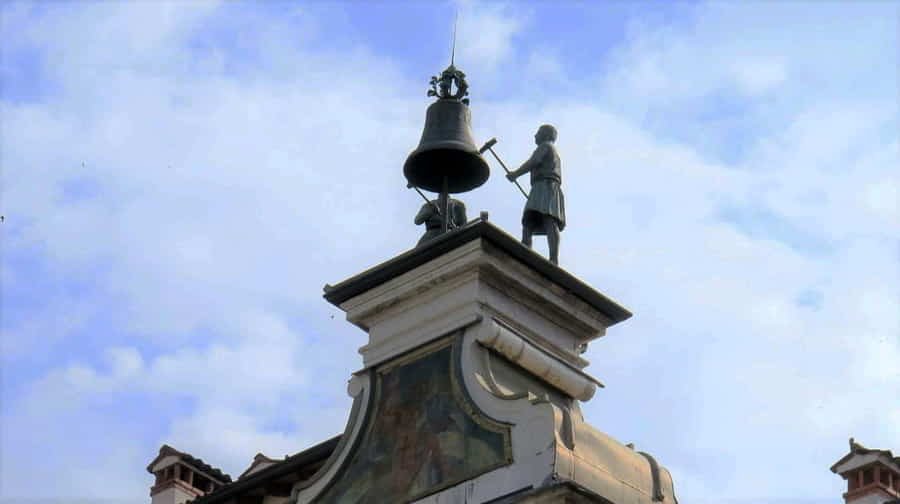
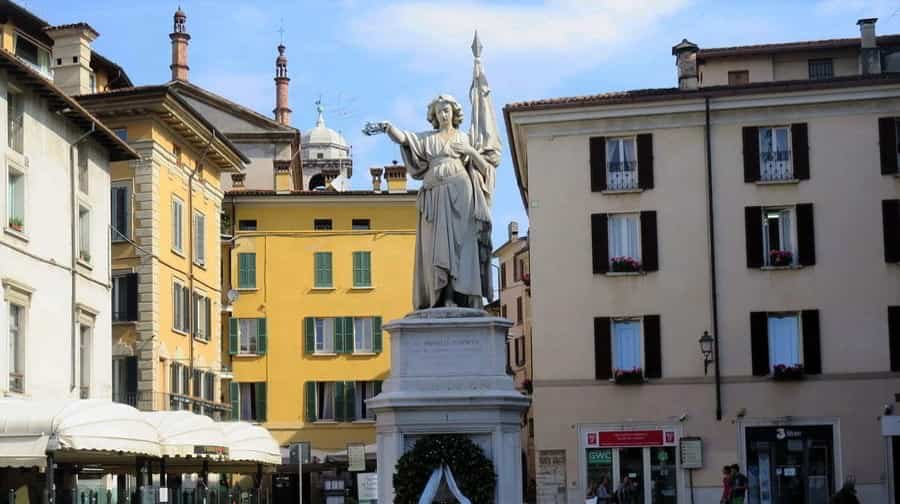
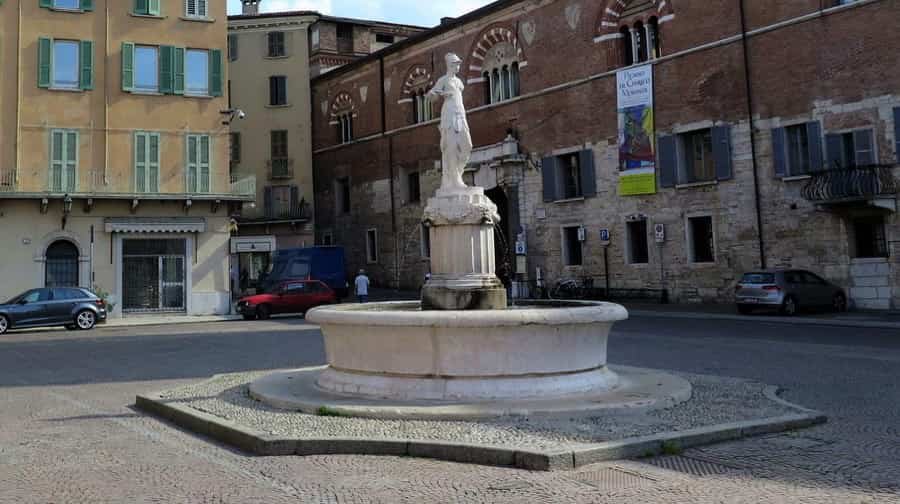
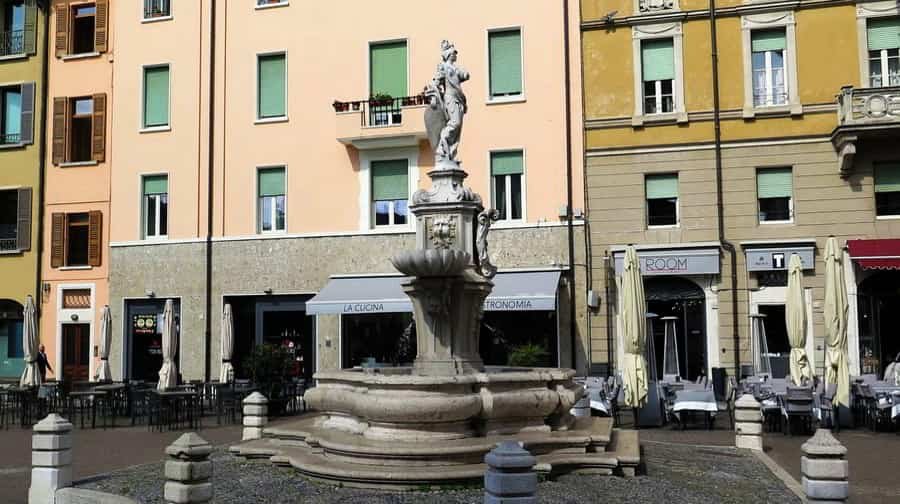
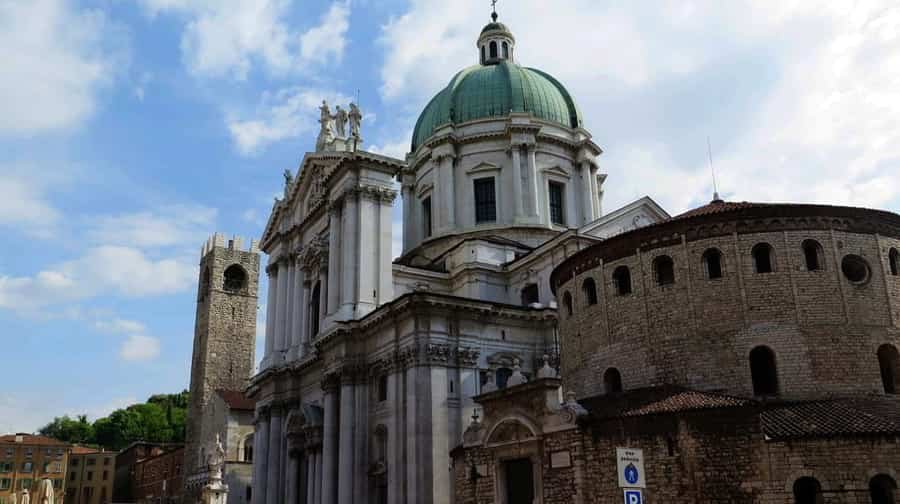
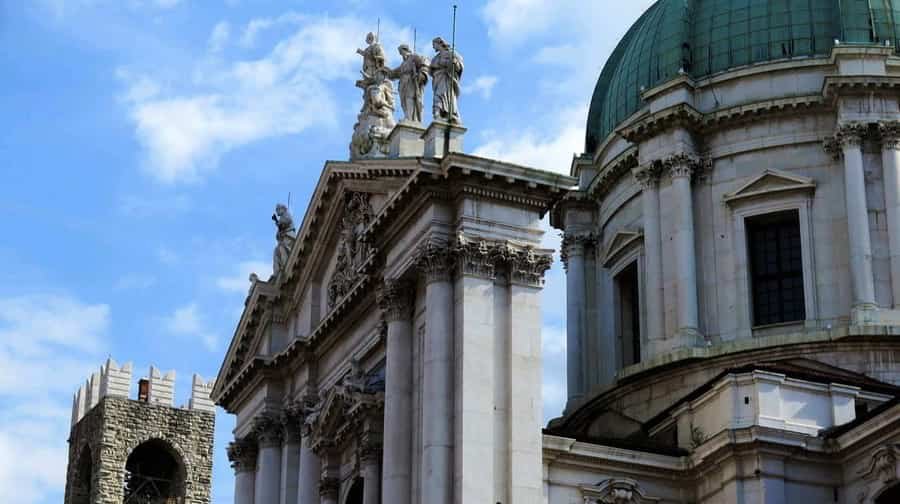
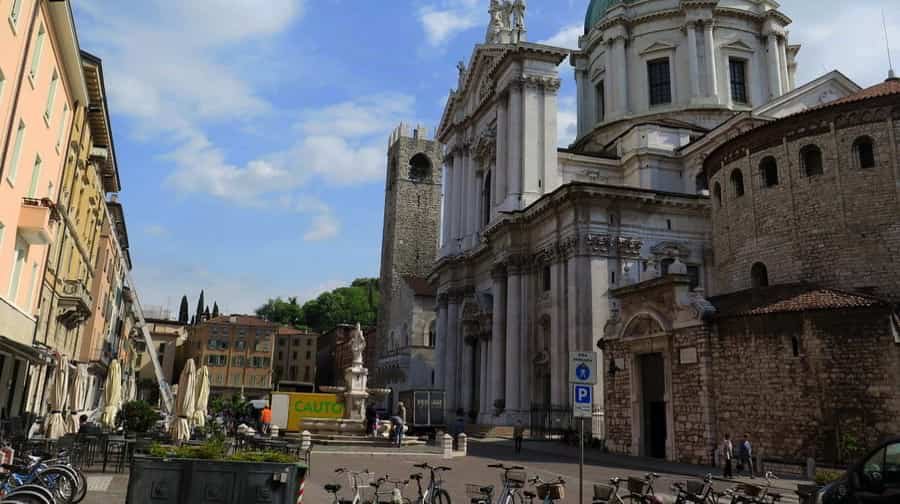
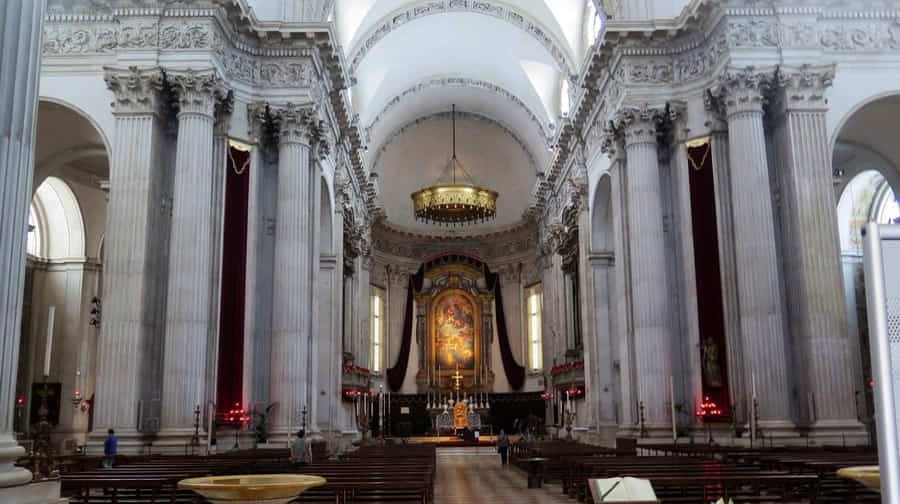
Photo Gallery of Walk 2 – Via Trieste to Contrada Sant’Urbano
Approximately 2.16 km – 1.34 mile
The walk starts in Via Trieste – Via X Giornate – Via IV Novembre – Via X Giornate – Corso Giuseppe Zanardelli – Via Felice Cavallotti – Corso Giuseppe Zanardelli – Corso Magenta – Walk back along Corso Magenta to Corso Cavour – Via Gabriele Rosa – Via dei Musei – Via Solone Reccagni – Via dei Musei – Piazza Tito Speri – Contrada Sant’Urbano
Capitolium of Brixia
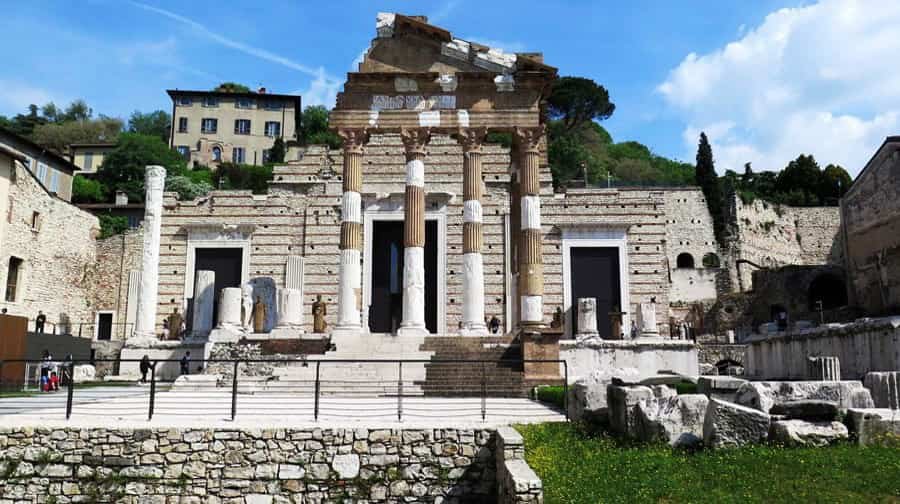
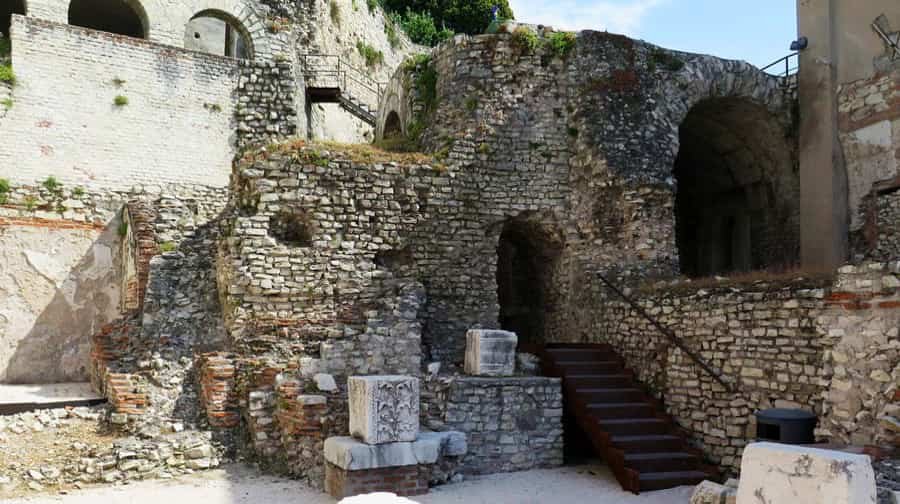
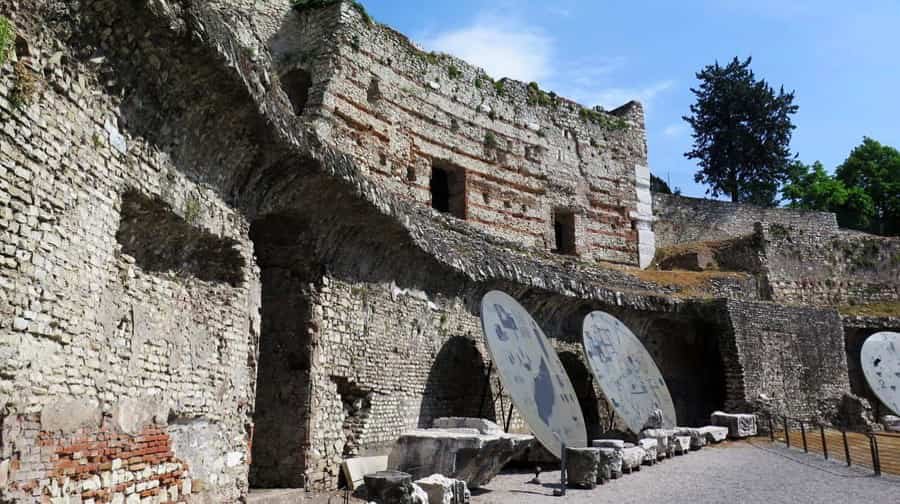
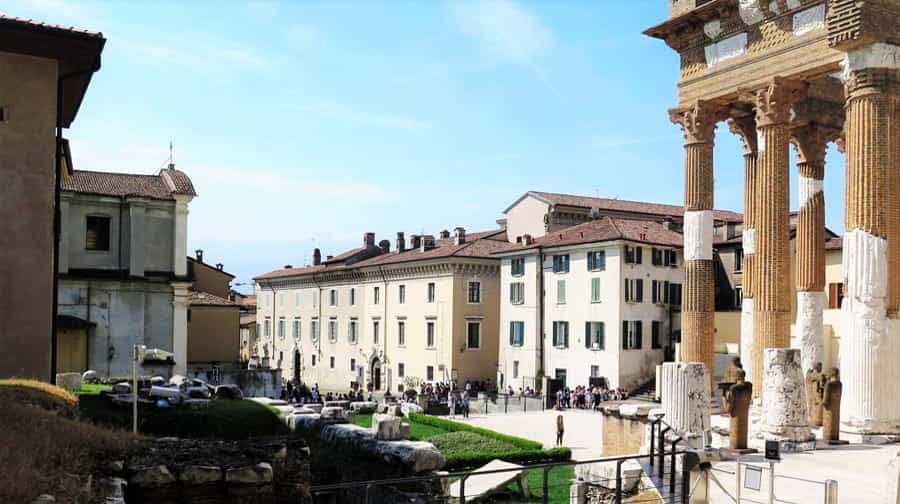
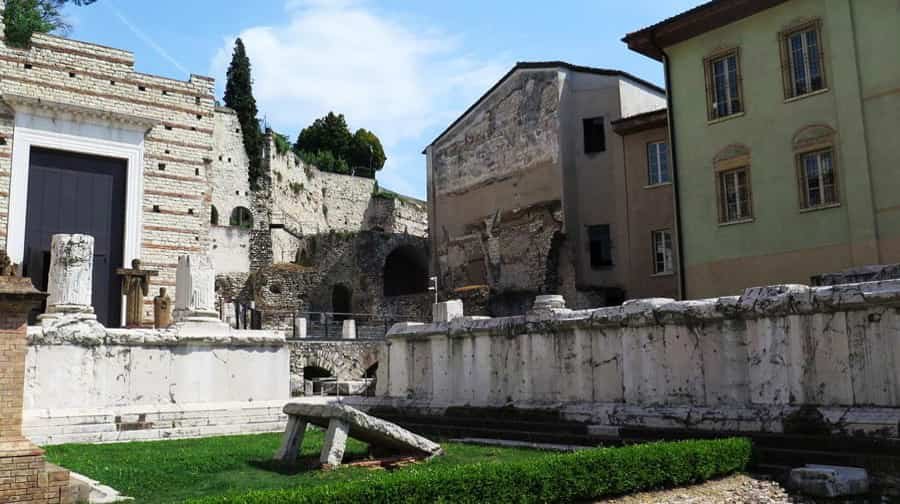
The Capitolium of Brixia, located in the heart of Brescia in northern Italy, stands as one of the most impressive and well-preserved Roman archaeological sites in the country. Known also as the Capitolium Temple or the Temple of the Capitoline Triad, it represents the ancient Roman city of Brixia’s most important religious and civic monument. Nestled at the foot of Cidneo Hill, this grand structure offers visitors a remarkable journey through more than two thousand years of history, art, and architecture, reflecting the enduring influence of Roman civilization in Lombardy.
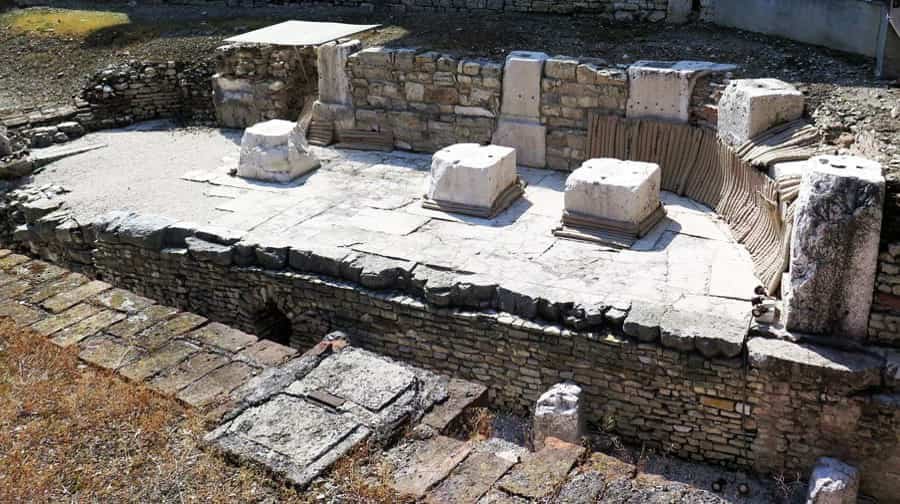
The temple was originally commissioned by Emperor Vespasian in 73 AD, following his victory in the civil wars that brought stability to the Roman Empire. It was dedicated to the Capitoline Triad, Jupiter, Juno, and Minerva, deities that symbolized the strength and unity of Rome. Constructed on the remains of an earlier Republican sanctuary, the Capitolium formed the centrepiece of the Roman forum of Brixia, a bustling area surrounded by public buildings, porticoes, and marketplaces. Its marble columns, elegant stairways, and richly decorated altars once expressed the city’s loyalty to Rome and its prosperity as a key centre in northern Italy.
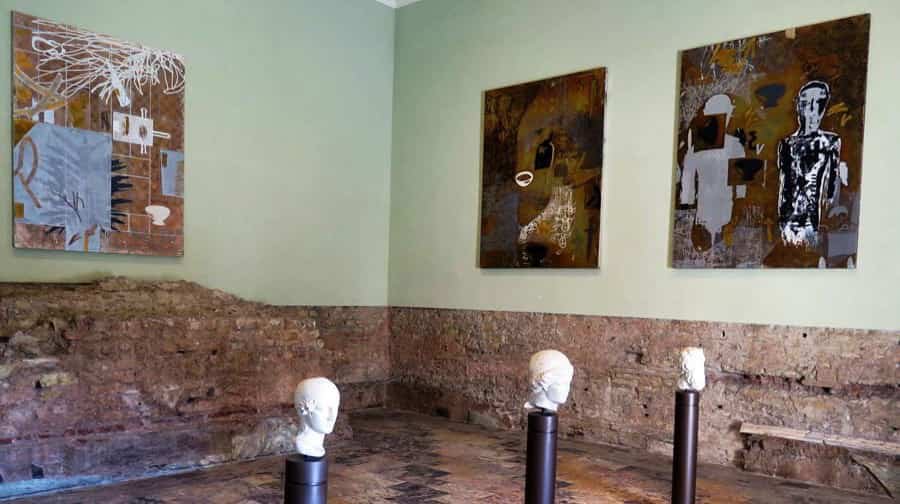
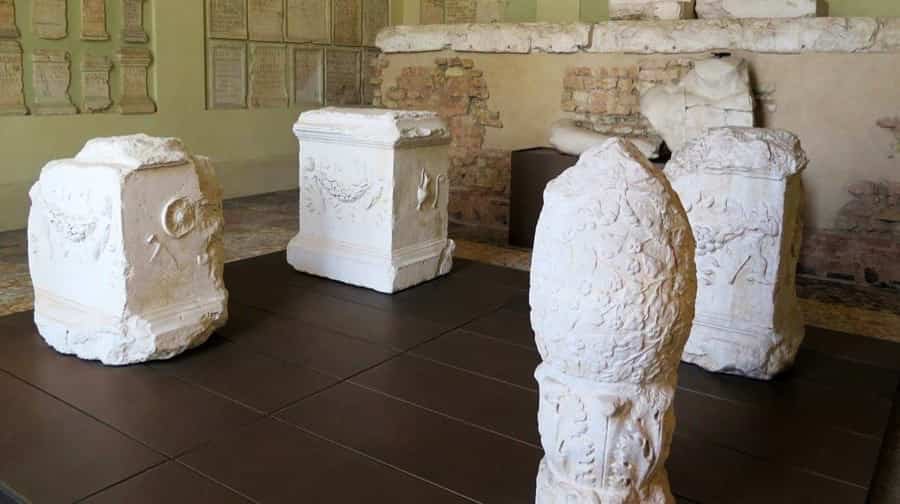
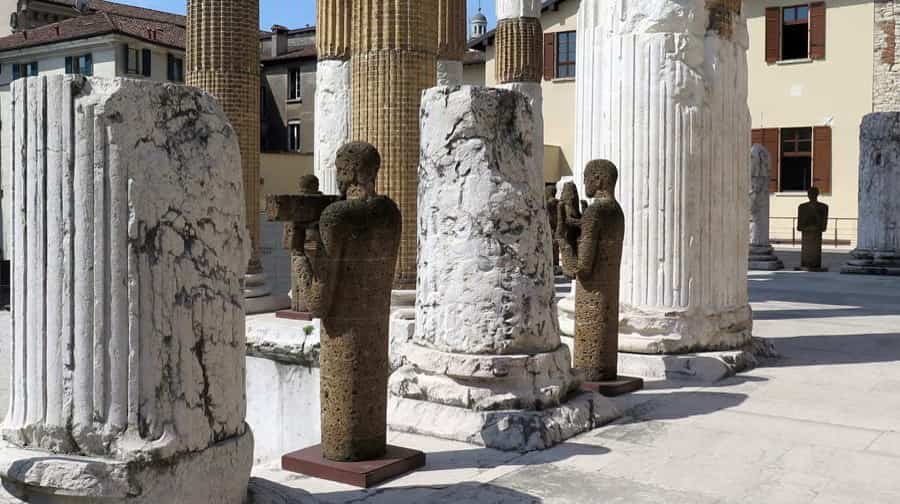
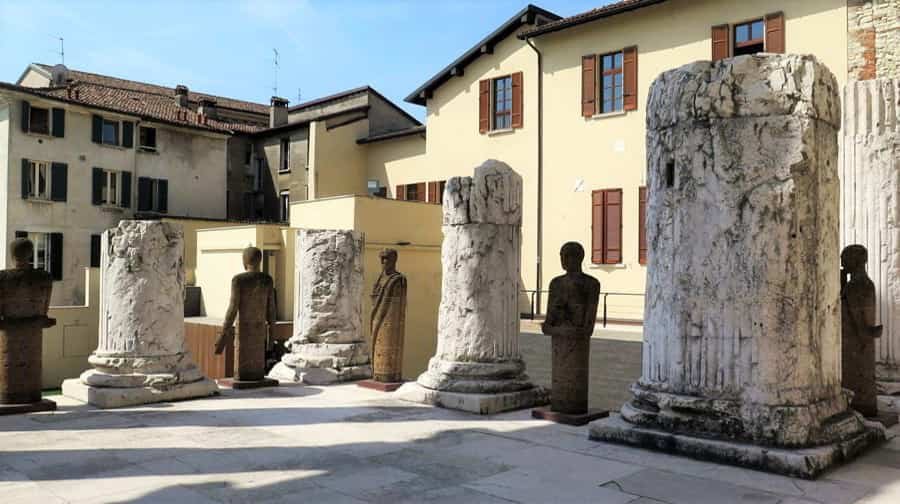
Over the centuries, the temple suffered destruction and neglect. It was buried by a series of landslides from Cidneo Hill and forgotten for hundreds of years. However, in the early nineteenth century, the site was rediscovered and gradually excavated, revealing a treasure trove of ancient remains. Today, the reconstructed portions of the temple, including the tall Corinthian columns and the monumental staircase, evoke the grandeur of Roman architecture. Inside, visitors can admire fragments of frescoes, sculptural reliefs, and inscriptions that once adorned the sacred spaces.
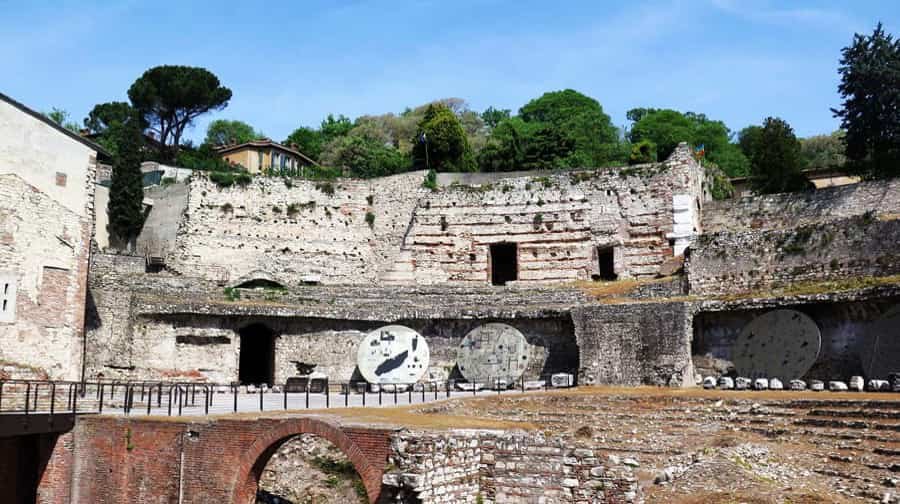
Adjacent to the temple stands the Roman theatre of Brescia, one of the largest in northern Italy, further illustrating the scale and cultural vitality of ancient Brixia. Together, the Capitolium and the theatre form part of the UNESCO World Heritage Site “Longobards in Italy, Places of Power,” recognized for its exceptional historical and artistic value.
A visit to the Capitolium of Brixia is not only an encounter with ancient ruins but also an experience of continuity between past and present. It reveals how the layers of history shape the identity of Brescia, a city where Roman stones still stand alongside medieval towers and Renaissance palaces, forming a living testament to Italy’s timeless heritage.
Castello di Brescia
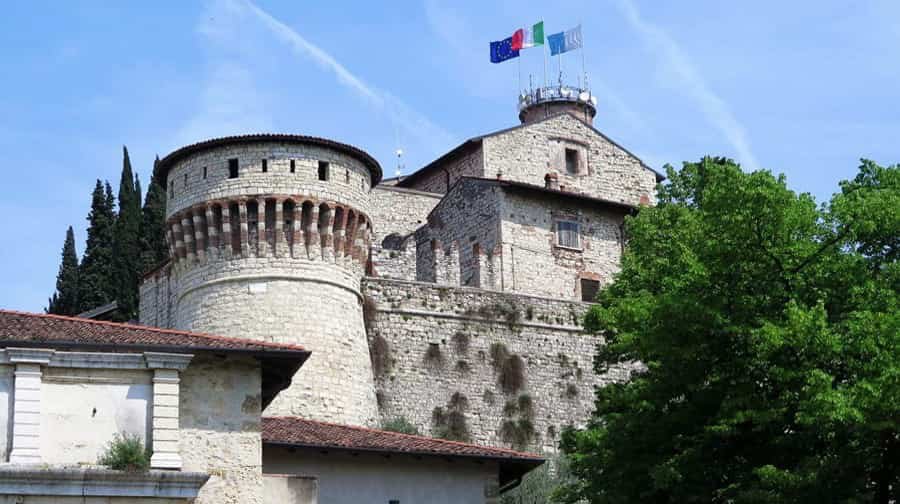
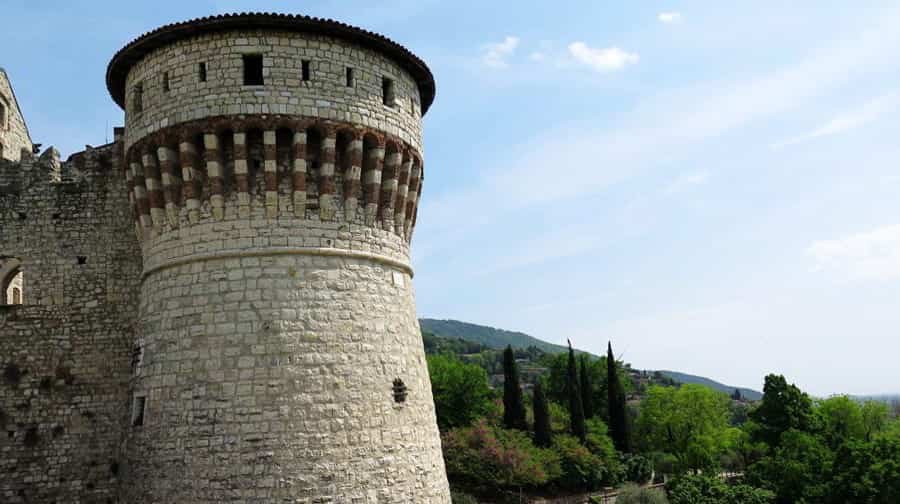
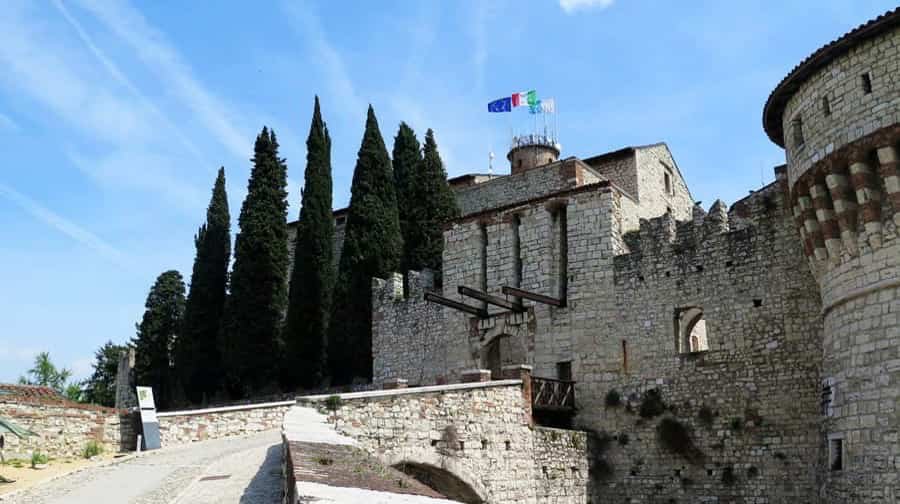
The Castello di Brescia, also known as the Castle of Brescia, stands proudly on the Cidneo Hill overlooking the city, serving as both a historic landmark and a symbol of Brescia’s enduring strength. This imposing fortress, one of the largest in northern Italy, embodies centuries of history, from Roman foundations to medieval fortifications and Venetian grandeur. Its commanding position offers not only panoramic views of the city and surrounding countryside but also a journey through time, where every stone and tower tells a story of power, defence, and transformation.
The origins of the castle date back to the Roman era, when a temple dedicated to Jupiter once occupied the site. Over the centuries, it evolved into a fortified stronghold, especially during the Middle Ages, when it became an essential part of Brescia’s defence system. The Visconti family, rulers of Milan in the fourteenth century, expanded and reinforced the castle, giving it much of its current structure. Later, under Venetian rule, the fortress was further strengthened and adapted to withstand the changing techniques of warfare. Each period left its distinct architectural imprint, creating a fascinating blend of styles that reflect Brescia’s complex political and cultural past.
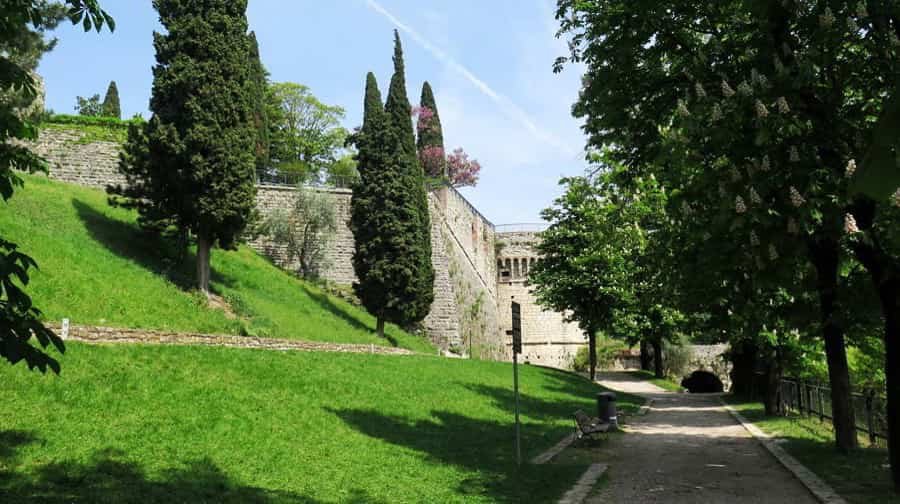
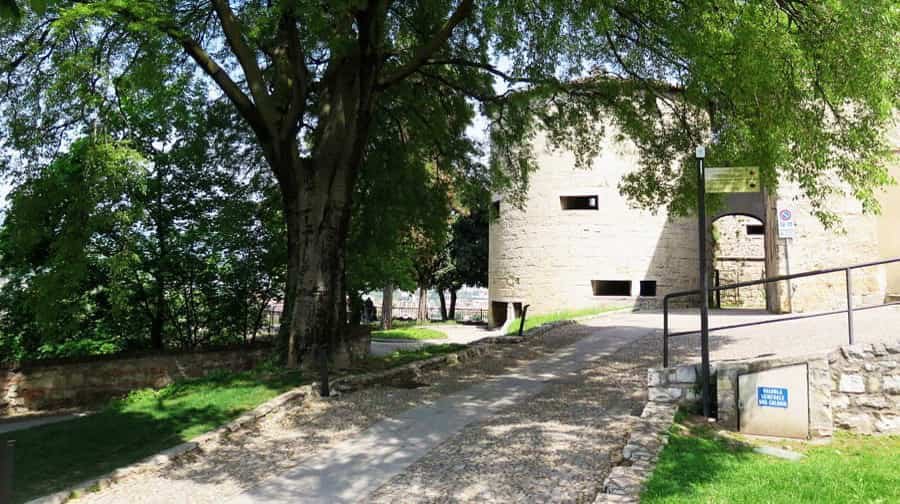
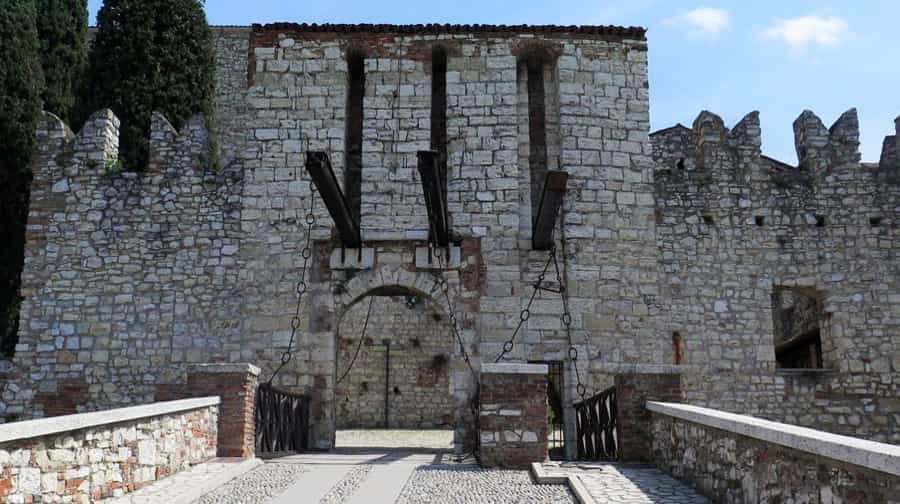
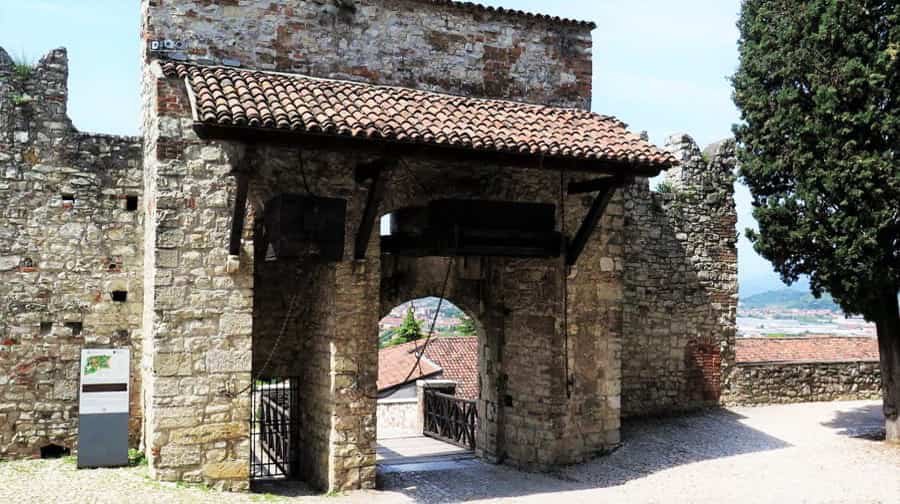
Entering through the monumental gateway, visitors are greeted by massive stone walls, drawbridges, and winding paths that lead up to the heart of the fortress. Within its vast grounds, the castle houses several remarkable attractions. The Luigi Marzoli Arms Museum displays one of Europe’s finest collections of ancient weapons and armour, offering insight into the art of war and craftsmanship of past centuries. The Museum of the Risorgimento, located in one of the castle’s buildings, tells the story of Brescia’s significant role in Italy’s struggle for independence during the nineteenth century. These museums transform the castle into a vibrant centre of culture and learning, preserving its heritage while engaging visitors of all ages.
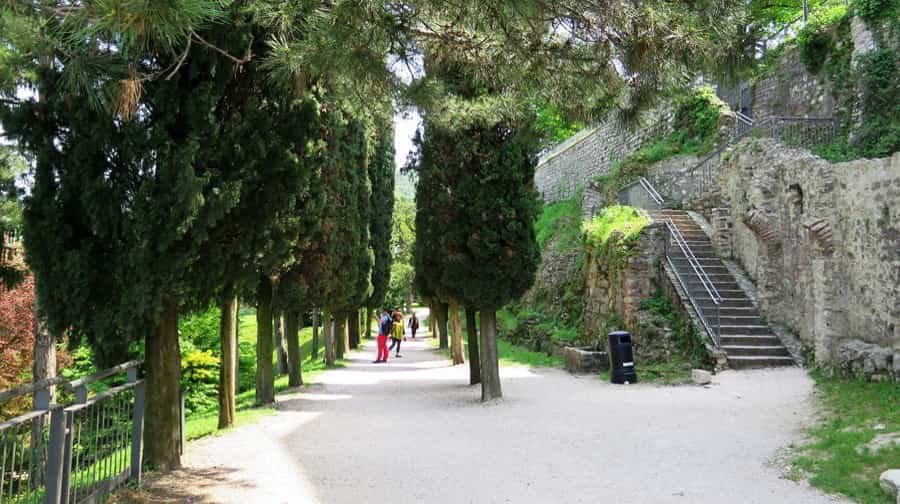
Beyond its historical and cultural treasures, the Castello di Brescia is also a place of relaxation and community. Its wide terraces and gardens provide peaceful spaces where locals and tourists gather to enjoy concerts, exhibitions, and festivals throughout the year. The sweeping view from its ramparts, stretching across the old city’s rooftops to the distant Alps, offers a breath-taking reminder of Brescia’s enduring beauty. The Castello di Brescia is more than a fortress; it is the soul of the city, a living monument that connects past and present, inviting all who visit to experience its timeless charm.
COPYRIGHT © 2018-2026 ITALY IN PHOTOS – ALL RIGHTS RESERVED