
HOME
REGIONS OF ITALY
PLACES IN ITALY
TRAVEL GUIDES
Italy in Photos
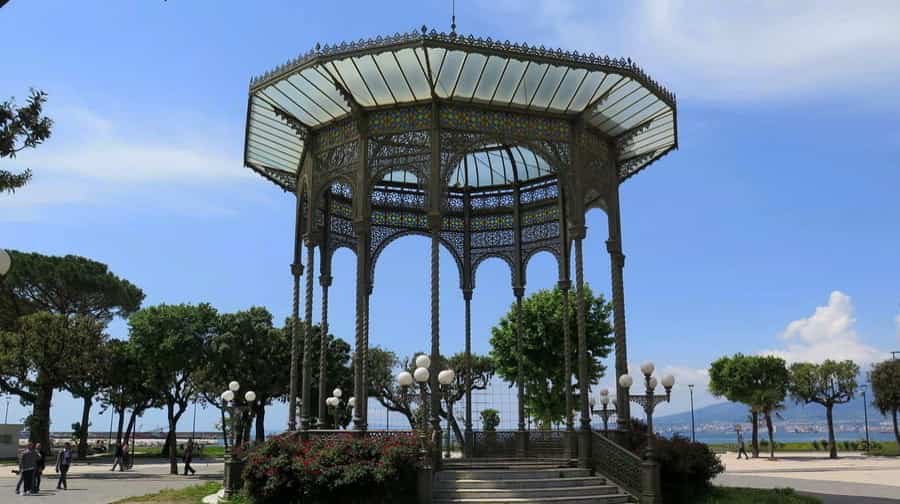
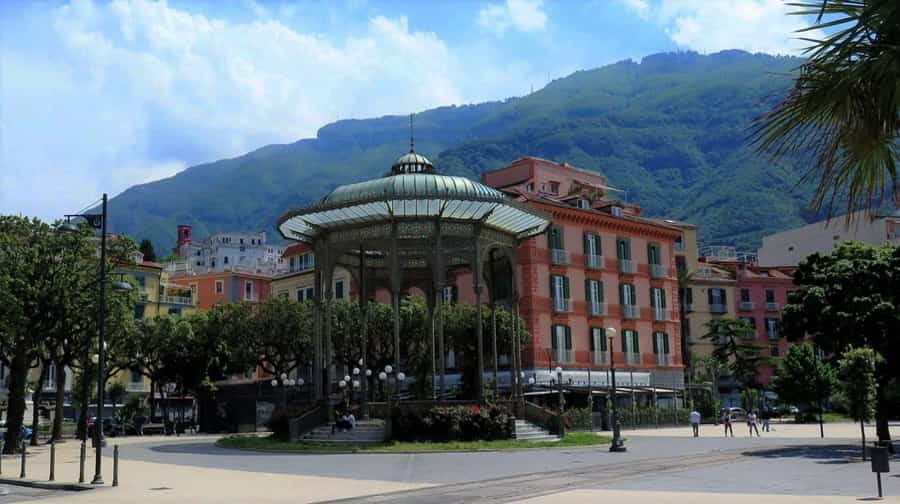
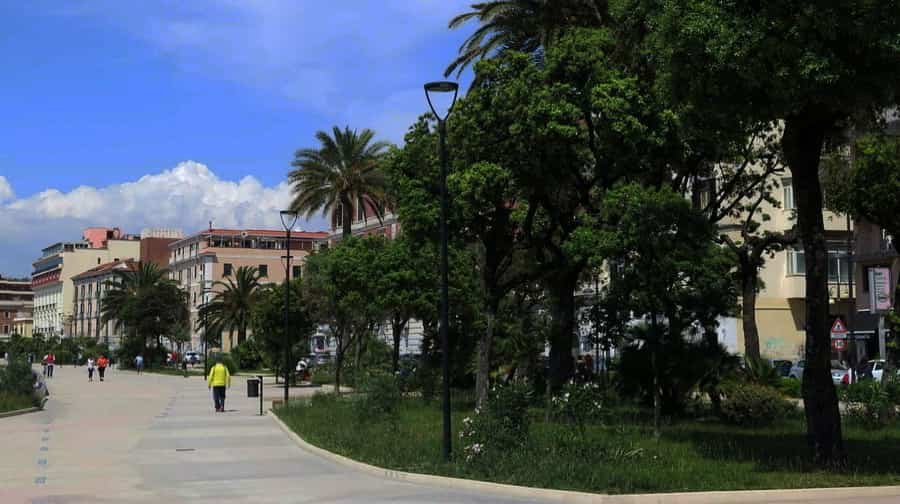
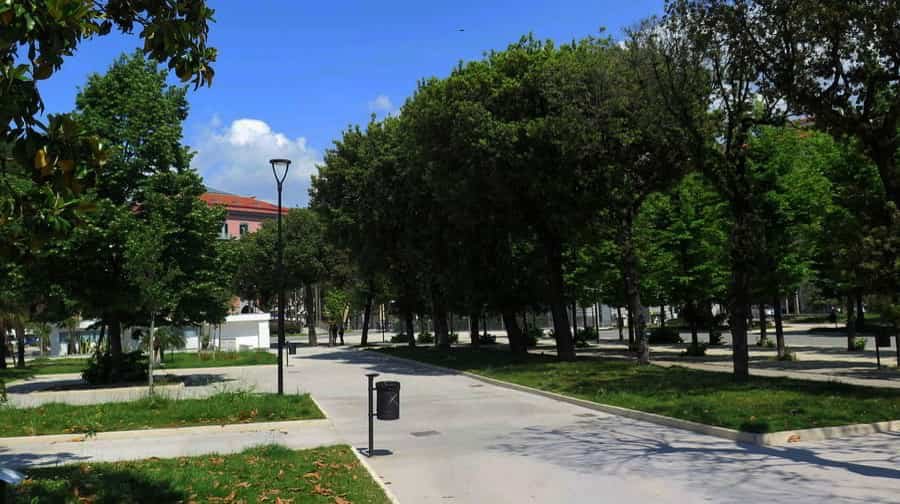
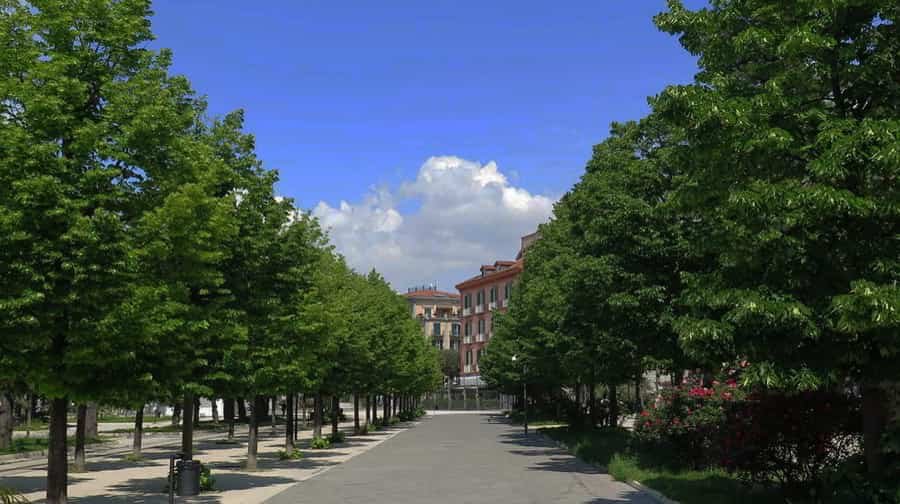
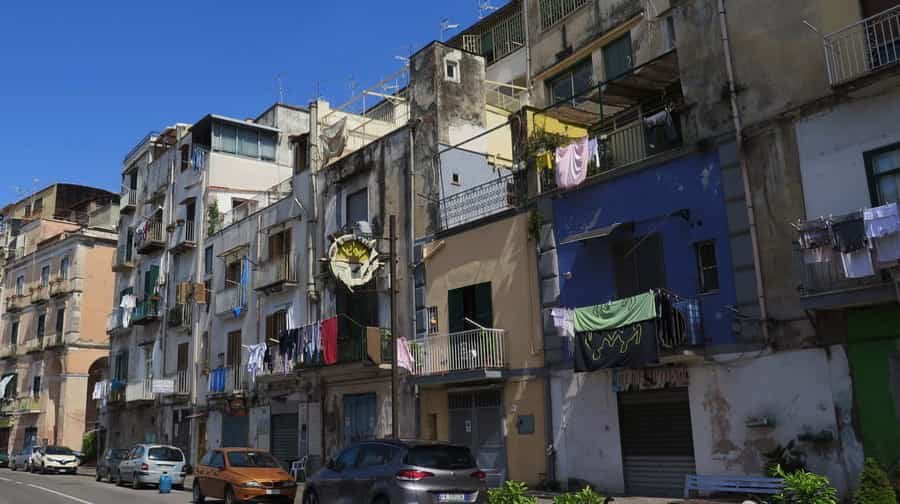
Parco, Corso Giuseppe Garibaldi, 80053 Castellammare di Stabia, Italy (May 2018)
Castellammare di Stabia
Situated on the Bay of Naples, Castellammare di Stabia is a vibrant Italian town that offers a unique combination of history, natural beauty, and cultural richness. Located in the Campania region, it lies between the bustling city of Naples and the ancient ruins of Pompeii and Herculaneum, making it a place of both strategic importance and scenic charm. Castellammare di Stabia is known for its thermal springs, historic villas, and stunning coastal views, offering visitors a blend of relaxation, history, and Italian lifestyle.
The town has ancient origins, dating back to Roman times, when it was known for its fertile land and proximity to major trade routes. During this period, the area developed into a centre for agriculture, commerce, and residential villas for wealthy Romans. Over the centuries, Castellammare di Stabia evolved into a thriving community, preserving much of its historical character while adapting to modern life. Its history is closely linked to the nearby Mount Vesuvius, which has shaped both the landscape and the culture of the region. The town’s archaeological significance is highlighted by the presence of Roman villas, frescoes, and artifacts that reflect its rich past and connection to ancient civilizations.
One of the most notable features of Castellammare di Stabia is its thermal baths, which have been celebrated since Roman times for their therapeutic properties. The hot springs attract visitors seeking wellness and relaxation, making the town an important destination for health tourism. The thermal facilities are complemented by scenic parks and gardens, providing a serene environment that contrasts with the lively streets and coastal promenades. These natural resources have helped Castellammare di Stabia maintain a reputation as a centre for leisure and rejuvenation throughout history.
In addition to its thermal heritage, the town is known for its impressive architecture and historic villas. Many of these structures, built between the Renaissance and the 19th century, showcase the elegance and craftsmanship of Italian design. The villas are often surrounded by landscaped gardens, offering views of the bay and Mount Vesuvius. Walking through the town, visitors can admire these architectural treasures, explore narrow streets lined with shops and cafes, and experience a sense of connection to the past.
Castellammare di Stabia also has a vibrant cultural life. Local festivals, religious celebrations, and culinary traditions reflect the town’s strong sense of community and regional identity. Its cuisine highlights fresh seafood, local produce, and traditional Campanian recipes, providing a sensory connection to the area’s heritage. The town’s markets, trattorias, and cafes offer an authentic taste of Italian daily life, inviting both residents and travellers to immerse themselves in local culture.
The natural surroundings of Castellammare di Stabia enhance its appeal. Its position on the coast provides spectacular views of the Tyrrhenian Sea, while nearby hills and mountains offer opportunities for hiking, exploration, and appreciation of the Mediterranean landscape. The combination of historical sites, natural beauty, and modern amenities makes the town a destination that appeals to a wide range of interests.
Castellammare di Stabia stands as a testament to the enduring charm of Italian coastal towns. With its rich history, thermal springs, architectural heritage, and stunning views, it offers visitors a blend of relaxation, culture, and scenic beauty. Whether exploring ancient Roman ruins, strolling along the waterfront, or enjoying local cuisine, Castellammare di Stabia provides a memorable and multifaceted experience that reflects the unique character of southern Italy.
Worth a Visit
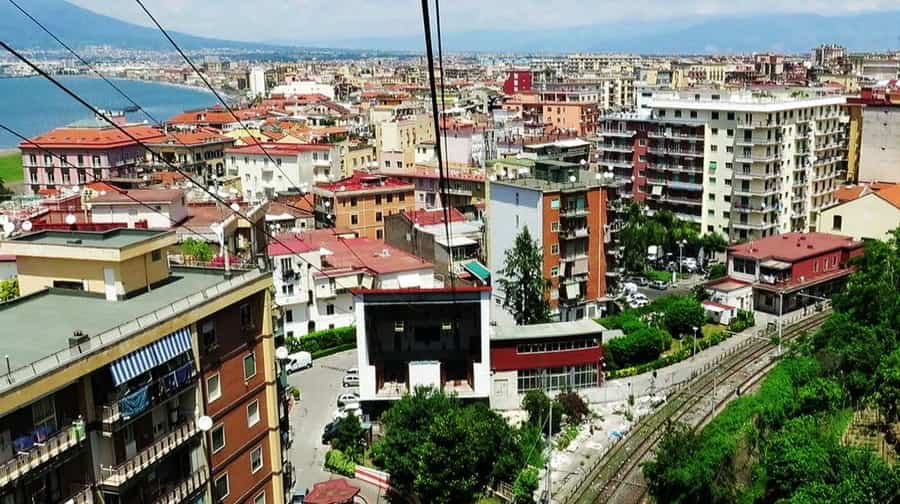
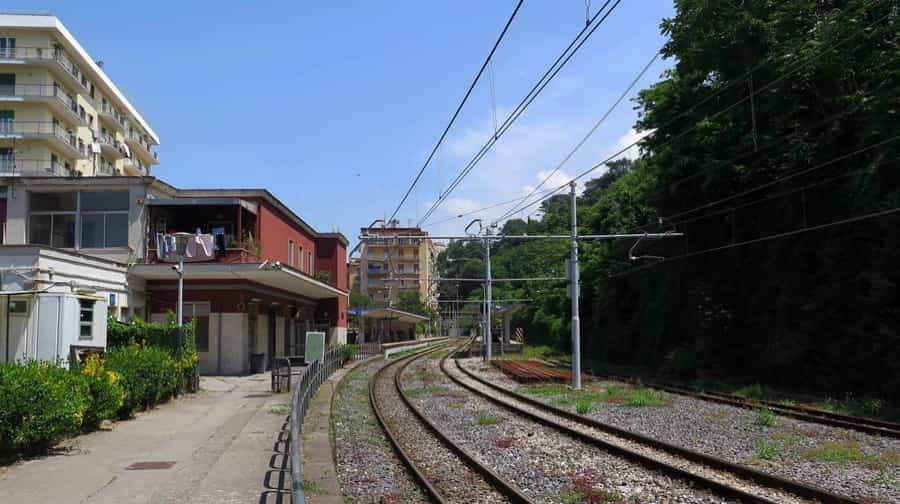
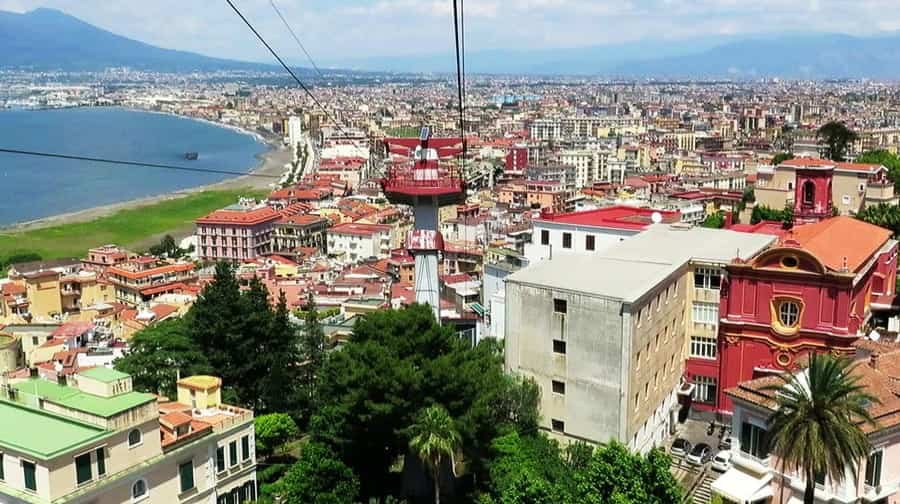
The Funivia Castellammare di Stabia is one of the most scenic and memorable ways to experience the beauty of the Sorrento Peninsula and the Bay of Naples. This aerial cable car, linking the coastal town of Castellammare di Stabia with the summit area of Monte Faito, offers passengers not only a convenient means of transport but also a breath-taking panoramic journey from sea to mountain in just a matter of minutes. Opened in the mid-20th century and now a beloved part of the region’s tourist and local infrastructure, the funivia starts its ascent near the Circumvesuviana railway station in Castellammare di Stabia. From there, it climbs over 1,000 metres to Monte Faito, part of the Monti Lattari range.
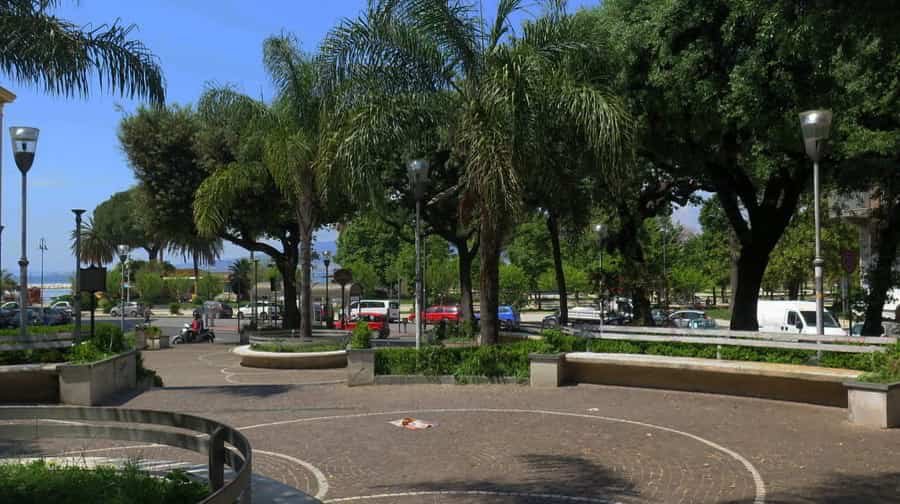
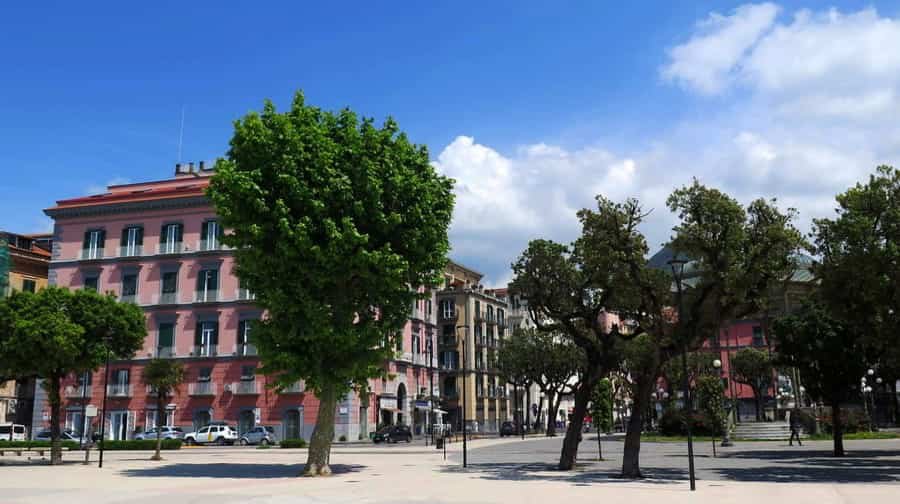
Piazza Papa Giovanni XXIII, located in the heart of Castellammare di Stabia, is a vibrant urban square that blends civic life, historical significance, and a welcoming atmosphere. Serving as a key meeting point for residents and visitors, it reflects both the town’s modern development and its deep-rooted traditions. Named in honour of Pope John XXIII—affectionately known as “Il Papa Buono” (the Good Pope), the square celebrates a figure remembered for his warmth, humanity, and efforts to open the Catholic Church to the modern world through the Second Vatican Council. The piazza occupies a strategic position within the town, close to major streets, shops, cafés, and administrative buildings. Its central location makes it a natural hub for daily life: a place where people meet for a coffee, run errands, or simply sit and watch the world go by.
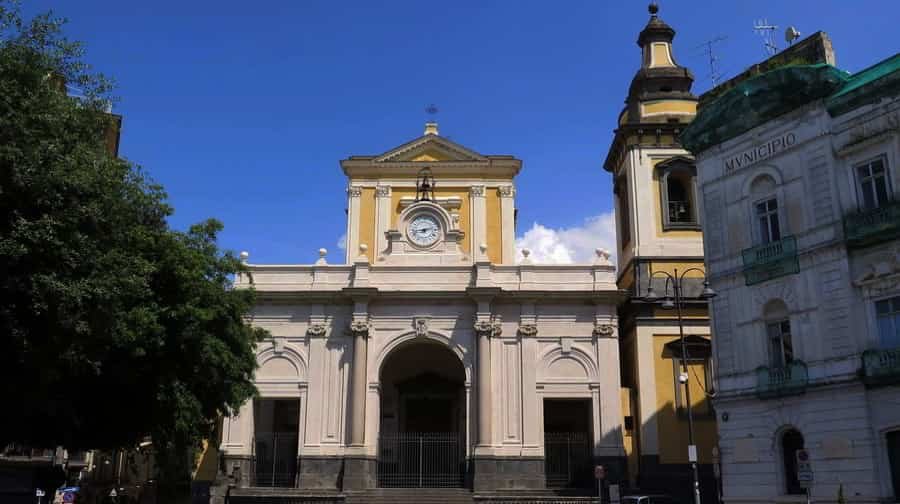
The Castellammare Cathedral, officially dedicated to Santa Maria Assunta and San Catello, stands as the most important place of worship in Castellammare di Stabia and a central symbol of the town’s faith, history, and identity. Rising in the heart of the historic centre, the cathedral is not only a religious landmark but also a repository of art, architecture, and tradition that has shaped local life for centuries. The cathedral’s origins date back to the Middle Ages, though the current building reflects a series of renovations and expansions carried out over the centuries. Its dedication to the Assumption of the Virgin Mary and to Saint Catello, Castellammare’s patron saint, underscores its dual spiritual significance
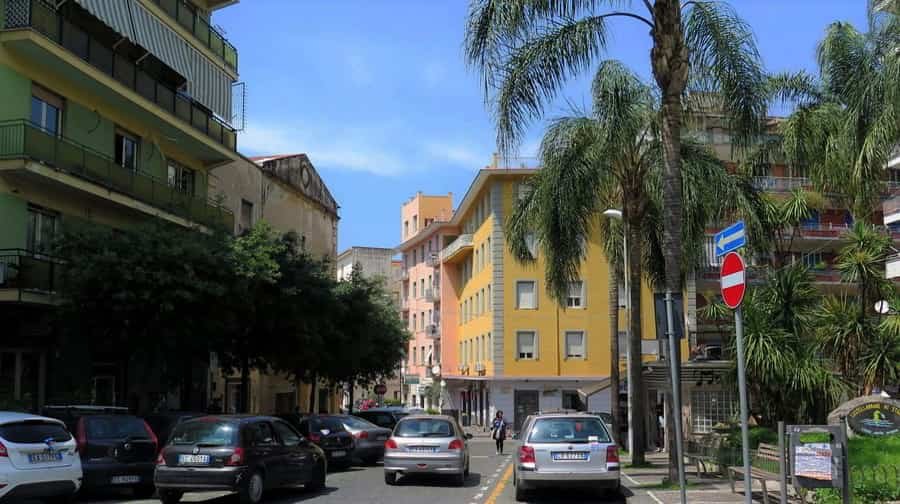
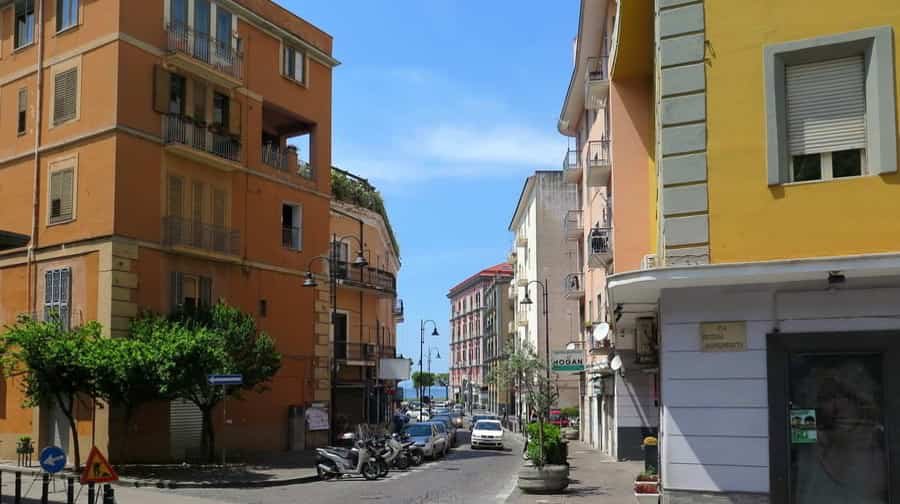
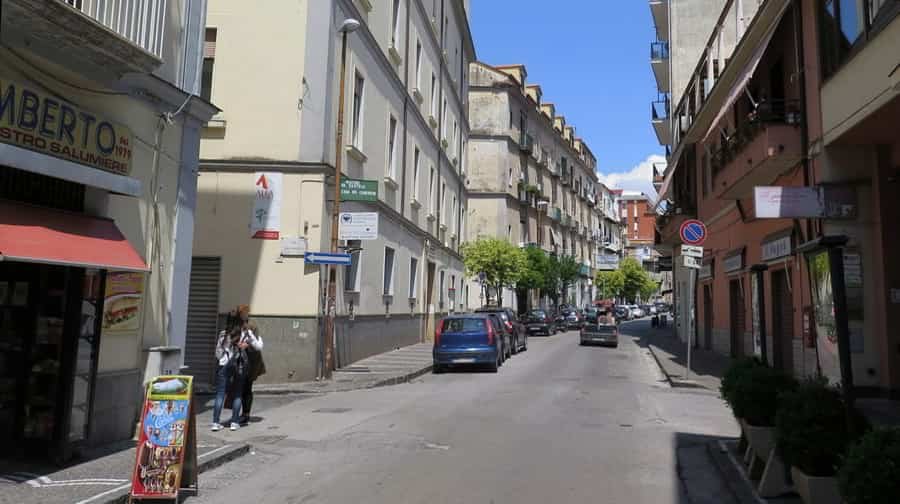
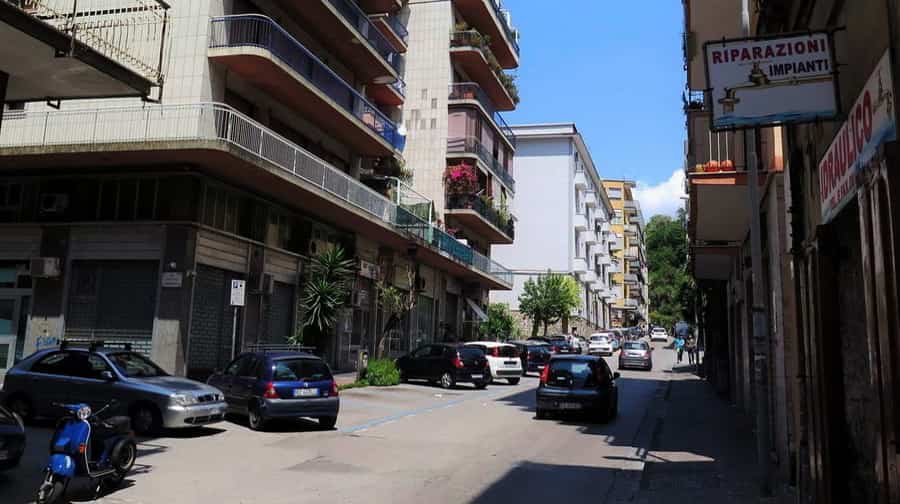
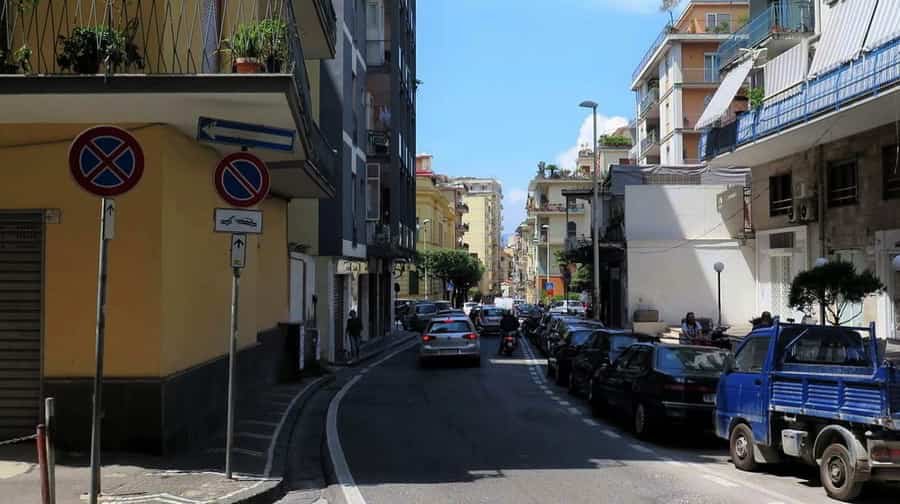
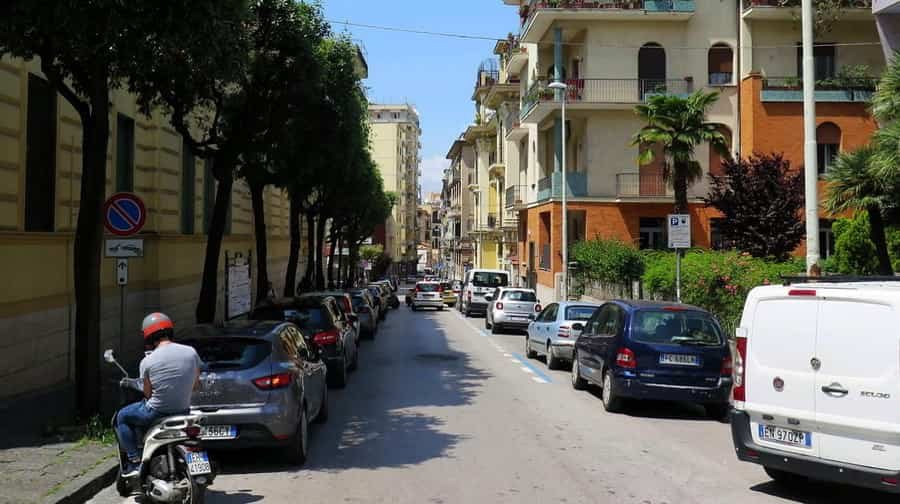
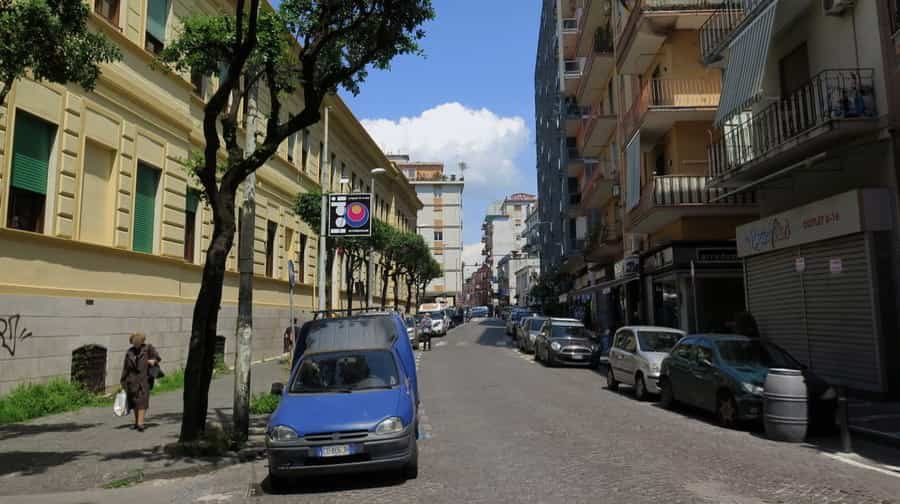
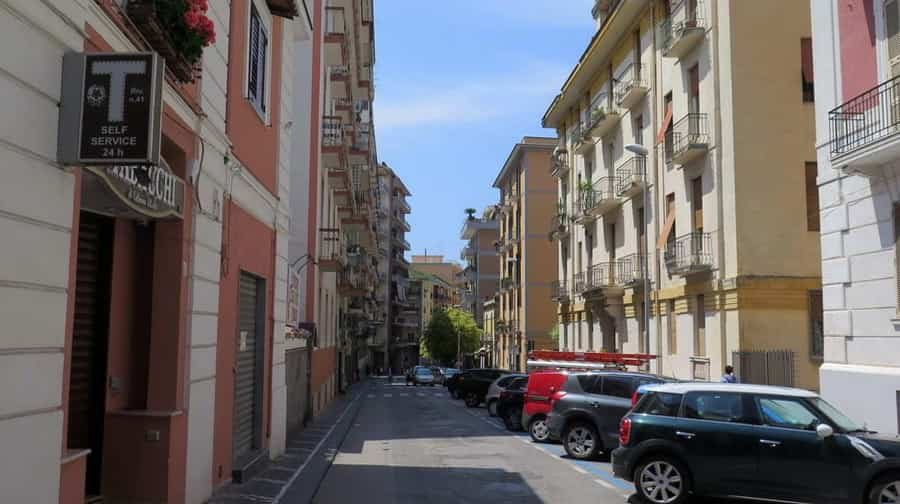
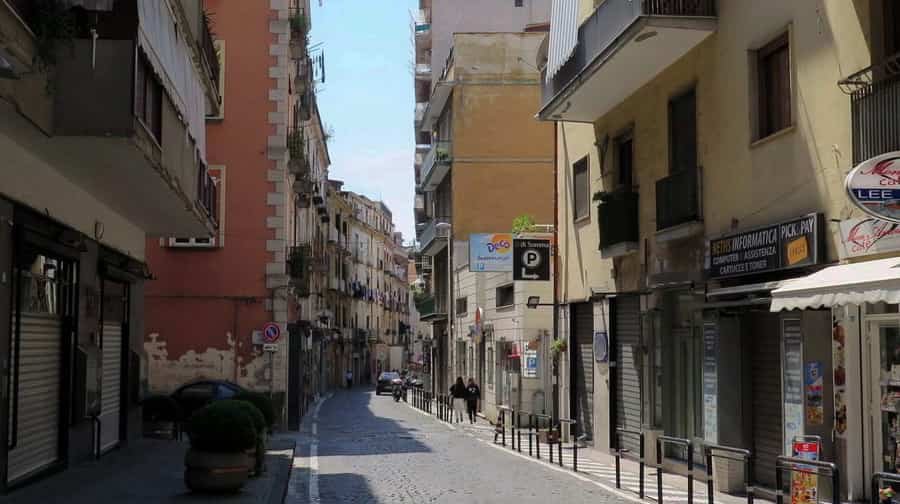
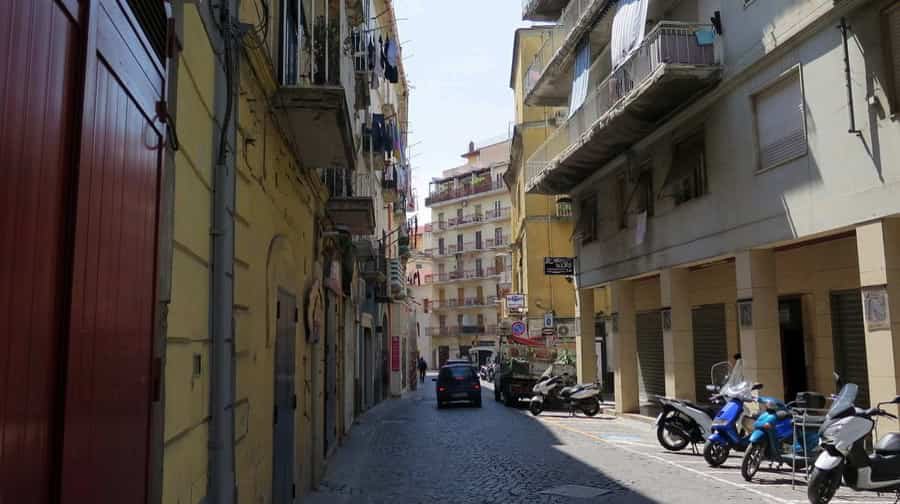
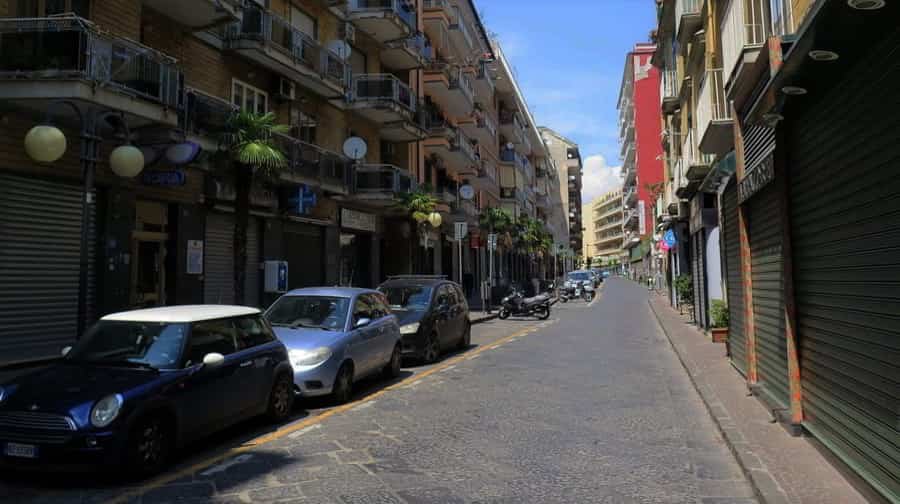
Photo Gallery of Walk – Funivia Castellammare to Via Giuseppe Bonito
Approximately 2.16 km – 1.34 miles
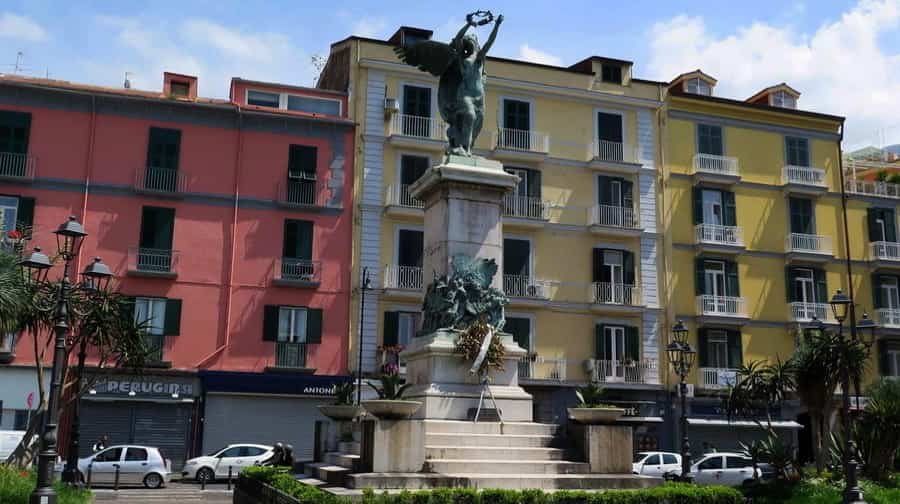
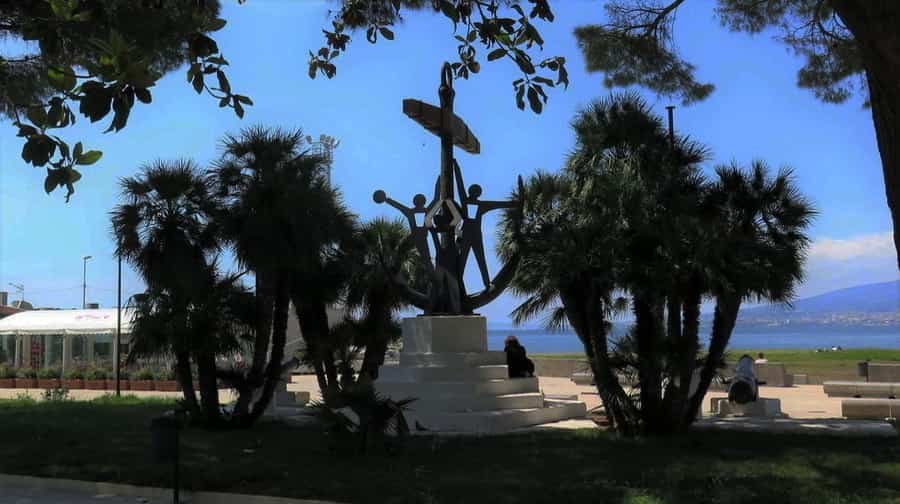
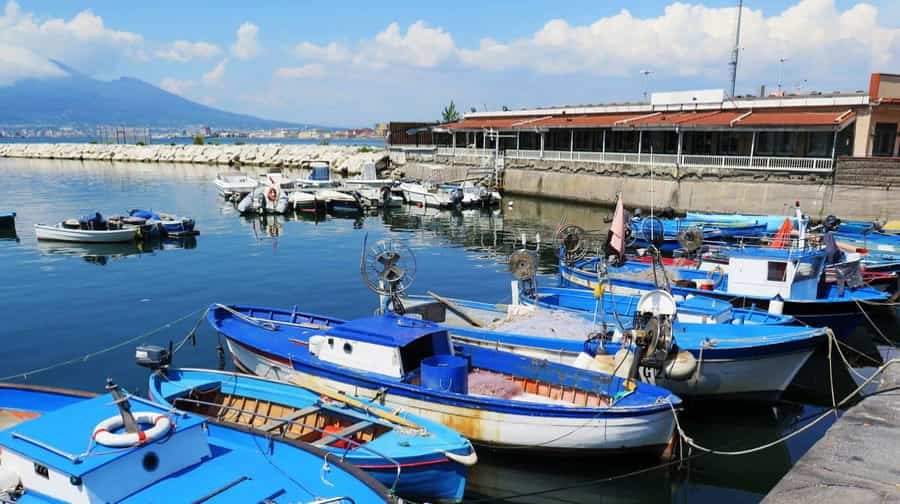
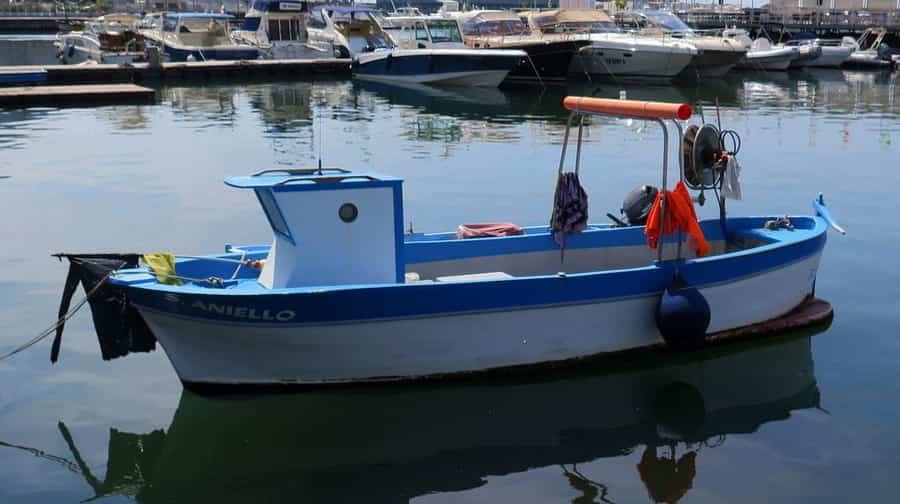
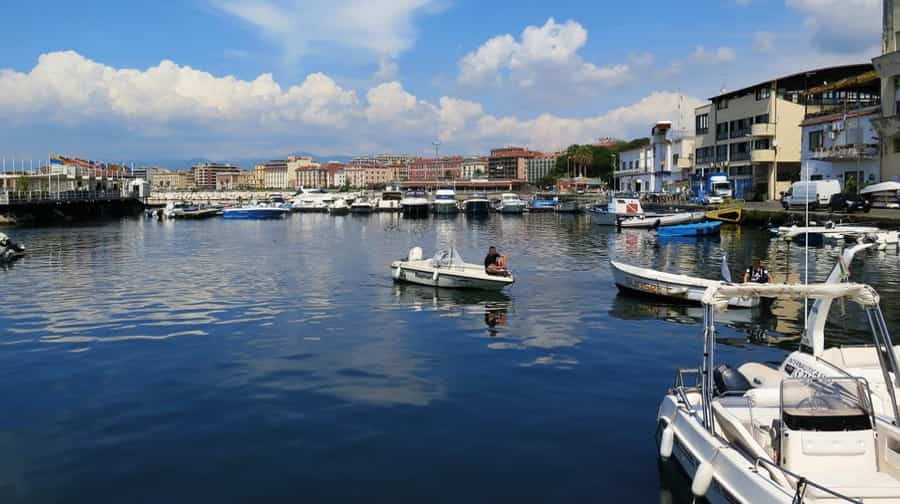
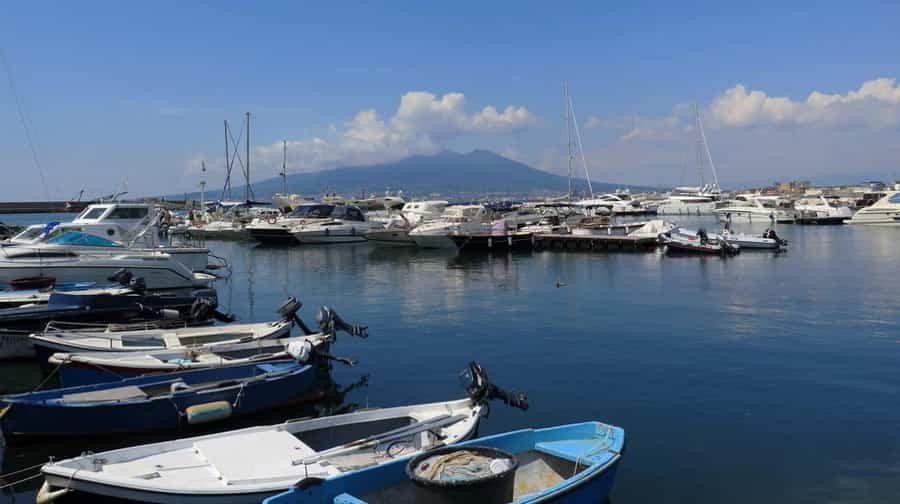
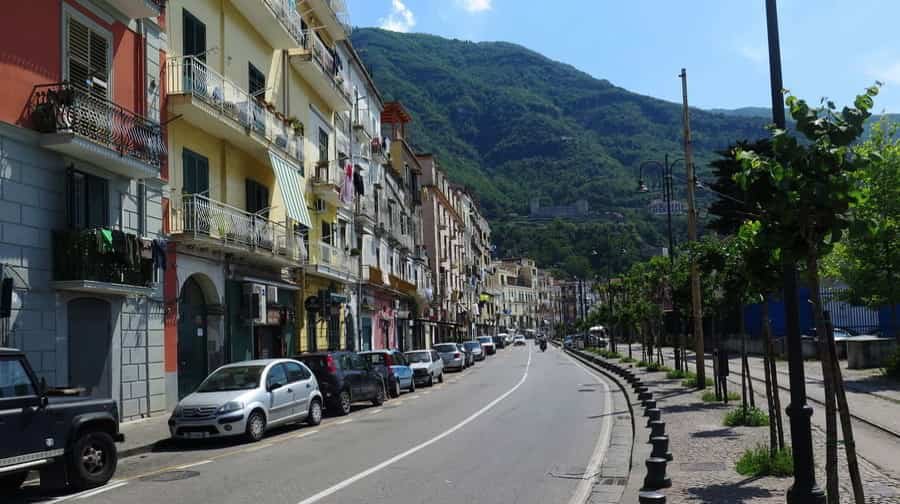
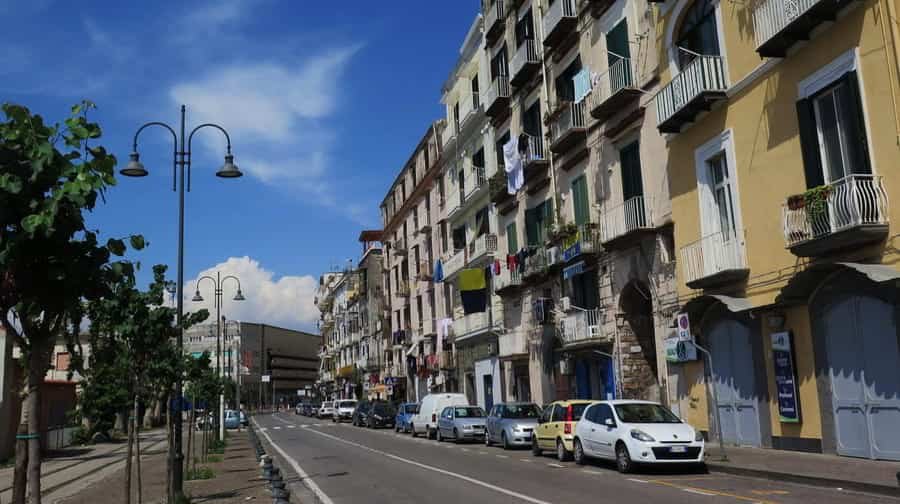
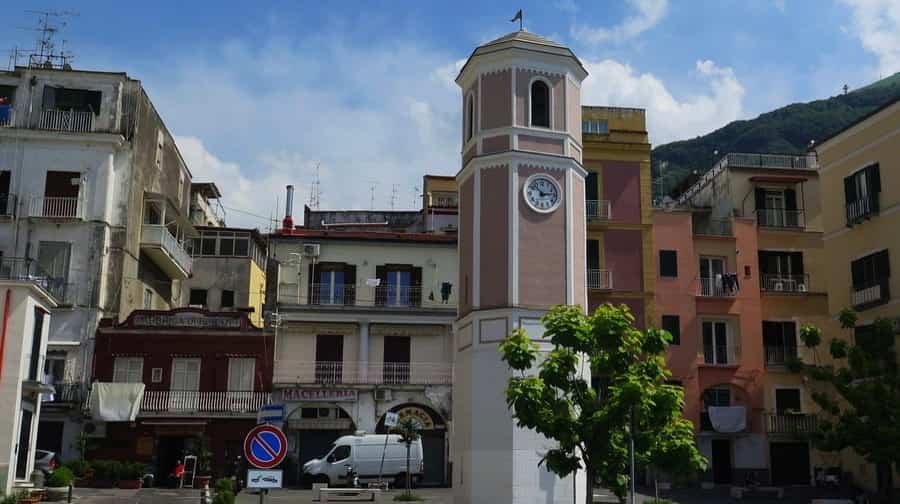
The Walk start at Funivia Castellammare – Piazza Unità d’Italia – Via Regina Margherita – Via Guglielmo Marconi – Via Nocera – Chiesa di Santa Maria dell’Orto, Strada Santa Maria dell’Orto – Cassarmonica, Corso Giuseppe Garibaldi – Via Giuseppe Mazzini – Via Giuseppe Bonito – Concattedrale Di Maria Santissima, Piazza Papa Giovanni XXIII – Via Giuseppe Bonito – Stabia Main Port – Via Giuseppe Bonito – Torre dell’Orologio, Piazza Cristoforo Colombo – Via Giuseppe Bonito



COPYRIGHT © 2018-2026 ITALY IN PHOTOS – ALL RIGHTS RESERVED