
HOME
THE REGIONS OF ITALY
PLACES IN ITALY
TRAVEL GUIDES COMING SOON
Italy in Photos
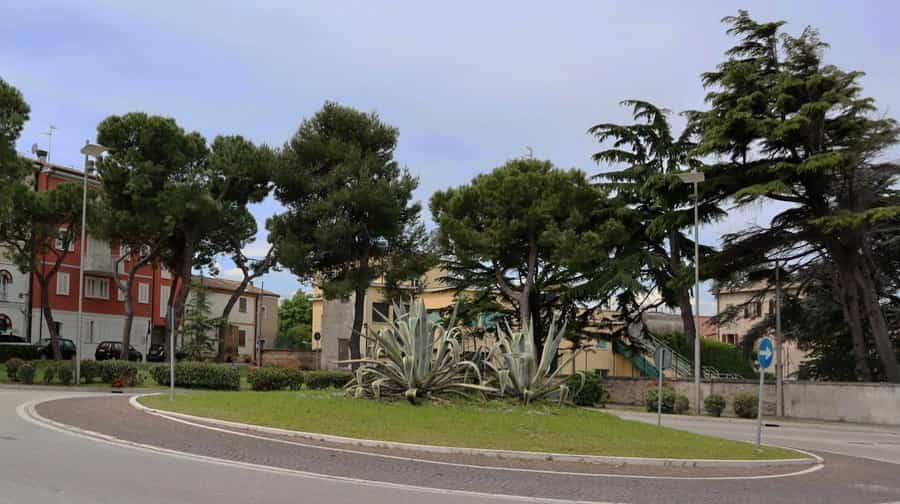
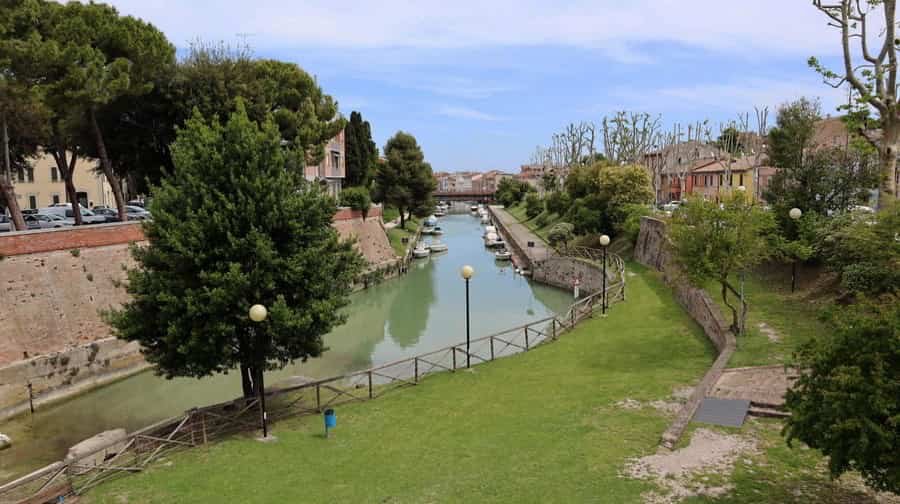
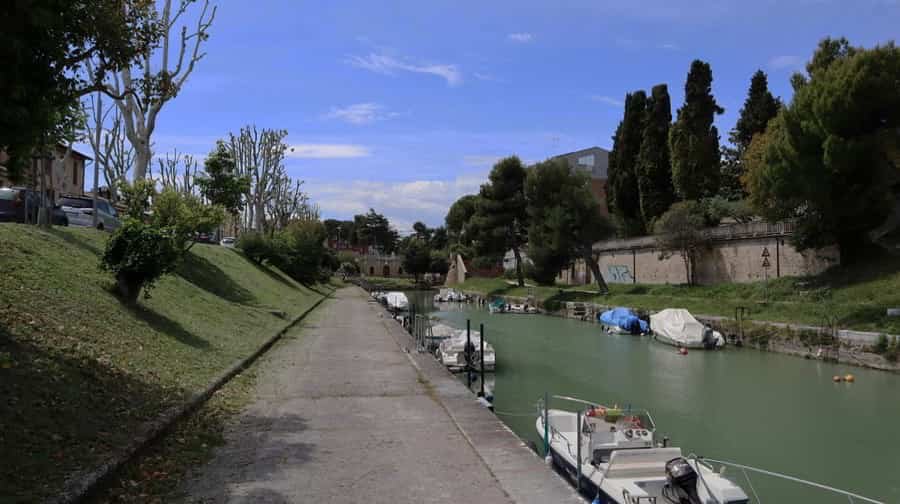
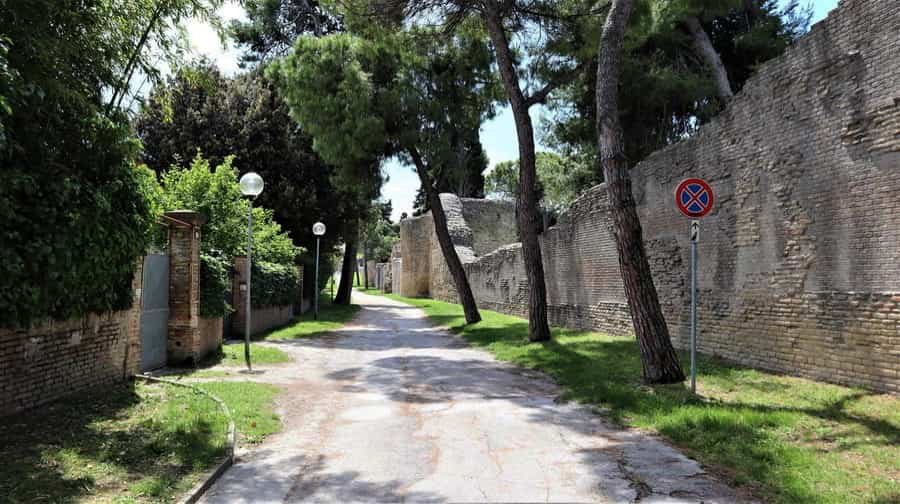
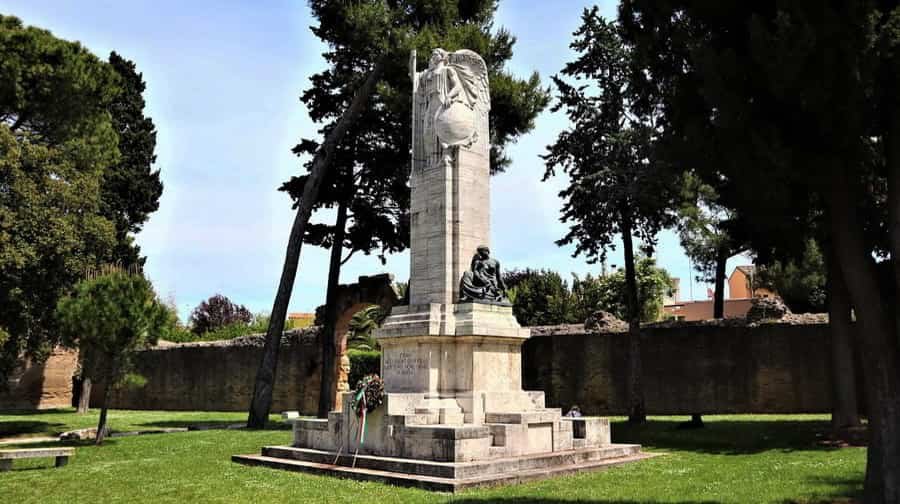
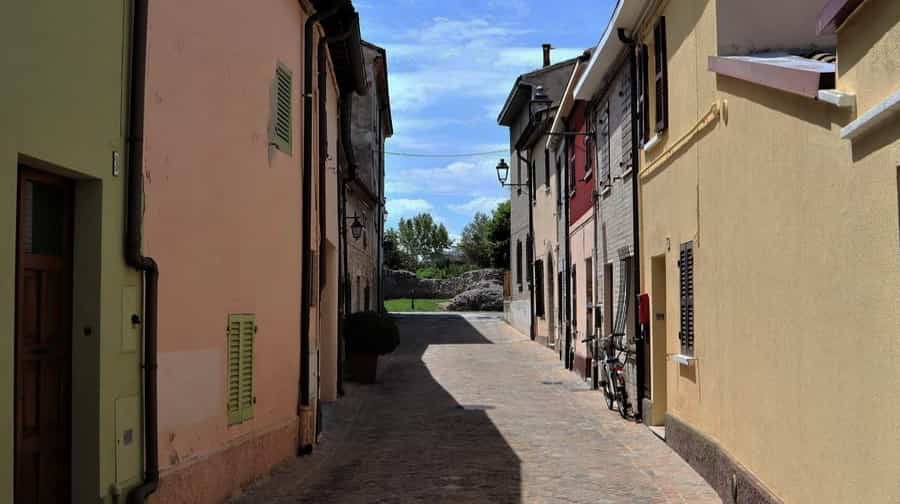
Via Cairoli, 61032 Fano, Italy (May 2019)
Fano
Fano is a historic coastal town in the Marche region of central Italy, set along the Adriatic Sea between rolling hills and open water. Known for its Roman heritage, lively traditions, and relaxed seaside atmosphere, Fano offers a rich and well balanced introduction to Italian history and everyday life. Less crowded than many famous coastal destinations, it combines cultural depth with a welcoming, local character that appeals to visitors seeking authenticity.
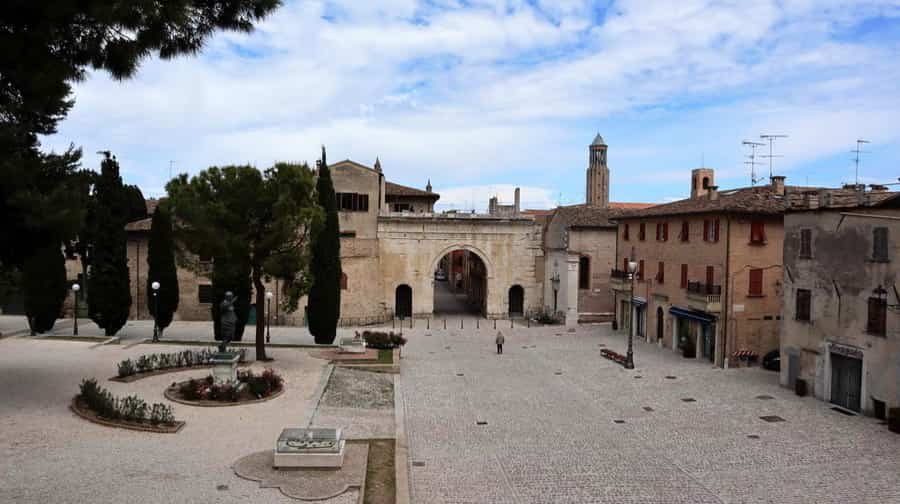
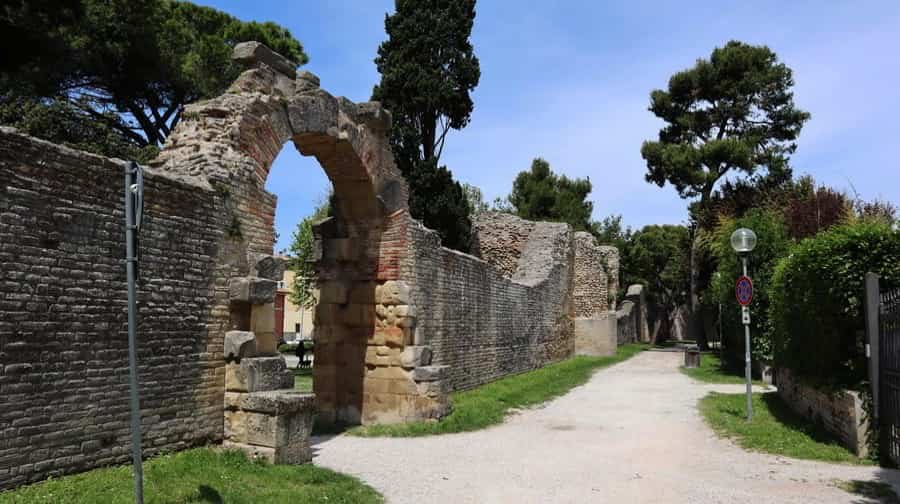
The origins of Fano date back to Roman times, when it was known as Fanum Fortunae, a name linked to a temple dedicated to the goddess Fortune. Its strategic position along the Via Flaminia made it an important stopping point between Rome and the Adriatic coast. One of the most striking reminders of this period is the Arch of Augustus, which still stands at the edge of the historic centre. This well preserved monument marks the entrance to the ancient town and symbolizes Fano’s long role as a gateway between inland Italy and the sea.
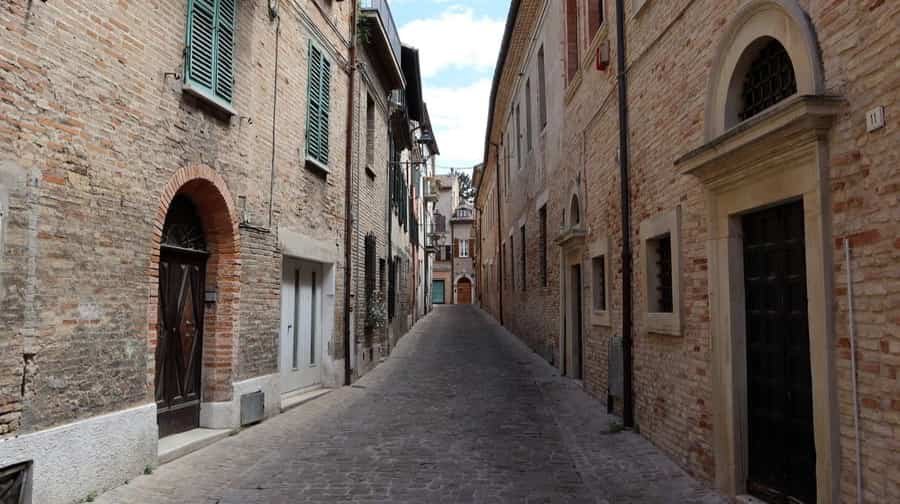
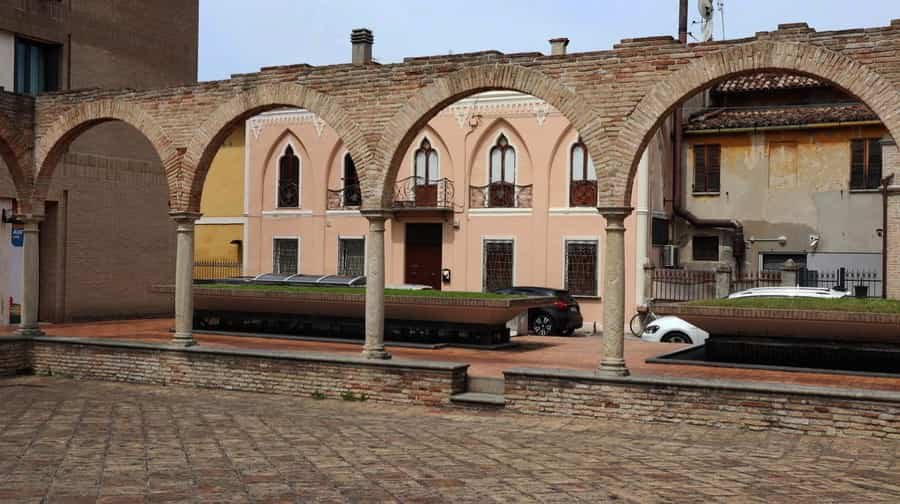
The historic centre of Fano is compact and inviting, characterized by a mix of Roman ruins, medieval streets, and Renaissance buildings. Walking through the town reveals layers of history, from remnants of ancient walls to elegant palaces and churches. Piazza XX Settembre serves as a social heart, where cafes, shops, and daily life converge. The atmosphere is lively but unhurried, reflecting the rhythm of a town that balances tradition with modern living.
Fano has a strong connection to the sea, which has shaped its economy and identity for centuries. The harbour remains active, supporting fishing and maritime trades, while the nearby beaches offer long stretches of sand ideal for relaxation. In summer, the coastline becomes a gathering place for families and visitors, with beach establishments, cycling paths, and evening strolls along the waterfront. The presence of the sea gives Fano a lighter, more open feel compared to inland towns, blending coastal leisure with historic substance.
One of Fano’s most distinctive features is its famous Carnival, considered one of the oldest in Italy. Each year, colourful parades, floats, music, and celebrations fill the streets, attracting visitors from across the region. A unique tradition of the festival involves throwing sweets into the crowd, creating a joyful and playful atmosphere that reflects the town’s strong sense of community. The Carnival is not just a tourist event, but a deeply rooted local celebration that brings generations together.
Cuisine in Fano reflects both land and sea influences. Fresh fish and seafood play a central role, often prepared simply to highlight their natural flavours. Traditional dishes combine Adriatic ingredients with regional staples such as olive oil, pasta, and seasonal vegetables. Local restaurants range from informal trattorias to refined dining spots, all emphasizing quality and a strong connection to local produce.
Fano is also a town of culture and creativity. Museums, galleries, and theatres contribute to an active cultural scene, while cycling and walking paths encourage an outdoor lifestyle. The surrounding countryside, with its vineyards and gentle hills, is easily accessible and adds another layer to the town’s appeal. As an introduction to the Marche region, Fano offers a harmonious blend of history, seaside life, and local tradition. It is a place where ancient heritage and contemporary living coexist naturally, inviting visitors to explore, relax, and experience Italy at a comfortable and genuine pace.
Worth a Visit
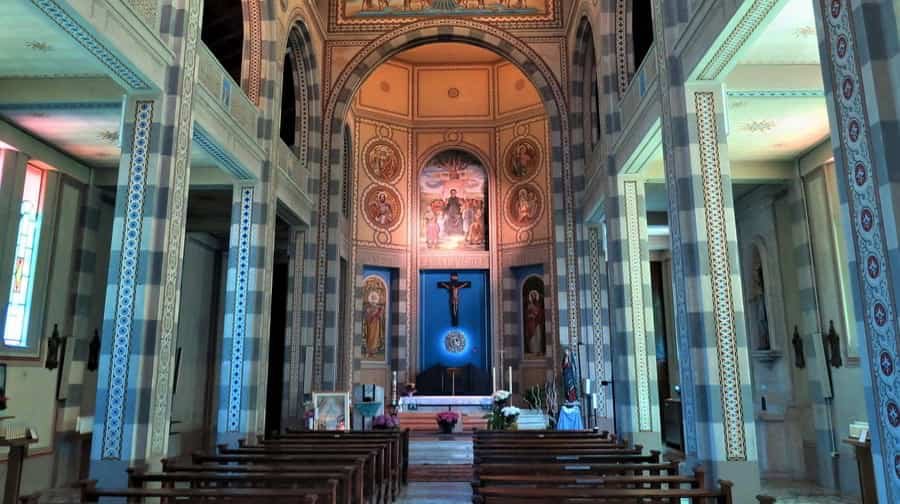
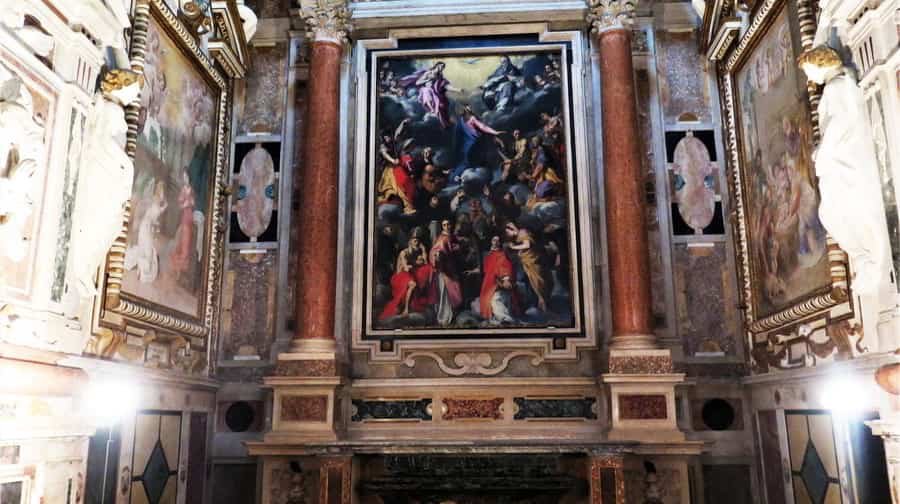
Situated in the heart of the Adriatic coastal city of Fano, Parrocchia Santi Leonardo e Giovanni Bosco stands as both a place of worship and a living testament to the union of faith, education, and community service. Located on Via IV Novembre, the parish serves as a spiritual anchor for residents and visitors alike, blending the traditions of the Catholic Church with a special dedication to youth and pastoral care. The origins of the church are closely tied to Saint John Bosco, the “Father and Teacher of Youth”, canonized in 1934. In that same year, Saint Luigi Orione, founder of the Piccola Opera della Divina Provvidenza (Little Work of Divine Providence), laid the foundation stone for a new sanctuary in Fano dedicated to Don Bosco.
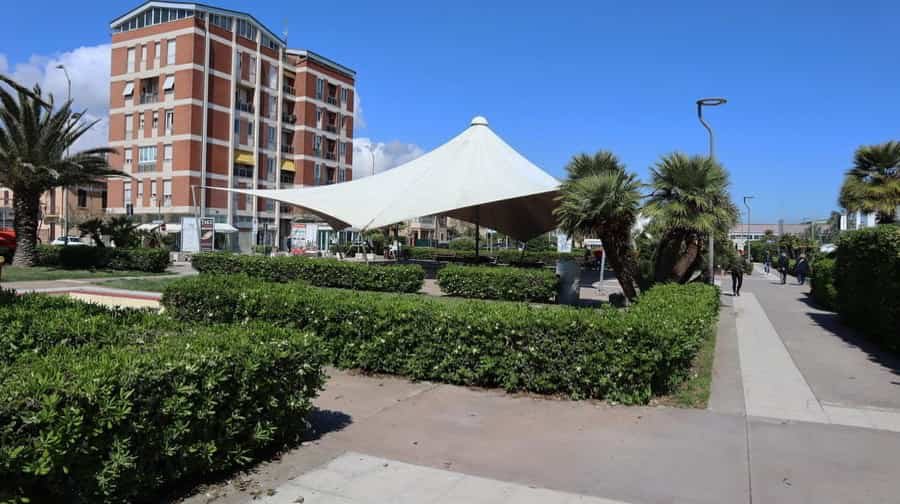
Stretching along the Adriatic coast of Fano, the Lungomare Giovanni Paolo II is a vibrant seaside promenade that beautifully blends leisure, community events, and coastal charm. Named in honour of Pope John Paul II, this scenic boulevard offers both locals and visitors a delightful setting for relaxation, sports, and social gatherings. Flanked by sandy beaches that span over a kilometre with an average width of about 43 meters, the lungomare hosts numerous well-equipped beach establishments that cater to sunbathers and families alike. Adjacent to the shoreline, the promenade features various recreational options, including beach volleyball courts, public swimming zones, and even the Anfiteatro Rastatt, a cultural space hosting performances and events.
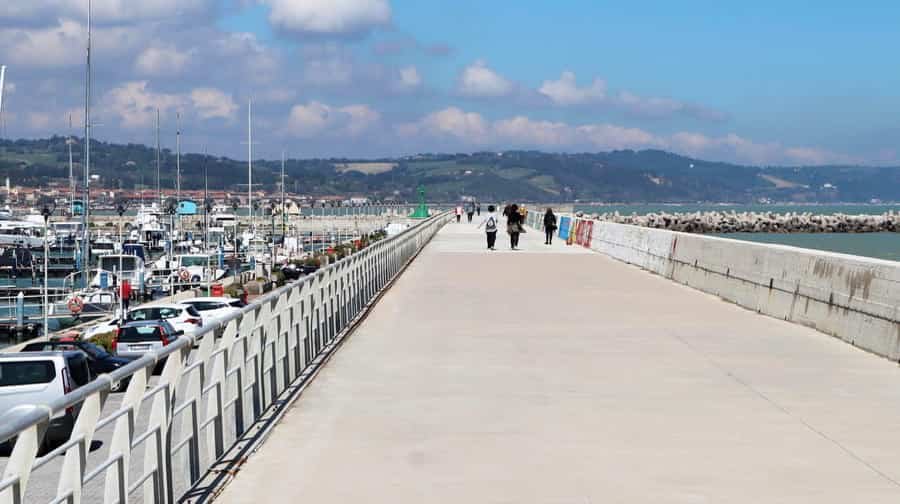
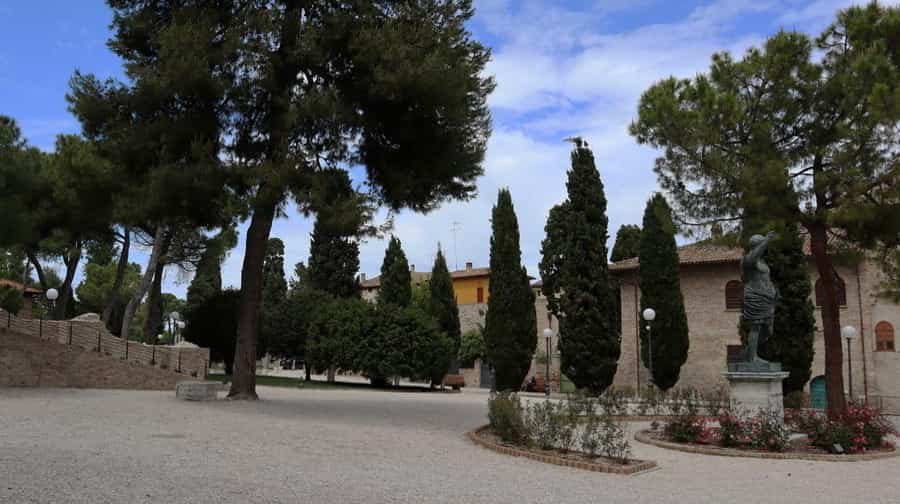
Stretching gracefully over the breakwater that shelters the Marina dei Cesari in Fano, the Passeggiata del Lisippo unfolds as one of the longest scenic sea promenades along the Adriatic coast. Spanning nearly a kilometre, this elevated pathway invites both pedestrians and cyclists to enjoy tranquil strolls or cycling journeys with stunning sea vistas to one side and the lively marina to the other. The promenade culminates in a striking symbol: a bronze statue of a victorious athlete, an evocative reproduction crafted by local artist Paolo Furlani. Donated by the Lions Club in 2009, this figure emulates the celebrated “Atleta di Fano,” a rare bronze statue attributed to the ancient Greek sculptor Lysippos, originally discovered off Fano’s coast in 1964.
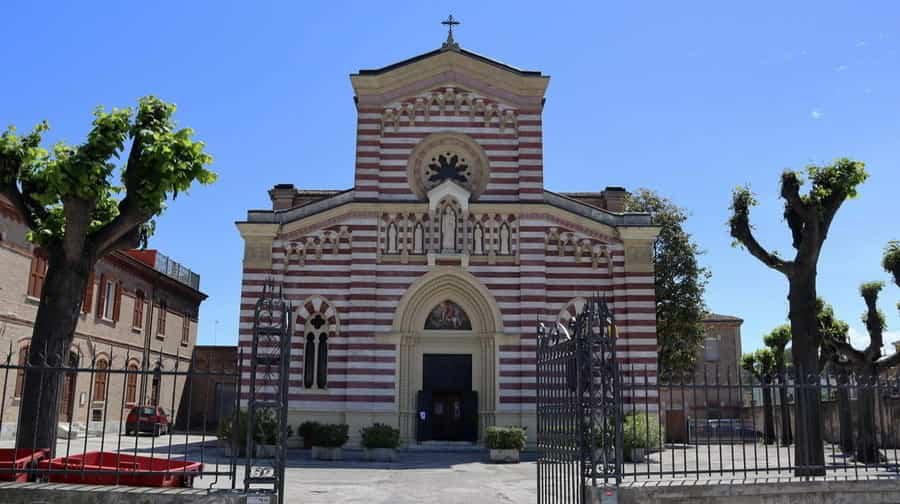
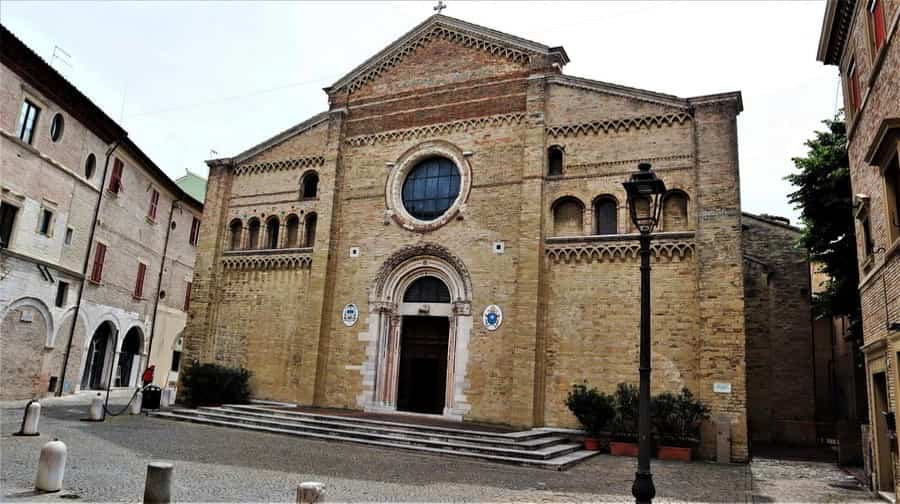
Situated gracefully on the left bank of Fano’s port canal, San Giuseppe al Porto is a striking Catholic parish church that opened its doors in 1913. Located along Viale Cairoli near the railway bridge, it immediately captures attention with its distinctive exterior of alternating white and brown horizontal bands, reflecting a neo-Gothic revival aesthetic imbued with Norman, Italian Gothic, and Romanesque nuances. Architect Giuseppe Attilio Balducci of Forlì designed the church in what historian Asioli described as a “Norman-Gothic style influenced by Italian Gothic and with soft Romanesque reminiscences”. The façade is tripartite, with pilasters extending the full height, a majestic strombated central portal flanked by twisting columns, a mosaic lunette depicting Constantine’s vision at the Battle of the Milvian Bridge, and an elegant rose window framed by stone and brick.
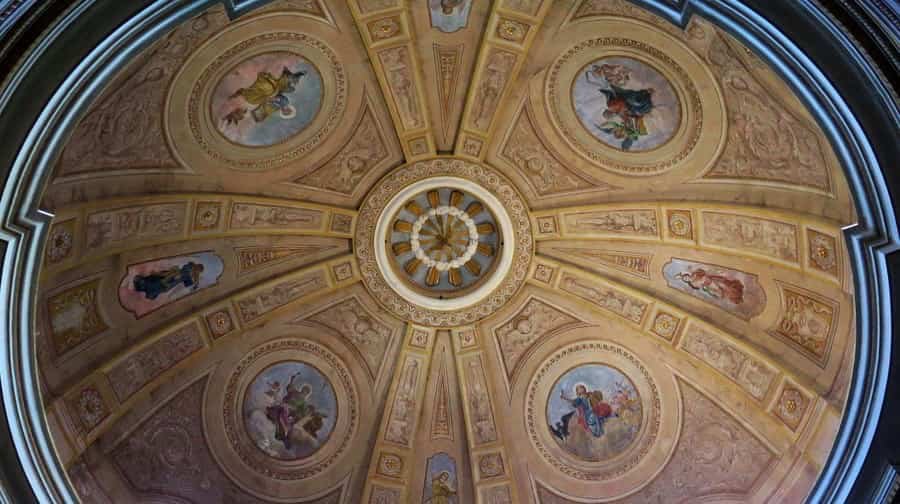
Located at a triangular convergence of Via Bovio and Via Cavour in historic Piazza Costanzi, the Chiesa di Sant’Antonio Abate presents a captivating architectural and cultural landmark in central Fano. Though its origins likely date back to the mid-13th century, supported by masonry remains near the sacristy, the church is first documented in 1453, when a statue of Saint Ursus, one of Fano’s patron bishops, was affixed to its façade. A dedicated rector, Mutteo Buratelli, is recorded in 1431. A catastrophic flood in 1740 led to a full reconstruction, completed in 1749 under the direction of architect Gianfrancesco Buonamici from Rimini. This revival was made possible through funding from both the municipal authorities and the Ferri family, who had historical ties to the church via a connected chapel. Interior enhancements included dynamic Borrominian, style decorations and elaborately patterned flooring.
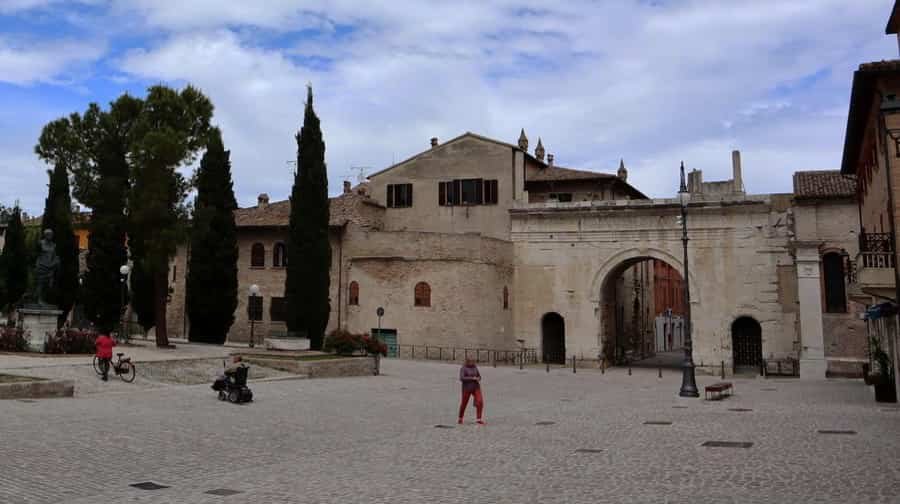
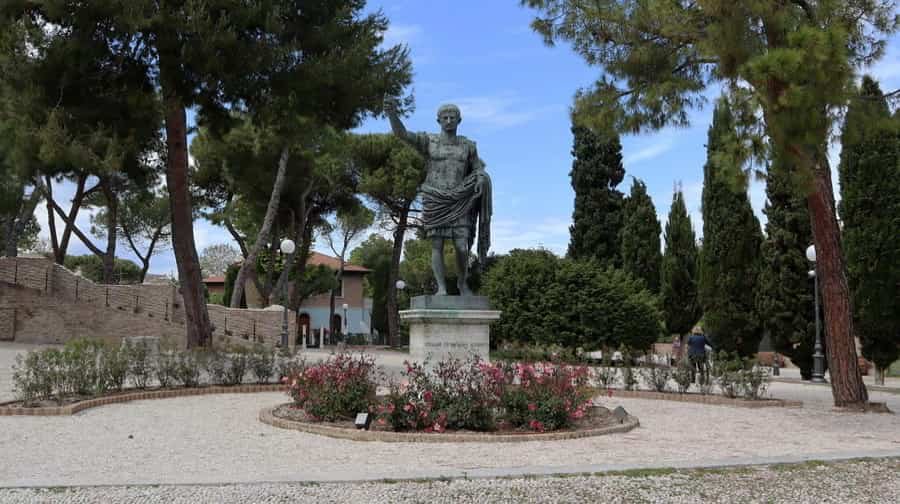
The Arch of Augustus in Fano is more than just an ancient gateway, it stands as a majestic emblem of the city’s Roman heritage. Erected in 9 AD by order of Emperor Augustus, this triumphal-style city gate formed the principal entrance to the Colonia Julia Fanestris, known in antiquity as Fanum Fortunae, named after the nearby temple of the goddess Fortuna. Strategically positioned where the Via Flaminia intersected with Fano’s decumanus maximus, it guided both travellers and trade into the heart of the colony. Crafted in the opus quadratum technique from limestone blocks sourced from Monte Nerone, the arch boasts a grand central arch for carts and horses, flanked by two narrower pedestrian passages. The central keystone once depicted an animal—perhaps an elephant—though time has worn its features.
Photo Gallery of Walk 1 – Via IV Novembre to Lungomare Giovanni Paolo II
Approximately 2.15 km – 1.34 miles
The walk starts in Via IV Novembre – Parrocchia Santi Leonardo e Giovanni Bosco, Via IV Novembre – Via IV Novembre – Via Marcello Negusanti – Via IV Novembre – Via Francesco Palazzi -Via Monte Grappa – Viale XII Settembre – Via F. Cavallotti – Viale Cesare Battisti – Lungomare Giovanni Paolo II
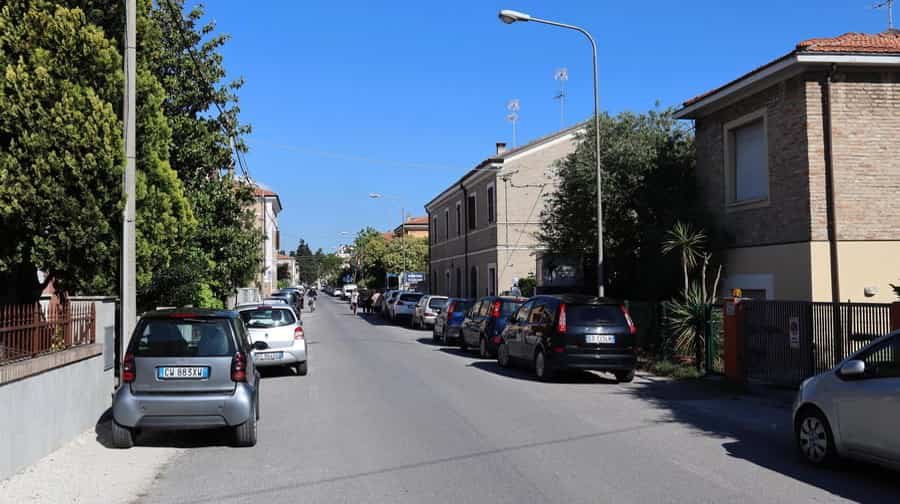
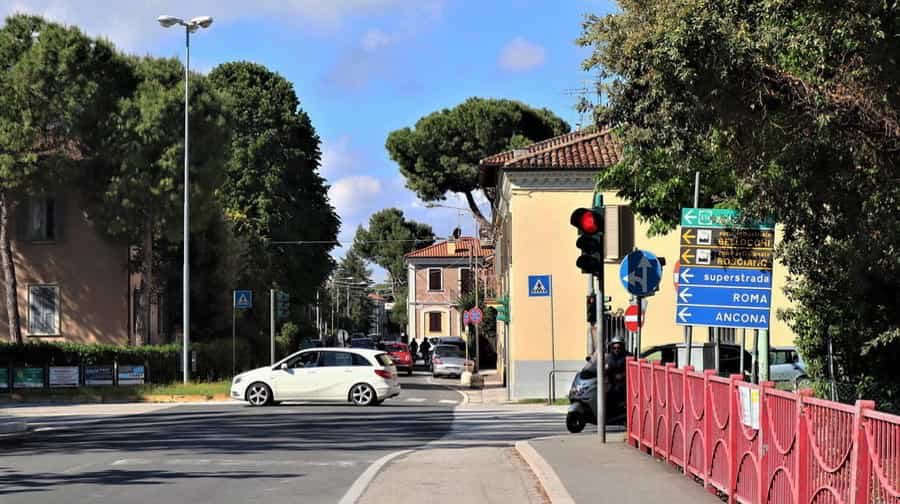
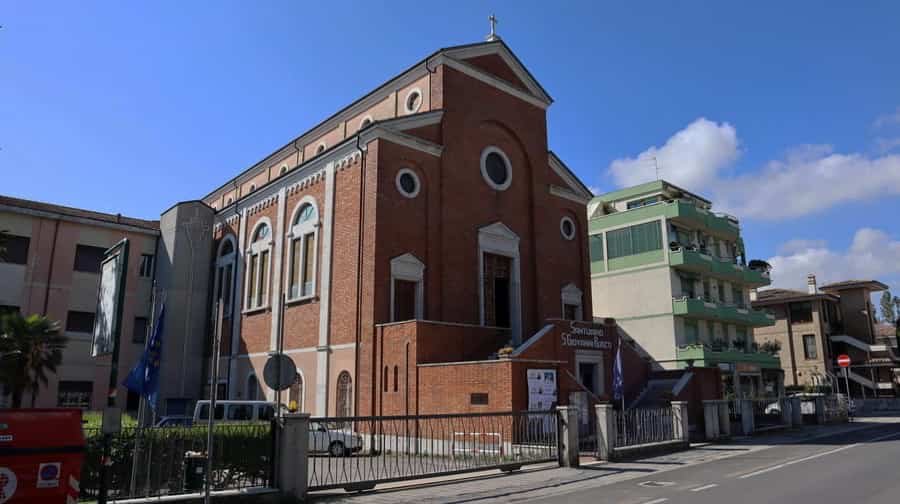
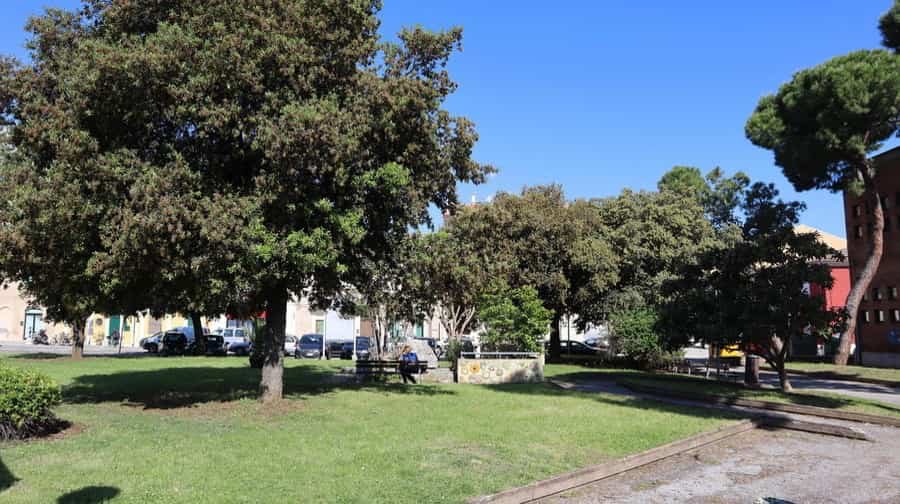
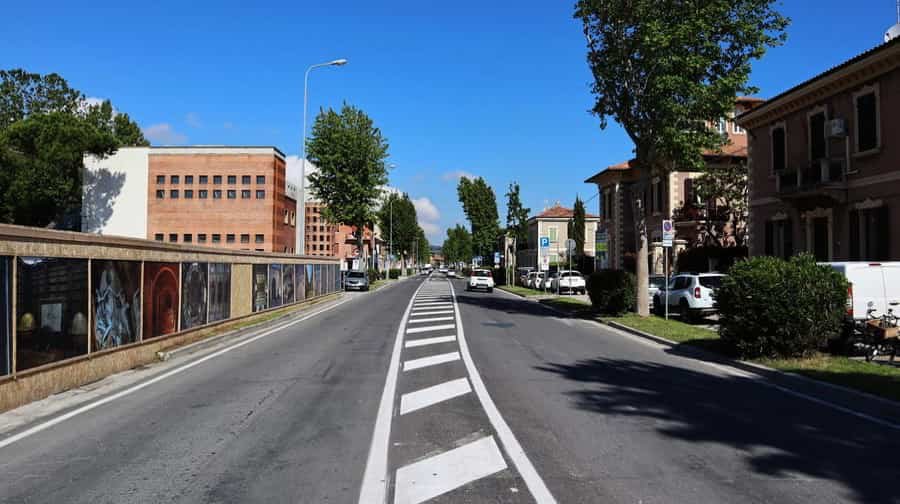
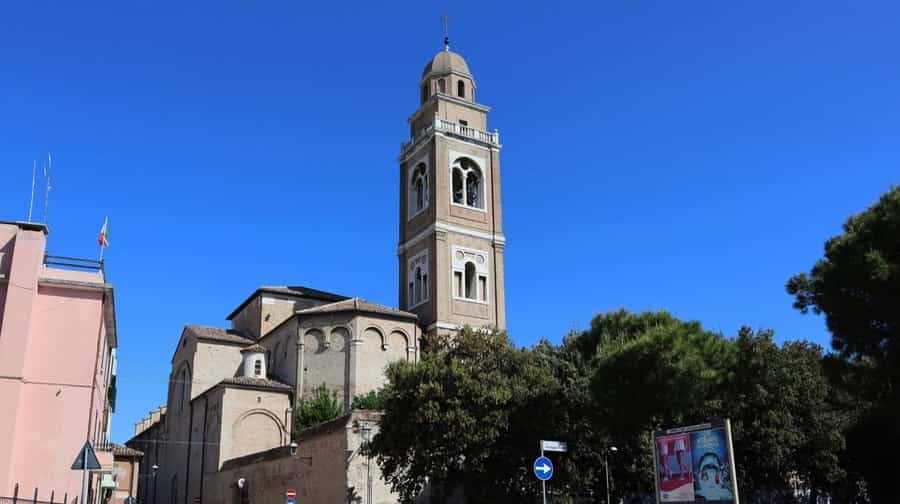
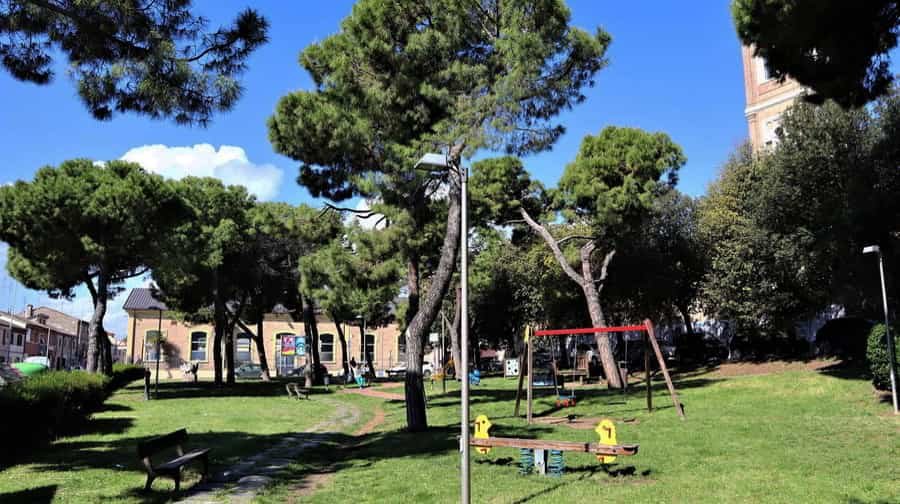
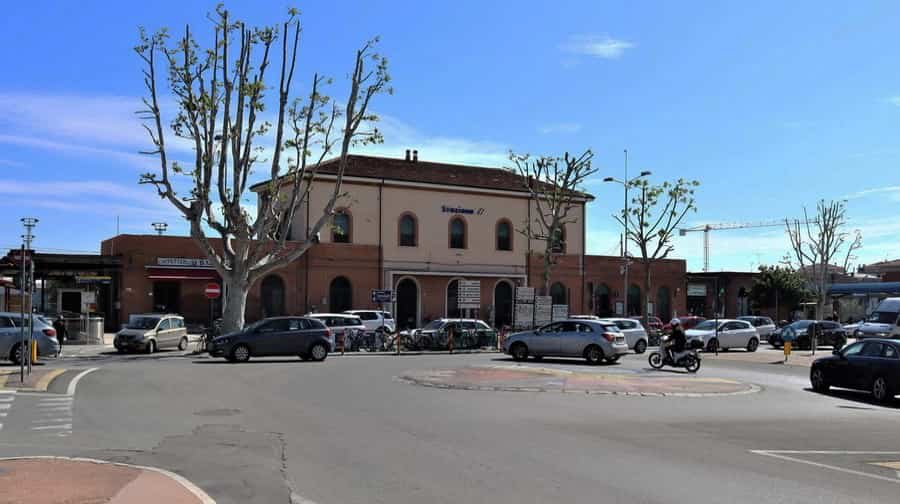
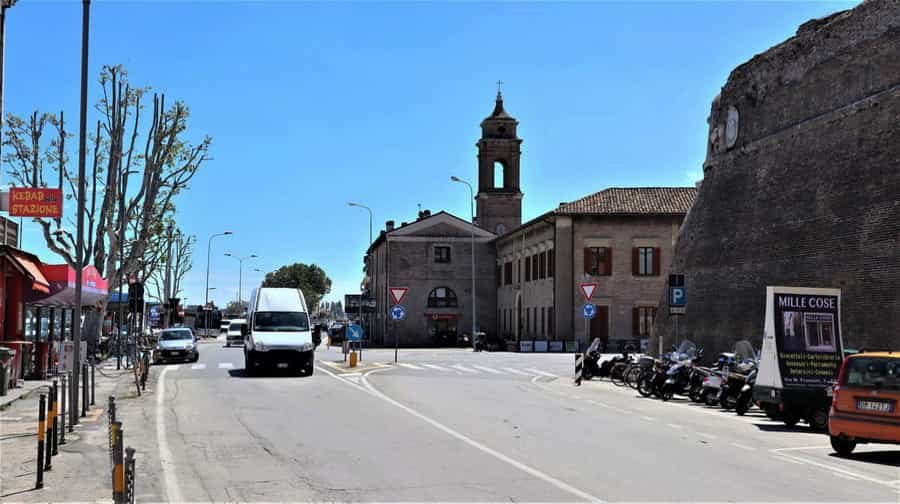
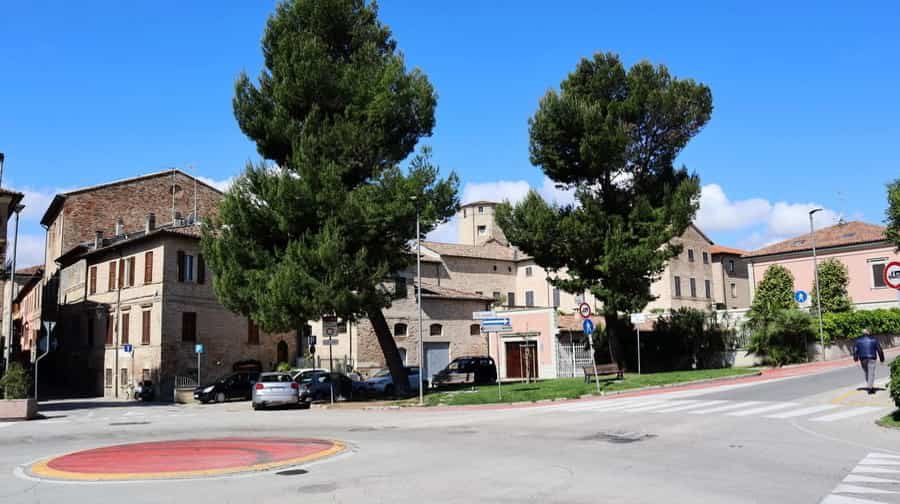
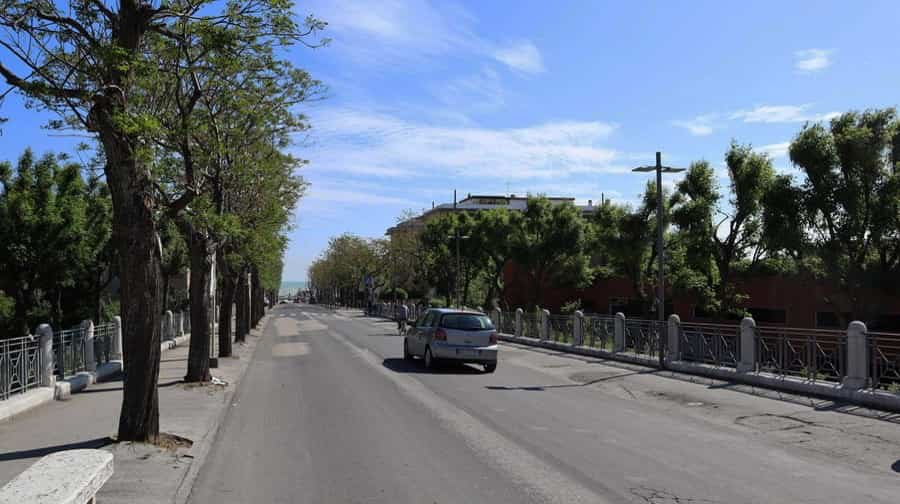
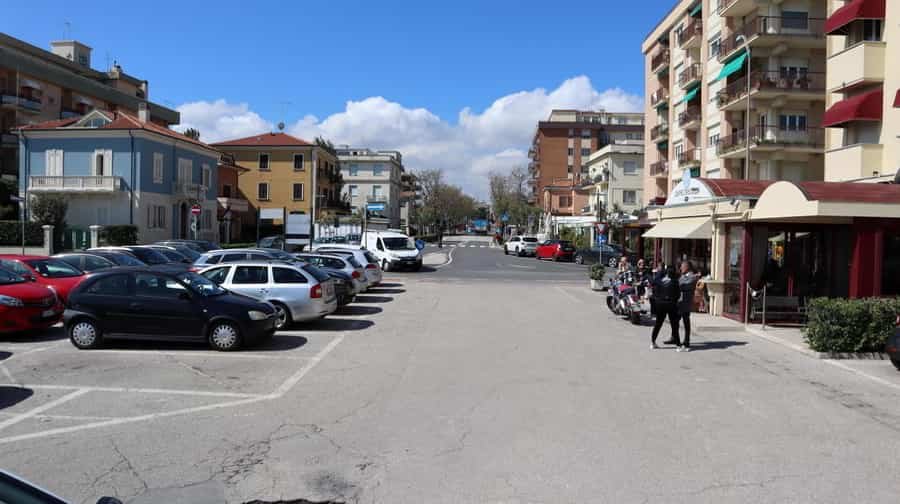
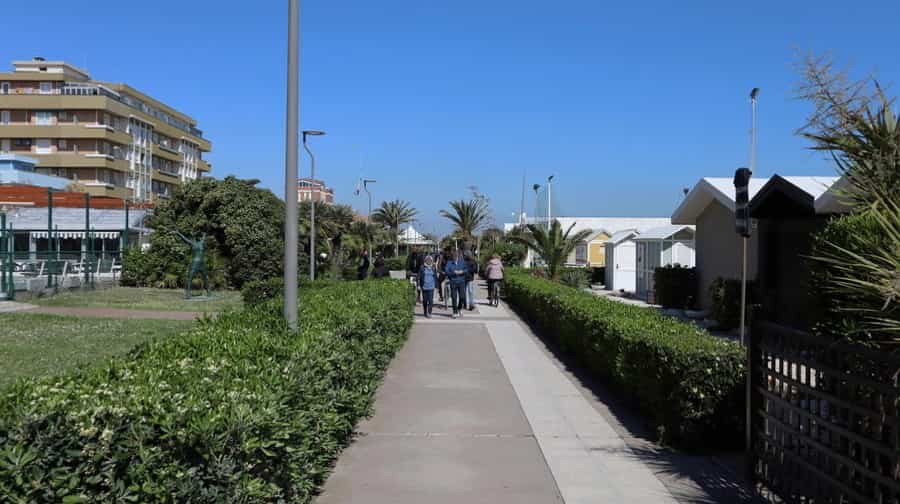
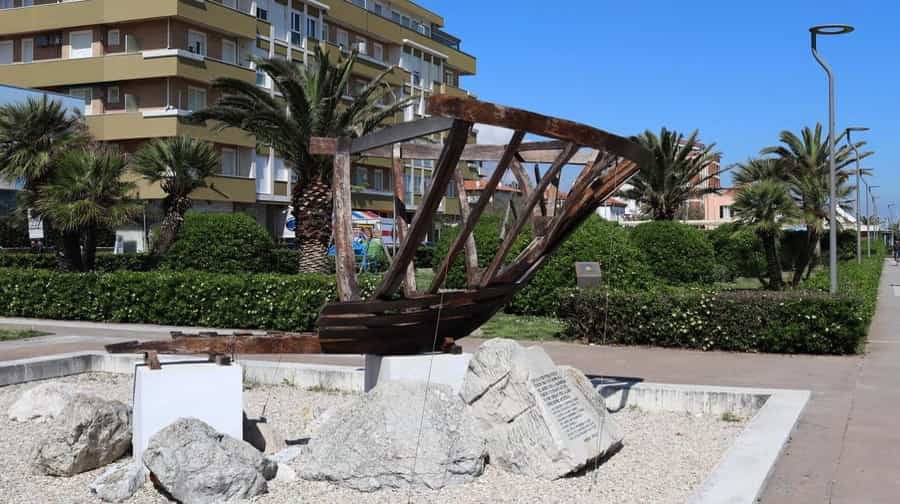
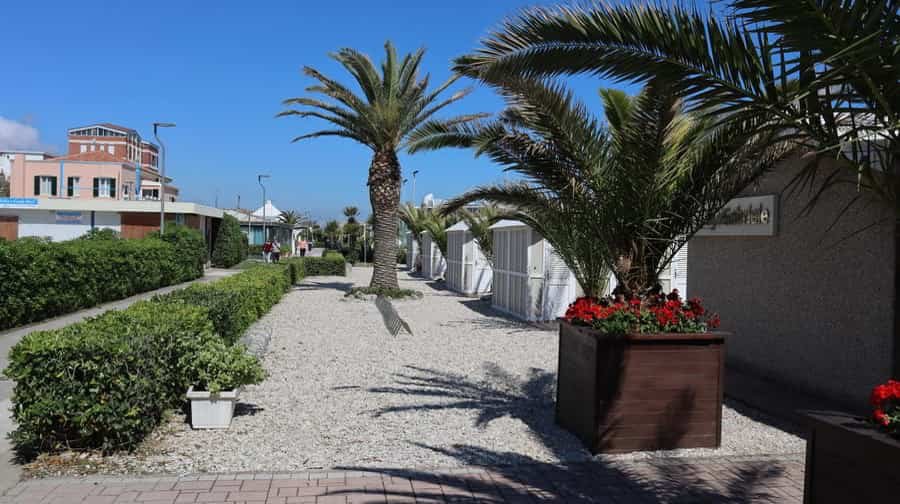
Photo Gallery of Walk 2 – Viale Cristoforo Colombo to Via Gentile da Fabriano
Approximately 2.53 km – 1.57 miles
The walk starts in Viale Cristoforo Colombo – Passeggiata del Lisippo – walk back to Lungomare Mediterraneo – Viale Adriatico – Via della Marina – Viale Nazario Sauro – El pont de Barbon, Via Cesare Simonetti – Via Cairoli – Via Trento – Viale Trieste – Viale Fratelli Cairoli – Parrocchia Chiesa San Giuseppe al Porto – Fano, Viale Fratelli Cairoli – Via Gentile da Fabriano
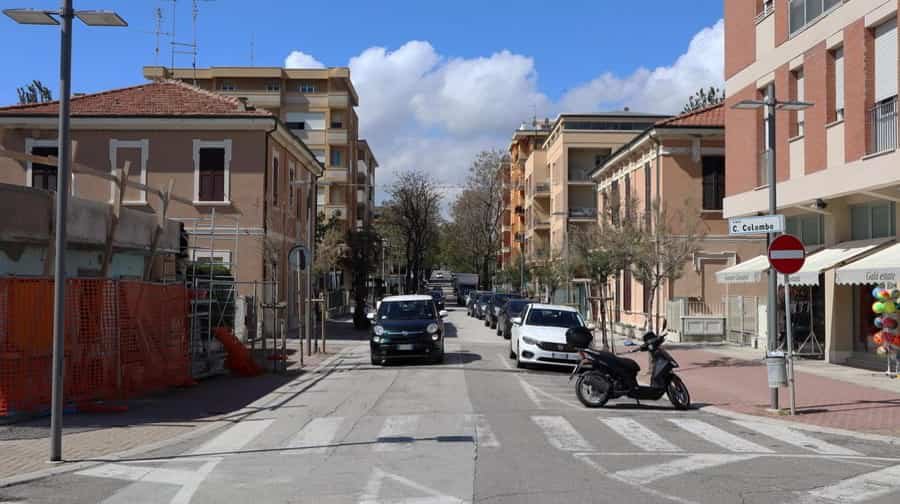
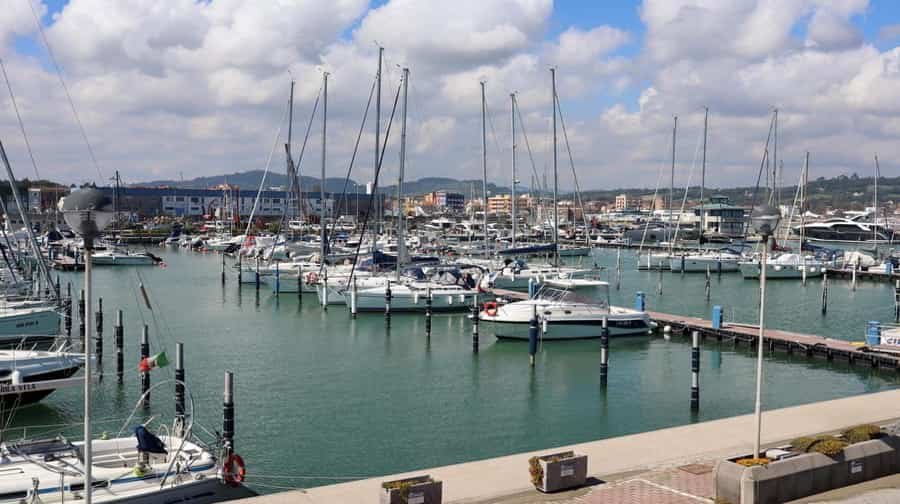
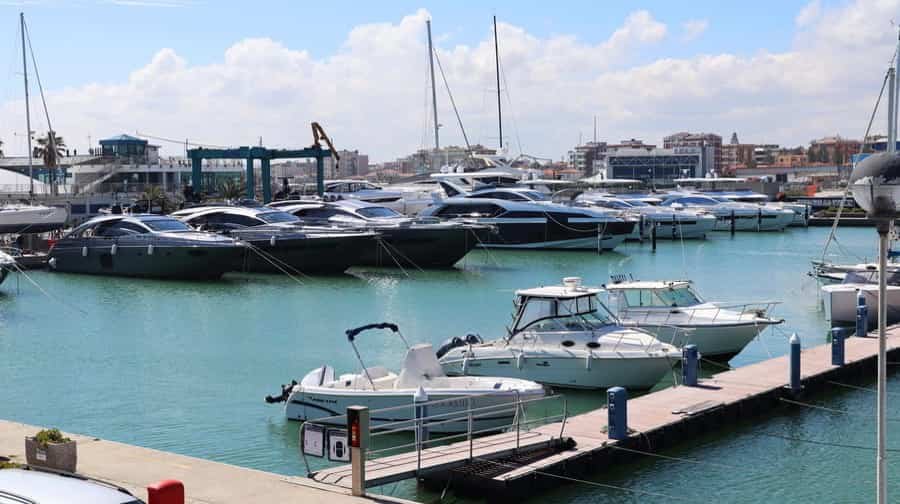
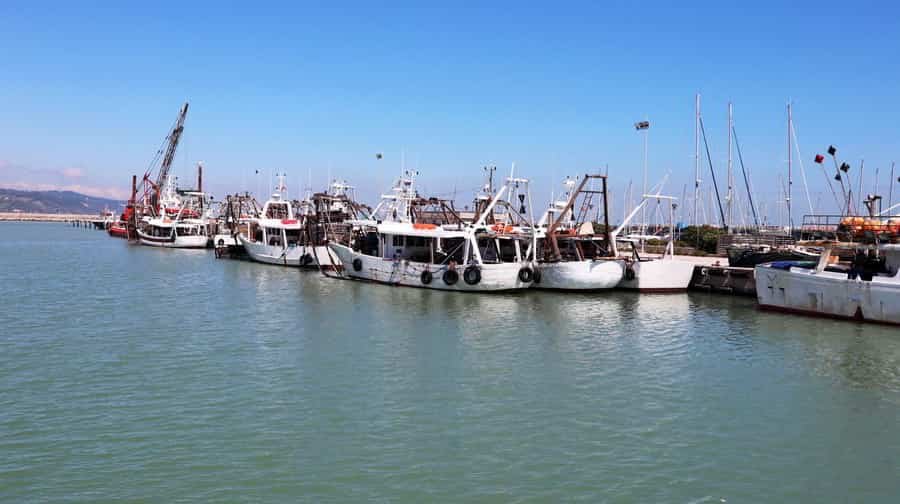
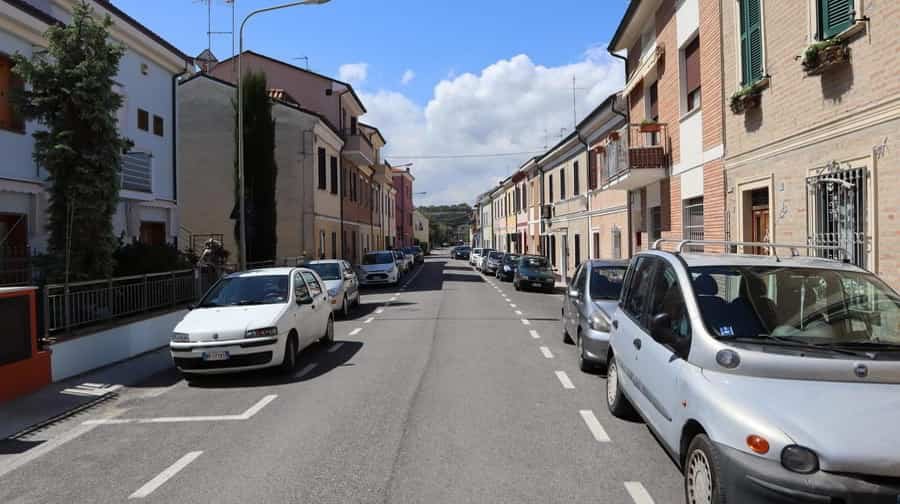
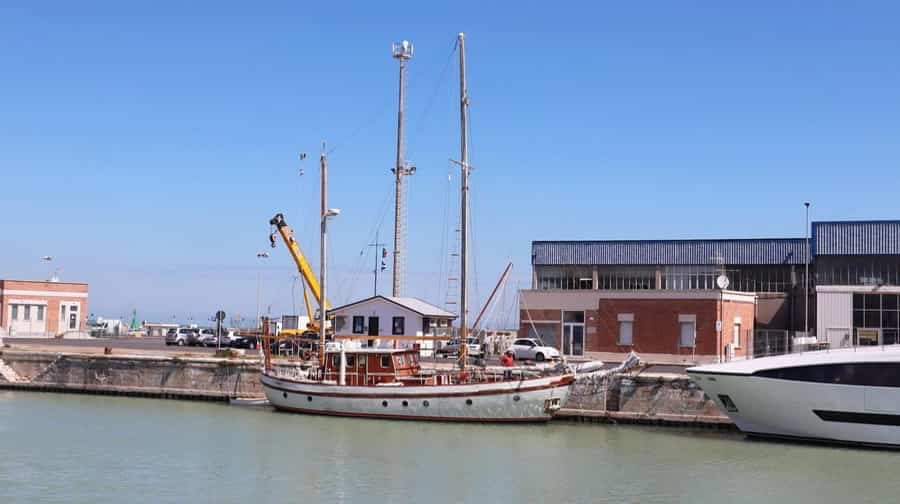
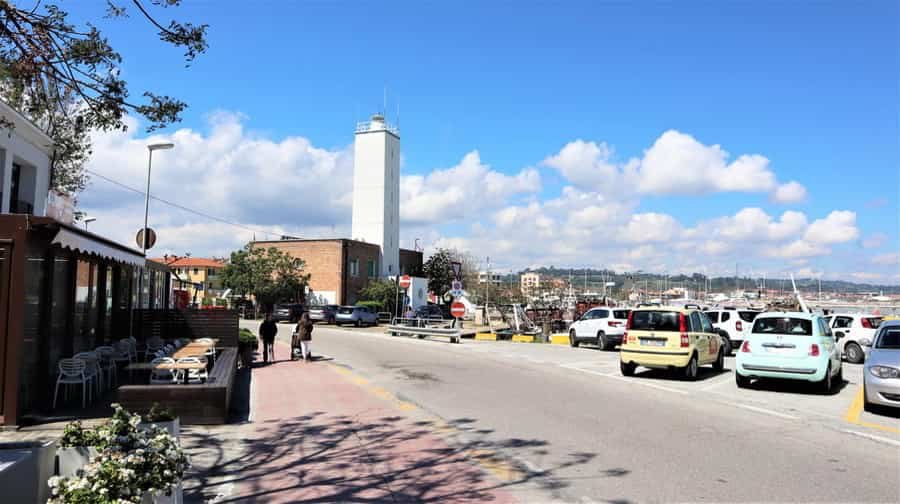
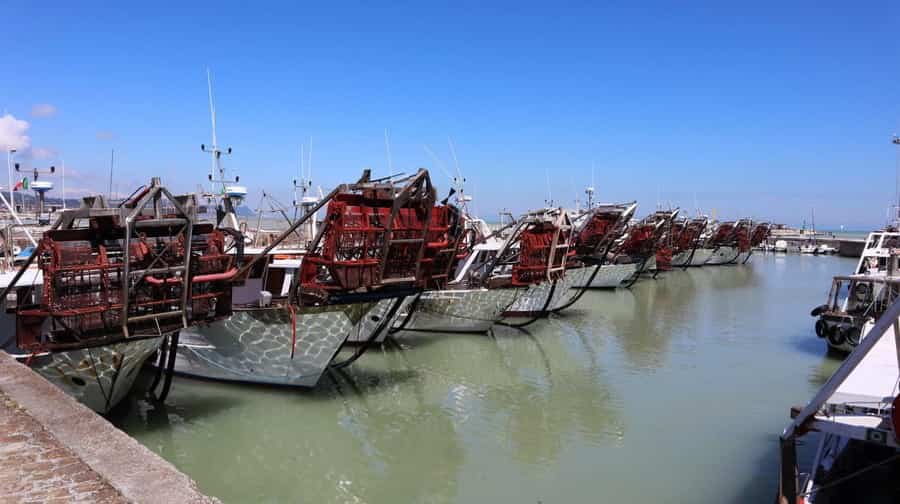
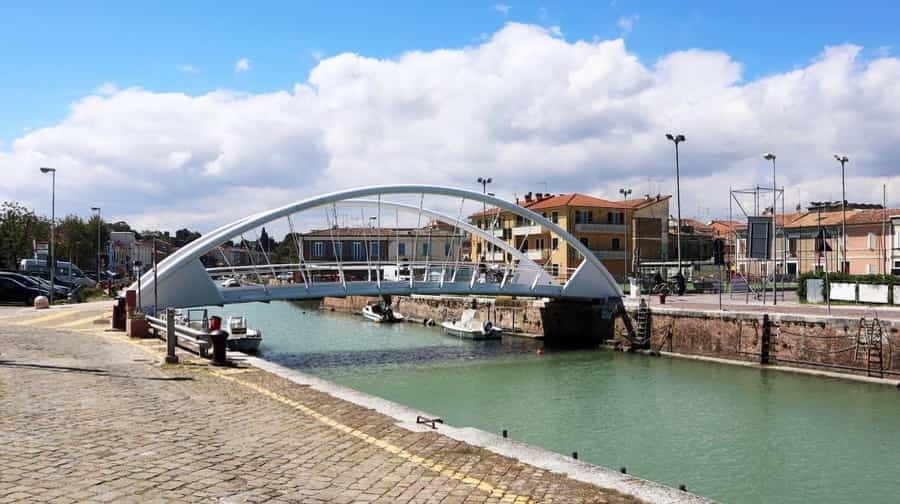
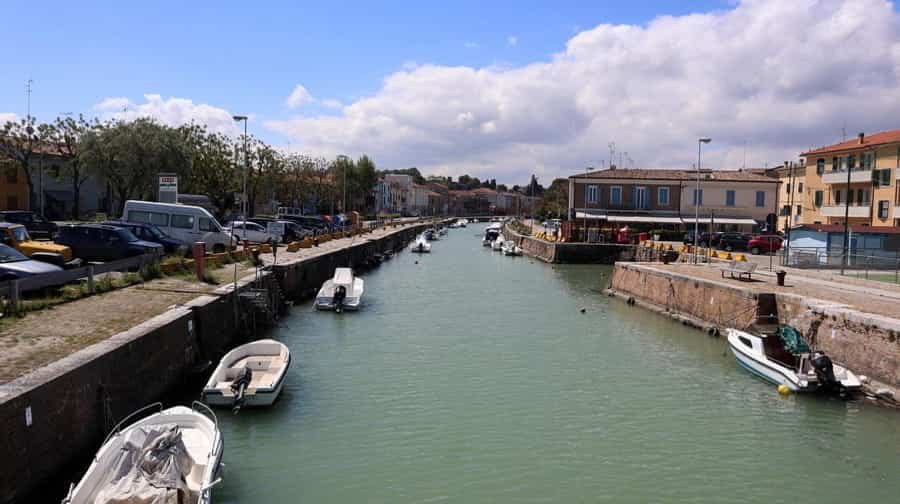
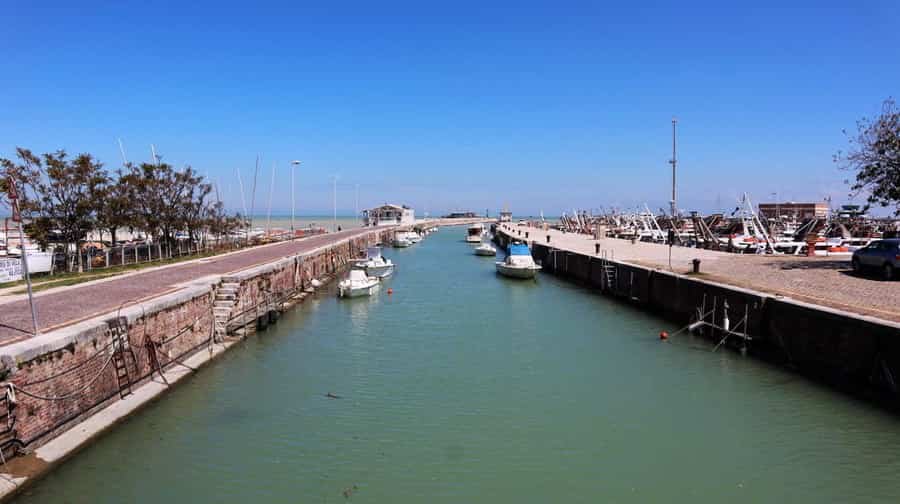
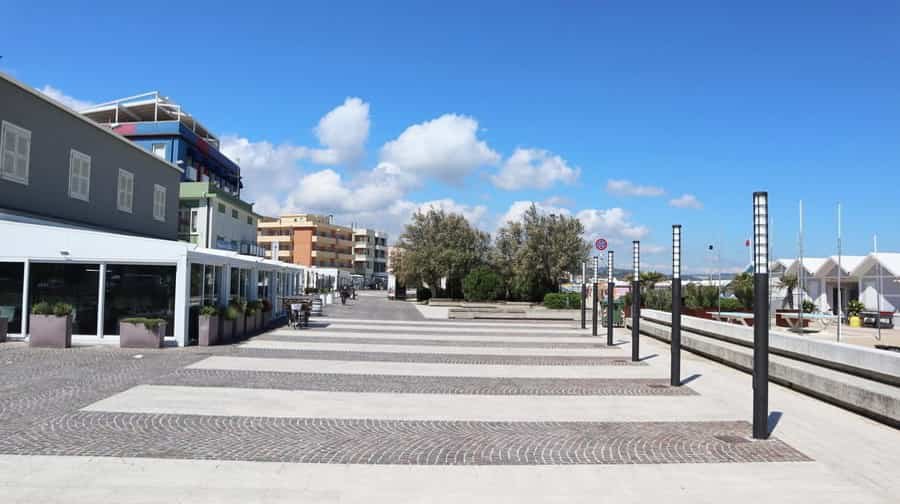
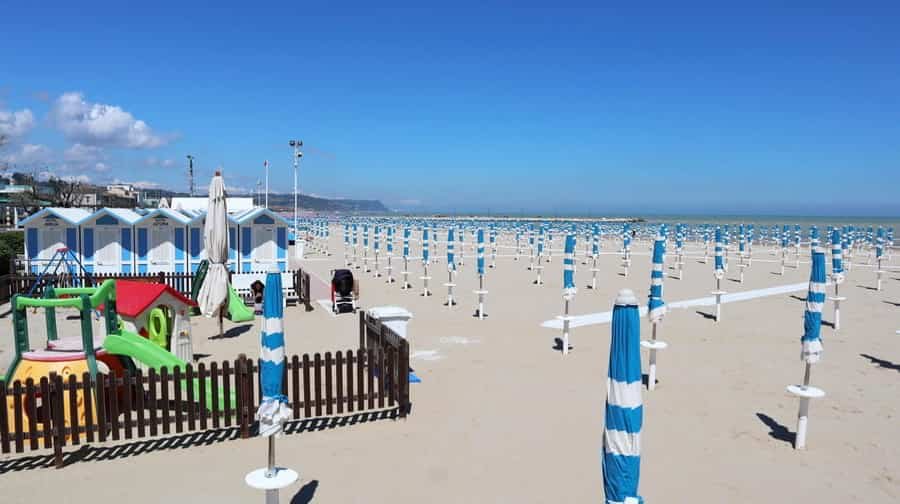
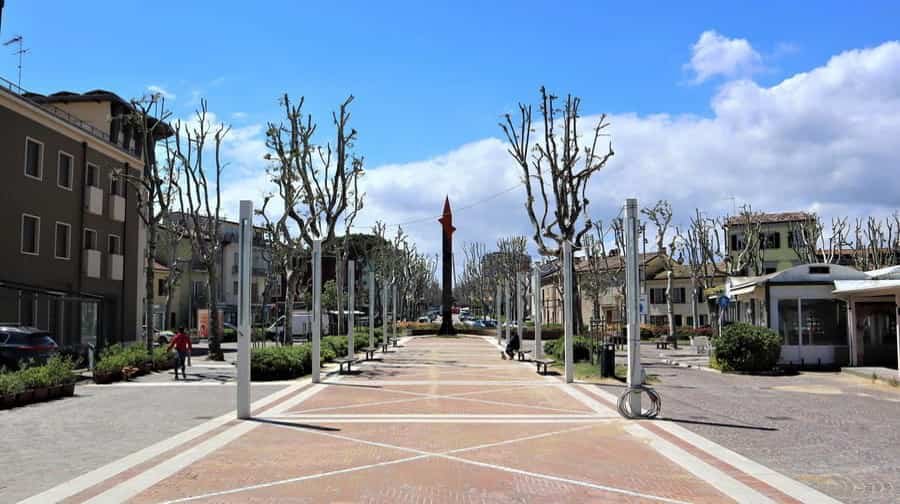
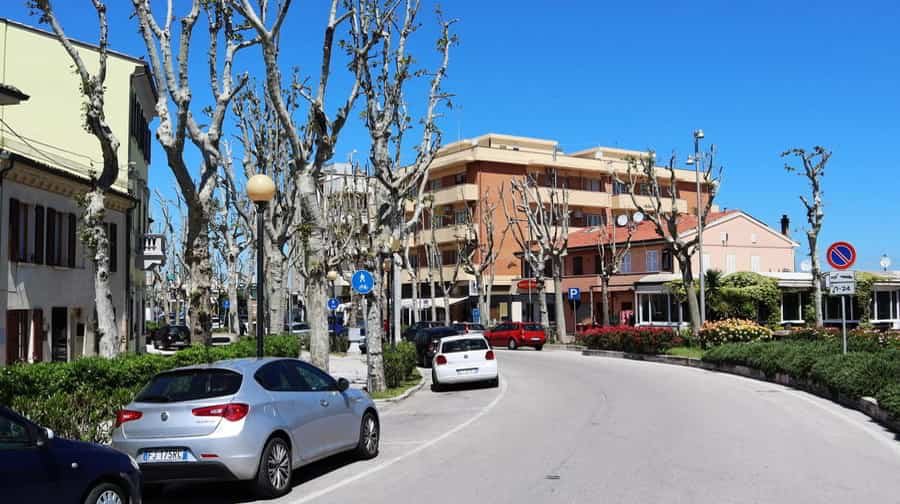
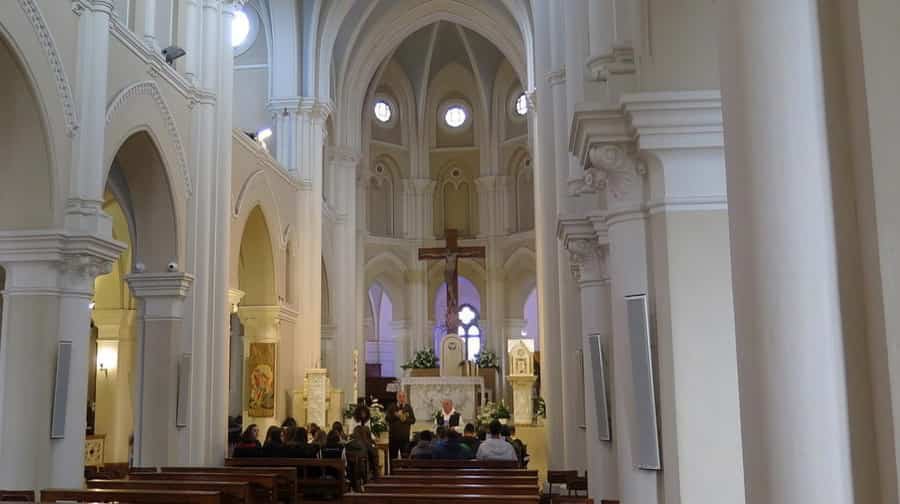
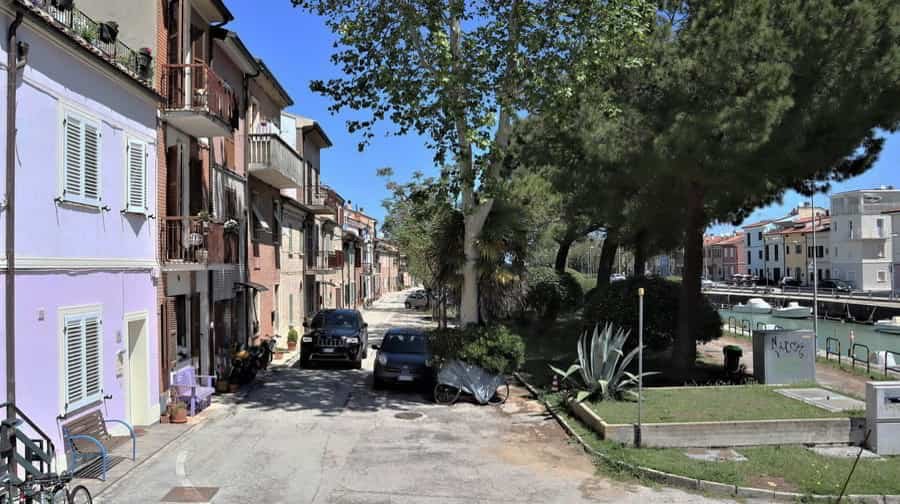
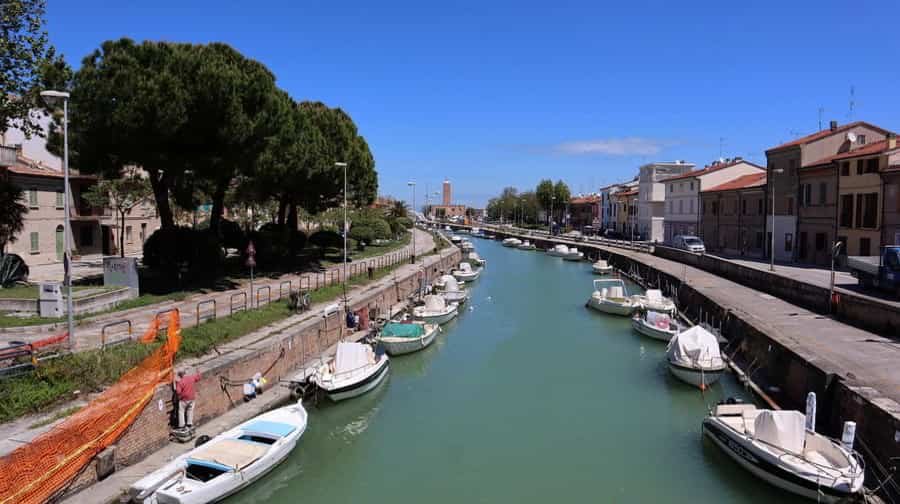
Photo Gallery of Walk 3 – Via Cavour to Giardini Pier Maria Amiani
Approximately 0.97 km – 0.60 miles
The walk starts in Via Cavour -Via Vecchia – Via del Vasaro – Via S. Leonardo – Chiesa Ortodossa di S. Antonio Abate, Piazza Antonio Costanzi – Piazza Antonio Costanzi – Corso G. Matteotti – Via Bonaccorsi – Chiesa di San Tommaso, Corso G. Matteotti – Statua della Fortuna, Piazza XX Settembre – Chiesa di San Silvestro (o Madonna di Piazza), Piazza XX Settembre – Corso G. Matteotti – Via Montevecchio – Corso G. Matteotti – Giardini Pier Maria Amiani
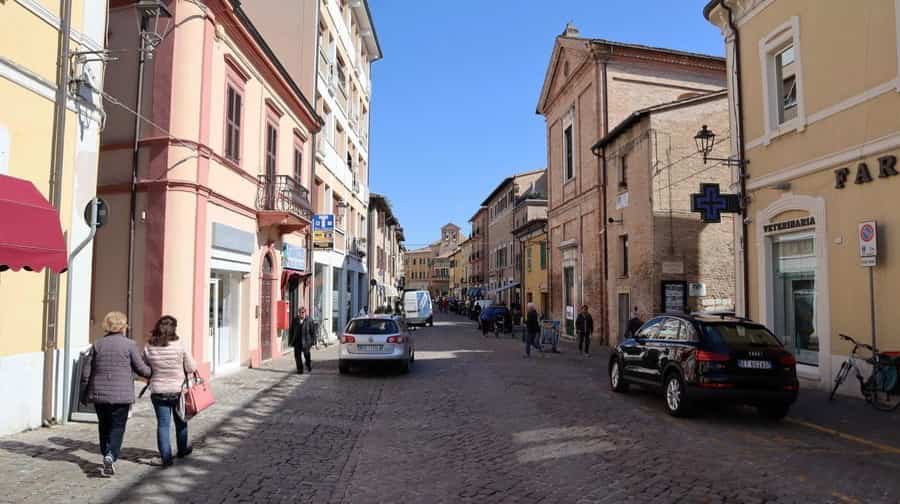
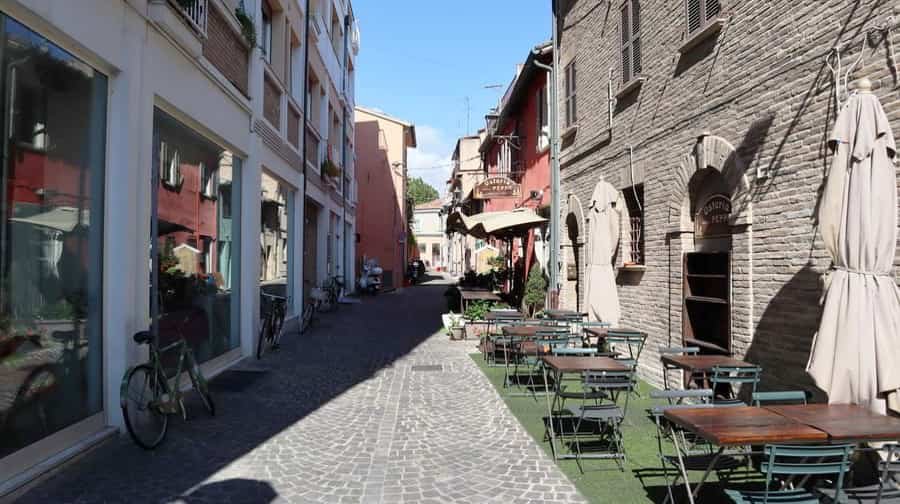
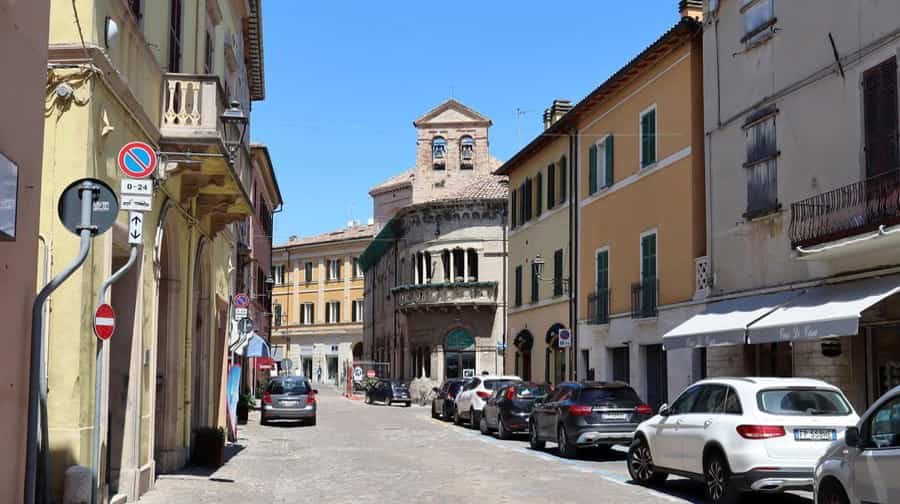
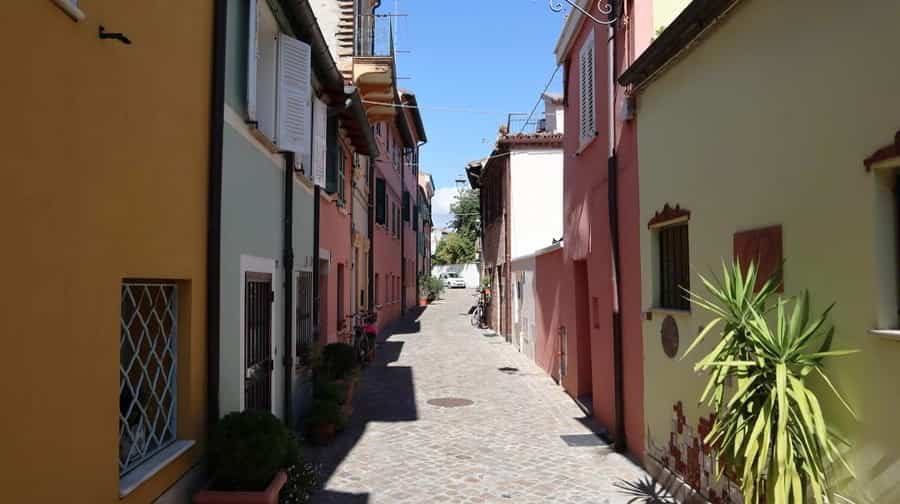
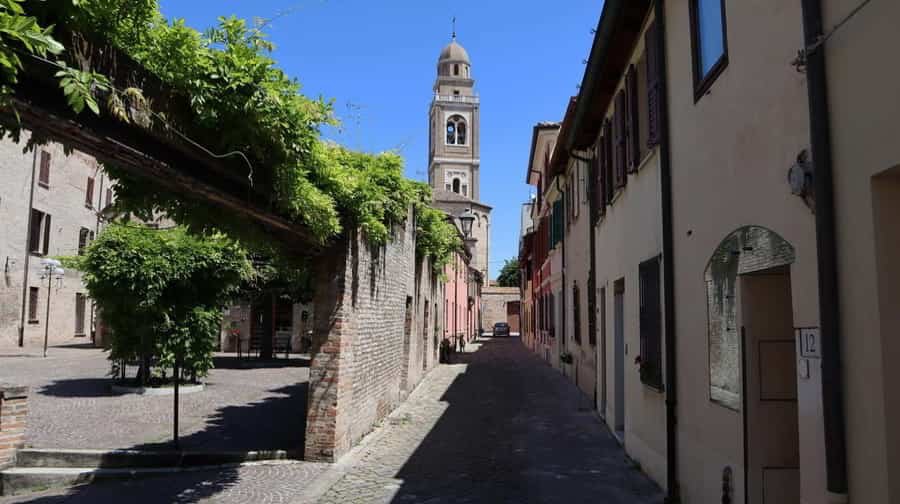
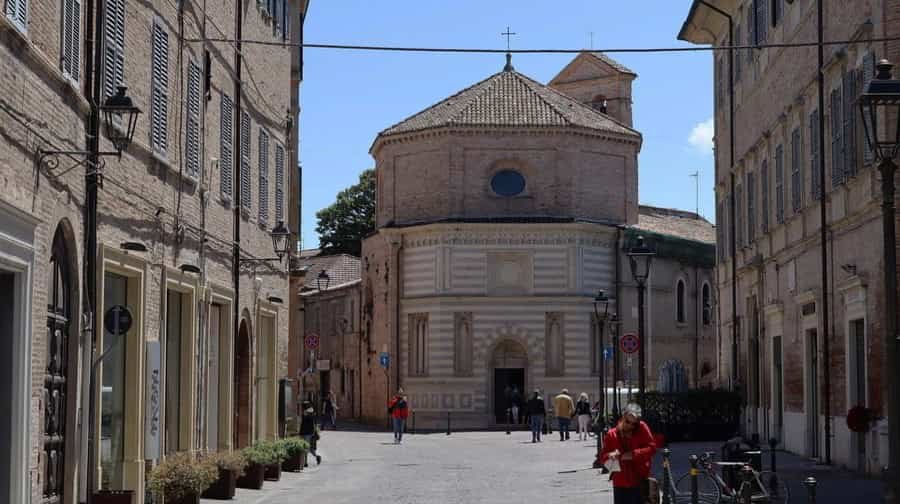
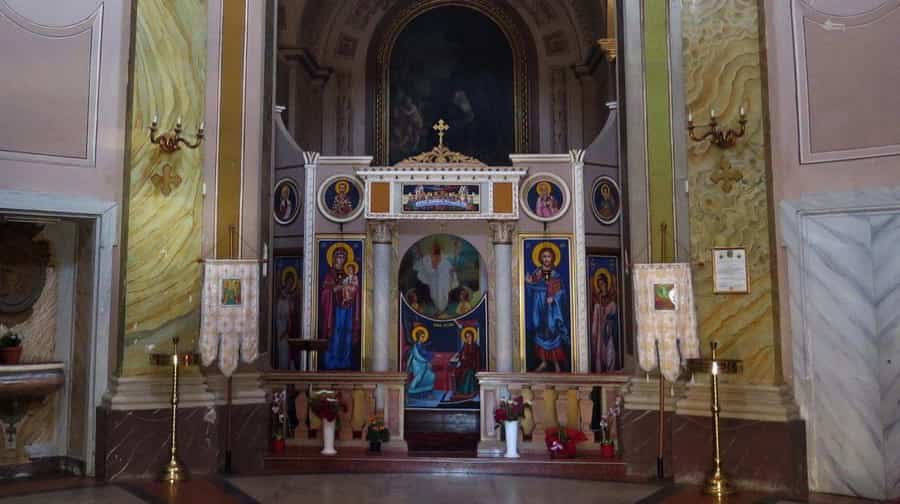
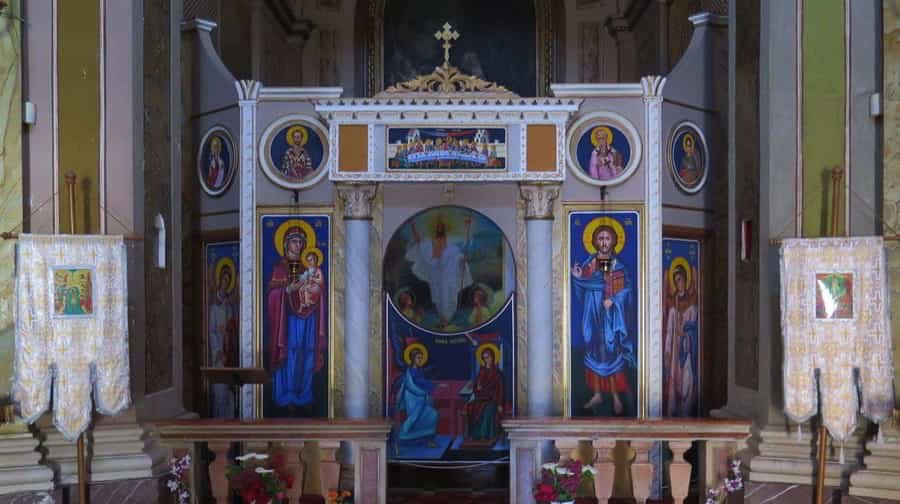
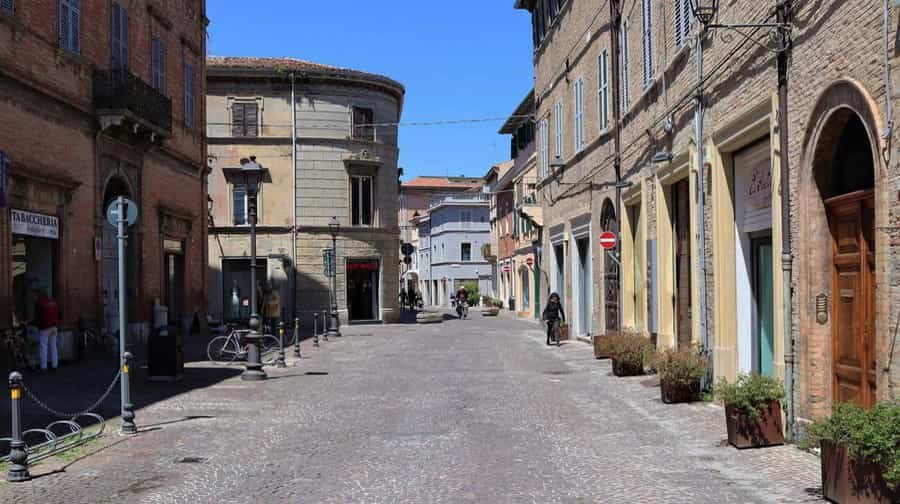
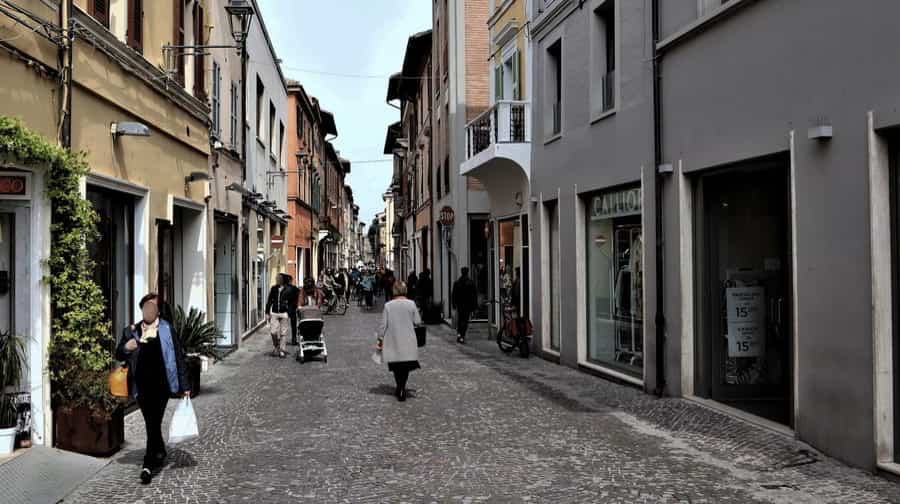
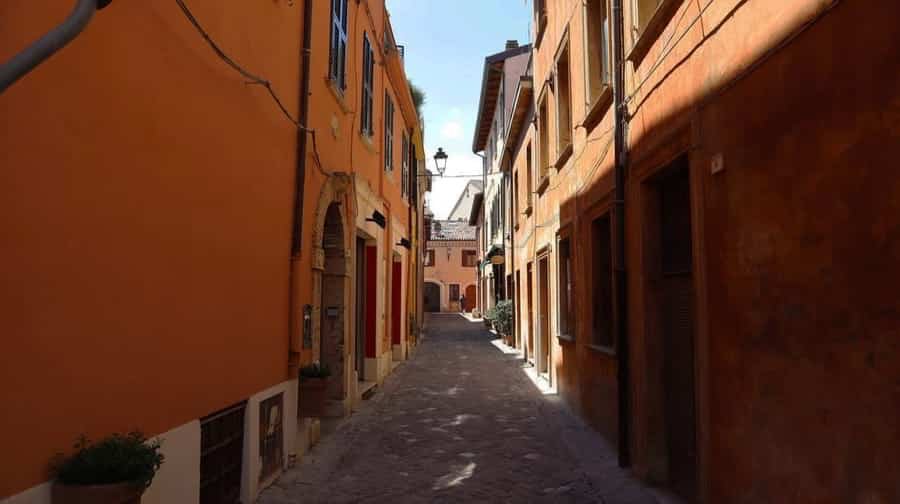
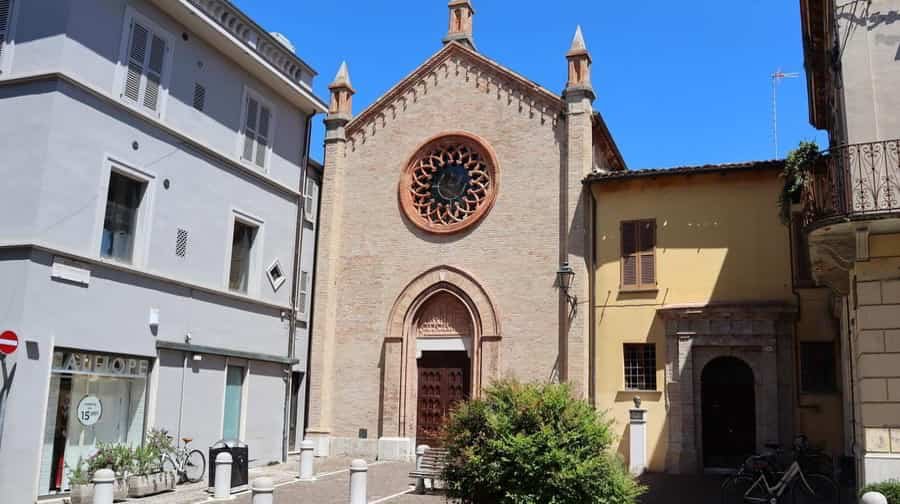
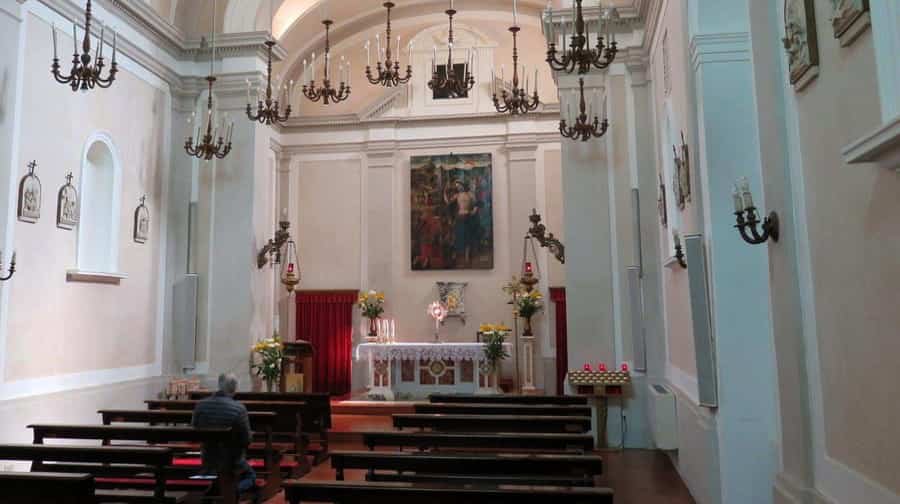
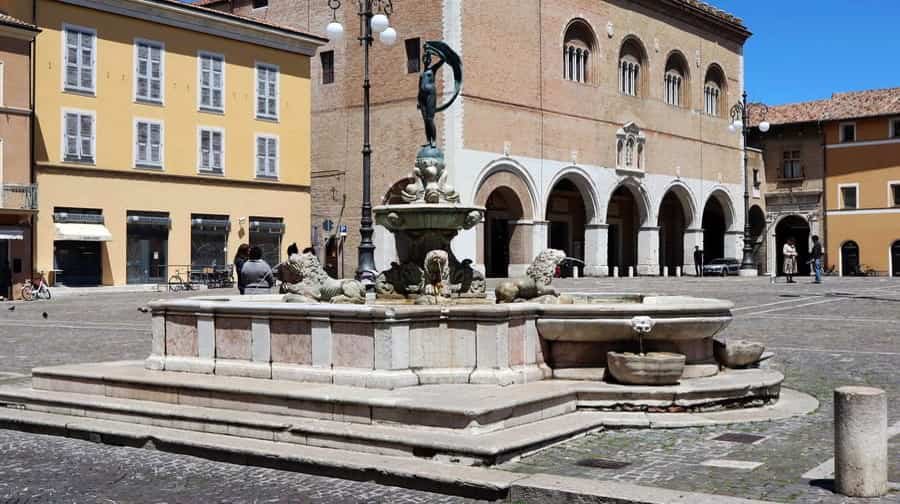
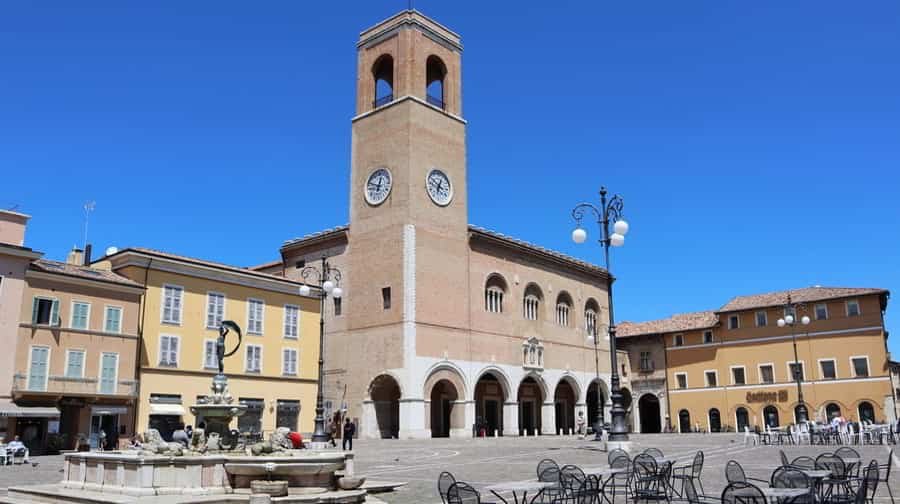
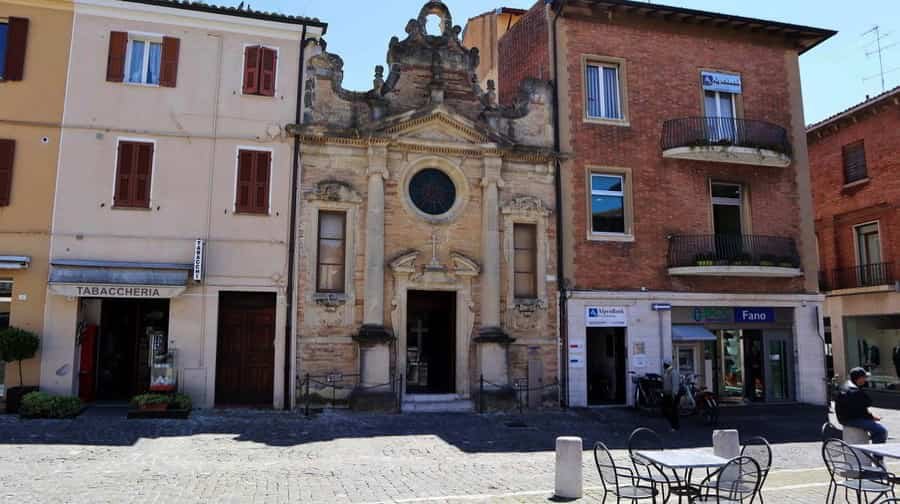
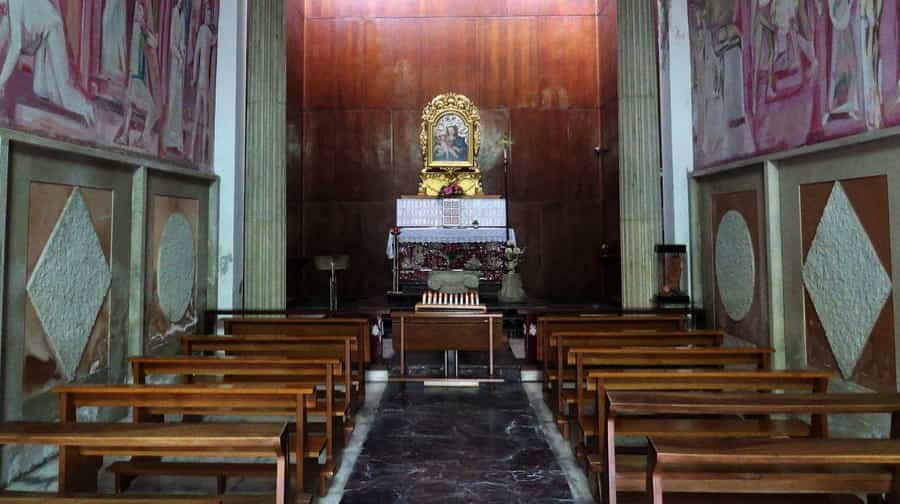
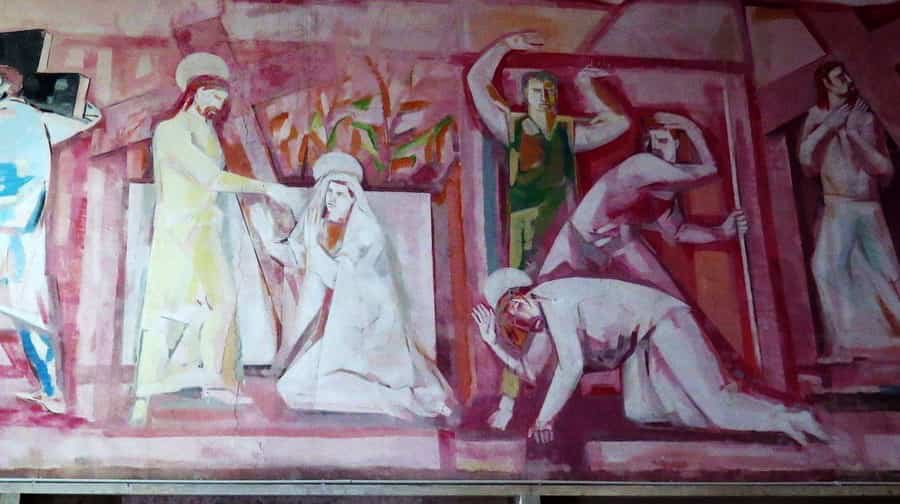
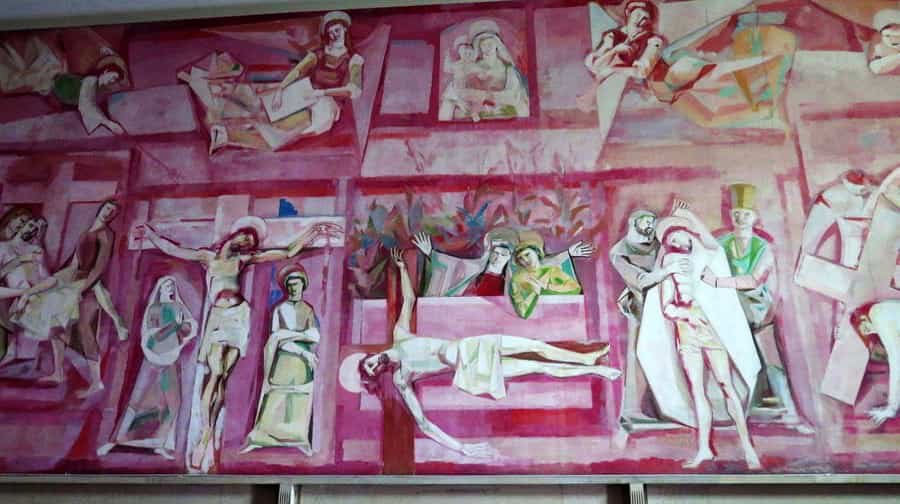
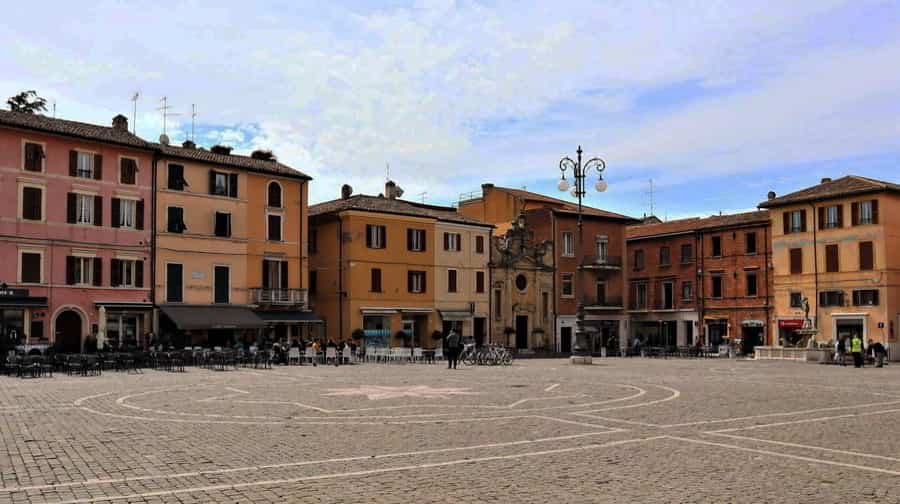
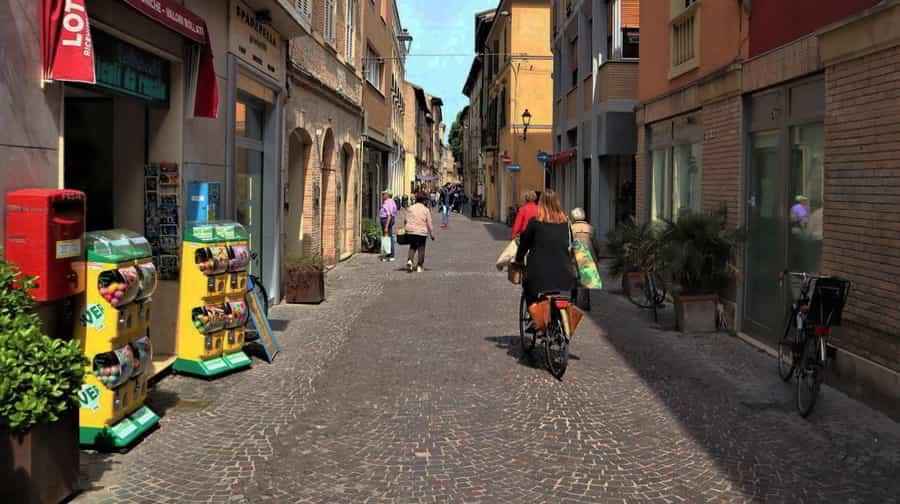
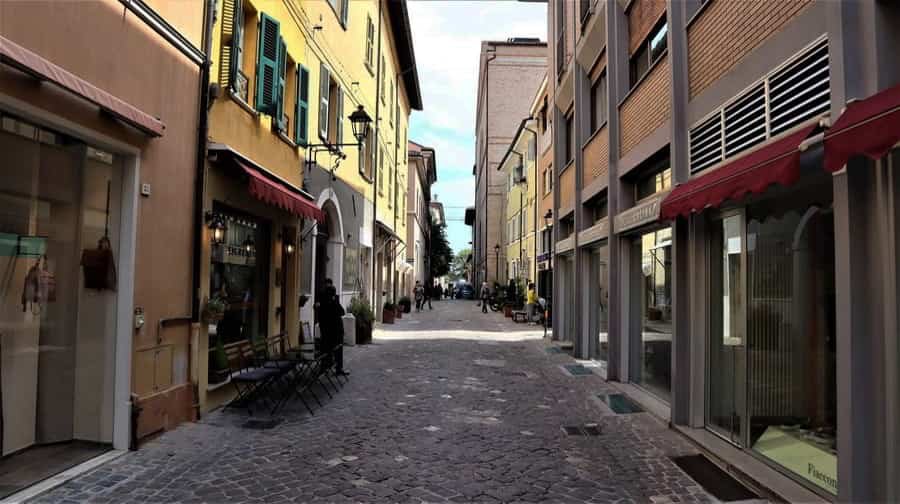
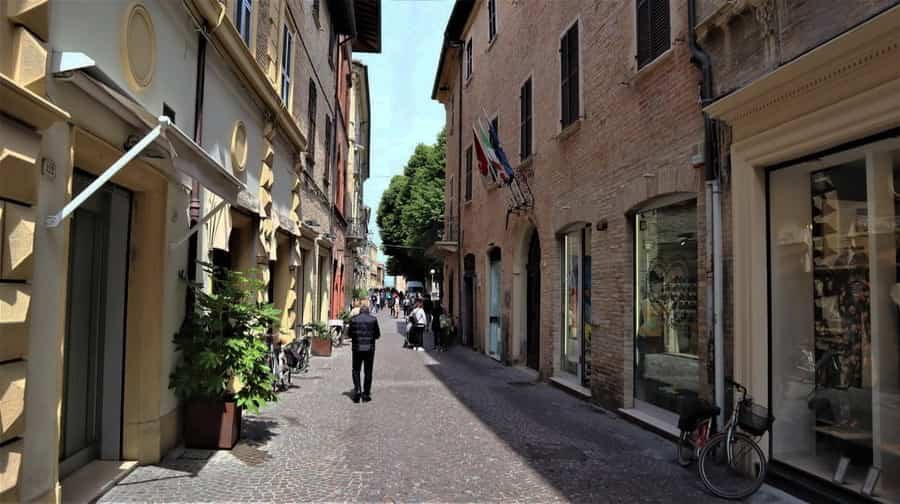
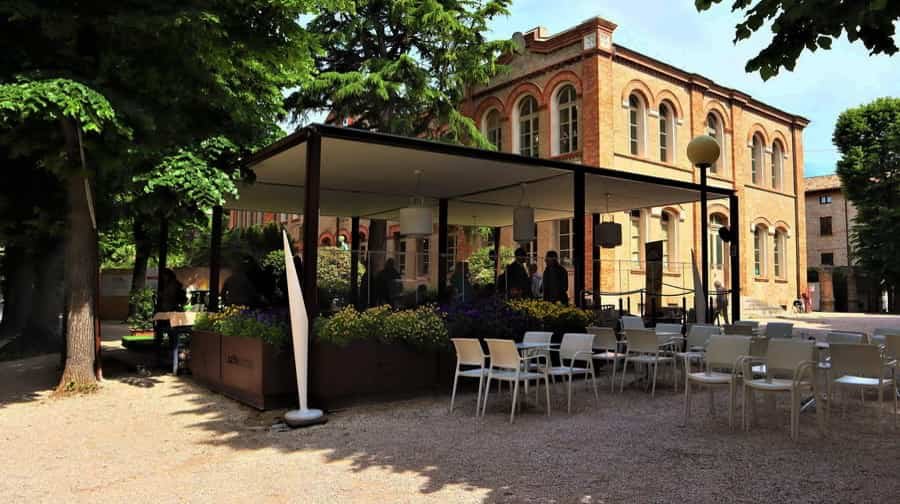
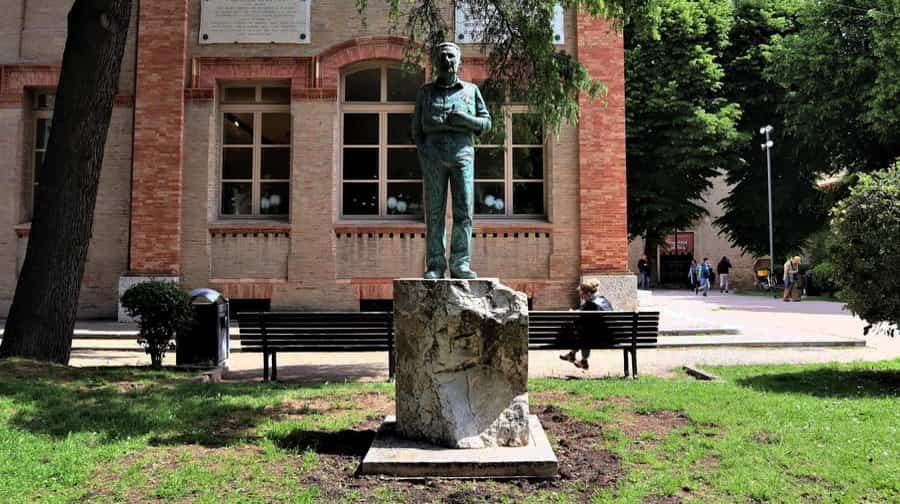
Photo Gallery of Walk 4 – Via Arco D’Augusto to Via della Mandria
Approximately 1.83 km – 1.14 miles
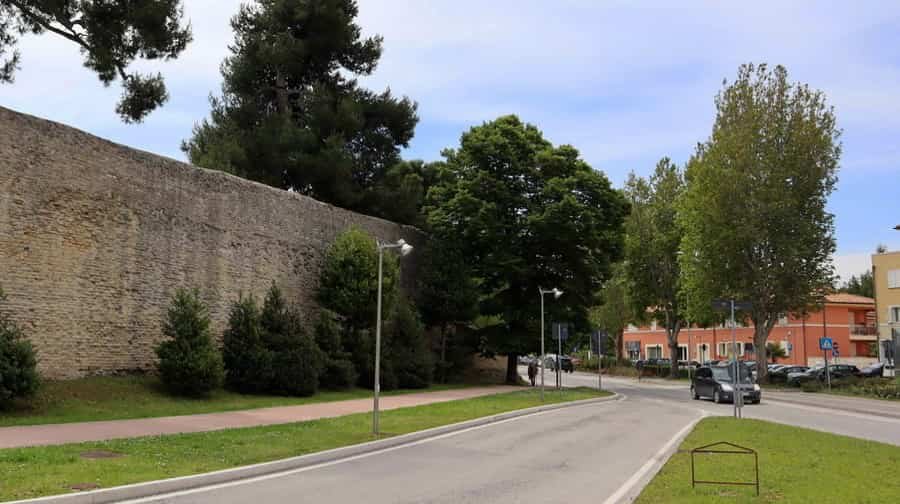
The walk starts in Via Arco D’Augusto – Via Guido del Cassero – Via Montevecchio – Ex Chiesa di Santa Maria del Suffragio – Via Palazzi Gisberti – Pincio – Arch of AugustusVia Arco D’Augusto – Corso G. Matteotti – Via XXIV Maggio – Via Giulio Cesare – Viale Nazario Sauro – Via Mura Augustee – Viale Buozzi – Via della Mandria
COPYRIGHT © 2018-2026 ITALY IN PHOTOS – ALL RIGHTS RESERVED