
HOME
THE REGIONS OF ITALY
PLACES IN ITALY
TRAVEL GUIDES COMING SOON
Italy in Photos
Lungolago Roma, 37011 Bardolino, Italy (May 2018)
Lecce
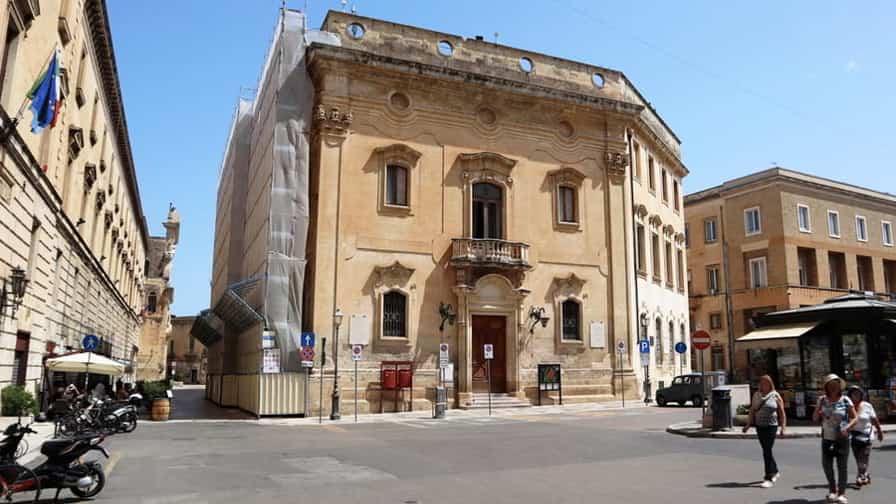
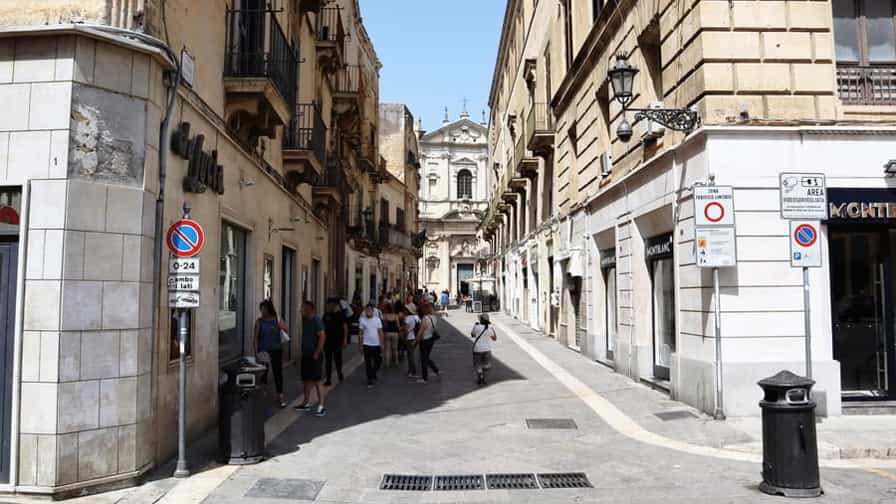
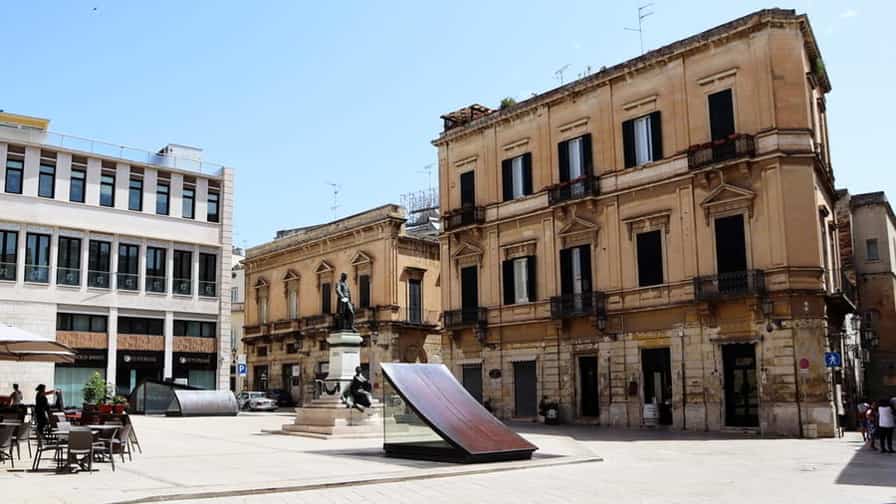
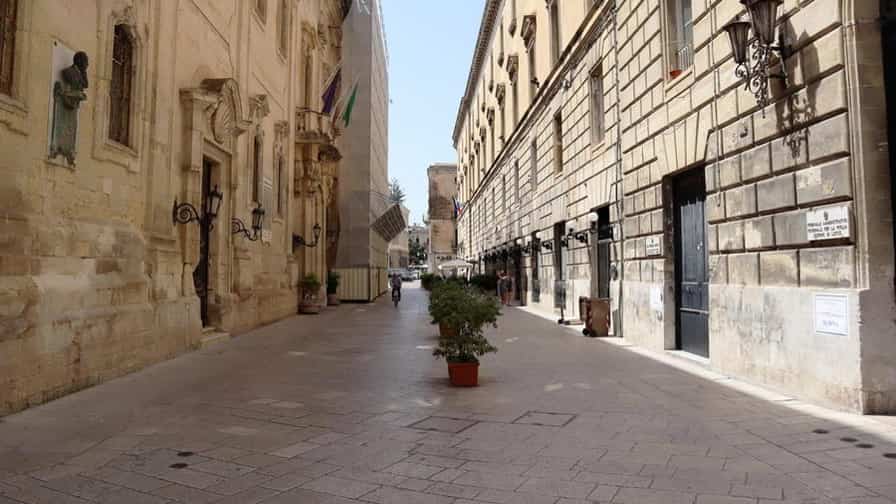
Lecce is a captivating city in southern Italy, located in the region of Puglia and often referred to as the cultural heart of the Salento peninsula. Known for its extraordinary Baroque architecture, warm southern light, and vibrant street life, Lecce offers a distinctive introduction to the artistic and historical richness of Italy’s deep south. Built largely from a local limestone that glows in shades of honey and gold, the city presents a cohesive and luminous appearance that leaves a lasting impression on visitors.
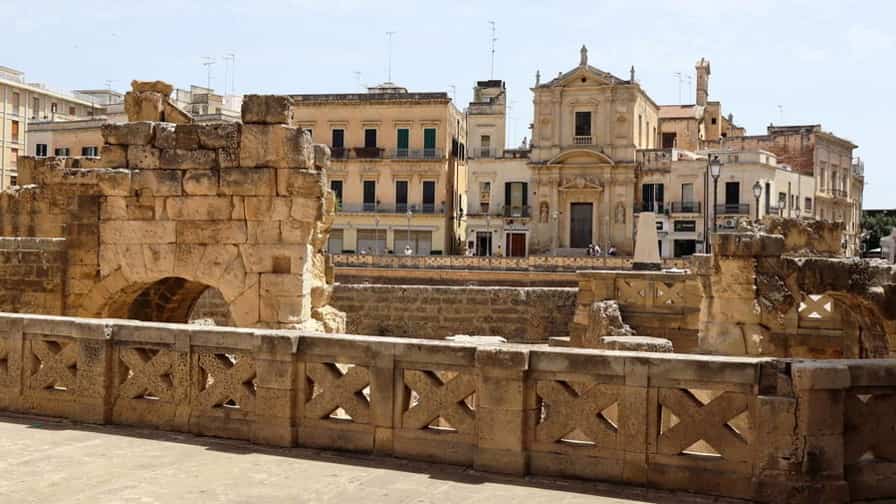
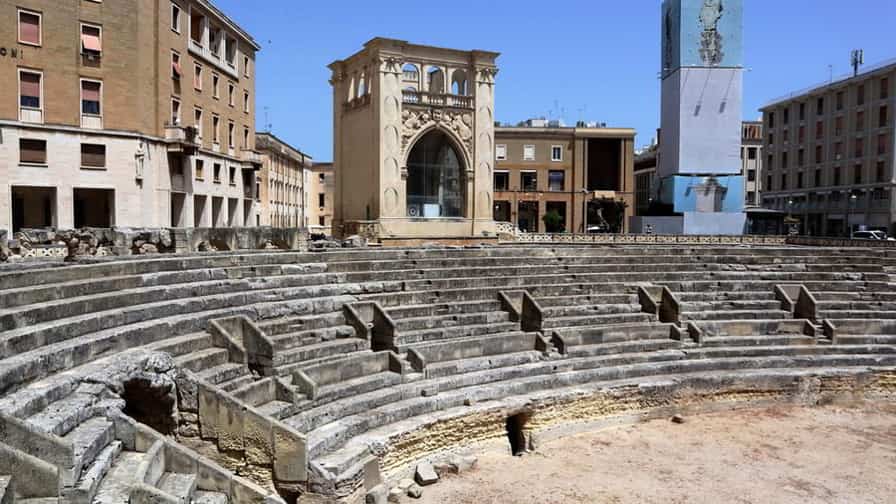
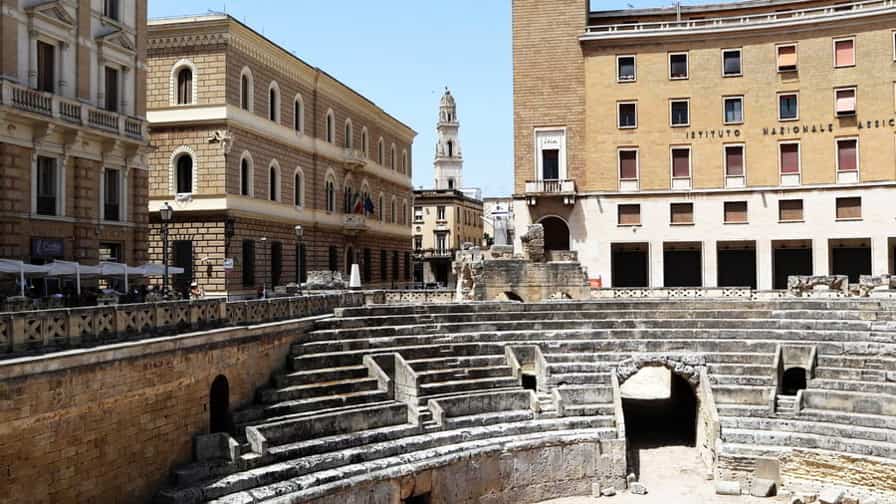
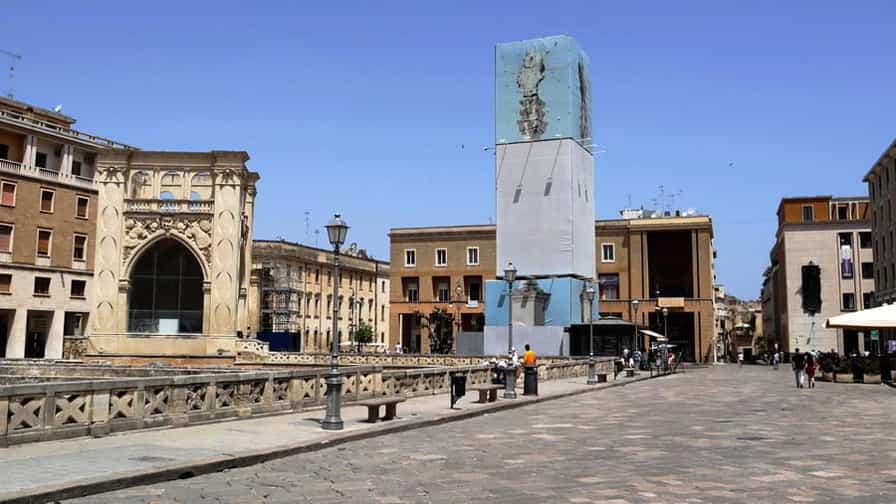
The origins of Lecce stretch back to ancient times, with roots in Messapian, Greek, and Roman civilizations. Evidence of this long history remains visible today, most notably in the Roman amphitheatre located in Piazza Sant’Oronzo, the city’s central square. Partially excavated and integrated into the modern urban fabric, the amphitheatre serves as a powerful reminder of Lecce’s importance during the Roman era and its continuity as a living city rather than an open-air museum.
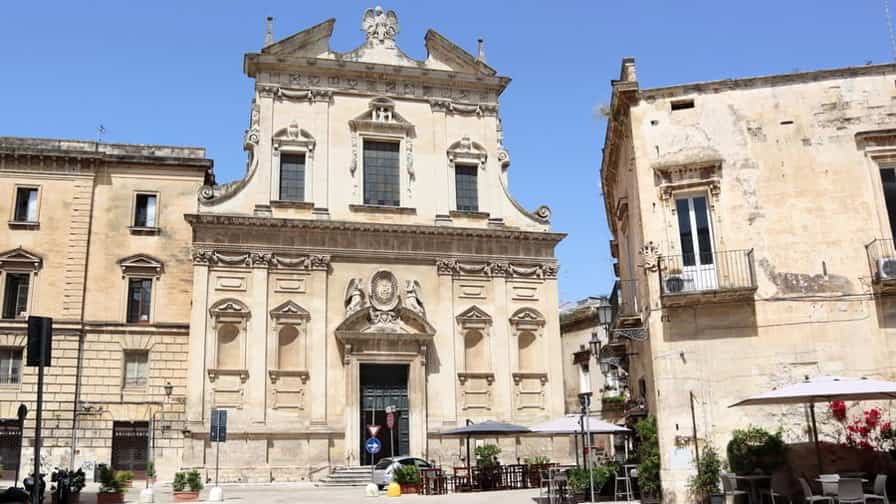
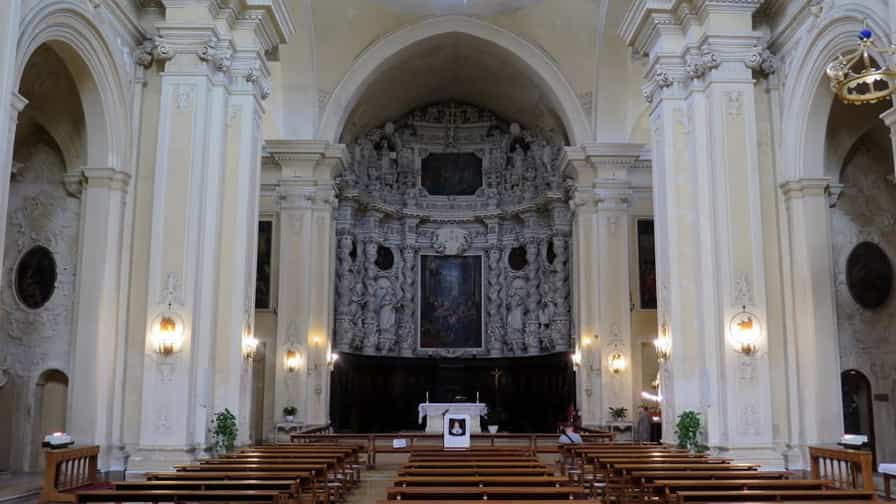
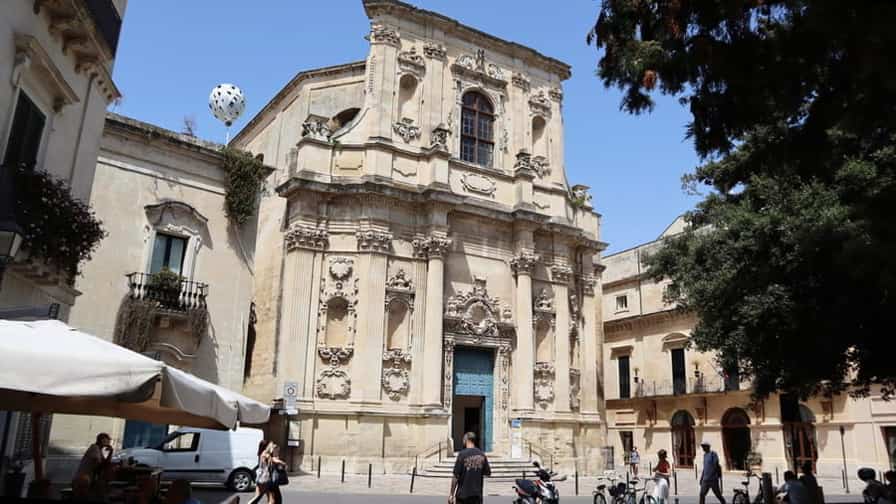
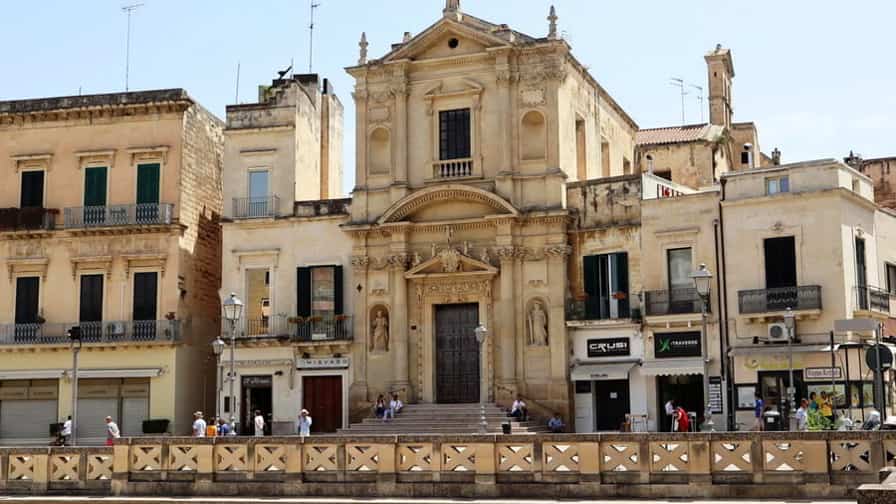
Lecce reached its artistic peak between the seventeenth and early eighteenth centuries, when it developed a highly expressive form of Baroque architecture that is now known as Lecce Baroque. Unlike the grand Baroque of Rome, Lecce’s style is characterized by intricate stone carvings, elaborate facades, and decorative details featuring flowers, animals, cherubs, and mythological figures. The soft local stone allowed craftsmen to work with remarkable precision, transforming churches and palaces into richly ornamented works of art.
Among the most celebrated examples of this style is the Basilica di Santa Croce, widely regarded as the masterpiece of Lecce Baroque. Its façade is a complex tapestry of sculptural elements, supported by columns and crowned with a richly detailed rose window. Nearby, the former Convento dei Celestini and Piazza del Duomo further showcase the city’s architectural splendour. Piazza del Duomo, enclosed on three sides by religious and civic buildings, creates an intimate yet monumental space that is especially striking in the evening light.
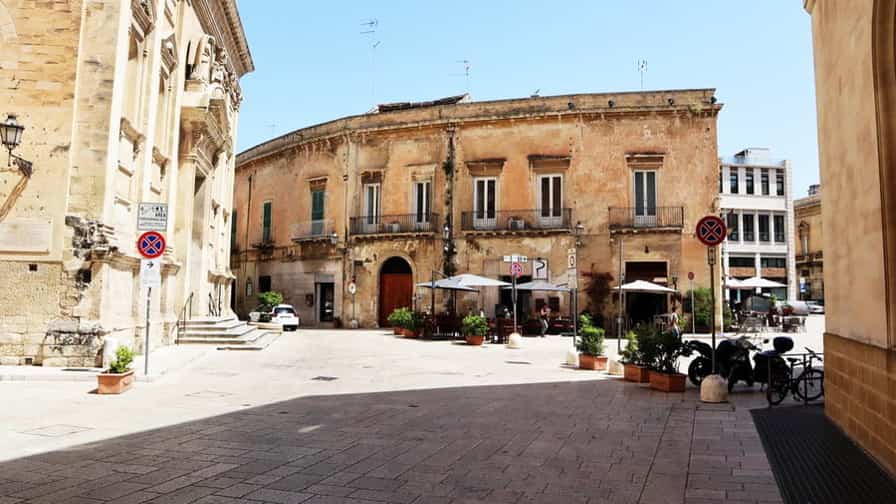
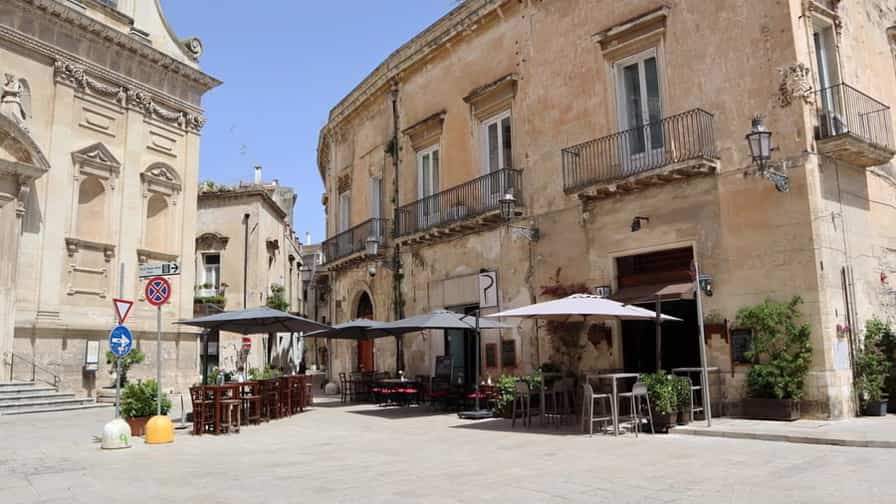
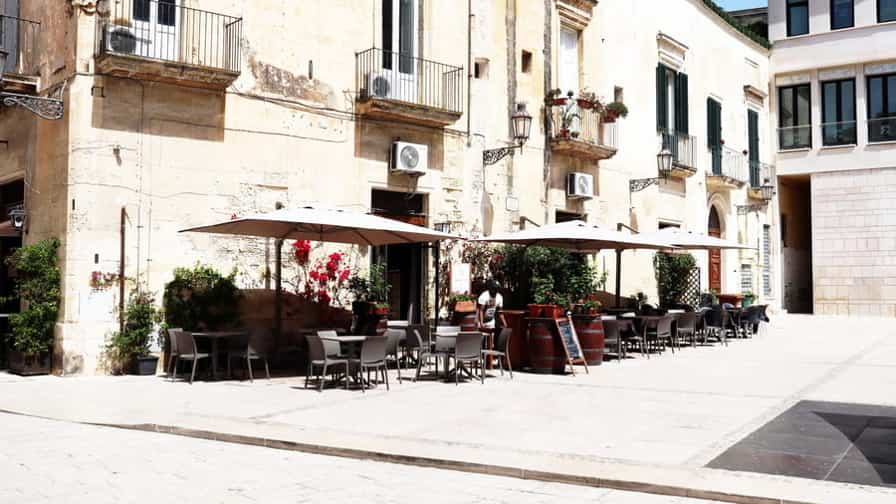
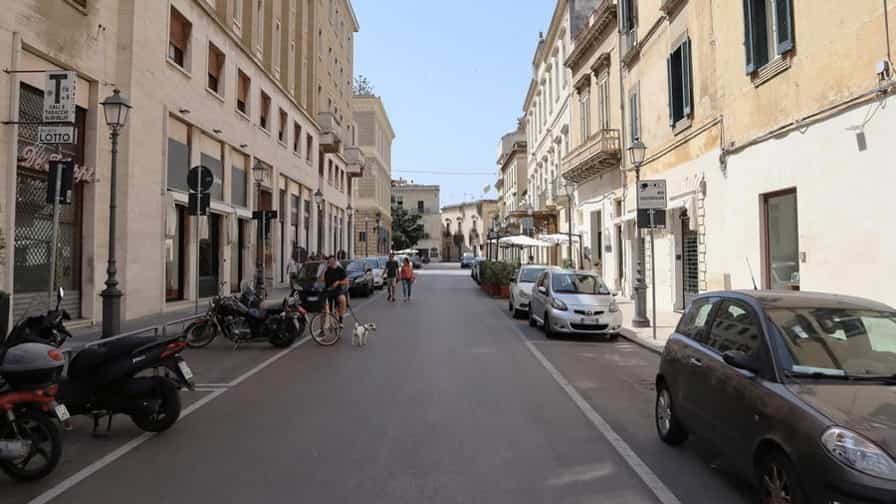
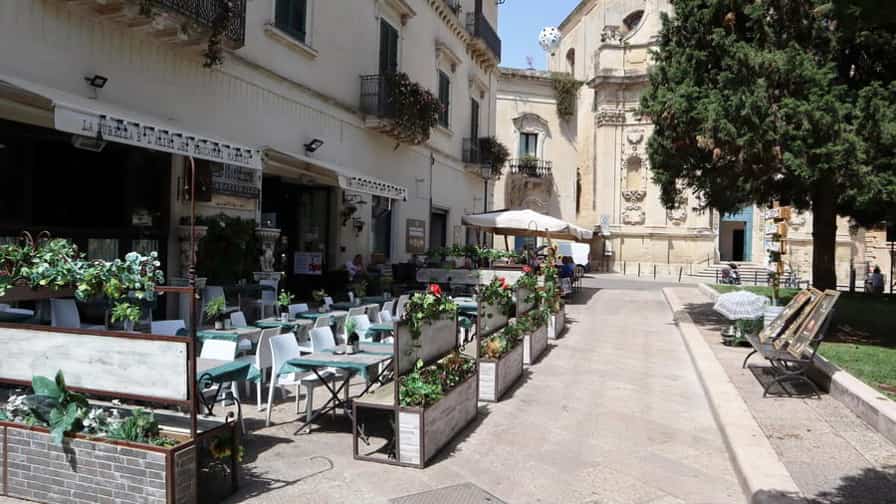
Beyond its artistic achievements, Lecce is a city shaped by tradition and daily life. Its historic centre is a maze of narrow streets, small courtyards, and hidden churches, where laundry hangs from balconies and local residents gather for conversation. This lived-in quality gives Lecce a warmth and authenticity that sets it apart from more heavily touristed destinations. Cafes, bakeries, and artisan workshops are woven into the urban fabric, inviting visitors to slow down and engage with local customs.
Food plays an essential role in Lecce’s identity. The city’s cuisine reflects the agricultural traditions of Salento, emphasizing simple ingredients and bold flavours. Dishes often feature olive oil, vegetables, legumes, and fresh bread, alongside seafood from the nearby Adriatic and Ionian coasts. Local specialties such as rustico leccese, a savoury pastry filled with mozzarella and tomato, and pasticciotto, a custard-filled dessert, are integral to the city’s culinary culture and daily rituals.
Lecce is also a centre for craftsmanship, particularly in papier-mâché, an art form that has been practiced here for centuries. Originally developed as an affordable alternative to wood or marble for religious sculptures, Lecce’s papier-mâché tradition has evolved into a refined craft. Workshops throughout the city continue to produce statues, masks, and decorative objects, preserving skills passed down through generations.
In recent years, Lecce has embraced its role as a cultural and educational hub. The University of Salento brings a youthful energy to the city, while festivals, concerts, and exhibitions animate its public spaces throughout the year. At the same time, Lecce remains closely connected to the surrounding landscape of olive groves, rural villages, and coastline, reinforcing a strong link between urban culture and the wider region.
Lecce stands as a city of elegance and resilience, where ancient foundations support a vibrant contemporary life. Its harmonious blend of history, art, tradition, and hospitality offers an immersive experience of southern Italy. For those seeking beauty beyond the familiar icons of the north, Lecce provides a compelling and richly textured introduction to the soul of Puglia.
Worth a Visit
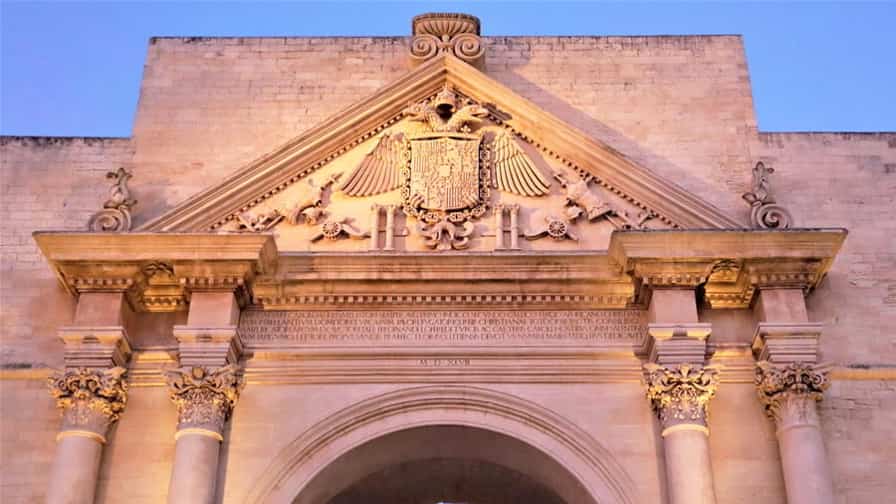
The Piazzetta Arco di Trionfo in Lecce is a charming and historically significant square that takes its name from one of the city’s most iconic monuments, the Porta Napoli, often referred to as the Arco di Trionfo. Located at the northern edge of Lecce’s historic centre, this space has long served as a symbolic gateway into the city, linking the baroque splendor of Lecce’s streets with the wider Salento region. Today, the piazzetta combines historical memory with the lively atmosphere of a cultural and social hub, making it a favourite stop for both visitors and locals. The Arco di Trionfo itself was erected in 1548 in honor of Emperor Charles V, who played a decisive role in strengthening Lecce’s defences during the sixteenth century.
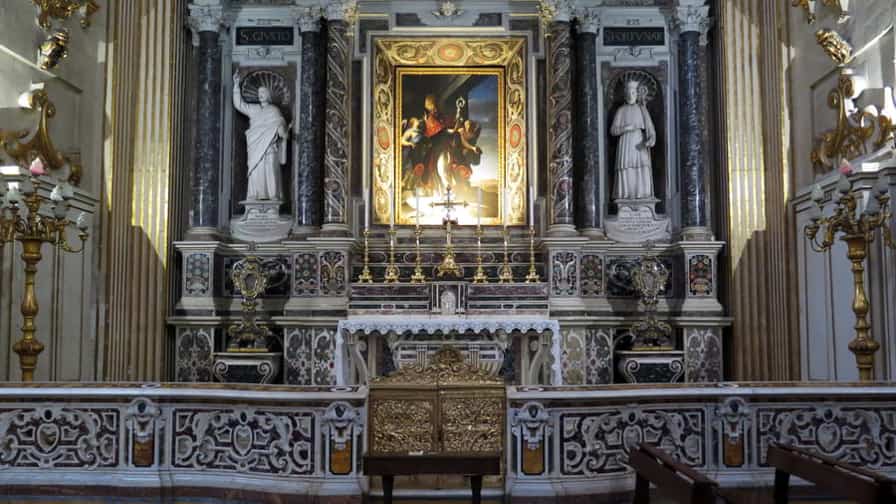
The Cattedrale di Santa Maria Assunta, more commonly known as the Cathedral of Lecce, is one of the city’s most majestic landmarks and a masterpiece of southern Italian Baroque. Situated in the Piazza del Duomo, it stands as the spiritual and architectural heart of Lecce, embodying centuries of history, devotion, and artistry. The cathedral is not only a place of worship but also a symbol of the city’s identity, where faith and artistic genius come together in perfect harmony. The original cathedral was built in 1144 under Bishop Formoso, reflecting the Romanesque style typical of the period. Over the centuries, it underwent several modifications, but the most decisive transformation came in the 17th century, when architect Giuseppe Zimbalo, one of the leading figures of the Lecce Baroque, was commissioned to redesign it. Between 1659 and 1670, Zimbalo created the cathedral as we see it today, a dazzling example of exuberant yet harmonious decoration, which has made it one of the most celebrated works of Baroque art in the Salento region.
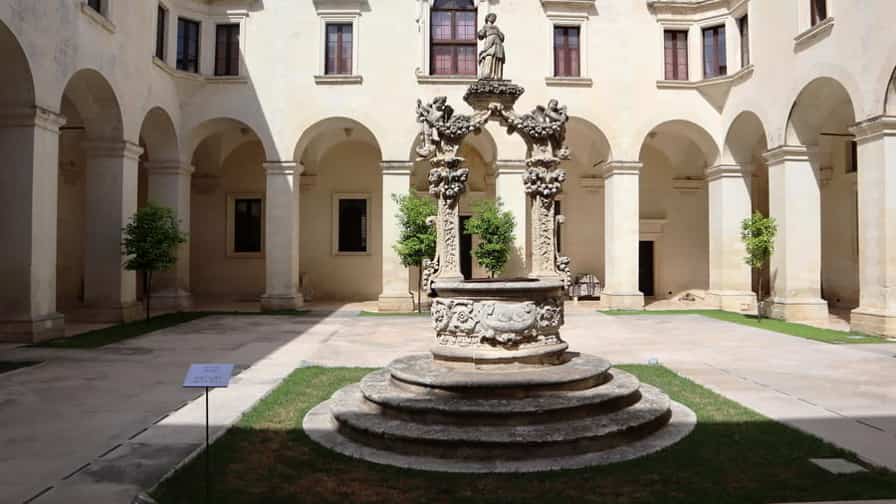
The Museo Diocesano d’Arte Sacra in Lecce is a cultural treasure that brings together the city’s deep religious heritage and its extraordinary artistic tradition. Located within the episcopal complex of the Piazza del Duomo, the museum is housed in part of the historic Episcopal Palace, just steps away from the magnificent Cathedral of Santa Maria Assunta. This privileged position reflects the museum’s close relationship with the spiritual and civic life of Lecce, offering visitors a unique opportunity to explore centuries of sacred art in an evocative setting. The museum was established to preserve, protect, and showcase the wealth of artworks that have accumulated in the diocese over the centuries.
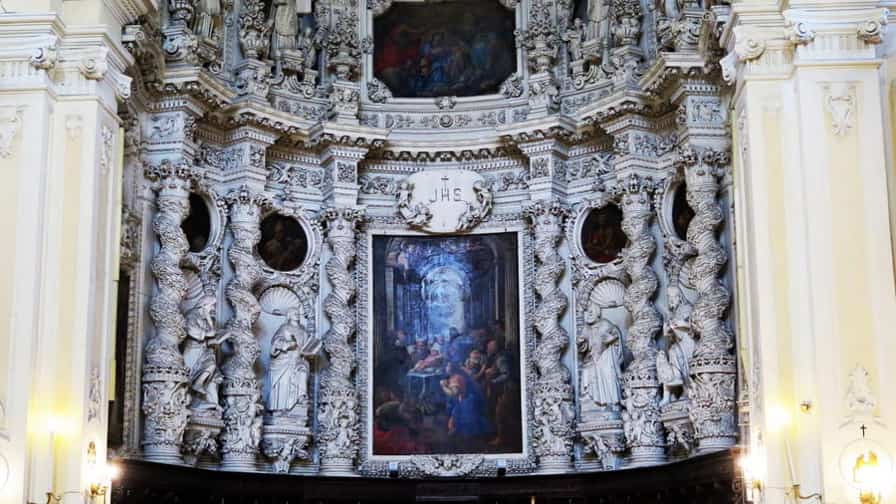
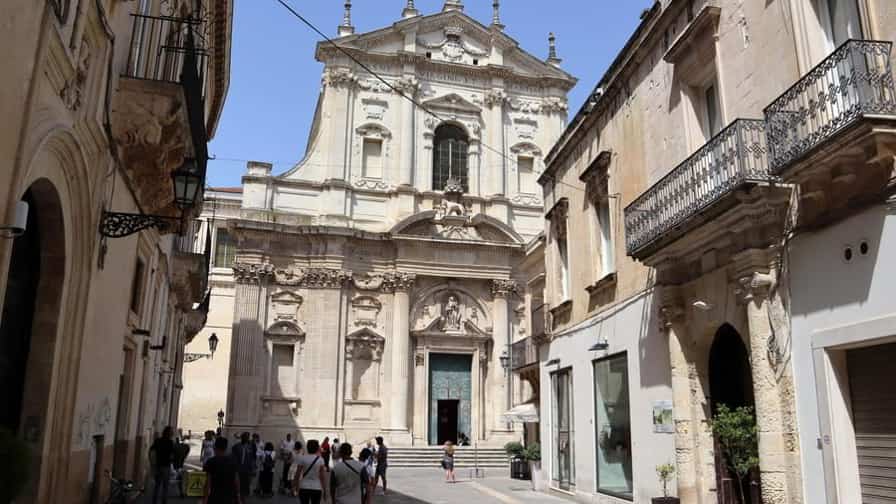
The Chiesa del Gesù, also known as the Church of Jesus or the Gesuiti Church, is one of the most remarkable examples of Baroque architecture in Lecce. Situated in the heart of the historic centre, near the bustling Piazza Sant’Oronzo, this church embodies the grandeur and spirituality that define Lecce’s artistic identity. Built in the late 16th century and completed in the early 17th century, it stands as a testimony to the influence of the Jesuit order in the city and their role in promoting art, education, and religious life. The construction of the church began in 1575, designed by the architect Giovanni De Rosis with support from the Jesuits, who had recently arrived in Lecce.
Photo Gallery of Walk 1 – Via Adriatica to Piazzetta Bonifacio IX
Approximately 1.97 km – 1.22 miles
The walk starts in Via Ferrando Nicolò – Via Adriatica – Piazza Carmelo Bene – Via V. Carluccio – Cimitero Storico Lecce, Via Cimitero – Viale S. Nicola – Via F. Calasso – Piazzetta Arco di Trionfo – Porta Napoli, Piazzetta Arco di Trionfo – Via Giuseppe Palmieri – Vico Sferracavalli – Via Luigi Scarambone – Piazzetta Bonifacio IX
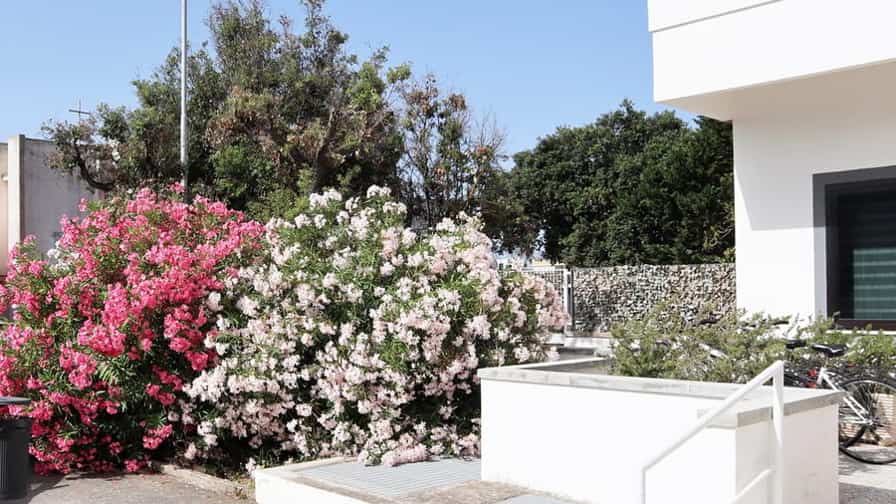
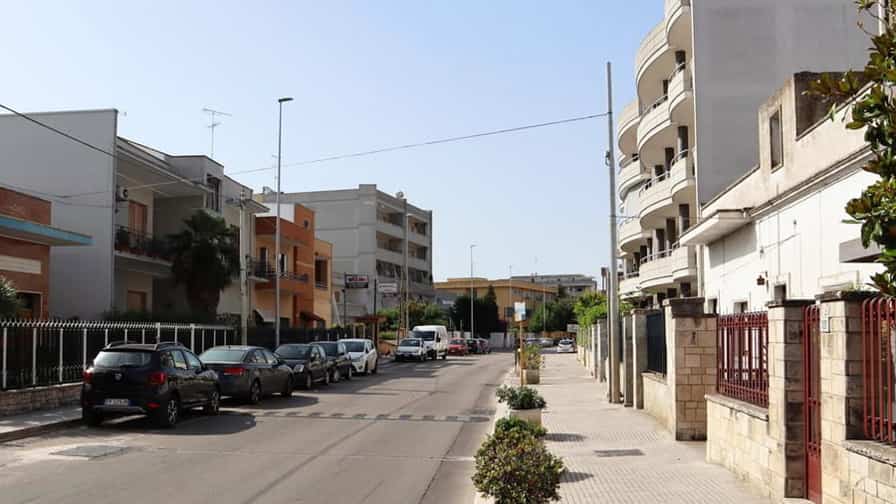
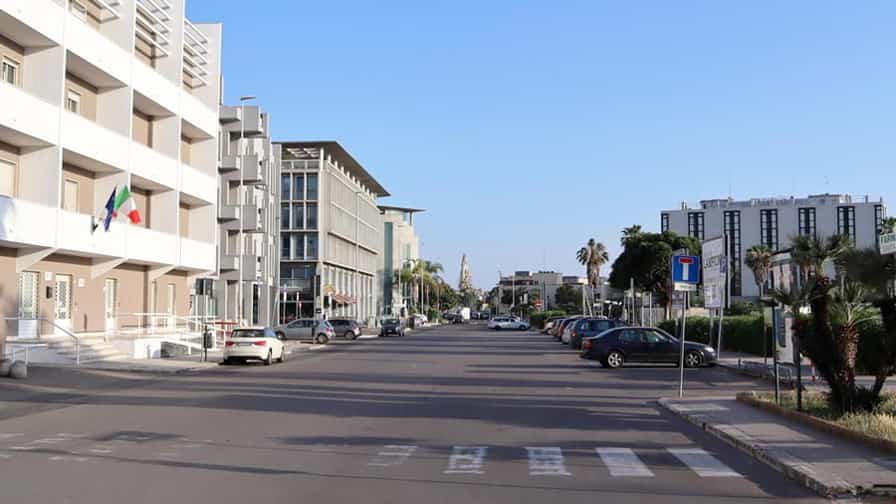
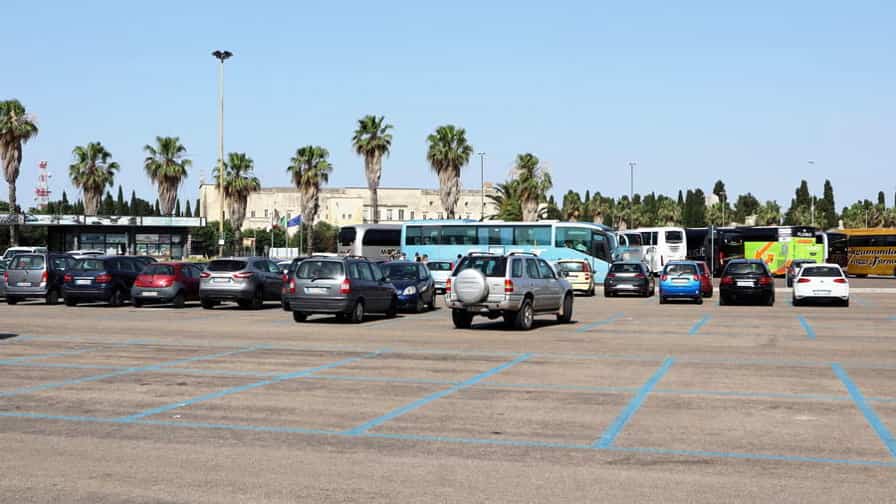
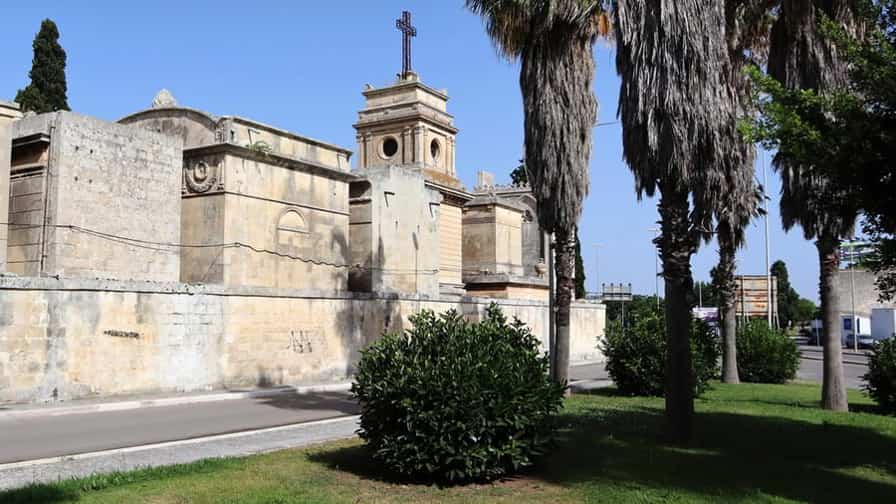
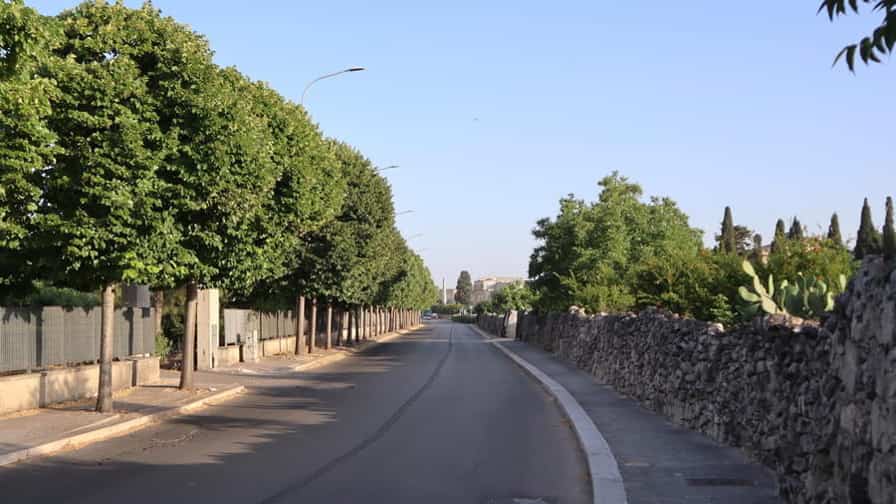
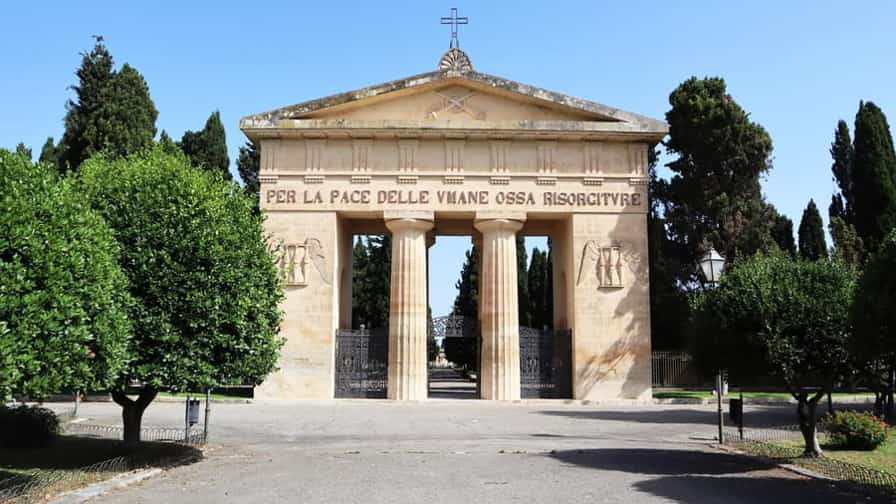
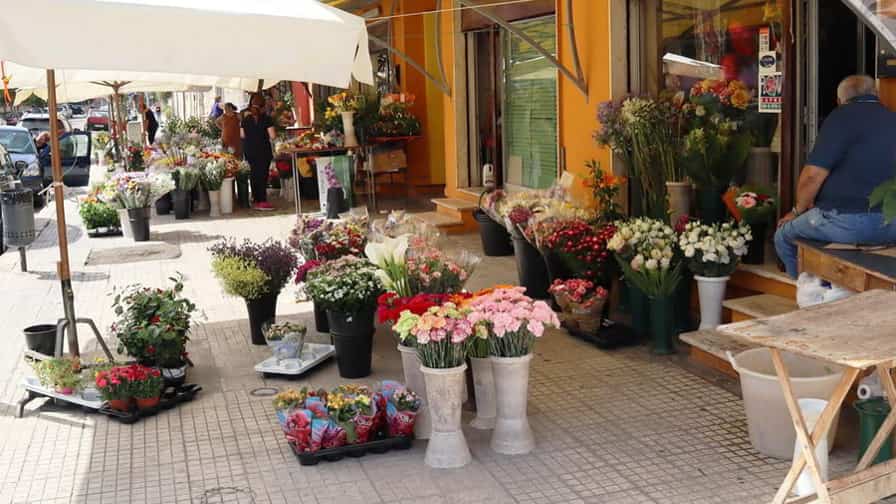
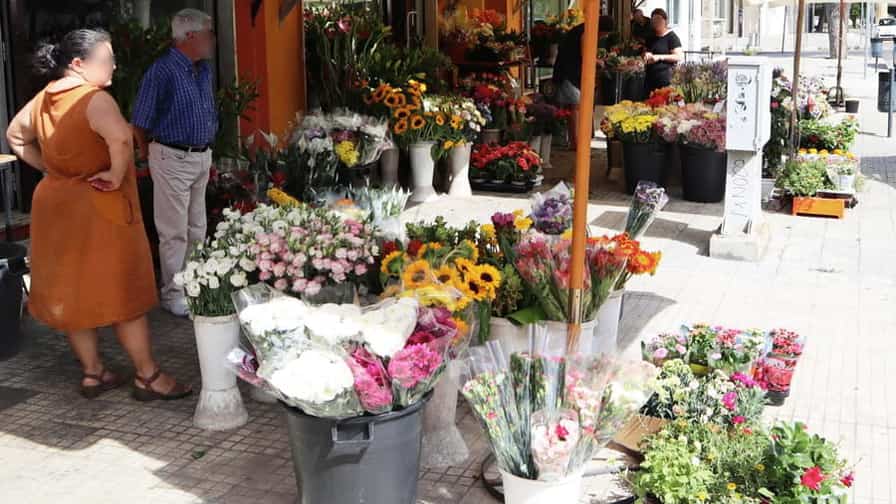
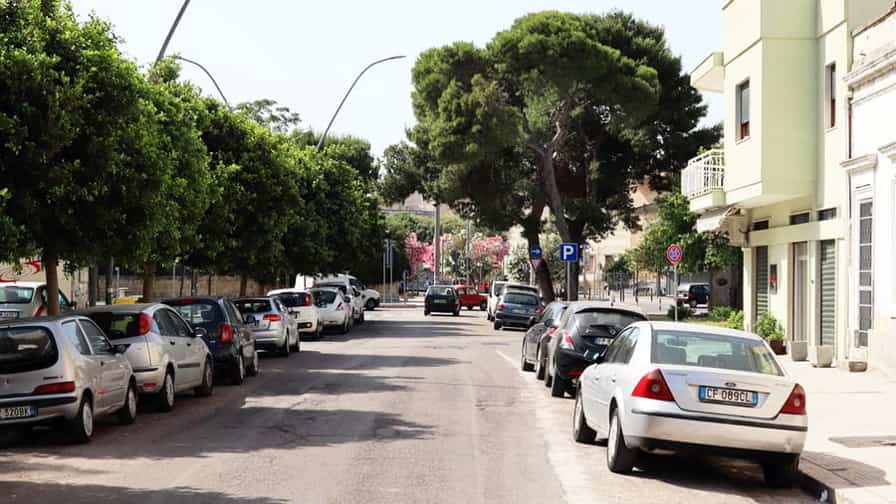
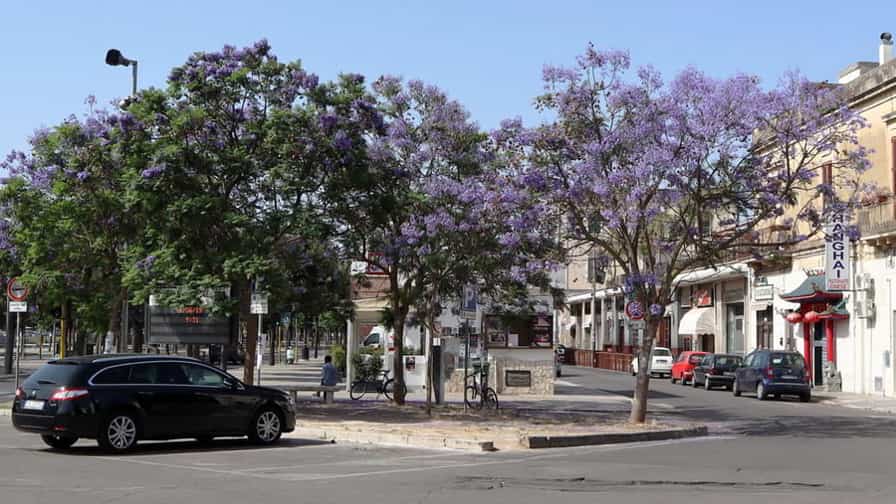
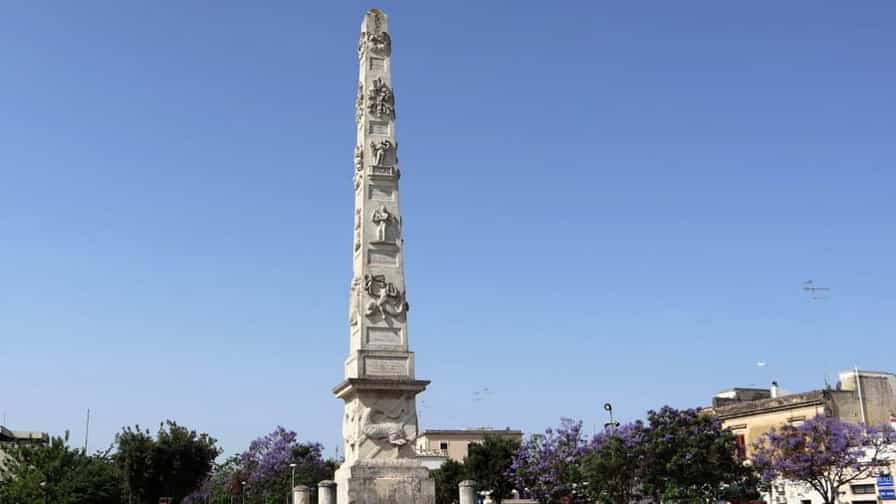
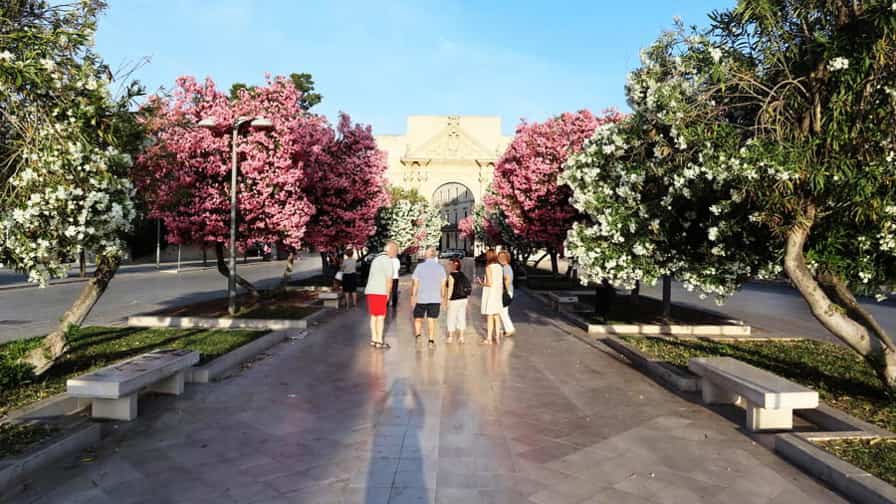
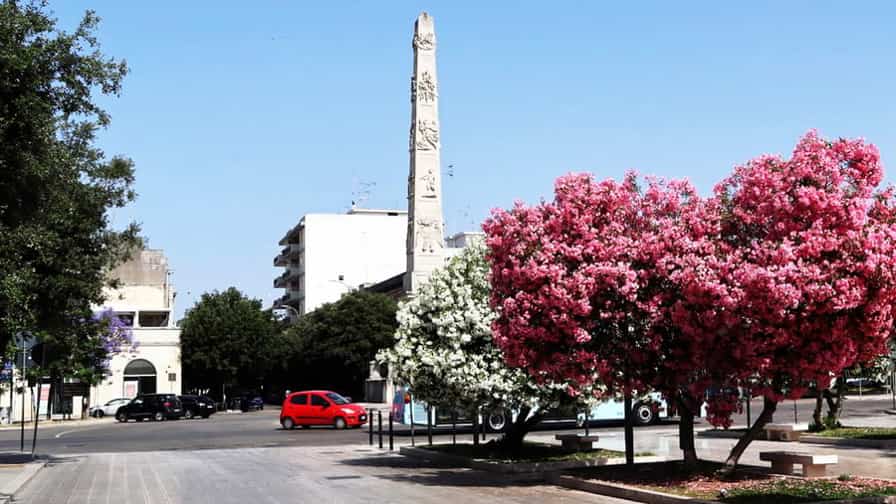
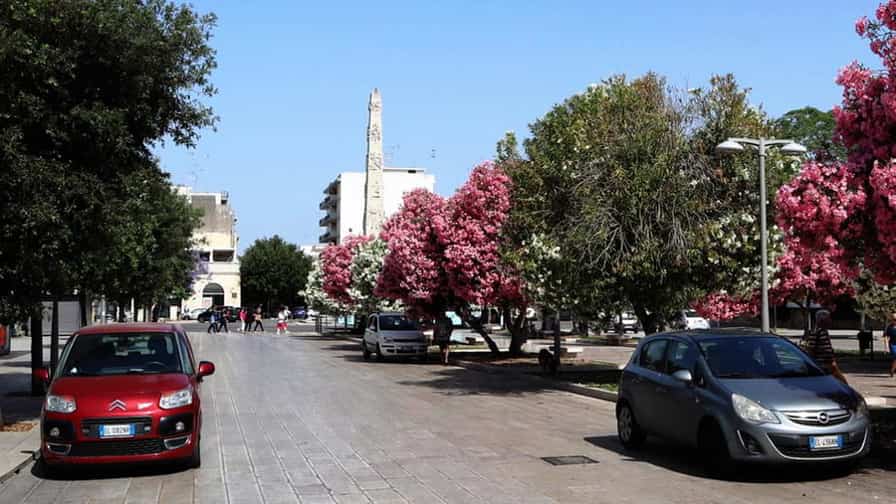
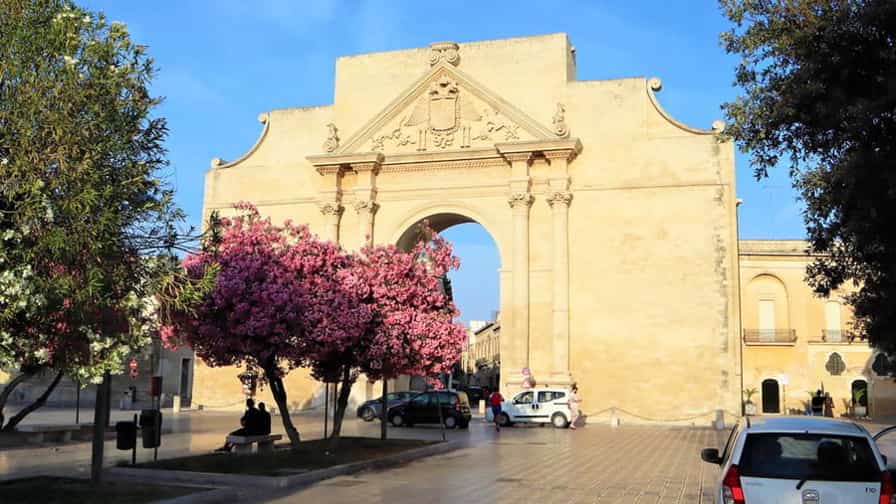
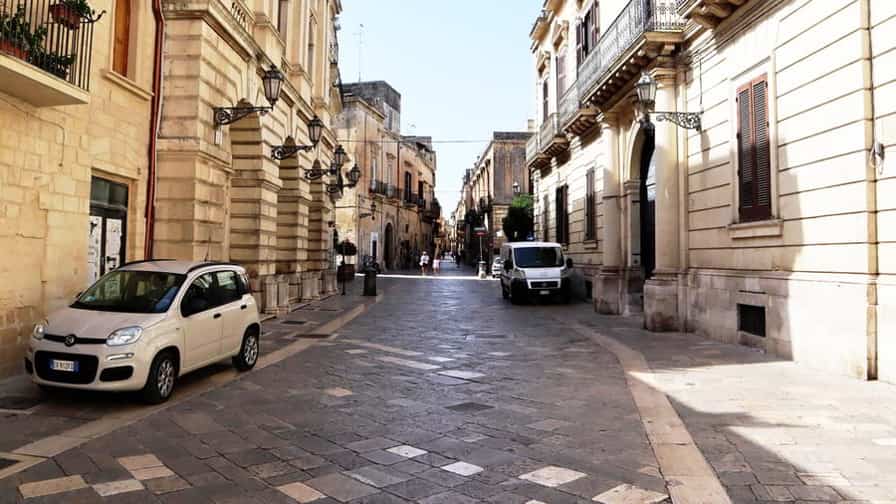
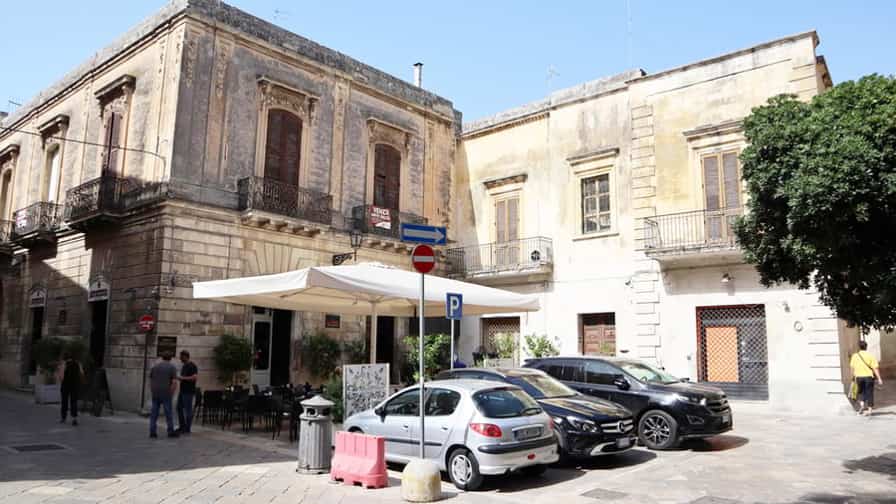
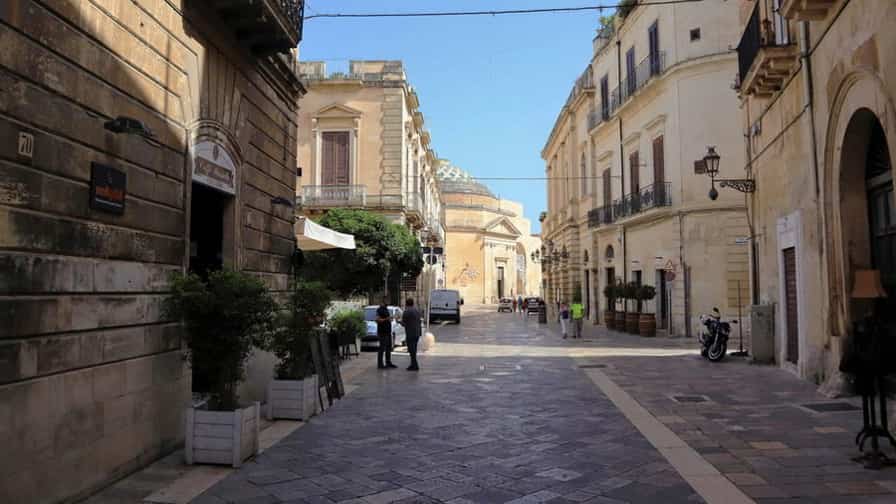
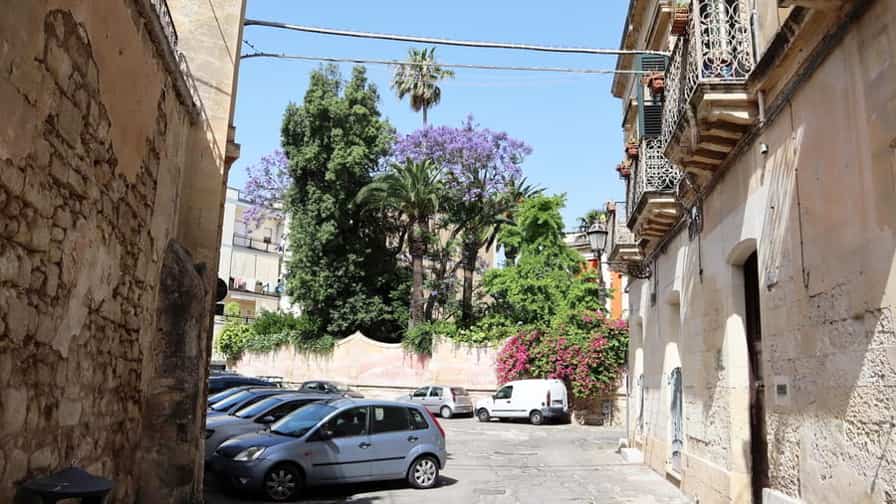
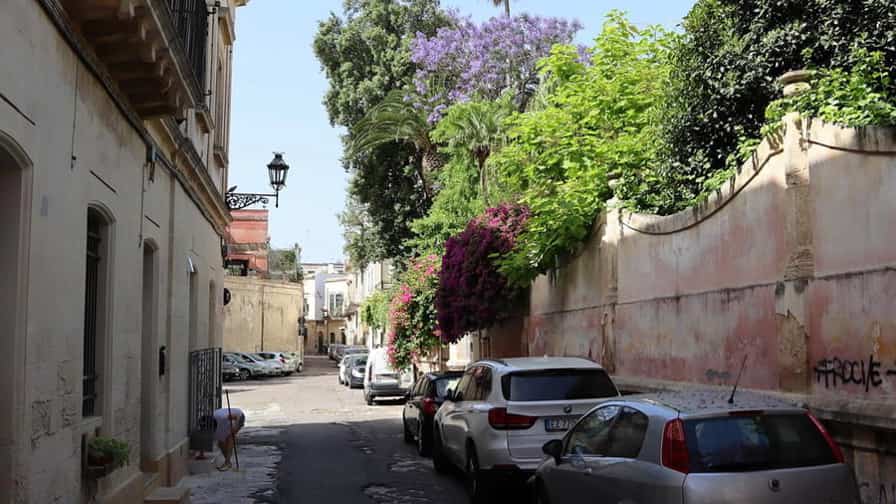
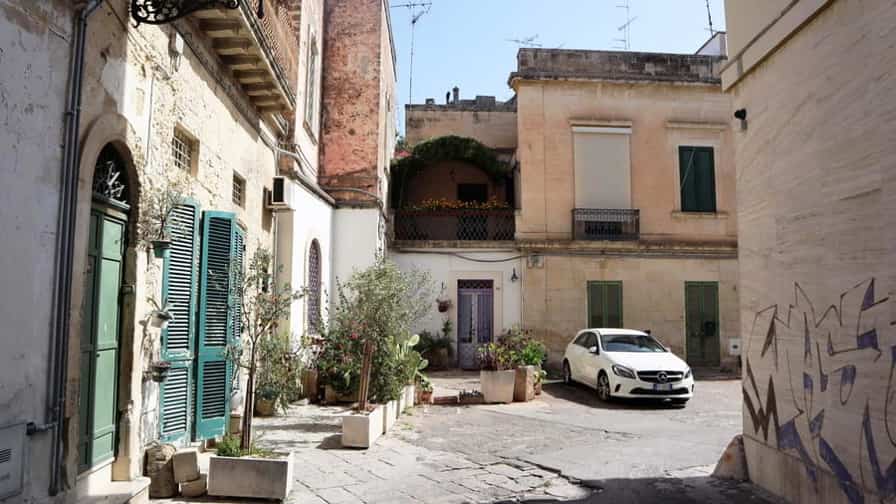
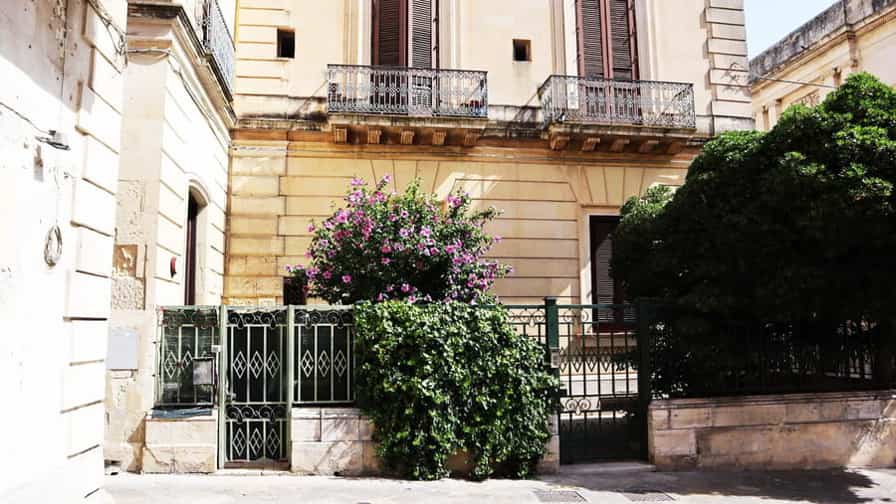
Photo Gallery of Walk 2 – Via Giuseppe Palmieri to Via Arcivescovo Petronelli
Approximately 1.43 km – 0.89 miles
The walk starts in Via Giuseppe Palmieri – Piazzeta Ignazio Falconieri – Via Giuseppe Palmieri – Piazza del Duomo – Cattedrale di Santa Maria Assunta, Piazza del Duomo – Piazza del Duomo – Museo Diocesano d’Arte Sacra, Piazza del Duomo – Via Giuseppe Libertini – Porta Rudiae – Via Giuseppe Libertini – Via Vittorio Emanuele II – Via Arcivescovo Petronelli – Via Guglielmo Paladini – Vicolo Sotteranei – Via Guglielmo Paladini – Via Arcivescovo Petronelli
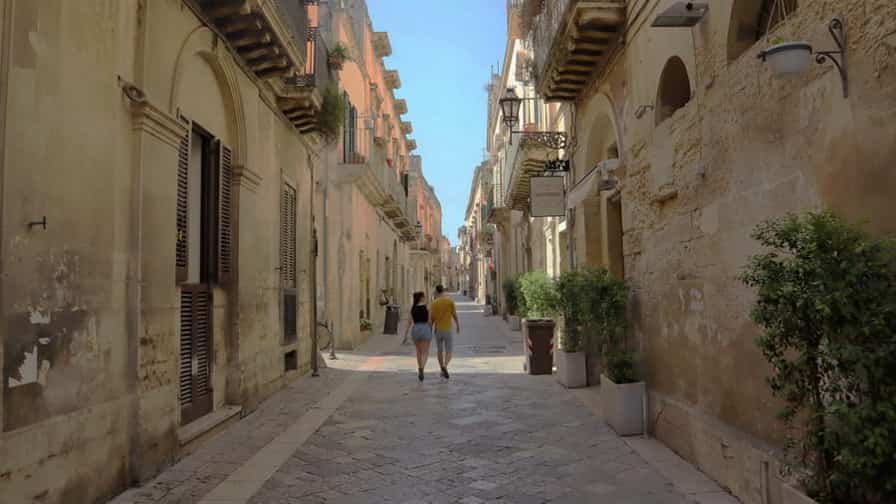
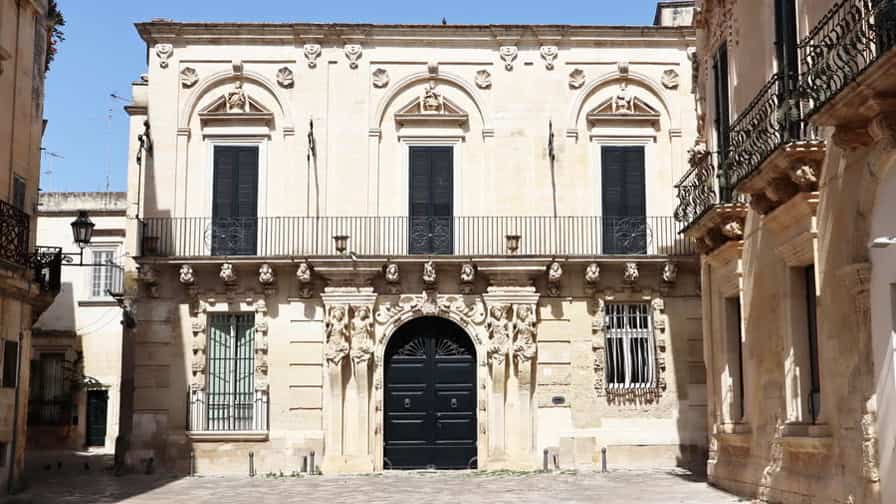
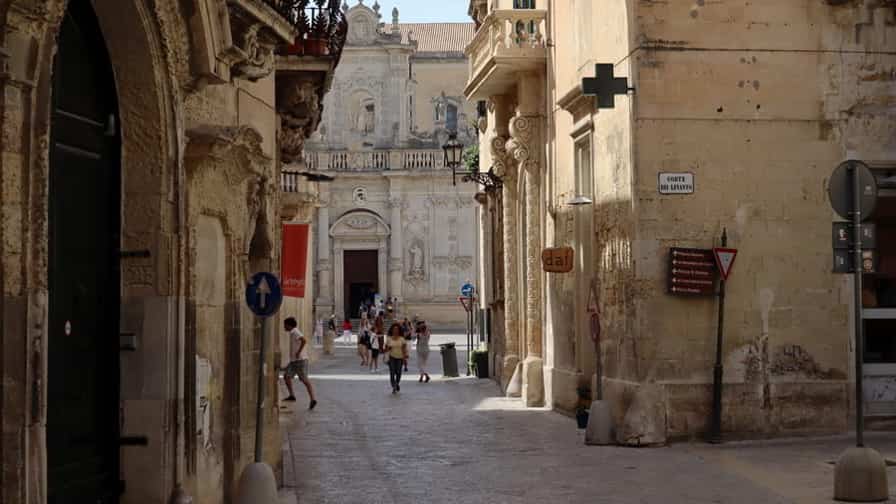
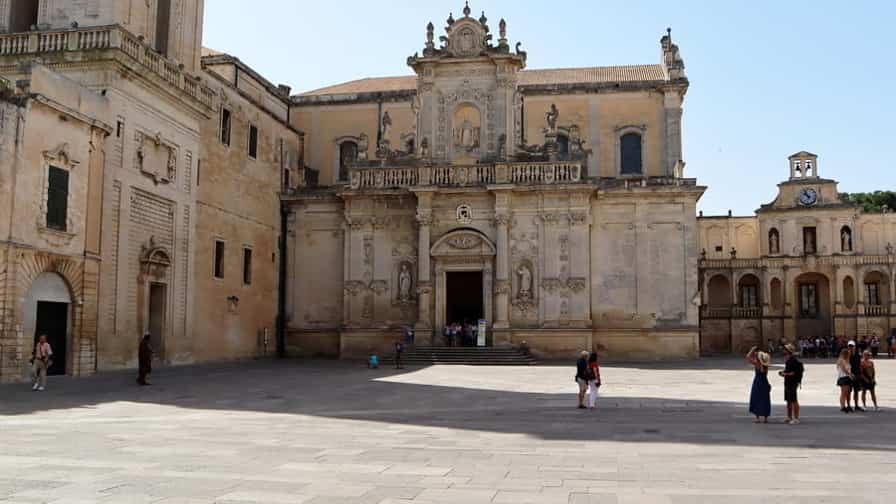
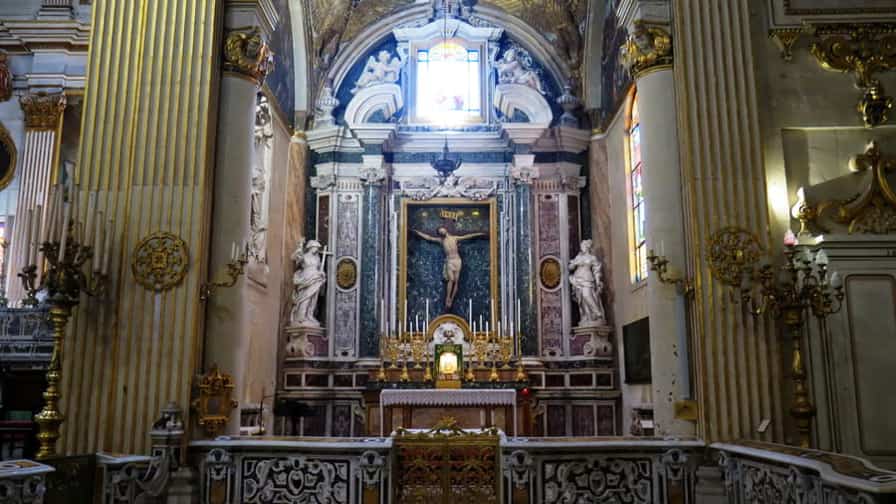
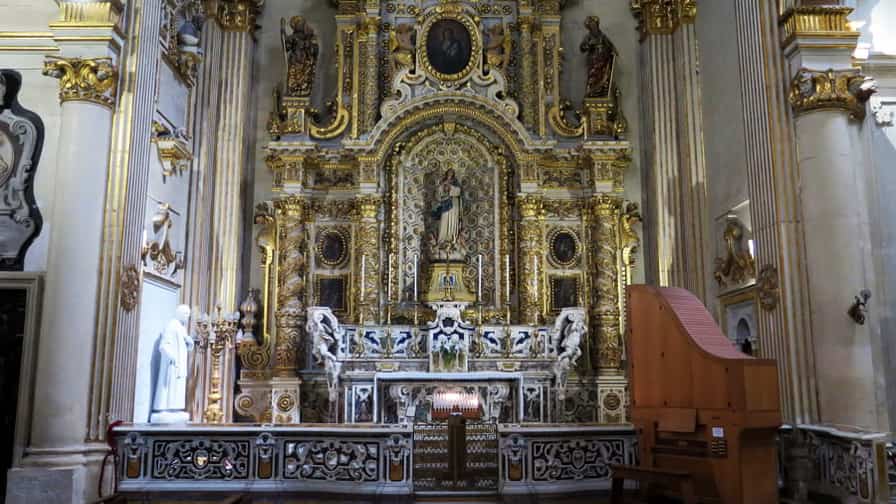
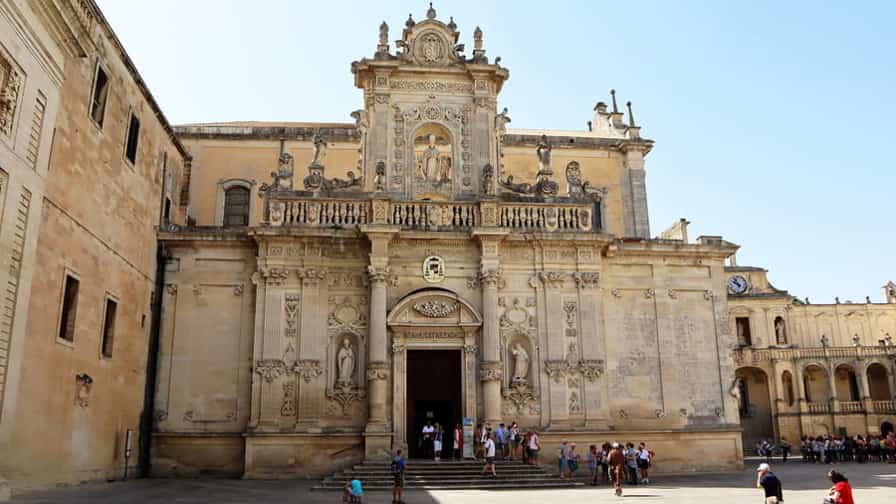
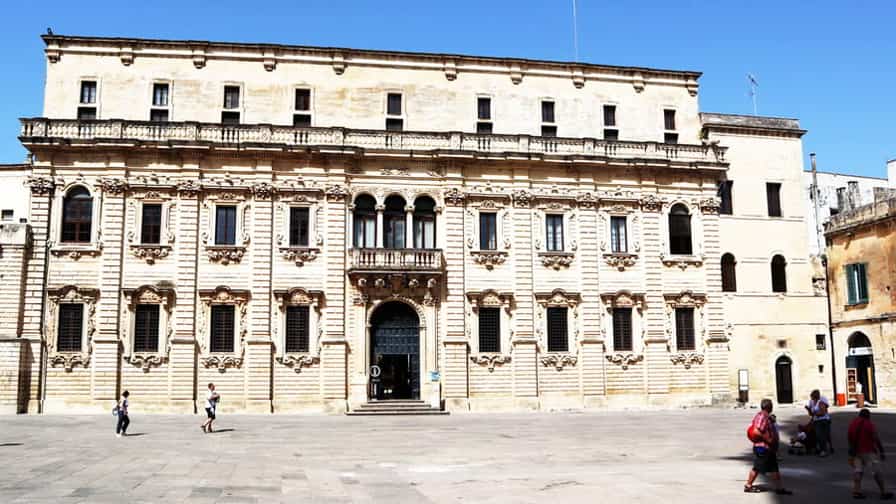
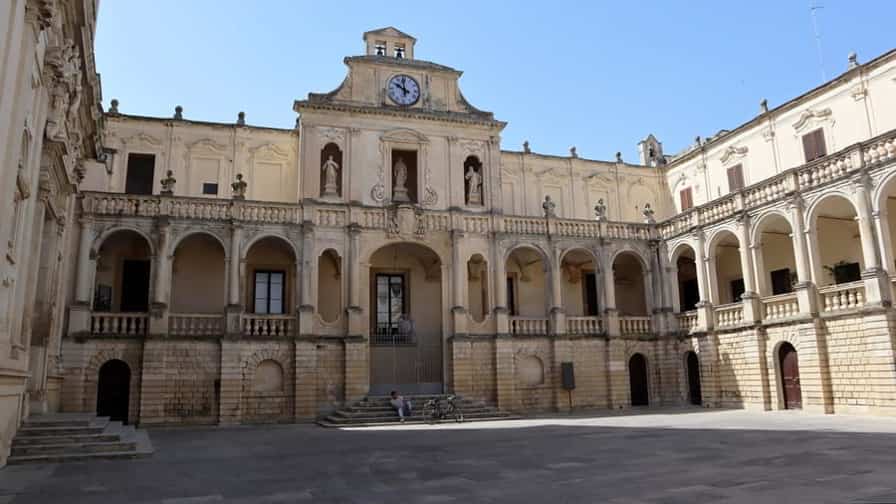
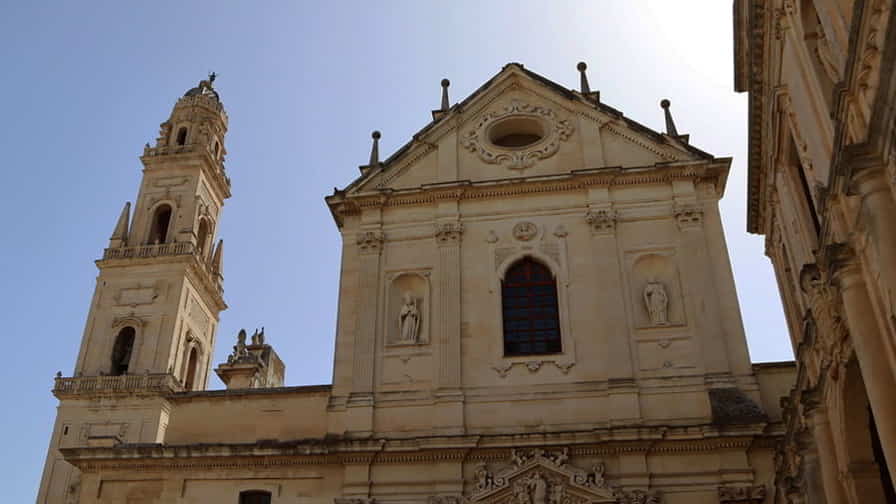
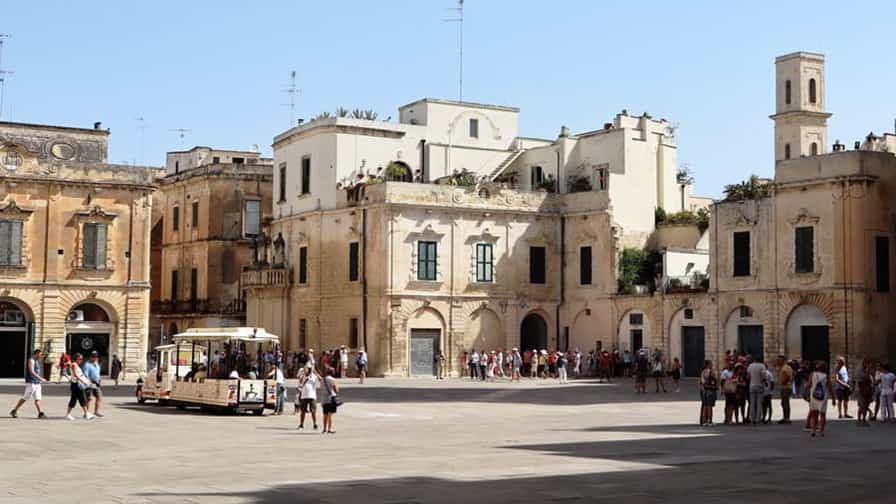
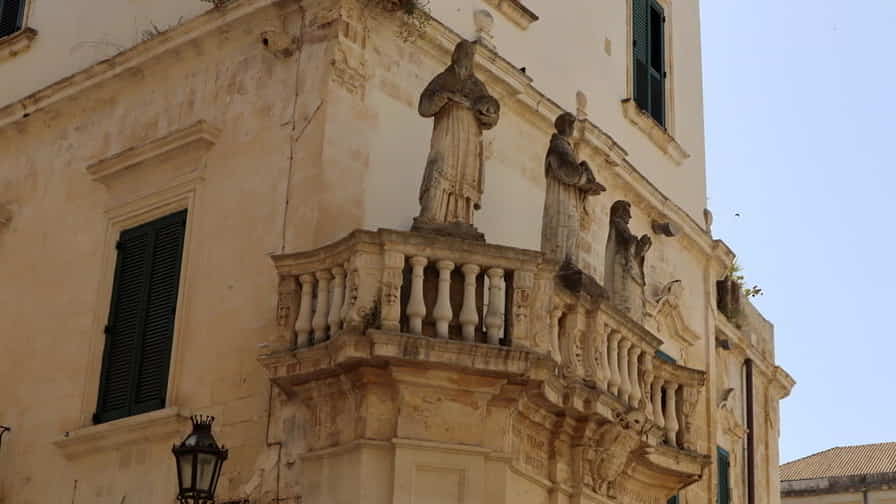
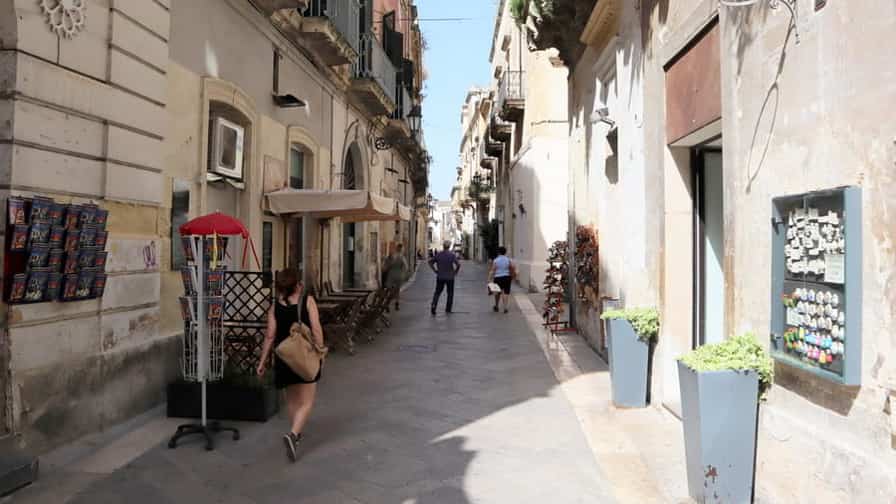
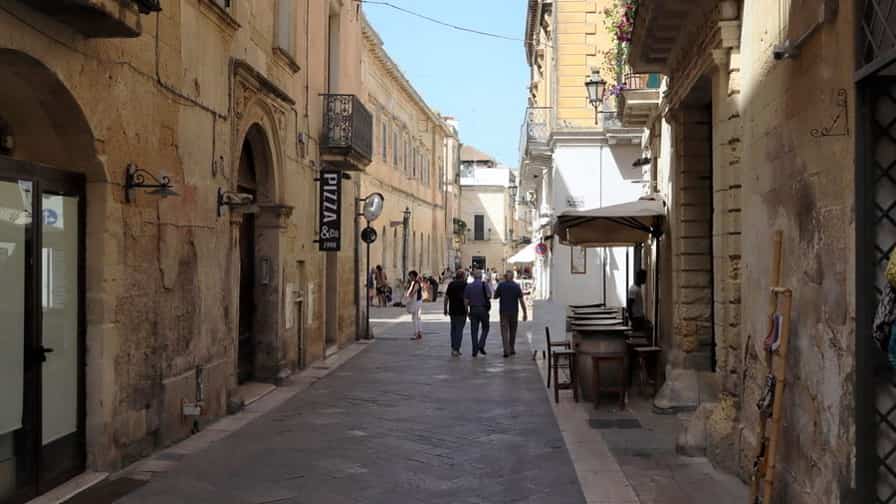
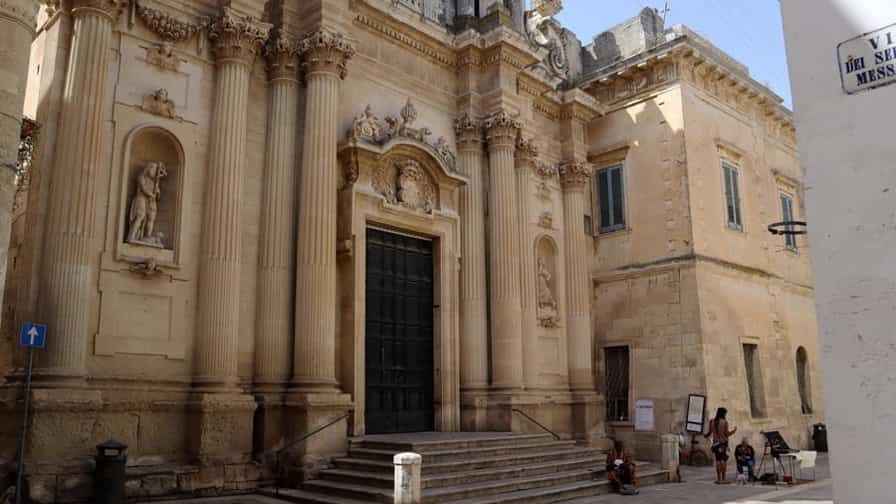
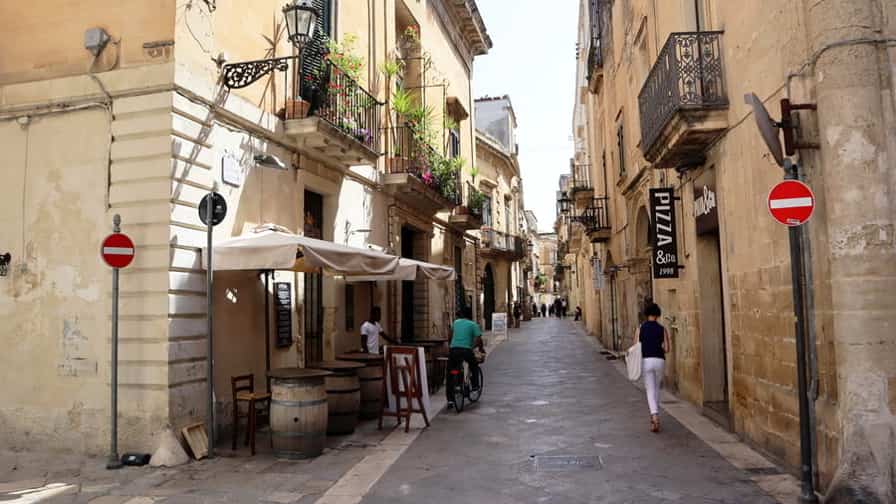
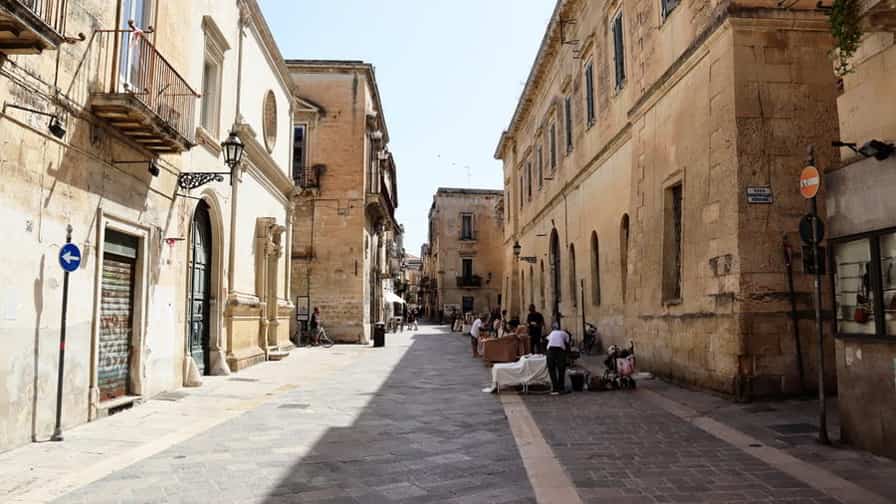
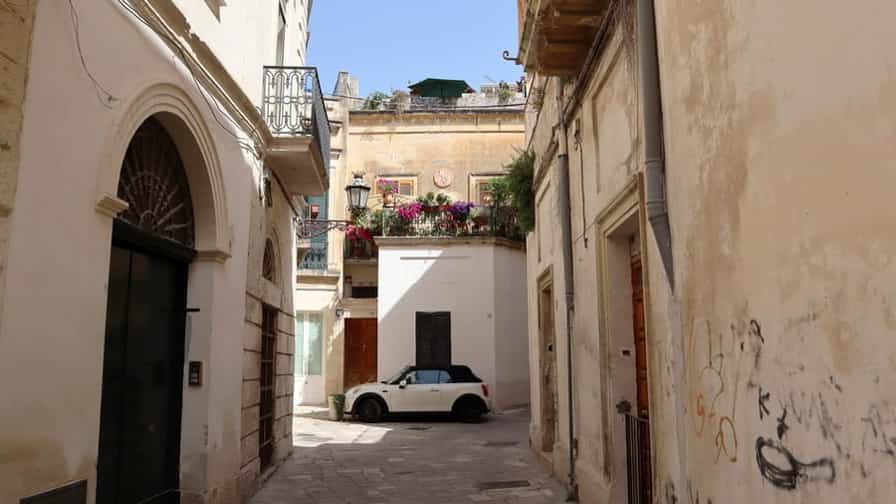
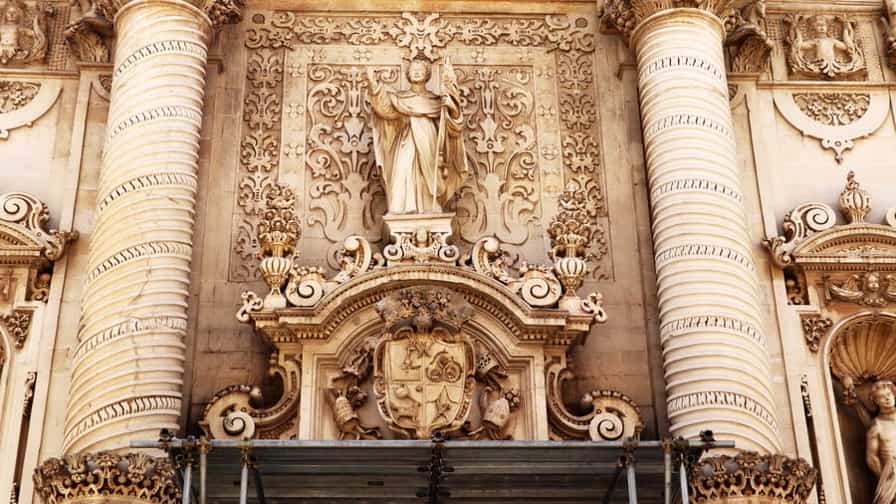
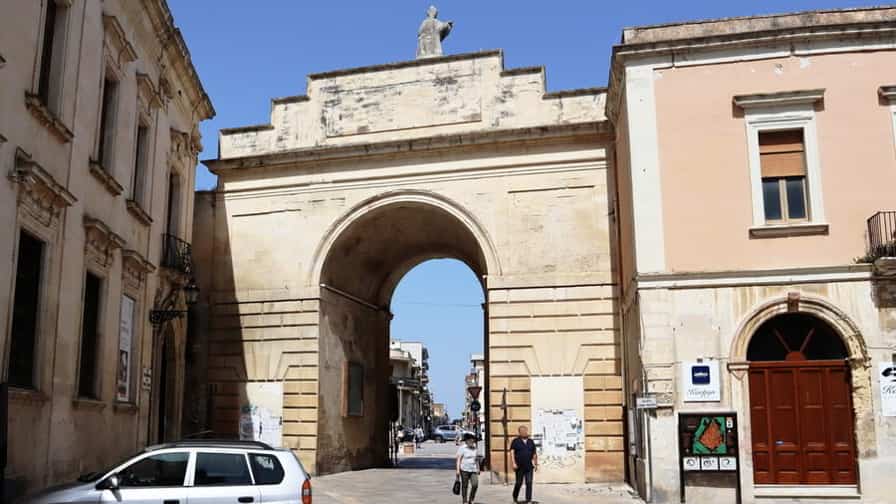
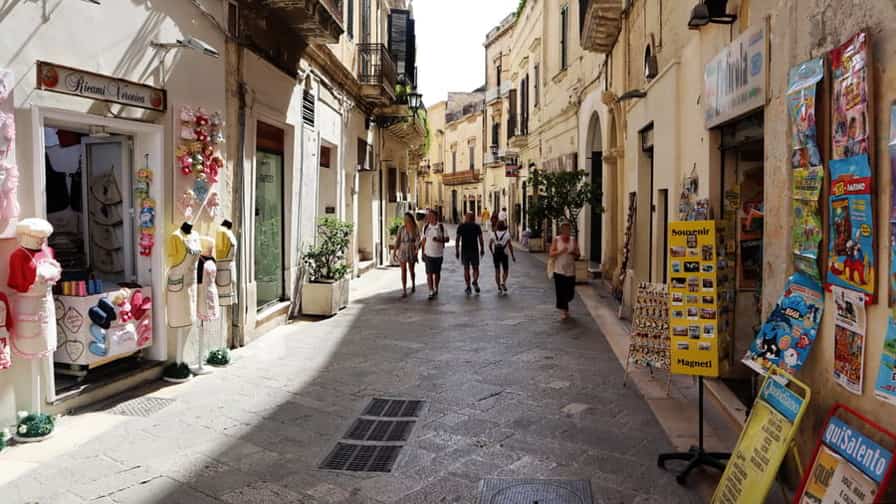
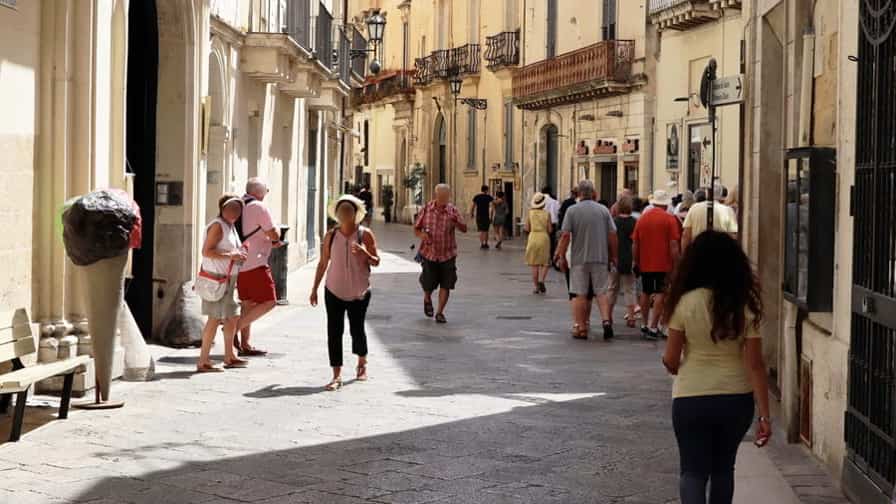
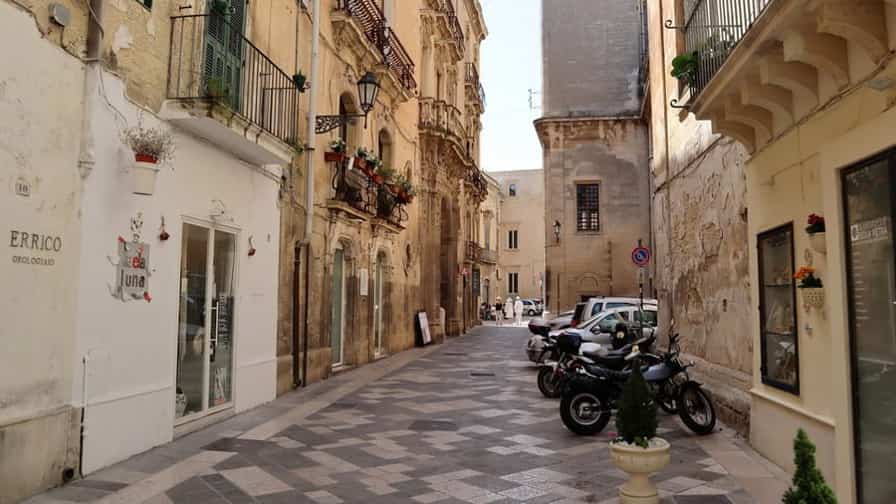
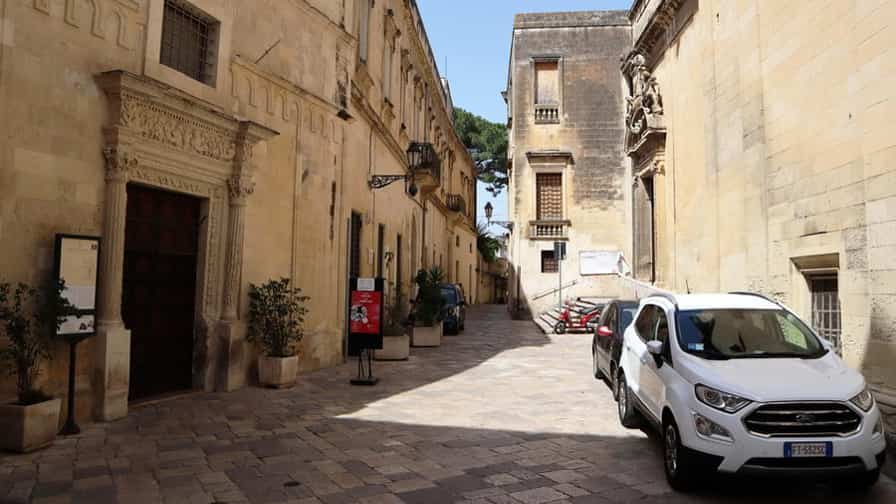
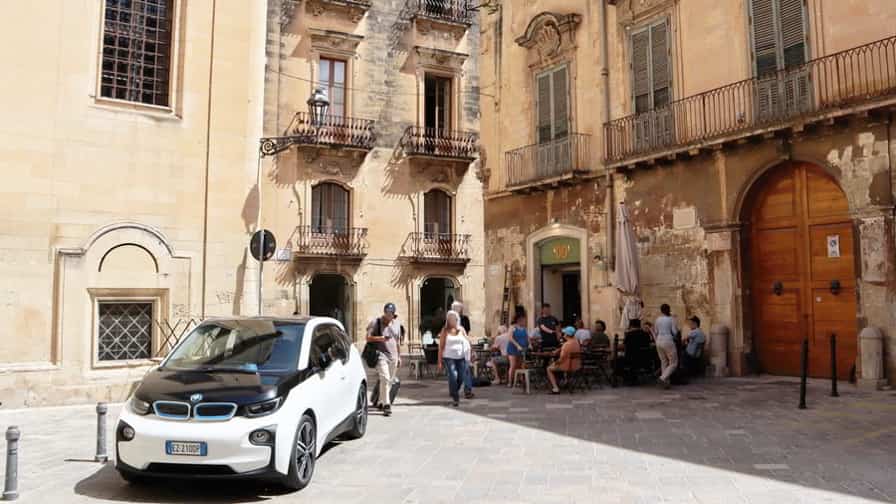
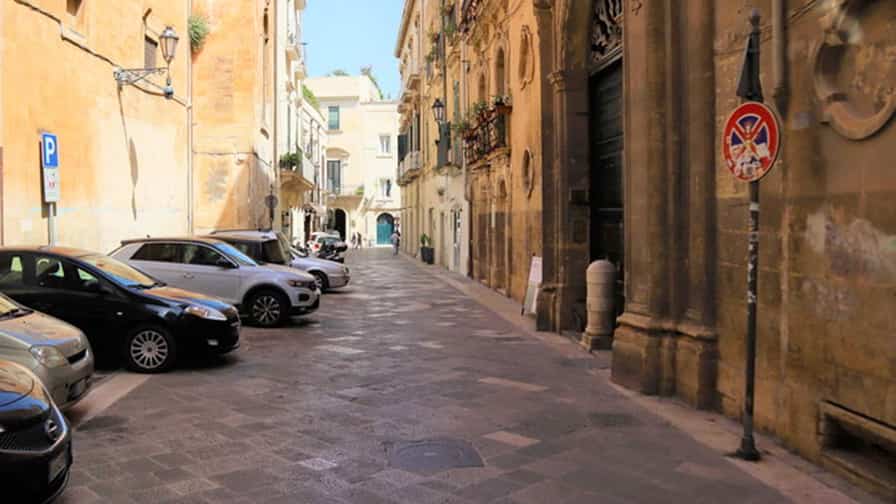
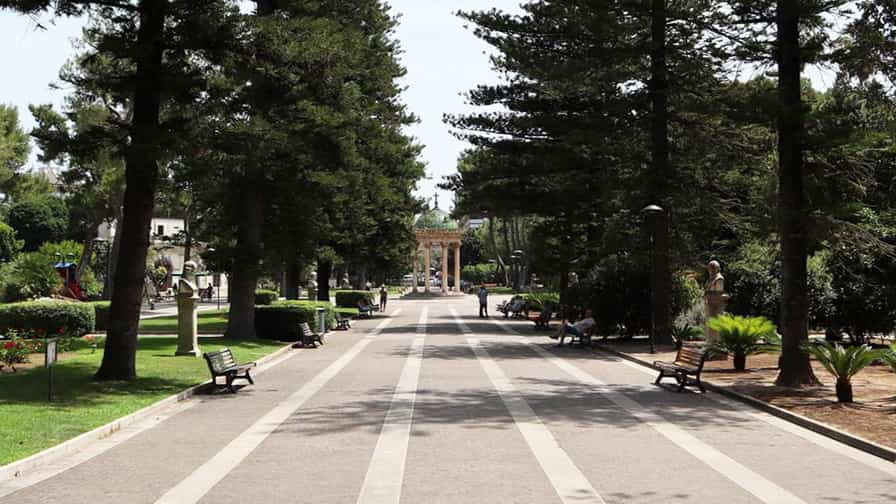
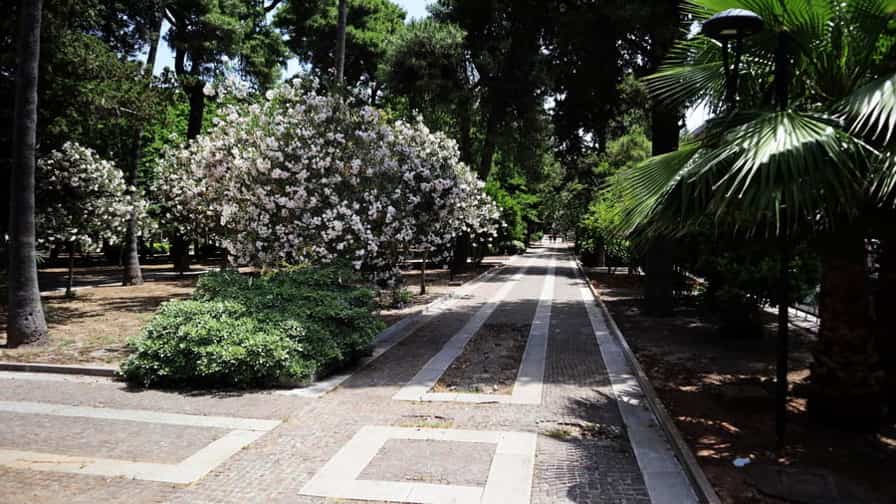
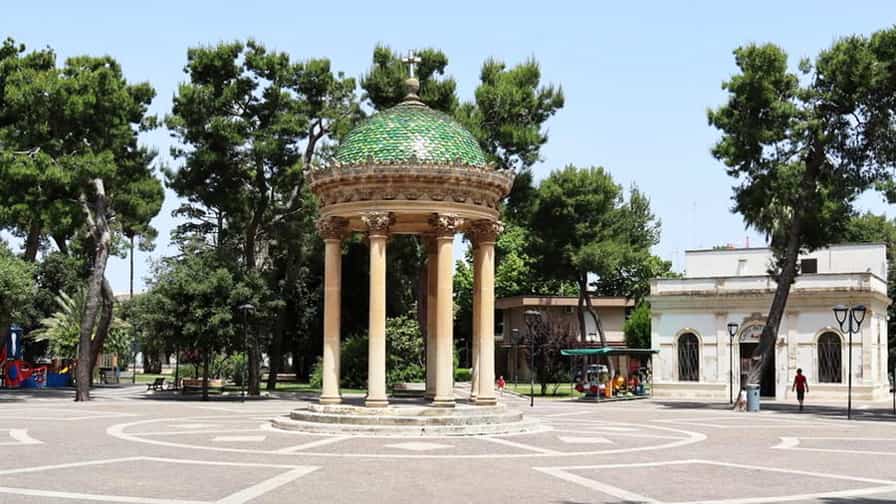
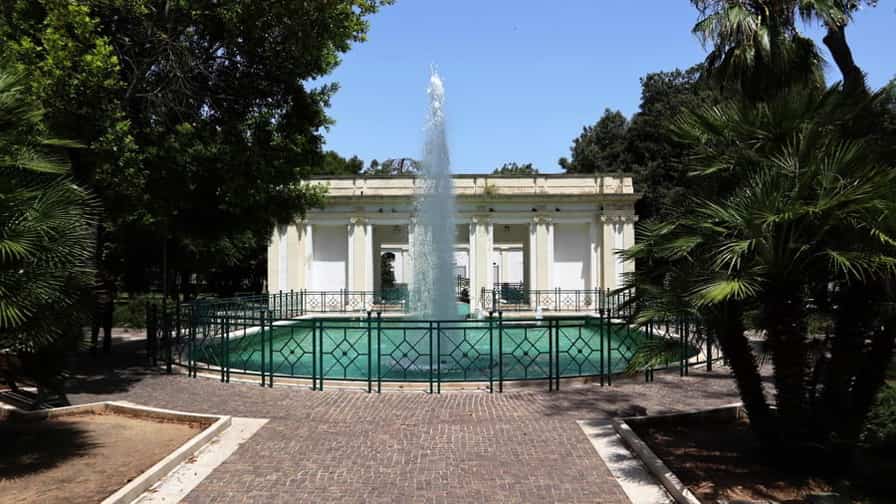
Photo Gallery of Walk 3 – Via Vittorio Emanuele II to Giardini Pubblici – Villa Comunale, Via XXV Luglio
Approximately 1.80 km – 1.12 miles
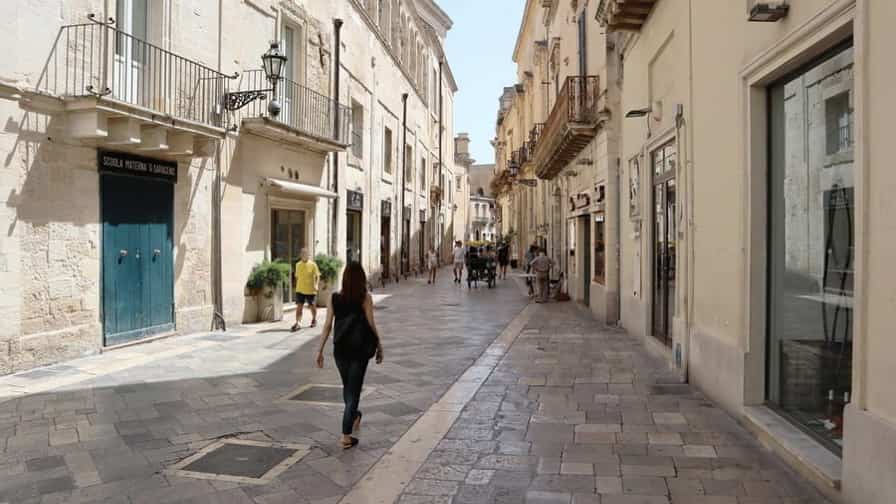
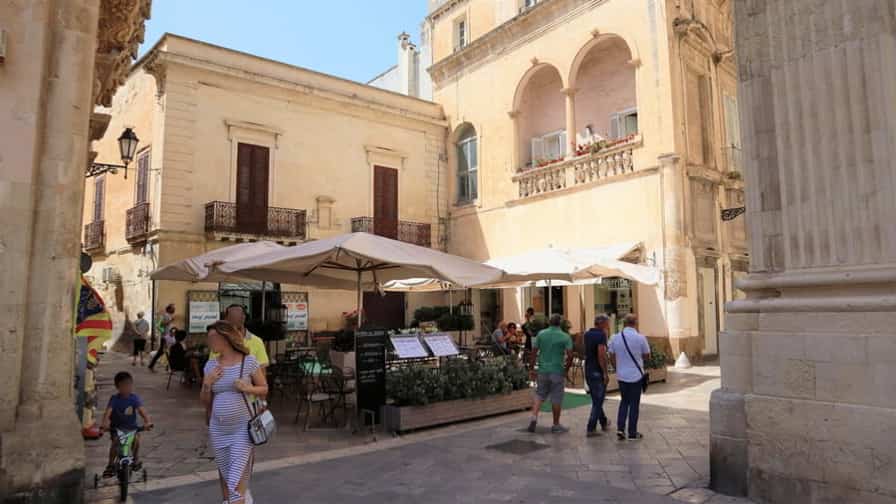
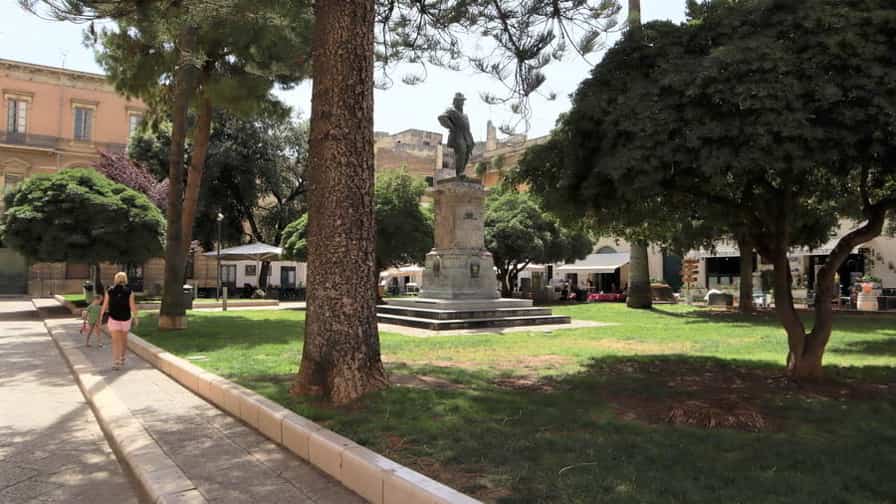
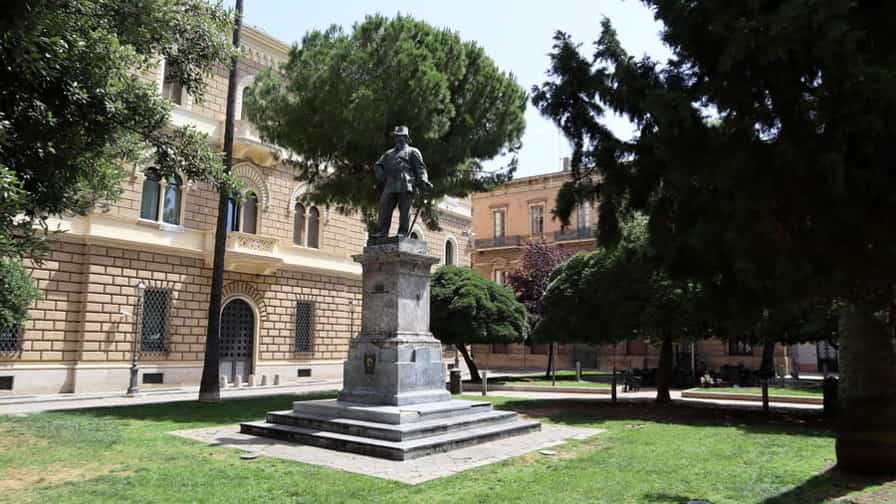
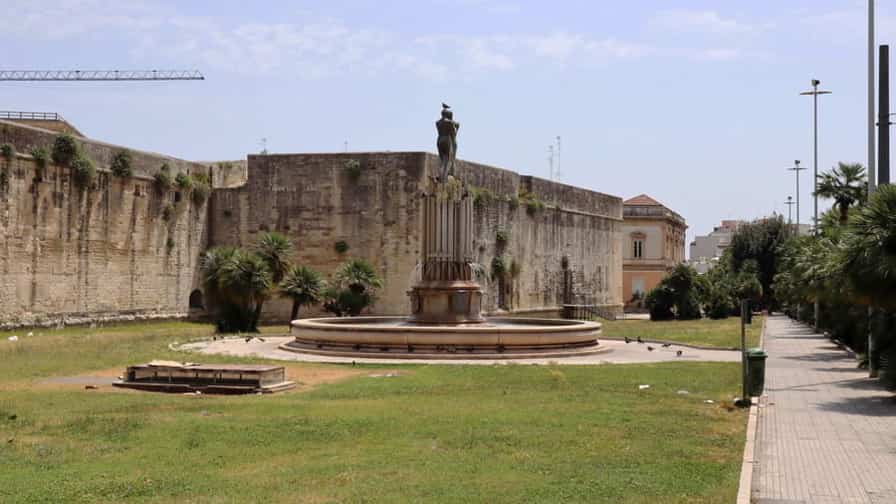
The walk starts in Via Vittorio Emanuele II – Via Augusto Imperatore – Via Francesco Rubichi – Piazzetta Castromediano – Chiesa del Gesù, Piazzetta Castromediano – Via Francesco Rubichi – Via Augusto Imperatore – Via degli Ammirati – Via Ludovico Maremonti – Via Augusto Imperatore – Vicolo Storto Carità Vecchia – Via Giuseppe Verdi – Via Ernesto Alvino – Via Vito Fazzi – Via G. Marconi – Fontana Dell’Armonia, Via G. Marcon – Via G. Marconi – Via XXV Luglio – Giardini Pubblici – Villa Comunale, Via XXV Luglio
COPYRIGHT © 2018-2026 ITALY IN PHOTOS – ALL RIGHTS RESERVED