
HOME
REGIONS OF ITALY
PLACES IN ITALY
TRAVEL GUIDES
Italy in Photos
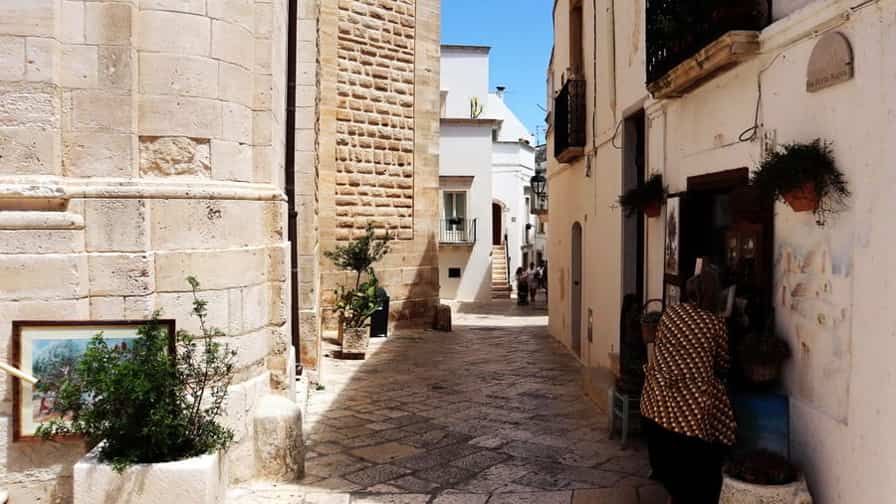
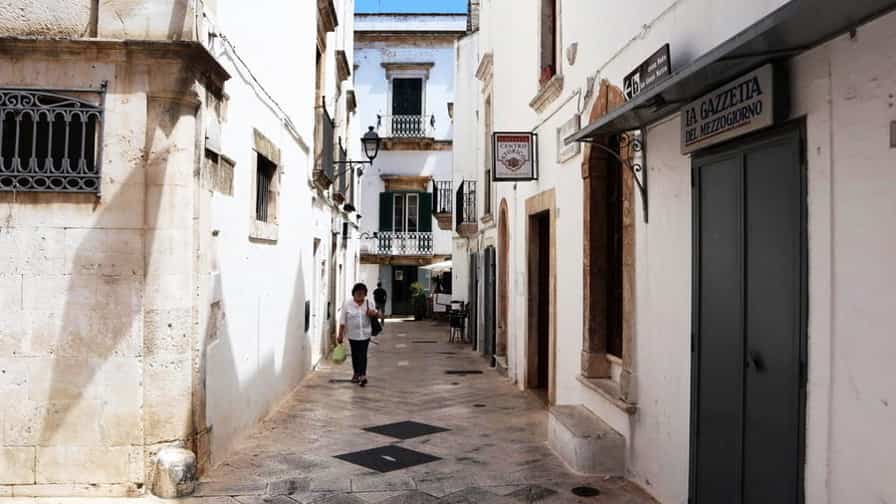
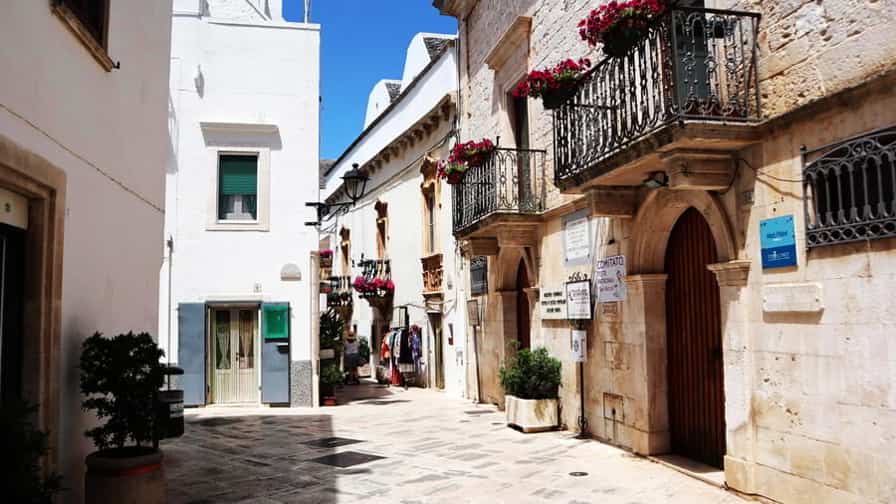
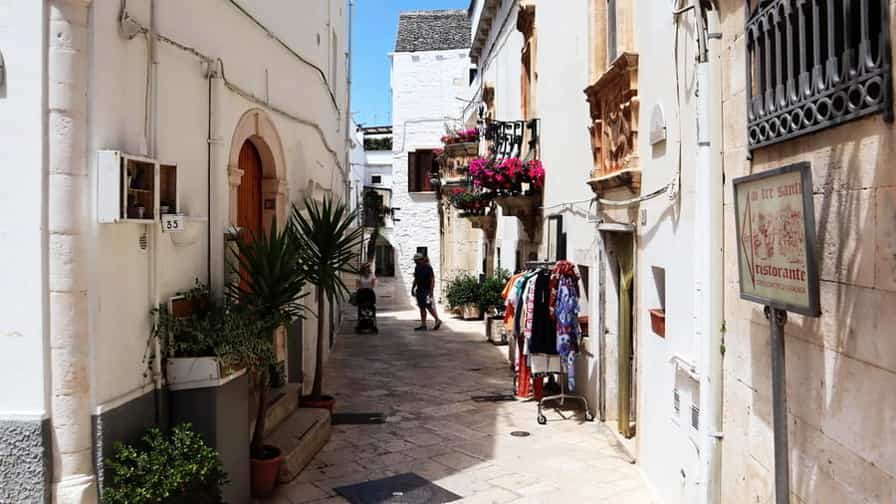
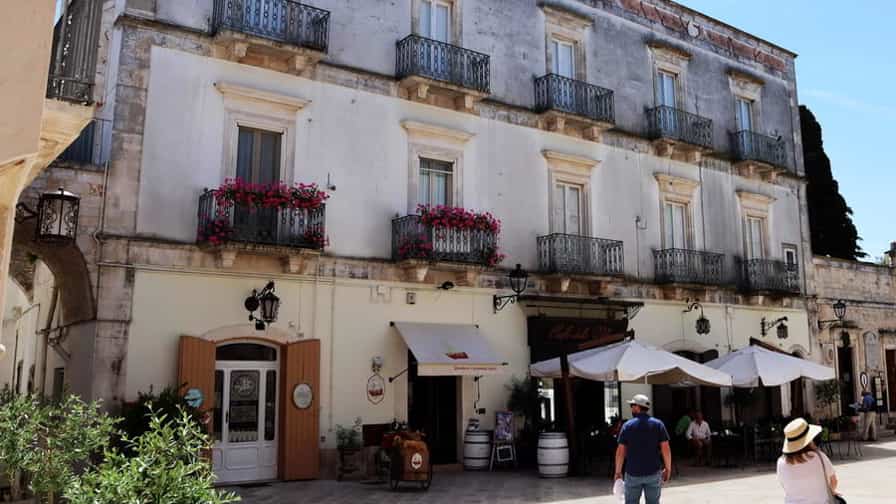
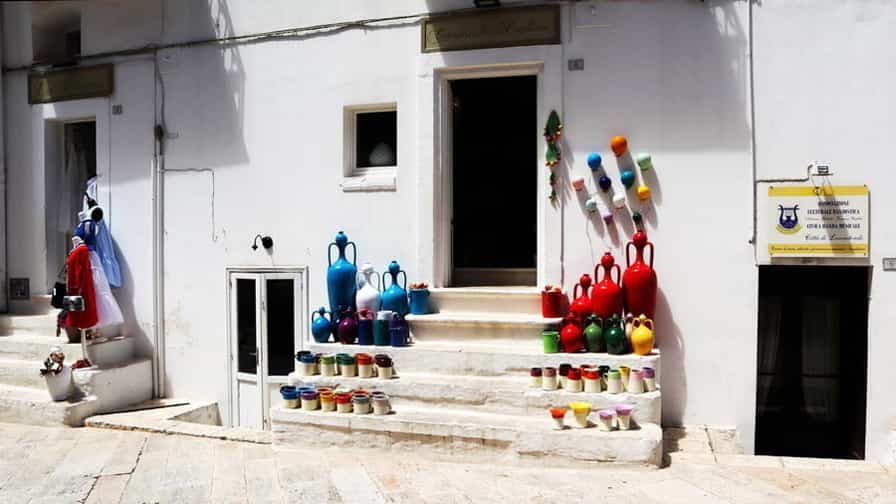
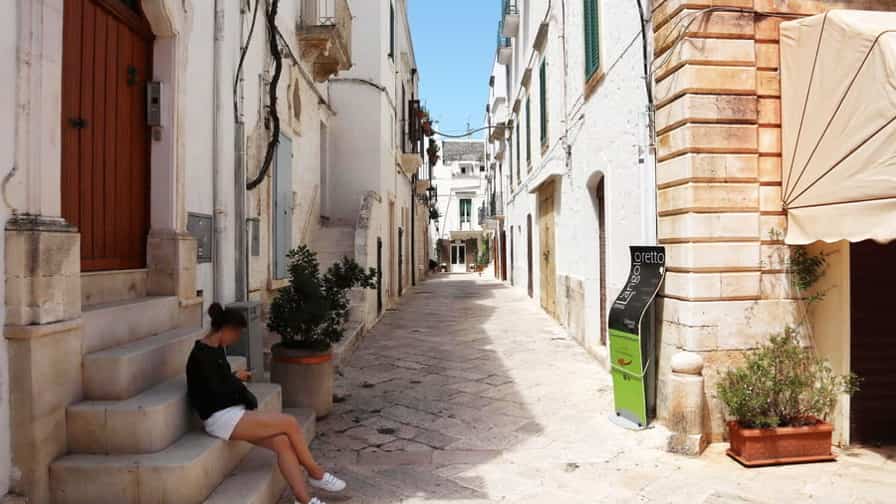
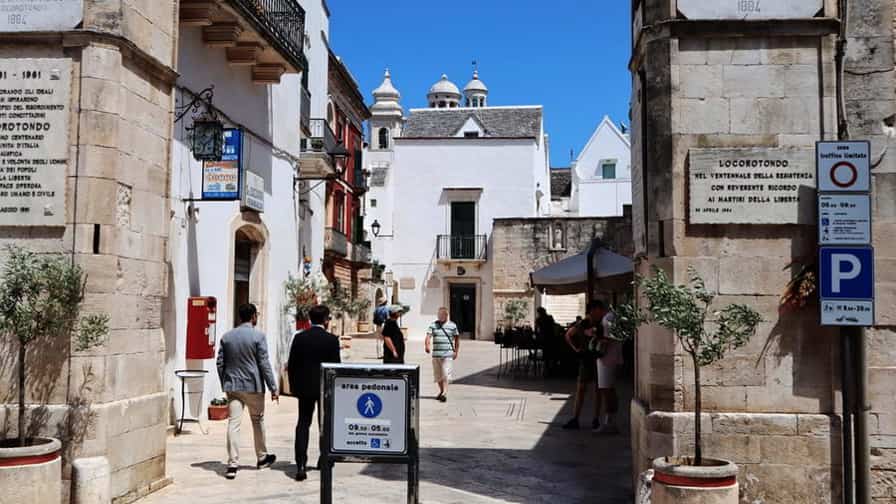
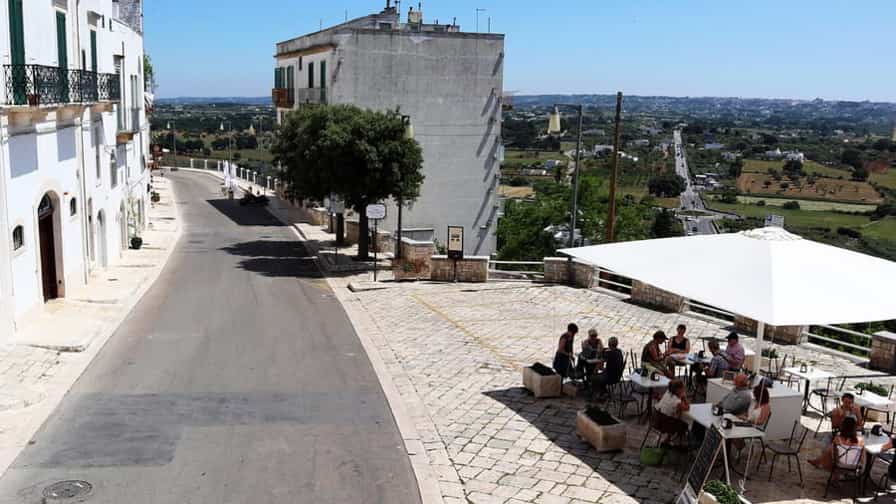
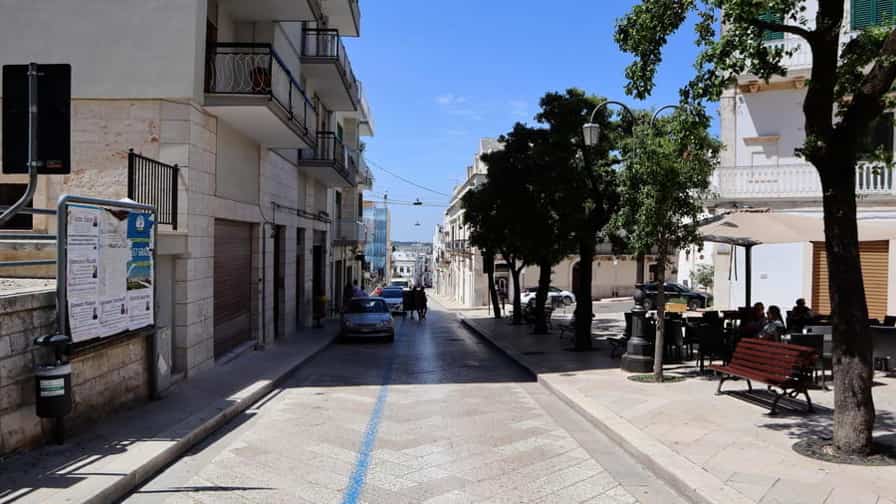
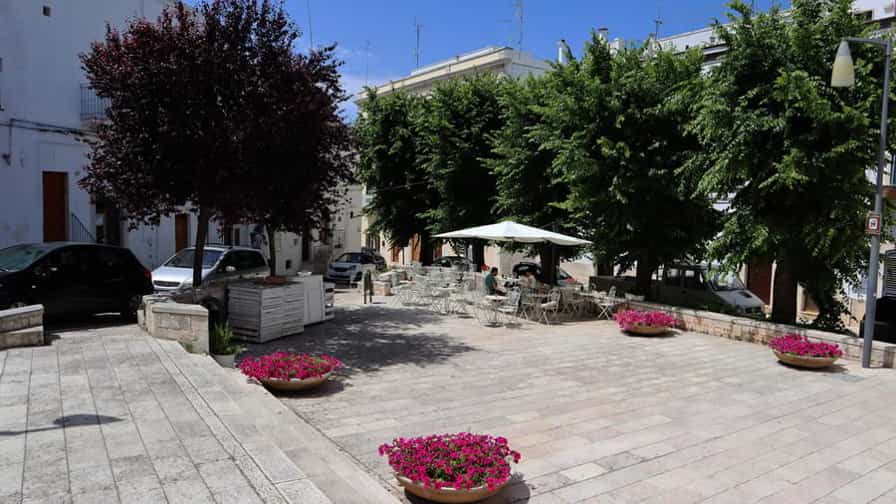
Via Cavour, 70010, Locorotondo, Italy (June 2019)
Locorotondo
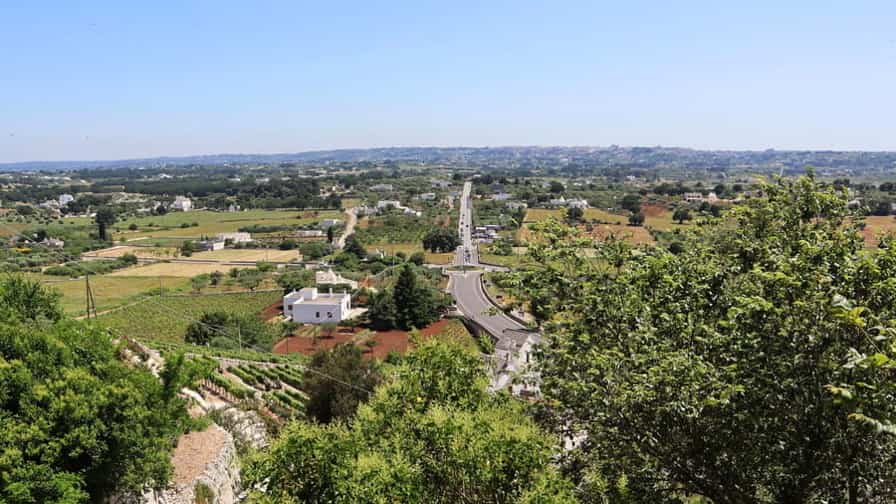
Locorotondo is a town that captures the quiet poetry of southern Italy, offering a vision of harmony, tradition, and understated beauty. Situated in the heart of the Itria Valley in the region of Puglia, Locorotondo rises gently above a landscape of vineyards, olive groves, and dry stone walls. Its elevated position provides wide views over the surrounding countryside, while its historic centre draws visitors into a world shaped by care, patience, and a deep respect for place.
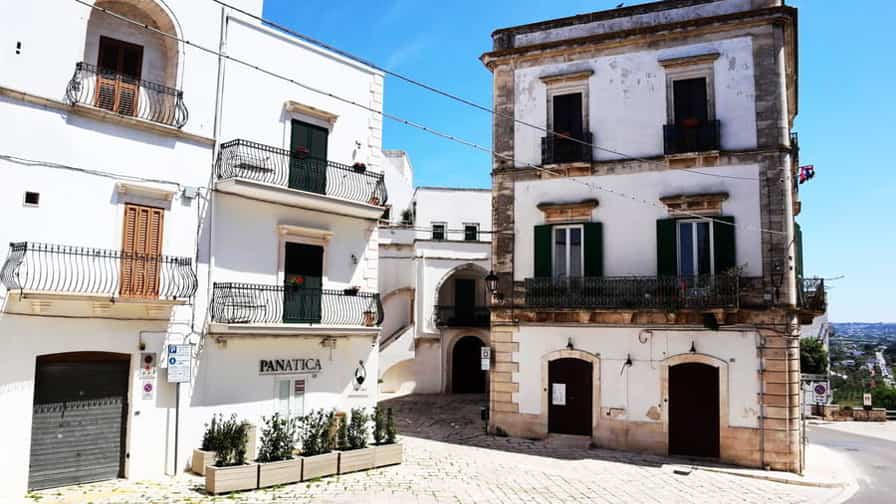
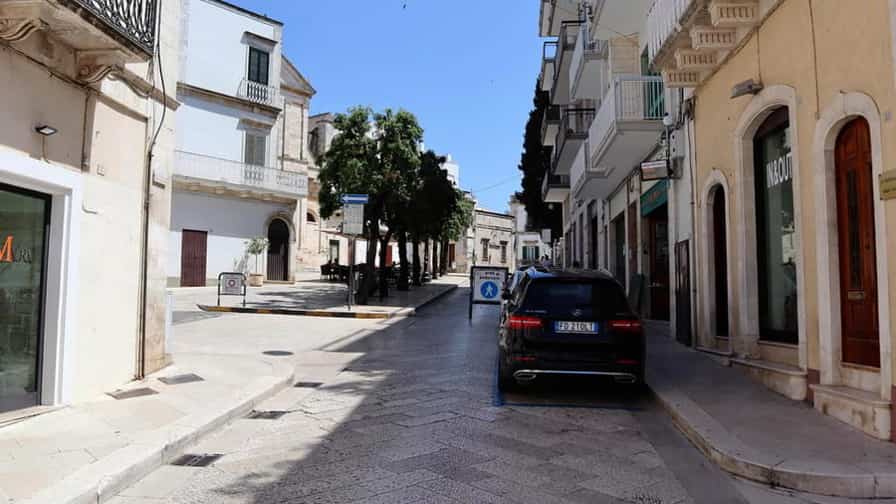
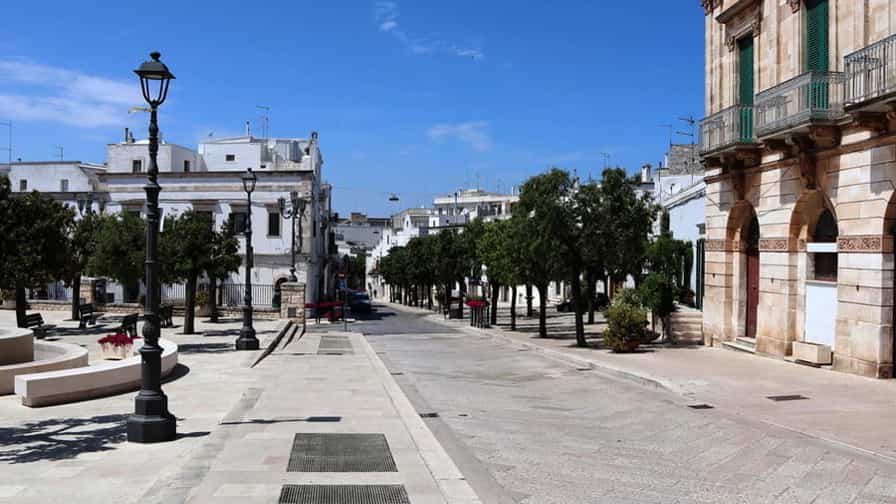
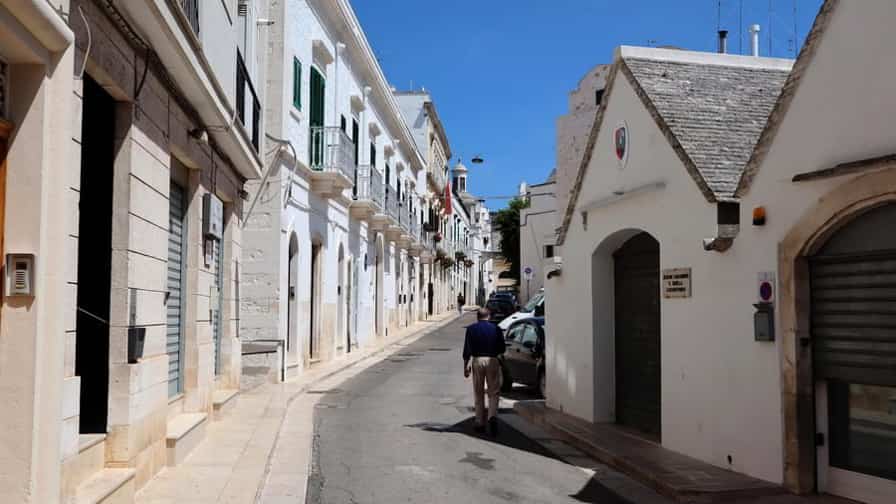
The name Locorotondo means round place, a reference to the circular layout of its old town. From above, the historic centre forms a soft ring of whitewashed houses that seem to embrace one another. Walking through its narrow streets, visitors immediately sense the town’s distinctive character. Buildings are meticulously maintained, balconies overflow with flowers, and every corner appears thoughtfully arranged. This attention to detail is not designed for spectacle, but for everyday life, reflecting a strong civic pride shared by generations of residents.
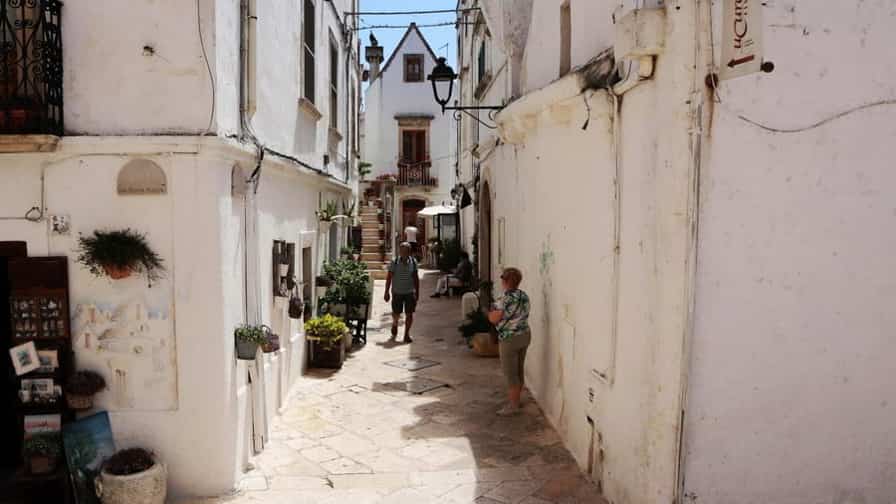
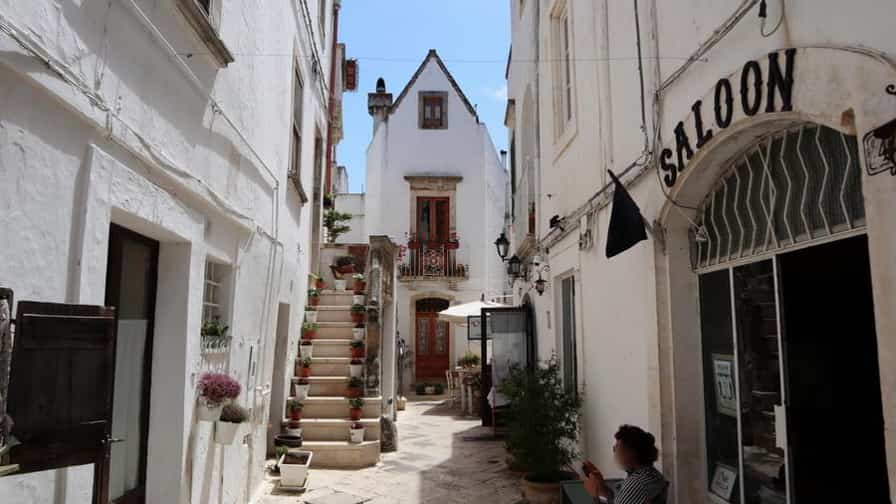
Locorotondo’s architectural style sets it apart even within Puglia. The traditional homes, known as cummerse, are characterized by sloping stone roofs and clean white facades. These structures blend influences from rural architecture and urban refinement, creating an environment that feels both simple and elegant. Small staircases, arched doorways, and flower filled courtyards contribute to a sense of intimacy that invites slow exploration rather than hurried sightseeing.
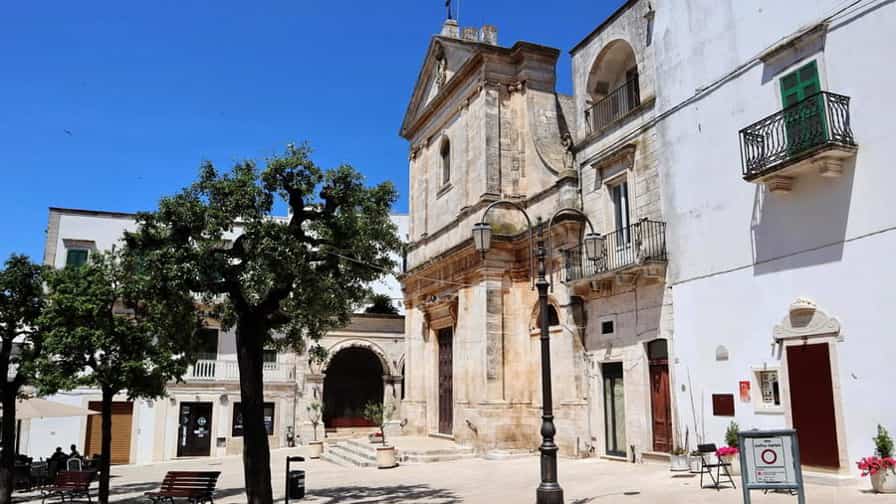
History in Locorotondo is woven quietly into the town’s fabric. Though its origins date back to the Middle Ages, the town expanded gradually, shaped by agriculture and local craftsmanship rather than grand political ambition. Churches such as the Church of San Giorgio Martire reflect this evolution, combining restrained Baroque elements with a scale that feels welcoming rather than imposing. These spaces serve as community anchors, places where tradition continues to guide daily rhythms.
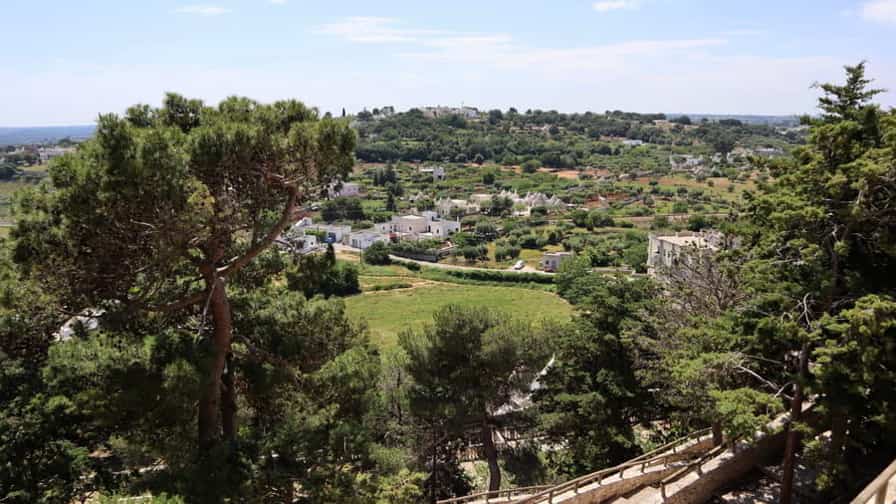
Beyond the historic centre, the countryside surrounding Locorotondo plays an essential role in defining its identity. Vineyards produce respected white wines, while olive groves and small farms sustain a close relationship between the town and the land. Scattered throughout the valley are trulli, the iconic conical stone dwellings of the region, which add to the timeless quality of the landscape. Paths connecting farms and fields reveal a rural world that remains active and deeply rooted.
Locorotondo is also known for its calm and measured pace of life. Unlike busier tourist centres, it retains a sense of balance between welcoming visitors and preserving authenticity. Cafes and small shops serve as social spaces where conversations unfold naturally, and evenings bring a gentle energy as residents gather in the streets. Seasonal festivals, music, and local traditions reinforce the town’s connection to its cultural heritage.
Today, Locorotondo is often celebrated as one of Italy’s most beautiful villages, yet its true appeal lies beyond visual charm. It offers an experience of order, care, and continuity that feels increasingly rare. As an introduction, Locorotondo invites visitors to appreciate beauty not as spectacle, but as a way of living, shaped by history, landscape, and a shared sense of belonging in the heart of Puglia.
Worth a Visit
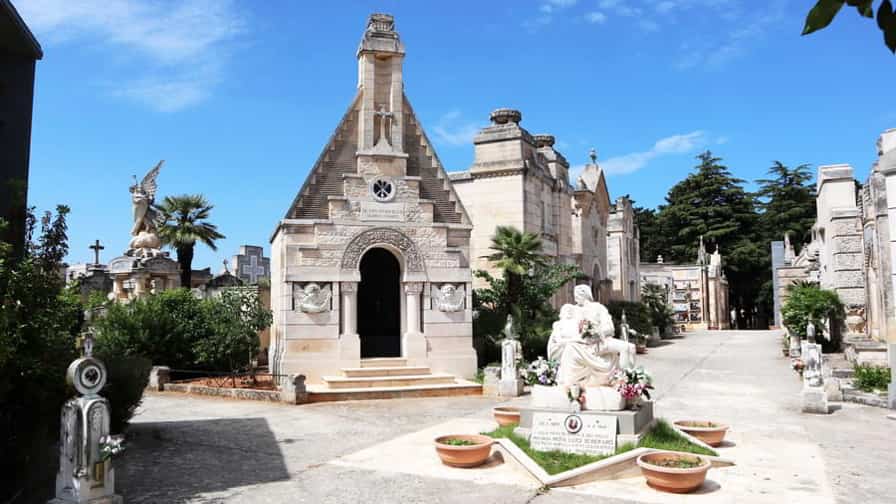
The Cimitero Comunale di Locorotondo in Locorotondo is an important cultural and spiritual landmark that reflects the town’s traditions, religious devotion, and deep sense of community. Situated just outside the historic centre, the cemetery is more than a burial ground: it is a place where memory, architecture, and the surrounding Apulian landscape come together in harmony. Locorotondo, renowned for its whitewashed houses and circular layout overlooking the Valle d’Itria, has always been closely tied to its territory, and the cemetery continues this bond by embodying both dignity and beauty in a setting of peace and reflection. The layout of the cemetery mirrors the town’s characteristic order and elegance. Long, straight avenues guide visitors past carefully arranged tombs, family chapels, and small mausoleums, many of which display fine craftsmanship in stonework, iron, and sculpture.

The Chiesa Rettoria Oratorio Santuario di San Rocco in Locorotondo is one of the town’s most significant places of worship, a sanctuary that embodies both spiritual devotion and local identity. Dedicated to San Rocco, the patron saint of Locorotondo, the church is more than a religious building: it is the heart of centuries-old traditions, celebrations, and communal faith that continue to unite the town’s people. Situated within the historic center, the sanctuary stands as a symbol of protection, gratitude, and resilience, reflecting the enduring bond between the saint and the community. San Rocco, venerated across Europe as a protector against plagues and epidemics, became particularly important in Locorotondo during the sixteenth century, a time when southern Italy, like much of Europe, was struck by outbreaks of disease.
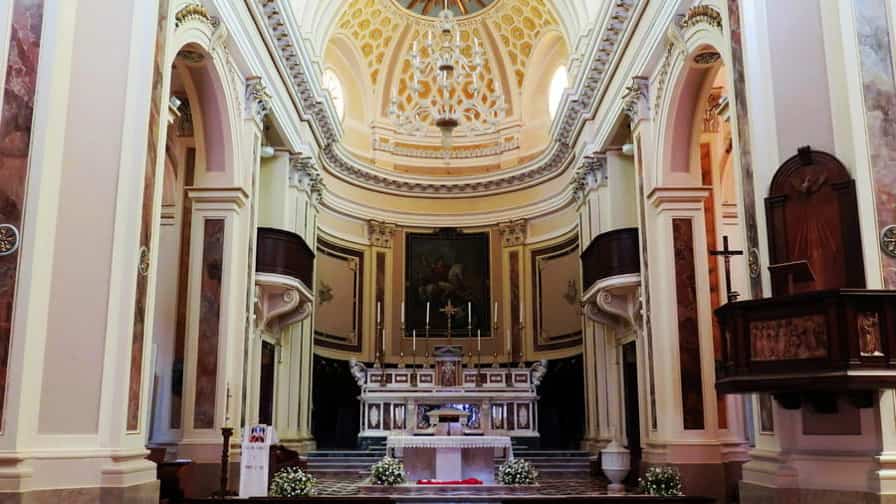
The Chiesetta Rettoria Maria Santissima Annunziata in Locorotondo is a small yet deeply meaningful religious site that reflects the town’s devotion, history, and architectural heritage. Located within the charming whitewashed streets of the historic centre, this church is a place of quiet spirituality and an important landmark for the local community. Dedicated to the Annunciation of the Virgin Mary, it stands as a testimony to centuries of faith and to the enduring cultural richness of the Valle d’Itria. The origins of the church date back several centuries, when small chapels and oratories were built to serve as focal points of devotion for neighbourhoods and confraternities in Locorotondo.
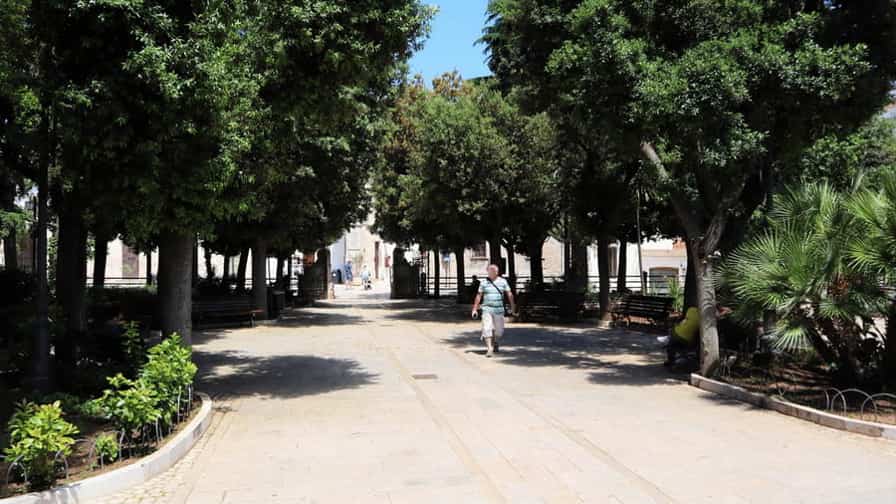
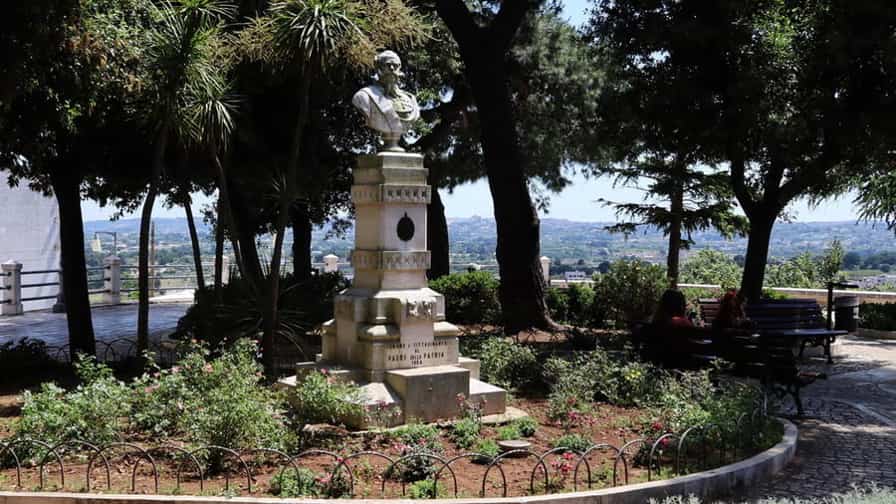
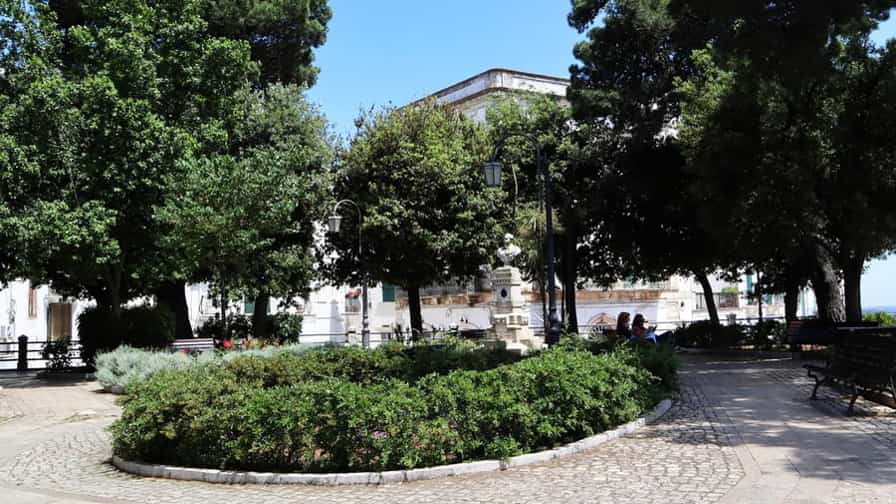
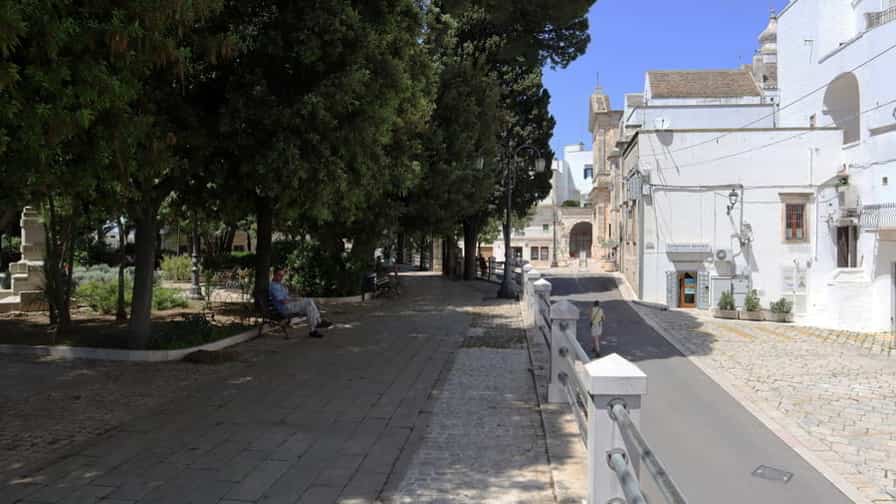
The Villa Comunale in Locorotondo is one of the town’s most cherished public spaces, a peaceful garden that offers both residents and visitors a place of relaxation, leisure, and scenic beauty. Located at the edge of the historic centre, the villa combines the charm of a traditional Italian garden with the breath-taking views that define the Valle d’Itria. For many, it is not only a green retreat but also a cultural and social meeting point that reflects the welcoming spirit of Locorotondo. The park was created to provide a public space where people could enjoy nature, stroll among shaded paths, and gather in an atmosphere of serenity.
Photo Gallery of Walk 1 – Via Cisternino to Piazza Fra Giuseppe Andrea Rodio
Approximately 1.44 km – 0.89 miles
The walk starts in Via Cisternino – Via Enrico Fermi – Cimitero Comunale di Locorotondo – Via Enrico Fermi – Via Cisternino – Via Cavour – Corso Umberto I’ – Via Morosini – Chiesa Rettoria Oratorio Santuario di S.Rocco patrono, Largo S. Rocco – Largo S. Rocco – Chiesa Rettoria Madonna della Greca, Largo Madonna della Greca – Via Vittorio Veneto – Via Giannone – Piazza Fra Giuseppe Andrea Rodio – Chiesa Rettoria Oratorio di Maria SS Annunziata e Sacro Cuore e S.Lucia, Piazza Fra Giuseppe Andrea Rodio
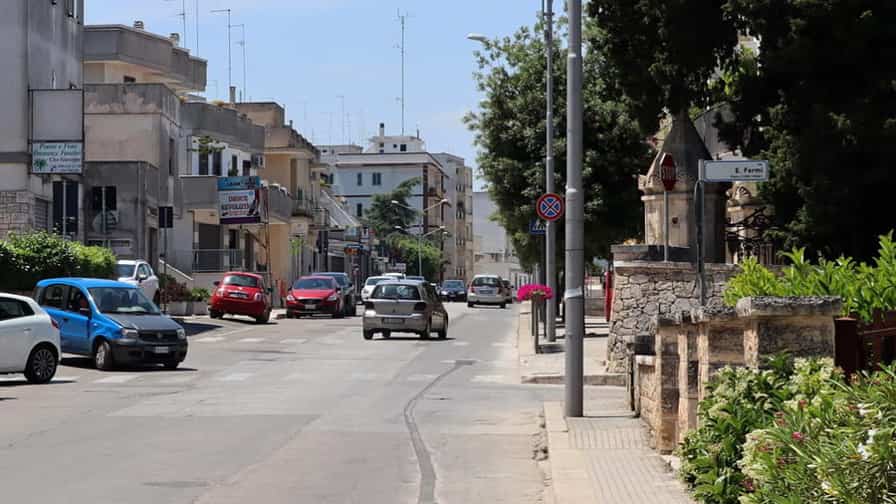
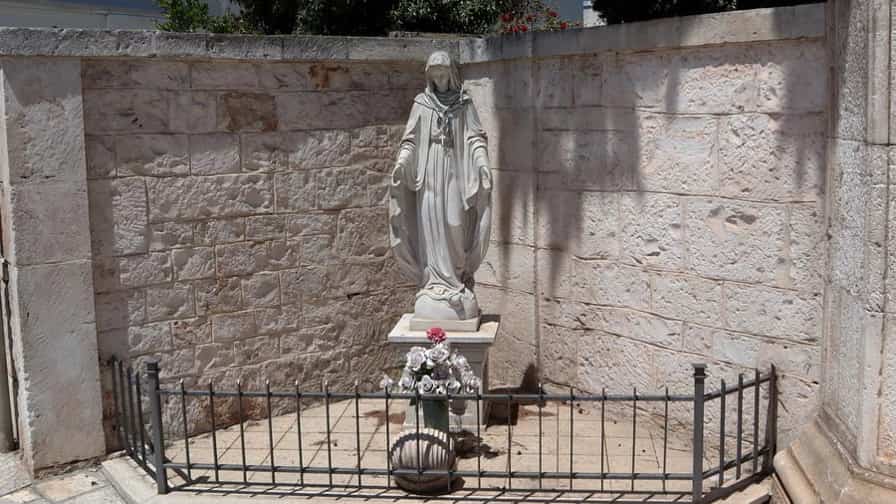
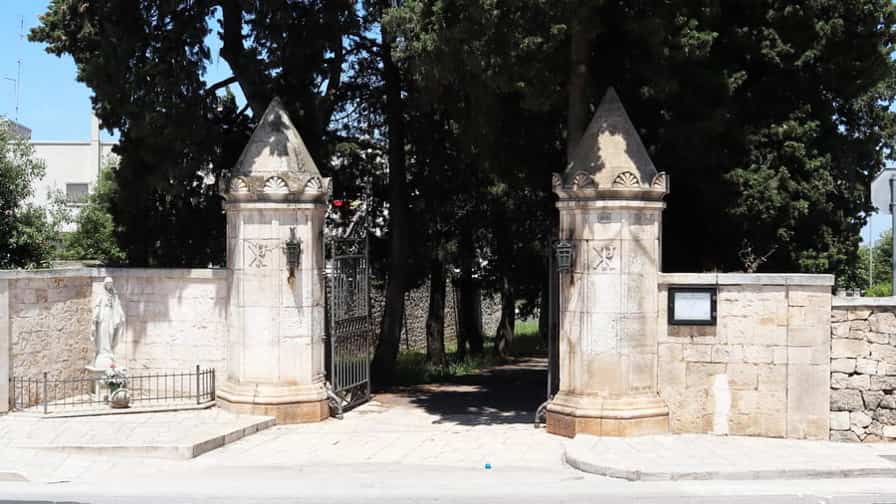
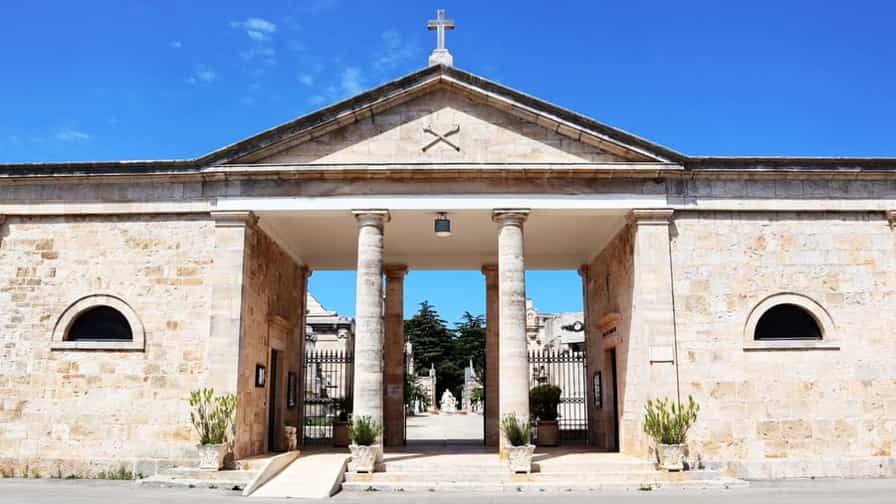
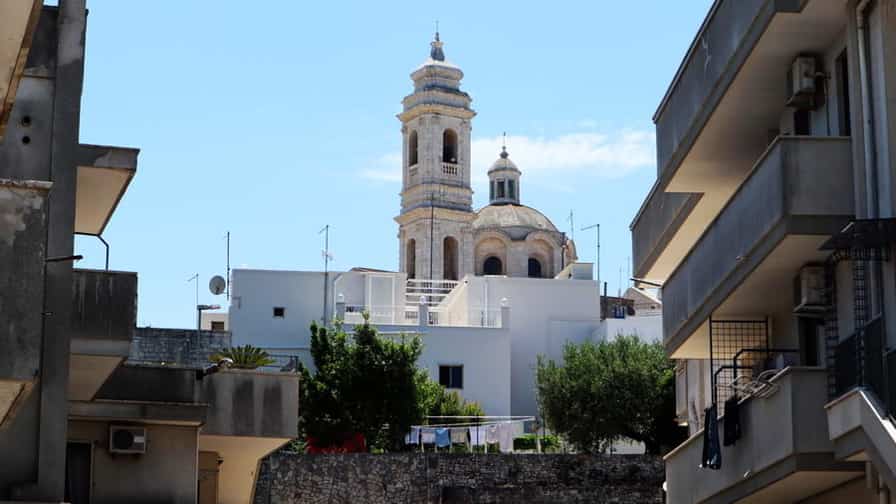
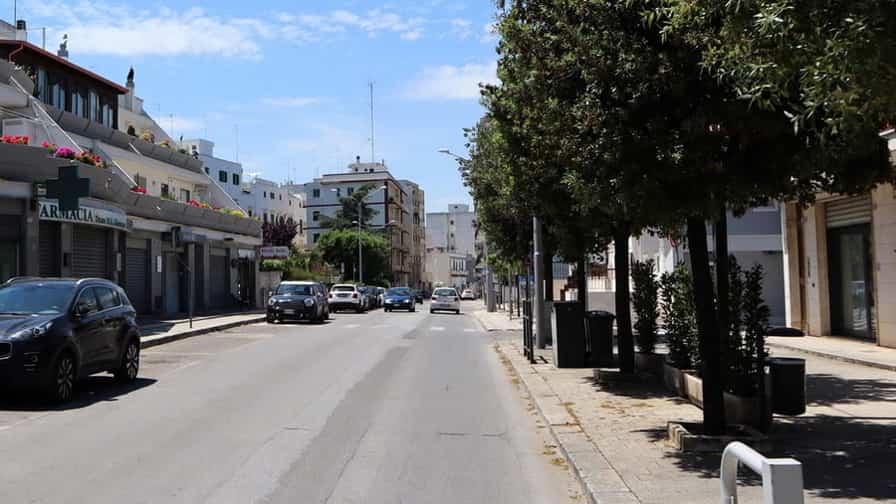
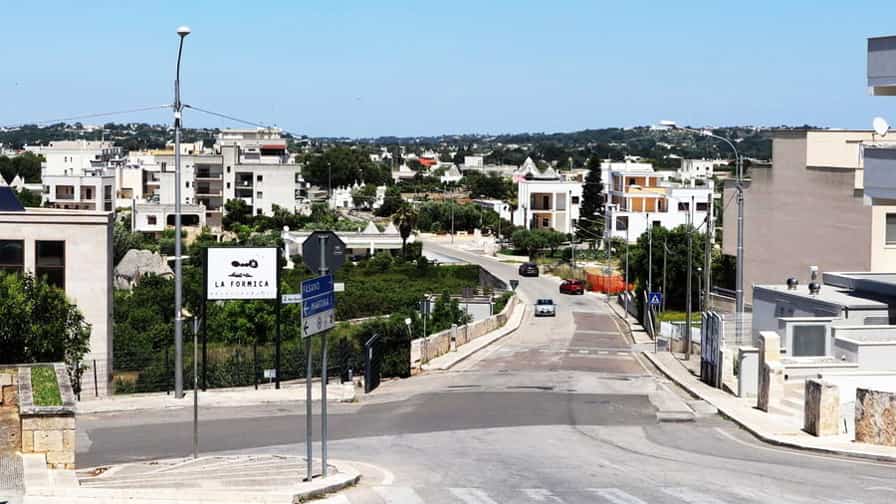
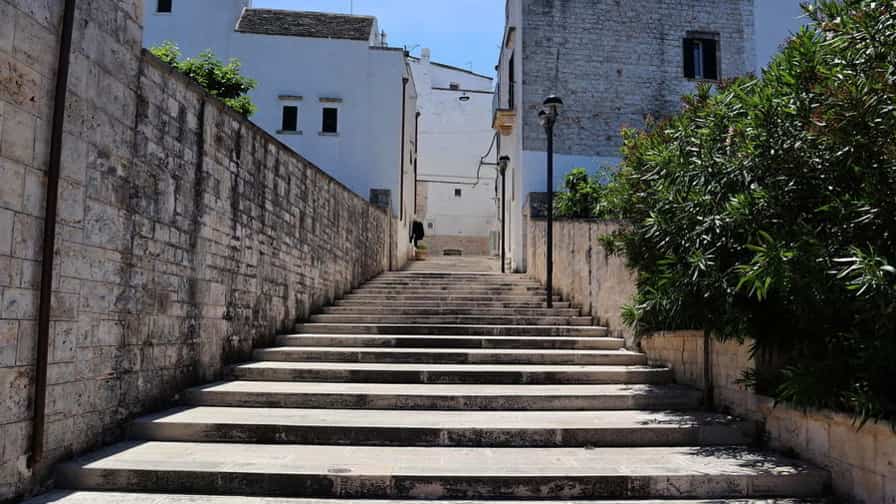
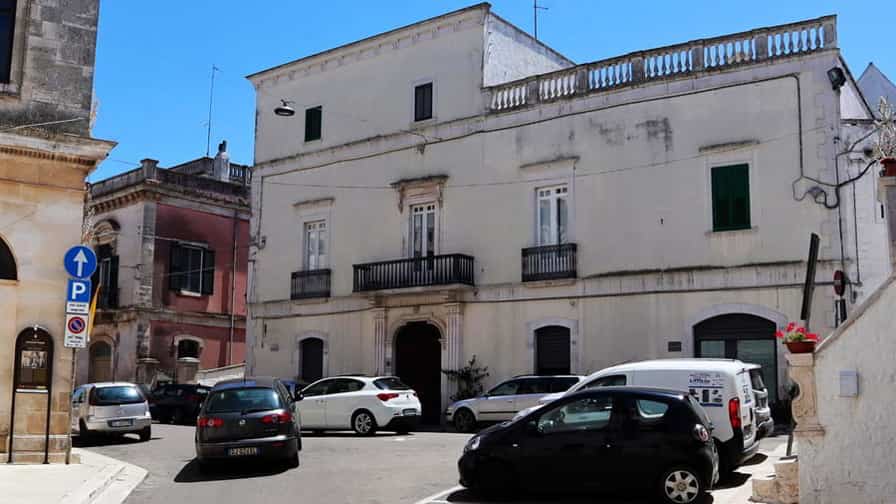
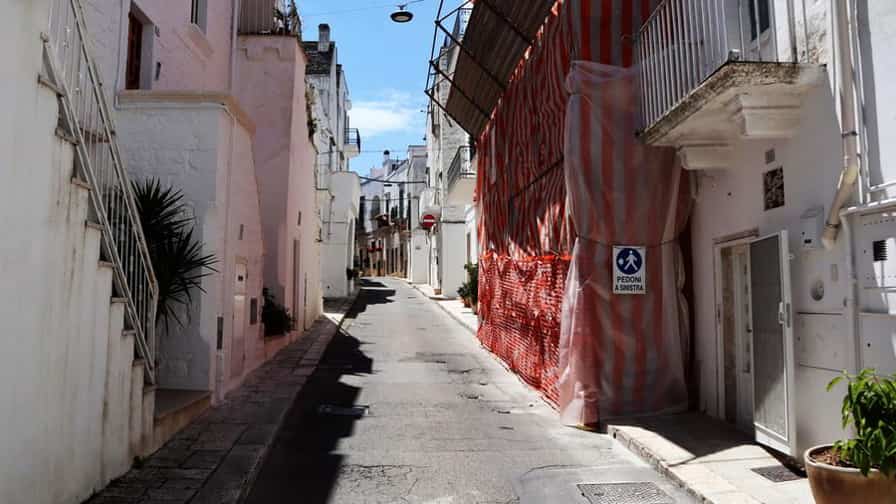
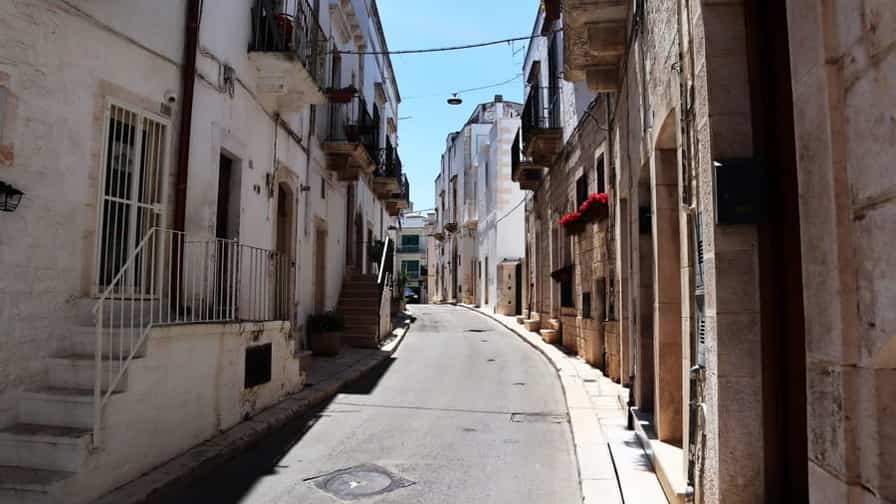
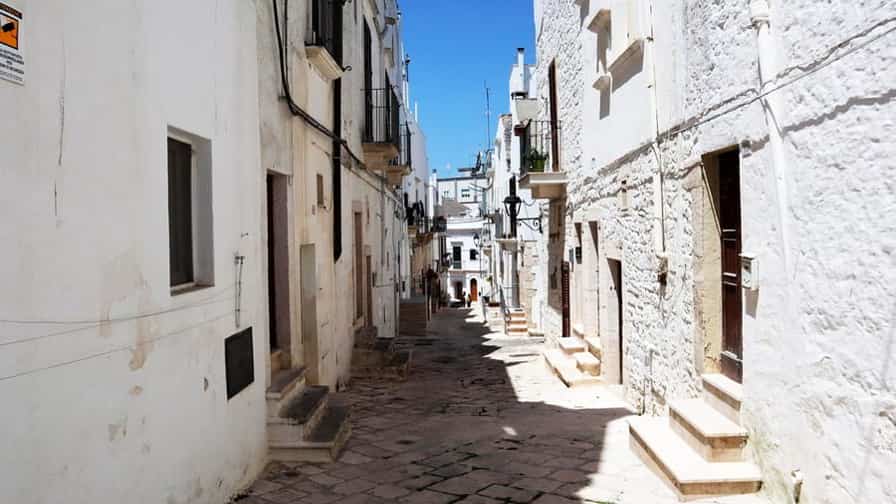
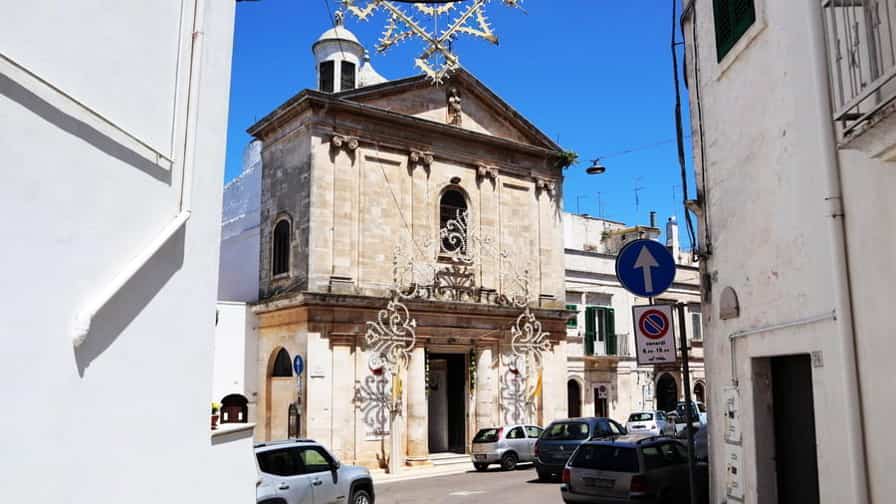

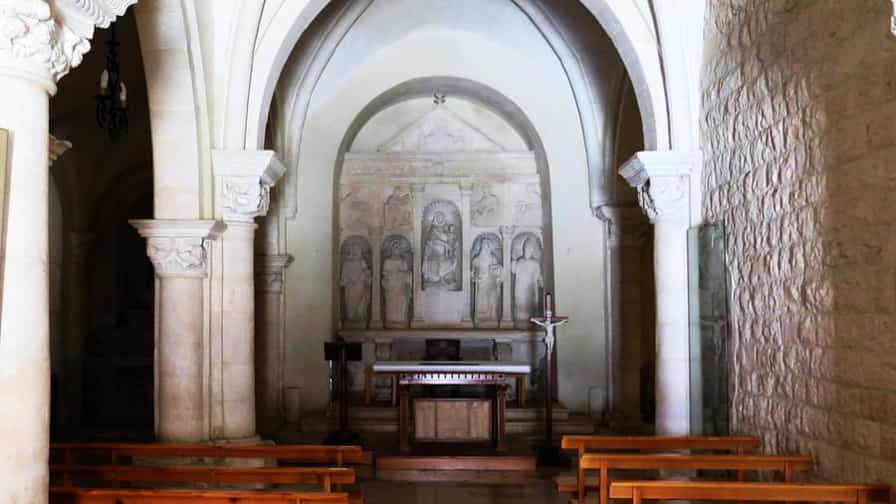
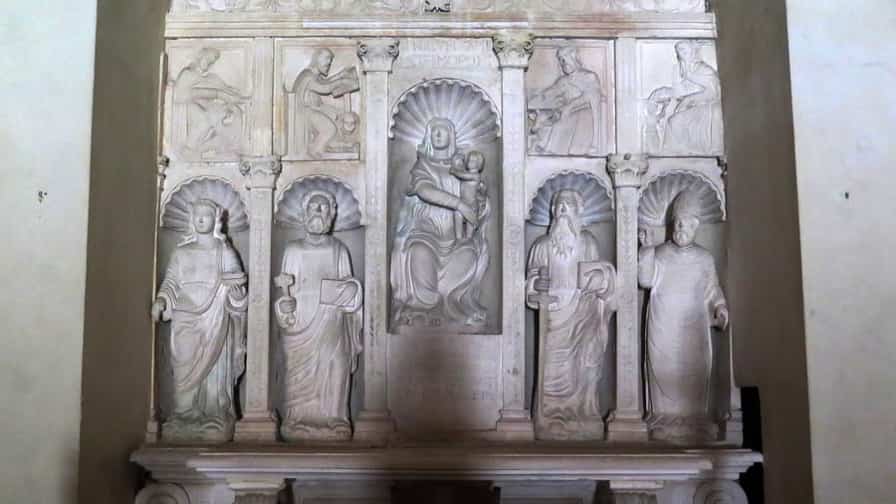
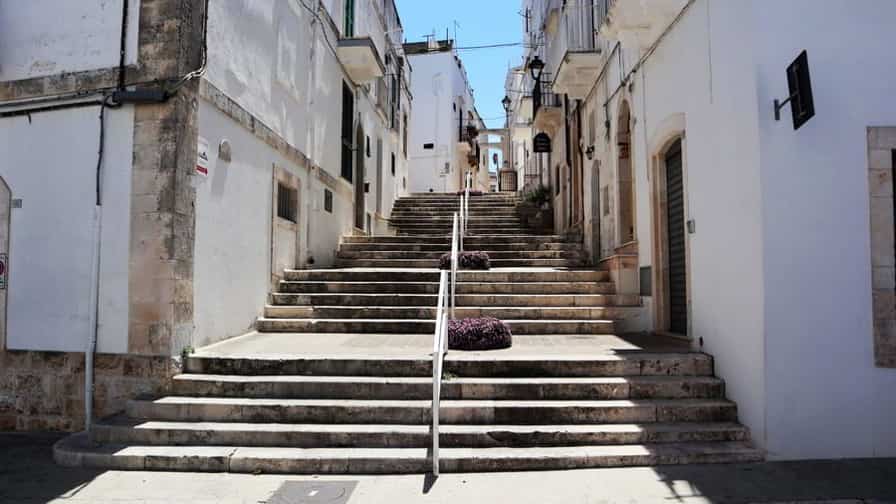
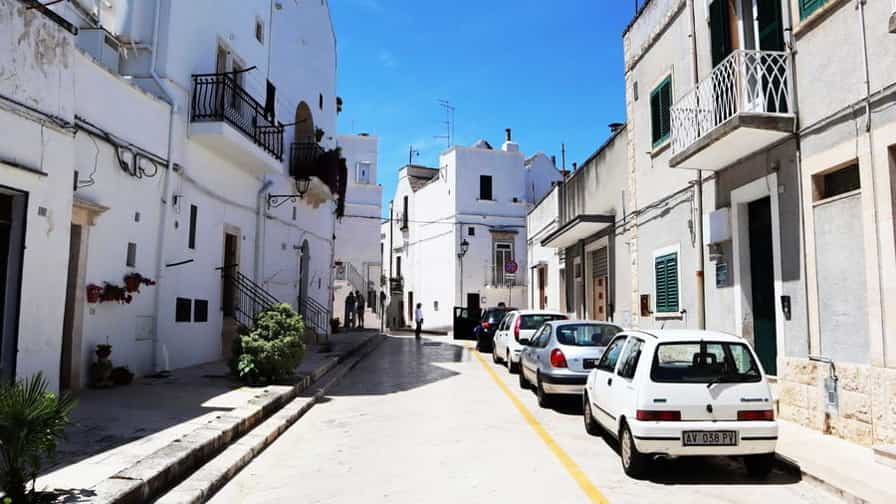
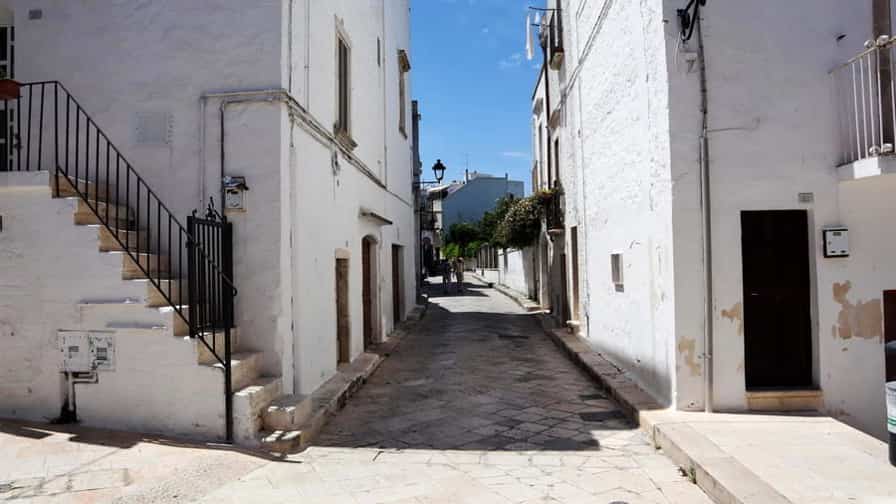
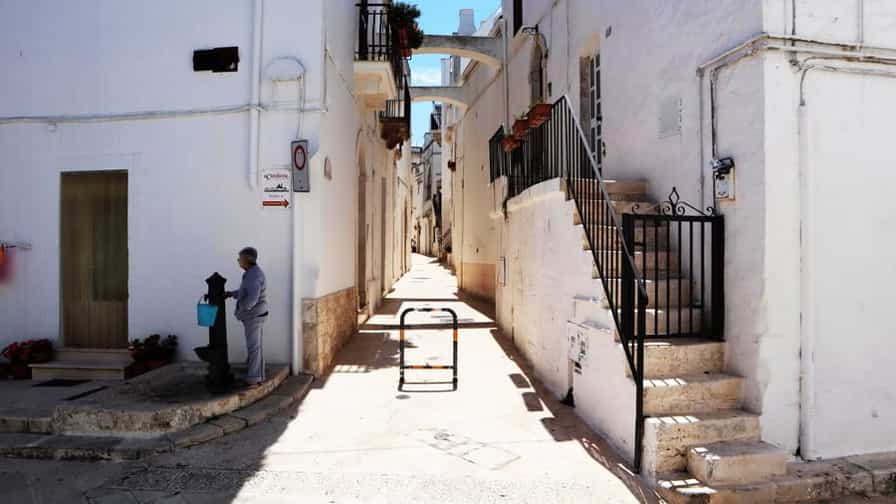
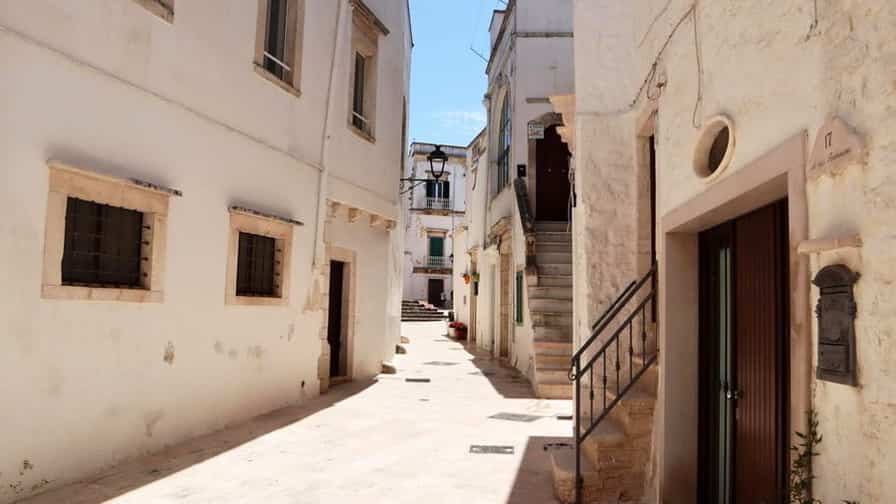
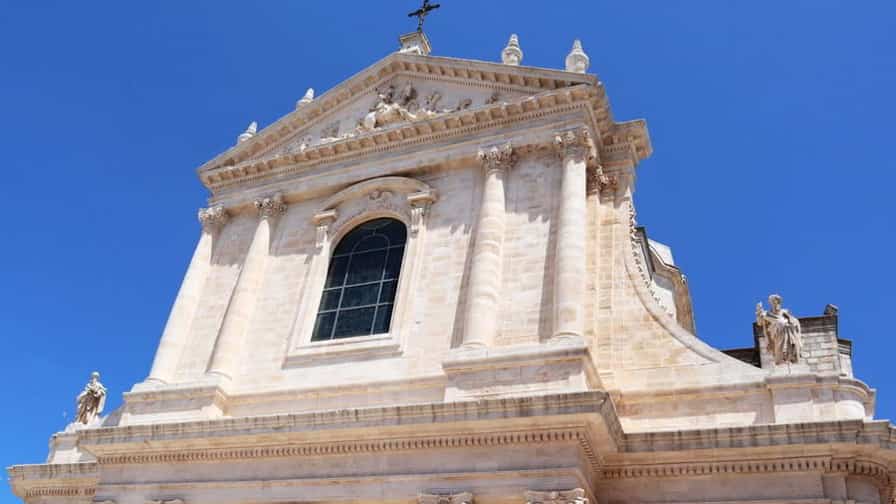
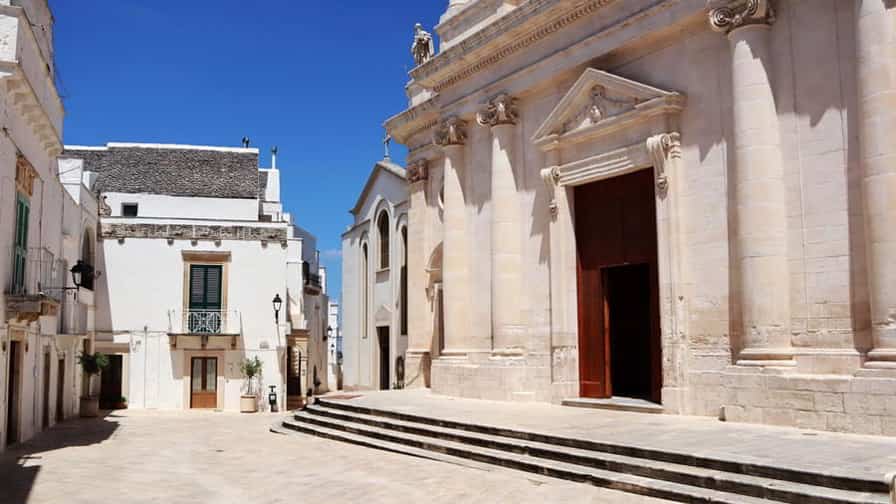

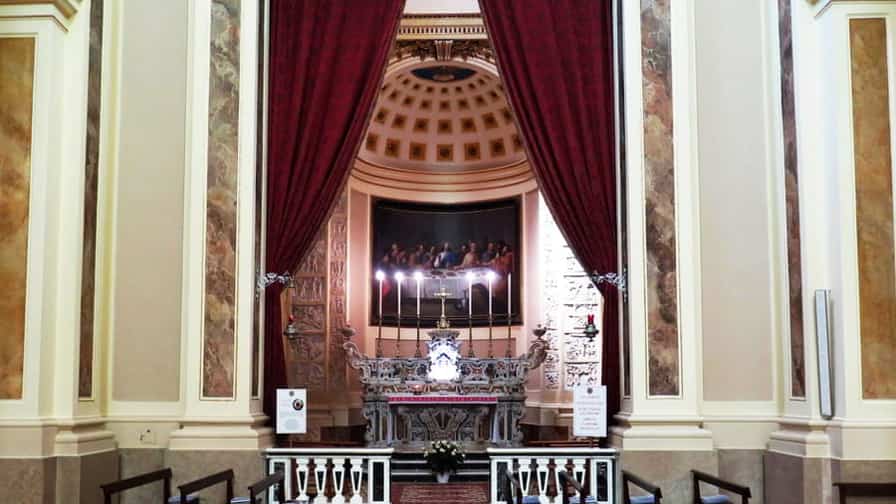
Photo Gallery of Walk 2 – Via Dura to Via Cavour
Approximately 0.82 km – 0.51 miles
The walk starts in Via Porta Nuova – Via Dura – Via C. Battisti – Via Morelli – Via Antonio Bruno – Piazza Vittorio Emanuele – Piazza Dante – Villa Comunale Giuseppe Garibaldi, Piazza Dante – Corso XX Settembre – Via Cavour – Via Semeraro Arciprete – Largo Giuseppe Mazzini – Via Cavour




COPYRIGHT © 2018-2026 ITALY IN PHOTOS – ALL RIGHTS RESERVED