
HOME
THE REGIONS OF ITALY
PLACES IN ITALY
TRAVEL GUIDES COMING SOON
Italy in Photos
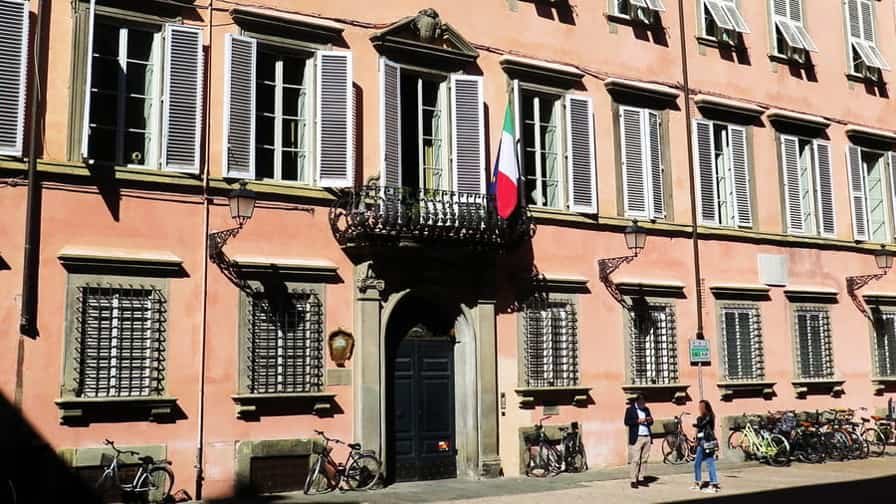
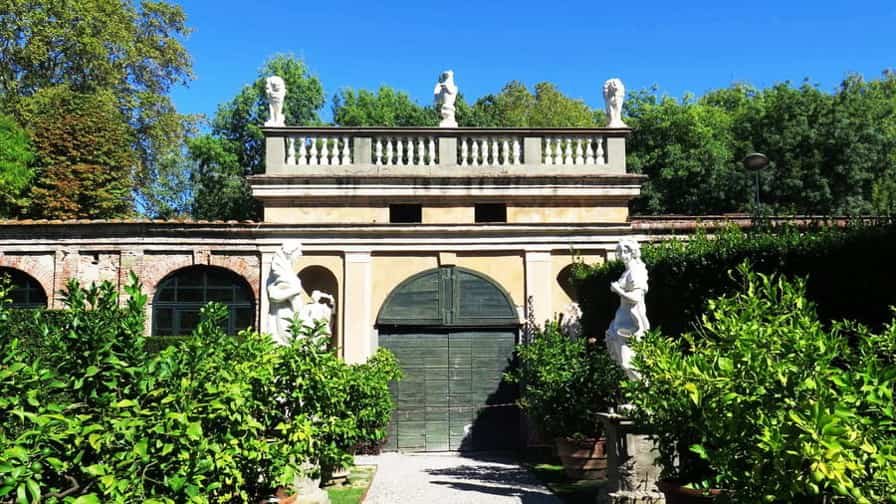
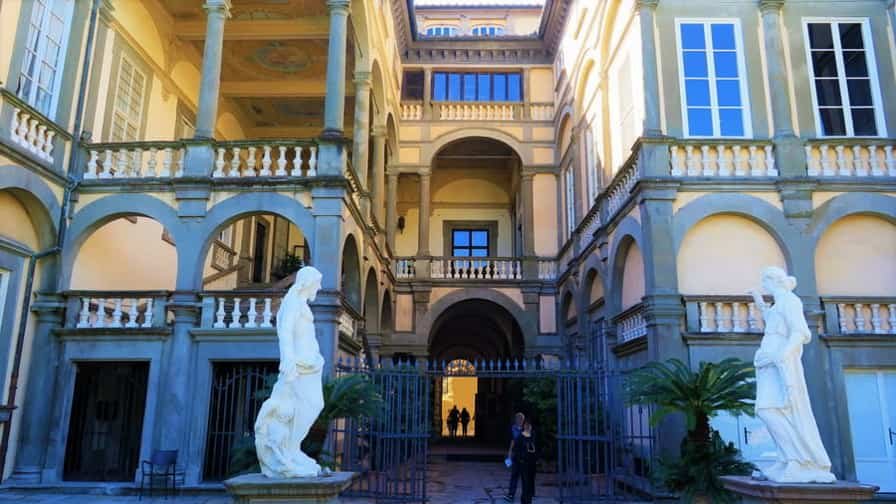
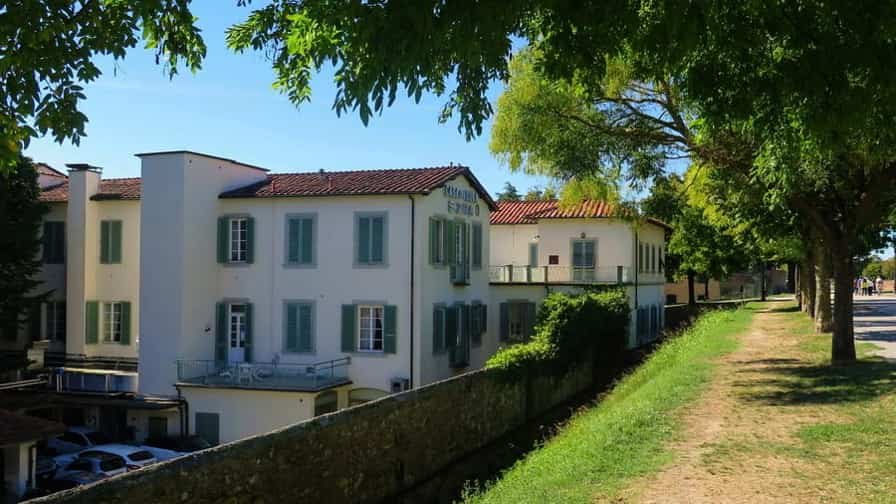
Palazzo Pfanner, Via degli Asili, 55100 Lucca, Italy (September 2018)
Lucca
Lucca is one of Italy’s most captivating historic cities, located in the north-western region of Tuscany. Known for its remarkably preserved Renaissance walls, intimate streets, and refined atmosphere, Lucca offers a distinctive experience that feels both elegant and welcoming. Unlike many Tuscan cities shaped by dramatic hills or maritime trade, Lucca developed as a self-contained urban jewel, proud of its independence and deeply rooted traditions. Its charm lies not in grand scale, but in balance, harmony, and a quiet confidence that unfolds gradually as one explores its streets.
The history of Lucca stretches back to Roman times, when it was established as a colony along important trade routes. The rectangular street grid of the historic centre still reflects this Roman origin, giving the city a sense of order and clarity. During the Middle Ages, Lucca flourished as a centre of commerce and silk production, gaining wealth and political influence. For centuries it functioned as an independent republic, a rare status in Italy, and this independence shaped its civic pride, architecture, and institutions. Even as neighbouring powers rose and fell, Lucca managed to preserve its autonomy longer than most, leaving a lasting mark on its identity.
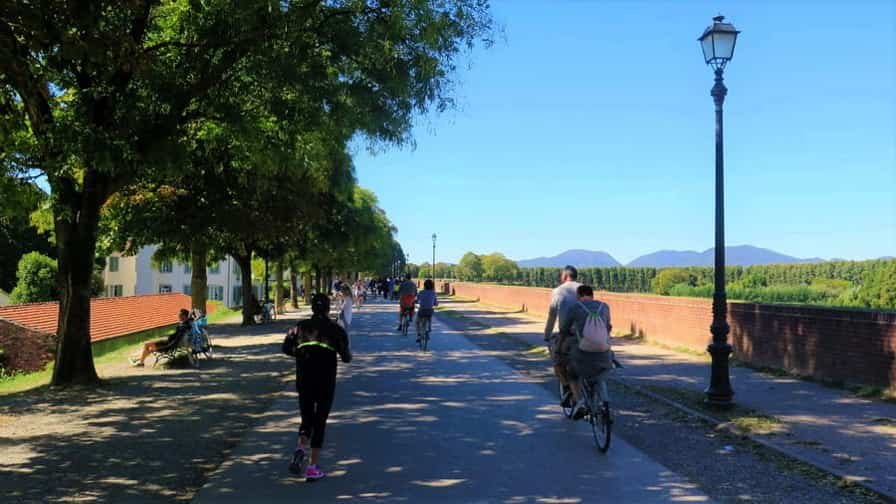
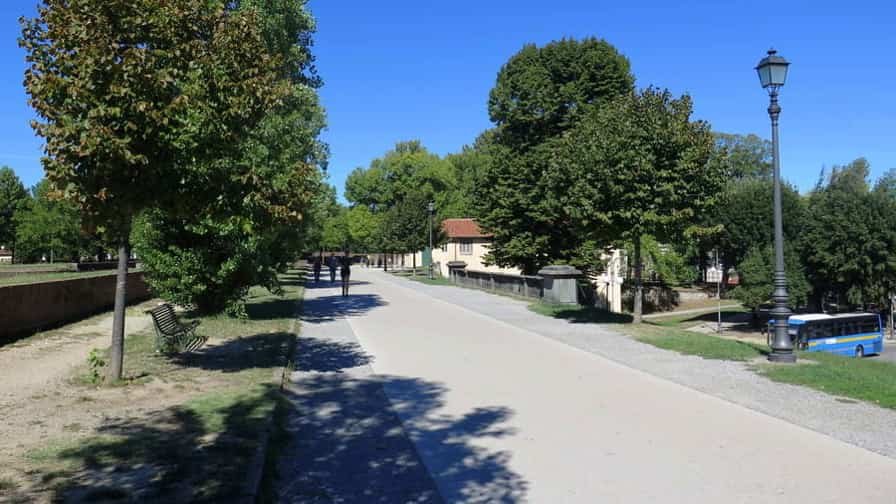
The city’s most defining feature is its Renaissance-era walls, built between the 16th and 17th centuries. Unlike defensive walls elsewhere, Lucca’s walls were never tested by major sieges and remain fully intact. Today, they form a wide, tree-lined promenade encircling the historic centre, offering panoramic views of rooftops, bell towers, and distant hills. Locals and visitors alike walk, cycle, and gather along these walls, making them not only a monument of military engineering but also a living public space that defines daily life.
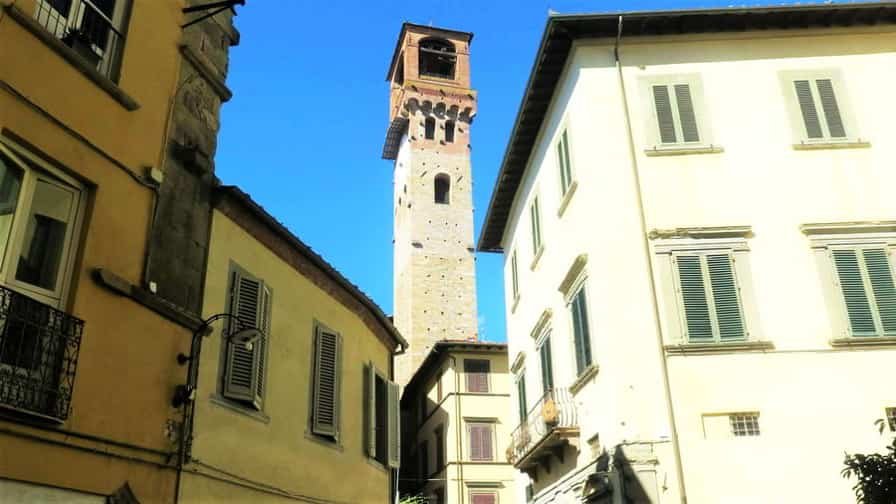
Within the walls, Lucca reveals a rich architectural and artistic heritage. Numerous churches punctuate the cityscape, reflecting Lucca’s historical nickname as the city of one hundred churches. San Martino Cathedral stands out for its striking Romanesque façade and important artworks, while San Michele in Foro rises dramatically over what was once the Roman forum. Guinigi Tower, with its small grove of oak trees growing at the top, is one of Lucca’s most iconic landmarks and symbolizes the medieval ambition of noble families who once competed to build the tallest towers.
Lucca’s cultural legacy extends beyond architecture into music, art, and craftsmanship. The city is the birthplace of Giacomo Puccini, one of the world’s most celebrated opera composers. His presence is still felt throughout Lucca, from museums and concerts to annual festivals that honour his work. Music remains an integral part of the city’s cultural life, blending classical tradition with contemporary events that animate its piazzas and theatres.
Food and daily life in Lucca reflect the broader Tuscan tradition while maintaining local character. The cuisine favours simple, flavourful dishes based on seasonal ingredients, olive oil, vegetables, and bread. Specialties such as tordelli, buccellato, and hearty soups reflect a rural heritage shaped by the surrounding countryside. Markets, small shops, and family-run trattorias contribute to a sense of continuity, where modern life coexists comfortably with long-standing customs.
What truly distinguishes Lucca is its atmosphere. While it welcomes visitors from around the world, it has managed to avoid the overwhelming crowds found in some other Italian cities. Life moves at a measured pace, allowing space for everyday routines, conversations, and quiet moments. Residents take pride in their city not as a spectacle, but as a place to live well, valuing beauty, tradition, and community.
Lucca stands as a testament to the power of preservation and identity. It invites visitors to step inside its walls and experience a city shaped by centuries of independence, creativity, and care. Through its streets, music, food, and enduring traditions, Lucca offers a refined and deeply human portrait of Tuscany, one that lingers long after the visit ends.
Worth a Visit
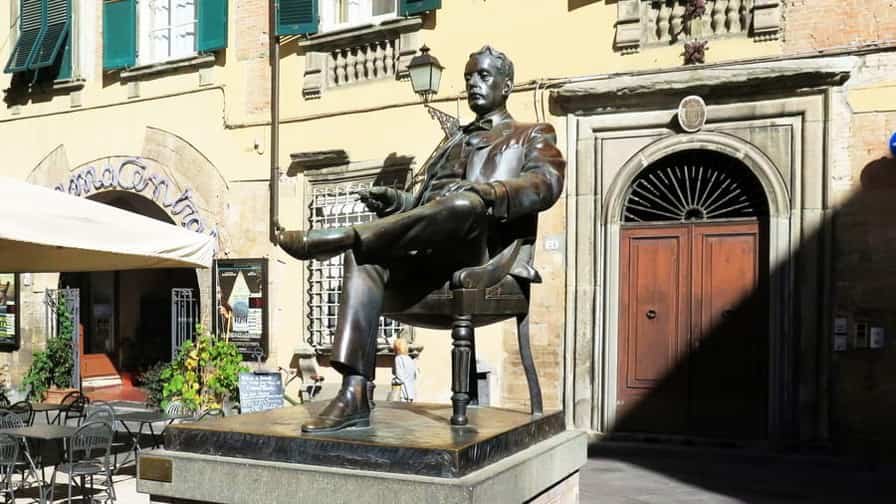
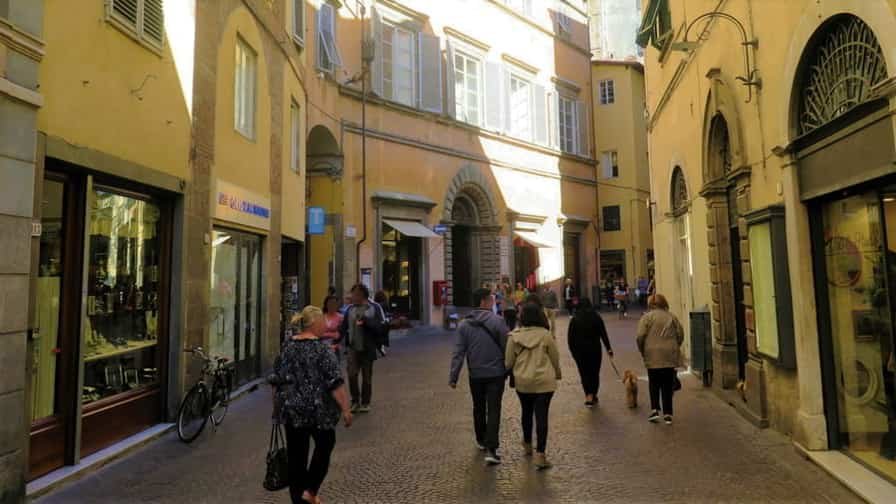
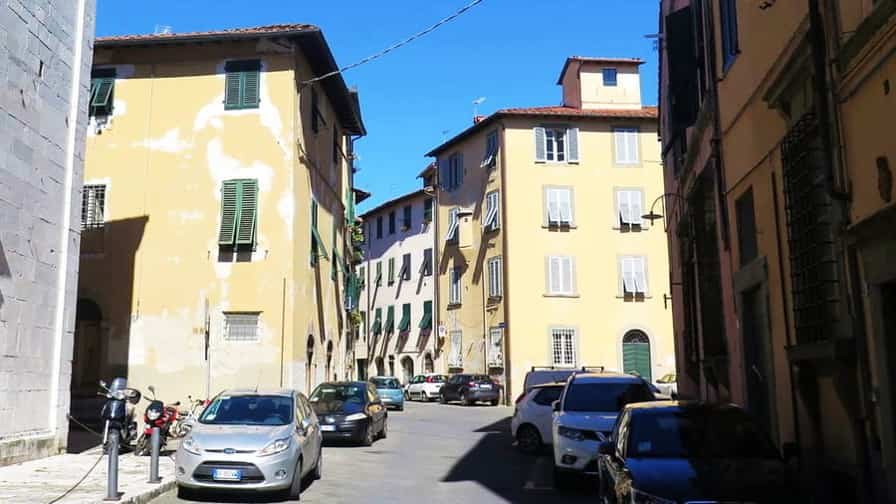
Piazza Cittadella in Lucca is a charming square that embodies the intimate and historical character of this Tuscan city. Nestled within the medieval walls of Lucca’s historic centre, the square is best known for its strong association with music and culture, particularly as the birthplace of Giacomo Puccini, one of Italy’s greatest opera composers. Today, Piazza Cittadella stands as a place where history, daily life, and artistic memory come together, making it a must-visit for anyone exploring the city. The square takes its name from the nearby “Cittadella,” a fortified section of Lucca’s defences that once played a key role in the town’s military history. Over time, this area developed into a residential and cultural quarter, with Piazza Cittadella at its heart. Its modest size and quiet charm reflect the scale and character of Lucca itself, a city known for preserving its medieval atmosphere while welcoming visitors from around the world.
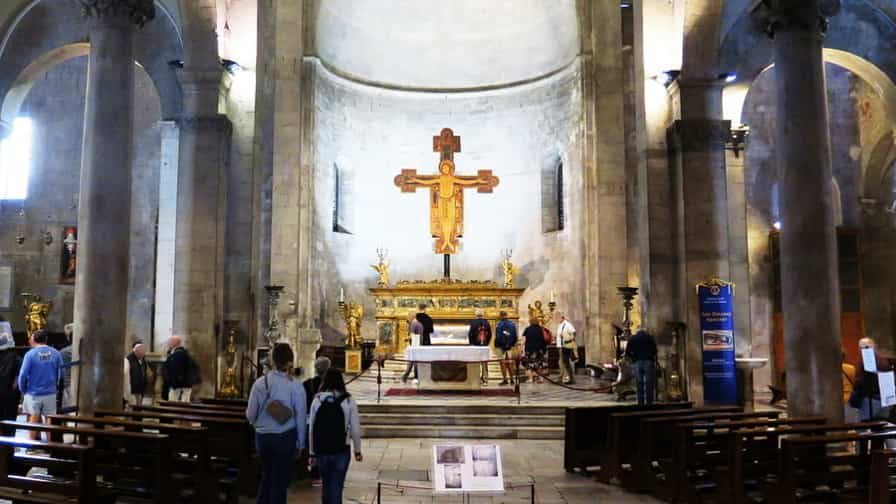
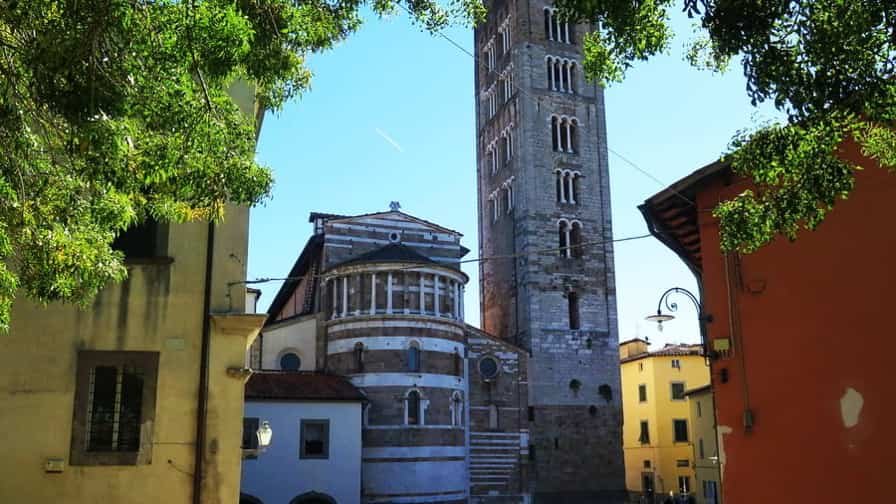
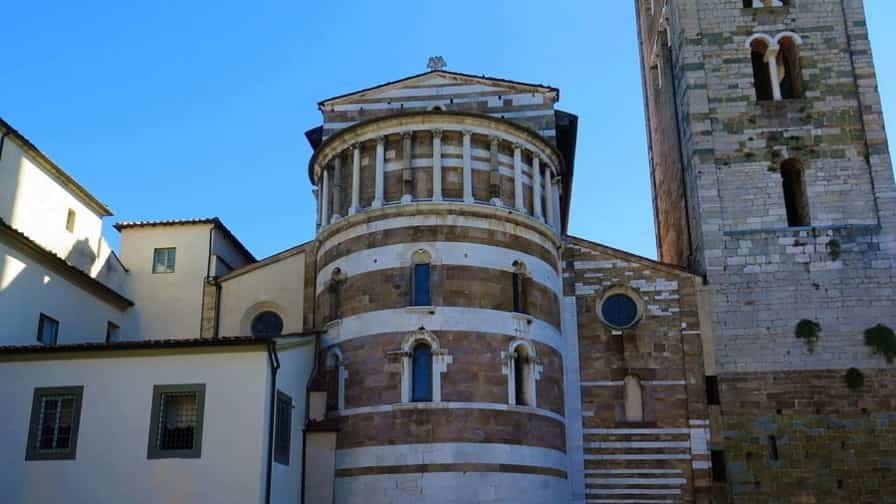
The Chiesa di San Michele in Foro in Lucca is one of the city’s most striking and symbolic landmarks, a masterpiece of Romanesque architecture that dominates the heart of the historic centre. Built on the site of the ancient Roman forum, the church carries both religious and civic significance, serving as a reminder of Lucca’s long history and its cultural vitality. Its imposing façade, rich sculptural details, and towering presence make it a focal point for visitors and an enduring emblem of the city’s identity. The origins of San Michele in Foro date back to the eighth century, though the present structure was largely rebuilt in the eleventh and twelfth centuries. Its location is significant, as it was constructed directly over the forum of the Roman city, the political and social heart of ancient Lucca.
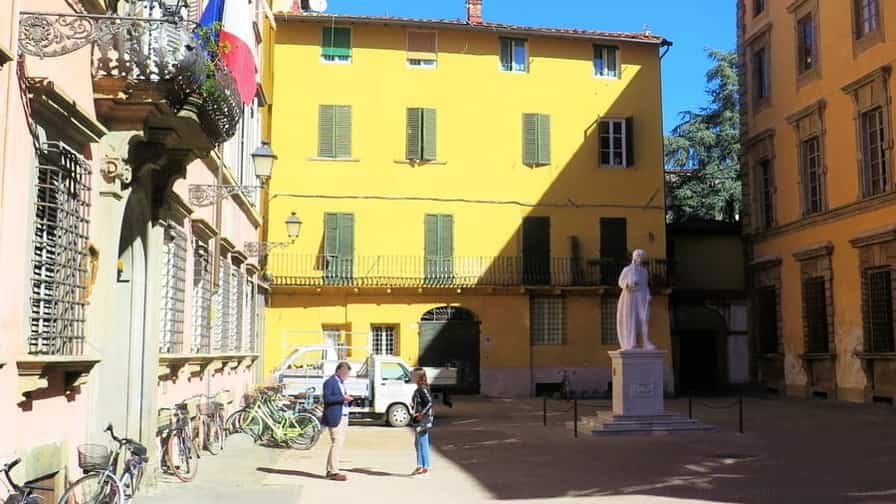
Piazza Guidiccioni in Lucca is a quiet yet historically significant square that reflects the elegance and heritage of this Tuscan city. Unlike the larger and more bustling piazzas that serve as civic and social hubs, Piazza Guidiccioni has a more intimate character, shaped by the presence of noble residences and cultural landmarks. Its calm atmosphere makes it a place where history can be contemplated at a slower pace, offering visitors an authentic glimpse into the city’s aristocratic past. The square takes its name from the Guidiccioni family, one of Lucca’s most prominent noble lineages, whose influence spanned politics, culture, and religion. Their residence, the Palazzo Guidiccioni, dominates the piazza and stands as one of the key examples of Renaissance architecture in the city.
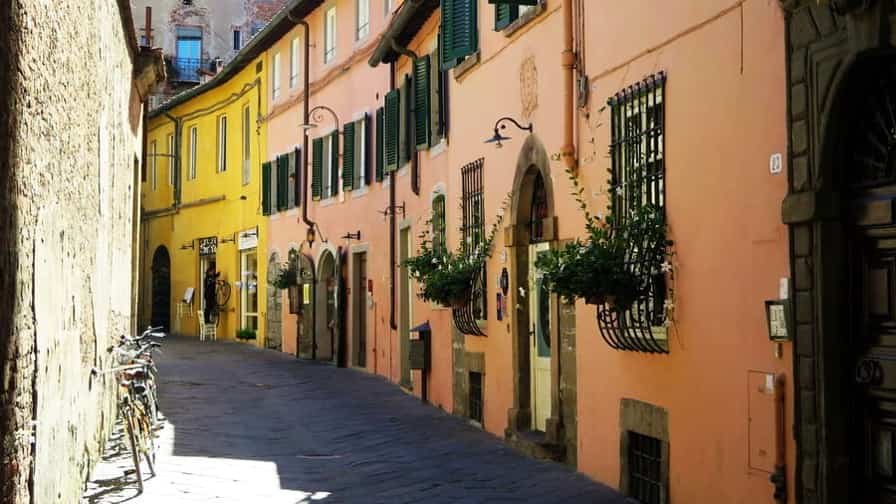
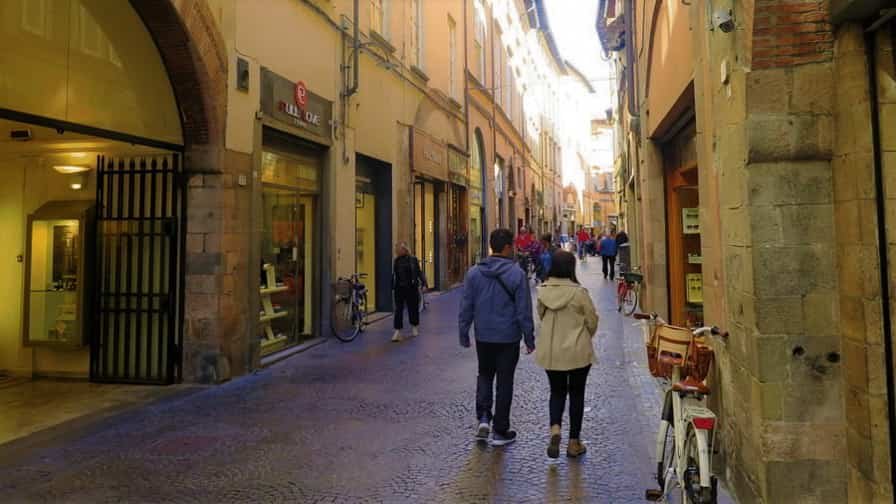
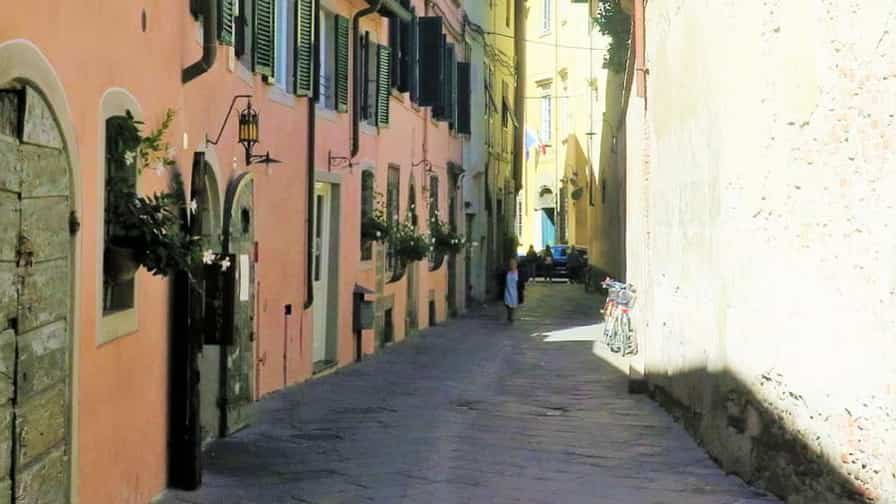
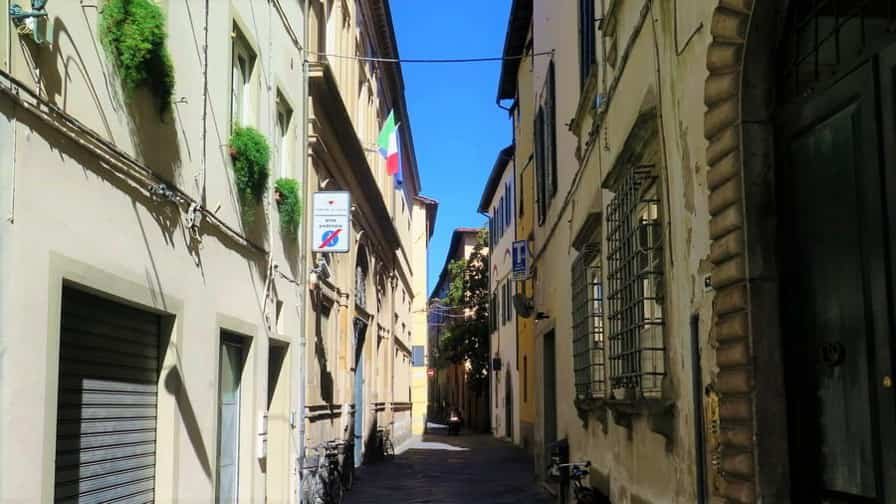
Via degli Angeli in Lucca is a street that carries with it centuries of history, echoing the layered past of this Tuscan city. Nestled within the boundaries of Lucca’s well-preserved Renaissance walls, the street reflects the intimate character of the historic center, where narrow lanes, noble palaces, and religious buildings coexist in a harmonious urban fabric. Walking along Via degli Angeli means stepping back into a world where medieval and Renaissance influences meet, offering both locals and visitors a chance to experience the city’s enduring charm. The name of the street, translated as “Street of the Angels,” immediately evokes a sense of spirituality and mystery. This connection is not accidental, as Lucca has long been a city where religion and art intertwine with everyday life.
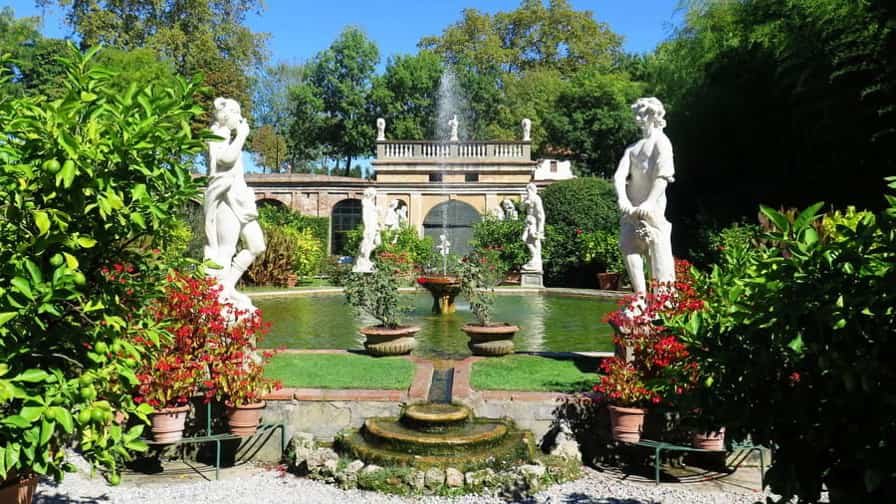
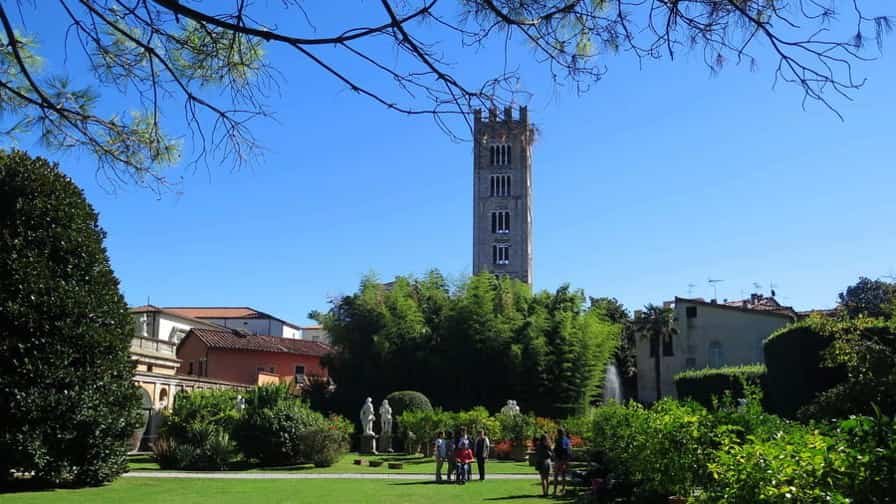
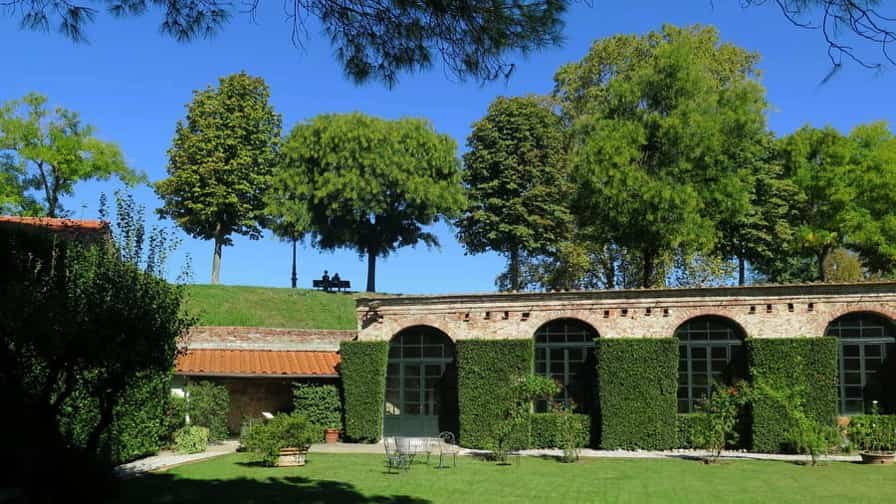
Palazzo Pfanner in Lucca is one of the city’s most elegant and fascinating landmarks, a historic residence that combines architectural refinement with a beautiful baroque garden. Located near the northern section of Lucca’s Renaissance walls, the palace has long attracted the admiration of visitors for its harmonious blend of art, history, and nature. It is a place where the grandeur of the seventeenth century can still be felt, offering a glimpse into the lifestyle of Lucca’s noble families as well as the cultural influences that shaped the city. The palace was originally built in 1660 by the Moriconi family, wealthy merchants who commissioned its construction as a symbol of their prestige. However, their fortunes declined, and the property passed to the Controni family, who expanded and embellished it.
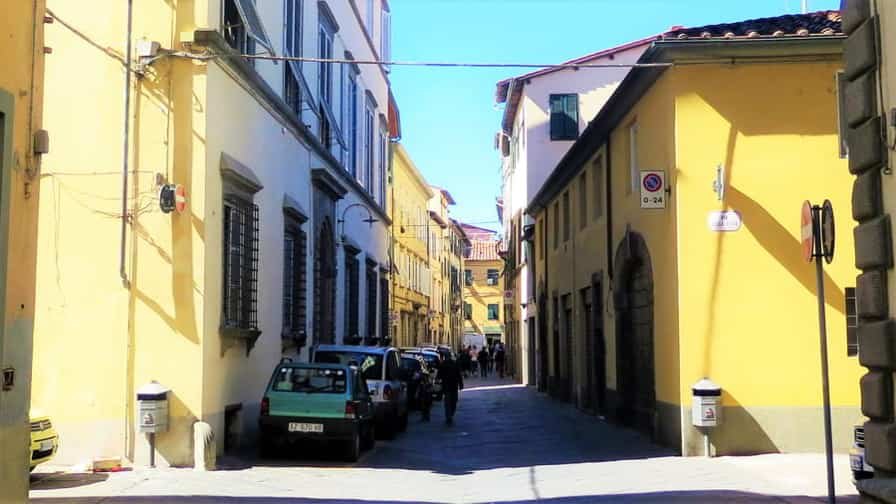
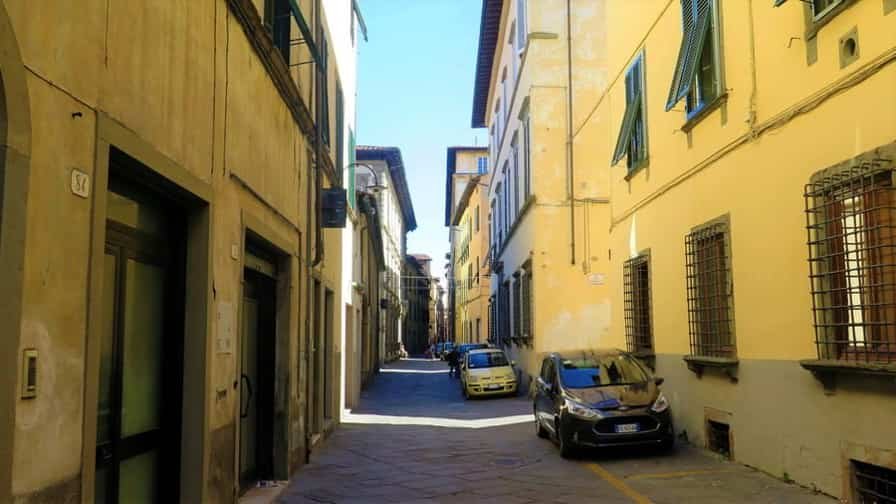
Photo Gallery of Walk 1 – Via del Crocifisso to Chiesa di San Michele in Foro, Piazza San Michele
Approximately 1.17 km – 0.73 miles
The walk starts from the large carpark adjacent to Via del Crocifisso – Piazzale Boccherini – Piazzale Giuseppe Verdi – Via Vittorio Emanuele II – Via del Crocifisso – Via San Paolino – Chiesa dei Santi Paolino e Donato, Via San Paolino – Via San Paolino – Piazza Cittadella – Via San Paolino – Chiesa di San Michele in Foro, Piazza San Michele
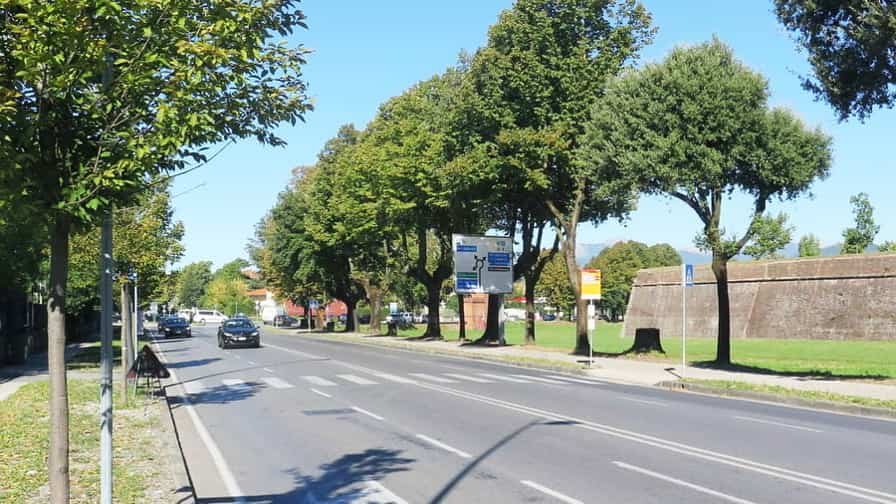
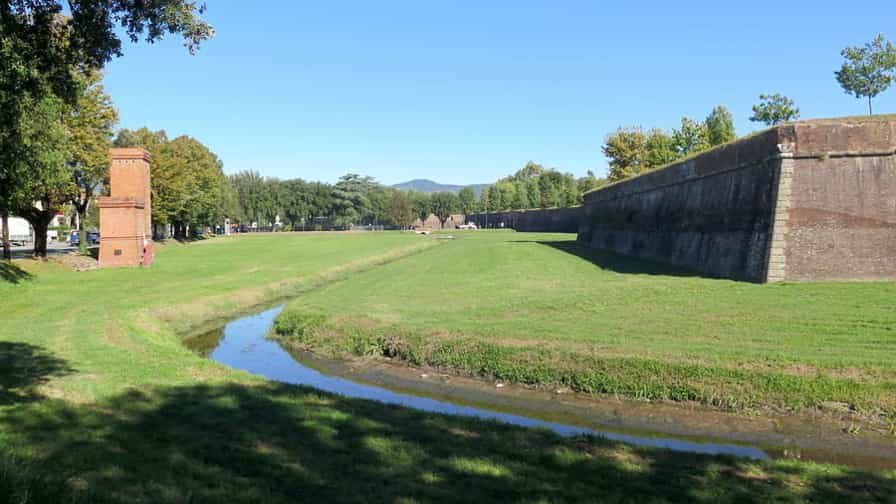
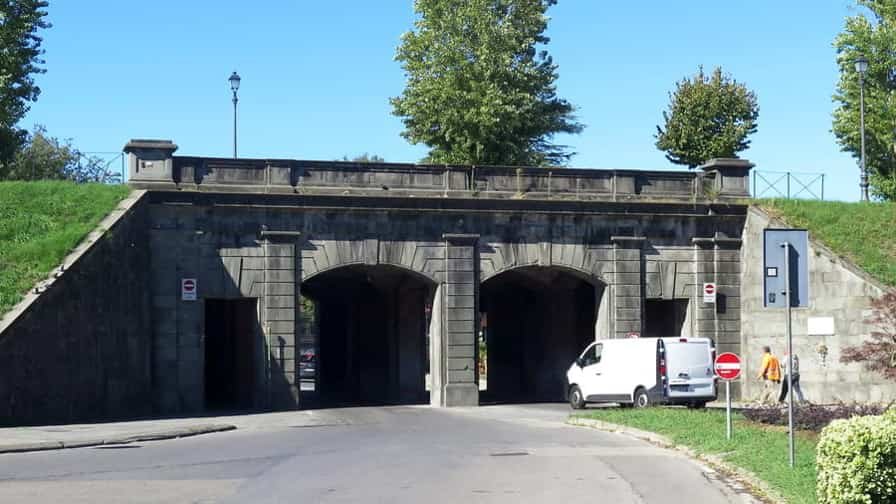
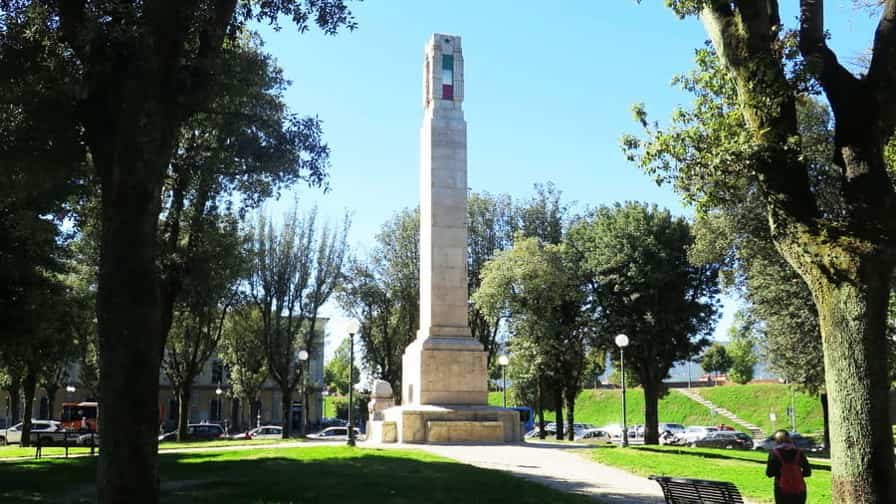
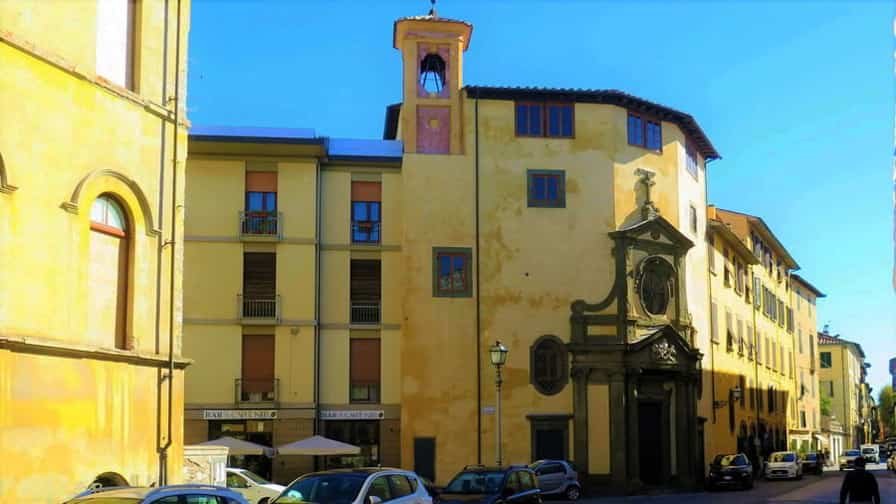
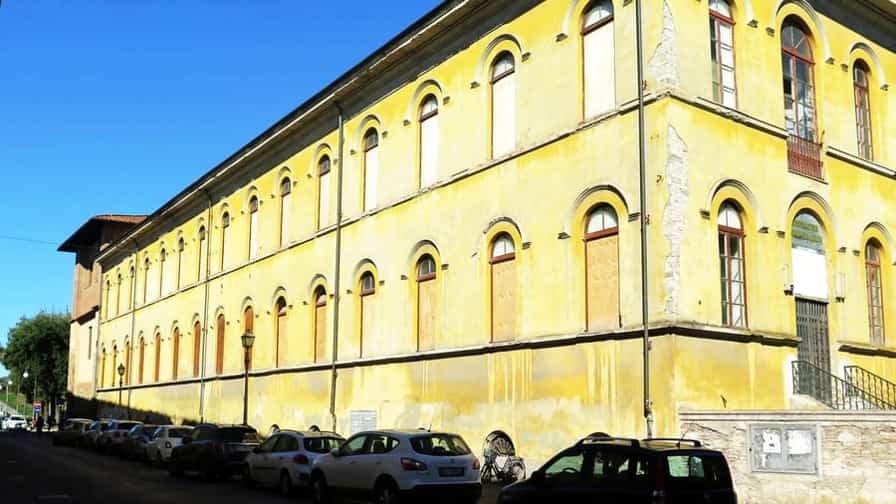
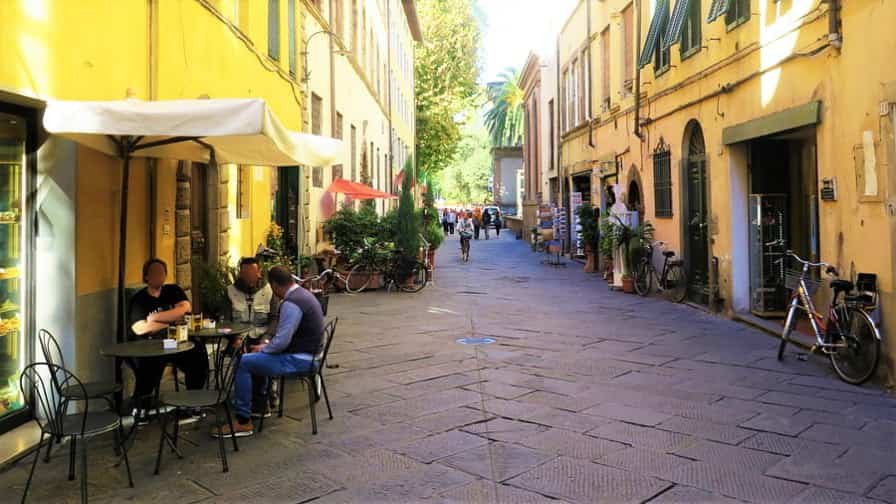
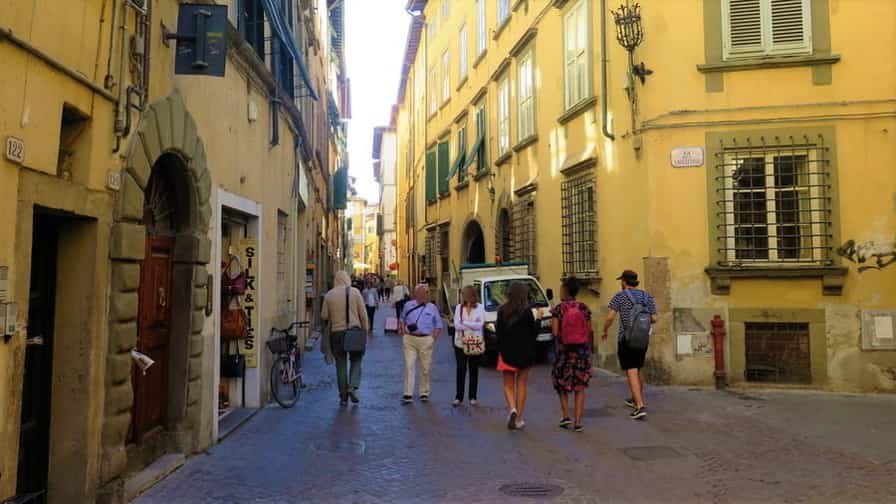
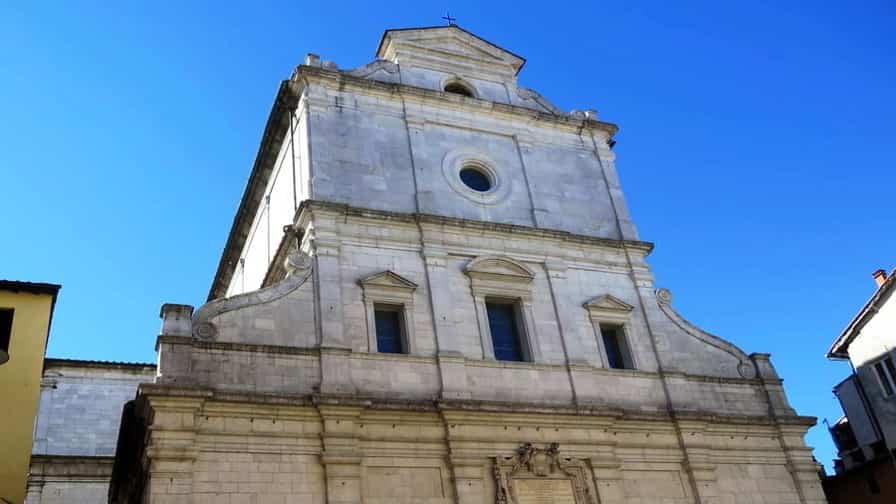
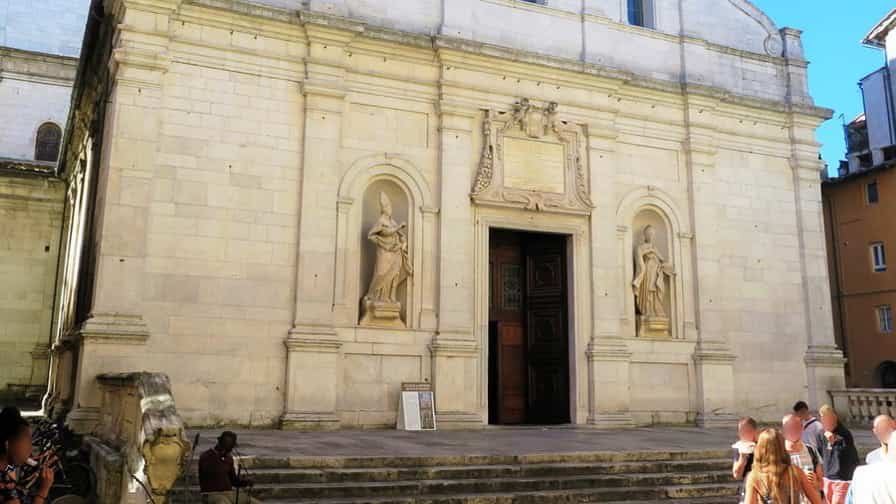
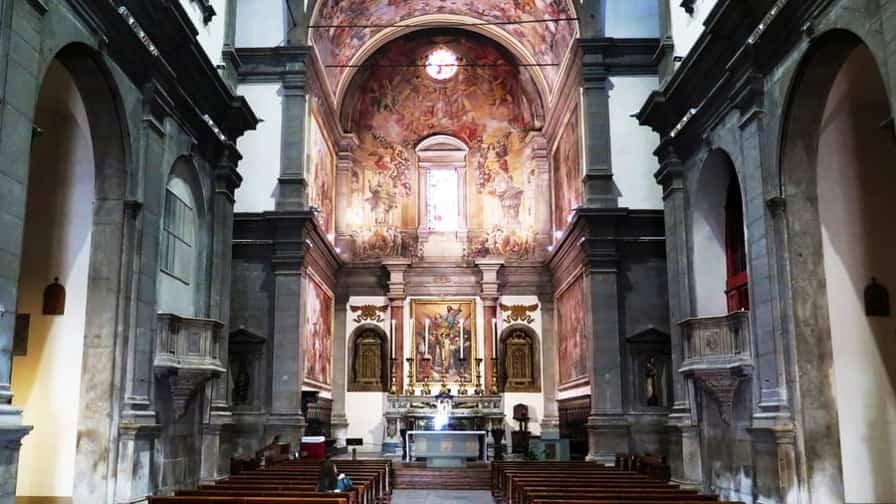
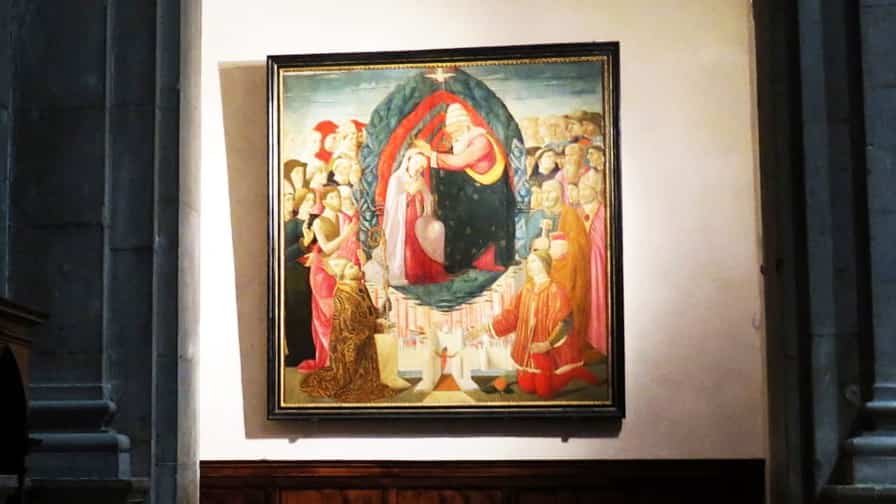
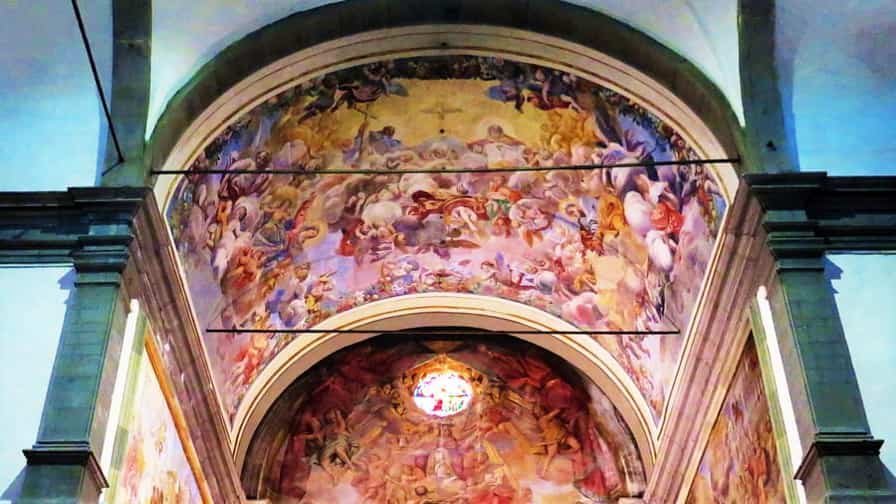
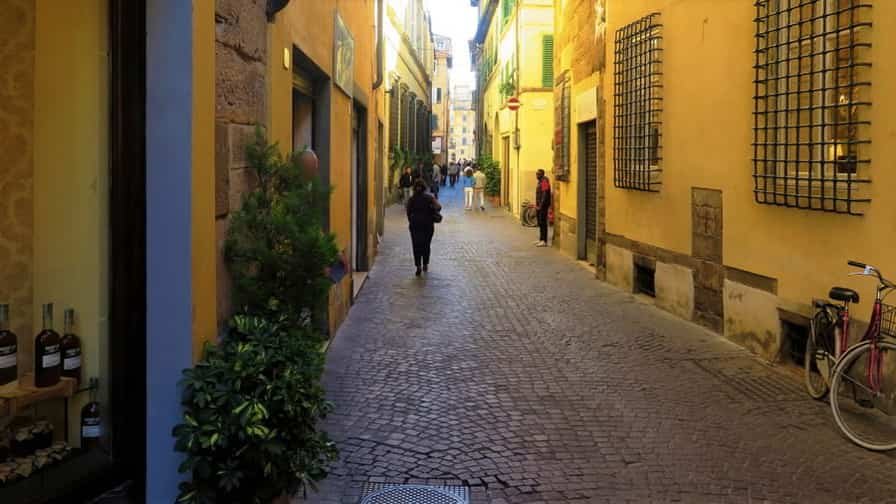
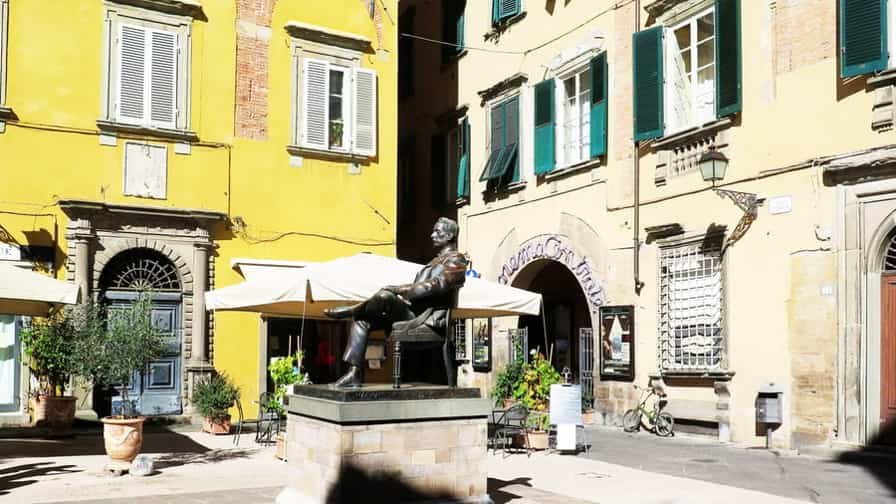
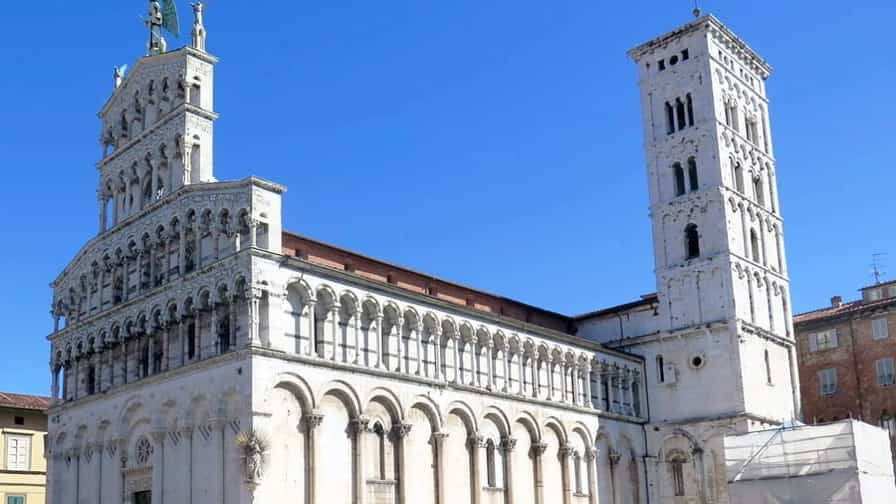
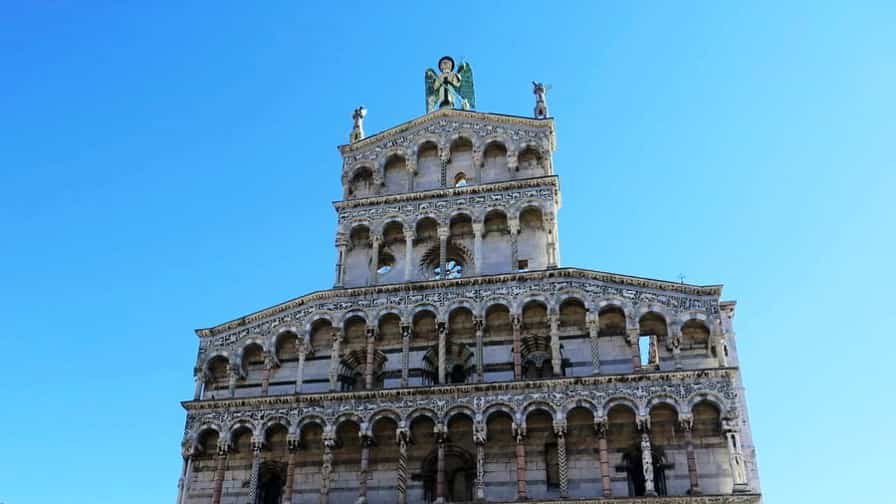
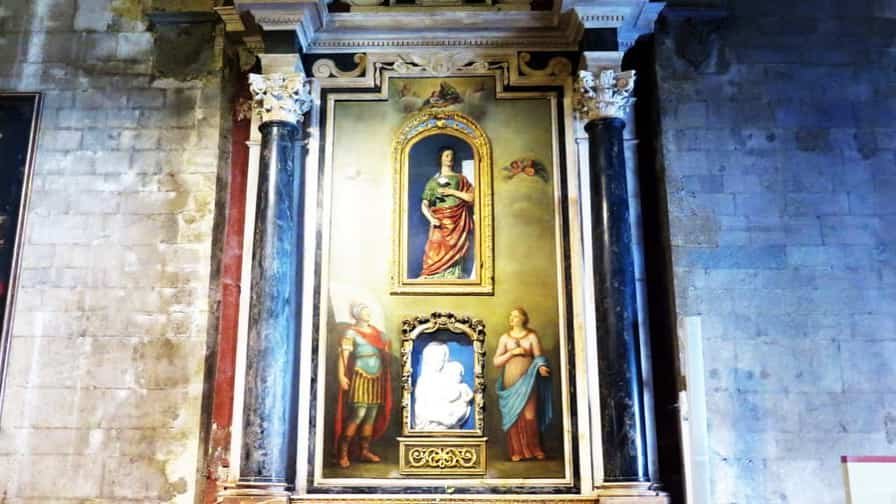
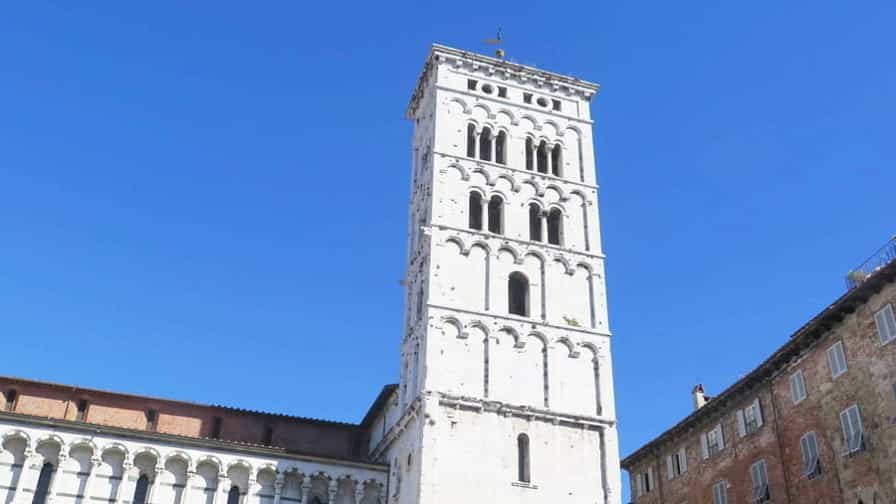
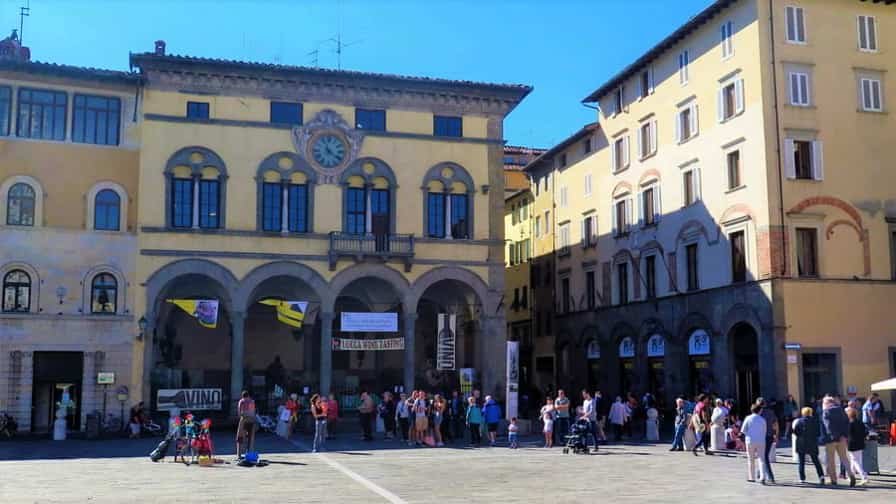
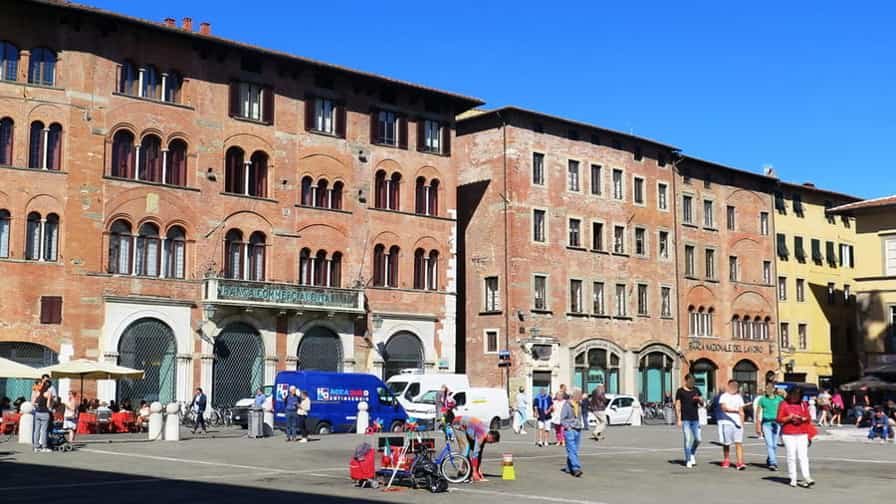
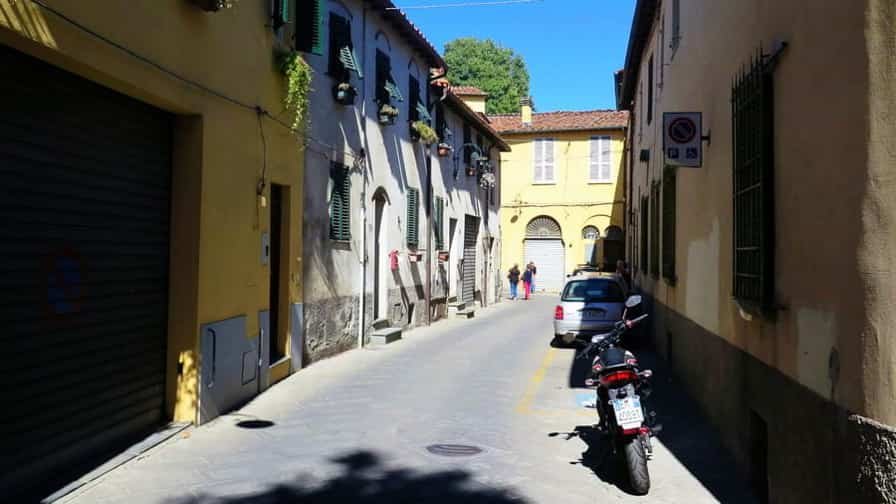
Photo Gallery of Walk 2 – Via Roma to Piazzale Boccherini
Approximately 2.61 km – 1.62 miles
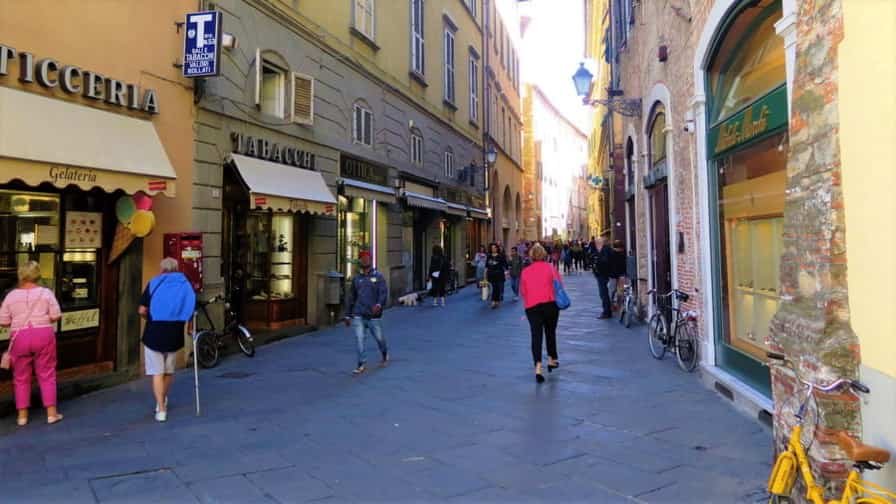
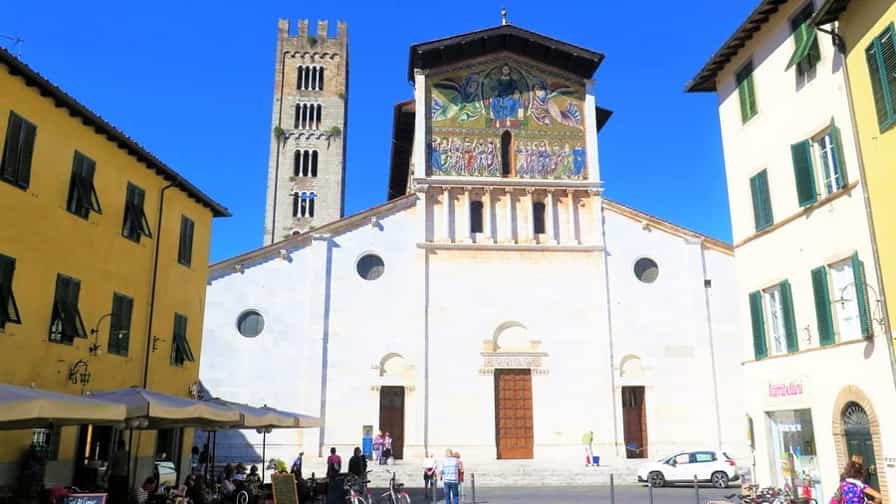
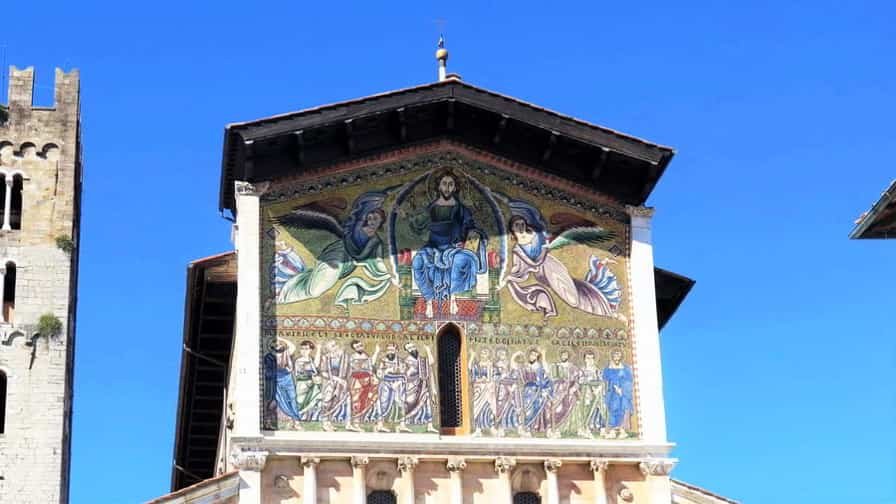
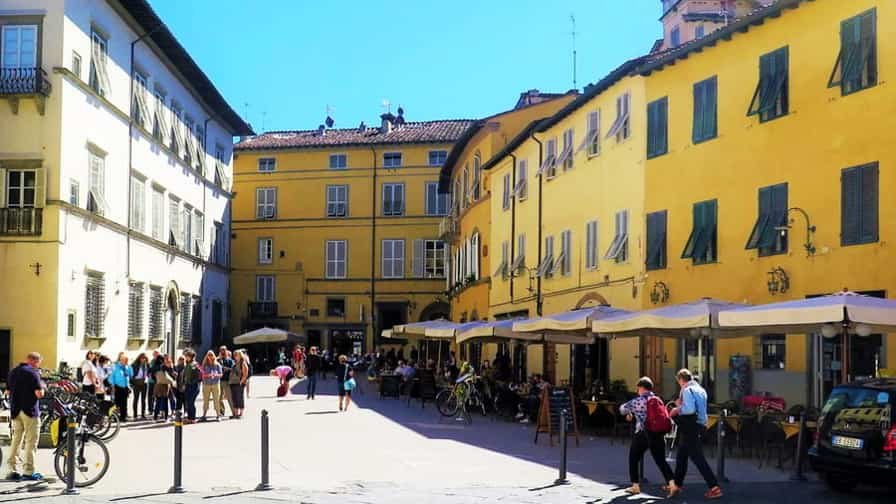
The walk starts in Via Roma – Via Fillungo – Via Sant’Andrea – Piazza Guidiccioni – Walk back to Via Fillungo – Via Degli Angeli – Via Cesare Battisti – Piazza del Collegio – Piazza S. Frediano Walk back to Piazza del Collegio – Palazzo Pfanner – Rampa S. Frediano – Viale delle Mura Urbane – Via Discesa Sant’Agostino – Via del Panificio -Piazza Sant’Agostino – Via S. Giorgio – Via delle Conce – Via S. Tommaso – Via Galli Tassi – Via San Paolino – Piazzale Giuseppe Verdi – Piazzale Boccherini

COPYRIGHT © 2018-2026 ITALY IN PHOTOS – ALL RIGHTS RESERVED