
HOME
REGIONS OF ITALY
PLACES IN ITALY
TRAVEL GUIDES
Italy in Photos
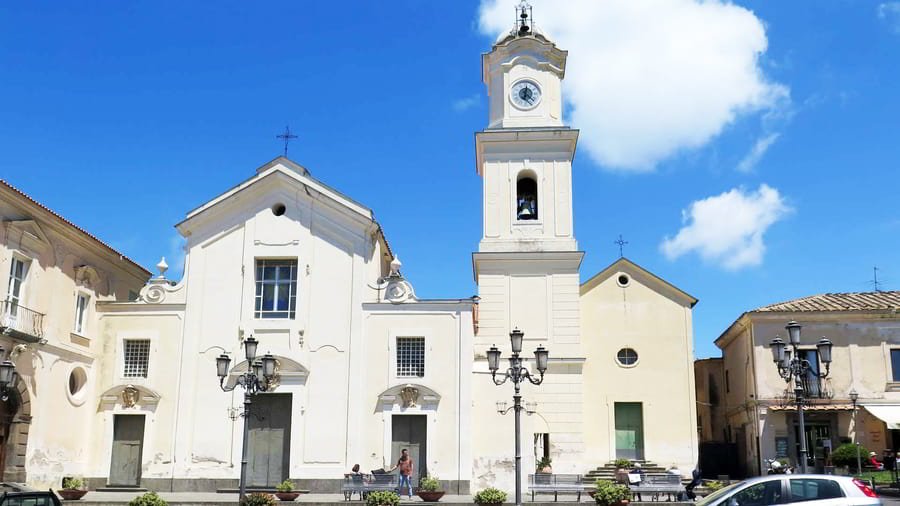
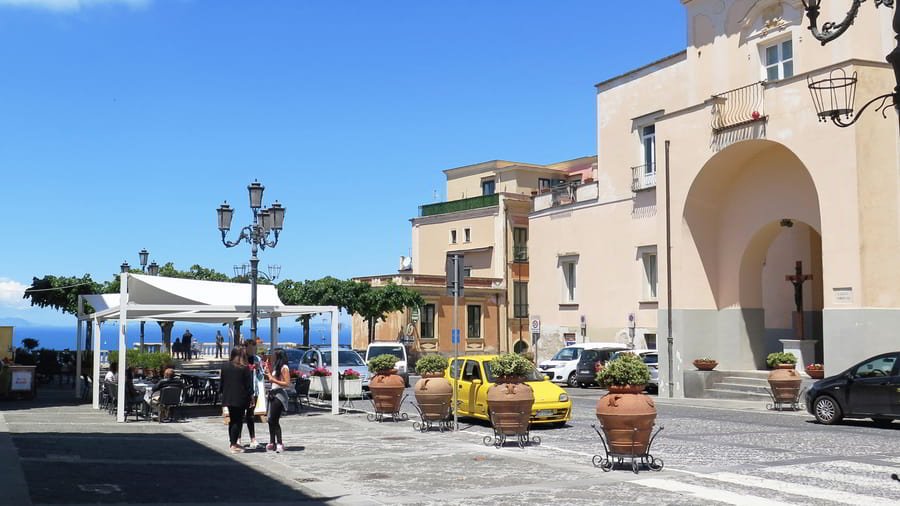
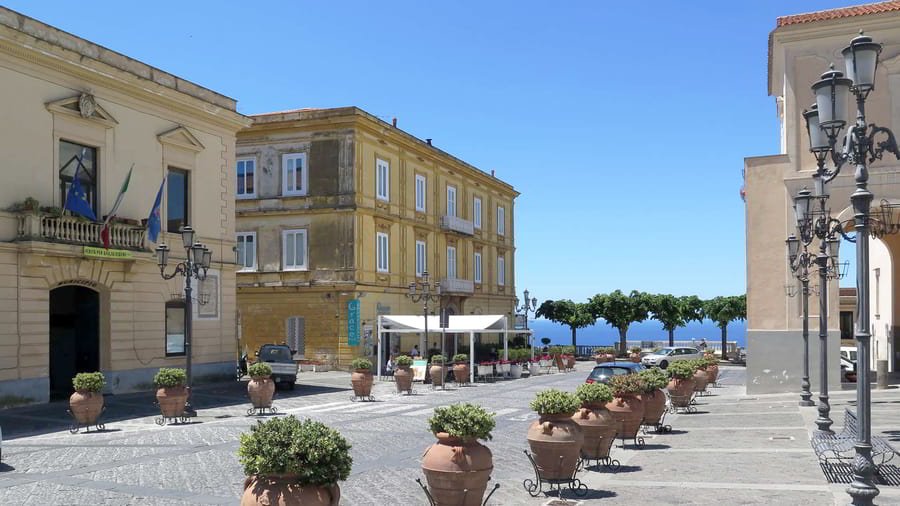
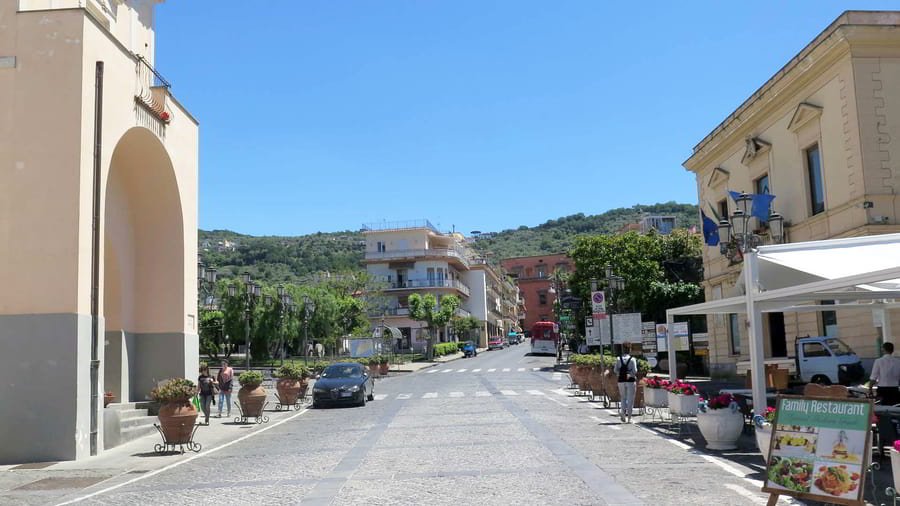
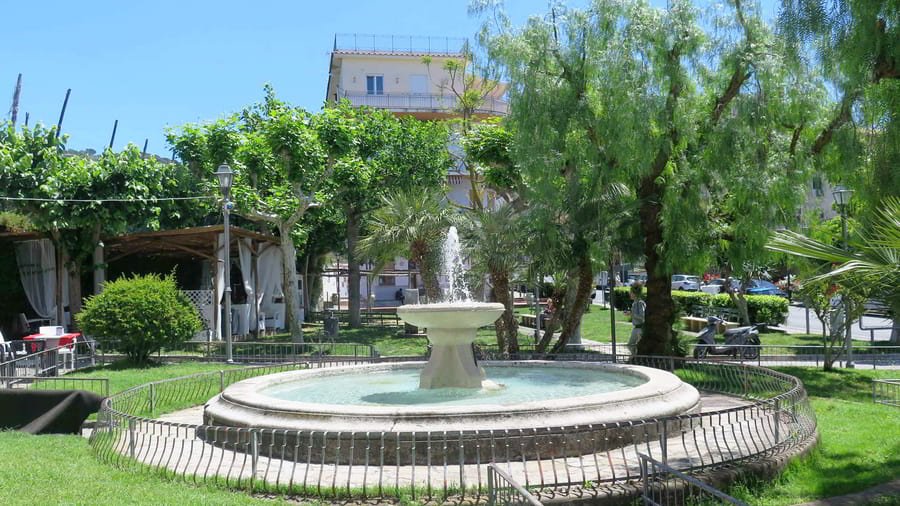
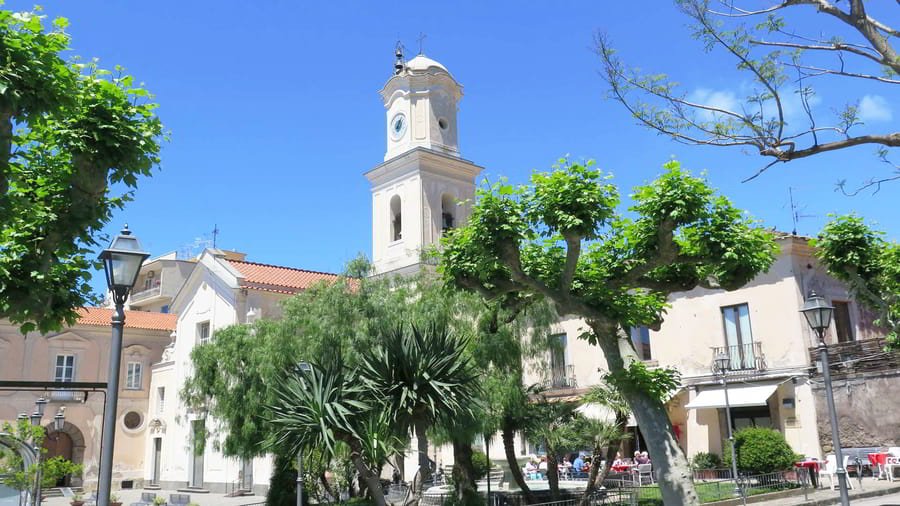
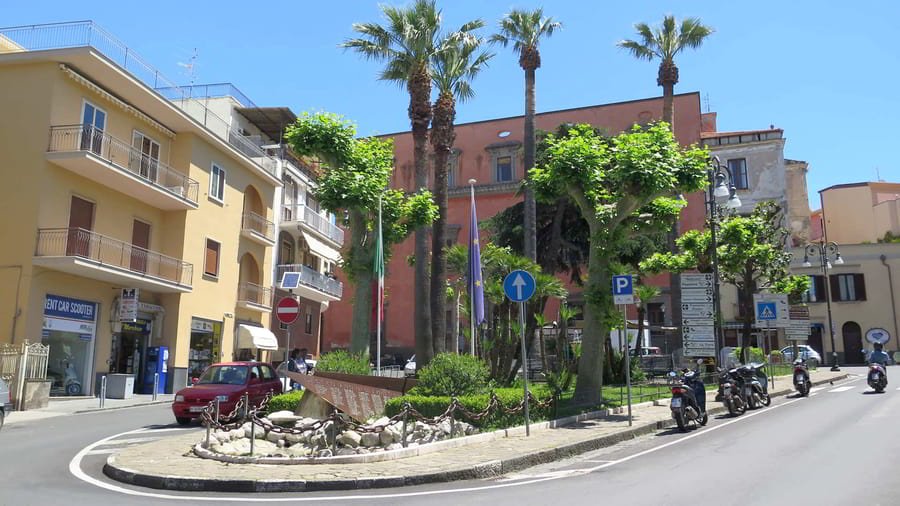
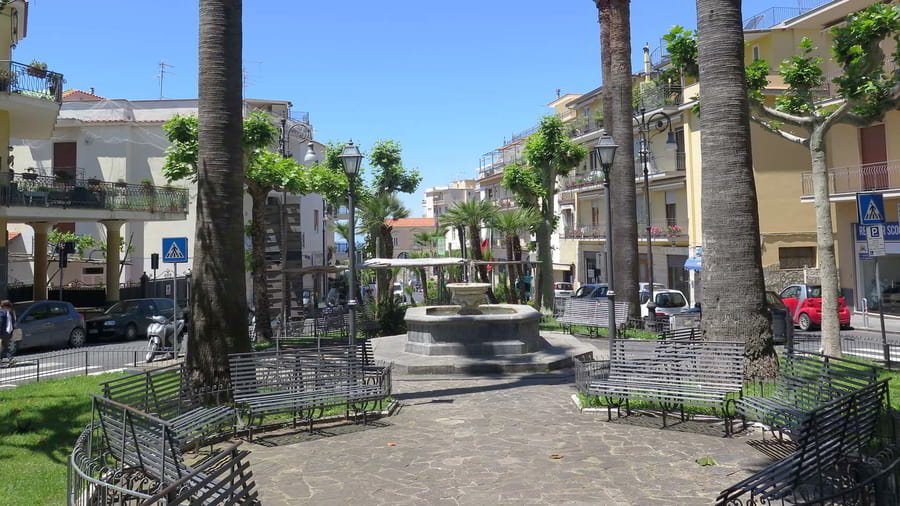
Largo Vescovado, 80061 Massa Lubrense, Italy (May 2018)
Massa Lubrense
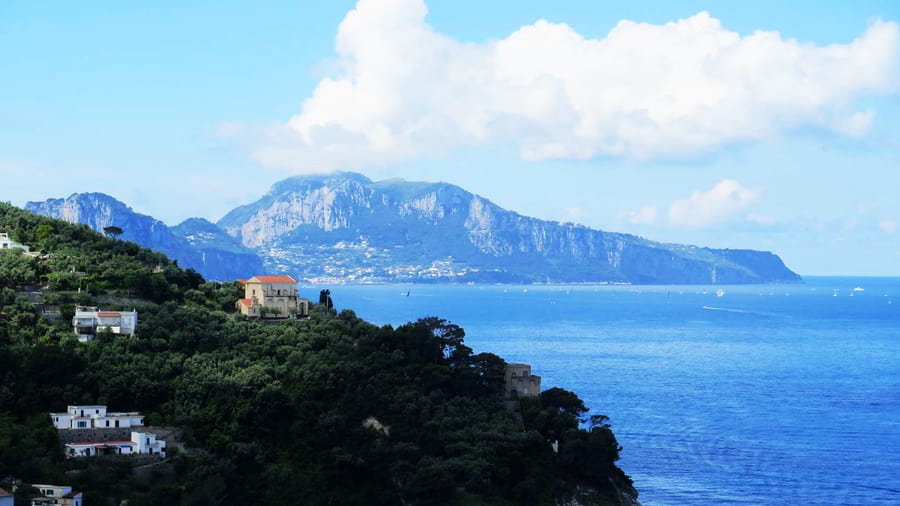
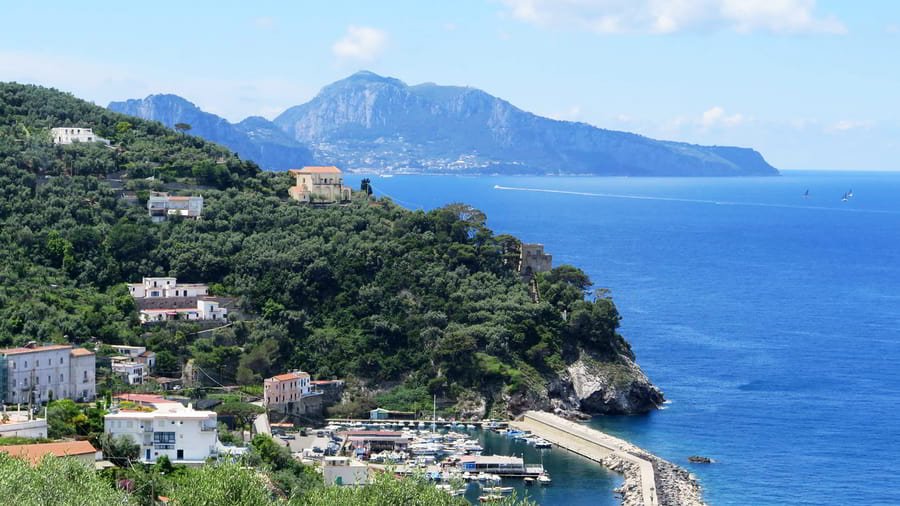
Massa Lubrense is a picturesque town located at the far end of the Sorrentine Peninsula in southern Italy, where the land gently meets the deep blue waters of the Tyrrhenian Sea. Positioned between the Bay of Naples and the Gulf of Salerno, it occupies a unique geographical setting that offers sweeping views of Capri, the Amalfi Coast, and the surrounding Mediterranean. Unlike its more famous neighbors such as Sorrento and Positano, Massa Lubrense has preserved a quieter, more rural character, making it an ideal place for those seeking authenticity, natural beauty, and a slower pace of life.
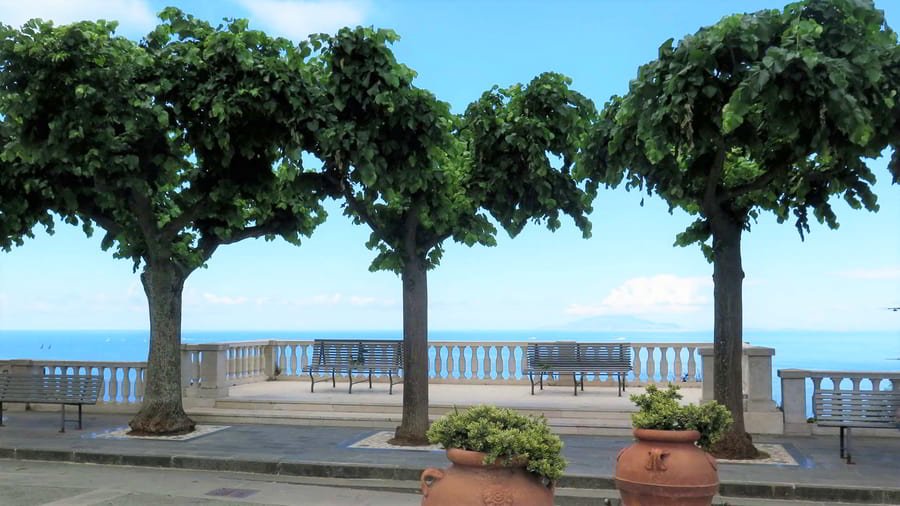
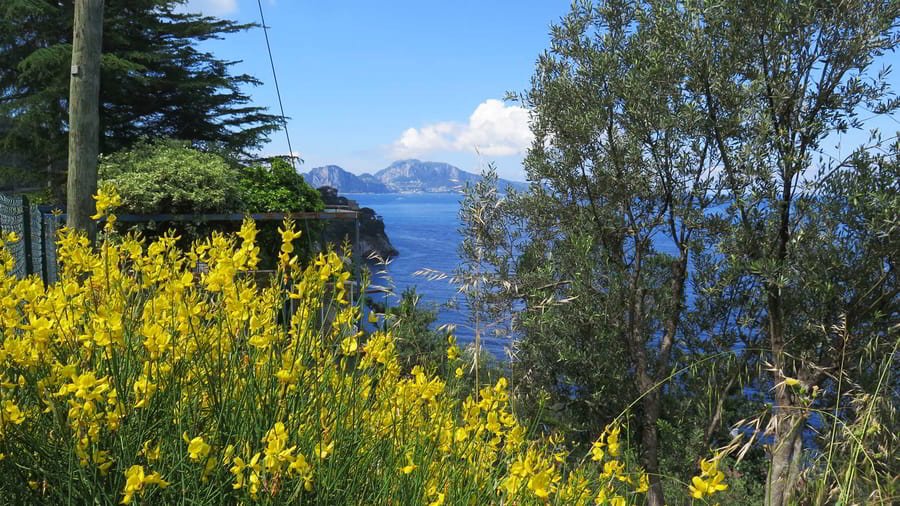
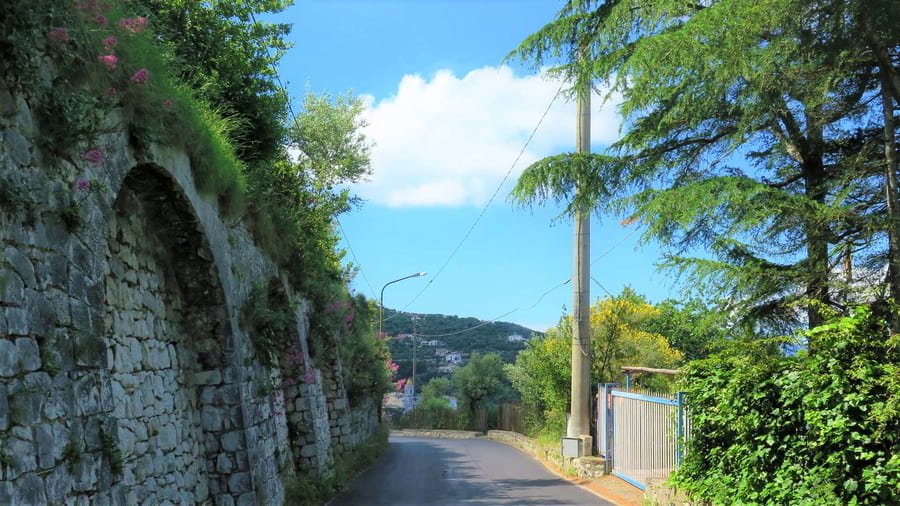
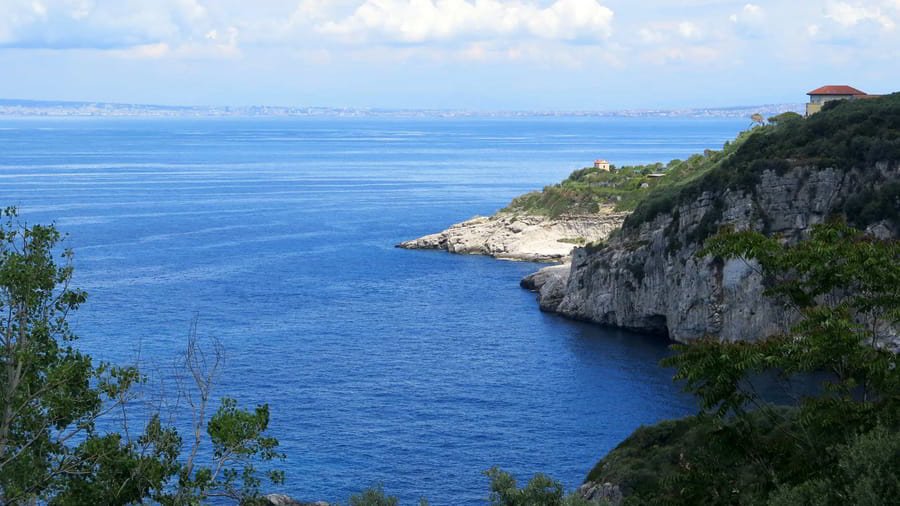
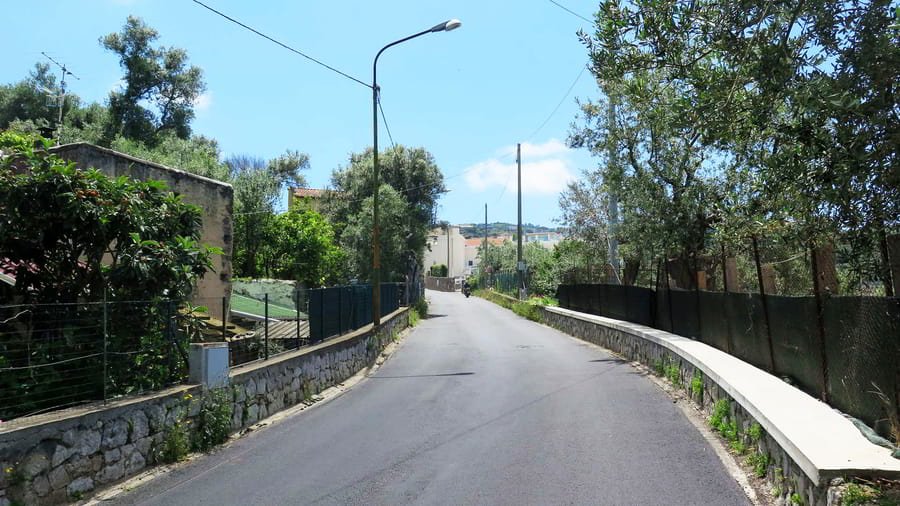
The landscape of Massa Lubrense is defined by rolling hills, terraced fields, and dramatic cliffs that descend toward hidden coves and small harbours. Olive groves, lemon orchards, and vineyards cover much of the countryside, reflecting centuries of agricultural tradition. These terraces, supported by dry stone walls, are not only practical but also part of the cultural heritage of the area, demonstrating how generations of inhabitants have adapted to the rugged terrain. From many viewpoints, the contrast between the green land and the intense blue of the sea creates a scenery that feels both timeless and deeply Mediterranean.
History in Massa Lubrense stretches back to ancient times, with evidence of Greek and Roman presence throughout the area. During the Roman period, the peninsula was a favoured retreat for wealthy patricians, who built villas overlooking the sea. Remains of these structures can still be found along the coast and underwater, offering insight into the area’s long-standing appeal. In the Middle Ages, Massa Lubrense developed as a network of small villages and farming communities, often fortified to defend against pirate raids. Watchtowers and old churches scattered across the territory reflect this defensive past and the strong role of faith in local life.
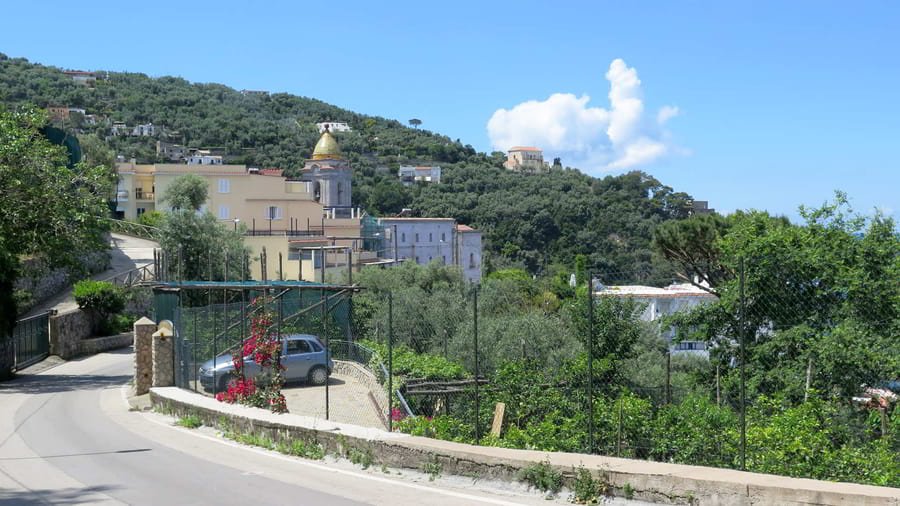
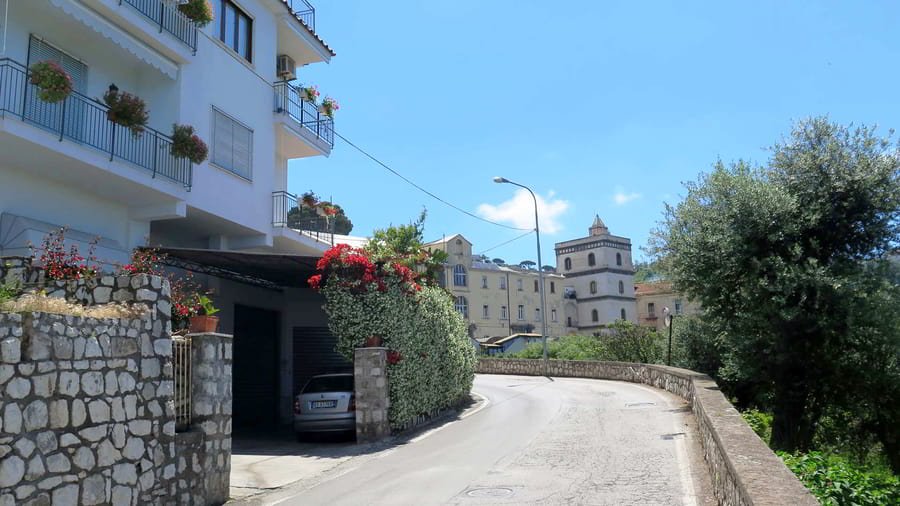
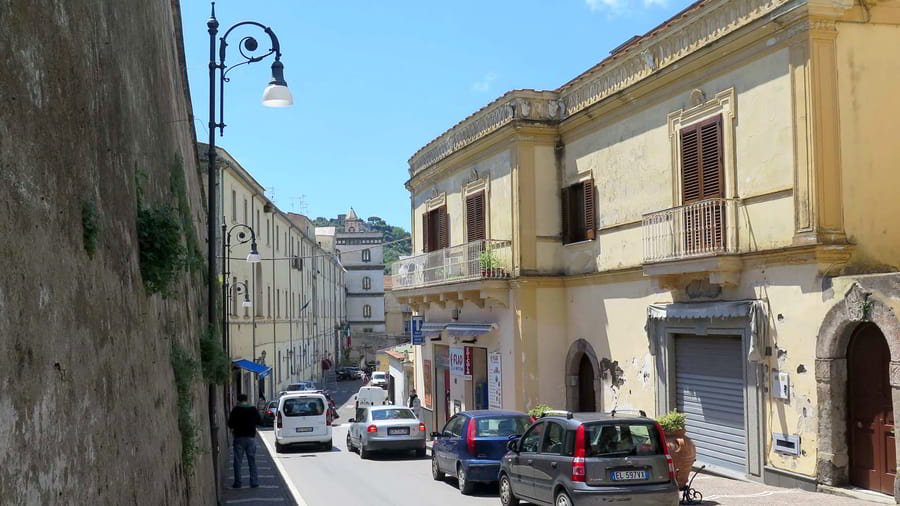
The town itself is composed of several hamlets rather than a single dense centre. This fragmented structure contributes to its relaxed atmosphere and strong sense of community. Each village has its own square, church, and traditions, creating a mosaic of local identities within the larger municipality. Daily life in Massa Lubrense revolves around family, agriculture, and seasonal rhythms, with many customs passed down through generations.
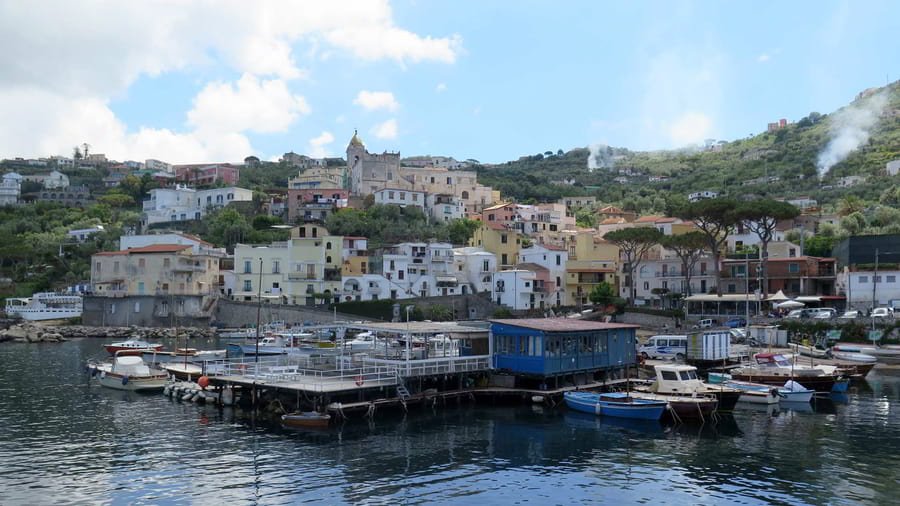
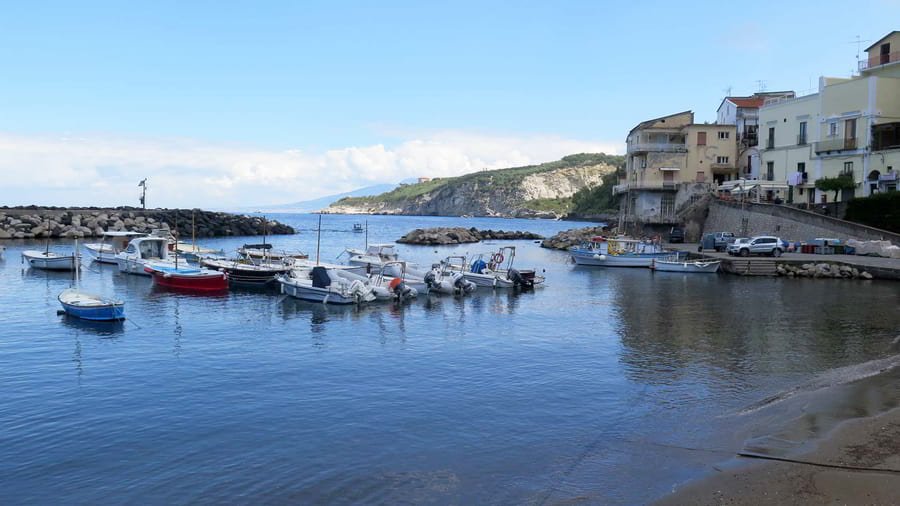
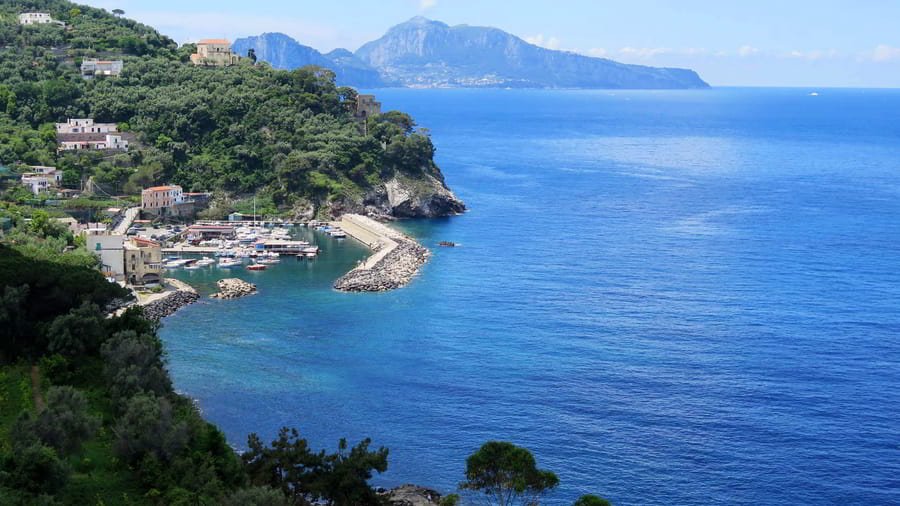
The coastline of Massa Lubrense is one of its greatest assets. While much of it is rugged and rocky, small beaches and coves can be reached by footpaths, stairways, or by boat. Places such as Marina della Lobra, Marina del Cantone, and the Bay of Ieranto offer clear waters and unspoiled surroundings. The Bay of Ieranto, in particular, is a protected natural area, valued for its biodiversity and tranquil beauty. These coastal spots invite swimming, snorkeling, and quiet reflection, far from mass tourism.
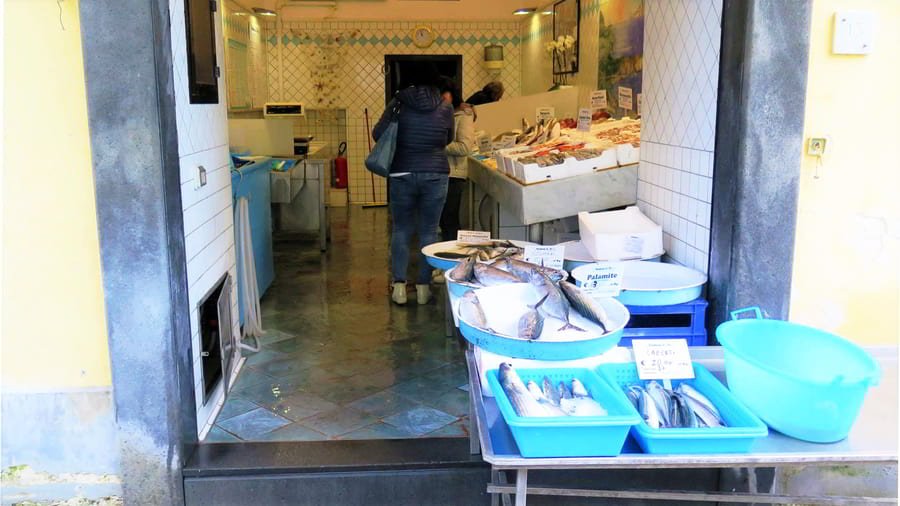
Cuisine in Massa Lubrense is deeply connected to the land and sea. Local dishes highlight fresh, seasonal ingredients, including vegetables grown in family gardens, fragrant lemons, olive oil, and freshly caught fish. Traditional recipes often emphasize simplicity, allowing natural flavours to shine. The area is also known for its cheeses, handmade pasta, and desserts infused with citrus, reflecting the agricultural richness of the peninsula. Meals are central to social life, bringing people together in a spirit of hospitality and shared tradition.
Massa Lubrense also serves as an excellent base for exploration. Footpaths connect it to the surrounding countryside and to famous trails such as those leading toward Punta Campanella, the southernmost point of the peninsula. From here, visitors can enjoy panoramic views that stretch across the sea to Capri and beyond. At the same time, the town’s location allows easy access to cultural landmarks such as Pompeii, Naples, and the Amalfi Coast, while offering a peaceful retreat at the end of the day. Massa Lubrense embodies a quieter vision of southern Italy, where nature, history, and daily life exist in harmony. It is a place shaped by the sea and sustained by the land, inviting visitors to experience the Mediterranean not as a spectacle, but as a lived and enduring way of life.
Worth a Visit
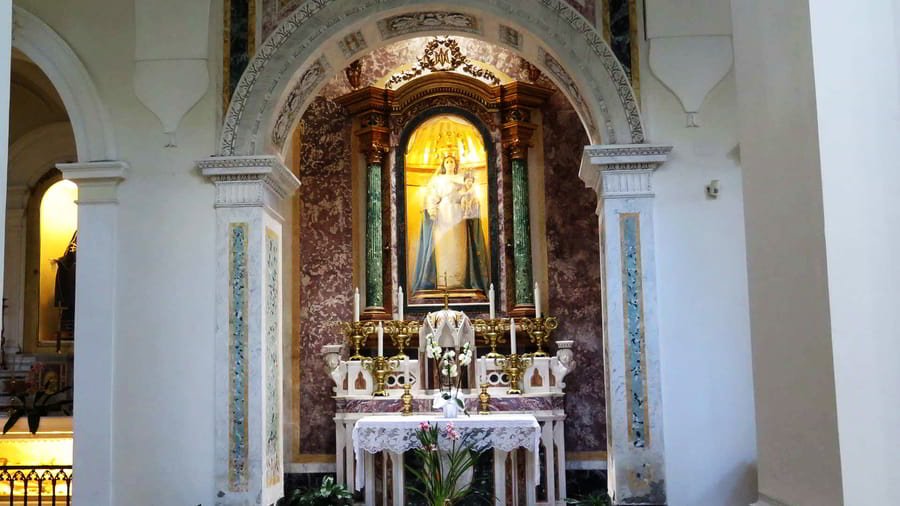
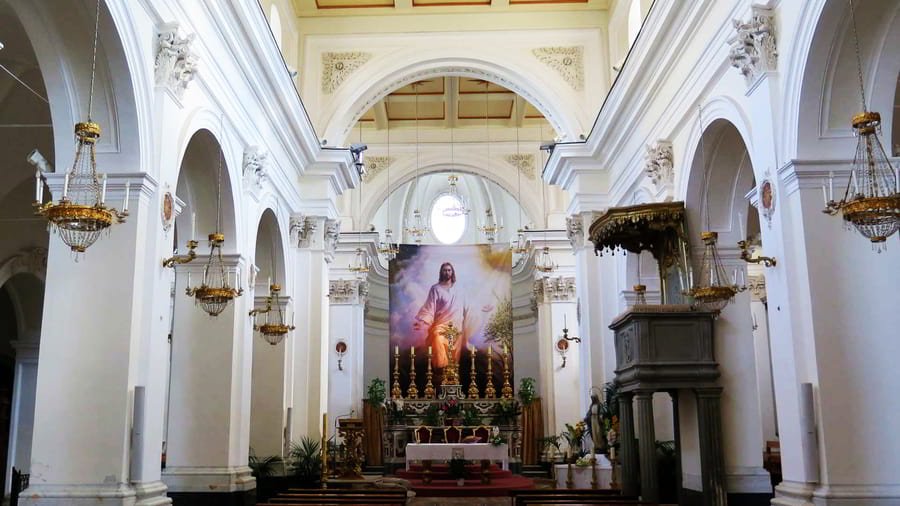
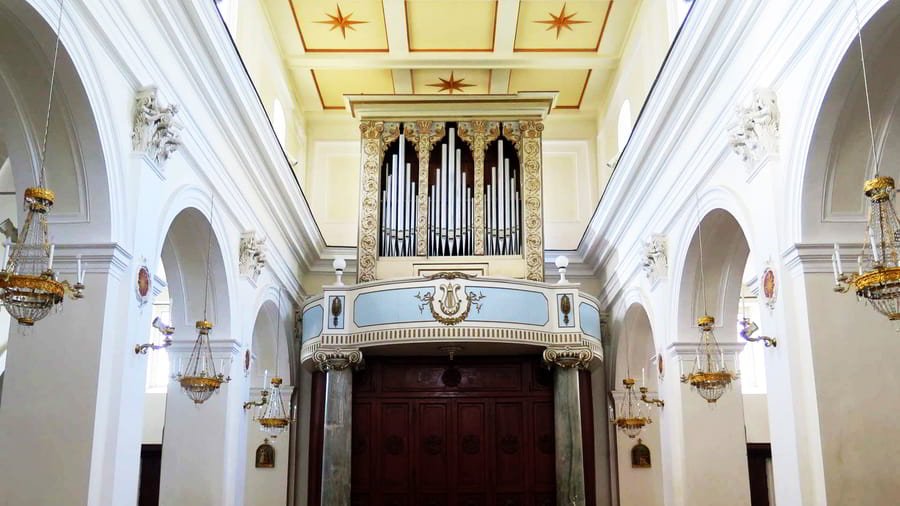
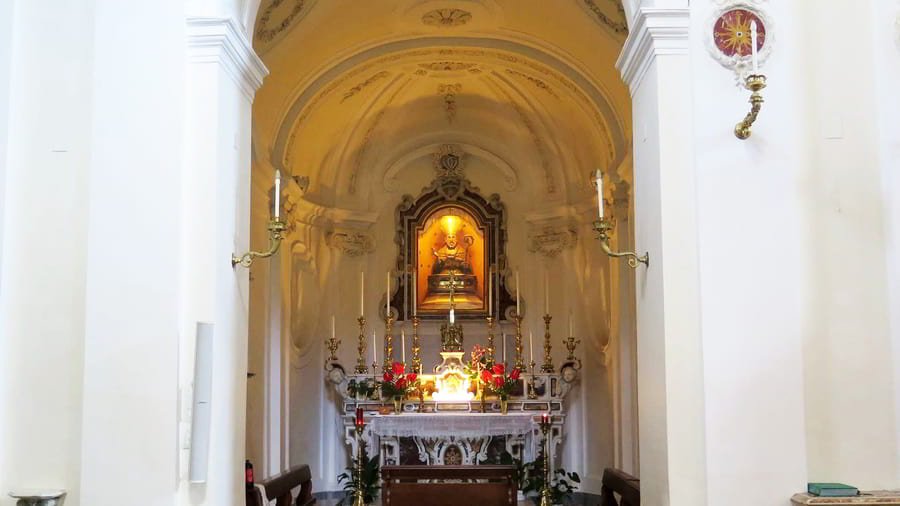
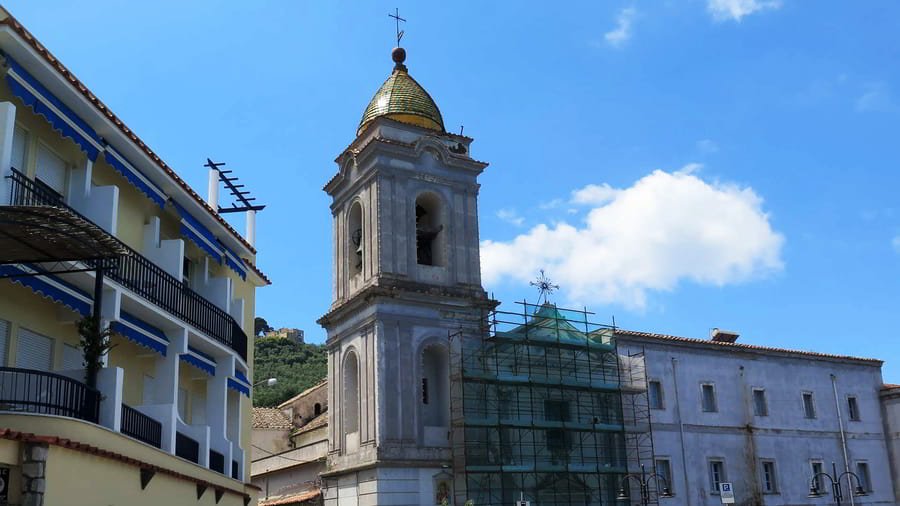
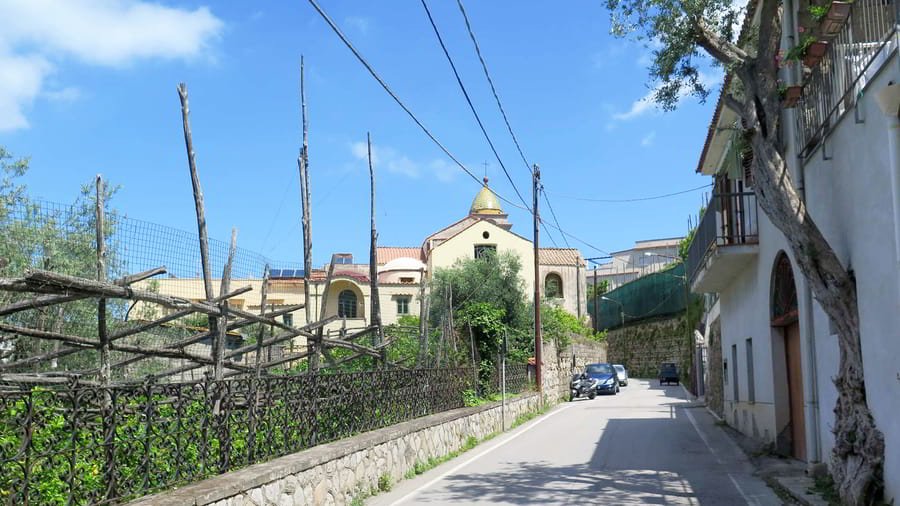
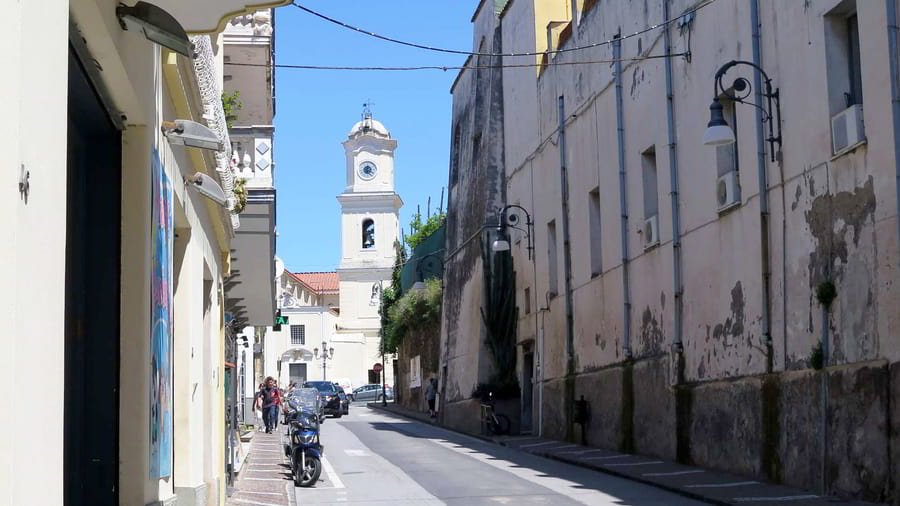
The Antica Cattedrale of Santa Maria delle Grazie in Massa Lubrense is one of the most important and evocative religious monuments of the Sorrento Peninsula. Set in the heart of the town, this church is a place where history, faith, and art come together to narrate centuries of devotion and local tradition. The building traces its origins back to the medieval period, when Massa Lubrense began to establish itself as a community of both strategic and spiritual significance. Dedicated to Santa Maria delle Grazie, the church quickly became the principal religious centre for the area, symbolizing the close connection between the town and its Christian heritage. The cathedral underwent several transformations over time, reflecting the artistic and architectural styles of different centuries. Its original medieval form was gradually reshaped during the Renaissance and Baroque periods, leaving behind a structure that is harmonious yet richly layered with history.
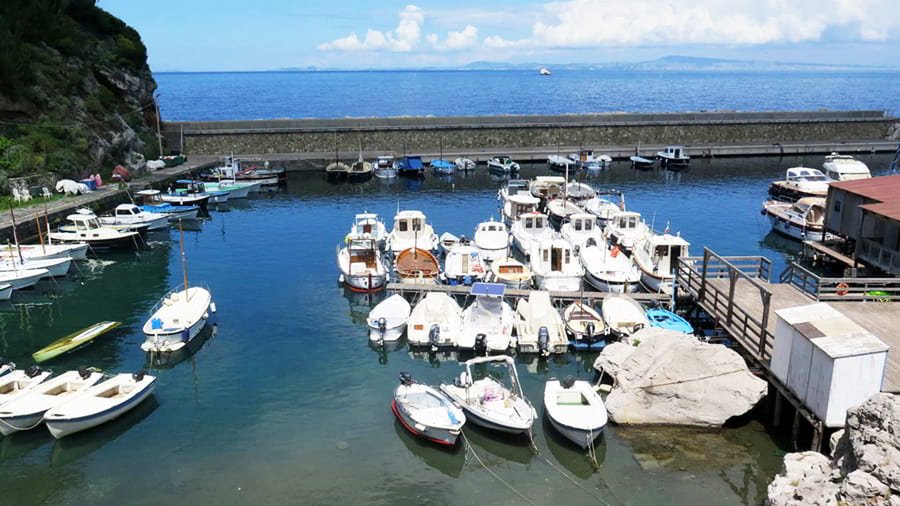
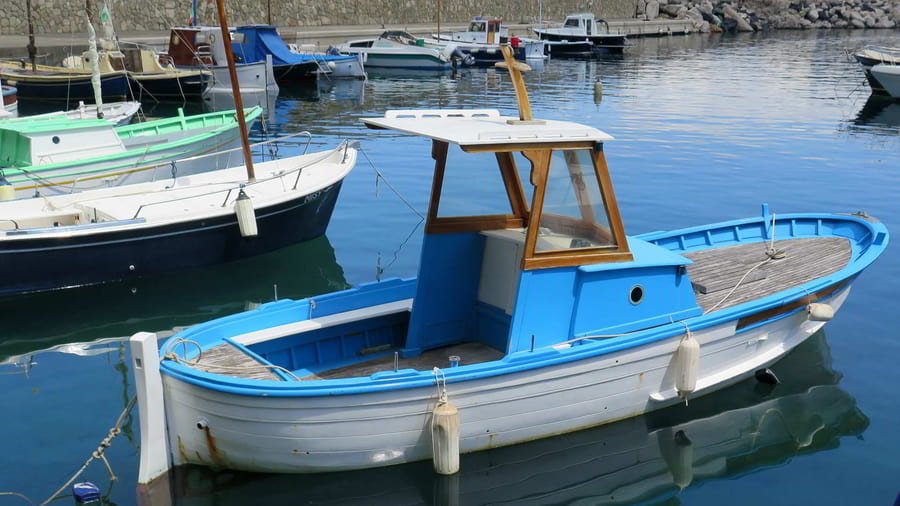
Marina Lobra, located along Via Cristoforo Colombo in Massa Lubrense, Italy, is a charming seaside hamlet that perfectly captures the authentic spirit of the Sorrentine Peninsula. Nestled between rugged cliffs and the crystal-clear waters of the Tyrrhenian Sea, this picturesque fishing village offers a tranquil retreat away from the bustle of nearby Sorrento. Its small harbour, lined with colourful boats and traditional houses, provides a beautiful setting for leisurely strolls and sunset views. Visitors can enjoy fresh seafood at family-run trattorias, take boat trips to Capri or the Amalfi Coast, or simply relax by the waterfront. With its combination of natural beauty, local charm, and historical character, Marina Lobra is an ideal destination for travellers seeking a peaceful, authentic Italian coastal experience surrounded by breath-taking landscapes and warm southern hospitality.
Photo Gallery of Walk – Via S. Michele to Loggia Amblingh
Approximately 1.23 km – 0.76 miles
The walk starts in Via S. Michele – Parco Villa Comunale, Viale Rimembranza – Viale Rimembranza – Piazza Guglielmo Marconi – Via Tre Segni – walk back to Piazza Guglielmo Marconi – Municipal Market Hall of Santa Chiara, Piazza Santa Chiara – Via Sportello – Via Tripoli – Via Santa Maria – Chiesa Santa Maria Maggiore, Via Santa Maria – Via Santa Maria – Piazza del Tomolo – Via Catena – Porta Catena, Loggia Amblingh

COPYRIGHT © 2018-2026 ITALY IN PHOTOS – ALL RIGHTS RESERVED