
HOME
REGIONS OF ITALY
PLACES IN ITALY
TRAVEL GUIDES
Italy in Photos
Via Alessandro Volta, 75100 Matera, Italy (July 2019)
Matera
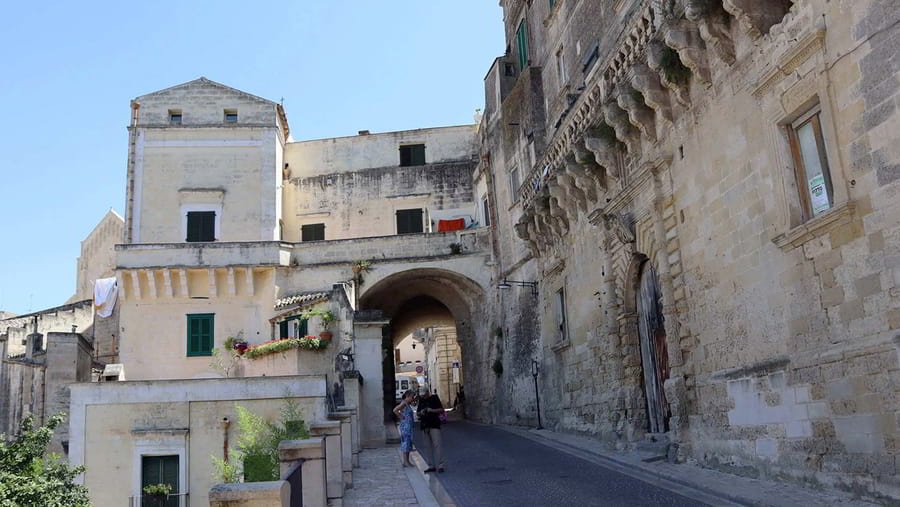
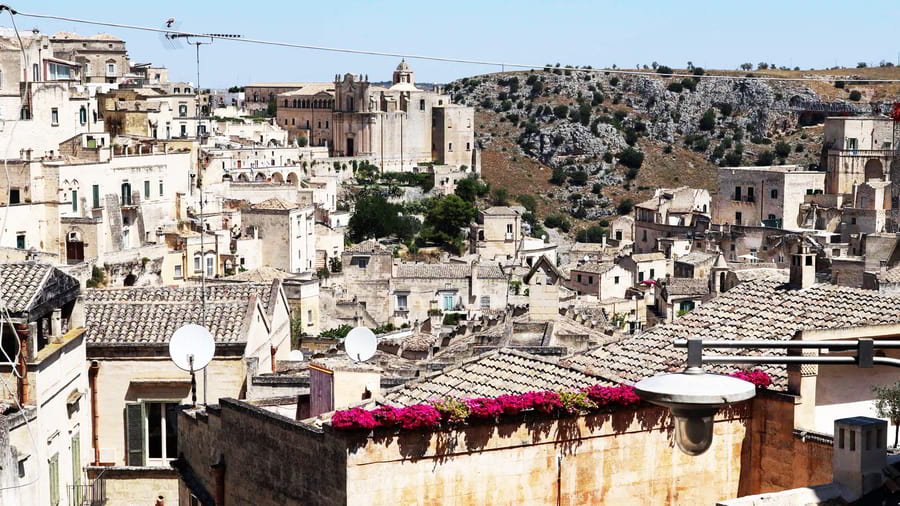
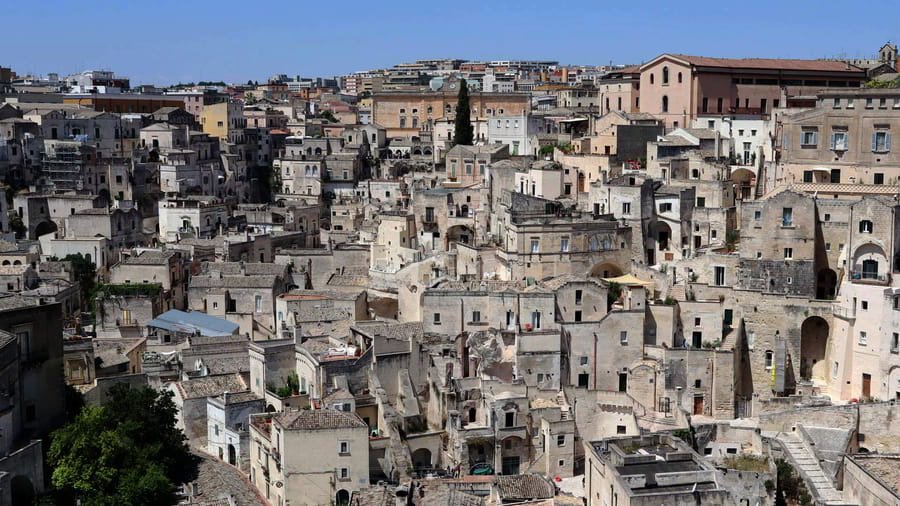
Matera is one of the most extraordinary cities in Italy, a place where history is not only preserved but carved directly into the landscape. Located in the Basilicata region of southern Italy, Matera is best known for the Sassi, ancient cave dwellings hewn into limestone cliffs that form one of the oldest continuously inhabited urban settlements in the world. The city’s appearance is striking and unlike any other, with stone houses, stairways, and churches seemingly emerging from the rock itself. This unique setting gives Matera a powerful sense of timelessness, as if past and present coexist within the same stone walls.
The origins of Matera date back thousands of years, with evidence of human settlement from the Paleolithic era. Over centuries, inhabitants adapted to the natural environment, carving homes, cisterns, and places of worship into the soft limestone known as tuff. These cave dwellings were ingeniously designed to collect rainwater and maintain stable indoor temperatures, demonstrating an advanced understanding of sustainability long before the concept became modern. The Sassi districts, Sasso Caveoso and Sasso Barisano, evolved into complex neighbourhoods, complete with streets, courtyards, and communal spaces, all layered vertically along the ravine of the Gravina river.
Despite its ancient roots, Matera’s history has not been without hardship. For much of the twentieth century, the Sassi were associated with extreme poverty and poor living conditions. In the 1950s, the Italian government relocated thousands of residents from the caves to modern housing, leaving the historic districts largely abandoned. What was once seen as a symbol of deprivation later came to be recognized as a cultural and architectural treasure. This shift in perception marked a turning point for Matera, setting the stage for its restoration and renewed identity.
Today, Matera stands as a remarkable example of urban regeneration. Careful conservation efforts have transformed many of the cave dwellings into homes, hotels, restaurants, and cultural spaces, while preserving their original character. Walking through the Sassi now reveals a delicate balance between ancient structure and contemporary life. Soft lighting highlights stone façades at night, creating a dramatic and almost surreal atmosphere that has captivated visitors from around the world.
Religion has played a central role in shaping Matera’s cultural landscape. The city is home to numerous rock churches carved directly into the stone, many of which are adorned with frescoes dating from the Middle Ages. These churches reflect the influence of Byzantine and later Western Christian traditions, illustrating Matera’s position at the crossroads of different cultures. The Cathedral of Matera, perched on the highest point between the two Sassi districts, offers sweeping views and stands as a powerful symbol of the city’s spiritual and historical continuity.
Matera’s distinctive appearance has made it a sought-after location for filmmakers and artists. Its ancient streets and raw stone architecture have served as backdrops for films set in biblical or historical contexts, further enhancing its international profile. Yet beyond its cinematic appeal, Matera remains a living city, with neighbourhoods beyond the Sassi that reflect modern southern Italian life. Markets, cafés, and family-run shops contribute to a sense of everyday normalcy that contrasts with the dramatic scenery of the historic centre.
Local traditions and cuisine provide another layer of Matera’s identity. The food of the region is rooted in rural simplicity, emphasizing grains, legumes, vegetables, and locally produced olive oil. Pane di Matera, a distinctive bread made from durum wheat and baked in wood-fired ovens, is both a culinary staple and a symbol of community heritage. Meals are often linked to seasonal cycles and religious celebrations, reinforcing the strong connection between culture, land, and daily life.
Matera’s cultural importance has been recognized on a global scale. The Sassi and the Park of the Rupestrian Churches were designated a UNESCO World Heritage Site, acknowledging their exceptional historical and architectural value. More recently, Matera gained further recognition as a European Capital of Culture, a title that highlighted its transformation and creative vitality.
Matera is a city that challenges conventional ideas of progress and modernity. Its story is one of resilience, adaptation, and rediscovery, where ancient ways of living inspire contemporary approaches to sustainability and community. For visitors, Matera offers not just a journey through history, but an encounter with a place that feels profoundly human, shaped by stone, memory, and enduring cultural spirit.
Worth a Visit
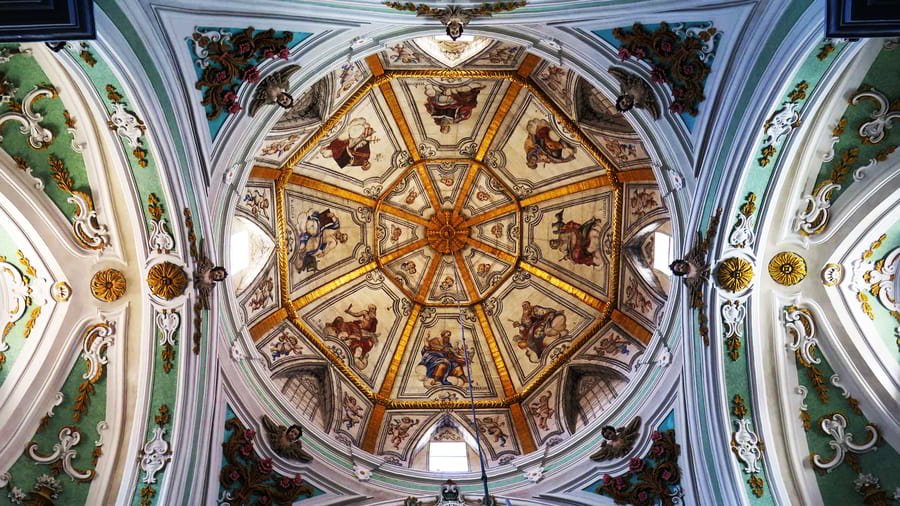
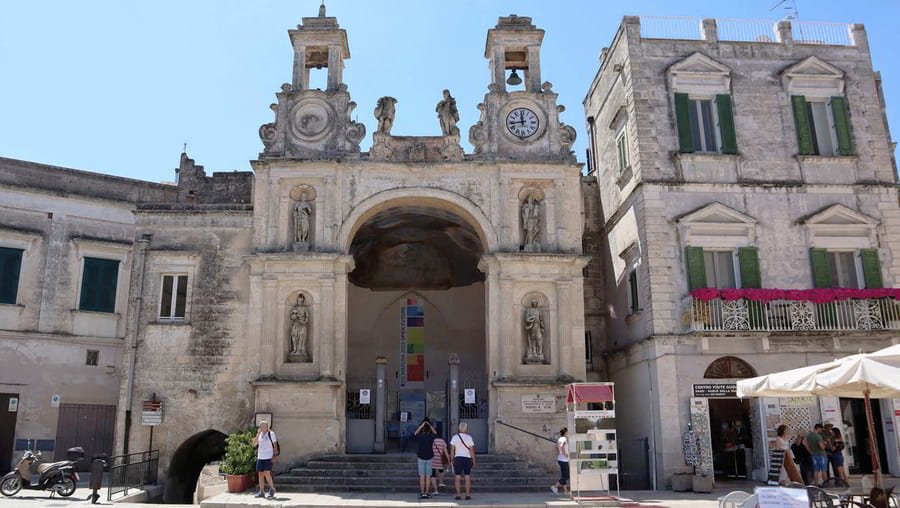
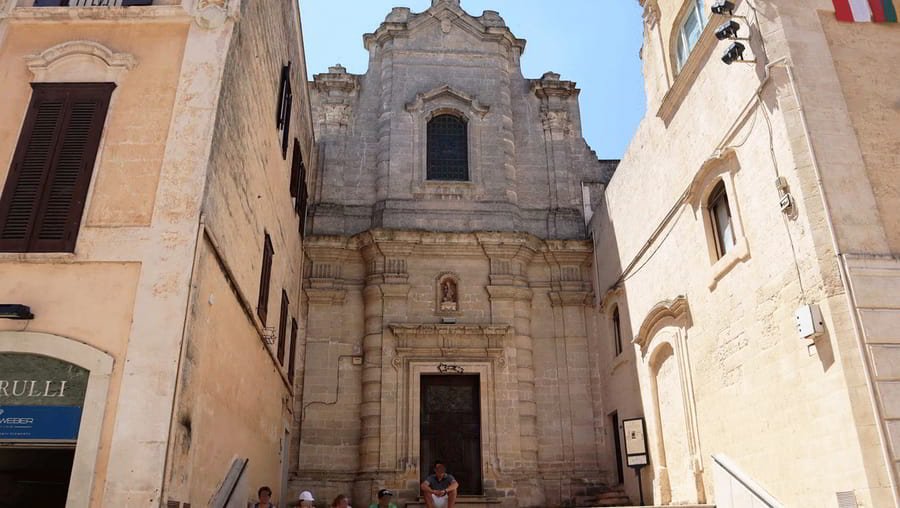
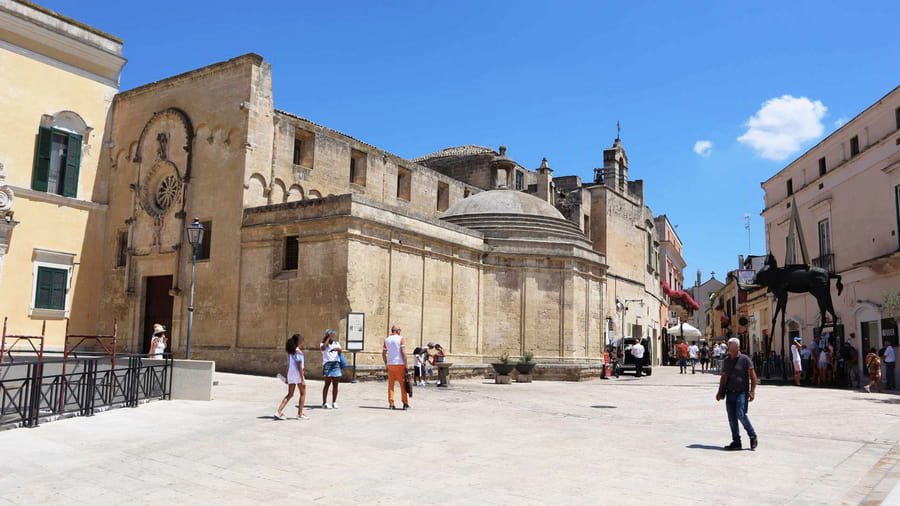
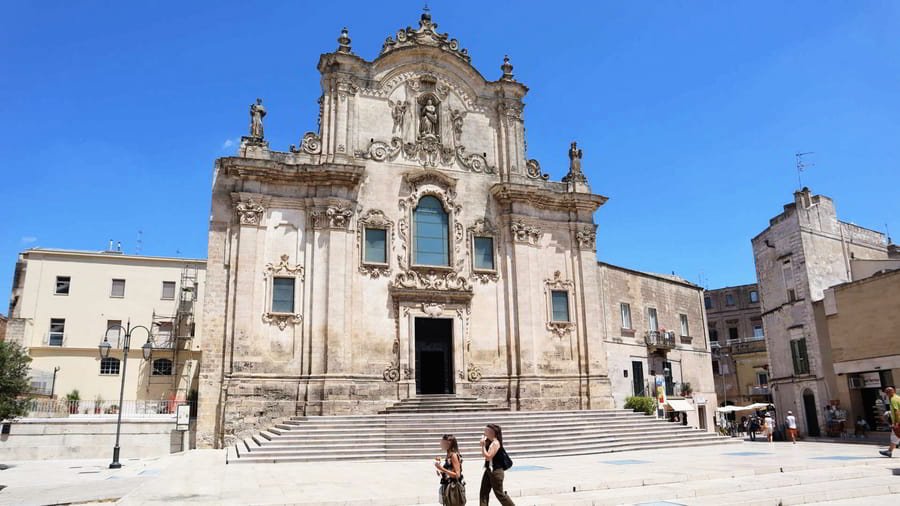
The Chiesa del Purgatorio, located on Via Domenico Ridola in Matera, is a compelling example of the city’s rich religious and architectural history. This church, dedicated to the Souls in Purgatory, stands out for its distinctive baroque style, which contrasts sharply with the predominantly Romanesque and Byzantine architecture of Matera’s cave churches. Constructed in the 18th century, the Chiesa del Purgatorio features a striking facade adorned with intricate stone carvings and elaborate decorations. The façade is characterized by its ornate details, including decorative columns, statues, and a grand entrance that reflects the opulence of the Baroque period. The building’s design emphasizes verticality and drama, typical of the Baroque style, and serves as a visual centrepiece in its urban context. Inside, the church is equally impressive, with a richly decorated interior that includes ornate altars and an elaborate ceiling. The interior’s decorative elements, including frescoes and stucco work, contribute to the church’s serene and contemplative atmosphere.
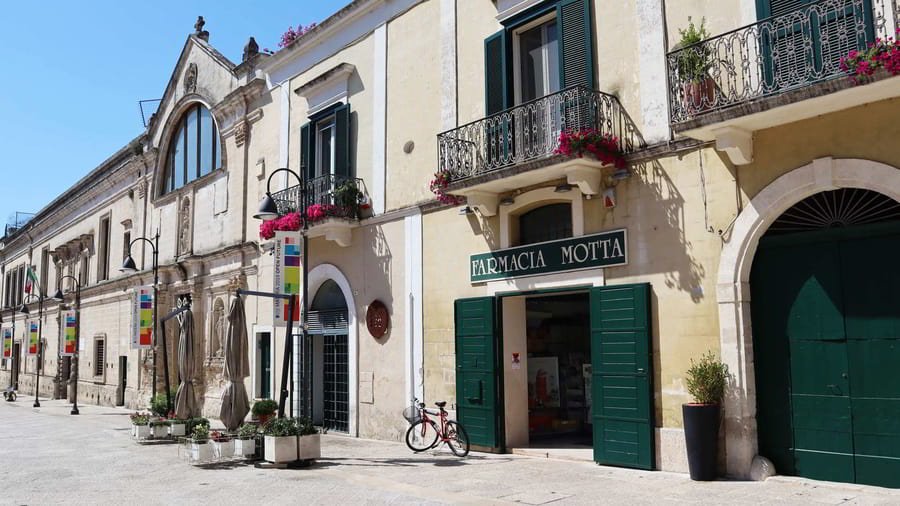
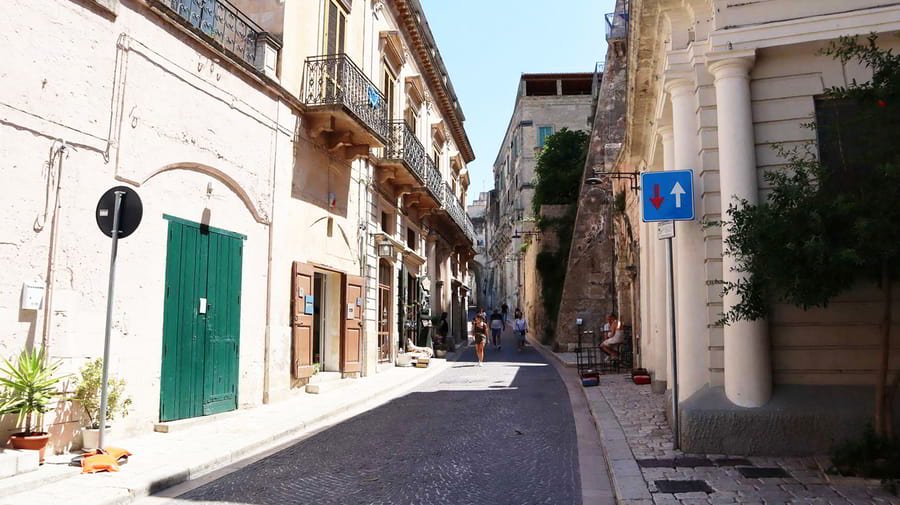
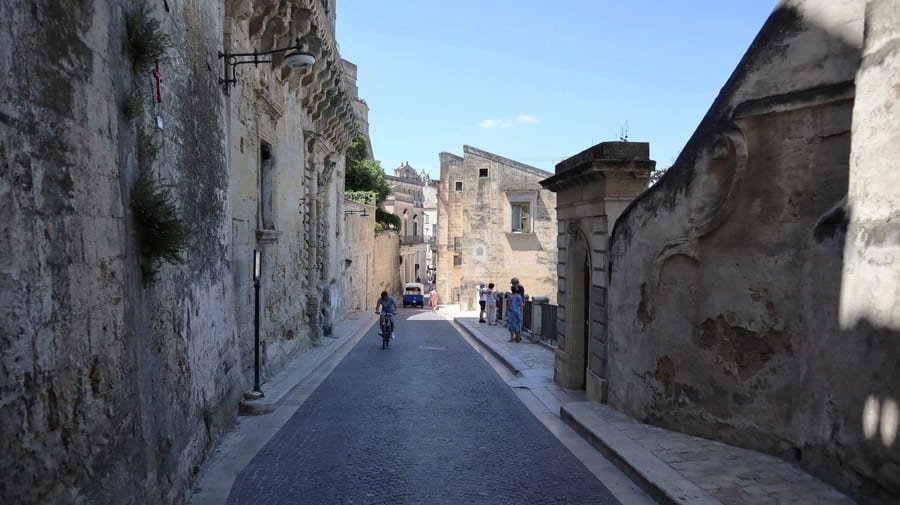
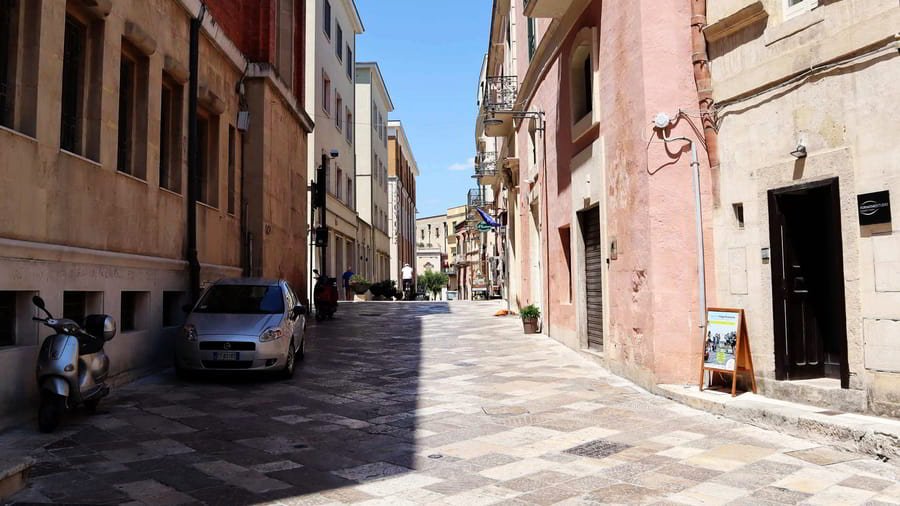
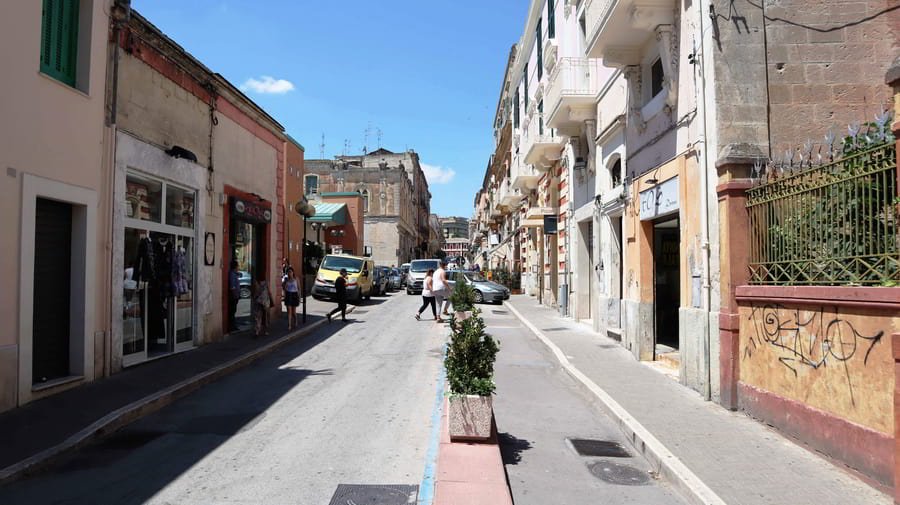
Via Domenico Ridola is a prominent street in Matera, renowned for its blend of historical charm and contemporary vibrancy. Named after the distinguished Italian physician and historian Domenico Ridola, the street embodies the character and evolution of Matera, one of Italy’s most ancient cities. Located in the heart of Matera, Via Domenico Ridola offers a fascinating glimpse into the city’s architectural and cultural heritage. The street is lined with a mix of traditional stone buildings and modern establishments, reflecting the city’s ongoing adaptation while preserving its historical roots. It serves as a vital artery in Matera, connecting key areas and offering access to various significant sites.
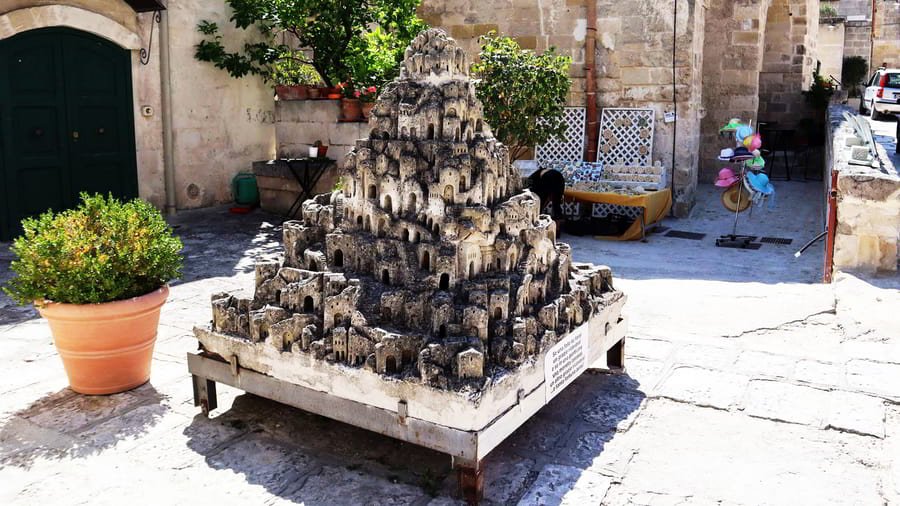
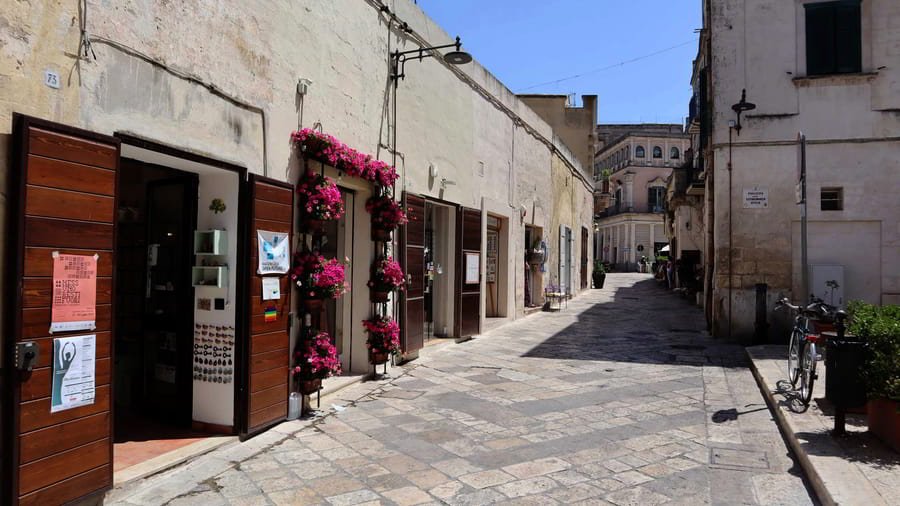
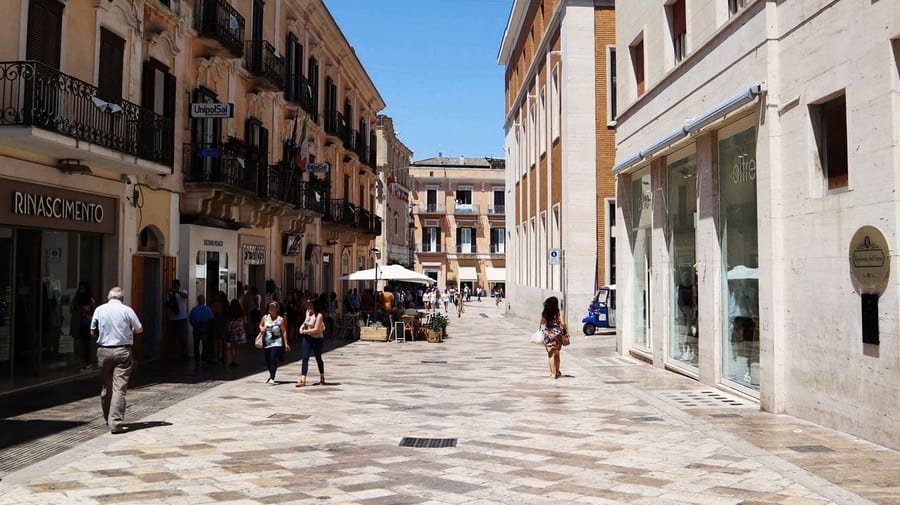
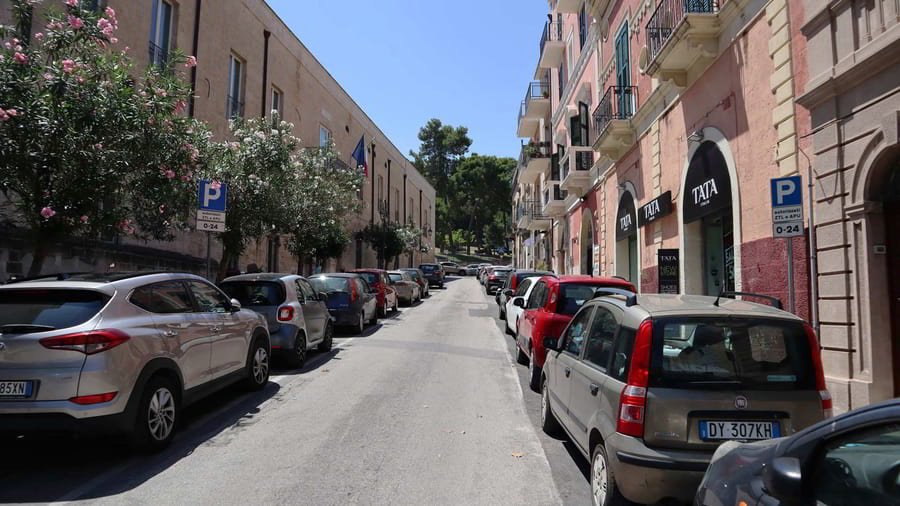
Via Bruno Buozzi is a notable street in Matera, Italy, named in honour of the Italian trade unionist and political leader Bruno Buozzi. This thoroughfare exemplifies the blend of historical and modern elements that characterize Matera, a city renowned for its ancient cave dwellings and rich cultural heritage. Located in a central area of Matera, Via Bruno Buozzi is a vibrant part of the cityscape. The street is lined with a diverse array of buildings, from traditional stone structures to more contemporary developments. This mix reflects Matera’s ongoing evolution while maintaining its historical charm. The street serves as a hub for both commercial and residential activities, providing access to various shops, cafes, and services that cater to the needs of locals and visitors alike.
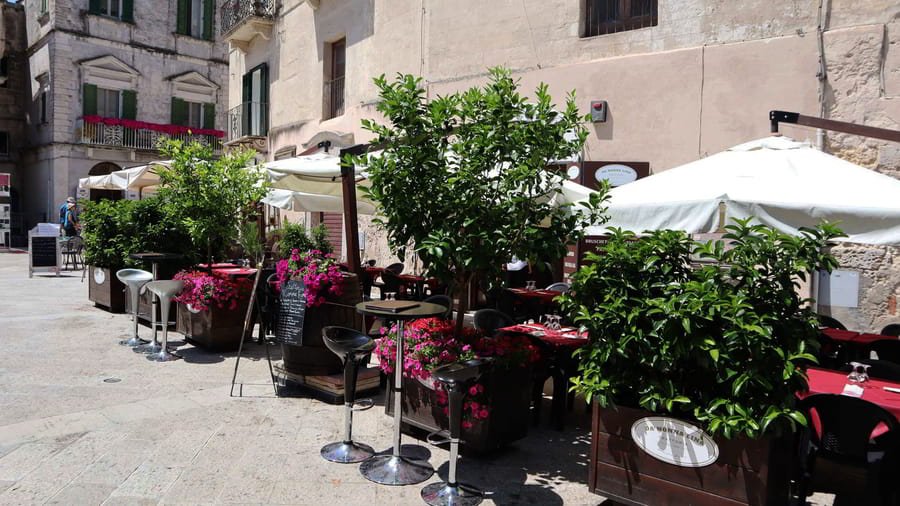
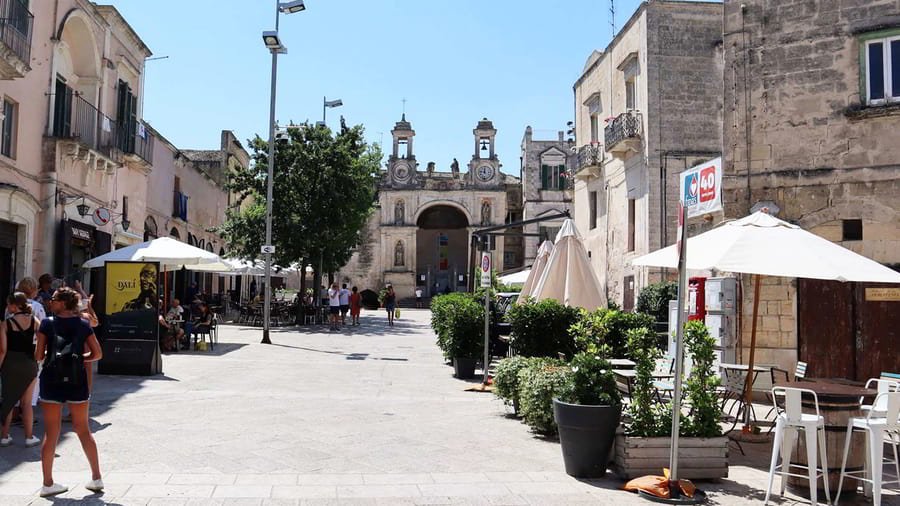
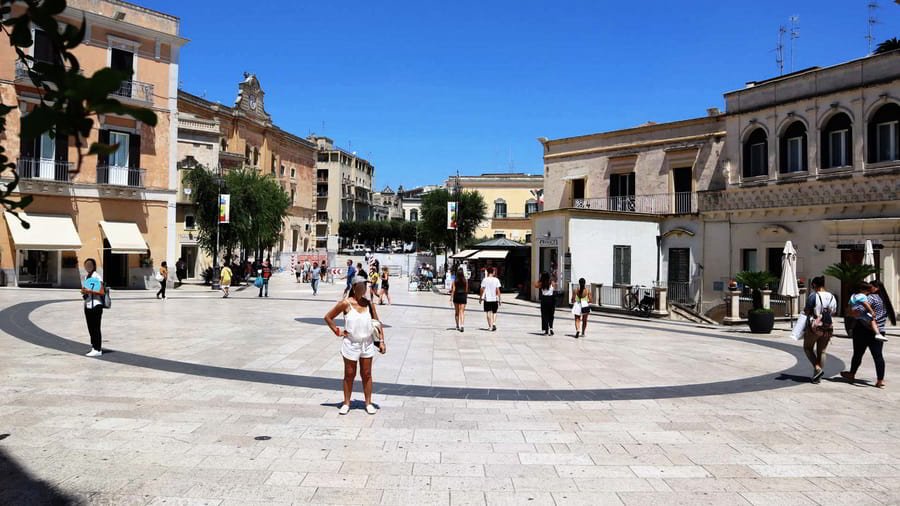
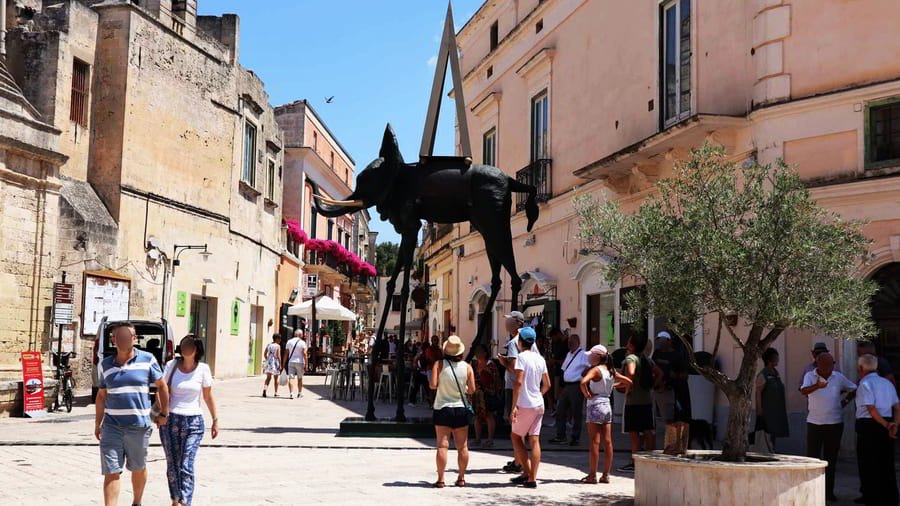
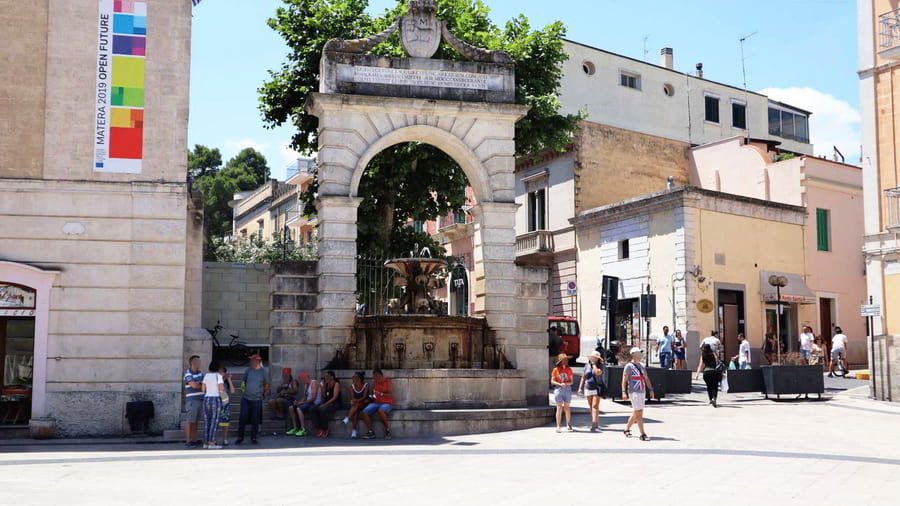
Piazza del Sedile is a charming and historically significant square located in the heart of Matera, Italy. Known for its picturesque setting and cultural importance, the piazza is a key gathering place in this ancient city. The square’s name, “Sedile,” refers to the historical seat or council chamber that was once situated here, highlighting its role as a centre of civic activity. The architecture surrounding Piazza del Sedile reflects the rich history of Matera. Notably, the square is flanked by elegant, historic buildings, including the 16th-century Palazzo del Sedile. This palazzo was historically used as the seat of the local government and is distinguished by its beautiful stone façade and traditional design. The piazza’s layout is a testament to the city’s medieval past, with narrow alleys leading off into the labyrinthine streets of Matera. Today, Piazza del Sedile serves as a vibrant space where locals and visitors can enjoy the lively atmosphere of the city.
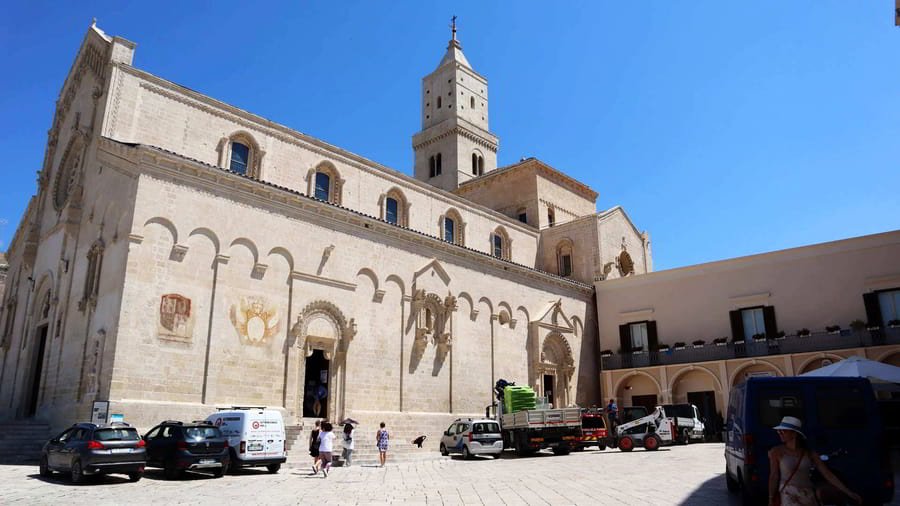
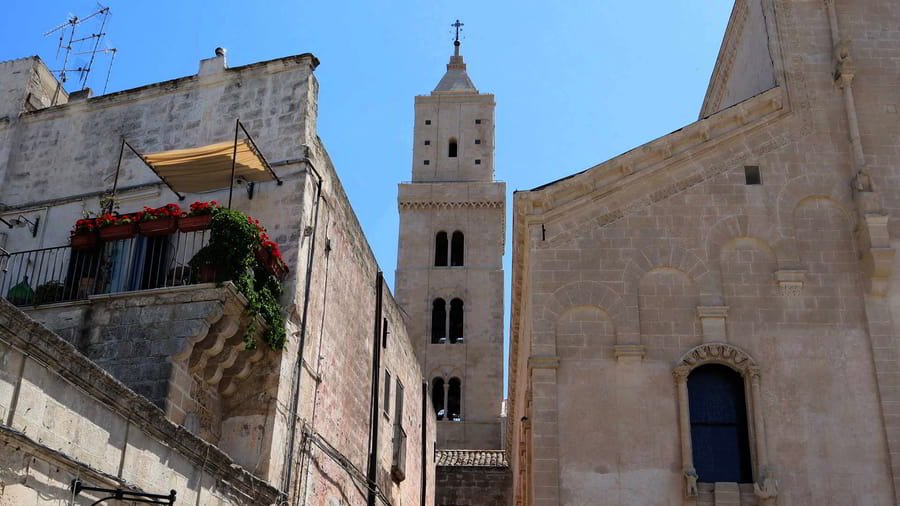
Piazza Duomo is one of the most prominent and picturesque squares in Matera, Italy, offering a captivating glimpse into the city’s rich architectural and cultural heritage. The square is centrally located and serves as a focal point of Matera’s historic centre, surrounded by stunning examples of medieval and Renaissance architecture. Dominating the piazza is the impressive Cathedral of Matera (Duomo di Matera), a majestic Romanesque church dedicated to the Madonna della Bruna and St. Eustace. The cathedral, built in the 13th century, features a striking façade with intricate carvings and a grand portal. Its bell tower, visible from various parts of the city, adds to the square’s grandeur and serves as a landmark for visitors.
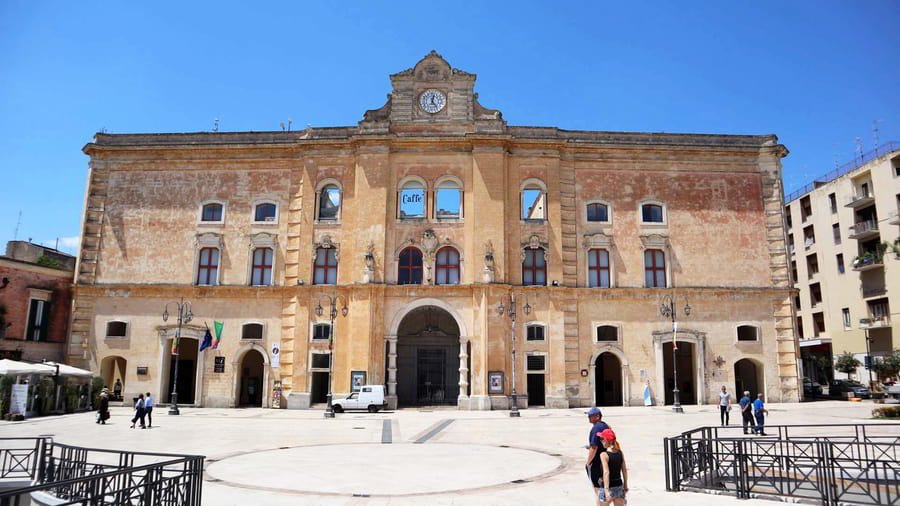
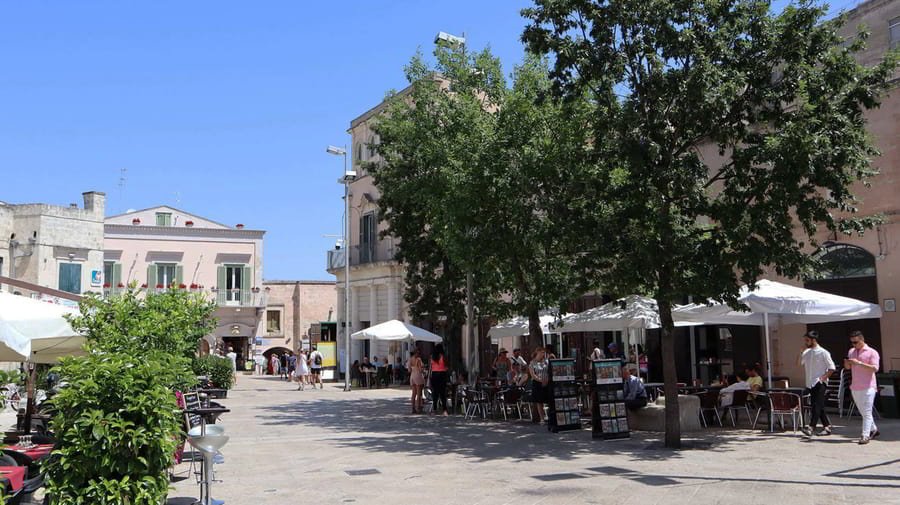
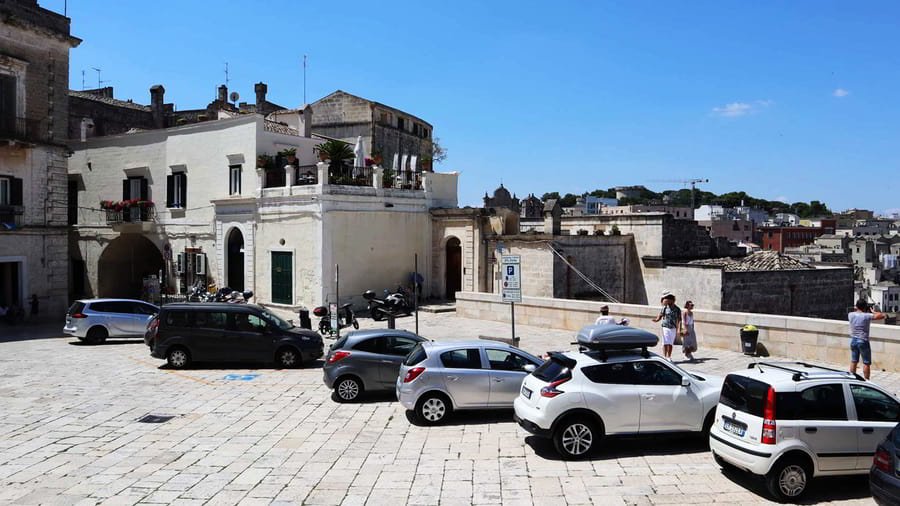
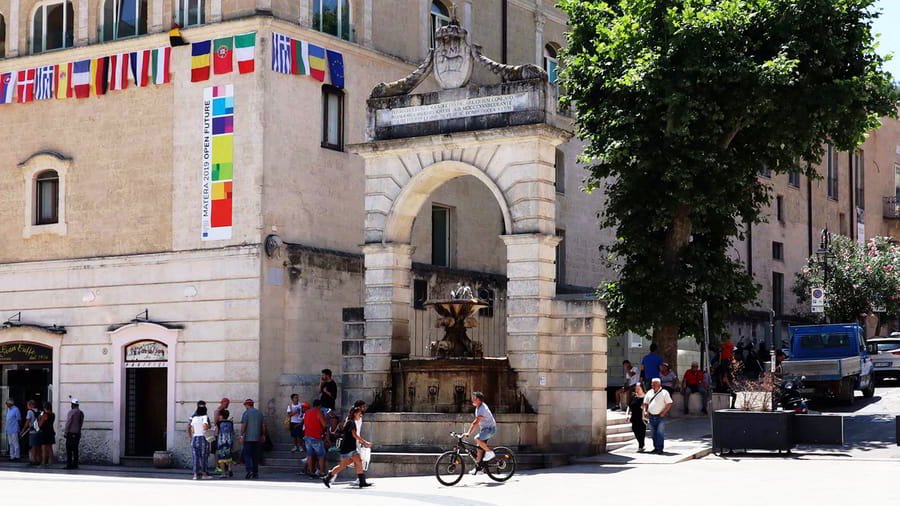
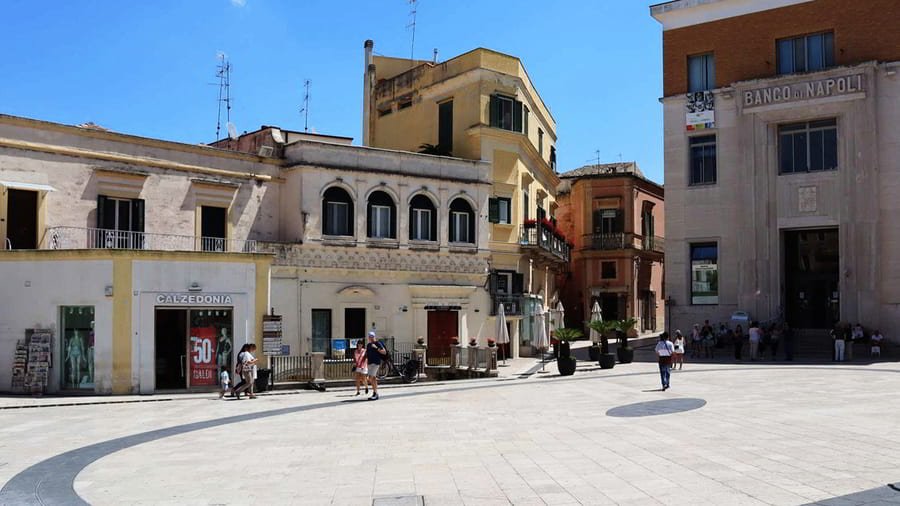
Piazza Vittorio Veneto is a prominent square in Matera, Italy, known for its vibrant atmosphere and significant urban role. Located in the heart of the city, this square serves as a central gathering place for both locals and visitors. The piazza is a key hub of social and commercial activity, offering a lively setting with a range of shops, cafés, and restaurants that cater to diverse tastes. The square’s layout is characterized by its spaciousness and accessibility, making it a popular spot for leisurely strolls and social interactions. The surrounding architecture includes a mix of modern and historic buildings, reflecting Matera’s blend of old and new. Piazza Vittorio Veneto is also notable for its greenery, with well-maintained flower beds and trees adding to the square’s charm and providing a pleasant environment for relaxation
Photo Gallery of Walk 1 – Via S. Michele to Loggia Amblingh
Approximately 1.23 km – 0.76 miles
The walk starts in Via S. Michele – Parco Villa Comunale, Viale Rimembranza – Viale Rimembranza – Piazza Guglielmo Marconi – Via Tre Segni – walk back to Piazza Guglielmo Marconi – Municipal Market Hall of Santa Chiara, Piazza Santa Chiara – Via Sportello – Via Tripoli – Via Santa Maria – Chiesa Santa Maria Maggiore, Via Santa Maria – Via Santa Maria – Piazza del Tomolo – Via Catena – Porta Catena, Loggia Amblingh
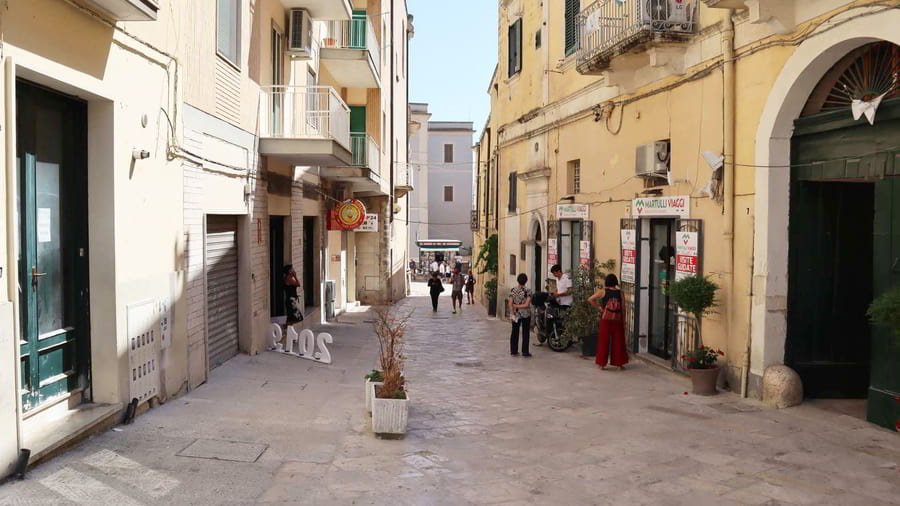
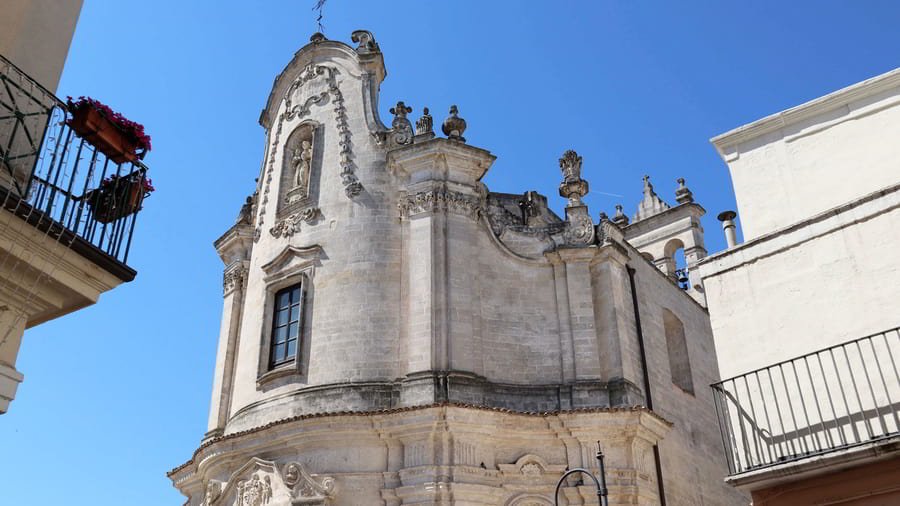
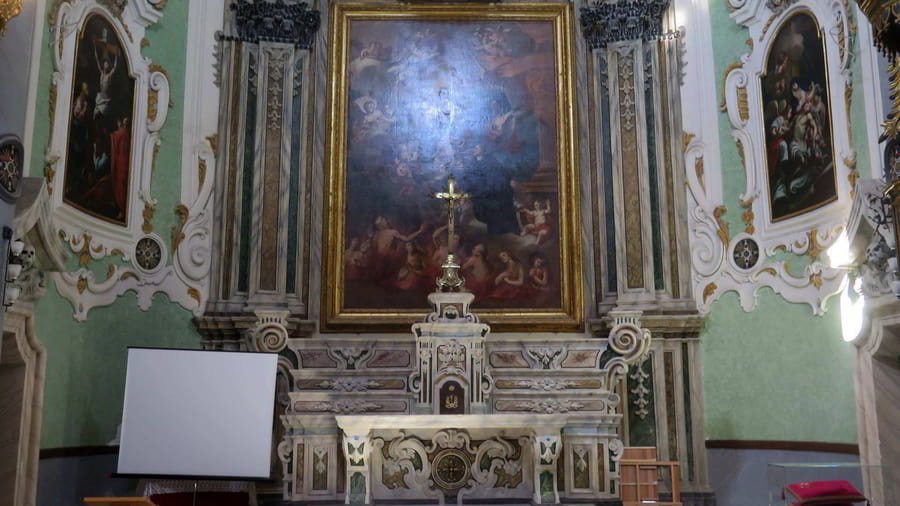
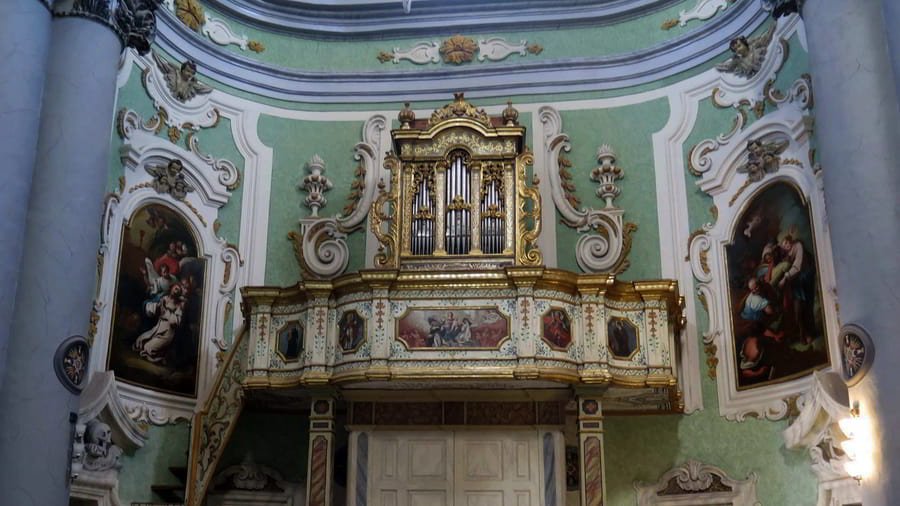
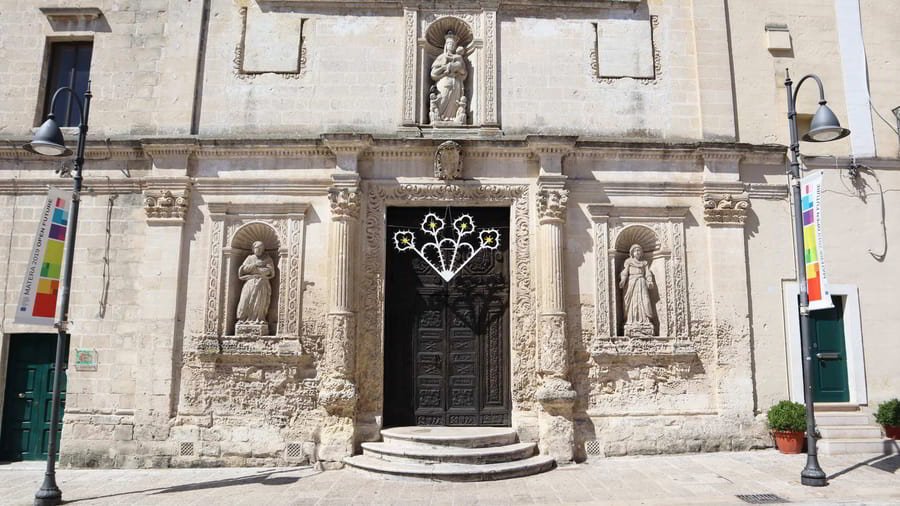
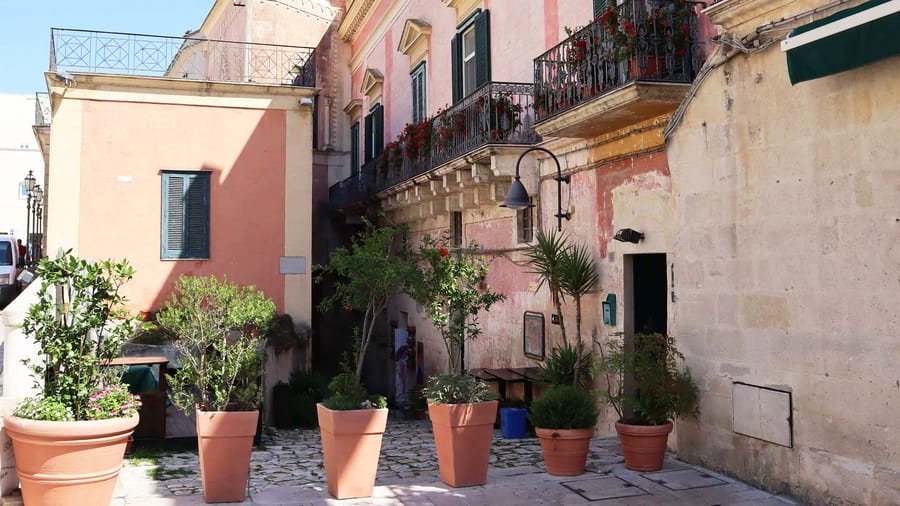
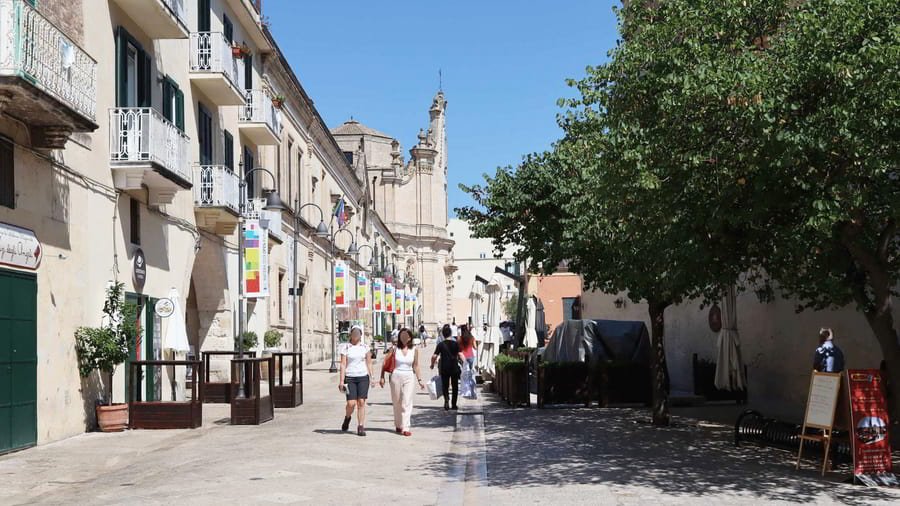
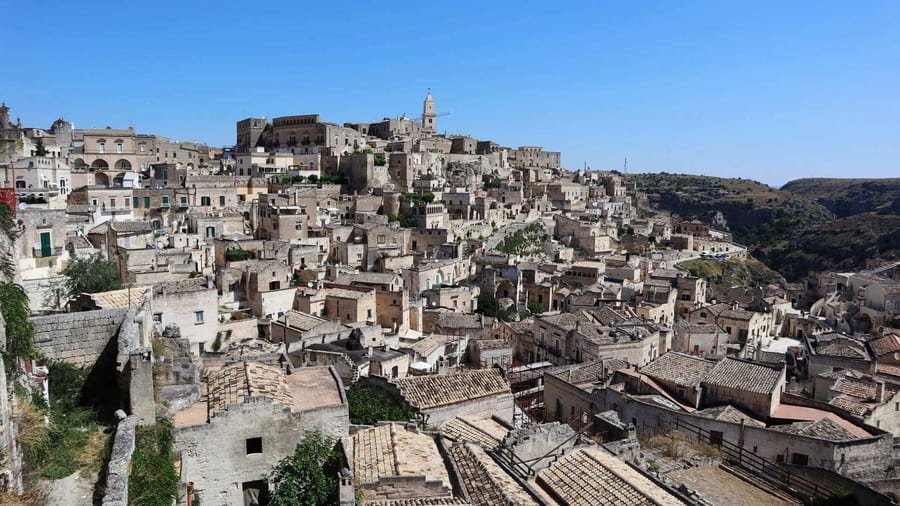
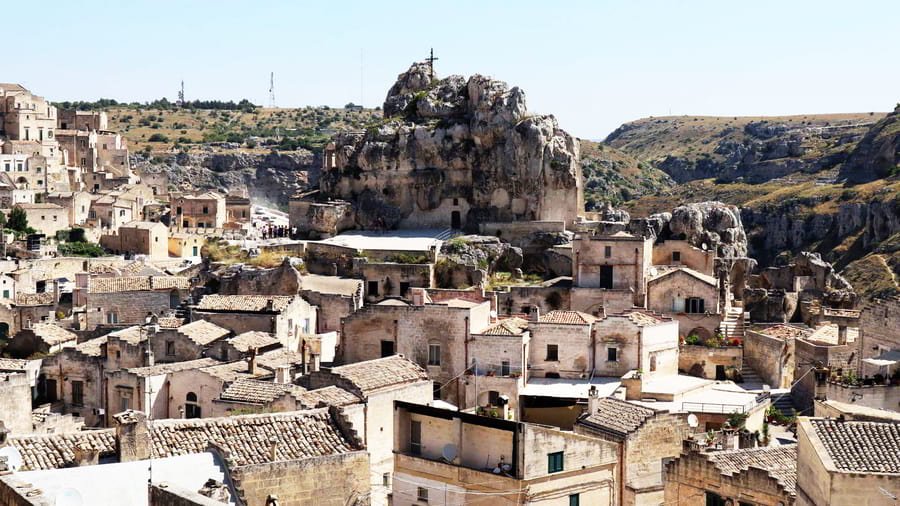
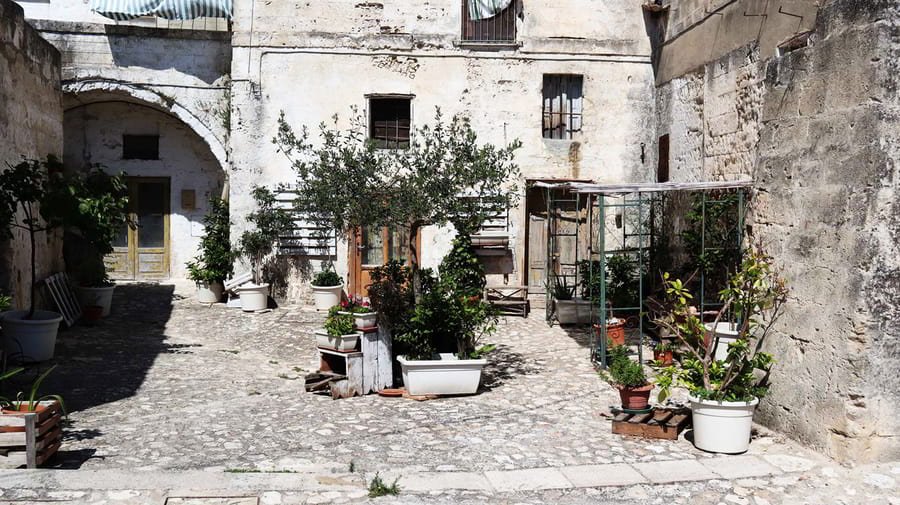
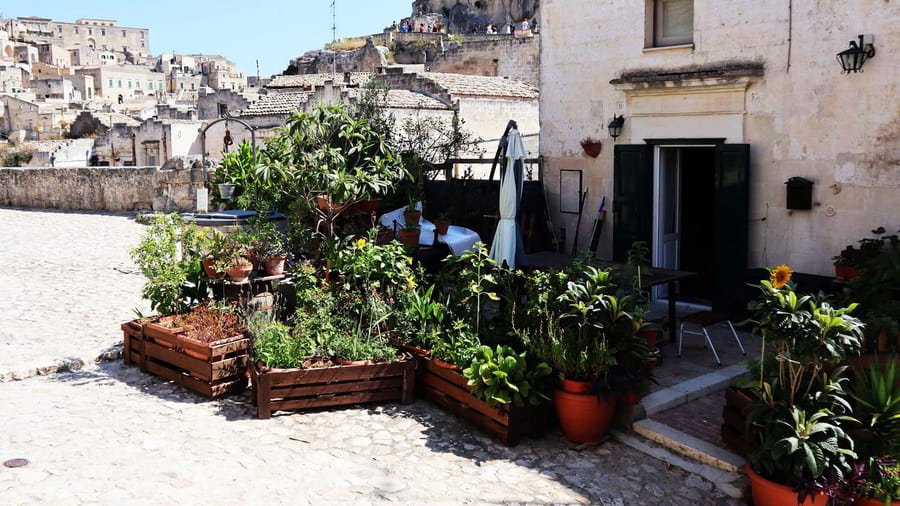
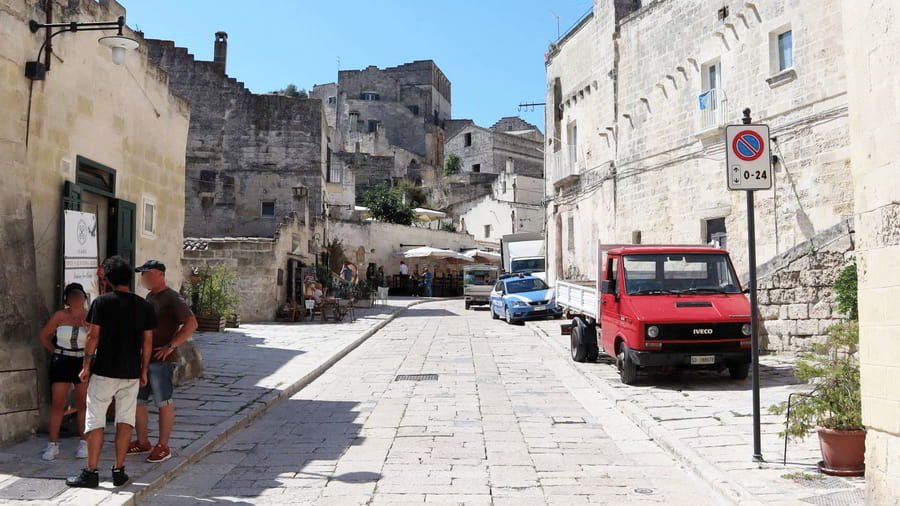
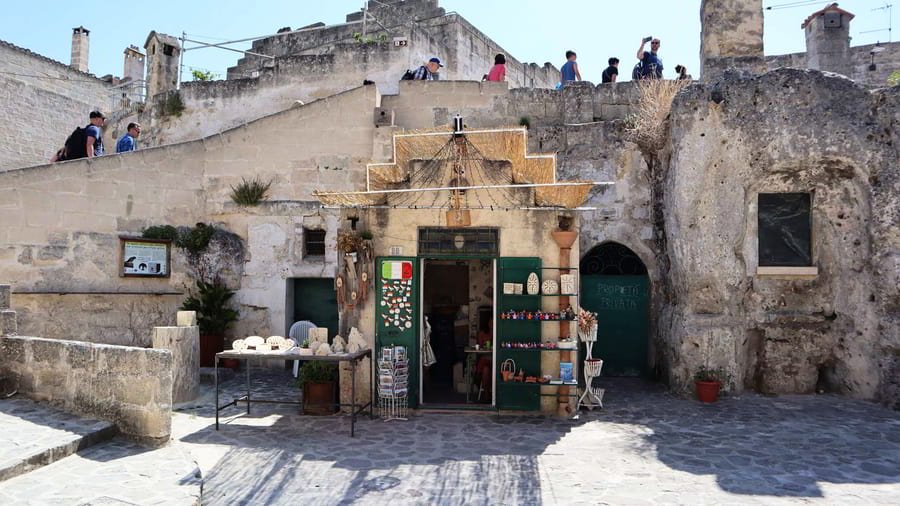
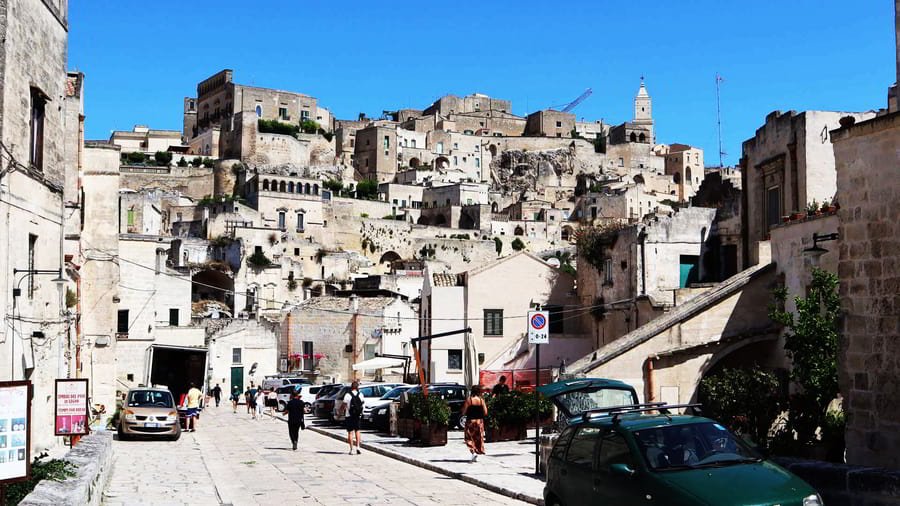
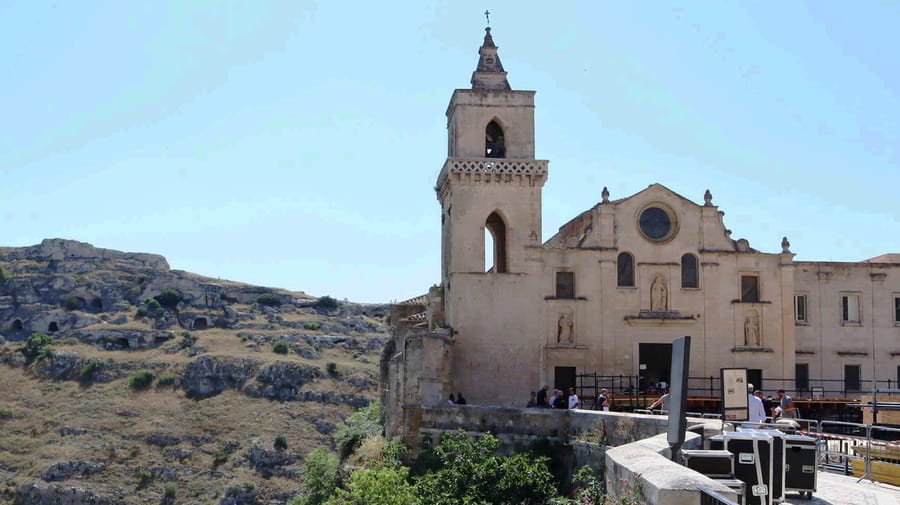
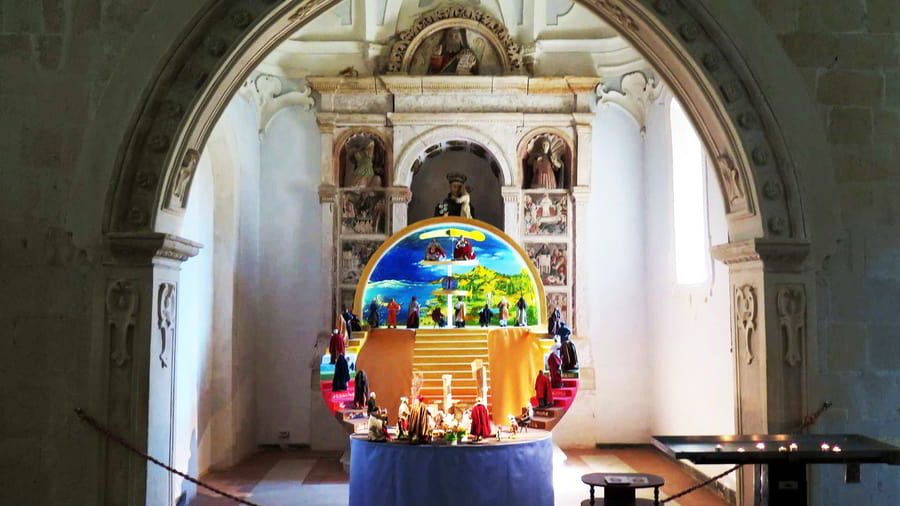
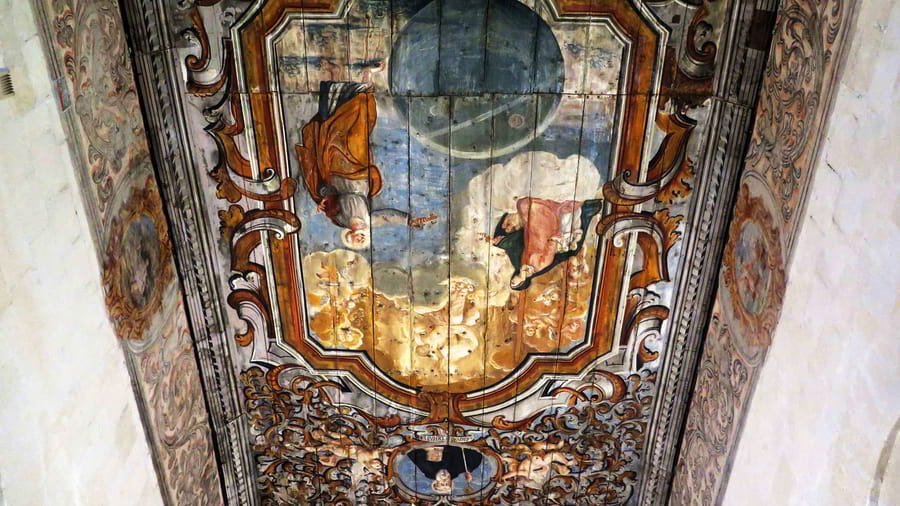
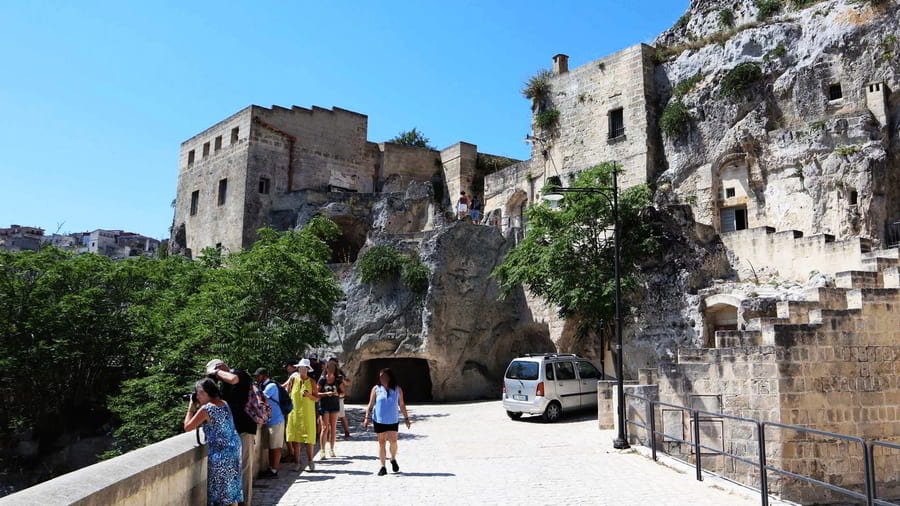
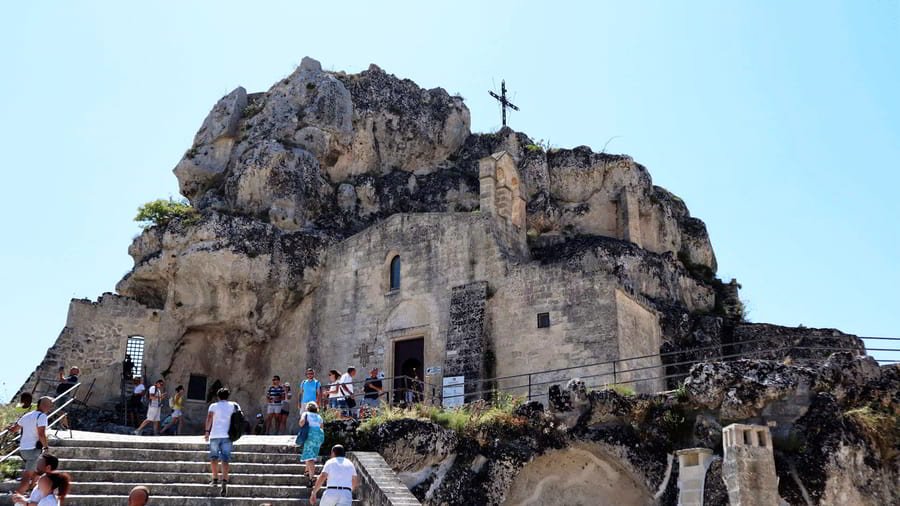
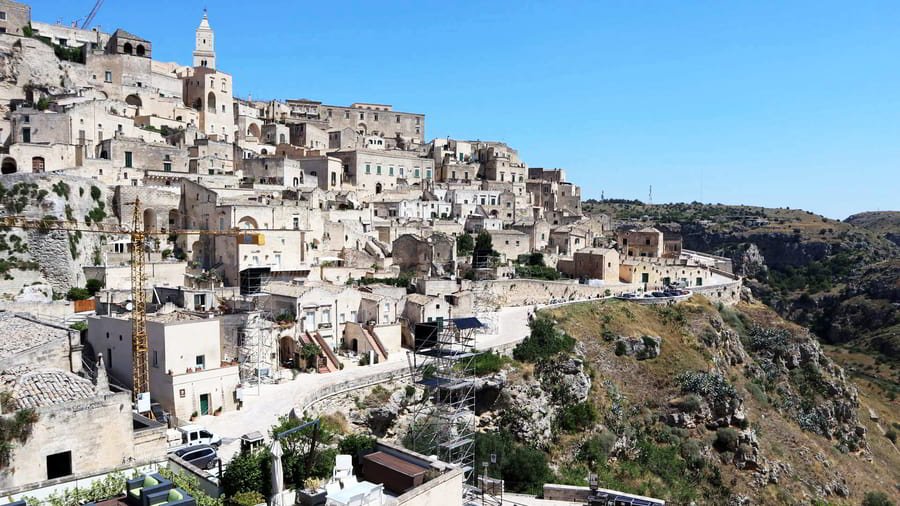
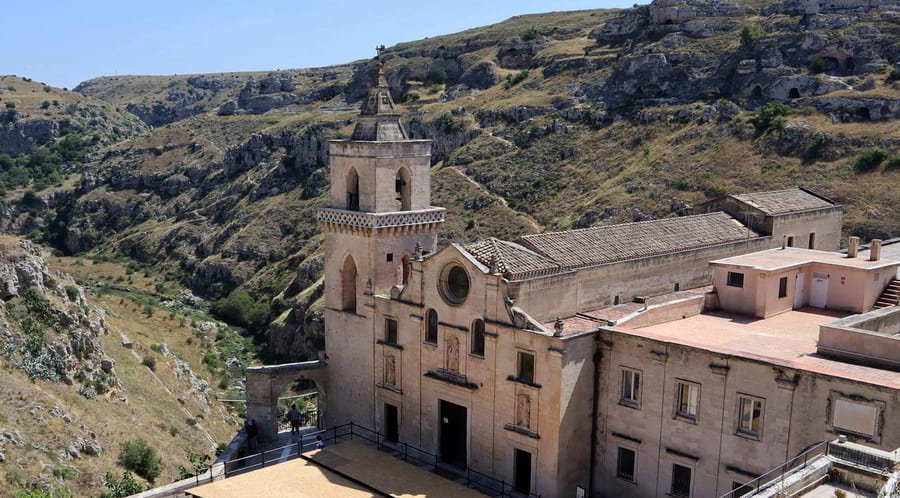
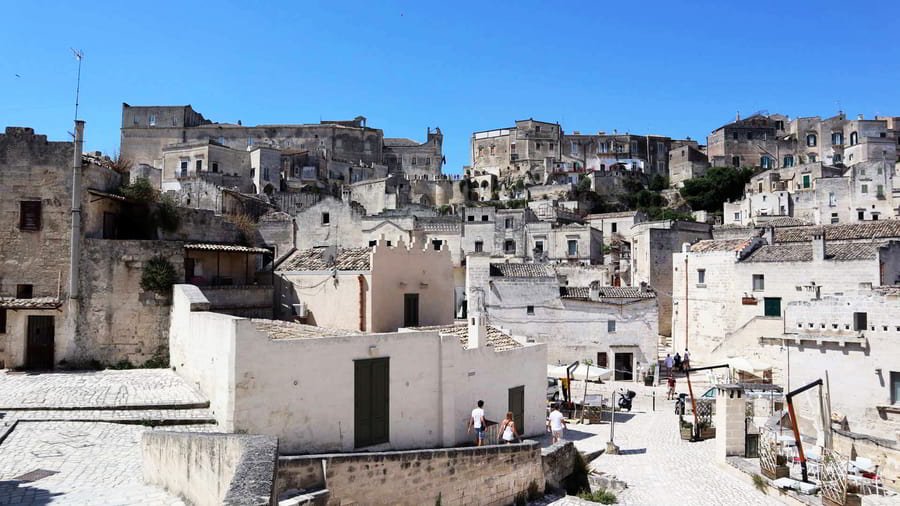
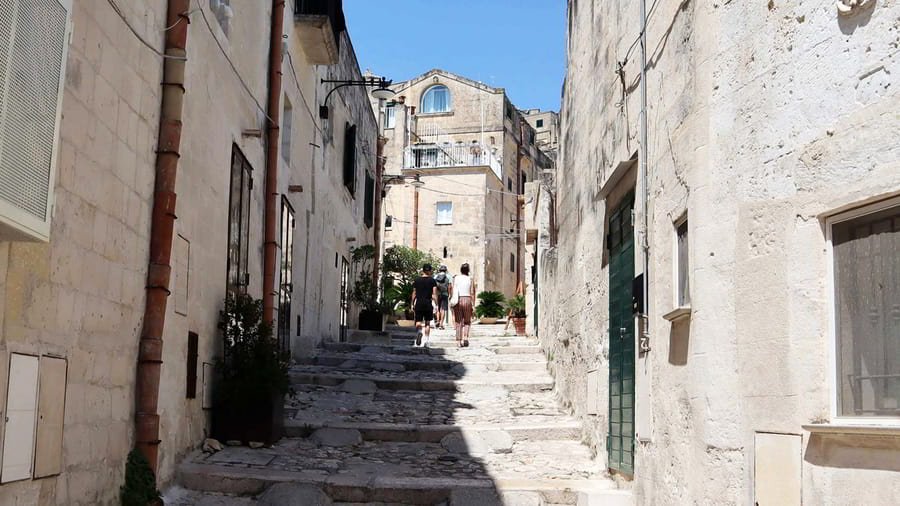
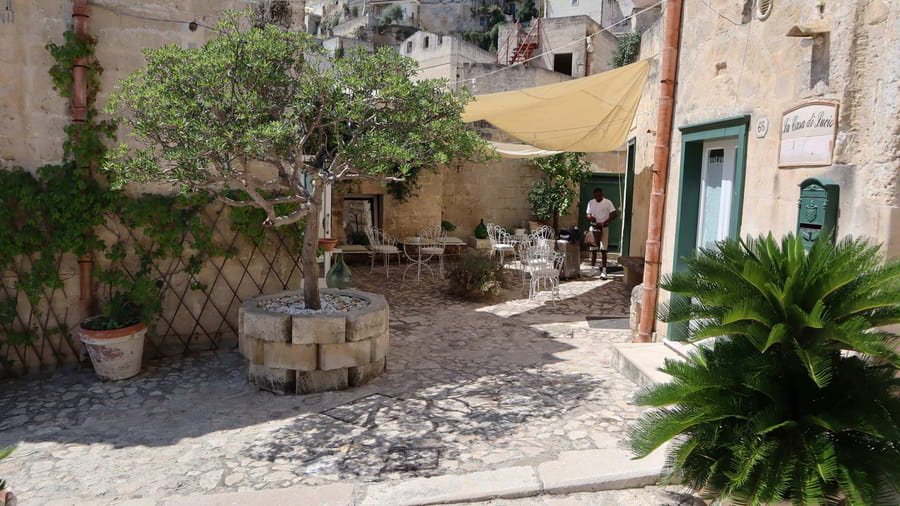
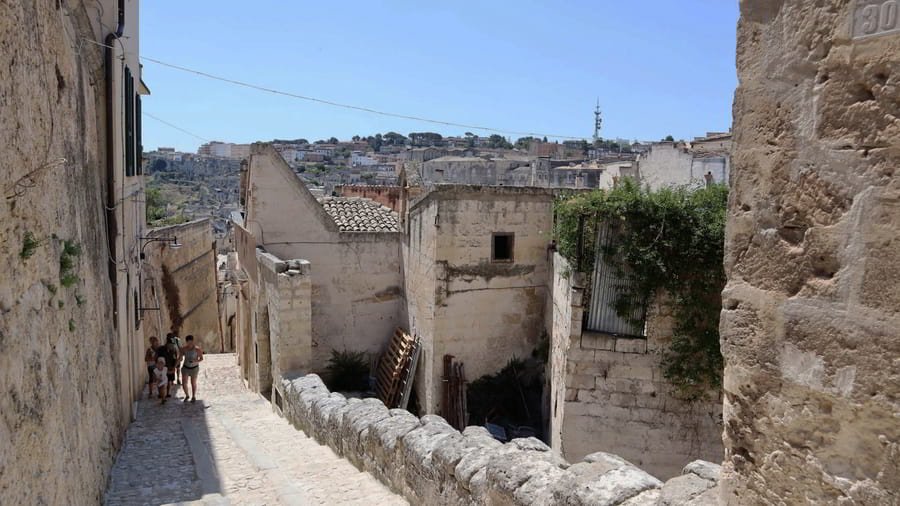
Photo Gallery of Walk 2 – Piazza del Tomolo to Via Adriatica
Approximately 0.60 km – 0.37 miles
The walk starts in Piazza del Tomolo – Via Santa Maria – Via Giosia – Piazza L. V. Pudente – Cattedrale di San Giuseppe, Piazza L. V. Pudente – Piazza L. V. Pudente – Via Vescovado – Piazza L. V. Pudente – Piazza del Popolo – Via Adriatica
COPYRIGHT © 2018-2026 ITALY IN PHOTOS – ALL RIGHTS RESERVED