
HOME
REGIONS OF ITALY
PLACES IN ITALY
TRAVEL GUIDES
Italy in Photos
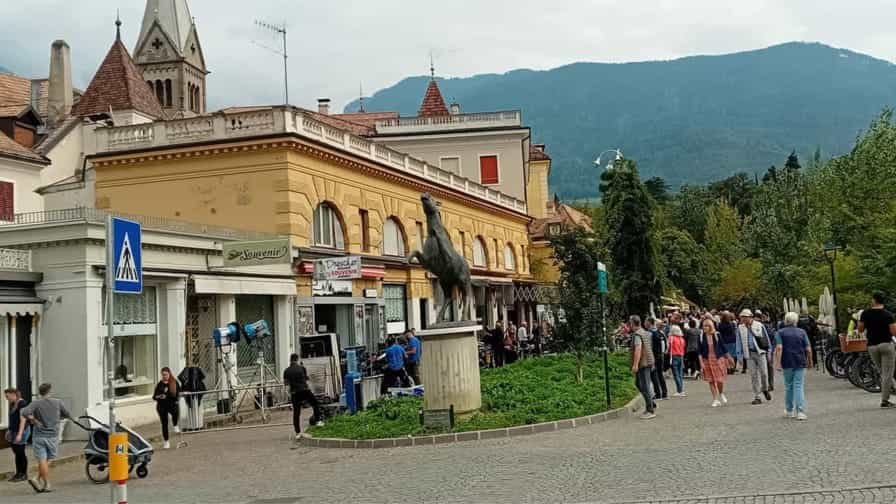
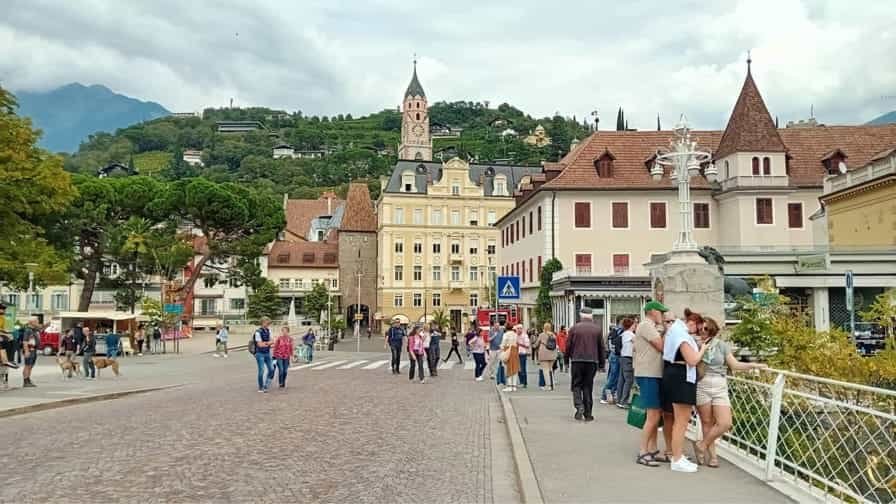
Via Roma, 39012 Merano BZ, Italy (September 2024)
Merano
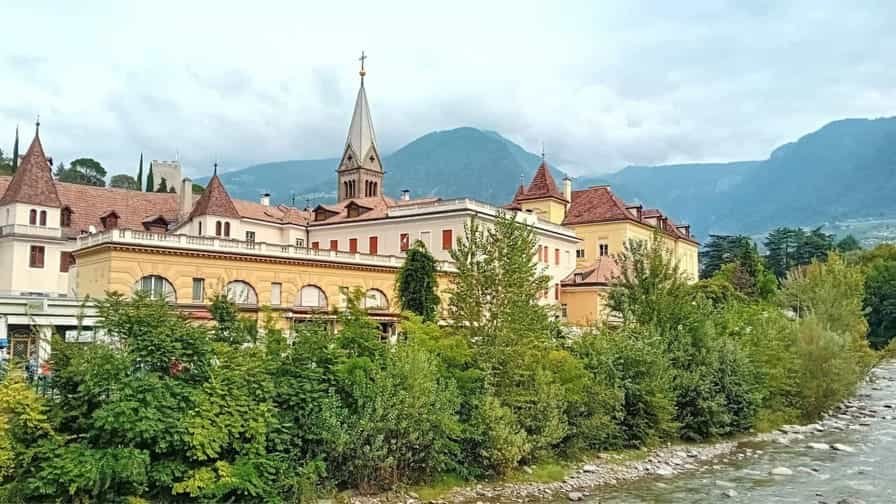
Merano is internationally renowned as a spa town, a reputation that emerged in the nineteenth century. During this period, its clean air, sunny climate, and thermal waters attracted aristocrats, artists, and intellectuals from across Europe. Grand hotels, promenades, and public parks were developed to accommodate this influx of visitors, giving the town a refined and cosmopolitan character. The Kurhaus, an elegant Belle Époque building near the Passer River, stands as a symbol of this era and continues to host concerts, exhibitions, and cultural events.
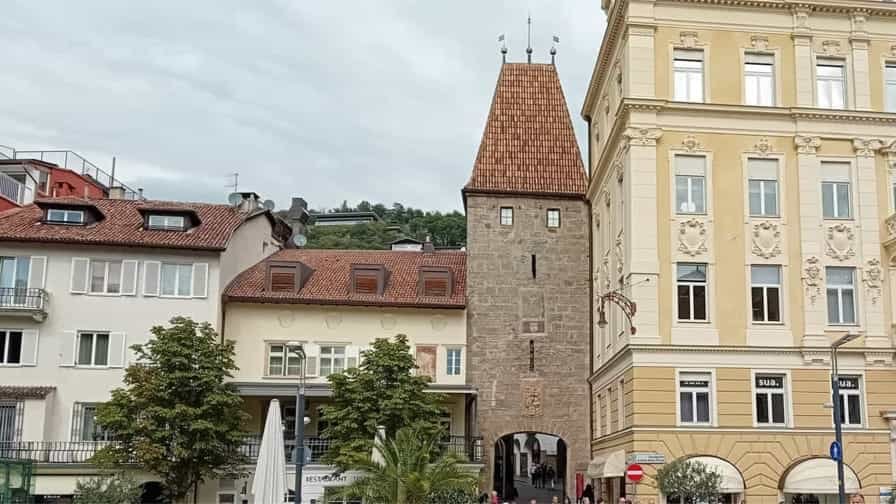
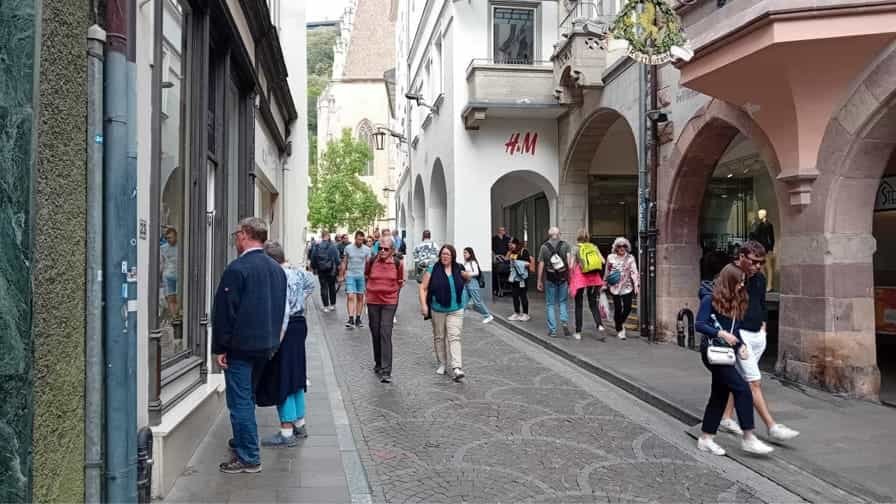
The historic centre of Merano offers a charming mix of medieval and modern elements. Arcaded streets, known as the Lauben, line the old town with boutiques, cafés, and traditional shops. These covered walkways, among the longest in the region, reflect the town’s mercantile past and remain a focal point of daily life. Nearby, churches such as St. Nicholas and St. Barbara display Gothic architecture and artistic treasures that speak to Merano’s religious and cultural heritage.
Nature plays a defining role in Merano’s identity. The surrounding mountains provide a dramatic backdrop and easy access to outdoor activities throughout the year. Walking paths along the Passer River and the famous Tappeiner Promenade offer panoramic views over the town and valley, blending gentle exercise with scenic beauty. In the warmer months, hiking and cycling routes extend into the surrounding hills and alpine terrain, while winter brings access to nearby ski areas. This close relationship with nature has long been central to Merano’s appeal as a place of health and well-being.
One of the town’s most distinctive features is its botanical diversity. Thanks to the mild climate, Mediterranean and alpine plants thrive side by side. This unique combination is showcased in the Gardens of Trauttmansdorff Castle, located just outside the town centre. These gardens span multiple themed landscapes and offer insight into both natural ecosystems and cultivated beauty, all set against sweeping views of the surrounding mountains. The gardens are also historically significant as a former residence of Empress Elisabeth of Austria, who played a role in promoting Merano as a spa destination.
Merano’s cultural life reflects its bilingual and bicultural character. Festivals, markets, and concerts often incorporate traditions from both Italian and Tyrolean heritage. Seasonal events such as wine festivals, Christmas markets, and spring celebrations bring the community together and attract visitors year-round. Local cuisine mirrors this blend, combining Alpine ingredients like speck, dumplings, and apples with Italian influences such as pasta, olive oil, and wine. The result is a culinary tradition that is both hearty and refined, rooted in local produce and seasonal rhythms.
Today, Merano balances tradition and modernity with ease. Contemporary wellness centres complement historic thermal baths, while innovative architecture coexists with centuries-old buildings. The town’s emphasis on quality of life is evident in its walkable streets, green spaces, and cultural offerings. Merano is not only a destination for relaxation, but also a place where history, nature, and everyday life are thoughtfully integrated.
Merano offers visitors an introduction to northern Italy that is both Alpine and Mediterranean, tranquil yet vibrant. Its unique cultural blend, scenic surroundings, and long-standing tradition of hospitality create an atmosphere of understated elegance. For those seeking a destination that nourishes both body and mind, Merano stands as a refined gateway to the beauty and diversity of South Tyrol.
Worth a Visit
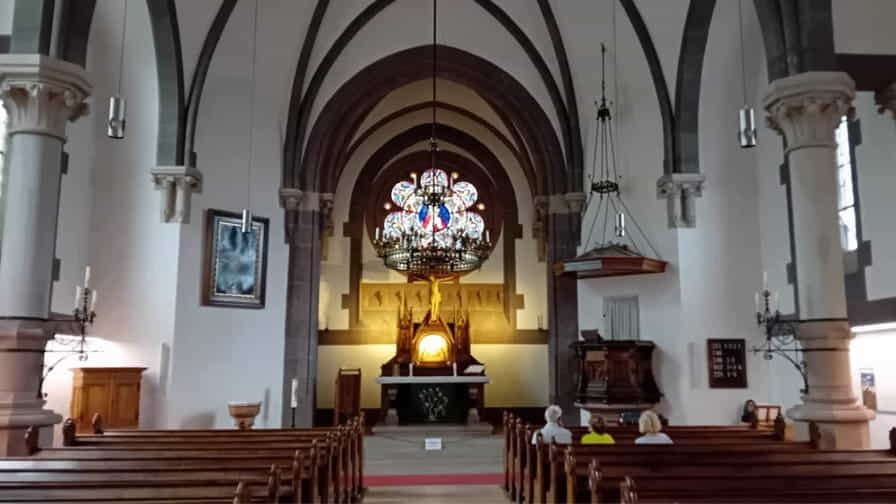
The Comunità Evangelica di Merano, located on Via Carducci in Merano, is a welcoming Christian congregation that serves as a spiritual home for believers of diverse backgrounds. Rooted in the Protestant tradition, the community emphasizes faith in Jesus Christ, the authority of Scripture, and the call to live out the Gospel through love, service, and unity. The church offers regular worship services, Bible study groups, and community outreach programs aimed at fostering fellowship and mutual support among members and visitors alike. With a deep appreciation for Merano’s rich cultural heritage, the Comunità Evangelica di Merano provides an open and inclusive environment where people can grow in faith, share their experiences, and find encouragement in a warm, family-like atmosphere.
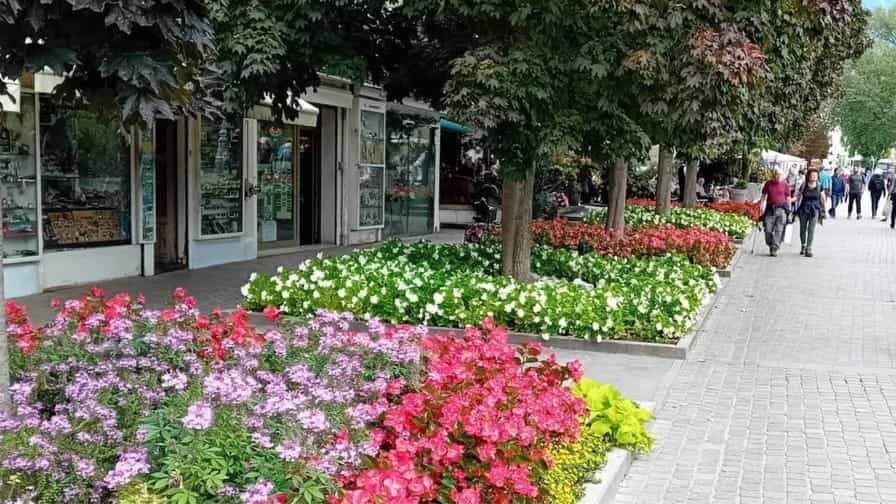
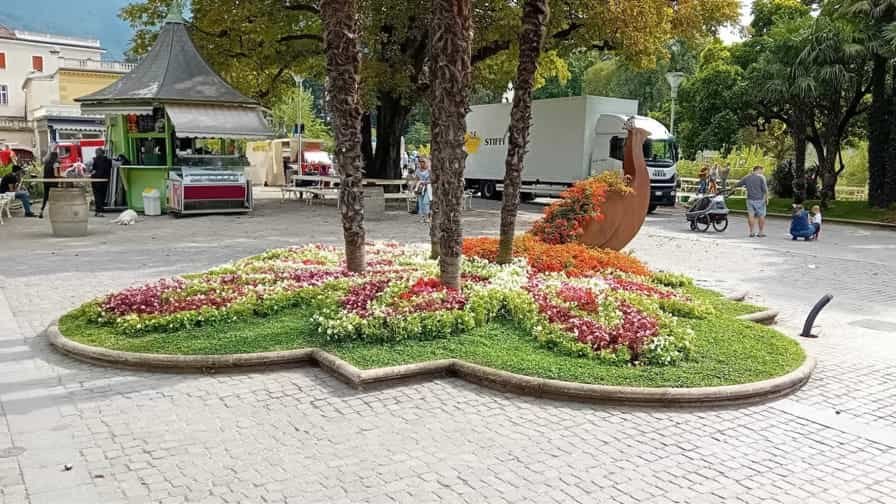
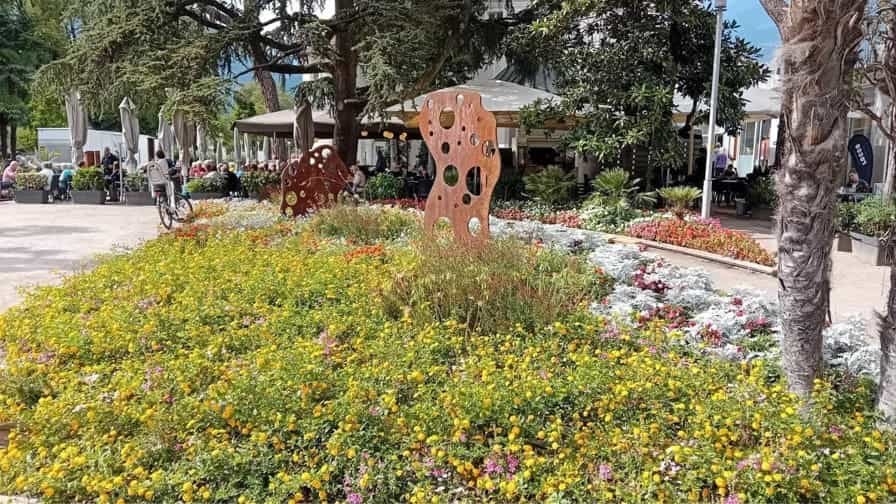
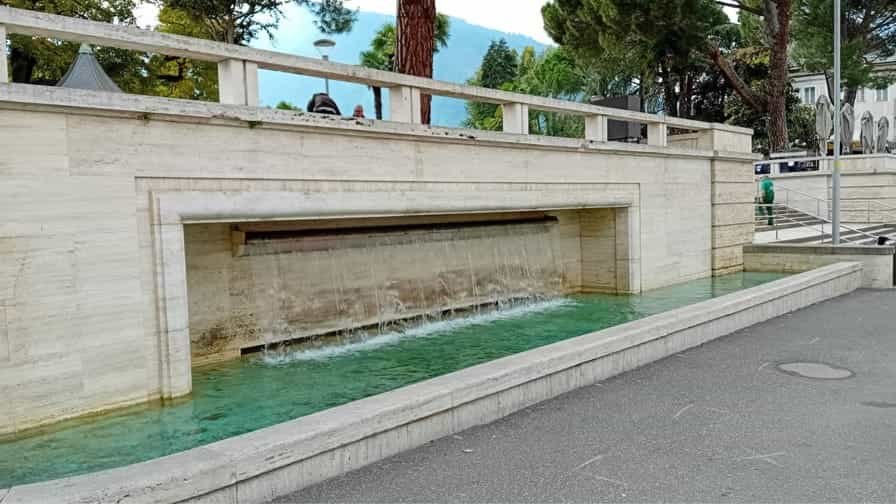
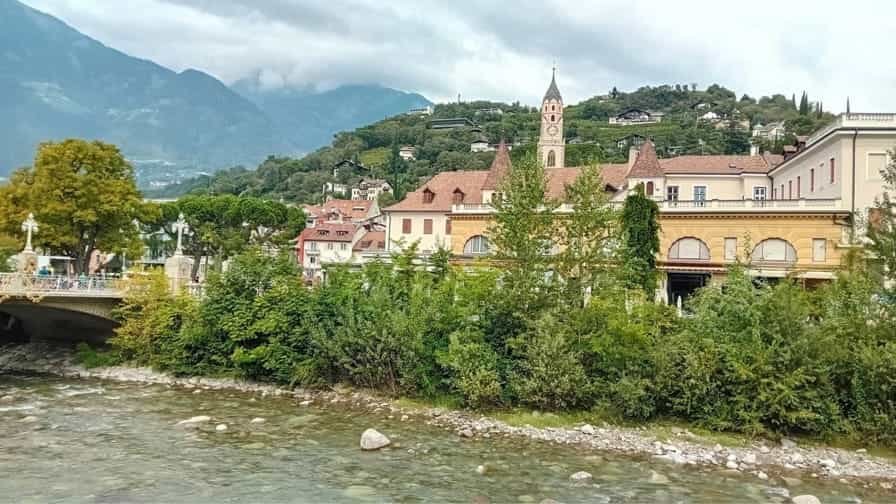
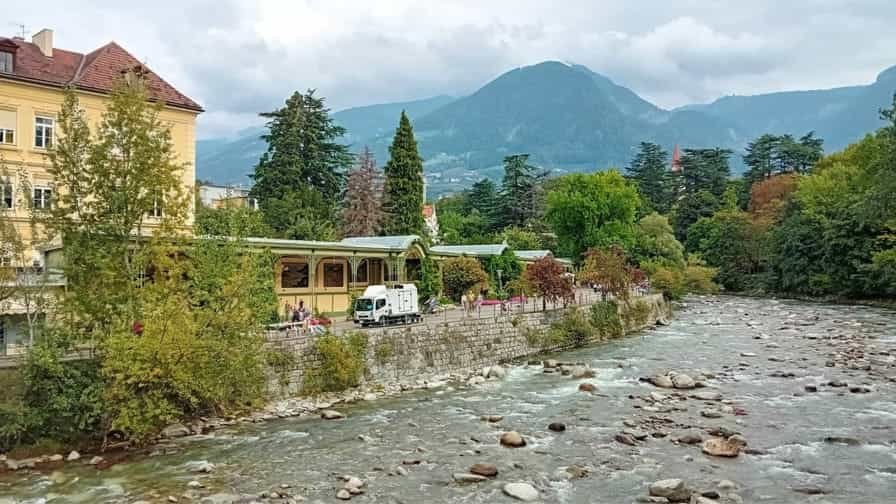
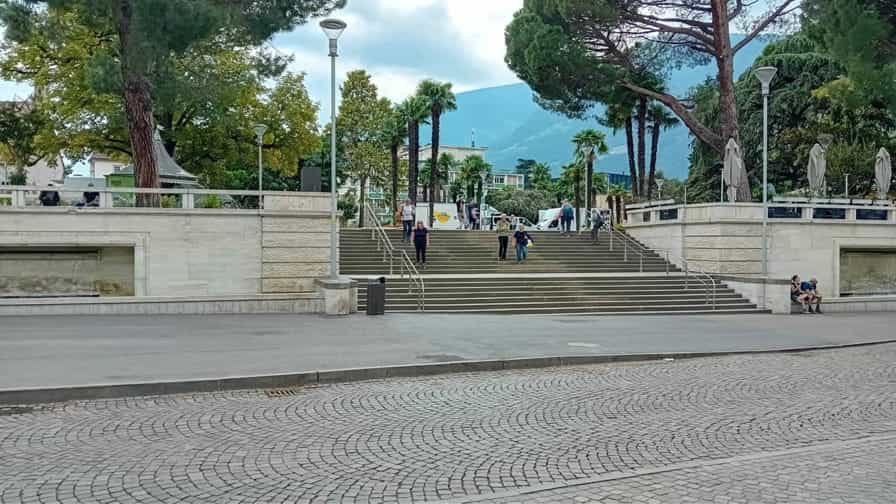
The Passeggiata Lungo Passirio in Merano, is one of the town’s most charming and scenic promenades, stretching gracefully along the banks of the Passirio River. Lined with palm trees, flowers, and elegant Art Nouveau buildings, it offers a perfect blend of natural beauty and refined atmosphere. Locals and visitors alike enjoy leisurely walks along its well-kept paths, where the sound of the flowing river and the backdrop of the surrounding mountains create a serene and picturesque setting. Along the route, cafés, boutiques, and historic landmarks add to its lively yet relaxing charm. The promenade connects key points of interest in Merano, including the Kurhaus and the city center, making it ideal for both sightseeing and quiet reflection.
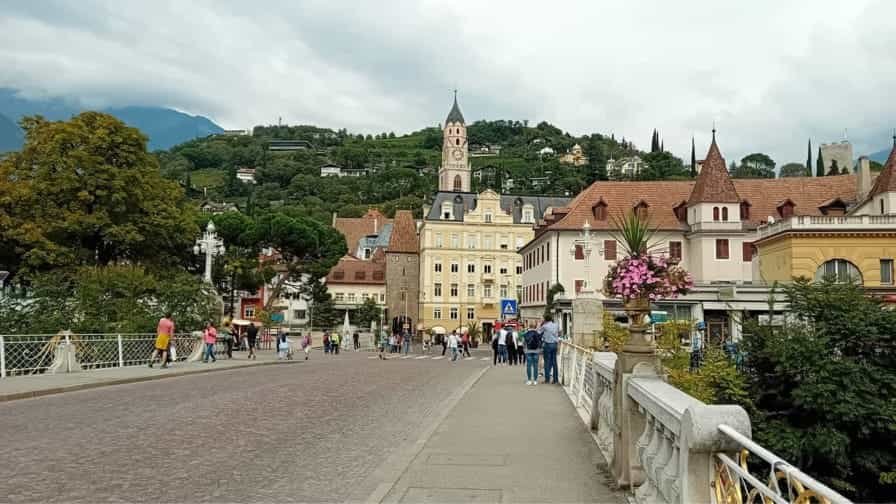
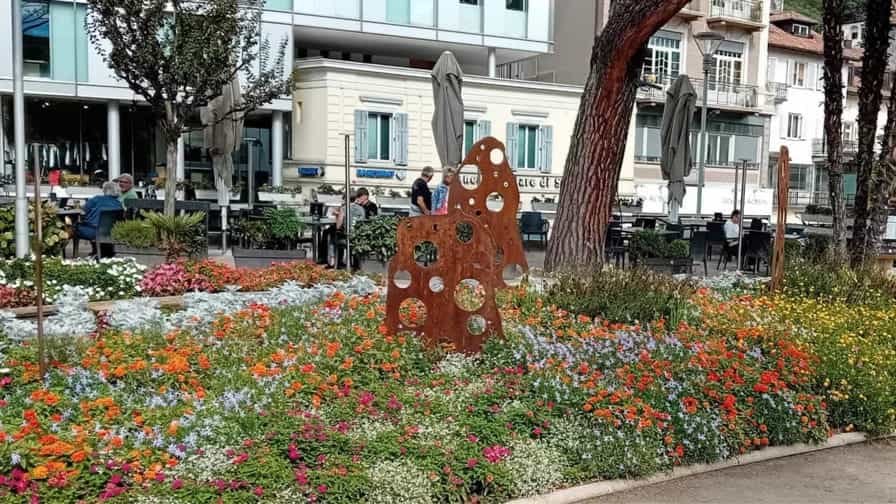
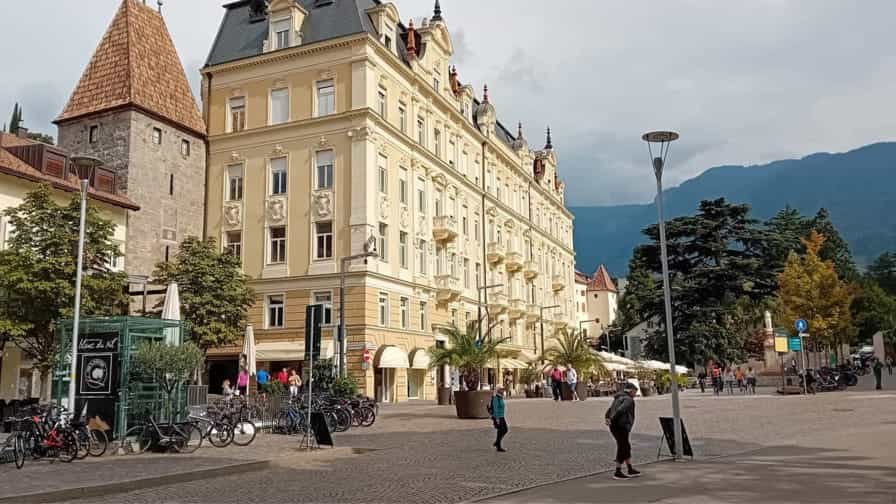
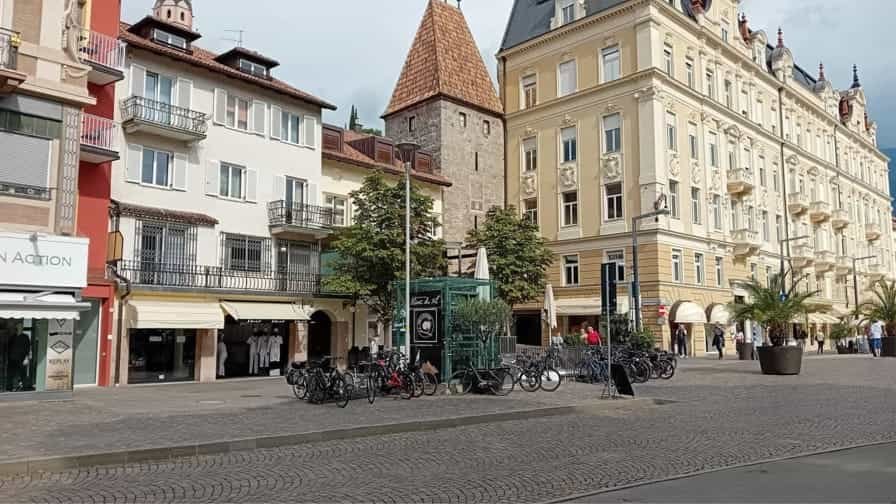
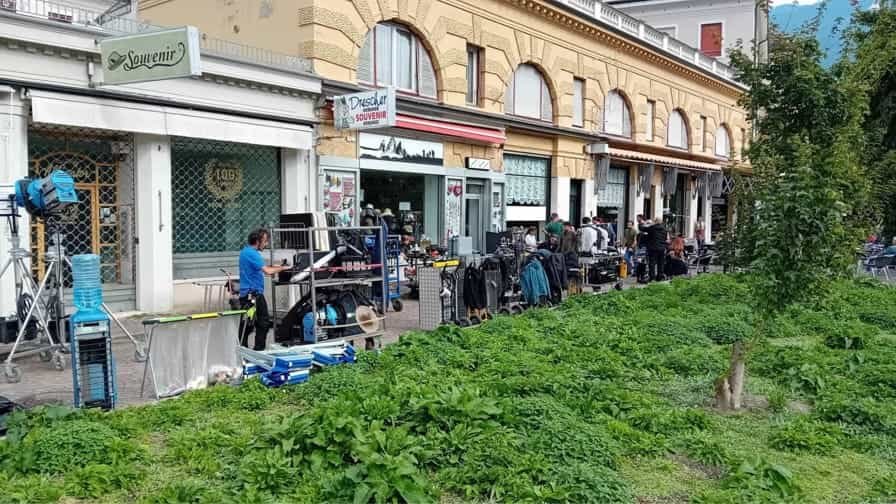
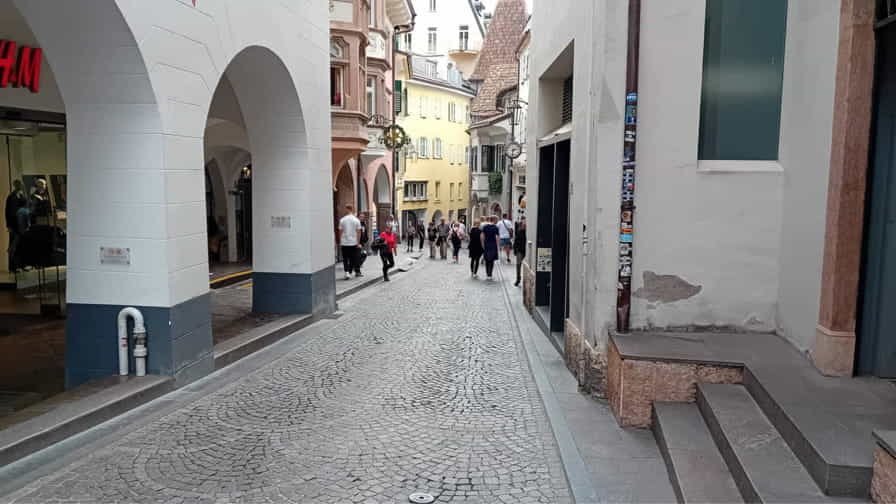
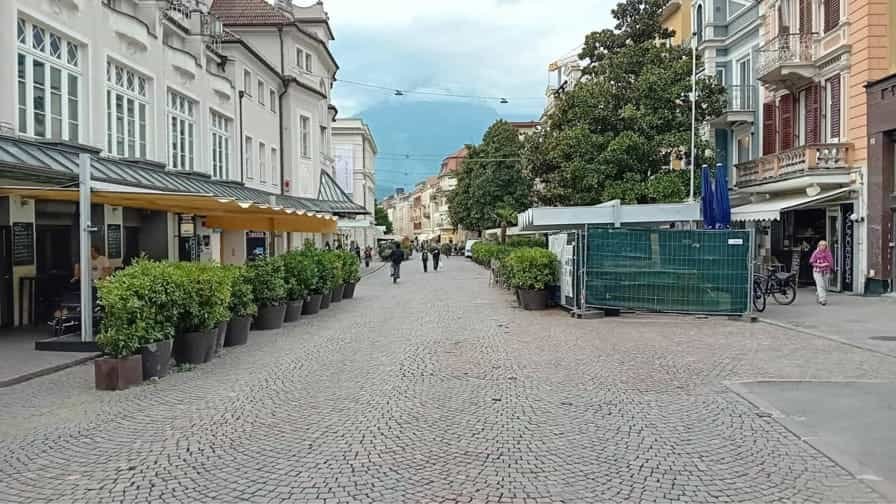
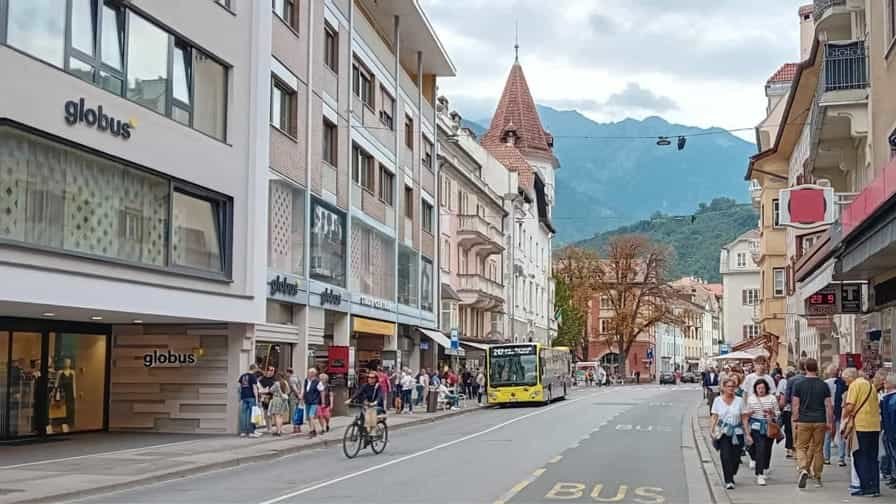
Via Roma in Merano, is one of the town’s main streets, known for its vibrant mix of history, culture, and modern charm. Stretching from the heart of Merano toward the surrounding neighbourhoods, it serves as a lively connection between the old town and newer areas. The street is lined with elegant shops, cozy cafés, and beautifully preserved buildings that reflect Merano’s blend of Alpine and Mediterranean influences. Strolling along Via Roma offers a true taste of local life, where residents, visitors, and travellers meet to enjoy shopping, dining, or simply the relaxed atmosphere. The nearby bridges and tree-lined avenues enhance its appeal, offering lovely views toward the mountains and the Passirio River. Both dynamic and welcoming.
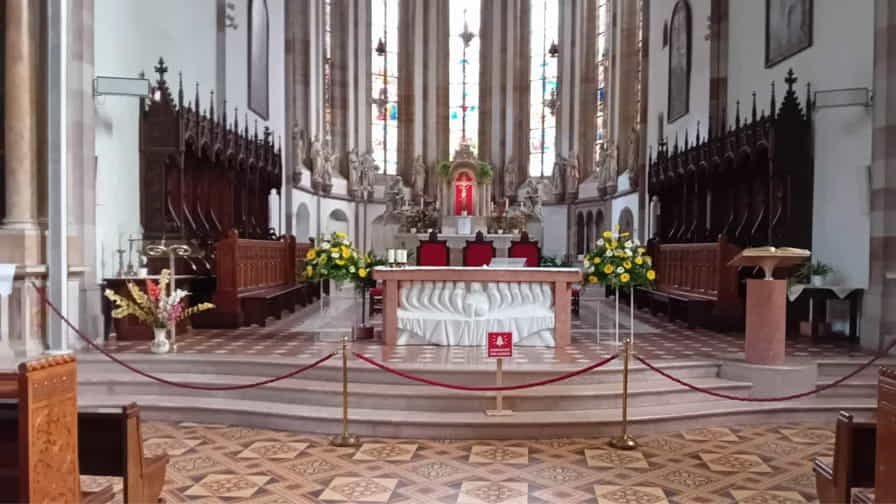
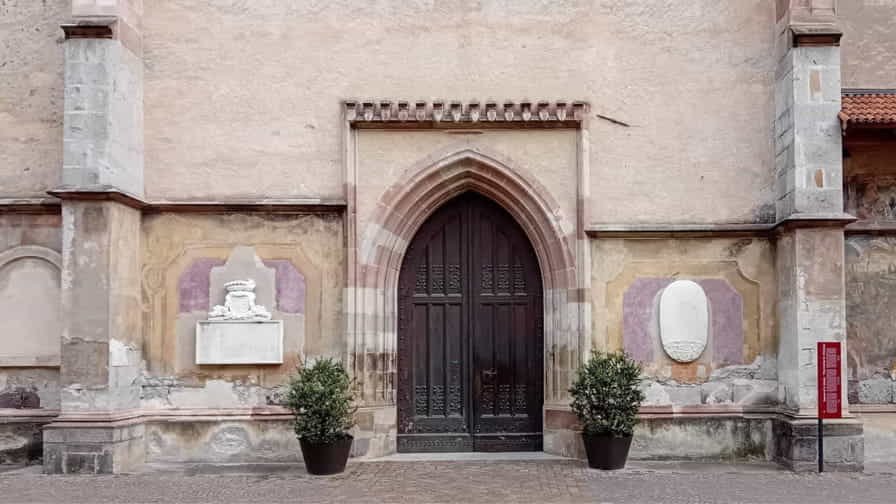
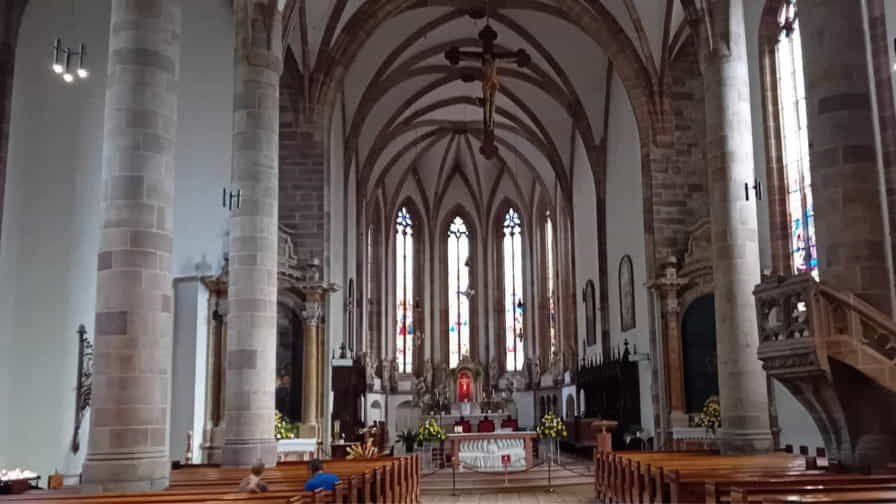
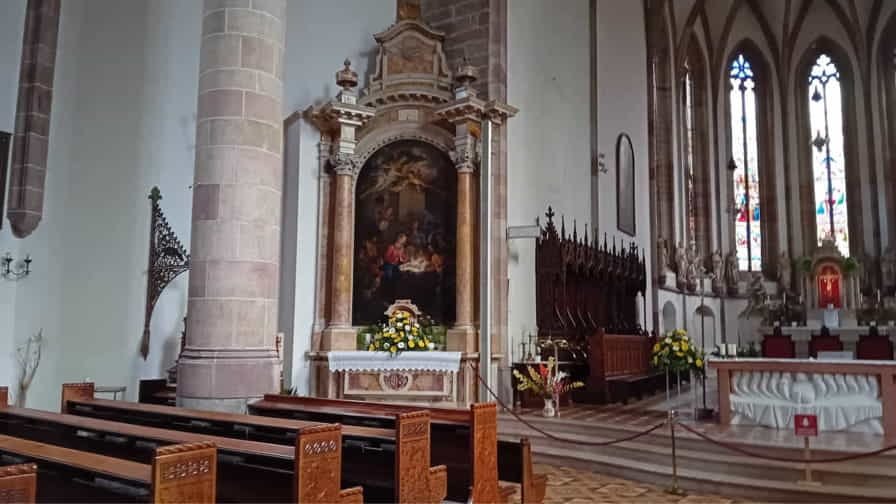
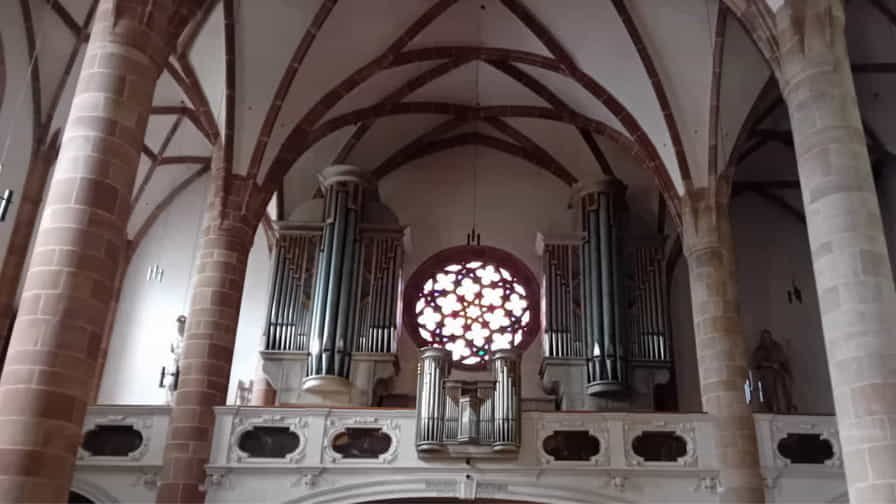
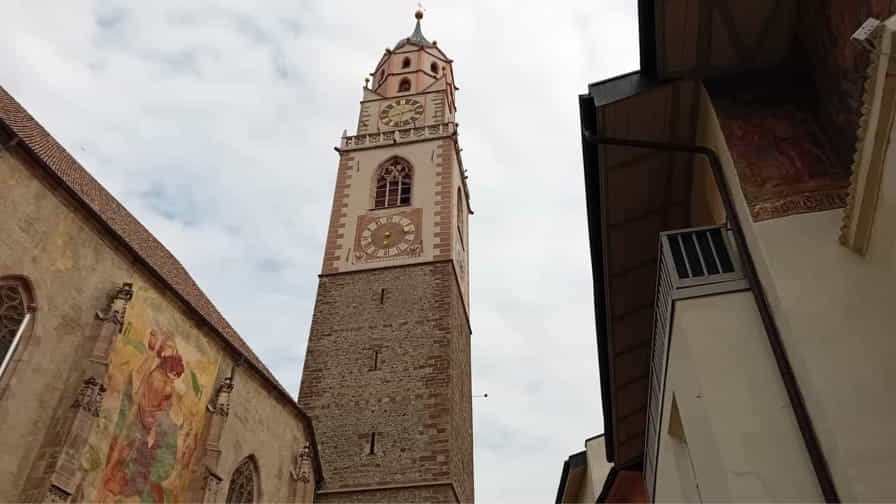
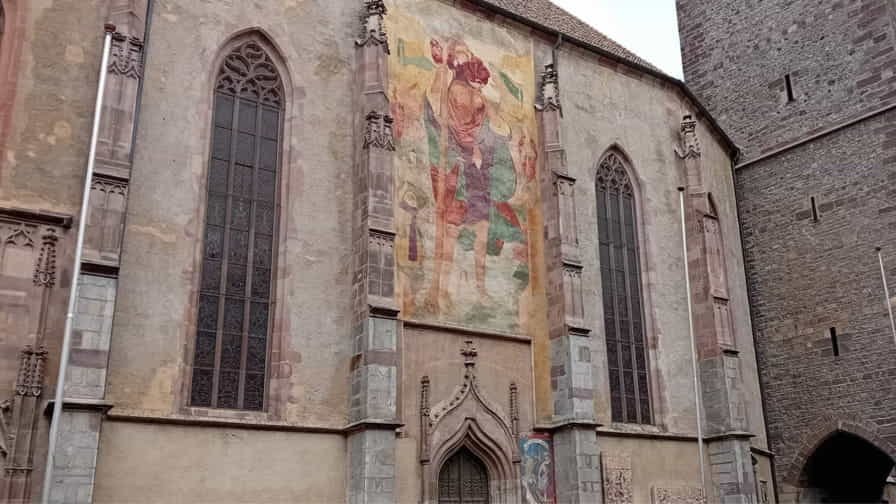
The Duomo di San Nicolò, located on Vicolo Passiria in Merano (BZ), Italy, is the town’s main parish church and one of its most significant historical landmarks. Dedicated to Saint Nicholas, the patron saint of merchants and travellers, the church stands as a beautiful example of Gothic architecture dating back to the 14th and 15th centuries. Its striking bell tower, elegant pointed arches, and finely crafted stained-glass windows make it a focal point of Merano’s old town skyline. Inside, visitors can admire intricate frescoes, detailed altars, and artistic treasures that reflect centuries of faith and devotion. The Duomo remains an active place of worship, hosting regular services and community events that bring together locals and visitors alike. Surrounded by charming streets and mountain views, the Duomo di San Nicolò offers both spiritual inspiration and a glimpse into Merano’s rich cultural and architectural heritage.
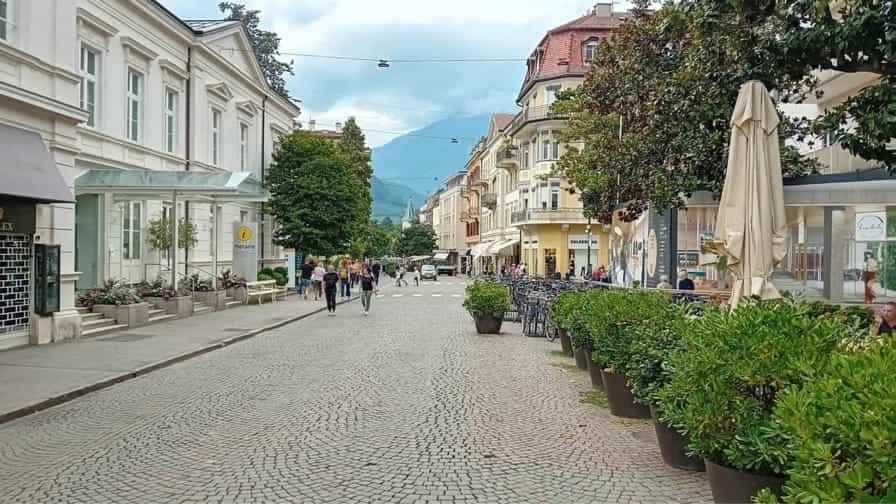
Corso della Libertà in Merano, is one of the town’s most elegant and vibrant streets, reflecting the charm and sophistication that define this Alpine spa destination. Stretching through the heart of Merano, the avenue is lined with Art Nouveau and Belle Époque buildings, stylish boutiques, inviting cafés, and grand hotels that speak to the town’s rich cultural history. As one of Merano’s main promenades, Corso della Libertà offers a perfect place for a leisurely stroll, blending local life with a refined cosmopolitan atmosphere. Visitors can admire architectural details, enjoy outdoor terraces, or simply take in the views of the surrounding mountains. The street connects key landmarks, including the Kurhaus and Piazza della Rena, making it a central part of any visit to Merano. Elegant yet relaxed.
Photo Gallery of Walk 1 – Via Carducci to Passeggiata Lungo Passirio
Approximately 0,00 km – 0.00 miles
The walk starts in Via Mier – Via Carducci – Comunità Evangelica di Merano, Via Carducci – Passeggiata Lungo Passirio
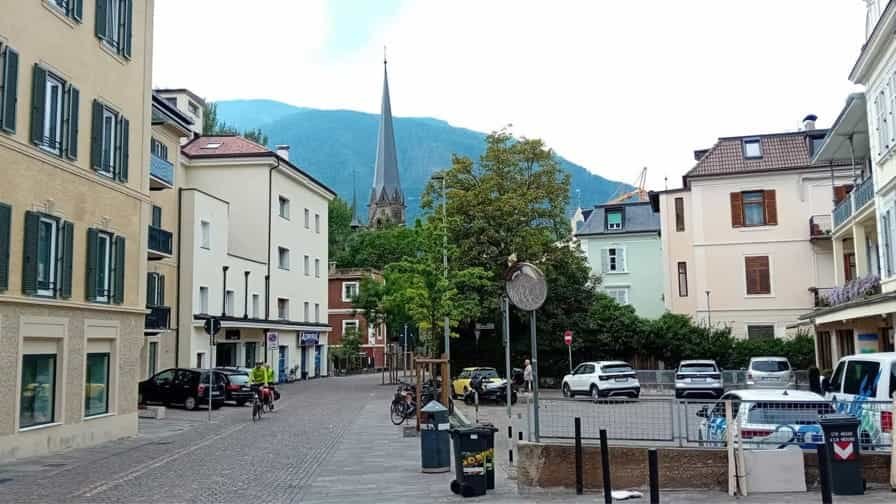
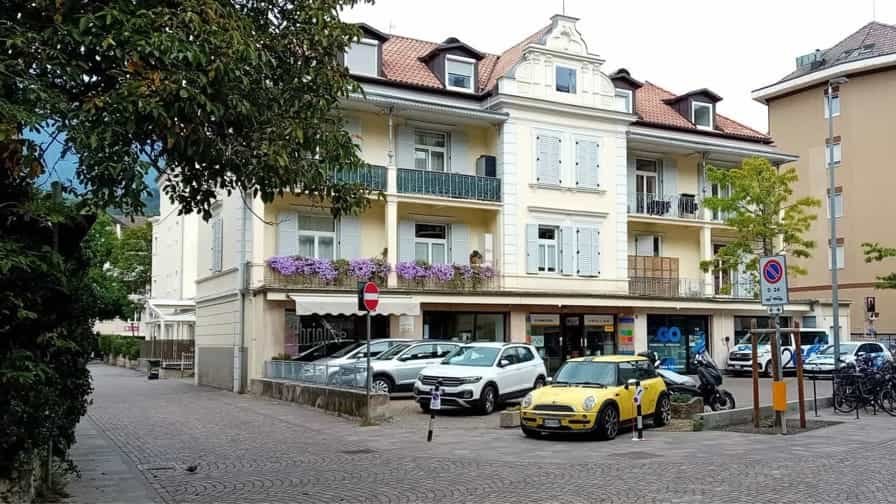
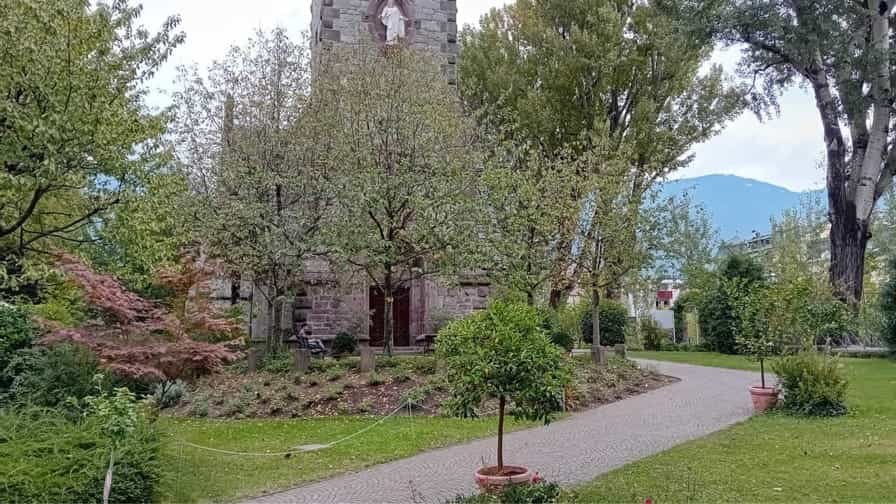
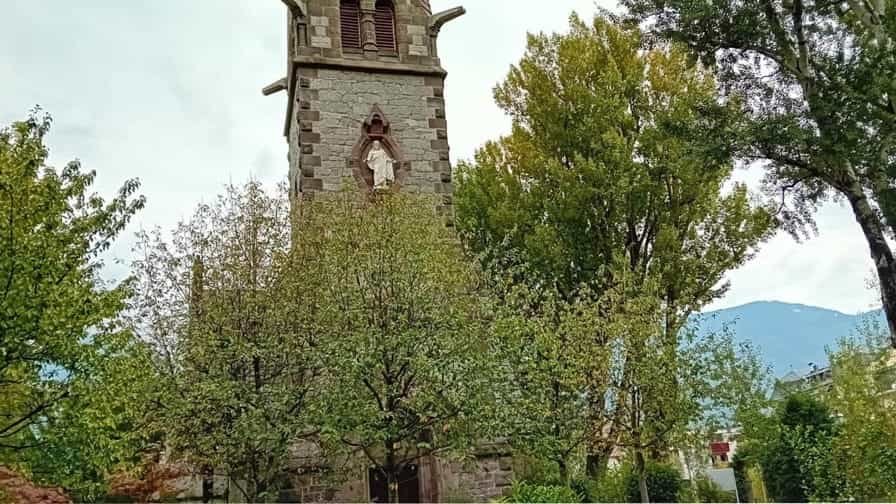
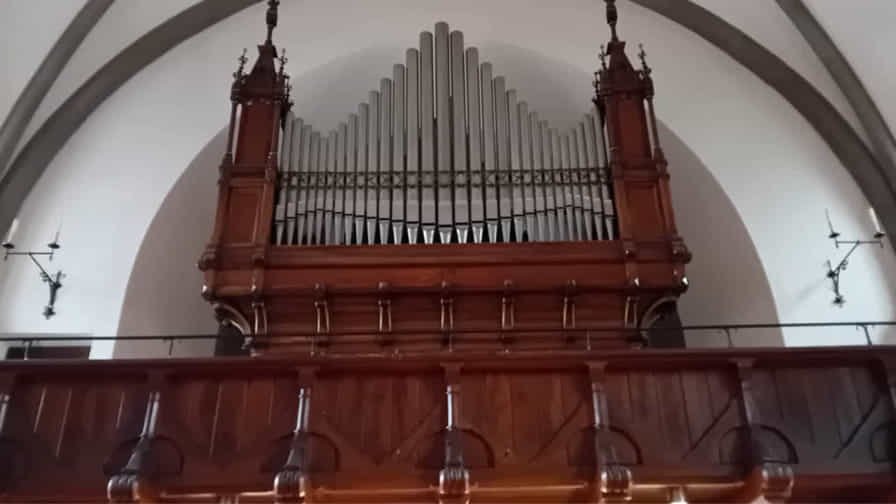
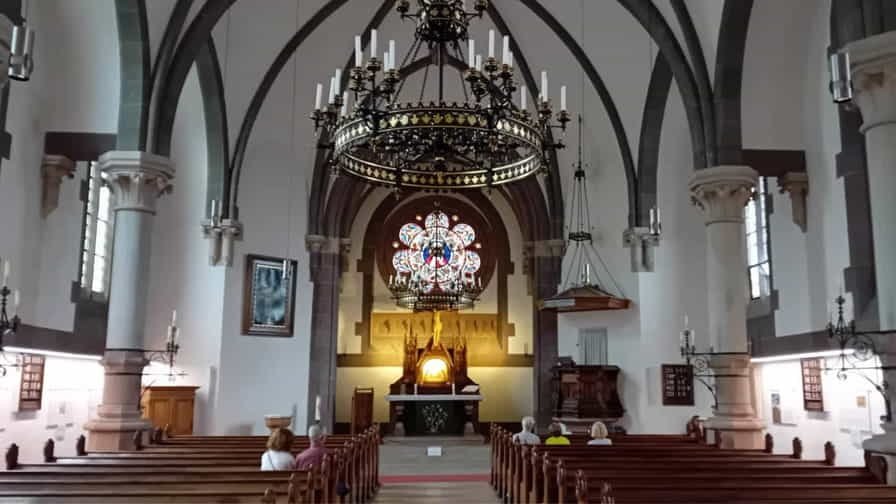
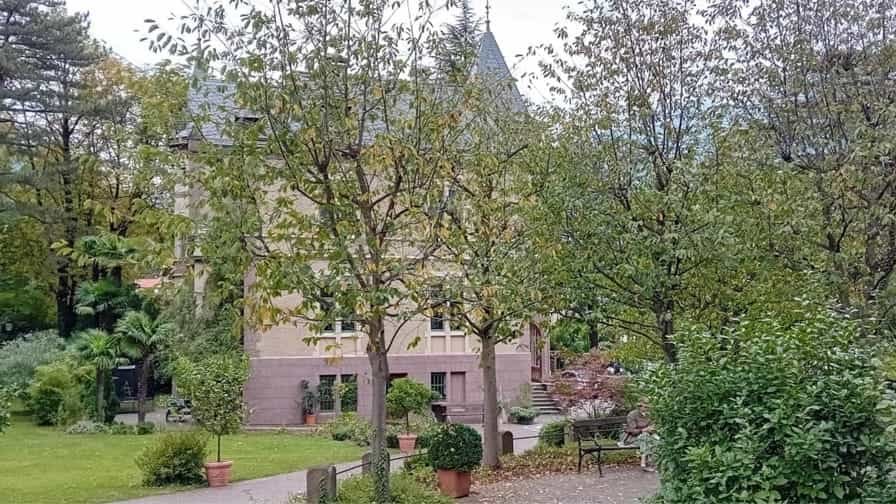
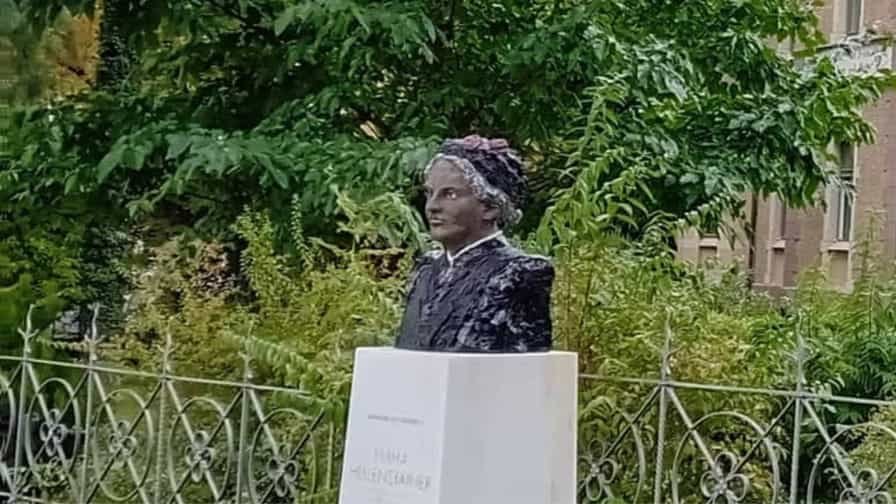
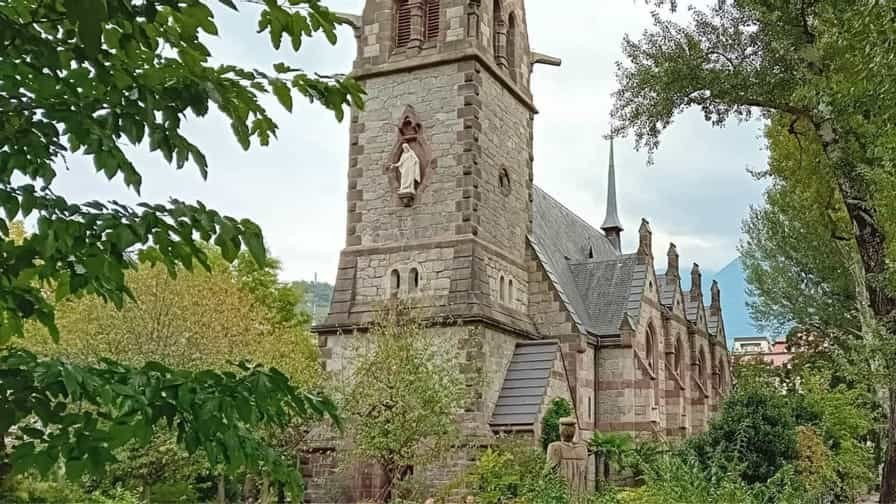
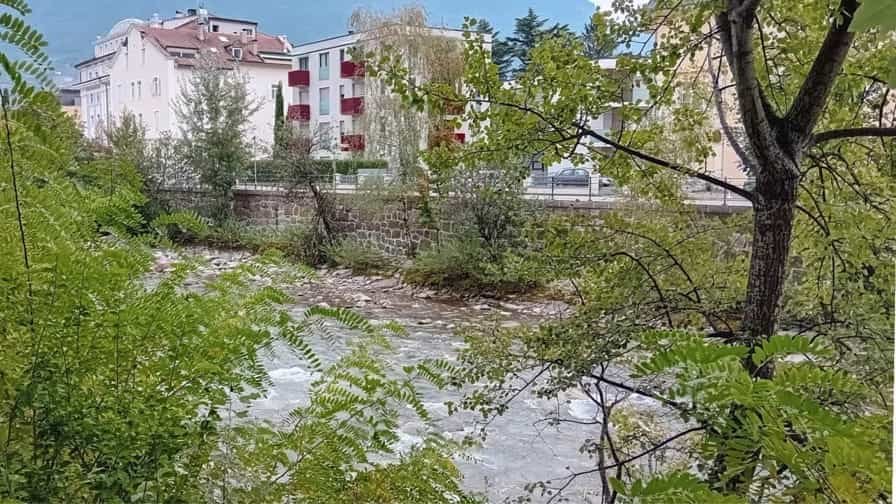
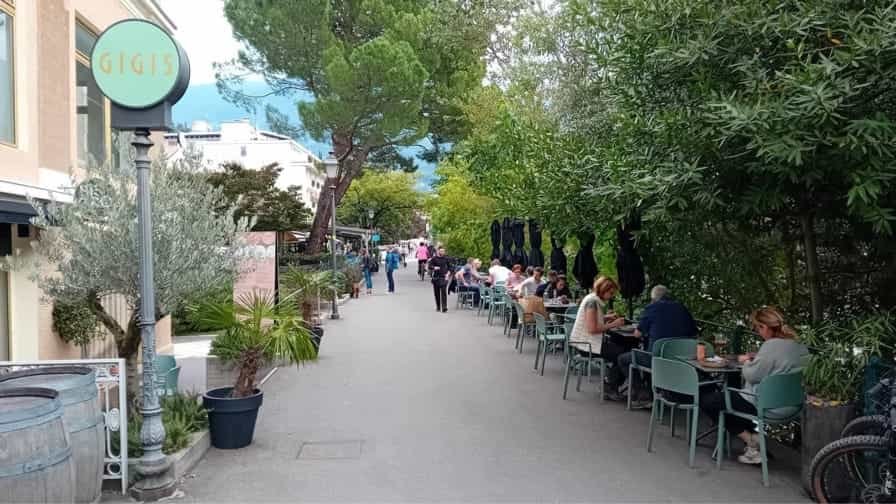
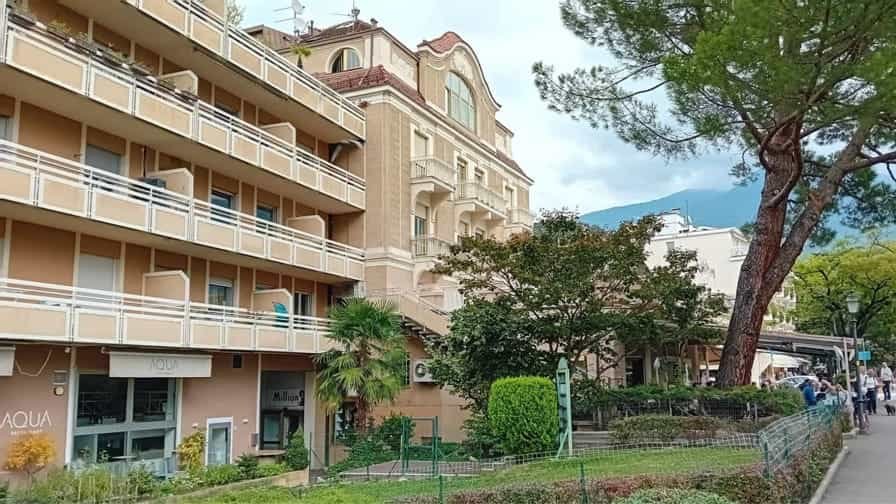
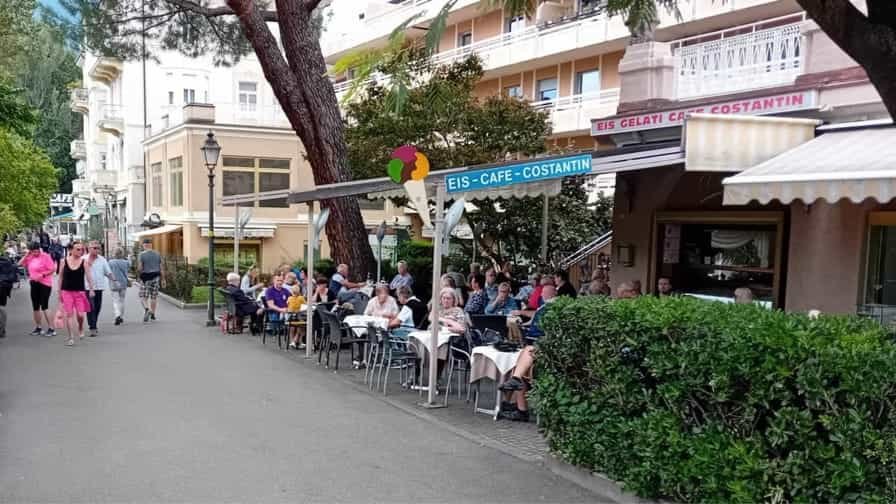
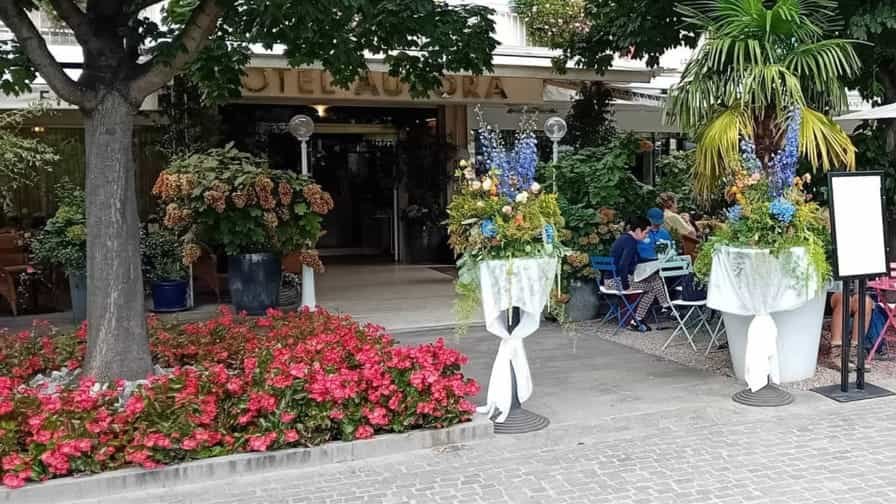
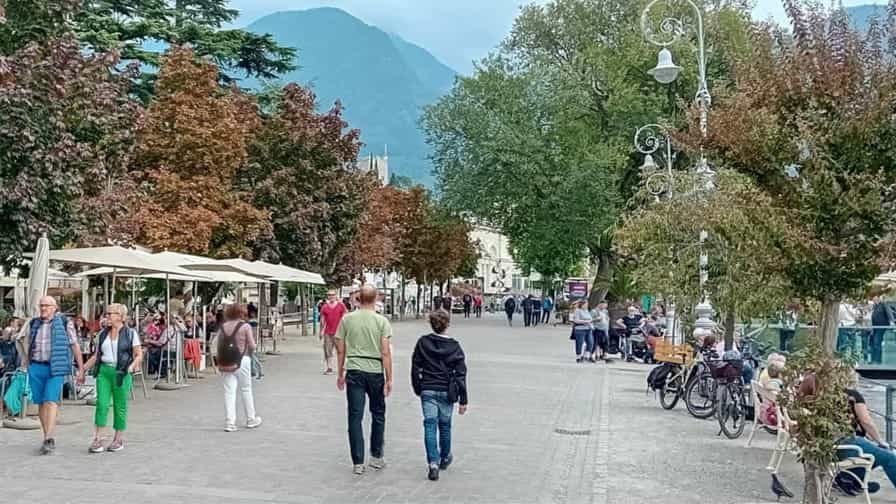
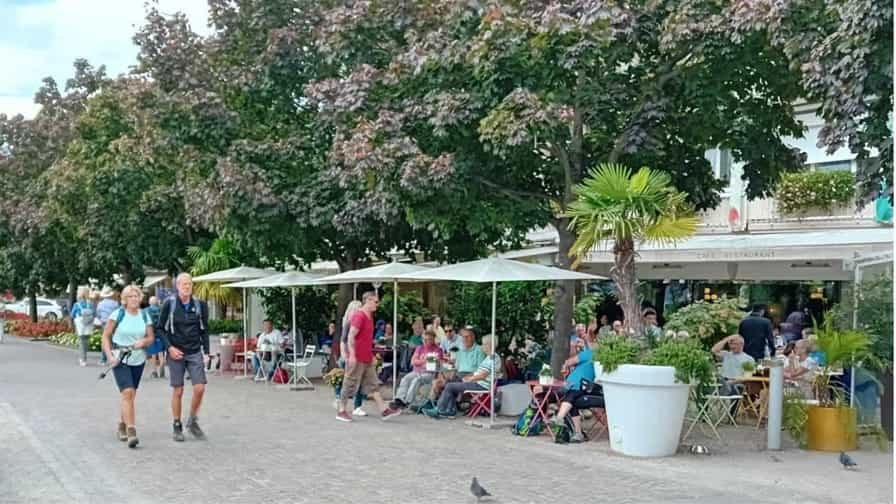
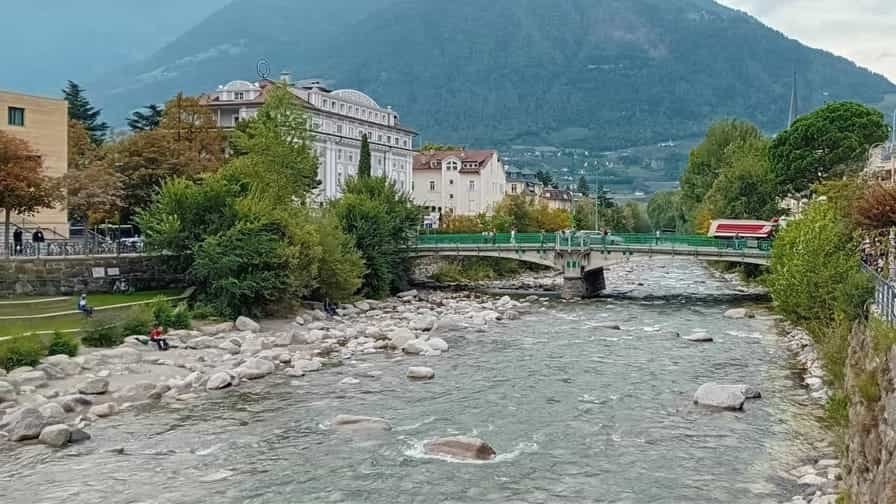
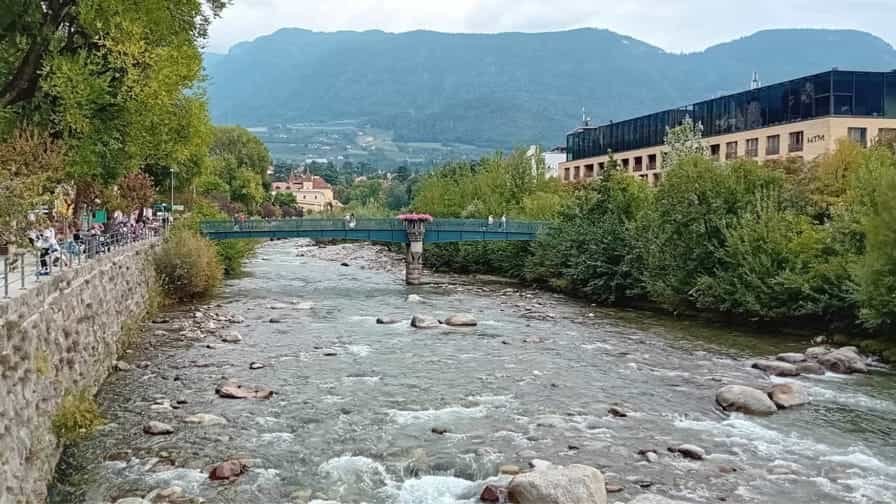
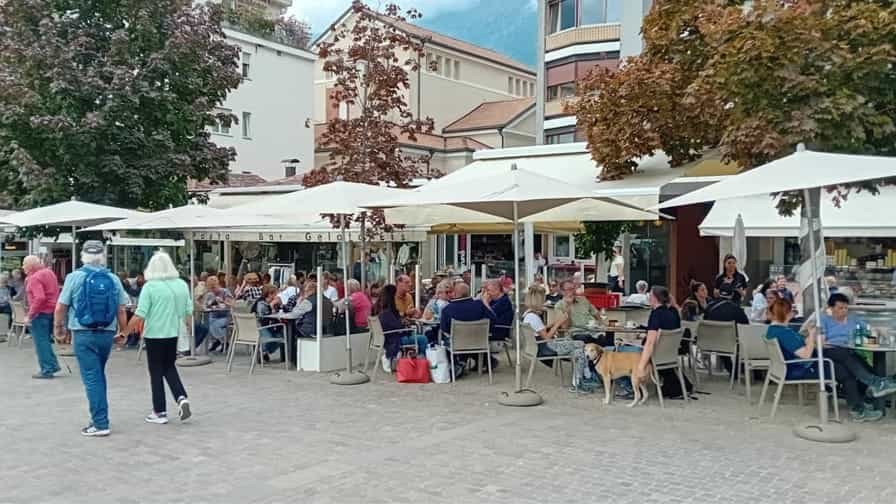
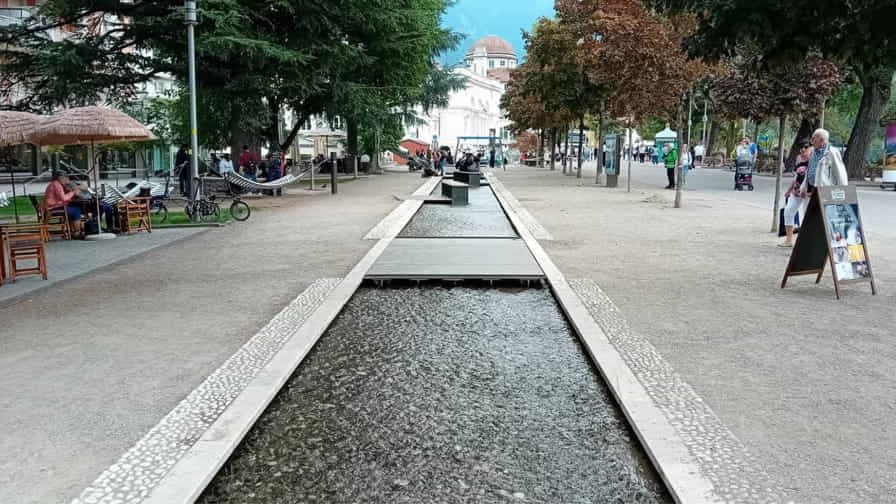
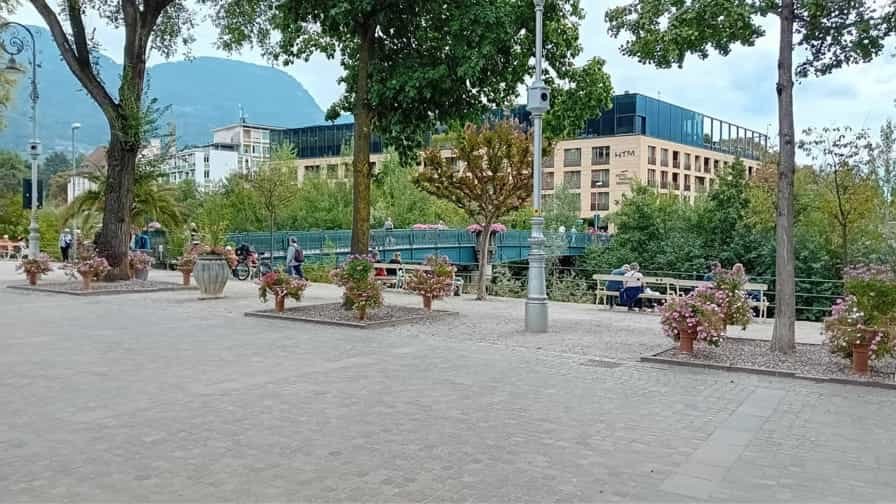
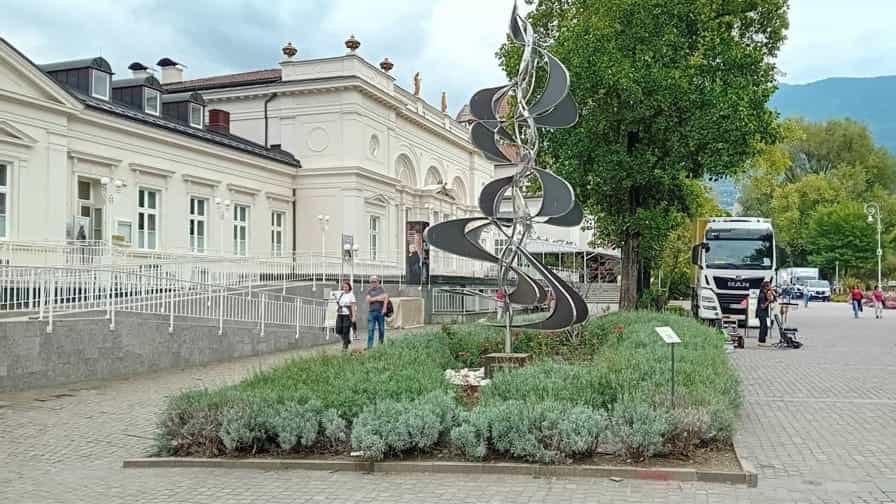
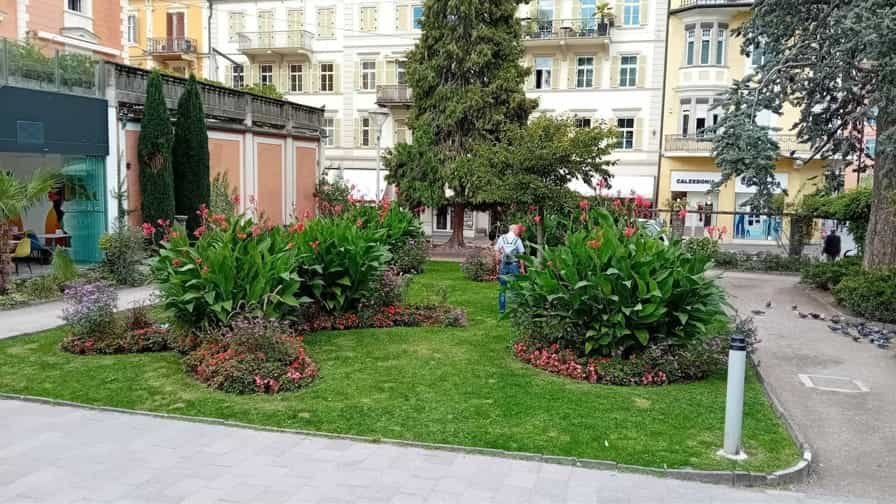
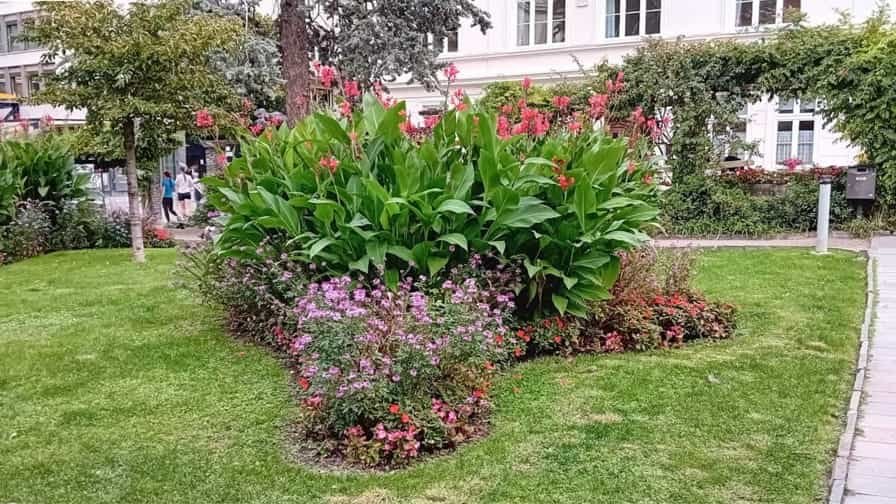
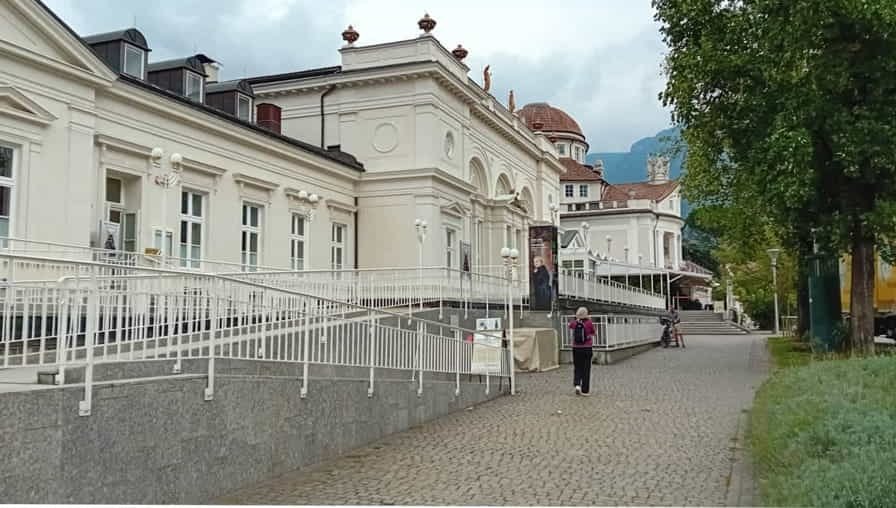
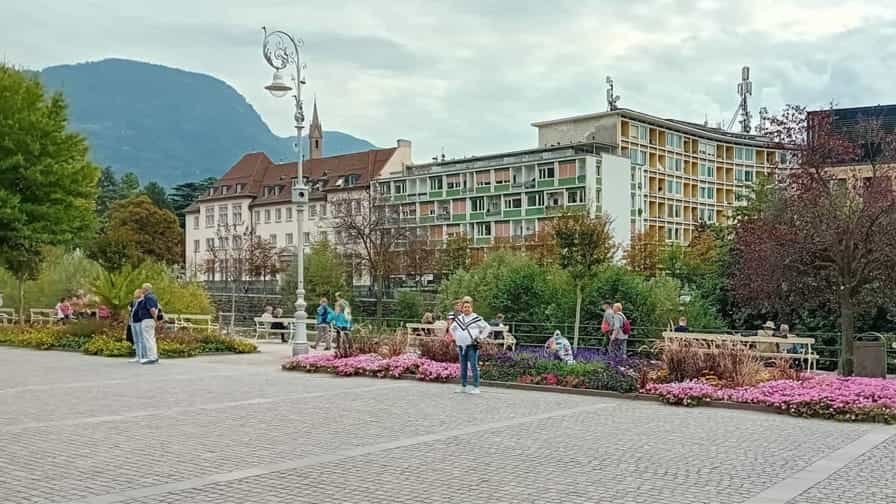
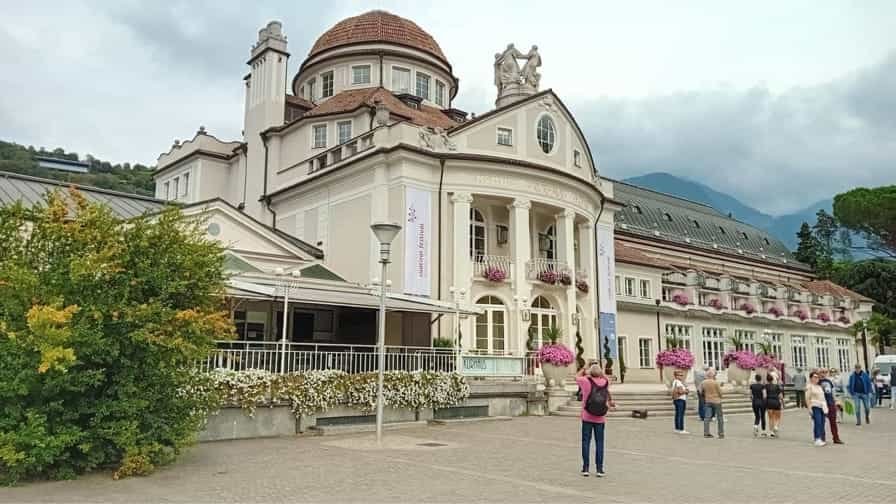
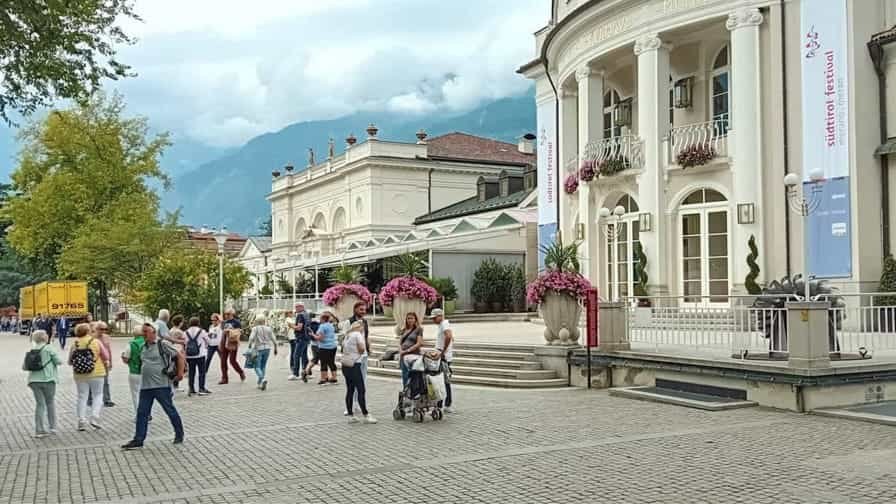
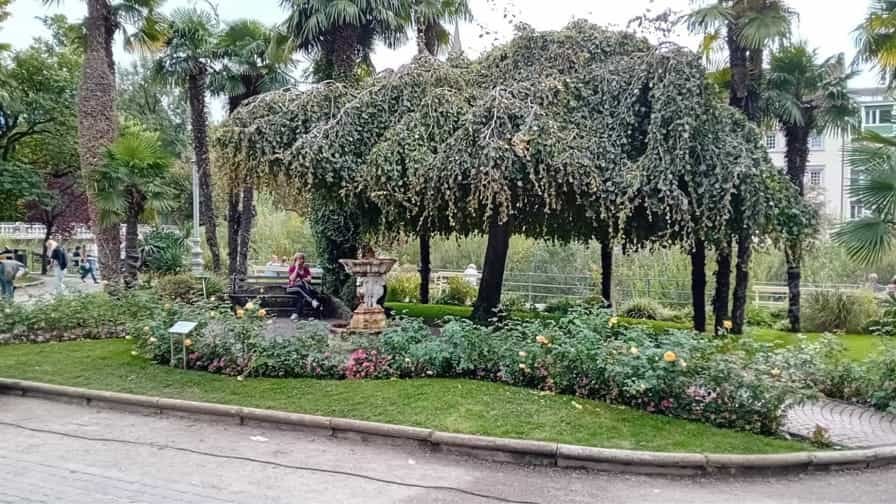
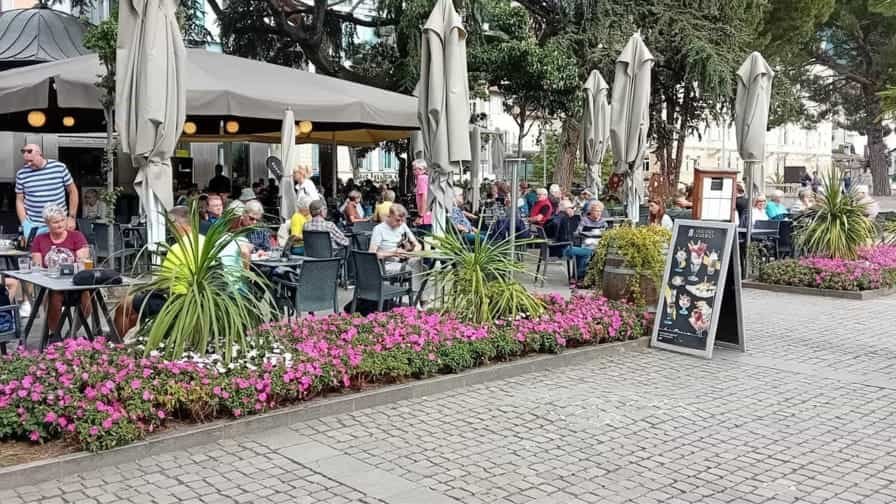
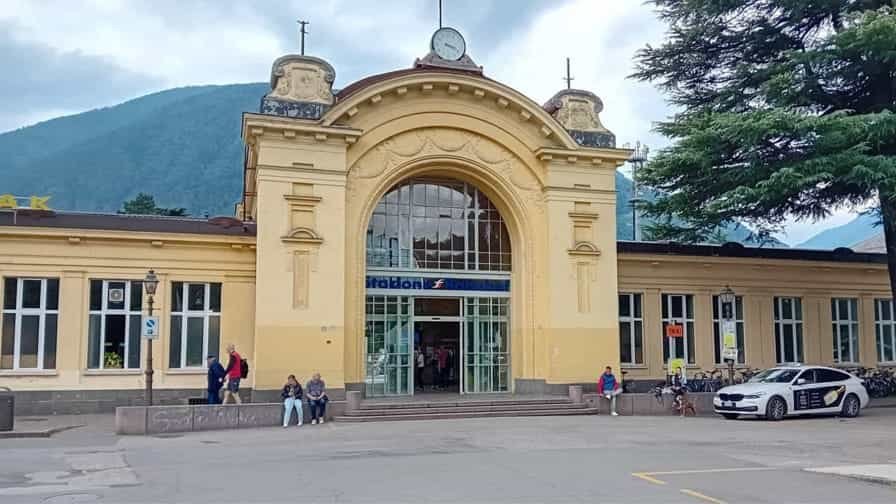
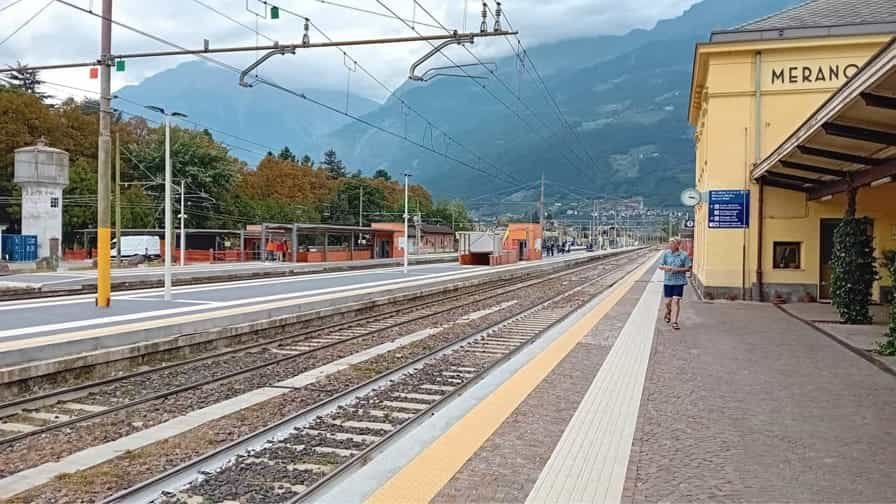
Photo Gallery of Walk 2 – Passeggiata Lungo Passirio to Merano Station, Piazza Stazione
Approximately 0.00 km – 0.00 miles
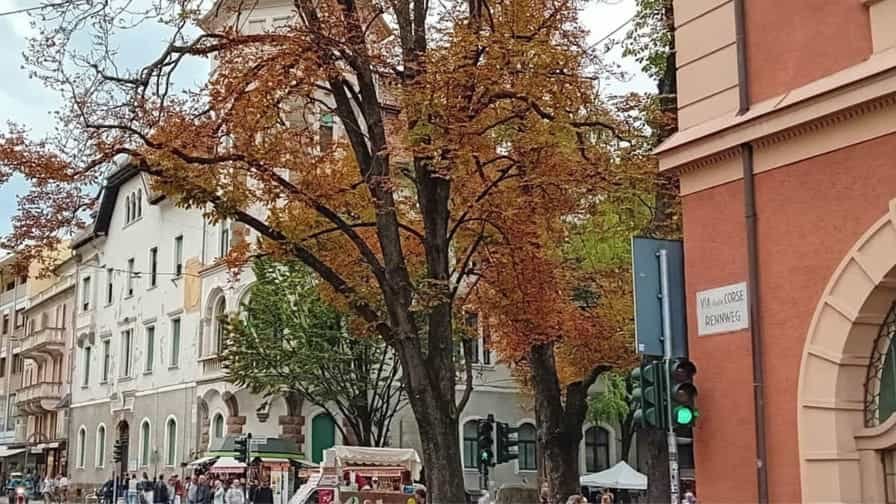
The walk starts in Passeggiata Lungo Passirio – C.so della Libertà – Via Roma – Via Leonardo da Vinci – Piazza Duomo – Duomo di San Nicolò, Vicolo Passiria – Via Leonardo da Vinci – C.so della Libertà – Via delle Corse – Rennweg -Via Mainardo – Via Giovanni Segantini – Piazza Stazione


COPYRIGHT © 2018-2026 ITALY IN PHOTOS – ALL RIGHTS RESERVED