
HOME
THE REGIONS OF ITALY
PLACES IN ITALY
Italy in Photos
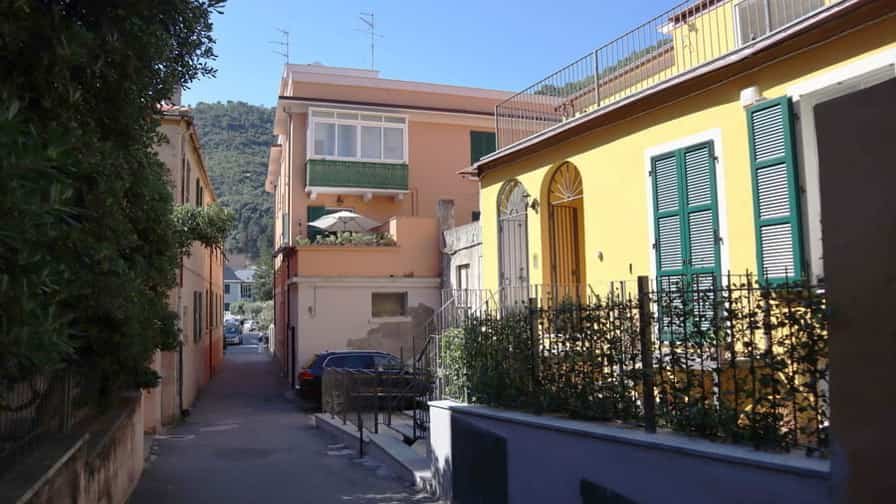
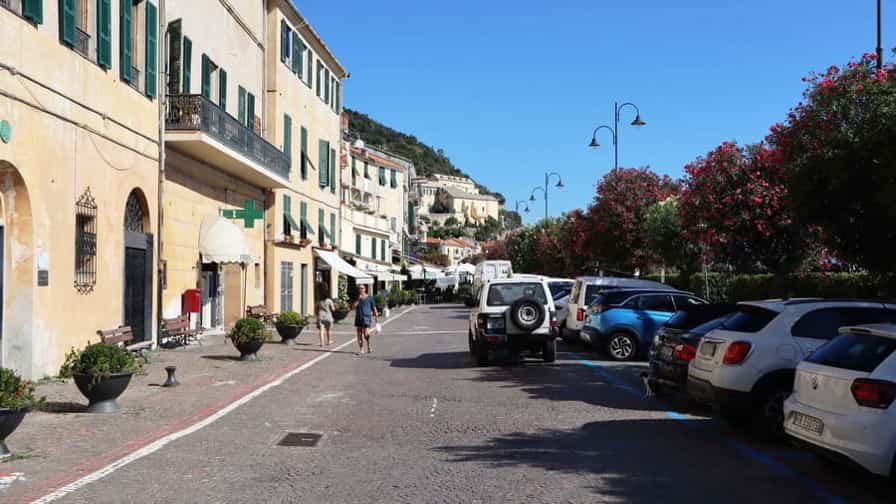
Via Collegio, 17040 Noli SV, Italy (September 2020)
Noli
Noli is a historic seaside town located on the Italian Riviera in the region of Liguria, between Genoa and Savona. Perched along the Mediterranean coast, Noli combines natural beauty, rich history, and a distinct maritime character that makes it one of Italy’s most captivating small towns. Its compact historic centre, narrow streets, and fortified walls reflect centuries of resilience and tradition, while the surrounding beaches, cliffs, and azure waters provide a serene backdrop that draws visitors from near and far.
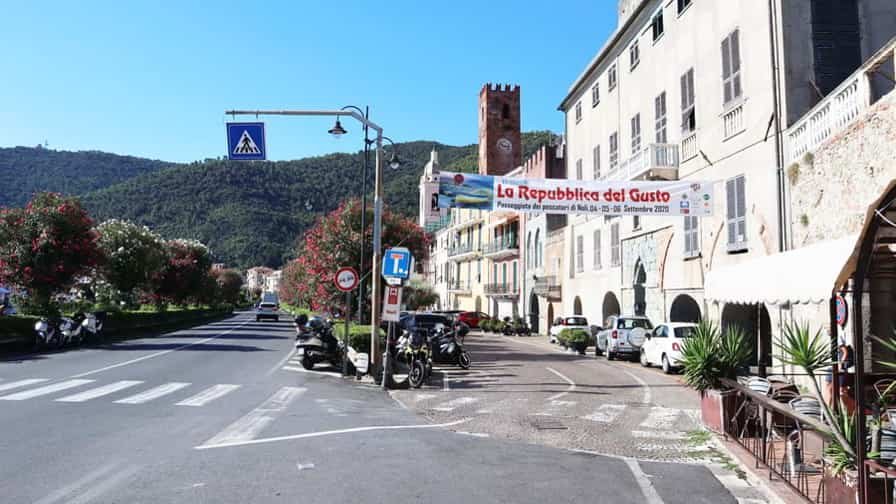
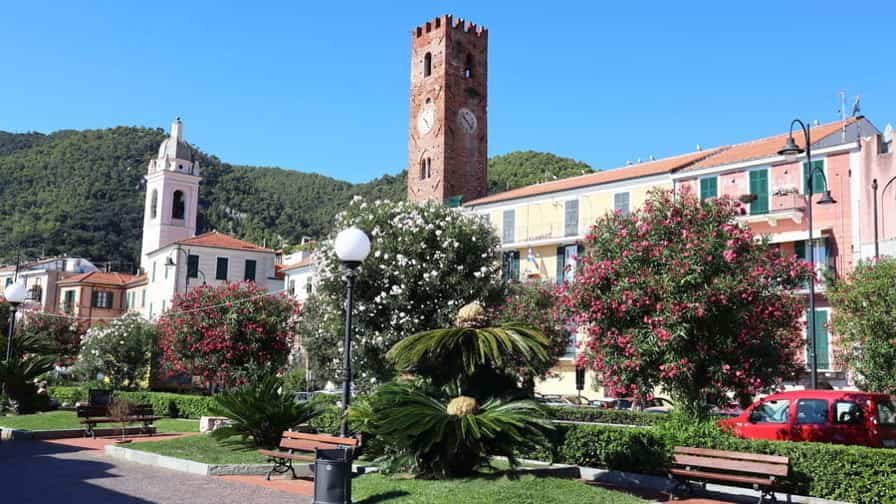
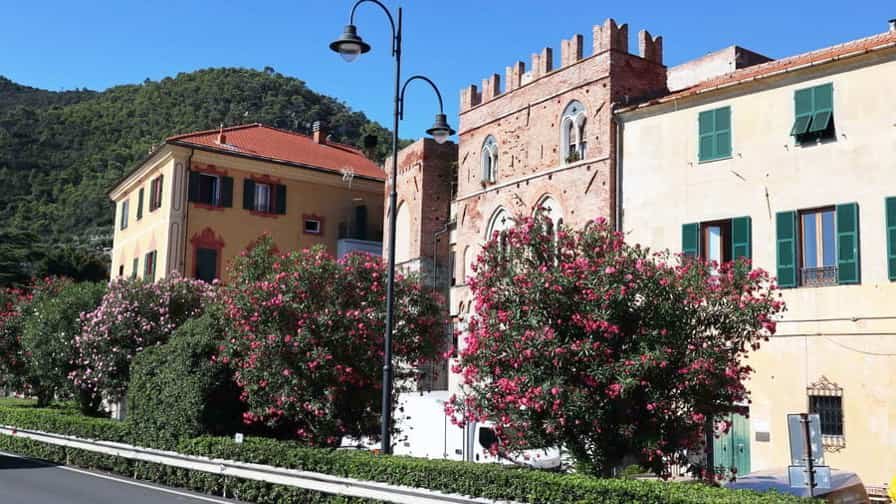
The origins of Noli date back to Roman times, but it was during the Middle Ages that the town gained its most significant prominence. Noli became a powerful maritime republic, known for its fleet and its strategic position along trade routes of the Ligurian Sea. Its independence allowed the town to develop a unique identity, balancing commercial ambition with strong communal traditions. The walls, towers, and gateways built during this period still define the town’s historic centre, creating a sense of continuity with the past and offering a glimpse into the lives of its medieval inhabitants.
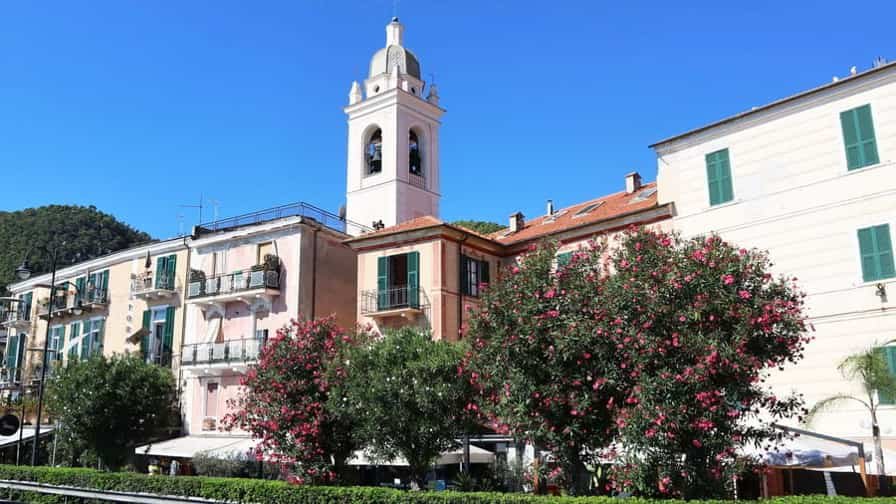
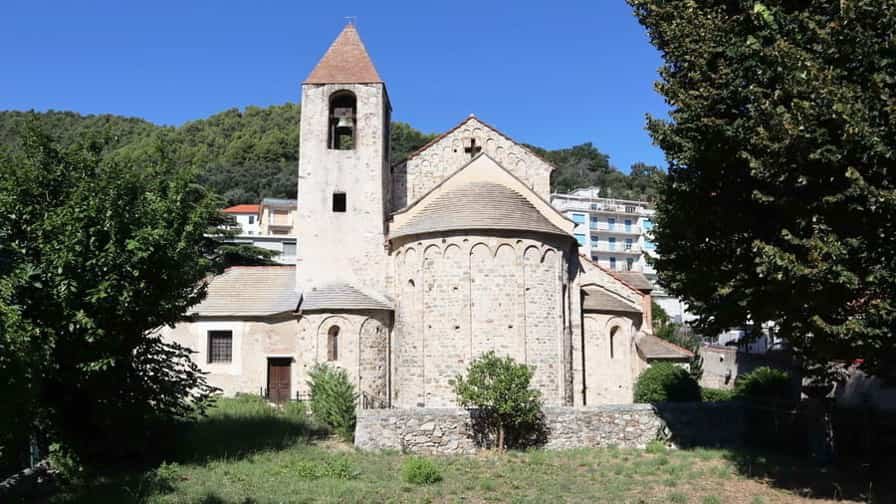
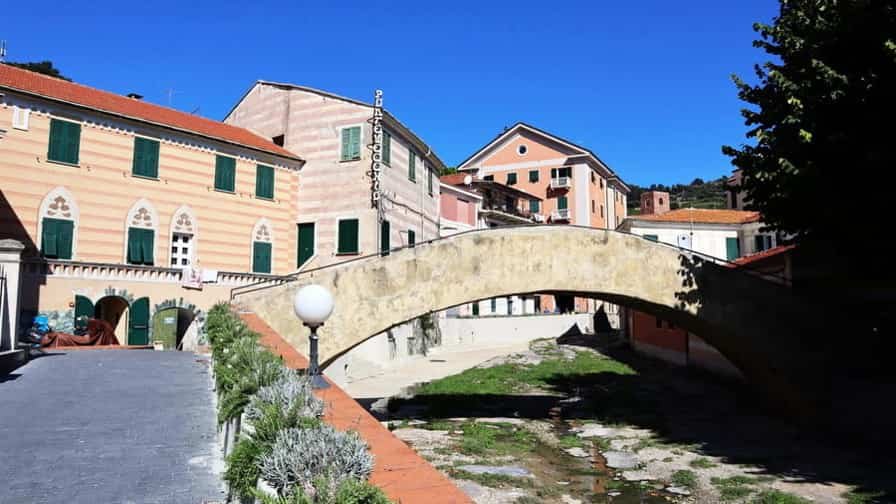
Walking through Noli is like stepping back in time. The cobblestone streets wind between tightly packed stone houses, opening occasionally onto small piazzas shaded by centuries-old buildings. Churches, chapels, and palaces bear witness to the town’s historical wealth and artistic heritage. Among the most notable is the Basilica of San Paragorio, a Romanesque structure that combines architectural elegance with centuries of religious devotion. The historic centre is compact, allowing visitors to explore on foot while appreciating the intimacy and charm that characterize the town.
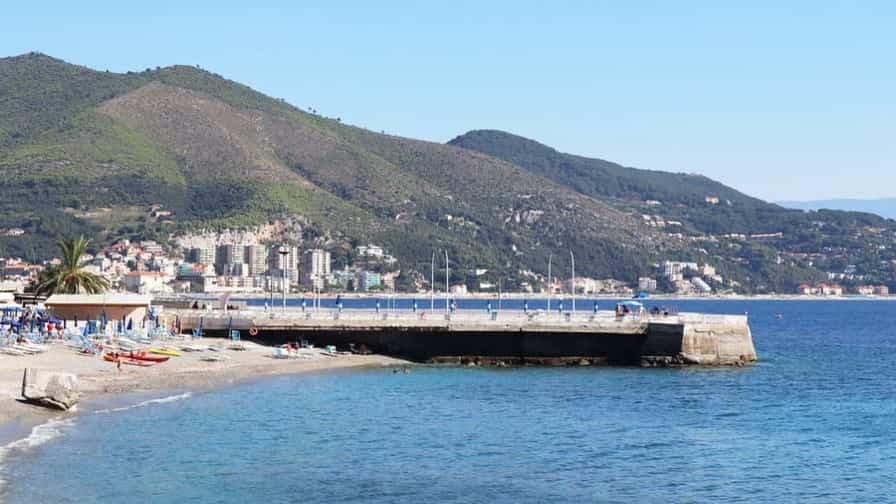
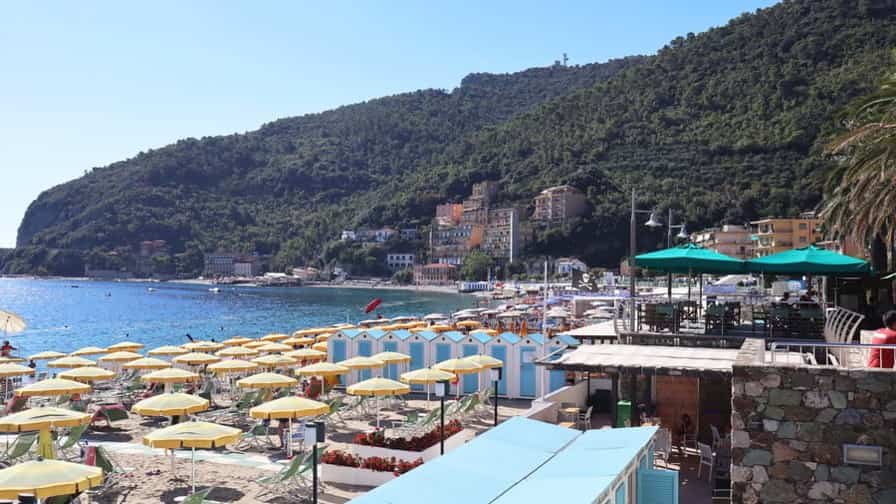
The town’s coastal location has always played a central role in shaping its identity. Fishing, seafaring, and trade have historically been the lifeblood of Noli, and the connection to the sea remains strong today. The harbour is still active, with fishing boats moored alongside pleasure vessels, creating a vibrant atmosphere that reflects both tradition and modern life. The Mediterranean waters provide opportunities for swimming, sailing, and leisure, while cliffs and walking paths offer panoramic views that highlight the natural beauty of the Ligurian coast.
Cuisine in Noli reflects its maritime heritage and regional character. Seafood is a central element, with freshly caught fish prepared simply to highlight its natural flavours. Ligurian specialties, including focaccia, pesto, and olive oil, complement the coastal offerings, creating meals that are both flavourful and rooted in tradition. Dining in Noli is often an outdoor affair, with cafes and restaurants overlooking the harbour or tucked into quiet alleys, allowing visitors to enjoy both the food and the ambiance of the town.
Despite its small size, Noli maintains a lively cultural life. Festivals, processions, and community celebrations mark the calendar, many of which are tied to the sea, religion, or historical events. Music, dance, and traditional crafts are part of these gatherings, providing insight into the town’s social fabric and preserving customs that have endured for centuries. Local markets and artisanal shops further reinforce the town’s identity, offering handcrafted goods, regional products, and opportunities to engage directly with the community.
Noli’s appeal lies in the balance between history, culture, and natural beauty. Unlike larger tourist destinations, it maintains a pace that allows visitors to fully appreciate the richness of everyday life, from quiet morning walks along the harbour to leisurely afternoons exploring historic streets. The combination of medieval architecture, vibrant maritime traditions, and coastal scenery creates an environment that is both immersive and restorative.
As an introduction to the Italian Riviera, Noli represents a synthesis of history, culture, and environment. It reveals the enduring influence of maritime heritage, the beauty of Ligurian landscapes, and the vitality of a small community that continues to honour its past while embracing the present. Noli invites visitors to experience Italy on a human scale, where every street, square, and view tells a story of resilience, tradition, and natural splendour.
Worth a Visit
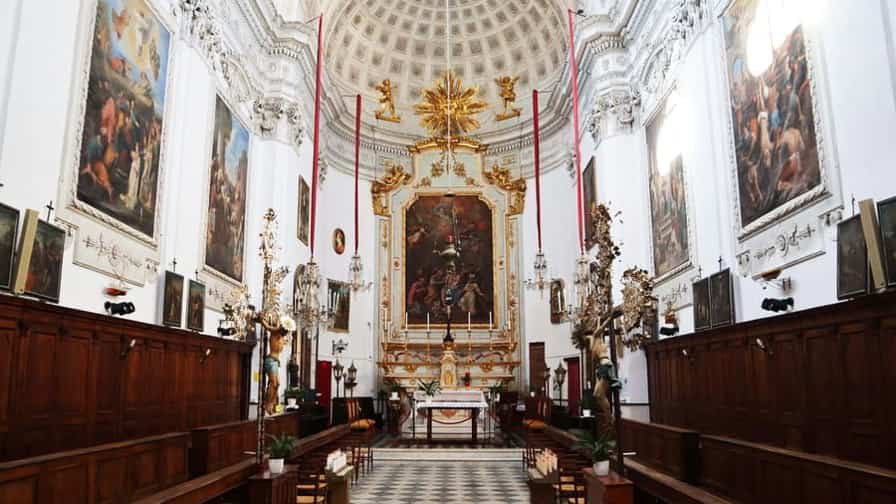
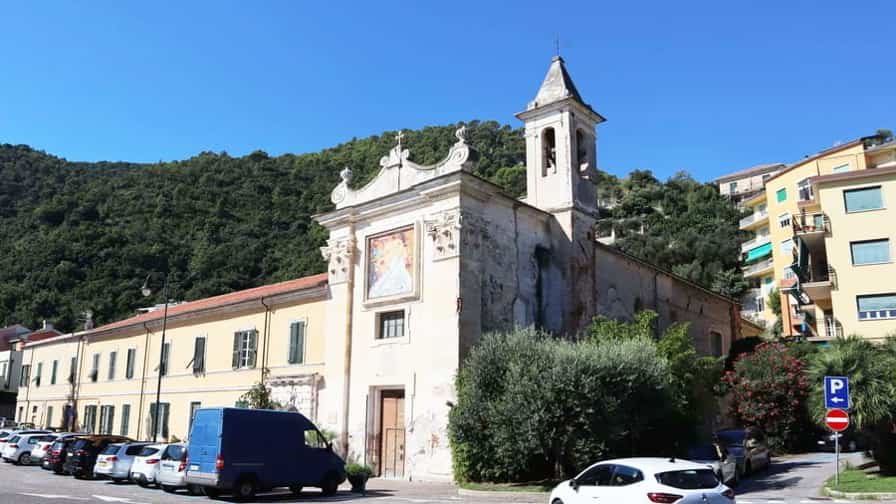
Tucked into the historic fabric of Noli, a former maritime republic on the Ligurian coast, the Oratorio di Sant’Anna stands as a quiet yet eloquent witness to the town’s religious and communal life. Built in the seventeenth century and traditionally associated with a lay confraternity, the oratory reflects the deep-rooted devotional practices that shaped Noli’s social identity over centuries. Though modest in scale, its presence is significant, embodying the intimate relationship between faith, charity, and everyday life in a small coastal community.
The Oratorio di Sant’Anna is dedicated to Saint Anne, revered as a protector of families and an intercessor for women and children. This dedication underscores the oratory’s role as a space of collective prayer and mutual support, particularly during moments of hardship such as illness, famine, or plague. Architecturally, the building follows the sober lines typical of Ligurian oratories, while its interior preserves artistic elements that reveal the devotional tastes and spiritual priorities of its time.
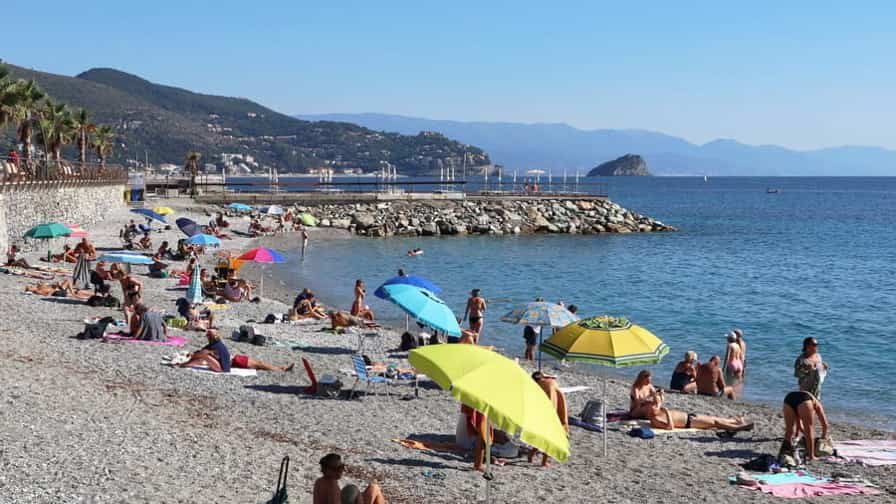
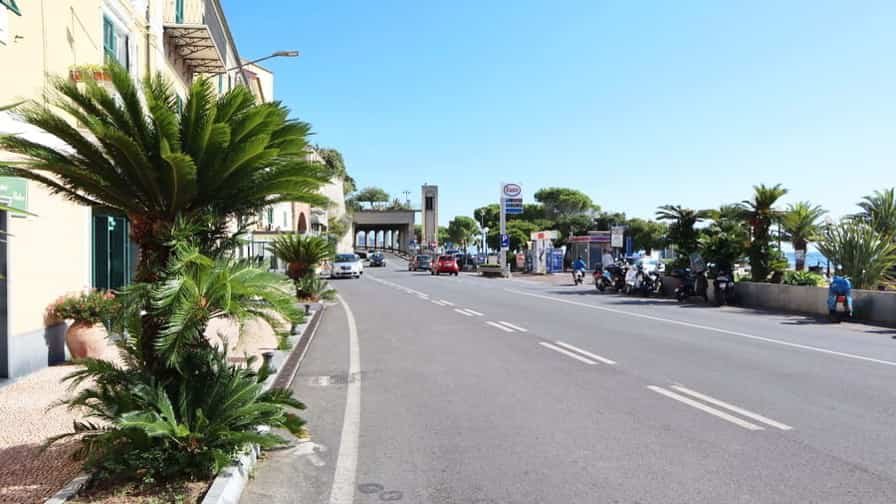
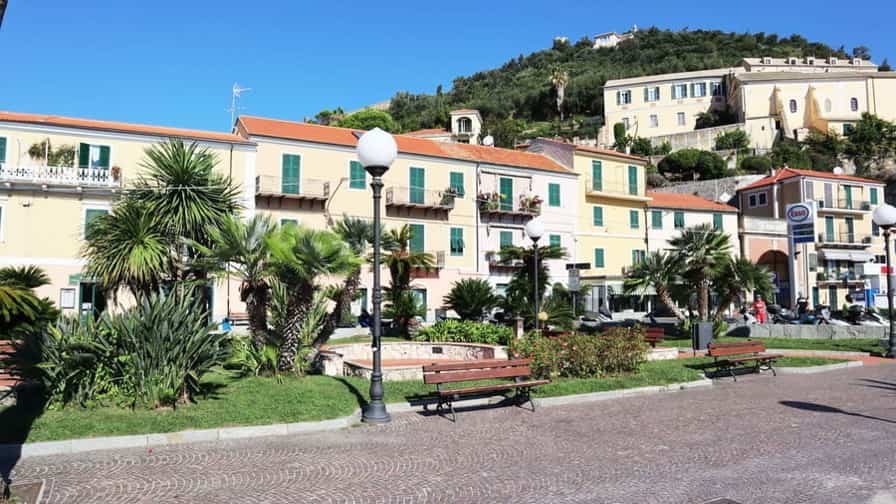
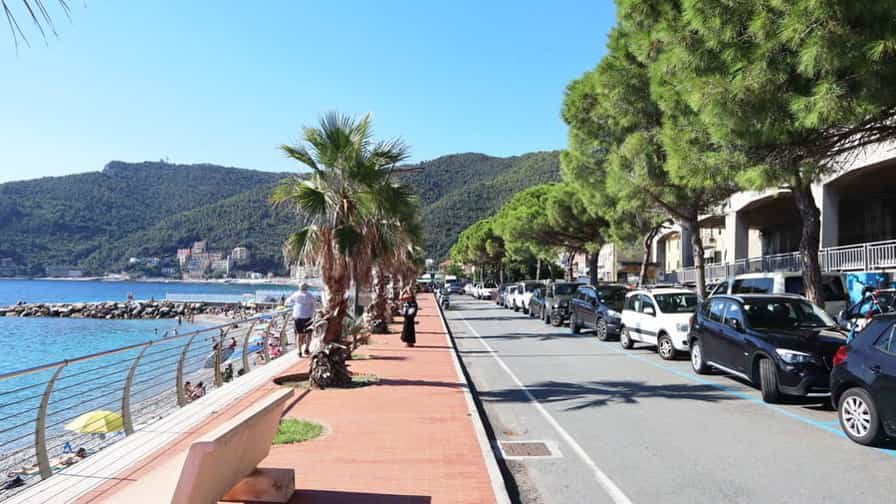
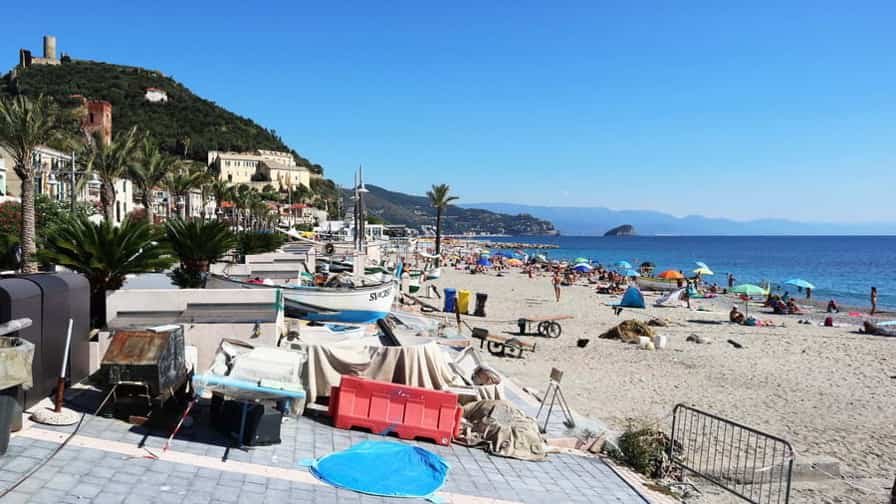
Stretching along the gentle curve of Noli’s coastline, the Lungomare Guglielmo Marconi is both a scenic promenade and a vital part of the town’s daily life. Framed by the deep blue of the Ligurian Sea on one side and the pastel façades of historic buildings on the other, this seafront walkway offers a timeless introduction to the character of Noli, a former maritime republic rich in history and tradition.
Named after Guglielmo Marconi, pioneer of wireless communication, the lungomare reflects a harmonious blend of past and present. Once central to maritime trade and fishing activities, the waterfront has evolved into a welcoming public space where residents and visitors gather to stroll, relax, and enjoy the rhythm of the sea. Cafés, small beaches, and fishing boats contribute to an atmosphere that remains authentic and unhurried, far removed from mass tourism.
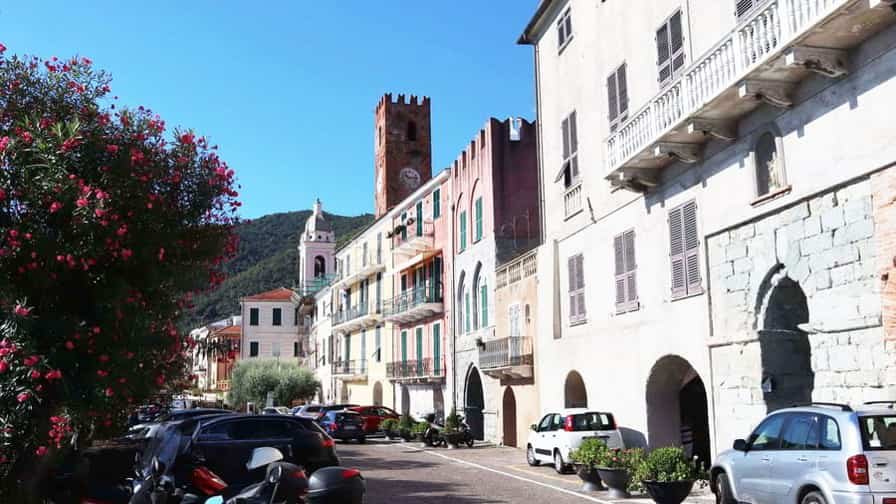
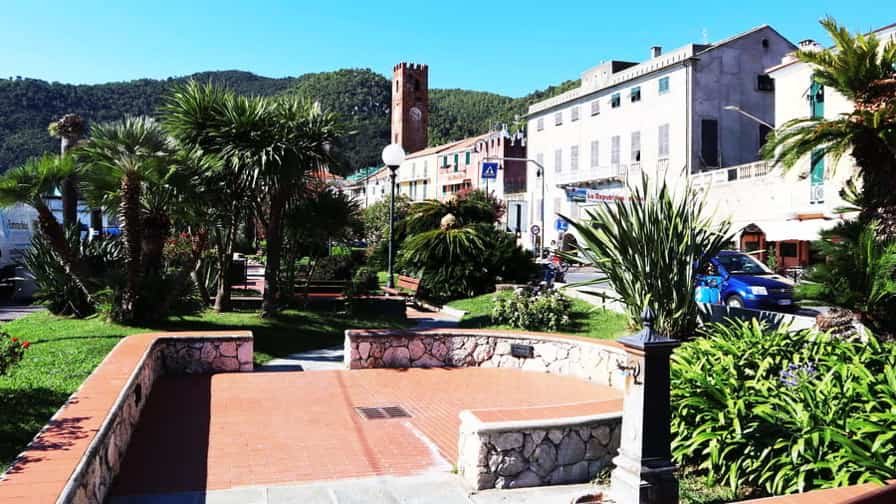
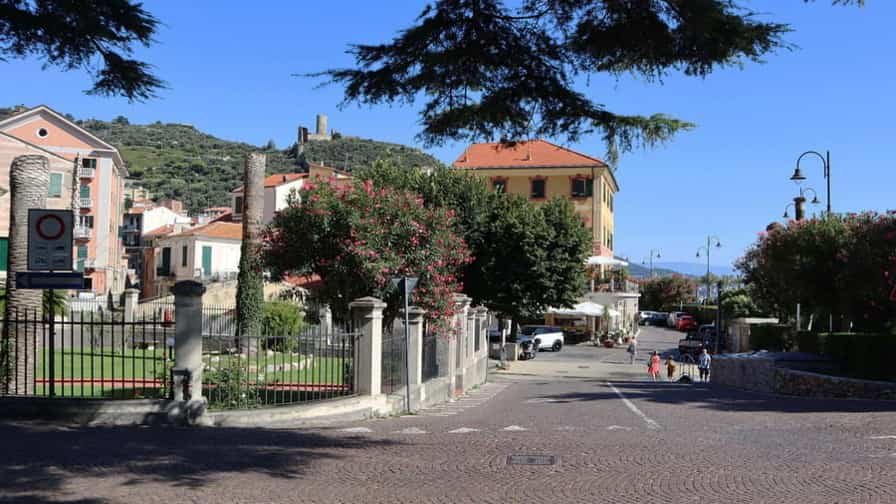
The promenade also provides striking views of Noli’s medieval skyline, with its watchtowers, churches, and surrounding hills rising just behind the shore. At sunrise and sunset, the Lungomare Guglielmo Marconi becomes a place of quiet contemplation, where natural beauty and historical memory meet. It stands today as a symbol of Noli’s enduring relationship with the sea, shaping both its identity and its way of life.
Photo Gallery of Walk 1 – Via S. Michele to Loggia Amblingh
Approximately 1.23 km – 0.76 miles
The walk starts in Via S. Michele – Parco Villa Comunale, Viale Rimembranza – Viale Rimembranza – Piazza Guglielmo Marconi – Via Tre Segni – walk back to Piazza Guglielmo Marconi – Municipal Market Hall of Santa Chiara, Piazza Santa Chiara – Via Sportello – Via Tripoli – Via Santa Maria – Chiesa Santa Maria Maggiore, Via Santa Maria – Via Santa Maria – Piazza del Tomolo – Via Catena – Porta Catena, Loggia Amblingh
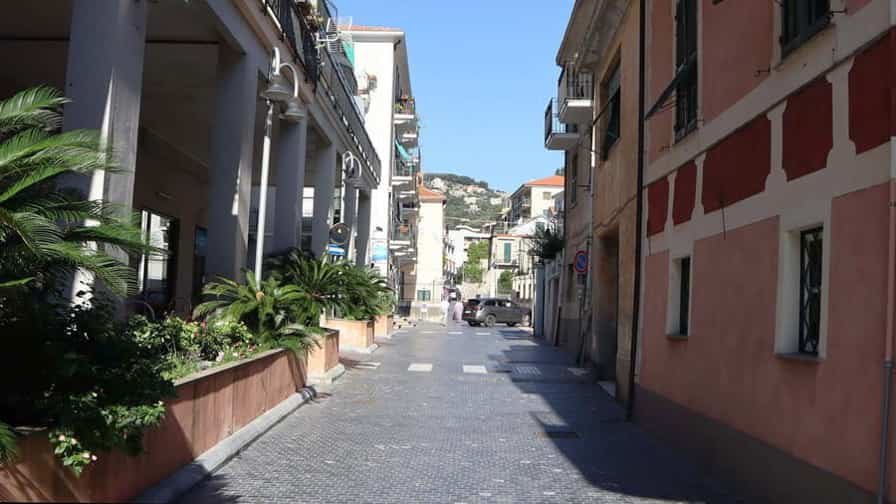
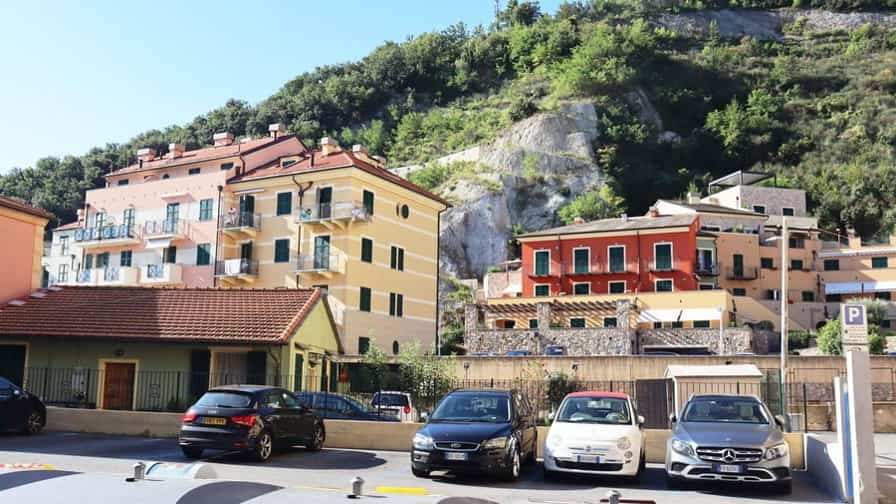
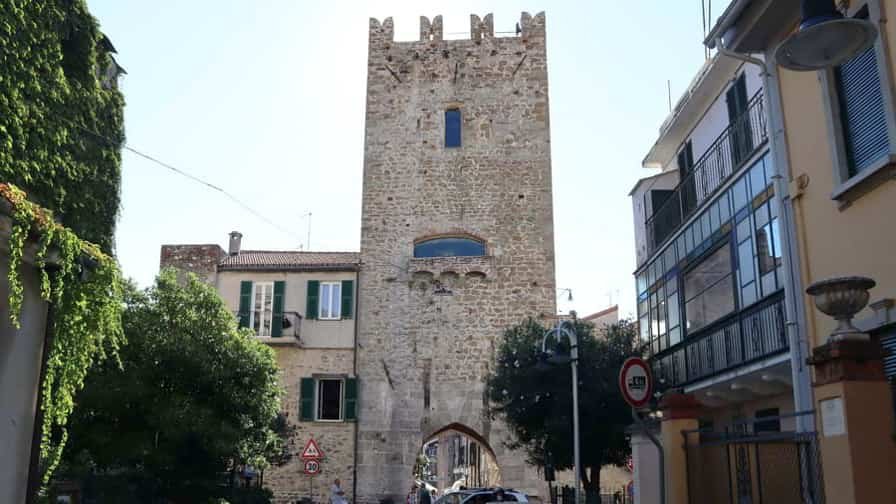
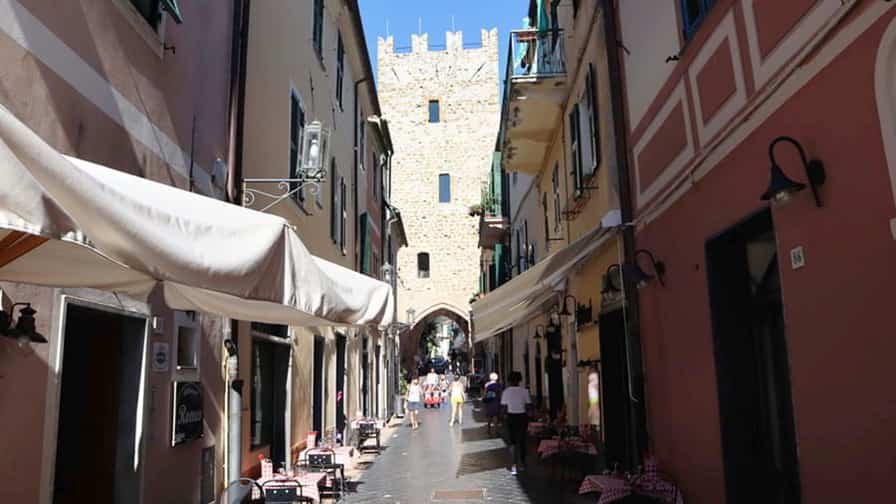
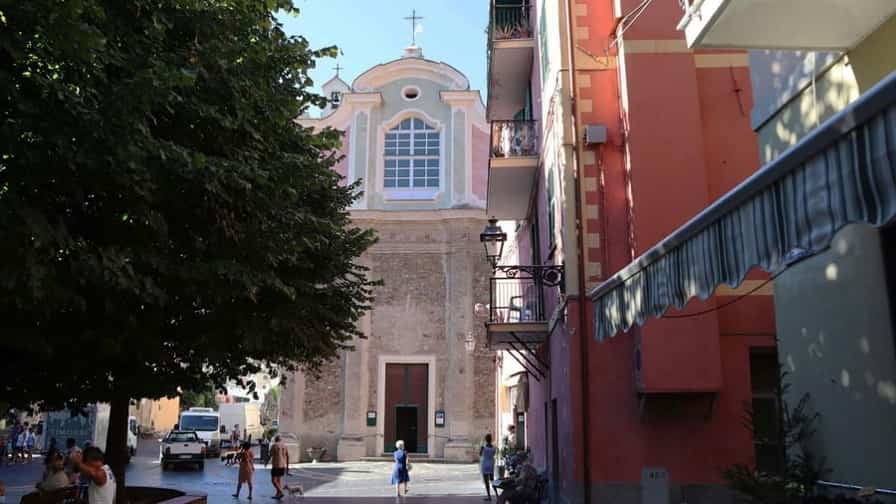
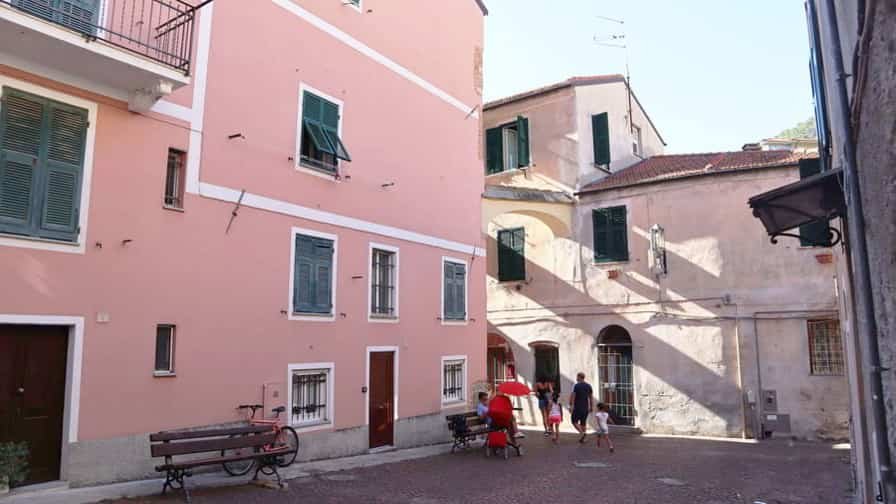
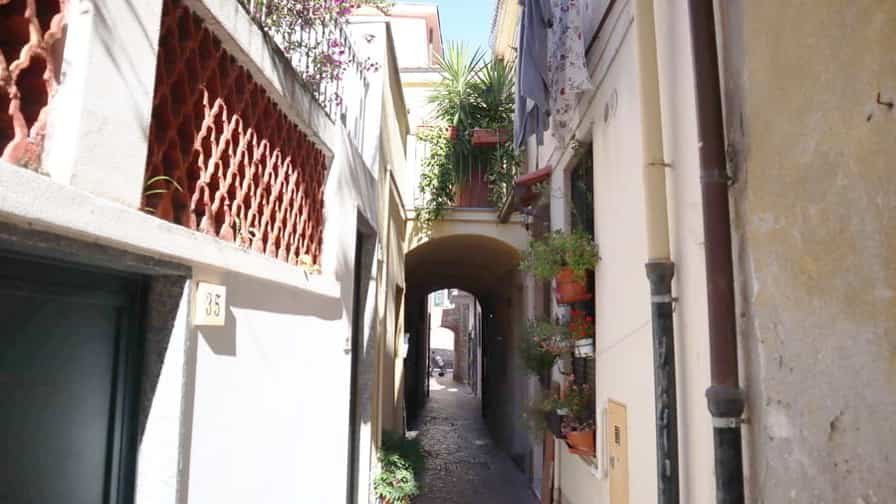
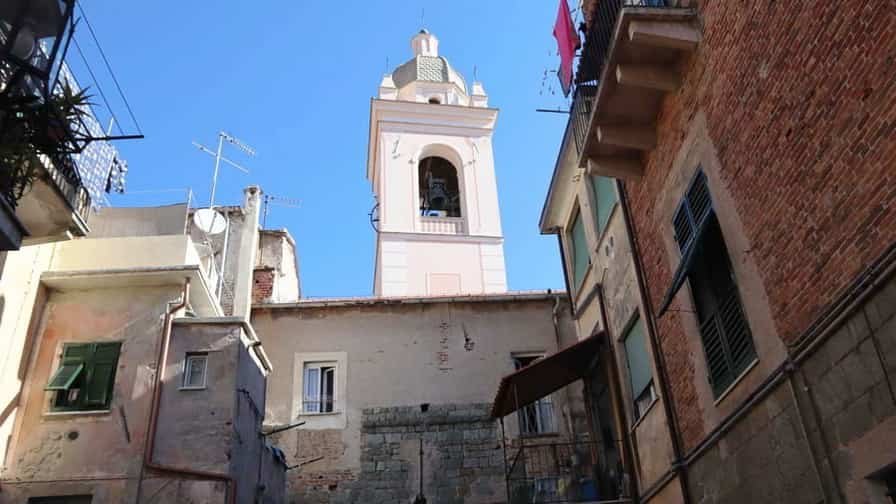
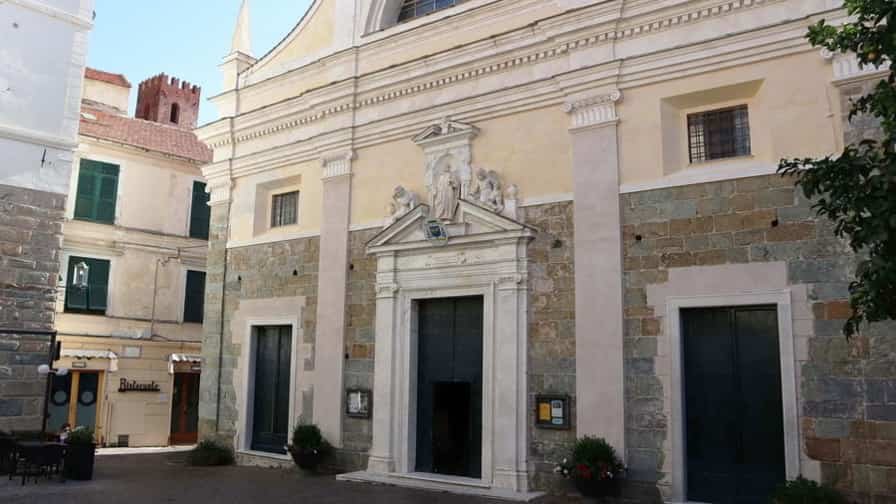
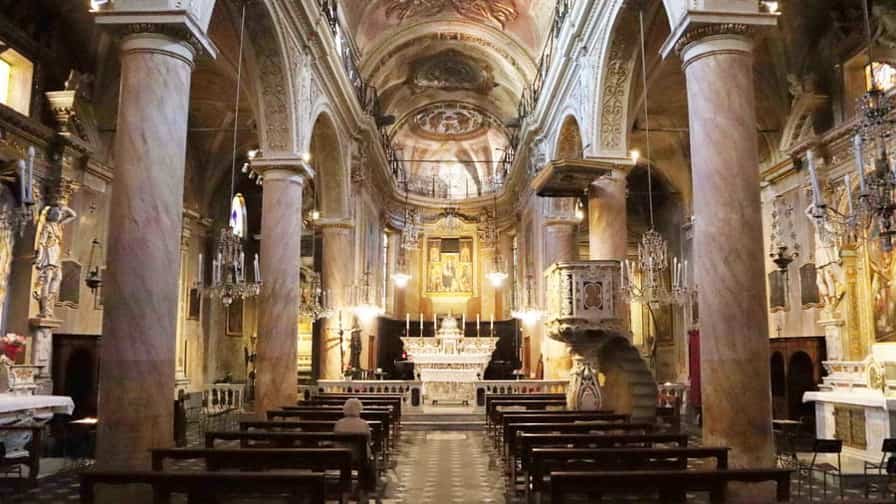
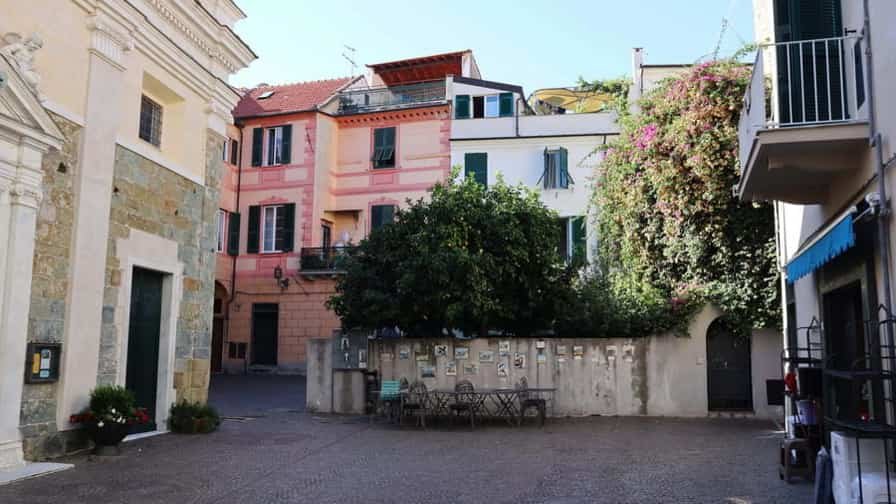
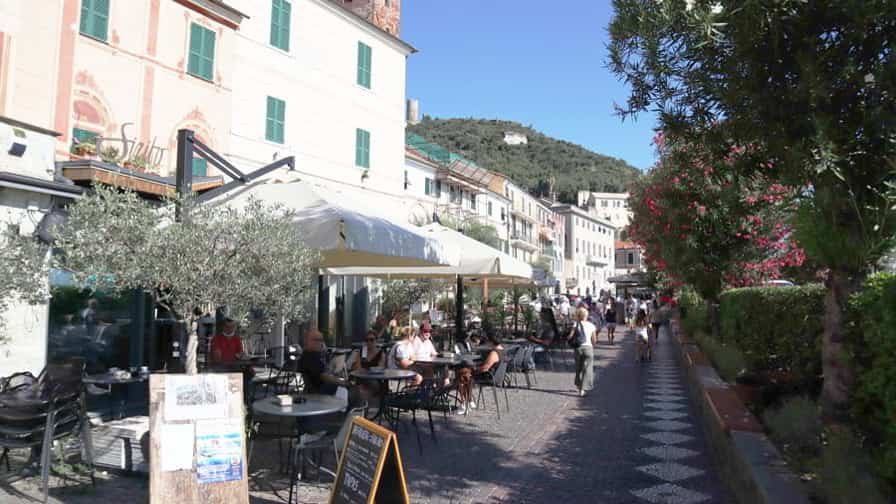
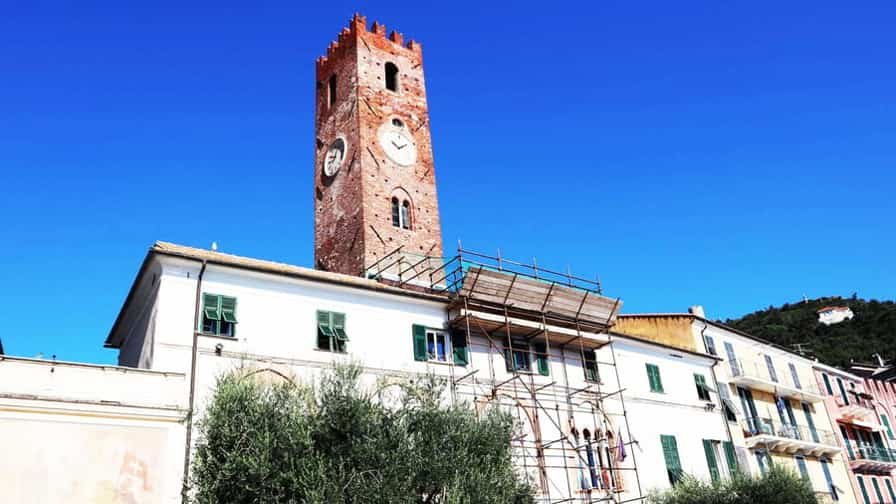
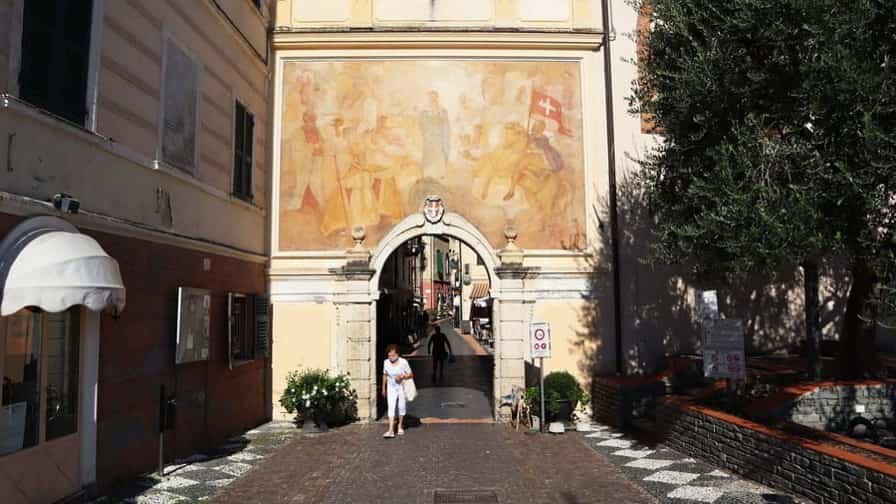
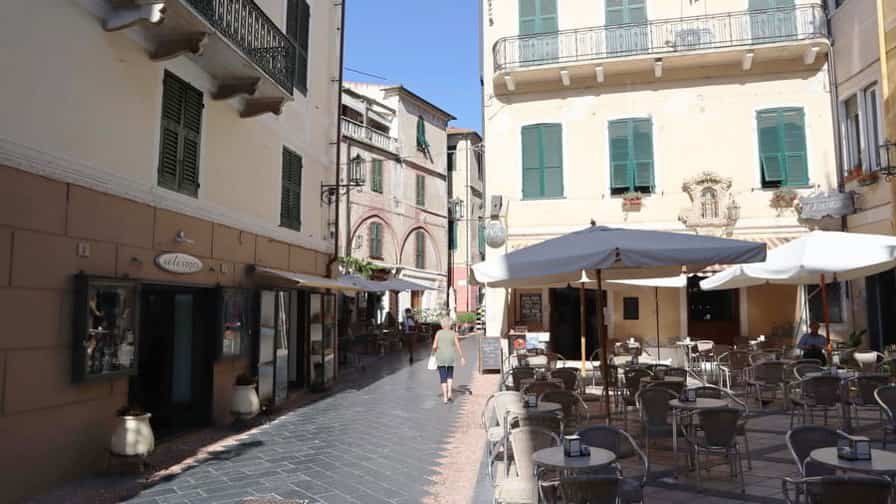
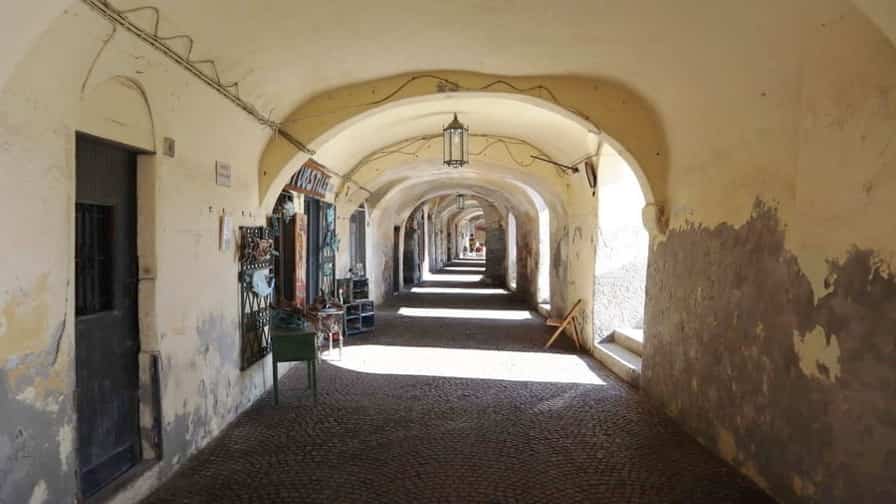
Photo Gallery of Walk 2 – Piazza del Tomolo to Via Adriatica
Approximately 0.60 km – 0.37 miles
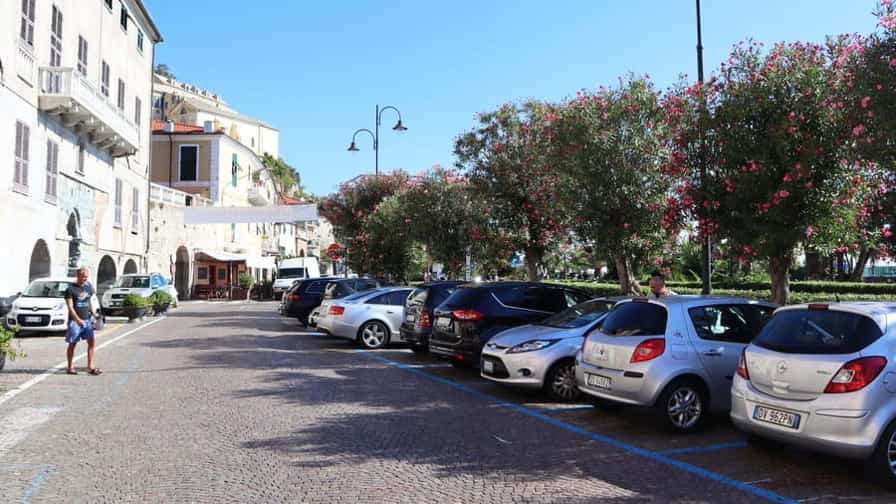
The walk starts in Piazza del Tomolo – Via Santa Maria – Via Giosia – Piazza L. V. Pudente – Cattedrale di San Giuseppe, Piazza L. V. Pudente – Piazza L. V. Pudente – Via Vescovado – Piazza L. V. Pudente – Piazza del Popolo – Via Adriatica
COPYRIGHT © 2018-2026 ITALY IN PHOTOS - ALL RIGHTS RESERVED