
HOME
THE REGIONS OF ITALY
PLACES IN ITALY
TRAVEL GUIDES COMING SOON
Italy in Photos
Viale S. Francesco, 65017 Penne PE, Italy (September 2020)
Penne
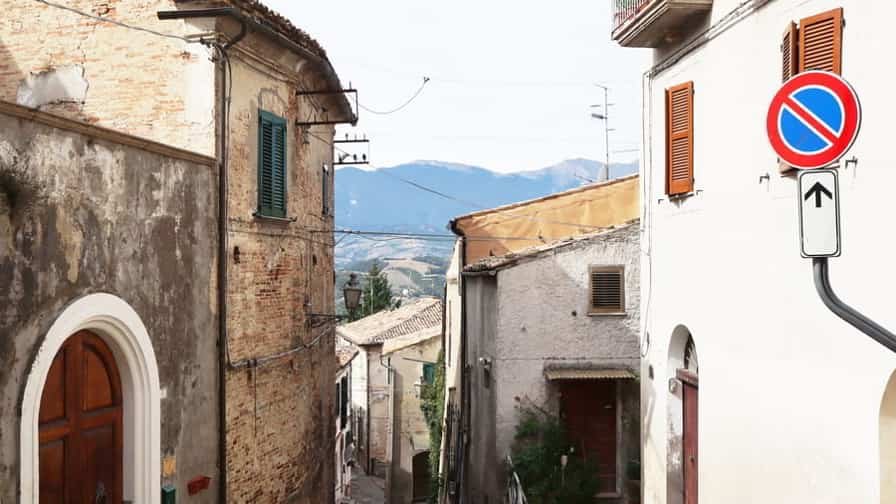
Penne is a historic town located in the Abruzzo region of central Italy, set on a series of hills between the Adriatic coast and the rugged peaks of the Apennine Mountains. Overlooking the valleys of the Tavo and Fino rivers, Penne enjoys a strategic and scenic position that has influenced its development for centuries. Often included among Italy’s most beautiful villages, the town offers a harmonious blend of history, architecture, and natural surroundings, making it an appealing destination for those seeking an authentic and less crowded Italian experience.
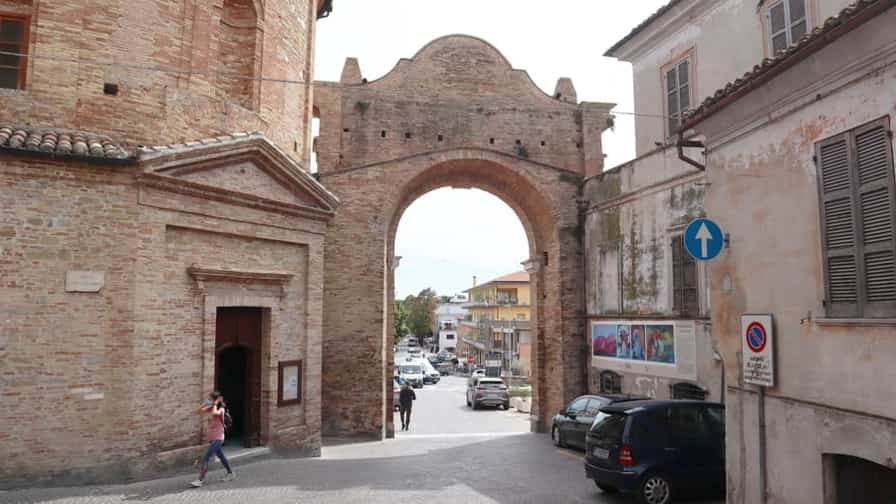
The origins of Penne date back to ancient times, when it was known as Pinna Vestinorum, a major centre of the Vestini people. Later incorporated into the Roman Republic, the town benefited from its role as a regional hub connected to important road networks. Remains of Roman walls, roads, and foundations can still be found, reflecting the importance of Penne during this early period. After the fall of the Roman Empire, the town experienced successive phases of occupation and transformation, each contributing to its layered historical identity.
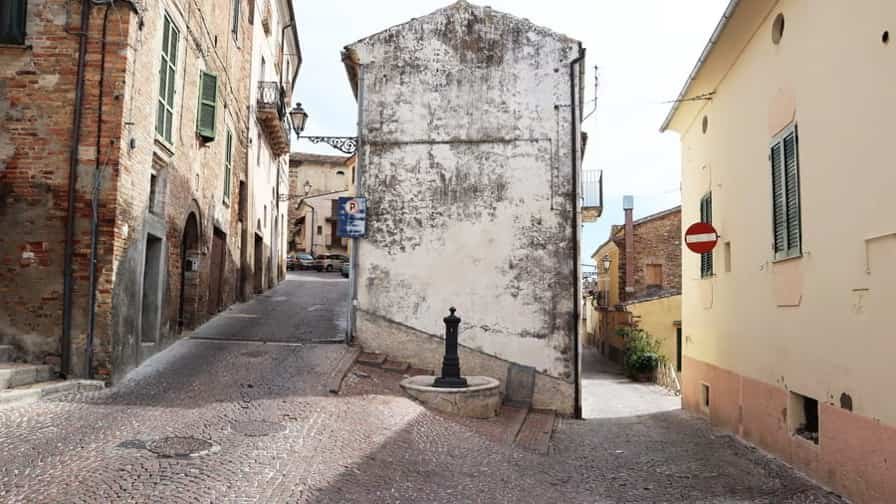
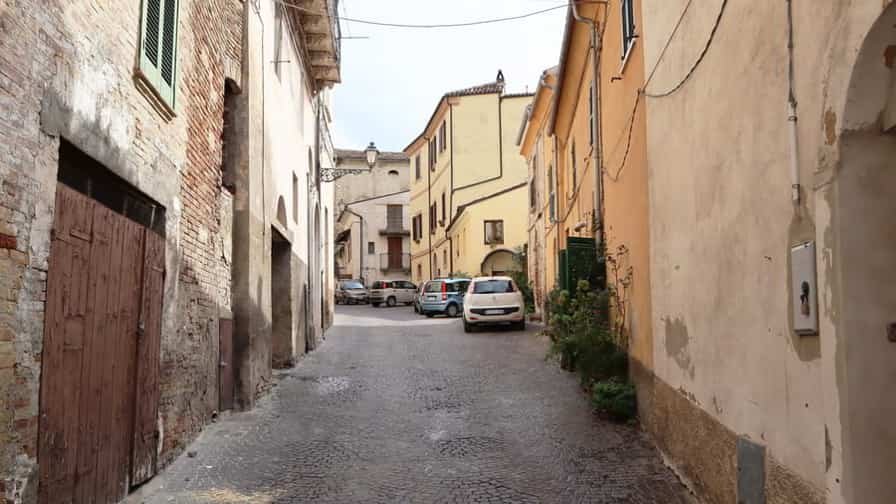
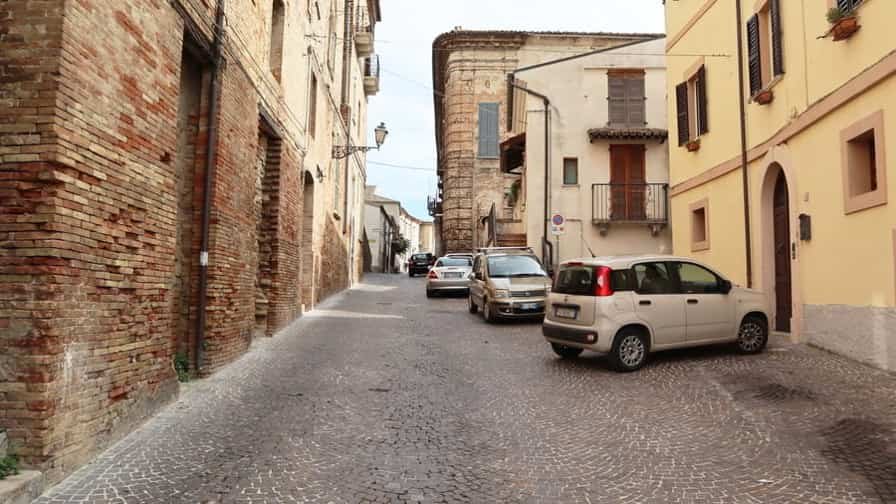
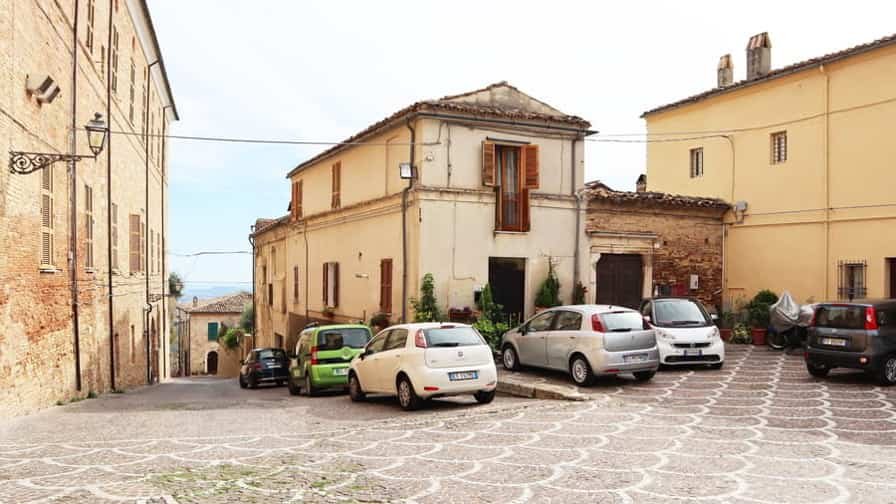
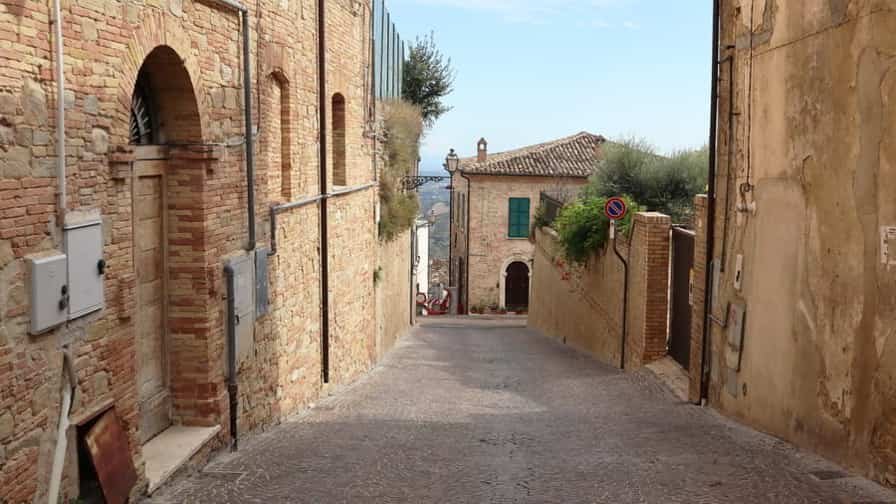
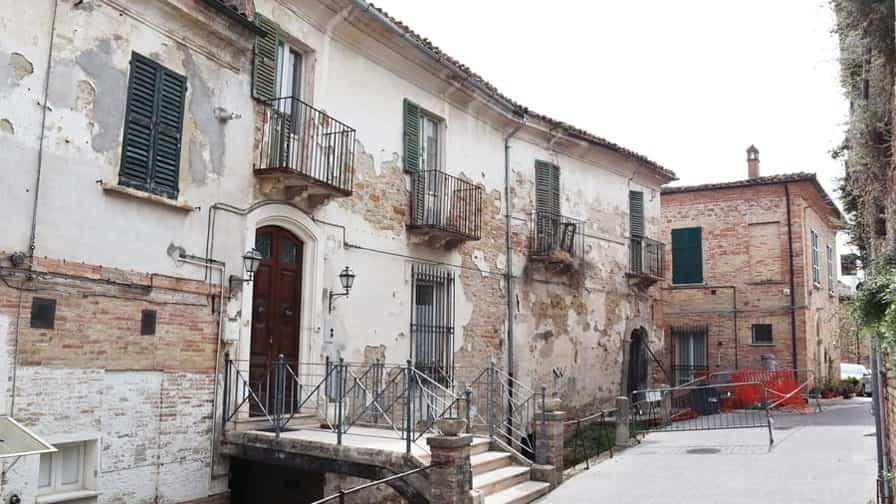
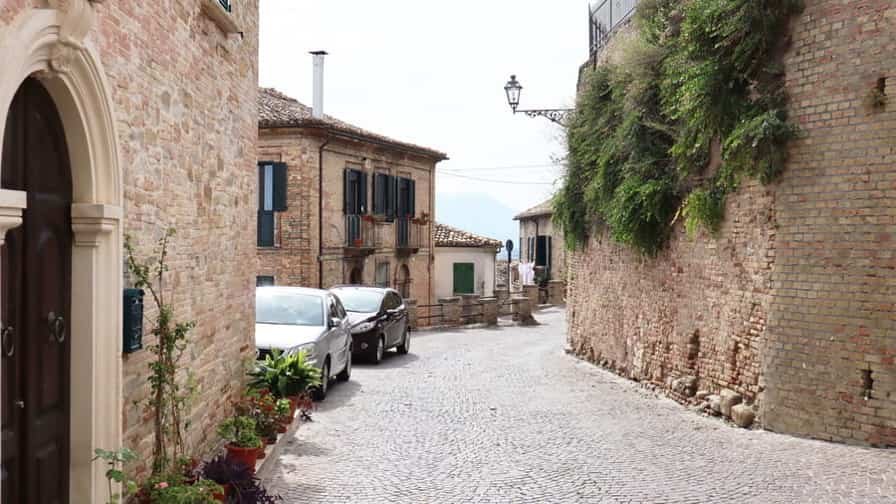
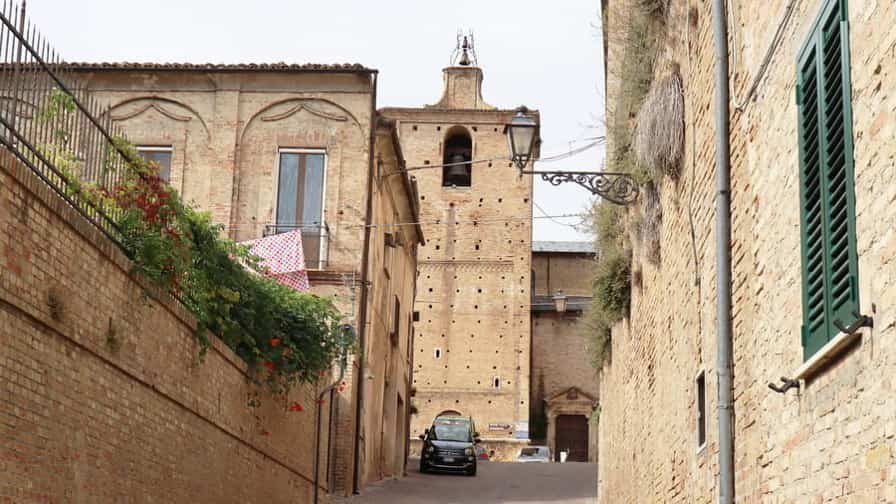
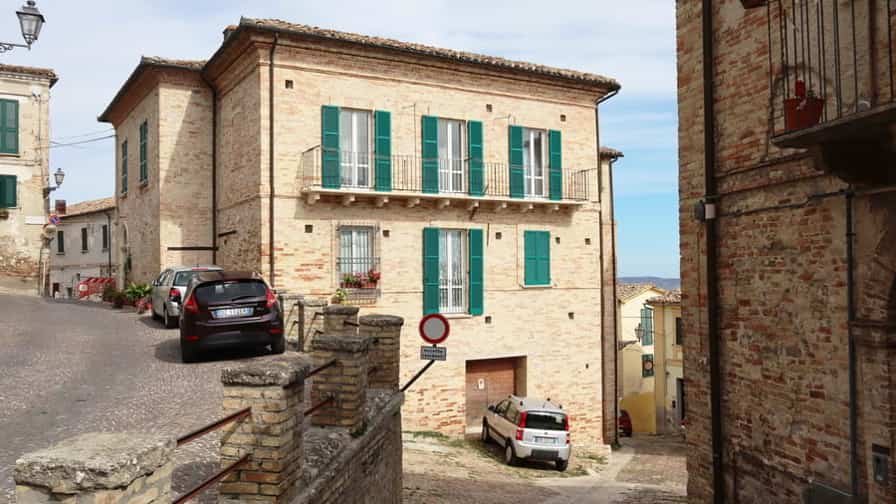
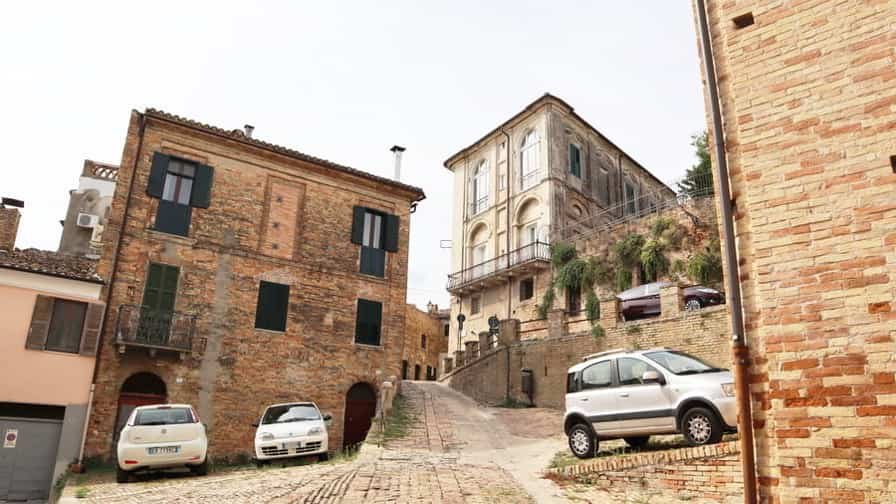
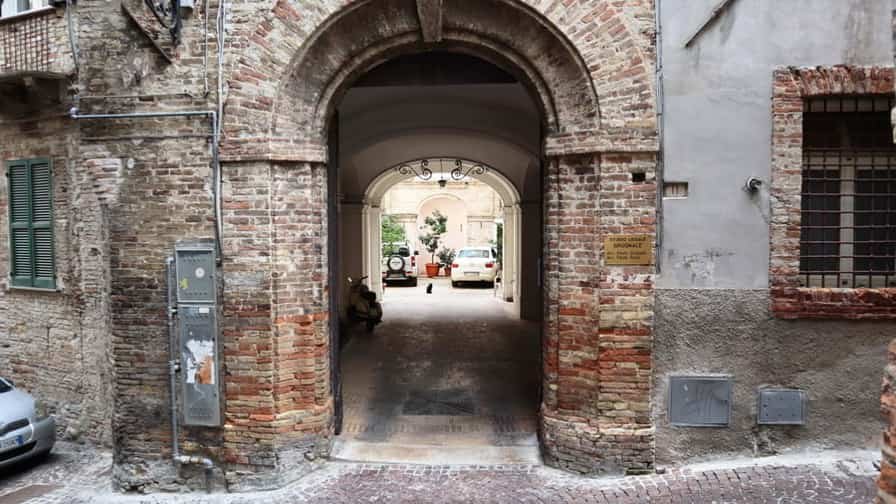
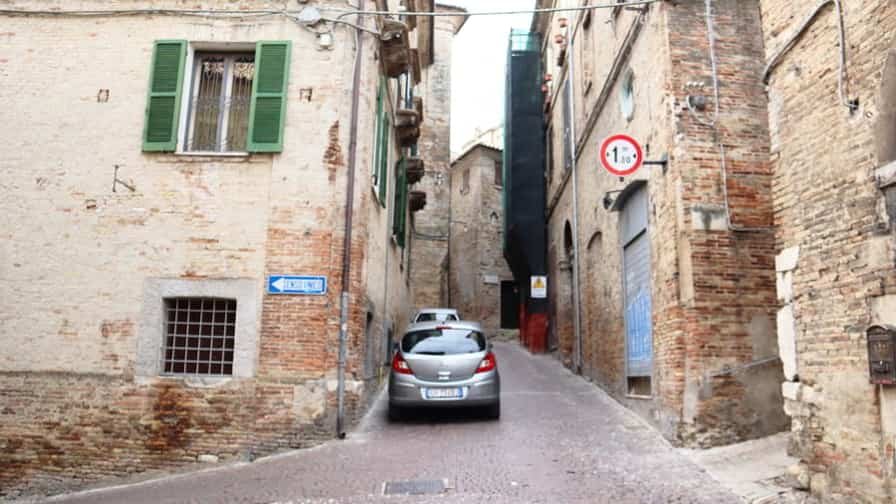
During the Middle Ages, Penne emerged as a significant religious and political centre. Its elevated position provided natural defence, while its prosperity supported the construction of churches, monasteries, and noble residences. Much of the town’s architectural character dates from this period, with brick buildings and elegant facades defining the historic centre. Unlike many Italian towns built primarily of stone, Penne is notable for its extensive use of warm terracotta brick, which gives the town a distinctive and cohesive appearance. This architectural choice creates a visual harmony that sets Penne apart from neighbouring hill towns.
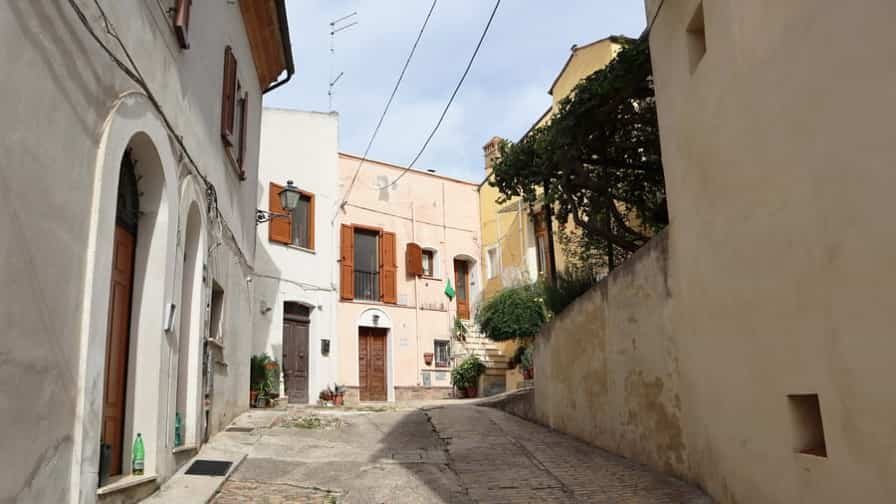
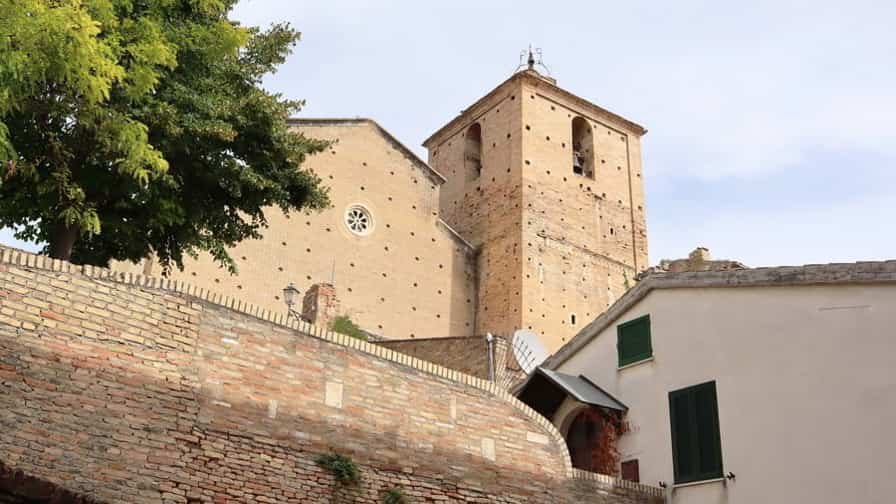
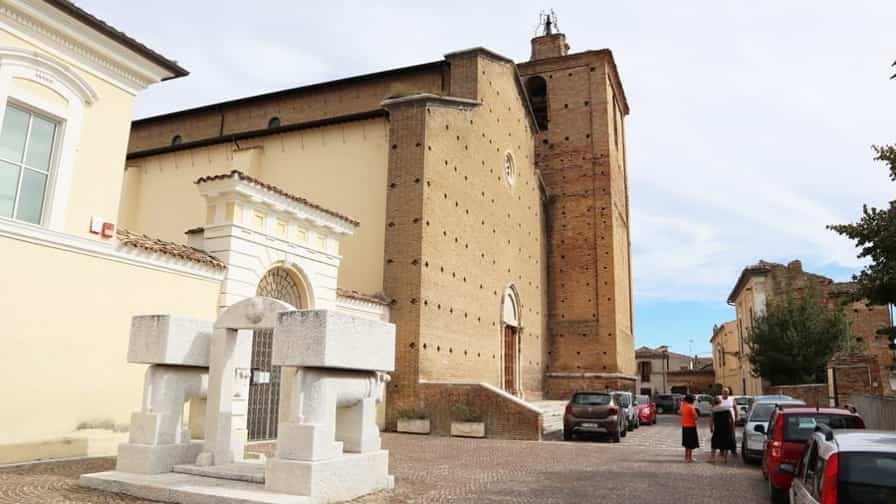
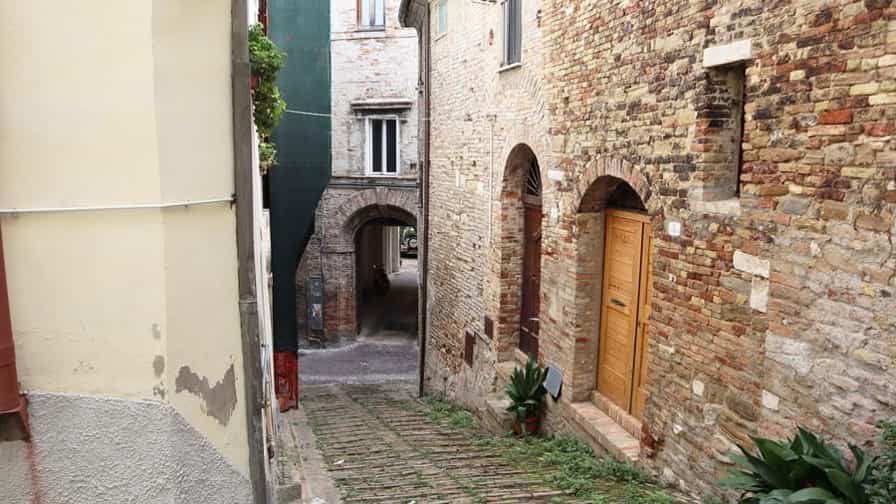
Walking through the historic centre of Penne is an immersive journey through centuries of history. Narrow streets lead to small squares, panoramic viewpoints, and hidden courtyards that reveal unexpected glimpses of the surrounding countryside. Prominent landmarks include the Cathedral of San Massimo, a Romanesque structure with later additions, and the Church of Santa Chiara, which reflects the town’s strong monastic tradition. Palaces built by noble families testify to Penne’s past wealth and cultural importance, while museums and cultural institutions preserve and interpret its heritage.
Penne has also played an important role in the cultural life of Abruzzo. The town has long been associated with art, literature, and scholarship, producing notable figures in Italian history. Today, this cultural legacy continues through exhibitions, festivals, and local initiatives that promote traditional crafts and artistic expression. These events strengthen the connection between past and present, ensuring that Penne’s heritage remains a living part of community life rather than a static display.
The natural environment surrounding Penne is an essential element of its identity. The town lies within the territory of the Gran Sasso and Monti della Laga National Park, one of Italy’s largest protected areas. This proximity offers abundant opportunities for outdoor activities such as hiking, wildlife observation, and exploration of unspoiled landscapes. Rolling hills, forests, and farmland create a serene backdrop that enhances the town’s sense of balance between human settlement and nature.
Local traditions and cuisine further define the character of Penne. Abruzzese gastronomy emphasizes simple, hearty dishes made with locally sourced ingredients. Pasta, legumes, lamb, cheeses, and olive oil are staples of the regional diet, often prepared according to recipes passed down through generations. Meals are closely tied to seasonal rhythms and social gatherings, reflecting the strong sense of community that characterizes life in Penne. Visitors often find that sharing food provides one of the most meaningful ways to connect with the town and its people.
Penne is a town that embodies the quiet richness of Italy’s lesser known regions. Its ancient roots, distinctive brick architecture, cultural traditions, and natural surroundings create a deeply rewarding experience for visitors. Penne offers an introduction to Italy that values authenticity, continuity, and a close relationship with the land. It is a place where history is woven into daily life and where the beauty of simplicity reveals itself through time, landscape, and human connection.
Worth a Visit
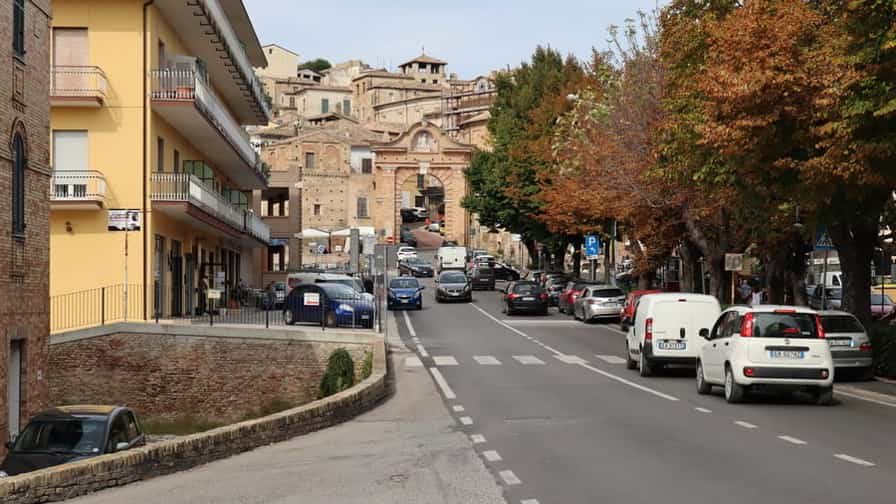
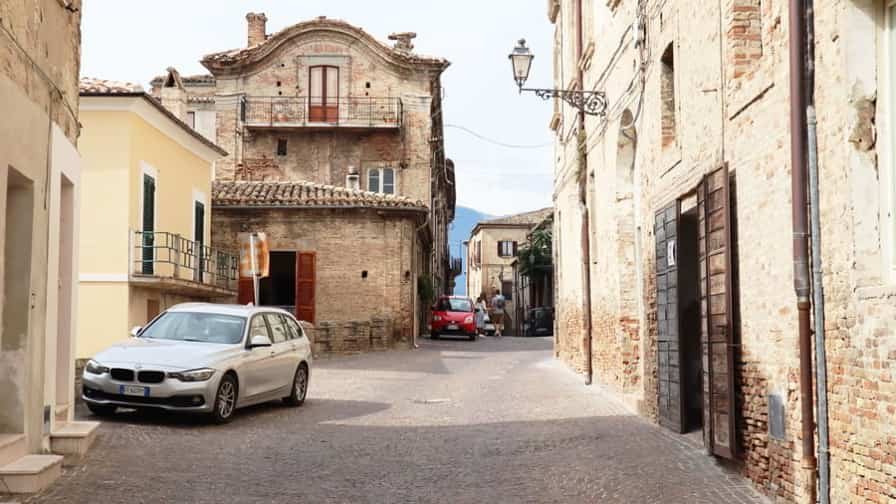
Viale San Francesco in Penne (province of Pescara, Abruzzo) is a charming street that reflects the rich history and character of this medieval hilltop town. Penne, often called the “gateway to the Gran Sasso,” is known for its beautiful stone architecture, winding alleys, and panoramic views of both the Adriatic Sea and the Apennine mountains. Viale San Francesco is a central and accessible location, lined with traditional buildings that showcase the town’s unique blend of Renaissance and Baroque influences. The area offers a peaceful atmosphere, with easy access to local shops, cafés, and historic landmarks such as the churches of San Domenico and Santa Maria Maggiore. Surrounded by rolling hills and olive groves, it captures the authentic essence of Abruzzo living. Whether strolling along its streets, enjoying local cuisine, or exploring nearby natural parks, Viale San Francesco offers visitors and residents a welcoming taste of Italian heritage and lifestyle.
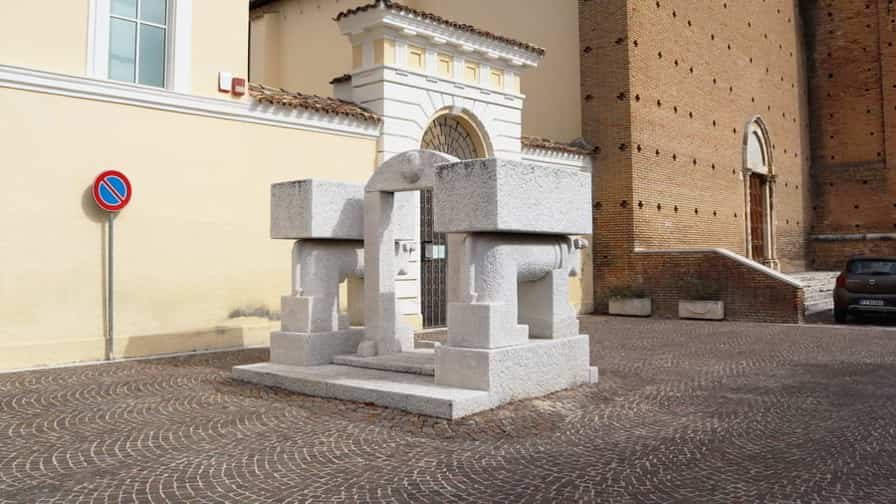
Piazza Duomo in Penne, located in the province of Pescara, Abruzzo, is the historic heart of this enchanting medieval town. Surrounded by elegant palaces and centuries-old stone buildings, the square embodies the cultural and architectural heritage that makes Penne one of the region’s most beautiful hilltop centers. At its heart stands the majestic Cathedral of Santa Maria degli Angeli, a landmark that reflects Penne’s deep religious traditions and artistic legacy. Piazza Duomo is not only a spiritual focal point but also a lively gathering place where history, culture, and community life converge. The square offers sweeping views of the surrounding countryside, with its rolling hills, olive groves, and distant peaks of the Gran Sasso. Visitors can enjoy the timeless atmosphere while exploring nearby cafés, artisan shops, and narrow alleys that wind through the town. Piazza Duomo is truly a symbol of Penne’s charm and enduring Italian identity.
Photo Gallery of Walk 1 – Viale S. Francesco to Via Muzio Pansa
Approximately 0.80 km – 0.50 miles
The walk starts in Viale S. Francesco – Via Bernardo Castiglione – Largo S. Francesco – Via Bernardo Castiglione – Salita Ronzi – Via Sant’Agostino – Via Muzio Pansa
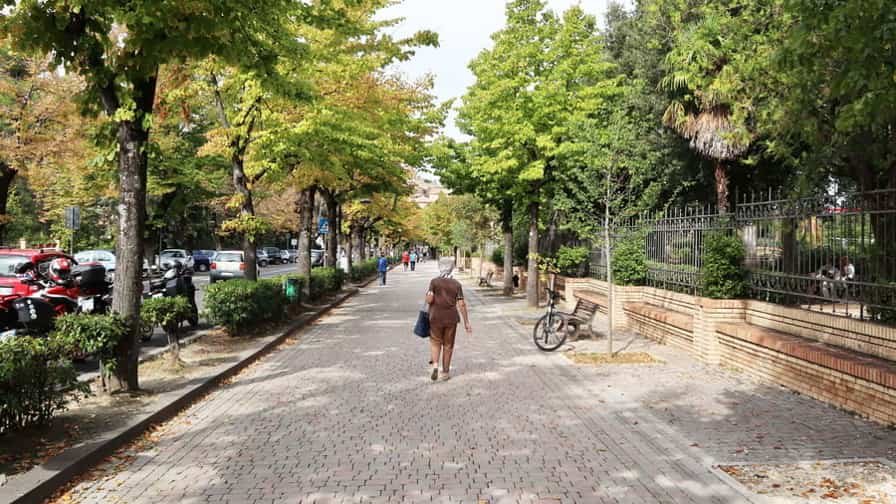
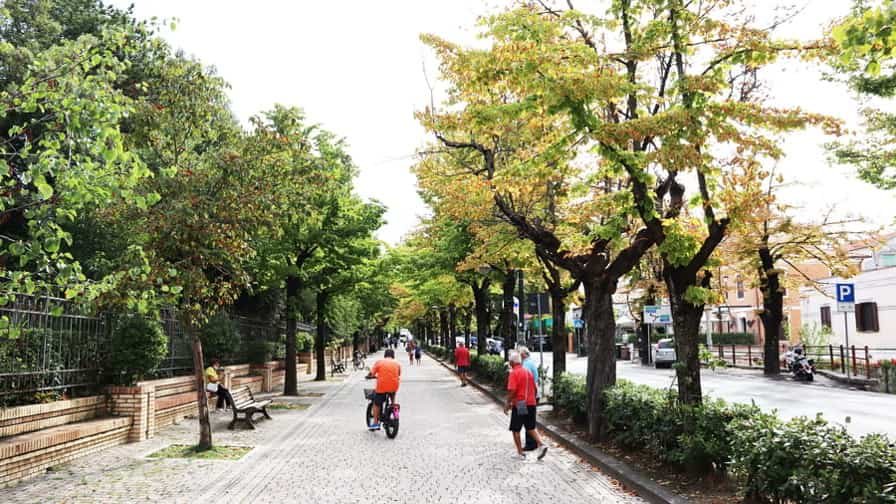
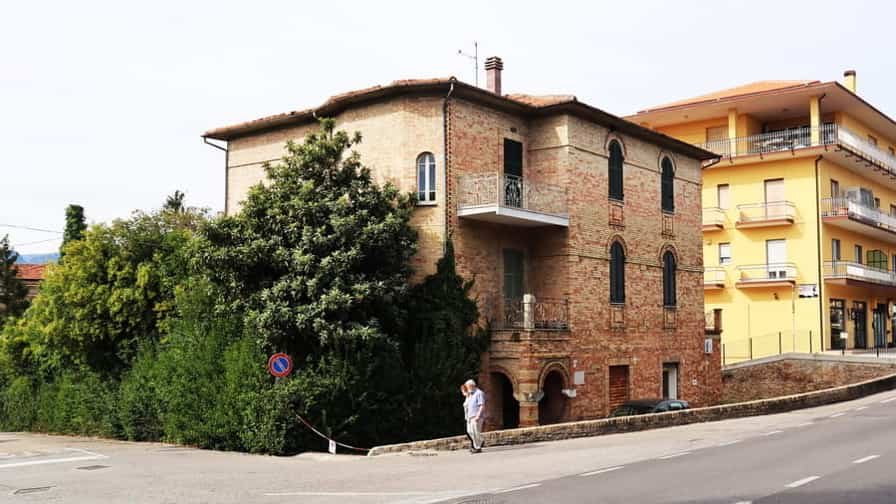
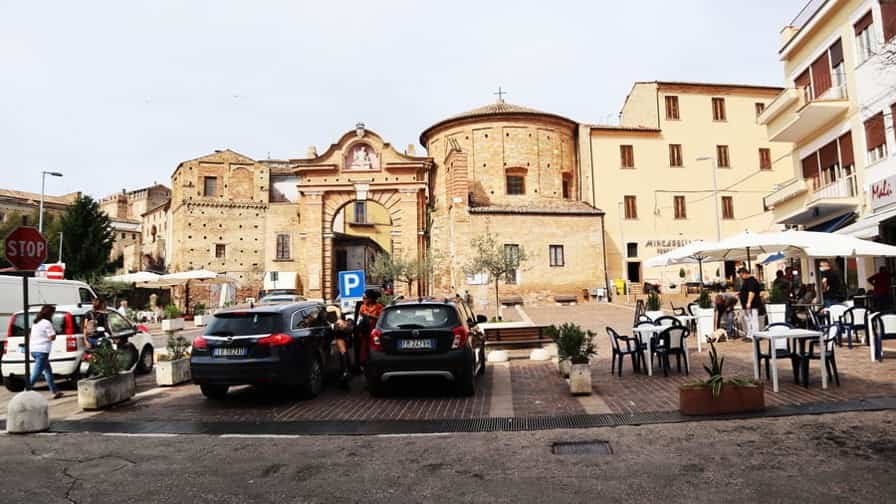
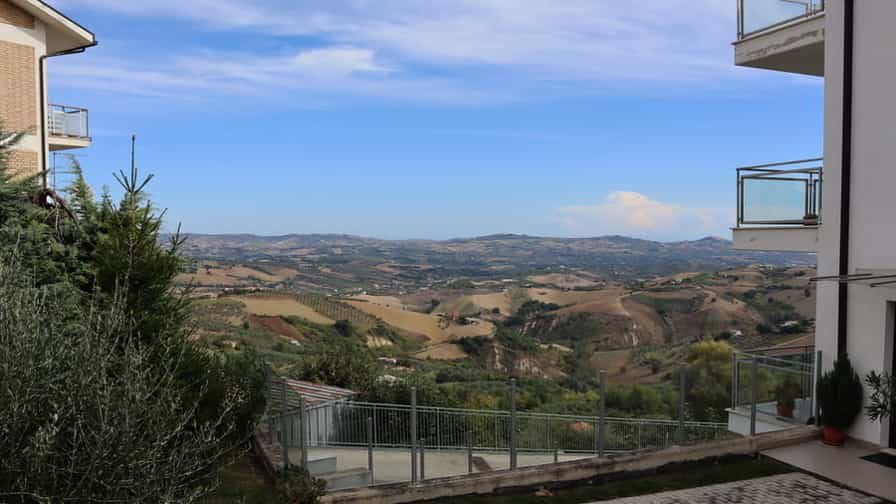
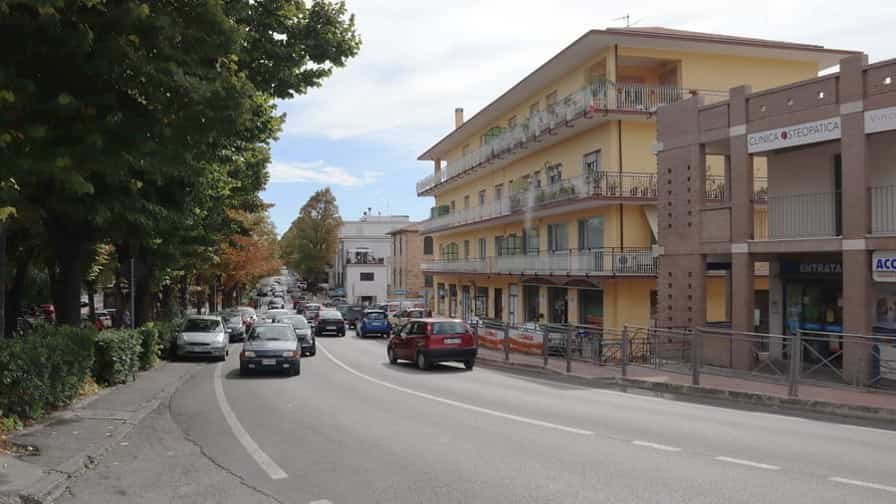
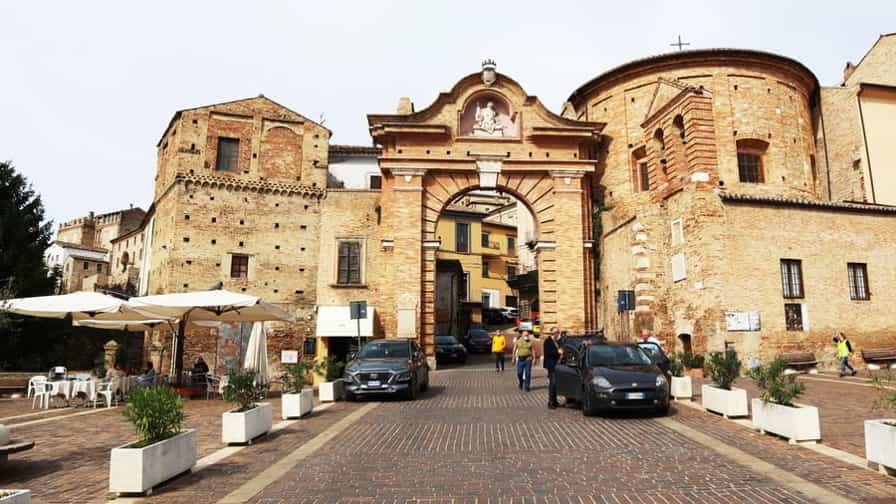
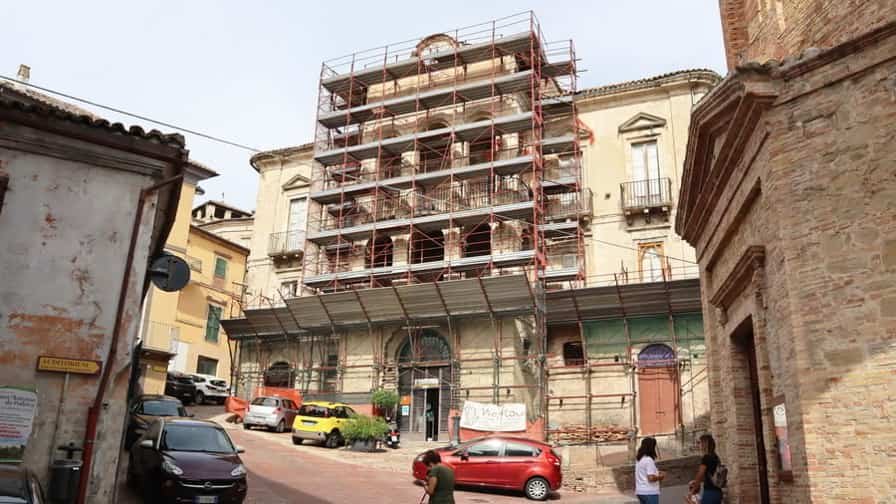
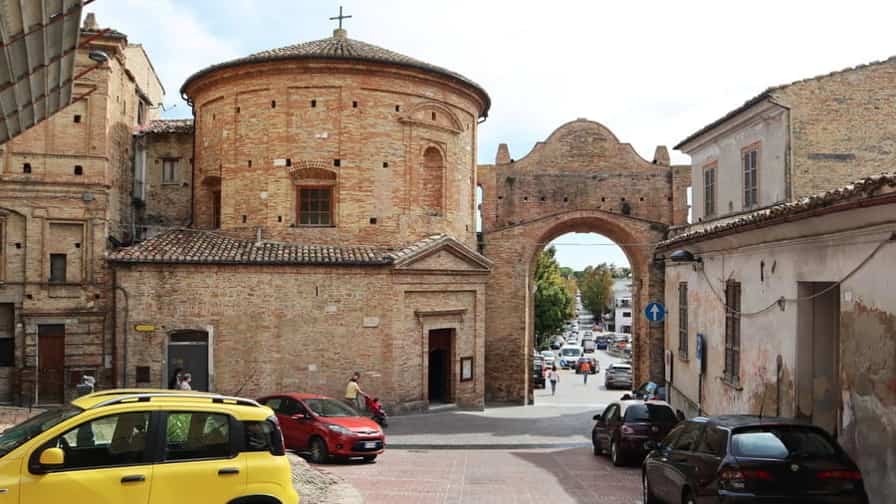
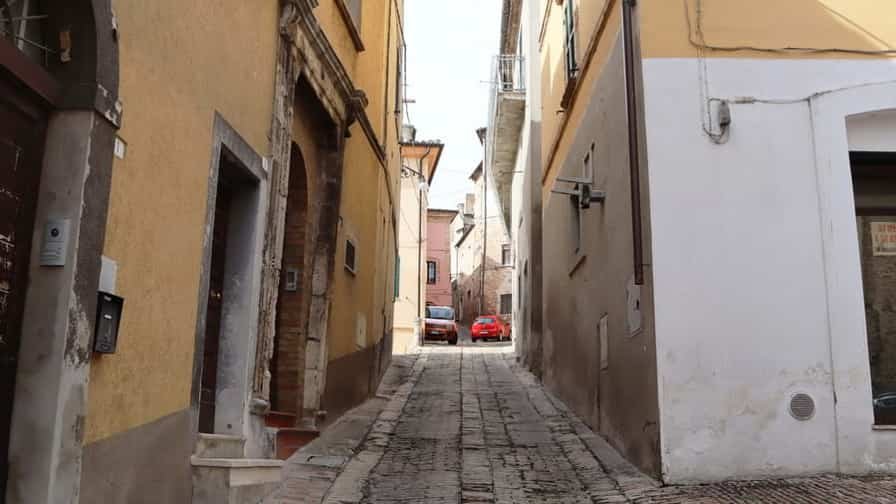
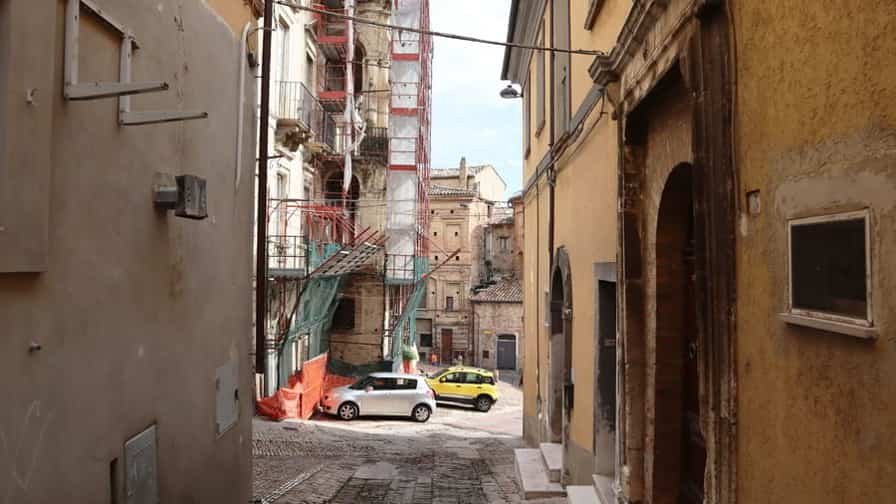
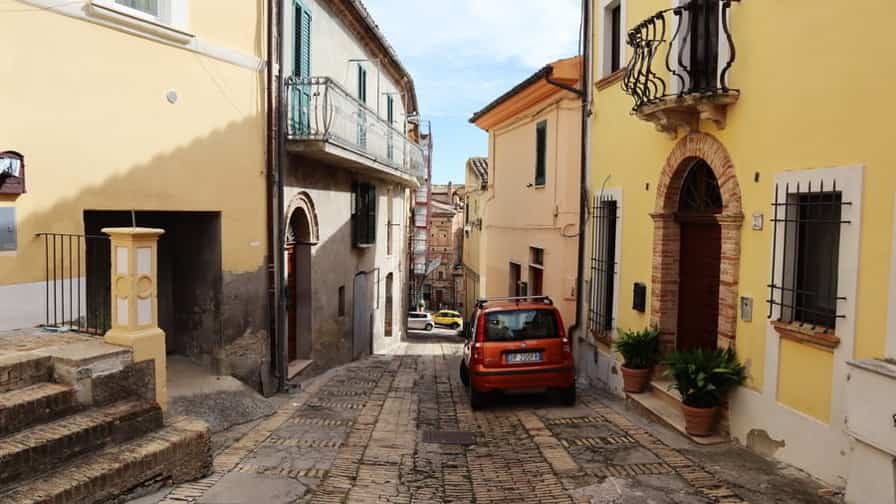

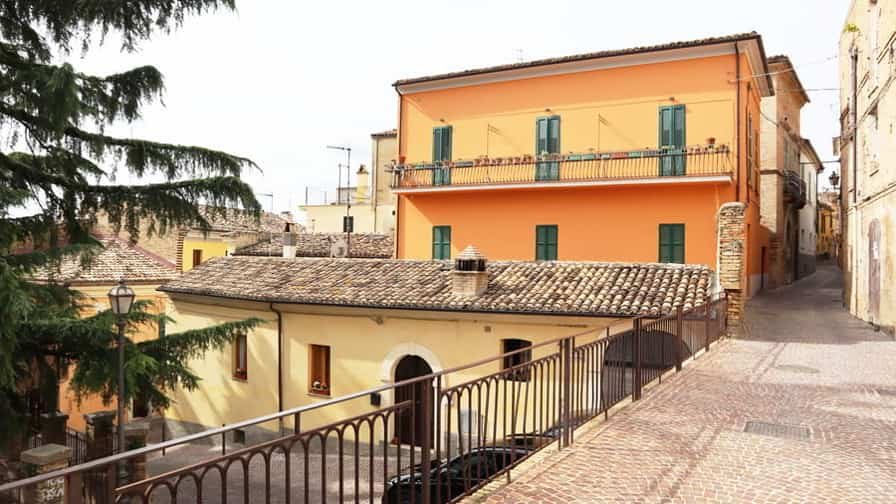
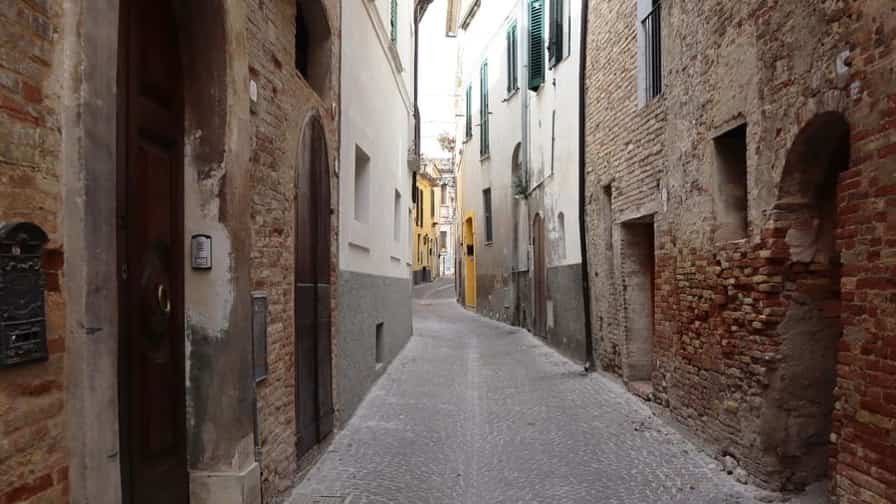
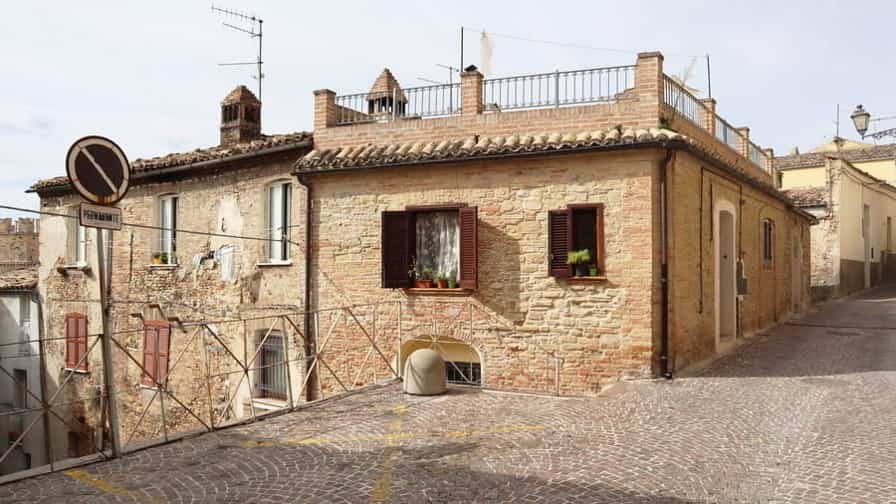
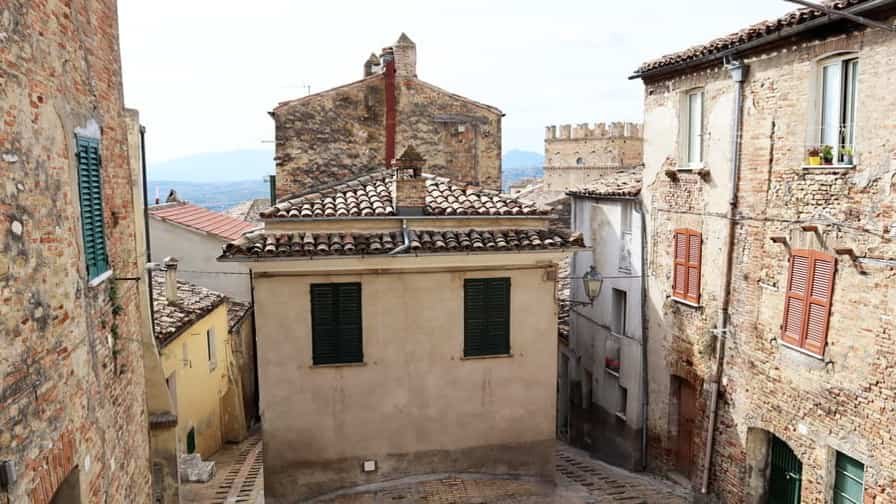
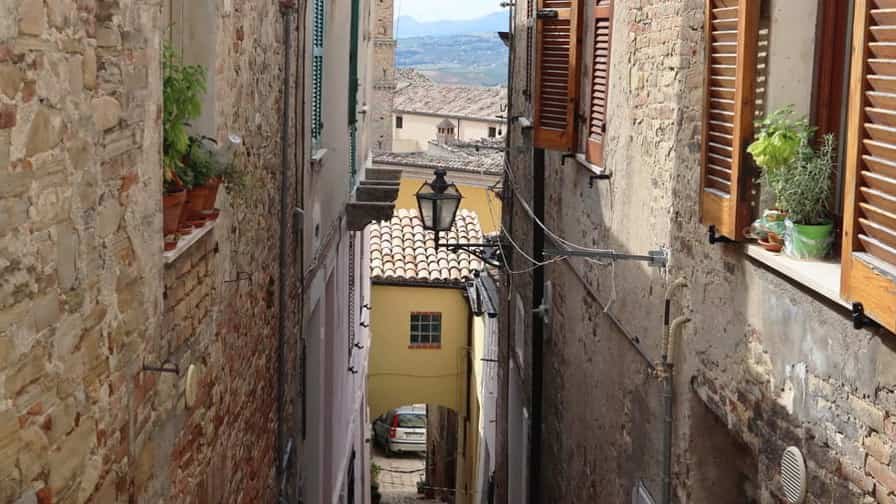
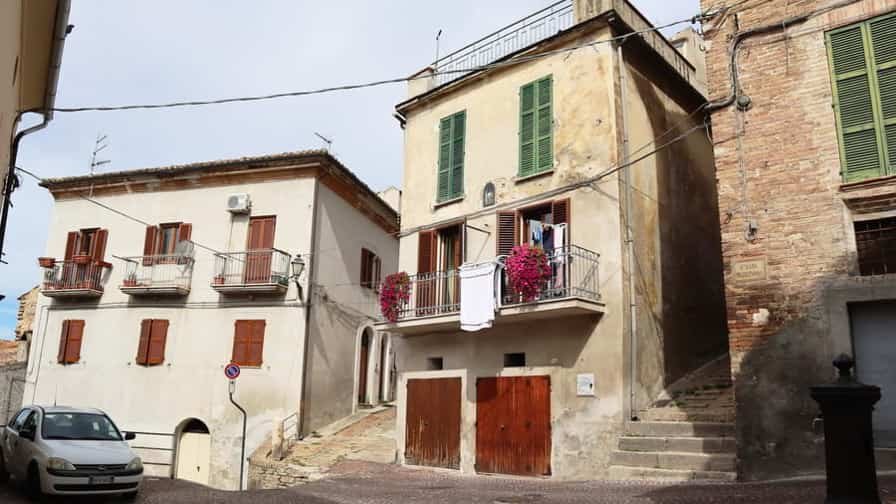
Photo Gallery of Walk 2 – Via Muzio Pansa to Corso Emilio Alessandrini
Approximately 0.65 km – 0.40 miles
The walk starts in Via Muzio Pansa – Piazza Duomo – Via Giovanni B. Leopardi – Centro Storico – Via Giovanni B. Leopardi – Via Roma -Corso Emilio Alessandrini
COPYRIGHT © 2018-2026 ITALY IN PHOTOS – ALL RIGHTS RESERVED