
HOME
REGIONS OF ITALY
PLACES IN ITALY
TRAVEL GUIDES
Italy in Photos
SS374, 83015 Pietrastornina AV, Italy (April 2023)
Pietrastornina
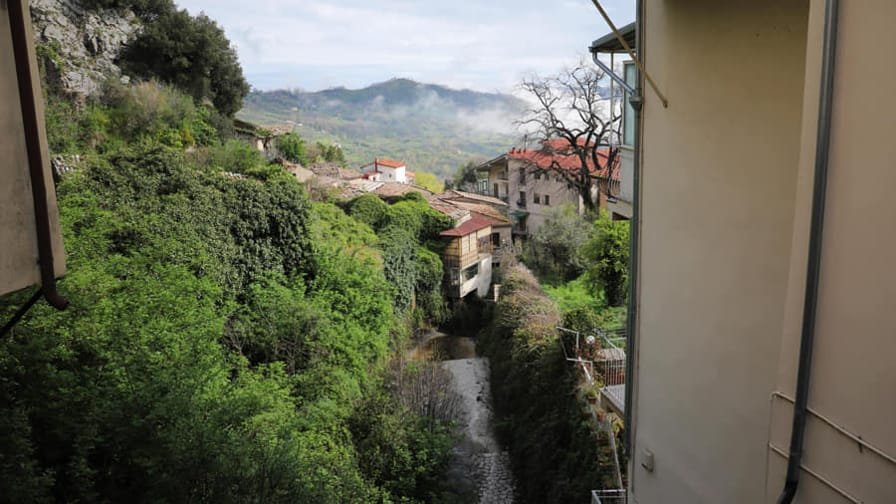
Pietrastornina is a small and evocative village located in the Campania region of southern Italy, nestled in the province of Avellino. Set among the green hills of Irpinia, the town offers a peaceful atmosphere shaped by nature, tradition, and a strong sense of community. Far from the bustle of major cities and popular tourist routes, Pietrastornina represents a quieter and more authentic side of Italy, where daily life continues at a gentle pace and local identity remains deeply rooted in the land.
The history of Pietrastornina is closely tied to its rural surroundings and strategic hillside location. The origins of the village are believed to date back to the medieval period, when small settlements developed in elevated areas for protection and agricultural sustainability. Over time, Pietrastornina grew as a farming community, with families cultivating the surrounding fields and maintaining close ties to the natural environment. The town’s name reflects its connection to stone and landscape, suggesting a settlement shaped by the rugged terrain on which it stands.
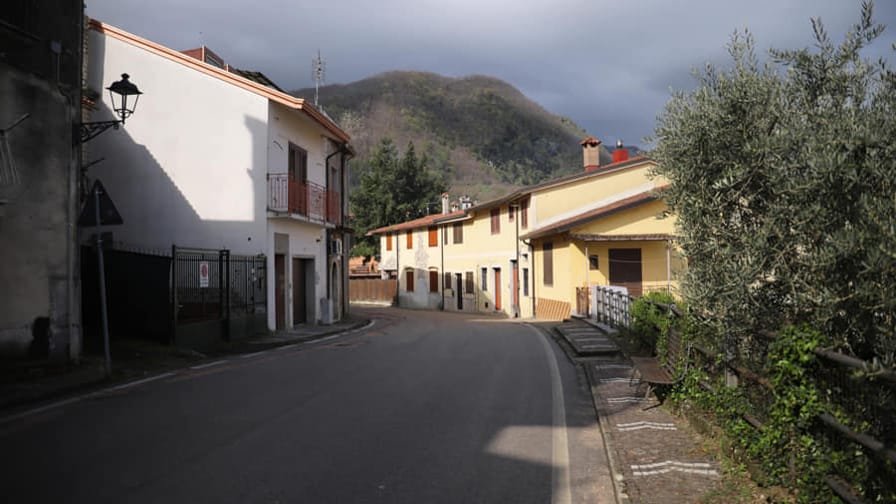
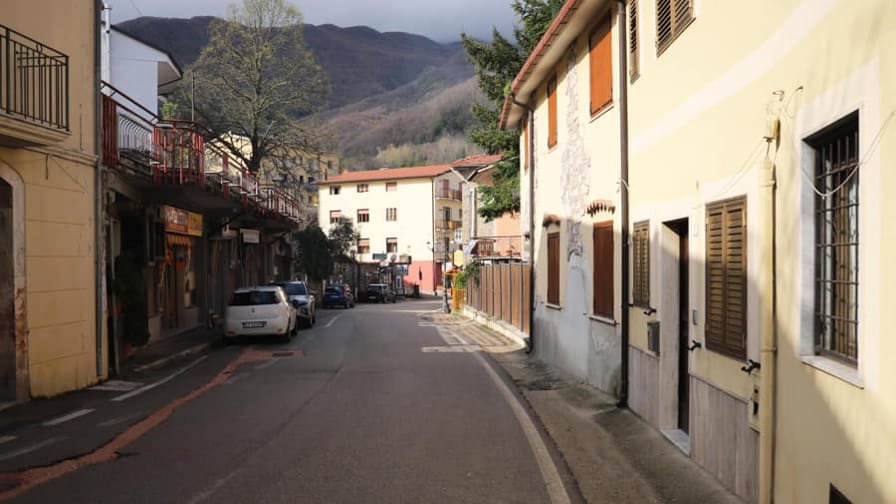
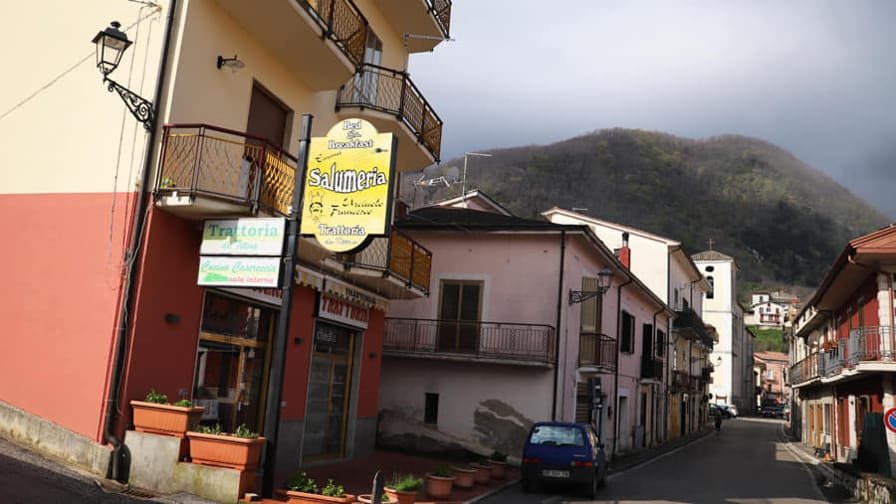
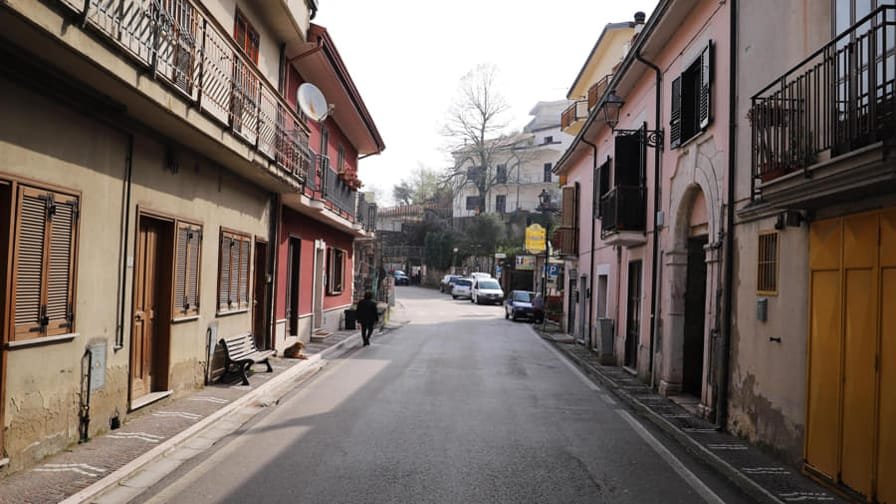
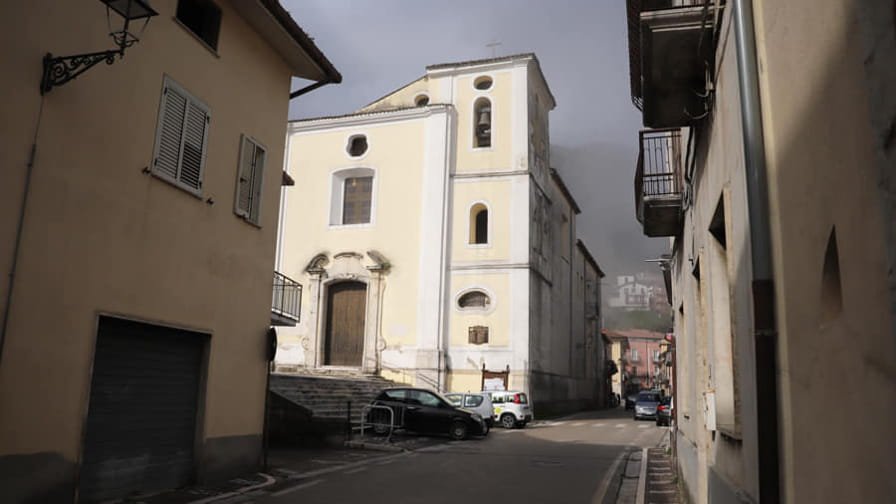
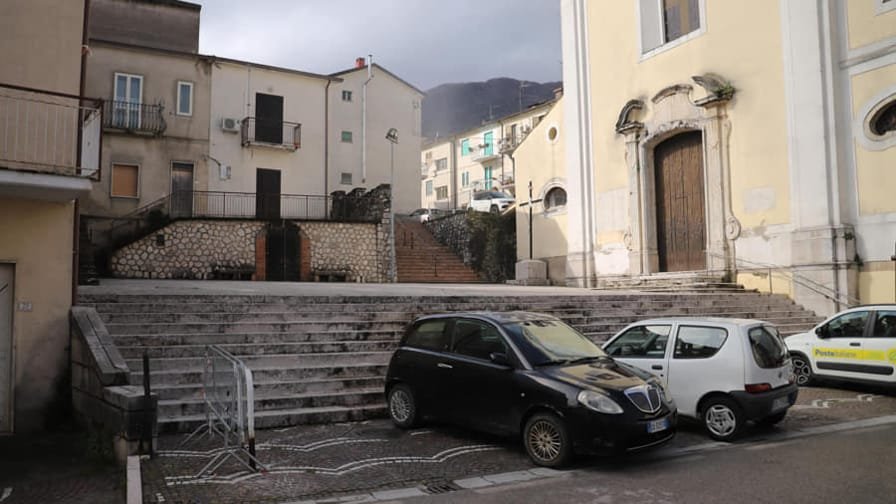
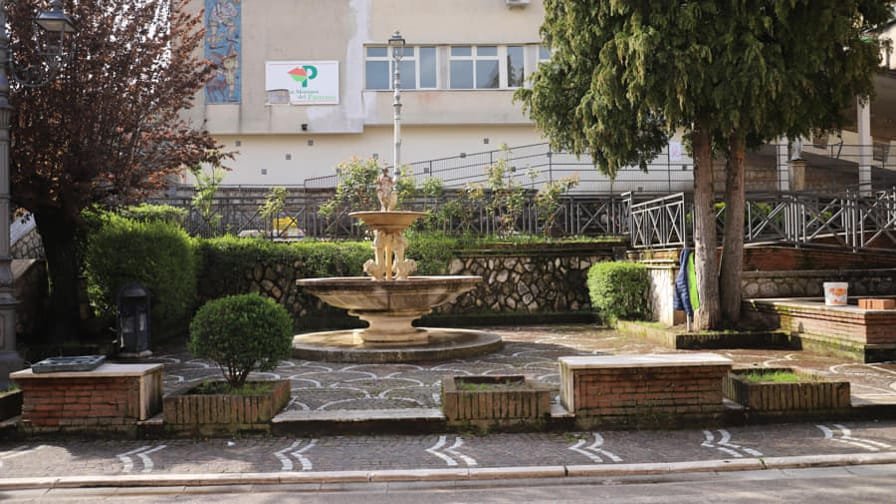
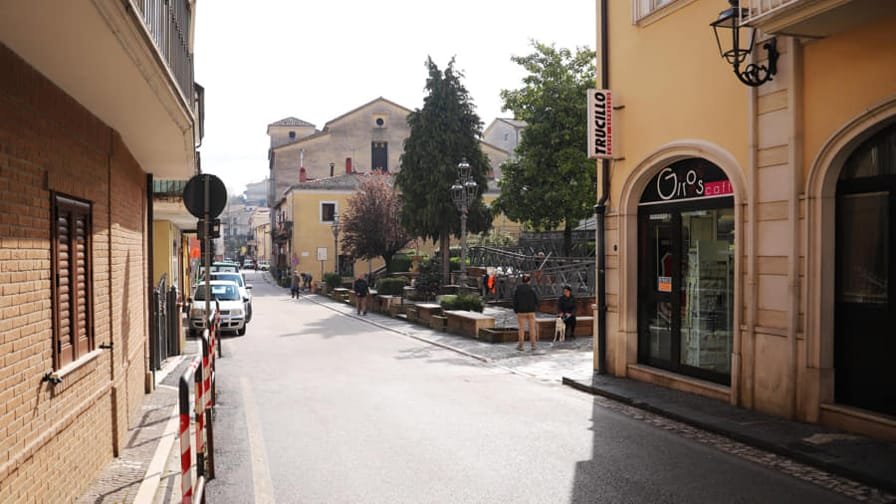
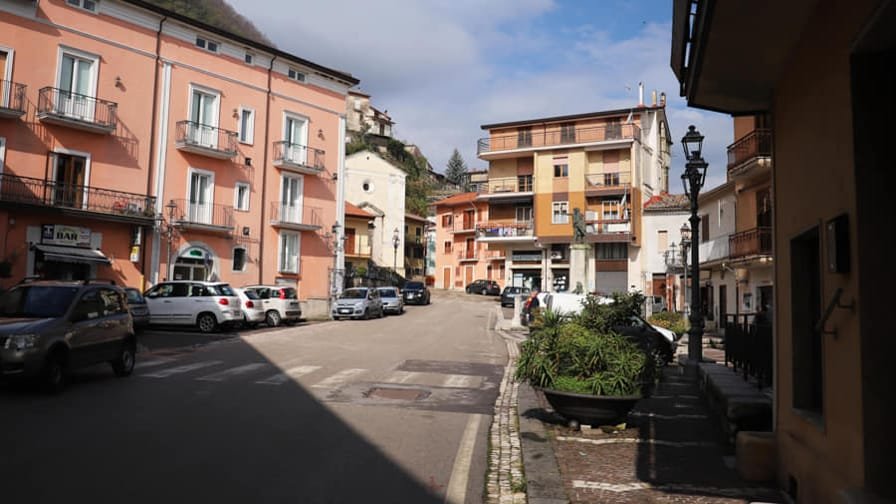
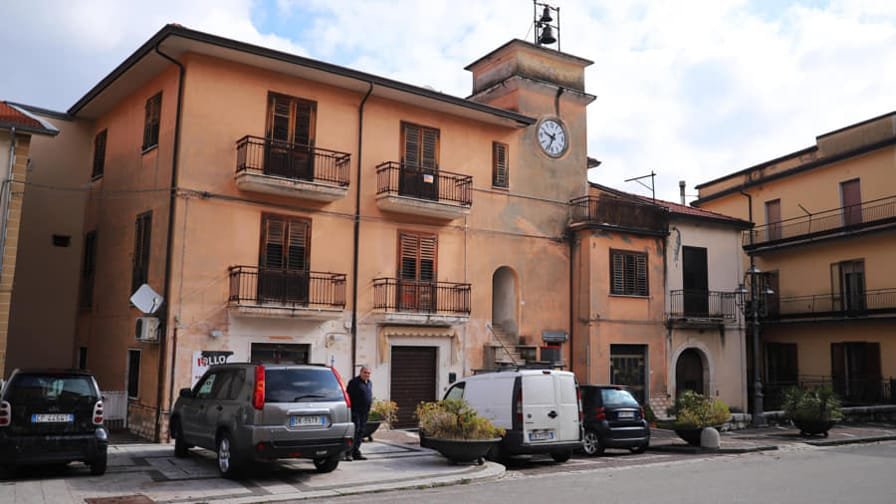
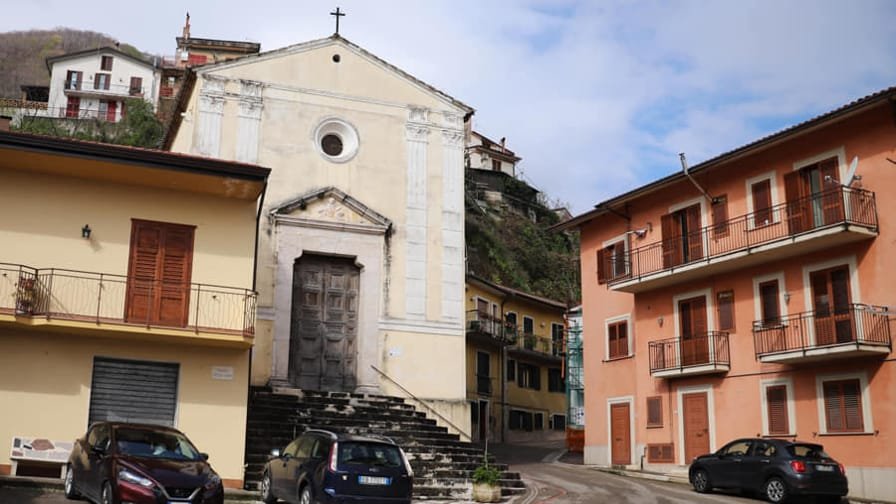
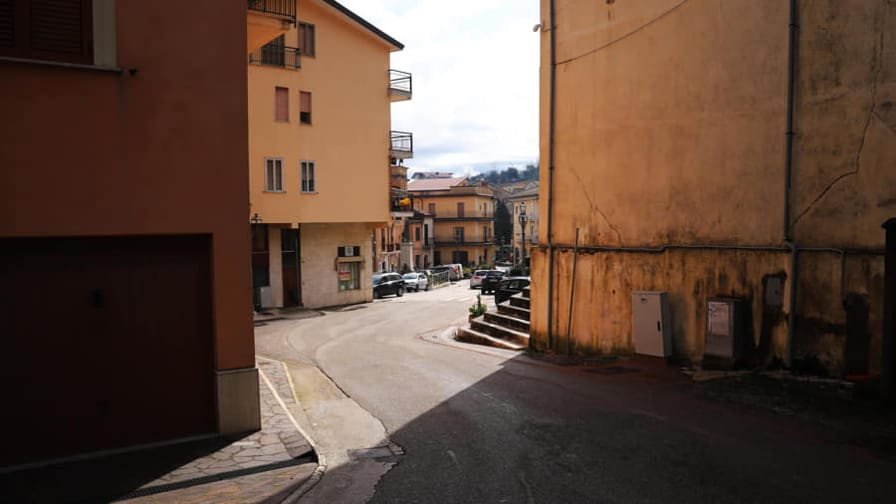
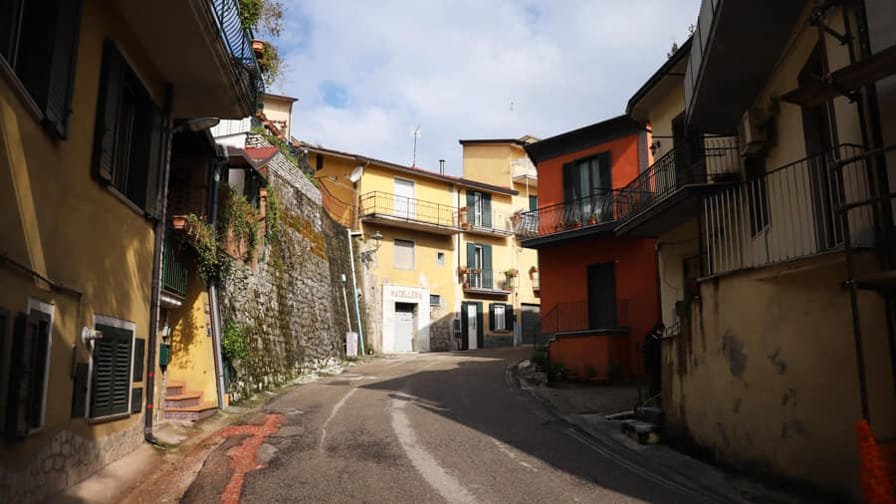
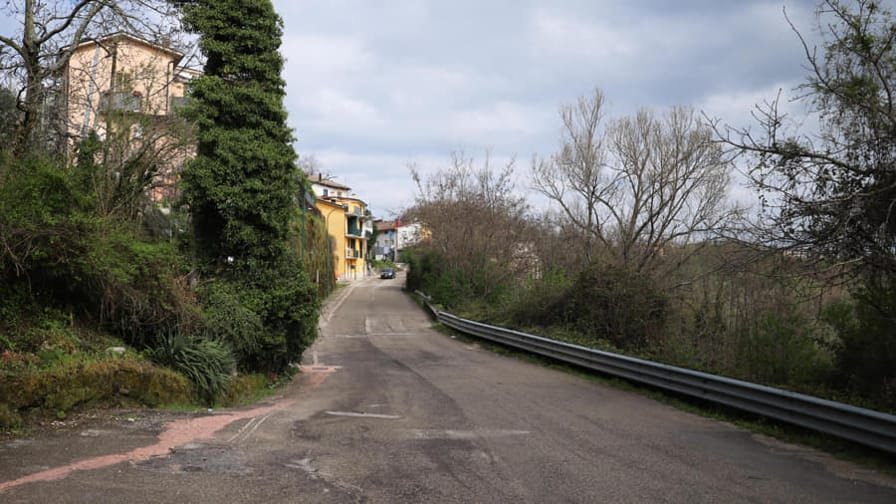
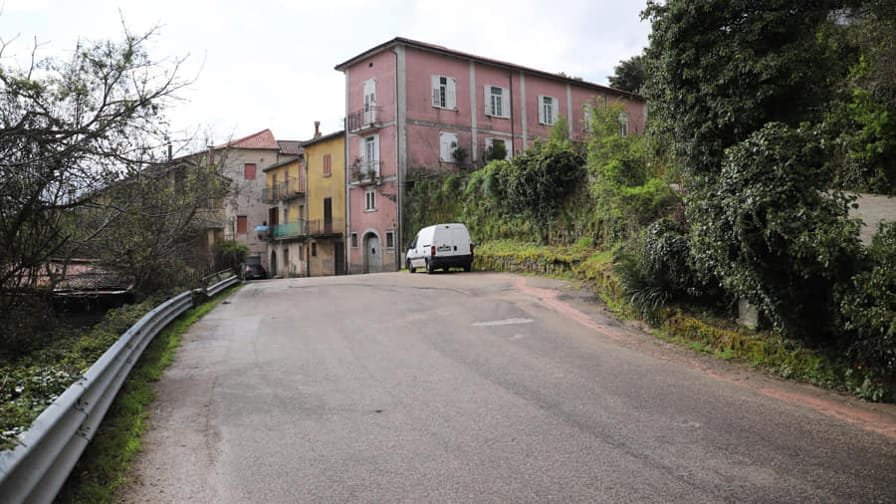
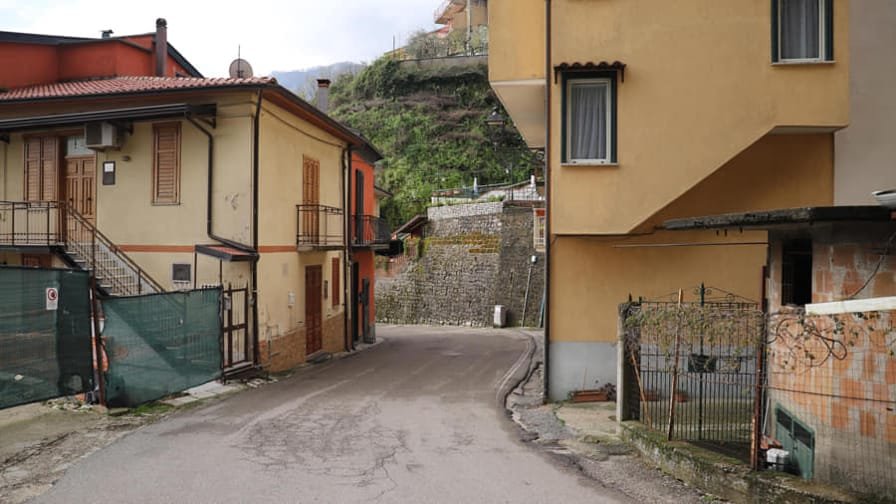
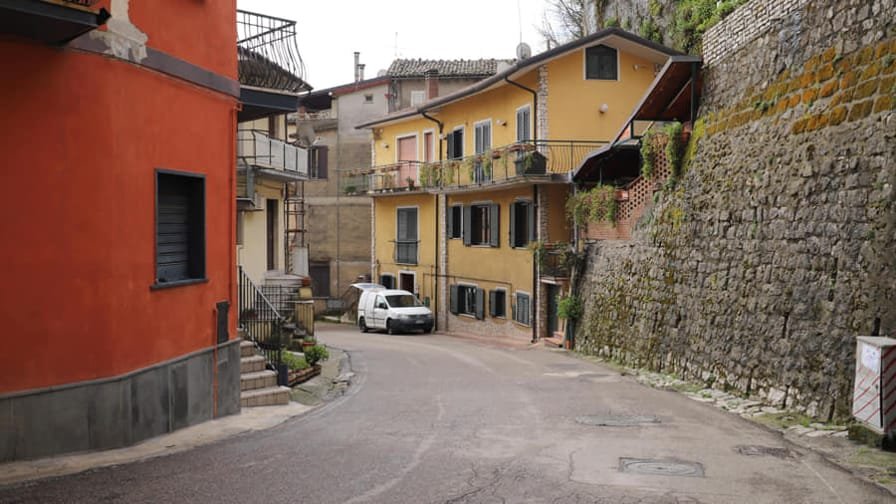
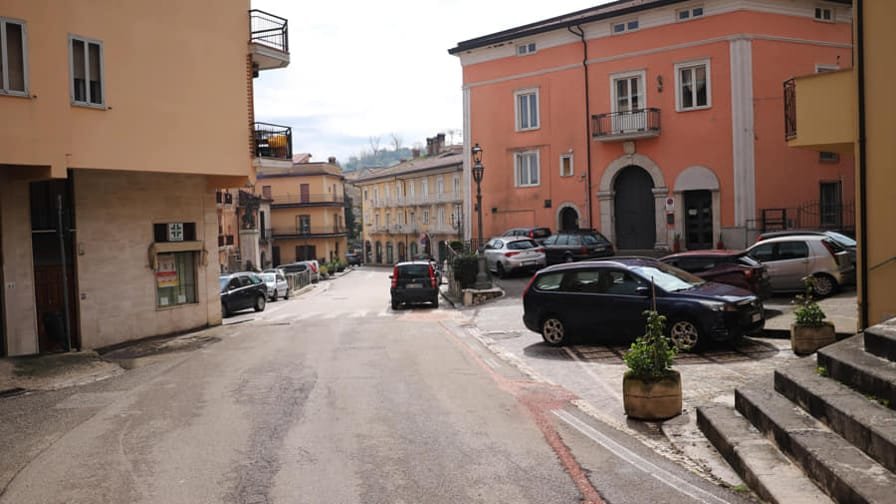
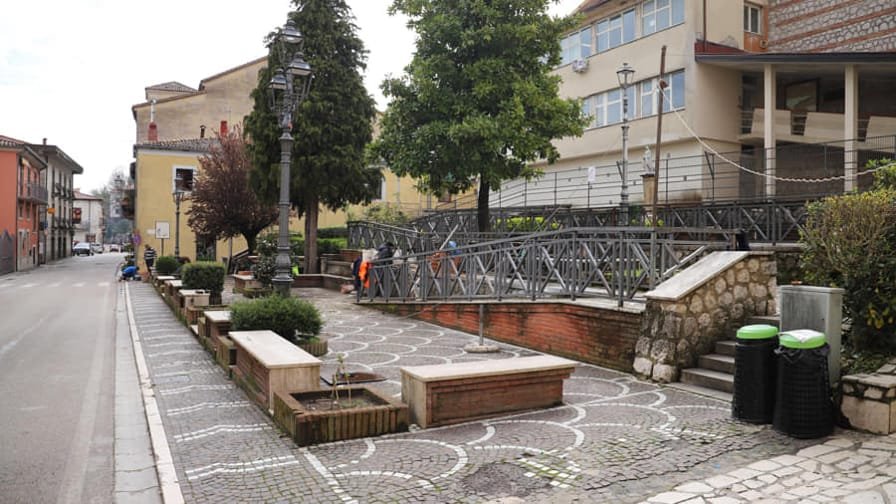
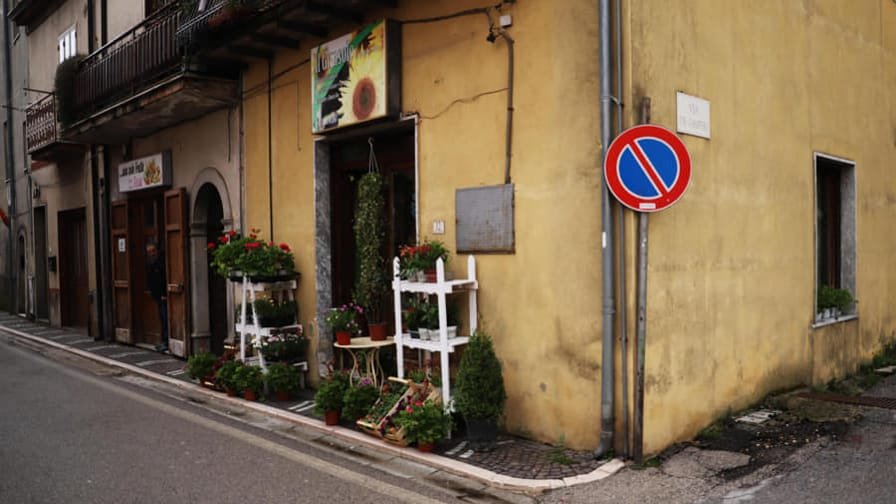
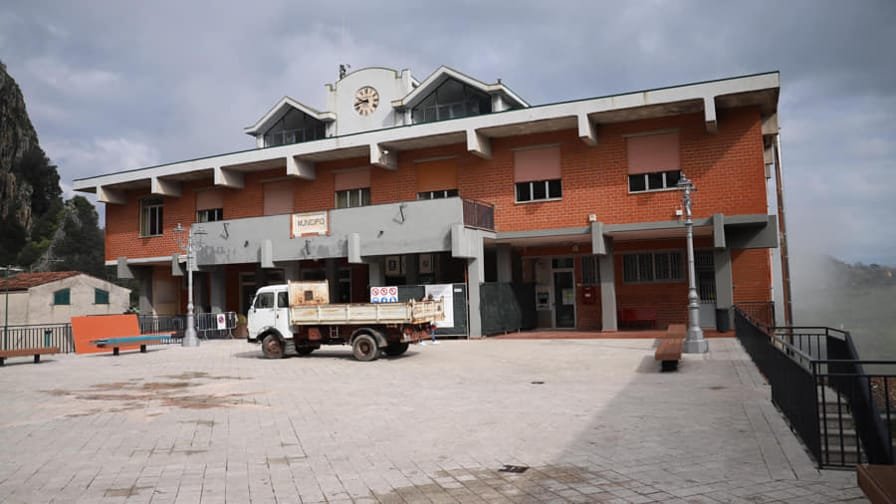
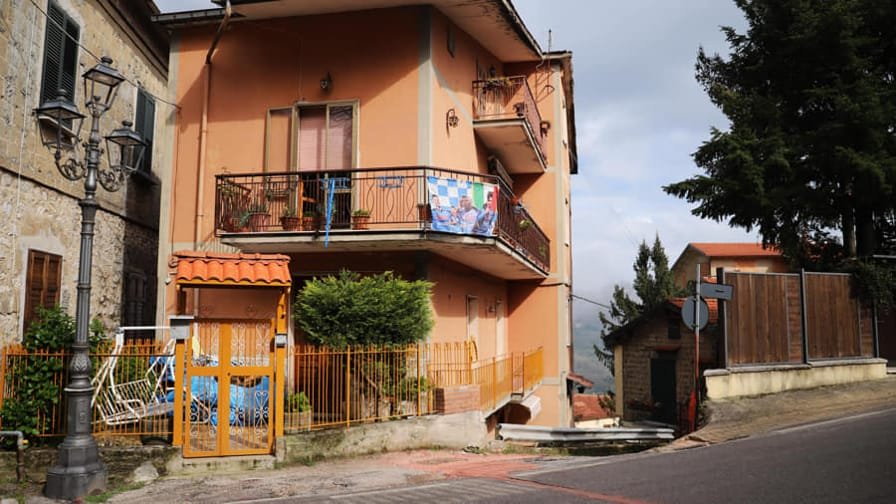
The historic centre of Pietrastornina is characterized by narrow streets, stone houses, and modest squares that preserve the village’s traditional appearance. Walking through the town, visitors encounter simple architecture that reflects centuries of adaptation to local materials and climate. Small churches and chapels serve as important landmarks and gathering places, reinforcing the role of faith in community life. These buildings, while not monumental in scale, carry deep symbolic value for residents and provide continuity between past and present.
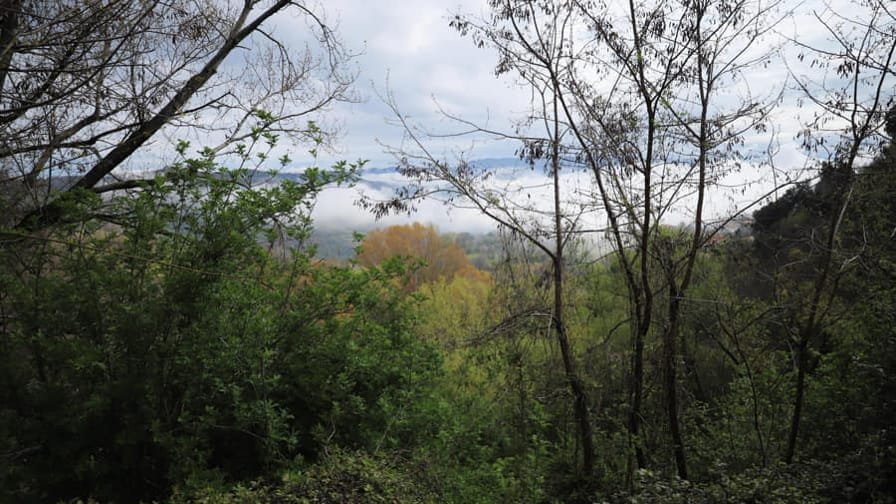
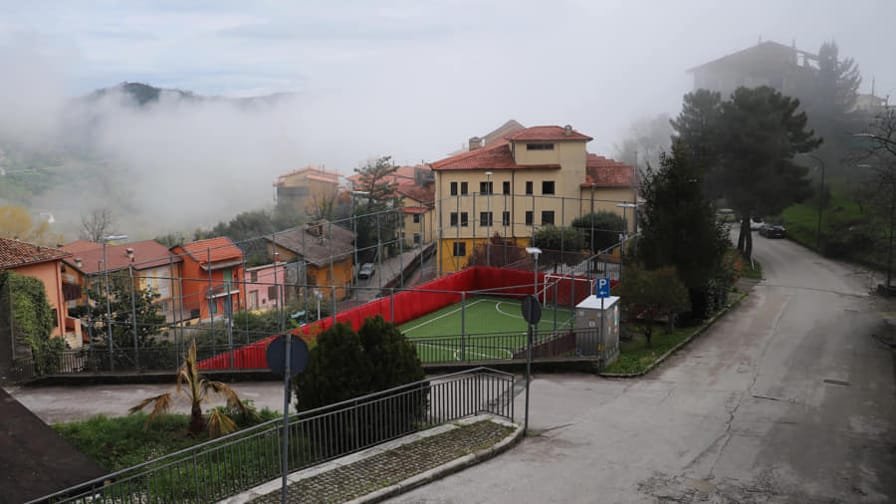
Nature plays a central role in defining Pietrastornina’s identity. The surrounding countryside is marked by rolling hills, wooded areas, and farmland that support agriculture and outdoor activity. Olive groves, vineyards, and small plots of land reflect long standing farming traditions that continue to shape local life. The area offers opportunities for walking, hiking, and enjoying unspoiled landscapes, making it appealing to those who appreciate quiet environments and a close connection to nature. Seasonal changes are strongly felt, influencing both the scenery and the rhythms of daily life.
Local culture in Pietrastornina is rooted in tradition, family, and shared customs. Festivals and religious celebrations punctuate the year, bringing residents together through music, food, and communal rituals. These events often honour patron saints or mark agricultural seasons, reinforcing the bond between the community and its heritage. Such occasions provide insight into the values of cooperation, hospitality, and continuity that define village life.
Cuisine in Pietrastornina reflects the simplicity and richness of Irpinian gastronomy. Meals are based on local ingredients, including grains, vegetables, legumes, cheeses, and olive oil. Traditional recipes are often passed down through generations, prepared with care and attention to seasonal availability. Food is an essential element of social life, with meals serving as moments of connection and shared identity. Visitors are often welcomed warmly and invited to experience the flavours that define the region.
Despite its small size, Pietrastornina is connected to the broader cultural and geographical context of Campania. Nearby towns and cities provide access to additional historical sites, while the natural landscape offers a sense of continuity and isolation that many find appealing. The village’s relative seclusion has helped preserve its traditions and character, allowing it to remain largely untouched by mass tourism.
Pietrastornina is a village that offers an intimate introduction to rural southern Italy. Its quiet streets, natural surroundings, and enduring traditions create a sense of authenticity and calm. Pietrastornina invites visitors to slow down, observe, and engage with a way of life shaped by history, landscape, and community, offering a meaningful and reflective Italian experience.
Worth a Visit
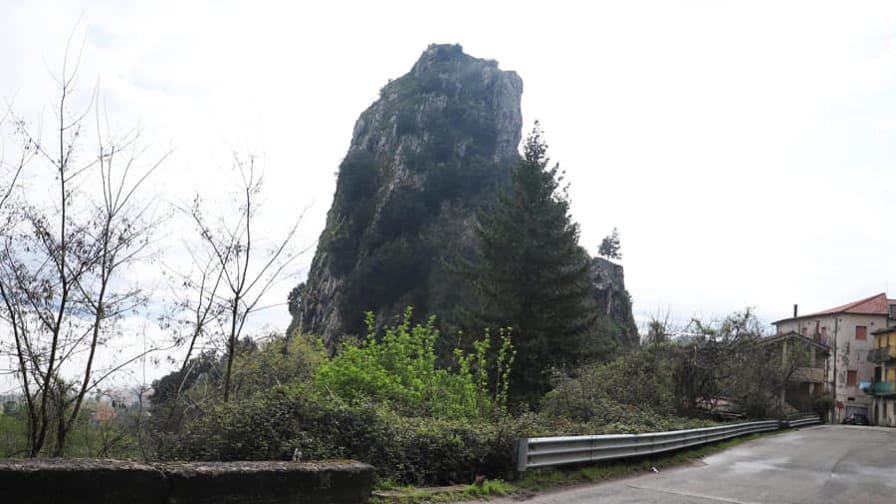
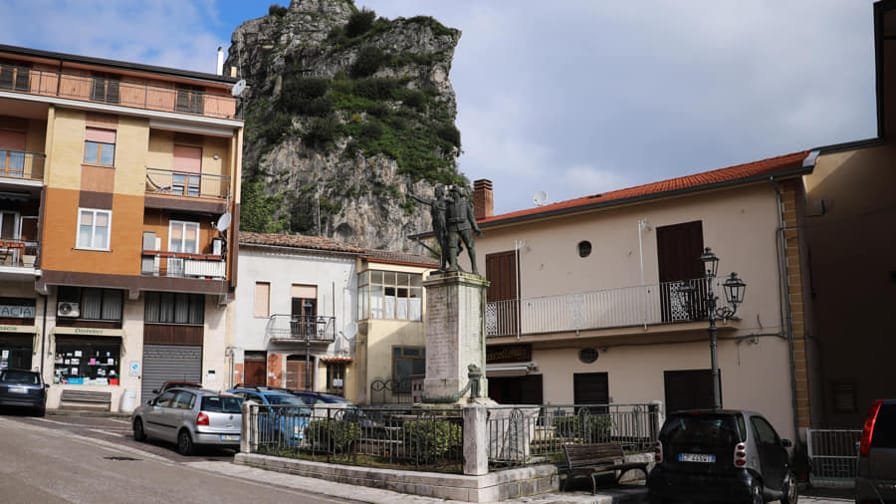
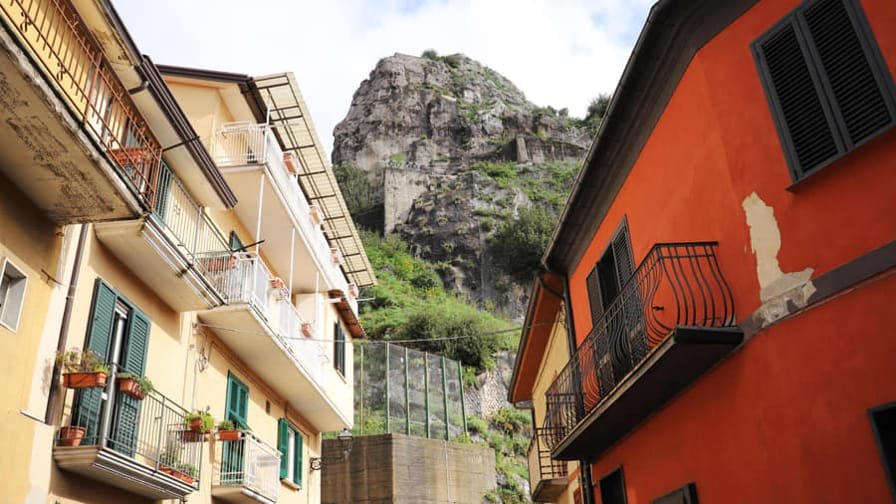
Rising dramatically above the historic village of Pietrastornina, the Castello–Guglia Rocciosa is a striking fusion of nature and human ingenuity. Perched on a jagged rocky spur, this ancient stronghold dominates the surrounding landscape, offering sweeping views of the Apennine hills and the valleys below. The castle’s position alone tells a story of defence and vigilance: stone walls seem to grow directly out of the rock, as if shaped by the same forces that carved the cliff itself. Over centuries, the Castello–Guglia Rocciosa has borne witness to shifting powers, local conflicts, and the everyday life of the communities that sought refuge under its watchful presence. Though time has left its marks—weathered stones, partial ruins, and silent towers—the site retains a powerful sense of identity and memory. Walking among its remains, one can still imagine the rhythm of medieval life, the strategic importance of the height, and the symbolic authority the castle once represented. Today, the Castello–Guglia Rocciosa stands not only as a monument to the past, but also as a cultural and landscape landmark. It invites visitors to explore history through place, where architecture, geology, and tradition come together in a uniquely evocative setting.
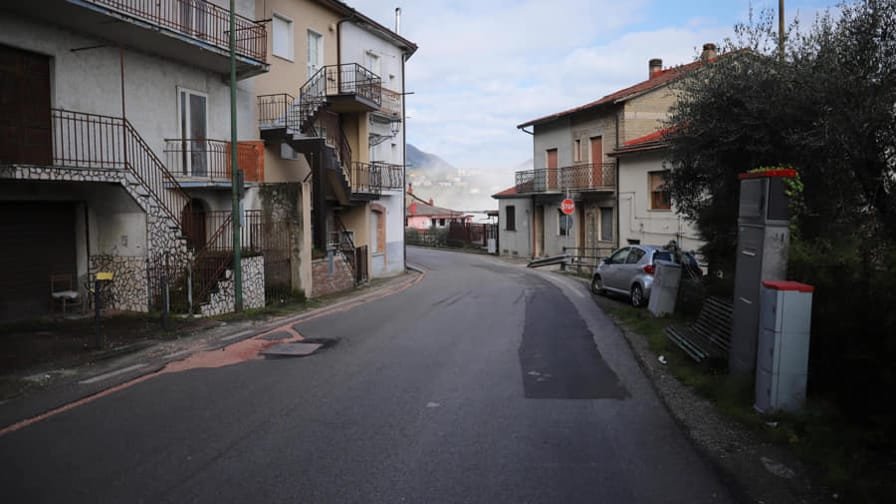
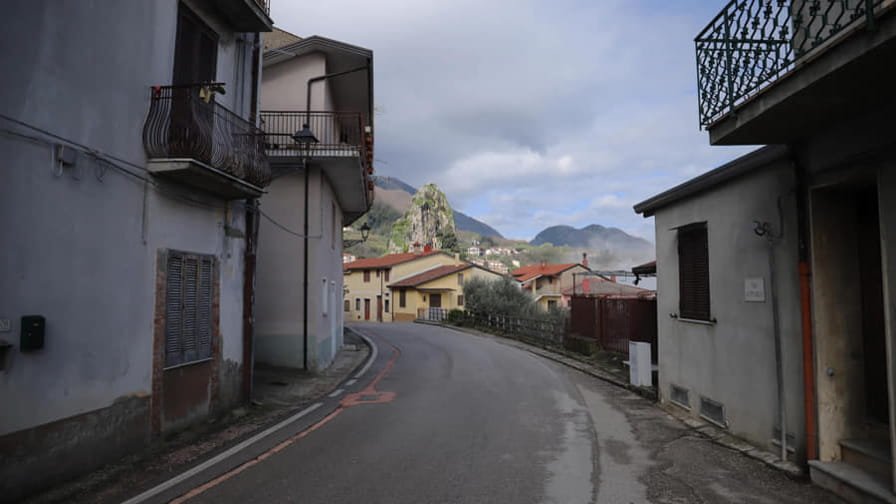
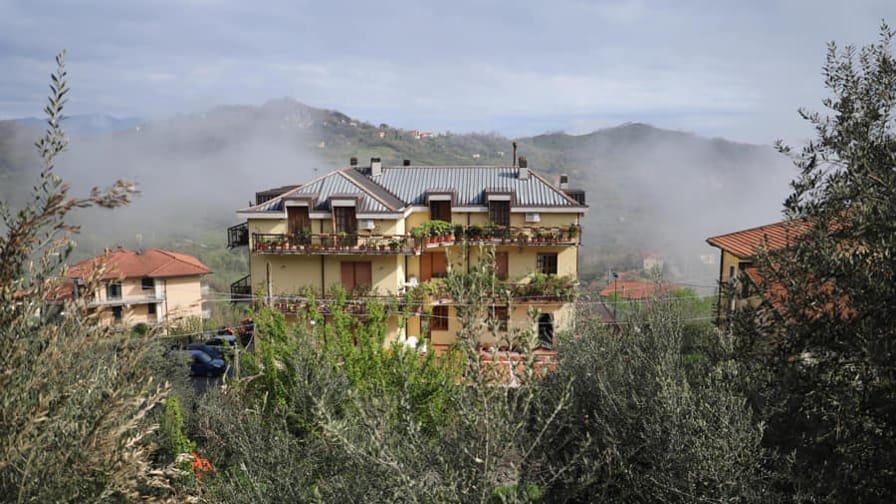
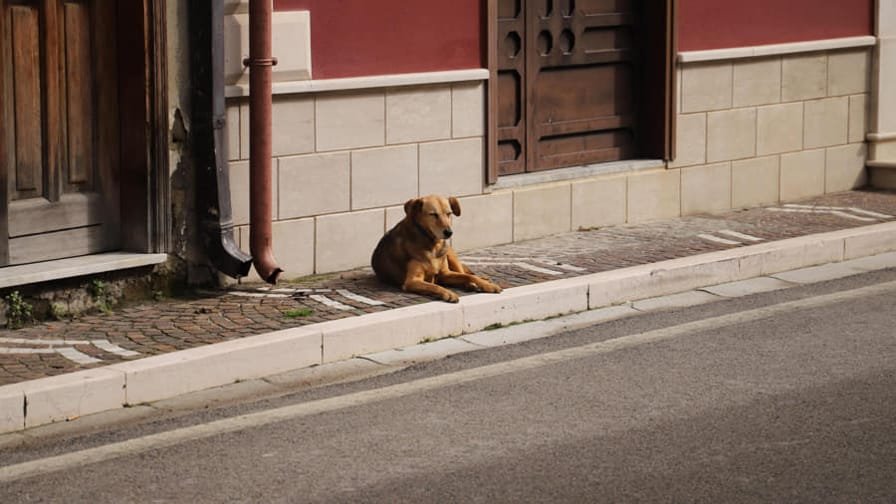
Photo Gallery of Walk – SS374 to Corso Partenio – SS374
Approximately 0.00 km – 0.00 miles
The walk starts in – SS374 – Corso Partenio – SS374 – Via Roma – Back along SS374 – Back along Via Roma – Back along SS374 – Piazza Vittorio Veneto – Aldo Moro, Piazzale Salvatore Iermano – Corso Partenio – SS374
COPYRIGHT © 2018-2026 ITALY IN PHOTOS – ALL RIGHTS RESERVED