
HOME
REGIONS OF ITALY
PLACES IN ITALY
TRAVEL GUIDES
Italy in Photos
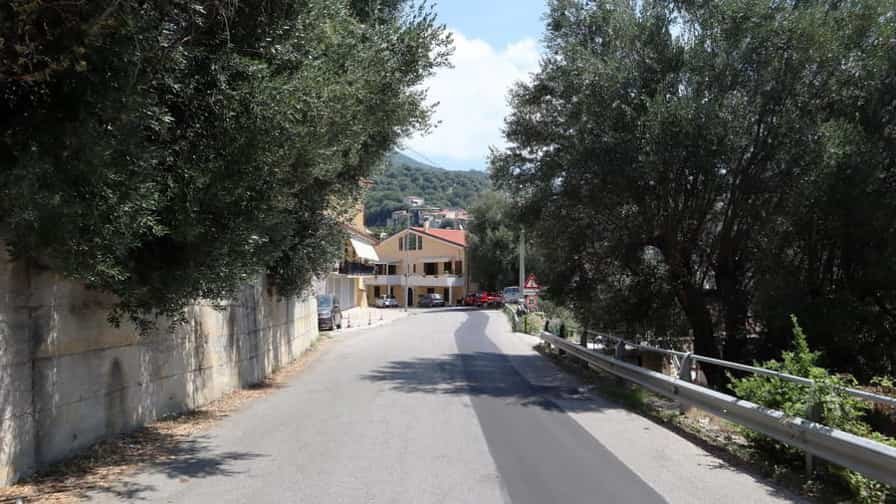
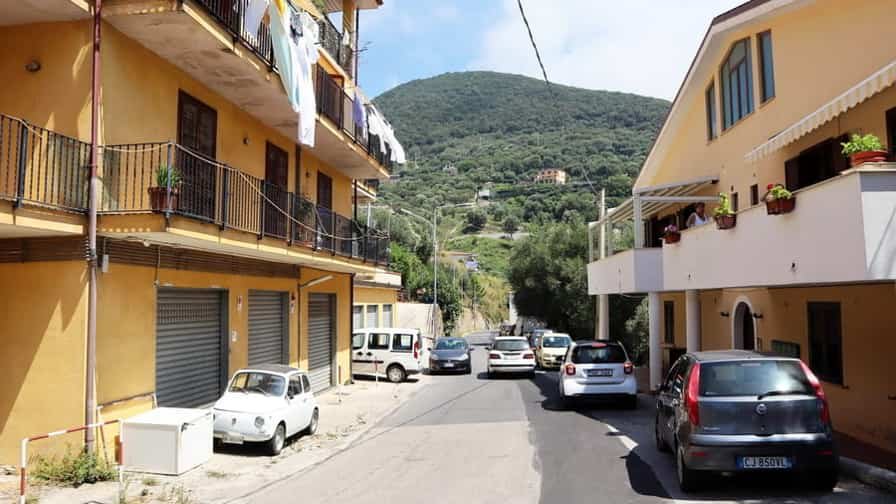
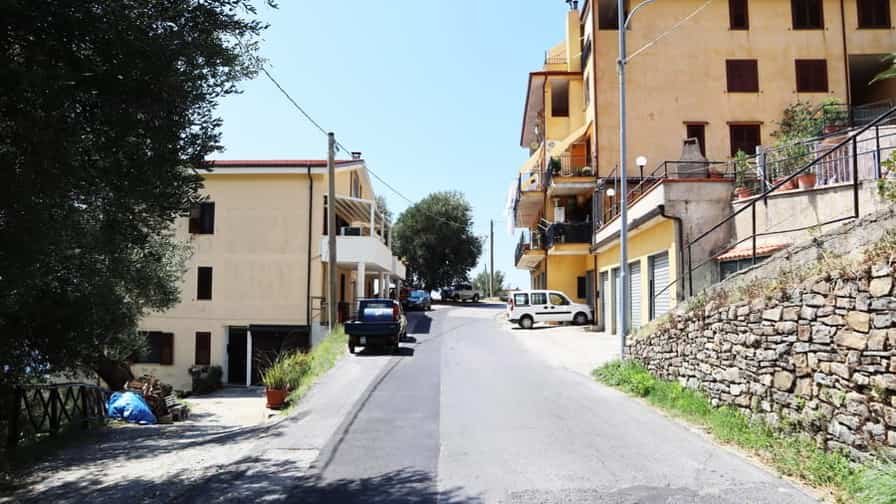
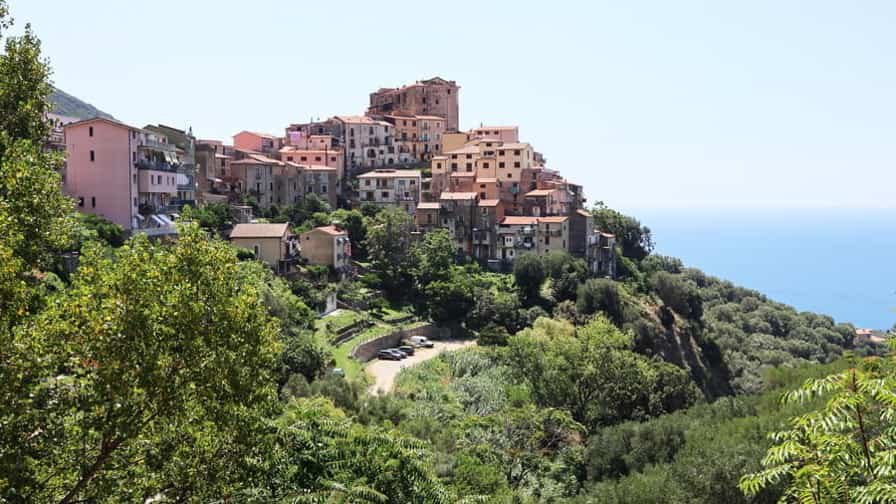
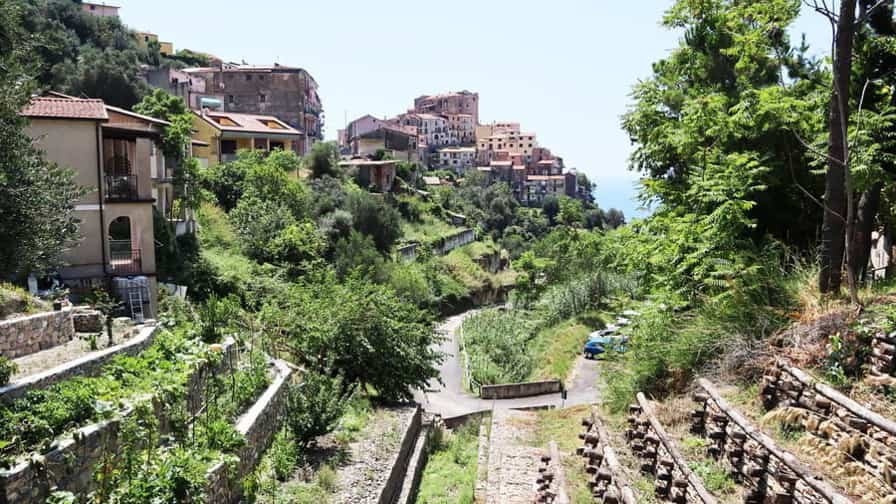
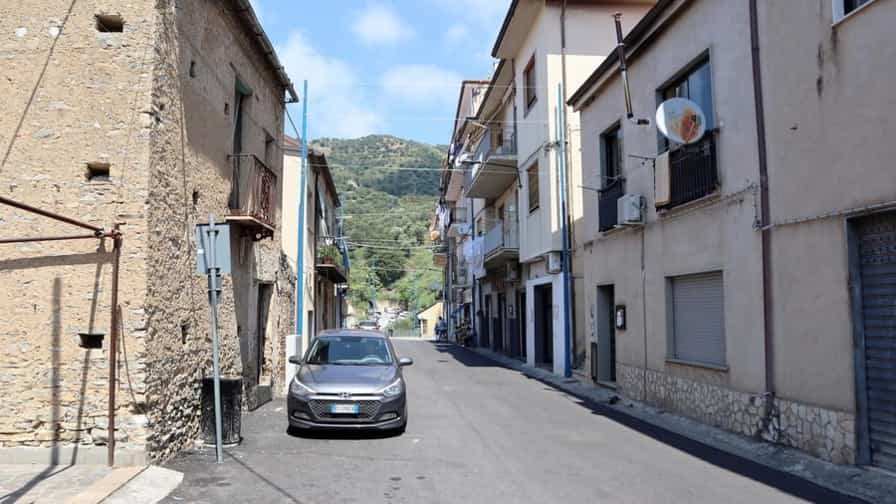
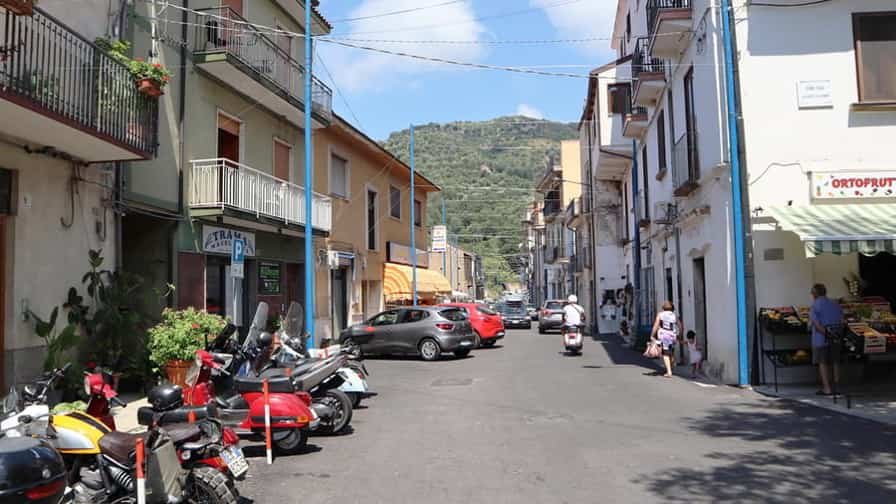
Via Salerno, 84066 Pisciotta, Italy August (2019)
Pisciotta
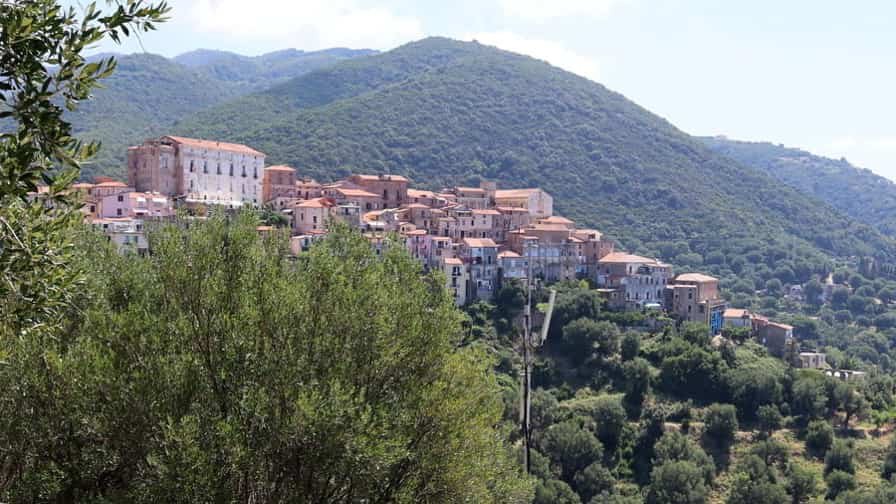
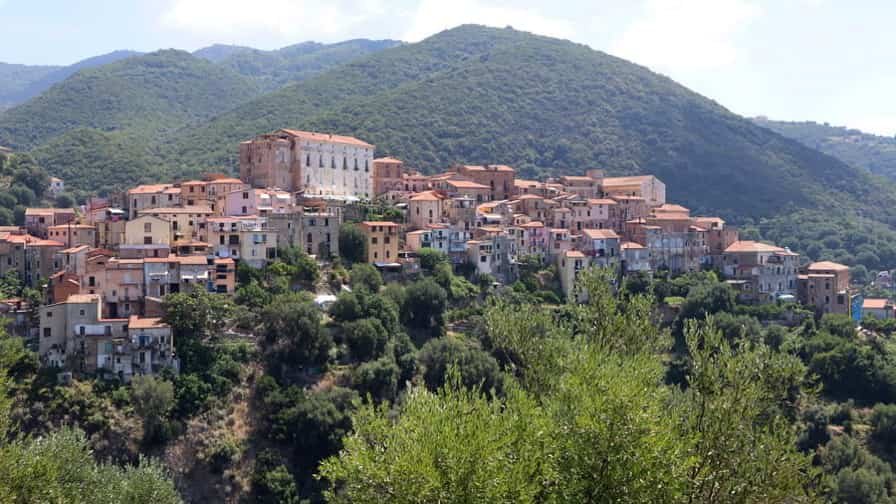
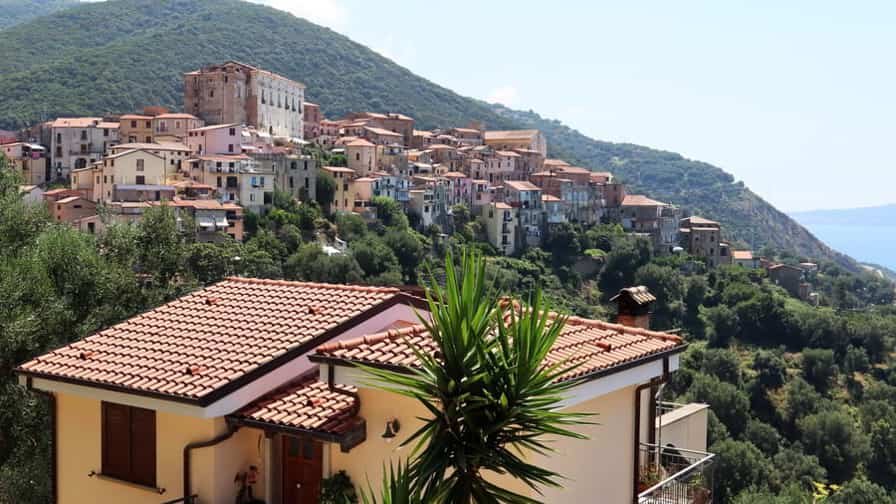
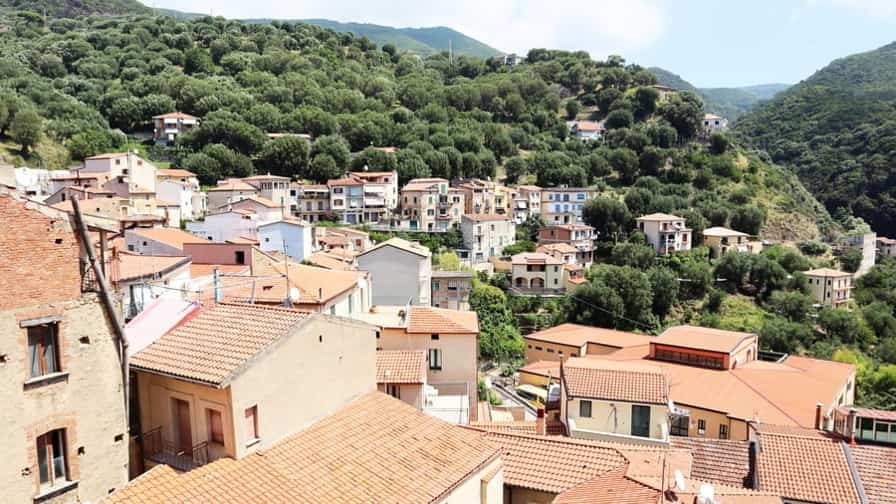
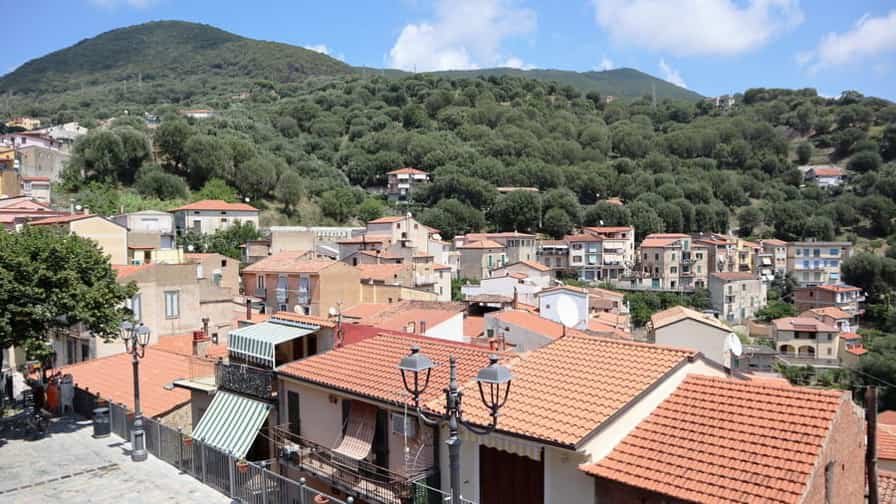
Pisciotta is a small and enchanting village in southern Italy, nestled in the hills of the Cilento region in Campania. Overlooking the Tyrrhenian Sea, this historic town offers a striking blend of natural beauty, ancient traditions, and a slower pace of life that feels deeply connected to the past. Far removed from the crowds of Italy’s major tourist cities, Pisciotta invites visitors to experience an authentic Mediterranean atmosphere shaped by centuries of rural life, seafaring culture, and close ties to the land.
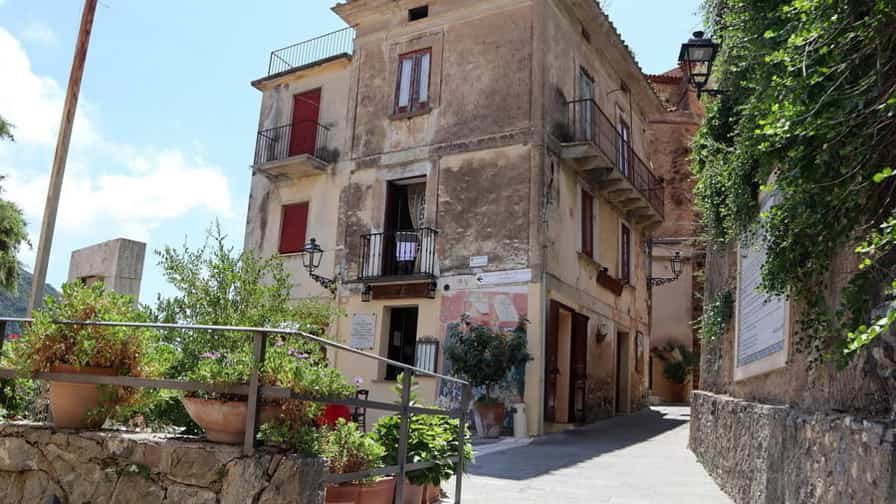
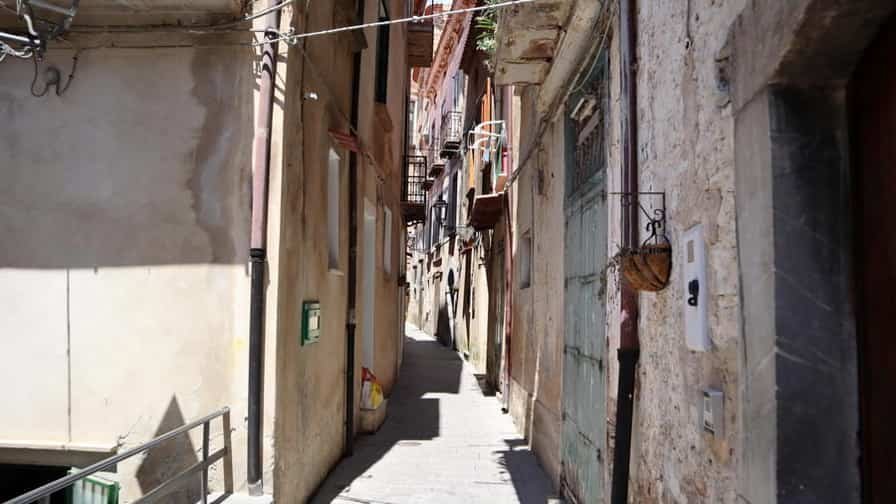
The origins of Pisciotta can be traced back to ancient times, with influences from Greek and Roman civilizations that once dominated the southern Italian coastline. Over the centuries, the village developed as a fortified settlement, designed to protect its inhabitants from invasions and pirate raids. Its historic centre still preserves this medieval character, with narrow stone streets, steep stairways, and tightly clustered houses that follow the natural contours of the hill. Walking through Pisciotta feels like stepping into a living history, where architecture and daily life remain closely intertwined.
One of Pisciotta’s most distinctive features is its relationship with olive cultivation. The surrounding countryside is dotted with ancient olive trees, many of them centuries old, whose twisted trunks are a powerful symbol of endurance and continuity. The village is particularly known for the Pisciottana olive, a local variety prized for its rich flavour and high-quality oil. Olive harvesting remains an important seasonal ritual, bringing families and neighbours together and reinforcing a strong sense of community. This agricultural heritage is central to Pisciotta’s identity and contributes to its reputation for simple yet refined cuisine.
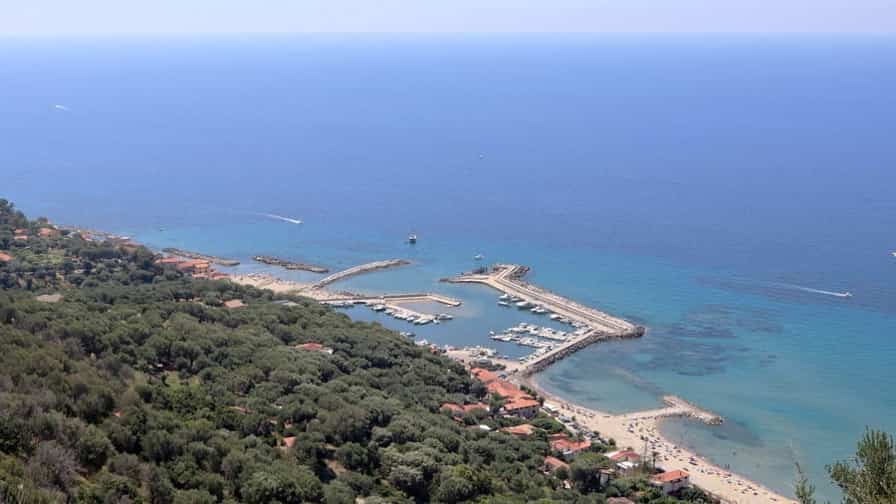
The coastal area below the historic village adds another dimension to Pisciotta’s character. Marina di Pisciotta, the seaside district, offers small beaches, a modest harbour, and clear waters that reflect the unspoiled nature of the Cilento coast. Fishing has long been a vital part of local life, and traditional techniques are still practiced today. Fresh seafood features prominently in local dishes, often prepared with minimal ingredients to highlight natural flavours. The connection between the village, the sea, and the surrounding land creates a harmonious balance that defines everyday life in Pisciotta.
Cultural and religious traditions play an important role in maintaining the village’s social fabric. Festivals dedicated to patron saints, along with seasonal celebrations linked to agriculture and fishing, bring the community together throughout the year. These events are marked by processions, music, and shared meals, offering visitors a glimpse into the collective spirit that has sustained Pisciotta across generations. Such traditions are not staged performances, but genuine expressions of local identity and continuity.
Pisciotta is also part of the Cilento, Vallo di Diano and Alburni National Park, a protected area recognized for its environmental and cultural significance. This setting ensures the preservation of both the landscape and traditional ways of life. Trails, coastal paths, and scenic viewpoints allow visitors to explore the region’s natural beauty while appreciating its historical depth.
Pisciotta is a place defined by harmony rather than spectacle. Its appeal lies in quiet moments, timeless landscapes, and a community that remains closely connected to its roots. As an introduction to southern Italy’s lesser-known treasures, Pisciotta offers a deeply human experience, where history, nature, and daily life exist in thoughtful balance.
Worth a Visit
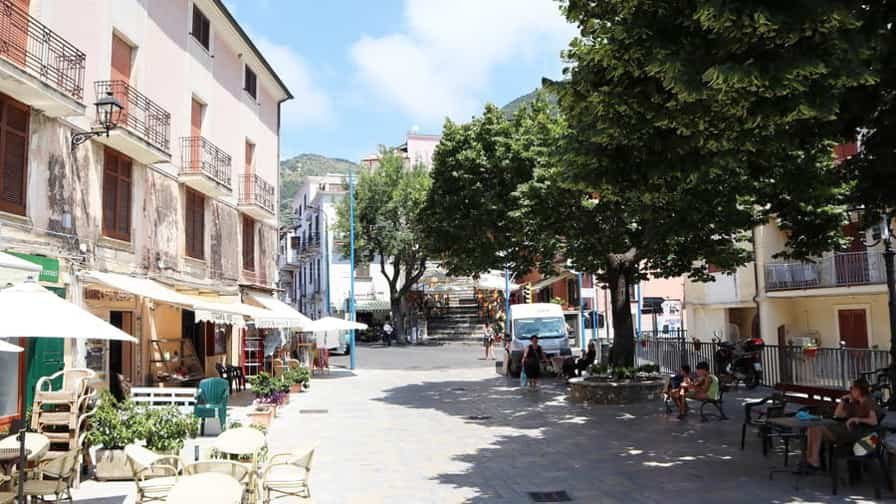
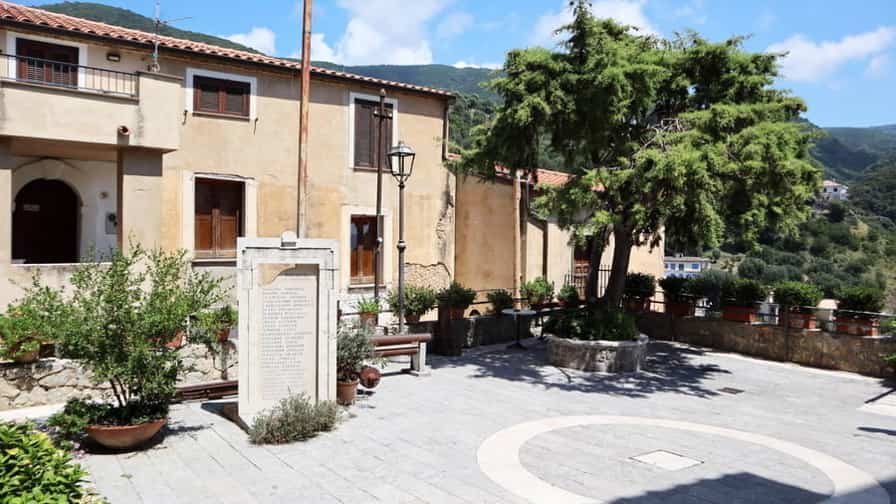
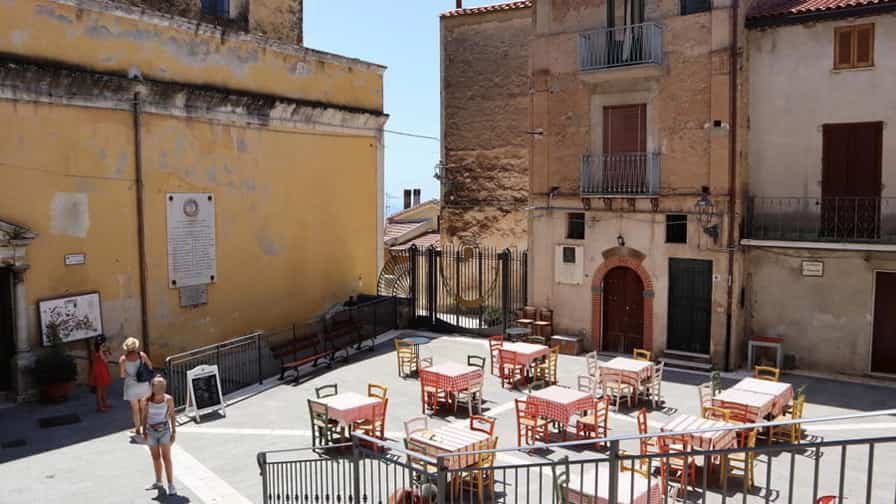
Piazza R. Pinto lies at the heart of Pisciotta, a small medieval village perched above the Tyrrhenian Sea in southern Italy. Set within the historic core of the town, the piazza is more than a physical space—it is a gathering point where daily life, history, and landscape quietly intersect. Surrounded by stone houses, narrow alleys, and traditional architecture, the square reflects the authentic character of the Cilento region, far from the pace of larger tourist centres. From Piazza R. Pinto, visitors can sense Pisciotta’s deep connection to its past. The village’s ancient origins are echoed in the layout of the streets and the enduring simplicity of the buildings that frame the square. Locals pass through on their way to markets, conversations unfold on benches, and the rhythms of village life remain largely unchanged. The piazza also offers moments of stillness, where one can pause and take in views toward the surrounding hills and the distant coastline. As a central reference point within Pisciotta, Piazza R. Pinto embodies the spirit of the town: intimate, welcoming, and rooted in tradition. It serves as an ideal starting place to explore the village’s cultural heritage, scenic beauty, and timeless southern Italian atmosphere.
Photo Gallery of Walk 1 – Via S. Michele to Loggia Amblingh
Approximately 1.23 km – 0.76 miles
The walk starts in Via S. Michele – Parco Villa Comunale, Viale Rimembranza – Viale Rimembranza – Piazza Guglielmo Marconi – Via Tre Segni – walk back to Piazza Guglielmo Marconi – Municipal Market Hall of Santa Chiara, Piazza Santa Chiara – Via Sportello – Via Tripoli – Via Santa Maria – Chiesa Santa Maria Maggiore, Via Santa Maria – Via Santa Maria – Piazza del Tomolo – Via Catena – Porta Catena, Loggia Amblingh





COPYRIGHT © 2018-2026 ITALY IN PHOTOS – ALL RIGHTS RESERVED